Southern Hills Specialty Care
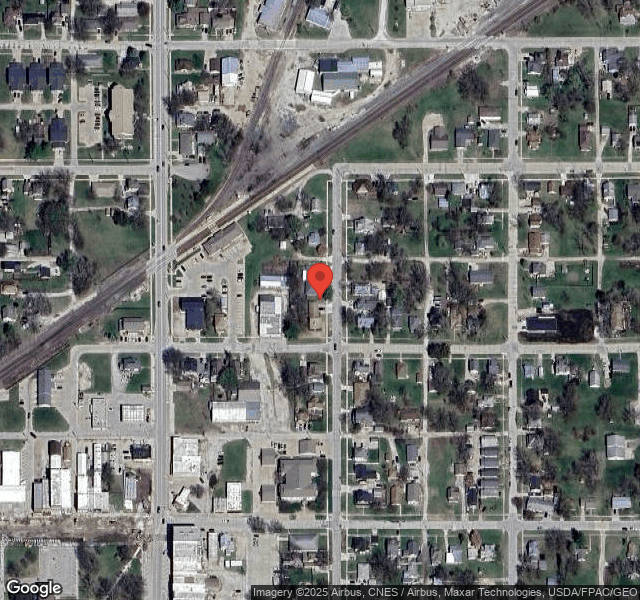
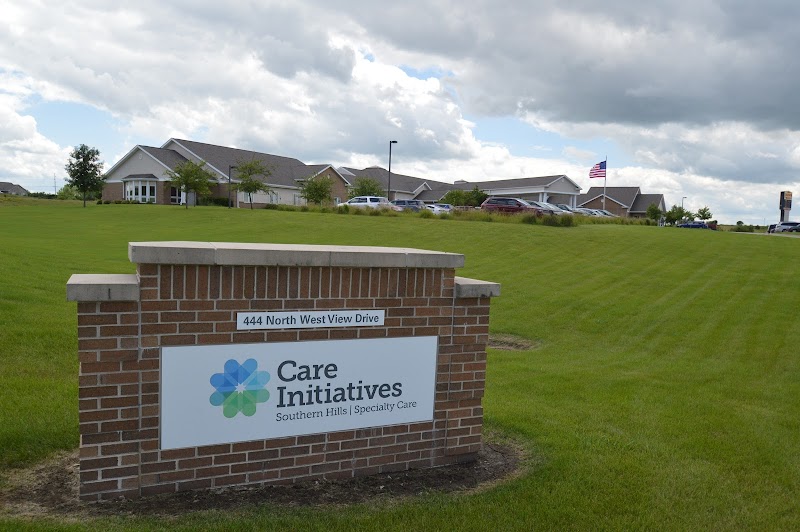
444 NORTH WEST VIEW DRIVE, OSCEOLA, IA 50213 (641) 342-6061
Non profit - Corporation 90 Beds CARE INITIATIVES Data: November 2025 1 Immediate Jeopardy citation
Trust Grade
48/100
#230 of 392 in IA
Last Inspection: August 2025

Inspected within the last 6 months. Data reflects current conditions.

Overview

Southern Hills Specialty Care has a Trust Grade of D, indicating below-average performance with some significant concerns. The facility ranks #230 out of 392 in Iowa, placing it in the bottom half of nursing homes in the state, but it is the only option available in Clarke County. Unfortunately, the trend is worsening, as the number of issues found increased from 1 in 2024 to 6 in 2025. Staffing is somewhat stable, with a turnover rate of 38%, which is better than the state average, and RN coverage is average, meaning residents receive a standard level of nursing oversight. However, the facility has incurred $50,177 in fines, which is concerning and suggests ongoing compliance issues. Specific incidents raise alarms, such as a resident with cognitive impairment who was able to leave the facility unnoticed, posing a serious risk to their safety. Additionally, there have been repeated failures to serve food in a sanitary manner, with staff not properly changing utensils or sanitizing equipment, which could lead to health risks for residents. While there are some strengths in staffing, the facility's overall performance has critical weaknesses that families should carefully consider.
Trust Score
D
48/100
In Iowa
#230/392
Bottom 42%
Safety Record
High Risk
Review needed
Inspections
Getting Worse
1 → 6 violations
Staff Stability
○ Average
38% turnover. Near Iowa's 48% average. Typical for the industry.
Penalties
✓ Good
$50,177 in fines. Lower than most Iowa facilities. Relatively clean record.
Skilled Nurses
○ Average
Each resident gets 39 minutes of Registered Nurse (RN) attention daily — about average for Iowa. RNs are the most trained staff who monitor for health changes.
Violations
⚠ Watch
11 deficiencies on record. Higher than average. Multiple issues found across inspections.
★★★☆☆
3.0
Overall Rating
★★★☆☆
3.0
Staff Levels
★★★☆☆
3.0
Care Quality
★★★☆☆
3.0
Inspection Score
Stable
2024: 1 issues
2025: 6 issues

The Good

  • Full Sprinkler Coverage · Fire safety systems throughout facility
  • No fines on record
  • Staff turnover below average (38%)

    10 points below Iowa average of 48%

Facility shows strength in fire safety.

The Bad

3-Star Overall Rating

Near Iowa average (3.1)

Meets federal standards, typical of most facilities

Staff Turnover: 38%

Near Iowa avg (46%)

Typical for the industry

Federal Fines: $50,177

Above median ($33,413)

Moderate penalties - review what triggered them

Chain: CARE INITIATIVES

Part of a multi-facility chain

Ask about local staffing decisions and management

The Ugly 11 deficiencies on record

1 life-threatening
Aug 2025 5 deficiencies
CONCERN (D) 📢 Someone Reported This

A family member, employee, or ombudsman was alarmed enough to file a formal complaint

Potential for Harm - no one hurt, but risky conditions existed

Free from Abuse/Neglect (Tag F0600)

Could have caused harm · This affected 1 resident

Based on clinical record review, facility record review, video evidence, staff interview, and facility policy review, the facility failed to provide a private space free from being recorded without th...

Read full inspector narrative →
Based on clinical record review, facility record review, video evidence, staff interview, and facility policy review, the facility failed to provide a private space free from being recorded without their consent and free from being degraded by staff members for 1 of 3 residents reviewed (Resident #73). The Facility reported a census of 86. Findings Include: The discharge Minimum Data Set (MDS) assessment for Resident #73, dated 08/12/2025, did not document her Brief Interview for Mental Status (BIMS) score. It documented the following relevant diagnosis: unspecified dementia, unspecified severity. The Progress Notes, dated from 08/08/2025 through 08/21/2025, failed to document the incident. In an interview on 08/18/2025 at 10:53 AM with the Facility Administrator, she stated she had been alerted by Staff H, Certified Nurse Aide (CNA), of an incident involving Staff G and Resident #73 on 08/11/2025. The incident related to a recording of Resident #73, sent to Staff H via a social media platform, that showed the resident wandering. It included a message stating Look how crazy this one is. Referring to Resident #73, the message appeared to have been sent by Staff G. The Administrator reported she immediately suspended the staff member pending investigation, as well as suspended Staff H while the investigation was ongoing. At this time, the Administrator provided the video on question, sent through social media to Staff H, showing Resident #73 wandering the halls, speaking to another resident, and otherwise acting normally. The social media video contains the name of Staff G as the sender, and Staff H as the recipient.In an interview on 08/18/2025 at 02:12 PM with Staff H, CNA, she confirmed that on 08/11/2025 she had been sent a video from 08/08/2025 by Staff G. The video was confirmed to be the video showed to the investigator by the Administrator, and Staff H confirmed there was a message attached to the video calling Resident #73 crazy. Staff H stated she was not friends outside of work with Staff G, and she was unsure why Staff G sent her the video and message. She stated she is very new to being a CNA, but she knew immediately that this was a violation of the Health Information Portability and Accountability Act (HIPAA). She stated she reported it to Staff I, Assistant Director of Nursing(ADON). In an interview on 08/18/2025 at 03:25 PM with Staff I, ADON, she confirmed she took report from Staff H about a resident having been filmed without her consent and against corporate policy. Staff I reported it to the Facility Administrator and the Director of Nursing (DON), at which point both Staff H and Staff G were suspended pending investigation. She was unaware why the video was taken, but noted staff are not permitted to record/photograph residents who cannot give consent. She confirmed that Resident #73 was unable to give consent due to her diagnosis of dementia. In an interview on 08/18/2025 at 03:34 PM with the DON, she stated she received the report regarding the video from Staff I as well as a now-terminated staff who was unavailable to speak with. As soon as she was made aware, both Staff G and Staff H were suspended pending further investigation, and investigation confirmed the presence of the video taken on 08/08/2025. In an interview on 08/21/2025 at 04:36 PM with Staff G, CNA, she acknowledged she had sent the message and recorded and sent video of Resident #73. She stated she did not know why she did it, and confirmed she had sent the video to Staff H. She apologized, and acknowledge what she did was wrong, but could not provide a rationale as to why she recorded the resident. She acknowledged her statement about the resident was degrading. In an interview on 08/21/2025 at 11:14 AM she stated her expectations are for staff members to never record residents. She confirmed it is corporate policy that if they will be present in pictures of videos they have to have a signed media release and it has to be requested and signed for each appearance. She stated it is never appropriate to record a resident for personal use or for staff member entertainment, nor to share those videos on social media. Review of Staff G's employment file documented she had been previously given a written warning for sleeping on the job on 04/28/2025. It also contained documentation that Staff G had successfully completed the Iowa Department of Human Services Dependent Adult Abuse Mandatory Reporter Training on 03/14/2024. Review of a facility provided document titled Videotaping, Photographing, and Other Imaging of Residents, with a last revised date of April 2017, stated the following: 1. Staff may not take or release images or recordings of any resident without explicit written consent. Written consent must be obtained from the resident or representative prior to obtaining images or recordings of the resident for any purposes other than investigation of abuse, neglect, or emergencies, and photography obtained for personal/family use at the verbal request of the resident or family.2. Transmitting unauthorized images of any resident through email, internet, or social media is considered a violation of resident rights. Any image or recording taken that may be construed as humiliating or demeaning to a resident or residents is considered resident abuse and will be reported and investigated as such.
CONCERN (D)

Potential for Harm - no one hurt, but risky conditions existed

Accident Prevention (Tag F0689)

Could have caused harm · This affected 1 resident

Based on observation, staff interview, and policy review, the facility failed to ensure foot pedals were applied to residents' wheelchairs during transport for 2 of 2 residents (#11, #22) reviewed. Th...

Read full inspector narrative →
Based on observation, staff interview, and policy review, the facility failed to ensure foot pedals were applied to residents' wheelchairs during transport for 2 of 2 residents (#11, #22) reviewed. The facility reported a census of 86 residents. Findings include: 1) On 8/18/25 at 9:32 AM, observed Staff C, Certified Nurse Aide (CNA) transporting Resident #22 in his wheelchair without his foot pedals from the dining area to the bump-out (area used for residents to watch television).The Minimum Data Set (MDS) assessment for Resident #22 dated 8/07/25 revealed a Brief Interview for Mental Status (BIMS) score of 02 out of 15 which indicated severely impaired cognition. It included diagnoses of end-stage renal disease, Alzheimer's disease, chronic obstructive pulmonary disease (COPD), and reduced mobility. It indicated Resident #22 was independent with toileting, required setup assistance for eating, moderate assistance for oral and personal hygiene, dressing, and footwear, and maximal assistance with bathing. It also indicated he was independent with mobility except supervision with shower transfers. It further indicated he used a manual wheelchair.The Care Plan dated 12/09/24 indicated the resident used a manual wheelchair for long distances.On 8/20/25 at 10:38 AM, Staff C stated residents who are transported in wheelchairs by staff should have pedals on their chair. She stated Resident #22 should have had pedals on his wheelchair since she pushed him but didn't think about it because the resident is typically independent with mobility.2) On 8/19/25 at 9:00 AM, observed Staff F, CNA transporting Resident #11 out of her room in her wheelchair without foot pedals.The Minimum Data Set (MDS) assessment for Resident #11 dated 8/07/25 revealed a Brief Interview for Mental Status (BIMS) score of 10 out of 15 which indicated moderately impaired cognition. It included diagnoses of end-stage renal disease, non-Alzheimer's dementia, diabetes mellitus (DM), and abnormalities with gait and mobility. It indicated Resident #11 required setup assistance for eating, maximal assistance with bathing, was dependent with toileting, and required moderate assistance with all other ADL's and mobility. It further indicated she used a manual wheelchair.The Care Plan revised 8/18/25 indicated the resident used a wheelchair at times but only wanted one pedal on it.On 8/20/25 at 11:54 AM, Staff F, CNA stated staff have to make sure residents' legs are on the pedals and their arms are inside the chair when transporting residents in a wheelchair. She also stated there were no residents who could be transported without pedals. She further stated Resident #11's wheelchair had only one (1) pedal per the resident's request.On 8/20/25 at 3:22 PM, the Director of Nursing (DON) stated staff should have gotten the residents' foot pedals and offered it to the residents. If the residents refused, then it should be documented.A policy titled Safety and Supervision of Residents revised 7/2017 indicated employees shall be trained on potential accident hazards and demonstrate competency on how to identify and report accident hazards, and try to prevent avoidable accidents.
CONCERN (D)

Potential for Harm - no one hurt, but risky conditions existed

Infection Control (Tag F0880)

Could have caused harm · This affected 1 resident

Based on observations, staff interview, and policy review the facility failed to disinfect a mechanical lift after use between 3 of 3 residents (#3, #16, #45), failed to don appropriate Personal Prote...

Read full inspector narrative →
Based on observations, staff interview, and policy review the facility failed to disinfect a mechanical lift after use between 3 of 3 residents (#3, #16, #45), failed to don appropriate Personal Protective Equipment (PPE) during the transfer for 1 of 1 resident on Enhanced Barrier Precautions (EBP), failed to maintain 1 of 1 resident's indwelling catheter bag below the resident's bladder during transfer, and failed to perform hand hygiene for 1 of 1 resident when moving from dirty to clean equipment. The facility reported a census of 86 residents. Findings include: 1) The Minimum Data Set (MDS) assessment for Resident #3 dated 6/12/25 revealed a Brief Interview for Mental Status (BIMS) score of 12 out of 15 which indicated moderately impaired cognition. It included diagnoses of atrial fibrillation (irregular heartbeat), neurogenic bladder (improperly functioning bladder caused by nerve damage), multiple sclerosis, and seizure disorder. It indicated the resident was dependent with all aspects of Activities of Daily Living (ADLs) and mobility.The Electronic Health Record (EHR) included an order for EBP due to suprapubic Foley (urinary catheter that is surgically inserted directly through the bladder wall).The Care Plan revised 4/25/25 directed staff to position catheter bag and tubing below the level of the bladder and away from the entrance door.2) On 8/18/25 at 11:33 AM, Staff A, Certified Nurse Aide (CNA) used a mechanical lift to transfer Resident #45 from her bed to her wheelchair. Staff A exited Resident #45's room with the mechanical lift and pushed it directly into Resident #16's room. Staff A and Staff B, CNA used the mechanical lift to transfer Resident #16 from her bed into her wheelchair. Staff B transported Resident #16 to the dining area. Staff A pushed the mechanical lift into Resident #3's room to transfer him to his wheelchair. Staff A and Staff B, CNA donned gloves upon entering the resident's room. Staff A repositioned Resident #3's urinary catheter bag on his shins and connected the resident's transfer sling to the mechanical lift. She raised Resident #3 off of the bed and the partially full catheter drainage bag was observed hanging above the resident's bladder on a V shape area (shape made by crossing the sling components that support the legs) of the sling. After the resident was positioned over his wheelchair, Staff A grabbed the resident's tube-feeding (TF) equipment (pump and tube-feeding bag), unfastened them from the bedside pole, and handed them to Staff B. Neither staff donned a protective gown before manipulating the resident's urinary catheter bag and Staff A did not perform hand hygiene or change gloves between handling the urinary bag and the resident's tube feeding equipment.At 11:42 AM, Staff A pushed the mechanical lift out of Resident #3's room and placed it against the wall outside another resident's room. Staff A did not sanitize the mechanical lift before or after each resident use.On 8/20/25 at 10:09 AM, Staff C, CNA and Staff D, CNA stated PPE gowns are always required when handling Resident #3's urinary catheter and anytime a catheter is manipulated. Staff C stated sometimes staff only wears gloves when transferring Resident #3 but added the gown and gloves are used to protect both the resident and staff. Staff D also stated the catheter bag could be a source of infection to both staff and a resident if staff weren't wearing PPE. She also confirmed Resident #3 was on EBP and both acknowledged staff should wear a protective gown and gloves while transferring Resident #3. On 8/20/25 at 10:05 AM, Staff E, Assistant Director of Nursing (ADON) and Infection Preventionist (IP) stated shared equipment (i.e. mechanical lifts) should be disinfected after every use and before each use in case previous disinfection is unknown. On 8/20/25 at 10:36 AM, Staff C stated mechanical lifts should be wiped down after each use before being used for another resident.On 8/20/25 at 3:22 PM, the Director of Nursing (DON) stated staff should have sanitized the equipment between each use. She also stated the catheter bag should have been kept below the resident's bladder during transport, and staff should have removed gloves, sanitized hands, and replaced their gloves before handling the TF equipment.A policy titled Cleaning and Disinfection of Resident-Care Items and Equipment revised 10/2018 indicated reusable items are cleaned and disinfected or sterilized between residents (e.g., stethoscopes, durable medical equipment).A policy titled Catheter Care, Urinary revised 9/2014 directed staff that the urinary drainage bag must be held or positioned lower than the bladder at all times to prevent the urine in the tubing and drainage bag from flowing back into the urinary bladder. It also directed staff to use standard precautions when handling or manipulating the drainage system.An undated facility sign titled Enhanced Barrier Precautions indicated:PROVIDERS AND STAFF MUST ALSO:Wear gloves and a gown for the following High-Contact Resident Care Activities:DressingBathing/ShoweringTransferringChanging LinensProviding HygieneChanging briefs or assisting with toiletingDevice care or use:central line, urinary catheter, feeding tube,tracheostomyWound Care: any skin opening requiring a dressing
CONCERN (E)

Potential for Harm - no one hurt, but risky conditions existed

Food Safety (Tag F0812)

Could have caused harm · This affected multiple residents

Based on direct observation, staff interview, and facility document review, the facility failed to serve food in a manner that prevents cross contamination and promotes food hygiene. The facility repo...

Read full inspector narrative →
Based on direct observation, staff interview, and facility document review, the facility failed to serve food in a manner that prevents cross contamination and promotes food hygiene. The facility reported a census of 86. Findings include: A direct observation of the lunch meal on 08/19/2025 at 12:39 PM revealed Staff M, Certified Nurse Aide (CNA), take a crescent shaped rocker style knife from the dining cart and cut the food of several residents. During the observation, after cutting the first resident's food, she cut the food of Resident #2 after the resident had begun to touch and cut her own food. The resident was observed licking her finger and touching her food before Staff M, CNA, used the rocker knife to cut her food. After cutting this resident's food, Staff M proceeded to cut the food of 7 more residents. At no point during the observation did Staff M change utensils or sanitize the rocker knife. The rocker knife was carried through the dining hall without a cover and was observed visibly soiled with food. After she was done cutting food for residents, she placed the rocker knife in a dirty dish bin and assisted residents with eating. In an interview on 08/21/2025 at 09:36 AM with Staff M, CNA, she stated she does not normally cut residents food in the manner she did on that day and acknowledged it was a mistake. She stated she knew it was a cross contamination issue but stated she was attempting to catch up on the delayed dining service. She stated she had already been talked to by facility administration and would not do this again. In an interview on 08/21/2025 at 09:43 AM with Staff B, CNA, she stated she would never use the same utensil to cut up multiple resident's foods. She stated they are trained to use the resident's silverware if they are requested to cut food, and to practice hand hygiene before and after. She stated it is a cross contamination issue at it's finest.In an interview on 08/21/2025 at 09:14 AM with Staff L, Licensed Practical Nurse, she stated they are trained to use a resident's own silverware to cut a resident's food up when requested. They are not to share utensils between residents and she would never use a rocker knife to cut a residents food for them unless it was their own assigned utensil. She stated if she accidentally cut food for a resident using cross contaminated silverware she would get the resident new food. In an interview on 08/21/2025 at 09:56 AM with the Director of Nursing (DON), she acknowledged she was made aware of the incident in the dining hall earlier in the week and confirmed it was an unacceptable practice. She stated her expectation is for staff members to use a resident's own utensils and to not share utensils between residents. She stated there would be a Performance Improvement Plan (PIP), related to the incident in the dining room, as it has been a repeat issue in the dining hall during the last three surveys. During the interview it was brought up that there had been an email chain between the Administrator, Dietician, and other supervisory staff on 08/15/2025 in which they had acknowledged dining service needed more oversight to reduce issues.Review of a facility provided document titled Assistance with Meals, with a last revised date of July 2017, stated the following: All employees who provide resident assistance with meals will be trained and shall demonstrate competency in the prevention of foodborne illness, including personal hygiene and safe food handling.
CONCERN (F)

Potential for Harm - no one hurt, but risky conditions existed

Deficiency F0865 (Tag F0865)

Could have caused harm · This affected most or all residents

Based on review of Certification and Survey Provider Enhanced Report (CASPER) from the Centers for Medicare & Medicaid Services (CMS), staff interview, and review of the facility QAPI (Quality Assuran...

Read full inspector narrative →
Based on review of Certification and Survey Provider Enhanced Report (CASPER) from the Centers for Medicare & Medicaid Services (CMS), staff interview, and review of the facility QAPI (Quality Assurance Performance Improvement) plan, the facility failed to ensure an effective process to address previously identified quality deficiencies. This resulted in the facility receiving a Sanitary food serving deficiency for the third consecutive recertification survey. The facility reported a census of 86 residents. Findings Include:The CASPER report, dated 08/13/2025, documented the facility had been cited by the Iowa Department of Inspections, Appeals, and Licensing for failures to serve food in a sanitary manner, resulting in an F0812 deficiency, twice in 2024. At the conclusion of the recertification survey on 08/21/2025, the facility was found to again be in non-compliance for Sanitary Food serving practices.The QAPI policy, last revised in 2020, identified a monitoring process which included multiple sources of data. It did not identify a process to address repeat deficiencies.In an interview on 08/21/2025 at 09:56 AM with the Director of Nursing (DON) in her role as the Quality Assurance Officer, stated they will be implementing a Performance Improvement Plan (PIP), related to the repeat deficiency. She stated facility leadership had identified issues in the dining room prior to the 08/18/2025 survey, but they had not yet implemented a plan on action before the start of the survey. She acknowledged the previous attempts at correcting the sanitary serving issues had failed.
Apr 2025 1 deficiency
MINOR (C) 📢 Someone Reported This

A family member, employee, or ombudsman was alarmed enough to file a formal complaint

Minor Issue - procedural, no safety impact

Deficiency F0925 (Tag F0925)

Minor procedural issue · This affected most or all residents

**NOTE- TERMS IN BRACKETS HAVE BEEN EDITED TO PROTECT CONFIDENTIALITY** Based on review of the facility policy and staff interviews, the facility failed to immediately shower residents, bag clothing a...

Read full inspector narrative →
**NOTE- TERMS IN BRACKETS HAVE BEEN EDITED TO PROTECT CONFIDENTIALITY** Based on review of the facility policy and staff interviews, the facility failed to immediately shower residents, bag clothing and linens for laundering, and sanitize resident furniture after the discovery of a bed bug in a resident room. The facility reported a census of 86 residents. Findings include: During an interview on 4/9/25 at 5:27 p.m., Staff E, Certified Medication Aide (CMA) stated on the evening of 2/19/25 while passing medications in room [ROOM NUMBER] she saw something move on the arm of a recliner. Staff E stated she went over to the chair and picked up a bug. She stated she took the bug to the nurse's station and taped it onto a white piece of paper. Staff E stated the Maintenance staff was informed and instructions were given to leave the bug at the nurse's station and maintenance would look at it tomorrow [2/20/25]. She stated she did not bag clothing or shower the residents as she did not know it was a bed bug. During an interview on 4/9/25 at 6:16 p.m., Staff G, CMA stated she worked on 2/21/25, and on that date room [ROOM NUMBER] was placed in isolation due to a bed bug having been found on 2/19/25. Staff G stated she recalled the Laundry staff also bagged the linens and resident clothing from room [ROOM NUMBER]. During an interview on 4/10/25 at 1:00 p.m., the Administrator stated a bed bug had been discovered in room [ROOM NUMBER] on 2/19/25. The Administrator acknowledged staff failed to follow the Bed Bug process after the bug was found on 2/19/25. The Administrator stated when a bed bug is discovered during day hours, Maintenance is notified and they contact the pest control provider, while Housekeeping is responsible for bagging clothing, linens, curtains and sanitizing the mattress. The Administrator stated Certified Nursing Assistants would assist with showering the residents. She explained after hours, Nursing staff is responsible for following the policy. The Administrator stated Maintenance was notified on 2/19/25, but the Bed Bug process was not initiated until 2/21/25. Review of the undated facility policy, titled Bed Bug process directed staff, in part to: 2. Current Resident a. The resident is to be immediately taken to the shower. Bag the clothes and take them immediately to the laundry. If the clothes cannot be immediately placed in the washer, set the bag outside until they can go straight into the machine. b. Bag and remove all the clothes and linens (includes curtains and privacy curtains) from the room and launder them right away. If they cannot be laundered, store outside until they can go directly into the machine. c. Mattresses should be inspected. If there are any holes, the mattress should be bagged within the room and discarded. A new mattress can be replaced, once the room has been treated. d. Resident owned chairs in the facility should be bagged and removed from the facility. e. Facility chairs in the room. If the chair is owned by the facility, the chair is to be bagged and removed from the facility.
Sept 2024 1 deficiency
CONCERN (E)

Potential for Harm - no one hurt, but risky conditions existed

Food Safety (Tag F0812)

Could have caused harm · This affected multiple residents

Based on direct observation, staff interview, and facility document review, the facility failed to serve meals in a manner that protects residents from cross-contamination. The facility reported a cen...

Read full inspector narrative →
Based on direct observation, staff interview, and facility document review, the facility failed to serve meals in a manner that protects residents from cross-contamination. The facility reported a census of 85. Findings include: A direct observation of the lunch meal on 09/09/24 at 12:26 PM revealed Staff A, Restorative Aide (RA), used her ungloved fingers and hand to move ice from a Styrofoam cup into a resident's drink when the resident requested ice in his drink. A direct observation of the lunch meal on 09/09/24 at 01:08 PM in which Staff B, Certified Nurse's Aide (CNA), assisted three separate residents with eating without using hand hygiene in between each resident. During the same meal observation she served three meals with her fingers touching resident's food. A direct observation of the lunch meal on 09/10/24 at 12:38 PM revealed Staff C, CNA, providing feeding assistance for two residents without using hand hygiene between either resident. In an interview on 09/12/24 at 10:38 AM with Staff D, she stated policy dictates nursing staff should never touch a resident's food. They are to avoid putting their fingers on the top of the plate. If they do touch resident food, they are to take the food back to the kitchen and request a fresh plate. She acknowledged when providing feeding assistance hand hygiene must be performed between each resident. In an interview on 09/12/24 at 10:45 AM with Staff E, Registered Nurse (RN), she stated staff are to perform hand hygiene before serving food and to never touch the food or top of the plate. If staff are providing feeding assistance they should wash or otherwise sanitize their hands in between each resident assisted. In an interview on 09/12/24 at 10:34 AM with the Director of Nursing (DON), she stated nursing staff are expected to follow facility policies and procedures when providing feeding assistance or serving food. She acknowledged this included the sanitation of hands before serving food, avoiding contact with resident food, and sanitizing hands when switching to assist a new resident. She stated it is never acceptable to touch food or drink directly. Staff should acquire fresh food should a mistake be made. Review of a facility provided document titled Handwashing/Hand Hygiene, last revised in August 2019, documented hands are to be washed after coming into contact with a resident, before and after eating or handling food, and before and after assisting a resident with meals.
Dec 2023 1 deficiency
CONCERN (D) 📢 Someone Reported This

A family member, employee, or ombudsman was alarmed enough to file a formal complaint

Potential for Harm - no one hurt, but risky conditions existed

Investigate Abuse (Tag F0610)

Could have caused harm · This affected 1 resident

**NOTE- TERMS IN BRACKETS HAVE BEEN EDITED TO PROTECT CONFIDENTIALITY** Based on observations, interviews, and record review the facility failed to identify and assess an injury on 1 of 3 residents re...

Read full inspector narrative →
**NOTE- TERMS IN BRACKETS HAVE BEEN EDITED TO PROTECT CONFIDENTIALITY** Based on observations, interviews, and record review the facility failed to identify and assess an injury on 1 of 3 residents reviewed (Resident #6) at the time the bruise occurred. The facility found a large bruise that partially wrapped around Resident #6's upper left arm. The bruise was yellow in color which meant it was in it's final stages of healing. The facility reported a census of 80 residents. Findings include: A Minimum Data Set, dated [DATE], documented that Resident #6's diagnoses included non-Alzheimer's dementia, delusional disorders, and difficulty in walking. A Brief Interview for Mental Status (BIMS) revealed a score of 3 out of 15, which indicated severe cognitive impairment. Resident #6 required supervision of 1 staff for locomotion on the unit. This resident required limited assist of 1 for dressing and total dependence of 1 for bathing. The Progress Notes for Resident #6 documented the following: On 11/6/23 at 6:54 p.m. Nurse notified by staff resident on floor in front of her recliner on her bottom with her legs out in front of her. Assessed with no injuries noted, full range of motion and denied pain. The resident stated the chair bucked me out. Resident assisted by the Registered Nurse (RN) and staff via gait belt back on to feet. Provider made aware. On 11/19/23 at 2:34 p.m., Nurse assisting CNA in the shower room changing Resident #6's clothes. While changing this resident's shirt, the nurse noted a bruise to resident's left bicep. Bruise yellow and older looking. The resident had no complaints of pain. The on-call nurse manager and the provider made aware. A Wound Evaluation dated 11/19/23, documented that Resident #6 had a bruise on her upper inner left arm that measured 13.39 cm (centimeters) in length by 5.92 cm in width. It documented the bruise facility acquired and the age of the bruise unknown. An internal investigation regarding the bruise found on 11/19/23, documented the findings as the most probable cause of the bruise a fall that occurred on 11/6/23. It documented the Root Cause Analysis as the positioning of the hand on Resident #6's bicep to steady resident while providing 2 person assist from floor following the fall. On 12/11/23 at 11:02 a.m., Staff A, Certified Nurse Aide (CNA), Staff A stated that she had heard about the bruise on Resident #6's arm. Staff A stated that Resident #6 was mainly independent with occasional dressing assistance. She stated that Resident #6 usually toileted herself. She stated that Resident #6 needs assistance in the shower which consists of staff taking the rag and cleaning her body. Staff A stated she was not aware of Resident #6's fall. Staff A stated that she may have charted that she gave Resident #6 a shower but it might have been her partner that gave it as they work as a team to get the charting done. Resident #6 usually wears long sleeves and Staff A stated she did not recall being made aware that this resident had a bruise (after a shower). Staff A stated that if she saw a bruise, she would have reported it right away to a charge nurse. Staff A stated if there was a medication aide on the unit, she would have reported it to the Assistant Director of Nursing (ADON) or to the Director of Nursing (DON)s. Staff A stated that due to this resident's dementia, if Resident #6 stated the nurses already knew about a bruise, Staff A would report it anyway. Staff A stated, she would report it even if a resident didn't have dementia, just to cover bases. Staff A stated that Resident #6 was a very well rounded resident. Staff A stated that she had never seen residents or staff that have put hands on this resident (roughly). Staff A stated that Resident #6 was pretty amazing and easily taken care of. Staff A stated that Resident #6 was able to state what she wanted, with a little confusion here and there. Staff A said that Resident #6 was not difficult. Staff A stated that all the staff and residents Staff A had seen got along with Resident #6 well. Staff A stated that this resident did not have any tendency to become agitated. A statement written by Staff B, CNA, and provided by the facility as part of their internal investigation was dated 11/19/23. The statement documented that Staff B gave Resident #6 a shower on 11/15/23 and she noticed an older looking bruise on Resident #6's left bicep. Staff B wrote that when she asked Resident #6 if Resident #6 had told the nurse about the bruising, Resident #6 said she had, so Staff B didn't report it further. On 12/11/23 at 12:02 a.m., Staff B stated she did not remember what day she saw the bruise. She stated that there was yellow around the bruise and that Resident #6 had said she had reported it. Staff B stated that she should have followed up and told the nurse anyway. Staff B stated that it was a good sized bruise and it looked old so she had assumed that Resident #6 was right and the nurses did know about it. Staff C stated that Resident #6 was very sweet. Staff B stated she had never seen anyone, resident or staff, be rough with this resident in any way. Staff B said that this resident was easy to work with was independent on most days but sometimes she will accept help. Staff B stated that morning she asked Resident #6 if she wanted help with putting her shirt on and she said 'yes, because she gets a little dizzy putting it on.' Staff B stated on other days she will say she can do it herself. All residents like her as well. Staff B stated she didn't know how Resident #6 got that bruise. Staff B said she did not think anyone intentionally would harm this resident. On 12/11/23 at 2:45 p.m., Staff C, Licensed Practical Nurse (LPN), stated she had brought clothes into the shower room and the CNA in the shower room was taking Resident #6's top off. They noticed the bruise on her arm. Staff C stated she took a picture and she asked Resident #6 what happened. She said that somebody grabbed her but couldn't remember when. Staff C stated she then told the Nurse Manager. Staff C stated they had talked about this resident having a fall a week or so before. Staff C stated that the team was going to talk more about it and try to figure out where the bruise came from. Staff C stated she was surprised it had not been documented prior. Staff C stated she also knows sometimes Resident #6 refuses to shower and refuses to change clothes a lot too. Staff C stated that part of her could see how that could happen. On 12/11/23 at 12:30 p.m., the Regional Director of Clinical Services and the DON, when told there was a concern with not identifying a large bruise in a timely manner, they stated they have had past non-compliance with the issue. The Regional Director of Clinical Services acknowledged this was a concern. They stated last week they initiated a new skin check form to be filled out by a nurse weekly. Their expectation is the nurse fills out the form on night shift. Prior to last week they were having the day shift nurses fill it out, but it was not always getting done related to workload issues. They provided policies but stated these policies come into play after a skin issue has been identified, and realized the bruise was not identified until over a week later. The expectation now is the nurses do skin checks on all residents weekly. The expectation is CNAs report all skin concerns to RN's at the time they see something. The DON stated he provided education to the nurses and to the CNAs. When asked about a CNA seeing the bruise in the shower but not reporting it because the resident said that she had reported it to the nurse and because the bruise looked old, they both said that is why they provided education on their expectation to report on skin conditions even if a resident would say it had already been reported. An Accident and Incident-Investigating and Reporting policy revised 2017, directed staff that the Nurse Supervisor/Charge Nurse and/or department director or supervisor shall promptly initiate and document investigation of the accident or incident. The following data, as applicable, shall b included on the Report of Incident/Accident form: the nature of the injury/illness (e.g. bruise).
Nov 2022 3 deficiencies 1 IJ
CRITICAL (J) 📢 Someone Reported This

A family member, employee, or ombudsman was alarmed enough to file a formal complaint

Immediate Jeopardy (IJ) - the most serious Medicare violation

Accident Prevention (Tag F0689)

Someone could have died · This affected 1 resident

**NOTE- TERMS IN BRACKETS HAVE BEEN EDITED TO PROTECT CONFIDENTIALITY** Based on observation, record review and staff interviews, the facility failed to prevent a resident that exhibited signs of cogn...

Read full inspector narrative →
**NOTE- TERMS IN BRACKETS HAVE BEEN EDITED TO PROTECT CONFIDENTIALITY** Based on observation, record review and staff interviews, the facility failed to prevent a resident that exhibited signs of cognitive impairment from eloping from the facility. Elopement means a resident that leaves the facility without staff knowledge or permission. On 10/29/22, staff failed to thoroughly investigate when the front door alarm had been activated. Resident #14 eloped and was found a quarter mile from the facility on the side of the road, near the entrance to the interstate. The resident wore a wanderguard alarm that failed to work properly at the front door. These findings constituted an Immediate Jeopardy (IJ) to resident health and safety. The facility reported a census of 84 residents. Findings include: The Minimum Data Set (MDS) dated [DATE] showed that Resident #14 had a Brief Interview for Mental Status (BIMS) score of 3 (severe cognitive deficits). The MDS revealed the resident remained independent with transfers, locomotion, toilet use and dressing. The care plan dated 1/8/19, identified Resident #14 as at risk for wandering and had diagnoses that included: Alzheimer's disease, wandering, anxiety disorder and major depressive disorder. An update on 5/15/22 documented an addition that directed staff to stay with the resident if she exhibited wandering behaviors. A Wandering Evaluation dated 2/20/22 at 4:07 PM showed Resident #14 scored 26 points (high elopement risk). On 9/8/22 at 12:03 PM, she scored 20 points (also high risk). The nursing notes contained the following documentation: 1) On 2/22/22 at 3:17 PM, Resident #14 exit seeking and trying to the leave the facility. The census tab showed that on 2/22/22 after these behaviors, resident moved to the 500 hallway (locked memory unit). 2) On 5/13/22 at 5:56 PM Resident #14 involved in an incident in the memory unit, so staff moved her out of the locked department. The Medication and Treatment Administration record showed she wore wanderguard (WG) alarm that staff checked twice daily. From 5/14- 21, wanderguard was on her left ankle; on 5/22/22, staff attached it under the tray of her walker. 3) On 8/5/22 at 5:07 PM Resident #14 agitated, exited via the front door and started down the driveway. Staff convinced her to come back inside at that time. Another note dated 10/19/22 at 11:15 AM showed the resident attempted to leave through the front door. 4) On 10/29/2022 3:10 PM, Resident #14 approached the nurse at main nurses station and asked the nurse to find her a ride home. The nurse redirected the resident with conversation and snack, resident calmed with redirection and walked hall where she lived. She no longer made statements of wanting to leave. 5) On 10/29/2022 at 4:00 PM, Resident #14 found outside of facility walking in the grass on Clay Street at 3:50 PM. Resident assisted back to facility. Staff conducted a head-to-toe assessment, found no injuries, and then provided 1:1 supervision. On 11/15/22 at 3:13 PM the Director of Nursing (DON) said she was not working the day that Resident #14 left the building unattended. She reported she lived close by and while driving down the road, she saw the resident walking in the grass. The DON stated she the resident had crossed Clay Street and left her walker on the sidewalk where there was a curve. She continued to walk through the grass up the hill toward the interstate (according to a fitness application, the resident was found a quarter of a mile from the facility). The resident recognized the DON right away and she agreed to get into the car with her and she was brought back to the facility. On 11/15/22 at 2:42 PM, Staff D, Certified Nursing Assistant (CNA) verified she had worked the day that Resident #14 got outside undetected. She said that there was an agitated resident in the 400 hallway that afternoon, so they had closed the fire doors to keep her confined. Staff D was on the other side of the doors so it was difficult for her to hear the alarms and announcements regarding what door was open. She said that when she came into work at 2:00 on 10/29/22, Resident #14 had been at the nurse's station talking to the nurses. That was the last time she saw her before she left the facility. Staff D said that the alarms had gone off many times that afternoon because there were many people in and out for a party for another resident. She said that since the elopement, the staff were more diligent in investigating an alarm. Before the elopement, if there was a door alarm going off, we didn't think much of it. On 11/15/22 at 2:33 PM, Staff A, Licensed Practical Nurse (LPN) reported she worked on the afternoon of 10/29/22 - Resident #14 had been at the nurses station, acted agitated and said wanted to go home. The resident asked Staff A to call a cab for her. Staff A redirected the resident with a snack and the resident headed back down the hallway toward her room. She later learned that the resident had been outside when the Director of Nursing (DON) contacted the facility and told them she found the resident outside. Staff A said that she had heard alarms earlier in the afternoon. She had shut off the alarm at the front door once, then checked the perimeter but didn't see any residents outside at the time. The alarms went off a couple more times, but other staff members responded and had turned it off. Staff A said that she did not do a head count to account for all residents. Staff A added there were many family members at the facility that day for a party in the 300 hallway; they do not always push the red button before entering, therefore the alarm had sounded many times. On 11/17/22 at 11:29 AM, Staff C, Certified Nursing Assistant (CNA) said that there was a resident at the facility that was having a party on 10/29/22 and there were many family members in and out of the front door. She said that she had turned the alarm off several times and she didn't see any residents around. She said that staff were always expected to investigate when an alarm had sounded, but it was not enforced and many did not follow through with this expectation. On 11/17/22 at 9:50 AM, LPN Staff B reported that she had been instructed by the facility to go to the door when that alarm sounded was sounding and to look for any residents that may have exited. If there were no residents observed at the door, she would check the perimeter of the building. On 11/17/22 at 6:40 AM the DON explained that the keypad on the wall wired to the door alarm would not work if a resident with a WG was nearby. If the code had been punched into the key pad the door could be opened without the alarm going off, but, if a resident with a WG alarm walked through the doorway, the alarm would then be activated. She said that this was the point that failed when they tested the WG later in the afternoon of 10/29/22 after Resident #14 had been brought back to the facility. They then went to other doors throughout the building with the same WG and it worked at those doors. She said that they called the service provider for the alarms and he inspected the wiring. He determined that they would need to do some rewiring. In the meantime, the facility put an extra alarm on the front doors. On 11/16/22 at 6:43 AM the DON checked the WG at the front door and it was working. On 11/16/22 at 3:39 PM the administrator said that the facility did not have a policy related to door alarm response. She said that it was expected that staff would go to the door that is alarming and if they did not see who set it off, they would not turn the alarm off until they determine how it was set off. Staff were then expected to do a headcount of all residents. According to the facility policy: Emergency Procedure - Missing Resident, dated August 2018, a resident at risk for wandering and/or elopement would be monitored and staff would take necessary precautions to ensure their safety. The immediate jeopardy was removed on 10/29/22 and the IJ was identified as past noncompliance when the facility took the following actions: 1) All residents were assessed via a wandering evaluation. If not current, the evaluations were completed. 2) Posted signs on the handicap exit button for visitors to wait for staff to assists. 3) Posted sign on front entrance door for visitors to call the facility before entering and exiting so a staff member could assist with entry and exit until wander guard alarm could be serviced. 4) Elopement binder with listing of high-risk residents placed at nurses stations 5) Maintenance supervisor checked for functioning of all exit door alarms and wander guard alert. 6) Call to RF Technologies to schedule a service call to address inconsistent functioning of front door wander alerts. 7) Residents with wander guards in place had tested and were check for placement, functioning and expiration date. 8) Resident #14 was moved to the locked memory unit on 10/29/22. 9) Secondary alarms were added to the front door 10) Missing resident drills conducted randomly. 11) Education to staff regarding the door alarm response with resident at risks 12) Staff educated on outside check around outside of the building when door alarmed. 13) Attention signs at exit doors reminding visitors to not allow residents to exit. 14) Door alarm and missing resident protocol added to the agency orientation checklist.
CONCERN (D) 📢 Someone Reported This

A family member, employee, or ombudsman was alarmed enough to file a formal complaint

Potential for Harm - no one hurt, but risky conditions existed

Free from Abuse/Neglect (Tag F0600)

Could have caused harm · This affected 1 resident

**NOTE- TERMS IN BRACKETS HAVE BEEN EDITED TO PROTECT CONFIDENTIALITY** Based on observations, interviews, and record reviews, the facility failed to implement adequate nursing interventions in an att...

Read full inspector narrative →
**NOTE- TERMS IN BRACKETS HAVE BEEN EDITED TO PROTECT CONFIDENTIALITY** Based on observations, interviews, and record reviews, the facility failed to implement adequate nursing interventions in an attempt to monitor or prevent inappropriate resident-to-resident behavior for 1 of 7 residents reviewed (Resident #53). The facility reported a census of 84 residents. Findings included: 1. The Minimum Data Set (MDS) assessment dated [DATE] for Resident #53 documented diagnoses of cerebral vascular accident (CVA or stroke), dementia, Parkinson's disease, bipolar disorder, and schizophrenia. The Physician Query Form for Dementia Severity with/without Behavioral Disturbances dated 10/17/22 documented based on agitation, other behavioral disturbances, and psychotic and mood disturbances, the physician determined Resident #53 had severe dementia. The Progress Notes documented two separate episodes of inappropriate behavior that occurred between Resident #53 and Resident #24: a. On 9/14/22 at 2:21 PM, Resident #53 approached Resident #24, told her he was going to kiss her, and then bent over and kissed Resident #24 on the lips. b. On 10/30/22 at 6:22 PM, staff observed Resident #53 kissing Resident #24 on the lips with his hand on her upper, inner left thigh. Staff documented they were unsure of who instigated the actions first. Staff removed Resident #24 from the dining room and escorted to the main nurse's station. Staff then took Resident #53 aside and educated about acceptable behavior in the dining hall. Resident #53's care plan revised on 11/2/22 documented incidents of inappropriate behavior that occurred between Resident #53 and Resident #24 on 9/14/22 and 10/30/22. The care plan also documented that after the first occurrence on 9/14/22, the facility failed to initiate effective measures to prevent inappropriate resident-to-resident interactions between Residents #53 and #24. The care plan lacked staff directives related to monitoring expectations for Resident #53, and showed the facility failed to implement effective measures and therapeutic interventions to manage or mitigate behaviors which corresponded with Resident #53's severe dementia. The Resident-to-Resident Altercations policy revised in December 2016 directed that all altercations, including those that may represent resident-to-resident abuse, shall be investigated and reported to the Nursing Supervisor, the Director of Nursing Services, and the Administrator. The Policy Interpretation and Implementation included: a. Facility staff will monitor residents for aggressive/inappropriate behavior towards other residents, family members, visitors, or to the staff. Supervisor, Director of Nursing Services, and to the Administrator: b. If two residents are involved in an altercation, staff will: Review the events with the Nursing Supervisor and Director of Nursing, and possible measures to try to prevent additional incidents. c. Make any necessary changes in the care plan approaches to any or all of the involved individuals. d. Document in the resident's clinical record all interventions and their effectiveness; e. Consult psychiatric services as needed for assistance in assessing the resident, identifying causes, and developing a care plan for intervention and management as necessary or as may be recommended by the Attending Physician or Interdisciplinary Care Planning Team. In an interview on 11/17/22 at 3:35 PM, the Director of Nursing (DON), explained the facility separated Resident #53 and Resident #24 by moving their rooms to different halls and separate dining areas. The DON added that measures and interventions were completed for the other resident, but the facility needed to work to prevent further occurrences by improving supervision plans, interventions, and care plan communication. In an interview on 11/22/22 at 3:26 PM, the Administrator reported that she expected staff to implement effective resident measures and interventions to prevent inappropriate resident-to-resident behavior.
CONCERN (D) 📢 Someone Reported This

A family member, employee, or ombudsman was alarmed enough to file a formal complaint

Potential for Harm - no one hurt, but risky conditions existed

Infection Control (Tag F0880)

Could have caused harm · This affected 1 resident

**NOTE- TERMS IN BRACKETS HAVE BEEN EDITED TO PROTECT CONFIDENTIALITY** Based on observation, clinical record review and staff interview, the facility failed to identify COVID-19 symptoms, initiate tr...

Read full inspector narrative →
**NOTE- TERMS IN BRACKETS HAVE BEEN EDITED TO PROTECT CONFIDENTIALITY** Based on observation, clinical record review and staff interview, the facility failed to identify COVID-19 symptoms, initiate transmission based precautions and perform COVID-19 antigen testing for 1 out of 15 residents reviewed (Resident #35). The facility reported a census of 85 residents. Findings included: The Minimum Data Set (MDS) assessment dated [DATE] for Resident #35 identified a Brief Interview for Mental Status (BIMS) score of 15 which indicated cognition intact. The care plan revised on 11/21/22 identified Resident #35 to be at risk for infection related to signs and symptoms of COVID-19. The care plan instructed staff to follow the facility protocol for COVID-19 Screening/Precautions and to follow isolation precautions. In an interview on 11/14/22 at 12:51 PM, Resident #35 reported she developed a cough last week and had a negative COVID-19 test. During the interview the resident presented with a frequent loose cough. Resident #35 reported she did not receive another COVID-19 test on November 11-14th. Observation showed the facility failed to place the resident in Transmission Based Precautions (TBP). The Progress Note dated 11/13/22 at 10:27 PM recorded the first documented occurrence of a cough. The nurse administered the resident a cough drop lozenge. The Progress Note dated 11/14/22 at 1:42 PM recorded the nurse administered Resident #35a cough drop lozenge to . The Progress Note dated 11/14/22 at 4:07 PM documented Resident #35 complained of a cough and requested cough drops earlier. The resident reported a nonproductive cough at times. The Progress Note dated 11/15/22 at 8:25 AM documented Resident #35 had a cough. The resident denied shortness of breath. Lung sounds diminished in the lower left lobe. A COVID-19 antigen test showed a negative result. Resident #35 placed on TBP. The COVID-19 Testing progress notes dated 11/16/22 showed Resident #35 received a COVID-19 antigen test on 11/10/22. The next COVID-19 antigen test did not occur until 11/15/22. Center for Clinical Standards and Quality/Survey & Certification Group last revised on 9/23/22 instructed for further information on contact tracing and broad-based testing, including frequency of repeat testing, see Centers for Disease Control and Prevention guidance Interim Infection Prevention and Control Recommendations for Healthcare Personnel During the Coronavirus Disease 2019 (COVID-19) Pandemic. The Interim Infection Prevention and Control Recommendations for Healthcare Personnel During the Coronavirus Disease 2019 (COVID-19) Pandemic last updated on September 23, 2022 documented personal protective equipment for HCP who enter the room of a patient with suspected or confirmed SARS-CoV-2 infection should adhere to Standard Precautions and use a NIOSH-approved particulate respirator with N95 filters or higher , gown, gloves, and eye protection (i.e., goggles or a face shield that covers the front and sides of the face). Duration of Empiric Transmission-Based Precautions for Symptomatic Patients being Evaluated for SARS-CoV-2 infection. The decision to discontinue empiric Transmission-Based Precautions by excluding the diagnosis of current SARS-CoV-2 infection for a patient with symptoms of COVID-19 can be made based upon having negative results from at least one viral test. If using an antigen test, a negative result should be confirmed by either a negative NAAT (molecular) or second negative antigen test taken 48 hours after the first negative test. In an interview on 11/15/22 at 9:16 AM, the Director of Nursing (DON), reported Resident #35 should have been placed in droplet TBP at first sign or symptom of a cough and a COVID-19 antigen test should be conducted immediately then repeated 48 hours after the first negative COVID-19 test. In an interview on 11/21/22 at 3:26 PM, the Administrator reported that she expected staff to initiate TBP precautions and COVID-19 testing when residents present with signs or symptoms of COVID-19.
Understanding Severity Codes (click to expand)
Life-Threatening (Immediate Jeopardy)
J - Isolated K - Pattern L - Widespread
Actual Harm
G - Isolated H - Pattern I - Widespread
Potential for Harm
D - Isolated E - Pattern F - Widespread
No Harm (Minor)
A - Isolated B - Pattern C - Widespread

Questions to Ask on Your Visit

  • "What changes have you made since the serious inspection findings?"
  • "Can I speak with families of current residents?"
  • "What's your RN coverage like on weekends and overnight?"

Our Honest Assessment

Strengths
  • • 38% turnover. Below Iowa's 48% average. Good staff retention means consistent care.
Concerns
  • • Multiple safety concerns identified: 1 life-threatening violation(s), $50,177 in fines. Review inspection reports carefully.
  • • 11 deficiencies on record, including 1 critical (life-threatening) violation. These warrant careful review before choosing this facility.
  • • $50,177 in fines. Extremely high, among the most fined facilities in Iowa. Major compliance failures.
  • • Grade D (48/100). Below average facility with significant concerns.
Bottom line: Trust Score of 48/100 indicates significant concerns. Thoroughly evaluate alternatives.

About This Facility

What is Southern Hills Specialty Care's CMS Rating?

CMS assigns Southern Hills Specialty Care an overall rating of 3 out of 5 stars, which is considered average nationally. Within Iowa, this rating places the facility higher than 0% of the state's 100 nursing homes. This mid-range rating indicates the facility meets federal standards but may have areas for improvement.
How is Southern Hills Specialty Care Staffed?
CMS rates Southern Hills Specialty Care's staffing level at 3 out of 5 stars, which is average compared to other nursing homes. Staff turnover is 38%, compared to the Iowa average of 46%. This relatively stable workforce can support continuity of care.

What Have Inspectors Found at Southern Hills Specialty Care?

State health inspectors documented 11 deficiencies at Southern Hills Specialty Care during 2022 to 2025. These included: 1 Immediate Jeopardy (the most serious level, indicating potential for serious harm or death), 9 with potential for harm, and 1 minor or isolated issues. Immediate Jeopardy findings are rare and represent the most serious regulatory concerns. They require immediate corrective action.

Who Owns and Operates Southern Hills Specialty Care?

Southern Hills Specialty Care is owned by a non-profit organization. Non-profit facilities reinvest revenue into operations rather than distributing to shareholders. The facility is operated by CARE INITIATIVES, a chain that manages multiple nursing homes. With 90 certified beds and approximately 85 residents (about 94% occupancy), it is a smaller facility located in OSCEOLA, Iowa.

How Does Southern Hills Specialty Care Compare to Other Iowa Nursing Homes?

Compared to the 100 nursing homes in Iowa, Southern Hills Specialty Care's overall rating (3 stars) is below the state average of 3.1, staff turnover (38%) is near the state average of 46%, and health inspection rating (3 stars) is at the national benchmark.

What Should Families Ask When Visiting Southern Hills Specialty Care?

Based on this facility's data, families visiting should ask: "What changes have been made since the serious inspection findings, and how are you preventing similar issues?" "Can I visit during a mealtime to observe dining assistance and food quality?" "How do you handle medical emergencies, and what is your hospital transfer rate?" "Can I speak with family members of current residents about their experience?" These questions are particularly relevant given the facility's Immediate Jeopardy citations.

Is Southern Hills Specialty Care Safe?

Based on CMS inspection data, Southern Hills Specialty Care has documented safety concerns. Inspectors have issued 1 Immediate Jeopardy citation (the most serious violation level indicating risk of serious injury or death). The facility has a 3-star overall rating and ranks #100 of 100 nursing homes in Iowa. Families considering this facility should ask detailed questions about what corrective actions have been taken since these incidents.

Do Nurses at Southern Hills Specialty Care Stick Around?

Southern Hills Specialty Care has a staff turnover rate of 38%, which is about average for Iowa nursing homes (state average: 46%). Moderate turnover is common in nursing homes, but families should still ask about staff tenure and how the facility maintains care continuity when employees leave.

Was Southern Hills Specialty Care Ever Fined?

Southern Hills Specialty Care has been fined $50,177 across 3 penalty actions. This is above the Iowa average of $33,581. Fines in this range indicate compliance issues significant enough for CMS to impose meaningful financial consequences. Common causes include delayed correction of deficiencies, repeat violations, or care failures affecting resident safety. Families should ask facility leadership what changes have been made since these penalties.

Is Southern Hills Specialty Care on Any Federal Watch List?

Southern Hills Specialty Care is not on any federal watch list. The most significant is the Special Focus Facility (SFF) program, which identifies the bottom 1% of nursing homes nationally based on persistent, serious quality problems. Not being on this list means the facility has avoided the pattern of deficiencies that triggers enhanced federal oversight. This is a positive indicator, though families should still review the facility's inspection history directly.