Oskaloosa Care Center
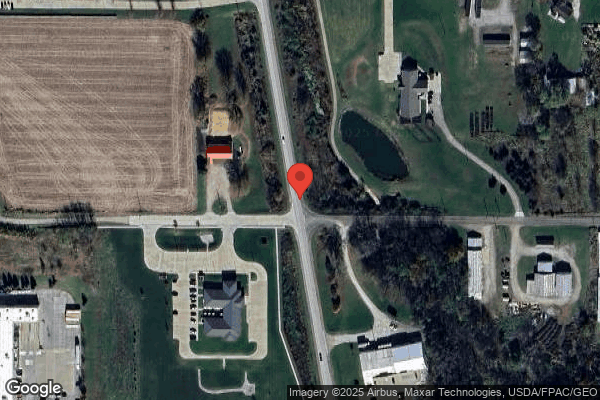
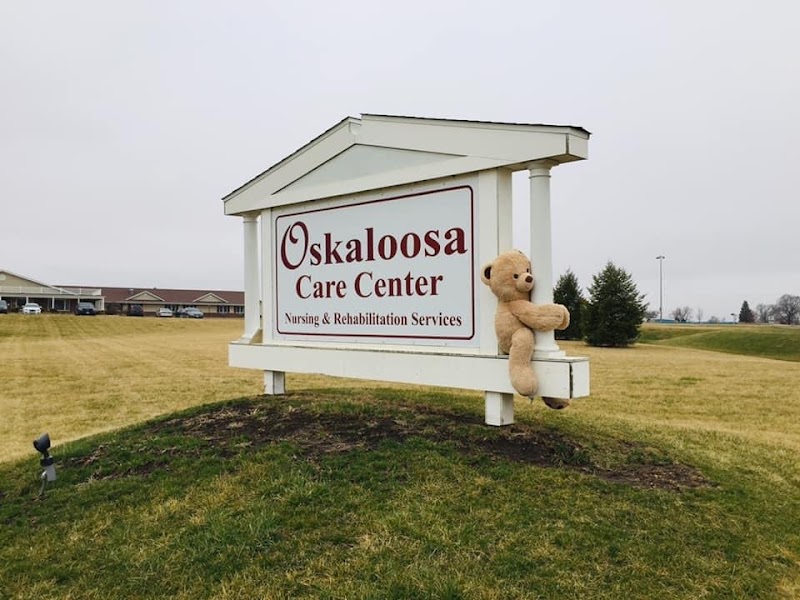
605 Highway 432, Oskaloosa, IA 52577 (641) 676-3414
For profit - Corporation 83 Beds Independent Data: November 2025 1 Immediate Jeopardy citation
Trust Grade
23/100
#289 of 392 in IA
Last Inspection: June 2025

Inspected within the last 6 months. Data reflects current conditions.

Overview

Oskaloosa Care Center has received a Trust Grade of F, indicating significant concerns about the quality of care provided. It ranks #289 out of 392 nursing homes in Iowa, placing it in the bottom half of facilities statewide, and #3 out of 3 in Mahaska County, meaning only one local option is better. The facility's situation is worsening, with the number of issues increasing from 9 in 2024 to 10 in 2025. Staffing is a concern, with a turnover rate of 64%, significantly higher than the state average of 44%, and the facility has less RN coverage than 99% of Iowa facilities, which could impact the quality of care. There have been specific incidents, such as staff failing to provide timely assistance to residents needing help with bathroom access, and critical issues with food storage safety, which raises serious health risks. Overall, while there are some staffing and care challenges, families should weigh these concerns carefully when considering this facility.
Trust Score
F
23/100
In Iowa
#289/392
Bottom 27%
Safety Record
High Risk
Review needed
Inspections
Getting Worse
9 → 10 violations
Staff Stability
⚠ Watch
64% turnover. Above average. Higher turnover means staff may not know residents' routines.
Penalties
⚠ Watch
$29,679 in fines. Higher than 86% of Iowa facilities, suggesting repeated compliance issues.
Skilled Nurses
⚠ Watch
Each resident gets only 13 minutes of Registered Nurse (RN) attention daily — below average for Iowa. Fewer RN minutes means fewer trained eyes watching for problems.
Violations
⚠ Watch
23 deficiencies on record. Higher than average. Multiple issues found across inspections.
★★☆☆☆
2.0
Overall Rating
★★☆☆☆
2.0
Staff Levels
★★☆☆☆
2.0
Care Quality
★★☆☆☆
2.0
Inspection Score
Stable
2024: 9 issues
2025: 10 issues

The Good

  • Full Sprinkler Coverage · Fire safety systems throughout facility
  • No fines on record

Facility shows strength in fire safety.

The Bad

2-Star Overall Rating

Below Iowa average (3.0)

Below average - review inspection findings carefully

Staff Turnover: 64%

18pts above Iowa avg (46%)

Frequent staff changes - ask about care continuity

Federal Fines: $29,679

Below median ($33,413)

Moderate penalties - review what triggered them

Staff turnover is elevated (64%)

16 points above Iowa average of 48%

The Ugly 23 deficiencies on record

1 life-threatening 1 actual harm
Jun 2025 5 deficiencies
CONCERN (D)

Potential for Harm - no one hurt, but risky conditions existed

Deficiency F0605 (Tag F0605)

Could have caused harm · This affected 1 resident

**NOTE- TERMS IN BRACKETS HAVE BEEN EDITED TO PROTECT CONFIDENTIALITY** Based on clinical record review, staff interview and policy review, the facility failed to limit a PRN (as needed) psychotropic ...

Read full inspector narrative →
**NOTE- TERMS IN BRACKETS HAVE BEEN EDITED TO PROTECT CONFIDENTIALITY** Based on clinical record review, staff interview and policy review, the facility failed to limit a PRN (as needed) psychotropic drug (drugs that affect a person's mental state) to 14 days and failed to ensure the resident had an appropriate diagnosis for the psychotropic drug for 1 of 6 residents reviewed (Resident #28). The facility reported a census of 81 residents. Findings include: According to the Minimum Date Set (MDS) assessment dated [DATE] Resident #28 scored 13 on the Brief Interview for Mental Status (BIMS) indicating intact cognition. The resident did not have a diagnosis of anxiety and did not have physical, verbal or other behavioral symptoms directed towards others and scored a 0 on the resident mood interview (PHQ-2, Patient Health Questionnaire) which indicated no depression or minimal depression symptoms. The resident received an antianxiety medication during the 7 day look back period. The Electronic Health Record (EHR) lacked a diagnosis of anxiety or other mood disorders for Resident #28. The EHR (Feburary 2025 Medication Administration Record) for Resident #28 included an order for Lorazepam (medication to treat anxiety disorders) oral tablet 0.5 mg (milligrams), give 1 tablet by mouth every 4 hours as needed for anxiety, not to exceed 3 doses per 24 hour period, with a start date of 2/19/25 and a discontinue date of 3/15/25. The Medication Administration Record (MAR) for the month of February and March revealed Lorazepam was administered to the resident 7 of the 10 days in February and 11 of the 15 days in March. The EHR for Resident #28 included an order for Lorazepam oral tablet 0.5 mg, given 1 tablet by mouth every 4 hours as needed for anxiety, not to exceed 5 doses per 24 hour period, with a start date of 3/15/25 and a discontinue date of 5/15/25. The MAR for the months of March, April and May revealed Lorazepam was administered to the resident 17 of the 17 days in March, 30 of the 30 days in April and 15 of the 15 days in May. The EHR for Resident #28 included an order for Lorazepam oral tablet 0.5 mg, give 1 tablet by mouth every 4 hours as needed for anxiety, with a start date of 5/15/25 and no end date. The MAR for the months of May and June revealed Lorazepam was administered to the resident 17 of the 17 days in May and 19 of the 19 days so far in June. The EHR for Resident #28 included a Pharmacist Medication Regimen Review (MRR) dated 2/19/25, recommending the facility review this resident's PRN Lorazepam under the 14 day rule for PRN psychotropic's, be sure that it is discontinued, or evaluated and given a stop date. The EHR lacked a response by the facility to the MRR. The EHR for Resident #28 included a Pharmacist MRR dated 5/16/25, referencing the MRR dated 2/19/25 for the PRN Lorazepam 14 day rule, with a recommendation status from the facility as no response. During an interview 6/19/25 at 1:00 PM the Director of Nursing (DON) acknowledged the facility did not respond to the pharmacy recommendations regarding the PRN Lorazepam for Resident #28 and acknowledged the resident did not have an appropriate diagnosis for the anti-anxiety medication. The DON stated the resident became anxious when she had difficulty breathing and would request the Lorazepam. During an interview 6/19/25 at 1:44 PM the Administrator stated an expectation PRN psychotropic medications not exceed the initial 14 days without a rationale to extend the medication by the physician. The Administrator further stated an expectation the resident should have an appropriate diagnosis for the psychotropic medication. Review of the facility Medication Regimen Review policy, undated, documented the MRR will be completed by a consultant pharmacist and the DON will forward to the physician the MRR findings that require their response.
CONCERN (D)

Potential for Harm - no one hurt, but risky conditions existed

Comprehensive Care Plan (Tag F0656)

Could have caused harm · This affected 1 resident

**NOTE- TERMS IN BRACKETS HAVE BEEN EDITED TO PROTECT CONFIDENTIALITY** Based on clinical record review, staff interview and policy review, the facility failed to develop and implement a comprehensive...

Read full inspector narrative →
**NOTE- TERMS IN BRACKETS HAVE BEEN EDITED TO PROTECT CONFIDENTIALITY** Based on clinical record review, staff interview and policy review, the facility failed to develop and implement a comprehensive person centered Care Plan for 1 of 19 residents reviewed for Care Plans (Resident #28). The facility reported a census of 81 residents. Findings include: According to the Minimum Date Set (MDS) assessment dated [DATE] Resident #28 scored 13 on the Brief Interview for Mental Status (BIMS) indicating intact cognition. The resident had diagnoses to include debility, cardiorespiratory conditions, heart failure, asthma and respiratory failure. The resident did not have any psychiatric/mood disorder diagnoses. The resident received an antianxiety medication during the 7 day look back period. The EHR (February 2025 Medication Administration Record) for Resident #28 included an order for Lorazepam (medication to treat anxiety disorders) oral tablet 0.5 mg (milligrams), give 1 tablet by mouth every 4 hours as needed for anxiety, with a start date of 2/19/25. This medication continued through June of 2025, as a PRN for anxiety, given to the resident daily since March. The Care Plan for Resident #28, with an initiation date of 1/14/25, lacked a focus area, goal and interventions for anti-anxiety medication and behavior monitoring for the use of the anti-anxiety medication and possible side effect monitoring. During an interview 6/19/25 at 1:15 PM the Assistant Director of Nursing (ADON) acknowledged the Care Plan for Resident #28 did not include a focus area, goal or interventions/tasks related to the resident being on an anti-anxiety medication and stated an expectation this should be in the care plan. During an interview 6/19/25 at 1:44 PM the Administrator stated an expectation the Care Plan for Resident #28 include a focus area, goal and interventions/tasks related to the resident being on an anti-anxiety medication. Review of the facility Clinical Care Management policy, dated 5/2014, documented clinical care management includes routine assessment, evaluation and response to changes in clinical condition and update the care plan as indicated.
CONCERN (D)

Potential for Harm - no one hurt, but risky conditions existed

Deficiency F0658 (Tag F0658)

Could have caused harm · This affected 1 resident

**NOTE- TERMS IN BRACKETS HAVE BEEN EDITED TO PROTECT CONFIDENTIALITY** Based on observations, interviews record review and policy the facility failed to follow professional standards during medicatio...

Read full inspector narrative →
**NOTE- TERMS IN BRACKETS HAVE BEEN EDITED TO PROTECT CONFIDENTIALITY** Based on observations, interviews record review and policy the facility failed to follow professional standards during medication administration observation, left medications with a resident, unsupervised administration for 1 of 7 observed (R#45). The facility reported a census of 81. Findings include: The Quarterly Minimum Data Set (MDS) dated [DATE] documented the diagnoses for Resident #45 included progressive neurological conditions, Parkinson's disease, heart disease and depression. The resident's Brief Interview for Mental Status (BIMS) score was 15 of 15 indicated cognition intact. The Care Plan focus dated 1/4/24 revealed Resident #45 had a physician's order for unsupervised self administration of the following medications: muscle rub. The goals to demonstrate the ability, interventions included to assess resident's ability to safely self-administer medications, to discuss medications with each supervised administration, to demonstrate, monitor, provide written documentation on each medication for resident to keep at the bedside. In an interview on 6/18/25 at 8:23 AM, Licensed Practical Nurse (LPN), Staff A, voiced resident is approved for self-administration of medications, had an order, can leave medications at the table for resident self administration, would return to ensure was taken. Observation on 6/18/25 at 8:25 AM, LPN, Staff A placed nine (9) pills for Resident #45 into a medication cup included: 1. Carbidopa/Levodopa 25-100 milligram (mg) 2. Carvedilol 6.25 mg 3. Gabapentin 100 mg 4. Losartan pot 25 mg 5. Aspirin 81 mg 6. Multivitamin tablet 7. Vitamin B complex 8. Vitamin E 400 units 9. Calcium 1200 mg with Vitamin D3 Observation 6/18/25 at 8:30 AM, LPN, Staff A proceeded to the main dining room and placed the medication cup with pills in front of Resident #45 who sat at the dining room table with two other residents. LPN, Staff A, left and returned to the medication cart in another hallway. In an interview on 6/18/25 at 12:30 PM, Resident #45's responsible party visited, relayed Resident #45 relied on staff for giving medications, is no orders for self-administration of pills, felt that would not be allowed. On 6/19/25 at 12:15 PM, Registered Nurse (RN), Staff B, relayed the Care Plan outlined self administration of medication, muscle rub. Resident #45 had a locked box in the room however, had not been able to use the cream independently, felt processes for independent use was left in place since offered resident a sense of security. On 6/19/25 at 1:00 PM, The Administrator voiced no medications should ever be left unattended, would be a risk for another resident to take, acknowledged Resident #45 medications should of been witnessed by the nurse to ensure took appropriately. The facility policy titled, Medication Administration dates 1/2013 documented procedure included to remain with the resident until all medication is taken.
CONCERN (D)

Potential for Harm - no one hurt, but risky conditions existed

Infection Control (Tag F0880)

Could have caused harm · This affected 1 resident

Based on direct observation, clinical record review, staff interview, and facility policy review, the facility failed to perform perineal care for incontinent residents in a hygienic manner for 3 of 3...

Read full inspector narrative →
Based on direct observation, clinical record review, staff interview, and facility policy review, the facility failed to perform perineal care for incontinent residents in a hygienic manner for 3 of 3 residents observed (Resident #1, #38, and #63). The facility reported a census of 81. Findings include: 1. The Annual Minimum Data Set (MDS) for Resident #1, dated 11/27/2024, documented the resident incontinent and was fully dependent on staff members for toileting hygiene and incontinence care. The care plan for Resident #1, last revised 06/18/2025, also documented the resident was fully dependent on staff members for toileting and hygiene. During a direct observation on 06/18/2025 at 10:25 am, revealed Staff C, Certified Nurse's Aide (CNA), and Staff D, CNA, performing perineal cares and toileting hygiene for Resident #1. During the cleaning of the resident, both Staff C and Staff D disposed of the gloves they were using during cares and continued to provide cares and help the resident dress, making direct ungloved contact with the resident's buttocks. 2. The MDS for Resident #38, dated 06/11/2025, documented the resident was incontinent and fully dependent upon staff for perineal cares and toileting hygiene. The care plan for Resident #38, last revised 03/31/2025, documented the resident was dependent on staff for hygiene and required staff assistance to use the toilet. During a direct observation on 06/18/2025 at 11:36 AM, Staff E, CNA, was observed performing perineal cares for Resident #38. During cares a privacy curtain was not fully closed and Staff E used gloves soiled with what appeared to be feces to close the curtains before continuing to clean the resident. After cleaning the resident's perineal area, Staff E removed the gloves and continued to help the resident dress, making bare skinned contact with the resident. Hand hygiene was not performed after removing the gloves and making contact with the resident. 3. The MDS for Resident #63, dated 04/23/2025, documented the resident was always incontinent and was dependent on staff for toileting hygiene. The care plan for Resident #63, last revised 04/28/2025, documented the resident was fully dependent on staff for perineal cares and toileting hygiene. During a direct observation on 06/18/2025 at 12:23 PM, Staff C, CNA, took off her gloves during perineal cares and continued to provide care for Resident #63 without gloves, making bare skin contact with the resident's perineal area and groin. In an interview on 06/19/2025 at 03:32 PM with Staff F, CNA, she stated gloves are essential when performing perineal care and hygiene cares on a resident. She stated there is no way she would ever place a clean adult brief on a resident without gloves. She also stated the perineal care checklist states CNAs are to wear gloves during every step of the perineal care process. In an interview on 06/19/2025 at 03:16 PM, Staff G, Licensed Practical Nurse (LPN), stated that during perineal cares she is instructed to wear gloves during the entire process. In an interview on 06/18/2025 at 12:39 PM with the Director of Nursing (DON), she immediately acknowledged the bare skin contact of Staff C with Resident #63 was inappropriate, as she was witness to the perineal care process for that resident. She stated all staff members need to be wearing gloves at all times. A policy regarding perineal cares was requested but not provided during the survey process.
CONCERN (E)

Potential for Harm - no one hurt, but risky conditions existed

Food Safety (Tag F0812)

Could have caused harm · This affected multiple residents

Based on observation, staff interviews, record review and policy review, the facility failed to ensure open items were dated, covered and labeled and food was stored under sanitary conditions to preve...

Read full inspector narrative →
Based on observation, staff interviews, record review and policy review, the facility failed to ensure open items were dated, covered and labeled and food was stored under sanitary conditions to prevent cross contamination. The facility further failed to test twice daily the dishwasher to ensure the low temperature dishwasher was getting to the correct temperatures and chemical solution to appropriately sanitize dishes. The facility reported a census of 81 residents. Findings include: During a continuous observation 6/16/25 beginning at 10:45 AM of the pantry and refrigerator with the Dietary Manager (DM) present revealed the following: 1. Open, undated bag of graham cracker crumbs. 2. Open, undated bag of powered sugar. 3. Open, undated bag of quick rise soft roll mix. 4. Open bag of muffin mix, with an opened date of February 2025. 5. A full pan of frozen shredded pork thawing in the refrigerator on a shelf above a shelf of eggs. A record review of the dishwasher temperature and sanitization chemical strip test log maintained by the facility revealed several dates missing in the previous three months. In the month of March 2025, there were 18 days that did not have documentation for the temperature and chemical test strip test of the dishwasher. In the month of April, 2025, there were 8 days and in the month of May there were 18 days. An observed test of the low chemical dishwasher completed on 6/16/25 at 11:00 AM revealed appropriate temperatures and chemical solution. During an interview 6/16/25 at 10:55 AM, the DM stated an expectation thawing meat should not be placed above other food items in the refrigerator and acknowledged the pan of thawing meat was placed above a shelf of eggs. The DM stated an expectation food should be dated when opened and used within a short time of the open date. The DM stated an expectation the dishwasher temperature and chemical sanitizer test strip should be conducted and documented daily, both on the AM shift and the PM shift and acknowledged this had not taken place for several days in the past three months. The DM stated she had provided education to staff. During an interview 6/18/25 at 1:38 PM, the Administrator stated an expectation thawing meat should be on the bottom shelf with no other food below it and an expectation food that has been opened have an open date and thrown away if not consumed within a short time. The dishwasher temperature and chemical checks should be completed twice daily and documented. A review of the facility Sanitation and Food Production policy, dated 6/15, documented foods are thawed properly to prevent food borne illness and frozen meats placed on the lowest shelves in the refrigerator to prevent juices from dripping onto other foods and causing cross contamination. A review of the facility Food Labeling Reference Guide policy, dated 6/2015, documented when food item is opened and not completely used, write the open date on the food container and a use by date on the food container. Mixes should be used within 7 days of the open date. A review of the facility Dish Machine/Sanitizer Log policy, dated 6/2015, documented to monitor and record once a shift the sanitizing concentration for low temperature dish machine.
Jan 2025 5 deficiencies
CONCERN (D) 📢 Someone Reported This

A family member, employee, or ombudsman was alarmed enough to file a formal complaint

Potential for Harm - no one hurt, but risky conditions existed

Resident Rights (Tag F0550)

Could have caused harm · This affected 1 resident

Based on clinical record review and staff interviews, the facility failed to treat a resident in a dignified manner when they used excessive force to restrain the resident to obtain a urine sample. (R...

Read full inspector narrative →
Based on clinical record review and staff interviews, the facility failed to treat a resident in a dignified manner when they used excessive force to restrain the resident to obtain a urine sample. (Resident #1) The facility reported census was 81. Findings include: According to a Minimum Data Set (MDS) with a reference date of 10/23/24, Resident #1 had a Brief Mental Status (BIMS) score of 0 which indicated a severely impaired cognitive status. Resident #1 required moderate to maximal assistance transfers, mobility, dressing, toilet use and personal hygiene needs and was frequently incontinent of bladder and occasionally incontinent of bowel. Resident #1's diagnosis included Non-Alzheimer's dementia. According to a statement dated 8/19/24, written by Staff F, Certified Nurse Aide (CNA), Staff F indicated Resident #1 was not acting normally, shaking her left leg and was very upset. Staff F reported her concern to the charge nurse, Staff G, Licensed Practical Nurse (LPN), who told her the behavior was normal and to continue to monitor. Staff F indicated between 4:30 p.m. to 4:45 p.m. Resident #1 was taken to the bathroom and voided. Resident #1 continued to shake. Staff F again reported his concern to his charge nurse, Staff G, who again told her to just watch her. Staff F indicated to his knowledge, Staff G never came to the unit to assess Resident #1 during his shift. (10:00 p.m. to 6:00 a.m.). Staff F indicated he reported his concerns to the on-coming aides, Staff H and Staff I. Staff G, Licensed Practical Nurse, did not respond to requests for an interview, however according to nurse's notes and clinical record review, there were no notes or assessments of Resident #1's condition on 8/20/24, completed by Staff G. According to Progress Notes written by Staff D, Licensed Practical Nurse (LPN) on 8/20/24 at 7:30 a.m. Staff E or K, Shower Aide, summoned Staff D to the shower room, noting Resident #1 was not her normal self, had tremor like symptoms and complained of left lower leg pain. Staff D assessed Resident #1 and notified Resident #1's primary care physician (PCP). Resident #1's PCP stated he would be in that morning to see Resident #1. At 8:30 a.m. Resident #1's PCP visited and evaluated Resident #1 and gave no new orders and instructed Staff D to continue to monitor. At 12:30 p.m. Resident #1 was continuing to shake and Staff D again notified Resident #1's PCP. Resident #1's PCP provided no new orders and stated to continue to monitor. At 2:45 p.m. Staff D indicated while she was on break, another nurse, the MDS Coordinator, collected a urine sample on Resident #1. Staff D indicated she called Resident #1's PCP for an order and he declined. In an interview on 1/13/24 at 9:42 a.m. Staff D, Licensed Practical Nurse, was queried regarding a shift on 8/20/24 in which Resident #1 was not acting herself. Staff D stated she was working the 6:00 a.m. to 6:00 p.m. shift that day and assigned the memory care unit. Staff D recalled Resident #1 not being herself and notifying her PCP of her condition. Staff D stated while she was on her lunch break around 2:30 p.m. Another nurse, MDS Coordinator, got a urine sample from Resident #1. Staff D stated she was not aware of how the urine sample was obtained, but knew there was no order for it. Staff D called the PCP and asked about the urinalysis and he stated he did not give the order and to toss the urine sample. The next morning when she arrived at work, the overnight nurse, Staff C, stated she had concerns about Resident #1 having bruises and how the urine sample was obtained. In an interview on 1/13/25 at 10:43 a.m. Staff J, Shower Aide, was queried about Resident #1's condition and obtaining a UA on 8/20/24. Staff J stated that morning, she and Staff K were giving Resident #1 a shower. Resident #1 was not her normal self as she was swinging her left leg like she was in pain. Staff J stated she got the nurse, Staff D, who came in and looked at the resident and stated she would look into it. Staff J stated she and Staff K finished the shower and notified the memory care unit aides to come and get her. Staff J stated early that afternoon, she was approached by Staff L and told they needed a nurse to get a UA right away as they had Resident #1 laying down. The charge nurse, Staff D was on break, so Staff L went to the MDS Coordinator. The MDS Coordinator went to get supplies, then met Staff J, Staff L and Staff I in the room. Staff J stated she was on one side of the resident and holding Resident #1's leg. Staff J was uncertain what Staff L and Staff I were doing. Staff J stated she bent the knee of Resident #1 while spreading her legs for the MDS Coordinator, to be able to do the straight catheter. Staff J stated she did what was asked of her. Staff J stated it was not uncommon for aides to help by securing a resident's leg. According to Staff J, Resident #1 was erratic and noncompliant with the procedure, but not combative. In an interview on 1/13/25 at 12:40 p.m. Staff L, Certified Nurse Aide, was queried regarding collecting a urine sample from Resident #1 on 8/20/24. Staff L stated the girls, Staff H and Staff I, approached her and stated Resident #1 was supposed to get a urine sample and they had her in bed, but she was fighting and wanted up. Staff L stated they seemed a little panicked, so she found the MDS Coordinator and told her Resident #1 was supposed to get a UA. The MDS Coordinator responded and gathered supplies. Staff L stated Resident #1 was rowdy, kicking and swinging. Staff L stated she folded Resident #1's arms across her chest, while Staff J held her legs and the MDS Coordinator proceeded with the straight catheter. Staff L stated she did not grip or harm Resident #1's arms. In an interview on 1/10/25 at 1:10 p.m. the MDS Coordinator was queried regarding collecting a urine sample from Resident #1 on 8/20/24. The MDS Coordinator stated she recalled being up front filing papers when Staff L, CNA stated they needed to get a UA via straight cath for Resident #1, noting the resident was restless, but in bed and the nurse was on break. The MDS Coordinator stated she went down and with the help of Staff L and Staff J CNA, obtained the urine sample. The MDS Coordinator stated she saw the nurse, Staff D, LPN and told her she had collected the urine sample. That is when Staff D stated she had not called and got the order. The MDS Coordinator stated, Staff D made the call to the PCP and he stated to pitch it. The MDS Coordinator stated Resident #1 was swinging her arms and Staff L held her hands over hands onto Resident #1's chest and Staff J was holding Resident #1's leg. The MDS Coordinator stated she did not recall much else, noting she was focused on the peri area. The MDS Coordinator stated if a resident were too combative she would stop. In an interview on 1/13/25 at 4:32 p.m. Staff I, Certified Nurse Aide, was queried regarding collecting a urine sample from Resident #1 on 8/20/24. Staff I stated she and Staff H were the day shift (6:00 a.m. to 2:00 p.m.) aides on the memory care unit on 8/20/24. Staff I stated that morning she got a report that Resident #1 was up all night, restless and not eating. Staff I stated she got Resident #1 to the bathroom, cleaned up and dressed. After breakfast, Resident #1 was the first to get a shower and while showering, voided. Staff I stated Resident #1 never voided the rest of her shift and Staff H reported this to the nurse, Staff D. Staff I stated that the nurse, Staff D told them to lay her down and she would get an order to catheterize her for a UA. Staff I stated she and Staff H got Resident #1 into bed, but Resident #1 was restless, trying to get up, crying and uncomfortable while they waited. Finally Staff H went to get the nurse to obtain the UA. Staff D was on break, so Staff L got the MDS Coordinator and Staff J, CNA to come and help. Staff L had Resident #1's hands and arms crossed and pressed down forcibly into her chest as Staff J held Resident #1's left leg as the MDS Coordinator was cleaning her and attempting to obtain the urine via a straight catheter. Resident #1 was struggling and yelling. At one point, Resident #1 voided and Staff I questioned whether they should continue. The MDS Coordinator said yes and continued. Staff I stated she watched, but did not participate, noting it was horrifying to watch and she had never seen anyone obtain a urine sample with such force. Afterwards, Staff H made the comment to Staff L that it looked like Resident #1 had got her pretty good and Staff L responded something to the effect of that she got her better. Staff I stated in the days following, Resident #1 had multiple bruises all over her arms and on her left leg and ankle. In an interview on 1/13/25 at 6:18 p.m. Staff H, Certified Nurse Aide, was queried regarding collecting a urine sample from Resident #1 on 8/20/24. Staff H stated she and Staff I worked the day shift (6:00 a.m. to 2:00 p.m.) on the memory care unit that day. Staff H stated their nurse was Staff D. Staff H recalled Resident #1 being dry all day, which was very unusual. She reported this to the nurse, towards the end of her shift and Staff D stated she would get a UA and to put her into bed. Staff D stated she was going on break and if she had not returned right away, just keep Resident #1 in bed until she returned. Staff L asked what was going on and then took it upon herself to get the MDS Coordinator and Staff J to do the straight cath. They arrived and went into Resident #1's room, while Staff H remained with the other residents and Staff I remained in the room to observe. Staff H stated she heard Resident #1 screaming during the event. Afterwards when Staff L exited the room Staff H asked if she was ok and Staff L responded, if anything, I hurt her. Staff H thought this to be a really inappropriate comment. In an interview on 1/9/25 at 2:15 p.m. Staff B, Certified Nurse Aide, queried regarding collecting a urine sample from Resident #1 on 12/11/24. Staff B stated he recalled there being a urine sample in the cupboard when he arrived at work that day. Staff B stated there was a day a few months earlier in which he had concerns. Staff B stated on 8/20/24 at 1:50 p.m. he arrived at work and four staff members entered the room of Resident #1. He could hear Resident #1 yelling and after 10 minutes or so the staff members left and he went into her room. Resident #1 seemed traumatized, flailing her legs and she grabbed his wrist. Staff B stated he saw pink and red bruising on her arms and wrists and reported it to his nurse, Staff C. Staff B stated he wrote a statement and gave it to his nurse. Staff B stated Staff C also wrote a statement, but he was told they ripped it up. Staff B stated the ADON and a shower aide were two of the four he remembered going into Resident #1's room. In an interview on 1/9/25 at 3:49 p.m. Staff C, Licensed Practical Nurse, was queried regarding a urine sample collected from Resident #1 on 8/20/24. Staff C stated she remembered that evening and working a 6:00 p.m. to 6:00 a.m. shift on the memory care unit. Staff C stated Staff D, the 6:00 a.m. to 6:00 p.m. nurse, was outside vaping when she arrived to work and was upset because earlier that day, while she was on a break, the aides went to the MDS coordinator and obtained a urine sample from Resident #1 without her input or an order. Staff D indicated that Resident #1 was not her usual self that day, was not walking well, restless and her insomnia was more intense. They thought she might have a urinary tract infection. Staff D indicated she had been in contact with the PCP that day, he had seen Resident #1 that morning and he directed her to continue to monitor her and he would see her the next day. When finding out about the urine sample, Staff D contacted the PCP and informed him what had happened. The PCP told her to throw it out since he had not provided an order to collect the urine. Staff C stated she was very busy and finally around 8:00 p.m. to 9:00 p.m. she had a chance to speak with Staff B, CNA. Staff B asked her if she had seen the bruising up and down the forearm and wrist of Resident #1. Staff B went on to report several people were in Resident #1's room holding her down to get the catheter inserted for the urinalysis. Staff C stated she assessed Resident #1, filled out the skin sheets, notified the DON, filled out the physician notification form, filled out an incident report and wrote 7 pages of nurse ' s notes describing the event. Staff C stated that overnight shift, Resident #1 was surprisingly lucid and talkative. Staff C stated she texted the DON noting Resident #1 had a history of physical abuse and she felt obtaining the urine sample via a straight catheter and holding her down may have been re-traumatizing. The next evening, Staff C stated she arrived around 6:00 p.m. and met Staff D outside. According to Staff C, Staff D told her that management requested she re-write her nurse ' s note from last evening and that they had removed all of her documentation from Resident #1's record. Staff C stated she was working up front that evening, but during her shift checked Resident #1's record and her notes had been removed. Shortly after this event, Staff C stated she no longer wanted to be a part of a facility that would alter records and not look after the best interests of their residents. Staff C stated she had copies of her notes and documents and text she sent to the DON and would forward the documents to the surveyor.
CONCERN (D) 📢 Someone Reported This

A family member, employee, or ombudsman was alarmed enough to file a formal complaint

Potential for Harm - no one hurt, but risky conditions existed

Assessment Accuracy (Tag F0641)

Could have caused harm · This affected 1 resident

Based on clinical record reviews and staff interviews, the facility failed to meet professional standards and practices as documentation was intentionally falsified and clinical records removed for 2 ...

Read full inspector narrative →
Based on clinical record reviews and staff interviews, the facility failed to meet professional standards and practices as documentation was intentionally falsified and clinical records removed for 2 of 8 residents reviewed. (Resident #1, #2) The facility reported census was 81. Findings include: 1. According to a Quarterly Minimum Data Set (MDS) with a reference date of 10/23/24, Resident #1 had a Brief Mental Status (BIMS) score of 0 which indicated a severely impaired cognitive status. Resident #1 required moderate to maximal assistance with transfers, mobility, dressing, toilet use and personal hygiene needs and was frequently incontinent of bladder and occasionally incontinent of bowel. Resident #1's diagnosis included Non-Alzheimer's dementia. In an interview on 1/9/25 at 3:49 p.m. Staff C, Licensed Practical Nurse (LPN), stated she remembered the evening of 8/20/24 and working a 6:00 p.m. to 6:00 a.m. shift on the memory care unit. Staff C stated Staff D, the 6:00 a.m. to 6:00 p.m. nurse, was outside vaping when she arrived to work and was upset because earlier that day, while she was on a break, the aides went to the MDS coordinator and obtained a urine sample from Resident #1 without her input or an order. Staff D indicated that Resident #1 was not her usual self that day, was not walking well, restless and her insomnia was more intense. They thought she might have a urinary tract infection. Staff D indicated she had been in contact with the PCP that day, he had seen Resident #1 that morning and he directed her to continue to monitor her and he would see her the next day. When finding out about the urine sample, Staff D contacted the PCP and informed him what had happened. The PCP told her to throw it out since he had not provided an order to collect the urine. Staff C stated she was very busy and finally around 8:00 p.m. to 9:00 p.m. she had a chance to speak with Staff B, CNA. Staff B asked her if she had seen the bruising up and down the forearm and wrist of Resident #1. Staff B went on to report several people were in Resident #1's room holding her down to get the catheter inserted for the urinalysis. Staff C stated she assessed Resident #1, filled out the skin sheets, notified the DON, filled out the physician notification form, filled out an incident report and wrote 7 pages of Nurse's Notes describing the event. Staff C stated that overnight shift, Resident #1 was surprisingly lucid and talkative. Staff C stated she texted the DON noting Resident #1 had a history of physical abuse and she felt obtaining the urine sample via a straight catheter and holding her down may have been re-traumatizing. The next evening, Staff C stated she arrived around 6:00 p.m. and met Staff D outside. According to Staff C, Staff D, LPN told her that management requested she re-write her Nurse's Note from last evening and that they had removed all of her documentation from Resident #1's record. Staff C stated she was working up front that evening, but during her shift checked Resident #1's record and her notes had been removed. Shortly after this event, Staff C stated she no longer wanted to be a part of a facility that would alter records and not look after the best interests of their residents. Staff C stated she had copies of her notes and documents and text she sent to the DON and would forward the documents to the surveyor. In an interview on 1/15/25 at 1:39 p.m. the Director of Nursing (DON) was queried regarding the removal of records from Resident #1's clinical record following an event on 8/20/24 in which Resident #1 was restrained while trying to straight cath her for a urine sample. Records included Staff C's Nurse's Notes dated 8/21/24 at 3:37 a.m., three non-pressure skin condition reports reflecting bruising on Resident #1's arms discovered on 8/20/24, General Incident Report dated 8/21/24 at 9:27 p.m. signed by the DON and an Injury Investigation completed by Staff C on 8/20/24 at 9:00 p.m. and signed by the DON on 8/21/24. The DON denied removing any records involving the events on 8/20/24 and stated she vaguely remembered the event. The DON stated this was the event which staff did a straight catheter and was allegedly too rough. The DON stated she spoke with everyone and did not believe staff were too rough and claimed there were no bruising or injuries. Clinical record review conducted 1/15/24 found no Nurse's Notes dated 8/21/24 at 3:37 a.m. written by Staff C, no non-pressure skin condition reports reflecting bruising on Resident #1's arms discovered on 8/20/24, no General Incident Report dated 8/21/24 at 9:27 p.m. signed by the DON and no Injury Investigation form completed by Staff C on 8/20/24 at 9:00 p.m. and signed by the DON on 8/21/24, despite all these forms and documentation being provided to the surveyor by Staff C on 1/10/24. 2. According to a Quarterly Minimum Data Set (MDS) with a reference date of 11/27/24, Resident #2 had a Brief Mental Status (BIMS) score of 3 which indicated a severely impaired cognitive status. Resident #2 required moderate assistance with transfers, mobility, dressing, toilet use and personal hygiene needs and was frequently incontinent of bladder and occasionally incontinent of bowel. Resident #2's diagnosis included Alzheimer's and Non-Alzheimer's dementia. In a statement written 12/14/24 at 3:30 p.m. Staff P, Certified Nurse Aide, stated she witnessed Resident #3 approach Resident #2, grabbed her arm and pulled her out of her chair. Resident #2 fell to the ground onto her side. Staff P ran over and tried to get Resident #3 to move away, but he pushed her, than sat in Resident #2's chair and bent over and punched her ankle. Staff P assisted Resident #2 off the ground and into another chair. Staff O Licensed Practical Nurse (LPN) and Staff Q, Certified Med Aide (CMA) entered the unit. Staff P told them Resident #3 had pulled Resident #2 out of her chair and punched Resident #2's ankle. Staff O looked at the ankle, noting a bruise was developing and then she and Staff Q left the unit. About 10 minutes later Staff O came back in and said she was going to document it as a fall, noting she did not want to report this to the cops. Staff O asked Staff P to write a statement that she had fell. Staff P stated she did not feel this was a good idea. In a statement written by Staff Q, CMA, stated on 12/14/24 she and Staff O, LPN were at the medication cart when they heard a scream. They entered the unit to find Resident #2 on the floor, Resident #3 beside her and Staff P next to Resident #2. Staff P stated Resident #3 had pulled Resident #2 out of her chair. Staff P assisted Resident #2 into a chair, Staff O went over to talk to Resident #2 and she went back to the medication cart. A few minutes later, Staff O came back to the desk and called the DON. She described what had happened as Staff Q stated she left to get supplies. When she returned, Staff O stated the DON told her to document the incident as a fall to avoid having to contact the police. Staff Q stated she did not think that was a good idea and continued charting. According to Nurse's Notes dated 12/14/24 at 9:40 p.m. written by Staff O, Resident #2 slid out of her chair at 3:55 p.m., landing on her bottom. Staff O stated the incident was witnessed by her. Resident #2 was assessed and noted 4.0 centimeter by 3.5 centimeter on her outer right lower leg. Resident #2 assisted back into her chair. DON notified. In an interview on 1/15/25 at 3:48 p.m. Staff O, Licensed Practical Nurse, was queried regarding an event on 12/14/24 in which Resident #2 was pulled out of her chair by Resident #3. The event was documented as Resident #2 sliding out of her chair with no mention of the physical altercation. Staff O stated it was just her for 2 pods and hall 3 and one aide on the unit. Staff O stated she was at the nurse's station when the aide informed her Resident #2 was on the floor. Staff O was informed that Resident #3 had grabbed her arms and pulled her out of the chair. A small bruise (4.0 cm x 3.5 cm) was noted on her right leg. Staff O queried why she documented it as a fall and she responded, I do not know why I documented it that way. Staff O denied being instructed by anyone to alter her documentation.
CONCERN (D) 📢 Someone Reported This

A family member, employee, or ombudsman was alarmed enough to file a formal complaint

Potential for Harm - no one hurt, but risky conditions existed

Deficiency F0642 (Tag F0642)

Could have caused harm · This affected 1 resident

Based on clinical record reviews and staff interviews, the facility failed to meet professional standards and practices as documentation was intentionally falsified and clinical records removed for 2 ...

Read full inspector narrative →
Based on clinical record reviews and staff interviews, the facility failed to meet professional standards and practices as documentation was intentionally falsified and clinical records removed for 2 of 8 residents reviewed. (Resident #1, #2) The facility reported census was 81. Findings include: 1. According to a Quarterly Minimum Data Set (MDS) with a reference date of 10/23/24, Resident #1 had a Brief Mental Status (BIMS) score of 0 which indicated a severely impaired cognitive status. Resident #1 required moderate to maximal assistance with transfers, mobility, dressing, toilet use and personal hygiene needs and was frequently incontinent of bladder and occasionally incontinent of bowel. Resident #1's diagnosis included Non-Alzheimer's dementia. In an interview on 1/9/25 at 3:49 p.m. Staff C, Licensed Practical Nurse (LPN), C stated she remembered the evening of 8/20/24 and working a 6:00 p.m. to 6:00 a.m. shift on the memory care unit. Staff C stated Staff D, LPN, the 6:00 a.m. to 6:00 p.m. nurse, was outside vaping when she arrived to work and was upset because earlier that day, while she was on a break, the aides went to the MDS coordinator and obtained a urine sample from Resident #1 without her input or an order. Staff D indicated that Resident #1 was not her usual self that day, was not walking well, restless and her insomnia was more intense. They thought she might have a urinary tract infection. Staff D indicated she had been in contact with the PCP that day, he had seen Resident #1 that morning and he directed her to continue to monitor her and he would see her the next day. When finding out about the urine sample, Staff D contacted the PCP and informed him what had happened. The PCP told her to throw it out since he had not provided an order to collect the urine. Staff C stated she was very busy and finally around 8:00 p.m. to 9:00 p.m. she had a chance to speak with Staff B, CNA. Staff B asked her if she had seen the bruising up and down the forearm and wrist of Resident #1. Staff B went on to report several people were in Resident #1's room holding her down to get the catheter inserted for the urinalysis. Staff C stated she assessed Resident #1, filled out the skin sheets, notified the DON, filled out the physician notification form, filled out an incident report and wrote 7 pages of nurse ' s notes describing the event. Staff C stated that overnight shift, Resident #1 was surprisingly lucid and talkative. Staff C stated she texted the DON noting Resident #1 had a history of physical abuse and she felt obtaining the urine sample via a straight catheter and holding her down may have been re-traumatizing. The next evening, Staff C stated she arrived around 6:00 p.m. and met Staff D outside. According to Staff C, Staff D told her that management requested she re-write her Nurse's Note from last evening and that they had removed all of her documentation from Resident #1's record. Staff C stated she was working up front that evening, but during her shift checked Resident #1's record and her notes had been removed. Shortly after this event, Staff C stated she no longer wanted to be a part of a facility that would alter records and not look after the best interests of their residents. Staff C stated she had copies of her notes and documents and text she sent to the DON and would forward the documents to the surveyor. In an interview on 1/15/25 at 1:39 p.m. the Director of Nursing (DON) was queried regarding the removal of records from Resident #1's clinical record following an event on 8/20/24 in which Resident #1 was restrained while trying to straight cath her for a urine sample. Records included Staff C's Nurse's Notes dated 8/21/24 at 3:37 a.m., three non-pressure skin condition reports reflecting bruising on Resident #1's arms discovered on 8/20/24, General Incident Report dated 8/21/24 at 9:27 p.m. signed by the DON and an Injury Investigation completed by Staff C on 8/20/24 at 9:00 p.m. and signed by the DON on 8/21/24. The DON denied removing any records involving the events on 8/20/24 and stated she vaguely remembered the event. The DON stated this was the event which staff did a straight catheter and was allegedly too rough. The DON stated she spoke with everyone and did not believe staff were too rough and claimed there were no bruising or injuries. Clinical record review conducted 1/15/24 found no Nurse's Notes dated 8/21/24 at 3:37 a.m. written by Staff C, LPN, no non-pressure skin condition reports reflecting bruising on Resident #1's arms discovered on 8/20/24, no General Incident Report dated 8/21/24 at 9:27 p.m. signed by the DON and no Injury Investigation form completed by Staff C on 8/20/24 at 9:00 p.m. and signed by the DON on 8/21/24, despite all these forms and documentation being provided to the surveyor by Staff C on 1/10/24. 2. According to a Minimum Data Set (MDS) with a reference date of 11/27/24, Resident #2 had a Brief Mental Status (BIMS) score of 3 which indicated a severely impaired cognitive status. Resident #2 required moderate assistance with transfers, mobility, dressing, toilet use and personal hygiene needs and was frequently incontinent of bladder and occasionally incontinent of bowel. Resident #2's diagnosis included Alzheimer's and Non-Alzheimer ' s dementia. In a statement written 12/14/24 at 3:30 p.m. Staff P, Certified Nurse Aide (CNA), stated she witnessed Resident #3 approach Resident #2, grabbed her arm and pulled her out of her chair. Resident #2 fell to the ground onto her side. Staff P ran over and tried to get Resident #3 to move away, but he pushed her, than sat in Resident #2's chair and bent over and punched her ankle. Staff P assisted Resident #2 off the ground and into another chair. Staff O and Staff Q entered the unit. Staff P told them Resident #3 had pulled Resident #2 out of her chair and punched Resident #2's ankle. Staff O looked at the ankle, noting a bruise was developing and then she and Staff Q left the unit. About 10 minutes later Staff O came back in and said she was going to document it as a fall, noting she did not want to report this to the cops. Staff O asked Staff P to write a statement that she had fell. Staff P stated she did not feel this was a good idea. In a statement written by Staff Q, Certified Med Aide (CMA), Staff Q, LPN stated on 12/14/24 she and Staff O were at the medication cart when they heard a scream. They entered the unit to find Resident #2 on the floor, Resident #3 beside her and Staff P next to Resident #2. Staff P stated Resident #3 had pulled Resident #2 out of her chair. Staff P assisted Resident #2 into a chair, Staff O went over to talk to Resident #2 and she went back to the medication cart. A few minutes later, Staff O came back to the desk and called the DON. She described what had happened as Staff Q stated she left to get supplies. When she returned, Staff O stated the DON told her to document the incident as a fall to avoid having to contact the police. Staff Q stated she did not think that was a good idea and continued charting. According to Nurse's Notes dated 12/14/24 at 9:40 p.m. written by Staff O, Resident #2 slid out of her chair at 3:55 p.m., landing on her bottom. Staff O stated the incident was witnessed by her. Resident #2 was assessed and noted 4.0 centimeter by 3.5 centimeter on her outer right lower leg. Resident #2 assisted back into her chair. DON notified. In an interview on 1/15/25 at 3:48 p.m. Staff O, Licensed Practical Nurse, was queried regarding an event on 12/14/24 in which Resident #2 was pulled out of her chair by Resident #3. The event was documented as Resident #2 sliding out of her chair with no mention of the physical altercation. Staff O stated it was just her for 2 pods and hall 3 and one aide on the unit. Staff O stated she was at the nurse's station when the aide informed her Resident #2 was on the floor. Staff O was informed that Resident #3 had grabbed her arms and pulled her out of the chair. A small bruise (4.0 cm x 3.5 cm) was noted on her right leg. Staff O queried why she documented it as a fall and she responded, I do not know why I documented it that way. Staff O denied being instructed by anyone to alter her documentation.
CONCERN (D) 📢 Someone Reported This

A family member, employee, or ombudsman was alarmed enough to file a formal complaint

Potential for Harm - no one hurt, but risky conditions existed

Quality of Care (Tag F0684)

Could have caused harm · This affected 1 resident

Based on clinical record review and staff interviews, the facility failed to ensure residents are appropriately assessed and provided interventions to maintain their optimal health and well being for ...

Read full inspector narrative →
Based on clinical record review and staff interviews, the facility failed to ensure residents are appropriately assessed and provided interventions to maintain their optimal health and well being for 1 of 8 residents reviewed. (Resident #1) The facility reported census was 81. Findings include: According to a Quarterly Minimum Data Set (MDS) with a reference date of 10/23/24, Resident #1 had a Brief Mental Status (BIMS) score of 0 which indicated a severely impaired cognitive status. Resident #1 required moderate to maximal assistance transfers, mobility, dressing, toilet use and personal hygiene needs and was frequently incontinent of bladder and occasionally incontinent of bowel. Resident #1's diagnosis included Non-Alzheimer's dementia. According to a statement dated 8/19/24, written by Staff F, Certified Nurse Aide (CNA), Staff F indicated Resident #1 was not acting normally, shaking her left leg and was very upset. Staff F reported her concern to the charge nurse, Staff G, Licensed Practical Nurse (LPN), who told her the behavior was normal and to continue to monitor. Staff F indicated between 4:30 p.m. to 4:45 p.m. Resident #1 was taken to the bathroom and voided. Resident #1 continued to shake. Staff F again reported his concern to his charge nurse, Staff G, who again told her to just watch her. Staff F indicated to his knowledge, Staff G never came to the unit to assess Resident #1 during his shift. (10:00 p.m. to 6:00 a.m.). Staff F indicated he reported his concerns to the on-coming aides, Staff H,CNA and Staff I, CNA. Staff G, Licensed Practical Nurse, did not respond to requests for an interview, however according to Nurse's Notes and clinical record review, there were no notes or assessments of Resident #1's condition on 8/20/24, completed by Staff G.
CONCERN (E) 📢 Someone Reported This

A family member, employee, or ombudsman was alarmed enough to file a formal complaint

Potential for Harm - no one hurt, but risky conditions existed

Accident Prevention (Tag F0689)

Could have caused harm · This affected multiple residents

Based on clinical record review and staff interviews, the facility failed to ensure a resident with physical aggression tendencies towards other residents was adequately supervised to prevent reoccurr...

Read full inspector narrative →
Based on clinical record review and staff interviews, the facility failed to ensure a resident with physical aggression tendencies towards other residents was adequately supervised to prevent reoccurrences. (Residents #2, #3, #4, #7) The facility reported census was 81. Findings include: 1. According to a Significant Change Minimum Data Set (MDS) with a reference date of 11/5/24, Resident #3 had a Brief Mental Status (BIMS) score of 3 which indicated a severely impaired cognitive status. Resident #3 required moderate to maximal assistance with transfers, mobility, dressing, toilet use and personal hygiene needs and was frequently incontinent of bladder. The MDS documented that the resident had verbal, and physical behavioral symptoms directed towards others 1 to 3 times a week. Resident #3's diagnosis included Non-Alzheimer's dementia, diabetes mellitus, arthritis and psychotic disorder. Resident #3's Plan of Care indicated Resident #3 has behaviors manifested in wandering, physical and verbal aggression towards staff and residents: hitting, kicking, resistive to cares and showers, exit seeking and sexually inappropriate behaviors with female staff with goals to have a positive experience daily and interventions which include administer medications as ordered, intervene as necessary to protect the rights and safety of others, keep other residents at arms length as I feel threatened when they enter my space and when I become agitated intervene before agitation escalates;guide away from source of distress. Resident #3's Working Care Plan indicated instructions to keep distance between Resident #3 and other residents with no context within the comments section. 2. According to a Quarterly Minimum Data Set (MDS) with a reference date of 11/27/24, Resident #2 had a Brief Mental Status (BIMS) score of 3 which indicated a severely impaired cognitive status. Resident #2 required supervision to moderate assistance with transfers, mobility, dressing, toilet use and personal hygiene needs and was frequently incontinent of bladder and occasionally incontinent of bowel. The MDS documented that the resident had physical behavior towards others 1 to 3 days per week, and verbal behaviors towards other 4 to 6 days per week. Resident #2's diagnosis included Alzheimer's and Non-Alzheimer's dementia. Resident #2's Plan of Care indicated Resident #2 with behaviors manifested in refusals to interact with others,, yelling and resisting cares. Resident #2 may strike out or be physically/verbally aggressive to staff and residents with goals to have a positive experience daily and interventions which include administering medications as ordered and when becoming upset r/t stimulation, encourage resident to rest or move to another area of the unit. Resident #2's Working Care Plan indicated instructions to keep other residents out of her personal space. Comments indicated to try and keep at arms length from other residents when she is agitated and use 1:1 to help calm her. 3. According to a Quarterly Minimum Data Set (MDS) with a reference date of 1/8/25, Resident #4 had a Brief Mental Status (BIMS) score of 3 which indicated a severely impaired cognitive status. Resident #4 required moderate to maximal assistance with transfers, mobility, dressing, toilet use and personal hygiene needs and was frequently incontinent of bladder and occasionally incontinent of bowel. The MDS documented the resident had physical behaviors towards others 4 to 6 times a week, and verbal behavior towards others 1 to 3 times per week. Resident #4's diagnosis included Non-Alzheimer's dementia and psychotic disorder. Resident #4's plan of care indicated Resident #4 with behaviors manifested in yelling out and resisting cares. Resident #4 may strike out, hit, kick or show physical/verbal aggression towards staff with goals to have a positive experience daily and interventions which include administering medications as ordered. Resident #4's Working Care Plan indicated instructions to come out of the unit to allow separation between her and other residents to de-escalate anxiety. 4. According to a Quarterly Minimum Data Set (MDS) with a reference date of 10/30/24, Resident #7 had a Brief Mental Status (BIMS) score of 2 which indicated a severely impaired cognitive status. Resident #7 required supervision with transfers and mobility and dependent assistance with dressing, toilet use and personal hygiene needs. Resident #7 was always incontinent of bladder and occasionally incontinent of bowel. The MDS documented the resident had physical behavior towards others 4 to 6 times per week, and verbal behavior towards others 1 to 3 times per week. Resident #7's diagnosis included Non-Alzheimer's dementia and arthritis. Resident #7's Plan of Care indicated Resident #7 may be resistive to cares and showers and behaviors manifested in hitting, striking out, yelling out and biting with goals to have a positive experience daily and interventions which include intervening as necessary to protect the rights and safety of others. Resident #7's Working Care Plan indicated no instructions related to physical aggression directed towards other residents. 1. According to an incident report dated 11/15/24 at 5:05 p.m. Resident #3 grabbed Resident #2's arm and Resident #2 responded by kicking Resident #3. The two were separated. Staff noted no injury. Staff failed to keep other residents at arms length as identified in Resident #3's plan of care. The facility also failed to adapt Resident #3's Plan of Care to prevent reoccurrences. 2. According to an incident report dated 11/29/24 at 4:15 p.m. Resident #3 approached Resident #2 and when asked what Resident #3 wanted, Resident #3 backhanded Resident #2 in the arm. The two were separated. Staff noted no injury. Staff failed to keep other residents at arms length as identified in Resident #3's Plan of Care. The facility also failed to adapt Resident #3's Plan of Care to prevent reoccurrences. 3. In a statement written 12/14/24 at 3:30 p.m. Staff P, Certified Nurse Aide, stated she witnessed Resident #3 approach Resident #2, grabbed her arm and pulled her out of her chair. Resident #2 fell to the ground onto her side. Staff P ran over and tried to get Resident #3 to move away, but he pushed her, than sat in Resident #2's chair and bent over and punched her ankle. Staff P assisted Resident #2 off the ground and into another chair. Staff failed to keep other residents at arms length as identified in Resident #3's Plan of Care. The facility also failed to adapt Resident #3's Plan of Care to prevent reoccurrences. 4. According to an incident report dated 12/24/24 at 5:00 p.m. Resident #2 was sitting in a chair and yelled out as Resident #3 was passing by. Resident #3 reached across the railing and smacked Resident #2's arm and shoulder. The two were separated. Staff noted no injury. Staff failed to keep other residents at arms length as identified in Resident #3's Plan of Care. The facility also failed to adapt Resident #3's Plan of Care to prevent reoccurrences. 5. According to an incident report dated 12/25/24 at 10:50 a.m. Resident #3 walked up to Resident #4 and hit her forearm. The two were separated. Staff noted no injury. Staff failed to keep other residents at arms length as identified in Resident #3's Plan of Care. The facility also failed to adapt Resident #3's plan of care to prevent reoccurrences. 6. According to an incident report on 1/1/25 at 1:45 p.m. Resident #3 took a cookie from Resident #2 and when Resident #2 took it back, Resident #3 slapped Resident #2 in the arm. The two were separated. Staff noted no injury. Staff failed to keep other residents at arms length as identified in Resident #3's Plan of Care. The facility also failed to adapt Resident #3's Plan of Care to prevent reoccurrences. 7. According to an incident report on 1/4/25 at 4:35 p.m. Resident #4 was sitting in her merry walker when Resident #3 came up from her behind and struck Resident #4 in her shoulder. The two were separated. Staff noted no injury. Staff failed to keep other residents at arms length as identified in Resident #3's Plan of Care. The facility also failed to adapt Resident #3's Plan of Care to prevent reoccurrences. 8. According to an incident report dated 1/7/25 at 7:24 p.m. Resident #3 grabbed Resident #7's wheel walker. Resident #7 told Resident #3 to get away and Resident #3 responded by striking Resident #7 in her face three times. The two were separated. Staff noted no injury. Staff failed to keep other residents at arms length as identified in Resident #3's Plan of Care. The facility also failed to adapt Resident #3's Plan of Care to prevent reoccurrences. 9. According to an incident report dated 1/20/25 at 3:50 p.m. Resident #3 was standing at the doorway to the memory care unit and as Resident #4 propelled herself by, she lightly touched Resident #3, startling him. Resident #3 turned and swung his arm into Resident #4's chest. Staff failed to keep other residents at arms length as identified in Resident #3's Plan of Care. The facility also failed to adapt Resident #3's Plan of Care to prevent reoccurrences. In an interview on 1/16/25 at 2:00 p.m. the Assistant Director of Nursing (ADON) was queried regarding resident to resident events and protocols to address the events. The ADON stated the event would be documented and residents assessed for injury. They would notify the physician, family and administrative staff. The ADON stated the interdisciplinary team would get together and discuss the event and they may look into medication adjustments. The ADON was presented with multiple events in which Resident #3 had struck other residents with no interventions placed in his Plan of Care to ensure adequate supervision to prevent reoccurrences. The ADON offered no other intervention options that could be done to keep residents safe. In an interview on 1/22/25 at 2:30 p.m. Staff T, Certified Medication Aide, stated she usually is responsible for passing medications on the memory care unit and other halls adjacent to the unit. Staff T stated because of some of the behaviors in the memory care unit, she brings her medication cart into the unit, to the center of the common area to pass medications, so she can better help monitor residents. Staff T stated Resident #3 can become aggressive towards other residents unprovoked, so it is important to pay attention and redirect other residents from his space. Staff T stated the aggression was a new behavior, noting a few months ago he was stable and not spontaneously aggressive. According to Staff T, Resident #3 had gotten sick and they took away some of his medications which seemed to increase his aggression. They are now trying to reintroduce his medications and are hoping for this to help decrease his aggression. Staff T stated she thought they needed items like a busy box that residents and Resident #3 can mess with which will keep their minds engaged. On 1/22/25 at 1:20 p.m. Staff E, Certified Nurse Aide, stated she had often worked on the memory care unit and is familiar with the residents. Staff E stated Resident #3 can be aggressive and when he escalates he needs to be separated from other residents. Staff E was queried what other interventions were in place to keep residents safe. Staff F stated to just stay alert of where Resident #3 is. Staff E stated it was acceptable for Resident #3 to be next to other residents when calm.
Aug 2024 4 deficiencies
CONCERN (D)

Potential for Harm - no one hurt, but risky conditions existed

PASARR Coordination (Tag F0644)

Could have caused harm · This affected 1 resident

**NOTE- TERMS IN BRACKETS HAVE BEEN EDITED TO PROTECT CONFIDENTIALITY** Based on clinical record review, facility policy review, and staff interview, the facility failed to submit a Level 2 Preadmissi...

Read full inspector narrative →
**NOTE- TERMS IN BRACKETS HAVE BEEN EDITED TO PROTECT CONFIDENTIALITY** Based on clinical record review, facility policy review, and staff interview, the facility failed to submit a Level 2 Preadmission Screening and Resident Review (PASARR) evaluation for 1 of 2 residents reviewed with new mental health diagnoses and medication revisions (Resident #53). The facility reported a census of 83. Findings include: The Quarterly Minimal Data Set (MDS) dated [DATE] documented Resident #53 had a Brief Interview for Mental Status (BIMS) of 0 indicating a severe cognitive impairment. Diagnoses on the MDS include anxiety, depression, & psychotic disorder (other than schizophrenia). The MDS reported the use of high-risk medications including an antipsychotic, antianxiety, and antidepressant. The Level I PASARR for Resident #53 was completed on May 13, 2023 and is the last PASARR screening completed. The PASARR documented Resident #53 to have depression/depressive disorder diagnosis with the use of Quetiapine 50 mg (antipsychotic) and Sertraline 150 mg (antidepressant). Review of clinical record for Resident #53 under medical diagnoses reflects the resident had diagnoses of anxiety and depression, both with a date of 5/19/23, and delusional disorder with a date of 6/27/23. Review of clinic record for Resident #53 under orders for medication administration documented the resident received psychotropic medications Quetiapine oral tablet, 25 mg two times day with a revision date of 7/25/24, and Risperidone (antipsychotic) injections, 12.5 mg one time a day every fourteen days with a start date of 8/9/23. Antidepressant medication included Sertraline 100 mg administered as one and a half tabs one time a day with a start date of 5/20/23. Antianxiety medication included Lorazepam .5 mg oral tab, one tab every four hours as needed for anxiety and restlessness with a start date of 1/29/24. Review of the facility policy titled Pre-admission Screening for MR/MI, dated Feb' 15, directs staff to verify that the appropriate State-designated agency is contacted for any resident/patient requiring a MI/MR Level 2 screen on admission, annually, or upon diagnosis of an MI/MR previously unknown or undetermined. In an interview on 7/31/24 at 9:05 AM, Staff A, social services, verified the last PASARR completed for Resident #53 was May' 23. Staff A explained a Level 2 PASARR was not indicated with new documented diagnoses of anxiety and delusional disorder and the initiation Risperidone and Lorazepam. Staff A explained since there was not a status change, a Level 2 PASARR was not needed. Staff A reported either nursing or the physician would provide updates to medical diagnosis or medications but no formal process in place.
CONCERN (D)

Potential for Harm - no one hurt, but risky conditions existed

Deficiency F0676 (Tag F0676)

Could have caused harm · This affected 1 resident

**NOTE- TERMS IN BRACKETS HAVE BEEN EDITED TO PROTECT CONFIDENTIALITY** Based on record review, observations, staff interviews, and policy review, the facility failed to carry out therapy recommendati...

Read full inspector narrative →
**NOTE- TERMS IN BRACKETS HAVE BEEN EDITED TO PROTECT CONFIDENTIALITY** Based on record review, observations, staff interviews, and policy review, the facility failed to carry out therapy recommendations and provide restorative exercises for 1 of 4 residents reviewed for rehabilitation services and/or limited range of motion (Resident #64). The facility reported a census of 83 residents. Findings include: The Annual Minimum Data Set (MDS) assessment dated [DATE] revealed Resident #64 had diagnoses of arthritis, weakness, and a history of falling. The MDS documented the resident had a Brief Interview for Mental Status (BIMS) score of 11, which indicated moderately impaired cognition. The MDS recorded the resident had impaired range of motion (ROM) to the bilateral upper extremities and to the lower extremity on one side. The MDS indicated the resident required substantial to maximum assistance for moving from sitting on the side of the bed to lying flat in bed, and required partial to moderate assistance for transfers. The MDS documented the resident had occupational therapy (OT) 11/20/23 to 12/11/23, physical therapy (PT) 11/17/23 to 12/12/23, and participated in a restorative nursing program (RNP) for zero (0) days during the 7-day lookback period. The Quarterly MDS assessment dated [DATE] revealed the resident had impaired ROM to the bilateral upper extremities and to the lower extremity on one side. The MDS indicated the resident had dependence on staff for transfers. The MDS documented the resident had no OT or PT, and participated in a restorative program for 0 days during the 7-day look-back period. The Care Plan initiated 3/17/23, and revised 3/4/24, revealed the resident required assistance with exercise for regaining and maintaining her strength, and to maximize her independence for ADLs (activities of daily living). The Care Plan directives for staff included a RNP at least 15 minutes daily which included participation in group exercise, assistance with gait training, ambulation, and transfers, and active range of motion (AROM) and passive range of motion (PROM) to the upper and lower extremities. The care plan also revealed the resident had total dependence on staff for toileting and transfers. The resident required use a mechanical lift and assistance of two staff for transfers. The electronic health record (EHR) revealed the resident had no hospitalizations from 2/15/23 - 7/29/24. A notification from the PT assistant to the physician dated 12/7/23 revealed PT/OT discharge notification and a restorative program established. The restorative exercise program signed by OT on 12/11/23 and PT on 12/12/23 revealed the following exercises recommended 3 to 5 times per week as tolerated: upper and lower extremity AROM, arm bike for 3 minutes, hand gripper 30 pounds (lbs) for 15 minutes x 2 repetitions, seated exercises, thera-band exercises, trunk exercises, bilateral lower extremity stretches x 3 repetitions, and group exercise. The goal for RNP included: maintenance/improvement in ROM, strength, and endurance with ADL's and mobility. The PT Discharge summary dated [DATE] revealed the resident had osteoarthritis, abnormal gait and mobility, and muscle weakness. The resident required minimum to moderate assistance for transfers during the day and 1-2 staff for transfers in the evening. The resident ambulated less than 20 foot with minimum assistance and use of a gait belt. The therapy recommendations included a restorative activity program. The prognosis to maintain her current level of function was deemed excellent with participation in a RNP and consistent staff follow-through. The RNP could also help reduce her pain with mobility. The EHR progress notes dated 5/17/24 to 7/26/24 revealed a weekly restorative program note. The progress note documented the resident participated in PROM exercises to the upper and lower extremities during the week. The note lacked documentation about the type of exercises or the amount of time the exercises performed. The documentation survey reports revealed the following: a. From 5/1/24 to 5/31/24, the resident attended group exercise on 5/7/24 and had PROM to the upper and lower extremities performed on 5/15/24 and 5/28/24. The resident had 0 days AROM, gait training and ambulation. b. From 6/1/24 to 6/30/24, staff documented the resident had AROM to the upper extremities on 6/26/24, and PROM to the lower extremities on 6/4/24 and 6/26/24. c. From 7/1/24 to 7/28/24: staff documented the resident had AROM to the upper extremities on 7/18/24, PROM to the upper extremities on 7/10/24 and 7/22/24, PROM to the lower extremities on 7/10/24, 7/18/24 and 7/22/24. Observations revealed the following: a. On 7/31/24 at 9:19 AM, Staff C, CNA, wheeled Resident #64 in a wheelchair down the hallway to her room. b. On 7/31/24 at 9:26 AM, Staff D, CNA, and Staff C, CNA, used a mechanical lift and transferred the resident from the wheelchair to a recliner. During an interview 7/31/24 at 9:41 AM, Staff B, Restorative Aide, reported she had worked at the facility since 12/2023. PT and/or OT evaluated each resident and determined which residents needed a restorative program. Therapy gave the restorative aide the resident's restorative program plan regarding the appropriate exercises for the resident. Staff B reported she documented the restorative activities in the EHR, and also wrote a progress notes weekly regarding restorative and the resident's progress. Staff B stated the goal for residents to get restorative exercises at least three times a week, which also included 1:1 exercises, group exercise, and a folding (towel) club. Staff B reported she worked with Resident #64 on PROM to the upper and lower extremities, transfers, AROM with ankle weights, leg lifts, and hand grippers. The resident could be resistive to perform restorative activities due to pain in her shoulders. The resident attended group exercise but often slept through it. Staff B reported when she first started working at the facility, Resident #64 walked 5-10 foot on a good day. She had a lot of pain in her shoulder whenever she used her walker. Staff B stated she was always taught to look for facial cues for pain. Staff B reported the resident attended group exercise but only participated in the ball toss, not the stretches. At the time, Staff B showed the surveyor how she documented restorative activity exercises into the EHR. Staff B reported she didn't know how to show the documentation on the exercises performed in the past several days or months. She could only show the current day's restorative tasks and how she entered the amount of time and the exercise activities done. During an interview 8/1/24 at 11:00 AM, Staff E, physical therapist, reported Mod A on the PT discharge summary meant moderate assistance. Staff E reported she filled out a form whenever a resident completed therapy and made recommendations for a restorative program. Staff E stated Resident #64 ambulated at the time she discharged from therapy services in 12/2023. PT also screened Resident #64 in 3/2024 because she had a decline, and staff reported concerns it was not safe to transfer her. They downgraded her to use a Hoyer for transfers. During an interview 8/1/24 at 11:05 AM, Staff F, Licensed Practical Nurse (LPN) reported she took care of Resident #64, including when the resident first admitted to the facility, and most recently on 7/29/24. The resident ambulated when she took care of her in 12/2023. However, when she took care of her on 7/29/24, she noticed the resident no longer ambulated and she requires assistance of two staff for ADL's and a Hoyer used for transfers. Staff F reported the resident had had a significant decline. During an interview 8/1/24 at 12:25 PM, the Director of Nursing (DON) reported therapy made recommendations for a restorative program when the resident completed therapy services. Therapy then gave her a form regarding the RNP program activities to do. The facility's Restorative Nursing policy dated 5/2014 revealed the facility strived to attain and maintain the residents' highest practicable level of physical and psychosocial functioning. Assisting the resident to attain and/or maintain joint mobility promoted their independence, prevented or reduced contractures, stimulated circulation, and enhanced muscle strength. The restorative program activities documented in the resident's medical record, including actual number of minutes the resident participated, as well as when the resident refused to participate in the RNP.
CONCERN (E) 📢 Someone Reported This

A family member, employee, or ombudsman was alarmed enough to file a formal complaint

Potential for Harm - no one hurt, but risky conditions existed

Assessment Accuracy (Tag F0641)

Could have caused harm · This affected multiple residents

Based on facility record review and staff interview, the facility failed to accurately complete a Minimum Data Set (MDS) assessment for 77 out of 83 residents. The facility incorrectly coded physical ...

Read full inspector narrative →
Based on facility record review and staff interview, the facility failed to accurately complete a Minimum Data Set (MDS) assessment for 77 out of 83 residents. The facility incorrectly coded physical restraints were used on 77 residents. The facility reported a census of 83 residents. Findings include: Record review of the facility provided document titled Resident Matrix dated 7/29/24, 1:20 PM, revealed 77 out 83 residents had physical restraints. During an interview on 7/30/24 at 1:35 PM, Staff K, MDS coordinator, stated the facility does not have any residents who were physically restrained and that she was trained through professional courses, Resident Assessment Instrument (RAI) Manual for MDS coding, to code MDS for physical restraints if any facility beds had bed rails. She confirmed that residents were not physically restrained and there were no physician orders for any of the current residents to have physical restraints. After further discussion, Staff K confirmed that MDS's for 77 residents were coded incorrectly. The facility did not produce a requested facility policy for MDS coding throughout the survey week.
CONCERN (E) 📢 Someone Reported This

A family member, employee, or ombudsman was alarmed enough to file a formal complaint

Potential for Harm - no one hurt, but risky conditions existed

Deficiency F0725 (Tag F0725)

Could have caused harm · This affected multiple residents

**NOTE- TERMS IN BRACKETS HAVE BEEN EDITED TO PROTECT CONFIDENTIALITY** Based on direct observation, staff interview, and family interview, the facility failed to provide sufficient staff to provide n...

Read full inspector narrative →
**NOTE- TERMS IN BRACKETS HAVE BEEN EDITED TO PROTECT CONFIDENTIALITY** Based on direct observation, staff interview, and family interview, the facility failed to provide sufficient staff to provide needed cares and supervision to ensure safety of residents at the facility. The facility reported a census of 83 residents with 10 of those residents in the Chronic Confusion or Dementing Illness Unit (CCDI). Findings include: 1. A direct observation on 07/30/24 at 10:54 AM of the CCDI unit revealed only one staff, Staff G a Certified Nurses Aide (CNA), on the floor. A direct observation on 07/30/24 at 11:26 AM of a call for request for feeding assistance in another Unit. Staff H, CNA, left Unit to get spoons and returned only briefly, stating she needed to go help feed another unit. This left just one CNA, Staff G, in the unit. Ten residents began dining shortly after 11:30 AM, with all being served by 11:43 AM, with Staff G attempting to supervise all residents during dining services. During the observation Resident #66 made repeated attempts to stand and ambulate away from the dining table without the use of her front wheeled walker. Minimum Data Sample (MDS) for Resident #66 indicated a brief interview for mental status (BIMS) score of 3, indicating severe cognitive impairment and she required a front wheeled walker for safety while ambulating. The Care plan, last updated on 07/11/24, documented Resident #66 was at risk for falls due to dementia, delusions, and impaired mobility. It further documented Resident #66 required one-on-one assistance from staff as needed. Further direct observation on 07/30/24 at 11:26 AM revealed another resident, Resident #53 standing and attempting to leave the dining table without the use of her Merry [NAME] while Staff G was attempting to deal with Resident #66. A review of Resident #53's MDS documented a BIMS score of 00, indicating the BIMS interview could not be completed because the resident is rarely or never understood. It revealed pertinent diagnoses of unspecified dementia and muscle weakness. It documented her daily use of a Merry-Walker for mobility. The resident's care plan, last updated on 07/11/24, documented her use of the merry walker for safety with direct supervision. It further documented the resident was at risk for falls and required one-on-one assistance from staff as needed. A direct observation concurrent with the two observations above revealed a third resident, Resident #12, attempting to walk into another resident's room. While attempting to deal with all three residents experiencing wandering behavior, Staff G frequently did not have eyes on the tables to monitor residents as they ate. In an interview on 07/30/24 at 12:10 PM Staff G stated CCDI is often the first place they pull from when other units are needing assistance. She stated the second CNA, Staff H, had been pulled from the unit to assist elsewhere, leaving her to attempt to supervise all ten residents while they ate and experienced behaviors. She stated she does not believe the facility should pull staff from the CCDI unit as resident behaviors are often unpredictable, and it prevents her from providing one-on-one support when needed in emergent situations until backup staff has arrived. She stated she did not feel comfortable supervising the unit alone during meal times. The second CNA returned to the unit at 12:15 PM after a call for assistance was placed at 12:12 PM due to worsening wandering behaviors. In an interview on 07/30/24 at 12:56 PM with Staff H, she stated she has brought up staffing concerns to administration in the past and often gets the same answer, that they cannot promise not to take staff from CCDI. She does not feel one staff can safely supervise residents during meal times. She stated she is pulled at least twice a day to help with meal times, leaving just one CNA in the CCDI unit to monitor and care for all ten residents. She noted she had been pulled up to five times in a single day for periods of time lasting longer than 30 minutes. In an interview on 08/01/24 at 09:38 AM with Staff J, CNA, she stated when she worked the CCDI unit a staff member was pulled from the unit every single day. She does not believe one person can adequately support the residents in the CCDI unit given their unpredictable behaviors. She feels it slows response time and prevents her from implementing one-on-one support as soon as it is needed. She stated she believed the CCDI required a second staff member at all times for resident safety. A direct observation on 07/31/24 at 08:31 AM revealed only one CNA, Staff G, supervising all residents again. Resident #66, Resident #53, and Resident #12 were all experiencing wandering behavior, requiring significant attention. A second staff member walked into the unit at 09:00 AM. A follow up interview on 07/31/24 at 08:40 AM with Staff G revealed that the second CNA, Staff H, had been pulled from the unit again to assist with breakfast elsewhere. She reiterated that CCDI is the first place that facility leadership pulls staff from when they are working short staffed. A direct observation on 08/01/24 revealed that Staff H was alone on the unit again. A conversation with Staff H at 10:27 AM noted she had been alone since 06:00 AM when her shift started. She stated nurse leadership almost never directly works the floor when CCDI is working short. She noted she was alone unless she called for backup or a nurse came to pass medication. She stated it could take considerable time to get someone into the CCDI unit when she called for backup. She stated she has been told in the past to do what she can because they did not have enough staff to send her backup. She reiterated she does not feel this is safe for residents. She was finally relieved by a second staff at 10:32 AM. In an interview on 07/29/24 at 1:40 PM a staff family member stated that his only real concern with the facility is that they don't have enough staff in the CCDI unit. He feels the cares in CCDI are too difficult with just one staff. When asked how often the unit has just one staff member he stated more than half the days of the week they are even working short. He feels this has contributed to incidents involving his family member. In an interview on 08/01/24 at 11:35 AM with the Director of Nursing (DON), she stated the expectation is to always have two staff in CCDI. She noted it is their goal to have six CNAs working the general facility and two CNAs working in CCDI. Review of resident Care Plan documentation revealed that 5 of 5 residents in CCDI reviewed required one-on-one supervision as needed (R #66, #23, #52, #53, #47). In a confidential resident interview on 7/29/24 at 2:55 PM, a resident reported he didn't think the facility had enough staff. The resident reported he required use of a Hoyer mechanical lift and two staff whenever staff transferred him. It took a long time for staff to respond and assist with the transfer because no one from the other areas could come. The facility only had one aide staffed on the hall where he resided. Call light observation on 8/1/24 AM at 7:30 AM revealed: room [ROOM NUMBER]A call light on for 30 minutes room [ROOM NUMBER]A call light on for 18 minutes The Call Light Report emailed from the administrator to the surveyors on 8/1/24 at 10:02 AM, revealed call light response times greater than 15 minutes on the following: 31 times on 7/29/24; the longest response time was 1 hour and 26 minutes (recorded at 6:05 AM). 24 times on 7/30/24; the longest response time was 1 hour and 4 minutes (recorded at 6:28 PM) 24 times on 7/31/24; the longest response time recorded was 53 minutes (recorded at 6:36 PM) During an interview on 8/1/24 at 9:30 AM, the Maintenance Supervisor reported they only had the capability to run call light reports for the past 72 hours. The facility's undated call light policy revealed the call light system is an essential tool for residents to request assistance from staff promptly to ensure the safety and well-being of the resident. Staff shall respond to call lights promptly, ideally within 15 minutes. The supervisor monitored call light response times. Call light reports purged within 72 hours.
Jan 2024 5 deficiencies
CONCERN (D)

Potential for Harm - no one hurt, but risky conditions existed

Assessment Accuracy (Tag F0641)

Could have caused harm · This affected 1 resident

**NOTE- TERMS IN BRACKETS HAVE BEEN EDITED TO PROTECT CONFIDENTIALITY** Based on record review, staff interview, and policy/guidance review the facility failed to ensure accuracy on residents' Minimum...

Read full inspector narrative →
**NOTE- TERMS IN BRACKETS HAVE BEEN EDITED TO PROTECT CONFIDENTIALITY** Based on record review, staff interview, and policy/guidance review the facility failed to ensure accuracy on residents' Minimum Data Set (MDS) assessments. Residents reviewed in the sample were coded incorrectly indicating restraints were used on 18 of 20 residents reviewed in the sample (Residents' #3, #6, #11, #19, #22, #26, #32, #40, #45, #52, #53, #59, #63, #64, #65, #66, #73, #74, #82, and #233.) Resident #11 was also inaccurately coded for pneumonia. The facility reported a census of 78 residents. Findings include: 1. Record review of the MDS assessments for Resident #3, #6, #11, #19, #22, #26, #32, #40, #45, #52, #53, #59, #64, #65, #66, #73, #74, and #82 documented having bed rail restraints. Interview with the Staff A, MDS nurse on 1/8/23 at 2:15 PM, Staff A revealed the facility does not utilize restraints, Staff A reported the coding should not indicate resident required restraints on such a large number of residents. Staff A relayed the MDS reflected when a buddy bar (bedside grab bar) or side rail is used for positioning but this should not reflect a restraint on the MDS assessment and relayed would look into the error. Interview with the MDS nurse on 1/9/23 at 10:45 AM revealed the facility used the Resident Assessment Instrument (RAI) Manual for MDS coding and would expect no residents in the facility to have restraints coded on their MDS. Staff A reiterated there are no residents in the facility that have restraints. Observations during the survey revealed that ½ siderails and grab bars on the beds would not be considered restraints for the residents reviewed. 2. A Quarterly MDS dated [DATE], documented that Resident #11 had a diagnosis of pneumonia. A Diagnosis List printed on 1/9/24, revealed that Resident #11 did not have a diagnosis of pneumonia. On 1/7/24 at 1:17 PM, Resident #11 reported that she'd never had pneumonia. On 1/8/24 at 4:38 PM, Staff A, Registered Nurse (MDS Nurse) reported Resident#11 had no history of pneumonia, and the MDS was coded wrong. Staff A, stated she went through a bunch of residents' charts not too long ago clearing out old diagnoses and updating the MDS assessments. The facility did not have a policy on MDS coding.
CONCERN (D) 📢 Someone Reported This

A family member, employee, or ombudsman was alarmed enough to file a formal complaint

Potential for Harm - no one hurt, but risky conditions existed

Deficiency F0657 (Tag F0657)

Could have caused harm · This affected 1 resident

Based on observation, interview, and record review, the facility failed to update a Care Plan for 1 of 18 residents reviewed for Care Plans (Resident #73). Resident #73 was observed ambulating in the ...

Read full inspector narrative →
Based on observation, interview, and record review, the facility failed to update a Care Plan for 1 of 18 residents reviewed for Care Plans (Resident #73). Resident #73 was observed ambulating in the facility without a walker. Review of Resident #73's Care Plan revealed that resident was to use a walker. The facility reported a census of 78 residents. Findings include: A Care Plan with a Focus area date of 8/18/23, directed staff that Resident #73 had an Activities of Daily Living (ADL) self-care deficit related to confusion from Lewy Body dementia (form of dementia) and Parkinson's. An intervention dated 8/18/23, directed staff that Resident #73 was able to walk with his walker with stand by assist or supervision. A Physical Therapy Evaluation and Plan and Treatment dated 12/4/23, documented that Resident #73 was independent per self with or without a walker. On 1/8/24 at 10:37 AM, Resident #73 was walking around the facility without a walker. On 1/8/24 at 1:25 PM, the Director of Nursing (DON) acknowledged the Care Plan discrepancy and stated they missed updating the care plan to reflect the decision that Resident did not need to use a walker. The facility was unable to provide a policy for Care Plan revision.
CONCERN (D)

Potential for Harm - no one hurt, but risky conditions existed

Respiratory Care (Tag F0695)

Could have caused harm · This affected 1 resident

**NOTE- TERMS IN BRACKETS HAVE BEEN EDITED TO PROTECT CONFIDENTIALITY** Based on observation, Resident interview, staff interview and clinical record review the facility failed to ensure accurate orde...

Read full inspector narrative →
**NOTE- TERMS IN BRACKETS HAVE BEEN EDITED TO PROTECT CONFIDENTIALITY** Based on observation, Resident interview, staff interview and clinical record review the facility failed to ensure accurate order transcribed on the Medication Administration Record (MAR) for oxygen for 1 of 3 residents sampled for respiratory (Resident #233). The facility reported a census of 78. The Entry Minimum Data Set (MDS) dated [DATE] documented Resident #233 was admitted on [DATE] from a Hospice facility. The admission MDS dated [DATE] revealed resident diagnoses which included Debility, Cardiorespiratory Conditions, anxiety and depression. A Brief Interview for Mental Status (BIMS) assessment score was 15 which indicated cognition intact. The Care Plan with initiated date 1/4/23 documented a diagnosis of Chronic Obstructive Pulmonary disease (COPD). The Care Plan did not address the resident's oxygen needs. Admitting Orders dated 1/29/23 documented order for Oxygen, two (2) liters continuous per nasal cannula for shortness of breath. The Medication Administration Record (MAR) dated January 1, 2024 to January 31, 2024 documented as follows; Oxygen continuous may have off for meals, showers and activities every shift, start date 1/5/2024. The MAR lacked the amount of oxygen the resident should receive. On 01/08/24 at 10:32 AM, Resident #244 reported she was admitted from hospice house and needs oxygen due to shortness of breath. Resident reported oxygen is usually at 2.5 liters. Observation of the Resident oxygen canister revealed oxygen was set at 2 liters. Interview on 1/8/23 at 2:38 PM with Licensed Practical Nurse (LPN), Staff C stated she did not know how much oxygen the resident should receive. Relayed she would need to go back to the original order because the MAR did not reflect the liters of oxygen Resident #233 should receive. LPN, Staff C relayed the nurse admitting the resident puts the order in the computer and another nurse verifies it is correct on the MAR. The LPN, Staff C acknowledged this did not occur correctly after verifying the original physician order. Interview on 1/8/23 at 2:49 PM with Registered Nurse (RN), Staff A reported the Nurse Practitioner approved the admitting orders from hospice at residents admit. Staff A reported she had went over the admitting orders again with another nurse and both had missed carrying over to the MAR the amount of oxygen that Resident # 233 was ordered to receive. On 1/8/23 at 4:30 PM the Administrator reported new orders are expected to be carried over to the MAR correctly and that three nurses are to confirm the orders to ensure accuracy. The Administrator acknowledged the order was not carried over to the MAR correctly. Facility Policy for transcribing medication orders on the MAR was requested, and was reported was not available.
CONCERN (D)

Potential for Harm - no one hurt, but risky conditions existed

Medication Errors (Tag F0758)

Could have caused harm · This affected 1 resident

**NOTE- TERMS IN BRACKETS HAVE BEEN EDITED TO PROTECT CONFIDENTIALITY** 3. The Quarterly Minimum Data Set (MDS) dated [DATE] for Resident #40 revealed the resident diagnoses included progressive neuro...

Read full inspector narrative →
**NOTE- TERMS IN BRACKETS HAVE BEEN EDITED TO PROTECT CONFIDENTIALITY** 3. The Quarterly Minimum Data Set (MDS) dated [DATE] for Resident #40 revealed the resident diagnoses included progressive neurological conditions, heart disease, dementia, anxiety, depression, bipolar, psychotic disorder and respiratory disease. A Brief Interview for Mental Status (BIMS) assessment was not completed. Cognitive section coded, inattention and disorganized thinking. The Care Plan updated 10/5/22 included focus of a diagnosis of depression other recurrent Depressive disorders, delusional Disorder, and anxiety Disorder. Intervention included psychiatric medication management starting 11/2022 once a month and reviewed quarterly, unless specified otherwise. The Medication Administration Record (MAR) January 2024 documented an order for Lorazepam Tablet 0.5 milligram (MG) Give 1 tablet by mouth every eight (8) hours as needed for anxiety, Start date 5/30/23. The order was discontinued on 1/2/24. On 01/9/24 at 1:38 PM. The Director of Nurses (DON) relayed she contacted that pharmacist, who acknowledged he did not review the medication to extend beyond the fourteen (14) days for residents psychotropic medication. On 01/10/24 01:19 PM The administrator relayed she does not have a policy for reviewing psychotropic medications ordered as needed. The administrator relayed I am aware and would have expected the pharmacy to ensure the reviews. . Based on clinical record review, staff interview, the facility failed to limit a As Needed (PRN) psychotropic medication to fourteen (14) day limit without physician rationale to extend the order for 3 of 5 (Resident #40, #52, and #59) reviewed. The facility reported a census of 78 residents. Findings include: 1. The Quarterly Minimum Data Set (MDS) assessment dated [DATE] documented Resident #52 with diagnoses that included: hip fracture, non-Alzheimer's dementia, anxiety disorder, depression, and psychotic disorder. The MDS documented a Brief Interview for Mental Status (BIMS) score of 3 indicating severely impaired cognition. The MDS identified the resident received antipsychotic and antidepressant medication and displayed inattention, disorganized thinking and verbal and/or physical symptoms directed towards others 1 to 3 days during the 7 day observation period. The Care Plan dated 5/29/23 revealed focus areas that included: the use of psychotropic medication related to dementia with anxiety and the use of antidepressant medication to treat depression. The staff directives included administering psychotropic medications as ordered by the physician, consulting with pharmacy and physician to considered dosage reduction when clinically appropriate and at least quarterly, and to monitor for adverse reactions and report to physician. The Medication Administration Record (MAR) for January 2024 for Resident #52 revealed the resident had an order to receive the following PRN psychotropic medication: a. Lorazepam 0.5 milligram (MG) 1 tablet by mouth every 4 hours as needed for anxiety, restlessness -Start Date- 06/07/2023. Review of the Physician Orders Summary revealed Lorazepam 0.5 mg every 4 hours as needed for anxiety was initiated on 6/7/23. The order was not written for 14 days and no Gradual Dose Reduction (GDR) review was conducted after the initial 14 days of the order. Per the Director of Nursing (DON) on 1/9/24 at 2:26 PM, the pharmacy consultant reported he was not aware of the need to have an initial review in 14 days nor that orders for a PRN psychotropic needed to have specific time frames noted on the order and be reviewed by the physician. On 12/15/23 a request for GDR for Quetiapine 25 mg twice a day and Lorazepam 0.5 mg every 4 hours PRN ordered on 6/7/23 was completed with the physician declining the a reduction stating the resident had chronic anxiety that was improved with the medication and the reduction was likely to worsen the residents overall condition. 2. The Quarterly MDS assessment dated [DATE] documented Resident #59 with diagnoses that included: diabetes mellitus, non-Alzheimer's dementia, anxiety disorder, depression, and psychotic disorder. The MDS documented a BIMS score of 3 indicating severely impaired cognition. The MDS identified the resident received antipsychotic, antianxiety and antidepressant medication and displayed inattention, disorganized thinking and behavioral symptoms not directed toward others 1-3 days during the 7 day observation period. The Care Plan dated 4/23/23 revealed focus areas that included: the use of antidepressant medication to treat depression, the use of anti-anxiety mediations related to anxiety disorder secondary to dementia and the use of psychotropic medications for behavioral management related to dementia with anxiety. The staff directives included administering medications as ordered by the physician, consulting with pharmacy and physician to consider dosage reduction when clinically appropriate and at least quarterly, and to monitor for adverse reactions and report to physician. The MAR for January 2024 for Resident #59 revealed the resident had an order to receive the following PRN psychotropic medication: a. Lorazepam 0.5 MG 1 tablet by mouth every 4 hours as needed for anxiety -Start Date- 04/27/2023. Review of the Physician Orders Summary revealed Lorazepam 0.5 mg every 4 hours as needed for anxiety was initiated 4/27/23. The order was not written for 14 days and no GDR review was conducted after the initial 14 days of the order. Per the DON on 1/9/24 at 2:26 PM, the pharmacy consultant reported he was not aware of the need to have an initial review in 14 days nor that orders for PRN psychotropic needed to have specific time frames noted on the order and be reviewed by the physician. On 11/8/23 a request for GDR for Lorazepam 0.5 mg every evening was completed with the physician declining the reduction stating the dose reduction was likely to worsen the residents overall condition. No change in the order as the resident's anxiety was stable at that time. There were no documented GDR attempts for the Lorazepam 0.5 mg every 4 hours as needed for anxiety noted.
CONCERN (D)

Potential for Harm - no one hurt, but risky conditions existed

Food Safety (Tag F0812)

Could have caused harm · This affected 1 resident

Based on observations, interviews and record review, the facility failed to clean the countertop surface and/or place a clean barrier under a rubber spatula that was placed on the counter while pureei...

Read full inspector narrative →
Based on observations, interviews and record review, the facility failed to clean the countertop surface and/or place a clean barrier under a rubber spatula that was placed on the counter while pureeing food. The facility reported a census of 78. Findings include: On 1/9/24 at 10:38 AM, Staff B Cook, during the puree process, laid her plastic spatula on the countertop next to the Robo-coupe (Food Processor). She did not wipe off the countertop in between the pureeing of 3 different foods (biscuits, streusel, and stew). Staff B used a rubber spatula to stir and to transfer the food from the Robo-coupe to the measuring cups and then into the containers that held the food for service. Staff B laid the spatula down onto the counter after stirring and transferring food from the Robo coupe into the measuring cups down. Food was transferred from the spatula onto the countertop. Staff B did not clean the countertop after laying the spatula down for the first time until after she had pureed all the food. Staff B did not lay a barrier down at any time. On 1/9/24 at 1:09 PM, the Food Service Supervisor acknowledged that a barrier should have been placed to lay utensils on while pureeing. Acknowledged that a clean surface/barrier was needed after each food item was pureed. An Undated Sanitation Policy, directed staff that all utensils and counters should be kept clean.
May 2023 2 deficiencies 1 IJ
CRITICAL (J) 📢 Someone Reported This

A family member, employee, or ombudsman was alarmed enough to file a formal complaint

Immediate Jeopardy (IJ) - the most serious Medicare violation

Quality of Care (Tag F0684)

Someone could have died · This affected 1 resident

**NOTE- TERMS IN BRACKETS HAVE BEEN EDITED TO PROTECT CONFIDENTIALITY** 2. The Quarterly Minimum Data Set (MDS) assessment dated [DATE] revealed Resident #4 scored 10 out of 15 on a Brief Interview fo...

Read full inspector narrative →
**NOTE- TERMS IN BRACKETS HAVE BEEN EDITED TO PROTECT CONFIDENTIALITY** 2. The Quarterly Minimum Data Set (MDS) assessment dated [DATE] revealed Resident #4 scored 10 out of 15 on a Brief Interview for Mental Status (BIMS) exam, which indicated moderate cognitive impairment. The MDS revealed the medical diagnosis of retention of urine, unspecified. The MDS coded the presence of an urinary catheter. The MDS revealed Resident #4 needed extensive assistance with toilet use of 2+ person physical assistance. The MDS documented Resident#4 had the diaganoses including the following; a. retention of urine, unspecified b. unspecified urinary incontinence c. acute cystitis with hematuria The Point of Care (POC) Task B&B (Bowel and Bladder)- Catheter Care look back for the last 14 days revealed the following: a. urine output completed twice on 4/17/23 at 1:44 PM and 8:29 PM b. urine output completed once on 4/18/23 at 8:32 PM c. urine output completed once on 4/22/23 at 1:59 PM d. urine output completed twice on 4/23/23 at 5:01 AM and 3:15 PM e. urine output completed once on 4/25/23 at 8:32 PM The Care Plan revealed a focus problem dated 3/16/23 of a suprapubic catheter related to urinary retention. The intervention dated 1/19/23 directed staff to document and monitor intake and outputs as per facility policy. During an observation on 4/27/23 at 8:59 AM, Resident #4 sat in his recliner with his feet propped up. Clear yellow urine observed in catheter tubing with privacy bag covered the foley bag attached to the trash can. The Physician Orders dated 4/27/23 at 9:23 AM: a. nurse documentation of catheter output every 8 hours- every 8 hours for monitoring get the output from the CNA (Certified Nurse Aide) and input for documentation and close monitoring of urinary output 3. The admission Minimum Data Set (MDS) assessment dated [DATE] revealed Resident #5 scored 14 out of 15 on a Brief Interview for Mental Status (BIMS) exam, which indicated cognition intact. The MDS revealed the medical diagnosis of benign prostatic hyperplasia (BPH) and urinary tract infection (UTI) within the last 30 days. The MDS coded the presence of an urinary catheter. The MDS revealed Resident #5 total dependent assistance with toilet use of 2+ person physical assistance. The MDS documented Resident#5 had the diagnoses including the following; a. unspecified urinary incontinence b. benign prostatic hyperplasia with lower urinary tract symptoms c. urge incontinence d. retention of urine, unspecified The Care Plan revealed a focus problem dated 4/10/23 of an indwelling catheter related to urinary retention. The intervention dated 4/10/23 identified to document and monitor intake and outputs as per facility policy. The Task B&B (Bowel and Bladder)- Catheter Care look back for the last 14 days revealed the following: a. urine output completed twice on 4/14/23 at 5:43 AM and 1:59 PM b. urine output completed twice on 4/16/23 at 5:44 AM and 9:59 PM c. urine output completed twice on 4/18/23 at 4:32 AM and 9:59 PM d. urine output completed twice on 4/19/23 at 1:59 PM and 09:46 PM e. urine output completed twice on 4/20/23 at 1:56 PM and 9:38 PM f. urine output completed twice on 4/21/23 at 5:21 AM and 9:59 PM g. urine output completed twice on 4/24/23 at 1:59 PM and 9:59 PM The Physician Orders dated 4/27/23 at 9:21 AM: a. nurse documentation of catheter output every 8 hours- every 8 hours for monitoring get the output from the CNA and input for documentation and close monitoring of urinary output During an observation on 4/27/23 at 10:22 AM, Resident #5 wore a polo shirt and tan khaki pants and non-slid socks. The catheter bag strap observed at the bottom of the resident's pant's leg. The State Agency informed the facility of the Immediate Jeopardy (IJ) on April 27, 2023 at 1:45 P.M. Facility staff removed the Immediate Jeopardy on April 27, 2023 through the following actions: a. All contracted nurses who will be working on an extended contract will be required to complete an orientation checklist. b. Staff education for all staff on change of condition reporting, to nurses and physician on call, with significant changes also reported to nurse manager on call. c. Nurses will now be required to document output on the medication administration record (MAR). Nurse will empty catheters three times a day (TID) as of 4/27/23. d. All nursing staff will have a review and education provided specific to catheter care, the complications that are possible and how to assess for these complications. e. Nurse manager On Call will either make a phone call or make a facility visit for a verbal report on residents and staffing during the weekend to ask questions and offer guidance with any resident concerns. f. All professional nurses will receive additional education on complications related to indwelling catheters including but not limited to signs and symptoms of infection, obstruction, leakage, bladder spasms, and drainage. All nurses will receive education and review for blood sugars and following parameters. Medication aides will also be educated with instructions to follow up again with the nurse to ensure the physician was called if outside the parameters. g. Education on the importance and the completion of daily documentation for the aides to be audited on a weekly basis with follow up and disciplinary actions as needed for noncompliance. The scope lowered from J to D at the time of the survey after ensuring the facility implemented education and their policy and procedures. Based on clinical record review, staff interviews and policy review, the facility failed to assess and provide a timely intervention for 3 of 3 residents reviewed for catheter care (Resident #1, #4, #5). Resident #1 had little to no urinary output for 3 days without intervention. Residents #4 & #5 clinical records for urinary output lacked documentation. The facility failed to notify the attending physician of blood glucose levels greater than 400 for 1 of 1 resident reviewed (Resident #1). This failure resulted in possible distress for the resident, therefore causing an immediate Jeopardy (IJ) to the health, safety, and security of the resident. The facility reported a census of 76. On April 27, 2023 at 1:45 PM, the State Agency informed the facility the staffs failure to identify, and intervene and intervene for Resident#1 without urinary output for three days. Resident#1 created an immediate Jeopardy situation, which began on 4/23/23. The facility staff removed the immediacy on 4/27/23, when the facility staff implemented the following Corrective Actions: a. All contracted nurses who will be working on an extended contract will be required to complete an orientation checklist. b. Staff education for all staff on change of condition reporting, to nurses and physician on call, with significant changes also reported to nurse manager on call. c. Nurses will now be required to document output on the medication administration record (MAR). Nurse will empty catheters three times a day (TID) as of 4/27/23. d. All nursing staff will have a review and education provided specific to catheter care, the complications that are possible and how to assess for these complications. e. Nurse manager On Call will either make a phone call or make a facility visit for a verbal report on residents and staffing during the weekend to ask questions and offer guidance with any resident concerns. f. All professional nurses will receive additional education on complications related to indwelling catheters including but not limited to signs and symptoms of infection, obstruction, leakage, bladder spasms, and drainage. All nurses will receive education and review for blood sugars and following parameters. Medication aides will also be educated with instructions to follow up again with the nurse to ensure the physician was called if outside the parameters. g. Education on the importance and the completion of daily documentation for the aides to be audited on a weekly basis with follow up and disciplinary actions as needed for noncompliance. The facility staff's actions lowered the scope and severity from a J to a D at the time of the survey, after the State Survey Agency staff verified the facility staff had implemented the education and additional corrective actions. Findings include: 1. The admission Minimum Data Set (MDS) dated [DATE] for Resident #1 revealed the diagnosis of diabetes mellitus, dementia, and urinary retention (difficulty urinating and completely emptying the bladder), requiring staff to provide extensive assistance with hygiene and urinary catheter care. Resident #1 had a Brief Interview for Mental Status (BIMS) score of 6 which indicated poor cognitive ability. The Care Plan with initiated date 3/13/23 for Resident #1 identified the focus of a urinary catheter, and directed staff as follows; provide catheter care with the assistance of 1 person and identified dementia, monitor for physical and nonverbal indicators of discomfort, stress, and follow up as needed. monitor for too much fluid (fluid overload) and to document food taken in (intake) and urination (output) as per the facility policy and to notify the physician if there was a decrease or no urinary output. During an interview on 4/27/23 at 11:10 AM, Staff A, Certified Nursing Assistant (CNA) stated On the skilled care unit, the catheter cares are completed at the end of the shift, that is cleaning the catheter, emptying the catheter and documenting the output. Staff A stated the end of the shift is every 8 hours. During an interview on 4/27/23 at 11:18 PM, Staff B, CNA stated that the day shift CNA's clean the entire urinary catheter every morning and then at 2 PM drain the catheter bag. Staff B stated if there was little to no urine, they are directed to check for a kink in the tubing and then alert the nurse. The facility provided a written statement dated 4/26/23 by Staff G, Certified Medication Aide (CMA) that revealed on 4/22/23 at 5:30 AM it was reported to the nurse that Resident #1 had 100 milliliters (ml) output, and at 10 PM, no urinary output. Staff G documented on 4/23/23 at 5:30 AM, she reported to the nurse that there was no urinary output and at 4:30 PM reported to Staff E a blood sugar result of 557 and no urinary output for Resident #1. Staff G documented that Staff E stated I know about it therefore Staff G reported the findings to Staff C whom immediately responded to Resident #1's room. During an interview on 4/27/23 at 3:19 PM Staff C, Licensed Practical Nurse (LPN), stated on 4/23/23 about 4 PM the medication aide reported that Resident #1 did not have a urine output for 2 days. Staff C stated that Resident #1 was lying in bed, eyes closed, fists clinched, his teeth clinched, felt warm, and his temperature was 97.8, but his skin was clammy. Staff C stated Resident #1's wife stated he did not have a urine output and his blood sugars were high. Staff C stated, I touched his distended abdomen and he flinched back; he was visibly in pain. Staff C stated she did not know the location of Staff E, Registered Nurse (RN), Resident #1's nurse, so she flushed the urinary catheter with 20 ml's of normal saline and nothing returned. Staff C stated, I deflated the balloon and the force of blood came out, pushed the catheter out. Staff C stated she called Staff D, Advanced Registered Nurse Practitioner (ARNP) and received an order to replace the urinary catheter and flush if able, if not, transfer to the emergency department. Staff C stated she was unable to place the new urinary catheter and Staff E entered the room. Staff C stated the need to transfer Resident #1 to the hospital. Staff C stated Staff E left the room to copy Resident #1's records and did not see Staff E assess Resident #1's vital signs before the ambulance arrived 15 minutes later. During an interview on 4/27/23 at 2:43 PM Staff D, ARNP stated she was at the facility on Friday 4/21/23 and Staff E worked without a complaint for Resident #1. Staff D stated on 4/23/23 at 16:44 PM staff E called and stated Resident #1 did not have a urinary output for 3 days and his blood sugar was over 500 all day. Staff D stated, I should have received multiple calls about that. Staff D stated Staff C called immediately after that and stated she had intervened, attempted to flush the catheter and orders were given that if she could not flush the catheter, send Resident #1 to the emergency room (ER). Staff D stated, I gave nurse (Staff E) the same order and she told me that her intervention was to pass the orders onto the next shift. Staff D stated that Staff C was not able to advance the new urinary catheter so she was given the order to transfer to the ER. Staff D stated, I have never had this happen before in this facility and the nurse (Staff E) did not do what should have done. During an interview on 5/1/23 at 10:55 AM, Staff F, RN, stated she had worked on 4/21/23 on the night shift and Resident #1 did not have any issues, but on 4/22/23 she was made aware, after 4 AM by the CNA, that Resident #1 did not have a urinary output. Staff F stated she attempted to flush his catheter and nothing returned. Staff F stated she reported this to Staff E. During an interview on 5/1/23 at 11:24 AM, Staff E, RN, stated she took care of Resident #1 on Friday, 4/21/23 and he did not have any issues and she did not see Staff D that day. Staff E stated on 4/22/23, Resident #1 had a low blood sugar and she gave him orange juice. Staff E stated on 4/23/23, the night nurse told her that Resident #1 did not have a urinary output and she checked him immediately, stated he did not have discomfort at that time, checked him again at noon when his blood sugar was 510 and gave him his insulin. Staff E stated she called Staff D to report the blocked urinary catheter and high blood sugars. Staff E stated she had received orders and that Staff C assisted. The Nurses Progress notes for Resident #1 reveals: a. 4/21/23 at 11:30 AM Staff E documented urine doesn't look out the normal. b. 4/23/23 at 3:15 PM Staff E documented Resident has urine retention, not urinated in 3 days, both legs have pitting 4 edema (swelling), fluid oozing from right lower extremity, nurse did a doctor notification form. c. 4/23/23 at 4:30 PM Staff E documented BS (Blood Sugar) is running 402-501. d. 4/23/23 at 5:30 PM Staff E documented Resident sent out, unable to urinate, Foley irrigated and changed, still no urine, (Staff D) and family notified, Vital signs temperature 97.8, respirations (R) 20, pulse (P) 80, blood pressure (BP) 142/78. e. 4/23/23 5:40 PM Staff E documented Sent to hospital by ambulance. A document titled Mahaska Health Emergency Department dated 4/23/23 revealed Resident #1 arrived at 6:18 PM, BP 87/48, P 90, R 23, he was difficult to arouse, the staff administered Narcan (a medicine given to people who are overdosing on Opioids). Resident #1's abdomen was significantly distended and grunted with palpitation (pressing fingers to the abdomen). The staff started intravenous fluids and inserted a Foley urinary catheter with the immediate return of three liters of purulent (thick) bloody drainage, similar appearance to a strawberry smoothie. The electrocardiogram (EKG) revealed Atrial Fibrillation (irregular heart beat), new rhythm for him, with a heart rate of 90, the possible cause was sepsis (a life-threatening complication of an infection). Resident #1's blood cultures were gram positive cocci (Staphylococcus infection in the blood), and a urine culture revealed a high glucose (sugar content) in urine. Impression: acute (a sudden onset) kidney injury, obstructive uropathy (obstructed urinary flow), UTI (urinary tract infection), Urosepsis, A-fib due to sepsis, acute cystitis (inflammation of the bladder). Dictated by physician, Staff H. The document titled Output for April 2023 for Resident #1 revealed: a. On 4/16/23 at 5:43 AM 1400 ml, at 1:35 PM 250 ml. b. On 4/17/23 at 1:30 PM 500 ml. c. On 4/18/23 at 5:43 AM 2500 ml, at 1:59 PM 500 ml. d. On 4/19/23 at 4:03 AM 300 ml, at 1:59 PM 650 ml, at 9:14 PM 1000 ml. e. On 4/20/23 at 1:24 PM 500 ml. f. On 4/21/23 at 1:50 PM 600 ml, at 9:59 PM 550 ml. g. On 4/22/23 at 5:23 AM 100 ml, at 9:59 PM 0 ml. h. On 4/23/23 at 5:23 AM 0 ml, at 1:57 PM 100 ml. Policy Catheter Care Indwelling dated 1/13 revealed: #24 Catheter Care check catheter system and empty drainage bag every shift #25. Complete catheter care at least daily #27 monitor for obstruction, hematuria, leaking around catheter #28. Notify physician of any changes or concerns The Medication Administration Record (MAR) for Resident #1 listed the time and glucose levels for the date of 4/23/23: a. 8 AM Blood Sugar (BS) level 507. b. 12 PM BS level 510. c. 5 PM BS level 557. The MAR directed staff to notify the physician if the blood sugar level was greater than 400. The Policy titled Blood Sugar Monitoring: General documentation guidelines: a. If blood glucose level is outside physician given parameters, document the time the physician was notified. b.Blood glucose levels for residents with diabetes vary depending on food intake, insulin dose, and exercise. Target glucose levels should be established by the residents attending physician. During an interview on 5/1/23 at 11:47 AM, the Director of Nursing (DON) stated, When there was no urinary output in a shift, I expect the nurse to call the physician and receive an order to flush the catheter. The DON stated that the physicians are at the facility every Monday through Friday, 4-5 hours a day. The DON stated, Nurses are trained to take action, I would expect them to call the physician or me.
SERIOUS (G) 📢 Someone Reported This

A family member, employee, or ombudsman was alarmed enough to file a formal complaint

Actual Harm - a resident was hurt due to facility failures

Free from Abuse/Neglect (Tag F0600)

A resident was harmed · This affected 1 resident

**NOTE- TERMS IN BRACKETS HAVE BEEN EDITED TO PROTECT CONFIDENTIALITY** Based on observation, clinical record review, resident and staff interviews, the facility failed to talk to residents with respe...

Read full inspector narrative →
**NOTE- TERMS IN BRACKETS HAVE BEEN EDITED TO PROTECT CONFIDENTIALITY** Based on observation, clinical record review, resident and staff interviews, the facility failed to talk to residents with respect and provide care in a respectful manner in an environment that enhanced his or her self-esteem and self-worth for 3 of 5 residents reviewed (Resident # 2, #3, and #6). The facility staff and temporary agency staff failed to incorporate the resident's goals, preferences and choices. The facility reported a resident census of 76. Findings include: 1. The facility provided a document titled Facility Investigation, not dated, which revealed: Resident #2 claimed she was not sleeping at night for fear of Staff I, Certified Nursing Assistant (CNA), who balled up her fists when Resident #2 asked to go to the bathroom and was not assisted to bed when requested and was made to wait until Staff I was ready to assist her. Resident #6 claimed Staff I, CNA, did not assist her to bed until Staff I decided it was time and Staff I yelled at Resident #6 when she asked to go to the bathroom. Resident #6 reported she had a Urinary Tract Infection (UTI). The Quarterly Minimum Data Set (MDS) dated [DATE] for Resident #2 revealed the diagnosis of urinary tract infection, urinary stent placement (a tube placed into the ureter to help urine drain from the kidney to the bladder), dementia, arthritis (inflammation of the joints), muscle weakness and required assistance of 1 person for transfers and toileting. Resident #2 had a Brief Interview for Mental Status (BIMS) of 15 which indicated an intact cognition. The Care Plan with initiated date of 12/20/2021 for Resident #2 directed staff to assist with transfer, provide prompt response for all requests for assistance and encouraged Resident #2 to void at first urge, not to hold urine for an extended amount of time. During an observation on 5/15/23 at 11:30 AM, Resident #2 was alert, oriented, and relaxed in her recliner in her room. During an interview on 5/15/23 at 11:30 AM Resident #2 stated Staff I, CNA shook her fist at her when she asked to go to the bathroom and to go to bed. Resident #2 stated she had to wait to go to the bathroom and it made her feel like she was not important. 2. The Quarterly MDS dated [DATE] for Resident #6 revealed the diagnosis of heart failure, diabetes mellitus, obesity and required assistance of 1 person for transfers and extensive assist of 1 person for toileting. Resident #6 had a Brief Interview for Mental Status (BIMS) of 15 suggesting an intact cognition. The Care Plan with initiated date of 12/27/2 2 for Resident #6 directed staff to assist with transfers and toileting. During an interview on 5/16/23 at 1:14 PM, Resident #6 stated she needed assistance to the bathroom and Staff I, CNA, told her to wait. Resident #6 stated she waited for 2 hours. Resident #6 stated it made her feel Real bad, so she told the agency nurse who said to wait for the CNA and if she wet herself, they will clean her up. Resident #6 stated she was interviewed after the incident by the Director of Nursing (DON). Resident #6 stated the problem was taken care of. During an interview on 5/15/23 at 1:07 PM Staff I, CNA stated she gets to each resident as soon as she can, the residents are forgetful and resentful to their families. Staff I stated Resident #2 was a story teller. Staff I denied the incidents occurred. Staff I's employee record included a Certificate for the Dependent Adult Abuse Mandatory Reporter training on 4/17/21 and participated in the following Staff training: a. In 2021 proper nursing etiquette, end of life care, and intellectual disability training, and participated in 7 out of 12 hours of CNA training that was offered by the facility. b. In 2022 which included Chronic Confusion or a Dementing Illness (CCDI), and resident rights, and Staff I participated in 12 out of 12 hours offered. c. In 2023 Staff I did not participate in the staff training that was offered. During an interview on 5/15/23 at 9:56 AM, the Director of Nursing (DON) stated she had conversations with Staff I, CNA, who believed the residents needed to go to bed in a specific order and was not willing to adjust how she did her care but felt she was doing what was in the best interest of the resident. The DON stated, She did not honor their wishes. During an interview on 5/16/23 at 9:40 AM, Staff L, CNA stated she had worked at the facility for 11 years and had not heard of a complaint from residents that involved physical or verbal abuse. Staff L stated, All of us try our hardest. 3. The Quarterly MDS dated [DATE] for Resident #3 revealed the diagnosis of Alzheimer's disease, kidney failure, weakness and required the extensive assistance of 1 for dressing and toileting. Resident #3 had a Brief Interview for Mental Status (BIMS) of 5 suggesting a severe cognitive impairment. The Care Plan with initiated date of 6/25/20 for Resident #3 directed staff to keep the Chronic Confusion or a Dementing Illness (CCDI) unit calm, and allow Resident #3 plenty of time to respond to questions and aid with dressing and toileting. A written statement dated March 25 revealed Staff M, CNA, entered the CCDI unit and could hear Staff J, CNA, telling Resident #3, You're the one who pissed yourself and If you were my mom I would spank you. Staff M documented that she intervened and Staff J left the room and stated to leave her naked. A document provided by the Administrator dated 3/25/23 revealed an interview with Staff J, CNA regarding an allegation of abuse to resident #3. Staff J stated she tried to clean Resident #3, who was combative. Review of the employee record for Staff J, CNA, revealed the following; hired on 7/13/20, completed the Dependent Adult Abuse Mandatory Reporter training on 4/14/21 and participated in the following Staff training: a. In 2022 which included Chronic Confusion or a Dementing Illness (CCDI), and resident rights, and Staff J participated in 12 out of 12 hours of staff training that was offered. b. In 2023 Staff J participated in 3 out of the 3 staff training that was offered. During an interview on 5/16/23 at 2:12 PM, Staff N, Certified Medication Assistant (CMA) stated on 3/25/23 Staff M, CNA asked for assistance in the CCDI unit, and when she entered the unit, found Resident #3 in her room naked and visibly upset. Staff N stated she assisted Staff M to dress Resident #3 and another resident who was also naked in their room. Staff N stated she told Staff J that she could not leave residents naked and Staff J responded that she did not have help and Resident #3 was combative. During an interview on 5/16/23 at 2:30 PM Staff O, CNA stated she worked on the morning of 3/25/23 in the CCDI unit and found Staff M and Staff N dressing Resident #3. Staff O stated, I was pretty sure that all the residents were not touched, the residents were soaked with urine or had no brief on at all. Staff O stated she reported her findings to Staff C, Licensed Practical Nurse (LPN). During an interview on 5/16/23 at 9:40 AM, Staff K, CNA stated she had been employed since 2016, attended all monthly staff training to include (CCDI), abuse and dignity training, which are available to view in the conference room if unable to attend the in-person training. Staff K stated the Administrator was present for all meetings. Staff K stated if she saw abuse, she knew how to report and who to report to. During an interview on 5/17/23 at 8:08 AM Staff P, CNA stated she was called into the CCDI unit on 3/25/23 to assist, the unit was in chaos, I could see the residents were rattled. Staff P stated she heard Resident #3 crying in her room. Staff P stated that she has reported to the nurses that Staff J does not participate in rounds at the end of shift. Staff P stated I struggle holding another CNA accountable so I suck it up and clean it up, every time. Staff P stated she had reported to the charge nurse. During an interview on 5/16/23 at 9:06 AM, Staff C, Licensed Practical Nurse (LPN) stated, As a whole I feel there could be more education offered to increase respectful interactions to provide dignity. On 5/17/23 at 9:20 AM, attempt to call and text Staff J, who was unavailable for comment. During an interview on 5/17/23 at 9:31 AM, the DON stated her expectation was for the CNA to tell the nurse if another CNA refused to do end of shift rounds, the nurse would see the rounds were done, and if that was not effective, the nurse would inform the Administrator or herself and they would perform rounds with the CNA. During an interview on 5/17/23 at 12:40 PM the Administrator stated she had been made aware of a concern in the CCDI unit and had conducted unannounced audits during the night shift to find 4 of 9 residents to be wet with urine and provided an education to the night staff on the importance of rounding throughout the night. The Administrator stated on 1/16/23 during a Quality Assurance meeting, she addressed a grievance from Resident #2 in regards to waiting to go to the bathroom and to be assisted to bed, and responded with The Guardian Angel Visits, management visits with residents to address these issues, and will continue this intervention every month. The Administrator stated I don't like abuse at all. The Administrator stated she had created power point slides for an all staff training on 5/23/23.
Jan 2023 2 deficiencies
CONCERN (E) 📢 Someone Reported This

A family member, employee, or ombudsman was alarmed enough to file a formal complaint

Potential for Harm - no one hurt, but risky conditions existed

Resident Rights (Tag F0550)

Could have caused harm · This affected multiple residents

Based on record review and staff interviews, the facility failed to treat residents with consideration and respect throughout all cares and interactions for 2 of 4 residents reviewed. (Residents #1, #...

Read full inspector narrative →
Based on record review and staff interviews, the facility failed to treat residents with consideration and respect throughout all cares and interactions for 2 of 4 residents reviewed. (Residents #1, #3) The facility reported census was 77. Findings include: 1. According to the Minimum Data Set (MDS) assessment with reference date of 9/28/22, Resident #1 had a Brief Interview for Mental Status score (BIMS) of 0 which indicated a severely impaired cognitive status. Resident #1 required limited assistance with mobility and transfers and extensive assistance with dressing, toilet use and personal hygiene needs. Resident #1's diagnosis included Non-Alzheimer's Dementia. According to Resident #1's Care Plan, he is at risk for behaviors which are manifested by wandering, resisting or combative with cares, yelling, striking, kicking out at staff and residents. Interventions included giving him his baby doll to comfort him, allowing other staff to interact with him when his anger is directed at another staff, intervene as necessary to protect the rights and safety of others, approach and speak in a calm manner, remove resident from the situation to an alternative environment as needed. There are no interventions which include physically restraining the resident and forcing him into a chair. In an interview on 1/3/23 at 12:10 p.m. Staff A, Certified Nurse Aide, stated on 7/26/22 she was working 2:00 p.m. to 10:00 p.m. on the memory care unit. Staff A stated some time before supper, Resident #1 was playing horseshoes. He stopped playing shortly and during that time, Staff B, certified nurse aide, picked the game up and put it away. This made Resident #1 angry and he began screaming and threatening to kill Staff B. Staff B got really mad in return and grabbed Resident #1 by his forearms and pushed him backwards into a chair, causing the chair to slide backwards. Resident #1 continued to scream and threaten to kill Staff B and in response, Staff B stated she was going to kill Resident #1. In an interview on 1/3/23 at 3:22 p.m. Staff B, Certified Nurse Aide, stated on 7/26/22 Resident #1 had been combative and was trying to pick up something to hit her. Resident #1 swung at Staff B, so she grabbed his wrists, crossed his arms and walked him backwards to a recliner and pushed him into the recliner. Staff B stated Resident #1 was yelling and screaming. Staff B stated she was trying to calm him down. Staff B stated it was not unusual for Resident #1 to be combative and everyone at some time would have to restrain his arms to protect themselves. In an interview on 1/5/23 at 2:05 p.m. Staff C, Registered Nurse, stated on the afternoon of 7/26/22 at around 2:45 p.m., Staff B barged into her office and was pissed off that Staff D, CNA was on the memory care unit doing things. Staff B stated that is my unit and I want her out. Staff B stated she was uncertain as to why Staff B was being so irrational and angry, and knew of no conflicts between Staff D and Staff B. It was as if she thought Staff D was spying on her. Staff C spoke with the Director of Nursing (DON) who stated she had sent Staff D to the memory care unit to stock some items. Staff C went back to the memory care unit and by that time Staff D had finished stocking. Staff C stated Resident #1 could get aggressive when not approached properly. He needs staff to be calm and to explain what they are doing. Staff C stated staff are not to grab his arms or restrain him, even during cares. 2. According to the Minimum Data Set (MDS) assessment with assessment reference date of 6/22/22, Resident #3 has a Brief Interview for Mental Status score (BIMS) of 0 indicating a severely impaired cognitive status. Resident #3 required limited assistance with mobility and transfers and extensive assistance with dressing, toilet use and personal hygiene needs. Resident #3's diagnosis included Alzheimer's Disease and Non-Alzheimer's Dementia. According to Resident #3's Care Plan, she is at risk for behaviors manifested by resisting care, grabbing and yelling and sitting on the floor. Interventions included to intervene as necessary to protect the rights and safety of others. Approach and speak in a calm manner, divert attention and remove from the situation to an alternative location as needed. Ensure Resident #3 is in a safe area when sitting on the floor. There are no interventions which include grabbing Resident #3 from her pants and dragging her backwards from an area. In an interview on 1/3/23 at 12:10 p.m. Staff A, Certified Nurse Aide, stated on 7/26/22 she was working 2:00 p.m. to 10:00 p.m. in the memory care unit. Staff A stated sometime around 3:00 p.m. to 4:00 p.m. Resident #3 went into Resident #4's bedroom and sat on her bed. This was common behavior for Resident #3. Resident #4 was outside visiting her daughter at the time. Resident #4 does not like other residents in her room. When Resident #4 and her daughter came back inside, her daughter requested to have Resident #3 removed from the room in fear Resident #4 would get aggressive. Staff A stated she asked Staff B to help her. They approached Resident #3 and placed their arms under her arms, and lifted her to a standing position. As they took a couple steps, Resident #3 slid to the floor. This was also normal behavior for her. Staff B then placed one arm under Resident #3's arm and grabbed the back of her pants with the other, then pulled her backwards with feet dragging out of the room and back to her room, which was close by. Staff A stated she reported the incident to her charge nurse. In an interview on 1/3/23 at 3:22 p.m. Staff B, Certified Nurse Aide, stated on 7/26/22 she was working on the memory care unit. Resident #4 had been combative and aggressive that day, running her wheel walker into a resident and striking another. Staff B stated she reported the incidents to the charge nurse. Resident #3 had went into Resident #4's room and was sitting on her bed. Resident #4's daughter was visiting and requested we remove Resident #3 from the room. Staff B stated she and Staff A entered the room and Resident #3 would not leave voluntarily, so they lifted her from under her arms. Resident #3 dropped to the floor, so Staff B stated she grabbed Resident #3's pants and dragged her backwards out of Resident #4's room claiming it was for her safety. In an interview on 1/5/23 at 2:05 p.m. Staff C, Registered Nurse, stated Resident #4 could get aggressive on a whim. When aggressive, she may try to run into you with her walker and gets verbally loud. Approaching her calmly is important. When she is agitated, it may be necessary to re-approach her later. Staff C stated Resident #3 was very easy to redirect. She will sometimes choose to sit on the floor and not get up. During those times, staff need to remain with her until she is ready to get up. In an interview on 1/9/23 at 12:10 p.m. the Director of Nursing (DON) stated she is involved with dementia training required to work on a memory care unit. The training last two hours and includes how to manage combative and aggressive residents. The DON stated most strategies include staying calm, redirection and re-approach. The DON stated staff are absolutely not allowed to restrain or physically force residents to comply. This would include grabbing a resident's hands, body or clothing and moving them with force or dragging them to another area.
CONCERN (E) 📢 Someone Reported This

A family member, employee, or ombudsman was alarmed enough to file a formal complaint

Potential for Harm - no one hurt, but risky conditions existed

Deficiency F0836 (Tag F0836)

Could have caused harm · This affected multiple residents

Based on record review and staff interviews, the facility failed to ensure staff under the influence of alcohol or intoxicating drugs are not permitted to provide services in a nursing facility. The f...

Read full inspector narrative →
Based on record review and staff interviews, the facility failed to ensure staff under the influence of alcohol or intoxicating drugs are not permitted to provide services in a nursing facility. The facility reported census was 77. Findings include: In an interview on 1/10/23 at 5:00 p.m. Staff E, registered nurse, stated on the evening of 12/5/22, she was assigned to work the front halls and part of the 400 hall. Staff F, licensed practical nurse, was assigned the back hall and part of the 400 hall. At around 9:30 p.m. Staff F was observed acting strangely, slurring words with her eyes half open and talking slowly. She was leaning against the nurse's station as if unable to stand without support. Staff E stated she believed her to be under the influence of marijuana. Staff F requested to leave the building and handed Staff E her medication cart keys. About an hour later (10:30 p.m.), Staff F returned to the facility stating she was starving and insisted on leaving the facility again. Staff F left again and returned to the facility about an hour later (11:50 p.m.). Staff F got on her computer, then stated she could not see the screen without her glasses. Staff F left to get her glasses out of her car. Staff F returned about 30 to 35 minutes later (12:15 a.m.) and as she walks towards us, she is staggering and has an imbalanced stance. Staff E stated she notices Staff F does not have her glasses and asks her where they are. She says I cannot believe I went out there and forgot my ducking glasses. Staff F stated I put my heat seat on and then makes a sleeping gesture. Staff F takes three steps staggering, then repeats I can't believe I forgot my fucking glasses. I just went out to my car and turned the heat on. Staff F then makes the sleeping gesture again. Staff E instructs her to go outside, get her glasses and return quickly. Staff F returns about 10 minutes later ( 12:25 a.m.) with her glasses. Staff E stated she passed a medication at 12:29 a.m. and approximately 30 to 45 minutes later (1:00 a.m.) she gets a request from the back aide (Staff G) for help with a resident. Staff E asked where Staff F was, as she was the responsible nurse for the back. Staff G stated she was sleeping on the couch in another area of the nursing home. Staff E helped Staff G then returned to the nursing station. At around 2:30 a.m. to 2:40 a.m. Staff E discovered the medication cart keys which she and Staff F share, were not in the medication cart. Staff E finds Staff F sleeping on the couch. Staff E attempted to wake Staff F, calling her name several times without response. Staff E stated she returned to the nurse's station and found the keys. Staff E stated she gave a nebulizer treatments and recorded it as done at 2:50 a.m. Staff E then went back to the couch to wake up Staff F. Staff E again called out Staff F's name without a response and then took a photo at 2:55 a.m. Staff E stated she was curious why Staff F would have had those keys as no one would have needed medication. Staff E stated Resident #1 was given an Oxycodone 12:53 a.m. with no follow up. Staff E stated she had been up and down that hall several times during her shift and Resident #1 had been sleeping soundly with his baby doll tucked under his left side all night. Staff E checked the narcotic sign out sheet and Resident #1's Oxycodone was signed out at 12:55 a.m. Staff E stated Resident #1 gets his medications crushed in grape jelly. Staff E stated she questioned whether Resident #1 got his Oxycodone. Staff E searched the medication cart trash can and Resident #1's room trash can and found no remnants of a jelly package or plastic spoon. Staff E reviewed other documentation and suspected Staff F might be diverting narcotic medications. At 4:00 a.m. Staff F approached Staff E, looking for her keys. Staff E had the 400 hall keys, but Staff F was looking for the back cart keys. Staff E stated she went to a residents room to provide 1:1 the remainder of her shift. Staff E stated after work she went to Walmart and ran into Staff G who was the aide on the memory care unit. Staff E asked Staff G if Resident #3 had received any as needed (prn) medications. Staff G stated she didn't know of any medications given on the unit and Staff F had only been on the unit one time at the beginning of her shift (10:30 p.m.). In an interview on 1/10/23 at 10:15 p.m. Staff G, certified nurse aide, stated on 12/5/22 she worked a 10:00 p.m. to 6:00 a.m. shift and was assigned to the memory care unit. Staff G stated that evening Staff F was on the unit briefly passing medications and talking to a resident. Before leaving, Staff F asked her if she wanted any food and Staff G declined. Staff G stated that was the only time she saw Staff F on the memory care unit. Staff G stated Staff F appeared high or drunk that evening. She was unable to stay awake, falling asleep while sitting upright on a stool. Resident #4 was out of control early on in her shift. Staff G stated when Resident #4 gets her medications, she is usually fine through the evening. Staff G questioned whether Resident #4 got her medication that night. Staff G stated Staff F is often seen leaving the facility as she arrives to work at 10:00 p.m. Staff F may be gone 1-2 hours at a time and may leave the facility 2-3 times a night. Staff G stated during the time she has worked with Staff F, she has noticed a change. Staff F is sleeping on duty more frequently and is not available when needed. Staff G stated she rarely sees Staff F on the memory care unit. In an interview on 1/10/23 at 7:56 p.m. Staff H, certified nurse aide, stated she is an agency aide and has worked several overnight shifts at the facility and several shifts with Staff F. Staff H stated Staff F's typical routine would be to administer Resident #5's as needed (prn) medication (Hydrocodone) prior to 10:00 p.m. and then after the 2:00 p.m. to 10:00 p.m. aides leave for the night she will make an excuse to go get coffee or something at Casey's. Staff F was often gone in excess of an hour. When she returns she will be sleepy and will find a couch to sleep on. Staff H stated Resident #4's medications are to be crushed, but Staff F takes Resident #4's Hydrocodone tablets in whole. Staff H stated on the evening of 12/5/22 she worked a 6:00 p.m. to 6:00 a.m. shift and was assigned to the 300 hall overnight. Resident #4 resides on the 300 hall. Staff H stated things went as usual, but that night Staff F seemed high. Staff F left the facility for quite awhile and when she returned she was unable to remain awake. Staff F stated to Staff H at one point she was going to find somewhere to lay down and sleep. Other staff were getting upset because she wasn't around to help. The other nurse (Staff E) was cursing and was unable to wake Staff F up. Staff H stated Resident #4 slept well that night and she did not know of anytime in which Staff F administered her a Hydrocodone. In an interview on 1/10/23 at 11:30 a.m. the Director of Nursing (DON) stated she interviewed the staff working the overnight shift on 12/5/22 mostly by phone. Staff F refused to give a statement, but indicated she had taken a prescribed Trazadone (antidepressant) prior to her shift which made her tired. In an interview on 1/10/23 at 11:36 a.m. Staff F, licensed practical nurse, was contacted by phone and refused to provide a statement regarding her condition on 12/5/22. According to Resident #1's Medication Administration Record for December 2022, Resident #1 receives Hydrocodone-Acetaminophen 5-325 milligrams every 4 hours as needed for pain. On 12/6/22, Staff F recorded an as needed Hydrocodone/APAP given at 12:53 a.m. According to Resident #4's Medication Administration Record for December 2022, Resident #4 receives Hydrocodone-Acetaminophen 5-325 milligrams 2 tablets every 4 hours as needed for pain. On 12/5/22, Staff F recorded an as needed Hydrocodone/APAP given at 9:17 p.m. and again on 12/6/22 at 4:24 a.m. According to Resident #5's Medication Administration Record for December 2022, Resident #5 receives Hydrocodone-Acetaminophen 5-325 milligrams routinely at 6:00 a.m. and every 4 hours as needed. On 12/5/22, Staff F recorded an as needed Hydrocodone/APAP given at 7:30 p.m.
Understanding Severity Codes (click to expand)
Life-Threatening (Immediate Jeopardy)
J - Isolated K - Pattern L - Widespread
Actual Harm
G - Isolated H - Pattern I - Widespread
Potential for Harm
D - Isolated E - Pattern F - Widespread
No Harm (Minor)
A - Isolated B - Pattern C - Widespread

Questions to Ask on Your Visit

  • "What changes have you made since the serious inspection findings?"
  • "Why is there high staff turnover? How do you retain staff?"
  • "Can I speak with families of current residents?"
  • "What's your RN coverage like on weekends and overnight?"

Our Honest Assessment

Strengths
  • • Licensed and certified facility. Meets minimum state requirements.
Concerns
  • • Multiple safety concerns identified: 1 life-threatening violation(s), 1 harm violation(s), $29,679 in fines. Review inspection reports carefully.
  • • 23 deficiencies on record, including 1 critical (life-threatening) violation. These warrant careful review before choosing this facility.
  • • $29,679 in fines. Higher than 94% of Iowa facilities, suggesting repeated compliance issues.
  • • Grade F (23/100). Below average facility with significant concerns.
Bottom line: Trust Score of 23/100 indicates significant concerns. Thoroughly evaluate alternatives.

About This Facility

What is Oskaloosa Care Center's CMS Rating?

CMS assigns Oskaloosa Care Center an overall rating of 2 out of 5 stars, which is considered below average nationally. Within Iowa, this rating places the facility higher than 0% of the state's 100 nursing homes. A rating at this level reflects concerns identified through health inspections, staffing assessments, or quality measures that families should carefully consider.
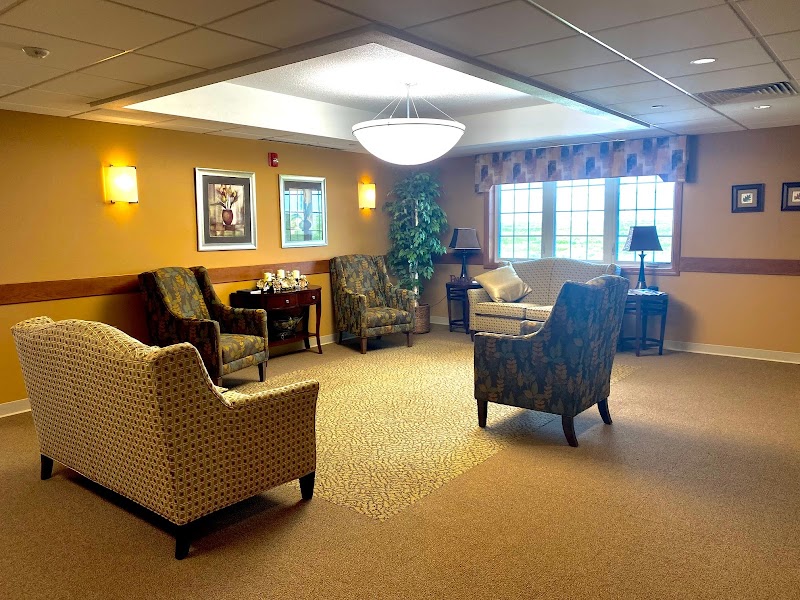
How is Oskaloosa Care Center Staffed?
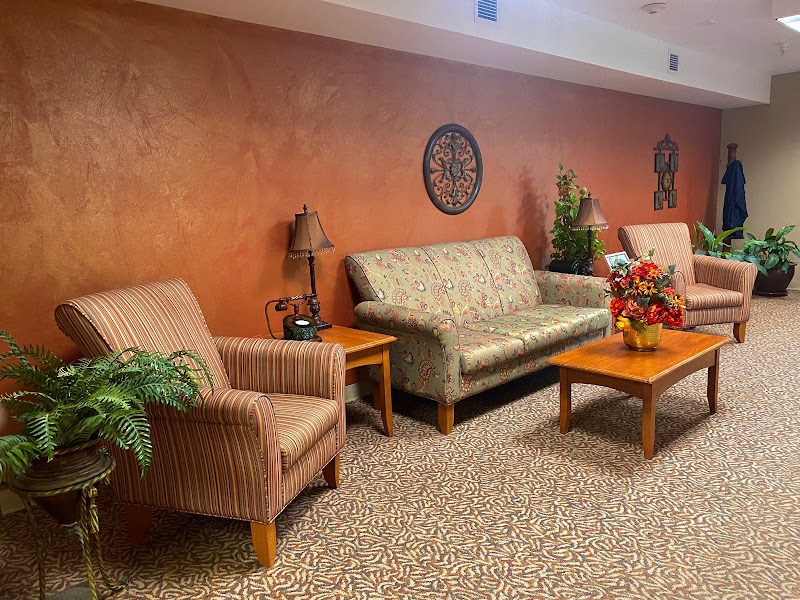
CMS rates Oskaloosa Care Center's staffing level at 2 out of 5 stars, which is below average compared to other nursing homes. Staff turnover is 64%, which is 18 percentage points above the Iowa average of 46%. High turnover can affect care consistency as new staff learn residents' individual needs. RN turnover specifically is 75%, which is notably high. RNs provide skilled clinical oversight, so turnover in this role can affect medical care quality.

What Have Inspectors Found at Oskaloosa Care Center?

State health inspectors documented 23 deficiencies at Oskaloosa Care Center during 2023 to 2025. These included: 1 Immediate Jeopardy (the most serious level, indicating potential for serious harm or death), 1 that caused actual resident harm, and 21 with potential for harm. Immediate Jeopardy findings are rare and represent the most serious regulatory concerns. They require immediate corrective action.

Who Owns and Operates Oskaloosa Care Center?

Oskaloosa Care Center is owned by a for-profit company. For-profit facilities operate as businesses with obligations to shareholders or private owners. The facility operates independently rather than as part of a larger chain. With 83 certified beds and approximately 77 residents (about 93% occupancy), it is a smaller facility located in Oskaloosa, Iowa.

How Does Oskaloosa Care Center Compare to Other Iowa Nursing Homes?

Compared to the 100 nursing homes in Iowa, Oskaloosa Care Center's overall rating (2 stars) is below the state average of 3.0, staff turnover (64%) is significantly higher than the state average of 46%, and health inspection rating (2 stars) is below the national benchmark.

What Should Families Ask When Visiting Oskaloosa Care Center?

Based on this facility's data, families visiting should ask: "What changes have been made since the serious inspection findings, and how are you preventing similar issues?" "How do you ensure continuity of care given staff turnover, and what is your staff retention strategy?" "Can you walk me through typical staffing levels on day, evening, and night shifts?" "Can I visit during a mealtime to observe dining assistance and food quality?" These questions are particularly relevant given the facility's Immediate Jeopardy citations, the facility's high staff turnover rate, and the below-average staffing rating.

Is Oskaloosa Care Center Safe?

Based on CMS inspection data, Oskaloosa Care Center has documented safety concerns. Inspectors have issued 1 Immediate Jeopardy citation (the most serious violation level indicating risk of serious injury or death). The facility has a 2-star overall rating and ranks #100 of 100 nursing homes in Iowa. Families considering this facility should ask detailed questions about what corrective actions have been taken since these incidents.

Do Nurses at Oskaloosa Care Center Stick Around?

Staff turnover at Oskaloosa Care Center is high. At 64%, the facility is 18 percentage points above the Iowa average of 46%. Registered Nurse turnover is particularly concerning at 75%. RNs handle complex medical decisions and coordinate care — frequent RN changes can directly impact care quality. High turnover means new staff may not know residents' individual needs, medications, or preferences. It can also be disorienting for residents, especially those with dementia who rely on familiar faces. Families should ask: What is causing the turnover? What retention programs are in place? How do you ensure care continuity during staff transitions?

Was Oskaloosa Care Center Ever Fined?

Oskaloosa Care Center has been fined $29,679 across 1 penalty action. This is below the Iowa average of $33,376. While any fine indicates a compliance issue, fines under $50,000 are relatively common and typically reflect isolated problems that were subsequently corrected. Families should ask what specific issues led to these fines and confirm they've been resolved.

Is Oskaloosa Care Center on Any Federal Watch List?

Oskaloosa Care Center is not on any federal watch list. The most significant is the Special Focus Facility (SFF) program, which identifies the bottom 1% of nursing homes nationally based on persistent, serious quality problems. Not being on this list means the facility has avoided the pattern of deficiencies that triggers enhanced federal oversight. This is a positive indicator, though families should still review the facility's inspection history directly.