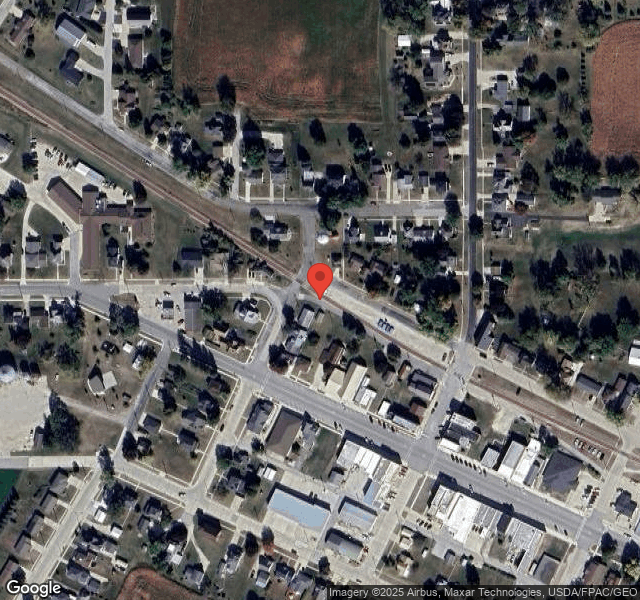
Ossian Care Center

114 FISHER STREET, OSSIAN, IA 52161 (563) 532-9440
Non profit - Corporation 46 Beds Independent Data: November 2025
Trust Grade
75/100
#136 of 392 in IA
Last Inspection: November 2024

Within standard 12-15 month inspection cycle. Federal law requires annual inspections.

Overview

Ossian Care Center has a Trust Grade of B, indicating it is a good choice for families looking for care, but it is not without its challenges. The facility ranks #136 out of 392 nursing homes in Iowa, placing it in the top half overall, and it is ranked #1 out of 3 in Winneshiek County, meaning it is the best option locally. However, the facility is currently experiencing a worsening trend, with issues increasing from 3 reported in 2023 to 7 in 2024. Staffing is a strong point here, earning a 5/5 rating and a turnover rate of 36%, which is lower than the state average, suggesting that staff are committed to their roles. Notably, the facility has no fines recorded, which is a positive sign; however, there have been concerns regarding sanitation practices, such as improper dishwashing temperatures and failure to label and date food items properly. Additionally, there were incidents of not following COVID-19 guidelines, which could pose risks to residents' health. Overall, while there are strengths in staffing and no fines, families should be aware of the recent increase in concerns related to sanitation and infection control.

Trust Score
B
75/100
In Iowa
#136/392
Top 34%
Safety Record
Low Risk
No red flags
Inspections
Getting Worse
3 → 7 violations
Staff Stability
○ Average
36% turnover. Near Iowa's 48% average. Typical for the industry.
Penalties
✓ Good
No fines on record. Clean compliance history, better than most Iowa facilities.
Skilled Nurses
✓ Good
Each resident gets 42 minutes of Registered Nurse (RN) attention daily — more than average for Iowa. RNs are trained to catch health problems early.
Violations
⚠ Watch
15 deficiencies on record. Higher than average. Multiple issues found across inspections.
★★★★☆
4.0
Overall Rating
★★★★★
5.0
Staff Levels
★★★☆☆
3.0
Care Quality
★★★☆☆
3.0
Inspection Score
Stable
2023: 3 issues
2024: 7 issues

The Good

  • 5-Star Staffing Rating · Excellent nurse staffing levels
  • Full Sprinkler Coverage · Fire safety systems throughout facility
  • No fines on record
  • Staff turnover below average (36%)

    12 points below Iowa average of 48%

Facility shows strength in staffing levels, fire safety.

The Bad

Staff Turnover: 36%

Near Iowa avg (46%)

Typical for the industry

The Ugly 15 deficiencies on record

Nov 2024 7 deficiencies
CONCERN (D)

Potential for Harm - no one hurt, but risky conditions existed

Deficiency F0578 (Tag F0578)

Could have caused harm · This affected 1 resident

**NOTE- TERMS IN BRACKETS HAVE BEEN EDITED TO PROTECT CONFIDENTIALITY** Based on record review, staff interviews, and policy review the facility failed to ensure 1 of 16 residents Advance Directive fo...

Read full inspector narrative →
**NOTE- TERMS IN BRACKETS HAVE BEEN EDITED TO PROTECT CONFIDENTIALITY** Based on record review, staff interviews, and policy review the facility failed to ensure 1 of 16 residents Advance Directive forms was signed by the resident and their Doctor in a reasonable amount of time upon admission to the facility (Resident #9). The facility reported a census of 37 residents. Findings include: The Minimum Data Set (MDS) dated [DATE] for Resident #9 documented an admission date into the facility of 10/17/24. The MDS also documented a Brief Interview for Mental Status (BIMS) of 15 indicating no cognitive impairment. Record review on 11/18/24 at 2:40 PM revealed Resident #9 Advance Directives form documented Resident #9 requested an order for Do Not Resuscitate (DNR) on 10/17/24, however, the form lacked documentation of her Physicians signature giving an order for her wishes Record review of Resident #9 Medication Review Report dated 10/18/24 gave an order for DNR Code signed by her Doctor, but lacked Resident #9 request. Follow up record review of Resident #9 Advance Directive form on 11/19/24 revealed her physicians signature was obtained for her DNR order on 11/19/24. During an interview on 11/21/24 at 11:03 AM with the facilities Administrator and Director of Nursing revealed they would expect every resident Advance Directives form be signed as soon as possible upon admission to the facility or within a reasonable amount of time. Review of the facilities undated policy, Advance Directive Policy and Procedure on 11/21/24 lacked a procedure to obtain physicians signature on Advance Directive forms.
CONCERN (D)

Potential for Harm - no one hurt, but risky conditions existed

Comprehensive Assessments (Tag F0636)

Could have caused harm · This affected 1 resident

**NOTE- TERMS IN BRACKETS HAVE BEEN EDITED TO PROTECT CONFIDENTIALITY** Based on record review, staff interview, and policy review the facility failed to complete comprehensive Minimum Data Set (MDS) ...

Read full inspector narrative →
**NOTE- TERMS IN BRACKETS HAVE BEEN EDITED TO PROTECT CONFIDENTIALITY** Based on record review, staff interview, and policy review the facility failed to complete comprehensive Minimum Data Set (MDS) assessments resulting in failure to implement a comprehensive Care Plan for 2 of 4 residents reviewed (Resident #3 and #36). The facility reported a census of 37 residents. Findings include: 1. The comprehensive Minimum Data Set (MDS) dated [DATE] for Resident #3 documented a Brief Interview for Mental Status (BIMS) of 14 indicating no cognitive impairment. The MDS also documented diagnoses of Major Depressive Disorder, Adjustment Disorder, and Post Traumatic Stress Disorder (PTSD). During an interview on 11/21/24 at 10:26 AM with the facilities Social Worker revealed she would expect Resident #3 diagnosis of PTSD be on her Care Plan and include goals and interventions relevant to her PTSD. She revealed she did not have a process to ensure all diagnoses are routinely reviewed and implemented into the Care Plan but plans to review quarterly going forward. 2. The comprehensive Minimum Data Set (MDS) dated [DATE] for Resident #36 documented a Brief Interview for Mental Status (BIMS) of 9 indicating moderate cognitive impairment. The MDS also documented diagnoses of dementia and anxiety and was taking antipsychotic medications. The Care Area Assessment (CAA) of the MDS lacked staff review and documentation of his antipsychotic medications and what would be implemented into the Care Plan. Record review of Resident #36 current Care Plan on 11/19/24 Care Plan lacked instruction to staff he was on antipsychotic medications and side effects to monitor for. During an interview on 11/21/24 at 8:13 AM with the facilities MDS Coordinator revealed she would expect antipsychotic medications be on the Care Plan. During an interview on 11/21/24 at 11:03 AM with the facilities Administrator and Director of Nursing revealed they would expect resident Care Plans to address resident diagnoses of mental health and usage of psychotropic medications, side effects to monitor for, and resident specific interventions. The facility policy, MDS 3.0 Completion with a copyright date of 2023, instructed the following: a. Based on the CAA review, key findings regarding a resident's status are documented, including the nature of the condition, complications and risk factors that affect the care planning decision, factors that must be considered in developing care plan interventions, and the need for referrals or evaluation by appropriate health professionals.
CONCERN (D)

Potential for Harm - no one hurt, but risky conditions existed

PASARR Coordination (Tag F0644)

Could have caused harm · This affected 1 resident

**NOTE- TERMS IN BRACKETS HAVE BEEN EDITED TO PROTECT CONFIDENTIALITY** Based on record review and staff interviews the facility failed to ensure 1 of 1 residents Preadmission Screening and Resident R...

Read full inspector narrative →
**NOTE- TERMS IN BRACKETS HAVE BEEN EDITED TO PROTECT CONFIDENTIALITY** Based on record review and staff interviews the facility failed to ensure 1 of 1 residents Preadmission Screening and Resident Review (PASRR) reflected all current diagnoses related to mental health (Resident #3). The facility reported a census of 37 residents. Findings include: 1. The Minimum Data Set (MDS) dated [DATE] for Resident #3 documented a Brief Interview for Mental Status (BIMS) of 14 indicating no cognitive impairment. The MDS also documented diagnoses of Major Depressive Disorder, Adjustment Disorder, Post Traumatic Stress Disorder (PTSD). The MDS dated [DATE] for Resident #3 documented diagnoses of Major Depressive Disorder, Adjustment Disorder, Post Traumatic Stress Disorder (PTSD). Record review on 11/20/24 of Resident #9 current PASRR completed on 11/21/2023 lacked diagnoses of Adjustment Disorder, PTSD. During an interview on 11/21/24 at 10:26 AM with the facilities Social Worker revealed she would expect Resident #3 diagnoses of PTSD be listed on her PASRR within a reasonable amount of time once diagnosed. She revealed she did not have a process to ensure all diagnoses are routinely reviewed but plans to review quarterly going forward. During an interview on 11/21/24 at 11:03 AM with the facilities Administrator and Director of Nursing revealed they would expect every resident PASRR to reflect current mental health diagnoses.
CONCERN (D) 📢 Someone Reported This

A family member, employee, or ombudsman was alarmed enough to file a formal complaint

Potential for Harm - no one hurt, but risky conditions existed

Accident Prevention (Tag F0689)

Could have caused harm · This affected 1 resident

**NOTE- TERMS IN BRACKETS HAVE BEEN EDITED TO PROTECT CONFIDENTIALITY** Based on record review, staff interview, and policy review the facility failed to ensure 1 of 1 residents reviewed for falls wit...

Read full inspector narrative →
**NOTE- TERMS IN BRACKETS HAVE BEEN EDITED TO PROTECT CONFIDENTIALITY** Based on record review, staff interview, and policy review the facility failed to ensure 1 of 1 residents reviewed for falls with major injury fall interventions were in place at the time of a fall when a clip alarm to alert staff a resident was moving failed to be attached to a residents clothing (Resident #36). The facility reported a census of 37 residents. Findings include: The Minimum Data Set (MDS) dated [DATE] for Resident #36 documented a Brief Interview for Mental Status (BIMS) of 9 indicating moderate cognitive impairment. The MDS also documented diagnoses of dementia and anxiety. The MDS revealed he is dependant on staff for walking and needs substantial to moderate assist with transfers. Record review of the facilities Root Cause Analysis for Resident #36 fall dated 9/28/24 documented his fall occurred in the facilities dementia unit lobby at 5:30 AM. Prior to the fall he was sleeping in a recliner with the foot rest up. Resident #36 used two (2) alarms, a clip alarm to his clothing and a motion sensor and they were not in use during the fall. Record review of Resident #36 Fall Root Cause Analysis Worksheet for his fall on 9/28/24 documented a list of contributing factors to be: a. Alarm not utilized b. Recent decrease/discontinue of medications c. Staff knowledge regarding his Care Plan and Alarm usage Record review of State for Resident #36 Fall Resulting in Fracture signed by the Director of Nursing (DON) on 9/30/24 revealed the following: On 9/28/24 Staff B, Certified Nurse Aide (CNA) was working in the dementia unit of the facility and during the time of Resident #36 fall reported she had been doing a lot of one on one with Resident #36 throughout the night as well as sitting next to him in the lobby. She then informed Resident #36 was resting in the recliner and both CNA's on the unit went to provide care for another resident on rounds during the time of the fall. Staff B informed she was unsure if Resident #36 was to have an alarm on while in the lobby and did not know where the Care Plan was to check it. She informed she would keep other residents doors slightly open so she could periodically monitor Resident #36 when assisting the other resident in the room. Record review of a Major Injury Determination Form for Resident #36 fall on 9/28/24 revealed his fall was determined to be a major injury by his provider on 10/2/24. Record review of Resident #36 current Care Plan on 11/19/24 instructed on 5/28/24 and intervention to have a clip alarm at all times was implemented and revised on 10/1/24. During an interview on 11/21/24 at 8:13 AM with the facilities MDS Coordinator revealed she revised Resident #36 Care Plan after his fall on 9/28/24 to clearly state his clip alarm is to be in place at all times. During an interview on 11/21/24 at 11:03 AM with the facilities Administrator and Director of Nursing revealed they would expect staff to follow all interventions on residents Care Plans. Record review of the facilities undated Fall policy instructed the following: Determine potential causes for the fall and add teaching and/or interventions to the plan of care to prevent another fall from occurring.
CONCERN (D)

Potential for Harm - no one hurt, but risky conditions existed

Medication Errors (Tag F0758)

Could have caused harm · This affected 1 resident

**NOTE- TERMS IN BRACKETS HAVE BEEN EDITED TO PROTECT CONFIDENTIALITY** Based on record review, staff interviews, and policy review the facility failed to ensure antipsychotic medication (a class of d...

Read full inspector narrative →
**NOTE- TERMS IN BRACKETS HAVE BEEN EDITED TO PROTECT CONFIDENTIALITY** Based on record review, staff interviews, and policy review the facility failed to ensure antipsychotic medication (a class of drugs used to treat severe mental health disorders and psychotic symptoms) had appropriate diagnoses for use and create resident specific interventions and medication side effects for 1 of 1 residents reviewed (Resident #36). The facility also failed to obtain informed consent for use of psychotropic medications for 1 of 1 residents reviewed (Resident #36). The facility reported a census of 37 residents. Findings include: 1. The Minimum Data Set (MDS) dated [DATE] for Resident #36 documented a Brief Interview for Mental Status (BIMS) of 9 indicating moderate cognitive impairment. The MDS also documented diagnoses of dementia and anxiety, and was taking antipsychotic and antidepressant medications. Record review of Resident #36 orders in his Electronic Health Record (EHR) on 11/21/24 revealed his first order for antipsychotic medications started on 10/4/24 and had frequently changed. Record review of Resident #36 current orders in his EHR on 11/21/24 revealed the following antipsychotic medications were ordered on 11/19/2024 and currently in use: 1. Quetiapine (Seroquel) 12.5 mg bedtime for behaviors 2. Quetiapine (Seroquel) 12.5 mg daily as needed for agitation until 11/29/2024 Record review of Resident #36 Progress Note dated 11/19/2024 at 8:34 AM documented his as needed Quetiapine 12.5 mg daily as needed until 11/29/2024 was for behaviors. Record review of Resident #36 current Care Plan on 11/19/24 lacked resident specific intervention for use of as needed Quetiapine. The Care Plan also lacked instruction to staff he was on antipsychotic medications and side effects to monitor for. During an interview on 11/21/24 at 8:13 AM with the facilities MDS Coordinator revealed the facility does not have a process to obtain consent or refusal for psychotropic medications. She informed the facility will educate families but unsure what each nurse will say, and there is not a formal document with side effects and risks for usage of psychotropic medications. During an interview on 11/21/24 at 10:26 AM with the facilities Social Worker revealed she would expect Resident #36 Care Plan to have resident specific interventions for as needed antipsychotic medications During an interview on 11/21/24 at 11:03 AM with the facilities Administrator and Director of Nursing revealed they would expect resident Care Plans to address usage of psychotropic medications, side effects to monitor for, and resident specific interventions.
CONCERN (E)

Potential for Harm - no one hurt, but risky conditions existed

Infection Control (Tag F0880)

Could have caused harm · This affected multiple residents

**NOTE- TERMS IN BRACKETS HAVE BEEN EDITED TO PROTECT CONFIDENTIALITY** Based on observation, clinical record review, Center for Disease Control and Prevention (CDC) Infection Control Guidance: Sudden...

Read full inspector narrative →
**NOTE- TERMS IN BRACKETS HAVE BEEN EDITED TO PROTECT CONFIDENTIALITY** Based on observation, clinical record review, Center for Disease Control and Prevention (CDC) Infection Control Guidance: Sudden Acute Respiratory Syndrome (SARS) COVID 2 Guidelines, COVID 19 Clinical Guidance Summary Review and staff interviews, the facility failed to follow CDC COVID 19 guidance and utilize personal protective equipment (PPE) to prevent the potential spread of COVID 19 affecting 7 of 10 resident in the CCDI (chronic confusion or dementing illness) unit (Resident #4, #10, #13, #25, #21, #36 and #38). The facility reported a census of 37 residents. Findings include: Upon entrance to the facility on [DATE] at 10:00 AM the Administrator reported the facility had 9 residents on isolation for COVID 19. The facility provided a Resident Roster which listed Residents #4, #10, #21 and #36 as positive for COVID 19 in the CCDI unit. Resident #13 tested positive for COVID 19 on 11/19/24. Observation on 11/18/24 at 11:29 AM revealed Resident#21 with an isolation bin outside of her room that contained N95 masks (National Institute for Occupational Safety and Health (NIOSH); an N95 respirator is a respiratory protective device designed to achieve a very close facial fit and very efficient filtration of airborne particles. Note that the edges of the respirator are designed to form a seal around the nose and mouth) masks, gloves, isolation gowns and a face shield. Resident #21 room contained no signage to indicate any type of isolation precautions or special use of PPE. Further Observation revealed isolation bins outside of Resident #4, #10 and #36 rooms. Resident #4 and #10 lacked signage indicating any type of special precautions or what type of PPE was required for care. Resident #36 had a CDC sign for Enhanced Barrier Precautions (EBP) due to use of a catheter on the top of the isolation bin. No additional signage noted to direct precautions for COVID 19 or any CDC signage on how to properly apply and take off Personal Protective Equipment (PPE). Observation on 11/18/24 at 11:24 AM Staff F, Licensed Practical Nurse (LPN) wearing a medical mask responded to Resident #10 fall alarm. Staff F checked Resident #10 from the open doorway. Resident #10 sat in her recliner not attempting to get up. Staff F applied an isolation gown and gloves to enter into Resident #10 room. Staff F failed to apply an N95 mask and eye protection. Staff F shut off the fall alarm and approached resident within 4 foot of the resident to offer a drink of water. Resident #10 did not wear a mask. At 11:26 AM Staff F removed the isolation gown and gloves to exit Resident #10 room. Staff F failed to change the medical mask when exiting the COVID 19 isolation room. On 11/18/24 at 11:34 AM Resident#4 got out of bed and was up walking in his room. Staff F followed up with resident asking if he had pain. Staff F told Resident #4 she would get his pain cream and be back. At 11:35 AM Staff F performed hand hygiene, donned an isolation gown, gloves, goggles and wore her existing medical mask into Resident #4 room to administer his medication and pain cream. Resident #4 observed not wearing a mask as Staff A stood within a few feet of him administering his medications. Staff F exited Resident #4 room still wearing the same medical mask. Staff F walked to the medication cart and prepared medications for medication pass. At 11:41 AM Staff F approached Resident #38 (COVID negative resident) still wearing the medical mask from the COVID isolation room) sitting within 2 feet of Resident #38. She handed him a glass of water and his medication cup. Staff F touched Resident #38 left wrist to adjust his watch for him. At 11:46 Staff F assisted Resident #38 back to his room to administer his eye drops. She then walked with him out of the room talking to him within 4 feet of the resident still wearing the same medical mask worn into a COVID isolation room. Resident #38 leaned toward Staff F within 2 feet prior to walking along-side the resident. At 11:49 AM Staff F walked along-side Resident #38 around the unit within 2 feet of the resident. At 11:53 AM Staff F assisted Resident #38 to sit down at the dining room table. On 11/18/24 at 11:37 AM Resident #10 set off her chair alarm. Staff F immediately went to the doorway to check on the Resident #10. Resident #10 sat in the room recliner, but did not attempt to get up. Staff F applied an isolation gown, gloves, N95 mask and goggles to enter into Resident #10 room to assist to the bathroom. Resident #10 did not wear a mask. On 11/18/24 11:54 AM Staff G, Certified Nursing Assistant (CNA) assisted Resident #21 (COVID positive; not wearing a mask) from her room approximately 50 feet through the main dining area to the tub room passing within four feet of Resident #38 (negative for COVID 19) who sat at the dining room table. Staff G wore an N95 mask, isolation gown, gloves and eye goggles. The Hospice CNA followed Staff G out of Resident #21 room wearing only a medical mask and gloves following to the tub room. At 11:58 AM Staff G came out of the tub room wearing her full PPE and went past Resident #38 within 4 feet of him sitting at the table and went into Resident #21 room. At 11:59 AM Staff G exited Resident #21 room with her PPE off. Staff G failed to disinfect the goggles when she exited Resident #21 room. At 12:16 PM the Hospice Aide opened the tub room door to ask Staff A, Infection Preventionist for help. The Hospice Aide stood within 6 feet of Resident #21. Resident #21 observed not wearing a mask and the Hospice Aide observed not wearing an isolation gown. At 12:17 PM Staff F applied an isolation gown, gloves, N95 mask and goggles to enter the tub room to assist the Hospice Aide with Resident #21. At 12:19 PM the Hospice Aide assisted Resident #21 out of the shower room in the wheelchair. Resident #21 had not been provided with a mask. The Hospice Aide wore only gloves, a medical mask and goggles at this time. The Hospice Aide wheeled Resident #21 through the dining room within 4 feet of Resident #38 and Resident #25 (COVID negative resident). At 12:21 PM Hospice Aide walked out of Resident #21 room still wearing her gloves, medical mask and goggles. The Hospice Aide removed her gloves right before punching in the code to leave the dementia unit. The Hospice Aide continued to wear the same medical mask out into the main part of the nursing home. On 11/18/24 12:22 PM Staff A was alerted the Hospice Aide left the unit to enter the nursing home area wearing the same medical mask from the COVID isolation room. Staff A reported all the resident up at the main nursing home had already had COVID. When specifically asked by the Surveyor if every resident had COVID 19, Staff A replied, twelve resident had COVID on the other end. Staff A verbalized the Hospice Aide only sees one resident and indicated it wasn't a problem. On 11/18/24 at 2:36 PM Staff H, CNA donned an isolation gown, gloves, goggles, and wore her existing medical mask, then entered Resident #10 room without donning an N95 mask. Staff H directed Resident #10 let's go to the bathroom. At 2:47 PM Staff H came out of Resident #10 room and placed the goggles on top of the isolation bin without sanitizing the goggles. On 11/18/24 at 2:44 PM Staff G verbalized she uses alcohol wipes to sanitize the goggles after use in a COVID 19 isolation room. On 11/19/24 at 7:51 AM the Surveyor entered the unit to see Staff I, Registered Nurse (RN) performing a nasal swab test for COVID 19 for Resident #13 in the lounge area next to the nurses desk wearing a medical mask, gloves and her prescription eye glasses. Resident #38 sat at the dining room table in the lounge. Resident #13 exhibited nasal congestion and a congested cough. Resident #13 sneezed twice after the nasal swabbing with Staff I standing approximately two foot from the resident. The DON stood within four to six feet of Resident #13 wearing only a medical mask and gloves as she instructed Staff I how to complete the COVID test. The DON verbalized due to Resident #13 symptoms they were testing her again today for COVID 19. Staff J stood within 6 foot of Resident #13 wearing only a medical mask. At 7:59 AM the DON instructed Staff J, CNA that Resident #13 likely had COVID 19 and to take her to her room and make her comfortable. Staff J assisted Resident #19 via wheelchair back to her room and assisted to put her call light in reach without performing hand hygiene, donning an N95 mask, isolation gown, gloves or eye protection. Observation at 8:00 AM revealed Staff I entered into Resident #25 room wearing the same medical mask that she used when she tested Resident #13 for COVID 19. Staff I then came out of Resident #25 room and started to put on an isolation gown. The DON informed Staff I Resident #25 was not COVID positive, but she could still wear PPE in the room if she wanted to. Observation on 11/19/24 at 8:09 AM revealed Staff I performed hand hygiene, donned an isolation gown, applied an N95 mask with a medical mask over top and wore her regular prescription eye glasses into Resident #10 room to administer her morning medications. Observation at 8:11 AM revealed plastic goggles with side shields lay on top of the isolation cart outside of Resident #10 room. Resident #10 coughed twice with Staff I within two foot of her during medication administration. At 8:12 AM Staff I exited Resident #10 room after removing her gown and gloves in the room. Staff I came out of the room and removed her dirty mask and donned a new medical mask without performing hand hygiene between the mask change. On 11/19/24 at approximately 8:13 AM the Director of Nursing (DON) asked Staff I about Resident #13 COVID test. Staff I checked the test and reported Resident #13 was positive for COVID 19. During an interview on 11/19/24 at 8:15 AM the Director of Nursing (DON) reported she expected staff to wear an N95 mask, isolation gown, gloves, and protective eyewear into a COVID positive isolation room. She reported staff are to use the goggles with side shields which are in the isolation bins. The goggles should be sanitized with the Sani wipes when the staff exit the rooms as they do not have disposable face shields. At 8:18 AM she voiced if a resident is symptomatic, she imagined they should wear full PPE (N95, isolation gown, gloves and eye protection) when testing for COVID 19. She acknowledged that they did not have any signage on Resident #4, #10, #36 room doors to communicate need for PPE and type of precautions. She verbalized they have a communication sheet they use to communicate resident positive for COVID 19 through report, but acknowledged this does not communicate to outside vendors and visitors if precautions are needed. She voiced the vendors or visitors would see the isolation bins and probably know resident were on precautions. She reported she didn't see any of the sanitizing wipes available in the unit to sanitize goggles. Interview on 11/19/24 at 9:36 AM Staff I reported she received in report which residents were positive for COVID 19 without much more direction. She was just told she could wear her (prescription) glasses, a medical mask and gloves for PPE to care for COVID 19 residents. They were not given any direction on sanitizing goggles. She works as needed and was just being honest with her answers. Interview on 11/19/24 9:52 AM Staff J revealed he was taught to wear an N95 mask, isolation gown, gloves and eye protection into a COVID 19 room. Surveyor shared observation that he did not have goggles on early this morning when he came out of Resident #10 room. He stated his goggles had fallen off in the resident's room. He didn't want her to fall so he just kept going and went back to get the goggles later. Observation on 11/19/24 at 8:23 AM the DON instructed Staff I on proper PPE to wear into the COVID isolation rooms, changing masks when exiting a COVID 19 room, performing hand hygiene and sanitizing goggles after use in the COVID 19 isolation rooms. During an interview on 11/20/24 at 1:19 PM the DON reported the facility started the COVID 19 outbreak on 10/29/24. Interview on 11/21/24 at 9:28 AM with the Infection Preventionist revealed she expects staff to follow the posted (CDC) signs to apply and take off PPE. They follow the CDC procedures for applying and removing PPE for COVID 19 isolation. She voiced residents suspected of COVID 19 symptoms should be tested in their rooms and the nurses should wear an N95 mask, isolation gown, gloves and eye protection during the test procedure. The facility has some disposable goggles, but the plastic goggles should be sanitized with the Clorox bleach wipes to disinfect the goggles for three minutes. On 11/21/24 at 9:34 AM Staff H reported she is required to disinfect the goggles after being in a COVID 19 isolation room with alcohol wipes. During an interview on 11/21/24 at 9:45 AM the MDS Coordinator reported she had previously been the Infection Control Preventionist and she is still assisting Staff A with infection control as she is new to the position. She reported she expect staff to apply a N95 mask, gown, gloves and eye protection to enter into a COVID 19 isolation room. Staff should remove their PPE as close to the exit door as possible. Once out of the room, staff should perform hand hygiene and apply a new mask. The goggles should be disinfected after use. She reported she likes to use the small disinfectant packets, but couldn't recall the name of the disinfectant. She then said the Sani wipes. She wasn't sure on the length of time the Sani wipes needed to stay wet on the goggles for disinfection, but thought 3-5 minutes. Staff should test residents suspected of COVID 19 in their rooms wearing an N95, isolation gown, gloves and eye protection. On 11/21 24 the Infection Preventionist provided the Iowa Health Care Association Member COVID 19 Clinical Guidance Summary dated August 7, 2023 for review as part of their facility policies/procedures. The Guidance included the intent of the document to provide clinical guidance and best practices for implementing recent CMS changes. CMS recommends the application of Core Principles of COVID 19 Infection Prevention as noted below: a. Hand hygiene with use of alcohol-based hand rub is preferred. b. Face covering or mask (covering mouth and nose) in accordance with CDC guidance. c. Appropriate staff use of PPE. The Guidance further outlined Transmission-Based Precautions: Transmission-based precautions (TBP) should be applied when caring for a resident who has suspected or confirmed COVID 19 infection. Health Care Personnel (HCP) who enter the room of a resident on TBP should adhere to standard precautions, as well as wear a NIOSH-approved respirator (N95), gown, gloves and eye protection (i.e., goggles or face shield that covers the front and sides of the face. Respirators should be used for care provided to a COVID 19 positive resident, as indicated in transmission-based precautions. The Guidance further directed while (COVID) tests are pending, residents with signs and symptoms should be placed into TBP. The Guidance defined close contact as being within six feet of a COVID positive individual for 15 minutes or more within a 24 hours period. Higher-risk exposure is defined as an HCP who had prolonged (15 minutes or more in a 24 hour period) with a person who confirmed positive for COVID 19 and one of the following: a. HCP were not wearing a respirator (or if wearing a face mask, the person with COVID infection was not wearing a cloth mask or facemask). b. HCP was not wearing eye protection if the person with COVID infection was not wearing a cloth mask or facemask. The Testing Safety Considerations specified during specimen collection, facilities must maintain proper infection control and use recommended PPE, which includes a NIOSH-approved N95 or equivalent or higher-level respirator, eye protection, gloves and a gown when collecting specimens. The 6/24/24 CDC COVID 19 Infection Control Guidance: SARS-CoV-2 under recommended infection prevention and control (IPC) practices when caring for a patient with suspected or confirmed SARS-CoV-2 infection directs the following: 1. Personal Protective Equipment a. HCP who enter the room of a patient with suspected or confirmed SARS-CoV-2 infection should adhere to Standard Precautions and use a NIOSH Approved particulate respirator with N95 filters or higher, gown, gloves, and eye protection (i.e., goggles or a face shield that covers the front and sides of the face). 2. Visitation a. Facilities should provide instruction, before visitors enter the patient's room, on hand hygiene, limiting surfaces touched, and use of PPE according to current facility policy. 3. Environmental Infection Control a. Dedicated medical equipment should be used when caring for a patient with suspected or confirmed SARS-CoV-2 infection. All non-dedicated, non-disposable medical equipment used for that patient should be cleaned and disinfected according to the manufacturer's instructions and facility policies before use on another patient.
CONCERN (F)

Potential for Harm - no one hurt, but risky conditions existed

Food Safety (Tag F0812)

Could have caused harm · This affected most or all residents

**NOTE- TERMS IN BRACKETS HAVE BEEN EDITED TO PROTECT CONFIDENTIALITY** Based on observation, document review, manufacturer information, and staff interview the facility failed to have a proper system...

Read full inspector narrative →
**NOTE- TERMS IN BRACKETS HAVE BEEN EDITED TO PROTECT CONFIDENTIALITY** Based on observation, document review, manufacturer information, and staff interview the facility failed to have a proper system in place to ensure proper sanitation of all dishware. The facility identified a census of 37 residents. Findings include: Upon entrance to the facility on [DATE] at 10:00 AM the Administrator reported the facility had a COVID 19 outbreak with 9 residents positive for COVID 19. Observation on 11/18/24 at 10:26 AM revealed the dishwasher running with a wash temperature of 150 degrees and a rinse temperature of 151 degrees. Further observation revealed a Lo Temp Sanitizer chemical system in place running to the dishwasher. Staff K, Dietary reported they had changed the system over to a chemical sanitation system. Staff K tested the dishwasher for proper sanitation by utilizing a Hydrion test strip. After running the dishwasher through two different wash/rinse cycles, Staff K dipped the test strip into the hot water. She laid the test strip next to the test chart and stated the dishwasher was sanitizing. The test strip remained a light gray color when compared to the color chart registered at 10 parts per million (PPM). Staff K repeated the above testing again with no change noted in the test strip. Both test strips failed to change to a dark purple color to indicate a disinfection level of 50 -100 PPM. Inspection of the dish washer revealed a container of low-temperature sanitizer sitting on the floor and a chemical dispense system on the wall to the right of the dishwasher. Manufacturer Directions for Hot water Sanitizing and Chemical Sanitizing noted posted on the front panel of the dishwasher directed the following: 1. Hot Water Sanitizing a. Wash Temperature 150 degrees Fahrenheit minimum b. Rinse Temperature 180 degrees Fahrenheit minimum 2. Chemical Sanitizing a. Wash Temperature 120 degrees Fahrenheit minimum b. Rinse Temperature 120 degrees Fahrenheit minimum. A 11/18/24 11:39 untitled document provided by the facility contained a service note for the dishwasher noting the dishwasher tested too low for chemical disinfection. The product line was disconnected from the injection port and the port was plugged. The line was hooked up to a different port and the dishwasher tested fine. On 11/20/24 at 11:45 PM the Certified Dietary Manager (CDM) reported they had the dishwasher inspected on 11/18/24 and found a crack in one of the dispensing lines and another dispensing line for the sanitizer had blown off the back of the dishwasher. Their vendor had fixed the issue on 11/18/24 after the surveyor identified the dishwasher had not been sanitizing the dishes. Interview on 11/20/24 at 1:30 PM the CDM voiced the sanitation strips on the dishwasher are run three days a week by the 8:00 AM dishwasher. If they do not do the test strip, then she does it. She didn't keep the strips prior to 11/09/24 because all the testing strips turn back to a light tan color. A review of the November 2024 Dish Machine Temperature Chart revealed no documented test strips prior to 11/09/24. The Chart revealed the only testing completed on 11/09/24 and 11/13/24 were a tan color so documentation could not support if the dish machine was properly sanitizing. The November 2024 Dish Machine Temperature Chart documented a wash temperature ranging from 151 to 155 degrees and a rinse temperature ranging from 109 to 122 degrees. On 12:54 PM the CDM reported she could not find the Dish Machine Temperature Chart Documentation for October 2024. The CDM could not verify the last time the dishwasher had actually been sanitizing based on the documentation. The CDM reported Staff L, Dietary staff, signed she completed the sanitation strip test on 11/09/24. On 11/20/24 at 1:25 PM Staff L, Dietary, verbalized she runs the dish washer in the kitchen, but she only works in the kitchen about every three weeks. She doesn't recall running the test strip check on the dishwasher on 11/09/24. Normally they ask the CDM for a test strip. They place the test strip on a fork and put it on a rack. They run a load of dishes through the machine. The test strip will turn yellow. She hasn't done a test strip on the dishwasher for around a year. If the dish machine is not correctly sanitizing, she would notify the CDM. Interview on 11/20/24 at 1:32 PM Staff G, Certified Nursing Assistant (CNA) and Dietary voiced she works in the kitchen every once in a while. She reported she checks to be sure the dishwasher temperatures are within the parameters on the Dish Machine Temperature Chart. She usually never documents the dishwasher temperatures. She just gives the temperature ranges to the [NAME] and the [NAME] records the information. The [NAME] will direct them when to start using the three-compartment sink to wash, rinse, and sanitize the dishes. She has never mixed the sanitizer for the three-compartment sink. She reported the last time they used the three-compartment sink was about a month ago when the system was put in. On 11/20/24 at 1:36 PM Staff M, Dietary runs the dishwasher frequently. She does test the dishwasher, but she looks to Staff K and the CDM for guidance. She sticks the test strips in the water then compares to the box to ensure the dishwasher is sanitizing. She disposes of the test strip after she tests the machine. She does not write anything down on the documentation sheet. She would report to the CDM right away, then call maintenance if she had issues with the dishwasher. They use the three-compartment sink when the dishwasher is down. She has only had to do it once and she didn't know how to do it, so she had to have the CDM walk her through mixing the sanitizer. That was about a month ago when maintenance was working on the dishwasher. During an interview on 11/20/24 at 1:45 PM the Maintenance Director reported about a month ago they were converting the dishwasher over to a cold-water disinfection system. He relied heavily on the guy setting up the system. He reported a vendor came out to service the machine on 11/18/24. They serviced the pump as the sanitizer level was too low. They found a line in the back of the machine had blown off and no one noticed it. They bypassed that and upped the level of the sanitizer to where it should be. He couldn't say how long the line had been off of the dishwasher. The machine is computerized so he is surprised there isn't some sort of warning that comes up on the machine. It had to have been in the past week or weekend that the hose popped off. A few weeks ago, staff were complaining there was water leaking on the floor under the dishwasher. He had to come in and change a fitting on the dishwasher and everything was okay at that time. In the past week, maybe last Wednesday, the clear goblet glasses were more cloudy. So that may have indicated a change, but he wasn't putting two and two together at that time. Observation on 11/20/24 at 2:08 PM the CDM ran a test strip through the dishwasher and revealed the test strip at 100 PPM appropriately sanitizing. The CDM reported no one had come to her with any reports the dishwasher was not running correctly so she felt the issue with the line had to have been in the past week or two. Going forward she plans to have the staff document the PPM strip test on the Dish Machine Temperature Chart. She expects if the dishwasher is not sanitizing, the staff will immediately stop use of the dishwasher, report to her and the Maintenance Director and move to using the three-compartment sink system for wash, rinse, and sanitation. The facility lacked a documentation system to ensure prior dishware sanitation in the dishwasher.
Oct 2023 3 deficiencies
CONCERN (D) 📢 Someone Reported This

A family member, employee, or ombudsman was alarmed enough to file a formal complaint

Potential for Harm - no one hurt, but risky conditions existed

Report Alleged Abuse (Tag F0609)

Could have caused harm · This affected 1 resident

**NOTE- TERMS IN BRACKETS HAVE BEEN EDITED TO PROTECT CONFIDENTIALITY** Based on clinical record review, facility document review, and staff interview the facility failed to report an allegation of ab...

Read full inspector narrative →
**NOTE- TERMS IN BRACKETS HAVE BEEN EDITED TO PROTECT CONFIDENTIALITY** Based on clinical record review, facility document review, and staff interview the facility failed to report an allegation of abuse in the required 2-hour time frame to the Iowa Department of Inspections, Appeals, and Licensing (DIAL). The facility reported a census of 38 residents. Findings include: Resident #27's Minimum Data Set (MDS) dated [DATE] documented an admission date of 11/16/21. The MDS listed diagnosis including Alzheimer's Disease. The MDS documented the resident required extensive assistance of 2 people for transfers, toilet use, and personal hygiene. She required extensive assistance of 1 person for eating and dressing. She required physical assistance for bathing. The Progress Note written on 4/20/23 at 11:43 AM by Staff D, Registered Nurse (RN), documented Staff E, Certified Medication Aid (CMA), reported red marks on the resident's neck that were not there prior to the resident's shower. Facility document titled Incident Audit Report documented the red marks were noted at 7:15 AM. A summary of the situation typed by Staff F documented Staff D informed her of the red marks at 9:00 AM. The same document records Staff F informed the Administrator at 11:10 AM. The Facility Self Report print out from the DIAL website documented a submission date and time of 4/20/23 at 3:02 PM. On 10/11/23 at 11:43 AM the Administrator acknowledged the allegations should have been reported to DIAL within 2 hours.
CONCERN (D) 📢 Someone Reported This

A family member, employee, or ombudsman was alarmed enough to file a formal complaint

Potential for Harm - no one hurt, but risky conditions existed

Investigate Abuse (Tag F0610)

Could have caused harm · This affected 1 resident

**NOTE- TERMS IN BRACKETS HAVE BEEN EDITED TO PROTECT CONFIDENTIALITY** Based on clinical record review, facility document review, policy review, and staff interview the facility failed to complete a ...

Read full inspector narrative →
**NOTE- TERMS IN BRACKETS HAVE BEEN EDITED TO PROTECT CONFIDENTIALITY** Based on clinical record review, facility document review, policy review, and staff interview the facility failed to complete a thorough investigation after an allegation of abuse. The facility reported a census of 38 residents. Findings include: Resident #27's Minimum Data Set (MDS) dated [DATE] documented an admission date of 11/16/21. The MDS listed diagnosis including Alzheimer's Disease. The MDS documented the resident required extensive assistance of 2 people for transfers, toilet use and personal hygiene. She required extensive assistance of 1 person for eating and dressing. She required physical assistance for bathing. The Progress Note written on 4/20/23 at 11:43 AM by Staff D, Registered Nurse (RN), documented Staff E, Certified Medication Aid (CMA), reported red marks on the resident's neck that were not there prior to the resident's shower. Facility document titled Incident Audit Report documented the red marks were noted at 7:15 AM. A summary of the situation typed by Staff F, Licensed Practical Nurse (LPN), documented Staff D informed her of the red marks at 9:00 AM. The same document records Staff F informed the Administrator at 11:10 AM. The Progress Notes, Incident Audit Report, and the summary lacked documentation of a head to toe assessment looking for additional injuries. The documents lacked physical assessments of other residents that had received showers by the same staff person that same morning. Facility Policy titled Abuse Prevention, Identification, Investigation and Reporting last revised on 11/28/16 directs the Director of Nursing (DON) or charge nurse to conduct a physical assessment immediately if an injury has occurred. The policy further directs staff to document the physical assessment in the resident's chart. During an interview on 10/11/23 at 3:57 PM Staff F stated she didn't know what to do with the alleged staff member so she separated him from the resident and waited for direction from the Administrator She acknowledged there was not an assessment documented for Resident #27. She acknowledged that no other residents were assessed for injury or abuse.
CONCERN (F)

Potential for Harm - no one hurt, but risky conditions existed

Food Safety (Tag F0812)

Could have caused harm · This affected most or all residents

**NOTE- TERMS IN BRACKETS HAVE BEEN EDITED TO PROTECT CONFIDENTIALITY** Based on observation, policy review, and staff interview the facility failed to properly label and date opened food prior to sto...

Read full inspector narrative →
**NOTE- TERMS IN BRACKETS HAVE BEEN EDITED TO PROTECT CONFIDENTIALITY** Based on observation, policy review, and staff interview the facility failed to properly label and date opened food prior to storage. The facility identified a census of 38 residents. Findings include: During an initial tour of the kitchen on 10/09/23 at 2:45 PM the following food items were observed not labeled and dated in the food storage areas: a. 1 package of hamburger buns with 3 ½ buns left in the package b. 1 bag gluten free bread with 5 slices of bread in the bag c. ½ package of open coconut flakes d. 1 package ¼ full of butterscotch baking chips e. ½ bag of mixed nuts f. ½ loaf of raisin bread g. ¾ package of raspberry gelatin h. One 12 pack of Cream of Wheat with 7 packages left in the box i. One 12 pack of Cream of Wheat with 11 packages left in the box j. ½ bag of open frozen raspberries k. 1 container Hormel Thick and Easy nectar consistency water with hint of lemon ¾ full l. 1 shaker cup of an unknown liquid substance, unlabeled and dated m. 1 container ¾ full of Liqua Cel Orange Sugar Free drink n. 1 package of frozen pancakes with 7 pancakes inside o. 1/2 package of wonton strips During a follow-up visit to the kitchen the following observations of unlabeled and undated food were found: a. 1 bag gluten free bread with 5 slices of bread in bag b. ½ package of open coconut flakes c. 1 package ¼ full of butterscotch baking chips d. ½ bag of mixed nuts e. ½ loaf of raisin bread f. One 12 pack of Cream of Wheat with 7 packages left in the box g. One 12 pack of Cream of Wheat with 11 packages left in the box h. Open package of [NAME] gluten free table crackers, undated i. 1/2 bag of cheese puffs j. 1 box of opened strawberry toaster pastries k. 1 package 1/2 full of Great Value gluten free cream cookies l. 1 box opened gluten free oatmeal m. 1 package of frozen hot dog buns with 3 hot dog buns left in the package n. 1/2 package of wonton strips On 10/11/23 at 11:34 AM Staff B, Dietary Aide, reported all food that is opened should be labeled and dated before being stored. She voiced the morning cook is to go through and clean out the fridges and remove any food items that are not labeled and dated. On 10/11/23 at 12:10 PM Staff C, Cook, reported all opened food is to be labeled and dated prior to being stored. During an interview on 10/11/23 at 12:15 PM Staff A, Dietary Manager, reported she expects all open food to be labeled and dated prior to storage. She voiced the morning and afternoon cooks are to go through and throw away any food that is not properly labeled and dated. She expected all staff to be responsible for properly labeling and dating food for storage and expected all staff to throw out food items that were not appropriately labeled, dated, or stored. The Food Handling Policy undated provided by the facility under Prevention of Contamination Guidelines specified the following: a. Cover, label, date and refrigerate al leftovers as soon as serving is completed. b. Store all pre-poured beverages and pre-portioned foods in refrigerator, covered and labeled until ready to serve. The Food Handling Policy did not address food labeling and dating of dry food pantry items.
Jun 2022 5 deficiencies
CONCERN (D)

Potential for Harm - no one hurt, but risky conditions existed

Deficiency F0582 (Tag F0582)

Could have caused harm · This affected 1 resident

**NOTE- TERMS IN BRACKETS HAVE BEEN EDITED TO PROTECT CONFIDENTIALITY** Based on clinical record review, document review and staff interview the facility failed to serve the beneficiary notices correc...

Read full inspector narrative →
**NOTE- TERMS IN BRACKETS HAVE BEEN EDITED TO PROTECT CONFIDENTIALITY** Based on clinical record review, document review and staff interview the facility failed to serve the beneficiary notices correctly for 3 of 3 residents (Resident #3,#27, #29) sampled. The facility identified a census of 31 residents. Findings include: 1. A Skilled Nursing Facility (SNF) Beneficiary Notification Review Form, completed by the facility, documented Resident #3 admitted to Medicare Part A skilled services on 6/8/22 with a last covered day on 6/24/22. Resident #3's Skilled Nursing Facility Advanced Beneficiary Notice of Non-coverage (SNF ABN) documented Option 1 had been chosen to continue the therapy services and for Medicare to be billed for an official decision on payment which would require a Medicare Summary Notice (MSN) to be issued. Resident #3's wife signed the SNF ABN on 6/22/22. 2. A SNF Beneficiary Review Form, completed by the facility, documented Resident #27 admitted to Medicare Part A skilled services on 4/4/22 with a last covered day on 4/18/22. The SNF ABN documented Option 1 had been chosen for therapy services to continue and for Medicare to be billed for an official decision on payment which would require a Medicare Summary Notice to be issues. Resident #27 signed the SNF ABN on 4/15/22. 3. A SNF Beneficiary Review Form, completed by the facility, documented Resident #29 admitted to Medicare Part A skilled services on 6/8/22 with a last covered day of service on 6/24/22. A review of the Notice of Medicare Non-Coverage (Center for Medicare and Medicaid [NAME] (CMS) Form 10123-NOMNC) notifying the Resident/Resident representative of their appeal rights showed the document signed by the family on 6/23/22. The document lacked a 48 hour notice of non-coverage by the facility. The SNF ABN documented Option 1 had been chosen for therapy services to continue and for Medicare to be billed for an official decision on payment which would require a Medicare Summary Notice to be issues. The family signed the SNF ABN on 6/23/22. The SNF ABN lacked a 48 hour notice of non-coverage. During an interview on 6/28/22 at approximately 9:35 a.m. the Administrator reported she did not have a CMS form 10124 Detailed Notice of Non-Coverage as Resident's #3, #27, #29 nor their legal representatives wanted the skilled services to continue. She stated she had filled out the forms for them to sign and she had checked the wrong box on the SNF ABN form.
CONCERN (D)

Potential for Harm - no one hurt, but risky conditions existed

Comprehensive Care Plan (Tag F0656)

Could have caused harm · This affected 1 resident

**NOTE- TERMS IN BRACKETS HAVE BEEN EDITED TO PROTECT CONFIDENTIALITY** Based on observation, clinical record review, policy review and staff interview, the facility failed to implement the use of a r...

Read full inspector narrative →
**NOTE- TERMS IN BRACKETS HAVE BEEN EDITED TO PROTECT CONFIDENTIALITY** Based on observation, clinical record review, policy review and staff interview, the facility failed to implement the use of a roho cushion per the care plan for 1 of 13 residents reviewed, (Resident #28). The facility identified a census of 31 residents. Findings include: The Minimum Data Set (MDS) assessment dated [DATE] For Resident #28 identified a Brief Interview for Mental Status score of 7 indicating moderate cognitive loss. The resident required extensive assistance of two staff with transfer, bed mobility, dressing, toileting and personal hygiene. The MDS documented Resident #28 had an unhealed pressure injury, stage 4, present since admission for which the facility utilized a pressure reducing device for the bed, chair, nutritional interventions and pressure injury wound care. The MDS listed a diagnosis of diabetes mellitus, non-Alzheimer's dementia, and pressure ulcer of the sacral region, stage 4. (A stage 4 pressure ulcer is a full thickness skin loss with extensive destruction; tissue necrosis (death); or damage to muscle, bone, or supporting structure (such as tendon, or joint capsule). The Medication Review Report signed by the Provider on 5/31/22 documented the following physician orders: 1. Pack the wound with 1 inch stretch bandage soaked in Dakin's (solution). Cover the wound with gauze and ABD (abdominal) pad. Pack (the wound) loosely to allow for granulation to occur for pressure ulcer of the sacral region. 2. Roho cushion (A roho is a pressure relief cushion that is made of soft, flexible air cells connected by small channels) to the geri chair when patient is up. The Care Plan revised 6/6/22 directed the staff to utilize a roho cushion. During an observation on 6/26/22 at 11:50 a.m. the resident sat in a broda chair on a thin silver pad in the wheelchair eating lunch in the dining room. At 1:30 p.m. a four inch roho cushion lay in the Resident's room recliner seat. On 6/27/22 at 10:15 a.m. The resident sat in a broda chair slightly reclined on a thin silver cushion. On 6/27/22 at 10:55 a.m. The resident sat in a broda chair slightly reclined on a thin silver cushion. During an observation on 6/27/22 at 11:18 a.m. Staff E, Certified Nursing Assistant (CNA) took the resident from the front lounge area via broda chair into the dining room and sat at the dining room table. The Resident remained sitting on the thin silver cushion. During an observation on 6/27/22 at 11:48 a.m. Resident #28 remained seated in his broda chair at the dining room table being assisted with lunch. On 6/27/22 at 12:09 p.m. Staff took Resident #28 via broda chair back to his room. A four inch roho cushion observed laying in the seat of the Resident's room recliner. During an observation and interview on 6/27/22 at 1:29 p.m. after the resident had been hoyer lifted to his bed, the Surveyor noted a flattened silver cushion, less then 1/4 inch thick laying in the seat of the broda chair. The Director of Nursing, (DON), picked up the sliver chair cushion from Resident #28's broda chair stating she did not think the silver cushion provided adequate pressure relief. The DON pointed to the roho cushion in the recliner and stated that is the cushion he is supposed to be sitting on. She didn't know if maybe hospice had changed the cushion because he sat too high in the broda chair. She additionally stated the resident was no longer on hospice care. At 1:40 p.m. the DON stated she did not know what type of cushion the silver cushion was. She stated hospice usually marks their equipment. She picked up the roho cushion from the recliner noting the roho cushion marked with hospice on the backside of the cushion. She placed the roho cushion in Resident #28's broda chair. When questioned by the surveyor on the placement of the cushion, she checked and had placed the roho cushion with the cut out for pressure relief to the front of the broda chair. The DON picked the roho cushion back up and turned around to properly place in the broda chair. During an interview on 6/28/22 at 1:13 p.m. Staff D, Certified Nursing Assistant, (C.N.A.) reported it is really which ever cushion the resident feels best sitting on is the one they use in the resident's wheelchair. On 6/28/22 at 1:15 p.m. Staff D, Registered Nurse (RN), reported she would probably look on the Care Plan to see what type of cushion the resident needs or ask the Director of Nursing (DON). She said she would need to check further with the DON. She returned at approximately 1:25 p.m. and stated the DON told her the special cushions are listed in the Physician Order, but they do not show on the Medication Administration Record or on the Treatment Administration Record. Any orders for special cushions would be listed in the resident's care plan. During an interview on 6/28/22 at approximately 1:18 p.m. the DON stated the Resident's cushion would be Physician Ordered and documented in the Care Plan. They would also write a note in the communication book for the nursing staff on which cushion to use. During an interview on 6/29/22 at 8:03 a.m. the DON reported she expected the nurses would follow the Resident's plan of care. The Comprehensive Care Plan Policy, undated, provided by the facility documented a purpose to ensure the comprehensive care plan is person centered, consistent with their rights and that it includes measurable goals and timeframes to meet residents medical, nursing, and mental and psychosocial needs based on the comprehensive assessment. The comprehensive care plan will at a minimum identify the following: services that will be furnished to attain or maintain the resident's highest practicable physical, mental and psychosocial well-being. The Comprehensive Care Plan Policy lacked documentation that physician orders would be included in the plan of care.
CONCERN (D)

Potential for Harm - no one hurt, but risky conditions existed

Deficiency F0658 (Tag F0658)

Could have caused harm · This affected 1 resident

**NOTE- TERMS IN BRACKETS HAVE BEEN EDITED TO PROTECT CONFIDENTIALITY** Based on clinical record review, document review and staff interview the facility failed to follow the physician ordered paramet...

Read full inspector narrative →
**NOTE- TERMS IN BRACKETS HAVE BEEN EDITED TO PROTECT CONFIDENTIALITY** Based on clinical record review, document review and staff interview the facility failed to follow the physician ordered parameters on daily weights and utilize a roho cushion as ordered for 2 of 13 residents (Resident #27 and #28) sampled for physician orders. The facility reported a census of 31 residents. Findings include: 1. The Minimum Data Set (MDS) assessment dated [DATE] for Resident #27 showed a Brief Interview for Mental Status Score of 15 indicating intact cognitive functioning. The resident required extensive assistance with bed mobility, transfer, dressing, toileting and personal hygiene. The MDS identified the resident with a diagnosis of atrioventricular block, complete, coronary artery disease, hypertension, heart failure and presence of a cardiac pacemaker. A Nurses Notes dated 3/27/22 at 12:25 p.m. documented Resident #27 complained of trouble breathing, exhibited raspy respirations of 15, blood pressure 164/79, temperature of 98.3, oxygen saturation level of 89% on 3 liters of oxygen and pulse 47 beats per minute. The facility obtained an order to transfer the resident to the emergency room. A Health Status Note dated 4/4/22 at 12:19 p.m. documented Resident #27 would be returning from the hospital after placement of a permanent pacemaker. The Hospital Discharge Summary, electronically signed by the Provider on 4/4/22, noted by Staff C, Registered Nurse, documented a discharge order to weigh the Resident at the same time each day. Call the doctor or nurse if you: 1) Gain greater than two pounds or more overnight, or a total of 5 pounds anytime. 2) Feel short of breath. 3) Wake up at night short of breath. 4) Have more swelling in your face, hands, belly legs, or feet. A Medication Review Report, signed by the Provide on 4/9/22, lacked documentation of any clarification of any weight orders. The April 2022 Treatment Administration Record (TAR) documented a physician order for daily weight, one time a day related to acute combined systolic (congestive) and diastolic (congestive) heart failure. Start date 10/21/21. The daily weight order lacked documentation of the parameters on when to contact the physician as documented in the Hospital Discharge Summary. The April 2022 TAR and the April 2022 Weights and Vitals Summary documented the following weights: a. 4/20/22 216.4 pounds b. 4/21/22 weight missed from the TAR c. 4/22/22 219 pounds d. 4/27/22 217.8 pounds e. 4/28/22 223 pounds. The May 2022 TAR and May 2022 Weights and Vitals Summary documented the following weights: a. 5/7/22 218 pounds b. 5/8/22 222.2 pounds A review of the Nurses Notes from 4/20/22 - 5/15/22 lacked documentation of a nursing assessment related to the weight gain or notification to the physician according to the parameters of the daily weight order. Further the May 2022 TAR showed the physician order for daily weights as discontinued on 5/15/22. A Medication Review Report signed by the Provider on 6/2/22 documented a physician order to change the weight to weekly as of 6/2/22. During an interview on 6/28/22 at 10:30 a.m. the Director of Nursing (DON) reported she had only been the DON at the facility for the past two months. She did not work at the facility when the resident was ordered on daily weight so she was not sure about what had happened. She stated the nurse that notes the order should enter the weight parameters in the computer as part of the order. If the parameters were met, she would expect the nurse to perform an assessment and notify the Provider of the increased weight. Regarding the daily weight stopping prior to the Provider ordering on 6/2/22, the DON responded it was a problem. 2. The MDS assessment dated [DATE] for Resident #28 identified a Brief Interview for Mental Status score of 7 indicating moderate cognitive loss. The resident required extensive assistance of two staff with transfer, bed mobility, dressing, toileting and personal hygiene. The MDS documented Resident #28 had an unhealed pressure injury, stage 4, present since admission for which the facility utilized a pressure reducing device for the bed, chair, nutritional interventions and pressure injury wound care. The MDS listed a diagnosis of diabetes mellitus, non-Alzheimer's dementia, and pressure ulcer of the sacral region, stage 4. (A stage 4 pressure ulcer is a full thickness skin loss with extensive destruction; tissue necrosis (death); or damage to muscle, bone, or supporting structure (such as tendon, or joint capsule). The Medication Review Report signed by the Provider on 5/31/22 documented the following physician orders: 1. Pack the wound with 1 inch stretch bandage soaked in Dakin's (solution). Cover the wound with gauze and ABD (abdominal) pad. Pack (the wound) loosely to allow for granulation to occur for pressure ulcer of the sacral region. 2. Roho cushion (A roho is a pressure relief cushion that is made of soft, flexible air cells connected by small channels) to the geri chair when patient is up. The Care Plan revised 6/6/22 directed the staff to utilize a roho cushion. During an observation on 6/26/22 at 11:50 a.m. the resident sat in a broda chair on a thin silver pad in the wheelchair eating lunch in the dining room. At 1:30 p.m. a four inch roho cushion lay in the resident's room recliner seat. On 6/27/22 at 10:15 a.m. The resident sat in a broda chair slightly reclined on a thin silver cushion. On 6/27/22 at 10:55 a.m. The resident sat in a broda chair slightly reclined on a thin silver cushion. During an observation on 6/27/22 at 11:18 a.m. Staff E, Certified Nursing Assistant (CNA) took the resident from the front lounge area via broda chair into the dining room and sat at the dining room table. The resident remained sitting on the thin silver cushion. During an observation on 6/27/22 at 11:48 a.m. Resident #28 remained seated in his broda chair at the dining room table being assisted with lunch. On 6/27/22 at 12:09 p.m. Staff took Resident #28 via Broda chair back to his room. A four inch roho cushion observed laying in the seat of the resident's room recliner. During an observation and interview on 6/27/22 at 1:29 p.m. after the resident had been hoyer lifted to his bed, the Surveyor noted a flattened silver cushion, less then 1/4 inch thick laying in the seat of the broda chair. The Director of Nursing, (DON), picked up the sliver chair cushion from Resident #28's broda chair stating she did not think the silver cushion provided adequate pressure relief. The DON pointed to the roho cushion in the recliner and stated that is the cushion he is supposed to be sitting on. She didn't know if maybe hospice had changed the cushion because he sat too high in the broda chair. She additionally stated the resident was no longer on hospice care. At 1:40 p.m. the DON stated she did not know what type of cushion the silver cushion was. She stated hospice usually marks their equipment. She picked up the roho cushion from the recliner noting the roho cushion marked with hospice on the backside of the cushion. She placed the roho cushion in Resident #28's broda chair. When questioned by the surveyor on the placement of the cushion, she checked and had placed the roho cushion with the cut out for pressure relief to the front of the broda chair. The DON picked the roho cushion back up and turned around to properly place in the broda chair. During an interview on 6/28/22 at 1:13 p.m. Staff D, Certified Nursing Assistant, (C.N.A.) reported it is really which ever cushion the resident feels best sitting on is the one they use in the resident's wheelchair. On 6/28/22 at 1:15 p.m. Staff D, Registered Nurse (RN), reported she would probably look on the Care Plan to see what type of cushion the resident needs or ask the Director of Nursing (DON). She said she would need to check further with the DON. She returned at approximately 1:25 p.m. and stated the DON told her the special cushions are listed in the Physician Order, but they do not show on the Medication Administration Record or on the Treatment Administration Record. Any orders for special cushions would be listed in the resident's care plan. During an interview on 6/28/22 at approximately 1:18 p.m. the DON stated the resident's cushion would be physician ordered and documented in the care plan. They would also write a note in the communication book for the nursing staff on which cushion to use. During an interview on 6/29/22 at 8:03 a.m. the DON reported she expected the nurses would follow the physician orders as written. She reported the facility did not have physician order policy.
CONCERN (D)

Potential for Harm - no one hurt, but risky conditions existed

Menu Adequacy (Tag F0803)

Could have caused harm · This affected 1 resident

Based on record review, observations, and staff interview the facility failed to provide the servings size called for with residents on pureed diets with regular serving sizes (Residents #20 & #24). T...

Read full inspector narrative →
Based on record review, observations, and staff interview the facility failed to provide the servings size called for with residents on pureed diets with regular serving sizes (Residents #20 & #24). The facility census was 31 residents. Findings include: Review of the Resident Diet Type Report provided to the surveyors by the facility on 6/26/22 revealed Residents #20 & #24 both have physicians orders to receive pureed texture food (blended smooth) and regular size servings at meals. During observation of meal preparation on 6/27/22 at 9:37 a.m. Staff B (the day shift cook) pureed the entree' (goulash) for the noon meal for the 2 residents who receive pureed meals with regular size servings, Residents #20 & #24, by placing 3 servings of the goulash into a blender with 3 slices of garlic bread and whole milk added for moisture to achieve the proper consistency for residents on a pureed diet. Once blended to the proper consistency it was placed in a measuring cup, covered, and placed in the oven to reach proper serving temperature before the scheduled meal service. Staff B stated when they remove the pureed goulash from the oven they will look at the volume in the measuring cup and use the conversion table they have on the wall in the kitchen to determine the size of scoop needed for each serving. During observation of the noon meal service on 6/27/22 at 11:36 a.m. Staff B used a #6 scoop for the unaltered goulash and a #8 scoop (smaller) with the pureed goulash for the 2 residents on regular size serving pureed diets (#20 & #24). Once meal service was complete the surveyor observed an excess amount of the pureed goulash remained and asked Staff B how they determined the serving size required, they said the finished pureed product volume was 3.5 cups and showed the surveyor on their conversion chart how to determine the proper scoop size per serving but when using the appropriate volume and number of servings found that each of the 2 residents should have actually received a #8 scoop and a #6 scoop per serving and not just a #8 scoop as they were given. During an interview immediately following noon meal service on 6/27/22 at 12:12 p.m. the Dietary Manager and the facility Dietician both verified each resident should have received a #8 scoop and #6 scoop of the pureed goulash per serving according to the starting volume and the conversion chart for scoop sizes to be used and the residents only received a #8 scoop per serving.
CONCERN (E)

Potential for Harm - no one hurt, but risky conditions existed

Food Safety (Tag F0812)

Could have caused harm · This affected multiple residents

Based on observations, manufacturers recommendations, and staff interview the facility failed to ensure the automatic dishwasher sanitized dishes/utensils as required. The facility census was 31 resid...

Read full inspector narrative →
Based on observations, manufacturers recommendations, and staff interview the facility failed to ensure the automatic dishwasher sanitized dishes/utensils as required. The facility census was 31 residents. Findings include: During observations on the initial kitchen tour on 6/26/22 at 10:10 a.m. the surveyor noted the automatic dishwasher used by the facility dietary staff utilizes high water temperature to sanitize the dishes that are washed, observation of the digital temperature readout showed the wash cycle reached temperatures of 150 degrees and then the rinse cycle also reached temperatures of 150 degrees. Review of the manufacturers recommendation printed on the side of the automatic dishwasher on 6/26/22 at 10:10 a.m., revealed that for hot water sanitizing machines, they are to reach a temperature of at least 150 degrees in the wash cycle then are to reach a temperature of at least 180 degrees during the rinse cycle. During an interview at that time Staff A (cook), the day shift cook, stated they were not aware the automatic dishwasher was not reaching high enough temperature to sanitize the dishes and was not aware of any routine testing log for the dishwasher to monitor regularly for proper function. During an interview on 6/26/22 at 11:20 a.m. Staff A (cook) came to the surveyor and stated maintenance had been called to check why the automatic dishwasher did not reach the required high water temperature to sanitize dishes. Staff A stated they had not turned on the booster (used to increase the water temperature from 150 degrees to 180 degrees for the rinse cycle) but the booster has been turned on and the dishwasher is reaching the required temperatures. During a follow up observation in the kitchen on 6/27/22 at 9:55 a.m. found that the automatic dishwasher again was not reaching the required rinse water temperature of 180 degrees only reaching temperatures of 173 to 177 degrees with multiple cycles repeated by the Dietary Manager, so she called Maintenance again to check their booster for high water temperature. During an interview on 6/27/22 at 12:12 p.m. the facility Dietician stated she had been informed about the automatic dishwasher not reaching the required rinse water temperature of 180 degrees, maintenance had checked the booster but couldn't find the problem so a technician from their supplier was coming to find the problem and until then they will be using their 3 compartment sink and hand washing, rinsing, and sanitizing the dishes. During an interview on 6/28/22 at 7:53 a.m. the Dietary Manager stated the technician from their supplier did come and check the booster for high water temperature and found a heating element had burned out and that is why the water temperature did not reach the required temperature of 180 degrees, it was replaced and it does now reach the required temperaure to sanitize dishes.
Understanding Severity Codes (click to expand)
Life-Threatening (Immediate Jeopardy)
J - Isolated K - Pattern L - Widespread
Actual Harm
G - Isolated H - Pattern I - Widespread
Potential for Harm
D - Isolated E - Pattern F - Widespread
No Harm (Minor)
A - Isolated B - Pattern C - Widespread

Questions to Ask on Your Visit

  • "Can I speak with families of current residents?"
  • "What's your RN coverage like on weekends and overnight?"

Our Honest Assessment

Strengths
  • • No major safety red flags. No abuse findings, life-threatening violations, or SFF status.
  • • No fines on record. Clean compliance history, better than most Iowa facilities.
  • • 36% turnover. Below Iowa's 48% average. Good staff retention means consistent care.
Concerns
  • • 15 deficiencies on record. Higher than average. Multiple issues found across inspections.
Bottom line: Generally positive indicators. Standard due diligence and a personal visit recommended.

About This Facility

What is Ossian Care Center's CMS Rating?

CMS assigns Ossian Care Center an overall rating of 4 out of 5 stars, which is considered above average nationally. Within Iowa, this rating places the facility higher than 99% of the state's 100 nursing homes. This rating reflects solid performance across the metrics CMS uses to evaluate nursing home quality.

How is Ossian Care Center Staffed?

CMS rates Ossian Care Center's staffing level at 5 out of 5 stars, which is much above average compared to other nursing homes. Staff turnover is 36%, compared to the Iowa average of 46%. This relatively stable workforce can support continuity of care.

What Have Inspectors Found at Ossian Care Center?

State health inspectors documented 15 deficiencies at Ossian Care Center during 2022 to 2024. These included: 15 with potential for harm.

Who Owns and Operates Ossian Care Center?

Ossian Care Center is owned by a non-profit organization. Non-profit facilities reinvest revenue into operations rather than distributing to shareholders. The facility operates independently rather than as part of a larger chain. With 46 certified beds and approximately 39 residents (about 85% occupancy), it is a smaller facility located in OSSIAN, Iowa.

How Does Ossian Care Center Compare to Other Iowa Nursing Homes?

Compared to the 100 nursing homes in Iowa, Ossian Care Center's overall rating (4 stars) is above the state average of 3.1, staff turnover (36%) is near the state average of 46%, and health inspection rating (3 stars) is at the national benchmark.

What Should Families Ask When Visiting Ossian Care Center?

Based on this facility's data, families visiting should ask: "Can I visit during a mealtime to observe dining assistance and food quality?" "How do you handle medical emergencies, and what is your hospital transfer rate?" "Can I speak with family members of current residents about their experience?"

Is Ossian Care Center Safe?

Based on CMS inspection data, Ossian Care Center has a clean safety record: no substantiated abuse findings (meaning no confirmed cases of resident harm), no Immediate Jeopardy citations (the most serious violation level indicating risk of serious injury or death), and is not on the Special Focus Facility watch list (a federal program monitoring the lowest-performing 1% of nursing homes). The facility has a 4-star overall rating and ranks #1 of 100 nursing homes in Iowa. While no facility is perfect, families should still ask about staff-to-resident ratios and recent inspection results during their visit.

Do Nurses at Ossian Care Center Stick Around?

Ossian Care Center has a staff turnover rate of 36%, which is about average for Iowa nursing homes (state average: 46%). Moderate turnover is common in nursing homes, but families should still ask about staff tenure and how the facility maintains care continuity when employees leave.

Was Ossian Care Center Ever Fined?

Ossian Care Center has no federal fines on record. CMS issues fines when nursing homes fail to meet care standards or don't correct problems found during inspections. The absence of fines suggests the facility has either maintained compliance or corrected any issues before penalties were assessed. This is a positive indicator, though families should still review recent inspection reports for the full picture.

Is Ossian Care Center on Any Federal Watch List?

Ossian Care Center is not on any federal watch list. The most significant is the Special Focus Facility (SFF) program, which identifies the bottom 1% of nursing homes nationally based on persistent, serious quality problems. Not being on this list means the facility has avoided the pattern of deficiencies that triggers enhanced federal oversight. This is a positive indicator, though families should still review the facility's inspection history directly.