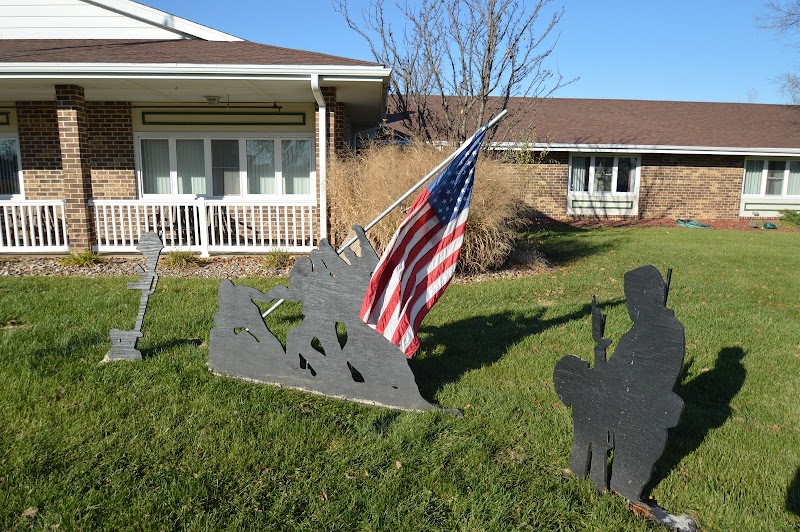
Ridgewood Specialty Care
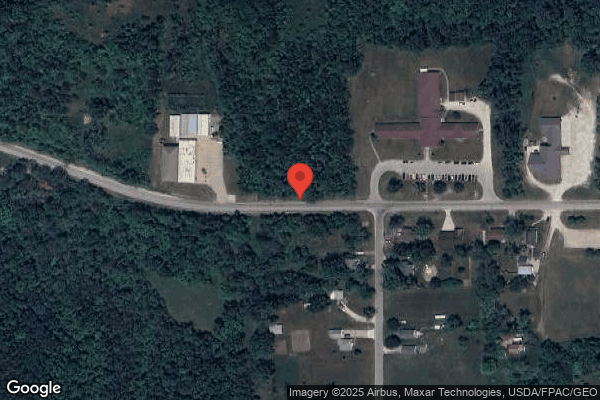
1977 ALBIA ROAD, OTTUMWA, IA 52501 (641) 683-3111
Non profit - Corporation 60 Beds CARE INITIATIVES Data: November 2025 1 Immediate Jeopardy citation
Trust Grade
46/100
#224 of 392 in IA
Last Inspection: October 2024

Within standard 12-15 month inspection cycle. Federal law requires annual inspections.

Overview

Ridgewood Specialty Care has a Trust Grade of D, indicating below-average performance with some significant concerns. They rank #224 out of 392 facilities in Iowa, placing them in the bottom half, and #2 out of 3 in Wapello County, meaning only one local option is better. Unfortunately, the facility is worsening, with issues increasing from 2 in 2023 to 13 in 2024. Staffing is rated 3 out of 5 stars, with a turnover rate of 49%, which is average but suggests staff may not stay long enough to build strong relationships with residents. There are concerning incidents reported, including a failure to provide a resident with the correct diet, leading to health risks, and issues with food handling and kitchen sanitation, which could impact resident safety. While the facility has good RN coverage, which is beneficial for monitoring residents, the overall picture indicates a need for improvement in care and compliance.
Trust Score
D
46/100
In Iowa
#224/392
Bottom 43%
Safety Record
High Risk
Review needed
Inspections
Getting Worse
2 → 13 violations
Staff Stability
⚠ Watch
49% turnover. Above average. Higher turnover means staff may not know residents' routines.
Penalties
✓ Good
$8,999 in fines. Lower than most Iowa facilities. Relatively clean record.
Skilled Nurses
○ Average
Each resident gets 41 minutes of Registered Nurse (RN) attention daily — about average for Iowa. RNs are the most trained staff who monitor for health changes.
Violations
⚠ Watch
23 deficiencies on record. Higher than average. Multiple issues found across inspections.
★★★☆☆
3.0
Overall Rating
★★★☆☆
3.0
Staff Levels
★★★★★
5.0
Care Quality
★★☆☆☆
2.0
Inspection Score
Stable
2023: 2 issues
2024: 13 issues

The Good

  • 5-Star Quality Measures · Strong clinical quality outcomes
  • Full Sprinkler Coverage · Fire safety systems throughout facility
  • No fines on record

Facility shows strength in quality measures, fire safety.

The Bad

3-Star Overall Rating

Near Iowa average (3.1)

Meets federal standards, typical of most facilities

Staff Turnover: 49%

Near Iowa avg (46%)

Higher turnover may affect care consistency

Federal Fines: $8,999

Below median ($33,413)

Minor penalties assessed

Chain: CARE INITIATIVES

Part of a multi-facility chain

Ask about local staffing decisions and management

The Ugly 23 deficiencies on record

1 life-threatening
Oct 2024 10 deficiencies 1 IJ
CRITICAL (J)

Immediate Jeopardy (IJ) - the most serious Medicare violation

Deficiency F0805 (Tag F0805)

Someone could have died · This affected 1 resident

**NOTE- TERMS IN BRACKETS HAVE BEEN EDITED TO PROTECT CONFIDENTIALITY** Based on observation, interview, and clinical record review, the facility failed to provide Resident #23 the correct diet ordere...

Read full inspector narrative →
**NOTE- TERMS IN BRACKETS HAVE BEEN EDITED TO PROTECT CONFIDENTIALITY** Based on observation, interview, and clinical record review, the facility failed to provide Resident #23 the correct diet ordered liquid consistency during medication administration causing excessive coughing and production of copious amounts of phlegm. Resident #23 has diagnoses of dysphagia (difficulty swallowing) and a history of pneumonitis due to inhalation of food and vomiting. This deficient practice resulted in an Immediate Jeopardy (IJ) to the health and safety of residents who resident in the facility. The facility reported a census of 56 residents. The State Agency (SA) informed the facility of IJ that began on October 23, 2024 at 8:02 AM, on October 23, 2024 at 1:00 PM. The Facility Staff removed the Immediate Jeopardy on October 24, 2024 through the following actions: a. The facility provided education with staff, including agency staff, to follow physician orders for fluid consistency. b. The facility provided education with nursing staff, including agency staff, on adequately assessing residents with changes in condition, to include vital signs and appropriate assessments. Physician is to be notified immediately and staff to remain with resident if change in condition. c. Resident #23 was assessed at bedside. The physician was notified. Physician orders were obtained for the following: Chest x-ray, referral to speech therapy, suction as needed (suction machine placed at bedside), crush medications as indicated, monitor lung sounds and pulse oximetry (blood oxygen) every shift for three days. d. Completed an audit of all residents on an altered liquid consistency to ensure that it is reflected on their Medication Administration Record (MAR), resident care plan, and [NAME]. e. Director of Nursing (DON) or designee will monitor and audit 4 medication passes per week for 6 weeks to ensure appropriate fluid consistency given as physician ordered. DON or designee will monitor and audit 3 changes in condition per week for 6 weeks to ensure appropriate assessments are completed and physician notifications are completed. Concerns are to be addressed with Quality Assurance Performance Improvement (QAPI). The Scope and Severity was lowered from an J to a D at the time of the survey after ensuring the plan of removal was put in place and implemented. Findings Include: The Quarterly Minimum Data Set (MDS), dated [DATE], indicated Resident #23 scored a 4 out of 15 on a Brief Interview for Mental Status (BIMS) test, indicating severely impaired cognition. The MDS listed diagnoses included: aphasia (inability to swallow), cerebrovascular accident (CVA-interruption of blood flow to the brain leading to neurological issues), transient ischemic attack (TIA-a brief blockage of blood flow to brain), or stroke, and dysphagia (swallowing difficulties). The MDS identified Resident #23's with a Mechanically altered diet - requires change in texture of food or liquids (e.g., pureed food, thickened liquids). The Oral/Dental Status of the resident indicated No natural teeth or tooth fragment(s). A review of Physician Orders revealed an order, dated 4/27/23, for Regular/NAS (no salt added) diet. Level 4 Pureed texture, Level 2 Mildly Thick (Nectar) consistency. The Speech Therapy SLP Evaluation and Plan of Treatment, dated 10/4/23, revealed that Resident #23 was at risk for aspiration and needed to remain nectar thickened liquids. The Care Plan, updated on 10/22/2024, included a Focus area to address I am at increased nutritional risk d/t (due to) med dx (diagnosis) of severe protein-calorie malnutrition, dysphagia, underweight, HTN (high blood pressure), HLD (high cholesterol), GERD (gastroesophageal reflux disease, cause of heartburn). An Intervention included, in part: Regular diet, Puree texture, level 2 mildly thick Nectar thick liquids. Date Initiated: 10/27/23. Revision on: 7/8/24. The resident's Medical Diagnosis report listed a primary medical diagnosis upon admission as pneumonitis(inflammation of the lungs) due to inhalation of food and vomit. A SPN Focused Evaluation on 7/12/24 noted the resident had a mild cough, with most of his coughing occurring during meals. During an observation on 10/23/24 at 8:02 AM, Staff A Certified Medication Assistant (CMA) administered the Resident #23's medications with regular (thin) consistency water. After the administration, the resident began coughing significantly. Staff A retrieved nectar thickened water to assist Resident #23 with his coughing spell while Staff D Licensed Practical Nurse (LPN) commented that Resident #23 was thickened liquids to which staff A replied I know. Staff D then commented she normally administered Resident #23's medications in pudding to prevent him from choking to which Staff A replied that she was not aware of that. During an interview on 10/23/24 at 8:13 AM, Staff A, CMA stated that during the morning medication administration, she provided Resident #23 with non-thickened liquids. Staff A was aware that Resident #23 was ordered a thicken liquid diet but she was not aware that he normally received his pills with pudding. Staff A normally mixed his Miralax (stool softener) with water to dissolve the Miralax and then added a thickened supplement to it afterwards but was running low on the supplement so she forgot to thicken the liquid. On 10/23/24 at 8:30 AM, Staff D, LPN stated that the pudding was just a personal preference for the resident and that she believed that the resident had Speech Therapy change his liquid consistency several times. Staff D noted that there was an area on the electronic MAR that documented the resident preferences. On 10/23/24 at 9:26 AM, via phone, Staff R Registered Dietician (RD) stated Resident #23 had an order for nectar thick liquid which was in place since April of 2023. She stated she would absolutely not be ok with him receiving thin liquids since he had dysphagia(difficulty swallowing) and could aspirate(inhale food or liquids into the lungs). On 10/23/24 at 9:56 AM, the Certified Dietary Manager (CDM) stated Resident #23 had always received thickened liquids. On 10/23/24 at 10:39 AM, the Director of Nursing (DON) stated residents should receive the ordered liquid consistency and Resident #23's order was nectar thick. She stated (after a coughing episode) she expected the nurse to complete a full respiratory assessment to include vitals, an oxygen level, and a check for cyanosis (blue color to the skin). She stated she expected the nurse to notify the provider and check on them every 15-30 minutes. She stated she expected staff to stay with him if they thought something was stuck (in the throat). On 10/30/24 at 12:35 PM, Staff N, Speech Therapist stated that she believed that Resident #23 was a high risk for aspiration as that was why he was ordered for a mechanically altered diet. He did not have any teeth and she recommended that he be provided with nectar thickened liquids at all times. The facility policy, revised September 2017, tiled Dysphagia-Clinical Protocol declared the staff and physician would identify residents with a history of swallowing difficulties or related diagnoses such as dysphagia (difficulty swallowing). The policy stated if a modified consistency was indicated, nursing would obtain an order for such restrictions from the physician. The facility policy, revised April 2019, titled Administering Medications directed staff to administer medications in accordance with prescriber orders
CONCERN (D) 📢 Someone Reported This

A family member, employee, or ombudsman was alarmed enough to file a formal complaint

Potential for Harm - no one hurt, but risky conditions existed

Resident Rights (Tag F0550)

Could have caused harm · This affected 1 resident

Based on clinical record review, policy review, and staff and resident interviews, the facility failed to ensure staff spoke to residents with respect and dignity for 1 of 2 residents reviewed for dig...

Read full inspector narrative →
Based on clinical record review, policy review, and staff and resident interviews, the facility failed to ensure staff spoke to residents with respect and dignity for 1 of 2 residents reviewed for dignity (Resident #20). The facility reported a census of 56 residents. Findings: The Minimum Data Set(MDS) assessment tool, dated 8/27/24, listed diagnoses for Resident #20 included bipolar disorder (a disorder characterized by alternating periods of depression and mania), schizophrenia (a mental health illness that affected a person's thoughts, feelings, and behaviors), and obsessive-compulsive disorder. The MDS listed a Brief Interview for Mental Status(BIMS) score of 3 out of 15, indicating severely impaired cognition. The Care Plan, Revision On: 9/9/24, included a Focus area to address I have impaired cognitive function/dementia or impaired thought processes. An Intervention included, in part: COMMUNICATION: Face me when speaking and make eye contact, and Stop and return if I am agitated. Date Initiated: 4/15/24. During a phone interview on 10/28/24 at 12:46 PM, Staff O Registered Nurse (RN) stated Staff P Licensed Practical Nurse (LPN) told him he needed to go to Resident #20's room. He stated Staff Q Certified Nursing Assistant(CNA) was very angry and stated she could not tolerate this disrespect anymore while she pointed her finger at him. Staff O stated the resident could have had hallucinations and she should have been receptive to his behavior. Staff O stated the resident was not in all senses and she shouldn't be that angry. He stated after the interaction, Staff Q immediately went home. During a phone interview on 10/28/24 at 2:00 PM, Staff P stated Staff Q stood beside Resident #20's roommate and stated that he didn't get to talk to her that way, it was rude and disrespectful, and she wouldn't put up with that. Staff P stated Staff Q was disrespectful, demeaning, and spoke to him like he was a child. During an interview on 10/29/24 at 10:25 PM, Staff Q stated Resident #20 swore at her and called her a b----. She told him he didn't need to disrespect her that way and she would not be disrespected. She stated after this interaction, Staff O sent her [Staff Q] home. An Incident, Accident, Unusual Occurrence Note, dated 10/16/24 at 10:00 PM, revealed a CNA yelled at a resident in Room [number redacted] and stated he was not going to be rude and disrespectful to her and told the resident his behavior was unacceptable. The CNA explained that the resident was rude and threw his remote. The nurse asked the CNA to leave the room. On 10/30/24 at 10:02 PM, the Assistant Director of Nursing (ADON) stated staff should speak to residents in a kind and respectful manner and stated if the resident had behaviors, she expected staff to remain calm and continue to be kind and respectful. On 10/30/24 at 10:16 PM, the Administrator stated staff should speak to residents kindly and with an attitude of customer service. He stated Staff Q could have chosen her words better. The facility policy Dignity revised February 2021, directed staff to care for residents in a manner that promoted and enhanced his or her sense of well-being, level of satisfaction with life, and feelings of self-worth and self-esteem.
CONCERN (D)

Potential for Harm - no one hurt, but risky conditions existed

Deficiency F0558 (Tag F0558)

Could have caused harm · This affected 1 resident

Based on observation, clinical record review, policy review, and staff interview, the facility failed to ensure call lights were accessible for 2 of 24 residents reviewed for call lights (Residents #1...

Read full inspector narrative →
Based on observation, clinical record review, policy review, and staff interview, the facility failed to ensure call lights were accessible for 2 of 24 residents reviewed for call lights (Residents #18 and #28). The facility reported a census of 56 residents. Findings: 1. The Minimum Data Set(MDS) assessment tool, dated 8/13/24, listed diagnoses for Resident #18 which included dementia, diabetes, and cognitive communication deficit. The MDS stated the resident was dependent of staff for toileting and toileting hygiene and listed her Brief Interview for Mental Status(BIMS) score as 13 out of 15, indicating intact cognition. A Care Plan entry, dated 2/16/24, stated the resident required the assistance of 1 staff for toileting. On 10/22/24 at 8:35 AM, the resident sat in her recliner. The call light hung down from the wall on the other side of the bed, not in reach of the resident. On 10/22/24 at 9:02 AM, the resident's call light remained out of reach and a staff member retrieved it for her. 2. The MDS assessment tool, dated 10/5/24, listed diagnoses for Resident #28 which included diabetes, fracture of the tibia(frontal leg bone), and weakness. The MDS stated the resident was dependent on staff for toileting hygiene and listed the resident's BIMS score as 14 out of 15, indicating intact cognition. A 10/3/24 Care Plan entry stated the resident required substantial to maximal assistance with the bed pan. On 10/21/24 at 1:49 PM, the resident sat in a chair in her room. The resident's call light hung down from the wall on the other side of the bed, not within reach of the resident. The facility policy Answering the Call Light, revised March 2021, directed staff to ensure the call light was within easy reach of the resident. On 10/30/24 at 10:02 AM, the Assistant Director of Nursing (ADON) stated call lights should be accessible to residents and stated if she noticed a call light not in reach, she would educate the responsible staff member.
CONCERN (D)

Potential for Harm - no one hurt, but risky conditions existed

Safe Environment (Tag F0584)

Could have caused harm · This affected 1 resident

**NOTE- TERMS IN BRACKETS HAVE BEEN EDITED TO PROTECT CONFIDENTIALITY** Based on observations, facility record review, and staff interview, the facility failed to ensure resident equipment is cleaned ...

Read full inspector narrative →
**NOTE- TERMS IN BRACKETS HAVE BEEN EDITED TO PROTECT CONFIDENTIALITY** Based on observations, facility record review, and staff interview, the facility failed to ensure resident equipment is cleaned and in good repair for 1 of 1 residents (Resident #14) reviewed. The wheelchair belonging to Resident #14 was observed for 3 days to have food debris on the wheelchair frame, seat cushion and lap belt. The facility reported a census of 56 residents. Findings include: The Minimum Data Set (MDS), dated [DATE], for Resident #14 revealed a diagnosis of Huntington's disease, muscle wasting and dependent on a wheelchair for mobility. The Care Plan for Resident #14 revealed an inability to ambulate, required the assistance of 1 staff member with the reclining wheelchair and required substantial assistance to eat. During an observation on 10/21/24 at 1:30 PM, Resident #14 while in his wheelchair, had what appeared to be dried food substances on the lap belt. During an observation on 10/22/24 at 9:06 AM, Resident #14 while resting in bed, had his wheelchair positioned next to the bed. The seat of the wheelchair contained food debris, that went down the sides of the wheelchair and onto the lap belt. During an observation on 10/23/24 at 9:25 AM, Resident #14's wheelchair noted to have the same dried food substance on the seat cushion and on the seatbelt. During an interview on 10/23/24 at 12:58 PM, Staff B, Certified Medication Aid, (CMA) stated staff would change their clothes after a meal, if it was dirty. Staff B stated the HS shift (overnight) cleaned wheelchairs according to a schedule. During an interview on 10/23/24 at 2:53 PM, Staff F, Certified Nursing Assistant (CNA) stated if the resident needed their wheelchair cleaned right away, it was everyone's responsibility to keep them clean. Staff F stated each hall has a scheduled time for night shift to scrub down the wheelchairs. A document titled night shift cleaning schedule by the nursing staff (10-6a shift) revealed wheelchair cleaning every night, all wheel chairs must be cleaned at least once a week. During an interview on 10/23/24 at 1:15 PM, The Director of Nursing (DON) stated the cleaning schedule document was a guide line during the down time on the night shift. She stated all wheel chairs should be cleaned and Resident #14's wheelchair got dirty so quick because of the way he ate.
CONCERN (D)

Potential for Harm - no one hurt, but risky conditions existed

Comprehensive Care Plan (Tag F0656)

Could have caused harm · This affected 1 resident

**NOTE- TERMS IN BRACKETS HAVE BEEN EDITED TO PROTECT CONFIDENTIALITY** Based on observation, clinical record review, family and staff interviews, the facility failed to develop a culturally competent...

Read full inspector narrative →
**NOTE- TERMS IN BRACKETS HAVE BEEN EDITED TO PROTECT CONFIDENTIALITY** Based on observation, clinical record review, family and staff interviews, the facility failed to develop a culturally competent care plan for 1 of 3 residents reviewed (Resident #36). The facility reported a census of 56 residents. Findings include: The Minimum Data Set (MDS), dated [DATE], revealed diagnoses for Resident #36 included diabetes mellitus, chronic obstructive pulmonary disease and heart disease. The MDS identified Resident #36's preferred language as Spanish. The Brief Interview of Mental Status (BIMS) score of 4 out of 15 indicated a severe cognitive impairment. The Care Plan, Date Initiated: 2/19/24, included a Focus area to address The resident has an interpretation need. I am unable to read or write. Interventions included, in part: Interpreter needed Spanish Ph: [phone number redacted] ID# [ ID # redacted] Date Initiated: 4/11/24. Resident's preferred language is: Spanish (Mexico). Date Initiated: 2/19/24. The Care Plan Special Instructions notation documented Spanish speaking .Interpreter needed Spanish Ph. [phone number redacted] ID# [ID number redacted]. During an observation on 10/21/24 at 10:25 AM, Resident #36 was sitting in the dining room by self, frowning, with her head drooped. The resident did not participate in the activity occurring in the attached living room. During an observation on 10/21/24 at 1:16 PM, Resident #36 exited the shared bathroom, used walker to forcefully strike the floor and shouted in Spanish to her roommate, then walked to her bed to lay down. The roommate, Resident #55 stated that behavior happened daily and she felt awful as she was unable to speak Spanish. During an interview on 10/21/24 at 2:04 PM, a family member stated a couple of staff members speak Spanish and her mother liked Spanish music. The daughter expressed concern for mother not having needs met due to language barrier. During an interview on 10/24/24 at 11:00 AM, Staff T, Certified Nursing Assistant (CNA) stated she believed Resident #36 verbal aggressiveness had to do with the language barrier and people not understanding her. Staff T stated Resident #36 would ask for something in Spanish that staff could not understand. Staff T stated she would have some conversation, Enough to find out what she needs. Staff T stated Resident #36 would benefit from something directed toward her culture as she displayed signs of isolation, always in room, did not participate in activities. During an interview on 10/24/24 at 1:30 PM, the Director of Nursing (DON) stated Staff G, MDS Coordinator completed the Care Plans. During an interview 10/24/24 at 1:50 PM, Staff G stated she visited the facility 3 days a week to complete the Care Plans and the DON or Assistant Director of Nursing (ADON) would complete the changes to the Care Plans. Staff G stated the Social Services Director would create the culturally competent care plans in this facility. During an interview on 10/24/24 at 2:02 PM, Staff U, Social Worker stated she would complete the family history, advanced directives, guardian and the long term or short term to return home, That is all I do for the care plan.
CONCERN (D) 📢 Someone Reported This

A family member, employee, or ombudsman was alarmed enough to file a formal complaint

Potential for Harm - no one hurt, but risky conditions existed

ADL Care (Tag F0677)

Could have caused harm · This affected 1 resident

**NOTE- TERMS IN BRACKETS HAVE BEEN EDITED TO PROTECT CONFIDENTIALITY** Based on observations, clinical record review, and staff interviews, the facility failed to assist a resident with changing thei...

Read full inspector narrative →
**NOTE- TERMS IN BRACKETS HAVE BEEN EDITED TO PROTECT CONFIDENTIALITY** Based on observations, clinical record review, and staff interviews, the facility failed to assist a resident with changing their clothing after food spilled on their pants and shirt during a meal (Resident #8) for 1 out of 3 residents reviewed. The facility reported a census of 56 residents. Findings include: The Minimum Data Set, dated [DATE], for Resident #14 revealed diagnoses of Huntington's disease, muscle wasting and anxiety disorder. The MDS identified the resident dependent on a wheelchair for mobility. The Care Plan, Date Initiated: 10/6/23, included a Focus area to address Activities for Daily Living (ADL's). Interventions included, in part; Eating - I am substantial assist x 1 (one staff), Upper Body Dressing - I am dependent assist x1, and Lower Body Dressing - I am dependent assist x 1 with a Date Initiated: 10/6/23. During an observation on 10/22/24 at 9:06 AM, Resident #14 assisted to his room by Staff S, Certified Nursing Assistant (CNA) after breakfast. Spilled food noted on Resident #14 shirt and pants. After exiting the room, Staff S stated staff assists Resident #14 to eat, and she provided pericare after assisting the resident to bed. Resident #14 dressed in same clothing after cares. During an observation on 10/22/24 at 1:10 PM, after lunch Resident #14 in bed. Resident wearing same shirt and pants, with additional food spilled from the noon meal. During an interview on 10/23/24 at 12:58 PM, Staff B, Certified Medication Aid, (CMA) stated staff should change a resident's clothes after a meal if it is dirty. During an interview on 10/23/24 at 2:53 PM, Staff F, CNA stated staff should change resident's clothes anytime they have food on them. I wouldn't want to walk around with food on my clothes and they shouldn't either. During an interview on 10/23/24 at 1:15 PM, the Director of Nursing (DON) stated her expectation was for the staff to change resident's clothes if dirty.
CONCERN (D) 📢 Someone Reported This

A family member, employee, or ombudsman was alarmed enough to file a formal complaint

Potential for Harm - no one hurt, but risky conditions existed

Quality of Care (Tag F0684)

Could have caused harm · This affected 1 resident

**NOTE- TERMS IN BRACKETS HAVE BEEN EDITED TO PROTECT CONFIDENTIALITY** Based on observation, staff interview, and clinical record review, the facility failed to provide continued assessment for Resid...

Read full inspector narrative →
**NOTE- TERMS IN BRACKETS HAVE BEEN EDITED TO PROTECT CONFIDENTIALITY** Based on observation, staff interview, and clinical record review, the facility failed to provide continued assessment for Resident #23 after an episode of excessive coughing caused by taking medications with a thin liquid, instead of the physician ordered nectar consistency liquid. The facility reported a census of 56 residents. Findings Include: The Quarterly Minimum Data Set (MDS), dated [DATE], indicated Resident #23 scored a 4 out of 15 on a Brief Interview for Mental Status (BIMS) test, indicating severely impaired cognition. The MDS listed diagnoses included: aphasia (inability to swallow), cerebrovascular accident (CVA-interruption of blood flow to the brain leading to neurological issues), transient ischemic attack (TIA-a brief blockage of blood flow to brain), or stroke, and dysphagia (swallowing difficulties). The MDS identified Resident #23's with a Mechanically altered diet - required change in texture of food or liquids (e.g., pureed food, thickened liquids). The Oral/Dental Status of the resident indicated No natural teeth or tooth fragment(s). A review of the Care Plan Diagnosis section, revealed, in part, PNEUMONITIS DUE TO INHALATION OF FOOD AND VOMIT. A review of Physician Orders revealed an order, dated 4/27/23, for Regular/NAS (no salt added) diet. Level 4 Pureed texture, Level 2 Mildly Thick (Nectar) consistency. The Care Plan, updated on 10/22/2024, included a Focus area to address I am at increased nutritional risk d/t (due to) med dx (diagnosis) of severe protein-calorie malnutrition, dysphagia, underweight, HTN (high blood pressure), HLD (high cholesterol), GERD (gastroesophageal reflux disease, cause of heartburn). An Intervention included, in part: Regular diet, Puree texture, level 2 mildly thick Nectar thick liquids. Date Initiated: 10/27/23. Revision on: 7/8/24. During an observation on 10/23/24 at 8:02 AM, Staff A, Certified Medication Assistant (CMA) administered Resident #23's medications with regular, unmodified consistency water. After the administration, the resident began coughing significantly. Staff A retrieved nectar thickened water to assist Resident #23 with the coughing. Staff D, Licensed Practical Nurse(LPN), commented that Resident #23 was thickened liquids to which staff A replied I know. Staff D then commented she normally administered Resident #23's medications in pudding to prevent him from choking to which Staff A replied that she was not aware of that. Staff D then came over to Resident #23 and asked him if he was ok and wiped his nose and mouth with a tissue. Resident #23 continued to cough and had large amounts of drainage from his mouth and nose. Staff D observed Resident #23 at the nurse's station for approximately 3 minutes until he stopped coughing. The resident then continued down the hall to his room. During an interview on 10/23/24 at 8:13 AM, Staff A, CMA stated that she provided Resident #23 with non-thickened liquids. Staff A was aware that Resident #23 had a thickened liquid diet order but she was not aware that he normally received his pills with pudding. Staff A stated she normally mixed his Miralax (stool softener) with water to dissolve the Miralax and then added a thickened supplement to it afterwards but was running low on the supplement so she forgot to thicken the liquid. During an interview on 10/23/24 at 8:30 AM, Staff D, LPN stated that the pudding was just a personal preference for the resident and that she believed that the resident has had Speech Therapy change his liquid consistency several times. Staff D noted that there was an area on the electronic MAR that documented resident preferences that was put into place for agency staff. During an observation on 10/23/24 at 8:32 AM, Resident #23 while in his room, sat in his recliner. His face appeared bright red, and he had large amounts of secretions coming from his mouth and nose. When the State Agency (SA) asked the resident if he was ok, he shook his head no and pointed to his chest and stated he felt like something was stuck. The SA informed Staff D, LPN of the findings. Staff J, Director of Nursing (DON) and Staff K, Regional Director of Clinical Services (RDCS) accompanied Staff D into Resident #23's room. On 10/23/24 at 8:37 AM, Staff D, LPN brought in a basin and equipment for vital signs (thermometer, blood pressure cuff, pulse oximeter, stethoscope). Staff D listened to the resident's lung sounds on his back, and obtained a blood pressure, and temperature. The resident stated that he did not feel better. When Staff J, DON asked the resident if he felt short of breath, he shook his head no. On 10/23/24 at 8:42 AM., Staff J, DON asked the resident if he felt like he had something stuck in his throat and he responded yes. On 10/23/24 at 8:45 AM, the resident continued to have a cough and runny nose and stated he did not feel well. On 10/23/24 at 8:48 AM, Staff J, DON and Staff K, RDCS cleaned up the resident and asked him to take a deep breath and cough several times. At this time Staff J left the room and called the physician to notify him of the resident's status. On 10/23/24 at 8:53 AM, the resident took one drink of thickened liquids and began coughing. Staff K, RDCS stated to call the physician and Staff J, DON said that she had already called. The resident coughed up a large amount of secretions after he took one drink. On 10/23/24 at 8:54 AM, Staff D, LPN left the room for one minute and came back in with new orders from the physician for a two-view chest x-ray and orders for temperature and lung sounds every shift for the next three days. On 10/23/24 at 9:26 AM, via phone, Staff R Registered Dietician (RD) stated Resident #23 had an order for nectar thick liquid which was in place since April of 2023. She stated she would absolutely not be ok with him receiving thin liquids since he had dysphagia (difficulty swallowing) and could aspirate (inhale food or liquids into the lungs). On 10/23/24 at 9:53 AM, the resident sat in his recliner watching TV with no obvious signs of distress observed at this time. On 10/23/24 at 9:56 AM, the Certified Dietary Manager (CDM) stated Resident #23 had always received thickened liquids. On 10/23/24 at 10:39 AM, the DON stated residents should receive the ordered liquid consistency and Resident #23's order was nectar thick. She stated (after a coughing episode) she expected the nurse to complete a full respiratory assessment to include vitals, an oxygen level, and a check for cyanosis (blue color to the skin). She stated she expected the nurse to notify the provider and check on them every 15-30 minutes. She stated she expected staff to stay with him if they thought something was stuck (in the throat). On 10/30/24 at 12:35 PM, Staff N, Speech Therapist stated that she believed that Resident #23 was a high risk for aspiration as that was why he was ordered for a mechanically altered diet. He did not have any teeth and she recommended that he be provided with nectar thickened liquids at all times. The facility policy, revised February 2021, titled Change in a Resident's Condition or Status, Policy Interpretation and Implantation section, directed staff, in part, to: 1. The nurse will notify the resident's attending physician or physician on call when there has been: a. accident or incident involving the resident; d. significant change in the resident/s physical/emotional/mental condition; 2. A significant change of condition is a major decline or improvement in the residents status that: a. requires interdisciplinary review and/or revision of the care plan; 3. Prior to notifying the physician or healthcare provider, the nurse will make a detailed observation and gather relevant and pertinent information for the provider, including information prompted by the SBAR (Situation, Background, Assessment, Recommendation) communication form. 9. If a significant change in the resident's physician or mental condition occurs, a comprehensive assessment of the resident's condition will be conducted as required by current OBRA (Omnibus Budget Reconciliation Act) - federal law aimed to improve quality of care in long term care facilities) regulations governing resident assessments and as outlined in the MDS RAI (Resident Assessment Instrument) Instruction Manual.
CONCERN (D) 📢 Someone Reported This

A family member, employee, or ombudsman was alarmed enough to file a formal complaint

Potential for Harm - no one hurt, but risky conditions existed

Accident Prevention (Tag F0689)

Could have caused harm · This affected 1 resident

**NOTE- TERMS IN BRACKETS HAVE BEEN EDITED TO PROTECT CONFIDENTIALITY** Based on observation, clinical record review and staff interviews, the facility failed to ensure safe wheelchair transport for 1...

Read full inspector narrative →
**NOTE- TERMS IN BRACKETS HAVE BEEN EDITED TO PROTECT CONFIDENTIALITY** Based on observation, clinical record review and staff interviews, the facility failed to ensure safe wheelchair transport for 1 of 1 residents reviewed (Resident #12). The facility reported a census of 56 residents. Findings include: Review of the Minimum Data Set (MDS) assessment dated [DATE] revealed Resident #12 scored 00 out of 15 on a Brief Interview for Mental Status (BIMS) exam, which indicated severely impaired cognition. The MDS indicated the resident utilized a wheelchair for mobility, and had not attempted to self propel due to medical condition or safety concerns. Review of the Care Plan for Resident #12 dated 6/13/22, revised 6/6/23 revealed, I am at risk for falls. The Intervention dated 5/26/23 revealed, Keep my w/c (wheelchair) pedals off due to my like to self propel. An observation on 10/22/24 at 3:18 PM revealed Staff A, Certified Medication Aide (CMA) pushed Resident #12 while the resident's feet were off of the pedals of the wheelchair, and were below the level of the wheelchair pedals. On 10/22/24 at 3:21 PM, Resident #12 observed pedaling herself in her wheelchair in the common area. On 10/22/24 at 3:43 PM, Staff B, CMA observed assisting Resident #12 to move while the resident was in their wheelchair. One of the resident's feet observed to drag on the floor at the time of the observation. During an observation on 10/22/24 at 4:14 PM. Staff C, CNA (Certified Nursing Assistant)/CMA assisted Resident #12 from dining room while Resident #12 present in their wheelchair. The resident's feet were not on the wheelchair pedals, and both feet slid across the floor while the staff member assisted the resident. On 10/22/24 at 4:19 PM, Staff C observed assisting the resident back into the dining room, and the resident's feet slid across the floor not on the foot pedals. During an interview on 10/23/24 at 2:18 PM, Staff E, CNA queried about where feet were to be when assisting resident in wheelchair, and acknowledged on pedals. During an interview on 10/23/24 at 2:58 PM, Staff F, CNA acknowledged resident's feet should be no the foot pedals when resident assisted in wheelchair. During an interview on 10/24/24 at 3:32 PM, the Director of Nursing (DON) explained she had been given misinformation from the previous DON that staff could be present on the side to assist for residents who could self propel, and explained not allowed to do anything without foot pedals.
CONCERN (E)

Potential for Harm - no one hurt, but risky conditions existed

Menu Adequacy (Tag F0803)

Could have caused harm · This affected multiple residents

Based on observation, menu review, policy review, and staff interview, the facility failed to provide the correct texture for 5 of 5 residents with a mechanical soft diet order. The facility reported ...

Read full inspector narrative →
Based on observation, menu review, policy review, and staff interview, the facility failed to provide the correct texture for 5 of 5 residents with a mechanical soft diet order. The facility reported a census of 56 residents. Findings: The Therapeutic Spread Report-Spring/Summer Menu '24 for Week 2 Tuesday Lunch directed staff to provide residents on a mechanical soft diet ground chicken and noodles. During an observation on 10/22/24 at 11:51 AM, Staff V [NAME] prepared the lunch meal and stated the residents who received a mechanical soft diet would receive the regular chicken and noodles. Staff R Registered Dietician(RD) was present and stated the residents with a mechanical soft diet order would be fine with the regular chicken and noodles but stated she needed to look at the spreadsheet [Therapeutic Spread Report]. She looked in the kitchen and could not locate a spreadsheet so she left the kitchen to retrieve one. When she returned she told Staff V to break it into pieces and the dice it. The State Agency requested Staff R look in the pan of chicken and noodles to verify that this did not need to be ground. Staff R looked in the pan and told Staff V to grind the portions used for the residents with mechanical soft. The pieces of shredded chicken were up to approximately 1.5 inches in length. During an interview on 10/23/24 at 9:26 AM, via phone, Staff R RD, stated the expectation was for dietary staff to follow the therapeutic diet spreadsheets. She stated residents on a mechanical soft diet should receive ground food. During an interview on 10/23/24 at 2:37 PM, the Certified Dietary Manager( CDM) stated she found out yesterday that the sheets they had in the kitchen did not have the right information (for therapeutic diets) but stated they now had the spread sheets in the kitchen. The facility policy Dysphagia-Clinical Protocol revised 9/2017, Assessment and Recognition section indicated the staff and physician would identify residents with a history of swallowing difficulties or related diagnoses such as dysphagia (difficulty swallowing). The policy stated if a modified consistency was indicated, nursing would obtain an order for such restrictions from the physician. During email correspondence on 10/30/24 at 11:48 PM, the Administrator stated the facility did not have a separate policy regarding mechanically altered diets.
CONCERN (E)

Potential for Harm - no one hurt, but risky conditions existed

Food Safety (Tag F0812)

Could have caused harm · This affected multiple residents

Based on observation, policy review, and staff interview, the facility failed to ensure safe food handling and kitchen sanitation for 1 of 2 kitchen observations. The facility reported a census of 56 ...

Read full inspector narrative →
Based on observation, policy review, and staff interview, the facility failed to ensure safe food handling and kitchen sanitation for 1 of 2 kitchen observations. The facility reported a census of 56 residents. Findings: A kitchen observation on 10/21/24 starting at 9:26 AM, revealed: a. A metal bowl of fruit sat in the sink on the left hand side of the kitchen. b. [NAME] crumbs were present on the top of the dish washer. c. Staff M, Dietary Aide (DA), ran a dishwashing cycle. The Certified Dietary Manager (CDM) then dipped a test strip into the dish machine water and it remained white. According to the test strip container, a white color indicated 0 parts per million sanitizer concentration. Staff M stated he tested it this morning but forgot to write it down but it turned green to indicate 100 ppm. A follow-up observation on 10/21/24 at 9:43 a.m., revealed the test strip was 100 ppm. The CDM stated she adjusted the sanitizer tubing. d. The October 2024 Dish Machine Temperature Log for the period of 10/1/24-10/21/24 was blank and lacked documentation staff checked the dish machine strip: 1/1/24, 1/2/24, 1/6/24, 1/7/24, 1/8/24, 1/9/24, 1/10/24, 1/11/24, 1/12/24, 1/14/24, 1/15/24, 1/16/24, 1/17/24, 1/18/24, 1/19/24, 1/20/24, 1/21/24. e. Staff M had a mustache approximately 3/4 inches in lengths and did not wear a hair restraint to cover this area. Observations in the kitchen on 10/22/24 revealed: a. At 9:15 AM, the facility's ice machine had a red substance accumulating alongside the inner top part of the dispenser. b. At 10:45 AM, during lunch preparation, and again at 11:15 a.m., Staff L, DA observed with significant hair hanging out from the back of her hair net. c. At 11:15 AM, Staff M, DA while making coffee, picked up a wrapper off the floor. Without completing hand hygiene, Staff M continued to make and dispense the coffee, and began to assemble room trays. d. At 12:55 PM, a plate of half eaten food was found in the microwave, cold to touch and a sticky substance on the outside of the microwave. A trash can, next to the microwave, overflowing to the point the lid could not be closed. The trash receptacle near the handwashing sink overflowing on to the floor. During an interview on 10/23/24 at 2:37 PM, the CDM stated hair nets should cover all hair and staff should wash their hands after picking up garbage. She stated the maintenance department was responsible for cleaning the ice machine. Staff should test the dishwasher three times per day but were not doing this. She stated she completed training related to this. She stated the kitchen should be clean and in good order. The facility policy Sanitization, revised October 2008, Policy Statement declared The food service area shall be maintained in a clean and sanitary manner. Policy Interpretation and Implementation, in part, directed staff to: #8. Dishwashing machines must be operated using the follow specifications: Low-Temperature Dishwasher (Chemical Sanitization) a. Wash Temperature (120 degrees F (Fahrenheit). b. Final rinse with 50 parts per million (ppm) hypochlorite (chlorine) for at least 10 seconds. #12. Ice machines and ice storage containers shell be drained, cleaned, and sanitized per manufacturer's instructions and facility policy. The facility policy Food Preparation and Service, revised April 2019, Policy Statement declared Food and nutrition services employees prepared and served food in a manner that complied with safe food handling practices. Policy Interpretation and Implementation, Food Preparation Area section, in part, directed staff to: #5. Food preparation staff adhere to proper hygiene and sanitary practices to prevent the spread of food-borne illness. Policy Interpretation and Implementation, Food Service/Distribution section, in part, directed staff to: #4. Food and nutrition services staff, including nurses services personnel, wash their hands before serving food to residents. Employees also wash their hands after collecting soiled plates and food waste prior to handing food trays. #7. Food and nutrition services staff wear hair restraints (hair net, hat, beard restraint, etc) so that hair does not contact food.
Apr 2024 2 deficiencies
CONCERN (D) 📢 Someone Reported This

A family member, employee, or ombudsman was alarmed enough to file a formal complaint

Potential for Harm - no one hurt, but risky conditions existed

Deficiency F0657 (Tag F0657)

Could have caused harm · This affected 1 resident

**NOTE- TERMS IN BRACKETS HAVE BEEN EDITED TO PROTECT CONFIDENTIALITY** Based on clinical record review and staff interviews, the facility failed to revise a Care Plan to address the need for supervis...

Read full inspector narrative →
**NOTE- TERMS IN BRACKETS HAVE BEEN EDITED TO PROTECT CONFIDENTIALITY** Based on clinical record review and staff interviews, the facility failed to revise a Care Plan to address the need for supervised visits, following an allegation of abuse perpetrated by a family member. (Resident #1) The facility reported census was 58. Findings include: According to a Minimum Data Set (MDS) with a reference date of 1/9/24, Resident #1 had a Brief Mental Status (BIMS) score of 15 indicating an intact cognitive status. Resident #1 required dependent assistance with transfers, mobility, dressing, toilet use and personal hygiene needs. Resident #1's diagnosis included Cerebrovascular accident (stroke), left hemiplegia, atrial fibrillation and gastroesophageal reflux disease. In an interview on 4/8/24 at 1:37 p.m. the Director of Nursing (DON) stated on the evening of 1/7/24 he received a call from his overnight nurse (Staff A) reporting an allegation made by Resident #1, that bruising discovered on her right arm that evening was caused by her spouse grabbing her that day and telling her she was costing him too much money. Resident #1 stated her spouse can be mean. The DON stated he notified the police, the Department of Health and Human Services (DHS) and made a self report to the Department of Inspections, Appeals and Licensing (DIAL). The DON stated he then notified the spouse and informed him of the allegation and that he would be unable to visit. The DON stated the spouse stated Resident #1 was upset because he wouldn't take her home and stated she had made similar allegations when she was in the hospital. The DON stated the next day he called the hospital and spoke with a case manager, who confirmed Resident #1 had made an allegation of abuse by her spouse, but noted it was not substantiated. The DON stated they initiated supervised visits in which either a nurse or social worker would provide line of sight supervision while Resident #1 and her spouse visited in the dining room. The DON stated the intervention was in the care plan. The reviewed Nursing Assignment sheets dated 1/15/24 to 2/23/24 documented that the spouse and Resident#1 had supervised visits. In a follow up interview on 4/8/24 at 4:45 p.m. the DON stated following further review of the events, line of site supervision during visits was provided throughout the remainder of Resident #1's stay. The DON stated the supervision interventions were not added to the care plan or [NAME]. Review of Resident #1's Care Plan found no interventions to address the need for supervised visitations following an allegation of abuse perpetrated by a family member.
CONCERN (D) 📢 Someone Reported This

A family member, employee, or ombudsman was alarmed enough to file a formal complaint

Potential for Harm - no one hurt, but risky conditions existed

ADL Care (Tag F0677)

Could have caused harm · This affected 1 resident

Based on observation, clinical record review and resident and staff interviews, the facility failed to provide catheter cares, grooming and personal hygiene needs for 1 of 3 residents reviewed. (Resid...

Read full inspector narrative →
Based on observation, clinical record review and resident and staff interviews, the facility failed to provide catheter cares, grooming and personal hygiene needs for 1 of 3 residents reviewed. (Resident #3) The facility census was 58. Findings include: The admission Minimum Data Set (MDS) with a reference date of 3/17/24, documented Resident #3 had a Brief Mental Status (BIMS) score of 15 which indicated an intact cognitive status. Resident #3 required dependent assistance with transfers, mobility, dressing, toilet use and personal hygiene needs. Resident #3's diagnosis included congestive heart failure, atrial fibrillation, renal insufficiency, arthritis and morbid obesity. The MDS documented that the resident had always been incontinent of urine and bowel. Resident #3 had a Foley catheter. During observations on 4/11/24 from 7:40 a.m. through 1:50 p.m. Resident #3 was not provided catheter care, grooming or personal hygiene services. Observation on 4/11/24 at 8:40 a.m. found Resident #3 sitting up in bed with her room tray on bedside table. Resident #3 stated staff assisted her up in bed this morning, but did not provide any peri cares or catheter cares. Resident #3 stated she was not feeling well and felt ignored. Resident #3 stated she requests bed baths because of her perineal sores and the Hoyer sling irritating them when transferred, but states she does not get them regularly and does not refuse baths. During an observation on 4/11/24 at 10:30 a.m. Resident #3 stated there has been no one this morning checking or cleaning her catheter or providing her peri cares, oral cares, grooming or change of clothes. Observation on 4/11/24 at 11:00 a.m. noted Resident #3 was receiving therapy at this time in her room. Was transferred from her bed into her recliner. Pleasant affect. Resident #3 stated she was wearing the same gown as she has for the past few days. Observation on 4/11/24 at 1:50 p.m. Resident #3 was transferred from her recliner back into bed by therapy staff. Resident #3 stated therapy staff are the only ones that can transfer her. Resident #3's catheter bag was emptied by aide. Resident #3 stated no one has cleaned her catheter tubing today or provided basic grooming needs like a wet cloth to wash her face or hands. Resident #3 stated she is still wearing her original brief that was put on her last night. In an interview on 4/15/24 at 8:53 a.m. the Director of Nursing (DON) stated staff are to provide activity of daily living cares, oral hygiene, dressing, grooming and preferably catheter cares in the morning of each day and as needed throughout their shift. Catheter care includes cleaning the tubing at least once a shift and as needed if it becomes visibly soiled. Cares should include offering a wash cloth to wash the resident's upper torso, face and hands, perineal care and a change into a fresh brief and clothing.
Feb 2024 1 deficiency
CONCERN (D) 📢 Someone Reported This

A family member, employee, or ombudsman was alarmed enough to file a formal complaint

Potential for Harm - no one hurt, but risky conditions existed

ADL Care (Tag F0677)

Could have caused harm · This affected 1 resident

§483.24(a)(2) A resident who is unable to carry out activities of daily living receives the necessary services to maintain good nutrition, grooming, and personal and oral hygiene; Based on clini...

Read full inspector narrative →
§483.24(a)(2) A resident who is unable to carry out activities of daily living receives the necessary services to maintain good nutrition, grooming, and personal and oral hygiene; Based on clinical record review and staff interviews, the facility failed to ensure residents receive adequate services (bathing) to maintain their personal hygiene needs for 3 of 4 residents sampled. Review of bathing records of four sampled residents found three residents who were not provided bathing opportunities twice per week and two who chronically refused bathing. The facility failed to address the resident's refusals leading to personal hygiene needs being unmet. (Resident #1, #3, #5) The facility reported census was 55. Findings include: 1. According to a admission Minimum Data Set (MDS) with a reference date of 8/27/23, Resident #1 had a Brief Mental Status (BIMS) score of 15 indicating an intact cognitive status. Resident #1 required extensive assistance with transfers, mobility, dressing, toilet use and personal hygiene needs. Resident #1's diagnosis included renal insufficiency and diabetes mellitus. According to Resident #1's bathing records, he was scheduled to have baths on Mondays and Thursdays. Review of bathing records during his stay from 8/21/23 through 9/15/23 noted Resident #1 with 7 opportunities to bath. Resident #1 refused bathing 6 of those opportunities and one opportunity that was not recorded as offered on 9/11/23, indicating no baths, showers, whirlpools or bed baths were provided during his stay. Review of Resident #1's Care Plan found interventions with initiated date of 8/30/23 directing staff to ensure bathing opportunities twice weekly on Mondays and Thursdays, but found no interventions addressing Resident #1's refusals of bathing. 2. According to a Annual Minimum Data Set (MDS) with a reference date of 12/5/23, Resident #3 had a Brief Mental Status (BIMS) score of 12 indicating a moderately impaired cognitive status. Resident #3 required extensive assistance with transfers, mobility, dressing, toilet use and personal hygiene needs. Resident #3's diagnosis included renal insufficiency, seizure disorder and chronic obstructive pulmonary disease and diabetes mellitus. According to Resident #3's bathing records, he was scheduled to have baths on Mondays and Thursdays. Review of bathing records 11/30/23 through 2/15/24 noted Resident #3 with 22 opportunities to bath. Resident #3 refused bathing 19 of those opportunities with one in which the bathing was recorded as not attempted (12/4/23), one that was not recorded as offered (1/22/24) and one opportunity in which a bath was provided (1/15/24). The record indicated Resident #1 only received one bath in 75 days. Review of Resident #3's Care Plan found interventions directing staff to ensure assistance of one staff with bathing, but found no interventions addressing Resident #1's chronic refusals of bathing. 3. According to a Quarterly Minimum Data Set (MDS) with a reference date of 11/12/23, Resident #5 had a Brief Mental Status (BIMS) score of 13 indicating a mildly impaired cognitive status. Resident #5 required extensive assistance with transfers, mobility, dressing, toilet use and personal hygiene needs. Resident #5's diagnosis included congestive heart failure, obstructive uropathy, bipolar disorder and psychotic disorder. According to Resident #5's bathing records, she was scheduled to have baths on Tuesdays and Fridays. Staff indicated Resident #5 prefers whirlpools. Review of bathing records 10/3/23 through 11/28/23 noted Resident #5 with 17 opportunities to bath. Resident #5 did not have a recorded opportunity on 10/20/23 and 11/24/23. Review of Resident #5's Care Plan found interventions directing staff to ensure assistance of one staff with bathing. In an interview on 2/15/23 at the Assistant Director of Nursing (ADON) stated they usually have a shower aide during the day and showers scheduled in the evening are to be completed by aides working the floor. The ADON stated residents who refuse bathing will usually get reproached and if they still refuse, it is reported to the nurse who is expected to re-educate the resident. The ADON stated those who chronically refuse are offered bed baths. Physicians are notified and attempts to resolve refusals are explored.
Oct 2023 2 deficiencies
CONCERN (D)

Potential for Harm - no one hurt, but risky conditions existed

Medication Errors (Tag F0758)

Could have caused harm · This affected 1 resident

**NOTE- TERMS IN BRACKETS HAVE BEEN EDITED TO PROTECT CONFIDENTIALITY** Based on medication record review, staff interview and pharmacy recommendations the facility failed to ensure physician review f...

Read full inspector narrative →
**NOTE- TERMS IN BRACKETS HAVE BEEN EDITED TO PROTECT CONFIDENTIALITY** Based on medication record review, staff interview and pharmacy recommendations the facility failed to ensure physician review for authorization to extend a psychotropic medication over fourteen (14) days or discontinue for 1 of 5 residents reviewed for unnecessary medications (Resident #8). The facility reported a census of 52 residents. Findings include: The Admissions Minimum Data Set (MDS) for Resident #8 documented a Brief Interview for Mental Status (BIMS) of 11 which indicated moderate cognitive impairment. The MDS further revealed the resident had diagnosis included cancer, malignant neoplasm of pancreas, chronic pain, anxiety and depression. The Care Plan initiated 8/17/23 documented Resident #8 used Clonazepam to manage anxiety. Interventions included pharmacy consultant to review medications monthly and make recommendations to physician as needed. The Medication Administration Record (MAR) documented start date of 9/13/23 for Resident #8 Clonazepam, one (1) milligram tablet by mouth every 8 hours as needed for generalized anxiety. The MAR lacked an end date for the psychotropic medication. The Progress Note dated 9/27/23 titled Pharmacy consultant review recommended a stop date for Clonazepam PRN referring to the as needed order initiated 9/13/23. The Director of Nurses (DON) acknowledged on 10/5/23 at 10:03 AM that the Clonazepam ordered as needed for anxiety is a psychotropic medication should have been discontinued within fourteen days without physician orders to rationalize the extension. The DON acknowledge the pharmacy recommendation was not addressed. The Facility assessment dated [DATE] documented under medications care and practices included, awareness of any limitations of medication. The facility did not provide a specific policy for psychotropic medications.
CONCERN (D)

Potential for Harm - no one hurt, but risky conditions existed

Deficiency F0808 (Tag F0808)

Could have caused harm · This affected 1 resident

Based on observation, record review, resident interview and staff interview. The facility failed to provide a therapeutic diet for 1 of 1 resident reviewed on therapeutic diets (Res. #44). The facilit...

Read full inspector narrative →
Based on observation, record review, resident interview and staff interview. The facility failed to provide a therapeutic diet for 1 of 1 resident reviewed on therapeutic diets (Res. #44). The facility reported a census of 52. Findings include: The admission Minimum Data Set (MDS) for Resident #44 documented a Brief Interview for Mental Status (BIMS) of 10 which indicated moderate cognitive impairment. The MDS further revealed the resident diagnoses included heart failure, renal disease and liver cirrhosis. The Care Plan initiated 8/10/23 directed a diet order for modified renal diet, regular texture, thin liquids. Interventions included provisions of meals within the diet, monitor tolerance of the diet and dietician review of the diet. Physician order dated 8/10/23 documented diet type as modified renal diet. Record review of the menu for 10/3/23 revealed main entrée, ham and bean soup. The menu signed by the registered dietician documented ham and bean soup as unsuitable for the modified renal diet and directed an egg salad sandwich substitute. The menu also directed an alternate option of a baked chicken breast for the modified renal diet. On 10/3/03 at 11:30 AM Staff A prepared resident #44 meal that included the ham and bean soup. Staff A relayed the alternative choice on the menu is chicken and relayed they did not have the chicken to offer as a substitute. Record review of the menu for 10/4/23 revealed meatloaf with creamed potatoes and peas. The menu signed by the registered dietician directed alternative for modified renal diet of buttered noodles instead of potatoes and green peas. On 10/4/13 at 12:00 AM the Resident #44 observed eating in the main dining room, plate did not have the modified renal diet alternative for potatoes. Resident's plate included mashed potatoes and carrots with meat loaf. The Dietary Manager (DM) relayed the cooks are instructed to follow individual diet orders and to alert the DM if any issues with food alternatives. The DM acknowledged the physician ordered renal diet was not followed for Resident #44 and the Resident #44 was not given a choice on alternatives. On 10/4/23 at 4:45 PM The administrator acknowledged the cook should have followed the physician ordered meals ordered. The facility policy titled Therapeutic Diets revised October 2017 documented therapeutic diets are prescribed to support the resident's treatment and plan of care and in accordance with his or her goals and preferences.
Jun 2022 8 deficiencies
CONCERN (D)

Potential for Harm - no one hurt, but risky conditions existed

Deficiency F0578 (Tag F0578)

Could have caused harm · This affected 1 resident

**NOTE- TERMS IN BRACKETS HAVE BEEN EDITED TO PROTECT CONFIDENTIALITY** Based on observation, clinical record review, and facility policy review the facility failed to communicate Advanced Directive s...

Read full inspector narrative →
**NOTE- TERMS IN BRACKETS HAVE BEEN EDITED TO PROTECT CONFIDENTIALITY** Based on observation, clinical record review, and facility policy review the facility failed to communicate Advanced Directive status to the facility staff for 1 of 1 residents reviewed for Advanced Directives.(Resident #44). The facility reported a census of 47 residents. Findings Include: The Five Day Medicare Minimum Data Set (MDS) Resident assessment dated [DATE], documented Resident#47 with diagnoses including stroke, malnutrition, and intellectual disabilities. The MDS documented that the resident required some assistance from another person to perform self care. Social Service Note dated 8/19/21 at 10:40 a.m., documented that the resident was a Do Not Resuscitate (DNR) status. A Physician's Order dated 2/1/22 documented the following: DNR if found no pulse, if found with pulse and/or breathing: Full Code. The Cardiopulmonary Resuscitation and DNR Order Declaration Form with Physician signed date of 6/21/22 documented that the resident's legal representative request a DNR status for the resident. On 6/20/22 at 4:25 p.m., Staff I, Registered Nurse (RN) reported she would look at the three ring binder in the cupboard at the Nurse's Station to ascertain the Code Status of a resident. On 6/20/22 at 4:30 p.m., the Director of Nursing (DON) reported that staff would look in the three ring binder for Code Status at the Nurse's Station. On 6/21/22 at 1:24 p.m., Staff H, Regional Director of Clinical Services reported that Code Status just changed today for Resident #44, and entered new order. On 6/21/22 at 1:25 p.m., the DON reported the facility was in the process of completing education on Code Status with the Nursing Staff. The facility Advanced Directives policy dated December 2016 documented the following: a. Information about whether or not the resident has executed an Advance Directive shall be housed in the Electronic Medical Record (EMR), and the Code Status Binder at the Nurse's Station. b. The Plan of Care for each resident will be consistent with his or her documented treatment preferences and/or advance directive including wishes for cardiopulmonary resuscitation. c. The Interdisciplinary Team will conduct ongoing review of the resident's decision-making capacity and communicate significant changes to the resident's legal representative. Such changes will be documented in the Care Plan and EMR, and an updated copy will be placed in the Code Status Binder at the Nurse's Station. d. The Interdisciplinary Team will review quarterly with the resident his or her Advance Directives to ensure that such directives are still the wishes of the resident. Such reviews will be made during the quarterly assessment process and recorded in the EMR. e. The Director of Nursing Services or designee will notify the attending physician of Advanced Directive changes so the appropriate order can be obtained and documented in the EMR, and an updated copy will be placed in the Code Status Binder at the Nurse's Station
CONCERN (D)

Potential for Harm - no one hurt, but risky conditions existed

Assessment Accuracy (Tag F0641)

Could have caused harm · This affected 1 resident

**NOTE- TERMS IN BRACKETS HAVE BEEN EDITED TO PROTECT CONFIDENTIALITY** Based on observation, staff interviews, and record review, the facility failed to accurately code nutritional approaches on the ...

Read full inspector narrative →
**NOTE- TERMS IN BRACKETS HAVE BEEN EDITED TO PROTECT CONFIDENTIALITY** Based on observation, staff interviews, and record review, the facility failed to accurately code nutritional approaches on the Quarterly Minimum Data Set (MDS) Assessment for one of one residents reviewed for accuracy of Quarterly MDS Assessments (Resident #47). The facility reported a census of 47 residents. Findings Include: The Quarterly MDS assessment dated [DATE] for Resident #47 revealed the resident had been rarely to never understood, and documented the following had been performed while a resident of the facility and within the last seven days: parenteral/IV feeding, feeding tube (nasogastric or abdominal), mechanically altered diet, and therapeutic diet. The Care Plan dated 2/25/22, revised 5/31/22, documented, I am at an increased nutrition risk related to anorexia, congestive heart failure (CHF), dementia and Alzheimer's. I have been provided with a diet order of regular diet/pureed texture, thin consistency. I require assistance at meals. I have a communication deficit and do not answer questions. The Physician Order dated 3/14/22 documented a Regular/NAS (no added salt) diet, Level 4 Pureed texture, Level 0 thin consistency. The Medication Administration Record (MAR) and Treatment Administration Record (TAR) for May 2022 did not reveal documentation Resident #47 received parenteral/IV (intravenous) feeding or had a feeding tube. On 6/20/22 at 11:56 AM, observation revealed Resident #47 seated at a table in the dining room. Resident #47 had a clothing protector present, with silverware and a beverage in front of them. At 12:01 PM, observation revealed Resident #47 had been brought food, and the resident ate the food with use of their right hand. On 6/22/22 at 9:42 AM, Staff A, Cook, explained she had been at the facility for two months. When queried about the diet for Resident #47, Staff A explained she thought the resident had a puree diet. Staff A then went to the kitchen, then returned and confirmed it was a puree diet. When queried if the resident had always received a tray from the kitchen, Staff A explained the resident had since Staff A had been at the facility. On 6/22/22 at 9:48 AM, Staff B, Licensed Practical Nurse (LPN/MDS Coordinator) explained she had just started the training and had been working with the MDS for three weeks. Staff B confirmed the person responsible for MDS prior to her was no longer working at the facility. When queried if Resident #47 ever had a tube feeding, Staff B responded not to their knowledge. On 6/22/22 at 10:21 AM, the Director of Nursing (DON) explained they had corrected the MDS and had submitted a correction. Per the DON, the resident never had a tube feeding or IV. The Facility Policy titled Certifying Accuracy of the Resident Assessment, revised 11/2019, documented: a. The information captured on the MDS Assessment reflects the status of the resident during the observation (look-back) period for that assessment. Different items on the MDS may have different observation periods.
CONCERN (D)

Potential for Harm - no one hurt, but risky conditions existed

PASARR Coordination (Tag F0644)

Could have caused harm · This affected 1 resident

**NOTE- TERMS IN BRACKETS HAVE BEEN EDITED TO PROTECT CONFIDENTIALITY** Based on record review, staff interview, and facility policy review, the facility failed to resubmit a Preadmission Screening an...

Read full inspector narrative →
**NOTE- TERMS IN BRACKETS HAVE BEEN EDITED TO PROTECT CONFIDENTIALITY** Based on record review, staff interview, and facility policy review, the facility failed to resubmit a Preadmission Screening and Resident Review (PASARR) for 1 of 2 residents with a new diagnosis and treatment change. (Resident#28). The facility reported a census of 47. Findings Include: The admission Minimum Data Set (MDS) Resident assessment dated [DATE] documented Resident #28 with diagnoses including mood disorder, paranoid personality disorder, and dementia. The MDS revealed that the resident had delusions, and scored an eight out of fifteen for brief interview for mental status. The PASARR Evaluation completed on 4/26/22 documented the diagnosis of mood disorder, but lacked the documentation of paranoid personality disorder. The PASARR documented the resident had been taking the antidepressant medication Trazadone, but did not document that the resident had been taking an antipsychotic medication Zyprexa. The History and Physical dated 5/5/22 for Resident#28 documented the resident with a paranoid disorder. The History and Physical documented the doctor recommended the Trazadone be discontinued and Zyprexa be started at bedtime to help with sleep and the paranoid mood disorder, and the resident most likely had an underlining schizophrenic disorder. The History and Physical documented the resident had an extensive psychiatric evaluation in the hospital, but the diagnosis remained clouded upon discharge. The Medication Administration Record dated 5/1/22 to 5/31/22 directed staff to administer Risperdal (antipsychotic medication) of 12.5 milligrams by intramuscularly route every fourteen days for delusional disorder, with start date of 5/25/22. During an interview on 6/22/22 at 3:16 p.m., the facility Social Worker reported that if there is a medication change or diagnosis change with a resident the nurse would let her know, and she would submit a new PASARR report. An email response dated 6/23/22 at 9:51 a.m., the facility Administrator stated that yes, a PASARR would be resubmitted if the resident had an antipsychotic medication added, and a new diagnosis added. On 6/23/22 at 1:34 p.m., the Director of Nursing reported with new diagnosis and new medication there should be a new PASARR submitted, which the facility resubmitted last night.
CONCERN (D)

Potential for Harm - no one hurt, but risky conditions existed

Deficiency F0657 (Tag F0657)

Could have caused harm · This affected 1 resident

**NOTE- TERMS IN BRACKETS HAVE BEEN EDITED TO PROTECT CONFIDENTIALITY** Based on observation, staff interviews, and record review, the facility failed to revise resident Care Plans to include updated ...

Read full inspector narrative →
**NOTE- TERMS IN BRACKETS HAVE BEEN EDITED TO PROTECT CONFIDENTIALITY** Based on observation, staff interviews, and record review, the facility failed to revise resident Care Plans to include updated fall interventions (Resident #46), discontinuation of a catheter (Resident #47) and include the use of a Wanderguard device (#198) for three of seventeen residents reviewed for Care Plans. The facility reported a census of 47 residents. Findings include: 1. The Quarterly Minimum Data Set assessment dated [DATE] for Resident #47 revealed Resident #47 rarely to never understood, and documented the resident was occasionally incontinent of urine. The Care Plan dated 2/24/22 documented: I am at risk for falls. The intervention dated 3/26/22 documented, Change my catheter bag to a leg bag when up during the day. The Nurses Note dated 3/3/2022 at 4:19 PM documented, the doctor in the building visited the resident. New order to discontinue the Foley catheter, if resident unable to void in 6 hours then replace the catheter. The doctor ok with initiating trail on 03/4/22. On 6/22/22 at 12:34 PM, observation revealed Resident #47 walked in the dining room near the front of the facility, and observation did not reveal evidence of a catheter for the resident. On 6/22/23 at 1:34 PM, the Director of Nursing (DON) acknowledged the resident did not have a catheter at present time, but had one in the past. When queried if the intervention documented on the Care Plan was relevant, the DON acknowledged it was not. 2. Review of the admission Minimum Data Set (MDS) dated [DATE] revealed the assessment had not yet been completed. Diagnoses for Resident #198 included Alzheimer's disease and essential hypertension. Physician Orders and the Care Plan for Resident #198 did not address use of a Wanderguard device for the resident. The Progress Note dated 6/20/22 at 2:30 AM, documented the resident had been up wandering without her walker. She started to open front door and alarms went off and then the resident started back over to the table where she had been sitting. Remains cooperative and easily redirected at this time. Gait is steady. Continues to be alert/oriented x 1. No complaints of pain voiced. On 6/20/22 at 1:48 PM, Resident #198 observed in their room, and a wanderguard device observed to the resident's ankle. The Progress Note dated 6/20/22 at 3:52 PM documented the resident wore a Wanderguard. On 6/21/22 at 3:14 PM, observation revealed Resident #198 present in the common area near the front of the facility. Resident #198 had a Wanderguard device applied to the resident's right ankle. On 6/23/22 at 1:35 PM, when queried where use of a wanderguard device should be documented, the DON acknowledged it should have been on the Care Plan and an order present in the Treatment Administration Record (TAR) to check it. The Facility Policy titled Care Plans, Comprehensive-Person Centered, revised 12/2016, documented: a. Identifying problem areas and their causes, and developing interventions that are targeted and meaningful to the resident, are the endpoint of the interdisciplinary process. 3. In a Minimum Data Set (MDS) dated [DATE] for Resident #46 documented a Brief Interview for Mental Status (BIMS) scored a 12 out of 15 or moderate cognitive impairment. Resident #46 required extensive assistance of 2 people for bed mobility and transfers. He did not ambulate. He used a mechanical lift for transfers and a wheelchair for mobility. The resident's diagnoses include stroke and hemiplegia (muscle weakness on one side). Resident #46's Care Plan dated 6/14/22 noted the focus for falls had a goal stating I will not have a major injury related to a fall over the review period. Interventions include: a. Anti-roll backs to wheelchair (5/16/22) b. I wear gripper socks (6/10/21) c. Monitor for signs and symptoms that may warrant further intervention (6/10/21) In an interview on 06/21/22 at 10:51 AM, Resident #46 stated he had a fall when he tried to transfer himself. No injury occurred. Review of Progress Notes revealed Resident #46 sustained falls on the following days: a. On 1/21/2022 at 13:20 PM, Resident #46 fell to the floor. He related he slid out from his recliner. He denies any pain or any injury. b. On 1/26/2022 at 12:11 PM, Resident #46 fell to floor in front of his wheelchair. No injuries noted. c. On 3/11/2022 at 4:00 PM, Resident #46 found in recliner, he had tipped over backwards in it. He related he reached behind him to get his DVD player. He reached a little too far back and tipped the recliner all the way back. No injuries occurred. d. On 4/25/2022 at 1:30 AM, the nurse came to the room and found Resident #46 lying on his back on the floor beside his bed. He denied injury or hitting his head. The resident stated he had the head of his bed all the way up. He dropped the bed controls, he then tried to reach for them and slid off the side of the bed. e. On 05/16/22 at 4:00 PM, Resident #46 had tried to transfer himself and fell. No injuries occurred. The resident noted with 5 falls since 1/1/22. The falls were on 1/21/22, 1/26/22, 3/11/22, 4/25/22 and 5/16/22. Only one new intervention noted on the Care Plan dated 5/16/22 when there should of been one for each fall. In an interview on 06/22/22 at 10:01 AM, Staff B, Licensed Practical Nurse (LPN/ MDS Nurse), stated that all the nurses and herself will put interventions on a Care Plan, they work as a team. With each fall there should be a new intervention added to the Care Plan. In an interview on 6/23/22 at 1:39 PM, the DON stated that the MDS Nurse is responsible for updating Care Plans.
CONCERN (D)

Potential for Harm - no one hurt, but risky conditions existed

Deficiency F0678 (Tag F0678)

Could have caused harm · This affected 1 resident

**NOTE- TERMS IN BRACKETS HAVE BEEN EDITED TO PROTECT CONFIDENTIALITY** Based on clinical record review, staff interviews, and facility policy review, the facility failed to honor a resident's choice ...

Read full inspector narrative →
**NOTE- TERMS IN BRACKETS HAVE BEEN EDITED TO PROTECT CONFIDENTIALITY** Based on clinical record review, staff interviews, and facility policy review, the facility failed to honor a resident's choice to decline Cardiopulmonary Resuscitation (CPR) and clearly communicate CPR status for one of two residents reviewed for CPR (Resident #199). The facility reported a census of 47 residents. Findings Include: The admission Minimum Data Set (MDS) assessment dated [DATE] for Resident #199 revealed the resident scored 14 out of 15 on a Brief Interview for Mental Status (BIMS) exam, which indicated intact cognition. The Provider Progress Note dated [DATE] documented the following per the Advance Care Planning section: a. Decision Making Patient does not have capacity to make medical decisions. b. Code Status Allow Natural Death. c. Medical Intervention Scope comfort interventions only. The Care Plan dated [DATE] documented, I have chosen to receive Hospice Care. Interventions dated [DATE] included the following: a. Administer medications as ordered for anxiety and dyspnea to keep me comfortable. b. Coordinate my care with my hospice team. c. Coordinate with the hospice team to ensure I experience as little pain as possible. Review of Physician Orders in the Electronic Health Record did not designate whether the resident was to have CPR performed, or whether the resident had a Do Not Resuscitate (DNR) order in place. The Physician Order dated [DATE] documented: Refer to Hospice services related to COVID 19. The Hospice Plan of Care for Resident #199 documented the start of care date as [DATE]. The paperwork also documented: Community DNR - Yes ([DATE]). The Resuscitation Instruction sheet with the Hospice company name present on the form, upload date [DATE], revealed a box had been selected which indicated No Resuscitation. The form had been signed by the resident, dated [DATE] (it was noted the resident had admitted to the facility on [DATE]), and also had been signed by a Social Worker on [DATE]. The Nurses Note dated [DATE] at 1:00 AM authored by Staff C, Registered Nurse (RN), documented a Certified Nursing Assistant (CNA) came to nurse and stated I think she has aspirated. The CNA started CPR at 0101 and the Nurse called 911. A Fire truck with Emergency Medical Services (EMS) arrived at 1007 and continued CPR, EMS arrived at 1010 and continued the code. Paramedic called time of death at 0130. Paramedic notified Medical Examiner of death and the Nurse called Hospice. The Interdisciplinary Group Meeting note from Hospice dated [DATE] at 8:00 AM documented, in part, the following per the section dated [DATE]: Call received from Facility Nurse at 1:37 AM on [DATE]. Call returned at 1:38 AM on [DATE]. The Facility Nurse, reported that patient died at 1:30 AM. Facility Nurse reported that CPR was performed on patient first by staff and then by firemen and ambulance crew. Patient was pronounced dead at the nursing facility at 1:30 AM on [DATE]. Note that patient was currently a DNR but Facility Nurse was not aware of that change. On [DATE] at 10:00 AM, Staff B, Licensed Practical Nurse (LPN)/MDS (Minimum Data Set), was queried how they would know code status for a resident on Hospice. Staff B explained on the Profile Sheet when medications were pulled up it was right there under the name. Staff B further explained there was a book behind the desk that told their Code Status. Per Staff B, she believed once the resident's name was selected the information was there, with room number and either DNR or CPR status. On [DATE] at 4:15 PM, Staff C, Registered Nurse (RN) explained they had worked at the facility for five years. When queried about the note authored that CPR had been started by the CNA for Resident #199, Staff C explained the staff member had said we need help and CPR had been started right away. When queried about the identity of the CNA, Staff C explained the CNA had been from a Temp Agency and Staff C acknowledged she was not able to name the CNA. When queried how she would know the Code Status for a resident at the facility, Staff C explained there were three ways. Per Staff C, they normally tried to know ahead of the event, usually looked at the Iowa Physician Orders for Scope of Treatment (IPOST) in the book, would go to the computer document manager and see there, and when they first pulled up the computer it would be there. Per Staff C, usually the fastest thing would be to look at the IPOST. When queried if the resident had received Hospice services, Staff C explained she believed the resident had been on Hospice. When queried if she had heard anything after the event (CPR) for the resident, Staff C explained all she remembered was that CPR had been started, and she had been concerned about the resident and had looked up the IPOST. When queried if the resident's IPOST had CPR selected at the time, Staff C explained it had. On [DATE] at 7:39 AM when queried about Code Status for a resident who received Hospice services, Staff F, Licensed Practical Nurse (LPN) explained there was an IPOST behind the Nurse's Desk in a binder, and she would also look in the orders. Staff F explained that she would look in the computer first and the IPOST. Per Staff F, the computer was the fastest resource, she could look under orders, and would typically find the information (CPR and DNR) under documents as it got scanned in. When queried if they had been aware of issues with documents scanned in a timely manner, Staff F explained she had previously coded someone because they did not have an order, they could not find an IPOST or anything under documents. On [DATE] at 1:41 PM, the Director of Nursing (DON) and Staff H, Regional Director of Clinical Services, were queried about documentation of Code Status and CPR for Resident #199. The following had been explained: When queried how the Resuscitation Instruction sheet would go into the facility's clinical record, Staff H explained Hospice would upload it. Staff H further explained the facility company was in the process of changing the Code Status form so that Hospice and the facility company form would transition to one form. When queried how the information on the provider note would go to an order, it was explained the provider would write out the order. The IPOST for Resident #199 had been requested. On [DATE] at 3:21 PM, the DON explained the IPOST may have been handed to the emergency team. The Facility Policy titled, Emergency Procedure-Cardiopulmonary Resuscitation revised 2/18 documented at point #6 - If an individual (resident,visitor, or staff member) is found unresponsive and not breathing normally, a licensed staff member who is certified in CPR/BLS (Basic Life Support) shall initiate CPR unless: a. It is known that a Do Not Resuscitate (DNR) order that specifically prohibits CPR and/or external defibrillation exists for that individual; or b. There are obvious signs of irreversible death (e.g., rigor mortis-muscle stiffening, livor mortis-dependent lividity, decapitation, or visible decomposition). The Facility Policy titled, Advance Directives, revised 12/2016, documented at point #10 - The Plan of Care for each resident will be consistent with his or her documented treatment preferences and/or Advance Directive including wishes for CPR.
CONCERN (D)

Potential for Harm - no one hurt, but risky conditions existed

Incontinence Care (Tag F0690)

Could have caused harm · This affected 1 resident

**NOTE- TERMS IN BRACKETS HAVE BEEN EDITED TO PROTECT CONFIDENTIALITY** Based on observation, resident interview, staff interview, and facility policy review, the facility failed to obtain an order fo...

Read full inspector narrative →
**NOTE- TERMS IN BRACKETS HAVE BEEN EDITED TO PROTECT CONFIDENTIALITY** Based on observation, resident interview, staff interview, and facility policy review, the facility failed to obtain an order for 1 of 1 residents reviewed for a Foley catheter. The facility also failed to following a Doctor's Order for the use of a catheter securement device. (Resident#37) The facility reported a census of 47. Findings Include: The admission Minimum Data Set (MDS) dated [DATE] documented Resident#47 with diagnoses including paraplegia, bipolar, and chronic lung disease. The MDS documented the resident scored a 13 out of 15 for the Brief Interview of Mental Status (BIMS) indicating intact mental status. The MDS documented the resident had an indwelling catheter. The residents Clinical Physicians Order dated 6/1/22 directed the staff as follows: Change catheter securement device weekly and as needed. The residents Clinical Physicians Orders lacked direction for staff to change and or insert a Foley catheter. On 6/22/22 at 9:51 a.m., Staff B, Licensed Practical Nurse (LPN) reported that if a resident had a catheter you would need a Physician's Order. On 6/23/22 at 7:41 a.m., Staff F, Licensed Practical Nurse (LPN) reported for a resident who had a catheter there would need to be a Physician's Order to include what size of catheter, and when to change the catheter. Staff F reported that Resident #37 had a secure device to help stabilize the catheter. Staff F reported typically the catheters get changed every thirty days. The Policy titled Orders for Indwelling Urinary Catheters and Catheter Care with a revised date of 9/2017 directed the Physician's Order to include the following: a. An appropriate medical justification. b. Specify the type of catheter. c. Catheter size. d. Balloon capacity and other parameters as indicated. On 6/23/22 at 1:34 p.m. the Director of Nursing reported that he put an order in for the catheter for Resident #47 this morning.
CONCERN (D)

Potential for Harm - no one hurt, but risky conditions existed

Respiratory Care (Tag F0695)

Could have caused harm · This affected 1 resident

**NOTE- TERMS IN BRACKETS HAVE BEEN EDITED TO PROTECT CONFIDENTIALITY** Based on observation, resident interview, and staff interviews the facility failed to change oxygen tubing for 2 of 2 resident r...

Read full inspector narrative →
**NOTE- TERMS IN BRACKETS HAVE BEEN EDITED TO PROTECT CONFIDENTIALITY** Based on observation, resident interview, and staff interviews the facility failed to change oxygen tubing for 2 of 2 resident reviewed for oxygen therapy per facility policy. (Resident #37 and #40) The facility also failed to have an order for a resident on oxygen therapy, and failed to document oxygen therapy on the residents Minimum Data Set Resident Assessment for 1 of 2 residents reviewed for oxygen therapy. (Resident #37). The facility reported a census of 47. Findings Include: 1. The admission Minimum Data Set (MDS) dated [DATE] documented Resident#47 with diagnoses including paraplegia, bipolar, and chronic lung disease. The MDS documented that the resident had scored a 13 out of 15 for the Brief Interview of Mental Status (BIMS indicating intact mental status. The MDS lacked documentation that the resident had been on oxygen. The Clinical Physician's Orders with last order review date of 6/2/22 lacked documentation of an order for oxygen therapy. The resident's Care Plan with the admission date of 5/31/22 lacked documentation of oxygen therapy. On 06/20/22 at 12:06 p.m., revealed the resident laying in bed with oxygen on at 3 liter per nasal canula dated 6/12/22 via oxygen concentrator. On 06/21/22 at 7:36 a.m., revealed the resident's oxygen tubing dated 6/12/22 with 3 litters oxygen per nasal canula via concentrator. On 06/21/22 at 3:32 p.m., revealed the residents oxygen tubing dated 6/12/22 with 3 litters oxygen per nasal canula via concentrator. On 6/22/22 at 1:04 p.m., the resident reported that they changed the oxygen tubing today. On 6/22/22 Staff B, Licensed Practical Nurse (LPN) reported that if a resident had oxygen, a Physician's Order would need to be in place. Staff B reported that the oxygen tubing should be changed ever three days or every week, and the night shift is responsible for doing that. Staff B reported that the documentation of the oxygen change would be charted on the Medication or Treatment Record. On 6/23/22 at 7:41 a.m., Staff F, LPN reported for a resident to utilize oxygen there should be a Doctor's Order, and the oxygen tubing should be changed weekly. Staff F reported that the documentation of oxygen tubing should be charted on the Medication Record or the Treatment Record. Staff F reported that the oxygen should also be on the Care Plan and identified on the MDS Assessment. The Oxygen Administration Policy dated 10/2010 directed staff as follows: a. Purpose - The purpose of this procedure is to provide guidelines for safe oxygen administration. b. Preparation - a. Verify that there is a Physician's Order for this procedure. b. Review the Physician's Orders or facility protocol. for oxygen administration. c. Review the resident's Care Plan to assess for any special needs of the resident. d. Assemble the equipment and supplies as needed. 2. The Significant Change MDS dated [DATE] documented Resident #40 with diagnoses including heart failure, chronic lung disease, and pneumonia. The MDS documented the resident had oxygen therapy. The Treatment Record dated 6/1/22 to 6/30/22 documented the following: a. Change oxygen tubing weekly and as needed (PRN), with the start date of 5/15/22. On 06/20/22 at 11:23 a.m., observed the resident in a low bed with oxygen on and the tubing dated 6/12/22. On 6/21/22 at 7:38 a.m., observed the resident sitting in the main dinning room with the oxygen on at 2 litters per nasal canula with tubing dated 6/12/22. On 6/22/22 at 1:00 p.m., Staff G, Certified Nurses Aide (CNA) confirmed that the resident's oxygen tubing dated 6/12/22. On 6/23/22 at 1:34 p.m., the Director of Nursing (DON) reported the Nursing Staff will check on the resident's oxygen tubing and make sure that it gets changed for Resident #40.
CONCERN (E)

Potential for Harm - no one hurt, but risky conditions existed

Infection Control (Tag F0880)

Could have caused harm · This affected multiple residents

Based on observation, staff interview, and facility policy review, the facility staff failed to perform proper infection control standards when exiting an isolation area for two of two observations ob...

Read full inspector narrative →
Based on observation, staff interview, and facility policy review, the facility staff failed to perform proper infection control standards when exiting an isolation area for two of two observations observed. The staff failed to clean reusable eye protection, and failed to put on new N95 masks after being in the COVID-19 (coronavirus disease of 2019) designated isolation resident rooms. The facility reported a census of 47 residents. Findings Include: On 6/20/22 at 11:41 a.m. Staff D, Temporary Nurses Aide (TNA) and Staff E, Certified Nurses Aide (CNA) exited the COVID-19 isolation area that had been sectioned off with a temporary plastic zip wall. Both Staff D and Staff E did not replace their N-95 masks or clean their protective eye wear. After removing their gowns and gloves the staff did use alcohol based hand rub, before going into other residents' rooms. The History and Physical dated 6//2/22 documented that the resident with oxygen dependent chronic obstructive pulmonary disease. The resident required a chest tube to her left lung during her hospital stay, and had acute on chronic respiratory failure. On 6/20/22 at 11:41 a.m., Staff D, TNA reported that the staff would wash their hands with soap and water before caring for the next residents. 06/20/22 at 12:46 p.m., Staff D, TNA had eye protection on, N-95 mask, gown and gloves, and washable reusable gown on prior to delivery of the noon meal trays to the two residents in the COVID-19 Isolation Area behind the temporary zipped wall. Then upon exit Staff D removed her gown, and gloves, and used alcohol based hand rub On 6/20/22 at 12:52 p.m., Staff D, TNA with same N-95 mask and same eye protection (not cleaned when exiting the temporary zip wall) put on a clean gown and new set of gloves. Staff D then entered an isolation room of a resident that had exposure to a positive resident, and delivered a meal tray. On 6/20/22 at 12:54 p.m., Staff D, TNA exited the isolation room, removed gown, and gloves, washed her hands with soap and water, but did not put on a new N-95 mask or clean her eye protection. Staff D then took the food cart to the kitchen. Then went to the talk to other staff at the Nurse's Station, touched her eye ware, and outer mask with her bare hands. On 06/21/22 at 07:12 a.m., observation outside the temporary zip wall for the COVID residents' rooms revealed the following Personal Protective Equipment (PPE): gloves, gowns both washable, and throw away, and face shields. The area did not include any masks, and nether did the residents' rooms. On 06/22/22 at 9:51 a.m., Staff B, Licensed Practical Nurse (LPN) stated when you enter a COVID Isolation Area you put on a gown and put on clean N-95 masks, goggles, and gloves. Staff B reported that puts a face shield over her goggles then takes it off when she exits the isolation area, and disposes of the N-95 and wears the one she had worn prior to going into the area On 6/23/22 at 7:41 a.m., Staff F, LPN reported that when going into a COVID Isolation Area the staff should do the following: wear a N-95 mask and put a regular surgical mask over it, so then you can just dispose of it afterwards, also eye protection should be worn, which should be cleaned after use, and wear gloves and gowns that are disposed of after resident contact. The Personal Protective Equipment - Contingency and Crisis Use of Eye Protection (COVID-19 Outbreak) policy dated April 2020 directed staff as follows: Implement extended use of eye protection - a. Remove and reprocess eye protection if it becomes visibly soiled or difficult to see through. (1) If a disposable face shield has been reprocessed, dedicate to one health care personal and reprocess whenever it is visibly soiled or removed (e.g., when leaving the isolation area) prior to putting it back on. The Personal Protective Equipment (PPE)- Contingency and Crisis Use of N-95 Respirators (COVID-19 Outbreak) policy dated April 2020 directed staff as follows: N95 Respirators: Crisis Capacity (when N-95 Respirators are Running Low) a. Use respirators as identified by Centers for Disease Control (CDC) as performing adequately for healthcare delivery beyond the manufacturer designated shelf life. b. Use respirators approved under standards used in other countries that are similar to National Institute for Occupational Safety and Health (NIOSH)-approved respirators. c. Implement limited re-use of N-95 respirators by one health care personal for multiple encounters with different residents, but remove it after each encounter.
Understanding Severity Codes (click to expand)
Life-Threatening (Immediate Jeopardy)
J - Isolated K - Pattern L - Widespread
Actual Harm
G - Isolated H - Pattern I - Widespread
Potential for Harm
D - Isolated E - Pattern F - Widespread
No Harm (Minor)
A - Isolated B - Pattern C - Widespread

Questions to Ask on Your Visit

  • "What changes have you made since the serious inspection findings?"
  • "Can I speak with families of current residents?"
  • "What's your RN coverage like on weekends and overnight?"

Our Honest Assessment

Strengths
  • • Licensed and certified facility. Meets minimum state requirements.
Concerns
  • • Multiple safety concerns identified: 1 life-threatening violation(s). Review inspection reports carefully.
  • • 23 deficiencies on record, including 1 critical (life-threatening) violation. These warrant careful review before choosing this facility.
  • • Grade D (46/100). Below average facility with significant concerns.
Bottom line: Trust Score of 46/100 indicates significant concerns. Thoroughly evaluate alternatives.

About This Facility

What is Ridgewood Specialty Care's CMS Rating?

CMS assigns Ridgewood Specialty Care an overall rating of 3 out of 5 stars, which is considered average nationally. Within Iowa, this rating places the facility higher than 0% of the state's 100 nursing homes. This mid-range rating indicates the facility meets federal standards but may have areas for improvement.
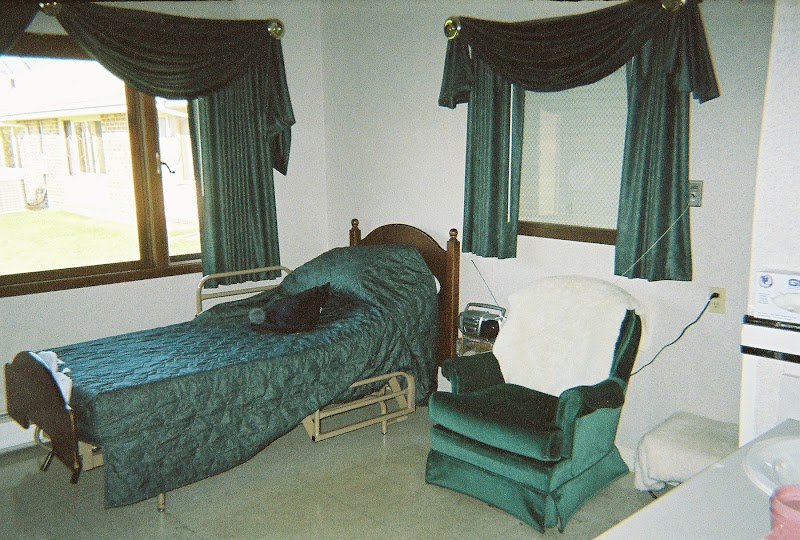
How is Ridgewood Specialty Care Staffed?
CMS rates Ridgewood Specialty Care's staffing level at 3 out of 5 stars, which is average compared to other nursing homes. Staff turnover is 49%, compared to the Iowa average of 46%.

What Have Inspectors Found at Ridgewood Specialty Care?

State health inspectors documented 23 deficiencies at Ridgewood Specialty Care during 2022 to 2024. These included: 1 Immediate Jeopardy (the most serious level, indicating potential for serious harm or death) and 22 with potential for harm. Immediate Jeopardy findings are rare and represent the most serious regulatory concerns. They require immediate corrective action.

Who Owns and Operates Ridgewood Specialty Care?

Ridgewood Specialty Care is owned by a non-profit organization. Non-profit facilities reinvest revenue into operations rather than distributing to shareholders. The facility is operated by CARE INITIATIVES, a chain that manages multiple nursing homes. With 60 certified beds and approximately 53 residents (about 88% occupancy), it is a smaller facility located in OTTUMWA, Iowa.

How Does Ridgewood Specialty Care Compare to Other Iowa Nursing Homes?

Compared to the 100 nursing homes in Iowa, Ridgewood Specialty Care's overall rating (3 stars) is below the state average of 3.1, staff turnover (49%) is near the state average of 46%, and health inspection rating (2 stars) is below the national benchmark.

What Should Families Ask When Visiting Ridgewood Specialty Care?

Based on this facility's data, families visiting should ask: "What changes have been made since the serious inspection findings, and how are you preventing similar issues?" "Can I visit during a mealtime to observe dining assistance and food quality?" "How do you handle medical emergencies, and what is your hospital transfer rate?" "Can I speak with family members of current residents about their experience?" These questions are particularly relevant given the facility's Immediate Jeopardy citations.

Is Ridgewood Specialty Care Safe?

Based on CMS inspection data, Ridgewood Specialty Care has documented safety concerns. Inspectors have issued 1 Immediate Jeopardy citation (the most serious violation level indicating risk of serious injury or death). The facility has a 3-star overall rating and ranks #100 of 100 nursing homes in Iowa. Families considering this facility should ask detailed questions about what corrective actions have been taken since these incidents.

Do Nurses at Ridgewood Specialty Care Stick Around?

Ridgewood Specialty Care has a staff turnover rate of 49%, which is about average for Iowa nursing homes (state average: 46%). Moderate turnover is common in nursing homes, but families should still ask about staff tenure and how the facility maintains care continuity when employees leave.

Was Ridgewood Specialty Care Ever Fined?

Ridgewood Specialty Care has been fined $8,999 across 1 penalty action. This is below the Iowa average of $33,169. While any fine indicates a compliance issue, fines under $50,000 are relatively common and typically reflect isolated problems that were subsequently corrected. Families should ask what specific issues led to these fines and confirm they've been resolved.

Is Ridgewood Specialty Care on Any Federal Watch List?

Ridgewood Specialty Care is not on any federal watch list. The most significant is the Special Focus Facility (SFF) program, which identifies the bottom 1% of nursing homes nationally based on persistent, serious quality problems. Not being on this list means the facility has avoided the pattern of deficiencies that triggers enhanced federal oversight. This is a positive indicator, though families should still review the facility's inspection history directly.