Pioneer Valley Living And Rehab
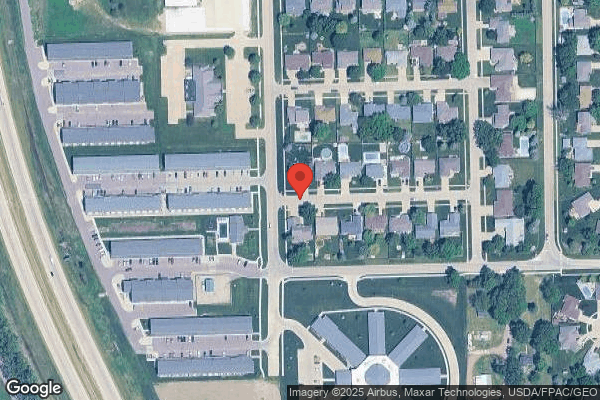
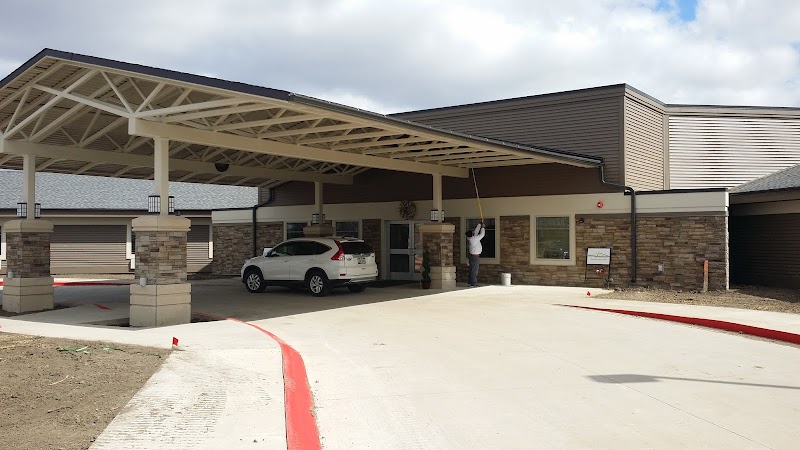
400 SERGEANT SQUARE DRIVE, SERGEANT BLUFF, IA 51054 (712) 943-2350
For profit - Limited Liability company 66 Beds Independent Data: November 2025 2 Immediate Jeopardy citations
Trust Grade
0/100
#372 of 392 in IA
Last Inspection: February 2025

Within standard 12-15 month inspection cycle. Federal law requires annual inspections.

Overview

Pioneer Valley Living And Rehab in Sergeant Bluff, Iowa, has received a Trust Grade of F, indicating significant concerns and a poor overall quality of care. It ranks #372 out of 392 facilities in Iowa, placing it in the bottom half of nursing homes in the state and #8 out of 9 in Woodbury County, meaning there is only one better local option. The facility is worsening, with the number of reported issues increasing from 15 in 2024 to 34 in 2025. Staffing is a relative strength with a 4/5 rating, although the turnover rate is average at 47%. However, fines totaling $29,572 are concerning, being higher than 78% of Iowa facilities, and RN coverage is below average, as it is less than 82% of state facilities. Specific incidents raise serious red flags: one resident was subjected to inappropriate contact by another resident while staff were inattentive, and a newly hired aide left a resident unsupervised outdoors, leading to a fall and injury. Additionally, another resident developed pressure sores due to inadequate interventions. While there are some strengths in staffing, these critical incidents highlight significant weaknesses in resident safety and care.
Trust Score
F
0/100
In Iowa
#372/392
Bottom 6%
Safety Record
High Risk
Review needed
Inspections
Getting Worse
15 → 34 violations
Staff Stability
⚠ Watch
47% turnover. Above average. Higher turnover means staff may not know residents' routines.
Penalties
⚠ Watch
$29,572 in fines. Higher than 92% of Iowa facilities. Major compliance failures.
Skilled Nurses
○ Average
Each resident gets 31 minutes of Registered Nurse (RN) attention daily — about average for Iowa. RNs are the most trained staff who monitor for health changes.
Violations
⚠ Watch
61 deficiencies on record. Higher than average. Multiple issues found across inspections.
★☆☆☆☆
1.0
Overall Rating
★★★★☆
4.0
Staff Levels
★★★☆☆
3.0
Care Quality
★☆☆☆☆
1.0
Inspection Score
Stable
2024: 15 issues
2025: 34 issues

The Good

  • 4-Star Staffing Rating · Above-average nurse staffing levels
  • Full Sprinkler Coverage · Fire safety systems throughout facility
  • No fines on record

Facility shows strength in staffing levels, fire safety.

The Bad

1-Star Overall Rating

Below Iowa average (3.0)

Significant quality concerns identified by CMS

Staff Turnover: 47%

Near Iowa avg (46%)

Higher turnover may affect care consistency

Federal Fines: $29,572

Below median ($33,413)

Moderate penalties - review what triggered them

The Ugly 61 deficiencies on record

2 life-threatening 3 actual harm
Apr 2025 13 deficiencies
CONCERN (D) 📢 Someone Reported This

A family member, employee, or ombudsman was alarmed enough to file a formal complaint

Potential for Harm - no one hurt, but risky conditions existed

Resident Rights (Tag F0550)

Could have caused harm · This affected 1 resident

Based on observations, interviews, and facility policy the facility failed to provide dignity to 1of 5 residents reviewed (Resident #6). The facility failed to provide dignity to the resident as demon...

Read full inspector narrative →
Based on observations, interviews, and facility policy the facility failed to provide dignity to 1of 5 residents reviewed (Resident #6). The facility failed to provide dignity to the resident as demonstrated by the resident waiting to return to her room from the dining room while sitting in soiled garments. The facility reported a census of 45 residents. Findings Include: The Minimum Data Set (MDS) in progress for Resident #6, dated 3/31/25, identified a Brief Interview for Mental Status (BIMS) score of 15/15 indicating normal cognitive functioning. The resident had diagnoses of hemiplegia or hemiparesis (stroke with an affected extremity(ies)), depression, and muscular dystrophy, unspecified. Resident #6's Care Plan dated 3/24/25 revealed a focus area of Activities of Daily Living (ADL) self-care performance deficit with interventions including 1 staff assistance for toileting and the resident was dependent, dependent for transfers requiring 2 staff with the use of hoyer lift (non-weight bearing mechanical lift), and staff assistance for wheelchair (w/c) location in and outside of the facility. The Electronic Medical Record (EMR) Progress Notes from 3/1/24 to 2/19/25 revealed the 3 incidents of behavior including inappropriate toileting involving a Certified Nurse Assistant (CNA), accusations involving staff, and impatience regarding needing to wait for staff assistance for toileting. The EMR for bowel elimination revealed 11 of 29 entries for bowel incontinence. The EMR for bladder elimination revealed 17of 20 entries for incontinence and toileting, and 2 of 20 entries for incontinence. On 3/31/25 at 12:00 PM Resident #6 stated on 3/30/25 while in the dining room she had an incontinence episode. The resident stated she was told that the staff could not take her back to her room as they were feeding other residents. Resident #6 stated she felt bad that she needed assistance and was incontinent, but wanted to be changed. On 4/2/25 at 9:09 AM Resident #6 stated she waited approximately 30 minutes on 3/30/25 to be taken to her room to be changed. On 4/2/25 at 1:50 PM Staff GG, Certified Nursing Assistant (CNA)/Certified Medication Aide (CMA) stated if a resident stated they had an accident in the dining room and needed to leave to be changed, they would assist the resident back to their room to provide care or get assistance. Staff GG stated during meals the CNAs assist in the dining room except for 1-2 CNAs that were floats who would continue to get any residents up, pass room trays, or answer call lights. On 4/2/25 at 10:40 AM Staff J, Director of Nursing, expected if a resident requested to go back to their room due to incontinence, then the staff should take the resident back and assist them. The facility's policy, Rights of Residents in Long-Term Care Facilities by the Office of the State Long-Term Care Ombudsman, revealed residents have the right to receive adequate and appropriate care. It further revealed the residents should be treated with consideration, respect, dignity and have control of their life.
CONCERN (D) 📢 Someone Reported This

A family member, employee, or ombudsman was alarmed enough to file a formal complaint

Potential for Harm - no one hurt, but risky conditions existed

Deficiency F0637 (Tag F0637)

Could have caused harm · This affected 1 resident

Based on facility record review and staff interviews the facility failed to complete a Significant Change Minimum Data Set (SCMDS) within 14 days of the facility recognizing the resident had a signifi...

Read full inspector narrative →
Based on facility record review and staff interviews the facility failed to complete a Significant Change Minimum Data Set (SCMDS) within 14 days of the facility recognizing the resident had a significant change for 1 of 1 resident reviewed (Resident #1.) The facility reported a census of 45 residents. Findings include: The MDS date 2/14/25, showed that Resident #1 had a Brief Interview for Mental Status (BIMS) score of 0 (severe cognitive deficit.) He was totally dependent on staff for toileting and transfers and he was on Hospice care services. The Care Plan for Resident #1, updated on 2/19/25, showed that he had a decline in cognition and in physical condition. He was admitted to Hospice services on 1/25/25. A hand-written, Hospice admission form showed that services started on 1/25/25. The Clinical - MDS page of the electronic chart showed a quarterly MDS was completed on 12/6/24 and on 2/14/25. The chart lacked a SCMDS. On 4/3/25 at 11:30 AM, the Administrator acknowledged that Resident #1 had been admitted to Hospice in January and that they failed to complete a SCMDS. According to the Center for Medicare and Medicaid Services (CMS), Resident Assessment Instrument (RAI) Version 2.0 Chapter 2 page 2-3 revised on August 2003, a significant change in status must be completed by the end of the 14th calendar day following determination that a significant change has occurred.
CONCERN (D) 📢 Someone Reported This

A family member, employee, or ombudsman was alarmed enough to file a formal complaint

Potential for Harm - no one hurt, but risky conditions existed

MDS Data Transmission (Tag F0640)

Could have caused harm · This affected 1 resident

**NOTE- TERMS IN BRACKETS HAVE BEEN EDITED TO PROTECT CONFIDENTIALITY** Based on medical health record review (MHR) and staff interviews the facility failed to submit a comprehensive Minimum Data Set ...

Read full inspector narrative →
**NOTE- TERMS IN BRACKETS HAVE BEEN EDITED TO PROTECT CONFIDENTIALITY** Based on medical health record review (MHR) and staff interviews the facility failed to submit a comprehensive Minimum Data Set (MDS) as directed by the Centers for Medicaid and Medicare Services (CMS) Long-Term Care Facility Resident Assessment Instrument (RAI) 3.0 User's Manual, Version 1.19.1 October 2024, within the required timeframe for 2 out of 15 residents reviewed (Residents #3, and #10). The facility census was 45. Findings include: 1. The review of Resident #3's MDS Quarterly assessment data indicated assessment dated [DATE], was accepted on 3/11/25. 2. The review of Resident #10's MDS Quarterly assessment data indicated assessments dated 1/31/25 were completed on 3/17/25 (late), and accepted on 3/17/25. On 4/2/25 at 10:33 AM Staff J, Director of Nursing (DON), and Staff U, DON, stated they did not have a response related to the completion and submission of the MDS documents as they did not complete them. The facility provided document, RAI/MDS Policy from Clinical Procedures for Long-Term Care, revealed the facility will initiate, encode, and transmit, assessments as delineated in Chapters 2, 3, 4, 5, and 6 of the current CMS RAI User's Manual.
CONCERN (D) 📢 Someone Reported This

A family member, employee, or ombudsman was alarmed enough to file a formal complaint

Potential for Harm - no one hurt, but risky conditions existed

Deficiency F0657 (Tag F0657)

Could have caused harm · This affected 1 resident

**NOTE- TERMS IN BRACKETS HAVE BEEN EDITED TO PROTECT CONFIDENTIALITY** 2. Resident #7's MDS assessment dated [DATE] revealed the resident had impairments in short term and long term memory, moderate ...

Read full inspector narrative →
**NOTE- TERMS IN BRACKETS HAVE BEEN EDITED TO PROTECT CONFIDENTIALITY** 2. Resident #7's MDS assessment dated [DATE] revealed the resident had impairments in short term and long term memory, moderate impairment for daily decision making, inattention, and disorganized thinking as indicated by the staff. The document revealed diagnoses of Alzheimer's, Non-Alzheimer's Dementia, anxiety, and depression. The resident required substantial/maximal assistance for rolling in bed, and was dependent on staff for transfers. The document disclosed the resident was at risk for development of pressure ulcers and injuries, and treatments included pressure reducing devices for chair and bed. On 3/31/25 at 11:37 AM observed an unidentified staff member push Resident #7 to the dining room in a Broda Reclining Wheelchair (w/c) wearing Prafo boots. On 3/31/25 at 12:43 PM observed Resident #7 in the living area in the Broda Reclining w/c wearing Prafo boots. On 3/31/25 at 1:13 PM observed Resident #7 lying in bed on her back with Prafo boots. On 4/1/25 at 7:55 AM observed Resident #7 sleeping in the living area in the Broda Reclining w/c wearing Prafo boots. On 4/1/25 at 10:06 AM observed Resident #7 sleeping in the Broda Reclining w/c in the living area. On 4/1/25 at 1:22 PM Staff EE, Certified Nursing Assistant (CNA), and Staff GG, CNA/Certified Medication Aide (CMA), transferred Resident #7 to bed, removed the Prafo boots, completed care, and re-applied the Prafo boots prior to leaving the room. On 4/2/25 at 10:20 AM observed Resident #7 sleeping in the Broda Reclining w/c in the living area with the Prafo boots on. The Electronic Medical Record (EMR) revealed Weekly Skin Assessment completed on 3/27/25. Resident #7 had a pressure area on the right inner ankle that measured 1.7 centimeters (cm) long by .2 cm wide. The EMR Clinical Physician Orders dated 3/27/25 revealed an order for the right medial ankle wound treatment to be completed on Mondays and Thursdays. Resident #7 's Care Plan, dated 3/5/25, identified a focus area indicating a risk for skin impairment related to advanced dementia, decreased mobility, and incontinence. Interventions included heel lift boots on the resident when in bed (initiated on 8/22/24), pressure relieving pad in bed, pressure relieving mattress when in bed, tilt in space wheelchair with pressure reduction cushion, and monitoring/documenting location and size of skin injury. The facility failed to update the Care Plan to identify the resident's treatments for the pressure area on the right medial ankle. The facility failed to update the Care Plan to reflect the use of Prafo boots when out of bed. 3. Resident #10's MDS assessment dated [DATE] revealed the resident had a Brief Interview for Mental Status (BIMS) score of 13/15 indicating normal cognition. The document revealed diagnoses of cerebrovascular accident (stroke), hemiplegia (paralysis of 1 side of the body), and depression. The resident required substantial/maximal assistance for rolling in bed, and was dependent on staff for transfers. The document disclosed the resident was at risk for development of pressure ulcers and injuries, had a diabetic foot ulcer, and had pressure reducing devices for chair, bed, applications of ointments/medications other than to feet, and dressings to feet. On 3/31/25 at 11:37 AM observed an unidentified staff member push Resident #10 to the dining room in a tilt in space w/c wearing Prafo boots. On 3/31/25 at 1:15 PM observed Resident #10 engaged with other residents seated in a tilt in space w/c wearing Prafo boots. On 4/1/25 at 12:10 PM observed Resident #10 seated in the dining room wearing Prafo boots for the noon meal. On 4/1/25 at 12:56 PM observed Resient #10 seated in the tilt in space w/c wearing Prafo boots in the living area. The EMR revealed Weekly Skin Assessment completed on 3/12/25 noted Resident #10 had no redness to buttocks or boggy heels. The EMR Clinical Physician Orders dated 12/18/25 revealed an order for Prafo boots for pressure avoidance, every shift for intervention to pressure dated 12/10/24. Resident #10's Care Plan, dated 3/3/25, revealed the resident was at moderate risk for pressure ulcers. The document provided interventions for staff including pressure relieving cushion to the recliner, pressure relieving device to w/c, and an air mattress. The facility failed to update the Care Plan to identify use of Prafo boots for pressure avoidance as per physician orders. 4. Resident #15's MDS assessment dated [DATE] revealed the resident had a BIMS score of 15/15 indicating normal cognition. The document revealed diagnoses of diabetes, anxiety, and hypertension (high blood pressure). Resident #15's Care Plan, dated 8/26/24, revealed the resident had 16 focus areas with target dates, and interventions. The target date identified on all focus areas was 12/23/24. The facility failed to review the Care Plan and update the target dates for all focus areas. On 4/2/25 at 10:37 AM Staff J, Director of Nursing (DON), and Staff U, DON, did not have a response to the Care Plans required to be updated. The staff did indicate both Resident #7 and Resident #10 did wear Prafo boots. The facility's policy Quarterly Review of Care Plans revealed the care planning/interdisciplinary team was responsible for the periodic review and updating of the care plans. Based on observation, interview and record review the facility failed to update and provide resident specific care plan for 3 of 13 residents reviewed, (Resident #4, #7 and #10). Resident #4, #7 and #10 had long-standing conditions and the care plans lacked a focus area and intervention related to these conditions. The facility reported a census of 45 residents. Findings include: 1. According to the Minimum Data Set (MDS) dated [DATE], Resident #4 had a Brief Interview for Mental Status (BIMS) score of 11 (moderate cognitive deficit.) He was totally dependent on staff for toileting hygiene, lower body dressing, and transfers. The resident had Moisture Associated Skin Damage (MASD). The Care Plan last updated on 9/27/24, showed that Resident #4 had Activities of Daily Living Self-care performance deficits and he was being seen by an outside agency wound clinic. Rounds would be completed weekly and as needed. The resident required the assistance of 2 staff to the toilet and the use of the mechanical lift sit to stand for transfers. His diagnoses included diabetes mellitus, chronic kidney disease stage 3, edema, benign prostatic hyperplasia and diabetic neuropathy. The care plan lacked focus areas and interventions for edema or skin breakdown. On 4/1/25 at 9:31AM, Resident #4 was in a wheel chair, in his room. He was wearing a pair of sweat pants that fit tightly around his lower extremities. He was not wearing shoes and his feet were swollen, with the right foot much larger than the left. The resident said that he'd had a lot of trouble with fluid retention and for a while it had gotten better. The resident had two, fluid filled blisters on the front of his right leg, the entire area was red with extensive dry, pealing skin throughout both lower extremities. There was a small soiled, undated pad stuck to an open sore on the inside of the right leg. On 4/3/25 at 11:30 AM, the Administrator acknowledged that Resident #4 had extensive skin and edema issues and these concerns should have been included in the care plan. A facility policy titled: Care Planning - Interdisciplinary, reviewed in April 2016, showed that the Care Planning/Interdisciplinary Team was responsible for the development of an individualized comprehensive care plan for each resident.
CONCERN (D) 📢 Someone Reported This

A family member, employee, or ombudsman was alarmed enough to file a formal complaint

Potential for Harm - no one hurt, but risky conditions existed

Deficiency F0658 (Tag F0658)

Could have caused harm · This affected 1 resident

**NOTE- TERMS IN BRACKETS HAVE BEEN EDITED TO PROTECT CONFIDENTIALITY** Based on observation, interviews and record review the facility failed to follow physician's orders for blood pressure parameter...

Read full inspector narrative →
**NOTE- TERMS IN BRACKETS HAVE BEEN EDITED TO PROTECT CONFIDENTIALITY** Based on observation, interviews and record review the facility failed to follow physician's orders for blood pressure parameters and daily weights for 2 of 6 residents reviewed (Resident #2 and #3.) The facility reported a census of 45 residents. Findings include: 1) According to the Minimum Data Set (MDS) dated [DATE], Resident #2 had a Brief Interview for Mental Status (BIMS) score of 13 (moderate cognitive deficit). She required set up assistance for dressing and tub transfers, and was independent with transfers and toileting. The Care Plan for Resident #2, updated on 3/12/25, showed that she had bariatric surgery, she was diabetic and on anticoagulant therapy. Staff were directed to monitor for medication side effects such as significant or sudden changes in vital signs. The resident had diagnoses that included chronic kidney disease, weakness and adult failure to thrive. On 3/31/25 at 11:07 AM, Resident #2 was in her recliner with her feet elevated. She had supplemental oxygen running but the nasal cannula tubing was sitting next to her and not on her nose. Resident #2 said she would take it off herself. She said that she didn't have much energy lately and the oxygen helped but sometimes she forgot to put it back on. An Order Audit Report showed that Resident #2 had a medication order dated 3/22/25 at 4:08 PM, for Midodrine 10 milligrams (mg) give every 8 hours for hypotension. Staff were to hold the medication if the systolic Blood Pressure (BP) was over 100. The Medication Administration Report showed that the midodrine had been given on following dates after blood pressures were taken: a. 3/18/25 BP: 114/64 b. 3/20/25 BP: 112/67 c. 3/21/25 BP: 122/64 d. 3/22/25 BP: 107/63 e. 3/29/25 BP: 124/64 f. 3/30/25 BP: 130/72 2) According to the MDS dated [DATE], Resident #3 had a BIMS score 15 (intake cognitive ability). She required partial assistance with dressing, toileting, hygiene and transfers. The resident had frequent pain and shortness of breath. The Care Plan for Resident #3, revised on 10/2/24, showed that she had Activities of Daily Living (ADL) performance deficits. The resident had hypertension, staff were to monitor for edema and use ted hose/ ace wraps as needed, and record daily blood pressure. Resident #3 used diuretic medication, staff would monitor for side effects and provide weights per schedule. Her diagnoses include diabetes mellitus, morbid obesity, edema and heart disease. An Order Audit report dated 9/9/24 at 1:50 PM, showed that the facility was to provide daily weights and to notify the primary care physician if the resident had a weight gain of 2-3 pounds overnight, or 4-5 pounds in 5 days. The Weight Summary report for Resident #2, showed that her weight had not been taken on 3/10, 3/17, 3/20, 3/22 or 3/26. From 3/24-3/25 the resident had a 13-pound weight gain and the chart lacked documentation that the doctor had been notified. On 4/3/25 at 11:30 AM the Administrator thought that staff may have started using a different scale when Resident #2 showed a 13-pound gain in one day. She said that they had started adding the blood pressures and weights directly on the MAR/TAR to help remind the nurses to address these areas. The Administrator said that they did not have policies on edema or blood pressure management.
CONCERN (D) 📢 Someone Reported This

A family member, employee, or ombudsman was alarmed enough to file a formal complaint

Potential for Harm - no one hurt, but risky conditions existed

Deficiency F0676 (Tag F0676)

Could have caused harm · This affected 1 resident

**NOTE- TERMS IN BRACKETS HAVE BEEN EDITED TO PROTECT CONFIDENTIALITY** Based on record and policy review and interviews the facility failed to implement restorative services for 1 of 2 residents revi...

Read full inspector narrative →
**NOTE- TERMS IN BRACKETS HAVE BEEN EDITED TO PROTECT CONFIDENTIALITY** Based on record and policy review and interviews the facility failed to implement restorative services for 1 of 2 residents reviewed (Resident #1). The facility reported a census of 45 residents. Findings include: According to the Minimum Data Set (MDS) dated [DATE], Resident #1 had a Brief Interview for Mental Status (BIMS) score of 0 (severe cognitive deficit.) The resident was totally dependent on staff for toileting and transfers, and required substantial assistance with putting on and taking off footwear and lower body dressing. The resident had a stage 2 pressure injury and treatments included pressure ulcer care, application of ointments/medications and application of dressings to feet. The resident was on Hospice care. The Care Plan updated on 2/19/25, showed that Resident #1 had impairment to skin integrity related to fragile skin and a decline in his cognition and physical condition. The resident required a program to maintain strength and mobility. Staff were to monitor for ability to complete the restorative plan including use of the Nustep 15 minutes a day as tolerated and Range of Motion (ROM) all extremities as tolerated. If the resident refused the Nustep, attempt to use the arm bike. Adjust the program as indicated. According to the Point of Care Response History from 3/5/25 - 3/31/25, in the 26 days, staff had 52 opportunities to assist the resident with exercises. The document was marked 26 times as not applicable, 13 times as resident refused and 6 times as having exercised for 15 minutes. On 4/2/25 at 10:57 AM, Staff B, Director of Rehabilitation, said that she provided annual training for staff on the use of the equipment but did not train the staff on restorative services or ROM exercises to use with residents. On 4/2/25 at 7:06 AM, Staff Q, Licensed Practical Nurse (LPN) said that the restorative services were done by one aide scheduled to complete it for all of the residents. If they didn't have enough staff scheduled, the aides in the halls would try to get it done. On 4/2/25 at 8:07 AM, the Director of Nursing (DON) said they didn't have a special person to do restorative and the CNA's that are in the specific hallways are expected to offer restorative exercises. There's a list of the residents on restorative in the schedule book and they can look down the list for who gets what. She gave me a copy of the list. On 4/2/25 at 10:30 AM, Staff FF, CNA said that she was not aware of a restorative program and hadn't been trained on those expectations to exercise with the residents. On 4/3/25 at 10:00 AM, Staff P, LPN said that the restorative program wasn't getting completed very often because they didn't have enough staff. On 4/3/25 at 11:30 AM the Administrator acknowledged that the restorative program was not what should be and they have hired a couple new staff to implement the program. She indicated that they did not have a policy on restorative services. The undated Facility Assessment showed under the heading: Facility Resources Needed to Provide Competent Support and Care for our Resident Population Every Day and During Emergencies, would include the Administrator, QAPI, Infection Control and Prevention, Environmental Services, Social Services, Discharge Planning, Business Office, Finance, Human Resources. Nursing Services - DON, ADON, RN, LPN, CNA, CMA, MDS Nurse, Resident Care Coordinator, Restorative Aid, Bath Aid Food and Nutrition Services - Dietary Manager, Dietitian, Dietary Aid, Cook.
CONCERN (D) 📢 Someone Reported This

A family member, employee, or ombudsman was alarmed enough to file a formal complaint

Potential for Harm - no one hurt, but risky conditions existed

ADL Care (Tag F0677)

Could have caused harm · This affected 1 resident

**NOTE- TERMS IN BRACKETS HAVE BEEN EDITED TO PROTECT CONFIDENTIALITY** Based on the observation, staff interviews, and policy review the facility failed to reposition 1 of 3 reviewed (Resident #7). T...

Read full inspector narrative →
**NOTE- TERMS IN BRACKETS HAVE BEEN EDITED TO PROTECT CONFIDENTIALITY** Based on the observation, staff interviews, and policy review the facility failed to reposition 1 of 3 reviewed (Resident #7). The facility reported a census of 45 residents. Findings include: Resident #7's Minimum Data Set (MDS) assessment dated [DATE] revealed the resident had impairments in short term and long term memory, moderate impairment for daily decision making, inattention, and disorganized thinking as indicated by the staff. The document revealed diagnoses of Alzheimer's, Non-Alzheimer's Dementia, anxiety, and depression. The resident required substantial/maximal assistance for rolling in bed, and was dependent on staff for transfers. The document revealed the resident had a catheter, and was always incontinent of bowel. The document disclosed the resident was at risk for development of pressure ulcers and injuries, and treatments included pressure reducing devices for chair and bed. Resident #7's Care Plan, dated 3/5/25, identified a focus area indicating a risk for skin impairment related to advanced dementia, decreased mobility, and incontinence. Interventions included heel lift boots on the resident when in bed (initiated on 8/22/24), pressure relieving pad in bed, pressure relieving mattress when in bed, tilt in space wheelchair with pressure reduction cushion, and monitoring/documenting location and size of skin injury. An additional focus area, activities of daily living (ADLs) self care performance deficit, revealed the resident required 2 staff assist with dependent mechanical non-weight bearing lift transfers, 1-2 staff for bed mobility, dressing, and hygiene. The document revealed the resident was totally dependent with toileting, wore incontinence products, and occasionally used the bed pan. The Electronic Medical Record (EMR) Skin Nurse - Weekly Skin Observation Tool completed weekly 2/27/25 through 3/27/25 revealed the resident had a pressure area on the right inner ankle. Observed on 4/1/25 at 7:55 AM Resident #7 seated in a Broda Reclining Wheelchair (w/c) in the living area sleeping. Observed on 4/1/25 at 8:10 AM an unidentified staff take Resident #7 to the dining room. Continuous observation on 4/1/25 began at 9:10 AM of Resident #7 in front of the television in the living room with other residents. The Broda Reclining w/c was slightly reclined (approximately 30 degrees from upright). Observed numerous staff (Certified Nursing Assistants (CNAs), nurses, housekeeping, therapy) walk past Resident #7 in the living room with some staff glancing at the resident, others not looking at the resident. During the continuous observation Resident #7 slept in the Broda Reclining w/c with her head leaning against the right lateral wing of the chair, and the resident's position was not changed. Observed at 11:58 AM a staff member took Resident #7 to the dining room. Staff positioned the resident more upright during the meal. Observed at 12:43 PM staff placing the resident back in the living room area with the Broda Reclining w/c slightly reclined (less than 30 degrees from upright position). Observed at 1:22 PM Staff EE, CNA, and Staff GG, CNA/Certified Medication Aide (CMA) take Resident #7 to her room for care and repositioning. During the continuous observation Resident #7 was positioned in a Broda Reclining w/c without being repositioned from the chair or checked for personal needs for 5 hours 27 minutes. On 4/1/25 at 1:46 PM Staff EE stated residents were to be repositioned every 2 hours or as needed if they had pain or needed to be changed. The staff stated Resident #7 was repositioned before lunch by reclining the back of the w/c. The staff stated training had been provided that changing the position of a wheelchair was repositioning. On 4/1/25 at 1:50 PM Staff GG stated residents were repositioned every 2 hours. The staff stated change of position included not lying on a certain side, rolling for the prevention of pressure sores. The staff stated if a resident was in a wheelchair, the preferred reposition would be to lay the resident down. The staff stated a wheelchair that moves the resident back and brings the legs up could be done for repositioning. The staff did not know if Resident #7 was repositioned in the morning as she was not assigned to the hall. On 4/1/25 at 9:12 AM Staff CC, CNA, stated residents needed to be repositioned every 2 hours and checked. On 4/2/25 at 10:57 AM Staff B, Physical Therapist Assistant (PTA)/Director of Rehabilitation (DOR), contract therapy, did not know the specifics of the Broda Reclining w/c, but stated best practice was repositioning residents every 2 hours from their current position, including seated surfaces. The staff stated tilt in space seating systems changed the focus of gravity, changing pressure points, but the seating systems needed to be tilted in space, not reclined. On 4/2/25 at 10:40 AM Staff U, Director of Nursing (DON), stated she would have to look at the facility's policy regarding positioning requirements and the use of reclining w/c's. The facility's Wheelchair Use of Policy from the [NAME] Healthcare Clinical Procedures for Long-Term Care revealed staff were to assist the resident to toilet and reposition frequently. The facility's Positioning the Resident Policy from the [NAME] Healthcare Clinical Procedures for Long-Term Care did not indicate the frequency for repositioning residents.
CONCERN (D) 📢 Someone Reported This

A family member, employee, or ombudsman was alarmed enough to file a formal complaint

Potential for Harm - no one hurt, but risky conditions existed

Quality of Care (Tag F0684)

Could have caused harm · This affected 1 resident

**NOTE- TERMS IN BRACKETS HAVE BEEN EDITED TO PROTECT CONFIDENTIALITY** 2. Resident #10's MDS assessment dated [DATE] revealed the resident had a Brief Interview for Mental Status (BIMS) score of 13/1...

Read full inspector narrative →
**NOTE- TERMS IN BRACKETS HAVE BEEN EDITED TO PROTECT CONFIDENTIALITY** 2. Resident #10's MDS assessment dated [DATE] revealed the resident had a Brief Interview for Mental Status (BIMS) score of 13/15 indicating normal cognition. The document revealed diagnoses of cerebrovascular accident (stroke), hemiplegia (paralysis of 1 side of the body), and depression. The resident required substantial/maximal assistance for rolling in bed, and was dependent on staff for transfers. The document disclosed the resident was at risk for development of pressure ulcers and injuries, had a diabetic foot ulcer, and had pressure reducing devices for chair, bed, applications of ointments/medications other than to feet, and dressings to feet. Resident #10's Care Plan, dated 3/3/25, revealed the resident was at moderate risk for pressure ulcers. The document provided interventions for staff including pressure relieving cushion to the recliner, pressure relieving device to w/c, and an air mattress. The Electronic Medical Record (EMR) Clinical Physician Orders dated 12/18/25 had an order for completion of the Weekly Skin Observation Tool, including measurements and progress notes with description of skin issues, every evening shift every Wednesday for skin care and notify the physician of any new skin issues dated 11/6/24. The Assessments tab of the EMR on 4/2/25 revealed the last Skin Nurse - Weekly Skin Observation Tool was completed on 3/12/25 and was 14 days overdue with a due date of 3/19/25. The facility failed to complete the Skin Nurse - Weekly Skin Observation Tool as per physician orders to be completed weekly. On 4/2/25 at 10:35 AM when asked about the expectation of completing the Weekly Skin Observation Tool, Staff J, Director of Nursing (DON), and Staff U, DON, did not have a response, but Staff J was observed shaking her head. The facility's Physician Medication Orders Policy from the [NAME] Healthcare Clinical Procedures for Long-Term Care did not address following physician orders that were non medication involved. Based on observation, interview and record review the facility failed to adequately monitor skin issues and intervene with ordered treatments for 2 of 3 residents reviewed, (Residents #4 and #10). Staff failed to ensure that wound treatments were in place, and detailed skin assessments were completed for Res #4. The clinical record lacked weekly skin assessments for Resident #10. The facility reported a census of 45 residents. Findings included: 1. According to the Minimum Data Set (MDS) date 1/13/25, Resident #4 had a Brief Interview for Mental Status (BIMS) score of 11 (moderate cognitive deficit.) He was totally dependent on staff for toileting hygiene, lower body dressing, and transfers. The resident had Moisture Associated Skin Damage (MASD). The Care Plan last updated on 9/27/24, showed that Resident #4 had Activities of Daily Living (ADL) self-care performance deficits. The resident was being seen by an outside agency wound clinic and rounds would be completed weekly. Resident #4 required the assistance of 2 staff to the toilet and the use of the mechanical lift sit to stand for transfers. His diagnoses included diabetes mellitus, chronic kidney disease stage 3, edema, benign prostatic hyperplasia and diabetic neuropathy. The care plan lacked focus areas and interventions for skin breakdown and edema. On 4/1/25 at 9:31 AM, Resident #4 was in a wheel chair, in his room. He was wearing a pair of sweat pants that fit tightly around his lower extremities. He was not wearing shoes and his feet were swollen, with the right foot much larger than the left. The resident said that he'd had a lot of trouble with fluid retention and for a while it had gotten better. He said that he had some treatments to his legs, but he wasn't sure if there was a dressing on his right leg or not. The resident was waiting for staff to come in and transfer him to the recliner so he could put his feet up. At 9:56 AM, Staff EE, Certified Nurse Aide (CNA) and Staff Q, Licensed Practical Nurse (LPN) had transferred the resident to the toilet and back to the recliner where they prepared to complete the treatments on the right leg. The left leg has Kerlix (bandage roll of gauze) wrapped around it but the right leg did not. The resident had two, fluid filled blisters on the front of his right leg, the entire area was red with extensive dry, pealing skin throughout both lower extremities. There was a small soiled, undated pad stuck to an open sore on the inside of the right leg. Staff Q cleaned the open sore, applied a new, dated, non-adhesive pad, then wrapped the lower leg with Kerlix. Resident #4 commented that sometimes at night, he had to remind staff to wrap his leg. Progress Notes from the Wound Clinic (WC) dated 2/19/25, showed that Resident #4 had venous wounds on the right lower leg. The two, partial thickness wounds limited measurements due to exposed epidermis (outermost layer of skin) and dermis (below the epidermis.) The wound beds were macerated (occurs when skin is exposed to excessive moisture; soft, soggy and light color). Progress Notes from WC dated 3/12/25, showed an order to apply Plurogel to 3 open areas on right lower leg after cleansing with wound wash every 3 days. Apply non-adherent dressing to right lower leg to be changed daily and as needed. The Medication Administration Record and Treatment Administration Record (MAR/TAR) showed that the order entered on 3/13/25, included the Plurogel application and wound cleaning every 72 hours. The order entries lacked reference to the daily dressing changes. The Skin-Nurse Weekly Skin Observation Tool (SNWSO) showed the following: a. 3/12/25 at 12:01 PM Resident had flaky discolored skin on bilateral legs. Treatment on legs done per doctor's order. The form lacked measurements and detailed description. b. 3/19/25 at 11:04 AM Discoloration on bilateral legs, treatment completed. The form lacked measurements or description. c. 3/26/25 at 2:01 PM, Discoloration on bilateral legs, treatment completed. The form lacked measurements or description. A Nursing Note dated 3/24/25 at 1:38 AM, showed that the resident had edema to bilateral lower extremities, the skin was red with 2 fluid filled blisters to right shin, one measured 10 cm. around and the second blister was 7 cm. x 3 cm. The SNWSOT, dated 4/2/25 at 11:01 AM, lacked measurements, descriptions or mention of the new blisters. Discoloration on bilateral lower extremity. Order Audit Report for Resident #4 showed an order dated 8/1/24 at 1:33 PM, that staff were to include any measurements and progress note with description of skin issues every Wednesday for skin care and to notify the doctor of any new skin issues. On 4/2/25 at 10:50 AM, Staff J, Director of Nursing (DON) agreed that it would be difficult to determine progress or regression of skin condition if the assessments did not include measurements or detailed descriptions. A facility policy from a Nursing Manual dated 2010, titled Skin Care Policy, the needs of each resident would be assessed individually and developed into their plan of care to promote the prevention of skin trauma and prompt healing of the residents entering the facility with break down. Each resident would be assessed individually if a resident was at high risk for skin breakdown, result would be implemented into the plan of care. Nursing staff would measure the ulcers each week, documenting and evaluating a need to change treatment. With any skin breakdown the nursing staff would do an assessment no less than weekly.
CONCERN (D) 📢 Someone Reported This

A family member, employee, or ombudsman was alarmed enough to file a formal complaint

Potential for Harm - no one hurt, but risky conditions existed

Pressure Ulcer Prevention (Tag F0686)

Could have caused harm · This affected 1 resident

**NOTE- TERMS IN BRACKETS HAVE BEEN EDITED TO PROTECT CONFIDENTIALITY** Based on observation, interviews and record review the facility failed to provide interventions for pressure ulcer prevention fo...

Read full inspector narrative →
**NOTE- TERMS IN BRACKETS HAVE BEEN EDITED TO PROTECT CONFIDENTIALITY** Based on observation, interviews and record review the facility failed to provide interventions for pressure ulcer prevention for 1 of 3 residents reviewed, (Resident #1). Resident #1 had a pressure ulcer to the right heel and was found to be without his protective boots and without the ordered treatment dressing. The facility reported a census of 45 residents. Findings include: The MDS (Minimum Data Set) assessment identifies the definition of pressure ulcers: Stage I is an intact skin with non-blanchable redness of a localized area usually over a bony prominence. Darkly pigmented skin may not have a visible blanching; in dark skin tones only it may appear with persistent blue or purple hues. Stage II is partial thickness loss of dermis presenting as a shallow open ulcer with a red or pink wound bed, without slough (dead tissue, usually cream or yellow in color). May also present as an intact or open/ruptured blister. Stage III Full thickness tissue loss. Subcutaneous fat may be visible but bone, tendon or muscle is not exposed. Slough may be present but does not obscure the depth of tissue loss. May include undermining and tunneling. Stage IV is full thickness tissue loss with exposed bone, tendon or muscle. Slough or eschar (dry, black, hard necrotic tissue). may be present on some parts of the wound bed. Often includes undermining and tunneling or eschar. Unstageable Ulcer: inability to see the wound bed. According to the Minimum Data Set (MDS) dated [DATE], Resident #1 had a Brief Interview for Mental Status (BIMS) score of 0 (severe cognitive deficit.) The resident was totally dependent on staff for toileting and transfers, and required substantial assistance with putting on and taking off footwear and lower body dressing. The resident had a stage 2 pressure injury and treatments included pressure ulcer care, application of ointments/medications and application of dressings to feet. The resident was on Hospice care. The Care Plan updated on 2/19/25, showed that Resident #1 had impairment to skin integrity related to fragile skin and a decline in his cognition and physical condition. He was admitted to Hospice services on 1/25/25. He had padded, protective boots that he was to wear as allowed. A wound specialist, Nurse Practitioner (NP) was seeing the resident for wound care. A Skin Nurse - Weekly Skin Observation Tool dated 1/6/25 at 1:34 PM, showed that a pressure ulcer was discovered on the right heel, measuring 5 centimeters (cm) x 4 cm. The right inner heel was black and mushy and painful. The summary from the NP wound specialist, dated 1/22/25 showed that the wound was a Stage II and staff were to ensure that Profo (protective) boot was on the right foot at all times. The Hospice Interdisciplinary Group (IDG) Comprehensive Assessment and Plan of Care Update Report showed that on 1/27/25 the right heel was a Stage IV wound. A treatment order, dated 3/10/25 at 8:28 PM, showed that staff were to clean the right heel with Dakins solution, apply small amount of Therahoney to the wound bed, and to cover with foam dressing every 3 days. On 3/31/25 at 9:15 AM, Resident #1 was in his wheel chair in the commons area, in front of the television. His head was hanging, and he was sleeping with a blanket in his lap. His feet rested on the foot pedal and he was wearing gripper socks on his feet. At 10:16 AM, and at 10:46 AM, the resident was in the same position in front of TV. At 11:20 AM, Staff BB, Certified Nurse Aide (CNA) pushed him down the hallway and said she was going to take him in for a bath. Staff BB and another CNA tried to transfer him with the use of the mechanical lift, Sit to Stand, but he was too agitated and they decided to try again later. At 11:48 AM, Resident #1 was at the table in the dining room and was wearing the protective boots on both feet. At 12:47 AM Staff BB and Staff Y CNA used the total mechanical lift with full body sling to transfer him to the bed, where they undressed him. Staff DD, Registered Nurse (RN) came in as they removed his socks and his right foot did not have a treatment dressing. They transferred him to the shower chair and wheeled him into the shower room. At 1:22 PM, after his bath was completed, the CNA's transferred Resident #1 back to the bed and Staff DD, measured the area of the wound on the right heel. She completed the treatment and covered it was a dated dressing. The open area was round, yellow and deep. On 3/31/25 at 2:51 PM, Staff DD, said that she recognized the resident did not have any dressing on his foot and that the CNA's would usually let the nurses know if it had come off so they could put on another one. Staff DD said she thought the depth of the wound was about 0.2 cm. but she didn't have anything to measure it with. On 4/3/25 at 11:30 AM the Administrator said that Resident #1 should have had his protective boots on while in the wheel chair. A facility policy titled: Pressure Ulcer/Injury, Prevention showed that staff would develop a care plan to eliminate or minimize risk factor including pressure relief measures. Residents would be positioned with appropriate surfaces to protect bony prominences. Repositioning would be at least every 2 hours or as designated in the plan of care. If a pressure ulcer was present, the Licensed Nurse was responsible to record condition of the skin, including stage, size, site, depth, color, drainage and odor as well as the treatment provided.
CONCERN (D) 📢 Someone Reported This

A family member, employee, or ombudsman was alarmed enough to file a formal complaint

Potential for Harm - no one hurt, but risky conditions existed

Accident Prevention (Tag F0689)

Could have caused harm · This affected 1 resident

**NOTE- TERMS IN BRACKETS HAVE BEEN EDITED TO PROTECT CONFIDENTIALITY** Based on observation, clinical record review, and staff interviews, the facility failed to protect a resident from a possible ac...

Read full inspector narrative →
**NOTE- TERMS IN BRACKETS HAVE BEEN EDITED TO PROTECT CONFIDENTIALITY** Based on observation, clinical record review, and staff interviews, the facility failed to protect a resident from a possible accident and injury by pushing the resident in a wheelchair without foot rests for 1 of 5 residents (Resident #12). The facility reported a census of 45 residents. Findings include: Resident #12's Minimum Data Set (MDS) dated [DATE] identified a Brief Interview for Mental Status (BIMS) score of 10 out of 15 which indicated moderate cognitive impairment. The MDS included diagnoses of non-Alzheimer's Dementia, and Depression. It revealed the resident required partial or moderate assistance for sit to/from stand positions, and transfers to/from bed, wheelchair and toilet. It further indicated the resident utilized a manual wheelchair and required partial/moderate assistance for 50 ' with 2 turns, and partial/moderate assistance for 150 ' in a hallway. Resident #12's Care Plan revealed a focus area of Activities of Daily Living (ADLS) self care performance deficit with interventions included transfers with 1-2 staff assistance, able to self propel w/c. Observed on 3/31/25 at 9:40 AM Resident #12 self propel w/c down the hall towards the nursing station/living room area using bilateral arms and feet slightly off the floor, there were no foot rests. The resident stated she was going to the trailer court. Observed on 3/31/25 at 9:50 AM Staff GG, Certified Nursing Assistant (CNA)/Certified Medication Aide (CMA), push the resident from the end of the hallway to her bedroom without foot pedals; the distance was at least 50 ' . On 4/1/25 at 1:50 PM Staff GG stated if pushing a resident in a wheelchair the staff need to make sure feet are on foot pedals, clothing was not dragging, and Hoyer straps needed to be tucked in. On 4/1/25 at 2:38 PM Staff EE, CNA, stated foot pedals needed to be in place to push a resident in a wheelchair. On 4/1/25 at 9:12 AM Staff CC, CNA, stated residents needed to have foot pedals on their w/c ' s to be pushed by staff. On 4/2/25 at 10:47 AM Staff B, Physical Therapist Assistant (PTA)/Director of Rehabilitation (DOR), contract therapy, stated residents should have foot pedals when being pushed in their w/c ' s. On 4/2/25 at 10:41 AM Staff J, Director of Nursing (DON), expected that residents would have foot pedals when being pushed in their w/c ' s. The facility's Wheelchair Use of Policy from the [NAME] Healthcare Clinical Procedures for Long-Term Care revealed foot rests were to be lowered and the resident's feet placed on the foot rests prior to assisting the resident to the area of the facility desired.
CONCERN (D) 📢 Someone Reported This

A family member, employee, or ombudsman was alarmed enough to file a formal complaint

Potential for Harm - no one hurt, but risky conditions existed

Medication Errors (Tag F0758)

Could have caused harm · This affected 1 resident

**NOTE- TERMS IN BRACKETS HAVE BEEN EDITED TO PROTECT CONFIDENTIALITY** Based on clinical record reviews, staff interviews, and policy review, the facility failed to identify target behaviors for psyc...

Read full inspector narrative →
**NOTE- TERMS IN BRACKETS HAVE BEEN EDITED TO PROTECT CONFIDENTIALITY** Based on clinical record reviews, staff interviews, and policy review, the facility failed to identify target behaviors for psychotropic medication use for 2 of 2 residents reviewed (Residents #10, #18). The facility reported a census of 45 residents. Findings include: 1. Resident #10's MDS assessment dated [DATE] revealed the resident had a Brief Interview for Mental Status (BIMS) score of 13/15 indicating normal cognition. The document revealed diagnoses of cerebrovascular accident (stroke), hemiplegia (paralysis of 1 side of the body), and depression. It included the resident had no episodes of little interest/pleasure in doing things, feeling down/depressed, social isolation, hallucinations, delusions, physical/verbal behavior towards others, or behaviors not directed at others. The document revealed the resident rejected care 1-3 days during the reporting period. The MDS revealed Resident #10 took antidepressant medication during the last 7 days of the assessment period. Review of Resident #10's Electronic Medical Record (EMR) Physician Orders dated 2/18/25 identified the resident was prescribed Fluoxetine HCI 40 mg 1time/day for mood related to Major Depressive Disorder. The Physician Orders failed to include target behaviors for antidepressant medication order. Resident #10's Care Plan revised 3/3/25 included antidepressant medication related to depression, mood and sleep (revision on 11/7/24). The goal identified remaining free from discomfort or adverse reactions related to antidepressant therapy. The Care Plan Interventions provided to administer medications as ordered, and monitor adverse reactions. The facility failed to identify person centered target behaviors in the Care Plan related to depression. 2. Resident #18's MDS dated [DATE] revealed it was in progress. The document revealed the resident had a BIMS of 10/15 indicating moderate cognitive impairment. The document indicated the resident had not related any concerns with little interest/pleasure in doing things, feeling down/helpless, hallucinations, delusions, verbal/physical behaviors towards others, wandering or rejection of care. Resident #10's EMR diagnoses included fracture of the right femur, depression, and hypertension (high blood pressure). The resident's EMR Clinical Physician Orders dated 4/1/25 identified the resident was prescribed Sertraline HIC 100 mg 1 time a day for depression. The Physician Orders failed to include individualized target behavior for depression, and the side effects of the antidepressant. Resident #18's Care Plan dated 3/26/25 included history of depression and taking antidepressant medications focus area (revised 3/31/25). The goal identified remaining free of signs/symptoms of depression, anxiety or sad mood. The Care Plan Interventions provided to administer medications as ordered, monitor any signs/symptoms of depression, and pharmacy review monthly. The facility failed to identify person centered target behaviors in the Care Plan related to depression, and side effects of taking antidepressant medications. On 4/2/25 at 10:46 AM Staff J, Director of Nursing (DON), and Staff U, DON, did not have a response related to the expectations of individualized target behaviors being identified on the Care Plans. The facility's Physicians Medication Orders Policy from the [NAME] Healthcare Clinical Procedures for Long-Term Care revealed identification of the appropriate problem for the medication, record instructions unique for the resident, and recording observation for effectiveness. The policy did not specifically identify target behaviors.
CONCERN (D) 📢 Someone Reported This

A family member, employee, or ombudsman was alarmed enough to file a formal complaint

Potential for Harm - no one hurt, but risky conditions existed

Infection Control (Tag F0880)

Could have caused harm · This affected 1 resident

Based on observation, interview and record review the facility failed to ensure that staff followed Enhanced Barrier Precautions (EBP) while providing wound treatments for 1 of 1 resident reviewed (Re...

Read full inspector narrative →
Based on observation, interview and record review the facility failed to ensure that staff followed Enhanced Barrier Precautions (EBP) while providing wound treatments for 1 of 1 resident reviewed (Resident #1). The facility reported a census of 45 residents. Findings include: According to the Minimum Data Set (MDS) date 2/14/25, Resident #1 had a Brief Interview for Mental Status (BIMS) score of 0 (severe cognitive deficit.) The resident was totally dependent on staff for toileting and transfers, and required substantial assistance with putting on and taking off footwear and lower body dressing. The resident had a stage 2 pressure injury and treatments included pressure ulcer care, application of ointments/medications and application of dressings to feet. The resident was on Hospice care. The Care Plan updated on 2/19/25, showed that Resident #1 had impairment to skin integrity related to fragile skin and a decline in his cognition and physical condition. He was admitted to Hospice services on 1/25/25. He had padded, protective boots that he was to wear as allowed. A wound specialist, Nurse Practitioner (NP) was seeing the resident for wound care. On 3/31/25 at 12:51 PM, Staff BB, Certified Nurse Aide (CNA) and Staff Y, CNA, assisted Staff DD, Registered Nurse (RN) with a wound treatment dressing change to the right foot of Resident #1. The three staff members failed to wear gowns during the cares. On 4/3/25 at 6:55 AM, Resident #1 did not have EBP signs on his door to alert staff to wear full Personal Protective Equipment (PPE.) On 4/3/25 at 11:30 AM the Administrator said that they had just posted the signage on the door for Resident #1. She acknowledged that they failed to implement EBP while caring for the residents open wound. According to the undated facility policy titled: Enhanced Barrier Precautions (EBP), the facility would expand the use of PPE beyond situations in which exposure to blood and body fluids were anticipated and refer to the use of the gown and gloves during high-contact resident care activities that provide opportunities for transfer of pathogens to staff hands and clothing. EBP apply to: wounds and or indwelling medical devices.
CONCERN (F) 📢 Someone Reported This

A family member, employee, or ombudsman was alarmed enough to file a formal complaint

Potential for Harm - no one hurt, but risky conditions existed

Deficiency F0865 (Tag F0865)

Could have caused harm · This affected most or all residents

Based on the previous Centers for Medicare and Medicaid Services (CMS) form 2567 review, staff interviews and facility policy review, the facility failed to ensure they provided a comprehensive, effec...

Read full inspector narrative →
Based on the previous Centers for Medicare and Medicaid Services (CMS) form 2567 review, staff interviews and facility policy review, the facility failed to ensure they provided a comprehensive, effective Quality Assessment and Performance Improvement (QAPI) program. The facility reported a census of 45 residents. Findings include: A review of the Department of Inspections Appeals and Licensing website revealed that the facility had repeated deficient practices identified during the annual surveys and complaint investigations from 2/15/24, and 2/6/25. The repeated deficiencies cited include: 658 Services Provided Meet Professional Standards 684 Quality of Care 865 QAPI Program and Plan, Disclosure/Good Faith Attempt 880 Infection Prevention and Control A review of the facility Plan of Correction (POC) dated 3/6/25 revealed the following: a. POC for F658 indicated that 4 files a week would be audited. Just 2 files a week had been audited for the first 4 weeks. b. POC for F684 indicated that 4 files a week would be audited. Just 2 files a week had been done. c. POC for F689 indicated that 4 charts a week would be audited for accidents and hazards, safe transfers. Just 2 files a week had been audited for 7 weeks. On 4/3/25 at 11:30 AM the Administrator indicated that they had made progress in many areas and they continued to monitor successes along with the areas that still need work. She acknowledged that there was a misunderstanding on the POC and the number of files that would be audited weekly. The QAPI Facility Plan dated December 2024, identified the governing body and/or the facility administration would provide general oversight for QAPI activities related to resident care and services throughout the facility. The governing body was responsible and accountable for ensuring that: The QAPI program identified and prioritized problems and opportunities that reflect organizational processes, functions and services to residents based on performance indicator data, resident and staff input and other information.
Feb 2025 21 deficiencies 3 Harm
SERIOUS (G)

Actual Harm - a resident was hurt due to facility failures

Pressure Ulcer Prevention (Tag F0686)

A resident was harmed · This affected 1 resident

**NOTE- TERMS IN BRACKETS HAVE BEEN EDITED TO PROTECT CONFIDENTIALITY** Based on observation, interview and record review the facility failed to implement interventions to prevent pressure ulcers for ...

Read full inspector narrative →
**NOTE- TERMS IN BRACKETS HAVE BEEN EDITED TO PROTECT CONFIDENTIALITY** Based on observation, interview and record review the facility failed to implement interventions to prevent pressure ulcers for 1 of 3 residents reviewed, (Resident #31). At the time of survey, Resident #31 was found to be sitting in the recliner in his room for long periods of time with no pressure-reducing device on the seat. The resident had two open sores on his buttocks. The facility reported a census of 47 residents. Findings include: According to the Minimum Data Set (MDS) dated [DATE], Resident #31 had a Brief Interview for Mental Status (BIMS) score of 14 (intact cognitive ability). He required moderate assistance with toileting hygiene, lower body dressing, and toileting transfers. His diagnoses included; renal insufficiency, peripheral vascular disease, and hip fracture. Resident #31 did not have a pressure injury upon admission on [DATE], and staff were to provide a pressure reducing device for his chair and bed. The Care Plan last reviewed on 8/30/24, showed Resident #31 had insomnia and chronic fatigue. He did not participate in activities and preferred to stay in his room. The resident required 1-2 staff assistance with a walker for transfers and he was encouraged to use the call light. The care plan lacked any reference to skin conditions or interventions to prevent pressure sores. A Weekly Skin Observation Tool (WSOT) dated 1/21/25 at 9:29 PM, showed that Resident #31 had a reddened area on his bottom and staff were to apply cream. On 1/27/25 at 12:20 PM, Resident #31 was sitting in a recliner in his bedroom. His speech was soft and said that he had a sore on his bottom that was causing him some discomfort. He said that there was a cream that staff used, but they didn't apply it every day. Resident #31 said that he was not able to shift his weight in the chair without help, and at times, the call light response could take up to an hour. An inspection of the recliner seat revealed that he was sitting directly on the seat wearing a hospital gown that was open in the back and just a brief. There was no pressure-reducing device on the seat. On 1/28/25 at 9:15 AM, Resident #31 was wearing a hospital gown and sitting in the recliner in his room. The seat did not have a pressure-reducing device. On 1/28/25 at 11:00 AM, the resident was leaning to the right in his recliner, his body had slid down to where his head was resting on the arm of the chair. Staff K, Certified Nurse Aide (CNA) and Staff S, Certified Medication Aide (CMA) walked past his room and saw that he was sliding down. Staff K asked the resident if he needed help getting boosted back up in the chair. The resident nodded yes and she said that she would get a second person to help. Staff K and Staff S stood on each side and boosted him up in the recliner. They inspected the seat and saw that there wasn't any protective padding for pressure prevention, the aides acknowledged that he probably should have one under him. On 1/29/25 at 6:00 AM, Resident #31 was in the recliner sleeping. There was a urinal hanging on the walker next to his chair with urine in it. At 8:00 AM, Staff V, Certified Medication Aide (CMA) and Staff T, Certified Nurse Aide (CNA) went into the residents' room to get him ready for the day. Staff T put a gait belt around him and told him they would get him up to the toilet. Resident #31 had difficulty scooting his bottom to the edge of the chair to stand. His brief was soaked and the seat of the recliner was soiled with wet and brown stains. The chair did not have a protective pad or a pressure-reducing cushion. Staff V and Staff T used the gait belt to assist the resident to stand, directed him to pivot to the wheel chair and sit. He was wheeled to the bathroom, and pushed toward the wall where there was a handle bar for him to grab and pull himself to stand. Staff T removed his heavily soiled brief, and directed him to sit on the toilet. The resident indicated that he had pain on his bottom and she asked him if he wanted some cream applied and he said yes. When the resident was done on the toilet, the aide had him grab the handle bar to stand as she wiped his bottom. The residents' buttocks were red with darker blotched areas on the left side, with two open spots. The resident struggled to breath and had audible wheezing. The aide quickly wiped his bottom and applied a heavy cream and he indicated he needed to sit. He sat in the wheel chair. The CNA put an absorbent padding in the recliner, but no pressure reducing pad. Staff T said that the resident had become weaker and it was getting more difficult to transfer him. She directed him to move feet and gave much encouragement as he settled back into the wheel chair. On 1/29/25 at 11:00 AM, the resident was awake and sitting in his recliner with the foot feet extended. He had his legs bent at the knees and was frowning. When asked if he had pain on his bottom and he shook his head yes. On 1/29/25 at 2:46 PM, Staff P, Licensed Practical Nurse (LPN) had just come in for the 2:00 PM shift. When asked if she had gotten any information from the Aides or the off-going nurse that Resident #31 had some open spots on his bottom, she said that she did not. She agreed that a pressure-reducing matt in his recliner would probably be helpful. She said that the CNA's were expected to tell the nurses when there are new skin issues. A WSOT dated 1/29/25 at 7:17 PM, showed that the resident had two open areas on the left buttocks, both measured 0.5 centimeters (cm). The document lacked description in color or texture. On 1/30/25 at 1:20 PM, Resident #31 was in his recliner. He indicated that the staff put cream on his bottom today, but he still did not have a pressure reduction cushion in the chair. A Health Status Note dated 1/30/25 at 2:35 PM, showed that a wound care provider had been in to see the resident and directed staff to apply pressure relieve cushion to the recliner and wheel chair. A Braden Scale for Predicting Pressure Sore Risk (BSPPSR) dated 6/7/24 at 10:39 AM, showed that Resident #31 was at moderate risk for pressure ulcers. The following documentation was found in Nursing Notes: a. On 6/1/24 the resident had a fall with fracture to his hip. b. On 6/10/24 at 4:37 PM, the resident was notified of his wife's passing. c. On 6/28/24 at 1:54 PM, the resident was declining therapy services. d. On 7/30/24 at 1:02 PM WSOT showed that the resident had an open area on left buttocks that measured 1-centimeter (cm) x 1 cm. d. On 9/30/24 at 9:50, a new order for treatment to open area on buttocks. e. On 9/12/24 at 12:23 PM after orthodontist appointment the resident was noted to have increased weakness to right upper and lower extremities. f. On 9/12/24 at 5:32 PM, new medication added for Major Depressive Disorder. g. On 10/28/24 at 12:15 PM complaints of weakness and fatigue, refusing restorative therapy services, constipation and depression continued, increased antidepressant medication. h. On 11/21/24 at 12:32 PM, Care Conference and resident reported to have depressed mood. i. On 11/20/24 at 12:32 PM depression worsening. j. On 12/25/24 at 11:09 AM area is no longer open on buttocks, (A BSPPSR assessment dated [DATE] at 12:44 showed that Resident #31 was not at risk for pressure sores.) k. On 12/12/24 at 10:59 AM the resident had audible wheezing. l. On 1/30/25 at 11:14 AM, Care Conference, resident noted to have a decline in status and Hospice was contacted for evaluation. A review of the Weights & Vitals tab in the electronic chart showed that from 7/17/24 to 1/30/25, Resident #31 had a 14-pound weight loss. On 2/3/25 at 1:30 PM the nurse with the mobile wound clinic said she came into the facility once a week to treat skin breakdown. She did see Resident #31 and acknowledged that he had two small open areas on his bottom. She prescribed an air cushion to be used in his wheel chair and recliner and a cream. On 2/6/25 at 8:02 AM, Staff J, Director of Nursing (DON) said that she wouldn't necessarily expect a pressure reduction matt in the chair for Resident #31 because he had been up and around in his room. She acknowledged that he'd had a decline in status but it wasn't that he couldn't move around, he chose not to. She said that the Care Plan should have a focus area for skin breakdown and she was not aware that the MDS indicated that he would have pressure reduction mat in the chair and wheelchair. According to the undated Facility Assessment, between 60-70% of the residents were at risk for skin breakdown. The facility provided resident-specific preventive measure for the risk areas, based on an individualized assessment and in accordance with residents' treatment goals and preferences. An interdisciplinary approach was used to develop a resident centered care plan with input from the resident, nursing department, medical providers the therapy department the registered dietician and the social worker. The licensed nurses provided care and treatment to resident based on their medical needs. Facility policy titled: Skin Care Guidelines from Nursing Manual dated 2010, it was the policy of the facility that a resident who entered the facility without pressure sores would not develop pressure sores unless the individual clinical condition demonstrated that they were unavoidable. The needs of the resident would be assessed individually and developed into the plan of care to promote the prevention of skin trauma and prompt healing of the residents entering the facility with break down.
SERIOUS (G) 📢 Someone Reported This

A family member, employee, or ombudsman was alarmed enough to file a formal complaint

Actual Harm - a resident was hurt due to facility failures

Accident Prevention (Tag F0689)

A resident was harmed · This affected 1 resident

**NOTE- TERMS IN BRACKETS HAVE BEEN EDITED TO PROTECT CONFIDENTIALITY** Based on observations, record review, facility investigative file review, resident and staff interviews and policy review, the f...

Read full inspector narrative →
**NOTE- TERMS IN BRACKETS HAVE BEEN EDITED TO PROTECT CONFIDENTIALITY** Based on observations, record review, facility investigative file review, resident and staff interviews and policy review, the facility failed to ensure 2 of 3 residents (Resident #11 and #96) reviewed were free of accidents/hazards with transfers. The facility reported a census of 47 residents. Findings include: 1) The quarterly Minimum Data Set (MDS) assessment tool with a reference date of 8/2/24, documented Resident #96 had a Brief Interview of Mental Status (BIMS) score of 9. A BIMS score of 9 suggested Resident #96 had mild cognitive impairment. Resident #96 did not exhibit behaviors during the review period nor did he reject care during the review period. He has impairments on both sides to bilateral upper and lower extremities and utilized a wheelchair. The MDS documented the following diagnoses: Parkinson's Disease, anemia, hip fracture, dementia, encephalopathy. The Care Plan focus area with an initiation date of 7/24/2023 and a revision date of 11/1/2023 documented Resident #96 was totally dependent on two staff for transferring with a hoyer lift. The following Progress Notes were documented for Resident #96: a) On 10/14/2024 at 8:10 AM the resident arrives to the dining hall. The Registered Nurse (RN) attempted to take his pulse and oxygen level with a pulse ox. Resident #96 refused to pull his fingers apart. Once able to get his fingers apart, discoloration and swelling noted to right thumb. After contacting his Primary Care Provider (PCP) an appointment was made for 1:30 PM at their office. Pain relief provided. b) On 10/14/2024 at 6:39 PM resident returned to the facility from his appointment with the PCP with orders to use ice to fractured right thumb for 10 minutes, three times a day (TID) along with pain control medication. A Weekly Skin Observation dated 10/14/2024 documented Resident #96's right thumb to be swollen and discoloration of multiple types. The facility provided an incident timeline dated 10/14/2024: a) On 10/13/2024 at 2:00 PM Staff F assumed responsibility of Resident #96. b) On 10/13/2024 at approximately 8:00 PM Staff F assisted the resident in EZ stand with 1 assist (against company policy of two assistance with mechanical lift) to bed. c) From 10/13/2024 at 8:00 PM until 10/14/2024 at 6:00 AM Staff F was responsible for Resident #96 with all cares. d) On 10/14/2024 at 6:00 AM shift report was completed with Staff F and Staff D. No report given about any injuries or incidents with Resident #96. e) On 10/14/2024 at 8:10 AM Resident #96 entered the dining room for breakfast, nurse attempted to get his oxygen saturation. Resident was unable to release his left hand from his right hand. Once he was able to release, the nurse noted a very swollen and purple bruising to right thumb on top and bottom of thumb. f) On 10/14/2024 at 8:15 AM Resident #96 stated that while using the machine last night, he was unable to get his hand to let go of the EZ stand, so staff took his hand off. g) On 10/14/2024 at 1:57 PM following his appointment with his PCP, fracture noted to right thumb. h) Investigation reveals: a. Staff F was responsible for Resident #96 from 10/13/2024 at 2:00 PM until 10/14/2024 at 6:00 AM. She did not follow policy and assisted resident #96 with an EZ stand transfer with 1 assistance resulting in an injury to the resident's right thumb. b. Staff F did not report any incidents or injury to the nurse or oncoming shift. c. After getting statements from all other staff that worked, no other staff assumed cares of Resident #96. Staff F provided the following verbal statement to the facility on [DATE]: she reported that she was working on Resident #96's hall on 10/13/2024 from 2:00 PM until 10/14/2024 at 6:00 AM. The EZ stand was used to transfer the resident. Staff reported no difficulties during transfers but did the transfer herself (1 assistance). She did not have a second person. Staff did not notice any concerns with the transfer, no swelling or bruising to his thumb. Staff F denied any noted concerns during her shifts with Resident #96. This statement was received via telephone call on 10/14/2024 at 12:47 PM. Staff D provided the following written statement to the facility on [DATE]: he went into Resident #96's room to get him ready for the day and out for breakfast. He did seem extra hard to realize (release) his hand from is nightgown. He did not notice his thumb until the nurse had said something about it. He had also got a skin tear on his left forearm. The statement was signed by Staff D. Staff G RN provided the following written statement to the facility on [DATE]: Resident #96 was brought to the dining hall around 8:00 AM. He refused to pull hands apart to check his oxygen level. Once she was able to get his hands apart, she noticed his right thumb was bruised and swollen with limited movement. She provided pain relief and notified his son, the DON and hospice staff. The statement was signed by Staff G. The facility provided an x-ray report with an order date of 10/14/2024 at 1:30 PM documented the following results: fracture at base of right thumb noted on x-rays. On 1/23/2025 at 9:14 AM Resident #5 stated they used two staff while using the hoyer this morning, they usually have two staff. She added they have used the lift with one staff, this happens during the day time. She added it does not happen a lot though. On 1/23/2025 at 9:30 AM Resident #35 stated there is generally two staff when they are using the EZ stand to assist him. At times they do only use one staff but it does not happen a lot. On 1/23/2025 at 2:59 PM Resident #36 stated they usually have 1-2 staff assist with the hoyer lift during transfers. He stated the majority of the time its 2 staff because he is so big. On 1/22/2025 at 4:54 PM Staff G stated on 10/14/2024 once they were able to pull his fingers apart to see what was going on she noticed some discoloration and swelling to his right thumb. She could tell with his facial expressions that he was in pain that day. His thumb also looked painful, so she gave him his as needed (PRN) morphine to help. As soon as she saw the injury she called the PCP and set up an appointment at the clinic to be seen. She worked on the 12th and his thumb was not like that. She asked Resident #96 if this happened the night before and he said yes, during the night. She also asked who did this to him and he gave different answers but she could not attest to who. Staff G stated she had heard that staff will use the mechanical lifts alone and if she saw it she would intervene. She stated they were to have two staff when using mechanical lifts on residents. On 1/22/2025 at 3:33PM Staff N CNA stated they are to have 2 staff present when using the EZ stand. When asked if that is happening at the facility she stated almost everyone uses the EZ stand with one staff unless it's for a specific resident on Hall 3. She indicated how many staff they use for the mechanical lifts all depends on how many staff they have that day. Staff N stated for the most part EZ stands are used with 1 staff. She added when they use the hoyer lift they are also mostly done with 1 staff. If the resident is hard to roll or required extensive help they will try to use two but that does not happen a lot because they are short staffed or busy. On 1/22/2025 at 5:11 PM Staff E Licensed Practical Nurse (LPN) stated when staff would use the mechanical lifts she would see staff using them alone without the second staff member. She would have to remind staff that the have to have a second person. If staff called for help and no one responded she would assist with the transfer. On 1/23/2025 at 9:24 AM Staff I CNA was asked if she had ever heard of or saw staff using an EZ stand with 1 staff, she indicated it happens. She added it does not happen often, maybe once in a blue moon. On 1/23/2025 at 10:55 AM Staff H previous Administrator stated if he remembered correctly a CNA was using a lift and he believed the Resident's thumb or hand got caught. He could not recall how it happened or if the CNA noticed if it got pinched. He remembered Resident #96's thumb was black and blue, swollen. Indicated the staff member involved was Staff F. He stated staff are always to have 2 present when using the mechanical lifts, it's their company policy. When asked if staff used the lifts with only 1 staff member he stated he was sure it happened when they could not find a second person. He added he was not going to say it did not happen but they always preached to have two staff for resident transfers. On 1/23/2025 at 11:07 AM Staff F stated on 10/13/2024 she worked 2:00 PM until 6:00 AM on 10/14/2024. She stated the facility called her in to the office, said something about Resident #96's thumb was swollen. She indicated when she left work that morning he was ok. The day they found an injury to his thumb she acknowledged she worked with him that night and morning. She transferred him to bed using the EZ stand. When asked if anyone was in the room with her during the transfer she stated no. She added they terminated her for improper use of equipment. Staff F stated staff normally would only have one staff for transfers using the mechanical lifts but then started telling everyone they needed two staff. She acknowledged that evening, she could not find anyone to help her so she did the transfer herself. She denied the resident had any pain during the transfer nor did he make any complaints. She indicated Resident #96 did not have issues with his hands not wanting to let go or hold on to the lift during the transfer. She added there were no issues when she transferred him that day. She added Resident #96 goes to bed after dinner, so she put him to bed between 6:00-6:30 PM. Resident #96 does not get up at night, they do check and change with him throughout the night. On 1/23/2025 at 1:04 PM Staff J Director of Nursing (DON) stated on 10/14/2024 she was notified by Staff G that while trying to use the [NAME]/oximeter on Resident #96 he would not put his hands apart. Once she was able to get his hands apart, she noticed it to be very bruised. He was given pain medication and the PCP was notified and wanted to see him. Through their investigation they learned only one staff had worked with the resident for 16 hours, the day prior. When they spoke with other staff members they did not have contact with him the night prior. That staff member was Staff F. The resident does have Parkinson's disease so he has a hard time getting his body to move with him. The resident told her staff took his hand off the lift. When she spoke to Resident #96 he stated it happened the night prior he was in the EZ stand and he could not get his hand to let go when he sat down. When asked what she meant by would not let go, she stated the resident in the EZ stand has to hold on to the grab bars to stand up and that day he could not let go after he was sat down in the chair, to release the lift. Resident #96 did not tell her what happened after he sat down, just that staff helped get his hands off the lift, but did not mention a name. He did not say if he had pain that night but did say he had pain that morning. She indicated Resident #96 was reliable at the time of the incident. Once they determined it was Staff F that had assisted him they called her in to terminate her for improper use of the lift and not reporting an injury. She admitted to using the EZ stand with Resident #96, alone that night prior. At the time of the incident Resident #96 was an assist of two because he required an EZ stand for transfers. She added any use of a mechanical lift requires 2 staff members. When asked if that is being followed at the facility she indicated to the best of her knowledge it is. On 2/4/2025 at 12:25 PM during a follow-up interview Staff J stated it is unacceptable to one staff when using the EZ stand. She added all mechanical lift to have two staff present when being used. On 1/23/2025 at 2:02 PM Staff D stated on the morning of 10/14/2024 Resident #96 was grippy that morning. He did not see any injuries until the nurse had said something. The resident was in the dining room when the injury was found. Staff D stated his thumb was 2-3 times bigger than his other thumb. When asked what he did to help get the resident ready for the day he stated he provided cares, put a new brief on him, got him dressed, put his teeth in, put on his socks and shoes, sprayed cologne, then put is hat and glasses on. He denied observation any injuries during morning cares. He accompanied Resident #96 to his appointment for an x-ray and did not display any pain. The clinic said he had a hairline fracture to the middle part of his thumb. The facility provided a document titled 8/28/2024 Nursing, that provided the following information: EZ stands are a two person assist in the State of Iowa, and hoyer lifts. Do not transfer a resident with an EZ stand with one staff member, especially Resident #96. Disciplinary actions will be made. The facility provided a document titled Nurse Aide Skills, Skills Checklist #9, Mechanical Residents Lifts. 1. Secure assistance needed (at minimum, have at least two people). 2) According to the MDS dated [DATE], Resident #11 had a BIMS score of 15 (intact cognitive functioning.) She had limited functioning, and used a walker and a wheel chair for mobility. Resident #11 required partial assistance for sit to stand and toileting transfers. She was frequently incontinent of urine and occasionally incontinent of bowel. Her diagnoses included coronary artery disease, diabetes mellitus, arthritis, sepsis and anxiety disorder. The Care Plan for Resident #11 was last revised on 10/2/24, and staff were to monitor for cognition decline. She required the assistance of one staff with a wheelchair for long distance mobility. An Incident Report dated 9/5/24 at 11:15 PM, showed that 2 CNA's had transferred Resident #11 with the use of a mechanical lift, Sit To Stand (STS) to the bathroom and the resident slipped out of the sling and onto the floor. On 1/27/25 at 3:45 PM, Resident #11 was in her wheel chair in her room. She had supplemental oxygen via nasal cannula and struggled to breath as she spoke. When asked if she'd had any falls, the resident said that a while ago, she hadn't been feeling very well and was weak, so the staff used a Sit to Stand to transfer her to the bathroom. She said that she was so week she couldn't stand any longer, then slid from the machine onto the floor. On 1/28/25 at 9:46 AM, Staff L, CNA said that she was working when Resident #11 fell from the Sit to Stand, (STS) mechanical lift. She said that the resident needed to use the bathroom so she and Staff W, CNA got her hooked up and transferred her to the toilet but the resident put her arms up and slid to the floor. Normally, the resident would pivot transfer with one staff but she was weaker than normal and was having a hard time standing and was confused. The nurse was aware that the resident was weak and they weren't able to transfer her as usual so she told them to use STS. On 1/28/25 at 9:54 AM, Staff P, Licensed Practical Nurse (LPN) said that Staff L called her back to the room to help with Resident #11, and when she came into the room, the resident was on the floor with her back up against the recliner. She said the staff lowered the resident to the floor when she slid from the lift. The STS was next to the recliner and they used the total mechanical lift to get her off the floor. On 1/29/25 at 6:00 AM, Staff W, CNA said that she was with Resident #11 when she fell from the mechanical lift. She said that Staff L had been in with the resident and tried to get her up to the bathroom and the resident would normally transfer with just one assist but had gotten weaker. The two of them tried to get her up to pivot transfer to the wheel chair, which was just in front of the recliner but she couldn't stand. Staff W said that the recliner was inclined, tilted up, so the resident could get to standing position easier. The resident had a gait belt on, they were not able to get her into a standing position so they went to the nurse, Staff P, and explained they were having trouble transferring. The nurse went and tried, when they still couldn't get her up, so the nurse told them to go ahead and use the STS. They got her to the bathroom, but the resident was not standing up very well on the machine. When she was done on the toilet, they started to transfer her back to the recliner, and Staff W reached for the remote on the recliner to decrease the incline while Staff L had control of the STS. They did not have time to get the recliner down before the resident slid from the sling and onto the floor. Staff W said that the resident's arms had been parallel to the floor chicken winged. They could tell she was getting tired, her arms slid up and out of the sling. She was in front to the recliner, and as she came down, the recliner slide across the floor a little bit and the resident ended up on her bottom, on the floor. She did not remember what size of sling they used, there was usually one on the machine so they probably just used that. She said it was buckled, but she did not remember tightening the buckle. Staff W said that they aren't necessarily taught to tighten the buckle once the residents are standing, but it would make sense. On 1/29/25 at 6:15 AM Staff L, CNA, said that they had used to STS with Resident #11 one other time. The resident was very weak, she wasn't standing well enough and they were trying to hurry because she was wiggling, and chicken winged. She did not remember if they tightened the belt on the sling when she was standing. The nurses would let the CNA's know if/when a resident was safe for mechanical lift transfers. On 2/6/25 at 8:02 AM Staff J, Director of Nursing said that Resident #11 was usually one assist, but when she was ill, they would use the lift. If the resident was not bearing weight, she would ask to send her out for evaluation because that was out of her normal and they later found out she was septic with a urinary tract infection. According to the staff, they did tighten the belt. According to the User Manual for Stand Up Patient Lift, revised on 1/2010, Using the Sling; the Belt must be snug, but comfortable on the patient, otherwise the patient could slide out of the sling during transfer, possibly causing injury. Individuals that use the standing patient sling must be able to support the majority of their own weight, otherwise injury may occur.
SERIOUS (G)

Actual Harm - a resident was hurt due to facility failures

Deficiency F0760 (Tag F0760)

A resident was harmed · This affected 1 resident

**NOTE- TERMS IN BRACKETS HAVE BEEN EDITED TO PROTECT CONFIDENTIALITY** Based on record review and staff interview, the facility failed to assure residents were free from significant medication errors...

Read full inspector narrative →
**NOTE- TERMS IN BRACKETS HAVE BEEN EDITED TO PROTECT CONFIDENTIALITY** Based on record review and staff interview, the facility failed to assure residents were free from significant medication errors for 1 of 22 residents reviewed, (Resident #30). The facility reported a census of 47 residents. Findings Include: 1. The Minimum Data Set (MDS) assessment dated [DATE] for Resident #30 documented a diagnoses of Diabetes Mellitus (DM), renal insufficiency and hypertension. The MDS indicated the resident required the high risk drug class of insulin injections for DM management. The MDS showed a Brief Interview for Mental Status (BIMS) score of 11, which indicated moderate cognitive impairment. The Care Plan for Resident #30 showed the following related to DM: a. Diabetes medication of glucose tabs, glipizide and insulin ordered by the physician. b. Monitor and document side effects and effectiveness. The Physician Orders for Resident #30 showed the following: a. Blood sugar check four times a day. Call the medical doctor (MD) if <70 or >250. b. NovoLOG Injection Solution 100 units/milliliter (ml). Inject 8 units subcutaneously (sq) before meals. c. Insulin Glargine Subcutaneous Solution 100 until/ml. Inject 34 units sq two times a day. d. Glucagon subcutaneous solution 1 mg per 2 ml. Inject 1 mg sq as needed for symptomatic hypoglycemia 1 gram intramuscular /sq as needed for blood sugar less than 60 and resident unconscious or unable to take oral. Recheck blood sugar in 15 minutes. May repeat if blood sugar is less than 60 mg/dl. Call MD when used. The January 2025 Medication Administration Record for Resident #30 showed the following medications were administered by Staff Q, Licensed Practical Nurse (LPN) on 1/3/25 during the morning medication administration: a. Novolog FlexPen Subcutaneous Solution Pen-injector 100 unit/ml. Injected 3 units subcutaneously. b. Insulin Glargine Subcutaneous Solution 100 until/ml. Injected 34 units subcutaneously. c. Glucagon subcutaneous solution 1 mg per 2 ml. Inject 1 mg sq given at 9:44 AM. The Weights and Vitals record for Resident #30 on 1/3/25 showed the following blood sugar results: a. 52 milligrams per deciliter mg/dl at 2:51 AM b. 122 mg/dl at 3:22 AM c. 69 mg/dl at 6:37 AM The Progress Note for Resident #30 dated 1/3/25 documented the following: At 9:38 AM, the Certified Nurse's Aide (CNA) called the nurse into the room and the patient was unresponsive but breathing. The resident was not answering any questions, checked blood sugar and it was 34 mg/dl. This nurse gave the patient 1 dose of glucagon and called the primary care physician (PCP) to get okay to send the patient to the emergency room (ER). 911 was called at 9:24 and they arrived and took the patient to ER. At 9:44 AM, the resident was sent to the ER. In an interview on 2/3/24 at 9:53 AM, Staff Q stated, I received a report from the night nurse that Resident #30's blood sugar check was low that night (1/3/25), she gave the resident snacks and the recheck was normal. He was fine. The blood sugar I took that morning was normal. No signs. Staff Q confirmed 69 mg/dl was the blood sugar she was referring to. Staff Q continued, after breakfast was served, the other nurse called out and told me the resident was not responding. When I got to his room the resident was moaning and groaning when we tried to talk with him but wouldn't respond with words. The breakfast tray was sitting beside him and not in front of him, he didn't touch it. The other nurse and the CNA stayed in the room while I left to get glucagon. After I gave that, I called the doctor immediately, then called for an ambulance. When we rechecked the blood sugar it was lower. Staff Q confirmed the blood sugar was 34 mg/dl. Staff Q reported Resident #30 received all the scheduled morning medications including long and short acting insulin after the blood sugar check of 69 mg/dl. When asked if there were high or low perimeters for blood sugar checks that required PCP notification. Staff Q replied, I didn't normally call if the resident was going to eat and it's like 90 mg/ml or higher, but the Administrator talked to me after this and told me that she doesn't normally give insulin unless the residents are above 100 ml/dl and eating. When asked if all residents had the same parameters that required PCP notification, Staff Q replied, no they are all different. Staff Q then retrieved a computer and checked the electronic health record. Staff Q verified the PCP should have been notified for blood sugars lower than 70 mg/dl. Staff Q stated, I should have called the primary physician. When asked if she should have held the insulin until after consulting with the physician, the nurse replied, yes. Staff Q stated, the Administrator went over that with me. Staff Q explained due to being a newer nurse, she wasn't used to handling abnormal blood sugar levels. Staff Q stated, I was in the wrong, I learned from it. When asked if the short acting insulin caused the blood sugar of 69 mg/dl to decline to 34 mg/dl. Staff Q replied yes, the short acting, Aspart (Novolog), would have caused that. The ER Record on 1/3/25 for Resident #30 recorded the resident was seen in ER with chief complaint as low blood sugar. The Physician's Note documented the following: He was found unresponsive this am. Noted to be hypoglycemic (low blood glucose) of 47 mg/dl. Transferred to the facility via emergency services. Intravenous dextrose given enroute. Upon arrival he was responsive and answered questions appropriately. During my examination he was unresponsive with hypoxia. He was given another dose of IV dextrose. He is currently responsive and eating lunch. Resident #30 subsequently admitted to the hospital for cellulitis and urinary tract infection. The Employee Counseling Form dated 1/3/25 for Staff Q LPN documented the following for the background and discussion information completed by the Administrator: Discussed insulin administration timing and using judgement with blood sugar checks. Talked about ensuring a resident is able to eat when the blood sugar is low to them. Also discussed parameters for calling the MD prior to administering insulin. The corrective actions to be taken by the employee documented Staff Q stated, I know I messed up. Staff Q stated to the Administrator that she understood and will be more mindful in the future. The American Diabetes Association, Insulin Basic Education, given with the employee counseling form to Staff Q LPN, indicated Novolog as a rapid-acting insulin that begins to work about 15 minutes after injection and peaks in about one to two hours after injections and lasts between two to four hours. The undated blood Glucose Monitoring policy failed to provide direction as to treatment of diabetes. In an interview on 2/3/24 at 12:48 PM, the Director of Nursing (DON) confirmed Staff Q was the only staff that received counseling and education related to the incident. In an interview on 2/5/25 at 2:15 PM, when asked if Staff Q in the morning of 1/3/25 should have contacted the physician, according to the physician's order, to call if blood sugar was less than 70 ml/dl before administering the insulin, the Administrator replied yes. When asked if the administration of insulin caused the resident to go unresponsive and resulted in the need for the ER visit, the Administrator stated, the insulin should have been held and the doctor notified of Resident #30's blood sugar. I gave the nurse education. She has been disciplined.
CONCERN (D) 📢 Someone Reported This

A family member, employee, or ombudsman was alarmed enough to file a formal complaint

Potential for Harm - no one hurt, but risky conditions existed

Resident Rights (Tag F0550)

Could have caused harm · This affected 1 resident

Based on record review, facility investigative file review, resident and staff interviews, and policy review the facility failed to treat 1 of 3 residents (Resident #5) with dignity while assisting wi...

Read full inspector narrative →
Based on record review, facility investigative file review, resident and staff interviews, and policy review the facility failed to treat 1 of 3 residents (Resident #5) with dignity while assisting with cares and during transfers. The facility reported a census of 47 residents. Findings include: 1. According to the quarterly Minimum Data Set (MDS) assessment tool with a reference date of 7/26/24 Resident #5 had a Brief Interview of Mental Status (BIMS) score of 15. A BIMS score of 15 suggested the resident had no cognitive impairment. Resident #5 did not display behaviors during the review period and was not resistive to cares. The MDS documented the following diagnoses for Resident #5: UTI, heart failure, Parkinson's disease, depression, osteoarthritis, overweight, insomnia, chronic pain. The Care Plan focus area with a revision date of 8/8/2022 documented Resident #5 had self-care deficit related to tremors with weakness. The Care Plan documented she required the assistance of one staff with personal cares. A Progress Note dated 10/15/2024 at 11:30 AM documented resident's eyes had greenish matter in them again this morning. After cleansing her eyes with a warm wash cloth, noted to have an old bruise on her upper eye lid going around the outside of her eye to under eye. The facility provided the following document titled Concern/Suggestion Form with Resident #5's name on it, dated 10/15/24 at 9:30 AM. The form contained the following information: this worker visited with resident about a concern she had. She stated that a black girl that has long braided hair was wiping her face. She stated that this happened a day or two ago. She stated that it hurt and she told her to stop but she did not. She stated she felt like she was going to push her eye back. She added her eye was mattery that morning. This writer asked the nurse to look at it. In the corrective actions taken staff documented this was addressed with a self-report and staff termination. On 1/23/2025 at 9:14 AM Resident #5 was sitting in a wheelchair in her room with her call light on the table in front of her. When asked if staff have ever been rough with her during cares, Resident #5 stated that's a tough question. When asked if staff have ever been rough while assisting with removing her make up or cleaning her eyes, she stated yes and it's still sore. Resident #5 stated she told the staff member to stop rubbing her eyes because it hurt, but she did not stop. She could not recall the staff member's name. Resident #5 feels safe here and has not had an issue like that since that one time. On 1/22/2025 at 5:11 PM Staff E Licensed Practical Nurse (LPN) acknowledged she documented the old bruise to Resident #5's upper eye lid, around the outside of her eye to under her eye. She indicated when she saw the bruising she asked what happened and the resident told her the CNA one evening wiped her eye really hard while taking her make up off. Resident #5 told the staff member she was hurting her but she kept cleaning her eyes too hard. Staff E stated throughout that day, the resident reported her eye hurt more and more, the bruise became more predominant as it became more painful. It was not dark purple, more light in color. On 1/23/2025 at 11:07 AM Staff F CNA stated she could not remember anything specific when asked about assisting Resident #5 with removing her make up. She denied the resident ever telling her to stop or that it hurt. She stated the facility never brought it to her attention there were concerns with Resident #5. Staff F indicated she did not work on Resident #5's hall the last weekend she worked at the facility and could not remember if she assisted her at any point that weekend. Staff F stated if she had assisted Resident #5 and she reported pain, she would have stopped and called for a nurse. Staff F stated she did not recall the resident ever reporting pain to her. On 1/23/2025 at 1:04 PM Staff J Director of Nursing (DON) stated on 10/15/2024 in the morning she was notified of Resident #5's complaint about a staff member with black hair with red braids had assisted with washing her face. The staff member that assisted her washed her face so hard the resident reported she thought she was going to push her eye out of the socket. When asked if she saw the bruising the DON stated she had pneumonia at the time, both of her eyes were purple in color but one was more discolored than the other above her eye. She could not remember which eye but wanted to say her left eye. The resident reported it happened a couple days prior but could not say for sure what day. She knew it happened during the night time as she was getting ready for bed. The DON stated at the time of the incident, Resident #5 was 100% reliable but did not mention a name. Based on the description Resident #5 gave, they only had one staff member that had black hair with red braids at that time; Staff F. They did not get a statement from Staff F before she was terminated because they were investigating another incident involving her at the same time. The DON was asked about the daily staffing sheets. It was noted when the overnight shift staff are listed on the sheets, they are not assigned on a specific hall. She stated the overnight girls are their regular staff members so they just work where they always work. They also help each other throughout their shifts, going from hall to hall. During a follow-up interview with Staff J, she stated when staff are assisting with washing a resident's eyes they are to gently start with the inner eye to the outer corner of the eye with a warm cloth. On 1/23/2025 at 1:45 PM the Social Worker stated a CNA came to her and stated Resident #5 wanted to talk to her. She went down to Resident #5's room and spoke her. The resident stated the CNA washed her face, scrubbed it too hard, hurt her eye. Resident #5 reported her eye was sore during their conversation. She indicated the resident told her it happened a day or two prior. She had told the staff member it hurt and to stop but she did not stop. Resident #5 could not recall the staff's member's name but stated she had braided hair. The Social Worker stated during the conversation she noticed her eye to be a little red but she's not a nurse so she reported it to the nurse then went to the Administrator. When asked what CNA reported to her initially, she was unable to recall but knew she spoke with Staff E. The facility provided a document titled Rights of Residents in Long-Term Care Facilities that indicated residents have the right to be treated with consideration, respect and dignity.
CONCERN (D)

Potential for Harm - no one hurt, but risky conditions existed

Comprehensive Assessments (Tag F0636)

Could have caused harm · This affected 1 resident

**NOTE- TERMS IN BRACKETS HAVE BEEN EDITED TO PROTECT CONFIDENTIALITY** Based on interview, policy review and record review the facility failed to complete a comprehensive Minimum Data Set (MDS) as di...

Read full inspector narrative →
**NOTE- TERMS IN BRACKETS HAVE BEEN EDITED TO PROTECT CONFIDENTIALITY** Based on interview, policy review and record review the facility failed to complete a comprehensive Minimum Data Set (MDS) as directed by the Centers for Medicaid and Medicare Services (CMS), Resident Assessment Instrument (RAI) Version 3.0 Manual assessment for 3 of 4 residents reviewed, (Residents #50, #51 and #149). The facility reported a census of 47 residents. Findings include: The Centers for Medicaid and Medicare Services (CMS) Resident Assessment Instrument (RAI) Version 3.0 Manual dated October 2023 defined an annual assessment as a comprehensive assessment for a resident that must be completed on an annual basis (at least every 366 days) unless the facility completed a significant change status assessment or a significant correction to the prior quarterly assessment since the previous comprehensive assessment. The Assessment Reference Dates (ARD) must be set within 366 days after the ARD of the previous comprehensive assessment and within 92 days of the quarterly or SCQA (ARD of previous Quarterly assessment plus 92 calendar days). 1) According to the Clinical-MDS page of the electronic chart, printed on 2/2/25 at 4:00 PM, Resident #51's admission assessment dated [DATE] had been accepted. From 7/17/23 until 12/27/24 all other assessments were found to be incomplete. The admission assessment dated [DATE] was accepted on 2/1/25. 2) The Clinical-MDS page of electronic chart printed on 1/29/25 at 1:47 PM, showed that the annual assessment for Resident #149 was due on 12/20/24. At the time of survey, the document was still in progress. On 2/4/25 at 12:26 PM, the Administrator acknowledged that Resident #51 did not have a full MDS completed from 7/30/23 through 12/27/24. She said that for a period of time, she was initiating the MDS assessments while working in a different building with the understanding that there would be other staff completing them. But, due to many staff issues, the responsibility had fallen on her and it's been difficult to get caught up on the requirements. 3. Review of Resident #50's Census tab revealed admission date 10/31/24 and discharge date of 1/29/25. At the time of survey, review of the MDS assessment dated [DATE] labeled Admission/Medicare 5 day listed as in progress status.
CONCERN (D)

Potential for Harm - no one hurt, but risky conditions existed

Deficiency F0637 (Tag F0637)

Could have caused harm · This affected 1 resident

**NOTE- TERMS IN BRACKETS HAVE BEEN EDITED TO PROTECT CONFIDENTIALITY** Based on facility record review and staff interviews the facility failed to complete a significant change MDS within 14 days of ...

Read full inspector narrative →
**NOTE- TERMS IN BRACKETS HAVE BEEN EDITED TO PROTECT CONFIDENTIALITY** Based on facility record review and staff interviews the facility failed to complete a significant change MDS within 14 days of the facility recognizing the resident had a significant change for 1 out of 22 residents reviewed, (Resident #33). The facility reported a census of 47. Findings include: The Minimum Data Set (MDS) assessment dated [DATE] for Resident #33 documented diagnoses of stroke, cancer and hypertension. The MDS showed the Brief Interview for Mental Status (BIMS) score of 15, indicating no cognitive impairment. Review of Resident #33's Census status revealed 12/13/24 primary payer of hospice private. Review of residents Progress Notes revealed the following: a. On 12/13/24 at 1:46 p.m., resident admitted back to facility from hospitalization. Power of Attorney elected to move forward with hospice admission. Resident will be admitted to hospice today. b. On 12/16/24 at 9:39 a.m., hospice will manage anxiety medications. Review of the care plan with a revision date of 1/27/25 lacked documentation regarding information on which hospice company resident is using and any services being provided by hospice. Review of MDS listing revealed a significant change MDS started on 12/20/24 and was completed on 1/5/25 with 23 days lapsing from the admission to hospice. According to CMS's RAI Version 2.0 Chapter 2 page 2-3 revised on August 2003 revealed a significant change in status must be completed by the end of the 14th calendar day following determination that a significant change has occurred. Interview on 2/4/25 at 12:11 p.m., with the Administrator revealed significant change MDS are automatic when someone starts on hospice care.
CONCERN (D)

Potential for Harm - no one hurt, but risky conditions existed

Deficiency F0638 (Tag F0638)

Could have caused harm · This affected 1 resident

Based on interview, policy review and record review the facility failed to complete a Quarterly Minimum Data Set (MDS) as directed by the Centers for Medicaid and Medicare Services (CMS), Resident Ass...

Read full inspector narrative →
Based on interview, policy review and record review the facility failed to complete a Quarterly Minimum Data Set (MDS) as directed by the Centers for Medicaid and Medicare Services (CMS), Resident Assessment Instrument (RAI) Version 3.0 Manual assessment for 3 of 3 residents reviewed, (Resident #19, #39 and #49). The facility reported a census of 47 residents. 1. Review of Resident #19's Minimum Data Set (MDS) tab in her Electronic Health Record (EHR) revealed a Quarterly MDS assessment was completed on 6/28/2024. A second Quarterly MDS assessment was completed on 11/29/2024. The Quarterly MDS assessment completed on 11/29/2024 was completed five months after the 6/28/2024 Quarterly assessment was completed. 2. Review of Resident #39's MDS tab in his EHR revealed an admission MDS assessment was completed on 7/10/2024. A Quarterly MDS assessment was completed on 12/6/2024. The Quarterly MDS assessment completed on 12/6/2024 was completed five months after the 7/10/2024 admission MDS was completed. The facility failed to complete the Quarterly assessments every three months. On 2/4/2025 at 12:43 PM the Administrator verified Resident #19's and Resident #39's MDS assessments were completed more than 3 months apart, outside of the quarterly timeframe. She indicated when she took over as the Administer the MDS assessments were a hot mess and they were not getting completed. Staff would put in their information for their sections but never finished them. When she noticed this, she took the MDS assessments out because she did not want anyone to back date the information they were putting in. According to the MDS 3.0 Resident Assessment Instrument User's Manual dated October 2024 from the www.cms.gov website, a quarterly assessment must be completed at least every 92 days following the previous assessment of any type. Three quarterly assessments must be completed in each 12-month period. 2. Resident #49's Clinical MDS record showed the resident's admission MDS completed on 8/9/23. The facility started but failed to complete documentation on quarterly assessments. The next accepted MDS occurred with a Significant Change on 1/21/25. The undated Resident Assessment Instrument Process (RAI/MDS) policy identified the facility will initiate, and code, transmit, modify/inactivate and store all required OBRA a PSS assessments as delineated in chapters 2, 3, 4, 5 and 6 of the current CMS RAI User's Manual. The CMS RAI Version 3 Manual dated October 2024 regarding the assessment schedule directed an Omnibus Budget Reconciliation Act of 1987 (OBRA) assessment (comprehensive or Quarterly) is due every quarter unless the resident is no longer in the facility. There must be no more than 92 days between OBRA assessments. An OBRA comprehensive assessment is due every year unless the resident is no longer in the facility. There must be no more than 366 days between comprehensive assessments. PPS assessments follow their own schedule. See Chapter 2 for details. In an interview on 2/3/25 at 3:32 PM, the Administrator reviewed the MDS record for Resident #49 then reported the facility failed to complete quarterly assessments. When asked why, the Administrator reported her position within the company and changes in the MDS position caused failure to complete MDS requirements including quarterly assessments. The Administrator reported she was aware of the issues and worked to make improvements.
CONCERN (D)

Potential for Harm - no one hurt, but risky conditions existed

Assessment Accuracy (Tag F0641)

Could have caused harm · This affected 1 resident

**NOTE- TERMS IN BRACKETS HAVE BEEN EDITED TO PROTECT CONFIDENTIALITY** Based on clinical record review, facility policy and staff interview the facility failed to provide accurate assessments on resi...

Read full inspector narrative →
**NOTE- TERMS IN BRACKETS HAVE BEEN EDITED TO PROTECT CONFIDENTIALITY** Based on clinical record review, facility policy and staff interview the facility failed to provide accurate assessments on residents to reflect the residents current needs for 1 of 22 residents reviewed, (Resident #33). The facility reported a census of 47 residents. Findings include: 1.The Minimum Data Set (MDS) assessment dated [DATE] for Resident #33 documented diagnoses of stroke, cancer and hypertension. The MDS showed the Brief Interview for Mental Status (BIMS) score of 15, indicating no cognitive impairment. Review of the MDS dated [DATE] revealed the following information: a. Resident had a pressure ulcer or injury, a scar over bony prominence, or a non-removable dressing device. b. Question of does this resident have one or more unhealed pressure ulcers or injury was answered yes. c. Number of stage 2 pressure ulcers was answered 1. Interview on 2/3/25 at 3:00 p.m., with Staff J, Director of Nursing (DON) revealed Resident #33 does not have a pressure ulcer and Staff U, DON revealed Resident #33 had a laceration but doesn't have a pressure ulcer. Staff J and Staff U are going to look into it. Interview on 2/4/25 at 8:45 a.m., with Staff J revealed Resident #33 does not have a pressure ulcer and there had to have been incorrect documentation for her. The facility does not have a policy on maintaining accurate resident records.
CONCERN (D)

Potential for Harm - no one hurt, but risky conditions existed

Deficiency F0655 (Tag F0655)

Could have caused harm · This affected 1 resident

**NOTE- TERMS IN BRACKETS HAVE BEEN EDITED TO PROTECT CONFIDENTIALITY** Based on clinical record review, facility policy and staff interview the facility failed to provide a written summary of the bas...

Read full inspector narrative →
**NOTE- TERMS IN BRACKETS HAVE BEEN EDITED TO PROTECT CONFIDENTIALITY** Based on clinical record review, facility policy and staff interview the facility failed to provide a written summary of the baseline care plan for 3 of 22 residents reviewed, (Resident #24, #28 and #41). The facility reported a census of 47 residents. Findings include: 1. The Minimum Data Set (MDS) assessment dated [DATE] for Resident #24 documented diagnoses of chronic obstructive pulmonary disease (COPD), respiratory failure and dependence on supplemental oxygen. The MDS showed the Brief Interview for Mental Status (BIMS) score of 14, indicating no cognitive impairment. Review of Resident #24's Census tab revealed an admission date of 1/2/25. Review of Resident #24's record lacked documentation that facility staff reviewed the initial care plan with the resident or her representative or provided a copy of the baseline care plan to the resident or her representative. 2. The MDS assessment dated [DATE] for Resident #28 documented diagnoses of hypertension, non-Alzheimer's Dementia and coronary artery disease. The MDS showed the BIMS score not completed due to resident rarely or never understood. Review of Resident #28's Census tab revealed an admission date of 6/13/24. Review of Resident #28's record lacked documentation that facility staff reviewed the initial care plan with the resident or her representative or provided a copy of the baseline care plan to the resident or her representative. 3. The MDS assessment dated [DATE] for Resident #41 documented diagnoses of hypertension, anxiety disorder and insomnia. The MDS Showed the BIMS score of 12, indicating moderate cognitive impairment. Review of Resident #41's Census tab revealed an admission date of 12/11/24. Review of Resident #41's record lacked documentation that facility staff reviewed the initial care plan with the resident or her representative or provided a copy of the baseline care plan to the resident or her representative. Review of facility provided policy titled Preliminary Care Plan undated revealed to ensure the resident's needs are are met and maintained, a preliminary care plan will be developed within twenty-four hours of the resident's admission. Interview on 1/30/25 at 9:33 a.m., with Staff U, Director of Nursing revealed the facility does not keep the [NAME] sheet they put in the room and confirmed that is what is considered a baseline care plan. Staff U further revealed the facility has not offered to give that to the resident and or family and they do not keep the old [NAME] when it is updated, so they do not have the admission on e.
CONCERN (D) 📢 Someone Reported This

A family member, employee, or ombudsman was alarmed enough to file a formal complaint

Potential for Harm - no one hurt, but risky conditions existed

Deficiency F0658 (Tag F0658)

Could have caused harm · This affected 1 resident

**NOTE- TERMS IN BRACKETS HAVE BEEN EDITED TO PROTECT CONFIDENTIALITY** 2. The quarterly Minimum Data Set (MDS) with a reference date of 12/6/24 documented a Brief Interview of Mental Status (BIMS) sc...

Read full inspector narrative →
**NOTE- TERMS IN BRACKETS HAVE BEEN EDITED TO PROTECT CONFIDENTIALITY** 2. The quarterly Minimum Data Set (MDS) with a reference date of 12/6/24 documented a Brief Interview of Mental Status (BIMS) score of 0. A BIMS score of 0 suggested severe cognitive impairment. Resident #39 displayed physical and verbal behavioral symptoms directed towards others occurred 1 to 3 days. The MDS documented he rejected care 1 to 3 days. The MDS documented he utilized a walker and wheelchair. The MDS documented he received an antipsychotic, antianxiety, antidepressant, and an opioid. The MDS documented he utilized an alarm daily. Resident #39 was always continent of urine and was frequently incontinent of bowel. The MDS listed the following diagnoses for Resident #39: atrial fibrillation, anemia, heart failure, hip fracture, stroke, dementia, anxiety, depression, insomnia, glaucoma, macular degeneration, and thrombocytopenia. The Care Plan focus area with a revision date of 1/21/2025 documented Resident #39 had the potential to be physically aggressive as staff attempt to provide cares or redirect him. He has become combative with Certified Nursing Assistants (CNAs) during transfers, toileting, and cares. The care plan directed staff to allow him to de-escalate by allowing him time by himself and redirecting him, assess and anticipate his needs such as food, thirst, toileting needs, comfort level, body positioning, pain, etc. Staff are encouraged to modify his environment such as adjusting the room temperature to a comfortable level, reduce noise, dim lights, place familiar objects in the room, or keep the door closed. Staff are to administer medications as ordered. The Care Plan focus area with a revision date of 8/27/2024 documented Resident #39 used anti-anxiety medications related to adjustment issues, dementia, and anxiety disorder. The care plan directed staff to administer his anti-anxiety medications as ordered by the physician, monitor for side effects and effectiveness every shift. The Care Plan focus area with a revision date of 8/27/2024 documented Resident #39 used psychotropic medications related to behavior management, disease process, dementia, and anxiety. The care plan directed staff to administer his psychotropic medications as ordered by the physician, monitor for side effects and effectiveness every shift. Review of Resident #39's August 2024 Medication Administration Record (MAR) revealed the following orders: a) Lorazepam (anti-anxiety) 0.5 milligrams (mg), give 1 tablet by mouth every 6 hours as needed (PRN) for anxiety, agitation for 30 days. This order had a start date of 7/29/2024 and a discontinued date of 8/15/2024, b) Lorazepam 0.5mg, give 1 tablet by mouth every 6 hours PRN for anxiety, agitation for six months. This order had a start date of 8/15/2024. The following Progress Notes and Orders-Administration Note were documented for Resident #39: a) On 8/1/2024 at 12:58 PM PRN lorazepam was given for agitation. There was no behavior note documented to include non-pharmacological interventions. b) On 8/1/2024 at 7:11 PM PRN lorazepam was given due to resident being restless, agitated, has set off personal alarms multiple times. There was no behavior note documented to include non-pharmacological interventions. c) On 8/2/2024 at 1:20 AM PRN lorazepam was given to due resident being restless and continued attempts to self-transfer. There was no behavior note documented to include non-pharmacological interventions. d) On 8/4/2024 at 12:03 AM PRN lorazepam was given for increased restlessness. There was no behavior note documented to include non-pharmacological interventions. e) On 8/5/2024 at 6:10 PM PRN lorazepam was given for restlessness, aggression, setting off his personal alarms multiple time. There was no behavior note documented to include non-pharmacological interventions. f) On 8/6/2024 at 3:40 PM PRN lorazepam was given for restlessness, aggression, setting off his personal alarms multiple time. There was no behavior note documented to include non-pharmacological interventions. g) On 8/7/2024 at 5:57 PM PRN lorazepam was given for agitation and anxiety. There was no behavior note documented to include non-pharmacological interventions. h) On 8/8/2024 at 8:05 AM PRN lorazepam was given for agitation and anxiety. There was no behavior note documented to include non-pharmacological interventions. i) On 8/8/2024 at 9:39 PM PRN lorazepam was given for agitation. There was no behavior note documented to include non-pharmacological interventions. j) On 8/11/2024 at 10:56 PM PRN lorazepam was given due to resident being restless and unable to sit still, provided PRN medication per order. There was no behavior note documented to include non-pharmacological interventions. k) On 8/13/2024 at 5:29 PM PRN lorazepam was given due to resident being restless. There was no behavior note documented to include non-pharmacological interventions. l) On 8/14/2024 at 4:40 PM PRN lorazepam given due to resident being restless. There was no behavior note documented to include non-pharmacological interventions. m) On 8/15/2024 at 5:43 PM PRN lorazepam given due to resident being restless and agitated. n) On 8/16/2024 at 5:59 PM PRN lorazepam was given. There was no behavior note documented to include non-pharmacological interventions. o) On 8/17/2024 at 9:44 PM PRN lorazepam was given due to the resident being restless. There was no behavior note documented to include non-pharmacological interventions. p) On 8/21/2024 at 10:00 PM PRN lorazepam was given for agitation. There was no behavior note documented to include non-pharmacological interventions. q) On 8/22/2024 at 3:21 AM PRN lorazepam was given due to resident being aggressive with staff, wrung the nurse's arm, swung fist repeatedly at staff. Resident was continuously trying to get out of bed, and being aggressive provided PRN medication per orders. There was no behavior note documented to include non-pharmacological interventions. r) On 8/22/2024 at 9:33 AM PRN lorazepam given due to resident being agitated. There was no behavior note documented to include non-pharmacological interventions. s) On 8/25/2024 at 5:02 PM PRN lorazepam given due to resident being agitated. There was no behavior note documented to include non-pharmacological interventions. t) On 8/25/2024 at 11:28 PM PRN lorazepam given due to resident being agitated. There was no behavior note documented to include non-pharmacological interventions. u) On 8/26/2024 at 4:49 PM PRN lorazepam given due to resident being aggressive and restless. There was no behavior note documented to include non-pharmacological interventions. v) On 9/1/2024 at 10:21 PM PRN lorazepam given due to resident's increased agitation and restlessness, provided PRN medication per orders. w) On 9/4/2024 at 9:54 PM PRN lorazepam given due to resident's agitation. There was no behavior note documented to include non-pharmacological interventions. x) On 9/7/2024 at 4:51 PM PRN lorazepam given due to resident's agitation. There was no behavior note documented to include non-pharmacological interventions. y) On 9/7/2024 at 11:27 PM PRN lorazepam given due to resident's agitation and restlessness that required the PRN medication. There was no behavior note documented to include non-pharmacological interventions. z) On 9/10/2024 at 10:53 AM PRN lorazepam given due to resident's agitation. There was no behavior note documented to include non-pharmacological interventions. aa) On 9/11/2024 at 11:51 AM PRN lorazepam given due to resident's increased anxiety. bb) On 9/14/2024 at 10:57 PM PRN lorazepam given due to resident's agitation. cc) On 9/17/2024 at 10:30 PM PRN lorazepam given due to resident's increasing restlessness and violent towards staff. dd) On 9/22/2024 at 7:45 PM PRN lorazepam given due to resident's agitation. ee) On 9/28/2024 at 1:30 AM PRN lorazepam given due to resident's agitation. ff) On 9/28/2024 at 4:09 PM PRN lorazepam given due to resident's increased agitation, setting off personal alarms multiple times. gg) On 10/1/2024 at 4:59 PM PRN lorazepam given due to resident's agitation. There was no behavior note documented to include non-pharmacological interventions. hh) On 10/5/2024 at 12:06 AM PRN lorazepam given due to resident's agitation and kept trying to get out of bed. There was no behavior note documented to include non-pharmacological interventions. ii) On 10/5/2024 at 8:05 AM PRN lorazepam given due to resident's anxiety and being grumpy with staff. There was no behavior note documented to include non-pharmacological interventions. jj) On 10/6/2024 at 7:47 PM PRN lorazepam given due to resident's agitation. There was no behavior note documented to include non-pharmacological interventions. kk) On 10/8/2024 at 8:34 AM PRN lorazepam given due to resident grabbing staff during meal time. There was no behavior note documented to include non-pharmacological interventions. ll) On 10/15/2024 at 4:39 AM PRN lorazepam given due to resident's agitation. There was no behavior note documented to include non-pharmacological interventions. mm) On 10/25/2024 at 6:24 PM PRN lorazepam given due to resident's agitation. There was no behavior note documented to include non-pharmacological interventions. nn) On 10/26/2024 at 1:28 PM PRN lorazepam given due to resident's agitation. There was no behavior note documented to include non-pharmacological interventions. oo) On 10/29/2024 at 11:53 PM PRN lorazepam given due to resident continuing to be restless and increasingly agitated. There was no behavior note documented to include non-pharmacological interventions. pp) On 1/17/2024 at 1:38 AM PRN lorazepam given due to resident's anxiety and agitation. There was no behavior note documented to include non-pharmacological interventions. The Progress Notes lacked documentation of non-pharmacological interventions prior to administering the resident's PRN lorazepam. On 2/24/2025 at 11:12 AM Staff E Licensed Practical Nurse (LPN) stated when a resident needs a PRN medication, she would look at the orders and administer the medication as ordered. When asked what type of documentation is included when administering a PRN, Staff E stated if it's for behaviors they would put in a behavior note about what behaviors the resident was having, interventions tried and failed. She added at times they will put this information in the orders Progress Notes as well. On 2/4/2025 at 12:25 PM Staff J Director of Nursing (DON) stated staff are to attempt to do non-pharmacological interventions prior to giving a PRN. Resident #39 does have a hard time following commands, so staff will allow him time to calm down, attempt to reposition him. She added it all depends on where he is at mentally right then and there. When asked where staff are to chart the non-pharmacological interventions attempted, she stated they document a progress note before administering the medication. The DON was informed staff reported they also chart behavior notes with non-pharmacological interventions but during record review, that is not consistently being completed. She indicated that would be a big education piece for all staff. Based on observation, interview and record review the facility failed to ensure that staff followed physicians' orders for 2 of 22 residents reviewed, (Resident #31 and #39). Staff failed to contact the physician with high blood pressures for Resident #31. Resident #39 had an order for anti-anxiety medication, staff failed to utilize and document as ordered. The facility reported a census of 47 residents. Findings include: 1) According to the Minimum Data Set (MDS) dated [DATE], Resident #31 had a Brief Interview for Mental Status (BIMS) score of 14 (intact cognitive ability). The resident required moderate assistance with toileting hygiene, lower body dressing, and toileting transfers. His diagnosis included; renal insufficiency, peripheral vascular disease, and hypertension. The Care Plan last reviewed on 8/30/24, showed Resident #31 had insomnia and chronic fatigue. He did not participate in activities and preferred to stay in his room. The resident had hypertension, staff were to provide daily blood pressure assessments per physician orders. The Order tab in the electronic chart showed an order dated 6/13/24 at 3:30 PM, for staff to take Blood Pressure (BP) daily and contact the Primary Care Provider (PCP) if the BP was less than 100/60 or greater than 140/90. From 6/30/24 - 7/28/24 the BP was higher than 140/90, 10 times and the chart lacked documentation that the physician had been contacted. A hand-written order from the PCP dated 7/29/24 at 11:10 AM, indicated that the resident was in for a 3 month visit. Blood pressure was consistently greater than 140/90 and the provider was not notified. The hypertension medication was increased. According to the Vitals tab, the BP for Resident #31 was over 140/90 on 9/16, 9/17, 9/21, 9/22, 12/14 and 1/25/25 and the chart lacked documentation that the PCP had been contacted. On 2/6/25 at 8:02 AM, Staff J Director of Nursing acknowledged that staff needed to follow doctor's orders and document that they followed through.
CONCERN (D) 📢 Someone Reported This

A family member, employee, or ombudsman was alarmed enough to file a formal complaint

Potential for Harm - no one hurt, but risky conditions existed

Quality of Care (Tag F0684)

Could have caused harm · This affected 1 resident

**NOTE- TERMS IN BRACKETS HAVE BEEN EDITED TO PROTECT CONFIDENTIALITY** Based on interviews with staff and Hospice Nursing, record and medication review, the facility failed to assess residents and en...

Read full inspector narrative →
**NOTE- TERMS IN BRACKETS HAVE BEEN EDITED TO PROTECT CONFIDENTIALITY** Based on interviews with staff and Hospice Nursing, record and medication review, the facility failed to assess residents and ensure they had appropriate interventions for 3 of 22 residents reviewed, (Resident #152, #33 and #24). Resident #11 had an unwitnessed fall that resulted in a fracture, staff failed to send her to the hospital for observation until 6 hours later and failed to document neurological assessments. Residents #33 and #24 missed medication doses because they were not available at the facility. The facility reported a census of 47 residents. Findings include: 1) According to the MDS dated [DATE], Resident #152 had a BIMS score of 12 (moderate cognitive deficits.) She used a walker and wheelchair for mobility. Resident #152 required set up assistance for hygiene and eating and was independent with sit to stand, toileting, transfer and walking 10 feet. The resident had diagnoses that included; hip fracture, cerebrovascular accident. The resident did not have any pain in the 5 day look back period. The Care Plan updated on 9/12/24, for Resident #152 showed the resident was at risk for falls, staff were to ensure she was wearing appropriate footwear. A reminder sign was placed on the walker for her to ask for staff assistance for help. The resident had some pain and staff were instructed to assess and monitor for non-verbal signs of pain. An Incident Report dated 9/12/24 at 3:00 PM, showed that on 9/12/24, Resident #152 had her call light turned on and when the Aide went to check on her, they found that she was on the floor. The Incident Report indicated that neurological assessments were initiated immediately and the resident was assisted back to bed and given pain medication. At 10:00 PM, the resident still complained of leg pain and was sent to the hospital. On 9/13/24 at 4:10 AM, the facility was informed the resident was admitted to the hospital for a pelvic fracture. The chart showed that initial vital signs had been taken at the time of the fall and 5 minutes later. The chart lacked any further vitals or neurological assessments. The fax out to the doctor on 9/12/24 at 3:43 PM, and signed by the physician at 4:55 PM, indicated that the nurse communicated to the doctor that the resident had pain in the right leg, resident has no injuries. Staff requested a urinalysis because the resident had increased confusion. On 1/28/25 at 2:49 PM, Staff Z Licensed Practical Nurse (LPN) said that she was the charge nurse at 2:00 PM when Resident #152 had the fall with fracture. The Certified Nurse Aide (CNA) called for help and she and Staff AA, LPN went back to check on the resident. The resident was laying on the floor on her right side. She was complaining of pain on the right side, and they used the Mechanical Lift to get her off the floor and into bed. Before they moved her, they put her onto her back and did range of motion and the resident was able to lift and bend her legs. She did not see any shortening; the resident did grimace and indicate pain at that time. She said that the family came to visit later and that was the last interaction that Staff Z had with the resident that evening because she was no longer charge nurse. She didn't know what Staff AA may have done for assessment the rest of the night. She said that they did start neuro assessments and she contacted the doctor. On 1/29/25 at 3:00 PM, Staff AA said that the fall was too long ago, she did not remember how they transferred the resident back to bed, if she had pain or if neurological assessments had been completed, but it would be documented in the chart. On 1/29/25 at 2:00 PM, Staff U, Director of Nursing (DON) looked through the charting for Resident #125 and did not find the assessment charting. Staff U indicated that they did not have a policy on conducting neurological assessments after a fall. On 2/6/25 at 8:02 AM, Staff J, DON said that the nurses told her they completed Neurological assessments after the fall but she was unable to find them. She said that she would have liked the nurses to have sent the resident out for observation sooner. If was unusual for Resident #152 to complain of pain, they should have asked for more direction from one of the DON's or the doctor. 2) The MDS assessment dated [DATE] for Resident #24 documented diagnoses of chronic obstructive pulmonary disease (COPD), respiratory failure and dependence on supplemental oxygen. The MDS showed the BIMS score of 14, indicating no cognitive impairment. Review of Resident #24's January Medication Administration Record revealed the following orders: a. Fexofenadine tablet daily for allergic rhinitis b. Yupelri Inhalation Solution daily for acute respiratory failure Review of Resident #24's Progress Notes revealed the following: a. 1/3/25 at 10:26 a.m., Fexofenadine tablet daily, do not have, call pharmacy. b. 1/3/25 at 10:27 a.m., Yupelri Inhalation Solution, do not have will call pharmacy. c. 1/6/25 at 7:05 a.m., Fexofenadine tablet daily, do not have any yet. d. 1/6/25 at 11:59 a.m., Yupelri Inhalation Solution, resident explained we do not have the right piece of equipment for this inhaler. Will reach out to her son because she thinks he has the piece. e. 1/7/25 at 7:36 a.m., Fexofenadine tablet daily, we do not have this stocked. f. 1/7/25 at 10:01 a.m., Yupelri Inhalation Solution, no note added. g. 1/8/25 at 7:40 a.m., Fexofenadine tablet daily, do not have. h. 1/10/25 at 7:49 a.m., Fexofenadine tablet daily, do not have. i. 1/11/15 at 7:57 a.m., Fexofenadine tablet daily, do not have. j. 1/12/25 at 7:37 a.m., Fexofenadine tablet daily, do not have stocked. k. 1/13/25 at 7:32 a.m., Fexofenadine tablet daily, do not have stocked. Review of Resident #24's Electronic Health Record (EHR) failed to indicate physician notification for omitted administrations of fexofenadine tablet and Yupelri Inhalation Solution. 3. The MDS assessment dated [DATE] for Resident #33 documented diagnoses of stroke, cancer and hypertension. The MDS showed the BIMS score of 15, indicating no cognitive impairment. Review of Resident #33's Progress Notes revealed the following: a. 1/28/25 at 11:25 a.m., hospice nurse here to see resident today. New orders to discontinue fish oil, vitamin D3 and preservision. Family notified. b. 1/28/25 at 11:37 a.m., Resident's family did not agree with discontinuation of preservision. Called hospice nurse and talked to her and we are just going to continue resident taking preservision for now. c. 1/28/25 at 8:45 p.m., received signed verbal order to discontinue fish oil, vitamin D3 and preservision. Review of Resident #33's January Medication Administration Record revealed preservision tablet take 1 tablet twice daily with a start date of 3/1/24 and discontinued date of 1/28/25. Review of Resident #33's EHR failed to indicate physician notification family wanted Resident #33 to stay on preservision. Interview on 2/3/25 at 2:44 p.m., with Staff X, Hospice Nurse revealed she had given orders to the facility to discontinue the medications for Resident #33. Staff X stated the facility called her back and said they family did not want to discontinue the preservision and she said not discontinuing the medication was ok with the physician and not to discontinue the preservision. Staff X revealed she was going to call and talk to the family but had not done that yet and the facility was to have kept Resident #33 on preservision per family request. Interview on 2/6/25 at 9:17 a.m., with the Director of Nursing (DON) revealed she would expect the nursing staff to be notifying the physician if there are missed medications and if the family wanted the resident to stay on the medication their wishes should have been followed.
CONCERN (D)

Potential for Harm - no one hurt, but risky conditions existed

Respiratory Care (Tag F0695)

Could have caused harm · This affected 1 resident

**NOTE- TERMS IN BRACKETS HAVE BEEN EDITED TO PROTECT CONFIDENTIALITY** Based on observations, record review, staff interviews and policy reviews, the facility failed to change and label oxygen tubing...

Read full inspector narrative →
**NOTE- TERMS IN BRACKETS HAVE BEEN EDITED TO PROTECT CONFIDENTIALITY** Based on observations, record review, staff interviews and policy reviews, the facility failed to change and label oxygen tubing for 1 of 2 residents reviewed, (Resident #24). The facility reported a census of 47. Findings include: 1. The Minimum Data Set (MDS) assessment dated [DATE] for Resident #24 documented diagnoses of chronic obstructive pulmonary disease (COPD), respiratory failure and dependence on supplemental oxygen. The MDS showed the Brief Interview for Mental Status (BIMS) score of 14, indicating no cognitive impairment. Observation on 1/27/25 at 11:04 a.m., revealed Resident #24 wearing oxygen tubing with supplemental oxygen running. Observation further revealed the oxygen tubing lacked a date of application. Interview on 1/27/25 at 11:04 a.m., with Resident #24 revealed she has a CPAP machine that she is to be wearing when she is sleeping and napping and she has had to argue with the staff to put it on. Resident #24 further revealed that on 1/26/25 she had to argue with the staff to apply it while she was napping during the day. Observation on 1/29/25 at 9:47 a.m., revealed Resident #24 wearing oxygen tubing with supplemental oxygen running. Observation further revealed the oxygen tubing lacked a date of application. Observation on 1/29/25 at 1:00 p.m., revealed Resident #24 wearing oxygen tubing with supplemental oxygen running. Observation further revealed the oxygen tubing lacked a date of application. Observation on 1/29/25 at 1:15 p.m., revealed Resident #24 wearing oxygen tubing with supplemental oxygen running. Observation further revealed the oxygen tubing lacked a date of application. Observation on 2/3/25 at 10:25 a.m., revealed Resident #24 wearing oxygen tubing with supplemental oxygen running. Observation further revealed the oxygen tubing lacked a date of application. Interview on 2/3/25 at 10:47 a.m., with Staff Q, Licensed Practical Nurse (LPN) revealed the night nurses change the oxygen tubing and record it on the Medication Administration Record (MAR) or the Treatment Administration Record (TAR). Review of the January MAR and TAR revealed no orders for changing oxygen tubing. Interview on 2/3/25 at 10:56 a.m., with Staff U, Director of Nursing revealed the night nurse changes the oxygen tubing monthly and they record on the TAR. The facility did not provide a policy regarding changing and documentation of changing oxygen tubing. Interview on 2/3/25 at 11:14 a.m., with Staff U revealed she had misspoke earlier and the oxygen tubing is changed weekly on Sunday nights and the nurse records on the TAR. Staff U confirmed the TAR should have the orders listed for changing oxygen tubing.
CONCERN (D)

Potential for Harm - no one hurt, but risky conditions existed

Medication Errors (Tag F0758)

Could have caused harm · This affected 1 resident

**NOTE- TERMS IN BRACKETS HAVE BEEN EDITED TO PROTECT CONFIDENTIALITY** Based on clinical record review and staff interview the facility failed to identify specific targeted behaviors related to high ...

Read full inspector narrative →
**NOTE- TERMS IN BRACKETS HAVE BEEN EDITED TO PROTECT CONFIDENTIALITY** Based on clinical record review and staff interview the facility failed to identify specific targeted behaviors related to high risk medications in 1 out of 7 sampled residents reviewed, (Resident #24). The facility reported a census of 47 residents. Findings include: The Minimum Data Set (MDS) assessment dated [DATE] for Resident #24 documented diagnoses of chronic obstructive pulmonary disease (COPD), respiratory failure and dependence on supplemental oxygen. The MDS showed the Brief Interview for Mental Status (BIMS) score of 14, indicating no cognitive impairment. Interview on 1/27/25 at 11:04 a.m., with Resident #24 revealed she takes hydroxyzine as needed for her claustrophobia. Resident #24 continued that she has asked for it and she has not gotten it and it makes it hard for her to be able to wear her machine at night and then she cannot sleep well. Review of Resident #24's January Medication Administration Record revealed the following orders: a. Hydroxyzine 1 tablet every 24 hours as needed for anxiety with an order date of and discontinuation date of 1/29/25. b. Hydroxyzine 1 tablet 1 time a day related to anxiety disorder with a start date of 1/29/25. Review of Resident #24s Care Plan with a revision date of 1/27/25 revealed a focus of resident uses anti-anxiety medications with a created date of 1/27/25 and date initiated 1/2/25 lacked specific targeted behaviors anti-antianxiety medication is being used for and non-pharmological interventions to be tried.
CONCERN (D) 📢 Someone Reported This

A family member, employee, or ombudsman was alarmed enough to file a formal complaint

Potential for Harm - no one hurt, but risky conditions existed

Medical Records (Tag F0842)

Could have caused harm · This affected 1 resident

**NOTE- TERMS IN BRACKETS HAVE BEEN EDITED TO PROTECT CONFIDENTIALITY** Based on observation, interview and record review the facility failed to ensure that resident records reflected accurate care p...

Read full inspector narrative →
**NOTE- TERMS IN BRACKETS HAVE BEEN EDITED TO PROTECT CONFIDENTIALITY** Based on observation, interview and record review the facility failed to ensure that resident records reflected accurate care provided for 2 of 22 residents reviewed, (Resident #149 and #31). The facility reported a census of 47 residents. Findings include: 1) According to the Minimum Data Set (MDS) dated [DATE] Resident #149 had a Brief Interview for Mental Status (BIMS) score of 15. She used a feeding tube for medications and nutrition. The Care Plan updated on 8/30/24, showed that she was at risk for aspiration and altered nutritional status related to enteral feeding. Staff were to evaluate and report significant changes to the physician as needed. On 1/27/25 at 4:55 AM, Staff O, Licensed Practical Nurse (LPN.) prepared and administered medications and nutritional supplement for Resident #149 and said that she did not take anything in by mouth. A review of the clinical record revealed a fax sent to the doctor on 12/24/24 at 12:05 PM, where staff reported that the resident had a significant weight loss. The physician responded with a new order for weekly weights for 4 weeks. The Census Tab in the electronic record showed that Resident #149 was hospitalized from [DATE]- 1/9/25. The Weight Record showed that on 12/24/24 at 10:48 AM, the resident weighed 216.4. The chart lacked any follow up weights. The Medication Administration Record (MAR) indicated that the weights had been taken and documented on 1/13/25 and 1/20/25. 2) According to the MDS dated [DATE], Resident #31 had a BIMS score of 14 (intact cognitive ability). The resident required moderate assistance with toileting hygiene, lower body dressing, and toileting transfers. His diagnoses included; renal insufficiency, peripheral vascular disease, and hypertension. The Care Plan last reviewed on 8/30/24, showed that Resident #31 had insomnia and chronic fatigue. He did not participate in activities and preferred to stay in his room. The resident had hypertension, staff were to provide daily blood pressure assessments per physician orders. The Order tab in the electronic chart showed an order dated 6/13/24 at 3:30 PM, for staff to take Blood Pressure (BP) daily and contact the Primary Care Provider (PCP) if the BP was less than 100/60 or greater than 140/90. From 6/30/24 - 7/28/24 the BP was higher than 140/90, 10 times and the chart lacked documentation that the physician had been contacted. The Medication Administration Record (MAR) for July showed that on each one of the days that the BP was high, the nurses checked the box to indicate that they had contacted the provider. On 2/6/25 at 8:02 AM Staff J, Director of Nursing (DON) acknowledged that when the nurses checked the box, they were confirming that they understand and had followed through with the orders as written. She said that if they had contacted the provider, there should have been documentation in the clinical record.
CONCERN (D)

Potential for Harm - no one hurt, but risky conditions existed

Infection Control (Tag F0880)

Could have caused harm · This affected 1 resident

**NOTE- TERMS IN BRACKETS HAVE BEEN EDITED TO PROTECT CONFIDENTIALITY** 2. Observation on 2/3/25 at 10:50 a.m, included observation of Resident #24's catheter bag laying directly on the floor. The cat...

Read full inspector narrative →
**NOTE- TERMS IN BRACKETS HAVE BEEN EDITED TO PROTECT CONFIDENTIALITY** 2. Observation on 2/3/25 at 10:50 a.m, included observation of Resident #24's catheter bag laying directly on the floor. The catheter bag lacked a privacy cover. Facility did not provide a policy on catheter bags not touching the floor. Interview on 2/6/25 at 9:11 a.m., with the Director of Nursing revealed the catheter bag should not ever be on the floor. Based on observation, interview and record review the facility failed to implement infection control practices for 2 of 22 residents reviewed, (Resident #149 and #24). While staff provided nutrition and medications through a feeding tube, she failed to wear all of the required Personal Protective Equipment (PPE). The nurse stood on the resident's oxygen tubing while providing care to Resident #149. The urinary catheter bag for Resident #24 was laying on the floor. The facility reported a census of 47 residents. Findings include: 1) According to the Minimum Data Set (MDS) dated [DATE] Resident #149 had a Brief Interview for Mental Status (BIMS) score of 15. She had an abdominal feeding tube and was on medications that included antipsychotic, antidepressant, diuretic, antiplatelet and continuous oxygen. The Care Plan updated on 8/30/24, showed that Resident #149 had orders for nothing by mouth (NPO). She was at risk for aspirations, staff were to monitor for signs and symptoms of aspiration, assess evaluate report significant changes to physician as needed. On 1/27/25 at 4:55 AM, Staff O, Licensed Practical Nurse (LPN) explained that a cup of dark fluid that was sitting on the medication cart, was the medication for Resident #149 that she had mixed earlier that morning. Staff O donned disposable gloves but failed to put on a gown. She prepared the Glucerna nutritional supplement, poured it in the bag on the pole next to the resident's bed and held the tubing while the fluid flowed down the tubing. Once the fluid reached the end of the tubing, she took the tip of the tubing and hung it inside the bag of fluid while she prepared and administered the medications via feeding tube. The resident was lying in bed with supplemental oxygen via nasal cannula and the oxygen tubing was laying across the floor beside the bed. Staff O stepped on and off the oxygen tubing twice while administering the medications. On 2/6/25 at 8:02 AM, Staff J, Director of Nursing said that Staff O realized that she should have had a gown on when she did the tube feeding. Staff J agreed that placing the tip of the tubing in the bag of nutritional supplement and stepping on the oxygen tubing were infection control concerns. According to the undated facility policy titled: Enhanced Barrier Precautions Enhanced Barrier Precautions (EBP) the facility would expand the use of Personal Protective Equipment (PPE) beyond situations in which exposure to blood and body fluids were anticipated and refer to the use of the gown and gloves during high-contact resident care activities that provide opportunities for transfer of pathogens to staff hands and clothing. EBP apply to: wounds and/or indwelling medical devices (central line, urinary catheter, feeding tube, tracheostomy)
CONCERN (E)

Potential for Harm - no one hurt, but risky conditions existed

Deficiency F0625 (Tag F0625)

Could have caused harm · This affected multiple residents

**NOTE- TERMS IN BRACKETS HAVE BEEN EDITED TO PROTECT CONFIDENTIALITY** 4. According to the MDS assessment tool with a reference date of 7/28/2023 Resident #23 had a BIMS score of 9. A BIMS score of 9...

Read full inspector narrative →
**NOTE- TERMS IN BRACKETS HAVE BEEN EDITED TO PROTECT CONFIDENTIALITY** 4. According to the MDS assessment tool with a reference date of 7/28/2023 Resident #23 had a BIMS score of 9. A BIMS score of 9 suggested mild cognitive impairment. The MDS listed the following diagnoses for Resident #23: Parkinson's disease, coronary artery disease (CAD), dementia, and depression. A Progress Note dated 1/13/2025 at 7:39 AM documented Resident #23 was sent to the emergency room (ER). At 10:32 AM a Progress Note documented he was being admitted to the hospital and his Power of Attorney (POA) was aware. The Activities Director/admission staff member provided a Bed Hold Form for Resident #23. The form lacked the reason for transfer or discharge; effective date of transfer; location of which the resident is transferred or discharged ; the name, address, (mailing and email) and telephone number of the Office of the Long-Term Care Ombudsman; and a signature from the resident's representative. During interview on 1/30/2025 at 11:33 AM the Activities Director/admission staff member indicated it was hard to get ahold of the resident's POA because he was in another country. The facility provided a policy titled Bed-Holds and Returns, with the revision date of December 2016. The policy's statement included prior to transfers and therapeutic leaves, residents or resident representatives will be informed in writing of the bed hold and return policy. 3. Prior to a transfer, written information will be given to the residents and the resident representatives that explains in detail: a. the duration of the bed-hold, b. the reserve bed payment policy as indicated by the stated plan, c. the details of the transfer. Based on clinical record review, interviews, and facility policy, the facility failed to ensure bed hold notice was signed by residents and/or the resident's responsible person when residents transferred out of the facility and failed to provide written notice of bed hold for 4 of 4 residents reviewed, (Residents #23, #24, #28 and #33). The facility reported a census of 47 residents. Findings include: 1. The Minimum Data Set (MDS) assessment dated [DATE] for Resident #24 documented diagnoses of chronic obstructive pulmonary disease (COPD), respiratory failure and dependence on supplemental oxygen. The MDS showed the Brief Interview for Mental Status (BIMS) score of 14, indicating no cognitive impairment. Review of Resident #24's Census Tab revealed the following information: a. 1/14/25- stop billing b. 1/20/25- active Review of Progress Notes revealed the following: a. On 1/14/25 at 11:35 a.m., resident left per facility van to go to local emergency room (ER). b. On 1/14/25 at 3:28 p.m., resident was admitted due to low oxygen levels. c. On 1/20/25 at 12:10 a.m., resident readmits from hospitalization at local hospital. Review of the bed hold dated 1/14/25 revealed verbal authorization from Resident #24's representative but lacked a resident or representative signature. Interview on 1/30/25 at 11:54 a.m., with Resident #24's family member revealed they have not received a copy of the bed hold or ever seen the bed hold they gave verbal consent for. 2. The MDS assessment dated [DATE] for Resident #28 documented diagnoses of hypertension, non-Alzheimer's Dementia and coronary artery disease. The MDS showed the BIMS score not completed due to resident if rarely or never understood. Review of Resident #28's Census tab revealed the following information: a. 9/15/24- hospital paid leave b. 9/20/24- active Review of Progress Notes revealed the following: a. On 9/15/24 at 10:15 a.m., resident is being admitted with fracture right hip. b. On 9/20/24 at 12:35 p.m., faxed readmission medication summary to primary care physician for review. Review of the bed hold dated 9/15/24 revealed verbal authorization from Resident #28's representative but lacked a resident or representative signature. Interview on 1/29/25 at 9:30 a.m., with Resident #28's family member revealed they have not received a copy of the bed hold or ever seen the form. Family stated they did not want to hold the bed as there was empty beds and they were not sure if they were going to bring Resident #28 back to the facility. 3. The MDS assessment dated [DATE] for Resident #33 documented diagnoses of stroke, cancer and hypertension. The MDS showed the BIMS score of 15, indicating no cognitive impairment Review of Resident #33's census tab revealed the following information: a. 11/29/24- hospital paid leave b. 12/3/24- active Review of Progress Notes revealed the following: a. On 11/29/24 at 12:23 p.m., at 11:20 a.m., ambulance personnel here and assisted the resident to the stretcher and took her to the local ER. b. On 11/29/24 at 3:57 p.m., resident admitted to local hospital. c. On 12/3/24 at 12:14 p.m., resident arrives back via facility van without incident following hospitalization. Review of the bed hold dated 11/29/24 revealed verbal authorization from Resident #33's representative but lacked a resident or representative signature.
CONCERN (E)

Potential for Harm - no one hurt, but risky conditions existed

MDS Data Transmission (Tag F0640)

Could have caused harm · This affected multiple residents

**NOTE- TERMS IN BRACKETS HAVE BEEN EDITED TO PROTECT CONFIDENTIALITY** Based on record review, staff interview and the MDS 3.0 Resident Assessment Instrument User's Manual the facility failed to comp...

Read full inspector narrative →
**NOTE- TERMS IN BRACKETS HAVE BEEN EDITED TO PROTECT CONFIDENTIALITY** Based on record review, staff interview and the MDS 3.0 Resident Assessment Instrument User's Manual the facility failed to complete and/or submit MDS assessments in a timely manner for 4 of 37 residents reviewed, (Resident #23, #36, #39 and #96). The facility reported a census of 47 residents. Findings include: 1. On [DATE] at 10:56 AM a review of Resident #23's Minimum Data Set (MDS) tab in his Electronic Health Record (EHR) revealed the most recent MDS was completed on [DATE] with a listed description as Significant Change. A Progress Note dated [DATE] at 7:39 AM documented Resident #23 was sent to the emergency room (ER). At 10:32 AM a Progress Note documented he was being admitted to the hospital and his Power of Attorney (POA) was aware. The facility failed to complete a discharge assessment once he was transferred and admitted to the hospital on [DATE]. 2. On [DATE] at 11:12 AM a review of Resident #36's MDS tab in his EHR revealed his End of Prospective Payment System (PPS) Part A Stay dated [DATE] status was documented as in progress. The facility failed to submit his [DATE] End of PPS Part A Stay MDS assessments. 3. On [DATE] at 3:55 PM a review of Resident #39's MDS assessment tab in his EHR revealed his [DATE] admission MDS status documented as in progress. The facility failed to submit his [DATE] admission MDS as completed. 4. On [DATE] at 1:52 PM a review of Resident #96's assessment tab in her EHR revealed his last MDS was a Quarterly assessment that was completed on [DATE]. A Progress Note dated [DATE] at 2:37 AM documented Resident #96 was found to not be breathing. Resident was noted to not have breath sounds or heart tones. A call to hospice was made to notify them of his death. The facility failed to complete a death in the facility MDS. On [DATE] at 12:43 PM the Administrator verified Resident #96's MDS assessment after he expired was not completed. The Administrator stated she started auditing all MDS assessment in December of 2024. She verified Resident #23's discharge MDS was not completed and was unsure how she missed that one. She indicated Resident #36's in progress MDS was completed and submitted on [DATE] and Resident #39 in progress MDS was completed and submitted on [DATE]. She indicated when she took over as the Administer the MDS assessments were a hot mess and they were not getting completed. According to the MDS 3.0 Resident Assessment Instrument User's Manual dated [DATE] from the www.cms.gov website, a death in facility refers to when the resident dies in the facility. The facility must complete a Death in Facility tracking record. A discharge refers to the date a resident leaves the facility. Any of the following situations warrant a Discharge assessment, regardless of facility policies regarding opening and closing clinical records and bed holds: resident is admitted to a hospital.
CONCERN (E)

Potential for Harm - no one hurt, but risky conditions existed

Comprehensive Care Plan (Tag F0656)

Could have caused harm · This affected multiple residents

**NOTE- TERMS IN BRACKETS HAVE BEEN EDITED TO PROTECT CONFIDENTIALITY** Based on clinical observation, record review and staff interview the facility failed to develop comprehensive care plans for con...

Read full inspector narrative →
**NOTE- TERMS IN BRACKETS HAVE BEEN EDITED TO PROTECT CONFIDENTIALITY** Based on clinical observation, record review and staff interview the facility failed to develop comprehensive care plans for continuous positive airway pressure (CPAP), pain management, urinary tract infection, catheter, and hospice services for 4 out of 22 residents reviewed, (Residents #21, #24, #28 and #33). The facility reported a census of 47 residents. Findings include: 1. The Minimum Data Set (MDS) assessment dated [DATE] for Resident #21 documented the Brief Interview for Mental Status (BIMS) score of 15, which indicated no cognitive impairment. The MDS showed diagnoses of anemia, coronary artery disease and heart failure. The MDS also showed Resident #21 experienced shortness of breath or trouble breathing when laying flat. The Physician Orders showed on 10/17/24 a CPAP ordered for at night and every evening. Review of the Care Plan for Resident #21 showed the facility failed to develop a comprehensive care plan for the need and usage of the CPAP. Observation on 1/18/25 at 9:49 AM showed Resident #21 asleep in his room without wearing a CPAP. In an interview on 1/19/25 at 1:34 PM, Resident #21 reported that he is supposed to use the CPAP machine but doesn't always like to use it. The Care Planning Interdisciplinary policy dated April 2016 identified: 1. A comprehensive care plan for each resident is developed within 14 days of admission. 2. The care plan is based on the residents comprehensive assessment and is developed by a care plan interdisciplinary team which may include facility staff, therapy staff, contracted care, hospice staff, physicians, etc. 3. Care plan meetings will be offered to accommodate the resident or responsible party. Meetings will be scheduled at intervals. Meetings may be conducted as needed. For the mechanics of how the interdisciplinary team meets its responsibilities in the development of the interdisciplinary care plan that is at the direction of the care plan team. In an interview on 2/5/25 at 2:06 PM, the Assistant Director of Nursing (ADON) reviewed Resident's #21 Care Plan and confirmed the facility failed to develop a comprehensive care plan regarding the CPAP. The ADON stated the CPAP should be on there. I will get it taken care of. 2. The MDS assessment dated [DATE] for Resident #24 documented diagnoses of chronic obstructive pulmonary disease (COPD), respiratory failure and dependence on supplemental oxygen. The MDS showed the BIMS score of 14, indicating no cognitive impairment. Observation on 1/27/25 at 11:06 a.m., revealed Resident #24 had a catheter and Resident #24 confirmed during the interview the catheter was placed during her recent hospitalization. Review of Resident 24's Care Plan revealed the resident has a catheter with a date created of 1/27/25 with an initiated date of 1/2/25. During interview on 2/3/25 at 12:39 p.m., Staff U, Director of Nursing (DON) revealed she needs education on how to complete the care plans. She was gone when resident admitted and she realized the resident did not have a care plan completed so she dated it back to the admission as she thought she was admitted with the catheter. 3. The MDS assessment dated [DATE] for Resident #28 documented diagnoses of hypertension, non-Alzheimer's Dementia and coronary artery disease. The MDS showed the BIMS score not completed due to resident rarely or never understood. Review of facility provided Incident Report dated 7/4/24 revealed resident had an unwitnessed fall. Immediate intervention initiated was a walker within reach with a note changed to reminder sign. Review of the Care Plan with a revision date of 9/16/24 revealed an intervention of reminder sign in room to wait for staff assist before getting up with a created date of 9/15/24 with date initiated 7/4/24. 4. The MDS assessment dated [DATE] for Resident #33 documented diagnoses of stroke, cancer and hypertension. The MDS showed the BIMS score of 15, indicating no cognitive impairment. Review of Resident #33's census status revealed 12/13/24 primary payer of hospice private. Review of residents Progress Notes revealed the following: a. On 12/13/24 at 1:46 p.m., resident admitted back to facility from hospitalization. Power of Attorney elected to move forward with hospice admission. Resident will be admitted to hospice today. a. On 12/16/24 at 9:39 a.m., hospice will manage anxiety medications. Review of the Care Plan with a revision date of 1/27/25 lacked documentation regarding information on which hospice company resident was using and any services being provided by hospice. Review of facility provided policy titled Care Planning- Interdisciplinary reviewed April 2016 revealed our facilities care planning interdisciplinary action team is responsible for the development of an individual comprehensive care plan for each resident. Interview on 2/3/25 at 12:39 p.m., with Staff U, DON revealed she needed education on the care plans with dating specifically. Staff U stated she had been on leave and before she left she had everything up to date so when she came back and found that things were not done it has been frustrating. Staff U further revealed the nursing staff should be doing the care plan interventions after a fall but with the turnover it has been difficult to keep all the nurses trained.
CONCERN (E)

Potential for Harm - no one hurt, but risky conditions existed

Deficiency F0657 (Tag F0657)

Could have caused harm · This affected multiple residents

**NOTE- TERMS IN BRACKETS HAVE BEEN EDITED TO PROTECT CONFIDENTIALITY** 4. The quarterly Minimum Data Set (MDS) with a reference date of 12/6/24 documented a Brief Interview of Mental Status (BIMS) sc...

Read full inspector narrative →
**NOTE- TERMS IN BRACKETS HAVE BEEN EDITED TO PROTECT CONFIDENTIALITY** 4. The quarterly Minimum Data Set (MDS) with a reference date of 12/6/24 documented a Brief Interview of Mental Status (BIMS) score of 0. A BIMS score of 0 suggested severe cognitive impairment. Resident #39 displayed physical and verbal behavioral symptoms directed towards others occurred 1 to 3 days. The MDS documented he rejected care 1 to 3 days. The MDS documented he utilized a walker and wheelchair. The MDS documented he received an antipsychotic, antianxiety, antidepressant, and an opioid. The MDS documented he utilized an alarm daily. Resident #39 was always continent of urine and was frequently incontinent of bowel. The MDS listed the following diagnoses: atrial fibrillation, anemia, heart failure, hip fracture, stroke, dementia, anxiety, depression, insomnia, glaucoma, macular degeneration, and thrombocytopenia. A Care Plan focus area with a revision date of 8/30/2024 documented Resident #39 was dependent on staff for meeting emotional, intellectual, physical, and social need due to cognitive deficits, dementia, and behaviors. The Care Plan documented the follow interventions with an initiation date of 8/27/2024: for toilet use he required 1-2 staff assistance and for transfers he required 2 staff assistance for transfers with a gait belt. Staff were encouraged to use a walker when able, however he had a history of refusing. Resident #39 had a history of refusing gait belt at times, staff are to encourage the usage of the gait belt. A Progress Note dated 1/23/2025 at 9:24 AM documented an evaluation for safe transfers because resident was unable to follow verbal cues and becomes frustrated and agitated if over prompted. He is currently a 2 staff assistance but to prevent injury to his person and staff, an EZ Stand (mechanical lift) as needed. However, he is unsafe at times for the EZ Stand, not following verbal cues so this is the reason for the evaluation for safe transfers. On 1/21/2025 and 1/22/2025 during continuous observations, it was noted Resident #39 had an EZ Stand in his room. On 1/21/2025 at 11:15 AM Staff C CNA (Certified Nursing Assistant) stated she has assisted Resident #39 with transfers by using an EZ Stand. On 1/21/2024 at 2:29 PM Staff D CNA stated in the pasted Resident #39 would transfer without an EZ Stand. Currently they would use an EZ Stand to transfer him but at times the resident will push staff away while they assist with the transfer. On 1/21/2024 at 4:04 PM the Administrator stated on 1/5/2025 Staff C spoke with her about a transfer her and Staff D completed with Resident #39. She stated during the transfer Resident #39 would not hang on to the EZ Stand so they assisted him back to his wheelchair. On 1/22/2025 at 12:02 PM Staff A CNA stated when assisted with Resident #39 it can take two to three staff with a mechanical lift at times. On 1/23/2025 at 2:50 PM Staff B Physical Therapist Assistant (PTA) stated the therapy department completed an evaluation when he was first admitted to the facility for transfers. They completed an evaluation today and her boss recommended an EZ Stand for transfers. On 2/4/2025 at 12:25 Staff J Director of Nursing (DON) stated on 1/22/2024 they received an order for therapy to complete an elevation for safe transfers. Before the evaluation he was an assistance of 2 staff or EZ stand. She was informed when the survey started on 1/21/2025 the care plan documented he was an assisted of 1-2 staff but staff interviews and record review found they were using the EZ stand for transfers. The care plan did not include the use of an EZ stand for transfers. She stated their previous MDS coordinator also was in charge of care plans. The DON stated as of 1/22/2025 the care plan should have included the use of an EZ stand. The facility provided a policy titled Care Planning-Interdisciplinary, with a reviewed date of April 2016. The policy contained the following policy statement: our facility's Care Planning/Interdisciplinary Team is responsible for the development of an individualized comprehensive care plan for each resident. The care plan is based on the resident's comprehensive assessment and is developed by a Care Planning/Interdisciplinary Team which may include facility staff, therapy staff, contracted care, hospice staff, physicians, etc. Based on observation, interview and record review the facility failed to develop resident-specific care plans for 4 of 22 residents reviewed, (Resident #31, #11, #39 and #32). The facility reported a census of 47 residents. Findings include: 1) According to the Minimum Data Set (MDS) dated [DATE], Resident #31 had a Brief Interview for Mental Status (BIMS) score of 14 (intact cognitive ability). The resident required moderate assistance with toileting hygiene, lower body dressing, and toileting transfers. His diagnosis included; renal insufficiency, peripheral vascular disease, and hip fracture. Resident #31 did not have a pressure injury upon admission on [DATE] and staff were to provide a pressure reducing device for his chair and bed. The Care Plan last reviewed on 8/30/24, showed Resident #31 had insomnia and chronic fatigue. He did not participate in activities and preferred to stay in his room. The resident required 1-2 staff assistance with a walker for transfers and he was encouraged to use the call light. The care plan lacked any reference to skin conditions or interventions to prevent pressure sores. On 1/27/25 at 12:20 PM, Resident #31 was sitting in a recliner in his bedroom. His speech was soft, and he said that he had a sore on his bottom that was causing him some discomfort. An inspection of the recliner seat revealed that he was sitting directly on the vinyl seat and there was no pressure-reducing device. 2) According to the MDS dated [DATE], Resident #11 had a BIMS score of 15 (intact cognitive functioning.) She had limited functioning, and used a walker and a wheel chair for mobility. She required partial assistance for sit to stand and toileting transfers. She was frequently incontinent of urine and occasionally incontinent of bowel. Her diagnosis included coronary artery disease, diabetes mellitus, arthritis, sepsis and anxiety disorder. The Care Plan for Resident #11 was last revised on 10/2/24, and staff were to monitor for cognition decline. She required the assistance of one staff with a wheelchair for long distances mobility. An Incident Report dated 9/5/24 at 11:15 PM, showed that two Certified Nurse Aides (CNA) had transferred the resident with the use of a mechanical lift, Sit to Stand, and the resident slipped out of the sling and into the floor. On 1/27/25 at 3:45 PM, Resident #11 was in her wheel chair in her room. She had supplemental oxygen via nasal cannula and struggled to breath as she spoke. When asked if she'd had any falls, the resident said that she hadn't been feeling very well and was weak, so the staff used a Sit to Stand to transfer her to the bathroom. She said that she was so week she couldn't stand any longer, then slid from the machine onto the floor. On 2/6/25 at 8:02 AM Staff J, Director of Nursing said that Resident #11 was usually one assist, but when she was sick, they would use the Sit to Stand. She said that if the resident was not bearing weight enough to stand on the mechanical lift, she would have sent her out to be checked, because it was out of her normal. Staff J was not sure that the use of the mechanical lift should have been on the Care Plan, but something along the likes of monitoring for change of status and steps to take at that point would be appropriate. A facility policy titled: Care Planning-Interdisciplinary, dated April 2016 showed that care plans would be based on the resident's comprehensive assessment. The Care Planning/Interdisciplinary Team was responsible for the development of individualized care plans. 3. The MDS assessment dated [DATE] for Resident #32 documented diagnoses of seizure disorder or epilepsy, anxiety disorder, depression, and bipolar disorder. The MDS revealed Resident #32 was taking antipsychotic, antianxiety and antidepressant medications in the review period. The Clinical Orders for Resident #32 showed: a. Buspirone started on 7/12/24 for anxiety. b. Sertaline started on 7/12/24 for depression. c. Seroquel started on 7/11/24 for bipolar disorder. The Medication Administration Record for February 2024 showed the following medications administered to Resident #32 as ordered: a. Buspirone 10 milligrams (mg) one time a day, b. Sertaline 25 mg one time a day, c. Seroquel 50 mg two times a day. The Care Plan for Resident #32 failed to include the behaviors resident displayed, non-pharmacological interventions when behaviors were displayed or what targeted behaviors staff were to monitor for. The undated Quarterly Review of Care Plans policy identified: 1. The care plan interdisciplinary team is responsible for maintaining care plans on a current status. 2. The care planning interdisciplinary team is responsible for the periodic review and updating of care plans: a. When there has been a significant change in the residence condition. b. When the desired outcome is not met. c. When the resident has not been readmitted to the facility from a hospital stay; and d. at least quarterly. In an interview on 2/5/25 at 2:06 PM, the Assistant Director of Nursing (ADON) reported she managed the care plans and was not aware that information on behaviors resident displayed, non-pharmacological interventions when behaviors were displayed or what targeted behaviors staff were to monitor for were required on care plans.
CONCERN (E)

Potential for Harm - no one hurt, but risky conditions existed

Pharmacy Services (Tag F0755)

Could have caused harm · This affected multiple residents

Based on observation, interview and record review facility failed to monitor for expired medications, and failed to document open dates on insulin medications for 6 of 6 resident reviewed, (Resident #...

Read full inspector narrative →
Based on observation, interview and record review facility failed to monitor for expired medications, and failed to document open dates on insulin medications for 6 of 6 resident reviewed, (Resident #31, #32, #47, #54, #30 and #27). The facility reported a census of 47 residents. Findings include: On 1/29/25 at 6:02 AM the oncoming nurse Staff R Registered Nurse (RN) just started her shift for the day and looked through the bubble pack cards of narcotics in the medication cart. Staff R said that the pharmacy would document the dates on the back when the medications should be destroyed. She said that if there were no dates documented, the rule of thumb was 6 months from delivery. Hydrocodone for Resident #31 delivered on 6/7/24 expired 12/7/2024. Hydrocodone for Resident #32 delivered on 7/15/24 expired 1/15/2025. On 1/28/25 at 7:45 AM the following insulin pens were found in the medication cart without documentation of the dates that they were opened: a. Resident #47 Lantus delivery on 1/8/25. b. Resident #54 Xultophy insulin delivery date of 12/31/24 c. Resident #30 Gargine insulin delivery date 1/16/25 d. Resident #27 Toujeo, insulin delivery dated 11/29/24. On 1/28/25 at 6:02 AM Staff O, Licensed Practical Nurse (LPN) went through the documentation of Scheduled II (high risk for abuse) medications with Staff R. As Staff R looked through the packages of medications in the drawer, Staff O quickly paged though the sheets and called out the number of remaining pills documented on the sheet. She did not look at the medications, call out the name of the resident or the name of the narcotic. On 2/3/25 at 11:35 AM, Staff U, Director of Nursing (DON) said that she and another nurse destroyed the outdated medications but she was not aware of the insulin pens that did not have open dates on them. On 2/6/25 at 8:02 AM Staff J, DON said that she addressed the insulin pens that did not have open dates and told the nurse to destroy them and start with new pens. She said that when the nurses are counting medications at shift change, she expected that they would verify the name of the resident and the name of the medication along with the total number remaining. On Page 7 of the Medication Administration policy, staff were to record the open date on the bottle or container. They were to return expired or outdated medications promptly to the pharmacy. Facility policy titled: Administration of Insulin Pen, indicated that staff must label with the date opened.
CONCERN (F)

Potential for Harm - no one hurt, but risky conditions existed

Deficiency F0865 (Tag F0865)

Could have caused harm · This affected most or all residents

Based on previous CMS-2567 review, staff interview and facility policy review the facility failed to ensure a comprehensive, effective Quality Assessment and Performance Improvement (QAPI) program. Th...

Read full inspector narrative →
Based on previous CMS-2567 review, staff interview and facility policy review the facility failed to ensure a comprehensive, effective Quality Assessment and Performance Improvement (QAPI) program. The facility reported a census of 47 residents. Findings include: Review of the Department of Inspections, Appeals and Licensing (DIAL) website under the facility's visit history revealed repeated deficient practices identified during the facility's annual survey and complaint investigation on 2/15/24 and the facility's annual survey, complaint and facility reported incident investigation on 1/21/25. The repeat deficiencies cited included: 1. F636- Comprehensive Assessments and Timing 2. F637- Comprehensive Assessment After a Significant Change 3. F638- Quarterly Assessment at least Every 3 Months 4. F640- Encoding/Transmitting Resident Assessment 5. F656- Develop and Implement Comprehensive Care Plan 6. F658- Services Provided Meet Professional Standards 7. F684- Quality of Care 8. F865- QAPI Program and Plan 9. F880- Infection Prevention and Control The QAPI Facility Plan dated December 2024 identified the governing body and\or the facility administration shall provide general oversight for QAPI activities related to resident care and services throughout the facility. The governing body is responsible and accountable for ensuring that: 1. An ongoing QAPI program is defined, intimate, maintained and addressed identified priorities. 2. Policies are established to ensure the QAPI program is sustained during transitions and leadership and staff turnover. 3. The QAPI program is adequately resourced, including ensuring staff, time, equipment and technical training as needed to conduct its work. 4. The QAPI program identifies and prioritizes problems and opportunities that reflect organizational processes, functions, and services to residents based on performance indicator data, resident and staff input, and other information. 5. Corrective actions adjust gaps in systems in our evaluation for effectiveness. 6. Clear expectations are set around safety, quality, rights, choice and respect. 7. One or more persons are designated to be accountable for QAPI. 8. Leadership and facility wide training is conducted on QAPI. 9. An atmosphere exists in which staff members are encouraged to identify and report quality problems, as well as opportunities for improvement. In an interview on 2/6/25 at 8:57 AM, the Administrator stated, we are working on MDS (Minimum Data Set) and resident falls with a performance improvement plan (PIP). They both started in December. When asked about repeated deficiencies the Administrator explained last year the facility hired two different staff that no longer work for the facility. For MDS needs the facility hired a third party to manage MDS and care plans.
Feb 2024 15 deficiencies
CONCERN (D) 📢 Someone Reported This

A family member, employee, or ombudsman was alarmed enough to file a formal complaint

Potential for Harm - no one hurt, but risky conditions existed

Comprehensive Care Plan (Tag F0656)

Could have caused harm · This affected 1 resident

**NOTE- TERMS IN BRACKETS HAVE BEEN EDITED TO PROTECT CONFIDENTIALITY** Based on observations, clinical record review, resident, and staff interviews, the facility failed to failed to implement offloa...

Read full inspector narrative →
**NOTE- TERMS IN BRACKETS HAVE BEEN EDITED TO PROTECT CONFIDENTIALITY** Based on observations, clinical record review, resident, and staff interviews, the facility failed to failed to implement offloading procedures to decrease pressure for 1 of 3 residents as directed by their Care Plan (Resident #137). Resident #137's Care Plan directed to use a pressure relieving pad while in his chair. Multiple observations revealed Resident #137 sat in his reclining chair (recliner) without a pressure relieving pad. Resident #137 reported his buttocks hurt. Findings include: Resident #137's Minimum Data Set (MDS) assessment dated [DATE] indicated he required total assistance of 2 people for bed mobility, transfers, and used a manual wheelchair for all mobility. The assessment reflected Resident #137 had a risk for developing pressure ulcers/injuries, but did not have any unhealed pressure ulcers/injuries. Resident #137's skin and ulcer/injury treatments included: pressure reducing device for chair, pressure reducing device for bed, turning/repositioning program, nutrition or hydration program, and applications of ointments/medications other than feet. The Minimum Data Set (MDS) assessment dated [DATE] identified a Brief Interview for Mental Status (BIMS) score of 14, indicating intact cognition. The MDS included diagnoses of anemia (low blood iron), hypertension (high blood pressure), hyperlipidemia (high cholesterol), hip fracture, non-Alzheimer's dementia, Parkinson's Disease, encephalopathy (brain swelling), generalized muscle weakness, muscle wasting, and atrophy (loss of muscle) of the left and right lower legs. The MDS indicated Resident #137 didn't have a risk for pressure ulcers. The Braden Scale for Predicting Pressure Sore Risk dated 7/12/23 listed a score of 16, indicating at-risk for pressure injuries. A total score of 15-18 indicates mild risk, a score of 13-14 indicates moderate risk, a score of 10-12 indicates high risk and a score less than 9 indicates a severe risk. The clinical record review noted the facility failed to complete the quarterly Braden Scale for Predicting Pressure Sore Risk due on 10/12/23. The Care Plan dated 11/7/23 indicated Resident #137 had a potential impairment to his skin integrity of the perineal (peri) area related to fragile skin. The Interventions directed staff the following: a. Identify/document potential causative factors and eliminate/resolve where possible. b. Pressure relieving pad to protect the skin while up in the chair Resident #137 on 2/12/24 at 2:03 PM stated he had sores on his bottom, that hurt. He added the nurses put salve on it and it was getting better. Resident #137 stated he had this for about 1 week. During the interview Resident #137 sat in his recliner with no additional cushion. Observation on 2/13/24 at 9:22 AM Staff A, Certified Nursing Assistant (CNA), and Staff B, CNA, transferred Resident #137 from his wheelchair to his bed for incontinence care. The resident required the use of the full-body mechanical lift. Resident #137 had bowel incontinence and as the staff provided care, he became incontinent of bladder. As the staff turned him, observed a red area on his upper sacrum. When asked about the area, Staff B replied they put barrier cream on it. Observed the right buttocks to also be red. The staff applied cream to his upper sacrum but not the right buttocks. After completing Resident #137's personal cares Staff A and Staff B transferred him to his recliner with the full-body mechanical lift. The recliner did not have a pressure reducing pad on it. Observed Resident #137 on 2/13/24 at 9:49 AM seated in his recliner with no pressure relief cushion. Observed Resident #137 on 2/13/24 at 10:48 AM seated in his recliner with his feet on the floor. The observation revealed no pressure relief cushion under Resident #137, and he reported his bottom as sore. The observation of Resident #137's wheelchair showed a pressure relief cushion present with Dycem (non-slip material) on top of the cushion. Observed Resident #137 on 2/13/24 at 11:12 AM seated in his recliner with his feet on the floor. Observed Resident #137 on 2/13/24 at 11:39 AM seated in his recliner with his feet on the floor. Observation on 2/13/24 at 11:41 AM Staff A and Staff C, CNA, transferred Resident #137 from his recliner to his wheelchair with the full-body mechanical lift. Observed a pressure relief cushion with Dycem on the seat of the wheelchair prior to Resident #137 getting out of the recliner to his wheelchair. After Resident #137 moved from the recliner to the wheelchair, witnessed no pressure relief cushion in the recliner. On 2/13/24 at 1:54 PM Staff A stated residents are repositioned every 2 hours. Positioning information was provided to other staff at shift exchanges. Information at shift exchange included the times when residents were positioned and in what positions they were in. Observed Resident #137 on 2/14/24 at 1:37 PM seated in his recliner with legs elevated without a pressure relief cushion. Observed pressure relief cushion with Dycem in his wheelchair, he said his bottom hurt. On 2/14/24 at 1:58 PM Staff D, Licensed Practical Nurse (LPN), stated Resident #137 didn't complain of pain on his bottom or anything. Staff D stated he typically vocalizes a lot. Staff D stated he didn't have any reports from the CNA's regarding Resident #137 having complaints of pain or of reddened areas. Staff D stated Resident #137 didn't have a cushion on his recliner, but that he should have Dycem on the seat. On 2/14/24 at 2:03 PM Staff E, CNA, stated Resident #137 has not had any complaints of pain regarding his bottom. Staff stated the resident's bottom was occasionally reddened and they didn't consistently report it to the nurse. Resident #137 did not have a cushion in his recliner. On 2/14/24 at 2:54 PM the Co-Director of Nursing said she expected the CNA's to report any reddened areas to the nurse. The Co-Director of Nursing added that if the care plan directed to use a pressure relieving pad to protect Resident #137's skin while up in a chair that he would have a pad any chair he sat in. The facility did not have a policy specific to repositioning residents. A procedure entitled Positioning the Resident revealed the staff responsible for positioning, purpose, assessment guidelines including color/condition of skin, pain or discomfort, condition of skin, ability of resident to position self, equipment, procedures, general documentation guidelines, and care plan documentation guidelines. In response to a policy request for skin assessment, the facility provided Skin Care Guidelines taken from Nursing Manual dated 2010. The document revealed the need for assessment of residents individually and the results developed into the plan of care. A pain assessment completed at admission, quarterly and with significant changes. An individualized skin assessment completed upon admission, readmission, quarterly and with each significant change MDS assessment, with baths and as needed.
CONCERN (D)

Potential for Harm - no one hurt, but risky conditions existed

Deficiency F0658 (Tag F0658)

Could have caused harm · This affected 1 resident

**NOTE- TERMS IN BRACKETS HAVE BEEN EDITED TO PROTECT CONFIDENTIALITY** Based on observation, interview and record review the facility failed to ensure that staff administered medications according to...

Read full inspector narrative →
**NOTE- TERMS IN BRACKETS HAVE BEEN EDITED TO PROTECT CONFIDENTIALITY** Based on observation, interview and record review the facility failed to ensure that staff administered medications according to physician's orders for 2 of 2 reviewed (Resident #132 and #159). According to the Medication Administration Record (MAR) on the weekend of February 10th and 11th, Residents #132 and #159 did not get their scheduled insulin. Findings include: 1. According to the Minimum Data Set (MDS) dated [DATE], Resident #132 had a Brief Interview for Mental Status (BIMS) score of 4 (severe cognitive deficit). She required supervision with eating and hygiene, and required substantial assistance with sit to stand and toileting. The resident received insulin injections 7 days a week. The care plan updated on 7/21/22, showed that Resident #132 had self-care deficits related to scoliosis with dementia. She was at nutritional risk related to diagnosis of type 2 diabetes and was taking oral agent metformin, Trulicity, and long insulin glargine. Staff were directed to administer medications as ordered and to monitor for increase or decrease in blood sugar levels. According to the February MAR, Resident #132 did not receive the 56 units of long acting insulin to be given daily. 2. According to the MDS dated [DATE], Resident #159 had a BIMS score of 1, indicating severe cognitive deficit. She was totally dependent on two staff for transfers, dressing and toilet use. The resident required limited assistance with set up only for eating and drinking. The care plan updated on 2/17/23, reflected Resident #159 had a history of urinary tract infections with sepsis. The Interventions directed the staff to encourage her to drink while assisting her in her room. On 2/12/24 at 11:08 PM, Resident #158 was in her wheel chair and a family member was sitting in the recliner chair. The family member said that it appeared that the facility had been short-staffed at times. The February 2024 MAR lacked documentation of Resident #158 receiving her 10 units of insulin on February 10th or 11th. On 2/14/24 at 7:53 AM, Staff E, Certified Medication Aide (CMA), said that she worked the weekend of February 10th and 11th. She administered the medications for her residents and entered the blood glucose levels for those residents that required insulin. She said that because administering insulin was outside her scope of practice, she told the nurse on duty she added the values and the residents were ready for their insulin. Staff E said the facility had a lot of confusion over that weekend because they didn't have any dietary staff and the Certified Nurse Aides (CNA's) had to go in and make meals. She said that several family members and residents asked about getting their evening meds as there was only one nurse on the floor. Staff E said that she was not sure if the residents got their insulin medication those two days. On 2/14/24 at 2:45 PM, Staff K, Registered Nurse (RN), said that she worked as the only nurse on the floor the weekend of February 10th and 11th. She acknowledged that the MAR hadn't been completed, but maintained that she had given the insulin, but just forgot to document. She denied that she hadn't ever been disciplined for not giving medications as ordered. On 2/15/24 at 9:00 AM the Director of Nursing (DON) said that she had addressed the missed insulins with Staff K and acknowledged that this particular nurse did have a history of medication errors. According to the facilities Charge Nurse Job Summary, the nurse was responsible to monitor medication passes and treatment schedules to assure that medications were administered as ordered.
CONCERN (D) 📢 Someone Reported This

A family member, employee, or ombudsman was alarmed enough to file a formal complaint

Potential for Harm - no one hurt, but risky conditions existed

Quality of Care (Tag F0684)

Could have caused harm · This affected 1 resident

**NOTE- TERMS IN BRACKETS HAVE BEEN EDITED TO PROTECT CONFIDENTIALITY** 2. The MDS assessment dated [DATE] documented Resident #3 had a Brief Interview for Mental Status (BIMS) of 6, indicating severe...

Read full inspector narrative →
**NOTE- TERMS IN BRACKETS HAVE BEEN EDITED TO PROTECT CONFIDENTIALITY** 2. The MDS assessment dated [DATE] documented Resident #3 had a Brief Interview for Mental Status (BIMS) of 6, indicating severe cognitive impairment. On 2/12/24 at 1:40 PM Resident #3 explained she had a colostomy bag and should have cream for the stoma. She added that she isn't sure if she always gets the cream. Resident #3 stated the cream is ordered twice a day for one cream and three times a day for the other. Resident #3 told Staff Q, LPN, but he didn't want to put the cream on. Resident #3 stated she went days without her creams, she did not get the cream on her stoma often. Resident #3's February 2024's Medication Administration Record (MAR) and Treatment Administration Record (TAR) included the following orders: a. 2/2/23: Clotrimazole external ointment 1% (topical). Apply to the surrounding stoma site topically every day and evening shift for skin irritation. i. The TAR lacked documentation indicating administration of the clotrimazole on the evening shifts of 2/2/24, 2/9/24, and all day on 2/10/24. b. Cleanse right great toe area, pat dry, apply thin layer of triple antibiotic ointment, and cover with a Band-Aid. Change daily and as needed for wound care. i. The TAR lacked documentation indicating administration of the treatment done on 2/10/24. c. 1/25/24: Lidocaine external cream 4%. Apply to ostomy topically three times a day for stoma. i. The TAR lacked documentation indicating administration of the lidocaine for the 8:00 PM shift on 2/2/24, 29/24, and all day on 2/10/24. On 2/14/24 at 2:34 PM Staff K, Registered Nurse (RN), described the facility as short staffed for the weekend of 2/10/24 and 2/11/24. Staff K said she worked the 2/9/24 PM shift, 2/10/24 AM and PM shift, and 2/11/24 AM and PM shift. Staff K reported being the only nurse that worked that weekend. Staff K stated the computers have not been working well. Staff K stated when she saves the computer does not always save. Staff K stated she had a couple times when the Director of Nursing (DON) talked to her about not signing off medications. Staff K stated she never received discipline over not giving medications at all. She gave medication outside of the time window, infrequently but it did happen. Staff K stated when medications are given late she notified the physicians. Staff K stated she completed the treatments but she just didn't sign them. On 2/15/24 at 9:33 AM the Administrator stated he expected all medications get signed off in the medication administration records when the medications are given. The Administrator stated the facility didn't have a policy on following physician orders, they just follow the regulations and professional standards. Based on observations, interviews and record review the facility failed to provide accurate and timely assessment and interventions for 2 of 17 residents reviewed (Resident #14 and #3). Resident #14 had a diagnosis of type 2 diabetes. On the early morning of 11/16/23 she had a change in condition and staff failed to obtain a blood glucose level or set of vitals until 4 hours later. She was then sent to the hospital with Diabetic Ketoacidosis and a blood glucose level of 434 milligrams per deciliter (mg/dL) (normal range being 80-130 mg/dL). Resident #3 reported that she had pain at her stoma site and cream relieved the pain. Staff failed to provide the treatments to her stoma that provided her relief. Findings include: 1. According to the Minimum Data Set (MDS) dated [DATE], Resident #14 had a Brief Interview for Mental Status (BIMS) score of 3, indicating severe cognitive deficit. The resident was totally dependent on two staff for locomotion, dressing and toilet use. The resident required extensive assistance with the help of one for eating. Her diagnosis included Type 2 diabetes mellitus, chronic kidney disease, vascular dementia, and anxiety disorder. The care plan initiated on 7/21/22, showed Resident #14 had a self-care deficit related to impaired mobility secondary to cerebral vascular attack (stroke) and vascular dementia. She was at risk for nutrition deficit related to type 2 diabetes, staff were directed to monitor for hyperglycemia (high blood glucose) symptoms, such as decreased appetite, lethargy and increased thirst. The Nutrition/Dietary Note dated 11/15/23 at 11:04 AM indicated Resident #14 had a 5% weight loss from September 2023 to October 2023. She experienced poor meal intakes. The Orders-Administration Note dated 11/16/22 at 8:15 AM showed that the resident was not waking up to take mediations. The Orders - Administration Note dated 11/16/23 at 12:20, the resident was sent to the hospital. (According to ED report, the resident presented to the hospital at 12:55 PM) An Emergency Department (ED) report dated 11/16/23 at 12:55 PM showed that Resident #14 was minimally responsive with an elevated blood sugar. The report showed that she had dry mucus membranes when she presented to the ED and presenting diagnosis included; hyperglycemia and urinary tract infection. The report discussed Resident #14's condition and the family's education on her status. The family choose not to do aggressive treatment and decided to have her return to the facility on hospice care. The Health State Note dated 11/16/23 at 1:23 PM note entered at that time stated that the resident had a blood sugar reading of 434, she was not responding and had refused the morning medications. Resident #14's clinical record lacked documentation of blood glucose checks before 11/16/23. The clinical record lacked an assessment including vital signs from 8:15 AM until 1:23 PM, after the facility sent Resident #14 to the hospital. The Health Status Note dated 11/16/23 at 9:33 PM indicated Resident #14 returned to the facility on Hospice services. The Health Status Note dated 11/29/23 at 4:00 PM reflected Resident #14 passed away at 3:56 PM. On 2/6/23 at 2:30 PM Resident #14's family member said that the family had concerns that the facility didn't ensure Resident #14 received adequate hydration. He said that many times when they visited her in her room, as they attempted to offer her a drink of water, the water pitcher didn't have water. The ED doctor told the family that Resident #14 had been extremely dehydrated. The Clinical Physician Orders included an order dated 11/16/22 to monitor Resident #14 hypo (low)/hyper (high) glycemia (blood sugar) symptoms and to check the blood glucose levels as needed. On 2/13/24 at 1:53 PM, Staff I, Licensed Practical Nurse (LPN), reported being the person responsible for sending Resident #14 to the hospital on [DATE]. She said that when she started her shift on the morning of 11/16/23, Resident #14 didn't act like herself. She wouldn't open her eyes, and she appeared sleepier. She said Resident #14 didn't eat very well leading up to her hospitalization and she typically drank a lot of fluids. She later took Resident #14's vital signs and her blood glucose level.
CONCERN (D)

Potential for Harm - no one hurt, but risky conditions existed

Food Safety (Tag F0812)

Could have caused harm · This affected 1 resident

Based on observation, staff interview, and policy review the facility failed to prepare, serve, and distribute food in accordance with professional standards. The facility reported a census of 47 resi...

Read full inspector narrative →
Based on observation, staff interview, and policy review the facility failed to prepare, serve, and distribute food in accordance with professional standards. The facility reported a census of 47 residents. Findings include: On 2/12/24 from 12:10 PM to 12:35 PM observed Staff F continue to wear the same gloves without hand hygiene as she touched pot holders, carry plates, and deliver plates to 3 residents in the dining room after grabbing door handles to exit and enter the kitchen, handles on pans, and opening the freezer doors. With the same gloves, watched Staff F prepare a plate for a resident and then cook an egg for another resident. Witnessed Staff F crack an egg, remove her gloves, then perform hand hygiene. During an interview 2/12/24 at 1:22 PM, Staff G, Certified Dietary Manager, said she expected good hand hygiene while serving, prepping food, and serving meals. During an interview 2/12/24 at 3:25 PM the Administrator reported he expected proper hand hygiene, applying gloves, and removing gloves at the appropriate times when preparing or distributing food. The undated Handwashing/Hand Hygiene procedure document directed the staff to wash their hands before, during, and after food preparation.
CONCERN (E)

Potential for Harm - no one hurt, but risky conditions existed

Comprehensive Assessments (Tag F0636)

Could have caused harm · This affected multiple residents

**NOTE- TERMS IN BRACKETS HAVE BEEN EDITED TO PROTECT CONFIDENTIALITY** Based on record review and interviews the facility failed to complete a comprehensive Minimum Data Set (MDS) as directed by the ...

Read full inspector narrative →
**NOTE- TERMS IN BRACKETS HAVE BEEN EDITED TO PROTECT CONFIDENTIALITY** Based on record review and interviews the facility failed to complete a comprehensive Minimum Data Set (MDS) as directed by the Centers for Medicaid and Medicare Services (CMS) Resident Assessment Instrument (RAI) Version 3.0 Manual assessment for 4 out of 4 residents reviewed (Residents #11, #12, #124, and #151). Findings include: During the Entrance Conference on 2/12/24 at 11:00 AM, the facility reported a census of 47 residents. The Long-Term Care Survey Process form labeled MDS Indicator Facility Rate Report for the survey ending 2/15/24 generated by the MDS assessments completed by the facility listed a total number of assessments as 22. The Centers for Medicaid and Medicare Services (CMS) Resident Assessment Instrument (RAI) Version 3.0 Manual dated October 2023 defined an annual assessment as a comprehensive assessment for a resident that must be completed on an annual basis (at least every 366 days) unless the facility completed a significant change status assessment or a significant correction to the prior quarterly assessment since the previous comprehensive assessment. The Assessment Reference Dates (ARD) must be set within 366 days after the ARD of the previous comprehensive assessment and within 92 days of the quarterly or SCQA (ARD of previous Quarterly assessment plus 92 calendar days). 1. Resident #11's Clinical-MDS data lacked a completed annual MDS assessment since the previously completed one on 1/13/23. The section labeled Next Trckng/Dschrg listed the Next Full assessment ARD of 1/14/24. The assessment dated [DATE] status reflected the status as in progress. 2. Resident #12's Clinical-MDS data listed the following comprehensive assessments: a. 9/15/22: Significant Change - Status listed as accepted b. 11/13/23: Annual - Status listed as in progress i. A total of 424 days between the two dates. 3. Resident #124's Clinical-MDS data section labeled Next Full listed an ARD of 9/2/23 with directed to complete by 9/16/23. The list included an annual assessment dated [DATE] with a status of in progress. 4. Resident #151's Clinical-MDS data lacked an in progress or completed MDS assessment. The section labeled Next Trckng/Dschrg listed Entry - ARD 12/28/23 complete by 1/4/24. On 2/14/24 at 9:00 AM the MDS Coordinator said that back in September, she knew that they were behind in the MDS submissions. She spoke with the Chief Financial Officer about the work that was behind and they did a Performance Improvement Plan. She said that they had trouble hiring staff, resulting in her covering shifts while trying to do the MDS. She added that is why the MDS' and Care Plans got behind.
CONCERN (E)

Potential for Harm - no one hurt, but risky conditions existed

Deficiency F0637 (Tag F0637)

Could have caused harm · This affected multiple residents

Based on record review and interview the facility failed to submit change of condition assessment information for 2 of 2 residents reviewed (Residents #14 and #136). After Residents #136 and #14 began...

Read full inspector narrative →
Based on record review and interview the facility failed to submit change of condition assessment information for 2 of 2 residents reviewed (Residents #14 and #136). After Residents #136 and #14 began hospice services, the facility failed to complete the Minimum Data Set (MDS) assessment within the required timeframe as directed by the The Centers for Medicaid and Medicare Services (CMS) Resident Assessment Instrument (RAI) Version 3.0 Manual regarding a change in status. Findings include: The CMS RAI Version 3.0 Manual dated October 2023 indicated a significant change in status assessment (SCSA) is required to be performed when a terminally ill resident enrolls in a hospice program (Medicare-certified or State-licensed hospice provider) or changes hospice providers and remains a resident at the nursing home. The ARD must be within 14 days from the effective date of the hospice election (which can be the same or later than the date of the hospice election statement, but not earlier than). An SCSA must be performed regardless of whether an assessment was recently conducted on the resident. This is to ensure a coordinated plan of care between the hospice and nursing home is in place. The MDS completion date must not be later than 14 days from the ARD (ARD + 14 calendar days) and no later than 14 days after the determination that the criteria for an SCSA were met. 1. Resident #14's Clinical Census listed an effective date of 11/16/23 for hospice private as her primary payer. Resident #14's Clinical-MDS reviewed on 2/14/24 listed a Significant Change MDS assessment status as in progross for the ARD of 11/27/23. 2. Resident #136's Clinical Census listed an effective date of 11/20/23 for hospice Medicaid as her primary payer. Resident #136's Clinical-MDS reviewed on 2/13/24 listed a Significant Change MDS assessment status as in progress for the ARD of 12/4/23. On 2/14/24 at 9:00 AM the MDS Coordinator said that back in September, she knew that they were behind in the MDS submissions. She spoke with the Chief Financial Officer about the work that was behind and they did a Performance Improvement Plan. She said that they had trouble hiring staff, resulting in her covering shifts while trying to do the MDS. She added that is why the MDS' and Care Plans got behind.
CONCERN (E)

Potential for Harm - no one hurt, but risky conditions existed

Deficiency F0638 (Tag F0638)

Could have caused harm · This affected multiple residents

Based on electronic health record review (EHR), policy review, and staff interviews the facility failed to complete quarterly comprehensive assessments for 4 of 4 residents reviewed (Residents #3, #4,...

Read full inspector narrative →
Based on electronic health record review (EHR), policy review, and staff interviews the facility failed to complete quarterly comprehensive assessments for 4 of 4 residents reviewed (Residents #3, #4, #6, and #126) as directed by the Centers for Medicaid and Medicare Services (CMS) Resident Assessment Instrument (RAI) Version 3 Manual. Finding include: The CMS RAI Version 3 Manual dated October 2023 regarding the assessment schedule directed an Omnibus Budget Reconciliation Act of 1987 (OBRA) assessment (comprehensive or Quarterly) is due every quarter unless the resident is no longer in the facility. There must be no more than 92 days between OBRA assessments. An OBRA comprehensive assessment is due every year unless the resident is no longer in the facility. There must be no more than 366 days between comprehensive assessments. PPS assessments follow their own schedule. See Chapter 2 for details. 1. Resident #3's Clinical-MDS listed the Next Qtrly (Quarterly): Assessment Reference Date (ARD) Quarter (Q)1: 12/25/23, directed to complete by 1/8/23. The list lacked a completed assessment after 9/24/23. 2. Resident #4's Clinical-MDS listed the Next Qtrly: ARD Q2: 12/4/23, directed to complete by 12/18/23. The list lacked a completed assessment after 9/3/23. 3. Resident #6's Clinical-MDS listed the Next Qtrly: ARD Q1: 11/27/23, directed to complete by 12/11/23. The list lacked a completed assessment after 8/27/23. 4. Resident #126's Clinical-MDS listed the Next Qtrly: ARD Q4: 10/30/23, directed to complete by: 11/13/23. The section listed the Quarterly assessment as 92 days overdue. The list lacked a completed assessment after 7/30/23. On 2/14/24 at 9:01 AM the MDS Coordinator explained the MDS would show completed after it got submitted. She did not know what residents had MDS completed in the last 6 months. She reported the facility expected Care Plans and MDS get completed per regulations. The MDS Coordinator explained the Chief Financial Officer (CFO) spoke with her about the lack of completion of the MDS and Care Plans. The MDs Coordinator reported she couldn't get anybody's time to help with the MDS'. On 2/13/24 at 3:26 PM the Director of Nursing (DON) described the MDS Coordinator as the person responsible for the completion of MDS' and Care Plans. The DON said she expected the completion of the MDS and Care Plans quarterly and any significant change in the resident. The DON explained she couldn't think of anyone above the MDS Coordinator to report to when the care plans didn't get completed. On 2/13/24 at 3:34 PM the Administrator stated the Care Plans should be completed quarterly with the MDS. The Administrator described the MDS Coordinator as the person in charge of completing the Care Plans and MDS'. The Administrator stated he would report to the Chief Operating Officer (COO) if the MDS' or the Care Plans didn't get completed correctly. The Administrator added the COO is also the MDS Coordinator who is responsible for completing the MDS and Care Plans. On 2/15/24 at 9:33 AM the Administrator stated the facility followed the federal regulation on regarding the review, completion, and submission of MDS'. The Administrator added the facility did not have a policy on MDS review, completion, and submission.
CONCERN (E)

Potential for Harm - no one hurt, but risky conditions existed

MDS Data Transmission (Tag F0640)

Could have caused harm · This affected multiple residents

Based on chart review and interviews the facility failed to transmit Minimum Data Set (MDS) resident assessment information as directed by the The Centers for Medicaid and Medicare Services (CMS) Resi...

Read full inspector narrative →
Based on chart review and interviews the facility failed to transmit Minimum Data Set (MDS) resident assessment information as directed by the The Centers for Medicaid and Medicare Services (CMS) Resident Assessment Instrument (RAI) Version 3.0 Manual within 14 days from the date the Registered Nurse (RN) certifies completion of the Care Area Assessment for 4 of 4 residents (Residents #7, #8, #22, and #154) reviewed. Findings include: During the Entrance Conference on 2/12/24 at 11:00 AM, the facility reported a census of 47 residents. The Long-Term Care Survey Process form labeled MDS Indicator Facility Rate Report for the survey ending 2/15/24 generated by the MDS assessments completed by the facility listed a total number of assessments as 22. The CMS RAI Version 3 Manual dated October 2023 directed the following: a. Encoding Data: Within 7 days after completing a resident ' s MDS assessment or tracking record, the provider must encode the MDS data (i.e., enter the information into the facility's MDS software). The encoding requirements are as follows: For a comprehensive assessment (Admission, Annual, Significant Change in Status, and Significant Correction to Prior Comprehensive), encoding must occur within 7 days after the Care Plan Completion Date. For a Quarterly, Significant Correction to Prior Quarterly, Discharge, or PPS assessment, encoding must occur within 7 days after the MDS Completion Date. b. Transmitting Data: Providers must transmit all sections of the MDS 3.0 required for their State-specific instrument, including the Care Area Assessment (CAA) Summary (Section V) and all tracking or correction information. Transmission requirements apply to all MDS 3.0 records used to meet both federal and state requirements. Care plans are not required to be transmitted. Assessment Transmission: Comprehensive assessments must be transmitted electronically within 14 days of the Care Plan Completion Date. All other MDS assessments must be submitted within 14 days of the MDS Completion Date. 1. Resident #7's Clinical-MDS assessment list included the following: a. 8/27/23: Quarterly - Status accepted b. 11/13/23: Annual - Status in progress c. 1/29/24: Quarterly - Status in progress 2.Resident #8's Clinical-MDS assessment list included the following a. 9/1/23: Entry - Status accepted b. 9/12/23: admission - Status in progress c. 11/27/23: Quarterly - Status in progress 3. Resident #22's Clinical-MDS assessment list included the following: a. 7/28/23: admission - Status accepted b. 10/9/23: Quarterly - Status in progress c. 1/8/24: Quarterly - Status in progress 4. Resident #154's Clinical-MDS assessment list included the following a. 7/17/23: Entry - Status accepted b. 7/30/23: admission - Status in progress c. 10/23/23: Quarterly - Status in progress d. 1/1/24: Quarterly - Status in progress On 2/14/24 at 9:00 AM the MDS Coordinator said that back in September, she knew that they were behind in the MDS submissions. She spoke with the Chief Financial Officer about the work that was behind and they did a Performance Improvement Plan. She said that they had trouble hiring staff, resulting in her covering shifts while trying to do the MDS. She added that is why the MDS' and Care Plans got behind.
CONCERN (E) 📢 Someone Reported This

A family member, employee, or ombudsman was alarmed enough to file a formal complaint

Potential for Harm - no one hurt, but risky conditions existed

Deficiency F0692 (Tag F0692)

Could have caused harm · This affected multiple residents

**NOTE- TERMS IN BRACKETS HAVE BEEN EDITED TO PROTECT CONFIDENTIALITY** Based on observation, interview and record review the facility failed to provided adequate fluids for 4 of 4 residents reviewed ...

Read full inspector narrative →
**NOTE- TERMS IN BRACKETS HAVE BEEN EDITED TO PROTECT CONFIDENTIALITY** Based on observation, interview and record review the facility failed to provided adequate fluids for 4 of 4 residents reviewed (Residents #14, #125, #145, and #159). When Resident #14 went to the hospital for high blood glucose levels, they diagnosed her with dehydration. Resident #125 required a feeding tube with free water 4 times a day. The Medication Administration Record (MAR) lacked documentation indicating they received the order as written. Residents #145 and #159 reported that their water pitchers did not get filled on a daily basis. Findings include: 1. According to the Minimum Data Set (MDS) dated [DATE], Resident #14 had a Brief Interview for Mental Status (BIMS) score of 3, indicating severe cognitive deficit. Resident #14 required totally dependence from two persons for locomotion, dressing, and toilet use. Resident #14 required extensive assistance from one person with eating. The MDS included diagnoses of type 2 diabetes mellitus, chronic kidney disease, vascular dementia, and anxiety disorder. The Care Plan initiated 7/21/22, showed Resident #14 had self-care deficit related to impaired mobility secondary to a cerebral vascular attack (stroke), and vascular dementia. She had a risk for nutrition deficit related to type 2 diabetes. The Interventions directed the staff to monitor her for hyperglycemia (high blood glucose) symptoms, such as decreased appetite, lethargy and increased thirst. An Emergency Department (ED) report dated 11/16/23 reflected Resident #14 was minimally responsive with an elevated blood sugar. The report showed she had dry mucus membranes when she presented to the ED with presenting diagnoses of hyperglycemia and a urinary tract infection (UTI). On 2/6/23 at 2:30 PM Resident #14's family member said their family had concerns that the facility didn't ensure Resident #14 received adequate hydration. He said that many times when they visited her in her room, they tried to offer her a drink of water, but she had an empty water pitcher. The ED doctor told them Resident #14 was extremely dehydrated. On 2/13/24 at 1:53 PM, Staff I, Licensed Practical Nurse (LPN), reported that she sent Resident #14 to the hospital on [DATE]. She said that when she started her shift on 11/16/23, Resident #14 didn't act like herself, she didn't open her eyes and she acted sleepier than normal. She said Resident #14 didn't eat well leading up to her hospitalization and she typically drank a lot of fluids. 2. According to the MDS dated [DATE], Resident #125 couldn't complete the BIMS assessment. Resident #125 required total assistance from one person for nutrition and fluids. Resident #125 required a feeding tube and received an average fluid intake per day more than 501 cubic centimeters (cc) a day. The MDS included diagnoses of mixed receptive expressive language disorder (difficulty understanding and speaking to others), anoxic (lack of oxygen) brain damage, tremors and disturbances of salivary secretion (spit). The Care Plan revised 9/10/19, showed that Resident #125 had alteration in Activities of Daily Living related to anoxic Brain injury, poor coordination and poor balance. She was at risk for malnutrition and dehydration related to enteral feedings. Staff were directed to administer fluids and flushes as ordered via enteral tube. According to the MAR for February 2024, Resident #125 had an order for 150 cc of free water after every feeding four times a day. Staff failed to administer the free water once on the 7th, 9th and 11th, and twice on the 10th of February. 3. The MDS dated [DATE], showed that Resident #145 was admitted on [DATE], the document did not include a BIMS assessment. Resident #145 required assistance from one person with a gait belt and walker. The MDS included a diagnosis of type 2 diabetes mellitus. The Care Plan dated 2/7/24 indicated that Resident #145 had a nutritional risk due to Crohn's Disease (swelling without a known cause throughout the digestive tract) and diverticulosis. The Interventions directed the staff to record meal intakes and offer snacks. On 2/12/24 at 11:00 AM, Resident #145 said she admitted to the facility after experiencing extreme vomiting. She explained she had days when her water pitcher didn't get filled up and she had to go to the nurse's station to ask for some. 4. According to the MDS dated [DATE], Resident #159 had a BIMS score of 1, indicating severe cognitive deficit. She required totally dependence from two persons for transfers, dressing and toilet use. She required limited assistance with set up only for eating and drinking. The Care Plan updated 2/17/23, reflected Resident #159 had a history of UTIs with sepsis. The Interventions directed the staff to encourage drinks while assisting her in her room. In addition, Resident #159 had a deficit with her activities of daily living (ADLs) related to impaired mobility secondary to a history of fractures. On 2/12/24 at 11:08 PM, observed Resident #159 sitting in her wheelchair with a family member sitting in the recliner. Resident #159's family member said that they usually refilled the water pitcher in the afternoon but they had days when it didn't get done at all. On 2/13/24 at 7:31 AM, observed a half-full water pitcher on the nightstand across the room from Resident #159's bed. On 2/13/24 at 2:35 PM, witnessed Resident #159 in bed with her water pitcher across the room on the nightstand. On 2/14/24 at 4:50 PM observed the pitcher still on the nightstand across the room where she couldn't reach it. The Hydration-Clinical Protocol policy revised November 2010 instructed the physician and staff to identify individuals with a significant risk for subsequent fluid and electrolyte imbalance; for example, those while prolonged vomiting, diarrhea, or took diuretics and didn't eat or drink well. The policy directed the staff to provide supportive measures such as providing fluids. The undated Passing Drinking Water policy directed to pass fresh water and ice in the morning, the evening, and as the residents' request.
CONCERN (F)

Potential for Harm - no one hurt, but risky conditions existed

Deficiency F0802 (Tag F0802)

Could have caused harm · This affected most or all residents

**NOTE- TERMS IN BRACKETS HAVE BEEN EDITED TO PROTECT CONFIDENTIALITY** Based on document review, resident interview, and staff interview the facility failed to provide sufficient support personnel to...

Read full inspector narrative →
**NOTE- TERMS IN BRACKETS HAVE BEEN EDITED TO PROTECT CONFIDENTIALITY** Based on document review, resident interview, and staff interview the facility failed to provide sufficient support personnel to safely and effectively carry out the functions of the food and nutrition service. The facility reported a census of 47 residents. Findings include: 1. The MDS dated [DATE] documented Resident #4 had a Brief Interview for Mental Status (BIMS) of 15, indicating no cognitive impairment. On 2/13/24 at 7:28 AM Resident #4 stated during the weekend of 2/10/24 and 2/11/23 the staff in the kitchen did not show up. The facility had the Certified Nurse Aide (CNA's) cook and serve the evening meal. Resident #4 added they had one other weekend where no one from the kitchen showed up to work, as well. On 2/13/24 at 4:25 PM Staff L, CNA, said she had to work in the kitchen on 2/10/24. Staff L stated she cooked grilled cheese and eggs. Staff L reported the macaroni salad was already prepared. Staff L explained they didn't have anyone in the dietary department. Staff L reported the morning shift cook was supposed to stay, but she went home. Staff L explained the dietary aide stated he had clinicals so he did not come in. Staff L stated the Administrator called them and told the CNA's to prepare the evening meal. On 2/13/24 at 4:28 PM Staff M, CNA, explained other CNA's pureed Resident #4's meal the evening of 2/10/24. Staff M reported that she never received training on mechanical soft preparation. Staff M stated she just what to look for from their CNA class. On 2/13/24 at 4:45 PM Staff N, CNA, stated on the afternoon of 2/10/24 around 4 PM the facility staff found out the kitchen didn't have a dietary aide or cook. Staff N stated the Administrator said he called around and no one would come in the dietary department. Staff N stated she had no training cooking or preparing food. Staff N said she made a mechanical soft diet for one resident. Staff N stated she did not add any liquid to the mixture. Staff N stated the mixture was very dry. On 2/14/24 at 7:44 AM Staff E, CNA, stated the facility did not have a cook or dietary aides for 2/10/24. Staff E stated the CNA's had to cook dinner. Staff E stated Staff K, Registered Nurse (RN), worked as the nurse on 2/10/24. Staff E reported people got somewhere between 1 and 3 slices of pizza. Staff E stated Staff O, CNA, spoke with the Administrator, who told them to prepare the meal for the residents. On 2/14/24 at 10:15 AM Staff G, Certified Dietary Manager (CDM), stated she didn't work the weekend of 2/10/24. Staff G stated as far as she knew they had Saturday covered. Staff G stated the cook had an emergency and the dietary staff called in. Staff G said the Administrator called while she was on her way to Minneapolis. Staff G stated the Administrator didn't come in and the CNA staff stated they would prepare the evening meal. Staff G stated they had an issue with staffing in the last month and has cooked 4 days a week. On 2/14/24 at 10:35 AM Staff P, Cook, explained she worked 2/10/24 and no one in dietary worked that evening. Staff P stated CNA's were in the kitchen and the Administrator ordered that. Staff P explained no one asked her to stay for the evening shift. Staff P stated the Administrator cooked in the kitchen some. Staff P stated the Administrator stated he covered the weekend. The Administrator did cook in the kitchen when they didn't have enough staff. On 2/14/24 at 1:47 PM the Administrator stated that around 2:15 PM he received a call that they had no one in the kitchen. When he asked if Staff P was there, they informed him that she went home for the day. The Administrator stated he couldn't get a hold of Staff P. The Administrator stated he told the CNA that he would be at the facility in 30 minutes. The Administrator stated one CNA worked in the kitchen for the facility a year ago. The Administrator stated the CNA stated that they could handle the meal preparation. The Administrator stated Staff P called back at 2:45 PM and he told Staff P he had it figured out. The Administrator reported Staff O had training in the kitchen. The Administrator stated CNA's working in the kitchen didn't happen very often. The Administrator stated once in January he cooked and had Staff O as the Dietary Aide. The Administrator stated he wouldn't say CNA's wouldn't be acceptable to cook meals. The Administrator stated the facility's expectation is for CNA's to cook in the kitchen. The Administrator reported he didn't have training as a cook. The Administrator stated he had cooked in the kitchen more than a couple times. The Administrator stated he usually cooked when the facility had staff call in. The Administrator stated it was better to have residents fed than not. The Administrator stated it was not ideal that he cooked but the residents had to eat. On 2/14/24 at 12:46 PM Staff O stated the facility noticed at 11 AM they didn't have a cook so she asked Staff K what to do. Staff K refused to call the Administrator. Staff O stated she called the Administrator herself. Staff O stated the Administrator told her that the CNA's could make the food. Staff O stated she found chicken strips and that was the easiest thing to make. Staff O stated the Administrator cooked on her weekend a lot. Staff O explained she worked as a dietary aide at the facility previously. Staff O denied working as a cook at the facility. Staff O stated she didn't make the pureed food. Staff O stated she cooked the chicken tenders. Staff O stated there were 2 cardboard boxes of chicken strips and did not know how much to give the residents as a serving. Staff O stated she did not pass the food. Staff O stated Staff N prepared the mechanical soft diets. The Dietary Staff Schedule on 2/10/24 lacked kitchen staff on duty. The undated Facility Assessment listed the facility's daily minimum staff in the kitchen as a Dietary Manager, 2 cooks, and 2 dietary aides. On 2/15/24 at 9:33 AM the Administrator reported the facility didn't have a policy on requirements of appropriately trained staff in the kitchen. The Administrator stated the facility follows the Federal regulation.
CONCERN (F)

Potential for Harm - no one hurt, but risky conditions existed

Deficiency F0838 (Tag F0838)

Could have caused harm · This affected most or all residents

Based on document review, staff interview, and policy review the facility failed to properly review the facility assessment annually with the minimum staff required. The facility reported a census of ...

Read full inspector narrative →
Based on document review, staff interview, and policy review the facility failed to properly review the facility assessment annually with the minimum staff required. The facility reported a census of 47 residents. Findings include: The undated and unsigned Facility Assessment, revealed a paragraph in which the facility had an average census of 46 residents for 2023. During an interview 2/13/24 at 1:06 PM, the Administrator reported they should review the Facility Assessment annually. He usually just typed the revision date on the form as to when it is reviewed. The Administrator added they update the facility assessment after the end of each year, and he changed the date in the documentation. During a follow up interview on 2/13/24 at 1:14 PM the Administrator revealed he expected the facility assessment to be reviewed annually by the required members, signed, and dated when done. The Administrator added the facility didn't have a policy to review as the facility followed the standards of practice and the set of regulations.
CONCERN (F)

Potential for Harm - no one hurt, but risky conditions existed

Deficiency F0865 (Tag F0865)

Could have caused harm · This affected most or all residents

Based on document review, staff interview, and policy review the facility failed to properly monitor and identify current issues in a timely manner. The facility reported a census of 47 residents. Fi...

Read full inspector narrative →
Based on document review, staff interview, and policy review the facility failed to properly monitor and identify current issues in a timely manner. The facility reported a census of 47 residents. Findings include: Review of Performance Improvement Plans (PIPs) revealed there were no PIPs to review. During an interview 2/14/24 at 9:01 AM Staff J, Chief Operating Officer/Minimum Data Set (MDS) Coordinator/Care Plan Coordinator, reported she hasn't been good at completing the Care Plans and the MDS'. Staff J added she didn't know which resident Care Plans, and MDS assessments got completed in the last 6 months. Staff J reported she talked to corporate and the Administrator of the facility that she struggled to get the Care Plans completed. Staff J added that the facility's corporate Chief Executive Officer (CEO) spoke with her about not completing the MDS assessments and Care Plans. Staff J reported they completed a PIP to remove her from the MDS and Care Plan Coordinator role. Staff J could not recall the start date of the PIP. During an interview 2/15/24 at 8:57 AM the Administrator reported the facility didn't have any current PIP's. The Administrator added Staff J's PIP was at the corporate level and was not implemented at the facility. The Administrator didn't know how far behind the MDS and Care Plans were. The Administrator reported they had no other PIPS worked on in the last quarter. The Administrator couldn't provide a PIP from the last year. The Administrator reported if they started a PIP they would fill it out on paper. The Administrator explained they didn't have a policy to review as the facility went by Federal regulations.
CONCERN (F)

Potential for Harm - no one hurt, but risky conditions existed

QAPI Program (Tag F0867)

Could have caused harm · This affected most or all residents

Based on document review, staff interview, and policy review the facility failed to establish and implement written policies and procedures for the Quality Assurance and Performance Improvement (QAPI)...

Read full inspector narrative →
Based on document review, staff interview, and policy review the facility failed to establish and implement written policies and procedures for the Quality Assurance and Performance Improvement (QAPI) plan. The facility reported a census of 47 residents. Findings include: The undated Quality Assessment and Assurance Committee Policy lacked guidance on policies or procedures for feedback, data collections systems, and monitoring. During an interview on 2/15/24 at 8:57 AM the Administrator reported he didn't know the expectations for the QAPI policy and procedure requirements. The Administrator added the staff could bring concerns to the Administrator, or Director of Nursing. The Administrator then revealed the facility does have a suggestion box for anonymous comments, but the facility is not currently working on any Performance Improvement Plans (PIP). The Administrator explained the facility didn't have policy to review as the facility followed the Federal regulations.
CONCERN (F)

Potential for Harm - no one hurt, but risky conditions existed

Infection Control (Tag F0880)

Could have caused harm · This affected most or all residents

**NOTE- TERMS IN BRACKETS HAVE BEEN EDITED TO PROTECT CONFIDENTIALITY** The Infection Prevention and Control Program revealed the last revision date completed as March 2020. During an interview 2/13/...

Read full inspector narrative →
**NOTE- TERMS IN BRACKETS HAVE BEEN EDITED TO PROTECT CONFIDENTIALITY** The Infection Prevention and Control Program revealed the last revision date completed as March 2020. During an interview 2/13/24 at 1:04 PM, the DON/Infection Preventionist (IP) reported that she didn't know if the infection control policy got reviewed annually. During an interview 2/13/24 at 1:06 PM the Administrator and the DON said they should review the policy annually. They type the revision date on the form as to when it is reviewed. The Administrator acknowledged the Infection Control Policy listed the last revised March 2020. The Administrator added he expected the facility to review the infection control policy annually, sign, and date it when they reviewed the document. The Administrator explained they didn't have a policy to review as the facility followed the set of Federal regulations and standards of practice. Based on observation, record review, policy review, and staff interview the facility failed to provide adequate infection prevention practices during medication administration for 1 of 8 (Resident #3) and failed to review the infection control policy annually with appropriate staff. The facility reported a census of 47 residents. Findings include: 1. The MDS dated [DATE] documented Resident #3 had a Brief Interview for Mental Status (BIMS) of 6, indicating severe cognitive impairment. On 2/12/24 at 1:40 PM Resident #3 explained she had a colostomy bag and should have cream for the stoma. She added that she isn't sure if she always gets the cream. Resident #3 stated the cream is ordered twice a day for one cream and three times a day for the other. Resident #3 told Staff Q, LPN, but he didn't want to put the cream on. Resident #3 stated she went days without her creams, she did not get the cream on her stoma often. Resident #3's February 2024's Medication Administration Record (MAR) and Treatment Administration Record (TAR) included the following orders: a. 2/2/23: Clotrimazole external ointment 1% (topical). Apply to the surrounding stoma site topically every day and evening shift for skin irritation. b. 1/25/24: Lidocaine external cream 4%. Apply to ostomy topically three times a day for stoma. On 2/13/24 at 9:30 AM Staff Q, Registered Nurse (RN), reported he obtained Aspercreme 4% lidocaine from the medication cart. Without completing hand hygiene, Staff Q obtained a washcloth. Staff Q left Resident #3's room to get the medication. Staff Q entered Resident #3's room and applied gloves without completing hand hygiene. Staff Q removed the colostomy wafer, cleaned the stoma site with a washcloth, and then patted the area dry. Staff Q then removed the medication from the medication cup and applied it to the stoma. Without preforming hand hygiene, Staff Q changed his gloves and reapplied the colostomy bag wafer. After finishing the treatment, Staff Q removed gloves, gathered the garbage bag, and then completed hand hygiene. On 2/14/24 at 7:24 AM after Staff Q squeezed Clotrimazole 1% cream into the medication cup, he locked the medication cart and entered Resident #3's room. Without completing hand hygiene, Staff Q applied gloves and the cream around Resident #3's stoma wafer. Once complete, Staff Q removed his gloves and completed hand hygiene. On 2/14/24 at 11:30 AM the Director of Nursing (DON) explained that staff should complete hand hygiene before and after all resident contact. The DON said staff should complete hand hygiene with glove changes, when hands or gloves are contaminated and/or when moving onto a clean area. The undated Hand Hygiene and Hand Washing policy instructed to wash hands before and after resident contact for example medication administration, treatment administration, and resident care.
CONCERN (F)

Potential for Harm - no one hurt, but risky conditions existed

Deficiency F0895 (Tag F0895)

Could have caused harm · This affected most or all residents

Based on interview, record review and policy review the facility failed to ensure the Administration conducted annual ethics trainings and reviewed the ethics policy on an annual basis. The facility r...

Read full inspector narrative →
Based on interview, record review and policy review the facility failed to ensure the Administration conducted annual ethics trainings and reviewed the ethics policy on an annual basis. The facility reported a census of 47 residents. Findings include: Upon entry to the facility for the annual survey, it was discovered that the facility had 47 residents residing. According to Minimum Data Set (MDS) information submitted, there were just 22 residents. Further investigation revealed that many of the assessments had not been submitted in a timely manner. On 2/14/24 at 9:00 AM the Minimum Data Set (MDS) Coordinator reported the corporation hired her and she also owned a part of the company. She said that she understood that payment percentage was determined by the level of care that a resident required. She said that a resident that required a higher level of care would result in a higher pay rate and this was determined by the MDS assessment. When asked if it could be a conflict of interest to be part owner in the company, and the MDS coordinator, she responded that it could possibly be, but that she would never intentionally enter false information to get a higher reimbursement rate. The MDS Coordinator said she last had a class in ethics about 2 or 3 years ago and she didn't know of specifics in the facilities ethics policy. According to the corporate compliance handbook, the compliance officer would be the manors administrator On 2/15/24 at 8:51 AM, the Administrator said that he was not aware of the regulation requirements for annual ethics trainings or policy review. He said that he last had ethics training a couple of years ago and he did not know when the ethics policy had last been reviewed. The undated Conflict of Interest policy instructed if a director, officer, or employee is in a position where access the facilities proprietary information may materially influence his or her personal financial or investment decision, he or she should decline that information.
Jul 2023 8 deficiencies 2 IJ
CRITICAL (J) 📢 Someone Reported This

A family member, employee, or ombudsman was alarmed enough to file a formal complaint

Immediate Jeopardy (IJ) - the most serious Medicare violation

Free from Abuse/Neglect (Tag F0600)

Someone could have died · This affected 1 resident

**NOTE- TERMS IN BRACKETS HAVE BEEN EDITED TO PROTECT CONFIDENTIALITY** Based on clinical record reviews, observations, resident and staff interviews, and facility policy review, the facility failed t...

Read full inspector narrative →
**NOTE- TERMS IN BRACKETS HAVE BEEN EDITED TO PROTECT CONFIDENTIALITY** Based on clinical record reviews, observations, resident and staff interviews, and facility policy review, the facility failed to protect a vulnerable resident (Resident #22) from inappropriate sexual contact from another resident (Resident #9) while the staff sat at the nurses' station. Following the incident, Resident #9 continued to be allowed in Day Room with Resident #22. The staff reported that Resident #9 could walk independently throughout the facility and the facility did not always have staff in the common area near the nurses' station. In addition, the facility implemented an intervention to monitor Resident #9's location at all times but documented on it three times a day. During this time frame, Resident #9 had two documented instances of interaction with Resident #22. This failure resulted in Immediate Jeopardy to the health, safety, and security of Resident #22. The State Agency informed the facility of the Immediate Jeopardy (IJ) on 7/5/23 at 4:05 PM that started on 5/7/23. The facility removed the IJ on 7/6/23 through the following actions: a. Emailed every staff member the policies of dependent adult abuse and the training provided by National Voice for Quality Long-Term Care. The facility planned to attempt to contact each staff member via telephone to ensure that they received the information and ask if they had any questions. If the facility could not reach the staff members, they would speak to them in the facility as soon as possible. b. The facility contacted Resident #9's family about alternate placement. c. The facility contacted the Ombudsman about assistance with finding alternate placement. d. The facility started 30 minute checks with a proposed check sheet for the staff to verify his whereabouts at all times. The scope lowered from a J to a D at the time of the survey after ensuring the facility implemented education with their policy and procedure. Findings include: Resident #9's Minimum Data Set (MDS) assessment dated [DATE] identified a Brief Interview for Mental Status (BIMS) score of 8, indicating moderate cognitive impairment. Resident #9's functional status listed him as independent with all activities of daily living (ADLs). The MDS included diagnoses of anxiety, depression, unspecified dementia, and other symptoms and signs of cognitive awareness. On 7/3/23 at 10:15 AM Resident #9 reported that he had some issues with other residents, and that he touched another Resident's breast. He added that he should not have did that, and explained that it did not happened again. Resident #9 said that he has not seen that resident since the incident happened. He added that it was an instinct thing. On 7/3/23 at 10:22 AM Resident #22's family member (R22 FM) explained that a male resident touched her family member's breast. R22 FM reported that the facility notified her, but she did not know what the facility was doing to prevent this type of incident from happening again. She did not know if the facility told her what they were doing. This was the first time that something like this ever happened. Resident #22 is aware of her surroundings and will talk, but this is very rare, and that she usually looked at you with a blank stare. On 7/3/23 at 2:11 PM witnessed Resident #9 out in the common area walking from his hallway and then around the nurses station with no staff present at this time. Observed him walking around the common area stopping at different areas, looking around, and watching TV. On 7/5/23 at 12:17 PM observed Resident #9 walking around the common area with Resident #22 sitting in a recliner in the common area, no staff observed in the area. The Behavior Note dated 11/6/22 at 11:46 AM while a Certified Nurse Aide (CNA) assisted Resident #9 with his bath, he asked to touch her breast. When she refused, Resident #9 started to massage his genitals. The CNA redirected him and he started to talk about his work and family. The Social Services Note dated 1/26/23 at 3:05 PM indicated that a Physical Therapist Assistant (PTA) witnessed Resident #9 with his hands on another female resident who sat on the couch. The staff intervened and place a pillow between the residents to set a boundary. The Social Worker visited with Resident #9 about respecting other people's personal space, he voiced understanding. The Social Worker spoke with Resident #9's daughter who supported the staff's decision to redirect him to the other couch to watch TV and not sit near the female resident. The Behavior Note dated 3/11/23 at 3:21 PM indicated that Resident #9 acted sexually inappropriate during his bath. He told the CNAs in the shower that he wanted to play with their breasts. The staff told Resident #9 that was inappropriate behavior, so he remained quiet the rest of his bath. The Behavior Note dated 5/7/23 at 2:56 PM reflected that as a CNA left the break room, they observed Resident #22 sleeping on the couch. Resident #9 stood behind Resident #22 groping her left breast aggressively with his other hand on her shoulder. The staff immediately removed Resident #9 from the area and asked him to return to his room. The Resident Care Coordinator (RCC) notified Resident #9's daughter and discussed his dementia and forgetfulness. The Incident/Fall Investigation dated 5/7/23 at 10:20 AM listed that Resident #9 touch Resident #22's breast while she slept. The form indicated that Resident #9 walked independent in the hall. The possible contributing factor for the incident detailed a lack of personal boundaries - Care Plan started. The Intervention put in place to prevent further incident reflected a provider visit on 5/8/23. The form included additional note at 3:58 PM that indicated the provider directed no changes or recommendations. The Evaluation of interventions within seven days list that the facility reached out to multiple providers for assistance. Resident #9 had no further incidents. The facility discussed alternate placement for Resident #9 with his family. The Staff Statement/Time of Falls/Incidents form completed by Staff W, Licensed Practical Nurse (LPN), on 5/8/23 dictated that while she sat at the desk on 5/7/23, Staff M, CNA, saw Resident #9 with his left hand on Resident #22's breast. Staff W informed Resident #9 that it was inappropriate to touch another resident and directed him to his room. Staff W kept Resident #22 close to the nurse or other staff for the rest of the day. When Staff W notified Resident #9's daughter, she mentioned that the physician recommended a memory care unit. The Social Services Note dated 5/8/23 at 12:45 PM indicated that the Social Worker visited with Resident #9 after learning of the incident from 5/7/23. When questioned about touching another resident, Resident #9 voiced that he touched a lady's breast. When inquired why he did that, he responded that he just liked breasts. The Social Worker explained that he did not have the right to touch anyone without their permission and he voiced understanding. The Social Worker encouraged Resident #9 to visit with a staff member regarding his sexual feeling or any other questions. The Social Worker contacted Resident #9's daughter who apologized for the incident and reported that she supported the facility if they needed to anything regarding the situation. The Social Worker contacted the inpatient geriatric psych unit, who explained that unless he demonstrated physical aggression or threatening comments to another resident, he would not meet their criteria. The Social contacted another behavioral health facility who reported that their unit as full but they would send the facility information to complete to add him to their waiting list. The Communication - with Physician Note dated 5/8/23 at 2:54 PM Resident #9's physician called with an update on his appointment. The physician reported that Resident #9 recognized his actions were wrong. The physician did not provide any new orders for Resident #9. The reply from the physician on 5/8/23 indicated that Resident #9 knew what he did and that it was wrong. Resident #9 did not want to take any medication or to discuss this with his family. Medically, there is nothing they could do. The situation would need handled per the facility's guidelines. The Social Services Note dated 5/16/23 at 1:20 PM reflected that the other behavioral health facility could not take Resident #9 as he did not have additional documented behaviors. As the staff could redirect him and he did not display additional inappropriate behaviors, he did not meet their criteria for admissions. The Health Status Note dated 5/18/23 at 6:26 PM indicated that facility sent a referral to an Advanced Registered Nurse Practitioner (ARNP) to initiate mental health services at the facility. The Behavior Note dated 5/24/23 at 5:52 PM detailed that the nurse observed Resident #9 ambulating to the couch in the day room twice near Resident #22. The nurse redirected Resident #9 to another couch across the room near Hall 6 to watch a movie. The Social Services Note dated 5/25/23 at 2:19 PM listed that the Social Worker, RCC, and Administrator spoke with Resident #9's family and Resident #9. The facility staff notified them that they would contact law enforcement, press charges, and initiate a 30-day involuntary discharge if Resident #9 displayed further sexual inappropriate behaviors. Resident #9's May 2023 Medication Administration Record (MAR) included an order dated 5/24/23 for the nurses and nursing staff to monitor resident's location at all times, then document any behaviors in the progress notes. Nursing Intervention every shift for monitoring behaviors. The MAR only had day, evening, and night shift to document Resident #9's location. The MAR listed yes on the 27, 28, 29, 31 on the night shift, and on the 31 day shift. Resident #9's Progress notes lacked documentation of the type of behaviors observed. The Telehealth Behavioral Health Progress Notes dated 6/7/23 at 10:00 AM reflected that Resident #9 visited with the ARNP. The Chief Complaint listed that Resident #9 lacked insight into the reason for his appointment. The Presenting Problem listed cognitive impairment. The note included that the resident cooperated with the ARNP during the visit with laughing and smiling at times. Resident #9 appeared only alert to person and laughed when he could not answer the questions. When the ARNP asked about his inappropriate touching of other residents, he responded that he would do that again and then laughed. According to the nursing home, Resident #9 touched other residents and wandered around the facility. The facility staff are concerned that he could need a locked unit, as he experienced impulsive behavior. The ARNP gave an order to start Namenda 5 Namenda 5 milligrams (MG) one tablet at bedtime for 7 days, then increase to 5 MG twice a day for dementia. The Physician Visit Note dated 6/7/23 at 11:20 AM reflected that Resident #9 had his initial visit with the ARNP. Resident #9 received new orders for Namenda 5 MG one tablet at bedtime for 7 days, then increase to 5 MG twice a day for dementia, and then follow-up on 6/30/23. The Health Status Note labeled Late Entry on 6/11/23 at 1:57 PM indicated that a CNA left a note with the RCC stating they saw Resident #9 walk behind the couch in the day room by Resident #22. He moved Resident #22's hand off the top of the cushion. As the CNA proceeds towards the couch, Resident #9 walked away. No behaviors noted. The Behavior Note dated 6/22/23at 4:30 PM detailed that the bath aide reported that while giving Resident #9 a bath, he began masturbating and asked her if she wanted to help. The bath aide attempted to redirect Resident #9, but he did not stop. After another CNA entered the room, Resident #9 stopped the behaviors before starting again after the CNA left the room. He did stop before getting out of the bath tub. The nurse notified the Social Worker, Director of Nursing (DON), ARNP, and the Administrator. The nurse added an intervention to have CNAs present during Resident #9's bath. The Health Status Note dated 6/27/23 at 8:30 AM reflected that Resident #9 met with the ARNP via telehealth on 6/7/23 and visited with the ADON about starting him on Provera to reduce his sexual drive. The Assistant Director of Nursing (ADON) faxed Resident #9's primary care provider (PCP) regarding the recommendation. The Health Status Note dated 6/27/23 at 3:15 PM indicated that Resident #9's PCP reported that Provera was a medication that they would manage. They added that if the ARNP would not order it, they could try referring Resident #9 to psychiatry. The ADON emailed the ARNP regarding the PCP's response. The Physician Visit dated 6/30/23 at 10:00 AM detailed that the RCC assisted the ARNP via telehealth for Resident #9's visit. The ARNP gave new orders to start sertraline 25 MG for 4 days, then increase to 50 MG daily to decrease sexual drive. The Social Services Note dated 6/30/23 at 3:05 PM reflected that the Social Worker witnessed Resident #9 leaning over the couch as Resident #22 sat on it. The Social Worker asked Resident #9 to go to the other side of the day room to watch TV. Resident #9 responded that he did not have to and asked why did they think he had to? The Social Worker explained to respect Resident #22's personal space. Resident #9 replied that he could, but he was not going to. The Social Worker then left Resident #9 to speak with the RCC and he left the area. Resident #9's June 2023 MAR included an order dated 5/24/23 for the nurses and nursing staff to monitor resident's location at all times, then document any behaviors in the progress notes. Nursing Intervention every shift for monitoring behaviors. The MAR only had day, evening, and night shift to document Resident #9's location. The MAR listed yes for the following days: a. Day shift - 1, 17, 19, 22, 26, 27, 28, and 29. b. Evening shift - 14, on the 17 directed to see the Progress Notes. c. Night Shift - 5, 6, 10, 11, and the 17 directed to see the Progress Notes. Resident #9's Progress notes lacked documentation of the type of behaviors observed. On 7/3/23 at 10:33 AM observed Resident #22 exit her bathroom and walk to the recliner with staff in the day room. Resident #22 sat and looked at the TV with a blank stare. On 7/5/23 at 10:20 AM Staff J, CNA, reported that she watched out for two other residents as they wander and have alarms. She received some training when she started at the facility about abuse, with videos and pamphlets. If she saw a resident inappropriately touch another resident she would tell them to stop and report it. On 7/5/23 at 10:30 AM the Social Worker explained that she learned about the incident after it happened. She only contacted Resident #9's FM regarding the incident. She talked to the Ombudsman about the incident, as she wanted to make sure the facility did the appropriate things. The Social Worker added that they monitored Resident #9 and redirected him as necessary. They would look back into the medication changes that occurred after the incident. On 7/5/23 at 10:33 AM Staff K, Certified Medication Aide (CMA), explained that she monitored three residents for wandering. Resident #9 is one of the residents she watched for wandering, but did not specifically watch Resident #9 for inappropriate behaviors. She only worked during one of the incidents involving Resident #9. As she left the breakroom, a CNA called for her and the nurse due to Resident #9's inappropriate touching of another resident's breasts. Staff K denied being at the facility when Resident #9 moved Resident #22's hands off the couch while he stood behind her. On 7/5/23 at 11:56 AM Staff L, CNA, explained that they watched one resident related to wandering. Staff L reported that the facility did not have anyone that had sexual behaviors at that time. Staff L revealed that if she saw an incident, she would stop the situation, and then report it to the nurse. On 7/5/23 at 12:05 PM Staff M reported that after clocking out in the breakroom as she went on break, she came out of the breakroom. She saw Resident #9 leaning over the edge of the couch and had one hand bracing himself on the back of the couch with the other hand rubbing Resident #22's breast vigorously. In a louder voice, she told him to stop. The two staff who sat at the nurses' station charting, came over to help with the situation. Staff M added that she worked at the facility for six months and heard that Resident #9 previously touched Resident #22, but she did not witness it. She had Resident #9 go back to his room after the incident and the staff put Resident #22 in her wheelchair by the nurses' station. This allowed her to be monitored for the rest of the shift. Staff are supposed to watch Resident #9 and redirect when necessary, but they only chart on it once a shift. There is an as needed (PRN) section to chart on but she never used this section. Staff M added that the common area around the nurses' station did not always have staff around it. Staff M stated the facility did not provide education after the incident, they only said there was an incident and to watch Resident #9. On 7/5/23 at 2:27 PM the Social Worked explained a PTA placed a pillow in between Resident #9 and Resident #22 on 1/26/23, but did not know why. On 7/5/23 at 2:30 PM the DON revealed that she did not know anything about the incident on 1/26/23 until she looked it up in the electronic health record (EHR). The DON added that she heard a nurse stated that Resident #9 kept taking Resident #22's shoe and tying the shoe. The DON explained that the nurse reported that they put a pillow between the two residents so staff could see if he reached over to touch Resident #22. The Abuse Prevention, Identification, Investigation, and Reporting Policy revised March 2019 directed that all residents have the right to be free from verbal abuse, sexual abuse, mental abuse, corporal punishment, and involuntary seclusion. Residents must not be subjected to abuse by anyone, including, but not limited to, facility staff, other residents, consultants or volunteers, staff of other agencies serving the resident, family members, legal guardians, friends, or other individuals. On 7/5/23 at 2:05 PM Staff N, [NAME] President of Clinical Services, explained that on 5/8/23 a CNA told her that she had a statement from the incident on 5/7/23. Staff N reported this was her first time dealing with a situation like this. She went back and learned that not all notifications were completed that first day. Staff N indicated that a psych consult was put in as intervention, but the CNA's could not access that form. Resident #9 saw the physician on 5/8/23 and she notified Resident #22's FM. Staff N added that the facility documented in the EHR for 24 hours and kept an eye on Resident #9 but they did not document the behavior task.
CRITICAL (J) 📢 Someone Reported This

A family member, employee, or ombudsman was alarmed enough to file a formal complaint

Immediate Jeopardy (IJ) - the most serious Medicare violation

Accident Prevention (Tag F0689)

Someone could have died · This affected 1 resident

**NOTE- TERMS IN BRACKETS HAVE BEEN EDITED TO PROTECT CONFIDENTIALITY** Based on facility document review, clinical record review, and staff interviews the facility failed to protect residents from ac...

Read full inspector narrative →
**NOTE- TERMS IN BRACKETS HAVE BEEN EDITED TO PROTECT CONFIDENTIALITY** Based on facility document review, clinical record review, and staff interviews the facility failed to protect residents from accidents and injuries by not providing a newly hired Temporary Nurse Aide (TNA)/Certified Nurse Aide (CNA) enough education to know which residents could go outside unsupervised and/or if a resident could get up after a fall before a nurse assessed them. After the TNA left the resident outside unsupervised and without a means to call for help, the resident fell hitting her head that resulted in a hematoma (a collection of blood outside of a blood vessel). Following the incident, the facility failed to provide formal education to all the staff of which residents could be outside unsupervised. In addition, the facility did not have a list available of residents who could or could not leave the facility unattended for 1 of 1 resident reviewed (Resident #10). The State Agency informed the facility of the Immediate Jeopardy (IJ) that began as of June 17, 2023 on July 11, 2023 at 5:10 P.M. The Facility Staff removed the Immediacy on July 11, 2023 through the following actions: a. All staff will read the education and complete the required signature to indicate the read the education. Any questions staff may have on the topic will be answered at that time. The education will also be added to new hires orientation. The education provided directed the following: i. Independent residents going outside: 1. No resident can be outside unsupervised unless they are completely independent, as deemed by the nurse. 2. The nurse must give permission for a resident to be outside. 3. Staff will give the resident a walkie for communication and document the time in and out of the facility in the sign-out book. ii. If you are aware of a fall/incident: 1. Stay with the resident and call for assistance (or send another staff member for assistance). 2. Do not attempt to move or transfer a resident that fell until the nurse has assessed them and gives permission for a position change, if possible. This information will be used for all current staff and education with orientation/new hires. b. The sign relating to supervision for residents when outside will be hung at both the timeclock and the nurse's station so all staff are aware. The sign instructed the following: i. These are the only residents allowed outside unsupervised: 1. Resident #20 and Resident #21 ii. You must: 1. Get permission from the charge nurse before taking them outside. 2. Give them a walkie to communicate with staff. 3. Use the sign out book to document time the resident is out and time in the facility. The scope lowered from a J to D at the time of the survey after ensuring the facility implemented education and their policy and procedures. Finding include: Resident #10's Minimum Data Set (MDS) assessment dated [DATE] identified a Brief Interview of Mental Status (BIMS) of 4, indicating severe cognitive impairment. Resident #10 required limited assistance of one person with locomotion on and off the unit. The MDS included diagnoses of Alzheimer's, type 2 diabetes, age related osteoporosis without current pathological fracture (weakened bones without injury related breaks), and unspecified dementia. The Care Plan Focus related to Falls revised 7/26/22 indicated that Resident #10 had a potential for falls related to a history of falls and weakness with a diagnosis of scoliosis (abnormal curve in the spine) and dementia. Resident #10 has experienced an actual fall. The Interventions directed the following: a. Created 6/8/23: Signs in bathroom to remind staff to stay with her. b. Created 5/20/23: Use two person assist with transfers when she has increased weakness c. Revised 6/8/23: Sign on bathroom door to remind to get assistance. d. Created 9/2/22: Door shut when Resident #10 is not in her room. e. Created 7/21/22: Give simple one step directions when ambulating or transferring. f. Created 7/21/22: Keep call light within reach and remind Resident #10 to use it. The Care Plan Focus related to activities of daily living (ADLs) revised 7/21/22 reflected that Resident #10 had a self-care deficit due to weakness with a diagnosis of scoliosis and dementia. The Interventions directed the following: a. Created 7/21/22: Mobility - Assist of one with front wheeled walker (FWW) and a manual wheelchair for long distances. b. Created 7/21/22: Transfers - Assist of one with FWW The Incident Note dated 6/17/23 at 11:00 PM written by Staff C, Registered Nurse (RN) indicated that at 8:30 PM the staff called her to the front parking lot. When she arrived to the front parking lot she discovered Resident #10 lying on her right side with her wheelchair tipped over. Staff C's assessment revealed that Resident #10 had a 1.5 centimeter (cm) by (x) 3.2 cm hematoma to her right upper outer forehead and she said it hurt along with her shoulder. Resident #10 said that she usually had pain in her shoulder. Staff E called and reported the fall to the on-call provider who gave an order for as needed (PRN) Tylenol 325 milligrams (MG) 1-2 tablets by mouth every four hours. The Incident Report dated 6/17/23 at 8:30 PM indicated that Resident #10 fell outside. Precautions already in place indicated that she required staff assistance with transfers. The immediate intervention initiated directed for Resident #10 to not be outside unsupervised and anti-rollback brakes applied to her wheelchair. The report indicated that the nurse started neurological checks (checks use to determine any brain injury). The Incident/Fall Investigation dated 6/17/23 at 8:30 PM on a Saturday reflected that staff found Resident #10 lying on her right side with her wheelchair tipped over. It appeared that Resident #10 went off the curb. The Staff Statement/Timeline of Falls/Incidents dated 6/18/23 signed by Staff I, TNA, indicated that at 8:00 PM while she was in the lobby Resident #10 asked to go outside. Staff I took her outside a little after 8:00 PM and put Resident #10 by the side of the chair when she left her. While in a room putting another resident to bed, she heard Staff H, Certified Nurse Aide (CNA), say something. At 8:30 PM Staff H brought Resident #10 back in the facility and told her that she fell. Staff I's Progressive Discipline Note marked as Coaching signed 6/20/23 documented a description of Violation as she left a resident solo outside. The resident is a one assist in the bathroom and requires supervision in the public area. Staff I did not verify Resident #10's skill level with the nurse. The Resolution of Violation or Action Taken indicated Staff I received education that only independent residents can be outside on their own and residents with memory loss must be attended every 15 minutes checks. The form labeled Nursing Meeting on 6/21/23 for all staff instructed that if a resident expressed that they wanted to go outside, the staff must ask a nurse if it is okay for them to be outside by themselves. Then notify another staff member when taking a resident outside. On 7/11/23 at 10:03 AM Staff C, RN, explained that the facility had residents that sat outside by themselves. Staff C stated Staff I, TNA/CNA, let Resident #10 outside unsupervised when she shouldn't. Staff C added that Staff I did not ask if Resident #10 could be outside at all. The found Resident #10 in the parking lot on the ground with her wheelchair tipped over, she only received a hematoma on her head. Resident #10 would not be a resident that would be allowed to go outside by herself. Staff I did not know and did not check if Resident #10 could be outside, Staff I let her out the front door and left her unsupervised. On 7/11/23 at 1:22 PM Staff U, Certified Medication Assistant (CMA), explained that a CNA who did not know Resident #10 should not go outside, but she could not remember her name, possibly Staff I. Resident #10 was not supposed to be outside unless she had somebody with her, especially that late at night. Staff U added that all residents could go outside but the facility did not have a list with the residents who could go outside by themselves. Staff U reported that staff can take any resident outside as long as they check on them every 15 minutes. On 7/11/23 at 2:23 PM Staff M, CNA, reported that she decided which residents could and could not go outside by her common sense. She did not take residents outside unless the resident asked. When she took a resident outside, she checked on them every hour. Staff M stated the facility did not have a paper that says who can go outside unsupervised and how long they can be outside. On 7/11/23 at 2:35 PM Staff V, CNA, stated she had worked at the facility for almost a year. Staff V reported that she would ask the charge nurse, the Assistant Director of Nursing (ADON), or the Director of Nursing (DON) before taking a resident outside. Staff V added that they had some residents that go outside quite a bit. She would still ask the nurses if those residents could go outside. The facility did not have a list of residents who could or could not go outside. In addition, the facility did not have a list of residents that needed or did not need supervision while outside. She would check on residents who went outside every 15 to 30 minutes. On 7/11/23 at 2:52 PM Staff I, Certified Nurse Assistant (CNA), reported at the time of Resident #10's incident she did not have her CNA certificate. When Resident #10 asked to go outside, Staff I explained that she took her outside. Staff I stated she sat outside with Resident #10 for one or two minutes. Staff I expressed that about 5 or 10 minutes after she took Resident #10 outside, someone attempted to enter the facility from the outside. The man who attempted to enter the facility explained that a resident fell on the ground outside in the parking lot. Resident #10 had a large bump on her forehead after the fall. Before Resident #10's fall, no one told her which residents could and could not go outside unsupervised. Staff I denied that the facility had a current list of residents who can and cannot go outside unsupervised. Since Resident #10's fall, she checked every five minutes on any resident that she took outside. Staff I reported that the facility did not have a way for the resident to call to let the staff know they wanted to come inside. Staff I stated after Resident #10's incident the facility provided education that some residents have a foggy memory and not to trust what the residents stated. Staff I stated Resident #10 asked to go outside a lot. On 7/11/23 at 3:10 PM Staff H, CNA, reported that he did not know when Resident #10 went outside. A new employee, Staff I, took Resident #10 outside. Staff H stated it is common for Resident #10 to request employees to take her outside. Resident #10 should not be outside and should not be left alone outside. He stated saw a male figure running from the apartments, waving at him. Staff H explained that the male figure from across the street reported a person lying on the ground with a wheelchair tipped over. Staff H ran outside and found Resident #10 on the ground, she held her hearing aid and glasses in her hand. He paged for Staff C over the walkie talkie to come outside right the, Staff C asked why? At that time, he told Staff C that he found a resident on the ground. Staff C then asked which resident? He told Staff C that it didn't matter which resident, she just needed to come outside right then. When Staff C came outside, she only had a blood pressure cuff. Staff H stated it took Staff C between 3 and 5 minutes to get outside after paged. Staff H stated Staff C came out with only a blood pressure cuff and then she did not assess Resident #10. They put a gait belt on Resident #10, stood her up, and put her in her wheelchair. Then he wheeled her into the lobby. Staff C did not do any vitals or an assessment. On 7/11/23 at 5:10 PM the DON explained that Resident #10 should not have been outside unsupervised. The DON reported that the CNA responsible was a minor. The DON added that only one staff member made the mistake, not all the staff, and the incident did not involve all the residents. They disciplined and educated Staff I, then educated all the staff in the meeting on 6/21/23. Review of a document provided by DON titled, Nursing Meeting dated 6/21/23 reflected that if a resident expressed that they wanted to go outside, the staff must ask a nurse if it is okay for the resident to be outside by themselves, then notify another staff member when taking them outside. On 7/12/23 at 8:12 AM a review of a document provided by the Administrator titled, New Hire Orientation and Education lacked education related to supervision of a resident when outside of the facility. On 7/12/23 at 8:15 AM the Administrator stated the new hire orientation packet did not have training for supervision of a resident when outside the facility. The Administrator stated he would bring the orientation packet in when had added the training on resident supervision to the new hire orientation packet.
CONCERN (D) 📢 Someone Reported This

A family member, employee, or ombudsman was alarmed enough to file a formal complaint

Potential for Harm - no one hurt, but risky conditions existed

Deficiency F0602 (Tag F0602)

Could have caused harm · This affected 1 resident

**NOTE- TERMS IN BRACKETS HAVE BEEN EDITED TO PROTECT CONFIDENTIALITY** Based on document review, record review, policy review, and interview the facility failed to accurately account for a resident's...

Read full inspector narrative →
**NOTE- TERMS IN BRACKETS HAVE BEEN EDITED TO PROTECT CONFIDENTIALITY** Based on document review, record review, policy review, and interview the facility failed to accurately account for a resident's schedule IV medication (lorazepam) resulting in misappropriation of property. The review determined that the staff failed to accurately complete the count of the lorazepam, resulting in either an inaccurate count of medication or the complete loss of one bottle. In addition, the facility borrowed 1 milliliters of lorazepam for another resident without replacing the borrowed dose. After discovering the inaccuracies in the lorazepam's count, the facility failed to replace the resident's missing medication at the facility's cost for 1 of 3 residents reviewed (Resident #8). Finding include: Resident #8's Minimum Data Set (MDS) assessment dated [DATE] listed an admission date of 7/15/22. The MDS identified a Brief Interview of Mental Status (BIMS) of 0, indicating severe cognitive impairment. The MDS included a diagnosis of anxiety disorder. Resident #8's Clinical Physician Orders reviewed on 7/5/23 included the following orders: a. Start date 9/9/23; Discontinued date 9/23/22: Lorazepam concentrate 2 milligrams (MG) per (/) milliliters (ML). Give 0.5 ML sublingual every 2 hours as needed for anxiety. b. Start date 11/17/22; discontinued date 12/1/22: Lorazepam 2 MG/ML. Give 0.5 ML by mouth every 2 hours as needed for anxiety for 14 days. c. Start date 12/22/22; discontinued date 5/5/23: Lorazepam 2 MG/ML. Give 0.5 ML by mouth every 2 hours as needed for anxiety for six months. The review of Resident #8's Controlled Drug Receipt / Record Disposition Forms reflected that she had three bottles of lorazepam. 1. Bottle one count record reviewed from 7/15/22 - 9/30/22 listed the facility received 30 ML on 7/15/22. The staff signed the form indicating administration on the following dates: a. 7/17/22 at 7:19 PM - 0.5 ML removed, leaving 29.5 b. 7/17/22 at 11:10 PM - 0.5 ML removed, leaving 29 ML c. 7/21/22 at 11:00 PM - 0.5 ML removed, leaving 28.5 ML d. 7/22/22 at 7:00 PM - 0.5 ML removed, leaving 28 ML e. 7/24/22 at 8:00 PM - 0.5 ML removed, leaving 27.5 ML f. 7/26/22 at 8:00 PM - 1.0 ML borrowed, leaving 26.5 ML g. 7/29/22 at 4:00 PM - 0.5 ML removed, leaving 26.0 ML h. 8/24/22 at 10:00 PM - 0.5 ML removed, leaving 25.5 ML i. 9/9/22 at 10:30 PM - 0.5 ML removed, leaving 25 ML j. 9/11/22 at 4:00 PM - 0.5 ML removed, leaving 24.5 ML k. 9/21/22 at 4:00 PM - 0.5 ML removed, leaving 24 ML l. 9/30/22 (no time) - 24 ML flushed by two Registered Nurses (RN). 2. Bottle two count record reviewed from 9/10/22 - 12/8/22 listed a starting count of 30 ML. The staff signed the form indicating administration on the following dates: a. 11/17/22 at 1:00 PM - 0.5 ML removed, leaving 29.50 ML b. 11/17/22 at 10:30 PM - no dose documented only counted 29.5 c. [11/17/22 at 1:45 PM] - 0.5 ML removed, leaving 29 ML d. 11/19/22 at 10:30 PM - 0.5 ML removed, leaving 28.5 ML e. 11/20/22 at 12:40 AM - 0.5 ML removed, leaving 28 ML f. 12/28/22 at 10:00 PM - last count for this bottle, 28 ML listed a remaining dose. - No documentation of destruction for remaining medication. 3. Bottle three count record reviewed from 11/18/22 - indicated the facility received 30 ML on 11/18/22. The staff signed the form indicating administration on the following dates: a. 11/24/22 at 2:15 AM - 0.5 ML removed, leaving 29.5 ML b. 12/22/22 at 6:10 AM - No dose documented only counted 29.5 ML c. 12/22/22 at 2:00 PM - signed count reflected 29.75 ML indicating an increase in medication in the bottle of 0.25 ML. d. 2/17/23 at 4:44 PM - 0.5 ML removed, leaving 29.25 ML e. 3/15/23 at [11:00 PM] - 0.5 ML removed, leaving 28.75 ML f. 3/16/23 at 10:00 PM - no documentation of removal, recorded as 28.25 ML remaining g. 3/23/23 at 11:30 PM - 0.5 ML documented as removed, recorded as 27.5 ML remaining h. 3/25/23 at 10:00 PM - Count reflected 29.5 ML with no removal/receiving of medication documented. i. 5/6/23 at 5:00 PM - Last documented count reflected 29.5 with only one set of initials and no documentation of destruction for remaining medication. The undated Admissions Packet Disposition of Valuables and Money form provided by the Administrator indicated that the facility recommended that large amounts of money or other valuables should be retained by friends, family, or placed in a bank safety deposit box. The facility did not wish to be responsible for valuables. The facility is not responsible for valuables. The form lacked information related to the misappropriation of medication. On 7/6/23 at 12:29 PM Staff A, Certified Pharmacy Technician, stated they last filled Resident #8's lorazepam on 11/18/22. The provider discontinued Resident #8's lorazepam on 12/1/22. The provider reordered Resident #8's lorazepam on 12/22/22 but the pharmacy never filled the order, as Resident #8's physician never sent the narcotic order to the pharmacy. Staff A explained that they never filled the lorazepam order after 11/18/22. On 7/5/23 at 12:12 PM Staff O, Certified Medication Assistant (CMA), confirmed that she worked at the facility when they found the lorazepam missing on 12/28/22. They complete the narcotics count before and after each shift. The facility stored the lorazepam just inside the door of the refrigerator, allowing access as soon as the door opened. Staff O said that the facility had trash below the refrigerator. The facility stated the medication could have possibly fallen into the garbage can. Staff O explained that medications frequently fell on the floor when someone opened the door. Staff O added that she never had medication fall into the garbage can when she opened the door. When they completed the count, both employees entered the room with the refrigerator and so they both could count. Staff O stated she did not take the bottle of lorazepam. On 7/5/23 at 12:26 PM Staff P, RN, explained that the facility did not commonly count the narcotics in the medication room refrigerator. Staff P stated that employees became lax (not strict) on counting narcotics in the medication room. Staff P stated she did not recall counting the lorazepam on 12/28/22 with either one of the nurses prior to or after her shift in the refrigerator medication room. Staff P stated she worked the next day on 12/29/22, she looked with the Director of Nursing (DON) at the time and they did not find the bottle or a sheet indicating someone destroyed the medication. Staff P stated quite a few of the staff got written up including herself. Staff P stated education was provided with regards to the policy. Staff P stated she absolutely did not take the bottle of lorazepam. Staff P stated she does not know what happened to the bottle of Lorazepam. On 7/5/23 at 3:24 PM Staff Q, Licensed Practical Nurse (LPN), stated she reported the lorazepam as missing. Staff Q stated when she completed the count, she discovered the liquid lorazepam missing. Staff Q explained that she worked at 10 PM that day, and she counted the medications with Staff C, RN. She did not notice the lorazepam missing at the start of her shift. When she discovered the missing lorazepam, the DON happened to be at the facility so she told her. Staff Q said she got written up at that time. Staff Q stated she did not count the liquid narcotics in the medication room refrigerator together with the off going shift that night. Staff Q denied that she took the medication. Staff Q did not know who took the medication. Staff Q stated it was common at the time to not count the liquid narcotics. Staff Q stated she looked around the refrigerator and the garbage but could not find it. On 7/11/23 at 10:28 AM Staff C reported that she just started and had only worked at the facility for about a week. Staff C remarked that she understood the missing bottle got destroyed. Staff C stated she did not count the narcotics but signed the count at the end of the night. The previous nurse did not sign off count at the beginning of the shift either so Staff C signed off both spots. Staff C stated Staff P, RN, counted the narcotics that night. She remembered that Staff P counted the narcotics but did not know if they counted the liquid narcotics at that time. Staff C stated she believed the bottle got destroyed but she did not know for sure. Staff C stated she absolutely did not take the bottle of lorazepam. Staff C denied remembering if they counted the liquid narcotics as she did not count the narcotics that time. Staff C reported that she never went into the refrigerator with the narcotics prior to the incident and did not know the number of bottles in there at that time. The Local Police Department Incident document dated 12/29/22 reflected a possible theft of prescription medication. The Police Officer spoke with Staff R, Previous DON, who reported a bottle of liquid lorazepam missing. The Police Officer revealed Staff R said 3 nurses and nurses' aides signed off on the medication from 2 PM on 12/28/22. She learned of the missing lorazepam on 12/29/22. Staff R said two of the three nurses admitted to signing off the count for the bottle of lorazepam, but did not physically check the refrigerator to see if medication was there. Staff R thought that the bottle could have possibly fell in the trash can and that is why the bottle is missing. Staff R said she did not see any of the nurses stealing a bottle of lorazepam. On 7/6/23 at 1:09 PM Staff R denied knowing if the facility replaced the lorazepam at the facility's cost. She did not know what happened to the medication. Staff R stated there were a few possibilities of what may have happened but she did not know what happened to the missing bottle. On 7/6/23 at 12:20 PM the Administrator stated he did not know for sure if the facility replaced the lorazepam for Resident #8 at the facility's own cost. The Administrator stated he would have to ask the Assistant Director of Nursing (ADON). On 7/6/23 at 12:25 PM the ADON stated she started in September and was at the facility at the time medication came up missing. She did not know if the facility replaced the medication at their own cost, and she would have to talk to the administrator to find out if the facility replaced the medication at their own cost. On 7/6/23 at 2:50 PM the DON stated the facility did not receive a refill of Lorazepam for Resident #8 since 11/18/22. The DON stated the facility should have destroyed the Lorazepam when it was discontinued on 12/2/22 but they did not. The DON reported that they sent a new order to the pharmacy on 12/22/22 but the physician never sent a narcotic order to the pharmacy. The facility already had a bottle of lorazepam for Resident #8 so they never filled the medication. The DON explained that the facility never paid for the lorazepam as the resident already had a bottle at the facility. On 7/10/23 at 4:00 PM the DON explained the facility received a bottle of lorazepam on 11/18/22. They opened the bottle on 11/24/22 at 2:15 AM, and discontinued it on 5/6/23. The lorazepam should have been destroyed because it is only good for 90 days after opening. Then a new bottle should have been ordered at that time. On 7/13/23 at 9:30 AM Staff B, Pharmacist, stated the manufacturer recommended that if unopened and refrigerated, the liquid lorazepam is good till the expiration date on the bottle. After opening the lorazepam must be discarded after 90 days. On 7/13/23 at 10:20 AM the Administrator stated he expected the facility to complete an investigation for the missing property. If at that time, the investigation revealed negligence by the facility, they would replace the item.
CONCERN (D) 📢 Someone Reported This

A family member, employee, or ombudsman was alarmed enough to file a formal complaint

Potential for Harm - no one hurt, but risky conditions existed

Deficiency F0658 (Tag F0658)

Could have caused harm · This affected 1 resident

**NOTE- TERMS IN BRACKETS HAVE BEEN EDITED TO PROTECT CONFIDENTIALITY** Based on document review, record review, and staff interviews the facility failed to follow professional nursing standards for 2...

Read full inspector narrative →
**NOTE- TERMS IN BRACKETS HAVE BEEN EDITED TO PROTECT CONFIDENTIALITY** Based on document review, record review, and staff interviews the facility failed to follow professional nursing standards for 2 of 4 residents reviewed (Residents #8 and #17). The facility failed to provide Resident #8 nonexpired lorazepam. In addition, the facility failed to ensure the nurse watched Resident #17 to see if he finished his supplement before documenting that the resident drank 100% of the supplement for one of one residents reviewed. Finding include: 1. Resident #8's Minimum Data Set (MDS) assessment dated [DATE] listed an admission date of [DATE]. The MDS identified a Brief Interview of Mental Status (BIMS) of 0, indicating severe cognitive impairment. The MDS included a diagnosis of anxiety disorder. Resident #8's Clinical Physician Orders reviewed on [DATE] included an order started on [DATE] for lorazepam MG/ML concentrate 2 milligrams (MG) per (/) milliliters (ML). Give 0.5 ML by mouth every two hours as needed for anxiety for six months. The order listed a discontinued date of [DATE]. Resident #8's Controlled Drug Receipt / Record Disposition Form reviewed from [DATE] until [DATE] reflected an order for lorazepam 2 MG/ML with the direction to give 0.5 ML by mouth as needed for anxiety received on [DATE]. The documentation reflected the staff removed the first dose on [DATE] at 2:15 AM. The form indicated [DATE] as the last dose removed of 0.5 ML. The staff continued to count the lorazepam until [DATE], the date of discontinuation. The form lacked documentation of a new bottle of lorazepam received after [DATE] until the discontinuation date of [DATE]. Resident #8's [DATE] - [DATE] Medication Administration Records (MARs) included an order for Lorazepam 2 MG/ML with directions to give 0.5 ML by mouth as needed for anxiety. The MARs included documentation indicating that Resident #8 received lorazepam on [DATE], [DATE], [DATE], [DATE], and [DATE]. The MARs lacked documentation of administration for [DATE] at 1:00 PM, [[DATE] at 1:45 PM], or [DATE]. On [DATE] at 2:51 PM revealed a pharmaceutical box of lorazepam with medication inside listed to discard after 90 days. On [DATE] at 9:30 AM Staff B, Pharmacist, explained that the manufacturer recommends unopen and refrigerated liquid lorazepam is good until the expiration date on the bottle. Staff B added that the manufacturer recommended to discarded an open and refrigerated bottle of liquid lorazepam after 90 days. On [DATE] at 10:15 AM the Director of Nursing (DON) reported that she expected that if the medication has expired the facility is unable to use the medication. The facility's expectation is to destroy expired medication. 2. Resident #17's Minimum Data Set (MDS) assessment dated [DATE] listed an admission date of [DATE]. The MDS section related to Cognitive Patterns remained incomplete. On [DATE] at 12:33 PM Staff E, Registered Nurse (RN), gave Resident #17 a cup with 120 milliliters (ML) of 2 Cal supplement (Brand name nutritional supplement for weight gain) at the dining room table. After leaving the supplement on the table for Resident #17, Staff E left the table without watching him finish his supplement. On [DATE] at 12:41 PM during a continuous observation in the dining room witnessed a cup with 120 ML of 2 Cal supplement sitting on the dining table in front of Resident #17. Staff E stood across the room approximately 30 feet at the medication cart. On [DATE] at 12:50 PM during a continuous observation in the dining room, watched Staff E leave the dining room. Resident #17 continued to have the cup of 120 ML supplement on the dining room table in front of him. On [DATE] at 12:55 PM a continuous observation revealed Resident #17 poured the cup of the supplement on another resident's plate and on his own plate. Resident #17 had 40 ML left in the cup at the table. On [DATE] at 1:01 PM Resident #17 drank the last 40 ML of 2 Cal supplement, as he wheeled away from the table. A fax sent to the provider on [DATE] by the Assistant Director of Nursing (ADON) documented that Resident #17 had a 10 pound weight loss since his admission. Previous weight 126 pounds (lbs.) and current weight of 116 lbs. He had an order for 80 ML of 2 Cal supplement three times a day. May we have an order to increase order for 80 ML to 120? The provider replied yes on [DATE] on the fax. Resident #17's [DATE] Medication Administration Record (MAR) included an order dated [DATE] for 2 Cal supplement 120 ML three times a day. The MAR included documentation for 2 Cal on [DATE] as 100%, indicating he drank all his 2 Cal supplement. On [DATE] at 1:04 PM Staff F, Dietary Aide, said that she does not chart anywhere or tell any of the nursing staff if there is any supplement on the resident's plate or spilled on the table. Staff F stated that nursing staff are in the dining room and have seen the spilled supplement while they are in the dining room. Staff F reported that Resident #17 spills the supplement less than daily but at least 3 times a week. Resident #17 does a lot better when he has a straw but the kitchen did not have straws until [DATE]. On [DATE] at 9:00 AM Staff G, Dietitian, reported having an issue with the nurse not watching Resident #17 as he drank his 2 Cal supplement and then documented it as finished. Staff G said she expected the nurse watch the resident with their supplement and document it correctly. On [DATE] at 2:30 PM the DON explained that she expected the nurse to monitor and watch if the resident finishes the supplement. After watching the resident, she expected them to correctly document the intake.
CONCERN (D) 📢 Someone Reported This

A family member, employee, or ombudsman was alarmed enough to file a formal complaint

Potential for Harm - no one hurt, but risky conditions existed

Deficiency F0726 (Tag F0726)

Could have caused harm · This affected 1 resident

**NOTE- TERMS IN BRACKETS HAVE BEEN EDITED TO PROTECT CONFIDENTIALITY** Based on document review, record review, and staff interview the facility failed to provide competent nursing staff by not provi...

Read full inspector narrative →
**NOTE- TERMS IN BRACKETS HAVE BEEN EDITED TO PROTECT CONFIDENTIALITY** Based on document review, record review, and staff interview the facility failed to provide competent nursing staff by not providing information on which residents could go outside alone or who required supervision while alone. The new staff member helped a resident who required staff assistance out of the building without supervision. In addition, the nurse failed to respond to the incident in a timely manner for 1 of 1 resident reviewed (Resident #10). Finding include: 1. Resident #10's Minimum Data Set (MDS) assessment dated [DATE] identified a Brief Interview of Mental Status (BIMS) of 4, indicating severe cognitive impairment. Resident #10 required limited assistance of one person with locomotion on and off the unit. The MDS included diagnoses of Alzheimer's, type 2 diabetes, age related osteoporosis without current pathological fracture (weakened bones without injury related breaks), and unspecified dementia. The Incident Note dated 6/17/23 at 11:00 PM written by Staff C, Registered Nurse (RN) indicated that at 8:30 PM the staff called her to the front parking lot. When she arrived to the front parking lot she discovered Resident #10 lying on her right side with her wheelchair tipped over. Staff C's assessment revealed that Resident #10 had a 1.5 centimeter (cm) by (x) 3.2 cm hematoma (a collection of blood outside a blood vessel) to her right upper outer forehead and she said it hurt along with her shoulder. Resident #10 said that she usually had pain in her shoulder. On 7/11/23 at 2:52 PM Staff I, Certified Nurse Assistant (CNA), reported at the time of Resident #10's incident she did not have her CNA certificate. When Resident #10 asked to go outside, Staff I explained that she took her outside. Staff I stated she sat outside with Resident #10 for one or two minutes. Staff I expressed that about 5 or 10 minutes after she took Resident #10 outside, someone attempted to enter the facility from the outside. The man who attempted to enter the facility explained that a resident fell on the ground outside in the parking lot. Resident #10 had a large bump on her forehead after the fall. Before Resident #10's fall, no one told her which residents could and could not go outside unsupervised. Staff I denied that the facility had a current list of residents who can and cannot go outside unsupervised. Since Resident #10's fall, she checked every five minutes on any resident that she took outside. Staff I reported that the facility did not have a way for the resident to call to let the staff know they wanted to come inside. Staff I stated after Resident #10's incident the facility provided education that some residents have a foggy memory and not to trust what the residents stated. Staff I stated Resident #10 asked to go outside a lot. Staff I remarked that it took Staff C a while to get outside after they paged over the walkie talkie for help. Staff C kept asking over the walkie talkie who fell and Staff H, CNA, stated it did not matter who fell. Staff C frequently left her walkie talkie on the medication cart or does not have a walkie talkie, making it very difficult to get a hold of her. On 7/11/23 at 3:10 PM Staff H explained that he did not know when Resident #10 went outside, as a new employee, Staff I, took Resident #10 outside. Staff H stated Resident #10 was not supposed to be outside and should not have been left alone outside. Staff H reported that a man, who lived in the apartments across the street, waved outside the front doors and told him about a resident on the ground outside. He ran outside and found Resident #10 outside on the ground in the parking lot. Staff H said her wheelchair tipped over. Resident #10 held on to her hearing aid and glasses in her hand. Staff H stated he paged for Staff C over walkie talkie to come outside. Staff H stated he told Staff C he needed her outside right then. Staff H stated Staff C asked why? He replied that there was a resident on the ground. Staff C asked which resident? He told her that it didn't matter which resident. Staff H stated that he told Staff C she needed to come outside right then. Staff H stated Staff C came outside with only a blood pressure cuff. Staff H stated it is common for Resident #10 to request from employees to go outside. Staff H stated it took Staff C between 3 and 5 minutes to get outside after he paged her. On 7/12/23 at 8:12 AM the review of a document provided by the Administrator titled, New Hire Orientation and Education lacked education about the need for supervision for a resident when outside of the facility. On 7/12/23 at 8:15 AM the Administrator stated the new hire orientation packet does not have training for resident's supervision when outside the facility. The Administrator stated he would bring the orientation packet in when he added the training on resident supervision to the new hire orientation packet. On 7/12/23 at 2:29 PM the Director of Nursing (DON) explained that she expected the nurse to respond to the injury as soon as the nurse could safely go. The DON reported the nurse was in the middle of a pill pass at that time. On 7/13/24 at 10:15 AM the DON stated that the resident should be assessed by the nurse on an individual basis prior to going outside unsupervised whether independent or not to prevent any accidents. On 7/13/24 at 2:56 PM Staff C completed the bedtime medication pass all the way at the end of the hall when paged.
CONCERN (D) 📢 Someone Reported This

A family member, employee, or ombudsman was alarmed enough to file a formal complaint

Potential for Harm - no one hurt, but risky conditions existed

Deficiency F0761 (Tag F0761)

Could have caused harm · This affected 1 resident

Based on observation, facility policy review, facility documents review, and staff interviews, the facility failed to maintain a separately locked, permanently affixed compartment for a schedule 4 (IV...

Read full inspector narrative →
Based on observation, facility policy review, facility documents review, and staff interviews, the facility failed to maintain a separately locked, permanently affixed compartment for a schedule 4 (IV) medication (lorazepam) with an access system that is not the same access system used to obtain non-scheduled medications. The facility reported a census of 49 residents. Finding include On 7/3/23 at 2:08 PM observed Staff P, Registered Nurse (RN), and Staff S, Certified Medication Aide (CMA), count the controlled substances in the medication room. During the count observed a bottle of liquid lorazepam 2 milligrams per milliliters (mg/ML) for Resident #20 with directions to give 0.25 ML by mouth twice a day as needed for anxiety in the unlocked refrigerator. The staff access the medication room by a key on a key ring with both medication carts that only accesses the medication room. The refrigerator contained a single bottle of lorazepam and multiple bottles of insulin. On 7/12/23 at 10:05 AM Staff E, RN, explained that both medication carts have a key to enter the medication room and the key works only on the medication room door. Staff E stated the medication room key did not open the medication carts or the narcotics drawer on the medication cart. The email correspondence between the Director of Nursing (DON) and Staff T, Pharmacist, on 7/6/23 indicated that lorazepam is classified as a schedule IV medication. When the DON questioned the concerned found during the survey, Staff T attached information from the State Operations Manual under Appendix PP. The information instructed that Schedule 2 (II) - 5 (V) medications must be maintained in separately locked, permanently affixed compartments. The access system (example key, security codes) used to lock Schedule II - V medications and other medications subject to abuse, cannot be the same access system used to obtain the non-scheduled medications. The Medication Ordering and Receiving from Pharmacy Provider revised 9/25/15 provided by DON revealed Medications listed in Schedule II, 3 (III), IV, and V are stored under double lock. Alternatively, in a unit dose system, schedule III, IV, and V medications may be distributed with other medications throughout the cart, while the Schedule II medications are kept under double lock. The access key to controlled medications is not the same key that allows access to other medications. On 7/12/23 at 2:30 PM the DON explained that lorazepam did not need to be locked up separate from insulin. She added that she would speak to Staff T and see what she recommends for the facility. The DON reported that she expected the staff to follow the facility policy.
CONCERN (E) 📢 Someone Reported This

A family member, employee, or ombudsman was alarmed enough to file a formal complaint

Potential for Harm - no one hurt, but risky conditions existed

Pharmacy Services (Tag F0755)

Could have caused harm · This affected multiple residents

**NOTE- TERMS IN BRACKETS HAVE BEEN EDITED TO PROTECT CONFIDENTIALITY** Based on clinical record review, facility policy review, review of facility documents, and staff interview, the facility failed ...

Read full inspector narrative →
**NOTE- TERMS IN BRACKETS HAVE BEEN EDITED TO PROTECT CONFIDENTIALITY** Based on clinical record review, facility policy review, review of facility documents, and staff interview, the facility failed to keep accurate narcotic records to account for all narcotics and prevent misappropriation of medications for one of one residents reviewed (Resident #8). In addition, the facility failed to complete an accurate account of all narcotic medications for the residents in halls 2, 3, and 4 with the potential to affect 11 residents for a total of 36 different opportunities. Finding include: Resident #8's Minimum Data Set (MDS) assessment dated [DATE] listed an admission date of 7/15/22. The MDS identified a Brief Interview of Mental Status (BIMS) of 0, indicating severe cognitive impairment. The MDS included a diagnosis of anxiety disorder. Resident #8's Clinical Physician Orders reviewed on 7/5/23 included the following orders: a. Start date 9/9/23; Discontinued date 9/23/22: Lorazepam concentrate 2 milligrams (MG) per (/) milliliters (ML). Give 0.5 ML sublingual every 2 hours as needed for anxiety. Order started 9/9/22 and was discontinued 9/23/22. b. Start date 11/17/22; discontinued date 12/1/22: Lorazepam 2 MG/ML concentrate 2 MG/ML. Give 0.5 ML by mouth every two hours as needed for anxiety for 14 days. c. Start date 12/22/22; discontinued date 5/5/23: Lorazepam 2 MG/ML concentrate 2 MG/ML. Give 0.5 ML by mouth every two hours as needed for anxiety for six months. The review of Resident #8's Controlled Drug Receipt / Record Disposition Forms reflected that she had three bottles of lorazepam. 1. Bottle one count record reviewed from 7/15/22 - 9/30/22 listed the facility received 30 ML on 7/15/22. The staff signed the form indicating administration on the following dates: a. 7/17/22 at 7:19 PM - 0.5 ML removed, leaving 29.5 b. 7/17/22 at 11:10 PM - 0.5 ML removed, leaving 29 ML c. 7/21/22 at 11:00 PM - 0.5 ML removed, leaving 28.5 ML d. 7/22/22 at 7:00 PM - 0.5 ML removed, leaving 28 ML e. 7/24/22 at 8:00 PM - 0.5 ML removed, leaving 27.5 ML f. 7/26/22 at 8:00 PM - 1.0 ML borrowed, leaving 26.5 ML g. 7/29/22 at 4:00 PM - 0.5 ML removed, leaving 26.0 ML h. 8/24/22 at 10:00 PM - 0.5 ML removed, leaving 25.5 ML i. 9/9/22 at 10:30 PM - 0.5 ML removed, leaving 25 ML j. 9/11/22 at 4:00 PM - 0.5 ML removed, leaving 24.5 ML k. 9/21/22 at 4:00 PM - 0.5 ML removed, leaving 24 ML l. 9/30/22 (no time) - 24 ML flushed by two Registered Nurses (RN). 2. Bottle two count record reviewed from 9/10/22 - 12/8/22 listed a starting count of 30 ML. The staff signed the form indicating administration on the following dates: a. 11/17/22 at 1:00 PM - 0.5 ML removed, leaving 29.50 ML b. 11/17/22 at 10:30 PM - no dose documented only counted 29.5 c. [11/17/22 at 1:45 PM] - 0.5 ML removed, leaving 29 ML d. 11/19/22 at 10:30 PM - 0.5 ML removed, leaving 28.5 ML e. 11/20/22 at 12:40 AM - 0.5 ML removed, leaving 28 ML f. 12/28/22 at 10:00 PM - last count for this bottle, 28 ML listed a remaining dose. - No documentation of destruction for remaining medication. 3. Bottle three count record reviewed from 11/18/22 - indicated the facility received 30 ML on 11/18/22. The staff signed the form indicating administration on the following dates: a. 11/24/22 at 2:15 AM - 0.5 ML removed, leaving 29.5 ML b. 12/22/22 at 6:10 AM - No dose documented only counted 29.5 ML c. 12/22/22 at 2:00 PM - signed count reflected 29.75 ML indicating an increase in medication in the bottle of 0.25 ML. d. 2/17/23 at 4:44 PM - 0.5 ML removed, leaving 29.25 ML e. 3/15/23 at [11:00 PM] - 0.5 ML removed, leaving 28.75 ML f. 3/16/23 at 10:00 PM - no documentation of removal, recorded as 28.25 ML remaining g. 3/23/23 at 11:30 PM - 0.5 ML documented as removed, recorded as 27.5 ML remaining h. 3/25/23 at 10:00 PM - Count reflected 29.5 ML with no removal/receiving of medication documented. i. 5/6/23 at 5:00 PM - Last documented count reflected 29.5 with only one set of initials and no documentation of destruction for remaining medication. The Progressive Discipline Notice signed by Staff C on 12/30/22 indicated that she signed off the completion of a narcotic in the narcotic count book but did not complete the count. The resolution of violation or action taken reflected that Staff C received education on basic nursing skill for narcotics count of a controlled substance. In addition, the education directed that Staff C would not falsely sign the narcotics book unless she completed the narcotic count. Another violation of similar policy could result in suspension and/or termination of employment. The Progressive Discipline Notice signed on 12/30/22 by Staff P counted the controlled medication with another nurse. The Charge Nurse did not verify all the medications and did not sign off the narcotic book after completion of the count. Then at 6:00 AM a staff member discovered medication missing. Staff Q received education that instructed them to visually check every controlled substance. In addition, the education directed that Staff C would sign the narcotics book after completing the narcotic count. Another violation of similar policy could result in suspension and/or termination of employment. The Progressive Discipline Notice signed on 12/30/22 by Staff Q indicated that she signed off the count of a controlled substance without checking the controlled substance. Then at the end of the shift, medication was discovered missing. Staff Q received education that instructed them to visually check every controlled substance. In addition, the education directed that Staff C would not falsely sign the narcotics book unless she completed the narcotic count. Another violation of similar policy could result in suspension and/or termination of employment if another incident occurred. Review of document titled, Controlled Substances Policy Statement, revised 2007 provided by the Director of Nursing (DON) instructed that the nursing staff must count controlled drugs at the end of each shift. The nurse coming on duty and the nurse going off duty must make the count together. They must document and report any discrepancies to the Director of Nursing Services. The form listed that the facility provided staff education on 1/13/23. The untitled list of the facility's nurses indicated that they attended the education on 1/13/23. The Meeting Sign-In Sheet labeled Scope of Practice for CNA/CMA - Narcotic Count and Sheet dated 2/9/23 included signatures for 11 nursing staff, including Staff C. The Medication Error Report dated 6/9/23 reflected that Staff C gave the wrong dose of medication to a resident. The resident received two doses of tramadol 50 MG and lorazepam 0.5 mg. The measures taken to prevent the recurrence of similar errors directed that Staff C would start signing the narcotic book when giving medications. Staff C is not to administer prescription to the resident, a CMA must give the medication or she must have a witness. The reason for the error indicated that Staff C did not accurately document removal of a narcotic. On 7/3/23 at 2:30 PM the Assistant Director of Nursing (ADON) stated it was the facility's policy that narcotic medications are counted at the beginning and end of each shift with incoming and outgoing staff. On 7/5/23 at 12:12 PM Staff O, Certified Medication Assistant (CMA), confirmed that she worked at the facility when they found the lorazepam missing on 12/28/22. They complete the narcotics count before and after each shift. The facility stored the lorazepam just inside the door of the refrigerator, allowing access as soon as the door opened. Staff O said that the facility had trash below the refrigerator. The facility stated the medication could have possibly fallen into the garbage can. Staff O explained that medications frequently fell on the floor when someone opened the door. Staff O added that she never had medication fall into the garbage can when she opened the door. When they completed the count, both employees entered the room with the refrigerator and so they both could count. Staff O stated she did not take the bottle of lorazepam. On 7/5/23 at 12:26 PM Staff P, RN, explained that the facility did not commonly count the narcotics in the medication room refrigerator. Staff P stated that employees became lax (not strict) on counting narcotics in the medication room. Staff P stated she did not recall counting the lorazepam on 12/28/22 with either one of the nurses prior to or after her shift in the refrigerator medication room. Staff P stated she worked the next day on 12/29/22, she looked with the Director of Nursing (DON) at the time and they did not find the bottle or a sheet indicating someone destroyed the medication. Staff P stated quite a few of the staff got written up including herself. Staff P stated education was provided with regards to the policy. Staff P stated she absolutely did not take the bottle of lorazepam. Staff P stated she does not know what happened to the bottle of Lorazepam. On 7/5/23 at 3:24 PM Staff Q, Licensed Practical Nurse (LPN), stated she reported the lorazepam as missing. Staff Q stated when she completed the count, she discovered the liquid lorazepam missing. Staff Q explained that she worked at 10 PM that day, and she counted the medications with Staff C, RN. She did not notice the lorazepam missing at the start of her shift. When she discovered the missing lorazepam, the DON happened to be at the facility so she told her. Staff Q said she got wrote up at that time. Staff Q stated she did not count the liquid narcotics in the medication room refrigerator together with the off going shift that night. Staff Q denied that she took the medication. Staff Q did not know who took the medication. Staff Q stated it was common at the time to not count the liquid narcotics. Staff Q stated she looked around the refrigerator and the garbage but could not find it. On 7/10/23 at 11:59 AM observed Staff E, RN, prepared hydrocodone acetaminophen 5/325 milligrams (MG) for Resident #14. Staff C failed to compare the card of hydrocodone acetaminophen 5/325 MG to the narcotic count book. On 7/10/23 at 12:20 PM observed the narcotics books for hall 2, 3, and 4 revealed no second nurse signature from the overnight shift to the morning shift. No updates made to the narcotics count for the noon pass. On 7/10/23 at 12:22 PM Staff E said that she does not sign or update the narcotic count book when she administers narcotics. She signs and updates the narcotic count book for the medications after she administers them for the day, as she is too busy before that time. On 7/10/23 at 12:40 PM during a follow-up interview, Staff E explained that she did not sign off the narcotic count book on the morning of 7/10/23 with the second nurse, because she looked at the medications in the bubble pack and the other nurse signed them to indicate the count as correct. Staff E stated that she usually signed and updated the narcotic count book for the medication removed from the drawer during morning shift medication pass after she completed both medication passes. Staff E reported that she just started signing in the book. On 7/10/23 at 12:45 PM obtained copies of the narcotics count book for halls 2, 3, and 4. The review of the Narcotics Count Book for halls 2, 3, and 4 revealed 36 sheets of Controlled Drug Receipt/Record Deposition Forms. The book revealed the following concerns: a. Six sheets signed after 12:45 PM on 7/10/23. b. Eight sheets with no counts signed for 7/10/23, last signed on 7/9/23 in the evening/night. c. 22 sheets signed by one nurse at 6:00 AM on 7/10/23. On 7/10/23 at 4:00 PM the DON stated they started the first bottle of lorazepam on 7/15/22 and discontinued it on 9/30/22. They started the second bottle of lorazepam on 9/10/22 and discovered it missing on 12/28/22. Then they started the third bottle on 11/18/22 and discontinued that bottle on 5/6/23. The DON stated the facility had the first and second bottle open in the facility at the same time. The DON reported after the third bottle was discontinued, then they had the second and third bottle open at the same time. The bottle of lorazepam did not need to be replaced after discovering the second bottle missing because the facility still had another bottle. The DON added that they should have destroyed the bottle of lorazepam, as it is only good for 90 days after opening. At that time the facility should have ordered a new bottle. The DON reported that narcotics are counted at the beginning and end of each shift with the incoming and outgoing staff. On 7/11/23 at 10:28 AM Staff C reported that she just started and had only worked at the facility for about a week. Staff C remarked that she understood the missing bottle got destroyed. Staff C stated she did not count the narcotics but signed the count at the end of the night. The previous nurse did not sign off count at the beginning of the shift either so Staff C signed off both spots. Staff C stated Staff P, RN, counted the narcotics that night. She remembered that Staff P counted the narcotics but did not know if they counted the liquid narcotics at that time. Staff C stated she believed the bottle got destroyed but she did not know for sure. Staff C stated she absolutely did not take the bottle of lorazepam. Staff C denied remembering if they counted the liquid narcotics as she did not count the narcotics that time. Staff C reported that she never went into the refrigerator with the narcotics prior to the incident and did not know the number of bottles in there at that time. The Medication Ordering and Receiving from Pharmacy Provider revised 9/25/15 directed that all medications under a double lock are counted at each shift by nursing staff, the DON is alerted to any discrepancies.
CONCERN (E) 📢 Someone Reported This

A family member, employee, or ombudsman was alarmed enough to file a formal complaint

Potential for Harm - no one hurt, but risky conditions existed

Infection Control (Tag F0880)

Could have caused harm · This affected multiple residents

Based on observation, record review, document review, and staff interview the facility failed to provide adequate infection prevention practices for 4 of 10 residents reviewed (Residents #14, #15, #16...

Read full inspector narrative →
Based on observation, record review, document review, and staff interview the facility failed to provide adequate infection prevention practices for 4 of 10 residents reviewed (Residents #14, #15, #16, and #17). The nurse failed to complete hand hygiene between residents during the medication pass. During the observation, the nurse completed blood sugar checks, gave eye drops, and injected insulin. When the nurse administered the eye drops and insulin, she failed to wear gloves. Finding include: On 7/10/23 at 11:59 AM watched Staff E, Registered Nurse (RN), administer the following medications to Resident #14: Gabapentin (antiseizure medication that works on pain and mood) 100 milligrams (MG) capsule, Hydrocodone-acetaminophen (narcotic pain medication) 5/325 MG two tablets. Without completing any hand hygiene, Staff E handed Resident #14 the medications with a cup of water handed to the resident#14. Resident #14 took medication from the medication cup. After giving Resident #14 her medications, Staff did not complete any hand hygiene, left the room, and pushed the medication cart to the next resident's room. On 7/10/23 at 12:08 PM witnessed Staff E administer two drops of Systane eye drops to both of Resident #16's eyes, she failed to complete hand hygiene or wear gloves. After giving Resident #16 their eye drops, Staff E still did not complete hand hygiene, then she pushed the medication cart to the dining room. On 7/11/23 at 11:57 AM observed Staff E as she entered Resident #15's room. Without completing hand hygiene, she applied gloves and then entered the room. Staff E cleaned Resident #15's left index finger with alcohol. Staff E then left the room, returned to the medication cart, opened the drawer, retrieved a cotton ball, and returned to Resident #15's bedroom. Staff E lanced (poked with a safety needle) Resident #15's index finger and revealed a blood sugar of 265. Staff E obtained the Humalog (insulin) bottle from the medication cart. Staff E swabbed the bottle of Humalog with an alcohol wipe and drew up 7 units of Humalog then another 6 units, based on the sliding scale for a total of 13 units. Staff E returned to Resident #15's room with the syringe of Humalog and administered in Resident #15's upper left arm. Staff E wore no gloves during the administration of the Humalog and failed to complete hand hygiene after administering the Humalog. Staff E put the sharps in the sharps container and walked down the hall to the next room. On 7/11/23 at 12:33 PM Staff E without completing hand hygiene; gave Resident #17 a cup with 120 milliliters (ML) of 2 Cal supplement (brand name nutritional supplement for weight gain) at the dining room table. After leaving the supplement on the table for Resident #17, Staff E left the table without watching him finish his supplement. After returning to the medication cart, Staff E failed to complete any hand hygiene before typing on the computer or preparing another resident's medications. The undated Handwashing / Hand Hygiene policy provided by the Director of Nursing (DON) instructed to wash hands before, during and after food preparation, and before and after resident contact. On 7/12/23 at 2:30 PM the DON stated that she expected the staff to complete hand hygiene before and after any resident interaction.
Dec 2022 4 deficiencies
CONCERN (D)

Potential for Harm - no one hurt, but risky conditions existed

PASARR Coordination (Tag F0644)

Could have caused harm · This affected 1 resident

Based on clinical record review and staff interview, the facility failed to refer a resident to the appropriate state-designated authority for a Level II Preadmission Screening and Resident Review (PA...

Read full inspector narrative →
Based on clinical record review and staff interview, the facility failed to refer a resident to the appropriate state-designated authority for a Level II Preadmission Screening and Resident Review (PASARR) evaluation and determination status change who was identified with a newly evident mental disorder for one (Resident #12) of two residents reviewed. The facility reported a census of 48 residents. Findings include: The Minimum Data Set (MDS) assessment for Resident #12, dated 11/25/22, included diagnoses of Schizophrenia and Depression. The PASRR Level I Screen Outcome for the resident, dated 12/1/21, documented Major Depression only, with no documentation of a Schizophrenia diagnosis. The PASRR outcome documented the following: there is no evidence of a PASRR condition of a serious behavioral health condition and if changes occur or new information refutes these findings, a new screen must be submitted. On 12/13/22 at 12:59 PM, the Director of Nursing (DON) stated that after the resident was admitted , the facility learned that the resident had a diagnosis of schizophrenia. The DON stated she did not complete a status change PASRR for the diagnosis of schizophrenia and her expectation for a PASRR status change to be completed with a new diagnosis.
CONCERN (D) 📢 Someone Reported This

A family member, employee, or ombudsman was alarmed enough to file a formal complaint

Potential for Harm - no one hurt, but risky conditions existed

Quality of Care (Tag F0684)

Could have caused harm · This affected 1 resident

**NOTE- TERMS IN BRACKETS HAVE BEEN EDITED TO PROTECT CONFIDENTIALITY** Based on observations, interviews and record review the facility failed to provide timely assessments and interventions for 2 of...

Read full inspector narrative →
**NOTE- TERMS IN BRACKETS HAVE BEEN EDITED TO PROTECT CONFIDENTIALITY** Based on observations, interviews and record review the facility failed to provide timely assessments and interventions for 2 of 12 residents reviewed. Resident #8 had chronic kidney disease and was consulting with an urologist as his condition worsened. The facility failed to put a follow up appointment on the calendar and he missed this appointment. Resident #23 had chronic diabetic wounds and the facility failed to implement a treatment order to his feet. The facility reported a census of 48 residents. Findings include: 1) According to the Minimum Data Set (MDS) dated [DATE] Resident #8 had a Brief Interview for Mental Status (BIMS) score of 6 (severe cognitive deficit). The resident required set up assistance and the help of one staff for bed mobility, transfers and toileting. The resident used a walker and a wheelchair for mobility. A Care Plan updated on 12/7/22 showed that the resident had a urinary catheter placed due to urinary retention. Staff were directed to observe for signs and symptoms of infection. The resident was seeing a urologist for worsening kidney function. Resident #8 diagnoses included transient cerebral ischemic attack, muscle wasting, retention of urine, and chronic kidney disease. A Nursing Note dated 12/13/22 at 11:15 AM showed that Resident #8 had blood in his urinary catheter with some clots noted. The resident was shaking, very weak, and had difficulty standing. The facility sent the resident to the emergency room. On 12/14/22 at 7:15 AM Staff A, Certified Nursing Assistant (CNA), said that it was around 7 AM on 12/13/22 when she noticed a significant amount of blood in the resident's urine and she notified the nurse right away. Staff A said that she cared for the resident the previous day and noticed that his urine was dark. She said that she told the nurse on duty but did not know if there was any follow up at that time. She said that Staff C, Registered Nurse (RN), did assess the resident right away on 12/13/22 but another nurse commented that the color of the urine wasn't concerning because his urine always looked like that. A review of the resident's record revealed a note from the urology office dated 10/24/22 that indicated the resident had a follow up appointment on 12/6/22 at 9:45 AM. On 12/14/22 at 8:16 AM the receptionist at the urologist office said that Resident #8 had been seen by the doctor on Oct. 24th at 11:00 AM and they arranged for a follow up appointment for 12/6/22. The receptionist said that the resident did not show up for that appointment and they did not get a call from the facility to reschedule. On 12/14/22 at 9:59 AM the Director of Nursing (DON) acknowledged that Resident #8 missed an appointment with the urologist on 12/6/22. She said that the nurse failed to put the appointment on the schedule, therefore, it didn't get processed so he was a no show. 2) According to the MDS dated [DATE], Resident #23 had a BIMS score of 8 (moderate cognitive deficits). The resident required supervision only for transferring and walking. The resident required extensive assistance of one person for toilet use. The Care Plan updated on 6/1/22 showed that Resident #23 had activities of daily living (ADL) self-performance deficits related to a history of cerebral infarction. The resident was admitted to the facility with skin concerns and had an amputation of the second toe on their left foot because of a chronic diabetic ulcer. He had diagnoses of neuropathy and type II diabetes. The staff were directed to monitor his feet regularly. On order entered in the Electronic Medical Record (EMR) on 12/5/22 at 11:41 AM directed the staff to soak the resident's left foot in Epsom salt for 10-15 minutes daily, apply triple antibiotic ointment to the left greater toe, and cover with a band aid until it was healed. According to a document titled: Weekly Skin Observation signed on 12/4/22 at 10:28 PM, Resident #23 had redness to his groin areas. His right great toe had a small scab to the area above the toenail and his left great toe was red and swollen. The right side of the nail bed appeared to have a small part of the nail missing and there was some serosanguineous drainage noted. On 12/13/22 at 2:18 PM Staff C said that she did not know of an order for the resident's foot to be soaked daily. The Medication Administration Record and the Treatment Administration Record (MAR/TAR) lacked documentation that the staff soaked the resident's foot as ordered. On 12/13/22 at 2:32 PM, Staff C took off the sock from the resident's left foot and the great toe started to bleed. Staff C cleaned the toe and put a bandage on it. On 12/14/22 at 9:28 AM, the DON said that there had been an error in the entry of the foot soak order so it wasn't showing up on the MAR/TAR. The DON did not know if the foot care was getting completed.
CONCERN (D)

Potential for Harm - no one hurt, but risky conditions existed

Medical Records (Tag F0842)

Could have caused harm · This affected 1 resident

**NOTE- TERMS IN BRACKETS HAVE BEEN EDITED TO PROTECT CONFIDENTIALITY** Based on observations, interviews and record review the facility failed to accurately document completed wound care treatments f...

Read full inspector narrative →
**NOTE- TERMS IN BRACKETS HAVE BEEN EDITED TO PROTECT CONFIDENTIALITY** Based on observations, interviews and record review the facility failed to accurately document completed wound care treatments for 1 of 3 residents reviewed (Resident #23). Staff C, Registered Nurse (RN), documented completion of treatments four hours earlier than the completion of the task. The facility reported a census of 48 residents. Findings include: According to the MDS dated [DATE], Resident #23 had a BIMS score of 8 (moderate cognitive deficits). The resident required supervision only for transferring and walking. The resident required extensive assistance of one person for toilet use. The Care Plan updated on 6/1/22 showed that Resident #23 had activities of daily living (ADL) self-performance deficits related to a history of cerebral infarction. The resident was admitted to the facility with skin concerns and had an amputation of the second toe on their left foot because of a chronic diabetic ulcer. He had diagnoses of neuropathy and type II diabetes. The staff were directed to monitor his feet regularly. The Electronic Health Record (EHR) included that following orders: a. An order dated 11/25/22 at 3:00 PM directed the staff to check the resident's feet for sores, red spots, and pressure areas along with an order to monitor the right great toe for signs of infection. b. An order dated 6/10/22 at 3:00 PM to check feet daily for sores, red spots, and pressure areas from shoes. c. An order dated 12/10/22 at 12:23 AM to apply nystatin powder to the groin three times a day. According to the Medication Administration Record and the Treatment Administration Record (MAR/TAR) The groin treatment was completed on 12/13/22 at 9:56 AM and the feet had been checked at 12:52 PM. On 12/13/22 at 2:18 PM Staff C, Registered Nurse (RN), said that she hadn't done any treatments or looked at the resident's feet yet that day. On 12/13/22 at 2:32 PM Staff C took off the resident's sock from his left foot and the great toe started to bleed. She reported that she did not know the resident had an open area on the toe and put a bandage on the toe. She had the resident go into the bathroom and sit on the toilet while she cleaned some old powder from his groin and applied new. The resident said that the staff would provide this treatment from time to time but it was not done every day. On 12/14/22 at 7:18 AM the Director of Nursing (DON) stated that staff were expected to provide treatment before documenting that it had been completed. 12/15/22 at 8:50 AM the DON said that the facility did not have a specific policy for nursing documentation but staff were educated that the expectation was for staff to complete a task before it was documented as having been done.
CONCERN (E)

Potential for Harm - no one hurt, but risky conditions existed

Deficiency F0836 (Tag F0836)

Could have caused harm · This affected multiple residents

**NOTE- TERMS IN BRACKETS HAVE BEEN EDITED TO PROTECT CONFIDENTIALITY** Based on clinical record reviews and staff interviews, the facility failed to submit 4 of 8 residents admissions reviewed to the...

Read full inspector narrative →
**NOTE- TERMS IN BRACKETS HAVE BEEN EDITED TO PROTECT CONFIDENTIALITY** Based on clinical record reviews and staff interviews, the facility failed to submit 4 of 8 residents admissions reviewed to the Iowa Department of Veteran Affairs (Resident's #26, #2, #21, #39). The facility reported a census of 48 residents. Findings include: 1. A review of the clinical record revealed Resident #26 admitted to the facility on [DATE]. Review of the resident's questionnaire for Veteran Affairs (VA) Benefit Eligibility revealed Resident #26 was a Veteran's Widow(er). The Iowa Department of Veterans Affairs Resident Eligibility form with a print date of 12/12/22 revealed Resident #26 was not listed on the form. 2. A review of the clinical record revealed Resident #2 admitted to the facility on [DATE]. Review of the resident's questionnaire for VA Benefit Eligibility revealed Resident #2 was a Veteran's Widow(er). The Iowa Department of Veterans Affairs Resident Eligibility form with a print date of 12/12/22 revealed Resident #2 was not listed on the form. 3. A review of the clinical record revealed Resident #21 admitted to the facility on [DATE]. Review of the resident's questionnaire for VA Benefit Eligibility revealed Resident #21 was a Veteran's Widow(er). The Iowa Department of Veterans Affairs Resident Eligibility form with a print date of 12/12/22 revealed Resident #21 was not listed on the form. 4. A review of the clinical record revealed Resident #39 admitted to the facility on [DATE]. Review of the resident's questionnaire for VA Benefit Eligibility revealed Resident #39 was a Veteran's Widow(er). The Iowa Department of Veterans Affairs Resident Eligibility form with a print date of 12/12/22 revealed Resident #39 was not listed on the form. An Interview on 12/14/22 at 2:20 p.m., the Administrator verified Residents #26, #2, #21 and #39 were not submitted to the Iowa Department of Veteran Affairs within 30 days of admission. The Administrator reported Resident's #26, #2, #21, and #39 did get submitted to the Iowa Department of Veteran Affairs on 12/14/22.
Understanding Severity Codes (click to expand)
Life-Threatening (Immediate Jeopardy)
J - Isolated K - Pattern L - Widespread
Actual Harm
G - Isolated H - Pattern I - Widespread
Potential for Harm
D - Isolated E - Pattern F - Widespread
No Harm (Minor)
A - Isolated B - Pattern C - Widespread

Questions to Ask on Your Visit

  • "What changes have you made since the serious inspection findings?"
  • "Can I speak with families of current residents?"
  • "What's your RN coverage like on weekends and overnight?"

Our Honest Assessment

Strengths
  • • Licensed and certified facility. Meets minimum state requirements.
Concerns
  • • Multiple safety concerns identified: 2 life-threatening violation(s), Special Focus Facility, 3 harm violation(s), $29,572 in fines, Payment denial on record. Review inspection reports carefully.
  • • 61 deficiencies on record, including 2 critical (life-threatening) violations. These warrant careful review before choosing this facility.
  • • $29,572 in fines. Higher than 94% of Iowa facilities, suggesting repeated compliance issues.
  • • Grade F (0/100). Below average facility with significant concerns.
Bottom line: This facility is on CMS's Special Focus list for poor performance. Consider alternatives strongly.

About This Facility

What is Pioneer Valley Living And Rehab's CMS Rating?

CMS assigns Pioneer Valley Living And Rehab an overall rating of 1 out of 5 stars, which is considered much below average nationally. Within Iowa, this rating places the facility higher than 0% of the state's 100 nursing homes. A rating at this level reflects concerns identified through health inspections, staffing assessments, or quality measures that families should carefully consider.
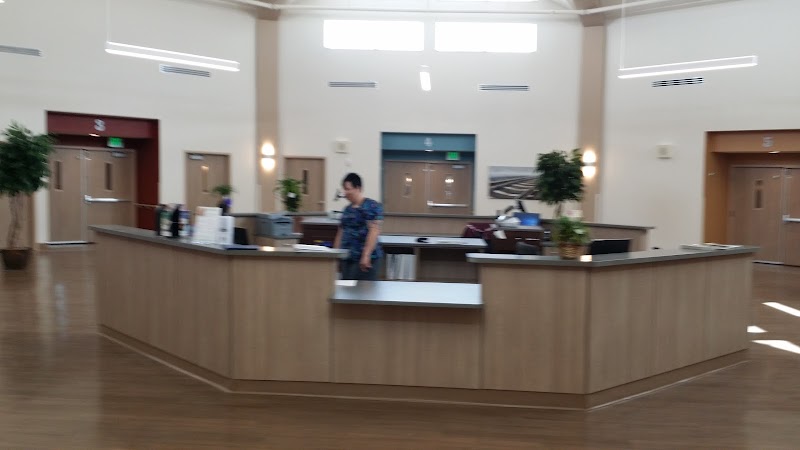
How is Pioneer Valley Living And Rehab Staffed?
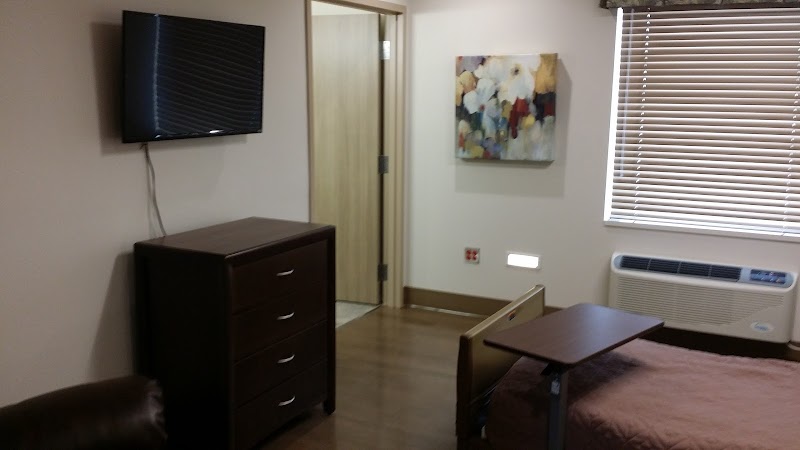
CMS rates Pioneer Valley Living And Rehab's staffing level at 4 out of 5 stars, which is above average compared to other nursing homes. Staff turnover is 47%, compared to the Iowa average of 46%.

What Have Inspectors Found at Pioneer Valley Living And Rehab?

State health inspectors documented 61 deficiencies at Pioneer Valley Living And Rehab during 2022 to 2025. These included: 2 Immediate Jeopardy (the most serious level, indicating potential for serious harm or death), 3 that caused actual resident harm, and 56 with potential for harm. Immediate Jeopardy findings are rare and represent the most serious regulatory concerns. They require immediate corrective action.

Who Owns and Operates Pioneer Valley Living And Rehab?

Pioneer Valley Living And Rehab is owned by a for-profit company. For-profit facilities operate as businesses with obligations to shareholders or private owners. The facility operates independently rather than as part of a larger chain. With 66 certified beds and approximately 45 residents (about 68% occupancy), it is a smaller facility located in SERGEANT BLUFF, Iowa.

How Does Pioneer Valley Living And Rehab Compare to Other Iowa Nursing Homes?

Compared to the 100 nursing homes in Iowa, Pioneer Valley Living And Rehab's overall rating (1 stars) is below the state average of 3.0, staff turnover (47%) is near the state average of 46%, and health inspection rating (1 stars) is much below the national benchmark.

What Should Families Ask When Visiting Pioneer Valley Living And Rehab?

Based on this facility's data, families visiting should ask: "What changes have been made since the serious inspection findings, and how are you preventing similar issues?" "Can I visit during a mealtime to observe dining assistance and food quality?" "How do you handle medical emergencies, and what is your hospital transfer rate?" "Can I speak with family members of current residents about their experience?" These questions are particularly relevant given the facility's Immediate Jeopardy citations.

Is Pioneer Valley Living And Rehab Safe?

Based on CMS inspection data, Pioneer Valley Living And Rehab has documented safety concerns. Inspectors have issued 2 Immediate Jeopardy citations (the most serious violation level indicating risk of serious injury or death). The facility is currently on the Special Focus Facility watch list (a federal program monitoring the lowest-performing 1% of nursing homes nationwide). The facility has a 1-star overall rating and ranks #100 of 100 nursing homes in Iowa. Families considering this facility should ask detailed questions about what corrective actions have been taken since these incidents.

Do Nurses at Pioneer Valley Living And Rehab Stick Around?

Pioneer Valley Living And Rehab has a staff turnover rate of 47%, which is about average for Iowa nursing homes (state average: 46%). Moderate turnover is common in nursing homes, but families should still ask about staff tenure and how the facility maintains care continuity when employees leave.

Was Pioneer Valley Living And Rehab Ever Fined?

Pioneer Valley Living And Rehab has been fined $29,572 across 1 penalty action. This is below the Iowa average of $33,375. While any fine indicates a compliance issue, fines under $50,000 are relatively common and typically reflect isolated problems that were subsequently corrected. Families should ask what specific issues led to these fines and confirm they've been resolved.

Is Pioneer Valley Living And Rehab on Any Federal Watch List?

Pioneer Valley Living And Rehab is currently an SFF Candidate, meaning CMS has identified it as potentially qualifying for the Special Focus Facility watch list. SFF Candidates have a history of serious deficiencies but haven't yet reached the threshold for full SFF designation. The facility is being monitored more closely — if problems continue, it may be added to the official watch list. Families should ask what the facility is doing to address the issues that led to this status.