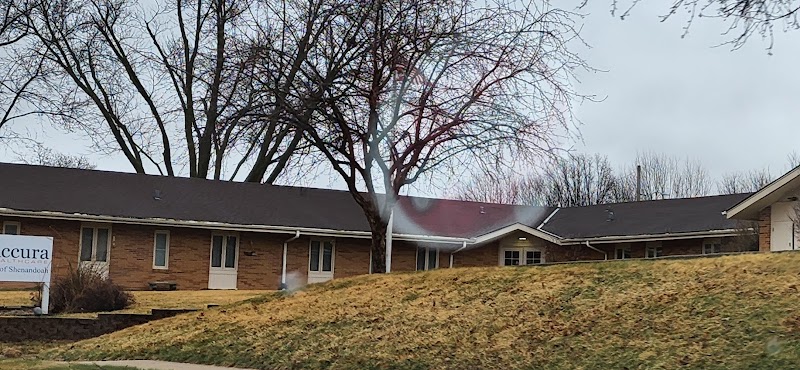
Accura Healthcare of Shenandoah
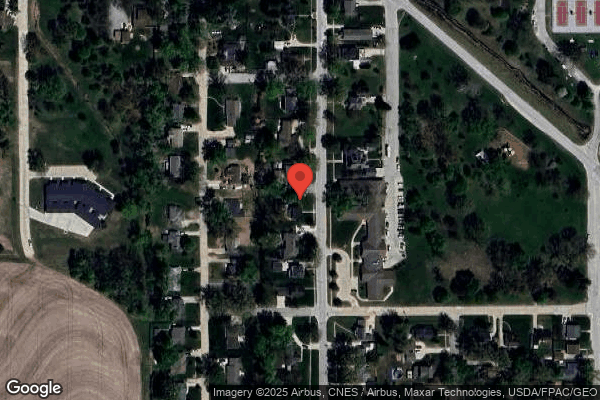
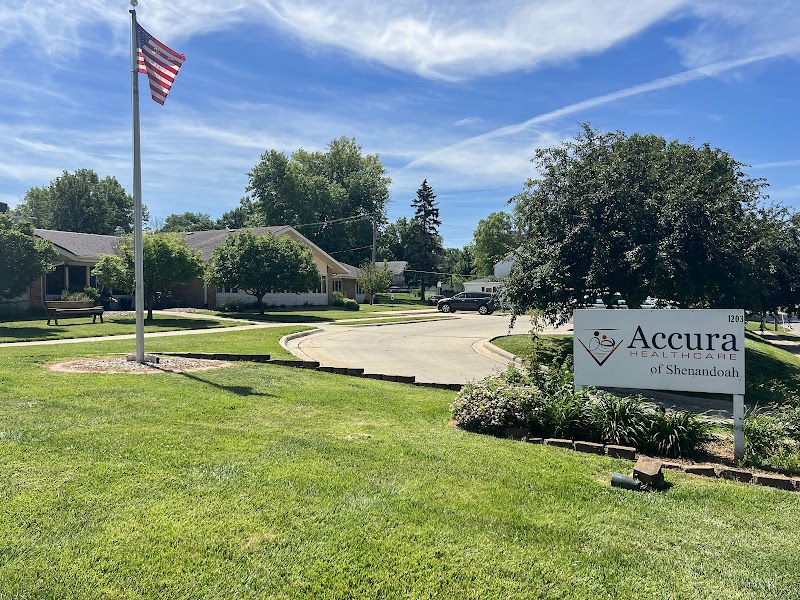
1203 South Elm Street, Shenandoah, IA 51601 (712) 246-4627
For profit - Limited Liability company 42 Beds ACCURA HEALTHCARE Data: November 2025 2 Immediate Jeopardy citations
Trust Grade
4/100
#320 of 392 in IA
Last Inspection: October 2024

Within standard 12-15 month inspection cycle. Federal law requires annual inspections.

Overview

Accura Healthcare of Shenandoah has received a Trust Grade of F, indicating significant concerns about the quality of care provided. This places them at #320 out of 392 nursing homes in Iowa, placing them in the bottom half of facilities in the state and only ahead of one other facility in Page County. The facility is reportedly improving, having reduced issues from eight in 2024 to just one in 2025, but staffing remains a concern with a low rating of 1 out of 5 stars and a turnover rate of 60%, which is notably higher than the Iowa average of 44%. Notably, there were critical incidents involving staff misconduct, including reports of abuse towards residents, with one staff member being accused of physically intimidating residents and not following proper care protocols. Although there were some strengths in the facility's trend toward improvement, the high number of incidents and low staffing quality raise serious concerns for families considering this option for their loved ones.
Trust Score
F
4/100
In Iowa
#320/392
Bottom 19%
Safety Record
High Risk
Review needed
Inspections
Getting Better
8 → 1 violations
Staff Stability
⚠ Watch
60% turnover. Above average. Higher turnover means staff may not know residents' routines.
Penalties
⚠ Watch
$8,414 in fines. Higher than 75% of Iowa facilities, suggesting repeated compliance issues.
Skilled Nurses
○ Average
Each resident gets 37 minutes of Registered Nurse (RN) attention daily — about average for Iowa. RNs are the most trained staff who monitor for health changes.
Violations
⚠ Watch
27 deficiencies on record. Higher than average. Multiple issues found across inspections.
★☆☆☆☆
1.0
Overall Rating
★☆☆☆☆
1.0
Staff Levels
★★☆☆☆
2.0
Care Quality
★☆☆☆☆
1.0
Inspection Score
Stable
2024: 8 issues
2025: 1 issues

The Good

  • Full Sprinkler Coverage · Fire safety systems throughout facility
  • No fines on record

Facility shows strength in fire safety.

The Bad

1-Star Overall Rating

Below Iowa average (3.0)

Significant quality concerns identified by CMS

Staff Turnover: 60%

14pts above Iowa avg (46%)

Frequent staff changes - ask about care continuity

Federal Fines: $8,414

Below median ($33,413)

Minor penalties assessed

Chain: ACCURA HEALTHCARE

Part of a multi-facility chain

Ask about local staffing decisions and management

Staff turnover is elevated (60%)

12 points above Iowa average of 48%

The Ugly 27 deficiencies on record

2 life-threatening 1 actual harm
Sept 2025 1 deficiency
CONCERN (E) 📢 Someone Reported This

A family member, employee, or ombudsman was alarmed enough to file a formal complaint

Potential for Harm - no one hurt, but risky conditions existed

Deficiency F0727 (Tag F0727)

Could have caused harm · This affected multiple residents

Based on document review, staff interview and policy review the facility failed to ensure a Registered Nurse (RN) was in the facility for eight (8) consecutive hours for 6 of 90 days reviewed (April 1...

Read full inspector narrative →
Based on document review, staff interview and policy review the facility failed to ensure a Registered Nurse (RN) was in the facility for eight (8) consecutive hours for 6 of 90 days reviewed (April 1 - June 30, 2025). The facility reported a census of 40 residents.Findings include:Review of the Payroll Based Journal (PBJ) staffing data report for the fiscal year quarter three (April 1st through June 30th, 2025) revealed there was no Registered Nurse (RN) hours for 04/20, 04/26, 05/11, 05/18, 05/31, and 06/21/2025.In an interview on entrance date 9/15/2025 the Administrator confirmed that the facility did not have RN coverage listed on the PBJ. The Administrator confirmed these dates, and revealed that the facility only had one RN at the facility during this time. The Administrator revealed that her expectation would be for 8 hours RN coverage per day. Review of a facility provided document titled, Facility Assessment with a completed date of 7/27/2024 revealed:Federal regulations will require that facilities must provide 3.48 hours per resident day (HPRD) of direct care with 0.55 HPRD from registered nurses (RNs) and 2.45 HPRD from nurse aides (CNAs, NAs, or medication technicians/aides). The remaining 0.48 HPRD can be a combination of nurse staff (RNs, LPNs/LVNs, or nurse aides) to comply with the minimum. Listed below are some tables the facility can utilize to help determine their staffing needs based on the Federal minimum staffing standards, however, if State regulations require a higher standard, then the higher standard should be met. The minimum staffing standard is considered the floor of the standard. Facilities with higher resident acuities and needs may need to adjust their staffing numbers higher than the minimum standard.
Oct 2024 7 deficiencies
CONCERN (D)

Potential for Harm - no one hurt, but risky conditions existed

Deficiency F0582 (Tag F0582)

Could have caused harm · This affected 1 resident

Based on clinical record review and staff interview, the facility failed to obtain physical signatures or record attempts to obtain physical signatures on notification of the Notice of Medicare Non-Co...

Read full inspector narrative →
Based on clinical record review and staff interview, the facility failed to obtain physical signatures or record attempts to obtain physical signatures on notification of the Notice of Medicare Non-Coverage (NOMNC) Centers of Medicare & Medicaid (CMS)-10123 and CMS form CMS-10055 for 1 of 3 sampled residents (Residents #38). The facility reported a census of 41 residents. Findings Include: Record review for Resident #38 revealed form CMS 10123-NOMNC with a services end date of 9/24/24. Resident #38's representative gave verbal consent for signature on 9/20/24 however lacked a signature of resident or resident representative. CMS-10055 form lacked a services ending date and reason Medicare may not pay. Resident #38's representative gave verbal consent for signature on 9/20/24 however lacked a signature of resident or resident representative. Review of Resident #38 Progress Notes lacked any documentation on resident representative giving verbal consent and any attempts to obtain physical signatures on CMS 10123-NOMNC and CMS-10055. Review of the Centers (CMS) Medicare Claims Processing Manual Chapter 30 with a revision date of 1/21/22 revealed the following information under ABN options for Delivery other than in-person revealed ABN's should be delivered in-person and prior to the delivery of medical care which is presumed to be non-covered. In circumstances when in-person delivery is not possible, notifiers may deliver an ABN using another method. Examples include: · Direct telephone contact; · Mail; · Secure fax machine; or · Internet e-mail. All methods of delivery require adherence to all statutory privacy requirements under HIPAA. The notifier must receive a response from the beneficiary or his/her representative in order to validate delivery. When delivery is not in-person, the notifier must verify that contact was made in his/her records. In order to be considered effective, the beneficiary should not dispute such contact. Telephone contacts should be followed immediately by either a hand-delivered, mailed, emailed, or a faxed notice. The beneficiary should sign and retain the notice and send a copy of this signed notice to the notifier for retention in the patient's record. The notifier must keep a copy of the unsigned notice on file while awaiting receipt of the signed notice. If the beneficiary does not return a signed copy, the notifier should document the initial contact and subsequent attempts to obtain a signature in appropriate records or on the notice itself. Review of the CMS NOMNC form instructions for the NOMNC CMS-10123 revealed the signature line: beneficiary/enrollee or the representative must sign this line and the date line: The beneficiary/enrollee or the representative must fill in the date that he or she signs the document. If the document is delivered, but the enrollee or the representative refuses to sign on the delivery date, then annotate the case file to indicate the date that the form was delivered. CMS requires that notification of changes in coverage for an institutionalized beneficiary/enrollee who is not competent be made to a representative. Notification to the representative may be problematic because that person may not be available in person to acknowledge receipt of the required notification. Providers are required to develop procedures to use when the beneficiary/enrollee is incapable or incompetent, and the provider cannot obtain the signature of the enrollee's representative through direct personal contact. If the provider is personally unable to deliver a NOMNC to a person acting on behalf of an enrollee, then the provider should telephone the representative to advise him or her when the enrollee's services are no longer covered. The date of the conversation is the date of the receipt of the notice. Confirm the telephone contact by written notice mailed on that same date. When direct phone contact cannot be made, send the notice to the representative by certified mail, return receipt requested. The date that someone at the representative's address signs (or refuses to sign) the receipt is the date of receipt. Place a dated copy of the notice in the enrollee's medical file. When notices are returned by the post office with no indication of a refusal date, then the enrollee's liability starts on the second working day after the provider's mailing date. Interview on 10/18/24 at 03:01 p.m., with the Director of Nursing revealed she was unaware the facility was required to have physical signatures if the facility had obtained verbal consent from the resident's representative. The DON reported the facility does not have a policy for advance beneficiary notices, however the facility followed standard regulations.
CONCERN (D)

Potential for Harm - no one hurt, but risky conditions existed

Assessment Accuracy (Tag F0641)

Could have caused harm · This affected 1 resident

**NOTE- TERMS IN BRACKETS HAVE BEEN EDITED TO PROTECT CONFIDENTIALITY** Based on clinical record review, and staff interviews the facility failed to represent an accurate assessment of the resident's ...

Read full inspector narrative →
**NOTE- TERMS IN BRACKETS HAVE BEEN EDITED TO PROTECT CONFIDENTIALITY** Based on clinical record review, and staff interviews the facility failed to represent an accurate assessment of the resident's status during the observation period of the Minimum Data Set (MDS) by not accurately assessing the use of a diuretic for 1 of 5 residents reviewed (Resident #22). The facility reported a census of 41 residents. Finding include: The MDS assessment dated [DATE] for Resident #22 documented a Brief Interview for Mental Status (BIMS) score of 8 indicating moderate cognitive impairment. The MDS also documented a diagnosis of essential (primary) hypertension. Review of Resident #22's MDS dated [DATE] documented no use of diuretic therapy by Resident #22. Review of Resident #22's MAR-TAR documented a physician's order to give one furosemide 20 mg oral tablet by mouth daily that was started on 8/2/24. On 10/16/24 at 9:56 AM Staff A, MDS coordinator acknowledged Resident #22 was on furosemide, a diuretic. Staff A acknowledged that the use of a diuretic should have been documented on the MDS. Staff A acknowledged that Resident #22 started furosemide on 8/2/24. On 10/16/24 at 10:15 AM the DON stated she expected the MDS would reflect the use of a diuretic. The DON acknowledged Resident #22 was on a diuretic since 8/2/24. On 10/16/24 at 1:05 PM the Administrator stated the facility followed standards of care and regulations for MDS assessments.
CONCERN (D)

Potential for Harm - no one hurt, but risky conditions existed

Deficiency F0658 (Tag F0658)

Could have caused harm · This affected 1 resident

**NOTE- TERMS IN BRACKETS HAVE BEEN EDITED TO PROTECT CONFIDENTIALITY** 2. The Minimum Data Set (MDS) assessment dated [DATE] documented Resident #6 had a Brief Interview for Mental Status (BIMS) scor...

Read full inspector narrative →
**NOTE- TERMS IN BRACKETS HAVE BEEN EDITED TO PROTECT CONFIDENTIALITY** 2. The Minimum Data Set (MDS) assessment dated [DATE] documented Resident #6 had a Brief Interview for Mental Status (BIMS) score of 15 indicating no cognitive impairment. Observation on 10/14/24 at 1:15 PM revealed medication in a nebulizer sitting in Resident #6's room. On 10/14/24 at 1:20 PM Staff E, Registered Nurse (RN) stated Resident #6 had a breathing treatment in the morning, afternoon, and evening. Staff E acknowledged that she had left the medication in Resident #6's nebulizer for him to return to lunch and administer himself. Staff E stated she had been leaving the medication in Resident #6's nebulizer in his room for him to self administer since she started. On 10/15/24 at 1:08 PM a continuous observation revealed Staff E removed medication from medication cart and entered Resident #6's room. Staff E emptied a vial of ipratropium / albuterol into Resident #6's nebulizer. Staff E applied nebulizer mask to Resident #6. Staff E left a tablet of gabapentin 100 mg in a medication cup on Resident #6's bedside table. Review of Resident #6's electronic health records (EHR) documented a physician's order for Gabapentin 100 mg TID and Ipratropium-Albuterol Inhalation Solution 0.5-2.5 (3) MG/3 ML 1 vial daily. On 10/15/24 a continuous observation from 1:08 PM - 1:21 PM revealed Resident #6 shut off the nebulizer and picked up the medication cup at 1:21 PM and self administered medication with a sip of water. No staff present in the room. Review of Resident #6's EHR documented no self administration assessment. On 10/16/24 at 7:59 AM Staff F, Licensed Practical Nurse (LPN) stated she never left medication in Resident #6's room because the resident could forget to take the medication. Staff F stated there were no self administration assessments at the facility. Staff F stated she would not leave a breathing treatment in the room for a resident to take on their own either. On 10/15/24 at 1:11 PM the Director of Nursing (DON) stated the medication should not have been left in the room with the resident. The DON stated she felt that Resident #6 had been administering his own nebulizer treatments since he had entered the facility. The DON stated she felt that was how the treatments were given to him at the previous facility. The DON acknowledged no self administration assessment. The DON acknowledged medication in the medication cup in Resident #6's room at that time. Review of policy dated 4/16/24 titled Medication Management / Medication Administration documented to explain to the resident the type of medication being administered and after administration return to the medication cart and document the administration of medication. Based on clinical record review, staff interviews and facility policy review, the facility failed to provide professional standards of care by not obtaining daily weights per physician orders, and allowing a resident to self administer medications without a physician's order for 2 of 14 residents reviewed (Resident #6 and #29). The facility reported a census of 41 residents. Findings include: 1. The Minimum Data Set (MDS) assessment dated [DATE] for Resident #29 documented diagnoses Congestive Heart Failure (CHF), fluid overload and pulmonary hypertension. The MDS showed the Brief Interview for Mental Status (BIMS) score of 15, indicating no cognitive impairment. Observation on 10/14/24 at 1:17 PM for Resident #29 showed a sign on the door that indicated personal protective equipment (PPE) required to enter the room. The Progress Notes for 10/5/24 at 9:49 AM for Resident #29 showed the facility notified family of COVID-19 positive test results. Review of signed Physician Orders dated 6/13/23 revealed an order for daily weights, give extra dose of Lasix if weight gain of 5 pounds in one week. The Care Plan for Resident #29 documented altered cardiovascular status related to atrial fibrillation, CHF, fluid overload, and hypertension. The care plan instructed staff to obtain daily weights. Review of Treatment Administration Record (TAR) for October 2024 revealed the facility failed to obtain weights for the following dates: a. 10/5/24 b. 10/6/24 c. 10/7/24 d. 10/8/24 e. 10/9/24 f. 10/10/24 g. 1011/24 h. 10/12/24 i. 10/13/24 j. 10/14/24 The Progress Notes for Resident #29 indicated because of COVID-19 staff failed to weigh the resident daily. Review of Resident #29's medical record revealed the facility failed to clarify the daily weight order with the physician while the resident was infected with COVID-19. In an interview on 10/16/24 at 3:01 PM, the Director of Nursing (DON) revealed staff should have clarified the daily weight order with the physician while the resident had COVID-19, or ask the DON for further instructions. The DON reported the facility does not have a policy regarding professional standards or following physician orders. The DON stated, we follow professional standards and regulations.
CONCERN (E)

Potential for Harm - no one hurt, but risky conditions existed

Comprehensive Care Plan (Tag F0656)

Could have caused harm · This affected multiple residents

**NOTE- TERMS IN BRACKETS HAVE BEEN EDITED TO PROTECT CONFIDENTIALITY** 3. The MDS assessment dated [DATE] for Resident #22 documented a BIMS score of 8 indicating moderate cognitive impairment. The M...

Read full inspector narrative →
**NOTE- TERMS IN BRACKETS HAVE BEEN EDITED TO PROTECT CONFIDENTIALITY** 3. The MDS assessment dated [DATE] for Resident #22 documented a BIMS score of 8 indicating moderate cognitive impairment. The MDS also documented a diagnosis of essential (primary) hypertension. Review of Resident #22's Medication Administration Record (MAR) documented a physician's order to give one furosemide 20 mg oral tablet by mouth daily that was started on 8/2/24. Review of Resident #22's Care Plan documented no focus, goals or interventions for diuretic therapy. 4. The MDS assessment dated [DATE] for Resident #35 documented a BIMS score of 13 indicating no cognitive impairment. Review or Resident #35's electronic health record (EHR) documented a diagnosis of Covid-19 on 10/5/24. Review of Resident #35's Care Plan documented no focus, goals or interventions for a diagnosis of Covid-19. On 10/16/24 at 9:56 AM Staff A, MDS Coordinator acknowledged Resident #22 was on furosemide, a diuretic. Staff A stated she developed care plans for the facility. Staff A acknowledged that Resident #22 did not have a care plan associated with the use of a diuretic and should have. Staff A acknowledged Resident #35 did not have a care plan in place associated with a diagnosis of Covid 19 and should have. On 10/16/24 at 10:15 AM the DON acknowledged Resident #22 had an order for furosemide. The DON acknowledged there was no care plan in place related to diuretic therapy for Resident #22. The DON stated the facility's expectation was that use of a diuretic would have been addressed on the care plan. The DON acknowledged Resident #35 did not have a care plan in place associated with a diagnosis of Covid-19 and should have. On 10/16/24 at 1:05 PM the Administrator stated the facility followed standards of care and regulations for care plan development. Based on clinical record review and staff interview the facility failed to develop care plans to address COVID-19, oxygen therapy and medications in 4 out of 14 sampled residents reviewed for comprehensive care plans (Resident #16, 22, 29 and 35). The facility reported a census of 41 residents. Findings include: 1. The Minimum Data Set (MDS) assessment dated [DATE] for Resident #16 showed the resident returned to the facility from a critical access hospital on 9/6/24. The Medical Diagnosis report for Resident #16 documented diagnoses of COVID-19, heart failure, atrial fibrillation and dementia. Observation on 10/14/24 at 12:28 PM showed Resident #16 received continuous oxygen therapy at 1.5 Liters (L). The Physician Orders for Resident #16 showed oxygen ordered at 2 L continuous and to titrate oxygen to keep blood oxygen saturation above 90%. The Care Plan last reviewed on 8/2/24 for Resident #16 showed the facility failed to develop a care plan for oxygen therapy. 2. The MDS assessment dated [DATE] for Resident #29 documented diagnoses congestive heart failure, fluid overload and pulmonary hypertension. The MDS showed the Brief Interview for Mental Status (BIMS) score of 15, indicating no cognitive impairment. Observation on 10/14/24 at 1:17 PM for Resident #29 showed a sign on the door that indicated personal protective equipment (PPE) required to enter the room. The Progress Notes for 10/5/24 at 9:49 AM for Resident #29 showed the facility notified family of COVID-19 positive test results. The Care Plan last reviewed on 8/10/24 for Resident #29 showed the facility failed to develop a care plan for management of COVID-19. In an interview on 10/16/24 at 3:01 PM, the Director of Nursing (DON) reviewed Resident #29's care plan and determined the facility lacked a care plan for oxygen therapy. When asked if COVID-19 should be included on the care plan, the DON stated, It has already been added. The DON and nurse consultant reported the facility lacked a policy for care plan development.
CONCERN (E)

Potential for Harm - no one hurt, but risky conditions existed

Deficiency F0727 (Tag F0727)

Could have caused harm · This affected multiple residents

Based on facility document review and staff interview the facility failed to ensure a Registered Nurse (RN) was in the facility for eight (8) consecutive hours for 7 of 33 days reviewed. The facility ...

Read full inspector narrative →
Based on facility document review and staff interview the facility failed to ensure a Registered Nurse (RN) was in the facility for eight (8) consecutive hours for 7 of 33 days reviewed. The facility reported a census of 19 residents. Findings include: The PBJ Staffing Data Report run date 10/9/24 triggered for failure to have a RN in the facility for 8 consecutive hours on 5/11 and 5/26/24. Review of the last 30 days of nursing schedules revealed no RN coverage on 5/11, 5/26, 9/14, 9/15, 9/28, 9/29, and 10/12/24. On 10/16/24 at 3:09 PM the Administrator acknowledged there was no RN coverage on 5/11, 5/26, 9/14, 9/15, 9/28, 9/29, and 10/12/24. The Administrator stated the facility's expectation was 8 consecutive hours of RN coverage every day.
CONCERN (E)

Potential for Harm - no one hurt, but risky conditions existed

Food Safety (Tag F0812)

Could have caused harm · This affected multiple residents

Based on observations, staff interviews, and facility policy review the facility failed to ensure proper sanitary conditions in the kitchen area, where staff prepared food, and failed to keep utensils...

Read full inspector narrative →
Based on observations, staff interviews, and facility policy review the facility failed to ensure proper sanitary conditions in the kitchen area, where staff prepared food, and failed to keep utensils on a sanitary surface during meal service. The facility identified a census of 41 residents. Findings included: a. The initial kitchen walkthrough on 10/14/24 at 10:05 AM revealed the following: b. The stove top and backsplash showed a thick layer of grease with food splatter and a variety of food debris. c. The oven and stacked oven splattered with food. d. The hood with visible grease buildup. e. A clean dish cart contained a variety of scattered food debris at the bottom of the cart. f. The floor contained an accumulation of food debris and a variety of dried liquid. g. Two stand up freezer units with debris on the bottom of the unit. h. The dishwasher with thick, crusty layers of lime. i. Lime build up on the floor under the dishwasher. j. During the initial kitchen tour the Dietary Manager (DM) reported the inability to join the tour due to filling in as the cook. Observation of lunch service on 10/16/24 at 12:40 PM showed the following: a. Staff B, [NAME] used a knife to cut a sandwich then placed the knife on top of the meal ticket. Staff B later used the knife to cut another sandwich. b. Staff B placed a rubber spatula on an unsanitized counter, used the spatula to scoop butter from the container then spread the butter on bread. c. Staff B placed a food scoop on an unsanitized area of the steam table then later used the scoop to plate food. The Food Safety and Sanitation policy dated 2021 identified the state and or federal survey team as part of the annual survey process will inspect the department. The food and nutrition service department will follow regulations as outlined by official health agencies and organizations with jurisdiction over the facility. The policy also identified food should be protected from contamination. In an interview on 10/16/24 at 2:20 PM, the DM stated, the deep cleaning doesn't get done because there isn't enough time in the day. We have the help that we're supposed to but it's not enough to get everything done.
CONCERN (E)

Potential for Harm - no one hurt, but risky conditions existed

Infection Control (Tag F0880)

Could have caused harm · This affected multiple residents

**NOTE- TERMS IN BRACKETS HAVE BEEN EDITED TO PROTECT CONFIDENTIALITY** 2. The Minimum Data Set (MDS) assessment dated [DATE] for Resident #25 documented a Brief Interview for Mental Status (BIMS) sco...

Read full inspector narrative →
**NOTE- TERMS IN BRACKETS HAVE BEEN EDITED TO PROTECT CONFIDENTIALITY** 2. The Minimum Data Set (MDS) assessment dated [DATE] for Resident #25 documented a Brief Interview for Mental Status (BIMS) score of 12 indicating moderate cognitive impairment. An observation on 10/15/24 at 12:04 PM revealed Staff C donned mask, gown, glove, and face shield. Staff C entered Resident #25's room with medications, administered medications, checked CGM with Resident #25's reader in the room. Resident #25's reader read HI. Staff C left the room, removed the gown, rolled the gown up, and placed it on the hand rail in the hall with a face shield. Staff C obtained the blood glucose machine from the medication cart and returned to the room. Staff C donned the gown inside out and then reapplied correctly with gloves and face shield. Blood sugar of 438 obtained. Staff C returned to the medication cart with the blood sugar machine, placed it on the cart, utilized an alcohol wipe to cleanse the machine, and placed the machine back in the drawer. Staff C kept her gloves, gown, and N95 on while at the cart. Staff C opened the computer, opened the drawer, leaned on the cart, removed gloves, reapplied gloves without any hand hygiene and entered Resident #25's room without a face shield in place. Staff C left Resident #25's room with a gown mask and gloves. Staff C removed gloves, leaned on the medication cart, opened the computer with gown and N95 in place under her chin. Staff C then removed gloves, mask, gown, and hand hygiene was completed. Staff G LPN / IP present making observations during that entire observation. On 10/15/24 at 12:25 PM Staff C stated she had always just wiped the blood glucose monitors down with alcohol wipes before and after each resident and placed them back in the drawer. On 10/15/24 at 12:32 PM Staff G LPN / IP stated hand hygiene would be expected with all gloved changes, prior to and after resident care. Staff G acknowledged that Staff C concerns with doffing PPE and hand hygiene after entering Resident #25's room and when returning to the cart. Staff G stated ideally Staff C would have doffed PPE appropriately with hand hygiene completed appropriately as well. Staff G stated she would have to check with the corporate nurse for the policy on the reuse of gowns. Staff G stated her expectation was the gown would not have been balled up and stuffed in the hand rail. Staff G stated the facility's expectation was the blood glucose machine would have been cleansed by utilization of the sanitizing wipes. Staff G stated the blood glucose machine should have been wiped down with the sanitizing wipe then wrapped with sanitizing wipe and placed in a disposable cup for 3 minutes per the sanitizing wipe wipe instructions. On 10/15/24 at 1:11 PM the DON stated the facility's expectation was the blood glucose machine should have been wiped down with the sanitizing wipe then wrapped with sanitizing wipe and allowed to sit for 3 minutes wrapped per the sanitizing wipe wipe instructions. Observation on 10/15/24 at 11:17 AM revealed Staff E entered a residents room and obtained a sample for blood glucose reading. Staff E exited the room after obtaining blood glucose with the blood glucose monitor. Staff E returned to the medication cart and wiped the blood glucose machine off with alcohol wipe and put in the drawer. On 10/15/24 at 11:23 Staff E stated each cart has a blood glucose machine for each hall. Staff E stated the machine should be wiped with alcohol wipe and placed back in the medication cart. Review of procedure titled Use Personal Protective Equipment (PPE) When Caring for Patients with Confirmed or Suspected COVID -19. PPE must be donned correctly before entering the patient area. PPE must remain in place and be worn correctly for the duration of work in potentially contaminated areas. PPE must be removed slowly and deliberately in a sequence that prevents self-contamination. Put on a face shield or goggles before entering the room. When exiting doff PPE. Perform hand hygiene after removing and before putting it on again if your workplace is practicing reuse. Review of procedure titled Competency for Finger Stick Blood Glucose updated 5/11/21 documented to cleanse equipment with PDI pad, microkill, or other approved agent and put away. Based on observations, facility policy review, procedure review and staff interviews, the facility failed to perform proper transmission based precaution techniques, perform appropriate hand hygiene during wound care, and failed to effectively sanitize a glucometer for 2 of 14 residents reviewed (Resident #16, #25). The facility reported a total census of 41 residents. Findings include: 1. The Minimum Data Set (MDS) assessment dated [DATE] for Resident #16 showed the resident returned to the facility from a critical access hospital on 9/6/24. The Medical Diagnosis report for Resident #16 documented diagnoses of COVID-19, heart failure, atrial fibrillation and dementia. Observation on 10/15/24 at 1:35 PM showed Staff C, Licensed Practical Nurse (LPN) failed to perform hand hygiene, donned gloves and removed the brace from Resident #16's left leg. Staff C removed the dressing from the left heel, examined the wound then asked the Infection Preventionist (IP) if the wound should have a dressing. The IP replied, she wouldn't know. Staff C applied skin prep to the open wound on the left heel then instructed Staff D, Certified Nursing Assistant (CNA) to put the leg down. Staff C failed to place a barrier under Resident #16's heel before Staff D lowered the resident's leg to the bed. Resident #16's heel rested directly on the bed linens. Staff C doffed gloves, failed to perform hand hygiene, opened the door and left the room. Staff C arrived back to the room, removed the dressing from the package, wrote the date on the dressing then donned gloves without performing hand hygiene. Staff C covered the wound with the dressing, failed to remove gloves and perform hand hygiene before she assisted the resident to drink from the water pitcher, used the bed controls and arranged the bedside table. Staff C then doffed gloves, discarded the gloves and exited the room without performing hand hygiene. The Hand Hygiene policy last updated 9/6/24 identified proper hand washing techniques should be used to protect against the spread of infection. The policy documented that cleaning your hands reduces the spread of potentially deadly germs to the resident and reduces the risk of health care provided causation or infection caused by germs acquired from the resident. Hand hygiene may occur multiple times during a single care episode. The policy indicated hand hygiene is required immediately before touching a resident, immediately before putting on gloves and after glove removal, after touching a resident or the resident's immediate environment, and contact with blood, body fluids or contaminated services. In an interview on 10/16/24 at 3:17 PM, the IP reported during Resident #16's wound care observation, she noticed Staff C failed to perform hand hygiene. The IP stated, there were many times hand hygiene should have been done. When asked if hand hygiene should have been performed before, after and in between glove changes, the IP replied, yes. When asked if she noticed additional infection control concerns, the IP replied, the open wound was put down directly on the bed.
Sept 2024 1 deficiency
CONCERN (D) 📢 Someone Reported This

A family member, employee, or ombudsman was alarmed enough to file a formal complaint

Potential for Harm - no one hurt, but risky conditions existed

Accident Prevention (Tag F0689)

Could have caused harm · This affected 1 resident

**NOTE- TERMS IN BRACKETS HAVE BEEN EDITED TO PROTECT CONFIDENTIALITY** Based on clinical record review, hospital record review, staff interviews, and facility provided document review the facility fa...

Read full inspector narrative →
**NOTE- TERMS IN BRACKETS HAVE BEEN EDITED TO PROTECT CONFIDENTIALITY** Based on clinical record review, hospital record review, staff interviews, and facility provided document review the facility failed to follow facility guidance by transferring without a full body lift after a fall for 3 of 3 residents (Resident #1, Resident #2, Resident #3) reviewed. The facility reported a census of 42 residents. Findings include: 1. The Minimum Data Set (MDS) assessment for Resident #1 dated 8/2/24 identified a Brief Interview for Mental Status (BIMS) score of 8 which indicated moderate cognitive impairment. The MDS documented diagnoses that included: anxiety disorder, depression, heart failure, atrial fibrillation (A-fib), dementia, osteoarthritis, and intervertebral disc degeneration. The resident was frequently incontinent of bladder. Resident #1's functional transfers, and sit to stands were dependent upon staff. The document revealed during the last 5 days of the assessment period the resident received scheduled pain medication and did not receive as needed (PRN) pain medication. The document further revealed that during the previous 7 days of the assessment period the resident received antianxiety, antidepressant, anticoagulant, and diuretic medications. The resident had no falls since the prior assessment. Resident #1's Care Plan printed on 9/14/24 revealed a focus area of risk for falls and had falls while in the facility. The Fall Risk assessment dated [DATE] identified Resident #1 at high risk for falls. The Incident Report dated 9/4/22 at 8:50 PM documented an aide passing by room and heard Resident #1 calling for help. Nurse to room and noted resident sitting on floor beside bed with back resting against bed and legs outstretched with left leg under right leg. Bed in low position and wearing socks. No obvious areas of concern noted, resident is complaining of left leg pain. Was able to move leg out from under other leg. No shortening or rotation noted to bilateral lower extremities. Neuro checks initiated. Assist up by two staff onto bed. No bruising or swelling noted. Resident states she was trying to get up to the bathroom and she was trying to get her phone. A Nurse Note entered by Staff C, Licensed Practical Nurse (LPN) in Resident #1's electronic health record (EHR) dated 9/4/22 at 10:55 PM revealed the resident was found on the floor beside the bed with her back resting against the bed with her legs outstretched with the left leg under the right. The resident was assisted up by 2 staff onto the bed. On 9/5/24 at 2:01 AM Staff C, LPN, entered a Nurse Note indicating a change in condition form was completed and faxed to the physician. On 9/5/24 at 2:33 AM Staff C, LPN, documented in the Nurse's Note the resident was continuing to guard the left lower extremity, no bruising noted. On 9/5/24 at 4:50 AM Staff C, LPN, documented in the Nurse's Note the resident had complaints of left leg pain pointing to the knee and had stated I need an x-ray. The note stated no swelling or bruising, observed. On 9/5/24 at 6:30 AM Staff E, LPN, documented an assessment of Resident #1 found the resident with complaints of pain to the left thigh area and increased swelling. Staff E sent the resident to the hospital. The document hospital X-ray results dated 9/5/24 revealed a displaced oblique fracture of the distal femur of the left leg. On 9/14/24 at 3:44 PM Staff D, CNA, stated when coming in from a break during the evening shift, she heard Resident #1 call out nurse and observed the resident's feet in a weird way on the floor on top of the bedside table bottom brace. The staff notified Staff C, who came and completed vitals and assessment on the floor. Staff C provided a gait belt and instructed the CNA to assist her in getting the resident up. Staff D stated she asked Staff C if the resident should be sent to the hospital due to complaints of pain and the position the left leg was in. Staff D stated the resident complained of pain pointing/touching her left leg prior to getting up and when seated on the edge of the bed. On 9/14/24 at 3:58 PM Staff C stated she was contacted by Staff D indicating that Resident #1 was on the floor. The staff stated the resident was seated on the floor with the left leg under the right leg with no obvious rotation. Staff C stated neuro and vital assessments were completed, and then assisted Staff D with getting the resident off the floor and onto the bed. The staff acknowledged the resident rubbed the left leg and complained of pain. Staff C stated the resident was provided with PRN Tylenol due to complaints of pain. The staff stated neuro checks were completed throughout the night and the resident did appear to sleep at times, but did have complaints of pain. The staff stated she would have called the physician regarding the resident's fall if there had been an obvious injury. On 9/14/24 at 4:26 PM Staff E stated a mechanical dependent full body lift (Hoyer) should be used to get residents off of the floor. On 9/14/24 at 4:33 PM Staff F, CNA, stated Resident #1 had utilized her call light earlier in the evening on 9/4/24 to ask for assistance regarding her cell phone. The staff provided reassurance to the resident on the location of the phone, and the resident settled down. Staff F stated she was at the nurse's station when she heard the resident had fallen. Staff F stated she heard the resident complain of pain in the left leg when checking on the staff to see if assistance was needed. The staff stated a Hoyer should be used for getting residents off of the floor. On 9/14/24 at 4:39 PM Staff G, CNA, stated she came on shift on 9/4/24 at 10:00 PM after Resident #1's fall. The staff stated the resident had called out in pain and she notified Staff C. Staff G stated Staff C provided the resident with Tylenol for pain. The staff stated the resident throughout the night shift complained of leg pain and wanted to go to the hospital. Staff G stated the roommate at one point attempted to get up and provide assistance to Resident #1. Staff G stated if a resident was found on the floor, she would follow the nurse's instructions and get the resident off the floor with assistance. 2. The MDS for Resident #2 dated 7/2/24 identified a BIMS score of 2 which indicated severe cognitive impairment. The MDS documented diagnoses that included: depression, wedge compression fracture unspecified lumbar vertebra, adjustment disorder with mixed anxiety and depressed mood, and spinal stenosis. Resident #2's functional transfers, and sit to stands were partial/moderate assistance upon staff. The document revealed during the last 5 days of the assessment period the resident received scheduled pain medication and did not receive PRN pain medication. The document further revealed that during the previous 7 days of the assessment period the resident received antidepressant medication. The resident had no falls since the prior assessment. The resident had occasional bladder incontinence. Resident #2's Care Plan printed on 9/14/24 revealed a focus area of risk for injury for falls and had falls while in the facility. The interventions for staff to follow prior to 8/24/24 included: non-skid socks or shoes when ambulating, call light within reach, fall risk assessment completed quarterly and with any falls, and having his walker within reach. The Fall Risk assessment dated [DATE] identified Resident #2 at moderate risk for falls. On 8/24/24 at 10:38 PM the Nurse Note revealed the resident had an unwitnessed fall. Following an assessment, the resident was assisted off the floor and ambulated with 2 assist and his walker to the bathroom. The resident had a 1 cm round abrasion to the right elbow and 4 cm round, raised knot on the middle back of his head. On 8/25/24 at 12:10 AM the Nurse Note revealed a change of condition and the resident was sent to the hospital for evaluation. On 8/25/24 at 2:56 AM the Nurse Note revealed the resident returned with no acute injury. The entry further revealed facility fall protocol was resumed with neuro checks and routine monitoring. On 9/14/24 at 1:58 PM observed Staff K assisting Resident #2 from the dining room to his room. The staff utilized a gait belt and front wheeled walker. Resident #2 had a stutter step gait. 3. The MDS for Resident #3 dated 6/11/24 identified a BIMS score of 12 which indicated moderate cognitive impairment. The MDS documented diagnoses that included: peripheral vascular disease, diabetes, cerebrovascular accident, non-Alzheimer's dementia, Parkinson's, depression, systemic Lupus erythematosus, unspecified, and polyneuropathy. The resident was occasionally incontinent of bladder and bowel. Resident #2's completed transfers, ambulation with a walker, dressing and toileting skills with independence. The document revealed during the last 5 days of the assessment period the resident received scheduled pain medication and did not receive PRN pain medication. The document further revealed that during the previous 7 days of the assessment period the resident received antidepressant, diuretic, antiplatelet, and hypoglycemic medications. The resident had no falls since the prior assessment. Resident's Care Plan printed 9/15/24 revealed a focus area addressing moderate risk for falls with interventions for staff to follow prior to 8/23/24 included: education to resident to be backed up to the bed before sitting, fall assessment quarterly and with any falls, and staff were to follow the facility fall protocol. The Fall Risk assessment dated [DATE] revealed a moderate fall risk for falls. The Nurse Note in the EHR dated 8/23/24 at 2:54 PM revealed the resident was found on the floor and was assisted up from the floor by 2 staff. An assessment and fax were sent to the primary care provider. The Nurse Note on 8/30/24 at 5:02 AM revealed the resident had turned on the call light after falling to the floor and sustaining an injury. The resident had a laceration to the left forearm and was taken to the hospital by emergency medical services. The resident required sutures and steri-strips. The Nurse Note on 9/6/24 at 12:03 AM revealed the resident was on the floor with legs in front of her. The resident was assisted up off of the floor by 2 staff. The assessment revealed the resident was slightly out of breath. Neuro checks were initiated and the resident was assisted to bed following the assessment. On 9/15/24 at 10:30 AM observed Resident #3 ambulating without assistance in her room, using furniture as supports as she ambulated. On 9/15/24 at 11:00 AM the Administrator stated the facility did not have specific policies related to falls. The Administrator acknowledged the Education Forms for Staff D dated 9/10/24 and Staff C dated 9/10/24 indicated a policy regarding falls and staff not lifting residents from the floor manually but with a mechanical full body (Hoyer lift). The Administrator stated there was not a policy but the facility had a document titled Safe Resident Handling and Movement Quick Talks that the facility followed that was provided by the facility's workman's compensation provider. The Administrator stated the facility followed standards of practice, and Center for Medicare and Medicaid Services (CMS) guidelines. On 9/15/24 at 11:45 AM Staff I, LPN, MDS Coordinator, concurred the facility did not have a Facility Fall Protocol as referenced in Resident #3's care plan. Staff I stated the CNA's knew not to get residents up from the floor prior to nurse assessments, and the nursing staff knew that Hoyer lifts were required to get residents up from the floor. The facility provided document, Safe Resident Handling and Movement Quick Talks, dated 8/18, revealed a caregiver should never lift a resident. The document further revealed that if a resident cannot be coached on getting up from the floor, the staff should use a mechanical lift or call 911.
Dec 2023 3 deficiencies 2 IJ (1 affecting multiple)
CRITICAL (J) 📢 Someone Reported This

A family member, employee, or ombudsman was alarmed enough to file a formal complaint

Immediate Jeopardy (IJ) - the most serious Medicare violation

Free from Abuse/Neglect (Tag F0600)

Someone could have died · This affected 1 resident

**NOTE- TERMS IN BRACKETS HAVE BEEN EDITED TO PROTECT CONFIDENTIALITY** Based on observations, record review, facility investigation file review, resident interview, staff interviews, and facility pol...

Read full inspector narrative →
**NOTE- TERMS IN BRACKETS HAVE BEEN EDITED TO PROTECT CONFIDENTIALITY** Based on observations, record review, facility investigation file review, resident interview, staff interviews, and facility policy review the facility failed to ensure 4 of 6 residents (Resident #1, #2, #4, and #5) reviewed were free from abuse. Resident #1 stated Staff A crossed her arms and held them while doing something she did not want him doing and she told him to stop. Staff observed a bruise to her right outer forearm after the alleged incident. She indicated she would be frightened if she saw him again but if she does not see him she feels safe. Staff stated Resident #1 seemed really depressed about what happened and she could not understand why he would do that to her. Staff also reported Resident #1 indicated Staff A would pick on her, take her things, put them out of reach and was rough with her when he would change her brief. Staff reported Staff A would pick on Resident #2 to get a rise out of her. He would pick at her wig and annoy her, hide her cell phone, move her shoes and she did not like it. If she wanted to go to bed before 8:00 PM, he would push her in her wheelchair to the opposite hall and make her self-propel to her room so she couldn't go to bed right when she wanted to. Staff A will run with Resident #2 in her wheelchair down the hall but backwards. Resident #4 stated Staff A had scared the poop out of her one time. While sitting in her wheelchair by the nurse's station one night, Staff A came up from behind and tipped her wheelchair backwards all the way to the floor. He then raised it back up on all 4 wheels. Resident #4 stated she immediately went to her room after that because she was so scared. She stated what if he lost grip of the wheelchair and she fell to the ground. She indicated he gave her no warning just did it nor did he apologize for scaring her. Staff reported Staff A would hold Resident #5's arms down during cares to stop him from hitting staff members during cares. The facility reported a census of 44 residents. A determination was made that the facility's noncompliance placed residents in the facility in immediate jeopardy. The State Agency informed the facility of the Immediate Jeopardy (IJ) on 11/28/23 at 3:00 PM. The facility staff removed the Immediate Jeopardy on 11/29/23 at 3:34 through the following actions: -On 11/28/2023, staff education was initiated to ensure staff are competent in the areas identified below. This education will be completed for all staff on 11/28/2023, or prior to their next shift: -Resident rights and facility responsibilities: -On 11/28/2023, all interviewable residents were interviewed by staff to ensure any abuse-related concerns have been addressed appropriately. No new concerns from residents were brought forward. -On 11/28/2023, all staff were interviewed to ensure any abuse related concerns have been properly addressed. An additional concern was brought forward during these interviews. The facility is following its process related to the allegation, including filing a new facility- initiated self-report. -On 11/29/2023, a resident council was completed by the Executive Director to ensure residents are aware of their options for reporting abuse and any other concerns to facility leadership and/or other available entities. -The facility initiated an ongoing audit on 11/29/2023 to include meeting with all interviewable residents once weekly for 16 weeks to ensure any concerns are addressed appropriately. -The facility initiated an ongoing audit on 11/29/2023 to assess staff understanding of the facility abuse policy, resident aggression, and resident rights. This audit will occur three times weekly for 16 weeks. -Any concerns will be reported to the administrator immediately and addressed in facility QA. -The facility has attempted to contact the alleged perpetrator since 11/22/23, with no response from the employee. His last date worked was 11/17/2023. He had been suspended since that last day worked on 11/17/2023. On 11/29/23, contact was again attempted to be made with the alleged perpetrator. A voicemail was left that his employment has ended with his last date worked of 11/17/2023. Findings include: 1. The annual Minimum Data Set (MDS) with a reference date of 7/18/23 documented Resident #1 required extensive assistance of two staff for bed mobility, transfers, dressing and toilet use. She also required extensive assistance of one staff for locomotion on and off the unit and personal hygiene and set up help only for eating. The quarterly MDS with a reference date of 10/27/23 documented Resident #1 had a Brief Interview of Mental Status (BIMS) score of 9 out of 15 indicating mild cognitive impairment. She reported feeling down, depressed, hopeless for 2-6 days during the review period. The MDS documented she exhibited physical and verbal behavioral symptoms directed towards others for 1-3 days during the review period. Resident #1 experienced rejection of care for 1-3 days during the review period. The resident was always incontinent of urine and continent of bowel. The following diagnoses were documented for Resident #1: major depressive disorder, dementia, psychotic disorder, personal history of a stroke, macular degeneration, and psychotic disorder with hallucination. The Care Plan focus area with an initiation date of 10/24/17 documented Resident #1 had limited mobility due to a stroke. Staff encouraged to be aware that she can experience dizziness when standing up. The care plan documented she required assistance of one staff while in her wheelchair. The wheelchair is her primary mode of locomotion but she rarely chose to get out of bed. A second care plan focus area with the same initiation date of 10/24/17 documented the resident had activities of daily living (ADL) self-care performance deficit due to her stroke, dementia, psychosis. The care plan documented she required assistance of two staff for bed mobility, assistance of one staff with stand-by assistance for dressing. The Care Plan focus area with an initiation date of 11/15/22 documented Resident #1 exhibited behaviors such as swearing at staff, screaming, throwing trash on the floor, self-isolation, rejection of cares, combative with cares. The care plan documented she had behaviors of making false accusations to staff. Staff were encouraged to approach her in a calm manner and explain what cares are going to be given; document behaviors such as yelling, swearing, combativeness, rejection of care; she moved to a private room with tile floor due to her throwing trash and food on the carpet; her family reported that she has always been a negative person this is not a new problem; she likes to joke around with people; please ensure that two staff go in to her room for all cares; and re-approach when agitated. The following Progress Notes were documented for Resident #1: -On 11/8/23 at 7:40 PM Staff B Certified Nursing Assistant (CNA) told nurse that Resident #1 had a bruise on her right arm and that the resident reported that it was from Staff A holding her down. A 4-centimeter (cm) x 4 cm dark purple bruise noted to resident's right arm. The nurse asked the resident what her bruise was from and she said Staff A had pinched her when he was putting her pants on. Resident #1 stated she was yelling at him and that she had been swinging her arms. The resident stated this happened last night, not this evening. -On 11/9/23 at 1:09 PM the Social Worker went into the resident's room at 11:00 AM on this day to do an interview with her about concerns with a staff member. Resident #1 stated he held both my arms down, squeezed her right arm harder than the left and that he comes in to torment her. The resident stated she was not sure what happened that night other than he came into change her and he's usually rough changing her so she told him no and that's when they started to fight. The Social Worker stated she does not feel safe when Staff A is working; he argues with her, takes her things, when he comes back everything starts up. The resident told the Social Worker that she told Staff A she does not want him in her room anymore. She added he takes her table away from her so she can't reach her water at night and has to go all night without a drink. During the altercation, Resident #1 indicated she told Staff A Ow you're hurting my arm, he wouldn't let go and believed he did it on purpose. Resident #1 stated she was sick it of and was not going to let him mess with her anymore. She reported being afraid to go to sleep because she does not feel safe. The facility investigation file included the following: -A document titled Abuse Investigation documented Resident #1 was able to identify Staff A by name on 11/8/23 when speaking with Certified Nursing Assistants (CNA) and the nurse regarding her bruise. Staff E CNA was caring for Resident #1, when the resident showed Staff E a bruise to her right arm. Resident #1 reported to Staff E, Staff A had taken care of her the night before, held her down on the bed during cares. Resident #1 also told Staff F CNA and the MDS Coordinator that Staff A held her arms down during cares. The Social Worker interviewed Resident #1 the next day and Resident #1 again indicated that Staff A held her arms down during cares and believed he hurt her on purpose. -The investigation documented the resident had a bruise to her right forearm that measured 4 centimeters (CM) x 4 cm. Resident #1 also told Staff B that Staff A held her arms down during cares, causing the bruise to her right forearm. -Staff A was immediately suspended pending investigation and Resident #1 will be care planned to have 2 staff assist her at all times. -Staff A reported while changing Resident #1, the resident was telling him that her brief was too tight so he let her do it herself. Staff A stated the resident started hitting him, screaming that the brief was too tight, so he left the room. Staff A denied grabbing Resident #1's arm or holding her down at any time. He stated that he might have put his arm up to block her form hitting him. -Timeline of Incident: On 11/8/23 at 7:40 PM the Administrator was notified by the MDS Coordinator that Resident #1 sustained a bruise to her right arm. Staff E was providing cares to Resident #1 at approximately 7:30 PM on 11/8/23 at which Resident #1 told her about and showed her a bruise she had on her right arm. The resident stated she told Staff A he was hurting her but he did not stop and later she noticed the bruise on her arm. Staff E asked Staff B to come in to Resident #1's room to look at her arm. The resident showed her the bruise. Staff B asked Resident #1 how she got that bruise and the resident stated Staff A held her arms down onto the bed. Staff B notified the nurse manager, the MDS Coordinator, who was working on the floor at that time of Resident #1's report. The MDS Coordinator spoke to Resident #1 and she again stated that Staff A pinched her as he was putting her pants on. She also stated she yelled at Staff A while swing her arms. No other injuries were found during the head to assessment completed. -Social Service Director interviewed Resident #1 the next day, 11/9/23 at approximately 11:00 A to get additional details of the incident. During this interview Resident #1 reported that Staff A held both her arms down, squeezing her right arm harder. Resident #1 stated he comes in and torments her. She was not sure what happened that night but he came in to change her. She told him no, since he was always rough with her when he changes her and that's when they started to fight. The resident reported that she does not feel safe when Staff A is working. He argues with her and takes her things. She stated when he comes back everything starts up. She also stated that she told him that she does not want him in her room anymore. Resident #1 stated that Staff A takes her table away from her to where she can't reach her water. She told Resident #1 that he was hurting her arm and he did not let go. She thinks he hurt her on purpose. The resident also stated we were both in the fight and that she was not going to let him mess with her anymore; she is sick of it. Resident #1 reported that she is afraid to go to sleep and does not feel safe. He crossed her arms which made it easier for him to squeeze her arm. -Plan of Action: after being notified of Resident #1's allegation, Staff A was immediately suspended pending investigation. The community will continue to follow the current care plan and add that the resident will require assistance of two staff members for cares at all times. On 11/17/23 at 10:58 AM observed Resident #1 lying in bed with her bedside table close by and her call light within reach. When asked if anyone had ever hurt her during cares, she indicated there was one guy. Then she crossed her arms in a bear hug way and pointed to a bruise on her right outer lower arm just above her wrist. It was circular, purple with different healing stages of yellow and light brown. She added it still hurt too. When asked what happened she stated that guy came in and did something she did not want him to do, so he held my arms down. She told him to stop. She added he liked to move her things like her TV and other things in her room. Why would he do that, he could break my things. Resident #1 was asked why that staff member did that to her arm she said because he was doing something she did not want him to do but could not recall what that was. When asked what the name of the guy she indicated she did not know his name but looks like Santa because he is fat. When asked if she had seen him recently she stated she has not seen him in a long time and would be frightened if she saw him again. She felt safer if she does not see him. 2. The quarterly MDS with a reference date of 8/28/23 documented Resident #2 had a BIMS score of 10 out of 15 indicating mild cognitive impairment. The MDS indicated she required extensive assistance of two staff for bed mobility; transfers; toilet use and extensive assistance of one staff for dressing and personal hygiene. The MDS documented she utilized a wheelchair for mobility. The following diagnoses were documented for Resident #2: anxiety, heart failure, dementia, depression and atrial fibrillation. The Care Plan focus area with an initiation date of 6/15/23 documented she had self-care deficit related to her restricted mobility, arthritis and anxiety. The care plan indicated she required assistance of one staff for bed mobility, transfers, toileting, dressing and ambulation in her room, wheelchair for mobility out of her room. While ambulating she required a gait belt and walker plus one staff member on stand by and one staff on stand by for transfers and toileting. On 11/28/23 at 10:30 AM Resident #2 sat in her wheelchair at the nurse's station, staff assisted her to her to her room so a private interview could be completed. Resident #2 was asked how staff were she stated good, they are good. Resident indicated she had no concerns with staff picking on her, touching her wig when they shouldn't, and denied ever being in her bed when it was raised up high. 3. The quarterly MDS with a reference date of 9/12/23 documented Resident #4 had a BIMS score of 11 out of 15 indicating mild cognitive impairment. The MDS documented she required supervision with setup help only for bed mobility, transfers, toilet use, and personal hygiene. Resident #4 utilized a wheelchair and walker. The following diagnoses were listed for Resident #4: acute and chronic respiratory failure with hypoxia, cancer, anemia, heart failure, renal failure, diabetes mellitus, stroke, anxiety, depression, atrial fibrillation, and chronic obstructive pulmonary disease (COPD). The Care Plan focus area with an initiation date of 7/7/21 documented Resident #4 had an activities of daily living (ADL) deficit due to having a stroke, COPD, chronic heart failure, chronic respiratory failure, and lower back pain. The care plan documented she was an assistance of one staff with a gait belt and forward wheeled walker for ambulation; assistance of one staff for bathing, bed mobility, and dressing. She could independently complete her personal hygiene, toileting, transfers, and eating. The Care Plan focus area with an initiation date of 7/14/21 documented Resident #4 had actual pain related to osteoarthritis and previous compression fracture to her lower back. Staff were encouraged to assess for signs and symptoms of pain, administer medications as ordered and to notify the physician of any uncontrolled pain. On 11/21/23 at 9:33 AM observed Resident #4 in her wheelchair in her room. When asked how she felt staff were she stated they are short, and that it just does not seem like a friendly atmosphere. She added the 2:00 PM-10:00 PM shift seemed short/pissed off at her but has had no issues with abuse. Resident #4 stated Staff A scared the poop out of her one time. She was sitting in her wheelchair at the nurse's station, one night when he walked up behind her and tipped her wheelchair backwards. He tipped it all the way down to the floor then raised her back up on all four wheels. After this happened she immediately went to her room because she was so scared. She questioned, what if he lost his grip and she fell on the ground? Staff A did not say anything, no warning, he just did it. He also did not apologize either for scaring the her. She did not tell anyone about this incident with Staff A. During a follow-up meeting on 11/29/23 at 1:17 PM she indicated she spoke to the Administrator about this incident with Staff A and felt very comfortable doing so. Resident #4 added she still has nightmares about what happened that night. She initially felt bad talking about it but now she does not because this is her home. She stated Staff A should feel bad for what he did, not her. She believes over time she will not have those nightmares. 4. The quarterly MDS with a reference date of 10/16/23 documented Resident #5 had severely impaired cognitive skills for decision making skills. The MDS documented he exhibited physical behavioral symptoms directed towards others 4-6 days during the review period and verbal behavioral symptoms towards others 1-3 days during the review period. Resident #5 also rejected cares 1-3 days during the review period. The MDS documented he was frequently incontinent of urine and bowel. The following diagnoses were listed for Resident #5: Alzheimer's disease, coronary artery disease, hip fracture, anxiety, and depression. The annual MDS with a reference date of 7/18/23 documented Resident #5 required extensive assistance of two staff for bed mobility; transfers; dressing; toilet use and extensive assistance of one staff for personal hygiene. The MDS documented he utilized a wheelchair for mobility. The Care Plan focus area with an initiation date of 9/14/22 documented Resident #5 had ADL self-care performance deficit related to Alzheimer's disease, impaired balance, left femur fracture with partial replacement. The care plan documented he required assistance of 2 staff and a gait belt for ambulation, assistance of two staff for toileting, wears a disposable brief and assistance of 1 staff for hygiene. The following Progress Notes documented the following: -On 10/7/23 at 3:45 PM resident was combative with cares this morning, hitting and kicking. -On 10/9/23 at 12:00 AM some hitting at CNA while he was sitting in the wheelchair. -On 10/10/23 at 1:38 AM resident resistant with cares at bed time; hitting, kicking staff. -On 10/31/23 at 12:08 PM resident has been alert today and combative when being transferred or changed. Resident tried to spit on the CNA when transferring. -On 11/16/23 at 7:08 PM resident physically abusive to CNAs while assisting to bed; hitting, cursing and pulled CNA by the hair in to his bed. On 11/17/23 at 10:37 AM the Activity/Social Service Director stated Resident #1 told her she does not like Staff A in her room because he picks on her, takes things from her and puts them out of reach and is rough with her when he changes her brief. Resident #1 reported to her that Staff A crossed her arms with her right arm on top and squeezed her arms that way. Resident #1 said Ow that hurts but Staff A did not stop and did not say why he did that to her. When asked how Resident #1 was after this happened she stated the resident was scared if Staff A would be in the building because she could not sleep and was afraid he would come in to her room to torment her or sneak up on her. The Activity/Social Service Director stated she heard complaints from other CNAs that Staff A picked on residents, and did small things to get them going. She was asked to give examples of what she had heard: there is a resident that wears a wig and Staff A would pull it off as the resident would tell him to give it back. The same resident was lying in bed and Staff A would raise the bed higher than normal to scare her. With Resident #1 he would pick on her, take her stuff, take her glasses away from her just to get a rise out of her. She indicated she took her concern to the previous Director of Nursing (DON), current DON and Administer because these things should not be happening. It was reported that Staff A would sit on the floor in Resident #2's room and make her walk from the bathroom by herself with the gait belt on. Another CNA walked in to help Resident #2 before she fell to the ground because Staff A was not doing anything. On 11/17/23 at 12:45 PM Staff F CNA stated Staff A would go in to assist Resident #1 without telling her what he was doing, would just go in and do whatever. If Resident #1 would tell Staff A no or refuse the tasks he would continue on and not walk away which intensified her mood. She had thrown a tray at Staff A before and would yell at him. Resident #1 told her that Staff A pinned her down and continued to change her then pointed to a bruise on her arm. Staff F stated Resident #1 appeared kind of angry about the situation and did not want him back in her room. She has had other residents voice concerns about Staff A. Resident #4 told her Staff A would not give her snacks and had tipped her chair back with her in it which scared her. She had also witnessed Staff A mess with Resident #2; moved her wig, hides her cell phone, moved her shoes and she did not like that. He would also run with her in her wheelchair, down the hall but pushing the wheelchair backwards. Staff F stated that if Resident #2 wanted to go to bed before 8:00 PM, he would push her in her wheelchair down another hall away from her room. On 11/17/23 at 2:18 PM Staff E CNA stated Resident #1 reported to her that she was very sad and depressed. When asked why, Resident #1 stated because Staff A grabbed her arms to hold her down and squeezed hard. Resident #1 indicated she told him to stop because it hurt but he continued to squeeze her harder after that. Staff E stated Resident #1 seemed really depressed it happened and did not understand why Staff A would do that to her. Staff E had witnessed him pick on Resident #2 but taking her down the wrong hall to mess with her. Resident #2 wears a wig, is very protective of it and will not take it off. Staff E had witnessed him touching her wig to annoy and bother her. It really set her off when he took her down the wrong hall. When asked how often this happens she stated it happened quite a bit; Staff A thinks he is joking but that is not something to joke about especially if it is setting off the residents. On 11/17/23 at 2:47 PM Staff B CNA reported Resident #1 told her Staff A held her down on the bed but was unsure why he did that. Staff B stated she knows Staff A is rough with residents; he is stronger than he thinks. She had witnessed him being rough with Resident #5 while he was having behaviors. Staff A would hold on to him so he did not hit during cares. When asked what she meant by hold on to him she stated he would hold on to his arms way too hard and squeeze them so he does not hit during cares. At times Staff A would stand up while doing this and hold Resident #5's arms in the air or hold him in a bear hug like manner. Staff B reported Staff A also liked to pick on residents and if they asked him to stop he would not. He would pick on Resident #2 by pulling off her wig and would continue to do that even after she told him to stop. Staff A had a rule for Resident #2 that she could not go to bed before 8:00 PM, but this is not care planned. If she wanted to go to bed before 8:00 PM, he would put her on a different hall and make her wheel herself back to her room. She was on B hall and he would put her on A hall that is directly in front of the nurse's station. He would do this almost every single night he worked if she asked to go to bed. Staff B reported to her that Staff A had tipped Resident #4's wheelchair back while she was in it. This scared her but he kept doing it. She indicated they have reported their concerns to nurses but not sure if anything had been done about it. On 11/21/23 at 12:09 PM the MDS Coordinator was not aware of any staff members picking on residents as well as no complaints of Staff A. She denied hearing residents and resident voice concerns about Staff A. On 11/21/23 at 12:22 PM the DON indicated she was unaware of any resident concerns with Staff A. She added she was not aware of any staff members teasing or taking things away from residents. During a follow-up interview on 12/5/23 at 3:30 PM she stated all staff are to complete the mandatory reporting training upon hire, complete the refresher course every three years and complete regular training for competencies. The DON was asked to describe what abuse is and she indicated physical, verbal, financial, sexual, inappropriate touching, teasing, taunting, making residents feel scared. Abuse can be from residents, family members and other visitors. She added residents should be treated with respect, kindness, while respecting their rights. The DON stated this is their resident's homes and they should feel comfortable and safe. On 11/22/23 at 12:49 PM Staff G CNA was asked how Staff A was as a co-worker and she began to laugh. She indicated she had issues with him all the time. He has told one resident that she can't go to bed at a certain time, Resident #2. One-night Staff G put Resident #2 to bed because she was ready for bed but Staff A went back in and took her out of bed, placed her in her wheelchair by the nurse's station. She indicated this happened a couple of months ago and when she called him out on it he does not say or do anything. She would take her concerns to the nurses, which was usually the night nurses and had talked to the Activity/Social Service Director about it too. Staff had told her that one day Staff A was in assisting Resident #2 but he sat on the floor and watched the resident walk to her bed by herself. Staff G indicated Resident #2 used a gait belt to walk. The other staff member had to help Resident #2 so she would not fall. This happened not too long ago. Staff G had witnessed Staff A take Resident #2 to the oppose hall when she wanted to go to bed. She again called him out on this and he just ignored her. Staff G stated this is their home and they can go to bed when they want to. Staff G also reported Staff A put Resident #2 to bed and raised the bed as high as it would go; there is no reason for that. Staff A would not answer Staff G when she questioned him about it. She reported Staff A would hover over Resident #5 while he had behaviors and that is not a good way to calm him down. They are to leave him alone to calm him down. On 11/28/23 at 11:34 AM Staff A stated his job duties at the facility included cleaning up residents, providing hygiene, make sure residents are emotionally ok, their meal trays are being passed, they are eating if they chose to do so, check and change them at night, and make sure they are not abused or anything, no bruises or anything. Staff A acknowledged this was his first CNA job. Staff A stated the facility has residents that hit but he himself is a big [NAME] and can take it. When asked what residents had those types of behaviors he stated Resident #1 and #5, along with two other residents. When asked what kind of abuse training he had he indicated just the standard pamphlet the facility gave out to staff and residents, and the facility has signs everywhere. He stated the facility has online courses, nothing more than the monthly online courses. Staff A was asked what he would do if a resident he was caring for would have behaviors he indicated he would come back later and try to provide cares again. He had heard of redirection as a way to handle the behavior but his instincts are to block and he put his arms up in the air. Staff A denied knowing of residents being teased at the facility by any staff members and acknowledged it was unacceptable to tease anyone. When asked if he heard of staff picking on residents he stated there's no point in that, why would you irritate residents, it would just make your job harder. Staff A was asked to talk about the night Resident #1 made the allegation he stated he went into her room to ask if she wanted changed and she told him he should have been in there forever ago. As he was providing cares, she swatted at him and he walked away. He added she can do things on her own but he tried to be extra helpful and make sure her brief was on right. He went back, looked in to see if she was ok. Resident #1 told the nurse she had hit him because her brief was tight. He said he instinctively put his arm up when she swatted at him and walked away to get her to calm down faster. He denied holding her arms down, squeezing her arms. He did state she told him to stop as he assisted with her brief, he walked away after she was hitting him. Staff A denied pushing Resident #1's arms during cares. Staff A stated Resident #1 called him Santa Claus because he has a big belly like him. He also denied removing Resident #2's wig to pick on her, he likes her. He would let her self-propel to her room when she is ready for bed. He denied pushing her down the opposite hall, she liked to be at the nurse's station because she is a fall risk. When asked if he ever sat back and watched Resident #2 walk from the bathroom without assistance, he stated when he first started she was a lot more independent, he would hold on to her and corrected her posture if needed. He added she is to always have two people in with her now. Staff A indicated there was no point in sitting back and allow her to walk alone, she would not make it. He would only raise her bed up to adjust her in bed and put it back to the lowest position how she likes it. Staff A was asked if he tipped Resident #4's wheelchair back as she sat in it, he denied this and stated he walked up behind her pretending to scare her but that was it. He stated one time he walked up behind her, tapped on her shoulder and that scared her. Staff A acknowledged Resident #5 would hit a lot and he would just let him do it. He denied using his body to block Resident #5 from hitting staff during cares such as lying on him. Staff A was asked to describe what abuse is to him: either being negligent, physical or emotional abuse, preventing them from going to their rooms and not allowing them to do what they want. When asked if teasing and picking on residents is considered abuse he indicated he would say so. Staff A said it would be considered abuse to hold someone's arms down to the point that it caused pain and left a bruise. When asked if any of the cares he provided to the residents at the facility would be considered abuse he stated he did not think so. Review of a documented titled Freedom from Abuse Notice to Employees Resident/Patient Abuse, Neglect and Mistreatment of Belongings documented among the rights specified in the federal and state laws, each resident and patient has a right to a dignified existence and to be free from verbal, sexual, physical or mental abuse: corporal punishment and involuntary seclusion. Abuse includes, but not limited to: -Verbal Abuse: oral, written, or gestured language, including sarcastic remarks and derogatory statements, directed to residents, family members or significant others. -Physical Abuse: hitting, slapping, pinching, scratching, spitting, holding [NAME][TRUNCATED]
CRITICAL (K) 📢 Someone Reported This

A family member, employee, or ombudsman was alarmed enough to file a formal complaint

Immediate Jeopardy (IJ) - the most serious Medicare violation

Report Alleged Abuse (Tag F0609)

Someone could have died · This affected multiple residents

Based on observations, record review, facility investigation file review, resident interview, staff interviews, and facility policy review the facility failed to report abuse concerns involving 3 of 6...

Read full inspector narrative →
Based on observations, record review, facility investigation file review, resident interview, staff interviews, and facility policy review the facility failed to report abuse concerns involving 3 of 6 residents (Resident #2, #4, and #5) reviewed for potential abuse. Staff reported Staff A would pick on Resident #2 to get a rise out of her. He would pick at her wig and annoy her, would hide her cell phone, move her shoes and she did not like it. If she wanted to go to bed before 8:00 PM, he would push her in her wheelchair to the opposite hall and make her self-propel to her room so she couldn't go to bed right when she wanted to. Staff A would run with Resident #2 in her wheelchair down the hall but backwards. Resident #4 stated Staff A had scared the poop out of her one time. While sitting in her wheelchair up by the nurse's station one night, Staff A came up from behind her and tipped her wheelchair backwards all the way to the floor and then raised it back up on all 4 wheels. Resident #4 stated she immediately went to her room after that because she was so scared. She said what if he had lost grip of the wheelchair and she fell to the ground. She indicated he gave her no warning just did it nor did he apologize for scaring her. Staff reported Staff A would hold Resident #5's arms down during cares to stop him from hitting staff members during cares. The facility reported a census of 44 residents. A determination was made that the facility's noncompliance placed residents in the facility in immediate jeopardy. The State Agency informed the facility of the Immediate Jeopardy (IJ) on 11/28/23 at 3:00 PM. The facility staff removed the Immediate Jeopardy on 11/29/23 at 3:34 PM through the following actions: -On 11/28/2023, staff education was initiated to ensure staff are competent in the areas identified below. This education will be completed for all staff on 11/28/2023, or prior to their next shift: Resident rights and facility responsibilities -On 11/28/2023, all interview-able residents were interviewed by staff to ensure any abuse-related concerns have been addressed appropriately. No new concerns from residents were brought forward. -On 11/28/2023, all staff were interviewed to ensure any abuse related concerns have been properly addressed. An additional concern was brought forward during these interviews. The facility is following its process related to the allegation, including filing a new facility-initiated self-report. -On 11/29/2023, a resident council was completed by the Executive Director to ensure residents are aware of their options for reporting abuse and any other concerns to facility leadership and/or other available entities. -The facility initiated an ongoing audit on 11/29/2023 to include meeting with all interview-able residents once weekly for 16 weeks to ensure any concerns are addressed appropriately. -The facility initiated an ongoing audit on 11/29/2023 to assess staff understanding of the facility abuse policy, resident aggression, and resident rights. This audit will occur three times weekly for 16 weeks. -Any concerns will be reported to the Administrator immediately and addressed in facility QA. -The facility had attempted to contact the alleged perpetrator since 11/22/23, with no response from the employee. His last date worked was 11/17/2023. He had been suspended since that last day worked on 11/17/2023. On 11/29/23, contact was again attempted to be made with the alleged perpetrator. A voicemail was left that his employment had ended with his last date worked of 11/17/2023. Findings include: 1. The quarterly Minimum Data Set (MDS) with a reference date of 8/28/23 documented Resident #2 had a Brief Interview of Mental Status (BIMS) score of 10 out of 15 indicating mild cognitive impairment. The MDS indicated she required extensive assistance of two staff for bed mobility; transfers; toilet use and extensive assistance of one staff for dressing and personal hygiene. The MDS documented she utilized a wheelchair for mobility. The following diagnoses were documented for Resident #2: anxiety, heart failure, dementia, depression and atrial fibrillation. The Care Plan focus area with an initiation date of 6/15/23 documented she had self-care deficit related to her restricted mobility, arthritis and anxiety. The Care Plan indicated she required assistance of one staff for bed mobility, transfers, toileting, dressing and ambulation in her room, wheelchair for mobility out of her room. While ambulating she required a gait belt and walker plus one staff member on stand by and one staff on stand by for transfers and toileting. 2. The quarterly MDS with a reference date of 9/12/23 documented Resident #4 had a BIMS score of 11 out of 15 indicating mild cognitive impairment. The MDS documented she required supervision with setup help only for bed mobility, transfers, toilet use, and personal hygiene. Resident #4 utilized a wheelchair and walker. The following diagnoses were listed for Resident #4: acute and chronic respiratory failure with hypoxia, cancer, anemia, heart failure, renal failure, diabetes mellitus, stroke, anxiety, depression, atrial fibrillation, and chronic obstructive pulmonary disease (COPD). The Care Plan focus area with an initiation date of 7/7/21 documented Resident #4 had an activities of daily living (ADL) deficit due to having a stroke, COPD, chronic heart failure, chronic respiratory failure, and lower back pain. The Care Plan documented she was an assistance of one staff with a gait belt and forward wheeled walker for ambulation; assistance of one staff for bathing, bed mobility, and dressing. She could independently complete her personal hygiene, toileting, transfers, and eating. The Care Plan focus area with an initiation date of 7/14/21 documented Resident #4 had actual pain related to osteoarthritis and previous compression fracture to her lower back. Staff were encouraged to assess for signs and symptoms of pain, administer medications as ordered and to notify the physician of any uncontrolled pain. On 11/21/23 at 9:33 AM observed Resident #4 in her wheelchair in her room. When asked how she felt staff were, she stated they are short and it doesn't seem like a friendly atmosphere. She added the 2:00 PM-10:00 PM shift seemed short/pissed off at her but has had no issues with abuse. Resident #4 stated Staff A scared the poop out of her one time. She was sitting in her wheelchair at the nurse's station, one night when he walked up behind her and tipped her wheelchair backwards. He tipped it all the way down to the floor then raised her back up on all four wheels. After this happened she immediately went to her room because she was so scared. She questioned, what if he lost his grip and she fell on the ground. Staff A did not say anything, no warning, he just did it. He also did not apologize either for scaring the her. She did not tell anyone about this incident with Staff A. During a follow-up meeting on 11/29/23 at 1:17 PM she indicated she spoke to the Administrator about this incident with Staff A and felt very comfortable doing so. Resident #4 added she still has nightmares about what happened that night. She initially felt bad talking about it but now she does not because this is her home. She stated Staff A should feel bad for what he did, not her. She believes over time she will not have those nightmares. 3. The quarterly MDS with a reference date of 10/16/23 documented Resident #5 had severely impaired cognitive skills for decision making skills. The MDS documented he exhibited physical behavioral symptoms directed towards others 4-6 days during the review period and verbal behavioral symptoms towards others 1-3 days during the review period. Resident #5 also rejected cares 1-3 days during the review period. The MDS documented he was frequently incontinent of urine and bowel. The following diagnoses were listed for Resident #5: Alzheimer's disease, coronary artery disease, hip fracture, anxiety, and depression. The annual MDS with a reference date of 7/18/23 documented Resident #5 required extensive assistance of two staff for bed mobility; transfers; dressing; toilet use and extensive assistance of one staff for personal hygiene. The MDS documented he utilized a wheelchair for mobility. The Care Plan focus area with an initiation date of 9/14/22 documented Resident #5 had ADL self-care performance deficit related to Alzheimer's disease, impaired balance, left femur fracture with partial replacement. The Care Plan documented he required assistance of 2 staff and a gait belt for ambulation, assistance of two staff for toileting, wears a disposable brief and assistance of 1 staff for hygiene. The following Progress Notes documented the following: -On 10/7/23 at 3:45 PM resident was combative with cares this morning, hitting and kicking. -On 10/9/23 at 12:00 AM some hitting at CNA while he was sitting in the wheelchair. -On 10/10/23 at 1:38 AM resident resistant with cares at bed time; hitting, kicking staff. -On 10/31/23 at 12:08 PM resident has been alert today and combative when being transferred or changed. Resident tried to spit on the CNA when transferring. -On 11/16/23 at 7:08 PM resident physically abusive to CNAs while assisting to bed; hitting, cursing and pulled CNA by the hair in to his bed. On 11/17/23 at 10:37 AM the Activity/Social Service Director stated she heard complaints from other CNAs that Staff A picked on residents, and did small things to get them going. She was asked to give examples of what she has heard and she stated there is a resident that wears a wig and Staff A would pull it off as the resident would tell him to give it back. The same resident was lying in bed and Staff A would raise the bed higher than normal to scare her. With Resident #1 he would pick on her, take her stuff, take her glasses away from her just to get a rise out of her. She indicated she took her concern to the previous Director of Nursing (DON), current DON and Administer because these things should not be happening. It was reported that Staff A would sit on the floor in Resident #2's room and make her walk from the bathroom by herself with gait belt on. Another CNA walked in to help Resident #2 before she fell to the ground because Staff A was not doing anything. On 11/17/23 at 12:45 PM Staff F CNA stated she has had other residents voice concerns about Staff A. Resident #4 stated Staff A will not give her snacks and had tipped her chair back with her in it which scared her. She has also witnessed Staff A mess with Resident #2; moved her wig, hide her cell phone, moved her shoes and she did not like that. He would also run with her in her wheelchair, down the hall but pushing the wheelchair backwards. Staff F stated that if Resident #2 wanted to go to bed before 8:00 PM, he would push her in her wheelchair down another hall. Staff F stated the Social Worker/Activity Director asked her how Staff A had been and she told her he seemed rough. On 11/17/23 at 2:18 PM Staff E CNA stated she had witnessed Staff A pick on Resident #2 by taking her down the wrong hall to mess with her. Resident #2 wears a wig, is very protective of it and will not take it off. Staff E had witnessed him touching her wig to annoy and bother her. It really set her off when he took her down the wrong hall. When asked how often this happens she stated it happened quite a bit; Staff A things he is joking but that is not something to joke about especially if it is setting off the residents. Staff E reported she did not witness Staff A holding Resident #5 down but had heard of him doing this. Since she had not witnessed this she just watched to make sure nothing like that is being done. On 11/17/23 at 2:47 PM Staff B CNA stated had witnessed him being rough with Resident #5 while he was having behaviors. Staff A would hold on to him so he does not hit during cares. When asked what she meant by hold on to him she stated he would hold on to his arms way too hard and squeeze them so he does not hit during cares. At times Staff A would stand up while doing this and hold Resident #5's arms in the air or hold him in a bear hug like manner. Staff B reported Staff A also liked to pick on residents and if they asked him to stop he would not. He would pick on Resident #2 by pulling off her wig and would continue to do that even after she told him to stop. Staff A had a rule for Resident #2 that she should could not go to bed before 8:00 PM, but this is not care planned. If she wanted to go to bed before 8:00 PM, he would put her on a different hall and make her wheel herself back to her room. She was on B hall and he would put her on A hall that is directly in front of the nurse's station. He would do this almost every single night he worked if she asked to go to bed. Staff B reported Staff A had tipped Resident #4's wheelchair back while she was in it. This scared her but he kept doing it. She indicated they have reported their concerns to nurses, could not remember their names, but not sure if anything had been done about it. On 11/21/23 at 12:09 PM the MDS Coordinator stated she was not aware of any staff members picking on residents as well as no complaints of Staff A. She denied hearing residents and resident voicing concerns about Staff A. On 11/21/23 at 12:22 PM the DON indicated she was unaware of any resident concerns with Staff A. She added she was not aware of any staff members teasing or taking things away from residents. During a follow-up interview on 12/5/23 at 3:30 PM the DON acknowledged staff should report abuse concerns immediately. Staff should notify the charge nurse and the charge nurse will then notify someone in leadership. Most concerns have to be reported within two hours so if the charge nurse is the issue they must notify the DON or Administrator. There is also a reporting hotline if the staff member is not comfortable reporting to their supervisor. On 11/21/23 at 2:55 PM the MDS Coordinator, Administrator, DON, Office Manager, and Infection Control nurse were made aware of the concerns with Staff A and his treatment towards Resident #2, #4 and #5. They were all taken back by the information that was shared with them and indicated they had never heard of these concerns before. On 11/22/23 at 12:49 PM Staff G CNA was asked how Staff A was as a co-worker and she began to laugh. She indicated she has had issues with him all the time. He had told Resident #2 that she couldn't go to bed at a certain time. One-night Staff G put Resident #2 to bed because she was ready for bed but Staff A went back in and took her out of bed, and placed her in her wheelchair by the nurse's station. She indicated this happened a couple of months ago and when she called him out on it he did not say or do anything. She would take her concerns to the nurses, which was usually the night nurses and had talked to the Activity/Social Service Director about it too. Staff had told her that Staff A was in assisting Resident #2 but he sat on the floor and watched the resident walk to her bed by herself. Staff G indicated Resident #2 used a gait belt to walk. The other staff member had to help Resident #2 so she would not fall. This happened not too long ago. Staff G had witnessed Staff A take Resident #2 to the opposite hall when she wanted to go to bed. She again called him out on this and he just ignored her. Staff G stated this is their home and they can go to bed when they want to. Staff G also reported Staff A put Resident #2 to bed and raised the bed as high as it would go; there is no reason for that. Staff A would not answer Staff G when she questioned him about it. She reported Staff A would hover over Resident #5 while he had behaviors and that is not a good way to calm him down. They are to leave him alone to calm him down. She had taken her concerns to the nurses and it goes nowhere so she had gone to the Social Service Director/Activity Director. The nurses she reported this to, work nights and was usually Staff J Licensed Practical Nurse (LPN). Staff G stated she worked weekends so she does not work with management to report her concerns to. The facility's Nursing Facility Abuse Prevention, Identification, Investigation, and Reporting Policy updated on 10/19/22 indicated all allegations of resident abuse and neglect should be reported immediately to the charge nurse. The charge nurse is responsible for immediately reporting the allegations of abuse to the Administrator or designated representative. All allegations of resident abuse shall be reported to the State Agency no later than two hours after the allegation is made.
CONCERN (D) 📢 Someone Reported This

A family member, employee, or ombudsman was alarmed enough to file a formal complaint

Potential for Harm - no one hurt, but risky conditions existed

Resident Rights (Tag F0550)

Could have caused harm · This affected 1 resident

Based on observations, clinical record review, resident interview, staff interviews and facility policy review the facility failed to treat 1 of 6 residents (Resident #6) reviewed, in a dignified mann...

Read full inspector narrative →
Based on observations, clinical record review, resident interview, staff interviews and facility policy review the facility failed to treat 1 of 6 residents (Resident #6) reviewed, in a dignified manner while assisting with her shower. The facility reported a census of 44 residents. Findings include: The annual Minimum Data Set (MDS) with a reference date of 10/6/23 documented Resident #6 had a Brief Interview of Mental Status (BIMS) score of 15 out of 15 indicating no cognitive impairment. The MDS listed the following diagnoses for Resident #6: stroke, renal failure, depression, and macular degeneration. The quarterly MDS with a reference date of 7/18/23 documented she required extensive assistance of two staff for bed mobility, transfers, toilet use, and physical help of two staff for bathing. The MDS documented she utilized a wheelchair for mobility. The Care Plan focus area with an initiation date of 9/26/22 indicated Resident #6 had an ADL (activities of daily living) deficit due to a recent stroke. Staff were encouraged to assist her with peri-cares twice a day and as needed, providing assistance of one staff for bathing, and assistance of two staff for toileting and transfers. A Progress Note dated 11/18/23 at 1:45 PM, documented by Staff D Licensed Practical Nurse (LPN), indicated Resident #6 complained of head/scalp pain and was very worried about it. She vocalized pain when just moving her hair. Minor flaking of the scalp was noted, her physician was sent a facsimile (fax) and awaiting a response. Review of Resident #6's bath record for November 2023 revealed Staff C documented she assisted the resident with her bath/shower on 11/2, 11/7, 11/11, and 11/16/23. On 11/29/23 at 1:54 PM observed Resident #6 in her wheelchair in her room. When asked if any staff members had ever been rough with her, she indicated maybe about a month ago Staff C was washing her hair and pulled so hard on the hair on the back of her head that it hurt. She told staff and they looked at her head but did not see any marks. She does not think she did it on purpose but it hurt. Resident #6 told staff to make sure Staff C does not help her anymore. She even told staff not to wash her hair any more. Resident #6 indicated the back of her head hurt for about a week, just right at the hairline and even touching her hair gave her pain. Resident #6 stated she does not think Staff C should be in this line of work because she is too rough. When asked what she meant by that she stated her legs are very painful and when Staff C would give her a bath she would rub her legs and feet so hard. She would say ow and Staff C would ask what, so the resident would tell her she was hurting her. She added others have had the same issues with Staff C but could not recall their names. She stated she does not want anyone to lose their jobs but Staff C should not be in this line of work. On 11/30/23 at 4:11 PM Staff H CNA stated about a week ago Resident #6 told her about Staff C being rough during her showers. Staff H was going to give the resident a shower on 11/23/23 and she reported the back of her head hurt. When she asked why her head hurt, Resident #6 stated Staff C gave her a shower and she swore she pulled on her hair; it hurts and is tender. Resident #6 allowed her to complete her shower and curl her hair anyways, she was very gentle with her. On 11/28/23 she again went to take Resident #6 to the shower room and the resident told Staff H that she was not going to wash her hair because the back of her head was still sore. Staff H told her she was not Staff C and knew she would be gentle with her. Resident #6 told her she was going to make an appointment with the doctor to see what was going on. Resident #6 indicated that if Staff C tried to wash her hair again she was going to tell her no and that's her choice. Staff H indicated she has had others complain that Staff C is rougher when giving showers/baths and knows Staff C does not enjoy being the bath aide. When asked for some examples of Staff C being rough during baths/showers she indicated residents reported she would wash their bodies in a rough manner. Staff H stated being a bath aide was too much for Staff C, just too stressful for her so they moved her to working on the floor instead. On 12/5/23 at 11:16 AM Staff I, CNA, stated Resident #6 made a complaint that there was a taller girl, staff member, that was mean and rough in the shower. Resident #6 asked the staff member to use shampoo to scrub her hair. Resident #6 reported it felt like the staff member ripped her scalp off. The resident did not give her the staff member's name because she did not want to get anyone in trouble. Staff I looked at her scalp and did not see redness. When asked if any resident voiced any concerns to her about staff being rough she stated residents voiced a lot of concerns. While Staff C was doing baths, she would not use soap during their baths, would just do a quick rinse, not using shampoo, and would be rough when residents would ask for certain things during the bath/shower. On 12/5/23 at 1:34 PM the Administrator indicated the facility does not have specific policies related to dignity and resident rights. She stated they go over resident rights and provide a copy to employees upon hire. On 12/5/23 at 3:30 PM the Director of Nursing (DON) stated residents should be treated with respect, kindness while respecting their rights. This is their home and they should feel comfortable and safe. Review of a document titled Employee Acknowledgement of Resident/Patient Rights documented these resident/patient rights ensure that each resident/patient admitted is treated with consideration, respect, and full recognition of his/her dignity and individually, including privacy in treatment and in care for his/her personal needs.
Jun 2023 10 deficiencies 1 Harm
SERIOUS (G)

Actual Harm - a resident was hurt due to facility failures

Quality of Care (Tag F0684)

A resident was harmed · This affected 1 resident

**NOTE- TERMS IN BRACKETS HAVE BEEN EDITED TO PROTECT CONFIDENTIALITY** Based on observations, resident and staff interviews and clinical record review the facility failed to provide accurate and time...

Read full inspector narrative →
**NOTE- TERMS IN BRACKETS HAVE BEEN EDITED TO PROTECT CONFIDENTIALITY** Based on observations, resident and staff interviews and clinical record review the facility failed to provide accurate and timely interventions to prevent hospitalization for 1 of 3 residents. Resident #29 had a diagnosis of Congestive Heart Failure (CHF) and required monitoring of Blood Pressures (BP), Heart Rate (HR) and weights. On 6/27/23 the resident was taken to the hospital for exacerbation of CHF with a BP of 181-126 (normal BP 120/80). A review of the chart revealed that her most recent complete set of vitals had been taken on 6/19/23. The facility reported a census of 37 residents. Findings include: According to the Minimum Data Set (MDS) dated [DATE], Resident #29 had a Brief Interview for Mental Status (BIMS) score of 15 out of 15 (intact cognitive ability). The MDS documented she required limited assistance with the help of one staff for transfers, walking and toileting. The MDS documented she had diagnoses to include atrial fibrillation (A-fib), pleural effusion and congestive heart failure (CHF). The Care Plan dated 6/14/23 for Resident #29 included a focus area of altered cardiovascular status related to A-fib, CHF, fluid overload and hypertension. The Care Plan directed staff to assist with edema wear, obtain daily weights and to take vitals monthly or on an as-needed basis. The Clinical Census documented the resident received skilled services 6/1/23 to 6/11/23. The Prescription Fax dated 6/7/23 for the resident documented an order if patient has a 5 pound weight gain OR (capitalized and underlined) systolic blood pressure (BP) greater than 100 to give an extra dose of Lasix 40 milligrams (mg) once and then return to normal dosing. The Clinical Physician's Order for the resident, documented an order dated 6/13/23 at 6:00 AM, for a daily weight and to give an extra dose of Lasix (used to stabilize fluid overload) if the resident had a weight gain of 5 pounds in one week and a systolic blood pressure greater than 100. Staff were to notify the physician if/when these conditions occurred. The Progress Note for the resident documented the following: On 6/7/23 at 4:21 PM the facility received a signed fax with an order if the resident has a 5 pound weight gain in one week or systolic BP greater than 100 give an extra dose of Lasix 40 mg once and then return to normal dosing. On 6/12/23 at 3:01 PM received electronically signed fax with clarification: If in one week's time there is a 5 pound weight gain and patient's systolic BP on that day is greater than 200 administer 40 mg of lasix extra dose x 1 and then return to regular dosing schedule. On 6/13/23 at 1:02 AM Correction - if resident systolic BP is greater than 100 not 200. On 6/26/23 at 1:01 PM observed the resident walk back to her room from the dining area and by the time she got to her room she was short of breath and had difficulty talking. On 6/27/23 at 9:07 AM observed the resident up in her recliner in her room and she stated that she was feeling bad and did not want to visit. Review of the facility BP Summary revealed the staff documented a daily BP 6/1/23 through 6/12/23 except for the days of 6/3/23 and 6/5/23. The Summary lacked any other BP after 6/12/23 except for 6/19/23. Review of the facility Weight Summary revealed the staff documented a weight every day except for 6/5, 6/6, 6/18, 6/23 and 6/27/23. The Progress Note dated 6/27/23 at 9:24 AM documented the staff got her out of bed and dressed that morning and the resident complained of shortness of breath and was panting. Staff assessed her vitals with her blood pressure 181/126, heart rate 134 beats per minute, and oxygen saturation 87% (normal oxygen level is >90%). They gave her supplemental oxygen and called for an ambulance. The Progress Notes lack any documentation on 6/26/23. The emergency room Report dated 6/27/23 at 9:40 AM documented Resident #29 admitted to the hospital with diagnosis of diastolic congestive heart failure, atrial fibrillation and was given intravenous (IV) Lasix for diuresis (to remove access fluids). On 6/28/23 at 11:51 AM, Certified Medication Aide (CMA), Staff C, stated she went in to get the resident up for the morning and the resident was panting, and struggling to breath. Staff C paged Registered Nurse (RN), Staff B, to come to the resident's room and assess her. They took her BP, HR and oxygen, and all were outside the normal range. Staff C did not know if the resident was supposed to have daily vital signs completed but if she did, it would have triggered on the electronic chart. On 6/28/23 at 11:53 AM, Registered Nurse (RN), Staff B, stated Staff C had gotten the resident up in the morning and paged for her to come assess her. The resident was panting and her oxygen level was low, which was unusual for her. The Director of Nursing (DON) brought supplemental oxygen and they had to convince the resident to go to the hospital. Staff B stated that she hadn't seen the resident struggle to catch her breath that way before and she was a relatively new resident. She said that the resident was no longer on skilled services and when a resident is on skilled, they are triggered in the electronic charting to conduct vitals every shift (twice daily). On 6/28/23 at 10:55 AM, the facility nurse consultant agreed that skilled assessments should include at least one set of vitals a day. On 6/28/23 at 3:53 PM, the Nurse Practitioner (NP) from the hospital that cared for the resident stated the resident came into the hospital with a perfect storm of A-fib and high blood pressure. She had a high heart rate (HR) and blood pressure (BP) and with the IV medication, those vitals had become more stable. She stated they had been working with her to get this under control since March and had tried different medications. She acknowledged that if they had known about the BP or HR out of the normal ranges they could have tried something before she ended up being hospitalized . On 6/28/23 at 5:19 PM, the Cardiac Nurse Practitioner (CNP) stated she gave the order for weekly weights and blood pressure parameters. She stated a family member had told her on 6/7/23 that the facility had been doing vital signs twice a day and monitoring the weights weekly. That was the last time she had information about the resident's care and assumed that the facility had continued that level of monitoring. She stated that had she known that they were not doing vitals very often, she would have requested it be done twice a day. She stated that she could only make decisions based on the data that she received and if there had been vitals out of the norm she may have made some medication adjustments. She stated she couldn't say for sure if it could have prevented the hospitalization but she can only respond to the information that she got from the staff and family. On 6/29/23 at 10:25 AM, the DON stated the nurses understood the order to mean that if the resident had a 5-pound weight gain, then they would take her BP to see if she had a systolic reading over 100. The DON acknowledged that with the diagnosis of A-fib and fluid overload a more regular assessment with vitals could have tipped them off sooner and the doctor may have tried different medication before having to go to the hospital. On 6/28/23 at 2:20 PM the Administrator stated that they did not have a specific policy for following doctors' orders and staff are expected to follow standards of care.
CONCERN (D)

Potential for Harm - no one hurt, but risky conditions existed

Grievances (Tag F0585)

Could have caused harm · This affected 1 resident

**NOTE- TERMS IN BRACKETS HAVE BEEN EDITED TO PROTECT CONFIDENTIALITY** Based observation, clinical record review, resident and staff interviews the facility failed to follow grievance procedures to e...

Read full inspector narrative →
**NOTE- TERMS IN BRACKETS HAVE BEEN EDITED TO PROTECT CONFIDENTIALITY** Based observation, clinical record review, resident and staff interviews the facility failed to follow grievance procedures to ensure that residents had a resolution to concerns for 1 of 12 residents. The facility reported a census of 37 residents. Findings include: According to the Minimum Data Set (MDS) dated [DATE], Resident #12 had a Brief Interview for Mental Status (BIMS) score of 11 out of 15 (moderate cognitive deficits). The MDS documented the resident as independent with transfers, walking and toileting and had frequent pain. The Care Plan updated on 4/6/22 documented Resident #12 had chronic pain related to diabetic neuropathy and frequent headaches and was taking routine and as needed opioid pain medications. The Care Plan documented the resident would get upset with staff at times regarding the timing of narcotic medications. On 6/26/23 at 12:18 PM observed Resident #12 tearful and she stated that she had concerns with a staff member that was rude to her while passing her medications. She stated that he would argue with her about what time she could take them and if she didn't like it, she could move to another hallway. The resident stated that she had reported her concerns to the Director of Nursing (DON) and other staff persons. On 6/28/23 at 6:32 AM Certified Medication Aide (CMA), Staff D stated the resident would get upset with him regarding the administration of her pain medications. He said that he had been instructed to first offer the resident the lower risk pain medications before the hydrocodone. He denied ever saying to her that if she didn't like it she could move to a different hallway. Staff D stated the DON had information on the incidents with the resident. On 6/28/23 at 9:08 AM the DON stated she was aware of the interactions and conflict between Staff D and Resident #12 but she hadn't offered a formal grievance to track the investigation. The DON stated she would regularly follow up on resident concerns but didn't always fill out a grievance form. In the past, the process had been that grievances would go to the Administrator then the DON would follow up and fill out the form. She acknowledged that this process had gone by the wayside. On 6/28/23 at 9:00 AM the Administrator presented grievance reports for the previous six months and there were none for Resident #12. The facility policy Grievance Process, updated January 2023, documented the facility would notify residents individually or through posting the right to file grievance orally or in writing. The policy documented the grievance official as responsible for overseeing the grievances process, receiving and tracking grievances through conclusion and to review within 3 business days. The resident had a right to obtain writing decisions indicating on grievance form.
CONCERN (D)

Potential for Harm - no one hurt, but risky conditions existed

Deficiency F0658 (Tag F0658)

Could have caused harm · This affected 1 resident

**NOTE- TERMS IN BRACKETS HAVE BEEN EDITED TO PROTECT CONFIDENTIALITY** Based on observation, clinical record review, and staff interviews the facility failed to notify the physician of weight gain ou...

Read full inspector narrative →
**NOTE- TERMS IN BRACKETS HAVE BEEN EDITED TO PROTECT CONFIDENTIALITY** Based on observation, clinical record review, and staff interviews the facility failed to notify the physician of weight gain outside parameters per physician orders for 1 of 12 residents reviewed (Resident #6). The facility reported a census of 37 residents. Findings include: According to the Minimum Data Set (MDS) dated [DATE], Resident #6 had a Brief Interview for Mental Status (BIMS) score of 13 out of 15 (moderate cognitive deficits). The MDS documented the resident required extensive assistance with the help of one staff for bed mobility, toileting, dressing and locomotion. The MDS documented he received diuretic medication, and had diagnoses to include renal insufficiency, heart failure and cancer. The Care Plan updated on 9/23/21 directed staff to monitor for side effects of diuretic, edema and report to the doctor with daily weights. On 6/29/23 at 10:10 AM, observed Resident #6 in a recliner sleeping. The Certified Medication Aide, (CMA) Staff C observed his lower legs and made note of an indentation where his ankle socks were and pitting edema (edema caused by excess fluid in the body). A review of the clinical chart reveled on order dated 2/20/23 at 4:03 PM to contact the physician when the residents' weight was less than 305 pounds or higher than 325 pounds. According to the vitals tab in the electronic chart, from 5/1/23 through 6/28/23 the resident weighed over 325 pounds on 38 occasions. The chart lacked documentation that the doctor had been notified. On 6/29/23 at 10:24 AM, the Director of Nursing (DON) stated she was not aware of the order to call the doctor with a weight over 325 pounds. After further review, she stated the order had been entered into the electronic chart but did not get transferred over to the Medication Administration or Treatment Administration Records. She stated she was going to contact the doctor to see if this were still his wishes or if there were different follow up orders. On 6/28/23 at 2:20 PM the Administrator stated the facility did not have a specific policy for following doctors' orders and that staff were expected to follow standards of care.
CONCERN (D)

Potential for Harm - no one hurt, but risky conditions existed

Accident Prevention (Tag F0689)

Could have caused harm · This affected 1 resident

**NOTE- TERMS IN BRACKETS HAVE BEEN EDITED TO PROTECT CONFIDENTIALITY** Based on observation, staff interviews and clinical record review the facility failed to ensure the safety of the residents by f...

Read full inspector narrative →
**NOTE- TERMS IN BRACKETS HAVE BEEN EDITED TO PROTECT CONFIDENTIALITY** Based on observation, staff interviews and clinical record review the facility failed to ensure the safety of the residents by failing to ensure the facility doors were properly alarmed. The facility reported 2 of 37 residents were at high risk for elopement (Resident #2 and #18). The facility reported a census of 37 residents. Findings include: According to a Risk Assessment for Elopement ([NAME]) dated 6/5/23 at 8:45 AM, Resident #18 was at high risk for elopement. The [NAME] dated 4/12/23 at 8:11 AM for Resident #2 documented she was also a high elopement risk. In an observation of the kitchen on 6/27/23 at 1:25 PM it was discovered that the back door exiting to the outside had the alarm disconnected with wires hanging above the frame. Dietary Aide, Staff A said she was not aware that it was disconnected and that she was just in the habit of punching in the number code before opening the door. She said that she was not aware of any residents that had ever gotten into the kitchen, and all of the kitchen doors into the kitchen were kept locked at night. On 6/28/23 at 7:45 AM the Administrator looked at the door and the hanging wires and stated she was unaware that it was disconnected and she would get maintenance staff to reattach the alarm. On 6/29/23 at 9:40 AM the Maintenance Supervisor stated they checked the door alarms to the outside once a week. A review of the alarm check spreadsheet revealed that the last time the kitchen door to the outside had been checked was on 6/23/23. He stated when he reattached the alarm, it did not look to be damaged but the screws were loose and it looked like it had been loosened. He stated he suspected that staff may have disconnected the wires.
CONCERN (E)

Potential for Harm - no one hurt, but risky conditions existed

Deficiency F0730 (Tag F0730)

Could have caused harm · This affected multiple residents

Based on personnel record review, staff interview, and facility policy review the facility failed to complete an employee performance review at least once every 12 months. The facility reported a cens...

Read full inspector narrative →
Based on personnel record review, staff interview, and facility policy review the facility failed to complete an employee performance review at least once every 12 months. The facility reported a census of 37 residents. Findings include: Review of 5 employee files revealed 4 of the 5 (Staff G, H, I and J) did not have a performance evaluation completed annually. The Employee Handbook, undated, documented under section Performance Evaluation: Your job performance will be reviewed annually on your anniversary date by your supervisor. At these intervals, a written evaluation form will be completed and discussed with you. The emphasis is to be placed on constructively reviewing your strengths and weaknesses and to work together to establish goals for specific areas of improvement. On 6/28/23 at 11:36 AM Staff K stated no performance evaluations were completed last year. On 6/28/23 at 3:43 PM the Administrator stated the facility's expectation was that a performance evaluation would be completed yearly for each employee.
CONCERN (E)

Potential for Harm - no one hurt, but risky conditions existed

Deficiency F0801 (Tag F0801)

Could have caused harm · This affected multiple residents

Based on document review, policy review, and staff interview the facility failed to employ a clinically qualified nutrition professional by not having a certified dietary manager. The facility reporte...

Read full inspector narrative →
Based on document review, policy review, and staff interview the facility failed to employ a clinically qualified nutrition professional by not having a certified dietary manager. The facility reported a census of 37 residents. Findings include: Interview on 6/26/23 at 11:50 AM with Staff E revealed she was not certified as a dietary manager and did not have a dietary manager certificate. The facility policy Director of Food and Nutrition Services, with copyright date of 2021, provided by the Administrator documented the following: The director of food and nutrition services will be qualified according to the position's job description and guidelines put forth by the agency that regulates the facility. Is a certified dietary manager or is a certified food service manager or has a similar national certification for food service management and safety from a national certifying body or has an associate's or higher degree in food service management or in hospitality, if the course study includes food service or restaurant management from an accredited institution of higher learning and in stated that have established standards for food service managers or dietary managers, must meet state requirements for food service managers or dietary managers. Interview on 6/29/23 at 8:13 AM the Administrator stated she thought there was a grace period to obtain dietary manager certification. The Administrator stated the facility's expectation is that the dietary manager would be certified.
CONCERN (E)

Potential for Harm - no one hurt, but risky conditions existed

Menu Adequacy (Tag F0803)

Could have caused harm · This affected multiple residents

Based on facility menu review, observations and staff interviews the facility failed to serve meals according to the menu. Staff failed to serve bread and butter to all of the residents during the lun...

Read full inspector narrative →
Based on facility menu review, observations and staff interviews the facility failed to serve meals according to the menu. Staff failed to serve bread and butter to all of the residents during the lunch meal and provided rice instead of mashed potatoes to the 5 residents on mechanical soft diets. The facility reported a census of 37 residents. Findings include: On 6/27/23 the Diet Spreadsheet for week 2, signed by the Dietician, included honey chicken, lemon pepper rice, tossed salad with dressing, bread with margarine, turtle cake and milk. The mechanical soft diet included substitutions of mashed potatoes for the rice and shredded lettuce instead of leaf lettuce. On 6/27/23 at 12:15 PM observed Dietary Aide, Staff A, prepare and serve the lunch meal but did not include bread with margarine on any of the plates. Staff A served the rice instead of mashed potatoes to the 5 residents on mechanical soft diets. On 6/27/23 at 1:30 PM observed Staff A finish serving residents, look at the menu and verbalize she made an error. She stated she didn't realize that they should have had bread and thought the rice was okay for the mechanical soft diet. On 6/29/23 at 10:02 AM, the Dietary Manager stated she would follow up with Staff A and remind staff to follow the menu as it was written.
CONCERN (E)

Potential for Harm - no one hurt, but risky conditions existed

Food Safety (Tag F0812)

Could have caused harm · This affected multiple residents

Based on observations, facility policy review and staff interviews the facility failed to store food in accordance with professional standards by not labeling foods that were open with open dates and ...

Read full inspector narrative →
Based on observations, facility policy review and staff interviews the facility failed to store food in accordance with professional standards by not labeling foods that were open with open dates and not preventing physical contamination of food by wearing hair restraints improperly. The facility reported a census of 37 residents. Findings include: 1) On 6/26/23 from 10:30 AM through 10:50 AM a continuous observation during the initial kitchen tour revealed: a. Stand up white freezer had a bag of garlic bread without an open date. b. Stand up white freezer had a bag of frozen cookies without an open date. c. Reach in freezer had a bag of chicken strips without an open date. d. Reach in freezer had a bag of garlic bread without an open date. e. Dry storage had a bag of brown gravy with no open date. f. Dry storage had a bag of chicken gravy with no open date. g. Dry storage had a large bag of croutons with no open date. h. Dry storage had 2 bags of hamburger buns with no open date. i. Dry storage had a bag of ranch dressing mix with no open date. The facility policy Food Storage dated 2021, provided by the Administrator documented the following: Refrigerated food storage: Every refrigerator must be equipped with an internal thermometer. All foods should be covered, labeled, and dated and routinely monitored to assure that foods will be consumed by their safe use by dates, or frozen or discarded. Frozen Foods: All foods should be covered, labeled, and dated. All foods will be checked to assure that foods will be consumed by their safe use by dates or discarded. During an interview on 6/26/23 at 11:06 AM Staff E stated the expectation was that all food items that are open should have an open date. During an interview on 6/26/23 at 11:15 AM the Administrator stated the facility's expectation was for everything in the kitchen to have an open date when opened. 2) On 6/27/23 at 11:40 AM during the lunch service observations, Kitchen Staff A was found to have a hair net on her head but it did not completely cover the hair in front. The Dietary Manager was wearing a hair net with long hair outside the net on the back of her head. On 6/28/23 at 2:32 PM, observed a male staff member with a beard leaning over the counter preparing food in the kitchen. He did not have any protective covering over the beard. On 6/29/23 at 10:02 AM the Dietary Manager stated the male that was working the previous day had been a new hire and they did not have any beard nets. She stated she had just ordered some for him to use. According to Employee Sanitary Practiced dated 2021 all employees will wear hair nets and/or beard to prevent hair from contacting exposed food.
CONCERN (E)

Potential for Harm - no one hurt, but risky conditions existed

Garbage Disposal (Tag F0814)

Could have caused harm · This affected multiple residents

Based on observations, staff interviews and facility policy review the facility failed to properly dispose of room trays with left-over food in a timely manner. In two separate observations it was dis...

Read full inspector narrative →
Based on observations, staff interviews and facility policy review the facility failed to properly dispose of room trays with left-over food in a timely manner. In two separate observations it was discovered that the dinner trays from evening meals were on a rack in the hallway by resident rooms the following mornings. The facility reported a census of 37 residents. Findings include: On 6/27/23 at 6:20 AM and on 6/28/23 at 6:30 AM observed room trays with old, dried food sitting on a cart in the hallway. On 6/28/23 at 6:38 AM a kitchen staff person pulled the cart into the kitchen area. On 6/28/23 at 6:35 AM Certified Medication Aide (CMA), Staff D, sated they always left the evening meal plates on the cart and when the morning kitchen shift came in they would pull the dirty dishes into the kitchen to wash them. He stated the kitchen door was kept locked through the night but the nurses had a key to the kitchen doors. On 6/29/23 at 10:02 AM, the Dietary Manager stated the trays from the evening meal were left out because the kitchen staff would leave for the day before the residents were all done. She stated they kept the kitchen locked so no one gets in overnight. She stated she would look into having those taken into the kitchen so roaming residents wouldn't get into the old food. According to Employee Sanitary Practices dated 2021 Waste Disposal; garbage would be disposed of as needed throughout the day and at the end of the day.
CONCERN (E)

Potential for Harm - no one hurt, but risky conditions existed

Infection Control (Tag F0880)

Could have caused harm · This affected multiple residents

Based on observations and staff interviews the facility failed to provide appropriate infection prevention practices by not providing separation between clean and dirty linen in the laundry department...

Read full inspector narrative →
Based on observations and staff interviews the facility failed to provide appropriate infection prevention practices by not providing separation between clean and dirty linen in the laundry department. The facility reported a census of 37 residents. Findings included: On 6/28/23 at 9:19 AM an observation of the laundry room revealed the following: Entering the laundry room dirty laundry barrels were kept to the right of the entrance and clean personal linens were kept on shelves to the left of the entrance in baskets open to the air. Observed one L-shaped laundry room with no separation between the dirty and clean linen. Clean linen folded on a table with the dirty linen and washing machine across from the clean linen folding table. Undergarments / personals on racks with open baskets as dirty linen is brought into the laundry room and across from the dirty laundry bins. Dirty linen sorted about 4-6 feet from the folding table and dirty linen wheeled into the room with clean linen to the left within a foot. Must walk by dirty linen to put clean linen in baskets. On 6/28/23 at 9:19 AM Staff F stated the facility had the folding table for laundry set up there since he had started. Staff F stated he started in September of 2020. On 6/28/23 at 9:45 AM the Administrator stated it would be the facility's expectation that the dirty linen be sorted and transported away from clean linen. The Administrator stated facility uses state and federal regulations for guidance.
Mar 2022 5 deficiencies
CONCERN (D)

Potential for Harm - no one hurt, but risky conditions existed

Deficiency F0625 (Tag F0625)

Could have caused harm · This affected 1 resident

Based on interview, clinical record review, and facility policy review, the facility failed to ensure staff provided a bed hold notice to 1 of 3 residents (or their responsible person) reviewed when t...

Read full inspector narrative →
Based on interview, clinical record review, and facility policy review, the facility failed to ensure staff provided a bed hold notice to 1 of 3 residents (or their responsible person) reviewed when the resident transferred from the facility to the hospital (Resident #6). The facility reported a census of 36 residents. Findings include: The Minimum Data Set (MDS) assessment tool dated 1/6/22 documented Resident #6 had diagnoses of heart failure, diabetes mellitus and hypertension. The MDS showed the Brief Interview for Mental Status (BIMS) score of 8, indicating moderate cognitive impairment. A progress note dated 3/25/22 at 2:16 p.m., documented Resident #6 sent to emergency room (ER) for evaluation. A progress note dated 3/26/22 at 1:15 p.m., revealed Resident #6 left the hospital and readmitted to the facility. Review of the progress notes showed the facility did not provide information related to bed hold until 3/28/22 at 10:14 a.m. (after the resident returned from the hospital). The resident's record failed to contain a bedhold notice issued on 3/25/22, as required. The record revealed a verbal Bed Hold Notice provided by the Social Worker dated after the resident's readmission to the facility. Review of Bed Hold Policy and Return revised 11/2017 revealed the facility agreed to hold the bed of any resident upon the return of a signed bed hold agreement or the verbal confirmation obtained by the facility. The policy directed staff to provide the bedhold and return policies to the resident or their responsible party upon admission to the facility and again prior to a hospital transfer or therapeutic leave. In an interview on 03/30/22 at 01:37 p.m., the Director of Nursing revealed she expected staff to provide a bed hold notice at the time the resident leaves the facility.
CONCERN (D)

Potential for Harm - no one hurt, but risky conditions existed

Comprehensive Care Plan (Tag F0656)

Could have caused harm · This affected 1 resident

Based on clinical record and staff interview, the facility failed to update the care plan to include high risk medications for 1 of 12 residents reviewed (Resident #35). The facility reported a census...

Read full inspector narrative →
Based on clinical record and staff interview, the facility failed to update the care plan to include high risk medications for 1 of 12 residents reviewed (Resident #35). The facility reported a census of 36 residents. Findings include: According to the Minimum Data Set (MDS) assessment tool dated 03/11/22, Resident #35 scored 6 of 15 possible points on the Brief Interview of Mental Status (BIMS) test, which meant the resident demonstrated severe cognitive impairment. The MDS documented the resident had diagnoses that included senile degeneration of the brain, dorsalgia, and collapsed vertebrae. The MDS also documented the resident required extensive assist of 2 staff for bed mobility, transfers, and toilet use. Record review revealed Resident #35's physician ordered staff to administer morphine sulfate and lorazepam starting 3/05/22. The Care Plan initiated on 03/04/22 failed to contain interventions that directed staff to monitor Resident #35 for side effects related to morphine sulfate and lorazepam. In an interview on 03/30/22 at 02: 47 PM Staff A, Regional Nurse Specialist, reported that although the facility did not have a specific policy related to care plans, she expected staff to follow the professional standard of practice related to the creation and revision of care plans. She acknowledged that the care plan should include directives and information for staff related to morphine sulfate and lorazepam including the side effects of these medications.
CONCERN (D)

Potential for Harm - no one hurt, but risky conditions existed

Deficiency F0698 (Tag F0698)

Could have caused harm · This affected 1 resident

**NOTE- TERMS IN BRACKETS HAVE BEEN EDITED TO PROTECT CONFIDENTIALITY** Based on clinical record and staff interview, the facility failed to complete required dialysis assessments for 1 of 1 residents...

Read full inspector narrative →
**NOTE- TERMS IN BRACKETS HAVE BEEN EDITED TO PROTECT CONFIDENTIALITY** Based on clinical record and staff interview, the facility failed to complete required dialysis assessments for 1 of 1 residents reviewed that underwent dialysis (Resident #16). The facility reported a census of 36 residents. Findings include: The Minimum Data Set (MDS) dated [DATE] revealed Resident #16 scored 11 of 15 possible points on the Brief Interview of Mental Status (BIMS) test, which meant the resident demonstrated moderately impaired cognitive abilities. The MDS documented the resident had diagnoses that included vascular dementia with behavior disturbance and end stage renal disease. The MDS also documented Resident #16 required extensive assist of 2 staff for bed mobility and transfers. A physician's order directed staff to complete pre and post dialysis assessments and a daily assessment of fistula site for bruit. The Care Plan initiated on 11/12/21 directed nurses to auscultate dialysis access site with stethoscope for bruit every am and every night. A physician's order dated 02/05/22 directed nurses to complete pre and post dialysis assessments every Tuesday, Thursday, and Saturday. The January 2022 Treatment Administration Record revealed staff failed to conduct a post dialysis assessment for the resident for 5 of 13 dialysis days. The March 2022 TAR revealed staff last assessed the resident's fistula on 03/04/22. The Census record documented a hospitalization for Resident #16 from 02/28/22 - 03/11/22. In an interview on 03/28/22 at 01:42 PM, the Administrator stated that the facility was not required to have policies and procedures related to residents that underwent dialysis. In an interview on 03/30/22, Staff A, Regional Nurse Specialist, reported she expected staff to follow standards of practice for guidance related to dialysis care. She stated staff should assess the resident's fistula and check for bruit and thrill once daily.
CONCERN (D)

Potential for Harm - no one hurt, but risky conditions existed

Infection Control (Tag F0880)

Could have caused harm · This affected 1 resident

Based on observation, facility policy, and staff interview, the facility failed to ensure staff completed hand hygiene during medication administration. The facility reported a census of 36 residents....

Read full inspector narrative →
Based on observation, facility policy, and staff interview, the facility failed to ensure staff completed hand hygiene during medication administration. The facility reported a census of 36 residents. Findings include: Observation on 03/30/22 at 11:26 AM Staff C, Registered Nurse (RN), administered insulin for Resident #33. After preparing the insulin administration supplies at the medication cart, Staff C entered the resident's room, donned gloves without completing hand hygiene, and injected insulin into the resident's left upper arm. Observation on 03/30/22 at 12:56 PM revealed Staff D, RN administered Resident #4's Refresh eye drops. Staff D entered the resident's room, donned gloves without performing hand hygiene, and then administered the resident's eye drops. The Hand Hygiene Policy dated 06/21/21 directed staff to use alcohol-based hand sanitizer immediately before touching a resident. In an interview on 03/31/22 at 10:25 AM, Staff E, Director of Nursing, reported she expected staff to complete hand hygiene prior to caring for a resident.
CONCERN (E)

Potential for Harm - no one hurt, but risky conditions existed

Food Safety (Tag F0812)

Could have caused harm · This affected multiple residents

Based on observations and staff interviews the facility failed to ensure food was stored under sanitary conditions. The facility identified a census of 36 residents. Findings include: 1. An initial ki...

Read full inspector narrative →
Based on observations and staff interviews the facility failed to ensure food was stored under sanitary conditions. The facility identified a census of 36 residents. Findings include: 1. An initial kitchen tour conducted of the kitchenette in the activity area on 03/28/22 at 11:47 a.m., revealed these items ready for service: a. One bag each of opened products that failed to contain a date that showed show when staff opened them: flour, powered sugar, oat and honey granola, walnuts, granulated sugar, brown sugar, chocolate chips, pretzels, and rolos. b. An open bag of sugar with an open date of 7/5/19 and a best by date of 10/21/20. c. One unopened bag each of flour (expired 5/14/20) and powdered sugar (best by 12/8/19) d. One open container each of the following products that lacked open dates: salt, baking soda, baking cocoa, baking powder, and rice chex cereal. e. Two open jars of creamy peanut butter with no open dates. 2. The kitchenette refrigerator contained the following opened items without open dates that were ready for service: a. One container each of caramel syrup, chocolate syrup, and whipped topping. b. One gallon of 2% milk. c. One half gallon of 2% milk with an expiration date of 3/23/22 d. Open gallon of tea with an expiration date of 1/15/22 3. The following items were found in the kitchen with the scoops stored inside the container and ready for service: One each of Thick-It powder and Benefiber. In an interview on 03/30/22 at 01:55 p.m., the Corporate Consultant revealed the facility staff follow the food code rather than a facility policy with regard to food storage. On 03/28/22 at 03:15 p.m., the Dietary Manager stated staff should not store scoops in food containers and should label (date) food items when opened.
Understanding Severity Codes (click to expand)
Life-Threatening (Immediate Jeopardy)
J - Isolated K - Pattern L - Widespread
Actual Harm
G - Isolated H - Pattern I - Widespread
Potential for Harm
D - Isolated E - Pattern F - Widespread
No Harm (Minor)
A - Isolated B - Pattern C - Widespread

Questions to Ask on Your Visit

  • "What changes have you made since the serious inspection findings?"
  • "Why is there high staff turnover? How do you retain staff?"
  • "Can I speak with families of current residents?"
  • "What's your RN coverage like on weekends and overnight?"

Our Honest Assessment

Strengths
  • • Licensed and certified facility. Meets minimum state requirements.
Concerns
  • • Multiple safety concerns identified: 2 life-threatening violation(s), 1 harm violation(s), Payment denial on record. Review inspection reports carefully.
  • • 27 deficiencies on record, including 2 critical (life-threatening) violations. These warrant careful review before choosing this facility.
  • • Grade F (4/100). Below average facility with significant concerns.
  • • 60% turnover. Above average. Higher turnover means staff may not know residents' routines.
Bottom line: Trust Score of 4/100 indicates significant concerns. Thoroughly evaluate alternatives.

About This Facility

What is Accura Healthcare Of Shenandoah's CMS Rating?

CMS assigns Accura Healthcare of Shenandoah an overall rating of 1 out of 5 stars, which is considered much below average nationally. Within Iowa, this rating places the facility higher than 0% of the state's 100 nursing homes. A rating at this level reflects concerns identified through health inspections, staffing assessments, or quality measures that families should carefully consider.
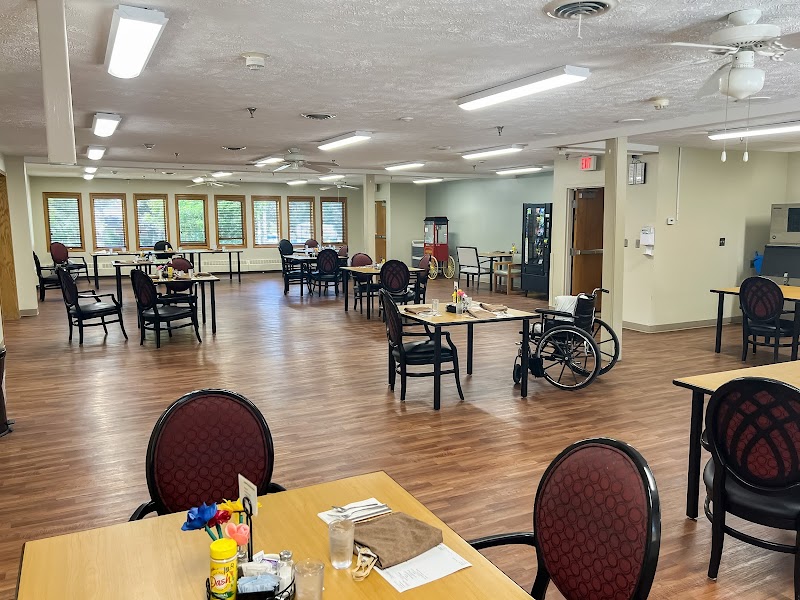
How is Accura Healthcare Of Shenandoah Staffed?

CMS rates Accura Healthcare of Shenandoah's staffing level at 1 out of 5 stars, which is much below average compared to other nursing homes. Staff turnover is 60%, which is 14 percentage points above the Iowa average of 46%. High turnover can affect care consistency as new staff learn residents' individual needs. RN turnover specifically is 83%, which is notably high. RNs provide skilled clinical oversight, so turnover in this role can affect medical care quality.

What Have Inspectors Found at Accura Healthcare Of Shenandoah?

State health inspectors documented 27 deficiencies at Accura Healthcare of Shenandoah during 2022 to 2025. These included: 2 Immediate Jeopardy (the most serious level, indicating potential for serious harm or death), 1 that caused actual resident harm, and 24 with potential for harm. Immediate Jeopardy findings are rare and represent the most serious regulatory concerns. They require immediate corrective action.
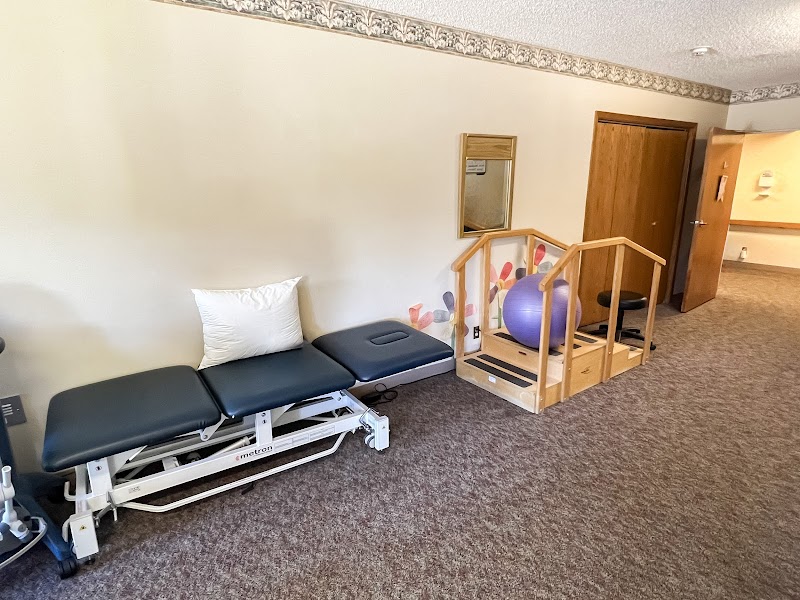
Who Owns and Operates Accura Healthcare Of Shenandoah?

Accura Healthcare of Shenandoah is owned by a for-profit company. For-profit facilities operate as businesses with obligations to shareholders or private owners. The facility is operated by ACCURA HEALTHCARE, a chain that manages multiple nursing homes. With 42 certified beds and approximately 36 residents (about 86% occupancy), it is a smaller facility located in Shenandoah, Iowa.

How Does Accura Healthcare Of Shenandoah Compare to Other Iowa Nursing Homes?

Compared to the 100 nursing homes in Iowa, Accura Healthcare of Shenandoah's overall rating (1 stars) is below the state average of 3.0, staff turnover (60%) is significantly higher than the state average of 46%, and health inspection rating (1 stars) is much below the national benchmark.

What Should Families Ask When Visiting Accura Healthcare Of Shenandoah?

Based on this facility's data, families visiting should ask: "What changes have been made since the serious inspection findings, and how are you preventing similar issues?" "How do you ensure continuity of care given staff turnover, and what is your staff retention strategy?" "Can you walk me through typical staffing levels on day, evening, and night shifts?" "Can I visit during a mealtime to observe dining assistance and food quality?" These questions are particularly relevant given the facility's Immediate Jeopardy citations, the facility's high staff turnover rate, and the below-average staffing rating.

Is Accura Healthcare Of Shenandoah Safe?

Based on CMS inspection data, Accura Healthcare of Shenandoah has documented safety concerns. Inspectors have issued 2 Immediate Jeopardy citations (the most serious violation level indicating risk of serious injury or death). The facility has a 1-star overall rating and ranks #100 of 100 nursing homes in Iowa. Families considering this facility should ask detailed questions about what corrective actions have been taken since these incidents.

Do Nurses at Accura Healthcare Of Shenandoah Stick Around?

Staff turnover at Accura Healthcare of Shenandoah is high. At 60%, the facility is 14 percentage points above the Iowa average of 46%. Registered Nurse turnover is particularly concerning at 83%. RNs handle complex medical decisions and coordinate care — frequent RN changes can directly impact care quality. High turnover means new staff may not know residents' individual needs, medications, or preferences. It can also be disorienting for residents, especially those with dementia who rely on familiar faces. Families should ask: What is causing the turnover? What retention programs are in place? How do you ensure care continuity during staff transitions?

Was Accura Healthcare Of Shenandoah Ever Fined?

Accura Healthcare of Shenandoah has been fined $8,414 across 1 penalty action. This is below the Iowa average of $33,163. While any fine indicates a compliance issue, fines under $50,000 are relatively common and typically reflect isolated problems that were subsequently corrected. Families should ask what specific issues led to these fines and confirm they've been resolved.

Is Accura Healthcare Of Shenandoah on Any Federal Watch List?

Accura Healthcare of Shenandoah is not on any federal watch list. The most significant is the Special Focus Facility (SFF) program, which identifies the bottom 1% of nursing homes nationally based on persistent, serious quality problems. Not being on this list means the facility has avoided the pattern of deficiencies that triggers enhanced federal oversight. This is a positive indicator, though families should still review the facility's inspection history directly.