Sibley Specialty Care
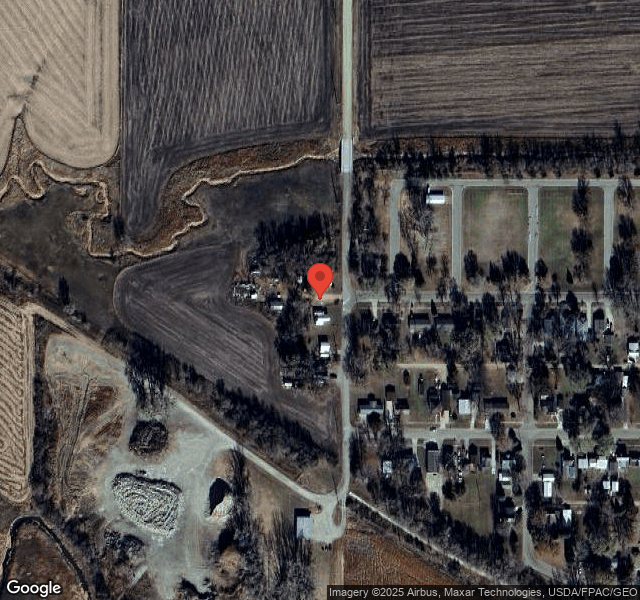

700 Ninth Avenue North, Sibley, IA 51249 (712) 754-3629
Non profit - Corporation 46 Beds CARE INITIATIVES Data: November 2025
Trust Grade
95/100
#69 of 392 in IA
Last Inspection: May 2025

Inspected within the last 6 months. Data reflects current conditions.

Overview

Sibley Specialty Care in Sibley, Iowa has earned an impressive Trust Grade of A+, indicating it is an elite facility that provides high-quality care. Ranking #69 out of 392 nursing homes in Iowa places it in the top half, and it is the only option in Osceola County, meaning families have no local alternatives that rank better. The facility is showing improvement, with the number of identified issues decreasing from 4 in 2024 to 3 in 2025. Staffing is a notable strength, boasting a 4 out of 5-star rating and only 23% turnover, which is significantly lower than the state average of 44%. However, there are some concerns, including issues with food portioning and sanitation in the kitchen, as well as a failure to complete background checks for one employee, which could potentially affect resident safety. Overall, while Sibley Specialty Care has many strengths, families should be aware of these specific areas needing attention.

Trust Score
A+
95/100
In Iowa
#69/392
Top 17%
Safety Record
Low Risk
No red flags
Inspections
Getting Better
4 → 3 violations
Staff Stability
✓ Good
23% annual turnover. Excellent stability, 25 points below Iowa's 48% average. Staff who stay learn residents' needs.
Penalties
✓ Good
No fines on record. Clean compliance history, better than most Iowa facilities.
Skilled Nurses
✓ Good
Each resident gets 58 minutes of Registered Nurse (RN) attention daily — more than average for Iowa. RNs are trained to catch health problems early.
Violations
○ Average
9 deficiencies on record. Average for a facility this size. Mostly minor or procedural issues.
★★★★★
5.0
Overall Rating
★★★★☆
4.0
Staff Levels
★★★★★
5.0
Care Quality
★★★★☆
4.0
Inspection Score
Stable
2024: 4 issues
2025: 3 issues

The Good

  • 4-Star Staffing Rating · Above-average nurse staffing levels
  • 5-Star Quality Measures · Strong clinical quality outcomes
  • Low Staff Turnover (23%) · Staff stability means consistent care
  • Full Sprinkler Coverage · Fire safety systems throughout facility
  • No fines on record
  • Staff turnover is low (23%)

    25 points below Iowa average of 48%

Facility shows strength in staffing levels, quality measures, staff retention, fire safety.

The Bad

Chain: CARE INITIATIVES

Part of a multi-facility chain

Ask about local staffing decisions and management

The Ugly 9 deficiencies on record

May 2025 3 deficiencies
CONCERN (D)

Potential for Harm - no one hurt, but risky conditions existed

Infection Control (Tag F0880)

Could have caused harm · This affected 1 resident

Based on observation, infection control policy and staff interview, the facility failed to provide proper hand hygiene with wound care with 1 of 2 residents observed (Resident #18). The facility repor...

Read full inspector narrative →
Based on observation, infection control policy and staff interview, the facility failed to provide proper hand hygiene with wound care with 1 of 2 residents observed (Resident #18). The facility reported a total census of 39 residents. Findings include: Observation on 5/7/25 at 10:19 AM Staff A, Registered Nurse (RN) changed a dressing on the left second toe. Staff A, Entered into Resident #18's room and performed hand hygiene and applied gloves. Staff A removed soiled dressing off Resident #18's toe and with the soiled gloves took clean gauze out of the package, applied wound cleanser and cleansed the area on the toe. With the same soiled gloves, Staff A opened the ointment, took a piece of clean gauze and placed a dab on the gauze and dabbed the ointment onto the toe. With the soiled gloves on Staff A took the bandaid she was going to apply to the toe. The bandaid stuck to itself and Staff A removed the soiled gloves and performed hand hygiene. Staff A then completed the wound dressing. Interview on 5/7/25 at 10:30 AM the Director of Nursing (DON) revealed she should have changed her gloves during the wound dressing change. Review of the facility provided policy titled Handwashing Hand Hygiene with a revised date of August 2019 revealed the following information: a. All personnel shall be trained and regularly in-serviced on the importance of hand hygiene in preventing the transmission of healthcare-associated infections. b. All personnel shall follow the handwashing/hand hygiene procedures to help prevent the spread of infections to other personnel, residents, and visitors. c. Use an alcohol-based hand rub containing at least 62% alcohol; or, alternatively, soap (antimicrobial or non-antimicrobial) and water for the following situations: i. Before handling clean or soiled dressings, gauze pads, ect ii. After contact with the resident ' s intact skin iii. After moving from a contaminated body site to a clean body site during resident care iv. After handling used dressings v. After removing gloves d. The use of gloves does not replace hand washing/hand hygiene. Integration of glove use along with routine hand hygiene is recognized as the best practice for preventing healthcare-associated infections.
CONCERN (E)

Potential for Harm - no one hurt, but risky conditions existed

Deficiency F0804 (Tag F0804)

Could have caused harm · This affected multiple residents

Based on review of the menu, observation, and staff interviews the facility failed to serve the full portions of food when preparing meals for residents (Residents #7, #16, #19, #22 and #28). The faci...

Read full inspector narrative →
Based on review of the menu, observation, and staff interviews the facility failed to serve the full portions of food when preparing meals for residents (Residents #7, #16, #19, #22 and #28). The facility identified a census of 39 residents. Findings include: The facility's Cycle Day 4 Menu identified the following items as part of the planned menu for the lunch meal on 5/7/25 for residents on a regular diet: Pork chop Gravy Roasted Red Potatoes Squash (replaced with carrots) Wheat roll with Margarine The facility's Cycle Day 4 menu identified the following items as part of the planned menu for the lunch meal on 5/7/25 for residents on a mechanical diet: Pork chop chopped Gravy Mashed Potatoes Squash (replaced with carrots) blended Wheat roll with Margarine Observation on 5/7/25 at 12:10 PM, revealed Staff B, [NAME] used a size #6 scoop to serve a full portion of ground pork chop to residents. Staff B failed to fill the entire scoop of ground pork to Residents #7 and #28. Staff B used a size #8 scoop to serve a full portion of red potatoes. Staff C failed to fill the entire scoop of potatoes to Residents #16, #19, #22 and #28. In an interview on 5/7/25 at 12:51 PM, the Dietician reported Staff B should have served a full #6 scoop of pork and a full #8 scoop of red potatoes to residents in order to provide the proper portions per the menu. The Dietician reported the facility planned to provide additional education to the new kitchen staff. The Kitchen Weights and Measures policy dated April 2007 identified food services staff will be trained in proper use of cooking and serving measurements to maintain portion control. Policy Interpretation and Implementation 1. Cooks and Food Services staff will be trained in weights and measures, volume and weights, appropriate utensil use, and food can sizes. 2. Staff will be trained in the comparison of volume and weight measures (e.g., 2 cups (volume) water = 1 pound (weight), 1 oz. weight = 1 oz. volume, etc.). 3. Staff will be trained in size conversion of food cans to improve accurate measurements. Can size tables will be prominently posted for reference. 4. Recipes will specify consistent use of metric or U.S. measurement guidelines. 5. Serving utensils used will be consistent with choice of metric or U.S. measure used. 6. Staff will be trained in the appropriate measurement and type of serving utensil to use for each food. Signs or posters explaining coded measurement indicators (e.g., color-coded) on utensils will be prominently displayed for reference. 7. The Food Service Supervisor will ensure cooks prepare the appropriate amount of food for the number of servings required.
CONCERN (E)

Potential for Harm - no one hurt, but risky conditions existed

Food Safety (Tag F0812)

Could have caused harm · This affected multiple residents

Based on observations, staff interviews, and facility policy review the facility failed to ensure proper sanitary conditions in the kitchen area where staff prepared food, and failed to keep utensils ...

Read full inspector narrative →
Based on observations, staff interviews, and facility policy review the facility failed to ensure proper sanitary conditions in the kitchen area where staff prepared food, and failed to keep utensils on a sanitary surface during meal service. The facility identified a census of 39 residents. Findings included: The initial kitchen walkthrough on 5/5/25 at 10:35 AM with the Dietary Manager (DM) revealed the following: a. The sugar bin showed a build up of debris around the opening and under the cover of the container. Hair present on the container. b. The flour bin showed a build up of debris around the opening and under the cover of the container. c. A snack cart contained a variety of scattered food debris at the bottom of the cart. d. A storage dish cart contained a variety of scattered food debris at the bottom of the cart. e. A shelving unit across from the oven showed dirt, grease and hair. f. The floor contained an accumulation of food debris and a variety of dried liquid. g. Two stand up freezer units with a variety of food debris in the bottom of the units. h. Two refrigerator units with a variety of food debris in the bottom of the units. i. The DM reported that she expected the environment to be clean, free of food debris and hair. The DM reported the freezer and refrigerator units should be free for food debris. Observation of lunch service on 5/7/25 at 12:10 PM showed the following: a. Staff B, [NAME] pureed pork, stopped the blender, removed the cover, set the cover face down directly on the countertop. Staff B stirred the food with a spatula, set the spatula directly on the countertop, replaced the cover and restarted the blender. Staff B further pureed the pork, stopped the blender, removed the cover, set the cover face down directly on the countertop. Staff B used the spatula to remove the food from the blender. b. Staff B, [NAME] pureed carrots in a blender, stopped the blender, removed the cover, set the cover face down directly on the countertop. Staff B donned gloves, removed bread from the bread bag, added the bread to the blender, replaced the cover and restarted the blender. Staff B doffed gloves, placed soiled gloves directly on the countertop and failed to perform hand hygiene. Staff B stopped the blender, stirred the food using the same spatula, replaced the cover and restarted the blender. Staff B discarded the soiled gloves from the countertop into the trash. Staff B failed to perform hand hygiene. Staff B then removed the blender cover, set the cover face down directly on the countertop where soiled gloves were previously placed. c. During food service Staff B, [NAME] used her hands to place and remove hot table food covers. Later in the food service Staff B utilized the tongs, previously used for the food, to move the covers. Staff B failed to remove tongs from service then utilized the tongs again for food. In an interview on 5/7/25 at 12:51 PM, the Dietician reported during food service she stopped Staff B and instructed her to perform hand hygiene. The Dietician acknowledged Staff B would have continued and failed to perform hand hygiene when necessary. The Dieticain reported she expected Staff B to use the blender cover, spatula and food tongs in a manner that prevented contamination. The Dietician also reported soiled gloves should be placed directly into the trash and hand hygiene should be performed immediately following. The Dietician reported the facility planned to provide additional education to the new kitchen staff. The Preventing Foodborne Illness - Employee Hygiene and Sanitary Practices policy dated October 2017 identified food and nutrition services employees will follow appropriate hygiene and sanitary procedures to prevent the spread of foodborne illness. Policy Interpretation and Implementation 1. All employees who handle, prepare or serve food will be trained in the practices of safe food handling and preventing foodborne illness. Employees will demonstrate knowledge and competency in these practices prior to working with food or serving food to residents. 6. Employees must wash their hands: a. After personal body functions (i.e., toileting, blowing/wiping nose, coughing, sneezing, etc.); b. After using tobacco, eating or drinking; c. Whenever entering or re-entering the kitchen; d. Before coming in contact with any food surfaces; e. After handling raw meat, poultry or fish and when switching between working with raw food and working with ready-to-eat food; f. After handling soiled equipment or utensils; g. During food preparation, as often as necessary to remove soil and contamination and to prevent cross contamination when changing tasks; and/or h. After engaging in other activities that contaminate the hands. 7. Antimicrobial hand gel CANNOT be used in place of handwashing in food service areas. 8. Contact between food and bare (ungloved) hands is prohibited. 9. Food service employees will be trained in the proper use of utensils such as tongs, gloves, deli paper and spatulas as tools to prevent foodborne illness. 10. Gloves are considered single-use items and must be discarded after completing the task for which they are used. The use of disposable gloves does not substitute for proper handwashing.
Jun 2024 1 deficiency
CONCERN (D) 📢 Someone Reported This

A family member, employee, or ombudsman was alarmed enough to file a formal complaint

Potential for Harm - no one hurt, but risky conditions existed

Free from Abuse/Neglect (Tag F0600)

Could have caused harm · This affected 1 resident

**NOTE- TERMS IN BRACKETS HAVE BEEN EDITED TO PROTECT CONFIDENTIALITY** Based on clinical record review, facility record review, staff interviews and facility policy the facility failed to appropriate...

Read full inspector narrative →
**NOTE- TERMS IN BRACKETS HAVE BEEN EDITED TO PROTECT CONFIDENTIALITY** Based on clinical record review, facility record review, staff interviews and facility policy the facility failed to appropriately implement interventions to protect 1 out of 3 residents (Resident #1) reviewed from physical abuse. The facility reported a census of 43 residents. Findings include: The Minimum Data Set (MDS) assessment dated [DATE] for Resident #1 documented diagnoses of hypertension, non- Alzheimer's dementia and anxiety disorder. The MDS showed the Brief Interview for Mental Status (BIMS) score of 10, indicating moderate cognitive impairment. Review of the Progress Notes revealed: On 6/6/24 at 10:02 a.m., at approximately 5:45 a.m., nurse aid reports to nurse manager while resident was being assisted to the bathroom with 2-assist, per plan of care, nurse aid's partner struck resident in the upper left arm. Reporting nurse aid stated the resident was being very rude and physically and verbally aggressive towards the two nurse aids, and the other nurse aid appeared to become upset and hit the resident after she had hit him. Resident stated you can't hit me, and verbalized the nurse aid hit her in the upper left arm, and she wanted to report him. Nurse aid was immediately separated from resident and was kept away from all other residents. Administrator updated, and assessment completed on resident. Assessment completed on resident; no redness, bruising, discoloration, swelling noted to affected extremity. Vital signs within normal limits. No emotional distress noted to the resident; the resident was sitting calmly in a chair with eyes closed when nursing entered the room. Resident denied pain to the area during assessment, but statedit hurt when it happened, he got me good. Active range of motions within normal limits. Family, provider, and appropriate agencies also updated regarding the situation. Review of Facility Reported Incident Investigation revealed the following information: a. Statement by Staff D, Certified Nursing Assistant (CNA) dated 6/6/24 revealed: at approximately 5:45 a.m., the nurse requested my partner and I to take Resident #1 to the bathroom so Staff E, CNA and I walked to Resident #1's room and opened the bathroom door and put her gait belt on. Resident was yelling at the staff seemingly unprovoked and when it was time to stand the resident up, Staff E seemed to forcefully stand her up by himself. Resident then yelled at Staff E and called him names and then hit him. At that time, Staff E then used a closed fist and hit her on her left upper arm and seemed to tighten the gait belt in his right hand by using a twisting motion. Resident #1 stated you don't hit me and Staff E responded to her with well you hit me first. Resident told Staff E not so tight and that she was going to report him. Staff E did not lessen the twisting motion on the gait belt until we got to the bathroom doorway. Staff D had a hold of her going towards the toilet and then Staff E went on the right side of her and held the gait belt while Staff D pulled her pants down to the toilet. Resident sat on the toilet and Staff D helped take off her soiled depends and clothing. Resident then started yelling at Staff D asking what I was doing, and Staff D told her that her pants were soiled and that I was just trying to help her. Resident responded with I know you are, but that bastard isn't and I am going to report him. Resident was then assisted with getting clean underwear on and wanted to sit on the toilet for a few minutes to finish. Staff D then went to the nurse manager that was on duty and told her what happened. b. Statement by Staff F, Registered Nurse (RN) dated 6/624 revealed: Resident #1 stated that Staff E better watch out. Staff F asked why. Resident #1 replied he hit me with his fist right here (points to left upper extremity). He's naughty. Staff F replied Thank you for letting me know. Resident responded you're welcome. c. Statement by Staff G, Social Worker and Administrator dated 6/6/24 at 2:00 p.m., revealed; Staff G joined Administrator to interview Resident #1. Resident #1's husband was present in the room. Administrator asked Resident #1 about an incident this morning, she could not recall anything. Administrator asked Resident #1's husband if she reported anything to him when he arrived this morning. He responded no. Resident #1 was then asked if she has had any trouble with any staff over the past couple of days, she identified Staff E. When asked what happened, Resident #1 revealed Staff E made a fist at her this morning. Staff G asked if Staff E hit her and she replied no. Staff G asked Resident #1 to lift her arm and if she has any pain. Resident #1 was able to move without pain. Staff G asked Resident #1 if she was afraid of Staff E and she said no but does not want him to work with her anymore. d. Review of text message screen shot from Staff E's phone number a message dated 6/6/24 at 6:34 a.m., stated sorry you had to see me lose my temper with Resident #1. Interview on 6/27/24 at 10:34 a.m., with Staff F revealed it was the beginning of her shift and she was working on doing vital signs and assessments. She needed to get Resident #1's vitals. When she entered Resident #1's room she was awake so she started talking to her and explained she was going to get her vital signs. Resident #1 told Staff F that Staff E better watch out. Staff F asked her why. Resident #1 revealed Staff E hit me right here (pointed to her left upper arm) with his fist. Staff E told Resident #1 ok thank you for letting me know. Staff E assessed the area and revealed no redness, swelling, bruising noted to the area. Resident #1 had no restrictions on her range of motion (ROM). After Staff F exited the room she told Staff C about the incident. Interview on 6/27/24 at 11:58 a.m., with Staff C, RN, Assistant Director of Nursing (ADON) revealed she had come in that morning and around 5:30 a.m., Staff D came into her office and looked upset so she asked her what was going on. Staff D reported when her and Staff E were assisting Resident #1 to the bathroom, Resident #1 had smacked Staff E and he hit her back. Resident #1 stated you can't hit me, Staff D reported she froze in the room for a minute and finished assisting Resident #1 to the toilet and exited the room. Staff C watched Staff E leave the facility and then called the Director of Nursing (DON) and the Administrator. Approximately an hour later Staff C went into Resident #1's room and she was sitting in a recliner with her eyes closed. Staff C asked Resident #1 how her arm was feeling. Resident #1 stated Staff E got me good. He hit me. Staff C assessed the area at that time and there was no redness, swelling or pain noted. Resident #1 stated it hurt then he got me good. Interview on 6/26/24 at 12:14 p.m., with Staff H, RN revealed she had come in after the incident had occurred. She was asked by Staff C to do an assessment of Resident #1 as there was an allegation of Staff E striking her. Staff H assessed Resident #1 and seemed to be in good spirits, denied pain, had good ROM and no hematoma present. Resident #1 told Staff H that Staff E had struck her in her arm. Resident #1 was upset when she was talking about it and was upset that a situation like this could occur. Staff H did reassess the area throughout the day and if indication of bruising, inflammation or hematoma was present. Interview on 6/27/24 at 5:38 p.m., with Staff D revealed Staff F asked Staff D and Staff E to assist Resident #1 to the bathroom. Staff D explained Staff E applied the gait belt and when Resident #1 was ready to stand up. Staff E took the gait belt and picked her up aggressively by himself. Staff D did not assist in the transfer to stand. Staff E further revealed when they were walking Resident #1 to the bathroom Resident #1 appeared to be mad at Staff E and Resident #1 hit Staff E. Staff E with a closed fist hit Resident #1 in her left upper arm. Resident #1 told Staff E you don't hit me, I am going to report you. Staff E replied in an aggressive tone you hit me first, Staff D explained she said to Resident #1 let's continue to the bathroom. Staff D explained Staff E was getting impatient with Resident #1 and started twisting the gait belt and it was getting tighter. Staff D explained once Resident #1 was on the toilet and she assisted her with care. Staff D revealed Resident #1 told her she knew she was trying to help her but that bastard isn't. Staff D and Staff E finished assisting Resident #1 and left her in the restroom to finish. Staff D went and reported to Staff C about the incident when she left the room. Staff D stated she received a text message from Staff E saying sorry you had to see me lose my temper with Resident #1. Review of the facility policy titled Abuse, Neglect, Exploitation and Misappropriation Prevention Program with a revision date of April 2021 revealed residents have the right to be free from abuse. Establish and maintain a culture of compassion and caring for all residents and particularly those with behavioral, cognitive, or emotional problems. Provide staff orientation and training or orientation programs that include topics such as abuse prevention, identification and reporting of abuse, stress management, and handling verbally or physically aggressive resident behavior. Review of the facility policy titled Identifying Types of Abuse with a revision date of April 2021 revealed abuse of any kind against residents is strictly prohibited. Physical abuse includes but is not limited to hitting. Interview on 6/28/24 at 9:54 a.m., with The Administrator revealed during his investigation he knows something happened but does not know exactly what happened. The Administrator further revealed the facility takes all allegations of abuse seriously.
Apr 2024 3 deficiencies
CONCERN (D)

Potential for Harm - no one hurt, but risky conditions existed

Deficiency F0582 (Tag F0582)

Could have caused harm · This affected 1 resident

Based on clinical record review and staff interview, the facility failed to obtain the resident or resident representative signature for consent on notification of the Notice of Medicare Non-Coverage ...

Read full inspector narrative →
Based on clinical record review and staff interview, the facility failed to obtain the resident or resident representative signature for consent on notification of the Notice of Medicare Non-Coverage (NOMNC) Centers of Medicare & Medicaid (CMS)-10055 and CMS form CMS-10123 for 2 of 3 sampled residents (Resident #15 and #36). The facility reported a census of 40 residents. Findings Include: 1. Record review for Resident #15 revealed form CMS 10055 with a services end date of 12/6/23. Resident #15 ' s representative gave verbal consent for signature on 12/1/23 however the form lacked a signature of resident or resident representative and date. Review of form CMS 10123-NOMNC with a services end date of 12/6/23 showed Resident #15 ' s representative gave verbal consent for signature on 12/1/23 however the form lacked a signature of patient or patient representative and date. Review of Resident #15 ' s Progress Notes dated 11/30/23 at 10:31 AM, revealed Resident #15 had met treatment goals, had achieved maximal progress with therapy and her last day of covered services is 12/6/23. 2. Record review for Resident #36 revealed form CMS 10055 with a services end date of 1/31/24. Resident #36 ' s representative gave verbal consent for signature on 1/29/24 however the form lacked a signature of resident or resident representative and date. Review of form CMS 10123-NOMNC with a services end date of 1/31/24 showed Resident #36 ' s representative gave verbal consent for signature on 1/29/24 however the form lacked a signature of patient or patient representative and date. Review of Resident #36 ' s Progress Notes dated 1/29/24 at 4:40 PM, revealed Resident 36 had met treatment goals, had achieved maximal progress with therapy and her last day of covered services is 1/31/24. Review of the Centers (CMS) Medicare Claims Processing Manual Chapter 30 with a revision date of 1/21/22 revealed the following information under ABN options for Delivery other than in-person revealed ABNs should be delivered in-person and prior to the delivery of medical care which is presumed to be non-covered. In circumstances when in-person delivery is not possible, notifiers may deliver an ABN using another method. Examples include: · Direct telephone contact; ·Mail; · Secure fax machine; or · Internet e-mail. All methods of delivery require adherence to all statutory privacy requirements under HIPAA. The notifier must receive a response from the beneficiary or his/her representative in order to validate delivery. When delivery is not in-person, the notifier must verify that contact was made in his/her records. In order to be considered effective, the beneficiary should not dispute such contact. Telephone contacts should be followed immediately by either a hand-delivered, mailed, emailed, or a faxed notice. The beneficiary should sign and retain the notice and send a copy of this signed notice to the notifier for retention in the patient ' s record. The notifier must keep a copy of the unsigned notice on file while awaiting receipt of the signed notice. If the beneficiary does not return a signed copy, the notifier should document the initial contact and subsequent attempts to obtain a signature in appropriate records or on the notice itself. Review of the CMS NOMNC form instructions for the NOMNC CMS-10123 revealed the signature line: beneficiary/enrollee or the representative must sign this line and the date line: The beneficiary/enrollee or the representative must fill in the date that he or she signs the document. If the document is delivered, but the enrollee or the representative refuses to sign on the delivery date, then annotate the case file to indicate the date that the form was delivered. CMS requires that notification of changes in coverage for an institutionalized beneficiary/enrollee who is not competent be made to a representative. Notification to the representative may be problematic because that person may not be available in person to acknowledge receipt of the required notification. Providers are required to develop procedures to use when the beneficiary/enrollee is incapable or incompetent, and the provider cannot obtain the signature of the enrollee ' s representative through direct personal contact. If the provider is personally unable to deliver a NOMNC to a person acting on behalf of an enrollee, then the provider should telephone the representative to advise him or her when the enrollee ' s services are no longer covered. The date of the conversation is the date of the receipt of the notice. Confirm the telephone contact by written notice mailed on that same date. When direct phone contact cannot be made, send the notice to the representative by certified mail, return receipt requested. The date that someone at the representative ' s address signs (or refuses to sign) the receipt is the date of receipt. Place a dated copy of the notice in the enrollee ' s medical file. When notices are returned by the post office with no indication of a refusal date, then the enrollee ' s liability starts on the second working day after the provider ' s mailing date. In an interview on 4/16/24 at 9:23 AM, the Administrator and Social Worker reported they were unaware that a resident or resident representative ' s signature was needed on forms CMS-10055 and CMS-10123 despite verbal consent obtained or that if the resident or resident representative does not return a signed copy, the notifier should document the initial contact and subsequent attempts to obtain a signature in appropriate records or on the notice itself.
CONCERN (D)

Potential for Harm - no one hurt, but risky conditions existed

Transfer Notice (Tag F0623)

Could have caused harm · This affected 1 resident

**NOTE- TERMS IN BRACKETS HAVE BEEN EDITED TO PROTECT CONFIDENTIALITY** Based on clinical record review and staff interview the facility failed to notify the Long Term Care (LTC) Ombudsman for 2 of 2 ...

Read full inspector narrative →
**NOTE- TERMS IN BRACKETS HAVE BEEN EDITED TO PROTECT CONFIDENTIALITY** Based on clinical record review and staff interview the facility failed to notify the Long Term Care (LTC) Ombudsman for 2 of 2 residents reviewed who transferred to the hospital (Resident #24 and #27). The facility reported a census of 40 residents. Findings include: 1. The Minimum Data Set (MDS) assessment dated [DATE] for Resident #24 documented diagnoses of hypertension, diabetes mellitus, and need for assistance with personal care. The MDS showed the Brief Interview for Mental Status (BIMS) score of 13 indicating no cognitive impairment. Review of Resident #24 ' s Progress Notes revealed the following information: a. 5/8/23 at 1:15 p.m., Resident admitted to hospital. b. 5/12/23 at 10:57 a.m., readmission from the hospital. c. 8/2/23 at 10:00 p.m., Resident transferred to emergency department. d. 8/3/23 at 12:04 a.m., Resident admitted to hospital. e. 8/5/23 at 5:41 p.m., Resident returned to facility with daughter. Review of Resident #24 ' s Census tab revealed the following: a. 5/8/23- hospital paid leave b. 5/12/23- active c. 8/2/23- hospital paid leave d. 8/5/23- active Review of MDS listing revealed the following: a. 5/8/23- discharge return anticipated b. 5/12/23- Entry c. 8/2/23- discharge return anticipated d. 8/5/23- Entry Review of the facility document titled Notice of Transfer Form to Long Term Care Ombudsman dated May and August lacked Resident #24 ' s name. 2. The MDS assessment dated [DATE] for Resident #27 documented diagnoses of fracture of the right femur, hypertension and diabetes mellitus. The MDS showed the BIMS score of 00 indicating severe cognitive impairment. Review of Resident #27 ' s Progress Notes revealed the following information: a. 2/4/24 at 9:59 a.m., family here to wheel resident to hospita.l b. 2/7/24 at 4:55 p.m., resident back in facility . Review of Resident #27 ' s Census tab revealed the following: a. 2/4/24- hospital paid leave b. 2/7/24- active Review of MDS listing revealed the following: a. 2/4/24- discharge return anticipated b. 2/7/24- Entry Review of the facility document titled Notice of Transfer Form to Long Term Care Ombudsman dated Feburary lacked Resident #27 ' s name. Interview on 4/18/24 at 7:57 a.m., with the Administrator revealed the facility does not have a policy on ombudsman notification. Interview on 4/17/24 at 4:01 p.m., with the Administrator revealed he was unaware he needed to add hospital transfers to the ombudsman notification.
CONCERN (E)

Potential for Harm - no one hurt, but risky conditions existed

Abuse Prevention Policies (Tag F0607)

Could have caused harm · This affected multiple residents

Based on personnel file reviews, staff interviews, and facility policy review, the facility failed to ensure all employees had an Iowa Criminal Background check and dependent adult/child abuse registr...

Read full inspector narrative →
Based on personnel file reviews, staff interviews, and facility policy review, the facility failed to ensure all employees had an Iowa Criminal Background check and dependent adult/child abuse registry check completed prior to working in the facility for 1 out of 5 employees reviewed (Staff A). The facility reported a census of 40 residents. Findings include: Review of facility provided document titled Employee New Hire by Time Period dated 4/14/24 at 8:13 a.m., revealed Staff A, non-certified nursing assistant documented a hire date of 3/26/24. The personnel file for Staff A revealed documentation of a criminal background check through a third-party vendor with a completed date of 3/21/24. The file lacked documentation of the Iowa Criminal Background Check. Review of facility provided policy titled Background Screening Investigations revised March 2019 revealed the facility conducts employment background screening checks, reference checks and convictions investigation checks on all applicants for positions with direct access to residents. The purpose of this policy direct access employee means any individual who has access to a resident or patient of a long term care facility or provider through employment or through a contract and has duties that involve (or may involve) one-on-one contact with a patient or resident of the facility or provider, as determined by the State for purposes of the National Background Check Program. Interview on 4/17/24 at 3:13 p.m., with the Business Office Manager revealed the background checks are done at the corporate level and the facility is provided the information after it has been completed.
Mar 2023 2 deficiencies
CONCERN (D)

Potential for Harm - no one hurt, but risky conditions existed

PASARR Coordination (Tag F0644)

Could have caused harm · This affected 1 resident

**NOTE- TERMS IN BRACKETS HAVE BEEN EDITED TO PROTECT CONFIDENTIALITY** Based on clinical record review and staff interview, the facility failed to refer 1 resident with a negative Level I result for ...

Read full inspector narrative →
**NOTE- TERMS IN BRACKETS HAVE BEEN EDITED TO PROTECT CONFIDENTIALITY** Based on clinical record review and staff interview, the facility failed to refer 1 resident with a negative Level I result for the Preadmission Screening and Resident Review (PASRR), who was later identified with newly evident or possible serious mental disorder, intellectual disability, or other related condition, to the appropriate state-designated authority for Level II PASRR evaluation and determination for 1 out of 1 residents (Resident #5) reviewed for PASRR requirements. The facility reported a census of 60 residents. Findings include: The Minimum Data Set (MDS) assessment dated [DATE] for Resident #5 documented diagnoses of major depressive disorder, anxiety disorder and psychotic disorder. The MDS showed a Brief Interview for Mental Status (BIMS) score of 15 indicating no cognitive impairment. Review of the clinical record included a Notice of Negative Level I Screen Outcome dated 2/14/2016 that revealed the PASRR level 1 screen remains valid for your stay at the nursing facility and should be transferred with you if you relocate. No further level 1 screening is required unless you are known to have or are suspected of having a major mental illness or an intellectual or developmental disability and exhibit a significant change in treatment needs. Further review revealed question #1- Does the individual have any of the following Major Mental Illnesses, which major depression and psychotic disorder. The box was marked no. Review of the MDS dated [DATE] revealed an active diagnosis of major depressive disorder, anxiety disorder and psychotic disorder. Review of Order Summary Report signed by the Physician dated 3/9/23 revealed active diagnosis of major depressive disorder, anxiety and alcohol dependence with alcohol- induced psychotic disorder. Review of Resident #5's chart lacked a follow-up and resubmission of a PASRR with the diagnosis of major depressive disorder and psychotic disorder. Interview on 3/15/23 at 9:01 a.m., with the Director of Nursing revealed there is no policy for PASRR. Interview on 3/15/23 at 9:09 a.m., with the MDS coordinator revealed the PASRR should have been re-submitted.
CONCERN (D)

Potential for Harm - no one hurt, but risky conditions existed

Deficiency F0657 (Tag F0657)

Could have caused harm · This affected 1 resident

**NOTE- TERMS IN BRACKETS HAVE BEEN EDITED TO PROTECT CONFIDENTIALITY** Based on clinical record and staff interview the facility failed to include side effects of anti-depressant medication on a care...

Read full inspector narrative →
**NOTE- TERMS IN BRACKETS HAVE BEEN EDITED TO PROTECT CONFIDENTIALITY** Based on clinical record and staff interview the facility failed to include side effects of anti-depressant medication on a care plan for 1 of 5 residents reviewed (Resident #25). The facility reported a census of 40 residents. Findings include: The Minimum Data Set (MDS) dated [DATE] for Resident #25 revealed a Brief Interview of Mental Status (BIMS) score of 06 which indicated moderately impaired cognition. The same MDS revealed the resident had a diagnosis of depression and received antidepressant medication. The Order Summary Report dated 2/19/23 signed by a physician revealed orders for the following antidepressants: 1. Duloxetine 60 milligrams (MG) daily. 2. Trazodone 25 mg daily. The Care Plan with an initiated date of 07/19/22 lacked specific side effects of antidepressant prescribed to the resident. In an interview on 03/15/23 at 1:45 PM, the Director of Nursing (DON) reported that when the facility's computer program for Electronic Health Records (EHR) updates, sometimes data is moved and that she would expect specific side effects for the resident's anti depressant be listed on the care plan. In the same interview, the DON reported that the facility does not have a care plan policy.
Understanding Severity Codes (click to expand)
Life-Threatening (Immediate Jeopardy)
J - Isolated K - Pattern L - Widespread
Actual Harm
G - Isolated H - Pattern I - Widespread
Potential for Harm
D - Isolated E - Pattern F - Widespread
No Harm (Minor)
A - Isolated B - Pattern C - Widespread

Questions to Ask on Your Visit

  • "Can I speak with families of current residents?"
  • "What's your RN coverage like on weekends and overnight?"

Our Honest Assessment

Strengths
  • • Grade A+ (95/100). Above average facility, better than most options in Iowa.
  • • No major safety red flags. No abuse findings, life-threatening violations, or SFF status.
  • • No fines on record. Clean compliance history, better than most Iowa facilities.
  • • 23% annual turnover. Excellent stability, 25 points below Iowa's 48% average. Staff who stay learn residents' needs.
Concerns
  • • No significant concerns identified. This facility shows no red flags across CMS ratings, staff turnover, or federal penalties.
Bottom line: Generally positive indicators. Standard due diligence and a personal visit recommended.

About This Facility

What is Sibley Specialty Care's CMS Rating?

CMS assigns Sibley Specialty Care an overall rating of 5 out of 5 stars, which is considered much above average nationally. Within Iowa, this rating places the facility higher than 99% of the state's 100 nursing homes. This rating reflects solid performance across the metrics CMS uses to evaluate nursing home quality.

How is Sibley Specialty Care Staffed?

CMS rates Sibley Specialty Care's staffing level at 4 out of 5 stars, which is above average compared to other nursing homes. Staff turnover is 23%, compared to the Iowa average of 46%. This relatively stable workforce can support continuity of care.

What Have Inspectors Found at Sibley Specialty Care?

State health inspectors documented 9 deficiencies at Sibley Specialty Care during 2023 to 2025. These included: 9 with potential for harm.

Who Owns and Operates Sibley Specialty Care?

Sibley Specialty Care is owned by a non-profit organization. Non-profit facilities reinvest revenue into operations rather than distributing to shareholders. The facility is operated by CARE INITIATIVES, a chain that manages multiple nursing homes. With 46 certified beds and approximately 36 residents (about 78% occupancy), it is a smaller facility located in Sibley, Iowa.

How Does Sibley Specialty Care Compare to Other Iowa Nursing Homes?

Compared to the 100 nursing homes in Iowa, Sibley Specialty Care's overall rating (5 stars) is above the state average of 3.1, staff turnover (23%) is significantly lower than the state average of 46%, and health inspection rating (4 stars) is above the national benchmark.

What Should Families Ask When Visiting Sibley Specialty Care?

Based on this facility's data, families visiting should ask: "Can I visit during a mealtime to observe dining assistance and food quality?" "How do you handle medical emergencies, and what is your hospital transfer rate?" "Can I speak with family members of current residents about their experience?"

Is Sibley Specialty Care Safe?

Based on CMS inspection data, Sibley Specialty Care has a clean safety record: no substantiated abuse findings (meaning no confirmed cases of resident harm), no Immediate Jeopardy citations (the most serious violation level indicating risk of serious injury or death), and is not on the Special Focus Facility watch list (a federal program monitoring the lowest-performing 1% of nursing homes). The facility has a 5-star overall rating and ranks #1 of 100 nursing homes in Iowa. While no facility is perfect, families should still ask about staff-to-resident ratios and recent inspection results during their visit.

Do Nurses at Sibley Specialty Care Stick Around?

Staff at Sibley Specialty Care tend to stick around. With a turnover rate of 23%, the facility is 23 percentage points below the Iowa average of 46%. Low turnover is a positive sign. It means caregivers have time to learn each resident's needs, medications, and personal preferences. Consistent staff also notice subtle changes in a resident's condition more quickly. Registered Nurse turnover is also low at 25%, meaning experienced RNs are available to handle complex medical needs.

Was Sibley Specialty Care Ever Fined?

Sibley Specialty Care has no federal fines on record. CMS issues fines when nursing homes fail to meet care standards or don't correct problems found during inspections. The absence of fines suggests the facility has either maintained compliance or corrected any issues before penalties were assessed. This is a positive indicator, though families should still review recent inspection reports for the full picture.

Is Sibley Specialty Care on Any Federal Watch List?

Sibley Specialty Care is not on any federal watch list. The most significant is the Special Focus Facility (SFF) program, which identifies the bottom 1% of nursing homes nationally based on persistent, serious quality problems. Not being on this list means the facility has avoided the pattern of deficiencies that triggers enhanced federal oversight. This is a positive indicator, though families should still review the facility's inspection history directly.