Casa De Paz Health Care Center
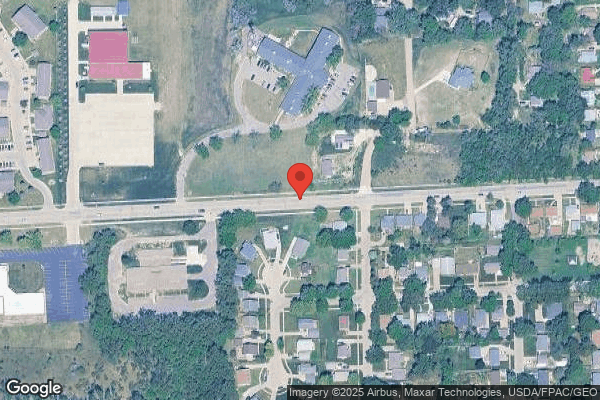
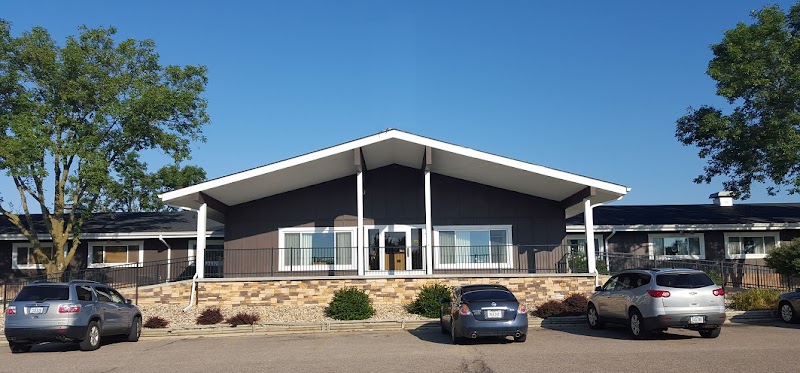
2121 West 19th Street, Sioux City, IA 51103 (712) 233-3127
For profit - Limited Liability company 71 Beds ARBORETA HEALTHCARE Data: November 2025
Trust Grade
45/100
#257 of 392 in IA
Last Inspection: April 2025

Within standard 12-15 month inspection cycle. Federal law requires annual inspections.

Overview

Casa De Paz Health Care Center in Sioux City, Iowa, has received a Trust Grade of D, indicating below-average quality and some concerns about its operations. It ranks #257 out of 392 facilities in Iowa, placing it in the bottom half, and #5 out of 9 in Woodbury County, meaning there are only a few local options that are better. While the facility is showing signs of improvement, reducing its issues from 16 in 2024 to 9 in 2025, it still faces challenges, including a serious incident where a resident was harmed due to inadequate oxygen supply during dining. Staffing is a mixed bag; while turnover is impressively low at 0% compared to the state average of 44%, the overall staffing rating is only 2 out of 5 stars. Additionally, there have been concerns about food safety, as staff failed to ensure proper temperatures for meals served to residents.

Trust Score
D
45/100
In Iowa
#257/392
Bottom 35%
Safety Record
Moderate
Needs review
Inspections
Getting Better
16 → 9 violations
Staff Stability
○ Average
Turnover data not reported for this facility.
Penalties
✓ Good
No fines on record. Clean compliance history, better than most Iowa facilities.
Skilled Nurses
○ Average
Each resident gets 40 minutes of Registered Nurse (RN) attention daily — about average for Iowa. RNs are the most trained staff who monitor for health changes.
Violations
⚠ Watch
36 deficiencies on record. Higher than average. Multiple issues found across inspections.
★★☆☆☆
2.0
Overall Rating
★★☆☆☆
2.0
Staff Levels
★★☆☆☆
2.0
Care Quality
★★☆☆☆
2.0
Inspection Score
Stable
2024: 16 issues
2025: 9 issues

The Good

  • Full Sprinkler Coverage · Fire safety systems throughout facility
  • No fines on record

Facility shows strength in fire safety.

The Bad

2-Star Overall Rating

Below Iowa average (3.0)

Below average - review inspection findings carefully

Chain: ARBORETA HEALTHCARE

Part of a multi-facility chain

Ask about local staffing decisions and management

The Ugly 36 deficiencies on record

1 actual harm
Apr 2025 7 deficiencies
CONCERN (D) 📢 Someone Reported This

A family member, employee, or ombudsman was alarmed enough to file a formal complaint

Potential for Harm - no one hurt, but risky conditions existed

Safe Environment (Tag F0584)

Could have caused harm · This affected 1 resident

**NOTE- TERMS IN BRACKETS HAVE BEEN EDITED TO PROTECT CONFIDENTIALITY** Based on clinical record review, resident grievances, resident interview, staff interview, and policy review the facility failed...

Read full inspector narrative →
**NOTE- TERMS IN BRACKETS HAVE BEEN EDITED TO PROTECT CONFIDENTIALITY** Based on clinical record review, resident grievances, resident interview, staff interview, and policy review the facility failed to ensure 3 of 3 residents ' personal property was protected from loss or theft (Resident #12, #39, #51) . The facility reported a census of 66 residents. Findings include: 1. Review of Resident #12's Minimum Data Set (MDS) dated [DATE] revealed a Brief Interview for Mental Status (BIMS) score of 15 indicating intact cognition. The MDS further revealed an admission date of 10/15/24 to the facility from a short term hospital stay. Interview on 3/31/25 at 11:02 AM with Resident #12 revealed she had missing clothing. Resident #12 further revealed she was missing shorts, and pants. Resident #12 stated she had told staff, but did not file a grievance. Review of facility provided inventory list with Resident #12's name and date of 2/27/25 revealed no shorts on the list and 10 pairs of pants. 2. Review of Resident #39's MDS dated [DATE] revealed a BIMS score of 15 indicating intact cognition. The MDS further revealed an admission date of 11/29/24 into the facility. Interview on 3/31/25 at 1:01 PM with Resident #39 revealed that he has several items missing, and has turned it into the management here at the facility. Resident #39 stated he was missing a hawkeye shirt, socks, underwear, 7 pairs of pants, and an electric razor. Resident #39 then revealed that after 3 weeks of being here the facility finally decided to do an inventory sheet after his items were starting to go missing. Resident #39 revealed he wants his items replaced as he does not have the money to keep buying new stuff. Review of a facility provided inventory list dated 12/26/24 with Resident #39's name revealed Resident #39 had 4 t-shirts (No description), 3 pairs of socks were marked, 6 pairs of underwear, 5 pairs of pants, and 3 pairs of shorts. No electric razor was listed on the inventory sheet. Review of a facility provided grievance form dated 12/2024 revealed Resident #39 filed a grievance 12/13/24 for a missing electric razor as well as missing laundry on 12/30/24. 3. Review of Resident #51's MDS dated [DATE] revealed a BIMS score of 13 indicating intact cognition. The MDS further revealed an admission date of 2/6/24 into the facility. Interview on 3/31/25 at 11:23 AM with Resident #51 revealed that she is missing a couple bras. Resident #51 revealed that she has told staff and it has not been replaced. Resident #51 further revealed no grievance has been filed. Review of a facility provided inventory list for Resident #51 with a date of 2/6/24 revealed no bras were marked on the inventory list. Interview on 4/02/25 at 9:43 AM with Staff B Social Services revealed she will give an inventory sheet to new admits and 2nd shift usually helps with filling them out. Staff B then revealed she will ask residents and staff to complete the inventory sheets as soon as possible. Staff B stated the nurses are to update the inventory list in the file. Staff B stated if a resident states something is missing an investigation would be completed. Staff B proceeded that per the facility policy the facility does not replace lost or stolen items. Interview on 4/02/25 at 10:12 AM with the Administrator revealed her expectation would be for inventory lists to be updated, filled out correctly, detailed inventory upon admit, and updated as items come in. Review of a facility provided policy titled, Personal Property with a revision date of August 2022 revealed: a. The resident's personal belongings and clothing are inventoried and documented upon admission and updated as necessary.
CONCERN (D)

Potential for Harm - no one hurt, but risky conditions existed

PASARR Coordination (Tag F0644)

Could have caused harm · This affected 1 resident

**NOTE- TERMS IN BRACKETS HAVE BEEN EDITED TO PROTECT CONFIDENTIALITY** Based on clinical record review and staff interview, the facility failed to refer 1 resident with a negative Level I result for ...

Read full inspector narrative →
**NOTE- TERMS IN BRACKETS HAVE BEEN EDITED TO PROTECT CONFIDENTIALITY** Based on clinical record review and staff interview, the facility failed to refer 1 resident with a negative Level I result for the Preadmission Screening and Resident Review (PASRR), who was later identified with newly evident or possible serious mental disorder, intellectual disability, or other related condition, to the appropriate state-designated authority for Level II PASRR evaluation and determination for 1 out of 6 residents (Resident #60) reviewed for PASRR requirements. The facility reported a census of 66 residents. Findings include: The Minimum Data Set (MDS) assessment dated [DATE] for Resident #60 documented diagnoses psychotic disorder, aphasia and diabetes mellitus. The MDS included a Brief Interview for Mental Status (BIMS) score that was not completed. The MDS revealed diagnosis of psychotic disorder. Review of the active diagnosis list in the clinical record revealed the following diagnosis of delusional disorder. The Care Plan with revision date of 3/7/25 revealed the resident takes psychotropic medications. Review of the PASRR dated 3/29/24 revealed the resident had no mental health diagnosis. The clinical record lacked an updated PASRR to include the delusional disorders. Review of the facility provided policy Behavioral Assessment, Intervention and Monitoring revised March 2019 revealed new onset or changes in behavior that indicate newly evident or possible serious mental disorder, intellectual disability, or a related disorder will be referred for a PASARR Level II evaluation. Interview on 4/2/25 at 10:52 a.m., with the Social Services Director revealed if a resident's diagnosis is not one the admission PASRR then she would have resubmitted the PASRR. The PASRR should have been resubmitted with the delusional disorder diagnosis listed.
CONCERN (D)

Potential for Harm - no one hurt, but risky conditions existed

Comprehensive Care Plan (Tag F0656)

Could have caused harm · This affected 1 resident

**NOTE- TERMS IN BRACKETS HAVE BEEN EDITED TO PROTECT CONFIDENTIALITY** Based on clinical record review and staff interview the facility failed to revise and update care plans to include and address h...

Read full inspector narrative →
**NOTE- TERMS IN BRACKETS HAVE BEEN EDITED TO PROTECT CONFIDENTIALITY** Based on clinical record review and staff interview the facility failed to revise and update care plans to include and address high risk medications and side effects to watch and failed to include enhanced barrier precautions for 3 out of 20 sampled residents reviewed for comprehensive care plans (Resident #39, #48 and #66). The facility reported a census of 66 residents. Findings include: 1. The Minimum Data Set (MDS) assessment dated [DATE] for Resident #48 documented diagnoses of depression, non-Alzheimer's Dementia and acute respiratory failure. The MDS showed the Brief Interview for Mental Status (BIMS) score of 5, indicating severe cognitive impairment. Review of Resident #20's March Medication Administration Record revealed the following orders: a. Fluoxetine (antidepressant medication) daily with a start date of 10/6/24 b. Olanzapine (antipsychotic medication) daily with a start date of 3/20/24 c. Morphine (narcotic medication) as needed with a start date of 3/18/25 Review of the Care Plan with a revision date of 3/14/25 lacked non pharmacological interventions for the antidepressant and antipsychotic medications. The care plan lacked information regarding the usage of narcotic pain medication as well as side effects to watch for with narcotic medication usage and non pharmacological interventions to use prior to medication usage. 2. The MDS assessment dated [DATE] for Resident #66 documented diagnoses of hypertension, hyperlipidemia and non-Alzheimer's dementia. The MDS showed the Brief Interview for Mental Status (BIMS) score of 00, indicating severe cognitive impairment. Review of Resident #20's March Medication Administration Record revealed the following orders: a. Rexulti (antipsychotic medication) daily b. Alprazolam tablet (anti-anxiety medication)12 hours as needed Review of the Care Plan with a revision date of 3/15/25 lacked information on the usage of antipsychotic and anti-anxiety medication usage, side effects to watch for and non-pharmacological interventions to use prior to as needed medications. Interview on 4/02/25 at 10:33 a.m., with the Director of Nursing (DON) revealed the care plan should have had high risk medications and side effects on them. The DON further revealed the facility does not usally include narcotic medications on the care plan. 3. Review of Resident #39's MDS dated [DATE] revealed an admission date to the facility of 11/29/24. Review of Resident #39's Electronic Healthcare Record (EHR) page titled Physicians Orders revealed an order for Capecitabine oral tablet 500mg give 4 tablets by mouth 2 times a day for chemotherapy related to malignant neoplasm of the rectum. Observation on 3/31/25 at 1:00 PM revealed a sign by Resident #39's door stating that Resident #39 was on contact and droplet precautions. Review of Resident #39's Care Plan with a revision date of 3/18/25 revealed no documentation of contact precautions, or droplet precautions. Interview on 4/02/25 at 8:53 AM with the Director of Nursing (DON) revealed she would expect care plans to include documentation of contact and droplet precautions. Review of a facility provided policy titled, Care Plans, Comprehensive Person-Centered with a revision date of March 2022 revealed: a. Assessments of residents are ongoing and care plans are revised as information about the residents and the residents ' conditions change.
CONCERN (D) 📢 Someone Reported This

A family member, employee, or ombudsman was alarmed enough to file a formal complaint

Potential for Harm - no one hurt, but risky conditions existed

Accident Prevention (Tag F0689)

Could have caused harm · This affected 1 resident

**NOTE- TERMS IN BRACKETS HAVE BEEN EDITED TO PROTECT CONFIDENTIALITY** Based on clinical record review, observation, resident interview and staff interviews, the facility failed to prevent accidents ...

Read full inspector narrative →
**NOTE- TERMS IN BRACKETS HAVE BEEN EDITED TO PROTECT CONFIDENTIALITY** Based on clinical record review, observation, resident interview and staff interviews, the facility failed to prevent accidents and hazards by not properly using a motion detector to prevent a fall that caused the need for an emergency room (ER) visit, facial bruising, laceration to the forehead and the need for pain medication for 1 of 3 residents reviewed (Resident #3). The facility also failed to use adequate transfer techniques while using a mechanical lift for 2 of 3 residents observed (Resident #8 and #44). The facility reported a census of 66 residents. Findings include: 1. The Minimum Data Set (MDS) assessment dated [DATE] for Resident #3 documented diagnoses of heart failure, respiratory failure and osteoarthritis. The MDS showed the Brief Interview for Mental Status (BIMS) score of 02, which indicated severe cognitive impairment The MDS also showed Resident #3 dependent for toileting hygiene and baths.The resident also required substantial assistance for transfers. Observation on 3/31/25 at 12:20 PM showed Resident #3 with fading dark purple bruising to the right side of forehead, temple, check, jawline and neck. The Care Plan for Resident #3 identified the resident at risk of falling related to confusion, gait/balance problems, poor communication/comprehension and unaware of safety needs. On 3/8/25 the post fall intervention included a motion alarm initiated to sound a silent alarm when the resident tried to self transfer/walk without staff assistance. The Fall Risk assessment dated [DATE] for Resident #3 identified the resident to be a high fall risk. The Incident Report dated 3/17/25 at 9:15 AM for Resident #3 documented: When CNA entered the resident ' s room to answer the call light resident was lying face down on the floor mat in front of her chair with her face on the tile floor, and the resident was bleeding from her forehead, CNA yelled out for assistance stating that the resident had fallen and was bleeding. When this nurse entered the resident room, the resident was lying on her stomach on the floor mat and the resident was face down on the tile bleeding from her forehead. The call light was still clipped to the resident's shirt, she was wearing slippers on her feet, her motion sensor was turned on but not facing the resident, her arms were under her chest supporting her upper body and her legs were straight out. The Progress Note dated 3/17/25 at 7:33 PM for Resident #3 documented the following: When CNA entered the resident ' s room to answer the call light resident was lying face down on the floor mat in front of her chair with her face on the tile floor, and the resident was bleeding from her forehead, CNA yelled out for assistance stating that the resident had fallen and was bleeding. When this nurse entered the resident room, the resident was lying on her stomach on the floor mat and the resident was face down on the tile bleeding from her forehead. The call light was still clipped to the resident's shirt, she was wearing slippers on her feet, her motion sensor was turned on but not facing the resident, her arms were under her chest supporting her upper body and her legs were straight out. With the Certified Nursing Assistant (CNA) translation resident stated, I was trying to walk to the bathroom when I lost my balance and fell. Pressure applied to residents forehead to stop the bleeding while lying next to resident to keep her stable and trying to keep her from moving around in case of neck or back injury obtained, unable to get original set of vitals due to the position of the resident, the Assistant Director of Nursing (ADON) phoned 911 for ambulance and spoke the provider ' s Registered Nurse (RN) to get orders to send to ER for evaluation, order to transport obtained, message left for family to return telephone call to the facility as soon as possible, ambulance arrived at 9:45 PM and transported resident to the ER. ER phoned with a report. The resident received sutures and computed tomography (CT) scans while in ER and returned to the facility at 3:30 PM. The neurological assessment was performed upon return and multiple messages left for the family to call the facility. The emergency room notes dated 3/17/25 at 1:09 PM for Resident #3 documented: This is a [AGE] year old female who presents here today with complaints of fall. She has a past medical history of hypertension, hyperlipidemia diabetes, gastroesophageal reflux disease, depression and thyroid disease. History was provided by the patient. She was hypertensive, remaining vital signs were stable while in the ER. The physician exam was significant for a two centimeter laceration on the right side of forehead with surrounding abrasion. My differential diagnosis included fall, head injury, laceration, contusion, skull fracture and intracerebral hemorrhage. I therefore ordered a head CT. I independently interpreted the imaging which showed no acute findings. The Progress Note dated 3/17/2025 at 9:40 PM for Resident #3 identified a bandage present on the resident's face that remained intact. The resident complained of mild pain and a standing order initiated for Acetaminophen. The Progress Note dated 3/20/2025 at 5:33 AM identified Resident #3 given tylenol (Acetaminophen) for headache; relief provided. The March 2025 Medication Administration Record (MAR) revealed Resident #3 received Acetaminophen 650 milligrams as follows: March 17th at 7:31 PM, March 19th at 2:16 PM and March 20th at 1:30 AM and 4:08 PM. The Weekly Skin assessment dated [DATE] at 2:12 PM for Resident #3 identified scattered bruising to bilateral upper and lower extremities and the face. Staff inaccurately documented the laceration with sutures to the right side of the forehead as a surgical incision. The Weekly Skin assessment dated [DATE] at 3:53 PM for Resident #3 identified scattered bruising to bilateral upper and lower extremities and the face. Interview on 4/2/25 at 12:07 PM, Staff E, Licensed Practical Nurse (LPN) reported a CNA found Resident #3 on the floor. When Staff E entered the room she noted Resident #3 to be face down with her body on a floor mattress pad and face against the floor tile. Staff E reported she held a towel to the resident's forehead to control bleeding. Staff E reported to prevent further injury she kept the resident in the same position until emergency personnel could arrive. Staff E did not visualize the resident's facial injuries. Staff E recalled the resident to be wearing slippers, with the call light string clipped to clothing. Staff E reported the facility started using a silent motion alarm about two weeks prior to the fall. Staff E stated, the motion alarm was effective. It went off at the nurse's station when the resident moved. Everyone could hear it. Staff E reported no falls had occurred since initiating the motion alarm. Staff E stated, the alarm didn't go off when the resident fell When I checked the alarm it was not pointed at the resident. Staff E denied knowledge of how or why the motion alarm was moved. The Falls - Clinical Protocol dated 2021 indicated: Assessment and Recognition 1. The physician will help identify individuals with a history of falls and risk factors for falling. Staff will ask the resident and the caregiver or family about a history of falling. The staff and physician will document in the medical record a history of one or more recent falls (for example, within 90 days). While many falls are isolated individual incidents, a few individuals fall repeatedly. Those individuals often have an identifiable underlying cause. 2. In addition, the nurse shall assess and document/report the following: Vital signs; Recent injury, especially fracture or head injury; Musculoskeletal function, observing for change in normal range of motion, weight bearing, etc.;Change in cognition or level of consciousness; Neurological status: Pain; Frequency and number of falls since last physician visit; Precipitating factors, details on how fall occurred; All current medications, especially those associated with dizziness or lethargy: and All active diagnoses. 3.The staff and practitioner will review each resident's risk factors for falling and document in the medical record. Examples of risk factors for falling include lightheadedness or dizziness, multiple medications, musculoskeletal abnormalities, peripheral neuropathy, gait and balance disorders, cognitive impairment, weakness, environmental hazards, confusion, visual impairment, hypotension, and medical conditions affecting the central nervous system. After a first fall, the staff (and physician, if possible) should watch the individual rise from a chair without using his or her arms, walk several paces, and retum to sitting. If the individual has no difficulty or unsteadiness, additional evaluation may not be needed. If the individual has difficulty ar is unsteady in performing this test, additional evaluation should occur. 4.The physician will identify medical conditions affecting fall risk (für example, a revent stroke ar medications that cause dizziness or hypotension) and the risk for significant complications of falls (for crumple, increased fracture risk in someone with osteoporosis or increased risk of bleeding in someone taking an anticoagulant).Falls often have medical causes; they une not just a nursing issue. 5.The staff will evaluate and document falls that occur while the individual is in the facility; for example, when and where they happen, any observations of the events, etc. 6.Falls should be categorized as: Those that occur while trying to rise from a sitting or lying to an upright position: Those that occur while upright and attempting to ambulate, and other circumstances such as sliding out of a chair or rolling from a low bed to the floor. 7. Falls should also be identified as witnessed or unwitnessed events. Cause Identification 1. For an individual who has fallen, the staff and practitioner will begin to try to identify possible causes within 24 hours of the fall. a. Often, multiple factors contribute to a falling problem. 2. If the cause of a fall is unclear, or it a fall may have a significant medical cause such as a stroke or an adverse drug reaction (ADR), or it [NAME] individual continues to fall despite attempted interventions, a physician will review the situation and help further identify causes and contributing factors. After a fall, the physician should review the resident's gait, balance, and current medications that may be associated with dizziness or falling. Many categories of medications, and especially combinations of medications in several of those categories, increase the risk of falling. 3. The staff and physician will continue to collect and evaluate in formation until either the cause of the falling is identified, or it is determined that the cause cannot be found or is not correctable. Treatment/Management 1. Based on the preceding assessment, the staff and physician will identify pertinent interventions to try to prevent subsequent fall and to address the risks of clinically significant consequences of falling.Examples of such interventions may include calcium and Vitamin D supplementation to address osteoporosis, use of hip protectors, addressing medical issues such as hypotension and dizziness, and tapering, discontinuing, or changing problematic medications (for example, those that could be make the resident dizzy or cause blood pressure to drop significantly on standing). 2. If underlying causes cannot be readily identified or corrected, staff will try various relevant interventions based on assessment of the nature or category of falling, until falling reduces or stops or until a reason is identified for its continuation (for example, it the individual continues to try to get up and walk without waiting for assistance). Monitoring and Follow-Up 1. The staff, with the physician's guidance, will follow up on any fall with associated injury until the resident is stable and delayed complications such as late fracture or subdural hematoma have been ruled out or resolved.Delayed complications such as late fractures and major bruising may occur hours or days after a fall. While signs of subdural hematomas or other intracranial bleeding could occur up to several weeks after a fall. 2. The staff and physician will monitor and document the individual's response to interventions intended to reduce falling or the consequences of falling. Frail elderly individuals are often at greater risk for serious adverse consequences of falls.Risks of serious adverse consequences can sometimes be minimixed even if falls cannot be prevented. 3. If interventions have been successful in fall prevention, the staff will continue with current approaches and will discuss periodically with the physician whether these measures are still needed; for example, if the problem that required the intervention has been resolved by addressing the underlying cause. 4. If the individual continues to fall, the staff and physician will re-evaluate the situation and reconsider possible reasons for the resident falling ( instead of, or in addition to those that have already been identified) and also reconsider the current interventions. 5. As needed, and after an appropriately thorough review, the physician will document any uncorrectable risk factors and underlying causes In an interview on 4/3/25 at 8:40 AM, the Administrator reviewed the Progress Notes and Care Plan then compared the dates with the purchase order of the motion alarm. The Administrator reported that she wanted to make certain staff did not document the use of the motion alarm as a fall intervention if the alarm was not yet available The Administrator confirmed the motion alarm to be present at the facility at the time of the fall. The Administrator stated, it would 've been a whole other problem if they were documenting an intervention they couldn't have been using. The Administrator acknowledged to prevent a fall the motion alarm needed to be pointed at the resident to alert staff of the resident's movement. 2. Observation on 4/2/25 at 8:38 AM revealed Staff C, CNA, and Staff D, CNA transferred Resident #8 from the wheelchair to the bed using a mechanical lift. When Staff C raised the resident out of the wheelchair using the mechanical lift, she failed to leave the wheels of the lift un-braked. When Staff C then lowered the resident into bed using the mechanical lift, she failed to leave the wheels of the lift un-braked. 3. Observation on 4/2/25 at 8:38 AM revealed Staff C, CNA, and Staff D, CNA transferred Resident #44 from the wheelchair to the bed using a mechanical lift. When Staff C raised the resident out of the wheelchair using the mechanical lift, she failed to leave the wheels of the lift un-braked. When Staff C then lowered the resident into bed using the mechanical lift, she failed to leave the wheels of the lift un-braked. The User Instruction Manual dated 2016 for the mechanical lift indicated the lift has two braked casters which can be applied for parking. When lifting, the casters should be left free and un-braked (the only exception is when lifting a patient from the floor). The lift will then be able to move to the center of gravity of the lift. If the brakes are applied it is the patient that will swing to the center of gravity and this may prove disconcerting and uncomfortable. The Lifting Machine, Using a Mechanical policy dated 2001 failed to follow the User Instruction Manual for the current mechanical lift regarding brake usage. In an interview on 4/3/25 at 8:48 AM, the Administrator reported she expected staff to follow the manufacturer ' s instructions for the mechanical lift for brake usage. After the Administrator reviewed the User Instruction Manual she reported staff should not have locked the brakes on the mechanical lift when raising a resident from the wheelchair or lowering a resident into bed.
CONCERN (D)

Potential for Harm - no one hurt, but risky conditions existed

Medication Errors (Tag F0758)

Could have caused harm · This affected 1 resident

**NOTE- TERMS IN BRACKETS HAVE BEEN EDITED TO PROTECT CONFIDENTIALITY** Based on clinical record review and staff interview the facility failed to identify non-pharmacological interventions and target...

Read full inspector narrative →
**NOTE- TERMS IN BRACKETS HAVE BEEN EDITED TO PROTECT CONFIDENTIALITY** Based on clinical record review and staff interview the facility failed to identify non-pharmacological interventions and targeted behaviors related to high risk medications in 2 out of 5 sampled residents reviewed (Resident #48 and #66). The facility reported a census of 66 residents. Findings include: 1. The Minimum Data Set (MDS) assessment dated [DATE] for Resident #48 documented diagnoses of depression, non-Alzheimer ' s Dementia and acute respiratory failure. The MDS showed the Brief Interview for Mental Status (BIMS) score of 5, indicating severe cognitive impairment. Review of Resident #20's March Medication Administration Record revealed the following orders: a. Fluoxetine (antidepressant medication) daily with a start date of 10/6/24 b. Olanzapine (antipsychotic medication) daily with a start date of 3/20/24 Review of the Care Plan with a revision date of 3/14/25 lacked non pharmacological interventions and targeted behaviors for the antidepressant and antipsychotic medications. 2. The MDS assessment dated [DATE] for Resident #66 documented diagnoses of hypertension, hyperlipidemia and non-Alzheimer ' s dementia. The MDS showed the Brief Interview for Mental Status (BIMS) score of 00, indicating severe cognitive impairment. Review of Resident #20's March Medication Administration Record revealed the following orders: a. Rexulti (antipsychotic medication) daily b. Alprazolam tablet (anti-anxiety medication)12 hours as needed Review of the Care Plan with a revision date of 3/15/25 lacked information on the usage of antipsychotic and anti-anxiety medication usage, non-pharmacological interventions to use prior to as needed medications and targeted behaviors. Review of facility provided policy titled Psychotropic Medication Use dated July 2022 revealed non-pharmacological approaches are used (unless contraindicated) to minimize the need for medications, permit the lowest possible dose, and allow for discontinuation of medications when possible. Interview on 4/02/25 at 10:33 a.m., with the Director of Nursing revealed the care plan should have targeted behaviors and non-pharmacological interventions on the care plan and the Social Services Director adds the targeted behaviors to the care plan.
CONCERN (D)

Potential for Harm - no one hurt, but risky conditions existed

Infection Control (Tag F0880)

Could have caused harm · This affected 1 resident

**NOTE- TERMS IN BRACKETS HAVE BEEN EDITED TO PROTECT CONFIDENTIALITY** Based on observation, resident interview, staff interview, and policy review the facility failed to provide appropriate infectio...

Read full inspector narrative →
**NOTE- TERMS IN BRACKETS HAVE BEEN EDITED TO PROTECT CONFIDENTIALITY** Based on observation, resident interview, staff interview, and policy review the facility failed to provide appropriate infection prevention practices related to contact and droplet precautions for 1 of 3 residents (Resident #39) reviewed. The facility reported a census of 66 residents. Findings include: Review of Resident #39's Minimum Data Set (MDS) dated [DATE] revealed an admission date to the facility of 11/29/24. The MDS further revealed a Brief Interview for Mental Status (BIMS) score of 15 indicating intact cognition. Review of Resident #39's Electronic Healthcare Record (EHR) page titled Physicians Orders revealed an order for Capecitabine oral tablet 500mg give 4 tablets by mouth 2 times a day for chemotherapy related to malignant neoplasm of the rectum. Observation on 3/31/25 at 11:30 AM revealed a sign by Resident #39's door stating that Resident #39 was on contact and droplet precautions. Observation on 3/31/25 at 12:47 PM Staff C Certified Medication Aide (CMA) went into Resident #39's room without Personal Protective Equipment (PPE) for contact and droplet precautions. Staff C was observed without a gown, gloves, and no mask. Staff C was observed to pass medications to Resident #39 and left. Interview on 3/31/25 at 1:10 PM with Resident #39 revealed that staff never wear a gown or face shield when coming into the room. Resident #39 revealed he is on some precautions due to going through cancer treatments. Interview on 4/01/25 at 10:54 AM with the Director of Nursing (DON) revealed her expectation would be for gowns and masks to be worn when going into residents rooms with droplet and contact precautions. Review of a facility provided policy titled, Isolation-Categories of Transmission-Based Precautions with a revision date of September 2022 revealed: a. Contact precautions- staff and visitors wear a disposable gown upon entering the room and remove before leaving the room and avoid touching potentially contaminated surfaces with clothing after gown is removed. This document further revealed: b. Droplet precautions- Gloves, gown, and goggles are worn if there is risk of spraying respiratory secretions.
CONCERN (E)

Potential for Harm - no one hurt, but risky conditions existed

Deficiency F0804 (Tag F0804)

Could have caused harm · This affected multiple residents

**NOTE- TERMS IN BRACKETS HAVE BEEN EDITED TO PROTECT CONFIDENTIALITY** Based on observations,resident and staff interviews and policy review the facility failed to ensure proper temperatures for food...

Read full inspector narrative →
**NOTE- TERMS IN BRACKETS HAVE BEEN EDITED TO PROTECT CONFIDENTIALITY** Based on observations,resident and staff interviews and policy review the facility failed to ensure proper temperatures for foods served to residents. The facility reported a census of 66 residents. Finding Include: 1. Observation on 4/02/25 at 11:55 a.m., test tray was temped after the last resident on level 1 was served and temperatures were as follows: a. Ham- 103.3 degrees b. Mashed potatoes- 124.8 degrees c. Carrots- 107.1 degrees 2. Observation on 4/02/25 at 12:05 p.m., level 2 room trays were sitting on the kitchen carts ready to pass. Staff A, Certified Nursing Assistant (CNA) began passing meal trays. Staff A verified she was taking meal tray into Resident #59's room. Stopped CNA and had staff check the temperature of the food. The temperatures were as follows: a. Ham- 97 degrees b. Mashed potatoes- 131 degrees c. Carrots- 96 degrees. Kitchen staff removed the tray and returned to the kitchen with the tray to reheat the food to the proper temperature. Interview on 4/02/25 at 12:27 p.m., with the Administrator revealed she expected the food to be served at the safe and proper temperatures. 3. Review of Resident #12's Minimum Data Set (MDS) dated [DATE] revealed a Brief Interview for Mental Status (BIMS) score of 15 indicating intact cognition. During interview on 3/31/25 at 11:04 AM Resident #12 stated the food is disgusting. Resident #12 further revealed the food is cold when it should be hot. 4. Review of Resident #39's MDS dated [DATE] revealed a BIMS score of 15 indicating intact cognition. Interview on 3/31/25 at 1:05 PM with Resident #39 revealed the food is often cold, and it should be hot. 5. Review of Resident #43's MDS dated [DATE] revealed a BIMS score of 15 indicating intact cognition. Interview on 3/31/25 at 11:39 AM with Resident #43 revealed the food is often cold when it should be hot. 6. Review of Resident #51's MDS dated [DATE] revealed a BIMS score of 13 indicating intact cognition. Interview on 3/31/25 at 11:24 AM with Resident #51 revealed that the food tastes terrible, and that it is cold often when it should be hot. Review of an undated facility provided policy titled, Food Temperatures revealed: a. Hot food temperatures must read no less than 140F when residents are served; cold food temperatures should be below 41F when served.
Jan 2025 2 deficiencies
CONCERN (E) 📢 Someone Reported This

A family member, employee, or ombudsman was alarmed enough to file a formal complaint

Potential for Harm - no one hurt, but risky conditions existed

Pharmacy Services (Tag F0755)

Could have caused harm · This affected multiple residents

**NOTE- TERMS IN BRACKETS HAVE BEEN EDITED TO PROTECT CONFIDENTIALITY** Based on video footage review, staff interviews, and facility policy review the facility failed to count 4 of 4 resident's (Resi...

Read full inspector narrative →
**NOTE- TERMS IN BRACKETS HAVE BEEN EDITED TO PROTECT CONFIDENTIALITY** Based on video footage review, staff interviews, and facility policy review the facility failed to count 4 of 4 resident's (Resident #1, #2, #3, and #17) narcotics after they were signed for upon delivery from the pharmacy. The facility reported a census of 67 residents. Findings include: Review of the facility's video footage dated 12/26/24 revealed the following: -At 5:59 PM a male pharmacy staff member entered the building and Staff A Registered Nurse (RN) greeted him at the receptionist's desk, located across from the front entrance. Staff A removed pink and white slips out of the red and white bags. Staff A is seen signing the sheets and handing them to the pharmacy staff member, placing the bags to the side. -At 6:02 PM Staff A picked up a black box and left the receptionist's desk. Staff A failed to go through the medication bags to count the medications. A pink document titled Packing Slip, dated 12/26/24 document the following medications were delivered to the facility on [DATE]: -morphine sulfate (treatment of moderate to severe pain) extended release 15 milligrams (mg), 6 tabs for Resident #1, -belbuca (strong pain medicine) 450 micrograms (mcg) file, 14 patches for Resident #2, -hydrocodone (treatment of moderate pain) 5-325mg, 3 tabs for Resident #3, -pregabalin (treatment of nerve and muscle pain) 50mg capsules, 9 tabs for Resident #17. On 1/8/25 at 4:41 PM Staff B stated when pharmacy delivers narcotics, they are to verify what amount was delivered, sign the packing slip and put them away. On 1/9/25 at 10:52 AM Staff A stated the day the medications were delivered to the facility she acknowledged she pulled all of the papers that had what was delivered in each bag, signed them and gave them to the pharmacy staff member. Staff A and the pharmacy staff member then went to the medication room to restock their omni cell. Staff A indicated she does not normally check in medications when they are delivered, it is usually the overnight nurses that will do it. She acknowledged she should have looked at the medications themselves and compared it to the number on the slips. She added she should have checked all the medications, not just the narcotics. When asked who counted the medications that day, she indicated she was not sure who did. She admitted it was a mistake to not count the medications and she should have counted them. It was an honest mistake and it was definitely a learning lesson. On 1/9/25 at 2:39 PM the Assistant Director of Nursing (ADON) stated when pharmacy makes a medication delivery the staff member checking in the medications should stop everything they are doing to focus on checking in the medications. They are to take one bag at a time, rip open the clear plastic seal on the outside of the bag to get the pink slip out. The pink slip is used when medication being delivered is a narcotic. The staff member will then open the bag, take out the medication, count the number that was dispensed with the pharmacy staff member present to ensure the number delivered matches the quantity on the pink slip. She added the narcotics should be checked and counted before the other medications. The ADON stated when counting in the narcotics, staff will also start a count sheet that needs to filed out that includes the number of narcotics delivered. She added you have to pay attention, you just have to. On 1/9/25 at 4:47 PM the Director of Nursing (DON) stated on 12/26/24 the medications were signed by Staff A but she admitted to not looking at the number of medications delivered to verify what was delivered. She should have laid eyes on the medications before signing for them. When asked why Staff A did not count the narcotics that were delivered she stated Staff A had a busy day and had to change out the medications in their omni cell, it caught her off guard because she never had to do it before. The facility provided a policy titled Controlled Substances, with a revision date of December 2012, that stated the facility shall comply with all laws regulations, and other requirements related to handling, storage, disposal and documentation of scheduled II and other controlled substances. The policy indicated controlled substances must be counted upon delivery. The nurse receiving the medication, along with the person delivering the medication, must count the controlled substances together. Both individuals must sign the designated controlled substance record.
CONCERN (E) 📢 Someone Reported This

A family member, employee, or ombudsman was alarmed enough to file a formal complaint

Potential for Harm - no one hurt, but risky conditions existed

Deficiency F0761 (Tag F0761)

Could have caused harm · This affected multiple residents

**NOTE- TERMS IN BRACKETS HAVE BEEN EDITED TO PROTECT CONFIDENTIALITY** Based on the observation, video footage review, staff interviews and facility policy review the facility failed to appropriately...

Read full inspector narrative →
**NOTE- TERMS IN BRACKETS HAVE BEEN EDITED TO PROTECT CONFIDENTIALITY** Based on the observation, video footage review, staff interviews and facility policy review the facility failed to appropriately store the medications of 19 residents after they were signed for upon delivery from the pharmacy. The facility reported a census of 67 residents. Findings include: Review of the facility's video footage dated 12/26/24 revealed the following: -At 5:59 PM a male pharmacy staff member entered the building and Staff A greeted him at the receptionist's desk, located across from the front entrance. Staff A removed pink and white slips out of the red and white bags. Staff A is seen signing the sheets and handing them to the pharmacy staff member, placing the bags to the side. -At 6:02 PM Staff A picks up a black box and leaves the receptionist's desk. -At 6:04 PM three family members stood at the receptionist's desk, where the medication bags were left opened and unsupervised by staff. A fourth family member came to the desk and wrote in the sign in/out binder, within arm's reach of the medication bags. -At 6:05 PM Staff B went to the receptionist's desk to collect the opened medication bags. -At 6:06 PM Staff A and Staff B then go the nurse's station with the opened medication bags. White and pink documents titled Packing Slip, dated 12/26/24 document the following medications were delivered to the facility on [DATE]: -morphine sulfate (treatment of moderate to severe pain) extended release 15 milligrams (mg), 6 tabs for Resident #1 -belbuca (strong pain medicine) 450 micrograms (mcg) file, 14 patches for Resident #2 -hydrocodone (treatment of moderate pain) 5-325mg, 3 tabs for Resident #3 -linzess (treatment of constipation) 72mcg capsules, 30 capsules for Resident #4 -buspirone (treatment of anxiety) 5mg, 60 tablets; furosemide 40mg, 45 tablets; tamsulosin 0.4mg, 60 capsules for Resident #5 -lantus (treatment of diabetes) solostar pen 100unit(U)/milliliter (mL), 6 pens; insulin lispro 100U/mL injection, 10 pens for Resident #6 -farxiga (reduce the risk of worsening kidney disease) 5mg, 14 tablets for Resident #7 -hydroxyzine (treatment of anxiety) 10mg, 14 tablets for Resident #8 -mirtazapine (treatment of depression) 7.5mg, 30 tablets for Resident #9 -terazonsin (treatment of high blood pressure) 10mg, 60 tablets for Resident #10 -glipizide (treatment of diabetes) extended release 5mg, 30 tablets for Resident #11 -toujeo solostar (treatment of diabetes) 300U/1.5mL, 1.5 for Resident #12 -toujeo solostar 300U/1.5mL, 1.5; Januvia 100mg, 14 tablets for Resident #13 -metoprolol (treatment of high blood pressure) 25mg extended release, 15 tablets; mirtazapine 15mg, 30 tablets for Resident #14 -gabapentin (treatment of seizures and pain) 600mg, 45 tablets for Resident #15 -toujeo solostar 300U/1.5mL, 1.5; metoprolol 25mg extended release, 30 tablets for Resident #16 -pregabalin (treatment of nerve and muscle pain) 50mg capsules, 9 capsules; amlodipine 10mg, 30 tablets for Resident #17 -buspirone 5mg, 90 tablets for Resident #18 -levetiracetam (treatment of seizures) 500mg, 10 tablets for Resident #19 On 1/8/25 at 11:28 AM Staff E Registered Nurse (RN) stated after medications are checked in upon delivery from the pharmacy, the narcotics are to go in the lock box and the other medications go in the medication carts. On 1/8/25 at 11:33 AM Staff C Licensed Practical Nurse (LPN) went to her medication cart, unlocked the cart, obtained a new key, unlocked a lock box within a medication drawer and observed narcotic medications being stored in. On 1/8/25 at 3:36 PM Staff B stated on 12/26/24 she went out to the medication cart and noticed at the receptionist's desk by the front entrance, a lot of opened medication bags unattended. She indicated she saw 2 family members leaning on the desk, another family member signing a book. These family members were within arm's reach of the medication bags. Staff B then went over, grabbed the bags and took them to the nurse's station. She indicated Staff A then walked up to the front and Staff B informed her she moved the bags because there opened and unattended. Staff A let her know she already signed for them. Staff B indicated after medications are checked the narcotics get locked up and the other medications are placed in the appropriate medication cart. On 1/9/25 at 9:05 AM Staff D LPN stated after you sign for the medications they are to put away immediately. She added you drop everything you are doing and put the medications away that were delivered. On 1/9/25 at 10:52 AM Staff A stated after she signed in the medications on 12/26/24, her and the pharmacy staff member went to the medication room to replenish the omni cell. When she came back up to the front of the building the overnight nurse had the medication bags in her hands, going to the nurse's room. Staff A indicated the medications should have been locked up after they were delivered, not left on unattended. On 1/9/25 at 4:47 PM the Director of Nursing (DON) stated when medications are delivered to the facility they should be taken to the medication carts or put in the overflow cart. The facility provided a policy titled Controlled Substances, with a revision date of December 2012, that stated the facility shall comply with all laws regulations, and other requirements related to handling, storage, disposal and documentation of scheduled II and other controlled substances. The policy indicated controlled substances must be stored in the medication room in a locked container, separate from containers for any non-controlled medications. This container must remain locked at all times, except when it is accessed to obtained medications for residents.
Jul 2024 3 deficiencies
CONCERN (E) 📢 Someone Reported This

A family member, employee, or ombudsman was alarmed enough to file a formal complaint

Potential for Harm - no one hurt, but risky conditions existed

Deficiency F0804 (Tag F0804)

Could have caused harm · This affected multiple residents

Based on observations, facility record review and resident and staff interviews the facility failed to ensure proper temperatures for foods served to residents. The facility reported a census of 67 re...

Read full inspector narrative →
Based on observations, facility record review and resident and staff interviews the facility failed to ensure proper temperatures for foods served to residents. The facility reported a census of 67 residents. Finding Include: 1. Interview on 7/14/24 at 8:59 a.m., with Resident #5 revealed the food is quite often cold. Resident #5 further revealed she does not ask staff to warm it up as she knows the staff work hard and doesn't want to bother them but she really doesn't want to eat the food cold but has to because it is the meal. 2. Lunch tray requested on 7/14/24 for lunch. Staff served chicken, mashed potatoes and gravy, mixed vegetables and banana cream pie. Temperature of food was checked as follows: Chicken- 126.1 degrees Mashed potatoes and gravy- 121.1 degrees Mixed vegetables- 106.4 degrees Banana Cream Pie- 33.1 degrees 3. Interview on 7/14/24 during lunch service on the first floor revealed Resident #5 said her food was cold and the only item that was hot was her coffee. 4. Observation on 7/14/24 of lunch trays on 2nd floor being passed in the dining room. Verified with the cook all residents had been served. Had dietary staff dish a piece of chicken and mashed potatoes onto a plate. Chicken temperature was 134 degrees. Staff revealed she had done temperatures prior to serving but do not usually do after serving temperatures. Review of facility provided policy titled Sanitation & Food Production: Holding dated 6/2015 revealed utilize hot-holding equipment that maintain foods above 140 degrees fahrenheit. Stir food at regular intervals to distribute heat evenly throughout the food. Measure internal food temperature prior to serving residents or patients. Interview on 7/14/24 at 2:23 p.m., with the Administrator revealed all food should be served within the proper temperature range.
CONCERN (E) 📢 Someone Reported This

A family member, employee, or ombudsman was alarmed enough to file a formal complaint

Potential for Harm - no one hurt, but risky conditions existed

Food Safety (Tag F0812)

Could have caused harm · This affected multiple residents

Based on observations, staff interviews, and facility policy reviews the facility failed to ensure food was stored and prepared under sanitary conditions. The facility identified a census of 67 reside...

Read full inspector narrative →
Based on observations, staff interviews, and facility policy reviews the facility failed to ensure food was stored and prepared under sanitary conditions. The facility identified a census of 67 residents. Findings include: An initial kitchen tour conducted on 7/12/24 at 10:41 a.m., revealed the following observations: The kitchen fridge revealed the following items ready for service: a. Open gallon of white milk open with no open date b. Chef salads prepared undated c. Deli sandwiches prepared on a plate undated d. Tuna salad sandwiches on a plate undated e. Tube of whip topping open laying on shelf uncovered and undated f. Thickened water, open, undated g. Thickened juice, open, undated h. Thickened dairy drink, open, undated The kitchen freezer revealed the following items ready for service: a.Ice cream scooped into styrofoam bowls stacked on top of eachother uncovered and undated The dry storage area revealed the following: a. Spilled flour on the floor b. Dead bugs appearing along the edges of the room c. Two containers of pudding packages laying on the floor under the shelving d. Puffy cheese puff laying on the floor under the shelving e. Powdered sugar open and undated f. [NAME] powdered substance, open, undated and granules spilling out Observation of serving scoops in the drawer noted to have scoops soiled with food and various colors of debri in the bottom of the drawer. Observation of bowls and 3 metal serving bowls being stored right side up. Review of facility provided policy titled Cleaning & Sanitizing dated 6/2015 revealed the entire Nutrition Services team maintains clean and sanitary kitchen facilities and equipment. Walls, floors, ceiling, equipment, and utensils are clean, sanitized, and in good working order. All local, State, and Federal regulations are followed in order to assure a safe and sanitary Nutrition Services Department. Interview on 7/12/24 at 11:15 a.m., with the Dietary Manager revealed if something is dirty in the kitchen it shouldn't be in the drawer and everything should have a date on it.
CONCERN (E) 📢 Someone Reported This

A family member, employee, or ombudsman was alarmed enough to file a formal complaint

Potential for Harm - no one hurt, but risky conditions existed

Infection Control (Tag F0880)

Could have caused harm · This affected multiple residents

Based on observation, staff interview and infection control policy the facility failed to pass clean linens to residents rooms.The facility reported a total census of 67 residents. Findings include: O...

Read full inspector narrative →
Based on observation, staff interview and infection control policy the facility failed to pass clean linens to residents rooms.The facility reported a total census of 67 residents. Findings include: Observation on 7/13/24 at 9:13 a.m., Staff A, laundry aide pushed a laundry cart with open sides with clean clothing protectors in it. Towel laid across the top of the clean linen leaving the sides of the laundry cart open and open to contamination. Observation on 7/13/24 at 12:14 p.m., Staff A took the laundry cart upstairs with personal clothing and clothing protectors covered by a towel, arms of the personal laundry and sides of personal clothing laying over the side of the cart exposed and open to contamination. Review of the facility provided policy revealed Laundry handling of Linen dated 3/2015 revealed under transportation of linen revealed cover clean linen to protect from contamination during transport. Interview on 7/14/24 at 2:23 p.m., with the Administrator revealed she was not aware the laundry cart needed to be covered but she will make sure the laundry has what they need to do their job.
Apr 2024 12 deficiencies
CONCERN (D)

Potential for Harm - no one hurt, but risky conditions existed

Transfer Notice (Tag F0623)

Could have caused harm · This affected 1 resident

**NOTE- TERMS IN BRACKETS HAVE BEEN EDITED TO PROTECT CONFIDENTIALITY** Based on clinical record review and staff interviews, the facility failed to notify the ombudsman office of a facility initiated...

Read full inspector narrative →
**NOTE- TERMS IN BRACKETS HAVE BEEN EDITED TO PROTECT CONFIDENTIALITY** Based on clinical record review and staff interviews, the facility failed to notify the ombudsman office of a facility initiated discharges for 3 of 3 residents (Residents #30, #25, #3) reviewed. The facility reported a census of 55 residents. Findings include: 1. Resident #30's Minimum Data Set (MDS) dated [DATE] assessment identified Brief Interview for Mental Status (BIMs) score of 15, indicated intact cognition. The MDS included diagnoses of anemia, coronary artery disease, heart failure (heart doesn't pump blood as it should), end stage renal disease (kidney), diabetes mellitus and respiratory failure. Review of the Clinical Census revealed Resident #30 was on an unpaid hospital leave in January 2024 during the following dates: 1/4/24 to 1/11/24 1/22/24 to 1/29/24 Review of the facility Admission/Discharge report dated 2/1/24 used to track discharges and notify the Ombudsman office revealed Resident #30 was not listed on the report. On 4/10/24 at 12:15 PM, the Administrator acknowledged and verified Resident #30's transfers to the hospital in January 2024 were not reported to the Ombudsman. She stated the facility did not have a policy regarding Ombudsman notifications. She stated the facility followed the rules and regulations. 2) According to the Minimum Data Set (MDS) dated [DATE], Resident #25 did not have a Brief Interview for Mental Status (BIMS) score because he was rarely/never understood. The resident was totally dependent on staff for sit to standing and toileting transfer and he was on a mechanically altered diet. The Care Plan last revised on 7/17/23, showed he had the potential for altered nutrition, he was able to eat independently, staff were directed to serve his diet per doctor order. Had limited range of motion to right arm due to contracture related to stroke, but was able to eat independently. The resident required use of coumadin and had a history of high INR level with certain antibiotic use. He had a history of blood in the urine when INR level was high. His diagnosis include neurogenic bladder, anemia, diabetes mellitus, Cerebrovascular accident, dementia, hemiplegia or hemiparesis. The Census tab in the electronic chart showed Resident #25 went to the hospital on 7/25/23, 9/15/23 and 11/12/23. The Ombudsman notification list provided by the Administrator, lacked information on these three hospitalizations. 3) According to the MDS assessment dated [DATE] Resident #3 scored 10 on the BIMS which indicated moderate cognitive impairment. The resident's diagnoses included pneumonia, septicemia, and diabetes. The Clinical Census showed Resident #3 on unpaid hospital leave 10/16 to 10/23/23, and 11/14 to 11/20/23. The Ombudsman notification for October did not include Resident #3. The facility did not submit an Ombudsman notification for November.
CONCERN (D)

Potential for Harm - no one hurt, but risky conditions existed

MDS Data Transmission (Tag F0640)

Could have caused harm · This affected 1 resident

**NOTE- TERMS IN BRACKETS HAVE BEEN EDITED TO PROTECT CONFIDENTIALITY** Based on Electronic Health Record review (EHR) and staff interviews the facility failed to submit a comprehensive Minimum Data S...

Read full inspector narrative →
**NOTE- TERMS IN BRACKETS HAVE BEEN EDITED TO PROTECT CONFIDENTIALITY** Based on Electronic Health Record review (EHR) and staff interviews the facility failed to submit a comprehensive Minimum Data Set (MDS) as directed by the Centers for Medicaid and Medicare Services (CMS) Resident Assessment Instrument (RAI) Version 3.0 Manual assessment within the required timeframe for 1 out of 17 residents reviewed (Resident #49). The facility census was 55. Findings include: The review of Resident #49 ' s MDS assessment dated [DATE] lacked a transmission date. On 4/10/24 at 9:21 AM Staff F, MDS Coordinator, acknowledged the 2/6/24 MDS Assessment had not been submitted. Staff F stated a correction would be made with the submission of the 2/6/24 MDS assessment. On 4/10/24 at 10:52 AM the Administrator stated expected the MDS assessments would be completed and submitted within the required timeframes. The Administrator was not aware of other instances where the MDS assessments were not completed according to the required timeframes. On 4/10/24 at 12:45 PM the submission report for the 2/6/24 MDS revealed it had been submitted but was more than 14 days late in submission. On 4/11/24 at 7:46 AM the Administrator stated the facility did not have a policy for the completion of the MDS, but followed the RAI manual.
CONCERN (D)

Potential for Harm - no one hurt, but risky conditions existed

Deficiency F0658 (Tag F0658)

Could have caused harm · This affected 1 resident

**NOTE- TERMS IN BRACKETS HAVE BEEN EDITED TO PROTECT CONFIDENTIALITY** Based on interview, record and policy review, the facility failed to ensure that residents received medications as orders for 1 ...

Read full inspector narrative →
**NOTE- TERMS IN BRACKETS HAVE BEEN EDITED TO PROTECT CONFIDENTIALITY** Based on interview, record and policy review, the facility failed to ensure that residents received medications as orders for 1 of 3 residents. After a medication change, staff continued to administer the previous order to Resident #38. The facility reported a census of 55 residents. Findings include: According to the Minimum Data Set (MDS) dated [DATE], Resident #38 had a Brief Interview for Mental Status (BIMS) score of 14 (intact cognitive ability.) The resident had frequent pain, and received scheduled, and as needed pain medication. The resident's diagnosis included; diabetes mellitus, Parkinson's Disease, malnutrition and anxiety disorder. The Care Plan updated on 11/12/23, showed that Resident #38 had a communication problem related to Parkinson's Disease, and a mental health diagnosis. He had pain related to Parkinson's, staff were directed to assess pain every shift, and evaluate the effectiveness of pain interventions. The resident was able to call for assistance when he was in pain, On 4/10/24 at 6:25 AM, Director of Nursing (DON) acknowledged that due to a computer entry error, the nurses had an option to give one or two tabs. She developed a plan going forward to ensure it didn't happen again. ask for medication, and could tell staff how much pain he was experiencing. A review of the electronic record Orders tab showed an order, on 11/3/23 at 4:00 PM, for Pregabalin 50 milligrams (mg) (medication used to treat nerve pain), give 1 capsule by mouth 2 times a day. On 2/27/24 at 5:00 PM, the order was changed from one tab to two tabs. In a review of the hand-written, Controlled Drug Administration Record it was discovered that on 3/6, 3/17 and 3/28 the resident received just one tab rather than two. The facility policy titled: Medication Management revised on 1/20/22, showed that medications would be administered in accordance with the resident's plan of care and all efforts were made to prevent medication errors. A wrong does error defined as; when the resident received an amount of medication that was greater than or less than the amount ordered by the prescriber.
CONCERN (D)

Potential for Harm - no one hurt, but risky conditions existed

Incontinence Care (Tag F0690)

Could have caused harm · This affected 1 resident

**NOTE- TERMS IN BRACKETS HAVE BEEN EDITED TO PROTECT CONFIDENTIALITY** Based on observation, record review and staff interview, the facility failed to provide appropriate care to prevent urinary trac...

Read full inspector narrative →
**NOTE- TERMS IN BRACKETS HAVE BEEN EDITED TO PROTECT CONFIDENTIALITY** Based on observation, record review and staff interview, the facility failed to provide appropriate care to prevent urinary tract infection for 1 resident reviewed (Resident #37). The facility reported a census of 55 residents. Findings include: According to the Minimum Data Set (MDS) assessment dated [DATE] Resident #37 scored 11 on the Brief Interview for Mental Status (BIMS) which indicated moderate cognitive impairment. The resident was dependent with toileting hygiene and had an indwelling suprapubic urinary catheter. The resident had diagnoses including non-Alzheimer's dementia and a (left femur) fracture. The Care Plan revised 3/26/24 identified the resident had an indwelling suprapubic catheter. The goal with a target date of 6/24/24 included minimizing the potential of complications through the next review with the intervention to check the tubing for kinks each shift. The Progress Notes dated 11/14/23 at 10:52 p.m. documented the resident was post antibiotic treatment for urinary tract infection (UTI). On 4/8/24 at 11:30 a.m. the resident sat at the dining room table, with the catheter bag hanging under the wheelchair. The catheter bag hung in a dignity bag. The catheter bag hung through (slits in the bag) and rested on the floor. At 12:20 p.m. staff pushed the resident down the hall with the catheter bag dragging on the floor. On 4/10/24 at 8:24 a.m. Staff G Certified Nursing Assistant (CNA) wheeled the resident to her room, the catheter bag hanging through the dignity bag, touching the floor. The catheter tubing also touched the floor. On 4/10/24 at 2:42 p.m. the Nurse Consultant stated she would expect the catheter bag and tubing to be kept off the floor, but should refer to the Director of Nursing (DON). On 4/11/24 at 10:18 a.m. the resident sat in the TV area near the nurse's station. The catheter bag hung through the dignity bag with a small portion touching the floor. On 4/11/24 at 10:23 a.m. the DON confirmed the bag and tubing should not touch the floor. She said they had a problem with the dignity bags splitting at the bottom. According to the Center for Disease Control (CDC) Guidelines for Prevention of Catheter-Associated Urinary Tract Infection, proper techniques for urinary catheter maintenance included the catheter bag not resting on the floor.
CONCERN (D)

Potential for Harm - no one hurt, but risky conditions existed

Medication Errors (Tag F0758)

Could have caused harm · This affected 1 resident

**NOTE- TERMS IN BRACKETS HAVE BEEN EDITED TO PROTECT CONFIDENTIALITY** Based on observation, interview and record review the facility failed to ensure that residents were free from unnecessary psycho...

Read full inspector narrative →
**NOTE- TERMS IN BRACKETS HAVE BEEN EDITED TO PROTECT CONFIDENTIALITY** Based on observation, interview and record review the facility failed to ensure that residents were free from unnecessary psychotropic medications for 1 of 5 residents reviewed. Resident #43 had an order for Haloperidol as needed (PRN), and a review of the clinical record revealed that the order continued past the 14-day limit for PRN psychotropic medication use. The facility reported a census of 55 residents. Findings include: According to the Minimum Data Set (MDS) dated [DATE], Resident #43 had a Brief Interview for Mental Status (BIMS) score of 0 (severe cognitive deficits). The resident did not have physical behavioral symptoms such as hitting, kicking or grabbing, did not scream at others and did not reject cares. The resident was totally dependent on staff assistance for transfers and with eating. Diagnosis for Resident #43 included non-Alzheimer's Dementia, anxiety disorder and respiratory failure. The Care Plan for Resident #42, last revised on 2/19/24, showed that she used psychotropic medications. Staff were to consult with pharmacy and provider to consider dosage reduction when clinically appropriate, monitor occurrence of target behavior symptoms such as yelling at staff, arguing with other residents, and aggression towards staff. She needed one-person assistance with dining and staff were directed to serve diet as ordered. On 4/9/24 at 2:30 PM, Resident #42 was in bed and often called out for help. Her concerns were disorientated and delusional. A Nursing Note dated 3/6/24 at 3:46 AM, showed that for three consecutive nights, the resident displayed immense emotional distress, increased agitation and was combative with cares. On 3/6/24 at 9:05 AM the facility received a one-time Intramuscular (IM) dose of Haldol 5milligram(mg) /milliliter (ml). They also received an order dated 3/6/24 at 9:15 AM, for Haloperidol Oral tab 5 mg. to be given every 12 hours a needed for anxiety and agitation. The Medication Administration Record (MAR) showed the following administration of PRN Haldol and the chart lacked corresponding description of reason for administration: a. 3/12 IM injection given at 10:48 AM and a 5mg tab given at 7:54 AM. b. 3/13 at 3:03 AM and 7:12 PM, 5 mg tab given. c. 3/20 at 9:20 AM 5mg tab given d. 3/25 at 9:47 AM 5 mg tab given e. 3/26 at 6:57 AM and 6:19 PM 5mg tab given f. 3/29 at 6:54 PM 5 mg tab given g. 3/30 at 9:41 AM 5 mg tab given h. 4/1 at 7:55 AM 5 mg tab given i. 4/5 at 8:54 AM. 5 mg tab of Haldol given and a 0.5 mg tab of Ativan was given at 8:54 AM. On 4/11/24 at 9:38 AM the Director of Nursing acknowledged that the PRN Haldol order should have been addressed and reassessed after 14 days of use. According to the facility policy titled: Medication Management reviewed on 8/2020, When possible, non-pharmacological interventions were considered before initiating a new medication. As needed order would include an indication for use. If the PRN medication was used to modify behavior, the indications for use are clearly defined in objective terms; what specific symptoms were being addressed. The resident was monitored for the effectiveness of the medication or possible adverse consequence. Results were documented in the resident active record.
CONCERN (D)

Potential for Harm - no one hurt, but risky conditions existed

Deficiency F0760 (Tag F0760)

Could have caused harm · This affected 1 resident

**NOTE- TERMS IN BRACKETS HAVE BEEN EDITED TO PROTECT CONFIDENTIALITY** Based on record review and staff interview the facility failed to ensure residents remained free from significant medication err...

Read full inspector narrative →
**NOTE- TERMS IN BRACKETS HAVE BEEN EDITED TO PROTECT CONFIDENTIALITY** Based on record review and staff interview the facility failed to ensure residents remained free from significant medication errors for 1 of 17 residents reviewed (Resident #40). The facility reported a census of 55 residents. Findings include: According to the Minimum Data Set (MDS) assessment dated [DATE] Resident #40 scored 9 on the Brief Interview for Mental Status (BIMS) which indicated moderate cognitive impairment. The resident was independent ambulating with a walker. The resident had diagnoses including non-Alzheimer's dementia. The resident took antidepressant and antipsychotic medications. The Care Plan revised 2/7/23 identified the resident used psychotropic medications. The goal to minimize the potential of complications while on psychotropic medication. The interventions included monitoring/recording/reporting to the NP as needed side effects and adverse reactions of psychoactive medications: unsteady gait, tardive dyskinesia, EPS (shuffling gait, rigid muscles, shaking), frequent falls, refusal to eat, difficulty swallowing, dry mouth, depression, suicidal ideations, social isolation, blurred vision, diarrhea, fatigue, insomnia, loss of appetite, weight loss, muscle cramps nausea, vomiting, behavior symptoms not usual to the person. The Medication Administration Record (MAR) for January showed the resident received Olanzapine 5 mg 1 time a day with a start date of 3/17/23. The Progress Notes dated 1/5/24 at 3:15 p.m. documented the resident returned from appointment per facility van with new orders. An MD/Nursing Communications form dated 1/5/24 documented Olanzapine should be 7.5 mg daily. The MAR for January showed the Olanzapine 5 mg discontinued 1/5/24, and Olanzapine 7.5 mg added with a start date of 1/5/24. The Progress Notes dated 1/18/24 at 11:10 a.m. documented a call to the physician to see if the resident's order for Olanzapine could stay at 5 mg instead of 7.5 mg. The resident did well on that dose. Waiting on return call. The Progress Notes dated 1/18/24 at 11:44 a.m. the physician returned the call stating to keep the resident on 5 mg of Olanzapine. The resident's family notified of the new order. A phone order for the resident dated 1/18/24 at 11:48 a.m. read Olanzapine 5 mg 1 time a day. The MAR for January 2024 showed Olanzapine 5 mg daily with a start date of 1/18/24. The MAR showed the Olanzapine 7.5 mg daily continued. A Consultant Pharmacist Recommendation to Physician with a med regimen review date of 1/30/24 documented the resident received 2 drugs with very similar activity: 1. Olanzapine 7.5 mg daily for behaviors, 2. Olanzapine 5 mg daily for mood disorder. Asked to verify if the drug regimen was required, and if not to adjust therapy as necessary. The physician/prescriber responded the resident should only be taking 7.5 mg daily. On 2/8/24 at 10:14 a.m. the primary care provider responded to the pharmacy recommendation on Olanzapine that the resident should only be taking 7.5 mg daily. On 4/10/24 at 5:15 p.m. the Director of Nursing stated she notified the provider the resident did well on the Olanzapine 5 mg, but she didn't discontinue the 7.5 mg. She acknowledged it was a medication error on their part. Instead of getting a decreased dose she was getting 2 doses. It was caught by the pharmacist during med regimen review. The Medication Management: Medication Error Preventing and Reporting policy revised 1/20/22 documented a medication error was any preventable event that may cause or lead to innappropriate medication use or resident harm while the medication was in control of the health care professional, resident or consumer. Such events may be related to professional practice, health care products, procedures, and systems, including prescribing; order communication. Categories of medication errors included extra dose error. The administration of duplicate doses to a resident which may include administration of a medication dose after the order was discontinued.
CONCERN (D)

Potential for Harm - no one hurt, but risky conditions existed

Menu Adequacy (Tag F0803)

Could have caused harm · This affected 1 resident

**NOTE- TERMS IN BRACKETS HAVE BEEN EDITED TO PROTECT CONFIDENTIALITY** Based on observation, staff interviews, and policy review the facility failed to prepare and serve pureed food to meet the nutri...

Read full inspector narrative →
**NOTE- TERMS IN BRACKETS HAVE BEEN EDITED TO PROTECT CONFIDENTIALITY** Based on observation, staff interviews, and policy review the facility failed to prepare and serve pureed food to meet the nutritional needs of 3 of 3 residents reviewed (Residents #5, #25, #43). The facility reported a census of 55 residents. Findings include: A facility form titled Diet Type Report dated 4/8/24 identified three residents (Resident #5, #25 and #43) who received a pureed texture diet. On 4/9/24 at 11:00 AM observed Staff A, [NAME] took four Rueben sandwiches and placed the sandwiches in the Robo Coupe. She then added chicken broth to the contents. After she was finished pureeing the sandwiches, she poured the contents into a sprayed pan, covered the pan with aluminum foil and placed the pan in the oven. Staff A did not measure the total volume of the food after it was pureed to determine the appropriate portion or scoop sizes. On 4/9/24 during noon meal service, observed Staff A, [NAME] serve one scoop full of the #6 scoop of pureed [NAME] sandwich to Resident #5, #25 and #43. On 4/9/24 at 12:40 PM after meal service had ended, asked Staff A how many servings were left of the pureed Rueben sandwich. Staff A took the #6 scoop and scooped out three scoops full of the pureed sandwich contents from the pan. Staff A acknowledged and verified there should only be one serving left over. She reported she should have measured the pureed contents after she blended it. She stated she got confused as the menu stated to use a #6 scoop. On 4/9/24 at 3:50 PM, the contracted Certified Dietary Manager (CDM) reported she had reviewed the Pureed Diet Portion Sizes/Scoops chart and acknowledged/verified the pureed food items should have been measured prior to serving to determine the correct portion size. The undated facility policy titled Puree Process documented the following steps: 1. Measure out the desired number of servings into a container for pureeing. 2. Puree the food. 3. Add any necessary thickener or appropriate liquid of nutritive value and flavor to obtain desired consistency. 4. Measure the total volume of the food after it is pureed. 5. Divide the total volume of the pureed food by the original number of portions (see Puree Scoop Chart). 6. Heat or chill the pureed food to safe serving temperature.
CONCERN (D)

Potential for Harm - no one hurt, but risky conditions existed

Deficiency F0848 (Tag F0848)

Could have caused harm · This affected 1 resident

Based on interview and record review, the facility failed to ensure the binding arbitration agreement provided for the selection of a venue that was convenient to both parties for 3 of 3 residents rev...

Read full inspector narrative →
Based on interview and record review, the facility failed to ensure the binding arbitration agreement provided for the selection of a venue that was convenient to both parties for 3 of 3 residents reviewed for binding arbitration (Residents #107, #52, #44). The facility reported a census of 55 residents. Findings include: Review of the undated facility Voluntary Arbitration Agreement, provided by the Administrator on 4/8/24, revealed no evidence for the selection of a venue that was convenient to both parties. Review of the undated facility Voluntary Arbitration Agreement Program Guide, provided by the Administrator on 4/8/24 and attached to the arbitration agreement, documented the dispute would be decided at an arbitration hearing at a court reporter's or attorney's office, which would occur within 6 months /180 days of the request for arbitration. Review of Resident #107, #52 and #44 ' s electronically signed Voluntary Arbitration Agreements failed to include the selection of a venue that was convenient to both parties. Review of Resident #107, #52 and 44 ' s electronically signed Voluntary Arbitration Agreement Program Guide documented the dispute would be decided at an arbitration hearing at a court reporter's or attorney's office, which would occur within 6 months /180 days of the request for arbitration. On 4/10/24 at 11:15 AM, the Administrator acknowledged and verified the selection of a venue that was convenient to both parties was not included in the binding agreement. She also acknowledged that the arbitration program guide was different from the agreement. She stated she sent the arbitration agreement and program guide to the Corporate Office to have it reviewed and updated.
CONCERN (E)

Potential for Harm - no one hurt, but risky conditions existed

Abuse Prevention Policies (Tag F0607)

Could have caused harm · This affected multiple residents

Based on personnel file reviews, staff interviews, and policy reviews the facility failed to complete the Iowa Criminal History, Iowa Sex Offender Registry, Iowa Central Abuse Registry and Professiona...

Read full inspector narrative →
Based on personnel file reviews, staff interviews, and policy reviews the facility failed to complete the Iowa Criminal History, Iowa Sex Offender Registry, Iowa Central Abuse Registry and Professional License information prior to employment for 3 of 7 employees reviewed (Staff B, C, D). The facility census was 55. Findings include: On 4/10/24 Staff B, Cook's personnel file contained the Iowa Criminal History, Iowa Sex Offender Registry, Iowa Central Abuse Registry and Professional License information dated 1/24/24. Staff B was hired on 1/14/24. On 4/10/24 Staff C, Dietary Aide ' s personnel file contained the Iowa Criminal History, Iowa Sex Offender Registry, Iowa Central Abuse Registry and Professional License information dated 1/25/24. Staff C was re-hired on 1/14/24. On 4/10/24 Staff D, Cook's personnel file contained the Iowa Criminal History, Iowa Sex Offender Registry, Iowa Central Abuse Registry and Professional License information dated 1/25/24. Staff C was re-hired on 1/14/24. On 4/10/24 at 11:11 AM the Administrator stated that Staff B, C, D all began working directly for the facility on 1/14/24 Staff B, C, and D were previously working for the contracted services in the facility ' s kitchen. The facility had requested documentation from the contract services company, but they had refused to supply the requested information. On 4/10/24 at 4:00 PM the Administrator confirmed that Staff B, C. and D did begin work on 1/14/24 prior to the completion of the Iowa Criminal History, Iowa Sex Offender Registry, Iowa Central Abuse Registry and Professional License background check. The Administrator stated the paperwork had been submitted to the facility's corporate Human Resources Department (HR) for the completion of the background checks, but did not receive the results back prior to the employees beginning work. The Administrator confirmed the individuals were working already in the facility's kitchen for a contract company. The contract company did not share paperwork with the facility. On 4/11/24 at 8:03 AM requested the document for Staff D ' s ability to work for the background check completed on 1/25/24. The Administrator stated only Staff D ' s 3/30/24 ability to work document was in the employee file. On 4/11/24 at 9:25 AM the Administrator stated HR did not receive anything back from the Department of Health and Human Services (DHS) 1/25/24 background check for Staff D ' s ability to work. HR re-submitted Staff D ' s paperwork on 3/26/24 and received approval for right to work. The facility ' s Onboarding and Status Change Process & Divisions of Responsibilities reveals background checks with Sterling and Iowa Sing were to be completed prior to onboarding packets being sent to the new employees. The facility ' s Abuse Prevention Program & Reporting Policy revealed that the facility screening would consist of, but not limited to abuse, neglect, exploitation, and criminal record for all potential employees prior to hire.
CONCERN (E)

Potential for Harm - no one hurt, but risky conditions existed

Deficiency F0688 (Tag F0688)

Could have caused harm · This affected multiple residents

**NOTE- TERMS IN BRACKETS HAVE BEEN EDITED TO PROTECT CONFIDENTIALITY** Based on record review and staff interview the facility failed to ensure residents received restorative exercises as planned for...

Read full inspector narrative →
**NOTE- TERMS IN BRACKETS HAVE BEEN EDITED TO PROTECT CONFIDENTIALITY** Based on record review and staff interview the facility failed to ensure residents received restorative exercises as planned for 4 of 4 resident's reviewed (Resident #3, #16, #20 and #37). The facility reported a census of 55 residents. Findings include: 1) According to the Minimum Data Set (MDS) assessment dated [DATE] Resident #3 scored 11 on the Brief Interview for Mental Status (BIMS) which indicated moderate cognitive impairment. The resident was dependent with toileting hygiene, bathing, dressing, and personal hygiene. The resident demonstrated a functional limitation in range of motion (ROM) of both lower extremities. The resident had diagnoses including age related osteoporosis, and osteoarthritis. The Care Plan revised 11/20/21 identified the resident required assistance with all activities of daily living (ADL's) related to a lack of motivation, impaired cognition, impaired communication, pain, incontinence, limited ROM to lower extremities, and required assist with transfers. The interventions included: a. Per occupational therapy (OT): Bilateral upper extremity (BUE) therapeutic exercises with 2# weight for shoulder extension (ext)/flexion (flex), elbow flexion/extension, wrist flexion/extension, wrist pronation/supination x 15 repetitions (reps). b. Red Thera (T)-band for horizontal abduction (ABD)/adduction (ADD), triceps x 15 reps, 3-5 x/week. c. Per physical therapy (PT): bilateral lower extremely (BLE) therapeutic exercises in seated x 15 reps with 2# and red theraband of marches, knee flex/ext, glute sets, heel/toe raises, hip ABD/ADD, hip extension, 3-5 x/week. The Progress Notes dated 3/8/24 at 11:35 a.m. documented the resident's restorative plan was current in tasks and in the care plan. The resident actively participated. Would continue with current program and re-evaluate next review. The POC Response History documented in the 30 day period 3/12/24 - 4/10/24 the resident only received BUE exercises 1 time. The POC Response History documented in the 30 day period 3/12/24 - 4/10/24 the resident only received BLE exercises 2 times. 2) According to the MDS assessment dated [DATE] Resident #16 scored 14 on the BIMS which indicated no cognitive impairment. The resident was dependent with toileting hygiene, dressing, and personal hygiene. The resident demonstrated a functional limitation in range of motion (ROM) of both lower extremities. The resident had diagnoses including osteoporosis, and arthritis. The Care Plan revised 8/21/23 identified the resident had an ADL self care performance deficit related to a mental health diagnosis and impaired balance. The resident had limited ROM to lower extremities and impaired communication. The interventions included: a. Per OT: Red theraband for BUE x 15 reps shoulder flexion/extension, elbow flexion/extension, horizontal adduction/abduction, and triceps 3 times per week. b. Per PT: Bilateral lower extremity exercises with 3 pound weight and green theraband, 3 x/week. The Progress Notes dated 3/8/24 at 7:16 a.m. documented the resident's restorative plan was current in tasks and in the care plan. The resident participated sporadically depending on her mood. The restorative aid continued to document plan completion. Would continue with all modalities. The Documentation Survey Report for January 24, documented 2 resident refusals, and no days of completed restorative exercises. The Documentation Survey Report for February 24, documented 1 resident refusal, and no days of completed restorative exercises. The Documentation Survey Report for March 24, documented 1 resident refusal, and no days of completed restorative exercises. 3) According to the MDS assessment dated [DATE] Resident #20 scored 14 on the BIMS which indicated no cognitive impairment. The resident was dependent with toileting hygiene, bathing, dressing, and personal hygiene. The resident had diagnoses including non-Alzheimer's dementia, chronic obstructive pulmonary (lung) disease, and chronic respiratory failure. The Care Plan revised 11/30/22 identified the resident required assist with cares and had schizophrenia with impaired communication. The interventions included: a. Per OT: BUE therapeutic exercises: 3# weight bilateral shoulder flex/ext, elbow flex/ext, internal rotation (IR)/external rotation (ER), wrist pronation/supination, wrist flex/ext, green T-band horizontal ABD/ADD, triceps, all x 15 reps, 3-5 x/week. b. Per PT: Ambulate with front wheeled walker (FWW) followed with wheelchair in hallway x distance tolerated 1 x/shift-except overnight shift 3-5 x/week. The Progress Notes dated 3/11/24 at 8:24 a.m. documented the resident's restorative plan was current in tasks and in the care plan. The resident actively participated. Would continue with his current program and would re-evaluate at the next review. The POC Response History documented in the 30 day period 3/14/24 - 4/10/24 the resident only received BUE exercises 2 times. The POC Response History included Nustep level 3 x 15 minutes, 3-5 x per week, documented completed 0 times in the 30 day period 3/14/24 to 4/10/24. The POC Response History included BLE therapeutic exercises seated x 15 reps with green theraband of knee flex/ext, marches, heel/toe raises, hip ABD/ADD completed 1 time the 30 day period 3/14/24 to 4/10/24. 4) According to the MDS assessment dated [DATE] Resident #37 scored 11 on the BIMS which indicated moderate cognitive impairment. The resident depended on staff for lower body dressing, and personal hygiene. The resident demonstrated a functional limitation in ROM of 1 lower extremity. The resident had diagnoses including a fracture (left femur), and non-Alzheimer's dementia. The Care Plan revised 10/11/23 identified the resident required assist with cares related to a recent fall with fracture, mental health diagnosis with psychotropic medication, dementia with impaired cognition/communication, anemia, coronary artery disease (CAD), impaired hearing/vision, complaints of pain, and incontinence. The interventions included: a. Per OT: BUE with 2# weight for shoulder flex/ext, elbow flex/ext, wrist pronation/supination, wrist flexion/extension x 15 reps, red T-Band ABD/ADD, triceps x 15 reps, 3-5 x/wk. b. Per PT: BLE therapeutic exercise in seated x 15 reps with 2# and yellow theraband of marches, hip ext, hip ABD/ADD, knee flex/ext, heel/toe raises, glut sets, hip IR/ER. Nustep x 15 minutes level 3, 3-5 x/wk. The Progress Notes dated 3/8/24 at 8:17 a.m. documented the resident's restorative plan was current in tasks and in the care plan. The resident actively participated. Would continue with current program and would re-evaluate at the next review. The POC Response History documented in the 30 day period 3/12/24 - 4/10/24 the resident only received BUE exercises 2 times. The POC Response History documented in the 30 day period 3/12/24 - 4/10/24 the resident only received BLE exercises or Nustep 2 times. On 4/10/24 at 9:59 a.m. Staff G Restorative Aide (RA) stated she had 36 residents on restorative. When she got called to the floor she couldn't do restorative. She did restorative as often as she could, but other cares came first. On 4/11/24 at 10:23 a.m. the Director of Nursing (DON) stated sometimes they had to pull Staff G to the floor and restorative was not getting done like it should. They were working on that. The facility policy Restorative Nursing dated 05/14 documented the facility strove to enable residents to attain and maintain their highest practicable level of physical, mental, and psychosocial functioning. The interdisciplinary team worked with the resident and family/responsible party to identify measurable restorative goals and practical interventions that could be implemented and achieved with nursing support. A licensed nurse managed the restorative nursing process with assistance of nursing assistants in providing restorative care. The policy included documenting refusals in the resident's medical record.
CONCERN (E)

Potential for Harm - no one hurt, but risky conditions existed

Deficiency F0805 (Tag F0805)

Could have caused harm · This affected multiple residents

**NOTE- TERMS IN BRACKETS HAVE BEEN EDITED TO PROTECT CONFIDENTIALITY** Based on observation, interview and record review the facility failed to serve residents the therapeutic menus as ordered for 5 ...

Read full inspector narrative →
**NOTE- TERMS IN BRACKETS HAVE BEEN EDITED TO PROTECT CONFIDENTIALITY** Based on observation, interview and record review the facility failed to serve residents the therapeutic menus as ordered for 5 of 5 reviewed. Residents #25, #5 and #43 had pureed diet orders and staff served them oatmeal that was not pureed. Residents #36 and #12 had mechanical soft diets, staff served them corn with the mixed vegetables. The facility reported a census of 55 residents. Findings include. 1) According to the Minimum Data Set (MDS) dated [DATE], Resident #25 did not have a Brief Interview for Mental Status (BIMS) score because he was rarely/never understood. The resident was totally dependent on staff for sit to standing and toileting transfer and he was on a mechanically altered diet. The Care Plan last revised on 7/17/23, showed that he had the potential for altered nutrition, he was able to eat independently, staff were directed to serve the diet per doctors order. The resident had limited range of motion to right arm due to contracture related to stroke, but he was able to eat independently. Diagnosis include neurogenic bladder, anemia, diabetes mellitus, Cerebrovascular accident, dementia, hemiplegia or hemiparesis The electronic record showed that Resident #25 had an order dated 2/13/24 at 1:50 AM, for a regular diet, with puree texture. 2) According to the MDS dated [DATE], Resident #43 had a BIMS score of 0 (severe cognitive deficits). The resident was totally dependent on staff assistance for transfers and with eating. The diagnosis for Resident #43 included non-Alzheimer's Dementia, anxiety disorder and respiratory failure. The Care Plan for Resident #42, last revised on 2/19/24, showed that she needed one-person assistance with dining and staff were directed to serve diet as ordered. The electronic record showed an order dated 3/1/24 at 4:34 PM, showed that Resident #42 required a regular diet with pureed texture. 3) According to the MDS dated [DATE], Resident #5 had a BIMS score of 13 (moderate cognitive deficits). She was independent with eating, toileting and dressing and was on a mechanically altered diet. The Care Plan revised on 4/8/24 showed that Resident #5 was at nutritional risk with weight fluctuations. She was served pureed foods with honey thick liquids. Staff were directed to serve the diet as ordered. She had self-care performance deficits related to inattention and confusion. A review of the clinical record showed an order for Resident #5, dated 2/13/24 at 3:35 AM, for regular diet, puree texture. In an observation of the breakfast meal on 4/09/24 at 8:47 AM, staff had served Residents #5, #25 and #43 servings of oatmeal with their breakfast. The cereal had visible lumps, and was not a pureed consistency. The Menu for Week 4, showed that the puree diet included an option for hot cereal, pureed. On 4/9/24 at 2:10 PM, Staff B, Cook, said that she had been working as a dietary aide, and her status had recently changed to cook without having any training. She said that she helped with breakfast on 4/9/24 and served the oatmeal for puree diets and she said that she thought that it was acceptable to serve the oatmeal without pureeing. On 4/9/24 at 1:48 PM, The Certified Dietary Manager (CDM) said that a resident on pureed diet should have been served a cream of wheat, or the oatmeal should have been pureed. The [NAME] Brothers, Menus Planning Guide dated 3/22, showed the use of puree texture modification was for individuals with moderate to severe dysphagia, and for individuals with poor dentitions. 2) The facility Diet type report dated 4/8/24 at 2:56 p.m. showed Resident #12 and Resident #36 were on a mechanical soft diet. On 4/8/24 at 12:15 p.m. Resident #12, and Resident #36 received mixed vegetables that included corn. The meal served was not the meal on the menu at a glance. The menu for the meal served 4/8/24 included mixed vegetables for the regular diet. The mechanical soft diet included carrots instead of mixed vegetables. On 4/9/24 at 1:38 p.m. the Certified Dietary Manager (CDM) stated residents on a mechanical soft diet should not have received the mixed vegetables with corn. They should have received cooked carrots. Serving residents the incorrect diet put them at risk for choking.
CONCERN (E)

Potential for Harm - no one hurt, but risky conditions existed

Food Safety (Tag F0812)

Could have caused harm · This affected multiple residents

Based on observations, staff interviews and policy review, the facility failed to ensure food was labeled with dates after opening, staff complete hand hygiene before applying gloves and when removing...

Read full inspector narrative →
Based on observations, staff interviews and policy review, the facility failed to ensure food was labeled with dates after opening, staff complete hand hygiene before applying gloves and when removing, supplies and ingredients are stored in a safe and sanitary way, and ensure hair is completely covered with a hair net. The facility identified a census of 55 residents. Findings include: 1. An initial Kitchen tour conduct on 4/8/24 at 10:46 AM, of the kitchen revealed the following: a. Walk in refrigerator had multiple cups of fruit, a chunk of cheese, and more fruit on an upper shelf not dated. b. The inside door of the walk in refrigerator had white spatter on the inside. c. In the dry storage room on the bottom shelf, the large sugar canister had a cup stored in it and the large flour canister had a mug in it. 2. A follow up Kitchen tour conducted on 4/9/24 at 9:50 AM, of the kitchen revealed the following: a. In the dry storage room, the large flour canister had a mug in it. b. In the dry storage room a case of straws was sitting on the floor. c. Walk in refrigerator had a bag of watery lettuce, turning brown that was opened and not dated and a 16 ounce whipped topping container, opened and not dated. On 4/9/24 at 11:00 AM, observed a contracted Certified Dietary Manager (CDM) with hair hanging outside of the hairnet and not fully covered when in the kitchen. On 4/9/24 at 11:30 AM, observed Staff B, [NAME] put a pair of gloves on per the direction of the CDM without completing hand hygiene and then transferred Rueben sandwiches from one oven pan to another oven pan. On 4/9/24 at 11:45 AM, observed Staff B take a pair of gloves off, placed the used gloves on the counter top where food preparation took place, did not completed hand hygiene, picked up a food thermometer and hand the thermometer to the CDM to check a temperature on a Rueben sandwich in the oven. The used pair of gloves stayed on the counter throughout the meal service. On 4/9/24 at 1:30 PM, the contracted CDM reported she would expect staff to complete hand hygiene before putting on gloves and when removing them. She stated she was focused on getting the Rueben sandwiches ready for serving when she asked Staff B to put the gloves on. She reported a mug should not be stored in the flour container. She stated she had checked the sugar container but not the flour one. She stated she was aware of the lettuce in the walk in cooler and threw it out. She stated she was only at the facility one time per week. On 4/9/24 at 3:50 PM, observed the contracted CDM's hair hanging outside the hair net and not fully covered when in the kitchen. On 4/11/24 at 9:20 AM, contracted CDM stated she had noticed her hair had not been fully covered when she went to the bathroom on 4/9/24. A facility policy titled Sanitation dated 6/2015 documented to never store scoops in ingredient bins or ice machines and place in a separate container. The policy further documented to store products on shelving. A facility policy titled Personal Hygiene dated 6/2015 documented that all staff involved in handling food to follow proper personal hygiene practices to prevent contamination of food. The policy directed staff to wear a hair restraint at all times and to cover all hair. The policy also directed staff to change gloves when a task had been completed and to remove gloves and wash hands before proceeding to the next task. A policy titled Refrigerator Storage dated 6/2015 documented to label all leftovers with name, date (month, day and year) of storage.
Jan 2024 1 deficiency
CONCERN (E) 📢 Someone Reported This

A family member, employee, or ombudsman was alarmed enough to file a formal complaint

Potential for Harm - no one hurt, but risky conditions existed

Deficiency F0925 (Tag F0925)

Could have caused harm · This affected multiple residents

**NOTE- TERMS IN BRACKETS HAVE BEEN EDITED TO PROTECT CONFIDENTIALITY** Based on observation, facility documents, pest management company documents, pest management staff interview, resident and staff...

Read full inspector narrative →
**NOTE- TERMS IN BRACKETS HAVE BEEN EDITED TO PROTECT CONFIDENTIALITY** Based on observation, facility documents, pest management company documents, pest management staff interview, resident and staff interviews, the facility failed to maintain pest control in the facility. Findings include: Interviews, and concurrent observations of mouse traps in resident rooms, with the following residents reporting: 1. In an interview on 1/16/24 at 2:55 PM, Resident #1 reported that she saw a mouse in her room as well as in her bed. She reported this to the Maintenance Director and told her that the pest control company was coming tomorrow but she never saw pest control staff at the facility. 2. In an interview on 1/17/24 at 3:00 PM, Resident #5 reported that he saw a mouse in his room. He reported this to both the Maintenance Director and the Administrator over 2 months ago. 3. In an interview on 1/17/24 at 11:55 AM, Resident #11 reported she had mice in her room. She reported it to one of the Certified Nurse Assistants (CNA) who said that she passed the information on to the Maintenance Director. 4. In an interview on 1/18/24 at 9:10 AM, Resident #4 reported she saw a mouse in her room [ROOM NUMBER] time. Resident Council Meeting Minutes revealed: 1. 10/4/23: Resident #1 reported that a mouse joined her in her bed the previous night. 2. 11/1/23: Resident #5 reported mice in his room at the meeting. The Pest Management company documentation listed services provided to the facility in July 2023 and August 2023. In an interview on 1/17/24 at 2:25 PM, Staff A, Pest Control Service Company employee, reviewed the communication and service logs from the facility. They found August 2023 listed as the last time the company serviced the facility and due to the facility not paying their bill, the company didn't provide additional services. The records showed the facility called the company in November 2023 to pay their bill. Staff A gave the facility the contact information for the company's bad debt department. The records didn't show any services arranged after the facility called the company. In an interview on 1/17/24 at 3:25 PM, the Maintenance Director reported it is his second winter working at the facility. He has not needed as many mouse traps this year, as compared to last year. He reported that he knew of the issue with mice in resident rooms. The pest management company the facility used stopped services after their last visit in August 2023 due to the bill not being paid. During the interview with the Maintenance Director on 1/17/24 at 3:25 PM, the Administrator came in and reported the Pest Management Company stopped coming because of non-payment. After the facility paid the bill, the company was supposed to come but no one has come. The Admin hadn't followed up with them on why they hadn't come. During the fall, she took family medical leave (FMLA) for a few weeks, and she assumed they came during that time. The Administrator went to call the Pest Management Company to see what happened. The Maintenance Director explained when he left for the day, the Administrator said she paid the Pest Management Company and had service scheduled. On 1/18/24 at 10:00 AM, a request was made for a pest management policy from the Administrator and Regional Nurse Consultant. As of 1/18/24 at 2:50 PM, the facility still didn't provide a policy via Electronic Mail (email).
Mar 2023 11 deficiencies 1 Harm
SERIOUS (G)

Actual Harm - a resident was hurt due to facility failures

Respiratory Care (Tag F0695)

A resident was harmed · This affected 1 resident

**NOTE- TERMS IN BRACKETS HAVE BEEN EDITED TO PROTECT CONFIDENTIALITY** Based on observation, record review, the State Long-Term Care Ombudsman, resident, and staff interviews, the facility failed to ...

Read full inspector narrative →
**NOTE- TERMS IN BRACKETS HAVE BEEN EDITED TO PROTECT CONFIDENTIALITY** Based on observation, record review, the State Long-Term Care Ombudsman, resident, and staff interviews, the facility failed to provide sufficient oxygen supply for a 1 of 1 resident (Resident #16) during dining. Due to the lack of a sufficient oxygen supply, harm occurred to the resident when she became unresponsive and turned blue. The facility reported a census of 47 residents. Findings include: Resident #16's Minimum Data Set (MDS) assessment dated [DATE] included diagnoses of heart failure, atrial fibrillation, chronic obstructive pulmonary disease, cardiomyopathy, renal disease, diabetes mellitus, anxiety and depression. The MDS identified a Brief Interview for Mental Status (BIMS) of 10, indicating moderate cognitive impairment. The MDS indicated that she needed extensive assistance for bed mobility, transfers, dressing, toilet use, and personal hygiene. On 3/13/23 at 3:25 PM, the Ombudsman reported that she witnessed on 1/26/23 Resident #16 in the dining room for dinner in a wheelchair using a portable oxygen tank. The Advocate said that Resident #16 became gray in color and unresponsive. She said the Certified Nursing Assistant (CNA), went to the hallway and called a nurse for help. The Ombudsman told a Certified Nursing Assistant (CNA) that she thought Resident #15 ran out of oxygen, and the CNA replied no, not yet. The Ombudsman explained that the staff wheeled Resident #16 back to her room and connected her to an oxygen concentrator. The Ombudsman reported that when she inquired who changed the oxygen tanks, the Director of Nursing replied the CNA's. Resident #16's February 2023's Medication Administration Record included an order dated 8/18/22 for continuous oxygen at 2-6 liters per nasal cannula (L/NC) or oxymask. May titrate (adjust) oxygen up to keep sats above 89% every two hours related to acute respiratory failure with hypoxia. On 3/13/23 at 3:50 PM, Staff A, Head Cook, stated she witnessed the incident with Resident #16. She explained that Resident #16 started to turn blue and she became afraid that she was going to die. She stated she kept telling Resident #16 to take deep breaths. Staff A said she hollered down the hall for the nurse to come and change the oxygen tank because the CNA's could not change them. She stated the nurse didn't change it either, but wheeled the resident back to her room. On 3/13/23 at 3:40 PM the Administrator and the Director of Nursing explained that the facility did not have an Incident Report made because they did not know that Resident #16 went unresponsive. The DON stated she spoke with the ombudsman regarding the incident and that she never said that the resident became unresponsive. The clinical record review on 3/13/23 at 3:30 PM lacked a progress note or any type of documentation in Resident #16's chart regarding the incident. On 3/14/23 at 8:15 AM, Staff E, CNA, stated that she witnessed Resident #16 at the dining room table turn bluish. Staff E explained that she told the hospitality aide to take her back to her room and hook her oxygen up to her concentrator. Staff E reported that only the nurses could change the oxygen tanks. She said she did not know if the oxygen tank had oxygen because at the time she passed room trays. She reported that she did not observe Resident #16 become unresponsive, just that she did not talk. On 3/14/23 at 8:20 AM Staff C, CNA, reported that she remembered a mild commotion in the area of the dining room where Resident #16 sat. She stated that she did not know exactly what happened, but added that she did not see a resident become unresponsive. On 3/14/23 at 8:23 AM Staff D, Licensed Practical Nurse (LPN), reported that she only witnessed staff pushing Resident #16 down the hallway from the dining room and that she appeared to be huffing. Staff D could not remember which staff member push Resident #16 to her room. On 3/14/23 at 7:19 PM Staff B, Cook, stated that everyone made it into a bigger deal than what it was. He reported that Resident #16 never became unresponsive. He claimed that Resident #16 was his mother and that he had custody of her. He explained that he would never let anything bad happen to her. Staff B acknowledged that Resident #16 had difficulty breathing but that she had lung disease and it was expected that she would have difficulty. He voiced that he did not know if the oxygen tank had oxygen or not because he observed from out of the kitchen serving window. On 3/16/23 at 9:30 AM the Administrator stated that she expected staff to check and make certain the resident had enough oxygen in her tank to last her throughout her meal.
CONCERN (D) 📢 Someone Reported This

A family member, employee, or ombudsman was alarmed enough to file a formal complaint

Potential for Harm - no one hurt, but risky conditions existed

Deficiency F0573 (Tag F0573)

Could have caused harm · This affected 1 resident

**NOTE- TERMS IN BRACKETS HAVE BEEN EDITED TO PROTECT CONFIDENTIALITY** Based on clinical record review, staff interview, and facility policy review the facility failed to provide copies of medical re...

Read full inspector narrative →
**NOTE- TERMS IN BRACKETS HAVE BEEN EDITED TO PROTECT CONFIDENTIALITY** Based on clinical record review, staff interview, and facility policy review the facility failed to provide copies of medical records upon request of the Resident's Representative for 1 of 1 resident reviewed (Resident #151). The facility reported a census of 47 residents. Findings include: Resident #151's Minimum Data Set (MDS) assessment dated [DATE] identified a Brief Interview for Mental Status (BIMs) score of 5, indicating severely impaired cognition. The MDS identified Resident #151 required extensive assistance of two persons with bed mobility, transfers, and toilet use. The MDS indicated that Resident #151 did not walk. Resident #151's MDS included diagnoses of anemia, coronary artery disease, heart failure, renal disease, neurogenic bladder, dementia, and bipolar disorder. An interfacility email dated 2/6/23 at 11:48 a.m. described that Resident #151's Power of Attorney (POA) requested copies of all Resident #151's medical records. On 3/15/23 at 8:11 a.m. the Administrator reported that they sent Resident #151's clinical records by regular mail the past November to the POA. The Administrator explained that she did not send the records by certified mail or document that she had sent them. The Administrator reported that Resident #151's POA told the facility he did not receive the records. The Administrator acknowledged she knew of the second request for medical records on 2/6/23. The Administrator reported that she did not send the medical records from the second request. The Used and Disclosure of Protected Health Information policy dated March 2013 instructed that residents or their legal representative have the right to access and obtain a copy of their protected health information (PHI). The policy directed that upon receiving a request from a resident and/or their legal representative, the facility will provide access to review PHI within 24 hours of the request, excluding weekends and holidays. The policy further instructed that if the resident or Resident's Representative requested a copy of the medical record the facility will provide a copy within two working days advance notice. On 3/15/22 at 9:40 a.m. the Administrator acknowledged the facility policy. On 3/15/23 at 10:20 a.m. the Administrator verified Resident #151's Representative requested the medical records for the first time in August 2022 and that the facility did not send the records until November 2022. The Administrator reported that the Corporate office nor the facility responded to Resident #151's POA's request for medical records on 2/6/23.
CONCERN (D)

Potential for Harm - no one hurt, but risky conditions existed

Notification of Changes (Tag F0580)

Could have caused harm · This affected 1 resident

**NOTE- TERMS IN BRACKETS HAVE BEEN EDITED TO PROTECT CONFIDENTIALITY** Based on clinical record review, policy review, and staff interviews, the facility failed to notify the physician after a sudden...

Read full inspector narrative →
**NOTE- TERMS IN BRACKETS HAVE BEEN EDITED TO PROTECT CONFIDENTIALITY** Based on clinical record review, policy review, and staff interviews, the facility failed to notify the physician after a sudden decline in condition of 1 of 1 resident reviewed (Resident #16). The facility reported a census of 47 residents. Findings include: Resident #16's Minimum Data Set (MDS) assessment dated [DATE] included diagnoses of heart failure, atrial fibrillation, chronic obstructive pulmonary disease, cardiomyopathy, renal disease, diabetes mellitus, anxiety, and depression. The MDS identified a Brief Interview for Mental Status (BIMS) of 10, indicating moderate cognitive impairment. The MDS indicated that she needed extensive assistance from two persons for bed mobility, transfers, and toilet use. Resident #16 required extensive assistance of one person with dressing and personal hygiene. On 3/13/23 at 3:25 PM, a Resident's Advocate explained that on 1/26/23 she witnessed Resident #16 in the dining room for dinner in a wheelchair using a portable oxygen tank. The Advocate described that Resident #16 became gray in color and unresponsive. The Advocate told a Certified Nursing Assistant (CNA) that she thought Resident #16 ran out of oxygen, and the CNA replied no, not yet. The staff wheeled Resident #16 back to her room and connected her to an oxygen concentrator. The clinical record review on 3/13/23 at 3:30 PM lacked documentation in Resident #16's chart of notification to her physician of the incident. The Notification of Resident/Patient Changes in Condition Version 5.5, reviewed November 2019, instructed that the facility clinical staff will notify the residents/patient's physician and family/representative immediately, if there is a change in the resident/patient's clinical condition. On 3/16/23 at 9:30 AM the Administrator stated that she expected the staff to notify the physician regarding the incident.
CONCERN (D)

Potential for Harm - no one hurt, but risky conditions existed

Transfer Notice (Tag F0623)

Could have caused harm · This affected 1 resident

**NOTE- TERMS IN BRACKETS HAVE BEEN EDITED TO PROTECT CONFIDENTIALITY** Based on clinical record review, staff interview, and facility policy review the facility failed to notify the Ombudsman's offic...

Read full inspector narrative →
**NOTE- TERMS IN BRACKETS HAVE BEEN EDITED TO PROTECT CONFIDENTIALITY** Based on clinical record review, staff interview, and facility policy review the facility failed to notify the Ombudsman's office of a facility initiated discharge for 1 of 1 resident reviewed (Resident #151). The facility reported a census of 47 residents. Findings include: Resident #151's Minimum Data Set (MDS) assessment dated [DATE] identified a Brief Interview for Mental Status (BIMS) score of 5, indicating severely impaired cognition. The MDS identified Resident #151 required extensive assistance of two persons with bed mobility, transfers, and toilet use. The MDS indicated Resident #151 did not walk. The MDS included diagnoses of anemia, coronary artery disease, heart failure, renal disease, neurogenic bladder, dementia, and bipolar disorder. The Health Status Note dated 5/14/22 at 1:21 p.m. indicated that Resident #151 discharged to the emergency room (ER) for evaluation and treatment due to a blood pressure of 56/34 (average 120/80) after lying in bed with her legs elevated (helps get blood to the head and raise blood pressure) and no response after a sternal rub (rub on chest to cause a response). The untitled facility form used to track discharges to notify the Ombudsman of a discharge lacked documentation of Resident #151. The facility could not provide a policy and procedure regarding discharge notices to the Ombudsman office. On 3/15/23 at 5:00 p.m. the Administrator reported that the Ombudsman's office did not get notification of Resident #151's discharge in May 2022, due to an oversight on her part.
CONCERN (D)

Potential for Harm - no one hurt, but risky conditions existed

Quality of Care (Tag F0684)

Could have caused harm · This affected 1 resident

**NOTE- TERMS IN BRACKETS HAVE BEEN EDITED TO PROTECT CONFIDENTIALITY** Based on clinical record review, facility policy review, and staff interviews, the facility failed to complete a comprehensive a...

Read full inspector narrative →
**NOTE- TERMS IN BRACKETS HAVE BEEN EDITED TO PROTECT CONFIDENTIALITY** Based on clinical record review, facility policy review, and staff interviews, the facility failed to complete a comprehensive assessment for 1 of 1 resident reviewed (Resident #16) after Resident #16's oxygen tank ran empty during dinner in the facility dining room. The facility reported a census of 47 residents. Findings include: Resident #16's Minimum Data Set (MDS) assessment dated [DATE] included diagnoses of heart failure, atrial fibrillation, chronic obstructive pulmonary disease, cardiomyopathy, renal disease, diabetes mellitus, anxiety and depression. The MDS identified a Brief Interview for Mental Status (BIMS) of 10, indicating moderate cognitive impairment. The MDS indicated that she needed extensive assistance for bed mobility, transfers, dressing, toilet use, and personal hygiene. On 3/13/23 at 3:25 PM, a Resident's Advocate reported that she witnessed on 1/26/23 Resident #16 in the dining room for dinner in a wheelchair using a portable oxygen tank. The Advocate said that Resident #16 became gray in color and unresponsive. The Advocate told a Certified Nursing Assistant (CNA) that she thought Resident #15 ran out of oxygen, and the CNA replied no, not yet. The staff wheeled Resident #16 back to her room and connected her to an oxygen concentrator. Resident #16's clinical record review on 3/13/23 at 3:30 PM lacked a completed comprehensive assessment after her sudden decline in condition. The Nursing Documentation Guidelines, CPM 5.5.1, dated August 2015, instructed that when a Change in Condition occurred, there should be a 24-Hour Report with Change in Condition Evaluation. On 3/16/23 at 9:30 AM the Administrator said that she expected the staff to document a comprehensive assessment of the resident's condition in the progress notes section of the clinical record.
CONCERN (D)

Potential for Harm - no one hurt, but risky conditions existed

Deficiency F0725 (Tag F0725)

Could have caused harm · This affected 1 resident

**NOTE- TERMS IN BRACKETS HAVE BEEN EDITED TO PROTECT CONFIDENTIALITY** Based on record reviews, resident, and staff interviews, the facility failed to ensure staff answered resident call lights and r...

Read full inspector narrative →
**NOTE- TERMS IN BRACKETS HAVE BEEN EDITED TO PROTECT CONFIDENTIALITY** Based on record reviews, resident, and staff interviews, the facility failed to ensure staff answered resident call lights and responded to their needs in a timely manner, within fifteen minutes, for 4 out of 16 residents interviewed (Residents #2, #10, #31 and #32). The facility reported a census of 47 residents. Finding included: 1. Resident #2's Minimum Data Set (MDS) assessment dated [DATE] identified a Brief Interview for Mental Status (BIMS) score of 15, indicating intact cognition. The MDS indicated that Resident #2 required extensive assistance of two persons for bed mobility, transfers, dressing and toilet use. The MDS included diagnoses of a cerebrovascular accident, amputation to the left lower leg and need for assistance with personal care. On 3/14/23 at 3:24 PM Resident #2 reported that she waited longer than 15 minutes for her call light to be answered at least 5 times a week. Resident #2 explained that she tracks the time by the clock in her room. On 3/14/23 at 4:45 PM Resident #2 stated she waited longer than 15 minutes several times for them to get her off the toilet. Resident #2 reported that she looks at the clock on the way to the restroom and when exiting the restroom. 2. Resident #10's Minimum Data Set (MDS) assessment dated [DATE] identified a BIMS score of 15, indicating intact cognition. The MDS indicated that Resident #10 required assistance of one person for walking in the room, walking in the corridor, and locomotion on the unit. The MDS included diagnoses of pain in both shoulders, muscle wasting in lower legs, and pain in both knees. On 3/14/23 at 3:24 PM Resident #10 said they take longer than 30 minutes to answer her call light at about three times a week. Resident #10 reported that two weeks ago she waited over 45 minutes during the evening for the staff to come and assist her. Resident #10 watches the clock located across from her bed. 3.Resident #31's MDS assessment dated [DATE] identified a BIMS score of 15, indicating intact cognition. The MDS indicated that Resident #31 required physical help in part of bathing activities. The MDS included diagnoses of end stage renal disease (poor functioning kidneys), heart failure, and coronary artery disease (buildup on the arteries). On 3/15/23 at 11:33 AM Resident #32 reported that she waited over 15 minutes for staff to answer her call light for over three times a week. Resident #32 said that sometimes she doesn't know if they are coming. 4. Resident #32's MDS assessment dated [DATE] identified a BIMS score of 15 which indicated intact cognition. The MDS showed Resident #32 required physical help in part of bathing activities. The MDS diagnosis included age related osteoporosis (weak bones) and renal insufficiency (poor kidney function). On 3/14/23 at 3:19 PM Resident #32 reported it takes longer than 30 minutes at least three times a week for her call light to get answered by staff. Resident #32 reported that she watched her clock positioned directly at the end of the bed. Resident #32 also reported that three weeks ago she sat on the toilet for 25-30 minutes waiting for the staff to answer her call light to assist her off the toilet. Resident #32 reported that she knew how long it took because she could hear her TV show end. On 3/15/22 at 5:01 PM the Administrator reported that she expected the staff to answer call lights within 15 minutes. The Administrator explained that the facility lacked a policy related to call lights. On 3/15/23 at 5:13 PM the Director of Nursing reported that she expected staff to answer call lights within 15 minutes.
CONCERN (D)

Potential for Harm - no one hurt, but risky conditions existed

Medical Records (Tag F0842)

Could have caused harm · This affected 1 resident

**NOTE- TERMS IN BRACKETS HAVE BEEN EDITED TO PROTECT CONFIDENTIALITY** Based on clinical record review, policy review, Resident Advocate interview, and staff interviews the facility failed to complet...

Read full inspector narrative →
**NOTE- TERMS IN BRACKETS HAVE BEEN EDITED TO PROTECT CONFIDENTIALITY** Based on clinical record review, policy review, Resident Advocate interview, and staff interviews the facility failed to complete documentation of a resident's sudden decline in condition for 1 of 1 residents reviewed (Resident #16). The facility reported a census of 47 residents. Findings include: Resident #16's Minimum Data Set (MDS) assessment dated [DATE] included diagnoses of heart failure, atrial fibrillation, chronic obstructive pulmonary disease, cardiomyopathy, renal disease, diabetes mellitus, anxiety and depression. The MDS identified a Brief Interview for Mental Status (BIMS) of 10, indicating moderate cognitive impairment. The MDS indicated that she needed extensive assistance for bed mobility, transfers, dressing, toilet use, and personal hygiene. On 3/13/23 at 3:25 PM, a Resident's Advocate reported that she witnessed on 1/26/23 Resident #16 in the dining room for dinner in a wheelchair using a portable oxygen tank. The Advocate said that Resident #16 became gray in color and unresponsive. The Advocate told a Certified Nursing Assistant (CNA) that she thought Resident #15 ran out of oxygen, and the CNA replied no, not yet. The staff wheeled Resident #16 back to her room and connected her to an oxygen concentrator. The clinical record review on 3/13/23 at 3:30 PM lacked a progress note or any type of documentation in Resident #16's chart regarding the incident. The Nursing Documentation Guidelines, CPM 5.5.1, dated August 2015, indicated that for a Change in Condition, there should be a 24-Hour Report with Change in Condition Evaluation. On 3/16/23 at 9:30 AM the Administrator stated she expected the staff to document the details of the incident in the progress notes section of the clinical record.
CONCERN (E) 📢 Someone Reported This

A family member, employee, or ombudsman was alarmed enough to file a formal complaint

Potential for Harm - no one hurt, but risky conditions existed

Safe Environment (Tag F0584)

Could have caused harm · This affected multiple residents

**NOTE- TERMS IN BRACKETS HAVE BEEN EDITED TO PROTECT CONFIDENTIALITY** 5. Resident #16's MDS assessment dated [DATE] included diagnoses of heart failure, atrial fibrillation, chronic obstructive pulm...

Read full inspector narrative →
**NOTE- TERMS IN BRACKETS HAVE BEEN EDITED TO PROTECT CONFIDENTIALITY** 5. Resident #16's MDS assessment dated [DATE] included diagnoses of heart failure, atrial fibrillation, chronic obstructive pulmonary disease, cardiomyopathy, renal disease, diabetes mellitus, anxiety, and depression. The MDS identified a BIMS score of 10, indicating moderate cognitive impairment. The MDS indicated that she needed extensive assistance for bed mobility, transfers, dressing, toilet use, and personal hygiene. On 3/14/23 at 1:45 PM Resident #16 said the facility did not have any hot water since the weekend. She explained that aides gave her a bed bath with prepackaged body wipes. Resident #16 couldn't remember if the staff warmed the wipes or not, but she remembered that they felt cold. 6. Resident #8's MDS assessment dated [DATE] included diagnoses of non-Alzheimer's dementia, debility, anxiety disorder, depression, psychotic disorder, vascular dementia, and chronic obstructive pulmonary disease (COPD). The MDS identified a BIMS score of 14, indicating intact cognition. On 2/14/23 at 1:55 PM Resident #8 said that the facility did not have hot water for the last few days. She reported that the staff gave her bed baths without warmed up body wipes. Based on clinical record review and resident interviews the facility failed to provide a home-like environment when the hot water heater failed by not warming up bed bath wipes prior to bathing residents for 6 out of 16 residents interviewed (Residents #2, #8, #15, #16, #31, and #32). The facility reported a census of 47 residents. Finding included: 1. The Minimum Data Set (MDS) assessment dated [DATE] for Resident #2 identified a Brief Interview for Mental Status (BIMS) score of 15, indicating intact cognition. The MDS listed choosing between a tub bath, shower, bed bath, or sponge bath as very important to Resident #2. The MDS indicated that Resident #2 required physical help in part of bathing activities. The MDS included diagnoses of a cerebrovascular accident (stroke), amputation to the left lower leg, and the need for assistance with personal care. On 3/13/23 at 1:09 PM, Resident #2 reported the facility lacked hot water. Resident #2 declared the facility did not have hot water, and that the facility did not have any for a week. Resident #2 reported that she used bath wipes for her baths. Resident #2 added that the staff offered her a shower cap to wash her hair but those don't work for her. Resident #2's Care Plan revised 3/20/23 lacked documentation related to showers or bathing. The Bath Performance documentation dated 3/14/23 showed Resident #2 bathed on 3/7/23, 3/10/23, and 3/14/23. 2. Resident #10's MDS assessment dated [DATE] identified a Brief Interview for Mental Status (BIMS) score of 15, indicating intact cognition. The MDS listed choosing between a tub bath, shower, bed bath, or sponge bath as very important to Resident #10. The MDS indicated that Resident #10 required physical help in part of bathing activities. The MDS included diagnoses of pain in both shoulders, muscle wasting in lower legs, and pain in both knees. On 3/13/23 at 12:58 PM, Resident #10 reported that she had to take bed baths the last few times because the new boiler hasn't worked. On 3/13/23 at 4:13 PM, Resident #10 reported bath wipes are used for bed baths. When asked if staff warmed the bath wipes before the resident received a bed bath Resident #10 replied, no but she wished they would. The Care Plan revised 2/1/23 directed that Resident #10 required assistance to bathe. The Bath Performance documentation dated 3/14/23 showed Resident #10 bathed on 3/7/23, 3/10/23 and on 3/14/23. 3. Resident #31's MDS assessment dated [DATE] identified a BIMS score of 15, indicating intact cognition. The MDS indicated that Resident #31 required physical help in part of bathing activities. The MDS included diagnoses of end stage renal disease (poor functioning kidneys), heart failure, and coronary artery disease (buildup on the arteries). On 3/14/23 at 11:33 AM Resident #31 explained that the facility did not have working hot water. She added that she had to take cold bed baths and she felt it wasn't right. Resident #31 reported that they did not have hot water for about a week. Resident #31 explained that she skipped a bath because she didn't want to use cold wipes. The Care Plan revised 3/14/23 instructed that Resident #31 required assistance to bathe. The Bath Performance documentation dated 3/14/23 showed Resident #31 bathed on 3/7/23, 3/9/23, and on 3/14/23. 4. Resident #32's MDS assessment dated [DATE] identified a BIMS score of 15 which indicated intact cognition. The MDS showed Resident #32 required physical help in part of bathing activities. The MDS diagnosis included age related osteoporosis (weak bones) and renal insufficiency (poor kidney function). On 3/13/23 at 12:42 PM Resident #32 explained that the facility did have hot water for 6 weeks and then again for the last month. Resident #32 added that she had to take sponge baths. On 3/13/23 at 4:02 PM, Resident #32 reported the staff did not warm the bath wipes prior to helping her get clean. Resident #32 stated, it was cold. When asked if the bed baths were uncomfortable because of the cold bath wipes Resident #32 replied yes. The Care Plan last revised 12/1/22 instructed that Resident #32 required assistance of one person to bathe. The Bath Performance Sheet dated 3/14/23 showed Resident #32 bathed on 3/7/23, 3/10/23, and on 3/14/23. On 3/13/23 at 1:22 PM observed that the hot water did not work in the residents' restrooms, the public restrooms, or in the shower rooms. On 3/13/23 at 1:59 PM, the Administrator reported the hot water heater stopped working on Friday, 3/10/23. The Administrator reported professionals arrived on the same day and determined that they needed a new part ordered. The professionals expected the part to arrive that day. The Administrator declared the hot water heater would be fixed the next day. The Bed Bath Policy dated January 2013 failed to direct staff how to give a bed bath using bath wipes. On 3/15/23 at 3:31 PM, the Director of Nursing (DON), reported that she expected the staff to warm the bed bath wipes prior to bathing a resident. On 3/15/23 at 4:02 PM, the Administrator acknowledged that staff are to warm the bed wipes prior to bathing a resident.
CONCERN (E)

Potential for Harm - no one hurt, but risky conditions existed

Deficiency F0680 (Tag F0680)

Could have caused harm · This affected multiple residents

Based on facility record review and staff interviews, the facility failed to ensure the activities program is directed by a qualified activities professional which is licensed or registered to direct ...

Read full inspector narrative →
Based on facility record review and staff interviews, the facility failed to ensure the activities program is directed by a qualified activities professional which is licensed or registered to direct the provision of resident activities. The facility reported a census of 47. Findings included: In an interview on 3/15/22 at 5:02 PM, the Administrator reported the current Activities Director failed to be licensed or registered. The Administrator explained the Activities Director started the position approximately one year ago. When asked if the Administrator expected the Activities Director to be licensed or registered at this time, the Administrator replied, yes. The Administrator failed to provide a policy related to the license or registration of the Activities Director. In an interview on 3/16/22 at 11:02 AM, the Activities Director reported that she did not have previous experience in a similar position, she lacked a license, and has not registered as an Activities Director. When asked if the position required her to obtain a license she remarked yes that she was supposed to get one but never did.
CONCERN (E) 📢 Someone Reported This

A family member, employee, or ombudsman was alarmed enough to file a formal complaint

Potential for Harm - no one hurt, but risky conditions existed

Food Safety (Tag F0812)

Could have caused harm · This affected multiple residents

Based on observation, policy review, and staff interviews the facility failed to follow proper sanitation and food handling practices to prevent the outbreak of foodborne illness. The facility reporte...

Read full inspector narrative →
Based on observation, policy review, and staff interviews the facility failed to follow proper sanitation and food handling practices to prevent the outbreak of foodborne illness. The facility reported a census of 47 residents. Findings include: 1. An initial tour of the kitchen on 3/13/23 at 10:55 AM revealed the following: - Observed one opened undated package of ring bologna in the walk-in cooler. - Observed an opened undated package of 4 frozen chicken patties in the freezer. - Observed food crumbs in the bottom of the kitchen drawers that contained utensils used for cooking. - Observed two rubber spatulas missing several pieces of rubber in the drawer. - Observed the kitchen hood vent caked in grease and dirt. 2. During the follow up kitchen tour on 3/14/23 starting at 11:05 a.m. revealed the following observations: Observed Staff B, Cook, place four servings of bread with his bare hands into the robo coupe (food processor) and pureed the bread with the taco meat. During meal service, watched Staff B touch the lunch tickets with his gloved hands then touched the taco shells without completing hand hygiene. During meal service, witnessed Staff B touch the outside of his face mask and readjust the mask with his gloved hands. Then Staff B continued by touching the taco shell and utensils without changing gloves and/or performing hand hygiene. During meal service, observed Staff B scratch his neck with a gloved hand and then served a taco shell to a resident that he touched. During meal service, witnessed Staff B touch his clothing with gloved hands and then touch the taco shells. During meal service, watched Staff B touch the small individual sour cream and dressing containers, then a salt/pepper packet with gloves hands and then touched a taco shell. During meal service, observed Staff B touch a taco shell with his bare hands and placed the shell on a room tray plate. The staff served a resident the room tray. During an interview on 3/14/23 at 1:30 p.m. Staff F, Dietary Manager, reported that he discouraged glove usage during meal service and he expected gloves to be changed when tasks change. The facility policy titled Sanitation and Food Production dated June 2015 stated food is served in a manner that prevents contamination and food borne illness. The policy directed staff to wear gloves or utilize utensils when handling foods. The policy stated to never touch cooked or ready to eat foods with bare hands. The facility policy titled Sanitation dated June 2015 directed staff to their wash hands after the following activities: - After touching the hair, face or body - After touching clothing or apron - After touching anything that may contaminate hands, such as unsanitized equipment, work surfaces, or washcloths
CONCERN (F) 📢 Someone Reported This

A family member, employee, or ombudsman was alarmed enough to file a formal complaint

Potential for Harm - no one hurt, but risky conditions existed

Deficiency F0847 (Tag F0847)

Could have caused harm · This affected most or all residents

Based on record reviews, Residents' Representatives, and staff interviews the facility failed to explicitly grant residents or their Representative the right to rescind from a voluntary arbitration ag...

Read full inspector narrative →
Based on record reviews, Residents' Representatives, and staff interviews the facility failed to explicitly grant residents or their Representative the right to rescind from a voluntary arbitration agreement within 30 calendar days of signing for 47 out 47 residents reviewed. The facility reported a census of 47. Findings Included: The undated Voluntary Arbitration Agreement reviewed on 3/15/23 at 4:49 PM identified a section labeled the Right to Change Your Mind: The Resident will receive from the facility a copy of this agreement upon it being fully executed. The agreement may be canceled via a written notice sent to the facility administrator by certified mail, return receipt requested, within ten (10) business days of the date it is executed by the Resident. The parties confirm that each of them understands that each has waived the right to trial before a judge or jury and that each consents to all of the terms of this voluntary agreement. The resident or the resident's legal representative acknowledges the right to review this agreement with an attorney before signing. The resident is aware that he or she may rescind this agreement at any time within 10 business days of the date of this execution. On 3/16/23 at 7:25 AM Resident #16's Power of Attorney (POA), after reviewing the Voluntary Arbitration Agreement, reported that when he signed the agreement he had 10 business days to change his mind. On 3/16/23 at 8:55 AM Resident #45's POA verified that the Voluntary Arbitration Agreement granted 10 days to rescind the agreement. On 3/16/23 at 9:38 AM, the Administrator reported a lack of knowledge that Arbitration Agreements are required to explicitly grant residents or their representative the right to rescind from a voluntary arbitration agreement within 30 calendar days of signing. The Administrator reported all residents currently at the facility entered into the Voluntary Arbitration Agreement upon admission. The Administrator also reported the facility lacked a policy regarding Voluntary Arbitration Agreements. The Midnight Census Report dated 3/13/23 signed by the Administrator on 3/16/23 showed the current list of the facility's residents. In the report the Administrator hand wrote that all residents on this list are under a Voluntary Arbitration Agreement.
Understanding Severity Codes (click to expand)
Life-Threatening (Immediate Jeopardy)
J - Isolated K - Pattern L - Widespread
Actual Harm
G - Isolated H - Pattern I - Widespread
Potential for Harm
D - Isolated E - Pattern F - Widespread
No Harm (Minor)
A - Isolated B - Pattern C - Widespread

Questions to Ask on Your Visit

  • "Can I speak with families of current residents?"
  • "What's your RN coverage like on weekends and overnight?"

Our Honest Assessment

Strengths
  • • No fines on record. Clean compliance history, better than most Iowa facilities.
Concerns
  • • 36 deficiencies on record, including 1 serious (caused harm) violation. Ask about corrective actions taken.
  • • Grade D (45/100). Below average facility with significant concerns.
Bottom line: Trust Score of 45/100 indicates significant concerns. Thoroughly evaluate alternatives.

About This Facility

What is Casa De Paz Health Care Center's CMS Rating?

CMS assigns Casa De Paz Health Care Center an overall rating of 2 out of 5 stars, which is considered below average nationally. Within Iowa, this rating places the facility higher than 0% of the state's 100 nursing homes. A rating at this level reflects concerns identified through health inspections, staffing assessments, or quality measures that families should carefully consider.

How is Casa De Paz Health Care Center Staffed?

CMS rates Casa De Paz Health Care Center's staffing level at 2 out of 5 stars, which is below average compared to other nursing homes.

What Have Inspectors Found at Casa De Paz Health Care Center?

State health inspectors documented 36 deficiencies at Casa De Paz Health Care Center during 2023 to 2025. These included: 1 that caused actual resident harm and 35 with potential for harm. Deficiencies causing actual harm indicate documented cases where residents experienced negative health consequences.

Who Owns and Operates Casa De Paz Health Care Center?

Casa De Paz Health Care Center is owned by a for-profit company. For-profit facilities operate as businesses with obligations to shareholders or private owners. The facility is operated by ARBORETA HEALTHCARE, a chain that manages multiple nursing homes. With 71 certified beds and approximately 64 residents (about 90% occupancy), it is a smaller facility located in Sioux City, Iowa.

How Does Casa De Paz Health Care Center Compare to Other Iowa Nursing Homes?

Compared to the 100 nursing homes in Iowa, Casa De Paz Health Care Center's overall rating (2 stars) is below the state average of 3.0 and health inspection rating (2 stars) is below the national benchmark.

What Should Families Ask When Visiting Casa De Paz Health Care Center?

Based on this facility's data, families visiting should ask: "Can you walk me through typical staffing levels on day, evening, and night shifts?" "Can I visit during a mealtime to observe dining assistance and food quality?" "How do you handle medical emergencies, and what is your hospital transfer rate?" "Can I speak with family members of current residents about their experience?" These questions are particularly relevant given the below-average staffing rating.

Is Casa De Paz Health Care Center Safe?

Based on CMS inspection data, Casa De Paz Health Care Center has a clean safety record: no substantiated abuse findings (meaning no confirmed cases of resident harm), no Immediate Jeopardy citations (the most serious violation level indicating risk of serious injury or death), and is not on the Special Focus Facility watch list (a federal program monitoring the lowest-performing 1% of nursing homes). The facility has a 2-star overall rating and ranks #100 of 100 nursing homes in Iowa. While no facility is perfect, families should still ask about staff-to-resident ratios and recent inspection results during their visit.

Do Nurses at Casa De Paz Health Care Center Stick Around?

Casa De Paz Health Care Center has not reported staff turnover data to CMS. Staff turnover matters because consistent caregivers learn residents' individual needs, medications, and preferences. When staff frequently change, this institutional knowledge is lost. Families should ask the facility directly about their staff retention rates and average employee tenure.

Was Casa De Paz Health Care Center Ever Fined?

Casa De Paz Health Care Center has no federal fines on record. CMS issues fines when nursing homes fail to meet care standards or don't correct problems found during inspections. The absence of fines suggests the facility has either maintained compliance or corrected any issues before penalties were assessed. This is a positive indicator, though families should still review recent inspection reports for the full picture.

Is Casa De Paz Health Care Center on Any Federal Watch List?

Casa De Paz Health Care Center is not on any federal watch list. The most significant is the Special Focus Facility (SFF) program, which identifies the bottom 1% of nursing homes nationally based on persistent, serious quality problems. Not being on this list means the facility has avoided the pattern of deficiencies that triggers enhanced federal oversight. This is a positive indicator, though families should still review the facility's inspection history directly.