Holy Spirit Retirement Home
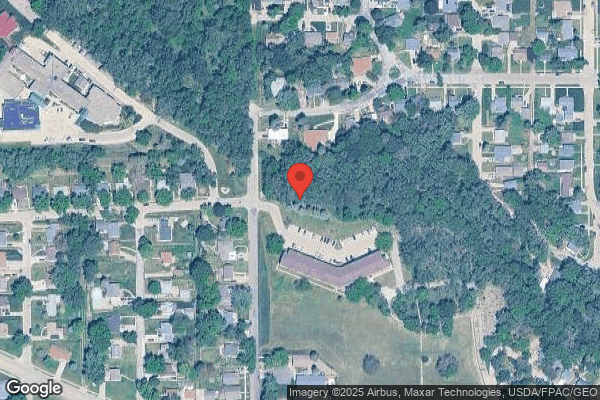
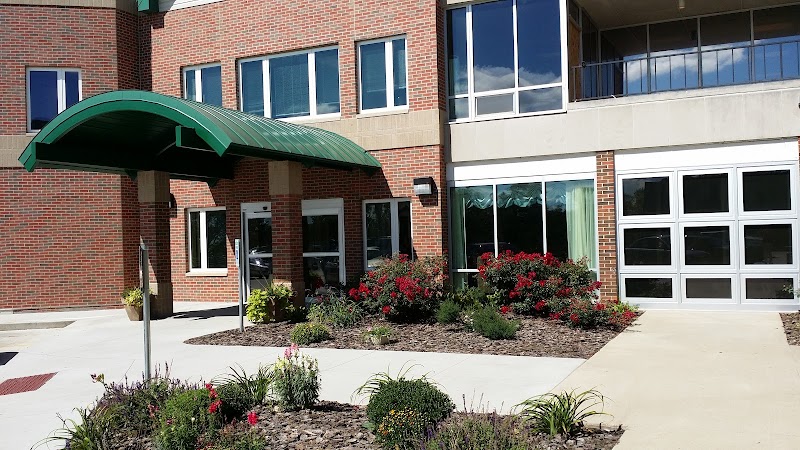
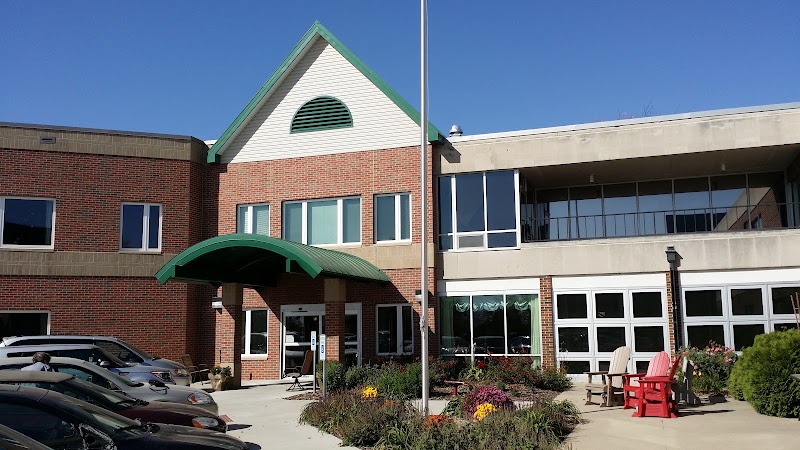
1701 West 25th Street, Sioux City, IA 51103 (712) 252-2726
Non profit - Corporation 78 Beds Independent Data: November 2025
Trust Grade
60/100
#201 of 392 in IA
Last Inspection: May 2025

Inspected within the last 6 months. Data reflects current conditions.

Overview

Holy Spirit Retirement Home in Sioux City, Iowa, has a Trust Grade of C+, indicating it is slightly above average but not exceptional. It ranks #201 out of 392 facilities in Iowa, placing it in the bottom half, and #4 out of 9 in Woodbury County, meaning only three local homes are rated higher. The facility shows an improving trend, with issues decreasing from 13 in 2024 to 9 in 2025. Staffing is a strength, with a rating of 4 out of 5 stars and better RN coverage than 76% of Iowa facilities, although the turnover rate is 51%, which is average. However, there are some concerns, including incidents where staff failed to follow appropriate hand hygiene protocols and did not provide necessary restorative care for residents, highlighting areas that need attention despite no fines being reported.
Trust Score
C+
60/100
In Iowa
#201/392
Bottom 49%
Safety Record
Low Risk
No red flags
Inspections
Getting Better
13 → 9 violations
Staff Stability
⚠ Watch
51% turnover. Above average. Higher turnover means staff may not know residents' routines.
Penalties
✓ Good
No fines on record. Clean compliance history, better than most Iowa facilities.
Skilled Nurses
✓ Good
Each resident gets 49 minutes of Registered Nurse (RN) attention daily — more than average for Iowa. RNs are trained to catch health problems early.
Violations
⚠ Watch
27 deficiencies on record. Higher than average. Multiple issues found across inspections.
★★★☆☆
3.0
Overall Rating
★★★★☆
4.0
Staff Levels
★★★★★
5.0
Care Quality
★★☆☆☆
2.0
Inspection Score
Stable
2024: 13 issues
2025: 9 issues

The Good

  • 4-Star Staffing Rating · Above-average nurse staffing levels
  • 5-Star Quality Measures · Strong clinical quality outcomes
  • Full Sprinkler Coverage · Fire safety systems throughout facility
  • No fines on record

Facility shows strength in staffing levels, quality measures, fire safety.

The Bad

3-Star Overall Rating

Near Iowa average (3.1)

Meets federal standards, typical of most facilities

Staff Turnover: 51%

Near Iowa avg (46%)

Higher turnover may affect care consistency

The Ugly 27 deficiencies on record

May 2025 9 deficiencies
CONCERN (D)

Potential for Harm - no one hurt, but risky conditions existed

Deficiency F0657 (Tag F0657)

Could have caused harm · This affected 1 resident

**NOTE- TERMS IN BRACKETS HAVE BEEN EDITED TO PROTECT CONFIDENTIALITY** Based on observation, interview and record review the facility failed to update the Care Plan for 1 of 17 residents reviewed. Re...

Read full inspector narrative →
**NOTE- TERMS IN BRACKETS HAVE BEEN EDITED TO PROTECT CONFIDENTIALITY** Based on observation, interview and record review the facility failed to update the Care Plan for 1 of 17 residents reviewed. Resident #36 was admitted to Hospice on 4/16/25 and staff failed to include a focus area for the special service. The facility reported a census of 61 residents. Findings include: According to the Minimum Data Set assessment dated [DATE], Resident #36 did not have a Brief Interview for Mental Status (BIMS) assessment completed due to severe cognitive deficits. She was total dependent for dressing, hygiene, transfers and toileting. Her diagnoses included; diabetes mellitus, Alzheimer's disease, cerebrovascular accident (CVA) hemiplegia or hemiparesis, and oral dysphagia, The Care Plan updated on 4/8/25 showed that Resident #36 was on oxygen therapy, she was not able to ambulate or propel a wheel chair. The resident required 2 staff with mechanical lift for transfers and required assistance with all decision making. The Care Plan lacked a focus area for Hospice. On 5/12/25 at 11:11 AM, Resident #36 was in a high-backed wheel chair and her husband sat in a chair next to her. He said that the resident had experienced several CVA episodes and that Hospice services had recently started. The resident's chart included a Physician Fax, dated 4/17/25 that Hospice had accepted Resident #36 as of 4/16/25. On 5/15/25 at 9:12 AM, The Director of Nursing (DON) said that she would expect an addition of Hospice would be on the Care Plan as soon as a resident was admitted to Hospice. A facility policy titled: Care Plans, Comprehensive Person-Centered indicated that a comprehensive, person centered care plan would include measurable objective and timetable to meet the resident physical, psychosocial and functional needs. The care plan would describe services that were to be furnished to attain and maintain the residents highest practicable physical mental and psychosocial well-being.
CONCERN (D)

Potential for Harm - no one hurt, but risky conditions existed

ADL Care (Tag F0677)

Could have caused harm · This affected 1 resident

**NOTE- TERMS IN BRACKETS HAVE BEEN EDITED TO PROTECT CONFIDENTIALITY** Based on observation, interview and record review the facility failed to provide adequate assistance with Activities of Daily Li...

Read full inspector narrative →
**NOTE- TERMS IN BRACKETS HAVE BEEN EDITED TO PROTECT CONFIDENTIALITY** Based on observation, interview and record review the facility failed to provide adequate assistance with Activities of Daily Living (ADL) for 2 of 3 residents reviewed (Resident #3 and #19.) Resident #3 required regular toileting and repositioning, she was found to be sitting in a urine saturated brief, and in her wheel chair with her legs dangling without support. Resident #19's urinary catheter was hanging on the bedrail above the bladder. The facility reported a census of 61 residents. Findings include: 1) According to the Minimum Data Set (MDS) dated [DATE], Resident #3 was not able to participate with a Brief Interview for Mental Status (BIMS) due to severe cognitive deficits. She was total dependent on staff for dressing, toileting and transfers. The Care Plan last updated on 5/9/25, showed that Resident #3 had self-care performance deficit with limited physical mobility. The resident had cognitive deficits, weakness and activity intolerance. She was not able to ambulate and dependent on 2-staff assistance with a mechanical lift for transfers. Staff were directed to use a padded foot rest under her lower legs while in the wheel chair. She was at risk for falls and staff were to anticipate and meet her needs. Resident #3 had frequent incontinence, she was to be offered toileting before and after meals and with rounds at night. Her diagnoses include post-polio syndrome, intracerebral hemorrhage, type 2 diabetes, and chronic kidney disease. On 5/12/25 at 1:40 PM Staff E, Certified Nurse Aide (CNA) and Staff H, CNA transferred Resident #3 from the wheel chair to the bed, with the use of the full-body mechanical lift. The sling for the lift was already under the resident. They hooked her up to the lift and as they raised her into the air, urine spilled through her clothing and pooled in the seat of the wheel chair. As she was transferred to the bed, urine dribbled across the floor. When asked the last time that the resident had been toileted, Staff H said she was changed before lunch. On 5/13/25 at 6:24 AM, Resident #3 was in her wheel chair near the nurse's station in front of the television with her head hanging, and sleeping. Her feet did not reach the foot pedals and dangled. There was no padded foot rest under her legs or feet. On 5/14/25 at 6:15 AM, Resident #3 was in the wheel chair near the nurse's station sleeping. She was slouched down in the seat, her feet dangled, and did not reach the pedals. At 7:30 AM, the resident was in the same position. On 5/14/25 at 11:39 AM, Staff M said that the overnight CNA's were directed to get Resident #3 up and dressed at 5:30 every morning. She said that at times, they need to wake her up, but she did not know why they had to get the resident up so early. On 5/14/25 at 12:51 PM, Staff J CNA, said that he worked the overnight shift and sometimes the aides would wake up Resident #3 before 6:00 AM and transfer her to the wheelchair. Once in the wheel chair, she would often fall asleep. On 5/14/25 at 1:12 PM, Staff N, Licensed Practical Nurse (LPN) said she worked overnights that Resident #3 was up by 6:00 AM because she was on the get up list. Staff N said that the resident would sometimes holler out early in the morning. 2) According to the MDS dated [DATE], Resident #19 had a BIMS score of 12 (moderate cognitive deficit.) He was totally dependent on staff for toileting hygiene and dressing, and required substantial assistance with transfers. The resident was occasionally incontinent of bowel, and had an indwelling urinary catheter. His diagnoses included; benign prostatic hyperplasia, renal insufficiency, pneumonia and septicemia. The Care Plan updated on 5/6/24, showed that Resident #19 had an indwelling Foley Catheter, staff were to provide catheter care every shift and as needed, and to monitor for signs and symptoms of urinary tract infections. The following was included in the Nursing Progress Notes: a. On 4/5/25 at 10:39 AM, the Foley catheter was plugged, unable to flush, drains cloudy straw yellow urine with sediment. b. On 4/6/25 at 4:16 PM, doctors order for a urinary analysis with culture due to cloudy purulent urine with foul odor. c. On 4/7/25 at 9:08 PM, Resident #19 was started on an antibiotic for urinary tract infection. On 5/14/25 at 6:15 AM, Resident #19 was laying on his left side in bed and the catheter bag was hanging on the bed rail, near his head, and above the bladder. At 7:20 AM, Staff K, LPN, acknowledged that the catheter bag should be hung at level below the bladder. On 5/15/25 at 9:12 AM, the Director of Nursing (DON) said that staff were directed to check and change Resident #3 before and after meals. She said that with the amount of urine described that spilled out of the brief, it wouldn't seem that she had gone that much longer between changes on that day. The DON said that Resident #3 was on a get up list because the resident had been hollering out at 5:30 AM, so staff were getting her up at that time. The DON agreed that if the resident's feet were dangling without support, that was not good positioning, and she should have the support under her legs. The DON said that a catheter bag should not be hanging on the bedrail and should be below the bladder. An undated facility policy titled: Incontinence Care and Toileting showed that residents that are incontinent should be checked and changed every 2 hours, and as needed for incontinence management. An article titled: Indwelling Urinary Catheter Insertion and Maintenance; Retrieved on 5/15/25 at 8:19 AM from https://www.cdc.gov/infection-control/media/pdfs/Strive-CAUTI104- 508.pdf showed that in order to maintain unobstructed urine flow, keep the bag below the level of bladder when a drainage bag was raised above the level of bladder, contaminated urine from the drainage bag or tubing may reflux into the bladder or organisms may be introduced when there are breaks in the closed drainage system.
CONCERN (D)

Potential for Harm - no one hurt, but risky conditions existed

Accident Prevention (Tag F0689)

Could have caused harm · This affected 1 resident

**NOTE- TERMS IN BRACKETS HAVE BEEN EDITED TO PROTECT CONFIDENTIALITY** Based on observation, interview and record review the facility failed to adequately supervise vulnerable residents to prevent in...

Read full inspector narrative →
**NOTE- TERMS IN BRACKETS HAVE BEEN EDITED TO PROTECT CONFIDENTIALITY** Based on observation, interview and record review the facility failed to adequately supervise vulnerable residents to prevent injury for 1 of 3 residents reviewed (Resident #3). Resident #3 was observed to have a bruise on her right cheek that spread up under her eye. Staff hypothesized about the cause, but were unable to fully explain the injury. The facility reported a census of 61 residents. Findings include: According to the Minimum Data Set (MDS) dated [DATE], Resident #3 was not able to participate with a Brief Interview for Mental Status (BIMS) due to severe cognitive deficits. She was total dependant on staff for dressing, toileting and transfers. The Care Plan last updated on 5/9/25, showed that Resident #3 had self-care performance deficit with limited physical mobility. The resident had cognitive deficits, weakness and activity intolerance. She was not able to ambulate and dependent on 2-staff assistance with a mechanical lift for transfers. Staff were directed to use a padded foot rest under her lower legs while in the wheel chair. She was at risk for falls and staff were to anticipate and meet her needs. Resident #3 had frequent incontinence, she was to be offered toileting before and after meals and with rounds at night. Her diagnoses include post-polio syndrome, intracerebral hemorrhage, type 2 diabetes, and chronic kidney disease. In an observation on 5/12/25 at 1:40 PM, Staff E CNA and Staff H CMA transferred Resident #3 from the wheel chair to bed with the use of a mechanical lift. The resident did not hold her head up very well and made repetitive tongue movements and in-auditable, sounds that increased in volume and number as the staff moved her to the bed with the lift. Resident #3 had a large bruise under her right eye, with yellow area around the outside and purple in middle. An incident report titled: Injury of Unknown Cause, dated 5/10/25 at 6:00 AM, showed that Resident #3 was sitting in her wheel chair in the dining room area when Staff C, Licensed Practical Nurse, (LPN) noticed the bruise on her right cheek. The immediate action taken, was to educate staff on the proper use of the Hoyer (mechanical lift.) According to the Pressure Ulcer/Non-Pressure Ulcer Healing Record Dated 5/10/25, the right cheek bruise measured 3 centimeters (cm) x 2 cm. It was light blue with a red center. On 5/13/25 at 1:47 PM, Staff C, said that on the morning of 5/10/25 she worked at 6:00 AM and Resident #3 was in her wheel chair out in the dining room area. She noticed bruising under her eye seemed faint with red in center. She talked to the overnight nurse and CNA who had not yet left and asked them what happened, they both said that they didn't have any knowledge of any accidents and this was the first that they saw it. Staff C said that the resident had a pair of glasses, but she didn't wear them very often. The glasses were bent and didn't fit on her face very well. Resident #3 was not able to tell them how she got the bruise. On 5/13/25 at 11:50 AM a family member said that she got a call about the bruise was told that they didn't know how it happened. They thought the Hoyer arm swung back and hit her face. The family member said that Resident #3 spoke very few words but she would be able to say if anyone hit her or intentionally hurt her. On 5/14/25 at 10:20 AM, the Director of Nurse (DON) said that she had just started an investigation on the bruising on the resident. She said that the most likely explanation was that the Hoyer arm hit her and said that the resident bruised so easy that it could have tapped her on the face and staff would maybe not even notice. On 5/15/25 at 9:12 AM, the DON said that after further investigation she and the staff believe that Resident #3 may have fallen asleep with her glasses on and that pressed into her check, could have caused bruise. According to an undated facility policy titled: Abuse, Neglect and/or Misappropriation of Resident Funds or Property Exploitation Prohibition, injuries of unknow source, would be evaluated and staff would make necessary changes in resident care plan to protect against the occurrence of similar injuries.
CONCERN (D)

Potential for Harm - no one hurt, but risky conditions existed

Respiratory Care (Tag F0695)

Could have caused harm · This affected 1 resident

**NOTE- TERMS IN BRACKETS HAVE BEEN EDITED TO PROTECT CONFIDENTIALITY** Based on observations, record review, staff and resident interviews, and policy reviews, the facility failed to provide staff wi...

Read full inspector narrative →
**NOTE- TERMS IN BRACKETS HAVE BEEN EDITED TO PROTECT CONFIDENTIALITY** Based on observations, record review, staff and resident interviews, and policy reviews, the facility failed to provide staff with current continuous positive airway pressure (CPAP) machine settings, and failed to monitor and maintain CPAP mask and tubing needs for 2 of 2 residents reviewed (Resident #8 and #42). The facility reported a census of 61. Findings include: 1. The Minimum Data Set (MDS) assessment dated [DATE] for Resident #8 documented diagnoses of Chronic Obstructive Pulmonary Disease (COPD), Coronary Artery Disease (CAD) and renal insufficiency.The MDS indicated Resident #8 used a non-invasive mechanical ventilator. The MDS showed the Brief Interview for Mental Status (BIMS) score of 15, which indicated no cognitive impairment. Observation on 5/12/25 at 1:48 PM revealed a CPAP on Resident #8's bedside table. Resident #8 reported she used the CPAP during sleep. Resident #8 reported she used the same CPAP mask and tubing since admission in June 2024. Resident #8 stated, you can tell the tubing and mask are worn. Observation showed the tubing to be misshaped and the mask to be darkened around the nose pillow and headgear. Resident #8 reported no knowledge of the CPAP settings. The Clinical Physician Orders for Resident #8 showed 7/23/24 a CPAP ordered to be used during hours of sleep. No CPAP settings present. The Care Plan for Resident #8 showed admission occurred on 6/20/24 and showed a diagnosis of sleep apnea. The Care Plan indicated Resident #8 used a CPAP during hours of sleep, settings per provider and to assist in cleaning and maintaining the CPAP. No CPAP settings present. Review of Resident #8's chart on 5/13/25 at 10:43 AM failed to show CPAP settings or documentation of the CPAP mask and tubing change. In an interview on 5/14/24 at 12:04 PM, the Intake Coordinator at the CPAP home equipment supplier reported no supplies ordered since 2019. 2. The MDS assessment dated [DATE] for Resident #42 documented diagnoses of Chronic Obstructive Pulmonary Disease (COPD), insomnia and renal insufficiency.The MDS indicated Resident #42 used a non-invasive mechanical ventilator. The MDS showed the Brief Interview for Mental Status (BIMS) score of 14, which indicated no cognitive impairment. Observation on 5/12/25 at 1:12 PM revealed a CPAP on Resident #42's bedside table. Resident #8 reported he used the CPAP during sleep. Resident #42 and a present Family Member reported Resident #42 used the same CPAP mask and tubing since over a year ago. The Family Member reported staff set a pillow on the CPAP and they weren't certain if settings were inadvertently changed. The Family Member reported she took the CPAP to the home supplier to make certain the settings were correct. The Family Member stated, I don't think it should be my job to take the machine downtown to make sure it's set right. Someone here should be able to know the settings and check just in case something goes wrong. Observation showed the tubing to be misshaped and the mask to be darkened around the nose pillow and headgear. The Progress Note dated 5/8/2025 at 3:21 PM for Resident #42 indicated the following documentation: CPAP machine and respiratory therapy, reminded the family that we do not have a respiratory therapist on staff as she feels we should. I asked her to inquire with the company she purchased the machine from if she has questions regarding proper functioning. I will reach out to pulmonology to clarify settings for CPAP. The Clinical Physician Orders for Resident #42 showed 10/24/24 a CPAP ordered to be used at bed time for sleep apnea. No CPAP settings present. The Care Plan for Resident #42 showed this admission occurred on 10/24/24. The Care Plan indicated Resident #42 used a CPAP during hours of sleep, settings per provider and to assist in cleaning and maintaining the CPAP. No CPAP settings present. Review of Resident #42's chart on 5/13/25 at 10:43 AM failed to show CPAP settings or documentation of the CPAP mask and tubing change. In an interview on 5/14/24 at 11:41 AM, the Branch Coordinator at the CPAP home equipment for Resident #42's supplier reported no supplies ordered since 9/7/23. The Branch Coordinator reported the supplier had a replacement schedule for CPAP machines. In an interview on 5/15/25 at 9:27 AM, the Director of Nursing (DON) reported the facility is responsible for maintaining the CPAP machines. The DON reported the CPAP settings should be available for staff if needed. The DON reported she has never thought about CPAP supplies. The DON stated, Now that I think about it, we are responsible for the CPAPs, so it makes sense we look into the supplies. I'm not 100% sure how insurance works on that. I have some research to do. The CPAP Supplier Replacement Schedule showed the following: Frame used with CPAP device (if gotten separately from kit), maximum replacement allowance for insurance, 1 per 3 months. Headgear, used with CPAP device (if gotten separately from kit), maximum replacement allowance for insurance, 1 per 6 months. Mask Kit (which would include the Headgear and frame), maximum replacement allowance for insurance, 1 per 6 months. Replacement cushion for full face mask, maximum replacement allowance, for insurance 1 per 1 month. Replacement nasal cushion for nasal mask, maximum replacement allowance, for insurance 2 per 1 month. Replacement pillows for nasal pillow mask, maximum replacement allowance for insurance, 2 per 1 month. Chin strap, used with CPAP device, maximum replacement allowance for insurance, 1 per 6 months. Tubing, used with CPAP device, maximum replacement allowance for insurance, 1 per 3 months. Filter, disposable, used with CPAP device (white filters), maximum replacement allowance for insurance, 2 per 1 month. Water Chamber for humidifier used with CPAP device, maximum replacement allowance for insurance, 1 per 6 months. Tubing with integrated Heating Element for use with CPAP device, maximum replacement allowance for insurance, 1 per 3 months. *Replacement schedules are subject to change based upon physician orders, your medical condition, and the discretion of your insurance company* The Continuous Positive Airway policy last updated July 2019 indicated: DESCRIPTION: 1. CPAP (Continuous Positive Airway Pressure) - Provides continuous positive airway pressure (CPAP) to airways to spontaneously breathing Residents. Delivered via circuit to mask nasal prongs or trach. 2. BIP AP (Bi Level Positive Airway Pressure) - Provides CPAP but allows for different pressures on inhalation and expiration. Also allows for a back up respiratory rate to be set. PURPOSE: 1. To augment Resident breathing 2. To treat Resident with sleep disorders. 3. To correct arterial hypoxema. 4. To avoid tracheostomy and/or mechanical ventilation. 5. To decrease atelectasis. 6. To increase compliance. EQUIPMENT NEEDED: 1. CAP/BIPAP unit 2. CPAP mask kit, nasal prong kit or trach adapter 3. Whisper Swivel 4. CPAP/BIPAP circuit or 6 corrugated tubing (CPAP/BIPAP) and pressure adapter, oxygen tubing 5. Head strap (for mask and nasal prongs only) 6. Bacteria Filter 7. Pressure manometer or NIF meter (with tubing/pressure adapter) 8. Optional a. [NAME] Strap b. Humidifier and 18 corrugated tubing c. Oxygen adapter and tubing d. Apnea monitor and supplier e. Pulse oximeter nose wheel f. External Pressure Alarm, tubing and adapter POLICY: 1. CAP/BIPAP MUST NOT be used for life support. It is not a ventilator. 2. Must be ordered by the physician. 3. All orders must include the following: a. Type of unit (CPAP/BiPAP) b. Pressure setting(s) c. Oxygen order (if applicable) d. Delivery device and size (mask, nasal prongs, trach) e. Frequency of therapy (continuous, at HS, etc.) f. Need for humidifier 4. BIPAP users must be monitored at least every 4 hours for breathing patterns, color and respiratory status. 5. Circuits are to be cleaned/changed weekly. 6. Change filters every thirty (30) days and PRN. Clean non-disposable filters weekly. PROCEDURE: The respiratory therapist/nurse shall follow the steps outlined below when setting up a CAP/BiPAP unit: 1. Gather equipment. 2. If needed, fill the humidifier to full line with sterile water and attach to the unit. Connect one end of 18 corrugated tubing to the outlet port of the unit and the other end to the inlet port of the humidifier. 3. Connect bacterial filter to outlet port of unit. 4. Assemble circuit (if not using pre-made circuit): a. Connect whisper swivel to mask, nasal prong holder or trach adapter. b. Connect the pressure adapter to the other end of the whisper swivel. Connect oxygen tubing to the adapter. c. Connect 6 corrugated tubing to the other end of the whisper swivel or pressure adapter. 5. If oxygen is ordered: a. Place the oxygen adapter on the end of the bacteria filter, connect one end of the oxygen tubing to the adapter, and the other end to the oxygen source. b. Turn oxygen on to prescribed LPM. If a specific FiO2 was ordered, place the oxygen analyzer inline and adjust LPM until FiO2 is met. 6. Connect the end of the circuit to the outlet port of the unit or humidifier. 7. Connect pressure manometer. 8. Set pressure(s), ramp time and mode (spontaneous, resp. rate) per physicians' orders. 9. Plug unit in and turn on. 10. Make a tight seal on mask: prongs or trach adapter. Assure there are no leaks in the circuit. Measure Resident's nose with rose wheel. 11. Check pressure manometer to verify pressure settings. Cycle BiPAP unit by alternately occluding then opening circuit outlet 12. Adjust pressures as needed. 13. Assure that all panel doors on wit are closed and locked. 14. Connect delivery device to Resident. Make sure there is a tight seal. 15. Assure that pressure level(s) are maintained. 16. When using BiPAP place Pulse Ox on Resident and apnea monitor if applicable. 17. If using BIPAP on a trached Resident, place external alarm in-line following. 18. Assure the Resident can tolerate use of equipment and is having no difficulty in breathing CLINICAL CONSIDERATION: 1. Indications: a. Residents who exhibit unacceptable or worsening hypo-ventilation as reflected by elevation or rising PaCO2. b. Residents with chronic ventilatory muscle dysfunction. c. Residents with unacceptable hypotemia despite administration of higher FiO2's (P50%). d. Residents with sleep disorders. 2. Contradictions: a. Unastable facial fracture b. Extensive facial lacerations. c. Pre-existing pneumothorax or pneumomediastinum. d. Pre-existing bullous disease. e. Allergies or hypersensitivity to mask f. Frequent emesis. g. Laryngeal trauma. h. Recent gastric surgery 3. Side effects (typically only found with higher pressures): a. Gastric Distention. b. Decreased cardiac and urinary output. c. Carbon Dioxide retention. d. Skin abrasions or breakdown. e. Resident discomfort facial and ear discomfort f. Acute sinusitis or middle ear infection. g. Hypotension due to positive pressure breathing. h. Inability to breathe during disconnect or loss of flow. 4. Precautions: a. Advise Resident to immediately report any chest discomfort, shortness of breath or headache. b. When using a mask, advise Resident not to eat 2-3 hours prior to using the unit. c. Whisper swivel must not be occluded at any time. This is the only exhalation port. d. IPAP and EPAP settings should be re-evaluated when there is a change in Resident physiological condition. 5. Documentation: a. Residents on a CPAP or BiPAP should be checked for breathing patterns, color and respiratory status every 4 hours and this assessment should be documented in the nursing notes every shift while on Medicare part A.
CONCERN (D)

Potential for Harm - no one hurt, but risky conditions existed

Deficiency F0826 (Tag F0826)

Could have caused harm · This affected 1 resident

**NOTE- TERMS IN BRACKETS HAVE BEEN EDITED TO PROTECT CONFIDENTIALITY** Based on observation, clinical record review, staff and resident interviews, the facility failed to train staff to maintain prop...

Read full inspector narrative →
**NOTE- TERMS IN BRACKETS HAVE BEEN EDITED TO PROTECT CONFIDENTIALITY** Based on observation, clinical record review, staff and resident interviews, the facility failed to train staff to maintain properly maintain CPAP settings for resident usage for 1 of 2 residents reviewed (Resident #42). The facility reported a census of 61 residents. Findings include: The Minimum Data Set (MDS) assessment dated [DATE] for Resident #42 documented diagnoses of Chronic Obstructive Pulmonary Disease (COPD), insomnia and renal insufficiency.The MDS indicated Resident #42 used a non-invasive mechanical ventilator. The MDS showed the Brief Interview for Mental Status (BIMS) score of 14, which indicated no cognitive impairment. Observation on 5/12/25 at 1:12 PM revealed a CPAP on Resident #42's bedside table. Resident #8 reported he used the CPAP during sleep. The Family Member reported staff set a pillow on the CPAP and they weren't certain if settings were inadvertently changed. The Family Member reported she took the CPAP to the home supplier to make certain the settings were correct. The Family Member stated, I don't think it should be my job to take the machine downtown to make sure it's set right. Someone here should be able to know the settings and check just in case something goes wrong. The Family Member stated, No one helps him with the CPAP. The Receptionist comes to help with the CPAP machine because no one knows how to operate it. The Family Member stated, the Receptionist had to come in the room to help them two different times because no one knew how to run the CPAP. No nurse knew how to run it, there's no respiratory therapist, no nothing. In an interview on 5/14/25 at 9:47 AM, the Receptionist reported she assisted Resident #42 with the CPAP two different times. The Receptionist stated, I did it because no one else knew how. No one knew how to operate it. I was the only one. I have a CPAP, so I knew what to do then the DON found out and told me that I couldn't do that anymore. In interview on 5/15/25 at 9:27 AM, the Director of Nursing (DON) reported she knew the Receptionist assisted Resident #42 because the facility lacked staff trained in CPAPs. The DON reported only a respiratory therapist should be monitoring the CPAP settings as needed. When asked if the facility had a respiratory therapist the staff could reach if needed, the DON replied no it's something we need to work on.
CONCERN (D)

Potential for Harm - no one hurt, but risky conditions existed

Infection Control (Tag F0880)

Could have caused harm · This affected 1 resident

**NOTE- TERMS IN BRACKETS HAVE BEEN EDITED TO PROTECT CONFIDENTIALITY** Based on observation, interviews and record review the facility failed to ensure that staff used appropriate hand hygiene during...

Read full inspector narrative →
**NOTE- TERMS IN BRACKETS HAVE BEEN EDITED TO PROTECT CONFIDENTIALITY** Based on observation, interviews and record review the facility failed to ensure that staff used appropriate hand hygiene during resident cares for 1 of 3 residents reviewed, (Resident #3). The facility reported a census of 61 residents. Findings include: According to the Minimum Data Set (MDS) dated [DATE], Resident #3 was not able to participate with a Brief Interview for Mental Status (BIMS) due to severe cognitive deficits. She was total dependent on staff for dressing, toileting and transfers. The Care Plan last updated on 5/9/25, showed that Resident #3 had self-care performance deficit with limited physical mobility. The resident had cognitive deficits, weakness and activity intolerance. Resident #3 had frequent incontinence, she was to be offered toileting before and after meals and with rounds at night. Her diagnoses include post-polio syndrome, intracerebral hemorrhage, type 2 diabetes, and chronic kidney disease. On 5/12/25 at 1:40 PM Staff E, Certified Nurse Aide (CNA) and Staff H, CNA transferred Resident #3 from the wheel chair to the bed, with the use of the full-body mechanical lift. The sling for the lift was already under the resident. They hooked her up to the lift and as they raised her into the air, urine spilled through her clothing and pooled in the seat of the wheel chair. As she was transferred to the bed, urine dribbled across the floor. Staff E and Staff H removed the soiled clothing with gloved hands, then braced the resident and rolled her onto her side with the same gloves. After completing incontinence cares, Staff F left the resident's room without washing her hands. On 5/13/25 at 1:24, Staff G, CNA and Staff F, CNA provided incontinence cares for Resident #3. Staff G changed her gloves several times but failed to use hand sanitizer between changes. Both of the staff members left the room without washing their hands. On 5/15/25 at 9:12 AM, the Director of Nursing (DON) said that they provide education and random audits to monitor appropriate hand hygiene. Staff were taught to change gloves after touching soiled areas and to wash their hands before leaving the residents rooms. A facility policy undated titled; Personal Protective Equipment-Gloves shoed that all employees must wear gloves when touching blood, body fluids, secretions, excretions, mucous membranes and or non-intact skin. Gloves should be used only once and discarded. An undated facility policy titled: Handwashing/Hand Hygiene, showed that all personnel would follow handwashing/hand hygiene procedures to help prevent the spread of infections to other personnel residents and visitors.
CONCERN (E)

Potential for Harm - no one hurt, but risky conditions existed

Deficiency F0676 (Tag F0676)

Could have caused harm · This affected multiple residents

**NOTE- TERMS IN BRACKETS HAVE BEEN EDITED TO PROTECT CONFIDENTIALITY** Based on direct observation, resident interviews, staff interviews, and document review the facility failed to provide and docum...

Read full inspector narrative →
**NOTE- TERMS IN BRACKETS HAVE BEEN EDITED TO PROTECT CONFIDENTIALITY** Based on direct observation, resident interviews, staff interviews, and document review the facility failed to provide and document restorative cares for 4 of 4 residents reviewed (Residents #4, #37, #41 and #42). The facility reported a census of 61 residents. Findings include: 1. The Minimum Data Set (MDS) assessment dated [DATE] for Resident #4 documented diagnoses of repeated falls, muscle wasting, unsteadiness on feet and need for assistance with personal care. The MDS showed the Brief Interview for Mental Status (BIMS) score of 13, which indicated no cognitive impairment. In an interview on 5/14/25 at 2:08 PM, Resident #4 reported he rides the therapy bike about once a week. When asked if he received other restorative care the resident said, no I ride the bike once a week. The resident denied he received restorative care for transfers. The Care Plan for Resident #4 showed ADL self-care performance deficit related weakness, balance deficit, and activity intolerance following hospitalization. A restorative program and well groups to maintain strength and balance initiated on 11/24/24. The May 2025 Restorative Care Flow Record for Resident #4 showed the goal to maintain ADLs transfer gait abilities. The record showed restorative care occurred two times in 15 days. The May 2025 Restorative Nursing Program Weekly Review for Resident #4 showed no restorative care occurred in week 1. 2. The MDS assessment dated [DATE] for Resident #37 documented diagnoses of muscle wasting, muscle weakness, and stroke. The MDS showed the BIMS score of 14, which indicated no cognitive impairment. In an interview on 5/14/25 at 10:01 AM, Resident #37 stated, They don't have time to do all the restorative therapy. I get therapy once a week, sometimes twice a week. Resident #37 did not believe she lost function but is afraid that she might if restorative therapy is not performed regularly. The Care Plan for Resident #37 showed an ADL self-care performance deficit and limited physical mobility related to weakness, balance deficit, and activity intolerance following hospitalization. The resident participates with restorative program initiated on 1/27/22. The May 2025 Restorative Care Flow Record for Resident #37 showed the goal to maintain current ADLs transfer gait abilities. The record showed restorative care occurred two times in 15 days. The May 2025 Restorative Nursing Program Weekly Review for Resident #37 showed no restorative care occurred in week 1. 3.The MDS assessment dated [DATE] for Resident #41 documented diagnoses of muscle wasting, muscle weakness, and unsteadiness on feet. The MDS showed the BIMS score of 15, which indicated no cognitive impairment. In an interview on 5/14/25 at 10:08 AM, when asked if Resident #41 received restorative care, help with range of motion and with walking the resident stated, no. When asked how often she received help with restorative care the resident replied, I don't. When asked if she understood what restorative care meant the resident stated, exercises, I don't get help with exercises. The Care Plan for Resident #41 showed required occasional ADL and Mobility assist related Sequela effects from stroke. Resident #41 will be encouraged to continue to be as independent as possible with ADLs and as she is able to tolerate and remain safe, she will be encouraged to participate in wellness groups and restorative programs initiated on 7/8/24. The May 2025 Restorative Care Flow Record for Resident #41 showed the goal to maintain current transfers. The record showed restorative care occurred two times in 15 days. The May 2025 Restorative Nursing Program Weekly Review for Resident #41 showed no restorative care occurred in week 1. 4. The MDS assessment dated [DATE] for Resident #42 documented diagnoses of Chronic Obstructive Pulmonary Disease (COPD), general weakness, repeated falls and need for assistance with personal cares. The MDS showed the BIMS score of 14, which indicated no cognitive impairment. In an interview on 5/12/25 at 1:06 PM, Resident #42 reported he received restorative care a couple of times since last month. Resident #42's Family Member stated, he doesn't get help. They need to make sure he doesn't lose anymore. The program here doesn't exist. We came here because it was five stars but they're not doing what they're supposed to. The Care Plan for Resident #42 showed a risk for falls related to balance deficit, weakness, and history of falls. A restorative program and well groups to maintain strength and balance initiated on 11/3/24. The May 2025 Restorative Care Flow Record for Resident #42 showed the goal to maintain current ambulation functional transfers and with Activities of Daily Living (ADL). The record showed no restorative occurred in May. The May 2025 Restorative Nursing Program Weekly Review for Resident #42 showed no review occurred. The Restorative Nursing Services policy last dated July 2017 identified: Policy Statement : Residents will receive restorative nursing care as needed to help promote optimal safety and independence. Policy Interpretation and Implementation: Restorative nursing care consists of nursing interventions that may or may not be accompanied by formalized rehabilitative services (e.g, physical, occupational or speech therapies). Residents may be started on a restorative nursing program upon admission, during the course of stay or when discharged from rehabilitative care. Restorative goals and objectives are individualized and resident-centered, and are outlined in the resident's plan of care. The resident or representative will be included in determining goals and the plan of care. Restorative goals may include, but are not limited to supporting and assisting the resident in: Adjusting or adapting to changing abilities;Developing, maintaining or strengthening his/her physiological and psychological resources; Maintaining his/her dignity, independence and self-esteem; and Participating in the development and implementation of his/her plan of care. In an interview on 5/14/25 at 10:05 AM the Restorative Aide reported she often gets reassigned to resident care. The Restorative Aide stated, I can't do restorative care, I don't have time. I have to take care of the residents. In an interview on 5/15/25 at 9:27 AM, the Director of Nursing (DON) stated unfortunately restorative care doesn't always get done. We had staff quit and we had to pull the restorative aide to fill in on the floor.
CONCERN (E)

Potential for Harm - no one hurt, but risky conditions existed

Menu Adequacy (Tag F0803)

Could have caused harm · This affected multiple residents

Based on review of the planned menu, observations, staff interviews and facility policy review the facility staff failed to follow the planned menu for residents. The facility identified a census of 6...

Read full inspector narrative →
Based on review of the planned menu, observations, staff interviews and facility policy review the facility staff failed to follow the planned menu for residents. The facility identified a census of 61 residents. Findings include: Review of the menu for Week 5 Day 3 identified the following items as part of the planned menu for the lunch meal on 5/13/25: Turkey Tetrazzini Buttered Peas Bread and margarine Fruited Gelatin Milk Observation on 5/13/25 at 10:47 a.m., of the puree process no bread and margarine was pureed for the lunch meal. Observation on 5/13/25 at 12:48 p.m., of lunch meal service revealed the lunch meal served consisted of: Turkey Tetrazzini Buttered Peas Fruited Gelatin Observation of lunch service was completed with the main dining room. No bread and margarine was served with the lunch meal, noted resident menus to have circled bread and margarine as meal choice. Review of the facility provided policy titled Accuracy and Quality of Tray Line Service dated 2021 revealed the following: a. tray line and or meal service positions for breakfast, lunch and dinner will be planned and determined according to the menu. b. The meal will be checked against the therapeutic diet spread sheet to assure that foods are served as listed on the menu. Interview on 5/13/25 at 12:51 p.m., with the Dietary Manager and the Dietician revealed if the menu had bread and margarine and the resident picked the item it should have been served. The Dietician further revealed residents on a pureed diet should have been served the bread and margarine as well.
CONCERN (E)

Potential for Harm - no one hurt, but risky conditions existed

Deficiency F0868 (Tag F0868)

Could have caused harm · This affected multiple residents

Based on record review, interview, and facility policy the facility failed to have the Medical Director at quarterly meetings for their quarterly Quality Assessment and Assurance (QAA) meetings. The f...

Read full inspector narrative →
Based on record review, interview, and facility policy the facility failed to have the Medical Director at quarterly meetings for their quarterly Quality Assessment and Assurance (QAA) meetings. The facility reported a census of 61. Findings include: Review of the facility document titled Quality Assurance Performance and Improvement Meeting Minutes: a. Document dated 11/13/24 lacked the signature of the Medical Director Review of the facility provided policy titled Quality Assurance and Performance Improvement (QAPI) Program-Governance and Leadership dated March 2020 revealed the following individuals serve on the committee, Medical Director. The committee meets at least quarterly or more often as necessary. Interview on 5/15/25 at 09:40 a.m., with the Director of Nursing revealed the Medical Director should be at the quarterly meetings.
May 2024 10 deficiencies
CONCERN (D)

Potential for Harm - no one hurt, but risky conditions existed

Resident Rights (Tag F0550)

Could have caused harm · This affected 1 resident

**NOTE- TERMS IN BRACKETS HAVE BEEN EDITED TO PROTECT CONFIDENTIALITY** Based on electronic health records (EHR) review, observations, staff interview, policy review and resident family interview the ...

Read full inspector narrative →
**NOTE- TERMS IN BRACKETS HAVE BEEN EDITED TO PROTECT CONFIDENTIALITY** Based on electronic health records (EHR) review, observations, staff interview, policy review and resident family interview the facility failed to provide dignity by leaving food on a residents clothing protector as well as face to 1 of 1 resident reviewed (Resident #44). The facility reported a census of 63 residents. Findings include: 1. The Minimum Data Set (MDS) dated [DATE] documented Resident #44 had a Brief Interview for Mental Status (BIMS) of 2 indicating severe cognitive impairment. The MDS documented Resident #44 was staff dependent during personal hygiene and substantial / maximal assistance with eating. On 5/20/24 at 1:57 PM an observation of Resident #44 sitting in her bedroom revealed 2-3 tablespoons of orange food present on clothing protector and dry orange food present on chin as well. Review of document titled, facility name SS 2024 (menu) for lunch meal on 5/20/24 revealed baked yam. On 5/20/24 at 2:10 PM Staff A, MDS coordinator stated lunch was over at 12:45 PM - 12:50 PM. On 5/22/24 at 9:39 AM Resident #44 ' s family member stated that the debris on Resident #44's clothing protector was from lunch and he cleaned it up when he got up to Resident #44 ' s room. Resident #44 ' s family member stated he had a doctor's appointment and he cleaned it off of Resident #44 ' s face and changed her clothing protector at 3:00 PM or 3:30 PM. Resident #44 ' s family member stated that was the first time that had happened. Review of policy titled, Quality of Life - Dignity revised 2/20 provided by the DON documented each resident shall be cared for in a manner that promotes and enhances his or her sense of well-being, level of satisfaction with life, feeling of self-worth and self-esteem. Residents were treated with dignity and respect at all times. On 5/21/24 at 3:29 PM the DON stated she would expect that the clothing protector would be changed if food was present. The DON stated food should have been cleansed from resident #44's face prior to returning to the bedroom.
CONCERN (D)

Potential for Harm - no one hurt, but risky conditions existed

PASARR Coordination (Tag F0644)

Could have caused harm · This affected 1 resident

**NOTE- TERMS IN BRACKETS HAVE BEEN EDITED TO PROTECT CONFIDENTIALITY** Based on clinical record review and staff interview, the facility failed to refer one resident with a negative Level I result fo...

Read full inspector narrative →
**NOTE- TERMS IN BRACKETS HAVE BEEN EDITED TO PROTECT CONFIDENTIALITY** Based on clinical record review and staff interview, the facility failed to refer one resident with a negative Level I result for the Preadmission Screening and Resident Review (PASRR), who was later identified with newly evident or possible serious mental disorder, intellectual disability, or other related condition, to the appropriate state-designated authority for Level II PASRR evaluation and determination for 1 out of 1 residents (Resident #48) reviewed for PASRR requirements. The facility reported a census of 63 residents. Findings include: The Minimum Data Set (MDS) assessment dated [DATE] for Resident #48 documented diagnosis of anxiety disorder, depression and psychotic disorder. Review of the clinical record revealed a Notice of Negative Level I Screen Outcome dated 1/30/23 revealed the PASRR level 1 screen remains valid for your stay at the nursing facility and should be transferred with you if you relocate. No further level 1 screening is required unless you are known to have or are suspected of having a major mental illness or an intellectual or developmental disability and exhibit a significant change in treatment needs. Further review revealed the following questions indicated the following: a. Mental health conditions diagnosed or suspected included: anxiety disorder b. Mental health medications listed: buspirone, donepezil, sertraline Review of the Care Plan last revised on 2/13/24 revealed Resident #48 used antidepressant medication, anti-anxiety medication and psychotropic medications (a drug that affects a person's mental state). Review of the Medical Diagnosis revealed Resident #48 with the following diagnosis: a. Major depressive disorder dated 2/24/23 b. Psychotic disorder with hallucinations dated 2/24/23 Review of the Psycholosical Note dated 5/10/24 at for Resident #48 showed diagnosis of depression, psychotic disorder, and anxiety. Review of Resident #48s chart on 5/21/24 showed the facility lacked a follow-up and resubmission of a PASRR with the additional diagnosis of major depressive disorder and psychotic disorder. The Behavioral Assessment, Intervention and Monitoring policy last revised in March 2019 identified when onset or changes in behavior that indicate newly evident or possible serious mental disorder, intellectual disability, or a related disorder will be referred for a PASRR Level II evaluation. In an interview on 5/22/24 at 2:13 AM, the Director of Nursing (DON) stated that would have expected the social worker to resubmit the PASRR for a Level II screening when new major mental health illnesses are diagnosed.
CONCERN (D)

Potential for Harm - no one hurt, but risky conditions existed

Comprehensive Care Plan (Tag F0656)

Could have caused harm · This affected 1 resident

**NOTE- TERMS IN BRACKETS HAVE BEEN EDITED TO PROTECT CONFIDENTIALITY** Based on clinical record review, observations and staff interview the facility failed to follow a care plan to provide supervisi...

Read full inspector narrative →
**NOTE- TERMS IN BRACKETS HAVE BEEN EDITED TO PROTECT CONFIDENTIALITY** Based on clinical record review, observations and staff interview the facility failed to follow a care plan to provide supervision while the resident sat in a wheelchair located in his room for 1 of 21 sampled residents reviewed for comprehensive care plans (Resident #33). The facility reported a census of 63 residents. Findings include: 1. The Minimum Data Set (MDS) assessment dated [DATE] for Resident #33 documented diagnoses of depression, muscle weakness and history of a left fracture. The MDS showed the Brief Interview for Mental Status (BIMS) score of 11, which indicated moderate cognitive impairment. Review of Resident #33 ' s Care Plan last revised on 5/20/24 showed on 4/2/24 the facility initiated a fall intervention for Resident #33 instructing staff not to leave Resident #33 unattended in a wheelchair while in his room. The intervention was resolved during the survey on 5/20/24. A Health Status Note dated 5/22/24 at 9:53 PM for Resident #33 documented the following: Resident #33 is high risk for fall, this nurse found the resident while he was sitting on the edge of the bed and struggling. This nurse called for help and to get the resident up in bed x2 assist. The Certified Nursing Assistant (CNA) changed his brief and lowered the bed down. Resident is resting in bed at this time. Educated CNA do not leave resident alone in his room. Resident #33 needs supervision while in a wheelchair at all times. Observation on 5/19/24 at 1:12 PM showed Resident #33 propelling himself down the hall in a wheelchair while unattended by staff. Observation on 5/19/24 at 1:40 PM showed Resident #33 seated in a wheelchair located in his room. The resident leaned forward in the wheelchair while looking through his closet unattended by staff. Observation on 5/19/24 at 3:10 PM showed Resident #33 seated in a wheelchair located in his room watching TV unattended by staff. In an interview on 5/21/24 at 12:40 PM, Staff E, Licensed Practical Nurse (LPN) asked where the Resident #33 spent most of his time, Staff E replied, The resident spends most of his time in his room or out in the halls. When asked if Resident #33 recently required supervision while in his room if seated in a wheelchair, Staff E replied, No he can call us if he needs to. In an interview on 5/21/24 at 1:43 PM, Staff M, LPN reported Resident #33 did not require supervision in his room while in a wheelchair at this time, or anytime recently. When asked where information about Resident #33 ' s supervision needs could be found, Staff M stated, it would be on his care plan. In an interview on 5/21/24 at 1:59 PM, Staff K, CNA reported Resident #33 has not required supervision while out of bed and could not recall prior supervision needs. The Care Plans, Comprehensive Person Centered policy last revised September 2013 identified a comprehensive, person centered care plan that includes measurable objectives and timetables to meet the resident's physical, psychosocial and functional needs is developed and implemented for each resident. Interview on 5/22/24 at 2:49 PM, the Director of Nursing, (DON) reported no prior knowledge of supervision needed for Resident #33. The DON noted the current care plan failed to reflect a need for supervision. After reviewing the chart the DON reported on 5/19/24 Resident #33 required supervision in his room and in a wheelchair.
CONCERN (D)

Potential for Harm - no one hurt, but risky conditions existed

Tube Feeding (Tag F0693)

Could have caused harm · This affected 1 resident

Based on electronic health records review (EHR), staff interview, and observation the facility failed to implement policies and procedures regarding the technical aspect of feeding tubes by not accura...

Read full inspector narrative →
Based on electronic health records review (EHR), staff interview, and observation the facility failed to implement policies and procedures regarding the technical aspect of feeding tubes by not accurately measuring supplemental formula according to physician ' s order and pushing medications with a piston syringe into feeding tube for 1 of 1 residents (Resident #24). The facility reported a census of 63 residents. Findings include: 1. The Minimum Data Set (MDS) for Resident #24, dated 3/18/2024 documented a Brief Interview for Mental Status of 13 which indicated no cognitive impairment. The MDS documented a feeding tube present while a resident. Review of Resident #24 ' s Medication Administration Record (MAR) documented 330 mL of supplemental formula to be administered per PEG tube (enteral tube) three times daily at 8:00 AM, 2:00 PM, and 8:00 PM. On 5/21/24 at 7:52 AM an observation of Staff E revealed no hand hygiene prior to entering Resident #24 ' s room. Staff E entered the bathroom, obtained gloves, and applied gloves. 10cc water auscultated for enteral tube placement. Medications pushed with a piston syringe, did not flow by gravity. Enteral supplemental formula measured in the hanging bag just over the 300 mL line. No measurement of 330 mL observed on hanging enteral formula bag. Enteral feeding hanging bag connected to the enteral feeding tube. On 5/21/24 at 8:05 AM Staff E stated she just eyed the formula hanging in the bag. Staff E stated she fills the formula bag until it measures it just above the 300 mL line. Staff E stated that was how she was trained to measure the formula. On 5/21/24 at 1:05 PM an observation of 2nd enteral feeding administration revealed that after 2nd enteral feeding 175 mL remained in the formula carton. A total of 660 mL would be ordered over 2 feedings. A total of 711 mL total for 3 cartons of formula that were required to meet the 660mL ordered A total of 51 mL should be left in the last carton. Amount left in was about 175 mL. Total was 124 mL more than should have been. On 5/21/24 at 1:43 PM the Director of Nursing (DON) stated the facility's expectation was that nurses would measure the supplemental formula in a graduated cylinder. The DON stated the facility's expectation was that the medications would have been administered with gravity flow and not pushed with a piston syringe.
CONCERN (D)

Potential for Harm - no one hurt, but risky conditions existed

Deficiency F0761 (Tag F0761)

Could have caused harm · This affected 1 resident

Based on observations, staff interviews, and policy review, the facility to properly store medications in a locked storage area for 1 or 1 resident observed (Resident #63). The facility reported a cen...

Read full inspector narrative →
Based on observations, staff interviews, and policy review, the facility to properly store medications in a locked storage area for 1 or 1 resident observed (Resident #63). The facility reported a census of 63 residents. Findings include: 1. Observation on 5/19/24 at 2:15 p.m., revealed a bottle of Tums sitting by the sink in Resident #63 ' s room. 2. Observation on 5/20/24 at 11:05 a.m., revealed a bottle of Tums sitting by the sink in Resident #63 ' s room. Review of Resident #63 ' s clinical record lacked documentation of an assessment for Resident #63 to self administer medications. Review of the facility policy titled Conformity with Laws and Professional Standards with a revision date of April 2007 revealed the facilities policies, procedures and operational practices are developed and maintained in accordance with current and accepted professional standards and principles as well as current commonly accepted health standards established by national organizations, boards and councils. Interview on 5/21/24 at 11:54 a.m., with the Director of Nursing (DON) revealed Resident #63 was not able to self administer medications and did not have any self administration assessments completed. The DON further revealed the facility staff should have caught it in the room and removed the bottle of Tums.
CONCERN (D)

Potential for Harm - no one hurt, but risky conditions existed

Medical Records (Tag F0842)

Could have caused harm · This affected 1 resident

**NOTE- TERMS IN BRACKETS HAVE BEEN EDITED TO PROTECT CONFIDENTIALITY** Based on Electronic Health Records (EHR) review, observations, staff interview, and policy review the facility failed to provide...

Read full inspector narrative →
**NOTE- TERMS IN BRACKETS HAVE BEEN EDITED TO PROTECT CONFIDENTIALITY** Based on Electronic Health Records (EHR) review, observations, staff interview, and policy review the facility failed to provide complete and accurately documented electronic health records for 1 of 5 resident reviewed (Resident #5). The facility reported a census of 63 residents. Findings include: 1. The Minimum Data Set (MDS) dated [DATE] documented Resident #5 had a Brief Interview for Mental Status (BIMS) of 13 indicating no cognitive impairment. On 5/20/24 at 9:13 AM an observation was made of resident #5 wearing oxygen in his bedroom. On 5/20/24 at 9:14 AM Resident #5 stated he had been wearing oxygen almost daily for a couple years. Resident #5 stated the staff check his oxygen saturation a couple of times a day. Review of Resident #5 ' s Care Plan documented oxygen therapy related to shortness of breath and diagnosis of COPD. Review of Resident #5 ' s Physician Orders documented the most recent oxygen order was discontinued on 1/11/23. On 5/21/24 at 3:54 PM Staff I, Licensed Practical Nurse (LPN) stated she thought Resident #5 had a PRN order for oxygen to keep him above 90% saturation. Staff I stated during a review of orders there was no current order for oxygen. Review of Resident #5 ' s Medication Administration Records (MAR) and Treatment Administration Records (TAR) for the month of May revealed no current order for oxygen. On 5/21/24 at 5:04 PM the Director of Nursing (DON) stated the facility's expectation was the current order for oxygen use would be on Resident #5's Medication Administration Records. The DON stated the oxygen order was not present on the residents current MAR. The DON stated the order must have been d/c when Resident #5 was at the hospital and not added back to EHR upon return. On 5/22/24 at 9:23 AM Review of procedure titled, Noting a physician's order documented to confirm order in PCC once pushed through by pharmacy after ordered by physician.
CONCERN (E)

Potential for Harm - no one hurt, but risky conditions existed

Abuse Prevention Policies (Tag F0607)

Could have caused harm · This affected multiple residents

**NOTE- TERMS IN BRACKETS HAVE BEEN EDITED TO PROTECT CONFIDENTIALITY** Based on personnel file reviews, staff interviews, and facility policy review, the facility failed to ensure all employees had a...

Read full inspector narrative →
**NOTE- TERMS IN BRACKETS HAVE BEEN EDITED TO PROTECT CONFIDENTIALITY** Based on personnel file reviews, staff interviews, and facility policy review, the facility failed to ensure all employees had an Iowa Criminal Background check and dependent adult/child abuse registry check completed prior to working in the facility for 1 out of 5 employees reviewed (Staff N). The facility reported a census of 63 residents. Findings include: Review of untitled payroll information provided by the Human Resource Generalist, Employee N, Certified Nurses Assistant (CNA) date of hire recorded as 2/4/24. The date of birth revealed Staff N to be [AGE] years old at the date of hire. The personnel file for Staff N revealed the file lacked documentation of the Iowa Criminal Background Check. Review of facility provided undated policy titled Employee/Volunteer Background checks instruct high school students age [AGE] and older who seek employment or who seek employment to volunteer for positions in which they will be working with minor children, are considered adults and will be bound by the same safe environment policies as all other adult volunteers and employees. In an interview on 5/21/24 at 2:13 PM, the Human Resource Generalist revealed per facility policy background checks are not required for staff under [AGE] years of age. In an interview on 5/28/24 at 3:35 PM, the Administrator reported knowledge of federal regulations that all employees are required to have background checks regardless of age. The Administrator is new to the facility and unaware of the facility policy.
CONCERN (E)

Potential for Harm - no one hurt, but risky conditions existed

Deficiency F0805 (Tag F0805)

Could have caused harm · This affected multiple residents

**NOTE- TERMS IN BRACKETS HAVE BEEN EDITED TO PROTECT CONFIDENTIALITY** Based on Electronic Health Record (EHR) review, observation, policy review and staff interviews the facility failed to prepare f...

Read full inspector narrative →
**NOTE- TERMS IN BRACKETS HAVE BEEN EDITED TO PROTECT CONFIDENTIALITY** Based on Electronic Health Record (EHR) review, observation, policy review and staff interviews the facility failed to prepare food in a form designed to meet individual needs by sending incorrect consistency for modified diet ordered for 4 of 6 residents reviewed (Resident #33, #35, #39, and #44). The facility reported a census of 63 residents. Findings include: 1. The Minimum Data Set (MDS) dated [DATE] documented Resident #33 had a Brief Interview for Mental Status (BIMS) of 11 indicating moderate cognitive impairment. The MDS revealed Resident #33 was on a mechanically altered diet. Review of Resident #33 ' s diet order documented a general diet with mechanical soft texture. 2. The MDS dated [DATE] documented Resident #35 had a BIMS of 13 indicating no cognitive impairment. The MDS revealed a diagnosis of dysphagia. Review of Resident #35 ' s diet order documented a low concentrated sweets diet with mechanical soft texture. 3. The MDS dated [DATE] documented Resident #39 was rarely / never understood, indicating severe cognitive impairment. The MDS revealed a diagnosis of dysphagia. Review of Resident #39 ' s diet order documented a general diet with mechanical soft texture. 4. The MDS dated [DATE] documented Resident #44 had a BIMS of 2 indicating severe cognitive impairment. The MDS documented Resident #44 maximal assistance with eating. Review of Resident #44 ' s diet order documented a general diet with mechanical soft texture. On 5/21/24 at 11:50 AM -12:35 PM an observation of lunch service on the 2nd floor revealed Staff F, Dietary Aide / Cleaner served coleslaw to 4 of 6 residents who required mechanical soft diets. Two residents who had orders for a mechanical soft diet wanted the cooked cabbage and stated they could not eat the coleslaw, the cooked cabbage was served to them. Observation revealed none of the residents on mechanical soft diets ate the coleslaw. Review document titled (facility name) SS 2024 (menu) revealed that on 5/21/24 residents on a mechanical soft diet were to be served steamed cabbage. On 5/21/24 at 12:40 PM Staff F stated the menu for 5/21/24 documented that residents on a mechanical soft diet were supposed to have steamed cabbage instead of the coleslaw. Staff F stated he forgot to serve the cabbage to the residents who were on mechanical soft diets. Review of policy titled, Accuracy and Quality of Tray Line Services dated 2021 documented the meal would be checked against the therapeutic diet spreadsheet to assure the food were served as listed on the menu. On 5/21/24 at 1:00 PM Staff G Certified Dietary Manager stated the facility's expectation was that the menu and modified diets of the residents would have been followed. On 5/21/24 at 1:05 PM Staff H Registered Dietitian stated Staff F should have followed the menu for modified diets.
CONCERN (E)

Potential for Harm - no one hurt, but risky conditions existed

Food Safety (Tag F0812)

Could have caused harm · This affected multiple residents

Based on observation, staff interview, and policy review the facility failed to store food and follow proper sanitation to prevent spread of illness in accordance with professional standards for 61 of...

Read full inspector narrative →
Based on observation, staff interview, and policy review the facility failed to store food and follow proper sanitation to prevent spread of illness in accordance with professional standards for 61 of 63 residents. The facility reported a census of 63 residents. Findings include: On 5/21/24 at 11:50 AM -12:35 PM an observation of lunch service on the 2nd floor revealed Staff F completed hand hygiene. Staff F, dietary aide picked up the tongs, removed a hamburger bun from steam table pan, placed the bun on the plate, used left hand to separate the bun, picked up the bottom of the bun in left hand, used tongs to place a hamburger patty on the bun, placed the bun and patty back on the place, placed the top bun on top of the hamburger patty with left hand, obtained small bowl with left hand, picked up scoop with right hand, scooped coleslaw into the small bowl, used right hand with tongs to pick up french fries, picked up plate with the food on it, handed it to staff in the dining room, and obtained a new plate from top of steam table. This was repeated for all plates served with no hand hygiene during the observation after the initial. Review of policy titled, Hand Washing dated 2021 documented hand hygiene should have been completed as often as necessary to remove soil or contamination and to prevent cross contamination when changing tasks. Also hand hygiene should be completed after engaging in other activities that contaminate hands. On 5/21/24 at 1:00 PM Staff G, Certified Dietary Manager stated Staff F should not have touched the hamburger buns with his hands. Staff G stated Staff F should have used tongs to open the buns.
CONCERN (F)

Potential for Harm - no one hurt, but risky conditions existed

Infection Control (Tag F0880)

Could have caused harm · This affected most or all residents

**NOTE- TERMS IN BRACKETS HAVE BEEN EDITED TO PROTECT CONFIDENTIALITY** Based on observation, record review, document review, and staff interview the facility failed to provide appropriate infection p...

Read full inspector narrative →
**NOTE- TERMS IN BRACKETS HAVE BEEN EDITED TO PROTECT CONFIDENTIALITY** Based on observation, record review, document review, and staff interview the facility failed to provide appropriate infection prevention practices by not completing appropriate hand hygiene, failed to develop policies related to COVID-19 vaccinations, and not following guidelines for enhanced barrier precautions for 63 of 63 residents reviewed. The facility reported a census of 63 residents. Finding include: 1. The Minimum Data Set (MDS) for Resident #24, dated 3/18/2024 documented a Brief Interview for Mental Status of 13 indicating no cognitive impairment. The MDS documented a feeding tube present while a resident. On 5/21/24 at 7:52 AM an observation of Staff E Licensed Practical Nurse (LPN) revealed no hand hygiene prior to entering Resident #24 ' s room. Staff E entered Resident #24 ' s bathroom, obtained gloves, and applied gloves. Staff E pushed via 60 mL syringe 10 mL of tap water to auscultate for enteral tube placement. Staff E then pushed medications with a piston syringe. Staff E did not allow medications to flow by gravity. Staff E then removed gloves and applied new gloves without hand hygiene. Staff E poured enteral formula into the hanging bag. Staff E connected the enteral feeding bag Resident #24 ' s enteral feeding tube. Staff E removed gloves and rinsed the piston syringe. Staff E returned to the medication cart and completed hand hygiene. No enhanced barrier precautions in place during care by Staff E. No gown donned during resident care. Review of Resident #24 ' s Physician Orders revealed an order for gastrostomy tube to be changed every 6 to 9 months. Review of undated policy titled, Hand Hygiene documented situations that require hand hygiene include but are not limited to before and after direct resident contact, before and after entering isolation precautions, before and after assisting residents with personal care, before and after applying gloves, before and after coming in contact with residents intact skin, and after removing gloves, 2. The MDS dated [DATE] documented Resident #44 had a BIMS of 2 indicating severe cognitive impairment. The MDS documented Resident #44 was staff dependent during personal hygiene. On 5/22/24 at 8:06 AM an observation of catheter cares and peri cares completed on Resident #44 by Staff J, Staff K, and Staff L revealed hand hygiene was completed by all staff. Gloves applied by all staff. Staff J completed catheter cares to Resident #44 ' s suprapubic stoma site cleansing from stoma down catheter tubing. Staff J completed peri care from labia out to the groin and abdomen. Staff K helped with positioning Resident #44 from side to side during care. Staff J, Staff K, and Staff L removed gloves, hand hygiene completed by all of the staff, and new gloves applied. Resident #44 was turned to the right side buttocks cleansed from cleft to outward to hip on the left side. Resident #44 was turned to the left side and cleansed from the cleft outward to hip. Staff J, Staff K, and Staff L removed gloves, completed hand hygiene, and applied gloves. Barrier cream and brief applied to Resident #44. Staff J, Staff K, and Staff L removed gloves and hand hygiene completed. Trash and laundry removed from the room. No enhanced barrier precautions in place during care by Staff J, Staff K, or Staff L. No gowns donned during resident care. Review of Resident #44 ' s Physician Orders revealed size 22 french suprapubic catheter to be changed every 4 weeks and as needed. 3. The MDS assessment dated [DATE] for Resident #21 documented Resident #21 had an indwelling catheter. Review of Resident #21 ' s Care Plan with revision date of 5/6/24 revealed Resident #21 had an indwelling catheter. Observation on 5/20/24 at 11:05 a.m., of Resident #21 indwelling catheter in the privacy bag hanging under the wheelchair. Observation on 5/21/24 at 2:33 p.m., of Staff D, Certified Nursing Assistant (CNA) assisted Resident #21 with catheter care. Staff D did not wear any Enhanced Barrier Precautions (EBP) during catheter care. Interview on 5/21/24 at 2:40 p.m., with Staff B, Licensed Practical Nurse (LPN) revealed there is no one in the facility on EBP in the facility at this time. Staff B revealed the facility would list it in the medication administration record and would have it listed and it would be passed on. Interview on 5/21/24 at 2:42 p.m., with Staff C, Registered Nurse (RN) revealed there is no one in the facility currently on EBP precautions in the facility at this time. Explained if someone in the facility was on EBP it would be listed in the electronic medical chart in the orders. Stated that they would use it for ulcers. Centers for Disease Control and Prevention website titled, Implementation of Personal Protective Equipment (PPE) Use in Nursing Homes to Prevent Spread of Multidrug-resistant Organisms (MDROs), visited 5/21/24 and updated 7/12/22 revealed recent changes included, additional rationale for the use of Enhanced Barrier Precautions (EBP) in nursing homes, including the high prevalence of multidrug-resistant organism (MDRO) colonization among residents in this setting. Expanded residents for whom EBP applies to include any resident with an indwelling medical device or wound (regardless of MDRO colonization or infection status). Expanded MDROs for which EBP applies. Clarified that, in the majority of situations, EBP are to be continued for the duration of a resident ' s admission. EBP may be indicated (when Contact Precautions do not otherwise apply) for residents with any of the following: Wounds or indwelling medical devices, regardless of MDRO colonization status and Infection or colonization with an MDRO. Effective implementation of EBP requires staff training on the proper use of personal protective equipment (PPE) and the availability of PPE and hand hygiene supplies at the point of care. Interview on 5/21/24 at 3:45 p.m., with the Director of Nursing revealed the facility was not currently implementing any EBP at this time but will be implementing it. 4. During the entrance conference on 5/19/24 the facility was requested to provide COVID-19 policy and procedures for the facility. Interview on 5/21/24 at 1:13 p.m., with the Director of Nursing (DON) revealed the facility follows the Centers for Disease Control guidelines for COVID-19 vaccines but does not have that written anywhere.
Feb 2024 3 deficiencies
CONCERN (D) 📢 Someone Reported This

A family member, employee, or ombudsman was alarmed enough to file a formal complaint

Potential for Harm - no one hurt, but risky conditions existed

Free from Abuse/Neglect (Tag F0600)

Could have caused harm · This affected 1 resident

**NOTE- TERMS IN BRACKETS HAVE BEEN EDITED TO PROTECT CONFIDENTIALITY** Based on observation, interview and record review the facility failed to keep all residents safe from abuse for 1 of 3 reviewed ...

Read full inspector narrative →
**NOTE- TERMS IN BRACKETS HAVE BEEN EDITED TO PROTECT CONFIDENTIALITY** Based on observation, interview and record review the facility failed to keep all residents safe from abuse for 1 of 3 reviewed (Resident #2). Resident #2 had a diagnosis of dementia with behavioral disturbances. Around 8:00 PM, while caring for Resident #2, one of three Certified Nurse Aides (CNA)'s, Staff G, saw another CNA, Staff H, with a closed fist and then heard the hand connect with Resident #2's back. Staff G said Staff H and Resident #2 exchanged cuss words between the two. According to the CNA in training, Staff E, she didn't see Staff H hit Resident #2 but did hear him ask why she hit him. Staff G reported that she didn't intervene and was in shock after the situation. Staff G failed to report the incident to the nurse for 4-5 hours after the incident and 2 hours after Staff H went home from the night, allowing Staff H to continue working with other residents for additional 2 hours. Findings include: According to the Minimum Data Set (MDS) dated [DATE], Resident #2 had a Brief Interview for Mental Status (BIMS) score of 6 (severe cognitive deficit). The resident rejected care every 4-6 days. Resident #2 required extensive assistance from one person for transfers, dressing, toileting use and personal hygiene. The MDS described him as frequently incontinent of urine and bowel. The MDS included a diagnosis of dementia with other behavioral disturbances. The Care Plan revised 10/26/23, showed Resident #2 had activities of daily living (ADL) self-care performance deficits related to limited physical mobility, balance deficit, and weakness. The Interventions directed the staff to re-approach and document if Resident #2 refused care. Resident #2 had behavior problems related to his dementia diagnosis and refused care on occasion. He was known to have agitation during periods of increased confusion. The Interventions instructed the staff to monitor his behavior episodes and attempt to determine the underlying cause. An incident summary dated 10/25/23 at 8:00 PM, showed a CNA reported to the nurse that while she and Staff H changed Resident #2's brief, Staff H hit the resident with a closed fist on his mid to lower back. Resident #2 swung at Staff H, but she blocked the swing and then hit him on the back. The facility provided Daily Posting Main 2 form indicated Staff H worked 10:00 AM until 10:00 PM on 10/25/23. According to the police report dated 10/26/23 at 1:13 AM the incident occurred on 10/25/23 around 9:00 PM. Staff G, CNA, reported to the police officer that she and Staff H attempted to clean up Resident #2 who soiled himself. He became combative and attempted to strike Staff H, who blocked the strike and punched Resident #2 in the back with a closed fist. The unlabeled statement written by Staff E, CNA, indicated that she and two other CNAs assisted Resident #2 with incontinence care. The note indicated Staff E only provided Staff H, CNA, and Staff G, CNA, disposable wipes as they cleaned Resident #2. After they pulled up his brief, Staff E said she looked away but as she turned back and looked at them she saw Staff H with a loose closed fist approximately 3-4 inches from Resident #2's back. Staff E wrote she saw Staff H's fish contact Resident #2's back, but not forceful. She did hear Resident #2 ask Staff H why she punched him. Staff E added from what she witnessed Staff H, did not intentionally try to hurt Resident #2. Staff E reported being overstimulated with a lot going on with Resident #2's behavior and them trying to provide him care. On 2/6/24 at 10:08 AM, observed Resident #2 sitting in a chair by the nurse station. He appeared calm and occasionally nodded off to sleep. At 10:22 AM, the staff took Resident #2 to the shower room to use the toilet. As she assisted him to grab onto the safety bar and stand, Resident #2 often called out ouch and that hurts. Resident #2 had several open sores on his lower left leg, he said they hurt. On 2/6/24 at 11:15 AM Staff E said that in October she was still in training and was following another CNA, Staff H. On the evening of 10/25/23 Resident #2 sat by the nurse's station exhibiting agitation so the nurse asked the aides to take him to his room and get him ready for bed. He stood in front of the recliner, near his bed, facing the window with Staff G holding his hands because he tried to hit them. The resident wore a hospital gown, Staff G stood in front of him and Staff H stood behind him as they changed his brief, she (Staff E) handed them the disposable wipes. Resident #2 was sensitive to them wiping his bottom and he bent over at the waist. Staff E said she looked away for a minute and when she looked back, she saw that Staff H had a loose fist on Resident #2's back. She did not hear a slap or punch due to Resident #2 yelling. Then Resident #2 said to Staff H why did you punch me? and Staff H responded nobody punched you. They got him to sit on the bed, then Staff G swung his feet onto the bed. Staff H backed away and helped Staff E clean up the floor. Nothing was said among the three staff, they grabbed the trash and went on to help other residents. On 2/6/24 at 12:06 PM Staff F, Licensed Practical (LPN), explained she worked as the overnight and evening nurse on 10/25/23 with Staff G. She remembered that it was about 12:45 AM when Staff G came and told her that around 8:00 PM that evening as they got Resident #2 ready for bed, Staff H punched him on the lower back. Staff F called the Director of Nursing and did a head to toe assessment on the early morning of 10/26/23. The resident had been in bed and he was calm at that time. She did not see anything unusual, just some discoloration on his shoulder. On 2/6/24 at 12:52 PM, Staff G, CNA, said that on the evening of 10/25/23, as Resident #2 sat out by the nurse's station, he became incontinent of bowel, so the nurse asked a couple of the aides to get him changed. Resident #2 resisted, so they had a difficult time getting him into the wheelchair and back to his room. Staff H and Staff E, CNA in-training, went to Resident #2's room with her. They got him into a gown and proceeded to remove his soiled brief. Staff G indicated she stood in front and to the right of Resident #2 with Staff H to his left and behind him. Staff E handed them the disposable wipes. Resident #2 was standing, and he started swinging his arms from side to side as they tried to clean him up. As they put on his clean brief, he swung back to the left side. Staff G said that she saw Staff H block the swing with her left hand and make a fist with her right hand. The hospital gown blocked her view, but Staff G said that she heard the fist connect with Resident #2's back. Resident #2 called her a bitch and Staff H responded by calling him an asshole. Staff G said that the connection of Staff H's fist to Resident #2's back jolted him. They pulled his brief up and Staff G got Resident #2 into the bed while Staff H and Staff E cleaned up the room. Staff G said that she didn't say anything at that time and was in shock. She went on to assist other residents and it was about midnight when she had a break, collected their thoughts and told the charge nurse. On 2/6/24 at 4:05 PM Staff H said that she remembered that it was in October and she had a trainee with her and Staff G when they assisted Resident #2 with care. She said that the resident was fighting and the nurse asked them to take him back to his room and clean him up because he was incontinent of the bowel. They took him back to his room in the wheelchair and while he was standing, they removed the soiled brief and the trainee was handing them the wipes. She said that they were facing the window, she was on the left side of the resident and the other CNA was on the right side and they held him up while cleaning his bottom. She denied having been behind the residents. Once they had a clean brief on him they pushed him onto the bed and Staff G got him in bed while she and the trainee cleaned up the floor because there was a mess on the floor. She said that he was trying to punch everybody, she denied that he punched her, she said that she just avoided his punches. Staff H denied ever having a closed fist or pushing or hitting him on the back. She said that his entire body was soaked. She did not remember him calling her a bitch or any other names. On 2/8/24 at 9:11 AM, Resident #2's family member reported that the facility called her after the incident when the staff member allegedly hit her father. She said that she understood that he could become combative but she questioned whether the staff had much training on approaching a resident with dementia. She would often get calls when he was agitated and she felt that she had to educate the staff on how to approach him. She said that they do not try different interventions and if he refused care, they don't try different approaches. She said that he was not getting baths or showers on a regular basis. On 2/8/24 at 9:57 AM, the Director of Nursing (DON) said they educate their staff on dementia care with an on-line training and monitor their interactions. The undated Abuse, Neglect and/or Misappropriation of Resident Funds or Property and Exploitation Prohibition policy directed the facility would not tolerate any verbal, sexual, physical or mental abuse, corporal punishment, involuntary seclusion, exploitation, mistreatment or neglect.
CONCERN (D) 📢 Someone Reported This

A family member, employee, or ombudsman was alarmed enough to file a formal complaint

Potential for Harm - no one hurt, but risky conditions existed

Quality of Care (Tag F0684)

Could have caused harm · This affected 1 resident

**NOTE- TERMS IN BRACKETS HAVE BEEN EDITED TO PROTECT CONFIDENTIALITY** Based on observation, interview, and record review the facility failed to provide adequate assessments and interventions for 2 o...

Read full inspector narrative →
**NOTE- TERMS IN BRACKETS HAVE BEEN EDITED TO PROTECT CONFIDENTIALITY** Based on observation, interview, and record review the facility failed to provide adequate assessments and interventions for 2 of 2 residents reviewed (Residents #2 and #6). The facility failed to provide treatment for Resident #2's chronic sores on his legs as ordered and failed to notify the doctor when his wounds changed. The facility failed to offer to apply Resident #6's edema wear to treat his edema (swelling) of his left leg as ordered and charted the treatment as refused. Findings include: 1. According to the Minimum Data Set (MDS) dated [DATE], Resident #2 had a Brief Interview for Mental Status (BIMS) score of 6, indicating severe cognitive deficit. Resident #2 rejected care every 4-6 days. Resident #2 required extensive assistance from one person for transfers, dressing, toilet use, and personal hygiene. The MDS included a diagnosis of dementia with other behavioral disturbances. The MDS listed Resident #2 as frequently incontinent of urine and bowel. The Care Plan for Resident #2, revised on 3/15/23, showed that he had a risk for pressure ulcer development and skin breakdown. The Interventions directed the staff to administer treatments as ordered, monitor for effectiveness, and follow facility policies and protocols for the prevention/treatment of skin breakdown. Resident #2 had a self-care deficient in his activities of daily living (ADL) due to limited physical mobility related to balance deficit, weakness, and cognition. When Resident #2 refused care, the Intervention directed staff to re-approach and document any refusals. The Care Plan indicated Resident #2 had agitation during periods of increased confusion, staff were to monitor behavior episodes and attempt to determine underlying cause. The Clinical Physician Orders listed an order dated 12/28/23 at 7:00 AM for silicone foam dressing treatment to open areas on the right and left lower legs every 3 days. On 2/6/24 at 10:08 AM observed Resident #2 calm sitting in a chair by the nurse station, and occasionally nodded off to sleep. At 10:22 AM, the staff took him to the shower room to use the toilet. As they encourage him to stand and grab the safety bar, Resident #2 often called out ouch and that hurts. Resident #2 had several open wounds on the lower right leg and said that it hurt when his pant leg brushed up against the sores. On 2/7/24 at 10:50 AM, Staff C, Wound Nurse and Licensed Practical Nurse (LPN), was in the shower room with the two other staff members and Resident #2. Staff C pulled up his pant legs to assess the wounds on his lower legs. The left leg did not have any open areas. The right lower leg had 7 separate open areas. Staff C applied Vaseline on both lower legs and then put his pant legs back down. Staff C reported she wouldn't put the ordered treatment on his legs because he would just pick it off. She did not know the last time, Resident #2 actually had the ordered treatment applied. On 2/7/24 at 11:59 AM Staff A, LPN, said she didn't apply the silicone dressing as ordered, and only applied the Vaseline. She reported that she documented it as if she did the treatment. When asked when Resident #2 actually received him treatment as ordered, she replied that she didn't know, and she just quit doing it. She acknowledged she didn't notify the doctor that he didn't receive his treatments. The Weekly Skin Assessments of the right lower leg for Resident #2 revealed the following: a. 11/1/23 the Right Lower Leg (RLL) continues with superficial open areas plus 6. The documentation lacked measurements. b. 12/21/23 after a hospitalization the RLL had 3 open areas. c. 1/31/24 continue bilateral leg open wounds. The documentation lacked measurements. d. 2/7/24 Resident #2 had 7 open areas on his RLL. On 2/7/24 at 1:15 PM the provider's nurse said they didn't know Resident #2 didn't get his treatments and they would have liked to know if there were more open areas. On 2/8/24 at 9:11 AM Resident #2's family member reported having concerns that his sores on his legs got worse, and thought they should be better by then. She requested an ointment with medication for his legs. 2. According to the MDS dated [DATE], Resident #6 had impaired hearing. The MDS identified a BIMS score of 13, indicating intact cognition. The MDS included diagnoses of aphasia (difficulty speaking), cerebrovascular accident (stroke), and hemiplegia (paralysis of half of the body). The Care Plan updated 5/17/23 showed that Resident #6 had at risk pressure ulcer development and skin breakdown. The Interventions directed the staff to administer treatments as ordered and monitor for effectiveness. The Interventions instructed the staff to provide treatment to Resident #6's lower left extremity per physicians' orders and notify the physician of worsening or no improvement area. Resident #6 required extensive assistance from one person to assist with Ace Wraps to lower left extremity (LLE) on in the morning and off at night. Resident #6 often refused to wear Ace Wraps, the Care Plan directed the staff to document when he refused. Resident #6 February 2024 Medication and Treatment Administration Record (MAR/TAR) included an order dated 11/5/23 for an Ace bandage every day shift for edema. The documentation indicating administration lacked signatures of completion for 2/1/24, 2/3/24, 2/4/24, or 2/5/24. On 2/7/24 at 10:08 AM, observed Resident #6 in his wheelchair near the nurse's station. Noted his left ankle and leg visibly larger than the right. When asked if she was going to apply the Ace wrap to his ankle, Staff A, said that he only allowed males do to his cares so she hadn't offered. She suggested that Staff B, LPN, would come out and do it. Staff B responded that the floor nurse would provide that treatment. Staff B said that if Resident #6 wanted the wrap applied, he would just hold it up to let them know. Staff B then approached Resident #6 and asked if he wanted the wrap applied. He agreed, so Staff B applied the Ace wrap. On 2/8/24 at 10:06 AM, the Director of Nursing (DON) said that Resident #2 wouldn't leave the silicone pads on his legs. She agreed that the staff should have called to get a different order and let the doctor know of changes in the sores. She acknowledged the staff shouldn't document that the resident refused if they didn't offer to do the dress. The DON said that she saw Resident #6's left ankle was very swollen and the staff should offer to apply the Ace wrap every day as ordered. The Prevention/Treatment of Pressure Ulcer policy updated 6/22/22 directed the nurses to document weekly on all wounds using the wound evaluation flow sheet. The policy instructed the nurse to determine if the Care Plan got consistently implemented, evaluated, and revised based on the need of the resident. If the resident refused treatment, review risks, benefits and alternatives. Re-evaluate and attempting other interventions. The facility must notify the resident's physician of continued refusal of treatment.
CONCERN (E) 📢 Someone Reported This

A family member, employee, or ombudsman was alarmed enough to file a formal complaint

Potential for Harm - no one hurt, but risky conditions existed

ADL Care (Tag F0677)

Could have caused harm · This affected multiple residents

**NOTE- TERMS IN BRACKETS HAVE BEEN EDITED TO PROTECT CONFIDENTIALITY** Based on clinical record review, resident interview, staff interview and facility policy review the facility failed to provide b...

Read full inspector narrative →
**NOTE- TERMS IN BRACKETS HAVE BEEN EDITED TO PROTECT CONFIDENTIALITY** Based on clinical record review, resident interview, staff interview and facility policy review the facility failed to provide bathing assistance twice weekly and/or per resident preference for 4 of 4 residents reviewed for bathing (Resident #5, #11, #12, #13). Findings include: 1. The Minimum Data Set (MDS) assessment dated [DATE] for Resident #5 revealed the Brief Interview for Mental Status (BIMs) score of 15, indicating no cognitive impairment. The MDS revealed Resident #5 required functional status under bathing revealed Resident #5 is totally dependent on staff and needed one person's physical assistance. The MDS included diagnoses of hypertension (high blood pressure), traumatic brain injury, hemiplegia (paralysis on half of the body) and depression. The Care Plan revised 6/13/23 identified Resident #5 required assistance from one person for bathing. The Electronic Health Record (EHR) bathing record lacked documentation of completed baths from 7/1/23 to 7/10/23 and 7/12/23 to 7/17/23. The record documented baths were completed only on 7/11/23 and 7/18/23. Resident #5's clinical record lacked documentation of any other attempts to encourage the resident to bathe or refusals to bathe. 2. The MDS assessment dated [DATE] for Resident #11 revealed the BIMS score of 15, indicating no cognitive impairment. The MDS revealed the resident required physical help in part of bathing activity with one-person physical assistance. The MDS included diagnoses of heart failure, diabetes mellitus, renal failure, and hypertension. The Care Plan revised 1/8/24 identified Resident #11 required partial assistance from another person to complete bathing activity. The facility record review titled Shower Sheet lacked documentation of completed baths from 1/7/24 to 1/19/24. The record listed baths completed only on 1/20/24, 1/24/24, and 1/27/24. 3. The MDS assessment dated [DATE] for Resident #12 revealed the BIMS score of 10, indicating moderate cognitive impairment. The MDS revealed the resident needed substantial to maximum amount of physical help in part of bathing activity. The MDS included diagnoses of hypertension, hip fracture, and respiratory failure. The Care Plan with a revised date of 1/23/24 identified Resident #12 required substantial to maximum assistance of one person for bathing. The facility record review titled Shower Sheet lacked documentation of completed baths from 1/24/24 to 1/31/24, 2/1/24 to 2/8/24. The record documented baths were completed only on 1/19/24, and 1/23/24. 4. The MDS assessment dated [DATE] for Resident #13 revealed a BIMS score of 14, indicating no cognitive impairment. The MDS revealed the resident needed partial or moderate assistance with bathing. The MDS documented diagnoses of anemia (low blood iron), hypertension, and renal failure (inadequate functioning kidney). The Care Plan revised 1/23/24 identified Resident #13 required partial or moderate assistance of one with bathing. The facility record review titled Shower Sheet lacked documentation of completed baths from 1/18/24 to 1/30/24, 2/4/24 to 2/8/24. The record listed baths completed only on 1/17/24, 1/31/24, and 2/3/24. Interview on 2/7/24 at 10:24 a.m. with Resident #3 revealed that often the bath aide gets called to the floor because of call ins at the facility so the residents don't always get their baths on their day. Interview with Staff I, Bath Aide, on 2/7/24 at 12:10 p.m. revealed that at times the bath aides do get pulled from the floor due to staff call ins. On 2/7/24 at 2:08 PM the facility verified the facility didn't have a policy for bathing. The facility offers baths 2 times per week or they follow the state regulations which is Residents shall receive a bath of their choice, based on the facility's accommodations, as needed to maintain proper hygiene Interview on 2/8/24 at 8:25 a.m. the Director of Nursing (DON) revealed bathing is scheduled two times a week unless the resident wanted more or less. The bathing preference is Care Planned if the resident prefers to have less than 2 baths a week. The DON's expected that if the resident refused a bath, the staff are to re-approach, offer on the next shift, or even the next day.
Mar 2023 5 deficiencies
CONCERN (D)

Potential for Harm - no one hurt, but risky conditions existed

Comprehensive Care Plan (Tag F0656)

Could have caused harm · This affected 1 resident

**NOTE- TERMS IN BRACKETS HAVE BEEN EDITED TO PROTECT CONFIDENTIALITY** 2. The MDS assessment for Resident #50 dated 2/28/23 documented a Brief Interview of Mental Status (BIMS) of 10, indicating mode...

Read full inspector narrative →
**NOTE- TERMS IN BRACKETS HAVE BEEN EDITED TO PROTECT CONFIDENTIALITY** 2. The MDS assessment for Resident #50 dated 2/28/23 documented a Brief Interview of Mental Status (BIMS) of 10, indicating moderate cognitive impairment. The MDS included a diagnosis of Diabetes Mellitus. The MDS documented an admission to the facility on [DATE]. Resident #50's Comprehensive Care Plan for pain related Diabetes Mellitus lacked goals related Diabetes Mellitus and/or approaches to the service received to attain or maintain the resident's highest practicable physical well-being with diabetes. Based on clinical record review and staff interview, the facility failed to develop a comprehensive care plan that included a resident's diagnosis of diabetes, insulin administration, and monitoring for two (Resident #48 and Resident #50) of fifteen residents reviewed. The facility reported a census of 58 residents. Findings include: 1. A Minimum Data Set (MDS) assessment dated [DATE] for Resident #48, included diagnoses of diabetes and Alzheimer's. The MDS documented that Resident #48 received insulin injections daily. A Brief Interview for Mental Status (BIMS) was not conducted due to Resident #48 rarely or never understood. Resident #48's Medication Administration Record (MAR) dated 3/1/23 - 3/31/23, included the following physician's orders a. Basaglar (insulin) 35 units every day and 30 units every night for diabetes b. Novolog (insulin) 7 units two times a day c. Novolog (insulin) sliding scale (units of insulin provided based on the blood sugar) two times a day. Resident #48's Comprehensive Care Plan with target date of 4/9/23, lacked documentation, interventions, and/or monitoring for a diagnosis of diabetes and/or insulin administration. During an interview on 3/16/23 at 8:03 AM, the Director of Nursing (DON) said that she expected diabetes and insulin usage to be included in the Care Plan.
CONCERN (D) 📢 Someone Reported This

A family member, employee, or ombudsman was alarmed enough to file a formal complaint

Potential for Harm - no one hurt, but risky conditions existed

Accident Prevention (Tag F0689)

Could have caused harm · This affected 1 resident

**NOTE- TERMS IN BRACKETS HAVE BEEN EDITED TO PROTECT CONFIDENTIALITY** 2. The MDS for Resident #47 dated 3/2/23 documented a Brief Interview of Mental Status (BIMS) of 12, indicating some cognitive i...

Read full inspector narrative →
**NOTE- TERMS IN BRACKETS HAVE BEEN EDITED TO PROTECT CONFIDENTIALITY** 2. The MDS for Resident #47 dated 3/2/23 documented a Brief Interview of Mental Status (BIMS) of 12, indicating some cognitive impairment. The MDS included diagnoses of debility, cardiorespiratory conditions, heart failure, anxiety, depression, bipolar disorder, asthma (COPD) or chronic lung disease, and respiratory failure. The MDS documented admission to the facility on 5/26/21. In an interview on 3/13/23 at 4:35 PM, Resident #47 said that she used to smoke but no longer does. Resident #47 said Staff G, Certified Nurse Aide (CNA), gave her a vape pen. Resident #47 asked Staff G if could have a hit from the vape pen. Resident #47 said Staff G said yes, then gave her the vape and she took a couple hits. Resident #47 said she started coughing and had to go to the hospital for vaping. Resident #47 said she told her sister who lives in Philadelphia and the facility. Review of document titled, Coaching for Success Abridged, provided by DON revealed 1. Facts: Reported on 6/23/22 that Staff G purchased a vape pen for a resident in the facility to use in their room. A conversation with Resident #47, she verified that Staff G in fact did purchase and give her a vape pen. Review of document titled, Skilled Nursing Resident Hand Book dated August 2021, provided by the Administrator revealed on page 24 paragraph F Tobacco Free Environment We wish to provide a safe and healthy environment for all of its residents, and as such residents, visitors and employees may not use tobacco anywhere on our Community's campus. Tobacco use is defined as carrying, holding or using a lighted cigarette, cigar, or pipe of any kind or emitting or exhaling smoke of any kind. This definition also includes the use of smokeless tobacco, the e-cigarette and any products used (inhaled) in ways similar to the use of conventional tobacco products. In an interview on 3/15/23 at 10:32 AM, Staff H, Social Worker, stated that day she heard a past employee that worked for the agency may have vaped in the building. Staff H stated she entered Resident #47's room with the DON to speak to her about the facility being a non-smoking vaping campus. Staff H denied remembering if she removed the vape pen or not at that time. Staff H reported that Resident #47 had the vaping pen in the room. Staff H stated she did not know how Resident #47 got a vaping pen. Staff H stated none of Resident #47's family lived in town that would have provided her with a vaping pen. In an interview on 3/15/23 at 2:18 PM the DON stated on 6/23/22 a staff member reported Resident #47 had a vape pen in the room. The staff member reported to the DON that when staff asked Resident #47 how she got the vape pen, she said from Staff G. The DON explained that she went into Resident #47's room to ask where she got the vape pen. The DON reported that when she entered the room, she noticed a vape pen sitting on the bed side table. The DON stated that she spoke with Resident #47 about the negative effects of vaping and smoking. The DON reminded Resident #47 of the facility being a non-smoking facility. The DON stated Resident #47 handed the vape pen over and said that she didn't want the vape pen anymore. The DON reported that she provided disciplinary action to Staff G upon returning to work. The DON described the facility as a non-smoking facility, that included vaping, and would be unacceptable in the facility anywhere. Based on record review, staff, and resident interviews, the facility failed to provide adequate nursing supervision to prevent a fall for 1 of 3 residents reviewed (Resident #18) and assure safety while using a vape pen for 1 resident reviewed (Resident #47). The facility reported a census of 58 residents. Findings include: 1. According to the Minimum Data Set (MDS) assessment dated [DATE] Resident #18 scored a 15 on the Brief Interview for Mental Status (BIMS), indicating no cognitive impairment. The resident required limited assistance of 1 person to transfer and ambulate. The MDS included diagnoses of a history of a hip fracture, abnormalities of gait, and mobility. The Care Plan revised 8/11/21 identified Resident #18 as a risk for falls related to a balance deficit, weakness, decreased range of motion (ROM), and side effects from psychotropic medications. The interventions included anticipating and meeting the resident's needs. The resident had a self-care performance deficit and limited physical mobility related to a balance deficit, weakness, and decreased ROM from injuries following a car accident in the past and obesity. The Progress Notes dated 2/13/2023 at 10:30 a.m. documented a Certified Nursing Assistant (CNA) reported Resident #18 sitting on the floor in her room. The nurse observed the resident sitting on the floor beside the bed. The CNA reported that she planned to ambulate the resident to the bathroom (B/R). The CNA stood the resident beside the bed with her walker and went to turn on the B/R light, and found the resident sitting on the floor. The resident's had adequate ROM. They assisted her up with two staff and a gait belt with no complaints of increased pain. The staff assisted the resident to her wheelchair. The resident and Staff were educated on the importance of using a gait belt. A skin assessment revealed the resident's right knee had an area that measured 3 centimeters (cm) x 1 cm, her right shin had a 10 cm x 0.5 cm abrasion, right side abrasion 10 cm x 10 cm, and left side 3 cm x 5 cm abrasion. A Risk Management report dated 2/13/23 at 10:30 a.m. documented a CNA reported the resident sat on the floor in her room. The nurse observed the resident sitting on the floor beside the bed. The CNA reported standing the resident beside the bed with her walker and went to turn on the B/R light when the resident sat on the floor. The resident reported the CNA left her standing with her walker by the bed. As the CNA went to turn on the B/R light, the resident lost her balance and fell. On 3/13/23 at 2:21 p.m. Resident #18 stated she fell when Staff I, CNA, did not put a gait belt on her and left her standing to turn on the bathroom light. On 3/16/23 at 8:15 a.m. Staff J, Licensed Practical Nurse (LPN), stated she worked the day the resident fell. She said the CNA told her she stood the resident up, then went to turn the bathroom light on, and the resident fell. Staff J said that the CNA should have had a gait belt on the resident, and should not have left her standing unattended.
CONCERN (D)

Potential for Harm - no one hurt, but risky conditions existed

Deficiency F0800 (Tag F0800)

Could have caused harm · This affected 1 resident

Based on observation, document review, clinical record review, staff interview, and facility policy review the facility failed to provide a well-balanced diet that meets the nutritional and special di...

Read full inspector narrative →
Based on observation, document review, clinical record review, staff interview, and facility policy review the facility failed to provide a well-balanced diet that meets the nutritional and special dietary needs for 1 of 36 residents reviewed (Resident #20). During the meal observation, the facility failed to use the adequate size The facility reported a census of 58 residents. Findings include 1. The Minimum Data Set (MDS) assessment for Resident #20 dated 3/7/23 documented a Brief Interview of Mental Status (BIMS) should not be conducted as the resident is rarely or never understood. The MDS documented admission to the facility on 8/25/17. Review of electronic records for Resident #20 revealed an order for general diet, Pureed texture, Nectar consistency. No straws; Gravy on meats initiated 12/5/22. On 3/15/23 at 9:30 AM Staff K, Cook, stated that she makes three pureed portions in case one needed is spilled or a diet change occurs.Staff K added that the facility's current residents only had one pureed diet. Staff K used an 8 ounce (oz) scoop used to measure 3 servings of spaghetti into a food processor and three pieces of garlic bread. Staff K turned on the food processor to puree. Once the spaghetti got to proper consistency, Staff K emptied it into a measuring cup, which revealed a total of 4.5 cups pureed. Staff K determined that three #8 scoops is one serving of pureed spaghetti. Staff K then pureed three 8 oz servings of salad and a single 8 oz scoop of cottage cheese in the food processor. Once it got to proper consistency, Staff K emptied the mixture into a measuring cup, which measured two cups. Staff K determined one 6 oz scoop would be one serving. Staff K placed the pureed spaghetti in the oven and the pureed salad on ice. On 3/15/23 from 12:00 PM through 1:00 PM of lunch revealed Staff C, Dietary Aide, served lunch. During lunch, Resident #20 received pureed spaghetti. Staff C served the pureed spaghetti with one #8 scoop. When serving the pureed salad, Staff C used a #6 scoop. During lunch Staff C scooped one 8 oz of spaghetti and placed it on the plate. Staff C then placed one 6 oz scoop of salad on the plate for the pureed diet. The undated document labeled Pureed Vegetable/starch Procedure directed the following 1. Use pureed scoop charts to determine serving size / scoop size. 2. Scrape into a steam table pan and cover with foil. Write the name of the item and the scoop size to be used. On 3/15/23 at 12:50 PM Staff C explained they used the serving size portions from the daily menu. Staff C reported that the menu instructed one serving for residents on a pureed diet. Staff C added that one serving is 8 ounces (oz). On 3/15/23 at 1:10 PM, Staff B, Cook, reported that when the pureed food is prepared to be taken upstairs to be served on the second floor, the serving size of the scoop and number of scoops are written on the top of the foil. Staff B explained that the foil on 3/15/23 had the serving size and number of scoops written on it for lunch pureed spaghetti. On 3/15/23 at 1:03 PM, Staff A, Dietary Manager, said that the pan that contained the pureed food had the serving size scoop and the number of scoops written on it.
CONCERN (E)

Potential for Harm - no one hurt, but risky conditions existed

Deficiency F0725 (Tag F0725)

Could have caused harm · This affected multiple residents

**NOTE- TERMS IN BRACKETS HAVE BEEN EDITED TO PROTECT CONFIDENTIALITY** Based on observations, document review, staff interview, and facility policy review the facility failed to provide adequate nurs...

Read full inspector narrative →
**NOTE- TERMS IN BRACKETS HAVE BEEN EDITED TO PROTECT CONFIDENTIALITY** Based on observations, document review, staff interview, and facility policy review the facility failed to provide adequate nursing staff to assure residents safety by responding to call lights in a timely manner. The facility reported a census of 85 residents. Findings include 1. The Minimum Data Set (MDS) assessment for Resident #50 dated 2/28/23 documented a Brief Interview of Mental Status (BIMS) of 10, indicating moderate cognitive impairment. The MDS listed that Resident #50 admitted to the facility on [DATE]. In an interview on 3/14/23 at 9:39 AM, Resident #50 asked if someone could lay her down as her butt and back hurt. Review of the facility provided call light time logs dated between 3/5/23 and 3/16/23 included the following call light logs for Resident #50's room greater than fifteen minutes 3/6/23 - 7:06 AM 25 minutes and 13 seconds 3/7/23 - 5:57 AM 18 minutes and 8 seconds 3/10/23 - 12:14 PM 22 minutes and 18 seconds 3/10/23 - 2:49 PM 15 minutes and 23 seconds 3/10/23 - 3:12 PM 15 minutes and 31 seconds 3/10/23 - 4:44 PM 17 minutes and 48 seconds 3/11/23 - 6:43 PM 15 minutes and 1 second 3/11/23 - 8:11 AM 23 minutes and 18 seconds 3/13/23 - 7:51 AM 38 minutes and 33 seconds 3/13/23 - 11:17 AM 34 minutes and 39 seconds 3/13/23 - 12:50 PM 18 minutes and 20 seconds 3/13/23 - 6:00 PM 16 minutes and 16 seconds 3/14/23 - 8:34 AM 20 minutes and 45 seconds 3/14/23 - 12:11 PM 27 minutes and 47 seconds 3/14/23 - 4:10 PM 35 minutes and 59 seconds 3/14/23 - 5:20 PM 29 minutes and 39 seconds 3/14/23 - 5:34 PM 15 minutes and 21 seconds 3/15/23 - 5:57 AM 19 minutes and 11 seconds 3/15/23 - 7:27 AM 16 minutes and 29 seconds 2. The Minimum Data Set (MDS) for Resident #26 dated 3/13/23 documented a Brief Interview of Mental Status (BIMS) as 15 indicating no cognitive impairment. The MDS documented admission to the facility on [DATE]. On 3/14/23 at 10:51 AM Resident #26 reported that the facility did not have enough staff. Resident #26 stated it took 2.5 hours on Saturday for staff to answer their call light and frequently it takes longer than 30 minutes. On 3/14/23 at 9:36 AM observed the call light on outside of room [ROOM NUMBER]. On 3/14/23 at 9:50 AM watched the staff outside the room donning (applying) PPE (personal protective equipment). On 3/14/23 at 9:52 AM witnessed the staff enter room [ROOM NUMBER] and turn off the call light. Review of the facility provided call light time logs dated between 3/5/23 and 3/16/23 included the following call light logs for Resident #26 greater than fifteen minutes 3/5/23 - 9:10 PM 16 minutes and 26 seconds 3/5/23 - 9:20 PM 30 minutes and 46 seconds 3/6/23 - 1:00 PM 20 minutes and 59 seconds 3/9/23 - 9:24 AM 18 minutes and 35 seconds 3/9/23 - 12:06 AM 16 minutes and 55 seconds 3/10/23 - 3:57 PM 16 minutes and 15 seconds 3/11/23 - 6:39 AM 24 minutes and 12 seconds 3/11/23 - 7:17 AM 1 hour, 5 minutes, and 15 seconds 3/14/23 - 8:29 AM 24 minutes and 15 seconds 3/14/23 - 5:31 PM 1 hour, 1 minute, and 11 seconds 3/15/23 - 8:37 PM 20 minutes and 40 seconds 3/16/23 - 3:46 PM 55 minutes and 46 seconds 3/16/23 - 7:32 AM 22 minutes and 21 seconds 3. Review of the facility provided call light time logs dated between 3/5/23 and 3/11/23 documented a maximum response time of 1 hour, 5 minutes, and 15 seconds. Review of the facility provided call light time logs dated between 3/12/23 and 3/16/23 documented a maximum response time of 1 hour, 20 minutes, and 41 seconds. The Answering Call Lights policy dated May 2008 directed the staff to answer the call light as soon as possible. Resident Council Meeting Notes review - December 28th, 2023 - listed under New business - Nursing - call lights on the weekends - January 25th, 2023 - Nursing - Call lights do not get answered in a timely manner as certified med aides are on other floors helping. - February 27th, 2023 - listed under New business - Nursing - call light answering. On 3/16/23 at 1:23 PM, Staff D, Certified Nurse Aide (CNA), stated the maximum expected length for call light to be on would be 10 minutes. Staff D stated anything beyond 10 minutes is too long. Staff D stated they do not think there is enough staff to care for residents properly but did not know how the number of staff are determined for the facility. On 3/16/23 at 1:26 PM Staff E, CNA, stated the maximum expected length for a call light to be on would be 10 minutes. Staff E said they do not think there is enough staff to care for residents properly. Staff E denied knowing how staffing is determined at the facility. On 3/16/23 at 1:32 PM, Staff F, CNA, reported the maximum expected length for a call light to be on would be 15 minutes. Staff F add they do their best to answer the call light as soon as possible. Staff F stated it is very busy at the facility when at minimums due to call ins. Staff F explained the facility minimums are two CNA and two nurses. Staff F added that when everyone comes to work and no employees called in, the facility could have two nurses, three CNA's and one bath aide. On 3/16/23 at 8:04 AM the Director of Nursing (DON) explained that the facility's expectation is to answer the call lights within 15 minutes.
CONCERN (E)

Potential for Harm - no one hurt, but risky conditions existed

Food Safety (Tag F0812)

Could have caused harm · This affected multiple residents

Based on observations, staff interviews, and facility policy review the facility failed to store and prepare food in accordance with professional standards. The facility reported a census of 58 reside...

Read full inspector narrative →
Based on observations, staff interviews, and facility policy review the facility failed to store and prepare food in accordance with professional standards. The facility reported a census of 58 residents. Findings include During an continuous observation on 3/13/23 from 11:40 AM through 12:40 PM during the initial kitchen tour revealed the following - The main floor dry storage contained an opened, undated, 32 ounce (oz) bottle of red food coloring. - The main floor reach-in refrigerator had the following opened, undated 10 oz. jar of maraschino cherries, 32 oz. liquid egg product, 16 oz. whipped topping, 48 oz. lemon juice, and 16 oz. chicken base. - The main floor reach-in freezer had the following opened and undated items: frozen chicken patties, English muffins, meat patties, cinnamon rolls, and wedge fries. - The basement reach-in freezer had the following open items without a date on lemon cream pie, chicken patties, and red velvet cake roll. The Policy & Procedure Manual related to Food Storage dated 2021 instructed the following: 1. Leftover food should be stored in covered containers or wrapped carefully, securely, clearly labeled, and dated before being refrigerated. 2. All foods should be covered, labeled, and dated. All foods will be checked to assure that foods get consumed by their safe use by dates or discarded. On 3/13/23 at 12:00 PM, Staff A, Dietary Manager, stated it would be the facility's expectation that when the package is brought into the facility or when taken out of original packaging a date would be applied as well as when the item is opened. Staff A stated open packages should have two dates. On 3/16/23 at 2:20 PM, Staff B, Cook, stated it is a facility expectation to write the date when opened and the date the item enters the facility. Staff B stated each opened package should have two dates. On 3/15/23 from 12:00 PM through 1:00 PM observed Staff C, Dietary Aide, wearing a glove on her right hand and no glove on the left. During the course of the lunch meal, Staff C changed the glove on the left hand eight times. Staff C changed the right hand glove when getting food alternatives such as soup, hamburger, and macaroni and cheese. During the course of the lunch meal watched Staff C complete the following tasks without changing her gloves: serve garlic bread, touch the handle of the serving scoop for spaghetti, handle the serving scoop for the salad, handle the residents' menus, handle the residents' meal cards, handle the salad dressing containers, handle the hamburger bun bag, hand the plate to the staff at the lunch window, and return her hand to serve garlic bread continuously through meal. The Policy & Procedure Manual related to Bare Hand Contact with Food and Use of Plastic Gloves dated 2021 directed the following: 1. Gloved hands are considered a food contact surface that can become contaminated or soiled. If used, single use gloves shall be used for only one task (such as working with ready-to-eat food or with raw animal food), used for no other purpose, and discarded when damaged or soiled, or when interruptions occur in the operation. 2. Gloves are just like hands, they get soiled. Anytime a contaminated surface is touched, the gloves must be changed, and hands must be washed. On 3/15/23 at 1:03 PM, Staff A stated that the facility's expectation for the use of gloves is only with bread products and to change their gloves if they touch anything else.
Understanding Severity Codes (click to expand)
Life-Threatening (Immediate Jeopardy)
J - Isolated K - Pattern L - Widespread
Actual Harm
G - Isolated H - Pattern I - Widespread
Potential for Harm
D - Isolated E - Pattern F - Widespread
No Harm (Minor)
A - Isolated B - Pattern C - Widespread

Questions to Ask on Your Visit

  • "Can I speak with families of current residents?"
  • "What's your RN coverage like on weekends and overnight?"

Our Honest Assessment

Strengths
  • • No major safety red flags. No abuse findings, life-threatening violations, or SFF status.
  • • No fines on record. Clean compliance history, better than most Iowa facilities.
Concerns
  • • 27 deficiencies on record. Higher than average. Multiple issues found across inspections.
Bottom line: Mixed indicators with Trust Score of 60/100. Visit in person and ask pointed questions.

About This Facility

What is Holy Spirit Retirement Home's CMS Rating?

CMS assigns Holy Spirit Retirement Home an overall rating of 3 out of 5 stars, which is considered average nationally. Within Iowa, this rating places the facility higher than 0% of the state's 100 nursing homes. This mid-range rating indicates the facility meets federal standards but may have areas for improvement.
How is Holy Spirit Retirement Home Staffed?
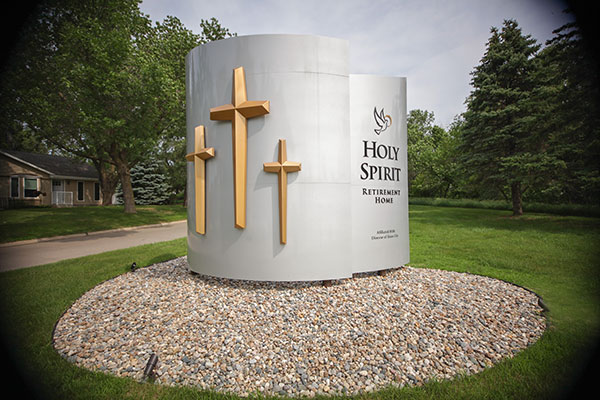
CMS rates Holy Spirit Retirement Home's staffing level at 4 out of 5 stars, which is above average compared to other nursing homes. Staff turnover is 51%, compared to the Iowa average of 46%.

What Have Inspectors Found at Holy Spirit Retirement Home?

State health inspectors documented 27 deficiencies at Holy Spirit Retirement Home during 2023 to 2025. These included: 27 with potential for harm.

Who Owns and Operates Holy Spirit Retirement Home?

Holy Spirit Retirement Home is owned by a non-profit organization. Non-profit facilities reinvest revenue into operations rather than distributing to shareholders. The facility operates independently rather than as part of a larger chain. With 78 certified beds and approximately 62 residents (about 79% occupancy), it is a smaller facility located in Sioux City, Iowa.

How Does Holy Spirit Retirement Home Compare to Other Iowa Nursing Homes?

Compared to the 100 nursing homes in Iowa, Holy Spirit Retirement Home's overall rating (3 stars) is below the state average of 3.1, staff turnover (51%) is near the state average of 46%, and health inspection rating (2 stars) is below the national benchmark.

What Should Families Ask When Visiting Holy Spirit Retirement Home?

Based on this facility's data, families visiting should ask: "Can I visit during a mealtime to observe dining assistance and food quality?" "How do you handle medical emergencies, and what is your hospital transfer rate?" "Can I speak with family members of current residents about their experience?"

Is Holy Spirit Retirement Home Safe?

Based on CMS inspection data, Holy Spirit Retirement Home has a clean safety record: no substantiated abuse findings (meaning no confirmed cases of resident harm), no Immediate Jeopardy citations (the most serious violation level indicating risk of serious injury or death), and is not on the Special Focus Facility watch list (a federal program monitoring the lowest-performing 1% of nursing homes). The facility has a 3-star overall rating and ranks #100 of 100 nursing homes in Iowa. While no facility is perfect, families should still ask about staff-to-resident ratios and recent inspection results during their visit.

Do Nurses at Holy Spirit Retirement Home Stick Around?

Holy Spirit Retirement Home has a staff turnover rate of 51%, which is about average for Iowa nursing homes (state average: 46%). Moderate turnover is common in nursing homes, but families should still ask about staff tenure and how the facility maintains care continuity when employees leave.

Was Holy Spirit Retirement Home Ever Fined?

Holy Spirit Retirement Home has no federal fines on record. CMS issues fines when nursing homes fail to meet care standards or don't correct problems found during inspections. The absence of fines suggests the facility has either maintained compliance or corrected any issues before penalties were assessed. This is a positive indicator, though families should still review recent inspection reports for the full picture.

Is Holy Spirit Retirement Home on Any Federal Watch List?

Holy Spirit Retirement Home is not on any federal watch list. The most significant is the Special Focus Facility (SFF) program, which identifies the bottom 1% of nursing homes nationally based on persistent, serious quality problems. Not being on this list means the facility has avoided the pattern of deficiencies that triggers enhanced federal oversight. This is a positive indicator, though families should still review the facility's inspection history directly.