Westwood Specialty Care
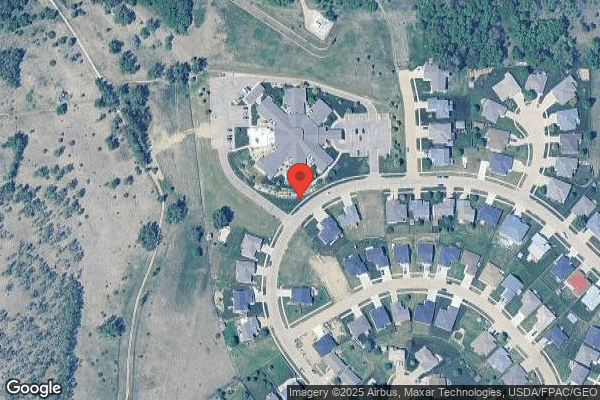
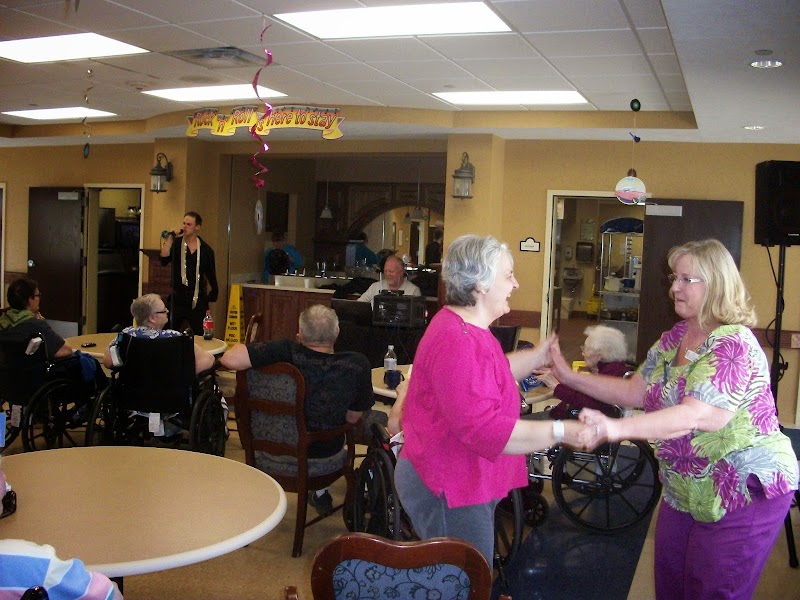
4201 FIELDCREST DRIVE, SIOUX CITY, IA 51104 (712) 258-0135
Non profit - Corporation 85 Beds CARE INITIATIVES Data: November 2025 1 Immediate Jeopardy citation
Trust Grade
0/100
#391 of 392 in IA
Last Inspection: March 2025

Within standard 12-15 month inspection cycle. Federal law requires annual inspections.

Overview

Westwood Specialty Care has received a Trust Grade of F, indicating poor performance with significant concerns in care quality. Ranking #391 out of 392 nursing homes in Iowa places it in the bottom tier, and it is the least favorable option in Woodbury County at #9 of 9. Although the facility's situation appears to be improving, as issues decreased from 33 in 2024 to 12 in 2025, the number of total deficiencies remains high at 93, including critical incidents leading to resident hospitalizations and even one death. Staffing is rated average with a 3/5 star rating, but a high turnover rate of 56% raises concerns about continuity of care. Notably, the facility has incurred $263,192 in fines, which is alarming and suggests recurring compliance issues, and while it has average RN coverage, specific incidents show that residents have suffered from insufficient monitoring and care, such as the development of pressure ulcers and inadequate supervision leading to repeated falls.
Trust Score
F
0/100
In Iowa
#391/392
Bottom 1%
Safety Record
High Risk
Review needed
Inspections
Getting Better
33 → 12 violations
Staff Stability
⚠ Watch
56% turnover. Above average. Higher turnover means staff may not know residents' routines.
Penalties
✓ Good
$263,192 in fines. Lower than most Iowa facilities. Relatively clean record.
Skilled Nurses
○ Average
Each resident gets 40 minutes of Registered Nurse (RN) attention daily — about average for Iowa. RNs are the most trained staff who monitor for health changes.
Violations
⚠ Watch
93 deficiencies on record. Higher than average. Multiple issues found across inspections.
★☆☆☆☆
1.0
Overall Rating
★★★☆☆
3.0
Staff Levels
★★☆☆☆
2.0
Care Quality
★☆☆☆☆
1.0
Inspection Score
Stable
2024: 33 issues
2025: 12 issues

The Good

  • Full Sprinkler Coverage · Fire safety systems throughout facility
  • No fines on record

Facility shows strength in fire safety.

The Bad

1-Star Overall Rating

Below Iowa average (3.0)

Significant quality concerns identified by CMS

Staff Turnover: 56%

Near Iowa avg (46%)

Frequent staff changes - ask about care continuity

Federal Fines: $263,192

Well above median ($33,413)

Significant penalties indicating serious issues

Chain: CARE INITIATIVES

Part of a multi-facility chain

Ask about local staffing decisions and management

Staff turnover is elevated (56%)

8 points above Iowa average of 48%

The Ugly 93 deficiencies on record

1 life-threatening 2 actual harm
Mar 2025 12 deficiencies
CONCERN (D)

Potential for Harm - no one hurt, but risky conditions existed

ADL Care (Tag F0677)

Could have caused harm · This affected 1 resident

**NOTE- TERMS IN BRACKETS HAVE BEEN EDITED TO PROTECT CONFIDENTIALITY** Based on Electronic Health Records (EHR) review, staff interviews, resident interview and policy review the facility failed to p...

Read full inspector narrative →
**NOTE- TERMS IN BRACKETS HAVE BEEN EDITED TO PROTECT CONFIDENTIALITY** Based on Electronic Health Records (EHR) review, staff interviews, resident interview and policy review the facility failed to provide an opportunity for bath or shower to 1 of 4 residents reviewed (Resident #21). The facility reported a census of 81 residents. Finding include: 1. The Minimum Data Set (MDS) dated [DATE] for Resident #21 documented a Brief Interview for Mental Status (BIMS) of 15 indicating no cognitive impairment. On 3/17/25 at 10:14 AM Resident #21 stated that his doctor recommended baths Sunday, Monday, Wednesday and Friday. Resident #21 revealed he would like a bath 4 times a week. Resident #21 said he had told staff at the facility that he wanted a bath 4 times a week. Resident #21 stated the Administrator asked him why he needed it 4 times a week. Resident #21's MDS dated [DATE] indicated independence with bathing. Review of Resident #21 Medication Administration Record - Treatment Administration Record (MAR-TAR) documented a Physician's Order for showers only, not tubs or hot tubs. Give showers one time a day every Tuesday and Friday for bathing directions. Review of Resident #21's Electronic Health Records (EHR) titled, Tasks documented under the activities of daily living Resident #21 Shower/Bathe self on Monday, Wednesday, and Friday. Review of Resident #21's EHR titled, Tasks documented from 2/17/25 - 3/19/25 Resident #21 received a shower on 2/21, 2/24, 2/28, and 3/10. On 3/18/25 at 8:03 AM Staff G, Housekeeper / Certified Nursing Assistant (CNA) stated Resident #21 wanted baths at night and the bath aides complained about doing baths at night. On 3/24/25 at 2:36 PM the DON stated she had not heard that he wanted baths 4 times a week. The DON stated she would have expected that Resident #21 would have had a bath at least twice a week. The DON acknowledged Resident #21's EHR titled, Task reflected baths were completed 2/21, 2/24, 2/28, and 3/10. On 3/24/25 at 2:59 PM the Administrator stated that he could not recall Resident #21 asking for baths 4 times a week. The Administrator stated the facility's expectation was that Resident #21 would have been bathed at least 2 times a week. Review of policy revised 3/18 titled, Activities of Daily Living (ADL's), Supporting documented appropriate care and services would be provided for residents who are unable to carry out ADL's independently, the the consent of the resident and in accordance with the plan of care, including appropriate support and assistance with hygiene, bathing, and grooming.
CONCERN (D) 📢 Someone Reported This

A family member, employee, or ombudsman was alarmed enough to file a formal complaint

Potential for Harm - no one hurt, but risky conditions existed

Accident Prevention (Tag F0689)

Could have caused harm · This affected 1 resident

**NOTE- TERMS IN BRACKETS HAVE BEEN EDITED TO PROTECT CONFIDENTIALITY** Based on clinical record review, staff interviews, and facility policy review, the facility failed to provide adequate nursing s...

Read full inspector narrative →
**NOTE- TERMS IN BRACKETS HAVE BEEN EDITED TO PROTECT CONFIDENTIALITY** Based on clinical record review, staff interviews, and facility policy review, the facility failed to provide adequate nursing supervision to prevent falls for 1 of 3 residents reviewed (Resident #231). The facility reported a total census of 87 residents. Findings include: The Minimum Data Set (MDS) assessment dated [DATE] for Resident #231 documented diagnoses of unsteadiness on feet, need for assistance with personal care and repeated falls. The MDS showed a Brief Interview for Mental Status (BIMS) score of 15 which indicates no cognitive impairment. Review of facility provided document titled Incidents by Incident Type dated 3/26/25 revealed Resident #231 had witnessed fall incidents on 12/7/24, 12/13/24 and 12/16/24. Review of the Care Plan with a cancelled date of 3/10/25 revealed the following information: a. Lacked interventions to prevent further falls on 12/7/24 and 12/13/24. b. Ambulation/Mobility 2 assist with gait belt and 1 assist with mobility in my room using bilateral platform walker with an initiated date of 10/25/24. c. Transfer 2 assist with gait belt initiated date of 10/25/24. Review of Incident Report dated 12/7/24 at 7:10 a.m., revealed the following information: a. Incident description, called to resident room per Certified Nursing Assistant (CNA) states that during pivot transfer resident leg got stuck and resident was lowered to floor. b. Staff statement dated 12/11/24 revealed resident states that at times her left leg does not move the best with transfer, but the CNA did not have gait belt on her when transferring, does have gait belt in room at this time, provided with another gait elt and placed in drawer to ensure available. c. Notes dated 12/11/24 gait belt was not in use, use of gait belt ads better assistance and control with transfers, staff educated. Review of Incident Report dated 12/13/24 at 8:40 p.m., revealed the following information: a. Incident description, CNA called a nurse to the resident's room. CNA states she lowered the resident to the floor. Upon entering room this nurse seen resident lying on the floor on her left side facing the bed while holding the bed rail with her right hand. CNA and this nurse assisted resident into bed. Denies hitting head. Denies abuse. Complains of severe left shoulder pain. CNA states she lowered to the floor on her butt. Nurse was in room next door when CNA got me. Resident could only have been on the floor at most a minute maybe two. Not sure what happened other than she slid out of the chair and that her left shoulder really hurts. b. Notes dated 12/16/24 revealed Resident can be unstable on feet at times and knees give out on resident. Gait belt is to be with transferring resident and resident slipped off bed with CNA there to lower to ground. Review of Incident dated 12/16/24 at 4:00 p.m. revealed the following information: a. Incident description, Resident slid down to floor during transfer between wheelchair and recliner. b. Immediate action taken, 2 person maximal assistance provided to assist resident from floor to recliner. c. Statements dated 12/16/24 by Staff R revealed Resident #231 had her light on, said she needed to go to the bathroom really bad. I positioned her wheelchair and made sure she had shoes on to stand without slipping. I forgot the gait belt, but she she seemed frantic about going to the bathroom, and I am used to one assisting her with the belt on but not using it. Halfway through the assist, Residents knees buckled and we couldn't fully get her back in the chair before simply lowered her down as safely as I could before getting the nurse. d. Notes dated 12/19/24 Resident not as strong as she use to be and knees give out. They are starting to use mechanical lift due to lowering to floor due to weakness. Therapy recommendations for this time. With increase pain to shoulder therapy does not want to use sit to stand lift. 2 assist with all transfer and gait belt with transfers. Gait belt behind door hanging at all times. Review of facility provided policy titled Gait Belts (for use in ambulation and transfer) dated January 2015 revealed gait belts should be used by all staff, to allow for easier handling of residents which should help to avoid injuries, both to residents and staff. Interview on 3/27/25 at 9:59 a.m., with the Director of Nursing revealed the resident did have 3 falls close together. She revealed with the 12/7/24 fall she made sure there was a gait belt in the room for the staff to use. After the 12/13/24 fall she realized there was a gait belt usage problem and all the staff was educated and there were several gait belts that were put out for the staff to be using. After the 12/16/24 incident she went straight to disciplinary action with any staff not using gait belts. All staff are to be using gait belts to transfer residents with no exceptions.
CONCERN (D)

Potential for Harm - no one hurt, but risky conditions existed

Medication Errors (Tag F0758)

Could have caused harm · This affected 1 resident

**NOTE- TERMS IN BRACKETS HAVE BEEN EDITED TO PROTECT CONFIDENTIALITY** Based on clinical record review and staff interview the facility failed to identify non-pharmacological interventions related to...

Read full inspector narrative →
**NOTE- TERMS IN BRACKETS HAVE BEEN EDITED TO PROTECT CONFIDENTIALITY** Based on clinical record review and staff interview the facility failed to identify non-pharmacological interventions related to high risk medications in 1 out of 5 sampled residents reviewed (Resident #20). The facility reported a census of 87 residents. Findings include: The Minimum Data Set (MDS) assessment dated [DATE] for Resident #20 documented diagnoses of anxiety disorder, depression and vascular dementia. The MDS showed the Brief Interview for Mental Status (BIMS) score of 15, indicating no cognitive impairment. Review of Resident #20's March Medication Administration Record revealed the following orders: a. Sertraline (antidepressant medication) 1 tablet daily for depression with a start date of 11/17/24. b. Morphine Sulfate (opioid medication) three times daily for pain with a start date of 3/13/25. c. Haloperidol (antipsychotic medication) as needed for agitation with a start date of 3/19/25. d. Lorazepam (anti-anxiety medication) twice daily for anxiety with a start date of 3/6/25. Review of the Care Plan lacked information regarding antipsychotic medication usage and non-pharmalogical interventions for usage. The Care Plan lacked information on opioid medication and non-pharmalogical interventions for usage. The Care Plan lacked non-pharmacological interventions to use prior to anti-anxiety medications. The Care Plan lacked non-pharmacological interventions for antidepressant medication. Review of facility provided policy titled Antipsychotic Medication Usage dated December 2016 revealed residents will only receive antipsychotic medications when necessary to treat specific conditions for which they are indicated and effective. Interview on 3/26/25 at 1:30 p.m., with the Director of Nursing revealed she expected all information regarding high risk medications should be on the Care Plan including side effects and non-pharmacological interventions should be listed.
CONCERN (D)

Potential for Harm - no one hurt, but risky conditions existed

Medical Records (Tag F0842)

Could have caused harm · This affected 1 resident

**NOTE- TERMS IN BRACKETS HAVE BEEN EDITED TO PROTECT CONFIDENTIALITY** 2. The MDS assessment dated [DATE] for Resident #231 documented diagnoses of diabetes mellitus, repeated falls and unsteadiness ...

Read full inspector narrative →
**NOTE- TERMS IN BRACKETS HAVE BEEN EDITED TO PROTECT CONFIDENTIALITY** 2. The MDS assessment dated [DATE] for Resident #231 documented diagnoses of diabetes mellitus, repeated falls and unsteadiness on feet. The MDS showed the Brief Interview for Mental Status (BIMS) score of 15, indicating no cognitive impairment. Review of facility provided Incident Report dated 12/7/24 at 7:10 a.m., called to resident room per CNA. Stated during stand pivot transfer resident leg got stuck and resident was lowered to the floor. Review of the electronic medical chart (EMR) Progress Note lacked documentation of the residents incident on 12/7/24. Interview on 3/26/24 at 3:24 p.m., with Staff A, RN revealed the incident should have been documented in the Progress Notes. Based on resident interview, resident family interviews, staff interview, electronic health records (EHR), document review and policy review the facility failed to maintain medical records on each resident that were complete and accurate by failing to document a fall in the electronic health records and not keeping an accurate up to date resident inventory list for 2 of 8 residents reviewed (Resident #21 and #231). The facility reported a census of 81 residents. Findings include: 1. The Minimum Data Set (MDS) dated [DATE] for Resident #21 documented a Brief Interview for Mental Status (BIMS) of 15 indicating no cognitive impairment. On 3/17/25 at 10:16 AM Resident #21 stated he told a nurse he was missing a hearing aid and the nurse asked if he looked under his bed but the hearing aid was never found. Resident #21 stated he took the hearing aid out and went to bed. Resident #21 stated he took both out with one hand and laid them on the table then in the morning one was there and the other was not. Resident #21 stated the incident happened about a month ago. Review of an undated document titled, Inventory of Personal Effects for Resident #21 revealed no hearing aids. Review of a document dated 2/1/24 titled, Chart Notes for Resident #21 documented Resident #21 was seen for a hearing loss evaluation. Resident #21 had previous hearing aid experience but lost them. Hearing aids were recommended and would be ordered once authorization was obtained. Resident #21 would return in 3 weeks for hearing aid fitting. Review of document dated 5/9/24 titled, Resident #21's Appointment Notes documented Resident #21's hearing aids were checked, cleaned, with reviews of how to properly insert, and addressed left fit concerns. Review of document dated 8/8/24 titled, Resident #21's Appointment Notes documented Resident #21 was seen for hearing aids. Resident #21 requested wire receivers are longer with settings updated. Review of document dated 9/5/24 titled, Resident #21's Appointment Notes documented Resident #21 had a cerumen impaction. Cerumen debridement bilaterally with hearing aid recheck completed. Review of Resident #21's Electronic Health Records (EHR) titled Progress Notes dated 3/28/24 at 4:09 PM entered by Staff K, Licensed Practical Nurse (LPN) documented Resident #21 went out of the facility to see ENT today and returned without injury or incident. They adjusted hearing aids because they were too loud. Follow up in 1 month appt reminder given to resident placed on appt calendar. Review of Resident #21's EHR titled Progress Notes dated 2/1/24 at 11:05 AM entered by Staff L, Registered Nurse (RN) documented Resident #21 returned from ENT Consultants. No new orders, note for hearing aides when insurance returns authorization. Review of the following EHR titled Progress Notes for Resident #21 documented no hearing aides: a. On 2/7/25 at 10:51 AM Staff M, RN documented residents communication: Clear. Hearing aids: No b. On 11/18/24 at 8:50 AM Staff M, RN documented residents communication: Clear. Hearing aids: No c. On 10/18/24 at 3:48 PM Staff N, RN documented residents communication: Clear. Hearing aids: No d. On 10/10/25 at 5:06 PM Staff O, RN documented residents communication: Clear. Hearing aids: No On 3/18/25 at 8:03 AM Staff G, Housekeeper / Certified Nursing Assistant (CNA) stated at one point Resident #21 mentioned he was missing a hearing aid. Staff G said he had not been on the floor since November of 2024. Staff G stated he did not know Resident #21 was currently missing a hearing aid. On 3/24/25 at 10:53 AM Staff E Social Worker stated hearing aides would be on the resident inventory sheet. Staff E stated Resident #21 had hearing aids for about 2 or 3 years. Staff E stated the facility was working with Resident #21's son and Resident #21's insurance to try to replace the hearing aid. Staff E stated there was a grievance filled out but she was not sure if the facility would pay for the hearing aids since they are so expensive. On 3/24/25 at 11:50 AM Staff A, Regional Nursing Consultant stated the admissions agreement states the facility does not replace items unless it is determined to be the facility's fault. Staff A stated her expectation was that even if the family took Resident #21 to the appointment the facility staff should have documented the hearing aid on Resident #21's inventory sheet. On 3/24/25 at 11:04 AM the Administrator stated the facility's expectation was that staff would have documented Resident #21's hearing aids on the resident inventory list upon return to the facility from the appointment he received them at. Request for policy from administration revealed no policy on completion of resident property / inventory list.
CONCERN (E)

Potential for Harm - no one hurt, but risky conditions existed

Comprehensive Care Plan (Tag F0656)

Could have caused harm · This affected multiple residents

**NOTE- TERMS IN BRACKETS HAVE BEEN EDITED TO PROTECT CONFIDENTIALITY** Based on clinical record review and staff interview the facility failed to revise and update care plans to include and address h...

Read full inspector narrative →
**NOTE- TERMS IN BRACKETS HAVE BEEN EDITED TO PROTECT CONFIDENTIALITY** Based on clinical record review and staff interview the facility failed to revise and update care plans to include and address high risk medications and side effects to watch, PASARR recommendations, oxygen usage and fluid restrictions for 4 out of 20 sampled residents reviewed for comprehensive care plans (Resident #20, #45, #72 and #231). The facility reported a census of 87 residents. Findings include: 1. The Minimum Data Set (MDS) assessment dated [DATE] for Resident #20 documented diagnoses of anxiety disorder, depression and vascular dementia. The MDS showed the Brief Interview for Mental Status (BIMS) score of 15, indicating no cognitive impairment. Review of Resident #20's March Medication Administration Record revealed the following orders: a. Sertraline (antidepressant medication) 1 tablet daily for depression with a start date of 11/17/24. b. Morphine Sulfate (opioid medication) three times daily for pain with a start date of 3/13/25. c. Haloperidol (antipsychotic medication) as needed for agitation with a start date of 3/19/25. d. Lorazepam (anti-anxiety medication) twice daily for anxiety with a start date of 3/6/25. Review of the Care Plan dated 3/13/25 lacked information regarding antipsychotic medication usage, side effects and non-pharmalogical interventions for usage. The Care Plan lacked information on opioid medication, side effects and non-pharmalogical interventions for usage. The Care Plan lacked non-pharmacological interventions to use prior to anti-anxiety medications. The Care Plan lacked non-pharmacological interventions for antidepressant medication. 2. The MDS assessment dated [DATE] for Resident #72 identified a BIMS score of 15 which indicates no cognitive impairment. The MDS documented diagnosis included renal failure, need for assistance with personal care and anemia. Observation on 3/16/25 at 2:31 p.m., noted Resident #72 wearing oxygen via nasal cannula. Resident #72 reported he wears oxygen all the time. Review of Resident #72's Order Review History Report signed by the physician on 3/25/25 revealed the following orders: a. Oxygen as needed to keep saturation levels above 90% with a start date of 3/13/25. b. Change oxygen tubing weekly and as needed with a start date of 3/13/25. c. Visually inspect oxygen concentrator to ensure clean and free of debris every shift with a start date of 3/13/25. d. Check oxygen concentrator filter weekly and as needed with a start date of 3/13/25. e. Fluid restriction of 1500 ml's per day with a start date of 3/17/25. Review of Resident #72's March Medication Administration Record revealed the following orders: a. Oxygen as needed to keep saturation levels above 90%. b. Change oxygen tubing weekly and as needed. c. Visually inspect oxygen concentrator to ensure clean and free of debris every shift. d. Check oxygen concentrator filter weekly and as needed. e. Fluid restriction of 1500 ml's per day. Review of the Care Plan dated 2/24/25 lacked information regarding Resident #72 being on a fluid restriction and oxygen usage. 3. The MDS assessment dated [DATE] for Resident #231 identified a BIMS score of 15 which indicates no cognitive impairment. The MDS documented diagnosis included unsteadiness on feet, need for assistance with personal care and repeated falls. Review of facility provided document titled Incidents by Incident Type dated 3/26/25 revealed Resident #231 had witnessed fall incidents on 12/7/24, 12/13/24 and 12/16/24. Review of the Care Plan with a cancelled date of 3/10/25 lacked interventions to prevent further falls on 12/7/24 and 12/13/24. Interview on 3/26/25 at 1:30 p.m., with the Director of Nursing revealed the Care Plan should include side effects and non-pharmacological interventions for high risk medications, fluid restrictions, interventions for falls and oxygen usage. 4. The MDS dated [DATE] for Resident #45 documented a BIMS of 3 indicating severe cognitive impairment. Review of document dated 4/4/24 titled Notice of PASRR Level II Outcome documented the nursing facility will be required to Care Plan in a PASRR compliant fashion for all identified services including Specialized Services and Rehabilitative Services. Community Placement Supports must be included in the Care Plan in a PASRR compliant fashion if the individual has received a Short Term PASRR approval, the individual at any time states they wish to return to a lower level of care, and/or the MDS Section Q-500 indicates that the individual wishes to discharge to a lower level of care. Review of Care Plan revealed no focus, goal or interventions / tasks suggested in the document titled, Notice of PASRR Level II Outcome. On 3/18/25 at 1:43 PM Staff A, Regional Nursing Consultant stated she would expect a Care Plan in place with the Level II Outcome approved and the recommendations included in Resident #45's Care Plan. On 3/24/25 at 12:51 PM the DON stated the care planning recommendation from PASARR should be addressed on Resident #45's Care Plans in the focus, goal or interventions / tasks. The DON acknowledged Resident #45's care plan lacked the recommendations from the document titled, Notice of PASRR Level II Outcome. Review of Policy revised 12/16 titled, Care Plans, Comprehensive Person-Centered documented A comprehensive, person-centered care plan that includes measurable objectives and timetables to meet the resident's physical, psychosocial and fictional needs are developed and implemented for each resident. The Interdisciplinary Team (IDT), in conjunction with the resident and his/her family or legal representative, develops and implements a comprehensive, person-centered care plan for each resident. The care plan interventions are derived from a thorough analysis of the information gathered as part of the comprehensive assessment. The IDT included other appropriate staff or professionals as determined by the resident's needs or as requested by the resident.
CONCERN (E) 📢 Someone Reported This

A family member, employee, or ombudsman was alarmed enough to file a formal complaint

Potential for Harm - no one hurt, but risky conditions existed

Menu Adequacy (Tag F0803)

Could have caused harm · This affected multiple residents

**NOTE- TERMS IN BRACKETS HAVE BEEN EDITED TO PROTECT CONFIDENTIALITY** Based on observation, document review, resident interview, staff interview, and policy review the facility failed to follow the ...

Read full inspector narrative →
**NOTE- TERMS IN BRACKETS HAVE BEEN EDITED TO PROTECT CONFIDENTIALITY** Based on observation, document review, resident interview, staff interview, and policy review the facility failed to follow the menu and prepare food to meet the nutritional needs for 19 of 81 residents reviewed. The facility reported a census of 81 residents. Findings include: 1. Observation on 3/25/25 at 12:07 PM to 12:27 PM during continuous observation no wheat rolls were delivered with the first 18 plates served in the dining room. Review of a document titled Menu for the Week of 3/23/25 through 3/29/25 revealed that lunch on 3/25/25 consisted of BBQ pork, American fried potatoes, baked beans, wheat roll, and fresh orange slices. Interview on 3/25/25 at 1:01 PM with the Certified Dietary Manager (CDM) revealed her expectations would be for menus to be followed. 2. The Minimum Data Set (MDS) dated [DATE] for Resident #66 documented a Brief Interview for Mental Status (BIMS) of 15 indicating no cognitive impairment. On 3/17/25 at 11:37 AM Resident #66 stated she is shy and ate in her room and she was the last in the facility served. Resident #66 revealed the food was at best lukewarm and never hot ever. Resident #66 said food items are always missing. Resident #66 acknowledged she filled out the menu. Resident #66 stated the morning of 3/17/25 she had grape juice listed and did not get grape juice. Resident #66 revealed she did not get anything in its place.
CONCERN (E) 📢 Someone Reported This

A family member, employee, or ombudsman was alarmed enough to file a formal complaint

Potential for Harm - no one hurt, but risky conditions existed

Deficiency F0804 (Tag F0804)

Could have caused harm · This affected multiple residents

**NOTE- TERMS IN BRACKETS HAVE BEEN EDITED TO PROTECT CONFIDENTIALITY** 4. The MDS dated [DATE] for Resident #66 documented a BIMS of 15 indicating no cognitive impairment. On 3/17/25 at 11:37 AM Res...

Read full inspector narrative →
**NOTE- TERMS IN BRACKETS HAVE BEEN EDITED TO PROTECT CONFIDENTIALITY** 4. The MDS dated [DATE] for Resident #66 documented a BIMS of 15 indicating no cognitive impairment. On 3/17/25 at 11:37 AM Resident #66 stated she is shy and ate in her room and she was the last in the facility served. Resident #66 revealed the food was at best lukewarm and never hot ever. Resident #66 said food items are always missing. Resident #66 acknowledged she filled out the menu. Resident #66 stated the morning of 3/17/25 she had grape juice listed and did not get grape juice. Resident #66 revealed she did not get anything in its place. On 3/25/25 at 11:55 AM Staff C, Certified Nursing Assistant (CNA) stated Resident #66 complained about her food being cold frequently. On 3/25/25 at 4:13 PM Staff D, Certified Medication Assistant (CMA) stated she had heard residents complain about the temperature of food. Staff D explained she had heard residents complain about the temperature of the food more often than not. Staff D acknowledged the residents complained about the food being too cold. Staff D revealed room trays are complained about more than the dining room. Based on clinical record review, observation, resident interview, staff interview, and policy review the facility failed to provide food at an appetizing temperature to 4 of 5 residents reviewed ( Residents #4, #28, #36, and #50). The facility reported a census of 81 residents. Findings include: 1. Review of Resident #28's Minimum Data Set (MDS) dated [DATE] revealed a Brief Interview for Mental Status (BIMS) score of 15 indicating intact cognition. Interview on 3/16/25 at 3:09 PM with Resident #28 revealed the food is often cold when it should be hot. 2. Review of Resident #36's MDS dated [DATE] revealed a BIMS score of 15 indicating intact cognition. Interview on 3/16/25 at 2:10 PM with Resident #36 revealed the food is cold. Resident #36 revealed the biscuits were cold that morning. 3. Review of Resident #50's MDS dated [DATE] revealed a BIMS score of 15 indicating intact cognition. Interview on 3/17/25 at 10:50 AM with Resident #50 revealed the food has been cold several times instead of hot since Resident #50 had gotten here. Interview on 3/16/25 at 11:50 AM with Staff P cook revealed that the hot plate warmer has not worked in almost a year, and food was not served hot. During an observation on 3/25/25 at 12:56 PM a sample room tray was obtained. The American fried potatoes' temperature was taken and was 101.9 degrees, the BBQ pulled pork had a temperature of 124.7 degrees. Interview on 3/25/25 at 1:01 PM with the Certified Dietary Manager (CDM) revealed her expectation would be for food temps to be at the appropriate levels. Review of a facility provided policy titled, Food Preparation and Service with a revision date of April 2019 revealed: a. Proper hot and cold temperatures are maintained during food service.
CONCERN (E)

Potential for Harm - no one hurt, but risky conditions existed

Food Safety (Tag F0812)

Could have caused harm · This affected multiple residents

Based on observation, staff interview, and policy review the facility failed to prepare, serve and distribute food in accordance with professional standards. The facility reported a census of 81 resid...

Read full inspector narrative →
Based on observation, staff interview, and policy review the facility failed to prepare, serve and distribute food in accordance with professional standards. The facility reported a census of 81 residents. Findings include: During the initial kitchen walk through on 3/16/24 at 11:45 AM it was observed that there were four drawers when first entering the kitchen by the coffee machine. Inside the drawers was noted to have multiple dark colored stains and miscellaneous debris along with lids for cups, and straws. During continuous observation on 3/25/25 from 12:07 PM until 12:24 PM it was observed that Staff P cook donned a glove on the left hand and then opened a bag with buns inside. Staff P then reached into the bag and removed a bun with the same gloved hand and placed the bun onto a plate for service. The glove was then doffed and hand hygiene was completed. During an interview on 3/25/25 at 1:01 PM with the Certified Dietary Manager (CDM) revealed her expectations would be for the kitchen area and drawers to be clean, and for staff to change gloves at the appropriate times. Review of a facility provide policy titled, Sanitization with a revision date of October of 2018 revealed: a. All kitchens, kitchen areas and dining areas shall be kept clean, free from litter and rubbish and protected from rodents, roaches, flies and other insects. b. Kitchen and dining room surfaces not in contact with food shall be cleaned on a regular schedule and frequently enough to prevent accumulation of grime. Review of another facility provided policy titled, Food Preparation and Service with a revision date of April 2019 revealed: a. Food preparation staff adhere to proper hygiene and sanitary practices to prevent the spread of foodborne illness.
CONCERN (E)

Potential for Harm - no one hurt, but risky conditions existed

Deficiency F0868 (Tag F0868)

Could have caused harm · This affected multiple residents

Based on record review, interview, and facility policy the facility failed to have the minimum number of required members for their quarterly Quality Assessment and Assurance (QAA) meetings. The facil...

Read full inspector narrative →
Based on record review, interview, and facility policy the facility failed to have the minimum number of required members for their quarterly Quality Assessment and Assurance (QAA) meetings. The facility reported a census of 87. Findings include: Review of the facility documentation titled Quality Assurance Committee Meeting Sign-In sheet date 11/12/24 lacked signatures of one other staff member present. Review of facility provided policy titled Quality Assurance and Performance Improvement (QAPI) Program- Governance and Leadership revised March 2020 the following individuals serve on the committee include the Administrator, Director of Nursing, Medical Director, Infection Preventionist and representative of other departments as requested by the Administrator. Interview on 3/27/25 at 2:44 p.m., with the Administrator revealed the appropriate number of staff should have been at the meeting as required.
CONCERN (E) 📢 Someone Reported This

A family member, employee, or ombudsman was alarmed enough to file a formal complaint

Potential for Harm - no one hurt, but risky conditions existed

Infection Control (Tag F0880)

Could have caused harm · This affected multiple residents

**NOTE- TERMS IN BRACKETS HAVE BEEN EDITED TO PROTECT CONFIDENTIALITY** 2. The MDS assessment dated [DATE] for Resident #57 identified a BIMS score of 15 which indicated no cognitive impairment. The M...

Read full inspector narrative →
**NOTE- TERMS IN BRACKETS HAVE BEEN EDITED TO PROTECT CONFIDENTIALITY** 2. The MDS assessment dated [DATE] for Resident #57 identified a BIMS score of 15 which indicated no cognitive impairment. The MDS documented diagnosis included hypertension, malnutrition and respiratory failure. Observation on 3/26/25 at 10:30 a.m., of Staff N, RN entered Resident #57's room to hook up her tube feeding. Staff N entered the room with no PPE on. Staff N checked the tube placement and flushed the tube with water. Staff N hooked up the feeding and started the machine. After exiting the nurse revealed she knew what EBP was and she should have been wearing it when she hooked up tube feeding. 3. Observation on 3/26/25 at 7:35 a.m., Staff Q, Licensed Practical Nurse (LPN) entered into Resident #17's room to administer artificial tears. Staff Q took the box of artificial tears and laid the box on the bed without a barrier under the box. Staff Q administered the artificial tears after Resident #17 took her medication. Staff Q took the box of artificial tears and placed them back into the medication cart without cleaning the outside of the box. Review of the facility provided policy titled Infection Control with revised date of October 2018 revealed the facility's infection control policies and practices are intended to facilitate maintaining a safe, sanitary and comfortable environment and to help prevent and manage transmission of diseases and infections. Review of the facility provided policy titled Enhanced Barrier Precautions dated 4/28/24 revealed the following information: An order for EBP will be initiated for residents with any of the following: Wounds, and or indwelling medical devices (central lines, urinary catheters, feeding tubes, tracheostomy/ventilator tubes) even if the resident is not known to be infected or colonized with a MDRO. Interview on 3/26/25 at 10:43 a.m., with the Director of Nursing revealed staff should be wearing EBP when caring for people that have indwelling devices and should not be laying medication on the residents personal items without a barrier. Based on observation, Electronic Health Record (EHR) review, policy review, resident interview and staff interview the facility failed to provide appropriate infection prevention practices by not donning appropriate Personal Protective Equipment (PPE) and failed to provide appropriate infection prevention practices during administration of medications for 3 of 8 residents reviewed (Resident #51, #57, and #72). The facility reported a census of 81 residents. Finding include: 1. The Minimum Data Set (MDS) dated [DATE] for Resident #51 documented a Brief Interview for Mental Status (BIMS) of 15 indicating no cognitive impairment. The MDS indicated Resident #51 received dialysis treatments. On 3/16/25 at 1:42 PM Resident #51 stated staff never wear gowns in her room when they provide personal care for her. Review of Resident #51's Medication Administration Records - Treatment Administration Records documented a Physician's Order for enhanced barrier precautions due to dialysis port every shift ordered 9/12/2024. On 3/18/25 at 8:23 AM continuous observation of Resident #51's room revealed the door to the room closed. Continued observation revealed door opened and Staff H, Certified Nursing Assistant (CNA) left Resident #51's room. Staff H had no garbage bag in hand. On 3/18/25 at 8:24 AM Staff H stated she was just getting Resident #51 out of bed. Staff H stated Resident #51 liked to get dressed after she goes to the restroom. Staff H stated Resident #51 went to the bathroom and just wanted to wait for the bath aide. Staff H stated Resident #51 just got up and was ready for breakfast. Staff H revealed Resident #51 usually takes a bath right after she is done eating breakfast. On 3/18/25 at 8:28 AM an observation of the garbage cans in Resident #51's room revealed no gown but gloves present in the garbage can. On 3/18/25 at 9:15 AM Staff H asked Resident #51 in room if she wanted to get dressed and closed the door to the residents room. At that time an observation of Resident #51 in a hospital gown. The observation revealed Staff H left the room and Resident #51 no longer wore a hospital gown but was dressed for the day. An observation of gloves in the garbage but no gown. On 3/18/25 at 9:25 AM Resident #51 stated Staff H did not wear a gown getting her up this morning or when she just got her dressed. A continuous observation on 3/18/25 at 9:53 AM revealed Staff I, Bath Aide entered Resident #51's room. Staff I wheeled Resident #51 down to the shower room. Staff I applied a gait belt to Resident #51. Staff I completed hand hygiene, applied gloves, and Resident #51 was assisted with transfer to the shower chair. Staff I applied no gown, removed residents pants, removed brief and removed Resident #51's shirt. On 3/27/25 at 10:08 AM Staff J Licensed Practical Nurse (LPN) / Assistant Director of Nursing (ADON) / Infection Preventionist (IP) stated she was the person who educated the staff for Enhanced Barrier Precautions (EBP). Staff J stated she was familiar with Resident #51. Staff J acknowledged Resident #51 was on EBP related to her need for dialysis treatments. Staff J acknowledged Resident #51 had a port. Staff J stated during dressing, bathing, and toileting the staff caring for Resident #51 should utilize PPE. Staff J stated the PPE should include a gown with dressing and showering. Staff J stated she would not expect any gowns to be worn when Resident #51 was taken to the toilet because the port was covered. Staff J stated when the staff dressed Resident #51 a gown should have been worn. Staff J stated during the shower she would have expected the staff to apply a gown and wear proper PPE. On 3/27/25 at 10:04 AM the DON stated appropriate PPE including a gown should have been worn during all cares with Resident #51. The DON stated the facility's expectation was that a gown and gloves would be worn with baths, cares, toileting, and dressing. Review of policy with effective date of March 28, 2024 titled, Enhanced Barrier Precautions documented an order for EBP would be imitated for resident with any fo the following: wounds and/or indwelling medical devices even if the resident was not known to be infected or colonized with a MDRO. Personal Protective Equipment (PPE) for enhanced barrier precautions was only necessary when performing high-contact care activities such as: dressing, bathing, transferring, providing hygiene, changing brief or assisting with toileting.
CONCERN (E)

Potential for Harm - no one hurt, but risky conditions existed

Deficiency F0943 (Tag F0943)

Could have caused harm · This affected multiple residents

**NOTE- TERMS IN BRACKETS HAVE BEEN EDITED TO PROTECT CONFIDENTIALITY** Based on policy review, document review, and staff interview the facility failed to provide training to their staff that at a mi...

Read full inspector narrative →
**NOTE- TERMS IN BRACKETS HAVE BEEN EDITED TO PROTECT CONFIDENTIALITY** Based on policy review, document review, and staff interview the facility failed to provide training to their staff that at a minimum educates staff on activities that constitute abuse, neglect, exploitation, and misappropriation of resident property and procedures for reporting incidents of abuse, neglect, exploitation, or the misappropriation of resident property. The facility reported a census of 81 residents. Findings include: On [DATE] at 10:34 AM Staff A, Regional Nursing Consultant stated after Staff B, Registered Nurse (RN) was suspended. Staff A explained it was identified that Staff B's training for dependent adult abuse / mandatory reporter expired and the facility did not want him to complete the course during suspension. On [DATE] at 1:47 PM the Administrator stated the facility's expectation was that the training for mandatory reporters would have been completed prior to the expiration date unless the staff was suspended. The Administrator acknowledged that Staff B's mandatory reporter training was not current. The Administrator stated Staff B worked at the facility while his mandatory reporter training had expired. The Administrator acknowledged Staff B's mandatory reporter training had expired [DATE]. Review of a document titled Iowa Department of Health and Human Services DS 168 Dependent Adult Abuse Mandatory Reporter Training for Staff B documented completion of training was [DATE] and the next mandatory reporter required training was a one hour refresher course within the next 3 years. Review of a policy revised 4/21 titled, Identifying Types of Abuse documented it was understood by the leadership at the facility that preventing abuse requires staff education, training, and support, and a facility-wide culture of compassion and caring.
CONCERN (F)

Potential for Harm - no one hurt, but risky conditions existed

Staffing Data (Tag F0851)

Could have caused harm · This affected most or all residents

Based on the Center for Medicare and Medicaid Services (CMS) Payroll Based Journal (PBJ) Staffing Data Report (October 1 - December 31) review, facility staffing reports review, and staff interviews, ...

Read full inspector narrative →
Based on the Center for Medicare and Medicaid Services (CMS) Payroll Based Journal (PBJ) Staffing Data Report (October 1 - December 31) review, facility staffing reports review, and staff interviews, the facility failed to submit accurate staff reports for the PBJ Staffing Data Report. The facility reported a census of 81 residents. Findings include: The PBJ Staffing Data Report run date 3/13/25 for Quarter 1 2025 triggered for excessively low weekend staffing and one star staffing rating. Review of weekend staffing schedules for Quarter 1 months of October, November, and December revealed equal floor staffing during the week and the weekend. Decreased management staffing reported on the weekend. On 3/26/25 at 2:05 PM the Administrator stated Monday through Friday more management were present at the facility and the MDS Coordinator's hours went into floor staffing. The Administrator revealed the facility had 2 ADON's as well as a DON that works during the week. The Administrator said the DON was coming in to help with a few call in's on the weekend. The Administrator stated the hours she worked had been reported inaccurately. Review of a policy revised 10/17 titled, Reporting Direct-Care Staffing Information (Payroll-Based Journal) documented staffing and census information would be reported electronically to CMS through the Payroll-Based Journal system in compliance with 6106 of the Affordable Care Act. Direct-care staffing information includes staff hired directly by the facility, those hired through an agency, and contract employees. Staffing information was collected daily and reported for each fiscal quarter no later than 45 days after the end of the reporting quarter. For auditing purposes, reported staffing information was based on payroll records, or other verifiable information.
Jul 2024 2 deficiencies
CONCERN (D) 📢 Someone Reported This

A family member, employee, or ombudsman was alarmed enough to file a formal complaint

Potential for Harm - no one hurt, but risky conditions existed

Deficiency F0658 (Tag F0658)

Could have caused harm · This affected 1 resident

Based on observations, record review, hospital staff, staff and family interview the facility failed to follow physician's orders for 1 of 3 (Resident #1) residents reviewed. The facility also failed ...

Read full inspector narrative →
Based on observations, record review, hospital staff, staff and family interview the facility failed to follow physician's orders for 1 of 3 (Resident #1) residents reviewed. The facility also failed to appropriately enter a physician's order in to the Electronic Health Record (EHR) for 1 of 3 (Resident #2) residents reviewed. The facility reported a census of 76 residents. Findings include: 1. According to the quarterly Minimum Data Set (MDS) assessment tool with a reference date of 4/19/24, Resident #1's cognitive skills for daily decision-making skills was not assessed. Resident #1 utilized a wheelchair and was frequently incontinent of urine and bowel. The MDS listed the following diagnoses: dementia, urinary tract infection (UTI), depression, autoimmune hepatitis, lymphedema, and pulmonary hypertension. The Care Plan focus area with an initiation date of 11/14/22 documented Resident #1 has a UTI related to incontinence of urine and stool. The care plan instructed staff to administer her antibiotics as ordered. The Care Plan focus area with an initiation date of 12/18/23 documented she has a history of being able to participate more with her activities of daily living (ADL) with family prompting. She does not like to listen to staff and will refuse. Resident #1 required assistance of one staff for personal hygiene and assistance of two staff for toileting. The care plan directed staff to use warm soapy wash cloths for peri care. Staff are to not use peri wash sprays or foam per family. A Progress Note dated 6/7/24 at 6:14 PM documented Resident #1's daughter requesting for resident to only be washed with Ivory soap and washcloths during routine peri/incontinent cares every two hours. Requests to have no wipes used on resident since it has caused previous irritation. The nursing assistants have been instructed on request, note left in communication binder, a note taped in resident's room and requested order from her provider via nurse's note. A facsimile was sent to the facility on 6/17/24 at 11:59 AM from the resident's provider's office with the order for Ivory soap and warm washcloths to be used for incontinence care, no wipes. The ordered was signed by Staff A Licensed Practical Nurse (LPN) on 6/17/24. Review of the June 2024 Treatment Administration Record (TAR) revealed an order for staff to clean peri area with Ivory soap and water every morning and at bedtime. The order had a start date of 6/25/24 at 7:00 AM. Review of resident's orders revealed an order for Cefdinir (antibiotic), give 300 milligrams (mg) by mouth two times a day for UTI with an order date of 6/5/24 at 11:42 AM. Review of Resident #1's June 2024 Medication Administration Record (MAR) revealed an order for Cefdinir 300mg, two times a day for UTI for 7 days. The medication was ordered to be administered at the morning and bedtime medication pass. The order had a start date of 6/5/24 at 8:00 PM. The order was not signed out as being given on 6/5/24 during the bedtime medication pass. A Progress Note dated 6/7/24 at 1:48 PM documented the antibiotic was not started on time. The antibiotic was started as soon as the error was caught, primary care provider was notified. On 7/25/24 at 2:22 PM Staff D Assistant Director of Nursing (ADON) stated when an order is received it techniqually should be started then, when the doctor orders it to start. 2. According to a quarterly MDS assessment tool with a reference date of 5/1/24, documented Resident #2 had a BIMS score of 13, suggesting no cognitive impairment. The MDS documented she did not utilize oxygen therapy while a resident during the review period. The MDS listed the following diagnoses for Resident #2: stroke, anemia, peripheral vascular disease, renal failure, dementia, hemiplegia/hemiparesis, and depression. A Care Plan focus area with an initiation date of 2/22/24 documented Resident #2 required oxygen therapy related to history of respiratory illness. The care plan documented she was to receive 2 liters (L) of oxygen via nasal cannula at bedtime. Review of Resident #2's Orders revealed an order for 2L of oxygen via nasal cannula at night and as needed (PRN) due to her diagnoses of Chronic Obstructive Pulmonary Disease (COPD). The order had as start date of 11/23/23. Review of Resident #2's November 2023, June 2024, and July 2024 MAR and TAR revealed the administration records did not contain an order for oxygen at night and PRN. Review of the Vital Signs tab revealed the oxygen saturations documented the saturations with room air. Four entries were made in December 2023 where the resident wore oxygen via nasal cannula when the saturation was obtained. On 7/23/24 at 12:14 PM observed no supplemental oxygen supplies in Resident #2's room. On 7/24/24 at 6:49 AM resident was lying in bed with supplemental oxygen on via nasal cannula that was attached to an oxygen concentrator. A Progress Note dated 7/17/24 at 9:35 PM documented Resident #2 was found lying sideways on her bed. Staff tried to assist her with sitting up in her bed but she could not help. Resident could not squeeze with both of her hands, she would look at the nurse but could not respond. Her oxygen saturation was noted to be 88% on room air, running from 84% to 90%. On 7/23/24 at 1:06 PM the hospital staff member stated she was there when Resident #2 came to the emergency room on 7/17/24. She stated when she came in with EMS she was on 6L of oxygen. She was to have oxygen on at night too whether she had it on she was not sure, but it was not on when EMS arrived to the facility. On 7/23/24 at 6:39 PM Staff B Registered Nurse (RN) stated the night Resident #2 went to the ER, she would not respond when she was trying to help her. She did her vital signs and her oxygen saturations was 84-88% but was staying between 88-90%. When asked if Resident #2 had her oxygen on at that time, she stated no and that she would not usually wear it. Staff B stated the oxygen order was PRN at that time. On 7/24/24 at 11:29 AM Resident #2's family member stated someone visits Resident #2 almost daily. When asked if the resident wore her oxygen, she stated it has been awhile since she had noticed oxygen in the resident's room. She added their used to be an oxygen concentrator in her room but it has not been in her room. She didn't realize this until this recent hospitalization. On 7/25/24 at 1:15 PM the Regional Nurse Consultant stated when the oxygen order was put in to their Electronic Health Record (EHR) it did not allow staff to document or see the order on the TAR. They were able to identify this while looking in to the oxygen order. Since then, staff have placed a concentrator in her room before she returned to the facility on 7/23/24. On 7/25/24 at 2:07 PM Staff C ADON stated she was not working at the facility when the oxygen order was put in place. She was informed about it recently and was to make sure all oxygen orders are on the resident's TAR. She indicated before the resident returned from the hospital on 7/23/24, a concentrator was placed in Resident #2's room.
CONCERN (D) 📢 Someone Reported This

A family member, employee, or ombudsman was alarmed enough to file a formal complaint

Potential for Harm - no one hurt, but risky conditions existed

ADL Care (Tag F0677)

Could have caused harm · This affected 1 resident

Based on observations, record review, resident, staff and hospital staff interview and policy review the facility failed to ensure 1 of 3 residents (Resident #2) reviewed were assisted with cleaning t...

Read full inspector narrative →
Based on observations, record review, resident, staff and hospital staff interview and policy review the facility failed to ensure 1 of 3 residents (Resident #2) reviewed were assisted with cleaning their dentures and that her peri-area was adequately cleansed appropriately prevent moist associated skin damage (MASD). The facility reported a census of 76 residents. Findings include: According to a quarterly MDS assessment tool with a reference date of 5/1/24, documented Resident #2 had a BIMS score of 13, suggesting no cognitive impairment. The MDS listed the following diagnoses for Resident #2: stroke, anemia, peripheral vascular disease, renal failure, dementia, hemiplegia/hemiparesis, and depression. The Care Plan focus area with an initiation date of 11/16/23 documented she required the assistance of one staff for toileting and personal hygiene. The Care Plan focus area with an initiation date of 12/4/23 instructed staff to assist Resident #2 with oral care to reduce irritation from food. Review of the Fire Rescue Patient Care Report dated 7/17/24 documented when the Emergency Medical Services (EMS) arrived to the facility, as they assisted Resident #2 to the stretcher they noted a very strong smell of urine coming from her, much like a urinary tract infection (UTI) smell. Review of Resident #2's skin assessments revealed an assessment was completed upon her admission, with an evaluation date of 7/24/24. The skin issue was labeled as MASD-Incontinence Associated Dermatitis (IAD) that was present on admission. Dimensions documented as: surface area 17.9 centimeter (cm), 7.04cm x 3.41cm to the genital region. On 7/24/24 at 7:40 AM resident was sitting on the toilet with staff present in the room. Resident stood up and wiped herself, then pulled her adult brief and pants up. Resident was given a container that had her dentures in it. Staff encouraged her to brush her dentures then was given mouthwash to rinse her mouth out. On 7/23/24 at 1:06 PM a hospital staff member stated she was the primary nurse when Resident #2 came to the emergency room on 7/17/24. When they took Resident #2 to get an MRI, they took her dentures out. There were dark green specks on her upper plate that sat between her gums. The family thought it was mold. The family was very angry and took pictures of them. Their nurse's aide worked on them for about 20 minutes to get them clean but they were not able to get them completely clean. Dentures do not get that yucky easily, they must not have been removed for a week. When she went to insert a foley catheter for Resident #2, she had horrible excoriated diaper rash to her peri-area. It was so horrible, she felt bad cleaning her with iodine. It looked like she had not been cared for and the family was upset about this as well. On 7/23/24 at 6:39 PM Staff B Registered Nurse (RN) stated she thought Resident #2 had orders for powder to her groin area and would take herself to the bathroom. When asked if she required assistance with cleaning her dentures she indicated she was not 100% sure on that. She thought she got help from the aides but guessed she could do it herself. On 7/24/24 at 11:29 AM Resident #2' Power of Attorney (POA) stated when her mom went to the emergency room they took her dentures out to complete some testing. When they removed them they were disgusting, it took the hospital staff 30 minutes to get them cleaned; it was so gross. She was under the impression that the facility staff were to help Resident #2 clean her dentures, maybe an assistance of one staff. She was not sure if she was to be reminded to clean her dentures or if staff were to oversee her cleaning them. She thought staff assisted her mom or cleaned the dentures for her. When asked if she had any skin issues that she was aware of, Resident #2's POA stated her peri-area was so raw when she got to the hospital. Her peri-area was red and raw, her skin was almost purple in color. She thought her mom was an assistance of one when going to the bathroom, but she was not really sure. She believed she was going to the bathroom by herself but she was concerned why they did not see this during her baths. When the hospital completed their complete body intake, it was like someone punched her in the stomach when she saw these things with Resident #2. She does have photos but wished not to share them with the surveyor. The POA did indicate she shared the photos with the facility staff members. On 7/25/24 at 2:07 PM Staff C Assistant Director of Nursing (ADON) stated Resident #2 was usually pretty independent with oral cares but would need some cueing. She would assume at night, someone would check everyone's dentures, even the independent residents. Staff should have been checking her dentures when getting ready for bed. When asked if Resident #2 had any skin issues she stated she has personally gone down to her room to do skin checks. She would ask the resident if she had any redness, she would tell her no and that she was ok down there. When asked if any what was found in the ER would have been noticed during the resident's bath, she stated the aides are usually pretty good about noticing skin issues on bath days. She added she was surprised the hospital staff said that about her peri-area as she is usually pretty good about cleaning herself up. Resident #2 is also usually pretty good about letting staff know if she is hurting or if anything was wrong in her peri-area. The facility provided a document titled Bath, Shower/Tub with a revision date of February 2018. The purpose of this procedure is to promote cleanliness, provide comfort to the resident and to observe the condition of the resident's skin. Under the documentation section staff are directed to document all the assessment data (any reddened areas, sores, etc. on the resident's skin) obtained during the shower/tub bath. Under the reporting section staff are directed to notify the physician of any skin areas that may need to be treated. The facility provided a document titled Dentures, Cleaning and Storing with a revision date of March 2018. The purposes of this procedure are to cleanse and freshen the resident's mouth, to clean the resident's dentures, to prevent infections of the mouth, to protect the resident's dentures from breakage when dentures are out of the resident's mouth, and to store dentures at bedtime. General Guidelines 1. Provide denture care before breakfast and at bedtime. Encourage and assist the resident as needed to rinse his or her mouth after each meal. 2. Handle dentures carefully to prevent loss or breakage. Store dentures whenever they are not in the resident's mouth. 3. Loose or poor fitting dentures can cause gum sores and prevent the resident from chewing his or her food properly. If a resident is not chewing his or her food thoroughly, report it to your supervisor. 4. Encourage the resident to keep dentures in his or her mouth as much as possible. When dentures are left out of the mouth for several days, the bone structure to the mouth changes and the gums will shrink causing the dentures to fit improperly. 5. As you provide denture care examine the resident's mouth and gums for any paleness of the gums, mouth sores, bleeding, or areas of discoloration. 6. Encourage the resident to perform as much of the procedure as possible. Steps in the Procedure 5. Ask the resident to remove his or her dentures. If the resident cannot remove his or her dentures: a. Put on gloves. b. Instruct the resident to rinse his or her mouth with water. c. Place a tissue/gauze pad over the fingers of the hand you are using to remove the dentures. d. Remove the upper dentures. Gently move the dentures from side to side and pull down. Place dentures in the emesis basin. e. Remove the lower dentures. Use an upward motion. Move the dentures to the inside of the mouth then remove them. Place dentures in the emesis basin. 6. Take the emesis basin to the sink. 7. Clean the dentures by brushing them with a denture cleaner or toothpaste. 8. Hold the dentures in the palm of your hand and over the sink while brushing to prevent them from dropping on the floor. Rinse dentures thoroughly. 9. Fill the denture cup one-half (1/2) full with fresh water and one-half (1/2) full of mouthwash. Place dentures into the denture cup. 10. Take the denture cup and emesis basin to the bedside table. Leave dentures in the cup until the resident is ready to replace them in his or her mouth. 11. Instruct the resident to rinse out his or her mouth thoroughly with fresh water or with a mouthwash solution. 12. Instruct the resident to spit the rinse solution into the emesis basin. Provide mouth care as necessary. 13. Dry the resident's face and chin area. 14. If the resident wishes to replace the dentures into his or her mouth, moisten the dentures so that they will fit easily. Use adhesive paste as requested. When handling the dentures hold with a tissue or gauze pad. 15. To assist the resident in replacing the dentures: a. Ask the resident to rinse his or her mouth with water. Assist as necessary. b. Apply denture adhesive or paste as requested by the resident. c. Pick dentures up with a tissue or gauze pad. d. Replace the upper/lower dentures. Ask resident to assist you in properly fitting the dentures. e. Dry the resident's face and chin area as necessary. Documentation 6. If the resident refused the treatment, the reason(s) why and the intervention taken. Reporting 1. Notify the supervisor if the resident refuses the denture care. 2. Report other information in accordance with facility policy and professional standards of practice.
Jun 2024 10 deficiencies
CONCERN (D) 📢 Someone Reported This

A family member, employee, or ombudsman was alarmed enough to file a formal complaint

Potential for Harm - no one hurt, but risky conditions existed

Deficiency F0558 (Tag F0558)

Could have caused harm · This affected 1 resident

Based on observations, staff interviews, and policy review the facility failed to ensure all residents had their call light within reach in their rooms for 1 of 1 resident reviewed, (Resident #31). Th...

Read full inspector narrative →
Based on observations, staff interviews, and policy review the facility failed to ensure all residents had their call light within reach in their rooms for 1 of 1 resident reviewed, (Resident #31). The facility reported a census of 68 residents. Findings include: 1. Observation on 6/3/24 at 11:51 a.m., Resident #31 ' s call light over the end of the bed Resident #31 is unable to reach the call light. 2. Observation on 6/5/24 at 10:08 a.m., Resident #31 ' s call light laying across the end of the bed. Resident #31 is unable to reach the call light. 3. Observation on 6/6/24 at 9:46 a.m., Resident #31 ' s call light laying at the end of the bed. Resident #31 is unable to access the call light. Review of the facility provided policy titled Answering the Call Light with a revision date of March 2021 revealed when the resident is in bed or confined to a chair be sure the call light is within easy reach of the resident. Interview on 6/6/24 at 10:11 a.m., with Regional Nurse Consultant revealed she would expect the staff to have the call light within reach for Resident #31 even though she cannot use it.
CONCERN (D) 📢 Someone Reported This

A family member, employee, or ombudsman was alarmed enough to file a formal complaint

Potential for Harm - no one hurt, but risky conditions existed

Deficiency F0625 (Tag F0625)

Could have caused harm · This affected 1 resident

**NOTE- TERMS IN BRACKETS HAVE BEEN EDITED TO PROTECT CONFIDENTIALITY** Based on clinical record review, resident interview and facility policy, the facility failed to ensure bed hold notice was sent ...

Read full inspector narrative →
**NOTE- TERMS IN BRACKETS HAVE BEEN EDITED TO PROTECT CONFIDENTIALITY** Based on clinical record review, resident interview and facility policy, the facility failed to ensure bed hold notice was sent to resident and or the resident's responsible person after giving a verbal consent when residents transferred out of the facility for 1 of 3 residents reviewed, (Residents #18). The facility reported a census of 68 residents. Findings include: The Minimum Data Set (MDS) assessment dated [DATE] for Resident #18 documented diagnoses of heart failure, diabetes mellitus and asthma. The MDS showed the Brief Interview for Mental Status (BIMS) score of 15 indicating no cognitive impairment. Interview on 6/3/24 at 2:32 p.m., with Resident #18 revealed he went to the hospital and got a bill that he was unaware of. Resident #18 revealed the facility called his sister and she gave a verbal to hold the bed but was unaware of what the cost was for each day the bed was held. Resident #18 further revealed he nor his sister ever seen a bed hold form from his hospitalization. Review of Resident #18 ' s Progress Notes revealed the following information: a. On 7/29/24 at 4:20 a.m., resident admitted to hospital with fluid overload. b. On 8/1/23 at 1:52 p.m., re-admit. Review of the residents #18 ' s Census tab revealed the following information: a. 7/29/23 hospital unpaid leave b. 8/1/23 active Review of the clinical record revealed a Bed Hold dated 7/28/23 lacked information regarding bed hold notice that was sent to resident and or the resident's responsible person after giving a verbal consent. Review of facility provided policy titled Bed Hold-Returns revised March 2017 revealed prior to transfer and therapeutic leaves, residents or resident representatives will be informed in writing of the bed-hold and return policy. Interview on 6/6/24 at 9:46 a.m., with the Business Office Manager revealed the facility did not send the resident or residents responsible person after receiving a verbal bed hold notice.
CONCERN (D)

Potential for Harm - no one hurt, but risky conditions existed

PASARR Coordination (Tag F0644)

Could have caused harm · This affected 1 resident

**NOTE- TERMS IN BRACKETS HAVE BEEN EDITED TO PROTECT CONFIDENTIALITY** Based on record review, staff interviews, and policy review the facility failed to resubmit Preadmission Screening and Resident ...

Read full inspector narrative →
**NOTE- TERMS IN BRACKETS HAVE BEEN EDITED TO PROTECT CONFIDENTIALITY** Based on record review, staff interviews, and policy review the facility failed to resubmit Preadmission Screening and Resident Review (PASRR) after a 180 day short stay approval expired on [DATE] for 1 of 1 residents reviewed for PASRR requirements, (Resident #45). The facility reported a census of 68 residents. Findings include: The Minimum Data Set (MDS) assessment dated [DATE] for Resident #45 documented diagnoses of depression, anxiety disorder, post traumatic stress disorder (PTSD), bipolar disorder and homelessness. The MDS showed a Brief Interview for Mental Status (BIMS) score of 15 indicating no cognitive impairment. Review of the clinical record revealed a Notice of PASRR Level II Outcome dated [DATE] revealed the PASRR determination was a short term approval with specialized services- limited time with an expiration date of [DATE]. Review of the clinical record revealed a Notice of PASRR Level I Outcome dated [DATE] was the next PASRR competed with determination PASRR Level I Determination of Level I Positive, No Status Change. Review of the PASRR Level I Determination dated [DATE] lacked the following information: a. Active diagnosis of anxiety b. Lacked documentation of current ongoing behavioral health services c. Lacked documentation of homelessness Review of the clinical record lacked an active PASRR from [DATE]-[DATE]. The facility does not have a policy on PASRR. Interview on [DATE] at 2:47 PM with the Regional Nurse Consultant revealed there was not a PASRR completed when the short term approval expired until [DATE]. There should have been one completed prior to the [DATE] PASRR and all the appropriate documentation should have been on the [DATE] PASRR.
CONCERN (D)

Potential for Harm - no one hurt, but risky conditions existed

Deficiency F0658 (Tag F0658)

Could have caused harm · This affected 1 resident

**NOTE- TERMS IN BRACKETS HAVE BEEN EDITED TO PROTECT CONFIDENTIALITY** Based on record review, resident interview, and staff interviews the facility failed to provide professional standards of care b...

Read full inspector narrative →
**NOTE- TERMS IN BRACKETS HAVE BEEN EDITED TO PROTECT CONFIDENTIALITY** Based on record review, resident interview, and staff interviews the facility failed to provide professional standards of care by not following physician orders and by not entering orders into the electronic health record for 1 of 21 residents reviewed, (Resident #36). The facility reported a census of 68 residents. Findings include: 1. The Minimum Data Set (MDS) assessment dated [DATE] for Resident #36 documented the Brief Interview for Mental Status (BIMS) score of 15 which indicated no cognitive impairment. The MDS diagnosis included unsteadiness on feet, need for assistance with personal care and muscle atrophy. Observation on 6/3/24 at 3:17 PM showed Resident #36 wearing a right foot cam boot while ambulating the hall. In an interview on 6/3/24 at 3:33 PM, Resident #36 explained that she fractured her ankle as a result of fall. Resident #36 reported that she wore another ankle brace inside the boot. When asked how long she had to wear the boot and brace, Resident #36 stated that she didn' t know. When asked if she had to wear the brace all the time, Resident #36 replied, I think so. When asked about wearing the cam boot, the resident thought she should be wearing the boot when ambulating. In an interview on 6/4/24 at 3:40 PM, Staff C, Certified Nursing Assistant (CNA) reported that she didn't know when Resident #36 should be wearing the cam boot or for how long. Staff C stated, I think when she gets up. Staff C also reported that she wasn't sure when Resident #36 should be wearing the ankle brace or for how long. The Care Plan for Resident #36 identified the resident as suffering from a recent ankle fracture that occurred at a relative's home due to a fall. The Care Plan revealed the resident will wear a cam boot per doctor's orders until healed. Review of Physician Orders on 6/5/24 at 12:17 PM showed a lack of orders related to the cam boot and ankle brace, and failed to give staff specific instructions as to when and how long the devices needed to be worn. The Orthopedic Consult Notes with a service date of 5/20/24 showed Resident #36 diagnosed as having a right ankle sprain leading to an avulsion fracture on the lateral malleolus. The plan instructed the resident to use a lace up ankle brace and could wean off from the walking boot. In an interview on 6/6/24 at 8:41 AM, the Director of Nursing (DON) reported the facility lacked physician orders related to Resident #36's boot and ankle brace. When asked what she expected in this scenario, the DON replied, there should be orders.
CONCERN (D)

Potential for Harm - no one hurt, but risky conditions existed

Pressure Ulcer Prevention (Tag F0686)

Could have caused harm · This affected 1 resident

**NOTE- TERMS IN BRACKETS HAVE BEEN EDITED TO PROTECT CONFIDENTIALITY** Based on record review, policy review, and staff interview, the facility failed to notify the primary care provider (PCP) for wo...

Read full inspector narrative →
**NOTE- TERMS IN BRACKETS HAVE BEEN EDITED TO PROTECT CONFIDENTIALITY** Based on record review, policy review, and staff interview, the facility failed to notify the primary care provider (PCP) for worsening of a deep tissue injury (Resident #16) as well a delay in initiating wound care treatment on a newly identified deep tissue injury (#4) for 2 of 4 resident identified with a pressure injury. The facility reported a census of 68. Findings include: 1. The Minimum Data Set (MDS) dated [DATE] documented Resident #16 had a Brief Interview for Mental Status (BIMS) of 12 indicating a moderate cognitive impairment. The MDS further indicated Resident #16 is at risk for developing pressure injuries but did not have any unhealed pressure injuries. The Care Plan dated 4/17/24 included a new skin injury to the left second toe. Clinical record review showed staff notified the PCP of a new skin impairment on 4/2/24, which was classified as a deep tissue injury (DTI). Orders received from the PCP were to Monitor left 2nd toe. Notify PCP if worsens. Staff completed weekly assessments to the area with picture documentation. No wound decline identified until the skin assessment of May 23rd, which showed the area to have almost doubled in size. Progress Note review showed the PCP was not notified of this change. In an interview on 6/5/25 at 9:30 am with the Director of Nursing (DON) and the Regional Nurse Consultant, both acknowledged that there were changes to the DTI on the left second toe and the PCP should have been notified. The undated policy Change in a Resident's Condition or Status outlined that nursing will notify the resident's attending physician or physician on-call when there has been a(an): 1. Significant change in the resident's physical/emotional/mental condition. 2. Need to alter the resident's medical treatment significantly. 3. Specific instruction to notify the physician of changes in the resident's condition. 2. The MDS dated [DATE] documented Resident #4 had a BIMS of 15 indicating an intact cognition. The MDS further indicated Resident #4 was at risk for developing pressure injuries but did not have any unhealed pressure injuries. Medical diagnoses included anemia, deep vein thrombosis/pulmonary embolus/pulmonary thrombo-embolism, and diabetes. Resident #4 had an above the knee amputation of left leg. Clinical record review showed the facility discussed Resident #4's skin assessment during a Standards of Care meeting on 4/26/24 after the resident was readmitted from the hospital. A new DTI to Resident #4's heel was discussed noting that treatment and monitoring in place. Heel lift boot is utilized. Picture documentation of the DTI noted on 4/25/24. The only ordered wound care treatment, dated 4/26/24, included the addition of zinc, vitamin C, and vitamin A and for Hibi cleanse with shower days to the RLE as tolerated. An updated treatment to the right lower extremity ordered on 4/30/24 noted the use of betadine for a blister on the right heel. April and May's Treatment Administration Record (TAR) confirmed no orders specifically for the DTI on the right lateral heel from 4/26/24 thru 5/3/24. On 5/4/24, treatment was initiated to the right heel. In an interview on 6/5/25 at 9:30 am, the Regional Nurse Consultant confirmed that Resident #4 returned to the facility with a newly identified DTI on 4/25/24. During the interview, the consultant or the DON could not initially identify in the clinical record that treatment to the right heel had been initiated prior to 5/4/24. During follow-up interview at 12:30 pm on the same day, the DON acknowledged that no treatment orders were in place from 4/26/24-5/4/24.
CONCERN (D) 📢 Someone Reported This

A family member, employee, or ombudsman was alarmed enough to file a formal complaint

Potential for Harm - no one hurt, but risky conditions existed

Accident Prevention (Tag F0689)

Could have caused harm · This affected 1 resident

**NOTE- TERMS IN BRACKETS HAVE BEEN EDITED TO PROTECT CONFIDENTIALITY** Based on observations, record review and interviews the facility failed to properly use a mechanical lift, low bed positions and...

Read full inspector narrative →
**NOTE- TERMS IN BRACKETS HAVE BEEN EDITED TO PROTECT CONFIDENTIALITY** Based on observations, record review and interviews the facility failed to properly use a mechanical lift, low bed positions and ensure proper footwear and gait belt used to avoid hazards and prevent accidents for 3 of 21 residents reviewed, (Resident #6, #63 and #74). The facility reported a census of 68 residents. Findings include: 1. The Minimum Data Set (MDS) assessment dated [DATE] for Resident #6 documented the Brief Interview for Mental Status (BIMS) score of 5 which indicated severe cognitive impairment. The MDS showed Resident #6 dependent on staff for transfers from bed to chair. The MDS diagnoses included hemiplegia, cerebral vascular disease, and muscle weakness. Review of the Care Plan last revised on 5/16/24 for Resident #6 identified the facility failed to update the care plan to reflect the use of a mechanical lift for transfers. Observation on 6/4/24 at 3:10 PM revealed Staff A, Certified Nurse's Aide (CNA), and Staff C, CNA used a mechanical lift to transfer Resident #6 from the bed to the wheelchair. Staff failed to lock the wheelchair brakes before lowering the resident down into the wheelchair from the mechanical lift. The Operator 's Instruction last revised 6/14/23 for the mechanical left directed staff to position the wheelchair under the patient and lock the wheels of the wheelchair before lowering the resident from the mechanical lift into the wheelchair. The Lift Machine, Using a Mechanical policy last revised July 2017 failed to instruct staff to lock wheelchair brakes before lowering the resident using a mechanical lift as per the Operator 's Instructions. In an interview on 6/5/24 at 1:32 PM, the Director of Nursing (DON) reported in this case she would have followed the lift operator ' s guide and applied the wheelchair brakes before lowering the resident into the wheelchair. 2. The MDS assessment dated [DATE] for Resident #74 documented the BIMS score of 6 which indicated severe cognitive impairment. The MDS showed Resident #74 used a walker and wheelchair for mobility and required partial or moderate assistance for bed to chair transfers. The MDS diagnoses included dementia, heart failure and renal insufficiency. The Fall Risk Screening dated 5/23/24 for Resident #74 showed a fall score of 12 which indicated a high risk for falls. The screening instructed staff to develop a care plan, should have been developed for the following: Goal: I will not experience any injuries related to falls. Intervention: Encourage me to use my call light for assistance. Intervention: Encourage me to wear proper footwear. Intervention: I need a safe environment without clutter. Intervention: Monitor me for unsteady gait. Intervention: Physical Therapy (PT)/Occupational (OT) evaluation and treat as ordered. Observation on 6/4/24 at 3:05 PM showed Staff A, Certified Nursing Assistant (CNA) assisted Resident #74 from a sitting position at the edge of the bed, to a standing position without the use of a gait belt. Staff A then ambulated Resident#74 to the recliner by holding the back of the resident's pants. While ambulating with the resident Staff A stated, this is where I would have put either gripper socks or shoes on him. Observation of Resident #74's feet showed the presence of socks without non-slip grippers and the absence of shoes. In an interview on 6/5/24 at 1:32 PM, the Director of Nursing (DON) reported the standard practice dictated that staff applied a gait belt, and either gripper socks, or shoes to residents that are at high fall risk before ambulation. In an interview on 6/6/24 at 8:25 AM, the Regional Nurse Consultant reported the facility lacked a specific policy related to the usage of gait belts. 3. According to the MDS assessment dated [DATE] Resident #63 scored 6 on the BIMS indicating severe cognitive impairment. The resident depended on staff for transfers, and did not walk. The resident had diagnoses including cognitive communication deficit and hearing loss. The Care Plan revised 3/26/24 identified the resident at risk for falls. The interventions included the resident needed a safe environment without clutter. The intervention of applying bolsters initiated 5/28/24 as a result of the incident. An Incident Report dated 5/26/24 at 11:20 p.m. documented the resident experienced an unwitnessed fall. The nurse did rounds and upon entering the resident's room found she was not on her bed. Going around the foot of her bed the resident laid on the floor between the bed and the wall with her legs under the bed and her head at the foot of the bed. The resident had been incontinent at the time. The nurse put a pillow under the resident's head, and assessed the resident carefully before pulling the bed away. The resident complained of pain to her shoulder, but couldn't say if she hit her head. The resident went to the hospital for proper evaluation. The report checked there were no predisposing environmental factors. A Reporting Event dated 5/28/24 documented upon review of documentation, the resident had a fall leading to an emergency room (ER) visit. The fall was from the resident's bed at a height of approximately 3 feet high. On 6/4/24 at 9:00 a.m. the bed controls of the residents bed were located on outside of her left rail. Using a tape measure, the bed lying surface measured 2 feet off the floor. On 6/4/24 at 3:16 p.m. Staff D Registered Nurse (RN) Stated he worked the night Resident #63 fell. Staff D said he gave resident #63 medications at 10:15 p.m. and then at 11:20 p.m. he went into her room to check on her and did not see her on the bed. She was on the other side of the bed between the bed and the wall although the bed was not up against the wall her legs were towards the head of the bed and under the bed, and her head was towards the foot of the bed. She had the covers off of the bed with her on the floor. Staff D said the bed was in a high position. He did not know if that's how she wanted the bed or if she put the bed in that position herself. He did not know if she normally had the bed that high, because he was not familiar with the resident, he worked for an agency. On 6/5/24 at 8:30 a.m. Staff E RN stated when she went in the resident's room after the resident fell, and the bed was probably hip level, but she didn't know if Staff D raised it after he found her on the floor. She didn't know if the resident used the bed control herself. On 6/5/24 at 10:00 a.m. Staff F Certified Nursing Assistant (CNA) stated she didn't know how far the bed mattress was off the ground, she didn't notice. She didn't know if the resident could use the control herself. On 6/5/24 at 10:48 a.m. Staff G CNA stated he did not know if the resident could use the bed control herself. The clinical record lacked documentation the facility investigated the height of the bed, or put interventions in place to prevent it from reoccurring, to prevent more significant injury if the resident fell from the bed again. On 6/6/24 at 9:30 a.m. the Regional Nurse Consultant stated she would expect staff to put the bed in low position. The facility Falls - Clinical Protocol revised March 2018, based on assessment the staff and physician would identify pertinent interventions to try to prevent subsequent falls, and address the risks of clinically significant consequences of falling.
CONCERN (D)

Potential for Harm - no one hurt, but risky conditions existed

Deficiency F0692 (Tag F0692)

Could have caused harm · This affected 1 resident

**NOTE- TERMS IN BRACKETS HAVE BEEN EDITED TO PROTECT CONFIDENTIALITY** Based on record review and staff interview, the facility failed to update and liberalize a diet order, as discussed during a Sta...

Read full inspector narrative →
**NOTE- TERMS IN BRACKETS HAVE BEEN EDITED TO PROTECT CONFIDENTIALITY** Based on record review and staff interview, the facility failed to update and liberalize a diet order, as discussed during a Standards of Care meeting (SOC) to improve nutritional intake, for 1 of 1 residents reviewed (Resident #66). The facility reported a census of 68. Findings include: The Minimum Data Set (MDS) dated [DATE] documented Resident #66 had a Brief Interview for Mental Status (BIMS) of 5 indicating a severe cognitive impairment. The MDS noted Resident #66 as having a one stage 2 pressure injury. Resident #66's Care Plan noted the pressure injury as well chronic pain and a dementia diagnosis. For diabetes management, Resident #66 was care planned for a control carb small portion diet. Clinical record review indicated the physician ordered a regular diet with small portions upon facility admission on [DATE] due to a diabetes diagnosis. A nutritional supplement was initiated due to pressure ulcers and trending sub-optimal appetite. The Registered Dietitian (RD) documented a significant weight loss at 30 days on 5/3/24 with recommendations to discontinue the small portions diet to meet nutritional needs to prevent continued weight loss. Resident #66 was discussed in the facility's SOC meeting, also on 5/3/24, where weight loss was discussed and that the small portions diet is discontinued. Record review did not indicate that the diet was changed, as per the RD's recommendation and SOC documentation that the diet discontinued. Resident #66 continued on a regular small portion diet. The Director of Nursing (DON) and the Regional Nurse Consultant were interviewed on 6/5/24 at 9:30 am. Updates discussed during the SOC meetings would be completed by nursing, which may include reaching out to the physician for new orders or address items themselves. Both the DON and nurse consultant acknowledged that the diet order was not updated as discussed in the SOC meeting.
CONCERN (D)

Potential for Harm - no one hurt, but risky conditions existed

Respiratory Care (Tag F0695)

Could have caused harm · This affected 1 resident

**NOTE- TERMS IN BRACKETS HAVE BEEN EDITED TO PROTECT CONFIDENTIALITY** Based on observation, record review, policy review, and staff interview, the facility failed to follow the prescribed oxygen ord...

Read full inspector narrative →
**NOTE- TERMS IN BRACKETS HAVE BEEN EDITED TO PROTECT CONFIDENTIALITY** Based on observation, record review, policy review, and staff interview, the facility failed to follow the prescribed oxygen order for 1 of 2 residents reviewed, (Resident #16). The facility reported a census of 68. Findings include: The Minimum Data Set (MDS) dated [DATE] documented Resident #16 had a Brief Interview for Mental Status (BIMS) of 12 indicating a moderate cognitive impairment. The MDS classified Resident #16 as having medically complex conditions, which include chronic kidney disease, heart failure, and respiratory failure. The use of respiratory/oxygen therapy identified but zero days listed as the number of days the therapy was administered for at least 15 minutes within the seven-day reporting period. Resident #16's Care Plan was updated on 5/2/24 and included a new focus for chronic respiratory failure. Interventions included administering oxygen as ordered, monitor for signs/symptoms of respiratory distress, report to the physician as needed, and the use of oxygen at 1-5 liters per nasal canula as needed to keep oxygen saturation above 90%. Resident observations on 6/3/24 at 1:30 pm showed oxygen setting at 4L and at 3.5L on 6/4/24 at 10:15 am. Clinical record review showed oxygen use initiated on 11/1/23 with an order of 1-5L oxygen as needed to keep sats above 90% every shift. On 4/12/24, a Progress Note confirms a new order for continuous oxygen at 2L. The previous oxygen order of 1-5L as needed was discontinued. The order for continuous oxygen was not listed as an intervention on Resident #16's Care Plan. Furthermore, no staff documentation found, beside oxygen saturation levels on the Treatment Administration Record (TAR), which indicated a need for oxygen settings above 2L. In an interview on 6/5/25 at 9:30 am, both the Director of Nursing and the Regional Nurse Consultant reviewed current and discontinued orders. The consultant acknowledged that the order for oxygen at 1-5L as needed should have been removed altogether from the continuous oxygen order. Since the as needed order was not removed, both oxygen orders are listed on the TAR. During a follow-up interview, the consultant confirmed that staff have been directed to obtain specific oxygen amounts and not to include a buffer as this is inappropriate. The undated policy Oxygen Administration outlined that staff verify that there is a physician order for this procedure and to review the resident's care plan to assess for any special needs of the resident. The policy further outlined staff to assess for the following: 1. Signs/symptoms of cyanosis 2. Signs/symptoms of hypoxia 3. Signs/symptoms for oxygen toxicity 4. Vitals 5. Lungs sound 6. Arterial blood gases and oxygen saturation, if applicable
CONCERN (D)

Potential for Harm - no one hurt, but risky conditions existed

Food Safety (Tag F0812)

Could have caused harm · This affected 1 resident

Based on staff documentation, staff interview, policy review, and observations, the facility failed to ensure the blade on the manual can opener in the kitchen was clean and free of residue to reduce ...

Read full inspector narrative →
Based on staff documentation, staff interview, policy review, and observations, the facility failed to ensure the blade on the manual can opener in the kitchen was clean and free of residue to reduce the risk of bacteria growth and cross contamination. The facility reported a census of 68 residents. Findings include: The blade on the manual can opener was assessed on 6/3/24 during the initial kitchen tour. It was a blackish color with a small to moderate amount of residue. The blade was assessed again on 6/5/24 and found to be in the same condition. The Certified Dietary Manager was alerted and the entire arm of the can opener, which included the blade, was put through the dish machine to be cleaned. The blade was visible cleaner afterwards with no signs of residue. The Certified Dietary Manager (CDM) and the Registered Dietitian (RD) were interviewed on 6/5/24 at 12:30 pm. Documented daily cleaning schedule logs for May '24 and Jun '24 show the can open was checked off as cleaned. The CDM and RD both explained the employee wiped down the top and sides of the can opener arm but did not wipe off the blade. The undated Sanitation policy states the following: 1. All equipment, food contact surfaces, and utensils shall be washed to remove or completely loosen soils by using the manual or mechanical means necessary and sanitized using hot water and/or chemical sanitizing solutions. 2. For fixed equipment or utensils that do not fit in the dishwashing machine, washing shall consist of the following steps: a. Equipment will be disassembled as necessary to allow access of the detergent/solution to all parts; b. Removable components will be scraped to remove food particle accumulation and washed according too manual or dishwashing procedures
CONCERN (D)

Potential for Harm - no one hurt, but risky conditions existed

Infection Control (Tag F0880)

Could have caused harm · This affected 1 resident

**NOTE- TERMS IN BRACKETS HAVE BEEN EDITED TO PROTECT CONFIDENTIALITY** 2. The MDS dated [DATE] for Resident #21 documented a BIMS score of 9 which indicated moderately impaired cognitive status. Resi...

Read full inspector narrative →
**NOTE- TERMS IN BRACKETS HAVE BEEN EDITED TO PROTECT CONFIDENTIALITY** 2. The MDS dated [DATE] for Resident #21 documented a BIMS score of 9 which indicated moderately impaired cognitive status. Resident #21 was dependent on staff for all cares and bed bound. Medical diagnoses include cerebral infarction and epilepsy. A feeding tube noted which provided >51% of total calorie needs. Clinical record review indicated Resident #21 had a diet order of nothing by mouth (NPO). Dietary needs and medications are provided through a percutaneous gastric tube (PEG). Medication administration was observed for Resident #21 on 6/4/24 with Staff H, Licensed Practical Nurse (LPN). A physician order to provide all crushed medications at once was verified as well as a 30ml water flush before and after medication administration. Staff H, LPN, put on gown and gloves after entering the resident's room. Once the protective equipment was on, Staff H, LPN, rearranged Resident #21's blankets/sheets and the nasal canula. Staff H, LPN, also repositioned Resident #21 so they could sit up more. Staff H, LPN, then proceed with medication administration with the same gloves used to reposition the resident and readjust medical equipment and bedding. On 6/6/24 at 9:00 am, the Director of Nursing and the Regional Nurse Consultant were made aware of the above situation as staff completed two different resident tasks with the same gloves (repositioning/arranging and mediation administration). Both acknowledged that the same gloves should not have been worn. Staff should have changed gloves out before proceeding with the enteral medication administration. The Enhanced Barrier Precautions policy, revised on 3/28/24, directs staff to use personal protective equipment when performing high-contact care activities for residents with .indwelling medical devices (e.g., central lines, urinary catheters, feeding tubes . The policy further outlines high-contact care activities to include changing linens, transferring, and device care or use. Based on observations, record review, staff interviews and policy reviews, the facility failed to provide proper hand hygiene after catheter care and medication administration for 2 of 21 residents reviewed, (Resident #21 and #74). The facility reported a census of 68 residents. 1. The Minimum Data Set (MDS) assessment dated [DATE] for Resident #74 documented the Brief Interview for Mental Status (BIMS) score of 6 which indicated severe cognitive impairment. The MDS showed Resident #74 used a walker and wheelchair for mobility and required partial or moderate assistance for bed to chair transfers. The MDS diagnoses included dementia, heart failure and renal insufficiency. Observation on 6/4/24 at 3:05 PM of Resident #74 showed Staff A, Certified Nursing Assistant (CNA) applied personal protective equipment including goggles, gown, mask and gloves. Staff A cleansed Resident #74 ' s groin folds, penis, and catheter tubing. Staff A then removed soiled gloves, discarded gloves, and failed to perform hand hygiene before donning new gloves. Staff A assisted Resident #74 to pull up his pants, and sit upright on the side of the bed. Staff A removed all PPE, discarded PPE, failed to perform hand hygiene, then adjusted Resident #74 ' s bed controls. Staff A brought Resident #74 his walker, assisted the resident to a standing position, then ambulated with the resident to the recliner by holding the back of the resident's pants. After the transfer, Staff A removed the garbage bag from the receptacle, held the bag while he conversed with the resident, and used his other hand to run his fingers through his hair. Staff A exited the room, failed to perform hand hygiene, then used the keypad and door knob to access the dirty utility room and discard the garage. The Hand Hygiene policy last revised September 2018 identified hand hygiene should be performed before and after direct contact with residents, and is the final step after removing and disposing of personal protective equipment. In an interview on 6/5/24 at 1:35 PM, the Director of Nursing (DON), reported staff should have performed hand hygiene after the removal of PPE, including gloves, and when leaving a resident ' s room.
May 2024 3 deficiencies
CONCERN (D) 📢 Someone Reported This

A family member, employee, or ombudsman was alarmed enough to file a formal complaint

Potential for Harm - no one hurt, but risky conditions existed

Deficiency F0658 (Tag F0658)

Could have caused harm · This affected 1 resident

**NOTE- TERMS IN BRACKETS HAVE BEEN EDITED TO PROTECT CONFIDENTIALITY** Based on observation, interviews, record and policy review, the facility failed to provide professional standards of care by fol...

Read full inspector narrative →
**NOTE- TERMS IN BRACKETS HAVE BEEN EDITED TO PROTECT CONFIDENTIALITY** Based on observation, interviews, record and policy review, the facility failed to provide professional standards of care by following physician ordered wound treatment for 1 of 4 residents reviewed (Resident #24). The facility reported a census of 70 residents. Findings include: According to the MDS dated [DATE], Resident #24 had a BIMS score of 14 (intact cognitive ability). She was totally dependent on staff for toileting, lower body dressing and bathing. Her skin conditions included Moisture Associated Skin Damage (MASD) and she was on diuretic therapy related to edema. Diagnoses included heart failure, chronic kidney disease, metabolic encephalopathy. The Care Plan updated on 1/17/24 indicated that staff were to monitor her legs for skin changes and report to the nurse. She required 2 staff for bed mobility and used a bedpan for bowel movements. She was at risk for potential infection related to an indwelling catheter. Staff were directed to use enhanced barrier precautions when performing high-contact care activities. Staff were to follow physicians' orders to prevent further impairment of skin integrity. An addition was made to the Care Plan on 4/26/24 showing that she had a ruptured blister on the top of her left leg. In an observation on 4/30/24 at 3:25 PM, Staff A and Staff B, Certified Nurse Aides (CNA) provided incontinence cares for Resident #24 while the resident remained in bed. The resident had some edema to her lower extremities and her skin was dry and frail. After completing the care, Staff A went to pull the sheet over the resident's feet and it was discovered that she had an open wound on the front of her ankle. When asked about the spot, the aides were not sure if nursing was aware. Staff A then pulled up the resident's stocking over the wound and covered her with a blanket. According to the Skin and Wound Evaluation dated 4/24/24 at 10:54 PM, staff discovered that the resident had a blister on left lateral malleolus. There was light bleeding and a dry dressing was applied at that time. A fax communication was sent to the provider on 4/26/24 regarding the skin issue, indicating that the area would be covered for protection. A facility policy titled Acute Condition Changes dated 2018 showed that physician would identify and authorize appropriate treatments. Staff would monitor and document the resident progress and response to treatment and the physician would adjust treatment accordingly.
CONCERN (D) 📢 Someone Reported This

A family member, employee, or ombudsman was alarmed enough to file a formal complaint

Potential for Harm - no one hurt, but risky conditions existed

Quality of Care (Tag F0684)

Could have caused harm · This affected 1 resident

**NOTE- TERMS IN BRACKETS HAVE BEEN EDITED TO PROTECT CONFIDENTIALITY** Based on observation, interviews, and record review the facility failed to reposition residents according to their needs for 2 o...

Read full inspector narrative →
**NOTE- TERMS IN BRACKETS HAVE BEEN EDITED TO PROTECT CONFIDENTIALITY** Based on observation, interviews, and record review the facility failed to reposition residents according to their needs for 2 of 3 residents reviewed (Resident #2 & Resident #15). The facility reported a census of 70 residents. Findings include: 1) According to the Minimum Data Set (MDS) dated [DATE], Resident #2 was unable to participate in a Brief Interview for Mental Status (BIMS) assessment, indicating that she was rarely/never understood. The resident had a pressure ulcer/injury over a bony prominence. His diagnoses included: Peripheral Vascular Disease, renal insufficiency, arthritis, osteoporosis, and Alzheimer's Disease. The Care Plan revised on 2/15/23 showed that Resident #2 had a history of a stroke and was nonverbal. She did not ambulate and required 2 staff assistance for bed mobility. She was at risk for pressure ulcers, staff were to monitor the sacrum after cares and ensure that the dressing was in place. A review of the Orders tab in the electronic medical record showed an order dated 3/25/24 at 6:10 PM, that the resident was to be positioned on her side, not on her back. In an observation on 4/23/24 at 2:35 PM, Resident #2 in bed the call light on her chest. She did not respond to questions. In an ongoing observation on 4/24/24, the resident was found to be in bed on her back at; 1:48, 2:43, 3:06, 3:55, 4:42 and 5:20 PM. At 5:25 PM an unidentified Certified Nurse Aide (CNA) said that she would get the resident up for supper at 5:30. On 4/25/24 10:27 AM, when asked if she would be concerned to learn that Resident #2 had been on her back in bed for over 3 hours, the agency Registered Nurse (RN) said that she would expect the resident to have position changes every two hours. 2) According to the MDS dated [DATE], Resident #15 was severely impaired in cognitive skills for daily decision making, and was not able to complete a BIMS assessment. She was totally dependent on staff for toileting, transfers, dressing, and hygiene. The resident was frequently incontinent of urine and always incontinent of bowel. The resident's diagnoses included; Non-Alzheimer's Dementia, malnutrition, abnormal posture, and a history of falling. The Care Plan revised on 4/25/24, showed that Resident #15 was dependent on a wheelchair for mobility. Staff were directed to lay the resident down after meals if she was sleeping. The resident had difficulty making herself understood and staff were to check on her every 2 hours and assist with toileting and to help the resident to weight shift while sitting up in the chair. On 4/24/24 at 7:20 AM, Resident #15 was in the dining room area with a baby doll in her lap. Her head was hanging down, resting on her chest and she appeared to be sleeping. At 8:19 AM, along with 3 other residents, she had been relocated into a small room for residents needing eating assistance. At 10:05 AM, she was still in the room, sleeping in the wheel chair. At 10:50 AM she was still in the wheel chair sleeping with her head down on her chest. On 4/30/24 at 6:45 AM, Resident #15 was in her wheel chair by the table in the dining room. Her head was on her chest and she appeared to be sleeping. At 8:04 AM, resident was in the small dining room for assistance but hadn't been served any food. At 8:20 AM, she was eating and at 9:03 AM she was still at the table, head hanging. At 9:20 AM the resident was in her room, still in the wheel chair. A facility policy titled: Repositioning, dated 2013, showed that staff were to review the resident's care plan to evaluate for any special needs of the residents. Develop an individualized care plan for repositioning to promote comfort for all bed or chair-bound residents to prevent skin breakdown.
CONCERN (D) 📢 Someone Reported This

A family member, employee, or ombudsman was alarmed enough to file a formal complaint

Potential for Harm - no one hurt, but risky conditions existed

Infection Control (Tag F0880)

Could have caused harm · This affected 1 resident

**NOTE- TERMS IN BRACKETS HAVE BEEN EDITED TO PROTECT CONFIDENTIALITY** Based on observations, interview, and record review the facility failed to use adequate infection control measures to mitigate t...

Read full inspector narrative →
**NOTE- TERMS IN BRACKETS HAVE BEEN EDITED TO PROTECT CONFIDENTIALITY** Based on observations, interview, and record review the facility failed to use adequate infection control measures to mitigate the spread of pathogens for 2 of 4 residents reviewed (Resident #5 and Resident #24). The facility reported a census of 70 residents. Findings include: 1) According to the Minimum Data Set (MDS) dated [DATE], Resident #5 had a Brief Interview for Mental Status (BIMS) score of 15 (intact cognitive ability). The resident had functional limitations in range of motion and used a wheel chair. Resident #5 was totally dependent on staff for sit to stand, transfers, toilet transfer, and she had an indwelling catheter. The Care Plan updated on 4/23/24, indicated that Resident #5 had skin and soft tissue cellulitis infection on her leg. Staff were directed to administer medications and treatments as ordered. The resident was at risk for potential infection related to indwelling catheter and chronic wounds, staff were to use enhanced barrier precautions when performing high-contact care activities. The resident's diagnoses included: neurogenic bladder, diabetes mellitus, anemia, malnutrition, transient cerebral ischemic attack, and acquired absence of the left lower limb. In an observation on 4/30/24 at 4:29 PM, Resident #5 was sitting in her wheel chair in her room and the urinary catheter bag contained over 1000 cubic centimeters (cc) of urine. Staff C, Certified Nurse Aide (CNA) went to the back of the wheel chair and put a container on the floor. Without gloves or gown, she unhooked the catheter bag from the bottom of the wheel chair, lifted it above the container and opened the spigot for the urine to empty. The container overflowed onto the floor so she went to the bathroom and emptied the container. Staff C then used a paper towel to wipe the urine off the floor and hooked the bag back up onto the wheel chair without gloves. 2) According to the MDS dated [DATE], Resident #24 had a BIMS score of 14 (intact cognitive ability). She was totally dependent on staff for toileting, lower body dressing, and bathing. Her skin conditions included Moisture Associated Skin Damage (MASD) and she was on diuretic therapy related to edema. Diagnoses included heart failure, chronic kidney disease, and metabolic encephalopathy. The Care Plan updated on 1/17/24 indicated that staff were to monitor her legs for skin changes and report to the nurse. She required 2 staff for bed mobility and used a bedpan for bowel movements. She was at risk for potential infection related to indwelling catheter. Staff were directed to use enhanced barrier precautions when performing high-contact care activities. Staff were to follow physicians' orders to prevent further impairment of skin integrity. An addition was made to the Care Plan on 4/26/24 showing that she had a ruptured blister on the top of her left leg. In an observation on 4/30/24 at 3:25 PM, Staff B, CNA and Staff A, CNA stood on each side of the bed and provided incontinence cares for Resident #24 while the resident remained in bed. Staff A used disposable wipes to clean the resident's legs, abdomen, and in the abdominal fold. The CNA's turned the resident on her side and Staff B helped stabilize the resident while Staff A cleaned feces from her bottom. As Staff A bent over to wipe the buttocks, her long hair fell in front of her and onto the protective padding on the resident's bed where she had just been laying. Staff A flung her head to the side several times to get her hair over her back but as she leaned over to wipe, the hair fell back onto the bed. When Staff A had completed the cares, she removed her gown, over her head, the long hair flowed over the front of the gown. Without washing her hands, Staff B left the resident's room with the trash in her hand and said that she would wash her hands when she got to the soiled linen room. She grabbed the door handle on the resident's door and to the soiled linen room with a gloved hand. On 5/2/24 at 2:38 PM the Administrator indicated that staff were to arrange their hair so that it would not interfere with direct resident cares. According to the facility policy titled: Policies and Practices - Infection Control the goal of the facility was to maintain a safe, sanitary and comfortable environment and to help prevent and manage transmission of diseases and infections.
Feb 2024 18 deficiencies 1 Harm
SERIOUS (H) 📢 Someone Reported This

A family member, employee, or ombudsman was alarmed enough to file a formal complaint

Actual Harm - a resident was hurt due to facility failures

Accident Prevention (Tag F0689)

A resident was harmed · This affected multiple residents

**NOTE- TERMS IN BRACKETS HAVE BEEN EDITED TO PROTECT CONFIDENTIALITY** Based on clinical record review and facility policy review the facility failed to implement new interventions and adequate inter...

Read full inspector narrative →
**NOTE- TERMS IN BRACKETS HAVE BEEN EDITED TO PROTECT CONFIDENTIALITY** Based on clinical record review and facility policy review the facility failed to implement new interventions and adequate interventions, including adequate supervision, consistent with the resident's needs and cognitive status to mitigate the risk of falls and injuries for 1 out 3 residents reviewed (Resident #6). Findings included: The Minimum Data Set (MDS) assessment dated [DATE] identified Resident #6's cognitive skills for daily decision making as moderately impaired. The MDS included diagnoses of Parkinson's Disease, dysphagia (difficulty swallowing), altered mental status, and repeated falls. Resident #6's Incident Reports from a look back period starting 8/20/23 reflected she fell 38 times. The Incident Report dated 9/25/23 at 11:00 PM identified the nurse found Resident #6 sitting on her buttocks in front of her husband's closet. Observed with jerky movements, barefoot with the wheelchair in front of her. She had active range of motion to all of her extremities. Resident #6 could only state she fell and not what happened. She complained of pain of 8 out of 10 on the pain scale, indicating moderately severe pain. The report indicated Resident #6 didn't have injuries observed at the time of the incident. Predisposing Physiological Factors listed confusion and gait imbalance. The Progress Note dated 9/26/23 at 11:06 AM listed Resident #6 complained of pain to her left rib area, left hip area, and head. Staff Z, Medical Doctor (MD), gave an orders to send Resident #6 to the emergency room (ER) for x-rays. Resident #6 transported to the ER per facility van. The Incident Report dated 9/26/23 at 4:13 PM reflected Resident #6 noted to have bruises to the left knee, right knee, left hand and forehead. Resident #6 fell many times that past week. The emergency room documentation dated 9/26/23 indicated Resident #6 had a diagnosis of a fracture of the posterior 8th rib. The Progress Note dated 10/29/23 at 1:50 PM indicated the Certified Nursing Assistant (CNA) assisted Resident #6 to use her walker to ambulate to the bathroom. During the transfer Resident #6's went limp, and couldn't stand. Resident #6 grabbed the rail located by the toilet, and wouldn't let go. When the CNA could not reach the toilet with the resident, she sat the resident down on the ground. The Incident Report dated 10/29/23 at 1:35 PM documented Resident #6 as alert and oriented with periods of forgetfulness and confusion per her usual. Resident unable to state current location, date, or time. The report also indicated fall predisposing factors included confusion and impaired memory impaired. The emergency room documentation dated 10/30/23 showed Resident #6's physical exam significant for a small hematoma to the volar aspect of the right forearm with tenderness on palpation. No open wounds appreciated. Extremity vascular intact. Patient chronically aphasic (not able to talk). The differential diagnoses included a wrist fracture, forearm fracture, wrist sprain, and hematoma (a collection of blood under the skin). The Progress Note dated 11/25/23 at 10:15 PM for Resident #6 indicated Resident #6's roommate approached the desk to report her on the floor. Resident #6 found in the supine upward sitting position with the ability to move all extremities. Resident #6 pulled her brief off to attempt a bowel movement. The Intervention listed the nurse educated Resident #6 to use the call light. The Incident Report dated 11/25/23 at 2:45 PM indicated the staff witnessed Resident #6 while at the nurses' station move forward out of the wheelchair, to the floor, landing on her knees. The predisposing factors listed confusion and memory impaired. The Incident Report dated 11/25/23 at 10:15 PM reflected Resident #6's husband went to the nurses' station to tell the nurse Resident #6 was on the floor. The author described Resident #6 as in a supine upward sitting position and moved all extremities. She pulled off her brief to attempt to have a bowel movement (BM). Resident #6's neurological assessment determined within normal limits for her. Resident #6 started melatonin (vitamin that assists with sleep). The author described her as sleepy but easily arousable without injuries. The author encouraged the staff to anticipate her needs as she didn't use the call light. The report indicated Resident #6 didn't go to the hospital and had no pain. The injuries report post incident listed a facture to the right hip. The Communication - with Hospice dated 11/26/23 at 2:46 PM reflected Resident #6 complained of right sided hip pain. Resident #6 sent to the emergency room (ER) for further assessment. The History and Physical dated 11/26/23 at 5:44 PM indicated Resident #6 presented to the ER via an ambulance. Resident #6 fell 4 times that day and complained of right hip pain. Typically, Resident #6 is ambulatory but acutely required help with ambulation and getting out of wheelchair. The Problem List listed the principal problem as a closed right hip fracture. The provider discussed Resident #6's case with the hospice nurse who advised they would admit her because of her acute fracture. The History and Physical dated 11/26/23 at 10:52 AM reflected Resident #6 went to the ER a few times in the previous weeks with a right wrist fracture 3 weeks before. The provider described her as a poor historian due to dementia and they didn't know if she had head trauma loss of consciousness. The plan directed to keep her on bedrest, pain control, and a urinary catheter. The Palliative Care Consult Note dated 11/26/24 indicated Resident#6 had recurrent falls and went to the ER on [DATE] with a right wrist fracture after a fall. Resident #6 still had a cast in place. She presented to the ER on this occasion after experiencing another fall that resulted in a comminuted and displaced right intertrochanteric hip fracture. The family and medical staff had a discussion regarding surgical intervention versus comfort focused care with continued Hospice support and discharge back to the nursing home. The family unsure how to proceed and requested time to discuss the options. Resident #6's Incident Reports reflected the following predisposing factors for falls: a. 9/16/23 at 10:15 PM: gait imbalance, weakness, ambulating without assist b. 9/18/23 at 8:15 PM: confused, impaired memory c. 9/18/23 at 9:21 PM: confused, impaired memory d. 9/18/23 at 9:35 PM: confused, impaired memory e. 9/25/23 at 11:00 PM: confused f. 9/26/23 at 7:55 PM: impaired memory g. 10/8/23 at 2:00 PM: impaired memory h. 10/2/23 at 1:49 PM: confused i. 10/25/23 at 4:30 PM: confused j. 10/26/23 at 4:10 PM: confused k. 10/29/23 at 1:35 PM: confused, memory impaired l. 11/6/23 at 7:30 PM: confused m. 11/12/23 at 9:45 PM: confused, impaired memory n. 11/16/23 at 11:36 AM: confused, impaired memory o. 11/17/23 at 1:55 PM: confused p. 11/24/23 at 11:16 PM: confused, impaired memory q. 11/24/23 at 2:45 PM: confused, impaired memory Resident #6's Care Plan revised 12/13/23 included the following fall interventions of education: a. 10/8/23: Educate Resident #6 to tell the staff if she would like to sit on the floor. If she sits on the floor, provide a cushion, and check on her frequently. b. 10/23/23: Resident #6 educated on the risk of continuing to not asking for assistance and the risk for injury with her falls. c. 10/26/23: Resident #6 reeducated on the importance of using her call light and requesting assistance. d. 11/12/23: Educated on the importance of waiting for assistance. e. 11/20/23: Educate Resident #6 on the importance of not standing during vehicle transfer. f. 11/21/23: Resident #6 educated to ask for assistance in returning to her room. g. 11/22/23: Resident #6 reeducated on the importance of using her call light and waiting for assistance. h. 11/24/23: Resident #6 educated to tell staff when she is ready to go to bed. i. 11/25/23: Resident #6 reeducated to call for assistance and use her call light. j. 11/25/23: Resident #6 educated to ask staff for assistance with needs. The Falls and Fall Risk, Managing policy revised March 2018 instructed the staff to identify interventions, based on previous evaluations and current data, related to the resident's specific risks and causes to try to prevent the resident from falling and to try to minimize complications from falling. The policy defined a fall according to the MDS, as unintentionally coming to rest on the ground, floor or other lower level, but not as a result of an overwhelming external force (e.g., a resident pushes another resident). An episode where a resident lost his/her balance and they would have fell, if not for another person or if he or she had not caught him/herself, is considered a fall. A fall without injury is still a fall. Unless there is evidence suggesting otherwise, when a resident is found on the floor, a fall is considered to have occurred. Challenging a resident's balance and training him/her to recover from loss of balance is an intentional therapeutic intervention. The losses of balance that occur during supervised therapeutic interventions are not considered a fall. The policy included a list of fall risk factors as listed below: 1. Environmental factors that contribute to the risk of falls include: wet floors; poor lighting; incorrect bed height or width; obstacles in the footpath; improperly fitted or maintained wheelchairs; and footwear that is unsafe or absent. 2. Resident conditions that may contribute to the risk of falls include: fever; infection; delirium and other cognitive impairment; pain; lower extremity weakness; poor grip strength; medication side effects; orthostatic hypotension; functional impairments; visual deficits; and incontinence. 3. Medical factors that contribute to the risk of falls include: Arthritis; heart failure; anemia; neurological disorders; and balance and gait disorders; etc. The policy included the following Resident-Centered Approaches to Managing Falls and Fall Risk: a. The staff, with the input of the attending physician, if appropriate, will implement a resident-centered fall prevention plan to reduce the specific risk factor(s) of falls for each resident at risk or with a history of falls. b. If a systematic evaluation of a resident's fall risk identifies several possible interventions, the staff may choose to prioritize interventions (i.e., to try one or a few at a time, rather than many at once). c. Examples of initial approaches might include exercise and balance training, a rearrangement of room furniture, improving footwear, changing the lighting, etc. d. In conjunction with the consultant pharmacist and nursing staff, the attending physician will identify and adjust medications that may be associated with an increased risk of falling, or indicate why those medications could not be tapered or stopped, even for a trial period. e. If falling recurs despite initial interventions, staff will implement additional or different interventions, or indicate why the current approach remains relevant. f. If underlying causes cannot be readily identified or corrected, staff will try various interventions, based on assessment of the nature or category of falling, until falling is reduced or stopped, or until the reason for the continuation of the falling is identified as unavoidable. g. In conjunction with the attending physician, staff will identify and implement relevant interventions (e.g., hip padding or treatment of osteoporosis, as applicable) to try to minimize serious consequences of falling. h. Position-change alarms will not be used as the primary or sole intervention to prevent falls, but rather will be used to assist the staff in identifying patterns and routines of the resident. The use of alarms will be monitored for efficacy and staff will respond to alarms in a timely manner. Included in the policy directed the following about Monitoring Subsequent Falls and Fall Risk a. The staff will monitor and document each resident's response to interventions intended to reduce falling or the risks of falling. b. If interventions have been successful in preventing falling, staff will continue the interventions or reconsider whether these measures are still needed if a problem that required the intervention (e.g., dizziness or weakness) has resolved. c. If the resident continues to fall, staff will re-evaluate the situation and whether it is appropriate to continue or change current interventions. As needed, the attending physician will help the staff reconsider possible causes that may not previously have been identified. d. The staff and/or physician will document the basis for conclusions that specific irreversible risk factors exist that continue to present a risk for falling or injury due to falls. On 2/27/23 at 1:57 PM, Staff CC, Certified Nursing Assistant (CNA), stated Resident #6 declined during her stay at the facility and became very confused towards the end of her stay. On 2/27/23 at 1:59 PM Staff DD, CNA, described Resident #6 as confused and unable to follow directions at times. In an interview on 2/28/23 at 8:36 AM, when asked if Resident #6 had Care Plan interventions related to confusion, the DON responded Resident #6 wasn't confused. When asked if education should be used for interventions for confused residents, the DON replied, Resident #6 wasn't confused. She knew she shouldn't get up but got up anyway.
CONCERN (D) 📢 Someone Reported This

A family member, employee, or ombudsman was alarmed enough to file a formal complaint

Potential for Harm - no one hurt, but risky conditions existed

Resident Rights (Tag F0550)

Could have caused harm · This affected 1 resident

**NOTE- TERMS IN BRACKETS HAVE BEEN EDITED TO PROTECT CONFIDENTIALITY** 2. On [DATE] at 11:51 AM, observed Staff I, Certified Nursing Assistant (CNA), and Staff J, Certified Medication Assistant (CMA)...

Read full inspector narrative →
**NOTE- TERMS IN BRACKETS HAVE BEEN EDITED TO PROTECT CONFIDENTIALITY** 2. On [DATE] at 11:51 AM, observed Staff I, Certified Nursing Assistant (CNA), and Staff J, Certified Medication Assistant (CMA), assist Resident #14 with perineal care. At the start of the observation noted the curtain open approximately 15 inches. The curtain remained open during the entire observation. Interview on [DATE] at 1:19 PM, Resident #14 revealed she didn't even notice the curtain open. Resident #14 revealed it happened all the time and she has gotten used to it. The Resident Rights policy revised [DATE] instructed employees to treat all residents with kindness, respect and dignity. The policy continues federal and state laws guarantee certain basic rights to all residents of the facility. The rights include the resident's rights to privacy. 3. Interview on [DATE] at 3:46 PM, Resident #15 said she would like to have 3 baths a week. Resident #15 reported she has asked the facility several times to have 3 baths a week and the facility told her she couldn't have 3 baths a week without a doctor's order. Resident #15 explained she had filed a grievance with the facility in October. She added she got a doctor's order to have 3 baths a week but still didn't get them. She reported she wanted 3 baths a week but the staff recently told her the order expired and she needed a new one. She told her physician, who explained orders like that don't expire. The facilities Grievance binder included a grievance dated [DATE] signed by facility staff on [DATE] documented Resident #15 was upset she didn't get her third bath. Under the action and follow-up indicated they educated Resident #15 of the residents right at that point the facility is only doing 2 baths a week and she needed doctor orders for more. Review of Resident #15's medical chart revealed a physician order dated [DATE] that directed to please bathe patient 3 times a week with a note behind its resident is offered and scheduled 2 times a week plus a as needed. Review of Resident #15's Care Plan revised [DATE] indicated she needed bathing assistance assist of 1 person on Monday, Wednesday and Friday. The Resident Rights policy revised [DATE] instructed federal and state laws guarantee certain basic rights to all residents of the facility. These rights include the resident's rights to exercise his or her rights without interference, coercion, discrimination or reprisal from the facility and be informed of, and participate in, his or her Care Planning and treatment. Interview on [DATE] at 3:27 PM, the DON reported Resident #15 had a as needed bath and if she asked she could have another bath anytime. Based on observation, clinical record review, resident, and staff interviews, the facility failed to respect each resident's dignity throughout all cares provided and talk to residents with dignity and respect for 3 of 3 residents reviewed (Resident #2). The facility failed to provide privacy during cares (Resident #14.) The facility also failed to allow a resident to bathe three times a week as requested (Resident #15). Findings included: 1. The Minimum Data Set (MDS) assessment dated [DATE] for Resident #2 identified a Brief Interview for Mental Status (BIMS) score of 12, indicating moderately impaired cognition. The MDS indicated the Resident #2 required maximal assistance for transfers and toilet hygiene. The MDS included diagnoses of muscle wasting and atrophy, need for assistance with personal cares, and unsteadiness on feet. The Care Plan revised [DATE] identified Resident #2 suffered from a history of physical or emotional trauma, and acute/chronic pain related to Arthritis. The Care Plan instructed staff to anticipate the need for pain relief, respond immediately to any complaint of pain. In an interview on [DATE] at 1:52 PM, Staff Q, Certified Nursing Assistant (CNA), reported while at the nurse's station she overheard Staff T, Licensed Practical Nurse (LPN), yelling at Resident #2. When asked what Staff Q overheard, she replied, I couldn't understand what Staff T said because of her accent, but I could hear her yelling. After observing Staff T exit Resident #2's room, Staff Q and Staff S, CNA, entered her room. Staff Q stated, Resident #2 didn't tell them very much then, just that she was trying to get comfortable, but the nurse was yelling and being rude. Staff Q felt that Staff T became upset because Resident #2 required additional time to get comfortable. In an interview on [DATE] at 2:25 PM, Staff R, CNA, stated Resident #2 didn't act like her normal self. As Staff R walked by, she laid in bed. Which wasn't not normal, so I stopped in and talked to her and her daughter. Staff R explained Resident #2 and her daughter reported the prior night shift a nurse yelled at Resident #2 that she needed to go back to the hospital. In an interview on [DATE] at 12:01 PM, Staff F, CNA, said she didn't see anything but she did hear the nurse yelling at Resident #2. When asked if she could hear what the nurse said, Staff F replied, no because of her accent it is sometimes difficult to understand her. When asked where she was located when she heard yelling, Staff F replied, at the nurses' station, you could hear it from there. When asked if she checked on Resident #2, Staff F replied, yes, Staff Q and her went to check on Resident #2. The resident told them she felt bad for needing so much help, and thought the nurse was tired of her, and made it seem like her fault. The Dignity policy revised February 2021 directed each resident should be cared for in a manner that promotes and enhances their sense of well-being, level of satisfaction with their life, and feelings of self-worth or self-esteem. Residents are treated with dignity and respect at all times. The policy instructed staff to speak respectfully to residents at all times. On [DATE] at 8:34 AM the Director of Nursing (DON) reported he expected staff to speak and treat the residents in a dignified manner.
CONCERN (D) 📢 Someone Reported This

A family member, employee, or ombudsman was alarmed enough to file a formal complaint

Potential for Harm - no one hurt, but risky conditions existed

Notification of Changes (Tag F0580)

Could have caused harm · This affected 1 resident

**NOTE- TERMS IN BRACKETS HAVE BEEN EDITED TO PROTECT CONFIDENTIALITY** Based on record review and staff interview, the facility failed to notify the physician the resident continued to refuse supplem...

Read full inspector narrative →
**NOTE- TERMS IN BRACKETS HAVE BEEN EDITED TO PROTECT CONFIDENTIALITY** Based on record review and staff interview, the facility failed to notify the physician the resident continued to refuse supplements, resulting in a continued to lose weight for 1 of the 3 residents reviewed (Residents #5). Findings include: The Minimum Data Set (MDS) assessment dated [DATE] identified a Brief Interview for Mental Status (BIMS) score of 13, indicating no cognitive impairment. The MDS included diagnoses of cancer, anemia, need for assistance with personal care. The SPN - Dietary Note dated 5/3/23 at 10:28 AM, indicated Resident #5 had a significant weight loss of 5.8% since admission, but weight remains appropriate. Resident #5 didn't take supplements at that time. The facility notified the primary care provider (PCP) on Resident #5's weight loss and recommended to start 206 juice 180 cubic centimeters (cc) daily. The Encounter Note dated 5/10/23 indicated the PCP saw Resident #5. She had a low body mass index (BMI) of 29.6, with a reduction of 5.8% of her weight. Start on 180 cc of a juice supplement once a day. Resident #5's May 2023 Medication Administration Record (MAR) included an order dated 5/11/23 for 206 juice 180 cc one time a day for supplement. The documentation on the MAR indicated Resident #5 refused the supplement 8 times and lacked documentation that Resident #5 received the supplement on May 29. The SPN - Dietary Note dated 6/8/23 at 3:17 PM indicated Resident #5 had a weight of 151 pounds (lbs.). She received a low residue diet and cut meat. Resident #5 continued to lose weight with a weight loss of 6.2% at 30 days (significant weight change is greater than 5% in 30 days) and 11.7% over 90 days (significant weight change is greater than 7% in 90 days). She frequently refused her juice supplement. With the weight loss not desired, the facility recommended to start as house supplement of 120 cc every day to prevent further weight loss. The Nurses Note dated 6/14/23 at 3:53 PM reflected the facility received a signed weight change notification of Resident #5 frequently refused her 206 juice every day and recommended to start house supplement 120 cc every day to prevent continued weight loss. Resident #5's June 2023 MAR included the following orders: a. 5/11/23: 206 juice 180 cc one time a day for supplement. - Resident #5 refused the supplement 13 times in the month. b. 6/15/23: House supplement 120 cc one time a day. - Resident #5 refused the supplement 6 times 6/15/23 - 6/30/23. The Communication - with Physician Note dated 7/10/23 at 7:04 PM, indicated the physician returned the weight change notification with new order to add ice cream daily. Resident #5's July 2023 MAR included the following orders: a. 5/11/23: 206 juice 180 cc one time a day for supplement. - Refused 7/11/23 - 7/14/23 b. 6/15/23: House supplement 120 cc one time a day. - Refused 7/5/23 - 7/7/23, 7/10/23, 7/11/23, 7/14/23, 7/21/23, 7/27/23. The SPN - Dietary Note dated 8/2/23 at 8:48 PM identified a weight of 150.8 lbs., indicating a 0.1% loss over 30 days and a significant loss of 12% over approximately 90 days. She continued to receive 120 cc of the house supplement from 6/15/23 order, ice cream daily ordered 7/10/23, and 206 juice remains in place. The note directed to see the notification from 7/10/23. Mini Nutritional Assessment (MNA) score of 7, indicated malnutrition related to weight loss, recent stress/acute disease and mobility. The author documented the would notify the PCP about Resident #5's MNA score and recommend discontinuing the low residue diet. In addition, the author recommended to feed Resident #5 nutrient dense meals over 50% and offer a meal/snack alternative as needed to promote intakes. Resident #5's August 2023 MAR included the following orders: a. 5/11/23: 206 juice 180 cc one time a day for supplement. - Refused 8/10/23, 8/13/23, 8/17/23. - Discontinued 8/21/23 b. 6/15/23: House supplement 120 cc one time a day. - Refused 8/13/23, 8/14/23, and 8/22/23. The clinical record lacked physician notification that Resident #5 refused her supplements. The Care Plan lacked information regarding usage of nutrition supplements. The facility did not provide a policy on notification of physician with changes. Interview on 2/28/24 at 12:31 PM the Director of Nursing (DON) reported if a supplement didn't work for a resident, then the nurse should notify the physician.
CONCERN (D) 📢 Someone Reported This

A family member, employee, or ombudsman was alarmed enough to file a formal complaint

Potential for Harm - no one hurt, but risky conditions existed

Grievances (Tag F0585)

Could have caused harm · This affected 1 resident

Based on facility record review, family and staff interviews and policy review the facility failed to ensure people could file a grievance form without fear. In addition, the facility failed to follow...

Read full inspector narrative →
Based on facility record review, family and staff interviews and policy review the facility failed to ensure people could file a grievance form without fear. In addition, the facility failed to follow-up on all grievances. Findings include: During a confidential interview on 2/20/24 at 3:04 PM, a former resident's family member (FM) explained she had a concern that her mother didn't get a bath. The FM reported she told the facility staff her family member didn't receive her bath and the facility staff told her they didn't have enough staff to give her the bath. The family member added she filled out a grievance form in November 2023 while visiting the facility. She voiced concerns about being afraid if the staff saw her put the grievance form in the box, they would take it out of the box. She explained that during that time she watched to make sure no staff watched her when she placed the grievance into the box. She explained the facility never called her or followed up with her on that grievance. She explained that during her family members time there she had filed other grievances, the facility followed up on them. However, the grievance about baths, one no one ever addressed. She explained she put her family member's name on the grievance form prior to placing it in the box. The facilities Grievance binder lacked a grievance form regarding the family members' concern over her loved not receiving their scheduled bath. The Grievances, Complaints, and Filing policy revised April 2017 directed residents and their representatives have the right to file grievances, either orally or in writing, to the facility staff or to the agency designated to hear grievances. The Policy Interpretation and Implementation instructed the following: a. Any resident, family member, or appointed resident representative may file a grievance or complaint concerning care, treatment, behavior of other residents, staff members, theft of property, or any other concerns regarding his or her stay at the facility. Grievances also may be voiced or filed regarding care that has not been furnished. b. Residents, family and resident representatives have the right to voice or file grievances without discrimination or reprisal in any form, and without fear of discrimination or reprisal. c. The results of all grievances files, investigated, and reported will be maintained on file for a minimum of three years from the issuance of the grievance decision. Interview on 2/17/24 at 3:27 PM, Staff O, Regional Director of Clinical Services, questioned why the family member didn't call the office to follow up on the grievance she filed.
CONCERN (D) 📢 Someone Reported This

A family member, employee, or ombudsman was alarmed enough to file a formal complaint

Potential for Harm - no one hurt, but risky conditions existed

PASARR Coordination (Tag F0644)

Could have caused harm · This affected 1 resident

**NOTE- TERMS IN BRACKETS HAVE BEEN EDITED TO PROTECT CONFIDENTIALITY** Based on clinical record review and staff interview, the facility failed to refer 1 resident with a negative Level I result for ...

Read full inspector narrative →
**NOTE- TERMS IN BRACKETS HAVE BEEN EDITED TO PROTECT CONFIDENTIALITY** Based on clinical record review and staff interview, the facility failed to refer 1 resident with a negative Level I result for the Preadmission Screening and Resident Review (PASRR), later identified with newly evident or possible serious mental disorder, intellectual disability, or other related condition, to the appropriate state-designated authority for Level II PASRR evaluation and determination for 1 out of 1 resident (Resident #1) reviewed for PASRR requirements. Findings include: Resident #1's Minimum Data Set (MDS) assessment dated [DATE] identified a Brief Interview for Mental Status (BIMS) score of 2 indicating severe cognitive impairment. The MDS included diagnoses of Parkinson's Disease, repeated falls, need for assistance with personal care. The MDS lacked psychiatric or mood disorders. Resident #1's PASRR Level 1 dated 11/16/22 listed a Notice of no PASRR Level II required. The PASRR Level I screen remains valid for their stay at the nursing facility and should be transferred with them if they relocate. No further Level 1 Screening is required unless they have or are suspected of having a serious mental illness or an intellectual or developmental disability and exhibit a significant change in treatment needs. Review of Resident #1's Behavior Notes a. 1/10/23 at 5:15 PM, Resident #1 continued to walk in hallway. Resident became more agitated when asked to return to his room because of being COVID positive. b. 1/10/23 at 9:44 PM, Resident #1 continued to go into hallway without assistance, a walker, or a wheelchair. Resident #1 refused to go back to room. c. 3/7/23 at 11:38 AM, Resident #1 attempted to self-transfer. When the staff attempted to redirect him, he became combative and tried to swing at the staff. The staff contacted the Nurse Practitioner who gave a verbal order for intramuscular (IM) Haldol shot and an order for a UA to rule out a UTI. The Clinical Physician Orders reviewed 2/14/24 included the following orders: a. Haldol Injection Solution 5 MG per milliliters (ML). i. Started 1/1/23 - Discontinued 1/15/23. ii. Started 3/7/23 - Discontinued 3/13/23 iii. Started 3/13/23 - Discontinued 3/21/23 iiii. Started 3/25/23 - Discontinued 4/8/23 b. Zyprexa 5 milligrams (MG) Tablet - Give 1 tablet in the morning by mouth. Discontinued 4/6/23. i. Started 3/27/23 - Discontinued 3/30/23 (For repeated falls) ii. Started 4/5/23 - Discontinued 4/6/23. (For psych) c. Seroquel 25 MG i. Started 3/31/23 - Discontinued 4/3/23. Give 1 tablet by mouth on ii. Started 4/3/23 - Discontinued 4/4/23. Give 1 tablet by mouth on iii. Started 4/5/23 - Discontinued 4/5/23. Give 25 tablet by mouth at d. Latuda 20 MG. Give one tablet by mouth i. Started 4/4/23 - Discontinued 4/5/23. The Care Plan lacked information related to specific behaviors or how to address the behaviors. The medical chart lacked an updated PASRR. The facility did not provide a policy on PASRR submissions. Interview on 2/28/24 at 1:11PM, with Director of Nursing (DON) reported someone should have completed a new PASRR for Resident #1.
CONCERN (D) 📢 Someone Reported This

A family member, employee, or ombudsman was alarmed enough to file a formal complaint

Potential for Harm - no one hurt, but risky conditions existed

Deficiency F0657 (Tag F0657)

Could have caused harm · This affected 1 resident

**NOTE- TERMS IN BRACKETS HAVE BEEN EDITED TO PROTECT CONFIDENTIALITY** Based on clinical record review, policy review and staff interview the facility failed to revise a resident's Care Plan to inclu...

Read full inspector narrative →
**NOTE- TERMS IN BRACKETS HAVE BEEN EDITED TO PROTECT CONFIDENTIALITY** Based on clinical record review, policy review and staff interview the facility failed to revise a resident's Care Plan to include appropriate interventions for a cognitively impaired resident to prevent repeated falls and injuries for 1 out of 3 residents reviewed (Resident #6). Findings included: 1. The Minimum Data Set (MDS) assessment dated [DATE] identified Resident #6's cognitive skills for daily decision making as moderately impaired. The MDS included diagnoses of Parkinson's Disease, dysphagia (difficulty swallowing), altered mental status, and repeated falls. Resident #6's Incident Reports from a look back period starting 8/20/23 reflected she fell 38 times. Resident #6's Incident Reports reflected the following predisposing factors for falls: a. 9/16/23 at 10:15 PM: gait imbalance, weakness, ambulating without assist b. 9/18/23 at 8:15 PM: confused, impaired memory c. 9/18/23 at 9:21 PM: confused, impaired memory d. 9/18/23 at 9:35 PM: confused, impaired memory e. 9/25/23 at 11:00 PM: confused f. 9/26/23 at 7:55 PM: impaired memory g. 10/8/23 at 2:00 PM: impaired memory h. 10/2/23 at 1:49 PM: confused i. 10/25/23 at 4:30 PM: confused j. 10/26/23 at 4:10 PM: confused k. 10/29/23 at 1:35 PM: confused, memory impaired l. 11/6/23 at 7:30 PM: confused m. 11/12/23 at 9:45 PM: confused, impaired memory n. 11/16/23 at 11:36 AM: confused, impaired memory o. 11/17/23 at 1:55 PM: confused p. 11/24/23 at 11:16 PM: confused, impaired memory q. 11/24/23 at 2:45 PM: confused, impaired memory Resident #6's Care Plan revised 12/13/23 included the following fall interventions of education: a. 10/8/23: Educate Resident #6 to tell the staff if she would like to sit on the floor. If she sits on the floor, provide a cushion, and check on her frequently. b. 10/23/23: Resident #6 educated on the risk of continuing to not asking for assistance and the risk for injury with her falls. c. 10/26/23: Resident #6 reeducated on the importance of using her call light and requesting assistance. d. 11/12/23: Educated on the importance of waiting for assistance. e. 11/20/23: Educate Resident #6 on the importance of not standing during vehicle transfer. f. 11/21/23: Resident #6 educated to ask for assistance in returning to her room. g. 11/22/23: Resident #6 reeducated on the importance of using her call light and waiting for assistance. h. 11/24/23: Resident #6 educated to tell staff when she is ready to go to bed. i. 11/25/23: Resident #6 reeducated to call for assistance and use her call light. j. 11/25/23: Resident #6 educated to ask staff for assistance with needs. On 2/27/23 at 1:57 PM, Staff CC, Certified Nursing Assistant (CNA), stated Resident #6 had a decline while at the facility and got confused towards the end of her stay. On 2/27/23 at 1:59 PM Staff DD, CNA, described Resident #6 as confused and unable to follow directions at times. The Care Planning policy revised September 2013 identified the facility's Care Planning/Interdisciplinary Team is responsible for the development of an individualized comprehensive Care Plan for each resident. Policy Interpretation and Implementation instructed to develop a comprehensive Care Plan for each resident within seven (7) days of completion of the resident assessment (MDS). The Care Plan is based on the resident's comprehensive assessment and is developed by a Care Planning/Interdisciplinary Team which includes, but is not necessarily limited to the following personnel: a. The resident's Attending Physician; b. The Registered Nurse who has responsibility for the resident; c. The Dietary Manager/Dietician; d. The Social Services Worker responsible for the resident; e. The Activity Director/Coordinator; f. Therapists (speech, occupational, recreational, etc.), as applicable; g. Consultants (as appropriate); h. The Director of Nursing (as applicable); i. The Charge Nurse responsible for resident care; j. Nursing Assistants responsible for the resident's care; and k. Others as appropriate or necessary to meet the needs of the resident. The resident, the resident's family and/or the resident's legal representative/guardian or surrogate are encouraged to participate in the development of and revisions to the resident's Care Plan. Every effort will be made to schedule Care Plan meetings at the best time of the day for the resident and family. The mechanics of how the Interdisciplinary Team meets its responsibilities in the development of the interdisciplinary Care Plan (e.g., face-to-face, teleconference, written communication, etc.) is at the discretion of the Care Planning Committee. In an interview on 2/28/23 at 8:36 AM, when asked about if Resident #6's Care Plan included interventions related to confusion, the Director of Nursing reported Resident #6 wasn't confused. When asked if education should be used for interventions for confused residents, the DON replied, Resident #6 wasn't confused. She knew she shouldn't get up but got up anyway.
CONCERN (D) 📢 Someone Reported This

A family member, employee, or ombudsman was alarmed enough to file a formal complaint

Potential for Harm - no one hurt, but risky conditions existed

Deficiency F0658 (Tag F0658)

Could have caused harm · This affected 1 resident

**NOTE- TERMS IN BRACKETS HAVE BEEN EDITED TO PROTECT CONFIDENTIALITY** Based on record review and staff interviews the facility failed to pass medications as ordered by the physician for 2 of 21 resi...

Read full inspector narrative →
**NOTE- TERMS IN BRACKETS HAVE BEEN EDITED TO PROTECT CONFIDENTIALITY** Based on record review and staff interviews the facility failed to pass medications as ordered by the physician for 2 of 21 residents reviewed (Resident #5 and #11). Findings include: 1. Resident #5's Minimum Data Set (MDS) assessment dated [DATE] identified a Brief Interview for Mental Status (BIMS) score of 13, indicating no cognitive impairment. The MDS included diagnoses of cancer, anemia (low blood iron), need for assistance with personal care. The Incident, Accident, Unusual Occurrence Note dated 11/6/23 at 6:34 AM, indicated that Resident #5 didn't receive her night dose of tramadol. While completing the morning narcotic count, the staff saw the scheduled tramadol signed off but not punched out of the medication card for bedtime. Resident #5 rested quietly and denied complaints. Resident #5's November 2023 Medication Administration Record (MAR) include an order dated 5/22/23 for tramadol 50 milligrams (MG) tablet. Give 0.5 tablet by mouth 2 times a day for pain. - The MAR included documentation indicating Resident #5 received the evening dose of tramadol on 11/5/23. 2. Resident #11's MDS assessment dated [DATE] identified a BIMS score of 11, indicating moderate memory loss. The MDS included diagnoses of heart failure, hypertension and coronary artery disease. The Care Plan Focus revised 1/3/24 reflected Resident #11 used insulin and/or hypoglycemic medications related to diabetes. The Order Summary Report signed 1/5/24 listed an order dated 1/3/24 for empagliflozin (diabetes medication) 10 milligrams (mg). Give 0.5 a tablet in the morning for diabetes. Resident #11's January 2024 MAR listed the empagliflozin with documentation of a 5 on 1/18/24 and 1/23/24, indicating hold/see progress notes. The documentation listed a 9 on 1/20/24 and 1/21/24, indicating other/see progress notes. Interview on 2/14/24 at 2:01 PM, Staff G, Pharmacist, reported the facility only received 14 days of medication due to the cost of the medication and Medicare restrictions. Staff G explained the facility ordered the medication on January 3, 2024 and again on January 24, 2024. Staff G expressed the facility needed to reorder the medication prior to running out. The Documentation of Medication Administration policy revised April 2007 directed the facility to maintain a medication administration record to document all medications administered. Interview on 2/27/24 at 3:27 PM, the Director of Nursing (DON) explained the facility needed to order medications when they are needed.
CONCERN (D) 📢 Someone Reported This

A family member, employee, or ombudsman was alarmed enough to file a formal complaint

Potential for Harm - no one hurt, but risky conditions existed

ADL Care (Tag F0677)

Could have caused harm · This affected 1 resident

**NOTE- TERMS IN BRACKETS HAVE BEEN EDITED TO PROTECT CONFIDENTIALITY** Based on clinical record review, resident interview, staff interview, and facility policy review the facility failed to give a b...

Read full inspector narrative →
**NOTE- TERMS IN BRACKETS HAVE BEEN EDITED TO PROTECT CONFIDENTIALITY** Based on clinical record review, resident interview, staff interview, and facility policy review the facility failed to give a bath twice a week and/or per the resident's preference for 3 of 3 residents reviewed for bathing (Resident #3, #7 and #9). Findings include: 1. The Minimum Data Set (MDS) assessment dated [DATE] identified a Brief Interview for Mental Status (BIMS) score not completed. Resident #3 required supervision or touching assistance for tub or shower transfer and substantial assistance with showering or bathing self. The MDS included diagnoses of hypertension (high blood pressure), morbid obesity due to excess calories (extremely overweight), and chronic kidney disease. Interview on 2/27/24 at 12:27 PM, Resident #3 reported he didn't get his 3 baths a week and he missed baths consistently. Resident #3's Care Plan included an Intervention dated 8/7/23 to give him a bath 3 times a week. Resident #3's Task List indicated he received a shower and bathed himself on Tuesdays and Fridays. Resident #3's Documentation Survey Report v2 provided by the facility revealed the following information: a. December 2023: Bathing scheduled on Tuesdays and Fridays - 12/8/23 - Received a bath. - 12/12/23 - bathing documented as refused and not given. - 12/15/23 - Received a bath Resident #3 went 9 days without a bath. b. January 2024: Bathing scheduled on Tuesdays and Fridays c. February 2024: Bathing scheduled on Tuesdays and Fridays - 1/30/24 - Received a bath - 2/2/24 - Documented as not applicable. - 2/6/24 - Received a bath Resident went 7 days without a bath. 2. The MDS assessment dated [DATE] identified a Brief Interview for Mental Status (BIMS) score not completed. Resident #7 is dependent on staff for tub or shower transfers and is dependent on staff for showering or bathing self. The MDS included diagnoses of Alzheimer's Disease, aphasia (loss of ability to understand or express speech), and need for assistance with personal care. Review of Resident #7's Care Plan revealed bathing requires 1 assist with ear plugs. With a date initiated of 12/18/23 and a revision date of 12/18/23. The Task List revealed Resident #7 received a shower or bathe themselves on Monday and Thursday. The Documentation Survey Report v2 indicated the following information: a. December 2023: - 12/11/23: Resident #7 received a bath - 12/14/23 and 12/15/23: Documented as not applicable. - 12/18/23: Resident #7 received a bath. Resident #7 went 7 days without a bath. b. January 2024: - 12/29/23 - Resident #7 received a bath - 1/1/24 - Lacked documentation to indicate Resident #7 received a bath. - 1/4/24 - Resident #7 received a bath. Resident #7 went 6 days without a bath. 3. Resident #9's MDS assessment dated [DATE] for identified a Brief Interview for Mental Status (BIMS) score not completed. Resident #9 required supervision or touching assistance for tub or shower transfer and supervision or touching assistance with showering or bathing self. The MDS included diagnoses of non-Alzheimer's Dementia, malnutrition, and need for assistance with personal care. Resident #9's Care Plan revised 12/18/23 indicated they required assistance from one person with bathing. Resident #9's Task List indicated they received a shower or bath on Tuesday and Friday. Review of report titled Documentation Survey Report v2 provided by the facility revealed the following information: a. January 2024 - 12/28/23 - Received a bath - 1/1/24 - Bathing not attempted due to environmental limitations. - 1/4/24 - Received a bath. Resident #9 went 7 days without a bath. The Bath, Shower, or Tub policy revised February 2018 described the purpose of the procedure is to promote cleanliness, provide comfort to the resident, and to observe the condition of the resident's skin. The policy directed to document the following: a. The date and time the staff performed the shower/tub bath. b. If the resident refused the shower/tub bath, the reason(s) why and the intervention taken. c. Reporting: i. Notify the supervisor if the resident refuses the shower/tub bath. ii. Report other information in accordance with facility policy and professional standards of practice. Interview on 2/17/24 at 3:27PM, the Director of Nursing (DON) said if a resident refused to take a bath, he expected the staff to continue to offer that day and every day until the resident takes a bath. Interview on 2/17/24 at 3:27 PM, Staff O, Regional Director of Clinical Services, reported the staff know they must not chart not applicable. The staff are to chart the reason if the bath is not completed, and not use not applicable.
CONCERN (D) 📢 Someone Reported This

A family member, employee, or ombudsman was alarmed enough to file a formal complaint

Potential for Harm - no one hurt, but risky conditions existed

Quality of Care (Tag F0684)

Could have caused harm · This affected 1 resident

**NOTE- TERMS IN BRACKETS HAVE BEEN EDITED TO PROTECT CONFIDENTIALITY** Based on clinical record review, staff interviews, and policy the facility failed to complete assessment and interventions for t...

Read full inspector narrative →
**NOTE- TERMS IN BRACKETS HAVE BEEN EDITED TO PROTECT CONFIDENTIALITY** Based on clinical record review, staff interviews, and policy the facility failed to complete assessment and interventions for the necessary care and services, to maintain the residents' highest practical physical well- being. Clinical record review revealed the nursing staff failed to complete vital signs and neurological assessments for 1 out 3 residents reviewed for falls (Resident#6). Findings included: The Minimum Data Set (MDS) assessment dated [DATE] identified Resident #6's cognitive skills for daily decision making as moderately impaired. The MDS included diagnoses of Parkinson's Disease, dysphagia (difficulty swallowing), altered mental status, and repeated falls. Resident #6's Incident Reports from a look back period starting 8/20/23 reflected she fell 38 times. The review of Resident #6's clinical record and Incident Reports reflected the facility failed to complete vital sign assessments for the following falls: a. 9/7/23 at 10:42 AM b. 9/13/23 at 3:49 PM c. 9/18/23 at 9:20 PM d. 9/18/23 at 9:35 PM e. 9/18/23 at 11:40 AM Record review of neurological assessments and Incident Reports showed the facility failed to complete neurological assessments for the following falls: a. 8/20/23 at 7:35 AM b. 9/6/23 at 7:45 AM c. 9/7/23 at 1:05 AM d. 9/7/23 at 10:42 AM e. 9/13/23 at 3:49 PM f. 9/26/23 at 7:55 PM g. 10/9/23 at 4:04 AM The Comprehensive Assessments and the Care Delivery Process policy revised December 2016 identified comprehensive assessments will be conducted to assist in developing person-centered Care Plans. Comprehensive assessments, Care Planning, and the care delivery process involve collecting and analyzing information, choosing and initiating interventions, and then monitoring results and adjusting interventions. Assessment and information collection include (WHAT, WHERE and WHEN?). The objective of the information collection (assessment) phase is to obtain, organize, and subsequently analyze information about a patient. a. Assess the individual. (1) Gather relevant information from multiple sources, including: - Observation; - Physical assessment; - Symptom or condition-related assessments (Braden, AIMs, falls, etc.); In an interview on 2/28/23 at 8:36 AM, when asked if the DON expected staff to complete neurological assessments and vital signs when a fall occurred, the DON replied, yes, if it is an unwitnessed fall.
CONCERN (D) 📢 Someone Reported This

A family member, employee, or ombudsman was alarmed enough to file a formal complaint

Potential for Harm - no one hurt, but risky conditions existed

Deficiency F0688 (Tag F0688)

Could have caused harm · This affected 1 resident

**NOTE- TERMS IN BRACKETS HAVE BEEN EDITED TO PROTECT CONFIDENTIALITY** Based on interviews and record review, the facility failed to provide a restorative program to a resident with mobility concerns...

Read full inspector narrative →
**NOTE- TERMS IN BRACKETS HAVE BEEN EDITED TO PROTECT CONFIDENTIALITY** Based on interviews and record review, the facility failed to provide a restorative program to a resident with mobility concerns for 1 of 3 residents reviewed (Residents #7). Findings include: The Minimum Data Set (MDS) assessment dated [DATE] identified a Brief Interview for Mental Status (BIMS) score not completed. Resident #7 is dependent on staff for tub or shower transfers and is dependent on staff for showering or bathing self. The MDS included diagnoses of Alzheimer's Disease, aphasia (loss of ability to understand or express speech), and need for assistance with personal care. Review of Resident #7's Care Plan lacked information regarding range of motion. The Follow Up Question Report for the dates of 12/1/23 - 12/31/23 directed staff to provide Resident #7 restorative of passive range of motion (PROM) to her bilateral upper extremities (BUE) and bilateral lower extremities (BLE) exercises 7 times a week. - The form listed the response on 12/6/23 and 12/14/23 as not applicable - The form lacked documentation for 12/23/23 - 12/26/23, 12/28/23, and 12/30/23. The Follow Up Question Report for the dates of 1/1/24 - 1/31/24 directed staff to provide Resident #7 restorative of PROM to her BUE and BLE exercises 7 times a week. - The form listed the response on 1/1/24, 1/3/24, 1/4/24, 1/8/24 - 1/11/24, 1/15/24 - 1/18/24, 1/22/24, 1/23/24, 1/25/24, 1/26/24, 1/29/24, and 1/31/24. - The form lacked documentation on 1/2/24, 1/12/24, 1/20/24, and 1/27/24. The Follow Up Question Report for the dates of 2/1/24 - 2/22/24 instructed the staff to preform restorative of PROM to her BUE and BLE exercises 7 times a week. - The form listed the response on 2/1/24, 2/5/24, 2/6/24, 2/8/24, 2/12/24, 2/14/24, 2/15/24, and 2/17/24 as not applicable. - The form lacked documentation on 2/9/24, - The form listed a response on 2/18/24 as response not required. Interview on 2/28/234 at 12:31 PM, the Director of Nursing (DON) reported the staff complete PROM every day when the staff get residents dressed.
CONCERN (D) 📢 Someone Reported This

A family member, employee, or ombudsman was alarmed enough to file a formal complaint

Potential for Harm - no one hurt, but risky conditions existed

Deficiency F0697 (Tag F0697)

Could have caused harm · This affected 1 resident

**NOTE- TERMS IN BRACKETS HAVE BEEN EDITED TO PROTECT CONFIDENTIALITY** Based on resident observations, resident record reviews and interviews the facility failed to prevent pain during medical proced...

Read full inspector narrative →
**NOTE- TERMS IN BRACKETS HAVE BEEN EDITED TO PROTECT CONFIDENTIALITY** Based on resident observations, resident record reviews and interviews the facility failed to prevent pain during medical procedures for 1 out of 1 resident (Resident #13) reviewed. Findings include: Resident #13's Minimum Data Set (MDS) assessment dated [DATE] identified a Brief Interview for Mental Status (BIMS) score not completed. The MDS included diagnoses of coronary artery disease (decreased blood flow due to the heart caused by a buildup in the arteries), heart failure, diabetes mellitus, and depression. Interview on 2/21/24 at 10:37 AM, Resident #13 explained someone changed his catheter recently, but didn't remember the exact date. Resident #13 described Staff EE, Licensed Practical Nurse (LPN) as horrible. He explained during the procedure he had the worst pain he ever had in his entire life. Resident #13 explained Staff EE inserted the catheter and when they started to inflate the balloon he started having pain. Resident #13 told Staff EE to stop, but they continued to inflate the balloon with the full amount in the syringe. Resident #13 added the pain didn't stop and the catheter fell out. He explained that he had a catheter for a long time and that never happened to him before. He knew something was wrong right away when he experienced the pain. Resident #13 said he reported Staff EE to the office but couldn't remember who and told them he never wanted Staff EE back in his room again and he stated Staff EE has never seen him again since the incident. Resident #13 stated he knew after he saw blood in the catheter, something got damaged. He went to the emergency room after the incident due to the amount of blood. Resident #13 reported he needs further testing with urology to see if he had internal damage done with the catheter insertion as he bled for several days after Staff EE inserted the catheter. Interview on 2/26/24 at 1:52 PM, Resident #13's family member revealed Resident #13 saw the urologist, who felt he continued bleeding after the catheter insertion and scheduled a scope (camera visualization of a specific internal body part) to be sure. Resident #13's family member revealed Resident #13 explained he had terrible pain like he never had before when the nurse inserted the catheter. Resident #13's family member added the night Resident #13 had his catheter attempted insertion, he went to the emergency room because they couldn't insert the catheter. The Orders Note dated 2/7/24 at 6:37 PM Resident #13's provider sent orders to reinsert his urinary catheter. The Nurses' Note dated 2/7/24 at 10:35 PM Resident had an order to insert a urinary catheter, while in the middle of inserting he asked for the urinal stating he couldn't hold it. It just comes pushing back the catheter and he started bleeding. The nurse called the provider who gave orders to monitor. The Nurses' Note dated 2/8/24 at 1:00 AM, the nurse called the on-call provider over Resident #13 complained of feeling chills and complaints of frontal headache while still actively bleeding. The provider gave an okay to send Resident #13 to emergency room for evaluation. Resident left the facility via ambulance at 12:55 AM. Interview on 2/27/24 at 3:27 PM, the Director of Nursing (DON) reported Staff EE worked as the nurse the night Resident #13 had his catheter reinserted. Interview on 2/28/24 at 1:21 PM, Staff EE explained he hadn't worked at the facility in over a year. The Pain Assessment and Management policy revised March 2020 directed to report to the physician or practitioner significant changes in the level of pain the resident's pain. Interview with the DON on 2/28/24 at 11:23 AM, revealed he talked to Resident #13 and he stated the pain started when Staff EE inflated the balloon of the catheter.
CONCERN (D) 📢 Someone Reported This

A family member, employee, or ombudsman was alarmed enough to file a formal complaint

Potential for Harm - no one hurt, but risky conditions existed

Medication Errors (Tag F0758)

Could have caused harm · This affected 1 resident

**NOTE- TERMS IN BRACKETS HAVE BEEN EDITED TO PROTECT CONFIDENTIALITY** Based on clinical record and staff interview, the facility failed to ensure a resident had an adequate diagnosis for psychotropi...

Read full inspector narrative →
**NOTE- TERMS IN BRACKETS HAVE BEEN EDITED TO PROTECT CONFIDENTIALITY** Based on clinical record and staff interview, the facility failed to ensure a resident had an adequate diagnosis for psychotropic medications for 1 of 3 resident's reviewed (Resident #1). Findings included: Resident #1's Minimum Data Set (MDS) assessment dated [DATE] identified a Brief Interview for Mental Status (BIMS) score of 2, indicating severe cognitive impairment. The MDS included diagnoses of cancer, Parkinson's Disease and repeated falls. Resident #1's Medical Diagnosis list, listed the principal diagnosis of Parkinson's Disease. The list lacked diagnoses related to mental health disorders. The untitled physician notification dated 3/26/23 indicated someone from the facility notified Staff W, Nurse Practitioner, Certified (NP-C), they found Resident #1 on the floor in his room. The situation appeared as Resident #1 slid out of his recliner. He suffered a 0.5-centimeter (cm) laceration to the top of his head. Staff W responded with an order for Zyprexa (olanzapine) 5 milligrams (mg) 1 tab by mouth. Resident #1's Clinical Physician Orders dated 3/27/23 included an order for Zyprexa 5 1 tab for repeated falls. A fax from the pharmacy dated 3/28/23 asked for the following clarifications related to the Zyprexa ordered on 3/27/243: a. Is this a new order? b. How often will this be taken? c. Just wanted to double check the order since the situation noted he slid out of chair and Zyprexa can cause increased sedation. Staff W wrote back Zyprexa 5 mg ordered daily. Resident #1's Hospice Communication Notes reflected the following: a. On 3/31/23 at 11:51 AM, Staff Y, Registered Nurse (RN) discussed the Zyprexa order with the consulting pharmacist regarding Resident #1's behaviors and frequent falls. Per the note the pharmacist recommended to discontinue the Zyprexa as it may be contraindicated in his disease with how it works on the dopamine receptors. The pharmacist recommended Seroquel 25 mg daily. b. On 3/31/23 at 2:52 PM, Staff Y obtained a new order from Staff X to discontinue Zyprexa 5mg and begin Seroquel 25 mg. Resident #1's Physician Orders dated 3/31/23 indicated Staff X, DO, discontinued Zyprexa 5 mg and started Seroquel 25 mg daily for behaviors. Resident #1's March 2023 Medication Administration Record (MAR) included the following orders a. Zyprexa 5 mg daily for repeated falls - Administered on 3/27/23 - 3/29/23 and 3/31/23. b. Seroquel 25 mg daily for behaviors - Administered on 3/31/23. Resident #1's Physician Orders on 4/4/23 reflected Staff Z, Medical Doctor (MD), discontinued Seroquel 25 mg and started Latuda 20 mg for restlessness. Resident #1's Interdisciplinary Group Meeting Notes dated 4/19/23 included an entry on 4/4/23 from Staff Y indicated Staff Z rounded on him that morning. Staff Z discontinued the Seroquel and ordered Latuda 20 mg at bedtime. Staff Y attempted to clarify the new order with Staff W, but she failed to return the call. Staff X ordered to hold that evening's dose of Latuda. Resident #1's Physician Order dated 4/5/23 listed an order from Staff Z of Zyprexa 5 mg every morning for psych. Resident #1's Physician Orders dated 4/15/23 reflected Staff W revised the Zyprexa 5 mg to give every bedtime for psych. Resident #1's April 2023 MAR included the following orders: a. Seroquel 25 mg ordered daily for behaviors - Administered on 4/1/23, 4/2/23 and 4/4/23. b. Latuda 20 mg ordered every evening for restlessness - Administered on 4/4/23. c. Zyprexa 5 mg every morning for psych - Administered from 4/6/23 - 4/15/23. d. Zyprexa 5 mg every bedtime for psych - Administered from 4/16/23 - 4/30/23. The May 2023 MAR included an order for Zyprexa 5 mg every bedtime for psych. The documentation indicated Resident #1 received the medication from 5/1/23 - 5/7/23. The Consultant Report labeled 3/1/23 - 5/31/23 identified the pharmacist recommended the following: a. 4/5/23: Resident #1 received an antipsychotic, Latuda, without documentation of a diagnosis or adequate indication for use in the medical record. Current indication is listed as restlessness. The recommendation indicated if they choose to continue with Latuda, they needed to update the medical record to include: i. The specific diagnosis/indication requiring the treatment that is based upon an assessment of the resident's condition and therapeutic goals. ii. A list of the symptoms or target behaviors (e.g., hallucinations) including their impact on the resident (e.g., increases distress, presents a danger to the resident or others, interferes with his/her ability to eat) AND iii. Documentation that other causes (e.g., environmental) and medications have been considered, that individualized nonpharmacological interventions are in place, and that ongoing monitoring has been ordered. Rationale for Recommendation: CMS requires the resident's medical record include documentation of adequate indications for medication use and the diagnosed condition for which a medication is prescribed. b. 5/2/23: Resident #1 received an antipsychotic, olanzapine, without documentation of a diagnosis or adequate indication for use in the medical record. Current indication is listed as restlessness. The recommendation indicated if they choose to continue with olanzapine, they needed to update the medical record to include: i. The specific diagnosis/indication requiring the treatment that is based upon an assessment of the resident's condition and therapeutic goals. ii. A list of the symptoms or target behaviors (e.g., hallucinations) including their impact on the resident (e.g., increases distress, presents a danger to the resident or others, interferes with his/her ability to eat) AND iii. Documentation that other causes (e.g., environmental) and medications have been considered, that individualized nonpharmacological interventions are in place, and that ongoing monitoring has been ordered. Rationale for Recommendation: CMS requires the resident's medical record include documentation of adequate indications for medication use and the diagnosed condition for which a medication is prescribed. The Medication Therapy policy revised April 2007 instructed each resident's medication regimen should only include medications necessary to treat existing conditions and address significant risks. Medication use shall be consistent with an individual's condition, prognosis, values, wishes, and responses to such treatments. Appropriate care processes and practices will support all medication orders. In an interview on 2/28/23 at 8:36 AM, when asked if Zyprexa should be ordered for repeated falls, the Director of Nursing (DON) stated, I would need to know more about the situation. When asked if a resident, without a history of mental illness, should have an indication of psych used for a Zyprexa order, the DON replied he would need to know more about the situation. When asked what is expected from the nurses when the medical indication is not appropriate for the order, the DON, replied, they should clarify any questions regarding the order with the doctor.
CONCERN (D) 📢 Someone Reported This

A family member, employee, or ombudsman was alarmed enough to file a formal complaint

Potential for Harm - no one hurt, but risky conditions existed

Deficiency F0760 (Tag F0760)

Could have caused harm · This affected 1 resident

Based on observation, clinical record, facility policy, Medline Plus, and staff interview, the facility failed to administer medications in the correct form and 1 hour or more before a meal for 1 of 7...

Read full inspector narrative →
Based on observation, clinical record, facility policy, Medline Plus, and staff interview, the facility failed to administer medications in the correct form and 1 hour or more before a meal for 1 of 7 residents reviewed (Resident #16). Findings include: During an observation on 2/22/24 at 9:30 AM, Staff A, Licensed Practical Nurse (LPN), reported Resident #16 had an order to crush medications. Staff A crushed the medications and administered them to Resident #16 with chocolate pudding as he sat in the dining room eating breakfast. Resident #16 received the following medications: a. Bumex (treats excess fluid in the body) 1 milligram (mg). b. Ferrous Sulfate (iron supplement) 325 mg. c. Levothyroxine (treats underactive thyroid) 225 mg. The Clinical Record lacked an order to crush Resident #16's medications or he could receive his levothyroxine 1 hour or less before his meal. The Federal government web site, https://medlineplus.gov/druginfo/meds/a682461.html, revised 2/15/19 and accessed 2/22/24 included the following instructions for the use of levothyroxine: a. Take levothyroxine once a day on an empty stomach, 30 minutes to 1 hour before breakfast. b. If you give levothyroxine to an infant, child, or adult who cannot swallow the tablet, crush and mix it in 1 to 2 teaspoons (5 to 10 mL (milliliters)) of water. Only mix the crushed tablets with water; do not mix it with food or soybean infant formula. The Medication Therapy policy dated April 2007 directed all medication orders will support the appropriate care processes and practices. In an interview on 2/22/24 at 11:10 AM, when asked if it was acceptable practice to administer crushed medication without an order or that levothyroxine may be administered during a meal, the Director of Nursing (DON) reported that it was not standard practice.
CONCERN (D) 📢 Someone Reported This

A family member, employee, or ombudsman was alarmed enough to file a formal complaint

Potential for Harm - no one hurt, but risky conditions existed

Deficiency F0761 (Tag F0761)

Could have caused harm · This affected 1 resident

Based on observation, facility record, pharmacy record, and staff interviews, the facility failed to keep narcotic medication secure to prevent diversion. The facility reported 78 residents. Findings ...

Read full inspector narrative →
Based on observation, facility record, pharmacy record, and staff interviews, the facility failed to keep narcotic medication secure to prevent diversion. The facility reported 78 residents. Findings include: 1. In a concurrent interview and observation on 2/22/24 at 11:10 AM, the medication cart contained a drawer containing glucometer (blood sugar testing) equipment with 3 orange medication tablets lying next to an empty clear disposable medication cup. Staff A, Licensed Practical Nurse (LPN), reported that she will dispose of the 3 orange medication tablets immediately and placed them in the sharp's container on the medication cart. The Storage of Medications Policy dated November 2020 directed the following: a. Drugs and biologicals are stored in the packaging, containers or other dispensing systems in which they are received. b. The nursing staff is responsible for maintaining medication storage and preparation areas in a clean, safe, and sanitary manner. In an interview on 2/22/24 at 11:10 AM, when asked if it was acceptable that loose medication tablets be stored in a medication cart, the Director of Nursing (DON) reported that it was not acceptable. 2. The Incident Summary Investigation dated 10/30/23 revealed that Staff F, LPN, discovered Resident #3 had a medication card containing 60 tablets of morphine sulfate, 30 mg per tablet, missing. The investigation determined Staff B, LPN, signed the receipt of delivery for those medications on 10/25/23. The Packing Slip dated 10/25/23 listed 60 tablets of morphine sulfate 30 mg tablets delivered to the facility with a receipt signed by Staff B. The packing slip didn't contain the delivery person's signature. In an interview on 2/21/24 at 10:35 AM, Staff G, Pharmacist, reported the facility received the medication with a receipt of the delivery signed by Staff B on 10/25/23. In an interview on 2/21/24 at 12:37 PM, Staff B described the evening shift on 10/25/23 as exceptionally busy as they were short staff and she was assisting a resident on hospice care more often as the resident's condition declined that shift. She reported that the pharmacy delivery person rushed her during the process of taking receipt of the medication delivery. Staff B sorted the medication per the medication cart and called Staff C, Registered Nurse (RN), Staff D, Certified Medication Assistant (CMA), and Staff E, CMA, to the nurse's station to retrieve the medication for their assigned medication carts. Staff B reported being the nurse assigned to oversee the work of Staff D and that as far as she knew, Staff D placed the medication card containing 60 tablets of morphine sulfate into the locked narcotic medication compartment of her medication cart. In an interview on 2/21/24 at 1:05 PM, Staff D reported that Staff B directly handed her the medication cards, but she didn't remember if it happened at the nurse's station or at the medication cart she was assigned to. Staff D reported she didn't receive any narcotics in the medication cards she took receipt of from Staff B. Staff D reported that at that time, the facility just started working with a new pharmacy and they had a rude delivery person. In an interview on 2/21/24 at 8:39 PM, Staff C reported being at her assigned medication cart when Staff B gave her the medication cards to place in her medication cart, and that none of the cards contained narcotics. Staff C reported she observed the pharmacy delivery person put a medication delivery in a location on the nurse's station that is accessible to all staff, residents, and visitors and then leave the medications unattended to use the restroom. In an interview on 2/21/24 at 1:35 PM, Staff E reported that Staff C, not Staff B, handed her the medication cards to place in her assigned medication cart. Staff E reported that the pharmacy delivery person is impatient with the nurses when they are taking receipt of a medication delivery. The Controlled Substances Policy dated April 2019 directed the nurse receiving the medication and the individual delivering the medication verify the name, dose and quantity of each controlled substance being delivered. Both individuals sign the controlled substance record of receipt. An individual resident-controlled substance record is made for each resident who is receiving a controlled substance. In an interview on 2/22/24 at 11:10 AM, the Regional Nurse Consultant (RNC) reported that she knew the incident would be a concern that could cause a deficiency for the facility because the facility couldn't account for the 60 tablets medication card morphine.
CONCERN (D) 📢 Someone Reported This

A family member, employee, or ombudsman was alarmed enough to file a formal complaint

Potential for Harm - no one hurt, but risky conditions existed

Deficiency F0774 (Tag F0774)

Could have caused harm · This affected 1 resident

**NOTE- TERMS IN BRACKETS HAVE BEEN EDITED TO PROTECT CONFIDENTIALITY** Based on record reviews, facility policy review, resident, staff, and medical facility interviews, the facility failed to ensure...

Read full inspector narrative →
**NOTE- TERMS IN BRACKETS HAVE BEEN EDITED TO PROTECT CONFIDENTIALITY** Based on record reviews, facility policy review, resident, staff, and medical facility interviews, the facility failed to ensure 2 out of 2 residents reviewed (Resident #3 and Resident #13) received transportation to their appointments, causing them to have to be rescheduled. Findings included: 1. The Minimum Data Set (MDS) assessment dated [DATE] identified a Brief Interview for Mental Status (BIMS) score not completed. The MDS included diagnoses of hypertension (high blood pressure), morbid obesity due to excess calories and chronic kidney disease. Interview on 2/17/24 at 12:27 PM, Resident #3 explained he had an appointment scheduled for that day, but it got rescheduled until next week. Resident #3 explained he didn't know they changed his appointment time, but it frustrated him as he had things that he liked to get done but it seemed he had issues with his ride a lot. There are a lot of times when they have to reschedule his appointment due to rides. The facility told him the Veterans Administration (VA) is responsible for taking him to his appointments. Interview on 2/27/24 at 12:37 PM, with Staff U, VA Transportation Services verified Resident #3 didn't have a ride scheduled for his 2/27/24 appointment. Interview on 2/27/24 at 12:41 PM, with Staff V, VA Scheduler, explained Resident #3 had an appointment scheduled with the VA for 2/27/24 but the appointment got canceled on 2/26/24 around 4:00 PM, due to travel difficulties. 2. Resident #13's MDS assessment dated [DATE] identified a BIMS score of 15 indicating no cognitive impairment. The MDS included coronary artery disease (decrease blood flow to the heart), heart failure, diabetes mellitus, and depression. Interview on 2/26/24 at 1:52 PM, Resident #13's family member revealed the facility seems to fight with the VA on who is going to take him to his appointments. Resident #13's family member explained they took off work and waited for Resident #13 to show up at the doctor's office. Then either Resident #13 doesn't show up or is late and then the family member has to talk to the doctor's office and try to still get the doctor to see him. Resident #13's family member tried to set up rides for Resident #13 to ensure he made his appointments. Resident #13's family member is tired of Resident #13 missing important appointments. Observation on 2/27/24 at 8:48 AM, VA transportation arrived at the facility to pick up Resident #13 for an appointment. The facility already rescheduled the appointment but did not notify the VA transportation of the change. Interview on 2/27/24 at 10:23 AM, Resident #13 reported he always had an issue with transportation at the facility. Resident #13 explained he sees a lot of others coming and going with rides but felt he didn't get rides like the others since he has VA benefits. Interview on 2/27/24 at 11:39 AM, Staff U verified Resident #13 had a ride set up on 2/17/24 for an appointment in Sioux Falls. Staff U revealed the facility called him on 2/26/24 but couldn't say for sure if he gave the facility the time the van would pick Resident #13 up or if they told the facility they hadn't confirmed the ride yet. Staff U revealed he didn't tell the facility Resident #13 didn't have a ride. They entered Resident #13's request for a ride into the system on 2/21/24. Staff U describe that ride as a harder ride to arrange as he couldn't get a contract van and had to reschedule the vans in Sioux Falls to meet Resident #13's ride request. Staff U explained the VA struggled working with the facility and arranging rides. Staff U added it got a little better since many of the veterans have passed away. The Transportation, Social Services policy revised December 2008 instructed the facility to help arrange transportation for residents as needed. The policy further revealed that except in emergencies, arrangement of transportation is the responsibility of the resident or his or her representative (sponsor). Social services will help the resident as needed to obtain transportation. The resident shall assume full responsibility for paying for any transportation to or from the facility. The facility will not act as a billing agent for transportation charges. Inquiries concerning transportation should be referred to social services. Interview on 2/17/24 at 3:27 PM, Staff O, Regional Director of Clinical Services revealed it is the facilities policy to assist residents with transportation but the facility is not required to provide the transportation.
CONCERN (E) 📢 Someone Reported This

A family member, employee, or ombudsman was alarmed enough to file a formal complaint

Potential for Harm - no one hurt, but risky conditions existed

Infection Control (Tag F0880)

Could have caused harm · This affected multiple residents

Based on observation, infection control policy, clinical record review and staff interview, the facility failed to complete hand hygiene while providing incontinence care for 2 of 3 residents observed...

Read full inspector narrative →
Based on observation, infection control policy, clinical record review and staff interview, the facility failed to complete hand hygiene while providing incontinence care for 2 of 3 residents observed. In addition, the facility failed to pass food in a sanitary manner. The facility reported a total census of 78 residents. Findings include: 1. Observation on 2/21/24 at 11:51 AM, of Staff I, Certified Nursing Assistant (CNA), and Staff J, Certified Medication Assistant (CMA), assisted Resident #14 with perineal care. Staff J performed hand hygiene and applied clean gloves. Staff J with gloves on took out a package of wipes and laid them on the bed, while they wore the same gloves, she moved the bed out to be able to get behind to assist Staff I. Without hand hygiene or applying new gloves, Staff J removed Resident #14's the pillow from under her legs, then opened the closet, removed a clean pair of shorts, and then closed the closet doors. Without hand hygiene or changing their gloves, Staff J rolled Resident #14 to her side by putting one hand on her shoulder and on her right hip area. With the same soiled gloves, Staff J, opened the wipes container and pulled out clean wipes to hand them to Staff I to use to perform perineal care. Staff J repeated the task until Staff I completed the perineal care. Staff J continued to wear the soiled gloves, removed the soiled brief, pad, and discarded into the trash. Staff J removed the soiled gloves and performed hand hygiene, then removed clean gloves out of her scrub pockets. Staff J applied the gloves to assist Staff I with repositioning and dressing of Resident #14. 2. Observation on 2/21/24 at 1:59 PM, Staff L, CNA, and Staff M, CNA, assisted Resident #12 with perineal care. Staff L and Staff M applied gloves without performing hand hygiene. With their gloves on Staff L took out a package of wipes and laid them directly on the bed. Staff L removed clean wipes, took 2 wipes, and laid the rest of the wipes from the package directly onto the bed behind Resident #12. Staff L picked up the wipes off the bed directly behind Resident #12 and removed another 2 wipes before laying the extra back directly on the bed. Staff L repeated the routine until Resident #13 was clean. Staff L removed gloves and performed hand hygiene prior to reapplying gloves. Interview on 2/17/24 at 3:27 PM, the Director of Nursing (DON) revealed staff shouldn't wear soiled gloves prior to assisting residents with care. The Handwashing and Hand Hygiene policy revised August 2019 directed all personnel shall follow the handwashing/hand hygiene procedures to help prevent the spread of infections to other personnel, residents, and visitors. The use of gloves didn't replace hand washing/hand hygiene. The integration of glove use along with routine hand hygiene is recognized as the best practice for preventing healthcare-associated infections. Use an alcohol-based hand rub containing at least 62% alcohol; or, alternatively, soap (antimicrobial or non-antimicrobial) and water before and after direct contact with residents. The section labeled Applying Gloves instructed to remove one glove from the dispensing box at a time, touching only the top of the cuff. 3. On 2/12/24 at 12:22 PM, observed the staff pass the lunch meal service in the dining room. Staff H, Cook, picked up a piece of bread with their bare hands, placed it on the plate, and served the meal to a resident. Staff H repeated this 3 times until they noticed the surveyors watching the meal service. At that time Staff H picked up a set of tongs and continued to serve the bread with the tongs. On 2/12/24 at 12:26 PM, watched Staff H pick up a sandwich wrapped in plastic wrap out of the bag with her bare hands, placed it on a plate, and served it to the resident. On 2/21/24 at 12:07 PM, watched Staff K, CNA, pick up a packet of margarine with her bare hands, placed it directly on top of a piece of bread, and then served it to a resident. Staff K picked up another plate to serve, grabbed 2 packets of margarine, and placed them directly on top of a slice of bread. One of the packets slid into the potatoes and the staff continued to serve the plate to the resident. The facility did not provide a policy on dietary sanitation services. Interview on 2/22/24 at 8:54 am with Staff P, Corporate Dietitian, reported the staff knew better than to touch ready to serve items with their bare hands. The staff should have used tongs or another utensil to serve the bread and sandwiches. The staff also know margarine packets shouldn't be on the food and shouldn't sit on the food that is ready to eat.
CONCERN (F) 📢 Someone Reported This

A family member, employee, or ombudsman was alarmed enough to file a formal complaint

Potential for Harm - no one hurt, but risky conditions existed

Deficiency F0725 (Tag F0725)

Could have caused harm · This affected most or all residents

Based on facility personnel record review, resident, and staff interviews, the facility failed to consistently answer call lights within a reasonable amount of time (defined as 15 minutes or less). Re...

Read full inspector narrative →
Based on facility personnel record review, resident, and staff interviews, the facility failed to consistently answer call lights within a reasonable amount of time (defined as 15 minutes or less). Residents reported they had to wait over 15 minutes for someone to answer their call light for 6 out 6 residents reviewed (Residents #17, #18, #19, #20, #21, #22). Findings included: The Grievance/Investigation Form dated 12/6/23 completed for Resident #20 by a staff member documented the following: On 11/29/23 Resident #20 turned on the call light at 6:15 PM. At 7:00 PM Resident #20's daughter went to the nurses' station to ask for help. The nurse told her they were in the middle of report, they didn't have time. The Grievance/Investigation Form dated 12/10/23 completed by Resident #21 reported the staff left her on the toilet from 5:00 AM to 9:30 AM. Resident #21 explained the staff told her, he needed assistance from another person to get her up. The Grievance/Investigation Form dated 1/16/24 completed for Resident #18 by a staff member indicated he had a concern with call light times. The Grievance/Investigation Form dated 2/1/24 showed Staff AA reported another staff member failed to assist a resident after the call light had been on for 20 minutes. Staff AA reported the staff member told her that she was leaving, failed to give a report and left. The Grievance/Investigation Form dated 2/8/24 signed by Resident #17 documented she turned her call light on at 6:00 AM. No one came to help her until 8:00 AM. She called the facility at 7:18 AM, 7:30 AM, and 7:41 AM, the last time. No one came in till 8:00 AM. In an interview on 2/27/24 at 2:21 PM, Resident #22 stated, I wait 30 minutes at least one time each evening. The night before she waited 1.5 hours and the nurse had to get her up. In an interview on 2/27/24 at 2:17 PM, Resident #22 reported staff took 30 minutes or longer to answer the call light. When asked how often this happened, Resident #22 reported, once a day and more in the evenings or nights. In an interview on 2/27/24 at 3:35 PM, Staff BB, Licensed Practical Nurse (LPN), reported call lights do not get answered within 15 minutes during weekend shifts, due to being short staffed on the weekends. Staff BB reported it could take up to 45 minutes to answer a call light. The Answering the Call Light revised 2021 identified the purpose of this procedure is to ensure timely responses to the resident's requests and needs. The General Guidelines directed to document any significant requests or complaints made by the resident and how the request or complaint was addressed. In an interview on 2/28/24 at 8:34 AM, the Director of Nursing (DON), reported he expected the staff to answer call lights within 15 minutes.
CONCERN (F) 📢 Someone Reported This

A family member, employee, or ombudsman was alarmed enough to file a formal complaint

Potential for Harm - no one hurt, but risky conditions existed

Deficiency F0865 (Tag F0865)

Could have caused harm · This affected most or all residents

Based on facility record review, the facility failed to sustain an effective quality assurance and performance improvement plan (QAPI) program in place to assist in the provision of quality care for r...

Read full inspector narrative →
Based on facility record review, the facility failed to sustain an effective quality assurance and performance improvement plan (QAPI) program in place to assist in the provision of quality care for residents. The facility identified a census of 78 residents. Findings included: Per the Iowa Department of Inspections, Appeals, and Licensing (IDIAL) website reflect survey results for 3/30/23. The facility received the following violations on their recertification visits: a. F550 Resident Rights/Exercise of Rights b. F658 Services Provided Meet Professional Standards c. F677 ADL Care Provided for Dependent Residents d. F684 Quality of Care e. F689 Free of Accident Hazards/Supervision/Devices f. F695 Respiratory /Tracheostomy Care and Suctioning g. F725 Sufficient Nursing Staff h. F804 Nutritive Value/Appear, Palatable/Prefer Temp i. F809 Frequency of Meals/Snacks at Bedtime j. F812 Food Procurement, Store/Prepare/Serve-Sanitary k. F842 Resident Records - Identifiable Information Per the IDIAL website the survey results dated 10/24/23 listed the repeated violations that occurred on the 3/30/23 visit and/or on the following visit on 2/12/23: a. F550 Resident Rights/Exercise of Rights b. F658 Services Provided Meet Professional Standards c. F677 ADL Care Provided for Dependent Residents d. F684 Quality of Care e. F689 Free of Accident Hazards/Supervision/Devices f. F695 Respiratory /Tracheostomy Care and Suctioning g. F697 Pain Management h. F725 Sufficient Nursing Staff i. F760 Residents are Free of Significant Med Errors j. F804 Nutritive Value/Appear, Palatable/Prefer Temp k. F809 Frequency of Meals/Snacks at Bedtime l. F812 Food Procurement, Store/Prepare/Serve-Sanitary m. F842 Resident Records - Identifiable Information The Quality Assurance and Performance Improvement (QAPI) Program - Governance and Leadership policy revised March 2020 identified the Quality Assurance and Performance Improvement Program is overseen and implemented by the QAPI Committee, which reports its findings, actions and results to the Administrator and governing body. The Policy Interpretation and Implementation indicated the Administrator, whether a member of the QAPI Committee or not, is ultimately responsible for the QAPI Program, and for interpreting its results and findings to the governing body. The governing body is responsible for ensuring that the QAPI program: Is implemented and maintained to address identified priorities; Is sustained through transitions of leadership and staffing; Is adequately resourced and funded, including the provision of money, time, equipment, training and staff coverage sufficient to conduct the activities of the program; Is based on data, resident and staff input, and other information that measures performance; and Focuses on problems and opportunities that reflect processes, functions and services provided to the residents. The QAPI Coordinator coordinates the activities of the QAPI Committee. The responsibilities of the QAPI Committee are to: Collect and analyze performance indicator data and other information; Identify, evaluate, monitor and improve facility systems and processes that support the delivery of care and services; Identify and help to resolve negative outcomes and/or care quality problems identified during the QAPI process; Utilize root cause analysis to help identify where identified problems point to underlying systematic problems; Help departments, consultants and ancillary services implement systems to correct potential and actual issues in quality of care; Establish benchmarks and goals by which to measure performance improvement; Coordinate the development, implementation, monitoring, and evaluation of performance improvement projects to achieve specific goals; and Communicate all phases of the QAPI process to the Administrator and governing body through sharing meeting minutes, committee activities and results of QAPI activities. The committee has the full authority to oversee the implementation of the QAPI Program, including, but not limited to, the following: Establishing performance and outcome indicators for quality of care and services delivered in the facility; Choosing and implementing tools that best capture and measure data about the chosen indicators; Appropriately interpreting data within the context of standards of care, benchmarks, targets and the strengths and challenges of the facility; and Communicating the information gathered and their interpretation to the owner/governing board (body). The following individuals serve on the committee: Administrator, or a designee who is in a leadership role; Director of Nursing Services; Medical Director; Infection Preventionist; Representatives of the following departments, as requested by the Administrator: Pharmacy; Social Services; Activity Services; Environmental Services;(5) Human Resources; and (6) Medical Records. The committee meets at least quarterly (or more often as necessary). Committee members are reminded of meeting day, time and location via e-mail at least two business days prior to the meeting. The Administrator may call special meetings as needed to present issues that need to be addressed before the next regularly scheduled meeting. On 2/28/23 at 8:36 AM, When asked about Quality Assurance and Performance Improvement (QAPI) related to repeated violations the Director of Nursing (DON) reported a plan of correction (POC) is followed and completed weekly. Audits are done either daily or weekly. The DON reported the POC is followed and monitored through the QAPI team. The DON reported if a plan didn't work, the team either reassessed the plan and changed it or created a new intervention if needed.
Oct 2023 18 deficiencies
CONCERN (D) 📢 Someone Reported This

A family member, employee, or ombudsman was alarmed enough to file a formal complaint

Potential for Harm - no one hurt, but risky conditions existed

Resident Rights (Tag F0550)

Could have caused harm · This affected 1 resident

**NOTE- TERMS IN BRACKETS HAVE BEEN EDITED TO PROTECT CONFIDENTIALITY** Based on observation, and facility policy review, the facility failed to display respect and dignity for 1 out of 3 residents (#...

Read full inspector narrative →
**NOTE- TERMS IN BRACKETS HAVE BEEN EDITED TO PROTECT CONFIDENTIALITY** Based on observation, and facility policy review, the facility failed to display respect and dignity for 1 out of 3 residents (#22) who required assistance with eating. Findings include: 1. Resident #22's Minimum Data Set (MDS) assessment dated [DATE] identified the presence of short and long-term memory impairment. The MDS indicated that Resident #22 required extensive assistance of two or more persons with bed mobility, transfers, dressing, eating, personal hygiene, and toilet use. The MDS also indicated that Resident #22 could not ambulate or propel her wheelchair. The MDS included diagnoses of severe unspecified dementia, dependence on wheelchair, need for assistance with personal care, cognitive communication deficit, anxiety disorder, Parkinson's disease, Alzheimer's disease, aphasia (difficulty speaking), and right sided hemiplegia (paralysis). Resident #22's Care Plan Focus revised 2/15/23 listed that she had a history of a stroke and did not speak. Resident #22's Care Plan Focus dated 5/12/23 reflected that she required assist from staff with activities of daily living (ADLs). The Intervention revised 9/29/23 indicated that she needed assistance with eating. On 10/11/23 at 12:35 PM observed Staff A, Non-Certified Aide (NA), standing over Resident #22 helping her eat lunch. On 10/16/23 at 12:50 PM witnessed Staff A standing over Resident #22 assisting her eat lunch. Resident #22 bit down on a spoon after, Staff A put it in her mouth and Staff A could not pull it out. Staff A stood with her hands on her hips, looking around the dining room while the resident sat with the spoon sticking out of her mouth. On making eye contact with the surveyor, Staff A shrugged her shoulders and then stared at Resident #22. The Dignity policy revised February 2021, reflected that the facility's Policy Statement is that Each resident shall be cared for in a manner that promotes and enhances his or her sense of well-being, level of satisfaction with life, and feelings of self-worth and self-esteem. Under Policy Interpretation and Implementation directed that the resident would be provided with a dignified dining experience. In an interview with the Administrator on 10/24/23 at 10:30 AM, she stated that she expected that all residents be treated with dignity and respect. In addition, the staff should not stand over Resident #22 while assisting her to eat.
CONCERN (D) 📢 Someone Reported This

A family member, employee, or ombudsman was alarmed enough to file a formal complaint

Potential for Harm - no one hurt, but risky conditions existed

Notification of Changes (Tag F0580)

Could have caused harm · This affected 1 resident

**NOTE- TERMS IN BRACKETS HAVE BEEN EDITED TO PROTECT CONFIDENTIALITY** Based on clinical record review, staff interviews and policy review, the facility failed to notify the physician of a significan...

Read full inspector narrative →
**NOTE- TERMS IN BRACKETS HAVE BEEN EDITED TO PROTECT CONFIDENTIALITY** Based on clinical record review, staff interviews and policy review, the facility failed to notify the physician of a significant change in condition and when a resident refused to follow physician orders for 1 of 3 residents reviewed (Resident #6). The facility failed to report the following: 1. Notify the Physician of a weight gain of 3 pounds in one day. 2. Notify the Physician when Resident #6 refused to wear TED hose (specialized stockings to prevent clots and swelling). 3. Notify the Physician when Resident #6 refused to wear CPAP machine (Continuous Positive Airway Pressure) (machine used to keep airways open while asleep) Findings include: Resident #6's Minimum Data Set (MDS) assessment dated [DATE] identified a Brief Interview for Mental Status (BIMs) score of 15, indicating intact cognition. The MDS identified Resident #6 required supervision and assistance from one person with transfers and supervision. In addition, she required assistance from two persons with bed mobility and toilet use. The MDS identified ambulation in the room or the hallway did not occur during the assessment period. The MDS included diagnoses of anemia (low iron in the blood), heart failure (impaired pumping of the heart causing an overload of fluid), hypertension (high blood pressure), renal failure (decreased kidney function), diabetes mellitus, depression, chronic lung disease, respiratory failure and morbid obesity. The MDS identified Resident #6 received oxygen therapy while a resident at the facility. 1. Resident #6's July 2023 Medication Administration Record (MAR) included the following orders: a. 11/29/22: Obtain daily weight, notify the Physician of weight gain of 3 pounds in one day. b. 4/21/23: Call doctor's (Drs) office if weight is greater than 280 pounds every day shift. c. 3/1/23: Give metolazone (diuretic medication used to reduce the excess fluid in the body) 2.5 milligrams (mg) one time a day for edema. d. Give metolazone 2.5 mg as needed (PRN) for fluid retention. Give if weight gain greater than 3 lbs. Give together with 20 milliequivalent (mEq) of potassium. The July 2023 MAR revealed the following daily weights with doses of PRN metolazone administered: 1st- 280.6 - PRN metolazone given 2nd-280 - PRN metolazone given 3rd-6th- hospitalized 7th- 273.4 8th 277 - greater than 3 lbs., no PRN metolazone given 9th- 277.2 10th- 266 11th- 264.6 12th- 274 - greater than 3 lbs., no PRN metolazone given 13th- 274 - PRN metolazone given 14th- 268 15th- 266.6 16th- 271 - greater than 3 lbs., PRN metolazone given 17th- 273 18th-31st- hospitalized Resident #6's clinical record lacked physician notification that she had 3 pound or more weight gain in one day. On 10/11/23 at 3:00 PM, the Director of Nursing (DON) 1 verified that no one gave Resident #6 metolazone on July 8th, 9th, 12th and should have. DON2 said she expected that Resident #6 received the PRN diuretic and that someone notified the physician regarding her weight gain. 2. A Physician order dated 4/3/23 directed staff to apply bilateral knee high TED hose daily for 12 hours and remove at night. An Incident Report (IR) dated 4/18/23 at 9:33 AM documented that staff removed Resident #6's TED hose due to them being too tight. The IR documented that the left lower extremity had a skin tear measuring 0.6 x 0.5 centimeters (cm). According to the IR, Resident #6 complained of the TED hose hurting and being too tight. The incident report reflected that the facility notified the physician of the skin tear. The IR indicated that Resident #6 requested tubigrip (a form of elastic cloth used on extremities) stockings. The clinical record lacked a change in directions related to the TED hose and the tubigrip from May 2023 through July 2023. The SPN-Skilled Evaluation note dated on 7/12/23 at 2:01 PM documented that Resident #6 had non-pitting edema to her bilateral lower extremities and had tubigrips in place. The SPN-Skilled Evaluation note dated on 7/13/23 at 5:24 PM documented that Resident #6 had bilateral lower extremity edema per normal and had tubigrips in place. The SPN-Skilled Evaluation noted dated 7/14/23 at 10:46 PM documented that Resident #6 had bilateral lower extremity edema per normal and had tubigrips in place. The SPN-Skilled Evaluation noted dated 7/15/23 at 11:22 PM documented that Resident #6 had bilateral lower extremity edema per normal and had tubigrips in place. The Clinical Record lacked documentation of that someone notified the physician and/or requested an order for Resident #6 to wear tubigrips stockings instead of bilateral knee high TED hose. On 10/16/23 at 1:17 PM, DON2 reported the facility had tubigrip in the supply closet. DON2 stated Resident #6 did not like to wear her TED hose due to them being too tight. DON2 stated he expected a clarification order to be obtained if tubigrips were used instead of TED hose. 3. A Physician order dated 3/28/23 directed staff to apply a CPAP machine to Resident #6 at bedtime related to obstructive sleep apnea (intermittent air flow blockage during sleep). The Care Plan revised 9/6/23 revealed Resident #6 experienced sleep apnea. The care plan directed staff to do the following: -Assist Resident #6 with her CPAP equipment each shift. -CPAP settings are set and locked by the clinic. Any changes must be done through a CPAP supplier. -Ensure Resident #6 is using the equipment appropriately. -Evaluate Resident #6 each morning for signs of decreased oxygen (confusion). -Monitor for worsening symptoms of sleep apnea and report to the physician. -Monitor sleep patterns for an adequate amount of sleep. Resident #6's August 2023 Treatment Administration Record (TAR) reflected that Resident #6 refused to wear the CPAP machine on the following dates: 8/2, 8/11, 8/13, 8/15, 8/16, 8/17, 8/18, 8/19, 8/20 and 8/29. The September 2023 TAR revealed Resident #6 refused to wear the CPAP machine on the following dates: 9/2, 9/3, 9/5, 9/6, 9/7, 9/8, 9/11, 9/12, 9/13, 9/16, 9/17, 9/20, 9/21, 9/22, 9/26, 9/30. The October 2023 TAR revealed Resident #6 refused to wear the CPAP machine on the following dates: 10/1, 10/5, 10/6, 10/7 Review of the Care Plan did not address that Resident #6 refused to wear her CPAP at times. The Clinical record lacked documentation that the facility notified the Physician regarding Resident #6 refusing to wear the CPAP machine at bed time per Physician order. On 10/11/23 at 2:45 PM, Staff J, Licensed Practical Nurse (LPN), reported that she worked full time on the evening shift and that Resident #6 had a CPAP machine in her room. Resident #6 frequently refused to wear her CPAP. Staff J stated Resident #6 mainly wore her oxygen at night. Staff J stated sometimes she could get Resident #6 to wear the CPAP for a short period of time. Staff J reported that she did not notify the physician that Resident #6 refused to use her CPAP machine. On 10/16/23 at 7:30 AM, the DON acknowledged that no one notified the Dr regarding Resident #6 refusing to wear her CPAP machine. The Charting and Documentation policy revised July 2017 directed staff to include care specific details when documenting procedures and treatment such as notification of family, physician, or other staff, if indicated.
CONCERN (D) 📢 Someone Reported This

A family member, employee, or ombudsman was alarmed enough to file a formal complaint

Potential for Harm - no one hurt, but risky conditions existed

Deficiency F0658 (Tag F0658)

Could have caused harm · This affected 1 resident

**NOTE- TERMS IN BRACKETS HAVE BEEN EDITED TO PROTECT CONFIDENTIALITY** Based on record review, policy review, and resident and staff interviews, the facility failed to meet professional standards by ...

Read full inspector narrative →
**NOTE- TERMS IN BRACKETS HAVE BEEN EDITED TO PROTECT CONFIDENTIALITY** Based on record review, policy review, and resident and staff interviews, the facility failed to meet professional standards by failing to administer medications as prescribed by the physician for 3 out of 5 residents reviewed (Residents #3, #6, and #8). The facility reported a census of 81 residents. Findings include: 1. Resident #3's Minimum Data Set (MDS) assessment dated [DATE] identified a Brief Interview for Mental Status (BIMS) score of 15, indicating intact cognition. The MDS also revealed diagnoses of seizure disorder, anxiety disorder, depression, bipolar disorder and Post Traumatic Stress Disorder (PTSD). In an interview on 10/10/23 at 10:30 AM, Resident #3 stated that he often received his medications late. He stated medication times are 8:00 AM, 12:00 PM, 4:00 PM, and 8:00 PM. Resident reported that over the weekend he received his 4:00 PM medication at 7:30 PM. 2. Resident #8's MDS assessment dated [DATE] identified a BIMS score of 15, indicating intact cognition. The MDS also revealed diagnoses of heart failure, diabetes, anxiety disorder, respiratory failure, atrial fibrillation, and asthma. In an interview on 10/10/23 at 11:25 AM, Resident #8 stated that often times staff do not give her her gray capsule she is supposed to get in the morning. She stated that most recently on a weekend there was a temp nurse working and she told her she ran out of the gray capsule, so she didn't get it all weekend. She stated that on Monday morning the regular nurse brought her medication and the gray capsule was there. She stated pharmacy doesn't come on the weekend, so she knew the nurse just didn't bring it. Resident stated she did not know what the medication was, but that she has a picture of her meds on her phone so she knows what she is supposed to be getting. On 10/10/23 an email was sent to the Administrator asking for a copy of the actual medication administration times for five residents. On 10/11/23 an email was received from the Administrator stating that she was unable to pull the report as the organization was no longer able to pull it. She stated she was advised by their nurse consultant that they use the Medication Administration Record (MAR) where it shows the administration times. In reviewing the MAR, it does not provide exact administration times. It only stated whether the medication was given in the morning, afternoon, evening, or at bedtime. Review of facility document titled Documentation of Medication Administration, with a revision date of April 2007, revealed under the heading of Policy Interpretation and Implementation, that documentation must include at a minimum, d Date and time of administration. Review of facility document titled Medication Administration Schedule, revised November 2020, revealed that the Policy Statement is that medications are administered according to established schedules. The document provided spaces for schedule times to be filled in, but they were blank. The document further stated that scheduled medications are administered within one hour of their prescribed time, unless otherwise specified, and that the exact time of medication administration is documented in the MAR. In an interview with the Administrator on 10/17/23 at 10:40 AM, she stated her expectation was that medication would be administered within two hours of the scheduled time frame. 3. Resident #6's Minimum Data Set (MDS) assessment dated [DATE] identified a Brief Interview for Mental Status (BIMs) score of 15, indicating intact cognition. The MDS identified Resident #6 required supervision and assistance from one person with transfers and supervision. In addition, she required assistance from two persons with bed mobility and toilet use. The MDS identified ambulation in the room or the hallway did not occur during the assessment period. The MDS included diagnoses of anemia (low iron in the blood), heart failure (impaired pumping of the heart causing an overload of fluid), hypertension (high blood pressure), renal failure (decreased kidney function), diabetes mellitus, depression, chronic lung disease, respiratory failure and morbid obesity. The Care Plan Focus reviewed 2/23/21 indicated that Resident #6 had a potential for skin impairment. The Intervention dated 4/19/23 instructed that the area to her left lower extremity TED hose got changed to tubigrips. The Care Plan Focus reviewed 8/2/23 listed that Resident #6 required diuretic therapy of furosemide and metolazone related to fluid overload. The Interventions dated 8/19/19 directed the following: -Administer diuretic medication as ordered by the Physician. Monitor for side effects and effectiveness every shift. -Monitor for side effects of diuretic therapy (low sodium levels, headaches, dizziness, thirst, muscle cramps, low potassium) and effectiveness. An Incident Report (IR) dated 4/18/23 at 9:33 AM documented that staff removed Resident #6's TED hose due to them being too tight. The IR documented that the left lower extremity had a skin tear measuring 0.6 x 0.5 centimeters (cm). According to the IR, Resident #6 complained of the TED hose hurting and being too tight. The incident report reflected that the facility notified the physician of the skin tear. The IR indicated that Resident #6 requested tubigrip (a form of elastic cloth used on extremities) stockings. The clinical record lacked a change in directions related to the TED hose and the tubigrip from May 2023 through July 2023. The SPN-Skilled Evaluation note dated on 7/12/23 at 2:01 PM documented that Resident #6 had non-pitting edema to her bilateral lower extremities and had tubigrips in place. The SPN-Skilled Evaluation note dated on 7/13/23 at 5:24 PM documented that Resident #6 had bilateral lower extremity edema per normal and had tubigrips in place. The SPN-Skilled Evaluation noted dated 7/14/23 at 10:46 PM documented that Resident #6 had bilateral lower extremity edema per normal and had tubigrips in place. The SPN-Skilled Evaluation noted dated 7/15/23 at 11:22 PM documented that Resident #6 had bilateral lower extremity edema per normal and had tubigrips in place. The Clinical Record lacked documentation of that someone notified the physician and/or requested an order for Resident #6 to wear tubigrips stockings instead of bilateral knee high TED hose. A Hospital History and Physical dated 7/17/23 at 11:40 PM listed Resident #6 reason for admission to the hospital as acute on chronic (long-term illness with an increase in illness) diastolic congestive heart failure, acute on chronic kidney disease stage 4, and chronic hypoxic respiratory failure (long-term low blood oxygen levels due to impaired lungs). Resident #6's July 2023 Medication Administration Record (MAR) included the following orders: a. 11/29/22: Obtain daily weight, notify the Physician of weight gain of 3 pounds in one day. b. 4/21/23: Call doctor's (Drs) office if weight is greater than 280 pounds every day shift. c. 3/1/23: Give metolazone (diuretic medication used to reduce the excess fluid in the body) 2.5 milligrams (mg) one time a day for edema. d. Give metolazone 2.5 mg as needed (PRN) for fluid retention. Give if weight gain greater than 3 lbs. Give together with 20 mEq of potassium. The July 2023 MAR revealed the following daily weights with doses of PRN metolazone administered: 1st- 280.6 - PRN metolazone given 2nd-280 - PRN metolazone given 3rd-6th- hospitalized 7th- 273.4 8th 277 - greater than 3 lbs., no PRN metolazone given 9th- 277.2 10th- 266 11th- 264.6 12th- 274 - greater than 3 lbs., no PRN metolazone given 13th- 274 - PRN metolazone given 14th- 268 15th- 266.6 16th- 271 - greater than 3 lbs., PRN metolazone given 17th- 273 18th-31st- hospitalized Resident #6's clinical record lacked physician notification that she had 3 pound or more weight gain in one day. On 10/11/23 at 3:00 PM, Director of Nursing (DON) 1 verified that no one gave Resident #6 metolazone on July 8th, 9th, 12th and should have. DON1 said she expected that Resident #6 received the PRN diuretic and that someone notified the physician regarding her weight gain. On 10/16/23 at 1:17 PM, DON 2 reported the facility had tubigrip in the supply closet. DON2 stated Resident #6 did not like to wear her TED hose due to them being too tight. DON2 stated he expected a clarification order to be obtained if tubigrips were used instead of TED hose. The Medication and Treatment Orders policy revised July 2016 instructed that orders for medication and treatments will be consistent with principles of safe and effective order writing.
CONCERN (D) 📢 Someone Reported This

A family member, employee, or ombudsman was alarmed enough to file a formal complaint

Potential for Harm - no one hurt, but risky conditions existed

ADL Care (Tag F0677)

Could have caused harm · This affected 1 resident

**NOTE- TERMS IN BRACKETS HAVE BEEN EDITED TO PROTECT CONFIDENTIALITY** Based on facility chart review, resident and staff interview, and policy review, the facility continued to fail to provide bathi...

Read full inspector narrative →
**NOTE- TERMS IN BRACKETS HAVE BEEN EDITED TO PROTECT CONFIDENTIALITY** Based on facility chart review, resident and staff interview, and policy review, the facility continued to fail to provide bathing or showering per resident preference for 1 of 7 residents reviewed (Residents #4). Findings include: Resident #4's MDS assessment dated [DATE] identified a BIMS score of 15, indicating intact cognition. The MDS also revealed the resident needed limited assistance of one staff member for bed mobility, transfer, dressing, toilet use, and personal hygiene. It further revealed diagnoses of cancer, coronary artery disease, heart failure, diabetes, anxiety disorder, depression, and asthma. In an interview on 10/10/23 at 1:50 PM, Resident #4 stated that he is often skipped on bath days. He stated he was supposed to get a whirlpool bath this morning right after breakfast, but they brought him back to his room instead. He stated that this is not the first time it's happened. Facility record review of Tasks revealed that resident's preferred bathing days were Tuesday and Friday. Review of Resident #4's bathing task for the month of September lacked any bathing documentation for 5 out of 9 days. Review of residents' bathing task for the month of October revealed that resident was independent with bathing on 10/6/23 and that on 10/9/23 bathing was Not Applicable. The Progress Notes lacked documentation that the resident was out of the facility and he does not participate in therapy. In an interview with Resident #4 on 10/11/23 at 2:40 PM, he stated that no one came back and offered him a bath yesterday. He stated that he hoped he would get one on Friday. Resident denied having visitors, being out of the facility or attending therapy that day. In an email received from the Administrator on 10/11/23, she stated that reasons a resident may not receive their bath would be that they had appointments, therapy, or family visiting. She further stated the only time they refused selection is chosen is if the resident refused. When asked to clarify what not applicable meant, she replied that by charting not applicable, it will generate an alert for the nurses that the bath was not completed and needs to be rescheduled at the next opportunity. Review of facility document titled Bath, Shower/Tub, with a revision date of February 2018, revealed that the purpose of the procedure was to promote cleanliness, provide comfort to the resident, and to observe the condition of the resident's skin. In an interview with the Administrator on 10/24/23 at 10:30 AM, she stated that her expectation is that if baths are missed or refused, the nurse should be made aware and the resident rescheduled for the next available bath time.
CONCERN (D) 📢 Someone Reported This

A family member, employee, or ombudsman was alarmed enough to file a formal complaint

Potential for Harm - no one hurt, but risky conditions existed

Quality of Care (Tag F0684)

Could have caused harm · This affected 1 resident

**NOTE- TERMS IN BRACKETS HAVE BEEN EDITED TO PROTECT CONFIDENTIALITY** Based on clinical record review, staff interviews, and policy review the facility failed to assess and provide interventions nec...

Read full inspector narrative →
**NOTE- TERMS IN BRACKETS HAVE BEEN EDITED TO PROTECT CONFIDENTIALITY** Based on clinical record review, staff interviews, and policy review the facility failed to assess and provide interventions necessary for the care and services, to maintain the residents' highest practical physical well-being for 2 of 4 residents reviewed (Residents #6, #13). The facility failed to assess/document skin impairments for Resident #6 and a fall for Resident #13. Findings include: 1. Resident #6's Minimum Data Set (MDS) assessment dated [DATE] identified a Brief Interview for Mental Status (BIMs) score of 15, indicating intact cognition. The MDS identified Resident #6 required supervision and assistance from one person with transfers and supervision. In addition, she required assistance from two persons with bed mobility and toilet use. The MDS identified ambulation in the room or the hallway did not occur during the assessment period. The MDS included diagnoses of anemia (low iron in the blood), heart failure (impaired pumping of the heart causing an overload of fluid), hypertension (high blood pressure), renal failure (decreased kidney function), diabetes mellitus, depression, chronic lung disease, respiratory failure and morbid obesity. The MDS coded the following skin intervention in place: pressure reducing device to chair and bed, application of ointments/medications other than to feet, and applications of dressing to feet. The Care Plan Focus revised 2/23/21 reflected that Resident #6 had a potential risk for skin impairments. The Interventions directed the staff to do the following: -Resident educated to be careful and aware of arm placement when propelling wheelchair- 5/2/23 -Resident educated to pay attention to surroundings when brushing hair- 6/1/23 -Resident refused to have her wheelchair armrest padded. Resident educated on awareness of surroundings with movement- 7/3/23 -Resident educated to be careful with surroundings- 4/16/20 -Educate resident, family and caregivers of causative factors and measure to prevent skin injury- 8/19/19 -Resident educated to get off chair/bed/toilet every 2 hours to prevent injuries- 9/28/20 -Encourage Resident to wear closed toe shoes when in powerchair- 8/11/23 -Encourage Resident to wear less layer of clothing to help prevent excessive perspiration- 8/15/23 -Monitor for and document location, size and treatment of skin injury. Report abnormalities, failure to heal, signs and symptoms of infection to the Physician. -Resident educated on awareness of extremities when propelling in wheelchair.- 8/5/23 -Resident educated to be cautious with hand placement when transferring off the toilet- 7/13/23 -Resident educated on importance of wearing proper footwear to protect feet when out and about in wheelchair- 6/22/23 -Resident educated to keep hands on table in dining room- 9/9/23 -Staff education to keep breast folds dry every shift and after bath- 10/19/19 -Staff to apply barrier ointment to buttocks/perineum area as needed- 10/5/21 -Weekly treatment documentation to include, measurements of each area of skin breakdown, type of tissue and exudate, and any other notable changed or observations- 8/19/19 Resident #6's July 2023 Medication Administration Record (MAR) included the following medications: 1. 1/7/20: Aspirin (blood thinner) 325 mg (milligrams) one tablet one time a day. 2. 2/3/23: Prednisone (steroid) 40 mg one time per day. 3. 4/20/23: Tresiba (long acting insulin) 100 units/ml (milliliter) inject 100 units subcutaneously (beneath the layer of fat) in the morning. 4. 4/19/23: Novolog (short acting insulin) 100 unit/ml inject 25 units subcutaneously with meals. The Clinical Census revealed Resident #6 was hospitalized from [DATE] to 7/6/23. The Hospital History & Physical dated 7/3/23 and neurology daily progress note dated 7/5/23 indicated Resident #6 received Lovenox 40 mg subcutaneously for deep vein thrombosis (DVT) prophylaxis while hospitalized from 7/3 to 7/6/23. The emergency room (ER) note dated 7/18/23 at 12:25 AM documented the police department at the hospital to take report of abuse. The Police Report dated 7/17/23 indicated the Police Officer took individual camera pictures of Resident #6 during the interview in the ER. Review of the pictures taken by the Police on 7/17/23 in the ER revealed the following skin impairments were not identified and/or assessed in the facility records: a. Police Picture #8 revealed Resident #6's right great toe appeared red in color, bruised with around a quarter sized open area on the medial edge of the toe. The photo also revealed a brown colored callused area around a quarter size on the bottom of the foot (medial plantar) with redness surrounding the area. b. Police Picture #9 revealed Resident #6's right knee on the lateral side of the patella was bruised. The bruise was red and blue in color. The photo also contained scattered bruising (pinpoint locations) around a quarter in size to the right thigh area. The bruising was red in color. On 10/18/23 at 11:00 AM Staff H, Registered Nurse (RN, Facility Wound Nurse) acknowledged that she could not locate any facility skin assessments for Resident #6's right great toe, right foot medial plantar, right knee or right thigh area. A facility policy titled Ulcers/Skin Breakdown revised September 2017 directed staff and the practitioner to examine the skin of newly admitted residents for evidence of existing pressure ulcers and other skin conditions. 2. Resident #13's MDS assessment dated [DATE] identified a BIMS score of 4, indicating severe cognitive impairment. The MDS indicated that Resident #13 required assistance of two persons for transfers and toilet use. Resident #13 used a wheelchair for a mobility device. The MDS included diagnoses of Alzheimer's disease, weakness and lung disease. The Care Plan last revised on 10/23/23 listed that Resident #13 had a history of falls. The Care Plan lacked new interventions initiated after the fall on 10/16/23. The clinical record review completed on 10/23/23 at 1:32 PM reflected that the facility failed to document an incident report, complete a progress note, notify the physician, or document vital signs after Resident #13 fell on [DATE]. The Progress Noted dated 10/16/23 for Resident #13 lacked documentation that he fell and/or a nursing assessment occurred after the fall. The Blood Pressure Summary dated 10/23/23 at 2:38 PM showed the facility failed to document Resident #13's blood pressure after the fall on 10/16/23. The Pulse Summary dated 10/23/23 at 2:38 PM showed the facility failed to document Resident #13's pulse after the fall on 10/16/23. The following interviews showed Resident #13 slid out of his wheelchair while in the dining room. The facility failed to document the event: a. In an interview on 10/23/23 at 12:12 PM, Staff N, Licensed Practical Nurse (LPN), reported staff alerted him to a resident that slid out of his wheelchair. When Staff N arrived to the dining room Resident #13 laid with his back on the floor. Staff N reported the fall occurred during dining service on either October 16th or 17th of 2023. Staff N reported he could not remember if he completed a progress note, document vital signs or completed an incident report related to the fall. b. In an interview on 10/23/23 at 12:52 PM, Staff K, Certified Nursing Assistant (CNA), reported Resident #13 fell last week during dinner service. Staff K reported being at the nurse's station when she heard a kitchen aid yell help someone is falling. When Staff K looked towards the commotion she witnessed nurses running towards the resident. When asked how the resident was positioned on the floor, Staff K stated, I was told he slid out of his wheelchair. That's how he was laying, flat on the ground. Staff K confirmed Resident #13 fell on October 16th, 2023. c. In an interview on 10/23/23 at 1:03 PM, Staff O, Restorative Aide, reported Resident #13 recently fell by sliding out of his wheelchair in the dining room. Staff O heard someone yelling, when she arrived Resident #13 laid flat on his back on the floor. The Daily Assignment dated [DATE] showed Staff N, Staff K and Staff O scheduled for the same shift. The Falls policy revised February 2018 identified that the physician will help identify individuals with a history of falls and risk factors for falling such as the staff will evaluate and document falls that occur while the individual is in the facility; for example, when and where they happen, any observations of the events, etc. The staff and physician will continue to collect and evaluate information until either the cause of the falling is identified, or it is determined that the cause cannot be found or is not correctable. Based on the preceding assessment, the staff and physician will identify pertinent interventions to try to prevent subsequent falls and to address the risks of clinically significant consequences of falling. The staff, with the physician's guidance, will follow up on any fall with associated injury until the resident is stable and delayed complications such as late fracture or subdural hematoma have been ruled out or resolved. Delayed complications such as late fractures and major bruising may occur hours or days after a fall, while signs of subdural hematomas or other intracranial bleeding could occur up to several weeks after a fall. The staff and physician will monitor and document the individual's response to interventions intended to reduce falling or the consequences of falling. In an interview on 10/23/23 at 10:34 AM, the Administrator reported that she expected staff to document falls, complete an incident report, follow fall policy guidelines, and institute effective fall interventions.
CONCERN (D) 📢 Someone Reported This

A family member, employee, or ombudsman was alarmed enough to file a formal complaint

Potential for Harm - no one hurt, but risky conditions existed

Respiratory Care (Tag F0695)

Could have caused harm · This affected 1 resident

**NOTE- TERMS IN BRACKETS HAVE BEEN EDITED TO PROTECT CONFIDENTIALITY** Based on clinical record review, resident and staff interviews, observations and policy review, the facility failed to provide a...

Read full inspector narrative →
**NOTE- TERMS IN BRACKETS HAVE BEEN EDITED TO PROTECT CONFIDENTIALITY** Based on clinical record review, resident and staff interviews, observations and policy review, the facility failed to provide appropriate oxygen services for 2 of 4 resident (Residents #6, #11) reviewed for respiratory services. The facility reported a census of 81 residents. Findings include: 1. Resident #6's Minimum Data Set (MDS) dated [DATE] assessment identified a Brief Interview for Mental Status (BIMs) score of 15, indicating intact cognition. The MDS identified Resident #6 required supervision and assistance of one person with transfers and supervision and assistance of two with bed mobility and toileting. The MDS identified ambulation in the room or the hallway did not occur during the assessment period. The MDS included diagnoses of anemia, heart failure, hypertension, renal failure, diabetes mellitus, depression, chronic lung disease, respiratory failure and morbid obesity. The MDS identified Resident #6 was receiving oxygen therapy while a resident at the facility. The July 2023 Medication Administration Record revealed a Physician order for oxygen at 2 liters continuously every shift. The Care Plan revised 10/12/23 revealed Resident #6 required oxygen therapy related to chronic obstructive pulmonary disease (COPD), shortness of breath (SOB) and congestive heart failure. The Care Plan directed the following: -Administer oxygen as ordered- 8/19/19 -Change my tubing per protocol- 8/19/19 -Ensure my supply is always available - 8/19/19 -Oxygen settings: O2 via nasal cannula (NC) at 2 liters continuous- 5/2/23 The Oxygen saturation summary for July, August and September 2023 documented Resident #6 was on room air (RA) instead of oxygen therapy on the following days and times: 7/2/23 11:13 AM 93% RA 7/7/23 11:34 AM 96% RA 8/3/23 5:10 PM 98% RA 8/5/23 3:57 PM 91% RA 8/9/23 6:14 AM 93% RA 8/10/23 8:11 AM 97% RA 8/18/23 10:50 PM 96% RA 9/14/23 11:47 AM 90% RA 9/28/23 11:18 AM 95% RA A Fire Rescue Report dated 7/17/23 documented emergency medical services (EMS) arrived at the facility at 8:00 PM. The report described Resident #6 as alert and oriented to person, place, time, and event. Resident #6 stated that she agreed to go to the hospital because she was concerned about when she fell asleep and ran her chair into people. Resident #6 reported that she normally used oxygen at 2 liters (L). The report reflected that staff assisted Resident #6 to stand and transfer from the wheelchair to the stretcher. As Resident #6 transferred, the EMS staff found her cannula bent in half with the oxygen cylinder empty on her wheelchair. According to the report, Resident #6 stated she did not receive her oxygen by staff for the last several days and had not been told why. An emergency room Provider Note dated 7/17/23 at 8:45 PM indicated that Resident #6 presented to the emergency room department via EMS from the nursing home facility for evaluation of confusion. On EMS arrival, the staff found Resident #6 sitting in a wheelchair and confused. It was noted that Resident #6 had a nasal cannula (NC) on but her oxygen tank was empty. The note described Resident #6 as hypoxic (low oxygen in the blood). The note reflected that Resident #6 had mental status change preventing the review of systems (ROS). The ER note documented a physical assessment that revealed Resident #6 was in acute distress, dry mucus membranes, tachypnea (rapid breathing,) using accessory muscles to breathe, prolonged expiration and respiratory distress present. The note included final diagnoses of left leg cellulitis, pneumonia due to infectious organism, sepsis with acute renal failure and septic shock, peripheral edema, elevated brain natriuretic peptide (BNP) level (biomarker for congestive heart failure), chronic respiratory failure, and at risk for elder neglect. A Nurses Note dated 7/17/23 at 8:30 PM labeled Late Entry indicated that At the beginning of the shift, day shift nurse reported that Resident #6 jerked throughout the day with no complaints of shortness of breath (SOB) or confusion noticed. The nurse went to Resident #6's room at 4:27 PM to assess her including vitals. The nurse listed the vitals as 98.0 tympanic, 162/98 blood pressure to the left arm while sitting up, 118 pulse, 17 respirations per minute, 96% O2 on 3 L/NC, pain scale of 4 to her back. During her assessment, the nurse did not observe confusion or SOB. The certified nurse aide (CNA) helped Resident #6 out of bed and to the bathroom. When the CNA helped her to her wheelchair, she did not report an empty O2 tank. Resident #6 received her supper tray around 6:45 to 6:50 PM, and the nurse checked her blood pressure and pulse at that time. Resident #6 did ask another resident's family to get the nurse. After Resident #6's daughter called the nurse, the nurse contacted the medical providers. One gave an order for transfer to the ER and the other requested a meeting with the family. During the meeting around 7:48 PM, Resident #6 reported that she did want to go to the hospital. At that time, the provider gave an order for transfer to the ER. The note reflected that the Emergency Medical Technicians (EMTs) and first responders arrived at the facility at 8:06 PM. The note documented that Staff E, Licensed Practical Nurse (LPN), noticed Resident #6 had an empty oxygen tank at the time of transferring her from the chair to the gurney. The note documented that first responders and paramedics assisted Resident #6 into a standing position, then transferred her to their gurney and put their oxygen on her at 2 L. On 10/10/23 at 12:49 PM, Staff E, Licensed Practical Nurse (LPN), stated the EMTs discovered the oxygen tank empty when switching the oxygen tubing over. Staff E reported he did not know how long Resident #6 did not have oxygen. On 10/10/23 at 3:30 PM, the Director of Nursing (DON) 1 reported that her expectation was that when staff change over Resident #6's oxygen from a concentrator to a portable tank that they check the tank to make sure there is enough oxygen in it. On 10/11/23 at 12:57 PM, Resident #6's daughter reported that her mother's oxygen tank would run out and leave her without oxygen at times. She stated her mom would have to go to the staff to get her oxygen tank changed. She explained that her mom would get confused and could not let the staff know that she needed her oxygen tank changed. She described a time that a Paramedic identified that her mom had an empty oxygen tank. She stated the facility could not identify the last time someone changed Resident #6's oxygen tank. She added that the facility did not keep records or write anything down related to when they change the oxygen tank. The facility should consider oxygen a prescribed medication and that the residents should not have to get the staff to change their oxygen tank. On 10/16/23 at 2:44 PM, the Hospice Registered Nurse (HRN1) stated Resident #6 reported that her oxygen tanks would run out and that she had the responsibility to let the nurses know when she needed a new oxygen tank as the nurses did not have time to check. The Oxygen Administration policy revised October 2010 described the purpose of the policy as to provide guidelines for safe oxygen administration. The policy directed the staff before administering oxygen and assess the resident receiving oxygen therapy for the following: 1. Signs or symptoms of cyanosis (blue tone to the skin and mucous membranes) 2. Sign or symptoms of hypoxia (low blood oxygen level), such as rapid breathing, rapid pulse rate, restlessness, confusion. 3. Signs or symptoms of oxygen toxicity, such as tracheal irritation, difficulty breathing, or slow, shallow breaths. 4. Vital signs 5. Lung sounds 6. Arterial blood gases and oxygen saturation, if applicable; and 7. Other laboratory results, if applicable. The policy further directed staff to check the tubing connected to the oxygen cylinder to assure that it is free of kinks. 2. Resident #11's MDS assessment dated [DATE] identified a BIMs score of 15, indicating intact cognition. The MDS indicated Resident #11 required extensive assistance of one person with bed mobility, transfers, and toilet use. The MDS identified ambulation in the room or the hallway did not occur during the assessment period. The MDS included diagnoses of heart failure, hypertension, chronic kidney disease, and respiratory failure. The MDS reflected that Resident #6 received oxygen therapy while a resident at the facility. A Physician order dated 3/28/23 directed staff to administer oxygen at 2 L/NC to keep oxygen saturations above 91%. The Care Plan revised on 7/7/23 revealed Resident #11 had altered respiratory status and difficulty breathing related to excess fluid. The Care Plan directed staff to administer oxygen at 2 L/NC to keep oxygen saturation above 91%. On 10/11/23 at 8:05 AM observed Resident #11 sitting at the dining room table with a nasal cannula in place in her nose. Observed Resident #11 had an oxygen tank set to 2 L on the back of her wheelchair. The oxygen gauge sat in the red indicating an empty tank and required a refill. Resident #11 reported that she could not feel any air coming out of the nasal cannula. Resident #11 reported that the CNA forgot to get a new oxygen tank when coming out to the dining room for breakfast. Resident #11 stated the aide who took care of her this morning knew she needed a new oxygen tank. Resident #11 reported she wears her oxygen continuously all day long and at night. On 10/11/23 at 8:10 AM, Staff I, Registered Nurse (RN) reported she took care of Resident #11. Staff I reported she did not know that Resident #11's had an empty oxygen tank and no one notified her that it needed changed. On 10/11/23 at 8:15 AM observed the Administrator, DON1 and Staff H, RN, in the 200 hallway with Resident #11, changing her oxygen tank on the back of the wheelchair. On 10/11/23 at 8:20 AM, Staff D, CNA, verified that she knew that Resident #11's oxygen tank needed to be changed. Staff D stated she got busy and completely spaced it off. Staff D stated she took full responsibility and that it was her full fault. Staff D stated she will usually check the tank when she puts the oxygen tubing on the resident. On 10/11/23 at 3:00 PM, DON1 verified that Resident #11 had an empty oxygen tank at breakfast. DON1 stated she expected the CNA to follow through and ensure the tank was changed when she identified it was empty.
CONCERN (D) 📢 Someone Reported This

A family member, employee, or ombudsman was alarmed enough to file a formal complaint

Potential for Harm - no one hurt, but risky conditions existed

Deficiency F0697 (Tag F0697)

Could have caused harm · This affected 1 resident

**NOTE- TERMS IN BRACKETS HAVE BEEN EDITED TO PROTECT CONFIDENTIALITY** Based on clinical record review, facility policy, and procedures, resident and staff interviews, the facility failed to identify...

Read full inspector narrative →
**NOTE- TERMS IN BRACKETS HAVE BEEN EDITED TO PROTECT CONFIDENTIALITY** Based on clinical record review, facility policy, and procedures, resident and staff interviews, the facility failed to identify, intervene and alleviate physical pain in a timely manner for 1 out of 2 residents reviewed for neglect (Resident #18). Findings included: 1. Resident #18's Minimum Data Set (MDS) assessment dated [DATE] listed an admission date to the facility as 10/12/23 from a short-term general hospital. The Care Plan dated 10/12/23 reflected that Resident #18 suffered from acute pain related to shingles (otherwise known as herpes simplex). The Interventions instructed staff to anticipate the need for pain relief and respond immediately to any complaint of pain. In addition, the Interventions instructed the staff to monitor, document, and report to the nurse as needed with complaints of pain or requests of pain management. Resident #18's October 2023 Medication Administration Record (MAR) included the following orders dated 10/12/23: a. Valacyclovir 1 gram tablet ordered daily for herpes simplex. b. Tylenol 650 milligrams (mg) every four hours as needed for pain. c. Hydrocodone (opioid or strong pain medication) 5 mg every 4 hours as needed for moderate to severe pain. The October 2023 MAR also showed Resident #18 needed Hydrocodone a total of 10 times in the first week of admission. Resident #18 rated pain with each medication administration between 5-8 on a pain scale of 1-10, in which 10 indicated the most pain. The Progress Notes dated 10/15/23 at 1:42 PM showed Resident #18 needed isolation precautions that required staff to apply personal protective equipment (PPE) before entering the room. In an interview on 10/17/23 at 10:25 AM, Resident #18 reported that a call light recently took 2 hours to answer. Resident #18 watched her clock on the wall. When asked how long does it usually take for staff to respond to a call light, Resident #18 reported, in the evening it can take over 30 minutes. In an interview on 10/17/23 at 11:01 AM, Resident #18 reported that she endured extended periods of pain caused by shingles. Resident #18 reported that she waited over an hour 1-2 times per day to report pain because staff failed to respond to the call light. The resident reported the shingles caused pain to occur in the groin and stomach area. When asked if the pain can be severe, Resident #18 responded, yes. When asked how often the pain rises to a severe level, Resident #18 responded, more than enough. When asked if the delayed pain relief caused emotional distress, Resident #18 responded, yes. Resident #18 reported it took longer to obtain pain medication because staff needed to apply PPE before entering her room. In an interview on 10/23/23 at 12:52 PM, Staff K, Certified Nurse's Assistant (CNA), reported that it can take up to 45 minutes for the staff to answer call lights depending on who is working and if there is enough staff. When asked if staff avoid answering some of the resident's call lights because it takes longer to apply PPE, Staff K responded, it depends. Staff K stated, it can take more time if someone is pregnant because they can't go in a room with shingles, or if there are new staff that don't know what PPE they need to wear, so they avoid the room. In an interview on 10/23/23 at 1:03 PM, Staff O, Restorative Aide, reported that call lights can take over 15 minutes to respond to depending on the staffing. When asked how long a response can be delayed, Staff O responded, I would say at least 30 minutes. The Pain Assessment and Management policy dated March 2020 identified the purpose of the procedure is to help the staff identify pain in the resident, and to develop interventions that are consistent with the resident's goals and needs and that address the underlying causes of pain. The section labeled Implementing Pain Management Strategies directed staff to implement the medication regimen as ordered, carefully documenting the results of the interventions. In an interview on 10/23/23 at 10:34 AM, the Administrator reported that she expected staff to answer call lights within 15 minutes. When asked if the Administrator expected staff to monitor and immediately respond to Resident #18's call light as written in the care plan due to pain management, the Administrator replied, yes.
CONCERN (D) 📢 Someone Reported This

A family member, employee, or ombudsman was alarmed enough to file a formal complaint

Potential for Harm - no one hurt, but risky conditions existed

Deficiency F0760 (Tag F0760)

Could have caused harm · This affected 1 resident

**NOTE- TERMS IN BRACKETS HAVE BEEN EDITED TO PROTECT CONFIDENTIALITY** Based on staff interviews, clinic record review, and policy review, the facility failed to administer insulin medication appropr...

Read full inspector narrative →
**NOTE- TERMS IN BRACKETS HAVE BEEN EDITED TO PROTECT CONFIDENTIALITY** Based on staff interviews, clinic record review, and policy review, the facility failed to administer insulin medication appropriately for 1 out of 8 residents (Resident #4) reviewed. Findings include: Resident #4's Minimum Data Set (MDS) assessment dated [DATE] identified a Brief Interview for Mental Status (BIMs) score of 15, indicating intact cognition. The MDS indicated Resident #4 required limited assistance of one person with bed mobility and toilet use. The MDS identified Resident #4 required supervision and assistance of one person with transfers. The MDS included diagnoses of cancer, heart failure (heart doesn't pump blood effectively causing a buildup of fluid in the body), hypertension (high blood pressure), renal disease (kidney), and diabetes mellitus. The MDS identified Resident #4 received insulin injections for seven out of seven days in the lookback period. Resident #4's September 2023 Medication Administration Record (MAR) included an order dated 8/8/23 for Novolog (rapid acting insulin) 100 units/ML (milliliter) inject per sliding scale subcutaneously (beneath the layer of fat) before meals : 70-130 mg/dl (milligrams per deciliter) = 0 units. Call the Physician if the blood sugar is below 70. 131-180 = 4 units 181-240 = 8 units 241-300 = 10 units 301-350 = 12 units 351-400 = 16 units 401+ = 20 units and call the Physician if >400. The September 2023 MAR revealed Resident #4's blood sugar on 9/2/23 at 12 Noon was 231 mg/dl. The Novolog insulin sliding scale indicated Resident #4 should receive 8 units of Novolog insulin. A facility Incident Report (IR) dated 9/2/23 at 1:00 PM revealed Staff B, Licensed Practical Nurse (LPN), administered Novolog 35 units instead of 8 units per sliding scale to Resident #4 . The IR documented Resident #4's physician was notified of the insulin medication error. The IR documented the Physician directed Staff B to give Resident #4 apple juice and to recheck blood sugar in one hour. Then call back if the blood sugar was under 100 mg/dl. The IR documented that Resident #4 received chocolate milk and a Hershey's chocolate bar. The IR documented Staff B reviewed 5 rights of medication administration. A Nurses Note dated 9/2/23 at 1:06 PM documented Resident #4 received 35 units of Novolog insulin instead of 8 units per the Novolog sliding scale. The facility notified the resident and the on-call physician. A Nurses Note dated 9/2/23 at 1:11 PM documented that the nurse notified the on-call physician of the insulin medication error. The physician directed Staff B to give Resident #4 apple juice and to recheck blood sugar level in one hour and to call back if blood sugar under 100 mg/dl. The note included that Staff B gave Resident #4 chocolate milk and a Hershey's chocolate bar. The September 2023 MAR revealed Resident #4's afternoon (PM) blood sugar was 58 mg/dl and 5 PM Novolog insulin was held and not given. A Nurses Note dated 9/2/23 at 3:51 PM indicated that the nurse held Resident #4's insulin due to him having hypoglycemia (low blood sugar). A Nurses Note dated 9/2/23 at 3:58 PM revealed the facility notified the physician of Resident #4's low blood sugar. The note reflected that Resident #4 ate a peanut butter sandwich and had a glass of chocolate milk. The note documented that Resident #4's blood sugar continued to decrease but remained with no symptoms. The physician gave new orders to give oral glucose and recheck Resident #4's blood sugar in 30 minutes or sooner if new symptoms present. The note documented Resident #4 tolerated the oral glucose without difficulty. On 10/9/23 at 3:30 PM, the Administrator reported Staff C, Assistant Director of Nursing (ADON), was present in the facility when the insulin error occurred. The Administrator stated Staff C completed verbal coaching with the nurse who completed the error. The Administrator revealed Staff C did not fill out a facility coaching form. The Administrator stated she would expect a coaching form to be completed when a medication error occurred. On 10/18/23 at 2:15 PM, Staff C reported she worked on the day the insulin error occurred with Resident #4. Staff C stated Staff B gave the incorrect dose of insulin and self-identified the error. Staff C stated Staff B took the appropriate steps by calling the physician and monitoring the resident. Staff C stated Staff B was a new nurse and was very scared. Staff C reported that she went over the five rights of medication administration with Staff B. Staff C reported that she worked during the day and in the evening so she could continue to monitor Resident #4. Staff C stated she reported the medication error to the Director of Nursing (DON) and the Administrator. Staff C stated Resident #4's blood sugar dropped once and was either 58 or 60 mg/dl. Staff C stated Resident #4 did not have symptoms with the low blood sugar. Staff C reported that she did not fill out a coaching form for the incident. Staff C stated she could not do corrective actions without direct oversight and permission from the DON. Staff C stated she could only do verbal coaching. On 10/18/23 at 2:35 PM, Staff B reported she made an insulin error on 9/2/23 with Resident #4. Staff B stated she was in Hallway 500 and pulled up another resident's (Resident #6) MAR. Staff B stated she drew up 35 units of Novolog insulin for Resident #6. Staff B stated she then turned, walked down the hallway and gave it to Resident #4. Staff B stated Resident #6 was sitting in the dining room at the time. Staff B stated she does not know why she gave it to Resident #4. Staff B stated she just gave it to the wrong person. Staff B stated she made a mistake. Staff B stated she called the on-call physician right away and told Staff C about the error. Staff B stated that she gave Resident #4 apple juice per the physician's direction along with chocolate milk, a Hershey's chocolate bar, ensure and a pinwheel (chocolate candy). Staff B stated she monitored his blood sugar until 2:30 PM. Staff B stated Staff C went over the 5 rights with her regarding medication administration. Staff B stated she did not receive a coaching form and that she did not hear from any other administrative staff regarding the medication error. A facility policy titled Adverse Consequences and Medications Errors revised April 2014 defined a medication error as the preparation or administration of drugs or biologicals, which was not in accordance with physician's orders, manufacturer specifications, or accepted professional standards and principles of the professional providing services. The policy directed staff to notify the attending Physician promptly of any significant error or adverse consequence. The policy further directed staff to implement the Physician's orders and to monitor the resident closely for 24 to 72 hours or as directed. The policy directed staff to describe the incident on the shift change report to alert staff of the need to monitor the resident. The policy documented the following information to be included in an incident report and in the resident's clinical record. a. Factual description of the error or adverse consequence. b. Name of Physician and time notified. c. Physician's subsequent orders. d. Resident's condition for 24 to 72 hours or as directed.
CONCERN (D) 📢 Someone Reported This

A family member, employee, or ombudsman was alarmed enough to file a formal complaint

Potential for Harm - no one hurt, but risky conditions existed

Deficiency F0774 (Tag F0774)

Could have caused harm · This affected 1 resident

**NOTE- TERMS IN BRACKETS HAVE BEEN EDITED TO PROTECT CONFIDENTIALITY** Based on record reviews, resident, staff, and medical facility interviews, the facility failed to ensure 3 out of 3 residents re...

Read full inspector narrative →
**NOTE- TERMS IN BRACKETS HAVE BEEN EDITED TO PROTECT CONFIDENTIALITY** Based on record reviews, resident, staff, and medical facility interviews, the facility failed to ensure 3 out of 3 residents reviewed, (Residents #3, #10, and #14) received transportation to their appointments, causing them to have to be rescheduled. Findings include: 1. Resident #3's Minimum Data Set (MDS) assessment dated [DATE] identified a Brief Interview for Mental Status (BIMS) score of 15, indicating intact cognition. The MDS indicated that Resident #3 required limited assistance of one person for bed mobility, transfers, dressing, and personal hygiene, and extensive assistance for toilet use. The MDS included diagnoses of stroke, left side paralysis, seizure disorder, anxiety disorder, depression, bipolar disorder, and Post-Traumatic Stress Disorder (PTSD). In an interview on 10/10/23 at 10:30 AM, Resident #3 stated he has missed several Veterans Administration (VA) appointments as well as chiropractic and massage appointments. He stated the facility told him that VA was responsible for his transportation and not them. An E-mail received from the Administrator on 10/12/23 at 11:58 AM stated that when a resident has an appointment, they provide the facility with the appointment date and time to either the charge nurse or business office manager to input it into the calendar. She stated that most of the time the doctor's office calls the facility to confirm the appointment date and time. In an interview on 10/16/23 at 11.35 AM with Resident #3, he stated that he again missed an appointment this morning because the facility did not set up transportation. He stated that he had a 9:30 AM appointment and was informed at 9:35 AM his transportation was there to pick him up. Online scheduler reviewed and the 9:30 appointment is noted to be on the calendar. Interview on 10/16/23 at 11:40 AM Staff F, Business Office Manager, stated that the facility will provide transportation if they are able to do so. Otherwise they call VA to transport. She stated that the facility works hand in hand with the VA. Interview on 10/16/23 at 12:05 PM the Cardiology office stated Resident #3 did miss his appointment that morning. She stated that someone from the facility called earlier and rescheduled his appointment for 3:00 PM that afternoon, and then called back and changed it to 10/19/23 at 7:30 AM. An observation of the Scheduling Calendar on 10/12/23 listed his Cardiology appointment on 10/16/23 at 9:30 AM. Interview on 10/16/23 at 12:45 PM Staff F stated the VA arranged transportation came to the facility that morning to take Resident #3 to his appointment. She stated that they just sit outside and wait for residents to come out. She stated that she noticed the van at 9:35 AM and went to get resident who told her he refused to go. Interview on 10/16/23 at 1:00 PM Resident #3 stated that he refused to go that morning because his appointment was at 9:30 AM and the van did not get there until 9:35 AM which already caused him to miss his appointment. Interview on 10/18/23 at 9:20 AM Staff G, Licensed Practical Nurse (LPN), stated when a resident leaves for an appointment, the nurse gives them their paperwork and then they document in it Progress Notes under the Appointment tab the time the resident left, when they returned, and if there were any new orders. She stated this is often completed in one single note. Facility chart review of Resident #3's Progress Notes compared to online scheduler with the following appointments noted: 8/14/23 Progress Note completed that resident was out of facility 8/15/23 No progress notes of resident appointment 8/18/23 No progress notes of resident appointment 8/24/23 No progress notes of resident appointment 8/28/23 No progress notes of resident appointment 8/29/23 No progress notes of resident appointment 8/30/23 No progress notes of resident appointment 8/31/23 No progress notes of resident appointment 9/14/23 No progress notes of resident appointment 9/18/23 No progress notes of resident appointment 9/22/23 No progress notes of resident appointment 9/25/23 No progress notes of resident appointment 10/12/23 No progress notes of resident appointment 10/18/23 No progress notes of resident appointment 10/19/23 No progress notes of resident appointment Interview on 10/18/23 at 10:05 AM the Chiropractor's office stated that Resident #3 prefers to make his own appointments, and that they call the facility right away after he leaves to confirm the appointment. She stated the facility had times that he had conflicting appointments or they did not have transportation available. She stated that she knew of times that either the facility van broke down or they did not have a driver available. She stated that in September Resident #3 had to cancel four out of six appointments and in August three out of seven appointments. She added that she spoke with the girls from the facility on the phone several times regarding appointments and it seems that they don't seem to like the resident very well. Interview on 10/18/23 at 10:35 AM, Staff H, Registered Nurse (RN), stated that if a resident did not go to a scheduled appointment, they would document in the Progress Notes why they did not go. 2. Resident #10's MDS assessment dated [DATE] identified a BIMS score of 12, indicating moderate cognitive impairment. The MDS indicated that Resident #10 needed extensive assistance of two or more persons for bed mobility, transfers, and toilet use. In addition, he required moderate assistance from one person for dressing and limited assistance of one for personal hygiene. The MDS included diagnoses of metabolic encephalopathy (disorder of the brain caused by diseases or toxins in the body), diabetes, anxiety disorder, and vertebral fracture. In an interview on 10/11/23 at 11:40 AM, Resident #10 stated the communication is poor in the facility. He stated he was supposed to have a follow up appointment with the VA. He stated the appointment made it in the book but not in the computer so he missed it. Resident said the facility finally rescheduled and he went yesterday. During a review of the Online Scheduler on 10/12/23 revealed an appointment for 10/10/23 at 10:45 AM. 3. Resident #14's MDS assessment dated [DATE] identified a BIMS score of 15, indicating intact cognition. The MDS included diagnoses of non-traumatic brain dysfunction, heart failure, non-Alzheimer's dementia, and anxiety disorder. In an interview on 10/12/23 at 9:20 AM, Resident #14 stated he missed four appointments in the last 3-4 months. He said he brings back his paperwork for follow up appointments but they don't get scheduled. He stated he has tried to speak to the Administrator about it, but that she always seems busy and acts like she doesn't have time for him. During a review of the Online Scheduler on 10/12/23 revealed several appointments for Resident #14. Facility chart review of Resident #14's Progress Notes compared to online scheduler with the following appointments noted: 8/17/23 No progress notes of resident appointment 8/18/23 No progress notes of resident appointment 9/15/23 Progress note completed that resident was out of facility 10/9/23 Progress note completed that resident was out of facility 10/11/23 No progress notes of resident appointment 10/13/23 Progress note completed that resident was out of facility 10/18/23 Progress note completed that resident was out of facility In an interview with the Administrator on 10/24/23 at 10:30 AM, she stated that she expected that every reasonable effort is made to get residents to their appointments, and that documentation be found in the resident's progress notes.
CONCERN (D) 📢 Someone Reported This

A family member, employee, or ombudsman was alarmed enough to file a formal complaint

Potential for Harm - no one hurt, but risky conditions existed

Deficiency F0804 (Tag F0804)

Could have caused harm · This affected 1 resident

**NOTE- TERMS IN BRACKETS HAVE BEEN EDITED TO PROTECT CONFIDENTIALITY** Based on resident documentation and interview, and staff interview, the facility failed to provide food that was palatable, appe...

Read full inspector narrative →
**NOTE- TERMS IN BRACKETS HAVE BEEN EDITED TO PROTECT CONFIDENTIALITY** Based on resident documentation and interview, and staff interview, the facility failed to provide food that was palatable, appetizing, and attractive to 1 of 3 residents reviewed (Resident #10). The facility reported a census of 81 residents. Findings include: Resident #10's MDS assessment dated [DATE] identified a BIMS score of 12, indicating moderate cognitive impairment. In an interview on 10/10/23 at 3:15 PM, Resident #10 stated that the food left a lot to be desired. He stated that he recently ate a salad and lifted the plate closer to his mouth when he felt something on the bottom of the plate. He stated that he looked under the plate and found dried food debris stuck to it. He reported that for a recent lunch they served him a hot dog on a plate with cottage cheese and pork and beans. Resident #10 produced a picture from his cell phone of the plate showing the hot dog bun sitting in a large pool of pork and bean juice as well as the cottage cheese and beans running together. He also provided a picture of the food debris on the bottom of the plate which appeared to be possibly a deck of card sized piece of pancake with splotches of something red surrounding it. He stated that he did report it to the kitchen manager. Resident #10 also stated that he found a hair in his taco as well. In an interview on 10/24/23 at 10:30 AM, the Administrator stated she expected the food served to residents to look appealing and appetizing.
CONCERN (D) 📢 Someone Reported This

A family member, employee, or ombudsman was alarmed enough to file a formal complaint

Potential for Harm - no one hurt, but risky conditions existed

Deficiency F0807 (Tag F0807)

Could have caused harm · This affected 1 resident

**NOTE- TERMS IN BRACKETS HAVE BEEN EDITED TO PROTECT CONFIDENTIALITY** Based on facility policy review, observations, resident, and staff interviews, the facility failed to provide fresh ice water fo...

Read full inspector narrative →
**NOTE- TERMS IN BRACKETS HAVE BEEN EDITED TO PROTECT CONFIDENTIALITY** Based on facility policy review, observations, resident, and staff interviews, the facility failed to provide fresh ice water for 3 out 7 residents reviewed for hydration (Residents #3, #9, and #10). Findings include: 1. Resident #3's Minimum Data Set (MDS) assessment dated [DATE] identified a Brief Interview for Mental Status (BIMS) score of 15, indicating intact cognition. In an interview on 10/18/23 at 4:15 PM, Resident #3 reported that it is hit or miss as to whether the staff bring fresh water around. An observation revealed Resident #3's cup sitting on the dresser and it did not appear to have ice in it. 2. Resident #9's MDS assessment dated [DATE] identified a BIMS score of 15, indicating intact cognition. In an interview on 10/18/23 at 4:10 PM, Resident #9 stated that she does not get fresh water unless she asked for it. The observation of the facility cup on the overbed table appeared to have no ice in it. 3. Resident #10's MDS assessment dated [DATE] identified a BIMS score of 12, indicating moderate cognitive impairment. In an interview on 10/18/23 at 4:20 PM, Resident #10 stated the staff did not provide ice water. He has his own water bottle that he fills himself. He stated staff are supposed to fill the pitchers in the middle of the night and in the afternoon. No facility water cup is observed in his room. Review of the facility document titled Resident Hydration and Prevention of Dehydration revised October 2017, directed that Nurses' Aides will provide and encourage intake of bedside, snack, and meal fluids on a daily and routine basis as part of daily care. In an interview with the Administrator on 10/24/23 at 10:30 AM, she stated that she expected staff to provide fresh ice water to residents every morning and with the afternoon snack pass.
CONCERN (D) 📢 Someone Reported This

A family member, employee, or ombudsman was alarmed enough to file a formal complaint

Potential for Harm - no one hurt, but risky conditions existed

Food Safety (Tag F0812)

Could have caused harm · This affected 1 resident

**NOTE- TERMS IN BRACKETS HAVE BEEN EDITED TO PROTECT CONFIDENTIALITY** Based on resident interview and documentation, and staff interview, the facility failed to follow proper sanitation practices to...

Read full inspector narrative →
**NOTE- TERMS IN BRACKETS HAVE BEEN EDITED TO PROTECT CONFIDENTIALITY** Based on resident interview and documentation, and staff interview, the facility failed to follow proper sanitation practices to prevent the outbreak of foodborne illness for 1 of 1 residents reviewed (Resident #10). The facility reported a census of 81 residents. Findings include: Resident #10's MDS assessment dated [DATE] identified a BIMS score of 12, indicating moderate cognitive impairment. In an interview on 10/10/23 at 3:15 PM, Resident #10 provided a picture he took on his cell phone of a plate salad provide by the facility. Resident #10 stated that he picked up the plate to get it closer to his mouth when he felt something on the bottom of the plate. The picture showed food debris on the bottom of the plate which appeared to be possibly a deck of card sized piece of pancake with splotches of something red surrounding it. In an interview on 10/11/23 at 11:40 AM, Resident #10 also stated that he recently found a hair in his taco, but didn't take a picture of it. In an interview with the Administrator on 10/24/23 at 10:30 AM, she stated that she expected that that the residents receive clean dishes that did not have dried on food on them.
CONCERN (D) 📢 Someone Reported This

A family member, employee, or ombudsman was alarmed enough to file a formal complaint

Potential for Harm - no one hurt, but risky conditions existed

Medical Records (Tag F0842)

Could have caused harm · This affected 1 resident

**NOTE- TERMS IN BRACKETS HAVE BEEN EDITED TO PROTECT CONFIDENTIALITY** Based on clinical record review, staff interviews and representative interviews, the facility failed maintain an accurate and co...

Read full inspector narrative →
**NOTE- TERMS IN BRACKETS HAVE BEEN EDITED TO PROTECT CONFIDENTIALITY** Based on clinical record review, staff interviews and representative interviews, the facility failed maintain an accurate and complete resident clinical records for resident's personal possession for 1 out of 3 resident's reviewed (Residents #7 and #17). In addition, the facility failed to maintain an accurate and complete record related to a resident falling out of his wheelchair for 1 out of 3 resident's reviewed (Resident #13). Findings include: 1. Resident #7's Minimum Data Set (MDS) assessment dated [DATE] identified a Brief Interview of Mental Status (BIMS) score of 14, indicating intact cognition. In an interview on 10/11/23 at 12:50 AM, Resident #7's Representative reported that the facility failed to give Resident #7 all of her personal possessions upon discharge. Resident #7's clinical record lacked a personal possession inventory record on file for admission or discharge. 2. Resident #17's MDS assessment dated [DATE] identified a Brief Interview for Mental Status (BIMS) score of 15, indicating intact cognition. In an interview on 10/17/23 at 10:25 AM, Resident #17 reported that the facility failed to document her personal belongings upon admission. She reported that the facility failed to document her cell phone, tablet, leg compression machine, and $20 in cash brought to the facility since admission. When asked if the facility knew of the additional items, Resident #17 stated, I doubt it, I didn't tell anyone and no one asked. The Clinical Record for Resident #17 lacked a personal possession inventory record on file. The facility failed to record Resident #17 personal possession upon admission and failed to complete the record at discharge. The Release of a Resident's Personal Belongings dated March 2017 identified the following: 1. The personal belongings of a resident transferred or discharged from our facility will be released to the resident or authorized resident representative. 2. Personal belongings of a resident who is temporarily transferred or discharged from the facility will be inventoried and stored by the facility until the resident has returned or such items have been picked up by the resident's representative. 3. Individuals receiving the resident's personal belongings will be required to sign a release for such items. 4. Disposal or disposition of the resident's personal belongings will be filed in the resident's medical record. 5. The facility will retain residents' personal belongings up to 30-days after the resident discharges. In an interview on 10/23/23 at 10:34 AM, the Administrator reported that she expected staff to document the resident's belongings on admission. Staff should also update the binder at the nurses' station with new items brought to the facility. The Administrator reported that she also expected staff to obtain the resident's signature upon discharge to indicate all personal belongings have been returned. 3. Resident #13's Minimum Data Set (MDS) assessment dated [DATE] identified the Brief Interview for Mental Status (BIMS) score of 4, indicating severe cognitive impairment. The MDS indicated Resident #13 required assistance of two persons for transfers, toilet use, and transfers. The MDS included a diagnosis of Alzheimer's disease, weakness and lung disease. The MDS also indicated Resident #13 used a wheelchair for a mobility device. The Care Plan last revised on 10/23/23 showed Resident #13 had a history of falls. Record review on 10/23/23 at 1:32 PM showed facility failed document an incident report, complete a progress note or document vital signs after Resident #13 slid out of his wheelchair on 10/16/23. The following interviews showed Resident #13 slid out of his wheelchair while in the dining room. The facility failed to document the event: a. In an interview on 10/23/23 at 12:12 PM, Staff N, Licensed Practical Nurse (LPN), reported staff alerted him to a resident that slid out of his wheelchair. When Staff N arrived to the dining room Resident #13 laid with his back on the floor. Staff N reported the fall occurred during dining service on either 10/16/23 or 10/17/23. Staff N reported he could not remember if he completed a progress note, document vital signs or completed an incident report related to the fall. b. In an interview on 10/23/23 at 12:52 PM, Staff K, Certified Nursing Assistant (CNA), reported Resident #13 fell last week during dinner service. Staff K reported being at the nurse's station when she heard a kitchen aid yell help someone is falling. When Staff K looked towards the commotion she witnessed nurses running towards the resident. When asked how the resident was positioned on the floor, Staff K stated, I was told he slid out of his wheelchair. That's how he was laying, flat on the ground. Staff K confirmed Resident #13 fell on October 16th, 2023. c. In an interview on 10/23/23 at 1:03 PM, Staff O, Restorative Aide, reported Resident #13 recently fell by sliding out of his wheelchair in the dining room. Staff O heard someone yelling, when she arrived Resident #13 laid flat on his back on the floor. The Daily Assignment dated [DATE] showed Staff N, Staff K and Staff O scheduled for the same shift. The Falls policy revised February 2018 identified the physician will help identify individuals with a history of falls and risk factors for falling. The staff and physician will document in the medical record a history of one or more recent falls (for example, within 90 days). In addition, the nurse shall assess and document/report the following, v ital signs, recent injury, especially fracture or head injury, musculoskeletal function, observing for change in normal range of motion, weight bearing, etc., change in cognition or level of consciousness, neurological status, and pain. The staff will evaluate and document falls that occur while the individual is in the facility; for example, when and where they happen, any observations of the events, etc. Falls should also be identified as witnessed or unwitnessed events. In an interview on 10/23/23 at 10:34 AM, the Administrator reported that she expected staff to apply a gait belt to residents before assisting a resident to ambulate. The Administrator also expected staff to follow the guidance if a resident required more assistance than one person is required per the MDS or Care Plan. The Administrator reported that she expected staff to document falls, complete an incident report, follow fall policy guidelines, and institute effective fall interventions.
CONCERN (E) 📢 Someone Reported This

A family member, employee, or ombudsman was alarmed enough to file a formal complaint

Potential for Harm - no one hurt, but risky conditions existed

Accident Prevention (Tag F0689)

Could have caused harm · This affected multiple residents

**NOTE- TERMS IN BRACKETS HAVE BEEN EDITED TO PROTECT CONFIDENTIALITY** Based on clinical record review, interviews, facility policy and procedures, the facility failed to provide adequate transfers f...

Read full inspector narrative →
**NOTE- TERMS IN BRACKETS HAVE BEEN EDITED TO PROTECT CONFIDENTIALITY** Based on clinical record review, interviews, facility policy and procedures, the facility failed to provide adequate transfers for 2 out of 3 residents observed to ensure a safe transfer according to the facility policy (Resident #17 and Resident #20). The facility also failed to implement effective interventions to prevent multiple falls involving a wheelchair and self-transfer for 1 out of 3 residents reviewed (Resident #13). Findings included: 1. Resident #17's Minimum Data Set (MDS) assessment dated [DATE] identified the Brief Interview for Mental Status (BIMS) score of 15, indicating intact cognition. The MDS indicated Resident #17 required assistance of two persons for transfers, toilet use, and personal hygiene. The MDS included diagnoses of a fracture of the right ankle and polyneuropathy (damage to multiple nerves of the peripherals). The assessment reflected that Resident #17 fell in the previous month and six months before her admission to the facility. The Physician's Order dated 9/27/23 directed that Resident #17 is required to wear a right leg cam boot when up. The Care Plan last revised on 10/19/23 identified Resident #17 required monitoring for an unsteady gait. In an interview on 10/17/23 at 10:25 AM, Resident #17 reported that she is unsteady when up and needs assistance with ambulation due to a fracture of her right ankle. Resident #17 reported that most Certified Nurse Aides (CNAs) use a gait belt. When asked if any CNAs routinely failed to use a gait belt, she replied Staff A, CNA. Resident #17 added that Staff A wears a gait belt around herself but doesn't put it on her. Staff A moves her without another CNA, and there is supposed to be two CNAs to get her up. In an interview on 10/17/23 at 12:16 PM, Staff K, CNA, stated not all staff use gait belts. Staff A doesn't use one. When asked to provide an example, Staff K reported Resident #20 recently fell. When Staff K arrived at the room, she saw Resident #20 on the floor without a gait belt. Staff K stated, Staff A had their gait belt around her waist. When asked if Staff A independently moved residents that required two people for assistance, Staff K responded, I've seen her move Resident #17 alone, who required the assistance of two persons for transfers. In an interview on 10/10/23 at 1:13 PM, Staff L, Licensed Practical Nurse (LPN), reported a recent incident of a staff member not using a gait belt. Staff L reported that after Resident #20 fell in the bathroom, Staff A, Non-Certified Aide (NCA), stated Resident #20 just fell out of her hands. Staff L explained that she wasn't there during the fall but she did not believe Staff A used a gait belt during the transfer because Resident #20 did not have a gait belt on when she arrived to the room. Staff L then asked Staff A why she didn't use a gait belt. Staff A responded, that she did not know why she didn't use one. Staff L stated, Staff A knew she was supposed to use a gait belt, it was around her waist. Staff L educated her by telling her that she needed to use a gait belt with all transfers. The Assisting, Resident to the Bathroom policy revised February 2018 identified that a gait belt should be placed around the resident before assisting the resident from sitting to standing. 2. Resident #13's MDS assessment dated [DATE] identified a BIMS score of 4, indicating severe cognitive impairment. The MDS indicated that Resident #13 required assistance of two persons for transfers and toilet use. Resident #13 used a wheelchair for a mobility device. The MDS included diagnoses of Alzheimer's disease, weakness and lung disease. The assessment reflected that he fell one time without injury since his admission, entry, reentry, or his previous assessment. The Care Plan last revised on 10/23/23 included the following interventions: a. On 9/4/23 - Instructed staff to redirect the resident to the common area for more supervision. b. On 9/16/23 - Instructed staff to ensure the resident's side table and call light are within reach when in the room. c. On 9/27/23 - Dycem to the wheelchair. No further instructions given. The facility's incident reports for Resident #13 showed documentation for the following falls that involved a wheelchair and self-transferring: a. On 9/1/23 nursing staff found Resident #13 on the floor in another resident's room after self-transferring. b. On 9/15/23 a CNA called a nurse into Resident #13's room because he fell out of his wheelchair. The resident stated he was leaning over to move some stuff and fell forward. c. On 9/26/23 Resident #13 yelled for help. A staff nurse was going to help him. Patient fell before the staff could prevent the fall while trying to turn. Resident #13 ended up falling on his left side and hit his left forehead. Patient told staff that he was trying to move his wheelchair and ended up falling. d. Record review on 10/23/23 at 1:32 PM showed the facility failed to provide an incident report, complete a progress note or document vital signs after Resident #13 slid out of his wheelchair on 10/16/23. The following interviews showed Resident #13 slid out of his wheelchair while in the dining room. The facility failed to document the event: a. In an interview on 10/23/23 at 12:12 PM, Staff N, Licensed Practical Nurse (LPN), reported staff alerted him to a resident that slid out of his wheelchair. When Staff N arrived to the dining room Resident #13 laid with his back on the floor. Staff N reported the fall occurred during dining service on either 10/16/23 or 10/17/23. Staff N reported that he could not remember if he completed a progress note, documented vital signs, or completed an incident report related to the fall. b. In an interview on 10/23/23 at 12:52 PM, Staff K reported Resident #13 fell last week during dinner service. Staff K reported being at the nurse's station when she heard a kitchen aide yell help someone is falling. When Staff K looked towards the commotion she witnessed nurses running towards the resident. When asked how the resident was positioned on the floor, Staff K stated, I was told he slid out of his wheelchair. That's how he was laying, flat on the ground. Staff K confirmed Resident #13 fell on October 16th, 2023. c. In an interview on 10/23/23 at 1:03 PM, Staff O, Restorative Aide, reported Resident #13 recently fell by sliding out of his wheelchair in the dining room. Staff O heard someone yelling, when she arrived Resident #13 laid flat on his back on the floor. The Daily Assignment dated 10/16/23 listed Staff N, Staff K, and Staff O all scheduled for the same shift. On 10/23/23 at 1:32 PM a review of the incident reports and electronic medical record failed to show that the facility performed a root cause analysis or identified an underlying cause related to Resident #13's repeated falls. The Falls policy revised February 2018 indicated that the physician will help identify individuals with a history of falls and risk factors for falling. The staff will evaluate and document falls that occur while the individual is in the facility; for example, when and where they happen, any observations of the events, etc. The staff and physician will continue to collect and evaluate information until either the cause of the falling is identified, or it is determined that the cause cannot be found or is not correctable. The staff, with the physician's guidance, will follow up on any fall with associated injury until the resident is stable and delayed complications such as late fracture or subdural hematoma have been ruled out or resolved. Delayed complications such as late fractures and major bruising may occur hours or days after a fall, while signs of subdural hematomas or other intracranial bleeding could occur up to several weeks after a fall. The staff and physician will monitor and document the individual's response to interventions intended to reduce falling or the consequences of falling. In an interview on 10/23/23 at 10:34 AM, the Administrator reported that she expected staff to apply a gait belt to residents before assisting a resident with ambulation. The Administrator also expected staff to follow the guidance if more than one person assistance is required per the MDS or Care Plan. The Administrator reported that she expected staff to document falls, complete an incident report, follow fall policy guidelines, and institute effective fall interventions.
CONCERN (E) 📢 Someone Reported This

A family member, employee, or ombudsman was alarmed enough to file a formal complaint

Potential for Harm - no one hurt, but risky conditions existed

Deficiency F0725 (Tag F0725)

Could have caused harm · This affected multiple residents

**NOTE- TERMS IN BRACKETS HAVE BEEN EDITED TO PROTECT CONFIDENTIALITY** Based on resident, and staff interviews, the facility failed to provide enough staff to meet the needs of the residents who resi...

Read full inspector narrative →
**NOTE- TERMS IN BRACKETS HAVE BEEN EDITED TO PROTECT CONFIDENTIALITY** Based on resident, and staff interviews, the facility failed to provide enough staff to meet the needs of the residents who resided in the facility for 4 out of 8 residents reviewed (Residents #3, #4, #9, and #10). Residents reported that the staff could not answer their call light within 15 minutes due to the lack of staff. Findings include: 1. Resident #3's Minimum Data Set (MDS) assessment dated [DATE] identified a Brief Interview for Mental Status (BIMS) score of 15, indicating intact cognition. The MDS indicated that Resident #3 required limited assistance of one staff for bed mobility, transfers, dressing, and personal hygiene, and extensive assistance for toileting. The MDS included diagnoses of stroke, left side paralysis, seizure disorder, anxiety disorder, depression, bipolar disorder (mental health disorder affecting mood) and Post-Traumatic Stress Disorder (PTSD). In an interview on 10/10/23 at 10:30 AM Resident #3 stated that call light response times were a problem. He stated that the night before he waited an hour on the toilet for someone to come and help him wipe. Resident #3 stated that he wears a watch and can see the clock on the wall from the toilet, so he always knows how long it takes staff to get there. He stated that there was only one nurse aide on his hall last night and he waited 3 hours to get a blanket. 2. Resident #4's MDS assessment dated [DATE] identified a BIMS score of 15, indicating intact cognition. The MDS also revealed the resident needed limited assistance of one staff member for bed mobility, transfer, dressing, toilet use, and personal hygiene. It further revealed diagnoses of cancer, coronary artery disease, heart failure, diabetes, anxiety disorder, depression, and asthma. In an interview on 10/10/23 at 1:50 PM, Resident #4 stated that he has had to wait 1/2 an hour to 45 minutes to get help getting up off the toilet. He stated that he didn't know if it was a specific day or shift. 3. Resident #9's MDS assessment dated [DATE] identified a BIMS score of 15, indicating intact cognition. The MDS indicated that she needed extensive assistance of two or more persons for bed mobility, transfers, dressing, toilet use, and personal hygiene. It included diagnoses of stroke, peripheral vascular disease, diabetes, depression, need for assistance with personal care, wheelchair dependence, and left eye blindness. In an interview on 10/10/23 at 3:00 PM, Resident #9 stated that call light wait times can be up to 45 minutes at times. She stated that it happens frequently and she is aware of the time because she times them by looking at her roommate's clock on the wall. 4. Resident #10's MDS assessment dated [DATE] identified a BIMS score of 12, indicating moderate cognitive impairment. The MDS also revealed the resident needed extensive assistance of two or more staff for bed mobility, transfers, and toilet use. He also required moderate assistance of one staff for dressing and limited assistance of one for personal hygiene. The MDS listed diagnoses of metabolic encephalopathy, diabetes, anxiety disorder, and vertebral fracture. In an interview on 10/11/23 at 11:40 AM, Resident #10 explained that he rarely gets his call light answered within 15 minutes, and has waited an hour or more at times. He reported that he realized the facility is short staffed and he quit timing them after a while because it didn't change anything. In an interview on 10/11/23 at 2:45 PM, Staff A, a non-certified aide, stated that the facility is short of staff. She stated she would not be surprised if residents complain of 45 minute to hour wait time for call lights. She stated there is one aide for each hall and they must wait if a resident is an assist of two to transfer. She stated it has taken her that long at times. The expectation is to answer room lights within 15 minutes, and bathroom lights in 10 minutes. In an interview on 10/12/23 at 9:40 AM, with Staff D, Certified Nurse Aide (CNA), she stated they are short of staff but the facility is trying. She stated several CNA's quit because the facility wanted them to go to 12 hour shifts. She reported that several new aides have been hired and are currently in training. She stated she thinks call light times could be up to ½ hour or so, but did not feel that anyone waited 45 minutes or longer. She stated call light expectation is 15 min for both room and bathroom light. The Answering the Call Light facility document revised March 2021, lacked documentation of expected call light response times. In an interview with the Administrator on 10/24/23 at 10:30 AM, she stated that she expected all call lights are answered in under 15 minutes.
CONCERN (E) 📢 Someone Reported This

A family member, employee, or ombudsman was alarmed enough to file a formal complaint

Potential for Harm - no one hurt, but risky conditions existed

Pharmacy Services (Tag F0755)

Could have caused harm · This affected multiple residents

**NOTE- TERMS IN BRACKETS HAVE BEEN EDITED TO PROTECT CONFIDENTIALITY** Based on facility record and policy review, and resident, staff, and pharmacy interview, the facility failed to obtain and provi...

Read full inspector narrative →
**NOTE- TERMS IN BRACKETS HAVE BEEN EDITED TO PROTECT CONFIDENTIALITY** Based on facility record and policy review, and resident, staff, and pharmacy interview, the facility failed to obtain and provide routine and emergency drugs for 4 out of 4 residents reviewed (Residents #3, #4, #8, and #9). The facility reported a census of 81 residents. Findings include: 1. Resident #3's Minimum Data Set (MDS) assessment dated [DATE] identified a Brief Interview for Mental Status (BIMS) score of 15, indicating intact cognition. The MDS indicated that Resident #3 required limited assistance of one staff for bed mobility, transfers, dressing, and personal hygiene, and extensive assistance for toileting. The MDS included diagnoses of stroke, left side paralysis, seizure disorder, anxiety disorder, depression, bipolar disorder (mental health disorder affecting mood) and Post-Traumatic Stress Disorder (PTSD). In an interview on 10/10/23 at 10:30 AM, Resident #3 stated that the facility had ran out of some of his medications several times and he has had to go without. Resident #3's June 2023 Medication Administration Record (MAR), included an order dated 12/20/22 for Topiramate 25 MG. Give 2 tablet by mouth three times a day related to conversion disorder with seizures or convulsions. - 6/9/23 medication listed as unavailable. Resident #3's July 2023 MAR included an order dated 11/22/22 for Orlistat Capsule 120 MG Give 120 mg by mouth with meals for wt. loss. - 7/21/23 medication listed as unavailable - 7/22/23 medication listed as unavailable - 7/23/23 medication listed as unavailable - 7/24/23 medication listed as unavailable Resident #3's August 2023 MAR included the following orders: a. Start date 8/3/22: Rivaroxaban tablet. Give 10 mg by mouth in the evening for anticoagulation take with evening meal. - 8/11/23 had documentation of a 9, indicating other / see progress notes. b. Start date 11/22/22: Orlistat Capsule 120 MG Give 120 mg by mouth with meals for weight (wt.) loss. - 8/24/23 had documentation of a 9, indicating other / see progress notes. On 8/11/23 at 3:17 the Orders - Administration Note reflected that the facility did not have Resident #3's Rivaroxaban tablet and they ordered it from the pharmacy. 8/24/23 at 4:06 Orders - Administration Orlistat Capsule 120 MG indicated the facility ordered the medication. Resident #3's September 2023 MAR included the following orders: a. Start date 5/31/23: Bumex Oral tablet 1 MG Give 1 mg by mouth one time a day for fluid - 9/10/23 medication listed as unavailable b. Start date 2/23/23: Flomax Capsule 0.4 MG (Tamsulosin HCl) Give 1 capsule by mouth one time a day for benign prostatic hyperplasia. - 9/15/23 - 9/17/23 medication listed as unavailable - 9/20/23 medication listed as unavailable. c. Start date 2/23/23: Flomax Capsule 0.4 MG (Tamsulosin HCl) Give 1 capsule by mouth one time a day for benign prostatic hyperplasia. Discontinued - 9/5/23. On 9/6/23 at 2:40 PM the Behavior Note labeled Late Entry indicated that on the start of the shift, Resident #3 reported to staff about having chest pain. He reported the pain to his upper abdomen/lower chest. He requested as needed (PRN) nitroglycerin (nitro, used to treat chest pain). Due to Resident #3 not having his PRN nitro available, the nurse had to pull some from the emergency kit (ekit). On 9/6/23 at 2:42 PM the Orders - Administration Note related to nitro indicated that Resident #3 requested nitro tablet for complaints of chest pain to his epigastric region. First dose given at 2:37 PM, had to remove from the ekit due to Resident #3 not having any of his own medication. On 9/10/23 at 9:46 AM the Orders - Administration Note related to Bumex Oral tablet 1 MG described the order but did not indicate the purpose of the MAR documentation or the progress note. On 9/15/23 at 8:57 AM the Orders - Administration Note related to Flomax Oral Capsule 0.4 described the order but did not indicate the purpose of the MAR documentation or the progress note. On 9/16/23 at 9:27 AM the Orders - Administration Flomax Oral Capsule 0.4 MG listed the medication as unavailable. On 9/17/23 at 7:28 AM the Orders - Administration Flomax Oral Capsule 0.4 MG listed the medication as unavailable. On 9/20/23 at 11:06 AM the Orders - - Administration Note related to Flomax Oral Capsule 0.4 described the order but did not indicate the purpose of the MAR documentation or the progress note. On 9/24/23 at 5:10 PM the Orders - Administration Note related to Text: Orlistat Capsule 120 MG described the order but did not indicate the purpose of the MAR documentation or the progress note. On 9/27/23 at 4:38 PM the Orders - Administration Note related to Orlistat Capsule 120 MG described the order but did not indicate the purpose of the MAR documentation or the progress note. On 9/28/23 at 8:29 AM the Orders - Administration Note related to Orlistat Capsule 120 MG described the order but did not indicate the purpose of the MAR documentation or the progress note. On 9/2On 9/23 at 9:27 PM the Orders - Administration Note related to Nystatin Powder 100000 UNIT/GM listed the medication as on order. On 9/30/23 at 9:01 AM the Orders - Administration Note related to Orlistat Capsule 120 MG described the order but did not indicate the purpose of the MAR documentation or the progress note. On 10/1/23 at 9:03 AM the Orders - Administration Note related to Orlistat Capsule 120 MG described the order but did not indicate the purpose of the MAR documentation or the progress note. On 10/2/23 at 4:48 PM the Orders - Administration Note related to Orlistat Capsule 120 MG. Described the order but did not indicate the purpose of the MAR documentation or the progress note. On 10/2/23 at 11:46 AM the Nurses Note indicated the facility called the Veterans' Administration (VA) regarding Resident #3 not having Orlistat and him requesting that he did not want to take it anymore. The VA stated that the medication is no longer on his medication list requested to have them send over orders to discontinue the order per Resident #3's request. 2. Resident #4's MDS assessment dated [DATE] identified a BIMS score of 15, indicating intact cognition. The MDS included diagnoses of cancer, coronary artery disease, heart failure, diabetes, anxiety disorder, depression, and asthma. Resident #4's June 2023 MAR included the following orders a. Start Date 10/27/22: Sodium polystyrene sulfonate suspension 15 gram (GM) /60 milliliters (ML). Give 15 gram by mouth one time a day every 10 day(s) for hyperkalemia. - 6/4/23 listed as unavailable b. Start Date 3/23/23: Lactulose solution 10 GM/15ML. Give 30 ml by mouth one time a day for constipation. - 6/11/23 listed as unavailable On 6/4/23 at 8:31 AM the Orders - Administration Note indicated the facility did not have sodium polystyrene sulfonate suspension 15 GM/60ML available for Resident #4. The facility ordered the medication from the pharmacy On 6/11/23 at 8:44 AM the Orders - Administration Note indicated that the facility did not have Lactulose Solution 10 GM/15ML available for Resident #4. Resident #4's July 2023 included an order dated 3/23/23 for lactulose solution 10 GM/15ML. Give 30 ml by mouth one time a day for constipation. - 7/15/23 listed as unavailable. On 7/15/23 at 9:33 AM the Orders - Administration Note recorded that the facility did not have lactulose solution 10 GM/15ML available for Resident #4 due to it being on order. Resident #4 August 2023 MAR included the following orders: a. Start date: 4/24/22 for Januvia tablet 25 MG (sitagliptin phosphate). Give 1 tablet by mouth one time a day for diabetes. - 8/25/23 listed as unavailable. b. Start date: 8/11/23 Docusate Sodium Liquid 50 MG/5ML. Give 5 ml by mouth two times a day for constipation. - 8/15/23 listed as unavailable - 8/20/23 listed as unavailable On 8/15/23 at 12:54 PM the Orders - Administration Note reflected that the facility did not have docusate sodium Liquid 50 MG/5ML available for Resident #4. On 8/20/23 at 8:42 AM the Orders - Administration Note indicated that the facility did not have docusate sodium liquid 50 MG/5ML available for Resident #4. Resident #4's September 2023 MAR included the following orders: a. Start date 3/23/23: Lactulose solution 10 GM/15ML. Give 30 ml by mouth one time a day for constipation. - 9/24/23 listed as unavailable b. Start date 4/24/22: Januvia tablet 25 MG (Sitagliptin Phosphate). Give 1 tablet by mouth one time a day for diabetes. - 9/12/23 listed as unavailable On 9/12/23 at 8:56 AM the Orders - Administration Note reflected that the facility did not have Lactulose Solution 10 GM/15ML available to give Resident #4. On 9/24/23 at 9:26 AM the Orders - Administration Note indicated that the facility did not have Januvia tablet 25 MG available for Resident #4 due to it being on order. 3. Resident #8's MDS assessment dated [DATE] identified a BIMS score of 15, indicating intact cognition. The MDS included diagnoses of heart failure, diabetes, anxiety disorder, respiratory failure, atrial fibrillation, and asthma. In an interview on 10/10/23 at 11:25 AM, Resident #8 stated that the facility always ran out of her medications. Resident #8's June 2023 MAR included an order dated 4/13/23 for Glucerna carb steady two times a day for supplement. - 6/29/23 listed as unavailable On 6/29/23 at 7:45 AM the Orders - Administration Note reflected that the facility did not have Glucerna carb steady supplement available for Resident #8. Resident #8's July 2023 MAR included an order dated 4/13/23 for Glucerna carb steady two times a day for supplement. - 7/22/23 listed as unavailable On 7/1/23 at 9:16 AM the Orders - Administration Note indicated that the facility did not have Fosamax (weekly injection to help osteoporosis) tablet 70 MG. Give 1 tablet by mouth one time a day every Saturday related to age-related osteoporosis without current pathological fracture. The note indicated that the facility did not have this medication available for Resident #8 due to it being on order. Resident #8's August 2023 MAR included the following orders: a. Start date 4/13/23: Glucerna carb steady two times a day for supplement. - 8/4/23 listed as unavailable - 8/8/23 listed as unavailable - 8/9/23 listed as unavailable - 8/11/23 - 8/13/23 listed as unavailable b. Start date 3/14/23: Januvia Oral tablet 100 MG (sitagliptin phosphate). Give 1 tablet by mouth one time a day for diabetes. - 8/10/23 listed as unavailable On 8/4/23 at 4:19 PM the Orders - Administration Note reflected that the facility did not have Glucerna carb steady supplement available for Resident #8. On 8/9/23 at 8:05 the Orders - Administration Note reflected that the facility did not have Glucerna carb steady Supplement available for Resident #8. On 8/11/23 at 8:18 AM the Orders - Administration Note listed that the facility did not have Glucerna carb steady supplement available for Resident #8. On 8/12/23 at 4:54 PM the Orders - Administration Note listed that the facility did not have Glucerna carb steady supplement available for Resident #8 but had it on order. Resident #8's September 2023 MAR included the following orders: a. Start date 5/28/20: Culturelle Capsule (lactobacillus rhamnosus (GG), bacteria used to prevent the growth of harmful bacteria in the stomach and intestines). Give 1 capsule by mouth one time a day for bowel health. - 9/23/23 listed as unavailable. b. Start 10/29/22: Citrucel tablet 500 MG (methylcellulose (laxative)). Give 1 tablet by mouth one time a day related to diarrhea. - 9/15/23 - 9/16/23 listed as unavailable - 9/18/23 - 9/19/23 listed as unavailable - 9/22/23 - 9/24/23 listed as unavailable c. Januvia Oral tablet 100 MG (sitagliptin phosphate). Give 1 tablet by mouth one time a day for diabetes. - 9/23/23 listed as unavailable d. Start date 3/20/18: Topamax tablet 100 MG (topiramate). Give 1 tablet by mouth one time a day related to essential tremor. - 9/23/23 listed as unavailable e. Start date 4/13/23: Glucerna carb steady two times a day for supplement. - 9/27/23 listed as unavailable On 9/21/23 at 11:29 AM the Orders - Administration Note for Citrucel tablet 500 MG described the order but lacked the purpose of the MAR documentation or the Progress Note. On 9/22/23 at 7:29 AM the Orders - Administration Note indicated that the facility did not have Citrucel tablet 500 MG available for Resident #8. On 9/23/23 at 7:25 AM the Orders - Administration Note reflected that the facility did not have Januvia oral tablet 100 MG for Resident #8 but the facility did have it on order. On 9/23/23 at 7:28 AM the Orders - Administration Note reflected that the facility did not have Citrucel tablet 500 MG for Resident #8 but the facility did have it on order. On 9/23/23 at 7:28 AM the Orders - Administration Note reflected that the facility did not have Topamax tablet 50 MG for Resident #8 but the facility did have it on order. On 9/23/23 at 7:29 AM the Orders - Administration Note reflected that the facility did not have Culturelle Capsule for bowel health available for Resident #8 but had it on order. On 9/24/23 at 7:30 AM the Orders - Administration Note indicated that the facility did not have Citrucel tablet 500 MG available for Resident #8 but did have it on order. On 9/27/23 at 9:00 AM the Orders - Administration Note listed that the facility did not have Fiber-Lax Oral tablet available for Resident #8. On 9/27/23 at 9:04 AM the Orders - Administration Note indicated that the facility did not have Glucerna carb steady supplement available for Resident #8. On 10/3/23 at 4:18 PM the Orders - Administration Note reflected the facility did not have Glucerna carb steady supplement in stock for Resident #8. 4. Resident #9's MDS assessment dated [DATE] identified a BIMS score of 15, indicating intact cognition. The MDS included diagnoses of stroke, peripheral vascular disease, diabetes, depression, need for assistance with personal care, wheelchair dependence, left eye blindness. In an interview on 10/10/23 at 3:00 PM, Resident #9 said that the facility has run out of her medications and has had to borrow from others or go without. She stated that they run out because they need to be reordered or are waiting for the pharmacy to fill them. Resident #9's June 2023 MAR included an order dated 7/15/22 for Anoro Ellipta Aerosol Powder Breath Activated 62.5-25 micrograms (MCG)/ inhaled (INH) (umeclidinium-vilanterol). Inhale 1 puff orally one time a day for shortness of breath (SOB). - 6/13/23 listed as unavailable On 6/13/23 at 8:32 AM the Orders - Administration Note indicated that the facility did not have Anoro Ellipta Aerosol Powder Breath Activated 62.5-25 MCG/INH for Resident #9. Resident #9's July 2023 MAR included the following orders: a. Started 7/15/22: Pantoprazole Sodium Oral tablet delayed release 40 MG. Give 40 mg by mouth one time a day related to gastro-esophageal reflux disease without esophagitis (swelling in the throat). - 7/16/23 listed as unavailable was unavailable b. Started 7/15/22: Anoro Ellipta Aerosol Powder Breath Activated 62.5-25 MCG/INH (umeclidinium-vilanterol). Inhale 1 puff orally one time a day for SOB. - 7/24/23 listed as unavailable On 7/4/23 at 7:18 AM the Orders - Administration Note listed an order for Refresh Tears Ophthalmic Solution. Instill 2 drop in both eyes two times a day for dry eyes. The facility did not have the medication available but did reordered the medication. On 7/16/23 at 7:17 AM the Orders - Administration Note reflected that the facility did not have Protonix Oral for Resident #9. The facility contacted the pharmacy to send the medication. Resident #9's August 2023 included the following orders: a. Atorvastatin calcium tablet 80 MG. Give 1 tablet by mouth at bedtime for hyperlipidemia (high levels of lipids, a type of cholesterol, in the blood). - 8/29/23 listed as unavailable b. Started 7/15/22: Anoro Ellipta Aerosol Powder Breath Activated 62.5-25 MCG/INH (Umeclidinium-Vilanterol). Inhale 1 puff orally one time a day for SOB. - 8/27/23 listed as unavailable On 8/19/23 at 8:45 PM the Orders - Administration Note indicated that the facility did not have atorvastatin calcium tablet 80 MG for Resident #9. Resident #9's September 2023 MAR included an order dated 11/5/22 for Tresiba FlexTouch Solution Pen-injector 200 UNIT/ML (Insulin Degludec). Inject 124 unit subcutaneously one time a day for diabetes. - 9/19/23 listed as unavailable In an interview on 10/18/23 with the pharmacy, she stated that some medications are required to be refilled by the facility. Those medications include medications that do not have a generic form or ones that are not taken on a regular basis. She stated Januvia, Lactulose Sodium, polystyrene sulfonate, Anoro, and Tresiba should be reordered by the facility. She also stated that they received a letter on 9/12/23 stating that the facility would no longer be ordering over the counter (OTC) medications from pharmacies, but stocking the medications themselves. The Policies and Procedures for Pharmacy Services dated February 2023 directed that the facility is to routinely order medications in a timely manner and to anticipate 2 business days of reordered medication refills. In an interview with the Administrator on 10/24/23 at 10:30 AM, she stated that she expected routine medication both prescription and OTC always be available. She added that if their supplier is unable to provide an OTC medication, it is their responsibility to purchase the item locally.
CONCERN (E) 📢 Someone Reported This

A family member, employee, or ombudsman was alarmed enough to file a formal complaint

Potential for Harm - no one hurt, but risky conditions existed

Deficiency F0806 (Tag F0806)

Could have caused harm · This affected multiple residents

**NOTE- TERMS IN BRACKETS HAVE BEEN EDITED TO PROTECT CONFIDENTIALITY** Based on clinical record review, facility policy, resident and staff interviews, the facility failed to ensure food preferences ...

Read full inspector narrative →
**NOTE- TERMS IN BRACKETS HAVE BEEN EDITED TO PROTECT CONFIDENTIALITY** Based on clinical record review, facility policy, resident and staff interviews, the facility failed to ensure food preferences were honored for 5 out of 7 residents (Residents #3, #4, #8, #9 & #23). This deficient practice had the potential to result in decreased intake for the residents. The facility reported a census of 81 residents. Findings include: 1. Resident #3's Minimum Data Set (MDS) assessment dated [DATE] identified a Brief Interview for Mental Status (BIMS) score of 15, indicating intact cognition. In an interview on 10/10/23 at 10:30 AM, Resident #3 stated that if you don't like what you are served at meals, you don't eat. He stated that they used to get a menu to choose from, but the facility stopped doing it that way. He reported that residents were told that October 1st they would be able to choose what they wanted again, but it hasn't happened. The chart review revealed Resident #3 the following weights a. 5/29/23, 322.8 pounds b. 10/1/23, 287.0 pounds c. 10/23/23, 280.0 pounds which is a -2.44% weight loss in less than 30 days and a -13.26% weight loss in 6 months. 2. Resident #4's MDS assessment dated [DATE] identified a BIMS score of 15, indicating intact cognition. In an interview on 10/10/23 at 1:50 PM, Resident #4 stated that they no longer fill out menus. He stated that the menu is supposed to be shown on the TV screen in the dining room, but it's never the right meal that is being served. He stated that he goes to the dining room if he likes what is served, otherwise he stays in his room. He stated that they serve a lot of noodles or pasta. 3. Resident #8's MDS assessment dated [DATE] identified a BIMS score of 15, indicating intact cognition. In an interview on 10/10/23 at 11:25 AM, Resident #8 stated that she is a type 2 diabetic and has worked very hard to keep her HgbA1C (test to measure blood sugar range over time) within normal limits. She stated that the facility serves a lot of junk food. She stated that a lot of pasta and pie is served. They do not get to order an alternative if they do not like what is served. She stated there have been times when all she has eaten is breakfast because she doesn't like what is served for lunch or supper. Resident #8's chart review revealed the following weight: a. 8/2/23, 124.0 pounds b. 9/4/23, 111.2 which is a -10.32% weight loss in 30 days. 4. Resident #9's MDS assessment dated [DATE] identified a BIMS score of 15, indicating intact cognition. In an interview on 10/10/23 at 3:00 PM, Resident #9 is in her room eating a microwave bowel of oriental noodles. She stated that she eats in her room because it is too noisy with residents yelling. She stated that if you don't eat what they give you, you go without. She stated that you can ask for a peanut butter sandwich and you may get it, or you may not. 5. Resident #23's MDS assessment dated [DATE] identified a BIMS score of 15, indicating intact cognition. In an interview on 10/18/23 at 9:10 AM, Resident #23 stated the residents used to order from a paper menu, but now it's computerized. It was posted on the TV in the dining room for a day, then there was a problem that it wasn't correct. Now it's posted on a piece of paper in the dining room and you must go down there to see what is on it. If you don't like it, there is an alternative menu, but the staff aren't very happy with you if you ask for anything different. All the cook does is open a can or package and heat the food. They don't actually cook anything. I just eat a bagel, cereal, or a cold cheese sandwich. I could ask for something different but like I said they aren't very happy if you ask for something else. In an interview with Staff M, Dietary Services Manager (DM), on 10/11/23 at 10:10 AM, he stated the facility changed to a digital format of menus at the end of April or first part of May. He stated the menus were supposed to be posted on the TV in the dining room, but they have been having trouble with it, so they hand post it on paper in the dining room. He stated that there is always an alternative menu that changes in the fall and again in the spring. Review of facility document titled Resident Food Preferences revised July 2017, revealed that the Food Services Department will offer a variety of foods at each scheduled meal, as well as access to nourishing snacks throughout the day and night. In an interview with the Administrator on 10/24/23 at 10:30 AM, she stated that there is an alternative menu and an always available menu for residents to choose from if they do not like what is being served. She stated that she expected that the staff willingly offer and provide alternative food choices when asked to.
CONCERN (E) 📢 Someone Reported This

A family member, employee, or ombudsman was alarmed enough to file a formal complaint

Potential for Harm - no one hurt, but risky conditions existed

Deficiency F0809 (Tag F0809)

Could have caused harm · This affected multiple residents

**NOTE- TERMS IN BRACKETS HAVE BEEN EDITED TO PROTECT CONFIDENTIALITY** Based on observations, resident and staff interview, facility identified meal times and facility policy review, the facility fai...

Read full inspector narrative →
**NOTE- TERMS IN BRACKETS HAVE BEEN EDITED TO PROTECT CONFIDENTIALITY** Based on observations, resident and staff interview, facility identified meal times and facility policy review, the facility failed to meet the resident's preferences regarding meal times for 4 out 6 residents reviewed (Residents #3, #9, and #23). In addition, the facility failed to provide afternoon and bedtime snacks on a routine basis. Findings include: 1. Resident #3's Minimum Data Set (MDS) assessment dated [DATE] identified a Brief Interview for Mental Status (BIMS) score of 15, indicating intact cognition. In an interview on 10/10/23 at 10:30 AM, Resident #3 stated that he eats in his room per his preference. He stated meal times are 8:00 AM, 12:00 PM, and 5:00 PM. He stated that many times he doesn't get his lunch until 1-1:30 PM and supper 7-7:30 PM. On 10/11/23 at 10:10 AM observed a paper with meal times posted in the dining room by the kitchen door. The times listed breakfast at 7:30 AM, lunch at 12:00 PM, and supper at 5:30 PM. In an interview on 10/18/23 at 4:15 PM, Resident #3 reported that the staff rarely bring a snack cart around. Resident #3 stated that is why he is so upset about the vending machine being taken away from residents and put in the employee break room where residents have no access to it. 2. Resident #9's MDS assessment dated [DATE] identified a BIMS score of 15, indicating intact cognition. Interview on 10/10/23 at 3:00 PM Resident #9 stated that lunch is supposed to be served at noon, but she often doesn't get it until 1:00 PM, and supper is always close to 7:00 PM when it's supposed to be at 5:00 PM. In an interview on 10/18/23 at 4:10 PM, Resident #9 stated that once in a blue moon staff will bring the snack around between 3:00 and 3:30 PM or after supper. She stated supper is so late that when they do bring the snack cart around she isn't hungry. 3. Resident #23's MDS assessment dated [DATE] identified a BIMS score of 15, indicating intact cognition. In an interview on 10/18/23 at 4:20 PM, Resident #23 stated that occasionally the staff bring a snack cart around, but they don't replenish it. If something is all gone by the time they get to you, you get what's left. Review of facility document titled Resident Food Preferences revised July 2017 revealed that the Food Services Department will offer a variety of foods at each scheduled meal, as well as access to nourishing snacks throughout the day and night. Review of facility document titled Frequency of Meals revised July 2017 revealed that snack times will be posted in resident areas and evening snacks will be offered routinely to all residents. No observations revealed snack times posted during the survey. In an interview with the Administrator on 10/24/23 at 10:30 AM, she stated that she expected the CNA's to make sure snacks are passed on their assigned hallways. She added that there is no reason why room trays should not be able to be passed out by 6:30 PM.
Mar 2023 27 deficiencies 1 IJ (1 affecting multiple)
CRITICAL (K) 📢 Someone Reported This

A family member, employee, or ombudsman was alarmed enough to file a formal complaint

Immediate Jeopardy (IJ) - the most serious Medicare violation

Quality of Care (Tag F0684)

Someone could have died · This affected multiple residents

**NOTE- TERMS IN BRACKETS HAVE BEEN EDITED TO PROTECT CONFIDENTIALITY** Based on clinical record review, staff, paramedic, and physician interviews, the facility failed to complete a timely assessment...

Read full inspector narrative →
**NOTE- TERMS IN BRACKETS HAVE BEEN EDITED TO PROTECT CONFIDENTIALITY** Based on clinical record review, staff, paramedic, and physician interviews, the facility failed to complete a timely assessment and interventions for 5 of 18 residents reviewed (Residents #143, #42, #59, #38 and #62). This failure resulted in a death, several hospitalizations, and visits to an emergency room for treatment for the residents, therefore causing an Immediate Jeopardy to the health, safety, and security of the residents. The State Agency informed the facility of the Immediate Jeopardy (IJ) that began as of 3/11/23 on 3/23/23 at 3:57 PM. The Facility Staff removed the Immediate Jeopardy on March 23, 2023 through the following actions: - The facility will continue to assess and intervene with change of conditions of residents in accordance with professional standards of care. - Licensed staff received education on 3/23/23 on the process that is to occur to complete with a change of condition. - The Agency staff received education on a change of condition through their orientation checklist. - The Certified Nurse Aides (CNA) received education on how to alert the nurse when they notice a change has or is occurring with the resident needs and or cares. - The facility determined the residents affected and who had a potential of being affected by reviewing all residents with a diagnosis of respiratory disease. - Corrective action taken for resident(s) affected: Assess the resident(s) upon return from the hospital. - Stand up meeting of the clinical alerts, weights, and vitals and 24-hour report. - Stand up meeting reviewed to assure that the Primary Care Provider (PCP) will be contacted for a change of condition for further needs or orders. - The management staff addressed in the morning meeting how to assure the review of alerts and change of condition (COC). The scope lowered from a J to D at the time of the survey after ensuring the facility implemented education and their policy and procedures. The facility identified a census of 80 residents. Findings include: Resident #143's Minimum Data Set (MDS) assessment dated [DATE] listed an admission date of 3/3/23 from an acute (short-term) hospital and discharged on 3/11/23 to the hospital. The MDS lacked documentation of behaviors. The MDS identified a completed staff assessment for mental status that indicated that Resident #143 had an ok short-term memory. Resident #143 could make consistent and reasonable decisions independently. The MDS included diagnoses of severe sepsis (body's extreme response to an infection), sepsis due to other specified staphylococcus (infection), acute congestive heart failure (sudden inability to for heart to pump blood fast enough for the body's needs), chronic congestive heart failure, chronic kidney disease (kidneys are unable to filter blood like they should), chronic obstructive pulmonary disease (a group of diseases that cause difficulty breathing), diabetes, and sleep apnea (breathing intermittently stops while sleeping). Resident #143's functional status documented in the MDS indicated that he needed extensive assistance for bed mobility, transfers, dressing, and toilet use. On 3/20/23 at 3:30 PM Staff EE, (CNA), approached the surveyor and asked if they came about Resident #143. When queried the identity of Resident #143, Staff EE replied the guy that died. Staff EE reported that he thought the resident died the week before. Staff EE explained that the day CNA's told the nurse a couple of times that Resident #143 did act like himself, but the nurse said that Resident #143 was just having a behavior. Staff EE stated that they told him the nurse did not do anything and the resident ended up going to the hospital and died. Resident #143's Census report identified the following: - admission on [DATE] - Hospital stay less than 24 hours on 3/4/23 - Medicare A active on 3/5/23, indicating Resident #143 returned to the facility. - Stop [NAME] status as of 3/11/23. The SPN - Admit/Re-Admit Note 3/3/23 at 4:37 PM defined Resident #143 as alert and oriented to person, place, time, and situation. The Orders - Administration Note dated 3/4/23 at 9:28 PM listed Resident #143 as out of the facility. The Nurses Note dated 3/5/23 at 12:47 AM indicated that Resident #143 returned to the facility from the emergency room (ER) with a peripheral IV. The facility received directives for Resident #143 to return to the hospital on that Monday (3/6/23) to get a PICC line (a specialized IV that is inserted through a vein in your arm that goes up into the larger veins near the heart, they can be used approximately for six weeks). The Chart lacked the reason for the ER visit or a documented assessment prior to the visit. The SPN - Skilled Evaluation Note dated 3/7/23 at 1:14 PM listed Resident #143 could verbalize his needs, oriented to person, place, time, and situation. The IDT (Interdisciplinary Team) Note dated 3/8/23 at 12:05 PM indicated Resident #143 had sepsis due to a staph infection. Physical Therapy (PT) and Occupational Therapy (OT) work with Resident #143 on his left lower extremities due to non weight-bearing transfers, activities of daily living (ADLs), activity tolerance, strengthening, and balance. Resident #143's anticipated last covered day is 4/24/23 with a goal to discharge home with family on 4/25/23. The SPN - Focused Evaluation Note Text: Reason for Evaluation: Hot Charting (Not related to incident/accident/unusual occurrence) dated 3/8/23 at 5:52 PM listed Resident #143 continued on hot charting for emesis (vomiting) on 3/7/23 and discontinuation of Paxil (antidepressant). Resident #143 felt much better that day and did not have an emesis yet in the shift. The staff would continue to monitor. The Communication - with Physician Note dated 3/9/23 at 2:47 PM indicated that Resident #143 had three emesis since admission on [DATE]. The nurse discussed with the provider who gave new orders for Zofran 8 milligrams (mg) by mouth every six hours as needed (PRN). The SPN - Focused Evaluation Note Text: Reason for Evaluation: Hot Charting (Not related to incident/accident/unusual occurrence) dated 3/9/23 at 3:34 PM indicated that Resident #143 had a large emesis of partially digested food and liquid. Resident #143 reported that he had nausea off and on. The nurse gave PRN Zofran, and planned to monitor for results. Assessment revealed clear lung sounds with bowel sounds active in all four quadrants. Resident #143 reported that he had loose stools. Resident #143 continued on an IV antibiotic for the infection in his foot. The dressing remained intact to his left foot. Resident #143 voiced no complaints of pain or discomfort. The SPN - Focused Evaluation Note Text: Reason for Evaluation: Hot Charting (Not related to incident/accident/unusual occurrence) dated 3/9/23 at 6:12 PM. Resident #143 continued on hot charting for emesis. He had more emesis during day shift and evening shift. Resident #143 did have a new order for Zofran that is effective in reducing nausea. The nurse planned to continue to monitor. The Orders - Administration Note dated 3/9/23 at 9:38 PM indicated that Resident #143 received Ondansetron HCl (Zofran) Tablet 8 MG one tablet for nausea and vomiting. The Orders - Administration Note dated 3/9/23 at 10:35 PM indicated that Zofran worked to relieve the vomiting. The SPN - Focused Evaluation Note Text: Reason for Evaluation: Hot Charting (Not related to incident/accident/unusual occurrence) dated 3/10/23 at 1:51 AM included a blood pressure of 105/74 and a description of Resident #143 appearing pale in color. The Incident, Accident, Unusual Occurrence Note dated 3/10/23 at 4:30 PM indicated a CNA walked past Resident #143's room and noticed him attempting to self transfer. Before the CNA could reach Resident #143 his feet slipped out from underneath him and he fell on his bottom. The CNA reported that he did not hit his head. Resident #143 had his back against the bed frame with his feet out in front of him. The assessment revealed no new injuries noted, with range of motion (ROM) within normal limits (WNL), no internal or external rotation (potential sign of a hip fracture) noted and Resident #143 denied pain. Resident #143 wore a non-skid sock on his right foot and had his left foot wrapped with ace wrap. Resident #143 did not have his call light on and had his wheelchair next to his bed. Resident #143 explained that he tried to get into his wheelchair, as he thought he could do it on his own. Resident #143 reported that he did not want to bother any of the staff as they are always so busy. With the assistance of four staff, Resident #143 got into his wheelchair. The nurse provided Resident #143 with education to use his call light, he verbalized understanding. The nurse notified the medical doctor and due to Resident #143 being his own representative she did not notify anyone else. The Incident, Accident, Unusual Occurrence Note dated 3/10/23 at 10:30 PM identified that the nurse got called to Resident #143's room due to him kneeling on the floor between his wheelchair and the bed with his wound to his foot bleeding. The nurse redressed the wound and assisted Resident #143 to the toilet and back to bed. Resident #143 had low oxygen (O2) saturation (sat) with his BIPAP (a machine used to push air into the lungs) switched to oxygen per nasal cannula. The nurse initiated neurological checks (Neuros) and notified his sister of the fall and left a notation for the Nurse Practitioner (NP). The SPN - Skilled Evaluation Note dated 3/11/23 at 1:20 PM listed a blood pressure of 154/51 and O2 sat at 95% with O2 via nasal cannula. The Nurses Note dated 3/11/23 at 4:58 PM identified that Resident #143 left the facility by ambulance. The Nurses Note dated 3/11/23 at 7:16 PM report received from the ER that Resident #143 coded in the ambulance. The ER staff brought him back once in the ER. Resident #143 reported to be in asystole (heart stopped beating) and family had made him a do not resuscitate (DNR, no external measures to make the heart start again). The notification received indicated they did not think Resident #143 would return. The Nurses Note dated 3/11/23 at 8:48 PM indicated that Resident #143 expired (passed away) in the ER and the hospital would contact the medical examiner. The Incident, Accident, Unusual, Occurrence Note dated 3/11/23 at 11:07 PM identified that two CNA's reported to the nurse that Resident #143 appeared unresponsive with white foam coming out of his mouth. Resident #143 laid on his back in bed with the head of the bed elevated to 45 degrees receiving O2 by nasal cannula. Resident #143 did not respond to verbal stimuli but would open his eyes with a sternum rub and squeeze the nurse's hand when asked to do so. The nurse pulled the code light at that time. Another nurse assesses Resident #143 while the other nurse called 911. Resident #143 did not respond to hand grips and will not open eyes with a sternum rub and is limp with diaphragmatic breathing (using stomach muscles to breathe). The nurse applied oxygen via a face mask at 5 Liters per nasal cannula. Resident #143 transported to the hospital. The Nurses Note dated 3/13/23 at 11:07 PM listed the facility closed the neuro evaluation due to Resident #143's discharge. The Incident, Accident, Unusual Occurrence Note dated 3/14/23 at 1:21 PM indicated the facility received a signed notification from the medical doctor of Resident #143's fall. The Task: Monitor - Behavior Symptoms reviewed on 3/31/23 for the previous 30 days lacked documentation of any behaviors. Resident #143's chart lacked notification to the physician that he continued to required Zofran and he continued to vomit. On 3/21/23 at 10:30 AM Staff V, CNA, said that on 3/11/23 he went to Resident #143's room to see about giving him a bath as he had missed one the day before. He reported that Resident #143 would not respond, had white foam coming from his mouth and his breathing was off. He stated Staff C, Licensed Practical Nurse (LPN), did a sternum rub and another nurse, Staff FF, (LPN), showed up. He stated he didn't know anything about residents having behaviors. He also stated that the day CNA's, Staff GG, Nursing Assistant (NA) and Staff HH, CNA, told him that they had told Staff II, RN, that something was wrong with the resident a couple of times, but she didn't do anything. He stated they also told him that the resident had passed out at the lunch table earlier that day During an interview on 3/21/23 at 10:35 AM with Staff II, Registered Nurse (RN), she explained that she worked the morning of 3/11/23 and Resident #143 woke up lethargic. She said that he had been acting tired all week and she attributed it to the fact that residents often refused to wear his CPAP (breathing machine used to treat sleep apnea, though the resident used a BIPap). She reported that a resident fell the night before and that the nurses did neuros on them. She described Resident #143 as alert and oriented. Staff II reported that he sat up in the wheelchair that day. She explained that Resident #143 became a little sluggish throughout the day but felt that he maintained his baseline. On 3/21/23 at 11:00 AM Staff GG, Nurse Aide (NA), reported that he worked as the float NA that morning and heard that Resident #143 might be having behaviors. He stated the resident had his eyes open and appeared alert for the first part of the day, but became less responsive as the day went on. On 3/21/23at 11:10 AM Staff HH, CNA, described Resident #143 as kinda out of it, but he sat in a wheelchair and had lunch at the table that day. Staff HH stated Resident #143 spilled his food. Staff HH explained that she and Staff GG reported the information to Staff II. She stated that Staff II took Resident #143's vitals and they were normal. Staff HH stated Resident #143 never had behaviors. On 3/23/23 at 7:45 AM Staff FF, RN, explained that she first worked with the residents on 3/11/23. She commented that she received report from the previous nurse, Staff II, that Resident #143 had been lethargic. Staff II told her she thought it had to do with Resident #143 refusing to wear his CPAP during the night. Staff FF explained that Staff HH asked if she knew about Resident #143 being lethargic and she replied that she did. Staff FF added that she did not check on Resident #143 right away because she had a couple of other issues she needed to deal with first. She reported being in hall 6 doing a breast exam when the code alarm went off. When she got to Resident #143's room, she observed Staff C, LPN there and Resident #143 had foam coming from his mouth. Staff FF explained that someone brought the crash cart in. She stated she gave him a hard sternal rub. At that time he opened his eyes slightly and they appeared to be rolling around. She explained that Resident #143 made an ugh sound when she did the rub. She reported that she thought he had low blood pressure at 96/66 (an average person's is 120/80) and had an O2 sat in the 80's (usually expected to be greater than 90%). She described Resident #143 as hot and sweaty. Staff FF explained that she saw the bed elevated and she heard the death rattle. At this time she applied a rebreather mask on the resident at 4-4.5 Liters. Staff FF remarked that she peeked at Resident #143 at approximately 3:30 PM as she went down the hallway. At the time he appeared relaxed and sleeping. She explained the report she received described him as himself during their shift. On 3/23/23 at 8:35 AM, Staff C, MDS Coordinator, explained that Staff V, CNA, or Staff JJ, NA, came to her and told her about Resident #143 foaming at the mouth. When she arrived to his room, she heard him mumbling and noted he had an O2 sat of 83% on O2 with a nasal cannula at 2-3 Liters. During a follow-up interview on 3/23/23 at 8:50 AM, Staff C said that Resident #143 laid on his back, with the head of the bed pretty flat so she raised it up to approximately 45 degrees. She commented that Resident #143 did not have a pillow behind his head and had his head back. She remarked that he had a good airway. On 3/23/23 at 11:25 AM Staff KK, RN, reported that she worked overnight the night before Resident #143 got transferred to the ER. She stated that when she came to work that night, she learned in report that Resident #143 had a witnessed fall earlier in the evening. She explained that he kept taking off his bi-pap, so she put oxygen on him at 3 Liters per nasal cannula in hopes that he would leave that on. She said Resident #143 appeared groggy but responsive during her shift. She added that Resident #143 would grab her hand when she did her checks and that he knew his name. Staff KK stated she did not know of any policy of when residents should be sent out to the emergency department. She described Resident #143 as not real lethargic and she did not feel that he needed to go to the emergency room. She expressed that had she known what was going on, she would have sent him. On 3/22/23 at 11:50 AM the Emergency Medical Services Paramedic explained that they got a call at 4:26 PM about an unconscious male last seen at 2:30 PM by the staff. When they arrived at the scene, they noted the Fire department already at the facility. She reported that Resident #143 did not respond to the sternum rub. Resident #143 appeared pink, warm, and dry with a strong irregular heartbeat. An electrocardiogram (EKG) showed Resident #143 in atrial fibrillation (abnormal heart rate). She explained that the staff believed it to be a new rhythm. Resident #143's heart beat at 60 beats per minute (BPM), which is normal, pupils pinpoint and nonreactive. Resident #143's appearance caused her to question an opioid overdose. She explained that the facility staff reported that he did not have any opioids. Resident #143's lungs sounded clear, he had a blood sugar of 178 (elevated but not too high, average 70 - 150), respirations 12, blood pressure 88/40, and an O2 sat at 90% on a simple mask at 5 Liters of oxygen. She said that she attempted to start an IV in his arm, but could not get it started. The team inserted an interosseus (IO) (needle placed into bone to quickly administer medication), in his left lower leg, and they called the hospital with a stroke alert. When they flushed the IO with normal saline, Resident #143 grimaced. The team gave Lidocaine due to the appearance of pain from the IO. The ambulance crew applied a nonrebreather (NRB) oxygen mask with 10 Liters of oxygen on Resident #143, moved him to the ambulance, and put on a cardiac monitor. The monitor detected an abnormal heart rhythm and the ambulance crew sent the EKG to the hospital. Resident #143 began having snoring respirations so they inserted an airway through his nose and used an ambu bag (device to assist or make breathing more effective). During his transfer to the hospital, as the IO stopped working, the ambulance crew replaced the IO in the right lower leg. The ambulance crew gave Resident #143 Narcan (medication given to reverse effects of opioid overdose) with no change in Resident #143's responsiveness. She stated at one min from the hospital, he went into cardiac arrest and they started cardiopulmonary resuscitation (external pushing on the chest to attempt to restart the heart). On 3/23/23 at 10:05 AM the Fire Department's Paramedic explained that he arrived first at the facility. He stated they receive calls to the facility almost every day. He commented that when he walked into Resident #143's room, he observed three facility staff standing at the foot of the bed. He described the head of the bed elevated to 20-25 degrees, Resident #143 had a simple oxygen face mask on with oxygen running at 4-5 Liters and he only responded to painful stimuli. The facility staff told him that Resident #143 did not get out of the bed, and he was lethargic all day. He stated the staff told him the last check on him at 2 PM. He explained that he placed a non rebreather oxygen mask on Resident #143 and inserted an IO. He also reported that Resident #143 had pinpoint pupils and that they called a stroke alert. They gave Narcan with no response. On 3/23/23 at 11:05 AM Resident #143's Primary Care Physician (PCP) prior to his admission to the facility explained that he received a report from the hospital about Resident #143. The PCP reported that knew Resident #143 had an ST elevated myocardial infarction (STEMI, heart attack). He denied receiving a cause of death yet. He added that his office did not receive any calls since Resident #143 went to the facility. The PCP reviewed Resident #143's recent falls, low blood pressure, and oxygen saturations prior to his ER transfer on 3/11/23 with another physician. The PCP said that with a STEMI, it would not likely affect the blood pressure that much. However, he would have definitely wanted to be called with the pressures and saturations as low as stated. He added that he would have ordered Resident #143 to be transferred to the emergency room for further evaluation and treatment. In closing, the PCP stated that he did not believe the STEMI had a connection to the low blood pressures and oxygen saturations. He did feel that Resident #143 should have gone sooner to the emergency room than he did. On 3/30/23 at 10:10 AM the Administrator explained that she expected the nurses to recheck abnormal vital signs. If the recheck remained abnormal, then she would expect the nurse to contact the physician for further instructions. 2. Resident #62's MDS assessment dated [DATE] identified a BIMS score of 15, indicating intact cognition. The MDS included diagnoses of heart failure, anxiety, and hypertension. On 3/20/23 at 11:39 AM Resident #62 that she has been sick for a while and they could not figure out what is going on. Observed Resident #62 wearing supplemental oxygen with a nasal cannula. Resident #62 explained that she wears the oxygen all the time. Progress Notes Review 3/5/23 at 9:31 AM a resident was tested for COVID due to a new positive staff member, results are negative. 3/14/23 at 11:08 AM labeled Late Entry: negative COVID test. 3/20/23 at 10:55 AM call placed to primary care physician's office per Resident #62's request, complaints of some nasal congestion with clear drainage, will wait for a call back. 3/20/23 at 1:55 PM received a verbal order to swab for flu and nasal congestion per physician. 3/21/23 at 3:52 AM Resident #62 continued to be monitored for signs and symptoms of an upper respiratory infection (URI). Resident #62 tested negative for both influenza and strep. PCP was faxed with results. No complaints of pain or shortness of breath during the overnight shift. Will Continue to monitor. 3/21/23 at 4:23 PM Resident #62 tested again for strep and influenza A and B. At 3:23 PM strep swab results negative and at 4:32 PM flu swab results negative as well. 3/21/23 at 4:34 PM also performed a rapid antigen COVID test and results pending. The 2 PM - 10 PM nurse to read the COVID test results and notify the doctor of all three test results. 3/21/23 at 4:50 PM covid test negative 3/21/23 10:49 PM a CNA alerted the nurse that Resident #62 did not act like herself. Upon assessment Resident #62 had an O2 sat of 75%, she felt warm but clammy. Resident #62 responded at the time and denied pain. The nurse informed Resident #62 to take deep breaths, but her O2 only came up to 80%. Resident #62 started to decline further, with diminished lung sounds throughout with evident sounds of fluid. The nursing staff stayed with Resident #62 until the ambulance arrived to take over. The on-call physician called and gave an order to send Resident #62 out. The nurse contacted the non-emergent ambulance but then canceled it as Resident #62 required emergency transport to the hospital. Resident #62 left the building at 10:03 PM by an emergency ambulance. 3/21/23 at 5:50 AM the facility called the hospital emergency room and received report by the nurse that Resident #62 got admitted to the Intensive Care Unit (ICU) for acute respiratory failure with hypoxia. Review of the vital sign records in the clinical record revealed the last time vital signs were taken was on 3/9/23. The Hospital Records dated 3/22/23 at 2:00 AM revealed Resident #62 arrived at the ER via emergency medical staff (EMS) from the facility after she had issues with hypoxia (low blood oxygen levels). Resident #62 normally uses oxygen at 2 Liters per the nasal cannula at all times at the facility and has a history of Warnicke's Encephalopathy (a brain and memory disorder that requires immediate treatment). The EMS reported that upon arrival Resident #62 had an O2 sat at 70% on 4 Liters of oxygen. The EMS started a CPAP started en route, upon arrival to the ER, the staff applied a 15 liters non rebreather mask on Resident #62. With the non rebreather mask, Resident #62's O2 sat raised to 96%. Resident #62 had decreased levels of consciousness and got started on a BiPAP machine in the ER. Resident #62's lungs sounded coarse (indicating decreased air flow in the lungs due to some form of blockage). Resident #62 appeared pale in appearance with generalized edema throughout the body in all four extremities and her face. Resident #62 had an ill-appearance with dry mucous membranes, demonstrating respiratory distress, abdominal distension, general swelling, and edema (swelling) present in her lower extremities. Resident #62 seemed disoriented, with symptoms consistent with Warnicke's encephalopathy. The Hospital Note dated 3/23/23 at 10:19 PM listed that Resident #62 received treatment for right sided pneumonia. On 3/23/23 at 2:26 PM Staff O, Certified Medication Assistant (CMA), revealed that she went into Resident #62's room and found her confused on the time of day. Staff O explained that she took her pills and Staff O noticed her doing a little twitch type movement. Resident #62 wanted her breathing treatment and after her treatment, Staff O alerted Staff P, RN, about her concerns with Resident #62. Staff P went down right away and assessed Resident #62. Staff P called for a non-emergent transport and got told it would be a half hour. Staff P called back and had EMS come as an emergent transport and sent Resident #62 to the hospital. On 3/27/23 at 2:18 PM Staff P reported that a CNA alerted him that Resident #62 did not act like herself and had some twitching. Staff P revealed that he went down to Resident #62's room around 8:50 PM and assessed her. At the time Resident #62 had an O2 sat of 75% with diminished lung sounds in the bases. Staff P turned up Resident #62's O2 and called the doctor while another staff member stayed with her. Staff P reported that when he got back to the Resident #62's room, her lungs sounded worse and continued to get worse. Staff P explained that he called dispatch back and requested an emergent transport. Staff P added that during the shift report the off-going nurse reported that they tested Resident #62 for flu, strep, and COVID but they all came back negative. Resident #62 did complain about a sore throat. 3. Resident #38's MDS assessment dated [DATE] identified a BIMS score of 15, indicating intact cognition. The MDS included diagnoses of heart failure, chronic obstructive pulmonary disease (COPD), pneumonia and septicemia (serious blood infection). Resident #38's Order Summary Report dated 2/6/23 revealed the following orders: - Call the physician if Resident #38 has shortness of breath or edema every shift with a start date of 4/26/22. - Call the physician's office with weight gain or shortness of breath every shift with a start date of 11/29/22 - Daily weight every shift with a start date of 11/29/22 The Care Plan Focus dated 11/18/22 indicated that Resident #38 experienced sleep apnea. The Intervention instructed the staff to assist her with her BIPap/CPAP equipment each night. The Care Plan lacked additional information regarding the use of the CPAP. The Care Plan Focus dated 12/26/19 indicated that Resident #38 had congestive heart failure. The Care Plan included the following Interventions: - Dated 12/26/19: Evaluate Resident #38 for excessive fluid retention. - Dated 12/26/19: Monitor, document, and report as needed any signs or symptoms of Congestive Heart Failure: dependent edema of legs and feet, periorbital edema, shortness of breath upon exertion, cool skin, dry cough, distended neck veins, weakness, weight gain unrelated to intake, crackles and wheezes on auscultation (listening) of the lungs, orthopnea, weakness and/or fatigue, increased heart rate (tachycardia) lethargy and disorientation. - Dated 12/26/19: oxygen settings: O2 via nasal cannula at 2 Liters continuously. - Dated 8/12/20: directed to do daily weights as ordered by the medical doctor. Progress Notes Reviewed 3/1/23 at 12:09 AM no weight done on this shift and no new complaints of (c/o) shortness of breath (SOB). 3/1/23 at 1:17 AM no increase in edema or c/o SOB. 3/1/23 at 3:01 AM lung sounds diminished throughout with no increase in SOB or cough noted at this time. 3/5/23 at 12:25 AM no weight done on this shift and no new c/o SOB. 3/5/23 at 12:31 AM no increase in edema or SOB noted. 3/5/23 at 2:15 AM lung sounds diminished throughout with some occasional expiratory wheezes heard. Has had no increase in SOB or cough noted. 3/5/23 at 11:54 PM no weight done on this shift and no new c/o SOB. 3/5/23 at 12:36 AM no increase in edema or SOB noted. 3/6/23 at 1:21 AM lung sounds diminished throughout with some occasional expiratory wheezes heard. Has had no increase in SOB or cough noted. 3/7/23 at 12:03 AM no weight done on this shift and no new c/o SOB 3/7/23 at 12:12 AM no increase in edema or SOB noted 3/7/23 at 2:11 AM lung sounds diminished throughout and has had no increase in SOB or cough notes. 3/8/23 at 12:37 AM no weight done on this shift and no new or increase in SOB noted 3/8/23 at 2:19 AM lung sounds diminished throughout and has had no increase in SOB or cough noted 3/8/23 at 4:37 AM no increase in edema or SOB noted. 3/9/23 at 4:22 AM Resident completed her antibiotics for pneumonia on 3/8/23. 3/10/23 at 12:39 AM no weight done on this shift and no new or increase in SOB noted. 3/10/23 at 1:26 AM no increase in edema or SOB noted. 3/14/23 at 12:49 AM no weight done on this shift and no new or increase in SOB noted. 3/14/23 at 1:23 AM no increase in edema or SOB noted. 3/15/23 at 1:33 AM no weight done on this shift and no new or increase in SOB noted. 3/15/23 at 1:43 AM no increase in edema or SOB noted. 3/16/23 at 12:15 AM Resident #38's lungs sounded diminished and rubbed bilaterally. Encouraged her to consider going to the hospital, which she refused, and said that she has a doctor's appointment already scheduled and that she will have the doctor check her lungs out then. 3/17/23 at 1:07 AM no weight got done on this shift and no new or increase in SOB noted. 3/17/23 at 2:05 AM no increase in edema or SOB noted. 3/19/23 at 12:17 AM no weight done on this shift and no new or increase in SOB noted. 3/19/23 at 12:58 AM no increase in edema or SOB note. 3/20/23 at 12:17 AM no weight done on this shift and no new or increase in SOB noted 3/20/23 at 1:14 AM no increase in edema or SOB noted 3/20/23 at 6:37 PM Received a call from hospital ER stating Resident #38 went to the ER after her appointment and still remained there. 3/20/23 at 7:11 PM Resident #38 will be admitted due to fluid retention and abnormal labs. Review of facility recorded weights lacked documentation on the following days: March 2-5, 2023 March 7, 2023 March 12-13, 2023 March 18, 2023 On 3/20/23 at 11:53 AM, observed a CPAP in Resident #38's room sitting next to the bed. Resident #38 revealed she used a CPAP when she was sleeping. Resident #38's March 2023 Medication Administration Record (MAR) and Treatment Administration Record (TAR) lacked an[TRUNCATED]
SERIOUS (G) 📢 Someone Reported This

A family member, employee, or ombudsman was alarmed enough to file a formal complaint

Actual Harm - a resident was hurt due to facility failures

Pressure Ulcer Prevention (Tag F0686)

A resident was harmed · This affected 1 resident

**NOTE- TERMS IN BRACKETS HAVE BEEN EDITED TO PROTECT CONFIDENTIALITY** Based on observations, interviews and record review the facility failed to monitor and prevent the development of pressure ulcer...

Read full inspector narrative →
**NOTE- TERMS IN BRACKETS HAVE BEEN EDITED TO PROTECT CONFIDENTIALITY** Based on observations, interviews and record review the facility failed to monitor and prevent the development of pressure ulcers for 3 of 4 residents reviewed (Residents #29, #60, and #129). Resident #29 developed an open pressure on his right gluteal. As his wound declined the staff failed to document or contact the physician. Resident #60 had infected toes that eventually required amputation. The chart lacked documentation of the initial discovery of the sore or monitoring. The facility reported a census of 80 residents. The MDS (Minimum Data Set) assessment identifies the definition of pressure ulcers: Stage I is an intact skin with non-blanchable redness of a localized area usually over a bony prominence. Darkly pigmented skin may not have a visible blanching; in dark skin tones only, it may appear with persistent blue or purple hues. Stage II is partial thickness loss of dermis presenting as a shallow open ulcer with a red or pink wound bed, without slough (dead tissue, usually cream or yellow in color). May also present as an intact or open/ruptured blister. Stage III Full thickness tissue loss. Subcutaneous fat may be visible but bone, tendon or muscle is not exposed. Slough may be present but does not obscure the depth of tissue loss. May include undermining and tunneling. Stage IV is full thickness tissue loss with exposed bone, tendon or muscle. Slough or eschar (dry, black, hard necrotic tissue) may be present on some parts of the wound bed. Often includes undermining and tunneling or eschar. Unstageable Ulcer: inability to see the wound bed. Findings included: 1. Resident #60's MDS dated [DATE], identified a BIMS score of 15, indicating intact cognition. Resident #60 required extensive assistance from two persons for bed mobility, transfers, dressing and toilet use. Resident #60 had an impairment to one side of his lower extremities. The MDS listed Resident #60 as dependent with putting on and taking off his footwear. The MDS indicated a risk of developing pressure ulcers/injuries. Resident #60 did not have pressure ulcers. Resident #60 did have a surgical wound(s) that required surgical wound care. Resident #60 received IV (medications given through a vein) medications during the previous 14 days of the lookback period while being a resident and while not being a resident. The Care Plan Focus dated 3/9/23 indicated that Resident #60 had impairment to his skin due to amputated toes. The Interventions directed to - Monitor for and document location, size, and treatment of skin injury. The nurse should report abnormalities (different than his usual), failure to heal, signs and symptoms of infection to the physician. - Document weekly including measurement of each area of skin breakdown, type of tissue and exudate and any other notable changes or observations. The resident requires assistance from staff with grooming and personal hygiene related to limited mobility, and left hemiplegia. On 3/14/23 at 12:52 PM, observed Resident #60 sitting in his wheelchair and wearing a protective boot on his right foot. He explained that he had a hospital stay for about 2 weeks. He added that initially he went in because of a fall. While he stayed at the hospital, they decided that he needed to have some toes amputated. A physician's order was completed on 1/7/23 at 8:20 AM for the resident to be seen by a podiatrist for ingrown toenail to the right great toe. The Progress Note dated 2/6/23 signed by the provider indicated that Resident #60 got seen due to an improving ingrown toenail. The Assessment and Plan related to his ingrown toenails directed to continue salt soaks and to follow-up with podiatry (foot doctor) for hygiene care. An approval for the resident to be seen by podiatry from the Veterans Administration was dated 2/16/23 at 2:54 PM. According to a podiatry note dated 2/20/23. The resident had been seen in office on that date for an ingrown toenail. The resident opted to have the toe nail removed from his right great toe at that time. A review of the chart revealed that from 12/19/22 through 2/20/23 the weekly skin documentation indicated that the resident had no skin issues. The Incident Report dated 2/24/23 at 11:45 PM indicated that Resident #60 called out from his room requesting help. When staff arrived at his room, they discovered him on the floor in his bathroom. Upon an inquiry of his pain, he replied that his left side and right ankle hurt. The Immediate Action listed that Resident #60 went to the hospital. The History and Physical dated 2/25/23 listed that Resident #60 recently had his great toenail removed. Resident #60 started on Keflex (antibiotic) on 2/22/23. The provider ordered to hold the antibiotic while on IV antibiotics. The Hospital Consultation Report dated 3/1/23 listed the Chief Complaints as cellulitis and osteomyelitis (infection of the bone) of the right foot. Resident #60 complained about his toes, right third toe and right hallux (big toe), being extremely painful. Examination of the right foot revealed cellulitis, red and inflamed with purulent drainage from the right hallux, with a complete nail lysis (removal). Resident #60 had cellulitis and an abscess on his right hallux, and also very painful ulcers on the tip of the right third digit for over 2 weeks, complicated by rigid claw toe deformity (toe stuck in a bent position). Resident #60 reported that he has dealt with an infection in his right big toe for a while, he explained that the week before he had his right big toenail removed by one of his doctors. Resident #60 said it got so bad from the infection that he had discussed removing his toe. Resident #60 stated he chose to have the right big toenail removed hoping that the infection and pain would be resolved. Resident #60 stated that the right big toe had even more pain, very tender to the touch, with the pus all over the right big toe with purulent (infected fluid) drainage, swelling, and throbbing. Resident #60 had a full-thickness stage IV necrotic ulcer, 2 cm x 2.5 cm x 0.5 cm diameter with tissue necrosis that extends to the distal phalangeal (toes) bone. Ischemic (loss of blood) changes extend to the bone, with tissue necrosis of the nail bed, and tracking proximally (near) into the level of the interphalangeal joint (knuckle). The proximal margin of the right hallux, showed exposed bone. Direct palpation (assessment touch) is tender and painful to the patient. In addition, Resident #60 had a stage IV ulcer, of 0.5 cm x 1 cm x 1 cm diameter at the distal tip of the right third digit, exposed to the distal phalangeal bone, with erythematous (redness and swelling) and edema (swelling), painful purulent drainage. It is further complicated by rigid claw toe deformity with the patient practically walking the tip of his right third toe. The Plan section indicated the physician discussed all findings of his evaluation with Resident #60, and reviewed his x-rays and his foot as well as an MRI (special imaging of the internal body) with him, and explained to him the severity of his condition. The physician explained to Resident #60 that he will need surgeries on his right foot, at best he could have an amputation of his right first and third digit, at worst he could end up with trans metatarsal (removal of all the toes) amputation. The physician explained to him that he would need more than one surgery. He stated he understood and that he wanted him to go ahead with the surgery. On 3/15/23 at 6:14 AM Staff II, Registered Nurse (RN), said that she noticed the redness in Resident #60's foot and notified the Nurse Practitioner (NP) and she ordered an antibiotic. Staff II described his foot as very swollen and very red after the nail removal. She said that Staff AA, RN, was responsible for the wounds and skin assessments. Due to that, Staff II assumed that Staff AA documented and monitored the wound. On 3/14/23 at 4:40 PM Staff V, CNA, said that he saw Resident #60's foot red and swollen in the days leading up to his hospitalization. He described it as dark red and several sizes larger than normal. He explained that he did tell a nurse but he did not know if anyone followed up. On 3/15/23 at 8:09 AM Staff AA said that she saw Resident #60's foot after the removal of his nail. Staff AA described it as red and reported they soaked his foot. She denied noticing any redness on the third digit. Staff AA said if the evaluation tab did not have the skin assessment in the evaluation tab, then it should be documented in the nursing notes. On 3/15/23 at 9:08 AM the NP said that she saw Resident #60 on 2/6/23, 2/1/23, 2/15/23, and 2/17/23 while at the facility. On the 15th Resident #60 had COVID and she noted that he had mild redness and pain. She ordered an antibiotic at that time. She said that after the removal of the toe nail, she did not manage that care. At that time, the staff should have gone to the podiatrist with concerns. On 3/15/23 at 9:56 AM Staff FF, Licensed Practical Nurse (LPN), said that she saw Resident #60's toes leading up to his hospitalization. Staff FF described his toes as swollen and irritated. She said that Resident #60 took pain medications quite often. She said that she only worked with him one time so she didn't have a baseline for his foot or be able to recognize a decline for him. On 3/15/23 at 1:09 PM the Podiatrist said that Resident #60 came in for an appointment on 2/20/23, with inflamed toes from ingrown nails. The Podiatrist said that he would have been fine with just clipping the nails back but the resident insisted on him taking the nail off because he was tired of dealing with it. The doctor did not know that Resident #60 went to the hospital and had a partial amputation of his great toe and third toe. The Podiatrist explained that he had chronic ingrown nail problems. The Podiatrist said that he didn't think osteomyelitis could have developed in just 4 days so it may have been present before the podiatry appointment. The Podiatrist expressed that he would have liked to have seen Resident #60 sooner. 2. Resident #29's Minimum Data Set (MDS) dated [DATE], identified a Brief Interview for Mental Status (BIMS) score of 10, indicating moderate cognitive deficit. Resident #29 required extensive assistance with the help of two persons for bed mobility, transfers, and dressing. He required extensive assistance from one person for toilet use and hygiene. The MDS listed that Resident #29 had a pressure ulcer/injury, he had a risk for developing pressure ulcers/injuries, and he had one or more unhealed pressure ulcers/injuries. Resident #29 had one stage 2 pressure ulcer that developed after admission, entry, or reentry. Resident #29 had a pressure reducing device for his bed, pressure ulcer/injury care, applications of ointments/medications other than to feet, and application of dressing to his feet. The Care Plan Focus revised 10/5/22 indicated that Resident #29 had an impairment to his skin. The Interventions directed the following Interventions: - Dated 9/22/22: Monitor and document the location, size and treatment of skin injury. Report abnormalities, failure to heal, signs and symptoms of infection to the physician. - Dated 9/22/22: Weekly treatment documentation to include a measurement of each area of skin breakdown, type of tissue and exudate, and any other notable changes. - Dated 2/7/23: Float heels while in bed. - Dated 2/7/23: Prevalon boots (specialized boots to prevent pressure ulcers) to both feet. The Order Details dated 10/19/22 included an order for a treatment to Resident #29's left buttock - cleanse the wound then apply zinc cream then calmoseptine cream - do twice a day. The clinical record included an order dated 11/15/22 at 2:00 PM for Triad paste to coccyx and scrotum to be used twice daily. The clinical record lacked documentation of a skin issue on the gluteal. The NSG: Skin Observation Tool - V2 dated 2/15/23 indicated that Resident #29 did not have any new skin issues. The NSG: Skin Observation Tool - V2 dated 3/6/23 indicated that Resident #29 did not have any new skin issues. On 3/14/23 at 3:40 PM Resident #29 reported that he had a lot of pain on his bottom. He explained that he experienced a lot of pain on the rides to and from dialysis because he had to sit in a wheelchair. On 3/14/23 at 4:00 PM observed Staff X, Certified Nursing Aide (CNA), and Staff V, CNA, provide incontinence care for Resident #29. Upon removal of his brief, noted Resident #29 incontinent of bowel. As the staff moved Resident #29 from side to side he moaned as they cleaned him. The observation revealed an open sore on his left buttocks about the size of a silver dollar and two smaller open areas down his thigh. Staff X reported that Resident #29 usually had a cream in the room with a yellow lid that the CNA's would apply to his bottom but she couldn't find it. The staff put a brief back on him without calling the nurse for the triad cream. On 3/14/23 at 4:13 PM Staff Y, Assistant Director of Nursing (ADON), said that they had a wound nurse that monitored and documented any wound issues. She expected a completed wound assessment with the weekly skins and notification to the provider regarding any deterioration. On 3/14/23 at 5:45 PM Staff Z, CNA, said that the aides put a cream on Resident #29's gluteal (buttocks) from a yellow tube. She said that the gluteal area looked horrible for over a week and she told the wound nurse, Staff AA, Registered Nurse (RN). Staff Z said that Staff AA came in the room with her one day and applied the cream to Resident #29's bottom. Staff Z reported that at the time, Resident #29 had an open wound. Resident #29's clinical record lacked documentation of notification to the doctor regarding his wound on his bottom. On 3/14/23 at 6:13 PM Staff B, CNA, said that she helped Resident #29 get up a few times and she did get him changed one time with Staff AA with her. At that time, Staff AA applied ointment on his bottom. On 3/14/23 at 6:32 PM, Staff CC, CNA, said she had noticed the open areas on the resident's bottom. Licensed Practical Nurse (LPN) Staff Q had come in and helped. While their Staff Q put cream on Resident #29's wound on his bottom. Staff Q said that she would follow up and get a better treatment order. The Skin and Wound Evaluation dated 3/16/23 at 8:44 AM described Resident #29's sacrum (a portion of the lower spine that extends into the tailbone) wound as an in-house acquired Moisture Associated Skin Damage (MASD) due to incontinence associated dermatitis. The wound measured 1.1 total area x 1.9 length x 0.8 width, with no depth, no evidence of infection, and that the resident indicated no pain. The Wound Center progress note dated 3/16/23 at 9:15 AM identified that Resident #29 had six separate wounds to be evaluated. The History of Present Illness indicated that Resident #29 had the following pressure injuries - Wound #1, open, cause of wound listed as pressure ulcer with a date acquired documented as 2/7/23. The wound clinic classified the wound as unstageable/unclassified with etiology of a pressure ulcer, located on the left calcaneus (heel bone). The wound measured 5.4 centimeters (cm) length by (x) 7.8 cm width x 0.2 cm depth. The wound contained 67-100% of necrotic tissue within the wound bed including adherent slough (sticky soft, moist, dead tissue). - Wound #4, open, cause of wound listed as pressure ulcer with a date acquired documented as 3/8/23. The wound clinic classified the wound as a stage II pressure on his right gluteus (buttocks) measuring 2.3 cm length X 1.3 cm width X 0.2 cm depth. The wound had subcutaneous tissue exposed. The wound did not have tunneling or undermining noted. The wound contained a medium amount of serosanguineous (common type of drainage that appears clear to pale red or pink color) drainage noted and medium (34-66%) pink granulation (new tissue indicating healing) within the wound bed. The wound also contained a medium (34-66%) amount of necrotic (dying) tissue within the wound bed. - Wound #5, open, unknown cause with an acquired date of 3/8/23. The wound clinic listed the etiology (cause) as to be determined with a location on the right ischium (hip bone). The wound measured 1.3 cm length X 0.7 cm width x 0.2 depth. The section labeled Procedure indicated that the wounds received the following treatments - Wound #4, pre-procedure diagnosis listed as a pressure ulcer located on the right gluteus. The Nurse Practitioner removed 3.68 square (sq) cm of non-viable tissue/material (not able to develop, grow, or survive). The procedure removed slough (only present in stage III or higher wounds, it slows the healing process), biofilm (a bunch of bacteria in the wound that affects healing), fibrin (major component of a blood clot), and exudate (fluid in the wound). Post procedure measurements listed 2.3 cm length X 1.6 cm width X 0.2 cm. The wound diagnosis did not change following the treatment. - Wound #5, pre-procedure diagnosis listed as a pressure ulcer located on the right ischium. The Nurse Practitioner removed 0.91 sq cm of non-viable tissue/material. The procedure removed slough, biofilm, fibrin, and exudate. Post procedure measurements listed 1.3 cm length X 0.7 cm width X 0.2 cm. The wound diagnosis did not change following the treatment. The Order Details dated 3/16/23 included an order to cleanse his right gluteal wound with one-fourth (¼) strength peroxide for cleaning. Apply calcium alginate with silver to the wound bed (silicone border). Cover the wound with a foam border three times a day. 3. Resident #129's MDS assessment dated [DATE] listed an admission date of 10/13/22 from an acute hospital. The MDS identified a BIMS score of 13, indicating intact cognition. Resident #60 required extensive assistance from two persons for bed mobility, transfers, dressing, locomotion and toilet use. The MDS indicated that Resident #129 had a risk for developing pressure ulcers/injuries. The MDS indicated that Resident #129 did not have pressure ulcers, but he did have moisture associated skin damage (skin irritation caused by increased moisture). The NSG: Admission/readmission Evaluation - V 9 form dated 10/13/22 at 12:17 PM listed that Resident #129 had non-pressure areas of bruises to his right hand, right toe, with abrasions to his right lower leg in the front, and right lower leg in the back. Resident #129's Census reviewed on 3/21/23 listed an admission to the hospital on [DATE] and an order to stop billing. The Care Plan Focus dated 10/17/22 indicated that Resident #129 had an impairment to his skin. The Interventions directed - The staff to monitor for and document location, size, and treatment of skin injury and to report abnormalities, failure to heal, signs and symptoms of infection to physicians. - Weekly treatment documentation to include, measurement of each area of skin breakdown, type of tissue and exudate, and any other notable changes or observations. The Skin and Wound Evaluation V5.0 dated 10/18/22 identified that Resident #129 had a new abrasion to his coccyx that measured 1.6 cm x 1.8 cm x 2 cm. The wound did not have the epithelial of the wound covered. Resident #129's wound appeared to bleed with a scab covering. Resident #129 had pain with touch. The Skin and Wound Evaluation V5.0 dated 10/24/22 at 1:53 PM identified that Resident #129 had a new abrasion to his coccyx that measured 0.8 cm x 1.4 cm x 1.0 cm. The Order Details note dated 10/18/22 at 10:26 AM listed an order for Resident #129 to see the provider related to a treatment of his right buttocks and scrotum. The order continued to direct to apply calmoseptine twice a day and get seen by the provider on 10/19/22. On 3/28/23 at 11:57 AM a Wound Clinic Receptionist reported that they did not have any record that they saw Resident #129 at the clinic during the month of October 2022. The Pressure Injury Risk Assessments policy dated March 2020 instructed the staff to document any change in the resident's skin condition if identified. The condition of the resident's skin, such as: size and location of redness or tender areas. A pressure or a non-pressure form should be initiated related to the type of alteration in skin, if noted. Then document the notification of the attending physician if new skin alteration is noted. On 3/29/23 at 10:12 AM the Director of Nursing said that when a change in skin condition is identified it should be documented and monitored to include description and measurements. The physician should be notified with any changes.
CONCERN (D) 📢 Someone Reported This

A family member, employee, or ombudsman was alarmed enough to file a formal complaint

Potential for Harm - no one hurt, but risky conditions existed

Deficiency F0573 (Tag F0573)

Could have caused harm · This affected 1 resident

Based on clinical record review, facility policy review, resident representative, and staff interviews, the facility failed to provide medical records to a Resident's Representative for 1 of 1 residen...

Read full inspector narrative →
Based on clinical record review, facility policy review, resident representative, and staff interviews, the facility failed to provide medical records to a Resident's Representative for 1 of 1 residents reviewed (Resident #329). The facility reported a census of 80 residents. Findings include: On 3/22/23 at 8:11 AM, Resident #329's Representative reported that he requested Resident #329's medical records from the facility on: 2/15/22, 4/19/22, and 5/25/22 with a request made to the facility's corporate office. After 5/25/22, Resident #329's Representative sent weekly requests to the facility. The Nurses Note on 6/13/22 at 5:36 PM indicated the facility received a phone call from Resident #329's Representative requesting a copy of Resident #329's hospital discharge from the local hospital. The Clinical Record lacked documentation of the request, if Resident #329's Representative received the documents, or why he did not get the requested information. The Access to Personal and Medical Records policy revised May 2017 revealed the resident may obtain a copy of his or her personal or medical records within two business days of an oral or written request. On 3/28/23 at 10:01 AM, the Administrator reported the facility's process to request records would be to obtain a release and submit the release to the corporate office as directed by the facility's policy.
CONCERN (D)

Potential for Harm - no one hurt, but risky conditions existed

Deficiency F0578 (Tag F0578)

Could have caused harm · This affected 1 resident

**NOTE- TERMS IN BRACKETS HAVE BEEN EDITED TO PROTECT CONFIDENTIALITY** Based on clinical record review and staff interviews the facility failed to ensure resident's current code status (plan in the e...

Read full inspector narrative →
**NOTE- TERMS IN BRACKETS HAVE BEEN EDITED TO PROTECT CONFIDENTIALITY** Based on clinical record review and staff interviews the facility failed to ensure resident's current code status (plan in the event of no pulse and not breathing) was available for 1 out of 30 residents reviewed (Resident #69). The facility reported a census of 80 residents. Findings include: Resident #69's Minimum Data Set (MDS) assessment dated [DATE] included diagnoses of malnutrition, non-Alzheimer's dementia and depression. The MDS identified a Brief Interview for Mental Status (BIMS) score of 4, indicating severe cognitive impairment. The Cardiopulmonary Resuscitation and DNR order Declaration form electronically signed by Resident #69's Representative 1 (R69R1) indicated that she wanted cardiopulmonary resuscitation (CPR). The form lacked a signature from a provider for the order. The Cardiopulmonary Resuscitation and DNR order Declaration form signed by Resident #69's Representative 2 (R69R2) on [DATE] directed that she did not want CPR and requested a do not resuscitate order. A provider signed the form on [DATE]. The Care Plan Focus dated [DATE] related to Advanced Directives/Code Status included an intervention dated [DATE] of DNR. Review of the clinical record lacked a signed DNR form. Review of facility policy titled Advance Directives with a revision date of [DATE] revealed Information about whether or not the resident has executed an advance directive shall be displayed prominently in the medical record. On [DATE] at 11:47 a.m. the Director of Nursing (DON) revealed the code status forms are in the book at the nurses desk and the form is scanned into the residents medical chart. The DNR form should have been scanned into the residents chart.
CONCERN (D)

Potential for Harm - no one hurt, but risky conditions existed

Safe Environment (Tag F0584)

Could have caused harm · This affected 1 resident

**NOTE- TERMS IN BRACKETS HAVE BEEN EDITED TO PROTECT CONFIDENTIALITY** Based on record review and interviews, the facility failed to exercise reasonable care for the protection of the resident's prop...

Read full inspector narrative →
**NOTE- TERMS IN BRACKETS HAVE BEEN EDITED TO PROTECT CONFIDENTIALITY** Based on record review and interviews, the facility failed to exercise reasonable care for the protection of the resident's property from loss or theft for the review of 1 resident (Resident #5). The facility reported a census of 80 residents. Findings include: Resident #5's Minimum Data Set (MDS) assessment dated [DATE] identified a Brief Interview for Mental Status (BIMS) score of 15, indicating intact cognition. The MDS included diagnoses of pneumonia, sepsis (a serious condition resulting from the presence of harmful microorganisms in the blood or other tissues), diabetes, cerebrovascular accident (stroke), anxiety disorder, depression, and post traumatic stress disorder (PTSD). On 3/20/23 at 11:22 AM, Resident #5 reported that she went to Walmart and spent $50 on new clothing. During a follow-up interview on 3/29/23 at 10:20 AM Resident #5 verified she purchased the missing clothes at Walmart and did not even get to wear them yet. She explained that her son and his wife took her out to buy them. She reported she gave the receipt to the Administrator at that time and they sent Staff M, Activities Director, to purchase replacement clothing. Resident #5 stated she originally purchased ten shirts and five pairs of pants, Staff M returned with five tops and a pair of pajamas. Resident #5 added that she did not fill out a grievance form. On 3/29/23 at 11:10 AM Resident #5's son explained that he and his wife took Resident #5 to WalMart approximately six months ago and bought her more than $180 worth of clothing. He stated that shortly after, his mom told him everything came up missing. He reported that this was not the first time this has happened and that he had spoken to the Administrator several times before, but nothing ever got done. On 3/29/23 at 11:55 AM Staff M reported that she did remember buying clothing for Resident #5. She stated she couldn't remember how long ago, but it felt longer than six months ago. She stated she remembered getting her a bunch of different things, but could not remember exactly what. When asked why Resident #5 could not go out and purchase her own clothing, Staff M reported that it may have been winter time. On 3/29/23 at 12:25 PM Staff N, Social Services, reported that typically residents bring missing items up during Resident Council meetings and that they knew that they could fill out a Grievance Form. Staff N added that she remembered Resident #5 claimed to have missing clothing. She explained that usually once a year Resident #5 claimed that she had missing items so she could get new clothes. She expressed that other residents did the same thing at her previous facility. Review of Resident Council Meeting Notes on 3/29/23 at 2:42 PM for the time period of 10/8/22 through 3/1/23 included missing items reported each meeting except for the month of January.
CONCERN (D)

Potential for Harm - no one hurt, but risky conditions existed

Deficiency F0604 (Tag F0604)

Could have caused harm · This affected 1 resident

**NOTE- TERMS IN BRACKETS HAVE BEEN EDITED TO PROTECT CONFIDENTIALITY** Based on clinical record review, observations, staff interviews, and facility policy review, the facility failed to protect a re...

Read full inspector narrative →
**NOTE- TERMS IN BRACKETS HAVE BEEN EDITED TO PROTECT CONFIDENTIALITY** Based on clinical record review, observations, staff interviews, and facility policy review, the facility failed to protect a resident from the use of a physical restraint that the resident could not remove on their own (Resident #138). The facility reported a census of 80 residents. Findings include: Resident #138's Minimum Data Set (MDS) assessment dated [DATE] identified a Brief Interview for Mental Status (BIMS) score of 8, indicating severe cognitive impairment. The MDS included diagnoses of Parkinson's disease, acute kidney failure, and dysphagia (difficulty swallowing). On 3/22/23 at 9:58 a.m. observed a positioning device behind the right side of Resident #138's back under the fitted sheet. On 3/23/23 at 8:11 a.m. witnessed a positioning device behind the right side of Resident #138's back under the fitted sheet. On 3/23/23 at 8:58 a.m. observed a positioning device behind the right side of Resident #138's back under the fitted sheet. On 3/23/23 at 9:27 a.m. an observation with the Director of Nursing (DON) revealed a positioning device behind the right side of Resident #138's back under the fitted sheet. The DON reported that she had a concern with the positioning device behind the right side of Resident #138's back and that they would remove the device. The Use of Restraints policy revised April 2017 instructed that physical restraints are defined as any manual method or physical or mechanical device, material or equipment attached or adjacent to the resident's body that the individual cannot remove easily, which restricts the freedom of movement or restricts normal access to one's body. The definition of a restraint is based on the functional status of the resident and not the device. If the resident cannot remove a device in the same manner in which the staff applied it given that resident's physical condition and this restricts his or her typical ability to change position or place, that device is considered a restraint. On 3/23/23 at 9:22 a.m. the DON reported that she would expect the staff to have the positioning device on the bed to help with positioning. The DON revealed a positioning device should not be under the fitted sheet when being used.
CONCERN (D)

Potential for Harm - no one hurt, but risky conditions existed

Report Alleged Abuse (Tag F0609)

Could have caused harm · This affected 1 resident

**NOTE- TERMS IN BRACKETS HAVE BEEN EDITED TO PROTECT CONFIDENTIALITY** Based on observation, facility policy, clinical record review, and staff interviews the facility failed to report an accidental ...

Read full inspector narrative →
**NOTE- TERMS IN BRACKETS HAVE BEEN EDITED TO PROTECT CONFIDENTIALITY** Based on observation, facility policy, clinical record review, and staff interviews the facility failed to report an accidental burn for Resident #29. The facility reported a census of 80 residents. Findings include: Resident #29's Minimum Data Set (MDS) dated [DATE], identified a Brief Interview for Mental Status (BIMS) score of 10, indicating moderate cognitive deficit. Resident #29 required extensive assistance with the help of two persons for bed mobility, transfers, and dressing. He required extensive assistance from one person for toilet use and hygiene. Resident #29 required setup assistance with supervision for eating. The Care Plan Focus dated 9/21/22 directed that Resident #29 has a diet order for a carb controlled diet, regular texture, and thin liquids. The Care Plan included the following interventions dated 3/10/23 - Resident #29 prefers to eat in his room. - Staff are to assist him to sit up at the edge of the bed or in his chair with clothes on and to provide him with a clothing protector at mealtimes. The Incident Report dated 3/9/23 at 4:18 PM indicated that the Wound Nurse notified the Charge Nurse that Resident #29 spilled hot chili on his left lower extremity. The resident reported that he spilled it on himself when he tried to eat it. The Wound Center progress note dated 3/16/23 at 9:15 AM identified that Resident #29 had six separate wounds to be evaluated. The History of Present Illness indicated that Resident #29 had aching pain to his affected areas with the worst pain on his outer left thigh where he suffered a third-degree burn from hot chili. The Objective section under Integumentary (hair, skin) indicated that Resident #29 had a thermal burn acquired on 3/9/23. The physician classified the wound as unclassified with an etiology of a second degree burn located on the upper left outer leg. The wound measured 9.9 centimeters (CM) in length by (x) 4.3 CM width x 0.2 CM depth. The wound had a large amount of necrotic (dead) tissue within the wound bed including eschar (a collection of dry, dead tissue within a wound) and adherent slough (yellow dying or dead tissue, that can be stringy or thick). The Facility's list of Self-Reported Items to the Iowa Department of Inspections and Appeals (IDIA) lacked information related to Resident #29's burn. On 3/29/23 at 11:03 AM the Administrator said that they do not have a specific policy for reporting incidents to the state, they follow the state direction to report incidents. On 3/29/23 at 10:12 AM the Director of Nursing (DON) and the Corporate Nurse said that the facility did not report the incident as Resident #29 ate independently. In addition, Resident #29 refused to eat in the dining room and refused staff assistance with eating.
CONCERN (D)

Potential for Harm - no one hurt, but risky conditions existed

Deficiency F0625 (Tag F0625)

Could have caused harm · This affected 1 resident

**NOTE- TERMS IN BRACKETS HAVE BEEN EDITED TO PROTECT CONFIDENTIALITY** Based on clinical record review, interviews, and facility policy, the facility failed to ensure a resident or their responsible ...

Read full inspector narrative →
**NOTE- TERMS IN BRACKETS HAVE BEEN EDITED TO PROTECT CONFIDENTIALITY** Based on clinical record review, interviews, and facility policy, the facility failed to ensure a resident or their responsible person received education, the cost of the room rate, and signed a bed hold notice before, at the time, or within 24 hours of when a resident transferred out of the facility for 1 of 4 residents reviewed (Resident #38). The facility reported a census of 80 residents. Findings include: Resident #38's Minimum Data Set (MDS) assessment dated [DATE] included diagnoses of heart failure, pneumonia, and septicemia (blood infection). The MDS identified a Brief Interview for Mental Status (BIMS) score of 15, indicating intact cognition. The MDS listed the most recent admission/entry or reentry to the facility as 1/30/23 from an acute (short-term) hospital. The Order Note dated 1/26/23 at 3:36 p.m. labeled Late Entry and created on 2/1/23 at 3:37 p.m. indicated that Resident #38 returned from the physician's office with an order to admit to the hospital the next day. The Orders - Administration 1/27/23 at 9:14 a.m. included the note text of Hospital. Resident #38's Census report indicated that she had a hospital leave on 1/27/23 until she returned on 1/30/23. Resident #38's Bed Hold Policy Authorization form dated 1/29/23 lacked documentation in any section related to the resident's source of payment for their room. The Bed Hold Authorization section had a box that directed Resident #38 did want to reserve their room. The form indicated that the facility received verbal confirmation. The section labeled Facility Internal Use indicated that a Bed-Hold Policy/Authorization did get completed, printed, and given to the resident, representative, and/or sent with the hospital transfer paperwork. The SPN - Nursing/Therapy Communication note dated 1/30/23 at 4:24 p.m. listed that Resident #38 readmitted to the facility. Resident #38's clinical record lacked documentation of education given to the resident or their representative until 1/29/23. The Bed-Holds and Returns policy revised March 2017 directed that prior to transfers and therapeutic leaves, residents or resident representatives will be informed in writing of the bed-hold and the return policy. On 3/27/23 at 10:13 a.m. the Director of Nursing reported that she expected the facility to complete a bed hold with a signed name in the box.
CONCERN (D)

Potential for Harm - no one hurt, but risky conditions existed

Deficiency F0655 (Tag F0655)

Could have caused harm · This affected 1 resident

**NOTE- TERMS IN BRACKETS HAVE BEEN EDITED TO PROTECT CONFIDENTIALITY** Based on clinical record review, facility policy review, and staff interviews the facility failed to provide a written summary o...

Read full inspector narrative →
**NOTE- TERMS IN BRACKETS HAVE BEEN EDITED TO PROTECT CONFIDENTIALITY** Based on clinical record review, facility policy review, and staff interviews the facility failed to provide a written summary of the Baseline Care Plan for 1 of 30 residents reviewed (Resident #69). The facility reported a census of 80 residents. Findings include: Resident #69's Minimum Data Set (MDS) assessment dated [DATE] included diagnoses of malnutrition, non-Alzheimer's dementia, and depression. The MDS identified a Brief Interview for Mental Status (BIMS) score of 4, indicating severe cognitive impairment. The MDS listed an admission date to the facility as 4/6/22. Resident #69's Census listed an admission date of 4/6/22. Resident #69's clinical record lacked a Baseline Care Plan. The Care Plan-Baseline policy revised December 2016 instructed that a Baseline Plan Of Care to meet the resident's immediate needs shall be developed within 48 hours of admission. On 3/23/23 at 10:54 a.m. the Director of Nursing (DON) verified that Resident #69 did not have a Baseline Care Plan.
CONCERN (D) 📢 Someone Reported This

A family member, employee, or ombudsman was alarmed enough to file a formal complaint

Potential for Harm - no one hurt, but risky conditions existed

ADL Care (Tag F0677)

Could have caused harm · This affected 1 resident

**NOTE- TERMS IN BRACKETS HAVE BEEN EDITED TO PROTECT CONFIDENTIALITY** 2. Resident # 69's MDS assessment dated [DATE] included diagnoses of malnutrition, non-Alzheimer's dementia, anxiety and depress...

Read full inspector narrative →
**NOTE- TERMS IN BRACKETS HAVE BEEN EDITED TO PROTECT CONFIDENTIALITY** 2. Resident # 69's MDS assessment dated [DATE] included diagnoses of malnutrition, non-Alzheimer's dementia, anxiety and depression. The MDS identified a BIMS score of 4, indicating severe cognitive impairment. The MDS listed that Resident #69 required total dependence on staff for her bathing needs and required one person physical assistance. On 3/20/23 at 10:32 AM observed Resident #69 with their hair unkempt, uncombed, and greasy in appearance. Resident #69's Bathing Assistance and Schedule: Monday/Thursday with an assistance of one listed that she refused a bath on 3/2/23, 3/6/23, 3/9/23, 3/13/23, 3/16/23, 3/20/23, and 3/23/23. The Care Plan revised 4/12/23 indicated that Resident #69 could be independent with most activities of daily living except for bathing. Resident #69 required supervision and set up assistance. The Bath Shower Tub policy revised February 2018 directed the purpose of the procedure to promote cleanliness, provide comfort to the resident and to observe the resident's skin. On 3/28/23 at 9:24 AM the Director of Nursing (DON) explained that if a resident refused a bath the staff are expected to report it to the nurse. The nurse is then to try and see if the resident will bathe for them. If they have exhausted all routes the staff is to try to have other staff try or if the resident has a favorite aide have them try. If staff is not successful the staff is to record the refusal and to try the next day. On 3/28/23 at 9:26 AM the Regional Nurse Consultant reported that the resident has a right to refuse to take a bath and the facility cannot force the resident to do anything. The Regional Nurse Consultant confirmed 2/27/23 and 3/27/23 as Resident #69's last two completed baths. 3. Resident #52's MDS assessment dated [DATE] identified a BIMS score of 3, indicating severe cognitive impairment. The MDS indicated that Resident #52 required assistance from one person for dressing, bed mobility, toilet use, and personal hygiene. The MDS listed that Resident #52 required physical help in part of the bathing activity. The MDS included diagnoses of dementia, abnormalities in gait (walking) and mobility (movement), muscle wasting (loss of muscle leading to shrinking and weakness), and atrophy (loss of muscle) in multiple sites. The Care Plan dated 1/30/23 showed Resident #52 required the assistance of 1 person for baths twice a week and as needed. Resident #52's December 2022 Documentation Survey Report listed that he needed an assist of one with baths on Wednesdays and Saturdays. From 12/1/22 until 12/6/22, he did not have a documented bath. Resident #52's January 2023 Documentation Survey Report listed that he needed an assist of one with baths on Wednesdays and Saturdays. The report lacked documentation from 1/22/23 through 1/31/23 indicating he did not receive a bath. Resident #52's February 2023 Documentation Survey Report listed that he needed an assist of one with baths on Wednesdays and Saturdays. From 3/16/23 until 3/24/23 the record lacked documentation that he had a bath. On 3/22/23, documentation indicated the question as not applicable. The Bath, Shower/Tub policy dated February 2018 instructed the staff to document: 1.The date and time the resident received their shower or bath. 2. The name and title of the individual who assisted the resident with their shower or bath. 3. All assessment data obtained during the shower or bath. 4. How the resident tolerated the shower or bath. 5. If the resident refused the shower or bath and the reason why an intervention was taken. 6. The signature and title of the person recording the data. On 3/29/23 at 2:15 PM the Administrator reported that the residents are to be bathed twice weekly or per their preference. Based on observation, interviews, and record review the facility failed to provide activities of daily living (ADL) such as baths, oral hygiene, and nail care for 3 of 30 residents reviewed (Resident #59, #69, and #52). The facility reported a census of 80 residents. Findings include: 1. Resident #59's Minimum Data Set (MDS) dated [DATE] identified him as unable to complete the interview for the Brief Interview for Mental Status (BIMS) assessment. Based on the staffs' assessment, Resident #59 had severely impaired cognitive skills for daily decision making, indicating he never/rarely made decisions. He required extensive assistance from two persons for bed mobility, transfers and hygiene. The Care Plan Focus revised 11/4/22 indicated that Resident #59 had little or no activity involvement related to physical limitations, continue to try to get him to come to activities to see if he likes them. Resident #59 is mute, usually in bed, and eats through a feeding tube. The Interventions indicated that he preferred one-on-one (1:1) activities in his room, such as answering yes/no questions. Resident #59 is mute but can nod and blink his eyes. The Care Plan Focus dated 11/8/22 indicated that Resident #59 required assistance from staff with grooming and personal hygiene. The Intervention related to eating instructed that he is dependent on one person for eating (tube feeding). The Care Plan Focus revised 11/8/22 indicated that Resident #59 required tube feedings due to dysphagia (difficulty swallowing). The Interventions dated 11/8/22 directed the following - Check for tube placement and gastric contents/residual volume (amount of feeding left in the stomach) per facility protocol and record. -Monitor, document, and report as needed any signs or symptoms of: aspiration (something entering the lungs) - fever, shortness of breath, tube dislodged (moved out of place), infection at tube site, self-extubation (removal of tube), tube dysfunction (difficulties) or malfunction (not working correctly), abnormal breath/lung sounds, abnormal lab values, abdominal pain, distension (swelling of abdomen), tenderness, constipation or fecal impaction (inability to pass large hard stool), diarrhea, nausea/vomiting, and dehydration (not enough fluids). The Care Plan Focus dated 10/25/22 listed that Resident #59 chose to receive Hospice care. The Goal instructed that he wished to remain comfortable. On 3/28/23 at 2:10 PM observed Resident #59 laying on his back in bed with his feet exposed. Resident #59's toe nails on his left foot appeared long and they curled under his toes. The room had a heavy smell of urine. Resident #59's roommate had a half full urinal with urine on his nightstand. The Nurses Note dated 3/15/23 at 10:36 AM indicated that Resident #59 had a large dark brown, with the appearance of coffee ground emesis (vomit) at 9:45 AM. His abdomen appeared distended and felt firm. Resident #59 looked to be in pain when his stomach got palpated (a form of touch to determine issues). Resident #59 had a possible aspiration of emesis on 3/14/23. The Orders - Administration Note dated 3/15/23 at 12:02 PM identified that Resident #59 went to the hospital at 10:45 AM. On 3/21/23 at 4:51 PM Staff LL, Nurse Practitioner (NP), said that when Resident #59 came to the hospital, she remembered being particularly concerned about the condition of his mouth. She said that he had loose teeth with very red and swollen gums. Staff LL explained that Resident #59 had very long toenails that curled under his toes. On 3/20/23 at 4:05 PM, Staff NN, Intensive Care Unit (ICU) Registered Nurse (RN), explained that when Resident #59 came to the hospital, he looked very dirty, had poor oral hygiene, and had an open wound on his left heel. Staff NN described his toenails as being so long they curled under his foot. On 3/22/23 at 3:00 Staff OO, Emergency Medical Technician (EMT), described Resident #59 as very dirty, with dead skin all over his body, and a heavy body odor. Staff OO said that Resident #59 laid on a soiled chuck (paper-like moisture collector) in bed and his hospital gown was stuck to his body. On 3/27/23 at 3:30 PM Resident #59's Representative (RR #59) said that when she would visit the facility, the resident's room always smelled of urine. She said that Resident #59's face looked dirty and he had greasy looking hair. RR #59 reported being very concerned about the condition of his teeth and that he always wore a hospital gown. RR #59 explained that his toenails looked very long. RR #59 stated that the hospital staff told her that he had sores on his heels and toes. On 3/22/23 at 7:12 AM Staff U, Certified Nursing Assistant (CNA), said that she gave Resident #59 a bed bath the day before he went to the hospital. Staff U reported that she got trained to give Resident #59 bed baths using the bed bath disposable clothes and a dry hair cap for his head. She said that she cleaned his nails but she denied ever clipping his nails. Staff U added that she didn't know if nursing provided that care. On 3/22/23 at 7:14 AM Staff W, CNA, said that she recognized that Resident #59 had swollen gums and loose teeth. She explained that she would try to use the mouth sponges to clean his teeth but he would turn his head, as if it caused him pain. On 3/22/23 at 7:16 AM Staff D, CNA, said that Resident #59 had missing teeth with swollen gums. She explained that she used the pink swabs and did the best she could to clean his mouth but she denied using toothbrushes. She told the nurses that his mouth didn't look very good but she didn't know if someone followed up on her report. On 3/29/23 at 10:12 AM the Director of Nursing (DON) and the Corporate Nurse expressed that the facility had no reason why Resident #59 could not get a bath or a shower. They denied knowing that he only got bed baths. They expressed that even though he might be at the end of his life, Resident #59 should have received nail and hair care.
CONCERN (D) 📢 Someone Reported This

A family member, employee, or ombudsman was alarmed enough to file a formal complaint

Potential for Harm - no one hurt, but risky conditions existed

Accident Prevention (Tag F0689)

Could have caused harm · This affected 1 resident

**NOTE- TERMS IN BRACKETS HAVE BEEN EDITED TO PROTECT CONFIDENTIALITY** 2. Resident #138's MDS dated [DATE] identified a Brief Interview for Mental Status (BIMS) score of 8, indicating severe cognitiv...

Read full inspector narrative →
**NOTE- TERMS IN BRACKETS HAVE BEEN EDITED TO PROTECT CONFIDENTIALITY** 2. Resident #138's MDS dated [DATE] identified a Brief Interview for Mental Status (BIMS) score of 8, indicating severe cognitive impairment. The MDS listed that Resident #138 required an extensive assist from two persons with all transfers. The MDS included diagnoses of Parkinson's disease, acute kidney failure, and dysphagia (difficulty swallowing). On 3/22/23 at 10:22 AM of Staff D, CNA and Staff E, Scheduler, assisted Resident #138 to transfer. Staff D rolled him to his right side and placed a hoyer sling underneath him. Staff E rolled him to his left side and unrolled the sling. Staff D and Staff E hooked up the top two green straps to the first two hooks of the hoyer lift then proceeded to hook the bottom two green straps into a knot tied in the green straps approximately 7 inches from the end of the strap. Staff E raised the hoyer lift and placed Resident #138 into his wheelchair. Staff D and Staff E unhooked the straps off of the first 2 hooks and then unhooked the bottom straps off of the knots off of the sling. Staff D and Staff E finished adjusting the lift sheet and wheeled Resident #138 out of his room. The Care Plan Focus dated 3/15/23 described Resident #138 as unable to transfer independently. The Interventions directed the following: - Required a mechanical lift for all transfers - Required two person assistance with all transfers. The EZ Way Smart Lift Operators instructions revised 8/10/18 instructed the following: - Do not modify the sling design in any way. Please make sure the accessories used with each lift are appropriate for both the patient and the transferring situation. - EZ Way slings are made specifically for EZ Way Smart Lifts. - For the safety of the patient and caregiver, only EZ Way slings should be used with EZ Way lifts. - It is important that the base of the sling be positioned two inches below the tailbone and the top of the sling is parallel with the top of the shoulder line (base of neck). On 3/22/23 at 11:11 AM the Director of Nursing clarified that lift sheets are sized to the resident and the lift sheets should never have a knot in them to hook the lift sheet on. The staff used an extra large lift sheet from the hospital and it should have never been on the floor to use. Based on observations, interviews and record review the facility failed to prevent accidents and hazards for 2 of 30 residents reviewed (Resident #29 and #138). Resident #29 sustained a burn to his leg when hot soup landed in his lap. In addition the staff failed to provide safe mechanical lift techniques for Resident #138. The facility reported a census of 80 residents. Findings include: According to the United States Department of Health and Human Services. Centers for Disease Control and Prevention. Emergency Preparedness; Response, retrieved on 3/30/23 at 2:38PM from https://www.cdc.gov/masstrauma/factsheets/public/burns.pdf. - First-degree burns involve the top layer of skin (e.g., minor sunburn). These may present as red and painful to touch, with the skin showing mild swelling. - Second-degree burns involve the first two layers of skin. These may present as deep reddening of the skin, pain, blisters, glossy appearance from leaking fluid, and possible loss of some skin. - Third-degree burns penetrate the entire thickness of the skin and permanently destroy tissue. These present as loss of skin layers, often painless (pain may be caused by patches of first- and second-degree burns surrounding third-degree burns), and dry, leathery skin. 1. Resident #29's Minimum Data Set (MDS) assessment dated [DATE] identified a Brief Interview for Mental Status (BIMS) score of 10, indicating moderately impaired cognition. The resident required extensive assistance from two staff for bed mobility, transfers, and dressing. He required extensive assistance from one person for toilet use and hygiene. In addition, Resident #29 required setup assistance with supervision for eating. The MDS included diagnoses of sepsis (blood infection), chronic kidney disease, diabetes mellitus, and congestive heart failure. The Care Plan Focus dated 9/21/22 directed that Resident #29 has a diet order for a carb controlled diet, regular texture, and thin liquids. The Care Plan included the following interventions dated 3/10/23 - Resident #29 prefers to eat in his room. - Staff are to assist him to sit up at the edge of the bed or in his chair with clothes on and to provide him with a clothing protector at mealtimes. The Incident Report dated 3/9/23 at 4:18 PM indicated that the Wound Nurse notified the Charge Nurse that Resident #29 spilled hot chili on his left lower extremity. The resident reported that he spilled it on himself when he tried to eat it. The Wound Center progress note dated 3/16/23 at 9:15 AM identified that Resident #29 had six separate wounds to be evaluated. The History of Present Illness indicated that Resident #29 had aching pain to his affected areas with the worst pain on his outer left thigh where he suffered a third-degree burn from hot chili. The Objective section under Integumentary (hair, skin) indicated that Resident #29 had a thermal burn acquired on 3/9/23. The physician classified the wound as unclassified with an etiology of a second degree burn located on the upper left outer leg. The wound measured 9.9 centimeters (CM) in length by (x) 4.3 CM width x 0.2 CM depth. The wound had a large amount of necrotic (dead) tissue within the wound bed including eschar (a collection of dry, dead tissue within a wound) and adherent slough (yellow dying or dead tissue, that can be stringy or thick). On 3/15/23 at 1:33 PM Staff B, Licensed Practical Nurse (LPN), reported that when Resident #29 got burnt, the Wound Nurse came to get him. At the time the Wound Nurse told him about the spilled chili and burn. Staff B called the doctor and got an order for silvadene (special cream specific for burns) cream. The following day the burn had blistered. Staff B said that when Resident #29 went to dialysis, they would often save his food and he would ask to have it heated up later. Resident #29 used adaptive utensils but ate by himself in his room. When Resident #29 sat on the side of the bed, he sometimes had a blanket over his lap but more often he had bare legs. On 3/15/23 at 1:56 PM, Staff AA, Registered Nurse (RN) reported being in the hallway when she heard Resident #29 hollering for help. She found him sitting on the side of his bed, with bare legs, chili spilled on his thigh and on the bed. He had a wedge up next to him to support him. She said that she put a cool compress on the reddened area then went and told his nurse. On 3/15/23 at 2:50 PM, Staff X, Certified Nurse Aide (CNA), reported that she worked with Resident #29 the afternoon that he got burned. She explained that she came in on the 2:00 PM shift. At the time she saw him sleeping with his lunch sitting on the bedside table. She described that she woke him and asked if he wanted to get up to eat. After he agreed to eat, her and another aide helped him to the side of the bed. She left to work with another resident and later Resident #29 had his call light on. When she answered his call light, he asked her to heat up the chili. She said she put the chili in the microwave for about one minute and brought it to his room. She did not know of any other times that Resident #29 spilled his food. She said the staff do not stay in the room with him as he only needed assistance with setting up. On 3/16/23 at 10:04 AM Resident #29's friend explained that he had difficulties eating soup due to his tremors, he had difficulties getting the spoon to his mouth without spilling. She said that he would grab the bowl and drink the soup from the bowl. He told her that he dropped the bowl on his lap and burned his lap. On 3/28/23 at 7:10 AM Staff W, CNA, said that she has warmed up food for residents, but she has not checked the temperature before giving it to them. On 3/28/23 at 7:20 AM the Dietary Manager said that the staff used the microwave in the activity room. The activity room had a thermometer in there to use before serving. She thought that anything over 140 degrees would be too hot. She checked the activity room and did not find a thermometer in the room. She said that they also use the staff break room microwave. The inspection of the breakroom lacked a thermometer. During a follow-up interview on 3/28/23 at 8:16 AM Staff X said that she did not take the temperature of the chili before she served it to Resident #29. She said she put her hand over the top of the bowl and it did not seem very hot. She heated it in the staff break room and then got a tray from the kitchen. She said that she could not find a thermometer. If she had, she knows from CNA class that safe water temp is about 100 so anything over that for the food would not have been safe for him. On 3/28/23 at 8:51 AM Staff CC, CNA, said that when she heats up food for a resident she did it in the breakroom as there is a microwave in there. She explained that she covered the food before she delivered it, but she did not take the temperature of the food before delivering it to residents. On 3/28/23 at 9:00 AM Staff D, CNA, reported that she warmed up food in the activity room as they are not to use the kitchen. She stated she did not take the temperature of the food before giving it to the resident. She stated she would make sure it is warm enough but not too hot. She stated she would put her hand above the food and if the steam burned her hand then she knew it is too hot. On 3/28/23 at 6:58 AM the Director of Nursing (DON) said that the only policy they had on hot food was included in the food temp policy. She said that staff should be taking the temperature of food when reheated to ensure it's not too hot for the residents. On 3/29/23 at 10:12 AM the DON said that Resident #29 refused to come out for meals and/or staff assistance. She said that he ate independently so they did not report the burn. The DON agreed that the fact that staff did not take the temperature of the reheated food was an issue that she would address.
CONCERN (D) 📢 Someone Reported This

A family member, employee, or ombudsman was alarmed enough to file a formal complaint

Potential for Harm - no one hurt, but risky conditions existed

Tube Feeding (Tag F0693)

Could have caused harm · This affected 1 resident

**NOTE- TERMS IN BRACKETS HAVE BEEN EDITED TO PROTECT CONFIDENTIALITY** Based on observation, interviews and record review the facility failed to provide adequate and safe tube feeding services for 1 ...

Read full inspector narrative →
**NOTE- TERMS IN BRACKETS HAVE BEEN EDITED TO PROTECT CONFIDENTIALITY** Based on observation, interviews and record review the facility failed to provide adequate and safe tube feeding services for 1 of 3 residents reviewed. Resident #59 had weight gain with a distended abdomen. The Dietician recommended that staff slow the amount of his tube feedings. The order did not get implemented before the resident went to the hospital with aspiration pneumonia. The facility reported a census of 80 residents. Findings include: Resident #59's Minimum Data Set (MDS) dated [DATE] identified him as unable to complete the interview for the Brief Interview for Mental Status (BIMS) assessment. Based on the staffs' assessment, Resident #59 had severely impaired cognitive skills for daily decision making, indicating he never/rarely made decisions. He required extensive assistance from two persons for bed mobility, transfers and hygiene. The Care Plan Focus revised 11/4/22 indicated that Resident #59 had little or no activity involvement related to physical limitations, continue to try to get him to come to activities to see if he likes them. Resident #59 is mute, usually in bed, and eats through a feeding tube. The Interventions indicated that he preferred one-on-one (1:1) activities in his room, such as answering yes/no questions. Resident #59 is mute but can nod and blink his eyes. The Care Plan Focus dated 11/8/22 indicated that Resident #59 required assistance from staff with grooming and personal hygiene. The Intervention related to eating instructed that he is dependent on one person for eating (tube feeding). The Care Plan Focus revised 11/8/22 indicated that Resident #59 required tube feedings due to dysphagia (difficulty swallowing). The Interventions dated 11/8/22 directed the following - Check for tube placement and gastric contents/residual volume (amount of feeding left in the stomach) per facility protocol and record. -Monitor, document, and report as needed any signs or symptoms of: aspiration (something entering the lungs) - fever, shortness of breath, tube dislodged (moved out of place), infection at tube site, self-extubation (removal of tube), tube dysfunction (difficulties) or malfunction (not working correctly), abnormal breath/lung sounds, abnormal lab values, abdominal pain, distension (swelling of abdomen), tenderness, constipation or fecal impaction (inability to pass large hard stool), diarrhea, nausea/vomiting, and dehydration (not enough fluids). The Care Plan Focus dated 10/25/22 listed that Resident #59 chose to receive Hospice care. The Goal instructed that he wished to remain comfortable. On 3/28/23 at 2:10 PM observed Resident #59 laying on his back in bed. Resident #59 appeared very thin, breathed through his open mouth and did not respond to communication efforts. A Hospice order dated 12/13/22 included Atropine Ophthalmic solution; apply 4 drops every 2 hours as needed for secretions. The SPN - Dietary Note dated 3/6/23 written by the Dietitian at 12:57 PM listed Resident #59's most recent weight as 160.1 pounds on 3/6/23. The Dietitian indicated Resident #59's usual body weight as 140. Resident #59 had a weight gain of 4.6% in 30 days, 8.9% in 90 days, and 15.1% in 150 days. Resident #59 ate via a tube feeding with Jevity 1.5 117 cubic centimeters (cc) per hour (cc/hr) for 10 hours with a 45 cc/hr water flush for 10 hours. The Dietitian related his weight change to his tube feeding. On 2/6/23 his tube feeding got reduced from Jevity 1.5 117 cc/hr for 10 hours with a water flush 65 cc/hr for 10 hours and 15-30 cc four times a day. The tube feeding and water flush provided 1755 kilocalories (kcal, used to measure nutrition), 75 grams (g) of protein and 1599 cc free fluid. Resident #59 tolerated his tube feeding well. Resident #59's skin had no pressure ulcers or edema noted. The Dietitian recommended to reduce his tube feeding to 112 cc/hour for 10 hours and continue the same water flushes to provide 1680 kcal, 71 g protein, and 1421 cc free fluid. The Orders - Administration Note dated 3/11/23 at 1:18 AM indicated Resident #59 received Jevity 1.5 at 117 cc/hr for 10 hours and a water flush at 65 cc/hr two times a day. The note identified that the nurse disconnected his feeding tube at 12:30 AM due to his over distended stomach. The Feed read 2298 with a flush of 937. The Orders - Administration Note dated 3/11/23 at 1:33 AM directed the nurse to check Resident #59's pain level every shift. The assessment indicated that Resident #59 displayed pain due to a distended belly. The Nurses Note dated 3/14/23 at 11:43 PM identified that Resident #59 had a small emesis (vomit) of light brown color similar to his feeding. Resident #59's lungs sounded congested (full) in the upper lobes (upper part of the lungs) and diminished (low air flow) in the lower lobes (lower portion of the lungs). He had an occasional loose nonproductive (unable to push the congestion out of his lungs) cough. Resident #59 had rattly breath sounds at times. Atropine given at 11:25 PM with some noted relief. Resident #59's Medication Administration Record listed the following orders: - Started 10/27/22 and discontinued on 3/9/23: Enteral Feed Order two times a day Jevity 1.5 120 cc/hr for 10 hours with a water flush rate of 45 cc/hr. - Started 2/6/23 and discontinued on 3/15/23: Verify that the tube feeding is connected correctly and the settings are correct. If tube feeding is not administered, document why under the progress notes. Jevity 1.5 117 cc/hr for 10 hours with a water flush rate of 65 cc/hr two times a day. - Started 3/9/23: Enteral Feed Order two times a day Jevity 1.5 112 cc/hr for 10 hours with a water flush rate of 45 cc/hr. - Started 3/15/23: Verify that the tube feeding is connected correctly and the settings are correct. If tube feeding is not administered, document why under the progress notes. Jevity 1.5 112 cc/hr for 10 hours with a water flush rate of 45 cc/hr two times a day. Resident #59's clinical record lacked documentation related to communication with his provider. The Nurses Note dated 3/15/23 at 10:36 AM indicated that Resident #59 had a large dark brown, with the appearance of coffee ground emesis (vomit) at 9:45 AM. His abdomen appeared distended and felt firm. Resident #59 looked to be in pain when his stomach got palpated (a form of touch to determine issues). Resident #59 had a possible aspiration of emesis on 3/14/23. The Orders - Administration Note dated 3/15/23 at 12:02 PM identified that Resident #59 went to the hospital at 10:45 AM. The History of Present Illness (HPI) dated 3/15/23 at 11:11 AM indicated that Resident #59 presented to the emergency department with respiratory distress and vomiting. The nursing home reported that Resident #59 had a small brown emesis the previous night. The nursing home staff gave him atropine drops to decrease his oral secretions. That next morning, the nursing home noticed Resident #59 to have tachypnea (excessive breathing greater than 20 breaths per minute) with respiratory rate of 36 with wheezes and oxygen saturation of 95% on room air. He had another large, coffee-ground emesis that morning at 9:45 AM, after his emesis Resident #59 had a respiratory rate of 50. Upon the arrival of the emergency medical services (EMS) Resident #59 appeared to be in respiratory distress. The EMS reported he had oxygen saturations in the 80s on room air, tachypnea with a respiratory rate (RR) of 50, coarse wet lung sounds (fluid filled sound in lungs). EMS applied oxygen to Resident #59 at 15 liters per nasal cannula (L/NC) en route (on the way) but saturations remained less than 90%. EMS then initiated continuous positive airway pressure (CPAP, noninvasive machine to assist with breathing). Upon arrival to the hospital, Resident #59 transitioned to bilevel positive airway pressure (BiPAP, noninvasive machine that assists with breathing in and out) on arrival. Resident #59 did not normally wear oxygen. Resident #59 recently completed an antibiotic treatment for aspiration pneumonia (infection caused by breathing something into the lungs). Resident #59 received all of his nutrition from a gastric tube (g-tube, a tube that receives nutrition directly to the stomach). The Assessment section listed that he had a blood glucose (sugar) level of 447 (average person's blood sugar ranges from 70 - 110), a white blood cell (WBC, blood test to determine infection) of 15,000 (average 5,000-10,000). The Impression section indicated that Resident #59 had sepsis due to an unspecified organism, unspecified whether acute (short-term) organ dysfunction present and acute respiratory failure with hypoxia (low blood oxygen level). The hospital planned to admit Resident #59 to the hospital. The History and Physical dated 3/15/23 at 11:21 PM indicated that Resident #59 had the following problems: - acute stroke due to ischemia (decreased blood supply) - pneumonia of both lungs due to infectious organism - transient alteration of awareness - hyperglycemia (elevated blood sugar) - dehydration - C. difficile diarrhea (contagious infection in the stool) The recent lab work listed a WBC level of 15.07, potassium level of 5.4 (helps the heart work adequately, average range 3.5-5.0). The Assessment and Plan section indicated that he had sepsis,with cultures positive for pneumonia due to suspected aspiration pneumonia with his recent emesis. The Nephrology Consult dated 3/15/23 at 11:04 AM listed Resident #59's Chief Complaint as elevated sodium levels and low potassium levels secondary to free water deficit (amount of water the body is lacking that causes an increase in sodium levels in the blood). The Infectious Disease Consult dated 3/20/23 at 11:32 AM indicated that Resident #59 started to have a change in condition a couple days prior to his admission to the hospital with malaise (weakness) and fatigue (tiredness) associated with nausea, vomiting, and progressively worsening shortness of breath. The staff found him very hypoxic and sent him to the hospital on 3/15/23. Upon his arrival, he stayed in the intensive care unit (ICU) due to acute hypoxemic respiratory failure with sepsis-like syndrome. The chest x-rays showed bibasilar consolidation (bacterial infection). On 3/21/23 at 11:35 AM Staff T, Registered Nurse (RN), said she worked on the night of 3/14/23 when Resident #59 vomited. She said that he had normal vital signs and the hospice nurse told her to continue monitoring him. She said that Resident #59 had aspiration pneumonia a few weeks prior and continued to have intermittent coughing but always had fine vital signs. She did not see any problems with his feedings or abdominal distension. On 3/21/23 at 2:18 PM Staff S, Licensed Practical Nurse (LPN), said that she did the tube feedings many times for Resident #59. Oftentimes she would assess his abdomen during the feedings and it appeared that he did not tolerate his feedings very well, as evidenced by the distended belly. She disconnected his feeding if that happened. Staff S explained one night that even with his feeding stopped for most of the night, he still had a distended abdomen. Shortly before he went to the hospital they had changed the machine and the amount of his feedings, but the bloating continued. Staff S reported that she often encouraged him to cough and that usually helped with his lung sounds. When she palpated (a type of touch for assessment) his abdomen, responded with indications of pain. On 3/21/23 at 2:31 PM the Dietitian said that Resident #59 started gaining weight so she thought a decrease in the flow could help him tolerate the feedings better. She acknowledged that the order did not get entered until 3/15/23, the day he went to the hospital. On 3/22/23 at 3:00 PM Staff OO, Emergency Medical Technician (EMT), said that when he came to the facility, the nurse on duty could not give him any information about Resident #59 regarding his baseline or change in status. Resident #59's condition included loud, gurgling heavy labored breathing. The EMT crew worked to maintain Resident #59's airway and they thought they would have to intubate him. Staff PP, Paramedic, said that Resident #59's lungs sounded like crackles with bubbling. Staff PP explained Resident #59 clearly appeared to have difficulty breathing. On 3/23/23 at 3:05 PM a Hospice Nurse Practitioner (HNP) said that they used atropine on a regular basis to decrease secretions, as it helps to keep the patients comfortable and ease their breathing. The HNP explained that she did not know that Resident #59 did get the medication as he needed. She said that it may have helped Resident #59 with any respiratory distress that he experienced if staff had used it sooner and more often.
CONCERN (D)

Potential for Harm - no one hurt, but risky conditions existed

Medication Errors (Tag F0758)

Could have caused harm · This affected 1 resident

**NOTE- TERMS IN BRACKETS HAVE BEEN EDITED TO PROTECT CONFIDENTIALITY** 3. Resident #5's MDS assessment dated [DATE] identified aBIMS score of 15, indicating intact cognition. The MDS included diagnos...

Read full inspector narrative →
**NOTE- TERMS IN BRACKETS HAVE BEEN EDITED TO PROTECT CONFIDENTIALITY** 3. Resident #5's MDS assessment dated [DATE] identified aBIMS score of 15, indicating intact cognition. The MDS included diagnoses of pneumonia, sepsis (a serious condition resulting from the presence of harmful microorganisms in the blood or other tissues), diabetes, cerebrovascular accident (stroke), anxiety disorder, depression, and post traumatic stress disorder (PTSD). The MDS indicated that Resident #5 received an antipsychotic and antianxiety medication for seven out of seven days in the lookback period. Resident #5's March 2023 Medication Administration Record (MAR) included the following orders - Started 5/23/19: Abilify Tablet 15 mg (aripiprazole) give 0.5 tablet by mouth one time a day related to major depressive disorder, recurrent (happens over and over), severe with psychotic symptoms (a mental health disorder that could cause the person to be confused, have disturbed thoughts, hear, or see things not there). - Started 10/25/21: Mirtazapine Tablet 15 mg give 15 mg by mouth at bedtime related to Major Depressive Disorder, Single Episode, Unspecified. On hold from 3/19/23 until 3/29/23. - Started 6/17/22: Mirtazapine Tablet 7.5 MG Give 7.5 mg by mouth in the morning related to Major Depressive Disorder, Single Episode, Unspecified. On hold from 3/19/23 until 3/29/23. Resident #5's clinical record lacked an attempted GDR for those medications. On 3/29/22 at 12:50 PM, the DON explained that their pharmacy completes the GDR recommendations. She stated she expected that they completed it per policy. Based on clinical record, facility policy, and staff interview, the facility failed to request a gradual dose reduction (GDR) from the physician for 3 of 5 residents reviewed (Residents #6, #2, and #5). The facility reported a census of 80 residents. Findings include: 1. Resident #6's Minimum Data Set (MDS) assessment dated [DATE] identified a Brief Interview for Mental Status (BIMS) score of 15, indicating intact cognition. The MDS included diagnoses of schizophrenia (mental health disorder that can cause paranoia, delusion, hearing or seeing things not there) and depression. The MDS indicated that Resident #6's received an antipsychotic (medication used for schizophrenia), an antianxiety (used to treat anxiety), antidepressant (used to treat depression), and a hypnotic (medication used for sleep) for seven out of seven days in the lookback period. The section labeled Antipsychotic Medication Review indicated that Resident #6 received antipsychotic medication on a routine basis but the resident did not have an attempted GDR. The MDS revealed that Resident #6 did not have a physician document a GDR as clinically contraindicated. The Order Summary Report dated 2/3/23 signed by a Physician's Assistant (PA) included the following orders: 1. Started 3/19/18: Ambien 5 milligrams (mg) tablets give one tablet by mouth daily related to insomnia (difficulty sleeping). 2. Started 7/4/21: Bupropion HCL (hydrochloride) ER (extended release) tablet extended release 24 hour 150 mg give one tablet by mouth once a day for depression. 3. Started 7/19/22: Buspirone HCl tablets give 7.5 mg by mouth three times a day related to major depressive disorder. 4. Started 1/4/22: Paliperidone ER (used to treat schizophrenia) tablet extended release 24 hour 6 mg give two tablets by mouth once a day for mental health. 5. Started 3/20/18: Paroxetine HCl tablets give 80 mg by mouth once a day related to major depressive disorder. 6. Started 3/19/18: Venlafaxine HCl tablet 37.5 mg give one tablet by mouth once a day related to major depressive disorder. The clinical record lacked a GDR for Resident #6's medications within the last two years, the last completed GDR listed a date as 8/5/21. 2. Resident #2's Minimum Data Set (MDS) assessment dated [DATE] listed an admission date as 3/25/22. The MDS identified a BIMS score of 15, indicating intact cognition. The MDS included diagnoses of depression, bipolar disorder (mental health disorder of high moods and low moods), schizophrenia, and excoriation (skin-picking) disorder. The MDS indicated that Resident #2's received an antipsychotic, and an antidepressant for seven out of seven days in the lookback period. The section labeled Antipsychotic Medication Review indicated that Resident #2 received antipsychotic medication on a routine basis but the resident did not have an attempted GDR. The MDS revealed that Resident #6 did not have a physician document a GDR as clinically contraindicated. The Pharmacy Consultant Review note on 10/10/22 at 1:58 PM revealed DRR (drug regime review) completed for this resident GDR escitalopram (high dose) and aripiprazole. Resident #2's MDS assessment dated [DATE] listed an admission date of 3/25/22. The MDS indicated that Resident #2 received an antipsychotic for seven out seven days in the lookback period and an antidepressant for six out of seven days in the lookback period. The section labeled Antipsychotic Medication Review indicated that Resident #2 received antipsychotic medication on a routine basis but the resident did not have an attempted GDR. The MDS listed that Resident #6 had a physician documented GDR as clinically contraindicated as of 3/25/22. The Clinical Record lacked a GDR signed by a physician. The Order Summary Report dated 2/3/23 signed by a nurse practitioner revealed orders for the following medications: 1. Started 5/31/22: Aripiprazole (used to treat schizophrenia) tablets 20 mg give one tablet by mouth 1 time a day for mood. 2. Started 6/1/22: Escitalopram oxalate gives 30 mg by mouth once a day for depression. The Drug Regime Review policy revised September 2017 directed that: 1. Physicians shall respond appropriately to drug regime reviews. 2. Medications will be prescribed and monitored consistent with good practice and regulatory requirements. The Tapering Medications and Gradual Drug Dose Reduction (GDR) policy revised April 2007 instructed that within the first year after the admission of a resident on an antipsychotic medication or after a resident started an antipsychotic medication, the staff and the practitioner shall attempt a GDR in two separate quarters (with at least one month between the attempts), unless clinically contraindicated. After the first year, the facility shall attempt a GDR at least annually, unless clinically contraindicated. On 3/28/23 at 10:21 AM the Director of Nursing (DON) reported that she would follow the pharmacy's schedule for GDRs that is sent monthly. The DON explained that as she only started in the position for about one month, she has not reviewed pharmacy information for GDRs yet.
CONCERN (D) 📢 Someone Reported This

A family member, employee, or ombudsman was alarmed enough to file a formal complaint

Potential for Harm - no one hurt, but risky conditions existed

Deficiency F0919 (Tag F0919)

Could have caused harm · This affected 1 resident

**NOTE- TERMS IN BRACKETS HAVE BEEN EDITED TO PROTECT CONFIDENTIALITY** Based on observation, interviews and record review the facility failed to ensure that the facility had a working call light syst...

Read full inspector narrative →
**NOTE- TERMS IN BRACKETS HAVE BEEN EDITED TO PROTECT CONFIDENTIALITY** Based on observation, interviews and record review the facility failed to ensure that the facility had a working call light system so the resident could communicate to staff in a timely manner for 1 of 3 residents reviewed (Residents #42). The facility reported a census of 80 residents. Findings include: Resident #42's Minimum Data Set (MDS) assessment dated [DATE] identified a Brief Interview for Mental Status (BIMS) score of 15, indicating intact cognition. Resident #42 required extensive assistance from two persons with transfers, walking, dressing and toilet use. On 3/22/23 at 10:40 AM watched Resident #42 propelling (moving forward) her wheelchair in her room. She said that a few months before, the call lights in the facility did not work. The staff attempted to connect a string from the bathroom call light to her bed. Resident #42 explained that it did not work so well and her light did not always come on. She explained the staff put a doorbell outside the door on the frame of the room. She said that worked better but the staff did not know who rang the bell, so they had to search the halls to find who called for help. On 3/27/23 at 10:38 AM the Maintenance Man said that he thought the call lights stopped working around 12/20/22, just before Christmas. The initial plan required the staff to check on residents every 15 minutes. When the facility discovered the part would not come as soon as they thought, they attached a string from the bathroom call light to the beds. The Maintenance Man explained that it did not work very well so they put door bells on the door frames. As of 1/3/23 the call lights worked appropriately again. On 3/27/23 at 11:22 AM Staff W, Certified Nursing Aide (CNA), said that she came to work one day and some of the resident's rooms had a string from the call lights in the bathroom to the bedside. She at that time they checked on the residents every 20-30 minutes.
CONCERN (E) 📢 Someone Reported This

A family member, employee, or ombudsman was alarmed enough to file a formal complaint

Potential for Harm - no one hurt, but risky conditions existed

Resident Rights (Tag F0550)

Could have caused harm · This affected multiple residents

**NOTE- TERMS IN BRACKETS HAVE BEEN EDITED TO PROTECT CONFIDENTIALITY** Based on clinical record review, facility policy, resident, resident representative, and staff interviews, the facility failed t...

Read full inspector narrative →
**NOTE- TERMS IN BRACKETS HAVE BEEN EDITED TO PROTECT CONFIDENTIALITY** Based on clinical record review, facility policy, resident, resident representative, and staff interviews, the facility failed to answer call lights in a timely manner to assist a resident in a dignified manner before they became incontinent for 3 of 30 residents reviewed (Resident #10, #329, and #44). In addition, the facility failed to provide dignity to a female resident by ensuring the removal of facial hair for one of 30 residents reviewed (Resident #63). The facility reported a census of 80 residents. Findings include: 1. Resident #10's Minimum Data Set (MDS) dated [DATE] identified a Brief Interview of Mental Status (BIMS) score of 15, indicating intact cognition. The MDS included diagnoses of cerebrovascular accident (CVA or stroke), TIA (transient ischemic attack, symptoms similar to a stroke), or stroke and hemiplegia (weakness of half the body) or hemiparesis (paralysis of half the body). The MDS listed that Resident #10 required the extensive assistance of two persons with transfers, extensive assistance of one person with toilet use. The MDS indicated that Resident #10 had frequent incontinence of urine. On 3/20/23 at 11:33 AM, Resident #10 reported that has to wait one hour for staff to answer her call light. She tracks this by her wall clock which is located across from the chair she uses in her room. Resident #10 reported that she becomes incontinent of urine while she waits for assistance to use the bathroom. Resident #10 explained that she does not want to become incontinent of urine but due to the long wait times, she can not control her urine. The Care Plan with an initiated date of 3/6/18 revealed the following: 1. Resident #10 required assistance for toileting. 2. Resident #10 required assistance from one person with an EZ stand (standing mechanical lift) for transfers to the toilet. 3. Resident #10 has incontinence of urine and wears a pad inserted into her pull up. 4. Provide consistency in care to promote comfort with ADLs (Activities of Daily Living). Maintain consistency in timing of ADLs, caregivers, and routine as much as possible. 5. Resident #10 will ask for assistance to use the BR (bathroom). The Dignity policy revised February 2021 directed that: 1. Demeaning practices and standards of care that compromise dignity are prohibited. 2. Staff are expected to promote dignity and assist residents for example: promptly responding to a resident's request for toileting assistance. On 3/28/23 at 10:12 AM, the Director of Nursing (DON) reported that call lights should be answered within 15 minutes. 2. Resident #329's MDS dated [DATE] identified a BIMS score of 15, indicating intact cognition. The MDS included diagnoses of renal insufficiency, renal failure, ESRD (end stage renal disease), pneumonia, respiratory failure, and cellulitis of the right lower limb. The MDS listed that Resident #329 required extensive assistance of one person with transfers and extensive assistance of two persons with toilet use. Resident #10 had an impairment in their range of motion to both of their lower extremities. The MDS indicated that Resident #10 had frequent incontinence of urine and always had incontinence of bowel. In an interview on 3/22/23 at 9:24 AM, Resident #10's Representative reported that he visited the facility nearly every evening between 8:30 PM to 11:00 PM when the resident lived at the facility, unless she went to the hospital, until her death. Resident #10's Representative visited one evening that Resident #10 complained that she sat in a soiled incontinence brief since 4:00 PM. Resident #329's Representative pressed Resident #329's call light and no one responded for 45 minutes. Resident #329's Representative went to the nurse's station to request assistance for Resident #329. Upon arriving, he reported that he found several staff using their cell phones, talking, and laughing with each other, with other call lights on visible to Resident #329's Representative. Resident #329's Representative reported this to both the charge nurse on duty and then to the Administrator the following day. Resident #329's Representative received the results of the Administrator's investigation, which determined the staff turned off call lights at the control panel without responding to the resident. The staff answered the call lights timely for the next five days. Resident #329's Representative reported that five days later, he visited Resident #329 and had the same issue with the response time for the call light getting answered. Resident #329's Representative called the Administrator at the time of the issue. The Administrator arrived at the facility, viewed camera footage, and found the staff again turned off call lights at the control panel and did not go to the resident's rooms with activated call lights. Resident #329's Representative reported that the staff answered the call lights in a timely manner for a few days after that and then returned to not being answered in a timely way. The Social Services Note on 5/18/22 at 7:17 PM identified that Resident #329's Representative reported that his mom, Resident #329, pushes her call light and nobody answers. The SSC has checked her call light a few times, including today while doing her assessments and the light is always answered in less than 15 minutes. The night of the note, the staff answered it in three minutes. The Care Plan Conference Summary on 5/23/22 at 1:44 PM revealed Resident #329 said everything is alright, but then added that the call lights take too long to be answered. The Social Services Note on 6/15/22 at 4:48 PM labeled Late Entry identified that the Social Services Coordinator (SSC) observed Resident #329 called out for help, but did not have her call light on. The SSC reminded Resident #329 to use her call light. Resident #329 explained that she wanted to get out of bed. The SSC had Resident #329 turn on her call light and the staff answered immediately. The Behavior Note on 7/1/22 at 1:48 PM revealed Resident #329 continued to make false accusations to her family: several previous calls to family that her call lights did not get answered. The SSC did a call light audit on several different days, even checking on residents when she hollered and did not see a call light on. Resident #329 did not always turn on her call light and occasionally yelled for help instead. During the light audit, observations of her call light being on, determined the staff always answered it within a few minutes On 3/22/23 at 2:34 PM, the Administrator reported that when call light audits get completed at the facility, the facility did not have a computer generated report to view. The audit process consisted of the staff using a call light and timing the response. The Dignity policy revised February 2021 directed that: 1. Demeaning practices and standards of care that compromise dignity are prohibited. 2. Staff are expected to promote dignity and assist residents for example: promptly responding to a resident's request for toileting assistance. On 3/28/23 at 10:12 AM, the Director of Nursing (DON) reported that call lights should be answered within 15 minutes. 3. Resident #44's MDS assessment dated [DATE] identified a BIMS score of 15, indicating no cognitive impairment. The MDS included diagnoses of cerebrovascular accident, contracture of left hand and leg, and the need for assistance with personal care. The MDS listed that Resident #44 required a limited assistance of one person for toilet use. The Care Plan dated 3/16/22 indicated Resident #44 had incontinence of the bladder and required assistance of one person for toilet use. In an interview on 3/21/23 at 1:03 PM, Resident #44 reported that it took more than 30 minutes to answer her call light three to four times during the weekends. Resident #44 reported the delay caused her to be incontinent approximately 3 to 4 times per month during the weekends. Resident #44 explained that she watched the clock located in front of her bed after she pushed the call light button. Resident #44 expressed embarrassment due to the incontinence caused by the delayed waiting times. In an interview on 3/29/23 at 11:32 AM, the Administrator reported that she expected the staff to answer the call light within 15 minutes or on occasion longer, within reason. The Administrator reported this expectation is the same for weekend shifts. 4. Resident #63's MDS assessment dated [DATE] identified a BIMS score of 5, indicating severe cognitive impairment. The MDS included diagnoses of muscle weakness, difficulties walking, and the need for assistance with personal care. The MDS indicated that Resident #63 required extensive assistance from one person to maintain personal hygiene, including combing hair, brushing teeth, shaving, applying makeup, washing/drying face and hands. The Care Plan dated 3/23/23 revealed Resident #63 required bathing assistance on Tuesday and Friday evenings. On 3/28/23 at 9:34 AM, observed Resident #63 to have patches of long white whiskers on the left side of her chin and upper neck area. The whiskers appeared to be approximately half the diameter of a penny. Resident #63 responded yes, when asked if she would like her facial hair removed. Resident #63 reported that no one asked if she would like to be shaved. The March 2023 Documentation Survey Report indicated that Resident #63 received assistance with bathing on the following dates: 3/7/23, 3/10/23, 3/17/23, 3/21/23, 3/24/23, and 3/28/23. The Documentation Survey Report lacked a shaving task, thus lacking if Resident #63 refused to have assistance to shave. The Shaving the Resident policy dated February 2018 identified the following should be recorded in the resident's medical record: 1. The date and time that the procedure was performed. 2. The name and title of the individual(s) who performed the procedure. 3. If and how the resident participated in the procedure or any changes in the resident's ability to participate in the procedure. 4. Any problems or complaints made by the resident related to the procedure. 5. If the resident refused the treatment, the reason(s) why and the intervention taken. 6. The signature and title of the person recording the data. In an interview on 3/29/23 at 11:30 AM, the Administrator reported that she expected staff to assist residents to shave when they bathe.
CONCERN (E)

Potential for Harm - no one hurt, but risky conditions existed

Deficiency F0575 (Tag F0575)

Could have caused harm · This affected multiple residents

Based on observation, facility policy, resident, and staff interviews, the facility failed to display contact information for state and federal agencies in an accessible and prominent location in the ...

Read full inspector narrative →
Based on observation, facility policy, resident, and staff interviews, the facility failed to display contact information for state and federal agencies in an accessible and prominent location in the facility. The facility reported a census of 80 residents. Findings include: On 3/23/23 at 9:34 AM, Resident #15 reported that he would not know where the phone numbers are located to contact the state complaint department, state long term care ombudsman, or other agencies to report concerns to. On 3/23/23 at 9:43 AM Resident #5 and Resident #23 reported they did not know where the phone numbers are located to contact the state complaint department, state long term care ombudsman, or other agencies to report concerns to. On 3/23/23 at 12:27 PM, Resident #40's Representative (RR40) reported that she asked the facility Social Services Coordinator (SSC) for the State Long Term Care Ombudsman's phone number. The SSC showed RR40 the bulletin board location that should contain the Ombudsman flier. RR40 found the bulletin board lacked postings for the Ombudsman as well as other required information such as the state complaint office. On 3/21/23 at 2:06 PM and again on 3/22/23 at 10:03 AM, observed no contact information posted in an accessible and prominent location in the facility in a manner that was accessible and understandable to residents and their representatives. The facility did not have the following information posted: 1. A list of names, addresses (mailing and email), and telephone numbers of all pertinent state agencies and advocacy groups, such as the state survey agency, the state licensure office, adult protective services where state law provides jurisdiction in long term care facilities, the office of the State Long Term Care Ombudsman program, the protection and advocacy network, home and community based service programs, and the Medicaid Fraud Control Unit. 2. A statement that the resident may file a complaint with the state survey agency concerning any suspected violation of state or federal nursing facility regulation of resident property in the facility, and non-compliance with the advanced directives requirements and requests for information regarding returning to the community. The Grievances/Complaints policy dated June 2011 directed that: 1. All complainants will be informed of all avenues open to them for the disposition of the complaint, including the state survey agency, State Ombudsman, and department of elder affairs. 2. All residents, potential residents, next of kin and/or representatives will be informed of the names of the resident advocacy committee members, the State Long Term Care Ombudsman, state survey agency, advocacy agencies and local law enforcement agencies. 3. The names and telephone numbers will be posted in a prominent place accessible to the residents, families and responsible parties. On 3/27/23 at 10:04 AM, the Administrator reported they removed the postings to get them laminated and will post them later that day.
CONCERN (E)

Potential for Harm - no one hurt, but risky conditions existed

Grievances (Tag F0585)

Could have caused harm · This affected multiple residents

Based on observation, facility policy, resident, and staff interviews, the facility failed to provide a process to submit grievances anonymously. The facility reported a census of 80 residents. Findin...

Read full inspector narrative →
Based on observation, facility policy, resident, and staff interviews, the facility failed to provide a process to submit grievances anonymously. The facility reported a census of 80 residents. Findings include: On 3/20/23 at 11:09 AM Resident #2 reported that no one told her how to file a grievance and she would not know how to file a grievance. On 3/23/23 at 9:43 AM, Resident #5 and Resident #23 reported that someone told them that they could find grievance forms at the nurses' station or the nurses' office. They reported that they did not know how to submit a grievance anonymously. On 3/21/23 at 2:06 PM, observed no grievance forms at the nurses' station. Neither location around the station such as where only the staff are permitted or the location near the nurses' station accessible to residents and the public. On 3/22/23 at 10:03 AM observed no grievance forms in the entry area of the facility with the items available to the residents and/or public such as other facility brochures and other resource information. The Grievances/Complaints policy dated June 2011 directed the following: 1. That a resident has the right to voice grievances with respect to treatment or care that is, or fails to be, furnished without discrimination or reprisal and prompt efforts by the facility to resolve grievances the resident may have, including those with respect to the behavior of other residents. 2. Any resident or resident's representative may, at any time, register a complaint with the facility regarding any aspect of the operation of the facility or the care of the resident, without discrimination or reprisal for voicing the grievance. All residents will be periodically apprised of this policy. 3. A concern/investigation form is available from any department head or supervisor. Forms are available at each nurse's station, 24 hours a day, 7 days a week. On 3/28/23 at 10:05 AM, the Administrator reported that grievance forms will be available.
CONCERN (E)

Potential for Harm - no one hurt, but risky conditions existed

Deficiency F0657 (Tag F0657)

Could have caused harm · This affected multiple residents

**NOTE- TERMS IN BRACKETS HAVE BEEN EDITED TO PROTECT CONFIDENTIALITY** Based on clinical record review, facility policy, and interviews, the facility failed to revise Care Plans to reflect the curren...

Read full inspector narrative →
**NOTE- TERMS IN BRACKETS HAVE BEEN EDITED TO PROTECT CONFIDENTIALITY** Based on clinical record review, facility policy, and interviews, the facility failed to revise Care Plans to reflect the current care needs for 4 of 30 residents reviewed (Residents #10, #6, #2, and #20). The facility reported a census of 80 residents. Findings include: 1. Resident #10's Minimum Data Set (MDS) dated [DATE] identified a Brief Interview of Mental Status (BIMS) score of 15, indicating intact cognition. The MDS included diagnoses of a cerebrovascular accident (CVA, stroke), TIA (temporary period of symptoms similar to those of a stroke), and hemiplegia (paralysis of one side of the body) or hemiparesis (weakness to one side of the body). The MDS listed that Resident #10 required extensive assistance from two persons with transfers and extensive assistance from one person with toilet use. The Care Plan Focus initiated 10/10/21 indicated that Resident #10 required assistance with activities of daily living (ADL's) due to a history of a CVA. The Focus included the following interventions: - Revised 12/29/21 - Toilet use: Resident #10 is independent but sometimes may need some assistance. - Initiated 10/10/21 - Transferring: Resident #10 can transfer independently. The Care Plan Focus initiated 9/2/22 indicated that Resident #10 could not transfer independently. The intervention revised 9/2/22 instructed that Resident #10 required one person assistance with an EZ stand (standing mechanical lift) for all transfers. The Care Plan Focus initiated on 9/2/22 indicated that Resident #10 required assistance with toileting. The Intervention dated 9/2/22 directed that Resident #10 required assistance of one person with an EZ stand for transfers to the toilet. The Care Planning - Interdisciplinary Team policy revised September 2013 lacked direction on when to revise a resident's Care Plan. On 3/28/23 at 10:14 AM the Director of Nursing (DON) confirmed that Resident #10's Care Plan would be confusing to know how to care for her. 2. Resident #6's MDS dated [DATE] identified a BIMS score of 15, indicating intact cognition. The MDS included diagnoses of CVA, TIA, schizophrenia, and depression. The MDS listed that Resident #6 received the following classifications of medication for seven of seven days in the lookback period: 1. Antipsychotic (treats mental illness) 2. Antidepressant (treats mental illness) 3. Hypnotic (promotes sleep) 4. Anticoagulant (blood thinner) The Order Summary Report signed by the provider on 2/3/23 signed listed the following orders: 1. Ambien (sleeping medication) 5 milligram (mg) tablet, give one tablet by mouth daily related to insomnia (difficulty sleeping). 2. Eliquis (blood thinner) 5 mg tablet, give one tablet by mouth two times a day for anticoagulants. 3. Paliperidone (used to treat schizophrenia) extended release (ER) tablet, 24 hour 6 mg give two tablets by mouth one a day for mental health. 4. Venlafaxine HCL 37.5 MG tablet, give one tablet by mouth once a day for major depressive disorder, single episode, unspecified. The Care Plan Focus revised 1/5/22 indicated that Resident #6 had mental illness. At times, she could seek attention and say things to get what she wants. Resident #6 had a prescription for an antidepressant, an antipsychotic, and anti-anxiety. 11/2/16, Resident #6 has trouble sleeping and takes a scheduled prescription of a hypnotic. The Care Plan lacked specific instructions on what to look at related to the use of these medications. The Care Planning - Interdisciplinary Team policy revised September 2013 lacked direction on when to revise a resident's Care Plan. On 3/28/23 at 10:14 AM the DON reported that she would check to see if the resident had a diagnosis of anxiety or if it was an indication for a medication. 3. Resident #2's MDS dated [DATE] identified a BIMS score of 15, indicating intact cognition. The MDS included diagnoses of depression, bipolar disorder, schizophrenia, and excoriation (skin-picking) disorder. The Nurses Note dated 2/16/23 at 4:29 PM indicated that Resident #2 received a new order for Ativan (antianxiety medication) 0.25 MG every 24 hours as needed. The Clinical Record lacked a diagnosis of anxiety, an order for Ativan on the Order Summary Report in the electronic health record, or documentation of an order to discontinue the Ativan. The Care Plan Focus revised 4/7/22 indicated that Resident #2 used an antianxiety medication related to anxiety. The Care Planning - Interdisciplinary Team policy with a revision date of September 2013 lacked direction on when to revise resident's care plans. In an interview on 3/28/23 at 10:14 AM, the DON reported that specific side effects or medications should be listed on care plans. 4. Resident #20's MDS assessment dated [DATE] identified a BIMS score of 3, indicating severe cognitive impairment. The MDS included diagnoses of pneumonia, septicemia, and acute hypoxia with respiratory failure. The Clinical Physician's Order reviewed on 3/23/23 included an order dated 1/20/23 for Oxygen (O2) at 2 liters as needed per nasal cannula to keep oxygen levels above 90%. The O2 Stat Summary reviewed on 3/29/23 for Resident #20 listed that Resident #20 received oxygen on the following dates: a. 12/23/23 b. 1/13/23 c. 1/14/23 d. 1/15/23 e. 2/8/23 f. 2/17/23 g. 3/4/23 h. 3/26/23 The Care Plan dated 1/26/23 lacked documentation that Resident #20 had respiratory needs including order for Oxygen at 2 liters as needed per nasal cannula to keep oxygen levels above 90%. On 3/29/23 at 3:07 PM, the Administrator reported that she expected the staff to update a Care Plan with Oxygen information.
CONCERN (E) 📢 Someone Reported This

A family member, employee, or ombudsman was alarmed enough to file a formal complaint

Potential for Harm - no one hurt, but risky conditions existed

Deficiency F0658 (Tag F0658)

Could have caused harm · This affected multiple residents

**NOTE- TERMS IN BRACKETS HAVE BEEN EDITED TO PROTECT CONFIDENTIALITY** 3. Resident #2's MDS assessment dated [DATE] identified a BIMS score of 15, indicating intact cognition. The MDS included diagno...

Read full inspector narrative →
**NOTE- TERMS IN BRACKETS HAVE BEEN EDITED TO PROTECT CONFIDENTIALITY** 3. Resident #2's MDS assessment dated [DATE] identified a BIMS score of 15, indicating intact cognition. The MDS included diagnoses of heart failure, hypertension, renal (kidney) insufficiency (poor function), renal failure, and ESRD (end stage renal disease). The MDS listed that Resident #2 received diuretic medication for seven out of seven days in the look back period. Resident #2's Order Summary Report dated 2/3/23 included the following orders with dates - 6/2/22: for daily weight in the morning. - 10/27/22: Bumetanide tablet 1 milligram (mg) gives 1 tablet by mouth in the afternoon for hypertension. - 10/27/22: Bumetanide tablet 1 mg gives 2 tablets by mouth in the morning for hypertension. - 10/26/22: Metolazone tablet 5 mg gives 5 mg by mouth 1 time a day every Monday, Wednesday, Friday related to unspecified diastolic (congestive) heart failure. - 10/26/22: Spironolactone tablets give 25 mg by mouth 1 time a day for diuretics. The Clinical Physician Orders reviewed on 3/21/23 at 8:32 AM listed the following orders: - Daily weight initiated on 6/2/22 as active. - Staff to fax daily weights for the past week to Resident #2's Nurse Practitioner (NP). The Weight Summary reviewed on 3/21/23 at 9:09 AM lacked the following weights for the day: 1/7/23, 1/17/23, 2/3/23, 2/6/23, and 2/17/23. In addition, Resident #2 had weight gains on the following days - 1/30/23: 224 pounds (#); 1/31/23: 227.4# - a gain of 3.3# - 2/4/22: 222.2#; 2/5/23 226.4# - a gain of 3.8 # - 2/9/23: 225.6#; 2/10/23: 228.2 - a gain of 3.2# - 2/22/23: 225#; 2/23/23: 228.2 - a gain of 4.2# - 3/8/23: 234#; 3/9/23: 236# - a gain of 2# - 3/16/23: 229; 3/17/23: 229 - a gain of 2.8# The Clinical Record lacked documentation that staff sent a fax of Resident #2's daily logs each week to her NP or notified her NP of a gain of more than 2-3 # within 24 hours from 2/10/23 to 3/21/23. The Heart Failure - Clinical Protocol revised November 2018 instructed that the physician will review and make recommendations for relevant aspects of the nursing care plan: for example, what symptoms to expect, how often and what (weights, renal function, digoxin level, etc.) to monitor, when to report findings to the physician, etc. In an Electronic Mail (email) on 3/22/23 at 3:09 PM, the Administrator reported that the resident goes to the clinic twice weekly. The Administrator explained that they do not fax additional information unless it is needed in between those days. On 3/28/23 at 10:21 AM, the Director of Nursing (DON) reported that physician notification of a weight gain would be performed per physician order and that if a resident had orders for weekly weights to be faxed to a provider, the order should be followed. 4. Resident #138's MDS assessment dated [DATE] identified a BIMS score of 8, indicating severe cognitive impairment. The MDS included diagnoses of Parkinson's disease, acute kidney failure, and dysphagia. The MDS listed an admission date of 3/15/23. Resident #138's Census tab listed an admission date of 3/15/23 on hospice care. The Care Plan Focus dated 3/15/23 indicated that Resident #138 chose to receive hospice care. Review of the care plan with a revision date of 3/15/23 revealed the resident is on hospice care. The SPN - Nursing/Therapy Communication dated 3/15/23 at 3:24 PM listed that Resident #138 admitted to the facility on hospice care. Resident #138's Hospice admission Records dated 2/27/23 included the following orders: - Hyoscyamine every 4 hours as needed for secretions - Lorazepam every 4 hours as needed for anxiety - Acetaminophen every 6 hours as needed for pain - Morphine concentrate every 2 hours as needed for pain Resident #138's March 2023 MAR lacked active orders for the following medications: - Hyoscyamine every 4 hours as needed for secretions - Lorazepam every 4 hours as needed for anxiety - Acetaminophen every 6 hours as needed for pain - Morphine concentrate every 2 hours as needed for pain On 3/22/23 at 3:34 PM Staff A, Registered Nurse (RN), reported the facility received comfort medication orders on 3/22/23 at approximately 8:30 AM Staff A explained that the orders should be on the MAR by the end of the day. On 3/22/23 at 4:25 PM Staff B, Licensed Practical Nurse (LPN), revealed that when orders come in the nurses on duty do their best to get them into the orders but if they are busy they don't get done right away. On 3/23/23 at 11:28 AM Staff C, LPN, reported that when the facility receives hospice orders the nurse on duty is the one responsible for entering them. The Medication and Treatment Orders policy revised July 2016 instructed that orders for medications and treatments will be consistent with principles of safe and effective order writing. On 3/28/23 at 8:29 AM the Director of Nursing revealed the orders should be on the MAR and she would look into the reason for them not being there. Based on clinical record, facility policy, and staff interview, the facility failed to weigh a resident as ordered, notify the provider of the weigh as ordered, enter medications ordered by hospice into a resident's electronic health record (EHR), administer medication within physician ordered parameters, and follow physician orders for 4 of 30 residents reviewed (Residents #2, #45, #59, and #138). The facility reported a census of 80 residents. Findings include: Resident #59's Minimum Data Set (MDS) dated [DATE] identified him as unable to complete the interview for the Brief Interview for Mental Status (BIMS) assessment. Based on the staffs' assessment, Resident #59 had severely impaired cognitive skills for daily decision making, indicating he never/rarely made decisions. He required extensive assistance from two persons for bed mobility, transfers and hygiene. The Care Plan Focus revised 11/4/22 indicated that Resident #59 had little or no activity involvement related to physical limitations, continue to try to get him to come to activities to see if he likes them. Resident #59 is mute, usually in bed, and eats through a feeding tube. The Interventions indicated that he preferred one-on-one (1:1) activities in his room, such as answering yes/no questions. Resident #59 is mute but can nod and blink his eyes. The Care Plan Focus dated 11/8/22 indicated that Resident #59 required assistance from staff with grooming and personal hygiene. The Intervention related to eating instructed that he is dependent on one person for eating (tube feeding). The Care Plan Focus revised 11/8/22 indicated that Resident #59 required tube feedings due to dysphagia (difficulty swallowing). The Interventions dated 11/8/22 directed the following - Check for tube placement and gastric contents/residual volume (amount of feeding left in the stomach) per facility protocol and record. -Monitor, document, and report as needed any signs or symptoms of: aspiration (something entering the lungs) - fever, shortness of breath, tube dislodged (moved out of place), infection at tube site, self-extubation (removal of tube), tube dysfunction (difficulties) or malfunction (not working correctly), abnormal breath/lung sounds, abnormal lab values, abdominal pain, distension (swelling of abdomen), tenderness, constipation or fecal impaction (inability to pass large hard stool), diarrhea, nausea/vomiting, and dehydration (not enough fluids). The Care Plan Focus dated 10/25/22 listed that Resident #59 chose to receive Hospice care. The Goal instructed that he wished to remain comfortable. A Hospice order dated 12/13/22 included Atropine Ophthalmic solution; apply 4 drops every 2 hours as needed for secretions. Resident #59's clinical record lacked information related to the Atropine order until 3/14/23 at 11:20 PM. The Nurses Note dated 3/14/23 at 11:43 PM identified that Resident #59 had a small emesis (vomit) of light brown color similar to his feeding. Resident #59's lungs sounded congested (full) in the upper lobes (upper part of the lungs) and diminished (low air flow) in the lower lobes (lower portion of the lungs). He had an occasional loose nonproductive (unable to push the congestion out of his lungs) cough. Resident #59 had rattly breath sounds at times. Atropine given at 11:25 PM with some noted relief. On 3/23/23 at 3:05 PM a Hospice Nurse Practitioner (HNP) said that they used atropine on a regular basis to decrease secretions, as it helps to keep the patients comfortable and ease their breathing. The HNP explained that she did not know that Resident #59 did get the medication as he needed. She said that it may have helped Resident #59 with any respiratory distress that he experienced if staff had used it sooner and more often. 2. Resident #45's MDS dated [DATE], identified a BIMS score of 13, indicating intact cognition. Resident #45 required extensive assistance from two people for bed mobility, transfers and toilet use. The MDS included diagnoses of acute respiratory failure with hypoxia (low oxygen in the blood), Chronic Obstructive Pulmonary Disease (COPD, long-term lung disease) and Type 2 diabetes. The Care Plan dated 4/1/21 described that Resident #45 had congestive heart failure (poor pumping of the heart causing fluids to back up in the body). The Interventions directed the staff to check his breath sounds, monitor for labored breathing and evaluate for fluid retention. Resident #45's Order Details for Midodrine HCL tablet dated 3/3/23 directed the staff to give 1 tablet by mouth three times a day for a low blood pressure. Hold if systolic (upper number of blood pressure, when the heart compresses) is greater than 100. Resident #45's March 2023 Medication Administration Record (MAR) listed that he received Midodrine with a systolic blood pressure greater than 100, 55 times. On 3/29/23 at 10:12 AM the Director of Nursing (DON) and corporate nurse said that they expected the nurses to look at the drug handbook and educate themselves if they did not know the medication that they are giving. They expected the nurses to know the purpose of Midodrine. In addition, they expected the nurse to know that Midodrine had parameters in the order.
CONCERN (E)

Potential for Harm - no one hurt, but risky conditions existed

Respiratory Care (Tag F0695)

Could have caused harm · This affected multiple residents

**NOTE- TERMS IN BRACKETS HAVE BEEN EDITED TO PROTECT CONFIDENTIALITY** 3. Resident #5's MDS assessment dated [DATE] identified a BIMS score of 15, indicating intact cognition. The MDS included diagno...

Read full inspector narrative →
**NOTE- TERMS IN BRACKETS HAVE BEEN EDITED TO PROTECT CONFIDENTIALITY** 3. Resident #5's MDS assessment dated [DATE] identified a BIMS score of 15, indicating intact cognition. The MDS included diagnoses of pneumonia, sepsis (serious condition resulting from the presence of harmful microorganisms in the blood or other tissues), diabetes, cerebrovascular accident (stroke), anxiety disorder, depression, and post traumatic stress disorder (PTSD). On 3/20/23 at 2:44 PM observed Resident #5's oxygen concentrator and nebulizer machine setting next to her recliner. The two machines lacked a label to indicate the last date the tubing got changed. On 3/23/23 at 2:07 PM observed a piece of plastic tape dated 3/21/23 wrapped around the oxygen tubing near the concentrator. Resident #5 explained that the staff never labeled them before. She stated she did not know how often the staff changed the tubing but she knew they did not do it weekly. The observation of the nebulizer tubing lacked a label. Resident #5 stated she didn't recall the staff ever cleaning or replacing the nebulizer machine, tubing, or her mouth piece. Resident #5's March 2023 TAR listed an order started on 5/28/22 to change her oxygen tubing every week overnight and as needed every night shift on Saturdays. The staff documented changing the tubing on 3/4/23, 3/11/23, and 3/18/23. The TAR lacked documentation that the oxygen tubing got changed on 3/21/23. Resident #5's March 2023 TAR lacked an order to change or clean the nebulizer tubing. 4. Resident #9's MDS assessment dated [DATE] identified a BIMS score of 15, indicating intact cognition. The MDS included diagnoses of atrial fibrillation (rapid irregular heartbeat), heart failure, high blood pressure,traumatic brain injury (TBI), anxiety disorder, and depression. On 3/20/23 at 2:51 PM observed Resident #9 wearing oxygen at 2 liters per nasal cannula. The tubing for the nasal cannula lacked a label indicating the last date the tubing got changed. On 3/22/23 1:08 PM noted the oxygen tubing dated 3/21/23 with clear plastic tape. Resident #9's March 2023 MAR and TAR lacked an order to change her oxygen tubing. On 3/29/23 at 12:50 PM, the DON stated that she expected the tubing to be changed every week as ordered. Based on observations, record review, staff interviews and policy reviews, the facility failed to provide staff with current continuous positive airway pressure (CPAP, a machine used to assist the intake of breaths usually while sleeping) machine orders for 1 of 1 residents reviewed (Resident #38) and the facility failed to change and label oxygen tubing for 3 of 4 residents reviewed (Resident #5, #9 and #62). The facility reported a census of 80. Findings include: 1. Resident #38's Minimum Data Set (MDS) assessment dated [DATE] included diagnoses of heart failure (a condition where the heart is unable to pump efficiently), chronic obstructive pulmonary disease (COPD, a long term lung condition), pneumonia, and septicemia (infection in the blood). The MDS identified a Brief Interview for Mental Status (BIMS) score of 15, indicating no cognitive impairment. Resident #38 used oxygen during the previous 14 days of the lookback period. On 3/20/23 at 11:53 AM, observed a CPAP in Resident #38's room sitting next to the bed. Resident #38 revealed she used a CPAP when she was sleeping. Resident #38's March 2023 Medication Administration Record (MAR) and Treatment Administration Record (TAR) lacked an order for a CPAP or settings for CPAP usage. The MAR contained an order for a Trilogy NIV (noninvasive) inhalation machine (a machine that acts similar to a ventilator without needing to insert tubes into a person) at bedtime for COPD. The Care Plan Focus dated 11/18/22 indicated that Resident #38 experienced sleep apnea. The Intervention instructed the staff to assist her with her BIPap/CPAP equipment each night. The Care Plan lacked additional information regarding the use of the CPAP. On 3/23/23 at 9:05 AM, the facilities oxygen and pulmonary supplier revealed that they have only delivered a CPAP machine to Resident #38. On 3/28/23 at 10:47 AM, the Director of Nursing (DON) verified that Resident #38 used a CPAP machine and not a Trilogy NIV inhalation machine. The DON explained that it should be on the MAR/TAR as well as the settings the machine should be set on. 2. Resident #62's MDS assessment dated [DATE] included diagnoses of heart failure, anxiety, and hypertension. The MDS identified a BIMS score of 15, indicating no cognitive impairment. On 3/20/23 at 11:39 AM, observed Resident #62's oxygen concentrator and portable oxygen tank tubing without a label. On 3/20/23 at 11:39 AM Resident #62 reported that she did not know when some last changed her oxygen tubing but knew it had been awhile. She explained that she used her oxygen at all times. Resident #62's March 2023 MAR and TAR lacked orders regarding the changing of her oxygen tubing. The Respiratory Therapy Prevention of Infection policy revised November 2011 directed the purpose of the procedure is to guide the prevention of infection associated with respiratory therapy tasks and equipment, including ventilators, among residents and staff. The section labeled Steps in the Procedure included a step to change the oxygen cannula and tubing every seven (7) days, or as needed. On 3/28/23 at 10:47 AM the DON reported that the MAR or TAR should have when the oxygen tubing is changed for the staff to record doing it. If a resident used oxygen, the order should be on the MAR or TAR.
CONCERN (E) 📢 Someone Reported This

A family member, employee, or ombudsman was alarmed enough to file a formal complaint

Potential for Harm - no one hurt, but risky conditions existed

Deficiency F0725 (Tag F0725)

Could have caused harm · This affected multiple residents

**NOTE- TERMS IN BRACKETS HAVE BEEN EDITED TO PROTECT CONFIDENTIALITY** 4. Resident #9's MDS assessment dated [DATE] identified a BIMS score of 15, indicating intact cognition. The MDS included diagno...

Read full inspector narrative →
**NOTE- TERMS IN BRACKETS HAVE BEEN EDITED TO PROTECT CONFIDENTIALITY** 4. Resident #9's MDS assessment dated [DATE] identified a BIMS score of 15, indicating intact cognition. The MDS included diagnoses of atrial fibrillation (rapid irregular heartbeat), heart failure, high blood pressure, traumatic brain injury (TBI), anxiety disorder, and depression. During a continuous observation on 3/22/23 witnessed the following: - At 9:42 AM Resident #9's call light turned on. - At 9:57 AM Staff D, Certified Nursing Assistant (CNA), entered Resident #9's room. Staff D turned off the call light and told Resident #9, they would be back in a minute. - At 10:15 AM Resident #9 put her call light back on. - At 11:07AM Staff E, Scheduler, entered Resident #9's room, turned off the call light and exited the room without speaking to her. - At 11:11 AM Staff D entered Resident #9's room and apologized to her for taking so long. Resident #9 began crying and said I waited for over an hour! Staff D continued to apologize to her. Observed Resident #9's feet against the footboard. Resident #9 continued to cry asking to be boosted up in bed. - At 11:12 AM Staff E returned to Resident #9's room, the Staff D and Staff E changed Resident #9's incontinence brief and boosted her up in bed. 5. Resident #48's MDS assessment dated [DATE] identified a BIMS score of 13, indicating intact cognition. The MDS included diagnoses of coronary artery disease (heart disease), hypertension (high blood pressure), renal insufficiency (kidneys not working as they are supposed to), diabetes, non-Alzheimer's dementia, and depression. Resident was non ambulatory and required moderate to maximum assistance for most cares and transfers. During a continuous observation on 3/27/23 from 9:00 AM until 9:24 AM observed Resident #48's call light on before someone answered it. On 3/29/23 at 12:50 PM the DON reported that she expected the staff to answer a resident's call light within 15 minutes. 2. Resident #10's Minimum Data Set (MDS) dated [DATE] identified a Brief Interview of Mental Status (BIMS) score of 15, indicating intact cognition. The MDS included diagnoses of cerebrovascular accident (CVA or stroke), TIA (transient ischemic attack, symptoms similar to a stroke), or stroke and hemiplegia (weakness of half the body) or hemiparesis (paralysis of half the body). The MDS listed that Resident #10 required the extensive assistance of two persons with transfers, extensive assistance of one person with toilet use. The MDS indicated that Resident #10 had frequent incontinence of urine. On 3/20/23 at 11:33 AM, Resident #10 reported that has to wait one hour for staff to answer her call light. She tracks this by her wall clock which is located across from the chair she uses in her room. Resident #10 reported that she becomes incontinent of urine while she waits for assistance to use the bathroom. Resident #10 explained that she does not want to become incontinent of urine but due to the long wait times, she can not control her urine. The Care Plan with an initiated date of 3/6/18 revealed the following: 1. Resident #10 required assistance for toileting. 2. Resident #10 required assistance from one person with an EZ stand (standing mechanical lift) for transfers to the toilet. 3. Resident #10 has incontinence of urine and wears a pad inserted into her pull up. 4. Provide consistency in care to promote comfort with ADLs (Activities of Daily Living). Maintain consistency in timing of ADLs, caregivers, and routine as much as possible. 5. Resident #10 will ask for assistance to use the BR (bathroom). 3. Resident #329's MDS dated [DATE] identified a BIMS score of 15, indicating intact cognition. The MDS included diagnoses of renal insufficiency, renal failure, ESRD (end stage renal disease), pneumonia, respiratory failure, and cellulitis of the right lower limb. The MDS listed that Resident #329 required extensive assistance of one person with transfers and extensive assistance of two persons with toilet use. Resident #10 had an impairment in their range of motion to both of their lower extremities. The MDS indicated that Resident #10 had frequent incontinence of urine and always had incontinence of bowel. In an interview on 3/22/23 at 9:24 AM, Resident #10's Representative reported that he visited the facility nearly every evening between 8:30 PM to 11:00 PM when the resident lived at the facility, unless she went to the hospital, until her death. Resident #10's Representative visited one evening that Resident #10 complained that she sat in a soiled incontinence brief since 4:00 PM. Resident #10's Representative pressed Resident #10's call light and no one responded for 45 minutes. Resident #10's Representative went to the nurse's station to request assistance for Resident #10. Upon arriving, he reported that he found several staff using their cell phones, talking, and laughing with each other, with other call lights on visible to Resident #10's Representative. Resident #10's Representative reported this to both the charge nurse on duty and then to the Administrator the following day. Resident #10's Representative received the results of the Administrator's investigation, which determined the staff turned off call lights at the control panel without responding to the resident. The staff answered the call lights timely for the next five days. Resident #10's Representative reported that five days later, he visited Resident #10 and had the same issue with the response time for the call light getting answered. Resident #10's Representative called the Administrator at the time of the issue. The Administrator arrived at the facility, viewed camera footage, and found the staff again turned off call lights at the control panel and did not go to the resident's rooms with activated call lights. Resident #10's Representative reported that the staff answered the call lights in a timely manner for a few days after that and then returned to not being answered in a timely way. The Social Services Note on 5/18/22 at 7:17 PM identified that Resident #10's Representative reported that his mom, Resident #10, pushes her call light and nobody answers. The SSC has checked her call light a few times, including today while doing her assessments and the light is always answered in less than 15 minutes. The night of the note, the staff answered it in three minutes. The Care Plan Conference Summary on 5/23/22 at 1:44 PM revealed Resident #10 said everything is alright, but then added that the call lights take too long to be answered. The Social Services Note on 6/15/22 at 4:48 PM labeled Late Entry identified that the Social Services Coordinator (SSC) observed Resident #10 called out for help, but did not have her call light on. The SSC reminded Resident #10 to use her call light. Resident #10 explained that she wanted to get out of bed. The SSC had Resident #10 turn on her call light and the staff answered immediately. The Social Services Note on 6/17/22 at 12:20 PM revealed the resident did not always use her call light and would holler out for help. The Behavior Note on 7/1/22 at 1:48 PM revealed Resident #10 continued to make false accusations to her family: several previous calls to family that her call lights did not get answered. The SSC did a call light audit on several different days, even checking on residents when she hollered and did not see a call light on. Resident #10 did not always turn on her call light and occasionally yelled for help instead. During the light audit, observations of her call light being on, determined the staff always answered it within a few minutes The Behavior Note on 8/1/22 at 12:00 PM labeled Late Entry indicated that the SSC had a resident state that her call light remained on for an hour and nobody responded. The SSC checked and told Resident #10 that she did not have her call light on. Resident #10 then pushed the call light button and the SSC paged an aide to the room. The Answering the Call light policy revised March 2021 instructed to ensure timely responses to the resident's requests and needs. On 3/22/23 at 2:34 PM the Administrator reported that when call light audits got completed at the facility, they did not have a computer generated report to view. The staff audit the call lights by turning on a call light and monitoring the time until someone responds. On 3/28/23 at 10:12 AM, the Director of Nursing (DON) reported that call lights should be answered within 15 minutes. Based on resident, staff and record review, the facility failed to ensure staff answered resident call lights and responded to their needs in a timely manner, within fifteen minutes, for 4 out of 22 residents interviewed (Residents #9, #10, #44 and #329). The facility reported a census of 80 residents. Findings included: 1. Resident #44's Minimum Data Set (MDS) assessment dated [DATE] identified a Brief Interview for Mental Status (BIMS) score of 15, indicating no cognitive impairment. The MDS included diagnoses of a cerebrovascular accident (stroke), contracture (closure of a part of the body that is difficult or unable to open) of left hand and leg. Resident #44 required limited assistance of one person for personal hygiene and toilet use. The MDS listed Resident #44 as occasionally incontinent of urine and frequently incontinent of stool. The Care Plan Focus dated 11/19/18 indicated Resident #44 required staff assistance for all of her activities of daily living (ADLs). The Intervention dated 11/17/21 labeled Peri (Perineal) Cares directed that Resident #44 had incontinence of bladder and required the assistance of one person. incontinent of bladder and required assistance of 1 person for toilet use. The Care Plan also indicated the resident needed assistance of one person for most Activities of Daily Living and should be encouraged to use the call light. On 3/21/23 at 1:03 PM Resident #44 reported the call light response time to be greater than 30 minutes 3 to 4 times during the weekends. Resident #44 explained that the delay caused her to be incontinent approximately three to four times per month on the weekends. Resident #44 added that she watched the clock located in front of her bed after she pushed the button for the call light. Resident #44 reported she felt embarrassed if she became incontinent due to the delayed waiting times. On 3/29/23 at 11:32 AM the Administrator reported that she expected staff to answer the call light within 15 minutes or on occasion longer, within reason. The Administrator reported this expectation is the same for weekend shifts.
CONCERN (E)

Potential for Harm - no one hurt, but risky conditions existed

Deficiency F0804 (Tag F0804)

Could have caused harm · This affected multiple residents

**NOTE- TERMS IN BRACKETS HAVE BEEN EDITED TO PROTECT CONFIDENTIALITY** Based on facility records, resident, and staff interviews, the facility failed to serve food that met resident preference for 2 ...

Read full inspector narrative →
**NOTE- TERMS IN BRACKETS HAVE BEEN EDITED TO PROTECT CONFIDENTIALITY** Based on facility records, resident, and staff interviews, the facility failed to serve food that met resident preference for 2 of 2 residents reviewed (Resident #2 and #44). The facility reported a census of 80 residents. Findings include: 1. Resident #2's Minimum Data Set (MDS) assessment dated [DATE] identified a Brief Interview of Mental Status (BIMS) score of 15, indicating intact cognition. On 3/20/23 at 11:09 AM, Resident #2 reported that she had concerns with the food at the facility. She described the meat as tough, they are served a limited variety of foods, and that she can not have eggs made with fresh eggs. The facility only provides frozen egg products. Resident #2 continued that she has reported her concerns to both the Administrator and Dietary Manager but did not see changes implemented. The Resident/Family/Staff Grievance Concern Investigation Logs documented from 12/1/22 until 2/20/23 listed one entry dated 12/30/22. The concern indicated the facility did not have menus and the residents did not get choices. The form indicated that the resident changes his mind after he completes his menu. The log indicated a resolution date of 1/10/23. On 3/28/23 at 10:28 AM, the Regional Dietician reported that about a month ago, their supplier had issues with fresh, pasteurized eggs but that should be resolved. 2. Resident #44's MDS assessment dated [DATE] identified a BIMS score of 15, indicating no cognitive impairment. The MDS included diagnoses of a cerebrovascular accident, contracture of left hand and leg, and need for assistance with personal care. On 3/21/23 at 1:27 AM, Resident #44 reported that she cannot order fresh eggs. Resident #44 stated, we should be able to have fried eggs, but we can only get scrambled eggs made of an egg substitution, that tastes awful. Resident #44 reported that she talked with the kitchen staff and the Administrator about the eggs, but got informed that fresh eggs will not be an option.
CONCERN (E) 📢 Someone Reported This

A family member, employee, or ombudsman was alarmed enough to file a formal complaint

Potential for Harm - no one hurt, but risky conditions existed

Deficiency F0809 (Tag F0809)

Could have caused harm · This affected multiple residents

Based on observations and staff interviews, the facility failed to provide meal services to all residents in a reasonable time frame. The facility reported a census of 80 residents. Findings include: ...

Read full inspector narrative →
Based on observations and staff interviews, the facility failed to provide meal services to all residents in a reasonable time frame. The facility reported a census of 80 residents. Findings include: On 3/20/23 at 10:15 AM Staff L, Dietary Manager (DM), stated the breakfast meal is served at 7:30 AM, lunch at 12:00 PM and supper at 5:30 PM. On 3/23/23 at 1:21 PM the facility delivered the last tray, a lunch tray, to the conference room to review the temperature. On 3/27/23 at 1:30 PM observed the facility serving the last room tray to be delivered. On 3/29/23 at 1:25 PM observed that dietary staff finished serving lunch. On 3/29/23 at 1:40 PM, the DM acknowledged that it took too long to do meal delivery. She commented that she expected it to take 45 minutes to serve meals from start to finish. She explained that she had several newer kitchen staff and that they were working for more consistency to deliver faster service.
CONCERN (E)

Potential for Harm - no one hurt, but risky conditions existed

Food Safety (Tag F0812)

Could have caused harm · This affected multiple residents

**NOTE- TERMS IN BRACKETS HAVE BEEN EDITED TO PROTECT CONFIDENTIALITY** Based on observations, document reviews, policy reviews, and staff interviews the facility failed to follow proper sanitation an...

Read full inspector narrative →
**NOTE- TERMS IN BRACKETS HAVE BEEN EDITED TO PROTECT CONFIDENTIALITY** Based on observations, document reviews, policy reviews, and staff interviews the facility failed to follow proper sanitation and food handling practices to prevent the outbreak of foodborne illness. During observations, the staff serving meals did not complete hand hygiene, the kitchen contained open, unlabeled, and undated food items, the kitchen did not have an adequate supply of dishes to serve desserts to the residents, male staff did not cover their facial hair, resident refrigerators contained expired food, some needed defrosted, and others did not meet the required safety temperatures. The facility reported a census of 80 residents. Findings include: An initial tour of the kitchen on 3/20/23 at 10:15 AM revealed the following observations of open food without dates or labels: - One package of frozen skinless chicken - One package of frozen breaded chicken - A large container of chicken noodle soup in the walk-in refrigerator, identified by the Dietary Manager (DM). - A large container of homemade coleslaw observed on a cart directly across from the dishwasher. The tour included an observation of the Temperature Log for the dishwasher. The log had missing temperatures for 3/4/23, 3/15/23, 3/16/23, 3/17/23, and 3/19/23. On 3/20/23 at 4:20 PM an observation revealed the following: - Staff K, Cook, in the kitchen with no covering for his long beard and/or mustache. - The adaptive plate and bowls setting on counter face up, not covered - Food temperature logs for breakfast, lunch, and supper lacked documentation for 2/26/23, 2/27/23, 2/28/23, 3/1/23 - 3/10/23, 3/14/23, 3/16/23, 3/17/23, 3/20/23, and 3/21/23. On 3/23/23 at 12:00 PM observed the following: - Staff K using his ungloved hand and a spatula to remove a grilled cheese from the grill and put it in the steam table pan. The ungloved hand touched the grilled cheese. - Cinnamon apple slices in styrofoam bowls on a cart being served for lunch. Some of the bowls did not have a cover, while some had a small plastic medication cup lid laying on top of apples not fully covering them. - Covered resident breakfast tray observed on serving counter with bowl of cheerios and one slice of toast. On 3/23/23 at 12:00 PM when asked why the styrofoam bowls got used to serve the cinnamon apples, Staff K reported that they ran out of regular bowls because the breakfast trays probably haven't been returned yet. When asked about being short of other dishes, he replied that they usually have just about enough. On 3/27/23 at 10:05 AM the facility staff brought in a coffee carafe and a water pitcher for the surveyors. In 4 of 6 cups brought in, observed an unknown debris in them. On 3/27/23 at 10:31 AM observed seven yogurts in a plastic bin on the back serving counter, not on ice. On 3/27/23 at 11:15 AM the yogurts continued to remain on the counter. When asked about the yogurts, Staff I, Cook, replied that they remained from breakfast. When asked what he planned to do with them, he replied as if asking, pitch it. On 3/27/23 at 12:00 PM during the lunch meal, revealed the following observations: - Serving began at noon and ended at 1:30 PM. - Eight plates of food got discarded due to being dished up incorrectly, the resident not present in the dining room, or the resident ordered from an outside restaurant. - The kitchen staff served three to four residents meals, but at the end menus remained that appeared they needed to be served. - The oreo cake dessert got served on a styrofoam plate with a bowl covering it or in a bowl with a styrofoam plate covering it. - No hand hygiene observed by anyone serving meals. - Staff J, Dietary Aide, had an exposed beard without a covering. On 3/27/23 at 2:16 PM Staff L, Dietary Services Manager, explained the facility had a shortage of bowls and small plates. She said she orders what the administration allows her to, but they seem to get broken as fast as they get them. Staff L reported they did not have a log for cleaning because she does it herself. She explained that either staff did not do the cleaning or they did not document doing it, so she did it herself. On 3/29/23 at 1:40 PM Staff L reported that she expected all food temperature logs and dishwasher logs to get filled out daily and completely. She stated that under no circumstances should staff touch any food meant to be served with their hands. She reported that she just placed an order for more serving dishes and silverware to cover what they were short. She stated that she would expect the staff to inspect the dishes for cleanliness before using them. An observation on 3/28/23 at 11:20 AM while checking resident refrigerators, revealed the following: room [ROOM NUMBER] - No thermometer, an undated open bag of ham. room [ROOM NUMBER] - Temperature 48 degrees room [ROOM NUMBER]A - An almost empty open cup of applesauce with a plastic spoon in it. The resident just returned that day from a hospital stay. room [ROOM NUMBER]B - Packed full of yogurt, pudding, drinks. Two of the yogurts expired in 2022. room [ROOM NUMBER]A - The freezer needed defrosted and had outdated yogurt room [ROOM NUMBER] - Freezer door frozen shut room [ROOM NUMBER] - No thermometer, freezer needed defrosted room [ROOM NUMBER] - Refrigerator door partially open room [ROOM NUMBER] - Had outdated yogurt room [ROOM NUMBER] - No thermometer room [ROOM NUMBER]A - Needed defrosted room [ROOM NUMBER] - Several bags of food not labeled or dated. The refrigerator had a temperature of 48 degrees. 707 - Temperature 49 degrees Random review of resident refrigerator temperature (temp) logs revealed: - room [ROOM NUMBER] temps ranged from 19.5 - 55.9 degrees with average temperature of 46 degrees for February and 47.4 for March. - room [ROOM NUMBER] temps ranged from 36.1-55 degrees with average temperature of 47 degrees for January, 49 degrees for February and 46.6 degrees for March - room [ROOM NUMBER] temps ranged from 29.3-57.5 degrees with average temperature of 42.7 degrees for January, 39.6 for February, and 45.4 degrees for March - room [ROOM NUMBER] temps ranged from 20.5-52.7 degrees with average temperature of 38.9 degrees for January, 39.6 degrees for February, and 45.4 degrees for March - room [ROOM NUMBER] temps ranged 43.2-54 degrees with average temperature of 47.7 degrees for January, 47.2 degrees for February, and 47.3 degrees for March - room [ROOM NUMBER] temps ranged from 39.2-58 degrees with average temperature of 52.4 degrees for January, 52.1 degrees for February, and 48.3 degrees for March - room [ROOM NUMBER] temps ranged from 39.3-58 degrees with average temperature of 48.9 degrees for January, 55.2 degrees for February, and 54.3 degrees for March The Preventing Foodborne Illness-Food Handling policy revised July 2014 instructed that food be stored, prepared, handled, and served so that the risk of foodborne illness is minimized. The Food Receiving and Storage policy revised October 2017 directed that refrigerated foods must be stored below 41 degrees Fahrenheit and that all refrigerators must have working thermometers. The policy included that food is to be dated, covered, and/or sealed, with no partially eaten food to be in the refrigerator. On 3/30/23 at 10:10 AM the Administrator reported they just transitioned who is responsible for documenting the resident's refrigerator temps. At the time of the interview, housekeeping had the responsibility to document them. When asked what they should do if the temperatures were not in a safe range, she stated they should contact their supervisor who would then contact maintenance to look into the issue. 2. Observation on 03/20/23 at 11:39 a.m., Resident #62 was served a lunch meal tray. Noted a cup of cottage cheese on the tray with a clear plastic lid laying on top of the cottage cheese. 3. Observation on 03/23/23 at 10:32 a.m., breakfast tray was delivered. Clear plastic lid was laying on top of the fruit cup. Review of facility policy titled Food Preparation and Service with a revision date of April 2019 revealed food and nutrition services employees prepare and serve food in a manner that complies with safe food handling practices. Interview on 03/28/23 at 10:43 a.m., with the Dietary Manager revealed she would not expect the cover to be laying on top of food. She expects staff to be using the appropriate size cover for each bowl as she purchases various sizes.
CONCERN (E) 📢 Someone Reported This

A family member, employee, or ombudsman was alarmed enough to file a formal complaint

Potential for Harm - no one hurt, but risky conditions existed

Medical Records (Tag F0842)

Could have caused harm · This affected multiple residents

**NOTE- TERMS IN BRACKETS HAVE BEEN EDITED TO PROTECT CONFIDENTIALITY** 3. Observation of Resident #14's records revealed nursing staff failed to perform and document accurate assessments by using mul...

Read full inspector narrative →
**NOTE- TERMS IN BRACKETS HAVE BEEN EDITED TO PROTECT CONFIDENTIALITY** 3. Observation of Resident #14's records revealed nursing staff failed to perform and document accurate assessments by using multiple copied assessments. The following vital signs of temperature, blood pressure, pulse, respirations, and oxygen saturations are copied and time stamped using the previous vital sign data including the time and date: The Progress Noted dated 1/12/23 at 11:18 AM listed vital signs from an assessment completed on 1/12/23 at 9:56 AM, 11:17 AM, and on 1/10/23 at 11:57 PM for Resident #14. The chart listed the following documentation: - Temperature of 98.5 dated 1/12/23 at 11:17 AM - Blood Pressure of 120/80 dated 1/10/23 at 11:57 PM - Pulse of 80 dated 1/10/23 at 11:57 PM - Respirations of 18 dated 1/10/23 at 11:57 PM - Oxygen of 97% of dated 1/12/23 at 9:56 AM The Progress Noted dated 1/12/23 at 7:43 PM listed vital signs from an assessment completed on 1/12/23 at 9:56 AM, 11:17 AM, and on 1/10/23 at 11:57 PM for Resident #14. The chart listed the following documentation: - Temperature of 98.5 dated 1/12/23 at 11:17 AM - Blood Pressure of 120/80 dated 1/10/23 at 11:57 PM - Pulse of 80 dated 1/10/23 at 11:57 PM - Respirations of 18 dated 1/10/23 at 11:57 PM - Oxygen of 97% of dated 1/12/23 at 9:56 AM The Progress Noted dated 1/13/23 at 2:21 AM listed vital signs from an assessment completed on 1/12/2023 at 10:37 PM and from 1/13/23 at 11:26 AM for Resident #14. The chart listed the following documentation: - Temperature of 97.8 dated 1/12/23 at 10:37 PM - Blood Pressure of 130/62 dated 1/12/23 at 10:37 PM - Pulse of 77 dated 1/12/23 at 10:37 PM - Respirations of 18 dated 1/12/23 at 10:37 PM - Oxygen level of 94% dated 1/13/23 at 11:26 AM The Progress Noted dated 1/13/23 at 12:01 PM listed vital signs from an assessment completed on 1/12/23 at 10:37 PM and from 1/13/23 at 11:26 AM for Resident #14. The chart listed the following documentation: - Temperature of 97.8 dated 1/12/23 at 10:37 PM - Blood Pressure of 130/62 dated 1/12/23 at 10:37 PM - Pulse of 77 dated 1/12/2023 at 10:37 PM - Respirations of 18 dated 1/12/23 at 10:37 PM - Oxygen level of 94% dated 1/13/23 at 11:26 AM The Progress Noted dated 1/23/23 at 1:00 PM listed vital signs from an assessment completed on 1/12/23 at 10:37 PM and from 1/13/23 at 11:25 AM for Resident #14. The chart listed the following documentation: - Temperature of 97.8 dated 1/12/23 at 10:37 PM - Blood Pressure of 130/62 dated 1/12/23 at 10:37 PM - Pulse of 77 dated 1/12/23 at 10:37 PM - Respirations of 18 dated 1/12/23 at 10:37 PM - Oxygen level of 94% dated 1/13/23 at 11:26 AM The Progress Noted dated 3/8/23 at 2:37 AM listed vital signs from an assessment completed on 3/7/23 at 10:53 PM for Resident #14. The chart listed the following documentation: - Temperature of 97.9 dated 3/7/23 at 10:53 PM - Blood Pressure dated 128/78 - 3/7/23 at 10:53 PM - Pulse of 79 dated 3/7/23 at 10:53 PM The Progress Noted dated 3/8/23 at 2:05 PM listed vital signs from an assessment completed on 3/7/23 at 10:53 PM for Resident #14. The chart listed the following documentation: - Temperature of 97.9 dated 3/7/23 at 10:53 PM - Blood Pressure dated 128/78 - 3/7/23 at 10:53 PM - Pulse of 79 dated 3/7/23 at 10:53 PM The Progress Noted dated 3/9/23 at 3:41 AM listed vital signs from an assessment completed on 3/7/23 at 10:53 PM for Resident #14. The chart listed the following documentation: - Temperature of 97.9 dated 3/7/23 at 10:53 PM - Blood Pressure of 128/78 dated 3/7/23 at 10:53 PM - Pulse of 79 dated 3/7/23 at 10:53 PM 4. Observation of Resident #75's records revealed nursing staff failed to perform and document accurate assessment by using multiple copied assessments. The following vital signs of temperature, blood pressure, pulse, respirations, and oxygen saturations are copied and time stamped using the previous vital sign data including the time and date: The Progress Noted dated 3/6/23 at 1:46 PM listed vital signs from an assessment completed on 3/9/23 at 5:43 PM, 3/6/23 at 3:29 PM and 2/24/23 at 10:51 AM for Resident #75. The chart listed the following documentation: - Temperature of 97.8 dated 3/6/23 at 3:29 PM - Blood Pressure of 127/58 dated 2/24/23 at 10:51 AM - Pulse of 52 dated 3/6/23 at 3:29 PM - Respirations of 16 dated 3/6/23 at 3:29 PM - Oxygen of 92% of dated 3/9/23 at 5:43 PM The Progress Noted dated 3/7/23 at 5:42 PM listed vital signs from an assessment completed on 3/9/23 at 5:43 PM, 3/6/23 at 3:29 PM, and 2/24/23 at 10:51 AM for Resident #75. The chart listed the following documentation: - Temperature of 97.8 dated 3/6/23 at 3:29 PM - Blood Pressure of 127/58 dated 2/24/23 at 10:51 AM - Pulse of 52 dated 3/6/23 at 3:29 PM - Respirations of 16 dated 3/6/23 at 3:29 PM - Oxygen of 92% of dated 3/9/23 at 5:43 PM The Progress Noted dated 3/8/23 at 7:40 AM listed vital signs from an assessment completed on 3/9/23 at 5:43 PM, 3/6/23 at 3:29 PM and 2/24/23 at 10:51 AM for Resident #75. The chart listed the following documentation: - Temperature of 97.8 dated 3/6/23 at 3:29 PM - Blood Pressure of 127/58 dated 2/24/23 at 10:51 AM - Pulse of 52 dated 3/6/23 at 3:29 PM - Respirations of 16 dated 3/6/23 at 3:29 PM - Oxygen of 92% of dated 3/9/23 at 5:43 PM The Progress Noted dated 3/8/23 at 1:46 PM listed vital signs from an assessment completed on 3/9/23 at 5:43 PM, 3/6/23 at 3:29 PM and 2/24/23 at 10:51 AM for Resident #75. The chart listed the following documentation: - Temperature of 97.8 dated 3/6/23 at 3:29 PM - Blood Pressure of 127/58 dated 2/24/23 at 10:51 AM - Pulse of 52 dated 3/6/23 at 3:29 PM - Respirations of 16 dated 3/6/23 at 3:29 PM - Oxygen of 92% of dated 3/9/23 at 5:43 PM The Progress Noted dated 3/8/23 at 5:51 PM listed vital signs from an assessment completed on 3/9/23 at 5:43 PM, 3/6/23 at 3:29 PM and 2/24/23 at 10:51 AM for Resident #75. The chart listed the following documentation: - Temperature of 97.8 dated 3/6/23 at 3:29 PM - Blood Pressure of 127/58 dated 2/24/23 at 10:51 AM - Pulse of 52 dated 3/6/23 at 3:29 PM - Respirations of 16 dated 3/6/23 at 3:29 PM - Oxygen of 92% of dated 3/9/23 at 5:43 PM The Progress Noted dated 3/9/23 at 2:13 AM listed vital signs from an assessment completed on 3/9/23 at 5:43 PM, 3/6/23 at 3:29 PM and 2/24/23 at 10:51 AM for Resident #75. The chart listed the following documentation: - Temperature of 97.8 dated 3/6/23 at 3:29 PM - Blood Pressure of 127/58 dated 2/24/23 at 10:51 AM - Pulse of 52 dated 3/6/23 at 3:29 PM - Respirations of 16 dated 3/6/23 at 3:29 PM - Oxygen of 92% of dated 3/9/23 at 5:43 PM b.The Progress Noted dated 3/9/23 at 1:08 PM listed vital signs from an assessment completed on 3/9/23 at 5:43 PM, 3/6/23 at 3:29 PM and 2/24/23 at 10:51 AM for Resident #75. The chart listed the following documentation: - Temperature of 97.8 dated 3/6/23 at 3:29 PM - Blood Pressure of 127/58 dated 2/24/23 at 10:51 AM - Pulse of 52 dated 3/6/23 at 3:29 PM - Respirations of 16 dated 3/6/23 at 3:29 PM - Oxygen of 92% of dated 3/9/23 at 5:43 PM a. The Progress Noted dated 3/9/23 at 6:07 PM listed vital signs from an assessment completed on 3/9/23 at 5:43 PM, 3/6/23 at 3:29 PM and 2/24/23 at 10:51 AM for Resident #75. The chart listed the following documentation: - Temperature of 97.8 dated 3/6/23 at 3:29 PM - Blood Pressure of 127/58 dated 2/24/23 at 10:51 AM - Pulse of 52 dated 3/6/23 at 3:29 PM - Respirations of 16 dated 3/6/23 at 3:29 PM - Oxygen of 92% of dated 3/9/23 at 5:43 PM On 3/29/23 at 2:19 PM, the Administrator reported that staff are to take vital signs at the time of an assessment and document the data appropriately. The Administrator acknowledged that vital signs should not be copied. Based on record review, interviews and policy review the facility failed to provide accurate resident records for 4 of 4 residents (Residents #42, #29, #14, and #75). The record review revealed that some of the daily nursing assessments included vital signs from previous days. The facility reported a census of 80 residents. Findings include: 1. Resident #42's Minimum Data Set (MDS) assessment dated [DATE] identified a Brief Interview for Mental Status (BIMS) score of 15, indicating intact cognition. Resident #42 required extensive assistance from two persons with transfers, walking, dressing and toilet use. Resident #42 used oxygen in the previous 14 day lookback period. The Care Plan revised 12/12/19 indicated that Resident #42 required oxygen therapy related to overnight hypoxia. The SPN - Focused Evaluation dated 1/17/23 at 10:10 AM listed the reason for evaluation as Hot Charting (Not related to incident/accident/unusual occurrence). The note included the following vital signs: Temperature (T) 97.8 - 1/16/23 at 10:47 AM Blood Pressure (BP) 126/68 - 1/15/23 at 10:59 PM Pulse (P) 98 - 1/15/23 at 10:59 PM Respirations (R) 18.0 - 1/15/23 at 10:59 PM Oxygen saturation (O2) 96.0 % - 1/16/23 at 10:47 AM Pain level (Pnl) 0 - 1/16/23 at 7:59 PM Resident #42 continued on COVID precautions. No complaints of shortness of breath or difficulty breathing observed. The SPN - Focused Evaluation dated 1/18/23 at 3:47 PM listed the reason for evaluation as Hot Charting (Not related to incident/accident/unusual occurrence). The note included the following vital signs: T 97.8 - 1/17/23 at 7:03 PM BP 126/68 - 1/15/23 at 10:59 PM P 98 - 1/15/23 10:59 PM R 18.0 - 1/15/23 at 10:59 PM O2 93.0 % - 1/17/23 at 7:10 PM Pnl 0 - 1/17/23 at 11:22 PM Pain scale: Resident #42 continued on COVID precautions. No signs or symptoms observed. The SPN - Focused Evaluation dated 1/19/23 at 3:36 AM listed the reason for evaluation as Hot Charting (Not related to incident/accident/unusual occurrence). The note included the following vital signs: T 97.8 - 1/17/23 at 7:03 PM BP 126/68 - 1/15/23 at 10:59 PM P 98 - 1/15/23 at 10:59 PM R 18.0 - 1/15/23 at 10:59 PM O2 93.0 % - 1/17/23 at 7:10 PM Pnl 0 - 1/18/23 at 8:11 PM Resident #42 continues in COVID Isolation at the time. No shortness of breath noted, breathing even and unlabored (without difficulty). Resident #42 also had a recent increase in insulin with adverse reactions noted at this time. The facility would continue to monitor. The SPN - Focused Evaluation dated 1/19/23 at 6:42 PM listed the reason for evaluation as Hot Charting (Not related to incident/accident/unusual occurrence). The note included the following vital signs: T 97.8 - 1/17/23 at 7:03 PM BP 120/85 - 1/19/23 at 6:43 PM Position: P 85 - 1/19/23 at 6:43 PM R 19 - 1/19/23 at 6:43 PM O2 94 % - 1/19/23 at 6:43 PM Pnl 1 - 1/19/23 at 4:09 PM Resident #42 continues in COVID isolation at the time. No observed COVID symptoms. Resident #42 also had a recent increase in insulin with adverse reactions noted at this time. 2. Resident #29's MDS assessment dated [DATE] identified a BIMS score of 10, indicating moderate cognitive deficit. Resident #29 required extensive assistance from two persons for bed mobility, transfers, and dressing. In addition, he required extensive assistance from one person for toilet use and personal hygiene. Resident #29 ate after assistance with set up and supervision. The MDS included diagnoses of sepsis (blood infection), chronic kidney disease, diabetes mellitus, and congestive heart failure. The Care Plan Focus dated 9/21/22 directed that Resident #29 has a diet order for a carb controlled diet, regular texture, and thin liquids. The Care Plan included the following interventions dated 3/10/23 - Resident #29 prefers to eat in his room. - Staff are to assist him to sit up at the edge of the bed or in his chair with clothes on and to provide him with a clothing protector at mealtimes. The SPN - Focused Evaluation dated 3/5/23 at 11:48 AM listed the reason for evaluation as Hot Charting (Not related to incident/accident/unusual occurrence). The note included the following vital signs: T 98.0 - 3/4/23 at 4:20 PM BP 124/68 - 3/4/23 at 4:20 PM P 74 - 3/4/23 at 4:20 PM R 16.0 - 3/4/23 at 4:22 PM O2 95.0 % - 3/4/23 at 4:22 PM Pnl 0 - 3/4/23 at 10:22 PM Resident #29 continued on an antibiotic for his right heel. No adverse side effects noted. Treatments completed per the Treatment Administration Record (TAR). The SPN - Focused Evaluation dated 3/11/23 at 10:41 PM listed the reason for evaluation as Hot Charting (Not related to incident/accident/unusual occurrence). The note included the following vital signs: T 98.1 - 3/11/23 at 10:42 PM BP 108/66 - 3/10/23 at 9:26 PM P 75 - 3/10/23 at 9:27 PM Pulse R 16 - 3/11/23 at 10:42 PM O2 95.0 % - 3/10/23 at 9:27 PM Pnl 0 - 3/11/23 at 10:42 PM Resident #29 had a burn to his left thigh. Resident #42 received a shower on that shift. Silvadene applied as ordered. Will continue to monitor. The SPN - Focused Evaluation dated 3/14/23 at 1:41 AM listed the reason for evaluation as Hot Charting (Not related to incident/accident/unusual occurrence). The note included the following vital signs: T 98.7 - 3/13/23 at 12:11 PM BP 92/54 - 3/13/23 at 12:11 PM P 91 - 3/13/23 at 12:11 PM R 18.0 -3/13/23 at 12:11 PM O2 97.0 % - 3/13/23 at 12:11 PM Pnl 0 - 3/13/23 10:28 PM New treatment orders received for Resident #29's burn to his thigh, no adverse effect noted. Resident #29 rested quietly with no complaint of pain. He could use the call light to express his needs. On 3/29/23 at 10:12 AM the Director of Nursing (DON) and Nurse Consultant reported that they changed the settings in their electronic health records so that all vitals must be entered manually and will no longer auto populate from the previous days.
CONCERN (E) 📢 Someone Reported This

A family member, employee, or ombudsman was alarmed enough to file a formal complaint

Potential for Harm - no one hurt, but risky conditions existed

Infection Control (Tag F0880)

Could have caused harm · This affected multiple residents

Based on observations, staff interviews and policy review, the facility staff failed to perform hand hygiene and wear appropriate facial hair covering when serving resident meals. The facility reporte...

Read full inspector narrative →
Based on observations, staff interviews and policy review, the facility staff failed to perform hand hygiene and wear appropriate facial hair covering when serving resident meals. The facility reported a census of 80 residents. Findings include: Observations during breakfast on 3/21/23: 7:50 AM Staff L, Dietary Manager (DM), delivered a resident's food to the table. Staff L buttered the resident's french toast, took a pen from another resident, handed it to the first resident to fill out their menu, and then pushed a beverage cart away from the table. Staff L came back to the table, took the menu and put it in a file hanging on the wall. Staff L then went to the serving window and continued to deliver more trays without performing hand hygiene. 8:00 AM Staff W Certified Nurse Aide (CNA), assisted a resident with cutting up the food on her plate and putting on a clothing protector. Staff W then went to the serving window for another plate without performing hand hygiene. 8:03 AM Staff L delivered a resident's plate and cut up their food. Staff L not observed to complete any hand hygiene since beginning of observation Observations during lunch on 3/27/23: Six different staff members helped to pass out meals to the residents. Out of the six different members, only one used a pocket hand sanitizer between delivering plates. The Food Preparation and Service policy revised April 2019 indicated that the facility expected that all staff would wash their hands before serving food to residents. On 3/29/23 at 1:40 PM Staff L stated that under no circumstances should the staff touch any food to be served with their hands.
CONCERN (E)

Potential for Harm - no one hurt, but risky conditions existed

Deficiency F0943 (Tag F0943)

Could have caused harm · This affected multiple residents

Based on personnel file reviews, facility policy review and staff interview, the facility failed to provide the required 2 hour dependent adult abuse training within 6 months of hire for 2 of 8 employ...

Read full inspector narrative →
Based on personnel file reviews, facility policy review and staff interview, the facility failed to provide the required 2 hour dependent adult abuse training within 6 months of hire for 2 of 8 employees reviewed (Staff G and F). The facility also failed to provide recertification dependent adult abuse training within 3 years for 1 of 8 employees reviewed (Staff D) The facility identified a census of 80 residents. Findings include: 1. The personnel file for Staff G, Certified Nursing Assistant (CNA), documented a hired date of 2/2/21. Staff G's Dependent Adult Abuse Mandatory Reporter Training Certificate indicated that she completed the two hour training on 10/27/22. 2. The Employee New Hire List provided by the facility documented Staff F, CNA, hire date as of 9/7/22. Staff F's Dependent Adult Abuse Mandatory Reporter Training Certificate indicated that she completed a one hour training on 9/7/22. The Employee Dependent Adult Abuse Acknowledgement Form signed by Staff F on 9/7/22 directed that a statement must be placed in each new employee's personnel file, indicating that they have been informed of the definitions of dependent adult abuse and the reporting procedure. In addition, they will receive training within six months. 3. The personnel file for Staff D, CNA, documented a hired date of 3/17/21. Staff D's Dependent Adult Abuse Mandatory Reporter Training Certificates indicated she completed the 2 hour dependent adult abuse training on 12/7/19 and 1/12/23. The Dependent Adult Abuse Awareness and Training Policy revised November 2019 instructed that each employee shall be required to complete two hours of training relating to the identification and reporting of dependent adult abuse within six months of initial employment. The policy further documented that each employee shall be required to take a 1 hour recertification training within 3 years of the initial training and every three years thereafter. During an interview on 3/27/23 at 4:14 p.m. Staff H, Payroll Coordinator, reported it is an expectation for all employees to have Dependent Adult Abuse Training within 6 months of hire and every three years. Staff H reported that the employees signed an acknowledgement form regarding requirements for the training.
Nov 2022 3 deficiencies
CONCERN (D) 📢 Someone Reported This

A family member, employee, or ombudsman was alarmed enough to file a formal complaint

Potential for Harm - no one hurt, but risky conditions existed

Notification of Changes (Tag F0580)

Could have caused harm · This affected 1 resident

**NOTE- TERMS IN BRACKETS HAVE BEEN EDITED TO PROTECT CONFIDENTIALITY** Based on clinical record reviews, family interviews, and staff interviews the facility failed to notify a resident's family of n...

Read full inspector narrative →
**NOTE- TERMS IN BRACKETS HAVE BEEN EDITED TO PROTECT CONFIDENTIALITY** Based on clinical record reviews, family interviews, and staff interviews the facility failed to notify a resident's family of new skin breakdown and changes in orders for 1 of 3 residents reviewed (Resident #3). The facility reported a census of 73. Findings include: The Minimum Data Set (MDS) dated [DATE] for Resident #3 documented an admission date of 10/13/22. The MDS identified a Brief Interview for Mental Status score of 13, indicating intact cognition. The MDS listed that Resident #3 required extensive assistance of two persons for bed mobility, transfers, locomotion, dressing and toilet use. In addition Resident #3 required limited assistance from one person for personal hygiene. The MDS identified Resident #3 as occasionally incontinent of urine and frequently incontinent of bowel. The MDS included diagnoses of hypertension, diabetes, malnutrition, cellulitis of the right lower limb, methicillin resistant staph infection, peripheral vascular insufficiency and acquired absence of the left leg below the knee. The MDS indicated that Resident #3 had a risk for developing pressure ulcers but did not have any pressure ulcers on admit. The MDS documented that he did not have any venous or arterial ulcers but did have moisture associated skin damage. The Care Plan for Resident #3 dated 10/17/22 documented that he had impairment to his skin but lacked identification of location of the impairment. The care plan directed the staff with the following interventions: educate Resident #3, his family and caregivers of causative factors and measures to prevent skin injury. The Face Sheet for Resident #3 documented his wife as the emergency contact and care conference person. On 11/14/22 at 11:25 AM Resident #3's wife said that when her husband resided at the facility he developed a pressure ulcer on his bottom and on his heel. She explained that he did not have any open areas when he went to the facility and she did not know that he had any skin impairment until he went to the hospital on [DATE]. The admission Evaluation dated 10/13/22 for Resident #3 documented that he did not have any pressure injuries but did have a non-pressure wound. The evaluation documented that Resident #3 had the following for wound types: right back of hand bruising, right toes bruising, right lower rear leg abrasion, and right lower front leg abrasion. The Skin and Wound Evaluation dated 10/24/22 documented that Resident #3 had an in-house acquired blister to his left heel and a new area. The evaluation documented notification of the physician and the resident. The evaluation lacked documentation of notification to Resident #3's family. The Skin and Wound Evaluation dated 10/24/22 documented that Resident #3 had an abrasion on his coccyx that was in-house acquired and a new area. The evaluation lacked documentation of notification to the physician, resident, or his family. The Interact Transfer Form dated 10/26/22 for Resident #3 documented that he transferred to the hospital. The Transfer Form listed that he had pressure ulcers to his coccyx but lacked measurements or any other skin impairments. The Progress Notes for Resident #3 included the following: - On 10/18/22 at 4:33 PM a new area of an abrasion to Resident #3's coccyx measured 1.8 centimeters (cm) in length, 1.2 cm in width, and not applicable for depth. The note listed notification to the physician but lacked documentation of notification to Resident #3 or his family. - On 10/18/22 at 6:07 PM listed a new order for a magic cup (nutritional ice cream) twice a day. The note indicated Resident #3 knew of the order. The note lacked documentation to Resident #3's family. - On 10/26/22 at 11:16 AM the Wound Provider saw Resident #3 and gave a new order for skin prep to his right heel and directed to make sure Resident #3 used his boot to offload the area. The note lacked documentation of notification to Resident #3's family. On 11/16/22 at 1:20 PM the Administrator reported that families are to be notified of any changes if they are the first contact or power of attorney listed on the face sheet.
CONCERN (D) 📢 Someone Reported This

A family member, employee, or ombudsman was alarmed enough to file a formal complaint

Potential for Harm - no one hurt, but risky conditions existed

Deficiency F0658 (Tag F0658)

Could have caused harm · This affected 1 resident

**NOTE- TERMS IN BRACKETS HAVE BEEN EDITED TO PROTECT CONFIDENTIALITY** Based on observations, clinical record reviews, resident, and staff interviews the facility failed to ensure a resident safely t...

Read full inspector narrative →
**NOTE- TERMS IN BRACKETS HAVE BEEN EDITED TO PROTECT CONFIDENTIALITY** Based on observations, clinical record reviews, resident, and staff interviews the facility failed to ensure a resident safely took their medications, by leaving her medications at the bedside for 1 of 5 residents reviewed (Resident #4). The facility reported a census of 73. Findings include: The Minimum Data Set (MDS) dated [DATE] for Resident #4 documented a Brief Interview of Mental Status score of 15, indicating intact cognition. The MDS documented that she required extensive assistance of two persons for bed mobility, transfers, dressing, toilet use, and personal hygiene. The MDS listed Resident #4 as non-ambulatory. The MDS included diagnoses of cancer, hypertension, renal insufficiency, urinary tract infection, diabetes, respiratory failure and myopathy. The MDS indicated that Resident #4 received diuretics for seven out of seven days in the lookback period. The Care Plan dated 3/28/19 for Resident #4 documented it is ok to keep inhalers at bedside at all times per physician orders. The Care Plan lacked interventions to keep any other medications at bedside or to self-medicate. The Care Plan dated 2/25/20 documented that Resident #4 is resistant to care at times. On 11/9/22 at 9:55 AM observed Resident #4 up in her wheelchair in her room with pills in a cup on the table in front of her. She stated the nurse came in around 9:30 AM and gave them to her. She explained that she was just getting ready to take them. She said that she always self-administers her medication. On 11/15/22 at 5:07 PM the Administrator stated the resident is safe to self-administer her respiratory inhalers only. On 11/16/22 at 1:15 PM the Nurse Consultant stated the nurses must have thought the resident was safe to self-administer medications since she can have her inhalers left at bedside. She stated the facility would evaluate her for safety to self-medicate again.
CONCERN (E) 📢 Someone Reported This

A family member, employee, or ombudsman was alarmed enough to file a formal complaint

Potential for Harm - no one hurt, but risky conditions existed

Safe Environment (Tag F0584)

Could have caused harm · This affected multiple residents

**NOTE- TERMS IN BRACKETS HAVE BEEN EDITED TO PROTECT CONFIDENTIALITY** Based on observations, facility record review, resident interviews and staff interviews the facility failed to provide housekeep...

Read full inspector narrative →
**NOTE- TERMS IN BRACKETS HAVE BEEN EDITED TO PROTECT CONFIDENTIALITY** Based on observations, facility record review, resident interviews and staff interviews the facility failed to provide housekeeping services necessary to maintain a clean and sanitary environment for 5 of 5 residents reviewed (Residents #1, #2, #4, #6 and #11). The facility reported a census of 73. Findings include: 1. The Minimum Data Set (MDS) assessment tool dated 9/7/22 for Resident #1 documented a Brief Interview of Mental Status (BIMS) score of 6, indicating severe cognitive impairment. The MDS documented Resident #1 had verbal behaviors. The MDS listed that he required extensive assistance of two persons for transfers, dressing and toilet use. In addition, he needed extensive assistance from one person for bed mobility and hygiene. The MDS indicated that Resident #1 was not ambulatory. The MDS included diagnoses of hypertension, diabetes, arthritis, aphasia, dementia, hemiplegia or hemiparesis, anxiety disorder, depression, and chronic obstructive pulmonary disease. The Care Plan dated 6/3/19 for Resident #1 documented that he had the inability to provide his own care and he is dependent on the staff for his care. On 11/9/22 at 10:08 AM observed dust on the top of Resident #1's computer, computer stand, and night stand. The facility policy Cleaning and Disinfection of Environmental Surfaces dated August 2019 documented the following under policy interpretation and implementation: - Housekeeping surfaces (e.g. floors, tabletops) will be cleaned on a regular basis, when spills occur, and when these surfaces are visibly soiled. - Horizontal surfaces will be wet dusted regularly (e.g. daily, three times per week) using clean clothes moistened with an EPA registered hospital disinfectant (or detergent). The disinfectant (or detergent) will be prepared as recommended by the manufacturer. 2. The MDS assessment tool dated 10/3/22 documented Resident #2 a BIMS score of 15, indicating he is cognitively intact. The MDS included diagnoses of hypertension, renal insufficiency, urinary tract infection, viral hepatitis, cerebrovascular accident (CVA), hemiplegia, seizure disorder, anxiety disorder, depression, bipolar disorder, post-traumatic stress disorder, chronic kidney disease, and peripheral neuropathy. The MDS documented that he required extensive assistance of two persons for bed mobility, dressing, and toilet use. In addition he required minimal assistance of two persons for transfers and hygiene. The MDS indicated that Resident #2 could feed himself with set up help and is non-ambulatory. The MDS documented he is occasionally incontinent of urine and always continent of bowel. The Care Plan dated 8/16/22 for Resident #2 documented he requires assistance from staff related to limited mobility, history of a CVA with left sided hemiplegia and psychiatric diagnosis. On 11/9/22 at 11:20 AM Resident #2 stated his room is still not getting clean. He stated it's been a week since they swept and mopped. Observed debris on the bedroom and bathroom floor. 3. The MDS dated [DATE] for Resident #4 documented a BIMS score of 15, indicating intact cognition. The MDS documented that she required extensive assistance of two persons for bed mobility, transfers, dressing, toilet use, and personal hygiene. The MDS listed Resident #4 as non-ambulatory. The MDS included diagnoses of cancer, hypertension, renal insufficiency, urinary tract infection, diabetes, respiratory failure and myopathy. The Care Plan dated 5/26/18 for Resident #4 documented that she requires staff assistance for all her activities of daily living (ADL's) and is at risk for infection. On 11/9/22 at 9:55 AM observed Resident #4 up in her wheelchair in her room. She stated her sister brought in cleaning supplies and cleans for them regularly because there aren't enough housekeepers. She stated her sister is an aide that used to work in a hospital, and it was bothering her with their unclean room. On 11/9/22 at 10:07 AM observed a housekeeper sweeping and mopping the dining room. Noted a housekeeper on hall 5 cleaning room to room. At 10:10 AM the Administrator stated she had a couple housekeepers hired but they didn't show up so she had to contract out for help. On 11/9/22 at 11:00 AM the Housekeeping Director stated the facility recently changed companies that came in to clean. She stated they have hired some staff but they don't show up for their interviews so they have contracted it out. She stated the staffing issues have affected her ability to keep up with the cleaning. 4. The MDS dated [DATE] for Resident #6 documented a BIMS score of 15, indicating intact cognition. The MDS documented he required extensive assistance of two staff for bed mobility, transfers, dressing, toilet use; and minimal assistance of one person for personal hygiene. The MDS included diagnoses of a neurogenic bladder, urinary tract infection, quadriplegia, anxiety disorder, depression, psychotic disorder and schizophrenia. The Care Plan dated 1/31/22 for Resident #6 documented he required staff assistance for his ADL's and that he is at risk for infection. On 11/15/22 at 1:20 PM the resident stated the housekeepers do not come in and clean on a regular basis. At the time of the interview, observed dust on top of Resident #6's fridge, TV stand, and debris on the floor. 5. The MDS dated [DATE] for Resident #11 documented a BIMS score of 15, indicating intact cognition. The MDS documented that she required extensive assistance of two persons for bed mobility, transfers, dressing, toilet use, and personal hygiene. The MDS included diagnoses of anemia, hypertension, neurogenic bladder, diabetes, cerebrovascular accident, hemiplegia, chronic obstructive pulmonary disease, anxiety disorder, depression, and schizophrenia. The Care Plan dated 10/11/21 for Resident #11 documented that she requires assistance with ADL's related to major depression, hemiplegia, diabetes and anxiety. The Care Plan dated 3/8/18 documented the resident has shortness of breath at times especially when anxious and she often refuses to wear her CPAP at night. On 11/16/22 at 12:05 PM the resident stated she has asthma and is concerned about the housekeeping not being done. She stated the facility currently does not have housekeeping. She reported because of her asthma she can smell the dust and her allergies have been flared up recently. While visiting with Resident #11 noted dust covering her dresser, TV and tables. Noted a vent in the ceiling in her room covered with a thick layer of dust. She stated they have not been in her room to mop for two weeks.
Understanding Severity Codes (click to expand)
Life-Threatening (Immediate Jeopardy)
J - Isolated K - Pattern L - Widespread
Actual Harm
G - Isolated H - Pattern I - Widespread
Potential for Harm
D - Isolated E - Pattern F - Widespread
No Harm (Minor)
A - Isolated B - Pattern C - Widespread

Questions to Ask on Your Visit

  • "What changes have you made since the serious inspection findings?"
  • "Why is there high staff turnover? How do you retain staff?"
  • "Can I speak with families of current residents?"
  • "What's your RN coverage like on weekends and overnight?"

Our Honest Assessment

Strengths
  • • Licensed and certified facility. Meets minimum state requirements.
Concerns
  • • Multiple safety concerns identified: 1 life-threatening violation(s), 2 harm violation(s), $263,192 in fines, Payment denial on record. Review inspection reports carefully.
  • • 93 deficiencies on record, including 1 critical (life-threatening) violation. These warrant careful review before choosing this facility.
  • • $263,192 in fines. Extremely high, among the most fined facilities in Iowa. Major compliance failures.
  • • Grade F (0/100). Below average facility with significant concerns.
Bottom line: Trust Score of 0/100 indicates significant concerns. Thoroughly evaluate alternatives.

About This Facility

What is Westwood Specialty Care's CMS Rating?

CMS assigns Westwood Specialty Care an overall rating of 1 out of 5 stars, which is considered much below average nationally. Within Iowa, this rating places the facility higher than 0% of the state's 100 nursing homes. A rating at this level reflects concerns identified through health inspections, staffing assessments, or quality measures that families should carefully consider.
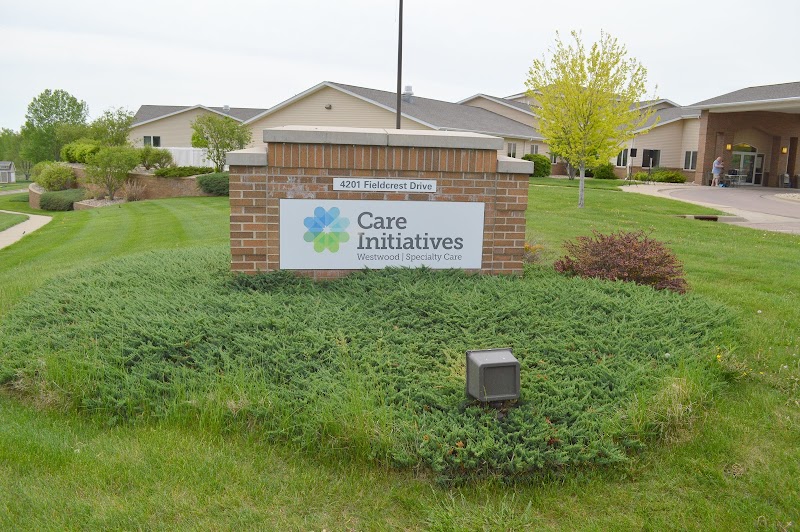
How is Westwood Specialty Care Staffed?
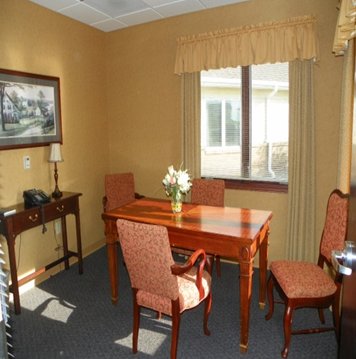
CMS rates Westwood Specialty Care's staffing level at 3 out of 5 stars, which is average compared to other nursing homes. Staff turnover is 56%, which is 10 percentage points above the Iowa average of 46%. High turnover can affect care consistency as new staff learn residents' individual needs.

What Have Inspectors Found at Westwood Specialty Care?

State health inspectors documented 93 deficiencies at Westwood Specialty Care during 2022 to 2025. These included: 1 Immediate Jeopardy (the most serious level, indicating potential for serious harm or death), 2 that caused actual resident harm, and 90 with potential for harm. Immediate Jeopardy findings are rare and represent the most serious regulatory concerns. They require immediate corrective action.

Who Owns and Operates Westwood Specialty Care?

Westwood Specialty Care is owned by a non-profit organization. Non-profit facilities reinvest revenue into operations rather than distributing to shareholders. The facility is operated by CARE INITIATIVES, a chain that manages multiple nursing homes. With 85 certified beds and approximately 79 residents (about 93% occupancy), it is a smaller facility located in SIOUX CITY, Iowa.

How Does Westwood Specialty Care Compare to Other Iowa Nursing Homes?

Compared to the 100 nursing homes in Iowa, Westwood Specialty Care's overall rating (1 stars) is below the state average of 3.0, staff turnover (56%) is near the state average of 46%, and health inspection rating (1 stars) is much below the national benchmark.

What Should Families Ask When Visiting Westwood Specialty Care?

Based on this facility's data, families visiting should ask: "What changes have been made since the serious inspection findings, and how are you preventing similar issues?" "How do you ensure continuity of care given staff turnover, and what is your staff retention strategy?" "Can I visit during a mealtime to observe dining assistance and food quality?" "How do you handle medical emergencies, and what is your hospital transfer rate?" These questions are particularly relevant given the facility's Immediate Jeopardy citations and the facility's high staff turnover rate.

Is Westwood Specialty Care Safe?

Based on CMS inspection data, Westwood Specialty Care has documented safety concerns. Inspectors have issued 1 Immediate Jeopardy citation (the most serious violation level indicating risk of serious injury or death). The facility has a 1-star overall rating and ranks #100 of 100 nursing homes in Iowa. Families considering this facility should ask detailed questions about what corrective actions have been taken since these incidents.

Do Nurses at Westwood Specialty Care Stick Around?

Staff turnover at Westwood Specialty Care is high. At 56%, the facility is 10 percentage points above the Iowa average of 46%. High turnover means new staff may not know residents' individual needs, medications, or preferences. It can also be disorienting for residents, especially those with dementia who rely on familiar faces. Families should ask: What is causing the turnover? What retention programs are in place? How do you ensure care continuity during staff transitions?

Was Westwood Specialty Care Ever Fined?

Westwood Specialty Care has been fined $263,192 across 2 penalty actions. This is 7.4x the Iowa average of $35,711. Fines at this level are uncommon and typically indicate a pattern of serious deficiencies, repeated violations, or failure to correct problems promptly. CMS reserves penalties of this magnitude for facilities that pose significant, documented risk to resident health or safety. Families should request specific documentation of what issues led to these fines and what systemic changes have been implemented.

Is Westwood Specialty Care on Any Federal Watch List?

Westwood Specialty Care is not on any federal watch list. The most significant is the Special Focus Facility (SFF) program, which identifies the bottom 1% of nursing homes nationally based on persistent, serious quality problems. Not being on this list means the facility has avoided the pattern of deficiencies that triggers enhanced federal oversight. This is a positive indicator, though families should still review the facility's inspection history directly.