St Luke Lutheran Nursing Home
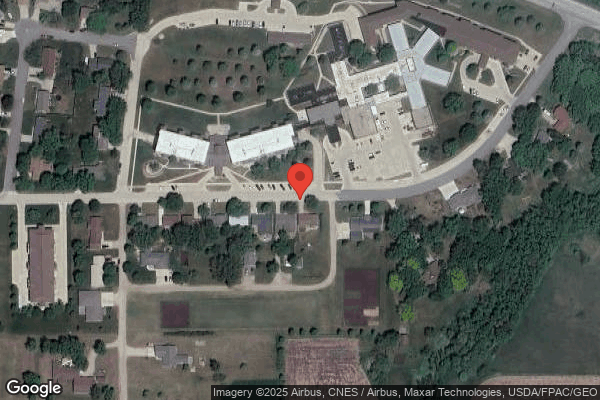
1301 SAINT LUKE DRIVE, SPENCER, IA 51301 (712) 262-5931
Non profit - Corporation 79 Beds Independent Data: November 2025 2 Immediate Jeopardy citations
Trust Grade
24/100
#301 of 392 in IA
Last Inspection: August 2024

Within standard 12-15 month inspection cycle. Federal law requires annual inspections.

Overview

St. Luke Lutheran Nursing Home has received a Trust Grade of F, indicating significant concerns about its overall quality and care standards. It ranks #301 out of 392 facilities in Iowa, placing it in the bottom half of the state, but it is the best option in Clay County, where it ranks #1 of 2. The facility is improving, having reduced its issues from 11 in 2024 to 4 in 2025, but it still faces serious challenges. Staffing is a strength, with a perfect score of 5 out of 5 stars, although turnover is at 51%, which is average for the state. However, there are notable issues, including a critical incident where a resident fell out of a mechanical lift, and another incident where a resident left the facility unnoticed for over two hours, both posing immediate risks to safety. While the nursing home has excellent RN coverage, the overall environment raises concerns, and families should weigh these factors carefully.

Trust Score
F
24/100
In Iowa
#301/392
Bottom 24%
Safety Record
High Risk
Review needed
Inspections
Getting Better
11 → 4 violations
Staff Stability
⚠ Watch
51% turnover. Above average. Higher turnover means staff may not know residents' routines.
Penalties
○ Average
$8,021 in fines. Higher than 68% of Iowa facilities. Some compliance issues.
Skilled Nurses
✓ Good
Each resident gets 49 minutes of Registered Nurse (RN) attention daily — more than average for Iowa. RNs are trained to catch health problems early.
Violations
⚠ Watch
23 deficiencies on record. Higher than average. Multiple issues found across inspections.
★★☆☆☆
2.0
Overall Rating
★★★★★
5.0
Staff Levels
★★★☆☆
3.0
Care Quality
★☆☆☆☆
1.0
Inspection Score
Stable
2024: 11 issues
2025: 4 issues

The Good

  • 5-Star Staffing Rating · Excellent nurse staffing levels
  • Full Sprinkler Coverage · Fire safety systems throughout facility
  • No fines on record

Facility shows strength in staffing levels, fire safety.

The Bad

2-Star Overall Rating

Below Iowa average (3.0)

Below average - review inspection findings carefully

Staff Turnover: 51%

Near Iowa avg (46%)

Higher turnover may affect care consistency

Federal Fines: $8,021

Below median ($33,413)

Minor penalties assessed

The Ugly 23 deficiencies on record

2 life-threatening
Sept 2025 4 deficiencies 1 IJ
CRITICAL (J) 📢 Someone Reported This

A family member, employee, or ombudsman was alarmed enough to file a formal complaint

Immediate Jeopardy (IJ) - the most serious Medicare violation

Accident Prevention (Tag F0689)

Someone could have died · This affected 1 resident

**NOTE- TERMS IN BRACKETS HAVE BEEN EDITED TO PROTECT CONFIDENTIALITY** Based on observations, clinical record review, facility policy review and staff interviews the facility failed to ensure residen...

Read full inspector narrative →
**NOTE- TERMS IN BRACKETS HAVE BEEN EDITED TO PROTECT CONFIDENTIALITY** Based on observations, clinical record review, facility policy review and staff interviews the facility failed to ensure residents needing a mechanical lift were provided safe and appropriate transfers to prevent injuries for 1 of 1 residents reviewed (Resident #54). This failure resulted in the resident falling out of the mechanical lift during a transfer and obtaining injuries and therefore causing an Immediate Jeopardy to the health, safety, and security of the residents. The facility failed to prevent further falls by following the care plan and implemented interventions for 1 of 1 residents reviewed (Resident #70). The State Agency informed the facility of the Immediate Jeopardy (IJ) that began as of August 16, 2025 on August 28, 2025 at 10:32 a.m The Facility Staff removed the Immediate Jeopardy on August 28, 2025 through the following actions:Notification to Nursing Staff on private Facebook page. Reminder to staff that if a sling needs readjustment that they need to place the resident back into bed or the chair while making adjustments before proceeding with transfer. Completed on 8/16/2025Education: All nursing staff educated on Smart Lift Operating Instructions. Furnished instructions for review and acknowledgment of understanding by staff. Completed on 8/18/2025. Assessments: All residents utilizing a mechanical lift were re-sized to ensure properly sized slings are being used for each resident. All residents were correctly sized. Notice of correct sling sizing placed by each resident room via a magnet for staff notification. Sizing of slings completed by Unit Managers on 8/27/2025.EZ Lift Slings1.The EZ Lift Slings stay with the resident, and in the resident's room.2.The EZ Lift Slings will be labeled with the resident's name.3. Residents will be sized for correct sling usage according to the sizing guide.4. Re-sizing will occur when needed by the charge nurse/unit managers according to the sizing guide.5. Magnets with matching colors to the sizing guide will be placed outside the resident rooms to identify what size lift sheet to use. EZ Way Sling Sizing Charts placed at each nurses' station. 8/27/2025.Education: Assigned all staff to watch video via CE Solutions (EZ Way Smart Lift Training Video). Assigned on 8/27/2025.Notification to Nursing Staff on a private Facebook page to educate staff on not locking the brakes when lifting or transferring a resident. Those employees that don't have Facebook access education provided with in-person or one-one education. Completed on 8/28/2025 User/Operating Manuals attached to each lift for staff reference if needed along with a reminder to not lock the brakes during transfers. Completed on 8/28/2025Nursing management will randomly monitor staff competency for safe transfers.All PRN nursing staff will be required to watch Training Video before being allowed to work the next scheduled shift. The scope lowered from a J to G at the time of the survey after ensuring the facilityimplemented education and their policy and procedures. The facility identified a census of 68 residents. Findings Include: 1. The Minimum Data Set (MDS) assessment dated [DATE] for Resident #54 documented diagnoses of Alzheimer's Disease, heart failure and anemia. The MDS showed a Brief Interview for Mental Status (BIMS) score was not completed as resident is rarely or never understood. Review of Progress Notes revealed the following: On 8/16/25 at 9:32 a.m., facility requesting patient to be seen in Emergency Department (ED) for evaluation due to fall from mechanical lift that was above that height. On 8/16/25 at 9:38 a.m., Certified Nursing Assistant (CNA) getting the resident out of bed with mechanical lift, they stated there was a kink in the sling that they tried to fix and she fell to the side onto the floor. She did not hit her head, but did hit her left shoulder. On 8/16/25 at 1:11 p.m., new orders received and noted 8/16/25 new diagnosis bilateral sacral body fractures. On 8/16/25 at 1:12 p.m., resident leaves facility via ambulance at 7:45 a.m., to go to the ED. Returns to the facility at 12:10 p.m., via facility van. Review of the medical chart revealed Resident #54's weight on 8/15/25 was 141 pounds. Review of the facility investigation dated 8/18/25 revealed the following information: Resident is dependent on the facility staff for all Activities of Daily Living (ADL's) and require the use of mechanical lift for transfers. On 8/16/25 two CNA's were getting ready to transfer Resident #54. Upon interview with both staff members, they had placed the sling under Resident #54. Attached the appropriate loop device to the hanger bar with the leg portion of the sling crossed and double looped (using the bigger loop as a safety net) in case the first loop failed. After beginning the transfer, they noticed that the hanger bar was not level and that the loop on the right side had moved and folded upon itself. The nurse aide stated that she fell before they could even do anything. The 2nd loop was also unattached. In review of the lift sheet itself it was in good condition with loops not fraying or thinned. The resident was using the appropriate size lift sheet (large) at the time. Resident was sent to the emergency room for evaluation out of precaution. She was not exhibiting any signs of pain or injury at the time of the fall. She did wince with the left arm movement. A CT scan was performed and found to have severe osteopenic disease and closed fracture of sacrum. Review of facility provided report dated 8/16/25 at 7:10 a.m., revealed the following information: Injuries rule out left shoulder sent to hospital for evaluation following fall Under notes witness statement on 8/19/25 at 10:02 a.m., Staff G, CNA and Staff H, CNA revealed the following: We noticed the hoyer was slanted weird at the top, Staff H reached up to fix it and it slipped off the machine. As a result Resident #54 slid out of the hoyer lift and fell to the floor on her left side. We called for the nurse immediately. Review of hospital Discharge Plan dated 8/16/25 at 11:24 a.m., revealed resident had a fall from a mechanical lift at the facility and fell approximately four feet. Following CT imaging revealed bilateral sacral body fractures as suspected. Recommendations based on orthopedic consultation revealed conservative management as the patient is not a surgical candidate. Pain management with existing morphine regimen from nursing home. Review of Major Injury Form dated and signed by the physician 8/18/25 revealed the following information: Resident up in hoyer, kink in sling causing loop to slide off, staff attempted to fix sling. Resident fell out of the side onto the floor. X was marked in front of after reviewing the circumstances, injury, and prognosis of the patient, I believe the injury sustained is a major injury. Interview on 8/26/2025 at 10:15 a.m., with Resident #54's family member revealed the resident had a fall from the mechanical lift. Resident #54's family revealed they had spoken to the CNA that was in the room when the fall happened. Resident #54's family member revealed the CNA was transferring resident with mechanical lift and the other staff was supposed to use a clip for safety before transferring her to her bed and the staff didn't use it and that is what caused the resident to fall from the lift. Resident #54's family revealed the resident went to the ED and the resident had fractures in her lower region but was unsure of exactly where. Interview on 8/26/2025 at 10:56 a.m., with Staff H revealed her and Staff G were assisting resident #54 with the mechanical lift transfer. Staff H explained that they were getting resident up and when they hooked up the hooks to the mechanical lift they hooked up all four hooks onto the lift. Staff H stated the one strap on the front did not get hooked all the way and when noticed that she was going to put the lift back down and it went the opposite way and came unhooked and the resident fell to the floor. Staff H revealed she should have lowered her right back down onto the bed and fixed the hook and re-lifted her up. Staff H revealed the staff do not use a particular size lift sheet size and it was our fault. Staff H explained she had learned her lesson and didn't want this to ever happen again. Interview on 8/26/2025 at 1:08 p.m., with Staff G revealed her and Staff H were assisting Resident #54 with a mechanical lift. Staff G stated she lifted the resident in the mechanical and noticed there was a kink in the sheet. Staff H went to straighten it out and it fell off and the resident fell to the floor. She further revealed the resident was sent to the hospital for an evaluation. Staff G explained she used a large lift sheet underneath her but was unsure of what was under her when they lifted her that day. Staff G explained if a large was not available then she would use a medium lift sheet. She explained the sheets go by dimensions and weight of the person. Observation on 8/27/2025 at 9:57 a.m., of Staff A, CNA and Staff B, CNA assisting resident #54 with transfer from wheelchair to bed. Staff A and Staff B assisted the resident to place the sling underneath her in the wheelchair. Staff locked the wheels on the mechanical lift and hooked up the sling to the mechanical lift. With the mechanical lift wheels still locked, staff lifted resident out of the wheelchair and moved over to the bed and lowered down until comfortable onto the bed. Interview with Staff A and Staff B revealed the staff just picks a sling that fits the resident. Staff A explained the staff just pick a sling that fits the resident and they use a size medium or a size large for Resident #54. Staff B explained the aides usually just try and pick a sling that fits around the resident's shoulder and that's not too big. There isn't a size assigned to the resident that she is aware of. Staff A confirmed there is no book that she is aware of that has a chart to help the staff pick a lift sheet for the resident. Observation on 8/27/2025 at 12:43 p.m., with Staff C, CNA and Staff D, CNA transfer Resident #11 into bed. Staff D told Staff C to lock the wheels on the mechanical lift. Staff C locked the wheels on the mechanical lift and hooked the resident's lift sheet to the mechanical lift. Staff D with mechanical lift wheels still locked raised Resident #11 up and unlocked the wheels and placed him onto this bed. Staff D explained they use a medium lift for this resident as he is not a giant man and it goes around his shoulders nice. Interview on 8/27/2025 at 1:54 p.m., with the Director of Nursing (DON) revealed she understood the situation to have happened as Staff G and Staff H were transferring Resident #54 and the lift sheet came loose and was coming off the mechanical lift and they wanted to push it back down and the sheet came off and the resident fell to the floor. The DON revealed the lift sheets stay with the residents in the facility. The DON confirmed she felt the resident was in the right lift sheet size during the transfer. The DON explained after the fall the facility changed the sling size for Resident #54 to a medium sling as that was a better fit for her. The DON revealed the Business Office Manager (BOM) does the sling sizing for the residents. The DON explained the BOM was a CNA for twenty plus years and she did the sizing but has not had any education regarding how to size the lift sheets. When asking the DON how do the CNA's and other staff members know the appropriate size lift sheet to use for the mechanical list she replied I don't know as there was nothing in writing for them to refer to. Review of the mechanical lift instruction manual with a revision date of 5/5/25 revealed the following information: The wheels of the mechanical lift should never be locked when lifting or lowering a patient. Sling sizing chart within the manual revealed the sling size large weight of the patient range is 190-320 pounds. Review of facility provided policy titled Safe Lifting and Movement of Residents with a revised date of February 2014 revealed the following information: Staff responsible for direct resident care will be trained in the use of manual and mechanical lifting devices. Staff will be observed for competency in using mechanical lifts and observed periodically for adherence to policies and procedures regarding use of equipment and safe lifting techniques. Enough slings, in the sizes required by residents in need, will be available at all times. Interview on 8/27/2025 at 1:54 p.m., with the DON revealed she felt the facility did everything they could to prevent the fall and she has been doing education since the fall occurred. 2. Resident #70's MDS assessment dated [DATE] documented a Brief Interview of Mental Status (BIMS) score of 3, indicating severely impaired cognition. The MDS documented Resident #70 required supervision or touching assistance with toileting (Helper provides verbal cues and/or touching/steadying and/or contact guard assistance as resident completes activity). The MDS included diagnoses of dementia, Parkinson's disease and anxiety disorder. Resident #70's fall investigation dated 5/31/25 documented the staff left Resident #70 unattended by staff in the bathroom. When staff returned to Resident #70's room, she was ambulating unattended and fell. The intervention put in place at the time of the fall documented staff to not leave Resident #70 unattended in the bathroom. Resident #70's Care Plan under safety date 5/31/25 directed staff to not leave her unattended and alone in my bathroom. Resident #70's fall investigation dated 7/31/25 documented the resident fell in the bathroom when washing her hands. The Fall Scene Investigation Report completed by Staff G, Certified Nurses Aide documented she left Resident #70 unattended at the bathroom sink to go into the room to get her wheelchair and the resident fell. It further documented the root cause was the resident was left unattended and staff not using a gait belt. On 8/28/2025 at 9:52 AM, the Director of Nursing reported staff are made aware of care plan changes with a care plan alert and it is at the nurses station to follow. Staff should not have left Resident #70 unattended in the bathroom. The facility policy titled Falls-Clinical Protocol dated 8/10/2008 documented staff and physicians will identify pertinent interventions to try to prevent subsequent falls. It lacked documentation of follow up to ensure interventions are being done.
CONCERN (D) 📢 Someone Reported This

A family member, employee, or ombudsman was alarmed enough to file a formal complaint

Potential for Harm - no one hurt, but risky conditions existed

Deficiency F0583 (Tag F0583)

Could have caused harm · This affected 1 resident

Based on clinical record review, observation, staff interview and facility policy review the facility failed to provide privacy of a body during personal cares (Resident #11 and #54). The facility rep...

Read full inspector narrative →
Based on clinical record review, observation, staff interview and facility policy review the facility failed to provide privacy of a body during personal cares (Resident #11 and #54). The facility reported a census of 27 residents.Findings include: 1. Observation on 8/27/2025 at 12:43 p.m., Staff C, Certified Nursing Assistant (CNA) and Staff D, CNA assisted Resident #11 into bed. During the transfer with the mechanical lift, staff failed to close the curtains to provide privacy during the transfer. 2. Observation on 8/27/2025 at 9:57 a.m., revealed Staff A, CNA and Staff B, CNA assisted Resident #54 into bed. During the transfer with the mechanical lift staff failed to close the curtains to provide privacy during the transfer. Review of the facility policy titled Resident Right Guidelines undated revealed close the door to the room when privacy is appropriate. Draw window curtains as well as the privacy curtain between beds. Provide privacy for the resident during cares. Interview on 8/27/2025 at 1:54 p.m., with the Director of Nursing (DON) revealed staff should have the curtains closed when performing transfers.
CONCERN (D) 📢 Someone Reported This

A family member, employee, or ombudsman was alarmed enough to file a formal complaint

Potential for Harm - no one hurt, but risky conditions existed

Report Alleged Abuse (Tag F0609)

Could have caused harm · This affected 1 resident

**NOTE- TERMS IN BRACKETS HAVE BEEN EDITED TO PROTECT CONFIDENTIALITY** Based on clinical record review, facility record review, staff interviews and facility policy review the facility failed to repo...

Read full inspector narrative →
**NOTE- TERMS IN BRACKETS HAVE BEEN EDITED TO PROTECT CONFIDENTIALITY** Based on clinical record review, facility record review, staff interviews and facility policy review the facility failed to report allegations of abuse to the Iowa Department of Inspections & Appeals and Licensing (DIAL) within 2 hours of an allegation of abuse for 4 of 4 residents reviewed for abuse (Resident #5, #44, #54, and #80). The facility reported a census of 68 residents. Findings include:1.The Minimum Data Set (MDS) assessment dated [DATE] for Resident #5 documented diagnoses of dementia, vision impairment and anxiety disorder. The MDS showed the Brief Interview for Mental Status (BIMS) score of 00, which indicated severe cognitive impairment. The MDS also showed Resident #5 required partial/moderate assistance for hygiene, bathing and toileting.In an interview on 8/27/25 at 11:29 AM Staff I, reported they witnessed Resident #5 attempting to exit the bed when Staff C, CNA entered the resident's room without knocking, flipped on the light, failed to introduce herself then flung the resident's feet in bed and told her to stay in bed. 2. The MDS assessment dated [DATE] for Resident #44 documented diagnoses of Alzheimer's Disease, anxiety disorder and pain unspecified. The MDS showed the BIMS score assessment unable to be completed. The MDS also showed Resident #44 dependent for toilet hygiene, bathing, and dressing. In an interview on 8/27/25 at 11:29 AM Staff I, CNA reported while transferring Resident #44, she became incontinent of bowel movement which Staff C, CNA commented, in the presence of the resident, Are you fucking kidding me? 3. The MDS assessment dated [DATE] for Resident #54 documented diagnoses of heart failure, dementia and seizure disorder. The MDS showed the BIMS score of 6, which indicated severe cognitive impairment. The MDS also showed Resident #52 dependent for toilet hygiene and lower body dressing. On 2/10/25 at 12:00 PM Staff I, CNA reported Resident #54 voiced she felt another CNA was upset at her because they didn't get her up for supper. While Staff I and Staff C, CNA worked to get the resident up for supper, in the presence of the resident, Staff C talked about why staff didn't like the resident.4. The MDS assessment dated [DATE] for Resident #80 documented diagnoses of heart failure, dementia and malnutrition. The MDS showed the BIMS score of 4, which indicated severe cognitive impairment. The MDS also showed Resident #80 required substantial/maximal assistance for hygiene and dressing. On 2/10/25 at 12:00 PM Staff I, CNA reported while in the presence of Resident #80, Staff C stated that she believed the resident would pass away soon. In an interview on 8/27/25 at 11:29 AM Staff I, CNA witnessed Staff C, CNA rapidly removed Resident #80's shirt which caused the resident to elevate her voice. Staff C informed Staff I the resident suffered from gout. Staff I reported Staff C, knowing the condition of the resident, failed to use a method that could have possibly avoided discomfort. Staff C then stated to the resident, you're fine. Staff I reported, Staff C didn't ask the resident if she was okay. In an interview on 8/27/25 at 11:29 AM, Staff I, CNA reported the same day she witnessed the allegations, and additional allegations, she typed a note and submitted the note under the office doors of the Administrator, Director of Nursing (DON) and Assistant Director of Nursing (ADON). When asked if allegations were reported to other staff, Staff I stated, I didn't report it. I was new. I didn't know what nurse to trust. I didn't want the story to go around differently than what happened. When asked what she would do if she witnessed possible abuse today, Staff I reported she didn't know because she reported to all three administration staff and no one did anything. Staff I reported no one followed up with her. Approximately a week later, I went to the Administrator's office. Staff I stated, the Administrator said he had six days to follow up. No one followed up.Observation on 8/27/25 at 2:57 PM of Staff C's, CNA personnel file showed an untitled document dated February 21, 2025 recorded the following:We have received some complaints concerning the care you are providing to the residents. Careful on how you talk to residents or about them in front of the residents and your co-workers. It is my experience that all residents are treated in a kind and considerate manner, and that they are always treated with dignity and respect in all interactions. You need to explain what you are doing to the resident while providing cares so they know what you are doing and so you don't come across as being rude or rough. The document was signed by the Administrator and ADON.In an interview on 8/28/25 at 9:50 AM, the ADON reported she didn't recall all the details of the meeting with the Administrator and Staff C, CNA. The ADON stated, it was all the way back in February, that's hard to remember. The ADON reported meeting with Staff C about her gruff voice, then made plans for Staff C's work assignments to be in the same hall as the ADON's office. When asked to provide documentation related to resident care incidents and the meeting with Staff C, the ADON reported she doesn't keep documentation of any incident. The ADON explained once she reported to the Administrator or DON, she destroys her documentation. In an interview on 8/28/25 at 10:28 AM, when asked if the Administrator received any typed letter in February regarding Staff C, CNA and concerns with resident care. The Administrator stated, I remember getting something but I don't know if it was one of the letters we already gave you, or something else, or I may have gotten rid of it. When asked if he is required to keep documentation, the Administrator stated, I don't know am I? When asked if the [DATE] documentation concerning Staff C occurred in reaction to receiving a concern, the Administrator stated, yes but I don't remember what was said. I looked through my notes and I didn't see anything. In an interview on 9/2/25 at 3:06 PM, the DON reported submitting all information regarding Staff C, had no further documentation regarding Staff C, and couldn't recall if other incidents were reported. The DON stated, I know we are supposed to report allegations of abuse within two hours, but I already gave you all the documentation I had. I don't remember anything else that was reported. The Nursing Facility Abuse Prevention, Identification, Investigation and Reporting Policy dated October 2022 identified all allegations of Resident abuse, neglect, exploitation, mistreatment, injuries of unknown origin and misappropriation should be reported immediately to the charge nurse. The charge nurse is responsible for immediately reporting allegations of abuse to the Administrator, or designated representative. All allegations of Resident neglect, exploitation, mistreatment, injuries of unknown origin and misappropriation shall be reported to the Iowa Department of Inspections and Appeals, not later than two hours after the allegation is made, if the events that cause the allegation result in serious bodily injury, or not later than twenty-four hours if the events that cause the allegation involve neglect, exploitation, mistreatment, injuries of unknown origin and misappropriation, but do not result in serious bodily injury.
CONCERN (E) 📢 Someone Reported This

A family member, employee, or ombudsman was alarmed enough to file a formal complaint

Potential for Harm - no one hurt, but risky conditions existed

Resident Rights (Tag F0550)

Could have caused harm · This affected multiple residents

**NOTE- TERMS IN BRACKETS HAVE BEEN EDITED TO PROTECT CONFIDENTIALITY** Based on observation, resident interviews, and staff interviews the facility failed to respect each resident's dignity throughou...

Read full inspector narrative →
**NOTE- TERMS IN BRACKETS HAVE BEEN EDITED TO PROTECT CONFIDENTIALITY** Based on observation, resident interviews, and staff interviews the facility failed to respect each resident's dignity throughout all care and services provided to 6 out of 22 residents reviewed (Resident #5, #44, #54, and #80 ). The facility reported a census of 68 residents.Findings include:1.The Minimum Data Set (MDS) assessment dated [DATE] for Resident #5 documented diagnoses of dementia, vision impairment and anxiety disorder. The MDS showed the Brief Interview for Mental Status (BIMS) score of 00, which indicated severe cognitive impairment. The MDS also showed Resident #5 required partial/moderate assistance for hygiene, bathing and toileting.In an interview on 8/27/25 at 11:29 AM Staff I, Certified Nursing Assistant (CNA) reported they witnessed Resident #5 attempting to exit the bed when Staff C, CNA entered the resident's room without knocking, flipped on the light, failed to introduce herself then flung the resident's feet in bed and told her to stay in bed. 2. The MDS assessment dated [DATE] for Resident #44 documented diagnoses of Alzheimer's Disease, anxiety disorder and pain unspecified. The MDS showed the BIMS score assessment unable to be completed. The MDS also showed Resident #44 dependent for toilet hygiene, bathing, and dressing. In an interview on 8/27/25 at 11:29 AM Staff I, CNA reported while transferring Resident #44, she became incontinent of bowel movement which Staff C, CNA commented, in the presence of the resident, Are you fucking kidding me? 3.The MDS assessment dated [DATE] for Resident #54 documented diagnoses of heart failure, dementia and seizure disorder. The MDS showed the BIMS score of 6, which indicated severe cognitive impairment. The MDS also showed Resident #52 dependent for toilet hygiene and lower body dressing. On 2/10/25 at 12:00 PM Staff I, CNA reported Resident #54 voiced she felt another CNA was upset at her because they didn't get her up for supper. While Staff I and Staff C, CNA worked to get the resident up for supper, in the presence of the resident, Staff C talked about why staff didn't like the resident.4. The MDS assessment dated [DATE] for Resident #80 documented diagnoses of heart failure, dementia and malnutrition. The MDS showed the BIMS score of 4, which indicated severe cognitive impairment. The MDS also showed Resident #80 required substantial/maximal assistance for hygiene and dressing. On 2/10/25 at 12:00 PM Staff I, CNA reported while in the presence of Resident #80, Staff C stated that she believed the resident would pass away soon. In an interview on 8/27/25 at 11:29 AM Staff I, CNA witnessed Staff C, CNA rapidly removed Resident #80's shirt which caused the resident to elevate her voice. Staff C informed Staff I the resident suffered from gout. Staff I reported Staff C, knowing the condition of the resident, failed to use a method that could have possibly avoided discomfort. Staff C then stated to the resident, you're fine. Staff I reported, Staff C didn't ask the resident if she was okay. Observation on 8/27/25 at 2:57 PM of Staff C's personnel file showed an untitled document dated February 21, 2025 recorded the following:We have received some complaints concerning the care you are providing to the residents. Careful on how you talk to residents or about them in front of the residents and your co-workers. It is my experience that all residents are treated in a kind and considerate manner, and that they are always treated with dignity and respect in all interactions. You need to explain what you are doing to the resident while providing cares so they know what you are doing and so you don't come across as being rude or rough. The document was signed by the Administrator and Assistant Director of Nursing. An untitled policy last revised November 2016 identified the resident has a right to be treated with respect and dignity including the right to reside and receive services in the facility with reasonable accommodation of resident needs and preferences except when to do so would endanger the health or safety of the resident or other residents.In an interview on 9/2/25 at 3:06 PM, the Director of Nursing (DON) reported she expected staff to treat all residents with dignity and respect. The DON reported submitting all information regarding Staff C, had no further documentation regarding Staff C, and couldn't recall if other incidents were reported.
Aug 2024 7 deficiencies 1 IJ
CRITICAL (J) 📢 Someone Reported This

A family member, employee, or ombudsman was alarmed enough to file a formal complaint

Immediate Jeopardy (IJ) - the most serious Medicare violation

Accident Prevention (Tag F0689)

Someone could have died · This affected 1 resident

**NOTE- TERMS IN BRACKETS HAVE BEEN EDITED TO PROTECT CONFIDENTIALITY** Based on observation, interviews, video and record review, the facility failed to account for the whereabouts of 1 of 1 resident...

Read full inspector narrative →
**NOTE- TERMS IN BRACKETS HAVE BEEN EDITED TO PROTECT CONFIDENTIALITY** Based on observation, interviews, video and record review, the facility failed to account for the whereabouts of 1 of 1 resident reviewed (Resident #16), and failed to ensure that the door alarms were activated. The facility failed to transfer correctly 1 of 1 resident reviewed for a transfer with a sit to stand lift, (Resident #23). On the evening of 5/7/24, Resident #16 used the handicap button, that did not trigger an alarm, to exit through the front door at 7:20 PM. A staff member from the assisted living facility returned him to the nursing home at 10:10 PM. Nursing home staff were unaware that he had been gone for over 2 hours and that he had fallen during his time outside. Staff later found that the alarm to the front door had been turned off earlier that evening. This failure caused an Immediate Jeopardy to the health, safety and security of the residents. The State Agency informed the facility of the Immediate Jeopardy (IJ) that began as of May 7, 2024 on August 21, 2024 at 2:15 PM. The facility staff removed the Immediate Jeopardy on August 21, 2024 through the following actions: a. Contractor Knight Protection called to install new alarm system at front door with a key pad and code for anyone exiting the facility. b. Wanderguard System (WGS) was always in working order for those residents assessed to be at risk for elopement. c. Education: Wandering and Elopement in Long-Term Care was assigned to employees. d. Color placard placed at alarm panels at both Nurses' Stations regarding shutting off alarms. e. Employee that turned off the alarm on date of incident was disciplined. f. Director of Nursing had a private message via private FaceBook to nursing employees regarding elopement. The scope lowered from a J to D at the time of the survey after ensuring the facility implemented education and their policy and procedures. The facility reported a census of 67 residents. Findings include: 1) According to the Minimum Data Set (MDS) dated [DATE], Resident #16 had a Brief Interview for Mental Status (BIMS) score of 12 (moderate cognitive deficit). He was independent with eating, toileting, dressing, hygiene and walking with the use of a walker. His diagnosis included; seizure disorder, traumatic brain injury, anxiety disorder, and bradycardia. The Care Plan updated on 7/23/24, showed Resident #16 preferred to spend time in his room. Staff were to offer to take him outside to tend to the garden when appropriate. The resident had a history of a traumatic brain injury and had periods of confusion and difficulty organizing his thoughts and communicating needs. Resident #16 had the potential to fall down and get hurt, staff were directed to remind him to ask for help. He tended to lose his balance and would fall or bump into things. On 5/7/24 he had a WG placed to his right ankle and it was removed on 6/19/24. Staff were to monitor for attempts to leave facility and replace if needed. Encourage him to ask for staff assistance if he wants to go outside. Encourage to let staff know when leaving facility with family or friends not to leave facility on his own without staff knowledge. On 8/19/24 at 12:41 PM, Resident #16 was sitting in a recliner in his room. He pointed out at the bird feeder outside his window, and talked about migration of different birds. He said that the staff treat him well, but got in trouble when he went outside without them knowing. He said he wanted to put seed in the bird feeder but nobody wanted to go with him. It was 7:00 at night I sat out there and listened to the birds. He said that he was outside for about 2 hours and then he decided that he better come in because it was getting dark. He said that he was able to leave through the front entrance undetected by hitting the button so the alarm wouldn't go off. A facility investigation showed that on 5/7/24, Staff C Licensed Practical Nurse (LPN) reported that she gave Resident #16 medication at 7:04 PM and he asked her to fill up his bird feeder outside his window. She said she would put in a maintenance request to have that done in the morning. At 10:10 PM, Staff G, Personal Assistant (PA) from the Assisted Living (AL) building brought Resident #16 back to nursing home. He had entered the front door of AL and told Staff G that he needed help finding his room. She then walked him back to the nursing home. At 10:15 PM, Staff C noted that he did not have his walker and he commented to the staff that he went to fix his bird feeder. He was found to have an abrasion to left face, left wrist and both of his knees. At 11:00 PM Staff C went around the nursing home and checked exits and alarms and noted that the front door alarm was bypassed. The resident's walker was found by the front door. A Nursing Note dated 5/8/24 at 2:06 AM, showed that, initially, Resident #16 told the nurse that he hadn't fallen while he was outside. Later, when the nurse noticed a small abrasion to the left side of his face, under his glasses frame, he admitted that he had fallen and had a difficult time getting back up. He also had small abrasions to the left wrist, left knee above and below the knee cap and one to the right knee. An Elopement Risk assessment dated [DATE], showed Resident #16 was not at risk for elopement. An intervention was later added to the document reading: resident did have a WG in place after he went out of the facility without notifying staff, it was intentional that he went outside, and staff is aware to keep track of his whereabouts, WG had been removed. The following signed, written staff statements were included in the facility investigation of the incident from the evening of 5/7/24: a. Staff V, Certified Nurse Aide (CNA) was working that night, giving baths and putting residents to bed. She did not see the resident before he left the building and did not hear any alarms. b. Staff U, CNA did not see the resident or hear alarms. c. Staff W, RN did not see the resident or hear alarms. d. Staff X, Certified Med Aide (CMA) did not hear an alarm or see the resident before he left the building. Further investigation revealed that a family had left the facility around 8:00 PM, and the front door alarm went off. Staff E, CNA, indicated to Staff A that it was all clear and it was okay to turn the alarm off so she switched it off. Staff A thought she had turned it back on. Staff were educated and reminded that door alarms were to be turned on at all times, and hourly rounding was to be completed on resident per facility policy. On 8/20/24 at 6:05 PM, Staff G Personal Assistant (PA) in the AL building said that she was just starting her shift (10p-7a) when Resident #16 came to the South door. She said that it was dark outside, he was able to enter by pushing the handicap button. She asked him if he needed help and he said that he needed help finding his room so she walked him over to the nursing home. The only thing he said to her was it's buggy out there. He didn't say that he fell or what he was doing outside. It was chilly, and he was wearing a short-sleeved shirt, pants and shoes. One of his shoes was untied so she tied it for him. He had glasses on, and seemed to be walking okay without assistance. In an observation on 8/21/24 at 8:49 AM, it was found that the outside area from the front door of the nursing home to the assisted living door was about 500 feet through the grass. There were a couple of hills and a valley with rough, uneven ground. A review of a video from the front door of the facility revealed that on 5/7/24 at 7:20 PM Resident #16 walked to the door with his walker, pushed the handicap button and exited the building. On 8/19/24 at 7:20 PM Staff F LPN said that Resident #16 knew that he could just hit the handicap button and the front door would not alarm. He would go out with family quite often so he knew the routine. He wasn't a risk before, didn't wander or check doors, and he was pretty independent around the facility. On 8/20/24 at 8:45 AM, Staff C, LPN said she didn't know how long Resident #16 may have been outside or where he actually went during that time. She didn't think he ever made it to the bird feeder. When Staff G brought him over from Assisted Living, he said that he hadn't fallen. She took him to his room and helped him into the recliner. That's when she noticed he had a scratch near his eye, it was difficult to see behind his glasses. She noticed his knees were dirty and that's when he admitted that he had fallen. Staff C did not remember hearing an alarm. When the resident had been brought back to the facility, she called the supervisor on duty, and she directed her to go around and check all of the alarms. The northeast nurse station alarm for the front door had been turned off. She did not know how long it could have been off, someone cleared it and didn't turn the switch back on. On 8/21/24 at 5:50 AM, Staff A, CNA, said that she worked the night that Resident #16 got out. She did not see him leave or know that he was gone. Earlier in the evening, the alarm had gone off and another employee had told her it was clear so she shut the alarm off. I thought I turned it back on but apparently not. The other staff member could see the front door and the nurses' station where Staff A was standing, and she gave her the okay to turn it off. On 8/21/24 at 4:30 PM, the Director of Nursing (DON) said that after the incident with Resident #16, she reinstituted the hourly rounding. This was a process where the staff document that all residents are accounted for on an hourly basis. She said that they had used in the past, but most recently, it hadn't been followed. On 8/22/24 at 6:58 AM, the DON said that they had a process for residents and families to sign out so they know where they are, but it wasn't being used and they needed to reeducate staff and families about using that. On 8/21/24 at 3:49 PM Staff Z CNA works PRN. she has worked some evening shifts and from 6-9 PM, most of their time is spent getting residents to bed and it's a very busy time. They try to get to the rounding but sometimes there was just one CNA per hallway and one floater. On 8/21/24 at 3:45 PM, Staff X said that on the overnight/evening shift is a very busy time with getting residents too and from meals, and then getting them ready for bed. From 7 PM-10 PM was the busiest time for resident cares. According to a facility policy titled: Wanderguard System/Door Alarm System, Revised on 8/20/24. The front door was alarmed and you must push the red button to get into the facility. When exiting a code must be punched in before exiting. All door alarms need to physically be checked when sounding to assure that a resident was not leaving and not just turned off at the nurses' station. The policy indicated that staff would perform hourly rounding on residents. 2) According to the MDS dated [DATE], Resident #23 had a BIMS score of 14 (intact cognitive ability). She required substantial assistance with dressing, toileting hygiene, sit to stand and toilet transfers. Diagnosis included diabetes mellitus, anxiety disorder, muscle weakness and chronic pain. The Pare plan updated on 2/7/24, showed Resident #23 used a power scooter for mobility and an EZ stand mechanical lift for transfers. On 8/19/24 at 12:54 PM, Staff Y, CNA prepared to transfer Resident #23 from the wheel chair to the recliner with the Sit to Stand mechanical lift. She attached the sling and strapped the resident's legs to the platform. Several times, she reminded the resident to stand up straight. Once she was in the standing position, Staff Y failed to tighten the belt around the torso. On 8/21/24 at 10:12 AM, the DON said that the staff were taught upon orientation on safe transfers. She acknowledged the risks if/when the buckle on the Sit to Stand was not tightened, especially with a weaker resident. According to the user [NAME] for the Sit to Stand mechanical lift, page 6; as the patient is being raised, simultaneously tighten the safety strap buckled around the torso.
CONCERN (D)

Potential for Harm - no one hurt, but risky conditions existed

Resident Rights (Tag F0550)

Could have caused harm · This affected 1 resident

**NOTE- TERMS IN BRACKETS HAVE BEEN EDITED TO PROTECT CONFIDENTIALITY** Based on observations, interviews, clinical record review, and facility policy, the facility failed to provide dignity by consis...

Read full inspector narrative →
**NOTE- TERMS IN BRACKETS HAVE BEEN EDITED TO PROTECT CONFIDENTIALITY** Based on observations, interviews, clinical record review, and facility policy, the facility failed to provide dignity by consistently knocking on residents ' doors before entering. The facility reported a census of 67 residents. Findings Include: The Minimum Data Set (MDS) dated [DATE] revealed Resident #4 scored 14/15 on the Brief Interview for Mental Status (BIMS) indicating the resident is cognitively intact. Resident #4 on 8/19/24 at 1:50 PM stated staff do not knock prior to entering her room or announce themselves. The resident stated staff just walk in, do whatever they want, and give orders. Continuous observation on 8/20/24 at 9:49 AM identified Staff H, Certified Nursing Assistant (CNA), Staff I, CNA/Certified Medication Aide (CMA), and Staff J, CNA, delivering towels. The staff were entering rooms on the East Hallway without consistently knocking on the residents ' doors or announcing their entrance. On 8/21/24 at 7:58 AM observed Staff K, CNA, enter a resident ' s room without knocking or announcing her entrance. On 8/21/24 at 12:45 PM the Director of Health Services (DHS) indicated staff should knock on all resident doors prior to entering. The DHS stated staff should wait for response from a resident before entering. The facility provided document, Residents ' [NAME] of Rights revised 11/16, revealed the facility must treat each resident with dignity, respect and care. The facility must provide a homelike and comfortable environment, and the residents have a right to personal privacy.
CONCERN (D)

Potential for Harm - no one hurt, but risky conditions existed

Deficiency F0657 (Tag F0657)

Could have caused harm · This affected 1 resident

**NOTE- TERMS IN BRACKETS HAVE BEEN EDITED TO PROTECT CONFIDENTIALITY** Based on observations, staff interview, clinical record review, and policy review the facility failed to review and revise the c...

Read full inspector narrative →
**NOTE- TERMS IN BRACKETS HAVE BEEN EDITED TO PROTECT CONFIDENTIALITY** Based on observations, staff interview, clinical record review, and policy review the facility failed to review and revise the care plan for 1 of 24 residents reviewed (Resident #30). The facility reported a census of 67 residents. Findings include: According to the Minimum Data Set (MDS) assessment dated [DATE] Resident #30 scored 3/15 on the Brief Interview for Mental Status (BIMS) indicating severe cognitive impairment. The resident completed rolling in bed independently. Section J revealed Resident #30 had occasional pain. Section M of the MDS revealed the resident had 1 or more pressure ulcers/injuries that were not healed. The document indicated the resident had 1 unstageable pressure injury presenting as deep tissue injury. Resident #30's Care Plan revealed the resident has the potential to bruise easily and is at risk for skin breakdown. The document provided approaches for staff including: ensuring heels are placed in boots to prevent pressure. Resident #30's Medication Administration Record (MAR)/Treatment Administration Record (TAR) for 8/24 revealed application of skin prep to the right heel twice daily. The nursing staff signed off on the treatment for 39/41 opportunities. The document also revealed the placement of heels in inflatable boot(s), both heel(s), to prevent pressure with the first date of 6/1/24. Review of the document further revealed staff signed off on the treatment for 39/41 opportunities. Observed on 8/19/24 at 12:55 PM Resident #30's right (R) foot in a boot and the left (L) foot in a regular shoe. Observed on 8/20/24 at 10:02 AM Resident #30's R foot in a boot and regular shoe on the L foot. Observed on 8/21/24 at 6:54 AM Staff L, Registered Nurse (RN), complete wound care to Resident #30's R heel. Upon removal of Resident #30's bed covers observed a single boot on the resident's right foot. Staff L completed the appropriate wound care, replaced the R boot and left the room. Staff L stated Resident #30 came back with the wound to the heel and only wears a boot on the R foot. On 8/20/24 at 10:20 AM Staff M, Licensed Practical Nurse (LPN), stated Resident #30 came back from the hospital with spots on his heels. The staff stated the L heel had healed and the R heel is close. Staff M stated the resident only wears the R boot during the day when he is up and just sitting. The resident may wear regular shoes when ambulating with staff. On 8/20/24 at 12:50 PM the Director of Health Services stated the Care Plans and the TARs should correlate together. If a resident had a positioning device referenced on the TAR it would be expected to be on the care plan. The facility provided document, Care Plans, Comprehensive Person-Centered revised March 2022, revealed the MAR/TAR will be considered part of the ongoing Care Plan. The document further revealed the care plan should include services required to attain or maintain the resident's highest level of physical well-being.
CONCERN (D)

Potential for Harm - no one hurt, but risky conditions existed

Pressure Ulcer Prevention (Tag F0686)

Could have caused harm · This affected 1 resident

**NOTE- TERMS IN BRACKETS HAVE BEEN EDITED TO PROTECT CONFIDENTIALITY** 2. According to the Minimum Data Set (MDS) assessment dated [DATE] Resident #30 scored 3/15 on the Brief Interview for Mental S...

Read full inspector narrative →
**NOTE- TERMS IN BRACKETS HAVE BEEN EDITED TO PROTECT CONFIDENTIALITY** 2. According to the Minimum Data Set (MDS) assessment dated [DATE] Resident #30 scored 3/15 on the Brief Interview for Mental Status (BIMS) indicating severe cognitive impairment. The resident completed rolling in bed independently. Section J revealed Resident #30 had occasional pain. Section M of the MDS revealed the resident had 1 or more pressure ulcers/injuries that were not healed. The document indicated the resident had 1 unstageable pressure injury presenting as deep tissue injury. Resident #30's Physician Orders revealed skin treatment: placing heels in inflatable boot(s), both heel(s) to prevent pressure with the first date 6/1/24. The document also revealed to apply dry dressing to the right hip for drainage as needed with the first date of 6/4/24. Resident #30's Medication Administration Record (MAR)/Treatment Administration Record (TAR) for 8/24 revealed staff signing that both boots were in place on AM and HS shifts for 39/41 opportunities with 2 blanks on the document. The document also revealed no documentation for dressing on the right (R) hip for the month of August. Observed on 8/19/24 at 12:55 PM Resident #30's R foot in a boot and the left (L) foot in a regular shoe. Observed on 8/20/24 at 10:02 AM Resident #30's R foot in a boot and regular shoe on the L shoe. Observed on 8/21/24 at 6:54 AM Staff L, Registered Nurse (RN), complete wound care to Resident #30's R heel. Upon removal of Resident #30's covers observed a single boot on the resident's right foot. Staff L completed the appropriate wound care, replaced the R boot and left the room. Staff L stated Resident #30 came back with the wound to the heel and only wears a boot on the R foot. Staff L stated there was no wound on the R hip. On 8/20/24 at 10:20 AM Staff M, Licensed Practical Nurse (LPN), stated Resident #30 came back from the hospital with spots on his heels. The staff stated the L heel had healed and the R heel is close. Staff M stated the resident only wears the R boot during the day when he is up and just sitting. The resident may wear regular shoes when ambulating with staff. Staff M stated there was no wound care for the hip as it had been healed. On 8/20/24 at 12:50 PM the Director of Health Services stated if a resident had a positioning device referenced on the TAR it would be expected to be followed. Based on observation, interviews and record review the facility failed to follow the interventions and physicians' orders to prevent worsening of pressure ulcers for 2 of 3 residents reviewed, (Residents #64 and #30). Resident #64 had a treatment order for a chronic heel ulcer and the treatment was not followed. Resident #30 had an order to place boots on both feet to prevent worsening of ulcers. Staff were applying a boot to the right foot only. The facility reported a census of 67 residents. Findings include: 1. According to the Minimum Data Set (MDS) dated [DATE], Resident #64 had a Brief Interview for Mental Status (BIMS) score of 14 (intact cognitive ability). She required partial assistance with toileting, dressing, and transfers. Resident #64 had an unhealed, unstageable pressure open area on her left foot and staff were to apply a dressing on the foot. The Care Plan last updated on 8/8/24, showed the resident had pain related to cancer and was having a hard time moving. She was an assist of one with the wheeled walker, and was admitted to Hospice services on 8/8/24. Staff were to follow wound care orders, as she was being treated by wound care nurse for stage 3 pressure to left heel, and to follow recommendations. Heel protector boot was to be applied when in chair and bed, remove when up. A review of the electronic chart revealed the following Physicians' Orders: a. On 4/16/24, apply waffle boots bilateral at all times except while walking. b. On 6/11/24, cleanse left heel ulcer with sterile saline apply small amount of iodosorb (gel containing substance that helps clean wounds) into the wound. Apply calcium alginate, cover with polymem, (soft absorbent dressing with moisturizing and wound cleansing properties) secure with roll gauze and tape. c. On 7/24/24, cleanse left lateral foot ulcer with sterile saline, apply polymem and secure with medipore (soft, surgical tape) daily. On 8/19/24 at 2:58 PM, Resident #64 was in bed sleeping on her back, she had gripper socks on her feet, and there was a blue heel protector boot in the recliner on the opposite side of the room. On 8/20/24 at 5:59 AM, the blue boot was still in the recliner. The resident was in bed on her back sleeping. On 8/20/24 at 6:20 AM, Staff S, Licensed Practical Nurse (LPN) said that the order was to leave the left heel Open To Air (OTA) so she wouldn't be doing any treatments to the residents foot. On 8/20/24 at 9:25 AM, Staff T, CNA, prepared to give the resident a bed bath. She was sleeping and did not respond when addressed. The boot was still in the recliner. The resident did not have anything on her feet and as Staff T lifted her left foot, it was revealed that she had two sores; one just below the small toe and spot on the heel. A review of the Treatment Administration Record (TOA) showed that in the month of August, the treatment was not completed and the foot was left open to air. On the 6th and 7th of August the treatments were not signed off as having been completed. On 8/21/24 at 10:15 AM, the Director of Nurse (DON) said she would expect staff to complete orders as written.
CONCERN (E)

Potential for Harm - no one hurt, but risky conditions existed

Deficiency F0578 (Tag F0578)

Could have caused harm · This affected multiple residents

**NOTE- TERMS IN BRACKETS HAVE BEEN EDITED TO PROTECT CONFIDENTIALITY** 3. Review of Resident #2 ' s Electronic Health Record (EHR) revealed a document titled, Face Sheet that indicated Resident #2 ha...

Read full inspector narrative →
**NOTE- TERMS IN BRACKETS HAVE BEEN EDITED TO PROTECT CONFIDENTIALITY** 3. Review of Resident #2 ' s Electronic Health Record (EHR) revealed a document titled, Face Sheet that indicated Resident #2 had an advanced directive for do not resuscitate. Review of a facility provided undated document titled, Authorization for Withholding CPR, revealed Resident #2 ' s Guardian had signed the form and was the only signature on the form with no date. This document further revealed that the form had no physician signature and no witness signature or dates. 4. Review of Resident #121 ' s EHR document titled, Face Sheet, revealed that Resident #121 had an advance directive for do not resuscitate. Review of a facility provided document titled, Authorization for withholding CPR, revealed Resident #121 ' s Durable Power of Attorney (DPOA) had signed the form with no witness signature or physician ' s signature present. This document further revealed a date of [DATE] was written on the date space by the witness signature. Review of a facility provided document titled, Authorization for Withholding CPR dated [DATE] revealed: a. Upon admission the facility will ask about the resident ' s directives. b. They will be given the opportunity to determine whether they wish for CPR or to withhold CPR. c. After signing the document, it will be sent to the physician for signature. d. The CPR request will be placed in the resident ' s chart and replaced when the signed physician sheet is returned to the facility. e. Code status will be documented in E.H.R. as well as the document will be scanned into the record. g. The Unit Managers/Social Service Director will be in charge of obtaining the resident signature and dating it. Based on record review, interview and policy review the facility failed to obtain complete resident records. A facility form titled: Authorization for Withholding CPR (Cardiopulmonary Resuscitation) did not include a date, or physician signature and/or a witness signature for 4 of 27 reviewed, (Residents #3, #23, #2 and #121) . The facility reported a census of 67 residents. Findings include: 1. According to the Face Sheet for Resident #3, he was admitted to the facility on [DATE] with a Do Not Resuscitate (DNR). Do not attempt to restore heartbeat and breathing following a cardio pulmonary arrest. A form titled; Authorization for Withholding CPR signed by the resident, included a handwritten note, I want CPR and the writing was scribbled out. The resident's signature and witness signature were not dated. Staff failed to include the code status in a request for signature fax to the doctor dated [DATE]. Item #8 was written: request (blank space) status. 2. The Face Sheet for Resident #23 showed that she was admitted on [DATE] with a code status of DNR. The Authorization for Withholding CPR was signed by the resident and a witness, but it was undated.
CONCERN (E)

Potential for Harm - no one hurt, but risky conditions existed

Respiratory Care (Tag F0695)

Could have caused harm · This affected multiple residents

**NOTE- TERMS IN BRACKETS HAVE BEEN EDITED TO PROTECT CONFIDENTIALITY** 4. The MDS assessment dated [DATE], documented Resident #21 had a BIMS score of 12/15 indicating moderate cognitive impairment. ...

Read full inspector narrative →
**NOTE- TERMS IN BRACKETS HAVE BEEN EDITED TO PROTECT CONFIDENTIALITY** 4. The MDS assessment dated [DATE], documented Resident #21 had a BIMS score of 12/15 indicating moderate cognitive impairment. The MDS documented diagnoses that included coronary artery disease (CAD), heart failure, neurogenic bladder, and benign prostatic hyperplasia. Resident #21 required oxygen. The Medication Profile Report Dated 5/29/24 revealed Resident #21 had orders for 2 Liters (L)/Nasal Cannula (NC) or mask to keep saturations above 90%; oxygen 1-5L/minute (min) per NC as needed for comfort - intermittent or continuous. Resident #21 ' s MAR/TAR revealed an order for changing nebulizer mask/tube/tubing 1x week with the first date 8/27/24, entered on 8/20/24. The document further revealed administration of oxygen 1.0 L/min - 5.0 L/min (per nasal cannula)>or equal to 90% as needed on the first date 5/29/24 (for comfort), entered on 5/29/24. The document revealed no signatures by staff for the resident needing oxygen for the month of August. Resident #21 ' s Care Plan revealed an approach of application of oxygen per primary care provider ' s orders, allow rest periods and to notify the nurse if the resident complains of shortness of breath. Observation on 8/19/24 at 12:51 PM revealed the resident on oxygen via nasal cannula. The oxygen tubing from the concentrator showed a changed date of 7/28/24. Observation on 8/20/24 at 9:37 AM revealed oxygen tubing on the concentrator dated 7/28/24 and nebulizer tubing dated 8/14/24. On 8/20/24 at 10:24 AM and at 1:58 PM Staff M, LPN, stated oxygen tubing and nebulizers were changed once a week on nights. The staff stated it is the facility protocol that the tubing is to be changed weekly and it should be noted on the TAR. Staff M stated it did not matter whether or not the resident received hospice services. On 8/21/24 at 12:50 PM the Director of Health Services (DHS) stated oxygen tubing was to be changed weekly. The DHS acknowledged that earlier in the week that some tubing had not been changed, and the facility had gone through and changed tubing. The DHS stated the facility ordered bright colored stickers for easier notification of dates on the tubing. The staff stated the tubing will now be changed on Tuesdays and it would be noted on the TAR. Based on clinical record review, observations, resident interviews, staff interviews, and policy review the facility failed to provide respiratory care and services in accordance with professional standards of practice for 4 of 4 residents reviewed (Residents #11, #21, #33, and #41) requiring the use of oxygen. The facility reported a census of 67 residents. Findings include: 1. Review of Resident #11 ' s Minimum Data Set (MDS) dated [DATE] revealed a Brief Interview for Mental Status (BIMS) score of 13 indicating intact cognition. The MDS further revealed diagnosis of chronic obstructive pulmonary disease, and dyspnea (shortness of breath). During an interview 8/20/24 at 9:27 AM with Resident #11 revealed that the Resident could not recall when the oxygen tubing was last changed for her. Resident #11 further revealed that it felt as if it had been awhile since it was last changed. On 8/20/24 at 9:28 AM an observation revealed Resident #11 ' s oxygen tubing was dated 6/2/24. 2. Review of Resident #33 ' s MDS dated [DATE] revealed a BIMS score of 13 indicating intact cognition. Review of Resident #33 ' s Electronic Health Record (EHR) document titled, Physician ' s Orders dated 6/20/24 revealed an order to apply oxygen 1-2 Liters (per nasal cannula), as needed to keep oxygen levels equal to or greater than 90%. During an interview on 8/19/24 at 12:02 PM with Resident #33 revealed the Resident could not recall when the tubing was changed. Resident #33 further revealed it had been a while ago. During an observation 8/19/24 at 12:02 PM Resident #33 was observed to be wearing a nasal cannula. Oxygen tubing was observed to have no date on it at this time. 3. Review of Resident #41 ' s MDS dated [DATE] revealed a BIMS score of 13 indicating intact cognition. The MDS included diagnoses of coronary artery disease, and heart failure. Review of Resident #41 ' s EHR document titled, Physician ' s Orders dated 6/20/24 revealed an order to apply oxygen 1-2 liters per nasal cannula. Keep oxygen levels greater than 90% every shift. During an observation 8/19/24 at 11:43 AM Resident #41 was observed to be on oxygen via nasal cannula. It was observed at this time that the oxygen tubing was dated 3/2/24. Review of Resident #41 ' s Treatment Administration Record (TAR) dated August 2024 showed an order to change oxygen cannula one time per week on Tuesday nights. The TAR further revealed that this was not signed on 8/17/24. During an interview on 8/20/24 at 9:32 AM with Staff N Licensed Practical Nurse (LPN) revealed oxygen tubing is to be changed once a week. Staff N stated that she personally dates the tubing, and the TAR has areas to initial when completed. Staff N then revealed the tubing is usually changed on overnights on Saturdays. Staff N stated her expectation would be for the oxygen tubing to be changed weekly per the orders. During an interview on 8/20/24 at 9:41 AM with the Director of Nursing (DON) stated oxygen tubing should be changed, labeled, and dated as ordered. The DON then revealed the facility does not have a policy related to oxygen tubing being changed, but the facility does follow professional standard.
CONCERN (E)

Potential for Harm - no one hurt, but risky conditions existed

Infection Control (Tag F0880)

Could have caused harm · This affected multiple residents

**NOTE- TERMS IN BRACKETS HAVE BEEN EDITED TO PROTECT CONFIDENTIALITY** Based on observations, clinical record review, staff interviews and policy reviews the facility failed to implement appropriate ...

Read full inspector narrative →
**NOTE- TERMS IN BRACKETS HAVE BEEN EDITED TO PROTECT CONFIDENTIALITY** Based on observations, clinical record review, staff interviews and policy reviews the facility failed to implement appropriate hand hygiene and infection control practices to mitigate the spread of pathogens during resident cares (Resident #21, Resident #64). The facility further failed to diminish the risk of spreading SARS-CoV-2 (COVID-19) during an active outbreak. The facility reported a census of 67. 1. The MDS assessment dated [DATE], documented Resident #21 had a BIMS score of 12/15 indicating moderate cognitive impairment. The MDS documented diagnoses that included coronary artery disease (CAD), heart failure, neurogenic bladder, and benign prostatic hyperplasia. The assessment section entitled Functional Abilities and Goals (GG) revealed Resident #21 required extensive assistance to dependent assistance with activities of daily living (ADLs), mobility and transfers. The resident had an indwelling catheter. Resident #21's Care Plan revealed approaches for staff to follow including the resident having a catheter, following enhanced barrier precautions, taking care of catheter equipment, and monitoring output. Observation on 8/21/24 at 9:25 AM Staff H, Certified Nursing Assistant (CNA), and Staff O, CNA, donned appropriate personal protective equipment (PPE) and entered Resident #21's room for catheter and personal cares. Staff O completed catheter care using the left (L) hand to move the resident's skin, testicles, penis, and catheter tubing, while the right (R) hand obtained new disposable wipes from a package multiple times during catheter care. Staff O threw the used wipes across the resident into the trash can. During the same time period Staff H donned the resident's pants and non-skid socks. Staff H and Staff O assisted the resident to reposition to the R and L sides for completion of peri cares. Staff O completed peri cares obtaining wipes and cleaning with the R hand. Resident #21 was incontinent of bowel. Staff O completed removal of the dirty brief, closed it, and handed it to Staff H, who threw it in the trash can. Staff O initiated donning of the adult dependent brief and then removed her gloves. Staff O handed Staff H the dirty gloves, who threw the gloves away, and then handed Staff O clean gloves. Staff O donned the clean gloves without hand hygiene. Staff H and Staff O completed dressing, and transferred the resident to the wheelchair. Resident #21 blew his nose and handed Staff O the dirty tissue. Staff O threw the tissue away, assisted the resident complete upper body dressing, and made the resident's bed. Staff H emptied the resident's catheter, cleaned the urine graduate, placed the catheter in the dignity bag, brushed the resident's hair and cleaned his glasses. Staff H removed her gloves, applied Resident #21's oxygen, removed her gown, and pushed the resident towards the dining room. There was no hand hygiene. Staff O removed her gloves, wound up concentrator tubing, removed her gown and then washed her hands. On 8/21/24 9:58 AM the Infection Preventionist (IP) stated it was expected that every time gloves come off the staff need to complete hand hygiene. The IP stated following peri cares and catheter cares she would expect changing of gloves with hand hygiene before proceeding with other cares. On 8/21/24 at 12:53 PM the Director of Health Services (DHS) stated she would expect gloves to be changed during peri cares when hands became contaminated and before continuing on to other tasks. The DHS stated hand hygiene should occur prior to glove application, between gloves, and at the removal of gloves. The facility document, Infection Control Guidelines for All Nursing Procedures reviewed 1/30/20, revealed all direct control staff must have training on general infection and exposure control issues prior to having direct-care responsibilities for residents. The document further revealed employees must wash their hands with antimicrobial or non-antimicrobial soap and water or use alcohol-based hand rub containing 60-95% ethanol or isopropanol after removing gloves, after handling items potentially contaminated with blood, bodily fluids, or secretions, and before moving from a contaminated body site to a clean body site during resident care. The facility document, Handwashing/Hand Hygiene reviewed 3/10/20, revealed all staff will follow the procedures to prevent the spread of infection. The document also revealed alcohol-based hand rub with at least 62% alcohol or soap and water should be used after removing gloves, before and after handling an invasive device, and is the final step after removing and disposing of personal protective equipment (PPE). 2. Observed on 8/19/24 at 10:30 AM upon entry into the facility a sign posted that stated the facility was in outbreak status and masks must be worn by all healthcare providers and visitors. On 8/19/24 at 2:41 PM Staff R, Infection Technology, entered the conference room from the main hallway, dropped off a computer, and exited the room without wearing a mask. Observed on 8/20/24 at 7:00 AM the Laundry Supervisor and Staff P, laundry, working together without wearing masks. Observed on 8/20/24 at 7:29 AM the Maintenance Director and multiple maintenance/grounds staff gathered in the Maintenance Director's office talking. None of the staff were wearing masks. Observed on 8/20/24 at 11:35 AM the Office Manager walking in the main hallway into the business office without wearing a mask. Observed on 8/20/24 at 4:05 PM Staff Q exiting a room and walking in the hallway with her mask down below her chin. Observed on 8/20/24 at 4:15 PM the IP sitting at a table with the DHS in the DHS's office without a mask. On 8/20/24 at 10:37 AM the IP stated the facility has had 14 residents and 9 staff test positive for COVID-19 with the first resident testing positive on 8/6/24. The IP stated on 8/19/24 the facility had 2 residents and 2 staff test positive for COVID-19. The staff stated the facility is encouraging visitors to wear masks and staff were to wear masks. The IP stated if staff are in offices, they were OK to not wear masks, but they were to wear masks in the halls. The IP voiced that she was not worried about staff not wearing masks around others in an office if there was enough distance. The staff would not elaborate on what enough distance constituted, but would encourage separation. On 8/20/24 at 12:58 PM the DHS stated masks were to be worn in all resident care areas, including hallways and residents' rooms. The DHS expected staff to wear masks when around other staff even when in offices. The facility document, Coronavirus Disease (COVID-19) - Source Control dated 8/1/23, revealed source control measures are utilized as part of COVID-19 prevention and control measures. Source control included use of well-fitting masks that cover the mouth and nose, and prevent the spread of respiratory secretions when individuals were breathing, talking, coughing, or sneezing. The document disclosed source control may be implemented more facility-wide targeting higher risk areas or resident populations. The document also revealed those working in a facility experiencing an outbreak the universal use of source control may be discontinued as a mitigation measure once no new cases have been identified for 14 days. 3. According to the Minimum Data Set (MDS) dated [DATE], Resident #64 had a Brief Interview for Mental Status (BIMS) score of 14 (intact cognitive ability). She required partial assistance with toileting, dressing, and transfers. Resident #64 had an unhealed, unstageable pressure open area on her left foot and staff were to apply a dressing on the foot. The Care Plan last updated on 8/8/24, showed the resident had pain related to cancer and was having a hard time moving. She was an assist of one, and was admitted to Hospice services on 8/8/24. Staff were to follow wound care orders for a stage 3 pressure to left heel, and to follow recommendations. The heel protector boot was to be applied when in chair and bed, remove when up. A Nursing Note dated 8/19/24 at 8:27 AM showed Resident #64 tested positive for COVID-19. She was experiencing shortness of breath, chills, and muscle pain. On 8/19/24 at 2:58 PM the entrance to the room for Resident #64 was covered with plastic and there was a bin outside the door with Personal Protection Equipment (PPE). The resident was in bed sleeping on her back and did not respond when addressed. On 8/20/24 at 9:25 AM, Staff T, Certified Nurse Aide (CNA) provided a bed bath for the resident. Staff T cleaned the residents face, arms, back legs and peri area with disposable clothes. She provided the entire bed bath without having changed her gloves, she pulled the covers back over resident and touched many surfaces before removing gloves and gown. Staff T left the room without washing her hands and used the hand sanitizer in the hallway.
Apr 2024 4 deficiencies
CONCERN (D) 📢 Someone Reported This

A family member, employee, or ombudsman was alarmed enough to file a formal complaint

Potential for Harm - no one hurt, but risky conditions existed

Report Alleged Abuse (Tag F0609)

Could have caused harm · This affected 1 resident

**NOTE- TERMS IN BRACKETS HAVE BEEN EDITED TO PROTECT CONFIDENTIALITY** Based on clinical record review, staff interviews, and facility record review, the facility failed to report an allegation of ab...

Read full inspector narrative →
**NOTE- TERMS IN BRACKETS HAVE BEEN EDITED TO PROTECT CONFIDENTIALITY** Based on clinical record review, staff interviews, and facility record review, the facility failed to report an allegation of abuse to the Iowa Department of Inspections & Appeals (DIA) within 24 hours for 1 of 1 residents reviewed for abuse (Resident #5). The facility reported a census of 75 residents. Findings include: The Minimum Data Set (MDS) assessment dated [DATE] for Resident #5 documented diagnoses of diabetes mellitus, heart failure and arthritis. The MDS showed the Brief Interview for Mental Status (BIMS) score of 15, indicating no cognitive impairment. Review of Progress Notes dated 3/29/24 at 10:46 p.m., revealed the following note: During the aide report nurse overhears aides talking about a physical altercation involving resident and aide. Aides state that at 2:00 p.m., the report for day shift stated the resident was swinging at the aide and giving her a hard time. Aide also states that it was reported by the resident that the aide hit her. Called the nursing supervisor on call phone and spoke with them regarding the situation. The aide is to work in the morning. On call supervisor states to speak to the aide tomorrow and anyone else who was present and let her know. When the resident was asked about what happened during the day she stated I don't remember we just didn't get along. When asked directly if there was an hitting resident stated no there was no hitting. Review of document titled Interview with Resident #5 dated 4/2/24 revealed feel no hitting of resident took place based on interview with Staff G, Certified Nursing Assistant and Resident #5 also the charting in the Nurses Notes on 3/29/24 support this. Review of facility provided policy titled Nursing Facility Abuse Prevention, Identification, Investigation and Reporting Policy dated October 2022 revealed the following: a. All allegations of resident abuse, neglect, exploitation, mistreatment, injuries of unknown origin and misappropriation should be reported immediately to the charge nurse. The charge nurse is responsible for immediately reporting allegations of abuse to the administrator or designated designee. b. All allegations of resident abuse shall be reported to the State Agency no later than 2 hours after the allegation is made. c. All allegations of resident neglect, exploitation, mistreatment, injuries of unknown origin and misappropriation shall be reported to the State Agency, no later than 2 hours, if the events that cause the allegation result in serious bodily injury, or not later than 24 hours if the events that cause the allegation involve neglect, exploitation, mistreatment, injuries of unknown origin and misappropriation, but do not result in serious bodily injury. Interview on 4/25/24 at 11:54 a.m., with the Administrator revealed he does not feel it should have been reported as the resident saying she was not hit when she was directly asked if anyone hit her.
CONCERN (D) 📢 Someone Reported This

A family member, employee, or ombudsman was alarmed enough to file a formal complaint

Potential for Harm - no one hurt, but risky conditions existed

Investigate Abuse (Tag F0610)

Could have caused harm · This affected 1 resident

**NOTE- TERMS IN BRACKETS HAVE BEEN EDITED TO PROTECT CONFIDENTIALITY** Based on record review, resident and staff interviews, and facility policy review the facility failed to investigate allegations...

Read full inspector narrative →
**NOTE- TERMS IN BRACKETS HAVE BEEN EDITED TO PROTECT CONFIDENTIALITY** Based on record review, resident and staff interviews, and facility policy review the facility failed to investigate allegations of abuse and separate resident from staff alleged of abuse during the investigation for 1 of 1 resident reviewed (Resident #5). The facility reported a census of 75 residents. Findings include: The Minimum Data Set (MDS) assessment dated [DATE] for Resident #5 documented diagnoses of diabetes mellitus, heart failure and arthritis. The MDS showed the Brief Interview for Mental Status (BIMS) score of 15, indicating no cognitive impairment. Review of Progress Notes revealed the following note: a. On 3/29/24 at 5:28 p.m., Resident was upset with Certified Nursing Assistant (CNA) as she was talking with her hands. Resident was yelling at staff member and made her upset. Nurse suggested that they use 2 aides while helping resident. b. On 3/29/24 at 10:46 p.m., During the aide report nurse overhears aides talking about a physical altercation involving resident and aide. Aides state that at 2:00 p.m., the report day shift stated that the resident was swinging at the aide and giving her a hard time. Aide also states that it was reported by the resident that the aide hit her. Called the nursing supervisor on-call phone and spoke with them regarding the situation. The aide is to work in the morning. On-call supervisor states to speak to the aide tomorrow and anyone else who was present and let her know. When the resident was asked about what happened during the day she stated I don't remember we just didn't get along. When asked directly if there was an hitting resident stated no there was no hitting. Interview on 4/24/24 at 2:25 p.m., with Staff G, CNA revealed she was assisting Resident #5 to the bathroom and when assisting her back into her wheelchair resident swung at Staff G. When Staff G asked why she swung at her she accused Staff G of hitting her when she was assisting her into the wheelchair. Staff G revealed she went and reported to Staff H, Registered Nurse (RN) that Resident #5 accused her of hitting her and Staff H told her not to go in there and if Staff G had to to make sure that there were 2 staff present. Staff G further revealed she was never suspended or had disciplinary action in regards to this incident. Interview on 4/24/24 at 1:25 p.m., with Staff H, RN revealed no one had reported anything to her on her shift about Resident #5 accusing Staff G of hitting her. Staff H said Staff G talked a lot and used her hands when she talked and Resident #5 was upset with Staff G. Staff H told Staff G to make sure she had 2 people in the room with her as Resident #5 was upset with Staff G. She heard the next day during shift report from Staff I, Licensed Practical Nurse (LPN) that Resident #5 accused Staff G of hitting her. Interview on 4/24/24 at 1:43 p.m., with Staff I, LPN revealed when she came onto her shift she had been told by Staff H, RN that Resident #5 didn't get along with Staff G. Staff I stated she didn't think much of it and went about her duties on her shift and at shift report at 10:00 p.m., overheard the CNA's reporting to the oncoming that Resident #5 had accused Staff G of hitting her. Staff I doubled checked with the CNA giving report and she revealed she had been told by the dayshift Resident #5 accused Staff G of hitting her. Staff I immediately called on-call nursing supervisor Staff J, Registered Nurse. Staff J asked Staff I if she had talked to the resident or the aides. Staff I was directed to talk to the aide when she came in for her morning shift. In the morning the aide told Staff I that she talked with her hands and Resident #5 thought she was swinging at her. Staff I told Staff G to stay away from Resident #5. Staff I reported information off to the dayshift nursing staff to tell Staff J when she came in. Staff I assumed Staff J was coming in to do an investigation into the situation. Interview on 4/24/24 at 3:26 p.m., with Staff J, RN revealed she was called by Staff I and stated that she had overheard the aides giving report and was told Resident #5 accused Staff G of hitting her. Staff J asked Staff I if she had talked to the aides or Resident #5. Staff J advised Staff I to talk to the aide in the morning when she came in. Staff J further revealed if something happened to Resident #5 she would have let everyone know and she had not heard anything about it so she wasn't too worried it happened. Staff J revealed she did not hear back from Staff I or anyone else from the building so she just left it at that. Staff J revealed Staff A, Assistant Director of Nursing had done an investigation on it either Monday or Tuesday after the report of the incident. Interview on 4/24/24 at 3:51 p.m., with the Administrator revealed he thought he knew about the incident but it didn't happen so they didn't do anything further but would check with nursing to see if there was an investigation. Review of document titled Interview with Resident #5 dated 4/2/24 revealed Staff A, ADON interviewed Resident #5. The document revealed feel no hitting of resident took place based on interview with Staff G, Certified Nursing Assistant and Resident #5 also the charting in the Nurses Notes on 3/29/24 support this. Review of document titled Interview of Staff G, CNA dated 4/2/24 revealed Staff A, ADON interviewed Staff G. Staff G talks with her hand and that upset Resident #5. Staff G states that Resident #5 swung at her and also that Resident #5 said she swung at Staff G because Resident #5 thought Staff G was swinging at her. Staff G stated there was no contact between Resident #5 and her other then when Staff G removed the EZ stand sling. Review of untitled document and undated signed by Staff J, RN revealed she had received a call on the on-call nursing cell phone on 3/29/24 at 10:27 p.m., from Staff I, LPN stating she had overheard in CNA report that Staff G had hit Resident #5. She also stated she had overheard Resident #5 had swung at Staff G during cares. Staff J asked if Staff I had talked to the aides or nurses and she states she would talk to them the next morning as the ones that worked on 3/29/24 would be here the next day. Staff J also told Staff I that if Resident #5 would have gotten hit by a CNA she would have made sure the nurses knew it had happened. She is very vocal and in the past if anything happened she told staff right away. Staff I was going to talk with the staff in the morning and let the on-call nurse know. Staff J did not get any updates regarding this after that phone call. It is noted in Resident #5's chart during the day Staff G had taken Resident #5 to the toilet and Staff G talks with her hands and this upset Resident #5 in turn she was yelling at Staff G. Day shift nurse encouraged CNA's to use 2 staff. Staff I spoke with Resident #5 and she has stated that there was no hitting involved. Review of facility provided policy titled Nursing Facility Abuse Prevention, Identification, Investigation and Reporting Policy dated October 2022 revealed the following: Should an incident or suspected incident of resident abuse be reported or observed, the administrator or his designee will designate a member of management to investigate the alleged incident. The Administrator or designee will complete documentation of the allegation of resident abuse and collect any supporting documents relative to the alleged incident. a. Review documentation in the resident record. b. Assess the resident for injury if the allegation involves physical or sexual abuse. c. Provide proper notification to primary care provider, responsible party, ect. d. Attempt to obtain witness statements (oral and or written) from all known witnesses. e. If there is physical evidence that can be preserved, attempt to do so, and maintain it in a safe location to minimize risk of evidence being tampered with. Following investigation the Administrator or designated agent will be responsible for forwarding the results of the investigation to the State Agency. This written report shall be forwarded to the State Agency within 5 days of the initial report. Initial and or immediate protection during facility investigation revealed upon receiving a report of an allegation of resident abuse, neglect, exploitation or mistreatment the facility shall immediately implement measure to prevent further potential abuse of residents from occuring while the facility investigation is in process. If this involves an allegation of abuse by an employee, this will be accomplished by separating the employee accused of abuse from all residents through the following or a combination of the following if practicable: 1. Suspending the employee 2. Segregating the employee by moving the employee to an area of the facility where there will be no contact with any residents of the facility and in rare instances 3. Separating the employee accused of abuse from the resident alleged to have been abused, but allowing the employee to care for and have contact with other residents only if there is a second employee who remains with and accompanies the employee accused of abuse at all times to supervise all contacts and interactions with residents. Following completion of the facility investigation, if the facility concludes that the allegation of resident abuse are unfounded, the employee may return to job duties involving resident contact, but the employee must maintain a separation and have no contact with the resident alleged to have been abused, by reassigning the accused employee to an area of the facility where no contact will be made between the accused employee and the resident alleged to have been abused. This separation must be maintained until the State Agency concludes its investigation and issues the written results of its investigation. Interview on 4/25/24 at 11:54 a.m., with the Administrator revealed he does not feel the staff should have been separated pending investigation since the resident denied being hit by the staff member.
CONCERN (E) 📢 Someone Reported This

A family member, employee, or ombudsman was alarmed enough to file a formal complaint

Potential for Harm - no one hurt, but risky conditions existed

Deficiency F0725 (Tag F0725)

Could have caused harm · This affected multiple residents

Based on interviews, record review, and policy review, the facility failed to ensure call lights were answered in under 15 minutes for 4 out of 4 residents reviewed (Resident #2, #5, #6 and #7). The f...

Read full inspector narrative →
Based on interviews, record review, and policy review, the facility failed to ensure call lights were answered in under 15 minutes for 4 out of 4 residents reviewed (Resident #2, #5, #6 and #7). The facility reported a census of 75 residents. Findings include: 1. Interview on 4/24/24 at 12:42 with Resident #2 revealed she waits a long time when she uses her call light and has waited over 2 hours for her call light to be answered. When Resident #2 told the facility about the long call light wait time, they went back and looked at the call light times and told her she was right about waiting so long. Resident #2 revealed she has had incontinent episodes of bowel movement and it makes her feel terrible. Resident #2 further revealed she has a catheter but there are times she has even been wet because staff does not come in and empty the bag enough so the urine backs up and her clothing gets wet with urine. Review of the facility provided document titled Device Activity Report dated 4/24/24 with report dates from 4/22/24- 4/24/24 revealed the following: a. On 4/22/24 the call light turned on at 7:05 a.m., and was on for 64 minutes. b. On 4/22/24 the call light turned on at 4:27 p.m., and was on for 24 minutes. c. On 4/23/24 the call light turned on at 6:14 p.m., and was on for 44 minutes. 2. Interview on 4/24/24 at 11:41 a.m., with Resident #5 revealed she has to wait a long time for her call light to be answered. Resident #5 further revealed she doesn't feel there is enough staff here to take care of all the residents and when she uses her call light sometimes no one ever comes. Resident #5 revealed she worries at times if she will make it to the bathroom when she has to wait so long for the staff to answer her call light. Review of the facility provided document titled Device Activity Report dated 4/24/24 with report dates from 4/22/24- 4/24/24 revealed the following: a. On 4/23/24 the call light turned on at 1:40 p.m., and was on for 15 minutes. 3. Review of the facility provided document titled Device Activity Report for Resident #6 dated 4/24/24 with report dates from 4/22/24- 4/24/24 revealed the following: a. On 4/22/24 the call light turned on at 1:56 p.m., and was on for 15 minutes. b. On 4/23/24 the call light turned on at 7:20 p.m., and was on for 39 minutes. c. On 4/23/24 the call light turned on at 8:10 p.m., and was on for 24 minutes. d. On 4/23/24 the call light turned on at 9:27 p.m., and was on for 23 minutes. e. On 4/24/24 the call light turned on at 8:45 a.m., and was on for 27 minutes. 4. Interview on 4/24/24 at 9:50 a.m., with Resident #7 revealed she has to wait a long time for her call light to be answered. Resident #7 further revealed she feels there is not enough staff here to take care of her. Review of the facility provided document titled Device Activity Report dated 4/24/24 with report dates from 4/22/24- 4/24/24 revealed the following: a. On 4/22/24 the call light turned on at 8:40 a.m., and was on for 16 minutes. b. On 4/22/24 the call light turned on at 9:03 a.m., and was on for 16 minutes. c. On 4/23/24 the call light turned on at 6:22 p.m., and was on for 20 minutes. d. On 4/24/24 the call light turned on at 7:05 a.m., and was on for 35 minutes. Review of Licensed Nurse Orientation Checklist provided by the facility dated 5/17/23 revealed no call light should go beyond 15 minutes. Interview on 4/25/24 at 10:27 a.m., with Staff A, Assistant Director of Nursing (ADON) revealed she expected call light to be answered in less then 15 minutes.
CONCERN (E) 📢 Someone Reported This

A family member, employee, or ombudsman was alarmed enough to file a formal complaint

Potential for Harm - no one hurt, but risky conditions existed

Food Safety (Tag F0812)

Could have caused harm · This affected multiple residents

Based on observations, staff interviews, and facility policy reviews the facility failed to ensure food was covered before leaving the dining area and served to residents in their rooms. The facility ...

Read full inspector narrative →
Based on observations, staff interviews, and facility policy reviews the facility failed to ensure food was covered before leaving the dining area and served to residents in their rooms. The facility identified a census of 75 residents. Findings include: During an ongoing observation on 4/24/24 at 12:04 p.m., in the dining room revealed the following: a. Staff D, Certified Nursing Assistant (CNA) took Resident #10 ' s meal tray to their room. The meal tray left the dining area with the cake and drinks uncovered and exposed as the tray went to Resident #10 ' s room. b. Staff D took Resident #11 ' s meal tray to their room. The meal tray left the dining area with the cake, a cup of ranch dressing and drinks uncovered and exposed as the tray went to Resident #11 ' s room. c. Staff E, CNA took Resident #12 ' s meal tray to their room. The meal tray left the dining area with the juice and coffee uncovered and exposed as the tray went to Resident #12 ' s room. d. Staff F, CNA took Resident #13 ' s meal tray to their room. The meal tray left the dining area with cake, ice water and coffee uncovered and exposed as the tray went to Resident #13 ' s room. e. Staff D took Resident #14 ' s meal tray to their room. The meal tray left the dining area with the cake, juice and milk uncovered and exposed as the tray went to Resident #14 ' s room. Review of the facility provided policy titled Resident Nutrition Services with a revision date of November 2009 revealed if a resident is receiving a room tray, all food and beverages must be covered before transport. Interview on 4/24/24 at 12:17 with Staff B, Dietary Manager revealed she expected all staff to cover all items leaving the dining room area.
Aug 2023 4 deficiencies
CONCERN (D)

Potential for Harm - no one hurt, but risky conditions existed

Deficiency F0658 (Tag F0658)

Could have caused harm · This affected 1 resident

Based on resident and staff interview, record review, and policy review the facility failed to follow a physician's order for one of twelve residents reviewed, (Resident #2). The facility reported a c...

Read full inspector narrative →
Based on resident and staff interview, record review, and policy review the facility failed to follow a physician's order for one of twelve residents reviewed, (Resident #2). The facility reported a census of 62 residents. Findings include: A Minimum Data Set (MDS) for Resident #2 dated 6/16/23, included diagnoses of schizophrenia and anxiety disorder. The MDS identified the resident was independent with bed mobility, transfers, dressing, toileting, and personal hygiene. The MDS documented the resident had a Brief Interview for Mental Status score of 15, indicating no cognitive impairment. During an interview on 8/14/23 at 11:49 AM, Resident #2 stated he had not had a bowel movement (BM) for 4 days. Resident #2's stool output record documented a large stool output on 8/11/23 and no further stool output until 8/15/23. Resident #2's Medication Administration Record for 8/1/23 - 8/31/23 documented the following physician orders and dates medication administered: a. Senna Plus (stool softener/laxative medication) 2 tablets twice a day (BID) as needed for bowel promotion, per bowel routine policy - day 2 with no BM take AM and hour of sleep (HS) - none documented given 8/11- 8/15/23. b. Senna Plus (stool softener/laxative medication) 3 tablets twice a day (BID) as needed for bowel promotion, per bowel routine policy - day 3 with no BM take AM and hour of sleep (HS). - documented given on following dates: 8/12/23 at 1:02 PM, 8/13/23 at 3:52 PM, 8/14/23 at 9:20 AM and 8:30 PM, and 8/15/23 at 10:17 AM. c. Senna Plus (stool softener/laxative medication) 4 tablets twice a day (BID) as needed for bowel promotion, per bowel routine policy - day 4 with no BM take AM and hour of sleep (HS) - none documented given 8/11-8/15/23. Facility protocol titled Bowel Routine Steps dated 5/16/23, documented: Day 1: Start with 2 Senna plus at bedtime. Day 2: Increasing Laxative if needed: a. Morning: 2 Senna Plus b.Bedtime: 2 Senna Plus Day 3: Increasing Laxative if needed: a. Morning: Take 3 Senna Plus and Miralax 17gm b. Bedtime: Take 3 Senna Plus and Miralax 17gm Day 4: Increasing Laxative if needed: a. Morning: Take 4 Senna Plus and Miralax 17gm b. Bedtime: Take 4 Senna Plus and Miralax 17gm After the 4th day steps the resident remains constipated, then contact the physician for further orders. Facility policy titled Prevention of Constipation, undated, documented residents will have normal bowel elimination of equal to or less than 3 bowel movements per day or at least every other day. Interview on 8/16/23 at 11AM, Staff H, Licensed Practical Nurse stated the bowel protocol needed to be followed, felt staff interpret the protocol differently which is confusing, and the night nurse provides a list of residents and how many days with no BM for the day nurse to know which day for bowel protocol. Interview on 8/17/23 at 10:19 AM, the Director of Nursing confirmed the physician's order for bowel protocol was not followed and expectation to follow physician orders.
CONCERN (D)

Potential for Harm - no one hurt, but risky conditions existed

Incontinence Care (Tag F0690)

Could have caused harm · This affected 1 resident

**NOTE- TERMS IN BRACKETS HAVE BEEN EDITED TO PROTECT CONFIDENTIALITY** Based on observation, record review and staff interview, the facility failed to provide care in a manner to assure cleanliness a...

Read full inspector narrative →
**NOTE- TERMS IN BRACKETS HAVE BEEN EDITED TO PROTECT CONFIDENTIALITY** Based on observation, record review and staff interview, the facility failed to provide care in a manner to assure cleanliness and prevent infection for 1 of 2 residents with a catheter (Resident #112). The facility reported a census of 62 residents. Findings include: According to the Minimum Data Set (MDS) assessment dated [DATE] Resident #112 scored 15 on the Brief Interview for Mental Status (BIMS) indicating no cognitive impairment. The resident depended on staff for transfer and toilet use. The resident had an indwelling urinary catheter and diagnoses included obstructive uropathy, urinary tract infection (UTI), and septicemia. The Progress Notes dated 7/27/23 at 12:50 p.m. documented the resident admitted to skilled level of care following hospitalization for UTI, sepsis, and cholecystitis (inflammation of the gallbladder). The Care Plan dated 8/3/23 identified the resident had a catheter due to urinary retention, chronic kidney disease (CKD), UTI, sepsis, and benign prostatic hypertrophy (BPH, enlarged prostate). The resident had a goal to be free from UTI, and interventions included caring for his catheter equipment and skin. A urinalysis Lab Report with a collection date of 8/14/23 showed on preliminary report the resident had Gram positive cocci (bacteria) in his urine. On 8/15/23 the physician ordered Cipro 500 mg 2 times a day for 7 days. During an observation on 8/15/23 at 9:43 a.m. Staff B, Certified Nursing Assistant (CNA) and Staff A, CNA washed their hands and gloved. Staff A pulled the incontinent pad back, and Staff B used premoistened disposable wipes to clean the bilateral (both) groins, turning the wipe after each wipe, and using the wipe for only 2 wipes. She then cleaned around and under the scrotum several times. The CNA's assisted the resident to turn to the left and Staff B pulled the incontinent pad back. As she wiped the anal area the the wipes showed a small amount of bowel movement. She cleaned the area until clear. The CNA's completely removed the incontinent pad, did hand hygiene and placed a new pad. Staff completed the cares with no cleansing of the urinary meatus or catheter tubing. After leaving the room, when asked about cleaning the genital area Staff B stated she forgot. She could do it after lunch. At 1:40 p.m. Staff B washed hands, gloved, pulled back the residents incontinent pad, and retracted the foreskin of the penis to reveal a large amount of smegma (a thick cheesy secretion around the genitals that collects when not cleansed regularly, not harmful, but could be an ideal environment for bacteria to grow and feed). Staff B cleansed the area, and replaced the foreskin. She removed gloves and closed the incontinent pad. She washed her hands and assisted with other things. Staff B did not clean the catheter tubing. After she left the room the resident stated they did not clean him that well very often. On 8/17/23 at 9:33 a.m. Staff G Unit Manager stated she expected staff to provide perineal care which included pulling the penile foreskin back and cleaning around it, and cleaning down the catheter tubing with cares. The facility Perineal Care policy dated 8/10/18 documented the purpose to provide cleanliness and comfort, prevent infections and skin irritations, and observe the residents skin condition. For a male, gently wash the juncture of the tubing from the urethra down the catheter about 3 inches. Retract the foreskin of the uncircumcised male, wash and rinse the urethral area using a circular motion. When finished with cleaning reposition the foreskin. The facility Urinary Catheter Care policy revised 1/31/20 documented the purpose of the procedure was to prevent catheter associated UTI's. The steps in the procedure included retracting the foreskin of the uncircumcised male and cleansing with circular strokes and returning the foreskin to it's normal position. Using a clean cloth, cleanse the catheter from the insertion site to approximately 4 inches outward.
CONCERN (D)

Potential for Harm - no one hurt, but risky conditions existed

Deficiency F0725 (Tag F0725)

Could have caused harm · This affected 1 resident

**NOTE- TERMS IN BRACKETS HAVE BEEN EDITED TO PROTECT CONFIDENTIALITY** Based on resident, staff and record review, the facility failed to ensure staff answered resident call lights and responded to r...

Read full inspector narrative →
**NOTE- TERMS IN BRACKETS HAVE BEEN EDITED TO PROTECT CONFIDENTIALITY** Based on resident, staff and record review, the facility failed to ensure staff answered resident call lights and responded to resident needs in a timely manner, within fifteen minutes, for 3 out of 20 residents interviewed (Residents #13, #5, and #37). The facility reported a census of 61 residents. Finding included: 1. The Minimum Data Set (MDS) assessment dated [DATE] for Resident #13 documented the Brief Interview for Mental Status (BIMS) score of 15 which indicated intact cognition. The MDS showed Resident #13 required extensive assistance of two persons for transfers, and required extensive assistance of one person with bed mobility, dressing and toileting. The MDS diagnosis included Parkinson's disease, diabetes, neurogenic bladder and vascular disease. In an interview on 8/16/23 at 9:35 AM, Resident # 13 reported she waited for her call light to be answered longer than 15 minutes at least six times a week and has been incontinent due to extended waiting times. Resident #13 reported that she tracked the time by looking at her watch. In an interview on 8/16/23 at 1:45 PM, a family friend of Resident #13, stated that during visits with the resident at the facility, Resident #13 stated she waited over 15 minutes to have staff answer her light. 2. The Minimum Data Set (MDS) assessment dated [DATE] for Resident #37 documented the Brief Interview for Mental Status (BIMS) score of 15 which indicated intact cognition. The MDS showed Resident #37 required extensive assistance of one person for bed mobility and transfers. The MDS diagnosis included history of stroke, hemiplegia, pain in left hip, and hypertension. In an interview on 8/15/23 at 3:11 PM, Resident #37 stated, I waited longer than 15 minutes for the staff to answer the call light. Resident #37 reported that he waited longer than 15 minutes about every other day. When asked if Resident #37, is incontinent when this happens he voiced, you know how it is when you have to go, I can't make it. 3. The Minimum Data Set (MDS) assessment dated [DATE] for Resident #5 documented the Brief Interview for Mental Status (BIMS) score of 9 which indicated moderately impaired cognition. The MDS showed Resident #5 required extensive assistance of two people for bed mobility, transfers and toileting. The MDS diagnosis included hemiplegia, diabetes, emphysema and hypertension. In an interview on 8/15/23 at 10:00 AM, Resident #5 reported that she waited over 15 minutes for staff to answer the call light. Resident #5 voiced, it usually happens once daily. I can usually wait to get to the toilet. In a follow up interview on 8/17/23 at 11:20 AM, Resident #5 reported she kept track of the time by the clock on her wall. In an interview on 8/16/23 at 2:20 PM, Staff A, Certified Nursing Assistant (CNA), asked if adequate staffing to answer call lights in a timely manner, Staff A stated, that's a good question, if we have to utilize agency staffing then probably not. In an interview on 8/16/23 at 2:23 PM, Staff B, CNA, asked if adequate staffing to answer call lights in a timely manner, Staff B stated she felt like 90% of the time they did. In an interview on 8/16/23 at 2:25 PM, Staff C, CNA, asked if adequate staffing to answer call lights in a timely manner, Staff C stated she doesn't feel like they have adequate staffing. In an interview on 8/16/23 at 2:26 PM, Staff D, CNA, asked if adequate staffing to answer call lights in a timely manner, Staff D stated she doesn ' t feel like they have adequate staffing. In an interview on 8/16/23 at 2:27 PM, Staff E, CNA, asked if adequate staffing to answer call lights in a timely manner, Staff E stated she doesn't feel like they have adequate staffing. In an interview on 8/16/23 at 2:28 PM, Staff F, CNA, asked if adequate staffing to answer call lights in a timely manner, Staff F stated she doesn ' t feel like they have adequate staffing. The undated Nurse Call System policy identified the facility utilizes the ARIAL system for Call Lights. Residents wear a pendant or wristband and push the center of it that then transfers to a pager. When responding to the resident, you clear the call by using your pen to push the back of the pendant. You then should clear the call on your pager. Uncleared calls and resets will lock the pager up and will appear as if it isn ' t working. Nurse aides received the call immediately and then kept going every 2 minutes until cleared. IF the call goes to 7 minutes, the nurses then get the calls also and it will keep going off every 2 minutes until cleared. If the call lights quit working, there is a box of whistles and bells in the front office near the main opening cupboard. Pass these out and do rounds every 15 minutes until the system is fixed. No call light should go beyond 15 minutes. Everyone is responsible to answer the call light and should have the pager with them at all times and it should never be placed on silent. In an interview on 8/17/23 at 12:08 PM, the Director of Nursing, reported that she expected staff to answer call lights as soon as they can.
CONCERN (D)

Potential for Harm - no one hurt, but risky conditions existed

Deficiency F0804 (Tag F0804)

Could have caused harm · This affected 1 resident

**NOTE- TERMS IN BRACKETS HAVE BEEN EDITED TO PROTECT CONFIDENTIALITY** Based on observation, resident and staff interview, and policy review the facility failed to serve food and drink at a safe and ...

Read full inspector narrative →
**NOTE- TERMS IN BRACKETS HAVE BEEN EDITED TO PROTECT CONFIDENTIALITY** Based on observation, resident and staff interview, and policy review the facility failed to serve food and drink at a safe and appetizing temperature. The facility reported a census of 62 residents. Findings include: Observation on 8/15/23 starting at 7:30 AM, Staff I, Dietary Aide poured glasses of milk, orange juice, and cranberry juice and placed on rolling cart in dining room area, glasses of fluids were not on ice. At 8:20 AM, Staff I served a resident a glass of the milk from the cart, and 4 glasses of milk, 3 glasses of orange juice, and 6 glasses of cranberry juice remained on the cart. Staff J, [NAME] checked the temperature of a remaining glass of milk and orange juice, with the milk temperature 58-degree Fahrenheit (F) and the orange juice temperature 56-degree F. Staff J stated she was not aware of the required temperature for milk and orange juice. Interview on 8/14/23 at 12:29 PM, Resident #162 stated she was admitted on [DATE] and has asked 2 times for hot bacon, as the bacon was cold. Facility policy titled, Food Preparation and Service revised 7/2014, documented the danger zone for food temperatures is between 41-degree F and 135-degree F, potentially hazardous foods include milk, therefore potentially hazardous foods must be maintained below 41-degree F. Interview on 8/16/23 at 2:33 PM, the Dietary Manager stated expectation for fluids to be maintained on ice, poured as served to the residents, and food/drinks maintained at correct temperatures.
May 2023 1 deficiency
CONCERN (D) 📢 Someone Reported This

A family member, employee, or ombudsman was alarmed enough to file a formal complaint

Potential for Harm - no one hurt, but risky conditions existed

Accident Prevention (Tag F0689)

Could have caused harm · This affected 1 resident

**NOTE- TERMS IN BRACKETS HAVE BEEN EDITED TO PROTECT CONFIDENTIALITY** Based on observation, clinical record review, resident and staff interview, physician interview, facility policy review and Inte...

Read full inspector narrative →
**NOTE- TERMS IN BRACKETS HAVE BEEN EDITED TO PROTECT CONFIDENTIALITY** Based on observation, clinical record review, resident and staff interview, physician interview, facility policy review and Internet websites, the facility failed to provide the necessary nursing supervision for 1 of 3 residents who fell and sustained a serious injury. (Resident #2). The facility identified a census of 59 residents. Findings include: A Minimum Data Set, dated [DATE] indicated Resident #2 had diagnosis that included a cerebral infarct (lack of blood supply to the brain) and congestive heart failure CHF). The assessment indicated the resident had a Brief Interview for Mental Status (BIMS) score of 15 out of 15 (cognitively intact) and required limited assistance of one staff member with transfers and ambulation in her room (guided maneuvering of limbs or other non weight bearing assistance). The Care Plan with a goal dated 11/15/22 at 7:36 a.m. indicated the resident required the basic care needs as follows: a. Had a stroke and new diagnosis of CHF so tired quickly. b. I required 1 staff assistance, front wheeled walker and a gait belt with transfers and ambulation. An Incident Report form dated 11/18/22 at 8:30 p.m. included the following documentation: The resident stood at the sink in her room while the CNA turned her back to the resident and placed the wheel chair in the closet, the resident turned to speak to the CNA, lost her balance and fell. A Nurse's Note entry dated 11/22/22 at 11:46 p.m. included the following documentation: As the Certified Nursing Assistant (CNA) assisted the resident with the hour of sleep (HS) cares, the resident stood at the sink and the CNA turned to put the resident's clothes away and the resident lost her balance and fell. An X-ray report dated 11/21/22 at 1:00 p.m. indicated the resident sustained a closed subcapital fracture of the left hip. A Major Injury form signed by the resident's Physician 11/18/22 at 1:15 p.m. identified the fracture as a major injury During an interview on 5/4/23 at 9:00 a.m. Staff A, Licensed Practical Nurse (LPN) confirmed after supper on a date unknown the CNA assisted the resident for bed and as the resident stood at the sink in her room and washed her hands, Staff B, CNA turned her back to the resident who lost her balance and fell on her butt right in front of the sink with no immediate injury. When asked since the resident had been admitted post a cerebral infarct and with bone density issues should the staff member have turned her back to the resident and Staff A replied with my medical background I probably would not have turned, yeah. During an interview on 5/4/23 at 10:22 a.m. Staff B confirmed as the resident stood at the sink in her room she turned her back to the resident, folded the wheel chair and placed it into the closet. As she turned around approximately five feet away the resident must of turned to grab her walker and she fell like a tower onto her bottom/hip on an unknown side with no initial injury. The staff member confirmed she knew she should not have turned her back to the resident and she should have maintained a grip on the resident's gait belt assistive device. According to a fax form signed by the resident's Physician 5/5/23 (no time), the Physician identified the fall as accidental and not likely preventable. According to metrica.com website older residents who may have been frail or weak could also receive the support they required during a transition without any risk for injury. The facilities gait belt policy (not dated) included the following documentation: a. Policy: It had been the policy of (facility name) that a gait belt would have been used to assist residents with transfers and ambulation in a safe and natural manner for all residents and the staff persons. According to the Michigan Medicine website, (www.med.umich) a gait belt assistive device helped to prevent falls.
Mar 2022 3 deficiencies
CONCERN (D)

Potential for Harm - no one hurt, but risky conditions existed

Deficiency F0657 (Tag F0657)

Could have caused harm · This affected 1 resident

**NOTE- TERMS IN BRACKETS HAVE BEEN EDITED TO PROTECT CONFIDENTIALITY** Based on clinical record, facility policy, and staff interview, the facility failed to create an individualized care plan to ens...

Read full inspector narrative →
**NOTE- TERMS IN BRACKETS HAVE BEEN EDITED TO PROTECT CONFIDENTIALITY** Based on clinical record, facility policy, and staff interview, the facility failed to create an individualized care plan to ensure a resident's diet orders were followed for 1 out of 14 residents reviewed (Resident #56). The facility reported a census of 56 residents. Findings include: The Minimum Data Set (MDS) dated [DATE] for Resident #56 revealed a Brief Interview of Mental Status (BIMS) score was not able to be obtained, the resident had severely impaired ability to make daily decisions. The resident's diagnoses include dementia without behavioral disturbance, bipolar disorder, dysphagia, and gastrostomy status. The resident required extensive assistance of 2 persons with transfers and was totally dependent with the assistance of 2 persons for bed mobility and toileting. The Order with an entry date of 7/23/20 read tube feed NPO (nothing by mouth) FYI (for your information). The Care Plan with a Basic Care Need dated 2/22/22 directed staff the resident was NPO and had a PEG (percutaneous endoscopic gastrostomy) tube feeding for all oral intake. The Care Plan with a Care Approach dated 2/23/22 directed staff to offer a snack or drink to the resident. The Goals and Objectives, Care Plans policy dated 08/11/15 revealed Care Plan goals and objectives are derived from information contained in the resident's comprehensive assessment and are resident orientated. In an interview on 3/17/22 at 9:07 AM, the Director of Nursing (DON) reported she would expect care plans be individualized for each resident's needs.
CONCERN (D)

Potential for Harm - no one hurt, but risky conditions existed

Incontinence Care (Tag F0690)

Could have caused harm · This affected 1 resident

**NOTE- TERMS IN BRACKETS HAVE BEEN EDITED TO PROTECT CONFIDENTIALITY** Based on observation, clinical record, and staff interview, the facility failed perform perineal care to the resident in a manne...

Read full inspector narrative →
**NOTE- TERMS IN BRACKETS HAVE BEEN EDITED TO PROTECT CONFIDENTIALITY** Based on observation, clinical record, and staff interview, the facility failed perform perineal care to the resident in a manner to prevent infection for 1 out of 2 residents reviewed (Resident #56). The facility reported a census of 56 residents. Findings include: The Minimum Data Set (MDS) dated [DATE] for Resident #56 revealed a Brief Interview of Mental Status (BIMS) score was not able to be obtained, the resident had severely impaired ability to make daily decisions. The resident's diagnoses include dementia without behavioral disturbance, bipolar disorder, and urinary incontinence. The resident required extensive assistance of 2 persons with transfers and was totally dependent with the assistance of 2 persons for bed mobility and toileting. Observation on 3/16/22 at 9:40 AM of Staff B and Staff C, Certified Nurse Assistants (CNA) performing perineal care to the resident when he was incontinent of urine and feces. Staff B did not use a new area of the wipe each time she cleaned an area of the resident's groin. Staff B then used a new area of the wipe for each area of the anal area and buttocks and then started using the used area of the wipe before completing perineal care to this area. Staff B cleaned the anal area and then cleaned both buttocks with the same area of the wipe. The Care Plan Basic Care Need dated 2/25/22 revealed the resident can't complete cares on his own with bathroom use, dressing, and was an infection risk. The Care Plan Goal dated 2/22/22 was to be free from urinary tract infections and the resident was unable to tell when he needed to go to the bathroom and that he was incontinent of urine. In an interview on 3/17/22 at 9:07 AM, the Director of Nursing (DON) reported she would expect a new area of a wipe be used with each new area of skin cleaned.
CONCERN (E)

Potential for Harm - no one hurt, but risky conditions existed

Infection Control (Tag F0880)

Could have caused harm · This affected multiple residents

**NOTE- TERMS IN BRACKETS HAVE BEEN EDITED TO PROTECT CONFIDENTIALITY** 3. Observation on 3/14/22 at 12:20 PM of Staff E and Staff D, Dietary staff, during lunch service showed both dietary staff put ...

Read full inspector narrative →
**NOTE- TERMS IN BRACKETS HAVE BEEN EDITED TO PROTECT CONFIDENTIALITY** 3. Observation on 3/14/22 at 12:20 PM of Staff E and Staff D, Dietary staff, during lunch service showed both dietary staff put the cups holding au jus sauce onto the resident's plates by holding them by the rims with their hands over the top of the cup. Observation on 3/14/22 at 12:25 PM of Staff D leaving the lunch service area when she started having uncontrollable coughing. Staff D blew her nose, put her face mask back in place, and resumed food service tasks without performing hand hygiene. In an interview on 3/17/22 at 9:04 AM, the facility Administrator reported he would expect food to be served in a hygienic manner and that dietary staff would perform hand hygiene after blowing their nose before resuming to serve food to residents. 4. In an interview on 3/16/22 at 12:49 PM, Staff F, Laundry Supervisor, reported the cart used to deliver resident's personal laundry was not covered when transported throughout the facility. The Laundry and Bedding, Soiled policy with a review date of 1/31/20 revealed that clean linens are protected from dust and soiling during transport and storage to ensure cleanliness. In an interview on 3/17/22 at 9:04 AM, the Director of Nursing (DON) reported she would expect that all clean laundry carts transported throughout the facility would be covered. 5. The Minimum Data Set (MDS) dated [DATE] revealed Resident #56 had a Brief Interview of Mental Status (BIMS) score that was not able to be obtained, the resident had severely impaired ability to make daily decisions. The resident's diagnoses include dementia without behavioral disturbance, bipolar disorder, and urinary incontinence. The resident required extensive assistance of 2 persons with transfers and was totally dependent with the assistance of 2 persons for bed mobility and toileting. Observation on 3/16/22 at 9:40 AM of Staff B and Staff C, Certified Nurse Assistants (CNA) performing peri care to resident. Each CNA changed gloves during the procedure without performing hand hygiene after removing gloves. Observation on 3/16/22 at 9:50 AM of Staff B, Staff C and Staff A, Registered Nurse (RN) transfer resident from bed to lift chair and perform personal cares to the resident to include washing his face and hands, change clothes, and apply deodorant. Staff A and Staff C entered the resident's room and donned gloves without performing hand hygiene. Staff C doffed gloves and did not perform hand hygiene before she left the resident's room. Staff A changed gloves without performing hand hygiene when preparing wet wash clothes, she also left the room without performing hand hygiene after she doffed her gloves. The Care Plan Basic Care Need dated 2/25/22 revealed the resident cannot complete cares on his own with bathroom use. The facility Infection Control Guidelines for All Nursing Procedures policy, undated, directed staff to perform hand hygiene before and after direct contact with residents and after removing gloves. In an interview on 3/17/22 at 9:04, the Director of Nursing (DON) reported she would expect staff to perform hand hygiene before performing peri care and during glove changes during resident cares. 6. The Minimum Data Set (MDS) dated [DATE] revealed Resident #56 had a Brief Interview of Mental Status (BIMS) score that was not able to be obtained, the resident had severely impaired ability to make daily decisions. The resident's diagnoses include dementia without behavioral disturbance, bipolar disorder, and gastrostomy status. The resident required extensive assistance of 2 persons with transfers and was totally dependent with the assistance of 2 persons for bed mobility and toileting. Observation on 3/16/22 at 9:31 AM of Staff A, Registered Nurse (RN) administering medication to the resident. Staff A donned gloves when she entered the resident's room without performing hand hygiene. Staff A changed gloves without performing hand hygiene after performing medication administration. Staff A then doffed gloves without performing hand hygiene when she left the resident's room to obtain additional supplies. When Staff A returned to the room, she donned gloves without performing hand hygiene to provide care to the skin around the resident's PEG (percutaneous endoscopic gastrostomy) tube site. Staff A changed gloves after she cleaned the resident's skin and before placing clean split gauze without performing hand hygiene. The Order with an entry date of 7/23/20 directed to flush tube with 30 cc water before and after meds with syringe. The Order with an entry date of 7/23/20 directed to cleanse with wound cleanser around PEG (percutaneous endoscopic gastrostomy) tube site. Place 4x4 at base of tube next to skin daily. The facility Infection Control Guidelines for All Nursing Procedures policy, undated, directed staff to perform hand hygiene before and after direct contact with residents and after removing gloves. In an interview on 3/17/22 at 9:04, the Director of Nursing (DON) reported she would expect staff to perform hand hygiene before performing peri care and during glove changes during resident cares. Based on observation, clinical record review and staff interview the facility failed to perform hand hygiene during a pressure ulcer dressing change for 1 out 1 residents reviewed (Resident #40). The facility failed to ensure hand hygiene occurred after a blood sugar check for 1 out 1 residents reviewed (Resident #40). The facility failed to cover resident's personal laundry when transported throughout the facility for 56 out 56 residents. The facility failed to perform hand hygiene during peri care for 2 out of 3 residents reviewed (Residents # 54, #56). The facility failed to perform hand hygiene during medication administration into a stomach tube for 1 out of 2 residents reviewed (Resident #56). The facility failed to perform hand hygiene during meal service. The facility reported a census of 56. Findings include: 1. The Minimum Data Set (MDS) assessment dated [DATE] for Resident #40 identified a Brief Interview for Mental Status (BIMS) score of 11. A score of 11 indicated moderate cognitive impairment. The MDS revealed the resident required the extensive physical assistance of 2 persons for transfers and bed mobility. The MDS indicated that the resident did not walk. The MDS documented diagnoses that included polyneuropathy, peripheral vascular disease and Chronic Obstructive Pulmonary Disease (COPD). The Care Plan revised on 3/10/22 instructed staff to administer skin treatments as ordered. During observation on 3/16/22 at 10:00 AM, Staff A, Registered Nurse (RN), removed Resident #40 ' s pressure ulcer dressing located on his coccyx. Staff A then cleansed the area with gauze moistened with wound cleanser. Staff A measured the pressure ulcer area, removed gloves and applied new gloves without performing hand hygiene. Staff A then applied Triad Cream to the ulcer area, removed gloves and applied new gloves without performing hand hygiene. Staff A then proceeded to clean stool from around the anus, removed gloves and performed hand hygiene with soap and water for approximately 5 -10 seconds. Staff A put on a new pair of gloves, applied Baza Clear to the periwound area and changed gloves without performing hand hygiene. Staff A then wiped the meatus with gauze moistened with wound cleanser, applied bacitracin with the fingertip of the glove and helped to fasten the resident's brief without changing gloves or performing hand hygiene. The Dressings, Dry/Clean last revised 12/1/18 instructed staff to wash and dry hands thoroughly then put on clean gloves. 2. The Minimum Data Set (MDS) assessment dated [DATE] for Resident #40 identified a Brief Interview for Mental Status (BIMS) score of 11. A score of 11 indicated moderate cognitive impairment. The MDS revealed the resident required the extensive physical assistance of 2 persons for transfers and bed mobility. The MDS indicated that the resident did not walk. The MDS documented diagnoses that included polyneuropathy, peripheral vascular disease and Chronic Obstructive Pulmonary Disease (COPD). The Care Plan revised on 2/22/22 records the Physician ordered blood sugar checks for diabetes. Observation on 3/16/22 at 11:45 AM showed Staff A, RN, entered Resident #40's room, applied a pair of gloves without performing hand hygiene then completed a blood sugar check using the glucometer. Afterward Staff A discarded the supplies and gloves then exited the room and entered into the drawer of the medication cart without performing hand hygiene. In an interview on 3/16/22 at 4:07 PM, the Director of Nursing (DON), stated she expected the nurse to wash her hands between glove changes and after a blood sugar check. 7. The MDS assessment for Resident #54, dated 2/25/22, showed a BIMS score of 15, indicated no cognitive impairment. The resident required extensive assist of 1 staff for toileting; limited assist of 1 staff for transfers; and set-up/supervision of 1 staff for personal hygiene. The MDS identified the resident frequently incontinent of bowel and bladder. The MDS listed the resident's diagnoses of atrial fibrillation, heart failure, and diabetes. The Care Plan dated 2/16/22, identified Resident #54 with mixed incontinence due to diabetes, daily diuretic (water pill) use, and use of bowel movement promotion medication. Resident #54 experienced incontinence when coughed, laughed, or sneezed, medication use, diabetes, and history of urinary tract infections (UTI). The Care Plan approaches included: a. Use of absorbent products. b. Allow extra time to void. c. Notify nurse if incontinent more frequently or urine looks different than usual. On 3/15/22 at 9:18 AM during initial tour Resident #54 stated had taken antibiotic due to urinary tract infection. Resident #54 stated did not have control of bladder and the nursing staff assisted with changing incontinent products. Resident #54 stated did not utilize the bathroom, would stand at the chair and the nursing staff changed incontinent products. Review of the Medication Administration Record (MAR) dated 3/2022 for Resident #54 revealed an order for Cefdinir (antibiotic used to treat bacterial infections) 300 milligrams (mg) 1 capsule two times a day for 14 days for UTI; with a start date of 2/28/22. Observation on 3/16/22 at 11:37 AM revealed Staff G Certified Nurse's Aide (CNA) assisted Resident #54 to the bathroom. Staff G removed Resident #54's clothing and soiled brief and then returned to the resident's room to close the curtains without removing soiled gloves. Staff G then removed gloves, washed hands and applied clean gloves. Staff G proceeded to ambulate Resident #54 out of the bathroom and into the room. Staff G held the clean brief & the wipes on left arm, used right hand to cleanse the resident with the wipes. Staff G proceeded to place the clean brief, replace a protective cloth in the resident's abdominal fold, and pull up the resident pants with the dirty gloves on. Staff G then removed dirty gloves to assist the resident to sit in the wheelchair. Staff G washed hands and then asked Resident #54 if wanted to go out and sit by birds. Staff G failed to change gloves between dirty and clean while performed incontinent cares. On 3/17/22 at 8:01 AM during an interview the DON stated expected gloves to be changed during incontient care when going from dirty to clean.
Understanding Severity Codes (click to expand)
Life-Threatening (Immediate Jeopardy)
J - Isolated K - Pattern L - Widespread
Actual Harm
G - Isolated H - Pattern I - Widespread
Potential for Harm
D - Isolated E - Pattern F - Widespread
No Harm (Minor)
A - Isolated B - Pattern C - Widespread

Questions to Ask on Your Visit

  • "What changes have you made since the serious inspection findings?"
  • "Can I speak with families of current residents?"
  • "What's your RN coverage like on weekends and overnight?"

Our Honest Assessment

Strengths
  • • Licensed and certified facility. Meets minimum state requirements.
Concerns
  • • Multiple safety concerns identified: 2 life-threatening violation(s), Payment denial on record. Review inspection reports carefully.
  • • 23 deficiencies on record, including 2 critical (life-threatening) violations. These warrant careful review before choosing this facility.
  • • Grade F (24/100). Below average facility with significant concerns.
Bottom line: Trust Score of 24/100 indicates significant concerns. Thoroughly evaluate alternatives.

About This Facility

What is St Luke Lutheran Nursing Home's CMS Rating?

CMS assigns St Luke Lutheran Nursing Home an overall rating of 2 out of 5 stars, which is considered below average nationally. Within Iowa, this rating places the facility higher than 0% of the state's 100 nursing homes. A rating at this level reflects concerns identified through health inspections, staffing assessments, or quality measures that families should carefully consider.

How is St Luke Lutheran Nursing Home Staffed?

CMS rates St Luke Lutheran Nursing Home's staffing level at 5 out of 5 stars, which is much above average compared to other nursing homes. Staff turnover is 51%, compared to the Iowa average of 46%.

What Have Inspectors Found at St Luke Lutheran Nursing Home?

State health inspectors documented 23 deficiencies at St Luke Lutheran Nursing Home during 2022 to 2025. These included: 2 Immediate Jeopardy (the most serious level, indicating potential for serious harm or death) and 21 with potential for harm. Immediate Jeopardy findings are rare and represent the most serious regulatory concerns. They require immediate corrective action.

Who Owns and Operates St Luke Lutheran Nursing Home?

St Luke Lutheran Nursing Home is owned by a non-profit organization. Non-profit facilities reinvest revenue into operations rather than distributing to shareholders. The facility operates independently rather than as part of a larger chain. With 79 certified beds and approximately 67 residents (about 85% occupancy), it is a smaller facility located in SPENCER, Iowa.

How Does St Luke Lutheran Nursing Home Compare to Other Iowa Nursing Homes?

Compared to the 100 nursing homes in Iowa, St Luke Lutheran Nursing Home's overall rating (2 stars) is below the state average of 3.0, staff turnover (51%) is near the state average of 46%, and health inspection rating (1 stars) is much below the national benchmark.

What Should Families Ask When Visiting St Luke Lutheran Nursing Home?

Based on this facility's data, families visiting should ask: "What changes have been made since the serious inspection findings, and how are you preventing similar issues?" "Can I visit during a mealtime to observe dining assistance and food quality?" "How do you handle medical emergencies, and what is your hospital transfer rate?" "Can I speak with family members of current residents about their experience?" These questions are particularly relevant given the facility's Immediate Jeopardy citations.

Is St Luke Lutheran Nursing Home Safe?

Based on CMS inspection data, St Luke Lutheran Nursing Home has documented safety concerns. Inspectors have issued 2 Immediate Jeopardy citations (the most serious violation level indicating risk of serious injury or death). The facility has a 2-star overall rating and ranks #100 of 100 nursing homes in Iowa. Families considering this facility should ask detailed questions about what corrective actions have been taken since these incidents.

Do Nurses at St Luke Lutheran Nursing Home Stick Around?

St Luke Lutheran Nursing Home has a staff turnover rate of 51%, which is about average for Iowa nursing homes (state average: 46%). Moderate turnover is common in nursing homes, but families should still ask about staff tenure and how the facility maintains care continuity when employees leave.

Was St Luke Lutheran Nursing Home Ever Fined?

St Luke Lutheran Nursing Home has been fined $8,021 across 1 penalty action. This is below the Iowa average of $33,159. While any fine indicates a compliance issue, fines under $50,000 are relatively common and typically reflect isolated problems that were subsequently corrected. Families should ask what specific issues led to these fines and confirm they've been resolved.

Is St Luke Lutheran Nursing Home on Any Federal Watch List?

St Luke Lutheran Nursing Home is not on any federal watch list. The most significant is the Special Focus Facility (SFF) program, which identifies the bottom 1% of nursing homes nationally based on persistent, serious quality problems. Not being on this list means the facility has avoided the pattern of deficiencies that triggers enhanced federal oversight. This is a positive indicator, though families should still review the facility's inspection history directly.