Accura Healthcare of Spirit Lake

1912 Zenith Avenue, Spirit Lake, IA 51360 (712) 336-3300
For profit - Corporation 85 Beds ACCURA HEALTHCARE Data: November 2025 1 Immediate Jeopardy citation
Trust Grade
23/100
#321 of 392 in IA
Last Inspection: August 2024

Within standard 12-15 month inspection cycle. Federal law requires annual inspections.

Overview

Accura Healthcare of Spirit Lake has received a Trust Grade of F, indicating significant concerns about the facility's quality of care. It ranks #321 out of 392 nursing homes in Iowa, placing it in the bottom half of the state and #2 out of 2 in Dickinson County, meaning it is one of the least favorable options available locally. The facility's issues have worsened, with the number of deficiencies increasing from 4 in 2023 to 12 in 2024, including one critical incident involving potential resident abuse that was not promptly investigated. While staffing is a relative strength with a rating of 4 out of 5 stars and a turnover rate of 40%, there are serious concerns regarding food safety and quality, as evidenced by a lack of sanitary food preparation and complaints about inedible meals. Additionally, the facility has incurred fines of $34,567, which is higher than 76% of Iowa facilities, raising further alarms about compliance with care standards.
Trust Score
F
23/100
In Iowa
#321/392
Bottom 19%
Safety Record
High Risk
Review needed
Inspections
Getting Worse
4 → 12 violations
Staff Stability
○ Average
40% turnover. Near Iowa's 48% average. Typical for the industry.
Penalties
○ Average
$34,567 in fines. Higher than 75% of Iowa facilities. Some compliance issues.
Skilled Nurses
○ Average
Each resident gets 40 minutes of Registered Nurse (RN) attention daily — about average for Iowa. RNs are the most trained staff who monitor for health changes.
Violations
⚠ Watch
22 deficiencies on record. Higher than average. Multiple issues found across inspections.
★☆☆☆☆
1.0
Overall Rating
★★★★☆
4.0
Staff Levels
★★★☆☆
3.0
Care Quality
★☆☆☆☆
1.0
Inspection Score
Stable
2023: 4 issues
2024: 12 issues

The Good

  • 4-Star Staffing Rating · Above-average nurse staffing levels
  • Full Sprinkler Coverage · Fire safety systems throughout facility
  • No fines on record
  • Staff turnover below average (40%)

    8 points below Iowa average of 48%

Facility shows strength in staffing levels, fire safety.

The Bad

1-Star Overall Rating

Below Iowa average (3.0)

Significant quality concerns identified by CMS

Staff Turnover: 40%

Near Iowa avg (46%)

Typical for the industry

Federal Fines: $34,567

Above median ($33,413)

Moderate penalties - review what triggered them

Chain: ACCURA HEALTHCARE

Part of a multi-facility chain

Ask about local staffing decisions and management

The Ugly 22 deficiencies on record

1 life-threatening
Aug 2024 12 deficiencies 1 IJ (1 affecting multiple)
CRITICAL (K) 📢 Someone Reported This

A family member, employee, or ombudsman was alarmed enough to file a formal complaint

Immediate Jeopardy (IJ) - the most serious Medicare violation

Investigate Abuse (Tag F0610)

Someone could have died · This affected multiple residents

**NOTE- TERMS IN BRACKETS HAVE BEEN EDITED TO PROTECT CONFIDENTIALITY** Based on clinical record review, staff interviews, and facility investigation record review, the facility failed to protect resi...

Read full inspector narrative →
**NOTE- TERMS IN BRACKETS HAVE BEEN EDITED TO PROTECT CONFIDENTIALITY** Based on clinical record review, staff interviews, and facility investigation record review, the facility failed to protect residents from further potential abuse after receiving an allegation of abuse alleging a CNA treated Resident #71 roughly and threw her into her wheelchair. Staff reported Resident #71 had feared the staff member would answer her call light on 5/3/24. The resident reported the concern to a staff member who reported it to the charge nurse who reported it to the Assistant Director of Nursing (ADON). The ADON denied being aware of the situation. The situation occurred before breakfast and the facility didn ' t start to investigate until after 3:00 PM. This failure resulted in residents living at the facility to be exposed to the potential of abuse therefore causing an Immediate Jeopardy to the health, safety, and security of the resident. The State Agency informed the facility of the Immediate Jeopardy (IJ) that began as of March 3, 2024 on August 21, 2024. The facility staff removed the IJ on August 21, 2024 through the following actions: a. On 8/21/2024, staff member remains suspended and hasn ' t work since 5/3/24 b. On 8/21/2024, staff education was initiated to ensure all staff understand the facility abuse policy and reporting procedures. c. On 8/21/2024, All staff through the evening shift have been educated. Anyone not educated or not on the schedule will be educated on the vulnerable adult policy and reporting procedures prior to coming on shift. d. On 8/21/2024, All nursing leadership were educated by the Registered Nurse (RN) Nurse Specialist on their corporations investigation and allegation of abuse process and procedure. e. Any concerns will be reported to the Administrator immediately and addressed in facility Quality Assurance (QA). The scope lowered from a K to E at the time of the survey after ensuring the facility implemented education and their policy and procedures. The facility identified a census of 67 residents. Findings include: The Minimum Data Set (MDS) assessment dated [DATE] for Resident #71 documented diagnoses of Bipolar disorder, hypertension and diabetes mellitus. The MDS showed the Brief Interview for Mental Status (BIMS) score of 9, indicating moderate cognitive impairment. Review of Resident #71 ' s Progress Notes lacked documentation of the incident from the incident occurring on 4/3/24. Interview on 8/21/24 at 12:05 p.m., with Staff D, Certified Nursing Assistant (CNA) revealed Resident #71 ' s husband had been pushing her down the hallway that morning and she was waving at her to come to her. Staff D could see Resident #71 had been crying and asked her what was wrong. Resident #71 stated don ' t let her come back and take care of me and said the aide that got her up was rough with her. Staff D revealed Resident #71 ' s husband said the aide threw the gait belt across the room. Staff D further revealed she reported the incident to Staff E, Licensed Practical Nurse (LPN). Interview on 8/21/24 at 2:03 p.m., with Staff E, LPN revealed it was around breakfast time when Staff D told her Resident #71 ' s husband was upset and Resident #71 was crying. Staff E Staff explained to her Resident #71 told her the morning aide had been rough with her and she had been throwing things around in Resident #71 ' s room. Staff E explained Resident #71 had been tearful that morning when she saw her. Staff E stated she told Staff F, Registered Nurse (RN), Assistant Director of Nursing (ADON) what was going on when she came in approximately between 8:00 a.m. and 9:00 a.m Interview on 8/21/24 at 8:52 a.m., with Staff B, Social Worker revealed Staff A, Restorative Aide said Resident #71 was visibly upset and could see she had been crying and was still crying. Resident #71 explained the morning aide had hit her leg on the wheelchair when she was assisting her. Resident #71 kept saying she didn ' t want anyone to get into trouble but it wasn ' t right on how she had been treated. Resident #71 cried throughout the interview. After talking with Resident #71 Staff A and Staff B reported it to the Administrator. Interview on 8/21/24 at 10:57 a.m., with Staff A revealed she had seen Resident #71 at the breakfast table and could see she was crying at the table. Staff A revealed Resident #71 was talking to other people so she didn ' t want to interrupt at that time. Staff A revealed later in the day she heard staff members talking Resident #71 did not have a good day and had an altercation with an aide. Staff A asked Staff B to go and talk with Resident #71. Staff A explained Resident #71 was hesitant at first but explained to her there was an aide that came in her room in the morning and ripped her pajamas off of her and told her it was time to get up. Resident #71 further explained to her that she threw me into my wheelchair for breakfast and when we came back the aide stood her up and her foot got caught on her walker but she pushed her into her recliner. Resident #71 stated she didn ' t know what she did to make her mad but she didn ' t deserve to be treated like this. Staff A revealed she assured Resident #71 she was safe and reported it to the Administrator. Interview on 8/21/24 at 11:57 a.m., with Staff F revealed after she learned about the situation from the Administrator she went and talked to Resident #71. Resident #71 explained she felt the aide was rough and when she was transferring her into her wheelchair she felt like the aide had her over the wheelchair and just dropped her and was rough when she changed her sweatshirt. Staff F revealed she did an assessment and didn ' t find anything but didn ' t chart the assessment in the residents chart. Interview on 8/21/24 at 8:40 a.m., with the Administrator revealed he had been in the building and late that afternoon Staff A and Staff B came to him and stated Resident #71 was upset and after they talked to her it seemed like an allegation of abuse. The Administrator went and talked to Resident #71 and her husband. The Administrator further revealed Resident #71 revealed an aide pushed her walker away from her and she did a rough transfer. The Administrator further revealed he had the ADON talk with Staff C regarding what happened. The facility sent Staff C home pending an investigation. Review of the facility provided policy titled Nursing Facility Abuse Prevention, Identification, Investigation and Reporting Policy update on 10/19/22 revealed the following information: a. Residents must not be subjected to abuse by anyone, including, but not limited to, facility staff, other residents, consultants or volunteers, staff of other agencies serving the resident, family members or legal guardians, friends, or other individuals. b. All allegations of Resident abuse, neglect, exploitation, mistreatment, injuries of unknown origin and misappropriation should be reported immediately to the charge nurse. The charge nurse is responsible for immediately reporting the allegations of abuse to the Administrator, or designated representative. c. Upon receiving a report of an allegation of resident abuse, neglect, exploitation or mistreatment, the facility shall immediately implement measures to prevent further potential abuse of residents from occurring while the facility investigation is in process. If this involves an allegation of abuse by an employee, this will be accomplished by separating the employee accused of abuse from all residents through the following or a combination of the following, if practicable: (1) suspending the employee; (2) segregating the employee by moving the employee to an area of the facility where there will be no contact with any residents of the facility; and in rare instances (3) separating the employee accused of abuse from the resident alleged to have been abused, but allowing the employee to care for and have contact with other residents, only if there is a second employee who remains with and accompanies the employee accused of abuse at all times to supervise all contacts and interactions with the residents. Interview on 8/21/24 at 3:41 p.m., with the Administrator revealed the facility separated Staff C from all residents and sent her home and reported the allegation as soon as they were aware of it.
CONCERN (D) 📢 Someone Reported This

A family member, employee, or ombudsman was alarmed enough to file a formal complaint

Potential for Harm - no one hurt, but risky conditions existed

Notification of Changes (Tag F0580)

Could have caused harm · This affected 1 resident

**NOTE- TERMS IN BRACKETS HAVE BEEN EDITED TO PROTECT CONFIDENTIALITY** Based on record review, staff and resident interview, the facility failed to notify the family of a change in condition for 1 of...

Read full inspector narrative →
**NOTE- TERMS IN BRACKETS HAVE BEEN EDITED TO PROTECT CONFIDENTIALITY** Based on record review, staff and resident interview, the facility failed to notify the family of a change in condition for 1 of 3 residents reviewed (Resident #70). The facility reported a census of 70 residents. Findings include: According to the Minimum Data Set (MDS) assessment dated [DATE] Resident #70 scored 10 on the Brief Interview for Mental Status (BIMS) indicating moderate cognitive impairment. The resident was independent with eating. The resident had diagnoses including heart failure, atrial fibrillation, and long term use of anticoagulant. The Care Plan revised 11/16/22 identified the resident needed assistance with all of her activities of daily living (ADL'S) except for eating. She had a potential for dehydration related to medication use. The interventions included the nurse to observe her for signs and symptoms of dehydration such as poor skin turgor, decreased urinary output, and dry mucous membranes, and notify the doctor of any changes. The Clinical Resident's Profile page showed the resident had a #1 and a #2 emergency contact listed. The Progress Notes dated 7/1/24 at 1:31 p.m. documented communication with the Dr. after the nurse assessed the resident with a pulse reading in the upper 30's and low 40's with repeated checks both manually with stethoscope and with pulse oximeter readings. The resident more drowsy in the morning and needed fed breakfast when normally independent with eating. Last administration time of Diltiazem (med to treat high blood pressure/chest pain) at 9:30 a.m. and pulse 100 at that time. New orders received to send to the emergency room (ER) for evaluation and treatment. Family member called with no answer and message left on situation. The Progress Notes dated 7/2/24 at 2:50 p.m. documented staff updated the family member on the resident going to the ER, what they did for the resident, and that she had returned. The Progress Notes dated Sunday 7/7/24 at 10:51 a.m. documented a phone call placed to the resident's family member and gave an update on the resident's condition. The resident remained in bed with eyes closed and unresponsive at the time. The resident hadn't had much to eat or drink in the previous few days. The resident showed no signs/symptoms (S/S) of any pain, and rested with eyes closed. Vital signs (VS) within normal limits (WNL). Family said to keep the resident comfortable. At 10:57 a.m. the resident's family member called and after discussion with her family they would like the resident sent to the ER for evaluation. At 2:42 p.m. staff called the ER about the resident's status. The resident admitted for rapid ventricular response (RVR), A-Fib, and pneumonia. On 8/21/24 at 1:16 p.m. the resident's family member (contact #1) said she never received a call from the facility when the resident went to the hospital on 7/1/24. Someone called her on 7/2/24 and asked if she knew the resident went to the hospital the day before, what her condition was, and she had already returned. The family member said she didn't know. She said they called and told her on Friday evening the resident had some respiratory difficulty and they put her on oxygen. They did not call her on Saturday. On Sunday she received a call from the resident's friend asking if she knew the resident was unresponsive and hadn't been out of bed. She said the facility had not called her, and she had told them if they couldn't reach her to call another family member (contact #2). The resident's family member then called the facility. She didn't know what would have happened if she had not called the facility Sunday morning. At the hospital they determined the resident had a raging infection with a WBC of 19,000 (normal 4.500 to 11,000) and her heart rate 178 (normal 60-100) in the ER. On 8/22/24 at 12:34 p.m. the DON said if staff are unable to reach the 1st emergency contact they should call the next contact in the need to transfer a resident, or a change in condition requiring immediate attention. The facility policy Notification of Change of Resident's Health Status, updated 2/8/23 included the resident's physician the resident representative(s) would be notified of a change in status when there was a significant change in the resident's physical, mental, or psychosocial status for example a deterioration in health, mental, or psychosocial status in either life-threatening conditions or clinical complications, a need to alter treatment significantly for example, a need to discontinue an existing form of treatment due to adverse consequences, or to start a new form of treatment, or a decision to transfer or discharge the resident from the nursing home.
CONCERN (D) 📢 Someone Reported This

A family member, employee, or ombudsman was alarmed enough to file a formal complaint

Potential for Harm - no one hurt, but risky conditions existed

Free from Abuse/Neglect (Tag F0600)

Could have caused harm · This affected 1 resident

**NOTE- TERMS IN BRACKETS HAVE BEEN EDITED TO PROTECT CONFIDENTIALITY** Based on clinical record review, facility record review, staff interviews and facility policy the facility failed to appropriate...

Read full inspector narrative →
**NOTE- TERMS IN BRACKETS HAVE BEEN EDITED TO PROTECT CONFIDENTIALITY** Based on clinical record review, facility record review, staff interviews and facility policy the facility failed to appropriately implement interventions to protect 1 out of 3 residents reviewed from physical abuse, (Resident #71). The facility reported a census of 67 residents. Findings include: The Minimum Data Set (MDS) assessment dated [DATE] for Resident #71 documented diagnoses of Bipolar disorder, hypertension and diabetes mellitus. The MDS showed the Brief Interview for Mental Status (BIMS) score of 9, indicating moderate cognitive impairment. Review of the facility self report revealed the facility was made aware on 5/3/24 at 3:00 p.m., by Staff A, Restorative Aide and Staff B, Social worker Resident #71 reported Staff C, CNA was rough during a transfer. Interview on 8/21/24 at 12:05 p.m., with Staff D, Certified Nursing Assistant (CNA) revealed Resident #71 ' s husband had been pushing her down the hallway that morning and she was waving at her to come to her. Staff D could see Resident #71 had been crying and asked her what was wrong. Resident #71 stated don ' t let her come back and take care of me and said the aide that got her up was rough with her. Staff D revealed Resident #71 ' s husband said the aide threw the gait belt across the room. Staff D further revealed she reported the incident to Staff E, Licensed Practical Nurse (LPN). Interview on 8/21/24 at 2:03 p.m., with Staff E, LPN revealed it was around breakfast time when Staff D told her Resident #71 ' s husband was upset and Resident #71 was crying. Staff E explained to her Resident #71 told her the morning aide had been rough with her and she had been throwing things around in Resident #71 ' s room. Staff E explained Resident #71 had been tearful that morning when she saw her. Staff E stated she had told Staff F, Registered Nurse (RN), Assistant Director of Nursing (ADON) what was going on when she came in approximately between 8:00 a.m. and 9:00 a.m Interview on 8/21/24 at 8:52 a.m., with Staff B, Social Worker revealed Staff A, Restorative Aide said Resident #71 was visibly upset and could see she had been crying and was still crying. Resident #71 explained the morning aide had hit her leg on the wheelchair when she was assisting her. Resident #71 kept saying she didn ' t want anyone to get into trouble but it wasn ' t right on how she had been treated. Resident #71 cried throughout the interview. After talking with Resident #71 Staff A and Staff B reported it to the Administrator. Interview on 8/21/24 at 10:57 a.m., with Staff A revealed she had seen Resident #71 at the breakfast table and could see she was crying at the table. Staff A revealed Resident #71 was talking to other people so she didn ' t want to interrupt at that time. Staff A revealed later in the day she heard staff members talking Resident #71 did not have a good day and had an altercation with an aide. Staff A asked Staff B to go and talk with Resident #71. Staff A explained Resident #71 was hesitant at first but explained to her there was an aide that came in her room in the morning and ripped her pajamas off of her and told her it was time to get up. Resident #71 further explained to her that she threw me into my wheelchair for breakfast and when we came back the aide stood her up and her foot got caught on her walker but she pushed her into her recliner. Resident #71 stated she didn ' t know what she did to make her mad but she didn ' t deserve to be treated like this. Staff A revealed she assured Resident #71 she was safe and reported it to the Administrator. Interview on 8/21/24 at 11:57 a.m., with Staff F revealed after she learned about the situation from the Administrator she went and talked to Resident #71. Resident #71 explained she felt the aide was rough and when she was transferring her into her wheelchair she felt like the aide had her over the wheelchair and just dropped her and was rough when she changed her sweatshirt. Staff F revealed she did an assessment and didn ' t find anything but didn ' t chart the assessment in the residents chart. Interview on 8/21/24 at 8:40 a.m., with the Administrator revealed he had been in the building and late that afternoon Staff A and Staff B came to him and stated Resident #71 was upset and after they talked to her it seemed like an allegation of abuse. The Administrator went and talked to Resident #71 and her husband. The Administrator further revealed Resident #71 revealed an aide pushed her walker away from her and she did a rough transfer. The Administrator further revealed he had the ADON talk with Staff C regarding what happened. The facility sent Staff C home pending an investigation. Review of Resident #71 ' s Progress Notes lacked documentation of the incident from the incident occurring on 5/3/24. Review of the facility provided policy titled Nursing Facility Abuse Prevention, Identification, Investigation and Reporting Policy update on 10/19/22 revealed residents must not be subjected to abuse by anyone, including, but not limited to, facility staff, other residents, consultants or volunteers, staff of other agencies serving the resident, family members or legal guardians, friends, or other individuals. Interview on 8/21/24 at 3:41 p.m., with the Administrator revealed the facility seperated and reported the allegation of abuse as soon as they were aware of it.
CONCERN (D) 📢 Someone Reported This

A family member, employee, or ombudsman was alarmed enough to file a formal complaint

Potential for Harm - no one hurt, but risky conditions existed

Report Alleged Abuse (Tag F0609)

Could have caused harm · This affected 1 resident

**NOTE- TERMS IN BRACKETS HAVE BEEN EDITED TO PROTECT CONFIDENTIALITY** Based on clinical record review, facility record review, staff interviews and facility policy review the facility failed to repo...

Read full inspector narrative →
**NOTE- TERMS IN BRACKETS HAVE BEEN EDITED TO PROTECT CONFIDENTIALITY** Based on clinical record review, facility record review, staff interviews and facility policy review the facility failed to report an allegation of abuse to the Iowa Department of Inspections & Appeals and Licensing (DIAL) within 2 hours of an allegation of abuse for 1 of 1 residents reviewed for abuse (Resident #71). The facility reported a census of 67 residents. Findings include: The Minimum Data Set (MDS) assessment dated [DATE] for Resident #71 documented diagnoses of Bipolar disorder, hypertension and diabetes mellitus. The MDS showed the Brief Interview for Mental Status (BIMS) score of 9, indicating moderate cognitive impairment. Interview on 8/21/24 at 12:05 p.m., with Staff D, Certified Nursing Assistant (CNA) revealed Resident #71 ' s husband had been pushing her down the hallway that morning and she was waving at her to come to her. Staff D could see Resident #71 had been crying and asked her what was wrong. Resident #71 stated don ' t let her come back and take care of me and said the aide that got her up was rough with her. Staff D revealed Resident #71 ' s husband said the aide threw the gait belt across the room. Staff D further revealed she reported the incident to Staff E, Licensed Practical Nurse (LPN). Interview on 8/21/24 at 2:03 p.m., with Staff E, LPN revealed it was around breakfast time when Staff D told her Resident #71 ' s husband was upset and Resident #71 was crying. Staff E said Staff D explained to her Resident #71 told her the morning aide had been rough with her and she had been throwing things around in Resident #71 ' s room. Staff E explained Resident #71 had been tearful that morning when she saw her. Staff E stated she had told Staff F, Registered Nurse (RN), Assistant Director of Nursing (ADON) what was going on when she came in approximately between 8:00 a.m. and 9:00 a.m Interview on 8/21/24 at 2:28 p.m., with Staff F revealed she did not know about the situation prior to the Administrator notifying her of what was going on around 3:00 p.m Review of the facility self report revealed the facility was made aware on 5/3/24 at 3:00 p.m., by Staff A, Restorative Aide and Staff B, Social that Resident #71 reported Staff C, Certified CNA was rough during a transfer. Review of facility intake information the facility submitted a self report on 5/3/24 at 5:04 p.m. Review of the facility provided policy titled Nursing Facility Abuse Prevention, Identification, Investigation and Reporting Policy update on 10/19/22 revealed the following information: a. Residents must not be subjected to abuse by anyone, including, but not limited to, facility staff, other residents, consultants or volunteers, staff of other agencies serving the resident, family members or legal guardians, friends, or other individuals. b. All allegations of Resident abuse shall be reported to the Iowa Department of Inspections and Appeals not later than two (2) hours after the allegation is made. Interview on 8/21/24 at 3:41 p.m., with the Administrator revealed the facility reported the allegation as soon as they were aware of it.
CONCERN (D)

Potential for Harm - no one hurt, but risky conditions existed

PASARR Coordination (Tag F0644)

Could have caused harm · This affected 1 resident

**NOTE- TERMS IN BRACKETS HAVE BEEN EDITED TO PROTECT CONFIDENTIALITY** Based on clinical record review and staff interview, the facility failed to refer 1 resident with a negative Level I result for ...

Read full inspector narrative →
**NOTE- TERMS IN BRACKETS HAVE BEEN EDITED TO PROTECT CONFIDENTIALITY** Based on clinical record review and staff interview, the facility failed to refer 1 resident with a negative Level I result for the Preadmission Screening and Resident Review (PASRR), who was later identified with newly evident or possible serious mental disorder, intellectual disability, or other related condition, to the appropriate state-designated authority for Level II PASRR evaluation and determination for 1 out of 1 resident reviewed for PASRR requirements, (Resident #57). The facility reported a census of 67 residents. Findings include: The Minimum Data Set (MDS) assessment dated [DATE] for Resident #57 documented diagnoses anxiety disorder, psychotic disorder and delusional disorders. The MDS included a Brief Interview for Mental Status (BIMS) score of 7 indicating severe cognitive impairment. The MDS revealed diagnoses of anxiety disorder, psychotic disorder and delusional disorder. Review of the active diagnosis list in the clinical record revealed the following diagnoses; a. Delusional disorders with an active date of 2/12/24 b. Anxiety disorder with an active date of 4/3/24. The Care Plan with revision date of 5/10/24 revealed the resident has dementia with behaviors, delusional disorder and anxiety. The clinical record lacked an updated PASRR to include updated diagnosis. The facility does not have policy on PASRR and follows the PASRR guidelines. Interview on 8/20/24 at 10:15 a.m., with the Social Services Director revealed the PASRR should have been redone with the updated diagnosis.
CONCERN (D) 📢 Someone Reported This

A family member, employee, or ombudsman was alarmed enough to file a formal complaint

Potential for Harm - no one hurt, but risky conditions existed

Quality of Care (Tag F0684)

Could have caused harm · This affected 1 resident

**NOTE- TERMS IN BRACKETS HAVE BEEN EDITED TO PROTECT CONFIDENTIALITY** Based on record review, staff and family interview, the facility failed to provide adequate assessment and timely intervention f...

Read full inspector narrative →
**NOTE- TERMS IN BRACKETS HAVE BEEN EDITED TO PROTECT CONFIDENTIALITY** Based on record review, staff and family interview, the facility failed to provide adequate assessment and timely intervention for 1 of 3 resident's reviewed with a change of condition (Resident #70). The facility reported a census of 67 residents. Findings include: According to the Minimum Data Set (MDS) assessment dated [DATE] Resident #70 scored 10 on the Brief Interview for Mental Status (BIMS) indicating moderate cognitive impairment. The resident was independent with eating. The resident had diagnoses including heart failure, atrial fibrillation, and long term use of anticoagulant. The Care Plan revised 11/16/22 identified the resident needed assistance with all of her activities of daily living (ADL'S) except for eating. She had a potential for dehydration related to medication use. The interventions included the nurse to observe her for signs and symptoms of dehydration such as poor skin turgor, decreased urinary output, and dry mucous membranes, and notify the doctor of any changes. The Clinical Resident's Profile page showed the resident had a #1 and a #2 emergency contact listed. The Progress Notes included the following documentation: a. On 7/1/24 at 1:31 p.m. communicated with the Dr. after the nurse assessed the resident with a pulse reading in the upper 30's and low 40's with repeated checks both manually with stethoscope and with pulse oximeter readings. The resident more drowsy in the morning and needed fed breakfast when normally independent with eating. Last administration time of Diltiazem (med to treat high blood pressure/chest pain) at 9:30 a.m. and pulse 100 at that time. New orders received: Send to emergency room (ER) for evaluation and treatment. Family member called with no answer and message left on situation. b. On 7/1/24 at 2:05 p.m. the Director of Nursing (DON) assessed the resident with a low pulse and the DON was in contact with the doctor. Staff called for the ambulance around 1:25 p.m. and the ambulance left with the resident around 1:40 p.m. c. On 7/1/24 at 6:12 p.m. the resident returned, no new medications. The ER Nurse called to give report. The resident on Telemetry the entire ER visit with no changes in sinus rhythm. A computed tomography (CT) of the head performed with negative findings or abnormalities. A B-type natriuretic peptide (BNP, test to monitor heart failure) elevated, and 20 mg of Lasix intravenous (IV) given in the ER. Her physician would see her on Wednesday rounds. d. On 7/1/24 at 11:14 p.m. the resident took a pudding cup, was weak, tired, and had a cough present. e. On 7/2/24 at 2:50 p.m. updated family on the resident going to the ER, what they did for the resident, and she had returned. Vitals were good thus far but she had nausea, decreased energy, decreased eating, and crackles in the upper lungs. Notified the DON of the information and she stated the resident would be seen the following day on rounds and family notified. f. On 7/3/24 at 5:36 p.m. the Dr. assessed the resident on rounds. No new orders. g. On Friday 7/5/24 at 8:55 p.m. the nurse assessed the resident's oxygen at 86% on room air. The resident's head of the bed (HOB) elevated, and lung sounds diminished. After discussion with another nurse, noted the resident had an as needed (PRN) order for an albuterol inhaler, but did not have one in facility at the time. A call placed to the on call Dr. at 8:55 p.m. and he suggested Albuterol Nebs 2.5 mg/3 ml every 4 hours PRN, and oxygen to maintain saturation >90%. The resident's family member updated at 9:01 p.m. on the new order. The clinical record lacked follow up assessment of the resident's lung sounds. The Progress Notes dated Sunday 7/7/24 at 10:51 a.m. documented a phone call placed to the resident's family member and gave an update on the resident's condition. The resident remained in bed with eyes closed and unresponsive at the time. The resident hadn't had much to eat or drink in the previous few days. The resident showed no signs/symptoms (S/S) of any pain, and rested with eyes closed. Vital signs (VS) within normal limits (WNL). Family said to keep the resident comfortable. At 10:57 a.m. the resident's family member called and after discussion with her family they would like the resident sent to the ER for evaluation. At 2:42 p.m. staff called the ER about the resident's status. The resident admitted for rapid ventricular response (RVR), A-Fib, and pneumonia. The O2 Sats Summary showed the resident's O2 sat on 7/5/24 at 9:18 p.m. at 86%. The last recorded O2 sat documented on 7/6/24 at 5 a.m. at 94%. The Blood Pressure Summary showed the last recorded blood pressure on 7/3/24 at 10:51 a.m. The Respiration Summary showed the last recorded respirations on 7/3/24 at 10:50 a.m. The Temperature Summary showed the last recorded temperature on 7/3/24 at 10:50 a.m. The Nutrition - Fluids and Percentage eaten records showed the resident had no food or fluids since lunchtime on 7/5/24. A Transfer/Discharge Report dated 7/7/24 documented the last vital signs were from 7/3/24 and 7/6/24. The resident was not eating or drinking fluids, and started oxygen on 7/5/24, not normal for her, and that day non-responsive. A Prehospital Care (ambulance) Report dated 7/7/24 at 11:15 a.m. documented paged for a female unresponsive with a low heart rate. The resident laid pale and clammy in bed. The resident did not respond. The resident breathing around 40 per minute (normal 12-20). The resident connected to a monitor showing atrial fibrillation with (heart) rates 150- 210 (normal 60 to 100) but mostly on the 170 side. A History and Physical dated 7/7/24 documented the resident's assessment included pneumonia, atrial fibrillation with rapid ventricular response, sepsis (a life threatening response to an infection), congestive heart failure, acute kidney injury, and acute hypoxic respiratory failure. The resident presented with significant tachycardia (rapid pulse), hypoxia, elevated white blood count (WBC) at 19,000, and a chest x-ray concerning for pneumonia. On 8/21/24 at 10:10 a.m. Staff F Certified Nursing Assistant (CNA) stated they left the resident in bed on Saturday, she was tired not eating or drinking. On Sunday she again stayed in bed and she thought she may be opened her eyes. They took her meal trays to her room but she didn't think she ate or drank. The resident had been going downhill and they were concerned about her. They did notify the nurse. On 8/21/24 at 10:45 a.m. Staff G Registered Nurse (RN) stated the resident had not been feeling well for a few days. She had a cough, and not eating or drinking. She thought they had something going around at the time. She said she did try to call the family and could not reach them. They called her back later and she updated them on her condition. At the time they called she was unresponsive. The resident had visitors that morning and they also voiced their concerns with her condition. On 8/21/24 at 10:54 a.m. Staff H CNA stated the resident wouldn't eat or drink and they could tell she was going downhill. She talked with the nurse about her condition. On 8/21/24 at 12:35 p.m. Staff I CNA stated she had worked the days leading up to the resident's hospitalization. She said the resident had been going down hill. She said the CNA's talked to the nurses about it. On 8/21/24 at 1:16 p.m. the resident's family member (contact #1) said she never received a call from the facility when the resident went to the hospital on 7/1/24. Someone called her on 7/2/24 and asked if she knew the resident went to the hospital the day before, what her condition was, and she had already returned. The contact #1 said she didn't know. She said they called and told her on Friday evening the resident had some respiratory difficulty and they put her on oxygen. They did not call her on Saturday. On Sunday she received a call from the residents friend asking if she knew the resident was unresponsive and hadn't been out of bed. She said the facility had not called her, and she had told them if they couldn't reach her to call another family member (contact #2). Contact #1 then called the facility. She didn't know what would have happened if she had not called the facility Sunday morning. At the hospital they determined the resident had a raging infection with a WBC of 19,000 and her heart rate 178 in the ER. On 8/21/24 at 2:03 p.m. the friend of the resident stated they went out to see the resident every Sunday. She was always up in her recliner or her wheelchair. That last Sunday when they went to visit, the room was dark and she was in bed. She had a wet washcloth over her forehead. They went to the nurses station and asked what was wrong with her. Some staff members stated she was not feeling well. And the friend said she could see that and asked how long she had been that way. The staff members said since Friday. She asked if they had called contact #1 and they said they had tried but could not get a hold of her. The resident's friend stated she thought it strange they couldn't get a hold of her but she knew contact #1 had told them they could call contact #2 if they couldn't get a hold of her. The resident's friend called contact #1 and asked if she knew the resident's condition. Contact #1 said no and she had not received any calls from the nursing facility. The friend was very upset that they were leaving her lay like that and not doing something for her, or notifying some one. On 8/21/24 at 3:02 p.m. the DON stated the resident had been declining. She said if a resident continued to show declines nursing staff should assess their condition and report to the resident's physician and family regarding the declines. On 8/22/24 at 11:40 a.m. the Regional Nurse Consultant stated they had no policy on assessment, they went by the regulations and standards of practice.
CONCERN (D)

Potential for Harm - no one hurt, but risky conditions existed

Deficiency F0804 (Tag F0804)

Could have caused harm · This affected 1 resident

Based on observations and staff interviews, the facility failed to provide food prepared by methods that conserve nutritive value and flavor. The facility reported a census of 67. Findings include: O...

Read full inspector narrative →
Based on observations and staff interviews, the facility failed to provide food prepared by methods that conserve nutritive value and flavor. The facility reported a census of 67. Findings include: On 8/21/24 at 11:00 AM, Staff I, cook, observed preparing four serving of puree meatloaf and carrots. Hot water utilized to thin out the items to achieve the correct puree consistency. When asked, Staff I reported water is mainly use when pureeing foods. During an interview on 8/21/24 at 12:30 PM with Staff J, Certified Dietary Manager, acknowledged that water is not the most appropriate liquid to use. Industry standards recommend liquids that add additional flavor, calories, or protein when pureeing to conserve nutritive value and flavor.
CONCERN (D)

Potential for Harm - no one hurt, but risky conditions existed

Deficiency F0811 (Tag F0811)

Could have caused harm · This affected 1 resident

**NOTE- TERMS IN BRACKETS HAVE BEEN EDITED TO PROTECT CONFIDENTIALITY** Based on clinical chart review, observations, staff interviews, and policy review, the facility failed to accurately care plan t...

Read full inspector narrative →
**NOTE- TERMS IN BRACKETS HAVE BEEN EDITED TO PROTECT CONFIDENTIALITY** Based on clinical chart review, observations, staff interviews, and policy review, the facility failed to accurately care plan the use of Paid Nutritional Aides (PNAs), assess the appropriateness of PNA, and used a PNA for feeding assistance on a resident with swallowing difficulties for 1 of 2 residents who utilize a PNA at meals (Resident #27). The facility reported a census of 67. Findings include: The Minimum Data Set (MDS) dated [DATE] documented Resident #27 had a Brief Interview for Mental Status (BIMS) of 15 indicating an intact cognitive status. The MDS documented the resident had diagnoses including aphasia, depression, dyskinesia of esophagus, osteoarthritis (left and right hand), essential tremor, and dysphagia (pharyngoesophageal phase). The MDS reported Resident #27 complained of difficulty or pain with swallowing, coughs/chokes during meals or when swallowing medication, and loses liquids/solids from mouth when eating/drinking. Clinical record review revealed Resident #27 ordered a puree diet with regular consistency liquids. Quarterly Nursing Assessment Progress Note dated 8/1/24 indicated Resident #27 needs extensive staff assistance at meals and is dysphagic. Resident #27's Care Plan with a target date of 11/1/24 documented a focus area related to an alteration in nutrition due to chewing/swallowing difficulties related to dyskinesia of esophagus, dysphasia, and missing teeth. Intervention included resident will eat meals in the [NAME] dining room with staff assistance. The Care Plan did not address the specific use of PNAs with meal assistance. Further clinical record review lacked formal assessments addressing the use of PNAs for feeding assistance and whether or not a PNA is appropriate given Resident #27's dysphagia diagnosis. Lunch observation on 8/21/24 at 11:30 AM showed a PNA feeding Resident #27 a puree diet. Breakfast observation on 8/22/24 showed a PNA feeding Resident #27 a puree diet. Director of Nursing (DON) reported, on 8/22/24 at 10:15 AM, no regularly scheduled formal assessments completed on the continued use of PNAs. The DON stated if a resident coughing more than usual or having a bad day the PNA would be notified and not allowed to feed the resident. The facility does not allow PNAs to assist residents who receive thickened liquids. DON reported no further restrictions in place on PNA use. The facility's Speech and Language Pathologist (SLP) interviewed on 8/22/24 at 10:30 AM. The SLP reported Resident #27 is higher than normal aspiration risk given the medical diagnoses. SLP states they were not involved in the decision process of utilizing a PNA for Resident #27. The undated policy Paid Feeding Assistants (Nursing Facilities) outlined paid feeding assistants are not permitted to assist resident who have complicated eating problems such as difficulty swallowing. Nurses or nurse aides must continue to assist resident who require staff with more specialized training. Per policy, resident selection for PNA use must be based on the charge nurse current assessment of the resident's condition and the resident's latest comprehensive assessment and plan of care.
CONCERN (D) 📢 Someone Reported This

A family member, employee, or ombudsman was alarmed enough to file a formal complaint

Potential for Harm - no one hurt, but risky conditions existed

Medical Records (Tag F0842)

Could have caused harm · This affected 1 resident

**NOTE- TERMS IN BRACKETS HAVE BEEN EDITED TO PROTECT CONFIDENTIALITY** Based on record review, staff interviews and facility policy review the facility failed to provide accurate resident records for...

Read full inspector narrative →
**NOTE- TERMS IN BRACKETS HAVE BEEN EDITED TO PROTECT CONFIDENTIALITY** Based on record review, staff interviews and facility policy review the facility failed to provide accurate resident records for 1 of 19 residents (Residents #71). The facility reported a census of 67 residents. Findings include: The Minimum Data Set (MDS) assessment dated [DATE] for Resident #71 documented diagnoses of Bipolar disorder, hypertension and diabetes mellitus. The MDS showed the Brief Interview for Mental Status (BIMS) score of 9, indicating moderate cognitive impairment. Interview on 8/21/24 at 12:05 p.m., with Staff D, Certified Nursing Assistant (CNA) revealed Resident #71 ' s husband had been pushing her down the hallway that morning and she was waving at her to come to her. Staff D could see Resident #71 had been crying and asked her what was wrong. Resident #71 stated don ' t let her come back and take care of me and said the aide that got her up was rough with her. Staff D revealed Resident #71 ' s husband said the aide threw the gait belt across the room. Staff D further revealed she reported the incident to Staff E, Licensed Practical Nurse (LPN). Interview on 8/21/24 at 2:03 p.m., with Staff E, LPN revealed it was around breakfast time when Staff D told her Resident #71 ' s husband was upset and Resident #71 was crying. Staff E Staff D explained to her Resident #71 told her the morning aide had been rough with her and she had been throwing things around in Resident #71 ' s room. Staff E explained Resident #71 had been tearful that morning when she saw her. Staff E stated she told Staff F, Registered Nurse (RN), Assistant Director of Nursing (ADON) what was going on when she came in approximately between 8:00 a.m. and 9:00 a.m Review of the facility self report revealed the facility was made aware on 5/3/24 at 3:00 p.m., by Staff A, Restorative Aide and Staff B, Social worker Resident #71 reported Staff C, Certified CNA was rough during a transfer. Review of Resident #71 ' s Progress Notes lacked documentation of the incident from the incident occurring on 5/3/24. Review of facility provided policy titled Risk Management updated 10/25/2021 revealed all accidents/incidents involving residents will be reported, investigated and reviewed through the facilities QAPI Process to ensure residents receive the highest quality of care. Interview on 8/21/24 at 11:52 a.m., with the Director of Nursing (DON) revealed she was not sure if the incident should be documented in the resident's chart.
CONCERN (E)

Potential for Harm - no one hurt, but risky conditions existed

Deficiency F0800 (Tag F0800)

Could have caused harm · This affected multiple residents

Based on observations, staff interview, and policy review, the facility failed to provide food that is nourishing and palatable. The facility reported a census of 67. Findings include: 1.Breakfast t...

Read full inspector narrative →
Based on observations, staff interview, and policy review, the facility failed to provide food that is nourishing and palatable. The facility reported a census of 67. Findings include: 1.Breakfast test tray obtained on 8/21/24 at 8:30 AM. Temperature of the scrambled eggs recorded at 123°. The French toast edges were tough and dried out. 2.Kitchen lunch observation completed on 8/21/24 at 11:30 AM. The meatloaf on the steam table was seen with burned edges all around the pan. Staff observed having difficulty cutting the entrée into individual pieces. 3.Resident meal round completed on 8/21/24 at 12:00 PM in the East Dining Room. Several residents voiced the meat loaf was burnt and unable to cut thru. Resident plates observed with hard, burnt, inedible meatloaf crust. 4.Lunch test tray obtained on 8/21/24 at 12:35 PM. The meatloaf received was burnt along the edges and crunchy when consumed. On 8/21/24 at 12:30 PM the Staff J, Certified Dietary Manager, interviewed and acknowledged the meatloaf was dried out. Staff J was not aware of the French toast quality nor the below standard temperature of the scrambled eggs. The undated policy Food Temperatures revealed that foods sent to the unit for distribution will be transported and delivered to maintain temperatures at or above 135°.
CONCERN (E)

Potential for Harm - no one hurt, but risky conditions existed

Infection Control (Tag F0880)

Could have caused harm · This affected multiple residents

Based on observation and staff interview, the facility failed to provide infection control practices with the lack of enhanced barrier protection used during wound care treatment for 1 of 1 resident o...

Read full inspector narrative →
Based on observation and staff interview, the facility failed to provide infection control practices with the lack of enhanced barrier protection used during wound care treatment for 1 of 1 resident observed (Resident #53) and lack of hand hygiene when assisting residents to eat. The facility reported a census of 67. Findings include: 1.On 8/20/24 at 2:00 PM, Staff M, Licensed Practical Nurse (LPN) and Staff N, LPN, completed wound care to Resident 53's left lower calf. Upon room entry, no signage observed indicating resident placed in enhanced barrier protection (EBP). Staff M and Staff N performed hand hygiene and donned gloves prior to initiating treatment, which was completed as ordered. During interview with Staff N on 8/20/24 at 3:00 PM, it was reported EBP was not indicated for Resident #53 as the wound was not considered chronic. EBP would be initiated when classified as chronic, which is defined as greater than 30 days. The Enhanced Barrier Precautions policy updated 5/6/24, reported on order for EBP obtained for wounds (e.g. chronic wounds, such as pressure ulcer .) and/or indwelling medical devices. The Center for Disease Control (CDC) indicated EBP should be utilized with high-contact resident care activities such as wound cares whereas a wound is defined as any skin opening requiring a dressing (www.cdc.gov/hai/containment/PPE-Nursing-Homes.html). 2.During breakfast on 8/20/24 at 7:45 AM, Staff A, Restorative Aide (RA) observed assisting two residents at the same time to eat. On multiple occasions, Staff A seen rubbing the resident's arm and back to encourage them to eat (resident sitting on Staff A's left). Staff A then picked up eating utensils and/or drinking glasses to assist the other resident., who was sitting on Staff A's right. No hand hygiene was observed throughout. During the same meal period, Staff O, Certified Nursing Assistant (CNA), observed assisting two residents at the same time to eat. On two separate occasions, Staff O seen wiping a resident's mouth and nose with the clothing protector with no hand hygiene completed after the task. Staff O proceed to pick up eating utensils and or drinking glass to assist the other resident. The DON interviewed on 8/20/24 at 9:30 AM and reported there is no specific policy or procedure in place regarding hand hygiene for staff during meal assistance. The Hand Hygiene policy updated 5/6/24, indicated an alcohol-based hand sanitizer to be used: 1. After touching a resident or the resident's immediate environment. 2. After contact with blood, bodily fluids or contaminated surfaces.
CONCERN (F)

Potential for Harm - no one hurt, but risky conditions existed

Food Safety (Tag F0812)

Could have caused harm · This affected most or all residents

Based on temperature log review, observations, policy review, and staff interview, the facility failed to ensure food is stored, prepared, and served in a sanitary manner as well ensuring dishes and u...

Read full inspector narrative →
Based on temperature log review, observations, policy review, and staff interview, the facility failed to ensure food is stored, prepared, and served in a sanitary manner as well ensuring dishes and utensils cleaned in a sanitary manner to prevent foodborne illness. The facility reported a census of 67. Findings include: 1.Initial kitchen tour completed on 8/19/24 at 11:15 AM. The dry storage room had a container of oil sitting on the floor next to a storage rack. An unlabeled/dated container of what appeared to be sunflower seeds found on a storage rack. The walk-in cooler revealed the following: a.Two squeeze bottles, which appeared to be salad dressing, were not labeled nor dated; b.Outdated containers of food found (pork roast dated 8/9, potato salad dated 8/7, and fruit cocktail dated 8/6); c. A container of pickles, with torn aluminum foil as a cover, dated 8/6; d.A zip-loc bag with a used bag of shredded lettuce was not labeled nor dated; e.An unsealed zip-loc bag with an open bag of Heath candy pieces. 2.Follow-up kitchen tour completed on 8/21/24 at 8:10am. The walk-in freezer had an open bag of frozen browned chicken as well as an unlabeled/dated zip-loc bag of what appeared to be diced potatoes or meat. A container of pea salad, dated 8/13, found in the walk-in cooler. 3.Lunch service observation completed on 8/21/24 from 11:00 AM to 12:30 PM. Hand hygiene was not observed by Staff I, cook, during the continuous observation. Staff I observed wiping hands on her pants, rubbing her nose, and touching various kitchen equipment/handles with bare hands. Staff I observed spreading ice around a bin, with bare hands, which contained prefilled glasses of milk/juice for resident use. Staff I donned gloves prior to start of lunch service with no hand hygiene performed. During service, Staff I observed touching kitchen equipment/handles, food containers, and tray tickets with gloved hands as well as spreading ice around the bin holding prefilled glasses of milk/juice for resident use. With the same pair of gloves, Staff I seen deboning chicken for resident lunch plates. 4.Food temperature logs reviewed showed 8 meal temperatures were not recorded in August out of 62 meals, 33 meal temperature were not recorded for July out of 93 meals, 22 meal temperatures were not recorded for June out of 90 meals and 27 meal temperatures were not recorded in May out of a total of 93 meals. 5.Dish machine temperature logs reviewed showed 52 final rinse temperature readings were not recorded in August out of 62. No final rinse temperatures recorded for the month of July. Eighty seven final rinse temperatures were not recorded for the month June out of 90. No log located for the month of May. On 8/21/24 at 8:30 AM, Staff K, dining services personnel, reported not knowing which temperature gauge (out of 3 gauges) to look at to ensure the proper final rinse temperature reached. On 8/21/24 at 12:30 PM the Staff J, Certified Dietary Manager, interviewed. Staff J stated meal temperatures and dish machine final rinse temperatures are expected to be documented for each meal/three times per day. Hand hygiene and glove change should have been completed at key times during meal preparation/service. The undated policy Food Storage revealed: 1.Dry storage food items will be stored on shelves and all containers much be legible and accurately labeled and dated. 2.Refrigerated leftover food is stored in covered containers or wrapped carefully/securely and used within 3 days or discarded. 3.Frozen foods should be covered, labeled, and dated. 4.After engaging in other activities that contaminate hands. The undated policy Hand Washing revealed hands should be washed: 1.After touching bare human body parts other than clean hands and clean, exposed portions of the arm. 2.After handling soiled equipment or utensils. 3.During food preparation, as often as necessary to remove soil and contamination and to prevent cross contamination when changing tasks. 4.Before donning gloves for working with food. The undated policy Food Temperatures revealed temperatures will be taken and properly recorded for each meal to ensure hot food is cooked to the appropriate internal temperature and cold food maintained and served at the appropriate temperature. The undated policy Dish Machine Temperature Log revealed: 1.Staff will monitor and record temperature to assure proper sanitizing of dishes. 2.Staff will be trained to record dish machine temperatures for the wash and rinse cycles at each meal.
Aug 2023 4 deficiencies
CONCERN (D)

Potential for Harm - no one hurt, but risky conditions existed

Deficiency F0657 (Tag F0657)

Could have caused harm · This affected 1 resident

**NOTE- TERMS IN BRACKETS HAVE BEEN EDITED TO PROTECT CONFIDENTIALITY** Based on observation, staff interview and record review, the facility failed to update the resident's care plan to accurately re...

Read full inspector narrative →
**NOTE- TERMS IN BRACKETS HAVE BEEN EDITED TO PROTECT CONFIDENTIALITY** Based on observation, staff interview and record review, the facility failed to update the resident's care plan to accurately reflect the resident for 1 of 17 reviewed (Residents #14). The facility reported a census of 57 residents. Findings include: The Minimum Data Set (MDS) assessment dated [DATE] for Resident #14 documented diagnoses of chronic kidney disease, acute pulmonary edema, and limitation of activities due to disability. The MDS showed a Brief Interview for Mental Status (BIMS) score of 13, indicating no cognitive impairment. Observation on 7/31/23 at 11:50 a.m., revealed a catheter hanging next to Resident #14. Observation on 8/2/23 at 11:01 a.m., revealed a catheter hanging under the wheelchair in the privacy bag. Review of Resident #14 ' s Care Plan with a revision date of 7/23/23 lacked information regarding residents having a urinary catheter and how to care for the catheter. Interview on 8/3/23 at 9:38 a.m., with the Director of Nursing (DON) revealed the catheter should have been on the care plan.
CONCERN (D)

Potential for Harm - no one hurt, but risky conditions existed

ADL Care (Tag F0677)

Could have caused harm · This affected 1 resident

**NOTE- TERMS IN BRACKETS HAVE BEEN EDITED TO PROTECT CONFIDENTIALITY** Based on clinical record review, family interview and staff interview the facility failed to provide bathing assistance twice we...

Read full inspector narrative →
**NOTE- TERMS IN BRACKETS HAVE BEEN EDITED TO PROTECT CONFIDENTIALITY** Based on clinical record review, family interview and staff interview the facility failed to provide bathing assistance twice weekly for 2 of 17 residents reviewed for bathing (Resident #32 and #45). The facility reported a census of 57 residents. Findings included: 1. The Minimum Data Set (MDS) assessment dated [DATE] for Resident #32 documented the Brief Interview for Mental Status (BIMS) score of 11 which indicated moderate cognitive impairment. The MDS showed Resident #8 required extensive assistance of two persons for assistance for personal hygiene, bed mobility, transfers and dressing. The MDS Diagnosis showed dementia, heart failure, and repeated falls. In an interview on 7/31/23 at 1:20 PM, Resident # 32 reported her baths are not completed twice a week as scheduled. Resident # 32 stated, it depends on if they have enough help. Resident # 32 reported that she did not decline or refuse a bath in the last three months. The Care Plan last revised on 7/17/23 showed Resident #32 required assistance needed with activities of daily living (ADL ' s) due to cognitive impairment. The Bathing Task showed Resident #8 failed to receive a bath on the following scheduled bath dates: a. The 5/16/23 scheduled bath lacked documentation. b. On 6/20/23 staff documented bath not applicable. c. On 6/23/23 staff documented bath not applicable. d. On 7/4/23 staff documented bath not applicable. e. On 7/14/23 staff documented Resident #8 refused a bath. 2. The MDS assessment dated [DATE] for Resident #45 documented the BIMS score of 06 which indicated severe cognitive impairment. The MDS showed Resident #45 required extensive assistance of two persons for assistance for bed mobility, transfers and dressing and extensive assistance of one person for personal hygiene. The MDS Diagnosis showed dementia, kidney failure, and malnutrition. In an interview on 7/31/23 1:56 PM Resident # 45 reported baths are not completed twice a week as scheduled. Resident # 45 stated, I would take a bath daily, but they can't even manage to get them done twice a week. Resident # 45 stated that she very rarely refused a bath. When asked if Resident #45 refused a bath in the last three months, the resident stated, no. The Care Plan last revised on 6/8/23 showed Resident #45 required assistance with ADL ' s due to mobility impairment. The Bathing Task showed Resident #8 failed to receive a bath on the following scheduled bath dates: a. The 5/1/23 scheduled bath lacked documentation. b. The 5/8/23 scheduled bath lacked documentation. c. The 7/3/23 staff documented bath not applicable. In an interview on 8/2/23 at 9:23 AM, Staff A, Certified Medical Assistant (CNA), reported not applicable on the bath documentation meant the resident did not receive a bath. In an interview on 8/2/23 at 2:59 PM, the Director of Nursing (DON), stated that she expected staff to assist residents with a bath twice a week. The facility failed to provide a bathing policy.
CONCERN (D)

Potential for Harm - no one hurt, but risky conditions existed

Quality of Care (Tag F0684)

Could have caused harm · This affected 1 resident

**NOTE- TERMS IN BRACKETS HAVE BEEN EDITED TO PROTECT CONFIDENTIALITY** Based on clinical record review, staff interviews, and policy review the facility failed to complete weekly skin impairment asse...

Read full inspector narrative →
**NOTE- TERMS IN BRACKETS HAVE BEEN EDITED TO PROTECT CONFIDENTIALITY** Based on clinical record review, staff interviews, and policy review the facility failed to complete weekly skin impairment assessments for a resident with a heel blister for 1 out of 17 residents reviewed (Resident #20). The facility reported a census of 57 residents. Findings included: The Minimum Data Set (MDS) assessment dated [DATE] for Resident #20 documented a Brief Interview for Mental Status (BIMS) score of 10 which indicated moderate cognitive impairment. Diagnosis included Type 2 Diabetes Mellitus, atherosclerosis of arm and legs. Review of the Braden Scale assessment dated [DATE] showed Resident #20 low risk for pressure ulcer development. Review of the Skin Ulcer Non-Pressure assessment dated [DATE] at 11:56 p.m., revealed a blister to Resident #20 ' s right heel caused by rubbing from the resident ' s shoe. Review of the Progress Notes for Resident #20 lacked documentation of wound assessments for the following dates: a. 5/11/23 b. 6/22/23 c. 6/29/23 Review of the Treatment Administration Record (TAR) for Resident #20 showed wound assessment not completed due to resident sleeping: a. 6/1/23 b. 6/8/23 c. 6/15/23 The undated Skin Impairment Assessment and Documentation policy identified that residents will be provided weekly assessment of all skin conditions including pressure sores, to help prevent infection and other complications for skin lesions, and to provide documentation of skin assessments. The description of any skin condition must be complete including, size, color, area, date noted, signature of nurse, notification of physician and responsible party (family). In an interview on 8/1/23 at 1:00 p.m, the Assisted Director of Nursing (ADON), stated that she expected staff to wake the resident to complete wound assessments and staff are required to document wound assessments on the TAR and Progress Notes.
CONCERN (D)

Potential for Harm - no one hurt, but risky conditions existed

Accident Prevention (Tag F0689)

Could have caused harm · This affected 1 resident

**NOTE- TERMS IN BRACKETS HAVE BEEN EDITED TO PROTECT CONFIDENTIALITY** Based on clinical record review, staff interviews, facility record review and facility policy review, the the facility failed to...

Read full inspector narrative →
**NOTE- TERMS IN BRACKETS HAVE BEEN EDITED TO PROTECT CONFIDENTIALITY** Based on clinical record review, staff interviews, facility record review and facility policy review, the the facility failed to ensure residents were safe to smoke for 1 of 1 residents reviewed (Resident # 50). The facility reported a total census of 57 residents. Findings include: The The Minimum Data Set (MDS) assessment dated [DATE] for Resident # 50 documented diagnoses hypertension, diabetes mellitus, and renal insufficiency. The MDS included a Brief Interview for Mental Status (BIMS) score of 15 indicating no cognitive impairment. Interview on 7/31/23 at 12:17 p.m., with the Administrator revealed the facility is a smoke free facility and they do not have any residents that smoke. Interview on 7/31/23 at 12:21 p.m., with Resident #50 revealed she goes outside to the edge of the facility parking lot to smoke. She further revealed no one in the facility goes outside with her but they let her out the doors and she keeps her cigarettes' and lighter with her in her room. Resident #50 further revealed she knows she is not supposed to smoke on the property but the staff has been allowing her to smoke lately. Review of the Care Plan with a revision date of 7/31//23 lacked any documentation of Resident #50 being a smoker. Review of Resident #50 ' s medical chart lacked documentation of a smoking assessment being completed. Interview on 8/2/23 at 11:41a.m., with Staff A, Certified Medication Assistant (CMA) revealed she has not had Resident #50 go outside but have heard other Certified Nursing Assistant ' s (CNA) talking about it. She feels that the afternoon shift doesn't have enough time to really watch her and she goes outside to smoke. Review of facility provided policy titled Resident Smoking Process updated 4/21/22 revealed the following: a. Residents may not store smoking materials or supplies on person, in their belongings, or in their rooms. b. The resident and or resident representative must sign the resident smoking agreement upon admission, and as needed, which confirms understanding of the smoking policy and schedule. c. No resident is authorized to smoke independently, they must be supervised by employees, family, and or other resident representatives. Interview on 8/2/23 at 11:22 a.m., with the Director of Nursing (DON) revealed no one currently in the facility smokes as the building is a no smoking facility. She further revealed she was unaware of any residents going out to smoke or Resident #50 had cigarettes with her. She revealed the facility had been telling the physician that she had not been smoking.
Mar 2022 6 deficiencies
CONCERN (D)

Potential for Harm - no one hurt, but risky conditions existed

Notification of Changes (Tag F0580)

Could have caused harm · This affected 1 resident

**NOTE- TERMS IN BRACKETS HAVE BEEN EDITED TO PROTECT CONFIDENTIALITY** Based on record review and staff interview, the facility failed to notify the family of a change in condition and new orders for...

Read full inspector narrative →
**NOTE- TERMS IN BRACKETS HAVE BEEN EDITED TO PROTECT CONFIDENTIALITY** Based on record review and staff interview, the facility failed to notify the family of a change in condition and new orders for 1 of 2 residents reviewed (Resident #103). The facility reported a census of 50 residents. Findings include: According to the Minimum Data Set (MDS) assessment dated [DATE] Resident #103 scored 2 on the Brief Interview for Mental Status (BIMS) indicating severe cognitive impairment. The resident required extensive assistance for bed mobility, transfer, dressing, toilet use and personal hygiene. The resident's diagnoses included Alzheimer's disease and benign prostatic hyperplasia (BPH). The Progress Notes dated 10/15/20 at 5:18 a.m. documented the resident's abdomen noted to be firm, and bowel sounds faint x 4. The resident denied discomfort with palpation, and had no facial grimacing when the abdomen palpated. The resident had poor intake, they would continue to monitor. The Progress Notes dated 10/16/20 at 8:23 a.m. documented the resident's abdomen noted to be rounded and hard. The resident was very guarded and stated it was very painful to palpation. The resident's bowel sounds were hypoactive. The facility sent a change in condition form to the physician for further advice. The Progress Notes dated 10/16/20 at 2:05 p.m. documented orders received from the Nurse Practitioner (NP) to give prunes, power pudding, or prune juice daily until the resident's constipation resolved, and start Miralax daily. The clinical record lacked documentation the facility notified the resident's family of the resident's change in condition or new orders. On 3/1/22 at 12:59 p.m. the resident's family member stated they were not notified of the resident's change of condition until 10/19/20. On 3/7/22 at 11:34 a.m. Staff C Registered Nurse (RN) stated she recalled the resident very guarded and his abdomen round and distended. She said if she had contacted the family she would have documented it. She said she would not even think of calling the family for a laxative order. An Employee Corrective Action Form showed Staff C received and signed a written warning on 10/28/20 for not notifying the family of the resident's condition or new orders received. The facility policy, Condition Changes-Managing, defined a condition change as an alteration from normal status. The policy included the licensed nurse notifying the physician and the family.
CONCERN (D)

Potential for Harm - no one hurt, but risky conditions existed

Quality of Care (Tag F0684)

Could have caused harm · This affected 1 resident

**NOTE- TERMS IN BRACKETS HAVE BEEN EDITED TO PROTECT CONFIDENTIALITY** Based on record review and staff interview, the facility failed to provide adequate assessment and timely intervention for a cha...

Read full inspector narrative →
**NOTE- TERMS IN BRACKETS HAVE BEEN EDITED TO PROTECT CONFIDENTIALITY** Based on record review and staff interview, the facility failed to provide adequate assessment and timely intervention for a change in condition for 2 of 2 residents reviewed (Resident #22 and #103). The facility reported a census of 50 residents. Findings include: 1) According to the Minimum Data Set (MDS) assessment dated [DATE] Resident #22 scored 6 on the Brief Interview for Mental Status (BIMS) indicating severe cognitive impairment. The resident required extensive assistance for bed mobility, transfer, dressing, toilet use and personal hygiene. The resident's diagnoses included non-Alzheimer's dementia, coronary artery disease, and heart failure. The Care Plan revised [DATE] identified the resident needed assistance with all activities of daily living (ADL's) except eating, and at risk for dehydration. The interventions included the nurse to observe for signs and symptoms of dehydration such as poor skin turgor, decreased urinary output and dry mucous membranes. The nurse to alert the physician of any changes. The Progress Notes dated [DATE] at 12:54 p.m. documented the resident's temperature 98 (degrees) and she remained on Valcyclovir for probable shingles infection. The resident had not had an appetite, but otherwise had no adverse reaction. The Progress Notes dated [DATE] at 9:28 p.m. documented the resident's temperature 97.8 and she laid in bed with her eyes closed. No adverse effects related to antibiotic therapy thus far. The Progress Notes dated [DATE] at 5:48 a.m. documented the resident's temperature 97.6 and no adverse reactions related to antibiotic therapy. The Progress notes dated [DATE] at 11:40 a.m. documented the residents temperature 100.1 and the resident remained on Valcyclovir for probable shingles. The resident had not been eating or drinking well, or taking medications. The Progress Notes dated [DATE] at 3:45 p.m. documented the resident's daughter updated on the status of the resident, informing her of the decrease in appetite, inability to get up for meals, and the encouragement to get out of bed but the resident not responding to staff cues. They repositioned the resident every 2 hours. They completed mouth cares and (incontinent ) pad checks. The resident refused medication attempts x 2. The Progress Notes dated [DATE] at 9:32 p.m. documented the resident's temperature 99.1. The resident did not drink adequate, and refused/ not swallowing medications. Reported the family had been notified on the day shift. The Progress Notes dated [DATE] at 4:05 a.m. documented the resident's temperature 98.7, the resident rested well, not taking in adequate fluids. The Progress Notes dated [DATE] at 1:50 p.m. documented the resident's temperature 98.9. The resident could not swallow medication. The resident remained in bed, and repositioned every 1 -2 hours. The Progress Notes dated [DATE] at 1:56 p.m. documented the resident remained in bed, repositioned every hour to 2 hours, not swallowing well, and medication held. The resident voided during the shift. The resident would open her eyes when called her name. See point click care (PCC) for vitals. A Heels up cushion applied under her heels to prevent breakdown. The Progress Notes dated [DATE] at 8:31 p.m. documented the resident had no vital signs. The family and physician notified. The pulse summary showed the the resident frequently ran in the 50's and 60's. On [DATE] at 1:11 p.m. the resident's pulse 108. On [DATE] at 8:30 a.m. the resident's pulse 133 (normal 60-100). The clinical record lacked a follow up the pulse. On [DATE] at 12:34 p.m. Staff E Registered Nurse (RN) stated she worked 2 p.m. to 6 p.m. on [DATE]. She called the resident's family member because she was quite worried about her. They said she had not eaten, and not gotten out of bed. She called and talked to the resident's family member. She told her she had not eaten that day and had not taken her pills. She told her what her vital signs were and that she was concerned about her. The daughter thanked her for calling. She didn't ask for her to be seen or come and see her. On [DATE] at 9:41 a.m. Staff F Licensed Practical Nurse (LPN) stated she worked [DATE]. She kept the resident comfortable, like she would do all residents. She confirmed she had a high pulse and thought that was an indication she was getting worse. She said she did not recheck her vital signs. They had notified the family and they did not come and see her (the 27th). She did not call the family on the 28th. She did not notify the physician. On [DATE] at 10:13 a.m. the Director of Nursing (DON) stated the family member came in after the resident passed. The DON said she had called the Physician about the resident the day she died and he would send an order for Morphine the next morning. On [DATE] at 11:38 a.m. the Physician stated he was going to call in an order for Roxanol for the resident. It was after hours so he would do it the next morning, but she died. He didn't think she would go down that fast. 2) According to the MDS assessment dated [DATE] Resident #103 scored 2 on the BIMS indicating severe cognitive impairment. The resident required extensive assist for bed mobility, transfer, dressing, toilet use and personal hygiene. The resident demonstrated incontinence of urine but not bowel. The resident's diagnoses included Alzheimer's disease and benign prostatic hyperplasia (BPH). The Care Plan initiated [DATE] identified the resident frequently incontinent of bladder, potential for constipation and urinary tract infection, and he had BPH (overgrowth of prostate tissue pushing against the urethra and the bladder, blocking the flow of urine). The interventions included assisting the resident to the bathroom upon awakening, a.m., p.m., bedtime (HS) and as needed (PRN), the resident did not always voice when he needed to go to the bathroom so please ask or take him to the bathroom, the resident had BPH and received medication for it, he had scheduled medication to manage his bowels and his nurse to administer PRN medication as requested or needed, and the nurse to observe his abdomen for distention, cramping and active bowel sounds as needed. The resident needed assistance with all ADL's except eating and had a potential for dehydration related to medication use. The Progress Notes documented the following: a. On [DATE] at 5:18 a.m. the resident's abdomen noted to be firm, and bowel sounds faint x 4. The resident denied discomfort with palpation, and no facial grimacing when the abdomen palpated. The resident had poor intake, they would continue to monitor. b. On [DATE] at 8:23 a.m. the resident's abdomen noted to be rounded and hard. The resident was very guarded and stated it was very painful to palpation, bowel sounds hypoactive. The change in condition sent to the physician for further advice. c. On [DATE] at 2:05 p.m. documented orders from the Nurse Practitioner (NP) to give prunes, power pudding, or prune juice daily until constipation resolved, and start Miralax daily. d. On [DATE] at 10:37 a.m. the resident's abdomen remained rounded and hard. The resident continued very guarded, and complained of pain to the area. The resident's vital signs were stable, and bowel sounds were present, but hypoactive. e. On [DATE] at 10:07 a.m. the resident's abdomen had been reported to continue to be distended surrounding the belly button. The nurse palpated with no signs of discomfort. The resident noted sleepy but smiled with his eyes open during the assessment. Bowel sounds were active. The resident's abdomen noted to be approximately same size and firmness as the assessment prior to contacting physician's office, no changes noted. Nursing staff would reassess and contact family with update and if they wanted him seen. f. On [DATE] at 12:37 p.m. the resident slept during the shift. The resident's abdomen distended and firm to touch, and the resident remained sleeping while palpating the abdomen. Bowel sounds were present in the left upper quad. g. On [DATE] at 2 p.m. staff spoke with 2 of the resident's family members and updated them on the resident's distended abdomen. They wanted him evaluated in the emergency room (ER). h. [DATE] at 8:40 a.m. documented on [DATE], the resident transferred to the hospital and admitted with acute kidney injury. The hospital History and Physical dated [DATE] documented the resident had obstructive uropathy, bladder outlet obstruction, acute kidney injury, and hyperkalemia. The resident had a creatinine of 7.6 (normal 0.7 to 1.3). The resident had chief complaint of urinary retention 800 cc's, with distended abdomen the last few days. The resident brought from the facility with apparently some increasing diffuse abdominal distention. The resident who normally interacted, not really talking. The resident reportedly had no acute symptoms until that day. A review of symptoms included pain and bloating, and urinary hesitancy. The labs also included a white blood count of 22.7 (normal 4.7 to 9.6), potassium 6.3 (normal 3.5 to 5.1), and blood urea nitrogen 204 (normal 7-18) The Nutrition, amount eaten, Report documented the resident ate 26-50% of the breakfast meal and no other meals on [DATE], 76-100% of the noon meal and no other meals on [DATE], nothing on [DATE] or [DATE]. The resident consumed 480 cc fluids on [DATE], 270 cc on [DATE], 140 cc on [DATE], and nothing on [DATE]. The Activities of Daily Living (ADL's) Report documented the resident required supervision with eating until [DATE] when he required extensive assistance, and dependent at times by [DATE]. The clinical record lacked documentation between [DATE] at 10:37 a.m. and [DATE] at 10:07 a.m. regarding the resident's abdominal distention or pain. On [DATE] at 10:06 a.m. Staff D Certified Nursing Assistant (CNA) stated the weekend before he went to the hospital the resident had a pretty distended abdomen. He was lethargic and needed checked and changed, when he normally went to the bathroom. He wasn't eating or drinking well. She didn't recall if he complained of pain. On [DATE] at 11:34 a.m. Staff C Registered Nurse (RN) stated she recalled the resident very guarded and his abdomen round and distended. She didn't remember if he got up that weekend. On [DATE] at 12:59 p.m. the resident's family member stated they were not notified of the resident's change of condition until [DATE]. If they had notified them ([DATE]) about his condition they could have had him seen sooner. On [DATE] at 12:25 p.m. the Physician stated it would take awhile for the BUN and creatinine to elevate that high. The resident also had hypernatremia, he felt due to his not eating and drinking. Over the course of the hospitalization they corrected the BUN, creatinine and the hypernatremia, but he did not recover. The facility policy, Condition Changes-Managing, defined a condition change as an alteration from normal status. A significant change in resident status referred to observed changes in a resident's condition which warranted immediate licensed nurse assessment, intervention, and appropriate follow-up. Clinical record documentation assessment and follow-up were necessary. Examples of condition changes include a physical decline in a resident's condition. Identification of acute changes include observations by direct care staff, licensed nurses, comments of the resident, review of the resident's history, and the physician. The licensed nurse completed a head to toe assessment to include a full set of vital signs. The licensed nurse notified the physician and the family.
CONCERN (D)

Potential for Harm - no one hurt, but risky conditions existed

Pressure Ulcer Prevention (Tag F0686)

Could have caused harm · This affected 1 resident

**NOTE- TERMS IN BRACKETS HAVE BEEN EDITED TO PROTECT CONFIDENTIALITY** Based on observation, facility policy, and staff interview, the facility failed to follow physician orders for wound care for 1 ...

Read full inspector narrative →
**NOTE- TERMS IN BRACKETS HAVE BEEN EDITED TO PROTECT CONFIDENTIALITY** Based on observation, facility policy, and staff interview, the facility failed to follow physician orders for wound care for 1 out of 2 residents reviewed (Resident #5). The facility reported a census of 50 residents. Findings include: The Minimum Data Set (MDS) dated [DATE] for Resident #5 revealed a Brief Interview of Mental Status score of 11 which indicated moderately impaired cognition. The same MDS revealed the resident required the extensive assistance of 2 persons with bed mobility and the total dependence on 2 persons with transfers and toileting. The resident had diagnoses of stage 4 pressure ulcer of sacral region, heart failure, and type 2 diabetes mellitus. Observation on 3/3/22 at 12:39 PM revealed Triad cream and Maxorb extra alginate wound dressing with antimicrobial silver were used during dressing change. The Care Plan revealed an intervention the resident had visits with ET (wound care) nurse due to area to my coccyx regions. See Electronic Treatment Administration Record (ETAR) for current treatment was dated 12/24/20. The wound care order dated 1/26/22 directed the facility to cleanse coccyx area with wound cleanser/apply calmoseptine around wound/apply Aquacel Ag to wound/cover with abdominal (ABD) pad/secure with Medipore tape. In an interview on 3/3/22 at 1:34 PM, Staff A, Registered Nurse (RN), reported she became aware that she used the wrong cream to the peri wound area and she should have used calmoseptine cream. In the same interview, Staff A reported the resident's dressing change orders have not changed. The resident did not have a wound care visit by the ET nurse on 3/2/22. Staff A also reported the Maxorb extra alginate wound dressing with antimicrobial silver was supplied by the hospice agency the resident was a patient of. In an interview on 3/3/22 at 2:11 PM, the Director of Nursing (DON) reported she would expect nursing staff to follow physician orders.
CONCERN (E)

Potential for Harm - no one hurt, but risky conditions existed

Deficiency F0761 (Tag F0761)

Could have caused harm · This affected multiple residents

**NOTE- TERMS IN BRACKETS HAVE BEEN EDITED TO PROTECT CONFIDENTIALITY** Based on observations, record review and staff interview, the facility failed to address and monitor for the safe refrigerated s...

Read full inspector narrative →
**NOTE- TERMS IN BRACKETS HAVE BEEN EDITED TO PROTECT CONFIDENTIALITY** Based on observations, record review and staff interview, the facility failed to address and monitor for the safe refrigerated storage of medications, in accordance with the manufacturers' specifications, for 7 of 7 resident medications reviewed. The facility reported a census of 50 residents. 1. An observation of the locked refrigerator storage in the facility's medication storage room revealed a Temperature Log initiated January 1st of 2022. The log was current thru the date of observation on 3/2/22. Observation revealed the log lacked refrigerator temperature documentation for a total of 7 dates identified as 1/1/22, 1/10/22, 1/24/22, 2/1/22, 2/4/22, 2/21/22 and 2/23/22. Further review revealed the log contained temperatures of 35 degrees Fahrenheit (F) on 1/11/22, 1/29/22, 2/2/22, 2/14/22 and a temperature of 34 degrees F on 2/25/22. The log lacked any guidance for approved storage temperature parameters or instructions for interventions, if temperatures recorded were outside facility policy or manufacturer's instructions. A review of the facility policy titled Medication Management-Medication Administration, instructs that medications requiring storage at temperatures of 36 degree F to 46 degrees F, are kept in a refrigerator with a thermometer to allow for temperature monitoring. The policy further instructs that medication storage conditions are monitored on a (monthly) basis and corrective action taken if problems are identified. A review of manufacturer's storage instructions listed on their package inserts included: a. Teva Neuroscience, Revised August 2016, instructs the medication Glatiramer injectable (used to treat relapsing forms of multiple sclerosis), to be stored at 36 (degrees) (F) Fahrenheit to 46 (degrees) F. The insert further instructs to discard the medication if it freezes. b. Sepracor Inc., dated October 2006, instructs the medication Brovana (arformoterol tartrate) inhalation solution (maintenance treatment of bronchoconstriction in patients with chronic obstructive pulmonary disease (COPD),to be stored at 36 F to 46 F. c. Sanofi Pasteur Limited, with no revision date listed, instructs the medication Tubersol (tuberculin purified protein derivative) (aid in the detection of tuberculosis) stored at 35 F to 46 F and to discard if the product freezes. d. Lilly USA, LLC, revised November 2019, instructs the medication Humulin N (isophane insulin) (intermediate acting insulin) to be stored at 36 F to 46 F when not in use and unopened and to discard if frozen. e. [NAME] Lilly and Company, with no revision date, instructs the medication Humalog KwikPen (insulin lispro) (rapid acting insulin) to be stored at 36 F to 46 F and discard if frozen. f. Sanofi-Aventis U.S. LLC, Revised June 2009, instructs the medication Lantus (insulin glargine) (long acting insulin) to be stored at 36 F to 46 F and to discard if frozen. g. Novo Nordisk Inc., Revised January 2012, instructs the medication Levemir (insulin detemir) (long acting insulin) to be stored at 36 F to 46 F and discard if frozen. On 3/2/22 at 10:26 AM, in a joint review of the facilities' medication refrigerator contents and the Temperature Log with the DON, stated she expected refrigeration temperatures to be recorded daily and stated agency staff may be associated with missing temperatures on the log. Stated the temperature monitoring should occur on the day shift. When reviewing what the recommended storage temperatures are and how and when staff should take corrective actions, the DON stated insulin should not be frozen and would require a pharmacy and DON notification for guidance. The DON acknowledged the lack of posted or documented instructions for refrigeration temperature parameters or directions for staff interventions.
CONCERN (E)

Potential for Harm - no one hurt, but risky conditions existed

Deficiency F0800 (Tag F0800)

Could have caused harm · This affected multiple residents

Based on observation, resident interview, staff interview, and facility policy the facility failed to ensure hot foods are held at 135 degrees Fahrenheit or greater on the steam table. The facility re...

Read full inspector narrative →
Based on observation, resident interview, staff interview, and facility policy the facility failed to ensure hot foods are held at 135 degrees Fahrenheit or greater on the steam table. The facility reported a census of 50 residents. Findings include: Observation on 2/28/22 at 10:29 AM of the Food Temperature Log showed 5 breakfast, 4 lunch, and 3 supper temperature were missing. The Food Temperature Log for January 2022 was reviewed. In January for pre meal temperatures, 1 breakfast temperature was missing, 4 lunch temperatures were missing, and 6 supper temperatures. In January for post meal temperatures, 9 were missing for breakfast and lunch, none were taken for supper. The Food Temperature Log for February 2022 was reviewed. Pre meal temperatures missing from the log include 5 suppers. Post meal temperatures missing from the log include 7 breakfast, 11 lunch, and none for supper. The Food Temperatures policy dated 2013 directed the temperatures of the food items will be taken and properly recorded for each meal. In a confidential interview with group of residents, 4 of the residents reported meals were not always served warm. In an interview on 3/1/22 at 9:20 AM, the Dietary Manager (DM) reported she was confused with how to use the form. She reported that this was the form used when she started as DM and she had been wanting to revise it. The DM reported that pre meal temperatures were taken on the top portion of the spreadsheet and post meal temperatures were recorded on the bottom half of the worksheet. She agreed the bottom portion of the form was where puree food temperatures were to be recorded.
CONCERN (E)

Potential for Harm - no one hurt, but risky conditions existed

Food Safety (Tag F0812)

Could have caused harm · This affected multiple residents

Based on observation, staff interview, and facility policy the facility failed to follow proper sanitizing practices, date dry food in storage, thaw meat below ready to eat food, and store dishes and ...

Read full inspector narrative →
Based on observation, staff interview, and facility policy the facility failed to follow proper sanitizing practices, date dry food in storage, thaw meat below ready to eat food, and store dishes and cookware in a sanitary manner. The facility reported a census of 50 residents. Findings include: Observation on 2/28/22 at 10:29 AM showed the following: a. Six grey plastic tubs on wire shelving units uncovered with cups and lids with straws right side up. b. Two stacks of nesting plastic containers on wire shelving unit right side up. c. Raw meat thawing directly over ready to eat hardboiled eggs. d. Flour and sugar storage bins with no date label. In an interview on 2/28/22 at 10:29 AM, Staff A and Staff B, both Dietary Assistants, reported they did not know anything about testing the amount of quaternary level. Staff A brought a disposable thermometer over to the bucket to be tested. In an interview on 3/2/22 at 11:21 AM, the facility Administrator reported the facility does not have a policy about testing the level of quaternary solution. In an interview on 3/1/22 at 9:20 AM, the Dietary Manager (DM) reported she has never had test strips for quaternary solution because it is pre programmed to pour a set amount, we should not have to test it. In an interview on 3/2/22 at 9:55 AM, the DM reported the bowls turned right side up and the uncovered grey tubs were there because they hadn't been moved downstairs yet, she was in agreement that they needed to be covered until they were moved out of the kitchen. In the same interview, the DM reported staff change the solution every 3 hours so sanitizing level should still be high enough. When asked about meat thawing over ready to eat food, the DM reported that this happened on her day off and the staff should know to place thawing meat in location designated for this and not above ready to eat food. The DM shrugged her shoulders when asked about the date the flour and sugar were placed in the plastic storage bins. The Cleaning and Sanitation of Dining and Food Service Areas policy dated 2013 directed the food service staff will maintain the cleanliness and sanitation of the dining and food service areas; that the method and guidelines to be used and agents used for cleaning shall be developed for each task or piece of equipment to be cleaned. The Cleaning Instructions: Floors, Tables and Chairs dated 2013 directed kitchen and dining room floors, tables and chairs will be kept clean and sanitary and dining room tables will be cleaned and sanitized after each meal. The Procedure for Cleaning and Sanitizing Tables important tips included Quat based sanitizers should be at 200 part per million (ppm) and chlorine based should be between 50-100 ppm. Appropriate test strips should be available to test for proper ppm of the solution. The solution should be tested often because the ppm will drop throughout the day. The Food Storage policy dated 2013 directed that cooked foods must be stored above raw foods to prevent contamination. Raw animal foods will be separated from each other and stored on lower shelves (below cooked foods or raw fruits and vegetables) and in drip proof containers. Plastic containers with tight-fitting covers must be used for storing cereals, cereal products, flour, sugar, dried vegetables, and broken lots of bulk foods. All containers must be legible and accurately labeled and dated.
Understanding Severity Codes (click to expand)
Life-Threatening (Immediate Jeopardy)
J - Isolated K - Pattern L - Widespread
Actual Harm
G - Isolated H - Pattern I - Widespread
Potential for Harm
D - Isolated E - Pattern F - Widespread
No Harm (Minor)
A - Isolated B - Pattern C - Widespread

Questions to Ask on Your Visit

  • "What changes have you made since the serious inspection findings?"
  • "Can I speak with families of current residents?"
  • "What's your RN coverage like on weekends and overnight?"

Our Honest Assessment

Strengths
  • • 40% turnover. Below Iowa's 48% average. Good staff retention means consistent care.
Concerns
  • • Multiple safety concerns identified: 1 life-threatening violation(s), $34,567 in fines, Payment denial on record. Review inspection reports carefully.
  • • 22 deficiencies on record, including 1 critical (life-threatening) violation. These warrant careful review before choosing this facility.
  • • $34,567 in fines. Higher than 94% of Iowa facilities, suggesting repeated compliance issues.
  • • Grade F (23/100). Below average facility with significant concerns.
Bottom line: Trust Score of 23/100 indicates significant concerns. Thoroughly evaluate alternatives.

About This Facility

What is Accura Healthcare Of Spirit Lake's CMS Rating?

CMS assigns Accura Healthcare of Spirit Lake an overall rating of 1 out of 5 stars, which is considered much below average nationally. Within Iowa, this rating places the facility higher than 0% of the state's 100 nursing homes. A rating at this level reflects concerns identified through health inspections, staffing assessments, or quality measures that families should carefully consider.
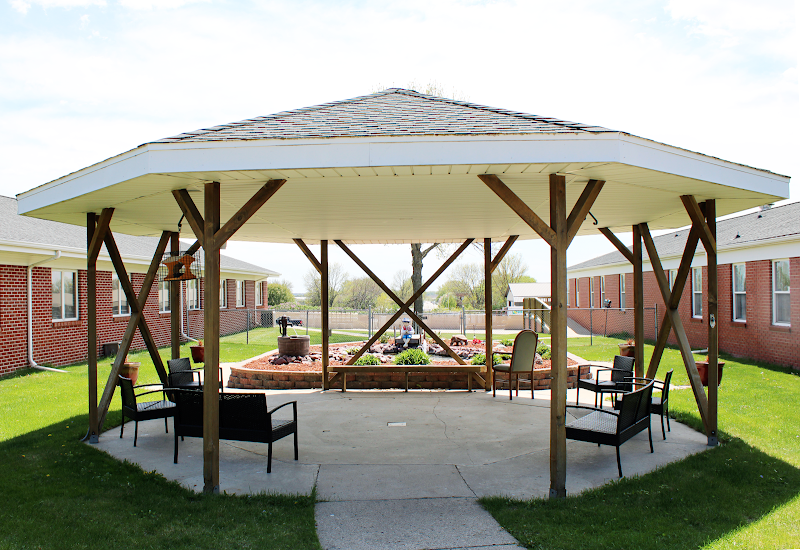
How is Accura Healthcare Of Spirit Lake Staffed?

CMS rates Accura Healthcare of Spirit Lake's staffing level at 4 out of 5 stars, which is above average compared to other nursing homes. Staff turnover is 40%, compared to the Iowa average of 46%. This relatively stable workforce can support continuity of care.

What Have Inspectors Found at Accura Healthcare Of Spirit Lake?

State health inspectors documented 22 deficiencies at Accura Healthcare of Spirit Lake during 2022 to 2024. These included: 1 Immediate Jeopardy (the most serious level, indicating potential for serious harm or death) and 21 with potential for harm. Immediate Jeopardy findings are rare and represent the most serious regulatory concerns. They require immediate corrective action.
Who Owns and Operates Accura Healthcare Of Spirit Lake?

Accura Healthcare of Spirit Lake is owned by a for-profit company. For-profit facilities operate as businesses with obligations to shareholders or private owners. The facility is operated by ACCURA HEALTHCARE, a chain that manages multiple nursing homes. With 85 certified beds and approximately 65 residents (about 76% occupancy), it is a smaller facility located in Spirit Lake, Iowa.

How Does Accura Healthcare Of Spirit Lake Compare to Other Iowa Nursing Homes?

Compared to the 100 nursing homes in Iowa, Accura Healthcare of Spirit Lake's overall rating (1 stars) is below the state average of 3.0, staff turnover (40%) is near the state average of 46%, and health inspection rating (1 stars) is much below the national benchmark.

What Should Families Ask When Visiting Accura Healthcare Of Spirit Lake?

Based on this facility's data, families visiting should ask: "What changes have been made since the serious inspection findings, and how are you preventing similar issues?" "Can I visit during a mealtime to observe dining assistance and food quality?" "How do you handle medical emergencies, and what is your hospital transfer rate?" "Can I speak with family members of current residents about their experience?" These questions are particularly relevant given the facility's Immediate Jeopardy citations.

Is Accura Healthcare Of Spirit Lake Safe?

Based on CMS inspection data, Accura Healthcare of Spirit Lake has documented safety concerns. Inspectors have issued 1 Immediate Jeopardy citation (the most serious violation level indicating risk of serious injury or death). The facility has a 1-star overall rating and ranks #100 of 100 nursing homes in Iowa. Families considering this facility should ask detailed questions about what corrective actions have been taken since these incidents.

Do Nurses at Accura Healthcare Of Spirit Lake Stick Around?

Accura Healthcare of Spirit Lake has a staff turnover rate of 40%, which is about average for Iowa nursing homes (state average: 46%). Moderate turnover is common in nursing homes, but families should still ask about staff tenure and how the facility maintains care continuity when employees leave.

Was Accura Healthcare Of Spirit Lake Ever Fined?

Accura Healthcare of Spirit Lake has been fined $34,567 across 1 penalty action. The Iowa average is $33,425. While any fine indicates a compliance issue, fines under $50,000 are relatively common and typically reflect isolated problems that were subsequently corrected. Families should ask what specific issues led to these fines and confirm they've been resolved.

Is Accura Healthcare Of Spirit Lake on Any Federal Watch List?

Accura Healthcare of Spirit Lake is not on any federal watch list. The most significant is the Special Focus Facility (SFF) program, which identifies the bottom 1% of nursing homes nationally based on persistent, serious quality problems. Not being on this list means the facility has avoided the pattern of deficiencies that triggers enhanced federal oversight. This is a positive indicator, though families should still review the facility's inspection history directly.