State Center Specialty Care
702 THIRD STREET NW, STATE CENTER, IA 50247 (641) 483-2812
Non profit - Corporation 39 Beds CARE INITIATIVES Data: November 2025
Trust Grade
55/100
#231 of 392 in IA
Last Inspection: November 2024

Within standard 12-15 month inspection cycle. Federal law requires annual inspections.

Overview

State Center Specialty Care has received a Trust Grade of C, indicating it is average and sits in the middle of the pack for nursing homes. It ranks #231 out of 392 facilities in Iowa, placing it in the bottom half, but it is better than one other facility in Marshall County, where it ranks #2 out of 5. Unfortunately, the facility's situation is worsening, with issues increasing from 7 in 2023 to 8 in 2024. Staffing is a strength, with a rating of 4 out of 5 stars and a turnover rate of 44%, which is on par with the state average. There have been concerning incidents reported, including a failure to properly assess care needs for residents, resulting in a resident having untreated bruises, and a staff member sleeping during their shift while also using an e-cigarette in a resident's room. Additionally, there were issues with maintaining a clean environment, as residents reported unpleasant odors and stains in common areas. While there are strengths in staffing and no fines reported, families should be aware of these weaknesses when considering this facility.
Trust Score
C
55/100
In Iowa
#231/392
Bottom 42%
Safety Record
Moderate
Needs review
Inspections
Getting Worse
7 → 8 violations
Staff Stability
○ Average
44% turnover. Near Iowa's 48% average. Typical for the industry.
Penalties
✓ Good
No fines on record. Clean compliance history, better than most Iowa facilities.
Skilled Nurses
✓ Good
Each resident gets 44 minutes of Registered Nurse (RN) attention daily — more than average for Iowa. RNs are trained to catch health problems early.
Violations
⚠ Watch
31 deficiencies on record. Higher than average. Multiple issues found across inspections.
★★★☆☆
3.0
Overall Rating
★★★★☆
4.0
Staff Levels
★★★★☆
4.0
Care Quality
★★★☆☆
3.0
Inspection Score
Stable
2023: 7 issues
2024: 8 issues

The Good

  • 4-Star Staffing Rating · Above-average nurse staffing levels
  • 4-Star Quality Measures · Strong clinical quality outcomes
  • Full Sprinkler Coverage · Fire safety systems throughout facility
  • No fines on record
  • Staff turnover below average (44%)

    4 points below Iowa average of 48%

Facility shows strength in staffing levels, quality measures, fire safety.

The Bad

3-Star Overall Rating

Near Iowa average (3.1)

Meets federal standards, typical of most facilities

Staff Turnover: 44%

Near Iowa avg (46%)

Typical for the industry

Chain: CARE INITIATIVES

Part of a multi-facility chain

Ask about local staffing decisions and management

The Ugly 31 deficiencies on record

1 actual harm
Nov 2024 7 deficiencies
CONCERN (D)

Potential for Harm - no one hurt, but risky conditions existed

Deficiency F0558 (Tag F0558)

Could have caused harm · This affected 1 resident

**NOTE- TERMS IN BRACKETS HAVE BEEN EDITED TO PROTECT CONFIDENTIALITY** Based on observations, clinical record review, staff interview, resident interview and policy review the facility failed to ensu...

Read full inspector narrative →
**NOTE- TERMS IN BRACKETS HAVE BEEN EDITED TO PROTECT CONFIDENTIALITY** Based on observations, clinical record review, staff interview, resident interview and policy review the facility failed to ensure resident call light within in reach for 2 of 16 residents reviewed (Resident #13, #28). The facility reported the census is 35. Findings include: The Minimum Data Set (MDS) dated [DATE] for Resident #28 documented a Brief Interview of Mental Status (BIMS) of 15 indicated intact cognitive impairment. The MDS documented diagnoses included cerebral infarction, cancer, diabetes, pain and anxiety disorder. The Care Plan initiated 12/16/23 documented Resident was at risk for falls, interventions included encourage to use call light for assistance. An observation on 11/18/24 at 11:46 AM, Resident #28 in room recliner in residents private room. A call light hung on the wall behind resident's television in front of the recliner, not reachable, television in front of the call light. In an interview on 11/18/24 at 11:47 AM, Resident #28 in room recliner did not have a call light within reach, relayed does not like to bother staff, and would get what she wanted. Resident #28 agreed in the event of a fall or emergency the call light was not within reach. In an observation on 11/19/24 resident viewed in room recliner throughout the day, no call light was within reach. In an observation on 11/20/24 at 1:46 PM with Resident #28 who sat in her recliner without a reachable call light, resident relayed there is one behind me at the head of the bed, acknowledged in the event of a fall or emergency may not be able to get to the call light. In an interview on 11/20/24 at 2:00 PM with the Director of Nursing (DON) agreed call lights should be accessible to residents. Facility policy titled Answering the Call Light, not dated, documented upon admission and periodically as needed, explain and demonstrate use of the call light to the resident, ask for return demonstration, be sure the call light is plugged in and functioning at all times, when the resident is in bed or confined to a chair be sure the call light is within easy reach of the resident. 2. The MDS assessment dated [DATE] revealed Resident #13 had a BIMS of 15 which indicated intact cognition and had diagnoses that included atrial fibrillation, heart failure, diabetes, anxiety disorder, depression, respiratory failure, muscle weakness and shortness of breath. The resident used a wheelchair or walker for mobility and needed moderate assistance with toileting and personal hygiene and supervision with transfers. The Care Plan dated 10/10/24 revealed the resident was at risk for falls and had an activities of daily living (ADL) deficit. The Care Plan indicated the resident needed standby assistance with a walker for mobility and was independent in bed mobility, personal hygiene and toileting. In an observation on 11/18/24 at 3:04 PM, Resident #13 was seated in her recliner near the foot of her bed facing the wall watching TV. The call light was attached to the wall located at the head of the bed and not in the residents reach. The resident reported she sometimes attached the call light to the bottom of her bed so it was more easily accessible but stated she thought she could get up and get to it if needed. In an observation on 11/20/24 at 1:09 PM, Resident #13 was seated in her recliner eating her lunch. The recliner was located near the foot of the bed facing the wall. The call light was attached to the wall located at the head of the bed and not in the residents reach. The resident stated she was able to independently walk to the call light using her cane if she should need it. The resident acknowledged she was at times weak and at risk for falls and stated maybe she should ensure the call light was within her reach in the recliner. The resident stated the staff did not put the call light in her reach when she was seated in her recliner. In an observation on 11/21/24 at 9:26 AM, Resident #13 was seated in her recliner watching TV. The call light was attached to the wall at the head of the bed and not within the residents reach.
CONCERN (D)

Potential for Harm - no one hurt, but risky conditions existed

Deficiency F0582 (Tag F0582)

Could have caused harm · This affected 1 resident

Based on facility document review, staff interview and policy review, the facility failed to comply with all applicable Federal Regulations regarding Medicare requirements governing billing practices ...

Read full inspector narrative →
Based on facility document review, staff interview and policy review, the facility failed to comply with all applicable Federal Regulations regarding Medicare requirements governing billing practices by failing to serve a Skilled Nursing Facility (SNF) Advanced Beneficiary Notice (ABN) form 48 hours before the resident ended skilled services for 1 of 3 residents reviewed for liability and appeal notices (Resident #90). The facility identified a census of 35 residents. Findings include: Review of facility documentation for Resident #90 revealed the resident received Medicare benefits for skilled services 6/6/24 through 6/26/24. The facility failed to provide the required SNF ABN (Centers for Medicare and Medicaid Services (CMS) form 10055), to inform the resident of the potential liability if skilled serves continued, 48 hours prior to skilled services ending. In an interview on 11/20/24 at 9:47 AM, the Administrator stated it was the expectation the ABN's be completed timely and accurately. He reported there had been a change in staff and 1 of the 3 residents reviewed was not completed timely or accurately. He reported training had been initiated to ensure the ABN's were completed appropriately moving forward. In a facility provided policy titled Medicare Advanced Beneficiary Notice dated 4/21, it stated the following: If the admissions coordinator or business office manager believes (upon admission or during the resident's stay) that Medicare (Part A of the Fee-for-Service Medicare Program) will not pay for an otherwise covered skilled service(s), the resident (or representative) is notified in writing why the service(s) may not be covered and of the resident's potential liability for payment of the non-covered service(s). a. The facility issues the Skilled Nursing Facility Advanced Beneficiary Notice (CMS form 10055) to the resident prior to providing care that Medicare usually covers, but may not pay for because the care is considered not medically reasonable and necessary, or custodial. b. The resident (or representative) may choose to continue receiving the skilled services that may not be covered, and assume financial responsibility.
CONCERN (D)

Potential for Harm - no one hurt, but risky conditions existed

Deficiency F0657 (Tag F0657)

Could have caused harm · This affected 1 resident

**NOTE- TERMS IN BRACKETS HAVE BEEN EDITED TO PROTECT CONFIDENTIALITY** Based on record review, resident interview, staff interview and policy, the facility failed to ensure quarterly interdisciplinar...

Read full inspector narrative →
**NOTE- TERMS IN BRACKETS HAVE BEEN EDITED TO PROTECT CONFIDENTIALITY** Based on record review, resident interview, staff interview and policy, the facility failed to ensure quarterly interdisciplinary team meeting with inclusion of the resident to discuss resident changing goals and revisions to the care plan for 1 of 2 residents reviewed, (#28). The facility reported a census of 35 residents. Findings included: The Minimum Data Set (MDS) dated [DATE] for Resident #28 documented a Brief Interview of Mental Status (BIMS) of 15 indicated intact cognitive impairment. The MDS documented diagnoses included cerebral infarction, cancer, diabetes, pain and anxiety disorder. The Care Plan included initiated 12/15/23 documented intervention to review resident choices quarterly and as needed. In an interview on 11/18/24 at 11:48 AM, Resident #28 relayed recalled going to only one care conference meeting. Stated, wanted to attend and inquired about how to know when the meetings occurred. On 11/20/24 at 10:15 AM, Social Services, Staff D relayed she is now responsible for ensuring care conference meetings for quarterly review and MDS updates. Relayed started the process about three months ago. Staff D stated had a new process and not sure how process was handled in the past, could not locate a meeting book or sign in sheets to verify the care conference meetings were done. On 11/21/24 at 9:00 AM, the Administrator revealed two documents to support resident involvement in a care conference on 12/15/23 and on 8/29/24. Administrator relayed could not locate any other documents to indicate Resident #28 was invited or took part in any other quarterly care conferences. The Administrator stated the expectation is the resident should have been included in quarterly reviews. Policy titled, Resident Participating, Assessment/Care Plans, revised February 2021 documented: The social services director or designee is responsible for notifying the resident/representative and for maintaining records of such notices to include a. Date, time and location of the conference. b. Name of each person contacted and the date was contacted. c. Method of contact. d. Input from the resident/representative if not able to attend. e. Refusal of participation if applicable. f. The date and signature of the individual making the contact.
CONCERN (D)

Potential for Harm - no one hurt, but risky conditions existed

Deficiency F0658 (Tag F0658)

Could have caused harm · This affected 1 resident

**NOTE- TERMS IN BRACKETS HAVE BEEN EDITED TO PROTECT CONFIDENTIALITY** Based on resident interview, staff interview, record review and policy the facility failed to follow professional standards of m...

Read full inspector narrative →
**NOTE- TERMS IN BRACKETS HAVE BEEN EDITED TO PROTECT CONFIDENTIALITY** Based on resident interview, staff interview, record review and policy the facility failed to follow professional standards of medication administration leaving medication at bedside for 1 of 1 resident's (Resident #6). The facility reported a census of 35. Findings include: 1. A Minimum Data Set (MDS) dated [DATE], documented the diagnoses for Resident #6 included diabetes, seizure disorder or epilepsy, psychotic disorder, schizophrenia, pain, respiratory disease, and depression. The resident's Brief Interview for Mental Status (BIMS) score was 14, indicated is cognitively intact. A Care Plan initiated 5/28/21 for Resident #6 documented resident had a mood problem related to schizophrenia, delusional disorders, and major depressive disorder requires medications included antidepressants, anticoagulant a term for blood thinners, antianxiety, antipsychotic, hypoglycemic and antihypertension medications. Staff to administer the medications as ordered observe for adverse side effects, document and report to the physician. During an observation on 11/19/24 at 8:45 AM two clear medication cups with various pills of different color and sizes sat on Resident #6 bedside. Resident #6 was lying in bed appeared to be sleeping with eyes closed. On 11/19/24 at 8:46 AM Resident #6 quired about the pills observed in two separate cups on the bedside table. Resident #6 relayed they are mine and am not ready to get up yet, nursing staff summoned. On 11/19/24 at 8:47 AM Certified Medication Aide, (CMA) Staff A came to the room, resident took all pills. Staff A relayed did set up resident medications this morning in two separate medication cups because there are so many. Stated gave resident the nasal spray, inhaler, eye drops and left. Stated resident is usually good to get up and take them right away, did not see her take the pills, had assumed resident would take them. On 11/19/24 PM at 4:00 PM Administrator and Director of Nursing (DON) notified, feedback relayed that medications should not be left unattended, staff to wait and observe to ensure medications are taken. Resident #6 is not approved to self administer own medications. Facility policy titled Administering Medications, not dated revealed residents may self administer their own medications only if the attending physician in conjunction with the team has determined resident have the decision making capacity to do so safely.
CONCERN (D)

Potential for Harm - no one hurt, but risky conditions existed

Quality of Care (Tag F0684)

Could have caused harm · This affected 1 resident

**NOTE- TERMS IN BRACKETS HAVE BEEN EDITED TO PROTECT CONFIDENTIALITY** Based on observations, clinical record review, staff interview and resident interview. The facility failed to ensure resident tr...

Read full inspector narrative →
**NOTE- TERMS IN BRACKETS HAVE BEEN EDITED TO PROTECT CONFIDENTIALITY** Based on observations, clinical record review, staff interview and resident interview. The facility failed to ensure resident treatment per the physician order for 1 of 3 residents reviewed (Resident #28,). The facility reported the census is 35. Findings include: The Minimum Data Set (MDS) dated [DATE] for Resident #28 documented a Brief Interview of Mental Status (BIMS) of 15 indicated intact cognitive impairment. The MDS documented diagnoses included cerebral infarction, cancer, diabetes, pain and anxiety disorder. The Care Plan included initiated 12/16/23 documented focus had potential for impairment to my skin related to fragile skin and at risk for potential skin and soft tissue infection, interventions included to assess for signs and symptoms of infection. The Medication Administration Records (MAR) documented an order to start on 10/24/24 for salicylic acid external liquid, apply to toes topically one time a day for wart, soak wart in warm water for 5 min, dry area and apply one drop, let dry. The treatment was not done as ordered daily from 10/24/24 to 11/21/24. The Progress Notes documented revealed drug was unavailable. On 11/18/24 at 11:57 AM, Resident #28 stated has pain in her toe, scaled at 2 or 3 on a scale of 10. Resident #28 stated staff looked at it, not sure if it was a podiatrist, did recall was said, would get something for it, no one ever did, relayed it is going on two months. In an interview on 11/19/21 at 2:30 PM, the Director of Nursing (DON) queried about process's when a medication is not available from the pharmacy. The DON relayed had another provider if that provider could not ensure delivery the provider would be notified to get another alternative order or to hold. In a follow up interview on 11/21/24 at 12:45 PM the DON acknowledged resident had not had the treatment ordered on 10/24/24 and called the pharmacy yesterday and was told by the pharmacy needed additional approval and thought they would be sending it out today. Also relayed, thought had called the pharmacy about this prior, could not provide documentation of any alerts to the provider or the pharmacy that the medication was not available.
CONCERN (D)

Potential for Harm - no one hurt, but risky conditions existed

Infection Control (Tag F0880)

Could have caused harm · This affected 1 resident

Based on clinical record review, observation, staff interview and facility policy review, the facility failed to maintain proper infection control practices to prevent cross contamination and potentia...

Read full inspector narrative →
Based on clinical record review, observation, staff interview and facility policy review, the facility failed to maintain proper infection control practices to prevent cross contamination and potential infection of residents when providing medications and treatments. The facility reported a census of 35 residents. Findings include: 1. In an observation on 11/19/24 at 7:23 AM, Staff A, Certified Medication Aide (CMA) failed to perform hand hygiene prior to donning gloves to administer Timolol medicated eye drops to Resident #4. She was further observed to touch several items with gloved hand prior to administering the eye drops to the resident. Upon completion of administration per facility protocol, Staff A, removed her gloves but failed to perform hand hygiene. 2. In an observation on 11/19/24 at 7:25 AM, Staff A, CMA was observed to drop Resident #24's Amlodipine tablet on the top of the medication cart. Staff A picked the tablet up with her ungloved hand and placed it into the medication cup with the resident's other medications and administered them to the resident. She failed to discard the tablet and obtain a new one for the resident. 3. In an observation on 11/19/24 at 7:25 AM, Staff A, CMA failed to perform hand hygiene prior to setting up and after administering Resident #24's morning medications. She further failed to perform hand hygiene prior to donning gloves to assist resident with Fluticasone nasal spray. She was observed to touch several items with donned gloves prior to administering the nasal spray. Upon completion of administration per facility protocol, Staff A removed her gloves but failed to perform hand hygiene. 4. In an observation on 11/19/24 at 7:37 AM, Staff A, CMA failed to perform hand hygiene prior to setting up and after administering Resident #35's morning medications. She further failed to perform hand hygiene prior to donning gloves to assist resident with Stiolto Respimat inhaler. She was observed to touch several items with donned gloves prior to assisting the resident with the inhaler. Upon completion of administration per facility protocol, Staff A removed her gloves but failed to perform hand hygiene. 5. In an observation on 11/19/24 at 7:48 AM, Staff A, CMA failed to perform hand hygiene prior to setting up and after administering Resident #31's morning medications. She further failed to perform hand hygiene prior to donning gloves to assist resident with Refresh eye drops. She was observed to touch several items with donned gloves prior to administering the eye drops. Upon completion of administration per facility protocol, Staff A removed her gloves but failed to perform hand hygiene. In an interview on 11/21/24 at 10:30 AM, the Director of Nursing (DON) stated it was the expectation all medication staff perform hand hygiene prior to and after each medication pass. The DON stated staff were to perform hand hygiene before and after donning gloves as well. If a medication was dropped during a medication pass, staff were to don a glove and dispose of it per policy and obtain a new medication to administer to the resident. Review of a facility provided policy titled Administering Medications revised April 2019 stated staff were to follow established infection control procedures (e.g., handwashing, antiseptic technique, gloves, isolation precautions, etc.) for the administration of medications, as applicable.
CONCERN (D) 📢 Someone Reported This

A family member, employee, or ombudsman was alarmed enough to file a formal complaint

Potential for Harm - no one hurt, but risky conditions existed

Safe Environment (Tag F0921)

Could have caused harm · This affected 1 resident

**NOTE- TERMS IN BRACKETS HAVE BEEN EDITED TO PROTECT CONFIDENTIALITY** Based on observations, staff interview, resident interview and policy review the facility failed to ensure a clean, sanitary env...

Read full inspector narrative →
**NOTE- TERMS IN BRACKETS HAVE BEEN EDITED TO PROTECT CONFIDENTIALITY** Based on observations, staff interview, resident interview and policy review the facility failed to ensure a clean, sanitary environment in a kitchen storage room and failed to ensure a clean comfortable environment for 1 of 14 resident rooms (Resident #28). The facility reported the census is 35. Findings include: The Minimum Data Set (MDS) dated [DATE] for Resident #28 documented a Brief Interview of Mental Status (BIMS) of 15 indicated intact cognition. The MDS documented diagnoses included cerebral infarction, cancer, diabetes, pain and anxiety disorder. The Care Plan included initiated 12/16/23 documented Resident is at risk for falls, interventions included needed a safe environment without clutter. An observation on 11/18/24 at 11:46 AM Resident #28 in room recliner, next to the recliner on the floor was a pile of paper, books, clothing items, open candy, open box of snack food and additional clutter. On the sink counter was more candy, open food, clothing and papers piled. A small square counter refrigerator observed on the floor. In an interview on 11/18/24 at 11:48 AM Resident #28 reported wished staff would sweep or mop once in a while, had not done cleaning since arrived, relayed takes own trash to the larger receptacle, hated to bother staff. On 11/19/20 at 3:20 PM Resident #28 sat in room recliner observed again the counter top, both sides of the sink were piled with food, open caramel popcorn, various kinds of candy boxes and open packages, décor, papers and other personal items piled. Resident relayed staff have never ever come to help me clean my room, would love if could get help sorting some of that, pointing to the counter. In addition relayed maintenance staff is very busy, does not want to bother anyone. On 11/20/24 at 4:00 PM resident in room recliner, acknowledged again, no housekeeping had been done in the room and could not recall ever having help with cleaning. In an interview on 11/21/24 at 10:23 AM with Maintenance Supervisor, Staff B relayed was responsible for housekeeping schedule, all rooms were clean alternating schedule with two housekeepers that collaborated so no rooms were missed. Staff B expected a resident to have staff assistance with organization as the wanted. Relayed all rooms are deep cleaned on a rotating schedule. Staff B entered Resident #28 room and acknowledged work was needed with the clutter. Resident #28 present and expressed her desire to have housekeeping and assistance with organization. 2. In an observation on 11/18/24 at 10:00 AM during a tour of the kitchens dry storage room viewed a steel rolling rack against the wall, visible crumbs, powder, plastic cup lids, spoon and an open torn package of rodent poison on floor. A desk next to rack had a paper debris underneath. Also observed appearance of mice droppings along the baseboard. In an interview on 11/18/24 at 11:00 AM with the Kitchen manager, Staff C who relayed has not had any issues with mice in months, issue corrected with replacement of door strips on bottom of doors that were missing, acknowledged concern of debris and mouse droppings in the food storage room and responded the storage room should have been clean. In an interview on 11/18/24 at 4:00 PM with the Administrator relayed pest control was called and resolved mice issue quickly months ago, would be forwarding pest control report and invoices, would have expected the floor to have been clean. Facility policy titled, Cleaning and Disinfecting Residents room, Revised August 2013 included housekeeping of floors, tabletops will be cleaned on a regular basis, included disinfected. Personnel should remain alert for evidence of rodent activity (droppings) and report such findings.
Oct 2024 1 deficiency
CONCERN (D) 📢 Someone Reported This

A family member, employee, or ombudsman was alarmed enough to file a formal complaint

Potential for Harm - no one hurt, but risky conditions existed

Resident Rights (Tag F0550)

Could have caused harm · This affected 1 resident

**NOTE- TERMS IN BRACKETS HAVE BEEN EDITED TO PROTECT CONFIDENTIALITY** Based on clinical record review, policy review, resident, and staff interviews the facility failed to treat a resident with resp...

Read full inspector narrative →
**NOTE- TERMS IN BRACKETS HAVE BEEN EDITED TO PROTECT CONFIDENTIALITY** Based on clinical record review, policy review, resident, and staff interviews the facility failed to treat a resident with respect and dignity in a manner that promotes maintenance or enhancement of his or her quality of life for 1 out of 4 residents reviewed (Resident #3). The facility identified a census of 33 residents. Findings include: Resident #3's Minimum Data Set (MDS) assessment dated [DATE], identified a Brief Interview for Mental Status (BIMS) score of 15, indicating intact cognition. The MDS included diagnoses of anemia (low blood iron), anxiety and depression. The MDS listed Resident #3 as independent with activities of daily living (ADLs). The Care Plan Focus revised 1/29/24, reflected Resident #3 used antidepressant medication, related to her depression. The Interventions directed the following: *Monitor behaviors such as anxiety, agitation, and restlessness. *Nonpharmacological interventions: watching tv and talking with son. An Incident Report dated 7/19/24 at 9:30 AM listed an Allegation of Abuse. Resident #3 informed the nurse the overnight Certified Nursing Assistant (CNA) told her to sit her ass down and the situation happening was none of her business. The nurse assessed Resident #3 who reported it didn't affect her and it didn't hurt her feelings because she knew she was in the right. The facility suspended the staff member pending investigation and reported to the Department of Inspections Appeals and Licensing (DIAL). The Incident, Accident, and Unusual Occurrence Note dated 7/19/24 at 11:39 AM reflected Resident #3 informed the nurse the overnight staff told her, sit her ass down and the situation happening was none of her business. Resident #3 denied any hurt feelings or being affected by what they said. Resident #3 stated she knew she was in the right. The facility reported as needed, made the resident and physician aware. Interview on 10/15/24 at 4:00 PM, Resident #3 confirmed the staff member made those comments back in July. She hasn't seen the staff member since and the staff at the facility treat her with dignity and respect. Interview on 10/16/24 at 4:30 PM, the facility Administrator verified they expected the staff to treat residents with dignity and respect at all times. The Dignity Policy Statement dated February 2021, directed each resident shall be cared for in a manner that promotes and enhances his or her sense of well-being, level of satisfaction with life, and feelings of self-worth and self-esteem. The section labeled Policy Interpretation and Implementation instructed residents are treated with dignity and respect at all times. The staff must speak respectfully to residents at all times.
Dec 2023 2 deficiencies
CONCERN (D) 📢 Someone Reported This

A family member, employee, or ombudsman was alarmed enough to file a formal complaint

Potential for Harm - no one hurt, but risky conditions existed

Resident Rights (Tag F0550)

Could have caused harm · This affected 1 resident

Based on clinical record review, staff, resident, and police officer interviews and review of the facility's Resident Rights the facility failed to treat 1 of 3 residents with dignity and respect whil...

Read full inspector narrative →
Based on clinical record review, staff, resident, and police officer interviews and review of the facility's Resident Rights the facility failed to treat 1 of 3 residents with dignity and respect while requesting cares (Resident #1). The facility reported a census of 39 residents. Findings Include: A Minimum Data Set (MDS) Assessment form dated 6/11/23 identified Resident #1 with diagnosis that included a cerebrovascular accident (CVA) and prediabetes. The assessment indicated the resident had a Brief Interview for Mental Status (BIMS) score of 15 out of 15 (cognitively intact), required extensive assistance of two (2) staff with bed mobility, transfers, ambulation, toilet use and frequently incontinent of urine. An Incident Report form dated 8/31/23 at 3:14 p.m. included the following documentation: a. At 9:30 p.m., staff assisted the resident to bed. At 11:30 p.m. the resident pulled her call light for assistance to the bathroom. Staff A, Certified Nursing Assistant (CNA) responded and told the resident there had been no way she had to go to the bathroom again but assisted her to the bathroom. Approximately an hour or an hour and 1/2 later the resident pulled her call light again. Staff A responded and again stated there had been no way she had to go to the bathroom again and walked out of the resident's room. The resident then laid in bed and peed herself which made her not feel like a person. A Follow Up Question Report dated 8/27/23 through 9/2/23 included the following documentation: a. On 8/30/23 at 9:28 p.m., and 10:36 p.m., the same staff member assisted the resident to the bathroom. There had been no further documentation indicating the staff toileted the resident the remainder of the night. During an interview 12/12/23 at 2:28 p.m., Resident #1 indicated on the date of the incident, staff assisted her to the bathroom around midnight. At around 2 a.m. she used her call light for assistance to the bathroom again. Staff A responded and stated, there had been no way she had to go to the bathroom again, turned off the resident's call light and left the room. The event caused incontinency and made the resident mad. During an interview 12/20/23 at 11:02 a.m., Staff B, CNA indicated the night in question she observed Staff A as she entered the resident's room the first time and noted she had been in the room long enough to have assisted the resident to the bathroom. Staff B reported, also noted the resident's call light on the 2nd time and observed Staff A as she responded however the staff member had not been in the room long enough to have toileted the resident and then her call light had been shut off. Review of the facility's Resident's [NAME] of Rights form included the following: a. A facility treated each resident with respect and dignity and care for each resident in a manner and in an environment that promoted maintenance or enhancement of his/her quality of life and recognized each resident's individuality.
CONCERN (E) 📢 Someone Reported This

A family member, employee, or ombudsman was alarmed enough to file a formal complaint

Potential for Harm - no one hurt, but risky conditions existed

Deficiency F0726 (Tag F0726)

Could have caused harm · This affected multiple residents

**NOTE- TERMS IN BRACKETS HAVE BEEN EDITED TO PROTECT CONFIDENTIALITY** Based on resident and staff interviews, and facility policy review the facility failed to assure one (1) staff member remained a...

Read full inspector narrative →
**NOTE- TERMS IN BRACKETS HAVE BEEN EDITED TO PROTECT CONFIDENTIALITY** Based on resident and staff interviews, and facility policy review the facility failed to assure one (1) staff member remained awake and in full work status while working and failed to assure staff not use an e-cigarette ([NAME] pen) while in the facility and/or during provision of direct cares. The facility reported a census of 39 residents. Findings Include: During an interview 12/12/23 at 2:28 p.m., Resident #1 (identified by the facility as cognizant) indicated one (1) night Staff A, Certified Nursing Assistant (CNA), entered her room and slept in her recliner. The resident indicated there had been another night the same staff member used a [NAME] pen and smoked it in her room. The resident asked the staff member to not [NAME] in her room and the staff member stated, you can not smell it. During an interview 12/15/23 at 11:18 a.m., Staff C, Licensed Practical Nurse (LPN) confirmed she witnessed Staff A as she slept on the couch in the lounge area while in work status. Staff C reported the incident to the Director of Nursing (DON) During an interview 12/20/23 at 8:37 a.m., Staff A, confirmed she slept in the facility while in work status but denied using a [NAME] pen at any time but confirmed she smoked cigarettes. The staff member indicated she witnessed other unknown staff members as they vaped in the facility. During an interview 12/20/23 at 11:10 a.m., Staff B, CNA confirmed she witnessed Staff A as she slept on the couch in the lounge area while in work status. Staff B indicated she knew Staff A used a [NAME] pen but she had been unaware if Staff A smoked the pen in the facility. According to an email 12/21/23 at 11:40 a.m. the Administrator indicated the facility's undated Smoking, Vaping and Tobacco Use Policy and the facility's undated Rest and Meal Breaks Policy included the following: a. The smoking, vaping and tobacco use policy directed the facility staff that smoking of any product, including e-cigarettes ([NAME] pens) had been prohibited by Iowa law inside every Care Initiatives buildings. b. The rest and meal breaks policy directed the facility staff that no sleeping had been allowed during paid breaks.
Aug 2023 5 deficiencies
CONCERN (D) 📢 Someone Reported This

A family member, employee, or ombudsman was alarmed enough to file a formal complaint

Potential for Harm - no one hurt, but risky conditions existed

Assessment Accuracy (Tag F0641)

Could have caused harm · This affected 1 resident

**NOTE- TERMS IN BRACKETS HAVE BEEN EDITED TO PROTECT CONFIDENTIALITY** Based on observations, interviews, and record review, the facility failed to correctly document resident assessments in the Mini...

Read full inspector narrative →
**NOTE- TERMS IN BRACKETS HAVE BEEN EDITED TO PROTECT CONFIDENTIALITY** Based on observations, interviews, and record review, the facility failed to correctly document resident assessments in the Minimum Data Set (MDS) for 1 out of 16 residents reviewed (Resident #1). Resident #1's most current MDS revealed she required an assist of 1 for ADLs, when she was independent with most of her ADLs. The facility reported a census of 35 residents. Findings include: An MDS dated [DATE], documented that this resident's diagnoses included schizophrenia and morbid obesity. A Brief Interview for Mental Status (BIMS) documented a score of 15 out of 15, which indicated intact cognition. The MDS documented that this resident required staff assistance of 1 for bed mobility, transfer, dressing, and toilet use. An MDS dated [DATE], documented that this resident was independent in bed mobility, transfer, and toilet use. According to the MDS's above, this resident had a decrease in bed mobility, transfer, and toilet use from independent to supervision of 1. On 8/27/23 at 2:53 PM, Resident #1 stated that she does everything for herself and she gets herself ready. On 8/28/23 03:45 PM, Staff A, Registered Nurse (RN), stated that this resident likes her privacy. Staff A stated that Resident #1 toilets herself but will call staff if she does have an accident. She is very clean per staff and uses many wipes after toileting. On 8/29/23 at 1:10 PM, the MDS Nurse stated that she wasn't sure when this resident was an assist of 1 but really this resident was safe to be independent. On 8/29/23 at 1:30 PM, the Director of Nursing (DON), acknowledged the concern with the MDS documentation not reflecting the needs of this resident. A Certifying Accuracy of Resident Assessment policy dated as reviewed on 11/2019, directed the following: Any person completing a portion of the Minimum Data Set/MDS (Resident Assessment Instrument) must sign and certify the accuracy of that portion of the assessment. Policy Interpretation and Implementation 1. Any health care professional who participates in the assessment process is qualified to assess the medical, functional, and/or psychosocial status of the resident that is relevant to the professional's qualifications and knowledge. 2. Any person who completes any portion of the MDS assessment, tracking form, or correction request form is required to sign the assessment certifying the accuracy of that portion of that assessment. 3. The information captured on the assessment reflects the status of the resident during the observation (look-back) period for that assessment. Different items on the MDS may have different observation periods. 4. The Resident Assessment Coordinator is responsible for ensuring that an MDS assessment has been completed for each resident. Each assessment is coordinated and certified as complete by the Resident Assessment Coordinator, who is a registered nurse. 5. Inquiries concerning the signing of the MDS should be referred to the Assessment Coordinator, Director of Nursing Services, or to the Administrator. 6. Any individual who willfully and knowingly certifies (or causes another individual to certify) a material and false statement in a resident assessment is subject to disciplinary action.
CONCERN (D)

Potential for Harm - no one hurt, but risky conditions existed

Deficiency F0657 (Tag F0657)

Could have caused harm · This affected 1 resident

Based on observations, interviews, and record review, the facility failed to correctly document/revise resident needs and interventions in the Care Plan for 2 out of 16 residents reviewed (Resident #1...

Read full inspector narrative →
Based on observations, interviews, and record review, the facility failed to correctly document/revise resident needs and interventions in the Care Plan for 2 out of 16 residents reviewed (Resident #1 and Resident #20). Resident #1's Care Plan directed that she required an assist of 1 for ADLs, when she was independent with most of her ADLs. Resident #20's Care Plan directed staff that he required assist of 1 for showers, when he required set up help only. The facility reported a census of 35 residents. Findings include: 1. A Minimum Data Set (MDS) for Resident #1 dated 7/20/23, documented that this resident's diagnoses included schizophrenia and morbid obesity. A Brief Interview for Mental Status documented a score of 15 out of 15, which indicated intact cognition. The MDS documented that this resident required staff assistance of 1 for bed mobility, transfer, dressing, and toilet use. A Care Plan with interventions dated 12/23/22, directed staff that Resident #1 needed assistance of 1 staff for transfers, ambulation, toilet use, bathing, dressing, and personal hygiene. On 8/29/23 at 8:16 AM, in all observations thus far during this survey, Resident #1 had been ambulating independently with a walker. No assistance from staff had been provided. On 8/29/23 at 1:10 PM, the MDS Nurse stated that she updated Resident #1's Care Plan to independent. She stated she wasn't sure when Resident #1 was an assist of 1, but really this resident is safe to be independent. When the MDS Nurse was asked about this earlier on this day (approximately 9:00 AM), the MDS nurse had said she would need to educate the staff about assisting this resident with cares, ambulation, transfers, and so on. The MDS nurse stated that this resident won't wait for staff. She stated that she would look into this more. 2. An MDS for Resident #20 dated 8/17/23, documented that this resident's diagnoses included Parkinson's and syncope and collapse. A BIMS documented a score of 12 out of 15, which indicated this resident's cognition was moderately impaired. This resident was independent for bathing with set up help only. A Care Plan with an intervention dated 12/26/22, directed staff that Resident #20 required assistance of 1 staff person. On 8/29/23 at 1:10 PM, the MDS nurse stated that she updated his Care Plan to be independent with set up help for bathing. When the MDS nurse was asked earlier about this today (approximately 9:00 AM), the MDS nurse had said she would have to look into this more. On 8/29/23 at 1:30 PM, the Director of Nursing (DON), acknowledged the concern with MDS and Care Plan not matching, and the Care Plan not being updated. A Care Plans/Comprehensive and Person-Centered policy dated as revised in December 2016, directed staff that assessments of residents are ongoing and care plans are revised as information about the residents and the residents' conditions change.
CONCERN (D)

Potential for Harm - no one hurt, but risky conditions existed

ADL Care (Tag F0677)

Could have caused harm · This affected 1 resident

**NOTE- TERMS IN BRACKETS HAVE BEEN EDITED TO PROTECT CONFIDENTIALITY** Based on interviews and record review, the facility failed to provide a shower twice a week for 1 of 3 residents reviewed (Resid...

Read full inspector narrative →
**NOTE- TERMS IN BRACKETS HAVE BEEN EDITED TO PROTECT CONFIDENTIALITY** Based on interviews and record review, the facility failed to provide a shower twice a week for 1 of 3 residents reviewed (Resident #20). The facility reported a census of 35 residents. Findings include: An MDS dated [DATE], documented that this resident's diagnoses included Parkinson's and syncope and collapse. A BIMS documented a score of 12 out of 15, which indicated this resident's cognition was moderately impaired. This resident was independent for bathing with set up help only. A Care Plan with an intervention dated 12/26/22, directed staff that Resident #20 required assistance of 1. A POC Response History (Certified Nurse Aide documentation of residents' activities of daily living) with a 30 day look back was printed on 8/30/23 at 11:19 AM. It documented that this resident was to receive a shower on Tuesdays and Fridays. It documented that Resident #20 did not receive a shower and was not offered a shower from 8/15/23 to 8/22/23. It documented that on 8/25/23 a shower was 'not applicable' by Staff B, CNA. It documented that he had not been offered another shower nor received another shower up to the date and time it was printed. On 8/29/23 at 10:27 AM, a call was made and a text was sent to Staff B requesting a call back. She did not return the call. On 8/29/23 at 4:00 PM, the MDS Nurse, acknowledged that this resident was not given his twice weekly showers. She stated he should have had another shower between 8/15/23 and 8/22/23. When asked about the documentation of 'not applicable' on 8/25/23, the MDS Nurse stated it meant that Staff B did not provide nor offer Resident #20 a shower. When asked if Resident #20 has had a shower since 8/22/23, the MDS Nurse stated he had not. The MDS Nurse acknowledged that he should have had a shower on Tuesdays and Fridays (8/18/23 and 8/25/23) and was due for one on this day 8/29/23. On 8/30/23 at 2:00 PM, the MDS Nurse verified that this resident did receive a shower earlier on this day (8/30/23) but had not documented it yet. A Care Plans/Comprehensive and Person-Centered policy dated as revised in December 2016, directed staff that a comprehensive, person-centered care plan that includes measurable objectives and timetables to meet the resident's physical, psychosocial and functional needs was to be developed and implemented for each resident.
CONCERN (D)

Potential for Harm - no one hurt, but risky conditions existed

Infection Control (Tag F0880)

Could have caused harm · This affected 1 resident

**NOTE- TERMS IN BRACKETS HAVE BEEN EDITED TO PROTECT CONFIDENTIALITY** Based on observations, interviews, and record review, the facility failed to provide wound care while following infection contro...

Read full inspector narrative →
**NOTE- TERMS IN BRACKETS HAVE BEEN EDITED TO PROTECT CONFIDENTIALITY** Based on observations, interviews, and record review, the facility failed to provide wound care while following infection control guidelines, for 1 of 1 resident reviewed (Resident #33). Staff C, Certified Medication Aide (CMA), failed to remove her gloves, sanitize her hands, and apply new gloves after removing a soiled dressing. Staff C failed to properly dispose of a dressing that had discharge from a wound on it. The facility reported a census of 35 residents. Findings include: A Minimum Data Set (MDS) dated [DATE], documented that Resident #33's diagnoses included non-Alzheimer's dementia. A Brief Interview for Mental Status (BIMS) documented a score of 3 out of 15, which indicated this resident's cognition was severely impaired. It documented that this resident required extensive assist of 2 for bed mobility, transfers, and personal hygiene. A Treatment Administration Record for the month of August 2023, directed staff to apply Iodine every day to the right heel until healed for deterioration. A Care Plan for Resident #33 included: -a Focus Area revised on 8/25/23, that directed this resident had skin impairment which included a right heel pressure ulcer. -a Goal dated 8/14/23, directed that Resident #33's pressure injury would show signs of healing and would remain infection free. -an Intervention dated 8/25/23, directed staff that this resident was to have heel protectors on to bilateral lower extremities. On 8/29/23 at 8:42 AM, Staff C, CMA, walked into room with gloves on and a medicine cup with iodine and a cotton ball in it. She removed Resident #33's left heel protector and looked at the heel, there was a dressing on it. She then removed the right heel protector and looked at the right heel saw there was a dressing on it. She then stated that she didn't realize there was a dressing on wound and she'd have to go and get another dressing. Staff C then left the room. On 8/29/23 at 8:50 AM, Staff C returned to Resident #33's room with a dated dressing. Staff C did not know what the dressing was called. She washed her hands then applied gloves. She looked at the resident's right heel and removed the dressing. The wound was approximately 2 inches in diameter. When the dressing was removed macerated skin(softening and breaking down of skin resulting from prolonged exposure to moisture) tissue and drainage stuck to the dressing that had covered about 1/2 of the wound. The dressing was thrown in the garbage. It was not folded on to itself or placed in a biohazard bag. The CMA then touched several items around the room, then grabbed a paper towel turned on the sink, wetted down part of the paper towel and dabbed around the edges of the wound with the moistened edge of the paper towel. She then took the cotton ball and dabbed the wound along the edges with iodine. She threw the paper towel in the garbage along with the cotton ball and medicine cup that the cotton ball with iodine was in. Staff C then removed her gloves and threw them in the garbage. She then washed her hands. When asked if she should have done anything after removing the dressing, she said she should have removed her gloves, when asked if there was anything else she should have done, she said she should have washed her hands. This CMA acknowledged that there was a good amount of macerated skin and blood/drainage on the dressing. When asked if there was a bag she should have disposed of the dirty dressing in, she stated no, there wasn't. Staff C stated that they are just to dispose of dressings in the trash. This CMA did not carry the trash out with her. On 8/29/23 at 1:53 PM, the Director of Nursing (DON), acknowledged that this resident had developed a pressure ulcer and the other 2 pressure ulcers have worsened. When told about the above observation, she stated that the wound needs to be cleaned between removal of a dressing and application of a new dressing. She acknowledged not removing gloves and sanitizing her hands between clean and dirty was an issue. She acknowledged that throwing the dressing with wound discharge into the trash and then not removing the trash bag out of the room was also an issue. A Wound Care Policy dated as revised on 10/2010, directed the following: Purpose The purpose of this procedure is to provide guidelines for the care of wounds to promote healing. Preparation 1. Verify that there is a physician's order for this procedure. 2. Review the resident's care plan to assess for any special needs of the resident. a. For example, the resident may have PRN orders for pain medication to be administered prior to would care. 3. Assemble the equipment and supplies as needed. Date and initial all bottles and jars upon opening. Wipe nozzles, foil packets, bottle tops, etc., with alcohol pledget before opening, as necessary. (Note: This may be performed at the treatment cart.) Equipment and Supplies The following equipment and supplies will be necessary when performing this procedure. 1. Dressing material, as indicated (i.e., gauze, tape, scissors, etc.); 2. Disposable cloths, as indicated; 3. Antiseptic (as ordered); and 4. Personal protective equipment (e.g., gowns, gloves, mask, etc., as needed). Steps in the Procedure 1. Use disposable cloth (paper towel is adequate) to establish clean field on resident's overbed table. Place all items to be used during procedure on the clean field. Arrange the supplies so they can be easily reached. 2. Wash and dry your hands thoroughly. 3. Position resident. Place disposable cloth next to resident (under the wound) to serve as a barrier to protect the bed linen and other body sites. 4. Put on exam glove. Loosen tape and remove dressing. 5. Pull glove over dressing and discard into appropriate receptacle. Wash and dry your hands thoroughly. 6. Put on gloves. Gowns will only be necessary if soiling of your skin or clothing with blood, urine, feces, or other body fluids is likely. Masks and eyewear will only be necessary if splashing of blood or other body fluids into your eyes or mouth is likely. 7. Wash tissue around the wound that is usually covered by the dressing, tape or gauze with antiseptic or soap and water. 8. Apply treatments as indicated. 9. Dress wound. Pick up sponge with paper and apply directly to area. [NAME] tape with initials, time, and date and apply to dressing. Be certain all clean items are on clean field. 10. Remove the disposable cloth next to the resident and discard into the designated container. continues on next page 11. Discard disposable items into the designated container. Discard all soiled laundry, linen, towels, and washcloths into the soiled laundry container. Remove disposable gloves and discard into designated container. Wash and dry your hands thoroughly. 12. Reposition the bed covers. Make the resident comfortable. Use supportive devices as instructed. 13. Place the call light within easy reach of the resident. 14. Use cleansing wipe to wipe overbed table. 15. Return the overbed table to its proper position. 16. Take only the disposable supplies that are necessary for the treatment into the room. Disposable supplies cannot be returned to the cart. 17. Wash and dry your hands thoroughly. 18. If the resident desires, return the door and curtains to the open position and if visitors are waiting, tell them that they may now enter the room. Documentation The following information should be recorded in the resident's medical record: 1. The type of wound care given. 2. The date and time the wound care was given. 3. The position in which the resident was placed. 4. The name and title of the individual performing the wound care. 5. Any change in the resident's condition. 6. All assessment data (i.e., wound bed color, size, drainage, etc.) obtained when inspecting the wound. 7. How the resident tolerated the procedure. 8. Any problems or complaints made by the resident related to the procedure. 9. If the resident refused the treatment and the reason(s) why. 10. The signature and title of the person recording the data. Reporting 1. Notify the supervisor if the resident refuses the wound care. 2. Report other information in accordance with facility policy and professional standards of practice.
CONCERN (E) 📢 Someone Reported This

A family member, employee, or ombudsman was alarmed enough to file a formal complaint

Potential for Harm - no one hurt, but risky conditions existed

Safe Environment (Tag F0584)

Could have caused harm · This affected multiple residents

**NOTE- TERMS IN BRACKETS HAVE BEEN EDITED TO PROTECT CONFIDENTIALITY** Based on observation, resident interview, family interview, and staff interview, the facility failed to maintain a homelike envi...

Read full inspector narrative →
**NOTE- TERMS IN BRACKETS HAVE BEEN EDITED TO PROTECT CONFIDENTIALITY** Based on observation, resident interview, family interview, and staff interview, the facility failed to maintain a homelike environment related to urine odors in the hallways and resident rooms, stains and debris on the hallway carpet, scratches on and holes in the walls of resident rooms. The facility reported a census of 35 residents. Findings include: 1. The Minimum Data Set (MDS) dated [DATE] for Resident #13 revealed the resident had a Brief Interview for Mental Status (BIMS) of 14 indicating intact cognition. The MDS documented the resident had a diagnosis including Fragile X syndrome and was independent with activities of daily living (ADLs). The Care Plan revised 11/3/22 for Resident #13 revealed the resident had impaired cognitive function related to diagnosis of Fragile X syndrome and directed staff to communicate with the resident, his family, and caregivers regarding his needs. The clinical record documented Resident #13 resided in room C26-A. During an interview 8/28/23 at 1:33 PM Resident #13's emergency contact #1 stated he was at the facility last Friday and reported a concern that his brother's room smelled like urine due to his roommate. 2. The MDS dated [DATE] for Resident #17 revealed the resident had a BIMS of 10 indicating moderately impaired cognition. The MDS documented the resident had a diagnosis of cerebrovascular accident (CVA) and required assistance with all ADLs. The Care Plan revised 12/6/22 for Resident #17 revealed the resident had impaired thought process related to CVA and directed staff to communicate with the resident, his family, and caregivers regarding his capabilities and needs. The clinical record documented Resident #17 resided in room A6-B. During an interview 8/28/23 at 1:31 PM, Resident #17 reported the urine smell in his room was from his roommate. During the interview observed multiple linear scratches on the wall behind Resident #17's recliner. 3. The MDS dated [DATE] revealed Resident #24 had a BIMS of 5 indicating severely impaired cognition. The MDS documented the resident had a diagnosis of non-Alzheimer's dementia and required extensive assistance with toilet use, personal hygiene, and dressing. The MDS further documented the resident was not on a toileting program. The Care Plan initiated 7/26/23 documented Resident #24 had a mood problem related to dementia and record mood to determine if related to external causes such as medication, treatments, or concern over diagnosis. The clinical record documented Resident #24 resided in room A6-A. During an observation at 8/28/23 at 1:31 PM observed Resident #24 enter his room, begin to pull down his pants and enter the bathroom independently. During an interview 8/30/23 at 7:10 AM, Staff D, Registered Nurse (RN) acknowledged the A hallway smelled like urine and stated Resident # 24 used a urinal and sometimes he would spill it resulting in the urine smell. 4. An MDS dated [DATE], revealed that Resident #22's diagnoses included cerebral infarction (stroke). This resident's BIMS score was 0 out of 15, which revealed severely impaired cognition. Resident #22 required extensive assist of 2 for toilet use and personal hygiene. On 8/27/23 at 11:37 AM, Resident #22 was lying in bed. There were disposable pads on the floor that were partially wet. A strong smell of urine was in the room. Staff B, CNA stated that Resident #22 peed everywhere. She stated that Resident #22 would not urinate in his attends. She added he just pees where ever. When Staff B was asked about how Resident #22's roommate (Resident #13) felt about this, Staff B stated that Resident #13 was oblivious to the smell of urine. Staff B acknowledged the odor. On 8/28/23 10:18 AM, the Director of Nursing (DON), acknowledged the concern with 2 rooms smelling of urine, and of the roommates having to live in these rooms. On 8/28/23 at 9:48 AM, the smell of urine was strong in Resident #22's room. A picture taken of flooring in Resident #22's room, revealed discolored and dirty flooring and floor board. 5. An MDS dated [DATE], revealed that Resident #9 had a BIMS score of 15 out of 15, which revealed his cognition was intact. On 8/27/23 at 3:06 PM, Resident #9 stated that they clean his room when they can keep the staff to clean it. The room, the walls, and the floors were dirty. During an observation 8/27/23 at 10:20 AM, observed multiple stains, a variety of debris including dirt, shredded toilet paper, and dead crickets on the carpet in the resident hallways and resident hallways A and C smelled like urine. On 8/28/23 at 3:15 PM, concerns were reviewed regarding strong urine odor in rooms and down hallways, holes in walls, no housekeeping on the weekend, carpet stains, large stain by breakroom on the hall carpet, and dead crickets, with Maintenance Supervisor and the Administrator. They acknowledged the strong urine odors down Halls A and C. They stated they are trying different things but had not found anything that would mask the odor coming from Resident #22's and Resident #24's room. The Maintenance Supervisor stated he just saw a cricket that morning, and it was the first time he had seen one. He contacted Eco Lab and they were coming out. The Administrator stated that the facility is backed up to a [NAME]. He stated that Eco Lab comes in regularly for maintenance and also comes in when needed as noted by today's phone call to them. They stated that they just had the carpets deep cleaned last Monday (8/21/23). They acknowledged the holes in the dry wall. The Administrator stated they are trying to hire more staff. He stated that administration staff try to assist on the weekend with keeping the building clean. He stated that the DON worked overnight Saturday into Sunday and did surveillance. He stated that the large carpet stain outside of the breakroom was related to the roof leaking. He stated they had repaired the roof recently. He stated the facility had 2 bids out at the time for someone to come in and redo the breakroom as it was damaged as well. He stated that they have requested hallway carpeting to be replaced from their corporation, but it had been denied at this point. On 8/30/23 at 2:52 PM the Administrator documented via email that the facility did not have environmental policies related to odors, holes in the walls, and carpet stains.
Jul 2022 16 deficiencies 1 Harm
SERIOUS (G)

Actual Harm - a resident was hurt due to facility failures

Quality of Care (Tag F0684)

A resident was harmed · This affected 1 resident

**NOTE- TERMS IN BRACKETS HAVE BEEN EDITED TO PROTECT CONFIDENTIALITY** Based on clinical record review, resident and staff interviews, the facility failed to provide assessment and interventions for ...

Read full inspector narrative →
**NOTE- TERMS IN BRACKETS HAVE BEEN EDITED TO PROTECT CONFIDENTIALITY** Based on clinical record review, resident and staff interviews, the facility failed to provide assessment and interventions for the necessary care and services, to maintain the residents' highest practical physical well- being. Clinical record review revealed the Nursing Staff did not complete a thorough assessment and provide treatment according to the Physician's Orders for 1 of 1 residents reviewed (Resident #7) also the facility failed to ensure that a resident received treatment and care in accordance with professional standards of practice, for 1 of 1 resident reviewed for bruising (Resident #23). Resident #23 noted with multiple bruises which had not been assessed, documented nor were additional interventions put in to place by/at the time of the Survey. Resident #23 had bruises in different stages of healing. The facility reported a census of 38. Finding Include: 1. Resident #7's Minimum Data Set (MDS) Assessment, dated 4/14/22, revealed diagnoses: stroke, coronary artery disease (heart disease), hypertension (high blood pressure) and diabetes. The MDS documented the resident's cognition intact with a Brief Interview for Mental Status (BIMS) score of 15 out of 15. Care Plan dated 4/20/22 revealed directive for staff to give anti-hypertensive medication as ordered. There was no directive for treating of chest pain with Nitroglycerin, and no direction for staff to follow for when to monitor blood pressure or when to call physician. During an interview on 7/5/22 at 2:30 PM, resident #7 stated they facility ran out of the evening blood pressure medication and he experienced chest pain and a headache at the base of his skull. Resident #7 stated it felt like when he had his stroke and described the feeling as the blood pressure was frightening, my head was throbbing and I could hear the whooshing sound. Resident #7 stated the nurse brought the evening medication and the resident noticed the blood pressure pill was not there. Resident #7 stated when he inquired about the medication, the nurse stated they ran out and you're not the only one this happens to. Resident #7 stated his blood pressure was over 200 and he called 911. Physician's Orders revealed Toprol XL 75 milligrams (mg) to be given once a day started on 4/28/22 and Nitroglycerin (Nitro) tablet 0.4 mg ordered on 6/16/22 for chest pain. Progress Notes revealed on 6/9/22, resident #7 experienced stabbing chest pain, Tylenol given, physician not notified. Resident #7 experienced chest pain again on 6/13/22 and 6/15/22 when the physician was sent a fax. The fax was answered on 6/16/22 with the new order for Nitro for chest pain. Resident was monitored on 6/17/22 through 6/20/22 with no reoccurring chest pain. Review of the Medication Administration Record (MAR) dated 6/1/22 - 6/30/22 revealed Toprol was not given on 6/24/22, code 9 indicates medication not available. Progress Notes dated 6/24/22 revealed at 6:58 PM, the medication Toprol for high blood pressure was not available. At 11:00 PM, staff was called to resident #7's room, resident was agitated, reported a headache, feels exactly like when I had my stroke, blood pressure 220/143, heart rate 87. Resident #7 calling police. At 11:10 PM nurse called the Physician Assistant (PA) and received an order to send resident #7 to the hospital. At 11:15 PM the nurse called the Emergency Medical Service (EMS) and they were on the way already. At 11:35 PM EMS arrived to the facility. Progress Notes dated 6/25/22 at 4:05 AM, revealed resident #7 returned to the facility, blood pressure 164/111, resident #7 complained of headache. There are no further cardiac assessments nor follow up completed. On 6/30/22 at 2:27 PM the physician seen resident #7. Review of a document from the local hospital - Ambulance Service Transport Record dated 6/24/22, contained a paragraph titled History of Present Event revealed that resident #7 developed chest pain and headache after 7:30 PM described chest pain as stabbing and reported the facility had trouble adjusting resident's blood pressure medications over the last two months, resident had not received his blood pressure medication that evening resulting in a blood pressure of 230/120. The document listed resident #7's past history of two heart attacks and stroke. The document revealed an electrocardiograph (EKG) results of sinus rhythm and blood pressure at 11:36 PM at 186/96, at 11:42 PM 181/100 and at 11:50 PM 167/102. Resident taken to a local hospital A document from the local hospital's Emergency Department dated 6/24/22 revealed resident #7 was seen for elevated blood pressure. Resident #7 reported his chest pain stopped and was given a pain medication for headache in the Emergency Department (ED). An EKG, Chest X-ray and labs were performed and reviewed. The elevated blood pressure was stabilized and resident #7 was returned to the facility. During phone interview on 7/8/22 at 12:45 PM, Staff B, Licensed Practical Nurse (LPN) stated they have been having problems receiving medications from the pharmacy, not arriving. Staff B stated she worked on 6/25/22 and remembered the situation with resident #7's medication, it was labeled wrong. She stated she found it with that mornings medication, relabeled it and put it with the evening medications. During an interview on 7/9/22 at 2:00 PM, the Director of Nursing (DON) stated the Evening Staff Nurse, Staff C, LPN, called and notified her of Resident #7 transfer and return to the facility. The DON revealed she knew about the missing medication and that it was found in the morning, incorrectly labeled. She stated her expectations of her nurses for chest pain, I would expect them to do a cardiac assessment for symptoms and take blood pressure and pulse then call the doctor to report, probably get a onetime order for blood pressure medication or transfer him to the hospital. 2. A MDS assessment dated [DATE], documented diagnoses for Resident #23 included Cerebrovascular Accident (CVA) and schizophrenia. The Brief Interview for Mental Status revealed a score of 6 out of 15, indicating severely impaired cognition. The resident required assist of 1 with transfers and ambulation. A Care Plan with a focus area initiated on 7/2/22, directed staff that Resident #23 was at risk for falls. Her goal was that she would not experience any injuries related to falls. The Care Plan directed staff on the following: a. To encourage this resident to use her call light for assistance. b. This resident needed a safe environment without clutter. c. To make sure she was wearing appropriate footwear. d. To monitor her for unsteady gait. Nursing Skin Observation forms documented the following weekly assessments: a. On 6/23/22 this resident had no new skin issues b. On 6/29/22 this resident refused a skin assessment. c. On 7/6/22 this resident had no new skin issues. d. On 7/13/22 this resident had no new skin issues. A Hospital Emergency Department Provider Notes document dated 7/6/22, documented that there was a number of bruises mainly on extremities. Pictures revealed that there was more than 20 bruises on this resident's lower extremities and left wrist. Progress Notes included documentation of the following: a. On 6/24/22 at 4:50 AM, Certified Nurse Assistant (CNA) called this nurse that the resident is on the floor. Upon arriving in resident's room, the resident was on the floor and laying on her right side. Resident was in front of the door, behind her wheelchair and next to foot of her bed. Resident laid on her back and head supported with a pillow. Resident was assessed and vitals were taken. No injuries noted, res denied having pain or discomfort. Resident was wearing gripper socks at the time of fall, resident did not utilize call light. b. On 6/24/22 at 11:10 PM, Resident denies pain or injury from recent fall. c. On 6/25/2022 at 9:45 AM, Resident has no injuries noted related to fall. d. On 6/25/2022 at 8:35 PM, Resident denies pain or injury from recent fall. Full Range of Motion (ROM) to all extremities. Resident is alert but forgetful. e. On 6/26/2022 at 9:15 AM, Resident has no injuries noted related to the fall. Resident is alert and oriented x 3 (person, place and time) with noted forgetfulness at times. f. On 6/26/22 at 8:25 PM, Resident forgetful at times but alert. Denies changes pain or injury related to recent fall. g. On 6/27/22 at 12:50 PM, Follow up related to unwitnessed fall. Resident is alert, resting in bed with no complaints of pain or discomfort. No new skin issues or injuries observed. h. On 6/29/2022 at 1:45 AM, fall follow up, denies injury. i. On 7/1/2022 at 4:10 PM, Resident being monitored for unwitnessed fall on 6/30. No injuries noted. Resident Alert and Oriented x 3 with noted forgetfulness. j. On 7/7/2022 at 1:26 AM, CNA reports to his nurse that resident was on the floor. Found resident sitting on the floor by bed side, no injuries noted, vitals and neuros stable. k. On 7/9/2022 at 1:50, Resident complained of chest pain. At 2:30 AM, resident was transported to the hospital. l. On 7/12/2022 at 5:35 PM, Resident noted to have scattered bruising in multiple healing stages. A fax (was sent) to the doctor related this resident was on plavix and aspirin and will have various bruises. m. On 7/13/22 from 3:17 to 3:21 PM, 6 entries were documented each entry had an identified bruise. n. On 7/13/2022 at 3:56 PM, Nurse notified of resident having multiple bruises to extremities. Resident assessed head to toe and bruises noted in various stages to all extremities. Skin evaluations completed. Resident states she bumps them (arms and legs) a lot. Medications reviewed and resident taking plavix and aspirin. Resident has fragile skin and bruises easily. Doctor notified. Call placed to brother and made aware. Thanked nurse for the update. On 7/12/22 at 12:56 PM, Skin Assessments and Evaluations were requested regarding bruises on this resident. The Director of Nursing (DON) was not aware of bruises and stated she would look into it. On 7/14/22 at 10:59 AM, the Director of Nursing (DON) stated she had went down and did a head to toe on Resident #23. She stated this resident did have extremity bruises in various stages and some were faded out yellow. There were one or two that were a darker purple. The DON stated this resident had a couple of falls lately and is also on Plavix and aspirin. The DON stated this resident said she bumped into things. The DON stated this resident is hit or miss on reliability. The DON felt like when she talked to the resident about stuff the resident is reliable. She was not sure why none of the bruises were charted. She stated they should have been charted on the weekly skin checks. When told the weekly skin checks on the 7th and the 13th stated there were no new skin issues, she stated it should have been charted there. When asked if the CNAs report bruises, she said the bruises should have been reported and documented on. She stated that directly after the 3 falls the bruises may not have shown up yet. She stated she called the Nurse Consultant about the bruises after being asked about documentation on them on 7/12/22. The DON stated that she was directed to call the physician, do assessments on the bruises and document it all in the chart. The DON stated she did not start any type of investigation into this. She stated she will need to ask some questions of her staff as to why this was not documented. She repeated it should have been documented on the weekly skin assessments. On 7/14/22 at 12:25 PM, Staff A, CNA, stated Resident #23 is technically an assist of 1, but she is non-compliant and transfers all the time by herself. She stated this resident takes herself to the bathroom and is incontinent and doesn't' always change her brief when it is wet. Staff A stated they check and change this resident. Staff A stated this resident puts her knees on the bed instead of sitting then crawls on to the bed and gets the bruises on her shins a lot. Staff A, reported that she didn't see the bruising so much when working as a Medication Aide, as this resident would have pants on but Staff A saw it a lot more as a CNA. Bruises are pretty typical for this resident. Staff A stated this resident uses her call light when she needs something as well, but has had a couple of falls lately. On 7/14/22 12:36 PM, Staff E, CNA, stated that sometimes Resident #23 has bruises on her legs. Staff E stated that when she first started, she reported the bruising, but she was told it happens and they knew about the bruising. She repeated that they just tell me they know about it. On 7/14/22 at 12:57 PM, Staff F, Licensed Practical Nurse (LPN), stated she just started working again in the last 2 weeks as she was in Nursing School. She stated she had done the weekly skin assessment on 7/13/22 for Resident #23. She stated that none of those bruises were new and that is why she marked no, to the question if there are any new skin areas. When asked if records were kept of bruises, she stated she would assume they would keep those on a record until they were healed or gone. She stated there is an I-Pad thing that they use to take a picture of the new skin areas and measure them. She did not know the paper work piece of it yet. She hadn't heard anything about the bruises through report so she guessed those bruises were from Resident #23 transferring herself and recent falls. Staff F stated that she was still in orientation so not sure how the records are kept. An Accidents and Incidents-Investigating and Reporting Policy revised on 7/2017, directed that all accidents or incidents involving residents, employees, visitors, vendors, etc., occurring on our premises shall be investigated and reported to the Administrator. Policy Interpretation and Implementation 1. The Nurse Supervisor/Charge Nurse and/or the Department Director or Supervisor shall promptly initiate and document an investigation of the accident or incident. 2. The following data, as applicable, shall be included on the Report of Incident/Accident form: a. The date and time the accident or incident took place; b. The nature of the injury/illness (e.g., bruise, fall, nausea, etc.); c. The circumstances surrounding the accident or incident; d. Where the accident or incident took place; e. The name(s) of witnesses and their accounts of the accident or incident; f. The injured person's account of the accident or incident; g. The time the injured person's Attending Physician was notified, as well as the time the physician responded and his or her instructions; h. The date/time the injured person's family was notified and by whom; i. The condition of the injured person, including his/her vital signs; j. The disposition of the injured (i.e., transferred to hospital, put to bed, sent home, returned to work, etc.); k. Any corrective action taken; l. Follow-up information; m. Other pertinent data as necessary or required; and n. The signature and title of the person completing the report. 3. This facility is in compliance with current rules and regulations governing accidents and/or incidents involving a medical device. 4. This facility will adhere to the definitions in the Medical Device Reporting Act when filing the Food and Drug Administration MED-WATCH Forms (3500). 5. The Nurse Supervisor/Charge Nurse and/or the department director or supervisor shall complete a Report of Incident/Accident form and submit the original to the Director of Nursing Services within 24 hours of the incident or accident. 6. The Director of Nursing shall ensure that the Administrator receives a copy of the Report of Incident/ Accident form for each occurrence. 7. Incident/Accident reports will be reviewed by the Safety Committee for trends related to accident or safety hazards in the facility and to analyze any individual resident vulnerabilities.
CONCERN (D)

Potential for Harm - no one hurt, but risky conditions existed

Safe Environment (Tag F0584)

Could have caused harm · This affected 1 resident

Based on observations, interviews, Housekeeping Staff Schedule review and Policy review, the facility failed to ensure that a resident's room was clean with noted dust on the vents and visible dirt/de...

Read full inspector narrative →
Based on observations, interviews, Housekeeping Staff Schedule review and Policy review, the facility failed to ensure that a resident's room was clean with noted dust on the vents and visible dirt/debris/grime on the floor and under the bed (Resident #19). The facility reported a census of 38. Findings include: A Minimum Data Set (MDS) Assessment Tool, dated 4/28/22, documented diagnoses for Resident #19 included Chronic Obstructive Pulmonary Disease (COPD) and the resident's Brief Interview for Mental Status (BIMS) score was 15 out of 15, which indicated intact cognition. On 7/11/22 at 12:34 PM, Resident #19 stated her room was sort of clean. She stated it has gotten less and less that the Housekeeping Staff clean her room. She stated she didn't think they ever dusted. She added that they are nice girls and she did not want to be upsetting them, but my floor is dirty and I don't think they clean beside the chair. Resident #19 stated that when the Environmental Supervisor cleans the room he will get under the chair and added they don't even clean under the bed anymore. She said they just push the broom in the open areas and say see you tomorrow. Resident #19 said the Housekeeper on this day could not have been in this resident's room for more than a minute. She stated they do not mop in the room. Observations during this time revealed there was an ant trap on the floor, a coat of dust on the vent, debris under the bed and dirt and grime on the floor beside the head of the bed. Noted an inhaler was on her bedside table. Pictures were taken. On 7/11/22 at 2:32 PM, the Environmental Supervisor stated he put down the ant bait himself. He usually puts the ant bait in rooms that have crumbs and stuff in them. He stated it was hard to get under the bed cleaned when a resident is in the bed. He stated Resident #19 is one of them that will refuse to get up. He acknowledged there was dust on the vent. Stated he does have a little red vacuum that can clean some of that up but doesn't have enough staff. He stated that he currently had 4 staff and 2 of them he has talked to regarding their quality of work. He normally has 6 staff. He stated his staff do laundry and housekeeping and he did have someone scheduled to deep clean on this day, but the staff called in though. He stated understanding that the dust in the vent may cause issues for someone with respiratory problems, but stated he cannot do much about it. He works many hours and just can't get good people hired. He keeps trying. A picture was shown to the Environmental Supervisor of dirt and grime by Resident #19's head of bed on the floor He said his staff can move the tray table to sweep and mop. The cords can cause an issue too. He stated that Resident #19's room is one of the hardest to clean. When told a resident reported some of the girls just come in and sweep the middle in general and do not get in between things, he stated he believed it. An Environmental Guidelines and Protocols book with Policies and Protocols dated 3/2013, directed that the facility will provide Housekeeping and Maintenance Services to maintain a sanitary, orderly, and comfortable interior. The facility will maintain a sanitary environment reasonably free of dust, fingerprints, stains, scuffs, soil, and objectionable odors. Sanitation includes, but is not limited to, proper storage, and cleaning of resident care equipment. Refuse will be properly disposed of and pest control measures will be maintained.
CONCERN (D)

Potential for Harm - no one hurt, but risky conditions existed

Free from Abuse/Neglect (Tag F0600)

Could have caused harm · This affected 1 resident

**NOTE- TERMS IN BRACKETS HAVE BEEN EDITED TO PROTECT CONFIDENTIALITY** Based on clinical record review, policy review, staff, Resident Representative and resident interviews the facility failed to pr...

Read full inspector narrative →
**NOTE- TERMS IN BRACKETS HAVE BEEN EDITED TO PROTECT CONFIDENTIALITY** Based on clinical record review, policy review, staff, Resident Representative and resident interviews the facility failed to provide resident safety and well-being for 1 of 1 Residents ( Resident #21). The facility reported a census of 38. Findings Include: The Annual Minimum Data Set (MDS) dated [DATE] for Resident #21 included Brief Interview for Mental Status (BIMS) score of 9 out of 15, indicating moderately impaired cognition for daily decision making. The MDS identified the resident required extensive assistance of 1 staff for bed mobility and personal hygiene and extensive assistance of 2 staff for transfers and toilet use and documented diagnoses of atrial fibrillation, cerebrovascular accident (CVA), depression and acute respiratory failure. Resident #21's Care Plan dated 6/27/22 included a focus area for being dependent for meeting emotional, intellectual, physical and social needs. The Care Plan directed staff to provide 1:1 bedside or in room visits and activities if unable to attend out of room events, and to introduce him to residents with similar background and interests and encourage and facilitate interaction. The document titled Dependent Adult Abuse Protocols dated 11/21 included the following for Timely Abuse Reporting: a. All allegations of resident abuse, neglect, exploitation, mistreatment, injuries of unknown origin and misappropriation should be reported immediately to the Charge Nurse. The Charge Nurse is responsible for immediately reporting the allegation of abuse to the Administrator, or designate representative. b. All allegations of resident abuse shall be reported to the Iowa Department of Inspections and Appeals no later than 2 hours after the allegation is made. During an interview on 7/7/22 at 11:50 AM, Resident #21's close friend stated Staff D, Temporary Nursing Assistant (TNA) is rough and rude. The friend stated he was going to talk to Administrator about Staff D today. When talking with Resident #21 ask if anyone mean he replied yes, and when asked if anyone yelled at him he replied yes, and when asked if any one hurt him replied yes, he is mean and stated it was Staff D. During an interview on 7/13/22 at 1:00 PM, Resident #21's close friend stated he did call and report to the Administrator on Friday 7/8/22 to report Staff D since he waited at his office on Thursday afternoon and unable to the Administrator then. He stated he reported the rough and rude care being provided by Staff D. The Administrator stated already working on it. The resident's friend also explained he was going to the facility on Thursday 7/14/22 and would be talking to Administrator to find out what is going on with his complaint. During an interview on 7/14/22 at 1:03 PM, the Administrator stated regarding Staff D a complaint had been reported to him back a while ago on a Saturday afternoon about a disgruntled employee in the hallway. It had been reported about Staff D before and they had just treated it as a disgruntled employee and no disciplinary actions taken. He thought it was only in the hallway and not around residents. During an interview on 7/14/22 at 1:35 PM, Resident #21 close friend reported he did talk to Administrator about Staff D and being rough and mean. The Administrator told him he suspended Staff D for a prior incident.
CONCERN (D)

Potential for Harm - no one hurt, but risky conditions existed

Abuse Prevention Policies (Tag F0607)

Could have caused harm · This affected 1 resident

Based on personnel file reviews, facility policy review and staff interview, the facility failed to provide Mandatory Dependent Adult Abuse Training within the required 6 months after hired for 4 of 5...

Read full inspector narrative →
Based on personnel file reviews, facility policy review and staff interview, the facility failed to provide Mandatory Dependent Adult Abuse Training within the required 6 months after hired for 4 of 5 current employees sampled (Staff C, D, P and R). The facility reported a census of 38 residents. Findings Include: Review of Personnel Files revealed the following: a. Staff C, Licensed Practical Nurse (LPN) revealed a hire date of 12/10/21. The personnel record contained a Dependent Adult Abuse Training Certificate dated 7/11/22. b. Staff D, Temporary Certified Nursing Assistant (TNA) revealed a hire date of 7/12/21. The personnel record lacked Mandatory Dependent Adult Abuse Training. c. Staff P, TNA revealed a hire date of 9/14/21. The personnel record contained a dependent adult abuse training certificate dated 7/11/22. d. Staff R, Certified Dietary Manager (CDM) revealed a hire date of 11/1/21. The personnel record contained a dependent adult abuse training certificate dated 7/8/22. Review of facility policy titled Dependent Adult Abuse November 2019 Edition under abuse training of employees documented within six months of hire each employee shall be required to complete an initial 2-hour training course provided by the Iowa Department of Human Services relating to the identification and reporting of dependent adult abuse. During an interview 07/12/22 at 10:20 AM, the Administrator acknowledged Staff C, Staff D, Staff P and Staff R had not completed Mandatory Dependent Adult Abuse Training within 6 months of employment.
CONCERN (D)

Potential for Harm - no one hurt, but risky conditions existed

Report Alleged Abuse (Tag F0609)

Could have caused harm · This affected 1 resident

**NOTE- TERMS IN BRACKETS HAVE BEEN EDITED TO PROTECT CONFIDENTIALITY** Based on clinical record review, policy review and staff interviews the facility failed to report an allegation of abuse within ...

Read full inspector narrative →
**NOTE- TERMS IN BRACKETS HAVE BEEN EDITED TO PROTECT CONFIDENTIALITY** Based on clinical record review, policy review and staff interviews the facility failed to report an allegation of abuse within a timely manner for 1 of 1 residents (Resident #3). The facility reported a census of 38. Findings included: The Quarterly Minimum Date Set (MDS) dated [DATE] for Resident #3 reported he had a Brief Interview for Mental Status (BIMS) score of 15 that indicated intact cognition. The MDS documented he required extensive assistance of 1 staff for locomotion of and off the unit and had diagnoses of heart failure, renal insufficiency, diabetes Mellitus and cerebrovascular accident (CVA). Resident #3's Care Plan dated 3/25/22 included a focus area that he is unable to transfer independently and directed staff to assist with transfer, toileting, repositioning, dressing and eating. An Incident Report dated 7/7/22 at 2:30 PM, reported a Certified Nurse Aide (CNA) yelling at the resident in the dining room and aggressively pushing Resident #3 down the hallway and cursing. Review of the document titled Dependent Adult Abuse Protocols dated 11/21 included the following on Timely Abuse Reporting: a. All allegations of resident abuse, neglect, exploitation, mistreatment, injuries of unknown origin and misappropriation should be reported immediately to the Charge Nurse. The Charge Nurse is responsible for immediately reporting the allegation of abuse to the Administrator, or designate representative. b. All allegations of resident abuse shall be reported to the Iowa Department of Inspections and Appeals no later than 2 hours after the allegation is made. During an interview on 7/12/22 at 1:03 PM, Staff G, CNA stated to other Surveyor last week and verified she had reported she heard Staff D, Temporary Nurse Aide (TNA) swear at Resident #3 so she reported the incident to the Weekend Manager, Staff J, Social Services/Activities Staff. Staff G explained that Staff J was the only one available at the time and Staff G thought it was back in May, but could not be positive with the date. During an interview on 7/13/22 at 1:10 PM, Staff J Social Services/Activities Staff reported she had been the Weekend Manager when it was reported to her about Staff D, TNA yelling at a resident and cussing at Resident #3. Staff J explained she was sitting in her office down the B Hallway when Staff D, TNA went by her office and she over heard the commotion the closer he got. Staff D stated to the resident you're a brat and no one wants to help you just because you worked in a Nursing Home before, you don't know anything. Resident #3 explained he was in pain and needed help, that he did not need to yell at him. Staff J acknowledged she wrote up a Grievance Form that Saturday 5/21/22 and called or texted the Director of Nursing (DON) and Administrator and they stated they would talk about it on Monday. Review of Resident #3's Progress Notes lacked documentation of the incident on 5/21/22 or the incident reported on 7/7/22. During an interview on 7/14/22 at 1:03 PM, the Administrator stated it is his expectation that staff treat residents with the utmost respect and to be free of abuse. He stated regarding Staff D it was reported to him back a while ago on a Saturday afternoon about a disgruntled employee in the hallway. It also had been reported about Staff D before and they had just treated as a disgruntled employee, no disciplinary actions taken. He thought it was only in the hallway and not around residents. The Administrator explained when he talked to Resident #3, he did not state Staff D was in his room and understood Staff D yelled at Resident #3 in the hallway. The Administrator explained Staff D left his shift on 7/7/22 and was notified via phone of his suspension pending investigation. The Administrator stated Staff D had no other previous disciplinary actions and his Dependent Adult Abuse Mandatory Reporter Training document unavailable.
CONCERN (D)

Potential for Harm - no one hurt, but risky conditions existed

Transfer Requirements (Tag F0622)

Could have caused harm · This affected 1 resident

**NOTE- TERMS IN BRACKETS HAVE BEEN EDITED TO PROTECT CONFIDENTIALITY** Based on clinical record review, staff, family and resident interviews and policy review, the facility failed to transfer and di...

Read full inspector narrative →
**NOTE- TERMS IN BRACKETS HAVE BEEN EDITED TO PROTECT CONFIDENTIALITY** Based on clinical record review, staff, family and resident interviews and policy review, the facility failed to transfer and discharge a resident to an acute care setting at the resident's request for the resident's welfare and to meet their physical needs (Resident #34). The facility reported a census of 38. Finding Include: 1. Review of the Minimum Data Set (MDS) assessment dated [DATE] revealed Resident #34 entered the facility from the hospital on 4/27/22. The MDS Assessment did not address Resident #34's Brief Interview for Mental Status (BIMS) score. The MDS revealed the resident had diagnosis that included diabetes mellitus, atrial fibrillation, and multiple left rib fractures from a motor vehicle accident and needed extensive assist of one for bed mobility, and limited assist of 1 for transferring and toileting. Resident #34 used a walker and wheelchair for mobility, took a diuretic medication (water pill), used oxygen and received Physical and Occupational Therapy. A Discharge BIMS was completed on 5/6/22 which revealed a score of 13 indicating resident was cognitively intact. The Care Plan dated 4/27/22 revealed a focus area for transitional care planning to home with a goal to transfer to the community and an intervention that included transitioning to home with goals met. Review of Resident #34's Progress Notes revealed the following: a. On 5/4/22 at 11:19 AM, Resident #34 oxygen saturation was 96% on room air. No shortness of breath noted. Lungs sound diminished and respirations easy and non-labored. Resident complained of feeling weak. Fluids were encouraged. b. On 5/5/22 at 3:03 AM, Resident #34 oxygen saturation was 98% on room air. No shortness of breath noted. Edema was noted to bilateral lower extremities. Resident denied shortness of breath. No cough noted. Lungs sounds diminished. c. On 5/6/22 at 10:25 AM, Resident #34 oxygen saturation was 94% on room air. No shortness of breath noted. Lung sound were diminished in bilateral lower bases. Respirations were easy and non-labored. d. On 5/6/22 at 8:00 PM, Resident #34 oxygen saturation was 95% with oxygen on via nasal cannula. Resident noted to have shortness of breath when lying flat. Resident was sitting up in his chair and reported intermittent shortness of breath with activity and it took more time for him to recover after activity. Oxygen saturation was within normal limits. No visible distress was noted. e. On 5/7/22 at 10:45 AM, Resident #34 oxygen saturation was 91% with oxygen on via nasal cannula. No shortness of breath was noted. Lung sounds were diminished. Resident was in bed and appeared to be resting comfortably. f. On 5/7/22 at 1:02 PM, an order was received to discontinue from skilled services on 5/7/22 at 11:59 PM and admit to Intermediate Care Facility (ICF) on 5/8/22. g. On 5/7/22 at 5:40 PM, an order was received to discharge resident home on 5/8/22. h. On 5/7/22 at 7:38 PM, Resident #4 noted to be alert and friendly. Hearing and vision with glasses was adequate. Resident's speech was clear and resident was able to make his needs known. Resident #34 transferred with staff assistance. Resident denied any shortness of breath or issues breathing. Resident was continent of bowel and bladder. Bruises were noted related to motor vehicle accident with multiple fractures. Had been at the facility for Physical and Occupational Therapy Skilled Services. i. On 5/7/22 at 9:00 PM, Resident #34 oxygen saturation was 97% on oxygen via nasal cannula. Resident noted to have shortness of breath while lying flat. Resident #34 was sitting up in his chair and reported some shortness of breath after activity. Oxygen saturation was within normal limits. Lungs sounds clear to auscultation. j. On 5/8/22 at 4:56 AM, Resident #34 reported to a Certified Nursing Assistant (CNA) that after he was discharged he was going to the emergency room (ER) due to shortness of breath. No acute distress was noted. The resident was asked if he wanted to be transferred to the ER and the resident declined at that time. k. On 5/8/22 at 6:20 AM, Resident #34's wife arrived to the facility. She reported at that time they would like to have an ambulance called and have the resident sent to the ER for his reports of shortness of breath. The nurse explained to the wife that they could do that but would need him to return to the facility before he could be discharged home. Resident #34 wife was upset with the response and returned to the resident's room. Staff I, Director of Nursing (DON) returned to the resident's room and explained the situation to the resident and his wife. They decided they would discharge home. Instructions reviewed and signed by resident, his wife and Staff I. All belongings were taken out to the car by the resident's wife. Resident #34 was being assisted down the hall to go to the car and when staff were switching oxygen tanks the resident's wife called 911 and told them she needed an ambulance to the facility because the resident was short of breath and they had been discharged from the facility already. Resident and his wife waited in the front lobby for the ambulance to arrive. The ambulance arrived at 7:10 AM and as they were backing in the resident and his wife ambulated out to the ambulance and met the Emergency Medical Technician (EMT) at the door with the stretcher. The EMT's assisted the resident into the ambulance. The nurse thought the EMT's would return to get report but the ambulance drove out of the facility followed by the wife in her personal vehicle. The hospital called at 0810 asking for the facilities side of the story and the situation was explained to the nurse calling. Administration was notified of the situation. l. On 5/8/22 at 1:00 PM, Resident #34's wife called and reported the resident was admitted to the hospital for fluid around his heart and lungs. A recapitulation of Stay was completed on 5/8/22 indicating the resident was discharging to home. In a phone interview on 7/11/22 at 11:04 AM, Resident #34 and his wife reported the resident had been complaining of shortness of breath in their phone conversations for the 4 days prior to discharge. The wife reported Resident #34 called her at 5:00 AM on Sunday 5/8/22 asking her to take him to the ER related to his continued shortness of breath. The resident's wife reported when she got to the facility at around 6:00 AM that morning she found the resident to be very short of breath. He told his wife at that time that he wanted the ambulance called. She reported the staff told her they were not going to do that because if they did, he would have to return to the facility for 1 day before discharging. The wife stated she then called the ambulance and while waiting for the ambulance to come they signed all the Discharge Paperwork. He was then transported to the ER where he was determined to have congestive heart failure and was admitted to the hospital. Resident #34 reported he had been complaining about being short of breath and was told the shortness of breath was related to his injuries including fractured ribs and clavicle. In an interview on 7/11/22 at 1:05 PM, Staff J, Social Services/Activities Staff reported she had never heard that if a resident requested to be sent out via ambulance to the ER in lieu of being discharged to home, they would need to return to the facility for discharge. She reported if that was a rule, she had never heard of it. In an interview on 7/11/22 at 1:10 PM, the Administrator was unsure if it was a requirement for a resident that was planning a discharge to home but was sent to the ER instead needed to return to the facility for discharge to home. He stated he would have to check with Staff K, Nurse Consultant. In an interview on 7/11/22 at 1:25 PM, Staff I, DON stated it was her understanding that if a resident was in the process of discharging and requested to be sent to the ER, they would need to return to the facility after hospitalization to complete paperwork before discharge. She was unsure how long they would need to remain in the facility upon return from the hospital. In an interview on 7/11/22 at 1:40 PM, Staff K stated it was not a requirement that a resident return to a facility post hospitalization and prior to discharge. She stated the facility is absolutely able to call the ambulance if needed and at a resident's request. They do not have to return to the facility, instead the resident can be discharged to the hospital. They would need to complete a Discharge Recapitulation and make note in the Discharge Notes. She further stated it would not be an expectation that the family or resident make the call to get an ambulance if needed and they would not have to sign Discharge Papers prior to the ambulance taking them away. She reported she does not believe staff have been trained on this but the education could easily be done. The facility provided Discharge Summary and Plan policy last revised December 2016 stated the Discharge Plan would be re-evaluated based on changes in the resident's condition or needs prior to discharge.
CONCERN (D)

Potential for Harm - no one hurt, but risky conditions existed

Deficiency F0657 (Tag F0657)

Could have caused harm · This affected 1 resident

**NOTE- TERMS IN BRACKETS HAVE BEEN EDITED TO PROTECT CONFIDENTIALITY** Based on clinical record review, resident and staff interviews the facility failed to hold and invite residents to the Quarterly...

Read full inspector narrative →
**NOTE- TERMS IN BRACKETS HAVE BEEN EDITED TO PROTECT CONFIDENTIALITY** Based on clinical record review, resident and staff interviews the facility failed to hold and invite residents to the Quarterly Care Plan Meetings for 1 of 15 Residents ( #Resident 31). The facility reported a census of 38. Findings Include: The Quarterly Minimum Data Set (MDS) dated [DATE] for Resident #31 included a Brief Interview for mental Status (BIMS) score of 15 that indicated intact cognition for daily decision making. The MDS reported diagnoses of anxiety disorder, depression and chronic obstructive pulmonary disease. Resident #31's Care Plan updated 6/8/22 included a focus area for use of antianxiety medications and directed staff to monitor him for any signs of anxiety, agitation or restlessness. The Care Plan Conference Signature Page dated 11/16/21 included resident and staff signature. The form lacked any signatures after that date. During an interview on 7/7/22 at 10:43 AM, Resident #31 stated he had not been invited to a Care Plan meeting for quite a while. During an interview on 7/12/22 at 12:18 PM, the Director of Nursing (DON) acknowledged she only could find paper work for the 11/16/21 Care Plan Meeting. The DON explained she knows she is behind doing Care Plans.
CONCERN (D)

Potential for Harm - no one hurt, but risky conditions existed

Deficiency F0676 (Tag F0676)

Could have caused harm · This affected 1 resident

**NOTE- TERMS IN BRACKETS HAVE BEEN EDITED TO PROTECT CONFIDENTIALITY** Based on interviews and record review, the facility failed to provide Restorative Care as recommended by Physical Therapy (PT) f...

Read full inspector narrative →
**NOTE- TERMS IN BRACKETS HAVE BEEN EDITED TO PROTECT CONFIDENTIALITY** Based on interviews and record review, the facility failed to provide Restorative Care as recommended by Physical Therapy (PT) for 1 out of 1 residents (Resident #19) reviewed. This resident did not receive routine Restorative Therapy. The facility reported a census of 38. Findings Include: A Minimum Data Set (MDS) assessment dated [DATE], documented diagnoses for Resident #19 included Chronic Obstructive Pulmonary Disease (COPD), osteoarthritis of knee, and unspecified morbid obesity. Resident #19's Brief Interview for Mental Status (BIMS) score was 15 out of 15, indicating intact cognition. The MDS identified the resident required extensive assist of 2 for bed mobility, transfers, personal hygiene and dressing. On 7/11/22 at 9:54 AM, Resident #19's niece stated she would like to see some consistency with providing PT or getting her aunt to appointments to be evaluated. On 7/11/22 at 10:54 AM, Resident #19 stated they do not provide Restorative Programming for her. She stated they do nothing with her. In an email on 7/13/22 at 4:46 PM, a request was made to the Nursing Home Administrator (NHA), asking for recommendations of a Restorative Program from Therapy that ended in November of 2021. In an email on 7/14/22 at 11:59, the NHA stated the facility could find any record of a Restorative Program within that time period. On 7/14/22 at 1:44 PM, the Regional Director of Operations (RDO), stated discharge notes from 11/15/21 recommended Restorative Active Range of Motion (ROM) X 20 reps at 2-3 sets, 3-5 X's per week. The RDO stated she could not say if the facility did this or not. She stated she would provide the Discharge Summary for the discharge on [DATE]. She stated there was also a Discharge from Therapy Services in February of 2022. She stated she would provide the Discharge Summary for this session of Therapy as well. As of 7/15/22, a PT Discharge Summary was not provided for Therapy ending in February 2022. A PT Discharge summary dated [DATE] at 7:10 AM, documented that this resident's Discharge Recommendations were: a. Air mattress, FMP/RNP(functional maintenance program/restorative nursing program), gel cushion and 24 hour care. b. Restorative Range of Motion (ROM) Program bilateral lower extremities (BLE) active range of motion to all available planes x 20 repetitions, X(times) 2-3 sets, x 3-5 days week. An undated and untitled Restorative Program with Resident #19's initials and restorative written on top was provided by the facility. It included the following: a. Active ROM lower extremities: 20 reps x 1-2 sets in all planes and supine exercises 20 reps x 1-2 sets in all planes. b. Omnicycle: lower extremities level 2 X 15 minutes. c. Pulleys X 5 minutes. d. BLE seated exercises with 2 pound ankle weights and green theraband. An undated, untitled, sheet with dates and times for Restorative was provided by the facility for this resident. The resident's name is not on the sheet. The sheet shows that Restorative Care was done 13 days with this resident, between dates ranging from 4/18 to 6/29 (22). The sheet contained 2 Restorative Aides names and initials handwritten on top. No further documentation of Restorative Therapy was provided by the facility. A Restorative Nursing Services policy dated July 2017, directed that residents will receive Restorative Nursing Care as needed to help promote optimal safety and independence as follows: a. Restorative Nursing Care consists of nursing interventions that may or may not be accompanied by formalized rehabilitative services (e.g., Physical, Occupational or Speech Therapies). b. Residents may be started on a Restorative Nursing Program upon admission, during the course of stay or when discharged from Rehabilitative Care. c. Restorative goals and objectives are individualized and resident-centered, and are outlined in the resident's Plan of Care. d. The resident or representative will be included in determining goals and the Plan of Care. e. Restorative goals may include, but are not limited to supporting and assisting the resident in: a. Adjusting or adapting to changing abilities; b. Developing, maintaining or strengthening his/her physiological and psychological resources; c. Maintaining his/her dignity, independence and self-esteem; and d. Participating in the development and implementation of his/her Plan of Care.
CONCERN (D)

Potential for Harm - no one hurt, but risky conditions existed

Accident Prevention (Tag F0689)

Could have caused harm · This affected 1 resident

**NOTE- TERMS IN BRACKETS HAVE BEEN EDITED TO PROTECT CONFIDENTIALITY** Based on observations, clinical record review and staff interview the facility failed to properly transport a resident in a whee...

Read full inspector narrative →
**NOTE- TERMS IN BRACKETS HAVE BEEN EDITED TO PROTECT CONFIDENTIALITY** Based on observations, clinical record review and staff interview the facility failed to properly transport a resident in a wheelchair down the hallway for 1 of 1 Residents (Resident #32). The facility reported a census of 38 Residents. Findings Include: The Annual Minimum Data Set (MDS) assessment dated [DATE] for Resident #32 reported a Brief Interview for Mental Status (BIMS) score of 8 which indicated moderately impaired cognition for daily decision making. The MDS included he required extensive assistance of 2 staff for transfers and extensive assistance of 1 staff for mobility on and off unit and diagnoses of cancer, atrial fibrillation, diabetes mellitus, muscle weakness and neoplasm of the bone, soft tissue and skin. Resident #32's Care Plan dated 6/25/21 identified a focus area for requiring staff assistance for Activities of Daily Living and the resident required a wheelchair propelled for mobility. During an observation on 7/7/22 at 8:26 AM, Staff D, Temporary Nursing Aide (TNA) pushed Resident #32 down the hallway with no foot peddles and his feet very close to the floor approximately 58 feet (counting 29 tile (the 2 ft x 4 ft ceiling tile)). During an interview on 7/14/22 at 1:03 PM, the Administrator acknowledged they did not have a policy for using foot pedals on wheelchairs. He did explain the expectation is to have wheelchair pedals on while pushing a resident.
CONCERN (D)

Potential for Harm - no one hurt, but risky conditions existed

Respiratory Care (Tag F0695)

Could have caused harm · This affected 1 resident

**NOTE- TERMS IN BRACKETS HAVE BEEN EDITED TO PROTECT CONFIDENTIALITY** Based on observations, clinical record review, resident and staff interviews the facility failed to properly handle oxygen tubin...

Read full inspector narrative →
**NOTE- TERMS IN BRACKETS HAVE BEEN EDITED TO PROTECT CONFIDENTIALITY** Based on observations, clinical record review, resident and staff interviews the facility failed to properly handle oxygen tubing for 1 of 1 resident (Resident #31). The facility reported a census of 38. Findings Included: The Quarterly Minimum Data Set (MDS) assessment dated [DATE] for Resident #31 included a Brief Interview for Mental Status (BIMS) score of 15 indicated intact cognition for daily decision making. The MDS reported diagnoses of anxiety disorder, depression and chronic obstructive pulmonary disease and used oxygen while a resident. Resident #31's Care Plan identified a focus area for chronic obstructive pulmonary disease (COPD) and directed staff to monitor of signs and symptoms for acute respiratory insufficiency, anxiety, confusion, restlessness, and shortness of breath at rest. The Care Plan directed staff to set the oxygen at 4 liters per nasal cannula continuously and humidified and may increase to 6 liters if oxygen saturation under 92%. Resident #31's Treatment Administration Record (TAR) included an order to change oxygen tubing Saturdays and as needed for maintenance. The TAR shown the tubing charted as changed 7/2/22 and 7/9/22. Observation on 7/7/22 at 11:07 AM, the oxygen tubing on the concentrator dated 7/3/22. Observation on 7/12/22 at 2:09 PM, the oxygen tubing on the concentrator dated 7/3/22. An interview on 7/12/22 at 2:09 PM, Resident # 31 stated they do not change the tubing often. During an interview on 7/13/22 at 11:18 AM, Staff C License Practical Nurse (LPN) stated she worked Saturday 7/9/22 and explained it was a crazy night she most likely signed off she changed oxygen tubing but did not actually get it done. During an interview on 7/14/22 at 1:03 PM, the Administrator acknowledged his expectation would be that when the oxygen tubing was signed off as changed the Nursing Staff would have changed the tubing.
CONCERN (D)

Potential for Harm - no one hurt, but risky conditions existed

Deficiency F0726 (Tag F0726)

Could have caused harm · This affected 1 resident

**NOTE- TERMS IN BRACKETS HAVE BEEN EDITED TO PROTECT CONFIDENTIALITY** Based on record review and staff interview, the facility failed to ensure properly trained personnel certified in Cardiopulmonar...

Read full inspector narrative →
**NOTE- TERMS IN BRACKETS HAVE BEEN EDITED TO PROTECT CONFIDENTIALITY** Based on record review and staff interview, the facility failed to ensure properly trained personnel certified in Cardiopulmonary Resuscitation (CPR) was available the required 24 hours a day. Review of CPR certified staff along with review of Nursing Staff Schedules revealed the facility went without a CPR certified staff member during 7 twelve hour shifts from [DATE]-[DATE]. The facility reported a census of 38 residents. Findings Include: Review of facility Nursing Schedules dated [DATE]-[DATE] documented Staff Q, Licensed Practical Nurse (LPN) as the covering nurse for the following dates and times: a. On [DATE]- 6:00 PM-6:00 AM. b. On [DATE]- 6:00 PM-6:00 AM. c. On [DATE]- 6:00 PM-6:00 AM. d. On [DATE]- 6:00 PM-6:00 AM. e. On [DATE]- 6:00 PM-6:00 AM. f. On [DATE]- 6:00 PM-6:00 AM. g. On [DATE]- 6:00 PM-6:00 AM. The facility was unable to provide a current CPR certificate for Staff Q when requested on [DATE]. No other CPR qualified staff were working during the documented time periods. Facility policy titled Emergency Procedure- Cardiopulmonary Resuscitation directed staff to obtain and/or maintain American Red Cross or American Heart Association certification in Basic Life Support (BLS)/Cardiopulmonary Resuscitation (CPR) for key clinical staff members who will direct resuscitative efforts. If an individual is found unresponsive and not breathing normally, a licensed staff member who is certified in CPR/BLS shall initiate CPR unless it is known that a Do Not Resuscitate (DNR) order that specifically prohibits CPR and/or an external defibrillation exits for that individual. During an interview [DATE] at 12:38 PM, the Administrator acknowledged there was not CPR coverage on 6/20, 6/21, 6/29, 6/30, 7/4, 7/5 and [DATE] from 6:00 p.m.- 6:00 a.m.
CONCERN (D)

Potential for Harm - no one hurt, but risky conditions existed

Pharmacy Services (Tag F0755)

Could have caused harm · This affected 1 resident

**NOTE- TERMS IN BRACKETS HAVE BEEN EDITED TO PROTECT CONFIDENTIALITY** Based on clinical record review, facility policies, resident and staff interviews the facility failed to provide medications as ...

Read full inspector narrative →
**NOTE- TERMS IN BRACKETS HAVE BEEN EDITED TO PROTECT CONFIDENTIALITY** Based on clinical record review, facility policies, resident and staff interviews the facility failed to provide medications as ordered on admission for 1 of 1 Residents (Resident #39). The facility reported a census of 38. Findings Include: The 5-day scheduled Minimum Data Set (MDS) dated [DATE] for Resident #39 reported she had a Brief Interview for Mental Status (BIMS) score of 15 that indicated intact cognition for daily decision making. The MDS documented she had diagnoses of coronary artery disease, renal insufficiency, hyponatremia, other fracture, seizure disorder, anorexia and obsessive-compulsive disorder (OCD). Resident #39's Care Plan dated 6/28/22 identified a focus area for the medication promethazine for headaches, Xanax for anxiety, and a diuretic therapy for hypertension. The Care Plan directed staff to administer the medication and monitor for any adverse effects and report to the physician as needed. The discharge orders from the hospital for Resident #39 dated 6/28/22 included the following medications: a. Ranitidine 150 milligrams (mg) 1 tablet by mouth daily. b. Biotin 5 mg 2 tablets by mouth 2 times a day. c. Tecfidera 240 mg by mouth 2 times a day for multiple sclerosis. d. Modafinil 100 mg (stimulant) 1 tablet 3 times a daily for OCD. e. QVAR inhaler 40 micro grams (mcg/activate) inhale 1 puff 2 times a day. f. Magnesium chloride-calcium delayed release 64-108 mg give 2 tablets by mouth 2 times a day. Resident #39's Medication Administration Record (MAR) for June 2022 contained the following: a. QVAR inhaler 40 mcg/act inhale 1 puff 2 times a day. On June 28th, 29th, and 30th documented other/ see progress note. b. Biotin 5 mg tablet 1 by mouth 2 times a day. On June 29th 2 times and once on the 30th documented other/see progress note. c. Tecfidera 240 mg by mouth 2 times a day for multiple sclerosis. On the 29th and 30th documented other/see progress note. e. Modafinil 100 mg (stimulant) 1 tablet 3 times a daily for OCD. On the 29th and 30th all 3 times documented other/see progress note. Resident #39's MAR for July 2022 contained the following: a. Ranitidine 150 mg 1 tablet by mouth daily. On the 2nd and 4th documented other/see progress note. b. Biotin 5 mg 2 tablets by mouth daily. On the 5th, 6th , 11th and 12th documented other/see progress note. c. Magnesium chloride-calcium delayed release 64-108 mg give 2 tablets by mouth 2 times a day. Once on the 1st, 2 times on the 4th, 5th, 6th, 7th, 8th, 10th, 11th and 1 time on the 12th documented other/see progress notes. Resident #39's Progress Notes lacked documentation about any of the medications noted on the June and July MAR's with the notation of other/see progress note and what the reference meant. The document tilted Medication and Treatment Orders updated 7/16 included the following for Policy Statement: a. Orders for medications and treatment will be consistent with principles of safe and effective order writing. For Policy interpretation and Implementation: a. Drugs and biologicals that are required to be reordered from the issuing pharmacy not less then 3 days prior to the last dosage being administered to ensure that refills are readily available. The document titled Documentation of Medication Administration updated 4/07 included the Documentation must include as a minimum: a. Reason(s) why a medication was withheld, not administered, or refused ( as applicable). During an interview on 7/12/22 at 2:18 PM, Resident #39 explained many of her medications were wrong. Modafinil 100 mg AM 100 mg should be get 200 mg in the am and get 100 mg at noon. Not sure how they have a an as needed (PRN) medication on the weekend and today they don't have it, they had to check on it. Bumex is wrong I should get 1 mg in the a.m. and 1 mg at noon and they just have it as 1 mg at noon. Resident #39 mentioned she had talked to the doctor and he was not comfortable changing the dose and amount she had. An interview on 7/14/22 at 1:03 PM, the Administrator stated they were having Pharmacy issues and the staff fax often when a medication did not come in.
CONCERN (D)

Potential for Harm - no one hurt, but risky conditions existed

Unnecessary Medications (Tag F0759)

Could have caused harm · This affected 1 resident

Based on observations, interviews, and record review, the facility failed to keep their Medication Error Rate less than 5 percent for 2 of 2 residents observed during Medication Pass (Resident #21 and...

Read full inspector narrative →
Based on observations, interviews, and record review, the facility failed to keep their Medication Error Rate less than 5 percent for 2 of 2 residents observed during Medication Pass (Resident #21 and #39). Observed 9 out of 11 medications administered to Resident #21 and 10 out of 14 medications administered to Resident #39 were administered outside of the timeframe/parameters without doctor notification. The facility reported a census of 38 residents. Findings Include: 1. On 7/12/22 at 10:26 A.M., Staff G, Certified Medication Aide (CMA), stated she did not notify the doctor that the pills were being given late since she was a CMA. Staff G stated she was told to start passing the medications after they were able to get paper copies of the MAR (Medication Administration Record). Staff G proceeded to administer 11 medications to Resident #21. Review of Resident #21's MAR revealed 9 of these medications were to be given earlier in the AM. At 7/12/22 at 10:41 A.M., Staff G asked Staff H, Licensed Practical Nurse (LPN), what to do with a 6 A.M. medication (med/s) for a different resident as the other resident had a 10 A.M. medication Staff H replied to hold his 6 A.M. medication and give his 10 A.M. medication, then to make a note. Staff H would then need to notify the doctor. Staff H stated she was not sure what medications had been given and what ones hadn't. Staff H stated she failed to notify the doctor/provider that the medications were being administered late. Staff H stated she was uncertain at that point what the providers are being notified about. Staff H stated that she was the Charge Nurse on that day and usually they have one nurse for the whole facility and then the MDS (Minimum Data Set) nurse , if the MDS Nurse (who also was the acting Director of Nursing (DON)) was there to help. Usually a nurse does the A hall and then a CMA will do the B and C halls. Staff H stated their phones were not working and they would have to use their personal phones to call the doctor. She stated she had never had this happen before. Staff H stated it took until almost 7:45 A.M. before they could get paper copies of the MAR's due to the Internet not working. 2. On 7/12/22 at 10:59 A.M., Staff F, LPN, administered Resident #39 her 14 morning medications. Review of Resident #39's MAR revealed 10 of these medications were to be given in the AM. On 7/14/22 at 11:09 AM, the DON acknowledged understanding that because the Medication Administration Pass observation for A.M. medications was after 10 A.M., the medications were out of the parameters and were medication errors. She stated she called the doctor regarding one resident's insulin. She stated she was hoping someone called about the other residents who had insulin. She added that no medications should have been given outside of the parameters without notifying the doctor and getting permission to give. The DON stated that their A.M. med pass times are 7 A.M. to 9 A.M. and then we have an hour before or after so 6 A.M.-10 A.M. is the parameters to give morning medications. On 7/14/22 at 3:15 P.M., a review of Resident #21 and Resident #39's Doctor's Orders revealed that no new orders were obtained to give these 2 residents their A.M. medications outside of the 6 A.M. to 10 A.M. parameter. An Administering Medications policy revised on 4/2019, directed that medications are administered in accordance with prescriber's orders, including any required timeframe. It directed that medications are administered within 1 hour of their prescribed time, unless otherwise specified.
CONCERN (D)

Potential for Harm - no one hurt, but risky conditions existed

Menu Adequacy (Tag F0803)

Could have caused harm · This affected 1 resident

**NOTE- TERMS IN BRACKETS HAVE BEEN EDITED TO PROTECT CONFIDENTIALITY** Based on observations, clinical record review, resident and staff interviews the facility failed to meet the nutritional needs o...

Read full inspector narrative →
**NOTE- TERMS IN BRACKETS HAVE BEEN EDITED TO PROTECT CONFIDENTIALITY** Based on observations, clinical record review, resident and staff interviews the facility failed to meet the nutritional needs of residents by not making reasonable efforts for input from the resident about dietary choices for 1 of 1 Resident (Resident #31). The facility reported a census of 38. Findings Include: The Quarterly Minimum Data Set (MDS) assessment dated [DATE] for Resident #31 included a Brief Interview for mental Status (BIMS) score of 15, indicating intact cognition for daily decision making. The MDS reported diagnoses of anxiety disorder, depression and chronic obstructive pulmonary disease. Resident #31's Care Plan dated 7/14/21 identified a focus area for potential for altered nutritional status related to history of chronic obstructive pulmonary disease, depression, anxiety and poor dentition (no lower teeth). The Care Plan directed staff to honor his food preferences of special request as able, offer alternates at meals if requested and to notify his physician if exhibits signs or symptoms of chewing difficulty or intolerance to current diet texture. Resident #31's Progress Notes contained the following Dietary Notes: a. On 7/21/2021 9:00 AM - Dietary Note: Registered Dietician (RD) notified yesterday evening of resident's prealbumin (PAB) result of 12.7 mg/dl, which is low. Recommend initiation of Nutrition intervention Program (NIP) at meals and re-checking PAB level in one month. If PAB remains low, may need to consider alternative supplementation. Director on Nursing (DON) notified of recommendation. Care plan updated. b. On 8/30/2021 2:00 PM - Dietary Note: RD notified of request from physician to evaluate resident's current prealbumin (PAB) level. Prealbumin drawn 8/24 was 14.6 mg/dl, which is low but has improved from last PAB of 12.7 mg/dl. At this time, recommend continuing Nutritional Improvement Program (NIP) program. Meal intakes 75-100% at most meals. It is likely with adequate intakes that PAB may continue to trend upward. Will continue to monitor closely and follow up as needed. c. On 11/24/2021 8:25 AM - Dietary Note: Reweigh requested yesterday for 11/20 weight of 214 lb. Uncertain of accuracy of 19.8 lb gain for resident - meal intakes and fluid status have not appeared to change significantly in order to lead to this gain. Will follow up with reweigh once available. During an observation and interview in Resident #31's room on 7/7/22 at 10:58 AM, he stated they do not always give him what he ordered for meals. He explained he orders food off amazon and had food stored in his room. During a follow up interview on 7/12/22 at 2:56 PM, Resident #31 stated the Dietician has not met with him to make sure of his diet. He explained he had no problem with getting a hamburger. He stated he has difficulty eating their food and can only eat somethings. During an interview on 7/14/22 at 1:03 PM, the Administrator when asked if he knew Resident #31 had ordered food off amazon, stated he was not aware of it. During an interview on 7/14/22 at 2:40 PM, Staff O, Registered Dietician (RD stated she had talked with Resident #31 when doing Quarterly Reviews. The facility tried to buy other foods when he first came in and the resident still not satisfied with the food and acknowledged Resident #31 had been able to maintain his weight.
CONCERN (E)

Potential for Harm - no one hurt, but risky conditions existed

Resident Rights (Tag F0550)

Could have caused harm · This affected multiple residents

**NOTE- TERMS IN BRACKETS HAVE BEEN EDITED TO PROTECT CONFIDENTIALITY** Based on clinical record review, resident and staff interviews, the facility failed to speak to residents with dignity and respe...

Read full inspector narrative →
**NOTE- TERMS IN BRACKETS HAVE BEEN EDITED TO PROTECT CONFIDENTIALITY** Based on clinical record review, resident and staff interviews, the facility failed to speak to residents with dignity and respect for 4 of 4 residents (Residents #7, #21, #31 and #39 ). The facility reported a census of 38. Findings Include: 1. Resident #7's Minimum Data Set (MDS) Assessment Tool, dated 4/14/22, revealed resident diagnoses: stroke, coronary artery disease (heart disease), hypertension (high blood pressure) and diabetes. The MDS identified the resident's cognition intact with a Brief Interview for Mental Status (BIMS) score of 15 out of 15. Resident #7's Care Plan dated 4/20/22 revealed resident's Advanced Directive request as being full code, and to provide opportunities for expression of feelings to maintain psychosocial well-being but did not address how the resident preferred to be called by his name. In an interview on 7/8/22 at 12:05 PM, resident #7 stated that Staff A, CNA (Certified Nursing Assistant) was rude to him, used foul language and was forceful when talking to him. In an interview on 7/7/22 at 2:20 PM, Staff A CNA revealed that she called resident #7 Bud and stated that he does not like that. In an interview on 7/9/22 at 2:00 PM, the Director of Nursing (DON) stated that resident #7 had not spoken to her about staff who had been rude. 2. The Annual MDS dated [DATE] for Resident #21 included a BIMS score of 9 that indicated moderately impaired cognition for daily decision making. The MDS reported he required extensive assistance of 1 staff for bed mobility and personal hygiene and extensive assistance of 2 staff for transfers and toilet use. The MDS documented diagnoses of atrial fibrillation, cerebrovascular accident (CVA), depression and acute respiratory failure. Resident #21's Care Plan dated 6/27/22 included a focus area for being dependent for meeting emotional, intellectual, physical and social needs. The Care Plan directed staff to provide 1:1 bedside or in room visits and activities if unable to attend out of room events, and to introduce him to residents with similar background and interests and encourage and facilitate interaction. During an interview on 7/7/22 at 11:50 AM, Resident #21's close friend stated Staff D, Temporary Nurse Aide (TNA) is rough and rude. The friend stated he was going to talk to Administrator about Staff D today. When talking with Resident #21, asked if anyone was mean to him and he replied yes, and when asked if anyone yelled at him he replied yes. Resident #21 then asked if any one hurt him replied yes and when asked how he stated he is mean. The resident asked who he was referring to and he replied Staff D. 3. The Quarterly MDS dated [DATE] for Resident #31 included a BIMS score of 15 that indicated intact cognition for daily decision making. The MDS reported diagnoses of anxiety disorder, depression and chronic obstructive pulmonary disease. Resident #31's Care Plan updated 6/8/22 included a focus area for use of antianxiety medications and directed staff to monitor him for any signs of anxiety, agitation or restlessness. During an interview on 7/12/22 at 2:56 PM, Resident #31 explained one day he asked Staff D, TNA to get fresh water. Resident #31 stated Staff D told him they were passing water down the other hallway and can you not wait 45 minutes for fresh water. Resident #31 explained Staff D gets mad and his tone of voice is bad, you can tell he is mad. 4. The 5-Day Scheduled MDS dated [DATE] for Resident #39 reported she had a BIMS score of 15 that indicated intact cognition for daily decision making and required extensive assistance of 2 staff for bed mobility, transfers and toilet use and extensive assistance of 1 for dressing and personal hygiene. The MDS documented diagnoses of coronary artery disease, renal insufficiency, hyponatremia, other fracture, seizure disorder, anorexia and obsessive-compulsive disorder. Resident #39's Care Plan dated 6/28/22 included a focus area being unable to transfer independently and directed staff to assist with dressing, toileting, bathing and repositioning as needed and required assistance of 2 staff for all transfers. During an interview on 7/12/22 at 2:18 PM, Resident #39 acknowledged she thinks Staff A, CNA and Staff S, CNA are rough when turning her over instead of letting me turn myself and they come in yelling in a load voice what do you need. When the resident said something to them about her brief being twisted they say it looks okay to me, they don't have me turn over to straighten it out. They are not very good about the tabs on the brief they stick to my skin. During an interview on 7/14/22 at 1:03 PM, the Administrator stated it is his expectation that every staff treat residents with the utmost respect and to be free of abuse.
CONCERN (E)

Potential for Harm - no one hurt, but risky conditions existed

Infection Control (Tag F0880)

Could have caused harm · This affected multiple residents

**NOTE- TERMS IN BRACKETS HAVE BEEN EDITED TO PROTECT CONFIDENTIALITY** 2. The Minimum Date Set (MDS) assessment dated [DATE] documented resident #11 with a Brief Interview for Mental Status (BIMS) sc...

Read full inspector narrative →
**NOTE- TERMS IN BRACKETS HAVE BEEN EDITED TO PROTECT CONFIDENTIALITY** 2. The Minimum Date Set (MDS) assessment dated [DATE] documented resident #11 with a Brief Interview for Mental Status (BIMS) score of 15 indicating the resident was cognitively intact. The MDS revealed the resident's diagnoses included heart failure, renal insufficiency, diabetes mellitus, depression, pressure ulcer of sacral region, Stage 4. The MDS documented that the resident required extensive assistance of two staff for bed mobility, transfers, dressing and toileting, limited assistance of one staff for personal hygiene and total assistance of two staff for bathing. The MDS identified the resident with an indwelling catheter. The Care Plan dated 7/23/21 on admission and most recently updated on 5/3/22 noted the same focus, goal and intervention initiated on 7/23/21 . The focus area revealed the resident had a urinary catheter and the goal was that the resident would remain free from catheter related trauma. The interventions indicated Resident #11 would receive catheter care every shift, use a 16 french Foley catheter, and the catheter bag and tubing was to be positioned below the level of the bladder. Review of Resident #11's Progress Notes revealed the following orders associated with urinary tract infections: a. On 1/24/22 Augmentin, 875 milligram (mg) by mouth, twice a day for 10 days. b. On 2/16/22 Bactrim DS, 800/160 mg by mouth, twice a day for 3 days. c. On 3/03/22 Cefdinir, 300 mg by mouth, 1 capsule, two times a day for 10 days. d. On 5/05/22 Augmentin, 875 mg by mouth, one tab twice a day for 10 days. e. On 7/06/22 Cephalexin, 500 mg by mouth, four times a day for 10 days. On the following observations concerns noted in regards to Resident 11's catheter: a. On 7/06/22 at 2:04 PM, Resident #11 was sitting in her recliner and clear urine noted in the catheter bag. The catheter bag was hanging on the trash container with no cover and the bag was touching the floor. b. On 7/07/22 at 8:30 AM, Resident #11 sitting in her recliner eating her breakfast and the catheter bag was hanging on the trash can with no cover and the catheter bag was touching the floor. c. On 7/07/22 at 11:36 AM, Resident #11 in the dining room for lunch, sitting in a wheelchair and the catheter bag was sitting on the linoleum floor under the wheelchair. d. On 7/07/22 at 1:19 PM, Resident #11 in her wheelchair using her feet to propel down the hall and the catheter bag was dragging on the carpeted floor under the wheelchair. e. On 7/07/22 at 2:30 PM, Resident #11 in her room recliner and the catheter bag was hanging on her closed walker above the resident's waist. In an interview on 07/07/22 at 2:35 PM, the Interim Director of Nursing (DON) acknowledged the catheter bag that had been placed on the closed walker above the resident's waist and should have been placed lower than the bladder. She moved the catheter bag to the resident's recliner foot rest and acknowledged the catheter bag should not be on the floor. The facility provided policy for Catheter Care dated September 2014 revealed the purpose was to prevent catheter associated urinary tract infections. Under the Infection Control section it indicated staff were to be sure the catheter tubing and drainage bag were kept off the floor. Under the Maintaining Unobstructed Urine Flow section it was noted the urinary drainage bag was to be held or positioned lower than the bladder at all times to prevent the urine in the tubing and drainage bag from flowing back into the urinary bladder. Based on observations, record review, staff interviews and policy review the facility failed to ensure staff, visitors, and vendors were screened when entering the facility to aid in the prevention and transmission of COVID-19. The facility also failed to provide appropriate infection control techniques to protect against cross contamination and potential infection with managing indwelling urinary catheters for 1 of 1 residents reviewed (Resident #11). The facility reported a census of 38 residents. Findings Include: 1. In an observation on 7/12/22 at 7:15 AM, a Surveyor with the Department of Inspections and Appeals entered the facility and attempted to screen in using the facility Kiosk. After trying to get the kiosk to work with no success, the Surveyor asked Staff H, Licensed Practical Nurse (LPN) sitting at the Nurse's Station, about the kiosk. Staff H stated the Internet was down and had been for hours and the kiosk wasn't working. They were waiting for Information Technology (IT) Support to respond and assist with getting the Internet up and running again. The Surveyor asked Staff H what the Surveyor was to do about screening in. Staff H stated she didn't know and to just go ahead and go in. No screening was completed. In an observation on 7/12/22 at 8:30 AM, it was noted that 3 other Surveyors with the Department of Inspections and Appeals had not been able to utilize the kiosk to screen in related to the Internet still being down. All three were not screened in when entering the facility. In an observation on 7/12/22 at 1:29 PM, 2 employees with a local furniture store were seen entering the facility to deliver a new recliner to a resident in room [ROOM NUMBER] in the A Hall. The furniture store employees did not screen prior to entering the facility and did not wear a surgical mask. The furniture store employees entered the resident's room to talk to the resident and then left the recliner in the hall outside the room before exiting the facility. In an interview on 7/13/22 at 12:11 PM, Staff M, Temporary Nursing Aide (TNA) reported she had only been employed at the facility for a couple of weeks. Staff M stated she checked her temperature when entering the facility but did not use the kiosk to screen herself in. She stated she kept track of her temperature on her phone but did not write it down or document it anywhere the facility could access it. She also stated she did not answer any questions related to COVID-19 when entering the facility. In an interview on 7/13/22 at 1:23 PM, Staff N, LPN reported she screened in at the Main Entrance kiosk when entering the facility and answered several COVID-19 related questions and then took and documented her temperature in the kiosk as prompted. Staff N reported she screened herself in and took her own temperature each time. She reported she was unsure of the procedure if the kiosk was not working or not available. In a phone interview on 7/13/22 at 2:21 PM, Staff I, Director of Nursing (DON) reported it was the expectation visitors' screen in using the kiosk provided at the Main Entrance to the facility but it was not required or monitored closely. The facility provided surgical masks but visitors were not required to wear one if they did not have any symptoms of COVID-19. Staff I also stated that it was a goal for staff to screen the visitors and take their temperatures when entering the facility but it did not always happen and the visitors could their own screening and take their own temperature. Staff I stated staff were expected to screen for COVID-19 symptoms upon entering the facility at the main entrance on the kiosk provided. She stated all staff had been trained on the expectation and how to use the kiosk. Staff I reported it was on the honor system but there had been verbal education provided by herself or the Administrator to staff members found not in compliance in the area. Staff I stated she did not track the information put in the kiosk or who had used it but stated if the information put into the kiosk was flagged an email was sent to the Administrator and he was to follow up with the individual involved. Staff I reported she was unsure of the expectations for outside vendors entering the facility and the need for them to be screened prior to entering. Staff I stated there had not been a plan in place for screening if the kiosk was down. She further stated the facility had implemented a plan for this after the incident of the kiosk being down on the previous day. They had placed a binder out by the kiosk with forms for manual screening should the kiosk not be working for some reason again in the future. In a phone interview on 7/14/22 at 2:32 PM, the Administrator stated it was the expectation staff screen for COVID-19 signs and symptoms using the kiosk prior to the start of their shift. He stated the only monitoring that was done was via a log on the computer which he stated he periodically checked to ensure staff were screening prior to entering the facility. He stated if staff or a visitor flagged on a question, an email was sent to notify him of the issue and the facility would require the person to test prior to entering the facility. The Administrator admitted he may not see the email initially when it was sent but staff have been instructed to share with the nurse on duty any signs or symptoms they were experiencing so testing could be completed. He reported the facility had moved the screening kiosk into the Main Entryway between the doors today to make it more visible to all staff and visitors and hoped this would help with compliance. They had moved it during the winter months related to the kiosk not working properly due to cold temperatures. The Administrator reported there was not a plan in place on 7/12/22 when the kiosk for screening was down. He stated he was pretty sure staff who entered the facility on 7/12/22 when the kiosk was down did not get screened during that period of time. He reported visitors were expected to screen in when entering the facility as well. He stated if staff were available they were to assist them with the screening but if they were not available visitors were to independently screen in and log their temperature in the kiosk. The Administrator also reported it was the expectation that outside vendors screen in when entering the facility and should wear a mask. The facility policy titled COVID-19 Visitation Policy dated 9/17/20 stated part of the Core Principles of COVID-19 Infection Prevention is screening of all who enter the facility for signs and symptoms of COVID-19 (e.g. temperature checks, questions about and observations of signs and symptoms), and denial of entry of those with signs and symptoms or those who have had close contact with someone with COVID-19 infection in the prior 14 days.
Understanding Severity Codes (click to expand)
Life-Threatening (Immediate Jeopardy)
J - Isolated K - Pattern L - Widespread
Actual Harm
G - Isolated H - Pattern I - Widespread
Potential for Harm
D - Isolated E - Pattern F - Widespread
No Harm (Minor)
A - Isolated B - Pattern C - Widespread

Questions to Ask on Your Visit

  • "Can I speak with families of current residents?"
  • "What's your RN coverage like on weekends and overnight?"

Our Honest Assessment

Strengths
  • • No fines on record. Clean compliance history, better than most Iowa facilities.
  • • 44% turnover. Below Iowa's 48% average. Good staff retention means consistent care.
Concerns
  • • 31 deficiencies on record, including 1 serious (caused harm) violation. Ask about corrective actions taken.
  • • Grade C (55/100). Below average facility with significant concerns.
Bottom line: Mixed indicators with Trust Score of 55/100. Visit in person and ask pointed questions.

About This Facility

What is State Center Specialty Care's CMS Rating?

CMS assigns State Center Specialty Care an overall rating of 3 out of 5 stars, which is considered average nationally. Within Iowa, this rating places the facility higher than 0% of the state's 100 nursing homes. This mid-range rating indicates the facility meets federal standards but may have areas for improvement.
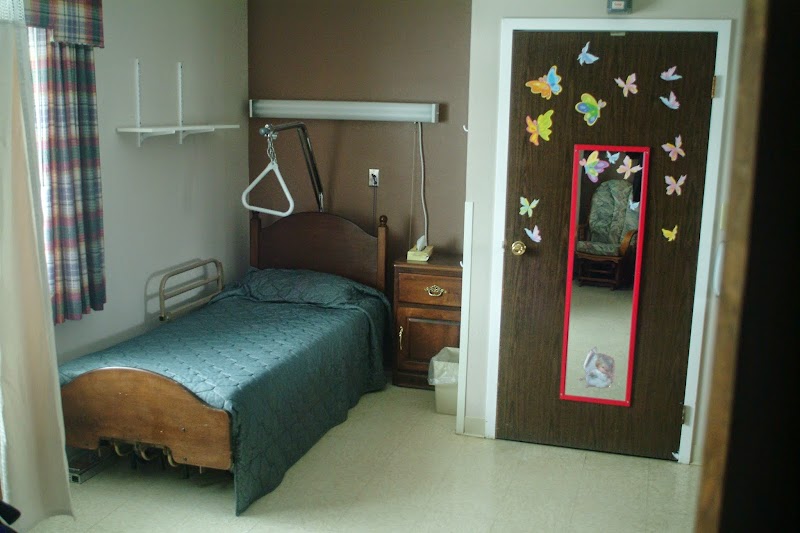
How is State Center Specialty Care Staffed?
CMS rates State Center Specialty Care's staffing level at 4 out of 5 stars, which is above average compared to other nursing homes. Staff turnover is 44%, compared to the Iowa average of 46%. This relatively stable workforce can support continuity of care.

What Have Inspectors Found at State Center Specialty Care?

State health inspectors documented 31 deficiencies at State Center Specialty Care during 2022 to 2024. These included: 1 that caused actual resident harm and 30 with potential for harm. Deficiencies causing actual harm indicate documented cases where residents experienced negative health consequences.

Who Owns and Operates State Center Specialty Care?

State Center Specialty Care is owned by a non-profit organization. Non-profit facilities reinvest revenue into operations rather than distributing to shareholders. The facility is operated by CARE INITIATIVES, a chain that manages multiple nursing homes. With 39 certified beds and approximately 31 residents (about 79% occupancy), it is a smaller facility located in STATE CENTER, Iowa.

How Does State Center Specialty Care Compare to Other Iowa Nursing Homes?

Compared to the 100 nursing homes in Iowa, State Center Specialty Care's overall rating (3 stars) is below the state average of 3.1, staff turnover (44%) is near the state average of 46%, and health inspection rating (3 stars) is at the national benchmark.

What Should Families Ask When Visiting State Center Specialty Care?

Based on this facility's data, families visiting should ask: "Can I visit during a mealtime to observe dining assistance and food quality?" "How do you handle medical emergencies, and what is your hospital transfer rate?" "Can I speak with family members of current residents about their experience?"

Is State Center Specialty Care Safe?

Based on CMS inspection data, State Center Specialty Care has a clean safety record: no substantiated abuse findings (meaning no confirmed cases of resident harm), no Immediate Jeopardy citations (the most serious violation level indicating risk of serious injury or death), and is not on the Special Focus Facility watch list (a federal program monitoring the lowest-performing 1% of nursing homes). The facility has a 3-star overall rating and ranks #100 of 100 nursing homes in Iowa. While no facility is perfect, families should still ask about staff-to-resident ratios and recent inspection results during their visit.

Do Nurses at State Center Specialty Care Stick Around?

State Center Specialty Care has a staff turnover rate of 44%, which is about average for Iowa nursing homes (state average: 46%). Moderate turnover is common in nursing homes, but families should still ask about staff tenure and how the facility maintains care continuity when employees leave.

Was State Center Specialty Care Ever Fined?

State Center Specialty Care has no federal fines on record. CMS issues fines when nursing homes fail to meet care standards or don't correct problems found during inspections. The absence of fines suggests the facility has either maintained compliance or corrected any issues before penalties were assessed. This is a positive indicator, though families should still review recent inspection reports for the full picture.

Is State Center Specialty Care on Any Federal Watch List?

State Center Specialty Care is not on any federal watch list. The most significant is the Special Focus Facility (SFF) program, which identifies the bottom 1% of nursing homes nationally based on persistent, serious quality problems. Not being on this list means the facility has avoided the pattern of deficiencies that triggers enhanced federal oversight. This is a positive indicator, though families should still review the facility's inspection history directly.