Methodist Manor Retirement Community
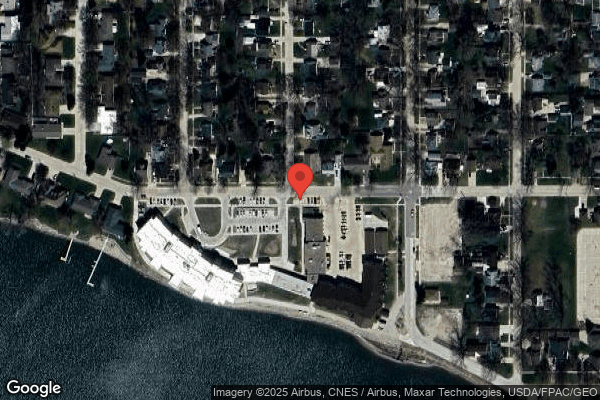
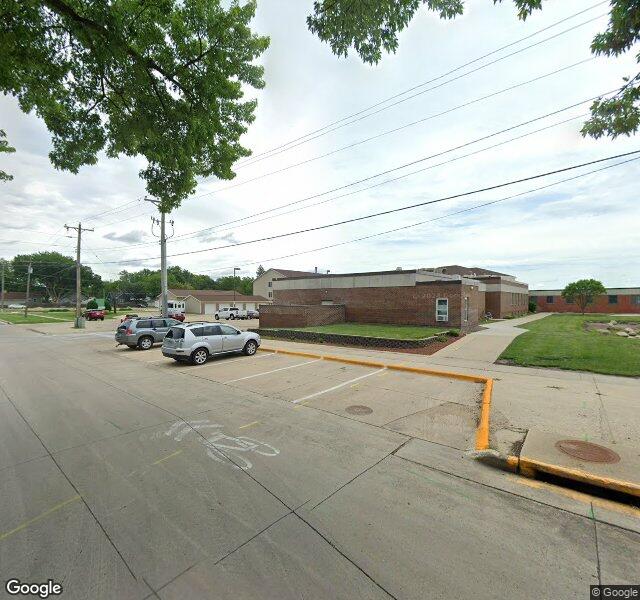
1206 West Fourth Street, Storm Lake, IA 50588 (712) 732-1120
Non profit - Corporation 93 Beds Independent Data: November 2025
Trust Grade
60/100
#210 of 392 in IA
Last Inspection: March 2025

Within standard 12-15 month inspection cycle. Federal law requires annual inspections.

Overview

Methodist Manor Retirement Community in Storm Lake, Iowa, has a Trust Grade of C+, indicating it is slightly above average but not outstanding. It ranks #210 out of 392 facilities in Iowa, placing it in the bottom half, though it is the only nursing home in Buena Vista County. The facility is on an improving trend, reducing issues from 10 in 2024 to 8 in 2025. Staffing is a strong point, with a perfect 5-star rating and only 24% turnover, which is well below the state average, suggesting that staff are experienced and familiar with residents. However, there have been concerning incidents, including a serious issue where a resident at high risk of falling did not receive adequate supervision, resulting in a fall, and a failure to properly manage COVID-19 vaccinations for several residents. While there are strengths in staffing and no fines, potential vulnerabilities in health supervision and regulatory compliance should be considered.

Trust Score
C+
60/100
In Iowa
#210/392
Bottom 47%
Safety Record
Moderate
Needs review
Inspections
Getting Better
10 → 8 violations
Staff Stability
✓ Good
24% annual turnover. Excellent stability, 24 points below Iowa's 48% average. Staff who stay learn residents' needs.
Penalties
✓ Good
No fines on record. Clean compliance history, better than most Iowa facilities.
Skilled Nurses
✓ Good
Each resident gets 54 minutes of Registered Nurse (RN) attention daily — more than average for Iowa. RNs are trained to catch health problems early.
Violations
⚠ Watch
23 deficiencies on record. Higher than average. Multiple issues found across inspections.
★★★☆☆
3.0
Overall Rating
★★★★★
5.0
Staff Levels
★★★★☆
4.0
Care Quality
★★☆☆☆
2.0
Inspection Score
Stable
2024: 10 issues
2025: 8 issues

The Good

  • 5-Star Staffing Rating · Excellent nurse staffing levels
  • 4-Star Quality Measures · Strong clinical quality outcomes
  • Low Staff Turnover (24%) · Staff stability means consistent care
  • Full Sprinkler Coverage · Fire safety systems throughout facility
  • No fines on record
  • Staff turnover is low (24%)

    24 points below Iowa average of 48%

Facility shows strength in staffing levels, quality measures, staff retention, fire safety.

The Bad

3-Star Overall Rating

Near Iowa average (3.1)

Meets federal standards, typical of most facilities

The Ugly 23 deficiencies on record

1 actual harm
Mar 2025 7 deficiencies
CONCERN (D)

Potential for Harm - no one hurt, but risky conditions existed

Notification of Changes (Tag F0580)

Could have caused harm · This affected 1 resident

**NOTE- TERMS IN BRACKETS HAVE BEEN EDITED TO PROTECT CONFIDENTIALITY** Based on clinical record review, staff interviews, and facility policy, the facility failed to notify the physician regarding a ...

Read full inspector narrative →
**NOTE- TERMS IN BRACKETS HAVE BEEN EDITED TO PROTECT CONFIDENTIALITY** Based on clinical record review, staff interviews, and facility policy, the facility failed to notify the physician regarding a change in a resident's condition after a fall (Resident #5). The facility reported a census of 89 residents. Findings include: 1. The Minimum Data Set (MDS) assessment dated [DATE] for Resident #5 documented diagnosis of anemia, neurogenic bladder and chronic obstructive pulmonary disease (COPD). The MDS showed the Brief Interview for Mental Status (BIMS) score of 15, indicating no cognitive impairment. The Progress Notes on 1/23/25 at 9:48 PM revealed a nurse was called to Resident #5's room by the certified nursing assistants(CNA). Resident #5 was noted to be on her left side on the floor. Resident #5 stated she slid forward from her wheelchair prior to transferring to the toilet. Resident #5 stated she landed on her knees and then her left side/hip. Resident #5 received a bruise/contusion to her left hand third digit. Resident #5 denies pain. The facility Progress Notes further revealed Resident #5 had no shortening or internal/external rotation to bilateral lower extremities and no other bruising or injuries noted on inspection of the body. Resident #5 was assisted to her wheelchair with gaitbelt and assist x 3. The Progress Notes on 1/24/25 at 12:39 PM revealed Resident #5 was noted with swelling to the left hand and bruising to the middle finger on the left hand. The Progress Notes on 1/24/25 at 7:14 PM revealed Resident #5 had complained of pain and discomfort throughout the left shoulder/arm and had bruising/swelling to the left hand. The Progress Notes on 1/25/25 at 3:55 PM revealed Resident #5 complained of pain and rated it a 4/10. The facility Progress Notes revealed Resident #5 had mild swelling to the left hand and diffused bruising to the middle finger/palm on the left hand. The Progress Notes on 1/26/25 at 00:24 AM revealed Resident #5's left hand is slightly swollen and tender. The Progress Notes on 1/26/25 at 10:53 AM revealed Resident #5 complained of pain to the left shoulder and left upper extremity, rating the pain a 4/10. The Progress Notes on 1/28/25 at 8:40 AM revealed Resident #5 continued with bruising to the left third digit, the bruise is diffused and purple in color. Resident #5 complained of pain to the left hand, left shoulder and left arm. The Progress Notes on 1/29/25 at 8:05 AM revealed Resident #5 complained of pain to the left elbow, rated pain 10/10. At 9:49 AM the facility updated the physician on Resident #5's pain to the left elbow. At 1:00 PM Resident #5 sent to the physician. Review of x-ray report dated 1/29/25 revealed Resident #5 had an intra-articular digital humorous fracture (a break in the lower part of the humorous bone that extends to the elbow joint). Review of the January 2025 Medication Administration Report revealed Resident #5 had received as needed pain medication one time during the month prior to the fall on 1/11/25. Resident #5 had received as needed pain medication on 1/24/25, 1/25/25 and 1/26/25 due to pain to the left upper extremity. Resident #5 rated pain a 4/10. Review of electronic health records lacked documentation of notifying the physician of the pain and swelling to Resident #5's left upper extremity and hand. On 3/27/25 at 11:11 AM, the DON acknowledged and verified that the facility didn't notify the physician with the change of increased pain and swelling to the left upper arm. The DON stated that she went through the timeline of the incident and felt they were monitoring the situation and when needed they sent her to the doctor. The DON stated that her expectation would be to have the staff notify the physician of changes, but in this situation she felt monitoring was enough. Review of the facility provided policy named Assessment of Changes in Condition dated 2023 revealed a condition change is defined as: alteration from normal status. A significant change in resident status refers to observed changes in the resident's condition which warrants immediate Licensed Nurse assessment, intervention, and appropriate follow-up. Clinical record documentation, assessment and follow-up is necessary. Examples of Condition Changes could include, but are not limited to: 1. Accidents where there is direct harm to the resident. 2. A noted reaction to a medication. 3. A physical decline in resident's condition. 4. An emotional change in the resident. 5. Any condition change for which the physician directs staff to notify him/her, regarding the resident. Assessment Process: 1. Identification of acute changes: Observation made by: · Direct care staff. · Licensed nurses -- on rounds. · Subjective comments of residents. · Review of previous history/lab/x-ray reports. · Physician. Resident assessment: · Licensed Nurse completes head to toe assessment to include full vital signs (neuro signs if indicated). · Licensed Nurse assesses for signs and symptoms noted. · Nursing diagnosis. Conclusion as to possible cause. 2. Reporting: The Licensed Nurse will notify: · The attending physician. · The hospital/x-ray/lab (if ordered by the Physician). · The family (or responsible party). · The Director of Nursing(DON)/Administrator, if applicable. 3. Documentation Requirements: Clinical Record (Nurses Notes) · Describe problem as first noted/or reported. · Describe signs and symptoms. · Describe vital signs (neuro signs if indicated). Describe notification of physician/orders given/orders transcribed. Documentation must show a consistent follow-up. On 3/27/25 at 11:11 AM, the DON acknowledged and verified that the facility didn't notify the physician with the change of increased pain and swelling to the left upper arm. The DON stated that she went through the timeline of the incident and felt they were monitoring the situation and when needed they sent her to the doctor. The DON stated that her expectation would be to have the staff notify the physician of changes, but in this situation she felt monitoring was enough.
CONCERN (D)

Potential for Harm - no one hurt, but risky conditions existed

Report Alleged Abuse (Tag F0609)

Could have caused harm · This affected 1 resident

Based on clinical record review, staff interview, facility investigation review and policy review the facility failed to report an allegation of abuse within 2 hours to the Iowa Department of Inspecti...

Read full inspector narrative →
Based on clinical record review, staff interview, facility investigation review and policy review the facility failed to report an allegation of abuse within 2 hours to the Iowa Department of Inspections, Appeals and Licensing (DIAL) for 2 of 2 residents reviewed (Residents #21 and #49). The facility also failed to report the allegation of abuse/suspected crime to the law enforcement center. The facility reported a census of 89 residents. Findings include: A facility investigation titled Resident to Resident Incident documented that on 3/21/24 during the supper meal Resident #21 was sitting at his table and made a negative comment to Resident #49 as he was walking by to sit in the dining room. Resident #49 heard the comment, made a negative comment back, and went over and slapped Resident #21 on the right side of his neck. The nurse was present, intervened and directed both men away from each other. Review of document titled Intake Information revealed the facility filed an allegation for abuse to DIAL related to a Resident to Resident Altercation for Resident #21 and Resident #49 on 3/24/25 at 2:24 PM. Review of the facility investigation lacked documentation law enforcement was notified of the allegations of abuse/suspected crime. On 3/26/25 at 11:10 AM, the DON (Director of Nursing) reported she was notified by the charge nurse regarding the incident with Resident #21 and Resident #49 around Noon on 3/22/25. She verified she filed the online self report to DIAL on the afternoon of 3/24/25. The DON acknowledged the allegation of abuse was not reported to DIAL within 2 hours according to the facility policy. The DON reported she thought she had 24 hours or the next business day to report the allegation of abuse. On 3/27/25 at 8:35 AM, the DON verified law enforcement was not notified. The undated facility policy titled Abuse Prevention, Identification, Investigation and Reporting Policy documented all allegations of resident abuse, neglect, exploitation, mistreatment, injuries of unknown origin and misappropriation should be reported immediately to the charge nurse. The charge nurse is responsible for immediately reporting the allegations of abuse to the Administrator, or designated representative. All allegations of resident abuse shall be reported to the Iowa Department of Inspections and appeals not later than two (2) hours after the allegation was made. The policy further documented that if there was a reasonable suspicion that the allegation of abuse also constitutes a crime committed against the resident by any person, whether or not the alleged perpetrator was employed by the facility, the Elder Justice required the matter must also be reported to law enforcement. If the allegation of abuse that results from a crime results in serious bodily injury to a resident, a report must be made to law enforcement not later than two (2) hours after the allegation was made. If the allegation of abuse does not result in serious bodily injury, a report must be made to law enforcement not later than twenty-four (24) hours.
CONCERN (D)

Potential for Harm - no one hurt, but risky conditions existed

Assessment Accuracy (Tag F0641)

Could have caused harm · This affected 1 resident

**NOTE- TERMS IN BRACKETS HAVE BEEN EDITED TO PROTECT CONFIDENTIALITY** Based on record review and staff interview, the facility failed to ensure the resident's Minimum Data Set (MDS) assessment accur...

Read full inspector narrative →
**NOTE- TERMS IN BRACKETS HAVE BEEN EDITED TO PROTECT CONFIDENTIALITY** Based on record review and staff interview, the facility failed to ensure the resident's Minimum Data Set (MDS) assessment accurately reflected the resident's status for 1 of 21 residents reviewed (Resident #78). The facility reported a census of 89 residents. Findings include: According to the MDS assessment dated [DATE], Resident #78 scored 12 on the Brief Interview for Mental Status (BIMS) indicating moderate cognitive impairment. The resident's diagnoses included schizophrenia. The MDS documented no to question A1500 indicating the resident was not currently considered by the state level 2 Preadmission Screening and Resident Review (PASRR) process to have serious mental illness. The Notice of Level 2 PASRR Outcome dated 8/2/24 documented the resident met inclusion for PASRR based on her diagnosis of paranoid schizophrenia and delusional disorder, and her need for help taking care of herself. Since the evaluation determined the resident had a PASRR condition, the facility should mark yes for question A1500 on the MDS. On 3/26/25 at 8:18 a.m. Staff C Nurse manager stated she read the front page of the PASRR and it said approved without specialized services, so she thought she didn't have to do more.
CONCERN (D)

Potential for Harm - no one hurt, but risky conditions existed

PASARR Coordination (Tag F0644)

Could have caused harm · This affected 1 resident

**NOTE- TERMS IN BRACKETS HAVE BEEN EDITED TO PROTECT CONFIDENTIALITY** Based on record review and staff interview, the facility failed to incorporate the recommendations from the Pre-admission Screen...

Read full inspector narrative →
**NOTE- TERMS IN BRACKETS HAVE BEEN EDITED TO PROTECT CONFIDENTIALITY** Based on record review and staff interview, the facility failed to incorporate the recommendations from the Pre-admission Screening and Resident Review (PASRR) evaluation report into a resident's assessment, care planning, and transition of care for 1 resident reviewed (Resident #78). The facility reported a census of 89 residents. Findings include: According to the Minimum Data Set (MDS) assessment dated [DATE], Resident #78 scored 12 on the Brief Interview for Mental Status (BIMS) indicating moderate cognitive impairment. The resident's diagnoses included schizophrenia. The MDS documented no to question A1500 indicating the resident was not currently considered by the state Level 2 PASRR process to have serious mental illness. The Notice of Level 2 PASRR Outcome dated 8/2/24 documented the resident met inclusion for PASRR based on her diagnosis of paranoid schizophrenia and delusional disorder, and her need for help taking care of herself. Since the evaluation determined the resident had a PASRR condition, the facility should mark yes for question A1500 on the MDS. The resident fell into the category of having a diagnosis that the PASRR program was designed to assess. The condition was likely to require treatment in the future. The diagnosis was a mental health condition. The resident needed the following services and/or supports: a. Evaluation for a diagnosis of neurocognitive disorder/dementia, or other organic mental disorder. (1) The resident would benefit from having an evaluation of dementia or other organic mental disorder due to your increased confusion and memory loss. b. The individual needed to designate [NAME] of Attorney for Healthcare and Financial matters in order to serve as substitute decision makers in the event of incapacity, assist with decision making, and support. (1) If the resident did not already have a designated Power of Attorney with individuals who could and would assist in keeping her safe and engaged in her own treatment, she may need help in order to consider whether she had any family members or others in her support network who could be designated powers of attorney for health care and/or financial matters. c. Obtaining archived psychiatric/behavioral health treatment records to clarify history and then make those past records available to all medical and behavioral health service providers. (1) Obtaining archive psychiatric records from you previous psychiatric hospitalizations and collateral information from family was recommended to clarify diagnostic history, symptomology and past treatments. Obtaining records could provide useful insights into effective treatment strategies and potential triggers of decompensation. d. Ongoing evaluation of the effectiveness of current psychotropic medications on target symptoms, could be offered by a non-behavioral health specialist - physician. (1) The resident would need ongoing psychiatric medication management to make sure her medications were helping treat her mental health symptoms. The clinical record lacked documentation the facility utilized the PASRR report when assessing, care planning, or the resident's transition to care. On 3/26/25 at 8:18 a.m. Staff C Nurse manager stated she read the front page of the PASRR and it said approved without specialized services, so she thought she didn't have to do more. The undated facility PASRR policy identified the purpose to ensure residents admitted were appropriate for placement in a long-term care setting. Each resident would have a resident centered Care Plan that addressed the services required by the PASRR. It would include diagnosis, medications, and interventions used for the management of behavioral symptoms.
CONCERN (D)

Potential for Harm - no one hurt, but risky conditions existed

Respiratory Care (Tag F0695)

Could have caused harm · This affected 1 resident

**NOTE- TERMS IN BRACKETS HAVE BEEN EDITED TO PROTECT CONFIDENTIALITY** Based on observations, record review, staff interviews and policy reviews, the facility failed to change and label oxygen tubing...

Read full inspector narrative →
**NOTE- TERMS IN BRACKETS HAVE BEEN EDITED TO PROTECT CONFIDENTIALITY** Based on observations, record review, staff interviews and policy reviews, the facility failed to change and label oxygen tubing for 1 of 2 residents reviewed (Resident #33). The facility reported a census of 89. Findings include: 1. The Minimum Data Set (MDS) assessment dated [DATE] for Resident #33 documented diagnoses of chronic obstructive pulmonary disease (COPD), hypertension, and depression. The MDS showed the Brief Interview for Mental Status (BIMS) score of 10, indicating moderate cognitive impairment. Observation on 3/24/25 at 2:03 PM, revealed Resident #33 had a date of 11/15/24 on the oxygen tubing with initials of a staff member. Observation on 3/25/25 at 1:46 PM, revealed Resident #33 had a date of 11/15/24 on the oxygen tubing with initials of a staff member. Interview on 3/24/25 at 2:03 PM, with Resident #33 revealed she doesn't need to have the oxygen on all the time, stating she can wear it when she wants or needs to. Review of the November 2024 TAR revealed the oxygen tubing was changed on the 15th and matched the date and initials for this day. Review of facility provided undated policy titled 02 Tubing Replacement and Storage revealed the purpose of this procedure is to ensure O2 is maintained in a clean and functional manner.Tubing will be inspected and changed on a monthly basis and/or as needed by the nursing department. When not in use, tubing will be stored in a bag. Interview on 3/26/25 at 10:10 AM, with Staff B, Registered Nurse (RN) revealed they change the oxygen tubing the 15th of every month and it is on the TAR for staff changing it to record it.
CONCERN (E)

Potential for Harm - no one hurt, but risky conditions existed

Comprehensive Care Plan (Tag F0656)

Could have caused harm · This affected multiple residents

**NOTE- TERMS IN BRACKETS HAVE BEEN EDITED TO PROTECT CONFIDENTIALITY** 4. According to the MDS assessment dated [DATE], Resident #78 scored 12 on the BIMS indicating moderate cognitive impairment. Th...

Read full inspector narrative →
**NOTE- TERMS IN BRACKETS HAVE BEEN EDITED TO PROTECT CONFIDENTIALITY** 4. According to the MDS assessment dated [DATE], Resident #78 scored 12 on the BIMS indicating moderate cognitive impairment. The resident's diagnoses included schizophrenia. The Notice of Level 2 Preadmission Screening and Resident Review (PASRR) Outcome dated 8/2/24 documented the resident received approval without specialized services. The PASRR Outcome Explanation Notice of Nursing Home Approval documented the results of the evaluation were: a. The resident required the level of services provided in a nursing facility. b. The resident did not require specialized services for her behavioral health. Rehabilitative services and/or community placement supports had been identified and were described in an attached report. c. The nursing facility would be required to Care Plan in a PASRR compliant fashion for all identified services including Rehabilitative Services. The Care Plan lacked any identification of the residents inclusion in the PASRR. On 3/26/25 at 8:18 a.m. Staff C Nurse manager stated she read the front page of the PASRR and it said approved without specialized services, so she thought she didn't have to do more. The undated facility PASRR policy included each resident would have a resident centered Care Plan that addressed the services required by the PASRR. It would include diagnosis, medications, and interventions used for the management of behavioral symptoms. The undated facility Care Plan and Development and Process policy directed the interdisciplinary team should develop a comprehensive, individualized plan of care for each resident. The Care plan should be reviewed and revised in accordance with State and Federal regulations and professional standards of nursing care. The Care Plan guided the care and treatment provided to each resident. Development of the Care Plan began at admission, utilizing information gathered from the resident, family, admission assessments completed by each discipline, and records from the transferring facility or referral source. Every effort was made to ensure that the comprehensive Care Plan incorporated the resident's individual history, patterns, preferences, and choices. The Comprehensive Care Plan would specifically address medical, nutritional, psychological, physical, functional, social, educational, spiritual, condition impairments, and disability/disease. The Care Plan was reviewed and updated quarterly or with any change in the resident's condition. Based on clinical record review, staff interview and policy review the facility failed to develop a care plan to address risk factors and interventions for 4 out of 21 residents reviewed for comprehensive care plans (Residents #21, #73, #33, and #78).The facility reported a census of 89 residents. Findings include: 1. Resident #21's Minimum Data Set (MDS) assessment dated [DATE] identified a Brief Interview for Mental Status (BIMS) score of 03, indicating severe cognitive impairment. Resident #21's MDS included diagnoses of non-alzheimer's dementia, depression, alcohol dependence with alcohol-induced persisting dementia, restlessness and agitation. The MDS documented Resident #21 was taking antipsychotic medication during the 7 day look back period. A Physician Order dated 9/10/24 directed staff to administer Risperdal (antipsychotic medication) 0.5 MG (milligrams) one time a day related to increased behaviors. Review of the Care Plan with a target date of 6/2/25 revealed the antipsychotic medication, target behaviors, potential side effects and what to monitor for while taking the high risk medication was not addressed on the comprehensive care plan. On 3/26/25 at 9:20 AM, Staff A, Nurse Manager verified Resident #21's Risperdal medication was not addressed on the care plan. She said she would expect high risk medications to be addressed on the care plan. 2. Resident #73's MDS dated [DATE] identified a BIMS score of 5, indicating severe cognitive impairment. The MDS identified Resident #73 was independent with bed mobility, transfer and ambulation without an assistive device. Resident #73's MDS included diagnoses of non-alzheimer's dementia, anxiety disorder and insomnia. The MDS documented Resident #73 had a wander/elopement alarm that was used daily. Review of Census tab in electronic medical record revealed Resident #73 resided in room [ROOM NUMBER]. A Progress Note dated 10/10/24 documented Resident #73 was redirected out of room [ROOM NUMBER] a few times this morning. According to the note Resident #73 said, I have to go in there, my clothes are there. Resident #73 was shown to her room and closet. Resident #73 said,That's only some of my stuff. A Progress Note dated 12/8/24 documented Resident #73 was redirected out of another resident's room one time during the shift. Resident #73 was redirected to the living area where music was playing. A Progress Note dated 12/31/24 documented Resident #73 was found sitting on another resident's bed (Resident #10) with no clothes on at approximately 2:30 PM. Resident #10 was not in the room at the time. Resident #73 was assisted back to her room and was cooperative. A Progress Note dated 1/2/25 documented the door bell engaged in another resident's room to alert staff of a person going into the room. Resident #73 found in the room that was not hers and redirected without concerns. A Progress Note dated 1/22/25 documented Resident #73 wandered in the halls and redirected away from other resident rooms. A Progress Note dated 2/17/25 documented Resident #73 wandered up and down the halls. A Progress Note dated 2/26/25 documented Resident #73 was ambulatory in halls and required reminders, redirection, guidance not to go into other residents' rooms and bathrooms. Review of the Care Plan with target date 5/19/25 revealed Resident #73's wandering behavior, interventions to reduce wandering and going into other resident's rooms were not addressed on the care plan. On 3/25/25 at 3:00 PM, Staff A, Nurse Manager verified Resident #73's wandering behaviors and interventions were not addressed on the care plan and should be. She said she would update the care plan at this time. 3. The MDS assessment dated [DATE] for Resident #33 documented diagnoses of chronic obstructive pulmonary disease (COPD), hypertension, and depression. The MDS showed the BIMS score of 10, indicating moderate cognitive impairment. The clinical Physician Order dated 11/15/24 directed staff to change the oxygen tubing on the 15th of the month and mark it with the date using paper tape. The clinical Physician Order dated 10/30/24 directed staff to administer oxygen as needed via nasal cannula to keep stats above 90%. Staff may titrate 1-5 liter via nasal cannula. Review of Resident #33's Care Plan with an initiated date of 2/29/24 failed to document the oxygen. On 3/26/25 at 3:30 PM, the DON stated the expectation would be to have the oxygen addressed on the care plan.
CONCERN (E)

Potential for Harm - no one hurt, but risky conditions existed

Deficiency F0887 (Tag F0887)

Could have caused harm · This affected multiple residents

**NOTE- TERMS IN BRACKETS HAVE BEEN EDITED TO PROTECT CONFIDENTIALITY** Based on clinical record review, staff interviews, Centers for Disease Control and Prevention (CDC) guidelines and facility poli...

Read full inspector narrative →
**NOTE- TERMS IN BRACKETS HAVE BEEN EDITED TO PROTECT CONFIDENTIALITY** Based on clinical record review, staff interviews, Centers for Disease Control and Prevention (CDC) guidelines and facility policy review, the facility failed to screen for eligibility, offer, provide education and document vaccine consent or refusal for the COVID-19 (coronavirus disease) immunization for 4 of 5 resident reviewed (Resident #12, #21, #40 and #77). The facility reported a census of 89 residents. Findings include: 1. Resident #12's Minimum Data Set (MDS) dated [DATE] identified a Brief Interview for Mental Status (BIMS) score of 04, indicating severe cognitive impairment. The MDS documented Resident #12 was not up to date with the COVID-19 vaccination. Review of the clinical record revealed Resident #12 had received a COVID vaccination on 10/24/21. The clinical record lacked documentation that Resident #12 or responsible party was educated, offered a consent for or refusal of an additional COVID-19 vaccination since 10/24/21. 2. Resident #21's MDS dated [DATE] assessment identified a BIMS score of 03, indicating severe cognitive impairment. The MDS documented Resident #21 was not up to date with the COVID-19 vaccination. Review of the clinical record revealed Resident #12 had received a COVID vaccination on 12/21/21. The clinical record lacked documentation that Resident #21 or responsible party was educated, offered a consent for or refusal of an additional COVID-19 vaccination since 12/21/21. 3. Resident #40's MDS dated [DATE] assessment identified a BIMS score was not completed. A Staff Assessment for Mental Status documented Resident #40 cognitive skills for daily decision making were severely impaired. The MDS documented Resident #40 was not up to date with the COVID-19 vaccination. Review of the clinical record revealed Resident #40 had received a COVID vaccination on 10/17/22. The clinical record lacked documentation that Resident #40 or responsible party was educated, offered a consent for or refusal of an additional COVID-19 vaccination since 10/17/22. The clinical record revealed Resident #40 tested postive for COVID-19 on 9/4/24 and was hospitalized from [DATE] to 9/11/24 related to COVID-19. 4. Resident #77's MDS dated [DATE] assessment identified a BIMS score of 13, indicating intact cognition. The MDS documented Resident #77 was not up to date with the COVID-19 vaccination. The Clinical Record revealed Resident #77 was admitted to the facility on [DATE]. Review of the clinical record revealed Resident #77 had received a COVID vaccination on 1/13/23. The clinical record lacked documentation that Resident #77 was educated, offered a consent for or refusal of an additional COVID-19 vaccination since admission to the facility on 8/9/24. The clinical record revealed Resident #77 tested positive for COVID-19 on 2/9/25. On 3/26/25 at 11:15 AM, the DON reported the previous pharmacy the facility used would not do a COVID clinic onsite and would not send the vaccine to the facility to be given. The DON reported the facility switched to a long term care pharmacy in December 2024 for all residents. She said the facility was working on a plan with the Pharmacy to either do an onsite clinic or obtain the vaccine from the pharmacy to give the injections. The DON reported if a resident wanted or asked for the COVID vaccine, the facility would direct the resident to go to the Physician office to get it. She said the facility would help set up the appointment if needed. The DON verified the facility did not have any documentation to show Resident #12, #21, #40 and #77 or resident representatives had been offered the vaccine, declined the vaccine, or been educated regarding the COVID-19 vaccination. The CDC Vaccines and Immunizations last updated 10/31/24 instructed people 65 years and older, vaccinated under the routine schedule, are recommended to receive 2 doses of any 2024-2025 COVID vaccine separated by 6 months regardless of vaccination history with one exception. Unvaccinated people who initiate vaccination with the 2024-2025 Novavx COVID-19 vaccine are recommended to receive 2 doses of Novavax followed by a third dose of any COVID-19 vaccine 6 months later. The CDC instructed people ages 5-64 years not immunocompromised should receive one 1 dose of an age-appropriate 2024-2025 COVID-19 vaccine. The CDC instructed people ages 5-64 years who are moderately or severely immunocompromised and had previously completed an initial series should receive 2 doses of an age appropriate 2024-2025 COVID-19 vaccine, spaced 6 months apart. The undated facility policy titled COVID-19 Vaccination Policy and Procedure documented the following: Upon admission to the nursing home each resident will be assessed for vaccination status for COVID-19. If through assessment it was determined that the resident had not previously been vaccinated against COVID-19 and the resident was medically able to receive the COVID-19 vaccine the facility would educate and encourage vaccination to the resident and/or their representative. Vaccination status assessment would include individuals that have received their primary series and eligibility for an additional dose or booster dose per current CDC guidance. Prior to consenting for the vaccination, each resident and/or representative would receive education regarding the current COVID-19 vaccinations approved or authorized by the FDA. Education would include the benefits of the COVID-19 vaccination, the potential risks including possible side effects and common and rare reactions to the COVID-19 vaccination. Once residents and/or representatives receive information and have an opportunity to ask questions regarding vaccination the resident and/or their representative would either consent or decline the COVID-19 vaccine. If the vaccine was declined, residents and/or their representatives have the right to change their decision at any time and would notify facility nurse that they would like to receive the vaccine. The nurse manager would provide the resident and/or their representative with educational information and the opportunity to consent to the vaccine again. Upon consenting to the vaccine, the nursing home will coordinate administration of the vaccine via the Federal Retail Pharmacy Program, local public health, or other means of obtaining the vaccine. The resident would be provided educational information at the time of the first dose as well as subsequent doses as well as the opportunity to decline subsequent doses. If a resident has been fully vaccinated the facility would obtain documentation to confirm vaccination status. If the resident has not been fully vaccinated, the resident's consent/declination form or information on administration, including vaccination dates and follow up assessments will be maintained in the resident ' s medical record. In the event that the facility was not unable to coordinate vaccination on-site, information on obtaining vaccination opportunities off-site will be provided to residents and/or representatives. Documentation by the facility will be maintained of efforts made to make the vaccine available on-site to the residents. In the event there were manufacturing delays, evidence of this delay will be maintained. All residents will be assessed for an additional dose or booster dose. If the CDC recommendation for an additional dose or booster dose was pertinent to a resident, the facility will assist with coordinating the vaccine. Additional dose/booster dose records will be maintained in the resident's medical record.
Jan 2025 1 deficiency
CONCERN (D) 📢 Someone Reported This

A family member, employee, or ombudsman was alarmed enough to file a formal complaint

Potential for Harm - no one hurt, but risky conditions existed

Notification of Changes (Tag F0580)

Could have caused harm · This affected 1 resident

**NOTE- TERMS IN BRACKETS HAVE BEEN EDITED TO PROTECT CONFIDENTIALITY** Based on record review and staff interview, the facility failed to notify the family/responsible party of a change in the reside...

Read full inspector narrative →
**NOTE- TERMS IN BRACKETS HAVE BEEN EDITED TO PROTECT CONFIDENTIALITY** Based on record review and staff interview, the facility failed to notify the family/responsible party of a change in the resident's condition requiring physician's notification for 2 of 3 residents reviewed (Resident #2 and #3). The facility reported a census of 90 residents. Findings include: 1) According to the Minimum Data Set (MDS) assessment dated [DATE] Resident #2 scored 10 on the Brief Interview for Mental Status (BIMS) indicating moderate cognitive impairment. The resident's diagnoses included diabetes. The Care Plan initiated 4/19/24 identified Resident #2 had increased nutritional needs for healing and maintenance of skin. Interventions included giving diabetic medications and insulins as ordered, monitoring for hyper/hypoglycemia: shakiness,dizziness, sweating,increased thirst, fatigue,and blurred vision. The resident used a continuous glucose monitor, change as ordered and read blood sugars as ordered. The Clinical Resident Profile page showed Resident #2 had 3 family members with phone numbers to contact, and they were listed in priority order. The resident's Orders tab included Resident #2 had the following orders: a. Change Libre glucose monitoring system every 14 days. b. Blood Glucose Monitoring 4 times a day (QID) with sliding scale. Call the doctor if Blood Sugar (BS) <70 OR > 400. c. Humalog KwikPen Inject as per sliding scale: 141 - 220 = 2 units; 221 - 260 = 3 units; 261 - 300 = 5 units; 301 - 360 = 6 units; 361 - 400 = 8 units; 401 - 500 = 12 units; above 500 call physician; and inject 17 units three times a day. The Progress Notes dated 12/11/24 at 10 p.m. documented at approximately 4:30 p.m. the nurse did a glucose check on Resident #2. The resident was diaphoretic (sweaty) and her face flushed. The resident's BS was 43. The nurse gave 6 ounces (oz) of juice and rechecked the BS at 4:45 p.m. reading 59. The resident was hard to wake up at the table and ate minimal supper. She did drink Glucerna and another glass of juice. The resident refused medications at supper. A recheck BS at 5:30 p.m. raised to 169. Administered insulin. Check of BS at 9:05 p.m. dropped back down to 84. Administered 6 oz of juice. Sent a fax to the Primary Care Provider (PCP). The clinical record lacked documentation the facility attempted to notify the family. The Progress Notes dated 12/14/24 at 7:20 p.m. documented at 4:21 p.m. the Certified Medication Aide (CMA) reported to the nurse that Resident #2 had a BS of 37. The resident was awake, alert and aware. Per the CMA, the resident was able to drink fluids and the nurse instructed the CMA to give the resident 8 ounces (oz) of orange juice. At 4:24 p.m. The resident's blood sugar checked with a reading of 41. The nurse provided the resident with 8 oz of apple juice. At 4:28 p.m. the blood sugar rechecked with reading of 46. The nurse provided the resident with 8 oz of orange juice. At 4:36 p.m. the blood sugar recheck reading 64. The Resident had scheduled Glucerna 3 oz given at that time. At 4:41 p.m. the resident's blood sugar rechecked with a reading of 95. At 4:53 p.m. a call placed to the emergency room (ER), and they would notify the doctor on call. At 4:57 p.m. received a call from the ER with a new order to hold the Humalog 17 units, no insulin that night, and update the Primary Care Provider (PCP). Sent a fax to the resident's physician. The clinical record lacked documentation the facility attempted to notify the family. The Progress Notes dated 12/18/24 at 5:45 p.m. documented the hypoglycemia protocol followed and rechecked BS 15 minutes after administering OJ with sugar and Glucerna supplement. The resident's blood sugar continued to be low at 57. Call placed to the emergency department for further instructions. At 6:59 received a call back with new orders to hold scheduled Humalog 17 units due to low blood sugar of 54 prior to supper. Received an order to administer 10 units if eating. Resident #2 ate approximately 25% of supper. The last blood sugar was 109 and administered 10 units of Humalog. The clinical record lacked documentation the facility attempted to notify the family. On 1/2/25 at 2:18 p.m. the Nurse Manager stated staff could call Resident #2's son and leave a message, because he never answered the phone. She confirmed the resident did have other contacts, and they could document their attempts. The facility Assessment of Changes in Condition documented the policy for managing condition changes identified a significant change in a residents status referred to observed changes in the resident's condition which warranted immediate nurse assessment, intervention and appropriate follow up. Examples of a condition change included a noted reaction to a medication. The notifications included the nurse would notify the resident's attending physician and the family and/or responsible party. 2) According to the MDS assessment dated [DATE] Resident #3 scored 10 on the BIMS indicating moderate cognitive impairment. The resident's diagnoses included atrial fibrillation, coronary artery disease, heart failure, hypertension, renal insufficiency and diabetes. The resident experienced a 5% or more weight gain in the previous month or a 10% or more weight gain in the previous 6 months. The Care Plan initiated 5/9/24 identified Resident #3 received small portions at meals. The interventions included weight to be taken per acuity protocol. The Care Plan initiated 8/9/24 identified the resident with compromised skin and interventions included diuretic use, to watch for weight change and/or edema. The Clinical Resident Profile page showed Resident #3 had 3 contacts other than himself with phone numbers. The Progress Notes dated 10/18/24 at 12:32 p.m. documented Resident #3 returned from an appointment with a physician with new orders: 1) Call PCP if edema gets worse, 2) Bumex 0.5mg a day, 3) Calcitriol 0.25 once a week (Saturdays), 4) Continue with spironolactone, 5) Follow up on 1/31/2025, 6) NO need for dialysis. Pharmacy Faxed, Medication Administration Record (MAR) updated, and the resident aware. The clinical record lacked documentation the facility notified the resident's family/responsible party of the resident's new orders. The Progress Notes dated 10/31/24 at 2:37 p.m. documented the resident weighed 188.6# and had an 11.8%, 19# significant weight gain in the past 180 days. A fax notification sent to the physician per policy. The clinical record lacked documentation the facility notified the resident's family/responsible party of the resident's significant weight gain. The Progress Notes dated 11/7/24 documented Resident #3 weighed 193# a 6.6%, 12# significant weight gain in 30 days. The physician aware of the resident's weight gain. The clinical record lacked documentation the facility notified the resident's family/responsible party of the resident's continued weight gain. The Progress Notes dated 11/29/24 at 1:07 p.m. documented Resident #3 weighed 203.4# an 18%, 31# weight gain over the previous 180 days. Fax notification of weight change per policy. The Progress Notes dated 11/30/24 at 8:54 p.m. documented a fax sent to the primary care provider regarding notification to the physician of the significant weight gain. The clinical record lacked documentation the facility notified the resident's family/responsible party of the resident's continued weight gain. On 1/2/24 at 2:30 p.m. the Nurse Manager stated when they had a care conference they go through everything, and the family attended the care conference in November. An email received from the Director of Nursing (DON) 1/2/25 at 2:12 p.m. regarding a policy documented their dietician followed the MDS weight loss/gain protocol. She reviewed with MDS's and monthly for a loss or gain of 5% or more in the last month or 10% or more in last 6 months.
May 2024 10 deficiencies 1 Harm
SERIOUS (G)

Actual Harm - a resident was hurt due to facility failures

Accident Prevention (Tag F0689)

A resident was harmed · This affected 1 resident

**NOTE- TERMS IN BRACKETS HAVE BEEN EDITED TO PROTECT CONFIDENTIALITY** Based on clinical record review, staff interviews, and facility record review, the facility failed to provide adequate nursing s...

Read full inspector narrative →
**NOTE- TERMS IN BRACKETS HAVE BEEN EDITED TO PROTECT CONFIDENTIALITY** Based on clinical record review, staff interviews, and facility record review, the facility failed to provide adequate nursing supervision to prevent a fall for 1 of 1 residents reviewed (Residents #89). The facility reported a total census of 90 residents. Findings include: The Minimum Data Set (MDS) assessment dated [DATE] for Resident #89 documented diagnoses of hypertension, renal failure, hyperlipidemia and chronic respiratory failure with hypoxia. The MDS showed the Brief Interview for Mental Status (BIMS) score of 14, which indicated intact cognition. The MDS revealed Resident #89 utilized a walker daily. Review of facility provided document titled Fall Risk assessment dated [DATE] scored a 15 indicating high risk for falls. Review of Resident #89's Care Plan dated 3/28/24 revealed under Assistance of Daily Living (ADL) Resident #89 was assistance of one with a walker for ambulation. Review of facility provided document titled Fall Investigation dated 4/30/24 at 6:15 AM, revealed Resident #89 had a fall in her room. Resident #89 was up at her dresser with a staff member getting clothes prior to a shower. Resident was found lying on her right side, with right upper extremity bent at the elbow and underneath her head. Her left upper extremity was extended straight beneath her. Resident #89 reported I got dizzy. Review of handwritten documentation by Staff D, Certified Nursing Assistant (CNA) revealed Staff D had gone into the room to give Resident #89 a shower. Staff D and Resident #89 walked to the closet. Resident #89 was in front of the closet and Staff D was next to her, on the right side. Staff D went to put clothes away in Resident ' s dresser, but before Staff D opened the drawers, Staff D heard a bump and Resident #89 was on the floor. Staff D asked Resident if she was okay and then went and got the nurse. Review of a facility provided document titled Fall Committee Review revealed staff alerted a nurse to Resident #89 on the floor by the closet, her walker by her feet, and the fall was witnessed by the staff member. Staff D left Resident #89 to go put clothes away in the dresser and Resident #89 fell. Resident #89 stated I got dizzy. Resident #89 received abrasion to head, skin tear to left thigh and skin tear to right elbow. The review revealed Staff D was written up for no gait belt and left resident unattended. Review of Progress Notes dated 4/30/24 at 4:13 PM Resident #89 reported pain when moved but is tolerable when rested in an upright position. There were no bruising or swelling noted to the right ribs. Nurse offered Resident #89 to be further evaluated by the emergency room (ER) three times, Resident #89 refused to go to the ER three times. Nurse encouraged Resident #89 to be evaluated and asked if she would prefer a doctor's appointment tomorrow on 5/1/24. Resident #89 in agreement. Resident #89 was able to take in deep breaths with no pain. Review of Progress Notes dated 4/30/24 at 7:48 PM Resident #89 noted to be resting in bed laying on the left side in fetal position. Nurse assisted Resident #89 into a sitting position and observed Resident #89 to be very uncomfortable. Resident #89 grimaced and moaned, rated pain a 10/10. Nurse offered Resident #89 to be transferred to ER to be further evaluated, Resident #89 refused. Resident #89 stated I'm just stubborn. Resident #89 lung sounds to the right lower lobe are diminished, her left lung clear. There were no bruising or swelling noted to the right ribs. Resident #89 assisted in bed, laid on back with head of bed elevated (HOB). Resident #89 reported pain relief when position changed. Nurse administered Tylenol as needed for right rib pain. Resident #89 continued on back with HOB elevated. Stated I'm more comfortable like this. Review of Progress Notes dated 5/1/2024 at 9:29 AM This nurse made an appointment with a physician for follow up from fall yesterday 4/30/24. Resident #89 continued to complain of rib pain and blood pressure noted to be low. Appointment for today 5/1/24 at 11:10 AM. Review of Progress Notes dated 5/1/2024 at 6:03 PM revealed Resident #89 returned from ER with two rib fractures, rib number 7 and 8 posterior. Resident #89 had new orders for pain medication and new orders for incentive spirometer every two hours while awake for one week. Review of the undated facility policy titled Accidents and Incidents revealed that all resident accidents and incidents are properly assessed and reviewed. The Nurse Supervisor/Charge Nurse and/or the department director or supervisor shall promptly initiate investigation of the accident or incident. The resident shall be assessed as they were found. When the nurse deems it is safe to do so, they may instruct the staff how to safely assist the resident. The following data, if applicable, shall be documented in the nurse ' s notes: The date and time the accident or incident took place. The nature of the injury/illness (e.g., bruise, fall, nausea, etc.). The circumstances surrounding the accident or incident. Where the accident or incident took place. The name(s) of witnesses and their accounts of the accident or incident. The injured person ' s account of the accident or incident. The time the injured person ' s Attending Physician was notified, as well as the time the physician responded and his or her instructions. The date/time the injured person ' s family was notified and by whom unless the resident is their own representative. The condition of the injured person, including his/her vital signs; range of motion, pain, observable injuries, and neuros for all falls with head injury, or if the fall was unwitnessed. The disposition of the injured (i.e., transferred to hospital, put to bed, sent home, returned to work, etc.); Any corrective action taken. Follow-up information. Other pertinent data as necessary or required; and The signature and title of the person completing the report. Following the occurrence of an accident or incident the clinical leadership team will review the circumstances and as appropriate put interventions in place and update the care plan. This facility follows current rules and regulations governing accidents and/or incidents involving a medical device. The Nurse Supervisor/Charge Nurse and/or the department director or supervisor shall complete or review a Fall Committee Form or skin investigative form to use for discussion with appropriate team members. For all incidents that occur offsite while participating in a facility sponsored event, the driver of the van will call the facility for directions from the charge nurse. If nursing staff is available, they will come to the site of the incident. If nursing is not available, 911 will be called. The facility reported they do not have a gait belt policy, they follow the standard of practice. Interview on 5/8/24 at 10:24 AM with Staff D revealed Resident #89 ' s assistance level was independent. Staff D stated she gave Resident #89 the walker to help her walk, but Staff D did not have a hold of Resident #89. Staff D reported that Resident #89 would refuse care and to wear the gait belt. Staff D reported that she did not attempt or offer the gait belt because in the past Resident #89 refused it. Staff D reported that changes in Residents are communicated from physical therapy, verbal report, or report form in a binder. Interview on 5/8/24 at 10:51 AM with Staff E revealed Staff D did not use a gait belt on Resident #89. Staff E reported Resident #89 is assisted by one staff member with a gait belt and front wheeled walker. Staff E reported Staff D received a written warning for not utilizing the gait belt with Resident #89. Staff E explained that she did remind staff in the neighborhood that they need to utilize the gait belt when transferring residents.
CONCERN (D)

Potential for Harm - no one hurt, but risky conditions existed

MDS Data Transmission (Tag F0640)

Could have caused harm · This affected 1 resident

Based on record review and staff interview, the facility failed to complete the appropriate Minimum Data Set (MDS) assessment for 1 resident reviewed for discharge (Resident #87). The facility reporte...

Read full inspector narrative →
Based on record review and staff interview, the facility failed to complete the appropriate Minimum Data Set (MDS) assessment for 1 resident reviewed for discharge (Resident #87). The facility reported a census of 90 residents. Findings include: The Clinical MDS page dated 5/7/24 showed Resident #87 entered the facility on 12/28/23. The resident had an admission assessment completed 1/1/24. The Progress Notes dated 2/29/24 at 1:34 p.m. documented the resident discharged home with her spouse. The Clinical MDS page dated 5/7/24 documented the discharge assessment reference date (ARD) of 2/29/24, to be completed by 3/14/24. No additional assessments were completed. On 5/8/24 at 10:00 a.m. Staff K, Nurse Manager (NM) stated she did not do MDS's, but the discharge MDS should have been completed. On 5/8/24 at 10:25 a.m. Staff J, NM looked on her list for the date the resident discharged and did not have Resident #87 on her list, so she did not do the discharge MDS for her. She did not know if Staff H, NM had the resident on her list, but she could see she did not have her discharge MDS completed. She said they missed it. On 5/8/24 at 10:33 a.m. Staff H checked her list for the date Resident #87 discharged , and did not have her on the list. She said typically when a resident discharged an email was sent to notify them. She thought possibly the email did not get sent, and the resident's MDS was not completed.
CONCERN (D)

Potential for Harm - no one hurt, but risky conditions existed

PASARR Coordination (Tag F0644)

Could have caused harm · This affected 1 resident

**NOTE- TERMS IN BRACKETS HAVE BEEN EDITED TO PROTECT CONFIDENTIALITY** Based on record review and staff interview, the facility failed to submit a Level 2 Preadmission Screening and Resident Review (...

Read full inspector narrative →
**NOTE- TERMS IN BRACKETS HAVE BEEN EDITED TO PROTECT CONFIDENTIALITY** Based on record review and staff interview, the facility failed to submit a Level 2 Preadmission Screening and Resident Review (PASSR) evaluation for 1 of 2 resident reviewed with a new mental health diagnosis and medication revision (Resident #5). The facility reported a census of 90. Findings include: The Minimal Data Set (MDS) dated [DATE] documented Resident #5 had a Brief Interview for Mental Status (BIMS) of 11 indicating a moderate cognitive impairment. The MDS further documented the resident had diagnoses including anxiety, depression, & psychotic disorder. The MDS reports the use of high-risk medications including an antipsychotic, antidepressant, diuretic, and antiplatelet medications. Clinical record review of the current medication orders, as of 5/9/24, include Sertraline HCl 50 mg, Give 1 tablet by month one time a day related to anxiety disorder and Seroquel 50mg, give tablet by mouth two times per day related to delusional disorders. Resident #5's current Care Plan, dated 4/19/24, indicated a focus area of psychosocial with a goal to visit with staff daily. Interventions include: 1.Monitor for adverse consequences of Seroquel. 2.Monitor for adverse consequences Sertraline. 3.Monitor for increased anxiety, paranoia, refusing cares, feeling down and feeling bad about self-redirect as able-give 1:1 and offer activities. 4.Sees a practitioner on psych round. The only documented PASSR located in the clinic record is dated 10/23/15, which noted a depression diagnosis and the use of Sertraline HCl 25mg daily. Unit Manger interviewed on 5/8/24 and reported all PASSRs are located in the resident's permanent record and nowhere else. The manager was alerted the PASSR for Resident #5 was from 2015 and questioned if it had been updated. The manager indicated that PASSRs are updated when, for example, medications are updated. Reviewed that Resident #5 had additional mental health diagnoses and medication added since the initial PASSR from 2015. The manger did not believe an updated PASSR has been submitted if it was not located in the chart. Per the undated facility policy PASSR: Each quarter and as needed, the MDS Coordinator will review the PASRR to determine if any diagnosis or medication changes need to be updated. If it is determined that a change has taken place, a new PASRR assessment will be submitted.
CONCERN (D)

Potential for Harm - no one hurt, but risky conditions existed

Comprehensive Care Plan (Tag F0656)

Could have caused harm · This affected 1 resident

**NOTE- TERMS IN BRACKETS HAVE BEEN EDITED TO PROTECT CONFIDENTIALITY** 2. The MDS assessment dated [DATE] for Resident #15 documented diagnoses of hypertension, Alzheimer ' s Disease, and depression....

Read full inspector narrative →
**NOTE- TERMS IN BRACKETS HAVE BEEN EDITED TO PROTECT CONFIDENTIALITY** 2. The MDS assessment dated [DATE] for Resident #15 documented diagnoses of hypertension, Alzheimer ' s Disease, and depression. The MDS showed a Brief Interview for Mental Status (BIMS) score of 5 which indicated severe cognitive impairment. Review of the May 2024 Medication Administration Record (MAR) revealed an order for sertraline (antidepressant medication) with an order date of 11/30/23 and lorazepam (anti anxiety medication) with an order date of 2/14/23. Review of the MDS dated [DATE] revealed the resident was taking antianxiety and antidepressant medication in the review period. Review of the Care Plan with a revision date of 4/8/24 lacked information regarding the usage and side effects of the antidepressant and antianxiety medication. Interview with Staff H on 5/9/24 at 12:30 PM revealed Staff H acknowledged the medications were not on the care plan and the expectation would be that the antidepressant and antianxiety be addressed on the care plan. Based on clinical record review, staff interview and policy review the facility failed to develop a care plan to address risk factors and interventions for 2 out of 18 residents (Residents #22 and #15) reviewed for comprehensive care plans.The facility reported a census of 90 residents. Findings include: 1. The Minimum Data Set (MDS) assessment for Resident #22 dated 2/12/24 identified a Brief Interview for Mental Status (BIMS) score of 13, which indicated intact cognition. The MDS included diagnoses of urinary tract infection in the last 30 days, neurogenic bladder (lack bladder control due to brain, spinal cord or nerve problems) and parkinsonism. The MDS documented Resident #22 received antibiotic medication during the assessment period (last 7 days). A Physician Order dated 11/16/23 directed staff to administer Cephalexin (antibiotic) 500 mg (milligrams) by mouth one time a day for chronic cystitis (bladder infection) without hematuria (blood in urine). A Physician Order dated 11/18/23 directed staff to administer Methenamine Hippurate (anti-infective) 1 gram by mouth every 12 hours each day for chronic cystitis (bladder infection) without hematuria (blood in urine). Review of Resident #22 ' s Care Plan revised 2/15/24 revealed the prophylactic antibiotic and anti-infective medication, potential side effects and what to monitor for while taking the high risk medication was not addressed on the comprehensive care plan. The Care Plan did not address Resident #22 was at risk for bladder infections and what signs and symptoms to observe for that would be an indicator of an infection. On 5/8/24 at 2:56 PM, Staff H, RN (Registered Nurse)/Nurse Manager acknowledged/verified that the antibiotic/anti-infective medication and history of bladder infections were not addressed on the care plan. She stated she would update the care plan. The undated facility policy titled Care Plan Development and Process documented the interdisciplinary team shall develop a comprehensive, individualized plan of care that guides the care and treatment for each resident. The policy further documented that the care plan is reviewed and updated quarterly or with any change in the resident's condition.
CONCERN (D)

Potential for Harm - no one hurt, but risky conditions existed

Respiratory Care (Tag F0695)

Could have caused harm · This affected 1 resident

Based on observations, record review, staff interviews, resident interview and policy review, the facility failed to change oxygen tubing for 1 of 2 resident reviewed (Resident #8) for respiratory ser...

Read full inspector narrative →
Based on observations, record review, staff interviews, resident interview and policy review, the facility failed to change oxygen tubing for 1 of 2 resident reviewed (Resident #8) for respiratory services. The facility reported a census of 90 residents. Findings Include: The Minimum Data Set (MDS) assessment for Resident #8 dated 3/9/24 identified a Brief Interview for Mental Status (BIMS) score of 14, which indicated intact cognition. The MDS included diagnoses of heart failure (inability for the heart to pump enough blood), chronic respiratory failure with hypoxia, pneumonia and obstructive sleep apnea. The MDS documented Resident #8 was on oxygen therapy while a resident at the facility. The Care Plan dated 4/22/24 identified Resident #8 wore continuous oxygen and a CPAP machine (continuous positive airway pressure) (machine that used mild air pressure to keep breathing airways open while you sleep) at night. The April 2024 Treatment Administration Record (TAR) directed staff to change the oxygen tubing on the 15th of each month and to mark the tubing with the date using paper tape. The TAR documented Resident #8's oxygen tubing was changed on 4/15/24. On 5/6/24 at 11:09 AM, Resident #8 reported she did not recall the oxygen tubing getting changed. On 5/7/24 at 3:15 PM observed Resident #8's oxygen tubing connected to the oxygen concentrator had a piece of paper tape marked/dated 3/15/24. The oxygen tubing connected to the portable concentrator on the wheelchair had a piece of paper tape marked/dated 3/18/24. The oxygen tubing connected to the CPAP machine on the bedside table was not dated. On 5/7/24 at 4:00 PM, the Director of Nursing (DON) acknowledged while in Resident #8's room that the oxygen tubing had not been changed. She reported she expected the tubing to be changed monthly as directed on the TAR. Resident #8 reported to the DON that nobody had changed her oxygen tubing. On 5/8/24 at 9:40 AM, the DON reported she changed Resident #8's oxygen tubing yesterday (5/7/24) and charted it in the nurses notes. The undated facility policy titled Administration of Oxygen directed the staff to change the oxygen cannula and tubing monthly.
CONCERN (D)

Potential for Harm - no one hurt, but risky conditions existed

Medication Errors (Tag F0758)

Could have caused harm · This affected 1 resident

Based on clinical record review, staff interview and facility policy review, the facility failed to provide an appropriate clinical rationale for a gradual dose reduction (GDR) declination for 1 out o...

Read full inspector narrative →
Based on clinical record review, staff interview and facility policy review, the facility failed to provide an appropriate clinical rationale for a gradual dose reduction (GDR) declination for 1 out of 3 residents reviewed for unnecessary medications. (Resident #14) The facility reported a census of 90 residents. Findings include: The Minimum Data Set (MDS) assessment for Resident #14 dated 4/29/24 identified a Brief Interview for Mental Status (BIMS) score of 8, which indicated moderately impaired cognition. The MDS included diagnoses of anxiety and depression. The MDS documented Resident #14 received an antidepressant and antianxiety medication 7 days during the assessment period (last 7 days). A Physician Order dated 2/3/2023 directed staff to administer Risperdal (antipsychotic) 1mg (milligrams) by mouth every night. A Physician Order dated 2/3/2023 directed staff to administer Sertraline (antidepressant) 150mg by mouth daily. A facility form named Physician Information/Request dated 12/3/23 documented the physician response for a gradual dose reduction (GDR) request for Resident #14 ' s Risperdal was denied. The Physician Information/Request form lacked a clinical rationale for not making any changes in the orders. The Physician signed the form on 12/13/23. A facility form named Physician Information/Request form dated 2/4/24 documented the physician response for a GDR request for Resident #14 ' s Risperdal was denied. The Physician Information/Request Form lacked a clinical rationale for not making any changes in the orders. The Physician signed the form on 2/14/24. On 5/8/24 at 10:00 AM, Staff J acknowledged and verified the Physician Information/Request form lacked a clinical rationale for continuing the Risperdal and Sertraline without any changes. Staff J reported the facility has a hard time getting a clinical rationale from the physician. The undated facility policy titled Unnecessary Medication and Gradual Dose Reductions revealed this facility will provide each resident with a therapeutic dose of medication as prescribed by the primary physician. Periodically, a reduction will be attempted on certain medications if the primary care physician, pharmacy consultant, and nursing team determines that a lesser dose or discontinuation of medication would be beneficial for the resident. Residents that use antipsychotic medications shall participate in gradual dose reductions and behavioral interventions unless clinically contraindicated. A rationale must be provided by the Physician or Practitioner to support an attempted reduction or if clinical symptoms indicate a need to continue the medication.
CONCERN (D)

Potential for Harm - no one hurt, but risky conditions existed

Menu Adequacy (Tag F0803)

Could have caused harm · This affected 1 resident

**NOTE- TERMS IN BRACKETS HAVE BEEN EDITED TO PROTECT CONFIDENTIALITY** 3. The Minimum Data Set (MDS) assessment dated [DATE] for Resident #76 documented diagnosis of thyroid disease, non-alzheimer ' ...

Read full inspector narrative →
**NOTE- TERMS IN BRACKETS HAVE BEEN EDITED TO PROTECT CONFIDENTIALITY** 3. The Minimum Data Set (MDS) assessment dated [DATE] for Resident #76 documented diagnosis of thyroid disease, non-alzheimer ' s dementia and weakness. The MDS showed the Brief Interview for Mental Status (BIMS) was not completed due to Resident #76 is rarely/never understood. The MDS indicated Resident #76 needed substantial or max amount of assistance with meals. On 5/8/24 at 11:50 AM observation completed with Staff G, dietary aid, during noon meal service, observed Staff G serve Resident #76 puree hamburger with scoop #8. Interview on 5/8/24 at 1:15 PM with Staff G, reported that she used scoop #8 for the puree hamburger and had a scoop of puree hamburger left over after meal service. Interview on 5/9/24 at 10:45 AM Staff I and Staff L revealed the scoop sizes for Resident #76 were to be #8 and #12 to get the correct amount of puree hamburger. Staff L revealed when setting up the hot cart, Staff L wrote on top of the foil what size scoops the staff are to use. Staff L said the kitchen staff have been taught to roll the foil on the kitchen pan instead of ripping the foil from the middle. Staff I reported they also have a color coded chart in the neighborhood kitchens that shows what size serving utensil to utilize, this is called Portion Control Menu Planner. Based on observations, staff interview, and policy review, the facility failed to provide appropriate puree main entrée portion size to ensure adequate calorie and protein intake for 2 of 3 residents observed (Residents #48 and #76). The facility reported a census of 90 residents. Findings include: 1. Puree food preparation on 5/8/24 at 9:45am was observed. The entrée was hamburger on a bun. The serving size listed on diet spread sheets indicated 1 serving for the entrée. After pureeing the entrée, staff measured out the entrée to determine the appropriate serving size for each resident. For the puree diets on Northshore, [NAME], and Sunset Cove units, staff had a total volume of 6c and needed a total of 7 servings. The appropriate scoops size needed were a #8 and #12. For the puree diets on the Breezy and Crosswinds unit, staff measured out a total volume of 6 1/4c and needed a total of 7 servings. The appropriate scoop size needed were a #6 and #30. The entrée was divided up into separate kitchen pans, covered with foil, & labeled with the unit name, food item, & the appropriate scoop size to be used. Staff indicated scoop sizes were written on the foil to alert the unit dietary staff as to what scoops should be use. Staff obtained all of the scoops needed and separated out the different units to ensure unit dietary aides had the appropriate equipment. Lunch service and tray preparation observed on 5/8/24. The Breezy unit had one resident receiving a puree diet. Staff observed using a #6 and #30 scoops to portion out the entrée. Staff interview completed with Staff I, Dietary Manager, on 5/9/24 at 10:45 am indicated unit dietary staff have been educated to look at the foil for the appropriate scoops size for service. Education also completed to roll the foil back instead tearing open the foil as not destroy the labeling on the foil. The undated policy titled Pureed Food Process indicated that staff should mark the serving size measurement on the top of each container so staff know what size to use. 2. An email dated 5/8/24 from the Administrator documented the facility had 1 resident on the lower level with a pureed diet (Resident #48). The Clinical Physician's Orders dated 5/9/24 documented Resident #48 had an order for a pureed texture diet. On 5/8/24 at 11:49 a.m. food for the noon meal arrived to the lower level. Staff transferred food to the steam table and took temperatures of the food. Staff M, [NAME] stated having 1 pureed diet on the lower level, Resident #48. Staff M sorted menus and the dietary aide served resident's liquids. Staff M put on pink gloves and started serving the resident's food. Staff M served the resident on a pureed diet a #12 scoop of pureed meat. When the meal service ended, Staff M verified only serving the resident on a pureed diet a #12 scoop of pureed meat. There were 2, #12 scoops of pureed hamburger remaining. On 5/9/24 at 2:00 p.m. during the exit conference the Dietary Manager confirmed the resident should have received a #8 and a #12 scoop of the pureed hamburger at the noon meal on 5/8/24. The undated Pureed Food Process policy documented once food was pureed to the correct consistency, measure all servings in a measuring container. Use a puree portion chart to find the correct single serving measurement, marking this portion on the top of the serving container.
CONCERN (D)

Potential for Harm - no one hurt, but risky conditions existed

Infection Control (Tag F0880)

Could have caused harm · This affected 1 resident

**NOTE- TERMS IN BRACKETS HAVE BEEN EDITED TO PROTECT CONFIDENTIALITY** Based on observations, record review and staff interview, the facility failed to provide infection prevention practices by not p...

Read full inspector narrative →
**NOTE- TERMS IN BRACKETS HAVE BEEN EDITED TO PROTECT CONFIDENTIALITY** Based on observations, record review and staff interview, the facility failed to provide infection prevention practices by not performing appropriate cleaning of the tube adaptor for 1 of 1 resident (Resident #53). The facility reported a census of 90. Findings include: The Minimum Data Set (MDS) dated [DATE] indicated the Brief Interview for Mental Status (BIMS) should not be completed on Resident #53. The MDS documented the Resident was dependent on staff for all cares and relies on tube feeding to meet 51% or more of total calories and fluid intake daily. Medical diagnoses on the MDS included diabetes, renal insufficiency, cerebral palsy, seizure disorder/epilepsy, asthma/chronic obstructive pulmonary disease (COPD)/chronic lung disease, hypoxemia, and gastroparesis. Clinical records review indicated Resident #53 had a diet order of nothing by mouth (NPO). Dietary needs are provided through a gastric tube (g-tube). Resident #53 receives Glucerna 1.5 120ml 1x/day; Glucerna 1.5 at 70ml/hour for 12 hours. Review of May 2024 Medication Administration Report, medications are administered via the g-tube in one bolus dose 2x/day. Water flushes are ordered for 65ml before and after medication administrations as well as 200ml 2x/day. Medication administration was observed for Resident #53 on 5/8/24 with Staff O, Licensed Practical Nurse (LPN). A tube adapter, dated 5/5, was utilized, after medications were administered appropriate, a cup and syringe accidently fell to the floor. Staff O, LPN, picked the items from the floor with gloved hand and threw away in the trash can. No glove change observed. Staff O, LPN, took the graduate and feeding tube adaptor to the bathroom sink to rinse off and clean out, still wearing the same gloves used to pick up and throw away items that had fallen to the floor. During this time, a dried, yellowish substance, was observed on the feeding pump, feeding pole, and stethoscope. During Resident #53's prescribed free water administration on 5/8/24, Staff O, LPN, verbally acknowledged the use of the same tube adapter, dated 5/5, for the free water. The free water administration was stopped and Staff O, LPN was informed of the observations made earlier with cleaning the adapter with compromised gloves. Staff O, LPN threw out the adapter and obtained a new one dated 5/8. On 5/8/24 at 3:20 PM, Staff N, Registered Nurse, (RN), completed bolus feeding. Observed the feeding pole, pump and stethoscope visibly soiled with dried yellow substance (formula). Staff N, RN, acknowledged the pole, pump and machine was visibly dirty. She reported there was not a routine cleaning schedule. She stated the staff would clean the equipment as needed. The undated Infection Control policy states: 14. The facility will follow Standard Precautions for Infection Control and Prevention to protect residents, staff, and visitors to ensure staff do not carry pathogens on hands via equipment during resident care.
CONCERN (D)

Potential for Harm - no one hurt, but risky conditions existed

Antibiotic Stewardship (Tag F0881)

Could have caused harm · This affected 1 resident

**NOTE- TERMS IN BRACKETS HAVE BEEN EDITED TO PROTECT CONFIDENTIALITY** 2. The Minimum Data Set (MDS) assessment dated [DATE] for Resident #15 documented diagnoses of hypertension, Alzheimer ' s Disea...

Read full inspector narrative →
**NOTE- TERMS IN BRACKETS HAVE BEEN EDITED TO PROTECT CONFIDENTIALITY** 2. The Minimum Data Set (MDS) assessment dated [DATE] for Resident #15 documented diagnoses of hypertension, Alzheimer ' s Disease, and depression. The MDS showed a Brief Interview for Mental Status (BIMS) score of 5 indicating severe cognitive impairment. Per this MDS, the resident was always incontinent of urine. Review of the Care Plan with a revision date of 4/8/24 revealed Resident #15 was often incontinent of the bladder and manages this with incontinence pads. Resident #15 takes Cephalexin daily for history of chronic urinary tract infections (UTI) and to watch for any side effects like diarrhea, upset stomach and signs and symptoms of a UTI. Resident #15 was admitted to the facility on [DATE] on a prophylactic antibiotic Cephalexin for chronic cystitis without hematuria. Based on record review and staff interview, the facility failed to maintain a system to monitor long term use of antibiotics for 2 of 3 residents reviewed (Resident #61 and #15). The facility reported a census of 90 residents. Findings include: 1. Resident #61's Order Details report dated 11/12/22 documented the order for Bactrim DS (double strength) give 1 tablet by mouth one time a day related to bacteriuria (presence of bacteria in the urine) with no end date. The (current) Clinical Physician's Orders dated 5/9/24 for Resident #61 documented Resident #61 continued with the order for Bactrim DS give 1 tablet by mouth one time a day related to bacteriuria. The clinical record lacked documentation the facility monitored the long term use of Resident #61's antibiotic. On 5/9/24 at 9:25 a.m. the Infection Preventionist stated they had not had a system in place to monitor long term use of antibiotics to assure they were still necessary. The undated facility policy, Antibiotic Stewardship Program identified the purpose to establish directives for antimicrobial stewardship at the facility in order to develop antibiotic use protocols and systems for monitoring antibiotic use. The Consulting and/or Dispensing Pharmacist would review antibiotics prescribed to residents during their monthly medication review, considering both ongoing and completed courses. The Consulting and/or Dispensing Pharmacist would also make recommendations to the Antibiotic Stewardship Committee based on the review.
CONCERN (E)

Potential for Harm - no one hurt, but risky conditions existed

Food Safety (Tag F0812)

Could have caused harm · This affected multiple residents

**NOTE- TERMS IN BRACKETS HAVE BEEN EDITED TO PROTECT CONFIDENTIALITY** Based on staff documentation, staff interview, policy review, & observations, the facility failed to ensure resident dishes and ...

Read full inspector narrative →
**NOTE- TERMS IN BRACKETS HAVE BEEN EDITED TO PROTECT CONFIDENTIALITY** Based on staff documentation, staff interview, policy review, & observations, the facility failed to ensure resident dishes and kitchen equipment reached the appropriate sanitizing hot temperature when utilizing the dish machine to reduce the risk of bacteria growth and cross contamination with 3 out of 4 dish machines in the facility. The facility failed to ensure food thermometers were sanitized appropriately when obtained food temperatures. The facility reported a census of 90 residents. Findings include: 1. During kitchen observations on 5/8/24at 12:30pm, the first-floor kitchen dish machine temperature log reviewed. For the month of May (the 1st through the 7th), 4 days were completely filled out, 2 days were left completely blank, and 1 day partially completed. No temperatures were documented for May 8th. Rinse temperatures that were written down noted between 160-185°. For the month of April, 24 days were completely filled out, 5 days were partially completed, and no temperatures documented for 1 day. Rinse temperatures written down noted between 170-185°. For the month of March, 26 days were completely filled out and 5 days were partially completed. Rinse temperatures noted between 170-185°. No documentation noted indicating the use of high temperature test strips to ensure the dish machine reached 180°. With staff present, dish machine ran twice with a rinse temperature noted at 180°. The second-floor kitchen dish machine temperature log reviewed. For the month of May (the 1st through the 7th), 2 days were completely filled out and 5 days were partially completed. No temperatures were documented for May 8th. Rinse temperatures noted between 170-180°. For the month of April, 3 days were completely filled out, 26 days were partially completed, and no temperatures documented for 1 day. Rinse temperatures noted between 160-180°. No documentation noted indicating the use of high temperature test strips to ensure the dish machine reached 180°. No temperature logs could be found for the months of March or February. With staff present, dish machine ran twice with a rinse temperature noted at 180°. The lower level dish machine temperature logs reviewed for the months of May and April. Temperatures were documented appropriately with rinse temperatures within the appropriate range. The kitchen dish machine temperature logs reviewed. For the month of May (the 1st thru the 7th) 7 days were completely filled out. May 8th noted partially completed for the day. Rinse temperatures noted between 170-184°. For the month of April, 30 days were completely filled out. Rinse temperatures noted between 170-190°. For the month of March, 31 days were completely filled out. Rinse temperatures noted between 164-191°. No documentation noted indicating the use of high temperature test strips to ensure the dish machine reached 180°. The dish machine was ran twice. During the washing and rinsing process, the rinse temperature gauge did not move and unable to obtain the final rinse temperature. When asking dietary staff about the temperature gauges and which gauged was used for documenting temperature, staff was not able to accurately report which gauge was used to documented the rinse temperature. Staff pointed to both the final rinse temperature gauge and the rinse holding tank temperature. When asked about the rinse temperature not working properly, staff voiced he had told them about it not working. Staff did not indicate who exactly was notified. The dish machine was ran one time using at a high temperature test strip. After the cycle, the test strip observed to be orange, indicating the rinse temperature was at least 180°. During staff interview with Staff I, Dietary Manager, on 5/8/24 from 1230pm- 130pm, dish machine temperature logs are to be completed with each shift, 3 times per day. Staff I verbalized rinse temperatures were to reach 180°to properly sanitize. Documented temperatures should reflect that dish machines reach 180°. If machines do not reach the appropriate temperature, staff should inform her for further follow-up. Staff I was not aware of any issues with the floor dish machines nor the rinse temperature gauge on the kitchen machine. With regards to the improper temperatures documented, Staff I was unsure if these temperatures were reading from the first run of the dish machine for the day or after it had been sitting idle for some time. If this was the case, the expectation would be for staff to run the machine several times to ensure the proper rinse temperature was reached. At that point, staff should document that temperature. During a follow-up visit on 5/8/24 at 4pm, Staff I reported that a [NAME] Brothers technician came out this afternoon, repaired the kitchen's dish machine rinse temperature gauge, and increased the water temperature of the dish machine on the second floor. A second observation of the kitchen dish machine made and the machine ran. The rinse temperature gauge was working with a rinse temperature of >180° obtained. The undated policy Cleaning Dishes & Utensils: Dish Machine Operations regarding dish machine temperatures indicates that the final rinse temperature for a high temperature dish machine should reach minimum of 170°. Signs posted in the kitchen areas on each resident floor as well as the dish machine itself all show that final rinse temperatures should be 180°. This policy does not meet requirements for the appropriate sanitize dishes as set forth by the Food and Drug Administration Food Code 2017 (4-501.112 Mechanical Warewashing Equipment, Hot Water Sanitization Temperatures), which should be 180-194°. 2. On 5/6/24, lunch service on the lower level dining room observed. Dietary aide seen utilizing the same alcohol prep pad to wipe off the food thermometer after each food temped. The dietary aide changed out the prep pad once when it was visibly soiled. Approximately 7 temperatures were obtained. On 5/8/24, lunch service on the first-floor dining room observed. Dietary staff seen utilizing the same alcohol prep pad to wipe off the food thermometer after each hot food temped. Staff changed out the prep pad once when it was visible soiled. Another staff member, Staff I, Dietary Manager, observed taking cold food temperatures before service and then all the hot and cold foods after service. Staff I utilized the same alcohol prep pad while taking temperatures. Staff I, Dietary Manager, was interviewed on 5/8/24 at 12:30pm. Staff I acknowledged utilizing the same prep pad while taking temperatures without changing out. Discussed the necessity of changing out prep pad after each food temperature obtained to avoid cross contamination. 3. On 5/8/24 at 12:00 PM observation was completed for a noon meal in the neighborhood. Observed Staff G temp food with a thermometer probe. Staff G used the same alcohol wipe to clean the probe after temping foods on the steam cart, then got a new alcohol wipe to clean the probe and then used that wipe for cleaning the probe after temping foods. Observed Staff G putting on gloves before the start of the noon meal. Staff G observed placing the utensils out for the meal to serve. Staff G removed her gloves and did hand hygiene, then reapplied gloves. Staff G touched the serving utensils, the plates, then proceeded to grab the outside of the hotdog bun bag and reached in with her soiled gloved hand and grabbed the hotdog bun, then held the hotdog bun with a soiled gloved hand and placed the hotdog in the bun and pushed the hotdog down with her soiled gloved thumb, then placed it on the residents plate. Staff G reached into the hamburger bag and grabbed a hamburger bun, put it on the plate and opened it up, then placed the hamburger on the bun with tongs, then picked up a slice of tomato and lettuce with her soiled gloved hand and placed them on the residents plate. This was done throughout the meal service. An undated policy name Infection Control revealed the facility will follow Standard Precautions for Infection Control and Prevention to protect residents, staff, and visitors to ensure staff do not carry pathogens on hands via equipment during resident care. The facility will do the following: Appropriate hand hygiene with soap and water or alcohol gel in between residents. Use of personal protective equipment. Proper cleaning and disinfection. Appropriate screening during infectious outbreaks not limited to COVID. Routine education and return demonstration on donning/doffing, handwashing and use of personal protective equipment. Interview on 5/8/24 at 2:45 PM Staff I revealed the staff are expected to wash their hands in between gloving and to use a new alcohol wipe each time to clean the probe after staff temp the food.
Mar 2023 5 deficiencies
CONCERN (D)

Potential for Harm - no one hurt, but risky conditions existed

MDS Data Transmission (Tag F0640)

Could have caused harm · This affected 1 resident

Based on interview and record review, the facility failed to assure that all required assessments were completed for one (Resident (R) 83) of 21 sampled residents. The facility failed to complete and ...

Read full inspector narrative →
Based on interview and record review, the facility failed to assure that all required assessments were completed for one (Resident (R) 83) of 21 sampled residents. The facility failed to complete and electronically submit a required subset of items upon the resident's discharge from the facility. Findings include: Review of the MDS [Minimum Data Set]-3.0-RAI [Resident Assessment Instrument] Manual-v1.17.1 under Part A PPS [Prospective Payment System] Discharge Assessment (A0310H = 1): revealed For the Part A PPS Discharge assessment, the ARD [Assessment Reference Date] (item A2300) is not set prospectively as with other assessments. If the resident's Medicare Part A stay ends and the resident is physically discharged from the facility, an OBRA Discharge assessment is required. Review of R83's undated Face Sheet, located in the electronic medical record (EMR) under the Resident tab, indicated an admission date of 10/24/22 with an admitting diagnosis of myasthenia gravis without acute exacerbation. Review of R83's Progress Notes, located in the EMR under the Progress Notes tab, dated 11/22/22, revealed R83 was physically discharged from the facility. Review of R83's PPS MDS, with an ARD of 11/22/22, located in the EMR under the MDS tab, revealed the resident was discharged from Medicare Part A services, with return not anticipated. The PPS MDS did not show that the resident was physically discharged from the facility on that date. Further review of the MDS tab revealed no evidence that an OBRA discharge assessment was completed in response to the resident's discharge from the facility. During an interview on 03/09/23 at 10:15 AM, the Main Level Nurse Manager (MLNM), who was performing the MDS assessments at that time, stated she should have completed an OBRA Discharge Assessment as well as the PPS Discharge assessment, since the resident left the facility. During an interview on 03/09/23 at 10:30 AM, the Director of Nursing (DON) stated that a discharge assessment should have been completed with the physical discharge date included on the assessment.
CONCERN (D)

Potential for Harm - no one hurt, but risky conditions existed

Assessment Accuracy (Tag F0641)

Could have caused harm · This affected 1 resident

**NOTE- TERMS IN BRACKETS HAVE BEEN EDITED TO PROTECT CONFIDENTIALITY** Based on interviews and record review, the facility failed to accurately code the Minimum Data Set (MDS) assessment for one (Res...

Read full inspector narrative →
**NOTE- TERMS IN BRACKETS HAVE BEEN EDITED TO PROTECT CONFIDENTIALITY** Based on interviews and record review, the facility failed to accurately code the Minimum Data Set (MDS) assessment for one (Resident (R) 34) of 21 sampled residents. Staff copied information from an inaccurate assessment, which resulted in an ongoing failure to accurately code the resident's hospice status to indicate that they were currently receiving these services. This deficient practice has the potential for missed opportunities for care or services due to inaccurate assessment of care needs. Findings included: 1. Review of the MDS-3.0-RAI-(Resident Assessment Instrument) Manual-v.1.17.1 under Coding Instructions for O0110K revealed that staff are to, Code residents identified as being in a hospice program for terminally ill persons where an array of services is provided for the palliation and management of terminal illness and related conditions. The hospice must be licensed by the state as a hospice provider and/or certified under the Medicare program as a hospice provider. Review of R34's undated admission Record, located in the electronic medical record under the Profile tab, revealed the resident was admitted on [DATE] with an admitting diagnosis of chronic obstructive pulmonary disease. Review of R34's Progress Notes, located in the EMR under the Progress Notes tab, revealed R34 had been receiving hospice care services since 09/28/21. Review of R34's Minimum Data Set MDS history under the MDS tab revealed a Significant Change assessment was conducted, with an Assessment Reference Date (ARD) date of 10/04/21. Review of the MDS revealed that the assessment was not coded to indicate the resident was on hospice care or for a life expectancy of less than six months. Review of R34's annual MDS under the MDS tab with an ARD of 09/26/22 showed that R34 was not coded for hospice or for life expectancy of less then six months. Review of the resident's physician orders for 09/2022 revealed that the resident was receiving hospice services during this assessment period. Review of R34's quarterly MDS with an ARD of 12/26/22 located in the EMR under the MDS tab, revealed the resident's quarterly assessment was not coded to indicate the resident was hospice or for a prognosis of life expectancy of six months or less. Review of the resident's physician orders for 12/2022 revealed that the resident was receiving hospice services during this assessment period. During an interview on 03/09/23 at 10:45AM with MDS Coordinator (MDSC)1 and MDSC2, MDSC1 stated that it was only recently that they had taken over the MDS assessments. MDSC2 remembered doing the quarterly assessment for R34 back in December (12/26/22 quarterly) when she was doing them all by herself. MDSC1 stated that she just copied from the previous assessment, so if it was not done back in October 2021 during the significant change assessment, then it wasn't being done currently. When asked how they found their information and what manual they referred to, both MDSC1 and MDSC2 stated they would get their information from the charge nurses on the hall or the other unit managers. They stated they used the RAI manual and that it was assumed that if the resident was on hospice, then they had a prognosis of life expectancy of less than six months. MDSC1 stated that during the time that the significant change assessment was done in 2021, MDSC3 would have done the assessment, since [R34] was on her floor. During an interview on 03/09/23 at 12:30PM, MDSC3 stated she remembered completing the 10/04/21 significant change assessment, adding that it was done for the hospice services she was receiving. When asked why hospice services/life expectancy of less than six months was not coded on the significant change assessment (which staff stated was then subsequently copied), MDSC3 stated that if it is not there, then obviously I forgot to hit the save button or got distracted. During an interview on 03/09/23 at 3:13 PM, the Director of Nursing (DON) stated the facility did not have a specific policy for following the MDS, and the MDS nurses are to follow the MDS RAI manual for coding.
CONCERN (E)

Potential for Harm - no one hurt, but risky conditions existed

Transfer Notice (Tag F0623)

Could have caused harm · This affected multiple residents

**NOTE- TERMS IN BRACKETS HAVE BEEN EDITED TO PROTECT CONFIDENTIALITY** Based on interview and record review, the facility failed to ensure four of four residents and their representatives (Resident (...

Read full inspector narrative →
**NOTE- TERMS IN BRACKETS HAVE BEEN EDITED TO PROTECT CONFIDENTIALITY** Based on interview and record review, the facility failed to ensure four of four residents and their representatives (Resident (R) 56, R138, R85 and R25) reviewed for facility initiated emergent hospital transfer, from a total sample of 21 residents, were provided with a written transfer/discharge notice that stated the reason for transfer, the place of transfer, and other information regarding the transfer. This failure has the potential to affect the resident and their Resident Representative (RR) by not having the knowledge of where and why a resident was transferred, and/or how to appeal the transfer, if desired. Findings include: 1. Review of R56's admission Record, from the facility electronic medical record (EMR), showed the resident had an admission date of 04/22/19, and had medical diagnoses that included cellulitis. Review of R56's EMR Progress Notes showed: 11/09/2022 09:42 AM [Name] from [hospital clinic name] called to notify this [sic] that resident will be admitted to [hospital name] for worsening cellulitis of the left hand. Review of R56's EMR MDS [Minimum Data Set] tab, showed a discharge return anticipated assessment with an assessment reference date (ARD) of 11/09/22. Review of R56's admission Record, from the EMR revealed the resident was readmitted to the facility, after hospitalization, on 11/14/22. Further review of both R56's hard (paper) chart and EMR revealed no evidence that a written notice of transfer was provided to R56 or his RR at the time the resident was transferred to the hospital. In response to a request for evidence of the provision of a written transfer/discharge notice, on 03/08/23 at 2:18 PM, the Corporate Director of Clinical Services (CDCS) stated she was not familiar with the written notice of transfer or discharge. 2. Review of R138's admission Record, from the facility EMR, showed an admission date of 02/24/23. Per the admission Record, the resident had medical diagnoses that included cystitis with hematuria. During an interview on 03/07/23 at 11:30 AM, R138's daughter (RR138) stated R138 went back to the hospital for a week for a UTI [urinary tract infection]; she came in on a Friday, went to the hospital on a Tuesday, and came back [to the facility] on Monday. Review of R138's EMR Progress Notes showed: 02/28/2023 05:35 PM TC [telephone call] placed to [hospital name] ER [emergency room] et [and] spoke with [nurse's name] who states res [R138] to be admitted d/t [due to] sepsis. Review of R138's admission Record, from the facility EMR, revealed the resident was readmitted to the facility on [DATE]. Further review of both R138's hard (paper) chart and EMR revealed no evidence that a written notice of transfer was provided to R138 or their RR at the time the resident was transferred to the hospital. 3. Review of R85's Face Sheet located in the Resident tab in the EMR revealed R85 was admitted to the facility on [DATE]. Review of 12/22/22 Progress Notes in the Progress Notes tab in the EMR revealed that R85 was yelling out that she did not want to die and that she was in pain. The nurse on duty notified the physician and R85 was transferred to the hospital for further evaluation. Review of R85's hard copy chart and EMR revealed there was no evidence that a written transfer notice, which contained all required information, was provided to the resident and their representative at the time the resident was sent out to the hospital for evaluation. 4. Review of R25's Face Sheet located in the Resident tab in the EMR revealed that R35 was admitted to the facility on [DATE]. Review of the Progress Notes in the Progress Notes tab in the EMR, dated 01/14/23, revealed that R25 was having problems breathing and that the family was originally notified and did not want the resident to be transferred unless resident's condition changed. Further review of the Progress Notes review revealed that the resident's condition worsened and the resident was transferred to the hospital. Review of R25's hard copy chart and EMR revealed no evidence that a written transfer notice, which contained all required information, was provided to the resident and their representative at the time the resident was sent out to the hospital. In an interview on 03/08/23 at 4:34 PM, the Business Office Manager (BOM) stated she handled the bed hold notices but did not have anything to do with transfer/discharge notices. At 4:40 PM, the BOM provided a blank transfer/discharge notice form and stated [name] the consultant gave it to me. An interview was conducted on 03/08/23 at 4:53 PM with the consultant named by the BOM. This person, who was the management company's Chief Operating Officer (COO), stated, They [the facility] were not using the transfer notice for the ones [R25, R56, R85, and R138] investigated. [The management company] just started with the facility a few months ago but they are being very receptive. In an interview on 03/09/23 at 4:04 PM, the Director of Nursing (DON) stated, Even though we were not aware of the regulation, it is my expectation that regulations are followed and a written transfer/discharge notice would be provided. Though requested, no policy regarding the provision of a written transfer/discharge notice was provided prior to exit from the survey.
CONCERN (E)

Potential for Harm - no one hurt, but risky conditions existed

Pharmacy Services (Tag F0755)

Could have caused harm · This affected multiple residents

Based on observation, interview, record review, and facility policy review, the facility failed to ensure all controlled medications records were maintained and accounted for. The facility failed to m...

Read full inspector narrative →
Based on observation, interview, record review, and facility policy review, the facility failed to ensure all controlled medications records were maintained and accounted for. The facility failed to maintain reconciliation records for Schedule III - V medications. This deficient practice had the potential for Schedule III -V medications to be diverted and not be identified by the facility. Findings include: An observation on 03/08/23 at 11:55 AM of the medication administration pass on the Upper [NAME] Hall and the associated medication cart, revealed the OPUS Medication delivery system (a small cassette with fourteen days' worth of medication) box contained Tramadol (a Schedule IV controlled substance used to treat pain). The schedule IV medication was not treated as a controlled medication and did not have a log associated with it to track and document the medication's usage. During another observation on 03/09/23 at 11:55 AM with the Director of Nursing (DON), Xanax (a Schedule IV controlled substance used to treat anxiety), Valium (a Schedule IV controlled substance used to treat anxiety), and lorazepam (a Schedule IV controlled substance used to treat anxiety) were all located on the counter of the upper east medication room, waiting to be returned to the pharmacy. There were no reconciliation records for these Schedule III - V controlled substances. The DON stated they have not tracked controlled medications other than Schedule II controlled substances. During an interview with the Pharmacist, on 03/09/23 at 9:30 AM she stated that any controlled substance should have a two nurse verification system for counting and reconciliation purposes. The Pharmacist stated that during her monthly visits, she performs medication reconciliations from the computer on the main floor in the facility, and was not aware that it was not common practice for staff to count and reconcile all controlled substance medications. Review of the facility's undated policy titled, Controlled Substances revealed, Purpose: To ensure all controlled substances are accurately accounted for and administered per regulations. Policy: The facility shall comply with all laws regulations and other requirements related to the handling storage disposal and documentation of scheduled two and other controlled substance .3. Controlled substances must be counted upon delivery .4. If the count is correct an individual resident's controlled substance record must be made for each record who will be receiving a controlled substance do not enter more than one prescription per page .9. Nursing staff must count controlled medications at the end of each shift. The nurse coming on duty and the nurse going off duty must make the count together. They must document and report any discrepancies to the Director of Nursing Services.
CONCERN (E)

Potential for Harm - no one hurt, but risky conditions existed

Deficiency F0761 (Tag F0761)

Could have caused harm · This affected multiple residents

**NOTE- TERMS IN BRACKETS HAVE BEEN EDITED TO PROTECT CONFIDENTIALITY** Based on observation, interview, record review, and facility policy review, the facility failed to ensure controlled medications...

Read full inspector narrative →
**NOTE- TERMS IN BRACKETS HAVE BEEN EDITED TO PROTECT CONFIDENTIALITY** Based on observation, interview, record review, and facility policy review, the facility failed to ensure controlled medications were doubled locked for one of five medication carts reviewed, and in one medication room. In addition, the facility failed to ensure medications and/or vaccines available for use in three of five medication refrigerators had consistent documentation of temperatures to ensure that vaccines and medications were kept at the appropriate temperature to assure efficacy. Non-medication items were stored with vaccines and/or medications in one of the five medication room refrigerators. Findings include: 1. a. An observation was conducted on 03/08/23 at 11:55 AM of the medication administration pass on the Upper [NAME] Hall. During the medication pass, the associated medication cart which was in use was also observed. This observation revealed the OPUS Medication delivery system (a small cassette with fourteen days' worth of medication) contained Tramadol (a Schedule IV controlled substance used to treat pain), This box was stored in a single locked drawer and not double locked. Interview with Registered Nurse (RN) 2, who was present at the time of this observation, revealed, Tramadol is always with all of the other medications, it is not double locked. During an interview on 03/08/23, at 2:45 PM, the Upper Level Nurse Manager (ULNM) stated The Minimum Data Set (MDS) considers Tramadol a controlled substance but we never have. b. During an observation on 03/09/23 at 11:55 AM with the Director of Nursing (DON), observation revealed the following controlled medications were not stored under double lock. Xanax (a Schedule IV controlled substance used to treat anxiety), Valium (a Schedule IV controlled substance used to treat anxiety), and lorazepam (a Schedule IV controlled substance used to treat anxiety) were all located on the counter of the upper east medication room, awaiting return to the pharmacy. These controlled medications were behind a singled locked door and not under double lock. The DON, stated that all controlled substances should be double locked for storage, During an interview with the consultant Pharmacist, on 03/09/23 at 9:30 AM, she stated Tramadol is a controlled substance, as are Valium and lorazepam. The Pharmacist stated that all controlled medications should be double locked, and not stored on the counter for future return to the pharmacy, along with other non-controlled medications. During the interview with the Pharmacist, she revealed that she performs her monthly audits from a computer on the main floor and does not inspect the medication rooms or medication carts. Review of the facility's undated policy titled, Storage of Medications indicates Policy: Medications and biologicals are stored safely, securely, and properly, following manufacturer's recommendation or those of the supplier. The medication supply is accessible only to licensed nursing personnel, pharmacy personnel, or staff members lawfully authorized to administer medications 9. Schedule II medication are stored in a separate area under double lock. 2. a. An observation on 03/08/23 at 11:55 AM of the upper level west medication room, revealed the refrigerator temperature logs for January, February, and March of 2023, had no evidence of temperature monitoring for the following days: 01/03/23, 01/10/23, 01/17/23, 01/18/23, 01/19/23, 01/22/23, 01/23/23, 01/24/23, 01/25/23, 01/31/23, 02/01/23, 02/02/23, 02/03/23, 02/09/23, 02/11/23, 02/12/23, 02/14/23, 02/16/23, 02/20/23, 02/21/23, 02/25/23, 02/27/23, and 03/06/23. The refrigerator contained unopened insulin pens, influenza vaccines, and plastic bottle of liquid lorazepam. In addition, it also contained non-medication items, including a can of Mountain Dew, a Styrofoam container of prepared eggrolls, an open bottle of coffee creamer, and a home prepared bottle of [NAME] cream in a labeled baby food jar, not dated. b. An observation on 03/08/23 at 4:30 PM of the upper level east medication room, revealed the refrigerator temperature logs for January, February, and March of 2023, had no evidence of temperature monitoring for the following days: 01/02/23, 01/05/23, 01/10/23, 01/11/23, 01/13/23, 01/16/23, 01/22/23, 02/03/23, 02/05/23, 02/09/23, 02/10/23, 02/11/23, and 03/02/23. The refrigerator contained unopened insulin pens and plastic bottle of liquid lorazepam. c. An observation on 03/08/23 at 4:45 PM of the main west medication room, revealed the refrigerator temperature logs for January, February, and March of 2023, had no evidence of temperature monitoring for the following days: 01/03/23, 01/05/23, 01/09/23, 01/10/23, 01/11/23, 01/12/23, 01/15/23, 01/17/23, 01/18/23, 01/19/23, 01/22/23, 01/23/23, 01/24/23, 01/25/23, 01/26/23, 01/27/23, 01/29/23, 02/02/23, 02/03/23, 02/08/23, 02/09/23, 02/10/23, 02/14/23, 02/20/23, 02/21/23, 02/25/23 and 03/07/23. The refrigerator contained unopened insulin pens and vaccines. In an interview on 03/08/23 at 4:45 PM, the DON stated that she expects the temperature to be logged daily for all of the medication refrigerators. She also verified that employee food items should not be stored in the medication refrigerators. Review of the facility's undated policy titled, Storage of Medications indicates Policy: 11. Medications requiring refrigeration or temperatures between 2 degrees C (36 degrees F) and 8 degrees C (46 degrees F) are kept in a refrigerator with a thermometer to allow temperature monitoring. Medications requiring storage in a cool place are refrigerated unless otherwise directed on the label. (Other foods such as employee lunches, activity department refreshments are not stored in this refrigerator.)
Understanding Severity Codes (click to expand)
Life-Threatening (Immediate Jeopardy)
J - Isolated K - Pattern L - Widespread
Actual Harm
G - Isolated H - Pattern I - Widespread
Potential for Harm
D - Isolated E - Pattern F - Widespread
No Harm (Minor)
A - Isolated B - Pattern C - Widespread

Questions to Ask on Your Visit

  • "Can I speak with families of current residents?"
  • "What's your RN coverage like on weekends and overnight?"

Our Honest Assessment

Strengths
  • • No fines on record. Clean compliance history, better than most Iowa facilities.
  • • 24% annual turnover. Excellent stability, 24 points below Iowa's 48% average. Staff who stay learn residents' needs.
Concerns
  • • 23 deficiencies on record, including 1 serious (caused harm) violation. Ask about corrective actions taken.
Bottom line: Mixed indicators with Trust Score of 60/100. Visit in person and ask pointed questions.

About This Facility

What is Methodist Manor Retirement Community's CMS Rating?

CMS assigns Methodist Manor Retirement Community an overall rating of 3 out of 5 stars, which is considered average nationally. Within Iowa, this rating places the facility higher than 0% of the state's 100 nursing homes. This mid-range rating indicates the facility meets federal standards but may have areas for improvement.

How is Methodist Manor Retirement Community Staffed?

CMS rates Methodist Manor Retirement Community's staffing level at 5 out of 5 stars, which is much above average compared to other nursing homes. Staff turnover is 24%, compared to the Iowa average of 46%. This relatively stable workforce can support continuity of care.

What Have Inspectors Found at Methodist Manor Retirement Community?

State health inspectors documented 23 deficiencies at Methodist Manor Retirement Community during 2023 to 2025. These included: 1 that caused actual resident harm and 22 with potential for harm. Deficiencies causing actual harm indicate documented cases where residents experienced negative health consequences.

Who Owns and Operates Methodist Manor Retirement Community?

Methodist Manor Retirement Community is owned by a non-profit organization. Non-profit facilities reinvest revenue into operations rather than distributing to shareholders. The facility operates independently rather than as part of a larger chain. With 93 certified beds and approximately 84 residents (about 90% occupancy), it is a smaller facility located in Storm Lake, Iowa.

How Does Methodist Manor Retirement Community Compare to Other Iowa Nursing Homes?

Compared to the 100 nursing homes in Iowa, Methodist Manor Retirement Community's overall rating (3 stars) is below the state average of 3.1, staff turnover (24%) is significantly lower than the state average of 46%, and health inspection rating (2 stars) is below the national benchmark.

What Should Families Ask When Visiting Methodist Manor Retirement Community?

Based on this facility's data, families visiting should ask: "Can I visit during a mealtime to observe dining assistance and food quality?" "How do you handle medical emergencies, and what is your hospital transfer rate?" "Can I speak with family members of current residents about their experience?"

Is Methodist Manor Retirement Community Safe?

Based on CMS inspection data, Methodist Manor Retirement Community has a clean safety record: no substantiated abuse findings (meaning no confirmed cases of resident harm), no Immediate Jeopardy citations (the most serious violation level indicating risk of serious injury or death), and is not on the Special Focus Facility watch list (a federal program monitoring the lowest-performing 1% of nursing homes). The facility has a 3-star overall rating and ranks #100 of 100 nursing homes in Iowa. While no facility is perfect, families should still ask about staff-to-resident ratios and recent inspection results during their visit.

Do Nurses at Methodist Manor Retirement Community Stick Around?

Staff at Methodist Manor Retirement Community tend to stick around. With a turnover rate of 24%, the facility is 22 percentage points below the Iowa average of 46%. Low turnover is a positive sign. It means caregivers have time to learn each resident's needs, medications, and personal preferences. Consistent staff also notice subtle changes in a resident's condition more quickly. Registered Nurse turnover is also low at 22%, meaning experienced RNs are available to handle complex medical needs.

Was Methodist Manor Retirement Community Ever Fined?

Methodist Manor Retirement Community has no federal fines on record. CMS issues fines when nursing homes fail to meet care standards or don't correct problems found during inspections. The absence of fines suggests the facility has either maintained compliance or corrected any issues before penalties were assessed. This is a positive indicator, though families should still review recent inspection reports for the full picture.

Is Methodist Manor Retirement Community on Any Federal Watch List?

Methodist Manor Retirement Community is not on any federal watch list. The most significant is the Special Focus Facility (SFF) program, which identifies the bottom 1% of nursing homes nationally based on persistent, serious quality problems. Not being on this list means the facility has avoided the pattern of deficiencies that triggers enhanced federal oversight. This is a positive indicator, though families should still review the facility's inspection history directly.