Strawberry Point Lutheran Home
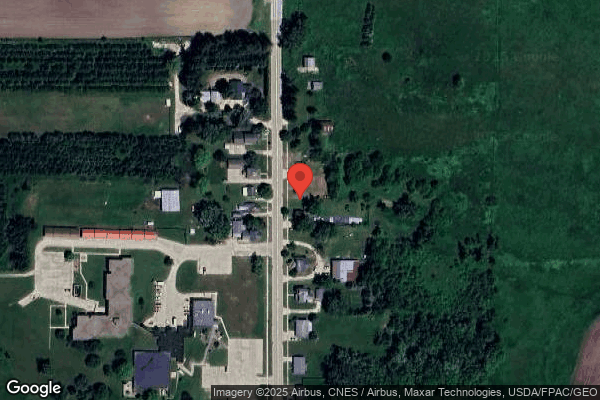
313 ELKADER STREET, STRAWBERRY POINT, IA 52076 (563) 933-6037
Non profit - Corporation 16 Beds Independent Data: November 2025
Trust Grade
75/100
#149 of 392 in IA
Last Inspection: April 2025

Within standard 12-15 month inspection cycle. Federal law requires annual inspections.

Overview

Strawberry Point Lutheran Home has a Trust Grade of B, indicating it is a good choice among nursing homes, but not without its concerns. It ranks #149 out of 392 facilities in Iowa, placing it in the top half, but it is the last-ranked facility in Clayton County at #5. The facility is showing an improving trend, with the number of reported issues decreasing from four in 2024 to three in 2025. Staffing is a strength with a 4/5 star rating, but the turnover rate of 60% is concerning, significantly higher than the state average. Notably, there have been no fines, and the facility boasts more RN coverage than 97% of Iowa facilities, which enhances resident care. However, recent inspections raised concerns, such as a resident being found outside the facility when they were supposed to be monitored for elopement risks, and delays in assessing a resident's change in medical condition, which could impact timely care decisions.

Trust Score
B
75/100
In Iowa
#149/392
Top 38%
Safety Record
Low Risk
No red flags
Inspections
Getting Better
4 → 3 violations
Staff Stability
⚠ Watch
60% turnover. Above average. Higher turnover means staff may not know residents' routines.
Penalties
✓ Good
No fines on record. Clean compliance history, better than most Iowa facilities.
Skilled Nurses
✓ Good
Each resident gets 96 minutes of Registered Nurse (RN) attention daily — more than 97% of Iowa nursing homes. RNs are the most trained staff who catch health problems before they become serious.
Violations
○ Average
10 deficiencies on record. Average for a facility this size. Mostly minor or procedural issues.
★★★★☆
4.0
Overall Rating
★★★★☆
4.0
Staff Levels
★★★☆☆
3.0
Care Quality
★★★★☆
4.0
Inspection Score
Stable
2024: 4 issues
2025: 3 issues

The Good

  • 4-Star Staffing Rating · Above-average nurse staffing levels
  • Full Sprinkler Coverage · Fire safety systems throughout facility
  • No fines on record

Facility shows strength in staffing levels, fire safety.

The Bad

Staff Turnover: 60%

14pts above Iowa avg (46%)

Frequent staff changes - ask about care continuity

Staff turnover is elevated (60%)

12 points above Iowa average of 48%

The Ugly 10 deficiencies on record

Apr 2025 2 deficiencies
CONCERN (D) 📢 Someone Reported This

A family member, employee, or ombudsman was alarmed enough to file a formal complaint

Potential for Harm - no one hurt, but risky conditions existed

Accident Prevention (Tag F0689)

Could have caused harm · This affected 1 resident

Based on observation, record review, staff interviews, and policy review the facility failed to ensure 1 of 3 residents at risk for elopement from the facility remained in the facility (Resident #9). ...

Read full inspector narrative →
Based on observation, record review, staff interviews, and policy review the facility failed to ensure 1 of 3 residents at risk for elopement from the facility remained in the facility (Resident #9). The facility reported a census of 15 residents. Findings include: The Minimum Data Set (MDS) for Resident #9 dated 2/10/25 documented a Brief Interview of Mental Status (BIMS) of 9 indicating moderate cognitive impairment. The MDS revealed she is independent without staff assistance for dressing, bed mobility, transferring, and walking. The MDS also documented diagnoses of Wernicke's encephalopathy, cognitive communication deficit, and hypertension. Record review of the facilities undated, Final Report for Resident #9 elopement on 04/08/2025 documented the following timeline of events that occurred: a. At 2:15 PM Resident #9 was last seen by staff visiting another resident on the unit b. At 2:38 PM Staff B, [NAME] was driving by the facility and observed Resident #9 outside next to the facilities local church, Resident #9 walking down the sidewalk. Staff B immediately turned her vehicle around and stayed with Resident #9 and notified facility staff by phone. c. At 2:46 PM Resident #9 was back in the facility, the Director of Nursing (DON) completed an assessment and no injuries were found. Resident #9 was cooperative and stated that someone held the door open for her. Immediate response after resident's return on 04/08/2025: a. Head to toe assessment completed and revealed no injuries. Updated Wandering Risk Scale completed. b. Notified Resident #9 Doctor and family contact of incident. c. 15 minute checks initiated for resident safety and will remain in place until door code can be changed. d. The Administrator contacted a local security company to change door code and time it takes for alarm to sound. d. The Interdisciplinary team completed investigation and witness statements regarding response to elopement, it was determined that staff acted according to policy with no issues found. f. The interdisciplinary team reviewed elopement policy, and finds no changes necessary. A review of the policy by all staff members is initiated as a reminder of how to respond to elopements. Continuation on 04/09/2025: a. Care plan reviewed & updated with history of elopement b. Local security company completed door code change and decreased the time the alarm takes to go off from 10 seconds to 7 seconds. Record Review of Resident #9 Progress Notes on 4/21/25 revealed she had no behaviors or prior incidents of exit seeking and trying to leave the locked unit. Record Review of Resident #9 Care Plan on 4/21/25 revealed she had no behaviors or prior incidents of exit seeking and trying to leave the locked unit. During an interview with the states Climatologist (a scientist who studies the Earth's climate) on 4/21/25 at 2:59 PM informed on 4/8/25 in the city of Strawberry Point, Iowa it was 48 degrees, humidity 22%, 7 mile per hours MPH winds that made it feel like 45 degrees outside with the wind-chill, sunny and no precipitation. During an interview and observation on 4/22/25 at 3:19 PM with the Administrator revealed the facility checks the doors daily and has not had any issues with alarms not working prior or after elopement incident with Resident #9 on 4/8/25 she revealed she believes Resident #9 followed an employee out of the unit as the alarm had a 10 second delay. She revealed the door alarm never sounded around the time Resident #9 eloped from the facility, and if she had to guess she thinks maybe Resident #9 followed an employee out of the locked unit but the employee didn't notice to be able to intervene and that is why they lowered the amount of time for the door to sound to seven seconds. She revealed Resident #9 had no exit seeking behaviors leading up to this elopement and was acting her normal self. She revealed the system and policy were followed. After completion of the interview the Administrator showed the route the facility believes Resident #9 took, out the main entrance onto sidewalk and up to the parking lot. She informed Resident #9 is not a fall risk and has a very good gait. She informed Resident #9 was wearing a sweatshirt, pants and tennis shoes. After the facility assisted her back in she informed she was fine and told staff how nice of a day it was outside. Record review of the facilities Resident Elopement policy revised 2/7/25 revealed the facility followed protocol for the elopement of Resident #9 on 4/8/25. Facility staff implemented immediate interventions on 4/8/25 and completed on 4/14/25 through the following actions: a. Head to toe assessment and wandering assessment completed and revealed no injuries or changes to her baseline status. b. Doctor and family notification completed. c. Implemented 15 minute checks for resident safety and will remain in place until door code can be changed. d. Interdisciplinary team completed investigation and witness statements regarding response to elopement, it was determined that staff acted according to policy with no issues found. e. The interdisciplinary team reviewed elopement policy, and finds no changes necessary. A review of the policy by all staff members is initiated as a reminder of how to respond to elopements. f. On 4/9/25 door code was changed and time for alarm to be set off was decreased by 7 seconds. The deficient practice was identified as past non-compliance singular event as of 4/14/25, the elopement occurred prior to the survey, after the facility completed review for the current residents at risk and education was completed for all staff.
MINOR (B)

Minor Issue - procedural, no safety impact

Assessment Accuracy (Tag F0641)

Minor procedural issue · This affected multiple residents

**NOTE- TERMS IN BRACKETS HAVE BEEN EDITED TO PROTECT CONFIDENTIALITY** Based on clinical record review, Center for Medicare and Medicaid Services (CMS) Long-Term Care (LTC) Facility Resident Assessme...

Read full inspector narrative →
**NOTE- TERMS IN BRACKETS HAVE BEEN EDITED TO PROTECT CONFIDENTIALITY** Based on clinical record review, Center for Medicare and Medicaid Services (CMS) Long-Term Care (LTC) Facility Resident Assessment Instrument (RAI) 3.0 User's Manual, and staff interview, the facility failed to accurately code the Minimum Data Set (MDS) Assessment for 1 of 2 residents reviewed for falls with major injury (Resident #7). The facility reported a census of 15 residents. Findings include: Resident #7 MDS assessment dated [DATE] showed a Brief Interview for Mental Status (BIMS) score of 9 out of 15 indicating a moderate cognitive loss. The MDS documented Resident #7 with a bilateral lower body (hips, knees, ankle, foot) functional impairment and required the use of a walker and wheelchair for mobility. Resident #7 required supervision to touch assistance for sit to stand transfers from bed/chair and partial/moderate assistance to walk 10 feet or less. The MDS listed active diagnoses of type two diabetes mellitus with neuropathy (nerve damage), anemia, arthritis, thyroid disorder, and Non-Alzheimer's Dementia. The MDS further documented Resident #7 had two falls with major injuries (bone fractures, joint dislocations, closed head injuries with altered consciousness, subdural hematoma (a life-threatening condition where blood accumulates between the brain and its outer covering) since the prior MDS assessment completed on 10/21/24. A 4/21/25 review of Resident #7 Unwitnessed Fall Reports dated 4/02/25, 3/05/25, 2/28/25, 2/18/25, 1/1/25, 12/28/25, and 11/23/25 all documented Resident #7 with no injuries from the unwitnessed falls. A 4/21/25 review of the Electronic Healthcare Record (EHR) Progress Notes from 10/21/24 to 1/06/25 lacked documentation of any major injuries from falls occurring in the facility, hospital, or outside in the community. During an interview on 4/21/25 at 2:47 PM the Director of Nursing (DON) reported he had checked back and the resident had not had any major injuries from falls that he could find. He reported he could check further into the prior DON's documentation but could not see where any residents had had any falls with major injury. On 4/23/25 at 10:20 AM Staff A, Licensed Practical Nurse (LPN) voiced to her knowledge Resident #7 had not sustained any major injuries from any falls in the past few months. During an interview on 4/23/25 at 11:00 AM the DON reported he does not recall Resident #7 having any major injuries from any falls since the prior MDS Assessment (10/21/24). He reviewed the definition of Major Injury from the RAI manual and voiced he did not feel they were using the correct definition of major injury and the MDS was inaccurately coded. On 4/23/25 at 12:45 PM the DON reported they follow the RAI for coding the MDS. He has utilized a MDS consultant that reviews MDS assessments as well. The LTC RAI 3.0 User's Manual, Version 1.19.1, October 2024 on Page 1-4 directs the RAI process has multiple regulatory requirements. Federal regulations at 42 Code of Federal Regulations (CFR) 483.20 (b)(1)(xviii), (g), and (h) require that the assessment accurately reflects the resident's status. The MDS RAI 3.0 Manual Page J-37 under Number of Falls Since Prior Assessment, Steps to Assessment directs if this is not the first assessment, the review period is from the day after the Assessment Reference Date (ARD) of the last MDS assessment to the ARD of the current assessment and to review all available sources for any fall since the last assessment, no matter whether it occurred while out in the community, in an acute hospital, or in the nursing home.
Feb 2025 1 deficiency
CONCERN (D) 📢 Someone Reported This

A family member, employee, or ombudsman was alarmed enough to file a formal complaint

Potential for Harm - no one hurt, but risky conditions existed

Quality of Care (Tag F0684)

Could have caused harm · This affected 1 resident

**NOTE- TERMS IN BRACKETS HAVE BEEN EDITED TO PROTECT CONFIDENTIALITY** Based on staff interviews,review of clinical records, and facility policy review, the facility failed to provide assessment and ...

Read full inspector narrative →
**NOTE- TERMS IN BRACKETS HAVE BEEN EDITED TO PROTECT CONFIDENTIALITY** Based on staff interviews,review of clinical records, and facility policy review, the facility failed to provide assessment and intervention in a timely manner when one of three residents reviewed had a change in condition. (Resident #1). The facility reported a census of 13 residents. Findings include: The MDS (Minimum Data Set), an assessment tool dated 12/24/2024 revealed Resident #1 had diagnoses including renal insufficiency, post traumatic stress disorder, cancer, medically complex condition, anemia, and heart failure. The resident had no cognitive impairment and required partial assistance to transfer and used a wheel chair for locomotion. The resident's Care Plan initiated 10/13/2024 indicated the resident had impaired physical mobility with an unavoidable end of life decline, and he required total staff assistance to transfer using a mechanical lift initiated 1/8/2025. It revealed the resident received St Croix Hospice Services due to terminal prognosis. It failed to address the resident's cholecystostomy tube (a drainage tube inserted into the bile duct). The resident's Physician's Orders dated 11/11/2024 directed staff to change the cholecystostomy dressing every Monday, Wednesday, and Friday, cleanse the area with soap and water, and apply a cholecystostomy dressing and Tegaderm (a clear dressing). The orders also included directions to flush the cholecystostomy tube with 10 cc (cubic centimeters) of saline on Monday, Wednesday, and Friday. The January, 2025 TAR (Treatment Administration Record) revealed staff changed the cholecystostomy dressing on 1/20/2025. On 1/22/2025 the TAR revealed staff failed to provide the treatment due to not available. The Progress Notes dated 1/22/2025 at 10:29 A.M. reported the resident transferred to the Veteran's hospital via ambulance when finding the cholecystostomy drain not in place. The physician, hospice, and family were notified. At 9:48 A.M. staff found the resident with an intact cholecystostomy dressing, but no drain. At 1:55 P.M. the hospital notified the facility the resident would be returning after being advised to follow up with a surgical consult, and no current acute concerns. The resident arrived at 5:20 P.M. with no orders and no cholecystostomy bag. The resident's January, 2025 Progress Notes failed to include documentation related to when or how the cholecystostomy tube became dislodged. On 2/3/2025 at 1:30 P.M. the resident's physician reported the resident had several health issues that were terminal including necrotic tissue. The cholecystostomy tube re-insertion required surgical intervention and it had been discussed. The removal of the tube may have contributed to his demise, however he had been declining due to Kennedy ulcers (end of life wounds due to skin failure), infection, and congestive heart failure. The resident received hospice services. On 2/3/25 at 12:54 P.M., Staff B, Administrator reported on 1/22/2025 at around 8:00 A.M., Staff C., ADON (Assistant Director of Nursing) revealed Resident #1's chole (cholecystostomy) tubing was not in place. Hospice gave him the choice and he decided to go to the hospital. Staff D, night nurse revealed at around 4:00 A.M. she noticed the line was out and assumed it was discontinued. She observed the bag attached to the bed rail and the tubing next to the resident. Staff were re-educated regarding alerting staff. Staff E, DON (Director of Nursing) educated staff regarding what to assess for anytime there is an external line and when to notify the DON. Staff failed to document in the Progress Notes and notify management when they found the resident's drainage tube had become dislodged. On 2/3/2025 at 1:10 A.M., Staff E, DON reported the resident had CHF (Congestive Heart Failure), very poor circulation, edema and swelling in his legs. At 3:00 P.M., Staff E stated the resident should have been Care Planned for the cholecystostomy tube. Staff were educated regarding assessment and intervention. On 2/3/2025 at 1:35 P.M. Staff C, ADON reported on 1/22/2025, she assisted Staff A with the resident's treatments when they observed the resident's chole tubing was not in place. The administrator and DON were notified and they began an investigation. The Progress Notes had no documentation regarding the removal of the tubing. The resident's Care Plan should have addressed the chole tubing as well. Staff received education regarding notification of the physician and administration when a resident has a change in condition. On 2/3/2025 at 10:15 A.M., Staff A, RN revealed on 1/22/2025 she found the resident's cholecystostomy tube had been removed. Staff A revealed the resident's Progress Notes failed to document when or how the tubing was removed. Staff A received no verbal report regarding the removal of the tube. The hospital did not admit the resident, they encouraged him to get a surgical consult, re-inserting the tubing required anesthesia and surgery and the resident was not a candidate. Staff A learned during the investigation that staff found the tubing in bed, near the resident during the night. The Internal Investigation dated 1/22/2025 included: at 8:38 A.M. the ADON and nurse provided cares and noted the cholecystostomy tubing and bag was not in place, and the area had been covered with a dressing. Staff D, LPN stated around 4 o'clock A.M. on 1/22/2025, she and the aide discovered the bag was hanging on the railing and the ends of the bag were cut. Staff D denied removing the device or having any knowledge as to how the device was removed. Staff D did not notify the on-call staff. The facility policy regarding notification included: The Administrator and Director of Nursing must be notified of any of the following ASAP: There is only a 2-hour window to submit a report to the state. Do not delay on notifying reportable events. Reportable Events: When abuse and/or neglect of any kind is suspected, including resident to resident. Elopement occurs. Police need to be notified within 10 minutes of resident noted missing Narcotic count is off A resident reports valuables missing Any unscheduled removal of External Devices (Catheters, Drains, Drainage bags, IVs, or other catheter devices). Please call the provider on call & hospice provider first, then call the DON/Administrator when: A resident has a fall with injury. A resident is sent to the ED (Emergency Department). Significant change in resident condition. A resident passes away. Non-Emergency: after you call the provider and contact family, please send a text to the DON/Administrator when: A resident has a fever, vomits, loose stools, or signs and symptoms of infections. Witnessed/unwitnessed falls without injury. (If unwitnessed, start neurological checks immediately, open a risk management, and put an intervention in place). The Change of Condition Policy dated 3/26/2021 included: Purpose: To ensure that appropriate care and documentation occurs when residents experience a change of condition. Procedure: 1. Assess the resident's condition: limited movement, neurological checks for injuries such as falls, pain, swelling, bruising, discoloration, fever or vital signs outside defined parameters, etc. 2. Notify the attending physician promptly. 3. Notify the family. 4. Document symptoms, assessment, treatment, notifications, etc. 5. Follow up nursing assessments and monitoring until the condition has stabilized for at least 24 hours. Assess signs and symptoms and factors related to change in condition every 4 hours, more often if symptomatic. Resident Notification Education on 1/22/2025 included: Per facility policy Administrator, DON, and On-Call provider must be notified immediately for any unscheduled removal of external devices, (catheters, drains, drainage bags, IV's or other catheter devices). This is to ensure that delay in cares are prevented and resident safety is maintained. Call the healthcare provider right away if you have any of these: for any patient with a Cholecystostomy the following warrants immediate notification: jaundice, fever, chills, redness or swelling of the incision, incision pain, dark or [NAME] colored urine, stool that is light in color, increasing belly pain, rectal bleeding, trouble breathing or shortness of breath and leg swelling.
Jun 2024 4 deficiencies
CONCERN (D)

Potential for Harm - no one hurt, but risky conditions existed

Deficiency F0637 (Tag F0637)

Could have caused harm · This affected 1 resident

Based on clinical record review, Long Term Care Facility Resident Assessment Instrument (RAI) review, and staff interview, the facility failed to complete a significant change Minimum Data Set (MDS) w...

Read full inspector narrative →
Based on clinical record review, Long Term Care Facility Resident Assessment Instrument (RAI) review, and staff interview, the facility failed to complete a significant change Minimum Data Set (MDS) within 14 days of determining a significant change for 2 of 2 residents reviewed for significant change (Residents #4 and #15). The facility reported a census of 15 residents. Findings include: The Physician Orders for Resident #4 included an order dated 12/4/23 to admit to hospice. Resident #4's Progress Note written on 12/4/23 at 12:06 PM documented the resident was being admitted to hospice. The clinical record lacked documentation of a decline or condition change prior to this date. The Significant Change Minimum Data Set (MDS) for Resident #4 documented an Assessment Reference date (ARD) of 12/11/23. The MDS was signed off as complete on 12/25/23 (21 days after the noted need for hospice services). Resident #15's Progress Note written on 2/23/24 at 8:49 AM documented an order from the Primary Care Provider (PCP) for a hospice consult and may admit. The Significant Change MDS for Resident #15 documented an ARD of 3/7/24. The MDS was signed off as complete on 3/12/24 (18 days after the noted need for hospice services). The RAI 3.0, version 1.17.1 dated October 2019, directs the significant change MDS be completed no later than the 14th calendar day after determining a significant change in resident status has occurred. The RAI includes hospice services as a significant change. During an interview on 6/11/24 at 3:25 PM, the MDS nurse explained she works remotely for a consulting company and is only onsite approximately every 3 months. She does all record review and MDS completion remotely. She further explained she does not have any policies for completing the MDS, she follows the RAI manual guidelines. During an interview on 6/12/24 at 8:20 AM the Director of Nursing (DON) explained the facility does not have a policy for MDS completion, they follow the RAI manual guidelines.
CONCERN (D)

Potential for Harm - no one hurt, but risky conditions existed

Medication Errors (Tag F0758)

Could have caused harm · This affected 1 resident

**NOTE- TERMS IN BRACKETS HAVE BEEN EDITED TO PROTECT CONFIDENTIALITY** Based on clinical record review, policy review, and staff interview, the facility failed to document the implementation of non-p...

Read full inspector narrative →
**NOTE- TERMS IN BRACKETS HAVE BEEN EDITED TO PROTECT CONFIDENTIALITY** Based on clinical record review, policy review, and staff interview, the facility failed to document the implementation of non-pharmacological interventions (any type of health care intervention which is not primarily based on medication. Some examples include toileting, exercise, diversion activity, snacks, naps, music, etcetera) prior to medication administration for 1 of 2 residents sampled for as needed anti-anxiety medication (psychoactive medications are substances that, when taken in or administered into one's system, affect mental processes, e.g. perception, consciousness, cognition or mood and emotions) (Resident #10). The facility identified a census of 15 residents. Findings include: Resident #10 Minimum Data Set (MDS) assessment dated [DATE] showed a Brief Interview for Mental Status (BIMS) score of 14 indicating intact cognition. The MDS listed diagnoses of unspecified dementia and depression, and noted the use of antidepressant medication. A Order Summary Report signed by the Provider on 3/29/24 documented an order for Lorazepam (psychoactive medication) oral tablet 0.5 milligrams (MG). Give 1 tablet by mouth every 2 hours as needed for anxiety/restlessness. Start date 10/04/23. The Care Plan revised 4/26/24 lacked direction to the staff on interventions to try prior to administration of the as needed Lorazepam medication. A 6/12/24 review of the May and June 2024 Medication Administration Records and Progress Notes revealed the Lorazepam 0.5 mg as needed medication was administered without documentation of non-pharmacological interventions being trialed at the following times: a. 5/26/24 at 0:32 AM, 8:39 AM, 5:59 PM, and 10:00 PM b. 6/09/24 at 8:10 AM c. 6/08/24 at 4:00 PM and 10:40 PM A 6/12/24 review of the May and June 2024 Behavioral Progress Notes documented the following entries: a. 5/26/24 no Behavioral Progress Note documentation. b. 6/08/24 1:42 PM Behavior Note documented Resident #10 being rude to the nurse regarding her medication. No other entries for behaviors or interventions were recorded for 6/08/24. c. 6/9/2024 10:44 Behavior Note this morning the resident would press her doorbell and when staff would go into her room the resident would be snoring. When this nurse went in and asked her what she needed, the resident was rude and demanded her medication. The nurse explained she needed to sit up in bed or get up for breakfast first as she was lying flat on her back. The resident continued to demand the medication. The nurse explained again no medication would be administered while lying flat on her back for safety reasons. Resident agreed to raise the head of her bed. The medications were administered. The nurse asked if there was anything else she needed. The resident said no, nurse left room. The resident rang her doorbell before nurse made it to nurse's station. The nurse went back in; resident demanded the nurse to pick up her TV remote off the floor. The resident's rude and demanding behaviors are worse than before she became ill with a respiratory illness. The resident's husband stated yesterday, if she's being mean, just let her be mean. The 6/09/24 entry lacked documentation of the nurse offering interventions to try to decrease the resident's anxiety. A 6/12/24 review of the May and June 2024 Task Record revealed Certified Nursing (CNA) Staff documenting initial in a box for Behavior Monitoring and Intervention each shift. The entries lacked documentation of actual non-pharmacological interventions or specific behaviors noted during the shifts. The May and June 2024 Task Records for Behavior Symptoms documented none of the above or response not required for behavior documentation. On 6/12/24 at 7:44 AM Staff C, CNA reported they document resident behaviors in Point Of Care (POC, electronic health record). They notify the nurse of any behaviors that are not resolving with interventions like snack, activity, ambulation, toileting, music, 1:1 which are some of the interventions they use. The nurses document the behaviors and interventions. On 6/12/24 at 8:12 AM Staff A, Registered Nurse (RN) reported the CNAs try interventions when behaviors are noted. They document behaviors in POC. She is not sure about target behaviors, but the unit only has 15-16 residents so the staff know the residents behaviors and interventions pretty well. She reported she documents behaviors and interventions in the Progress Notes. She verbalized as needed medications should be the last resort, so interventions should be documented by the time an as needed medication is used. It is the last measure. During an interview on 6/12/24 at 10:05 AM the Director of Nursing (DON) explained she expected the nurse to document the behavior the resident exhibited and then the interventions the nurse provided that failed prior to giving an as needed (psychoactive) medication. The nurses would document that information in the behavior progress notes. During an interview on 6/13/24 at 8:54 AM Staff D, Licensed Practical Nurse (LPN) reported if she would administer an as needed antianxiety medication, she would document the resident behavior and interventions tried in the nursing progress notes or in the behavior progress notes. Interventions would include things like offering toileting, a snack, repositioning, or a diversional activity. The Psychoactive Drugs in Nursing Facility Policy, reviewed by the facility 6/12/24, documented a purpose to ensure the safe and appropriate use of psychoactive drugs in a nursing facility. The Policy noted the Quality Assurance and Process Improvement Program should monitor outcomes of the interventions implemented. The Policy lacked direction to the nursing staff on implementation and documentation of non-pharmacological interventions with the use of as needed psychoactive medications.
CONCERN (D)

Potential for Harm - no one hurt, but risky conditions existed

Infection Control (Tag F0880)

Could have caused harm · This affected 1 resident

**NOTE- TERMS IN BRACKETS HAVE BEEN EDITED TO PROTECT CONFIDENTIALITY** Based on clinical record review, observation, document review, and staff interview, the facility failed to utilize a clean barri...

Read full inspector narrative →
**NOTE- TERMS IN BRACKETS HAVE BEEN EDITED TO PROTECT CONFIDENTIALITY** Based on clinical record review, observation, document review, and staff interview, the facility failed to utilize a clean barrier under a blood glucose meter and failed to sanitize the blood glucose meter according to the facility policy/manufacturer's directions for 2 of 2 residents observed (Resident #6 and #9). The facility reported a census of 15 residents. Findings include: 1. Resident #6 Minimum Data Set (MDS) assessment dated [DATE] showed a Brief Interview for Mental Status (BIMS) score of 15 indicating intact cognition. The MDS documented Resident #6 utilized insulin medication for a diagnosis of diabetes mellitus. A Physician Order Summary Report signed by the Provider on 6/7/24 listed an order to check the blood sugar twice a day at alternating times, two times a day on odd days. Resident #6 Care Plan revised 4/26/24 documented a Focus Problem of a diagnosis of diabetes mellitus type two and received insulin and oral hypoglycemic medications. The Care Plan intervention directed the staff to provide blood glucose checks as (physician) ordered. During an observation on 6/11/24 at 7:33 AM Staff A entered Resident #6 room and placed the blood glucose meter directly on the bedside table without a clean barrier. An emesis basin with a tube of toothpaste and a toothbrush sat approximately five inches from where the blood glucose meter, cotton ball, alcohol prep pad and bottle of test strips had been sat directly on the bedside table. Staff A washed her hands, donned gloves and brought another pair of gloves and sat the gloves under the blood glucose meter. Staff A completed the blood sugar, then stored Resident #6 meter without cleaning the meter. Staff A failed to sanitize the blood glucose meter according to the manufacturer's recommendations. During an interview on 6/11/24 at 8:48 AM Staff A, RN, confirmed she had not cleaned Resident #6 blood glucose meter after use. She reported she thought the night shift cleaned the blood glucometer when they did the control checks. Staff A reviewed the Glucose Control Testing Log and reported she didn't see any area where it specified they were cleaning the blood glucose meters, but she thought that is when they did it. 2. Resident #9 MDS assessment dated [DATE] showed a BIMS score of 14 indicating intact cognition. The MDS documented Resident #9 with a diagnosis of diabetes mellitus type two with diabetic neuropathy. An Order Summary Report signed by the Provider on 5/03/24 documented a physician order to check the blood sugar at alternating times two times a day. The June 2024 Medication Administration Record (MAR) showed Resident #9 due for the blood sugar check on 6/12/24 in the morning (AM). During an observation on 6/12/24 at 8:01 AM Staff A checked Resident #9 MAR, opened the medication cart and retrieved supplies to check the Resident's blood sugar. Staff A entered Resident #9's room, placed the bottle of test strips, alcohol prep pads and cotton ball directly on the bedside table and placed the blood glucose meter half on top of a disposable glove and half on the bedside table. Resident #9 bedside table had a clothes pin [NAME], several bags of snacks, a cloth napkin, and a brochure laying on the bedside table. The area where Staff A laid the meter and supplies had a white colored dried half ring on the table. Staff A washed her hands, donned gloves, came back to the bedside table, cleansed the front screen on the meter with an alcohol prep pad, then placed the meter back on top of the bedside table without a clean barrier, slide the meter around on the table to put a testing strip in the meter, and continued to perform the blood sugar. At 8:08 AM Staff A placed the meter on top of the medication cart without a clean barrier. Staff A picked the meter up, cleansed the meter with an alcohol prep pad for a few seconds, then placed the meter back down in the same spot on the top of the medication cart before finally storing in the medication cart. During an interview on 6/12/24 at 8:12 AM Staff A explained she had not received any retraining since the last blood sugar she performed for the Surveyor and she had not received any training on the facility policy on how to perform a blood sugar check or how to clean the blood glucose meter. She verbalized she did not know what the facility policy required for the use of a clean barrier or the cleaning. She reported she would have to check the facility policy, but it is basic nursing that a clean barrier should be used and the meter should be cleaned after use. Staff A voiced she was not aware of the manufacturer's recommendations for cleaning the meter. During an interview on 6/12/24 at 10:14 AM the Director of Nursing (DON) voiced she expects the nurses to use a paper towel under the equipment that goes in the resident's room. After the procedure, she would dispose of the barrier, then take a PDI wipe (germicidal agent) and wipe the meter down and let the meter sit for 2 minutes before storing in the medication cart. She voiced she was not aware of the manufacturer's recommendations and reported she would have to look at the facility policy. During an interview on 6/12/24 at 1:48 PM the DON reported she was not aware of the Microdot Xtra Blood Glucose Monitoring System Operation & Quality Assurance Procedure Manual. She voiced she didn't know how old the manual was that came with the meters and she would have to update their information. The Blood Sugar Monitoring Policy reviewed 6/12/24 directed the following procedure would be used for disinfecting accu check (blood sugar) machines after each use: a. When using the accu check machine in a resident's room, place a barrier (such as a paper towel) between the machine and the surface (such as a bedside stand). b. After use, wrap the meter in a antibacterial wipe and let set for the wet time designated per the manufacturer's guidelines. The Super Sani Cloth General Guidelines for use provided by the DON on 6/12/24 documented the germicidal disposable cloth needed to remain wet on the surface for 2 minutes and allowed to air dry. The Infection Control Program Policy dated 3/24/21 directed items and equipment will be sanitized and cleaned per the manufacturer's instructions. The glucometers will be sanitized utilizing the appropriate product following their directions. The Micro Dot Xtra Operations & Quality Assurance Procedure Manual specified the following cleaning procedure: Always use personal protective equipment as specified on the Microdot® Bleach Wipe label. Thoroughly clean gross filth and heavy soil from surface of Microdot® Xtra Glucometer to be disinfected. 1. Open Microdot® Bleach Wipe pop-up canister. The wipes are pre-saturated with a sodium hypochlorite (bleach) hospital-use solution. 2. Remove a pre-saturated 6 x 6 wipe. 3. Thoroughly wipe the Microdot® Xtra Glucometer surface to be disinfected. 4. Wrap the glucometer with the Microdot® Bleach 5. Place the wrapped Microdot® Xtra Glucometer face down inside the Microdot® Disinfection Case. 6. Close disinfection case lid and activate 3 minute timer. 7. Allow the Microdot® Xtra Glucometer to remain in contact with the bleach wipe for 3 minutes. 8. Dispose of wipe in trash after use. Do not flush wipe in the toilet. 9. Dispose of the non-refillable empty canister according to state and local authorities guidelines as allowed by the Microdot® Bleach Wipe label.
MINOR (B)

Minor Issue - procedural, no safety impact

Deficiency F0582 (Tag F0582)

Minor procedural issue · This affected multiple residents

Based on clinical record review, document review, and staff interview, the facility failed to provide the Advanced Beneficiary Notice of Non-coverage (SNF ABN) to the resident or their legal represent...

Read full inspector narrative →
Based on clinical record review, document review, and staff interview, the facility failed to provide the Advanced Beneficiary Notice of Non-coverage (SNF ABN) to the resident or their legal representative within 48 hours of the ending of Medicare Skilled Part A therapy services for 1 of 2 residents sampled (Resident #69). The facility reported a census of 15 residents. Findings include: The Electronic Census Record showed Resident #69 admitted to Medicare Part A Skilled services on 2/23/24 and discharged from services on 3/14/24 remaining in the nursing facility. A 3/12/2024, 12:30 Communication with the Therapy Department Late Entry Progress Note documented Physical Therapy (PT) reported the resident was not progressing and would discharge from PT, Occupational Therapy (OT), and Speech Therapy (ST) on Thursday 3/14/24. The Power of Attorney was notified via phone and a discussion took place in the resident's room at 2 PM when the legal representative was present. Resident #69 wanted to return to independent living. Therapy recommended 24/7 caregiver, assistance of one staff with a forward wheeled walker and a gait belt. The family did not feel the resident was safe to return back to independent living and wanted Resident #69 to stay in the facility. The Progress Notes further documented on 3/15/24 the resident remained in the facility and the family would be setting up a consult with hospice care. On 6/10/24 the Administrator provided a Survey Readiness Binder which contained a Beneficiary Notice Entrance Conference Worksheet which documented Resident #69 discharged from Medicare Skilled services on 3/14/24 and remained in the nursing facility private pay. The Survey Readiness Binder also contained two Detailed Explanation Notices of Non-coverage for Resident #69 for the ending of ST services on 3/13/24 and the ending of PT and OT on 3/14/24. The Survey Binder lacked documentation the resident or the legal representative had been provided the SNF ABN notice prior to the ending of Medicare Skilled services on 3/14/24. During an interview on 6/12/24 at 10:33 AM the Director of Nursing (DON) explained she is responsible for serving the beneficiary notices. She reviewed the Detailed Explanation of Non-coverage Form for Resident #69 and questioned if she served the wrong form. The DON voiced there was discussion with the family if Resident #69 would discharge home or stay in the facility, but she ended up staying in the facility. The Resident and Legal Representative did not appeal the decision to go off of Medicare services. She reported she did not have the SNF ABN form and was not familiar with the form. She voiced she had trained with the Administrator and the nurse consulting agency on serving the beneficiary notices. The SNF ABN had not been provided to the resident or the legal representative.
Mar 2023 2 deficiencies
CONCERN (D)

Potential for Harm - no one hurt, but risky conditions existed

Deficiency F0578 (Tag F0578)

Could have caused harm · This affected 1 resident

**NOTE- TERMS IN BRACKETS HAVE BEEN EDITED TO PROTECT CONFIDENTIALITY** Based on clinical record, document review, policy review, and staff interview, the facility failed to have an Iowa Physicians Or...

Read full inspector narrative →
**NOTE- TERMS IN BRACKETS HAVE BEEN EDITED TO PROTECT CONFIDENTIALITY** Based on clinical record, document review, policy review, and staff interview, the facility failed to have an Iowa Physicians Order for Scope of Treatment (IPOST) that matched the electronic health record (EHR) for 1 of 3 residents sampled (Resident #1). The facility reported a census of 14 residents. Findings include: The admission Record showed Resident #1 admitted to the facility on [DATE]. A review on [DATE] at 01:41 p.m. of the IPOST and Advanced Directives Resuscitative Policy showed Resident #1 signed for a Do Not Resuscitate (DNR) on [DATE]. The Advanced Registered Nurse Practitioner (ARNP) signed both documents on [DATE] indicating the resident had a DNR in place. Further review of the EHR showed a Clinical Physician Orders dated [DATE] that listed code status as Cardio-Pulmonary Resuscitation (CPR) indicating the resident as a full code status. The [DATE] care plan lacked documentation of a code status. During entrance on [DATE] at approximately 10:50 a.m. the Director of Nursing (DON) reported the facility no longer has paper charts. The resident's medical records are all electronic. An interview with Staff A, Registered Nurse (RN) on [DATE] at 1:06 p.m. reported she would look at a Resident Listing Report at the nurse's station for a code status when the computers are down as Internet coverage was out at the facility. Staff A pulled a Resident Listing report dated [DATE], that listed Resident #1 as a full code. The Director of Nursing (DON) entered the nurse's station and directed Staff A that she could not use the list as it was old and not up to date. The DON reported that she would always expect the nurses to look at the computer. If the Internet was down she would expect the nurses to look at the IPOST binder. During an interview on [DATE] at 1:12 p.m. Resident #1 reported his code status as full code. An interview on [DATE] at 01:30 p.m. with the DON reported that if the EHR did not match the IPOST, she expected the nurses to follow the IPOST as it is the most accurate. An interview on [DATE] at 1:55 p.m. with the Administrative Consultant reported that they were aware the code status had been transcribed wrong in EHR and the DON was working on fixing it in the system. An interview on [DATE] at 8:57 a.m. with Staff B, Licensed Practical Nurse (LPN) reported that to find the code status of a resident, she would look at the EHR. She then reported that if the computers were down, she would look in the IPOST book at the nurse's station. An interview with the DON on [DATE] at 1:30 p.m. the DON reported that on admission, a New admission Checklist is done. The New admission Checklist requires two nurses to look at it and check off all the areas on the checklist including the code status/IPOST. The DON reported that she does not have Resident #'1's checklist as she does not keep them after completion. The CPR/Resuscitation Policy, dated [DATE], provided by the facility listed a purpose directing the circumstances when cardio-pulmonary resuscitation must be initiated, pursuant to federal law requirement to carry out a resident's advanced directives. The Procedure directed each resident's resuscitation status will be maintained in the clinical record as follows: DNR/CPR form will be the first form in the resident's medical chart. The Policy/Procedure failed to address where to find the code status in the EHR or IPOST binder.
MINOR (B)

Minor Issue - procedural, no safety impact

Staffing Information (Tag F0732)

Minor procedural issue · This affected multiple residents

Based on observation, document review and staff interview the facility failed to post staffing hour information for registered nurses (RN's), licensed practical nurses (LPN's), certified nursing assis...

Read full inspector narrative →
Based on observation, document review and staff interview the facility failed to post staffing hour information for registered nurses (RN's), licensed practical nurses (LPN's), certified nursing assistants (CNA's) and environmental aides (EA) for each shift for 3 of 3 days from 3/20/23 - 3/22/23 sampled. The facility reported a census of 14 residents. Findings include: Observation of the Staff Posting on 3/20/23 at 11:15 p.m. revealed the Staff Posting for 6:00 a.m. to 6:00 p.m. shift had not been completed. Observation on 3/20/21 at 4:07 p.m. revealed the Staff Posting for the 6:00 a.m. - 6:00 p.m. shift remained blank. Observation on 3/21/23 at 7:40 a.m. revealed the Staff Posting for 3/20/23 documented from 6:00 a.m. - 6:00 p.m. a LPN had worked 12 hours; C.N.A.'s had worked 24 hours and the EA had worked 2 hours. The Staff Posting for 6:00 p.m. - 6:00 a.m. showed a LPN had worked 12 hours, a C.N.A. had worked 12 hours and the EA worked 2 hours. Observation on 3/21/23 at 9:54 a.m. revealed the Staff Posting for the 6:00 a.m. - 6:00 p.m. shift had not been filled out. Observation on 3/21/23 at 11:54 a.m. revealed the Staff Posting for the 6:00 a.m. - 6:00 p.m. shift observed to be blank. Observation on 3/21/23 at 3:20 p.m. revealed the Staff Posting for the 6:00 a.m. - 6:00 p.m. shift observed to be blank. Observation on 3/22/23 at 7:38 a.m. revealed the Staff Posting hours for the 6:00 p.m. - 6:00 a.m. shift, 6:00 a.m. - 6:00 p.m. shift for 3/21/23 had not been filled out. The Staff Posting hours for 6:00 a.m. - 6:00 p.m. for 3/22/23 remained blank. The Staff Posting failed to document the name of the facility, number of each type of staff, and the hours the staff worked. An interview on 3/22/23 at 10:17 a.m. with Staff B, Licensed Practical Nurse (LPN) revealed the night shift nurse is to fill out the Staff Posting. Staff B didn't think the night nurse had filled out the Staff Posting for the day. An interview with the Director of Nursing (DON) on 3/22/23 at 10:51 p.m. revealed the night nurse is expected to fill out the Staff Posting. She reported the nurses are filling out the Staff Posting wrong. She guessed that the nurses are filling it out the day after. It probably got missed. An interview with the DON on 3/22/23 at 11:55 a.m. revealed the facility does not have a policy regarding the Staff Posting. It is just done word of mouth. She reported they are now implementing a daily staff posting procedure that will be posted in the nurses station and she went back and updated the Staff Posting hours for 3/21/22 and 3/22/23.
Dec 2022 1 deficiency
CONCERN (D) 📢 Someone Reported This

A family member, employee, or ombudsman was alarmed enough to file a formal complaint

Potential for Harm - no one hurt, but risky conditions existed

Deficiency F0658 (Tag F0658)

Could have caused harm · This affected 1 resident

**NOTE- TERMS IN BRACKETS HAVE BEEN EDITED TO PROTECT CONFIDENTIALITY** Based on record review and staff interview, the facitity did not always provide services that met professional standards of qual...

Read full inspector narrative →
**NOTE- TERMS IN BRACKETS HAVE BEEN EDITED TO PROTECT CONFIDENTIALITY** Based on record review and staff interview, the facitity did not always provide services that met professional standards of quality. Concerns were noted for one resident ( #5) who was administered an oral medicaion solution in the form of an (IM) intermuscular injection. The facility reported a census of 14 residents. Findings include: According to documentation in the clinical record, Resident # 5 was admitted to the facility on [DATE] and had diagnoses which included dementia. anxiety disorder, hypertension and chronic atrial fibrillation. According to documentition in the clinical recored, Minimum Data Set (MDS) assessment form, Resident #5 scored 3 ( of a possible 10 ) points on the Brief Interview for Mental Status (BIMS) indicating severe impairment in cognition and decision making skills. The assessment also indicated Resident #5 was independent in bed mobility, transferring, ambulation in his room and the corridor, and eating. Resident # 5 required limited staff assistance with dressing, extensive staff assistance with toileting and total staff assistance with personal hygiene and bathing, Documentation in the nurse's notes dated 08-18-2022 at 12:00 indicated Resident # 5 became angry and agitated towards other residents and staff; getting in the face yelling, but not making any sense; beating his fists on the glass of the nurse's station door, demanding the door to be opened; unable to diffuse his behavior or redirect him; summoned the facility administrator to come to the unit; this nurse called ARNP [NAME] and requested something for his agitated behavior; ordered Lorazepam 1mg IM for agitation and anxiety x 14 days prn; IM given (R) deltoid; resident tolerated it well; he didn't complain of pain; IM given at 1050; resident currently resting in recliner in the common area. VS (vital signsa) taken According to documentaion by (staff A) on 08-18-2022 a pharmacy technician had stated staff B had called the pharmacy at appoximently 10:30 a.m. stating there wasn't any IM Ativan/Lorazepam in the e-kits, only oral Lorazepam. At approximatel 10:45 a.m. Staff D/pharmacist stated a new e-script had been recieved for Resident # 5 and the order had been filled and the nursing faciltiy had been called to let them know it was ready and could be picked up. According to documnetation in the witness statement dated 08-17-2022 (sic) at 10:40 a.m. Staff A stated she had spoke to Staff B at approximately 10:40 and Staff B stated I got tired of waiting so I opened the bottle of concentrate and drew up one milligram. He (Resident $# 5) did really well. Staff A asked Staff B to identifiy the bottle Staff B used and Staff B added that it is the oral solution , It works a little slower, but it does the trick. I've had to do this at (another facility) before, It's an oral solution, but you can use it as an IM.
Understanding Severity Codes (click to expand)
Life-Threatening (Immediate Jeopardy)
J - Isolated K - Pattern L - Widespread
Actual Harm
G - Isolated H - Pattern I - Widespread
Potential for Harm
D - Isolated E - Pattern F - Widespread
No Harm (Minor)
A - Isolated B - Pattern C - Widespread

Questions to Ask on Your Visit

  • "Why is there high staff turnover? How do you retain staff?"
  • "Can I speak with families of current residents?"
  • "What's your RN coverage like on weekends and overnight?"

Our Honest Assessment

Strengths
  • • No major safety red flags. No abuse findings, life-threatening violations, or SFF status.
  • • No fines on record. Clean compliance history, better than most Iowa facilities.
Concerns
  • • 60% turnover. Above average. Higher turnover means staff may not know residents' routines.
Bottom line: Generally positive indicators. Standard due diligence and a personal visit recommended.

About This Facility

What is Strawberry Point Lutheran Home's CMS Rating?

CMS assigns Strawberry Point Lutheran Home an overall rating of 4 out of 5 stars, which is considered above average nationally. Within Iowa, this rating places the facility higher than 99% of the state's 100 nursing homes. This rating reflects solid performance across the metrics CMS uses to evaluate nursing home quality.

How is Strawberry Point Lutheran Home Staffed?

CMS rates Strawberry Point Lutheran Home's staffing level at 4 out of 5 stars, which is above average compared to other nursing homes. Staff turnover is 60%, which is 14 percentage points above the Iowa average of 46%. High turnover can affect care consistency as new staff learn residents' individual needs.

What Have Inspectors Found at Strawberry Point Lutheran Home?

State health inspectors documented 10 deficiencies at Strawberry Point Lutheran Home during 2022 to 2025. These included: 7 with potential for harm and 3 minor or isolated issues.

Who Owns and Operates Strawberry Point Lutheran Home?

Strawberry Point Lutheran Home is owned by a non-profit organization. Non-profit facilities reinvest revenue into operations rather than distributing to shareholders. The facility operates independently rather than as part of a larger chain. With 16 certified beds and approximately 15 residents (about 94% occupancy), it is a smaller facility located in STRAWBERRY POINT, Iowa.

How Does Strawberry Point Lutheran Home Compare to Other Iowa Nursing Homes?

Compared to the 100 nursing homes in Iowa, Strawberry Point Lutheran Home's overall rating (4 stars) is above the state average of 3.1, staff turnover (60%) is significantly higher than the state average of 46%, and health inspection rating (4 stars) is above the national benchmark.

What Should Families Ask When Visiting Strawberry Point Lutheran Home?

Based on this facility's data, families visiting should ask: "How do you ensure continuity of care given staff turnover, and what is your staff retention strategy?" "Can I visit during a mealtime to observe dining assistance and food quality?" "How do you handle medical emergencies, and what is your hospital transfer rate?" "Can I speak with family members of current residents about their experience?" These questions are particularly relevant given the facility's high staff turnover rate.

Is Strawberry Point Lutheran Home Safe?

Based on CMS inspection data, Strawberry Point Lutheran Home has a clean safety record: no substantiated abuse findings (meaning no confirmed cases of resident harm), no Immediate Jeopardy citations (the most serious violation level indicating risk of serious injury or death), and is not on the Special Focus Facility watch list (a federal program monitoring the lowest-performing 1% of nursing homes). The facility has a 4-star overall rating and ranks #1 of 100 nursing homes in Iowa. While no facility is perfect, families should still ask about staff-to-resident ratios and recent inspection results during their visit.

Do Nurses at Strawberry Point Lutheran Home Stick Around?

Staff turnover at Strawberry Point Lutheran Home is high. At 60%, the facility is 14 percentage points above the Iowa average of 46%. High turnover means new staff may not know residents' individual needs, medications, or preferences. It can also be disorienting for residents, especially those with dementia who rely on familiar faces. Families should ask: What is causing the turnover? What retention programs are in place? How do you ensure care continuity during staff transitions?

Was Strawberry Point Lutheran Home Ever Fined?

Strawberry Point Lutheran Home has no federal fines on record. CMS issues fines when nursing homes fail to meet care standards or don't correct problems found during inspections. The absence of fines suggests the facility has either maintained compliance or corrected any issues before penalties were assessed. This is a positive indicator, though families should still review recent inspection reports for the full picture.

Is Strawberry Point Lutheran Home on Any Federal Watch List?

Strawberry Point Lutheran Home is not on any federal watch list. The most significant is the Special Focus Facility (SFF) program, which identifies the bottom 1% of nursing homes nationally based on persistent, serious quality problems. Not being on this list means the facility has avoided the pattern of deficiencies that triggers enhanced federal oversight. This is a positive indicator, though families should still review the facility's inspection history directly.