Community Care Center
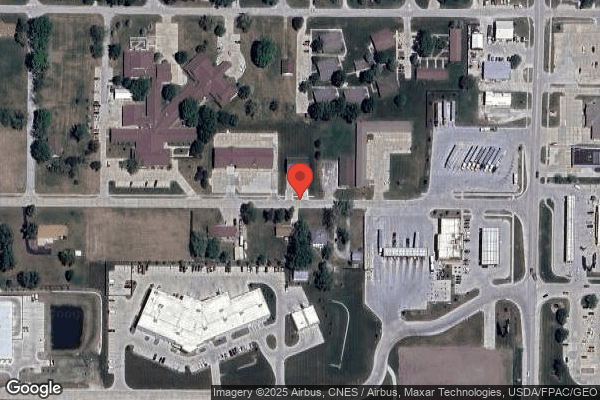
325 Southwest Seventh Street, Stuart, IA 50250 (515) 523-2815
For profit - Corporation 65 Beds Independent Data: November 2025
Trust Grade
95/100
#14 of 392 in IA
Last Inspection: November 2024

Within standard 12-15 month inspection cycle. Federal law requires annual inspections.

Overview

Community Care Center in Stuart, Iowa has earned an impressive Trust Grade of A+, indicating it is an elite facility with top-tier care. Ranked #14 out of 392 in Iowa, it is in the top half of facilities statewide, and it holds the #1 spot out of 2 in Adair County, meaning it is the best local option available. The trend is improving, as the facility has reduced its issues from 2 in 2023 to none in 2024. Staffing is generally strong with a 4 out of 5-star rating and a low turnover rate of 14%, significantly better than the Iowa average of 44%. On the downside, there have been some concerning incidents, including staff failing to maintain hand hygiene while serving food, not providing timely notices of Medicare Non Coverage to residents, and not properly documenting immunization refusals, which could pose risks to residents' health. Overall, while there are some areas needing improvement, the facility's strengths in staffing and high ratings suggest a commitment to quality care.

Trust Score
A+
95/100
In Iowa
#14/392
Top 3%
Safety Record
Low Risk
No red flags
Inspections
Getting Better
2 → 0 violations
Staff Stability
✓ Good
14% annual turnover. Excellent stability, 34 points below Iowa's 48% average. Staff who stay learn residents' needs.
Penalties
✓ Good
No fines on record. Clean compliance history, better than most Iowa facilities.
Skilled Nurses
○ Average
Each resident gets 32 minutes of Registered Nurse (RN) attention daily — about average for Iowa. RNs are the most trained staff who monitor for health changes.
Violations
○ Average
7 deficiencies on record. Average for a facility this size. Mostly minor or procedural issues.
★★★★★
5.0
Overall Rating
★★★★☆
4.0
Staff Levels
★★★★★
5.0
Care Quality
★★★★★
5.0
Inspection Score
Stable
2023: 2 issues
2024: 0 issues

The Good

  • 4-Star Staffing Rating · Above-average nurse staffing levels
  • 5-Star Quality Measures · Strong clinical quality outcomes
  • Low Staff Turnover (14%) · Staff stability means consistent care
  • Full Sprinkler Coverage · Fire safety systems throughout facility
  • No fines on record
  • Staff turnover is low (14%)

    34 points below Iowa average of 48%

Facility shows strength in staffing levels, quality measures, staff retention, fire safety.

The Bad

No Significant Concerns Identified

This facility shows no red flags. Among Iowa's 100 nursing homes, only 1% achieve this.

The Ugly 7 deficiencies on record

Nov 2023 2 deficiencies
CONCERN (D)

Potential for Harm - no one hurt, but risky conditions existed

Deficiency F0582 (Tag F0582)

Could have caused harm · This affected 1 resident

Based on clinical record review, staff interview, and instructions on CMS form 10123-NOMNC, the facility failed to provide appropriate notices of Medicare Non Coverage to 3 of 3 residents (Residents #...

Read full inspector narrative →
Based on clinical record review, staff interview, and instructions on CMS form 10123-NOMNC, the facility failed to provide appropriate notices of Medicare Non Coverage to 3 of 3 residents (Residents #13, #99 & #100) reviewed. The facility reported a census of 47 residents. Findings include: The census tab of the Electronic Health Record (EHR) for Resident #13 revealed the resident admitted under Medicare A payer source on 10/20/23 and Medicare continued to pay for his stay through 11/3/23. The Notice of Medicare Non Coverage (NOMNC) documented the resident was given this information on 11/3/23, failing to provide the required 2 day notice. The census tab of the EHR for Resident #99 revealed the resident admitted under Medicare A payer source on 7/18/23 and Medicare paid for her stay through 8/2/23. The facility failed to provide documentation the resident was ever provided a NOMNC. The census tab of the EHR for Resident #100 revealed the resident admitted under Medicare A payer source on 7/13/23 and Medicare paid for his stay through 7/20/23. The facility failed to provide documentation the resident was ever provided a NOMNC. The document titled Form Instructions for the Notice of Medicare Non-Coverage (NOMNC) CMS-10123 directs: A Medicare provider or health plan (Medicare Advantage plans and cost plans, collectively referred to as plans) must deliver a completed copy of the Notice of Medicare Non-Coverage (NOMNC) to beneficiaries/enrollees receiving covered skilled nursing, home health (including psychiatric home health), comprehensive outpatient rehabilitation facility facility, and hospice services.The NOMNC must be delivered at least two calendar days before Medicare covered services end or the second to last day of service if care is not being provided daily. On 11/7/23 at 11:51 am, the Administrator stated the Social Worker is to be issuing the notices and has a checklist to follow. She stated the process had not been completed the correct way.
CONCERN (D)

Potential for Harm - no one hurt, but risky conditions existed

Deficiency F0883 (Tag F0883)

Could have caused harm · This affected 1 resident

Based on clinical record review and staff interview, the facility failed to offer and provide the pneumococcal immunization for 1 of 5 residents (Resident #35) reviewed. The facility reported a census...

Read full inspector narrative →
Based on clinical record review and staff interview, the facility failed to offer and provide the pneumococcal immunization for 1 of 5 residents (Resident #35) reviewed. The facility reported a census of 47 residents. Findings include: The Minimum Data Set (MDS) Assessment for Resident #35, dated 9/20/23 revealed an admission date to the facility on 1/10/22. The MDS identified a Brief Interview of Mental Status (BIMS) score of 14 out of 15 which indicated cognition intact. The MDS documented Resident #35 had diagnoses to include post polio syndrome. The immunization tab of the Electronic Health Record (EHR) for Resident #35 documented the resident refused the pneumonia vaccination. The resident's chart lacked declination/refusal of the vaccine signed by the resident or a resident representative. The progress notes of the resident failed to reveal any documentation of the resident being offered or refusing vaccines at the time of admission to the facility. On 11/7/23 at 2:46 pm the Infection Control nurse stated the resident refused all vaccines at the time of his admission due to his diagnosis of post polio syndrome. She stated he was very against vaccines at the time. She said he is now more open to vaccines and received a flu shot and COVID vaccines in 2022 and had agreed to both flu and COVID vaccines this year as well. She stated he had not been offered the pneumonia vaccine since admission. She also stated she was not able to locate a signed refusal of vaccines in his chart. The Health Status Note dated 11/8/23 documented the resident had decided to get the pneumonia vaccine and the physician was notified. The facility policy/procedure titled Immunizations, revision date 3/1/21 directed the following required documentation: • MD (Medical Doctor) order for the immunization • Consent for the immunization including a record of presenting the resident educational materials, regarding risk and benefits of the immunization • On the MAR (Medication Administration Record), document that the resident received or refused the immunization.
Nov 2022 5 deficiencies
CONCERN (D)

Potential for Harm - no one hurt, but risky conditions existed

Deficiency F0582 (Tag F0582)

Could have caused harm · This affected 1 resident

Based on clinical record review, staff interview, and guidance from the Centers for Medicare and Medicaid (CMS), the facility failed to properly fill out the required Skilled Nursing Facility Advance ...

Read full inspector narrative →
Based on clinical record review, staff interview, and guidance from the Centers for Medicare and Medicaid (CMS), the facility failed to properly fill out the required Skilled Nursing Facility Advance Beneficiary Notice (ABN) of Non Coverage, CMS form #100555 for 3 of 3 sampled residents (Residents #26, #31 and #46). The facility reported a census of 46 residents. Findings include: 1.The document titled SNF ABN, CMS form #10055 with a date of 6/18/22 for Resident #26 revealed the form lacked the estimated cost of therapy nor provided an explanation that the estimated cost of therapy could not be obtained. 2. The document titled SNF ABN, CMS form #10055 with a date of 9/7/22 for Resident #31 revealed the form lacked the estimated cost of therapy nor provided an explanation that the estimated cost of therapy could not be obtained. 3. The document titled SNF ABN, CMS form #10055 with a date of 10/5/22 for Resident #46 revealed the form lacked the estimated cost of therapy nor provided an explanation that the estimated cost of therapy could not be obtained. The facility lacked a policy for Medicare and Medicaid Beneficiary Notices. The Centers for Medicare and Medicaid Beneficiary Notices website (https://www.cms.gov/Medicare/Medicare-General-Information/BNI/ABN), last modified on 12/01/2021 at 8:00 PM, provided the link to the undated document titled Form Instructions Advance Beneficiary Notice of Non-coverage that provided instruction for ABN estimated cost of services. The form instructed that notifiers must complete the column under Blank (F) to ensure the beneficiary has all available information to make an informed decision about whether or not to obtain potentially non-covered services. Notifiers must make a good faith effort to insert a reasonable estimate for all of the items or services listed under Blank (D). In general, we would expect that the estimate should be within $100 or 25% of the actual costs, whichever is greater; however, an estimate that exceeds the actual cost substantially would generally still be acceptable, since the beneficiary would not be harmed if the actual costs were less than predicted. Multiple items or services that are routinely grouped can be bundled into a single cost estimate. For example, a single cost estimate can be given for a group of laboratory tests, such as a basic metabolic panel (BMP). An average daily cost estimate is also permissible for long term or complex projections. As noted above, providers may also pre-print a menu of items or services in the column under Blank (D) and include a cost estimate alongside each item or service. If a situation involves the possibility of additional tests or procedures (such as in laboratory reflex testing), and the costs associated with such tests cannot be reasonably estimated by the notifier at the time of ABN delivery, the notifier may enter the initial cost estimate and indicate the possibility of further testing. Finally, if for some reason the notifier is unable to provide a good faith estimate of projected costs at the time of ABN delivery, the notifier may indicate in the cost estimate area that no cost estimate is available. We would not expect either of these last two scenarios to be routine or frequent practices, but the beneficiary would have the option of signing the ABN and accepting liability in these situations. In an interview on 11/3/22 at 10:41 AM, the Administrator acknowledged the estimated cost of services would be vital for residents to make an informed decision to pay out of pocket for continued services. The Administrator stated, she had provided staff with ABN instructions, a binder and education. There is no reason for these forms not to be done right.
CONCERN (D)

Potential for Harm - no one hurt, but risky conditions existed

PASARR Coordination (Tag F0644)

Could have caused harm · This affected 1 resident

**NOTE- TERMS IN BRACKETS HAVE BEEN EDITED TO PROTECT CONFIDENTIALITY** Based on clinical record review, staff interview and facility policy review, the facility failed to refer one resident (#199) wi...

Read full inspector narrative →
**NOTE- TERMS IN BRACKETS HAVE BEEN EDITED TO PROTECT CONFIDENTIALITY** Based on clinical record review, staff interview and facility policy review, the facility failed to refer one resident (#199) with a negative Level I result for the PASARR, who was later identified with newly evident or possible serious mental disorder, or other related condition, to the appropriate state-designated authority for Level II PASARR evaluation and determination for 1 out of 2 residents reviewed for PASARR requirements. The facility reported a census of 46 residents. Findings include: The Minimum Data Set (MDS) assessment dated [DATE] documented Resident #199 had a Brief Interview for Mental Status (BIMS) score of 9, indicating moderately impaired memory and cognition. Resident #199 admitted to the facility on [DATE]. The resident's diagnoses included Non-Alzheimer's dementia and anxiety. The MDS documented that Resident #199 felt down, depressed, hopeless, tired and with little energy during the assessment period. The resident did not experience delusions or hallucinations at the time. The MDS documented that Resident #199 displayed verbal behavioral symptoms during 7-day assessment. Another MDS assessment documented Resident #199 returned to the facility on [DATE] from an acute hospital visit. Resident #199's PASARR dated 1/20/22 recorded that no further Level I screening was required unless known to have or are suspected of having a serious mental illness or an intellectual or developmental disability and exhibit a significant change in treatment that is needed. The PASARR showed Resident #199 did not have a previous history of mental illness or related condition. The resident's clinical record contained no further PASARR evaluations. The Care Plan last revised 8/25/22 documented Resident #199 received outpatient mental health services with a psychiatric-mental health nurse practitioner. The Medication Review Report signed by the resident's provider on 10/21/22 showed diagnoses of hallucinations, generalized anxiety disorder and dementia with agitation. The Medical Diagnosis Report dated 11/3/22 for Resident #199 showed diagnoses of hallucinations on 1/27/22, generalized anxiety disorder on 4/8/22 and paranoid personality disorder on 11/2/22. The Medical Diagnosis Report also showed a new diagnosis of dementia with agitation on 10/17/22. The Clinical Physician Orders dated 11/3/22 for Resident #199 showed she received Seroquel (an antipsychotic medication) 25 mg (milligrams) daily beginning 11/2/22 for paranoid ideation. The facility's PASARR policy revised on 9/14/18 instructed that defined protocols will be utilized to determine if a change of condition PASARR is required for current residents. In an interview on 11/3/22 at 11:35 PM, the Administrator reported she did not believe Resident #199's new diagnoses of hallucinations, generalized anxiety disorder, paranoid personality disorder and new medication for paranoid ideation met the criteria to resubmit the PASARR for evaluation, subsequently the PASARR has not been resubmitted for evaluation of behavioral health needs for Resident #199.
CONCERN (D)

Potential for Harm - no one hurt, but risky conditions existed

Comprehensive Care Plan (Tag F0656)

Could have caused harm · This affected 1 resident

**NOTE- TERMS IN BRACKETS HAVE BEEN EDITED TO PROTECT CONFIDENTIALITY** Based on clinical record review, staff interview and facility policy review, the facility failed to develop a care plan to addre...

Read full inspector narrative →
**NOTE- TERMS IN BRACKETS HAVE BEEN EDITED TO PROTECT CONFIDENTIALITY** Based on clinical record review, staff interview and facility policy review, the facility failed to develop a care plan to address diuretic medication usage and anticoagulant medication and side effects to monitor for 1 out of 16 residents reviewed (Resident #31). The facility reported a census of 46 residents. Findings include: The admission Minimum Data Set (MDS) assessment dated [DATE] for Resident #31 documented an admission date of 8/16/22. The resident's diagnoses included cancer, anemia, atrial fibrillation (an irregular heart rhythm), heart failure, high blood pressure and kidney disease. The MDS documented she received daily anticoagulant and diuretic medications. The Clinical Physician Orders dated 11/3/22 showed: a. Eliquis tablet 5 milligrams (mg) daily with a start date of 8/16/22 (Eliquis is an anticoagulant medication). b. Lasix tablet 20 mg daily with a start date of 8/16/22 (Lasix is a diuretic medication). The resident's care plan revised on 11/1/22 lacked any documentation pertaining to Resident #31's use, possible adverse reactions or effectiveness to monitor for during the resident's diuretic and anticoagulant use. The Medication Administration Reports for 10/22 and 11/22 documented that Resident #31 received Eliquis and Lasix daily as ordered. The facility's Care Plan policy, revised 9/27/17, directed staff to identify the needs and problems of residents based on nursing history and assessment, physician's orders, interfacility transfer forms (when available), past history and physical examination, and any other available information. Write approaches or actions in terms of staff behavior, i.e. what the staff will do to accomplish an objective. When asked if she expected anticoagulant medication, diuretic medication usage and adverse reactions be included in the care plan on 11/03/22 at 11:31 AM, the Director of Nursing stated the information is not there (on the care plan) but she knew staff monitored for those things.
CONCERN (D)

Potential for Harm - no one hurt, but risky conditions existed

Accident Prevention (Tag F0689)

Could have caused harm · This affected 1 resident

**NOTE- TERMS IN BRACKETS HAVE BEEN EDITED TO PROTECT CONFIDENTIALITY** Based on clinical record review, observations, resident and staff interviews and review of manufacturer's instructions, facility...

Read full inspector narrative →
**NOTE- TERMS IN BRACKETS HAVE BEEN EDITED TO PROTECT CONFIDENTIALITY** Based on clinical record review, observations, resident and staff interviews and review of manufacturer's instructions, facility staff failed to provide safe transfer techniques for two of six residents reviewed. Staff failed to safely attached a Hoyer mechanical lift sling during observation of Resident #23's transfer and failed to use a gait belt when transferring Resident #27. The facility reported a census of 46 residents. Findings include: 1. According to the annual Minimum Data Set (MDS) assessment dated [DATE], Resident #23 had a Brief Interview for Mental Status (BIMS) score of 14, indicating intact memory and cognition. The resident required the assistance of two staff for transfers, did not walk during the 7-day assessment period and primarily used a wheelchair for locomotion. The MDS documented no falls since the previous assessment. The care plan updated on 10/19/22 showed that Resident #23 was a high risk for falls and required the use of the Hoyer mechanical lift for transfers. Staff were instructed to visually make sure the resident's recliner was in low position. The resident had limited physical mobility related to weakness, lack of motivation and a right shoulder fracture. During observation and interview on 11/2/22 at 9:50 AM, Resident #23 sat in her wheel chair with a supportive sling on her right arm. The resident said that she fell from her recliner when it was in high position and she was trying to reach for something on her bedside table. Resident #23 stated that since her fall, staff used a Hoyer lift for transfers rather than the EZ Stand. In an observation on 11/1/22 at 8:07 AM, Staff C, Licensed Practicing Nurse (LPN) assisted Staff D, Certified Nursing Assistant (CNA) to transfer Resident #23 from the bed to the wheel chair. Staff C mentioned that she hadn't used a Hoyer lift for a while and Staff D guided her through the process of attaching the sling to the machine. They attached the longest loop at the foot of the lift to the hooks with the left loop to the left side and the right loop to the right hook. Staff failed to cross the sling legs to help provide added support to the resident. Observation revealed staff used an EZ Way Classic total lift for the transfer. The EZ Way Classic (or Hoyer) Lift Operators Instructions, revised on 5/15/19 contained a section titled: Transferring Patient from bed to chair, wheelchair or toilet. Step 1 directed staff to make sure the sling centered beneath the patient. Attaching the sling directed the sling should be centered under the patient in bed. Figure 4 illustrated the sling centered under the patient before use. Sections 2 and 3 under Attaching the sling to the lift directed staff to cross over the right and left sling legs and attach these to the opposite sides of the lift. During an interview on 11/3/22 at 8:20 AM the Administrator stated they educate safe on mechanical lift transfers upon hire with orientation. They do not have annual competencies on use of the lifts but they had planned for someone to come in and go over education of use of lifts and safe transfers. 2. The MDS assessment for Resident #27 dated 10/12/22 documented diagnoses that included Non-Alzheimer's dementia and depression. The MDS recorded the resident required the extensive assistance of one staff for transfers. The MDS documented the resident had a BIMS score of 1, indicating severe cognitive impairment. The assessment also documented he Resident #27 experienced unsteady balance and required assistance to stabilize while walking, turning around and during surface-to-surface transfers. Resident #27's care plan, initiated on 4/21/22, documented the resident needed the assistance of one for transfers. During an observation and interview on 11/1/22 at 1:50 PM, Staff E, CNA transferred Resident #29 from a wheelchair to the couch without use of a gait belt. Immediately following the transfer, Staff E acknowledged that Resident #27 needed the assist of one for transfers and that she should have used a gait belt. During an interview on 11/3/22 at 9:12 AM, the Director of Nursing stated the expectation that staff use a gait belt with resident transfers.
CONCERN (E)

Potential for Harm - no one hurt, but risky conditions existed

Food Safety (Tag F0812)

Could have caused harm · This affected multiple residents

Based on food service observations, facility policy review and staff interview, the facility failed to serve food in a manner to prevent foodborne illness for one of two meals observed. The facility r...

Read full inspector narrative →
Based on food service observations, facility policy review and staff interview, the facility failed to serve food in a manner to prevent foodborne illness for one of two meals observed. The facility reported a census of 46 current residents. Findings include: Observation on 11/2/22 at 7:09 a.m. revealed Staff A, Kitchen Assistant, scratched his face, coughed into his fist and placed his index finger into his ear. Staff A failed to perform hand hygiene and then served residents breakfast drinks by grasping the top rims of cups. Staff A also touched residents, the handles of wheelchairs, and the handle of walkers without performing hand hygiene before he proceeded to pass breakfast plates from the kitchen window to residents. Staff A did not perform hand hygiene for the duration of the breakfast service observation. The facility's Hand Hygiene policy, reviewed 8/30/21, instructed that hand hygiene should be completed before touching a patient, clean or aseptic procedure, after touching a patient, after body fluid exposure and after touching patient surroundings. During interview on 11/3/22 at 10:05 AM, the Administrator stated she expected staff to perform hand hygiene throughout the meal service and after touching contaminated services. The Administrator also acknowledged that staff should avoid touching the drinking rims of cups.
Understanding Severity Codes (click to expand)
Life-Threatening (Immediate Jeopardy)
J - Isolated K - Pattern L - Widespread
Actual Harm
G - Isolated H - Pattern I - Widespread
Potential for Harm
D - Isolated E - Pattern F - Widespread
No Harm (Minor)
A - Isolated B - Pattern C - Widespread

Questions to Ask on Your Visit

  • "Can I speak with families of current residents?"
  • "What's your RN coverage like on weekends and overnight?"

Our Honest Assessment

Strengths
  • • Grade A+ (95/100). Above average facility, better than most options in Iowa.
  • • No major safety red flags. No abuse findings, life-threatening violations, or SFF status.
  • • No fines on record. Clean compliance history, better than most Iowa facilities.
  • • 14% annual turnover. Excellent stability, 34 points below Iowa's 48% average. Staff who stay learn residents' needs.
Concerns
  • • No significant concerns identified. This facility shows no red flags across CMS ratings, staff turnover, or federal penalties.
Bottom line: Generally positive indicators. Standard due diligence and a personal visit recommended.

About This Facility

What is Community Care Center's CMS Rating?

CMS assigns Community Care Center an overall rating of 5 out of 5 stars, which is considered much above average nationally. Within Iowa, this rating places the facility higher than 99% of the state's 100 nursing homes. This rating reflects solid performance across the metrics CMS uses to evaluate nursing home quality.

How is Community Care Center Staffed?

CMS rates Community Care Center's staffing level at 4 out of 5 stars, which is above average compared to other nursing homes. Staff turnover is 14%, compared to the Iowa average of 46%. This relatively stable workforce can support continuity of care.

What Have Inspectors Found at Community Care Center?

State health inspectors documented 7 deficiencies at Community Care Center during 2022 to 2023. These included: 7 with potential for harm.

Who Owns and Operates Community Care Center?

Community Care Center is owned by a for-profit company. For-profit facilities operate as businesses with obligations to shareholders or private owners. The facility operates independently rather than as part of a larger chain. With 65 certified beds and approximately 54 residents (about 83% occupancy), it is a smaller facility located in Stuart, Iowa.

How Does Community Care Center Compare to Other Iowa Nursing Homes?

Compared to the 100 nursing homes in Iowa, Community Care Center's overall rating (5 stars) is above the state average of 3.1, staff turnover (14%) is significantly lower than the state average of 46%, and health inspection rating (5 stars) is much above the national benchmark.

What Should Families Ask When Visiting Community Care Center?

Based on this facility's data, families visiting should ask: "Can I visit during a mealtime to observe dining assistance and food quality?" "How do you handle medical emergencies, and what is your hospital transfer rate?" "Can I speak with family members of current residents about their experience?"

Is Community Care Center Safe?

Based on CMS inspection data, Community Care Center has a clean safety record: no substantiated abuse findings (meaning no confirmed cases of resident harm), no Immediate Jeopardy citations (the most serious violation level indicating risk of serious injury or death), and is not on the Special Focus Facility watch list (a federal program monitoring the lowest-performing 1% of nursing homes). The facility has a 5-star overall rating and ranks #1 of 100 nursing homes in Iowa. While no facility is perfect, families should still ask about staff-to-resident ratios and recent inspection results during their visit.

Do Nurses at Community Care Center Stick Around?

Staff at Community Care Center tend to stick around. With a turnover rate of 14%, the facility is 31 percentage points below the Iowa average of 46%. Low turnover is a positive sign. It means caregivers have time to learn each resident's needs, medications, and personal preferences. Consistent staff also notice subtle changes in a resident's condition more quickly. Registered Nurse turnover is also low at 17%, meaning experienced RNs are available to handle complex medical needs.

Was Community Care Center Ever Fined?

Community Care Center has no federal fines on record. CMS issues fines when nursing homes fail to meet care standards or don't correct problems found during inspections. The absence of fines suggests the facility has either maintained compliance or corrected any issues before penalties were assessed. This is a positive indicator, though families should still review recent inspection reports for the full picture.

Is Community Care Center on Any Federal Watch List?

Community Care Center is not on any federal watch list. The most significant is the Special Focus Facility (SFF) program, which identifies the bottom 1% of nursing homes nationally based on persistent, serious quality problems. Not being on this list means the facility has avoided the pattern of deficiencies that triggers enhanced federal oversight. This is a positive indicator, though families should still review the facility's inspection history directly.