Hillcrest Home

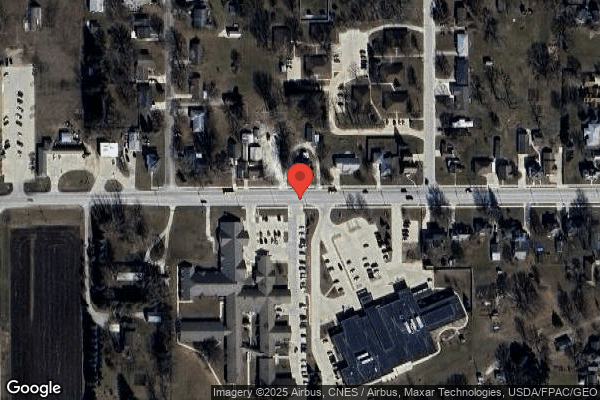
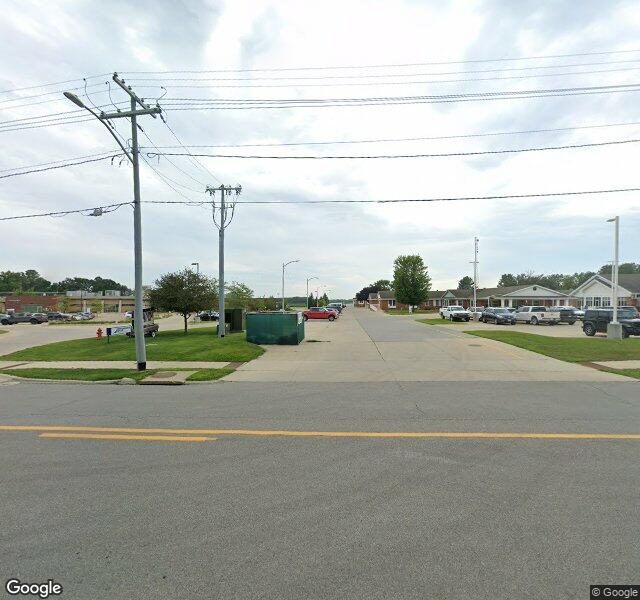
915 West First Street, Sumner, IA 50674 (563) 578-8591
Non profit - Corporation 61 Beds Independent Data: November 2025
Trust Grade
55/100
#200 of 392 in IA
Last Inspection: May 2025

Inspected within the last 6 months. Data reflects current conditions.

Overview

Hillcrest Home in Sumner, Iowa has a Trust Grade of C, which means it is average and in the middle of the pack compared to other facilities. It ranks #200 out of 392 in Iowa, placing it in the bottom half, and #3 out of 4 in Bremer County, indicating that only one local option is better. The facility appears to be improving, with issues decreasing from 6 in 2024 to 5 in 2025. Staffing is a strength here, rated 4 out of 5 stars, but the turnover rate is 48%, which is around the state average. Notably, there were serious incidents where a resident had a fall resulting in a fracture due to inadequate follow-up on previous falls, and another resident faced an emergency room visit due to failure to follow a physician's medication order. Overall, while there are strengths in staffing and no fines, families should be aware of the facility's average rating and specific care issues.

Trust Score
C
55/100
In Iowa
#200/392
Bottom 49%
Safety Record
Moderate
Needs review
Inspections
Getting Better
6 → 5 violations
Staff Stability
⚠ Watch
48% turnover. Above average. Higher turnover means staff may not know residents' routines.
Penalties
✓ Good
No fines on record. Clean compliance history, better than most Iowa facilities.
Skilled Nurses
○ Average
Each resident gets 34 minutes of Registered Nurse (RN) attention daily — about average for Iowa. RNs are the most trained staff who monitor for health changes.
Violations
⚠ Watch
13 deficiencies on record. Higher than average. Multiple issues found across inspections.
★★★☆☆
3.0
Overall Rating
★★★★☆
4.0
Staff Levels
★★★★☆
4.0
Care Quality
★★★☆☆
3.0
Inspection Score
Stable
2024: 6 issues
2025: 5 issues

The Good

  • 4-Star Staffing Rating · Above-average nurse staffing levels
  • 4-Star Quality Measures · Strong clinical quality outcomes
  • Full Sprinkler Coverage · Fire safety systems throughout facility
  • No fines on record

Facility shows strength in staffing levels, quality measures, fire safety.

The Bad

3-Star Overall Rating

Near Iowa average (3.1)

Meets federal standards, typical of most facilities

Staff Turnover: 48%

Near Iowa avg (46%)

Higher turnover may affect care consistency

The Ugly 13 deficiencies on record

2 actual harm
May 2025 1 deficiency
MINOR (B)

Minor Issue - procedural, no safety impact

MDS Data Transmission (Tag F0640)

Minor procedural issue · This affected multiple residents

Based on electronic health record (EHR) review, Long-Term Care Facility Resident Assessment Instrument (RAI) 3.0 user's manual review, and staff interviews revealed the facility failed to submit 2 com...

Read full inspector narrative →
Based on electronic health record (EHR) review, Long-Term Care Facility Resident Assessment Instrument (RAI) 3.0 user's manual review, and staff interviews revealed the facility failed to submit 2 completed Minimum Data Set (MDS) assessments for 1 of 5 residents reviewed. The facility reported a census of 43 residents. Findings include: A review of the EHR MDS detail listing for Resident #197 revealed the following: 5/23/2025 - Quarterly - None PPS / M D S 3.0 - In Progress 2/25/2025 - admission - None PPS / M D S 3.0 - Completed 2/18/2025 - Entry / M D S 3.0 - Completed A review of all completed but not accepted MDS's for Resident #197 documented the unit is neither Medicare nor Medicaid certified and MDS data is not required by the state. The submission information for all completed but not accepted MDS's for Resident #197 documented do not submit to the Centers for Medicare and Medicaid Services (CMS). During an interview on 5/14/25 at 1:19 PM, Staff A, Business Office Manager revealed the facility is dually certified for all beds with CMS. During an interview on 5/14/25 at 2:46 PM, the Director of Nursing (DON) revealed the facility follows the RAI manual for completing and submission of the MDS assessments. The DON revealed the facility had utilized a third party for completion of the MDS assessments in the interim of hiring for the MDS Coordinator position. The DON acknowledged the entry and admission MDS had not been submitted to CMS as required. A review of the Long-Term Care Facility RAI 3.0 user's manual Version 1.19.1, October 2024 revealed nursing homes are required to submit Omnibus Budget Reconciliation Act (OBRA) required Minimum Data Set (MDS) records for all residents in Medicare- or Medicaid-certified beds regardless of the payer source. Skilled nursing facilities (SNFs) and non-critical access hospitals (non-CAH) with a swing bed agreement (swing beds) are required to transmit additional MDS assessments for all Medicare beneficiaries in a Part A stay reimbursable under the SNF Perspective Payment System (PPS). All Medicare and/or Medicaid-certified nursing homes and swing beds, or agents of those facilities, must transmit required MDS data records to CMS' Internet Quality Improvement and Evaluation System (iQIES). Required MDS records are those assessments and tracking records that are mandated under OBRA and SNF (PPS). Assessments that are completed for purposes other than OBRA or SNF PPS reasons are not to be submitted to iQIES, examples include, but are not limited to, private insurance and Medicare Advantage Plans (i.e., Medicare Part C). After completion of the required assessment and/or tracking records, each provider must create electronic transmission files that meet the requirements detailed in the current MDS 3.0 Data Submission Specifications available on the CMS MDS 3.0 website at: http://www.cms.gov/Medicare/Quality-Initiatives-Patient-Assessment-Instruments/NursingHomeQualityInits/NHQIMDS30TechnicalInformation.html. The provider indicates the certification or licensure of the unit on which the resident resides in item A0410, Unit Certification or Licensure Designation. In addition to reflecting certification or licensure of the unit, this item indicates the submission authority for a record. o Value = 1 Unit is neither Medicare nor Medicaid certified and MDS data is not required by CMS or the State. o Value = 2 Unit is neither Medicare nor Medicaid certified but MDS data is required by the State. o Value = 3 Unit is Medicare and/or Medicaid certified.
Feb 2025 4 deficiencies 1 Harm
SERIOUS (G) 📢 Someone Reported This

A family member, employee, or ombudsman was alarmed enough to file a formal complaint

Actual Harm - a resident was hurt due to facility failures

Accident Prevention (Tag F0689)

A resident was harmed · This affected 1 resident

**NOTE- TERMS IN BRACKETS HAVE BEEN EDITED TO PROTECT CONFIDENTIALITY** Based on record review, staff and medical provider interviews, and policy review the facility failed to implement root cause ana...

Read full inspector narrative →
**NOTE- TERMS IN BRACKETS HAVE BEEN EDITED TO PROTECT CONFIDENTIALITY** Based on record review, staff and medical provider interviews, and policy review the facility failed to implement root cause analysis interventions for previous falls resulting in a fall with fracture, and to thoroughly assess a resident for possible injury after a fall for 1 of 3 residents reviewed for falls (Resident #1). The facility reported a census of 44 residents. Findings include: The Minimum Data Set (MDS) dated [DATE] for Resident #1 documented a Brief Interview for Mental Status (BIMS) of 4 indicating severe cognitive impairment. The MDS documented she was dependent on staff for eating, toileting, transferring, and does not walk. The MDS also informed she had diagnoses of compression fracture of the third (3rd) lumbar vertebra (spine in the lower back), anxiety, and depression. Record review of a Progress Note dated 2/12/2025 at 1:59 PM for Resident #1 documented she had an unwitnessed fall in her room at 1:53 PM and was found sitting in her doorway with her back against the door frame facing into the room and during active range of motion she admitted to having some pain to her left leg and was not able to bear weight to her left leg or able to bend at the hip past 90 degrees, and may have a possible fracture to the left hip/leg. Record review of a Progress Note dated 2/12/2025 at 2:10 PM for Resident #1 documented she had an unplanned/emergent discharge at this time as her medical status was unstable and left the facility by ambulance. Record review of Resident #1 Care Plan on 2/25/25 documented the following falls and interventions implemented since her admission to the facility: a. Fall 12/24/24, high low bed, date initiated: 1/1/25 b. Fall 12/26/24, high low bed, date initiated: 1/1/25 c. Fall 1/2/25, education to Certified Nurse Aide (CNA) who left Resident #1 bed in high position that it need to be in lowest position, date initiated: 1/8/25 d. Fall 1/31/25, do not leave out of sight in retreat room, date initiated: 2/14/25 e. Fall 2/10/25, offer toileting on walking rounds, date initiated: 2/10/25 f. Fall 2/12/25, motion sensor in room and/or personal alarm attached when in bed, wheelchair, recliner, date initiated: 2/12/25 Record review of an untitled statement by Staff I, Certified Medication Aide (CMA) dated 2/14/25, documented she found Resident #1 on the floor in her doorway on 2/12/25 and heard and saw Resident #1 yelling my hip, my hip while on the floor then when she came back she saw her sitting in her wheelchair. Record review of a Discharge summary dated [DATE] from a local hospital for Resident #1 documented she was diagnosed with a left hip closed fracture on 2/12/25. During an interview on 2/27/25 at 11:45 AM the Administrator revealed she spoke with Resident #1 after her fall on 2/12/25 and she could not remember if her hip hurt before or after the staff got her up off of the floor, she also informed she would expect staff not to move a resident if complaining of hip pain. During an interview on 2/27/25 at 11:40 PM the Director of Nursing (DON) reveled Resident #1, prior to her fall on 2/12/24, was not able to walk with facility staff, but was able to transfer with one (1) staff member by pivoting to desired locations. She then informed she educated Staff E immediately after Resident #1 fell and informed her residents are not to be moved from the floor if they are complaining of pain or other signs of possible broken bones and to immediately call the ambulance. She then informed the facility is looking at every residents prior falls and current Care Plans to ensure interventions implemented were appropriate and still relevant to meet the residents needs. During an interview with Staff E, Registered Nurse (RN) on 2/27/25 at 12:58 PM revealed she was the nurse that assisted Resident #1 with her fall on 2/12/25 and informed she found her in the doorway of her room on the floor, informed Resident #1 said she was embarrassed and forgot to call for help. Staff E then informed when staff assisted her to stand with three other staff Resident #1 had pain when standing. During an interview on 3/4/25 at 10:05 AM with Resident #1's Primary Care Provider, Staff H, Advanced Registered Nurse Practitioner (ARNP) informed Resident #1 has memory issues at times and at others can be spot on. She informed when Resident #1 fell on 2/12/25 she would expect staff not to move her especially if there were signs of rotation of the hip joint or shortening of the legs and wait for the ambulance to transfer her safely. She informed she also saw Resident #1 today at the facility and she is doing well and making progress in therapy and rarely complains of pain. Record review of Falls Incident/Accident Prevention dated June 2024 lacked documentation the facility will implement root cause analysis related to each fall.
CONCERN (D) 📢 Someone Reported This

A family member, employee, or ombudsman was alarmed enough to file a formal complaint

Potential for Harm - no one hurt, but risky conditions existed

Grievances (Tag F0585)

Could have caused harm · This affected 1 resident

**NOTE- TERMS IN BRACKETS HAVE BEEN EDITED TO PROTECT CONFIDENTIALITY** Based on record review, staff and family interviews, and policy review the facility failed to make prompt efforts to resolve and...

Read full inspector narrative →
**NOTE- TERMS IN BRACKETS HAVE BEEN EDITED TO PROTECT CONFIDENTIALITY** Based on record review, staff and family interviews, and policy review the facility failed to make prompt efforts to resolve and investigate a complaint/grievance and actively work toward resolution for 1 of 1 complaint letters reviewed (Resident #2). The facility reported a census of 44 residents. Findings include: The Minimum Data Set (MDS) dated [DATE] for Resident #2 document a Brief Interview for Mental Status (BIMS) of 11 indicating she was moderately cognitively impaired. The MDS also documented she needed supervision or touching assistance with transfers, toileting, and walking. The MDS informed she had diagnoses of diabetes mellitus, heart failure, depression, anxiety, and a prognosis with a life expectancy of less than six (6) months to live. Record review of a letter to the facility dated 1/7/25 from Family Member #1 for Resident #2 informed the facility of the following concerns identified with the care of their loved one: a. Delay in receiving pain medication for Resident #2 when actively dying on 12/22/2024 b. Incompetent nursing knowledge of state regulations regarding Staff C, Licensed Practical Nurse (LPN) c. Lack of sufficient staff in the building on 12/22/24 d. Lack of Hospice and facility integrated nursing care on 12/22/24 Record review of a untitled document from the Administrator dated 1/10/25 documented an investigation completed into Staff C interactions with Resident #2 Family Members and Staff C. Record review of a statement email from Staff C, Licensed Practical Nurse (LPN) dated 2/25/25 documented interactions had with Resident #2 family on 2/22/25. Record review of a statement email from Staff B, Registered Nurse (RN) dated 2/26/25 documented interactions had with Resident #2 family on 2/22/25. During an interview with the Administrator on 2/27/25 at 11:45 AM revealed she received a letter dated 1/7/25 by mail from Family Member #1 for Resident #2 regarding care received at the facility on 12/22/2024 and revealed when she read the letter she could not believe the family was upset with the care provided to Resident #2. She informed she spoke with them on 12/23/24 and they were complimentary of the care received at the facility. She revealed Family Member #1 called her roughly three (3) weeks after receiving the letter and questioned what she was able to find out, she revealed she informed her she was not able to disclose specific actions and was taking care of any issues that she found. She then revealed Family Member #1 became upset and asked, Am I just supposed to believe you?. She then informed she never provided Family Member #1 with a formal response to her concerns from her letter dated 1/7/25 about the following key areas of concern for Resident #2. a. Delay in receiving pain medication for Resident #2 when actively dying on 12/22/2024 b. Incompetent nursing knowledge of state regulations regarding Staff C, Licensed Practical Nurse (LPN) c. Lack of sufficient staff in the building on 12/22/24 d. Lack of Hospice and facility integrated nursing care on 12/22/24 Review of the facilities Grievance Policy last revised 12/2/2022 instructed the following: a. The grievance official will be responsible for overseeing the process, receiving, and tracking all grievances through to their conclusion; leading any necessary investigations by the facility; maintaining the confidentiality of all information associated with grievances; issuing written grievance decisions to the resident; and coordinating with state and federal agencies as necessary considering specific allegations. b. The grievance official will notify the individual who filed the grievance that it has been received and explain the process of the investigation if it was completed verbally or in writing. The investigation will be informal but thorough, affording all interested persons and their representatives an opportunity to submit evidence relevant to the grievance. c. The grievance official will issue a written decision determining the validity of the grievance no later than 30 days after its filing. d. The grievance official will take appropriate corrective action in accordance with the Iowa law if the alleged violation of the resident's rights is confirmed by the facility or if an outside entity having jurisdiction, such as the state survey agency, quality improvement organization, or local law enforcement agency confirms a violation of any of these resident's rights within its area of responsibility.
CONCERN (D) 📢 Someone Reported This

A family member, employee, or ombudsman was alarmed enough to file a formal complaint

Potential for Harm - no one hurt, but risky conditions existed

Deficiency F0697 (Tag F0697)

Could have caused harm · This affected 1 resident

**NOTE- TERMS IN BRACKETS HAVE BEEN EDITED TO PROTECT CONFIDENTIALITY** Based on record review, staff and family interviews, and policy review the facility failed to promptly implement a new order for...

Read full inspector narrative →
**NOTE- TERMS IN BRACKETS HAVE BEEN EDITED TO PROTECT CONFIDENTIALITY** Based on record review, staff and family interviews, and policy review the facility failed to promptly implement a new order for 1 of 3 residents reviewed for pain (Resident #2). The order given was to increase the dosage of as needed (PRN) Morphine (narcotic liquid pain medication) for an actively dying resident. The facility reported a census of 44 residents. Findings include: The Minimum Data Set (MDS) dated [DATE] for Resident #2 document a Brief Interview for Mental Status (BIMS) of 11 indicating she was moderately cognitively impaired. The MDS also documented she needed supervision or touching assistance with transfers, toileting, and walking. The MDS informed she had diagnoses of diabetes mellitus, heart failure, depression, anxiety, and a prognosis with a life expectancy of less than six (6) months to live. Record review of Resident #2 Controlled Drug Record for her morphine dated 12/21/24 documented the last dose of morphine at 0.25 mL was given on 12/22/24 at 1:30 PM. Record review of a document titled, Fax Transmittal from Resident #2 Hospice provider dated 12/21/24 at 1:52 PM revealed a signed order to increase her morphine order at this time to give 0.5 mL every hour as needed. Record review of Resident #2 Controlled Drug Record for her morphine dated 12/21/24 documented the first dose of morphine at 0.5 mL was given on 12/22/24 at 4:45 PM. During an interview on 2/25/2025 at 9:23 AM with Family Member #1 for Resident #2 revealed on 12/22/24 Staff C, Licensed Practical Nurse (LPN) delayed giving Resident #2 pain medication for almost two hours and by then it was two hours too late. She saw her mom in pain and having difficulty getting air. Staff C finally checked the fax machine and saw the order and said maybe she should have checked it earlier. She then informed a family member would have to go and get Staff C to make sure Resident #2 would get pain medication, the facility never would come and check on her by themselves, it was like a skeleton crew working and she ended up passing away that night. During an interview on 2/25/25 at 5:30 PM with Family Member #3 for Resident #2 revealed on 12/22/24 she could tell sometimes that there was distress or discomfort from Resident #2 and the staff would give her pain medication and then it would be better. During an interview on 2/25/25 at 4:26 PM with Hospice Nurse #1, Register Nurse (RN) Clinical Manager revealed a delay in increasing the pain medication for several hours could cause the resident to be in distress depending on if she is having pain or air hunger and could make the resident be uncomfortable. During an interview on 2/27/25 at 11:45 AM the Administrator revealed she would expect orders be implemented as soon as they come in and not be delayed. During an interview on 2/27/25 at 11:40 AM the DON revealed she would have expected Resident #2's order to increase pain medication be implemented immediately when it came in. During an interview with Resident #2 Primary Doctor on 3/4/25 at 3:33 PM revealed he would expect an as needed pain medication be given timely if signs of pain or air hunger were being shown.
CONCERN (D) 📢 Someone Reported This

A family member, employee, or ombudsman was alarmed enough to file a formal complaint

Potential for Harm - no one hurt, but risky conditions existed

Deficiency F0710 (Tag F0710)

Could have caused harm · This affected 1 resident

**NOTE- TERMS IN BRACKETS HAVE BEEN EDITED TO PROTECT CONFIDENTIALITY** Based on record review, staff, family, and provider interviews, and policy review the facility failed to obtain an order to incr...

Read full inspector narrative →
**NOTE- TERMS IN BRACKETS HAVE BEEN EDITED TO PROTECT CONFIDENTIALITY** Based on record review, staff, family, and provider interviews, and policy review the facility failed to obtain an order to increase an as need (PRN) morphine (liquid pain medication) order for 1 of 3 residents reviewed who was actively dying (Resident #2). The facility also failed to obtain orders prior to suctioning a resident during end of life cares for 1 of 1 residents (Resident #2). The facility reported a census of 44 residents. Findings include: 1. The Minimum Data Set (MDS) dated [DATE] for Resident #2 document a Brief Interview for Mental Status (BIMS) of 11 indicating she was moderately cognitively impaired. The MDS also documented she needed supervision or touching assistance with transfers, toileting, and walking. The MDS informed she had diagnoses of diabetes mellitus, heart failure, depression, anxiety, and a prognosis with a life expectancy of less than six (6) months to live. Record review of Resident #2 discontinued, current, and completed morphine orders in her Electronic Health Record (EHR) on 2/25/25 at 12:15 PM revealed a new order for morphine 1 mL was received on 12/22/24 at 20:45 PM. Record review of Resident #2 Progress Notes on 2/27/2025 at 3:45 PM lacked documentation of the Doctor who prescribed the increased morphine order from 0.5 mL to 1 mL on 12/22/24 and revealed it was ordered by a Hospice Nurse. During an interview on 2/25/25 at 4:26 PM with Hospice Nurse #1, Registered Nurse (RN) Clinical Manager revealed the Hospice provider only gave orders for Resident #2 pain medication to be increased on 12/22/24 from 0.25 mL to 0.5 mL and does not have record of them increasing it to 1 mL. She then informed she spoke with the Director of Nursing (DON) at the facility today and they are unable to find documentation as well. During an interview on 2/27/25 at 11:45 AM the Administrator revealed she would expect to be able to locate a signed order for the increased dose of morphine to 1 mL for Resident #2 on 12/22/2024. During an interview on 2/27/25 at 11:40 AM the DON revealed if a new order is obtained from a Doctor regardless of what it is she would expect a paper trail like a telephone order or fax to show the Doctor signed and approved the order. During an interview with Resident #2 Primary Doctor on 3/4/25 at 3:33 PM revealed he does not have record of ordering Resident #2 morphine medication from 0.5 mL to 1 mL however if signs at the time of being given revealed her pain was not under control it would have been reasonable to prescribe 1 mL to keep her comfortable. 2. During an interview on 2/25/2025 at 9:23 AM with Family Member #1 for Resident #2 revealed Staff C, Licensed Practical Nurse (LPN) suctioned Resident #2 on 12/22/2024 and informed the family she probably made their mother very mad. During an interview on 2/25/25 at 5:30 PM with Family Member #3 for Resident #2 revealed on 12/22/24 she could tell sometimes that there was distress or discomfort from Resident #2 and the staff would give her pain medication and then it would be better. During an interview on 2/25/25 at 4:26 PM with Hospice Nurse #1, Registered Nurse (RN), Clinical Manger revealed suctioning is something we do not encourage our nurses to do as a Resident can become extremely agitated. We try to avoid that at the end of life. The secretions are not just in their mouth, they are deep down lower in their lungs, and you are unable to get to them with suctioning. During an interview on 2/27/25 at 11:40 PM the Director of Nursing (DON) revealed she does not think Resident #2 had an order for suctioning, and Staff C suctioned Resident #2 on 12/22/24 because her family was asking for them to suction her and she tried to make the family comfortable.
Jun 2024 3 deficiencies
CONCERN (D)

Potential for Harm - no one hurt, but risky conditions existed

Deficiency F0658 (Tag F0658)

Could have caused harm · This affected 1 resident

**NOTE- TERMS IN BRACKETS HAVE BEEN EDITED TO PROTECT CONFIDENTIALITY** Based on observation, clinical record review, staff interview, and policy review, the facility failed to provide services that m...

Read full inspector narrative →
**NOTE- TERMS IN BRACKETS HAVE BEEN EDITED TO PROTECT CONFIDENTIALITY** Based on observation, clinical record review, staff interview, and policy review, the facility failed to provide services that met professional standards regarding following physician orders with insulin administration for 1 of 5 residents reviewed for medication administration (Resident #16). The facility reported a census of 45 residents. Findings include: The Minimum Data Set (MDS) assessment dated [DATE] for Resident #16 revealed the resident had a Brief Interview for Mental Status (BIMS) of 10 indicating moderately impaired cognition. The MDS further revealed the resident had a diagnosis of diabetes mellitus (DM) and had received insulin 7 out of the past 7 days. Review of physician orders for Resident #16 revealed an order for blood glucose four times a day related to diabetes mellitus. Physician orders further revealed an order for Humalog (insulin) 30 units subcutaneously (SQ) one time a day to be given at 7:30 AM and to hold the insulin if blood sugar is less than 120 with a start date of 3/14/24. During an observation 6/19/24 at 7:22 AM observed Staff B, Registered Nurse (RN) completed an accu-check on Resident #16 and obtained a reading of 102. During an observation 6/19/24 at 7:38 AM observed Staff B, RN administer 30 units of Humalog SQ to Resident #16. Clinical record review during reconciliation of medications revealed Humalog 30 units was to be held if Resident #16's blood sugar was less than 120. Review of facility policy titled, Administering Medications Policy, revised March 2023 revealed medications must be administered in accordance with the orders. During an interview 6/20/24 at 8:25 AM the Administrator revealed it is an expectation staff follow physician orders.
CONCERN (D)

Potential for Harm - no one hurt, but risky conditions existed

Deficiency F0943 (Tag F0943)

Could have caused harm · This affected 1 resident

**NOTE- TERMS IN BRACKETS HAVE BEEN EDITED TO PROTECT CONFIDENTIALITY** Based on personnel record review, staff interview, and policy review, the facility failed to ensure mandatory Dependent Adult Ab...

Read full inspector narrative →
**NOTE- TERMS IN BRACKETS HAVE BEEN EDITED TO PROTECT CONFIDENTIALITY** Based on personnel record review, staff interview, and policy review, the facility failed to ensure mandatory Dependent Adult Abuse training had been completed within 6 months of employment for 1 of 5 staff reviewed (Staff A). The facility reported a census of 45 residents. Findings include: Personnel record review for Staff A, Certified Nursing Aide (CNA) revealed a hire date of [DATE]. The personnel record revealed Staff A had previously completed Dependent Adult Abuse training [DATE] and it expired [DATE]. Staff A did not complete the mandatory training again until [DATE]. Review of facility policy titled, Abuse Prevention Policy, revised 9/2022 revealed employees will receive training as required by state and federal regulations. Employees and staff members, who are mandatory reporters of dependent adult abuse,shall be required to receive two hours of training related to the identification and reporting of dependent adult abuse within six months of hire, as a part of orientation training, and every three years thereafter. During an interview [DATE] at 11:18 AM, the Administrator acknowledged Staff A should have completed mandatory Dependent Adult Abuse training within 6 months of employment after her previous training expired [DATE].
MINOR (B)

Minor Issue - procedural, no safety impact

Deficiency F0868 (Tag F0868)

Minor procedural issue · This affected multiple residents

Based on facility record review, staff interview, and policy review the facility failed to have the minimum required members present at their quarterly Quality Assurance (QA) meetings as directed by C...

Read full inspector narrative →
Based on facility record review, staff interview, and policy review the facility failed to have the minimum required members present at their quarterly Quality Assurance (QA) meetings as directed by Centers for Medicare and Medicaid Services (CMS). The facility reported a census of 45 residents. Findings include: QA meetings were conducted on the following dates: 4/11/23, 7/25/23, 10/10/23, 2/12/24, and 4/8/24. Review of the attendance sheets for the QA meetings revealed the required members attended the meetings on 7/25/23, 10/10/23, and 2/12/24. The attendance sheet for the QA meeting held on 4/11/23 revealed the Director of Nursing (DON) was not in attendance and the attendance sheet for the QA meeting held on 4/8/24 revealed the Infection Preventionist (IP) was not in attendance. In an interview on 6/18/24 at 1:55 PM, the Administrator stated she was not aware who was required to attend the QA meetings. She believed the required attendees were the Administrator, Medical Director and 5 other staff and was not aware the DON and IP were required to be in attendance at the meetings as well. She further stated it was the expectation the required staff be in attendance at the quarterly QA meetings per CMS guidelines. Per the facility provided Quality Assurance Performance Improvement (QAPI) Plan established 10/2013 and last updated on 1/24/22, the QAPI committee meetings were to be held at least quarterly and the QAPI committee members were to include at least the following: Medical Director, Administrator, DON, and direct care worker/caregiver.
May 2024 2 deficiencies
CONCERN (D) 📢 Someone Reported This

A family member, employee, or ombudsman was alarmed enough to file a formal complaint

Potential for Harm - no one hurt, but risky conditions existed

Resident Rights (Tag F0550)

Could have caused harm · This affected 1 resident

Based on clinical record review, policy and procedure review, and staff interviews the facility failed to treat a resident with respect and dignity in a manner that promotes maintenance or enhancement...

Read full inspector narrative →
Based on clinical record review, policy and procedure review, and staff interviews the facility failed to treat a resident with respect and dignity in a manner that promotes maintenance or enhancement of his or her quality of life for 1 out of 5 resident reviewed. (Resident #1). The facility identified a census of 47 residents. Findings include: The Minimum Data Set (MDS) for Resident #1, with an assessment reference dated 3/5/24, documented diagnoses which included hypertension, Non-Alzheimer's Dementia, anxiety, and repeated falls. The MDS revealed the resident with a Brief Interview for Mental Status (BIMS) score of 8, which indicated moderately impaired decision making abilities, has hallucinations and delusion, and required partial/moderate assistance with shower/bathing. The Plan of Care with an initiated date of 2/27/24, stated the resident had a functional performance self-care deficit related to dementia. Interventions include: Bathing/Showering: Resident is able to have a bath or shower. Bath days per Care Plan. Shower transfer EZ stand times 2 assist. Transfer/Ambulation: is contact guard assist of 1 with walker The Progress Notes dated 4/30/24 at 11:38 a.m., Incident Report: Describe Incident: Staff A, Certified Nursing Assistant (CNA), called this nurses office and asked if Staff B, CNA, came back into the building. Staff A reports that Staff B was to be giving resident a bath in the south tub room. The facility Administrator, immediately went to the tub room to check. The curtain had been pulled so resident wasn't seen until the Administrator pulled back the curtain, and found the resident sitting in her wheelchair in the tub room, without a call light. The Administrator then brought resident out of the tub room and notified floor staff that she had not gotten her bath. Vitals: not done, ROM and Pain: not done, Injuries noted: no injuries as resident was still sitting in her wheelchair. Treatment Provided: CNA's took resident and went to give her a shower. Interventions in place at time of Incident: Resident is to have a call light within reach when left unattended. Interview on 5/29/24, at 12:00 p.m., the facility Administrator and Staff C, Registered Nurse (RN) stated that they seen Staff B, CNA, on the video ring door bell leaving the facility at 8:50 a.m. The administrator stated that over the walkie talkie it was told that Resident #1 was not in the dining room for breakfast and if anyone had seen her. The administrator and Staff A started to look for Resident #1. Resident #1 was found in the shower room, with the lights off, shower curtain pulled around the resident, no call light with in reach, sitting in her wheelchair. Interview on 5/29/24 at 2:00 p.m., Staff D, CNA, stated that around 9:00 a.m. the kitchen staff were asking if anyone had seen Resident #1. Staff D stated that they started to ask if anyone had seen Resident #1 over the walkie talkie with no response from staff. Staff D stated that around 9:10 a.m., a voice came across the walkie talkie that Resident #1 was found in the shower room. Interview on 5/30/24 at 9:00 a.m., the facility Administrator confirmed and verified that the expectation of the staff are to treat all residents with dignity and respect. The Resident Rights policy with no date, given by the Administrator on 5/30/24 at 10:20 a.m., documented, the resident has a right to a dignified existence, self-determination, communication with and access to persons and services inside and outside the facility. The resident has a right to be treated with respect and dignity and to be cared for in a manner and in an environment that promotes maintenance or enhancement of his or her quality of life, recognizing the resident individuality.
CONCERN (D) 📢 Someone Reported This

A family member, employee, or ombudsman was alarmed enough to file a formal complaint

Potential for Harm - no one hurt, but risky conditions existed

Deficiency F0658 (Tag F0658)

Could have caused harm · This affected 1 resident

**NOTE- TERMS IN BRACKETS HAVE BEEN EDITED TO PROTECT CONFIDENTIALITY** Based on record review, facility policy and procedure, and staff interviews, the facility failed to follow physicians orders for...

Read full inspector narrative →
**NOTE- TERMS IN BRACKETS HAVE BEEN EDITED TO PROTECT CONFIDENTIALITY** Based on record review, facility policy and procedure, and staff interviews, the facility failed to follow physicians orders for 2 of 4 residents reviewed for medication administration. (Resident #3 and Resident #4). The facility reported a census of 47 residents. Finding include: 1. The Minimum Data Set (MDS) dated [DATE] revealed Resident #3 had a Brief Interview for Mental Status (BIMS) score of 15 for which indicated no cognitive impairments. The MDS indicated the resident had diagnoses which included hypertension, seizure disorder, and cyst of pancreas. The MDS also revealed the resident received a diuretic and an antiplatelet in the last 7 days. Resident #3 Care Plan initiated on 4/12/22 indicated the resident will be prescribed the minimum amount of medications necessary. The interventions with an initiate date of 10/5/22 directed staff to consult pharmacist to review medications, Resident prefers not to be woke up for medications between 10:00 p.m.- 6:00 a.m. and prefers to take medications in her room to promote socialization when going to dining room for meals. Review of the Nurse Progress Notes dated 5/2/24 at 11:18 a.m., revealed Incident Report-Medication Event: This nurse noticed that this nurse gave resident the wrong medications this morning. Immediately this nurse notified the Director of Nursing (DON). Resident received the following medications: Metolazone 2.5 milligrams (mg) Carvedilol 6.25 mg Depakote 100 mg Eliquis 5 mg Januvia 25 mg Lisinopril 2.5 mg Metformin 100 mcg Protonix 20 mg Torsemide 20 mg Vitamin D3 2000 IU Resident was supposed to receive Calcium 120 mg Plavix 75 mg Depakote 500 mg Colace 100 mg Lasix 40 mg Gabapentin 100 mg Levetiracetam 500 mg Synthroid 75 mcg Lisinopril 30 mg Tylenol 500 mg Vital Signs will be taken every 1 hour for 24 hours. Blood sugars will be checked every 4 hours. A Root Cause Analysis Report dated 5/2/24, described that the event happened where two residents medications where set up at the same time to get medications done in a more timely manner and that staff felt the need to complete medication pass quickly and Resident #3 received the wrong medications. 2. The MDS dated [DATE] revealed Resident #4 had a Brief Interview for Mental Status (BIMS) score of 15 which indicated no cognitive impairments. The MDS indicated the resident had diagnoses which included hypertension, seizure disorder, and cyst of pancreas. The MDS also revealed the resident received a diuretic and an antiplatelet in the last 7 days. Resident #4 Care Plan initiated on 6/30/21 indicated resident will be prescribed the minimum amount of medications necessary. The interventions with an initiate date of 8/24/21 directed staff to consult pharmacist to review medications, Resident will be administered medications in her room/hallway/common areas to promote socialization during meals. Resident would prefer not to be woken up between 10:00 p.m., - 6:00 a.m. for medication administration. (per interview). Review of the Progress Notes dated 5/17/24 at 9:37 a.m., documented, Incident Report-Medication event: On 5/10/24, resident had a critically low Potassium, new orders were received from the Doctor to give additional 40 meq for 3 days. The new cards were found in the bottom drawer of the medication cart with no doses popped out. When reviewing the emergency kit, it was noted that 1 dose was taken from the kit. It appears that resident didn't get 2 of the doses. The Potassium was 3.6 on redraw on 5/15/24. A Root Cause Analysis Report dated 5/15/24, described the event happened when medication cards were put in the bottom of the medication cart. The person working the medication cart was busy when the medications arrived and medication doses weren't checked when given, and didn't verify dose, so the resident missed 2 doses of potassium. Interview on 5/30/24 at 10:40 a.m., the facility Administrator confirmed and verified that the expectation of the staff are to follow the physicians orders as written and to follow the policy for giving oral medications. The Policy/Procedure for giving Oral Medication Administration with no date, documented the purpose: to provide a medication regiment safely and effectively, and to administer medications in a simple routine for the resident. *Seven Rights= right dose, right time, right route, right medication, right resident, right reason, right documentation.
Apr 2024 1 deficiency 1 Harm
SERIOUS (G) 📢 Someone Reported This

A family member, employee, or ombudsman was alarmed enough to file a formal complaint

Actual Harm - a resident was hurt due to facility failures

Deficiency F0658 (Tag F0658)

A resident was harmed · This affected 1 resident

**NOTE- TERMS IN BRACKETS HAVE BEEN EDITED TO PROTECT CONFIDENTIALITY** Based on observation, record review, and staff interviews the facility failed to follow a physician order resulting in an emerge...

Read full inspector narrative →
**NOTE- TERMS IN BRACKETS HAVE BEEN EDITED TO PROTECT CONFIDENTIALITY** Based on observation, record review, and staff interviews the facility failed to follow a physician order resulting in an emergency room visit for 1 out of 3 residents reviewed for medication administration (Resident #2). The facility reported a census of 47 residents. Findings include: The Minimum Data Set (MDS) dated [DATE] revealed Resident #2 had a BIMS score of 10 which indicates moderate impairment of cognitive status. The MDS indicated she had hallucinations and verbal aggression directed toward others. The MDS revealed Resident #2 has diagnoses of Anxiety and Depression. On 4/24/24 at 8:49 AM observed Resident #2 sitting in her wheelchair in her room. She responded to the nurse knocking on her door and refused her medications. She wanted them left in the room but the nurse explained she needed to watch her take them. The Director of Nursing came and talked to resident and convinced her to take the medications. Resident #2 Care Plan initiated on 9/20/22 indicated behavior problem (yelling/screaming, swearing, sad/tearful/crying, repetitive movement, repetitive questions, rejection of care, abusive language, agitation, anxious/restless, accusing others, physical aggression, hitting staff) due to not trusting staff or the way staff approach her. The interventions with a revision date of 9/8/23 directed staff to administer medications as ordered. Monitor/document for side effects and effectiveness. Review of the Nurse Progress Note dated 2/15/24 at 2:47 PM revealed anxious behaviors and the nurse contacted Resident #2 nurse practitioner. Noted it appears resident is having a panic/anxiety attack. A one time order for Lorazepam (medication to reduce anxiety) 1 milligram(mg) was given per the nurse practitioner. The Nurse Progress Note dated 2/15/24 at 3:15 PM revealed the one time dose of Lorazepam was administered. The Nurse Progress Note on 2/15/24 at 5:48 PM revealed nurse was called to room due to Resident #2 lowered to the floor. No injuries noted at this time. Vital signs: Blood pressure (BP) 70/43, Pulse (P) 120, Respirations (R) 20, Temperature (T) 97.5 degrees, Oxygen saturation (O2 sat) was 89 percent on room air. Resident assisted to her wheelchair and recheck of her vitals BP 106/62, P 103, R 18 and O2 sat 96% on room air. The Nurse Progress Note on 2/15/24 11:52 PM revealed the nurse called to Resident #2's room due to she was again lowered to the floor. During the assessment she was lethargic, unable to help stand. BP 70/43, P 120, R 20, T 97.5, O2 sat 89% on room air, recheck of the vitals after settled in her wheelchair revealed BP 106/62, P 103, R 18, O2 sat 96% on room air. No injuries noted. The Nurse Progress Note on 2/16/24 at 12:57 AM revealed a condition report was called to the physician on-call and an order was obtained to send Resident #2 to the emergency department. The Emergency Department Provider Note from 2/16/24 at 2:16 AM revealed at 5:48 PM on 2/15/24 her oxygen saturation was 89% on room air and 96% on room air soon thereafter. At 12:10 AM on 2/16/24, her oxygen saturation was 94% on room air. But at around 1:30 AM nursing home staff contacted the physician on call in the emergency department to inform us of hypoxemia again noted in the patient with an O2 sat of 79%. She was placed on low-flow supplemental oxygen, and emergency services notified. Responding medics placed her on 10 Liters non-rebreather mask at the time of transport. According to the review of her nursing home notes, the patient had been increasingly confused and somewhat combative/resistive with staff over at least the preceding day. She is normally well-oriented per staff. However she is now rather confused. According to her review of the notes, she did not know the year and did not know her son's name. This is not typical for her. In addition the patient was accidentally given Seroquel (antipsychotic medication) 12.5 mg earlier in the evening. This is not a medication that is prescribed to the patient. Resident #2 presented to the emergency department in acute hypoxemic respiratory failure with a significant oxygen requirement, requiring 10 Liters (L) by non-rebreather mask, She was acutely confused, possibility due to acute hypoxia. In the hours leading up to her decline and subsequent ER transfer, the patient had been given a benzodiazepine (Lorazepam) ordered by her primary care physician in addition to later being given a dose of Seroquel accidentally by nursing home staff. Chest imaging with plain radiographs and CT demonstrated no evidence of heart failure or pulmonary infectious process which would otherwise explain her hypoxemia. COVID-19, influenza and RSV testing was negative. Evaluation of concern for pulmonary embolism was within normal limits. Final diagnosis acute hypoxemic respiratory failure requires continuous at home supplemental oxygen. Medication administered in error, accidental or unintentional, bilateral lower leg cellulitis. A follow up visit Progress Note dated 2/19/24 from Resident #2 primary care nurse practitioner revealed follow up after ER visit last. Resident is not wearing oxygen, says she does not want to. Resident #2 O2 sat 95% on room air. Resident cognitively intact. Review of the Electronic Medication Administration Record (EMAR) for February 2024 revealed no order for Seroquel for Resident #2. On 4/24/24 8:54 AM the Director of Nursing(DON) stated Staff B, Certified Medication Aide (CMA) was terminated for giving someone a medication there was no prescription for. He admitted to doing it. No other problems with him prior to this incident. It was Resident #2 and she was having other health issues at the same time. She went to the emergency room for shortness of breath and she ended up having cellulitis of the leg. They do track medication errors in the risk management. On 4/25/24 at 8:35 AM Staff A, Registered Nurse (RN) reported on 2/15/24 Staff B, Certified Medication Aide (CMA) made a statement to her about doing something but probably not something he should tell her. He told her he gave another residents Seroquel (antipsychotic medication) to Resident #2. She stated it was about 5:30 PM when he told her and her shift ended at 6:00 PM so she passed it onto the oncoming nurse. On 4/25/24 at 9:46 AM with Staff B, CMA stated Resident #2 had behaviors on 2/15/24 and I went to the nurse in charge and asked if I could give her a Seroquel and she said she sure could use it so I interpreted it as to go ahead and give it. I gave her the Seroquel from another residents medications. He stated before administering a medication you should follow the 7 rights of medication administration and ensure you have the right person, right dose, right route, right medication, right time, right reason and right documentation, needs to be followed. He acknowledged you should never give a medication without a physician order and Resident #2 did not have a physician order on the EMAR for Seroquel. On 4/25/24 at 10:34 AM the Assistant Director of Nursing (ADON) stated on 2/15/24 Resident #2 appeared anxious and agitated, more than usual. A nurse got a one time order and administered Lorazepam (antianxiety medication) around 3 PM. Staff B, CMA came to my office and stated Resident #2 was out of control and needed to be sent out. I informed him she just had a dose of Lorazepam. Around 5:00 PM I was leaving for the day and stopped Staff B to ask how Resident #2 was doing and he stated not great. I visually saw her sleeping and Staff B did not say anything about giving her any medications. Sometime later in the evening the nurse made him call and he told me he did something he should not have and gave Resident #2 someone else medication. The facility provided a policy titled Oral Medication Administration with no date, the purpose is to provide a medication regimen safely and effectively. The procedure directed staff to: 1.) Open the MAR in computer, locate resident, review medications 2.) Obtain any vitals needed for medication monitoring 3.) Perform hand hygiene 4.) Locate residents bubble packs and take them out of the cart 5.) Complete 5 rights of medication administration before popping out medications into the med cup. (do not touch the medications) Review of Documentation of Verbal Warning dated 4/11/24 revealed Staff C, Licensed Practical Nurse (LPN) reported she had changed a residents medication order without obtaining an order first. You must get a doctors order to change the dosage of a medication before adjusting it. No longer tweak medications without obtaining an order first. During an interview on 4/25/24 at 8:54 AM the Director of Nursing stated the verbal warning for Staff C, LPN resulted from her entering Hospice orders for medication before the signed order from the physician was returned. For example when the Hospice nurse is here and we discuss medication changes and then she entered the order before the physician had signed the order. This only occurred one time I am aware of and I told her we can not do it. My expectations for administering medications is they follow the EMAR and they follow the rights of medication administration. Staff should not administer medication without a physician order. On 4/25/24 at 9:07 AM Staff D, Hospice Nurse, stated we collaborate with the facility nurse on appropriate medications and dosages and then contact the physician. The physician needs to agree to the recommendation for it to become an order. On 4/25/24 at 11:05 AM Staff C, LPN stated she did receive a verbal warning about when Hospice comes and they talk about different medications or dosages and then the physician will typically give us the order. I have put the order in the computer before the signed orders come back. The DON educated me to make sure the orders are the same and in case the physician would make a change in the order and also to make sure no mistakes were made writing the order. The facility provided an undated policy titled Receiving Physician Orders which stated Licensed nursing staff may take orders from a physician's office nurse for the attending physician. It is a legal procedure for a nurse to take a phone order from a physician's office nurse per Board of Nursing. The policy failed to address procedure for entering physicians orders into the computer for the medication administration record.
Feb 2023 2 deficiencies
CONCERN (D)

Potential for Harm - no one hurt, but risky conditions existed

MDS Data Transmission (Tag F0640)

Could have caused harm · This affected 1 resident

Based on clinical record review, Center for Medicare and Medicaid Services (CMS) Long-Term Care Facility Resident Assessment Instrument (RAI) manual, and staff interview the facility failed to transmi...

Read full inspector narrative →
Based on clinical record review, Center for Medicare and Medicaid Services (CMS) Long-Term Care Facility Resident Assessment Instrument (RAI) manual, and staff interview the facility failed to transmit a Minimum Data Set (MDS) discharge assessment record for 1 of 1 resident (Resident #12) reviewed. The facility identified a census of 51 residents. Findings include: An Electronic Health Record (EHR) Census Record Showed Resident #12 went to the hospital on paid leave on 7/26/22. A review of the EHR revealed MDS assessment records on 2/21/23 at 11:45 a.m. for Resident #12 had completed a 7/26/23 Discharge Return Not Anticipated Record in the EHR that had not been batched for submission to the CMS Quality Improvement and Evaluation System (QIES) Assessment and Submission and Processing (ASAP) system. The Discharge Return Not Anticipated Record had a completion date of 7/26/23 by the MDS Coordinator. During an interview on 2/22/23 at 1:27 p.m. the MDS Coordinator reported she tries to submit MDS records to the federal data base (QIES ASAP) system weekly. She reported Resident #12 had been on private pay skilled care. She had been taught when a resident is on private pay skilled care their MDS records are not submitted. It has to do with an insurance thing. She follows the MDS RAI manual for completing and transmitting MDS's. They have a consulting company and they have been reviewing her work for the past few months and trying to provide her more training. During an interview on 2/22/23 at 4:20 p.m. the Administrator reported the facility does not have an MDS policy. The facility follows the RAI manual for transmitting MDS records. During an interview on 02/23/23 at 8:26 a.m. the Director of Nursing (DON) reported she expects the MDS's to be submitted timely and accurately. The CMS RAI 3.0 User's Manual Version 1.17.1 October 2019, Chapter 2, page 2-17 directs a Discharge Return Not Anticipated Assessment is to be submitted within 14 calendar days after the MDS completion date.
CONCERN (D)

Potential for Harm - no one hurt, but risky conditions existed

Assessment Accuracy (Tag F0641)

Could have caused harm · This affected 1 resident

**NOTE- TERMS IN BRACKETS HAVE BEEN EDITED TO PROTECT CONFIDENTIALITY** 2. A Progress Note written on 1/30/23 at 12:07 p.m. documented referral information had been sent to Chickasaw County Public Hea...

Read full inspector narrative →
**NOTE- TERMS IN BRACKETS HAVE BEEN EDITED TO PROTECT CONFIDENTIALITY** 2. A Progress Note written on 1/30/23 at 12:07 p.m. documented referral information had been sent to Chickasaw County Public Health. Resident #159 was looking to discharge 2/4/23. A Progress Note written on 2/4/23 at 9:48 a.m. documented activity staff visited with Resident #159 briefly before she discharged home. A Progress Note written 2/4/23 at 10:24 a.m. documented the resident left the faciity on a planned discharge via private vehicle accompanied by family. Review of Resident #159's MDS dated [DATE] documented the resident had a planned discharge, was not expected to return, and discharged to an acute care hospital. During an interview on 2/20/23 at 1:24 p.m., Resident # 159 explained this was her second stay here. She further explained she went home from her last stay here and was unsuccessful. She was unable to do all of the things like she had done before and returned to the facility after just a few days. During an interview on 2/21/23 on 2:57 p.m. the MDS coordinator stated she made a mistake. She stated the MDS discharge location should not have been an acute care hospital. She stated she should have coded returned the community as the resident went home. Based on clinical record review, Center for Medicare and Medicaid Services (CMS) Long-Term Care Facility Resident Assessment Instrument (RAI) manual, and staff interview, the facility failed to accurately code the Minimum Data Set (MDS) Assessments for 2 of 14 residents (Resident #36 and #159) reviewed. The facility identified a census of 51 residents. Findings include: 1. The Minimum Data Set (MDS) dated [DATE] for Resident #36 showed a Brief Interview for Mental Status Score of 15 indicating no cognitive loss. The MDS listed a diagnosis of type 2 diabetes without complications. The MDS in Section N0300 documented a O indicating no injections received during the 7 day look back period. Section N0350 was blank for insulin use. The MDS failed to document Resident #36 received insulin injections 7 days of the look back period from 2/10/23. A Medication Review Report signed by the Provider on 12/22/22 listed the following orders: a. Humalog [NAME] Kwik Pen Subcutaneous Solution Pen-Injector 100 units (U)/milliliter (ml) (Insulin Lispro) Inject as per sliding scale: 1. If 150 - 180 = 10 units; 2. 181 - 220 = 20 units; 3. 221 - 399 = 25 units >221 give 25 units >400 call provider, subcutaneously two times a day for diabetes mellitus. b. Ozempic (0.25 or 0.5 milligrams (mg)/dose) Subcutaneous Solution Pen-injector 2 mg/1.5 milliliters (ml). Inject 0.5 mg subcutaneously one time a day every Friday related to type 2 diabetes mellitus without complications. c. Lantus Solo Star Solution Pen-injector 100 Units/ml (Insulin Glargine). Inject 40 units subcutaneously two times a day for blood sugar control. The February 2023 Medication Administration Record documented Resident #36 received the following insulin from 2/04/23 - 2/10/23: a. Humalog [NAME] Kwik Pen (insulin Lispro) subcutaneous solution pen-injector 100 Units/ml. Inject as per sliding scale: 1. 2/4/23 , 25 unit Humalog insulin at 9:00 p.m. for a blood sugar of 323. 2. 2/5/23, 25 units Humalog insulin at 9:00 p.m. for a blood sugar of 291. 3. 2/6/23, 10 units Humalog insulin at 7:30 a.m. for a blood sugar of 150 and 20 units at 9:00 p.m. for a blood sugar of 206 4. 2/07/23 25 units Humalog insulin at 9:00 p.m. for a blood sugar of 263. 5. 2/08/23 25 units Humalog insulin at 9:00 p.m. for a blood sugar of 259. 6. 2/09/23 9:00 p.m. Medication Administration record was blank. 7. 2/10/23 7:30 a.m. and 9:00 p.m. showed Resident #36 did not receive Humalog insulin. b. Ozempic (0.25 or 0.5 mg/dose) Subcutaneous Solution Pen-injector 2 mg/1.5 ml (Semaglutide) Inject 0.5 mg subcutaneously one time a day every Friday related to type 2 diabetes mellitus without complications received on 2/10/23 at 12:00 p.m. c. Lantus Solo Star Solution Pen-injector 100 Unit/ml (Insulin Glargine). Inject 40 units subcutaneously two times a day for blood sugar control received twice a day from 2/04/23 to 2/08/23 and 2/10/23. The MAR failed to document the Lantus Solo Star Solution insulin 40 units signed out for Resident #36 on 2/09/23. During an interview on 2/22/23 at 1:35 p.m. the MDS Coordinator reported she has a data collection worksheet that she uses when she completes the MDS. She reported she checked Resident #36's data sheet and the insulin had been missed. She reported she gets pulled in all directions during the day so it is hard. The information got missed on the MDS. During an interview on 2/22/23 at 4:20 p.m. the Administrator reported the facility does not have MDS policies. The facility follows the RAI manual. During an interview on 2/23/23 at 8:29 a.m. the DON reported she expects the MDS to be completed accurately. On 2/23/23 at 11:11 a.m. the DON responded Staff A, Registered Nurse, had worked the evening of 2/09/23. Staff A thinks she forgot to hit save in the EHR. His blood sugar had been 347 so Staff A gave Resident #36 the corresponding insulin and did his Lantus insulin all in the right upper quadrant of his abdomen. The CMS Long-Term Care Facility RAI 3.0 User's Manual Version 1.17.1 October 2019, Chapter 3, Section N, page N-1 directs the following for N0300 Injections on the MDS: record the number of days during the 7-day look-back period (or since admission/entry or reentry if less than 7 days) that the resident received any type of medication, antigen, vaccine, etc., by injection. Insulin injections are counted in this item as well as in Item N0350. The Steps to Assessment Include: 1. Review the resident's medication administration records for the 7-day look-back period (or since admission/entry or reentry if less than 7 days). 2. Review documentation from other health care locations where the resident may have received injections while a resident of the nursing home (e.g., flu vaccine in a physician ' s office, in the emergency room - as long as the resident was not admitted ). 3. Determine if any medications were received by the resident via injection. If received, determine the number of days during the look-back period they were received. Section N0350 Insulin on the MDS found in Chapter 3, page N-3 directs to enter in item N0350A, the number of days during the 7-day look-back period (or since admission/entry or reentry if less than 7 days) that insulin injections were received. The Steps to Assessment include: 1. Review the resident ' s medication administration records for the 7-day look-back period (or since admission/entry or reentry if less than 7 days). 2. Determine if the resident received insulin injections during the look-back period. 3. Determine if the physician (or nurse practitioner, physician assistant, or clinical nurse specialist if allowable under state licensure laws) changed the resident ' s insulin orders during the look-back period. 4. Count the number of days insulin injections were received and/or insulin orders changed. The Center for Medicare and Medicaid Services Long-Term Care Facility Resident Assessment Instrument (RAI) 3.0 User's Manual Version 1.17.1 October 2019, page 1-8 documents an accurate assessment requires collecting information from multiple sources, some of which are mandated by regulations. Those sources must include the resident and direct care staff on all shifts, and should also include the resident's medical record, physician, and family, guardian, or significant other as appropriate or acceptable. It is important to note here that information obtained should cover the same observation period as specified by the MDS items on the assessment, and should be validated for accuracy (what the resident's actual status was during that observation period) by the interdisciplinary team completing the assessment. As such, nursing homes are responsible for ensuring that all participants in the assessment process have the requisite knowledge to complete an accurate assessment.
Understanding Severity Codes (click to expand)
Life-Threatening (Immediate Jeopardy)
J - Isolated K - Pattern L - Widespread
Actual Harm
G - Isolated H - Pattern I - Widespread
Potential for Harm
D - Isolated E - Pattern F - Widespread
No Harm (Minor)
A - Isolated B - Pattern C - Widespread

Questions to Ask on Your Visit

  • "Can I speak with families of current residents?"
  • "What's your RN coverage like on weekends and overnight?"

Our Honest Assessment

Strengths
  • • No fines on record. Clean compliance history, better than most Iowa facilities.
Concerns
  • • Multiple safety concerns identified: 2 harm violation(s), Payment denial on record. Review inspection reports carefully.
  • • 13 deficiencies on record, including 2 serious (caused harm) violations. Ask about corrective actions taken.
  • • Grade C (55/100). Below average facility with significant concerns.
Bottom line: Mixed indicators with Trust Score of 55/100. Visit in person and ask pointed questions.

About This Facility

What is Hillcrest Home's CMS Rating?

CMS assigns Hillcrest Home an overall rating of 3 out of 5 stars, which is considered average nationally. Within Iowa, this rating places the facility higher than 0% of the state's 100 nursing homes. This mid-range rating indicates the facility meets federal standards but may have areas for improvement.

How is Hillcrest Home Staffed?

CMS rates Hillcrest Home's staffing level at 4 out of 5 stars, which is above average compared to other nursing homes. Staff turnover is 48%, compared to the Iowa average of 46%.

What Have Inspectors Found at Hillcrest Home?

State health inspectors documented 13 deficiencies at Hillcrest Home during 2023 to 2025. These included: 2 that caused actual resident harm, 9 with potential for harm, and 2 minor or isolated issues. Deficiencies causing actual harm indicate documented cases where residents experienced negative health consequences.

Who Owns and Operates Hillcrest Home?

Hillcrest Home is owned by a non-profit organization. Non-profit facilities reinvest revenue into operations rather than distributing to shareholders. The facility operates independently rather than as part of a larger chain. With 61 certified beds and approximately 44 residents (about 72% occupancy), it is a smaller facility located in Sumner, Iowa.

How Does Hillcrest Home Compare to Other Iowa Nursing Homes?

Compared to the 100 nursing homes in Iowa, Hillcrest Home's overall rating (3 stars) is below the state average of 3.1, staff turnover (48%) is near the state average of 46%, and health inspection rating (3 stars) is at the national benchmark.

What Should Families Ask When Visiting Hillcrest Home?

Based on this facility's data, families visiting should ask: "Can I visit during a mealtime to observe dining assistance and food quality?" "How do you handle medical emergencies, and what is your hospital transfer rate?" "Can I speak with family members of current residents about their experience?"

Is Hillcrest Home Safe?

Based on CMS inspection data, Hillcrest Home has a clean safety record: no substantiated abuse findings (meaning no confirmed cases of resident harm), no Immediate Jeopardy citations (the most serious violation level indicating risk of serious injury or death), and is not on the Special Focus Facility watch list (a federal program monitoring the lowest-performing 1% of nursing homes). The facility has a 3-star overall rating and ranks #100 of 100 nursing homes in Iowa. While no facility is perfect, families should still ask about staff-to-resident ratios and recent inspection results during their visit.

Do Nurses at Hillcrest Home Stick Around?

Hillcrest Home has a staff turnover rate of 48%, which is about average for Iowa nursing homes (state average: 46%). Moderate turnover is common in nursing homes, but families should still ask about staff tenure and how the facility maintains care continuity when employees leave.

Was Hillcrest Home Ever Fined?

Hillcrest Home has no federal fines on record. CMS issues fines when nursing homes fail to meet care standards or don't correct problems found during inspections. The absence of fines suggests the facility has either maintained compliance or corrected any issues before penalties were assessed. This is a positive indicator, though families should still review recent inspection reports for the full picture.

Is Hillcrest Home on Any Federal Watch List?

Hillcrest Home is not on any federal watch list. The most significant is the Special Focus Facility (SFF) program, which identifies the bottom 1% of nursing homes nationally based on persistent, serious quality problems. Not being on this list means the facility has avoided the pattern of deficiencies that triggers enhanced federal oversight. This is a positive indicator, though families should still review the facility's inspection history directly.