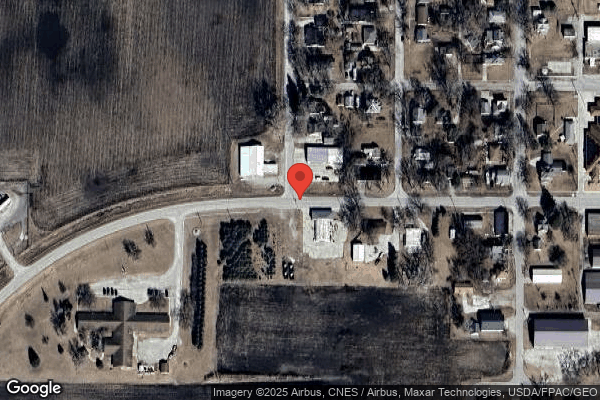
Titonka Care Center

312 FIRST AVENUE NW, TITONKA, IA 50480 (515) 928-2600
Non profit - Corporation 26 Beds Independent Data: November 2025
Trust Grade
80/100
#156 of 392 in IA
Last Inspection: April 2025

Within standard 12-15 month inspection cycle. Federal law requires annual inspections.

Overview

Titonka Care Center has a Trust Grade of B+, which means it is recommended and above average in quality. It ranks #156 out of 392 nursing homes in Iowa, placing it in the top half of facilities statewide, and is #3 out of 4 in Kossuth County, indicating only one other local option is better. However, the facility's trend is worsening, with issues increasing from 2 in 2024 to 7 in 2025. Staffing is a strong point, with a perfect 5/5 star rating and a turnover rate of 42%, which is slightly below the state average. Notably, there have been no fines recorded, and the center has more RN coverage than 90% of Iowa facilities, ensuring better oversight of resident care. Despite these strengths, there are significant concerns. The facility has not employed a licensed Administrator since the previous one left in October 2024, and they are not actively seeking a replacement. Additionally, the center has failed to implement a necessary legionella water management program, raising potential health risks. Finally, they did not report required payroll data for the first quarter of 2024 due to a procedural error, indicating potential administrative oversight. Families considering this nursing home should weigh these strengths against the identified weaknesses.

Trust Score
B+
80/100
In Iowa
#156/392
Top 39%
Safety Record
Low Risk
No red flags
Inspections
Getting Worse
2 → 7 violations
Staff Stability
○ Average
42% turnover. Near Iowa's 48% average. Typical for the industry.
Penalties
✓ Good
No fines on record. Clean compliance history, better than most Iowa facilities.
Skilled Nurses
✓ Good
Each resident gets 70 minutes of Registered Nurse (RN) attention daily — more than 97% of Iowa nursing homes. RNs are the most trained staff who catch health problems before they become serious.
Violations
⚠ Watch
11 deficiencies on record. Higher than average. Multiple issues found across inspections.
★★★★☆
4.0
Overall Rating
★★★★★
5.0
Staff Levels
★★★★★
5.0
Care Quality
★★☆☆☆
2.0
Inspection Score
Stable
2024: 2 issues
2025: 7 issues

The Good

  • 5-Star Staffing Rating · Excellent nurse staffing levels
  • 5-Star Quality Measures · Strong clinical quality outcomes
  • Full Sprinkler Coverage · Fire safety systems throughout facility
  • No fines on record
  • Staff turnover below average (42%)

    6 points below Iowa average of 48%

Facility shows strength in staffing levels, quality measures, fire safety.

The Bad

Staff Turnover: 42%

Near Iowa avg (46%)

Typical for the industry

The Ugly 11 deficiencies on record

Apr 2025 7 deficiencies
CONCERN (D)

Potential for Harm - no one hurt, but risky conditions existed

Deficiency F0625 (Tag F0625)

Could have caused harm · This affected 1 resident

**NOTE- TERMS IN BRACKETS HAVE BEEN EDITED TO PROTECT CONFIDENTIALITY** Based on clinical record review, staff interview and policy review the facility failed to obtain a bed hold notification for 1 o...

Read full inspector narrative →
**NOTE- TERMS IN BRACKETS HAVE BEEN EDITED TO PROTECT CONFIDENTIALITY** Based on clinical record review, staff interview and policy review the facility failed to obtain a bed hold notification for 1 of 2 residents reviewed (Resident #2). The facility reported a census of 21. Findings include: Review of Resident #2's Electronic Healthcare Record (EHR) revealed Resident #2 was in the hospital from [DATE] to 12/9/24. Review for bed hold notification for Resident #2 revealed there was no bed hold form to review for the dates of hospitalization. During interview on 4/16/25 at 1:50 PM the Director of Nursing (DON) stated that they haven't been doing the bed holds. The DON stated she thought they didn't have to do them anymore. The DON stated they don't have a formal form, but they do talk with the families regarding the bed hold. The DON stated they don't have a place to document that. The DON stated she will put this in place. Review of the facility provided policy dated 7/28/2017, titled Bed Hold revealed: The bed hold policy refers to the desire to Hold a resident's bed in cases in which a resident is not in the facility overnight. This could include, but is not limited to situations such as a resident being in the hospital or staying overnight with the family. Private pay residents that choose to hold the bed will be billed for the day at the regular rate. If a private pay Resident decides to not hold the bed and pay the full daily rate, the resident will be considered discharged from the facility and will remove all personal items. Bed hold days for Medicaid eligible residents for temporary absences will be covered as follows: when absent due to hospitalization for a period not to exceed ten days in any calendar month. After ten days, upon the discretion of the facility, the facility may choose to discharge a resident following normal discharge procedure. And when absent overnight for the purpose of visitation or vacation for a period not to exceed eighteen days in any calendar year.
CONCERN (D)

Potential for Harm - no one hurt, but risky conditions existed

Deficiency F0658 (Tag F0658)

Could have caused harm · This affected 1 resident

**NOTE- TERMS IN BRACKETS HAVE BEEN EDITED TO PROTECT CONFIDENTIALITY** Based on observation, record review, policy review, resident and staff interviews, the facility failed to administer medications...

Read full inspector narrative →
**NOTE- TERMS IN BRACKETS HAVE BEEN EDITED TO PROTECT CONFIDENTIALITY** Based on observation, record review, policy review, resident and staff interviews, the facility failed to administer medications per physician orders and failed to accurately record follow up to a medication for 1 of 1 residents reviewed (Resident #9). The facility reported a census of 21 residents. Findings include: Resident #9's Minimum Data Set (MDS) assessment dated [DATE] documented a Brief Interview of Mental Status (BIMS) score of 14 indicating intact cognition. The MDS include diagnoses of Seizure disorder or Epilepsy, hypertension and peripheral autonomic neuropathy. The MDS documented Resident #9 was taking anticonvulsant medications during the 7 day look back period. During an observation on 4/15/25 at 7:50 AM, Resident #9 reported to Staff B, Registered Nurse (RN) that her medications from 4/14/25 evening are still in her room on her tray table. Resident #9 reported she must have fallen asleep and the nurse had brought them in but didn't wake her for them so she never took them. Resident #9 reported she knew they were her evening medications because her seizure medication was in it. During an interview on 4/15/25 at 8:00 AM the Assistant Director of Nursing (ADON) reported Staff C, RN was the nurse last evening and that she has Resident #9's medications from last night pointing to the medications on her desk. The ADON reported Resident #9's seizure medication, Tylenol and cold medication is what she had. She reported Staff C should not have left the medications for the resident to take. Review of the Resident #9's April 2025 Medication Administration Record documented the Phenytoin (anticonvulsant for seizures), Tylenol and DayQuil Severe medications were signed that they were taken. It further documented Staff C, RN also did a follow up to the cold medication that was not taken saying it was effective. During an interview on 4/15/25 at 3:10 PM the Director of Nursing (DON) reported Resident #9's last lab for her seizure medication was low so they are rechecking it since the medication was not taken last night. During an interview on 4/17/25 at 9:45 AM the DON reported she was the one who called Staff C, RN about the medications not taken and Staff C, RN reported to the DON she normally doesn't leave the medications in the room and for follow ups to as needed medications such as cough medication the nurse should follow up with the resident to see that it was effective. The facility policy Medication Variance dated 4/16/25 documents the purpose is to manage accountability of the staff involved in the medication system.
CONCERN (D)

Potential for Harm - no one hurt, but risky conditions existed

Quality of Care (Tag F0684)

Could have caused harm · This affected 1 resident

**NOTE- TERMS IN BRACKETS HAVE BEEN EDITED TO PROTECT CONFIDENTIALITY** Based on clinical record reviews, staff interviews and policy review, the facility failed to do neurological assessments with un...

Read full inspector narrative →
**NOTE- TERMS IN BRACKETS HAVE BEEN EDITED TO PROTECT CONFIDENTIALITY** Based on clinical record reviews, staff interviews and policy review, the facility failed to do neurological assessments with unwitnessed falls for 1 of 1 residents reviewed (Resident #1). Resident #1 had 14 falls since May 2024, out of those 14 falls the facility failed to do neurological assessments on 7 of those unwitnessed falls. Findings include: The Minimum Data Set (MDS) dated for 1/23/25 for Resident #1 included diagnoses of Alzheimer 's dementia, anxiety disorder, depression and bipolar disorder. Resident #1's MDS dated [DATE] identified a Brief Interview for Mental Status (BIMS) score of 00, indicating severe impaired cognition. The Facility Incident Reports (IR) documented from 7/30/24 to 12/5/24 revealed Resident #1 had unwitnessed falls on these dates 7/30/24, 8/12/24, 8/18/24, 9/21/24, 9/22/24, 10/7/24, and 12/5/24 and the facility failed to do neurological assessments each time. Review of the IR dated 7/30/24 at 8:08 PM revealed Resident #1 had an unwitnessed fall in his room. Resident #1 was found in his room sitting on the floor in front of his recliner. Resident #1 denied hitting his head. The IR revealed neurological assessment completed within normal limits for Resident #1. The facility failed to complete neurological assessments for this fall. Review of the IR dated 8/12/24 at 5:55 PM revealed Resident #1 had an unwitnessed fall in his room. Resident #1 he had slid out of his recliner and was found on the floor. The facility failed to complete neurological assessment for this fall. Review of the IR dated 8/18/24 at 6:50 PM revealed Resident #1 had an unwitnessed fall in the lobby. Resident #1 was found on his knees with his w/c behind him. The facility failed to complete neurological assessment for this resident. Review of the IR dated 9/21/24 at 5:00 PM revealed Resident #1 had an unwitnessed fall in his room. Resident #1 was found on the floor in front of his recliner. Resident #1 denied hitting his head. The facility failed to complete neurological assessment for this resident. Review of the IR dated 9/22/24 at 2:02 PM revealed Resident #1 had an unwitnessed fall in his room. Resident #1 was found on the floor next to his recliner. The facility failed to complete neurological assessment for this resident. Review of the IR dated 10/7/24 at 4:54 PM revealed Resident #1 had an unwitnessed fall in his room. Resident #1 was found sitting on the floor in front of his recliner. The facility failed to complete neurological assessment for this resident. Review of the IR dated 12/5/24 at 5:37 PM revealed Resident #1 had an unwitnessed fall in the hallway. Resident #1 was found sitting on the floor in the hallway. The facility failed to complete neurological assessment for this resident. Review of the facility's policy named Neurological assessment dated [DATE] revealed: The neurological assessments must be completed on any resident with a suspected head injury and all unwitnessed falls. If a resident is alert and oriented and has a BIMS score of 12 or higher, neuro checks do not have to be done if they tell you they did not hit their head and no head injury is noted or suspected. The first neuro check must be done before moving the resident after the fall. Neuro checks must be performed as follows: a. Initial, then every 30 minutes times 3 b. Every hour times 2 c. Every four hours times 2 d. Every eight hours times 2 If any abnormal findings are present, neuro checks must be done more frequently. Notify the primary care physician of the incident/accident as soon as possible. Notify the primary care physician of any abnormal findings immediately. Notify the Director of Nursing (DON) and Administrator of all falls. Document all vital signs from neuro check worksheet into electronic health record. a. File a new assessment (listed as neurological Assessment) for each of the vital signs. b. Save each assessment in the electronic health record with the time that the assessment was done so it matches the time of the vital signs During interview on 4/16/25 at 1:48 PM the Director of Nursing (DON) stated that the expectation is to do neurological assessment when the resident has an unwitnessed fall. During interview on 4/16/25 at 2:30 PM the DON acknowledged and verified the neurological assessments were not completed for these seven falls. The DON stated that five of them were documented as he denied hitting his head, so the DON felt they didn't do the neuro's due to this. The DON stated she knows the facility has not been doing the neuro's like they are supposed to. The DON stated that she has redone the neuro policy as of 4/3/25 and will be educating the staff regarding this.
CONCERN (D)

Potential for Harm - no one hurt, but risky conditions existed

Respiratory Care (Tag F0695)

Could have caused harm · This affected 1 resident

**NOTE- TERMS IN BRACKETS HAVE BEEN EDITED TO PROTECT CONFIDENTIALITY** Based on observations, record review, staff interviews and policy reviews, the facility failed to change and label oxygen tubing...

Read full inspector narrative →
**NOTE- TERMS IN BRACKETS HAVE BEEN EDITED TO PROTECT CONFIDENTIALITY** Based on observations, record review, staff interviews and policy reviews, the facility failed to change and label oxygen tubing for 1 of 1 residents reviewed (Resident #2). The facility reported a census of 21. Findings include: 1. The Minimum Data Set (MDS) assessment dated [DATE] for Resident #2 documented diagnoses of heart failure, hypertension (high blood pressure), diabetes mellitus. The MDS showed the Brief Interview for Mental Status (BIMS) score of 15, indicating intact cognition. On 4/14/25 at 1:03 PM an observation was made regarding Resident #2's oxygen tubing. The oxygen tubing lacked a date of when it was last changed. On 4/15/25 at 7:30 AM during medication administration Resident #2 reported to the nurse he needed new oxygen tubing because his tubing was hard and made a sore in his nose. Resident #2 told the nurse he wears it every night so needs it changed. On 4/15/25 at 3:55 PM the Director of Nursing (DON) stated it should be on the medication administration sheet (MAR) or the treatment administration sheet (TAR) to give directions to the staff to change the oxygen tubing. Review of the MAR for March and April of 2025 lacked information regarding changing the oxygen tubing or when to change it. On 4/15/25 at 4:05 PM, an interview with Resident #2 revealed he had not had his tubing changed as of yet today. Resident #2 stated he did say something about it this morning to the nurse because the tubing is getting hard and giving him a sore in his nose. Resident #2 stated he didn't think it had changed in the last thirty days. Resident #2 stated he would like to have it changed every two weeks. Observations made at this time, oxygen tubing had not been changed, and continued with no date on it. Review of the undated facility provided policy titled Administration of Oxygen Therapy revealed the purpose is to administer oxygen to prevent or due to hypoxia, to deliver low flow oxygen concentration with nasal cannula, to deliver medium concentration of oxygen by mask, to deliver high humidity to the upper respiratory tract. The policy stated to change water in the humidifier bottle daily and to change the mask, cannula and bottle weekly. Interview with DON on 4/16/25 at 2:29 PM revealed she is not sure how that was missed, it is in the standing orders and should have been pulled over to put on the TAR to give guidance to the staff.
CONCERN (D)

Potential for Harm - no one hurt, but risky conditions existed

Medication Errors (Tag F0758)

Could have caused harm · This affected 1 resident

**NOTE- TERMS IN BRACKETS HAVE BEEN EDITED TO PROTECT CONFIDENTIALITY** Based on record review, interviews, and policy review , the facility failed to ensure residents whom the facility administered p...

Read full inspector narrative →
**NOTE- TERMS IN BRACKETS HAVE BEEN EDITED TO PROTECT CONFIDENTIALITY** Based on record review, interviews, and policy review , the facility failed to ensure residents whom the facility administered psychotropic medications were monitored for targeted behaviors and failed to utilize non-pharmacological interventions for 1 of 5 residents reviewed (Resident #12). The facility reported a census of 21 residents. Findings include: Resident #12's Minimum Data Set (MDS) assessment dated [DATE] documented a Brief Interview of Mental Status (BIMS) score of 15 indicating intact cognition. The MDS include diagnoses of anxiety, depression and suicidal ideations. The MDS documented Resident #5 was taking anti-anxiety and antidepressant medications during the 7 day look back period Review of Resident #12's Progress Notes documented the resident receiving Lorazepam as needed due to crying and restlessness on 4/12/25 and 4/8/25 but no non-pharmacological interventions were documented prior to giving the medication. Review of Resident #12's Care Plan documented she uses antidepressant and anti-anxiety medications for for anxiety, depression, and suicidal ideations with a goal that she will be free from discomfort or adverse reactions related to anti-anxiety and antidepressant therapy. It directed staff to monitor for side effects and effectiveness of the medications. The Care Plan lacked documentation of targeted behaviors and non-pharmacological interventions for the staff for her anxiety, depression and suicidal ideations. During an interview on 4/16/25 at 2:25 PM the Director of Nursing reported the facility does not know much about Resident #12 to put interventions on the care plan that are non-pharmacological interventions. She reported the facility currently does not have things in place for monitoring the targeted behaviors for Resident #12.
CONCERN (F)

Potential for Harm - no one hurt, but risky conditions existed

Deficiency F0836 (Tag F0836)

Could have caused harm · This affected most or all residents

Based on facility record review and staff interviews, the facility failed to employ a licensed Administrator. The facility reported a census of 21 residents. Findings include: During an interview on 4...

Read full inspector narrative →
Based on facility record review and staff interviews, the facility failed to employ a licensed Administrator. The facility reported a census of 21 residents. Findings include: During an interview on 4/14/25 at 10:31 AM, the Director of Nursing (DON) reported she has applied for Provisional Administrator and has not been approved yet. She reported the prior Administrator had left back in October around 18th-21st but not sure of the date. During an interview on 4/17/25 at 9:11 AM, the DON reported the former Administrator was available by phone if they would need her but she was not employed by the facility and had not been in the building since October 20th. She reported the facility was not actively looking for an Administrator and has not been.
CONCERN (F)

Potential for Harm - no one hurt, but risky conditions existed

Infection Control (Tag F0880)

Could have caused harm · This affected most or all residents

Based on observation, infection control policy and staff interview, the facility failed to initiate a legionella water program for the facility. The facility reported a total census of 21 residents. F...

Read full inspector narrative →
Based on observation, infection control policy and staff interview, the facility failed to initiate a legionella water program for the facility. The facility reported a total census of 21 residents. Findings include: During interview on 4/17/25 at 10:30 AM., with Staff A, Maintenance, was unable to explain what the facility was currently doing to prevent Legionella growth in the facility. Staff A stated he wasn't sure what needed to be done for the legionella water program. Staff A stated the previous Administrator was in charge of the Legionella water program. Staff A stated this person left the facility in June 2024. Staff A stated there has not been any temperatures taken of the hot water system since June of 2024. Staff A stated he does run water down the drains at random times but does not have any documentation of this. Staff A stated the city does test for Legionella. Review of facility provided policy titled Legionella Prevention Policy and Procedure with a date of 1/2/24 revealed Legionella is usually spread through water droplets in the air. Legionella lives in fresh water, but can live in man-made settings if water is not properly maintained. It becomes a problem when small droplets of water contain the bacteria and get into the air and people breath them in. It grows best in building water systems that are not well maintained. The key to preventing Legionnaires ' disease is to make sure that building owners and managers maintain building water systems in order to reduce the risk of Legionella growth and spread. Examples of building water systems that might grow and spread Legionella include: Hot tubs Hot water tanks and heaters Large Plumbing systems Cooling towers (structures that contain water and a fan as part of centralized air-cooling systems for building or industrial processes) Decorative fountains During interview on 4/17/25 9:25 AM the Director of Nursing (DON) reported that maintenance doesn't know what needs to be done for water testing or what needs to be done for Legionella. The DON reported she just got information on what needs to be in the Legionella policy as to what the facility needs to be doing.
May 2024 2 deficiencies
CONCERN (F)

Potential for Harm - no one hurt, but risky conditions existed

Staffing Data (Tag F0851)

Could have caused harm · This affected most or all residents

Based on record review and staff interview, the facility failed to report Payroll Based Journal (PBJ) during the 1st quarter of fiscal year 2024. The facility reported a census of 13 residents. Findi...

Read full inspector narrative →
Based on record review and staff interview, the facility failed to report Payroll Based Journal (PBJ) during the 1st quarter of fiscal year 2024. The facility reported a census of 13 residents. Findings include: Review of the PBJ report provided by the Center of Medicare and Medicaid Services (CMS) for Fiscal year (FY) 2024 quarter one, indicated the facility did not submit PBJ data. Review of CMS Submission Report titled PBJ on Demand Final File Validation Report dated 2/12/24 revealed the data file was rejected as the reporting period selected on the upload screen did not match submitted XML. On 4/30/24 at 3:28 PM, the Director of Nursing (DON) reported the previous Business Office Manager (BOM) submitted the PBJ data on 2/12/24 but there was a fatal error and the file was rejected. The DON stated the BOM resigned on 2/14/24 and the error was not followed up on. The DON reported she now has access and was educated on the PBJ process. On 4/30/24 at 5:30 PM, the DON reported the facility did not have a PBJ policy but does now.
CONCERN (F)

Potential for Harm - no one hurt, but risky conditions existed

Infection Control (Tag F0880)

Could have caused harm · This affected most or all residents

**NOTE- TERMS IN BRACKETS HAVE BEEN EDITED TO PROTECT CONFIDENTIALITY** Based on observations, staff interviews, and policy review, the facility failed to provide a safe and sanitary environment to he...

Read full inspector narrative →
**NOTE- TERMS IN BRACKETS HAVE BEEN EDITED TO PROTECT CONFIDENTIALITY** Based on observations, staff interviews, and policy review, the facility failed to provide a safe and sanitary environment to help prevent the development and transmission of communicable diseases and infections for 2 of 2 residents reviewed (Residents #1, #8). The facility failed to complete hand hygiene after removing gloves and did not complete an annual review of the infection control policies/procedures. The facility reported a census of 13 residents. Findings include: 1. Resident #1 ' s Minimum Data Set (MDS) dated [DATE] assessment identified a Brief Interview for Mental Status (BIMS) score of 06, indicating severe cognitive impairment. The MDS identified Resident #1 was independent with bed mobility and required substantial/maximal assistance with transfers and toileting. Resident #1 ' s MDS included diagnoses of Alzheimer's dementia, non-alzheimer ' s dementia, anxiety, depression, bipolar disorder, and an open wound to the left shoulder. A Physician Order dated 1/16/24 for Resident #1 directed staff to cleanse the left shoulder wound with normal saline, pat dry, apply bacitracin (antibiotic ointment) and ABD (abdominal gauze pad), secure with tape every day and as needed. A Hospital form titled Microbiology Reference dated 4/26/24 documented Resident #1 ' s wound culture from the left shoulder wound revealed organism of Staphylococcus Aureus(gram positive bacteria) was present in the wound. A Physician order dated 4/29/24 directed staff to administer Linezolid (antibiotic) 600 mg (milligrams) one tablet by mouth two times a day for 7 days for an infection to the left shoulder. On 5/1/24 at 9:30 AM, observed Staff A, RN (Registered Nurse) complete a dressing change to Resident #1 ' s left shoulder wound. Staff A set up the wound care supplies on top of a barrier on a tray table which did not include hand sanitizer. Staff A applied a gown before entering Resident #1 ' s room. Staff A washed hands in the room and applied gloves. Staff A removed the old dressing that was not labeled/dated from Resident #1 left shoulder. Staff A removed/discarded gloves and washed her hands with soap and water. Staff A applied a new pair of gloves and took the wound cleanser and sprayed the cleanser on the gauze pads. Staff A cleansed the left shoulder wound two times. After cleansing the wound, Staff A removed/discarded gloves and applied a new pair of gloves without completing hand hygiene. Staff A applied bacitracin ointment to her gloved finger and then proceeded to open up the ABD package and cut the ABD pad in two with a pair of scissors resulting in the ointment being smeared on her gloved hand. Staff A then applied bacitracin directly to the ABD pad and applied it to the wound. Staff A removed/discarded her gloves and applied a new pair of gloves without completing hand hygiene. Staff A took the roll of tape, tore pieces of tape off the roll and secured the ABD pad with the tape to the left shoulder. Staff A acknowledged and verified she did not complete hand hygiene after removing the gloves during the wound care. 2. Resident #8 ' s Minimum Data Set (MDS) dated [DATE] assessment identified a Brief Interview for Mental Status (BIMS) score of 12, indicating intact cognition. The MDS identified Resident #8 required substantial/maximal assistance with bed mobility. The MDS further documented Resident #8 was dependent on staff for transfers and toileting. The MDS identified Resident #8 had a colostomy (bag that holds stool). Resident #8 ' s MDS included diagnoses of anemia, hypertension, ulcerative colitis (chronic, inflammatory bowel disease), and anxiety. On 04/30/24 at 10:15 AM observed Staff A, RN empty Resident #8 ' s colostomy bag. Resident #8 was sitting on the toilet. Staff A washed hands and applied gloves. Staff A used a graduate to empty stool contents from the colostomy bag. Staff A placed a barrier on the floor to sit graduate on while she cleansed the end of the bag with a incontinent wipe and then placed a clamp on the end of the bag. Staff A removed/discarded gloves, adjusted the resident's brief and applied new gloves without completing hand hygiene. Staff A then took the covered graduate with stool contents outside of the room to be emptied. 3. Review of the Infection Control Policy and Procedures revealed the facility did not review the policies annually. The following policies documented the following dates: a. Standard Precaution Policy- No revised or reviewed date b. Contact Precaution Policy- Revised 2/29/16 c. Airborne Precaution Policy- No revised or reviewed date d. Droplet Precaution Policy- No revised or reviewed date e. Infection Control Program Policy- No revised or reviewed date f. Infection Control Precautions Guidelines Policy- dated 12/2016 g. Infection Control Program Surveillance System- dated 12/2016 h. Pneumococcal Vaccination Policy- dated 12/2016 i. Influenza Vaccination Policy- dated 12/2016 On 5/1/24 at 11:25 AM, The Director of Nursing (DON) reported she would expect hand hygiene to be completed when removing gloves and when going from a dirty to clean task. On 5/1/24 at 3:15 PM, The DON reported the infection control policies were a work in progress and that she tried to review the policies annually. The DON stated the policies are kind of a mess. The DON verified that the Medical Director had not reviewed the infection control policies. The undated facility policy titled Standard Precautions directed staff to complete hand washing immediately after gloves are removed. The policy further documented it may be necessary to wash hands between tasks and procedures on the same resident to prevent cross contamination.
Feb 2023 2 deficiencies
CONCERN (D) 📢 Someone Reported This

A family member, employee, or ombudsman was alarmed enough to file a formal complaint

Potential for Harm - no one hurt, but risky conditions existed

Free from Abuse/Neglect (Tag F0600)

Could have caused harm · This affected 1 resident

**NOTE- TERMS IN BRACKETS HAVE BEEN EDITED TO PROTECT CONFIDENTIALITY** Based on interviews, record review, document review, and policy review, the facility failed to ensure residents were free from s...

Read full inspector narrative →
**NOTE- TERMS IN BRACKETS HAVE BEEN EDITED TO PROTECT CONFIDENTIALITY** Based on interviews, record review, document review, and policy review, the facility failed to ensure residents were free from staff-to-resident verbal / mental abuse and psychosocial harm for 2 of 2 sampled residents reviewed for abuse, (Residents #1 and #10). Specifically, Certified Nursing Assistant (CNA) #10 verbally abused Resident #1 on 09/13/2022 and was overheard by other staff members but was not removed from the facility until after the CNA verbally abused Resident #10 during the same shift. This had the potential to affect all 23 residents who resided in the facility. Findings included: Review of a facility policy titled, Abuse Prevention and Identification, dated 12/12/2022, specified, Responsibility: All employees of a care facility. Purpose: 1. To protect residents from verbal, sexual, physical, and mental abuse, corporal punishment and involuntary seclusion. Abuse - is defined as the willful infliction of injury, unreasonable confinement, intimidation, or punishment with resulting physical harm, or pain or mental anguish, or deprivation by an individual, including a caretaker, of goods or services that are necessary to attain or maintain physical, mental, and; psychosocial well-being. This presumes that instances of abuse of all residents, even those in a coma, cause physical harm, or pain or mental anguish. Verbal Abuse - is defined as any use of oral written or gestured language that willfully includes disparaging and derogatory terms to residents or their families, or within their hearing distance, regardless of their age, ability to comprehend, or disability. Additionally, the policy defined mental abuse included, but was not limited to, humiliation, harassment, threats of punishment, or deprivation. The policy also indicated, The staff will assure that no resident is subjected to abuse through words or deeds of any person. Additionally, the policy indicated, 6. The facility will immediately begin a thorough investigation of the alleged abuse by interviewing the resident, if able to do so, the person reporting the incident or all other persons as appropriate to the alleged incident. 7. To prevent further potential abuse, the facility will reassign, or suspend the alleged perpetrator until the investigation is completed and a determination of the charge has or has not been substantiated. 3. When a report of suspected or alleged abuse is made to a Charge Nurse / Supervisor, the person to whom it is reported will immediately begin the investigation process. 4. To protect the resident during the investigation, the staff member will be immediately reassigned, removed or suspended from the resident's area. A review of a Medical Diagnosis list in Resident #1's electronic medical record revealed the facility admitted the resident with diagnoses that included cerebral aneurysm post-surgical repair, dementia, mood disorder, anxiety disorder, and heart failure. A quarterly Minimum Data Set (MDS), dated [DATE], revealed Resident #1 was severely cognitively impaired per a staff assessment for mental status. The MDS indicated the resident required extensive assistance of two or more people for bed mobility, toilet use, and personal hygiene. According to the MDS, the resident was frequently incontinent of bladder and always incontinent of bowel. A review of Resident #1's Care Plan, dated as initiated on 05/24/2021, indicated the resident had an activities of daily living self-care performance deficit related to advanced age and non-weight bearing status. The care plan included an intervention to provide perineal care twice a day and with each incontinent episode. A review of a Medical Diagnosis list in Resident #10's electronic medical record revealed the resident had diagnoses that included dementia, osteoarthritis right hip, difficulty walking, and venous insufficiency. The quarterly Minimum Data Set (MDS), dated [DATE], revealed Resident #10 had a Brief Interview for Mental Status (BIMS) score of zero, indicating the resident was severely cognitively impaired. The MDS indicated the resident required extensive assistance of two or more people for toileting and was totally dependent on the physical assistance of two or more people for transfers. Additionally, the MDS indicated the resident was frequently incontinent of bowel and bladder. A review of Resident #10's Care Plan, dated 08/25/2021, indicated the resident was at risk for an activities of daily living performance deficit due to reduced mobility and advanced age. Interventions included providing pericare twice daily and as needed (PRN) for incontinence episodes. Review of a written statement, dated 09/13/2022 and signed by Licensed Practical Nurse (LPN) #13, revealed the LPN was walking down the hall when she overheard CNA #10 getting verbally stern with Resident #1. The statement indicated LPN #13 heard CNA #10 telling Resident #1 to stop crying and you pooped. The LPN's statement indicated CNA #12 (the CNA who was assisting CNA #10 with Resident #1's incontinence care) pulled the LPN aside and reported that the resident was crying due to having been incontinent of bowel, and CNA #10 had yelled at the resident during incontinent care because the resident was crying. The LPN's statement indicated CNA #12 told her that CNA #10 had yelled, You did this all to yourself. Stop crying. You are pushing my limits. You pooped yourself. The statement indicated the LPN immediately notified the Director of Nursing (DON). Additionally, LPN #13's statement indicated CNA #12 came to her again and reported that CNA #12 was awful to another resident. According to the statement, CNA #12 reported that when CNA #10 was right in front of Resident #10, she stated, [Resident] stinks, can't you smell that? [Resident #10] you stink. The statement indicated LPN #13 then pulled CNA #10 aside and told her this behavior was not accepted and told her to leave. Review of a written statement, dated 09/13/2022 and signed by CNA #12, revealed CNA #12 was assisting Resident #1 with CNA #10 and the resident was crying because the resident had soiled him/herself. CNA #12 was trying to comfort the resident when CNA #10 stated, You did this to yourself so stop crying. You're pushing my limits. You pooped yourself. Additionally, the statement indicated CNA #10 was shoving the resident during repositioning. CNA #12's statement indicated a nurse was in the hall and overheard part of the conversation, and CNA #12 pulled the nurse aside to report what had happened. The statement further indicated, Right after that, I assisted [CNA #10] with [Resident #10] and CNA #10 stated the resident, stinks, can you smell that? [Resident #10] you stink. The statement indicated Resident #10, was right there when this happened. I immediately told nurse again. On 02/16/2023 at 8:52 AM, 12:00 PM, and 3:15 PM, the surveyor attempted to contact CNA #10 for a telephone interview and left messages requesting a return call. No return call was received. During an interview on 02/16/2023 at 12:50 PM, the Social Service Director (SSD) stated on the night of 09/13/2022, the charge nurse had called her stating she had been unable to reach the DON. She stated LPN #13 told her CNA #12 had observed/heard CNA #10 making unkind statements to two of the residents. She stated she was in the room when CNA #10 was interviewed on the morning of 09/14/2022 and did not think the CNA provided further information. The SSD stated she spoke with the involved residents and did not think they had concerns. The SSD was unable to provide documentation of interviews with additional residents. The SSD stated when Resident #1 was asked how staff treated them, the resident responded, good. During a telephone interview on 02/16/2023 at 1:43 PM, LPN #13 stated she was walking down the hall past Resident #1's room on 09/12/2022 when she heard CNA #10 say, You did this to yourself, you pooped yourself. She stated CNA #12 (the CNA who was assisting CNA #10) reported to LPN #13 having witnessed CNA #10 making those exact comments to Resident #1. CNA #12 also reported to the LPN that CNA #10 told Resident #10, You stink, can you smell that, you stink. The LPN stated she had not witnessed any prior episodes of abuse by CNA #10. She added that when she contacted the DON immediately after the incident occurred, the DON stated to remove the CNA from the facility immediately. The LPN stated CNA #10 did not return after being sent home that evening. According to LPN #13, neither Resident #1 nor Resident #10 appeared upset. She stated Resident #1 was asleep within an hour after the incident but did act as though something had happened. The LPN stated neither resident would have been capable of expressing their emotions. During an interview on 02/16/23 at 3:19 PM, the DON and the Administrator were asked if the facility determined abuse had occurred. They stated the investigation determined there was probable cause to believe CNA #10 had acted inappropriately, and this was the third time the CNA had caused the facility to have to self-report. They decided to terminate her. According to the DON and Administrator, skin assessments were completed on both residents, and all residents received their weekly skin assessments after the incident occurred. Additionally, the SSD interviewed the cognitively intact residents as part of the facility's investigation. As of the end of the survey on 02/16/2023, the facility had not provided documentation of interviews with cognitively intact residents conducted after the events on the evening of 09/13/2023 were provided. During a telephone interview on 02/16/2023 at 4:41 PM, CNA #12 stated Resident #1 was crying before she and CNA #10 provided incontinent care on the evening of 09/12/2022. She stated CNA #10 told the resident to stop crying because the resident pooped themself, and it was their own fault. CNA #12 added that CNA #10 had also told Resident #10, You stink, can you smell that, you stink. Review of a Staff Coaching document, dated 09/14/2022, revealed CNA #10 was terminated. The section for Reasons for Action indicated, On the evening of 09/13/2022 it was reported that you were verbally inappropriate with two residents, telling one of them one 'you stink' and telling another 'You did this to yourself so stop crying - you're pushing my limits. You pooped yourself. You were also physically rough with one of the above residents. The document indicated being verbally inappropriate as mentioned above was considered verbal abuse and being physically rough with a resident was considered physical abuse. The Corrective Actions included that the allegations were reported to the State Department of Inspections and Appeals (DIA) on the evening of 09/13/2022, and DIA had recommended that CNA #10 be sent home immediately and further recommended that CNA #10 be terminated from employment. Additionally, the document indicated the DIA would complete an investigation and determine if any charges would be brought against CNA #10. CNA #10 did not document a statement in the section of the document designated for Employee Comments. CNA #10 signed the form on 09/14/2022.
CONCERN (E)

Potential for Harm - no one hurt, but risky conditions existed

Deficiency F0888 (Tag F0888)

Could have caused harm · This affected multiple residents

Based on interviews, document review, and facility policy review, it was determined the facility failed to ensure COVID-19 vaccination status and exemptions were monitored and exemptions were obtained...

Read full inspector narrative →
Based on interviews, document review, and facility policy review, it was determined the facility failed to ensure COVID-19 vaccination status and exemptions were monitored and exemptions were obtained and documented for 10 of 51 staff reviewed for COVID-19 vaccination status, including 1 (Registered Nurse [RN] #7) of 6 staff selected for COVID-19 vaccination compliance review. Findings included: A review of the facility's undated policy titled, Employee Vaccination Policy, indicated, Employee vaccination status will be tracked and securely documented for each staff member, including those for whom there is a temporary delay in vaccination and those who requested an exemption. The policy further indicated, The staff member can accept or refuse a COVID-19 vaccine and change their decision. A review of the COVID-19 Staff Vaccination Status for Providers list indicated 10 staff members were not vaccinated; there were no documented exemptions or delays. The list indicated one activity employee, one laundry employee, one housekeeping employee, four certified nursing assistants, and three registered nurses were unvaccinated. The list indicated RN #7, who was one of six staff members selected for the COVID-19 vaccination compliance review, was not up to date with the COVID-19 vaccination boosters and had not been granted an exemption. During an interview on 02/16/2023 at 9:17 AM, the Office Manager (OM) indicated he did not have an exemption for Registered Nurse (RN) #7. The OM indicated RN #7 was supposed to send the exemption in that morning. The OM indicated until about one month ago Team Assist (TA) #9 was responsible for obtaining the exemptions, then it became his responsibility. The OM stated that yesterday, 02/15/2023, he was told if staff were not up to date with vaccinations, then they were required to get an exemption. During an interview on 02/16/2023 at 12:11 PM, the Director of Nursing (DON) indicated the OM was responsible for the exemptions. The DON indicated the OM should have obtained the exemptions once the staff stopped getting the boosters. The DON indicated she was ultimately responsible to make sure it got done or that the OM knew it needed to be done. The DON stated anyone that quit getting the shot should have gotten an exemption. The DON indicated the vaccination binder needed to be updated and needed to be audited to ensure it stayed updated. The DON indicated it was her expectation for the vaccination documentation to be organized and updated. During an interview on 02/16/2023 at 12:19 PM, the Administrator indicated his expectation was the vaccination statuses were kept updated and tracked and that audits were done periodically.
Understanding Severity Codes (click to expand)
Life-Threatening (Immediate Jeopardy)
J - Isolated K - Pattern L - Widespread
Actual Harm
G - Isolated H - Pattern I - Widespread
Potential for Harm
D - Isolated E - Pattern F - Widespread
No Harm (Minor)
A - Isolated B - Pattern C - Widespread

Questions to Ask on Your Visit

  • "Can I speak with families of current residents?"
  • "What's your RN coverage like on weekends and overnight?"

Our Honest Assessment

Strengths
  • • Grade B+ (80/100). Above average facility, better than most options in Iowa.
  • • No major safety red flags. No abuse findings, life-threatening violations, or SFF status.
  • • No fines on record. Clean compliance history, better than most Iowa facilities.
  • • 42% turnover. Below Iowa's 48% average. Good staff retention means consistent care.
Concerns
  • • 11 deficiencies on record. Higher than average. Multiple issues found across inspections.
Bottom line: Generally positive indicators. Standard due diligence and a personal visit recommended.

About This Facility

What is Titonka Care Center's CMS Rating?

CMS assigns Titonka Care Center an overall rating of 4 out of 5 stars, which is considered above average nationally. Within Iowa, this rating places the facility higher than 99% of the state's 100 nursing homes. This rating reflects solid performance across the metrics CMS uses to evaluate nursing home quality.

How is Titonka Care Center Staffed?

CMS rates Titonka Care Center's staffing level at 5 out of 5 stars, which is much above average compared to other nursing homes. Staff turnover is 42%, compared to the Iowa average of 46%. This relatively stable workforce can support continuity of care.

What Have Inspectors Found at Titonka Care Center?

State health inspectors documented 11 deficiencies at Titonka Care Center during 2023 to 2025. These included: 11 with potential for harm.

Who Owns and Operates Titonka Care Center?

Titonka Care Center is owned by a non-profit organization. Non-profit facilities reinvest revenue into operations rather than distributing to shareholders. The facility operates independently rather than as part of a larger chain. With 26 certified beds and approximately 19 residents (about 73% occupancy), it is a smaller facility located in TITONKA, Iowa.

How Does Titonka Care Center Compare to Other Iowa Nursing Homes?

Compared to the 100 nursing homes in Iowa, Titonka Care Center's overall rating (4 stars) is above the state average of 3.1, staff turnover (42%) is near the state average of 46%, and health inspection rating (2 stars) is below the national benchmark.

What Should Families Ask When Visiting Titonka Care Center?

Based on this facility's data, families visiting should ask: "Can I visit during a mealtime to observe dining assistance and food quality?" "How do you handle medical emergencies, and what is your hospital transfer rate?" "Can I speak with family members of current residents about their experience?"

Is Titonka Care Center Safe?

Based on CMS inspection data, Titonka Care Center has a clean safety record: no substantiated abuse findings (meaning no confirmed cases of resident harm), no Immediate Jeopardy citations (the most serious violation level indicating risk of serious injury or death), and is not on the Special Focus Facility watch list (a federal program monitoring the lowest-performing 1% of nursing homes). The facility has a 4-star overall rating and ranks #1 of 100 nursing homes in Iowa. While no facility is perfect, families should still ask about staff-to-resident ratios and recent inspection results during their visit.

Do Nurses at Titonka Care Center Stick Around?

Titonka Care Center has a staff turnover rate of 42%, which is about average for Iowa nursing homes (state average: 46%). Moderate turnover is common in nursing homes, but families should still ask about staff tenure and how the facility maintains care continuity when employees leave.

Was Titonka Care Center Ever Fined?

Titonka Care Center has no federal fines on record. CMS issues fines when nursing homes fail to meet care standards or don't correct problems found during inspections. The absence of fines suggests the facility has either maintained compliance or corrected any issues before penalties were assessed. This is a positive indicator, though families should still review recent inspection reports for the full picture.

Is Titonka Care Center on Any Federal Watch List?

Titonka Care Center is not on any federal watch list. The most significant is the Special Focus Facility (SFF) program, which identifies the bottom 1% of nursing homes nationally based on persistent, serious quality problems. Not being on this list means the facility has avoided the pattern of deficiencies that triggers enhanced federal oversight. This is a positive indicator, though families should still review the facility's inspection history directly.