The Vinton Lutheran Home
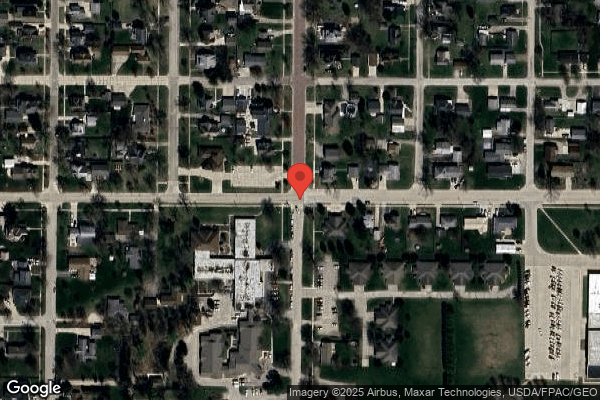
1301 Second Avenue South, Vinton, IA 52349 (319) 472-4751
Non profit - Corporation 61 Beds Independent Data: November 2025
Trust Grade
68/100
#154 of 392 in IA
Last Inspection: April 2025

Within standard 12-15 month inspection cycle. Federal law requires annual inspections.

Overview

The Vinton Lutheran Home has a Trust Grade of C+, indicating that it is slightly above average but not without concerns. It ranks #154 out of 392 facilities in Iowa, placing it in the top half, and #3 out of 4 in Benton County, suggesting only one other local option is better. The facility is improving, having reduced issues from 7 in 2024 to 3 in 2025, but still faces challenges, including staffing concerns as it has less RN coverage than 78% of Iowa facilities. Specific incidents include a resident being injured due to inadequate supervision during a transfer, and another resident on a pureed diet not receiving proper food choices, which raises questions about nutrition and care quality. While staffing is strong with a 5/5 star rating and a turnover rate below the state average at 42%, the presence of $3,250 in fines and some serious concerns indicates that families should weigh both the strengths and weaknesses of this facility carefully.

Trust Score
C+
68/100
In Iowa
#154/392
Top 39%
Safety Record
Moderate
Needs review
Inspections
Getting Better
7 → 3 violations
Staff Stability
○ Average
42% turnover. Near Iowa's 48% average. Typical for the industry.
Penalties
⚠ Watch
$3,250 in fines. Higher than 80% of Iowa facilities, suggesting repeated compliance issues.
Skilled Nurses
○ Average
Each resident gets 35 minutes of Registered Nurse (RN) attention daily — about average for Iowa. RNs are the most trained staff who monitor for health changes.
Violations
⚠ Watch
20 deficiencies on record. Higher than average. Multiple issues found across inspections.
★★★★☆
4.0
Overall Rating
★★★★★
5.0
Staff Levels
★★☆☆☆
2.0
Care Quality
★★★☆☆
3.0
Inspection Score
Stable
2024: 7 issues
2025: 3 issues

The Good

  • 5-Star Staffing Rating · Excellent nurse staffing levels
  • Full Sprinkler Coverage · Fire safety systems throughout facility
  • No fines on record
  • Staff turnover below average (42%)

    6 points below Iowa average of 48%

Facility shows strength in staffing levels, fire safety.

The Bad

Staff Turnover: 42%

Near Iowa avg (46%)

Typical for the industry

Federal Fines: $3,250

Below median ($33,413)

Minor penalties assessed

The Ugly 20 deficiencies on record

1 actual harm
Apr 2025 3 deficiencies
CONCERN (D)

Potential for Harm - no one hurt, but risky conditions existed

Medication Errors (Tag F0758)

Could have caused harm · This affected 1 resident

**NOTE- TERMS IN BRACKETS HAVE BEEN EDITED TO PROTECT CONFIDENTIALITY** 2. The MDS dated [DATE] for Resident #19 revealed a BIMS of 99 indicating the interview was not able to be completed. The MDS fu...

Read full inspector narrative →
**NOTE- TERMS IN BRACKETS HAVE BEEN EDITED TO PROTECT CONFIDENTIALITY** 2. The MDS dated [DATE] for Resident #19 revealed a BIMS of 99 indicating the interview was not able to be completed. The MDS further revealed the resident had diagnoses including Alzheimer's disease and depression. The EHR for Resident #19 included the following physician order: a) Sertraline 25 mg daily for depression The Care Plan for Resident #19 revised 4/6/21 directed staff to administer Sertraline as ordered by the physician and to monitor and document side effects and effectiveness. On an annual GDR recommendation for Resident #19's Sertraline dated 9/30/24, the nurse assessment requested the current dose not be changed. The GDR recommendation lacked a rationale from the provider to continue Sertraline at the current dose. The GDR recommendation was signed by the provider 10/10/24. No other GDR recommendations regarding Sertraline were located in Resident #19's EHR in the past year. During an interview 4/9/25 at 8:16 AM, Staff A, Registered Nurse (RN) revealed a rationale for the continued dose of Sertraline without a rationale for Resident #19 had not been written by the provider because he was the doctor. During an interview 4/09/25 at 8:44 AM the Director of Nursing (DON) revealed she was not able to locate rationales for the continuation of the GDR recommendations and she was not sure of the expectation. Review of the facility policy titled Pharmacy-Consulting, reviewed 2/14/25, revealed the attending physician must review pharmacy concerns/noted irregularities and provide recommendations. If the physician does not follow the recommendations of the consulting pharmacist, the physician must document clinical rationale as to why. Based on record review, staff interview, and policy review, the facility failed to ensure a psychotropic medication (a medication that affects a person's mental state) gradual dose reduction (GDR) was attempted or declined with a physician rational for 2 of 4 residents reviewed (Resident #19 and #25). The facility reported a census of 47 Residents. Findings included: 1. The Quarterly Minimum Data Set (MDS) dated [DATE] for Resident #25 revealed a Brief Interview for Mental Status (BIMS) score of 4, indicating severe cognitive impairment. It included diagnoses of Alzheimer's disease, heart failure, depression, dementia, diabetes, hypertension, sleep apnea, and anxiety disorder. It also revealed the resident was independent with eating, toileting, personal hygiene, and transfers but required moderate assistance with bathing. The Electronic Health Record (EHR) included physician's orders for: a) Seroquel 12.5 milligrams (mg) daily related to Alzheimer's disease with late onset b) Sertraline 50 mg; give 1.5 tabs (75 mg) daily for depression The EHR included an order dated 1/2/25 to monitor resident every shift for increased signs and symptoms of depression, assess possible reasons why and if resident is feeling depressed notify the physician if not improving. The EHR also included an order dated 1/20/25 to monitor every shift for targeted behaviors of Seroquel including increased agitation, being rude to table mates, and refusing showers. Notify the physician if continuously noted. The Care Plan dated 12/4/24 directed staff to administer psychotropic medications as directed by the physician, and to monitor and document for effectiveness and side effects. An annual GDR for Sertraline dated 2/12/25 had no provider response to the request and was signed by the provider on 3/13/25. A GDR for Seroquel dated 3/25/25, the nurse assessment indicated the resident had done well on the medication but did not recommend a change at this time. The provider agreed with the nurse assessment and stated no change. The request was signed by the provider on 4/7/25. No other GDR's were located in the resident's EHR in the past year.
CONCERN (D)

Potential for Harm - no one hurt, but risky conditions existed

Infection Control (Tag F0880)

Could have caused harm · This affected 1 resident

**NOTE- TERMS IN BRACKETS HAVE BEEN EDITED TO PROTECT CONFIDENTIALITY** Based on observation, record review, staff interview, and policy review, the facility failed to document oxygen tubing changes a...

Read full inspector narrative →
**NOTE- TERMS IN BRACKETS HAVE BEEN EDITED TO PROTECT CONFIDENTIALITY** Based on observation, record review, staff interview, and policy review, the facility failed to document oxygen tubing changes as ordered to protect against potential infections for 1 of 1 residents reviewed on oxygen (Resident #2). The facility reported a census of 47 residents. Findings Include: The Annual Minimum Data Set (MDS) assessment dated [DATE] documented Resident #2 had a Brief Interview for Mental Status (BIMS) score of 14 indicating intact cognition. The MDS revealed resident's diagnoses included fibromyalgia, anxiety, venous insufficiency, atrial fibrillation, heart failure, acute embolism and thrombosis, pulmonary hypertension, myocardial infarction, dyspnea (shortness of breath), pneumonia, and dependence on supplemental oxygen. The resident was coded as independent for eating, and requiring maximal staff assistance for toileting, bathing, personal hygiene, and transfers. The MDS documented resident was short of breath with exertion and used oxygen. In an observation on 4/8/25 at 1:41 PM, an oxygen concentrator was noted in Resident #2's room. The concentrator was set to 3 liters/minute and was being administered to the resident via nasal cannula. The oxygen tubing was not dated. An observation on 4/8/25 at 2:05 PM, with the Director of Nursing (DON), revealed the oxygen tubing for Res #2's oxygen concentrator was not marked with a date of the last change. The DON stated she had seen Resident #2's oxygen tubing on the floor in the dining room last Thursday or Friday (4/3 or 4/4), so she picked it up and threw it away. She asked the staff to get her a new one. She felt the staff may have forgotten to date the new tubing. We then went and looked at Resident #46's and Resident #48's oxygen tubing and neither of them were dated when changed either. The Care Plan dated 4/8/25 directed staff to ensure the resident had oxygen on at 3 liters continuously even in the bathroom. A Physician Order dated 2/5/24 was received for oxygen at 3 liters per nasal cannula continuously related pulmonary hypertension and pneumonia. A Physician Order dated 1/26/24 was received to change the oxygen tubing and accessories on the 15th of each month. Review of the treatment administration record (TAR) for the previous 6 months revealed Resident #2 did not have her oxygen tubing signed as changed 11/15/24, 2/15/25, and 3/15/25. In an interview on 4/8/25 at 2:12 PM, the DON stated it was the expectation the oxygen tubing be changed on the 15th of every month by the night shift and it be signed on the TAR when completed. She stated going forward, she plans to have staff date the tubing when changed as well. Review of the facility provided policy titled Nebulizer and Oxygen Equipment last reviewed on 2/14/25 indicated the oxygen tubing, and masks were to be changed at least monthly. Documentation of changing oxygen equipment was to be maintained in the treatment record.
CONCERN (E)

Potential for Harm - no one hurt, but risky conditions existed

Food Safety (Tag F0812)

Could have caused harm · This affected multiple residents

Based on observation, staff interview, and policy review, the facility failed to ensure proper food handling practices and further failed to ensure the kitchen and equipment was kept clean and sanitar...

Read full inspector narrative →
Based on observation, staff interview, and policy review, the facility failed to ensure proper food handling practices and further failed to ensure the kitchen and equipment was kept clean and sanitary to reduce the risk of contamination and food-borne illness. The facility reported a census of 47 residents. Findings include: On 4/7/25 at 9:55 AM during the initial tour of the facility kitchen, the following sanitation concerns were noted relating to the potential risk of contamination and food-borne illness: a. The walk-in cooler was noted to have 2 large trays of white rice on a shelf at the back of the cooler that were not covered or dated. b. The 2 large trays of white rice were located in the walk-in cooler on a shelf beneath a ham covered with plastic wrap, a large beef roast in a plastic cover and roast beef slices in a foil pan. c. The walk-in freezer was noted to have a plastic tub of chicken pot pie filling with the plastic wrap pulled back and the chicken pot pie filling exposed to the cold with frost/ice covering the top of it. On 4/7/25 at 9:55 AM during the initial tour of the facility kitchen, the following issues were noted with cleanliness of the area: a. The stove, warmer, refrigerator, and general equipment in the kitchen area was dirty on the outside. b. The inside of the two door refrigerator was dirty with debris, food splatters, and crumbs. c. The inside of the single door freezer was dirty with debris and crumbs. d. The ice machine in the hall outside the kitchen was noted to be dirty and had a lot of lime build up down the front of the machine and around the door. The inside rim of the ice machine door was noted to have a darker moist lime around the seal and close to the ice itself. The Maintenance Director provided the Ice Machine Cleaning Log which indicated the machine had been cleaned on 4/2/24, 8/5/24, and 1/21/25. Review of the Cleaning and Sanitizing General Guidelines for the ice machine dated 5/17, stated the machine was to be cleaned and sanitized every 6 months for efficient operation. It further stated if the ice machine required more frequent cleaning and sanitizing, consult a qualified service company to test the water quality and recommend appropriate water treatment. The Dietary Director supplied a copy of the kitchen cleaning checklist which included: a. Scrub down equipment surfaces (prep tables, oven, flat-top, steam wells, sinks, etc). b. Sweep the kitchen. c. Take out all trash and replace trash liners. d. Mondays - check dates and clean out the stand-up cooler. Scrub and sanitize the bottom area. e. Thursdays - sweep and mop walk-in cooler and check dates. In an interview on 4/9/25 at 12:54 PM, the Dietary Director stated it was the expectation food be covered when placing it in the refrigerator or freezer and that staff were not to place food products under thawing meats. In an interview on 4/9/25 at 12:55 PM, the Dietary Director acknowledged the staff were not following the cleaning schedule he had posted for them and that the kitchen lacked cleanliness. He stated it was the expectation the staff follow the cleaning list on a daily and weekly basis as directed. In an interview on 4/9/25 at 1:05 PM, the Maintenance Director reported the ice machine was to be cleaned every 6 months but he cleaned it anywhere from 3-6 months. He acknowledged there was a lot of lime deposit on the ice machine and stated it was last cleaned in January. A facility provided policy titled Cleaning Schedules, last reviewed 3/5/24, stated: a. All staff will follow the cleaning schedules. b. All staff will clean and sanitize what they use daily. c. Meat is not to be mixed in with other frozen products. Place all fresh, raw meat on the bottom shelf. d. Morning and night cooks were to: Keep worktable cleaned and sanitized. 1) Keep stove and grill clean. 2) Wipe all spills inside and out of the stove, floor and counters. 3) Clean trays out on the stove. 4) Clean and sanitize three compartment sinks after each shift. 5) Keep spice shelf straightened and wiped off. 6) Make sure your equipment is kept cleaned and sanitized. 7) Send can opener through the dishwasher daily. 8) When using any equipment, clean, and sanitize after use. 9) Tell the Dining Services Director about any repairs that need to be done on any equipment. 10) Mop everyday. 11) Everyone helps clean the walk-in freezer, walk-in cooler, storeroom and janitor closet. 12) Clean stove when scheduled, clean the top, burners, grill, shelf and back after every meal. Pull the trays out after every meal. 13) Wipe off all food bins. 14) Wipe down outside of combi oven daily and run self cleaning as needed. 15) Clean the oven when scheduled. Wipe off the bottom of the oven. A facility provided policy titled Storage of Food and Food-Items, last reviewed 3/5/24 stated meat is not to be mixed in with other frozen products. Place all fresh, raw meat on the bottom shelf.
Dec 2024 2 deficiencies 1 Harm
SERIOUS (G) 📢 Someone Reported This

A family member, employee, or ombudsman was alarmed enough to file a formal complaint

Actual Harm - a resident was hurt due to facility failures

Accident Prevention (Tag F0689)

A resident was harmed · This affected 1 resident

Based on observation, clinical record review, facility policy review, and staff interviews, the facility failed to provide appropriate supervision while transporting a resident in the wheelchair that ...

Read full inspector narrative →
Based on observation, clinical record review, facility policy review, and staff interviews, the facility failed to provide appropriate supervision while transporting a resident in the wheelchair that resulted in injury for one of three residents' reviewed. (Resident #1). The facility reported a census of 44 residents. Findings include: The MDS (Minimum Data Set) dated 10/10/2024 revealed Resident #1 had severe cognitive impairment, required substantial/maximum assistance of staff for transfers from one surface to another, and used a wheelchair for locomotion. The resident had diagnoses including Alzheimer's disease, osteoarthritis and hypertension. Resident #1's Care Plan revealed the resident required assistance with ADL's (activities of daily living) related to cognitive decline, created on 2/2/2021. The Care Plan instructed staff to transfer the resident with an E-Z stand (mechanical) lift, provide her with a wheelchair for locomotion, and allow her to self propel. On 8/2/2022 the Care Plan identified the resident had a fall risk related to incontinence, impaired daily decision making skills, decreased cognition, and pain. On 10/16/2024 the Care Plan instructed staff to assist the resident to sit in the dayroom recliner for closer supervision. On 11/2/2024 the Care Plan revealed the resident had a fall that resulted in a facial injury and fracture. It directed staff to provide a mechanical soft diet and nosey cups (a drinking cup with a cut out on one side), administer antibiotic Cephalexin four times a day for ten days, and monitor the bruises. On 11/4/2024 the Care Plan directed staff to remove sutures on top of her nose. The resident's nurse Progress Notes included: 11/2/2024 at 8:30 A.M., Staff D, LPN (Licensed Practical Nurse) responded to a call for help from the memory care unit. Staff D observed Resident #1 on the floor. Staff D learned the resident sustained a fall while being transported to the dining room table in her wheelchair. The resident's foot got caught, she fell forward and hit her head and nose on the table. Staff D applied pressure to the wound while Staff A, RN (Registered Nurse) called the family. EMS (Emergency Medical Services) transported the resident to the ER (Emergency Room) and she returned at 12:30 P.M. with orders to monitor the right and left orbital bruises until healed, and administer Cephalexin for ten days. 11/3/2024 - the physician ordered a mechanical soft diet with nosey cups due to the resident's facial fracture. 11/4/2024 - statements were obtained and investigation completed. Resident #1 got her foot caught while being transported approximately four feet to the table. The resident fell forward, hitting the table. 11/14/2024 - stitches removed, area healed without drainage. The facility Fall Scene Investigation Report initiated 11/2/2024 revealed Resident #1 fell at 8:30 A.M. while being placed closer to the table. The resident's foot got caught in the wheelchair and the resident fell forward, hit her nose on the table and landed on the floor on her side. The resident sustained a laceration to the nose. Staff determined the immediate intervention for this fall was to add foot pedals during transfers. Resident #1's Emergency Department note dated 11/2/2024 at 9:26 A.M. included: Chief complaint: Fall and facial laceration (oozing complex laceration to bridge of nose). Patient fell with forward lunge out of the wheelchair approximately one hour prior to arrival. She was reportedly in a wheelchair when a wheel got stuck while the staff pushed it, causing the resident to fall forward out of the wheelchair. Physical Exam: Raccoon eyes, contusion and laceration present. There is a V-shaped, 4 cm (centimeter) laceration over the bridge of the nose and bruising to bilateral orbits and forehead. There is bruising and swelling over bilateral knees. CT findings: Comminuted (a bone that is broken in at least two places), displaced fracture of the nasal bone with soft tissue swelling. Associated fracture of the anterior (nearer the front) nasal septum. ED staff sutured the resident's 4 cm. nasal laceration with 10 sutures, and applied antibiotic ointment and a bandage. The resident discharged with orders for an antibiotic, pain medication, fall precautions, no straws, no blowing the nose, and ice to the area up to four times a day for pain control. The Wound - Weekly Observation Tool dated 11/2/2024 included: 1. Left Eye - Bruise. 50 mm (millimeters) length and 70 mm width. Initial assessment. 2. Right Eye - Bruise. 50 mm length and 85 mm width. Observation on 12/2/2024 at 9:20 A.M. revealed Resident #1 seated at the dining room table with activity staff. The resident sat in a wheel chair with foot pedals and a foot buddy (cushion). The resident wore gripper socks, glasses, and appeared alert and interested in the activity. The resident's face had a healed nasal laceration and no bruising. Staff G and Staff H, C.N.A. removed the resident from the table, transported her to the lounge, and transferred her using a stand up mechanical lift from the wheelchair to a recliner. Staff explained the procedure and the resident remained calm. The resident, nonverbal at the time of the observation, had no response to questions. On 12/2/2024 at , Staff F, RN (Registered Nurse), DON (Director of Nursing) reported Resident #1 fell on Saturday, 11/2/2024. Staff F received a call regarding the fall and she instructed staff to send the resident to the ER. Staff F learned Staff G, C.N.A. pushed the resident in the wheelchair without foot pedals. The resident fell forward, hit her face on the table. Staff wrote statements and Staff F did an investigation on Monday, 11/4/2024. Staff G indicated the resident normally self propelled, but she knew she should have applied the foot pedals. Staff F put out an education for all staff to read and sign regarding the need for foot pedals with all residents in wheelchairs. If the resident self propels the wheelchair, the foot pedals need to be off to the side. Staff G received education and a one day suspension, and could lose her job if she had another same incident. Orientation to the facility always includes transfer assistance. On 12/2/2024 at 9:30 A.M., Staff G, C.N.A. reported working for two years at the facility. On 11/2/2024 the resident sat in the wheelchair about three feet from the dining room table. Staff G positioned the resident in that spot after she got her up and ready for the day. Normally, the resident would self propel the wheel chair. When breakfast began, Staff G moved the resident closer to the table without foot pedals. Normally, the resident would move her feet, however she must have gotten her foot stuck. The resident leaned forward, hit her face on the table. Staff G pulled the wheelchair away from the table so she could attend to the resident. Staff H, C.N.A. grabbed a wash cloth to place on the resident's bleeding nose, and Staff A, RN came from the medication cart to assist. Other staff came to assist, the resident transferred to the ER and returned with sutures. Staff G wrote a statement and received education regarding the need for foot pedals on all wheelchairs during transport. Staff G also received a one day suspension without pay. Staff G learned during C.N.A. classes the need to apply foot pedals when transporting a resident in a wheelchair. On 12/2/2024 at 9:50 A.M., Staff A., RN reported working on 11/2/2024 when Resident #1 fell. Staff A heard the resident fall as she passed medication nearby. Staff A saw Staff G push the resident forward, the resident hit her nose on the table and fell out of the wheelchair. Staff G reported the wheelchair had no foot pedals, and resident got her foot caught, twisted it, and fell forward. Now, they make sure foot pedals are always used. If a resident self propels the wheelchair, the foot pedals are off to the side. Staff F put up a form for staff to read and sign regarding the use of foot pedals. In the past, Resident #1 would self propel the wheel chair around the unit. On 12/2/2024 at 10:20 A.M., Staff B, C.N.A. reported working on 11/2/2024 when Resident #1 fell. Staff B sat at the dining room table assisting another resident with breakfast when Staff G pushed the resident to the table. Staff B heard a loud thud and the resident said ouch when she landed on the floor. Staff B grabbed a towel and applied it to the resident's nasal laceration. Staff B knew to always use foot pedals when transporting residents. Staff received re-education after the incident. On 12/2/2024 at 10:00 A.M., Staff H, C.N.A. reported she did not work in the memory unit on 11/2/2024. Since Resident #1's incident, they received education regarding the use of foot pedals. Staff H learned during C.N.A. class that foot pedals were required when transporting a resident. Resident #1 could self propel the wheel chair and enjoys wandering around the unit. On 12/3/2024 at 10:30 A.M., Staff C, C.N.A. reported working full time in the memory care unit on the night shift. Resident #1 enjoys scooting around the unit in her wheel chair, and often carries a baby doll. Staff need to have foot pedals on Resident #1's wheelchair because she puts her feet on the floor and attempts to stop staff from pushing her. Even with foot pedals, the resident will attempt to put her feet on the floor. The resident now has a foot buddy on the wheelchair. After the resident's fall, staff received education regarding the facility policy that all wheelchairs must have foot pedals if you are transporting a resident. On 12/2/2024 at 11:00 A.M., Staff D, LPN reported working on 11/2/2024 when Resident #1 fell. Staff D responded to a call for assistance in the memory care unit. Staff D observed the resident on the floor with Staff G holding a wash cloth over the resident's nose. Staff D took Staff G's place and comforted the resident while other nursing staff called the family and physician. After the incident, all nursing staff received education regarding the need for foot pedals on all wheelchairs at all times. According to the facility Progressive Discipline Notification, Staff G received a written discipline signed on 11/4/2024, related to pushing a resident without foot pedals that resulted in the resident falling and hitting the table and floor. The resident received multiple facial fracture. Staff G received education regarding the need for foot pedals, and another incident will result in disciplinary action up to termination. Staff G served a one day suspension without pay on 11/11/2024. The facility Wheelchair Policy dated May 1, 1997 and reviewed February 1, 2024 included: Policy: to give guidance to employees when assisting residents in wheelchairs. 1. Resident will be assisted in wheelchair correctly and safely. 2. Staff will assist resident without strain or injury to self or resident. 3. Staff will explain to resident safety measures: a. Place hands on arms of wheelchair or in lap. b. Place feet on wheelchair pedals. Residents are not to be pushed in wheelchair without resident's feet on pedals. Any resident who would like at times to self propel, may fold pedals in an upright to do so. Only resident's who always propel themselves in the wheelchair, may be without foot pedals on their wheelchair. c. If foot pedals are missing, staff shall obtain foot pedals for wheelchair. d. If foot pedals are unavailable for any reason, residents shall self propel wheel chair until able to obtain. e. Interventions shall be implemented if residents are unable to safely keep feet on wheel chair foot pedals. f. If staff are noted pushing residents without foot pedals, discipline/education shall be given up to and including termination. 4. Do not push/pull residents backwards down the hallway. You may back residents out or in the doorways. 5. Do not push wheelchairs swiftly. 6. Observe for other residents, staff, and visitors when exiting a hallway or turning a corner.
CONCERN (D) 📢 Someone Reported This

A family member, employee, or ombudsman was alarmed enough to file a formal complaint

Potential for Harm - no one hurt, but risky conditions existed

Deficiency F0658 (Tag F0658)

Could have caused harm · This affected 1 resident

**NOTE- TERMS IN BRACKETS HAVE BEEN EDITED TO PROTECT CONFIDENTIALITY** Based on clinical record review, staff and resident interviews, and observations the facility failed to follow their policy and ...

Read full inspector narrative →
**NOTE- TERMS IN BRACKETS HAVE BEEN EDITED TO PROTECT CONFIDENTIALITY** Based on clinical record review, staff and resident interviews, and observations the facility failed to follow their policy and procedures regarding intravenous therapy for 1 of 5 residents reviewed (Resident #2). The facility reported a census of 44 residents. Findings include: According to the Minimum Data Set (MDS) dated [DATE], Resident #2 had diagnoses which included pneumonia, septicemia, and diabetes mellitus. The resident had a Brief Interview for Mental Status score of 13 out of 15, which indicated she had intact cognitive ability. The resident received daily antibiotics via a peripheral inserted central catheter (PICC line). Review of the Care Plan dated 10/17/24 informed the staff the resident had dehydration and required fluid maintenance related to pneumonia. The Care Plan directed the staff to administer intravenous antibiotic therapy once daily for severe sepsis. Review of a Progress Note dated 11/3/24 at 9:00 pm revealed Staff E-RN attempted 3 times to place a peripheral intravenous line in Resident #2 as requested by Staff F-RN/Director of Nurses. The Progress Notes on 11/3 at 11:40 pm revealed Staff E-RN could not administer the ordered antibiotic via the PICC line due to the base of the PICC port leaking blood after she changed the resident's PICC line dressing. The notes indicated Staff E had difficulty removing the dressing as it was adhering/sticking too strongly. Staff E documented she was able to tape the base of the port to prevent leaking and would continue to monitor the line. During an interview with Staff E-RN on 12/3/24 at 9:00 am, Staff E stated she worked the night shift from 6 pm-6 am 11/3-11/4/24 and was responsible for the administration of the IV antibiotic for Resident #2. Staff E indicated between 8-9 pm on 11/3 she changed the resident's PICC line dressing prior to administering her antibiotics via the PICC line. The RN indicated she had difficulty changing the dressing as it was not changed when scheduled but was 3 days late, she indicted she had to use scissors to cut some of the dressings but reports she did not cut the PICC line. The RN stated the dressing was stuck firmly to the resident's skin and difficult to remove. She indicated she finally got the dressing changed and attempted to flush the PICC site with a maintenance flush of 10 cc of sodium chloride as per the order but could not flush the site. At that time she noted the resident had bloody oozing from the the line directly above the hub. Staff E stated she inspected the tubing and hub but couldn't find a break or cut in the line but the resident continued to have bloody drainage. Staff E said she first attempted to place tape on the tubing but it did not stop the oozing of blood. Staff E wanted to stop the leak so she placed a drop of glue on the PICC line tubing, she reported the bloody oozing stopped. The RN stated she waited about 20-30 minutes after placing the Gorilla glue on the tubing before she attempted to flush the PICC line. She stated she could not flush the PICC line as the line seemed to be occluded. Staff E said due to this she could not administer the resident's antibiotic as ordered. Staff E called Staff F-RN/Director of Nurses who directed her to place a peripheral line in the resident to administer the antibiotic but she was unable to place the IV after 3 attempts. She again called Staff F who stated to wait until the morning and she would contact the physician for orders. Staff E-RN stated the policy was to call the Physician when leakage is noted from the PICC line. The policy does not direct the staff to place glue on the PICC line. She stated it was a poor judgement call and does not know why she did it. Review of a Progress Note dated 11/4/24 revealed Resident #2 went to a local emergency room to have another PICC line inserted in order to receive the remainder of her antibiotic therapy. During an interview with Staff F-RN/DON on 12/2/24 at 11:30 am, Staff F stated Resident #2 initially had her PICC line inserted on 10/9/24 due to sepsis, on 11/4/24 the resident had another PICC placed at a local emergency room. Staff F-DON spoke with the resident's physician on 11/4 who reported somehow the PICC line got cut. Staff F stated Staff E-RN called her to report the resident's PICC line was leaking on 11/3, she directed the RN to place in a peripheral line but the RN was not successful. Staff F stated she spoke with the resident's primary care physician who wanted the PICC line replaced. The resident went to the emergency room on 11/4 to have it replaced. Staff F-DON stated the emergency room staff were not happy when they discovered Staff E-RN tried to fix the leaking PICC line with glue. Staff F-DON stated Staff E-RN should have called the emergency room and sent her out for a new PICC line. The resident did miss one dose of antibiotic that day but did finish up her prescribed course of antibiotic therapy. During an interview with Staff I-LPN/ADON on 12/2/24 at 2:45 pm, Staff I stated when she spoke to Staff E-RN regarding Resident #2's PICC line, the RN indicated she did not cut the line but that it pulled apart when she was changing the dressing to the insertion site. Staff E-RN informed Staff I-ADON that she placed glue on the PICC line tubing to stop the leakage. Staff I-LPN/ADON stated the resident's Primary Care Physician made rounds in the facility on 11/5/24 and commented to Staff I that they should review the policy regarding PICC lines with their staff. Staff I-LPN/ADON stated she would have expected Staff E-RN to place tape on the PICC tubing line, call the doctor and send her to the emergency room. During an interview with Resident #2's Primary Care Physician on 11/4/24 at 11:30 am, the PCP stated the PICC nurse told her that the resident's PICC line was cut and that the facility nurse put glue on the cut She stated the resident was alert and oriented and made these comments to her nurse when she was replacing her PICC line. The PCP stated this is not a good practice as the glue could dislodge and get into the resident's blood stream which could result in an embolus. Review of a local emergency room procedure note dated 11/4/24 at 1:00 pm, the note revealed Resident #2 presented to the emergency room for a change in PICC line as the PICC line was damaged at the facility. The PICC line was replaced with a peripheral line as the resident only had several doses of antibiotics left. The dressing from the PICC line was removed by the hospital staff and at that time the patient reported the facility staff accidentally cut the PICC line and it started to bleed. The resident indicated to the hospital staff the nurse at the facility used glue to put it back together and to help stop the bleeding. The facility nurse wrapped it with tape to help keep it together. The resident returned to the facility after the new IV was placed. Review of the facilities Intravenous Therapy Policy and Procedure updated 2/1/2024 in regards to PICC Line/Midline Catheter Maintenance directed the staff of evaluate residents at least every shift for evidence of cannula related complications. The staff should notify the resident's physician and the DON if any of the following are noted: a. swelling or pain in the affected arm, chest or neck b. fluid leaking from the site or damaged catheter c. neck vein distension d. catheter migration either in or out e. excess bleeding or drainage from the catheter site f. redness or swelling in the insertion site g. pain or discomfort during the IV infusion h. numbness or tingling in the affected extremity i. any time there is a concern
Apr 2024 5 deficiencies
CONCERN (D)

Potential for Harm - no one hurt, but risky conditions existed

Resident Rights (Tag F0550)

Could have caused harm · This affected 1 resident

Based on observation, record review, interview, and facility policy review the facility failed to take a resident to the restroom timely to prevent his brief from soiling his clothing for 1 of 3 resid...

Read full inspector narrative →
Based on observation, record review, interview, and facility policy review the facility failed to take a resident to the restroom timely to prevent his brief from soiling his clothing for 1 of 3 residents reviewed (Resident #46). The facility further failed to ensure resident's fingernails were cleaned and trimmed for 1 of 3 residents reviewed (Resident #21). The facility reported a census of 50 residents. Findings include: 1. The Minimum Data Set (MDS) assessment for Resident #46 dated 3/28/24 included diagnoses of non-Alzheimer's dementia and anxiety. The Brief Interview for Mental Status (BIMS) documented a score of 1, which indicated severe cognitive impairment. It documented the need for substantial/maximal assistance with toileting with the helper completing more than half of the effort. The Care Plan focus area for Resident #46, initiated 9/27/23, documented he was at risk for pressure ulcer/skin breakdown related to frequent urine incontinence. A section titled falls documented risk related to incontinence. An area titled ADL (Activities of Daily Living) function noted the resident required assistance with toileting. A focus area titled bladder & bowels indicated the resident was frequently incontinent of urine. Interventions included the resident wore a pull up for incontinence products with a toileting program of check and change. The Care Plan lacked a check and change time frame. A Progress Note dated 4/18/24 at 2:33 PM, documented as a late entry and titled Behavior Note, documented the reason the resident spent most of the shift going into another resident's room was to look for the bathroom. On 4/17/24 the following was observed: 10:52 AM - The resident walked towards his room from the common area television. He had a grapefruit sized dark grey area on his light grey pants near the base of his brief on the left leg. 10:57 AM - The resident pulled at the back left leg of his pants with his left hand. Staff B, Certified Nursing Assistant (CNA), redirected him to his room and went into another room. When Staff B shut the door the resident swore and pushed at the door frame. He walked back to the chair in the common area and sat down with the wet spot of his pants on the seat of the chair. He got up and walked to Staff A, Licensed Practical Nurse (LPN). She asked if he had to go to the bathroom. He said yes. She said the girls would be out soon and walked away. 11:04 AM - The resident sat in the common area chair with wet pants. 11:12 AM - The resident walked towards another resident's room. The stain remained on the back of his left leg. Staff A redirected him to his bathroom and she walked away. 11:17 AM - Staff A told the CNAs the resident was waiting for them. 11:20 AM - The Staff B and Staff C, CNA, helped another resident move from a recliner to a dining room chair. 11:22 AM - The resident left his room. He adjusted the waistband of his pants and pulled at the stained area. He returned to his chair in the common area and sat down. 11:25 AM - Staff B asked the resident if he had to use the restroom. The CNAs walked him to his room, one on each side. Observed the brief was full enough to push his pants downward, exposing the waistband of the brief. The stain remained. 11:35 AM - The resident left his room in different pants and Staff C carried his bagged pants to the laundry. The facility failed to sanitize the chair the resident sat in with wet pants before he sat down again for lunch. On 4/18/24 at 10:22 AM Staff C stated Resident #46 could sometimes take himself to the restroom. She acknowledged he needed to be changed the day before due to a wet spot on his pants and stated two staff were needed to take him to the restroom due to combative behavior. On 4/22/24 at 11:16 AM Staff E, Housekeeping, stated she didn't clean the furniture in common areas. An interview with Staff D, Housekeeping/Laundry Director on 4/22/24 at 11:21 AM revealed furniture was supposed to be sprayed once per day. A policy titled Furniture Cleaning reviewed by the facility 4/3/24 documented furniture was expected to be clean and odor free. Staff were expected to use a diluted solution of quaternary disinfectant cleaner, a pad center or utility pad solution, and wipe down the entire piece of furniture working from the top down when soiled. 2. The MDS assessment for Resident #21 dated 2/22/24 included diagnoses of non-Alzheimer's dementia, aphasia (loss of ability to understand or express speech), and hemiplegia/hemiparesis (weakness/inability to move one side of the body). The Brief Interview for Mental Status (BIMS) documented a score of 0, which indicated severe cognitive impairment. It documented the need for partial to moderate assistance with personal hygiene. The Care Plan focus area for Resident #21, initiated 10/7/20, documented she required assistance with ADLs related to weakness secondary to diagnoses of epilepsy and and history of CVA (cerebral vascular accident). An intervention dated 10/8/20 included offer bath/shower two times per week and as needed, providing assistance. A focus area created 1/30/23 documented cognitive loss with a diagnosis of dementia. Interventions included re-approaching resident at a later time if agitated, and determine resident's physical and mental limitations and adjust accordingly. Another focus area titled behaviors dated 9/22/20 documented if behaviors are noted staff will attempt to determine root cause. The Care Plan lacked documentation of personal care refusal. An activity log titled Manicures dated 4/8/24 at 1:30 documented Resident #21 refused participation in the group activity. Progress Notes dated 4/5/24 to 4/16/24 lacked documentation of the resident's refusal of nail care, root cause, or attempted re-approaching. A Progress Note dated 4/17/24 indicated the resident's nails were cut and cleaned. On 4/15/24 at 11:07 AM observed staff take the resident her meal. Staff did not ask the resident if she wanted to wash her hands prior to eating. On 4/16/24 at 09:42 AM observed the resident's nails were chipped, varied lengths, and a thick brown substance with white flecks was noted under all of the nails on her left hand. On 4/17/24 at 10:38 AM observed the resident reading in her recliner. The nails on her left hand remained long with brown and white matter underneath all 5 nails. She repeatedly touched her book page, her hair, her face, and ate popcorn with that hand. An interview with Staff A on 4/17/24 at 12:49 PM revealed that the resident had a scabbed area on her forehead that was cancerous. She picked at it regularly and would sometimes decline treatment. She stated that could be what was under her nails. She didn't know why they were not cleaned and said if the resident was not diabetic a CNA could do it. An interview with the ADON on 4/18/24 at 10:06 AM indicated if a resident was not diabetic a CNA could trim nails. A CNA could always clean a resident's hands. If residents were diabetic a nurse would clip them. On 4/22/24 at 11:34 AM the Administrator stated they had documentation the resident refused a manicure on 4/8/24. He said he could not expect the activities staff to go back 100 times and ask her again. A policy titled Resident's [NAME] of Rights, reviewed by the facility 3/1/23, documented the resident's right to be treated with dignity and respect, and to be free from abuse and neglect.
CONCERN (D)

Potential for Harm - no one hurt, but risky conditions existed

Deficiency F0645 (Tag F0645)

Could have caused harm · This affected 1 resident

**NOTE- TERMS IN BRACKETS HAVE BEEN EDITED TO PROTECT CONFIDENTIALITY** Based on record review, resident interview, and staff interview the facility failed to complete a Preadmission Screening and Res...

Read full inspector narrative →
**NOTE- TERMS IN BRACKETS HAVE BEEN EDITED TO PROTECT CONFIDENTIALITY** Based on record review, resident interview, and staff interview the facility failed to complete a Preadmission Screening and Resident Review (PASRR) for 1 of 1 residents reviewed (Resident #8). The facility reported a census of 50 residents. Findings include: The Minimum Data Set (MDS) dated [DATE] revealed Resident #8 had a Brief Interview for Mental Status (BIMS) score of 15 which indicated intact cognition. The MDS listed diagnoses of Anxiety Disorder, Depression, and Bipolar Disorder. A document with a mailing date of 6/28/19 titled Status Change Review Outcome documented a current PASRR Level II Summary of Finding report, dated 4/30/19 remained valid for the resident's nursing facility stay. The summary report on Page 6 revealed the resident was approved for 150 days of nursing facility care. The facility lacked documentation that a follow up PASRR was completed. On 04/15/24 at 10:38 AM the resident stated she lived here because of her mental illness. She could do a lot of things independently but needed help taking care of herself. On 04/18/24 at 02:49 PM an interview with the DON confirmed that Resident #8 has not had a PASRR completed since 2019. She confirmed she was responsible for PASRR completion.
CONCERN (D)

Potential for Harm - no one hurt, but risky conditions existed

Deficiency F0657 (Tag F0657)

Could have caused harm · This affected 1 resident

**NOTE- TERMS IN BRACKETS HAVE BEEN EDITED TO PROTECT CONFIDENTIALITY** Based on observation, clinical record review, and staff interviews, the facility failed to reassess the effectiveness of fall in...

Read full inspector narrative →
**NOTE- TERMS IN BRACKETS HAVE BEEN EDITED TO PROTECT CONFIDENTIALITY** Based on observation, clinical record review, and staff interviews, the facility failed to reassess the effectiveness of fall interventions and to modify the resident's care plan to meet the resident's needs for 1 of 1 Residents reviewed (Resident #4). The Care Plan failed to identify specific staff interventions to mitigate future falls. The facility reported a census of 50 residents. Findings include: The re-admission Minimum Data Set (MDS) assessment dated [DATE] for Resident #4 identified a Brief Interview for Mental Status (BIMS ) score of 10 which indicated moderate cognitive impairment. The MDS documented the resident had diagnoses of fracture of left femur, cancer, arthritis, osteoporosis, and malnutrition. The MDS documented the resident required substantial/maximal assistance for mobility and walking was not attempted due to medical condition or safety concerns. The Care Plan initiated 4/24/14 with a target date of 4/10/24 identified the resident at risk for falls. The Care Plan informed staff the resident often attempted to ambulate independently and encouraged staff to keep call light within reach at all times when in room. Resident is at risk for falls related to possible side effects of medications and incontinence. The Care Plan documented the following falls: a. 9/12/23 Fall no injury b. 9/27/23 Fall hit head c. 2/22/24 Post fall no injury d. 2/24/24 Post fall noted injury The Care Plan lacked documentation regarding the following falls: a. 2/2/24 Fall no injury b. 3/12/24 Fall with Major injury The Fall Scene Investigation Report dated 2/2/24 documented a brief summary of how fall happened: resident was getting up to go to the bathroom. The resident was not care-planned for hourly checks. No injury noted. Invention for this fall-continue to educate resident to call for assistance and increase visual checks. The Fall Scene Investigation Report dated 2/24/24 documented a brief summary of how fall happened: resident stated she was trying to reach gait belt on bed so she could go to the bathroom. The resident was not care-planned for hourly checks. No injury noted. Intervention for this fall-reminded to use call light. Keep items within reach. The Fall Scene Investigation Report dated 3/12/24 documented a brief summary of how fall happened: resident up walking by self and lost balance landing on left hip. The resident is care-planned for hourly checks. Checks were completed as care-planned. Injury to left hip. Intervention for this fall-Sent to ER broken hip. Documentation provided by the DON titled, February 2024 Post Falls documented on 2/2/24 resident got up to take herself to the bathroom. Found lying on left side at an angle by bed. No injuries noted. Intervention: Continue to educate resident to call for assistance and increase visual checks. Resident was added to Falling Star Program on 2/4/24. Documentation provided by the DON titled, February 2024 Post Falls documented on 2/24/24 resident stated she was trying to reach for gait belt on bed so she could go to the bathroom. No injuries noted. Intervention: Remind to use call light. Keep items within reach. Documentation provided by the DON titled, March 2024 Post Falls, Follow up 4/3/24 documented on 3/12/24 resident was up walking by herself and lost balance landing on left hip. Noted pain in left hip. Intervention: Sent to hospital for evaluation: (Dx: Fractured left hip) Follow up: No other falls noted. Resident was readmitted to hospice. Has not been getting out of bed much per her request. The Progress Note dated 3/12/24 18:36 Health Status Nursing Note Text: resident got up and walked by self and fell in room and when nurse got to room resident was sitting on left side and c/o left hip and pelvis pain resident was unable to move so son called and wanted her to be sent to local hospital for evaluation, 1800 ER notified and gave order to transport, hospice notified of need to transfer and they agreed, will meet resident at ER, son will meet at ER, DON and ADON notified 1828, ambulance arrived and 1840 left facility with resident. The Progress Note dated 3/12/24 21:43 Health Status Nursing Note Text: This nurse called to check on the resident's condition. She was admitted to another hospital with diagnosis of a fractured left hip. In an interview on 4/17/24 at 4:55 PM with the Director of Nursing (DON) and the Assistant Director of Nursing (ADON), the DON advised Care Plan interventions are not necessarily updated or documented on the resident's Care Plan but the interventions are documented on the mini Care Plans located on the inside of the resident's wardrobe cabinets. The mini Care Plan from this resident's room was retrieved and reviewed with both the DON and the ADON. The DON advised this resident's mini Care Plan interventions are updated and referenced the bottom left corner of the stock card where reportedly the undated and illegible documentation reads *transfers-toe touch to left leg, wheelchair only. No ambulation. The mini Care Plan provided had numerous hand written revisions and items written on it with various dates with some entries highlighted. When queried, the DON advised the highlighted areas are discontinued and the staff member would know of the revisions because they are also discussed during report at the start of shift change. If a staff member is absent upon their return they would know to refer to the mini Care Plan for updates. The DON advised she failed to date the most current revisions on resident #4 mini Care Plan. The DON also advised this resident was placed on the Fallen Stars list which denotes the resident is a fall risk by a purple wrist band. In an interview on 4/18/24 at 10:56 AM, Staff F, Certified Nurse Aide (CNA), stated the mini Care Plans are in the resident's rooms. She stated the Care Plans are in the resident's closets and they tell them how to care for the resident. For example, how they transfer, how to provide care, if they need tubi grips. Staff F stated there is a star by the room door to let them know if the resident fell. Any new resident interventions are received in report and the nurse puts them on the mini Care Plan. If there are any changes to the mini Care Plans they get this information in report and also look at the mini Care Plan in the resident room and make sure the cares are correct. In an interview on 4/18/24 at 11:08 AM Staff G, Certified Nurse Aide (CNA), stated the mini Care Plans are in the resident's rooms. The mini Care Plan is in the residents closet and is used to see if they are independent or what assistance they need. Staff G stated she usually looks at it every day. The mini Care Plan would tell if the resident wears TED hose, tubi grips etc. Staff G was not sure if fall interventions were on the mini Care Plans but she thinks the interventions are to monitor the resident so they do not get up independently. During report staff are told what the most recent directives are with the residents. Staff G stated the nurses usually date the changes on the mini Care Plans and sometimes they use a yellow highlighter or a red pen. They also will put on the mini Care Plan last reviewed and the date. In an interview on 4/18/24 at 11:20 AM Staff H, Certified Nurse Aide (CNA), advised the mini Care Plans are in the residents rooms and this tells the staff how to transfer, things they need such as dentures, how they transfer and what their mobility is. Staff H advised she thought there were some fall precautions on the mini Care Plans like low bed and mats on the floor. The nurses give them the information in report each morning before the start of the shift. She stated when she was familiar with a resident she doesn't necessarily look at the mini Care Plan every day. If the residents are new she will look at the mini Care Plan to make sure she is doing what she is supposed to. Staff H will also look at the mini Care Plan if she can't remember what the change in intervention was that was shared with them in report. In an interview on 4/24/24 at 11:15 AM the ADON was queried regarding Care Plan and intervention updates. When a resident returns to the facility from the hospital the DON would update the Care Plan. It would be an expectation the Care Plan would be updated with any new orders or new interventions. In an interview on 4/22/24 at 11:28 AM the DON was queried regarding Resident #4 fall with a major injury on 3/12/24 in which she advised this fall was added to the resident's Care Plan. When asked to provide this documentation, upon review, the DON responded, it is not entered on the Care Plan. The facility policy titled The Lutheran Home For The Aged Association-East Policies and Procedures-Fall Assessment and Management Policy and Protocol revised 3/24/22 and reviewed 2/1/24 documented it is to provide guidelines on Fall Assessment and Management. 2. Fall Protocol-In the event of a resident fall, a Nurse shall: (j) Determine immediate interventions/safety measures to be taken by staff to prevent further falls. (k) Interventions/safety measures will be communicated to on duty care staff and added to the mini care plan immediately following fall. Information will be placed on report sheet. (l) The Director of Nursing or designee will review the Fall Scene Investigation Report for the appropriate intervention(s) to the fall and completeness of the Fall Scene Investigation Report. (m) Interventions for reducing the residents fall risk shall be resident specific and based on the fall in an attempt to prevent the fall from happening again. (n) Interventions shall be followed up on to determine if the intervention is still appropriate. Falling Star Program: 1. Any resident identified by Nurse Managers and/or therapy shall be placed on the Falling Star Program. 2. Indications a resident would benefit from the Falling Star Program include, but are not limited to: a. Residents who are routinely noted ambulating without assistance. b. Residents who are having an increased number of falls. c. New admissions that present with risk factors such as cognitive impairment for 7 days following admission until facility staff can become accustomed to the resident's routine. d. Residents that are noted to be acutely weak due to an acute illness, such as URI, UTI, etc. 3. Residents who are in the Falling Star Program shall have: a. Documentation of this placed in their Plan of Care. b. A Purple Falling Star Magnet placed on the resident's door frame. c. A Falling Star Band placed on the resident's primary mode of locomotion (w/c, walker, cane). 4. The Purple Falling Star Magnet and Band shall alert all staff that the resident is at a high risk for falls and of the increased need for surveillance of the resident's activity when going by them or their room to assure safety. 5. The Falling Star Program may be discontinued per nurse manager and/or therapy judgement.
CONCERN (D)

Potential for Harm - no one hurt, but risky conditions existed

Drug Regimen Review (Tag F0756)

Could have caused harm · This affected 1 resident

Based on record review, interviews, and policy review the facility failed to notify the pharmacist of a resident's admission in a timely manner to complete a drug regimen review (DRR) for 1 of 5 resid...

Read full inspector narrative →
Based on record review, interviews, and policy review the facility failed to notify the pharmacist of a resident's admission in a timely manner to complete a drug regimen review (DRR) for 1 of 5 residents reviewed for unnecessary medications (Resident #33). The facility reported a census of 50 residents. Findings include: The MDS for Resident #33 dated 4/1/24 revealed diagnoses of anxiety disorder, depression, and diabetes mellitus II. The entry MDS was dated 11/6/23 and the Medicare 5 day admission MDS was dated 11/13/23. The Medication Administration Record (MAR) documented escitalopram Oxalate 20 mg for depression (11/7/23) and buspirone HCl 10 mg for anxiety (12/6/23). A document titled Doctor's Order Sheet, dated 11/6/23 at 9:00 AM, documented medications were listed on the resident's transfer sheet and was signed by the resident's provider. A document titled Order Summary Report from the resident's prior facility, dated 11/2/23 at 11:53 AM, revealed the resident was prescribed 24 medications at the time of the transfer to this facility. Each page was signed by the Director of Nursing (DON) and Assistant Director of Nursing (ADON) and dated 11/6/23. An untitled, undated document headed with the resident's name, date of birth , room number, and provider documented pharmacy reviews were conducted on 12/5/23, 1/31/24, 2/29/24, and 3/28/24. It included a note that the resident was a skilled new admit on 11/6/23 and a DRR was NOT done initially because it was not requested. It documented a DRR date of 12/5/24. Additional documentation indicated the resident had blood sugars between 53 and 556 in the first month. The section was initialed by the pharmacist. Progress Notes, dated 11/30/23 at 14:02 titled Pharmacy indicated a late entry was made for a monthly pharmacist mediation regimen review was completed with recommendations. A physician response was not documented. A note dated 12/5/23 at 15:58 labeled Pharmacy indicated a late entry was made for a monthly pharmacist medication regimen review with recommendations. A note labeled Order Note on 12/9/23 at 01:31 documented received fax back related to dietician FYI of weight loss and blood sugar control and many med changes as well. Dr. response: acknowledged. An interview with Staff A, LPN at 12:49 PM on 1/17/24 revealed DRR and Gradual Dose Reduction (GDR) reviews were initiated by the pharmacy every month. A form was sent to the facility, reviewed by staff, and then sent to the provider for review and comments. An interview with the DON on 4/18/24 at 10:11 AM confirmed she and the ADON signed the initial admission documents and were aware the resident was prescribed psychotropic medications. She further stated nursing was responsible for communicating with the pharmacist and provider. The policy titled Pharmacy - Consulting, reviewed by the facility on 2/1/24, indicated Medication Regimen Reviews were conducted within one week of new admission, upon starting an antibiotic, and monthly.
CONCERN (D)

Potential for Harm - no one hurt, but risky conditions existed

Food Safety (Tag F0812)

Could have caused harm · This affected 1 resident

Based on observation, policy review, and staff interview, the facility failed to ensure they were not serving expired food items to reduce the risk of contamination and food-borne illness. The facilit...

Read full inspector narrative →
Based on observation, policy review, and staff interview, the facility failed to ensure they were not serving expired food items to reduce the risk of contamination and food-borne illness. The facility reported a census of 50 residents. Findings include: On 4/15/24 at 9:16 AM, the initial tour of the facility kitchen with the Dining Services Director (DSM), revealed the following: a. 5 unopened boxes of fudge cream icing mix with an expiration date of 1/18/24 b. 2 unopened boxes of cinnamon streusel topping mix with an expiration date of 1/4/24 c. 1 unopened box of cinnamon streusel topping mix with an expiration date of 1/14/24 d. 10 cans of evaporated milk with an expiration date of 3/28/24 e. 1 opened box of grape nuts cereal with a resident's name on it and an expiration date of 1/1/23 f. 1 unopened box of grape nuts cereal with an expiration date of 2/23/24 g. 12 unopened quart containers of half and half with an expiration date of 3/28/24 h. 2 unopened containers of whipping cream with an expiration date of 3/31/24 i. 1 unopened container and 1 opened container of whipping cream with expiration date of 4/14/24 In an interview on 4/15/24 at 2:35 PM, the DSM stated it was the expectation that staff check for expired food items each day as they go, with new delivery orders, and at a minimum of twice a week. The facility provided policy titled Date Marking/Leftovers/Discarding Food, last reviewed on 3/5/24 lacked direction for monitoring for expired food items.
Sept 2023 1 deficiency
CONCERN (D) 📢 Someone Reported This

A family member, employee, or ombudsman was alarmed enough to file a formal complaint

Potential for Harm - no one hurt, but risky conditions existed

Report Alleged Abuse (Tag F0609)

Could have caused harm · This affected 1 resident

**NOTE- TERMS IN BRACKETS HAVE BEEN EDITED TO PROTECT CONFIDENTIALITY** Based on clinical record reviews, staff and resident interviews and observations the facility failed to report an allegation of ...

Read full inspector narrative →
**NOTE- TERMS IN BRACKETS HAVE BEEN EDITED TO PROTECT CONFIDENTIALITY** Based on clinical record reviews, staff and resident interviews and observations the facility failed to report an allegation of abuse within 24 hours or the next business day for 1 of 3 residents reviewed (Resident #1). The facility reported a census of 50. Findings include: According to the Minimum Data Set, dated [DATE], Resident #1 had a Brief Interview for Mental Status score of 11 out of 15 which indicated moderate cognitive impairment. The resident required limited assistance of 1 staff for transfers, ambulation and hygiene. The resident had diagnoses which included hemiplegia, history of fractured left femur, history of falls and syncope. Review of the resident's Care Plan dated 1/6/22 informed the staff the resident is hard of hearing and wears hearing aides, to assist with activities of daily living and ambulate with assistance of 1 staff with the use of a front wheeled walker. Review of a State Agency (SA) intake form, Resident #1 reported to Staff A-Certified Nurses Aide on 3/24/23 that on the previous weekend of 3/17/23 a staff member purposefully stepped on his toes. Staff A-Certified Nurses Aide reported the incident to Staff B-LPN who then failed to report it to the administration for investigation and reporting to SA as required. During an interview with Staff A-C.N.A. on 9/12/23 at 10:00 am, the staff stated she provided assistance to Resident #1 on 3/24/23 and during this time Resident #1 told the staff that on the previous weekend, not sure of the day, Staff C-Certified Nurses Aide purposefully stepped on his toes and did not apologize to him. Staff A-C.N.A. reported the incident to Staff B-LPN/Charge Nurse on 3/24/23. During an interview with Staff D-Director of Nursing on 9/12/23 at 10:30 am revealed she was not informed of an incident involving Resident #1 and Staff-C-Certified Nurses Aide that occurred on or about 3/17/23. Staff D stated she first became aware of the incident on 4/3/23. Staff D stated she started an investigation and reported the incident to the SA as required. Review of a written statement provided by Staff B-LPN/Charge Nurse dated 4/3/23 revealed Staff A-C.N.A. made her aware of an allegation made by Resident #1 that Staff C-C.N.A. purposefully stepped on his toes on or about 3/17/23. Staff B stated she was coming back from break, finishing up passing medications and forgot about the situation was the reason she failed to report the incident to administration. Review of facility policy last updated on March 1, 2023 directed the staff when they suspect adult abuse, neglect, mistreatment or misappropriation of property, as a mandatory reporter the staff member is obligated to tell the appropriate people.
Jan 2023 9 deficiencies
CONCERN (D)

Potential for Harm - no one hurt, but risky conditions existed

Quality of Care (Tag F0684)

Could have caused harm · This affected 1 resident

**NOTE- TERMS IN BRACKETS HAVE BEEN EDITED TO PROTECT CONFIDENTIALITY** Based on staff interviews, record review, and policy review, the facility failed to ensure the facility's bowel movement procedu...

Read full inspector narrative →
**NOTE- TERMS IN BRACKETS HAVE BEEN EDITED TO PROTECT CONFIDENTIALITY** Based on staff interviews, record review, and policy review, the facility failed to ensure the facility's bowel movement procedure was followed for one of one resident reviewed (Resident (R) 26). Specifically the facility failed to follow their bowel management procedure when R26 had not had a bowel movement in four days. Per the procedure, R26 did not receive milk of magnesia as directed on day three and/or a Bisacodyl suppository on the fourth day. Findings include: Review of the facility's policy titled Bowel Movement Procedures dated February, 2021 and provided by the facility revealed, Any resident that has not had a bowel movement in 3 days will begin the bowel protocol .The nurse shall administer milk of magnesia on day 3 or as directed by the physician . The nurse shall administer a Bisacodyl suppository on day 4 or as directed by the physician. R26's annual Minimum Data Set (MDS) assessment dated [DATE], revealed an admission date of 10/1/20. The MDS included a diagnosis of dementia. R26 had a Brief Interview for Mental Status (BIMS) score of three, indicating severe cognitive impairment. The MDS indicated that R26 did not feel depressed and had no behaviors. The Health Status Note dated 12/2/22 at 9:30 PM identified that Resident #26 demonstrated increased difficulty with having a bowel movement (BM) that night. While R26 sat on the toilet, the nurse performed a rectal check and noted increased soft stool that she could not remove due to her prolapse (organ falls down). The nurse attempted to remove some of the stool, although R26 became upset due to the increased pain from trying to remove some of the soft stool. The staff transferred R26 into her bed and had her lie on her side. The nurse then administered her as needed (PRN) Dulcolax suppository. The nurse noted that R26 did not have a BM for the previous four days. R26's had hypoactive bowel sounds in all four quadrants. R26 refused all of her medications throughout most of the day and at bedtime. R26 only had liquid Colace 100 milligrams (mg) daily. The nurse planned to follow up with her doctor to see if senna-s could be started to help manage her constipation better. Review of R26's Bowel Elimination Records, provided by the facility, revealed R26 did not have a bowel movement on 11/29/22, 11/30/22, 12/1/22 and 12/2/22. The Bladder and Bowel Review note dated 12/29/22 at 2:48 PM, revealed that R26 had frequent incontinence of bladder and occasional incontinence of bowel. R26 also takes Senna 8.6 milligrams (mg) daily for constipation. R26's November 2022 Medication Administration Record (MAR) listed an order dated 11/2/22 for Milk of Magnesia 1200 mg, 30 ml (milliliters) daily as needed for constipation. The MAR lacked documentation that R26 received Milk of Magnesia on 11/29/22 or 11/30/22. R26's December 2022 MAR lacked documentation to show that she received Milk of Magnesia on 12/1/22 and 12/2/22. During an interview on 1/19/23 at 2:05 PM with Licensed Practical Nurse (LPN) 1, she stated if a resident did not have a bowel movement for three days, then Milk of Magnesia should be administered. She stated if the resident did not have a bowel movement on the fourth day the physician would be contacted to request an order for a suppository. She stated we would listen to bowel sounds and if the resident did not have a bowel movement, she may massage the outside of the rectum but would not perform digital stimulation. During an interview on 1/20/23 at 10:21 AM with LPN3, she stated if a resident did not have a bowel movement for three days, then Milk of Magnesia should be administered. She stated if the resident did not have a bowel movement on the fourth day the physician would be contacted to request an order for a suppository. LPN3 stated it was not common to perform digital stimulation with a resident, as the risks included a puncture in the bowel, a tear in the lining, and damaging the sphincter. During an interview on 1/19/23 at 2:40 PM with the Assistant Director of Nursing (ADON) and the Director of Nursing (DON), the ADON stated that if a resident did not have a bowel movement in three days, milk of magnesia would be administered. The ADON stated the risks of performing digital stimulation included bleeding, puncturing the bowel, and pain. She stated it would be better to have used an enema which is rare but better than digital stimulation. The ADON stated we would get an order from the doctor for digital stimulation. During an interview on 1/20/23 at 10:46 AM with the ADON and the DON, the ADON stated she had completed training with the nurse who assisted R26 on 12/2/22. The ADON stated she had educated her on the importance of following the facility's bowel protocol on 1/19/23. The DON reviewed R26's bowel movement records and confirmed that Milk of Magnesia had not been given for four days, since R26's last bowel movement. During an interview on 1/20/23 at 3:27 PM with the Medical Director, he stated the bowel protocol should be followed and Milk of Magnesia should have been given to R26 on the third day after it was identified that she had not had a bowel movement. The Medical Director agreed digital stimulation was not part of the bowel protocol.
CONCERN (D)

Potential for Harm - no one hurt, but risky conditions existed

Medication Errors (Tag F0758)

Could have caused harm · This affected 1 resident

Based on staff interviews, clinical record reviews, and facility policy review, the facility failed to ensure two of five residents (Resident (R) 26 and R29) who received antipsychotic medications had...

Read full inspector narrative →
Based on staff interviews, clinical record reviews, and facility policy review, the facility failed to ensure two of five residents (Resident (R) 26 and R29) who received antipsychotic medications had a correct diagnosis and had identified specific targeted behaviors appropriate for each resident. Findings include: 1. R26's annual Minimum Data Set (MDS) with an Assessment Reference Date (ARD) of 9/29/22, revealed an admission date of 10/1/20. The MDS included a diagnosis of dementia. R26's Brief Interview for Mental Status (BIMS) score of three, indicating severe cognitive impairment. The MDS' revealed R26 did not feel depressed and had no behaviors. The Care Plan Focus with a target date of 3/30/23, listed mood and psychosocial wellbeing. The included goal indicated that R26 would continue to have a score of 0 within the review date. The Care Plan Interventions included monitoring and recording mood to determine if problems seem to be related to external causes. The Care Plan with a target date of 3/30/23, revealed a Focus of behaviors. The Care Plan included a goal that R26 will displace decreased behaviors within the review date. The Care Plan Interventions instructed that all staff would monitor for behaviors as directed by the Resident Assessment Instrument (RAI) manual .If behaviors are noted staff will attempt to determine root cause of behavior i.e. toileting need, possible infection, boredom, etc. The Care Plan lacked specific behaviors. R26's January 2023 Medication Administration Record (MAR) listed the following orders for a. Quetiapine Fumarate, an antipsychotic, Oral Tablet 25 milligrams (mg). Give 1 tablet by mouth one time a day for dementia and monitor for side effects of antipsychotic per facility protocol. b. Quetiapine Fumarate Oral Tablet 50 mg. Give 1 tablet by mouth one time a day for Dementia monitor for side effects of antipsychotic per facility protocol. R26's Behavior Notes dated 1/18/23, revealed, R26 would be really nice and stated she wanted to get up and go to the restroom. Then she would get combative and scratch. R26's Progress Notes dated 11/19/22, revealed, R26 became agitated, fighting with staff, hitting, kicking . R26 has been aggressive to staff during the shower and it took three staff to get her cleaned up and dressed for the day. R26 called the nurse fat and kicked her abdomen . R26 became verbally abusive to a guest of another resident in the facility. During an interview on 1/19/23 at 2:34 PM with the Director of Nursing (DON), she stated all behaviors in each resident's EMR are auto populated and behaviors are the same for every resident in the facility. The DON stated it would be helpful to have specific targeted behaviors for each resident so all staff know what they are looking for. She stated the behaviors included: physical behaviors directed at others, hitting, kicking, pushing, physically aggressive towards others, scratching, verbal behaviors directed at others, accusing of others, cursing at others, frustration/anger at others, screaming, and threatening. During an interview on 1/20/23 at 3:27 PM with the Medical Director, he stated that resident behaviors should be specific targeted behaviors for each resident to assist with determining if the antipsychotic medications were effective in managing the resident's behaviors. The Medical Director stated the correct diagnosis for R26 should be dementia with behaviors. 2. R29's admission Record listed an admission date of 6/1/21. The admission Record included medical diagnoses of aphasia, frontotemporal neurocognitive disorder, anxiety, age related nuclear cataract, glaucoma, and supraventricular tachycardia. R29's Orders Summary listed the following orders for a. Sertraline hydrochloride, an antidepressant medication, 25 mg twice a day for anxiety. b. Olanzapine, an atypical antipsychotic medication, 2.5 mg twice a day for depression. R29's annual MDS with an ARD of 6/2/22 indicated the use of an antipsychotic and an antidepressant medication for seven of seven days in the lookback period. R29 also had two quarterly MDS assessments with an ARD of 9/1/22 and 11/17/22, indicating the use of an antipsychotic and an antidepressant medication for seven of seven days in the lookback period. The Care Plan included a Focus dated 10/16/21 of Mood and Psychosocial Well Being. The Goal recorded that R29 would continue to have a score of minimal depression or less within the review date. The Care Plan included Interventions/Tasks directed to assess the need for grief supportive services as needed (PRN). Staff will provide supportive services for grieving when the need is identified PRN. Administer Zyprexa, Sertraline as ordered by the Physician. Monitor and document for side effects and effectiveness.Assist R26 in developing a program of activities that is meaningful and of interest to her . Monitor and record her mood to determine if problems seem to be related to external causes such as medications, treatments, concern over diagnosis. The Care Plan Focus dated 10/16/21 of Behavior. The Focus' Goal indicated that R29 would not develop behaviors within the review date, however with her diagnosis behaviors are likely .The included Interventions/Tasks directed to administer Zyprexa [olanzapine], and sertraline as directed by the Physician . monitor and document for effectiveness and side effects.All staff will monitor for behaviors as directed by the RAI manual.If behaviors are noted, staff will attempt to determine the root cause of behavior such as the need to use the toilet, possible infection, boredom, etc.If behaviors are noted, staff will intervene appropriately based on behavior. The Care Plan Focus dated 10/6/22 of Psychotropic drug use related to symptoms associated with anxiety and dementia as evidenced by taking sertraline 25 mg by mouth twice daily (BID) for anxiety and olanzapine 2.5 mg BID for behaviors related to dementia. Olanzapine decreased from 5mg to 2.5mg BID . The Focus included a Goal of R29 would not have an increase in psychotropic drug use through.The Focus included Interventions/Tasks: Provide redirection when agitated: offer snacks, toileting, activity, TV, music, walking, change of subject, 1:1 [one to one], call family, offer rest, decrease stimuli, walk away/reapproach, etc. PRN .Provide supportive counseling from staff PRN.Refer to qualified professional PRN . During an interview on 1/20/23 at 3:08 PM, the Director of Nursing (DON) stated she could not find any targeted behaviors for the antidepressant or antipsychotic medication and that monitoring being completed is for all behaviors. During a telephone interview on 1/20/23 at 5:00 PM the Consultant Pharmacist (CRPh) stated she did not have the records with her, but that when she reviewed a medical record she checked to see if they have diagnoses that are listed for their medications. The CRPh explained that she would look at the diagnoses in the electronic medical record (EMR). The CRPh reported that she looked at the Medication Administration Record (MAR) which would have the drug and diagnosis listed on it. The CRPh expressed that she referred the diagnosis to the DON to confer with the doctor. When asked about the target behavior monitoring, the CRPh stated, she usually looked at whether they have behavior improvement on the medication or breakthrough behaviors by looking in the progress notes, as someone told her that nurses document there. When asked about the diagnoses for the medications, the CRPh stated that she did not have that information. Review of the facility's policy titled, Psychopharmacological Drug Use and Chemical Restraints, reviewed 3/2/22, showed: Policy: Guidelines for psychopharmacological drug use. Psycho-active medication will be used only for a limited number of doses, upon doctor's orders, for behavior that endangers the life of the resident or other residents when used as chemical restraints. Procedures: 1. If inappropriate behavior, altered mood, or altered mental status is noted, monitoring of behaviors will be initiated listing specific behaviors for which the resident will be monitored. The physician will be notified of the resident's condition/behaviors. Review of the facility's policy titled Behaviors Monitored, reviewed 3/1/22, revealed, Policy: Resident's behavior(s) will be monitored, recorded, and evaluated when on a psychotropic medication or when deemed necessary by the Nursing Department, Physician, Administrator and/or Social Services. Procedures: 1. The Interdisciplinary Team will note that a resident is having behavior(s) which may indicate a need for intervention(s) (including pharmacological and non-pharmacological.) Such behavior(s) will be documented in the nurses' notes of the resident's chart. 3. Other behaviors not identified in the RAI Manual shall be inputted into Point of Care and monitored on an individual basis.
CONCERN (D)

Potential for Harm - no one hurt, but risky conditions existed

Infection Control (Tag F0880)

Could have caused harm · This affected 1 resident

Based on observations, staff interviews, review of facility policy and manufacturer's instructions, the facility failed to ensure a manufacturer's recommended product for disinfection of a shared gluc...

Read full inspector narrative →
Based on observations, staff interviews, review of facility policy and manufacturer's instructions, the facility failed to ensure a manufacturer's recommended product for disinfection of a shared glucometer was used by one of two nurses (Licensed Practical Nurse (LPN) 3) during blood glucose monitoring; and the facility failed to ensure there was a barrier between the dirty and the clean areas of the facility laundry area. The failure to disinfect a glucometer with the appropriate product had the potential to cross-contaminate any possible bloodborne pathogens between residents using the shared glucometer; and the failure to ensure there was a barrier to prevent airborne cross-contamination of dirty laundry into/onto the clean laundry processing area would affect all residents of the facility. Findings include: 1. Observation of a blood glucose check on 1/19/23 at 10:40 AM for Resident (R) 27 retrieved the glucometer from the top drawer of the cart along with the supplies required and laid them on a clean surface on the Resident's table and placed a second barrier for the used items. LPN3 then performed the blood glucose sampling test, returned the glucometer to the top of the cart, retrieved an alcohol wipe at 10:45 AM and was observed cleaning the glucometer with the alcohol wipe. When asked about using the alcohol wipe, LPN3 stated, I always use alcohol wipe. Just wipe it off with an alcohol wipe. During an interview on 1/19/23 at 4:35 PM LPN2 responded to the query about what product she used to clean the glucometer stating, Microdot wipes. Review of the packet provided by LPN2 indicated Microdot Minute Wipes, Disinfects in one minute. Observation on 1/20/23 at 10:54 AM showed LPN3 again doing the blood glucose check for R27 and when finished, cleaned the glucometer with an alcohol wipe. In an interview on 1/20/23 at 11:37 AM, the Director of Nursing (DON) stated the Microdot wipes should be used to clean the glucometers, and provided a sample glucometer to observe but did not have the manufacturer instructions for use (MIFU). When the DON confirmed the internet page was correct, the Microdot Xtra manual was reviewed. (https://www.microdotcs.com/assets/microdotxtra_operations-manual.pdf) Review of the Microdots Xtra manual showed: Non-Bleach Wipe Protocol to Disinfect your microdot® Xtra Glucometer Proper Guidelines for Disinfection of microdot Xtra Glucometer with Disinfection Case and Timer ® Read the microdot® Minute Wipe (EPA Reg No. 88494-2-88459) label and follow directions for use. Wipe is for the exterior surfaces of blood glucose meters and is not for the use on the needle or the monitor. 1. Always use personal protective equipment as specified on the microdot® Minute Wipe label. 2. Thoroughly clean gross filth and heavy soil from surface of microdot® Xtra Glucometer to be disinfected. 3. Wrap the Glucometer with the microdot® Minute Wipe. 4. Place the wrapped microdot® Xtra Glucometer face down inside the microdot® Disinfection Case. 5. Close the disinfection case lid and activate the 1 minute timer. 6. Allow the microdot® Xtra Glucometer to remain in contact with the microdot® Minute Wipe for 1 minute. 7. Dispose of wipe in trash after use. Do not flush wipe in the toilet. 9. [sic] Dispose of the non-refillable empty canister according to state and local authorities guidelines as allowed by the microdot® Minute Wipe label. NOTE: Over exposure (contact time) may damage microdot® Xtra Glucometer. 2. Observation of the laundry area with Housekeeping and Laundry Aide (HSKA)1 on 1/20/23 at 2:50 PM revealed an open archway between the dirty laundry side where the commercial washing machine was located next to the archway and the clean laundry area where the dryer was located. HSKA1 confirmed the archway had no barrier between the dirty and clean areas. At 2:55 PM on 1/20/23, the Housekeeping/Laundry Director (HSKDR) joined HSKA1 and in response to a query about an unsettled ceiling panel in the clean laundry area responded, They were putting in a new air conditioner vent and pointed out a new ceiling vent slightly offset from directly above the commercial washing machine. HSKDR confirmed the new vent was output and not intake, confirmed the location was above the commercial washing machine, and then substantiated no barrier was in place between the dirty and the clean laundry processing areas. During an interview on 1/20/23 at 3:11 PM, the DON confirmed the laundry should have a barrier between the clean and dirty sections in the laundry processing area. In a follow-up interview on 1/20/23 at 6:37 PM, HSKDR stated the facility did not have a policy addressing a barrier between clean and dirty laundry in the laundry room.
CONCERN (E)

Potential for Harm - no one hurt, but risky conditions existed

Deficiency F0700 (Tag F0700)

Could have caused harm · This affected multiple residents

Based on observations, clinical record reviews, facility policy review, resident and staff interviews, the facility failed to ensure that five of five residents reviewed (Resident (R) 7, R16, R23, R26...

Read full inspector narrative →
Based on observations, clinical record reviews, facility policy review, resident and staff interviews, the facility failed to ensure that five of five residents reviewed (Resident (R) 7, R16, R23, R26, and R29) and/or Resident Representative (RR) for bed rail use received education of the risks and benefits, and a consent for the use of bed rails. The facility failed to document attempted alternatives to the use of bed rails attempted before using a rail, and the facility did not have quarterly assessments completed. This failure had the potential for residents with bed rails to be uninformed of the risk of severe injury and/or death associated with the use of a bed rail. Findings include: 1. R7's admission Record listed an admission date of 12/2/19 with a medical diagnosis of osteoarthritis. R7's annual Minimum Data Set (MDS), assessment dated (ARD) 11/17/22 identified a Brief Interview for Mental Status (BIMS) score of 15, indicating intact cognition. During an observation and interview on 1/18/23 at 10:51 AM, when asked about the bilateral quarter bed rails on R7's bed and if she received education on the benefits and risks of bed rails, she stated that she uses them. R7 reported that nobody told her about the risks, but she likes them to help her get up. R7's Care Plan Focus created on 6/13/22 indicated that R7 used upper bilateral side rails to aid in bed mobility and positioning. The Focus included an intervention to apply upper bilateral side rails whenever R7's was in bed to aid in bed mobility and positioning. Review of R7's hard (paper) chart assessments showed an original Bed Rail Assessment, completed on 12/2/19 (R7's admission date) stating the bed rails were requested by the resident for positioning assistance. The assessment continued, explaining that R7 did not have rails in her prior living arrangement, and no alternatives to bed rails were attempted or discussed with the resident or representative prior to the recommendation of bed rail use. The annual Bed Rail Assessment, completed 11/17/22, showed the rails were for positioning assistance and again showed no alternatives to bed rails had been discussed or attempted with the resident or representative prior to the use of the bed rails. Further review of R7's EMR (assessments, progress notes, and documents) did not show any alternatives attempted prior to the use of bed rails, a risk / benefit acknowledgment or informed consent for bed rail usage. 2. R16's admission Record identified an admission date of 10/7/21 with medical diagnoses of dementia without behavioral issues, pelvic fracture, major depressive disorder, cognitive communication deficit, muscle wasting and atrophy. On 1/17/23 at 3:03 PM observed bilateral quarter bed rails on R16's bed. R16 could not say if he used them or not. R16's quarterly MDS with an ARD of 12/15/22 showed R16 had a BIMS score of four out of a possible 15, indicative of severe cognitive impairment. The Care Plan Focus dated 6/13/22 indicated that R16 had upper bilateral side rails for bed mobility and positioning. The included intervention instructed to apply upper bilateral side rails whenever R16 is in bed for bed mobility and positioning. Review of R16's hard chart Bed Rail Assessment, completed 12/15/22, showed a rationale for use as positioning assistance. The form indicated that R16 did not have bed rails in his prior living arrangement, and that no alternatives to bed rails had been attempted or discussed with the resident or representative prior to the use of the bed rails. 3. R29's admission Record listed an admission date of 6/1/21 with medical diagnoses of aphasia, frontotemporal neurocognitive disorder, anxiety, age related nuclear cataract, glaucoma, and supraventricular tachycardia. R29's Orders Summary listed the following orders a. Sertraline hydrochloride, an antidepressant medication, 25 milligrams (mg) twice a day for anxiety. b. Olanzapine, an atypical antipsychotic medication, 2.5 mg twice a day for depression. R29's MDS with an ARD of 11/17/22, showed a BIMS score of 0, indicating of severe cognitive impairment. During a telephone interview with R29's Resident Representative (RR29) on 1/17/23 at 1:57 PM regarding the bilateral bed rails, RR29 stated, I haven't given it much thought, but, no, I haven't been told of the risks. The Care Plan Focus dated 6/13/22 indicated that R29 had bilateral upper side rails to aid in bed mobility and positioning. The Care Plan included an intervention to apply upper bilateral side rails whenever R29 is in bed to aid in bed mobility and positioning. Review of R29's hard chart Bed Rail Assessment, completed 8/16/21, showed a quarterly assessment with a rationale for use as positioning assistance. R29 did not have rails in her previous living arrangement, and no alternatives had been attempted or discussed with R29 or her representative. Review of R29's quarterly Bed Rail Assessment, completed 11/17/22, showed positioning assistance as the rationale for bed rails and that alternatives to rail use were not attempted or discussed with R29 or her representative. During a joint interview with the Director of Nursing (DON) and Assistant Director of Nursing (ADON) on 1/19/23 at 3:03 PM regarding advisement of risks, benefits, and informed consent for use of bed rails, the ADON stated there should be a consent form, and the DON stated there's none in the chart. The ADON looked through R7's hard chart commenting I thought we had a smaller consent form for families. When queried about the consent form in the facility bed rail policy, the DON and ADON confirmed that consent form is not in use. The DON reviewed R7's EMR progress notes stating she thought there might be a verbal permission around the admission date but did not find anything. During an interview on 1/20/23 at 7:30 AM regarding the 'refer to occupational therapy' on the bed rail assessment forms not completed by an Occupational Therapist (OTA), the Therapy Director (OTD) stated, We feel that means it is to refer to what was recommended by therapy previously, not a new referral. When asked about the 'attempted prior interventions' line being blank or not applicable, the OTD stated the OTA (who had completed some of the forms) may have more information on that, or even what she might have attempted in the evaluation. I will check to see if anything is listed or you might have to contact her. At 8:36 AM, the OTD stated she had no further information and had texted the OTA that the survey team may be calling. A message was left for the OTA on 1/20/23 at 12:53 PM, however, no return call was received. Review of the facility's policy titled, Bed Safety Program: Bed Rail Use /Bed Inspection Policy. reviewed May 3, 2022, revealed: Policy - The Facility's Interdisciplinary Team will be responsible for creating a safe bed environment that takes into account a resident's medical needs, comfort and freedom of movement.Resident assessment to ensure a safe and appropriate bed environment including bed rail use. Procedure-.Explore and document consideration of alternatives to bed rail use, assess risk of entrapment from bed rails.Review risks and benefits with resident/resident representatives when bed rails are deemed necessary and appropriate.Documentation must demonstrate that bed rails are the least restrictive alternative.Need for informed consent.b. Resident/Resident Representative will be provided education pertaining to risks and benefits of bedrail use including: - After the Bed Rail Assessment form in the policy, a Bed Rail Consent form was included that stated benefits and risks, (For elderly and frail elderly, the use of bed rail(s) may involve risk for greater injury and/or death, such as: getting caught in the rails or between the rail and mattress, causing skin tears and/or bruising, strangulations, falls if attempting to crawl over the rail.) the types of bed rails, frequency of use, purpose of the bed rails, an informed consent paragraph with alternative methods, and choices to acceptance/approval, not approve, or approve as follow [fill in blank] with signature/dates and witness signature/date lines. 4. R26's annual MDS with an ARD of 9/29/22, revealed an admission date of 10/1/20 and a diagnosis of dementia. The MDS identified a Brief Interview for Mental Status (BIMS) score of three, indicating severe cognitive impairment. The MDS revealed R26 did not feel depressed and had no behaviors. The MDS indicated that R26 did not use bed rails. The Care Plan Focus dated 6/13/22 indicated that R26 used upper bilateral side rails for bed positioning.The Care Plan included a goal of safe bed mobility and positioning within the review date. Interventions included, apply upper bilateral side rails whenever (R26) is in bed for bed mobility and positioning. Review of R26's Bed Rail Assessment provided by the facility, dated 1/6/22, revealed the assessment was completed quarterly (although this was the only assessment provided by the facility), the rationale for use was positioning assistance. R26 could turn from side-to-side, pull and hold themself over, aid in supporting themselves, and could pull themselves from lying to a sitting position. Alternatives attempted prior to use of bed rails(s) were marked n/a (not applicable) and bed rails were recommended whenever in bed. During an interview on 1/20/23 at 3:00 PM with R26, she stated that she did not know she had side rails and never used them. 5. R23's Face Sheet listed an admission date of 4/28/20. The Face Sheet included diagnoses of Alzheimer's disease and periprosthetic fracture around the internal prosthetic left hip joint. R23's MDS identified a BIMS score of nine, indicating mild cognitive impairment. The MDS revealed the resident had no mood or behavior concerns. R23 required limited assistance for all activities of daily living (ADL). The Care Plan Focus dated 6/13/22 indicated that R23 had upper bilateral side rails for bed positioning. The included goal is safe entry/exit from bed, bed mobility, and positioning within the review date. The Care Plan Interventions included applying upper bilateral side rails whenever R23 is in bed for bed mobility and positioning. Review of R23's Bed Rail Assessment'' provided by the facility, dated 4/28/20, revealed the assessment was completed upon admission, the rationale for use was medical condition of a left hip fx (fracture) repair NWB (non-weight bearing) left LE (lower extremity), for patient to turn side/side, pull, and hold themselves. R23 could turn from side-to-side, pull and hold self over, aid in supporting self, move self-up and down in bed, pull self from lying to sitting position, and aid in safe entry/exit from bed. Alternatives attempted prior to use of bed rail(s) indicated the resident had difficulties without bed rails, and bed rails were recommended according to Physical Therapy, PT, evaluation due to left leg weakness. Review of R23's Bed Rail Assessment provided by the facility, dated 10/20/22, revealed the assessment was completed quarterly (although this was the only quarterly assessment provided by the facility), the rationale for use was positioning assistance. R23 could turn from side-to-side, pull, hold themselves over, and aid in supporting themselves. Alternatives attempted prior to the use of bed rails(s) were marked n/a (not applicable) and bed rails were recommended according to Occupational Therapy, OT, evaluation due to [blank].
CONCERN (F)

Potential for Harm - no one hurt, but risky conditions existed

Deficiency F0801 (Tag F0801)

Could have caused harm · This affected most or all residents

Based on review of personnel files and staff interviews, the facility failed to ensure that the Director of Food and/or Nutrition Services met minimum qualifications. This has the potential to affect ...

Read full inspector narrative →
Based on review of personnel files and staff interviews, the facility failed to ensure that the Director of Food and/or Nutrition Services met minimum qualifications. This has the potential to affect the total census of 35 residents. Findings include: Interview with the Dining Services Director on 1/17/23 at 9:45 AM revealed the Dietician visits one time weekly for eight hours. He went on to state that he did not have a Certificate for Dietary Manager. He is enrolled in a Dietary Manager Certificate program as of May of 2022 but has not completed the first segment of the program. Review of the Dining Services Director personnel file revealed a hire date of April 21, 2021 as a cook and then later got promoted to the Dining Services Director in April of 2022. The personnel file lacked a Dietary Manager Certificate. The personnel file included an educational program enrollment form dated May 10, 2022. The form lacked completion for any portion of the program. The Dining Services Director/Certified Dietary Manager Job Description, dated 7/15/19 revealed under qualifications that the employee would be a Certified Dietary Manager. Interview with the Administrator and Director of Nursing on 1/20/23 at 5:15 PM determined that both thought the new Dining Services Director worked on completing the program over the past 12 months. It is the expectation of both that the program be completed as soon as possible after registration in May of 2022.
CONCERN (F)

Potential for Harm - no one hurt, but risky conditions existed

Menu Adequacy (Tag F0803)

Could have caused harm · This affected most or all residents

Based on review of the facility menus, resident observations, observations of meal service, resident, and staff interviews the facility failed to ensure that one of four residents reviewed (Resident (...

Read full inspector narrative →
Based on review of the facility menus, resident observations, observations of meal service, resident, and staff interviews the facility failed to ensure that one of four residents reviewed (Resident (R)33) on a pureed diet had food choices. In addition, the facility failed to have one of seven lunch menus reviewed for nutritional adequacy. Findings include: Review of the Electronic Medical Record (EMR) for R33 included diagnoses of dysphagia and weakness. In addition, the resident was receiving palliative care services. The Weights/Vitals tab revealed that from August 2022 to January 2023, R33 has lost 15.36% of her body weight, 114.6 pounds to 97.0 pounds. R33's Minimum Data Set (MDS) with an assessment reference date (ARD) of 10/27/22 indicated an eating status of independent with assistance of setting up the tray. The MDS identified a Brief Interview for Mental Status (BIMS) score of 13, indicating intact cognition. The Care Plan Focus dated 5/3/22 listed Altered Nutrition related to poor to fair meal intake. R33 needed assistance with meals due to poor vision and oriented to her meal. R33 had a chewing and swallowing problem. R33 received a mechanically altered diet and a supplement. The included Goals indicated that R33 would maintain her weight at 114 plus (+) in a quarter and she would consume an average of 50 percent (%) to 75% of her meals. The included Intervention dated 5/3/22 directed to monitor for chewing, swallowing, and/or oral problems. The Speech Therapist (ST) determined that R33 could tolerate an upgrade to a mechanical soft diet but she preferred to stay on a pureed diet. R33 could have mechanical soft snacks between meals if she desired. The staff should serve fluids in a 4 ounce (oz) glass and/ior cups. R33 could have straws, encourage small bites, eat slowly, encourage her to alternate bites and sips. On 1/18/23 at 9:26 AM observed that R33 appeared asleep while lying in her bed with her breakfast on her overbed table. At 9:45 AM on 1/18/23 the surveyor determined the resident ate nothing for breakfast. Interview with the [NAME] and Dining Service Director on 1/19/23 at 1:30 PM indicated the decision on which entree to serve during any meal for the four residents receiving pureed diets is random and determined by the dietary staff, not the resident. Review of the pureed diet, for January 17-20, 2023 revealed that pureed diets had at least two options per meal (lunch and dinner). On 1/19/23 at 1:00 PM R33 just received her meal as she drank a nutritional shake. R33 explained that she supposed it would be nice if they asked what she wanted for each meal. R33 stated she did not get a choice of entree during any of the meals served. Interview with the Dietician on 1/19/23 at 2:10 PM indicated that she did not know that the residents did not get a choice for the pureed menu prior to the survey. She stated she heard of the problem from the Dining Services Director and stated that the facility allows R33 to make a choice of her entrée. Interview with the Director of Nursing (DON) and Administrator on 1/20/23 at 5:15 PM indicated that all residents should have meal choices. 2. The lunch menu for Wednesday 1/18/23 revealed one choice menu item to read one serving of chicken Caesar Salad with dressing. These salads were provided to 25 residents through a choice menu. Observations of the meal service in the kitchen on 1/18/23 at 11:15 AM revealed staff were serving four ounces of salad, no specified amounts of chicken or cheese and two ounces Caesar dressing. Interview with the Dining Services Director on 1/18/23 at 11:30 AM verified the method for determining the amount of chicken and cheese served is based on the recipe book not the menu. Interview with the facility [NAME] on 1/18/23 at 11:45 AM indicated she serves four pieces of chicken slices for each salad. When asked how she knew this, she stated it's in the recipe book. In addition, the facility used a ¼ cup scoop for distributing the cheese on each tray. Interview with the [NAME] again regarding the cheese amount also replied that the recipe book guides her decisions for amounts served. Interview with the Dietician on 1/19/23 at 2:10 PM indicated the amounts for cheese served and chicken were in the recipe book and did not realize the menu was lacking portions for salads, however, she would add portions to the menu for clarification. Interview with the DON and Administrator on 1/20/23 at 5:15 PM indicated that the menu should reflect what is being served with the salads including the chicken and cheese amounts.
CONCERN (F)

Potential for Harm - no one hurt, but risky conditions existed

Food Safety (Tag F0812)

Could have caused harm · This affected most or all residents

**NOTE- TERMS IN BRACKETS HAVE BEEN EDITED TO PROTECT CONFIDENTIALITY** Based on observations, staff interviews, review of policy and procedures, the facility failed to ensure that it stored and serve...

Read full inspector narrative →
**NOTE- TERMS IN BRACKETS HAVE BEEN EDITED TO PROTECT CONFIDENTIALITY** Based on observations, staff interviews, review of policy and procedures, the facility failed to ensure that it stored and served food in accordance with the product food label. The problem can affect all 35 residents. Findings include: 1. On 1/17/23 at 11:15 AM observed the resident's food refrigerator located in the medication room on the 2-North unit revealed two Mighty Shakes in the refrigerator section. Each shake lacked a thaw date. The product label reads, store frozen, thaw at or below 40 degrees. Use the thawed product within 14 days. Keep Refrigerated. Interview with the Dining Service Director at the time of the observation indicated the dining room staff stock the 2-north refrigerator and are responsible for the storage of these two Mighty Shakes. He also verified the shakes do not have a thaw date or a date 14 days beyond the thaw date to indicate when to use the product. He went on to state he does not know how long the shakes have been thawed. The product contains skim milk. He stated there was no policy for the distribution of these nutrition shakes. Interview with the Assistant Director of Nursing on 1/17/23 at 11:20 AM indicated as the Nursing Manager, she did not know how long the Mighty Shakes had been thawed or if they were safe to use. Interview with the Director of Nursing on 1/17/23 at 11:45 AM indicated she heard about the problems and will follow the labels in the future. Interview with the Dietician on 1/19/23 at 2:10 PM indicated she did not know of the need to use the thawed shakes within 14 days but will now follow the labels. Three residents currently use the Mighty Shakes. Interview with the Administrator and Director of Nursing on 1/2/23 at 5:15 PM indicated the shakes should have been distributed correctly. 2. Observation of the only facility ice machine in the storage area behind the kitchen revealed on 1/18/23 at 10:30 AM the interior top section containing plastic white channels. The white channels were used for the ice to fall from the freezing area to the storage bin inside the ice machine. These white channels have black spots throughout. The spots could be scraped off with a fingernail and appeared to be mold. Interview with the Dining Service Director at the time of the observation indicated the machine was under repair about six months ago. He stated major components had to be updated but now the machine is working well. When asked when the ice machine was last cleaned, he stated he was not sure but thought it was near the same time the major components were replaced or six months ago. He stated he used the quat sanitizer used in the three compartment sink to rinse and wash the interior of the ice machine. He has no records for cleaning the ice machine. Interview with the Director of Nursing and Administrator on 1/2/23 at 5:15 PM indicated the ice machine cleaning should have been done. Review of the facility's policy titled, Maintenance-[NAME] Lutheran Home Ice Machine revised on 3/4/21, indicated that records should be maintained of the ice machine cleaning and that the ice machine would be cleaned every three months.
CONCERN (F)

Potential for Harm - no one hurt, but risky conditions existed

Deficiency F0885 (Tag F0885)

Could have caused harm · This affected most or all residents

Based on clinical record reviews, resident, family, and staff interviews, the facility failed to ensure facility residents were updated regarding the number of new COVID-19 positive cases for resident...

Read full inspector narrative →
Based on clinical record reviews, resident, family, and staff interviews, the facility failed to ensure facility residents were updated regarding the number of new COVID-19 positive cases for residents and staff, the cumulative number of COVID-19 cases for residents and staff, and the mitigating factors the facility was using to help control/stop the spread of the virus by 5:00 PM the day after a positive test result. This systemic failure had the potential to affect the knowledge, health, and decisions of any of the 35 residents in the facility at the time of the survey. Findings include: During the survey entrance conference, when asked for the identity of the responsible staff member that notifies residents and resident representatives/families, the Director of Nursing (DON) stated residents were told if the resident were to ask if there were any COVID-19 positive cases or the residents will know who is positive by the isolation carts on the doors, but there was no formal process. The facility reported four residents were positive for COVID-19 at the start of the survey. During an interview on 1/19/23 at 11:05 AM, when asked how she got notified of COVID activity in the facility, Resident (R) 7 responded that they would tell her if she asked about it. R7's admission Record listed an admission date of 12/2/19 with medical diagnoses of osteoarthritis, hyperkalemia (high potassium), hypothyroidism, hyperlipidemia, and hypertension. R7's annual Minimum Data Set (MDS), with an Assessment Reference Date (ARD) of 11/17/22 showed a Brief Interview for Mental Status [BIMS] score of 15, indicating intact cognition. During a joint interview with the Director of Nursing (DON) and Assistant Director of Nursing (ADON) on 1/20/23 at 3:47 PM regarding notification to the residents, resident representative / family, the DON stated they (she and the ADON) used to call resident families and that was documented in the electronic health record (EHR). Now the Administrator notifies every week on Monday by letter. When asked who notified residents, the DON stated they don't. The DON explained that she meant that they tell them if they ask and they will know when an isolation cart appears in front of a room, but they don't notify the residents. Review of the facility policy titled Infection Control Practices, reviewed 2/9/22, revealed: F-885: COVID-19 Reporting to Residents, their Representatives and Families: The facility administrator will coordinate the response to inform to residents, their representatives and families at least weekly; or by 5 PM the next calendar day following the subsequent occurrence of either: (1) a single laboratory confirmed infection of COVID-19, or (2) three or more residents or staff with new-onset respiratory symptoms within 72 hours of each other. This notification must include information on: -actions being taken to prevent or reduce the risk of transmission, including if normal operations of the facility will be altered; -cumulative updates following the subsequent occurrence; and -not include personally identifiable information (The facility will utilize communication mechanisms that make this information easily available to all residents, their representatives and families, including: -Written memos -Email, and -Website postings (For purposes of this reporting requirement, facilities are not expected to make individual telephone calls).
CONCERN (F)

Potential for Harm - no one hurt, but risky conditions existed

Deficiency F0909 (Tag F0909)

Could have caused harm · This affected most or all residents

Based on observations, staff interviews, and review of the manufacturer's instructions, the facility failed to ensure bed frames and rails were inspected regularly to minimize the risks of resident en...

Read full inspector narrative →
Based on observations, staff interviews, and review of the manufacturer's instructions, the facility failed to ensure bed frames and rails were inspected regularly to minimize the risks of resident entrapment. This failure had a potential to affect any of the 29 residents with bed rails of the 35 residents currently living in the facility. Findings include: Observation on 1/18/23 at 10:51 AM showed Resident (R) 7 had bilateral bed rails attached to the bed. Observation on 1/17/23 at 3:03 PM showed R16 had bilateral bed rails attached to the bed. Observation on 1/17/23 at 1:57 PM showed R29 had bilateral bed rails attached to the bed. Review of a list provided by the facility, approximately 83% of the residents had bed rails. In response to a request for the maintenance records of the facility beds, on 1/19/23 at 12:52 PM the Director of Nursing (DON) provided the facility bed manufacturer instructions for use (MIFU) and a three-ring binder of bed maintenance records. The review of the binder of bed maintenance records showed the most recent form was dated 8/17/21 and the DON stated, We are out of compliance anyway. We've had 3 maintenance men since December 2021. During an interview on 1/20/23 at 5:35 PM, the Maintenance Director (MD) stated he did not know until that week that he should be inspecting the beds or the bed rails. The MD stated the facility did not have a policy regarding bed maintenance and the MIFUs should be used. Review of the facility policy titled, Bed Safety Program: Bed Rail Use/Bed Inspection Policy reviewed May 3, 2022, revealed, Policy.In an effort to prevent entrapment and other safety hazards associated with resident bed rails, frames and mattress the facility will maintain a bed safety program which will include: -Resident assessment to ensure safe and appropriate bed environment including bed rail use; -Equipment management and maintenance; . Maintenance, Nursing Management and Housekeeping will cooperatively be responsible for completion of bed inspections.Procedure:. 2. Equipment Management and Maintenance:.b. The Maintenance department in conjunction with Nursing department will conduct a regular preventative maintenance inspection of all bed systems, including rails, frames, mattresses and operational components to ensure they are-clean, comfortable;-well-constructed;-approximately (5) five inches thick and standard in size for the bed;-properly maintained as evidenced by documentation showing when visible signs of disrepair are identified, reported to maintenance and corrections made;-evaluated to identify areas of potential entrapment or other safety hazards according to FDA guidelines and/or manufacturer's Bed System Measurement Device instructions (Appendix A) when side rails are installed. A work order will be completed and forwarded to Maintenance by Nursing management when side rails need installed. All measurements are to be properly recorded on the Bed System Measurement Device Test Results Worksheet and Records Maintained for (7) seven years; -reevaluated, re-measured and documented according to guidelines when/if --mattresses or bed rails are changed, or accessories are added or removed. A work order will be completed and forwarded to Maintenance by Nursing management. --components become worn (wobbly or damaged rails, aging soft mattresses.) Review of the undated facility provided manufacturer maintenance: MIFU for the Alterra 1385 Long Term Care Bed, revealed .Maintenance and cleaning procedures should be performed at least once every three months. Mechanical Inspection and Maintenance 1. Inspect all bed components for damage or excessive wear. 2. Visually examine all welds for cracks. 3. Inspect the deck components for any bending, damage or excessive wear. 4. Check the ends of the actuators and mounting hardware for any bending, damage or excessive wear. 5. Inspect all bolts and fasteners for proper functioning (Do not over tighten bolts at pivot points) 6. Check the casters to ensure they are both locking and rolling properly. Electrical Inspection and Maintenance 1. Inspect all electrical bed components for damage or excessive wear (i.e. broken housings or worn components). 2. Check handset, power and actuator cords for chafing, cuts or excessive wear. 3. Ensure all plugs are fully plugged in and free of damage. 4. Ensure all cords are properly routed with cable ties and free of moving parts. 5. Check all bed functions a. Head raises and lowers properly. b. Foot raises and lowers properly. c. Bed raises and lowers properly. d. Check for malfunctions, recalls, or safety notices. Review of the undated MIFU for the facility Panacea beds showed: Maintenance and Cleaning Maintenance and cleaning procedures should be performed at least once a year or as required. Cleaning and Disinfecting the Bed 1. (exclamation point in a triangle) Unplug power cord before cleaning or performing maintenance on the electric bed. 2. Do not submerge the pendant in liquid. 3. Do not steam or pressure wash the bed or any of its components. 4. Wipe down actuators, control box, and pendant with a damp, well wrung out cloth or with a disinfecting wipe. 5. Excess water or liquid may damage electrical parts and pose a shock hazard. 6. Wipe down the remainder of the bed with a disinfectant. 7. Allow the bed to dry completely before using. Periodic Inspection 1. Perform the procedure STEPS TO PREVENT BED FIRES listed in this manual.
Understanding Severity Codes (click to expand)
Life-Threatening (Immediate Jeopardy)
J - Isolated K - Pattern L - Widespread
Actual Harm
G - Isolated H - Pattern I - Widespread
Potential for Harm
D - Isolated E - Pattern F - Widespread
No Harm (Minor)
A - Isolated B - Pattern C - Widespread

Questions to Ask on Your Visit

  • "Can I speak with families of current residents?"
  • "What's your RN coverage like on weekends and overnight?"

Our Honest Assessment

Strengths
  • • $3,250 in fines. Lower than most Iowa facilities. Relatively clean record.
  • • 42% turnover. Below Iowa's 48% average. Good staff retention means consistent care.
Concerns
  • • 20 deficiencies on record, including 1 serious (caused harm) violation. Ask about corrective actions taken.
Bottom line: Mixed indicators with Trust Score of 68/100. Visit in person and ask pointed questions.

About This Facility

What is The Vinton Lutheran Home's CMS Rating?

CMS assigns The Vinton Lutheran Home an overall rating of 4 out of 5 stars, which is considered above average nationally. Within Iowa, this rating places the facility higher than 99% of the state's 100 nursing homes. This rating reflects solid performance across the metrics CMS uses to evaluate nursing home quality.

How is The Vinton Lutheran Home Staffed?

CMS rates The Vinton Lutheran Home's staffing level at 5 out of 5 stars, which is much above average compared to other nursing homes. Staff turnover is 42%, compared to the Iowa average of 46%. This relatively stable workforce can support continuity of care.

What Have Inspectors Found at The Vinton Lutheran Home?

State health inspectors documented 20 deficiencies at The Vinton Lutheran Home during 2023 to 2025. These included: 1 that caused actual resident harm and 19 with potential for harm. Deficiencies causing actual harm indicate documented cases where residents experienced negative health consequences.

Who Owns and Operates The Vinton Lutheran Home?

The Vinton Lutheran Home is owned by a non-profit organization. Non-profit facilities reinvest revenue into operations rather than distributing to shareholders. The facility operates independently rather than as part of a larger chain. With 61 certified beds and approximately 48 residents (about 79% occupancy), it is a smaller facility located in Vinton, Iowa.

How Does The Vinton Lutheran Home Compare to Other Iowa Nursing Homes?

Compared to the 100 nursing homes in Iowa, The Vinton Lutheran Home's overall rating (4 stars) is above the state average of 3.1, staff turnover (42%) is near the state average of 46%, and health inspection rating (3 stars) is at the national benchmark.

What Should Families Ask When Visiting The Vinton Lutheran Home?

Based on this facility's data, families visiting should ask: "Can I visit during a mealtime to observe dining assistance and food quality?" "How do you handle medical emergencies, and what is your hospital transfer rate?" "Can I speak with family members of current residents about their experience?"

Is The Vinton Lutheran Home Safe?

Based on CMS inspection data, The Vinton Lutheran Home has a clean safety record: no substantiated abuse findings (meaning no confirmed cases of resident harm), no Immediate Jeopardy citations (the most serious violation level indicating risk of serious injury or death), and is not on the Special Focus Facility watch list (a federal program monitoring the lowest-performing 1% of nursing homes). The facility has a 4-star overall rating and ranks #1 of 100 nursing homes in Iowa. While no facility is perfect, families should still ask about staff-to-resident ratios and recent inspection results during their visit.

Do Nurses at The Vinton Lutheran Home Stick Around?

The Vinton Lutheran Home has a staff turnover rate of 42%, which is about average for Iowa nursing homes (state average: 46%). Moderate turnover is common in nursing homes, but families should still ask about staff tenure and how the facility maintains care continuity when employees leave.

Was The Vinton Lutheran Home Ever Fined?

The Vinton Lutheran Home has been fined $3,250 across 1 penalty action. This is below the Iowa average of $33,111. While any fine indicates a compliance issue, fines under $50,000 are relatively common and typically reflect isolated problems that were subsequently corrected. Families should ask what specific issues led to these fines and confirm they've been resolved.

Is The Vinton Lutheran Home on Any Federal Watch List?

The Vinton Lutheran Home is not on any federal watch list. The most significant is the Special Focus Facility (SFF) program, which identifies the bottom 1% of nursing homes nationally based on persistent, serious quality problems. Not being on this list means the facility has avoided the pattern of deficiencies that triggers enhanced federal oversight. This is a positive indicator, though families should still review the facility's inspection history directly.