Good Samaritan Society - Waukon

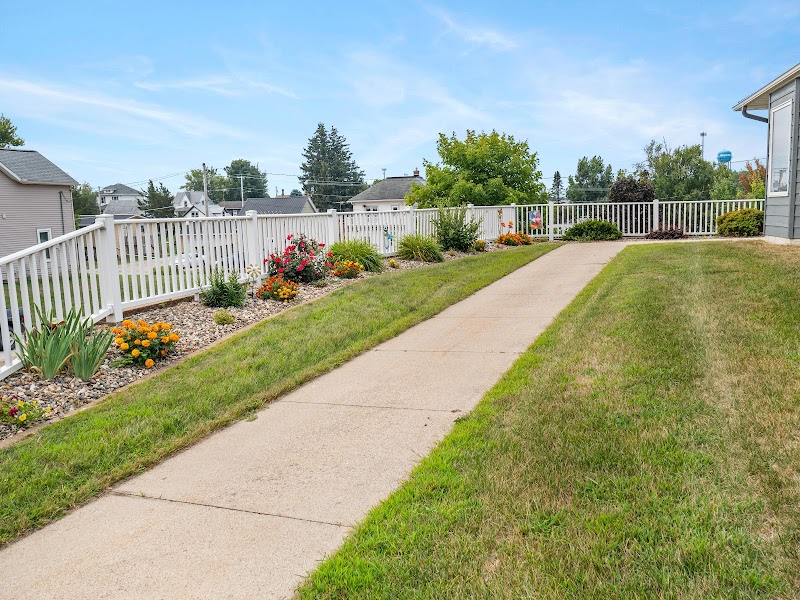
21 East Main Street, Waukon, IA 52172 (563) 568-3447
Non profit - Corporation 68 Beds GOOD SAMARITAN SOCIETY Data: November 2025 1 Immediate Jeopardy citation
Trust Grade
48/100
#270 of 392 in IA
Last Inspection: April 2025

Within standard 12-15 month inspection cycle. Federal law requires annual inspections.

Overview

Good Samaritan Society - Waukon has received a Trust Grade of D, indicating below-average quality and some concerns about care. It ranks #270 out of 392 nursing homes in Iowa, placing it in the bottom half of facilities in the state, and #3 out of 3 in Allamakee County, meaning only one local option is rated higher. The facility is worsening, with issues increasing from two in 2024 to six in 2025. Staffing is a strength, boasting a 4/5 star rating and good RN coverage, with more registered nurse support than 93% of Iowa facilities, which helps ensure residents receive proper care. However, there have been serious concerns, including a critical incident where a resident exited the building unnoticed, posing a significant safety risk. Additionally, the facility failed to ensure proper attendance at quality assurance meetings and did not submit required assessments for a resident, raising questions about overall management and care practices.
Trust Score
D
48/100
In Iowa
#270/392
Bottom 32%
Safety Record
High Risk
Review needed
Inspections
Getting Worse
2 → 6 violations
Staff Stability
⚠ Watch
49% turnover. Above average. Higher turnover means staff may not know residents' routines.
Penalties
✓ Good
No fines on record. Clean compliance history, better than most Iowa facilities.
Skilled Nurses
✓ Good
Each resident gets 57 minutes of Registered Nurse (RN) attention daily — more than average for Iowa. RNs are trained to catch health problems early.
Violations
○ Average
10 deficiencies on record. Average for a facility this size. Mostly minor or procedural issues.
★★☆☆☆
2.0
Overall Rating
★★★★☆
4.0
Staff Levels
★★☆☆☆
2.0
Care Quality
★★☆☆☆
2.0
Inspection Score
Stable
2024: 2 issues
2025: 6 issues

The Good

  • 4-Star Staffing Rating · Above-average nurse staffing levels
  • Full Sprinkler Coverage · Fire safety systems throughout facility
  • No fines on record

Facility shows strength in staffing levels, fire safety.

The Bad

2-Star Overall Rating

Below Iowa average (3.0)

Below average - review inspection findings carefully

Staff Turnover: 49%

Near Iowa avg (46%)

Higher turnover may affect care consistency

Chain: GOOD SAMARITAN SOCIETY

Part of a multi-facility chain

Ask about local staffing decisions and management

The Ugly 10 deficiencies on record

1 life-threatening
Sept 2025 1 deficiency 1 IJ
CRITICAL (J) 📢 Someone Reported This

A family member, employee, or ombudsman was alarmed enough to file a formal complaint

Immediate Jeopardy (IJ) - the most serious Medicare violation

Accident Prevention (Tag F0689)

Someone could have died · This affected 1 resident

**NOTE- TERMS IN BRACKETS HAVE BEEN EDITED TO PROTECT CONFIDENTIALITY** Based on observation, document review, and staff interview, the facility's administrative staff failed to ensure the staff secur...

Read full inspector narrative →
**NOTE- TERMS IN BRACKETS HAVE BEEN EDITED TO PROTECT CONFIDENTIALITY** Based on observation, document review, and staff interview, the facility's administrative staff failed to ensure the staff secured all locked exit doors, resulting in 1 of 3 reviewed residents (Resident #1) at risk for elopement exiting the facility without the nursing staff's knowledge. Due to the facility staff's failures, Resident #1 eloped from the building through the maintenance office door without the nursing staff's knowledge and was missing for approximately 45 minutes before the nursing staff realized Resident #1 was missing by locating Resident #1 laying outside on the ground. The facility's administrative staff identified a census of 51 residents at the time of the on-site investigation.The Iowa State Survey Agency (SA) notified the facility's administrative staff that the situation presented an Immediate Jeopardy situation on [DATE] at 6:00 PM. The immediacy began on [DATE]. The facility's administrative staff removed the immediacy on [DATE] when they took the following actions:- The nursing staff monitored Resident #1's location every 15 minutes, starting [DATE]. - All the keypad locks were immediately disabled and locked at all times on [DATE]. The facility changed the maintenance office door keypad lock on [DATE] to a manual lock key system that remained locked at all times. All remaining doors that utilized keypad locks did not have access to an outside door. The remaining doors were assessed for resident safety if they were able to breach the door. Any doors with keypad locks that were identified as needing to be changed from the keypad to a manual lock were changed on [DATE]. - The nursing staff began holding missing resident drills on [DATE].- All staff received education on elopements prior to their next shift, starting on [DATE].- The staff redirected all security cameras to ensure visibility of the exterior doors on [DATE].- The staff held a QA meeting on [DATE] and continued to monitor elopements through the QA process.As a result of the facility staff's actions, the scope and severity lowered from J to D. The SA surveyor verified the implementation of the removal plan occurred prior to the start date of the on-site investigation. The facility identified a census of 51 residents. Findings Include:A care plan identified the following Focus areas:a. Impaired cognitive function/Dementia or impaired thought process. (revised [DATE])b. Impaired visual function related to (r/t) Macular Degeneration evidenced by (e/b) blindness. (revised [DATE])c. An Activities of Daily Living (ADL) self-care performance deficit r/t Macular Degeneration (e/b) a visual deficit. (revised 7.2.25) The Resident ambulated with the assistance of one (1) staff member and a front wheeled walker in his room and hallway.d. A potential for elopement r/t statements of his desire to have returned home and attempted to go outside. (initiated [DATE])e. At risk for falls r/t vision and a history of falls prior to admission (initiated and revised [DATE])f. An actual fall occurred with a minor injury r/t his gait imbalance and poor vision. (revised [DATE])Review of the facility staff's timeline of events on [DATE] included the following: 1 :45 a.m. - Requested to go to bed so a Certified Nursing Assistant (CNA) took the resident to his room. 1 :47 a.m. - The CNA exited the room after assistance to bed. 1 :50 a.m. - The resident exited his room and turned right outside of his room door. 1 :51 a.m. - Ambulated in the hallway past the Director of Nursing Services (DON) office. 1 :52-1:53 a.m. - Ambulated past the Health Information Management (HIM) and education offices. 1 :55-1:58 a.m. - Ambulated through the dining room and exited through the activity room door. 1 :59-2:06 a.m. - Attempted to open each door. 2:06 a.m. - Entered the maintenance office. 2:12 a.m. - Ambulated on the sidewalk outside the maintenance office to the parking lot/dumpster area where the resident remained. 3:03 a.m. - Located by staff in the parking lot by the dumpster. 3:33 a.m. - Director of Nursing Services notified of the resident's unplanned exit 4:45 a.m. - Administrator notified of an unplanned exit. 4:56 a.m. - Maintenance notified of unplanned exit. 5:30 a.m. - Maintenance assessed lock functionality. A Resident Event form indicated, on [DATE] at 3 a.m., that Staff A, Certified Nursing Aide (CNA), found Resident #1 outside the building but still on the facility's grounds. Resident #1 was fully clothed, wearing a t-shirt, zip up sweatshirt, sweatpants, sock, and black tennis shoes. The form also indicated Resident #1 was previously exit seeking.Review of Resident #1's medical record revealed that Staff D, LPN, documented on [DATE] at 3:52 AM, that the prior night around supper time, Resident #1 wheeled himself to the facility's exit doors and was attempting to exit the building, while making statements that Resident #1 wanted to leave the facility.A Witness Statement form signed by Staff A, CNA on [DATE] at 3:49 a.m., included that at 3:03 a.m., she punched out for a break. When outside she heard someone say help. The staff member looked over to the dumpsters and observed the resident as he laid on the ground. The staff member went over and asked him if he was OK and positioned his head on her foot and called the facility for assistance. During an interview [DATE] at 11:19 a.m., Staff A indicated she worked the front of the building until 2:10 a.m., at which time she moved to the back of the building where the resident resided. When she arrived at the back of the building she received report but had not visualized the resident due to all of the call lights she answered. After she answered the lights, she went outside through the break room door for her break. After she opened the second door to the outside, she heard someone say hey. The staff member looked over and observed the resident as he laid on the ground, positioned his back with his legs straight out in front of him almost up against the dumpster. However, his head had been closer to the dumpster than his feet because of the angle of his position. The resident's entire body had been positioned on the cement sidewalk. The staff member positioned her foot under his head to rest his head then called the facility. The resident attempted to position his own arm behind his head as he moved all over the place. The resident told the staff member he had not known what he had been doing, as he laughed and then stated he wanted to go to his truck over there so they could go somewhere. The staff member confirmed the resident attempted to exit seek all of the time. During an interview on [DATE] at 2:13 p.m. Staff B, Licensed Practical Nurse (LPN) indicated she was to work the North and South hallway and received a telephone call from Staff A who found the resident and asked for assistance. This staff member had not responded because the other nurse on duty went outside to assist with the situation. When Resident #1 returned to the facility, they placed him in the shower room and completed a head to toe assessment where bruising had been noted on his right flank.During an interview [DATE] at 12:56 p.m. the DON and Administrator indicated that Resident #1 was able to leave the building because the electronic door lock's batteries had died, resulting in the door not locking, which allowed Resident #1 to leave the building through the maintenance office without the staff's knowledge.During an interview [DATE] at 12:04 p.m., the State Climatologist indicated the temperature at 69 degrees Fahrenheit (F), 93% humidity, North / North East (NNE) winds at 6 mph and cloudy. The facilities Elopement policy revised [DATE] included the following: Definition: When a resident/client who needed supervision left the premises or safe area without authorization.
Apr 2025 4 deficiencies
CONCERN (D)

Potential for Harm - no one hurt, but risky conditions existed

MDS Data Transmission (Tag F0640)

Could have caused harm · This affected 1 resident

Based on electronic health record (EHR) review, Long-Term Care Facility Resident Assessment Instrument (RAI) 3.0 user's manual review, and staff interviews the facility failed to submit six completed ...

Read full inspector narrative →
Based on electronic health record (EHR) review, Long-Term Care Facility Resident Assessment Instrument (RAI) 3.0 user's manual review, and staff interviews the facility failed to submit six completed Minimum Data Set (MDS) assessments for 1 of 1 residents reviewed (Resident #201). The facility reported a census of 51 residents. Findings include: A review of the EHR, MDS detail listing for Resident #201 revealed the following: 3/13/2025 - Annual - None PPS / M D S 3.0 - Completed 12/19/2024 - Quarterly - None PPS / M D S 3.0 - Completed 10/3/2024 - Quarterly - None PPS / M D S 3.0 - Completed 7/18/2024 - Quarterly - None PPS / M D S 3.0 - Completed 6/11/2024 - End of PPS Part A Stay / M D S 3.0 - Completed 4/20/2024 - admission /Medicare - 5 Day / M D S 3.0 - Completed 4/17/2024 - Entry / M D S 3.0 - Accepted A review of all completed but not accepted MDS's for Resident #201 documented the unit was neither Medicare nor Medicaid certified and MDS data is not required by the state. The submission information for all completed but not accepted MDS's for Resident #201 documented do not submit to the Centers for Medicare and Medicaid Services (CMS). During an interview on 4/14/25 at 12:35 PM, Staff D, Business Office Manager revealed the facility is dually certified for all beds with CMS. During an interview on 4/14/25 at 12:45 PM, Staff E, MDS Coordinator/Infection Preventionist reported she and/or another staff member are responsible for completion of the MDS. Staff E revealed when the MDS's have been completed they are submitted to CMS. Staff E acknowledged she completed section A of the MDS, identifying the unit is neither Medicare nor Medicaid certified and MDS data is not required by the state. Staff E acknowledged the facility is certified to participate in the Medicare and Medicaid programs. Staff E revealed she reviews the export ready file to review the MDS's to be submitted and verifies the files have been accepted. During an interview on 4/14/25 at 1:00 PM, the Director of Nursing (DON) revealed the facility follows the RAI manual for completing and submission of the MDS assessments. The DON verified 6 of the 7 MDS assessments for Resident #201 had not been submitted. A review of the Long-Term Care Facility RAI 3.0 user's manual Version 1.19.1, October 2024 revealed nursing homes are required to submit Omnibus Budget Reconciliation Act (OBRA) required Minimum Data Set (MDS) records for all residents in Medicare- or Medicaid-certified beds regardless of the payer source. Skilled nursing facilities (SNFs) and non-critical access hospitals (non-CAH) with a swing bed agreement (swing beds) are required to transmit additional MDS assessments for all Medicare beneficiaries in a Part A stay reimbursable under the SNF Perspective Payment System (PPS). All Medicare and/or Medicaid-certified nursing homes and swing beds, or agents of those facilities, must transmit required MDS data records to CMS' Internet Quality Improvement and Evaluation System (iQIES). Required MDS records are those assessments and tracking records that are mandated under OBRA and SNF (PPS). Assessments that are completed for purposes other than OBRA or SNF PPS reasons are not to be submitted to iQIES, examples include, but are not limited to, private insurance and Medicare Advantage Plans (i.e., Medicare Part C). After completion of the required assessment and/or tracking records, each provider must create electronic transmission files that meet the requirements detailed in the current MDS 3.0 Data Submission Specifications available on the CMS MDS 3.0 website at: http://www.cms.gov/Medicare/Quality-Initiatives-Patient-Assessment-Instruments/NursingHomeQualityInits/NHQIMDS30TechnicalInformation.html. The provider indicates the certification or licensure of the unit on which the resident resides in item A0410, Unit Certification or Licensure Designation. In addition to reflecting certification or licensure of the unit, this item indicates the submission authority for a record. o Value = 1 Unit is neither Medicare nor Medicaid certified and MDS data is not required by CMS or the State. o Value = 2 Unit is neither Medicare nor Medicaid certified but MDS data is required by the State. o Value = 3 Unit is Medicare and/or Medicaid certified.
CONCERN (D)

Potential for Harm - no one hurt, but risky conditions existed

Respiratory Care (Tag F0695)

Could have caused harm · This affected 1 resident

**NOTE- TERMS IN BRACKETS HAVE BEEN EDITED TO PROTECT CONFIDENTIALITY** Based on record review, staff interview, and policy review the facility failed to recheck oxygen saturation levels for 1 of 1 re...

Read full inspector narrative →
**NOTE- TERMS IN BRACKETS HAVE BEEN EDITED TO PROTECT CONFIDENTIALITY** Based on record review, staff interview, and policy review the facility failed to recheck oxygen saturation levels for 1 of 1 residents with a respiratory illness to ensure it remained within set parameters to keep above 90% SpO2 (peripheral oxygen saturation) set by the Doctor and ensure oxygen was care planed and interventions implemented (Resident #26). The facility reported a census of 51 residents. Findings include: The Minimum Data Set (MDS) dated [DATE] for Resident #26 documented a Brief Interview for Mental Status (BIMS) score of 0 indicating severe cognitive impairment. The MDS documented she received oxygen and was dependent on staff for dressing, toileting, and transferring and does not walk. The MDS also documented diagnoses of pneumonia, chronic obstructive pulmonary disease (COPD) with acute exacerbation, aphasia, non-traumatic brain dysfunction, cancer, diabetes mellitus, and hip fracture. Record review of Resident #26 current orders in her Electronic Health Record (EHR) on 4/16/25 documented a current order with a start date of 1/29/25 to apply Oxygen 2 Liters Per Minute (LPM) per nasal cannula to keep oxygen saturation above 90% for COPD. Record review of Resident #26 oxygen saturations in her EHR documented the following outside of parameters and the follow up oxygen saturation: 4/15/2025 10:05 AM 88.0% Oxygen via Nasal Cannula 4/15/2025 9:33 AM 88.0% Oxygen via Nasal Cannula Record review of Resident #26 Progress Notes documented the following significant documentation follow up to the oxygen saturation level on 4/15/2025 at 11:18 AM lung sounds diminished, shortness of breath eased with oxygen on and neb treatments. Record review of Resident #26 oxygen saturations in her EHR documented the following outside of parameters and the follow up oxygen saturation: 4/13/2025 2:15 AM 91.0% Oxygen via Nasal Cannula 4/12/2025 11:20 PM 88.0% Oxygen via Nasal Cannula 4/12/2025 6:15 PM 88.0% Oxygen via Nasal Cannula 4/12/2025 10:46 AM 89.0% Room Air 4/12/2025 10:15 AM 89.0% Room Air 4/12/2025 2:15 AM 88.0% Room Air 4/11/2025 6:15 PM 87.0% Room Air 4/11/2025 9:59 AM 86.0% Oxygen via Nasal Cannula 4/11/2025 9:30 AM 91.0% Room Air 4/11/2025 2:15 AM 89.0% Room Air 4/10/2025 6:15 PM 88.0% Room Air Record review of Resident #26 Progress Notes documented the following significant documentation follow up to the oxygen saturation level: On 4/13/2025 at 5:35 PM continues on supplemental oxygen and often removes nasal cannula and has to be redirected to keep it on or put it back on. Oxygen saturation levels do still drop with removal of oxygen. On 4/12/2025 at 1:45 PM lung sounds diminished, oxygen saturation over 90% with oxygen on. On 4/11/2025 at 10:13 PM she removes nasal cannula. On 4/11/2025 at 11:31 AM oxygen levels vary, was 86% with oxygen on, other times it was 91% and 93%. On 4/10/25 at 10:41 PM is alert but disoriented, seems restless, moving around in her bed. On 4/10/25 at 3:40 PM lung sounds diminished, oxygen saturation over 90% with oxygen per nasal cannula. Record review of Resident #26 oxygen saturations in her EHR documented the following outside of parameters and the follow up oxygen saturation: 4/5/2025 9:36 AM 93.0% Oxygen via Nasal Cannula 4/5/2025 9:21 AM 89.0% Room Air Record review of Resident #26 Progress Notes documented the following significant documentation follow up to the oxygen saturation level on 4/5/25 at 9:37 AM lung sounds with slight wheezing, nebulizer treatments assist with ability to take deep breathes oxygen saturation 93% on oxygen. Record review of Resident #26 oxygen saturations in her EHR documented the following outside of parameters and the follow up oxygen saturation: 4/4/2025 9:42 AM 92.0% Oxygen via Nasal Cannula 4/3/2025 9:49 PM 89.0% Room Air 4/3/2025 10:24 AM 91.0% Room Air 4/2/2025 10:29 PM 88.0% Room Air Record review of Resident #26 Progress Notes documented the following significant documentation follow up to the oxygen saturation level: On 4/4/25 at 1:09 AM has been alert but still very confused, unable to finish sentences. On 4/4/25 at 12:03 AM does not keep oxygen nasal cannula in nose. On 4/3/2025 at 10:55 AM oxygen saturation 92% on room air, lung sounds shallow with minimal wheezing. Record review of Resident #26 oxygen saturations in her Electronic Health Record (EHR) documented the following outside of parameters and the follow up oxygen saturation: 3/30/2025 10:08 PM 90.0% Room Air 3/30/2025 4:25 PM 88.0% Room Air 3/30/2025 10:35 AM 91.0% Room Air 3/29/2025 10:14 PM 89.0% Room Air 3/29/2025 7:29 PM 89.0% Room Air Record review of Resident #26 Progress Notes documented the following significant documentation follow up to the oxygen saturation level: On 3/29/25 at 10:46 PM disoriented, unable to verbalize appropriately, though she is sometimes able to communicate with gestures and pointing. On 3/28/25 at 12:13 AM had removed oxygen, it was put back on. Record review of Resident #26 oxygen saturations in her EHR documented the following outside of parameters and the follow up oxygen saturation: 3/18/2025 11:03 PM 92.0% Oxygen via Nasal Cannula 3/18/2025 10:47 AM 80.0% Room Air Record review of Resident #26 Progress Notes documented the following significant documentation prior to the oxygen saturation level on 3/18/25 at 1:10 AM she is alert and disoriented and confused, she thinks she knows what she is talking about but makes absolutely no sense she has been restless this shift, but appears comfortable and denies need for pain medication. Record review of Resident #26 oxygen saturations in her EHR documented the following outside of parameters and the follow up oxygen saturation: 3/16/2025 9:14 AM 91.0% Oxygen via Nasal Cannula 3/16/2025 3:45 AM 88.0% Room Air Record review of Resident #26 Progress Notes documented the following significant documentation related to the oxygen saturation level on 3/16/25 at 3:04 PM she is very anxious and says she is in pain. Record review of Resident #26 oxygen saturations in her EHR documented the following outside of parameters and the follow up oxygen saturation: 3/15/2025 10:01 AM 92.0% Room Air 3/14/2025 7:45 PM 89.0% Room Air Record review of Resident #26 Progress Notes documented the following significant documentation related to the oxygen saturation level on 3/14/25 at 11:41 PM she is unable to communicate verbally with any clarity and at 11:09 PM is alert but disoriented, she refuses her oxygen sometimes by taking it off and it is put back on. Sometimes she just screams help rather than using her call light, at this time she is settled down and quiet. Record review of Resident #26 oxygen saturations in her EHR documented the following outside of parameters and the follow up oxygen saturation: 3/3/2025 7:32 PM 93.0% Oxygen via Nasal Cannula 3/3/2025 7:48 AM 82.0% Room Air Record review of Resident #26 Progress Notes documented the following significant documentation related to the oxygen saturation level on 3/3/25 at 7:52 AM and 7:48 AM she was informed of benefits of wearing oxygen and risks of declining at 4:43 PM she initially refused oxygen but after reattempts she consented. Record review of Resident #26 oxygen saturations in her EHR documented the following outside of parameters and the follow up oxygen saturation: 3/2/2025 8:50 AM 94.0% Oxygen via Nasal Cannula 3/1/2025 7:23 PM 79.0% Room Air Record review of Resident #26 Progress Notes documented the following significant documentation related to the oxygen saturation level on 3/2/25 at 12:21 AM she is alert but disorient and has refused oxygen so her oxygen saturation has been low, measure at 79%. She is very confused, cannot speak sensibly, and gets irritated when people don't understand her. Record review of Resident #26 Progress Notes documented the following significant documentation related to the oxygen saturation level on 3/1/25 at 7:25 PM she refuses oxygen, will continue to offer. Record review of Resident #26 current Care Plan and Baseline Care Plan on 4/15/25 revealed they lacked goals and interventions regarding her need for oxygen. On 4/15/25 at 3:19 PM a request was made to provide a policy or procedure related to any of the following: change in condition, respiratory and/or oxygen assessments. The facility provided a Change In Condition Evaluation policy dated 4/6/25 and Respirations policy dated 10/29/24, however the policies provided did not include direction regarding oxygen saturation levels and what to do. Review of the facility policy Care Plan dated 12/2/24 instructed the following: The care plan will emphasize the care and development of the whole person ensuring that the resident will receive appropriate care and services. It will address the relationship of items or services required and facility responsibility for providing these services. During an interview on 4/16/25 at 10:30 AM with the MDS Coordinator revealed a residents Baseline Care Plan, Comprehensive Care Plan should have oxygen on it if the resident uses oxygen and relevant interventions if a resident would routinely attempt to take oxygen off.
CONCERN (D)

Potential for Harm - no one hurt, but risky conditions existed

Deficiency F0757 (Tag F0757)

Could have caused harm · This affected 1 resident

Based on clinical record review, policy review, and staff interview the facility failed to care plan high risk medications to include side effects to be monitored for 2 of 5 residents (Residents #20 a...

Read full inspector narrative →
Based on clinical record review, policy review, and staff interview the facility failed to care plan high risk medications to include side effects to be monitored for 2 of 5 residents (Residents #20 and #29) reviewed for high risk medications. The facility reported a census of 51 residents. Findings include: The Minimum Data Set (MDS) for Resident #20 dated 3/20/25 documented the resident received an antipsychotic on a routine basis. The MDS documented the resident was also taking an antidepressant, diuretic (fluid pill), and an opioid (narcotic) pain medication. 1. The Care Plan for Resident #20 lacked side effects to be monitored for the antipsychotic medication. 2. The Care Plan for Resident #20 lacked side effects to be monitored for the antidepressant medication. 3. The Care Plan for Resident #20 lacked side effects to be monitored for the diuretic medication. 4. The Care Plan for Resident #20 lacked side effects to be monitored for the opioid pain medication. During an interview on 4/16/25 at 10:30 AM, the MDS coordinator acknowledged the Care Plan should include side effects to be monitored for the antipsychotic, antidepressant, diuretic and opioid medications. The MDS coordinator explained she didn't know she needed to include the side effects on the Care Plan. The facility policy titled Psychotropic Medications - Rehab/Skilled last reviewed on 12/30/24 directed staff to monitor for side effects of psychotropic medications. The facility policy titled Care Plan- R/S, LTC, Therapy and Rehab last revised on 12/2/24 directed staff to have an individualized, person centered, comprehensive plan of care. The policy further directed staff to modify the plan of care to reflect the care currently required by/provided to the resident. 5. The MDS with a reference date 2/27/25, documented Resident #29 had diagnoses of heart failure, hypertension, renal insufficiency, diabetes mellitus, and non-Alzheimer's dementia. Resident #29 had a Brief Interview for Mental Status (BIMS) score of 15/15, indicating intact cognitive status. Resident #29 had been dependent on staff for assistance with toileting hygiene, lower body dressing, and putting on/taking off footwear. A review of the electronic health record (EHR), Orders tab revealed Resident #29 received the following diuretics: * Metolazone oral tablet 2.5 MG every morning on Monday and Thursday * Torsemide oral tablet 5 mg every day in the afternoon * Torsemide oral tablet 10 mg every day in the afternoon * Torsemide oral tablet 20 mg every day in the morning A review of Resident #29's Care Plan had a focus area initiated on 5/18/22 that stated the resident is on diuretic therapy related to edema. Interventions directed staff to monitor resident condition based on clinical practice guidelines or clinical standards of practice related to the use of a loop diuretic (Torsemide). The Care Plan failed to list Metolazone. The Care Plan failed to list interventions to direct staff to monitor for the adverse effect for the use of diuretics. The adverse effects for Torsemide include: * Chest pain * Decreased urination * Increased thirst * Irregular heartbeat * Mood changes * Muscle pain or cramps * Nausea or vomiting * Numbness or tingling in the hands, feet or lips The adverse effects for Metolazone include: * Dizziness * Weakness * Restlessness * Headache * Muscle cramps * Joint pain or swelling * Constipation * Diarrhea During an interview on 4/16/25 at 11:24 AM, Staff E, MDS Coordinator/Infection Preventionist acknowledged the Care Plan lacked the adverse effects of diuretic use and failed to include Metolazone.
CONCERN (E)

Potential for Harm - no one hurt, but risky conditions existed

Deficiency F0868 (Tag F0868)

Could have caused harm · This affected multiple residents

Based on record review, staff interview, and policy review the facility failed to maintain a quality assessment and assurance committee consisting at a minimum the Director of Nursing (DON), the Medic...

Read full inspector narrative →
Based on record review, staff interview, and policy review the facility failed to maintain a quality assessment and assurance committee consisting at a minimum the Director of Nursing (DON), the Medical Director or his/her designee; at least three other members of the facility's staff, at least one of who must be the administrator, owner, a board member or other individual in a leadership role; and the Infection Preventionist (IP) were all in attendance for the first quarter of 2025 Quality Assurance (QA) meeting. The facility reported a census of 51 residents. Findings include: Record review of the facilities Quality Assurance and Performance Improvement Plan (QAPI) committee meeting Sign-in Sheet's for the first quarter of 2025 revealed the following: 1/24/25 - Medical Director and IP not in attendance 2/21/25 - Medical Director and IP not in attendance 3/28/25 - DON and IP not in attendance During an interview on 4/16/25 at 11:08 AM the Administrator revealed she would like the Medical Director to attend monthly meetings but scheduling has been hard and would expect all required staff to be in attendance. Record review of the facilities 2025 Quality Assurance and Performance Improvement Plan dated 1/24/25 instructed the following: The administrator is the leader of the QAPI Committee, with assistance from the QAPI Coordinator, and is responsible for its effective operation. The location QAPI Committee ensures an effective QAPl program is in place and the program is adequately resourced with time, personnel, training (including contract staff), equipment, and financial resources.
Jan 2025 1 deficiency
CONCERN (D) 📢 Someone Reported This

A family member, employee, or ombudsman was alarmed enough to file a formal complaint

Potential for Harm - no one hurt, but risky conditions existed

Resident Rights (Tag F0550)

Could have caused harm · This affected 1 resident

**NOTE- TERMS IN BRACKETS HAVE BEEN EDITED TO PROTECT CONFIDENTIALITY** Based on staff interview, record review, and policy review the facility failed to treat two out of three residents reviewed with...

Read full inspector narrative →
**NOTE- TERMS IN BRACKETS HAVE BEEN EDITED TO PROTECT CONFIDENTIALITY** Based on staff interview, record review, and policy review the facility failed to treat two out of three residents reviewed with dignity. The facility reported a census of 52 residents. Findings include: Review of Resident #1 face sheet reveals she was in room [ROOM NUMBER]-B. Review of Resident #2 face sheet reveals she was in room [ROOM NUMBER]-A. On 1/29/25 at 12:32 PM Staff A, Certified Nursing Assistant (CNA) stated on 1/23/25 in the evening an incident in room [ROOM NUMBER] occurred. I was in the room for a transfer with my coworker Staff C, CNA and there was a conversation about another staff member. The conversation was related to frustration because someone had left a dirty depend in the trash can and I was frustrated because the same staff member had taken a lift and had two people in a room for a transfer that only needed one person. I was not aware the daughter of Resident #1 was in the room. On 1/29/25 at 1:37 PM Staff B, Licensed Practical Nurse (LPN) stated she was not working but stopped in to talk to another nurse on the evening of 1/23/25. She said she stopped in the hall and started a conversation with Staff C, CNA who took Resident #2 into room [ROOM NUMBER] to provide cares. They then had a conversation in the room about other residents. I was not working and went in a residents room discussing other residents with Staff C and it was completely wrong. I did not realize the daughter was in the room. Staff C was in hallway and she was assisting Resident #2. During an interview with Staff C, CNA on 1/29/25 at 1:48 PM she stated she was working the evening of 1/23/25 and she did evening cares with Resident #2 in her room. She did upper body cares with an off duty nurse present in the room and she did have a conversation with her about non-work related things. She completed the residents cares and then went and got another CNA to assist with Resident #2 transfer into bed. They did converse about the situation and other staff and frustration with things not being done. I did not see the daughter sitting in the room and she was sitting behind the privacy curtain on Resident #1 side of the room and it was pulled from the wall over. We should not be talking about residents or other staff while providing cares and in residents rooms. During an interview on 1/29/25 at 3:34 PM with the Administrator she stated the conversation that took place in the residents room between staff members was not appropriate. They should not have talked about other staff members or residents. I was disappointed to hear they were speaking about other staff members. I would not expect them to be talking about other residents and family members. The facility provided a policy titled Resident Dignity - Rehab/Skilled dated 12/11/24 which directed the facility will promote care for residents in a manner and in an environment that maintains or enhances each residents dignity and respect in full recognition of his or her individuality. The policy directed staff to treat residents with respect (for example, addressing residents name of their choice; avoid using labels for residents, such as feeders;not excluding residents from conversations or discussing residents in community settings in which others can overhear private information).
Jul 2024 2 deficiencies
CONCERN (D)

Potential for Harm - no one hurt, but risky conditions existed

Infection Control (Tag F0880)

Could have caused harm · This affected 1 resident

**NOTE- TERMS IN BRACKETS HAVE BEEN EDITED TO PROTECT CONFIDENTIALITY** Based on observation, clinical record review, policy review, and staff interview the facility failed to provide appropriate cath...

Read full inspector narrative →
**NOTE- TERMS IN BRACKETS HAVE BEEN EDITED TO PROTECT CONFIDENTIALITY** Based on observation, clinical record review, policy review, and staff interview the facility failed to provide appropriate catheter care to prevent potential cross contamination that could lead to a urinary tract infection (UTI) for 1 of 1 residents sampled (Resident #38). The facility identified a census of 52 residents. Findings include: The Minimum Data Set (MDS) assessment dated [DATE] showed a Brief Interview for Mental Status Score of 7 indicating severe cognitive impairment with a diagnosis of Non-Alzheimer's Dementia. The MDS documented Resident #38 as dependent upon staff for managing his urinary catheter for diagnoses of benign prostatic hyperplasia and neurogenic bladder. A review of the April and May 2024 Medication Administration Records (MARs) documented Resident #38 received Levaquin (antibiotic) tablet 500 milligrams (MG), one tablet by mouth one time day for UTI for three days from 4/29/24 - 5/01/24. A review of the June 2024 MAR showed Resident #38 received physician ordered Levofloxacin (antibiotic) oral tablet 250 MG, two tablets by mouth one time only for UTI on 6/23/24 and Levofloxacin 500 MG one tablet by mouth in the evening from 6/24/24 - 6/29/24 to equal seven days of antibiotic therapy. The Care Plan revised 6/18/24 documented Resident #38 used an indwelling catheter related to incomplete bladder emptying and noted the Resident at a risk of infection. The Care Plan directed the following interventions: a. Certified Nursing Assistants (CNAs) to provide catheter care morning and evening. b. Report unusual observations/conditions to the nurse. c. Monitor/document pain/discomfort due to the catheter. d. May wear a leg bag during the day and straight catheter drainage bag at night. e. Monitor/record/report to the health care provider for signs and symptoms of UTI: pain, burning/blood tinged urine, cloudiness, no output, deepening of urine color, increased pulse, increased temperature, urinary frequency, foul smelling urine, fever, chills, altered mental status, a change in behavior, and a change in eating patterns. A review of the Physician Orders on 7/09/24 showed the following: a. Catheter 20 French 30 cubic centimeter (CC) with balloon to straight drainage. Change the catheter as needed if dislodged or plugged and unable to clear with irrigation. b. Catheter bag: change drainage bag monthly and as needed if plugged and unable to clean with irrigation. c. Flush Foley catheter twice a day. d. Flush Foley catheter with 50 milliliters (ML) normal saline every 6 hours as needed. e. May convert to drainage system to leg bag while up as needed. f. Urojet (numbing agent used to control pain during catheter insertion) with Foley catheter changes from emergency room visit as needed related to neuromuscular dysfunction of the bladder, unspecified. Start date 6/21/23. g. Cranberry concentrate oral capsule 500 MG, give one capsule by mouth in the morning related to personal history of UTI. Start dated 7/11/23. Resident #38 [NAME], under Bladder/Bowel/Toileting, directed the Resident used a 20 French catheter, utilized incontinence products, could wear a leg bag during the day and a straight catheter (urinary) drainage bag a night and to report unusual observations/conditions to the nurse. During an observation on 7/08/24 at 11:15 AM Resident #38 urinary drainage bag tipped forward out of the dignity bag underneath his wheelchair with three inches of the catheter tubing in direct contact with the floor. The urinary drainage bag tubing contained yellow, cloudy urine with mucous present. On 7/09/24 at 7:52 AM Resident #38 lay in a low bed. The urinary drainage bag lay with half the bag laying on the fall mat outside the bed and the other half laying on the floor. The Resident rested with his eyes closed and his left foot out of the bed on the floor next to the urinary drainage bag. During an observation on 7/10/24 at 7:09 AM Resident #38 lay in a low bed. The urinary drainage bag lay directly on the floor draining yellow urine. Observation on 7/10/24 at 8:26 AM revealed Resident #38 lay in a low bed. The urinary drainage bag lay directly on the floor with the drain tube out of the holder directly in contact with the gray fall mat on the floor off the left side of the bed. The urinary drainage bag was almost half full of yellow urine. On 7/10/24 at 10:35 AM Staff A, CNA reported urinary drainage bags are not to touch the floor. Staff A reported there had not been a privacy bag on the resident's bed this morning. She should have gone to laundry to get a privacy bag for the bed. She confirmed Resident #38 did not have a dignity bag over his drainage bag while in bed this morning. The dignity bags are kept in the laundry room and she did not go get a dignity bag for his bed. On 7/10/24 at 12:24 PM Staff B, CNA explained urinary catheter bags and tubing should not make contact with the floor. She verbalized they hang the urinary drainage bag off the side of the bed when the resident is in bed. If the resident is in a low bed, a plastic bag should be put over the drainage bag to keep the bag from contacting the floor or a dignity bag should be used over the drainage bag. During an observation of Resident #38 room on 7/10/24 at 12:32 PM, the gray fall mat noted to be folded in half with the outside of the mat touching the right side of the recliner and the other side of the mat touching the left side of the trash can. The sides touching the surfaces could potentially lead to cross contamination if the mat came into contact with the urinary drainage bag. On 7/10/24 at 2:42 PM Staff C, Registered Nurse (RN) reported if a resident is in bed, they hang the urinary drainage bag off the side of the bed. When asked what is the practice when a resident is in a low bed, she responded a barrier should be used under the bag. When asked further about the barrier, Staff C reported she wasn't sure what the facility practice was and didn't want to answer wrong. She would have to check on that. During an interview on 7/10/24 at 2:55 PM the DNS reported Staff C had just asked her about barriers for the catheter bags for the low beds and she was going to look up the policy. She expects the urinary drainage bags will not come into contact with the floor, but reported she needed to look up the policy to see what they were supposed to do. The DNS verbalized the fall mats should be folded inward so that the surface that could come into contact with the urinary drainage bag would not cause a problem. During an interview on 7/11/24 at 8:05 AM the DNS reported she expected the staff to utilized a dignity bag over the urinary drainage bags when the resident is in a low bed. The dignity bag straps could be adjusted so the bag is up off the floor even when used on a low bed. The Catheter: Care, Insertion, Removal, Drainage Bags, and Irrigation Specimen Policy revised 2/10/23 directed catheter tubing should never be allowed to touch the floor. Catheter (urinary drainage) bags should be covered when up in a chair and out in public or visible from the door/hall. The Policy lacked direction to the staff to keep the urinary drainage bags from coming into contact with the floor.
MINOR (B)

Minor Issue - procedural, no safety impact

Deficiency F0637 (Tag F0637)

Minor procedural issue · This affected multiple residents

2. Resident #10's Progress Note written on 6/10/24 at 4:24 PM documented the resident had received an order for hospice. Progress Note written on 6/10/24 at 4:25 PM documented the family was notified...

Read full inspector narrative →
2. Resident #10's Progress Note written on 6/10/24 at 4:24 PM documented the resident had received an order for hospice. Progress Note written on 6/10/24 at 4:25 PM documented the family was notified of the hospice order and services provided. Progress Note written on 6/10/24 at 4:28 PM documented the family decided on a hospice provider but wanted to discuss the decision with additional family members. Progress Note written on 6/11/24 at 3:48 PM documented the family had made a definitive choice of hospice provider. Hospice was in the building and initiated the process. Progress Note written 6/12/24 at 6:51 PM documented Resident #10 was admitted to hospice services. The SCSA was signed off as complete on 7/1/24 (19 days after admission to hospice). Based on clinical record review, Center for Medicare and Medicaid (CMS) Long-Term Care (LTC) Facility Resident Assessment Instrument (RAI) 3.0 User's Manual review, and staff interview the facility failed to complete a Significant Change in Status Assessment (SCSA) Minimum Data Set (MDS) within the required time frame for 2 of 2 residents sampled for hospice care (Resident #40 and #10). The facility reported a census of 52 residents. Findings include: 1. Resident #40 Electronic Census Record documented she admitted into hospice care on 6/17/24. Resident #40 SCSA MDS with an assessment reference date of 6/27/24 showed a Brief Interview for Mental Status (BIMS) score of 12 indicating moderate cognitive loss. The MDS listed diagnoses of Non-Alzheimer's Dementia, heart failure, diabetes mellitus, and end stage renal failure. The MDS documented Resident #40 received hospice care services. A 7/10/24 review of the MDS Summary Page showed the SCSA MDS completion date as 7/05/24, greater than 14 days after the significant change determination date. On 7/10/24 at 11:43 AM the MDS Coordinator reported she attended a meeting in June (2024) and they talked about the MDS SCSA needing to be completed within 14 days. She looked at the RAI manual and found out the SCSA MDS's had been completed too late, but she hadn't really reported the error to the facility. She reported she is aware of the requirement now. She reported she follows the facility MDS policy and the RAI for completing the MDS. During an interview on 7/10/24 at 12:41 PM the Director of Nursing Services (DNS) reported she didn't know what the requirements were for the completion of a SCSA MDS. She would have to defer to the MDS Coordinator and the facility policy. She would expect the MDS Coordinator to follow the facility policy. The MDS 3.0 RAI Policy, revised 7/01/24, provided by the facility, under Procedure: Significant Change MDS outlined the following process: a. When a significant change is identified, the professional employee identifying the change will notify the social worker, RN Coordinator or designated employee so that a timeline may be established and communicated to the team members. b. The team member who identified the change will document in the progress notes that a significant change has occurred and will identify whether the change is an improvement or a decline and in what areas. The Procedure further directed to follow steps #3-#18 of the policy. c. Step #4 directed the MDS Coordinator or designee to open the MDS within the 14 day look back in Point Click Care (PCC). d. Step #13 directed for a comprehensive MDS (SCSA is a comprehensive MDS assessment) the RN MDS Coordinator/RN Designee would electronically sign V0200B1 and date V0200B2 signifying the completion of the RAI process. The Policy included to see also the Resident Assessment Instrument User's Manual. The LTC RAI 3.0 User's Manual Version 1.18.1 October 2023 page 1-4 documents the RAI process has multiple regulatory requirements. Federal regulations at 42 CFR (Code of Federal Regulations) 483.20 (b)(1)(xviii), (g), and (h) require that the assessment accurately reflects the resident's status. The LTC RAI 3.0 User's Manual Version 1.18.11 October 2023 Page 2-17 directs the MDS completion date is no later than the 14th calendar day after determination that significant change in resident's status occurred (determination date + 14 calendar days). Page 2-25 directs An SCSA is required to be performed when a terminally ill resident enrolls in a hospice program (Medicare-certified or State-licensed hospice provider) or changes hospice providers and remains a resident at the nursing home.
May 2023 2 deficiencies
CONCERN (D)

Potential for Harm - no one hurt, but risky conditions existed

Deficiency F0688 (Tag F0688)

Could have caused harm · This affected 1 resident

**NOTE- TERMS IN BRACKETS HAVE BEEN EDITED TO PROTECT CONFIDENTIALITY** Based on observation, clinical record review, facility policy review, and staff interviews, the facility failed to perform resto...

Read full inspector narrative →
**NOTE- TERMS IN BRACKETS HAVE BEEN EDITED TO PROTECT CONFIDENTIALITY** Based on observation, clinical record review, facility policy review, and staff interviews, the facility failed to perform restorative nursing programs per the restorative assessment and care plan to attain/maintain or prevent decline for 2 of 3 residents sampled for range of motion (Residents #11 and #23). The facility identified a census of 50 residents. Findings include: 1.The Minimum Data Set (MDS) assessment dated [DATE] documented Resident #11 with a long/short term memory impairment and severely impaired decision-making ability. The Resident required total assistance with bed mobility, toilet use and personal hygiene. The Resident required extensive assistance with transfers and dressing. The MDS listed diagnoses of non-traumatic brain dysfunction, Alzheimer's Disease with late onset, and Non-Alzheimer's Dementia. The current Care Plan updated 4/04/23 directed the staff to provide active assisted range of motion (AAROM) to the resident's bilateral shoulders, elbows, and wrist for 10 repetitions for 1 set, bilateral knee flexion/extension or hip flexion/extension 10 repetitions for 1 set, and bilateral hamstring and heel cord stretches for 30 seconds for 3 sets. Further review showed the Care Plan identified Resident #11 at risk of falls related to decreased mobility. An interview on 5/10/23 at 1:15 p.m. with Staff A, Registered Nurse (RN)/Clinical Care Leader, reported the blank spots on the Restorative Record Report were not signed off because the program had not been completed. She verbalized she was one person for fifty residents and she most likely didn't have time to complete it. She is the only one to do restorative for the building. If a resident refused or she couldn't complete the program it would have been documented on the report. Further review of Resident #11's medical record revealed the resident had been treated by Physical Therapy on 4/7/20. The Physical Therapy discharge date d 4/7/20 documented to continue the restorative nursing program. The Occupational Therapy Summary dated 4/20/20 detailed Resident #11 had been discharged with a restorative nursing program in place. On 5/10/23 at 1:45 p.m. a review of the Restorative Record Report from 3/1/23 - 5/10/23 revealed the following days were blank in Resident #11's restorative documentation: a. March 3rd, 15th, 24th, 27th, 31st for AROM of lower the extremities. b. March 2nd, 4th, 9th, 11th, 15th, 18th, 20th, 25th, 30th for AROM of the upper extremities. c. April 3rd, 5th, 10th, 14th for AROM of the lower extremities. d. April 4th, 6th, 15th, 18th, 20th, 22nd, 25th, 27th, 29th for AROM of the upper extremities. e. May 3rd for AROM of the lower extremities. f. May 4th and 6th for AROM of the upper extremities. On 5/11/23 at 9:26 p.m. the Director of Nursing Services (DNS) reported the restorative nurse currently has the primary responsibility for completing the restorative programs. She stated there is a current gap in the restorative program and they are aware of it and working on it. She voiced she expects the restorative programs to be completed as written. The Rehabilitation/Skilled and Long-Term Care Therapy and Rehabilitation Policy revised 11/28/22 documented a purpose to (1) provide appropriate restorative nursing care to each resident; (2) assist in the implementation of a restorative nursing program in the location; (3) identify the residents appropriate for a restorative nursing program; (4) provide appropriate treatment for the resident's activities of daily living and to provide a safe environment through training and supervision. The Policy directed each resident would receive restorative nursing care to the extent possible, based on individual strengths, needs and problems as defined in the nursing assessments. The restorative care will be outlined in the resident's nursing care plan. Care includes safe measures to prevent complications and contractures, maintain strength and self-care abilities including eating, dressing, promoting mobility, and a feeling of well-being. Based on the resident's comprehensive assessment, the location ensures the residents ability in activities of daily living does not decline except when unavoidable for reasons of disease progression, deterioration of physical condition associated with disability, or refusal of care/treatment by the resident or legal representative. Evidence of any of these reasons will be reflected in the medical record. The goal of restorative nursing care is to attain or maintain the maximum possible independence and/or prevent rapid declines through their interventions for each resident. The Policy directed the restorative nurse has the overall responsibility and accountability for the restorative program. In the event the location does not have a designated restorative nurse, the responsibility and accountability remain with the director of nursing services (DNS) of his/her designee. The Rehabilitation/Skilled Long-Term Therapy and Rehabilitation Policy under Assessment Guidelines directed the following: 1. If a nursing assessment indicates an ADL or ROM deficit, assess the need for a therapy screen. If the therapist determines a need for evaluation, obtain the resident/responsible party's permission before obtaining a physician's order to evaluate and treat. a. The therapist may recommend a restorative nursing program. Because this is a nursing program, the restorative nurse and the resident should be involved in developing and care planning the interventions. b. Therapists communicate all recommended programs through the restorative nurse. The restorative nurse is responsible to develop the care plan approaches and teach and train the nursing employees on the appropriate programming. c. If an evaluation is not indicated, an appropriate restorative program may be implemented by the restorative nurse. An order from the attending physician is not required. d. Individual resident clinical records of restorative programs are maintained and include: (1) Specific care/treatment modalities (2) Frequency and duration (3) Tolerance (4) Precautions or contraindications (5) Response to care/treatment (6) Progress or lack of progress 2. Changes in condition or lack of progress are reported to the restorative nurse in a timely manner. 3. The residents plan of care is reviewed at least quarterly and as needed by the restorative nurse for potential changes/problems. If indicated, the program will be reviewed in consultation with the appropriate therapist and attending physician. a. The restorative nurse or MDS nurse will participate in the care plan conferences for all resident with an established restorative program. Examples of condition for implementation of a restorative nursing program include: 1. Medical conditions that affect joint motion 2. Surgically replaced joints 3. Pressure ulcers 4. Limited range of motion; disease process and prognosis, spasticity, contractures, or decreased sensation. 5. Activity tolerance decreased and immobility decreased. 2. The Minimum Data Set (MDS) assessment dated [DATE] showed Resident #32 had a long and short term memory impairment with severely impaired decision making. The resident required total assist with bed mobility, transfer, dressing, eating, toilet use, and personal hygiene. The MDS further documented a functional limitation in range of motion to bilateral extremities of the upper and lower body. The MDS listed a diagnosis of Alzheimer's Disease with late onset and documented Resident #32 received two days of restorative nursing during the assessment look back period. The Restorative Nursing Documentation-V2 report dated 4/13/23 completed by Staff A, Clinical Care Leader and Registered Nurse (RN), documented Resident #32's overall evaluation showed signs of decline. Staff A documented to continue the current therapy order for the Resident's end stage dementia. The restorative documentation further documented Resident #32 required the restorative program in attaining or improving function or to help the resident maintain current function and/or prevent/slow decline. Staff A documented the Resident's restorative program did not need to be reviewed and the resident continued to exhibit upper and lower extremity impairment on both sides of the body. The Restorative Nursing Documentation under Care Planning interventions documented the resident would remain free of complication related to immobility including contractures, thrombus (a blood clot formed within the vascular system of the body and impeding blood flow) formation, skin breakdown, and fall related injury through the next review date. The Care Plan intervention documented to complete nursing rehab #1: passive range of motion three times a week. Active range of motion with the bilateral upper extremities, all motions x 15 repetitions and Nursing rehabilitation #1: passive range of motion bilateral lower extremities 15 repetitions three day a week. The current Care Plan revised 4/17/23 documented Resident #32 had a need for a restorative intervention due to an activities of daily living self-care performance deficit/limited physical mobility/communication problem related to dementia. The Care Plan directed the staff to provide nursing rehab #1: active range of motion three times a week to the upper extremities, all motions x 15 repetitions, revision on 1/06/2023. A Review of the facility 2023 Restorative Records revealed the following dates were blank on the documentation records: 1. March 2nd, 4th, 9th, 11th, 16th, 18th, 21st, 23rd, 25th, 30th. The Record documented Resident #32 received the restorative program 7 times for the entire month. 2. April 4th, 6th, 13th, 15th, 18th, 20th, 22nd, 25th and 27th. The Record documented Resident #32 received the restorative program 8 times for the entire month. 3. May 2nd, 4th, and 6th. The Record documented Resident #32 received the restorative program twice from 5/1/23 - 5/10/23. Further review of the facility 2023 Restorative Records lacked documentation of any lower body exercise program to address the lower body bilateral functional limitation documented on the MDS for Resident #32. On 5/08/23 at 10:00 a.m. Resident #32 sat in an upright position with her hips and knees flexed for a seated position in the broda chair. The Resident's left hand observed to be clasped closed and the right hand 3rd, 4th, 5th digits closed into the palm. During an observation on 5/09/23 at 7:50 a.m. Resident #32 sat in a broda chair in an upright seated position with her knees flexed at a 90 degree angle in good alignment. The Resident's left hand observed to be clasped closed and the right hand 3rd, 4th, 5th digits closed into the palm. During an observation on 5/09/23 at 2:08 p.m. Staff A performed passive range of motion (PROM) to the left fingers, wrist, elbow, and shoulder for 15 repetitions, then repeated the passive range of motion on the right fingers, wrist, elbow, and shoulder for 15 repetitions. Staff A reported she does upper body range of motion on one day and lower body range of motion on another day. She alternates days from upper to lower body range of motion (ROM) programs. A review of the Resident #32's medical record on 5/10/23 revealed the resident had received physical therapy from 11/14/22 - 12/01/22 for chair positioning. The resident range of motion programs were not reviewed. A review of the Care Conference Notes on 5/10/23 revealed the conference note documentation on 1/24/23 and 5/31/23 lacked documentation pertaining to the resident's restorative needs, risks, or decline. During an interview on 5/10/23 at 1:46 p.m. Staff A reported the blanks in the restorative record meant she didn't attempt or complete the restorative program that day. She voiced she hated to even document on the record if she didn't even attempt the restorative program. She is the only staff member that performs the restorative programs. She reported Resident #32 did not receive her restorative program on the days the restorative record had blanks. On 5/11/23 at 9:26 a.m. the Director of Nursing Services (DNS) reported Resident #32 did not have a lower body restorative program. She stated they had looked way back in the Resident's medical record and there had been some documentation about her lower leg edema and not tolerating much with her lower body due to edema but not specifically with range of motion. She stated the restorative nurse currently has the primary responsibility for completing the restorative programs. The DNS reported there is a current gap in the restorative program and they are aware of it and working on it. She voiced she expects the restorative programs to be completed as written.
MINOR (C)

Minor Issue - procedural, no safety impact

Staffing Information (Tag F0732)

Minor procedural issue · This affected most or all residents

Based on observation, document review, and staff interview the facility failed to post the required daily staff posting in an area that was highly visible/accessible to the public. The facility report...

Read full inspector narrative →
Based on observation, document review, and staff interview the facility failed to post the required daily staff posting in an area that was highly visible/accessible to the public. The facility reported a census of 50 residents. Findings Include: During an observation completed upon entrance to the facility on 5/08/23 at approximately 9:30 a.m. revealed a 5/05/23 staff posting on the front open office door. The staff posting on the office door did not appear to be highly visible to the public coming in or exiting out the front facility doors. During an observation on 5/9/23 at 1:34 PM there was no staff posting on the office door where it had been previously or anywhere else in the facility. During an observation on 5/10/23 at 10:00 AM there was no staff posting on the office door where it was on Monday or anywhere in the facility. During an interview on 5/10/23 at 10:45 AM the Facility Administrator stated the staff posting is supposed to be on a clip board hanging on the office door. He acknowledged it was not present at this time. The clipboard was found on a table in the office tucked behind some other items. The clipboard and staff posting was not visible to staff, residents, or the public.
Understanding Severity Codes (click to expand)
Life-Threatening (Immediate Jeopardy)
J - Isolated K - Pattern L - Widespread
Actual Harm
G - Isolated H - Pattern I - Widespread
Potential for Harm
D - Isolated E - Pattern F - Widespread
No Harm (Minor)
A - Isolated B - Pattern C - Widespread

Questions to Ask on Your Visit

  • "What changes have you made since the serious inspection findings?"
  • "Can I speak with families of current residents?"
  • "What's your RN coverage like on weekends and overnight?"

Our Honest Assessment

Strengths
  • • No fines on record. Clean compliance history, better than most Iowa facilities.
Concerns
  • • Multiple safety concerns identified: 1 life-threatening violation(s). Review inspection reports carefully.
  • • 10 deficiencies on record, including 1 critical (life-threatening) violation. These warrant careful review before choosing this facility.
  • • Grade D (48/100). Below average facility with significant concerns.
Bottom line: Trust Score of 48/100 indicates significant concerns. Thoroughly evaluate alternatives.

About This Facility

What is Good Samaritan Society - Waukon's CMS Rating?

CMS assigns Good Samaritan Society - Waukon an overall rating of 2 out of 5 stars, which is considered below average nationally. Within Iowa, this rating places the facility higher than 0% of the state's 100 nursing homes. A rating at this level reflects concerns identified through health inspections, staffing assessments, or quality measures that families should carefully consider.
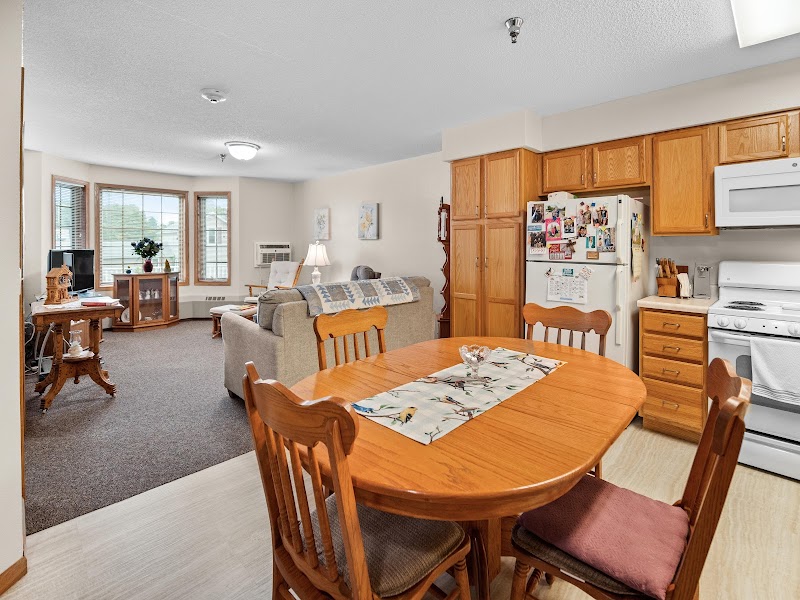
How is Good Samaritan Society - Waukon Staffed?
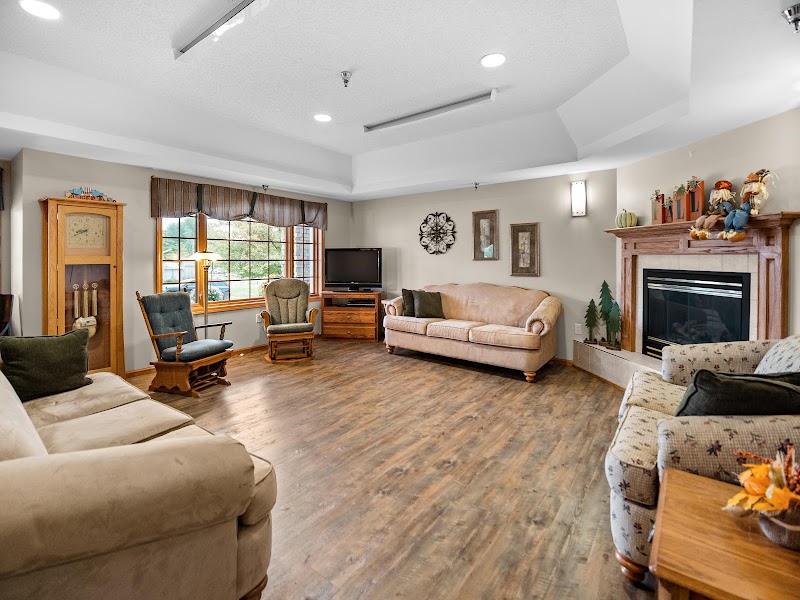
CMS rates Good Samaritan Society - Waukon's staffing level at 4 out of 5 stars, which is above average compared to other nursing homes. Staff turnover is 49%, compared to the Iowa average of 46%.

What Have Inspectors Found at Good Samaritan Society - Waukon?

State health inspectors documented 10 deficiencies at Good Samaritan Society - Waukon during 2023 to 2025. These included: 1 Immediate Jeopardy (the most serious level, indicating potential for serious harm or death), 7 with potential for harm, and 2 minor or isolated issues. Immediate Jeopardy findings are rare and represent the most serious regulatory concerns. They require immediate corrective action.

Who Owns and Operates Good Samaritan Society - Waukon?

Good Samaritan Society - Waukon is owned by a non-profit organization. Non-profit facilities reinvest revenue into operations rather than distributing to shareholders. The facility is operated by GOOD SAMARITAN SOCIETY, a chain that manages multiple nursing homes. With 68 certified beds and approximately 53 residents (about 78% occupancy), it is a smaller facility located in Waukon, Iowa.

How Does Good Samaritan Society - Waukon Compare to Other Iowa Nursing Homes?

Compared to the 100 nursing homes in Iowa, Good Samaritan Society - Waukon's overall rating (2 stars) is below the state average of 3.0, staff turnover (49%) is near the state average of 46%, and health inspection rating (2 stars) is below the national benchmark.

What Should Families Ask When Visiting Good Samaritan Society - Waukon?

Based on this facility's data, families visiting should ask: "What changes have been made since the serious inspection findings, and how are you preventing similar issues?" "Can I visit during a mealtime to observe dining assistance and food quality?" "How do you handle medical emergencies, and what is your hospital transfer rate?" "Can I speak with family members of current residents about their experience?" These questions are particularly relevant given the facility's Immediate Jeopardy citations.

Is Good Samaritan Society - Waukon Safe?

Based on CMS inspection data, Good Samaritan Society - Waukon has documented safety concerns. Inspectors have issued 1 Immediate Jeopardy citation (the most serious violation level indicating risk of serious injury or death). The facility has a 2-star overall rating and ranks #100 of 100 nursing homes in Iowa. Families considering this facility should ask detailed questions about what corrective actions have been taken since these incidents.

Do Nurses at Good Samaritan Society - Waukon Stick Around?

Good Samaritan Society - Waukon has a staff turnover rate of 49%, which is about average for Iowa nursing homes (state average: 46%). Moderate turnover is common in nursing homes, but families should still ask about staff tenure and how the facility maintains care continuity when employees leave.

Was Good Samaritan Society - Waukon Ever Fined?

Good Samaritan Society - Waukon has no federal fines on record. CMS issues fines when nursing homes fail to meet care standards or don't correct problems found during inspections. The absence of fines suggests the facility has either maintained compliance or corrected any issues before penalties were assessed. This is a positive indicator, though families should still review recent inspection reports for the full picture.

Is Good Samaritan Society - Waukon on Any Federal Watch List?

Good Samaritan Society - Waukon is not on any federal watch list. The most significant is the Special Focus Facility (SFF) program, which identifies the bottom 1% of nursing homes nationally based on persistent, serious quality problems. Not being on this list means the facility has avoided the pattern of deficiencies that triggers enhanced federal oversight. This is a positive indicator, though families should still review the facility's inspection history directly.