West Bend Health and Rehabilitation
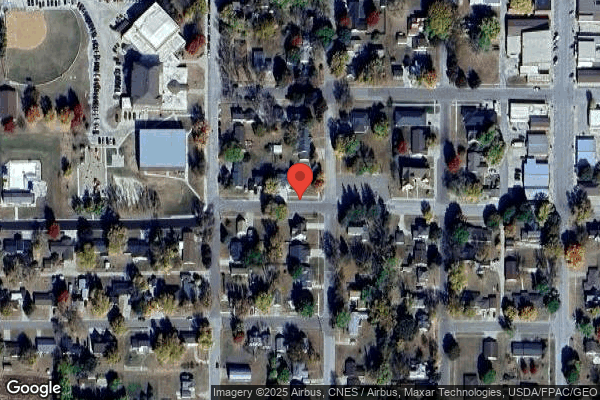
203 FOURTH STREET NW, WEST BEND, IA 50597 (515) 887-4071
For profit - Corporation 45 Beds THE ENSIGN GROUP Data: November 2025
Trust Grade
60/100
#241 of 392 in IA
Last Inspection: May 2025

Inspected within the last 6 months. Data reflects current conditions.

Overview

West Bend Health and Rehabilitation has a Trust Grade of C+, indicating it is slightly above average but not exceptional. It ranks #241 out of 392 facilities in Iowa, placing it in the bottom half, and #3 out of 5 in Palo Alto County, meaning only two local options are better. The facility is improving, with the number of issues decreasing from 10 in 2024 to 6 in 2025. Staffing is average, with a turnover rate of 48%, which aligns with the state average. Notably, there are no fines on record, suggesting compliance is generally maintained. However, there are some concerns to consider. Residents have reported long waits for staff responses to call lights, with one resident indicating waits of up to 30 minutes, which can be distressing, especially for those with disabilities. Additionally, there were issues with care plans not being revised for multiple residents, potentially impacting their treatment. The facility also faced challenges in ensuring qualified staff for food and nutrition services, raising questions about the quality of care provided. Overall, while there are strengths, families should weigh these concerns carefully when considering this nursing home.

Trust Score
C+
60/100
In Iowa
#241/392
Bottom 39%
Safety Record
Low Risk
No red flags
Inspections
Getting Better
10 → 6 violations
Staff Stability
⚠ Watch
48% turnover. Above average. Higher turnover means staff may not know residents' routines.
Penalties
✓ Good
No fines on record. Clean compliance history, better than most Iowa facilities.
Skilled Nurses
✓ Good
Each resident gets 42 minutes of Registered Nurse (RN) attention daily — more than average for Iowa. RNs are trained to catch health problems early.
Violations
⚠ Watch
24 deficiencies on record. Higher than average. Multiple issues found across inspections.
★★★☆☆
3.0
Overall Rating
★★★☆☆
3.0
Staff Levels
★★★☆☆
3.0
Care Quality
★★★☆☆
3.0
Inspection Score
Stable
2024: 10 issues
2025: 6 issues

The Good

  • Full Sprinkler Coverage · Fire safety systems throughout facility
  • No fines on record

Facility shows strength in fire safety.

The Bad

3-Star Overall Rating

Near Iowa average (3.1)

Meets federal standards, typical of most facilities

Staff Turnover: 48%

Near Iowa avg (46%)

Higher turnover may affect care consistency

Chain: THE ENSIGN GROUP

Part of a multi-facility chain

Ask about local staffing decisions and management

The Ugly 24 deficiencies on record

May 2025 6 deficiencies
CONCERN (D)

Potential for Harm - no one hurt, but risky conditions existed

Deficiency F0628 (Tag F0628)

Could have caused harm · This affected 1 resident

Based on record review, staff interview and policy review the facility failed to complete a discharge summary including a recapitulation of the resident's stay for 1 of 1 resident review for discharge...

Read full inspector narrative →
Based on record review, staff interview and policy review the facility failed to complete a discharge summary including a recapitulation of the resident's stay for 1 of 1 resident review for discharges for closed record review (R#39). The facility reported a census of 38 residents. Findings include: The Clinical Census revealed Resident #39 was discharged on 2/28/25. A Physician Order signed and dated on 2/27/25 directed staff Resident #39 could transfer to an (ALF) assisted living facility on 2/28/25 and continue current medications. Review of Progress Notes on 2/28/25 lacked documentation Resident #39 was discharged to Assisted Living, what her condition was at the time of discharge and what belongings she was discharged with. In addition the Progress Notes and the clinical record lacked documentation regarding a discharge summary/recapitulation stay that included information regarding resident status, medication reconciliation and disposition of medications at discharge. On 4/30/25 at 5 PM, Staff A, Social Services/LPN reported she typically completes the discharge paperwork including the discharge summary/recapitulation of stay but was not working at the time of the discharge. Staff A acknowledged the discharge paperwork including the discharge summary/recapitulation of stay was not completed. On 5/1/25 at 10:30 AM, The DON acknowledged the lack of documentation related to the discharge and verified the discharge summary/recapitulation of stay was not completed and would expect it to be. A facility policy reviewed 12/2023 documented it was the policy of the facility that a discharge summary shall be prepared when a resident was expected to be discharged . The policy directed the discharge summary shall include, but not be limited to, the following: a. A recapitulation of the resident's stay that includes: diagnoses, course of illness/treatment or therapy, and pertinent lab, radiology, and consultant results. b. A final summary of the resident's status to include a description of the resident: -Identification and demographic information -Physical functioning and activity level at time of discharge -Disease diagnosis and health condition treated during residents stay -Diet upon discharge -Skin conditions -Medications -Special treatments and procedures -Discharge planning c. A reconciliation of all pre-discharge medication with the resident's post-discharge medication (both prescribed and over the counter). The policy further documented that a final summary of the resident's status at the time of discharge would be filed in the resident's medical record.
CONCERN (D)

Potential for Harm - no one hurt, but risky conditions existed

PASARR Coordination (Tag F0644)

Could have caused harm · This affected 1 resident

**NOTE- TERMS IN BRACKETS HAVE BEEN EDITED TO PROTECT CONFIDENTIALITY** Based on clinical record review and staff interview, the facility failed to submit a Level 2 Preadmission Screening and Resident...

Read full inspector narrative →
**NOTE- TERMS IN BRACKETS HAVE BEEN EDITED TO PROTECT CONFIDENTIALITY** Based on clinical record review and staff interview, the facility failed to submit a Level 2 Preadmission Screening and Resident Review (PASRR) evaluation for 1 of 1 residents reviewed with a new mental health diagnosis and start of new psychotropic medications (Resident #8). The facility reported a census of 38 residents. Findings include: The Minimum Data Set (MDS) dated [DATE] documented Resident #8 had a Brief Interview for Mental Status (BIMS) of 05 indicating severe cognitive impairment. The MDS revealed Resident #8 had diagnoses of psychotic disorder, depression, non-alzheimer's dementia, delusional disorder and dysthymic disorder (persistent depressive disorder). The Care Plan date initiated 2/7/23 documented Resident #8 was at risk for cognition function related to delusional disorder. In addition, the Care Plan documented Resident #8 received antidepressant medication related to dysthymic disorder and antipsychotic medication for delusional disorder. The Clinical record revealed Resident #8 had the following diagnoses with effective dates: 1. Delusional disorder- effective date 2/7/23 2. Dysthymic disorder- effective date 2/7/23 A Physician Order dated 2/7/23 for Resident #8 directed staff to administer Zyprexa (antipsychotic) 5 MG (milligrams) one tablet by mouth at bedtime for delusional disorder. A Level 1 PASRR completed on 12/11/20 documented Resident #8 did not have a major mental illness. The PASRR evaluation documented Resident #8 received Celexa and Trazodone for depression. The clinical record revealed no additional PASRR evaluations after 12/11/20. The Clinical record review revealed Resident #8 did not have a Level 2 PASRR evaluation submitted following the new mental health diagnoses with the addition of new medication (Zyprexa). On 4/29/25 at 11:40 AM, Staff A, Social Services acknowledged Resident #8 PASRR had not been updated to reflect Resident #8 taking an antipsychotic medication, along with diagnoses of dysthymic disorder and delusional disorders. An undated facility policy titled PASRR documented prior to admission and upon any significant change in condition, the facility will ensure that all prospective and current residents undergo appropriate PASRR screening in accordance with federal regulation and the Iowa Department of Health and Human Services guidelines.
CONCERN (D)

Potential for Harm - no one hurt, but risky conditions existed

Deficiency F0658 (Tag F0658)

Could have caused harm · This affected 1 resident

**NOTE- TERMS IN BRACKETS HAVE BEEN EDITED TO PROTECT CONFIDENTIALITY** Based on observation, record review and staff interview, the facility failed to follow physician orders for 1 of 5 residents rev...

Read full inspector narrative →
**NOTE- TERMS IN BRACKETS HAVE BEEN EDITED TO PROTECT CONFIDENTIALITY** Based on observation, record review and staff interview, the facility failed to follow physician orders for 1 of 5 residents reviewed for medications (Resident #15). The facility reported a census of 38 residents. Findings include: According to the Minimum Data Set (MDS) assessment dated [DATE] Resident #15 scored 3 on the Brief Interview for Mental Status (BIMS) indicating severe cognitive impairment. The resident had diagnoses including Alzheimer's disease. The Care Plan dated 12/24/24 identified the resident took an antibiotic. The interventions included administering medication as ordered. The Consultant Pharmacist letter to the Physician questioned if the Nitrofurantoin should be held while the resident took another antibiotic. The physician ordered to hold the medication while the resident was on another antibiotic dated 7/8/24, and noted by the facility 7/10/24. A Medication Review Report dated 4/16/25 showed the resident continued with the order to hold the Nitrofurantoin while on another antibiotic with the date of 7/10/24. The April 2025 Medication Administration Record (MAR) showed the resident took the antibiotic Ciprofloxicin 250 mg 2 times a day for 1 week starting on 4/23/25 and ending on 4/29/25. The April 2025 MAR showed the resident on Nitrofurantoin 50 mg daily, and the resident received the medication while on the Ciprofloxicin 4/23/25 to 4/29/25. On 5/2/25 at 10:50 a.m. the Infection Preventionist (IP) confirmed the resident's prophylactic antibiotic should be held while on another antibiotic. The facility policy Physician's Orders revised 10/2024 documented all physician's orders would be followed with a written order.
CONCERN (D)

Potential for Harm - no one hurt, but risky conditions existed

Incontinence Care (Tag F0690)

Could have caused harm · This affected 1 resident

**NOTE- TERMS IN BRACKETS HAVE BEEN EDITED TO PROTECT CONFIDENTIALITY** Based on observation, staff interview, and clinical record review the facility failed to provide appropriate catheter care for 1...

Read full inspector narrative →
**NOTE- TERMS IN BRACKETS HAVE BEEN EDITED TO PROTECT CONFIDENTIALITY** Based on observation, staff interview, and clinical record review the facility failed to provide appropriate catheter care for 1 of 2 residents reviewed (Resident #140). The facility reported a census of 38 residents. Findings include: The Clinical Census revealed Resident #140 was admitted to the facility on [DATE]. Resident #140 did not have an admission MDS (Minimum Data Set) completed. The Care Plan dated 4/29/25 identified Resident #140 had an indwelling catheter due to a CVA (cerebrovascular accident/stroke). The Care Plan directed staff to position the catheter bag and tubing below the level of the bladder and away from the entrance room door. On 4/28/25 at 11:27 AM observed Resident #140 sitting in her recliner in her room, her catheter bag was hanging on the garbage can without a dignity bag and the catheter tubing touching the floor. On 4/29/25 at 1:44 PM observed Resident #140 sitting in her recliner in her room and her catheter bag was hanging on the foot rest of the recliner without a dignity bag. On 4/30/25 at 7:50 AM observed Resident #140 lying in bed and her catheter bag hanging from the bed without a dignity bag. On 4/30/25 9:20 AM observed Resident #140 sitting in her wheelchair in the dining room, the catheter bag was hanging under the wheelchair and the catheter tubing was touching the floor. On 4/30/25 11:50 AM observed Resident #140 sitting in her wheelchair at the dining room table eating lunch, the catheter bag was was hanging under the wheelchair and the catheter tubing was touching the floor. On 4/30/25 at 11:59 PM, the DON (Director of Nursing) reported she would expect the catheter bag to be covered with dignity bag, the catheter bag not to be hung on a garbage can and for the catheter tubing not to be touching the floor. The facility policy revised 12/2023 titled Catheter Drainage Bag directed the staff to position the drainage bag below the level of the resident's bladder and without resting on the floor. Ensure tubing allows for unobstructed drainage of urine.
CONCERN (D)

Potential for Harm - no one hurt, but risky conditions existed

Unnecessary Medications (Tag F0759)

Could have caused harm · This affected 1 resident

Based on observation, record review, and staff interview, the facility failed to to ensure a medication error rate of less than 5%, with 2 errors of 33 medications passed for an error rate of 6.06% fo...

Read full inspector narrative →
Based on observation, record review, and staff interview, the facility failed to to ensure a medication error rate of less than 5%, with 2 errors of 33 medications passed for an error rate of 6.06% for 2 of 6 residents (Resident #5, and #21). The facility reported a census of 38 residents. Findings include: 1) The Medication Administration Record for April 2025 showed Resident #5 had the order for Humalog Kwikpen 10 units subcutaneous (subq) 3 times a day, at 8 and 11 a.m. and 5 p.m. During a medication pass on 4/30/25 at 7:45 a.m. Staff B Licensed Practical Nurse (LPN) administered Humalog insulin 10 units subq via the Kwikpen, into Resident #5's right abdomen and removed (the needle) immediately. According to Humalog Kwikpen instructions revised July 2023 the instructions included inserting the needle into the skin, pushing the dose knob in all the way and continuing to hold the dose knob while slowly counting to 5 (before removing the needle). 2) The Clinical Physician's Orders showed Resident #21 had the order for Novolog 10 units 2 times a day. During medication pass on 4/30/25 at 8:36 a.m. Staff B gave Resident # 21 Novolog 10 units via insulin pen, and left the needle in for 2 seconds. On 4/30/25 at 12:12 p.m. the Director of Nursing (DON) stated she wasn't sure how long the needle needed to be left in after injecting insulin with the pen. At 2:04 p.m. the DON stated the insulin pen should remain injected for at least 5 seconds. On 5/1/25 at 11:53 a.m. the DON stated she had talked to Staff B about the use of the insulin pens.
CONCERN (D)

Potential for Harm - no one hurt, but risky conditions existed

Infection Control (Tag F0880)

Could have caused harm · This affected 1 resident

Based on observation, record review, and staff interview, the facility failed to provide infection control practices for personal devices for 1 resident (Resident #27) and during medication pass for 2...

Read full inspector narrative →
Based on observation, record review, and staff interview, the facility failed to provide infection control practices for personal devices for 1 resident (Resident #27) and during medication pass for 2 of 6 residents (Resident #27 and #8). The facility reported a census of 38 residents. Findings include: 1) On 4/28/25 at 10:57 a.m. Resident #27 had a humidifier (adds moisture to the air by releasing water vapor into the area) in her room. The resident said it was so dry and stuffy. The humidifier had a thick coating of dust on the outside and appeared dirty inside. The Care Plan included the intervention to please check the water in the humidifier due to it being dry in Resident #27's room, dated 4/1/25. On 4/29/25 at 9:01 a.m. entered Resident #27's room with the Administrator. She acknowledged the humidifier needed cleaned and stated she would have maintenance clean it. On 4/29/25 at 2:07 p.m. the resident's humidifier had been cleaned. 2) The Physicians Clinical Orders showed Resident #27 had orders for: a. Chlortrimazole topically to her lower lip, b. Fluticasone 2 sprays to each nostril, c. Latanoprost 1 drop right eye. On 4/30/25 at 8:01 a.m. Staff D Certified Medication Aid (CMA) took Resident #27's Clotrimazole cream, Latanoprost eye drops, and Fluticasone nasal spray to her room and sat them on the resident's bedside table without a barrier. After administering, Staff D returned the items to the med cart. On 5/1/25 at 10:30 a.m. Staff D said she should have used a barrier. 3) The Clinical Physician's Orders showed Resident #8 had the order for Fluticasone 1 spray each nostril daily. On 5/1/25 at 8:12 a.m. Staff C Registered Nurse (RN) took Resident #8's Fluticasone nasal spray in the box to the resident's room and sat it on the resident's tray table without a barrier. When finished administering, Staff C returned the spray in the box to the med cart. On 5/1/25 at 8:14 a.m. Staff C said she should have used a barrier.
Dec 2024 3 deficiencies
CONCERN (D) 📢 Someone Reported This

A family member, employee, or ombudsman was alarmed enough to file a formal complaint

Potential for Harm - no one hurt, but risky conditions existed

Resident Rights (Tag F0550)

Could have caused harm · This affected 1 resident

**NOTE- TERMS IN BRACKETS HAVE BEEN EDITED TO PROTECT CONFIDENTIALITY** Based on record review and staff interview, the facility failed to treat each resident in a manner that promoted dignity and res...

Read full inspector narrative →
**NOTE- TERMS IN BRACKETS HAVE BEEN EDITED TO PROTECT CONFIDENTIALITY** Based on record review and staff interview, the facility failed to treat each resident in a manner that promoted dignity and respect for 1 of 3 residents reviewed (Resident #4). The facility reported a census of 43 residents. Findings include: According to the Minimum Data Set (MDS) assessment dated [DATE] Resident #4 scored 12 on the Brief Interview for Mental Status (BIMS) indicating moderate cognitive impairment. The resident had diagnoses including non-Alzheimer's dementia. The Care Plan dated 9/16/24 identified Resident #4 at risk for depression related to wanting to return back to the community, with the goal to remain free of signs and symptoms of distress, symptoms of depression, anxiety or sad mood. Interventions included monitoring/documenting/reporting signs/symptoms of depression to the nurse/doctor including hopelessness, anxiety, sadness, and negative statements. A facility report by the Administrator and Interim Director of Nursing (DON) documented receipt of a reported incident on 12/9/24 at approximately 12:30 p.m. Staff B Certified Nursing Assistant (CNA) notified them during walking rounds (at 6 a.m.) on 12/7/24 she heard Staff G CNA say Resident #4 had been on the call light non-stop for the last 4 hours to go to the bathroom. Later, Staff B went to get the resident up for lunch. Resident #4 said she heard that guy complaining about taking her to the bathroom so she figured she would just stay in bed and pee the bed rather than have someone complain about her. In a statement signed 12/9/24, Staff A CNA said during walking rounds on Saturday (12/7/24) Staff G was cussing about every resident for example, for 1 resident he said he was full of f***ing s**t when referring to a bowel movement. As walking rounds continued they approached Resident #4's room. Staff G CNA said Resident #4 was f***ing annoying because she was up every hour for the last 4 hours asking to go to the bathroom and not doing anything. On 12/12/24 at 9:29 a.m. Staff B CNA stated Saturday 12/7/24 she did not feel good and heard something about how Resident #4 had been on her light a lot to go to the bathroom. Staff B was training a new girl Staff H CNA on her first day down north hallway. She went to get people up for lunch and Resident #4 still laid in bed in her white pajamas. Staff B said let's get up and go to the bathroom and Resident #4 said no. Staff B asked why and the resident said she heard Staff G complaining about her that morning and she wasn't going to pull her light, and she didn't want to go to the bathroom. Staff B said she was there to get her dressed and get cleaned up. When Staff B pulled back the blankets, Resident #4 was soaked. They walked her to the bathroom and then changed her clothes and cleaned her up so that she didn't feel sticky, and got her ready for the day. Staff B told Staff F Registered Nurse (RN) about it on Saturday. She didn't know if it got addressed so she talked to the DON on Monday. She just wanted to make sure they took care of, that something was said. On 12/12/24 at 12:49 p.m. Staff E CNA stated she went on walking rounds Saturday morning. Staff G swore and talked about the resident and call light use. Staff E said Staff G said Resident #4's name and that she was annoying. On 12/16/24 at 8:50 a.m. Staff H CNA stated it was her 1st day working at the facility. She went on walking rounds that morning. Staff G said Resident #4 was annoying on the call light and swore when he said it loudly, and they were right outside her room. Staff G said negative things about other residents also. She was working with Staff B and they went to get Resident #4 for lunch. She was still in bed and soaked. Resident #4 said she heard the staff saying she was annoying and didn't want to be a burden, so she just wet herself. Staff B said she was not a burden and they were there to help her. She then let them help her to the bathroom and help her get cleaned up. On 12/16/24 at 8:58 a.m. Staff I CNA stated on walking rounds she had to get a drink of water and when resumed rounds they were by room [ROOM NUMBER] and Staff G said Resident #4 had been f***ing annoying all night on the call light. Staff I said Staff G always used profanity. On 12/13/24 at 12:52 p.m. G CNA denied using profanity during walking rounds or saying that Resident #4 was annoying. He said they had a chaotic night with a lot of call lights and residents awake. He commented that was annoying. He didn't say any specific person was annoying. On 12/16/24 at 2:07 p.m. the Administrator stated they changed the way they do report. They did a verbal report in the break room, then a walk through to check the residents. They terminated Staff G. The Resident's [NAME] of Rights dated 2/07 included the right to considerate and respectful care and to be treated with honesty, dignity, respect and with reasonable accommodation of individual needs except where the health, safety or rights of the resident or other individuals in the facility would be endangered. It was recognized that every resident was an individual with feelings, preferences, personal needs and requirements.
CONCERN (D) 📢 Someone Reported This

A family member, employee, or ombudsman was alarmed enough to file a formal complaint

Potential for Harm - no one hurt, but risky conditions existed

Deficiency F0658 (Tag F0658)

Could have caused harm · This affected 1 resident

**NOTE- TERMS IN BRACKETS HAVE BEEN EDITED TO PROTECT CONFIDENTIALITY** Based on record review and staff interview, the facility failed to ensure staff followed professional standards for administerin...

Read full inspector narrative →
**NOTE- TERMS IN BRACKETS HAVE BEEN EDITED TO PROTECT CONFIDENTIALITY** Based on record review and staff interview, the facility failed to ensure staff followed professional standards for administering medication for 1 of 3 residents reviewed (Resident #4). The facility reported a census of 43 residents. Findings include: According to the Minimum Data Set (MDS) assessment dated [DATE] Resident #4 scored 12 on the Brief Interview for Mental Status (BIMS) indicating moderate cognitive impairment. The resident had diagnoses including non-Alzheimer's dementia. On 12/12/24 at 9:29 a.m. Staff B Certified Nursing Assistant (CNA)/Certified Medication Aide (CMA) stated she worked the day shift Saturday (12/7/24). When they went to get Resident #4 for lunch there were pills on Resident #4's table, so Staff B asked the nurse and they were from that morning. She said Staff F Registered Nurse (RN) left them in her room. He usually didn't do that but he was an agency worker. Staff B had the resident take the medications. The December 2024 Medication Administration Record (MAR) showed Staff F signed off giving Resident #4, 9 medications on the 12/7/24 MAR for the a.m. On 12/12/24 at 1:38 p.m. Staff F stated he did leave Resident #4's medications in her room that day, and the CNA/CMA found them and gave them to her. On 12/12/24 at 3:30 p.m. Resident #4 stated they would at times leave her medications in her room for her to take when she was ready. On 12/16/24 at 2:07 p.m. the interim Director of Nursing (DON) stated Resident #4 had not been assessed for self administration of medications. The facility policy Administration of Medications dated 7/2017 documented directions included: Only licensed and medical and nursing personnel may prepare, administer and record medication administration. Medications must be given in accordance with the resident's service plan. The nurse or medication technician administering the medication must record such information on the resident's MAR before administering the next resident's medication. Should a drug be withheld, refused, or given other than the time scheduled time, the staff administering must indicate the reason on the MAR.
CONCERN (D) 📢 Someone Reported This

A family member, employee, or ombudsman was alarmed enough to file a formal complaint

Potential for Harm - no one hurt, but risky conditions existed

ADL Care (Tag F0677)

Could have caused harm · This affected 1 resident

**NOTE- TERMS IN BRACKETS HAVE BEEN EDITED TO PROTECT CONFIDENTIALITY** Based on record review and staff interview, the facility failed to provide the necessary services to maintain personal hygiene f...

Read full inspector narrative →
**NOTE- TERMS IN BRACKETS HAVE BEEN EDITED TO PROTECT CONFIDENTIALITY** Based on record review and staff interview, the facility failed to provide the necessary services to maintain personal hygiene for 1 of 3 residents reviewed (Resident #1) and failed to ensure linens and clothing soiled by incontinence were changed promptly.The facility reported a census of 43 residents. Findings include: According to the Minimum Data Set (MDS) assessment dated [DATE] Resident #1 scored 15 on the Brief Interview for Mental Status (BIMS) indicating no cognitive impairment. The resident depended on staff for toilet hygiene, bathing, personal hygiene, and transfers. The MDS documented the resident was always incontinent of bowel and bladder. The resident had diagnoses including traumatic spinal cord dysfunctiob, diabetes, and hemiplegia/hemiparesis (weakness/paralysis of 1 side of the body. The Care Plan initiated 6/28/23 identified Resident #1 had hemiplegia/hemiparesis related to trauma to C7 (vertebrae of the neck) as a result of a fall. The hemiplegia included the right dominant side. The Care Plan identified the resident: a. At risk for diarrhea. b. Had a urinary tract infection dated 10/31/24. c. Had an ADL self care deficit related to Parkinson's, and history of trauma to C7. Interventions included the resident required 2 staff assist for toileting needs, hoyer lift for transfers or bedpan to be utilized. The resident required substantial/maximal assist of 2 staff participation to reposition and turn in bed. d. The resident had bladder incontinence related to a diagnosis of overactive bladder and use of diuretics. Interventions included the resident wore a disposable brief, to check as required for incontinence, wash rinse and dry perineum. The Clinical-MDS page dated 12/11/24 at 11:03 a.m. documented the resident resided in room E (East) 11-B. On 12/11/24 at 12:45 p.m. Resident #1 laid in bed, gave little response, and kept her eyes closed. At 4 p.m. staff checked, changed and repositioned Resident #1. Staff gave her a drink of water and asked if she felt comfortable. The resident had her eyes open, but did not respond. The nursing schedule for 11/22/24 showed Staff J Certified Nursing Assistant (CNA) assigned to the East hall on the 2-10 shift from 4-9 p.m. The POC Response History for urinary incontinence showed Resident #1 documented continent only 1 time between 11/12/24 and 11/22/24. On 11/22/24 the resident had documentation of incontinence at 1:53 p.m. and 9:59 p.m. The resident had nothing documented between the 2 times. On 12/12/24 at 11:04 a.m. Staff C CNA stated on 11/22/24 Staff J CNA was assigned Resident #1 and did not change her. They found her saturated in urine. On 12/12/24 at 1:38 p.m. Staff F Registered Nurse (RN) stated one day he had instructed Staff J CNA to change Resident #1, and about ½ hour later she said she had. But the way they found her, Staff J couldn't have. He did talk to her about it. On 12/12/24 at 11:21 a.m. Staff D Licensed Practical Nurse (LPN) stated Resident #1 was declining and Staff F RN told CNA Staff J to change her. But the 6 p.m. to 6 a.m. shift CNA found her in a soaked bed. When she asked Staff J about it, she said she checked her and she was dry. When asked how she checked her, she said she checked her pad in the front. Staff D asked if Staff J rolled her and checked the back side and she said no. Staff D told her she had to check in the back to make sure residents were not incontinent. On 12/16/24 at 12:56 p.m. Staff J stated she worked 11/22/24 from 4 p.m. to 9 p.m. She said Staff F was the day shift nurse and he did ask her to check Resident #1. She remembered she did, and Resident #1 was dry. She said on the evening shift, they didn't have as many staff, so they all went where they were needed. Staff J was sure she would have gone down to the resident's room again, but didn't specifically recall it. Staff J stated Resident #1 needed repositioning every 2 hours so they would have checked her in the back. When asked who they were, she could not recall. She said Staff F worked until 6 p.m. so they would have checked her between 4 and 6 p.m A statement received 12/9/24 at 3:36 p.m. from Staff A CNA included throughout the weekend it was a trend for a resident to have a wet soaker, but their brief would be dry. A wet sheet but a dry soaker. Or they would be absolutely drenched when they went to their room at 7-8 a.m. None of the scenarios were acceptable. When they approached the night shift about it, they blamed the 2-10 shift, stating they were like that when they got there. They left it at that, because they had conflict with them all weekend. Staff A reported it to the interim Director of Nursing (DON) that day. She also reported to nurses all weekend. In one specific case a resident had been put to bed in her day clothes. This specific resident did not refuse cares. The night shift said 2-10 put her to bed that way. On 12/16/24 at 8:58 a.m. Staff I CNA stated they had found residents with a dry brief but wet bed pad and/or sheet. If they asked about it, night shift blamed the 2-10 shift. She said last week a resident was wet from her hair down. She said another resident had a dry incontinent pad, but the under pad and sheet were wet. On 12/16/24 at 2:07 p.m. the Administrator stated they should change all wet linens, but they may not be able to tell if the bed pad or sheet were wet with the lights down low and wearing gloves.
Mar 2024 6 deficiencies
CONCERN (D) 📢 Someone Reported This

A family member, employee, or ombudsman was alarmed enough to file a formal complaint

Potential for Harm - no one hurt, but risky conditions existed

Notification of Changes (Tag F0580)

Could have caused harm · This affected 1 resident

**NOTE- TERMS IN BRACKETS HAVE BEEN EDITED TO PROTECT CONFIDENTIALITY** Based on clinical record review, staff interview, and family interview the facility failed to notify the physician and failed to...

Read full inspector narrative →
**NOTE- TERMS IN BRACKETS HAVE BEEN EDITED TO PROTECT CONFIDENTIALITY** Based on clinical record review, staff interview, and family interview the facility failed to notify the physician and failed to notify the family/power of attorney of change for 2 residents reviewed for notification, (Resident #18 and #143) regarding a decrease in medication and an unresponsive episode . The facility reported a census of 44 residents. Findings include: 1. The Minimum Data Set (MDS) assessment dated [DATE] for Resident #14 documented diagnosis of renal insufficiency, hypertension, and congenital malformation of the spinal cord. The MDS showed the Brief Interview for Mental Status (BIMS) score of 14, indicating no cognitive impairment. A facility Progress Note on 12/4/23 at 5:45 PM named Condition Follow up revealed a nurse was called to Resident #143 ' s room by the Certified Nursing Assistant (CNA). Resident #143 was unresponsive to verbal stimuli, sternal rub performed and Resident #143 continued to be unresponsive. Staff continued to monitor and use verbal commands in attempt to get Resident #143 to respond. After five minutes Resident #143 responded to verbal stimuli. Resident #143 was back to baseline upon responding. A facility Progress Note on 12/5/23 at 1:54 AM named Condition Follow up revealed that during cares, Resident #143 appeared to have another unresponsive episode, however, Resident #143 woke up within seconds of it starting. Review of Electronic Health Records (EHR) lacked documentation of notifying the physician of the unresponsive episodes. On 3/7/24 at 9:15 AM interview with Staff B, Registered Nurse (RN) stated she should have notified the physician regarding the unresponsive episode. On 3/7/24 at 9:20 AM an interview with the DON revealed she could not find any documentation of physician notification in the EHR. 2. During an interview on 3/4/24 at 3:36 PM, Resident #18's Power of Attorney (POA) reported she doesn't always get notified of changes. The POA reported she was not notified when Resident #18's antidepressant medication was decreased in November and found out about the decrease a month later when the facility notified her of the change to increase it back. Review of the EHR lacked documentation of notification to the daughter for the decrease in the antidepressant medication on 11/22/23. On 3/7/24 at 10:53 AM, the Administrator reported the facility did not notify the daughter with the order to decrease the antidepressant on 11/22/23.
CONCERN (D)

Potential for Harm - no one hurt, but risky conditions existed

Comprehensive Care Plan (Tag F0656)

Could have caused harm · This affected 1 resident

**NOTE- TERMS IN BRACKETS HAVE BEEN EDITED TO PROTECT CONFIDENTIALITY** 2. The Minimum Data Set (MDS) assessment dated [DATE] for Resident #20 documented diagnoses of aphasia, cerebrovascular accident...

Read full inspector narrative →
**NOTE- TERMS IN BRACKETS HAVE BEEN EDITED TO PROTECT CONFIDENTIALITY** 2. The Minimum Data Set (MDS) assessment dated [DATE] for Resident #20 documented diagnoses of aphasia, cerebrovascular accident, and depression. The MDS showed a Brief Interview for Mental Status (BIMS) was not completed due to Resident #20 was rarely understood. Observation on 3/4/24 showed Resident #20 had a fall in the room from the wheelchair. An Incident Report dated 3/4/24 revealed Resident #20 was in the room and had taken shoes off and was not wearing gripper socks. Review of the Care Plan dated 12/2/2019 revealed Resident #20 was not to be left alone in the room. Interview on 3/5/24 at with Administrator revealed Resident #20 was in the wheelchair when the fall occurred and in the room alone. Based on clinical record review, family and staff interviews, and policy review, the facility failed to accurately complete a comprehensive care plan and failed to follow the care plan for 2 of 12 residents reviewed (Resident #14 and #20). The facility reported a census of 44 residents. Findings include: 1. Resident #14's Minimum Data Set (MDS) admission assessment dated [DATE] documented the resident had diagnoses of Atrial Fibrillation, Diabetes, hyperlipidemia, depression and Bell's Palsy. The MDS further documented the resident received insulin, diuretic, antidepressant and anticoagulation medications during the look back period. Review of the Resident #14 Progress Notes documented resident frequently had inappropriate behaviors towards staff. Review of the Resident #14's Care Plan lacked documentation of high-risk medications adverse consequences and what the staff should monitor while the resident was on the medications. The care plan further lacked documentation of inappropriate behaviors and direction of interventions to do when the Resident was having behaviors. During an interview on 3/6/24 at 3:10 PM, the Administrator and Director of Nursing reported the staff discuss residents needs at meeting and so staff should know what to do for the residents therefore do not always warrant it to be on the care plan. Review of the facility policy titled Comprehensive Person-Centered Care Planning with a revised date of 1/2022 documented the facility IDT will develop and implement a comprehensive person-centered care plan for each resident will include resident's needs identified in the comprehensive assessment.
CONCERN (D)

Potential for Harm - no one hurt, but risky conditions existed

Deficiency F0657 (Tag F0657)

Could have caused harm · This affected 1 resident

Based on clinical record review staff interviews and policy reivew, the facility failed to revise the resident's care plan for 3 of 12 residents reviewed (Resident #2, #6, #8). The facility reported a...

Read full inspector narrative →
Based on clinical record review staff interviews and policy reivew, the facility failed to revise the resident's care plan for 3 of 12 residents reviewed (Resident #2, #6, #8). The facility reported a census of 44 residents. Findings include: 1.The Minimum Data Set (MDS) Assessment completed for Resident #2 on 2/3/24 documented the diagnoses of hypertension, diabetes, Non-Alzheimer's dementia, Multidrug-Resistant organism and urinary infection. A review of Resident #2 Urine Culture dated 1/20/24 documented the resident has Methicillin-Resistant Staphylococcus Aureus (MRSA) in the urine. A review of the care plan with a revised date 2/3/24 lacked documentation of directions for staff for the MRSA in the urine. During an interview on 3/6/24 at 3:10 PM, the Administrator and Director of Nursing reported the staff discuss residents needs at meeting and so staff should know what to do for the residents therefore do not always warrant it to be on the care plan. Review of the facility policy titled Comprehensive Person-Centered Care Planning with a revised date of 1/2022 lacked direction for revising of care plans to reflect the resident's current needs between comprehensive assessments. 2. Resident #6's annual MDS Assessment completed 9/29/23 documented a Brief Interview for Mental Status (BIMS) score of 15 indicating intact cognition. The MDS further documents on Section V for Care Area Assessment Summary that mood state and pain were triggered the summary indicated both would be addressed on the care plan. Review of Resident #6 Care Plan lacked documentation for depression, pain and interventions for those areas of care. An Office Clinic Note dated 11/22/23 documented diagnosis of depression and pain. During an interview on 3/5/24 at 8:41 AM, Resident #6 verbalized she has depression and had it for a long time. She reported she talks with her roommate when she is feeling down because she feels the staff does not know what to do when she is having a down day. 3. The MDS Assessment completed for Resident #8 on 2/14/24 documented the diagnoses of hypertension, anemia, heart failure, Multidrug-Resistant organism (MDRO) and urinary infection. Review of Resident #8's care plan lacked the MDRO and interventions for the plan of care. During an interview on 3/7/24 at 9:45 AM, the MDS Coordinator reported Resident #8 has ESBL in the urine and she finished her antibiotic but the facility has not retested her urine to determine if it is still present.
CONCERN (D) 📢 Someone Reported This

A family member, employee, or ombudsman was alarmed enough to file a formal complaint

Potential for Harm - no one hurt, but risky conditions existed

Deficiency F0658 (Tag F0658)

Could have caused harm · This affected 1 resident

**NOTE- TERMS IN BRACKETS HAVE BEEN EDITED TO PROTECT CONFIDENTIALITY** Based on record review, staff and resident interviews the facility failed to provide professional standards by not administering...

Read full inspector narrative →
**NOTE- TERMS IN BRACKETS HAVE BEEN EDITED TO PROTECT CONFIDENTIALITY** Based on record review, staff and resident interviews the facility failed to provide professional standards by not administering medication prescribed by a physician for 1 of 8 residents reviewed (Resident # 19). The facility reported a census of 44 residents. Findings include: The Minimum Data Set (MDS) assessment dated [DATE] for Resident # 19 documented diagnoses of diabetes mellitus, atrial fibrillation, and hypertension. The MDS showed the Brief Interview for Mental Status (BIMS) score of 12, indicating moderate cognitive impairment. During interview with Resident #19 on 3/4/24 at 2:59 PM he stated he knew he had received a new order for medication, but had not received it yet. Resident #19 voiced he called the pharmacy to see if the medication was ready. Resident #19 revealed his legs have been hurting at night. Review of physician fax form dated 2/28/24 revealed the facility received an order for Gabapentin 900 milligrams (mg) at night for neuropathy. Review of Progress Notes dated: On 2/28/24 revealed the Pharmacy was faxed and Resident #19 notified of new orders. On 2/29/24 at 5:17 PM revealed Resident #19 had not received any medication changes as the medication had not come from the pharmacy. The facility refaxed the pharmacy, the family was notified of medication changes. On 2/29/24 at 8:48 PM revealed the medication had not arrived from the pharmacy. On 3/1/24 at 12:07 PM revealed the facility is waiting for delivery of medications. On 3/2/24 at 8:49 PM revealed the medication is on order from the pharmacy the physician was aware of. On 3/3/24 at 7:39 PM facility awaiting medication from the pharmacy, the primary care provider was faxed. Review of Medication Administration Record (MAR) dated March 2024 revealed Resident #19 received the medication the night of March 4th, 2024. Interview on 3/6/24 at 8:50 AM with DON revealed Resident #19 is adamant to utilize a different pharmacy than the facility pharmacy. Resident #19 ' s pharmacy does not deliver on a routine basis, the DON revealed she knows they deliver two days a week, but does not know what days they are. Interview on 3/6/24 at 8:54 AM with Resident #19 revealed that he received his medication the last two nights and his legs feel good and they do not hurt throughout the day. Interview on 3/7/24 at 10:10 AM with the DON revealed the expectation of staff is to notify the physician and get further orders if medication is not available from the pharmacy.
CONCERN (D)

Potential for Harm - no one hurt, but risky conditions existed

Deficiency F0661 (Tag F0661)

Could have caused harm · This affected 1 resident

**NOTE- TERMS IN BRACKETS HAVE BEEN EDITED TO PROTECT CONFIDENTIALITY** Based on record review, staff interview and policy review the facility failed to complete a discharge summary including a recapi...

Read full inspector narrative →
**NOTE- TERMS IN BRACKETS HAVE BEEN EDITED TO PROTECT CONFIDENTIALITY** Based on record review, staff interview and policy review the facility failed to complete a discharge summary including a recapitulation of the resident's stay for 1 of 1 resident review for discharges for closed record review (Resident #40). The facility reported a census of 44 residents. Findings include: The electronic chart in Point Click Care (PCC) in the census section documented Resident #40 was on therapeutic leave on 12/11/23 and discharged on 12/14/23. Review of Resident #40 Progress Notes documented on 12/14/23 at 10:19 AM the facility received a phone call from the Resident's son stating they are keeping the resident at home and no longer wanting the room to be held. Further review of the Progress Notes documented on 12/11/23 the Social Worker documented the plan was for Resident #40 to discharge to the assisted living and the resident was working with therapy to improve the ability to return to the community living. The Progress Notes and Assessments in PCC lacked a discharge summary recapitulation of the residents stay including disposal of medications. Resident #40's a PCC document of a fax communication to the Physician dated 12/15/23 documented FYI- Resident #40 discharged home on [DATE] per family request. During an interview on 3/7/23 at 10:37 AM, the Administrator reported the facility did not have a discharge order and the resident/family was not educated on medications and discharge instructions upon discharge. She reported the facility did not complete a discharge summary.
CONCERN (D)

Potential for Harm - no one hurt, but risky conditions existed

Infection Control (Tag F0880)

Could have caused harm · This affected 1 resident

Based on observation, record review, staff interview and policy review the facility failed preform proper hand hygiene and proper personal protective equipment guidelines to prevent the spread of pote...

Read full inspector narrative →
Based on observation, record review, staff interview and policy review the facility failed preform proper hand hygiene and proper personal protective equipment guidelines to prevent the spread of potential infection and germs during peri cares for 1 of 2 residents reviewed (Resident #8). The facility reported a census of 44 residents. Findings include: The MDS Assessment completed for Resident #8 on 2/14/24 documented the diagnoses of hypertension, anemia, heart failure, Multidrug-Resistant organism (MDRO) and urinary infection. During an observation on 3/6/24 at 12:41 PM, Staff A, Certified Nursing Assistant (CNA) assisted Resident #8 to the toilet. During hand washing Staff A when finished washing her hands pulled two paper towels out, turning off the faucet, then used the same paper towels to dry her hands. Staff A applied gloves and a gown then set up the washcloth and towel. She then walked the resident into the bathroom. Staff A then took off her gloves and gown and hand sanitized her hand then left the room to grab a chair protector for the wheelchair. When returning to the room Staff A hand sanitized her hands and applied new gown and gloves. Staff A proceeded to do peri care on the resident. Staff A used one area of the wash cloth to wipe each area of the front, wiping from front to back. Staff A then with the dirty wash cloth held in her gloved hands set it on the floor without a barrier. Staff A then with the same dirty gloves started pulling drawers in the bathroom and pulled out a container of wipes. Staff A with the same dirty gloves pulled out wipes from the container. Staff A then cleaned the back side of Resident #8 using the wipes only once each wipe. Staff A then took off her gloves, used hand sanitizer and applied new gloves to assist the resident's pants up. Staff A then walked the resident to her wheelchair. Staff A used a Santi cloth to disinfect the toilet then take off her gloves, used hand sanitizer and applied new gloves. Staff A then took off her gown and gloves, hand sanitized and applied new gloves to gather the garbage and washcloth which she put in a bag to take to laundry. Once done Staff A removed her gloves and washed her hands. When finished with rinsing the soap off she pulled paper towels out, turned off the faucet with the paper towels, and used the same paper towels to dry her hands. Review of the building layout showed Resident #8 shared a bathroom with 3 other residents. During an interview on 3/7/24 at 9:45 AM, the MDS Coordinator reported Resident #8 has ESBL in the urine and she finished her antibiotic but the facility has not retested her urine to determine if it was still present. Review of the facility policy titled Hand Hygiene with a revised date of 7/14 documented Hand washing/ hand hygiene is generally considered the most important single procedure for preventing the transmission of infection. It further documented for specific handwashing and waterless hand hygiene procedures, this facility refers to CDC's most current guidelines.
Jan 2024 1 deficiency
CONCERN (E) 📢 Someone Reported This

A family member, employee, or ombudsman was alarmed enough to file a formal complaint

Potential for Harm - no one hurt, but risky conditions existed

Deficiency F0725 (Tag F0725)

Could have caused harm · This affected multiple residents

Based on resident interview, resident council minutes and facility policy review the facility failed to answer resident call lights within the allotted professional standards of 15 minutes for 2 of 2 ...

Read full inspector narrative →
Based on resident interview, resident council minutes and facility policy review the facility failed to answer resident call lights within the allotted professional standards of 15 minutes for 2 of 2 residents, (Resident #4 and #5). The facility identified a census of 40 residents. Findings include: During an interview on 1/5/24 at 8:49 a.m. a friend of Resident #4 indicated while she participated in a Zoom meeting with the resident on the computer she timed the resident's call light as on for 25 minutes. The resident had also told her she timed her call light on for 20 minutes up to 30 minutes at times. During an interview on 1/11/24 at 12:35 p.m. Resident #5 and a family member indicated the resident waited so long for staff response to her call device which made the wait frustrating due to her blindness. The resident indicated a couple months ago she pressed her call device button 12 times and staff failed to respond so she started to call out for help which caused a feeling of having been scared. Review of the facilities Resident Council minutes dated 7/25/23 and 6/27/23 indicated some residents in attendance felt the facility needed more staff on the evening shift as a means to meet their individual needs. The facilities Call Light/Bell policy indicated the call light/bell had been a means of communication with the nursing staff. The procedures included the following directive: a. Staff answered the resident's light/bell within a reasonable time frame.
Jul 2023 1 deficiency
CONCERN (D) 📢 Someone Reported This

A family member, employee, or ombudsman was alarmed enough to file a formal complaint

Potential for Harm - no one hurt, but risky conditions existed

Deficiency F0658 (Tag F0658)

Could have caused harm · This affected 1 resident

**NOTE- TERMS IN BRACKETS HAVE BEEN EDITED TO PROTECT CONFIDENTIALITY** Based on clinical record review, staff interviews and policy review, the facility failed to provide care and services according ...

Read full inspector narrative →
**NOTE- TERMS IN BRACKETS HAVE BEEN EDITED TO PROTECT CONFIDENTIALITY** Based on clinical record review, staff interviews and policy review, the facility failed to provide care and services according to accepted standards of clinical practice for 1 of 1 resident reviewed (Residents #1). The facility failed to change a suprapubic catheter and bag per the physician orders. The facility reported a census of 45 residents. Findings include: Resident #1's Minimum Data Set, dated [DATE] assessment identified a Brief Interview for Mental Status (BIMS) score of 14, which indicated intact cognition. The MDS identified Resident #1 required assistance of one person with bed mobility, transfer, and toilet use. Resident #1 had an indwelling catheter. Resident #1 ' s MDS included diagnoses of neurogenic bladder (lack bladder control due to neurologic dysfunction), cerebral palsy, and multiple sclerosis. A Physician Order dated 10/6/20 directed staff to change Resident #1's suprapubic catheter (tube used to drain urine from the bladder) every 14 days and as needed (PRN) for dislodgement or decreased urinary output/sediment. A Physician Order dated 10/7/20 directed staff to change Resident #1's catheter bag every 14 days and PRN for leakage, accumulation of sediment, or discoloration of bag. The Care Plan dated 12/16/20 identified Resident #1 had a suprapubic catheter due to diagnosis of neurogenic bladder. The Care Plan directed staff to change the catheter bag and tubing as ordered. The Progress Note dated 4/23/23 at 1:10 AM documented Resident #1's suprapubic catheter and bag were not changed due to no supplies in house. The April and May 2023 Treatment Administration Record (TAR) revealed Resident #1's suprapubic catheter and bag were not changed from 4/9 to 5/6/23. The clinical record lacked documentation that the Physician was notified the suprapubic catheter and bag was not changed per the physician order. The July 2023 TAR revealed on 7/1/23 Resident #1's suprapubic catheter and bag was not signed off and blank indicating the catheter and bag was not changed per physician order. The clinical record lacked documenation on why the suprapubic catheter and bag was not changed on 7/1/23. The June and July 2023 TAR revealed Resident #1 's suprapubic catheter and bag were not changed from 6/18 to 7/12/23. A facility policy titled Guidelines for Replacing Catheters and Catheter bags revised 6/11/10 documented the purpose was to provide professional nursing care, prevent unnecessary trauma and risk of infection to the resident who required the use of a urinary catheter. A facility policy titled Physician Orders revised on 8/2021 documented it is the policy of the facility to accurately implement orders (treatment, procedures) upon the written orders of a person duly licensed and authorized to do so in accordance with the resident 's plan of care. On 7/18/23 at 10:00 AM, the Director of Nursing (DON) acknowledged and verified Resident #1's suprapubic catheter and bag was not changed per physician order on 7/1/23. The DON stated the catheter and bag were changed on 7/12/23 after the surveyor pointed it out. On 7/19/23 at 10:00 AM, the DON stated she expected staff to follow the physician orders and document when the catheter was changed. The DON stated she expected staff to notify the supplier when supplies are not available and to notify the Physician if the catheter was not changed per physician order.
Dec 2022 7 deficiencies
CONCERN (D)

Potential for Harm - no one hurt, but risky conditions existed

Deficiency F0658 (Tag F0658)

Could have caused harm · This affected 1 resident

**NOTE- TERMS IN BRACKETS HAVE BEEN EDITED TO PROTECT CONFIDENTIALITY** Based on clinical record reviews, observations, and staff interviews, the facility failed to provide care and services according...

Read full inspector narrative →
**NOTE- TERMS IN BRACKETS HAVE BEEN EDITED TO PROTECT CONFIDENTIALITY** Based on clinical record reviews, observations, and staff interviews, the facility failed to provide care and services according to accepted standards of clinical practice for 1 of 5 residents reviewed for administration of inhaler, (Resident #9). The facility reported a census of 38 residents. Findings include: Resident #9's Minimum Data Set assessment dated [DATE] identified a Brief Interview for Mental Status (BIMS) score of 15, indicating intact cognition. Resident #9's MDS included diagnoses of cardiorespiratory conditions which included asthma, hypertension, and morbid obesity. A Physician Order dated 10/26/2020 directed staff to administer Budesonide-Formoterol Fumarate aerosol inhaler 2 puffs inhaled orally two times a day (BID) related to Asthma. Review of Resident #30's Electronic Medication Record (EMAR) for December 2022 documented Resident #9 received the Budesonide-Formoterol Fumarate inhaler twice a day. On 12/29/22 at 9:12 a.m. observed Staff F, Certified Medication Aide (CMA) provide the Budesonide-Formoterol Fumarate inhaler to Resident #9. Resident #9 self administered Budesonide-Formoterol Fumarate inhaler. Resident #9 took two quick puffs from the inhaler, one after another. Resident #9 did not wait one minute between the two puffs. Staff F, CMA failed to supervise and provide Resident #9 with instructions or directions on how to take the inhaler appropriately. The facility policy titled Medication Administration-Oral Inhalers revised March 2022 stated if more than one inhalation is ordered, wait one minute between doses of the same medication. During an interview on 12/28/2022 at 1:00 p.m. Staff G, Licensed Practical Nurse (LPN) stated she would expect the CMA to re-educate the resident if the inhaler is not administered correctly. The LPN stated if the resident is unable to do it appropriately then the staff would need to assist or do it for the resident.
CONCERN (D)

Potential for Harm - no one hurt, but risky conditions existed

ADL Care (Tag F0677)

Could have caused harm · This affected 1 resident

**NOTE- TERMS IN BRACKETS HAVE BEEN EDITED TO PROTECT CONFIDENTIALITY** Based on clinical record, facility policy, and resident and staff interviews, the facility failed to assist 1 of 2 residents rev...

Read full inspector narrative →
**NOTE- TERMS IN BRACKETS HAVE BEEN EDITED TO PROTECT CONFIDENTIALITY** Based on clinical record, facility policy, and resident and staff interviews, the facility failed to assist 1 of 2 residents reviewed with bathing, (Resident #30). The facility reported a census of 38 residents. Findings include: The Minimum Data Set, dated [DATE] revealed Resident #30 had a Brief Interview of Mental Status (BIMS) score of 15 which indicated intact cognition. The resident required the assistance of 1 staff person with bathing and the resident had diagnoses of urinary tract infection, history of falling, and muscle weakness. In an interview on 12/27/22 at 12:56 PM, the resident reported she would like to get at least 1 bath per week, that she is not getting her baths. The POC (Plan of Care) Response History for the bathing task revealed the resident had 2 baths from 11/30/22 until 12/27/22. The Bath, Shower policy with a revision dated of 05/07 directed that it is the policy of this facility to promote cleanliness, stimulate circulation and assist in relaxation. Clinical staff member will offer residents a shower at minimum of 2 times per week. If resident is unable to shower on specific day resident will be offered a shower on next available day. In an interview on 12/28/22 at 2:42 PM, Staff B, Licensed Practical Nurse (LPN) with the Administration and Clinical Resource Nurse present, reported that when NA (Not Applicable) is documented for a task, it means that the task was not completed. In the same interview, Staff B reported that the resident refuses baths and that the Certified Nurse Assistants (CNAs) do not know the correct process for when a resident refuses a bath.
CONCERN (D)

Potential for Harm - no one hurt, but risky conditions existed

Medication Errors (Tag F0758)

Could have caused harm · This affected 1 resident

**NOTE- TERMS IN BRACKETS HAVE BEEN EDITED TO PROTECT CONFIDENTIALITY** Based on clinical record review, staff interviews and policy review the facility failed to limit a PRN (as needed) psychotropic ...

Read full inspector narrative →
**NOTE- TERMS IN BRACKETS HAVE BEEN EDITED TO PROTECT CONFIDENTIALITY** Based on clinical record review, staff interviews and policy review the facility failed to limit a PRN (as needed) psychotropic drug order to 14 days and failed to obtain a documented rationale for continued use for 1 of 5 resident reviewed (Resident #16). The facility failed to ensure a diagnosis for a medication was obtained for 1 of 5 residents (Resident #20). The facility reported a census of 38. Findings include: 1. Resident #16's Minimum Data Set (MDS) assessment dated [DATE] identified Resident #16 was unable to complete the Brief Interview for Mental Status (BIMs) interview. The staff assessment of mental status indicated Resident #16 was moderately impaired with decision making. The MDS identified Resident #16 required extensive assistance of two persons with bed mobility, transfers and toilet use. Resident #16 did not ambulate and required a wheelchair for locomotion. The MDS included diagnoses of Alzheimer's, Non-Alzheimer's disease, and malaise. The MDS identified Resident #16 received hospice services at the facility. The Care Plan revised on 12/15/22 revealed a focus area for Resident #16 was psychotropic medications related to behavior management, The Care Plan directed staff to administer psychotropic medications as ordered. The Care Plan further directed staff to consult with Pharmacy and Medical Director (MD) to consider dosage reduction when clinically appropriate and discuss with MD and family regarding ongoing need for use of medication. A Physician Order dated 11/19/2022 directed staff to administer Lorazepam Intensol Concentrate (antianxiety) 2mg (milligrams) per milliliter (ml) 0.5ml every 2 hours as needed (prn) for anxiety, restlessness and agitation. A Medication Review Report date 11/28/2022 revealed the Physician Order for Lorazepam was extended by the Physician without a documented clinical rationale for continued use. A undated Hospice IDG Comprehensive Assessment and Plan of Care Update Report revealed the Physician Order for Lorazepam was extended on 12/08/22 by the Physician without a documented clinical rationale for continued use. Review of the clinical record revealed the Physician Order for Lorazepam continued after 12/8/22 and was not discontinued after 14 days of use. The clinical record lacked a physician order to extend the Lorazepam order and the clinical rationale for continued use. Review of the December 2022 Electronic Medication Administration Records revealed the PRN Lorazepam was administered to Resident #16 on 12/22/22 and 12/26/22. Review of the facility policy titled Psychotropic Drug Use revised August 2017 stated it is the policy of the facility to ensure residents who have not used psychotropic drugs are not given these drugs unless the medication is necessary to treat a specific condition as diagnosed and documented in the clinical record. The policy further stated based on comprehensive assessment of a resident, the facility will ensure that PRN orders for psychotropic drugs are limited to 14 days, if the attending physician believes that it is appropriate for the PRN psychotropic med order to be extended beyond 14 days, her or she should document their rationale in the resident's medical record and indicate the duration of the PRN order. During an interview on 12/28/22 at 4:00 p.m. with Staff G, Licensed Practical Nurse (LPN) stated the nurse who put the Physician Order for Lorazepam in the computer should have put a 14 day stop date. 2. The MDS dated [DATE] for Resident #20 revealed a Brief Interview of Mental Status score of 15, which indicated intact cognition.The same MDS revealed the resident did not have diagnoses of anxiety or insomnia. The Medication Review Report dated 10/18/22 signed by a physician revealed the following: a. No diagnosis of anxiety or insomnia in the diagnosis section of the report. b. An order for mirtazapine 30 milligrams (mg) at bedtime for anxiety. c. An order for melatonin 6 mg at bedtime for sleeping. The Psychotropic Drug Use revised 08/17 revealed that it is the policy of this facility to ensure that residents who have not used psychotropic drugs are not given these drugs unless the medication is necessary to treat a specific condition as diagnosed and documented in the clinical record. In an interview on 12/29/22 at 09:37 AM, the Administrator agreed that medication prescribed to a resident should have a diagnosis given and not the reason the medication was prescribed.
CONCERN (D)

Potential for Harm - no one hurt, but risky conditions existed

Infection Control (Tag F0880)

Could have caused harm · This affected 1 resident

**NOTE- TERMS IN BRACKETS HAVE BEEN EDITED TO PROTECT CONFIDENTIALITY** Based on observations, staff interviews, and policy review, the facility failed to provide a safe and sanitary environment to he...

Read full inspector narrative →
**NOTE- TERMS IN BRACKETS HAVE BEEN EDITED TO PROTECT CONFIDENTIALITY** Based on observations, staff interviews, and policy review, the facility failed to provide a safe and sanitary environment to help prevent the development and transmission of communicable diseases and infections for 1 of 3 residents reviewed (Resident #38) and during medication administration. The facility failed to follow hand hygiene with accepted standards of practice. The facility reported a census of 38 residents. Findings include: 1. During observation n 12/28/22 at 7:15 a.m. Staff F, Certified Medication Aide (CMA) failed to complete hand hygiene prior to preparation and administration of medications for two residents (Resident #30 and Resident #11). Staff F, CMA prepared Resident #30's medications without completing hand hygiene prior and administered the medications to Resident #30 in the dining room. Staff F, CMA then returned to the medication cart and did not complete hand hygiene. Staff F, CMA then prepared Resident #11's medications with no hand hygiene prior and administered the medications to Resident #11 in the dining room During observation n 12/28/22 at 7:45 a.m. Staff F, CMA touched her face mask with her hand, pulled the face mask down off her face and then back up. Staff F, CMA did not complete hand hygiene after touching her face mask and prepared Resident #25's medications along with touching items on the medication cart. Staff F, CMA administered Resident #25's medication and returned to the medication cart without completing hand hygiene. Staff F, CMA prepared a medication for Resident #11 and administered the medication with no hand hygiene. The facility policy titled Hand Hygiene revised October 2022 stated it is the policy of the facility to provide the necessary supplies, education, and oversight to ensure Healthcare workers perform hand hygiene based on accepted standards of practice. The policy further stated hand hygiene is one of the most effective measures to prevent the spread of infection and all personnel shall follow the hand hygiene procedure to help prevent the spread of infections. The policy directed staff to use a alcohol-based hand rub or soap and water for the following situations: *Before and after direct contact with residents *Before preparing and handling medications *After removing and disposing of personal protective equipment During an interview on 12/28/22 at 9:20 a.m. Staff F, CMA verified during the morning medication pass she did not complete hand hygiene before and after medication administration with each resident. During an interview on 12/28/2022 at 1:00p.m. Staff G, Licensed Practical Nurse stated she would expect the CMA to complete hand hygiene in between residents when preparing and passing medications. 2. The Minimum Data Set, dated [DATE] for Resident #38 revealed a Brief Interview of Mental Status score of 12, which indicated moderately intact cognition. The resident had diagnoses of diabetes mellitus, hypertension, osteomyelitis of the right ankle and foot and the resident had diabetic foot ulcer(s). The Medication Review Report dated 11/28/22 signed by a physician revealed an order for right and left outer ankle and right great toe: Cleanse areas, apply betadine and cover with Mepilex dressing 2x/week on bath days (Tuesday and Thursday) every day shift In an observation on 12/29/22 at 8:49 AM, Staff H, Licensed Practical Nurse (LPN) applied new dressings as ordered for the resident. In the observation, Staff H did not perform hand hygiene after removing gloves after measuring the wound, when she left the room to get supplies and when she returned to the room. The Hand Hygiene policy with a revision date of 10/22 directed to perform hand hygiene after removing and disposing of personal protective equipment. In an interview on 12/29/22 at 9:16 AM, the Administrator reported that Staff H was educated on hand hygiene on 12/28/22 and demonstrated competence in this skill. The Administrator reported that does not know why Staff H would have difficulty with hand hygiene after this education.
CONCERN (E)

Potential for Harm - no one hurt, but risky conditions existed

Deficiency F0657 (Tag F0657)

Could have caused harm · This affected multiple residents

**NOTE- TERMS IN BRACKETS HAVE BEEN EDITED TO PROTECT CONFIDENTIALITY** Based on observations, clinical record review, staff interviews, the facility failed to revise a Care Plan for 4 of 4 residents ...

Read full inspector narrative →
**NOTE- TERMS IN BRACKETS HAVE BEEN EDITED TO PROTECT CONFIDENTIALITY** Based on observations, clinical record review, staff interviews, the facility failed to revise a Care Plan for 4 of 4 residents reviewed (Residents #5, #31, #20, and #30). The facility reported a census of 38. Findings include: 1. Resident #5's Minimum Data Set (MDS) assessment dated [DATE] identified a Brief Interview for Mental Status (BIMS) score of 15, indicating intact cognition. The MDS identified Resident #5 was independent with bed mobility, transfers, walking and toileting. Resident #5 used a walker and a wheelchair. The MDS included diagnoses of diabetes mellitus, intellectual disabilities, bipolar, depression, hypertension, chronic kidney disease and absence of left toe. A Physician Order dated 08/11/2021 directed staff to administer Eliquis (anticoagulant) 5mg (milligrams) by mouth two times a day for clot history. Review of Resident #5's Care Plan dated 11/11/2022 revealed the anticoagulant medication, potential side effects and what to monitor for while taking the high risk medication was not addressed on the comprehensive care plan. The facility policy titled Comprehensive Person-Centered Care Planning revised March 2022 stated it is the policy of the facility to develop a comprehensive person centered care plan for each resident that include measurable objectives and timeframes to meet the resident's medical, nursing, mental and psychosocial needs that are identified in the comprehensive assessment. The policy further stated the medical records designee will conduct a quarterly assessment to ensure that the comprehensive care plan has been developed to address care areas triggered and other risk factors identified. During an interview on 12/28/2022 at 3:00 p.m. Staff A, Registered Nurse (RN) verified the anticoagulant medication, eliquis was not addressed on the care plan and agreed it should be. Staff A, RN reported Resident #5 had been on the eliquis since 08/11/21. 2. The MDS dated [DATE] revealed Resident #31 had a BIMS score of 15 which indicated intact cognition. The Medication Review Report dated 11/28/22 and signed by a physician revealed the following: a. An order for furosemide 20 mg daily. b. An order for melatonin 6 mg at bedtime. The Care Plan with an intitated date of 08/28/29 lacked specific side to monitor the resident for with the use of furosemide or melatonin. In an interview on 12/29/22 at 9:47 AM, the Administrator reported that specific side effects of furosemide and melatonin should be listed on the resident's care plan. 3. The MDS dated [DATE] for Resident #20 revealed a BIMS score of 15 which indicated intact cognition. The same MDS revealed the resident took opioids for 7 of the last 7 days and was on a scheduled pain medication regime. The Medication Review Report dated 10/18/22 signed by a physician revealed the following: a. The resident had a diagnosis of polyarthritis. b. An order for hydrocodone-acetaminophen 5-325 milligrams (mg) daily. c. An order for melatonin 6 mg at bedtime. The Care Plan with an intitated date of 08/28/22 lacked specific side effects to monitor the resident for with the use of hydrocodone-acetaminophen or melatonin. In an interview on 12/29/22 at 9:47 AM, the Administrator reported that specific side effects of hydrocodone-acteminiophen and melatonin should be listed on the resident's care plan. 4. The MDS dated [DATE] for Resident #30 revealed a BIMS score of 15 which indicated intact cognition. The Medication Review Report dated 10/18/22 signed by a physician revealed the following: a. The resident had a diagnosis of hypertension (high blood pressure). b. An order for furosemide 40 mg twice daily. The Care Plan with an intitated date of 04/25/22 lacked specific side effectsto monitor the resident for with the use of furosemide. In an interview on 12/29/22 at 9:47 AM, the Administrator reported that specific side effects of furosemide should be listed on the resident's care plan.
CONCERN (E)

Potential for Harm - no one hurt, but risky conditions existed

Deficiency F0801 (Tag F0801)

Could have caused harm · This affected multiple residents

Based on facility record review and staff interview, the facility failed to ensure there was qualified staff with the appropriate competencies and skill sets to carry out food and nutrition services. ...

Read full inspector narrative →
Based on facility record review and staff interview, the facility failed to ensure there was qualified staff with the appropriate competencies and skill sets to carry out food and nutrition services. Findings include: During an interview with the Administrator on 12/27/22 at 10:22 a.m.,she stated they had a Certified Dietary Manager (CDM) hired and that he was going to be starting 12/28/22. She stated that in the meantime, the assistant cook was fulfilling the requirements of the position until the newly hired CDM started. The Administrator stated that the assistant cook was CMD certified. In an interview with the Administrator on 12/28/22 at 2:15 p.m., she stated that she had misspoken the previous day when she said Staff E was certified as a Dietary Manager, but that they had hired a CDM that started that day. In an electronic (email) interview on 12/29/22 at 9:39 a.m., the Administrator wrote that the newly hired Dietary Manager was not certified either. She went on to write that they were unable to find the date of their last CDM.
CONCERN (E)

Potential for Harm - no one hurt, but risky conditions existed

Food Safety (Tag F0812)

Could have caused harm · This affected multiple residents

Based on observations and staff interviews, the facility failed to follow proper sanitation and food handling practices to prevent the outbreak of foodborne illness, to store dishes upside down to pre...

Read full inspector narrative →
Based on observations and staff interviews, the facility failed to follow proper sanitation and food handling practices to prevent the outbreak of foodborne illness, to store dishes upside down to prevent contamination, failed to maintain dishwasher sanitizing parameters, failed to have properly cleaned equipment, and failed to have a Certified Dietary Manager (CDM) overseeing the kitchen. The facility census was 38 residents. Findings include: An initial tour of the kitchen conducted on 12/27/22 at 9:05 a.m., revealed the following items stored in the refrigerator ready for service: Plastic bottle of tartar sauce with no open date on bottle. Jar of pickles with no open date on jar. Generic plastic squeeze bottle with syrupy substance not labeled, no open date. Plastic container of cottage cheese with no open date on container. Tupperware container labeled bacon bits with no open date on container. Plastic container of sour cream with no open date on container. Plastic bottle of strawberry jelly with no open date on bottle. Two pitchers of brown liquid beverage not labeled or dated. Tub of whipped cream with no open date on container. Pan of jello cake not labeled or dated. Tupperware container of jello not labeled or dated. Open bag of prunes dated 9/2022. The following item was stored in the pantry ready for use: Bin of flour with no open date. Dishes were stored upright on shelf above steam table and not covered The low temperature dishwasher was not properly sanitizing the dishes During the initial kitchen tour on 12/27/22 at 9:05 a.m. Staff C was asked to run a test strip in the dishwasher to check the level of sanitizer. The Hydrion chlorine test strip indicated 10 PPM. The dishwasher plate indicated it should be at least 50 PPM. A second strip was run with the same results. Staff C indicated they would contact the maintenance person to look at the dishwasher. On 12/27/22 at 10:34 a.m., Staff D reported that there had been a kink in the hose and it should be fixed now. On 12/27/22 at 12:10 p.m. temperature and sanitizer logs were reviewed. All washing temperatures were above 120 degrees and all sanitizer levels were documented at 100 PPM for the month of December 2022. Dishwasher plate indicated washing temperature levels to be at least 120 degrees. On 12/27/22 at 12:20 p.m., requested Staff E run another sanitizer strip in the dishwasher. It continued to be low at 10 PPM. Staff E stated they would contact the maintenance person again. On 12/27/22 12:45 p.m. Staff D reported that they had to replace a pump and the dishwasher was now working. On 12/27/22 at 1:30 p.m. Staff E ran another sanitizer strip in the dishwasher and the Hydrion chlorine test strip showed 200 PPM which indicated adequate sanitizing levels. On 12/28/22 at 7:00 a.m., resumed looking at pantry items. A yellow powdery substance was observed on lids of several canned items.The following items did not have open dates written on them: Bag of potato pearls. Box of dehydrated potatoes. Packet of Ranch dressing mix Packet of pork roast gravy mix Three bottles of flavored tea expired 8/30/21. On 12/28/22 at 8:59 a.m. Staff C unlocked the resident refrigerator for content review. It was observed that there was no labeling of contents or dating on any of the food items. On 12/28/22 at 9:30 Review of policy titled Resident/Personal Food Storage, Revised 11/2020, did not indicate that food should be labeled with dates or names. During an interview on 12/28/22 at 2:15 p.m., the Administrator acknowledged that items should be labeled and have date documentation in the resident refrigerator. During an interview on 12/28/22 at 2:15 p.m. with the Administrator it was disclosed that Staff E was not a CDM as previously reported. The Administrator stated that she has taken several classes and is ServSafe certified, but does not possess the CDM certification. On 12/28/22 at 3:24 p.m. kitchen hood vent observed. Red caps on pipes were observed to be greasy and dusty. Grease and dust observed around the rim of the hood vent. Staff E reported that maintenance cleans them every Friday. On 12/29/22 at 9:30 a.m., policy titled Cleaning Instructions: Hoods and Filters, dated 12/28/22 indicated that stove hoods and filters will be cleaned according to the cleaning schedule, or at least monthly. During an interview on 12/29/22 at 12:27 p.m. with Staff D, he clarified that he is responsible for cleaning the vents on a weekly basis and manufacturer cleans twice yearly. He also stated that it is kitchen's responsibility to clean outer portion of hood. Review of Temps & Cleaning log book on 12/29/22 at 12:35 p.m. revealed that the PM cook's responsibilities include making sure that weekly cleaning is completed and signed off in book. No documentation found.
Understanding Severity Codes (click to expand)
Life-Threatening (Immediate Jeopardy)
J - Isolated K - Pattern L - Widespread
Actual Harm
G - Isolated H - Pattern I - Widespread
Potential for Harm
D - Isolated E - Pattern F - Widespread
No Harm (Minor)
A - Isolated B - Pattern C - Widespread

Questions to Ask on Your Visit

  • "Can I speak with families of current residents?"
  • "What's your RN coverage like on weekends and overnight?"

Our Honest Assessment

Strengths
  • • No major safety red flags. No abuse findings, life-threatening violations, or SFF status.
  • • No fines on record. Clean compliance history, better than most Iowa facilities.
Concerns
  • • 24 deficiencies on record. Higher than average. Multiple issues found across inspections.
Bottom line: Mixed indicators with Trust Score of 60/100. Visit in person and ask pointed questions.

About This Facility

What is West Bend Health And Rehabilitation's CMS Rating?

CMS assigns West Bend Health and Rehabilitation an overall rating of 3 out of 5 stars, which is considered average nationally. Within Iowa, this rating places the facility higher than 0% of the state's 100 nursing homes. This mid-range rating indicates the facility meets federal standards but may have areas for improvement.

How is West Bend Health And Rehabilitation Staffed?

CMS rates West Bend Health and Rehabilitation's staffing level at 3 out of 5 stars, which is average compared to other nursing homes. Staff turnover is 48%, compared to the Iowa average of 46%. RN turnover specifically is 57%, which is notably high. RNs provide skilled clinical oversight, so turnover in this role can affect medical care quality.

What Have Inspectors Found at West Bend Health And Rehabilitation?

State health inspectors documented 24 deficiencies at West Bend Health and Rehabilitation during 2022 to 2025. These included: 24 with potential for harm.

Who Owns and Operates West Bend Health And Rehabilitation?

West Bend Health and Rehabilitation is owned by a for-profit company. For-profit facilities operate as businesses with obligations to shareholders or private owners. The facility is operated by THE ENSIGN GROUP, a chain that manages multiple nursing homes. With 45 certified beds and approximately 39 residents (about 87% occupancy), it is a smaller facility located in WEST BEND, Iowa.

How Does West Bend Health And Rehabilitation Compare to Other Iowa Nursing Homes?

Compared to the 100 nursing homes in Iowa, West Bend Health and Rehabilitation's overall rating (3 stars) is below the state average of 3.1, staff turnover (48%) is near the state average of 46%, and health inspection rating (3 stars) is at the national benchmark.

What Should Families Ask When Visiting West Bend Health And Rehabilitation?

Based on this facility's data, families visiting should ask: "Can I visit during a mealtime to observe dining assistance and food quality?" "How do you handle medical emergencies, and what is your hospital transfer rate?" "Can I speak with family members of current residents about their experience?"

Is West Bend Health And Rehabilitation Safe?

Based on CMS inspection data, West Bend Health and Rehabilitation has a clean safety record: no substantiated abuse findings (meaning no confirmed cases of resident harm), no Immediate Jeopardy citations (the most serious violation level indicating risk of serious injury or death), and is not on the Special Focus Facility watch list (a federal program monitoring the lowest-performing 1% of nursing homes). The facility has a 3-star overall rating and ranks #100 of 100 nursing homes in Iowa. While no facility is perfect, families should still ask about staff-to-resident ratios and recent inspection results during their visit.

Do Nurses at West Bend Health And Rehabilitation Stick Around?

West Bend Health and Rehabilitation has a staff turnover rate of 48%, which is about average for Iowa nursing homes (state average: 46%). Moderate turnover is common in nursing homes, but families should still ask about staff tenure and how the facility maintains care continuity when employees leave.

Was West Bend Health And Rehabilitation Ever Fined?

West Bend Health and Rehabilitation has no federal fines on record. CMS issues fines when nursing homes fail to meet care standards or don't correct problems found during inspections. The absence of fines suggests the facility has either maintained compliance or corrected any issues before penalties were assessed. This is a positive indicator, though families should still review recent inspection reports for the full picture.

Is West Bend Health And Rehabilitation on Any Federal Watch List?

West Bend Health and Rehabilitation is not on any federal watch list. The most significant is the Special Focus Facility (SFF) program, which identifies the bottom 1% of nursing homes nationally based on persistent, serious quality problems. Not being on this list means the facility has avoided the pattern of deficiencies that triggers enhanced federal oversight. This is a positive indicator, though families should still review the facility's inspection history directly.