ANTHONY COMMUNITY CARE CENTER
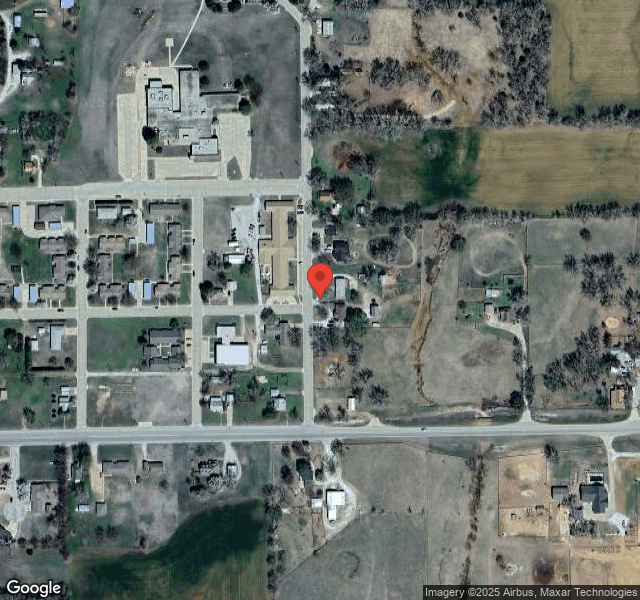
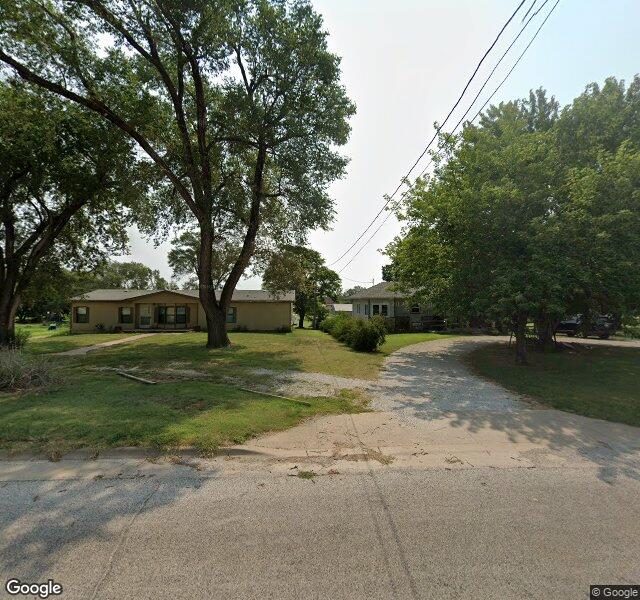
212 N 5TH AVE, ANTHONY, KS 67003 (620) 842-5187
Non profit - Corporation 30 Beds Independent Data: November 2025 1 Immediate Jeopardy citation
Trust Grade
76/100
#2 of 295 in KS
Last Inspection: April 2025

Within standard 12-15 month inspection cycle. Federal law requires annual inspections.

Overview

Anthony Community Care Center in Anthony, Kansas, has a Trust Grade of B, which means it is considered a good choice for families seeking care, indicating solid performance but with some room for improvement. It ranks #2 out of 295 facilities in Kansas, placing it in the top tier, and is #1 of 2 in Harper County, which means there is only one local facility ranked higher. However, the facility is experiencing a worsening trend, with issues increasing from 1 in 2024 to 2 in 2025. Staffing is a strength, with a 5/5 star rating and only 28% turnover, significantly lower than the state average of 48%, which suggests that staff are experienced and familiar with the residents. On the downside, the facility has had critical incidents, such as allowing residents to hold lit fireworks, resulting in a resident sustaining a burn injury, as well as concerns about inadequate training for staff and missing annual performance reviews, which could impact the quality of care provided. Overall, while there are strengths in staffing and quality ratings, families should be aware of the recent incidents and ongoing issues.

Trust Score
B
76/100
In Kansas
#2/295
Top 1%
Safety Record
High Risk
Review needed
Inspections
Getting Worse
1 → 2 violations
Staff Stability
✓ Good
28% annual turnover. Excellent stability, 20 points below Kansas's 48% average. Staff who stay learn residents' needs.
Penalties
✓ Good
No fines on record. Clean compliance history, better than most Kansas facilities.
Skilled Nurses
✓ Good
Each resident gets 42 minutes of Registered Nurse (RN) attention daily — more than average for Kansas. RNs are trained to catch health problems early.
Violations
⚠ Watch
19 deficiencies on record. Higher than average. Multiple issues found across inspections.
★★★★★
5.0
Overall Rating
★★★★★
5.0
Staff Levels
★★★☆☆
3.0
Care Quality
★★★★☆
4.0
Inspection Score
Stable
2024: 1 issues
2025: 2 issues

The Good

  • 5-Star Staffing Rating · Excellent nurse staffing levels
  • Low Staff Turnover (28%) · Staff stability means consistent care
  • Full Sprinkler Coverage · Fire safety systems throughout facility
  • No fines on record
  • Staff turnover is low (28%)

    20 points below Kansas average of 48%

Facility shows strength in staffing levels, staff retention, fire safety.

The Bad

No Significant Concerns Identified

This facility shows no red flags. Among Kansas's 100 nursing homes, only 1% achieve this.

The Ugly 19 deficiencies on record

1 life-threatening
Apr 2025 2 deficiencies
CONCERN (F)

Potential for Harm - no one hurt, but risky conditions existed

Deficiency F0947 (Tag F0947)

Could have caused harm · This affected most or all residents

The facility reported a census of 23 residents. Five Certified Nurse Aide (CNA) staff, CNA G, CNA O, CNA P, CNA Q, and Social Services Designee (SSD)/CNA K, who worked in the facility for over a year,...

Read full inspector narrative →
The facility reported a census of 23 residents. Five Certified Nurse Aide (CNA) staff, CNA G, CNA O, CNA P, CNA Q, and Social Services Designee (SSD)/CNA K, who worked in the facility for over a year, were reviewed for required annual in-service training. Based on interview and record review, the facility failed to develop, implement, and permanently maintain an in-service training program for CNAs with the required topics and no less than 12 hours per year. Five CNAs lacked the required training topics, and five CNAs lacked the required 12 hours per year of in-service training. This placed the residents at risk for decreased qulaity of care. Findings included: - On 04/08/25 at 03:32 PM, a review of training records for five CNAs employed by the facility for more than one year revealed all five CNAs had less than 12 hours of documented in-service training for the previous 12 months. The records that were reviewed were from the year 2024. Additionally, on 04/09/24, Social Services Designee (SSD)/CNA K had Abuse, Neglect, and Exploitation training was the only record located for education. On 04/08/25 at 03:32 PM, a review of training records for five CNAs employed by the facility for more than one year revealed all five CNAs did not have the required topics for in-service training for the previous 12 months. During an interview on 04/08/25 at 04:10 PM, Administrative Nurse B and Administrative Nurse C reported they were aware they may not have all the required in-service hours for CNAs. They recently acquired a new program to help with this problem in the future and have just started using it. On 04/09/25 at 05:30 PM, Administrative Staff A reported that she expected the staff to have the required services and the required 12 hours completed each year. The facility's policy, Required Training and In-Service of Staff, dated 04/02/25, documented that all nurse aide personnel participate in regularly scheduled in-service training classes, which are no less than 12 hours per employment year and include training in dementia management and abuse prevention.
MINOR (C)

Minor Issue - procedural, no safety impact

Infection Control (Tag F0880)

Minor procedural issue · This affected most or all residents

The facility reported a census of 23 residents. The sample included 12 residents. Based on observation, interview, and record review, the facility failed to develop and implement, including an annual ...

Read full inspector narrative →
The facility reported a census of 23 residents. The sample included 12 residents. Based on observation, interview, and record review, the facility failed to develop and implement, including an annual review, of the facility's infection control policy. Findings included: - During an interview on 04/10/25 at 12:19 PM, Administrative Nurse B reported that the facility lacked an annual review of the infection control policy that was last reviewed on 11/22/20. Additionally, she expected staff to remove the PPE correctly to prevent cross-contamination. The facility's policy Infection Control dated 11/22/2020 documented the facility would facilitate safe care for all elders and staff with known or suspected communicable diseases by establishing and maintaining an infection prevention and control program. The program would follow the accepted national standards.
Jul 2024 1 deficiency 1 IJ
CRITICAL (J) 📢 Someone Reported This

A family member, employee, or ombudsman was alarmed enough to file a formal complaint

Immediate Jeopardy (IJ) - the most serious Medicare violation

Accident Prevention (Tag F0689)

Someone could have died · This affected 1 resident

**NOTE- TERMS IN BRACKETS HAVE BEEN EDITED TO PROTECT CONFIDENTIALITY** The facility census totaled 25 residents with three residents sampled for accidents. Based on observation, interview, and record...

Read full inspector narrative →
**NOTE- TERMS IN BRACKETS HAVE BEEN EDITED TO PROTECT CONFIDENTIALITY** The facility census totaled 25 residents with three residents sampled for accidents. Based on observation, interview, and record review, the facility failed to provide a safe environment when the facility staff allowed three residents to hold lit fireworks in their hands during an Independence Day Celebration. On 07/03/24, the facility staff allowed three residents to hold lit [NAME] Candle (cardboard tube filled with pyrotechnic fireworks to include exploding shells/stars) fireworks, including cognitively impaired Resident (R)1. R1 sustained a burn injury and bruising to her right hand, between her thumb and forefinger, after the last exploding shell/star from the [NAME] Candle firework misfired and the tube blew up in R1's right hand as she held the lit firework with the assistance of staff. This deficient practice placed the three residents who held the fireworks in immediate jeopardy and at risk for personal injury. (R1, R2, and R3) Findings included: - R1's electronic medical record (EMR) included the following diagnoses: dementia (progressive mental disorder characterized by failing memory, confusion) and diabetes mellitus (DM-when the body cannot use glucose, not enough insulin made, or the body cannot respond to the insulin). The Annual Minimum Data Set (MDS) dated [DATE] revealed a Brief Interview for Mental Status (BIMS) score of 00, indicating severe cognitive impairment. The resident was dependent on staff for all cares. The Cognitive Loss/Dementia Care Area Assessment (CAA) dated 10/02/24 revealed R1 had impaired cognition due to dementia. The CAA noted she had impaired memory, was unable to recall, and required assistance with decision making. The Quarterly MDS, dated [DATE] revealed no significant changes in status from the above MDS. R1's Care Plan, revised 01/24/20, revealed R1 had memory problems, no recall, and had moderately impaired decision-making ability. On 07/03/2024 at 07:05 PM, an Incident Note revealed R1 held a roman candle firework and as the last shot blew from the firework, it blew up in her right hand. The nurse immediately assessed the area, cleansed the area, and applied ice. R1's right hand, between her thumb and forefinger was red, slightly swollen, and had some small pinpoint bruising. R1 given one dose of as needed Tylenol and the physician ordered an as needed burn cream. On 07/04/2024 at 06:04 PM, an Incident Note revealed R1 could feed herself and noted R1's mid-pointer finger had a small pink area and staff applied burn cream. On 07/06/2024 at 09:33 AM, an Incident Note revealed R1 had slight bruising to her finger webbing. During an observation on 07/08/24 at 09:10 AM, with Administrative Nurse A, revealed the resident was awake in her bed. Observation of R1's right hand revealed a slightly bruised area in the web between her finger and thumb. During an interview on 07/08/24 at 09:40 AM, Social Service Staff C reported on 07/03/24 at approximately 06:00 PM, she and Certified Medication Aide (CMA) B took a group of 12 residents outside, in front of the building, to light fireworks for them until about 07:00 PM. SS C said the last thing they had were the roman candles to shoot off. She asked if any of the residents wanted to hold them, and three residents indicated they did. CMA B helped the residents hold the candles as SS C lit them. SS C said the last ball of the roman candle backfired and the whole tube blew up in R1's hand. SS C took the resident back into the building to Licensed Nurse (LN) D to evaluate her right hand. SS C said there were reddened areas and some bruising, but did not look like burns. SS C said she then left the resident with the nurse and went to tend to the other residents outside. SS C reported she never thought about the residents holding the roman candles and did not read the label about how to shoot the fireworks off properly. SS C said the fireworks were destroyed and unable to read the label, so she went to a firework stand and looked at a roman candle just like what they had for the residents, and it was clear the roman candles were not to be held when lit. During an interview on 07/08/24 at 11:25 AM, CMA B reported on the evening of 07/03/24, there was a group of residents outside in front of the building to watch the fireworks. SS C asked the residents if they wanted to hold the roman candle and R1 shook her head she did. CMA B then took R1 further down away from the other residents and helped R1 hold it while SS C lit the candle. The last ball in the roman candle blew up and caused the tube to explode. CMA B then ripped it out of the resident's hand and SS C quickly took R1 into the nurse to be looked at. CMA B said she never thought about the residents holding them nor did she read the label about how to shoot the firework off. During an interview on 07/08/24 at 03:20 PM, LN D reported she was the charge nurse on 07/03/24, when staff took a lot of the residents outside to watch fireworks. It was about 07:00 PM when SS C brought R1 inside and reported a roman candle blew up in her hand. LN D immediately sent a staff for a cool washcloth and examined R1's right hand. LN D said there was a small area of redness and slight swelling on her index finger and what might be a bruise in the webbing between her thumb and finger. LN D put the cool cloth on the area and saw no open, blistered skin, just a pinpoint red area. LN D called the physician who gave a verbal order for burn cream to the area until healed. LN D reported she gave the resident some Tylenol in case the hand was causing any pain. LN D monitored and checked the area all through the night and by morning the redness was almost gone, and swelling had resolved. LN D said there was faint bruising on the webbing, but the resident used her hand as she did prior to incident. During an interview on 07/08/24 at 08:30 AM, Administrative Nurse A reported staff were lighting fireworks for the residents on 07/03/24 and without reading the labels, they allowed three residents to hold roman candles and then lit them. Administrative Nurse A said the first two residents' candles went off as planned but then the third one was lit by SS C while CMA B helped the resident hold her candle and it went off okay until the last ball backfired and blew up in the resident's hand. Review of the safety sheet on fireworks.com revealed fireworks such as roman candles should not be held in the hand and can burn at high temperatures; Some can reach temperatures of up to 2000 degrees Fahrenheit. The firework should never be held in the hand, and after they are lit, people should be a safe distance away of at least 100 feet. The facility policy for Accidents and Incidents- Investigation and Reporting dated 11/28/16 revealed all accidents or incidents involving residents, employees, visitors, vendor, etc., occurring on the premises shall be investigated and reported to the Administrator. The Charge Nurse and /or the department director or supervisor shall promptly initiate and document investigation of the accident or incident. The facility failed to provide a safe environment for three residents in the facility identified by the facility, when the facility staff allowed three residents to hold lit fireworks in their hands during an Independence Day Celebration, that resulted in injury to one confused resident. On 07/08/24 at 01:50 PM, the surveyor provided the IJ Template to Administrative Staff A and notified the facility failure to ensure a safe environment when staff allowed three residents to hold lit fireworks, one which misfired and blew up in cognitively impaired R1's right hand. This failure placed R1, R2, and R3 in immediate jeopardy and at risk for injury. The facility identified, implemented, and completed the following corrective actions on 07/04/24: 1. On 07/04/24, staff counseled on reading all labels on any fireworks for safe lighting instructions. 2. On 07/04/24, no staff/resident were to hold fireworks while being lit. 3. The facility gave SS C and CMA B a written disciplinary warning. The surveyor verified the completed corrective actions during an onsite visit on 07/08/24 at 08:00 AM. Due to the corrective actions the facility completed prior to the onsite visit, the deficient practice was deemed past non-compliance and existed at a G scope and severity.
Aug 2023 6 deficiencies
CONCERN (D)

Potential for Harm - no one hurt, but risky conditions existed

Accident Prevention (Tag F0689)

Could have caused harm · This affected 1 resident

**NOTE- TERMS IN BRACKETS HAVE BEEN EDITED TO PROTECT CONFIDENTIALITY** The facility reported a census of 20 residents with 12 residents sampled, including six residents reviewed for accidents. Based ...

Read full inspector narrative →
**NOTE- TERMS IN BRACKETS HAVE BEEN EDITED TO PROTECT CONFIDENTIALITY** The facility reported a census of 20 residents with 12 residents sampled, including six residents reviewed for accidents. Based on observation, interview, and record review, the facility failed to provide appropriate, safe transfers for one Resident (R)17. Findings included: - Review of Resident (R)17's electronic medical record (EMR) revealed a diagnosis of dementia (progressive mental disorder characterized by failing memory, confusion). The Significant Change Minimum Data Set (MDS), dated [DATE], documented the resident had a Brief Interview for Mental Status (BIMS) score of nine, indicating moderately impaired cognition. He required extensive assistance of one staff for transfers. The resident used a walker. The Activities of Daily Living (ADL) Functional/Rehabilitation Potential Care Area Assessment (CAA), dated 05/09/23, documented the resident had moderately impaired cognition and required extensive assistance with transfers. The Quarterly MDS, dated 08/08/23, documented the resident had a BIMS score of three, indicating severe cognitive impairment. He required extensive assistance of one staff for transfers and used a walker. The care plan for ADL's, revised 08/09/23, instructed staff the resident's requirements for ADL's varied from independent to extensive assistance due to cognitive impairment, weakness and poor balance at times. Review of the resident's EMR from 07/25/23 through 08/22/23, revealed he required limited to extensive assistance of one staff for transferring. On 08/22/23 at 09:54 AM, Certified Nurse Aide (CNA) N transferred the resident from his bed to his recliner for breakfast. CNA N used extensive assistance to help the resident stand up from the side of the bed to his walker and ambulate four steps to his recliner. The resident was unable to fully straighten his legs and his balance was unsteady during the transfer. CNA N did not use a gait belt during the transfer. On 08/23/23 at 10:17 AM, CNA M assisted the resident from his bed to the bathroom. CNA M used extensive assistance to help the resident stand up from the bedside to the walker. The resident then ambulated from his bed to the bathroom with an unsteady gait. The resident was unable to fully straighten his legs while ambulating. CNA M did not use a gait belt while giving cares. On 08/22/23 at 09:54 AM, CNA N stated the resident was weak at that time due to having a UTI (urinary tract infection). CNA N stated the resident usually was able to get up and ambulate much better than he was able to recently and staff did not use a gait belt for transfers with the resident. On 08/23/23 at 10:17 AM, CNA M stated the resident currently had a UTI and was much weaker than normal. CNA M confirmed she should have used a gait belt while transferring and ambulating with the resident due to his current weakness, but did not as there was not a gait belt in his room. On 08/23/23 at 02:48 PM, CNA O stated the resident required a gait belt with transfers due to his current weakness. On 08/24/23 at 09:00 AM, Administrative Nurse D stated the staff should use a gait belt for the resident's transfers as he was unusually weak due to currently having a UTI. The facility policy for Use of Transfer Belt/Gait Belt, effective 02/01/17, included: Transfer belts or gait belts will be used when transferring elders who are partially dependent or have some weight-bearing capacity. The facility failed to provide appropriate, safe transfers for this resident.
CONCERN (E)

Potential for Harm - no one hurt, but risky conditions existed

Infection Control (Tag F0880)

Could have caused harm · This affected multiple residents

**NOTE- TERMS IN BRACKETS HAVE BEEN EDITED TO PROTECT CONFIDENTIALITY** - Review of Resident (R)15's electronic medical record (EMR) revealed a diagnosis of retention of urine (inability to pass urine...

Read full inspector narrative →
**NOTE- TERMS IN BRACKETS HAVE BEEN EDITED TO PROTECT CONFIDENTIALITY** - Review of Resident (R)15's electronic medical record (EMR) revealed a diagnosis of retention of urine (inability to pass urine). The Annual Minimum Data Set (MDS), dated [DATE], documented the resident had a Brief Interview for Mental Status (BIMS) score of 15, indicating intact cognition. He required extensive assistance of one staff for toileting and had an indwelling urinary catheter (a catheter which drains urine from your bladder into a bag outside your body). The Urinary Incontinence and Indwelling Catheter Care Area Assessment (CAA), dated 01/09/23, documented the resident had an indwelling urinary catheter due to obstructive uropathy (a condition of excess urine accumulation in the kidneys which causes swelling of the kidneys). He required extensive assistance with emptying the catheter. The Quarterly MDS, dated 07/11/23, documented the resident had a BIMS score of 14, indicating intact cognition. He required extensive assistance of one staff for toileting and had an indwelling urinary catheter. The care plan for Activity of Daily Living (ADL), revised 07/12/23, instructed staff the resident had an indwelling urinary catheter and required extensive assistance with toileting. Review of the resident's EMR from 07/25/23 through 08/22/23, revealed he required extensive assistance of one staff for toileting. On 08/23/22 at 08:30 AM, Certified Nurse Aide (CNA) M entered the resident's room to provide catheter care for the resident. CNA M gathered supplies and placed the graduate (a measured plastic container used to measure liquids) directly on the resident's floor, next to his bed, without a barrier. CNA M then unhooked the drainage nozzle from the catheter collection bag and drained 750 cubic centimeters (cc) of urine into the graduate. CNA M then reconnected the nozzle to the port of the collection bag without cleansing the tip of the nozzle. On 08/23/23 at 08:30 AM, CNA M confirmed she did not cleanse the tip of the nozzle before reinserting it into the port of the catheter collection bag and did not use a barrier for the graduate when she sat it onto the floor without a barrier. On 08/24/23 at 09:00 AM, Administrative Nurse D stated the staff should have a barrier between the floor and the graduate while draining urine and should cleanse the tip of the nozzle before reinserting it into the port on the catheter collection bag. The facility's policy for Indwelling Catheter Protocol, effective 02/01/17, included: Staff shall empty the catheter drainage bag every eight hours, or when the drainage bag is 2/3 full. When the drainage bag is empty, staff shall clean the nozzle with an alcohol swab before reinserting into the port on the drainage bag. The facility failed to place a barrier between the graduate and the resident's floor while draining urine and failed to cleanse the tip of the nozzle after draining urine from the catheter collection bag into the graduate before reinserting the nozzle into the port on the collection bag. The facility reported a census of 20 residents with seven residents identified that used the facility glucometer for obtaining blood glucose (the amount of sugar in the blood) to determine insulin (a medication used to control blood sugar levels) needed to maintain a normal level of blood sugar. Based on observation, interview, and record review, the facility failed to ensure staff sanitized the multi- resident use glucometer and failed to ensure staff provided catheter care for one Resident (R)15 in a sanitary manner to prevent the spread of infection. Findings included: - Observation, on 08/23/23 at 11:04 AM, revealed Certified Medication Aide (CMA) R, obtained a blood glucose level with the facility glucometer from Resident (R) 2. CMA R then used an alcohol wipe to sanitize the glucometer. Interview, at that time with CMA R, revealed she used the glucometer for several other residents to obtain their blood glucose level, and sanitized them with an alcohol wipe. CMA R thought this was the proper procedure. Interview, on 08/23/23 at 11:20 AM, with Administrative Nurse D, confirmed the glucometer manufacture recommended the use of an EPA (Environmental Protection Agency) registered disinfection wipe. The manufacturer recommended that the glucometer intended use was for a single patient use. Administrative Nurse stated staff obtained blood glucose levels for R19, R6, R5, R15, R11, R2 and R3. The facility policy Blood Glucose Monitoring, effective 02/01/2016, instructed staff to thoroughly clean all equipment per manufacturer recommendations. The facility failed to effectively sanitize the glucometer used for these seven residents to prevent the spread of infection.
CONCERN (E)

Potential for Harm - no one hurt, but risky conditions existed

Deficiency F0887 (Tag F0887)

Could have caused harm · This affected multiple residents

**NOTE- TERMS IN BRACKETS HAVE BEEN EDITED TO PROTECT CONFIDENTIALITY** The facility reported a census of 20 residents. Based on interview and record review, the facility failed to ensure residents/re...

Read full inspector narrative →
**NOTE- TERMS IN BRACKETS HAVE BEEN EDITED TO PROTECT CONFIDENTIALITY** The facility reported a census of 20 residents. Based on interview and record review, the facility failed to ensure residents/responsible parties acknowledged receipt of the benefit verses risk information for COVID-19 to make informed declination decisions and failed to offer/arrange for COVID-19 vaccinations for newly admitted residents as required for five Residents (R)4, R10, R15, R16, and R8. - Review of the medical records for Residents (R) 4, R10, R15, R16, and R8 revealed lack of COVID-19 vaccination declinations. Review of R 19's medical record revealed the resident admitted to the facility on [DATE]. The resident historically received three doses of COVID-19 vaccine, with the last vaccine received on 10/21/21. Furthermore, the record lacked a COVID-19 vaccine acceptance/declination form. Review of R 17's medical record revealed the resident admitted to the facility on [DATE]. The resident historically received COVID-19 vaccinations with the last dose on 10/21/21. Interview, on 08/24/23 at 09:48 AM, with Administrative Nurse E, revealed the facility verbally obtained declinations from residents/responsible parties, but did not have documentation of the receipt of benefits/risks of the COVID-19 vaccine to make informed declination decisions. Administrative Nurse E confirmed R17 and R19 needed COVID boosters, and R 4, R10, R15, R16, and R8 lacked COVID-19 vaccination declinations. The facility policy Covid-19 Vaccination Policy, dated 03/15/21, instructed staff to retain copies of all immunization forms in the medical record and residents have the right to choose not to receive the COVID-19 immunization. Each resident's medical record will include documentation that the resident/representative was provided education related to the benefits and potential side effects. This policy instructed staff to offer and arrange for the administration to any new resident or resident that previously declined the vaccine but wished to receive the vaccine. The facility failed to ensure residents/responsible parties acknowledged receipt of the benefit verses risk information for COVID-19 to make informed declination decisions and failed to offer/arrange for COVID-19 vaccinations for newly admitted residents as required.
CONCERN (F)

Potential for Harm - no one hurt, but risky conditions existed

Deficiency F0730 (Tag F0730)

Could have caused harm · This affected most or all residents

The facility reported a census of 20 residents. Based on interview and record review, the facility failed to complete an annual performance review at least once every 12 months for five of the five Ce...

Read full inspector narrative →
The facility reported a census of 20 residents. Based on interview and record review, the facility failed to complete an annual performance review at least once every 12 months for five of the five Certified Nurse Aides (CNA) reviewed, CNA MM, Q, P, O and M, to ensure adequate appropriate cares and services provided to the residents of the facility. Findings included: - Review of five employee personnel files, employed by the facility for greater than one year, revealed the following concerns: Review of Certified Nurse Aide (CNA) P, hired 08/30/20, lacked an annual performance review in her personnel file. Review of Certified Nurse Aide (CNA) O, hired 07/21/22, lacked an annual performance review in her personnel file. Review of Certified Nurse Aide (CNA) M, hired 06/24/22, lacked an annual performance review in her personnel file. Review of Certified Nurse Aide (CNA) Q, hired 12/02/17, lacked an annual performance review in her personnel file. Review of Certified Nurse Aide (CNA) MM, hired 06/18/20, lacked an annual performance review in her personnel file. On 08/23/23 at 03:42 PM, Administrative Nurse D stated she had not completed the employee's annual evaluations. The Facility Employee Handbook, included: During your employment, your performance will be observed and reviewed. You will receive a written evaluation prior to completion of your Introductory Period and periodically thereafter. The facility failed to complete an annual performance review for these five CNAs, employed by the facility for greater than one year, to ensure adequate appropriate cares and services provided to the residents of the facility.
CONCERN (F)

Potential for Harm - no one hurt, but risky conditions existed

Food Safety (Tag F0812)

Could have caused harm · This affected most or all residents

The facility reported a census of 20 residents. Based on observation, interview, and record review, the facility failed to properly store, prepare and distribute food under sanitary conditions to ensu...

Read full inspector narrative →
The facility reported a census of 20 residents. Based on observation, interview, and record review, the facility failed to properly store, prepare and distribute food under sanitary conditions to ensure proper sanitation and food handling practices to prevent the outbreak of foodborne illnesses for the residents of the facility. Findings included: - During the initial tour of the kitchen on 08/22/23 at 08:29 AM, the following areas of concern were noted: 1. A large can opener had a heavy build-up of a sticky substance including on the tip which comes into contact with the food. 2. The shelves below the food preparation table contained dried food debris. 3. The shelf, which contained the multiple containers of spices, contained dried food debris. 4. The enclosed dry storage bin contained dried food debris. The inside and outside of the doors to the dry storage bin had a dried-on sticky liquid substance. 5. The sugar and flour bins had debris on the bin covers and around the bins, including a container next to the sugar bin which held clean pot lids. 6. Two drawers which held cooking utensils such as scoops, spatulas and serving spoons had dried food debris throughout the drawers. 7. Two two-cup plastic measuring cups and one four-cup plastic measuring cup had multiple cracks throughout. 8. Six reach-in freezers and reach-in refrigerators in the kitchen and in the kitchen storage building had dried food on the shelves and a heavy build-up of food debris in the rubber gaskets around the doors. 9. The outsides of the six reach-in freezers and reach-in refrigerators doors had a dried, sticky substance. 10. The white handles of three of the five freezers in the kitchen storage building had a heavy build-up of grime, causing the white handles to be dark brown in color. 11. The hand-washing sink on the south side of the kitchen contained rust behind the faucet. The pipes beneath the sink had a heavy build-up of dirt and grime. 12. The pipes beneath the three-compartment sink had a heavy build-up of dirt and grime. 13. The dry storage room had a plastic bin which contained dried pudding mix which had a build-up of dirt and grime. On 08/23/23 at 03:45 PM, Dietary Staff BB confirmed the areas of concern needs to be addressed. The facility policy for Dietary Cleaning Procedures, dated 02/24/16, included: The facility will store, prepare, distribute and serve food under sanitary conditions to ensure that proper sanitation and food handling practices to prevent the outbreak of foodborne illnesses is attained continuously. The facility failed to properly store, prepare and distribute food under sanitary conditions to ensure proper sanitation and food handling practices to prevent the outbreak of foodborne illnesses for the residents of the facility. - Observation, on 08/22/23 at 08:30 AM, revealed the resident's popcorn machine in the common living area contained popcorn and a yellow substance streaming down the entire surface of the two front doors across. Observation on 08/23/23 and 08/24/23 at 08:30 AM, revealed the popcorn machine in the common living area remained in the same condition. Interview, on 08/24/23 at 12:06 PM, with Administrative Nurse E, stated staff used the popcorn machine to pop popcorn for the residents typically for movies, usually on the weekend. Administrative Nurse E confirmed staff needed to clean the popcorn machine, and expected the staff member that used the machine last should clean it. Interview, on 08/24/23 at 01:00 PM, with Administrative Nurse revealed the facility did not have a policy for cleaning the popcorn machine. The facility lacked a policy for cleaning the popcorn machine. The facility failed to ensure staff maintained the popcorn machine in a sanitary manner to prevent the spread of food borne illness.
CONCERN (F)

Potential for Harm - no one hurt, but risky conditions existed

Safe Environment (Tag F0921)

Could have caused harm · This affected most or all residents

The resident reported a census of 20 residents. Based on observation, interview, and record review, the facility failed to provide a safe, functional, sanitary, and comfortable environment for residen...

Read full inspector narrative →
The resident reported a census of 20 residents. Based on observation, interview, and record review, the facility failed to provide a safe, functional, sanitary, and comfortable environment for residents and staff. Findings included: - During the initial tour of the kitchen on 08/22/23 at 08:29 AM, the following area of concern was noted: The floor throughout the kitchen had areas which contained a dried, liquid, sticky substance. The parameter of the floor had a heavy build-up of dirt and grime. On 08/23/23 at 03:45 PM, Dietary Staff BB confirmed the floors of the kitchen needed to be kept clean at all times. The facility policy for Dietary Cleaning Procedures, dated 02/24/16, included: Staff members who prepare food in the kitchen will wipe any spills on the floor immediately and keep the kitchen floor free of debris. The facility failed to provide a safe, functional, sanitary and comfortable environment for residents and staff.
Dec 2021 10 deficiencies
CONCERN (D)

Potential for Harm - no one hurt, but risky conditions existed

Resident Rights (Tag F0550)

Could have caused harm · This affected 1 resident

The facility had a census of 23 residents with 12 residents included in the sample. Based on observation, interview and record review the facility failed to ensure the dignity of one resident who used...

Read full inspector narrative →
The facility had a census of 23 residents with 12 residents included in the sample. Based on observation, interview and record review the facility failed to ensure the dignity of one resident who used a urinary catheter (tube inserted into the bladder to drain urine into a collection bag) by failing to place the urinary drainage bag in a dignity cover for Resident (R)173. Findings included: - R173's Electronic Health Record (EHR) revealed diagnoses of chronic kidney disease and benign prostatic hyperplasia (non-cancerous enlargement of the prostate which can lead to interference with urine flow, urinary frequency and urinary tract infections). The admission Minimum Data Set (MDS) was incomplete as R173 admitted five days prior to the survey. The Baseline Care Plan dated 12/22/21 revealed R173 used a urinary catheter. The Physician Orders included an order dated 12/23/21 for an indwelling urinary catheter. Observation on 12/27/21 at 10:06 AM revealed R173 sat in his room in a wheelchair and ate breakfast and watched television. A catheter bag attached underneath his wheelchair had no dignity bag in place. Observation on 12/27/21 at 04:44 PM revealed R173 sat in his room in a wheelchair and ate supper with no dignity bag covering the urinary catheter bag. In an interview on 12/28/21 at 10:15 AM Certified Medication Aide (CMA) E stated R173's catheter bag should have a dignity bag placed over it. In an interview on 12/28/21 at 03:23 PM Certified Nurse Aide (CNA) D stated she expected R173's catheter bag to be covered with a dignity bag. In an interview on 12/28/21 at 04:15 PM Administrative Nurse A stated she expected R173's catheter bag to be placed inside a dignity bag. The Indwelling Catheter Protocol policy dated 02/01/17 documented the drainage bag will be covered with a catheter bag dignity cover and the cover will be changed daily and whenever appears soiled or stained. The facility failed to maintain dignity for R173 by not placing his urinary catheter drainage bag inside a dignity cover.
CONCERN (D)

Potential for Harm - no one hurt, but risky conditions existed

Transfer Notice (Tag F0623)

Could have caused harm · This affected 1 resident

**NOTE- TERMS IN BRACKETS HAVE BEEN EDITED TO PROTECT CONFIDENTIALITY** - Resident (R)174's signed Physician Orders in the Electronic Health Record (EHR) dated 09/09/21 documented the following diagno...

Read full inspector narrative →
**NOTE- TERMS IN BRACKETS HAVE BEEN EDITED TO PROTECT CONFIDENTIALITY** - Resident (R)174's signed Physician Orders in the Electronic Health Record (EHR) dated 09/09/21 documented the following diagnoses: impaired mobility and generalized weakness. The admission Minimum Data Set (MDS) dated [DATE] revealed a Brief Interview for Mental Status (BIMS) score of eight which indicated mildly impaired cognition. The Quarterly MDS dated 09/07/21 revealed a BIMS score of six which indicated severely impaired cognition. A Fax note by Licensed Nurse (LN) M under miscellaneous tab on 12/06/21 documented a note informing R174's physician of a fall that resulted in a right hip fracture and the resident transferred to the hospital. A nursing note in the Progress Notes tab by Administrative Nurse A on 12/22/21 documented R174 readmitted to the facility on [DATE]. Observation on 12/28/21 at 10:40 AM revealed R174 sat in her recliner with oxygen on per nasal cannula at 4L/min per physician's orders. Call light was in reach, feet were under a blanket and could not see if she was wearing non-skid footwear. Room was well lit and there were no fall hazards noted. On 12/27/21 at 10:51 AM Administrative Nurse A stated R174 fell on [DATE] and broke her right hip. The facility sent R174 to the emergency room and she admitted to the hospital for surgery. R174 returned to the facility on [DATE]. On 12/28/21 at 10:01 AM Administrative Staff C stated no reports of discharges were sent to the ombudsman when a resident went to the hospital. The facility's Bed Hold Policy dated 11/20/19 documented: All unplanned facility-initiated discharges will be reported to the State Ombudsman Office on the day of discharge / transfer by fax. The facility failed to notify the ombudsman when R174 admitted to the hospital on [DATE]. The facility census totaled 23 residents with 12 included in the sample. Based on observation, interview, and record review the facility failed to provide written notice of hospitalization to the State Ombudsman for Resident (R)19's hospitalization on 12/22/21 and R 174's hospitalization on 12/06/21. Findings included: - Resident (R) 19's signed Physician Orders dated 11/25/20 revealed the following diagnoses: dysphagia (difficulty swallowing), chronic obstructive pulmonary disease (COPD- progressive and irreversible condition characterized by diminished lung capacity and difficulty or discomfort in breathing), type 2 diabetes mellitus (when the body cannot use glucose, not enough insulin is made or the body cannot respond to the insulin), CVA- (Cerebral Vascular Accident, commonly known as a stroke, sudden death of brain cells due to lack of oxygen caused by impaired blood flow to the brain by blockage or rupture of an artery to the brain) and dementia (progressive mental disorder characterized by failing memory, confusion) The Annual Minimum Data Set (MDS) dated [DATE] revealed a Brief Interview for Mental Status (BIMS) score of three which indicated severe cognitive impairment. The resident required extensive to total assistance from staff with all cares. The resident had shortness of breath and required oxygen (O2) therapy. The resident had two or more falls and received antidepressant and diuretic medications for seven days of the observation period. The Cognitive loss/dementia Care Area Assessment (CAA) dated 11/29/21 revealed the resident had a BIMS of three. She had severe cognitive impairment due to a stroke, dementia, and intracerebral hemorrhage (bleeding in the brain). She remained oriented to person only. She had impaired memory and needed assistance with decision making. She had difficulties with inattention, disorganized thinking, and an altered level of consciousness that fluctuated. The Care Plan dated 11/25/2020 revealed Admission/Advance Directive Approaches included the resident desired full resuscitation. The resident was to receive a regular diet with puree, nectar thick liquids related to dysphagia. Approaches included- Resident to eat for short meal times of 15-20 minutes to decrease meal fatigue and decrease aspiration. Keep oxygen on when eating. Resident dependent with eating and staff to watch for swallow before giving next bite and use verbal cues to swallow when needed. A 12/18/2021 at 02:00 PM Nursing Progress Note revealed the resident had been lethargic today. She denied pain or discomfort. The resident stated she was just tired. She had poor oral intake. Staff encouraged fluids. The resident took thickened liquids with a spoon. She ate only bites of breakfast and let it run out of her mouth. A 12/21/2021 at 01:11 PM Nursing Progress Note revealed the resident had increasing lethargy over the past several days. She ate poorly and was not responding well verbally. The resident received an increasing dose of Lamictal (anti-seizure medication) with the last increase on the 12/20/21 to 100 milligrams (mg) two times a day (BID). The nurse spoke with the resident's physician and he decreased the dosage with an additional decrease if this did not help. Staff called the resident's spouse and informed of the resident's condition. A 12/22/2021 09:30 AM Nursing Progress Note revealed staff alerted the Licensed Nurse (LN) that the resident looked flushed and felt warm. The resident continued to be lethargic and had poor intake. Temperature (T) taken and was 103.5 degrees Fahrenheit (F) axillary (under arm). The resident's oxygen saturation level was (SaO2) 83% on 1.5 Liters/Nasal cannula (L/NC). Staff increased the oxygen to 2L/NC and SaO2 increased to 85%. The resident's vital signs within normal limits and respirations (R) non-labored. Tylenol suppository (medication given rectally if resident unable to swallow by mouth) given at 09:07 AM for elevated temperature. At 09:22 AM T was 102 F axillary. The resident's SaO2 was 85-89% on 2.5 L/NC. At 09:40 AM, T was 101.3 F, R 22 per minute and non-labored, and SaO2 93% on 2.5 L/NC. 12/22/2021 at 11:06 AM Nursing Progress Note revealed the LN called report to the physician extender (APRN, Advanced Practice Registered Nurse) and informed her of the resident's condition. The physician extender gave orders to send the resident to the emergency room (ER). No Observation of the resident was possible due to resident remained in the hospital during all days of the survey (12/27-12/29/21. On 12/28/21 at 4:30 PM Certified Nursing Assistant (CNA) F reported she provided care to the resident prior to going to the hospital. The resident was very sick and needed total care for everything. On 12/28/21 at 10:01 AM Administrative Staff A reported no report of discharges or transfers were sent to the State Ombudsman. The facility's Bed Hold Policy dated 11/20/19 documented: All unplanned facility-initiated discharges will be reported to the State Ombudsman Office on the day of discharge / transfer by fax. The facility failed to provide written notice of hospitalization to the State Ombudsman for Resident (R)19's hospitalization on 12/22/21.
CONCERN (D)

Potential for Harm - no one hurt, but risky conditions existed

Deficiency F0625 (Tag F0625)

Could have caused harm · This affected 1 resident

**NOTE- TERMS IN BRACKETS HAVE BEEN EDITED TO PROTECT CONFIDENTIALITY** - Resident (R)174's signed Physician Orders in the Electronic Health Record (EHR) dated 09/09/21 documented the following diagno...

Read full inspector narrative →
**NOTE- TERMS IN BRACKETS HAVE BEEN EDITED TO PROTECT CONFIDENTIALITY** - Resident (R)174's signed Physician Orders in the Electronic Health Record (EHR) dated 09/09/21 documented the following diagnoses: impaired mobility and generalized weakness. The admission Minimum Data Set (MDS) dated [DATE] revealed a Brief Interview for Mental Status (BIMS) score of eight which indicated mildly impaired cognition. The Quarterly MDS dated 09/07/21 revealed a BIMS score of six which indicated severely impaired cognition. A Fax by Licensed Nurse (LN) M under miscellaneous tab on 12/06/21 documented a note informing R174's physician of a fall that resulted in a right hip fracture and the resident transferred to the hospital. A Nursing Note in the Progress Notes tab by Administrative Nurse A on 12/22/21 documented R174 readmitted to the facility on [DATE]. Review of the resident's EHR lacked documentation of provision of the facility's bed hold policy to the resident or her representative. Observation on 12/28/21 at 10:40 AM revealed R174 sat in her recliner with oxygen on per nasal cannula at 4L/min per physician's orders. On 12/27/21 at 10:51 AM Administrative Nurse A stated R174 fell on [DATE] and broke her right hip. The facility sent R174 to the emergency room and she admitted to the hospital for surgery. R174 readmitted back to the facility on [DATE]. On 12/28/21 at 10:01 AM Administrative Staff C stated no bed hold policies were sent with residents or their family when a resident admitted to the hospital. The facility's Bed Hold Policy dated 11/20/19 documented: Within 24 hours [the facility] transfers a resident to a hospital or the resident goes on therapeutic leave, this facility will provide written information to the resident and / or resident representative that specifies: the duration of the state bed-hold policy during, which the resident is permitted to return and resume residency in the facility; the reserve bed payment policy in the state plan; the facility's policies regarding bed-hold period, which are consistent with the law permitting the resident to return. The facility failed to provide R174 or her representative with written notice concerning the facility's bed hold policy when R174 discharged to the hospital. The facility census totaled 23 residents with 12 included in the sample. Based on observation, interview, and record review the facility failed to provide the resident or the resident's represetative a Bed Hold Policy upon the hospitalization transfer on 12/22/21 of R19 and for the hospitalitzaiton transfer of R174 on 12/06/21. Findings included: - Resident (R) 19's signed Physician Orders dated 11/25/20 revealed the following diagnoses: dysphagia (difficulty swallowing), chronic obstructive pulmonary disease (COPD, progressive and irreversible condition characterized by diminished lung capacity and difficulty or discomfort in breathing), type 2 diabetes mellitus (when the body cannot use glucose, not enough insulin is made or the body cannot respond to the insulin), CVA (cerebral vascular accident/stroke, sudden death of brain cells due to lack of oxygen caused by impaired blood flow to the brain by blockage or rupture of an artery to the brain). The Annual Minimum Data Set (MDS) dated [DATE] revealed a Brief Interview for Mental Status (BIMS) score of three which indicated severe cognitive impairment. The resident required extensive to total assistance from staff with all cares. The resident had shortness of breath and required oxygen (O2) therapy. The resident had two or more falls and received antidepressant and diuretic medications for seven days of the observation period. The Cognitive loss/dementia Care Area Assessment (CAA) dated 11/29/21 revealed the resident had a BIMS of three. She had severe cognitive impairment due to a stroke, dementia, and intracerebral hemorrhage (bleeding in the brain). She remained oriented to person only. She had impaired memory and needed assistance with decision making. She had difficulties with inattention, disorganized thinking, and an altered level of consciousness that fluctuated. The Care Plan dated 11/25/2020 revealed the Admission/Advance Directive approaches included the resident desired full resuscitation. The Care Plan further noted the resident required a regular diet with puree, nectar thick liquids related to dysphagia, R19 had a swallow study performed 08/25/21 and noted the resident had difficulty swallowing with moderate oropharyngeal phase dysphagia. The resident to eat for short meal times 15-20 minutes to decrease meal fatigue and decrease aspiration. The Care Plan instructed staff to keep oxygen on the resident when eating and noted the resident as dependent with eating and staff were to watch for her swallow before giving the next bite and to usee verbal cues to swallow when needed. A 12/18/2021 at 02:00 PM Nursing Progress Note revealed the resident had been lethargic today. She denied pain or discomfort. The resident stated she was just tired. She had poor oral intake. Staff encouraged fluids. The resident took thickened liquids with a spoon. She ate only bites of breakfast and let it run out of her mouth. A 12/21/2021 at 01:11 PM Nursing Progress Note revealed the resident had increasing lethargy over the past several days. She ate poorly and was not responding well verbally. The resident received an increasing dose of Lamictal (anti-seizure medication) with the last increase on the 12/20/21 to 100 milligrams (mg) two times a day (BID). The nurse spoke with the resident's physician and he decreased the dosage with an additional decrease if this did not help. Staff called the resident's spouse and informed of the resident's condition. A 12/22/2021 09:30 AM Nursing Progress Note revealed staff alerted the Licensed Nurse (LN) that the resident looked flushed and felt warm. The resident continued to be lethargic and had poor intake. Temperature (T) taken and was 103.5 degrees Fahrenheit (F) axillary (under arm). The resident's oxygen saturation level (SaO2) was 83% on 1.5 Liters/Nasal cannula (L/NC). Staff increased the oxygen to 2L/NC and SaO2 increased to 85%. The resident's vital signs within normal limits and respirations (R) non-labored. Tylenol suppository (medication given rectally if resident unable to swallow by mouth) given at 09:07 AM for elevated temperature. At 09:22 AM T was 102 degrees F axillary. The resident's SaO2 was 85-89% on 2.5 L/NC. At 09:40 AM, T was 101.3 degrees 0F, R 22 per minute and non-labored, and SaO2 93% on 2.5 L/NC. On 12/22/2021 at 11:06 AM Nursing Progress Note revealed the LN called report to the physician extender (APRN, Advanced Practice Registered Nurse) and informed her of the resident's condition. The physician extender gave orders to send the resident to the emergency room (ER). On 12/28/21 at 4:30 PM Certified Nursing Assistant (CNA) F reported she provided care to the resident prior to going to the hospital. The resident was very sick and needed total care for everything. On 12/28/21 at 10:01 AM Administrative Staff A reported no report of discharges or transfers were sent to the State Ombudsman. The facility's Bed Hold Policy dated 11/20/19 documented: Within 24 hours [the facility] transfers a resident to a hospital or the resident goes on therapeutic leave, this facility will provide written information to the resident and/or resident representative that specifies: the duration of the state bed-hold policy during, which the resident is permitted to return and resume residency in the facility; the reserve bed payment policy in the state plan; the facility's policies regarding bed-hold period, which are consistent with the law permitting the resident to return. The facility failed to provide the resident or the resident's represetative a Bed Hold Policy upon the hospitalization transfer on 12/22/21 of R19.
CONCERN (D)

Potential for Harm - no one hurt, but risky conditions existed

Deficiency F0657 (Tag F0657)

Could have caused harm · This affected 1 resident

**NOTE- TERMS IN BRACKETS HAVE BEEN EDITED TO PROTECT CONFIDENTIALITY** The facility census totaled 23 residents with 12 included in the sample. Based on observation, interview and record review the f...

Read full inspector narrative →
**NOTE- TERMS IN BRACKETS HAVE BEEN EDITED TO PROTECT CONFIDENTIALITY** The facility census totaled 23 residents with 12 included in the sample. Based on observation, interview and record review the facility failed to revise the care plan to include coordination of the nursing care provided by the facility with the care provided by hospice. Resident (R) 13. Findings Included: - Resident (R)13's signed Physician Orders dated 12/15/21 revealed the following diagnoses: dementia (progressive mental disorder characterized by failing memory, confusion), Alzheimer's disease (progressive mental deterioration characterized by confusion and memory failure), dysphagia (difficulty swallowing) due to CVA (Cerebral Vascular Accident commonly known as a stroke, sudden death of brain cells due to lack of oxygen caused by impaired blood flow to the brain by blockage or rupture of an artery to the brain ). Review of the Significant Change in Status Minimum Data Set (MDS) dated [DATE] revealed the resident had severely impaired cognition. The resident was totally dependent on two staff for all care. The resident received all nutrition and hydration via a gastrostomy tube (tube placed through abdomen into the stomach for nourishment) with weight stable. The resident received hospice care. Review of the Care Plan dated 01/16/20 revealed the resident would maintain adequate nutritional status as evidenced by maintaining weight within 10% of 140 pounds (lbs), no signs or symptoms of worsening malnutrition through the review date. The Care Plan lacked interventions for provision of hospice care and coordination of care with hospice staff. A 12/03/21 Progress Note by Licensed Nurse (LN) B revealed the resident had a shower that morning and was shaking and moaning uncontrollably. Staff gave Morphine (opioid pain medication) and Ativan (antianxiety). His temperature was 102.9 degrees Fahrenheit (F) axillary (under the arm) . An assessment revealed coarse wet crackles in all lobes of the lungs. The resident was coughing with secretions running from mouth. Staff gave Tylenol (medication to bring down fever) and Tussin (cough medication). After a couple hours the resident finally relaxed and rested quietly. LN B spoke with the resident's family and they felt it was time to call hospice for evaluation. Staff would request an order for hospice from the physician. The Physician Order on 12/04/21 revealed the resident admitted to hospice for Alzheimer's Dementia. Review of the Nurses Progress notes dated 12/15/21 revealed the resident was to have nothing by mouth (NPO) and received enteral feedings, fluids, and medications through gastrostomy tube. He had dysphagia due to a stroke. His weight was stable. He received hospice services for Alzheimer's. The resident had severe cognitive impairment. Observation on 12/27/21 at 03:43 PM revealed the resident slept in bed with the head of bed (HOB) elevated. The resident was on his right side with a fan on in room. The resident had no signs of discomfort. Observation on 12/28/21 at 10:41 AM revealed the resident lay on back position with HOB elevated slightly. His knees were drawn up with a pillow for support. The resident made no response when spoken to with no non-verbal signs of discomfort or distress. During an interview on 12/28/21 at 10:36 AM Certified Medication Aide E verified the resident received hospice services. She reported not knowing what the hospice aide did with the resident, or how often they came, but no matter what hospice did for the resident it was just extra because we care for him and meet his needs. The facility staff provided all the residents care. During an interview on 12/28/21 at 04:30 PM Certified Nursing Assistant F reported the resident was total care for everything. He had no behaviors but did moan and occasionally would yell. He received hospice services and staff turned him every two hours. He did not take anything by mouth, it all went through his tube. During an interview on 12/28/21 at 01:20 PM LN B reported the resident has not been on hospice for long. The hospice nurse checked with staff when she came. She did not know what schedule they were on or when they would be in to see the resident. She reported she is the one to update care plans as needed but just had not had the time to get to it. She would make sure the care plan was updated. The facility's Care Plan Revisions policy dated 02/01/17 documented: The Care Plan will be revised whenever the elder or responsible party / family make the decision to accept palliative or hospice services .The Care Plan will include detailed and comprehensive instructions to staff on which staff from which specific organization provides services and equipment for the care of the elder and support to the family. The facility failed to revise the resident care plan to include coordination of the nursing care provided by the facility with the care provided by hospice.
CONCERN (D)

Potential for Harm - no one hurt, but risky conditions existed

Quality of Care (Tag F0684)

Could have caused harm · This affected 1 resident

**NOTE- TERMS IN BRACKETS HAVE BEEN EDITED TO PROTECT CONFIDENTIALITY** The facility census totaled 23 residents with 12 included in the sample. Based on observation, interview, and record review the ...

Read full inspector narrative →
**NOTE- TERMS IN BRACKETS HAVE BEEN EDITED TO PROTECT CONFIDENTIALITY** The facility census totaled 23 residents with 12 included in the sample. Based on observation, interview, and record review the facility failed to coordinate nursing care provided by the facility with the care provided by hospice for Resident (R) 13. Findings included: - R 13's signed Physician Orders dated 12/15/21 revealed the following diagnoses: dementia (progressive mental disorder characterized by failing memory, confusion), Alzheimer's disease (progressive mental deterioration characterized by confusion and memory failure), dysphagia (difficulty swallowing) due to CVA (Cerebral Vascular Accident commonly known as a stroke, sudden death of brain cells due to lack of oxygen caused by impaired blood flow to the brain by blockage or rupture of an artery to the brain ). Review of the Significant Change in Status Minimum Data Set (MDS) dated [DATE] revealed the resident had severely impaired cognition. The resident was totally dependent on two staff for all care. The resident received all nutrition and hydration via a gastrostomy tube (tube placed through abdomen into the stomach for nourishment) with weight stable. The resident received hospice care. Review of the Care Plan dated 01/16/20 revealed the resident would maintain adequate nutritional status as evidenced by maintaining weight within 10% of 140 pounds (lbs), no signs or symptoms of worsening malnutrition through the review date. The Care Plan lacked interventions for provision of hospice care and coordination of care with hospice staff. A 12/03/21Progress Noteby Licensed Nurse (LN) B revealed the resident had a shower that morning and was shaking and moaning uncontrollably. Staff gave Morphine (opioid pain medication) and Ativan (antianxiety). His temperature was 102.9 degrees Fahrenheit (F) axillary (under the arm) . An assessment revealed coarse wet crackles in all lobes of the lungs. The resident was coughing with secretions running from mouth. Staff gave Tylenol (medication to bring down fever) and Tussin (cough medication). After a couple hours the resident finally relaxed and rested quietly. LN B spoke with the resident's family and they felt it was time to call hospice for evaluation. Staff would request an order for hospice from the physician. The Physician Order on 12/04/21 revealed the resident admitted to hospice for Alzheimer's Dementia. Review of the Nurses Progress notes dated 12/15/21 revealed the resident was to have nothing by mouth (NPO) and received enteral feedings, fluids, and medications through gastrostomy tube. He had dysphagia due to a stroke. His weight was stable. He received hospice services for Alzheimer's. The resident had severe cognitive impairment. Observation on 12/27/21 at 03:43 PM revealed the resident slept in bed with the head of bed (HOB) elevated. The resident was on his right side with a fan on in room. The resident had no signs of discomfort. Observation on 12/28/21 at 10:41 AM revealed the resident lay on back position with HOB elevated slightly. His knees were drawn up with a pillow for support. The resident made no response when spoken to with no non-verbal signs of discomfort or distress. During an interview on 12/28/21 at 10:36 AM Certified Medication Aide E verified the resident received hospice services. She reported not knowing what the hospice aide did with the resident, or how often they came, but no matter what hospice did for the resident it was just extra because we care for him and meet his needs. The facility staff provided all the residents care. During an interview on 12/28/21 at 04:30 PM Certified Nursing Assistant F reported the resident was total care for everything. He had no behaviors but did moan and occasionally would yell. He received hospice services and staff turned him every two hours. He did not take anything by mouth, it all went through his tube. During an interview on 12/28/21 at 01:20 PM LN B reported the resident has not been on hospice for long. The hospice nurse checked with staff when she came. She did not know what schedule they were on or when they would be in to see the resident. A request was made on 12/28/21 at0 2:30 PM for a policy for Hospice Care. No policy was provided. The facility failed to coordinate nursing care provided by the facility with the care provided by hospice.
CONCERN (D)

Potential for Harm - no one hurt, but risky conditions existed

Incontinence Care (Tag F0690)

Could have caused harm · This affected 1 resident

The facility reported a census of 23 residents with 12 included in the sample. Based on observation, interview, and record review the facility failed to provide necessary services to decrease the risk...

Read full inspector narrative →
The facility reported a census of 23 residents with 12 included in the sample. Based on observation, interview, and record review the facility failed to provide necessary services to decrease the risk of a urinary tract infection when the staff failed to ensure Resident (R)173's urinary catheter drainage bag did not come in direct contact with the floor. Findings included: - R173's Electronic Health Record (EHR) revealed diagnoses of chronic kidney disease and benign prostatic hyperplasia (non-cancerous enlargement of the prostate which can lead to interference with urine flow, urinary frequency and urinary tract infections). The admission Minimum Data Set (MDS) was incomplete as R173 admitted five days prior to the survey. The Baseline Care Plan dated 12/22/21 revealed R173 used a urinary catheter. The Physician Orders included an order dated 12/23/21 for an indwelling urinary catheter. Observation on 12/27/21 at 10:06 AM revealed R173 sat in his room in a wheelchair and ate breakfast and watched television. A catheter bag attached underneath his wheelchair with the tubing looped down and in contact with the floor. Observation on 12/27/21 at 04:44 PM revealed R173 sat in his room in a wheelchair and ate supper. A catheter bag attached underneath his wheelchair with the tubing looped down and in contact with the floor. In an interview on 12/28/21 at 10:15 AM Certified Medication Aide (CMA) E stated R173's catheter tubing should not drape down to the floor. In an interview on 12/28/21 at 03:23 PM Certified Nurse Aide (CNA) D stated R173's catheter tubing should not drape down to the floor. In an interview on 12/28/21 at 04:15 PM Administrative Nurse A stated she expected R173's catheter b tubing should not hang down touching the floor. Administrative Nurse A expected that while R173 was in bed his catheter bag should be hooked to the side of the bed and while he sat in his wheelchair the catheter should bag be hooked under his wheelchair in a dignity bag with the excess tubing coiled inside the bag. The Indwelling Catheter Protocol policy dated 02/01/17 documented, Never allow the bag or the tubing to touch the floor. The facility failed to provide necessary services to decrease the risk of a urinary tract infection when staff failed to ensure R173's urinary catheter tubing did not rest on the floor.
CONCERN (D)

Potential for Harm - no one hurt, but risky conditions existed

Drug Regimen Review (Tag F0756)

Could have caused harm · This affected 1 resident

The facility had a census of 23 residents, with 12 residents sampled, and five reviewed for unnecessary medications. Based on observation, interview and record review the facility failed to ensure the...

Read full inspector narrative →
The facility had a census of 23 residents, with 12 residents sampled, and five reviewed for unnecessary medications. Based on observation, interview and record review the facility failed to ensure the Consulting Pharmacist identified the lack of an end date for as needed (PRN) psychotropic (relating to or denoting drugs that affect a person's mental state) medications administered past 14 days for Resident (R) 9. Findings included: - R9's signed Physician Orders dated 11/30/21 revealed the following diagnoses: atherosclerotic heart disease (when the arteries become narrowed and hardened due to buildup of plaque or fat in the artery wall), complete traumatic amputation (Removal of a body part) of left great toe, amputation at level between knee and ankle left lower leg. The admission Minimal Data Set (MDS) dated 12/29/20 revealed a brief interview for mental status (BIMS) score of 15 indicating intact cognition. The resident required extensive assistance of one staff with daily cares. Medications included insulin, antidepressants, antibiotic, diuretic, and opioid medications seven days of the observation period. The Quarterly MDS dated 10/15/21 revealed a BIMS score of 15 indicating intact cognition. The resident required extensive assistance of two staff with daily cares. Medications included use of insulin, antianxiety, antidepressant, diuretic, and opioid medications 7 days of the 7-day observation period. The 12/29/21 Psychotropic Drug Use Care Area Assessment (CAA) statedR9 received citalopram for depression and was on medication prior to admission. She had anxiety and was at risk for falls. Physician Orders dated 11/30/21 in included an order for lorazepam 0.5 milligrams (mg). Give 1 tablet by mouth as needed for anxiety up to three times daily with a start date of 05/12/21. The Consulting Pharmacist Monthly Medication Review dated 02/27/21 through 11/30/21 failed to identify that the lorazepam lacked the 14 day stop date. Observation on 12/27/21 at 04:13 PM revealed the resident sat in her wheelchair with a pillow under her left leg with the amputation to her knee and right foot resting on a pillow on the foot pedal. The resident denied pain or discomfort and watched a movie in her room. On 12/28/21 08:22 AM the resident sat in her wheelchair and ate breakfast in her room with the left leg supported with a pillow and a sock on the right foot watching TV. Observation on 12/28/21 10:39 AM revealed the resident sat in her wheelchair and talked on the phone with no behaviors or lethargy noted. On 12/28/21 at 12:50 PM Certified Medication Aide (CMA) E reported the resident had a lot of pain still even after her amputations. The resident received Ativan PRN and did not seem to be lethargic or unable to waken. She was always alert, but she had a lot of anxiety. On 12/28/21 at 04:15 PM CMA I reported the resident had a lot of pain due to her amputations she asked for the Ativan PRN for anxiety. On 12/28/21 at 04:40 PM Administrative Nurse A reported they usually put a stop date on the medication and usually it will come up with an alert to notify the staff to contact the physician for a new order. The physician will put a stop date with the psychotropics, but this one was missed. On 12/29/21 at 10:30 AM Consulting Pharmacist J revealed that she was not aware that a PRN antipsychotropic needed to have a 14 day stop date or new order from the physician, but from now on would be monitoring the medications. The facility's undated Psychotropic Medication Use policy did not address PRN's. The facility failed to ensure the Consulting Pharmacist identified the lack of an end date for PRN psychotropic medications administered past the 14-day requirement.
CONCERN (D)

Potential for Harm - no one hurt, but risky conditions existed

Medication Errors (Tag F0758)

Could have caused harm · This affected 1 resident

The facility had a census of 23 residents with 5 residents reviewed for unnecessary medications. Based on observation, interview, and record review the facility failed to ensure Resident (R)9's as nee...

Read full inspector narrative →
The facility had a census of 23 residents with 5 residents reviewed for unnecessary medications. Based on observation, interview, and record review the facility failed to ensure Resident (R)9's as needed (PRN) psychotropic medication had the appropriate end date. Findings included: R9's signed Physician Orders dated 11/30/21 revealed the following diagnoses: atherosclerotic heart disease (when the arteries become narrowed and hardened due to buildup of plaque or fat in the artery wall), complete traumatic amputation (removal of a body part) of left great toe, amputation at level between knee and ankle left lower leg. The admission Minimal Data Set (MDS) dated 12/29/20 revealed a brief interview for mental status (BIMS) score of 15 indicating intact cognition. The resident required extensive assistance of one staff with daily cares. Medications included insulin, antidepressants, antibiotic, diuretic, and opioid medications seven days of the observation period. The Quarterly MDS dated 10/15/21 revealed a BIMS score of 15 indicating intact cognition. The resident required extensive assistance of two staff with daily cares. Medications included use of insulin, antianxiety, antidepressant, diuretic, and opioid medications 7 days of the 7-day observation period. The 12/29/21 Psychotropic Drug Use Care Area Assessment (CAA) stated R9 received citalopram for depression and was on the medication prior to admission. She had anxiety and was at risk for falls. Physician Orders dated 11/30/21 in included an order for lorazepam 0.5 milligrams (mg). Give 1 tablet by mouth as needed for anxiety up to three times daily with a start date of 05/12/21. The Consulting Pharmacist Monthly Medication Review dated 02/27/21 through 11/30/21 failed to identify that the lorazepam lacked the 14 day stop date. Observation on 12/27/21 at 04:13 PM revealed the resident sat in her wheelchair with a pillow under her left leg with the amputation to her knee and right foot resting on a pillow on the foot pedal. The resident denied pain or discomfort and watched a movie in her room. On 12/28/21 08:22 AM the resident sat in her wheelchair and ate breakfast in her room with the left leg supported with a pillow and a sock on the right foot watching TV. Observation on 12/28/21 10:39 AM revealed the resident sat in her wheelchair and talked on the phone with no behaviors or lethargy noted. On 12/28/21 at 12:50 PM Certified Medication Aide (CMA) E reported the resident had a lot of pain still even after her amputations. The resident received Ativan PRN and did not seem to be lethargic or unable to waken. She was always alert, but she had a lot of anxiety. On 12/28/21 at 04:15 PM CMA I reported the resident had a lot of pain due to her amputations and she asked for the Ativan PRN for anxiety. On 12/28/21 at 04:40 PM Administrative Nurse A reported they usually put a stop date on the medication and usually it will come up with an alert to notify the staff to contact the physician for a new order. The physician will put a stop date with the psychotropics, but this one was missed. On 12/29/21 at 10:30 AM Consulting Pharmacist J revealed that she was not aware that a PRN antipsychotropic needed to have a 14 day stop date or new order from the physician, but from now on would be monitoring the medications. The facility's undated Psychotropic Medication Use policy did not address PRN medications. The facility failed to ensure R9's PRN psychotropic medication had the appropriate end date.
CONCERN (E)

Potential for Harm - no one hurt, but risky conditions existed

Deficiency F0802 (Tag F0802)

Could have caused harm · This affected multiple residents

The facility had a census of 23 residents with 22 residents who received meals from the main kitchen. Based on observation and interview the facility failed to have adequate staff to carry out all fun...

Read full inspector narrative →
The facility had a census of 23 residents with 22 residents who received meals from the main kitchen. Based on observation and interview the facility failed to have adequate staff to carry out all functions of the dietary service and in a sanitary manner. Findings included: - Observation of the noon meal revealed only one staff (Dietary Staff (DS) L) performed all dietary functions for the meal. The plates were located on a preparation counter located approximately 20 feet behind the steam table. While serving the meal DSL walked to the plates and brought them to the steam table, one at a time, served the food onto the plate, then walked the plate over to the counter by the serving window. DS L then served a piece of cake (still in the pan and not prepped prior to the meal) and handled hot rolls by the same gloved hand that previously handled utensils and other items in the kitchen. When prompted to use tongs and not gloved hands DS L used tongs and held onto the roll with gloved hands. While serving chicken he picked it up out of the pan with his gloved hand and placed it on the counter top, while holding it down with his same gloved hand, he then cut up the chicken, picked it up and placed on the plate. He repeated this numerous times. He then handled plates with contaminated hands. DS L was the only staff working the kitchen for breakfast and dinner meals for the cooking and cleaning the dishes. During the noon meal he had to stop serving the meal to residents to wash more plates to continue serving the meal. He also made three to order plates consisting of a chef salad, pancakes, and sausage, and soup and potatoes. DS K was in the dining room serving trays and did not offer assistance to DSL at any time during the meal. The first tray was served at 11:35 AM and the last tray left the kitchen at 12:15 PM. It took 40 minutes to serve 22 resident meals from the kitchen. During an interview on 12/28/21 at 01:15 PM Dietary Staff K reported the facility only had two cooks on staff. The day cook completed the breakfast and lunch meal tasks and another cook, and one dietary aide worked in the evening. The facility did not provide a policy for kitchen staffing as requested on 12/29/21 at 1:00 PM. The facility failed to ensure adequate staff to carry out all functions of the dietary service.
CONCERN (E)

Potential for Harm - no one hurt, but risky conditions existed

Food Safety (Tag F0812)

Could have caused harm · This affected multiple residents

The facility had a census of 23 residents with 22 residents receiving meals from one main kitchen. Based on observation, interview, and record review the facility failed to prepare, store and handle f...

Read full inspector narrative →
The facility had a census of 23 residents with 22 residents receiving meals from one main kitchen. Based on observation, interview, and record review the facility failed to prepare, store and handle food in a sanitary manner for residents who received meals from the kitchen. Findings included: - Observation of the kitchen on 12/28/21 at 11:00 AM revealed Dietary Staff (DS) L served the noon meal. While serving the meal, DS L handled hot rolls with his gloved hand, which he already used to handle utensils and other items in the kitchen. When prompted to use tongs to serve food and not his hands he used tongs and held onto the roll with a gloved hand. The rolls were stuck in the pan, so DS L leaned over the pan and the front of his shirt touched the rolls. While serving baked chicken DS L picked it up out of the pan with his gloved hand, placed the chicken piece on the counter top, held it down with his gloved hand, cut up the chicken, picked it up, and placed on the plate. He repeated this numerous times throughout the serving of the meal. He then handled plates with his contaminated gloved hands. Further observation of DS L after a resident ordered pancakes revealed he took a pitcher of pancake batter out of a small refrigerator under the counter to make the pancakes. The pitcher had no date and DS L did not know how old it was. During an interview on 12/28/21 at 01:15 PM DS K agreed DS L did not handle the food for the meal correctly and verified he should not have been touching the food with his gloved hands after touching other items with the gloves. DS K stated gloves and handwashing should be appropriate for what he was doing at that time. Review of the facility policy named Food Preparation and Handling dated 02/24/20 revealed all food items will be prepared and served with clean tongs, scoops, forks or other suitable implements to minimize handling and avoid manual contact of food at all points during preparation and service. Gloves will be changed, and hands washed between preparation of different food items and any time the gloves have been contaminated by any potentially soiled surface. Food items will never be touched directly without clean gloves in place. All left over must be dated, labeled, and covered. The facility failed to prepare, store and handle food properly and in a sanitary manner when served to residents.
Understanding Severity Codes (click to expand)
Life-Threatening (Immediate Jeopardy)
J - Isolated K - Pattern L - Widespread
Actual Harm
G - Isolated H - Pattern I - Widespread
Potential for Harm
D - Isolated E - Pattern F - Widespread
No Harm (Minor)
A - Isolated B - Pattern C - Widespread

Questions to Ask on Your Visit

  • "What changes have you made since the serious inspection findings?"
  • "Can I speak with families of current residents?"
  • "What's your RN coverage like on weekends and overnight?"

Our Honest Assessment

Strengths
  • • No fines on record. Clean compliance history, better than most Kansas facilities.
  • • 28% annual turnover. Excellent stability, 20 points below Kansas's 48% average. Staff who stay learn residents' needs.
Concerns
  • • Multiple safety concerns identified: 1 life-threatening violation(s). Review inspection reports carefully.
  • • 19 deficiencies on record, including 1 critical (life-threatening) violation. These warrant careful review before choosing this facility.
Bottom line: Generally positive indicators. Standard due diligence and a personal visit recommended.

About This Facility

What is Anthony Community's CMS Rating?

CMS assigns ANTHONY COMMUNITY CARE CENTER an overall rating of 5 out of 5 stars, which is considered much above average nationally. Within Kansas, this rating places the facility higher than 99% of the state's 100 nursing homes. This rating reflects solid performance across the metrics CMS uses to evaluate nursing home quality.

How is Anthony Community Staffed?

CMS rates ANTHONY COMMUNITY CARE CENTER's staffing level at 5 out of 5 stars, which is much above average compared to other nursing homes. Staff turnover is 28%, compared to the Kansas average of 46%. This relatively stable workforce can support continuity of care.

What Have Inspectors Found at Anthony Community?

State health inspectors documented 19 deficiencies at ANTHONY COMMUNITY CARE CENTER during 2021 to 2025. These included: 1 Immediate Jeopardy (the most serious level, indicating potential for serious harm or death), 17 with potential for harm, and 1 minor or isolated issues. Immediate Jeopardy findings are rare and represent the most serious regulatory concerns. They require immediate corrective action.

Who Owns and Operates Anthony Community?

ANTHONY COMMUNITY CARE CENTER is owned by a non-profit organization. Non-profit facilities reinvest revenue into operations rather than distributing to shareholders. The facility operates independently rather than as part of a larger chain. With 30 certified beds and approximately 25 residents (about 83% occupancy), it is a smaller facility located in ANTHONY, Kansas.

How Does Anthony Community Compare to Other Kansas Nursing Homes?

Compared to the 100 nursing homes in Kansas, ANTHONY COMMUNITY CARE CENTER's overall rating (5 stars) is above the state average of 2.9, staff turnover (28%) is significantly lower than the state average of 46%, and health inspection rating (4 stars) is above the national benchmark.

What Should Families Ask When Visiting Anthony Community?

Based on this facility's data, families visiting should ask: "What changes have been made since the serious inspection findings, and how are you preventing similar issues?" "Can I visit during a mealtime to observe dining assistance and food quality?" "How do you handle medical emergencies, and what is your hospital transfer rate?" "Can I speak with family members of current residents about their experience?" These questions are particularly relevant given the facility's Immediate Jeopardy citations.

Is Anthony Community Safe?

Based on CMS inspection data, ANTHONY COMMUNITY CARE CENTER has documented safety concerns. Inspectors have issued 1 Immediate Jeopardy citation (the most serious violation level indicating risk of serious injury or death). The facility has a 5-star overall rating and ranks #1 of 100 nursing homes in Kansas. Families considering this facility should ask detailed questions about what corrective actions have been taken since these incidents.

Do Nurses at Anthony Community Stick Around?

Staff at ANTHONY COMMUNITY CARE CENTER tend to stick around. With a turnover rate of 28%, the facility is 18 percentage points below the Kansas average of 46%. Low turnover is a positive sign. It means caregivers have time to learn each resident's needs, medications, and personal preferences. Consistent staff also notice subtle changes in a resident's condition more quickly. Registered Nurse turnover is also low at 20%, meaning experienced RNs are available to handle complex medical needs.

Was Anthony Community Ever Fined?

ANTHONY COMMUNITY CARE CENTER has no federal fines on record. CMS issues fines when nursing homes fail to meet care standards or don't correct problems found during inspections. The absence of fines suggests the facility has either maintained compliance or corrected any issues before penalties were assessed. This is a positive indicator, though families should still review recent inspection reports for the full picture.

Is Anthony Community on Any Federal Watch List?

ANTHONY COMMUNITY CARE CENTER is not on any federal watch list. The most significant is the Special Focus Facility (SFF) program, which identifies the bottom 1% of nursing homes nationally based on persistent, serious quality problems. Not being on this list means the facility has avoided the pattern of deficiencies that triggers enhanced federal oversight. This is a positive indicator, though families should still review the facility's inspection history directly.