ARKANSAS CITY PRESBYTERIAN MANOR
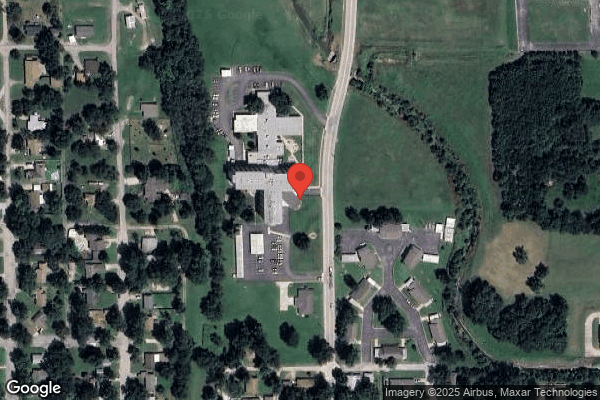
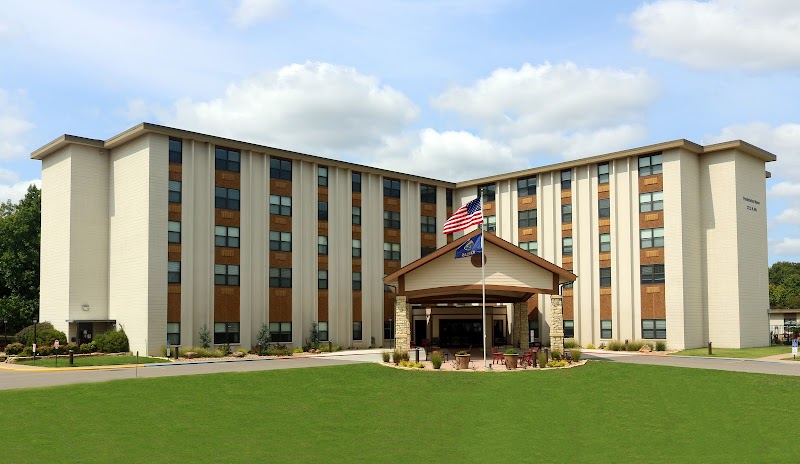
1711 N 4TH STREET, ARKANSAS CITY, KS 67005 (620) 442-8700
Non profit - Corporation 60 Beds PRESBYTERIAN MANORS OF MID-AMERICA Data: November 2025
Trust Grade
90/100
#3 of 295 in KS
Last Inspection: August 2025

Inspected within the last 6 months. Data reflects current conditions.

Overview

Arkansas City Presbyterian Manor has received a Trust Grade of A, indicating it's an excellent choice for families looking for care, as it is highly recommended. It ranks #3 out of 295 nursing homes in Kansas, placing it in the top tier of facilities in the state, and is also #1 of 6 in Cowley County, meaning there are no better local options. However, the facility is experiencing a worsening trend, with the number of reported issues increasing from 2 in 2024 to 4 in 2025. Staffing is a strong point, with a 5-star rating and a 35% turnover rate, which is significantly lower than the state average of 48%, indicating that staff members are likely to stay and know the residents well. On the downside, the facility has encountered several concerns in recent inspections, such as failure to store food safely, with unsealed bags of meat and improperly dated food items, which raises potential health risks. Additionally, there was an incident where a cognitively impaired resident was assisted without proper safety measures, increasing the risk of accidents. While the nursing home has no fines on record and offers average RN coverage, families should consider both the strengths and recent concerns when evaluating this facility.

Trust Score
A
90/100
In Kansas
#3/295
Top 1%
Safety Record
Low Risk
No red flags
Inspections
Getting Worse
2 → 4 violations
Staff Stability
○ Average
35% turnover. Near Kansas's 48% average. Typical for the industry.
Penalties
✓ Good
No fines on record. Clean compliance history, better than most Kansas facilities.
Skilled Nurses
○ Average
Each resident gets 32 minutes of Registered Nurse (RN) attention daily — about average for Kansas. RNs are the most trained staff who monitor for health changes.
Violations
○ Average
7 deficiencies on record. Average for a facility this size. Mostly minor or procedural issues.
★★★★★
5.0
Overall Rating
★★★★★
5.0
Staff Levels
★★★★☆
4.0
Care Quality
★★★★★
5.0
Inspection Score
Stable
2024: 2 issues
2025: 4 issues

The Good

  • 5-Star Staffing Rating · Excellent nurse staffing levels
  • 4-Star Quality Measures · Strong clinical quality outcomes
  • Full Sprinkler Coverage · Fire safety systems throughout facility
  • No fines on record
  • Staff turnover below average (35%)

    13 points below Kansas average of 48%

Facility shows strength in staffing levels, quality measures, fire safety.

The Bad

Staff Turnover: 35%

11pts below Kansas avg (46%)

Typical for the industry

Chain: PRESBYTERIAN MANORS OF MID-AMERICA

Part of a multi-facility chain

Ask about local staffing decisions and management

The Ugly 7 deficiencies on record

Aug 2025 4 deficiencies
CONCERN (D)

Potential for Harm - no one hurt, but risky conditions existed

Accident Prevention (Tag F0689)

Could have caused harm · This affected 1 resident

The facility reported a census of 46 residents. The sample included 16 residents, which included seven residents reviewed for accidents. Based on observation, interview, and record review, the facilit...

Read full inspector narrative →
The facility reported a census of 46 residents. The sample included 16 residents, which included seven residents reviewed for accidents. Based on observation, interview, and record review, the facility failed to provide an environment free of accident hazards when Certified Nurse Aide (CNA) M assisted a cognitively impaired resident, Resident (R) 46, with locomotion in the hallway without the use of wheelchair pedals. This deficient practice placed R46 at risk for accidents.Findings included:- Review of the Electronic Health Record (EHR) documented R46 had diagnoses which included dementia (a progressive mental disorder characterized by failing memory and confusion), long-term use of anticoagulants (a class of medications used to prevent the blood from clotting), and generalized muscle weakness.R46's 02/14/25 Annual Minimum Data Set (MDS) documented a Brief Interview for Mental Status (BIMS) score of three, which indicated severely impaired cognition. The assessment documented R46 utilized a wheelchair and/or walker for locomotion and required setup assistance to wheel 50 feet with two turns and supervision assistance to wheel 150 feet in the corridors. The 02/14/25 Cognitive Loss / Dementia Care Area Assessment (CAA) documented R46 had a diagnosis of dementia and required staff to reorient R46 as needed, but with short-term success. The 02/14/25 Falls CAA documented R46 had a history of falls and included falls with fractures (broken bones) prior to admission. R46 utilized a wheelchair for most of her locomotion and was able to self-propel at times, and required staff assistance at times for locomotion.R46's 07/25/25 Quarterly MDS documented a BIMS score of three, which indicated severely impaired cognition. The assessment documented R46 utilized a wheelchair and/or walker for locomotion and required setup assistance to wheel 50 feet with two turns and supervision assistance to wheel 150 feet in the corridors. R46's 06/27/24 Care Plan, reviewed 08/12/25, documented the resident had impaired mobility with impaired physical function. The plan documented R46 required substantial/maximal assistance with transfers and wheelchair locomotion. R46 would sometimes propel herself in her wheelchair for short distances with her feet, dated 06/27/24 and revised on 02/28/25. R46's Care Plan instructed staff to lock R46's wheelchair for all transfers and position R46's feet on the foot pedals for all assisted wheelchair locomotion.During an observation on 08/12/25 at 02:20 PM, CNA M assisted R46 from the common area down a corridor to R46's room, and the wheelchair did not have foot pedals. R46 held her feet off the floor during assisted wheelchair locomotion.On 08/12/25 at 02:25 PM, CNA M revealed she assisted R46 to her room via R46's wheelchair. CNA M confirmed the wheelchair did not have pedals installed. CNA M stated the wheelchair pedals should have been installed prior to assisted wheelchair locomotion.On 08/12/25 at 02:35 PM, Licensed Nurse (LN) G reported that all residents being assisted with wheelchair locomotion should have their feet set on the foot pedals prior to the wheelchair going into motion.On 08/12/25 at 02:45 PM, Administrative Nurse D said that all residents should have foot pedals installed on the wheelchair with their feet set on the foot pedals prior to assisted wheelchair locomotion. Administrative Nurse D said that the wheelchairs have bags attached to the back of the wheelchairs so residents who prefer to self-propel can have the pedals stowed in the bag for easy access by staff when assisted wheelchair locomotion is required. Administrative Staff D revealed the facility's expectation was for staff to place foot pedals on the wheelchair and for staff to ensure the resident's feet are safely on the pedals prior to assisted wheelchair locomotion.On 08/13/25 at 08:10 AM, Administrative Nurse D revealed the facility did not have a policy related to the use of wheelchair pedals and that the facility expected staff to follow the standard of practice.The facility did not provide a policy.
CONCERN (D)

Potential for Harm - no one hurt, but risky conditions existed

Infection Control (Tag F0880)

Could have caused harm · This affected 1 resident

The facility reported a census of 46 residents. Based on observation, interview and record review, the facility failed to maintain an effective infection control program related to the delivery of lau...

Read full inspector narrative →
The facility reported a census of 46 residents. Based on observation, interview and record review, the facility failed to maintain an effective infection control program related to the delivery of laundry to the residents' rooms. This deficient practice had the potential to lead to the cross-contamination and spread of communicable diseases to the residents of the facility.Findings included:On 08/11/25 at 10:35 AM, Laundry V and Laundry W were observed delivering laundry to three resident rooms. Laundry V and Laundry W did not perform hand hygiene before they entered the residents' rooms or after they exited the residents' rooms. On 08/11/25 at 10:37 AM, Laundry V and Laundry W stated they were informed by a former supervisor that hand hygiene between resident rooms stopped when the COVID-19 (highly contagious respiratory virus) pandemic ended. On 08/11/25 at 10:40 AM, Housekeeping U revealed the facility's expectation was that hand hygiene should be performed with alcohol based hand rub (ABHR - isopropyl alcohol hand sanitizer) when going from one resident's room to another, and actual hand washing with soap and water after every fourth or fifth time of using ABHR.On 08/11/25 at 11:25 AM, Administrative Nurse E stated hand hygiene should be performed by all staff when entering and/or exiting residents' rooms. On 08/11/25 at 11:27 AM, Administrative Nurse D revealed the facility's expectation was for staff to perform hand hygiene with ABHR if hands are not visibly soiled and with actual soap and water after the fourth use of ABHR. Administrative Nurse D and Administrative Nurse E confirmed staff should have performed hand hygiene after leaving one resident room prior to going into a different resident's room. The facility's Hand Hygiene policy, revised 02/03/25, documented all staff would comply with hand hygiene guidelines and gave indications for hand-washing that included before and after direct contact with residents and before and after contact with inanimate objects in the vicinity of residents.
CONCERN (F)

Potential for Harm - no one hurt, but risky conditions existed

Food Safety (Tag F0812)

Could have caused harm · This affected most or all residents

The facility reported a census of 46 residents with one kitchen. Based on observation, record review, and interview, the facility failed to prepare and serve food under sanitary conditions, to prevent...

Read full inspector narrative →
The facility reported a census of 46 residents with one kitchen. Based on observation, record review, and interview, the facility failed to prepare and serve food under sanitary conditions, to prevent the potential for food borne illness and decreased palatability. This puts the residents at risk for illness and weight loss. Findings included: During an initial tour of the resident kitchen on 08/11/25 at 09:05 AM, the following areas of concern were noted in the freezer:Two Ziplock bags of hamburger patties were unsealed, and the bag was wide open, exposing the contents to air.A Ziplock bag of chicken strips was unsealed, and the bag was wide open, exposing the contents to air.A Ziplock bag of potato wedges was unsealed, and the bag was wide open, exposing the contents to air.During the subsequent tour of the kitchen on 08/12/25 at 09:30 AM, two of the four cutting boards had deep grooves and scratches. The other two had multiple scratches.On 08/11/25 at 09:05 AM, Dietary Staff BB stated he was aware that items in the freezer should be sealed to avoid freezer burn. He immediately sealed the Ziplock bags.On 08/12/25 at 09:30 AM, Dietary Staff BB stated the cutting boards needed to be free from scratches and grooves. Dietary Staff BB stated he has ordered new cutting boards.
MINOR (C)

Minor Issue - procedural, no safety impact

Staffing Information (Tag F0732)

Minor procedural issue · This affected most or all residents

The facility reported a census of 46 residents. Based on record review and interview, the facility failed to display accurate and identifiable staffing information, which contained the actual nursing ...

Read full inspector narrative →
The facility reported a census of 46 residents. Based on record review and interview, the facility failed to display accurate and identifiable staffing information, which contained the actual nursing hours worked, for the 46 residents who resided in the facility. Findings included:- Review of the facility's Daily Nurse Staffing Report from 07/10/25 through 08/10/25 revealed the actual hours worked had not been completed on the daily nurse staffing report.On 08/13/25 at 10:00 AM, Administrative Nurse D confirmed the actual hours worked were not completed on the daily staffing sheets, as required. The facility policy for Daily Nurse Staffing Report, revised 02/03/25, included: At the beginning of each shift, the form shall identify the actual shift hours expected to be worked by licensed and unlicensed staff directly responsible for resident care.
Mar 2024 2 deficiencies
CONCERN (D) 📢 Someone Reported This

A family member, employee, or ombudsman was alarmed enough to file a formal complaint

Potential for Harm - no one hurt, but risky conditions existed

Infection Control (Tag F0880)

Could have caused harm · This affected 1 resident

The facility census totaled 37 residents with 12 residents included in the sample. Based on observation, interview, and record review, the facility failed to provide a safe sanitary environment for tw...

Read full inspector narrative →
The facility census totaled 37 residents with 12 residents included in the sample. Based on observation, interview, and record review, the facility failed to provide a safe sanitary environment for two Residents (R)13 and R19, related to incontinent cares, to prevent spread possible infections in the facility. Findings include: - Observation on 03/05/24 at 01:20 PM, revealed Certified Nursing Assistant (CNA) C and CNA F ambulated R13 to her room and took her into the bathroom. The resident stood in front of the toilet and held onto CNA F's arms while CNA C donned gloves and took R13's pants down and removed the resident's brief. After R13 finished toileting, CNA C touched the container of disposable wet wipes from the back of the toilet, obtained some disposable wipes, and provided perineal care to the resident. CNA C placed a dry brief on the resident. CNA F stood the resident up, pulled her clean brief and pants back up. Both staff removed their gloves and ambulated the resident back to the TV commons area. Staff failed to perform hand hygiene or glove change after the removal of soiled clothing, after perineal care, and before taking the resident back to the TV commons area. Interview on 03/05/24 at 01:30 PM, CNA C reported R13's brief was not visibly soiled, so she did not think to change her gloves. Observation on 03/06/24 at 01:49 PM revealed CNA F propelled R19 to her room by a wheelchair. CNA F and CNA G donned gloves to assist her to the toilet and placed the sling of a sit to stand mechanical lift behind the resident's back, and staff propelled the mechanical lift to the doorway. CNA F removed the legs of the resident's wheelchair and placed R19's feet on the foot pads of the lift. Staff attached the mechanical lift sling to the lift and transferred the resident onto the toilet after CNA F pulled down R19's pants and removed the brief. CNAs F and G then removed their gloves to allow the resident time to sit on the toilet. After R19 provided toileting opportunity, CNA G used the mechanical lift controls and CNA F, with gloved hands, reached to the back of the toilet, opened the package of wet wipes, and provided perineal care to R19. CNA F failed to remove soiled gloves, and pulled R19's brief and pants up, and touched the mechanical lift with soiled gloves. No hand hygiene was done after either gloves were removed. Interview on 03/06/24 at 02:15 PM, CNA F reported staff should change gloves from dirty to clean surfaces and verified he failed to change his gloves. On 03/07/24 at 10:06 AM, Administrative Nurse B reported staff need additional education regarding incontinent care and proper hand hygiene. On 03/07/24 at 10:00 AM, a policy on incontinent care and hand hygiene was requested. No policy was provided. The facility failed to ensure a clean, sanitary environment for residents in the facility by the failure to change gloves and perform hand hygiene when going from dirty to clean, while assisting two incontinent residents with toileting and changing disposable briefs.
CONCERN (F) 📢 Someone Reported This

A family member, employee, or ombudsman was alarmed enough to file a formal complaint

Potential for Harm - no one hurt, but risky conditions existed

Food Safety (Tag F0812)

Could have caused harm · This affected most or all residents

The facility reported a census of 37 residents. Based on observation, interview, and record review, the facility failed to store foods safely and in sanitary conditions due to the staff failure to dat...

Read full inspector narrative →
The facility reported a census of 37 residents. Based on observation, interview, and record review, the facility failed to store foods safely and in sanitary conditions due to the staff failure to date and properly seal food items and removal of undated bread items to prevent the possible spread of food borne illness. Findings included: - On 03/04/24 at 08:20 AM during the initial tour of the kitchen, and follow-up tour on 03/05 at 12:35 PM with dietary staff D, revealed the following areas of concern: The Kitchen refrigerator: There were 17 facility made Sugar free health shakes that lacked a prepared date. There were 19 facility made thawed health shakes that lacked dates when pulled from the freezer. One hamburger patty in the freezer in an open bag that lacked a date. One bag of opened chicken bites that lacked an opened date. One bag of opened broccoli that lacked an opened date. One bag of opened carrots that lacked an opened date. In addition, the tour of the facility revealed a loaf of bread with no use by date on the rolls, and one bag with mold on the rolls. One bag of Hawaiian sweet rolls, with no open date or use by date. One dented can of Artichoke hearts. One dented can of dark kidney beans. The small upright freezer in the kitchen had food particles toward the back of the freezer/shelves that had a gummy film on them. On 03/04/24 at 10:29 AM, observed dietary staff D and dietary staff E, in the food preparation area and lacked a covering/beard guard over their beards. On 03/06/24 at 12:25 PM, observed dietary staff D in the kitchen preparation area and continued to lack a covering/beard guard on his beard. On 03/06/24 at 12:25 PM, dietary staff D verified the above concerns. Items should be dated, and dietary staff should pull food items after seven days. Dietary staff D reported that working as a chef, not wearing the beard guard was not an issue. The facility failed to provide a policy regarding marking of open items and the use of beard guards while in the food preparation area. The facility failed to store food safely and in sanitary condition due to the staff's failure to dated food items, wear beard guards when in the food preparation area, and removal of outdated food items to prevent the spread of possible food borne illnesses to the resident in the facility.
Jun 2022 1 deficiency
CONCERN (D)

Potential for Harm - no one hurt, but risky conditions existed

Incontinence Care (Tag F0690)

Could have caused harm · This affected 1 resident

**NOTE- TERMS IN BRACKETS HAVE BEEN EDITED TO PROTECT CONFIDENTIALITY** The facility reported a census of 42 residents with twelve selected for review including two residents reviewed for bowel and bl...

Read full inspector narrative →
**NOTE- TERMS IN BRACKETS HAVE BEEN EDITED TO PROTECT CONFIDENTIALITY** The facility reported a census of 42 residents with twelve selected for review including two residents reviewed for bowel and bladder incontinence. Based on observation, interview, and record review, the facility failed to provide perineal cares after urinary incontinence in a sanitary manner and toilet one of the residents, Resident (R)33, who required antibiotic treatment for a urinary tract infection, per her toileting schedule. Findings included: - The electronic medical record (EMR) under the diagnosis tab, for Resident (R)33 included diagnoses of Alzheimer's disease (a progressive mental deterioration characterized by confusion and memory failure) and history of urinary tract infections. The Quarterly Minimum Data Set (MDS), dated [DATE], assessed R33 with a Brief Interview of Mental Status score of four, indicating severe cognitive impairment. She rejected care one to three days of the seven-day assessment period. She required extensive assist of one staff for toileting. R33 had a trial of a toileting program attempted and was on a current toileting program or trial for her urinary function. She was occasionally incontinent of bladder. The Significant Change MDS, dated 05/18/22, had no changes from the prior assessment. The Cognitive Loss/Dementia Care Area Assessment (CAA), dated 05/31/22, revealed R33 was able to make her needs known and her current BIMS score indicated she had severely impaired cognition. The Urinary Incontinence and Indwelling Catheter CAA, dated 05/31/22, revealed R33 was frequently incontinent of bladder, required extensive assistance with toileting task, was on a scheduled toileting plan, but could also use her call light to request assistance from staff as she needed. R33 had a history of urinary tract infections (UTI's) and was taking Hiprex (a urinary antibacterial medication) and cranberry capsules for UTI prophylaxis (measures taken for disease prevention)/prevention. The staff encourage and remind her of the importance of adequate perineal hygiene while assisting her as needed. The Behavioral Symptom CAA, dated 05/31/22 revealed her rejection of care was not related to toileting cares. The Care Plan, dated 05/27/22, revealed R33 required extensive assistance from staff for toilet use. She required assistance with perineal care and changing her incontinent products and she was on a scheduled toileting program. Staff were to See profile for specific times. There were times when R33 would not want her incontinent product changed and staff were to approach her in a few minutes to talk to her about it again until she agreed for the staff to assist her. The Physician Orders tab in the EMR revealed orders for Lasix (medication used to reduce extra fluid in the body) ordered on 01/20/21 and for Amoxicillin (antibiotic medication) for 10 days for a UTI, ordered on 06/21/22 The Point of Care charting, located in the EMR, revealed the toileting program. Staff should toilet R33 at 07:00 AM, 10:00 AM, and 01:00 PM (every three hours) during the day shift within 30 minutes of the suggested time. On 06/27/22 at 11:15 AM, R33 sat in a wheelchair at a dining room table with a cup of fluids on the table. Her denim pants had wetness to both groin areas. On 06/27/22 at 11:16 AM, R33 stated she was drinking a Coke and she Peed my pants and that she was going to eat her lunch first then go change. On 06/27/22 at 12:02 PM, an unidentified staff member removed R33 from the dining room table to take her to go get changed. On 06/28/22 at 09:37 AM, R33 participated in an exercise activity. She had a napkin laying over her pants. On 06/28/22 at 10:30 AM, R33 sitting in wheelchair outside on the patio, with the same clothing on, napkin not in place. Staff had not taken R33 to the toilet. On 06/28/22 at 10:55 AM, R33 continued to sit outside in her wheelchair. On 06/28/22 at 10:58 AM, R33 went to the patio door, and Certified Nurse Aide (CNA) P opened the door for her and cued her to go to the table for lunch. On 06/28/22 at 12:12 PM, CNA M approached R33 and assisted to propel her to her room, then to the bathroom. CNA M applied gloves without performing hand hygiene first, guided R33 to stand and sit on the toilet. While the resident stood, her incontinence product, her pants, and the cushion of her wheelchair were visibly soiled. CNA M removed the incontinent product and placed the soiled product in the trash can and placed the wet pants directly on the floor next to the trash can, then removed her gloves. R33 stated I am wet, wet, wet. CNA M then applied a new pair of gloves without performing hand hygiene and applied a dry incontinent product and a clean pair of pants on R33 and told her she would be right back; she was going to get some wipes for the wheelchair. On 06/28/22 at 12:20 PM, R33 was unable to recall the last time she had been toileted and stated, I can't remember anything. On 06/28/22 at 12:21 PM, CNA M returned to the resident's bathroom, applied her gloves, wiped the cushion of the wheelchair with sanitation wipes, removed her gloves, then applied another pair of gloves without performing hand hygiene. CNA M moved the wheelchair closer to R33, locked the brakes, removed the perineal care wipes and draped the wipes on the edge of the sink of a shared bathroom. After having R33 stand, CNA M used one of the wipes that were on the sink edge and wiped the resident several times with the same area of the wipe front to back, then disposed the wipe in the trash and repeated the same procedure a few more times. CNA M then guided R33 to stand back up, pulled up her incontinent product and her pants with the same soiled gloved hands, and assisted R33 to sit in the wheelchair. CNA M then removed her gloves, tied up the trash bag, took the trash down the hallway and disposed the trash in appropriate container, then assisted R33 by propelling her wheelchair to the family room, without hand hygiene. After the resident was in the family room, CNA M washed her hands. On 06/28/22 at 12:30 PM, CNA M stated R33 does not let the staff know when she needs to go to the bathroom. R33 was on a scheduled toileting program in the morning at 06:00 AM, 10:00 AM, 12:00 PM, then at 02:00 PM (every four hours) on her shift. CNA M stated she did not assist R33 with her 10:00 AM toileting time, but one of the other two CNAs' would have helped her. CNA M stated R33 was wet very often on her shift and her pants would get wet too as she was a Heavy wetter. CNA M stated the wipes should not be used more than once when wiping during perineal care and verified her hands should be washed before and after and assumed, she should wash her hands or use hand sanitizer after removing her gloves. CNA M stated she did not know where else to put the wipes used for perineal care, but staff should clean the sink daily. On 06/28/22 at 12:38 PM, CNA N stated R33 does not normally let staff know when she needs to go to the bathroom and if she does it is Too late. CNA N stated R33 was on a scheduled toileting program and believed it was every three hours at 07:00 AM, 10:00 AM, and 01:00 PM. CNA N stated she assisted R33 with toileting around breakfast after she ate between 07:30 AM-08:00 AM. CNA N stated sometimes when they asked R33 if she needed to go to the bathroom she will say no, and then 20 minutes later she would be wet. CNA N stated she did not toilet R33 at the 10:00 AM toileting time today and was unaware if other staff toileted the resident. On 06/28/22 at 12:45 PM, CNA O stated she had not toileted R33 so far today on her 06:00 AM to 02:00 PM shift. The staff failed to toilet R33 between 08:00 AM and 12:12 PM, missing the 10:00 AM toileting time. On 06/29/22 at 09:10 AM, Administrative Nurse D confirmed staff should toilet the resident on her scheduled toileting times that were 07:00 AM, 10:00 AM, and 01:00 PM, within thirty minutes of the scheduled time. On 06/29/22 at 09:20 AM, Licensed Nurse (LN) G stated R33 will refuse toileting at times if she was busy in an activity. She likes to go to all of the activities. LN G had not known her to be incontinent to the degree her pants would be wet and expected the staff to toilet her per the toileting schedule. On 06/29/22 at 09:41 AM, Administrative Nurse D stated she expected staff to toilet R33 per schedule in the time frames as long as she did not refuse. Staff should not place perineal cleansing wipes on the sink. Staff should use one wipe per swipe when providing perineal cares. The facility policy Incontinence dated 10/11/2021, revealed it was the policy the residents' would be assessed to provide appropriate treatment and services to achieve or maintain normal continence function, and if the underlying condition was not reversible, it was important to treat or manage the incontinence to reduce complications. Incontinence programs must be specific to the type of incontinence and should be modified as necessary for each resident to encourage the highest level of continence. Scheduled toileting programs should be at regular intervals to match the usual voiding habits and timed voiding based on a resident's usual voiding schedule/pattern. The facility policy Giving Female Perineal Care, undated, included instructions for providing perineal care using washcloths and soap and water rather than pre-packaged wipes. The instructions included prior to performing perineal care to decontaminate hands and apply gloves, use a clean part of the washcloth for each stroke front to back, use more than one wash cloth if needed and following procedure to remove the gloves and decontaminate hands. The facility policy Hand Hygiene dated 10/12/21 revealed gloves reduce hand contamination by 70-80 percent, prevent cross-contamination and protect elders and health care personnel form infection, however, the use of gloves does not eliminate the need for hand hygiene. Gloves should be worn with contact of body fluids and removed promptly after use before touching non-contaminated items and environmental surfaces. Decontaminate hands after removing gloves by appropriate hand hygiene. The facility failed to ensure the staff toileted R33 per toileting to decrease episodes of incontinence, provide appropriate perineal care and hand hygiene to decrease occurrence of urinary tract infections.
Understanding Severity Codes (click to expand)
Life-Threatening (Immediate Jeopardy)
J - Isolated K - Pattern L - Widespread
Actual Harm
G - Isolated H - Pattern I - Widespread
Potential for Harm
D - Isolated E - Pattern F - Widespread
No Harm (Minor)
A - Isolated B - Pattern C - Widespread

Questions to Ask on Your Visit

  • "Can I speak with families of current residents?"
  • "What's your RN coverage like on weekends and overnight?"

Our Honest Assessment

Strengths
  • • Grade A (90/100). Above average facility, better than most options in Kansas.
  • • No major safety red flags. No abuse findings, life-threatening violations, or SFF status.
  • • No fines on record. Clean compliance history, better than most Kansas facilities.
  • • 35% turnover. Below Kansas's 48% average. Good staff retention means consistent care.
Concerns
  • • No significant concerns identified. This facility shows no red flags across CMS ratings, staff turnover, or federal penalties.
Bottom line: Generally positive indicators. Standard due diligence and a personal visit recommended.

About This Facility

What is Arkansas City Presbyterian Manor's CMS Rating?

CMS assigns ARKANSAS CITY PRESBYTERIAN MANOR an overall rating of 5 out of 5 stars, which is considered much above average nationally. Within Kansas, this rating places the facility higher than 99% of the state's 100 nursing homes. This rating reflects solid performance across the metrics CMS uses to evaluate nursing home quality.

How is Arkansas City Presbyterian Manor Staffed?

CMS rates ARKANSAS CITY PRESBYTERIAN MANOR's staffing level at 5 out of 5 stars, which is much above average compared to other nursing homes. Staff turnover is 35%, compared to the Kansas average of 46%. This relatively stable workforce can support continuity of care.

What Have Inspectors Found at Arkansas City Presbyterian Manor?

State health inspectors documented 7 deficiencies at ARKANSAS CITY PRESBYTERIAN MANOR during 2022 to 2025. These included: 6 with potential for harm and 1 minor or isolated issues.
Who Owns and Operates Arkansas City Presbyterian Manor?

ARKANSAS CITY PRESBYTERIAN MANOR is owned by a non-profit organization. Non-profit facilities reinvest revenue into operations rather than distributing to shareholders. The facility is operated by PRESBYTERIAN MANORS OF MID-AMERICA, a chain that manages multiple nursing homes. With 60 certified beds and approximately 49 residents (about 82% occupancy), it is a smaller facility located in ARKANSAS CITY, Kansas.

How Does Arkansas City Presbyterian Manor Compare to Other Kansas Nursing Homes?

Compared to the 100 nursing homes in Kansas, ARKANSAS CITY PRESBYTERIAN MANOR's overall rating (5 stars) is above the state average of 2.9, staff turnover (35%) is significantly lower than the state average of 46%, and health inspection rating (5 stars) is much above the national benchmark.

What Should Families Ask When Visiting Arkansas City Presbyterian Manor?

Based on this facility's data, families visiting should ask: "Can I visit during a mealtime to observe dining assistance and food quality?" "How do you handle medical emergencies, and what is your hospital transfer rate?" "Can I speak with family members of current residents about their experience?"

Is Arkansas City Presbyterian Manor Safe?

Based on CMS inspection data, ARKANSAS CITY PRESBYTERIAN MANOR has a clean safety record: no substantiated abuse findings (meaning no confirmed cases of resident harm), no Immediate Jeopardy citations (the most serious violation level indicating risk of serious injury or death), and is not on the Special Focus Facility watch list (a federal program monitoring the lowest-performing 1% of nursing homes). The facility has a 5-star overall rating and ranks #1 of 100 nursing homes in Kansas. While no facility is perfect, families should still ask about staff-to-resident ratios and recent inspection results during their visit.

Do Nurses at Arkansas City Presbyterian Manor Stick Around?

ARKANSAS CITY PRESBYTERIAN MANOR has a staff turnover rate of 35%, which is about average for Kansas nursing homes (state average: 46%). Moderate turnover is common in nursing homes, but families should still ask about staff tenure and how the facility maintains care continuity when employees leave.

Was Arkansas City Presbyterian Manor Ever Fined?

ARKANSAS CITY PRESBYTERIAN MANOR has no federal fines on record. CMS issues fines when nursing homes fail to meet care standards or don't correct problems found during inspections. The absence of fines suggests the facility has either maintained compliance or corrected any issues before penalties were assessed. This is a positive indicator, though families should still review recent inspection reports for the full picture.

Is Arkansas City Presbyterian Manor on Any Federal Watch List?

ARKANSAS CITY PRESBYTERIAN MANOR is not on any federal watch list. The most significant is the Special Focus Facility (SFF) program, which identifies the bottom 1% of nursing homes nationally based on persistent, serious quality problems. Not being on this list means the facility has avoided the pattern of deficiencies that triggers enhanced federal oversight. This is a positive indicator, though families should still review the facility's inspection history directly.