ATCHISON SENIOR VILLAGE REHABILITATION AND NURSING
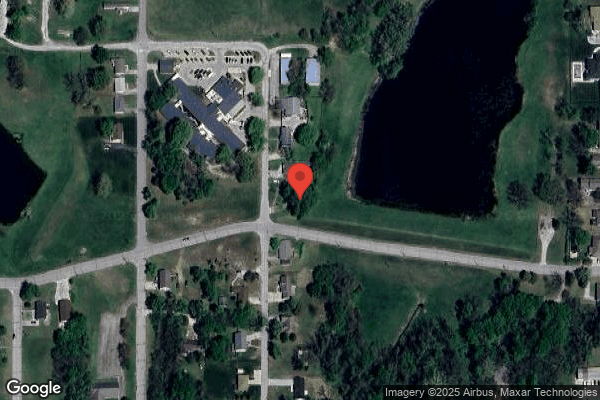
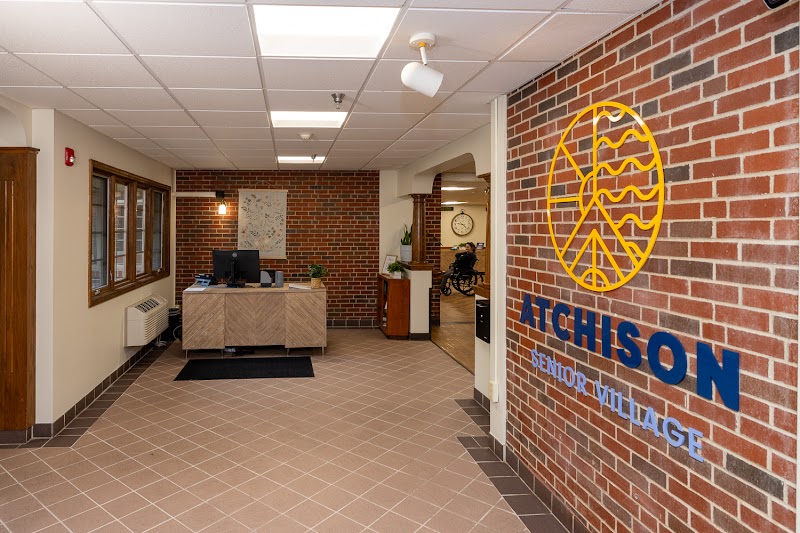
1419 N 6TH STREET, ATCHISON, KS 66002 (913) 367-1906
For profit - Limited Liability company 45 Beds THE ENSIGN GROUP Data: November 2025 1 Immediate Jeopardy citation
Trust Grade
36/100
#174 of 295 in KS
Last Inspection: April 2024

Within standard 12-15 month inspection cycle. Federal law requires annual inspections.

Overview

Atchison Senior Village Rehabilitation and Nursing has received a Trust Grade of F, indicating significant concerns about the facility. They rank #174 out of 295 nursing homes in Kansas, placing them in the bottom half of facilities in the state, and #2 out of 3 in Atchison County, meaning only one other local option is worse. The facility is showing signs of improvement, with issues decreasing from 19 in 2022 to 16 in 2024. Staffing is average with a 3 out of 5 star rating and a turnover rate of 44%, which is slightly better than the state average. However, they have faced serious issues, such as failing to provide adequate supervision for a resident at high risk for elopement, leading to instances where the resident wandered unsupervised. Additionally, there were concerns about not having a Registered Nurse present for at least eight consecutive hours, which jeopardizes the quality of care for residents. Overall, while there are some strengths, the facility's poor grade and specific incidents raise significant red flags for families considering care for their loved ones.

Trust Score
F
36/100
In Kansas
#174/295
Bottom 42%
Safety Record
High Risk
Review needed
Inspections
Getting Better
19 → 16 violations
Staff Stability
○ Average
44% turnover. Near Kansas's 48% average. Typical for the industry.
Penalties
⚠ Watch
$20,817 in fines. Higher than 79% of Kansas facilities, suggesting repeated compliance issues.
Skilled Nurses
○ Average
Each resident gets 30 minutes of Registered Nurse (RN) attention daily — about average for Kansas. RNs are the most trained staff who monitor for health changes.
Violations
⚠ Watch
37 deficiencies on record. Higher than average. Multiple issues found across inspections.
★★☆☆☆
2.0
Overall Rating
★★★☆☆
3.0
Staff Levels
★★★★☆
4.0
Care Quality
★★☆☆☆
2.0
Inspection Score
Stable
2022: 19 issues
2024: 16 issues

The Good

  • 4-Star Quality Measures · Strong clinical quality outcomes
  • Full Sprinkler Coverage · Fire safety systems throughout facility
  • No fines on record
  • Staff turnover below average (44%)

    4 points below Kansas average of 48%

Facility shows strength in quality measures, fire safety.

The Bad

2-Star Overall Rating

Below Kansas average (2.9)

Below average - review inspection findings carefully

Staff Turnover: 44%

Near Kansas avg (46%)

Typical for the industry

Federal Fines: $20,817

Below median ($33,413)

Minor penalties assessed

Chain: THE ENSIGN GROUP

Part of a multi-facility chain

Ask about local staffing decisions and management

The Ugly 37 deficiencies on record

1 life-threatening
Oct 2024 1 deficiency 1 IJ
CRITICAL (J) 📢 Someone Reported This

A family member, employee, or ombudsman was alarmed enough to file a formal complaint

Immediate Jeopardy (IJ) - the most serious Medicare violation

Accident Prevention (Tag F0689)

Someone could have died · This affected 1 resident

**NOTE- TERMS IN BRACKETS HAVE BEEN EDITED TO PROTECT CONFIDENTIALITY** The facility identified a census of 41 residents. The sample included three residents reviewed for elopement (when a cognitively...

Read full inspector narrative →
**NOTE- TERMS IN BRACKETS HAVE BEEN EDITED TO PROTECT CONFIDENTIALITY** The facility identified a census of 41 residents. The sample included three residents reviewed for elopement (when a cognitively impaired resident with little or poor safety awareness exits the facility without staff knowledge). Based on observation, record review, and interview, the facility failed to provide adequate supervision to prevent an elopement for Resident (R) 1, who was cognitively impaired, at high risk for elopement, and had a recent history of exit-seeking. The facility placed a WanderGuard (a bracelet that helps monitor residents who are at risk of wandering) on R1 on 10/04/24 due to R1's exit-seeking behaviors and setting off door alarms. R1 wandered the halls and into other residents' rooms almost daily from 10/06/24 through, and including, 10/11/24. On 10/12/24 R1 ambulated past staff, from the dining room to the great room. Staff observed R1 in the lobby area around the 300 hall after he left the dining room, but did not accompany or redirect him to a safe place. R1 ambulated to the facility's great room, and pushed on the locked door, causing the door to release after 15 seconds. According to staff, the door alarmed, but staff were too far away to hear it. R1 then ambulated unsupervised through the courtyard, opened the gate, and walked around the side of the building on the sidewalk. Staff noted R1 had exited the building unattended when staff observed R1 outside at the front of the facility and at that time staff also acknowledged the sounding door alarm. The lack of supervision and response to a sounding door alarm allowed R1 to exit the facility without staff knowledge or supervision and placed R1 in immediate jeopardy. Findings included: - R1's Electronic Medical Record (EMR), under the Diagnosis tab recorded diagnoses of difficulty in walking, a need for assistance with personal care, dementia (a progressive mental disorder characterized by failing memory and confusion), mild neurocognitive disorder (stage between the expected decline in memory and thinking that happened with age and the more serious decline of dementia) due to known physiological condition with behavioral disturbance, and major depressive disorder (major mood disorder that causes persistent feelings of sadness). The admission 5-Day Minimum Data Set (MDS) dated [DATE] documented a Brief Interview for Mental Status (BIMS) score of one, which indicated severely impaired cognition. R1 required supervision or touching assistance with walking and transfers. R1 required partial to moderate assistance with dressing and toileting. R1 had inattention and disorganized thinking. R1 had physical behavioral symptoms directed toward others and other behavioral symptoms not directed towards others, which occurred one to three days during the look-back period. R1 rejected care one to three days during the look-back period, R1 wandered daily, and significantly intruded on the privacy of activities of others. The Cognitive Care Area Assessment (CAA) dated 10/09/24 documented R1 did not always understand what was being said to him. R1 was disoriented and confused most of the time. R1 wandered aimlessly daily. R1 did exit seek and had a WanderGuard in place for precautionary measures. R1 could be easily triggered for behaviors and had exhibited multiple behaviors since admission related to not cognitively understanding what took place. The Behavioral CAA dated 10/09/24 documented R1 placed himself at greater risk of losing his balance and falling when he lashed out while ambulating. R1 did not sleep well at night and was up most nights. R1 wandered aimlessly and could become behavioral and loud at times disrupting the environment. Staff redirected and attempted to calm R1 to decrease interruptions. Staff continued to intervene and attempted to calm, redirect, resolve, and distract R1 when he had behaviors. R1's Care Plan initiated on 10/04/24 documented R1 could ambulate without assistive devices. Staff were to distract R1 from wandering by offering food, drink, a video of R1 playing in his band, pleasant diversions, structured activities, food, conversations, television, or a book. Staff were directed to document wandering behavior and attempted diversional interventions. R1 was very confused and disoriented and would wander and try doors. R1 was not aware of safety. Staff monitored WanderGuard placement, and staff were to check placement and functioning every shift and as needed. R1's intervention initiated on 10/08/24 documented that R1 wandered daily and was resistant to care and redirection. R1 would hit, slap, yell, cuss, and try the exits. R1 wandered in and out of others' rooms and could be disruptive to the environment with behavioral outbursts. R1's Kardex (a nursing tool that gives a brief overview of the care needs of each resident) informed staff R1 was not aware of his safety, was very confused and disorientated, and would wander and try the doors. It informed staff R1 utilized a WanderGuard and was an elopement risk. R1's Elopement/Wandering Evaluation dated 10/04/24 documented R1's elopement score was 30, which indicated R1 was a high risk of an elopement. R1's Orders dated 10/04/24 ordered staff to monitor the placement and functioning of WanderGuard every shift for monitoring. The Behavior Note dated 10/03/24 at 09:37 PM documented R1 continually wandered the halls since his family left. R1 was very difficult to redirect and at times got very agitated when trying to redirect. The Nursing Note dated 10/04/24 at 07:58 AM documented R1 attempted to exit the door at the end of his hallway and set the door alarm off trying to open the door. R1 was easily redirected back away from the door. The Nursing Note dated 10/04/24 at 08:46 AM documented R1 had a WanderGuard bracelet applied to his right wrist. The Daily Skilled Note dated 10/05/24 at 01:09 PM documented R1 was observed to have wandering behaviors but was easily redirected. The Medication Administration Note dated 10/06/24 at 12:09 AM documented R1 was up and down the halls multiple times, going through drawers, closets, and bins in the hallway. R1 was redirected to the nurses' station and offered snacks, drinks, and distraction with music and television without resolution. R1 received as-needed medication for behaviors. The Daily Skilled Note dated 10/06/24 at 10:26 AM documented R1 was observed to have wandering behaviors. The Nursing Note dated 10/07/24 at 05:38 AM documented R1 was up throughout the night wandering the halls. R1 went in and out of rooms and went through closets at times. R1 was easily redirected. The Behavior Note dated 10/08/24 at 04:07 AM documented R1 wandered the halls all that shift going in and out of other resident rooms. R1 laid down in an empty room and was unable to be redirected back to his room. The Behavior Note dated 10/08/24 at 09:20 PM documented R1 attempted to cut off his WanderGuard. The Daily Skilled Note dated 10/09/24 at 03:50 PM documented R1 rejected care and was wandering. The Behavior Note dated 10/09/24 at 09:47 PM documented R1 continued to wander around the facility and entered other resident rooms. R1 got very agitated and aggressive with staff when staff attempted to redirect R1 out of other resident rooms. R1 was very hard to redirect and attempted to his staff members when staff attempted to redirect R1. The Behavior Note dated 10/11/24 at 10:17 AM documented R1 was undressed from the waist down and staff attempted to assist R1 in putting on clothes, which R1 refused and was hard to redirect. R1 wandered the halls going into other resident rooms. The Daily Skilled Note dated 10/11/24 at 03:22 PM documented R1 wandered around the building and had inappropriate, hard-to-redirect behaviors. R1 would hit staff and was non-compliant when directions were given. The Condition Follow-Up Note dated 10/12/24 at 12:57 PM documented R1 went outside the courtyard door to take a walk at approximately 11:43 AM. The WanderGuard alarm sounded, and staff responded to the alarm in addition to noticing R1 was outside the dining room window. R1 was easily redirected back into the building and assessed. The Facility Investigation dated 10/21/24 documented that at approximately 12:43 PM staff responded to the WanderGuard alarm and noticed R1 was outside the dining room window. R1 went outside the courtyard door to take a walk. Licensed Nurse (LN) H's Notarized Witness Statement dated 10/12/24 documented that Activity Z pointed out the window alerting staff that R1 was outside. LN H went out the dining room door and redirected R1 into the dining room. R1 was easily redirected and sat down to eat at the table. LN H was unable to hear the alarms in the dining room. LN H had last seen R1 seated at the chairs by the little kitchen before LN H started to pass medications and check blood sugars. Certified Medication Aide (CMA) R's Notarized Witness Statement dated 10/12/24 documented R1 was seen at 12:20 PM on a hall, at which time CMA R encouraged R1 to go to the dining room to eat. R1 reportedly turned and faced the dining room. CMA R reported that R1 was seen coming out of the dining room at approximately 12:30 PM. CMA R again told R1 to go eat lunch. CMA R stated she entered the dining room to see what other medication she needed to pass before she sat down to assist residents with eating. CMA R reportedly sat down to assist residents with eating at approximately 12:40 PM. CMA R reported hearing Activity Z state that R1 was outside at 12:43 PM. That is when LN H and CNA N went out the side door of the dining room and walked R1 back into the dining room. On 10/21/24 at 11:45 AM R1 ambulated from the dining room with CMA R walking with R1. R1 appeared clean, well-groomed, and ambulated independently with no assistive devices. CMA R guided R1 to the recliners to sit and watch television. On 10/21/24 at 12:05 PM the door that R1 was suspected of exiting opened into a courtyard on the side of the building. The door had a sidewalk that wrapped from the doorway around to a gate in the fenced-in area of the courtyard. It was approximately 53 feet from the doorway to the gate. The gate was easily opened, even with a lock on the gate, from the inside of the courtyard. The sidewalk continued around the side of the building to wrap to the front side with the sidewalk ending approximately 43 feet from the gate to the courtyard. The sidewalk had slight variations in level but was relatively smooth. The sidewalk that led into the front parking lot had a wheelchair ramp going down to the asphalt and then ended. The sidewalk had an inch to an inch and a half step down to the grass along the sides of the sidewalk. The sidewalk did not start back up until roughly 15 feet away from the wheelchair ramp, which then started at the front door and then wrapped down in front of the dining room windows. On 10/21/24 at 11:55 AM Licensed Nurse (LN) G stated that R1 frequently ambulated down the hall he lived on and triggered the door alarm. LN G stated that staff were good at redirecting R1 when the alarm sounded and having R1 turn away from the door. On 10/21/24 at 12:01 PM, CMA R stated that she had been rounding up residents to eat lunch off a hallway. CMA R stated that R1 ambulated in the hallway and at approximately 12:20 PM CMA R encouraged R1 to go to the dining room for lunch. CMA R stated R1 followed her to the dining room. CMA R revealed that at that time she went to administer medications to residents that were not in the dining room, upon returning to the dining room at approximately 12:30 PM CMA R observed R1 leaving the dining room. Again, CMA R encouraged R1 to go back into the dining room to eat, but R1 continued to ambulate away from the dining room. At approximately 12:43 PM Activity Z asked if that was R1 outside the building. CMA R stated staff responded to R1 out in the parking lot brought R1 back into the building and placed R1 on one-on-one supervision. On 10/21/24 at 02:00 PM, Certified Nurse Aide (CNA) M stated that she was getting residents to the dining room. CNA M revealed that she passed R1 in the hallway and asked if R1 was going to eat lunch. R1 reportedly told CNA M that he was not hungry. CNA M revealed that the dining room was loud, and she could not hear any alarm going off at all. CNA M further stated that it was not until Activity Z stated that R1 was out in the parking lot that staff were aware that R1 had left the building. CNA M stated that R1 usually triggered the door alarms and that staff attempted to redirect him to be able to silence the door alarms. On 10/21/24 at 02:05 PM Administrative Nurse D stated that the alarm was sounding when R1 exited the building. On 10/21/24 at 02:20 PM Administrative Staff A stated that the WanderGuard alarmed on the walkies that were carried by staff and that staff needed to make sure that they had a walkie on. Administrative Staff A also stated that she could not even hear the door alarm from her office, so the facility would need to do something different. On 10/21/24 at 04:09 PM, LN H stated she was in the dining room passing medications when Activity Z said she thought that was R1 outside the building. LN H stated she ran out to him through the door in the dining room and brought him back into the dining room. LN H stated that she could not hear any alarms sounding when she was in the dining room. LN H revealed that when she exited the dining room back towards the nurse's station, she could not hear any alarms going off until she passed the fish tank which was approximately ten feet from the dining room doors. LN H revealed that she was unsure which door R1 had exited but when she went out into the courtyard the gate to the fenced-in area was opened. R1 had his WanderGuard on when he was brought back into the building. On 10/21/24 at 04:54 PM Administrative Nurse D stated that R1 was found on the sidewalk outside the dining room, not the parking lot. On 10/22/24 at 12:01 PM, LN H emailed that Activity Z pointed to the row of windows in the dining room and stated, Isn't that R1 outside? LN H looked up and observed R1 standing next to the window outside. LN H and CNA N ran outside from the dining room door to intercept R1. R1 wore tennis shoes, sweats, and a t-shirt with his WanderGuard visible on his ankle. LN H stated the door alarm was heard after leaving the dining room. The door alarm that was triggered was the great room door. On 10/22/24 at 01:39 PM, Activity Z emailed that while she was in the dining room delivering a plate of food to a resident R1 was seen out the window walking across the parking lot. Activity Z stated she calmly stated R1 was outside. Activity Z stated normally she could hear the door alarm whenever it went off, but on that day she did not. Activity Z stated that after R1 was back in the building staff went to figure out how R1 got out. Activity Z revealed R1 went out the side door by the great room and out the fence. The facility's policy Quality of Care revised October 2024 documented it was the policy of the facility to provide a safe environment, as free of accidents, as possible, for all residents through appropriate assessment, interventions, and adequate supervision to prevent accidents related to unsafe wandering or elopement while maintaining the least restrictive manner for those at risk for elopement. The resident's care plan would be updated to include interventions to address the possible need for an increased level of supervision. On 10/21/24 at 04:58 PM Administrative Staff A received a copy of the Immediate Jeopardy [IJ] Template and informed that the facility's failure to ensure R1 received adequate supervision to prevent an elopement placed R1 in IJ. The facility completed the following corrective actions by 10/16/24: R1 was assessed and placed under one-to-one staff supervision. R1's physician and family were notified. R1's plan of care was updated with interventions to address R1's desire to go outside and experience the weather. The facility implemented daily behavioral audits in the clinical meeting to review and follow up on any new behaviors from the 24-hour report. Staff received education on elopement policies and procedures. All corrective actions were completed prior to the onsite survey therefore the deficient practice was deemed past noncompliance and remained at a scope and severity of J.
Apr 2024 15 deficiencies
CONCERN (D)

Potential for Harm - no one hurt, but risky conditions existed

Resident Rights (Tag F0550)

Could have caused harm · This affected 1 resident

**NOTE- TERMS IN BRACKETS HAVE BEEN EDITED TO PROTECT CONFIDENTIALITY** The facility identified a census of 32 residents. The sample included 13 residents with eight residents reviewed for resident ri...

Read full inspector narrative →
**NOTE- TERMS IN BRACKETS HAVE BEEN EDITED TO PROTECT CONFIDENTIALITY** The facility identified a census of 32 residents. The sample included 13 residents with eight residents reviewed for resident rights. Based on observation, interview, and record review, the facility failed to ensure Resident (R)7 was treated with respect and dignity during incontinence care. This deficient practice placed the resident at risk for negative psychosocial outcomes and decreased autonomy and dignity. Findings included: - R7's Electronic Medical Record (EMR) from the Diagnoses tab documented diagnoses of hypertension (elevated blood pressure), obesity (excessive body fat), congestive heart failure (CHF-a condition with low heart output and the body becomes congested with fluid), candidiasis (a fungal infection caused by a yeast), and muscle weakness. The Quarterly Minimum Data Set (MDS) dated [DATE] documented a Brief Interview of Mental Status (BIMS) score of 15 which indicated intact cognition. The MDS documented R7 was dependent on staff for toileting and was frequently incontinent. R7's Care Area Assessment (CAA) dated 10/15/23 documented R7 was incontinent of bladder and wore a brief. R7 received diuretic (medication used to promote the formation and excretion of urine) medications as ordered, which increased her need to be toileted or have her brief changed. R7's Care Plan dated 04/08/24 documented she used disposable briefs. The plan directed staff to provide R7 with good peri-care and brief changes as needed. On 04/17/24 at 09:34 AM R7 reported an incident with Certified Nurse Aide (CNA) N. R7 said CNA N told the resident she was not allowed to wear her incontinence brief throughout the night. R7 stated this made her very uncomfortable and embarrassed at night when she did not get to wear a brief to bed. On 04/17/24 at 10:17 AM Licensed Nurse (LN) G stated R7 told her that CNA N did not allow her to wear a brief at night. LN G stated she forgot to report this information to anyone. LN G stated if R7 wanted to wear a brief at night, she should be allowed. LN G stated she would let CNA N know R7 had the right to wear a brief at night. On 04/17/24 at 01:13 PM in an interview, CNA M stated she felt R7's brief was left off because CNA N wanted to leave R7's skin to be open to air. CNA M stated if a resident wanted to wear a brief to bed, the resident should be allowed to do so. CNA M stated staff should respect the residents' rights. On 04/17/24 at 02:33 Administrative Nurse D stated he was unaware staff required R7 to sleep without a brief. Administrative Nurse D stated R7 should wear a brief to bed if that is what she wanted. The facility's Resident Rights policy revised on 10/2015 documented it is the policy of the facility that all residents be treated with kindness, dignity, and respect. The facility failed to ensure R7 was treated with respect and dignity and failed to ensure staff respected the resident's choices. This deficient practice placed R7 at risk for negative psychosocial outcomes and decreased autonomy and dignity.
CONCERN (D)

Potential for Harm - no one hurt, but risky conditions existed

Deficiency F0561 (Tag F0561)

Could have caused harm · This affected 1 resident

The facility identified a census of 32 residents. The sample included 13 residents with eight residents reviewed for resident rights. Based on observation, interview and record review, the facility fa...

Read full inspector narrative →
The facility identified a census of 32 residents. The sample included 13 residents with eight residents reviewed for resident rights. Based on observation, interview and record review, the facility failed to ensure Resident (R)22 was allowed to exercise her right for self-determination without intimidation. This deficient practice placed the resident at risk for negative psychosocial outcomes related to decreased autonomy and impaired rights. Findings Included: - On 04/17/24 at 11:00 AM R22 stated she felt pressured by the facility to switch pharmacy services during the facility's ownership changeover. She stated R21 (her spouse) and she were told by the facility their medications may be difficult to obtain by their previous pharmacy once the facility switched to the new one. She stated she was afraid of not receiving her medications due to her existing medical problems. R22 stated after she changed pharmacy, she had to wait two days for clotrimazole (medication used to treat a fungal infection) cream to be delivered by the new pharmacy. R22 stated she and R21 would not have changed pharmacies if the facility had not told them the medications would be difficult to obtain from the local pharmacy, where they had been receiving their medications from before the change of ownership. A review of the facility's new admission Agreement indicated if the resident preferred a different vender than the facility's contracted vendor, this must be communicated to the facility administrator at the time of admission or at a care plan meeting. The agreement indicated the facility must be given a 30-day notice to ensure services can be arranged. The agreement indicated both services and charges from non-contracted providers would need to be managed by the resident or their representative. On 04/17/24 at 02:34 PM Administrative Nurse D stated a letter was sent out to all the residents two weeks in advance with the provided pharmacy information. He stated he met with the resident council and received no concerns at that time. He stated no one in the facility was forced to switch pharmacies or pressured into changing. He stated R22's medications should have not been delayed because the new pharmacy delivered medications seven days a week instead of five. The facility's Resident Rights policy revised 03/2024 indicated the facility will inform each resident in a manner that is both clear and understandable. The facility failed to ensure support R22's right to self-determine healthcare providers and services including pharmacy services. This deficient practice placed R22 at risk for negative psychosocial outcomes related to decreased autonomy and impaired rights.
CONCERN (D)

Potential for Harm - no one hurt, but risky conditions existed

Deficiency F0676 (Tag F0676)

Could have caused harm · This affected 1 resident

The facility identified a census of 32 residents. The sample included 13 residents with seven reviewed for maintaining activities of daily living. Based on observation, record review, and interviews, ...

Read full inspector narrative →
The facility identified a census of 32 residents. The sample included 13 residents with seven reviewed for maintaining activities of daily living. Based on observation, record review, and interviews, the facility failed to assist Resident (R)16 with maintaining her amplified hearing device. This deficient practice placed R16 at risk for a decline in communication and psychosocial well-being. Findings Included: - The Medical Diagnosis section within R16's Electronic Medical Records (EMR) included diagnoses of an anxiety disorder (mental or emotional reaction characterized by apprehension, uncertainty, and irrational fear), insomnia (difficulty sleeping), and gastro-esophageal reflux disorder (GERD-backflow of stomach contents to the esophagus). R16's Annual Minimum Data Set (MDS) completed 03/04/24 noted a Brief Interview for Mental Status score of 14 indicating intact cognition. The MDS indicated she required substantial to maximal assistance for bathing, dressing, and toileting. The MDS indicated she had moderate difficulty hearing but did not use hearing aids. R16's Communication Care Area Assessment (CAA) completed 03/05/24 indicated she was hard of hearing in both ears and opted to utilize no hearing devices. The CAA noted she had an amplifier, but she chose to utilize this most of the time. The CAA noted the amplifier did assist with her hearing. R16's Functional Abilities CAA completed 03/05/24 indicated she required substantial assistance from staff to complete her activities of daily living (ADLs). The CAA indicated she chose to eat meals in her room. The CAA indicated staff will assist her with her needs and a care plan will be updated to indicate her changing needs. R16's Care Plan initiated 03/07/24 indicated she was at risk for impaired communication related to her hearing deficit. The plan instructed staff to be conscious of her positioning when in groups to promote proper communication. The plan indicated she used a sound amplifier but refused auxiliary aids most of the time. The plan instructed staff to validate communication verbally aloud. The plan directed she required substantial assistance with showering, bed mobility, dressing, and transfers. On 04/15/24 at 08:50 AM R16 sat in her recliner in her room. R16 stated she needed to put her hearing amplifier headphones on. R16's headphones did not function upon putting them on her head. She stated she could barely hear without them. An inspection of the headphones revealed the batteries were dead. R16 was able to communicate but struggled to hear the questions being asked. She stated that staff do not check her headphones very often and she did not get frequent visits due to most of the residents moving to a different hallway for remodeling. She reported staff did not always come around and check on her as often as they should. She stated she was not sure when her headphones worked last. On 04/15/24 at 02:30 PM, R16's amplifier headphones were still not functioning. On 04/16/24 at 10:10 AM R16 sat in her recliner in her room. R16 stated she had not seen staff since breakfast. She stated her amplifier headphone batteries were finally changed out the previous evening. She stated it was so much easier to communicate with her headphones. On 04/17/24 at 12:45 PM, Licensed Nurse (LN) G stated R16 was very hard of hearing. LN G stated R16 had amplifier headphones but often did not use them. She was not sure if the staff was supposed to make sure the headphones were functioning. LN G stated staff usually just talked loudly to R16 while standing in front of her. She stated R16 uses the headphones while at activities. On 04/17/24 at 01:08 PM, Certified Nurse's Aide (CNA) M stated R16 could hear if standing directly in front of her and talking in a loud voice. She was not sure how often or if staff checked R16 headphones daily for function. On 04/17/24 at 02:34 PM Administrative Nurse D stated he changed out R16's headphone batteries the previous evening. He stated staff were expected to check on the functioning of the headphones each shift to ensure she could use them if she wanted. The facility's Services to carry out ADLs policy dated 03/01/24 documented it was the policy of the facility that residents were given the appropriate treatment and services to attain or maintain the highest practicable physical, mental, and psychosocial well-being of each resident in accordance with a written plan of care. If a resident was unable to carry out activities of daily living, the necessary services to maintain good nutrition, grooming, and personal oral hygiene would be provided by staff as documented on the Care Plan. Residents would be involved in decision-making and given choices related to ADL activities as much as possible and interventions added to the Care Plan for staff assistance. ADL care provided would be documented in the medical record accordingly. The facility failed to assist R16 with charging or changing the batteries on her amplified hearing device. This deficient practice placed R16 at risk for a decline in communication and psychosocial well-being.
CONCERN (D)

Potential for Harm - no one hurt, but risky conditions existed

Pressure Ulcer Prevention (Tag F0686)

Could have caused harm · This affected 1 resident

The facility reported a census of 32 residents. The sample included 13 residents with two reviewed for pressure ulcers (localized injury to the skin and/or underlying tissue usually over a bony promin...

Read full inspector narrative →
The facility reported a census of 32 residents. The sample included 13 residents with two reviewed for pressure ulcers (localized injury to the skin and/or underlying tissue usually over a bony prominence, as a result of pressure, or pressure in combination with shear and/or friction) care. Based on record review, interviews, and observations, the facility failed to ensure Resident (R)25's pressure-reducing device was in her recliner as care planned. This deficient practice placed the resident at risk for complications related to skin breakdown and pressure ulcers. Findings Included: - The Medical Diagnosis section within R25's Electronic Medical Records (EMR) included diagnoses of repeated falls, muscle weakness, insomnia (difficulty sleeping), dementia (a progressive mental disorder characterized by failing memory, and confusion), and congestive heart failure (CHF-a condition with low heart output and the body becomes congested with fluid). R25's Annual Minimum Data Set (MDS) completed 02/24/24 noted a Brief Interview for Mental Status score of zero indicating severe cognitive impairment. The MDS indicated she required maximal assistance with transfers, bed mobility, bathing, personal hygiene, dressing, and mobility. The MDS indicated she used a manual wheelchair. The MDS indicated she was at risk for pressure ulcers but had no unhealed wounds. The MDS indicated she had pressure-reducing devices for her wheelchair and bed. R25's Pressure Ulcer Care Area Assessment (CAA) completed 03/03/24 indicated she was at risk for pressure injuries and required regular repositioning/turning and seat cushion to reduce or relieve pressure. R25's Care Plan initiated on 12/01/23 indicated she had a deficit related to her functional activities of daily living (ADLs). The plan indicated she had severe cognitive impairment and was dependent on staff assistance for transfers, dressing, bathing, toileting, and personal hygiene. The plan indicated she was dependent on staff for mobility but could propel herself. The plan noted R25 had a history of attempting to pick up non-existent objects off the floor due to her severe cognitive impairment. R25's plan instructed staff to bring her to the dining room only once her meal was ready and sit with her. The plan indicated she had a history of sliding out of her wheelchair due to her cognitive impairment. The plan indicated she was at risk for pressure injuries related to poor skin integrity and her medical diagnoses. The plan indicated she utilized a pressure-relieving cushion for her wheelchair and recliner. On 04/16/24 at 08:17 AM R25 sat in a recliner in front of the television in the day room. R25's pressure-reducing cushion remained in her wheelchair. R25 had no pressure relieving device on the recliner. On 04/17/24 at 10:20 AM R25 slept in the day room recliner in front of the television in the day room. Her pressure-reducing cushion remained in her wheelchair. R25 had no pressure relieving device on the recliner. On 04/17/24 at 12:54 PM, Licensed Nurse (LN) G stated that R25 was at high risk for skin breakdown and pressure ulcers due to her immobility. She stated therapy had been making improvements during transfers, but staff still should be inspecting her for skin breakdown and applying barrier cream during peri-cares. She stated staff should ensure R25's pressure cushion was in place when she sat in the recliner. On 04/17/24 at 01:08 PM Certified Nurse Aide (CNA) M stated R25 had a cushion for her wheelchair and staff should move it to the recliner during transfers. She stated R25 was a high fall risk and required staff assistance for all transfers. She stated staff might not be moving the cushion over during transfers to the recliners. On 04/17/24 at 02:34 PM Administrative Nurse D stated staff were expected to follow the care plan interventions for each resident. He stated staff should ensure the pressure-reducing devices were in place for each resident. He stated staff was expected to move R25's cushion during her transfer between chairs. The facilities provided Skin and Wound Monitoring policy revised 03/2024 indicated the facility will implement and ensure practices that prevent and promote healing related to injuries. The policy indicated the facility would educate staff and ensure implemented interventions were followed to prevent avoidable impairments and wounds. The facility failed to utilize R25's pressure-reducing device in her recliner as care planned. This deficient practice placed R25 at risk for preventable pressure injuries.
CONCERN (D)

Potential for Harm - no one hurt, but risky conditions existed

Respiratory Care (Tag F0695)

Could have caused harm · This affected 1 resident

**NOTE- TERMS IN BRACKETS HAVE BEEN EDITED TO PROTECT CONFIDENTIALITY** The facility identified a census of 32 residents. The sample included 13 residents with one resident reviewed for respiratory ca...

Read full inspector narrative →
**NOTE- TERMS IN BRACKETS HAVE BEEN EDITED TO PROTECT CONFIDENTIALITY** The facility identified a census of 32 residents. The sample included 13 residents with one resident reviewed for respiratory care. Based on observation, record review, and interviews, the facility failed to ensure the nebulizer (a device that changes liquid medication into a mist easily inhaled into the lungs) mask was stored in a sanitary manner to decrease exposure and contamination for Resident (R) 30. This placed R30 at increased risk for respiratory infection and complications. Findings included: - R30's Electronic Medical Record (EMR) from the Diagnoses tab documented diagnoses of need for assistance with personal care, muscle weakness, chronic obstructive pulmonary disease (COPD- a progressive and irreversible condition characterized by diminished lung capacity and difficulty or discomfort in breathing), and Alzheimer's disease (progressive mental deterioration characterized by confusion and memory failure). The Significant Change Minimum Data Set (MDS) dated [DATE] documented a staff interview that indicated severely impaired cognition. The MDS documented R30 received oxygen therapy during the observation period. The Quarterly MDS dated 02/18/24 documented a Brief Interview for Mental Status (BIMS) score of six which indicated severely impaired cognition. R30's Falls Care Area Assessment (CAA) dated 11/22/23 documented R30 remained cognitively impaired and was no longer aware of safety. R30's Care Plan dated 03/21/24 documented staff would monitor R30 for difficulty with breathing on exertion. R30's EMR under the Orders tab revealed the following physician orders: Albuterol sulfate inhalation (medication used to open the airway) nebulization solution (2.5 milligrams (mg)/3 milliners (ml) 0.083% (albuterol sulfate) one vial inhaled orally via nebulizer every four hours as needed for COPD or shortness of air dated 04/01/24. On 04/15/24 at 10:32 AM R30 lay on her right side in the bed. R30's undated and unbagged nebulizer mask lay directly on the nebulizer machine. On 04/16/24 at 08:01 AM R30 lay on her left side awake in the bed. R30's undated and unbagged nebulizer mask was laid directly on the dresser. On 04/17/24 at 09:15 AM, Certified Medication Aide (CMA) S stated R30's nebulizer mask should be stored in a plastic bag when not in use. On 04/17/24 at 11:06 AM, Licensed Nurse (LN) G stated nebulizer masks were changed out weekly. LN G stated R30's nebulizer mask should be dated and stored in a plastic bag when not in use. On 04/17/24 at 02:29 PM, Administrative Nurse D stated nebulizer masks should be dated and stored in a plastic bag. Administrative Nurse D stated he had replaced all the respiratory equipment and ensured there was a plastic bag for items to be stored in when not in use. The facility did not provide a policy related to sanitary storage of respiratory equipment. The facility failed to ensure R30's nebulizer mask was stored in a sanitary manner to decrease exposure and contamination. This placed R30 at increased risk for respiratory infection and complications.
CONCERN (D)

Potential for Harm - no one hurt, but risky conditions existed

Deficiency F0726 (Tag F0726)

Could have caused harm · This affected 1 resident

The facility identified a census of 32 residents. Based on observation, record review, and interview, the facility failed to ensure nursing staff demonstrated the appropriate competencies and skill se...

Read full inspector narrative →
The facility identified a census of 32 residents. Based on observation, record review, and interview, the facility failed to ensure nursing staff demonstrated the appropriate competencies and skill sets to provide nursing services to care for resident's needs when staff lacked knowledge related to dosing and administering diclofenac gel (a topical ointment used to relieve arthritis pain) for Resident (R) 17. This deficient practice placed R17 at risk of adverse side effects. Findings included: - On 04/16/24 at 09:38 AM Certified Medication Aide (CMA) R prepared and dispensed medications for R17. CMA R performed hand hygiene and applied clean gloves. CMA R then opened the tube of diclofenac gel and squeezed an unmeasured amount onto her glove. CMA R did not review R17's diclofenac gel order for a dosage amount before she applied the medication. On 04/16/24 at 09:40 AM CMA R stated she was not aware that the diclofenac even had a dosage amount. CMA R stated she had always been told to just squeeze out an amount either on the finger of a glove or to squeeze some into a medication cup. CMA R stated she had not known the order stated a dosage amount and that the box for the medication had a plastic measuring chart used to measure the medication amount to dispense from the tube until she was informed by the surveyor. On 04/17/24 at 02:28 PM Administrative Nurse D stated that CMA R and other nursing staff had been educated on the proper dosage and administration for diclofenac. Administrative Nurse D stated that all residents who had an order for diclofenac had the physician-ordered dosage amount on their orders. The Nursing Staff Competency policy last revised in March 2024 documented it was the policy of this facility to have sufficient nursing staff with the appropriate competencies and skill sets to provide nursing and related services to assure resident safety and attain or maintain the highest practicable physical, mental, and psychosocial well-being of each resident. Competency in skills and techniques necessary to care for resident's needs included medication management. Staff would demonstrate competency by demonstrating the ability to use tools, devices, or equipment that were subject to training and used to care for residents. Staff would demonstrate the ability to perform activities that were in the scope of practice that an individual was licensed or certified to perform. All nursing staff must meet the specific competency requirements as part of their license and certification requirements defined under State law or regulations. The facility failed to ensure staff demonstrated the appropriate competencies and skill sets to provide nursing services to care for residents' needs when staff lacked knowledge on how to administer diclofenac gel for R17. This deficient practice placed residents at risk of adverse side effects.
CONCERN (D)

Potential for Harm - no one hurt, but risky conditions existed

Pharmacy Services (Tag F0755)

Could have caused harm · This affected 1 resident

**NOTE- TERMS IN BRACKETS HAVE BEEN EDITED TO PROTECT CONFIDENTIALITY** The facility identified a census of 32 residents. There were 13 residents in the sample. Based on observation, record review, an...

Read full inspector narrative →
**NOTE- TERMS IN BRACKETS HAVE BEEN EDITED TO PROTECT CONFIDENTIALITY** The facility identified a census of 32 residents. There were 13 residents in the sample. Based on observation, record review, and interview, the facility failed to ensure Resident (R)4's medications were available for administration without missed doses during the facility's change-over to a new pharmacy provider. This deficient practice placed R4 at risk of unnecessary complications and an ineffective medication regimen. Findings included: - R4's Electronic Medical Record (EMR) from the Diagnoses tab documented diagnoses of depressive disorder (a mood disorder that causes a persistent depression feeling of sadness and loss of interest), dementia (a progressive mental disorder characterized by failing memory, confusion), anxiety (an emotion characterized by feelings of tension, worried thoughts, and physical change), weakness, hypertension (HTN-elevated blood pressure), diabetes mellitus (DM-when the body cannot use glucose, not enough insulin made or the body cannot respond to the insulin), and bipolar disorder (major mental illness that caused people to have episodes of severe high and low moods). The Quarterly Minimum Data Set (MDS) dated [DATE] documented a Brief Interview of Mental Status (BIMS) score of five which indicated severely impaired cognition. The MDS documented R4 received antidepressants (medication used to treat depression) during the observation period. R4's Psychotropic Drug Use Care Area Assessment (CAA) dated 11/05/23 documented R4 continued to receive scheduled antidepressant medication for depression and anxiety. R4 was monitored every shift for side effects of her medication. R4 received a medication review monthly. R4's Care Plan dated 01/04/23 documented R4 received an antidepressant and will be free from adverse effects related to antidepressant therapy. The plan directed staff to administer medications as ordered. R4's Care Plan dated 01/05/24 documented a cardiac impairment related to hypertension. The plan directed staff to give antihypertensive medication as ordered and monitor side effects. R4's EMR under the Orders tab dated 04/01/24 documented the following orders: Sertraline (medication for depression) HCl tablet give 50 milligrams (mg) by mouth at bedtime for bipolar disorder. Atorvastatin (medication used to lower cholesterol) 10 mg at bedtime. Trazadone (antidepressant) give 25 mg at bedtime for insomnia related to anxiety and major depression. Depakote (anticonvulsant also used to treat bipolar disorder) tablet delayed release 250 mg give each morning and bedtime for bipolar disorder. Metformin HCL (medication used to control blood glucose levels) tablet give 500 milligrams every morning and every evening related to diabetes mellitus. A review of R4's Medications Administration Record (MAR) in the EMR revealed on 03/20/24 that the atorvastatin, Trazodone, Depakote, Sertraline, and Metformin were not given. A review of R4's MAR on 03/30/24 revealed the Sertraline was not given. R4's Medication Administration Note dated 03/20/24 documented a hold on all medication until the medications were available. On 04/16/24 at 03:30 PM, Consultant GG stated R4's medications were routinely delivered in February 2024 to the facility. Consultant GG stated R4's maintenance medications would have run out on 03/20/24. Consultant GG stated he was no longer the provider for R4's medications on 03/20/24 and the medications should have come from somewhere else. On 04/17/24 at 07:27 AM Certified Medication Aide (CMA) R stated R4's medication was not available while she was passing medication on 03/20/24. CMA R stated when the medications were delivered from the new pharmacy, the medication was not sorted. She stated the pharmacy delivery person just spread the medications out all over the nurse's station. She stated there was confusion with the medications because the new pharmacy was logging into the old EMR program. CMA R stated the previous nursing procedure would have been to let the nurse know, and she would get the medications from the emergency kit. CMA R stated the facility was supposed to get a delivery twice a day from the new pharmacy but thus far, it had not happened. On 04/17/24 at 12:27 PM, Licensed Nurse (LN) G stated if R4 did not get her medication the nurse should have called the pharmacy to ensure the medication would be on the next pharmacy delivery. LN G stated the nurse on duty should have also looked in the emergency medication kit and called the physician. LN G stated most of the time, the CMAs take care of the medications. On 04/17/24 at 02:33 PM Administrative Nurse D stated he did not realize R4 had gone without medication. He stated staff were trained on the new pharmacy protocol and said the pharmacy would deliver twice daily. Administrative Nurse D stated the nurse on duty should get what medications she could out of the emergency medication kit and then call the physician if there were remaining medications unavailable. The facility provided a policy for Services of a Licensed Pharmacist but did not provide a policy related to pharmacy services as requested. The facility failed to ensure R4's medications were available for administration without missed doses during the facility's change-over to a new pharmacy provider. This deficient practice placed R4 at risk of unnecessary complications and an ineffective medication regimen.
CONCERN (D)

Potential for Harm - no one hurt, but risky conditions existed

Medication Errors (Tag F0758)

Could have caused harm · This affected 1 resident

**NOTE- TERMS IN BRACKETS HAVE BEEN EDITED TO PROTECT CONFIDENTIALITY** The facility had a census of 32 residents. The sample included 13 residents with five reviewed for unnecessary medications. Base...

Read full inspector narrative →
**NOTE- TERMS IN BRACKETS HAVE BEEN EDITED TO PROTECT CONFIDENTIALITY** The facility had a census of 32 residents. The sample included 13 residents with five reviewed for unnecessary medications. Based on observation, record review, and interview the facility failed to ensure the multiple unsuccessful attempts for nonpharmacological symptom management were documented including risk versus benefits for the continued use of an antipsychotic (class of medications used to treat a mental disorder characterized by gross impairment in reality testing) for Resident (R) 29, who had a diagnosis of dementia (a progressive mental disorder characterized by failing memory, confusion) and received Risperdal (antipsychotic). This placed the resident at risk for unnecessary psychotropic (alters perception, mood, consciousness, cognition, or behavior) medications and related complications. Findings included: - R29's Electronic Medical Record (EMR) documented the resident had diagnoses of subarachnoid hemorrhage (bleeding in the space just outside the brain), dementia, and hypertension (HTN-elevated blood pressure). The Quarterly Minimum Data Set (MDS) dated [DATE] documented a Brief Interview of Mental Status (BIMS) score of five which indicated severely impaired cognition. The MDS documented that R29 was dependent on staff assistance for activities of daily living (ADLs). The MDS documented R29 received antipsychotic medication during the observation period. The MDS documented a GDR had not been attempted. R29's Psychotropic Drug Use Care Area Assessment (CAA) dated 11/12/23 documented R29 continued her antipsychotic medication for restlessness, agitation, and paranoid personality disorder. R29's Care Plan dated 03/14/23 documented R29 used psychotropic medications and directed staff to administer medication as ordered. The care plan documented the facility should consult with the pharmacy and physician to consider a dosage reduction when clinically appropriate, or at least quarterly. The Physician's Order dated 4/01/24 stated to give Risperdal (antipsychotic medication) 1.5 milligrams (mg) by mouth every morning and at bedtime related to restlessness, agitation, and paranoid disorder. R29's Pharmacy Consult dated 10/30/23, asked for an identified documented clinical rationale for the administration of the Risperdal based on the physician's assessment of R29's condition. R29's EMR lacked any documentation or evidence of nondrug behavioral interventions that were tried and failed before starting the antipsychotic medication. On 04/16/24 at 04:19 PM R29 laid in the recliner in the commons room with her feet elevated. R29 watched television with peers. On 04/17/24 at 12:27 PM, Licensed Nurse (LN) G stated she was unsure what R29's Risperdal was used for. On 01/22/24 at 11:32 AM Administrative Nurse D indicated there should have been a risk versus benefits completed as well as documentation of non-pharmacological interventions for R29's antipsychotic drug use. The facility's Psychotropic Medication Use policy, revised 03/2024 documented it is the policy of this facility to ensure that residents who have not used psychotropic drugs are not given these drugs unless the medication is necessary to treat a specific condition as diagnosed and documented in the clinical record. Psychotropic medications shall not be administered for discipline or convenience. Residents who use psychotropic drugs will receive a possible GDR and behavior interventions unless clinically contraindicated. The facility failed to ensure documented multiple unsuccessful attempts for nonpharmacological symptom management before the use of Risperdal for R29. This placed the resident at risk for unnecessary psychotropic medications and related complications.
CONCERN (D)

Potential for Harm - no one hurt, but risky conditions existed

Deficiency F0849 (Tag F0849)

Could have caused harm · This affected 1 resident

**NOTE- TERMS IN BRACKETS HAVE BEEN EDITED TO PROTECT CONFIDENTIALITY** The facility identified a census of 32 residents. The sample included 13 residents with two residents reviewed for hospice servi...

Read full inspector narrative →
**NOTE- TERMS IN BRACKETS HAVE BEEN EDITED TO PROTECT CONFIDENTIALITY** The facility identified a census of 32 residents. The sample included 13 residents with two residents reviewed for hospice services. Based on observation, record review, and interviews, the facility failed to ensure a communication process was implemented, which included how the communication would be documented between the facility and the hospice provider, for Resident (R) 2 and R30. This deficient practice created a risk for missed or delayed services and impaired physical, and psychosocial care for R2 and R30. Findings included: - R2's Electronic Medical Record (EMR) from the Diagnoses tab documented diagnoses of diabetes mellitus (DM-when the body cannot use glucose, not enough insulin made or the body cannot respond to the insulin), multiple sclerosis (MS- progressive disease of the nerve fibers of the brain and spinal cord), and congestive heart failure (CHF-a condition with low heart output and the body becomes congested with fluid). The Significant Change Minimum Data Set (MDS) dated [DATE] documented a Brief Interview of Mental Status (BIMS) score of nine which indicated moderately impaired cognition. The MDS documented R2 received hospice services. R2's Functional Abilities Care Area Assessment (CAA) dated 04/10/24 documented staff would continue to assist R2 with her activities of daily living. R2's Care Plan dated 03/29/24 documented the hospice provider would provide a bed with a low air loss mattress and a Broda chair (specialized wheelchair with the ability to tilt and recline). The plan of care documented the hospice nurse would visit approximately two times weekly; a hospice aide would visit approximately one time a week, a social service would visit approximately one time monthly, and the chaplain would visit as needed. The plan of care documented the facility and hospice provider would work to provide maximum comfort for R2. The plan of care documented the facility and hospice provider would work cooperatively to ensure R2's spiritual, emotional, intellectual, physical, and social needs were met. R2's EMR under the Orders tab revealed the following physician orders: Admit to hospice services dated 03/30/24. A review of the book provided by hospice for communication and collaboration of care lacked physician order with a pertinent diagnosis, hospice care plan, list of medication covered by the hospice provider, and frequency of visits from the hospice staff to provide care. On 04/15/24 at 02:45 PM, R2 sat upright in a Broda chair in her room with her pressure-relieving boots on her lower extremities. On 04/17/24 at 09:15 AM, Certified Medication Aide (CMA) S stated the nurse would let the staff know which residents received hospice services. CMA S stated R2 was currently on hospice services. CMA S stated she was not sure if hospice information of what was provided by hospice was listed on the care plan. On 04/17/24 at 11:06 AM, Licensed Nurse (LN) G confirmed the communication book provided by hospice lacked a care plan, admission paperwork with an admitting order from the physician. LN G stated she visited with hospice when they had come to the facility to provide care for R2 but was not sure if they documented their visit anywhere. LN G stated hospice was no longer able to chart on the facility's EMR for R2. On 04/17/24 at 02:29 PM, Administrative Nurse D stated the hospice providers were not able to document their visits in the facility's EMR system. Administrative Nurse D stated he was working with R2's hospice provider to collaborate on care for R2. Administrative Nurse D stated hospice should provide a care plan and admitting documentation for R2. The facility's End of Life Care; Hospice and/or Palliative Care policy dated 03/01/24 documented it was the policy of the facility to provide dignified and compassionate end-of-life care for terminally ill or dying residents. Through continuing interdisciplinary assessment, individualized plans would be developed and implemented to address the prevention and relief of symptoms and the resident's physical, intellectual, emotional, social, spiritual, and practical needs. Support and reassurance for family and friends close to the resident would be an integral part of the plan. The facility failed to ensure collaboration between the facility and the hospice provider for R2. This deficient practice placed R2 at risk for delayed services which could affect her mental, and psychosocial well-being. - R30's Electronic Medical Record (EMR) from the Diagnoses tab documented diagnoses of need for assistance with personal care, muscle weakness, chronic obstructive pulmonary disease (COPD- a progressive and irreversible condition characterized by diminished lung capacity and difficulty or discomfort in breathing), and Alzheimer's disease (progressive mental deterioration characterized by confusion and memory failure). The Significant Change Minimum Data Set (MDS) dated [DATE] documented a staff interview that indicated severely impaired cognition. The MDS documented R30 received oxygen therapy during the observation period. The MDS documented R30 received hospice services. The Quarterly MDS dated 02/18/24 documented a Brief Interview for Mental Status (BIMS) score of six which indicated severely impaired cognition. The MDS documented R30 received hospice services. R30's Falls Care Area Assessment (CAA) dated 11/22/23 documented R30 remained cognitively impaired and was no longer aware of safety. R30's Care Plan dated 03/21/24 documented the hospice provider had provided a hospital bed a special mattress overlay, an overbed table, a nebulizer (a device that changes liquid medication into a mist easily inhaled into the lungs), a suction machine, oxygen concentrator, oxygen portable tanks, wheelchair cushion, incontinent supplies, and a Broda chair (specialized wheelchair with the ability to tilt and recline). The plan of care documented hospice nurse would visit one to five times weekly, a hospice aide would visit and bath R30 one time a week, a social worker would visit one to four times monthly, and approximately one time monthly, the hospice volunteer would visit one to four times weekly, and the chaplain would visit one to four times monthly. The plan of care documented the facility and hospice provider would work to provide maximum comfort for R30. The plan of care documented the facility and hospice provider would work cooperatively to ensure R30's spiritual, emotional, intellectual, physical, and social needs were met. R30's EMR under the Orders tab revealed the following physician orders: R30 was admitted to hospice on 11/14/23 for Alzheimer's disease and COPD dated 04/01/24. A review of the book provided by hospice for communication and collaboration of care lacked any documentation of hospice visits and care provided by hospice since February 2024. On 04/16/24 at 01:33 PM, R30 sat upright in her Broda chair with her lower extremities elevated. R30's hair appeared oily. On 04/17/24 at 09:15 AM, Certified Medication Aide (CMA) S stated the nurse would let the staff know which residents received hospice services. CMA S stated R30 was currently on hospice services. CMA S stated she was not sure if hospice information of what was provided by hospice was listed on the care plan. On 04/17/24 at 11:06 AM, Licensed Nurse (LN) G confirmed the communication book provided by the hospice lacked evidence of documentation of any hospice visits since February of 2024. LN G stated she visited with hospice when they had come to the facility to provide care for R30 but was not sure if they documented their visit anywhere. LN G stated hospice was no longer able to chart on the facility's EMR. On 04/17/24 at 02:29 PM, Administrative Nurse D stated the hospice providers were not able to document their visits in the facility's EMR system. Administrative Nurse D stated hospice should provide documentation of the care during their visits with R30. The facility's End of Life Care; Hospice and/or Palliative Care policy dated 03/01/24 documented it was the policy of the facility to provide dignified and compassionate end-of-life care for terminally ill or dying residents. Through continuing interdisciplinary assessment, individualized plans would be developed and implemented to address the prevention and relief of symptoms and the resident's physical, intellectual, emotional, social, spiritual, and practical needs. Support and reassurance for family and friends close to the resident would be an integral part of the plan. The facility failed to ensure collaboration between the facility and the hospice provider for R30. This deficient practice placed R30 at risk for delayed services which could affect her mental, and psychosocial well-being.
CONCERN (E)

Potential for Harm - no one hurt, but risky conditions existed

ADL Care (Tag F0677)

Could have caused harm · This affected multiple residents

**NOTE- TERMS IN BRACKETS HAVE BEEN EDITED TO PROTECT CONFIDENTIALITY** - R7's Electronic Medical Record (EMR) from the Diagnoses tab documented diagnoses of hypertension (elevated blood pressure), ob...

Read full inspector narrative →
**NOTE- TERMS IN BRACKETS HAVE BEEN EDITED TO PROTECT CONFIDENTIALITY** - R7's Electronic Medical Record (EMR) from the Diagnoses tab documented diagnoses of hypertension (elevated blood pressure), obesity (excessive body fat), congestive heart failure (CHF-a condition with low heart output and the body becomes congested with fluid), candidiasis (a fungal infection caused by a yeast), and muscle weakness. The Quarterly Minimum Data Set (MDS) dated [DATE] documented a Brief Interview of Mental Status (BIMS) score of 15 which indicated intact cognition. The MDS documented that R7 was dependent on one staff for all bathing. R7's Care Area Assessment (CAA) dated 10/15/23 documented R7 needed substantial assistance from staff to complete her bathing. R7 was not able to reach all areas, so that was completed by staff. She often refused to get in the shower and staff would give her a good bed bath. R7's Care Plan dated 04/08/24 documented R7 needed substantial assistance from staff for all her bathing tasks. R7's EMR under the Documentation Survey Reports tab for bathing documented that she was to have a shower on Tuesdays, Thursdays, and Sundays on the day shift. On 03/02/24 R7's bathing was documented as not applicable (NA). On 03/04/24 the bathing event was documented as NA. R7 received a shower on 03/09/24. The bathing was recorded as refused on 03/11/24. The time from 03/12/24-03/31/24 lacked evidence a shower/bath was provided, offered, or refused. On 04/17/24 at 09:34 AM, R7 reported that in the month of March 2024, she did not receive a bath or shower. R7 stated she usually refused a shower, but she never refused a bed bath. R7 states she was told the facility did not have enough staff to give baths. On 04/17/24 at 10:17 AM Licensed Nurse (LN) G stated staffing was hectic in March 2024. LN G stated R7 usually refused showers but never refused a bed bath. LN G stated if R7 told you she did not receive a bath at all last month, she probably did not. On 04/17/24 at 01:13 PM in an interview, Certified Nurse Aide (CNA) M stated the restorative aide and the bathing aide usually did most of the showers. CNA M stated the facility no longer staffed those positions. CNA M stated that she was unsure if R7 was offered a shower or bed bath in March 2024. CNA M stated normally if a shower or bed bath was not done on the day shift, the evening shift would be notified, and perform that duty. On 04/17/24 at 02:33 PM Administrative Nurse D stated the facility was staffed enough to provide bathing as scheduled. The facility's Services to carry out ADLs policy dated 03/01/24 documented it was the policy of the facility that residents were given the appropriate treatment and services to attain or maintain the highest practicable physical, mental, and psychosocial well-being of each resident in accordance with a written plan of care. If a resident was unable to carry out activities of daily living, the necessary services to maintain good nutrition, grooming, and personal oral hygiene would be provided by staff as documented on the Care Plan. Residents would be involved in decision-making and given choices related to ADL activities as much as possible and interventions added to the Care Plan for staff assistance. ADL care provided would be documented in the medical record. The facility failed to provide consistent bathing for R7 who required assistance with bathing. This deficient practice placed R7 at risk for complications related to poor hygiene and impaired dignity.- The Medical Diagnosis section within R16's Electronic Medical Records (EMR) included diagnoses of an anxiety disorder (mental or emotional reaction characterized by apprehension, uncertainty, and irrational fear), insomnia (difficulty sleeping), and gastro-esophageal reflux disorder (GERD-backflow of stomach contents to the esophagus). R16's Annual Minimum Data Set (MDS) completed 03/04/24 noted a Brief Interview for Mental Status score of 14 indicating intact cognition. The MDS indicated she required substantial to maximal assistance for bathing, dressing, and toileting. The MDS indicated she had moderate difficulty hearing but did not use hearing aids. R16's Communication Care Area Assessment (CAA) completed 03/05/24 indicated she was hard of hearing in both ears and opted to utilize no hearing devices. The CAA noted she had an amplifier, but she chose to utilize this most of the time. The CAA noted the amplifier did assist with her hearing. R16's Functional Abilities CAA completed 03/05/24 indicated she required substantial assistance from staff to complete her activities of daily living (ADLs). The CAA indicated she chose to eat meals in her room. The CAA indicated staff will assist her with her needs and a care plan will be updated to indicate her changing needs. R16's Care Plan initiated 03/07/24 indicated she was at risk for impaired communication related to her hearing deficit. The plan instructed staff to be conscious of her positioning when in groups to promote proper communication. The plan indicated she used a sound amplifier but refused auxiliary aids most of the time. The plan instructed staff to validate communication verbally aloud. The plan directed she required substantial assistance with showering, bed mobility, dressing, and transfers. R16's Documentation Survey Report for bathing from 03/01/24 through 04/17/24 indicated she received bathing on six occasions (03/02/24, 03/09/24, 03/13/23, 03/20/24, 04/03/24, and 04/06/24). The report noted not applicable was noted on four occasions (03/03/24, 03/06/24, 03/31/24, 03/04/24, and 04/07/23). The report indicated she refused on three occasions (03/01/24, 03/23/24, and 03/30/24). On 04/15/24 at 08:50 AM R16 sat in her recliner in her room. R16 stated she needed to put her hearing amplifier headphones on. R16's headphones did not function upon putting them on her head. She stated could barely hear without them. An inspection of the headphones revealed the batteries were dead. R16 was able to communicate but struggled to hear the questions being asked. She stated that staff do not check her headphones very often and she didn't get frequent visits due to most of the residents moving to a different hallway for remodeling. She reported staff don't always come around and check on her as often as they should. R16 stated her bathing days were Wednesday and Saturday. She stated recent assistance for her grooming and bathing had gotten worse. She stated she had missed baths due to no one checking on her. On 04/16/24 07:34 AM R16 sat in her recliner in her room and ate her breakfast. On 04/16/24 at 10:10 AM R16 sat in her recliner in her room. R16 stated she had not seen staff since breakfast. Her breakfast tray remained on her bedside table next to her door. She stated she was still waiting for assistance to get dressed. R16 was still wearing her nighttime pajamas. She stated she did not know why it took this long to get dressed. She stated her amplifier headphone batteries were finally changed out the previous evening. On 04/16/24 at 11:34 AM R16 sat in her recliner. She stated staff finally assisted her with personal hygiene and changing her clothing. R16's green button-up blouse shirt was on inside-out. On 04/17/24 at 12:45 PM, Licensed Nurse (LN) G stated the direct care staff should offer bathing multiple times and document the refusals in the EMR. She stated if a resident refused staff should offer another time or a later date. She stated March was a struggle for bathing due to low staffing. She stated that sometimes showers did not get completed. She stated the direct care staff and nurses should work together to complete bathing. On 04/17/24 at 01:08 PM, Certified Nurse's Aide (CNA) M stated each resident was scheduled for two baths a week. She stated refusals would be reported to the nurse. She stated the nurse would attempt to bathe the resident. She stated refusals would be documented in the EMR and attempted at a later date. On 04/17/24 at 02:34 PM Administrative Nurse D stated staff were expected to provide bathing as scheduled. He stated refusals should be reported to the nurse and attempted at a later time or date. The facility's Services to carry out ADLs policy dated 03/01/24 documented it was the policy of the facility that residents were given the appropriate treatment and services to attain or maintain the highest practicable physical, mental, and psychosocial well-being of each resident in accordance with a written plan of care. If a resident was unable to carry out activities of daily living, the necessary services to maintain good nutrition, grooming, and personal oral hygiene would be provided by staff as documented on the Care Plan. Residents would be involved in decision-making and given choices related to ADL activities as much as possible and interventions added to the Care Plan for staff assistance. ADL care provided would be documented in the medical record accordingly. The facility failed to provide consistent assistance for R16 related to bathing and dressing. This deficient practice placed R16 at risk for infections and decreased psychosocial well-being. The facility identified a census of 32 residents. The sample included 13 residents with seven residents reviewed for activities of daily living (ADL) for dependent residents. Based on observation, record review, and interviews, the facility failed to ensure a shower/bath was consistently provided for Resident (R) 30, R22, R18, R7, and R16 who were dependent on staff assistance with ADLs. The facility also failed to ensure R16 was assisted with dressing. This deficient practice had the potential to cause skin breakdown and/or skin complications due to poor personal hygiene and impaired psychosocial well-being. Findings included: - R30's Electronic Medical Record (EMR) from the Diagnoses tab documented diagnoses of need for assistance with personal care, muscle weakness, chronic obstructive pulmonary disease (COPD- a progressive and irreversible condition characterized by diminished lung capacity and difficulty or discomfort in breathing), and Alzheimer's disease (progressive mental deterioration characterized by confusion and memory failure). The Significant Change Minimum Data Set (MDS) dated [DATE] documented a staff interview that indicated severely impaired cognition. The MDS documented R30 received oxygen therapy during the observation period. The MDS documented R30 required substantial to maximal assistance with bathing. The Quarterly MDS dated 02/18/24 documented a Brief Interview for Mental Status (BIMS) score of six which indicated severely impaired cognition. The MDS documented R30 required substantial to maximal assistance with bathing. R30's Falls Care Area Assessment (CAA) dated 11/22/23 documented R30 remained cognitively impaired and was no longer aware of safety. R30's Care Plan dated 03/21/24 documented R30 was dependent on staff assistance for all her bathing needs. A review of R30's EMR under the Documentation Survey Reports tab for bathing reviewed from 03/01/24 to 04/15/24 (46 days) revealed one Shower (SH) on 03/11/24, one Full Bath (FB) on 04/01/24, two Sponge Bath (SB) on 03/05/24 and 03/25/24. Two Resident Refused (RR) on 03/04/24 and 03/06/24. Five Not Applicable (NA) on 03/05/24, 03/14/24, 04/04/24, 04/08/24, and 04/15/24 were recorded. On 04/16/24 at 01:33 PM, R30 sat upright in her Broda chair (specialized wheelchair with the ability to tilt and recline) with her lower extremities elevated. On 04/17/24 at 09:15 AM, Certified Medication Aide (CMA) S stated each resident had a scheduled bath/shower day assigned. CMA S stated R30 had not refused her baths/showers that she was aware of. On 04/17/24 at 10:17 AM Licensed Nurse (LN) G stated staffing was hectic in March 2024. LN G stated some of the residents did not receive their baths. On 04/17/24 at 01:13 PM, Certified Nurse Aide (CNA) M stated the restorative aide and the bathing aide usually did most of the showers. CNA M stated the facility no longer staffed those positions. CNA M stated normally if a shower or bed bath was not done on the day shift, the evening shift would be notified, and perform that duty. On 04/17/24 at 02:33 PM Administrative Nurse D stated the facility was staffed enough to provide bathing as scheduled. The facility's Services to carry out ADLs policy dated 03/01/24 documented it was the policy of the facility that residents were given the appropriate treatment and services to attain or maintain the highest practicable physical, mental, and psychosocial well-being of each resident in accordance with a written plan of care. If a resident was unable to carry out activities of daily living, the necessary services to maintain good nutrition, grooming, and personal oral hygiene would be provided by staff as documented on the Care Plan. Residents would be involved in decision-making and given choices related to ADL activities as much as possible and interventions added to the Care Plan for staff assistance. ADL care provided would be documented in the medical record accordingly. The facility failed to provide consistent bathing for R30, who was dependent on staff assistance for bathing. This deficient practice placed R30 at risk for complications related to poor hygiene and impaired dignity. - R22's Electronic Medical Record (EMR) from the Diagnoses tab documented diagnoses of obesity (excessive body fat), muscle weakness, need for assistance for personal care, history of urinary tract infection, and diabetes mellitus (DM-when the body cannot use glucose, not enough insulin made, or the body cannot respond to the insulin). The Annual Minimum Data Set (MDS) dated [DATE] documented a Brief Interview of Mental Status (BIMS) score of 12 which indicated moderately impaired cognition. The MDS documented R22 required supervision to touch assistance with bathing. The Quarterly MDS dated 02/04/24 documented a BIMS score of 15 which indicated intact cognition. The MDS documented that R22 required substantial to maximal assistance from staff for bathing. R22's Functional Abilities Care Area Assessment (CAA) dated 11/17/23 documented R22 required assistance from the staff for ADLs. R22's Care Plan dated 11/26/23 documented R22 required substantial to extensive assistance with bathing. R22's EMR under the Documentation Survey Reports tab for bathing reviewed from 03/01/24 to 04/15/24 (46 days) revealed two Resident Refused (RR) on 03/19/24 and 03/22/24. Six Not Applicable (NA) on 03/05/24, 03/06/24, 03/12/24, 03/15/24, 04/02/24, and 04/09/24 were recorded. The EMR lacked evidence a bath/shower was provided for R22 for the 46 days reviewed. On 04/16/24 at 10:26 AM R22 sat in her wheelchair in her room next to her husband. R22 stated she would never refuse a bath unless she was ill. R22 stated she always appreciated getting her bath. She stated it made her feel better. On 04/17/24 at 10:17 AM Licensed Nurse (LN) G stated staffing was hectic in March 2024. LN G stated some of the residents did not receive their baths. On 04/17/24 at 01:13 PM, Certified Nurse Aide (CNA) M stated the restorative aide and the bathing aide usually did most of the showers. CNA M stated the facility no longer staffed those positions. CNA M stated normally if a shower or bed bath was not done on the day shift, the evening shift would be notified, and perform that duty. On 04/17/24 at 02:33 PM Administrative Nurse D stated the facility was staffed enough to provide bathing as scheduled. The facility's Services to carry out ADLs policy dated 03/01/24 documented it was the policy of the facility that residents were given the appropriate treatment and services to attain or maintain the highest practicable physical, mental, and psychosocial well-being of each resident in accordance with a written plan of care. If a resident was unable to carry out activities of daily living, the necessary services to maintain good nutrition, grooming, and personal oral hygiene would be provided by staff as documented on the Care Plan. Residents would be involved in decision-making and given choices related to ADL activities as much as possible and interventions added to the Care Plan for staff assistance. ADL care provided would be documented in the medical record accordingly. The facility failed to provide consistent bathing for R22, who required extensive assistance from staff for bathing. This deficient practice placed R22 at risk for complications related to poor hygiene and impaired dignity. - R18's Electronic Medical Record (EMR) from the Diagnoses tab documented diagnoses of obesity (excessive body fat), muscle weakness, need for assistance with personal care, and lymphedema (swelling caused by accumulation of lymph). The Annual Minimum Data Set (MDS) dated [DATE] documented a Brief Interview of Mental Status (BIMS) score of 15 which indicated intact cognition. The MDS documented R18 required substantial to maximal assistance from staff for bathing. R18's Functional Abilities Care Area Assessment (CAA) dated 04/02/24 documented R18 could stand and pivot. R18's Care Plan dated 03/22/24 documented R18 required substantial assistance from staff for bathing. R18's EMR under the Documentation Survey Reports tab for bathing reviewed from 03/01/24 to 04/15/24 (46 days) revealed three Showers (SH) on 04/01/24, 04/04/24, and 04/11/24; two Resident Refused (RR) on 03/06/24 and 03/14/24. Five Not Applicable (NA) on 03/05/24, 03/07/24, 03/26/24, 04/08/24, and 04/15/24 were recorded. On 04/17/24 at 08:05 AM R18 sat in her recliner in her room with her lower extremities elevated. R18 stated she would never refuse a bath. R18 stated she had been informed by staff there was not enough staff to provide her with a bath on occasion. R18 stated she felt dirty when she missed her bath or shower. On 04/17/24 at 10:17 AM Licensed Nurse (LN) G stated staffing was hectic in March 2024. LN G stated some of the residents did not receive their baths. On 04/17/24 at 01:13 PM, Certified Nurse Aide (CNA) M stated the restorative aide and the bathing aide usually did most of the showers. CNA M stated the facility no longer staffed those positions. CNA M stated normally if a shower or bed bath was not done on the day shift, the evening shift would be notified, and perform that duty. On 04/17/24 at 02:33 PM Administrative Nurse D stated the facility was staffed enough to provide bathing as scheduled. The facility's Services to carry out ADLs policy dated 03/01/24 documented it was the policy of the facility that residents were given the appropriate treatment and services to attain or maintain the highest practicable physical, mental, and psychosocial well-being of each resident in accordance with a written plan of care. If a resident was unable to carry out activities of daily living, the necessary services to maintain good nutrition, grooming, and personal oral hygiene would be provided by staff as documented on the Care Plan. Residents would be involved in decision-making and given choices related to ADL activities as much as possible and interventions added to the Care Plan for staff assistance. ADL care provided would be documented in the medical record accordingly. The facility failed to provide consistent bathing for R18, who required extensive assistance from staff for bathing. This deficient practice placed R18 at risk for complications related to poor hygiene and impaired dignity.
CONCERN (E)

Potential for Harm - no one hurt, but risky conditions existed

Accident Prevention (Tag F0689)

Could have caused harm · This affected multiple residents

The facility had a census of 32 residents. The sample included 13 residents with five residents reviewed for accidents and/or hazards. Based on observation, record review, and interview the facility f...

Read full inspector narrative →
The facility had a census of 32 residents. The sample included 13 residents with five residents reviewed for accidents and/or hazards. Based on observation, record review, and interview the facility failed to secure hazardous materials out of reach of five cognitively impaired, independently mobile residents. The facility also failed to ensure Resident (R)25's fall interventions were implemented per her plan of care at mealtime. This deficient practice placed the affected residents at risk for preventable injuries and accidents. Findings Included: - On 04/18/2024 at 07:11 AM a walkthrough of the facility was completed. An inspection of the facility's 100 and 200 unsecured laundry rooms revealed accessible containers of sanitary bleach wipes. The wipes contained a Keep out of reach from children warning. An inspection of the 300 hallway's unsecured laundry room revealed sanitary bleach wipes and a bottle of tuberculocidal (bacterial infection of the lungs) disinfectant spray. The wipes contained a Keep out of reach from children warning. On 04/17/24 at 12:45 PM, Licensed Nurse (LN) G stated hazardous chemicals were supposed to be locked out of the resident's reach. She stated the residents should not be in the laundry rooms and said she was not sure why the rooms did not lock. On 04/17/24 at 01:08 PM Certified Nurse's Aide (CNA) M stated cleaning products should always be in a locked area or cabinet away from the residents. On 04/17/24 at 02:34 PM Administrative Nurse D stated staff were expected to ensure hazardous cleaning products remained locked away from the residents. The facility's provided Hazardous Chemical Storage policy revised 03/2024 indicated all potentially hazardous materials will be stored in secured areas out of reach from the resident population. The policy indicated products in use will be monitored. The policy indicates all housekeeping products will be stored in a clean and safe manner. The facility failed to secure hazardous materials out of reach of five cognitively impaired, independently mobile residents. This deficient practice placed affected residents at risk for preventable injuries and accidents. - The Medical Diagnosis section within R25's Electronic Medical Records (EMR) included diagnoses of repeated falls, muscle weakness, insomnia (difficulty sleeping), dementia (a progressive mental disorder characterized by failing memory, and confusion), and congestive heart failure (CHF-a condition with low heart output and the body becomes congested with fluid). R25's Annual Minimum Data Set (MDS) completed 02/24/24 noted a Brief Interview for Mental Status score of zero indicating severe cognitive impairment. The MDS indicated she required maximal assistance with transfers, bed mobility, bathing, personal hygiene, dressing, and mobility. The MDS indicated she used a manual wheelchair. The MDS indicated she had two non-injury falls since admission. R25's Care Plan initiated on 12/01/23 indicated she had a deficit related to her functional activities of daily living (ADLs). The plan indicated she had severe cognitive impairment and was dependent on staff assistance for transfers, dressing, bathing, toileting, and personal hygiene. The plan indicated she was dependent on staff for mobility but could propel herself. The plan noted R25 had a history of attempting to pick up non-existent objects off the floor due to her severe cognitive impairment. The plan indicated she had a history of sliding out of her wheelchair due to her cognitive impairment. R25's plan instructed staff to bring her to the dining room only once her meal was ready and staff were to sit with her. On 04/16/24 at 08:35 AM R25 was in the dining room alone at a table. R25 pushed her wheelchair away from the table and attempted to stand several times before staff intervened. On 04/16/24 at 11:54 AM R25 was brought to the dining room. R25's food plate was not ready to be served. R25 sat alone at the center dining room table. R25 pushed herself away from the table. R25 placed her feet in between her wheelchair's foot pedals. From 11:54 AM to 12:07 PM, R25 attempted to stand up from her wheelchair multiple times without staff in the immediate area to intervene. On 04/17/24 at 12:54 PM, Licensed Nurse (LN) G stated that R25 was at high risk for falls due to her severe cognitive impairment. She stated staff should be with R25 during mealtimes to prevent her from falling. She stated staff should take R25 to her meals only when the meal was ready. On 04/17/24 at 01:08 PM Certified Nurse's Aide (CNA) M stated staff were not supposed to take R25 to the dining room until her meal was ready. She stated R25 wanders and had previous falls due to her confusion. On 04/17/24 at 02:34 PM Administrative Nurse D stated staff were expected to bring R25 to the dining room when her meals were ready and stay with her. The facilities provided a Fall Management System policy revised on 03/01/24 that indicated the facility will provide an environment that remains free from accident hazards. The policy indicated the residents would be assessed for potential risk and provided care planned interventions. The facility failed to ensure a safe environment related to R25's care-planned fall interventions when staff brought her to the dining area before her meal was served. This deficient practice placed R25 at risk for preventable falls and related injuries.
CONCERN (E)

Potential for Harm - no one hurt, but risky conditions existed

Infection Control (Tag F0880)

Could have caused harm · This affected multiple residents

The facility identified a census of 32 residents. The sample included 13 residents. Based on observation, record review, and interview, the facility failed to ensure guidelines for enhanced barrier pr...

Read full inspector narrative →
The facility identified a census of 32 residents. The sample included 13 residents. Based on observation, record review, and interview, the facility failed to ensure guidelines for enhanced barrier precautions (EBP-infection control interventions designed to reduce transmission of resistant organisms which employ targeted gown and glove use during high contact care) were followed when the facility failed to have personal protective equipment (PPE) readily available for staff use, stored outside the room. The facility failed to ensure staff sanitized resident equipment when it fell on the floor. This placed the residents at risk of infection development. Findings included: - Upon inspection of the facility during the initial tour on 04/15/24 around 07:15 AM observation revealed that the facility did not have PPE readily available for staff usage if needed stored outside the room. The facility had PPE stored in the resident's room and not in a covered cart or storage area. On 04/17/24 at 08:48 AM Licensed Nurse (LN) G was outside of Resident (R) 2's room with her medication cart. LN G grabbed R2's continuous glucose monitor (CGM- a glucose monitoring system that tests glucose levels without finger pricking) and it dropped on the floor. LN G picked the machine up off the floor but failed to properly sanitize the machine or her hands before use on R2. On 04/17/24 at 12:27 PM LN G stated she had not realized until after being observed earlier that morning that she had forgotten to sanitize R2's blood sugar machine after it had fallen on the floor. LN G stated usually she would usually have sanitized the machine afterward or after use. On 04/17/24 at 02:28 PM Administrative Nurse D stated that residents that were on EBP now have PPE available for them. Administrative Nurse D stated PPE was available inside the resident's room in a drawer. Administrative Nurse D stated there were also carts out in the halls that should have PPE stocked in them all the time. Administrative Nurse D stated that he expected staff to clean/sanitize equipment after each use especially if the equipment had fallen onto the floor. On 04/17/24 at 02:55 PM Administrative Staff A stated the facility would ensure that PPE was always available for staff to use on any resident on EBP. The Infection Control Policy/Procedure: Cleaning and Disinfecting of Shared Equipment last revised in May 2007 documented that supplies and equipment would be cleaned immediately after use. Disinfection should be completed by cleansing the equipment with approved cleansing wipes. Allow the item to dry before use on another resident per the wet time specifications. The Infection Prevention and Control Program (IPCP) Standard and Transmission-Based Precautions policy revised in March 2024 documented EBP used in conjunction with standard precautions and expanded the use of PPE with a gown and gloves during high-contact resident care activities. The facility failed to ensure the required EBP guidelines were followed when the facility failed to have PPE readily available for staff use outside the residents' rooms. The facility failed to ensure staff sanitized resident equipment when it fell on the floor. This placed the residents at risk of infection development.
CONCERN (F)

Potential for Harm - no one hurt, but risky conditions existed

Deficiency F0727 (Tag F0727)

Could have caused harm · This affected most or all residents

The facility identified a census of 32 residents. The sample included 13 residents. Based on record review and interview, the facility failed to provide a Registered Nurse (RN) for at least eight cons...

Read full inspector narrative →
The facility identified a census of 32 residents. The sample included 13 residents. Based on record review and interview, the facility failed to provide a Registered Nurse (RN) for at least eight consecutive hours a day seven days a week. This placed the residents at risk of decreased quality of care. Findings included: - The Payroll Based Journaling (PBJ) report provided by the Centers for Medicare & Medicaid Services (CMS) for Fiscal year (FY) 2023 Quarters 3 and 4 indicated 139 days the facility did not have an RN for eight consecutive hours each 24-hour period. A review of timeclock and payroll data revealed the facility had eight consecutive hours of RN coverage all but four days (04/16/23, 05/06/23, 05/07/23, and 05/21/23). On 04/17/24 at 03:06 PM Administrative Staff A stated she could not say what the previous system was to track and ensure there were eight consecutive RN hours seven days a week before 03/01/24. The Nursing Administrative- Nursing Services policy last revised in February 2024 documented it was the policy of this facility to maintain adequate nursing personnel that ensured the care, treatment, and service needs of all residents and complied with minimum staffing levels mandated by federal and state requirements. The facility would ensure the services of an RN for at least eight consecutive hours a day, seven days a week as required by the regulation. The facility failed to provide an RN for at least eight consecutive hours a day seven days a week. This placed the residents at risk of decreased quality of care.
CONCERN (F)

Potential for Harm - no one hurt, but risky conditions existed

Deficiency F0730 (Tag F0730)

Could have caused harm · This affected most or all residents

**NOTE- TERMS IN BRACKETS HAVE BEEN EDITED TO PROTECT CONFIDENTIALITY** The facility identified a census of 32 residents. The sample included 13 residents. Four Certified Nurse Aides (CNA) and one Cer...

Read full inspector narrative →
**NOTE- TERMS IN BRACKETS HAVE BEEN EDITED TO PROTECT CONFIDENTIALITY** The facility identified a census of 32 residents. The sample included 13 residents. Four Certified Nurse Aides (CNA) and one Certified Medication [NAME] (CMA) were sampled for performance reviews. Based on record review and interview, the facility failed to complete the required nurse aide performance review at least once every 12 months. This placed the residents at risk for inadequate care. Findings included: - CNA N had a hire date of 01/19/17. The facility lacked evidence a performance review was completed in the last 12 months upon request. CNA O had a hired date of 08/27/17. The facility lacked evidence a performance review was completed in the last 12 months upon request. CNA P had a hire date of 04/19/12. The facility lacked evidence a performance review was completed in the last 12 months upon request. CNA Q had a hire date of 11/07/22. The facility lacked evidence a performance review was completed in the last 12 months upon request. CMA N had a hire date of 06/19/22. The facility lacked evidence a performance review was completed in the last 12 months upon request. On 04/17/24 at 12:54 PM, CMA S stated she worked at the facility for over three years and could not recall ever having a performance review completed since she had been hired. CMA S stated staff completed Relias training and education which was done on the computer. On 04/17/24 at 01:08 PM, CNA M stated she did not recall ever having a performance review done since she had been hired. On 04/17/24 at 02:28 PM Administrative Nurse D stated he had not been able to find where prior management staff completed nurse aide performance reviews as required. Administrative Nurse D stated that he, along with other management staff, would be completing performance reviews on nurse aid staff and would have them scheduled annually going forward. The Nursing Staff Competency policy last March 2024 documented each nursing staff member shall complete an annual competency assessment and additional competency assessments as needed based on the resident population's needs in accordance with the facility assessment. The facility would conduct an annual or bi-annual skills fair or equivalent to facilitate the completion of skills and competency evaluation. The facility failed to complete the required nurse aide performance review at least once every 12 months. This placed the residents at risk for inadequate care.
CONCERN (F)

Potential for Harm - no one hurt, but risky conditions existed

Staffing Data (Tag F0851)

Could have caused harm · This affected most or all residents

The facility had a census of 32 residents. Based on interview and record review the facility failed to submit complete and accurate staffing information to the federal regulatory agency through Payrol...

Read full inspector narrative →
The facility had a census of 32 residents. Based on interview and record review the facility failed to submit complete and accurate staffing information to the federal regulatory agency through Payroll Based Journaling (PBJ) when the facility failed to submit staffing data for all direct care personnel as required one quarter and failed to submit accurate data on others. This placed the residents at risk for impaired care due to unidentified staffing issues. Findings included: - The PBJ report provided by the Centers for Medicare & Medicaid Services (CMS) for Fiscal Year (FY) 2023 Quarter 2 and 2024 Quarter 1 indicated data was suppressed though the facility did not meet the reasons for suppressed data other than inaccurate data or failure to report. The PBJ report indicated 23 days in FY 2023 Quarters 3 and 4 the facility did not have a licensed nurse coverage 24 hours a day. A review of timeclock and payroll data revealed the facility had LN coverage 24 hours a day on the days listed on the PBJ. The PBJ report indicated 139 days in FY 2023 Quarter 3 and 4 the facility did not have a registered nurse (RN) for eight consecutive hours each 24-hour period. A review of timeclock and payroll data revealed the facility had eight consecutive hours of RN coverage on all but four days. On 04/17/24 at 03:06 PM, Administrative Staff A stated the facility had entered the incorrect information into the PBJ. Administrative Staff A stated there was confusion related to the previous staff responsible for reporting and entering the payroll information. Administrative Staff A stated she was now the person who was responsible for ensuring the information was accurately provided to CMS. The facility's Payroll-Based Journal policy dated 03/01/24 documented It was the policy of the facility to submit information every quarter to the Centers for Medicare and Medicaid Services (CMS) as required that detailed the hours the facility staff worked in specific job titles. The facility failed to submit accurate information to CMS PBJ. This placed the residents at risk for impaired care due to unidentified staffing issues.
Nov 2022 19 deficiencies
CONCERN (D)

Potential for Harm - no one hurt, but risky conditions existed

Resident Rights (Tag F0550)

Could have caused harm · This affected 1 resident

The facility had a census of 35 residents. The sample included 12 residents. Based on observation, record review and interview the facility failed to provide a dignified dining experience for Resident...

Read full inspector narrative →
The facility had a census of 35 residents. The sample included 12 residents. Based on observation, record review and interview the facility failed to provide a dignified dining experience for Resident (R) 23, who received an insulin (a hormone to regulate glucose) injection in the dining room. This placed the resident at risk for impaired dignity Findings included: - On 10/27/22 at 07:45 AM, observation revealed R23 sat in a high backed wheelchair at a dining room table; two other residents were also seated at the table. Further observation revealed Licensed Nurse (LN) H pulled up the right sleeve of R23's shirt and administered an insulin injection in her arm. On 10/27/22 at 2:10PM, Administrative Nurse D verified R23 should not have received an insulin injection at the dining table. The Promoting Maintaining Resident Dignity, undated policy documented the facility is to protect and promote resident rights and treat each resident with respect and dignity as well as care for each resident in a manner and in an environment that maintains quality of life. The facility failed to provide R23 dignity during dining, placing the resident at risk for embarrassment and an undignified living environment.
CONCERN (D)

Potential for Harm - no one hurt, but risky conditions existed

Deficiency F0561 (Tag F0561)

Could have caused harm · This affected 1 resident

**NOTE- TERMS IN BRACKETS HAVE BEEN EDITED TO PROTECT CONFIDENTIALITY** The facility had a census of 35 residents. The sample included 12 residents with four reviewed for activities of daily living (A...

Read full inspector narrative →
**NOTE- TERMS IN BRACKETS HAVE BEEN EDITED TO PROTECT CONFIDENTIALITY** The facility had a census of 35 residents. The sample included 12 residents with four reviewed for activities of daily living (ADLs). Based on observation, record review, and interview the facility failed to ensure staff honored Resident (R) 30's personal choices for days and times of bathing per his request. This placed the resident at risk for poor hygiene and impaired autonomy. Findings included: - R30's Electronic Medical Record (EMR) documented he had diagnoses major depressive disorder (major mood disorder) and history of urinary tract infection (an infection in any part of the urinary system). R30's Quarterly Minimum Data Set (MDS), dated [DATE], documented the resident had a Brief Interview of Mental Status (BIMS) score of 15, which indicated intact cognition. The MDS documented R30 required limited staff assistance with dressing and personal hygiene, supervision with walk in corridor; he was independent with the rest of ADL. The MDS documented R30 required assistance with bathing. R30's ADL Care Plan, revised 09/24/22, documented R30 had a self-care deficit and needed some help with bathing. The care plan documented R30's bathing preference was a shower. He could shower himself, with set up and oversite and staff assistance with washing his back and feet. The care plan instructed staff to provide showers on the days and times he had requested. R30's Bathing Schedule Sheet documented the resident preferred a shower on Tuesday and Friday evenings. R30's EMR documented he received a shower on the following dates: August 30, 2022-30 September 2022- 17,24, and 27th October 2022- 11,22 and 26 On 10/27/22 at 09:00 AM, observation revealed R30 sat on the bedside, reading a book, with greasy hair. On 10/26/22 at 09:27 AM, R30 stated he requested to receive showers twice a week in the evenings but had not received them. R30 stated when he was living at home, he took one every night but preferred at least two a week. R30 stated staff would tell him they could not get to his shower on the scheduled dates and times, so they would get it on the next shift, but that never happened. On 11/02/22 at 11:56 AM, Administrative Nurse D verified the findings above and stated R30 should receive his shower on the dates and times he prefers. Administrative Nurse D stated the facility had been having trouble with night shift not providing his scheduled showers as requested by R30, so she moved R30's shower times and dates to day shift despite R30's preference. Upon request the facility failed to provide a policy regarding resident's rights to choose times and dates for showering. The facility staff failed to ensure R30 had opportunity to exercise his right to choose and receive his preferred times for bathing. This placed the resident at risk for poor hygiene and impaired autonomy.
CONCERN (D)

Potential for Harm - no one hurt, but risky conditions existed

Comprehensive Care Plan (Tag F0656)

Could have caused harm · This affected 1 resident

**NOTE- TERMS IN BRACKETS HAVE BEEN EDITED TO PROTECT CONFIDENTIALITY** The facility had a census of 35 residents. The sample included 12 residents. Based on observation, record review and interview t...

Read full inspector narrative →
**NOTE- TERMS IN BRACKETS HAVE BEEN EDITED TO PROTECT CONFIDENTIALITY** The facility had a census of 35 residents. The sample included 12 residents. Based on observation, record review and interview the facility failed to develop a comprehensive care plan to include potential risk for elopement for Resident (R) 36 and R5. Findings included: - R36's Electronic Medical Record (EMR) documented she had diagnoses of dementia (a group of thinking and social systems that interferes with daily functioning). R36's admission Minimal Data Set (MDS), dated [DATE], documented the resident had a Brief Interview of Mental Status (BIMS) score of 15, which indicated intact cognition. The MDS documented the resident was independently ambulatory and required no assistive devices. She wandered one to three days of the look back period. R36's Cognition Care Plan, dated 08/17/22, informed the staff the resident had confusion at times and required staff redirection. The medical record lacked an elopement assessment. The medical record lacked a care plan for elopement risk. The Social Services notes, dated 08/04/22 at 12:28 PM, stated R36's admitted from a home setting due to dementia and a long-term stay was anticipated. A wanderguard (security device which is worn by the resident to alert staff when a resident is near an exit door) was placed on R36's right ankle. The Nurses Notes, dated 08/07/22 at 12:04P M, stated the resident had no recent exit seeking behaviors and the wanderguard would be removed on a trial basis. The Nurse Notes, dated 10/03/22 at 04:18 PM, stated R36's outside in the parking lot looking for her dog. The Nurses Notes further stated the nurse informed the resident it was not safe for her to be outside. The facility lacked an elopement assessment. No further follow up documentation was completed regarding this incident. On 10/27/22 at 08:50 AM, observation revealed R36 in an enclosed courtyard area feeding the facility chickens. Further observation revealed R36 pushed a button on the outside of the facility and re-entered. On 11/01/22 at 09:45 AM, observation revealed R36 was able to go to each exit door and place a door code in door to open exit doors. On 11/01/22 at 10:00 AM, R36's stated, I just press [the code] and can go out the door when the light turns green. On 11/01/22 at 10:30AM, Administrative Nurse D stated she was not aware of the Nurses Note documented on 10/03/22 at 04:18 PM. Administrative Nurse D also stated no residents in the facility were at risk for elopement. She stated R36 should not know the code to exit the doors in the facility. Administrative Nurse D verified no care plan developed for potential for elopement. On 11/01/22 at 11:10 AM, Administrative Staff A stated she was not aware R36 was able to place the door code in exit doors. Administrative Staff A also stated she was not aware R36 was in the parking lot on 10/03/22. She stated she would expect residents not to know the door code number, follow up should have been done regarding the incident. Upon request the facility did not provide a care plan policy. The facility's Elopement, policy dated 05/31/22, stated the facility will ensure each resident receives adequate supervision to deter elopement. Elopement risk assessments should be completed on each resident upon admit, quarterly and with any significant change. An elopement wandering bracelet is to be utilized if a resident is determined to be at risk for elopement. The facility failed to develop a comprehensive care plan with interventions to address the potential elopement risk for R36, placing her at risk for injury. - R5's Electronic Medical Record (EMR) documented she had diagnoses of vascular dementia (memory loss, brain damage caused by multiple strokes). R5's Annual Minimal Data Set (MDS), dated [DATE], documented the resident had a Brief Interview of Mental Status (BIMS) score of four, which indicated severely impaired cognition. The MDS documented the resident was independent with transfers and ambulation and used no assistive devices. R5's Cognition Care Plan, dated 07/24/22, informed the staff R5 required supervision and direction from the staff. The Elopement Risk Assessment, dated 07/26/22 documented the resident was at moderate risk for elopement. The facility lacked a care plan for R5's elopement risk. On 10/26/22 at 10:30AM, observation revealed R5 ambulating down the 200 hallway; further observation revealed staff redirected the R5 out to the commons area. On 11/01/22 at 09:40 AM, observation revealed R5 asking staff where do I go? On 11/01/22 at 10:30AM, Administrative Nurse D stated she was not aware R5's elopement assessment documented on 07/26/22 which placed R5 at moderate risk for elopement. On 11/01/22 at 11:10 AM, Administrative Staff A stated she expected the staff to use a wanderguard for R5. Upon request the facility did not to provide a care plan policy. The facility's Elopement, policy dated 05/31/22, stated the facility will ensure each resident receives adequate supervision to deter elopement. Elopement risk assessments should be completed on each resident upon admit, quarterly and with any significant change. An elopement wandering bracelet is to be utilized if a resident is determined to be at risk for elopement. The facility failed to develop a comprehensive care plan with interventions to address the elopement risk for R5, placing her at risk for injury.
CONCERN (D)

Potential for Harm - no one hurt, but risky conditions existed

Deficiency F0661 (Tag F0661)

Could have caused harm · This affected 1 resident

**NOTE- TERMS IN BRACKETS HAVE BEEN EDITED TO PROTECT CONFIDENTIALITY** The facility had a census of 35 residents. The sample included 12 residents. Based on record review and interview, the facility ...

Read full inspector narrative →
**NOTE- TERMS IN BRACKETS HAVE BEEN EDITED TO PROTECT CONFIDENTIALITY** The facility had a census of 35 residents. The sample included 12 residents. Based on record review and interview, the facility failed to develop a discharge summary for one of the residents reviewed for discharge that included a recapitulation (a concise summary of the resident's stay and course of treatment in the facility) of the resident's stay and post-discharge plan for Resident (R) 40. This placed the resident at risk for receiving inadequate care. Findings included: - R40's Electronic Medical Record (EMR) revealed the resident admitted to the facility on [DATE]. R40's admission Minimum Data Set (MDS) dated [DATE], documented R40 had a Brief Interview of Mental Status (BIMS) score of 15, which indicated intact cognition. The MDS documented R40 required limited staff assistance with dressing and toilet use and supervision with rest of activities of daily living (ADLs). The MDS documented R40 had no discharge plan. R40's Discharge Care Plan, dated 08/17/22, documented the resident planned to discharge to home when his goals were met. The care plan documented a pre-discharge plan with the resident/family/caregivers would be initiated to evaluate progress and revise care plan as needed. The care plan instructed staff to provide R40 with required community resources to support his independence post discharge, prepare and provide the resident, family contact numbers for all community referrals and social service would assist with discharge plans. The Social Service Note, dated 08/15/2022 at 03:07 PM, documented R40 would discharge to home on Friday, August 19th at 10:00 AM with orders for home health for Physical Therapy (PT) and Occupational Therapy (OT). The Nurse's Note, dated 08/19/2022, documented R40 discharged to home with home health to follow next week. The medication were reviewed at that time and R40 and his spouse stated understanding. Staff reviewed R40's orders with spouse and family member and informed them to make a follow up appointment with physician. The note documented all personal belongings and all medications were sent home with R40. The note lacked a recapitulation of the resident stay. R40's EMR lacked a discharge summary, which included a recapitulation of his stay. On 11/01/22 at 02:00 PM, Social Service X verified she had not completed R40's discharge summary and stated she was unaware she was supposed to complete a recapitulation of his stay. Upon request the facility did not provide a discharge policy. The facility failed to develop a discharge summary that included a recapitulation of R40's stay and post discharge plan. This placed the resident at risk for receiving inadequate care.
CONCERN (D)

Potential for Harm - no one hurt, but risky conditions existed

ADL Care (Tag F0677)

Could have caused harm · This affected 1 resident

**NOTE- TERMS IN BRACKETS HAVE BEEN EDITED TO PROTECT CONFIDENTIALITY** The facility had a census of 35 residents. The sample included 12 residents with four reviewed for activities of daily living (A...

Read full inspector narrative →
**NOTE- TERMS IN BRACKETS HAVE BEEN EDITED TO PROTECT CONFIDENTIALITY** The facility had a census of 35 residents. The sample included 12 residents with four reviewed for activities of daily living (ADLs). Based on observation, record review, and interview the facility failed to provide bathing on a regular basis for one of four reviewed for acgtivities of daily living (ADLs), Resident (R) 30. This placed the resident at risk for poor hygiene. Findings included: - R30's Electronic Medical Record (EMR) documented he had diagnoses major depressive disorder (major mood disorder) and history of urinary tract infection (an infection in any part of the urinary system). R30's Quarterly Minimum Data Set (MDS), dated [DATE], documented the resident had a Brief Interview of Mental Status (BIMS) score of 15, which indicated intact cognition. The MDS documented R30 required limited staff assistance with dressing and personal hygiene, supervision with walk in corridor; he was independent with the rest of ADL. The MDS documented R30 required assistance with bathing. R30's ADL Care Plan, revised 09/24/22, documented R30 had a self-care deficit and needed some help with bathing. The care plan documented R30's bathing preference was a shower. He could shower himself, with set up and oversite and staff assistance with washing his back and feet. The care plan instructed staff to provide showers on the days and times he had requested. R30's Bathing Schedule Sheet documented the resident preferred a shower on Tuesday and Friday evenings. R30's EMR documented he received a shower on the following dates only: August 30, 2022 September 2022- 17,24, and 27th October 2022- 11,22 and 26 On 10/27/22 at 09:00 AM, observation revealed R30 sat on the bedside, reading a book, with greasy hair. On 10/26/22 at 09:27 AM, R30 stated he had requested to receive showers twice a week in the evenings but had not received them. R30 stated when he was living at home, he took one every night but preferred at least two a week. R30 stated staff would tell him they could not get to his shower on the scheduled dates and times, so they would get it on the next shift, but that never happened. On 11/02/22 at 11:56 AM, Administrative Nurse D verified the findings above and stated R30 should receive his shower on the dates and times he prefers. Administrative Nurse D stated the facility had been having trouble with night shift not providing his scheduled showers as requested by R30, so she moved his shower times and dates to day shift. Upon request the facility did not provide a policy regarding resident's rights to choose times and dates for showering. The facility staff failed to provide R30 bathing cares and services on a regular basis. This placed the resident at risk for poor hygiene.
CONCERN (D)

Potential for Harm - no one hurt, but risky conditions existed

Accident Prevention (Tag F0689)

Could have caused harm · This affected 1 resident

**NOTE- TERMS IN BRACKETS HAVE BEEN EDITED TO PROTECT CONFIDENTIALITY** The facility had a census of 35 residents. The sample included 12 residents. Based on observation, record review and interview t...

Read full inspector narrative →
**NOTE- TERMS IN BRACKETS HAVE BEEN EDITED TO PROTECT CONFIDENTIALITY** The facility had a census of 35 residents. The sample included 12 residents. Based on observation, record review and interview the facility failed to assess and identify potential risk for elopement for Resident (R) 36 and R5 placing them at increased potential for injury. Findings included: - R36's Electronic Medical Record (EMR) documented she had diagnoses of dementia (a group of thinking and social systems that interferes with daily functioning). R36's admission Minimal Data Set (MDS), dated [DATE], documented the resident had a Brief Interview of Mental Status (BIMS) score of 15, which indicated intact cognition. The MDS documented the resident was independently ambulatory and required no assistive devices. She wandered one to three days of the look back period. R36's Cognition Care Plan, dated 08/17/22, informed the staff the resident had confusion at times and required staff redirection. The Social Services notes, dated 08/04/22 at 12:28 PM, stated R36's admitted from a home setting due to dementia and a long-term stay was anticipated. A wanderguard (security device which is worn by the resident to alert staff when a resident is near an exit door) was placed on R36's right ankle. The Nurses Notes, dated 08/07/22 at 12:04P M, stated the resident had no recent exit seeking behaviors and the wanderguard would be removed on a trial basis. The Nurse Notes, dated 10/03/22 at 04:18 PM, stated R36 was outside in the parking lot looking for her dog. The Nurses Notes further stated the nurse informed the resident it was not safe for her to be outside. The facility lacked an elopement assessment. No further follow up documentation was completed regarding this incident. On 10/27/22 at 08:50 AM, observation revealed R36 in an enclosed courtyard area feeding the facility chickens. Further observation revealed R36 pushed a button on the outside of the facility and re-entered. On 11/01/22 at 09:45 AM, observation revealed R36 was able to go to each exit door and place a door code in door to open exit doors. On 11/01/22 at 10:00 AM, R36's stated, I just press [the code] and can go out the door when the light turns green. On 11/01/22 at 10:30AM, Administrative Nurse D stated she was not aware of the Nurses Note documented on 10/03/22 at 04:18 PM. Administrative Nurse D also stated no residents in the facility were at risk for elopement. She stated R36 should not know the code to exit the doors in the facility. On 11/01/22 at 11:10 AM, Administrative Staff A stated she was not aware R36 was able to place the door code in exit doors. Administrative Staff A also stated she was not aware R36 was in the parking lot on 10/03/22. She stated she would expect residents not to know the door code number, follow up should have been done regarding the incident. The facility's Elopement, policy dated 05/31/22, stated the facility will ensure each resident receives adequate supervision to deter elopement. Elopement risk assessments should be completed on each resident upon admit, quarterly and with any significant change. An elopement wandering bracelet is to be utilized if a resident is determined to be at risk for elopement. The facility failed to assess and identify the potential elopement risk for R36 and [NAME] to provide adequate supervison while R36 was outside the facilty, placing her at risk for injury. - R5's Electronic Medical Record (EMR) documented she had diagnoses of vascular dementia (memory loss , brain damage caused by multiple strokes). R5's Annual Minimal Data Set (MDS), dated [DATE], documented the resident had a Brief Interview of Mental Status (BIMS) score of four, which indicated severely impaired cognition. The MDS documented the resident was independent with transfers and ambulation and used no assistive devices. R5's Cognition Care Plan, dated 07/24/22, informed the staff R5 required supervision and direction from the staff. The Elopement Risk Assessment, dated 07/26/22 documented the resident was at moderate risk for elopement. The facility lacked a care plan for R5's elopement risk. On 10/26/22 at 10:30AM, observation revealed R5 ambulating down the 200 hallway; further observation revealed staff redirected the R5 out to the commons area. On 11/01/22 at 09:40 AM, observation revealed R5 asking staff where do I go? On 11/01/22 at 10:30AM, Administrative Nurse D stated she was not aware R5's elopement assessment documented on 07/26/22 which placed R5 at moderate risk for elopement. On 11/01/22 at 11:10 AM, Administrative Staff A stated she expected the staff to use a wanderguard for R5. The facility's Elopement, policy dated 05/31/22, stated the facility will ensure each resident receives adequate supervision to deter elopement. Elopement risk assessments should be completed on each resident upon admit, quarterly and with any significant change. An elopement wandering bracelet is to be utilized if a resident is determined to be at risk for elopement. The facility failed to identify and implement interventions for elopement risk for R5, placing her at risk for injury.
CONCERN (E)

Potential for Harm - no one hurt, but risky conditions existed

Safe Environment (Tag F0584)

Could have caused harm · This affected multiple residents

The facility had a census of 35 residents. The sample included 12 residents. Based on observation, record review, and interview the facility failed to provide a clean, sanitary and comfortable environ...

Read full inspector narrative →
The facility had a census of 35 residents. The sample included 12 residents. Based on observation, record review, and interview the facility failed to provide a clean, sanitary and comfortable environment for residents who resided in the facility. This placed the residents at risk for impaired comfort. Findings included: - On 10/26/22 at 8:30 AM, observation revealed the following: On the 300 hall, Resident (R)17's wall next to her bed had an area with two gouges (a grove, hole or indentation in the wall). One was approximately 0.5 inches (in) wide by 12 in long. The other gouge was approximately 0.5 in wide by eight in long. The gouges had numerous areas of different size peeling paint around them. On the same hall, R38's wall beside her bed had numerous areas, varying sizes, of peeling paint. On 10/26/22 at 11:19AM, observation revealed the following: The ceiling in the dining room had two areas, approximately three feet (ft) by four ft, around two ceiling vents with black substance. The wall below the steam table was missing a piece of ceramic tile approximately six in by 12 i. There was, a missing board at the bottom of the wall approximately 18 in by four in, and missing grout between all the tiles on the same wall. Peeling wallpaper was observed below the juice machine and a missing board behind it, where the counter met the wall. On 11/01/22 03:25 PM, Maintenance Staff U verified the above findings and stated the areas on the ceiling in the dining room were dust; he had not had a chance to vacuum the areas yet because he had only been employed at the facility for two months. On 11/2/22 at 11:29 AM, Administrative Nurse D stated maintenance was responsible for upkeep of the facility. The facility's Preventative Maintenance Program, undated, documented the maintenance director was responsible for developing and maintain a schedule of maintenance services to ensure that the buildings, grounds, and equipment are maintained in a safe and operable manner. The facility failed to provide a sanitary and comfortable environment for the residents who resided in the facility. This placed the residents at risk for impaired comfort.
CONCERN (E)

Potential for Harm - no one hurt, but risky conditions existed

Pharmacy Services (Tag F0755)

Could have caused harm · This affected multiple residents

The facility had a census of 32 residents. The sample included 12 residents. Based on observation, record review, and interview, the facility failed to ensure an accurate reconciliation of controlled ...

Read full inspector narrative →
The facility had a census of 32 residents. The sample included 12 residents. Based on observation, record review, and interview, the facility failed to ensure an accurate reconciliation of controlled drugs at the end of daily worked shifts for Hall 300. This practice placed residents at risk for misappropriation of medications by staff and unmet therapeutic medication regimen. Findings included: -On 10/26/22 at 09:50 AM during initial tour of the facility, observation revealed the Hall 300 Narcotic Count Sheet lacked a second signature for the following second shift dates 09/09/22 through 09/12/22 and 09/20/22, 09/20/22, 09/22/22, 09/22/22 and 09/24/22 through 09/26/22. The third shift only had signatures for 10/05/22, 10/09/22, 10/15/22, and 10/24/22 (28 third shift days without signatures). On 10/26/22 at 09:50 AM Certified Medication Aide (CMA) R verified lack of signatures on the Narcotic Count Sheet' and stated the lack of signatures were probably due to agency staff. On 11/02/22 at 09:00 AM Administrative Nurse D verified the lack of signatures on the Narcotic Count Sheets and stated the off going and on coming nurse or CMA should both count, then sign the sheets. The facility's undated Administration, Count, and Disposal of Narcotic Medication policy, documented each shift shall count all narcotics and verify the amounts and number of cards with the oncoming shift. The facility failed to ensure a reconciliation of controlled drugs at the end and beginning of each shift worked, which placed the residents at risk for misappropriation of medication by staff and unmet therapeutic medication regimen.
CONCERN (E)

Potential for Harm - no one hurt, but risky conditions existed

Food Safety (Tag F0812)

Could have caused harm · This affected multiple residents

The facility had a census of 35 residents. The sample included 13 residents. Based on observation, record review, and interview the facility failed to store food in accordance with professional standa...

Read full inspector narrative →
The facility had a census of 35 residents. The sample included 13 residents. Based on observation, record review, and interview the facility failed to store food in accordance with professional standards for food service safety for the residents who received their food from the facility kitchen, when staff failed to label and date two open food items in the kitchen freezer. This placed the residents at risk for food borne illness. Findings included: - On 10/26/22 at 08:15 AM, observation revealed in the walk in freezer, located in the kitchen, had a three-quarters full bag of chocolate chip cookies and three-quarters full bag of chicken wings without a date or label. On 10/26/22 at 08:15 AM, Dietary Staff (DS) BB verified the above finding and removed and discarded the for items in the trash. DS BB stated staff should label and date food items when they open them. The facility's Food Storage Policy, revised April 1995, documented all refrigerated /frozen foods should be covered, labeled, and dated. Foods would be stored in sealed Ziploc or storage containers and labeled either with the open date or use by date. The facility failed to store food in accordance with professional standards for food service safety for the residents who received their food from the facility kitchen. This placed the residents who received their meals from the facility kitchen at risk for foodborne illness.
CONCERN (F)

Potential for Harm - no one hurt, but risky conditions existed

Deficiency F0727 (Tag F0727)

Could have caused harm · This affected most or all residents

The facility had a census of 35 residents. Based on observation, record review, and interview, the facility failed to provide Registered Nurse coverage eight consecutive hours a day, seven days a week...

Read full inspector narrative →
The facility had a census of 35 residents. Based on observation, record review, and interview, the facility failed to provide Registered Nurse coverage eight consecutive hours a day, seven days a week. This placed all residents who resided in the facility at risk of lack of assessment and inappropriate care. Findings include: - Review of the July, August, and September 2022 nursing schedule revealed no Registered Nurse on the following dates: 07/01/22 through 07/07/22, 07/09/22, 07/12/22 through 07/15/22, 07/19/22 through 07/24/22, 07/26/22 through 07/29/22, 08/03/22, 08/05/22 through 08/09/22, 08/10/22 through 08/11/22, 08/14/22 08/15/22, 08/19/22 through 08/22/22, and 09/22/22. On 10/27/22 at 08:40 AM, Administrative Nurse D verified the lack of Registered Nurse coverage on the above listed dates. The facility's Nursing Service Policy, 6/ 24/22, documented a registered nurse should be on duty at least eight consecutive hours per day, seven days per week. The facility may include the director of nursing to meet this requirement. The facility failed to provide Registered Nurse coverage eight consecutive hours a day, seven days a week. This placed the residents who resided in the facility at risk of lack of assessment and inappropriate care.
CONCERN (F)

Potential for Harm - no one hurt, but risky conditions existed

Deficiency F0730 (Tag F0730)

Could have caused harm · This affected most or all residents

The facility had a census of 35 residents. Based on interview and record review, the facility failed to provide no less than 12 hours of in-service education per year for 5 of 5 reviewed certified nur...

Read full inspector narrative →
The facility had a census of 35 residents. Based on interview and record review, the facility failed to provide no less than 12 hours of in-service education per year for 5 of 5 reviewed certified nurse aides. Findings included: - Review of in-services, for direct care staff N, O, P, Q, and MM, revealed the staff records completed the required 12 hours of in-service education in the prior 12 month period but no evidence of education hours were provided for the last 12 months. On 11/2/22 at 11:29AM, Administrative Nurse D verified the above findings and stated a nurse should be designated to assure certified nurse aides complete 12-hour required annual in-services and she expected competency training to be done on a yearly basis. The facility's Competency Evaluation Policy, undated, documented the facility would evaluate each employee to assure appropriate competencies and skills for performing his or her job and to meet the needs of facility residents. Evaluating competency of staff is accomplished through the facility's training program. Initial competency is evaluated during the orientation process. Subsequent and/or annual competency is evaluated at a frequency determined by the facility assessment, evaluation of the training program, and or job performance evaluations. The facility's Inservice Education Policy, dated 5/31/22, documented inservice education would be provided mothly utilizing the in-service education calendar. An individual in-service record and an individual competency completion form would be initiated upon hire and annually for all staff members.The in-sevice education and competency validation spreadsheet would be provided to surveyors on request as a means of demonstrating compliance with the federal and state regulations. The facility failed to assure certified nurse aides completed their required in-services. This placed the residents at risk for inappropriate care.
CONCERN (F)

Potential for Harm - no one hurt, but risky conditions existed

Deficiency F0865 (Tag F0865)

Could have caused harm · This affected most or all residents

The facility had a census of 35 residents. The sample included 12 residents. Based on observation, record review and interview the facility failed to develop a Quality Assurance and Performance Improv...

Read full inspector narrative →
The facility had a census of 35 residents. The sample included 12 residents. Based on observation, record review and interview the facility failed to develop a Quality Assurance and Performance Improvement Plan (QAPI), placing the 35 residents who reside in the facility at risk for lack of quality improved services. Findings included: - On 10/26/22 during entrance conference the facility failed to provide a QAPI plan. On 11/01/22 at 03:45 PM, Administrative Staff A verified the facility did not have a current QAPI plan. On 11/02/22 at 09:00AM, Administrative Staff A provided the survey team with a copy of a QAPI plan which was dated 2017 and lacked current facility information. The facility's undated Quality Assurance and Performance Improvement Plan (QAPI) policy documented the facility will design the facility's QAPI program and QAA committee responsibilities, actions and processes on how the committee will conduct activities necessary to identify and correct deficiencies. tracking and measuring performance , establish goals, develop and implement corrective actions. The QAPI program will be ongoing, comprehensive and will address the full range of care and services by the facility. The QAPI plan will be reviewed annually. The facility failed to achieve efforts in assuring care and services were maintained at acceptable levels of performance and continually improved, placing the residents in the facility at risk for poor quality services.
CONCERN (F)

Potential for Harm - no one hurt, but risky conditions existed

QAPI Program (Tag F0867)

Could have caused harm · This affected most or all residents

The facility had a census of 35 residents. The sample included 12 residents. Based on observation, record review and interview, the facility's (QAA) Quality Assessment and Assurance program failed to ...

Read full inspector narrative →
The facility had a census of 35 residents. The sample included 12 residents. Based on observation, record review and interview, the facility's (QAA) Quality Assessment and Assurance program failed to indeitfy efforts to imporve multiple issues of concern. This placed the residents at risk for decreased quality of care and life. Findings included: - Based on observation, record review and interview, the facility failed to provide dignity during dining. Refer to F550. Based on observation, record review and interview, the facility failed to provide choices for bathing. Refer to F561. Based on observation, record review and interview, the facility failed to provide a safe clean environment. Refer to F584. Based on observation, record review and interview, the facility failed to develop a comprehensive care plan for elopement. Refer to F656. Based on observation, record review and interview, the facility failed to recap a discharge summary on a closed record. Refer to F661. Based on observation, record review and interview, the facility failed to provide bathing services for a resident. Refer to F677. Based on observation, record review and interview, the facility failed to employ a full time Director of Nursing and provide a Registered Nurse for 8 consecutive hours a day, 7 days a week. Refer to F727. Based on observation, record review and interview, the facility failed to 12 hours of in-service education to the Certified Nurse's Aides. Refer to F730. Based on observation, record review and interview, the facility failed to reconcile narcotic count. Refer to F 755. Based on observation, record review and interview, the facility failed to seal opened bags of food. Refer to F812. Based on observation, record review and interview, the facility failed to develop a Quality Assessment Performance Improvement Plan. Refer to F865. Based on observation, record review and interview, the facility failed to develop an infection control tracking program. Refer to 880. Based on observation, record review and interview, the facility failed to implement an antibiotic stewardship program. Refer to F881. Based on observation, record review and interview, the facility failed to employ a Infection Preventionist.Refer to F882. On 11/01/22 at 03:45 PM, Administrative Staff A verified the facility did not have a current QAPI plan and no current QAPI activities. The facility's undated Quality Assurance and Performance Improvement Plan (QAPI) policy documented the facility will design the facility's QAPI program and QAA committee responsibilities, actions and processes on how the committee will conduct activities necessary to identify and correct deficiencies. tracking and measuring performance, establish goals, develop and implement corrective actions. QAPI program will be ongoing, comprehensive and will address the full range of care and services by the facility. The QAPI plan will be reviewed annually. The facility's QAA program failed to identify efforts to improve multiple issues of concern. This placed the residents at risk for decreased quality of care and life.
CONCERN (F)

Potential for Harm - no one hurt, but risky conditions existed

Deficiency F0868 (Tag F0868)

Could have caused harm · This affected most or all residents

The facility had a census of 35 residents. The sample included 12 residents. Based on observation, record review and interview, the facility failed to maintain a Quality Assessment and Assurance Commi...

Read full inspector narrative →
The facility had a census of 35 residents. The sample included 12 residents. Based on observation, record review and interview, the facility failed to maintain a Quality Assessment and Assurance Committee (QAA) that had the required QAA members and met quarterly, placing the residents at risk for lack of quality improved services. Findings included: - On 10/26/22 during entrance conference the facility did not provide a list of members of the QAA committee, and verified there has not been a QAA meeting recently. On 11/1/22 at 03:45PM, Administrative Staff A stated the facility did not currently have a QAPI (Quality Assurance Performance Improvement) plan. On 11/1/22 at 04:10PM, Administrative Nurse D verified the facility had not conducted a QAA meeting in the past five months. Review of the QA&A sign in sheets for the past year quarterly meetings were held on: 11/3/21, 02/16/22 and 05/25/22. There was no Director of Nursing or Infection Control Preventionist who attended those meetings. The required meeting should have been August 2022. The facility's undated Quality Assurance policy documented the QAA Committee shall consist of the DON, Medical Director, 3 other members of facility staff, Administrator and the Infection Control Preventionist (ICP). The QA&A will meet quarterly and as needed to coordinate and evaluate activities, such as identifying issues with respect to which quality assessment and assurance activities including performance improvement under the QAPI program and regularly review and analyze data. The facility failed to maintain a QAA committee with quarterly meetings and with the required facility staff, placing the residents at risk for quality improved services.
CONCERN (F)

Potential for Harm - no one hurt, but risky conditions existed

Infection Control (Tag F0880)

Could have caused harm · This affected most or all residents

**NOTE- TERMS IN BRACKETS HAVE BEEN EDITED TO PROTECT CONFIDENTIALITY** - Resident (R)17's Electronic Medical Record (EMR) had diagnose of stage four pressure ulcer (a pressure injury that has begun r...

Read full inspector narrative →
**NOTE- TERMS IN BRACKETS HAVE BEEN EDITED TO PROTECT CONFIDENTIALITY** - Resident (R)17's Electronic Medical Record (EMR) had diagnose of stage four pressure ulcer (a pressure injury that has begun reaching into the muscle and even the bone). R17's Significant Change Minimum Data Set (MDS), dated [DATE], documented the resident had a Brief Interview of Mental Status (BIMS) score of three, which indicated severe cognitive impairment. The MDS documented the resident required limited staff assistance with eating, extensive staff assistance with bed mobility, dressing, toilet use, and personal hygiene and total staff assistance with locomotion on and off unit. The MDS documented the resident had a stage four pressure ulcer. The Pressure Ulcer Care Area Assessment (CAA), dated 09/05/22, instructed staff to assist R17 with repositioning per protocol and as needed to help maintain skin integrity; licensed nurse to monitor her skin integrity every week. The CAA documented R17 had a pressure redistribution surface in place in her bed and wheelchair. R17's Pressure Ulcer Care Plan, dated 09/20/22, documented R17 had a stage four pressure ulcer on her right lateral buttock. The Hospice Nurse's Note, dated 10/24/22 at 2:26PM, documented the facility nurse changed R17's pressure ulcer dressing while the hospice nurse observed. The note documented the wound was malodorous, slough (dead tissue) throughout the woundbed with necrotic (dead tissue due to disease or injury) tissue present,. The facility staff voiced they had been changing the dressing twice a day at times due to the odor being strong and drainage being purulent (containing pus). On 11.01/22 at 10:30 AM, observation revealed Licensed Nurse (LN) H donned on a gown, had an N95 mask on, applied gloves and entered the R17's room. The resident was lying in bed on her left side. Observation revealed LN H told R17 the procedure, raised the bed, removed a sheet and blanket which were saturated with serosanguinous ( yellow drainage that contains small amounts of blood) drainage from underneath R17's right buttock. LN H tossed the soiled sheet and blanket on the room floor. LN H then removed and discarded her gloves. Without performing hand hygiene. she placed new gloves on, moved the bed away from the wall and moved the bedside table set up with supplies needed to change wound dressing. LN H voiced be ready when she removed the dressing because the wound had a lot of odor. Further observation revealed LN H removed the saturated top of the dressing and the saturated dressing from inside the wound to reveal an open wound approximately five centimeters (cm) by six cm with tunneling at 11:00. The wound bed had greenish drainage at 6:00. LN H removed and discarded her gloves in the trash can. Without performing hand hygiene, LN H applied new gloves, used a syringe to draw up Dakin's solution (mild antimicrobial wound cleanser) and squirted it into the wound area. LN H removed and discarded her gloves. Without performing hand hygiene, she applied new gloves , squirted normal saline into the medication cup with the silver calcium alginate rope (antimicrobial wound dressing), then placed the rope into the wound bed area with a sterile cotton swab; she then placed four gauze pads into the wound bed, and topped with a super absorbent dressing. LN H dated and labeled the dressing, removed and discarded her gloves. Without performing hand hygiene, she applied new gloves and placed a new incontinent brief on the resident and assisted R17 in repositioning on her left side. Further observation revealed LN H removed and discarded her gloves, applied new gloves , picked up the unbagged soiled linens from the floor, carried them into the hall ,wearing the isolation gown, to the dirty utility room and returned to R17's room,where she removed and discarded her gown, gloves and mask. LN H placed all the items used for the dressing change on the bathroom counter, washed her hands, then left the room then applied a new N95 mask in the hallway. On 11/01/22 at 10:30 AM, LN H said staff were to gown up before changing the resident's wound dressing due to bacteria being in the wound; the resident had been treated with antibiotics twice, but was not being treated now becasue hospice would not pay for the treatment. LN H verified the linens she placed on the floor were saturated with serosanguinous drainage, and stated the wound did drain a lot. She said the dressing was changed daily and as needed due to the amount of drainage, LN H stated she should have removed her gown before leaving the resident's room and should have placed the soiled linens into a bag instead of placing them on the floor. On 11/2/22 at 11:29 AM, Administrative Nurse D stated when removing soiled linen, staff should place it in a bag and should take off personal protective equipment (gown, gloves, mask, and face shield) prior to leaving the resident's room. Administrative Nurse D stated she expected staff, when providing a wound dressing change, to wash their hands before and after providing the dressing change. The facility's Personal Protective Equipment Policy, undated, documented all staff who have contact with residents and/or their environments must wear personal protective equipment as appropriate during resident care activities and at tore times in which exposure to blood, body fluids, or potentially infectious materials is likely. The policy instructed staff to change gloves and perform hand hygiene between clean and dirty tasks, when moving from one body part to another, when heavily contaminated or when torn. The facility's Clean Dressing Change Policy, undated, instructed staff to establish area for soiled products to be placed (chux or plastic bag). Place a barrier cloth or pad next to the resident, under the wound to protect the bed linen and other body sites. loosen the tape and remove the existing dressing. remove and discard gloves into appropriate receptacle, the wash hands and put on clean gloves. Apply topical ointments or creams and dress the wound as ordered. Secure dressings. mark with initials and date. Discard disposable items and gloves into appropriate trash receptacle and wash hands. The facility's Handling Soiled Linen Policy, undated, documented all used linen should be handled using standard precautions and treated as potentially contaminated. examples of linen that may require special handling include visible soiled with blood or large amounts of body fluids, and residents with infections drainage not contained by dressing or other supplies. Used or soiled linen should be collected at the bedside (or point of use) and placed in a linen bag or designated lined receptacle. When the task is complete, the bag should be closed securely and placed in the soiled utility room. The facility failed to provide a sanitary environment to help prevent the development and transmission of communicable diseases when staff failed to perform appropriate hand hygiene during and after the wound dressing change was completed, and failed to handle soiled linen apporpriately when staff threw soiled linens on the floor, then carried them unbagged down the hall with her personal protective equipment (gown) on. This placed the residents at increased risk for infection. The facility had a census of 35 residents. The sample included 12 residents. Based on observation, record review and interview the facility failed to have an infection control program which included tracking, education and prevention of infections. The facility further failed to ensure appropriate hand hygiene and handling of soiled linens for Resident (R) 17, who had a draining wound. This placed the residents in the facility at increased risk for infections and communicable disease. Findings included: - On 11/01/22 at 3:10PM, Administrative Nurse D verified the facility did not have a tracking or quality improvement for an infection control program. The facility's Infection Surveillance, undated policy, documented the facility will have a system of infection surveillance which serves as a core activity of the facility's infection prevention and control program. Its purpose is to identify infections and to monitor adherence to recommended infection prevention and control practices in order to reduce infections and prevent the spread of infection. The facility failed to have an infection control program which tracked and monitored infection in the facility, placing the 35 residents who reside in the facility at risk for infection.
CONCERN (F)

Potential for Harm - no one hurt, but risky conditions existed

Antibiotic Stewardship (Tag F0881)

Could have caused harm · This affected most or all residents

The facility had a census of 35 residents. The sample included 12 residents. Based on observation, record review and interview the facility failed to maintain an ongoing infection surveillance program...

Read full inspector narrative →
The facility had a census of 35 residents. The sample included 12 residents. Based on observation, record review and interview the facility failed to maintain an ongoing infection surveillance program which included antibiotic stewardship. This placed the 35 residents who resided in the facility at increased risk for receiving an infection and /or negative effects of antibiotic use. Findings included: - On 11/01/22 at 3:10PM, Administrative Nurse D verified the facility did not have an antibiotic stewardship program. The facility's Antibiotic Stewardship Policy, dated 05/22/22, documented the antibiotic stewardship program will be an integral part of the Infection Control Program. Antibiotics use will be tracked as part of the overall infection control monitoring system. The DON will have primary responsibility for the process along with the Pharmacy Consultant and the medical director. Monitoring will include and evaluation of antibiotic use documentation. Antibiotic prescriptions will be done monthly to assess appropriateness for the individual resident. Lab testing results will be included in the review. The facility failed to maintain an ongoing infection surveillance program which includes antibiotic stewardship. This placed the 35 residents who resided on the facility at risk for receiving an infection.
CONCERN (F)

Potential for Harm - no one hurt, but risky conditions existed

Deficiency F0882 (Tag F0882)

Could have caused harm · This affected most or all residents

The facility had a census of 35 residents. The sample included 12 residents. Based on observation, record review and interview, the facility failed to ensure the facility employed a designated staff p...

Read full inspector narrative →
The facility had a census of 35 residents. The sample included 12 residents. Based on observation, record review and interview, the facility failed to ensure the facility employed a designated staff person for the Infection Preventionist (IP) who was responsible for the facility's Infection Prevention and Control Program (IPCP) and who completed the specialized training in infection prevention and control. Findings included: - On 10/26/22 at 08:15AM, during the initial entrance conference Administrative Staff A verified the facility did not have an Infection Preventionist. On 11/01/22 at 3:10PM, Administrative Nurse D verified the facility did not have an Infection Preventionist. The facility' Infection Preventionist undated policy, documented the facility will employ one or more qualified individuals with responsibility for implementing the facility's infection prevention and control program. The facility will ensure the Infection Preventionist is qualified by education, training and certification. Develop and implement an ongoing infection prevention and control program to prevent recognize and control the onset and spread of infections in order to provide a safe, sanitary and comfortable environment wide systems for the prevention, identification, reporting, investigation and control of infections and communicable diseases of resident, staff and visitors. Oversight of and ensuring the requirements are met for the facility's antibiotic stewardship program. review and or revise the facility's infection prevention and control program its standards, policies and procedures annually and as needed for changes to the facility assessment to ensure they are effective and in accordance with current standards of practice for preventing and controlling infections. Provide infection control training for staff. The facility failed to ensure a designated staff person as the Infection Preventionist, placing the residents at increased risk for infections.
MINOR (C)

Minor Issue - procedural, no safety impact

Staffing Information (Tag F0732)

Minor procedural issue · This affected most or all residents

The facility had a census of 35 residents. The sample included 12 residents. Based on observation, record review, and interview, the facility failed to ensure the daily staff nursing schedule was post...

Read full inspector narrative →
The facility had a census of 35 residents. The sample included 12 residents. Based on observation, record review, and interview, the facility failed to ensure the daily staff nursing schedule was posted two of four days during the onsite survey. This placed the residents at risk for decreased knowledge regarding their care. Findings included: - On 10/26/22 at 07:45 AM observation revealed no nursing hours posted for the day. On 10/27/22 at 08:45 AM observation revealed no nursing hours posted for the day. On 10/27/22 at 08:45 AM Administrative Nurse D verified nursing hours had not been posted. Administrative Nurse D stated the nursing schedule was usually kept in the medication room. Licensed Nurse (LN) G stated the night shift nurse stored the schedule in the drawer of the front desk. The facility's Nurse Staffing Posting Information Policy, undated, documented the facility would make nurse staffing information readily available in a readable format to residents and visitors at any given time. The facility failed to post daily nursing hours for residents and visitors which placed the residents at risk for decreased knowledge regarding their care.
MINOR (C)

Minor Issue - procedural, no safety impact

Deficiency F0838 (Tag F0838)

Minor procedural issue · This affected most or all residents

**NOTE- TERMS IN BRACKETS HAVE BEEN EDITED TO PROTECT CONFIDENTIALITY** The facility had a census of 35 residents. Based on interview and record review. the facility failed to complete a facility asse...

Read full inspector narrative →
**NOTE- TERMS IN BRACKETS HAVE BEEN EDITED TO PROTECT CONFIDENTIALITY** The facility had a census of 35 residents. Based on interview and record review. the facility failed to complete a facility assessment that included a competency-based approach to determine the knowledge and skills required among staff to ensure residents are able to maintain or attain their highest practicable physical, functional, mental, and psychosocial well-being and meet current professional standards of practice. This placed the residents at risk for inappropriate care. Findings included: - The Facility Assessment, updated 10/04/22, documented how they would staff for nursing and direct care, but failed to include a competency-based approach to determine the knowledge and skills required among staff to ensure residents are able to maintain or attain their highest practicable physical, functional, mental, and psychosocial well-being and met current professional standards of practice. On 11/02/22 at 0845 AM, Administrative Staff A verified finding above and stated it was a work in progress, but the information would be there after this survey. The facility's Competency Evaluation Policy, undated, documented the facility would evaluate each employee to assure appropriate competencies and skills for performing his or her job and to meet the needs of facility residents. Evaluating competency of staff is accomplished through the facility's training program. Initial competency is evaluated during the orientation process. Subsequent and/or annual competency is evaluated at a frequency determined by the facility assessment, evaluation of the training program, and or job performance evaluations. The facility's Facility Assessment Policy, undated, documented the facility conducted and documented a facility -wide assessment to determine what resources are necessary to care for our residents competently during both day to day operation and emergencies. The facility assessment would address or include staff competencies [NAME] were necessary to provide the level and types of care needed for the resident population, The facility failed to complete a facility assessment that included how often staff competencies would be completed. This placed the residents at risk for inappropriate care.
Jun 2021 2 deficiencies
CONCERN (E)

Potential for Harm - no one hurt, but risky conditions existed

Respiratory Care (Tag F0695)

Could have caused harm · This affected multiple residents

The facility had a census of 35 residents. The sample included eight residents. Based on observation, interview, and record review, the facility failed to provide adequate cleaning of oxygen equipment...

Read full inspector narrative →
The facility had a census of 35 residents. The sample included eight residents. Based on observation, interview, and record review, the facility failed to provide adequate cleaning of oxygen equipment for seven of eight sampled residents who used oxygen, Resident (R) 2, R13, R23, R35, R87, R90, R136. Findings included: - The Tells Report, for oxygen concentrators documented maintenance cleaned the oxygen concentrators and replaced oxygen filters quarterly, with the last documented date of 03/31/21. On 06/02/21 at 03:13 PM, observation revealed an oxygen concentrator beside R136's bed, and the oxygen concentrator filter had gray, fuzzy lint on the outside and inside surfaces. On 06/03/21 at 11:50 AM, observation revealed the oxygen concentrator filter had gray fuzzy lint on the outside and inside surfaces of the following residents' concentrators: R2 R13 R23 R35 R87 R90 R136 On 06/03/21 at 11:50 AM, Administrative Nurse D verified seven of eight oxygen concentrators had dirty external filters and needed cleaned. She stated staff were to clean the filters weekly when they changed the oxygen tubing. Administrative Nurse D verified the filter cleaning was not documented anywhere. On 06/03/21 at 11:59 AM, Maintenance Staff U stated he inspected the oxygen concentrators and changed the filters quarterly. The facility's undated Changing Oxygen Accessories policy documented the facility would have a schedule in place for the cleaning and replacement of oxygen items as needed. Staff would change the oxygen tubing, humidifier bottle, oxygen concentrator external filter and nasal cannula storage bag once weekly. Staff were to date the tubing with every change and if a resident began to have signs or was diagnosed with a respiratory infection, staff were to change the tubing, humidifier bottle, oxygen concentrator external filter and nasal cannula storage bag every 24 hours. The facility failed to perform adequate cleaning of oxygen concentrator external filters for R2, R13, R23, R35, R87, R90, and R136, who used oxygen concentrators, placing the residents at risk for increased respiratory problems.
CONCERN (F)

Potential for Harm - no one hurt, but risky conditions existed

Food Safety (Tag F0812)

Could have caused harm · This affected most or all residents

The facility had a census of 35 residents. Based on observation, record review, and interview, the facility kitchen and activity room failed to store, prepare, and serve food under sanitary conditions...

Read full inspector narrative →
The facility had a census of 35 residents. Based on observation, record review, and interview, the facility kitchen and activity room failed to store, prepare, and serve food under sanitary conditions for the 35 residents who received meals/snacks from the facility kitchen and activity room. Findings included: - On 06/01/21 at 09:42 AM, observation during initial tour of the facility kitchen revealed the double door cold storage/refrigerator lacked temperature documentation for 05/25/21, 05/26/21, 05/27/21, 05/28/21, 05/29/21, and 05/31/21. The activity room small kitchen microwave had dried food stuck on every surface. On 06/02/21 at 12:30 PM, Dietary Staff (DS) BB verified staff were to document cold storage temperatures at least daily, to inform maintenance staff of out of safe range temperatures, and the activity room small kitchen microwave needed cleaned. The facility's Refrigerator and Freezer Temperature policy, dated February 2006, documented the refrigerator temperature should be 36 to 40 degrees Fahrenheit (F) and the freezer temperatures should be 0 to -10 F. The policy lacked direction for how often to obtain the temperatures and what to do if the temperatures were out of parameters. Upon request, the facility was unable to provide a policy for cleaning schedule for the activity room microwave. The facility failed to store, prepare, and serve food under sanitary conditions for the 35 residents who received meals from the facility kitchen and activity room.
Understanding Severity Codes (click to expand)
Life-Threatening (Immediate Jeopardy)
J - Isolated K - Pattern L - Widespread
Actual Harm
G - Isolated H - Pattern I - Widespread
Potential for Harm
D - Isolated E - Pattern F - Widespread
No Harm (Minor)
A - Isolated B - Pattern C - Widespread

Questions to Ask on Your Visit

  • "What changes have you made since the serious inspection findings?"
  • "Can I speak with families of current residents?"
  • "What's your RN coverage like on weekends and overnight?"

Our Honest Assessment

Strengths
  • • 44% turnover. Below Kansas's 48% average. Good staff retention means consistent care.
Concerns
  • • Multiple safety concerns identified: 1 life-threatening violation(s). Review inspection reports carefully.
  • • 37 deficiencies on record, including 1 critical (life-threatening) violation. These warrant careful review before choosing this facility.
  • • $20,817 in fines. Higher than 94% of Kansas facilities, suggesting repeated compliance issues.
  • • Grade F (36/100). Below average facility with significant concerns.
Bottom line: Trust Score of 36/100 indicates significant concerns. Thoroughly evaluate alternatives.

About This Facility

What is Atchison Senior Village Rehabilitation And Nursing's CMS Rating?

CMS assigns ATCHISON SENIOR VILLAGE REHABILITATION AND NURSING an overall rating of 2 out of 5 stars, which is considered below average nationally. Within Kansas, this rating places the facility higher than 0% of the state's 100 nursing homes. A rating at this level reflects concerns identified through health inspections, staffing assessments, or quality measures that families should carefully consider.
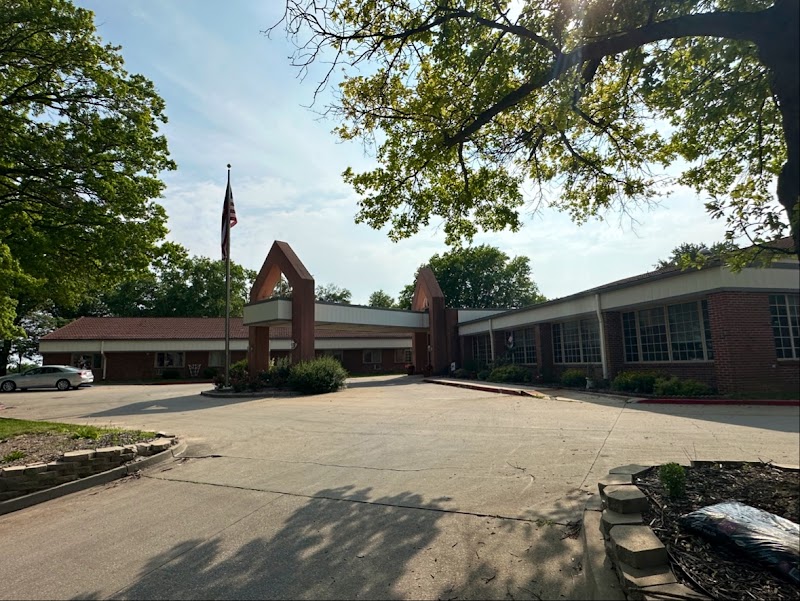
How is Atchison Senior Village Rehabilitation And Nursing Staffed?

CMS rates ATCHISON SENIOR VILLAGE REHABILITATION AND NURSING's staffing level at 3 out of 5 stars, which is average compared to other nursing homes. Staff turnover is 44%, compared to the Kansas average of 46%. This relatively stable workforce can support continuity of care.

What Have Inspectors Found at Atchison Senior Village Rehabilitation And Nursing?

State health inspectors documented 37 deficiencies at ATCHISON SENIOR VILLAGE REHABILITATION AND NURSING during 2021 to 2024. These included: 1 Immediate Jeopardy (the most serious level, indicating potential for serious harm or death), 34 with potential for harm, and 2 minor or isolated issues. Immediate Jeopardy findings are rare and represent the most serious regulatory concerns. They require immediate corrective action.
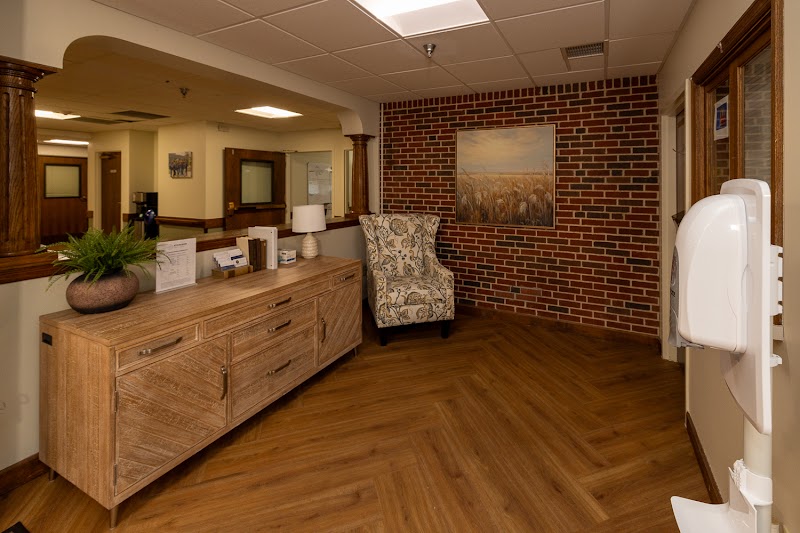
Who Owns and Operates Atchison Senior Village Rehabilitation And Nursing?

ATCHISON SENIOR VILLAGE REHABILITATION AND NURSING is owned by a for-profit company. For-profit facilities operate as businesses with obligations to shareholders or private owners. The facility is operated by THE ENSIGN GROUP, a chain that manages multiple nursing homes. With 45 certified beds and approximately 42 residents (about 93% occupancy), it is a smaller facility located in ATCHISON, Kansas.
How Does Atchison Senior Village Rehabilitation And Nursing Compare to Other Kansas Nursing Homes?

Compared to the 100 nursing homes in Kansas, ATCHISON SENIOR VILLAGE REHABILITATION AND NURSING's overall rating (2 stars) is below the state average of 2.9, staff turnover (44%) is near the state average of 46%, and health inspection rating (2 stars) is below the national benchmark.

What Should Families Ask When Visiting Atchison Senior Village Rehabilitation And Nursing?

Based on this facility's data, families visiting should ask: "What changes have been made since the serious inspection findings, and how are you preventing similar issues?" "Can I visit during a mealtime to observe dining assistance and food quality?" "How do you handle medical emergencies, and what is your hospital transfer rate?" "Can I speak with family members of current residents about their experience?" These questions are particularly relevant given the facility's Immediate Jeopardy citations.

Is Atchison Senior Village Rehabilitation And Nursing Safe?

Based on CMS inspection data, ATCHISON SENIOR VILLAGE REHABILITATION AND NURSING has documented safety concerns. Inspectors have issued 1 Immediate Jeopardy citation (the most serious violation level indicating risk of serious injury or death). The facility has a 2-star overall rating and ranks #100 of 100 nursing homes in Kansas. Families considering this facility should ask detailed questions about what corrective actions have been taken since these incidents.

Do Nurses at Atchison Senior Village Rehabilitation And Nursing Stick Around?

ATCHISON SENIOR VILLAGE REHABILITATION AND NURSING has a staff turnover rate of 44%, which is about average for Kansas nursing homes (state average: 46%). Moderate turnover is common in nursing homes, but families should still ask about staff tenure and how the facility maintains care continuity when employees leave.

Was Atchison Senior Village Rehabilitation And Nursing Ever Fined?

ATCHISON SENIOR VILLAGE REHABILITATION AND NURSING has been fined $20,817 across 3 penalty actions. This is below the Kansas average of $33,287. While any fine indicates a compliance issue, fines under $50,000 are relatively common and typically reflect isolated problems that were subsequently corrected. Families should ask what specific issues led to these fines and confirm they've been resolved.

Is Atchison Senior Village Rehabilitation And Nursing on Any Federal Watch List?

ATCHISON SENIOR VILLAGE REHABILITATION AND NURSING is not on any federal watch list. The most significant is the Special Focus Facility (SFF) program, which identifies the bottom 1% of nursing homes nationally based on persistent, serious quality problems. Not being on this list means the facility has avoided the pattern of deficiencies that triggers enhanced federal oversight. This is a positive indicator, though families should still review the facility's inspection history directly.