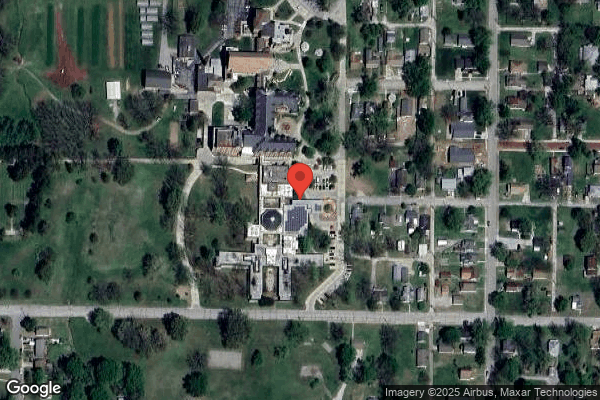
DOOLEY CENTER

801 S 8TH STREET, ATCHISON, KS 66002 (913) 360-6200
For profit - Partnership 44 Beds Independent Data: November 2025
Trust Grade
93/100
#15 of 295 in KS
Last Inspection: February 2024

Within standard 12-15 month inspection cycle. Federal law requires annual inspections.

Overview

The Dooley Center in Atchison, Kansas, has received a Trust Grade of A, indicating it is considered excellent and highly recommended for care. Ranking #15 out of 295 facilities in Kansas places it in the top half, and it is the best option among the three nursing homes in Atchison County. However, the facility's trend is worsening, with the number of identified issues increasing from 3 in 2022 to 7 in 2024. Staffing is a strength, with a 5-star rating and only 29% turnover, which is significantly lower than the state average. Additionally, the facility has not incurred any fines, which is positive, but it does have average RN coverage. Recent inspections revealed some concerns, including incomplete staffing information submitted to federal regulators, the lack of a qualified Infection Preventionist, and inconsistent reconciliation of controlled drugs at shift changes, which could risk medication safety. Overall, while the center has many strengths, the recent issues highlight areas needing improvement.

Trust Score
A
93/100
In Kansas
#15/295
Top 5%
Safety Record
Low Risk
No red flags
Inspections
Getting Worse
3 → 7 violations
Staff Stability
✓ Good
29% annual turnover. Excellent stability, 19 points below Kansas's 48% average. Staff who stay learn residents' needs.
Penalties
✓ Good
No fines on record. Clean compliance history, better than most Kansas facilities.
Skilled Nurses
✓ Good
Each resident gets 45 minutes of Registered Nurse (RN) attention daily — more than average for Kansas. RNs are trained to catch health problems early.
Violations
○ Average
10 deficiencies on record. Average for a facility this size. Mostly minor or procedural issues.
★★★★★
5.0
Overall Rating
★★★★★
5.0
Staff Levels
★★★★★
5.0
Care Quality
★★★★☆
4.0
Inspection Score
Stable
2022: 3 issues
2024: 7 issues

The Good

  • 5-Star Staffing Rating · Excellent nurse staffing levels
  • 5-Star Quality Measures · Strong clinical quality outcomes
  • Low Staff Turnover (29%) · Staff stability means consistent care
  • Full Sprinkler Coverage · Fire safety systems throughout facility
  • No fines on record
  • Staff turnover is low (29%)

    19 points below Kansas average of 48%

Facility shows strength in staffing levels, quality measures, staff retention, fire safety.

The Bad

No Significant Concerns Identified

This facility shows no red flags. Among Kansas's 100 nursing homes, only 1% achieve this.

The Ugly 10 deficiencies on record

Feb 2024 7 deficiencies
CONCERN (D)

Potential for Harm - no one hurt, but risky conditions existed

Deficiency F0657 (Tag F0657)

Could have caused harm · This affected 1 resident

**NOTE- TERMS IN BRACKETS HAVE BEEN EDITED TO PROTECT CONFIDENTIALITY** The facility identified a census of 33 residents. The sample included 12 residents with one resident reviewed for respiratory ca...

Read full inspector narrative →
**NOTE- TERMS IN BRACKETS HAVE BEEN EDITED TO PROTECT CONFIDENTIALITY** The facility identified a census of 33 residents. The sample included 12 residents with one resident reviewed for respiratory care. Based on observation, record review, and interviews, the facility failed to revise the comprehensive care plan, to include oxygen therapy, for Resident (R) 20. This placed R20 at increased risk for respiratory infection and complications due to uncommunicated care needs. Findings included: - R20's Electronic Medical Record (EMR) from the Diagnoses tab documented diagnoses of weakness, respiratory disorders, dependence on supplemental oxygen (needs a constant supply of oxygen), and disorder of the nose and nasal sinuses. The Quarterly Minimum Data Set (MDS) dated [DATE] documented a Brief Interview of Mental Status (BIMS) score of 15 which indicated intact cognition. The MDS documented R20 received oxygen during the observation period. R20's Functional Abilities Care Area Assessment (CAA) dated 11/16/23 documented R20 required assistance with her activities of daily living (ADLs). R20's Care Plan dated 08/18/23 documented staff should monitor the oxygen tubing over pressure points to prevent breakdown. R20's Care Plan lacked direction to address the care of oxygen tubing and equipment for R20. R20's EMR under the Orders tab revealed the following physician order dated 08/23/23: Change oxygen humidification bottles one time a day every seven days. On 02/19/24 at 11:03 AM, R20 reclined in her chair with her feet elevated. R20 received oxygen via a nasal cannula. Observation revealed the humidification bottle connected to the oxygen canister was dated 12/03/23. On 02/19/24 at 01:52 PM, R20 sat in her recliner and read a book. The humidification bottle connected to the oxygen canister was dated 12/03/23. On 02/19/24 at 12:15 PM Licensed Nurse (LN) G stated nurses were responsible for changing humidified oxygen bottles. LN G stated she expected the humidification bottle to be changed per the physician's order and to be signed for in the EMR. LN G stated she expected the bottle to be changed on the day the bottle was due, or staff should alert the next shift that the task was not completed. LN G stated the care plan should reflect oxygen therapy for R20. On 02/20/24 at 11:04 AM Certified Nurse's Aide (CNA) M stated she would be able to find direction for oxygen therapy on the [NAME] for each resident. CNA M stated nurses' aides are not allowed to touch residents' oxygen, this is done by the nurse only. On 02/20/24 at 11:30 PM Administrative Nurse D stated if the humidified bottle on the concentrator was ordered to be changed every seven days, she expected the facility nurse to change the bottle. She said she also expected staff to document the task was completed in the resident's EMR. Administrative Nurse D stated oxygen therapy should be included in R20's care plan. The facility's Care Planning policy documented facility's care planning team is responsible for the development of an individualized comprehensive care plan for each resident. The facility failed to ensure R20's care plan reflected her oxygen therapy, which had the potential for alteration of continuous care among nursing staff. This placed R20 at increased risk for respiratory infection and complications due to uncommunicated care needs.
CONCERN (D)

Potential for Harm - no one hurt, but risky conditions existed

Deficiency F0678 (Tag F0678)

Could have caused harm · This affected 1 resident

**NOTE- TERMS IN BRACKETS HAVE BEEN EDITED TO PROTECT CONFIDENTIALITY** The facility reported a census of 33 residents. The sample included 12 residents. Based on interview and record review, the faci...

Read full inspector narrative →
**NOTE- TERMS IN BRACKETS HAVE BEEN EDITED TO PROTECT CONFIDENTIALITY** The facility reported a census of 33 residents. The sample included 12 residents. Based on interview and record review, the facility failed to establish and maintain a system to ensure nursing staff maintained current cardiopulmonary resuscitation (CPR- a life-saving medical procedure that consists of chest compressions to allow oxygenated blood to circulate to vital organs, such as the brain and heart and artificial ventilation) certification for healthcare providers. This deficient practice placed Resident (R) 21, who desired CPR if needed, at risk for inadequate resuscitative measures. Findings included: - On [DATE] Licensed Nurse (LN) I's CPR certification had an issue date of [DATE] and a renewal (expiration) date of 09/2023. On [DATE] at 08:43 AM, Administrative Staff A stated human resources tracked the CPR certification and LN I's CPR expired in September of 2023. Administrative Staff A stated LN I would renew her CPR certification before returning to work. On [DATE] at 12:30 PM, Administrative Nurse D stated she reviewed the nursing schedule to ensure there was always a CPR certified staff on duty. The facility's undated Emergency Procedure - Cardiopulmonary Resuscitation policy documented that staff would obtain and/or maintain American Red Cross or American Heart Association certification in Basic Life Support (BLS)/Cardiopulmonary Resuscitation (CPR) for key clinical staff members who would direct resuscitative efforts, including non-licensed personnel. Maintain equipment and always supplies necessary for CPR/BLS in the facility. The facility failed to establish and maintain a system to ensure nursing staff maintained current CPR certification for healthcare providers. This deficient practice placed R21 who desired CPR at risk for inadequate resuscitative measures.
CONCERN (D)

Potential for Harm - no one hurt, but risky conditions existed

Respiratory Care (Tag F0695)

Could have caused harm · This affected 1 resident

**NOTE- TERMS IN BRACKETS HAVE BEEN EDITED TO PROTECT CONFIDENTIALITY** The facility identified a census of 33 residents. The sample included 12 residents with one resident reviewed for respiratory ca...

Read full inspector narrative →
**NOTE- TERMS IN BRACKETS HAVE BEEN EDITED TO PROTECT CONFIDENTIALITY** The facility identified a census of 33 residents. The sample included 12 residents with one resident reviewed for respiratory care. Based on observation, record review, and interviews, the facility failed to ensure physician's orders were followed for Resident (R)20's oxygen therapy when staff failed to change the oxygen bottle every seven days as ordered. This placed R20 at increased risk for respiratory infection and complications. Findings included: - R20's Electronic Medical Record (EMR) from the Diagnoses tab documented diagnoses of weakness, respiratory disorders, dependence on supplemental oxygen (needs a constant supply of oxygen), and disorder of the nose and nasal sinuses. The Quarterly Minimum Data Set (MDS) dated [DATE] documented a Brief Interview of Mental Status (BIMS) score of 15 which indicated intact cognition. The MDS documented R20 received oxygen during the observation period. R20's Functional Abilities Care Area Assessment (CAA) dated 11/16/23 documented R20 required assistance with her activities of daily living (ADLs). R20's Care Plan dated 08/18/23 documented staff should monitor the oxygen tubing over pressure points to prevent breakdown. R20's Care Plan lacked direction to address the care of oxygen tubing and equipment for R20. R20's EMR under the Orders tab revealed the following physician order dated 08/23/23: Change oxygen humidification bottles one time a day every seven days. On 02/19/24 at 11:03 AM, R20 reclined in her chair with her feet elevated. R20 received oxygen via a nasal cannula. Observation revealed the humidification bottle connected to the oxygen canister was dated 12/03/23. On 02/19/24 at 01:52 PM, R20 sat in her recliner and read a book. The humidification bottle connected to the oxygen canister was dated 12/03/23. On 02/19/24 at 12:15 PM Licensed Nurse (LN) G stated nurses were responsible for changing humidified oxygen bottles. LN G stated she expected the humidification bottle to be changed per the physician's order and to be signed for in the EMR. LN G stated she expected the bottle to be changed on the day the bottle was due, or staff should alert the next shift that the task was not completed. LN G stated the care plan should reflect oxygen therapy for R20. On 02/20/24 at 11:04 AM Certified Nurse's Aide (CNA) M stated she would be able to find direction for oxygen therapy on the [NAME] for each resident. CNA M stated nurses' aides are not allowed to touch residents' oxygen, this is done by the nurse only. On 02/20/24 at 11:30 PM Administrative Nurse D stated if the humidified bottle on the concentrator was ordered to be changed every seven days, she expected the facility nurse to change the bottle. She said she also expected staff to document the task was completed in the resident's EMR. Administrative Nurse D stated oxygen therapy should be included in R20's care plan. The facility's Oxygen in Use Protocols policy documented that humidified bottles should be dated and initialed when used. The humidified bottle should be changed every seven days. The facility failed to ensure R20's humidified oxygen bottle was changed every seven days per physician's orders. This placed R20 at increased risk for respiratory infection and complications.
CONCERN (D)

Potential for Harm - no one hurt, but risky conditions existed

Deficiency F0757 (Tag F0757)

Could have caused harm · This affected 1 resident

**NOTE- TERMS IN BRACKETS HAVE BEEN EDITED TO PROTECT CONFIDENTIALITY** The facility identified a census of 33 residents. The sample included 12 residents with five residents reviewed for unnecessary ...

Read full inspector narrative →
**NOTE- TERMS IN BRACKETS HAVE BEEN EDITED TO PROTECT CONFIDENTIALITY** The facility identified a census of 33 residents. The sample included 12 residents with five residents reviewed for unnecessary medications. Based on observation, record review, and interviews, the facility failed to ensure the physician was notified when Resident (R) 31's systolic blood pressure (SBP- top number, the force your heart exerts on the walls of your arteries each time it beats) was outside the physician ordered parameters. This deficient practice placed R31 at risk for unnecessary medication use and delay in treatment or services related to hypertension (elevated blood pressure). Findings included: - R31's Electronic Medical Record (EMR) from the Diagnoses tab documented diagnoses of hypertension, and congestive heart failure (CHF-a condition with low heart output and the body becomes congested with fluid). The Annual Minimum Data Set (MDS) dated [DATE] documented a Brief Interview of Mental Status (BIMS) score of 15 which indicated intact cognition. The Quarterly MDS dated 12/21/23 documented a BIMS score of 15 which indicated intact cognition. R31's Activities of Daily Living [ADL] Functional/Rehabilitation Potential Care Area Assessment (CAA) dated 09/28/23 documented R31 had limited mobility and required assistance from the staff for ADL. R31's Care Plan dated 05/19/23 documented staff would administer antihypertensive medication as ordered. R31's EMR under the Orders tab revealed the following physician orders: Amlodipine besylate (antihypertensive) oral tablet 2.5 milligrams (mg) give one tablet by mouth one time a day related to hypertension. Contact physician for SBP greater than (>) 160 millimeters of mercury (mmHg) or diastolic blood pressure (DBP-minimum level of blood pressure measured between contractions of the heart; the bottom number of a blood pressure reading) >100 mmHg. Hold medication if the heart rate was less than (<) 50 beats per minute dated 10/27/23. Review of R31's Medication Administration Record (MAR) in the EMR from 11/01/23 to 02/13/24 (105 days) revealed SBP was > 160mmHg (16 times) on the following dates 11/01/23, 11/28/23, 12/01/23, 12/02/23, 12/10/23, 12/28/23, 01/02/24, 01/05/24, 01/20/24, 01/22/24, 01/24/24, 01/25/24, 02/04/24, 02/09/24, and 02/11/24. A review of the EMR lacked evidence of the physician notification of SBP outside the physician-ordered parameters. On 02/19/24 at 10:23 AM, R31 ambulated with her walker in the hallway. On 02/20/24 at 11:15 AM, Licensed Nurse (LN) H stated the physician should be notified every time R31's SBP was outside the physician-ordered parameters. LN H stated an alert came up when the blood pressure was entered into the EMR. LN H stated the physician was notified by fax and that would be documented under the progress note. On 02/20/24 at 11:30 AM, Administrative Nurse D stated she expected the nurse to notify the physician when R31's SBP was outside the physician-ordered parameters. Administrative Nurse D stated the nurse would document the physician notification in R31's EMR under the progress notes. The facility's Guidelines for Notifying Physicians of Clinical Problems policy last revised 02/2014 documented the facility's guidelines to help ensure that medical care problems are communicated to the medical staff in a timely, efficient, and effective manner and all significant changes in resident status are assessed and documented in the medical record. Depending on the situation, other physical findings may warrant physician notification such as a change in vital signs. Staff would follow these general guidelines: The facility failed to ensure the physician was notified when R31's SBP was outside the physician-ordered parameters. This deficient practice placed R31 at risk for unnecessary medication use and delay in treatment or services related to hypertension.
CONCERN (E)

Potential for Harm - no one hurt, but risky conditions existed

Pharmacy Services (Tag F0755)

Could have caused harm · This affected multiple residents

The facility had a census of 33 residents. The sample included 12 residents and two medication carts. Based on observation, record review, and interview the facility failed to provide a consistent rec...

Read full inspector narrative →
The facility had a census of 33 residents. The sample included 12 residents and two medication carts. Based on observation, record review, and interview the facility failed to provide a consistent reconciliation of controlled drugs at the end of each work shift. This placed the 14 residents with controlled substances on the cart at risk for misappropriation of medications. Findings included: - On 02/19/24 at 08:14 AM, observation on the 100-200 hall medication cart revealed staff counted and signed the Controlled Drug Record flow sheet for one work shift on 02/05/24, 02/06/24, 02/08/24, 02/09/24, 02/14/24, 02/15/24, 02/17/24, and 02/18/24 (eight times out of a possible 38 work shifts). On 02/19/24 at 08:15 AM, Licensed Nurse (LN) G stated nurses were expected to count the narcotics with another nurse each shift. LN G stated the nurse coming on duty and the nurse going off duty should ensure the narcotic count each shift. LN G stated she was unsure of the facility's policy for counting narcotics. On 02/20/24 at 11:04 AM, Administrative Nurse D stated she expected the nurse coming on duty and the nurse leaving duty to count each card, for a total number of cards. Administrative Nurse D stated nurses counted each card, and the total number was recorded. Administrative Nurse D said the two nurses together determined the count was correct. The Controlled Substance policy revised 04/2019 stated controlled medications are counted at the end of each shift. The nurse coming on duty and the nurse going off duty determine the count together. Any discrepancies in the controlled medication should be reported to the Director of Nursing Services immediately. The facility failed to provide a consistent reconciliation of controlled drugs at the end of daily work shifts, placing the 14 residents with controlled substances on the cart at risk for misappropriation of medications by staff.
CONCERN (F)

Potential for Harm - no one hurt, but risky conditions existed

Staffing Data (Tag F0851)

Could have caused harm · This affected most or all residents

The facility had a census of 33 residents. Based on interview and record review the facility failed to submit complete and accurate staffing information to the federal regulatory agency through Payrol...

Read full inspector narrative →
The facility had a census of 33 residents. Based on interview and record review the facility failed to submit complete and accurate staffing information to the federal regulatory agency through Payroll Based Journaling (PBJ) when the facility failed to submit staffing hour data for all direct care personnel as required. This placed the residents at risk for impaired care due to unidentified staffing issues. Findings included: - The PBJ report provided by the Centers for Medicare & Medicaid Services (CMS) for Fiscal Year (FY) 2023 Quarter 4 indicated data triggered for no registered nurse hours for four or more days during the quarter and was triggered for one staff rating. On 02/19/24 at 07:28 AM Administrative Staff A stated the inaccurate PBJ reporting was due to a change of the staff responsible for the reporting. Administrative Staff A stated the facility had identified the error and started a performance improvement plan. The facility's Reporting Direct Care Staffing Information (Payroll-Based Journal) policy last revised 08/2022 documented that complete and accurate direct care staffing information would be reported electronically to CMS through the Payroll-Based Journal (PBJ) system in a uniform format specified by CMS. The facility failed to submit accurate information to the CMS PBJ. This placed the residents at risk for impaired care due to unidentified staffing issues.
CONCERN (F)

Potential for Harm - no one hurt, but risky conditions existed

Deficiency F0882 (Tag F0882)

Could have caused harm · This affected most or all residents

The facility identified a census of 33 residents. Based on record review and interviews, the facility failed to designate a staff member with the required qualification and certification as the Infect...

Read full inspector narrative →
The facility identified a census of 33 residents. Based on record review and interviews, the facility failed to designate a staff member with the required qualification and certification as the Infection Preventionist, who was responsible for the facility's Infection Prevention and Control Program. This deficient practice placed all residents at risk for lack of identification, tracking/trending, and treatment of infections. Findings included: - A review of the Department Heads form dated 02/13/24 revealed the Infection Control Preventionist position was vacant. On 02/20/24 at 03:44 PM Administrative Nurse D stated the facility did not have a certified Infection preventionist at this time. The facility's undated Infection Preventionist policy documented the infection preventionist was responsible for coordinating the implementation and updating of the infection prevention and control program. The infection preventionist was a nurse who had earned a certificate/diploma or degree in nursing. The facility failed to designate a staff member with the required qualification and certification as the Infection Preventionist, responsible for the facility's Infection Prevention and Control Program. This deficient practice placed all residents at risk for lack of identification, tracking/trending, and treatment of infections.
Jul 2022 3 deficiencies
CONCERN (D)

Potential for Harm - no one hurt, but risky conditions existed

Drug Regimen Review (Tag F0756)

Could have caused harm · This affected 1 resident

**NOTE- TERMS IN BRACKETS HAVE BEEN EDITED TO PROTECT CONFIDENTIALITY** The facility identified a census of 31 residents. The sample included 12 residents with five residents reviewed for unnecessary ...

Read full inspector narrative →
**NOTE- TERMS IN BRACKETS HAVE BEEN EDITED TO PROTECT CONFIDENTIALITY** The facility identified a census of 31 residents. The sample included 12 residents with five residents reviewed for unnecessary medication. Based on observation, record review, and interviews, the facility failed to ensure the Consultant Pharmacist (CP) identified and reported irregularities for physician notification for Resident (R) 31's hypertensive medication (class of medication used to treat high blood pressure). This deficient practice placed R31 at risk for unnecessary medication administration thus leading to possible harmful side effects. Findings included: - R31's electronic medical record (EMR) from the Diagnoses tab documented diagnoses of depression (abnormal emotional state characterized by exaggerated feelings of sadness, worthlessness and emptiness), hypertension (high blood pressure), and psychosis (any major mental disorder characterized by a gross impairment testing). The Significate Change Minimum Data Set (MDS) dated [DATE] documented a Brief Interview of Mental Stubs (BIMS) score of two which indicated severely impaired cognition. The MDS documented that R31 required limited assistance of one staff member for activities of daily living (ADL's). The MDS documented R31 received antidepressant medication (class of medications used to treat mood disorders and relieve symptoms of depression) and antipsychotic medication (class of medications used to treat psychosis and other mental emotional conditions) for seven days during the look back period. The Quarterly MDS dated 07/14/22 documented a BIMS score of 99, staff interview was completed documented a moderately impaired decision making. The MDS documented that R31 required extensive assistance of one staff member for ADL's. The MDS documented R31 received antidepressant medication and antipsychotic medication for seven days during the look back period. R31's Psychotropic Drug Care Area Assessment (CAA) dated 12/16/21 documented she had received psychotropic (alters mood or thought) medication on a scheduled basis and had failed a gradual dose reduction. R31's Care Plan dated 03/22/21 documented staff was to administer medication as ordered by the physician. Review of the EMR under Orders tab revealed physician orders: Amlodipine besylate tablet (antihypertensive) five milligrams (mg) give one tablet by mouth daily for hypertension. Notify physician if systolic (SBP-relating to the phase of the heartbeat when the heart muscle contracts and pumps blood from the chambers into the arteries) greater than (>), 190 millimeters of mercury (mmHg) or diastolic blood pressure (DBP-minimum level of blood pressure measured between contractions of the heart; the bottom number of a blood pressure reading) > 90mmHg or apical pulse > 120 or less than (<) 50 mmHg dated 01/05/22. Review of the EMR under the Reports tab for Medication Administration Record (MAR) reviewed from 04/01/22 to 07/19/22 (110 days) physician was not notified four days when DBP was outside physician ordered parameters on the following dates: 04/09/22, 05/16/22, 05/20/22, and 07/14/22. The Monthly Medication Review (MMR), performed by the CP, reviewed from July 2021 through June 2022 did not identify the lack of physician notification of DBP outside the physician ordered parameters for R31. On 07/21/22 at 08 :11 AM R31 walked with a steady gait assisted by front wheeled walker to the dining room area, nursing staff offered R31 verbal cues when R31 requested which direction she was to walk. On 07/21/22 at 01:25 PM Licensed Nurse (LN) G stated the MMR were faxed to the facility, then divided into the units. LN G stated the charge on the unit, reviewed the MMR's, then MMR's are faxed to the attending physician. LN G stated once the MMR's were returned by physician, the charge nurse on duty gets the new orders and notifies the family and pharmacy if need. LN G stated the MMR's were then sent to the director of nursing to be reviewed. On 07/21/22 at 02:15 PM Administrative Nurse D stated the charge nurse on the units complete the MMR's sent by the CP. Administrative Nurse D stated once the physician has reviewed them and made any changes she reviews them and then the MMR's are sent to medical records to be scanned tanto the residents EMR. On 07/25/22 at 010:458 AM CP GG stated she reviewed the resident clinical record monthly. CP GG stated she reviewed the vital signs during the monthly review. CP GG stated she would notify the facility of any BP outside the physician ordered parameters. CP GG stated if resident's vital signs continued to be outside the physician ordered parameters she would notify the physician. The facility's Medication Regimen Reviews policy revised May 2019 documented the goal of the MMR's was to promote positive outcomes while minimizing adverse consequences and potential risks associated with medications. The facility failed to ensure the CP identified and reported irregularities when physician ordered parameters for antihypertensive medication for R31 were not followed. This had the potential for adverse of unnecessary medication administration or possible harmful side effects.
CONCERN (D)

Potential for Harm - no one hurt, but risky conditions existed

Deficiency F0757 (Tag F0757)

Could have caused harm · This affected 1 resident

**NOTE- TERMS IN BRACKETS HAVE BEEN EDITED TO PROTECT CONFIDENTIALITY** The facility identified a census of 31 residents. The sample included 12 residents with five residents reviewed for unnecessary ...

Read full inspector narrative →
**NOTE- TERMS IN BRACKETS HAVE BEEN EDITED TO PROTECT CONFIDENTIALITY** The facility identified a census of 31 residents. The sample included 12 residents with five residents reviewed for unnecessary medication. Based on observation, record review, and interviews, the facility failed to ensure the physician ordered parameters for Resident (R) 31's hypertensive medication (class of medication used to treat high blood pressure) were followed. This deficient practice placed R31 at risk for unnecessary medication administration thus leading to possible harmful side effects. Findings included: - R31's electronic medical record (EMR) from the Diagnoses tab documented diagnoses of depression (abnormal emotional state characterized by exaggerated feelings of sadness, worthlessness and emptiness), hypertension (high blood pressure), and psychosis (any major mental disorder characterized by a gross impairment testing). The Significate Change Minimum Data Set (MDS) dated [DATE] documented a Brief Interview of Mental Stubs (BIMS) score of two which indicated severely impaired cognition. The MDS documented that R31 required limited assistance of one staff member for activities of daily living (ADL's). The MDS documented R31 received antidepressant medication (class of medications used to treat mood disorders and relieve symptoms of depression) and antipsychotic medication (class of medications used to treat psychosis and other mental emotional conditions) for seven days during the look back period. The Quarterly MDS dated 07/14/22 documented a BIMS score of 99, staff interview was completed documented a moderately impaired decision making. The MDS documented that R31 required extensive assistance of one staff member for ADL's. The MDS documented R31 received antidepressant medication and antipsychotic medication for seven days during the look back period. R31's Psychotropic Drug Care Area Assessment (CAA) dated 12/16/21 documented she had received psychotropic (alters mood or thought) medication on a scheduled basis and had failed a gradual dose reduction. R31's Care Plan dated 03/22/21 documented staff was to administer medication as ordered by the physician. Review of the EMR under Orders tab revealed physician orders: Amlodipine besylate tablet (antihypertensive) five milligrams (mg) give one tablet by mouth daily for hypertension. Notify physician if systolic (SBP-relating to the phase of the heartbeat when the heart muscle contracts and pumps blood from the chambers into the arteries) greater than (>), 190 millimeters of mercury (mmHg) or diastolic blood pressure (DBP-minimum level of blood pressure measured between contractions of the heart; the bottom number of a blood pressure reading) > 90mmHg or apical pulse > 120 or less than (<) 50 mmHg dated 01/05/22. Review of the EMR under the Reports tab for Medication Administration Record (MAR) reviewed from 04/01/22 to 07/19/22 (110 days) physician was not notified four days when DBP was outside physician ordered parameters on the following dates: 04/09/22, 05/16/22, 05/20/22, and 07/14/22. On 07/21/22 at 08 :11 AM R31 walked with a steady gait assisted by front wheeled walker to the dining room area, nursing staff offered R31 verbal cues when R31 requested which direction she was to walk. On 07/21/22 at 01:25 PM Licensed Nurse (LN) G stated the physician would we notified by a fax communication if R31's DBP was outside the physician ordered parameters. LN G stated the charge would note any new orders from the physician and the signed communication would be sent to medical records to be scanned into the residents EMR. LN G stated a note would be documented under the Progress notes tab. On 07/21/22 at 02:15 PM Administrative Nurse D stated the charge nurse would notify the physician by phone or fax if not an emergency of any outside parameter vital signs obtained for the residents. Administrative Nurse D stated the returned faxed communication sheet would be reviewed for any new orders and then sent to medical records to be scanned into the residents EMR. The facility's Administering Medications policy revised April 2019 documented the following information was checked/verified for each resident prior to administration of medication: a. Allergies to medication; b. Vital signs, if necessary. The facility failed to ensure the physician ordered parameter was followed for antihypertensive medication for R31. This had the potential for adverse of unnecessary medication administration or possible harmful side effects.
CONCERN (E)

Potential for Harm - no one hurt, but risky conditions existed

Deficiency F0883 (Tag F0883)

Could have caused harm · This affected multiple residents

The facility identified a census of 31 residents. The sample included 12 residents with five reviewed for influenza and pneumococcal immunizations. Based on record review and interviews, the facility ...

Read full inspector narrative →
The facility identified a census of 31 residents. The sample included 12 residents with five reviewed for influenza and pneumococcal immunizations. Based on record review and interviews, the facility failed to provide pneumococcal vaccinations or informed refusals for Residents (R)2, R9, R15, and R23. This deficient practice placed the residents at risk for complication related to pneumonia. Findings included: - On 07/20/22 at 03:45 PM a review of Electronic Health Record (EHR) was completed for R2, R9, R15, and R23. The review revealed that R2, R9, R15, and R23 lacked documentation indicating that the four residents listed had been offered, consented, refused, or had received the pneumonia vaccination. On 07/21/2022 at 01:49 PM Administrator A stated that the facility was made aware that its pneumonia immunization program was behind on vaccination during a facility-wide audit completed in May 2022. She provided a Performance Improvement Plan (PIP) for the facility related to the missing documentation. The PIP indicated that the facility was in the process of updating all the resident's pneumonia vaccinations statuses but was not yet completed. A review of the facility's Pneumococcal Vaccine policy revised 10/2019 stated that residents were to be assessed for eligibility to receive the vaccination within 30 days of admission to the facility unless contraindicated or the resident has already had the vaccine. The policy noted that the education provided for pneumococcal vaccination, noted refusals, and the given vaccination's identifying information should be documented in the resident's chart upon completion. The facility failed to provide pneumococcal vaccinations or informed resfusals for R2, R9, R15, and R23. This deficient practice placed the residents at risk for complication related to pneumonia.
Understanding Severity Codes (click to expand)
Life-Threatening (Immediate Jeopardy)
J - Isolated K - Pattern L - Widespread
Actual Harm
G - Isolated H - Pattern I - Widespread
Potential for Harm
D - Isolated E - Pattern F - Widespread
No Harm (Minor)
A - Isolated B - Pattern C - Widespread

Questions to Ask on Your Visit

  • "Can I speak with families of current residents?"
  • "What's your RN coverage like on weekends and overnight?"

Our Honest Assessment

Strengths
  • • Grade A (93/100). Above average facility, better than most options in Kansas.
  • • No major safety red flags. No abuse findings, life-threatening violations, or SFF status.
  • • No fines on record. Clean compliance history, better than most Kansas facilities.
  • • 29% annual turnover. Excellent stability, 19 points below Kansas's 48% average. Staff who stay learn residents' needs.
Concerns
  • • No significant concerns identified. This facility shows no red flags across CMS ratings, staff turnover, or federal penalties.
Bottom line: Generally positive indicators. Standard due diligence and a personal visit recommended.

About This Facility

What is Dooley Center's CMS Rating?

CMS assigns DOOLEY CENTER an overall rating of 5 out of 5 stars, which is considered much above average nationally. Within Kansas, this rating places the facility higher than 99% of the state's 100 nursing homes. This rating reflects solid performance across the metrics CMS uses to evaluate nursing home quality.

How is Dooley Center Staffed?

CMS rates DOOLEY CENTER's staffing level at 5 out of 5 stars, which is much above average compared to other nursing homes. Staff turnover is 29%, compared to the Kansas average of 46%. This relatively stable workforce can support continuity of care.

What Have Inspectors Found at Dooley Center?

State health inspectors documented 10 deficiencies at DOOLEY CENTER during 2022 to 2024. These included: 10 with potential for harm.

Who Owns and Operates Dooley Center?

DOOLEY CENTER is owned by a for-profit company. For-profit facilities operate as businesses with obligations to shareholders or private owners. The facility operates independently rather than as part of a larger chain. With 44 certified beds and approximately 29 residents (about 66% occupancy), it is a smaller facility located in ATCHISON, Kansas.

How Does Dooley Center Compare to Other Kansas Nursing Homes?

Compared to the 100 nursing homes in Kansas, DOOLEY CENTER's overall rating (5 stars) is above the state average of 2.9, staff turnover (29%) is significantly lower than the state average of 46%, and health inspection rating (4 stars) is above the national benchmark.

What Should Families Ask When Visiting Dooley Center?

Based on this facility's data, families visiting should ask: "Can I visit during a mealtime to observe dining assistance and food quality?" "How do you handle medical emergencies, and what is your hospital transfer rate?" "Can I speak with family members of current residents about their experience?"

Is Dooley Center Safe?

Based on CMS inspection data, DOOLEY CENTER has a clean safety record: no substantiated abuse findings (meaning no confirmed cases of resident harm), no Immediate Jeopardy citations (the most serious violation level indicating risk of serious injury or death), and is not on the Special Focus Facility watch list (a federal program monitoring the lowest-performing 1% of nursing homes). The facility has a 5-star overall rating and ranks #1 of 100 nursing homes in Kansas. While no facility is perfect, families should still ask about staff-to-resident ratios and recent inspection results during their visit.

Do Nurses at Dooley Center Stick Around?

Staff at DOOLEY CENTER tend to stick around. With a turnover rate of 29%, the facility is 17 percentage points below the Kansas average of 46%. Low turnover is a positive sign. It means caregivers have time to learn each resident's needs, medications, and personal preferences. Consistent staff also notice subtle changes in a resident's condition more quickly.

Was Dooley Center Ever Fined?

DOOLEY CENTER has no federal fines on record. CMS issues fines when nursing homes fail to meet care standards or don't correct problems found during inspections. The absence of fines suggests the facility has either maintained compliance or corrected any issues before penalties were assessed. This is a positive indicator, though families should still review recent inspection reports for the full picture.

Is Dooley Center on Any Federal Watch List?

DOOLEY CENTER is not on any federal watch list. The most significant is the Special Focus Facility (SFF) program, which identifies the bottom 1% of nursing homes nationally based on persistent, serious quality problems. Not being on this list means the facility has avoided the pattern of deficiencies that triggers enhanced federal oversight. This is a positive indicator, though families should still review the facility's inspection history directly.