MEDICALODGES ATCHISON
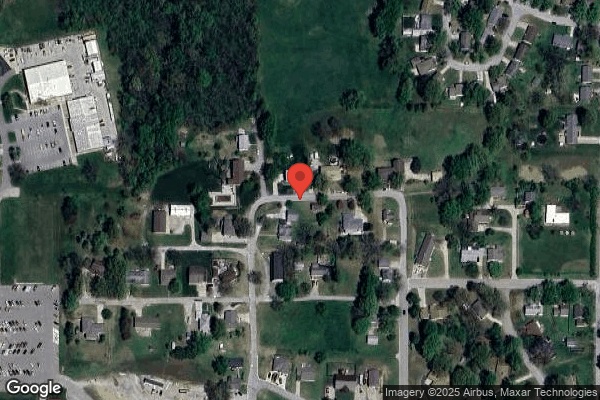
1637 RILEY STREET, ATCHISON, KS 66002 (913) 367-6066
For profit - Corporation 60 Beds MEDICALODGES, INC. Data: November 2025
Trust Grade
30/100
#204 of 295 in KS
Last Inspection: June 2024

Within standard 12-15 month inspection cycle. Federal law requires annual inspections.

Overview

Medicalodges Atchison has received a Trust Grade of F, indicating significant concerns about the quality of care provided. Ranked #204 out of 295 facilities in Kansas, this places them in the bottom half of the state, and they are also ranked #3 out of 3 in Atchison County, meaning only one local option is better. Although the facility is improving, going from 9 issues in 2024 to just 1 in 2025, there are still serious concerns, including a failure to implement timely interventions to prevent pressure ulcers for residents. Staffing is a relative strength with a 4 out of 5 rating and a turnover rate of 40%, which is lower than the state average, but there is less RN coverage than 85% of Kansas facilities, raising concerns about the depth of nursing support. While the facility has no fines, which is a positive sign, they have faced issues like improper food storage and not employing a certified dietary manager, which can put residents at risk for foodborne illness and nutritional concerns.

Trust Score
F
30/100
In Kansas
#204/295
Bottom 31%
Safety Record
High Risk
Review needed
Inspections
Getting Better
9 → 1 violations
Staff Stability
○ Average
40% turnover. Near Kansas's 48% average. Typical for the industry.
Penalties
✓ Good
No fines on record. Clean compliance history, better than most Kansas facilities.
Skilled Nurses
○ Average
Each resident gets 32 minutes of Registered Nurse (RN) attention daily — about average for Kansas. RNs are the most trained staff who monitor for health changes.
Violations
⚠ Watch
21 deficiencies on record. Higher than average. Multiple issues found across inspections.
★★☆☆☆
2.0
Overall Rating
★★★★☆
4.0
Staff Levels
★★★☆☆
3.0
Care Quality
★★☆☆☆
2.0
Inspection Score
Stable
2024: 9 issues
2025: 1 issues

The Good

  • 4-Star Staffing Rating · Above-average nurse staffing levels
  • Full Sprinkler Coverage · Fire safety systems throughout facility
  • No fines on record
  • Staff turnover below average (40%)

    8 points below Kansas average of 48%

Facility shows strength in staffing levels, fire safety.

The Bad

2-Star Overall Rating

Below Kansas average (2.9)

Below average - review inspection findings carefully

Staff Turnover: 40%

Near Kansas avg (46%)

Typical for the industry

Chain: MEDICALODGES, INC.

Part of a multi-facility chain

Ask about local staffing decisions and management

The Ugly 21 deficiencies on record

1 actual harm
May 2025 1 deficiency
CONCERN (D) 📢 Someone Reported This

A family member, employee, or ombudsman was alarmed enough to file a formal complaint

Potential for Harm - no one hurt, but risky conditions existed

Deficiency F0602 (Tag F0602)

Could have caused harm · This affected 1 resident

**NOTE- TERMS IN BRACKETS HAVE BEEN EDITED TO PROTECT CONFIDENTIALITY** The facility identified a census of 39 residents. The sample included three residents reviewed for misappropriation of property....

Read full inspector narrative →
**NOTE- TERMS IN BRACKETS HAVE BEEN EDITED TO PROTECT CONFIDENTIALITY** The facility identified a census of 39 residents. The sample included three residents reviewed for misappropriation of property. Based on observation, record review, and interviews, the facility failed to ensure Resident (R) 1 and R2 remained free from misappropriation of medications when during a random controlled substance audit it was discovered three of the nine entries from 03/01/25 to 03/26/25 for R1 and three out of six entries from 03/24/25 to 03/26/25 for R2 were signed out on the count sheet by Licensed Nurse (LN) G but were not documented on the Electronic Medication Administration Record (EMAR). Further investigation by the facility revealed LN G signed out medications as being destroyed using another nurse's initials and initials that were identified as not belonging to any member of the licensed facility staff. This deficient practice placed R1 and R2 at risk for missed medications and further misappropriation of medications. Findings included: - The facility's investigation, dated 04/03/25, documented on 03/26/25 Consultant GG conducted a monthly on-site visit that consisted of a medication documentation review and a controlled substance audit. The results of the audit were reviewed and indicated missing entries on two of the four residents that were selected through the random controlled substances audit. Upon further review, it was determined that three of the nine entries from 03/01/25 to 03/26/25 for R1 and three out of the six entries for R2 from 03/24/25 to 03/26/25 were signed out on the count sheet but were not documented on the EMAR. Administrative Nurse D analyzed these results and initiated an audit of R1's and R2's controlled medications. This audit consisted of a comparison of the controlled medication count sheet to each medication administration record for each resident with the scheduled and as-needed controlled medication orders. The results of this audit revealed the following for R1 and R2: On 03/10/25 hydrocodone-acetaminophen (a combination medication used to treat moderate to severe pain) 5 milligrams (mg)-325 mg was not signed out on the EMAR but was signed out on the controlled drug record. It was recorded as being given at 08:21 PM and then appeared that the number 19 was written over the 20 on the controlled drug record by LN G. On 03/11/25 it was indicated on the EMAR that the hydrocodone-acetaminophen 5 mg-325 mg was signed out by LN G at 01:38 AM and marked effective. When compared to the controlled medication record, this medication was signed out at 03:30 AM. On 03/15/25 LN H documented R1 was out of the facility. On 03/15/25 LN G pulled hydrocodone-acetaminophen 5 mg-325 mg and signed it out in the morning. This medication was an as-needed medication for pain. R1 was documented as not in the facility at that time, as R1 was admitted to the hospital on [DATE]. Per investigation, on the controlled drug record, it was indicated that the medication pulled on 03/15/25 was destroyed by LN G. A second set of initials was indicated next to LN G's; however, those initials were unknown. The nurse on shift at the time was LN H who was unaware of this medication being destroyed and verified that the initials on the controlled drug record were not hers. On 03/15/25 LN G signed out the morning dose of tramadol (medication used to treat moderate to moderately severe pain) and the word destroyed was documented to the left of LN G's signature. A second set of initials was indicated on this same entry that was not legible and did not match any initials of licensed staff. LN H was on shift the same date LN G signed out the tramadol. When asked if the initials in question belonged to LN H, LN H stated that they were not her initials. On 03/24/25 R2 returned to the facility. A medication card for R2 that contained 15 oxycodone (medication used to relieve moderate to severe pain) 5 mg tablets was received at the facility and signed in by LN H. The oxycodone was ordered to be given every six hours as needed. On 03/24/25 LN G signed one oxycodone 5 mg out from the controlled drug record at 11:00 PM but did not chart on R2's EMAR. The investigation documented upon review of the controlled drug record, the number three, in the initial time indicated 11:00 PM, appeared to have been written over with the number one. On 03/25/25 LN G documented on the controlled drug record at 03:00 AM that one oxycodone 5 mg was pulled. LN G documented the administration time on the EMAR as 03:30 AM. Upon further review it was recorded that the entry had been created at 04:00 AM, time-stamped at 03:30 AM. On 03/25/25 at 07:52 PM LN G documented on the controlled drug record that an oxycodone HCL 5 mg was pulled. Next to LN G's initials, the word wasted was recorded with what appeared to be the initials for LN H. Upon review with LN H, she stated that the initials on this entry did not belong to her and that she did not waste this medication with LN G. An oxycodone was documented on the EMAR and progress note by LN G at 06:30 PM. This documentation was created on 03/25/25 at 10:22 PM. At 09:00 PM, LN G documented the medication was pulled, LN G did not document it on R2's EMAR and the medication was pulled three hours and 30 minutes after the previous dose was administered. The order was as needed every six hours. On 03/26/25 LN G documented that an oxycodone 5 mg was pulled, with no time documented on the controlled drug record, and the medication was not documented on R2's EMAR. The facility investigation further documented that once the audits were completed, Administrative Nurse D reached out to LN G to discuss the findings and was unable to make immediate contact. Administrative Nurse D then reached out to LN H as she was indicated as the second nurse involved in the disposal of medications with LN G. LN H stated that she had not destroyed any controlled medications with LN G and that she could not recall any other times she wasted narcotics with LN G. LN G reviewed the initials that were documented as the second nurse witnessing the disposal of narcotics and LN H stated that the initials documented were not hers because the handwriting was not hers. Administrative Nurse D then interviewed all other licensed nursing staff individually regarding the disposal of the controlled medications signed out by LN G. Upon completing interviews, there were no staff nurses that recalled ever wasting narcotics with LN G. During the interviews, Administrative Nurse D asked the nurses if LN H ever held the narcotic keys and counted with them at shift change and all nurses stated LN G was the night nurse on her rotation that would count and have possession of the narcotic keys. The investigation further documented Administrative Nurse D reached out to LN G via phone and asked LN G to come into the facility, but LN G was unable to come to the facility due to car trouble. Administrative Nurse D then discussed the findings of the audits with LN G. LN G explained to Administrative Nurse D that she could not recall wasting any medications. LN G stated she did not waste R1's narcotics and that she must have mistakenly documented they were wasted, but she did in fact administer the medications. Administrative Nurse D verified back to LN G what she stated and then Administrative Nurse D discussed with LN G that there was no way the medications were administered because R1 was out of the facility and admitted to the hospital on [DATE]. The documentation for the medication being destroyed was on 03/15/25. LN G then stated they did not know what happened. The investigation documented Administrative Nurse D discussed the disposal of R2's oxycodone. There were doses pulled that were not administered and there were doses pulled that were administered within three hours of each other when the order stated the medication was to be administered every six hours as needed. LN G stated that she had to have wasted the medication if it was documented. Administrative Nurse D asked LN G if LN H was with her when wasting medications because LN H had stated she did not recall wasting medication with LN G. Administrative Nurse D questioned how LN H's initials were documented in LN G's handwriting and not LN H's. Per investigation, LN G stated LN H knew that LN G wasted medications that LN H had given LN G permission to sign LN H's name and credentials, and that LN G would just make LN H aware when she did it. The investigation documented Administrative Nurse D explained the policy required two nurses to be present when narcotic medications were wasted, and that it was against the law to document another nurse's initials and credentials. Administrative nurse D informed LN G that LN H denied giving permission for LN G to ever sign her name or initials on the controlled medication count sheet and did not have any knowledge of these medications being destroyed. Administrative Nurse D informed LN G that the same medication was pulled less than three hours later but it was never documented that the medication was given and that it would have been too early for that medication to have been given. The facility investigation further documented Administrative Nurse D and Administrative Staff A informed LN G that she was being released from duties and was no longer employed at the facility for falsifying documentation and for not following policy on the destruction of narcotics. The investigation documented local police, the State Agency, the Chief Nursing Officer, the Medical Director, the primary care provider, and the Regional [NAME] President were notified. The investigation documented the state board of nursing was notified and all missing medications were replaced with all expenses paid by the facility. A notarized Witness Statement dated 04/04/25 for LN H documented Administrative Nurse D questioned if LN H had witnessed the wasting of R2's oxycodone 5 mg on 03.25.25. The statement documented LN H did not provide witness and the initials on the narcotic count sheet were not LN H's and were not signed by her. The statement further documented LN H did not witness wasting hydrocodone 5 mg-325 mg on 03/15/25 for R1. R1 and R2 were not in the facility at the time of the investigation and no observations could be made. On 05/19/25 attempts to reach LN G via phone were unsuccessful. On 05/19/25 at 02:28 PM, LN H stated the issue with her signature was brought to her attention after there were noted inconsistencies with the handwriting style her initials were documented in the narcotic book. LN H stated LN G used random initials that did not belong to anyone at the facility and LN G attempted to use LN H's initials to sign. LN H stated when she signs in the narcotic book, she signs her last name and not just her initials. LN H stated she did not sign as a witness for any of the medications LN G documented as wasted and that she didn't know LN G had used her initials to sign with. LN H stated she never would have given permission for another nurse to sign using her name or initials and she stated she had to observe the medication being destroyed before she would have signed off. LN H further stated she did not know her name was being used until it was brought to her attention by other facility staff. On 05/19/25 at 02:54 PM, Administrative Nurse D stated Consultant GG comes to the facility monthly and if there are issues, they would do an audit. Administrative Nurse D stated the facility also has a consultant who comes quarterly to audit the pharmacist. Administrative Nurse D stated she has been reviewing the narcotic book to see if nurses are signing out PRN medications more often than others to see if there are any potential issues. Administrative Nurse D stated she reviews the narcotic book one to two times per week to track how often PRN medications are given out. Administrative Nurse D stated the facility was not able to say definitively that LN G took the medications; however, she stated while interviewing LN G there were too many red flags. Administrative Nurse D stated LN G stated there must have been some mistake when asked why she signed out medications while R1 was out of the facility and LN G stated she believed se must have thought the medications were for another resident. Administrative Nurse D stated they could not get LN G to come in to give an official statement as to what happened. On 05/19/25 at 02:59 PM Administrative Staff A stated the pharmacist conducted an audit and noted three out of nine entries were signed out on the count sheets but not documented in the residents' EMAR. Administrative Staff A stated this concerns reported in the audit prompted the facility to dig deeper and they noted LN G was the nurse to be tied to all three instances. Administrative Staff A stated the facility did further auditing to verify if anything else was signed out but not documented as administered. Administrative Staff A stated they were not notified that medications were missing, only that they were not being documented in both places and they noticed a trend with LN G and noted R1 was out of the facility when medication was signed out. Administrative Staff A stated she reported the issue to the State Agency as soon as she suspected there may be missing medications and reported it to local law enforcement shortly after. Administrative Staff A stated another concern was LN G signed out an AM dose of Tramadol for R1, who was out of the facility, and LN G was a night shift nurse. Administrative Staff A stated LN G made excuses as to why she could not come into the facility and give a statement and would only speak over the phone. Administrative Staff A stated LN G would say she was on her way to the facility but never showed up. Administrative Staff A stated they were trying to find out why she signed out medications for a resident who was out of the facility at the time. Administrative Staff A stated the facility replaced all suspected missing medications and the cost was charged to the facility. Administrative Staff A stated the facility leadership is doing audits and monitoring in the facility's daily clinical excellence meetings that are held each morning. Administrative Staff A stated they are monitoring for signatures and that everything is signed out accordingly. Routine audits will be done one to two times per month, the pharmacy consultant would continue with monitoring, and data would be tracked through QAPI to identify any trends, so the facility could get a head of any potential issues going forward. Administrative Staff A further stated in-depth education was provided to staff related to knowing who was in the building and who was not, proper documentation, and not signing for other staff. Administrative Staff A stated the facility also provided Elder Justice Act and ANE education for staff. The facility's Disposal of Medications, Syringes, and Needles: Disposal of Medications policy, copyrighted 2007, documented that controlled substances would be disposed of by the nursing care center in the presence of appropriately titled professionals. The policy further documented a single dose of a controlled substance would be destroyed by two licensed nurses employed by the nursing care center. The policy directed that if a controlled medication is unused, refused by the resident or not given for any reason, it could not be returned to the container and was to be disposed of and documented on the accountability record on the line representing that dose with the required signatures. The facility's Controlled Medication Reconciliation policy revised on 11/2024 documented that the controlled medication inventory sheet would be maintained for each medication cart or storage area with controlled medications. The facility's The 8 Rights of Medication Administration protocol, undated, directed that staff were to document the administration after giving the ordered medication. The protocol directed staff to chart the time, route, and any other specific information as necessary. The facility's Medication Administration: Controlled Substances policy, copyrighted 2007, documented that Controlled Medications were substances that had an accepted medical use (medications that fall under U.S. Drug Enforcement Agency (DEA) Schedule II-V), have the potential for abuse, ranging from low to high, and may also lead to physical and psychological dependence. The policy documented that these medications were subject to special handling, storage, disposal, and record-keeping at the nursing care center, in accordance with federal and state laws and regulations. The facility completed corrective actions, which were completed on 03/28/25 and included a controlled substance audit conducted, medications replaced, Licensed Nurse interviews conducted, Alleged Perpetrator Interviewed, suspended & terminated. Law enforcement was notified. Impromptu QAPI meeting conducted, ANE education conducted. Licensed nurse training was conducted regarding the following policies and procedures: controlled medication reconciliation, controlled medication inventory, controlled medication shift count sheet, the 8 rights of medication administration, controlled medication individual reconciliation, disposal of medications, controlled medication storage, documentation requirements, and controlled substances. Due to the corrective action completed before the onsite survey, the citation was deemed past noncompliance at an D scope and severity.
Jun 2024 9 deficiencies
CONCERN (D)

Potential for Harm - no one hurt, but risky conditions existed

Safe Environment (Tag F0584)

Could have caused harm · This affected 1 resident

The facility identified a census of 37 residents. The sample included 12 residents. Based on observation and interviews, the facility failed to provide a clean, home-like environment for Resident (R)1...

Read full inspector narrative →
The facility identified a census of 37 residents. The sample included 12 residents. Based on observation and interviews, the facility failed to provide a clean, home-like environment for Resident (R)11. This placed R11 at risk for impaired comfort and decreased psychosocial well-being. Findings included: - On 06/25/24 at 07:55 AM in R11's room, there were three flies on the top of the bed, on R11's sheet above his head. Further observation revealed there were three flies on R11's bedside table, two flies on his transfer pole, and a fly on R11's right upper arm. On 06/26/24 at 07:22 AM there were two flies on a cream-colored blanket in R11's room and two flies on the foot of the bed on a white sheet covering R11's right leg. On 06/27/24 at 07:14 AM five flies were observed on R11's bed on a white-colored sheet that covered the resident's abdomen. There were two flies on the bedside table and one fly on a cream-colored blanket in a chair in the resident's room. There were two flies flying in R11's room. On 06/27/24 at 07:30 PM Licensed Nurse (LN) G stated if there were issues with flies in a resident's room, she would get the resident a fly swatter, or she would just go into the resident's room and swat the flies. LN G stated the process to report rodents, pests, or broken equipment, was to let maintenance staff know with a work order. On 06/27/24 at 07:41 AM LN G stated she went into R11's room, killed the flies, and left R11 a fly swatter. LN G stated R11 said he was going to ask maintenance to make a hook for the fly swatter. On 06/27/24 at 08:01 AM Maintenance Staff U stated he was just informed about the flies in R11's room. Maintenance Staff U stated he would check on the room a couple of times daily and he would check windows and the air conditioner to find out how the flies were coming into the R11's room. Maintenance Staff U stated he would ensure R11 had a fly swatter. On 06/29/23 at 04:02 PM Administrative Nurse D stated staff would report to maintenance and fill out a work order for any rodents or pests that needed to be controlled. She stated the facility had a pest control program which comes monthly. The facility did not provide a home-like environment policy. The facility failed to provide a clean and homelike environment for R11. This placed R11 at risk for impaired comfort and decreased psychosocial well-being.
CONCERN (D)

Potential for Harm - no one hurt, but risky conditions existed

Deficiency F0657 (Tag F0657)

Could have caused harm · This affected 1 resident

**NOTE- TERMS IN BRACKETS HAVE BEEN EDITED TO PROTECT CONFIDENTIALITY** - R11's Electronic Medical Record (EMR) from the Diagnoses tab documented diagnoses of lymphedema (swelling caused by accumulati...

Read full inspector narrative →
**NOTE- TERMS IN BRACKETS HAVE BEEN EDITED TO PROTECT CONFIDENTIALITY** - R11's Electronic Medical Record (EMR) from the Diagnoses tab documented diagnoses of lymphedema (swelling caused by accumulation of lymph, cellulitis (skin infection caused by bacteria) of right limb, obesity (excessive body fat), need for assistance for personal care, muscle weakness, and urinary retention. The Quarterly Minimum Data Set (MDS) dated [DATE] documented a Brief Interview of Mental Status (BIMS) score of 15 which indicated intact cognition. The MDS documented that R11 was dependent on two staff members' assistance for activities of daily living (ADLs). The MDS documented R11 had an indwelling catheter (a flexible tube inserted through a narrow opening into a body cavity, particularly the bladder, for removing fluid) during the observation period. The ADL Functional Rehabilitation Potential Care Assessment Area (CAA) dated 08/09/23 documented R11 was admitted from the hospital after having worsening skin impairment from a yeast infection. The CAA documented R11 had morbid obesity and was unable to perform self-care due to impaired mobility. The CAA documented R11 was alert and oriented and could verbalize his needs. The CAA documented R11 requires extensive to dependent assistance of staff for completion of ADL. The CAA documented R11 had participated in occupation and physical therapies to improve his strength and endurance, basic self-care, and safe transfers. The CAA documented that the nursing staff was to perform wound care per the physician's orders until the area was healed. The facility would care plan continued assistance of R11's ADLs to ensure his needs were met. R11's Care Plan dated 08/04/23 documented R11 was at risk of losing or gaining weight due to his disease process of obesity. The plan of care dated 01/11/24 documented that staff would weigh R11 daily and report any changes to the charge nurse. R11's EMR under the Vitals tab revealed weights for 08/03/23, 09/12/23, 10/03/23,10/10/23, 10/19/23, 10/31/23, 11/10/23, 12/21/23, 01/04/24, 01/13/24, 02/02/24, 03/03/24, 04/09/24, 05/02/24, and 06/06/24. R11's EMR lacked orders or direction to staff when to obtain R11's weights. On 06/25/24 at 07:55 AM R11 lay in his bed on his back, R11 visited appropriately with the visitor. On 06/26/24 at 07:18 AM R11 lay in his bed talking on his cell phone. On 06/27/24 at 07:50 AM, Certified Nurses Aid (CNA) N stated the CNAs knew who needed to be weighed by looking at the [NAME] (a nursing tool that gives a brief overview of the care needs of each resident). CNA N stated nursing had a notebook that indicated who needed to be weighed daily. On 06/27/24 at 07:54 AM, Licensed Nurse (LN) G stated the care plan should identify specific resident information. She stated all nursing staff have a part in the care plan. LN G stated all nurses were to ensure the care plan reflected accurate information for a specific resident. On 06/27/24 at 11:59 AM Administrative Nurse D stated the care plans were updated quarterly with anything that needs to be resolved or placed on the care plan. Administrative Nurse D stated all nursing staff can update or resolve a care plan. The facility's Electronic Care Plan policy dated December 2018 documented that the MDS coordinator was to initiate a review of the plan of care. Care plan review and revisions were to be completed with the wellness program. The interdisciplinary team (IDT) was to review, revise, and sign the person-centered plan of care related to their discipline. The MDS Coordinator was to complete the review of the care plan in the EMR. The facility failed to revise R11's Care Plan with his current care regarding weights. This deficient practice placed R11 at risk for impaired care due to uncommunicated care needs. The facility identified a census of 37 residents. The sample included 12 residents with two reviewed for care plan revisions. Based on observation, record review, and interviews, the facility failed to revise Resident (R) 25's Care Plan to reflect her bed rail evaluation and current use. The facility additionally failed to revise R11's plan to reflect his weight monitoring. This deficient practice placed both residents at risk for uncommunicated care needs. Findings Included: - The Medical Diagnosis section within R25's Electronic Medical Records (EMR) diagnoses of Alzheimer's disease (progressive mental deterioration characterized by confusion and memory failure), insomnia (difficulty sleeping), hypertension (high blood pressure), and a history of repeated falls. R25's admission Minimum Data Set (MDS) completed 05/07/24 noted a Brief Interview for Mental Status (BIMS) score of three indicating severe cognitive impairment. The MDS indicated she had no upper or lower extremity impairments. The MDS indicated she required partial to moderate assistance with bed mobility, toileting, bathing, dressing, and personal hygiene. The MDS indicated she had no falls since her admission. The MDS indicated she had no bed rails. R25's Functional Abilities Care Area Assessment (CAA) completed 05/10/2024 indicated she required staff assistance, prompting, and cueing for all her activities of daily living (ADLs). The CAA indicated she had weakness with poor endurance and participated in therapy strengthening services. R25's Care Plan initiated 03/23/23 indicated she required assistance from one staff for dressing, personal hygiene, toileting, bed mobility, and transfers. The plan indicated she utilized her wheelchair for mobility with minimal staff assistance. The plan indicated she had bilateral bed canes to assist with bed mobility and transfers. R25's EMR indicated a Clinical Health Review (dated 05/01/24) was completed upon her admission. The review indicated she attempted to get into and out of his bed unassisted, was able to turn herself from side to side, and currently used the bed rails for positioning. The review indicated she had a diagnosis that required increased safety measures. The review indicated side rails, grab bars, or transfer bars would not be used. On 06/27/24 at 09:04 AM an inspection of R25's room revealed she had non-skid strips in her restroom and a pressure-reducing mattress on her bed. R25's bed lacked bilateral bed canes. On 06/27/24 at 09:05 AM Certified Nurse's Aide (CNA) P stated R25 had bilateral bed canes on her bed to assist with transferring and rolling from side to side. Upon inspection of R25's bed, CNA P acknowledged R25 had no bed canes installed on her bed. She stated she was not sure why they were removed but remembered R25 having them. She stated all staff had access to the care plans. She stated she was not sure who was responsible for assessing the railings but stated the nurses evaluated the need for the railing. On 06/27/24 at 10:24 AM Licensed Nurse (LN) G stated maintenance installed the bed canes, but she was not sure if the railing was inspected or checked after they were installed. She stated the care plans should reflect the most recent safety assessments for the residents. On 06/27/24 at 11:59 AM Administrative Nurse D stated the facility sometimes used the bed canes on R25's bed for mobility. She stated they were removed recently. She stated the bed canes were used company-wide and she didn't think they needed to be assessed as bed railing. She stated maintenance installed the bed canes, but the facility was unable to provide documentation showing how often the canes were assessed, the potential risks related to the assistive canes, and consent for the bed canes. She stated the interdisciplinary team met weekly to review the care plan. She stated the plans would be updated by the MDS team. The facility's Electronic Care Plan policy dated December 2018 documented that the MDS coordinator was to initiate a review of the plan of care. Care plan review and revisions were to be completed with the wellness program. The interdisciplinary team (IDT) was to review, revise, and sign the person-centered plan of care related to their discipline. The MDS Coordinator was to complete the review of the care plan in the EMR. The facility failed to revise R25's care plan to reflect her bed rail evaluation. This deficient practice placed R25 at risk for uncommunicated care needs.
CONCERN (D)

Potential for Harm - no one hurt, but risky conditions existed

Deficiency F0661 (Tag F0661)

Could have caused harm · This affected 1 resident

**NOTE- TERMS IN BRACKETS HAVE BEEN EDITED TO PROTECT CONFIDENTIALITY** The facility identified a census of 37 residents. The sample included 12 residents with one resident reviewed for discharge. Bas...

Read full inspector narrative →
**NOTE- TERMS IN BRACKETS HAVE BEEN EDITED TO PROTECT CONFIDENTIALITY** The facility identified a census of 37 residents. The sample included 12 residents with one resident reviewed for discharge. Based on observation, record review, and interview, the facility failed to ensure Resident (R) 38 had a recapitulation of their stay including medication reconciliation. This placed R38 at risk for not receiving timely and appropriate care. Findings included: - The Electronic Medical Record (EMR) for R38 documented a diagnosis of rhabdomyolysis (breakdown of damaged skeletal tissue). The admission Minimum Data Set (MDS) dated [DATE] documented R38 had a Brief Interview for Mental Status (BIMS) score of three which indicated severe cognitive impairment. The Functional Care Area Assessment (CAA) dated 02/26/24 for R38 documented he was skilled and was seen by therapy with the goal of returning home; improvement was anticipated as he worked with therapy. R38 required assistance with his activities of daily living (ADLs). R38's EMR recorded a Discharge Note dated 03/27/24 at 03:11 PM that documented R38 left the facility against medical advice (AMA) with family. R38's family was previously educated on leaving AMA and educated regarding the implications and risks. The facility's licensed master's social worker (LMSW) and nurse re-educated R38's family regarding leaving the facility AMA. R38's family asked questions and the LMSW answered their questions and the family voiced understanding. A Progress Note dated 03/28/24 at 09:21 AM recorded the LMSW made a report to Adult Protective Services with concerns for R38 due to cognition, safety awareness, and physical limitations. R38's clinical record lacked evidence the facility completed a recapitulation of R38's stay and lacked evidence of medication reconciliation. On 06/27/24 at 12:05 PM Administrative Nurse D stated that upon discharge the charge nurse was to send medications and set up services the resident would need to be successful in the home setting. Administrative Nurse D said when a resident left AMA, the charge nurse was to send enough medications to get the resident through a weekend if the pharmacy was closed. Administrative Nurse D said no services outside the facility could be set up when a resident leaves against medical advice but the charge nurse was expected to document a discharge with a recapitulation of the stay and include what medications were sent with the resident. The facility did not provide a policy and procedure for discharge. The facility failed to ensure R38's discharge summary had a recapitulation of the stay. This placed R38 at risk for not receiving timely and appropriate care.
CONCERN (D)

Potential for Harm - no one hurt, but risky conditions existed

Incontinence Care (Tag F0690)

Could have caused harm · This affected 1 resident

**NOTE- TERMS IN BRACKETS HAVE BEEN EDITED TO PROTECT CONFIDENTIALITY** The facility identified a census of 37 residents. The sample included 12 residents with one resident observed for a catheter (a ...

Read full inspector narrative →
**NOTE- TERMS IN BRACKETS HAVE BEEN EDITED TO PROTECT CONFIDENTIALITY** The facility identified a census of 37 residents. The sample included 12 residents with one resident observed for a catheter (a flexible tube inserted through a narrow opening into a body cavity, particularly the bladder, for removing fluid). Based on observation, record reviews, and interviews the facility failed to ensure the standard of care was provided for Resident (R)1, who had a history of urinary tract infection (UTI-an infection in any part of the urinary system). This deficient practice placed R1 at risk of catheter-related complications and further UTIs. Finding included: - R1's Electronic Medical Record (EMR) from the Diagnoses tab documented diagnoses of, cerebral palsy (a progressive disorder of movement, muscle tone or posture caused by injury or abnormal development in the immature brain, most often before birth), kidney failure ( a condition in which the kidneys stop working and are not able to remove waste and extra water from the blood or keep body chemicals in balance, anemia (an inadequate number of healthy red blood cells to carry adequate oxygen to body tissues, anxiety (mental or emotional reaction characterized by apprehension, uncertainty, and irrational fear), and urine retention. R1's Significant Change Minimum Data Set (MDS) dated [DATE] documented a Brief Interview of Mental Status (BIMS) score of 12 which indicated moderately impaired cognition. The MDS documented R1 was dependent on two-member assistance for activities of daily living (ADLs). R1 had an indwelling catheter and was taking an antibiotic during the observation period. The Quarterly MDS dated 06/21/24 documented a BIMS score of 12 which indicated moderately impaired cognition. The MDS documented R1 had a catheter during the observation period. R1's Care Plan dated 04/19/24 documented R1 had a suprapubic catheter (urinary bladder catheter inserted through the abdomen into the bladder) to dependent drainage related to chronic UTIs and urinary retention. The plan of care documented staff was to provide catheter care every shift and staff would wash R1's peri-area with soap and water and dry well. R1's EMR under the Orders tab revealed the following physician orders: Clindamycin Palmitate HCl Oral Solution Reconstituted (Clindamycin Palmitate Hydrochloride) (antibiotic), Give 400 mg via feeding tube four times a day for suprapubic infection for nine days dated 05/08/24. Suprapubic catheter, staff to apply split four-by-four gauze to the area and secure with tape, change daily and as needed (PRN), dated 05/13/24. Doxycycline Hyclate (antibiotic) oral tablet 100 mg, give 100 mg by mouth two times a day for suprapubic catheter drainage for seven days dated 05/28/24. Levofloxacin (antibiotic) oral tablet give 750 milligrams (mg), give one tablet by mouth one time a day for suprapubic catheter infection for seven days., dated 06/04/24. Change suprapubic catheter every month on the day shift, use 16 French with 10 milliliters (ml) of normal saline, dated 06/18/24. On 06/25/24 at 07:28 AM R1 lay in his bed. His bed was in a low position and his fall mat was in place on the side of his bed. R1 had a urinary catheter bag secured to his bed frame. On 06/26/24 at 07:17 AM R1 lay on his bed. Certified Nurse's Aide (CNA) M put on an isolation gown, washed her hands, and donned her gloves. CNA M explained to R1 that she was going to do peri-care and get him dressed and up for breakfast. CNA M had CNA O help tuck R1's brief and then rolled R1 to his left side. CNA M washed R1's buttocks with a wipe, and then R1 was helped to roll onto his back. CNA M washed R1's front peri area with the same gloves and a clean wipe. CNA M failed to doff her gloves and perform hand hygiene from the dirty area to the clean area. CNA M and CNA O changed their gloves, did hand hygiene, and put a clean brief on R1 by rolling him from right to left. On 06/26/24 at 07:28 AM CNA M stated she should have doffed her gloves and performed hand hygiene while doing peri care when going from a dirty area to a clean area. CNA M stated all nursing staff had been inserviced on peri care and catheter care. On 06/27/24 at 07:18 AM, Licensed Nurse (LN) G stated the facility's process was to doff gloves and to perform hand hygiene from dirty to clean when doing peri care or catheter care. On 06/27/24 at 11:59 AM, Administrative Nurse D stated staff should have completed hand hygiene when going from a dirty area to a clean area, to avoid cross-contamination. The facility did not provide a policy for peri care and or catheter care. The facility failed to ensure the standard of care was provided during peri care for R1. This deficient practice placed R1 at risk of catheter-related complications and further UTIs.
CONCERN (D)

Potential for Harm - no one hurt, but risky conditions existed

Deficiency F0700 (Tag F0700)

Could have caused harm · This affected 1 resident

The facility identified a census of 37 residents. The sample included 12 residents with three residents reviewed for accidents. Based on observation, record review, and interviews, the facility failed...

Read full inspector narrative →
The facility identified a census of 37 residents. The sample included 12 residents with three residents reviewed for accidents. Based on observation, record review, and interviews, the facility failed to ensure that Resident (R)7 had a documented safety assessment for the use of side rails, consent for the use of the side rails, and failed to ensure the resident and/or responsible party were advised of the risks and/or benefits of the use of the side rails. This placed the R7 at risk for uninformed decisions and impaired safety related to the risks associated with the use of side rails. Findings Included: - The Medical Diagnosis section within R7's Electronic Medical Records (EMR) noted diagnoses of Alzheimer's disease (progressive mental deterioration characterized by confusion and memory failure), cerebrovascular accident (CVA-stroke- sudden death of brain cells due to lack of oxygen caused by impaired blood flow to the brain by blockage or rupture of an artery to the brain), dysphagia (swallowing difficulty), repeated falls, and depression (a mood disorder that causes a persistent feeling of sadness and loss of interest). R7's admission Minimum Data Set (MDS) completed 05/22/24 noted a Brief Interview for Mental Status (BIMS) score of six indicating severe cognitive impairment. The MDS indicated he had upper and lower extremity impairments. The MDS indicated he required maximal assistance from staff for bed mobility, transfers, bathing, dressing, and grooming. The MDS indicated he had one non-injury fall since his admission. The MDS indicated no bed rails or body restraints were in use. R7's Functional Abilities Care Area Assessment (CAA) completed 05/29/23 indicated he depended on staff for activities of daily living (ADLs). The CAA indicated he exhibited communication difficulties with disorganized thoughts and inattention. The CAA indicated had fractured his left humerus and ribs in a fall prior to his admission to the facility. R7's Care Plan initiated 05/16/24 indicated he required staff assistance with his ADLs related to his physical limitations. The plan indicated he required the assistance of two staff and a gait belt for all transfers. The plan noted he was at risk for falls and had a perimeter mattress placed on his bed. The plan instructed staff to ensure his bed was positioned against the wall to decrease his risk of falls. The plan lacked documentation related to his bed canes (railing attached to assist with transferring). R7's EMR indicated a Clinical Health Review (dated 05/16/24) was completed upon his admission. The review indicated he attempted to get into and out of his bed unassisted, was able to turn himself from side to side, and currently used the grab bars to promote increased independence, bed mobility, and positioning. R7's EMR and physical chart lacked documentation related to potential risks for the assistive device, assessment of the device's placement, and consent for use. On 06/26/24 at 02:02 PM, R7 slept in his bed. R7's bed was positioned next to his wall and a perimeter mattress was in place. R7's bed had bilateral bed canes mounted. R7's wheelchair sat next to his bed and his call light was within reach. On 06/27/24 at 10:10 AM Certified Nurse Aide (CNA) P stated staff would check each resident's bed each shift, but she was unsure who was responsible for assessing the bed canes for safety or checking for gaps in them. On 06/27/24 at 10:24 AM Licensed Nurse (LN) G stated maintenance installed the bed canes, but she was not sure if the railing was inspected or checked after they were installed. She stated she was not where the bed rail assessments were completed. On 06/27/24 at 11:59 AM Administrative Nurse D stated the bed canes were used company-wide wide and she didn't think they needed to be assessed as bed railing. She stated maintenance installed the bed canes, but the facility was unable to provide documentation showing how often the installed canes were assessed, the potential risks related to the assistive canes, and consent for the bed canes. The facility was unable to provide a policy related to the management or assessment of bed rails as requested on 06/27/24. The facility failed to ensure that R7 had a documented risk assessment for the use of side rails, a consent for the use of the side rails, and failed to ensure the resident and/or responsible party were advised of the risks and/or benefits of the use of the side rails. This placed the R7 at risk for uninformed decisions and impaired safety related to the risks associated with the use of side rails.
CONCERN (D)

Potential for Harm - no one hurt, but risky conditions existed

Deficiency F0761 (Tag F0761)

Could have caused harm · This affected 1 resident

The facility identified a census of 37 residents. The sample included 12 residents, three medication carts, and two medication rooms. Based on observation, record review, and interviews, the facility ...

Read full inspector narrative →
The facility identified a census of 37 residents. The sample included 12 residents, three medication carts, and two medication rooms. Based on observation, record review, and interviews, the facility failed to properly store medications in one of the three medication carts. This placed the residents at risk for adverse outcomes or ineffective medication regimens. Findings included: - On 06/25/24 at 07:27 AM a medication cart in the common area between halls 300 and 400 was unlocked and unattended. Inspection of the medication cart revealed the cart contained eye drops, nasal spray, stock medications, and numerous cards of medication. Three residents in wheelchairs were sitting near the unlocked and unattended medication cart. On 06//25/24 at 07:37 AM Certified Medication Aide (CMA) R stated that the medication cart contained overflow medications. CMA R locked the medication cart and stated the cart should be locked at all times when unattended. On 06 /27/24 at 12:15 PM Administrative Nurse D stated that all medication carts were to be locked when unattended. The facility policy Medication Storage dated 2007 states that in order to limit access to prescription medications, only licensed nurses, pharmacy staff, and those lawfully authorized to administer medications (such as medication aides) are allowed access to medication carts. Medication rooms, cabinets, and medication supplies should remain locked when not in use or attended to by persons with authorized access. The facility failed to properly store medications. This placed the affected residents at risk for adverse consequences or ineffective treatment to the affected residents.
CONCERN (E)

Potential for Harm - no one hurt, but risky conditions existed

Accident Prevention (Tag F0689)

Could have caused harm · This affected multiple residents

The facility had a census of 37 residents. The sample included 12 residents with three reviewed for accidents. Based on observation, record review, and interview, the facility failed to ensure a safe ...

Read full inspector narrative →
The facility had a census of 37 residents. The sample included 12 residents with three reviewed for accidents. Based on observation, record review, and interview, the facility failed to ensure a safe environment free from hazardous materials and equipment from nine cognitively impaired independently mobile residents. This deficient practice placed the residents at risk for preventable accidents and injuries. Findings Included: - On 06/25/24 at 07:05 AM a walkthrough of the facility was completed. An inspection of an unsecured soiled utility room on 100 Hall revealed multiple cleaning aerosol deodorizers, a spray bottle of Virex II (used to kill viral germs), and a laundry presoak chemical on a counter in the room. The items contained the warning, Keep out of reach of children, hazardous to humans can cause eye irritation, harmful if swallowed. An inspection of an unsecured 400 Hall utility closet revealed a bottle of Virex II and multiple room deodorizer spray cans. The items contained the warning, Keep out of reach of children, hazardous to humans can cause eye irritation, harmful if swallowed. An inspection of an unlocked shower room the next day room revealed two unsecured aerosol room deodorizer cans on the shelf. The items contained the warning, Keep out of reach of children, hazardous to humans can cause eye irritation, harmful if swallowed. On 06/25/24 at 07:22 AM an inspection of the facility's service hallway revealed no locking mechanism on the door from the resident accessible hallway into the service hallway. An inspection of the service hallway revealed the rear kitchen door was propped open. The service hallway's laundry room door's key was left in the door lock. An inspection of the room revealed multiple cleaning chemicals and a laundry sink with a Hot Water warning sign above it. On 06/25/24 at 09:20 AM Resident (R)31, a severely cognitively impaired and independently mobile resident, sat in her wheelchair outside her room facing a Hoyer lift (total body mechanical lift) placed in an egress next to her room's entry. The lift contained a cloth bag with orange disinfectant (bleach) wipes. R31 stated she needed a wipe as she grabbed the cloth bag. R31 attempted to pull the wipe container out of the bag several times before she gave up and entered back into her room. On 06/27/24 at 10:10 AM the orange wipe container on the Hoyer lift next to R31's room's lid was open and two wipes dangled out from the container. On 06/27/24 at 10:12 AM Certified Nurse Aide (CNA) P stated staff was expected to keep all hazardous chemicals locked up and away from the residents. She stated the wipes should be kept within visual supervision and removed from the lift once the lifts were sanitized. She stated the resident did not go into the service hallway, but the doors should remain closed and locked. On 06/27/24 at 11:59 AM Administrative Nurse D stated the doors within the service hallway were to remain locked, but the residents didn't go back there. She stated staff should not be propping the doors open or leaving the keys in the locks. She stated the residents should not have access to potentially hazardous chemicals or utility areas within the building. The facility was unable to provide a policy related to safe chemical storage or accidents as requested on 06/27/24. The facility failed to ensure a safe environment free from hazardous materials and equipment for nine cognitively impaired independently mobile residents. This deficient practice placed the residents at risk for preventable accidents and injuries.
CONCERN (E)

Potential for Harm - no one hurt, but risky conditions existed

Infection Control (Tag F0880)

Could have caused harm · This affected multiple residents

The facility identified a census of 37 residents. The facility identified four residents on enhanced barrier precautions (EBP-infection control interventions designed to reduce transmission of resista...

Read full inspector narrative →
The facility identified a census of 37 residents. The facility identified four residents on enhanced barrier precautions (EBP-infection control interventions designed to reduce transmission of resistant organisms which employs targeted gown and glove use during high contact care). Based on record review, observations, and interviews, the facility failed to follow sanitary infection control standards related to the handling of soiled laundry and hand hygiene during care. These deficient practices placed the residents at risk for infectious diseases. Findings Included: -On 06/25/24 at 07:30 AM an inspection of the shower room next to the nurse's station revealed a pile of used towels placed directly on the floor of the shower room. On 06/26/24 at 07:17 AM Resident (R)1 lay on his bed. Certified Nurse's Aide (CNA) M put on an isolation gown, washed her hands, and donned her gloves. CNA M explained to R1 that she was going to do peri care get him dressed and put him in his chair for breakfast. CNA M had CNA O help tuck R1's brief and then rolled R1 to his left side. CNA M washed his buttocks with a wipe, and then was helped to roll to his back. CNA M washed R1's front peri area with the same gloves and a clean wipe. CNA M failed to doff her gloves and perform hand hygiene from the dirty area to the clean area. CNA M and CNA O changed their gloves, did hand hygiene, and put a clean brief on R1 by rolling him from right to left. On 06/26/24 at 08:49 AM an inspection of R2's room revealed dirty clothing on the floor next to his bed. On 06/26/24 at 07:28 AM CNA M stated she should have doffed her gloves and performed hand hygiene while doing peri care when going from a dirty area to a clean area. CNA M stated all nursing staff were educated on peri care and catheter care. She stated laundry should be taken directly to the soiled utility room and not placed on the floor. She stated that used towels should be placed in a soiled bin for washing. On 06/27/24 at 07:18 AM, Licensed Nurse (LN) G stated the facility's process was to doff gloves and to perform hand hygiene from dirty to clean when doing peri care or catheter care. She stated linen and clothing should never be placed on the floor. On 06/27/24 at 11:59 AM, Administrative Nurse D stated staff should have completed hand hygiene when going from a dirty area to a clean area, to avoid cross-contamination. She stated items should never be thrown on the floor due to the risk of contamination to other residents. She stated soiled items were expected to the taken to the soiled utility rooms. The facility's Infection Control and Surveillance policy revised 11/2023 indicated infection control and prevention training would be completed routinely. The policy indicated staff would be educated on the use of proper hand hygiene and practices to reduce the risks of preventable infections and illness. The policy indicates the facility will educate staff on the proper management of the resident's environment and infection control standards to manage equipment, environment, personal care, and treatments. The facility failed to follow sanitary infection control standards related to the handling of soiled laundry and hand hygiene during care. These deficient practices placed the residents at risk for infectious diseases.
CONCERN (F)

Potential for Harm - no one hurt, but risky conditions existed

Food Safety (Tag F0812)

Could have caused harm · This affected most or all residents

The facility identified a census of 37 residents. The facility had one main kitchen. Based on observations, record reviews, and interviews, the facility failed to properly label and store food and fai...

Read full inspector narrative →
The facility identified a census of 37 residents. The facility had one main kitchen. Based on observations, record reviews, and interviews, the facility failed to properly label and store food and failed to follow standards for food and supply storage. This deficient practice placed the residents at risk for foodborne illness. Findings included: - On 06/25/24 at 07:13 AM, an initial tour of the kitchen revealed the following observations: The freezer contained a box of waffles that were open and were not sealed. The box did not have a resident's name or the date it was opened. An open bag of French fries was not dated with the date they were opened. On 06/25/24 at 07:21 AM the top of the dishwasher had a significant amount of calcium buildup. On 06/25/24 at 07:40 AM an inspection of the service hall was completed. The facility's ice machine's catch tray had calcium buildup and dirt around the opening of the door and water drain bin. On 06/26/24 at 07:10 AM bowls, soup cups, and dessert bowls were stored on open shelving in the kitchen and were not covered or stored inverted. On 06/27/24 at 09:49 AM, Dietary BB stated that all dishes were to be covered or stored inverted. She stated that cleaning the ice machine was a maintenance task and not a dietary task. Dietary BB stated that deliming the dishwasher was not on the cleaning list though upon review of the cleaning list, Dietary BB identified it was noted that deliming is on the cleaning list. The facility policy Food Storage (Dry, Refrigerated, and Frozen) dated 2016 stated that food shall be stored on shelves in a clean, dry area, free from contaminants. Food shall be stored at appropriate temperatures and using appropriate methods to ensure the highest level of food safety. The facility policy Storing Utensils, Tableware, and Equipment dated 2016 stated that glass and cups should be stored inverted. The facility failed to properly label and store food, and failed to store clean dishes inverted and. This deficient practice had the risk of spreading foodborne illness to all affected residents.
Dec 2023 1 deficiency
CONCERN (E) 📢 Someone Reported This

A family member, employee, or ombudsman was alarmed enough to file a formal complaint

Potential for Harm - no one hurt, but risky conditions existed

Free from Abuse/Neglect (Tag F0600)

Could have caused harm · This affected multiple residents

**NOTE- TERMS IN BRACKETS HAVE BEEN EDITED TO PROTECT CONFIDENTIALITY** The facility identified a census of 33 residents. The sample included three residents reviewed for abuse. Based on observations,...

Read full inspector narrative →
**NOTE- TERMS IN BRACKETS HAVE BEEN EDITED TO PROTECT CONFIDENTIALITY** The facility identified a census of 33 residents. The sample included three residents reviewed for abuse. Based on observations, record review, and interviews, the facility failed to ensure Resident (R) 1, R2, R3, and R4 remained free from abuse when Certified Nurse Aide (CNA) M recorded the residents with her phone and sent the videos to an individual outside the facility. This deficient practice placed the residents at risk for further abuse and a decline in psychosocial well-being. Findings included: - The facility's investigative report CP 4537, dated 12/08/23, documented on 11/29/23, Administrative Staff A received a phone call from a law enforcement officer (LEO) stating through routine audits of inmates' tablet correspondence, two videos were noted to contain what they believed were residents at the facility which they concluded based on knowledge of the sender's employment at the facility. The LEO stated he could not share the videos, but Administrative Staff A was welcomed to view them at the station. Administrative Staff A and Administrative Nurse D went to the station and watched a video dated 11/28/23 at 06:33 PM of R1. In the video, R1 was observed sitting in his wheelchair next to his bed, looking out his bedroom window with his bedroom door observed closed behind him. R1 was fully clothed and wearing glasses and R1 was pointing past the individual recording, to his bedroom window mentioning that he believed someone was outside. The individual recording the video began to speak to R1, sounded feminine, and sounded like CNA M, who was confirmed as the sender by the LEO. The video continued to pan back and forth from R1 and the window, while R1 continued to make statements about someone being outside. CNA M asked R1 what he saw outside of the window and R1 spoke in a soft tone, but his responses were not clear. The video lasted approximately 30 to 45 seconds. Administrative Staff A and Administrative Nurse D then watched a video, dated 11/18/23 at 08:45 PM of R2. In the video, R2 sat in her wheelchair in the back lobby of the facility. She was fully dressed and no other residents were in the vicinity. The individual recording was not captured on camera, but a feminine voice was heard which sounded like CNA M. CNA M asked R2 what she was doing as R2 rolled her wheelchair back and forth in slow motion. R2 looked at CNA M and smiled but did not reply. CNA M repeated her questions and R2 continued to smile then mumbled something inaudible. The video lasted approximately 20 to 30 seconds. The LEO explained that inmates had access to a communications application (app) on tablets issued by the station and it was available for inmates to communicate with approved family and friends to promote contactless visits. Communication on the app was monitored and maintained by law enforcement. The station was unable to remove the videos from the app platform, but they were able to hide the videos from the sender and receiver which prevented them from being viewed or shared by others. The videos were now only accessible by law enforcement. Upon Administrative Staff A and Administrative Nurse D's return to the facility, CNA M was removed from the unit she worked and met with them . Administrative Staff A informed CNA M there was an investigation for an allegation that she provided resident information to an outside source. CNA M could not recall a date or time where she compromised or shared resident information. CNA M was informed that she was suspended effective immediately while the investigation was conducted. On 11/30/23, Administrative Staff A and Administrative Nurse D had CNA M return to the facility where she was issued termination paperwork and was asked if any resident images or video clips were saved to her personal device. CNA M stated that she did not have any and that all of the video clips that she sent her boyfriend were captured within the app and not uploaded from her personal device. CNA M stated that the videos were no longer accessible within the app. She apologized and insisted that her actions were purely innocent, and she cared deeply for her residents. She stated that her boyfriend was interested in what she did for a living, so she sent him short video clips. On 12/06/23, the surveyor entered the facility to investigate the incident and contacted CNA M who mentioned she recorded and shared an interaction with R3 through the app. The surveyor notified Administrative Staff A and Administrative Nurse D of the new information and a message was left with the LEO asking for further analysis of CNA M's app account because she mentioned a third resident. Later that afternoon, the LEO returned Administrative Staff A's call, stating that he located three other videos sent by CNA M and that she and Administrative Nurse D could view them at the station. Administrative Staff A and Administrative Nurse D arrived at the station to view the other three videos. A video on 11/23/23 at 03:12 PM showed R2 slept in her recliner in her bedroom. As CNA M entered the room, she was heard asking R2 what she was doing. R2 startled awake and stared blankly at CNA M. CNA M repeated her question while R2 remained seated in the recliner with her eyes half open. She repeated her question for a third time to which R2 replied she was sleeping. The video lasted 15 to 20 seconds. A video on 11/23/23 at 03:13 PM showed R4 in her bedroom, seated in her wheelchair while sifting through paperwork. CNA M was heard asking R4 what she was doing. R4 was startled as she did not see CNA M enter her room. R4 laughingly stated if she had a gun, she could have shot CNA M. CNA M was heard giggling in the background at R4's remark. The video lasted between 15 to 20 seconds. The last video viewed was dated 11/24/23 at 03:02 PM and showed R3 sitting in her wheelchair in her room with her eyes closed, appeared to be asleep. As CNA M entered the room, she approached R3 and asked her what she was doing. R3 startled awake, and looked at CNA M. The video lasted between 15 and 20 seconds. The LEO stated he reviewed CNA M's entire account and did not locate any further videos. Upon Administrative Staff A and Administrative Nurse D's return to the facility, they completed corrective actions in response to the discovery of three additional videos. On 12/06/23, R1 was unavailable for observation, he was admitted to the hospital on [DATE]. On 12/06/23 at 12:34 PM, R2 sat in her wheelchair at a table in the dining room and ate lunch independently. On 12/06/23 at 12:50 PM, R3 transferred herself from her wheelchair to her recliner and stated to surveyor she was going to put her blanket on and rest. On 12/06/23 at 11:49 AM, CNA M stated she did not know it was a violation to send photos, but she knew she could not send inappropriate pictures and did not understand the circumstances. She stated she sent a video of R1 telling her about something being outside the window and she told her boyfriend that R1 was really funny. CNA M stated she also sent a video of R3 because she startled awake and jumped out of her chair. She stated she also took a video of R2 coming up to her in the lobby in her wheelchair. CNA M stated it had been seven years since she took the CNA class, and she knew she could not take any inappropriate pictures. On 12/06/23 at 11:59 AM, Administrative Staff A stated CNA M said the videos were taken on the application she downloaded through the station, and she was specifically asked if there were any other videos and CNA M stated no. On 12/06/23 at 12:00 PM, Administrative Nurse D stated CNA M was asked if she had any other videos on her cell phone or the app and she stated that no, R1 and R2's videos were the only two she ever sent. On 12/06/23 at 01:25 PM, CNA N stated residents' privacy was protected by keeping their information private and by not talking about them around unauthorized people. She stated it was not okay to take videos or pictures and information was not shared with anyone outside the facility. On 12/06/23 at 01:30 PM, Certified Medication Aide (CMA) R stated residents' privacy was protected by keeping the computer screen closed when not in use, not sharing their information, and redirecting unauthorized people who ask for information. She stated it was not okay to take pictures and videos of residents. On 12/06/23 at 01:36 PM, Licensed Nurse (LN) G stated residents' privacy was protected by not talking about them to unauthorized people and keeping the computer screen hidden. He stated it was never okay to take pictures and videos of residents. On 12/06/23 at 02:26 PM, Administrative Nurse D stated staff were not supposed to have their cell phones out and they were educated not to take pictures and videos when they started the job. She stated she also reminded staff during morning huddles about cell phone and social media usage. On 12/06/23 at 02:29 PM, Administrative Staff A stated she had received a call from the LEO that he reviewed conversations on inmate tablets and observed two videos that they believed were residents of the facility. She stated the LEO knew the sender was an employee at the facility. Administrative Staff A stated she, and Administrative Nurse D, met with the LEO to view the videos Administrative Staff A stated the LEO could not delete the videos, but they could make them invisible and only law enforcement could access them. She stated her and Administrative Nurse D returned to the facility and called CNA M into her office. Administrative Staff A informed CNA M they were doing an investigation in regard to an allegation for resident information being disclosed to someone on the outside. CNA M seemed baffled and did not know what they were talking about. Administrative Staff A stated staff were not allowed to obtain a photo or a video of a resident and only Administrative Nurse D and herself obtained pictures or videos during activities of those who had signed authorizations to have their picture taken. She stated the pictures and videos were reviewed by corporate compliance before they were approved to be posted on the facility's social media. On 12/06/23 at 02:50 PM, Administrative Staff A stated she called CNA M to ask about R3's video. She stated CNA M did admit to sending the video and stated she already told them about it, which she did not. The facility's Abuse, Neglect, and Exploitation (ANE) policy, last revised October 2022, directed residents had the right to be free from verbal, sexual, physical, and mental abuse and involuntary seclusion. The facility's Cell Phone, Personal Digital Assistant (PDA), and Recording Devices Use Policy, not dated, directed when required, employees were only authorized to transmit company information and protected health information (PHI) via authorized applications. The policy directed the use of recording devices was restricted as the facility was required to maintain confidentiality for patients and employees; and even incidental or causal use of recording devices was prohibited due to the potential violation of personal rights, PHI, or the disclosure of proprietary information. The policy directed only administrators and regional [NAME] Presidents were authorized to take pictures and videos and authorized consent was collected from patients and employees prior to the use or distribution of photography, video, or audio. The facility failed to ensure R1, R2, R3, and R4 remained free from abuse when CNA M recorded the residents with her phone and sent the videos to an individual outside the facility. This deficient practice placed the residents at risk for further abuse and a decline in psychosocial well-being.
Jun 2023 1 deficiency
CONCERN (D) 📢 Someone Reported This

A family member, employee, or ombudsman was alarmed enough to file a formal complaint

Potential for Harm - no one hurt, but risky conditions existed

Quality of Care (Tag F0684)

Could have caused harm · This affected 1 resident

The facility identified a census of 36 residents. The sample included three residents. Based on record review and interviews, the facility failed to follow-up with Resident (R) 1's physician when he e...

Read full inspector narrative →
The facility identified a census of 36 residents. The sample included three residents. Based on record review and interviews, the facility failed to follow-up with Resident (R) 1's physician when he experienced a change in condition. This deficient practice had the risk for delayed treatment and unwarranted physical complications. Findings included: - The Diagnoses tab of R1's Electronic Medical Record (EMR) documented diagnoses of hyperosmolality (increased concentration of dissolved particles in the blood) and hypernatremia (greater than normal concentration of sodium in the blood), dehydration, urinary tract infection (UTI), need for assistance with personal care, and Parkinson's disease (slowly progressive neurologic disorder characterized by resting tremor, rolling of the fingers, masklike faces, shuffling gait, muscle rigidity and weakness). The Significant Change Minimum Data Set (MDS) dated 03/08/23, documented a Brief Interview for Mental Status (BIMS) score was not completed due to R1 rarely or never understood. R1 required extensive assistance with two staff for bed mobility, dressing, and toileting; extensive assistance with one staff for locomotion, eating, and personal hygiene; and total dependence of two staff for transfers. The Cognitive Loss/Dementia (progressive mental disorder characterized by failing memory, confusion) Care Area Assessment (CAA) dated 03/23/23, documented R1 was alert with very impaired cognition that fluctuates throughout the day. The Dehydration/Fluid Maintenance CAA dated 03/30/23, documented R1 was readmitted from the hospital with weakness and severe impaired cognitive status. His cognition could have contributed to him forgetting to drink an adequate amount of fluids to keep hydrated. The Activities of Daily Living (ADL)/Communication/Skin care plan, initiated 10/03/21 and last revised 06/07/23, documented R1 required total staff assistance with ADLs related to his decline in health status. The Care Plan directed staff anticipated his needs as he had a decline in his health and was unable to verbalize his needs. The Notes tab of R1's EMR revealed the following: A Nurse's Note on 06/01/23 at 10:03 AM documented a fax to the provider that R1 had been more lethargic and required more assistance with ADLs. The fax asked the provider if staff could check a urinalysis (UA- examination of urine). A Nurse's Note on 06/04/23 at 01:48 PM documented R1 had a sudden onset of body tremors, his eyes were open, but he was not responding to any verbal or tactile reactions, and his body wa ridged. A phone order was received by the provider to send R1 to the Emergency Department (ED) for evaluation and treatment. R1's representative and Administrative Nurse D were notified. A Nurse's Note on 06/04/23 at 05:59 PM documented R1 was admitted to the hospital for hypernatremia, urinary retention (lack of ability to urinate and empty the bladder), and hypoglycemia (low blood sugar). R1's clinical record lacked evidence the facility followed up with R1's physician after he had a change in condition on 06/01/23. On 06/13/23 at 01:42 PM, Licensed Nurse (LN) G stated if a resident had a change in condition, such as lethargy or needing more assistance with ADLs, the physician was notified by phone or fax. He stated if it was via fax during the week and in the morning, he expected a reply by the afternoon. LN G stated he would want to know the physician response within 24 hours and if a fax was sent to the physician, then it was passed on in report for the next day to follow-up on. On 06/15/23 at 12:47 PM, Administrative Nurse D stated if a resident had a change in condition, the staff assessed the resident and called to doctor to see what orders they wanted. She stated if the doctor was notified via fax, then staff tried to get a response back that same day but if not then it should be followed up on the next day. Administrative Nurse D stated the facility should have followed up on the fax about the UA for R1. The facility did not have a policy on change in condition or physician notification of changes. The facility failed to follow-up with R1's physician when he experienced a change in condition on 06/01/23. This deficient practice had the risk for delayed treatment and unwarranted physical complications.
Sept 2022 4 deficiencies
CONCERN (D)

Potential for Harm - no one hurt, but risky conditions existed

Quality of Care (Tag F0684)

Could have caused harm · This affected 1 resident

The facility had a census of 34 residents. The sample included 12 residents with one resident reviewed for non-pressure related skin condition. Based on observation, record review, and interview, the ...

Read full inspector narrative →
The facility had a census of 34 residents. The sample included 12 residents with one resident reviewed for non-pressure related skin condition. Based on observation, record review, and interview, the facility failed to administer topical medication in an effective manner in accordance to standards of practice for Resident (R)27. This placed the resident risk for delayed healing. Findings included: -R27's Medical Diagnosis section within the Electronic Medical Record (EMR) included polyosteoarthritis (arthritis involving two or more joints), muscle weakness, abnormalities of gait and mobility, Alzheimer's (progressive mental deterioration characterized by confusion and memory failure ) disease, age related physical debility, and need for assistance with personal care. The Annual Minimum Data Set, dated 08/12/22, documented R27 had severe cognitive impairment, required extensive to total care with the assistance of one to two staff, had functional range of motion impairment of one side to upper and lower extremities. R27 was always incontinent of urine and bowel, at risk of developing pressure ulcer/injury, had moisture associated skin damage (MASD-skin damage caused by prolonged exposure to various sources of moisture) and application of ointment/medications other than to her feet. The Pressure Ulcer Care Area Assessment (CAA), dated 08/17/22, documented R27 was at risk for additional skin breakdown and depended on staff to anticipate her needs and check and change every two to three hours with repositioning to keep R27 free from additional skin breakdown and to heal existing areas without signs or symptoms of infections. The Incontinence/Skin Care Plan, dated 08/29/22, documented R27 was at risk for skin breakdown, and to make sure skin folds stayed dry to prevent redness to the skin. The Skin Condition Note, dated 09/11/22, documented a new red rash under R27's right axillary (armpit), and to treat with Nystatin powder (powder which treats fungal or yeast infections of the skin) three times a day until healed. The Physician Order, dated 09/11/22, instructed staff to apply Nystatin Powder to right axillary three times a day for rash until healed. On 09/13/22 at 01:53 PM, observation revealed Licensed Nurse (LN) G applied Nystatin powder to R27's right axillary. LN G had Certified Nurse Aide (CNA) M assist with positioning the resident to expose the right axillary. LN G commented on the odor from R27's axillary. R27 had visible redness, irritation and notable residue of powder to the right axillary. Without cleansing the area, removing the old powder residue, or drying the area, LN G placed the Nystatin powder to the area. On 09/15/22 at 02:00 PM Administrative Nurse D stated the affected area would only need to be cleansed if indicated in the physician orders. The facility's Topical Medication Administration, undated policy, documented to administer topical in a safe, accurate, and effective manner. Examine resident's skin for exudate, drainage, or residue from previous treatment applications. Cleanse or irrigate the area per physician's order. The facility failed to apply R27's medicated powder in an effective manner in accordance with the standards of care which placed the resident at risk for slowed or impaired healing to affected right axillary.
CONCERN (D)

Potential for Harm - no one hurt, but risky conditions existed

Drug Regimen Review (Tag F0756)

Could have caused harm · This affected 1 resident

**NOTE- TERMS IN BRACKETS HAVE BEEN EDITED TO PROTECT CONFIDENTIALITY** The facility had a census of 34 residents. The sample included 12 residents, with five reviewed for unnecessary medications. Bas...

Read full inspector narrative →
**NOTE- TERMS IN BRACKETS HAVE BEEN EDITED TO PROTECT CONFIDENTIALITY** The facility had a census of 34 residents. The sample included 12 residents, with five reviewed for unnecessary medications. Based on observation, record review, and interview, the facility's Consultant Pharmacist failed to identify and report to the Director of Nursing, facility medical director, and physician, an inappropriate diagnosis for the use of an antipsychotic medication (class of medications used to treat any major mental disorder characterized by a gross impairment in reality testing and other mental emotional conditions) for one of five sampled residents, Resident (R)22. This placed the resident at risk for inappropriate use of an antipsychotic medication with side effects. Findings include: - R22's Physician Order Sheet (POS), dated 08/25/22, documented diagnoses of dementia (group of symptoms that affects memory, thinking and interferes with daily life) without behavioral disturbance, and Alzheimer's disease (progressive mental deterioration characterized by confusion and memory failure.) The admission Minimum Data Set (MDS), dated [DATE], documented R22 had severely impaired cognition. The MDS documented R22 had physical behaviors towards staff and physical behaviors of hitting and rejection of cares. R22 required extensive assistance with activities of daily living (ADLS.) The MDS documented the resident received antipsychotic and antidepressant (medication used to treat mood disorders) medication six days of the look back period. The Psychotropic Care Area Assessment (CAA), dated 08/16/22, documented R22 was admitted from home with a diagnosis of Alzheimer's dementia and delirium disturbance in mental abilities that results in confused thinking and reduced awareness of surroundings). The CAA directed the staff to proceed to the care plan to monitor for signs and symptoms of adverse reaction to psychotropic (medications which alter mood or thought) medication during therapeutic use. R22 took Seroquel (antipsychotic) for dementia. The Cognitive/Dementia CAA, dated 08/16/22, documented R22 had a diagnosis of Alzheimer's disease and exhibited verbal and physical behaviors toward staff when the attempt to assist him with cares. Staff were to provide encouragement and praise for allowing prompts and cues and anticipate needs throughout the day. The Physician's Order, dated 08/03/22, directed the staff to administer R22 Seroquel 50 milligrams (mg), daily for a diagnosis of dementia with behavioral disturbance. The Consultant Pharmacist Review, dated 08/24/22, lacked note of any irregularities. On 09/12/22 at 09:35AM, observation revealed R2 sat at the living room, between the 300 and 400 halls, in a wheelchair. Certified Medication Aid (CMA) S administered pantoprazole sodium (anti acid medication) one packet, delayed release, 40 mg oral suspension, depakote sprinkles capsule (antianxiety medication) delayed release 125 mg, two tablets, Lasix (diuretic medication) 20 mg, two tablets and liquid potassium chloride (potassium supplement) solution 15 milliliters (ml.) to the resident. On 09/15/22 at 10:15 AM, Administrative Nurse D verified the inappropriate diagnosis of dementia for the use of Seroquel. Administrative Nurse D verified the facility had contacted R22's primary care physician and he did not change the diagnosis for the medication stating it was for dementia with behavioral disturbance. Administrative Nurse D verified the pharmacist consultant made no recommendation in the 08/24/22 review. The facility's Behavior Management and Psychotropic Medications policy, dated 12/2017, documented to enhance the quality of life through behavioral interventions minimized psychotropic drug use. Residents are to be assessed for appropriate diagnosis, utilization, adverse side effects, and targeted behaviors related to psychotropic medication use. The facility is to review residents exhibiting new or prolonged behaviors weekly during Risk Committee Meetings. Psychotropic medications are not to be initiated without prior communication between physician, resident or responsible party and the facility interdisciplinary team. The consulting pharmacist is to complete a Medication Regimen Review monthly and provide information to the physician and facility regarding gradual dose reduction or continued use when indicated, appropriate diagnosis, and monitoring of target behaviors. The policy documented the psychotropic medication uses and resident behaviors are to be reported to and reviewed by the facility Quality Assurance Process Improvement Committee monthly. The facility's Medication Regimen Review and Reporting policy , dated 09/2018. documented Drug Regimen Review is a thorough evaluation of the medication regimen of a resident, with the goal of promoting positive outcomes and minimizing adverse consequences and potential risk associated with medications. The MRR includes review of the medical record in order to prevent, identify, report and resolve medication-related problems, medication errors, or other irregularities. The MMR also involves collaborating with other members of the IDT, including the resident, their family, and/or resident representative. The consulting pharmacist reviews the medication regimen and medical chart of each resident at least monthly to appropriately monitor the medication regimen and ensure that the medications each resident receives are clinically indicated. Identification of irregularities may occur by the consulting pharmacist utilizing a variety of sources including medication administration records (MAR), prescriber's order, progress notes, nurse's notes, the Resident Assessment Instrument(RAI) , Minimum Data Set(MDS), lavatory and diagnostic test results, behavior monitoring information and information from the nursing care center staff and other health professionals involved in the residents' care. He findings are communicated to the director of nursing or designee and the medical director. These findings are documented and filled with other consulting pharmacist recommendation in the resident's chart. The facility failed to ensure the Consultant Pharmacist identified and made recommendations to the facility Director of Nursing (DON), medical director, and physician regarding the inappropriate diagnosis of antipsychotic medication, Seroquel. This placed the resident at risk for inappropriate use of an antipsychotic medication with side effects.
CONCERN (D)

Potential for Harm - no one hurt, but risky conditions existed

Medication Errors (Tag F0758)

Could have caused harm · This affected 1 resident

**NOTE- TERMS IN BRACKETS HAVE BEEN EDITED TO PROTECT CONFIDENTIALITY** The facility had a census of 34 residents. The sample included 12 residents, with five reviewed for unnecessary medications. Bas...

Read full inspector narrative →
**NOTE- TERMS IN BRACKETS HAVE BEEN EDITED TO PROTECT CONFIDENTIALITY** The facility had a census of 34 residents. The sample included 12 residents, with five reviewed for unnecessary medications. Based on observations, record review, and interview, the facility failed to ensure an appropriate diagnosis for one of the five sampled residents, Resident (R) 22's, antipsychotic (a medication used to treat any major mental disorder characterized by a gross impairment in reality testing) medication Seroquel. This placed R22 at increased risk for side effects related to medications and unnecessary medication use. Findings include: - R22's Physician Order Sheet (POS), dated 08/25/22, documented diagnoses of dementia (group of symptoms that affects memory, thinking and interferes with daily life) without behavioral disturbance, and Alzheimer's disease (progressive mental deterioration characterized by confusion and memory failure.) The admission Minimum Data Set (MDS), dated [DATE], documented R22 had severely impaired cognition. The MDS documented R22 had physical behaviors towards staff and physical behaviors of hitting and rejection of cares. R22 required extensive assistance with activities of daily living (ADLS.) The MDS documented the resident received antipsychotic and antidepressant (medication used to treat mood disorders) medication six days of the look back period. The Psychotropic Care Area Assessment (CAA), dated 08/16/22, documented R22 was admitted from home with a diagnosis of Alzheimer's dementia and delirium disturbance in mental abilities that results in confused thinking and reduced awareness of surroundings). The CAA directed the staff to proceed to the care plan to monitor for signs and symptoms of adverse reaction to psychotropic (medications which alter mood or thought) medication during therapeutic use. The resident took Seroquel (antipsychotic) for dementia. The Cognitive/Dementia CAA, dated 08/16/22, documented R22 had a diagnosis of Alzheimer's disease and exhibited verbal and physical behaviors toward staff when the attempt to assist him with cares. Staff were to provide encouragement and praise for allowing prompts and cues and anticipate needs throughout the day. The Physician's Order, dated 08/03/22, directed the staff to administer R22 Seroquel 50 milligrams (mg), daily for a diagnosis of dementia with behavioral disturbance. On 09/12/22 at 09:35AM, observation revealed R22 sat at the living room, between the 300 and 400 halls, in a wheelchair. Certified Medication Aid (CMA) S administered pantoprazole sodium (anti acid medication) one packet, delayed release, 40 mg oral suspension, depakote sprinkles capsule (antianxiety medication) delayed release 125 mg, two tablets, Lasix (diuretic medication) 20 mg, two tablets and liquid potassium chloride (potassium supplement) solution 15 milliliters (ml.) to the resident. On 09/15/22 at 10:15 AM, Administrative Nurse D verified the inappropriate diagnosis of dementia for the use of Seroquel. Administrative Nurse D verified the facility had contacted R22's primary care physician and he did not change the diagnosis for the medication stating it was for dementia with behavioral disturbance. Administrative Nurse D verified the pharmacist consultant made no recommendation in the 08/24/22 review. The facility's Behavior Management and Psychotropic Medications policy, dated 12/2017, documented to enhance the quality of life through behavioral interventions minimized psychotropic drug use. Residents are to be assessed for appropriate diagnosis, utilization, adverse side effects, and targeted behaviors related to psychotropic medication use. The facility is to review residents exhibiting new or prolonged behaviors weekly during Risk Committee Meetings. Psychotropic medications are not to be initiated without prior communication between physician, resident or responsible party and the facility interdisciplinary team. The consulting pharmacist is to complete a Medication Regimen Review monthly and provide information to the physician and facility regarding gradual dose reduction or continued use when indicated, appropriate diagnosis, and monitoring of target behaviors. The policy documented the psychotropic medication uses and resident behaviors are to be reported to and reviewed by the facility Quality Assurance Process Improvement Committee monthly. The facility's Medication Regimen Review and Reporting policy, dated 09/2018. documented Drug Regimen Review is a thorough evaluation of the medication regimen of a resident, with the goal of promoting positive outcomes and minimizing adverse consequences and potential risk associated with medications. The MRR includes review of the medical record in order to prevent, identify, report and resolve medication-related problems, medication errors, or other irregularities. The MMR also involves collaborating with other members of the IDT, including the resident, their family, and/or resident representative. The consulting pharmacist reviews the medication regimen and medical chart of each resident at least monthly to appropriately monitor the medication regimen and ensure that the medications each resident receives are clinically indicated. Identification of irregularities may occur by the consulting pharmacist utilizing a variety of sources including medication administration records (MAR), prescriber's order, progress notes, nurse's notes, the Resident Assessment Instrument(RAI) , Minimum Data Set(MDS), lavatory and diagnostic test results, behavior monitoring information and information from the nursing care center staff and other health professionals involved in the residents' care. He findings are communicated to the director of nursing or designee and the medical director. These findings are documented and filled with other consulting pharmacist recommendation in the resident's chart. The facility failed to ensure R22 did not receive antipsychotic medication without an appropriate diagnosis or clinical justification for its use, placing R22 at risk for adverse side effects related to the use of Seroquel.
CONCERN (E)

Potential for Harm - no one hurt, but risky conditions existed

Food Safety (Tag F0812)

Could have caused harm · This affected multiple residents

The facility had a census of 34 residents. The sample included 12 residents. Based on observation, record review, and interview the facility failed to distribute and serve food in accordance with prof...

Read full inspector narrative →
The facility had a census of 34 residents. The sample included 12 residents. Based on observation, record review, and interview the facility failed to distribute and serve food in accordance with professional standards for food service safety for the 34 residents who resided in the facility and received their food from the facility kitchen, when staff failed to use safe food handling in the dining room during the meal distribution to the residents seated at the dining room table. - On 09/12/22 at 11:43 AM, observation revealed Dietary Staff (DS) BB had her mask below her nose, covering her mouth. Continued observation revealed DS BB picked up Resident (R) 23's glass on the top of the cup with her bare hands filled the cup with apple juice from the beverage cart then delivered it to the resident, continuing to deliver by touching the top of the cup/lip service. DS BB picked up R19's glass on the top of the cup with her bare hands filled the cup with lemonade from the beverage cart then delivered it to the resident, continued to deliver by touching the top of the cup/lip service. Continued observation revealed DS BB did not use hand gel or wash her hands before she touched the beverage cart then readjusted her mask over her nose, picked up 134's glass on the top of the cup with her bare hands filled one cup with water and another cup with lemonade from the beverage cart then delivered it to the resident, continued to deliver by touching the top of the cup/lip service. DS BB picked up 17's glass on the top of the cup with her bare hands filled one cup with water and another cup with fruit punch from the beverage cart then delivered it to the resident, DS BB took a straw out of the paper cover and touched the lip surface on the straw and placed it in the glass and continued to deliver by touching the top of the cup/lip service. DS BB pushed the cart over to another table and continued with the same service of touching the top of the glasses and cups before delivery to the residents. On 09/13/22 at 12:07 PM, observation revealed DS BB pouring residents preferred beverage and touching the drinking surfaces of the glasses. On 09/13/22 at 12:20 PM, DS BB verified the touching of the cups lip surface was not sanitary. On 09/15/22 at 10:30 AM, Administrative Staff A verified staff should not touch the top of the cups and glasses before delivery to the residents and they had completed an in-service yesterday for all the dietary staff on 09/14/22 to review safe serving. Upon request the facility's lack providing a Preventing Foodborne Illness- Employee Hygiene and Sanitary Practices policy. The facility failed to perform sanitary practices during the meal services, placing residents at risk for communicable illnesses.
Apr 2021 5 deficiencies 1 Harm
SERIOUS (G)

Actual Harm - a resident was hurt due to facility failures

Pressure Ulcer Prevention (Tag F0686)

A resident was harmed · This affected 1 resident

**NOTE- TERMS IN BRACKETS HAVE BEEN EDITED TO PROTECT CONFIDENTIALITY** The facility had a census of 31 residents. The sample included 12 residents with two reviewed for pressure ulcers (localized inj...

Read full inspector narrative →
**NOTE- TERMS IN BRACKETS HAVE BEEN EDITED TO PROTECT CONFIDENTIALITY** The facility had a census of 31 residents. The sample included 12 residents with two reviewed for pressure ulcers (localized injury to the skin and/or underlying tissue usually over a bony prominence, as a result of pressure in combination with shear and/or friction). Based on observation, interview, and record review, the facility failed to implement timely interventions for Resident (R) 12, identified as at risk for pressure ulcer development, to prevent the development of an unstageable pressure ulcer (full-thickness skin and tissue loss in which the extent of tissue damage within the ulcer cannot be confirmed due to the wound bed being obscured by slough, non-viable or dead tissue with yellow, tan, gray, green or brown appearance) to the right heel for one of two sampled residents. Findings included: - R12's Physician Order Sheet, (POS) dated 02/12/21, documented diagnoses of congestive heart failure (a condition with low heart output and the body becomes congested with fluid), malignant neoplasm of the left bronchus (cancer to the left side of the lung), and a Stage 2 (partial-thickness loss of skin with exposed dermis, presenting as a shallow open ulcer) pressure ulcer of the sacral (bottom of the spine) region. R12's admission Minimum Data Set (MDS), dated [DATE], documented the resident's brief interview for mental status (BIMS) score was 10, which indicated moderately impaired cognition. The resident needed extensive assistance of one staff for bed mobility, transfers, locomotion on unit, dressing, toilet use, and personal hygiene. She required supervision and set up help for eating. The resident was at risk for pressure ulcer development with no unhealed pressure ulcers at the time of the assessment. She had a pressure relieving device for her chair and bed. She was on a repositioning program, received nutrition interventions to manage skin problems, and used ointments/medications other than to her feet. The Activity of Daily Living Care Area Assessment (CAA), dated 02/12/21, documented R12 admitted from home where she lived by herself. She had significant weakness and required assistance for personal cares. The Pressure Ulcer/Injury CAA, dated 02/12/21, documented R12 had significant weakness and required extensive staff assistance for all transfers and re-positioning. She admitted with open areas to her left buttocks and her coccyx. The Activities of Daily Living Care Plan, dated 02/03/21 directed staff that R12 needed extensive assistance of one staff with transfers and toileting, and required total assistance for peri-cares. The Skin/Incontinence Care Plan, dated 02/03/21, documented the resident had a pressure reducing mattress to her bed and a pressure reducing cushion to her wheelchair. The care plan directed staff to reposition the resident to relieve pressure to her buttocks every 2-3 hours. On 04/16/21, staff initiated a low loss air mattress, the resident had an open area to her right heel, and bilateral heel boots were to be worn at all times. The admission Skin Assessment, dated 02/02/21, documented R12 admitted to the facility with two open area to her left inner buttock and one open area to her coccyx. The resident had 1+ edema (swelling) in her bilateral lower extremities. The documentation lacked an assessment of R12's heels. The Braden Scale Assessment (assessment for predicting pressure ulcer risk), dated 02/02/21, recorded a score of 18 which indicated a mild risk for developing pressure ulcers. The Skin Condition Note, dated 03/01/21, documented R12's right heel was boggy (soft), red, with 2+ edema in the right foot, and 1+ edema in the left foot. The intervention recorded on this note instructed staff to float the resident's heels when in bed and apply skin barrier (skin protectant) to the right heel twice a day. Notification was sent to the doctor and the wound care nurse. From 03/01/21 through 04/15/21 the Skin Condition Notes lacked documentation of the status of the resident's right heel. Staff completed weekly skin checks every Wednesday. The Skin Condition Note, dated 04/15/21 (46 days later), documented a new break down on the resident's right heel. The note identified the surrounding area of the wound as boggy (soft and mushy to touch). Measurements of the wound were 0.6 centimeters (cm) x 0.6 cm x 0.1 cm. Treatment was to clean with wound cleanser, apply hydrogel to wound bed, cover with 4 X 4 dressing, and paint skin around the wound with wound wipe. Staff should float the resident's heels at bedtime. Notification was sent to the doctor and the wound care nurse. The note lacked a description of the appearance of the wound. The Skin Condition Note, dated 04/20/21, documented the existing right heel wound measured 0.9 cm x 0.6 cm x 0.1 cm. Interventions included bilateral heel protectors and to float the heels when lying in bed. The note also indicated the resident was a total assist for all activities of daily living at that time. Notification was sent to the doctor and the wound care nurse. The note lacked a description of the appearance of the wound. On 04/20/21 at 02:38 PM, observation revealed Licensed Nurse (LN) G entered the resident's room to perform a dressing change to the right heel. LN G washed his hands, applied gloves, and removed the old dressing with no drainage noted. The wound bed had 75% granulation (new connective tissue) tissue and 25% slough. LN G cleansed the wound with wound cleanser and a 4 x 4 gauze. The wound measured 0.9 cm x 0.6 cm x 0.1 cm. LN G applied Hydrogel (a type of dressing used to remove slough and promote wound healing) to the wound bed and then applied a bordered dressing over the wound. On 04/21/21 at 01:00 PM, observation revealed R12 seated in her wheelchair with a pressure relieving cushion in place and heel protectors in place. On 04/21/21 at 01:30 PM, observation revealed two staff assisted the resident in bed and positioned her on her right side. Staff floated her heels off of the bed with pillows. On 04/21/21 at 09:16 AM, Certified Nurse Aide (CNA) M stated staff repositioned the resident every two hours. The resident declined since her admission and now she required two-person assistance for positioning and transfers. CNA M stated staff started using the heel protectors a couple of weeks ago . On 04/21/21 at 02:44 PM, LN G stated the resident had a new pressure ulcer to her right heel that was found last week. He stated the resident used to have a pressure ulcer to her left buttock and coccyx that was present on admission, but it had since healed. Nursing staff assessed the resident's skin weekly. Staff used skin prep (protective solution for skin) to her heel twice a day and floated her heels on a pillow. On 04/21/21 at 03:41 PM, Consultant GG stated the resident declined since admission and her skin was very frail. On 04/22/21 at 04:17 PM, CNA N stated staff repositioned the resident every two hours, but she personally repositioned the resident every hour because her skin is so frail. CNA N stated staff have been placing the heel protectors to her feet for about two weeks now. On 04/26/21 at 11:43 AM, Administrative Nurse D stated the wound care nurse should be the one to perform all of the wound assessments. R12 had edema (swollen) skin and staff changed the ace wraps to her legs 4-5 times a day because of weeping. There was a lack of communication between the wound care nurse and the charge nurse. Administrative Nurse D verified the nurse that found the boggy heel on 03/01/21 should have reported that information to the wound nurse. The facility's Wound Prevention and Management policy, dated December 2017, stated all residents will be assessed in the first 4 hours of admission and with significant change using the Braden scale to determine the risk for breakdown. If risk is identified, interventions will be implemented and documented in the care plan. The facility failed to implement timely interventions to prevent the development of an unstageable pressure ulcer to R12's right heel after staff discovered the heel was boggy.
CONCERN (D)

Potential for Harm - no one hurt, but risky conditions existed

Drug Regimen Review (Tag F0756)

Could have caused harm · This affected 1 resident

The facility had a census of 31 residents. The sample included 12 residents of which five were reviewed for unnecessary medications. Based on observation, record review, and interview the facility fai...

Read full inspector narrative →
The facility had a census of 31 residents. The sample included 12 residents of which five were reviewed for unnecessary medications. Based on observation, record review, and interview the facility failed to ensure the consultant pharmacist identified Resident (R) 25's blood glucose readings greater than 400 milligram (mg)/deciliter(dl) and reported those irregularities to the Director of Nursing and the Medical Director. Findings included: - R25's Quarterly Minimum Data Set (MDS), dated 03/26/21, documented the resident had a Brief Interview for Mental Status (BIMS) score of 15, which indicated intact cognition. The MDS documented the resident required extensive staff assistance for walking in corridor and independent with the rest of Activities of Daily Living (ADLs). The resident received insulin(medication which regulates the amount of glucose in the blood) injections seven days during the look back period. The Nutrition Care Plan, revised on 02/12/21, documented the resident was at risk for hyperglycemia (greater than normal amount of glucose in the blood )/hypoglycemia (less than normal amount of sugar in the blood) related to his diabetes and use of insulin to manage his blood sugars. The care plan instructed staff to check the resident's blood sugar and administer his insulin per physician orders. The Physician Order Sheet, dated 03/08/21 instructed staff to inject Novolog (short acting) insulin subcutaneously (sq) per sliding scale and to inject Levemir (long acting) 20 units, sq at bedtime for diabetes mellitus. The order sheet instructed staff to check the resident's blood glucose before meals and at bedtime and notify the physician if the resident had a blood glucose greater than 400 mg/dl. The Blood Glucose Record revealed the resident had the following blood glucose readings greater than 400 mg/dl and lacked documentation of physician notification: 02/28/21- blood glucose 401 mg/dl 03/02/21- blood glucose 442 mg/dl, 412 mg/dl, and 402 mg/dl 03/07/21 - blood glucose 485 mg/dl 03/11/21 - blood glucose 425 mg/dl 03/13/21 - blood glucose 414 mg/dl 03/25/21 - blood glucose 424 mg/dl 03/27/21 - blood glucose 422 mg/dl Review of the Pharmacy Regimen Review from 02/28-03/27/21 revealed no documentation the pharmacist recognized and reported the above out of range blood glucose readings and lack of documentation staff notified the physician. On 04/22/21 at 07:33 AM, observation revealed staff checked the resident's blood glucose and administered the correct amount of resident's Novolog insulin per sliding scale . On 04/22/21 at 03:47 PM, Licensed Nurse (LN) G stated staff checked the resident's blood glucose before meals and at bedtime and he received a long acting insulin and then Novolog with a sliding scale. LN G stated the resident's blood glucose levels were normally fairly high and almost always received the sliding scale insulin, and if the residents blood glucose reading was greater than 400 mg/dl he would notify the physician. On 04/26/21 at 11:43 AM, Administrative Nurse D stated she expected all nurses to follow the physician orders to notify the physician when the resident's blood glucose was greater than 400 mg/dl. On 04/27/21 at 09:50 AM, the facility Consultant Pharmacist (CP) HH stated she performed the pharmacy review in February on 02/15/21 and so the blood glucose on 02/28/21, which was out of parameters, she would have not seen. CP HH stated she reviewed the March medical records on 03/15/21, so if there were any blood glucose readings that were out of parameters, she must have missed them. CP HH stated when she reviewed the resident's blood glucose readings she would make a recommendation if necessary. The facility's Consultant Pharmacist Services Provider Requirements policy, revised October 2007, documented the consultant pharmacist would communicate to the responsible prescriber and the director of nursing potential or actual problems detected and other findings related to medication therapy orders at least monthly. The facility failed to ensure the Consultant Pharmacist identified and reported R25's out of range blood glucose readings and lack of physician notification to the Director of Nursing and Medical Director, placing the resident at risk for complications of hyperglycemia.
CONCERN (D)

Potential for Harm - no one hurt, but risky conditions existed

Deficiency F0757 (Tag F0757)

Could have caused harm · This affected 1 resident

The facility had a census of 31 residents. The sample included 12 residents of which five were reviewed for unnecessary medications. Based on observation, record review, and interview, the facility fa...

Read full inspector narrative →
The facility had a census of 31 residents. The sample included 12 residents of which five were reviewed for unnecessary medications. Based on observation, record review, and interview, the facility failed to consistently notify the physician when Resident (R) 25's blood glucose (level of sugar in the bloodstream) readings were greater than 400 mg mg/dl (milligram /deciliter) as physician ordered for one of five residents reviewed. Findings included: - R25's Quarterly Minimum Data Set (MDS), dated 03/26/21, documented the resident had a Brief Interview for Mental Status (BIMS) score of 15, which indicated intact cognition. The MDS documented the resident required extensive staff assistance for walking in corridor and independent with the rest of Activities of Daily Living (ADLs). The resident received insulin (medication which regulates the amount of glucose in the blood) injections seven days during the look back period. The Nutrition Care Plan, revised on 02/12/21, documented the resident was at risk for hyperglycemia (greater than normal amount of glucose in the blood )/hypoglycemia (less than normal amount of sugar in the blood) related to his diabetes and use of insulin to manage his blood sugars. The care plan instructed staff to check the resident's blood sugar and administer his insulin per physician orders. The Physician Order Sheet, dated 03/08/21 instructed staff to inject Novolog (short acting) insulin subcutaneously (sq) per sliding scale and to inject Levemir (long acting) insulin 20 units, sq at bedtime for diabetes mellitus. The order sheet instructed staff to check the resident's blood glucose before meals and at bedtime and notify the physician if the resident had a blood glucose greater than 400 mg/dl. The Blood Glucose Record revealed the resident had the following blood glucose readings greater than 400 mg/dl and lacked documentation of physician notification: 02/28/21- blood glucose 401 mg/dl 03/02/21- blood glucose 442 mg/dl, 412 mg/dl, and 402 mg/dl 03/07/21 - blood glucose 485 mg/dl 03/11/21 - blood glucose 425 mg/dl 03/13/21 - blood glucose 414 mg/dl 03/25/21 - blood glucose 424 mg/dl 03/27/21 - blood glucose 422 mg/dl On 04/22/21 at 07:33 AM, observation revealed staff checked the resident's blood glucose and administered the correct amount of the resident's Novolog insulin per sliding scale. On 04/22/21 at 03:47 PM, Licensed Nurse (LN) G stated staff checked the resident's blood glucose before meals and at bedtime and he received a long acting insulin and then Novolog with a sliding scale. LN G stated the resident's blood glucose levels were normally fairly high and almost always received the sliding scale insulin. If the residents blood glucose reading was greater than 400 mg/dl, he would notify the physician. On 04/26/21 at 11:43 AM, Administrative Nurse D stated she expected all nurses to follow the physician orders to notify the physician when the resident's blood glucose was greater than 400 mg/dl. The facility's Diabetic Hypo/Hyperglycemic Protocol, revised December 2017, documented blood glucose levels would be checked for the resident with diabetes showing signs and symptoms of hyperglycemia. If a resident had a blood glucose greater than 400 mg/dl or physician ordered parameters, the physician would be notified. The facility failed to consistently notify the physician when R25's blood glucose was greater than 400 mg/dl, placing the resident at risk for complications of hyperglycemia.
CONCERN (D)

Potential for Harm - no one hurt, but risky conditions existed

Food Safety (Tag F0812)

Could have caused harm · This affected 1 resident

The facility had 31 residents. The sample included 12 residents. Based on observation, record review and interview, the facility failed to prepare, store, and serve meals under sanitary conditions for...

Read full inspector narrative →
The facility had 31 residents. The sample included 12 residents. Based on observation, record review and interview, the facility failed to prepare, store, and serve meals under sanitary conditions for the 31 residents who received meals from the facility kitchen. Findings included: - On 04/20/21 at 08:30 AM, during the initial tour of the kitchen, observations revealed the following: Two refrigerators and two freezers in the kitchen were missing 8 days of temperature readings on the morning shift and 19 days of temperature readings for the afternoon shift for the month of April. The PPM (Parts Per Million) sanitizer logs were missing entries for 12 days in February, 30 days in March, and 11 days in April. On 04/20/21 at 08:30 AM, observations revealed Dietary Staff (DS) CC did not know how to check the PPM of the dishwasher sanitizer. DS DD showed her where the strips were and performed the PPM check. On 04/20/21 at 10:00 AM, Maintenance Staff U verified the dishwasher was a low temperature washer and needed the sanitizing solution for disinfection. On 04/20/21 at 10:30 AM, DS BB verified the PPM checks were not performed daily and the temperature logs for the refrigerators and freezers were not being completed twice daily. On 04/26/21 at 11:43 AM, Administrative Nurse D stated that she expected the PPM checks to be completed every day and the temperature for the refrigerators and freezers to be completed twice a day. The facility failed to supply a policy regarding refrigerator/freezer temperature logs or PPM logs. The facility failed to prepare, store, and serve meals under sanitary conditions for the 31 residents who received meals from the facility kitchen.
CONCERN (F)

Potential for Harm - no one hurt, but risky conditions existed

Deficiency F0801 (Tag F0801)

Could have caused harm · This affected most or all residents

The facility had a census of 31 residents. Based on observation, record review, and interview the facility failed to employ a certified dietary manager to carry out the functions of the food and nutri...

Read full inspector narrative →
The facility had a census of 31 residents. Based on observation, record review, and interview the facility failed to employ a certified dietary manager to carry out the functions of the food and nutrition services for the 31 residents who received meals from the facility kitchen. Findings included: - On 04/20/21 at 08:30 AM, observation revealed the dietary manager overseeing dietary staff while they prepared the breakfast meal. On 04/21/21 at 12:40 PM, Dietary Manager (DM) GG stated she was not a certified dietary manager. DM GG stated she had completed the course but had not taken the test. On 04/26/21 at 11:43 AM, Administrative Nurse D verified the dietary manager was not certified. Upon request the facility failed to provide a policy regarding certified dietary manager. The facility failed to provide a certified dietary manager to carry out the functions of food and nutritional services, placing the 31 residents who received meals from the facility kitchen, at risk for nutritional problems and weight loss.
Understanding Severity Codes (click to expand)
Life-Threatening (Immediate Jeopardy)
J - Isolated K - Pattern L - Widespread
Actual Harm
G - Isolated H - Pattern I - Widespread
Potential for Harm
D - Isolated E - Pattern F - Widespread
No Harm (Minor)
A - Isolated B - Pattern C - Widespread

Questions to Ask on Your Visit

  • "What safeguards are in place to prevent abuse and neglect?"
  • "Can I speak with families of current residents?"
  • "What's your RN coverage like on weekends and overnight?"

Our Honest Assessment

Strengths
  • • No fines on record. Clean compliance history, better than most Kansas facilities.
  • • 40% turnover. Below Kansas's 48% average. Good staff retention means consistent care.
Concerns
  • • Multiple safety concerns identified: Federal abuse finding, 1 harm violation(s). Review inspection reports carefully.
  • • 21 deficiencies on record, including 1 serious (caused harm) violation. Ask about corrective actions taken.
  • • Grade F (30/100). Below average facility with significant concerns.
Bottom line: This facility has a substantiated abuse finding. Extreme caution advised. Explore alternatives.

About This Facility

What is Medicalodges Atchison's CMS Rating?

CMS assigns MEDICALODGES ATCHISON an overall rating of 2 out of 5 stars, which is considered below average nationally. Within Kansas, this rating places the facility higher than 0% of the state's 100 nursing homes. A rating at this level reflects concerns identified through health inspections, staffing assessments, or quality measures that families should carefully consider.

How is Medicalodges Atchison Staffed?

CMS rates MEDICALODGES ATCHISON's staffing level at 4 out of 5 stars, which is above average compared to other nursing homes. Staff turnover is 40%, compared to the Kansas average of 46%. This relatively stable workforce can support continuity of care.

What Have Inspectors Found at Medicalodges Atchison?

State health inspectors documented 21 deficiencies at MEDICALODGES ATCHISON during 2021 to 2025. These included: 1 that caused actual resident harm and 20 with potential for harm. Deficiencies causing actual harm indicate documented cases where residents experienced negative health consequences.

Who Owns and Operates Medicalodges Atchison?

MEDICALODGES ATCHISON is owned by a for-profit company. For-profit facilities operate as businesses with obligations to shareholders or private owners. The facility is operated by MEDICALODGES, INC., a chain that manages multiple nursing homes. With 60 certified beds and approximately 34 residents (about 57% occupancy), it is a smaller facility located in ATCHISON, Kansas.

How Does Medicalodges Atchison Compare to Other Kansas Nursing Homes?

Compared to the 100 nursing homes in Kansas, MEDICALODGES ATCHISON's overall rating (2 stars) is below the state average of 2.9, staff turnover (40%) is near the state average of 46%, and health inspection rating (2 stars) is below the national benchmark.

What Should Families Ask When Visiting Medicalodges Atchison?

Based on this facility's data, families visiting should ask: "What safeguards and monitoring systems are in place to protect residents from abuse or neglect?" "Can I visit during a mealtime to observe dining assistance and food quality?" "How do you handle medical emergencies, and what is your hospital transfer rate?" "Can I speak with family members of current residents about their experience?" These questions are particularly relevant given the substantiated abuse finding on record.

Is Medicalodges Atchison Safe?

Based on CMS inspection data, MEDICALODGES ATCHISON has documented safety concerns. The facility has 1 substantiated abuse finding (meaning confirmed case of resident harm by staff or other residents). The facility has a 2-star overall rating and ranks #100 of 100 nursing homes in Kansas. Families considering this facility should ask detailed questions about what corrective actions have been taken since these incidents.

Do Nurses at Medicalodges Atchison Stick Around?

MEDICALODGES ATCHISON has a staff turnover rate of 40%, which is about average for Kansas nursing homes (state average: 46%). Moderate turnover is common in nursing homes, but families should still ask about staff tenure and how the facility maintains care continuity when employees leave.

Was Medicalodges Atchison Ever Fined?

MEDICALODGES ATCHISON has no federal fines on record. CMS issues fines when nursing homes fail to meet care standards or don't correct problems found during inspections. The absence of fines suggests the facility has either maintained compliance or corrected any issues before penalties were assessed. This is a positive indicator, though families should still review recent inspection reports for the full picture.

Is Medicalodges Atchison on Any Federal Watch List?

MEDICALODGES ATCHISON is not on any federal watch list. The most significant is the Special Focus Facility (SFF) program, which identifies the bottom 1% of nursing homes nationally based on persistent, serious quality problems. Not being on this list means the facility has avoided the pattern of deficiencies that triggers enhanced federal oversight. This is a positive indicator, though families should still review the facility's inspection history directly.