ATTICA LONG TERM CARE FACILITY

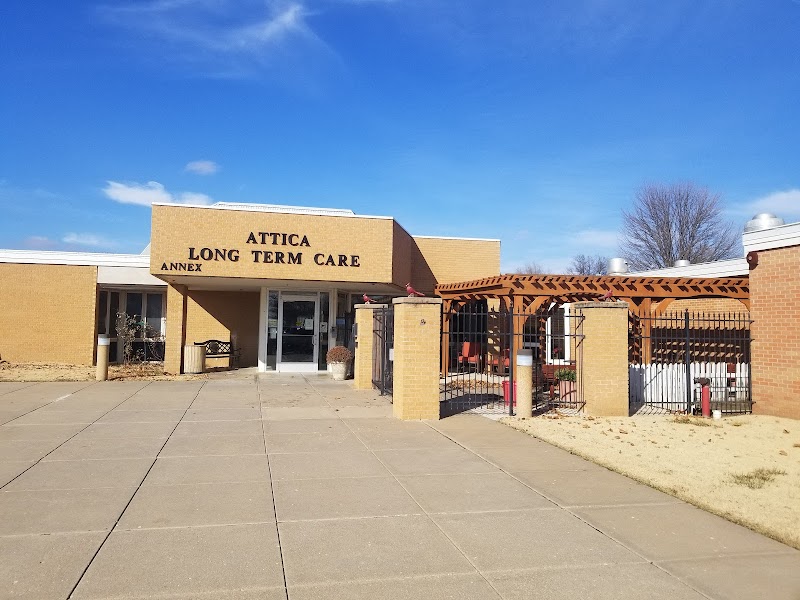
302 N BOTKIN, ATTICA, KS 67009 (620) 254-7253
Government - Hospital district 46 Beds Independent Data: November 2025
Trust Grade
80/100
#4 of 295 in KS
Last Inspection: June 2025

Inspected within the last 6 months. Data reflects current conditions.

Overview

Attica Long Term Care Facility has a Trust Grade of B+, which indicates it is above average and recommended for families considering care options. It ranks #4 out of 295 facilities in Kansas, placing it in the top half of the state. However, the facility's trend is worsening, with issues increasing from 7 in 2023 to 8 in 2025. Staffing is a strength here, rated 5 out of 5 stars, with a turnover rate of 47%, slightly below the Kansas average, and suggesting that staff are experienced and familiar with the residents. Notably, there have been no fines against the facility, which is a positive sign, and it has average RN coverage, meaning residents receive adequate nursing supervision. On the downside, there were some serious concerns regarding care practices. One incident involved a resident who experienced significant weight loss due to the facility's failure to provide adequate nutritional support, indicating potential risks for malnutrition. Additionally, staff did not consistently follow infection control practices, such as proper hand hygiene, which could put residents at risk for infections. Overall, while the facility has commendable staffing and a good reputation, families should be aware of these care deficiencies when making their decision.

Trust Score
B+
80/100
In Kansas
#4/295
Top 1%
Safety Record
Moderate
Needs review
Inspections
Getting Worse
7 → 8 violations
Staff Stability
⚠ Watch
47% turnover. Above average. Higher turnover means staff may not know residents' routines.
Penalties
✓ Good
No fines on record. Clean compliance history, better than most Kansas facilities.
Skilled Nurses
○ Average
Each resident gets 36 minutes of Registered Nurse (RN) attention daily — about average for Kansas. RNs are the most trained staff who monitor for health changes.
Violations
⚠ Watch
17 deficiencies on record. Higher than average. Multiple issues found across inspections.
★★★★★
5.0
Overall Rating
★★★★★
5.0
Staff Levels
★★★★☆
4.0
Care Quality
★★★★☆
4.0
Inspection Score
Stable
2023: 7 issues
2025: 8 issues

The Good

  • 5-Star Staffing Rating · Excellent nurse staffing levels
  • 4-Star Quality Measures · Strong clinical quality outcomes
  • Full Sprinkler Coverage · Fire safety systems throughout facility
  • No fines on record

Facility shows strength in staffing levels, quality measures, fire safety.

The Bad

Staff Turnover: 47%

Near Kansas avg (46%)

Higher turnover may affect care consistency

The Ugly 17 deficiencies on record

1 actual harm
Jun 2025 8 deficiencies 1 Harm
SERIOUS (G)

Actual Harm - a resident was hurt due to facility failures

Deficiency F0692 (Tag F0692)

A resident was harmed · This affected 1 resident

The facility identified a census of 36 residents. The sample included 13 residents with two residents sampled for nutrition. Based on observation, interview, and record review, the facility failed to ...

Read full inspector narrative →
The facility identified a census of 36 residents. The sample included 13 residents with two residents sampled for nutrition. Based on observation, interview, and record review, the facility failed to provide care and services, which included supplemental nutrition and failed to follow the Registered Dietician (RD) recommendations to maintain acceptable parameters of nutritional status for Resident (R) 19. As a result of the facility failures, R19 had a significant unintended weight loss of 11.48 percent (%) over three months. This deficient practice also placed the resident at risk for malnutrition and further weight loss. Findings included: - R19's Electronic Medical Record (EMR) revealed the following diagnoses: dementia (a progressive mental disorder characterized by failing memory and confusion) with agitation. R19's 03/17/25 admission Minimum Data Set (MDS) documented a Brief Interview for Mental Status (BIMS) score of three, indicating severely impaired cognition. The MDS recorded R19's weight was 136 pounds, and she had no known weight loss. She consumed a regular textured diet with no eating or swallowing concerns. The 03/17/25 Cognitive Loss / Dementia (CAA) documented R19 admitted to the facility after having a month-long stay at a behavioral health facility to address medications to limit her aggression and attain a better quality of life. She had increased forgetfulness and was unable to live with family helping at home. The CAA further noted R19 often asked where she was and why she was in the facility. R19's 06/09/25 Quarterly MDS documented a BIMS score of three. The MDS documented R19 had a significant weight loss and weighed 120 pounds. R19 was independent with eating. R19's Care Plan dated 03/25/25 documented R19 made her own food choices. She was on a liberalized geriatric diet with texture as tolerated. R19 had a goal that her nutritional needs would be met, and dietary risks would be avoided during her stay. Interventions for R19 on 03/25/25 documented she liked to have a cup of coffee first thing in the morning and asked for it throughout the day. She may prefer to have small portions. R19 came to the dining room to have meals, and staff may have to cue her when it was time for meals. She did not drink milk but tolerated it in food. She ordered her meals and fed herself after it was set up. The plan directed staff to show R19 how to get snacks, offer her snacks and fluids throughout the day, and encourage her to drink fluids. The plan noted staff weighed her and recorded her weight on Monday mornings. R19's EMR recorded an admission weight on 03/06/25 of 135 pounds. R19's Physician's Orders noted a liberalized geriatric diet with texture as tolerated, ordered on 03/06/25. R19's EMR lacked further orders related to nutrition. R19's Progress Note by the RD dated 03/07/25 at 12:14 PM documented R19 liked most foods. The RD noted that given the limited history she received, it was likely that R19 had lost weight over the past four to five years and was at risk for continued weight loss. R19's EMR recorded a weight on 03/31/25 of 127.5 lbs. but lacked evidence the physician was notified. R19's Progress Note from the RD dated 05/29/25 at 12:53 PM documented R19 had limited meal intake documented. With only 14 meals charted during the previous two weeks; intakes ranged from zero to less than 75%. The RD documented most meals documented indicated the resident consumed less than 26 % of meals. Staff reported R19 preferred to sleep late in the morning and even then, often preferred to remain in her room. She was more likely to come out of her room in the afternoon and she may sit in the lobby and have a snack or go to the dining room. Staff was able to encourage R19 to go to the dining room at around noon on that day. Staff assisted R19 with ordering a meal. Staff offered alternate meals, but R19 declined all suggestions, stating I'm just not hungry. I want to go back to my room and lie down. The RD documented she also attempted to encourage R19 to stay and offered the resident a milkshake and other dessert items, R19 continued to say she was not hungry. The RD noted R19's charting showed R19 had a bowel movement two days previous two weeks. The note recorded R19 had a significant weight loss and based on what staff reported and what R19 said, the resident may benefit from a trial of an appetite stimulant. At that time, it appeared R19 was at risk for continued weight loss. R19's RD Progress Note dated 06/09/25 at 06:14 PM documented R19 had a significant weight loss. The note documented nine meals were charted in the previous week and there was no chewing or swallowing difficulty noted. Staff noted R19 was sleeping a lot, and when staff woke her for meals, she only wanted a sandwich out of the snack refrigerator. Staff further noted when they gave R19 a sandwich, she would take one bite and go back to sleep. At night staff attempted to give R19 a snack (sandwich, chips, ice cream). The note documented R19 occasionally went to the dining room, but only wanted a dessert. R19's clinical record lacked evidence staff implemented non-pharmacological interventions to address weight loss. The record lacked documentation related to nutritional supplement intake. R19's EMR recorded a weight on 06/02/25 of 119.5 pounds but lacked evidence staff notified R19's physician of the weight loss. During an observation on 06/09/25 at 03:35 PM, R19 laid in bed with the door closed and her eyes closed. The blinds were closed, and it was dark in her room. During an observation on 06/11/25 at 12:15 PM, Certified Nurse Aide (CNA) O assisted R19 to the scale from her room. R19 stopped every couple of steps and turned to CNA O and asked where they were and where they were going then said, Okay. and proceeded to take a few more steps. CNA O directed R19 to stand on the scale. R19's weight was 120 pounds. On 06/11/25 at 08:17 AM, CNA O stated R19 was independent with her care. She usually got up for lunch and supper and went right back to bed. CNA O reportedR19 liked to sleep. On 06/11/25 at 08:31 AM, Licensed Nurse (LN) G stated R19 had weight loss. She said she tried to give R19 a protein shake but confirmed it was not documented. LN G said staff were able to document supplements with the meal's documentation. LN G said R19 sometimes went to the dining area to eat, then back to her room to the toilet, and she went back to bed while she was in her room. LN G said when a resident had weight loss, staff would usually get an order from the doctor for Ensure (liquid nutritional supplement), a protein shake, or a higher-calorie meal with fortified foods. LN G said the RD also made recommendations for medications like an appetite stimulant. LN G said she did not know why R19's RD recommendations were not followed or faxed to the provider. She said she would verify the provider was not notified and notify him now if needed. On 06/11/25 at 08:43 AM, Administrative Nurse D stated the RD came in once a week to address weight loss. Administrative Nurse D said the facility staff looked at the list and decided if the loss was planned, if the resident had edema, or what the problem was. Administrative Nurse D said the RD gave her a list of residents with weight loss weekly and let the nurses know the recommendations. The nurse would then talk to the doctor about the recommendations and get orders. Administrative Nurse D stated the facility staff was trying to figure out the problem with R19 and addressing medication concerns to lessen R19's sleeping all the time. During an interview on 06/11/25 at 10:04 AM, Consultant GG stated she charted the residents' weight loss, and talked to the staff for input. Consultant GG said she gave recommendations to the nurse for them to relay to the doctor and get orders. She said she was unsure if it always got done. Consultant GG said she met quarterly with the providers to discuss weight loss. She said she suggested nutrition shakes for R19 and was aware staff could document the supplements and shakes provided, and confirmed they should document them. Consultant GG was unsure if shakes were documented for R19. On 06/12/25 at 03:41 PM, Consultant HH stated she was not notified of R19's weight loss until 06/11/25 and she ordered health shakes to start with. Consultant HH stated she expected to be notified of weight loss by fax immediately or on the next rounding day. The facility policy Attica Long Term Care Weight Policy dated 05/2024 included: Care Plan Teams will meet on Tuesday to discuss weight. Documentation on weight changes will be documented. The nursing staff will notify the physician of needed medical intervention. Nursing staff documents decisions for supplements. The nursing director will notify the physician of significant weight loss.
CONCERN (D)

Potential for Harm - no one hurt, but risky conditions existed

Notification of Changes (Tag F0580)

Could have caused harm · This affected 1 resident

The facility identified a census of 36 residents. The sample included 13 residents with two residents sampled for nutrition. Based on observation, interview, and record review, the facility failed to ...

Read full inspector narrative →
The facility identified a census of 36 residents. The sample included 13 residents with two residents sampled for nutrition. Based on observation, interview, and record review, the facility failed to notify the physician of significant weight changes in Resident (R) 19 who had a significant weight. This deficient practice also had the potential to negatively affect the resident's physical well-being and nutritional status. Findings: - R19's Electronic Medical Record (EMR) revealed the following diagnoses: dementia (a progressive mental disorder characterized by failing memory and confusion) with agitation. R19's 03/17/25 admission Minimum Data Set (MDS) documented a Brief Interview for Mental Status (BIMS) score of three, indicating severely impaired cognition. The MDS recorded R19 ' s weight was 136 pounds, and she had no known weight loss. She consumed a regular textured diet with no eating or swallowing concerns. The 03/17/25 Cognitive Loss / Dementia (CAA) documented R19 admitted to the facility after having a month-long stay at a behavioral health facility to address medications to limit her aggression and attain a better quality of life. She had increased forgetfulness and was unable to live with family helping at home. The CAA further noted R19 often asked where she was and why she was in the facility. R19's 06/09/25 Quarterly MDS documented a BIMS score of three. The MDS documented R19 had a significant weight loss and weighed 120 pounds. R19 was independent with eating. R19's Care Plan dated 03/25/25 documented R19 made her own food choices. She was on a liberalized geriatric diet with texture as tolerated. R19 had a goal that her nutritional needs would be met, and dietary risks would be avoided during her stay. Interventions for R19 on 03/25/25 documented she liked to have a cup of coffee first thing in the morning and asked for it throughout the day. She may prefer to have small portions. R19 came to the dining room to have meals, and staff may have to cue her when it was time for meals. She did not drink milk but tolerated it in food. She ordered her meals and fed herself after it was set up. The plan directed staff to show R19 how to get snacks, offer her snacks and fluids throughout the day, and encourage her to drink fluids. The plan noted staff weighed her and recorded her weight on Monday mornings. R19's EMR recorded an admission weight on 03/06/25 of 135 pounds. R19's Physician's Orders noted a liberalized geriatric diet with texture as tolerated, ordered on 03/06/25. R19 ' s Progress Note by the registered dietician (RD) dated 03/07/25 at 12:14 PM documented R19 liked most foods. The RD noted that given the limited history she received, it was likely that R19 had lost weight over the past four to five years and was at risk for continued weight loss. R19's EMR recorded a weight on 03/31/25 of 127.5 pounds but lacked evidence the physician was notified. R19 ' s Progress Note from the RD dated 05/29/25 at 12:53 PM documented R19 had limited meal intake documented. With only 14 meals charted during the previous two weeks; intakes ranged from zero to less than 75%. The RD documented most meals documented indicated the resident consumed less than 26 % of meals. Staff reported R19 preferred to sleep late in the morning and even then, often preferred to remain in her room. She was more likely to come out of her room in the afternoon and she may sit in the lobby and have a snack or go to the dining room. Staff was able to encourage R19 to go to the dining room at around noon on that day. Staff assisted R19 with ordering a meal. Staff offered alternate meals, but R19 declined all suggestions, stating I'm just not hungry. I want to go back to my room and lie down. The RD documented she also attempted to encourage R19 to stay and offered the resident a milkshake and other dessert items, R19 continued to say she was not hungry. The RD noted R19's charting showed R19 had a bowel movement two days previous two weeks. The note recorded R19 had a significant weight loss and based on what staff reported and what R19 said, the resident may benefit from a trial of an appetite stimulant. At that time, it appeared R19 was at risk for continued weight loss. R19's EMR recorded a weight on 06/02/25 of 119.5 pounds but lacked evidence staff notified R19's physician notification of the loss. During an observation on 06/09/25 at 03:35 PM, R19 lay in bed with the door closed and her eyes closed. The blinds were closed, and it was dark in her room. During an observation on 06/11/25 at 12:15 PM, Certified Nurse Aide (CNA) O assisted R19 to the scale from her room. R19 stopped every couple of steps and turned to CNA O and asked where they were and where they were going then said, Okay. and proceeded to take a few more steps. CNA O directed R19 to stand on the scale. R19's weight was 120 pounds. During an interview on 06/11/25 at 08:17 AM, CNA O stated that R19 was independent with her care. She usually got up for lunch and supper and goes right back to bed; R19 liked to sleep. During an interview on 06/11/25 at 08:31 AM, Licensed Nurse (LN) G said when a resident had weight loss, staff would usually get an order from the doctor for Ensure (liquid nutritional supplement) or a protein shake, or a higher calorie meal. The registered dietician also makes recommendations for medications like an appetite stimulant. LN G said she did not know why R19's RD recommendations were not followed or faxed to the provider. She said she would verify the provider was not notified and notify him now if needed. During an interview on 06/11/25 at 08:43 AM, Administrative Nurse D stated the RD gave her a list of residents with weight loss weekly and let the nurses know the recommendations. The nurse would then talk to the doctor about the recommendations and get orders. During an interview on 06/12/25 at 03:41 PM, Consultant HH stated she was not notified of R19's weight loss until 06/11/25 and she ordered health shakes to start with. Consultant HH stated she expected to be notified of weight loss by fax immediately or on the next rounding day. The facility policy Attica Long Term Care Weight Policy, dated 05/2024, included: The nursing director will notify the physician of significant weight loss.
CONCERN (D)

Potential for Harm - no one hurt, but risky conditions existed

ADL Care (Tag F0677)

Could have caused harm · This affected 1 resident

**NOTE- TERMS IN BRACKETS HAVE BEEN EDITED TO PROTECT CONFIDENTIALITY** The facility reported a census of 36 residents with 13 residents sampled, including two residents reviewed for activities of dai...

Read full inspector narrative →
**NOTE- TERMS IN BRACKETS HAVE BEEN EDITED TO PROTECT CONFIDENTIALITY** The facility reported a census of 36 residents with 13 residents sampled, including two residents reviewed for activities of daily living (ADL). Based on observation, interview, and record review, the facility failed to provide nail care for Resident (R)23 which placed the resident at risk for skin issues. Findings included: - R23's Electronic Medical Record (EMR) included the following diagnoses: dementia (a progressive mental disorder characterized by failing memory and confusion) and weakness (lacking strength). R23's Annual Minimum Data Set (MDS), dated [DATE], documented the staff assessment for cognition revealed moderately impaired cognition. She was dependent on staff for personal hygiene. Review of the Functional Abilities Care Area Assessment (CAA), dated 08/19/24, documented the resident required staff assistance with all activities of daily living (ADL). R23's Quarterly MDS, dated 03/17/25, documented the staff assessment for cognition revealed moderately impaired cognition. She was dependent on staff for personal hygiene. She had no limitation in range of motion (ROM) and was dependent on staff for mobility in her wheelchair and personal hygiene. R23's Care Plan, revised 03/25/25, instructed staff the resident was dependent on staff for all ADLs. On 06/09/25 at 08:13 AM, R23 sat in her wheelchair. Her fingernails were long, jagged, and dirty. On 06/09/25 at 02:51 PM, R23's fingernails remained long, jagged, and dirty. On 06/10/25 at 09:49 AM, R23 participated in a group activity. Her fingernails remained long, jagged, and dirty. On 06/10/25 at 08:13 AM, Certified Nurse Aide (CNA) M stated staff cut and cleaned R23's fingernails on her shower days. On 06/10/25 at 10:10 AM, CNA MM stated R23 was dependent on staff for all ADLs, including fingernail care. On 06/10/25 at 08:37 AM, Administrative Nurse D stated she expected staff to ensure R23's fingernails were smooth and clean. The facility did not provide a policy for nail care.
CONCERN (D)

Potential for Harm - no one hurt, but risky conditions existed

Deficiency F0679 (Tag F0679)

Could have caused harm · This affected 1 resident

**NOTE- TERMS IN BRACKETS HAVE BEEN EDITED TO PROTECT CONFIDENTIALITY** The facility reported a census of 36 residents with 13 residents sampled, including two residents reviewed for activities. Based...

Read full inspector narrative →
**NOTE- TERMS IN BRACKETS HAVE BEEN EDITED TO PROTECT CONFIDENTIALITY** The facility reported a census of 36 residents with 13 residents sampled, including two residents reviewed for activities. Based on observation, interview, and record review the facility failed to implement an ongoing, resident-centered activity program for Resident (R)12, to meet his interests and preferences. This placed the resident at risk of boredom and isolation. Findings included: - R12's Electronic Medical Record (EMR) revealed a diagnosis of dementia (a progressive mental disorder characterized by failing memory and confusion). R12's Annual Minimum Data Set (MDS), dated [DATE], documented the staff assessment for cognition revealed moderately impaired cognition. The MDS recorded it was somewhat important for him to have books, newspapers, and magazines to read, and he enjoyed listening to music he liked and to participate in religious practices. It was very important for him to keep up with the news and to do his favorite activities. He had no impairment in functional range of motion (ROM) and was able to ambulate independently. The Activity Care Area Assessment (CAA), dated 12/09/24, did not trigger. R12's Quarterly MDS, dated 03/10/25, documented the staff assessment for cognition revealed moderately impaired cognition. He had no impairment in functional ROM and was able to ambulate independently. R12's Care Plan for activities of daily living (ADL), revised 03/19/25, instructed staff to direct him to events, as needed. R12's EMR revealed an Activity Assessment, dated 03/05/25, which documented the resident enjoyed listening to music and finding places to sit and lie down. R12's EMR from 05/11/25 through 06/09/25 revealed the resident had an activity on 05/11/25 which lasted 15 minutes, and an activity on 05/14/25 which lasted 120 minutes. The EMR lacked evidence of further activity events. On 06/09/25 at 09:37 AM, R12 sat in a recliner in the front commons area. The TV was turned on to a sitcom however the resident was not watching TV. Observation revealed no other activities were taking place at that time. On 06/09/25 at 02:37 PM, R12 sat in a recliner in the front commons area. The TV was turned to a game show however the resident was not watching TV. Observation revealed no other activities were taking place at that time. On 06/10/25 at 08:23 AM, Certified Nurse Aide (CNA) P stated R12 enjoyed talking. CNA P was unsure of any other activities the resident enjoyed. On 06/10/25 at 08:23 AM, CNA Q stated R12 enjoyed one-to-one activity; staff documented all activities in his EMR. On 06/10/25 at 11:23 AM, Licensed Nurse (LN) G stated the activities in the dementia unit were different than the activities in the rest of the facility. LN G was unsure of activities R12 enjoyed. On 06/10/25 at 08:30 AM, Administrative Nurse D confirmed there were no other activities documented for R12. The facility policy for Life Enhancement and Activity Programming, approved 09/2022, included: Activities will be provided for all residents based on the comprehensive assessment and care plan and the preferences of each resident. An activity will be an endeavor intended to enhance the resident's sense of well-being and to promote physical, cognitive, and emotional health. Documentation will include participation in an activity rather than attendance.
CONCERN (D)

Potential for Harm - no one hurt, but risky conditions existed

Accident Prevention (Tag F0689)

Could have caused harm · This affected 1 resident

**NOTE- TERMS IN BRACKETS HAVE BEEN EDITED TO PROTECT CONFIDENTIALITY** - R23's Electronic Medical Record (EMR) included the following diagnoses: dementia (a progressive mental disorder characterized ...

Read full inspector narrative →
**NOTE- TERMS IN BRACKETS HAVE BEEN EDITED TO PROTECT CONFIDENTIALITY** - R23's Electronic Medical Record (EMR) included the following diagnoses: dementia (a progressive mental disorder characterized by failing memory and confusion) and weakness (lacking strength). R23's Annual Minimum Data Set (MDS), dated [DATE], documented the staff assessment for cognition revealed moderately impaired cognition. She was dependent on staff for wheelchair mobility. Review of the Functional Abilities Care Area Assessment (CAA), dated 08/19/24, documented the resident required staff assistance with all activities of daily living (ADL). R23's Quarterly MDS, dated 03/17/25, documented the staff assessment for cognition revealed moderately impaired cognition. She was dependent on staff for wheelchair mobility. R23's Care Plan, revised 03/25/25, instructed staff the resident was dependent on staff for wheelchair mobility. On 06/09/25 at 08:13 AM, Certified Nurse Aide (CNA) M propelled the resident in her wheelchair. The resident's right shoed foot was off the foot pedal and skimmed the floor during transport. The resident's left foot remained on the foot pedal. On 06/10/25 at 12:11 PM, CNA MM propelled the resident from the front commons area to her room in her wheelchair. The resident's shoed feet were between the foot pedals of the wheelchair, skimming the floor. On 06/09/25 at 08:13 AM, CNA M stated that R23's feet did not always stay on the foot pedals of her wheelchair. On 06/10/25 at 12:11 PM, CNA MM confirmed that R23's feet did not always stay on the foot pedals of her wheelchair. On 06/10/25 at 08:37 AM, Administrative Nurse D stated she expected staff to ensure R23's feet stayed on the foot pedals of their wheelchairs during transport, to avoid injury. The facility did not provide a policy for wheelchair positioning including foot pedals. The facility reported a census of 36 residents with 13 residents selected for review. Based on observation, interview, and record review, the facility failed to identify and implement meaningful resident-centered fall prevention interventions to prevent falls for Resident (R) 36. The facility further failed to ensure R14 and R23 had wheelchair pedals when staff propelled them in the wheelchair. This placed the residents at risk for falls and avoidable accidents. Findings included: - R36's Electronic Medical Records (EMR) documented R36 had the following diagnoses that included a history of fractures and anxiety (mental or emotional reaction characterized by apprehension, uncertainty, and irrational fear). R36's 05/12/25 admission Minimum Data Set (MDS) documented a Brief Interview for Mental Status (BIMS) score of 99, indicating R36 was unable to answer the questions. The MDS documented per staff interview, R36 had memory impairment; she did not know the staff, where her room was, or that she was in a nursing home. R36 was on hospice services. R36 had fallen in the month prior to admission, falls within the last six months, and a fall resulting in a fracture. The 05/12/25 Falls Care Area Assessment (CAA) documented R36 had a fall with a hip fracture that required a surgical repair prior to admission. R36 was at risk for falls due to a history of falling, unsteadiness on her feet, and confusion. The CAA also documented R36 had behaviors of anxiety and trying to throw herself on the floor. The 05/12/25 Cognitive Loss/Dementia CAA documented R36 was confused and repeatedly asked the same question. Staff need to monitor her as she does not notify them of her needs. R36's Care Plan documented on 05/01/25 that R36 was at risk for falls with a history of falls. The plan noted R36 stood unassisted even with education and would stand again within minutes of the last redirection. It directed staff to monitor R36 for needs and help to meet them to prevent falls from occurring. Staff were directed to orient her to her call light for assistance and keep her walkways clean and clutter-free to prevent falls from occurring. R36's Care Plan documented the intervention dated 05/02/25 after R36's fall in the facility which directed staff to remind R36 to push the call light and wait for staff to come and help her. The plan lacked further interventions to address and prevent falls. R36's Progress Note dated 05/02/25 at 03:20 AM documented at 01:45 AM R36 was seated on the floor. R36 stated that she was sitting on the edge of her bed and decided to get up to get the Bible from her bedside table. She lost her balance and fell. R36 hit her head and received a skin tear below her chin on the right side. R36 reported some pain to the right chin and had a bump to the back of her head. Staff assisted R36 off the floor and walked to her recliner. R36's Event Report dated 05/02/25 documented the call light was on and within reach. The report noted the plan of care was to educate R36 to use the call light for help and wait for help to get something in her room. During an observation on 06/09/25 at 09:03 AM R36 sat in her recliner, in her room. R36 wore regular socks, but no shoes. During an observation on 06/09/25 at 03:38 PM, R36 was scooting forward in the recliner reaching for items on the shelf in front of her. During an interview on 06/11/25 at 08:17 AM, Certified Nurse Aide (CNA) O stated that R36 tried to get up without assistance. CNA O said R36 sometimes used her call light and said staff placed a soft pad call light under R36's hip so it would go off when she tried to get up. During an interview on 06/11/25 at 08:31 AM, Licensed Nurse (LN) G stated R36 gets up without waiting for staff. LN G said when a resident falls, the nurse looks for the root cause of the fall and places an appropriate intervention. LN G said the intervention to reeducate R36 was not an appropriate intervention for her. During an interview on 06/11/25 at 08:43 AM, Administrative Nurse D stated when a resident falls, staff discuss the falls in the monthly quality assurance meeting to ensure the interventions are appropriate. Administrative Nurse D said the nurse along with the restorative nurse and the CNAs came up with appropriate interventions based on the root cause of the fall. Administrative Nurse D said R36 was sometimes able to use her call light but often got up without assistance. The facility's policy Attica Long Term Care Fall Prevention Protocol dated 05-2021, documented on the day of admission, each resident will be assessed for fall risk by a licensed nurse. When a resident falls, a root cause analysis will be developed to identify trends and interventions. The fall is documented in the care plan with interventions to prevent further falls based on the determined causal factors at the time of the initial fall follow-up. The resident will be assessed and documented on every shift for the next 72 hours including the response to the current interventions. - R14's Electronic Medical Record (EMR) documented diagnoses that included dementia (a progressive mental disorder characterized by failing memory and confusion), anxiety (mental or emotional reaction characterized by apprehension, uncertainty, and irrational fear), and peripheral vascular disease (PVD- slow and progressive circulation disorder causing narrowing, blockage, or spasms in a blood vessel). R14's 09/23/24 Annual Minimum Data Set (MDS) documented a Brief Interview for Mental Status (BIMS) score of three, which indicated severely impaired cognition. R14 required substantial to maximal assistance with wheelchair mobility. R14's Cognitive Loss / Dementia (CAA) documented she had advancing dementia and varying cognitive levels. The CAA documented R14 had dementia, and her cognition continued to decline over time. R14's 03/17/25 Quarterly MDS documented a BIMS of two which indicated severely impaired cognition. R14 required substantial to maximal assistance with wheelchair mobility and was dependent on staff for transfers. R14's Care Plan included an intervention dated 12/29/22 which documented R14 used a wheelchair, and she propelled herself a bit, but staff propelled her to specific destinations. The plan directed staff to cue R14 to pick up her feet when staff pushed her in the wheelchair and to watch to be sure she did so. During an observation on 06/09/25 at 12:53 PM, R14 was at the back door, yelling for help to get outside. Certified Nurse Aide (CNA) JJ began pushing R14's wheelchair without foot pedals. When asked, CNA JJ stated staff were not supposed to push residents in their wheelchairs without foot pedals, but R14 usually self-propelled so she did not have foot pedals on her wheelchair. CNA JJ said staff were to take the foot pedals off the wheelchair when the resident self-propelled and put them back on when staff assisted the resident. CNA JJ looked for R14's foot pedals but did not find them. R14 then stated she would propel herself, and CNA JJ walked beside her wheelchair. During an interview on 06/11/25 at 08:17 AM, CNA O stated that stated staff should always use foot pedals when assisting residents in a wheelchair. During an interview on 06/11/25 at 08:31 AM, Licensed Nurse (LN) G stated residents were to have the foot pedals off when they were self-propelling, but staff should always place foot pedals on staff was propelling the chair. During an interview on 06/11/25 at 08:43 AM, Administrative Nurse D stated all residents should have foot pedals on their wheelchairs when being assisted in a wheelchair for safety. The facility did not provide a policy for wheelchair positioning including foot pedals.
CONCERN (E)

Potential for Harm - no one hurt, but risky conditions existed

Deficiency F0552 (Tag F0552)

Could have caused harm · This affected multiple residents

**NOTE- TERMS IN BRACKETS HAVE BEEN EDITED TO PROTECT CONFIDENTIALITY** R12's Electronic Medical Record (EMR) included the following diagnoses: post-traumatic stress disorder (PTSD- a mental disorder ...

Read full inspector narrative →
**NOTE- TERMS IN BRACKETS HAVE BEEN EDITED TO PROTECT CONFIDENTIALITY** R12's Electronic Medical Record (EMR) included the following diagnoses: post-traumatic stress disorder (PTSD- a mental disorder characterized by an acute emotional response to a traumatic event or situation involving severe environmental stress), anxiety (mental or emotional reaction characterized by apprehension, uncertainty, and irrational fear) and depression (a mood disorder that causes a persistent feeling of sadness and loss of interest). R12's Annual Minimum Data Set (MDS), dated [DATE], documented the staff assessment for cognition revealed moderately impaired cognition. He received antianxiety (a class of medications that calm and relax people) and an antidepressant (a class of medications used to treat mood disorders) during the assessment period. R12's Psychoactive Medications Care Area Assessment (CAA), dated 12/09/24, documented the resident received medications to treat the signs and symptoms of anxiety and depression. R12's Quarterly MDS, dated 03/10/25, documented the staff assessment for cognition revealed moderately impaired cognition. He received antianxiety and antidepressant medications during the assessment period. R12's Care Plan, revised 03/19/25, instructed staff the resident took medications for signs and symptoms of anxiety and depression. R12's EMR revealed the following physician's orders: Lorazepam (an antianxiety medication), 0.5 milligrams (mg), by mouth (PO), every day (QD), for a diagnosis of PTSD, ordered 06/03/25. Lorazepam, 0.5 mg, PO, at bedtime (HS), for a diagnosis of PTSD, ordered 06/03/25. Mirtazapine (an antidepressant medication), 15 mg, PO, atHS, for a diagnosis of abnormal weight loss, ordered 06/03/25. Sertraline (an antidepressant medication), 25 mg, PO, QD, for a diagnosis of depression, ordered 07/23/23. R12's EMR lacked evidence of informed consent for the use of lorazepam, mirtazapine, and sertraline. On 06/10/25 at 03:24 PM, Administrative Nurse D stated the facility had not completed informed consent for R12's psychotropic medications. The facility policy for Psychotropic Medication, approved 03/2025, included: The facility shall inform the resident, family and/or representative of the benefits, risks, and alternatives for each medication prior to adding, discontinuing, or changing any psychotropic medication. - R13's Electronic Medical Record (EMR) included the following diagnoses: panic disorder (frequent and unexpected panic attacks), major depressive disorder (major mood disorder that causes persistent feelings of sadness), and bipolar disorder (a major mental illness that causes people to have episodes of severe high and low moods). R13's Annual Minimum Data Set (MDS), dated [DATE], documented the resident had a Brief Interview for Mental Status (BIMS) score of 15, indicating intact cognition. She received antipsychotic (a class of medications used to treat major mental conditions that cause a break from reality), antianxiety (a class of medications that calm and relax people), and antidepressant (a class of medications used to treat mood disorders) medications during the assessment period. R13's Psychotropic Medication Care Area Assessment (CAA), dated 04/21/25, documented the resident had a history of mental health issues that affected her daily life. R13's Quarterly MDS, dated 01/27/25, documented the resident had a BIMS score of 12, indicating moderately impaired cognition. She received antipsychotic, antianxiety, and antidepressant medications during the assessment period. R13's Care Plan, revised 02/04/25, instructed staff the resident had a history of depression and anxiety. R13's EMR revealed the following physician's orders: Buspirone (an antidepressant medication), 10 milligrams (mg), by mouth (PO), twice daily (BID), for a diagnosis of panic disorder, ordered 01/28/24. Desvenlafaxine (an antidepressant medication), 100 mg, PO, every day (QD), for a diagnosis of major depressive disorder, ordered 05/17/23. Lorazepam (an antianxiety medication), 0.5 mg, PO, three times daily (TID), for a diagnosis of anxiety, ordered 09/16/24. Olanzapine (an antipsychotic), five mg, PO, at bedtime (HS), for a diagnosis of bipolar disorder, ordered 11/12/24. R13's EMR lacked evidence of informed consent for the use of buspirone, desvenlafaxine, lorazepam, and olanzapine. On 06/10/25 at 03:24 PM, Administrative Nurse D stated the facility had not completed informed consent for R13's psychotropic medications. The facility policy for Psychotropic Medication, approved 03/2025, included: The facility shall inform the resident, family and/or representative of the benefits, risks, and alternatives for each medication prior to adding, discontinuing, or changing any psychotropic medication. The facility reported a census of 36 residents. The sample included 13 residents. Based on interview, observation, and record review, the facility failed to inform Resident (R)32, R35, R12, R13 and/or their representative regarding the risks related to psychotropic (alters mood or thoughts) medications. These deficient practices had the potential to lead to negative and unwarranted physical side effects. Findings included: - R32's Electronic Health Record (EHR) included diagnoses of depression (a mood disorder that causes a persistent feeling of sadness and loss of interest), and adjustment disorder with mixed anxiety and depressed mood (a mental health condition that arises when someone struggles to cope with a significant life change or stressful event). R32's admission Minimum Data Set (MDS), dated 03/10/25, documented a Brief Interview of Mental Status (BIMS) score of 15, indicating the resident's cognitive function was intact. The MDS section for mood indicated that R32 would sometimes isolate. The Psychotropic Medication Use Care Area Assessment (CAA), dated 03/10/25, documented the resident was taking an antidepressant (a class of medications used to treat mood disorders). R32 exhibited signs of depression, and disturbances of balance, gait, and positioning ability. R32's Quarterly MDS, dated 06/02/25, documented a BIMS score of 13, which indicated the resident's cognitive function was intact. The MDS section for mood indicated that R32 triggered for mild depression. R32's Care Plan dated 06/04/25 documented R32 had the potential to feel frustrated with life's challenges. An intervention dated 09/12/24 recorded staff monitored the use of bupropion (a medication used to treat depression) for depression with anxiety and restlessness and monitored R32's use of citalopram (a medication used to treat depression) for depression with tearfulness and frequent complaints. R32's EHR documented an order dated 03/03/25 for bupropion hydrochloride (HCL). R32's EHR documented an order dated 05/13/25 for citalopram. R32's EHR lacked evidence R32, or her representative, received education and/or informed consent with regards to the bupropion HCL or citalopram use including reason for use, expected therapeutic benefits and potential risks and side effects. During an interview on 06/10/25 at 03:24 PM, Administrative Nurse D reported that the facility did not have consent for psychotropic medications. Administrative Nurse D stated that she thought the consent was only needed if the facility started new psychotropic medications, not for residents that were currently taking psychotropic medications when they admitted to the facility. The facility policy for Psychotropic Medication, approved 03/2025, included: The facility will administer psychotropic medications, including anti-anxiety/hypnotic, antipsychotic, and antidepressant medication, appropriately to ensure the appropriate use, evaluation, and monitoring. The policy also indicated that the facility should inform the resident, family, and/or representative of the benefits, risks, and alternatives for each medication prior to adding, discontinuing, or changing any psychotropic medication. - R35's Electronic Health Record (EHR) included diagnoses of insomnia (inability to sleep), anxiety (mental or emotional reaction characterized by apprehension, uncertainty, and irrational fear), and unspecified dementia (a progressive mental disorder characterized by failing memory and confusion). R35's Significant Change in Status Minimum Data Set, dated 04/28/25, documented a Brief Interview of Mental Status (BIMS) score of 15, indicating the resident's cognitive function was intact. R35's Psychosocial Well-Being Care Area Assessment (CAA), dated 04/28/25, documented depression as a disease and condition that may impede her ability to interact with others. It also listed the health problems of falls, pain, and fatigue as health status factors that may inhibit her social involvement. The Psychotropic Medication Use Care Area Assessment (CAA), dated 04/28/25, documented the resident was taking an antidepressant (a class of medications used to treat mood disorders). R35 exhibited signs of falls, depression, disturbances of balance, gait, positioning ability, and sedation manifested by short-term memory loss, decline in cognitive abilities, slurred speech, drowsiness, and little/no activity involvement. R35's Care Plan dated 02/06/25 documented she was on a medication regime with potential reactions and adverse side effects. The intervention dated 02/06/25 listed duloxetine (a medication used to treat depression and anxiety) and listed the black box warning for monitoring. R35's EHR documented an order dated 01/27/25 for duloxetine. R35's EHR lacked evidence R35, or her representative, received education and/or informed consent with regards to the bupropion HCL or citalopram use including reason for use, expected therapeutic benefits, and potential risks and side effects. During an interview on 06/10/25 at 03:24 PM, Administrative Nurse D reported that the facility did not have consent for psychotropic medications. Administrative Nurse D stated that she thought the consent was only needed if the facility started new psychotropic medications, not for residents who were currently taking psychotropic medications when they admitted to the facility. The facility policy for Psychotropic Medication, approved 03/2025, included: The facility will administer psychotropic medications, including anti-anxiety/hypnotic, antipsychotic, and antidepressant medication, appropriately to ensure the appropriate use, evaluation, and monitoring. The policy also indicated that the facility should inform the resident, family, and/or representative of the benefits, risks, and alternatives for each medication prior to adding, discontinuing, or changing any psychotropic medication.
CONCERN (F)

Potential for Harm - no one hurt, but risky conditions existed

Infection Control (Tag F0880)

Could have caused harm · This affected most or all residents

The facility reported a census of 36 residents. The sample included 13 residents. Based on interviews, record reviews, and observation, the facility staff failed to implement adequate and acceptable i...

Read full inspector narrative →
The facility reported a census of 36 residents. The sample included 13 residents. Based on interviews, record reviews, and observation, the facility staff failed to implement adequate and acceptable infection control practices related to hand hygiene and laundry services. This deficient practice placed the residents at risk for infections. Findings included: - During an observation on 06/09/25 at 03:36 PM, Dietary CC delivered clean laundry to the resident rooms of the 300 hallway and did not sanitize hands before or after delivering clean laundry to each room. During an observation on 06/10/25 at 12:50 PM, Certified Nurse Aide (CNA) M wiped a resident's buttock with gloved hands. Upon completion, CNA M did not change gloves or complete hand hygiene before placing a clean brief on the resident. During an interview on 06/10/25 at 09:08 AM, Administrative Nurse D reported that hand sanitizing should be done whenever staff went in or out of rooms regardless of the situation. During an interview on 06/10/25 at 01:05 PM, CNA M stated that she had dirty gloves on when she placed the clean brief on the resident. During an interview on 06/10/25 at 01:43 PM, Dietary BB reported that whoever is delivering clean laundry should wash or hand sanitize their hands before entering or exiting a resident's room. During an interview on 06/10/25 at 02:49 PM, Housekeeping/Maintenance U reported that whoever delivered laundry should wash or hand-sanitize their hands prior to entering and delivering laundry to any resident and upon exiting the resident's room. During an interview on 06/11/25 at 08:48 AM, Administrative Nurse E reported that hands were to be sanitized before handling any clothes and before and after entering a room and/order delivering laundry. Facility policy Attica Long Term Care Hand Hygiene, dated 02/2025, indicated that all staff members would comply with the current Centers for Disease Control and Prevention (CDC) hand hygiene guidelines. The policy further indicated that staff would perform hand hygiene practices before and after contact with inanimate objects including medical equipment in the immediate vicinity of the resident. The policy further indicated that staff would Change gloves when moving from a contaminated body site to a clean body site and they would decontaminate hands after removing gloves with appropriate hand hygiene. - During an observation on 6/10/25 at 01:50 PM observation revealed a working sink at the end of the clean linen folding counter with hand soap, hand sanitizer, and a funnel sitting around the sink. The clean linen folding counter had two containers that held numerous items including Kleenexes. Further observation revealed a dirty clothes cart with dirty linen sitting against the counter. During an observation on 06/10/25 at 01:55 PM a dusty bar of soap hung from the ceiling in the laundry washing and folding room and there was an air conditioning unit above the clean linen folding counter with dirty vents blowing towards the clean linen counter. During an interview on 06/11/25 at 08:39 AM, Administrative Staff A stated that each department staff was expected to clean their own area. During an interview on 06/11/25 at 08:41 AM, Administrative Nurse E reported that there should be nothing but clean linen on the clean linen processing area. The facility did not provide a policy related to laundry and/or processing clean linens.
MINOR (C)

Minor Issue - procedural, no safety impact

Safe Environment (Tag F0921)

Minor procedural issue · This affected most or all residents

The facility reported a census of 36 residents. The sample included 13 residents. Based on interviews, record reviews, and observation, the facility failed to ensure a safe environment in all areas of...

Read full inspector narrative →
The facility reported a census of 36 residents. The sample included 13 residents. Based on interviews, record reviews, and observation, the facility failed to ensure a safe environment in all areas of the facility including the laundry area. This deficient practice created the risk of an unsanitary environment. Findings included: - During an observation on 06/10/25 at 01:50 PM the clean clothes folding counter in the laundry washing and folding area had a patched hole three feet long and six inches wide that was patched with a piece of plain plywood. The observation also revealed several chipped areas in the folding counter. During an observation on 06/10/25 at 02:07 PM the clean linen storage closet had several ceiling tiles with broken areas that created large gaps and there was a large hole in one that had a plastic cover that did not entirely cover the hole, leaving gaps. During an interview on 06/11/25 at 08:23 AM, Housekeeping/Maintenance V reported that there was a repair request system that allowed staff to submit repair requests. Maintenance V also stated that he maintained a working list of maintenance items with resident related items as top priority. During an interview on 06/11/25 at 08:39 AM, Administrative Staff A reported that a work order should have been submitted to make or replace the broken counter for the clean linen processing area. Administrative Staff A also stated that ceiling tiles should be clean and fully intact. During an interview on 06/11/25 at 08:41 AM, Administrative Nurse E reported the linen processing area should have been clean and fully intact. The facility policy Attica Long Term Care Planned Preventative Maintenance Policy, dated 10/2019, indicated a preventative maintenance program has been implemented to promote the maintenance of fixtures and equipment in a state of good repair and condition. Routine inspections promote safety and aid in keeping fixtures and equipment in good working order and operating in accordance with the manufacturer's guidelines. The facility policy Attica Long Term Care Maintenance Checklist by Priority, dated 06/2019, indicated weekly checks of the kitchen and laundry to inspect for repairs as needed.
Aug 2023 7 deficiencies
CONCERN (D)

Potential for Harm - no one hurt, but risky conditions existed

Comprehensive Assessments (Tag F0636)

Could have caused harm · This affected 1 resident

**NOTE- TERMS IN BRACKETS HAVE BEEN EDITED TO PROTECT CONFIDENTIALITY** The facility census totaled 37 residents with 12 included in the sample. Based on observation, interview, and record review the ...

Read full inspector narrative →
**NOTE- TERMS IN BRACKETS HAVE BEEN EDITED TO PROTECT CONFIDENTIALITY** The facility census totaled 37 residents with 12 included in the sample. Based on observation, interview, and record review the facility failed to develop a comprehensive assessment Resident (R) 20 when they failed to include oxygen services (O2) and hospice services on the Quarterly Minimum Data Set (MDS) dated [DATE]. Findings included: - R20's Electronic Medical Record (EMR) revealed a diagnosis of metastatic lung cancer (cancer that has spread to other organs). The Significant Change in Status Minimum Data Set (MDS) dated [DATE] revealed a Brief Interview for Mental Status (BIMS) score of 15, indicating intact cognition. The resident received extensive assistance with transfers and toileting. The MDS lacked documentation the resident required O2 therapy and received hospice services. The Quarterly MDS dated [DATE] revealed a BIMS of 14, indicating intact cognition. The resident required extensive assistance of one to two staff for cares. The resident received pain medication on schedule. The MDS lacked evidence the resident required oxygen and hospice services. Review of the Care Plan dated 07/13/23 revealed R20's care plan lacked interventions regarding the use and care of oxygen. Review of the Physician Orders dated 08/23 lacked orders for the O2 the resident had at their bedside. On 08/21/23 11:11 AM R20 had O2 on at the bedside with the concentrator running but not on the resident. The cannula was laying down the inside of her recliner, not covered with a bag. The tubing and bubbler lacked a date indicating the last time it was changed. Observation on 08/22/23 at 01:00 PM revealed the resident asleep in her recliner. The O2 tubing laid on the floor with the cannula draped across the bedside table and hanging off the other side and touching the floor. The concentrator remained on, though not on the resident. The tubing and/or bubbler lacked a date indicating the last time it was changed. On 08/21/23 at 11:11 AM the resident reported she wore her O2 when she wanted to wear it. On 08/22/23 at 01:06 PM Certified Nursing Assistant (CNA) M reported she would estimate the resident wore her O2 three times a week. CNA M reported the O2 was ordered as needed (PRN) so the resident put it on and took it off. CNA M did not know when the tubing was changed. 08/22/23 at 04:19 PM Certified Medication Aide (CMA) R reported the resident required a two-person assistance with her cares. She used the O2 when she felt she needed it and was able to put it on and take it off. The resident was alert and able to voice her needs. On 08/22/23 04:22 PM CNA N reported the resident wore her O2 at night and whenever she felt she needed it. On 08/22/23 01:20 PM Licensed Nurse (LN) H reported the resident was on hospice and they had their own standing orders, but when an order was initiated it should have been added to the regular orders. Tubing changes were part of the facility standing orders. She did not know when the resident's tubing was changed and did not know why the tubing and cannula were not dated. She would get with medical records to see why there was no order for the O2. On 08/22/23 at 04:00 PM Administrative Nurse E reported she did not know why the hospice or the O2 were not on the MDS and stated it must have been a clerical error on her part. The O2 was not on the care plan because even though it was in the room and resident had access to use it anytime, she did not think the resident utilized it, so she did not include it on the assessment or care plan. On 08/23/23 1:25 PM Administrative Nurse D reported she expected the assessments to be accurate for each resident. A Policy was requested for MDS assessments on 08/23/23 at 01:00 PM. No policy was provided. The facility failed to develop a comprehensive assessment for the Quarterly Minimum Data Set (MDS) by the failure to include oxygen services (O2) and hospice services after the quarterly assessment.
CONCERN (D)

Potential for Harm - no one hurt, but risky conditions existed

Comprehensive Care Plan (Tag F0656)

Could have caused harm · This affected 1 resident

**NOTE- TERMS IN BRACKETS HAVE BEEN EDITED TO PROTECT CONFIDENTIALITY** The facility had a census of 37 residents, with 12 residents included in the sample. Based on observation, interview, and record...

Read full inspector narrative →
**NOTE- TERMS IN BRACKETS HAVE BEEN EDITED TO PROTECT CONFIDENTIALITY** The facility had a census of 37 residents, with 12 residents included in the sample. Based on observation, interview, and record review, the facility failed to develop a comprehensive care plan for three Residents (R)13, R20, and R27, regarding the use of a nebulizer (a device that delivers medication as a mist to the lungs) and oxygen (a treatment that provides extra to breath in). Findings included: - R13's Physician Orders dated 06/15/23, revealed the following diagnoses included congestive heart failure (a condition with low heart output and the body becomes congested with fluid) and chronic obstructive pulmonary disease (COPD is a progressive and irreversible condition characterized by diminished lung capacity and difficulty or discomfort in breathing). The Annual Minimum Data Set dated 07/03/23, revealed a Brief Interview for Mental Status score of 15, indicating intact cognition. The resident had shortness of breath. The resident received oxygen therapy. The Care Plan dated 04/13/23 failed to include interventions related to the use of a nebulizer and/or interventions regarding the care of the nebulizer. Review of the Physician Orders dated 01/03/23, revealed an order for ipratropium-albuterol 0.5 mg (milligram) in three milliliters of normal saline inhalation, for COPD, four times a day, and every two hours PRN (as needed) Interview with R13 on 08/22/23 at 09:40 AM, indicated he received a breathing treatment four times a day. R13 indicated he left the nebulizer attached to the machine and staff changed the tubing approximately every 2 weeks. Interview with Administrative Nurse D revealed she expected the nursing staff to rinse the resident's nebulizer after each use and expected the nebulizer to be to be located on the resident care plans under medication use. The facility policy Attica Long Term Care Person- Centered, Comprehensive Care Plan revised on 09/22 the facility to provide and individualized, interdisciplinary plan of care for all elders that is appropriate to the elder's needs, strength, and goals based on initial, recurrent, and continual needs of the elder. The facility failed to develop a comprehensive care plan for R13 regarding the use and cleaning of the nebulizer. - R20's Electronic Medical Record (EMR) revealed the following diagnosis that included metastatic lung cancer (cancer that has spread to other organs). The Significant Change in Status Minimum Data Set (MDS) dated [DATE] revealed a Brief Interview for Mental Status (BIMS) score of 15, indicating intact cognition. The resident received extensive assistance with transfers and toileting. The resident received no oxygen (O2) therapy and R20 received hospice services. The Quarterly MDS dated 07/31/23. revealed a BIMS of 14, indicating normal cognition. The resident required extensive assistance of one to two staff for cares. The resident received pain medication on schedule The assessment lacked the resident was receiving oxygen (O2) and hospice services. Review of the Care Plan dated 07/13/23 revealed the care plan lacked the use and care of the oxygen. No order on the physician orders for the O2 the resident had at bedside. On 08/21/23 at 11:11 AM, the resident had O2 at the bedside with the concentrator turned on, but the cannula was not on the resident. The cannula laid down the inside of her recliner, not covered with a bag. The nasal tubing and the humidifier bottle lacked a date when it was last changed. Observation on 08/22/23 at 1:00 PM revealed the resident asleep in her recliner. The O2 tubing was on the floor with the cannula laying across the bedside table and hanging off the side. The concentrator was turned on, however the resident did not have the nasal cannula on. The nasal tubing and humidifier bottle lacked a date when it was last changed. On 08/21/23 at 11:11 AM, the resident reported she wore her O2 when she wanted to wear it. On 08/22/23 at 01:06 PM, Certified Nursing Assistant (CNA) M reported she would estimate the resident wore her O2 was approximately three times a week. It is as needed (PRN), so she puts it on and take it off herself. On 08/22/23 at 04:19 PM, Certified Medication Aide (CMA) R reported the resident was a two-person assistance with her care. She used the O2 when she felt she needed it, and was able to put it on and take it off herself. The resident was alert and able to voice her needs. On 08/22/23 at 04:22 PM, CNA N reported the resident mostly wore her O2 at night and whenever she felt she needed it. On 08/22/23 at 04:00 PM, Administrative Nurse E reported the O2 was not on the care plan because even though it was in the room and resident had access to use it anytime, she did not think the resident utilized it, so she did not include it on the assessment or care plan. On 08/23/23 at 1:25 PM, Administrative Nurse D reported she expected the care plans to be accurate for each resident. The facility's policy for Person-Centered, Comprehensive Care Plans, dated 9/22, revealed It is the policy of this facility to provide an individualized, interdisciplinary care plan for all elders that is appropriate to the elders needs, strengths, limitations and goals based on initial, recurrent, and continual needs of the elder, Care, treatment and services are planned and provided to each elder. The facility failed to develop a comprehensive care plan to include the use of O2 and nebulizer treatments for R20. - R27's Electronic Medical Record (EMR) revealed the following diagnoses included chronic bronchitis (inflammation of the mucous membrane in the bronchial tubes), and COPD (Chronic Obstructive Pulmonary Disease is a progressive and irreversible condition characterized by diminished lung capacity and difficulty or discomfort in breathing). R27's admission Minimum Data Set (MDS), dated [DATE] revealed a Brief Interview for Mental Status (BIMS) score of 15, indicating normal cognition. The resident was independent with her activities of daily living (ADL's). The resident had shortness of breath with a terminal diagnosis and received oxygen (O2) and hospice (end of life services). Medications included antianxiety (class of medications that calm and relax people with excessive anxiety), antidepressant (class of medications used to treat mood disorders and relieve symptoms of depression), and opioid (class of medications used to treat pain by interacting with opioid receptors in a person's cells) medications. Review of the Care Plan dated 08/01/23, revealed she tended to have low oxygen saturation when off her oxygen for even a few minutes. The care plan lacked guidance to the use and care of the nebulizer treatments. Review of the physician order dated 07/19/23 revealed O2 at 3 Liters (L)/minute per nasal cannula. Nebulizer treatments of Albuterol, four times a day, with Budesonide added to the Albuterol twice a day, per nebulizer. Observation on 08/22/23 at 4:00 PM, revealed the resident lying in bed with O2 on at 3 L/min. The resident was talkative and had her nebulizer mask propped up at the edge of her over bed table. There was a small amount of liquid that remained in the nebulizer chamber. Observation on 08/23/23 at 09:55 AM, revealed the resident sat up on the side of the bed. The O2 concentrator was on at 4 L/min per nasal cannula. The dated tape present on the tubing indicated the tubing had been changed on 08/22/23. The nebulizer mask had been propped up on the over bed table with fluid remaining in the nebulizer chamber. On 08/23/23 at 10:00 AM, the resident reported she would notify staff when she would completed her nebulizer treatment, however, staff does not always clean the nebulizer after the inhalation treatment completed. On 08/22/23 at 04:29 PM, Certified Nursing assistant (CNA) N reported the resident was short on air, and required to wear her O2 continuously. At times, she was so winded to use the toilet, that the resident required a bedside commode to use. Staff should clean the nebulizer mask after each treatment. On 08/23/23 at 10:00 AM, Licensed Nurse (LN) G reported the resident was a newer admit to the facility. She received hospice due to severe COPD. She required O2 on at 3 L/NC on a continuous basis. She preferred to do her own nebulizer treatments, as she needed more time to complete the treatment. She will take a rest break halfway through, then finish. LN G reported she was not aware if the resident's nebulizer was on the care plan, but stated it probably should be. 08/23/23 1:25 PM Interview with Administrative Nurse D would expect the nurses to rinse the nebulizer after each use place the nebulizer on a towel by the sink. Additionally, she expected staff to care plan the nebulizer. The facility's Person-Centered, Comprehensive Care plans dated 9/22, revealed it was the policy of this facility to provide an individualized, interdisciplinary care plan for all elders that is appropriate to the elders needs, strengths, limitations and goals based on initial, recurrent, and continual needs of the elder, Care, treatment and services are planned and provided to each elder. The facility failed to develop a comprehensive care plan to include the use of nebulizer treatments for R27.
CONCERN (D)

Potential for Harm - no one hurt, but risky conditions existed

ADL Care (Tag F0677)

Could have caused harm · This affected 1 resident

**NOTE- TERMS IN BRACKETS HAVE BEEN EDITED TO PROTECT CONFIDENTIALITY** The facility reported a census of 37 with 12 residents included in the sample. Based on observations, interview and record revie...

Read full inspector narrative →
**NOTE- TERMS IN BRACKETS HAVE BEEN EDITED TO PROTECT CONFIDENTIALITY** The facility reported a census of 37 with 12 residents included in the sample. Based on observations, interview and record review the facility failed to provide activities of daily living (ADL) for resident (R)5 regarding nail care. Findings included: - The Physician Order dated 06/08/23, revealed the following diagnosis included cerebrovascular accident (sudden death of brain cells due to lack of oxygen cause by impaired blood flow to the brain by blockage or rupture of an artery to the brain). The admission Minimum Data Set (MDS) dated [DATE] revealed a Brief Interview for Mental Status (BIMS) score of 99, indicating severely impaired cognition. R5 required extensive assistance of one to two persons with activities of daily living (ADL) that included bed mobility, transfers, dressing and personal hygiene. The ADL Functional /Rehabilitation Potential Care Area Assessment (CAA) dated 08/07/23, revealed R5 had right sided weakness following a stroke. The CAA further revealed R5 fed himself and received Hospice services. The Care Plan, dated 08/02/23, revealed R5 required various levels of assistance for his daily care needs. The care plan instructed staff to clean and trim his nails after bathing. On 08/21/23 at 11:00 AM, revealed R5's fingernails on both hands had unexplained dark substance under his fingernails. On 08/22/23 at 10:05 AM, the resident's both hands remained to have dark colored substance underneath his fingernails. On 08/23/23 at 12:20 PM, R5 continued to have a dark substance under his fingernails on both hands. Interview with Certified Nurse Aide( CNA) M indicated that hospice staff provided R5 with ADL cares two times a week. CNA M further revealed R5 would allow staff to shave him and trim his nails. On 08/23/23 at 01:25 PM, Licensed Nurse (LN) G reported R5 could be aggressive when staff provide help with his ADL's. On 08/23/23 at 01:25 PM, Administrative Nurse D reported she expected staff to clean R5's nails between shower days. The facility policy for Restorative Activities of Daily Living Services, dated 07/14, revealed all elders of this facility would achieve and maintain the highest practicable level functionality with all activities of daily living. Elders would receive assistance with activities of daily living (ADL) every shift as appropriate. The facility failed to provide R5 with ADL's regarding nail care.
CONCERN (D)

Potential for Harm - no one hurt, but risky conditions existed

Respiratory Care (Tag F0695)

Could have caused harm · This affected 1 resident

**NOTE- TERMS IN BRACKETS HAVE BEEN EDITED TO PROTECT CONFIDENTIALITY** The facility had a census of 37 residents, with 12 residents included in the sample, that included three residents reviewed for ...

Read full inspector narrative →
**NOTE- TERMS IN BRACKETS HAVE BEEN EDITED TO PROTECT CONFIDENTIALITY** The facility had a census of 37 residents, with 12 residents included in the sample, that included three residents reviewed for respiratory care. Based on observation, interview, and record review, the facility failed to provide necessary respiratory care consistent with professional standards of practice regarding the use of a nebulizer (a device that delivers medication as a mist to the lungs) and oxygen (a treatment that provides extra to breath in) for Resident (R)13, R20, and R27. Findings included: - R13's Physician Orders, dated 06/15/23 revealed the following diagnoses that included congestive heart failure (a condition with low heart output and the body becomes congested with fluid) and chronic obstructive pulmonary disease (COPD, a progressive and irreversible condition characterized by diminished lung capacity and difficulty or discomfort in breathing). The Annual Minimum Data Set dated 07/03/23, revealed a Brief Interview for Mental Status score of 15, indicating intact cognition. The MDS further revealed R13 had shortness of breath and received oxygen therapy. The Care Plan dated 04/13/23 failed to include interventions related to the use of a nebulizer and/or interventions regarding the care of the nebulizer for R13. Review of the Physician Orders dated 01/03/23 revealed an order for ipratropium-albuterol 0.5 mg (milligram) in three milliliters of normal saline inhalation, for COPD, four times a day, and every two hours, as needed (PRN). Interview with R13 on 08/22/23 at 09:40 AM, indicated he received a breathing treatment four times a day. R13 indicated he left the nebulizer attached to the machine and staff changed the tubing approximately every two weeks. Observation on 08/21/23 at 01:34 PM, revealed R13's nebulizer chamber/ equipment was on the bedside table. The nebulizer chamber contained fluid/ moisture in the chamber. On 08/23/23 at 07:38 AM, observation revealed R13's nebulizer was in the bag, still attached to the machine, and the nebulizer had visible liquid in the nebulizer container. On 08/22/23 at 12:50 PM, Certified Nurse Aide (CNA) M explained the nurses were responsible for changing the tubing and care of the nebulizers. Interview on 08/23/23 at 09:10 AM with Licensed Nurse (LN) G regarding respiratory care for R13, revealed the resident received four nebulizer treatments daily, and the nursing staff changed the tubing every two weeks on the third and eighteenth of each month. LN G stated the nebulizer should be rinsed after each use and a date should be placed on the tubing when staff change the tubing. Interview with Administrative Nurse D on 08/23/23 at 01:25 PM, revealed she expected the nursing staff to rinse the resident's nebulizer after each use. The facility's policy for Attica Long Term Care Person- Centered, Comprehensive Care Plan revised September 2022, revealed the facility would provide an individualized, interdisciplinary plan of care for all elders that was appropriate to the elder's needs, strength, and goals based on initial, recurrent, and continual needs of the elder. The facility's policy for Nebulizer Therapy, revealed the facility would provide elders inhalation therapy as ordered by their physician utilizing quality standards of practice. The facility failed to provide respiratory care consistent with professional standards of care for R13 regarding the use and cleaning of the nebulizer. - R20's Electronic Medical Record (EMR) revealed the resident had a diagnosis of metastatic lung cancer (cancer that has spread to other organs). The Significant Change in Status Minimum Data Set (MDS) dated [DATE], revealed a Brief Interview for Mental Status (BIMS) score of 15, indicating intact cognition. The resident received extensive assistance with transfers and toileting. The MDS lacked documentation that the resident required oxygen (O2) therapy and received hospice services. The Quarterly MDS dated 07/31/23, revealed a BIMS of 14, indicating intact cognition. The resident required extensive assistance of one to two staff for cares. The resident received pain medication on schedule. The assessment lacked evidence the resident required O2 and hospice services. Review of the Care Plan dated 07/13/23, revealed R20's care plan lacked interventions regarding the use and care of oxygen. Review of the Physician Orders dated 08/2023, lacked orders for the O2 the resident had at their bedside. On 08/21/23 at 11:11 AM, revealed R20 had O2 on at the bedside with the concentrator running, but not on the resident. The resident's nasal cannula laid on the inside of her recliner, not covered with a bag. On 08/22/23 at 01:00 PM, revealed the resident asleep in her recliner. The O2 tubing laid on the floor with the cannula draped across the bedside table, that hung off the other side and touched the floor. The concentrator machine remained on, though the resident did not have the O2 applied. The resident's tubing and/or humidifier lacked a date indicating the last time staff changed them. On 08/21/23 at 11:11 AM, the resident reported she wore her O2 when she wanted to wear it. On 08/22/23 at 01:06 PM Certified Nursing Assistant (CNA) M reported she would estimate the resident wore her O2 three times a week. It is as needed (PRN) so she puts it on and take it off. On 08/22/23 at 04:19 PM, Certified Medication Aide (CMA) R reported the resident required two-person assistance with her cares. She used the O2 when she felt she needed it and was able to put it on and take it off. On 08/22/23 04:22 PM CNA N reported the resident wore her O2 at night and whenever she felt she needed it. On 08/22/23 at 04:00 PM Administrative Nurse E reported she did not know why the resident's O2 was not on the care plan because even though it was in the room and the resident had access to use it anytime, she did not think the resident utilized it, so she did not include it on the assessment or care plan. The facility policy Attica Long Term Care Person-Centered Comprehensive Care Plan dated 09/22 revealed the facility would provide an individualized, interdisciplinary plan of care for all elders that was appropriate to the elder's needs, strength, and goals based on initial, recurrent, and continual needs of the elder. The facility failed to provide respiratory care consistent with professional standards of care for R20 regarding the use and cleaning of the O2 cannula, O2 tubing, and nebulizer. - R27's Electronic Medical Record (EMR) revealed the diagnoses that included chronic bronchitis (inflammation of the mucous membrane in the bronchial tubes), chronic obstructive pulmonary disease (COPD-progressive and irreversible condition characterized by diminished lung capacity and difficulty or discomfort in breathing). R27's admission Minimum Data Set (MDS) dated [DATE], revealed a Brief Interview for Mental Status (BIMS) score of 15, indicating intact cognition. The resident was independent with her activities of daily living. The resident had shortness of breath with a terminal diagnosis and received oxygen (O2) and hospice (end of life services). Medications included antianxiety, antidepressant, and opioid pain medications. Review of the Care Plan dated 08/01/23 documented the resident had low oxygen saturation levels when off oxygen for even a few minutes. The resident's care plan lacked interventions related to the use and care of the nebulizer treatments. Review of the Physician Orders dated 07/19/23, revealed an order for O2 at three liters per minute, per nasal cannula. The orders further directed staff to give the resident nebulizer treatments of albuterol (inhaled medication to aide in breathing) four times a day with budesonide (inhaled medication to aide in breathing) added to the albuterol, twice a day, per nebulizer. Observation on 08/22/23 at 04:00 PM revealed the resident laid in bed with O2 on at three liters per minute. The resident's nebulizer mask was propped up at the edge of her overbed table with a small amount of liquid remaining in the bowl/chamber. Observation on 08/23/23 at 09:55 AM revealed the resident sat up on the side of the bed. O2 on at four liters per minute, per nasal cannula. The resident's nebulizer mask was propped up on the overbed table with fluid remaining in the bowl/chamber. On 08/23/23 at 10:00 AM the resident reported when she was done with her nebulizer treatments, she would let staff know so they could clean it. The resident reported her nebulizer did not always get cleaned. On 08/22/23 04:29 PM Certified Nursing assistant (CNA) N reported the resident was short on air and had to have her O2 on at all times. CNA N stated the resident's nebulizer mask should be cleaned after every treatment. On 08/23/23 at 10:00 AM Licensed Nurse (LN) G reported the resident was a newer admit to the facility. She received Hospice services due to severe COPD. She had O2 on three liters per nasal cannula, on a continuous basis. She preferred to do her own nebulizer treatments but needed more time to complete the task. She would take a rest break halfway through the treatment, then finish. She did not know if the nebulizer was on the resident's care plan, but stated it probably should be. On 08/23/23 at 01:25 PM an Interview with Administrative Nurse D revealed she would expect the nurses to rinse the resident's nebulizer after each use and place the nebulizer on a towel by the sink. Administrative Nurse D further expected the resident's nebulizer medication to be located on the resident's care plan under their medications. The facility policy Attica Long Term Care Person-Centered Comprehensive Care Plan dated 09/22 revealed the facility would provide an individualized interdisciplinary plan of care for all elders that was appropriate to the elder's needs, strength, and goals based on initial, recurrent, and continual needs of the elder. The facility failed to provide respiratory care consistent with professional standards of care for R27 regarding the use and cleaning of the nebulizer.
CONCERN (D)

Potential for Harm - no one hurt, but risky conditions existed

Drug Regimen Review (Tag F0756)

Could have caused harm · This affected 1 resident

**NOTE- TERMS IN BRACKETS HAVE BEEN EDITED TO PROTECT CONFIDENTIALITY** The facility reported a census of 37 residents with 12 residents included in the sample and five residents reviewed for unnecess...

Read full inspector narrative →
**NOTE- TERMS IN BRACKETS HAVE BEEN EDITED TO PROTECT CONFIDENTIALITY** The facility reported a census of 37 residents with 12 residents included in the sample and five residents reviewed for unnecessary medications. Based on observation, interview, and record review the facility failed to ensure the consultant pharmacist identified the range or parameters for blood pressure for Resident (R) 8. Findings included: - The Physician Orders dated 07/01/23 revealed the resident had a diagnosis of hypertension (elevated blood pressure). The Annual Minimum Data Set (MDS) dated [DATE] revealed a Brief Interview for Mental Status (BIMS) score of 03, indicating severely impaired cognition. Review of the Medication Administration Record (MAR) from 12/01/22 to 08/20/23 revealed the resident had orders for Lisinopril-Hydrochlorothiazide (medication used to lower blood pressure) and Metoprolol (medication uses to lower blood pressure). Review of the resident's blood pressures on the Vitals Sheet from 12/01/22 to 08/20/23 lacked evidence the facility notified the physician when the resident's blood pressures measured outside of professional standards for normal range of blood pressure on: 02/26/23 at 2:52 PM with a 153/45 blood pressure. 03/12/23 at 5:54 PM with a 163/85 blood pressure. 03/22/23 at 05:52 AM with a 152/104 blood pressure. 03/24/23 at 03:44 AM with a 162/60 blood pressure. 08/06/23 at 07:19 PM with a 178/94 blood pressure. 08/06/23 at 07:41 PM with a 166/110 blood pressure. 08/09/23 at 08:11 AM with a 156/98 blood pressure. 08/09/23 at 7:56 PM with a 148/96 blood pressure. 08/12/23 at 06:25 AM with a 152/85 blood pressure. 08/17/23 at 07:38 AM with a 166/110 blood pressure. 08/18/23 at 09:21 AM with a 159/89 blood pressure. 08/20/23 at 09:03 AM with 155/98 blood pressure. Review of the Progress Notes from 12/01/ to 08/20/23 lacked notification to the physician when resident blood pressure measured outside of normal ranges. Interview with Licensed Nurse (LN) G on 08/23/23 at 09:00 AM revealed the licensed nurse would send a fax to the resident's physician regarding each resident's acceptable range for blood pressures as the facility did not have set parameters. Interview with Administrative Nurse D on 08/23/23 at 01:30 PM revealed she expected the licensed nurse to notify the resident's physician when blood pressures were out of parameters or out of normal range. Interview on 08/24/23 at 12:45 PM with Pharmacy Consultant GG revealed that during the monthly review Pharmacy Consultant GG would try to locate any abnormal blood pressures or pulse and monitor for notification to the physicians that is placed in the review for the facility. Pharmacy reviews from 08/01/22 to 07/31/23 lacked recommendations for blood pressures out of parameters or out of range. The facility failed to provide a policy regarding Pharmacy Reviews as requested on 08/23/23. The facility failed to ensure the consultant pharmacist identified lack of parameters or ranges regarding blood pressures for R8.
CONCERN (D)

Potential for Harm - no one hurt, but risky conditions existed

Deficiency F0757 (Tag F0757)

Could have caused harm · This affected 1 resident

**NOTE- TERMS IN BRACKETS HAVE BEEN EDITED TO PROTECT CONFIDENTIALITY** The facility reported a census of 37 residents with 12 residents included in the sample and five residents reviewed for unnecess...

Read full inspector narrative →
**NOTE- TERMS IN BRACKETS HAVE BEEN EDITED TO PROTECT CONFIDENTIALITY** The facility reported a census of 37 residents with 12 residents included in the sample and five residents reviewed for unnecessary medications. Based on observation, interview, and record review the facility failed to ensure the efficacy of blood pressure medication for Resident (R) 8, when facility staff did not notify the physician of blood pressure readings out of the professional standards for normal blood pressure range. Findings included: - The Physician Orders dated 07/01/23 revealed the resident had a diagnosis of hypertension (elevated blood pressure). The Annual Minimum Data Set (MDS) dated [DATE] revealed a Brief Interview for Mental Status (BIMS) score of 03, indicating severely impaired cognition. Review of the Medication Administration Record (MAR) from 12/01/22 to 08/20/23 revealed the resident had orders for Lisinopril-Hydrochlorothiazide (medication used to lower blood pressure) and Metoprolol (medication uses to lower blood pressure). Review of the Vitals Sheet from 12/01/22 to 08/20/23 lacked evidence the facility notified the physician when R8's blood pressures measured outside of professional standards for normal range of blood pressure on the following dates: 02/26/23 at 02:52 PM measured 153/45 millimeters of mercury (mmHg). 03/12/23 at 05:54 PM measured 163/85 mmHg. 03/22/23 at 05:52 AM measured 152/104 mmHg. 03/24/23 at 03:44 AM measured 162/60 mmHg. 08/06/23 at 07:19 PM measured 178/94 mmHg. 08/06/23 at 07:41 PM measured 166/110 mmHg. 08/09/23 at 08:11 AM measured 156/98 mmHg. 08/09/23 at 07:56 PM measured 148/96 mmHg. 08/12/23 at 06:25 AM measured 152/85 mmHg. 08/17/23 at 07:38 AM measured 166/110 mmHg. 08/18/23 at 09:21 AM measured 159/89 mmHg. 08/20/23 at 09:03 AM measured 155/98 mmHg. Review of the Progress Notes from 12/01/ to 08/20/23 lacked notification to the physician when resident blood pressure measured outside of normal ranges. Interview with Licensed Nurse (LN) G on 08/23/23 at 09:00 AM revealed the licensed nurse would send a fax to the resident's physician regarding each resident's acceptable range for blood pressure as the facility did not have set parameters. Interview with Administrative Nurse D on 08/23/23 at 01:30 PM revealed she expected the licensed nurse to notify the resident's physician when blood pressures were out of parameters or out of normal range. The facility failed to provide a policy regarding Physician Notification as requested on 08/23/23. The facility failed to ensure staff monitored for the efficacy of blood pressure medication received by R8, when staff did not notify the physician regarding blood pressure readings outside of normal professional standards.
CONCERN (D)

Potential for Harm - no one hurt, but risky conditions existed

Infection Control (Tag F0880)

Could have caused harm · This affected 1 resident

**NOTE- TERMS IN BRACKETS HAVE BEEN EDITED TO PROTECT CONFIDENTIALITY** The facility census totaled 37 residents with 12 residents included in the sample. Based on observation, interview, and record r...

Read full inspector narrative →
**NOTE- TERMS IN BRACKETS HAVE BEEN EDITED TO PROTECT CONFIDENTIALITY** The facility census totaled 37 residents with 12 residents included in the sample. Based on observation, interview, and record review the facility failed to provide a sanitary environment by the failure to keep R20's oxygen cannula in a clean bag and off the floor and clean the nebulizer equipment between uses for R20, R27, and R13. Findings included: - R20's Electronic Medical Record (EMR) revealed the resident had a diagnosis of metastatic lung cancer (cancer that has spread to other organs). The Significant Change in Status Minimum Data Set (MDS) dated [DATE] revealed a Brief Interview for Mental Status (BIMS) score of 15, indicating intact cognition. The resident received extensive assistance with transfers and toileting. The MDS lacked documentation the resident required oxygen (O2) therapy and received hospice services. The Quarterly MDS dated 07/31/23 revealed a BIMS of 14, indicating intact cognition. The resident required extensive assistance of one to two staff for cares. The resident received pain medication on schedule The assessment lacked evidence the resident was required O2 and hospice services. Review of the Care Plan dated 07/13/23 revealed R20's care plan lacked interventions regarding the use and care of oxygen. Review of the Physician Orders 08/23 lacked orders for the O2 the resident had at their bedside. On 08/21/23 at 11:11 AM, R20 had O2 on at the bedside with the concentrator turned on, but the cannula was not on the resident. The cannula laid down the inside of her recliner, not covered with a bag. The tubing and humidifier bottle lacked a date indicating the last time staff changed the tubing and humidifier bottle. On 08/22/23 at 01:00 PM, observation revealed the resident asleep in her recliner. The O2 tubing laid on the floor with the cannula draped across the bedside table and hung off the other side and touched the floor. The concentrator remained on, though not on the resident. The tubing and/or humidifier bottle lacked a date indicating the last staff changed them. On 08/21/23 at 11:11 AM, the resident reported she wore her O2 when she wanted to wear it. On 08/22/23 at 01:06 PM, Certified Nursing Assistant (CNA) M reported she would estimate the resident wore her O2 three times a week. It is as needed (PRN) so she puts it on and take it off herself. On 08/22/23 at 04:19 PM, Certified Medication Aide (CMA) R reported the resident required a two-person assistance with her cares. She used the O2 when she felt she needed it, and was able to put it on and take it off herself. On 08/22/23 04:22 PM CNA N reported the resident wore her O2 at night and whenever she felt she needed it. The facility policy Nebulizer Therapy dated 11/21 revealed after each treatment, staff were to rinse the nebulizer cup with warm water, shake off excess water, place on towel, cover lightly with paper towel and let air dry. The facility failed to provide respiratory care consistent with professional standards of care and infection control practices for R20 regarding the use and cleaning of the O2 cannula, O2 tubing, and nebulizer. - R27's Electronic Medical Record (EMR) revealed the diagnoses included chronic bronchitis (inflammation of the mucous membrane in the bronchial tubes), and chronic obstructive pulmonary disease (COPD is a progressive and irreversible condition characterized by diminished lung capacity and difficulty or discomfort in breathing). R27's admission Minimum Data Set (MDS) dated [DATE] revealed a Brief Interview for Mental Status (BIMS) score of 15, indicating normal cognition. The resident was independent with her activities of daily living (ADL's). The resident had shortness of breath with a terminal diagnosis and received oxygen (O2) and hospice (end of life services). Medications included antianxiety, antidepressant, and opioid pain medications. Review of the Care Plan dated 08/01/23 revealed she tended to have low oxygen saturation when off oxygen for even a few minutes. The resident's care plan lacked interventions related to the use and care of the nebulizer treatments. Review of the Physician Orders dated 07/19/23 revealed and order for O2 at three liters per minute, per nasal cannula. The orders further directed staff to give the resident nebulizer treatments of albuterol, four times a day, with budesonide added to the albuterol, twice a day, per nebulizer. Observation on 08/22/23 at 04:00 PM revealed the resident lying in bed with O2 on at three liters per minute. The resident's nebulizer mask was propped up at the edge of her over bed table with a small amount of liquid remaining in the bowl/ chamber. Observation on 08/23/23 at 09:55 AM revealed the resident sat up on the side of the bed. O2 on at four liters per minute, per nasal cannula. The resident's nebulizer mask was propped up on the over bed table with fluid remaining in the bowl/chamber. On 08/23/23 at 10:00 AM, the resident reported when she was done with her nebulizer treatments, she would let staff know so they could clean it. The resident reported her nebulizer did not always get cleaned. On 08/22/23 04:29 PM, Certified Nursing assistant (CNA) N reported the resident was short on air and had to always have her O2 on. CNA N stated the resident's nebulizer mask should be cleaned after every treatment. On 08/23/23 at 10:00 AM, Licensed Nurse (LN) G reported the resident was a newer admit to the facility. She received Hospice due to severe COPD. She had O2 on three liters per nasal cannula, on continuous basis. She preferred to do her own nebulizer treatments needed more time to complete. She would take a rest break halfway through then finish On 08/23/23 at 01:25 PM, an Interview with Administrative Nurse D revealed she would expect the nurses to rinse the resident's nebulizer after each use place the nebulizer on a towel by the sink. The facility policy for Nebulizer Therapy dated 11/21 revealed after each treatment, staff were to rinse the nebulizer cup with warm water, shake off excess water, place on towel, cover lightly with paper towel and let air dry. The facility failed to provide a sanitary environment by the failure to clean the resident's nebulizer consistent with professional standards of care for R27 regarding the use and cleaning of the nebulizer. - R13's Physician Orders dated 06/15/23 revealed the following diagnoses: congestive heart failure (a condition with low heart output and the body becomes congested with fluid) and chronic obstructive pulmonary disease (COPD, progressive and irreversible condition characterized by diminished lung capacity and difficulty or discomfort in breathing). The Annual Minimum Data Set dated 07/03/23 revealed a Brief Interview for Mental Status score of 15, indicating intact cognition. The MDS further revealed R13 had shortness of breath and received oxygen therapy. The Care Plan dated 04/13/23 failed to include interventions related to the use of a nebulizer and/or interventions regarding the care of the nebulizer for R13. Review of the Physician Orders dated 01/03/23 revealed an order for ipratropium-albuterol 0.5 mg (milligram) in three milliliters of normal saline inhalation for COPD, four times a day, and every two hours, as needed (PRN). Interview with R13 on 08/22/23 at 09:40 AM indicated he received a breathing treatment four times a day. R13 indicated he left the nebulizer attached to the machine and staff changed the tubing approximately every two weeks. Observation on 08/21/23 at 01:34 PM, the resident's nebulizer was attached to the nebulizer machine at the bedside table. Fluid remained inside the nebulizer chamber. On 08/23/23 at 07:38 AM, observation revealed R13's nebulizer was in the bag, still attached to the machine, and the nebulizer had visible liquid in the nebulizer container. On 08/22/23 at 12:50 PM, Certified Nurse Aide (CNA) M explained the nurses were responsible for changing the tubing and care of the nebulizers. Interview on 08/23/23 at 09:10 AM with Licensed Nurse (LN) G reported the resident received four nebulizer treatments daily, and the nursing staff changed the tubing every two weeks on the third and eighteenth of each month. LN G stated the nebulizer should be rinsed after each use and a date should be placed on the tubing when staff change the tubing. Interview with Administrative Nurse D on 08/23/23 at 01:25 PM, revealed she expected the nursing staff to rinse the resident's nebulizer after each use. The facility policy for Nebulizer Therapy dated 11/2,1 revealed after each treatment, staff were to rinse the nebulizer cup with warm water, shake off excess water, place on towel, cover lightly with paper towel and let air dry. The facility failed to provide a sanitary environment by the failure to clean the resident's nebulizer consistent with professional standards of care and infection control practices for this resident regarding the use and cleaning of the resident's nebulizer.
Nov 2021 2 deficiencies
CONCERN (D)

Potential for Harm - no one hurt, but risky conditions existed

Drug Regimen Review (Tag F0756)

Could have caused harm · This affected 1 resident

**NOTE- TERMS IN BRACKETS HAVE BEEN EDITED TO PROTECT CONFIDENTIALITY** The facility census totaled 40 residents with five residents reviewed for unnecessary medications. Based on observation, intervi...

Read full inspector narrative →
**NOTE- TERMS IN BRACKETS HAVE BEEN EDITED TO PROTECT CONFIDENTIALITY** The facility census totaled 40 residents with five residents reviewed for unnecessary medications. Based on observation, interview, and record review the facility failed to ensure the pharmacist identified and reported the use of as needed (PRN) Lorazepam (psychotropic antianxiety medication) longer than 14 days without a renewed physician order or rationale by the physician for the continued administration of the psychotropic medication on a PRN basis for Resident (R)38. Findings included: - The Electronic Health Record (EHR) under the Diagnosis and Problems tab documented diagnoses for R38 which included dementia (a progressive mental disorder characterized by failing memory, confusion), depressive disorder (an abnormal emotional state characterized by exaggerated feelings of sadness, worthlessness, emptiness and hopelessness), pain, restlessness and agitation (a feeling of aggravation or restlessness brought on by a provocation or a medical condition). The Significant Change Minimum Data Set (MDS) dated [DATE] documented a Brief Interview for Mental Status (BIMS) score of one, which indicated severely impaired cognition. The Quarterly MDS dated 11/01/21 documented a BIMS score of 00, which indicated severely impaired cognition. R38 received an antipsychotic and an antianxiety medication daily during the seven day look back period. The 08/12/21 Psychotropic Drug Use CAA documented R38 received lorazepam for anxiety. The Care Plan dated 08/04/21 documented R38 had some changes in his life situations. Staff were to make sure to give him his morning medications by 08:30 AM since he became agitated when his medications were late. A review of the Physicians Orders included the following: Order dated 08/17/21 for Lorazepam 1 mL (milliliter) topical cream every eight hours PRN for agitation. (This order did not include a stop date or a reason to continue the medication past 14 days.) The Electronic Medication Administration (EMAR) from August through November of 2021 documented R38 received lorazepam 1 mL topical on 09/21/21 and 1 mL given on 11/10/21. (These two PRN doses were administered beyond a 14-day time period of the 08/17/21 order.) A review of the pharmacy consultant Medication Regimen Review (MRR) reports from August to October 2021 lacked evidence the pharmacist identified the continued use of PRN Lorazepam longer than 14 days. Observation on 11/10/21 at 08:13 AM revealed R38 restlessly paced around the memory care unit (MCU). R38 did not appear anxious or agitated. On 11/10/21 at 09:36 AM Certified Medication Aid (CMA) B stated she kept an eye and R38 as he paced around the unit. When he began to enter other resident's rooms and looked restless she stepped in and redirected him. On 11/16/21 at 12:23 PM Licensed Nurse (LN) D stated it depended on the circumstances if a PRN Lorazepam order should have a 14-day stop date. If the order came from the Behavioral Health Unit,that's their call. LN D said it was better to be safe than sorry and have the medication available if needed, rather than wait for an order from the physician during emergent situations. On 11/16/21 at 11:44 AM Administrative Nurse A stated she expected the pharmacist to identify and recommend stop dates for PRN psychotropics. On 11/16/21 at 01:37 PM Pharmacist E stated he expected PRN Lorazepam orders to have a 14-day limitation, before needing a renewal, and stated he normally looked for this, during his medication review. The facility did not provide a policy for consultant pharmacist and MRR as requested on 11/16/21. The facility failed to ensure the pharmacist identified and reported the use of PRN lorazepam beyond the 14-day time period, without a renewed physician order or physician rationale for a continued administration on a PRN basis for R38.
CONCERN (D)

Potential for Harm - no one hurt, but risky conditions existed

Medication Errors (Tag F0758)

Could have caused harm · This affected 1 resident

**NOTE- TERMS IN BRACKETS HAVE BEEN EDITED TO PROTECT CONFIDENTIALITY** The facility census totaled 40 residents with five residents reviewed for unnecessary medications. Based on observation, intervi...

Read full inspector narrative →
**NOTE- TERMS IN BRACKETS HAVE BEEN EDITED TO PROTECT CONFIDENTIALITY** The facility census totaled 40 residents with five residents reviewed for unnecessary medications. Based on observation, interview, and record review the facility failed to ensure one of five residents did not received unnecessary medications when the facility administered Resident (R)38's as needed (PRN) Lorazepam (psychotropic antianxiety medication) longer than 14 days, without a renewed physician order or rationale by the physician for the continued administration of the psychotropic medication on a PRN basis. Findings included: - The Electronic Health Record (EHR) under the Diagnosis and Problems tab documented diagnoses for R38 which included dementia (a progressive mental disorder characterized by failing memory, confusion), depressive disorder (an abnormal emotional state characterized by exaggerated feelings of sadness, worthlessness, emptiness and hopelessness), pain, restlessness and agitation (a feeling of aggravation or restlessness brought on by a provocation or a medical condition). The Significant Change Minimum Data Set (MDS) dated [DATE] documented a Brief Interview for Mental Status (BIMS) score of one, which indicated severely impaired cognition. The Quarterly MDS dated 11/01/21 documented a BIMS score of 00, which indicated severely impaired cognition. R38 received an antipsychotic and an antianxiety medication daily during the seven day look back period. The 08/12/21 Psychotropic Drug Use CAA documented R38 received lorazepam for anxiety. The Care Plan dated 08/04/21 documented R38 had some changes in his life situations. Staff were to make sure to give him his morning medications by 08:30 AM since he became agitated when his medications were late. A review of the Physicians Orders included the following: Order dated 08/17/21 for Lorazepam 1 mL (milliliter) topical cream every eight hours PRN for agitation. (This order did not include a stop date or a reason to continue the medication past 14 days.) The Electronic Medication Administration (EMAR) from August through November of 2021 documented R38 received lorazepam 1 mL topical on 09/21/21 and 1 mL given on 11/10/21. These two PRN doses were administered beyond a 14-day time period of the 08/17/21 order. Observation on 11/10/21 at 08:13 AM revealed R38 restlessly paced around the memory care unit (MCU). R38 did not appear anxious or agitated. On 11/10/21 at 09:36 AM Certified Medication Aid (CMA) B stated she kept an eye and R38 as he paced around the unit. When he began to enter other resident's rooms and looked restless she stepped in and redirected him. On 11/16/21 at 12:23 PM Licensed Nurse (LN) D stated it depended on the circumstances if a PRN Lorazepam order should have a 14-day stop date. If the order came from the Behavioral Health Unit .that's their call. It was better to be safe than sorry and have the medication available if needed rather than wait for an order from the physician during emergent situations. On 11/16/21 at 11:44 AM Administrative Nurse A stated she expected PRN psychotropic medications to have stop dates after 14 days. Review of the Psychotropic Medication Use policy dated 03/31/17 revealed, Both the Physician and the nursing staff will evaluate the effectiveness of PRN orders for psychotropic drugs to manage behavior. The facility failed to ensure R38 did not received unnecessary medications when the facility administered PRN lorazepam beyond the 14-day time period, without a renewed physician order or physician rationale for a continued administration on a PRN basis.
Understanding Severity Codes (click to expand)
Life-Threatening (Immediate Jeopardy)
J - Isolated K - Pattern L - Widespread
Actual Harm
G - Isolated H - Pattern I - Widespread
Potential for Harm
D - Isolated E - Pattern F - Widespread
No Harm (Minor)
A - Isolated B - Pattern C - Widespread

Questions to Ask on Your Visit

  • "Can I speak with families of current residents?"
  • "What's your RN coverage like on weekends and overnight?"

Our Honest Assessment

Strengths
  • • Grade B+ (80/100). Above average facility, better than most options in Kansas.
  • • No fines on record. Clean compliance history, better than most Kansas facilities.
Concerns
  • • 17 deficiencies on record, including 1 serious (caused harm) violation. Ask about corrective actions taken.
Bottom line: Generally positive indicators. Standard due diligence and a personal visit recommended.

About This Facility

What is Attica Long Term Care Facility's CMS Rating?

CMS assigns ATTICA LONG TERM CARE FACILITY an overall rating of 5 out of 5 stars, which is considered much above average nationally. Within Kansas, this rating places the facility higher than 99% of the state's 100 nursing homes. This rating reflects solid performance across the metrics CMS uses to evaluate nursing home quality.

How is Attica Long Term Care Facility Staffed?

CMS rates ATTICA LONG TERM CARE FACILITY's staffing level at 5 out of 5 stars, which is much above average compared to other nursing homes. Staff turnover is 47%, compared to the Kansas average of 46%.

What Have Inspectors Found at Attica Long Term Care Facility?

State health inspectors documented 17 deficiencies at ATTICA LONG TERM CARE FACILITY during 2021 to 2025. These included: 1 that caused actual resident harm, 15 with potential for harm, and 1 minor or isolated issues. Deficiencies causing actual harm indicate documented cases where residents experienced negative health consequences.

Who Owns and Operates Attica Long Term Care Facility?

ATTICA LONG TERM CARE FACILITY is owned by a government entity. Government-operated facilities are typically run by state, county, or municipal agencies. The facility operates independently rather than as part of a larger chain. With 46 certified beds and approximately 37 residents (about 80% occupancy), it is a smaller facility located in ATTICA, Kansas.

How Does Attica Long Term Care Facility Compare to Other Kansas Nursing Homes?

Compared to the 100 nursing homes in Kansas, ATTICA LONG TERM CARE FACILITY's overall rating (5 stars) is above the state average of 2.9, staff turnover (47%) is near the state average of 46%, and health inspection rating (4 stars) is above the national benchmark.

What Should Families Ask When Visiting Attica Long Term Care Facility?

Based on this facility's data, families visiting should ask: "Can I visit during a mealtime to observe dining assistance and food quality?" "How do you handle medical emergencies, and what is your hospital transfer rate?" "Can I speak with family members of current residents about their experience?"

Is Attica Long Term Care Facility Safe?

Based on CMS inspection data, ATTICA LONG TERM CARE FACILITY has a clean safety record: no substantiated abuse findings (meaning no confirmed cases of resident harm), no Immediate Jeopardy citations (the most serious violation level indicating risk of serious injury or death), and is not on the Special Focus Facility watch list (a federal program monitoring the lowest-performing 1% of nursing homes). The facility has a 5-star overall rating and ranks #1 of 100 nursing homes in Kansas. While no facility is perfect, families should still ask about staff-to-resident ratios and recent inspection results during their visit.

Do Nurses at Attica Long Term Care Facility Stick Around?

ATTICA LONG TERM CARE FACILITY has a staff turnover rate of 47%, which is about average for Kansas nursing homes (state average: 46%). Moderate turnover is common in nursing homes, but families should still ask about staff tenure and how the facility maintains care continuity when employees leave.

Was Attica Long Term Care Facility Ever Fined?

ATTICA LONG TERM CARE FACILITY has no federal fines on record. CMS issues fines when nursing homes fail to meet care standards or don't correct problems found during inspections. The absence of fines suggests the facility has either maintained compliance or corrected any issues before penalties were assessed. This is a positive indicator, though families should still review recent inspection reports for the full picture.

Is Attica Long Term Care Facility on Any Federal Watch List?

ATTICA LONG TERM CARE FACILITY is not on any federal watch list. The most significant is the Special Focus Facility (SFF) program, which identifies the bottom 1% of nursing homes nationally based on persistent, serious quality problems. Not being on this list means the facility has avoided the pattern of deficiencies that triggers enhanced federal oversight. This is a positive indicator, though families should still review the facility's inspection history directly.