GOOD SAMARITAN SOCIETY - ATWOOD
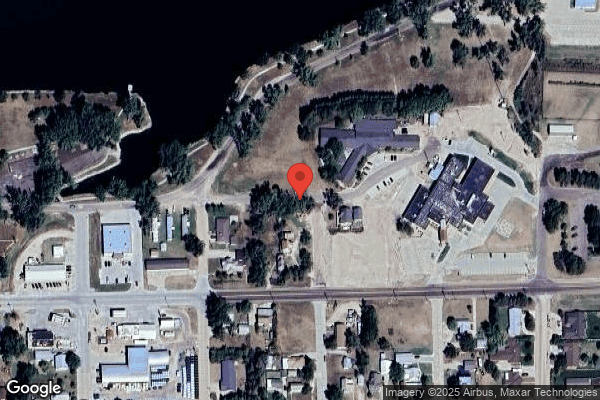

650 LAKE ROAD #216, ATWOOD, KS 67730 (785) 626-9015
Non profit - Corporation 35 Beds GOOD SAMARITAN SOCIETY Data: November 2025 3 Immediate Jeopardy citations
Trust Grade
2/100
#188 of 295 in KS
Last Inspection: June 2025

Inspected within the last 6 months. Data reflects current conditions.

Overview

Good Samaritan Society - Atwood has received a Trust Grade of F, indicating significant concerns about the care provided at this facility. With a state rank of #188 out of 295 in Kansas, they fall in the bottom half, and as the only nursing home in Rawlins County, there are no local alternatives. The facility's situation is worsening, with issues increasing from four in 2024 to six in 2025. While staffing is a strength with a perfect 5/5 rating and only 27% turnover, which is well below the state average, there are serious concerns as well. The facility has accumulated $68,956 in fines, indicating compliance problems that are more severe than 95% of Kansas facilities. Critical incidents include failing to properly investigate a sexual abuse allegation and not providing adequate treatment for a resident's pressure ulcer, showing a troubling lack of attention to resident safety and care.

Trust Score
F
2/100
In Kansas
#188/295
Bottom 37%
Safety Record
High Risk
Review needed
Inspections
Getting Worse
4 → 6 violations
Staff Stability
✓ Good
27% annual turnover. Excellent stability, 21 points below Kansas's 48% average. Staff who stay learn residents' needs.
Penalties
✓ Good
$68,956 in fines. Lower than most Kansas facilities. Relatively clean record.
Skilled Nurses
✓ Good
Each resident gets 78 minutes of Registered Nurse (RN) attention daily — more than 97% of Kansas nursing homes. RNs are the most trained staff who catch health problems before they become serious.
Violations
⚠ Watch
26 deficiencies on record. Higher than average. Multiple issues found across inspections.
★★☆☆☆
2.0
Overall Rating
★★★★★
5.0
Staff Levels
★★★★☆
4.0
Care Quality
★☆☆☆☆
1.0
Inspection Score
Stable
2024: 4 issues
2025: 6 issues

The Good

  • 5-Star Staffing Rating · Excellent nurse staffing levels
  • 4-Star Quality Measures · Strong clinical quality outcomes
  • Low Staff Turnover (27%) · Staff stability means consistent care
  • Full Sprinkler Coverage · Fire safety systems throughout facility
  • No fines on record
  • Staff turnover is low (27%)

    21 points below Kansas average of 48%

Facility shows strength in staffing levels, quality measures, staff retention, fire safety.

The Bad

2-Star Overall Rating

Below Kansas average (2.9)

Below average - review inspection findings carefully

Federal Fines: $68,956

Well above median ($33,413)

Moderate penalties - review what triggered them

Chain: GOOD SAMARITAN SOCIETY

Part of a multi-facility chain

Ask about local staffing decisions and management

The Ugly 26 deficiencies on record

3 life-threatening 1 actual harm
Jun 2025 6 deficiencies
CONCERN (D)

Potential for Harm - no one hurt, but risky conditions existed

Deficiency F0582 (Tag F0582)

Could have caused harm · This affected 1 resident

The facility had a census of 26 residents. The sample included 12 residents. Based on record review and interview, the facility failed to provide Resident (R) 18 or their representative the completed ...

Read full inspector narrative →
The facility had a census of 26 residents. The sample included 12 residents. Based on record review and interview, the facility failed to provide Resident (R) 18 or their representative the completed Centers for Medicare and Medicaid (CMS) Skilled Nursing Facility Advanced Beneficiary Notices (ABN) form 10055, and failed to provide R27 or their representative the completed CMS Notice of Medicare Non-Coverage (NOMOC) form 10123. This placed the resident at risk of uninformed decisions about their skilled services. Findings included: - Review of the CMS form provided to R18 revealed the resident received the wrong form. R18 received the CMS-R-131 and the CMS 10055 form, but had not received the CMS Form 10123. The resident's skilled services ended on 06/04/25. Review of the CMS form provided to R27 revealed the resident received the wrong form. R27 received the CMS -R-131 instead of the CMS form 10055 and failed to receive the CMS 10123 form. The resident's skilled services ended on 06/08/25. The Medicare ABN form 10055 informed the beneficiary that Medicare may not pay for future skilled therapy services. The form included an option for the beneficiary to receive specific services listed and bill Medicare for an official decision on payment. The form stated 1) I understand if Medicare does not pay, I will be responsible for payment, but can make an appeal to Medicare, (2) receive therapy listed, but do not bill Medicare, I am responsible for payment for services, (3) I do not want the listed services. The Medicare NOMOC form 10123 informed the beneficiary that Medicare may not pay for future skilled therapy services. The form included options for the beneficiary to receive specific services listed, and bill Medicare for a decision on payment. I understand that if Medicare does not pay, I will be responsible for payment, but I can make an appeal to Medicare, (2) receive therapy listed, but do not bill Medicare, I am responsible for payment for services, (3) I do not want the listed services. A provider must issue advance written notice to enrollees before termination of services in a Skilled Nursing Facility (SNF), Home Health Agency (HHA), or Comprehensive Outpatient Rehabilitation Facility (CORF). If an enrollee files an appeal, then the plan must deliver a detailed explanation of why services should end. On 06/18/25 at 10:00 AM, Administrative Nurse D verified the facility provided the CMS-R-131 form to R18 and R27, and/or their representative, and failed to provide R18 the 10055 form and failed to provide R27 with the CMS 10055 and the CMS 10123 forms to determine if the residents wished to continue services. The facility's Advance Beneficiary Notices policy, dated 01/14/2023, documented Medicare's limitation on liability requires a provider to notify a Medicare beneficiary in advance of furnishing an item or service that is believed to be likely denied by Medicare in order to shift financial liability to the beneficiary. The Advance Beneficiary Notice of Noncoverage (ABN) informs the beneficiary of potential non-coverage and shift of financial liability for those items or services if Medicare denies the claim. The Medicare Administrative Contractor (MAC) may hold any provider financially liable who either failed to give notice when required or gave invalid notice. A provider who cannot demonstrate adequate advance notice was given to the beneficiary cannot transfer financial liability to the beneficiary. The ABN is to be issued prior to providing any item or service that is usually paid for by Medicare, but may not be paid for in this particular case because it is not considered medically reasonable and necessary. The ABN is evidence of the beneficiary's knowledge about the likelihood of a Medicare denial for the purpose of determining financial liability for expenses incurred for services furnished to a beneficiary for which Medicare does not pay. If Medicare is expected to deny payment, an ABN must be given to the beneficiary in order to transfer financial liability for the services for the following circumstances: Skilled Nursing facility prior to providing therapy services, usually paid for under Medicare Part B, but are no longer considered medically reasonable and necessary. The provider will issue the ABN of non-coverage to appropriately inform the beneficiaries of potential financial liability and to allow the beneficiary the opportunity to request a Medicare demand bill review.
CONCERN (E)

Potential for Harm - no one hurt, but risky conditions existed

Deficiency F0802 (Tag F0802)

Could have caused harm · This affected multiple residents

The facility had a census of 26 residents. The sample included 12 residents. Based on observation and interview, the facility failed to serve the midday meal within 45 minutes of the designated time o...

Read full inspector narrative →
The facility had a census of 26 residents. The sample included 12 residents. Based on observation and interview, the facility failed to serve the midday meal within 45 minutes of the designated time of 11:30 AM. This deficiency placed the residents at risk of an impaired dining experience. Findings included: - On 06/16/25 at 11:18 AM, Dietary Staff (DS) CC placed water, a variety of beverages, and silverware on the dining room tables. Residents entered the dining room independently or with staff assistance. Facility staff assisted the residents with shirt protectors as needed and requested. The staff shared the daily devotional reading and announced the meal was to be roast beef, fried potatoes, and cooked cabbage. On 06/16/25 at 12:16 PM, the first meal from the kitchen was served. On 06/16/25 at 12:35 PM, Resident (R) 7 and R17 had been present in the dining room since 11:30 AM, when DS CC reported the kitchen ran out of roast beef and inquired what the residents would like from the alternative menu. On 06/16/25 at 12:50 PM, R7 and R17 reported they were always served last, and often the meals on the menu ran out. R7 and R17 stated they would have selected the roast beef. A staff member took a plate of roast beef and cabbage to the breakroom. The staff reported that R7 and R17 usually requested hamburgers, and the roast beef had been the end pieces of the roast that were not going to be served to the residents. On 06/16/25 at 12:55 PM, R7 and R17 were served cheeseburgers and fried potatoes. On 06/17/25 at 12:50 PM, the last meal had been served. Residents were present in the dining room at 11:30 AM. The meal menu of broccoli was substituted for cauliflower, which had not been reported or announced to the residents. The other menu item of tomato salad was not available, so DS BB offered tomato soup as an alternative. On 06/17/25 at 03:00 PM, DS BB reported the meals were not plated and ready for meal delivery until other DS CC had placed silverware and drinks on the tables. The facility's Dignity in Dining-Food and Nutrition Services policy, dated 11/05/24, documented that the location would promote dining services for residents in a manner and in an environment that maintained or enhanced each resident's dignity and respect in full recognition of his or her individuality, cultural, ethnic, and religious beliefs.
CONCERN (E)

Potential for Harm - no one hurt, but risky conditions existed

Food Safety (Tag F0812)

Could have caused harm · This affected multiple residents

**NOTE- TERMS IN BRACKETS HAVE BEEN EDITED TO PROTECT CONFIDENTIALITY** The facility had a census of 26 residents. The sample included 12 residents. Based on observation, record review, and interview,...

Read full inspector narrative →
**NOTE- TERMS IN BRACKETS HAVE BEEN EDITED TO PROTECT CONFIDENTIALITY** The facility had a census of 26 residents. The sample included 12 residents. Based on observation, record review, and interview, the facility failed to store and prepare food in a sanitary manner for the residents who resided in the facility and received meals from the facility's kitchen. This placed the residents at risk for foodborne illness. Findings included: - On 06/16/25 at 08:40 AM, during initial tour of the facility's kitchen, observation revealed in the dry storage room, a case of [NAME] Pears (six #10 size cans) sitting directly on the floor, and a box of oatmeal cream pies also sat directly on the floor. Further observation revealed in the walk-in freezer a bag of sliced zucchini sitting directly on the floor of the freezer, along with a box of frozen buns. Dietary Staff (DS) BB reported that the delivery truck had come during the past week, and the supplies on the stock room floor should have been put on the shelves. DS BB reported that the zucchini and box of buns had fallen from the shelf and should not be sitting on the floor of the walk-in freezer. The facility's Food-Supply Storage-Food and Nutrition Services policy, dated 03/07/25, documented that all food/supply items are stored six inches off the floor. Stored items did not touch the walls, ceiling, or sewer/waste disposal pipes.
CONCERN (E)

Potential for Harm - no one hurt, but risky conditions existed

Infection Control (Tag F0880)

Could have caused harm · This affected multiple residents

he facility had a census of 26 residents. The sample included 12 residents. Based on observation, record review, and interview, the facility failed to adhere to infection control for enhanced barrier ...

Read full inspector narrative →
he facility had a census of 26 residents. The sample included 12 residents. Based on observation, record review, and interview, the facility failed to adhere to infection control for enhanced barrier precautions (EBP - an infection control intervention designated to reduce transmission of resistant organisms that employs targeted gown and glove used during high contact resident care activities) for Resident (R) 23 gastrostomy tube (G-tube: tube surgically placed through an artificial opening into the stomach). This placed the resident at risk for possible exposure to infection. Findings included: - On 6/17/25 at 9:20 AM, observation revealed License Nurse (LN) G had finished R23's nebulizer breathing treatment and was observed washing the resident's nebulizer and did not wear a gown while cleaning the nebulizer mouthpiece. On 06/18/25 at 08:00 AM, observation revealed Certified Nurse Aide (CNA) M assisted the resident to change his shirt while seated in his wheelchair. Continued observation revealed CNA M lacked gloves or a gown. Observation revealed PPE was available across the hall from the R23's room and a PPE magnetic sign, approximately six inches by two inches, that was posted on the resident's door frame with instructions for use of PPE when providing cares for the resident with a G-tube. On 06/18/25 at 08:20 AM, Administrative Nurse D stated the staff should wear PPE for EBP when providing care for R23. Administrative Nurse D verified that a plastic container with PPE equipment was located in the hallway, and it contained supplied PPE for three of the residents who required EBP. Administrative Nurse D stated she would have an in-service and inform staff of the usage and requirements for a resident who required PPE for infection control due to EBP. The facility's Enhanced Barrier Precautions policy, dated 04/06/25, documented EBP was used to prevent the spread of infection and communicable diseases to residents, employees, and visitors through infection prevention and control practices. Enhanced Barrier Precautions expand the use of personal protective equipment beyond situations in which exposure to blood and bodily fluids was anticipated and refer to the use of a gown and gloves during high-contact resident care activities that provide an opportunity for transfer of multidrug-resistant organisms (MDROs) to staff hands and clothing. EBP is used for residents with chronic wounds and residents with indwelling medical devices, including feeding tubes, even if the resident is not known to be infected or colonized with MDRO. High contact resident care activities include transfers, dressing, assisting during bathing, providing hygiene, changing briefs or assisting with toileting, working with the resident in the therapy gym, changing linens, device care or use, and wound care. EBP are intended to be used for the duration of the resident's stay. For residents on EBP for a wound or indwelling medical device only, precautions can be discontinued if the wound resolves or the device is removed. The policy documented the facility would: post clear signage indicating the type of precautions and required PPE. And clearly indicate the high-contact resident care activities that require the use of a gown and gloves. The facility would provide education to residents and visitors on the importance of hand hygiene, especially when entering and exiting the residents' rooms and the facility. Position a trash can and laundry receptacle inside the resident's room and near the exit to discard PPE after removal, prior to exiting the room, or before providing care for another resident in the same room, or bag and remove trash and soiled laundry immediately. The facility would incorporate process surveillance to determine adherence and the need for additional training and education.
CONCERN (F)

Potential for Harm - no one hurt, but risky conditions existed

Deficiency F0576 (Tag F0576)

Could have caused harm · This affected most or all residents

The facility had a census of 26 residents. The sample included 12 residents. Based on record review and interview, the facility failed to deliver mail to the facility residents on Saturdays. This defi...

Read full inspector narrative →
The facility had a census of 26 residents. The sample included 12 residents. Based on record review and interview, the facility failed to deliver mail to the facility residents on Saturdays. This deficient practice placed the residents at risk for not having reasonable access to send or receive written communications. Findings included: - On 06/16/25 at 08:00 AM, on entrance to the facility, observation revealed a white basket sitting on a desk inside the front entry door, labeled United States Postal Service (USPS), and it contained numerous envelopes. On 06/17/25 at 09:00 AM, during the resident council meeting, a resident verbalized that there was no mail delivery on Saturdays. The resident stated the activity director would deliver the mail Monday through Friday, but there was not a designated person to deliver on the weekends. On 06/18/25 at 10:00 AM, Administrative Nurse D verified the facility does not always deliver the residents' mail on Saturdays, and there was not a designated person assigned to deliver the mail to the residents. The facility's Resident Mail policy, dated 12/19/2024, documented that the facility would ensure resident privacy in written communication and would deliver mail to the resident promptly in the manner specified in the policy. The policy documented that mail and other materials sent to the resident would be delivered within 24 hours of delivery by the post office, and outgoing mail would be delivered to the postal service within 24 hours, except when there is no regularly scheduled postal pick-up service. The policy documented mail would be delivered unopened to the resident. Assistance would be offered to residents who require help in opening or reading their mail, and the mail would be received in a private place of the resident's choice.
CONCERN (F)

Potential for Harm - no one hurt, but risky conditions existed

Deficiency F0801 (Tag F0801)

Could have caused harm · This affected most or all residents

The facility had a census of 26 residents and one kitchen. The sample included 12 residents. Based on observation, record review, and interview, the facility failed to employ a full-time Certified Die...

Read full inspector narrative →
The facility had a census of 26 residents and one kitchen. The sample included 12 residents. Based on observation, record review, and interview, the facility failed to employ a full-time Certified Dietary Manager for 25 residents who reside in the facility and receive their meals from the kitchen. This placed the residents at risk of not receiving adequate nutrition. Findings included: - On 06/16/25 at 08:40 AM, observation revealed the kitchen staff finishing the morning meal and preparing the midday meal. Dietary Staff (DS) stated he was the Dietary Manager. DS reported he had enrolled in a Certified course and had just begun the process of becoming a Certified Dietary Manager. The facility's Director of Food and Nutrition Services Job Orientation and Training policy, dated 12/16/24, documented to ensure consistent and proper training is provided to new directors of food and nutrition (DFN) services. All new DFNs would complete the DFN job orientation and training (JOT) program within three months of their hiring date. All learners completing the DNF JOT program are given adequate time to do so. The JOT will be a priority upon hire for the first two weeks on the job.
Jul 2024 2 deficiencies 2 IJ (1 affecting multiple)
CRITICAL (J) 📢 Someone Reported This

A family member, employee, or ombudsman was alarmed enough to file a formal complaint

Immediate Jeopardy (IJ) - the most serious Medicare violation

Report Alleged Abuse (Tag F0609)

Someone could have died · This affected 1 resident

**NOTE- TERMS IN BRACKETS HAVE BEEN EDITED TO PROTECT CONFIDENTIALITY** The facility identified a census of 24 residents with three residents reviewed for abuse and neglect. Based on record review, ob...

Read full inspector narrative →
**NOTE- TERMS IN BRACKETS HAVE BEEN EDITED TO PROTECT CONFIDENTIALITY** The facility identified a census of 24 residents with three residents reviewed for abuse and neglect. Based on record review, observation, and interview, the facility failed to ensure staff immediately reported Resident (R)1's allegation of sexual abuse to the Licensed Nursing Home Administrator (LNHA) and further failed to report the sexual abuse allegation to the required state agencies including law enforcement. On 07/24/24 at 09:37 PM, R1 told her representative that a dirty old man came into her room and tried to get into her pants. At 10:00 PM R1's representative called the facility and reported the allegation to Licensed Nurse (LN). LN G told R1's representative there were no male staff working that night and said she had been down R1's hallway passing medications and had not seen anyone walking in the hall. LN G told R1's representative she would go down and talk to R1 and report the incident to Administrative Nurse D. At 11:00 PM, R1 asked LN G if she had told the nurse that she was molested. LN G did not report the abuse allegation until 07/25/24 at 09:03 PM. Administrative Staff A stated the allegation of sexual abuse was not reported to the appropriate state entities because LN G determined the resident had been dreaming. The facility failed to ensure staff reported an allegation of sexual abuse to the LNHA immediately and further failed to report the sexual abuse allegation to the required state entities including law enforcement. This placed R1 in immediate jeopardy. Findings included: - R1's Electronic Medical Record (EMR) documented R1 had diagnoses of congestive heart failure (CHF-a condition with low heart output and the body becomes congested with fluid), hypertension (high blood pressure), weakness, and macular degeneration (progressive deterioration of the retina). The Quarterly Minimum Data Set (MDS), dated 06/05/24, documented that R1 had a Brief Interview for Mental Status (BIMS) score of 15, which indicated intact cognition. The MDS documented R1 was independent with eating and oral care and required moderate assistance from one staff for toileting, transfer, dressing, personal hygiene, and bathing. The MDS recorded R1 had no behaviors including hallucinations (sensing things while awake that appear to be real, but the mind created) or delusions (untrue persistent belief or perception held by a person although evidence shows it was untrue). The Functional Abilities Care Area Assessment (CAA), dated 03/05/24, documented R1 was alert and oriented with a BIMS score of 15. The CAA documented R1 had macular degeneration but was able to see well enough to assist with her activities of daily living (ADLs). The CAA documented R1 was independent with mobility in her wheelchair and at times walked short distances in her room using her walker to go to the bathroom. The facility goal for R1 was for R1 to maintain her independence as much as possible and to provide R1 help when she needed it. The Visual Function CAA, dated 03/05/24, documented R1 had a diagnosis of macular degeneration. The CAA documented R1 was not able to see well enough to read a book but was able to see well enough to safely navigate the halls and feed herself. R1's Care Plan, documented R1 primarily used a wheelchair in the hall and self-propelled herself using her feet or the handrails. R1 could walk in her room with assistance from one staff and her walker. R1 chose to sleep in her recliner and could make position changes in the recliner. The care plan documented R1 required one staff's assistance for dressing, toileting, and transfers. On 07/30/24, a new focus was placed in R1's Care Plan which documented R1 had a behavior symptom related to dreaming. The plan documented R1 would have no evidence of behavior problems of dreaming of men being in her room and minimize the potential for R1's disruptive behaviors of feeling men in her room by having a second person in the room when a male is in the room with R1. The Mood/Behavior Note, dated 07/25/24 at 04:20 AM, documented LN G received a phone call from R1's representative at 10:00 PM on 07/24/24. R1's representative just got off the phone with R1 and R1 stated some man had come into her room, pulled off her covers while R1 sat in her recliner, and tried to get into her pants. R1's representative asked LN G if there were any male staff working and LN G stated no. R1's representative asked if it could have possibly been a male resident. LN G explained there were three male residents down R1's hall but they were at the end of the hallway and were all in bed and no other males were in the facility. R1's representative requested the incident be reported to Administrative Nurse D. LN G explained to R1's representative that she had been down R1's hall multiple times between 09:00 PM and 10:00 PM. LN G explained to R1's representative R1 seemed tired that evening when she received her night meds and breathing treatment and R1 had also been sleeping. R1's representative requested R1 be checked on throughout the night. LN G assured R1's representative staff would do so. LN G went down to check on R1. R1 was on the phone with her representative again. R1 seemed very confused. R1 asked her representative multiple times if it was August yet and R1 repeated the same topic over and over. Later at 11:00 PM, R1 asked LN G if she had told LN G that some man had molested her. R1 told LN G that some man came into her room and pulled on her butt hair. Later in the night, R1 rang for assistance to the bathroom and R1 asked LN G, Did I get molested by some man, or did I dream it? LN G documented R1 concluded that she had dreamt it. The Other Communication Note, dated 07/30/24, documented the ombudsman came to the facility to visit with R1 regarding R1's representative called and reported a man had been in R1's room and R1 claimed the man had pulled her pants down while she was in her recliner. R1 told the Ombudsman she was molested last night. The ombudsmen asked R1 if she felt safe at the facility. R1 said the staff were taking care of her and she felt safe. The ombudsman then asked R1 about men in her room and R1 said She did not want men in her room. Staff asked R1 about the bath house as the bath aide was a male and R1 said it was fine for him to give her a bath. The ombudsman and staff discussed R1's plan of care and staff stated R1's Care Plan had already been changed to not have males alone in R1's room. The facility was unable to provide an investigation, incident report, and/or witness statements related to the incident. The updated timeline of events provided by the facility on 07/31/24, documented on 07/25/24 (this initial call occurred on 07/24/24) at 10:00 PM, LN G received a phone call from R1's representative. R1's representative had just got off the phone with R1 and R1 had stated some man had come into her room and pulled off her covers while R1 sat in her recliner and tried to get into her pants. At 11:00 PM, R1 asked LN G if she had told LN G that some man had molested her. Later in the night, R1 rang for assistance to the bathroom and R1 asked LN G, Did I get molested by some man, or did I dream it? On 07/25/24 at 09:03 PM LN G notified Administrative Nurse D of R1's mood and behavior and her findings of LN G's investigation. On 07/25/24 at 09:05 PM, Administrative Nurse D notified Administrative Staff A of R1's mood and behavior and LN G's investigation and findings. On 07/29/24, sometime in the morning, Administrative Staff A and Administrative Nurse D gave the results of the investigation to R1's representative. On 07/30/24, sometime in the afternoon, the ombudsman visited with the resident and social services. R1's Care Plan was reviewed and updated. On 07/31/24 at 09:45 AM, observation revealed R1 resided in a double occupancy room and sat in a recliner closest to the door with her eyes closed. On 07/31/24 at 09:45 AM, R1 stated that she thought a dirty old man had come into her room and tried to get in her pants, but he was gone now, and it had all been taken care of. R1 stated at the time of the incident she had feared the man coming back into her room. On 07/31/24 at 10:00 AM, R1's representative stated that on 07/24/24 at 09:37 PM she called R1 and R1 told her a dirty old man came into her room and was trying to get into her pants. R1's representative reported R1 slept in her recliner and said she had been dozing when it happened. R1's representative stated she called LN G to report the complaint. R1's representative stated LN G confirmed the were no male employees working that night. LN G told R1's representative she had been down R1's hallway passing medications and had not seen any residents walking in the hall. R1's representative stated LN G told her she would go down and talk to R1 and report the incident to Administrative Nurse D. R1's representative stated she called R1 back and was on the phone with R1 until 10:32 PM and no one came into R1's room. R1's representative stated she drove six hours to the facility on [DATE] and arrived at 05:00 PM and personally talked to LN G. LN G told R1's representative she documented the phone call in R1's chart and said R1 may have been dreaming; LN G said she notified Administrative Nurse D. On 07/31/24 LN G was unavailable for an interview. On 07/31/24 at 10:45 AM, Certified Nurse's Aide (CNA) M stated R1 had brought up the incident to her on Saturday, the weekend after it happened. R1 told CNA M that she had been molested and some man had put his hand down her pants. CNA M asked R1 if she was sure that happened and R1 stated Yes. CNA M stated she could not believe that this really happened to R1, and it must have been a dream or something in R1's mind that she thought really happened. CNA M stated R1 continued to bring up the incident. On 07/31/24 at 11:00 AM, Administrative Staff A stated that she and Administrative Nurse D had reviewed LN G's nurse's note and reviewed her investigation. Administrative Staff A stated R1 later told LN G that it may have been a dream. Administrative Staff A stated LN G reported that she was up and down the hall all evening passing meds and the two men on the hallway were in bed. Administrative Staff A stated the facility had not reported the incident to the state agency. Administrative Staff A stated she and Administrative Nurse D were satisfied with the investigation LN G had performed. Administrative Staff A stated she talked with Administrative Nurse D about having ongoing contact with family members when allegations of this type were reported. Administrative Staff A stated she did not know if there was any investigative report with witness statements related to this incident. Administrative Staff A stated she was notified of R1's allegations on 07/24/24 at 09:05 PM. On 07/31/24 at 11:30 AM, Administrative Staff A presented a handwritten timeline of the events and questioned if the facility was supposed to investigate allegations of abuse if the allegations were just a resident's dream. The facility failed to ensure staff immediately reported R1's allegation of sexual abuse to the LNHA and further failed to report the sexual abuse allegation to the required state agencies including law enforcement. This deficient practice placed R1 in immediate jeopardy. On 07/31/24 at 12:46 PM Administrative Staff A received a copy of the Immediate Jeopardy [IJ] Template and was informed of the IJ for R1. On 07/31/24 at 03:00 PM, the facility submitted a plan with corrective actions to remove the immediacy. The corrective actions included: The facility initiated an investigation on 07/31/24 for allegations of abuse and neglect for R1. The abuse allegation was reported to the appropriate state agency, law enforcement, the facility's Medical Director, and R1's family. Immediate education was initiated for all nursing staff on recognizing and reporting abuse and neglect allegations. All interviewable residents were interviewed to identify any safety concerns. The onsite surveyor verified the implementation of the corrective actions and removal of the immediacy on 07/31/24. The deficient practice remained at a scope and severity of D.
CRITICAL (K) 📢 Someone Reported This

A family member, employee, or ombudsman was alarmed enough to file a formal complaint

Immediate Jeopardy (IJ) - the most serious Medicare violation

Investigate Abuse (Tag F0610)

Someone could have died · This affected multiple residents

**NOTE- TERMS IN BRACKETS HAVE BEEN EDITED TO PROTECT CONFIDENTIALITY** The facility identified a census of 24 residents with three residents reviewed for abuse and neglect. Based on record review, ob...

Read full inspector narrative →
**NOTE- TERMS IN BRACKETS HAVE BEEN EDITED TO PROTECT CONFIDENTIALITY** The facility identified a census of 24 residents with three residents reviewed for abuse and neglect. Based on record review, observation, and interview, the facility failed to investigate an allegation of sexual abuse and initiate protective measures until an investigation was completed. On 07/24/24 at 09:37 PM Resident (R)1 told her daughter that a dirty old man came into her room and tried to get into her pants. At 10:00 PM R1's representative called the facility and reported the allegation to Licensed Nurse (LN). LN G told R1's representative there were no male staff working that night and said she had been down R1's hallway passing medications and had not seen anyone walking in the hall. LN G told R1's representative she would go down and talk to R1 and report the incident to Administrative Nurse D. At 11:00 PM, R1 asked LN G if she had told the nurse that she was molested. On 07/25/24 R1's representative arrived at the facility and spoke with LN G. LN G told R1's representative she felt R1 may have been dreaming. LN G did not report the allegation to administration for almost 24 hours. R1's representative returned to the facility on [DATE] and spoke with Administrative Nurse D. Administrative Nurse D told R1's representative LN G had already investigated the incident and determined the resident had been dreaming. Administrative Staff A confirmed no further investigation was conducted because she and Administrative Nurse D agreed with LN G's conclusion. The facility's failure to initiate protective measures to prevent further sexual abuse and failure to investigate the abuse allegation placed R1 and all other cognitively impaired residents in immediate jeopardy. Findings included: - R1's Electronic Medical Record (EMR) documented R1 had diagnoses of congestive heart failure (CHF-a condition with low heart output and the body becomes congested with fluid), hypertension (high blood pressure), weakness, and macular degeneration (progressive deterioration of the retina). The Quarterly Minimum Data Set (MDS), dated 06/05/24, documented that R1 had a Brief Interview for Mental Status (BIMS) score of 15, which indicated intact cognition. The MDS documented R1 was independent with eating and oral care and required moderate assistance from one staff for toileting, transfer, dressing, personal hygiene, and bathing. The MDS recorded R1 had no behaviors including hallucinations (sensing things while awake that appear to be real, but the mind created) or delusions (untrue persistent belief or perception held by a person although evidence shows it was untrue). The Functional Abilities Care Area Assessment (CAA), dated 03/05/24, documented R1 was alert and oriented with a BIMS score of 15. The CAA documented R1 had macular degeneration but was able to see well enough to assist with her activities of daily living (ADLs). The CAA documented R1 was independent with mobility in her wheelchair and at times walked short distances in her room using her walker to go to the bathroom. The facility goal for R1 was for R1 to maintain her independence as much as possible and to provide R1 help when she needed it. The Visual Function CAA, dated 03/05/24, documented R1 had a diagnosis of macular degeneration. The CAA documented R1 was not able to see well enough to read a book but was able to see well enough to safely navigate the halls and feed herself. R1's Care Plan, documented R1 primarily used a wheelchair in the hall and self-propelled herself using her feet or the handrails. R1 could walk in her room with assistance from one staff and her walker. R1 chose to sleep in her recliner and could make position changes in the recliner. The care plan documented R1 required one staff's assistance for dressing, toileting, and transfers. On 07/30/24, a new focus was placed in R1's Care Plan which documented R1 had a behavior symptom related to dreaming. The plan documented R1 would have no evidence of behavior problems of dreaming of men being in her room and minimize the potential for R1's disruptive behaviors of feeling men in her room by having a second person in the room when a male is in the room with R1. The Mood/Behavior Note, dated 07/25/24 at 04:20 AM, documented LN G received a phone call from R1's representative at 10:00 PM on 07/24/24. R1's representative just got off the phone with R1 and R1 stated some man had come into her room, pulled off her covers while R1 sat in her recliner, and tried to get into her pants. R1's representative asked LN G if there were any male staff working and LN G stated no. R1's representative asked if it could have possibly been a male resident. LN G explained there were three male residents down R1's hall but they were at the end of the hallway and were all in bed and no other males were in the facility. R1's representative requested the incident be reported to Administrative Nurse D. LN G explained to R1's representative that she had been down R1's hall multiple times between 09:00 PM and 10:00 PM. LN G explained to R1's representative R1 seemed tired that evening when she received her night meds and breathing treatment and R1 had also been sleeping. R1's representative requested R1 be checked on throughout the night. LN G assured R1's representative staff would do so. LN G went down to check on R1. R1 was on the phone with her representative again. R1 seemed very confused. R1 asked her representative multiple times if it was August yet and R1 repeated the same topic over and over. Later at 11:00 PM, R1 asked LN G if she had told LN G that some man had molested her. R1 told LN G that some man came into her room and pulled on her butt hair. Later in the night, R1 rang for assistance to the bathroom and R1 asked LN G, Did I get molested by some man, or did I dream it? LN G documented R1 concluded that she had dreamt it. The Other Communication Note, dated 07/30/24, documented the ombudsman came to the facility to visit with R1 regarding R1's representative called and reported a man had been in R1's room and R1 claimed the man had pulled her pants down while she was in her recliner. R1 told the Ombudsman she was molested last night. The ombudsmen asked R1 if she felt safe at the facility. R1 said the staff were taking care of her and she felt safe. The ombudsman then asked R1 about men in her room and R1 said She did not want men in her room. Staff asked R1 about the bath house as the bath aide was a male and R1 said it was fine for him to give her a bath. The ombudsman and staff discussed R1's plan of care and staff stated R1's Care Plan had already been changed to not have males alone in R1's room. The facility was unable to provide an investigation, incident report, and/or witness statements related to the incident. The updated timeline of events provided by the facility on 07/31/24, documented on 07/25/24 (this initial call occurred on 07/24/24) at 10:00 PM, LN G received a phone call from R1's representative. R1's representative had just got off the phone with R1 and R1 had stated some man had come into her room and pulled off her covers while R1 sat in her recliner and tried to get into her pants. At 11:00 PM, R1 asked LN G if she had told LN G that some man had molested her. Later in the night, R1 rang for assistance to the bathroom and R1 asked LN G, Did I get molested by some man, or did I dream it? On 07/25/24 at 09:03 PM LN G notified Administrative Nurse D of R1's mood and behavior and her findings of LN G's investigation. On 07/25/24 at 09:05 PM, Administrative Nurse D notified Administrative Staff A of R1's mood and behavior and LN G's investigation and findings. On 07/29/24, sometime in the morning, Administrative Staff A and Administrative Nurse D gave the results of the investigation to R1's representative. On 07/30/24, sometime in the afternoon, the ombudsman visited with the resident and social services. R1's Care Plan was reviewed and updated. On 07/31/24 at 09:45 AM, observation revealed R1 resided in a double occupancy room and sat in a recliner closest to the door with her eyes closed. On 07/31/24 at 09:45 AM, R1 stated that she thought a dirty old man had come into her room and tried to get in her pants, but he was gone now, and it had all been taken care of. R1 stated at the time of the incident she had feared the man coming back into her room. On 07/31/24 at 10:00 AM, R1's representative stated that on 07/24/24 at 09:37 PM she called R1 and R1 told her a dirty old man came into her room and was trying to get into her pants. R1's representative reported R1 slept in her recliner and said she had been dozing when it happened. R1's representative stated she called LN G to report the complaint. R1's representative stated LN G confirmed the were no male employees working that night. LN G told R1's representative she had been down R1's hallway passing medications and had not seen any residents walking in the hall. R1's representative stated LN G told her she would go down and talk to R1 and report the incident to Administrative Nurse D. R1's representative stated she called R1 back and was on the phone with R1 until 10:32 PM and no one came into R1's room. R1's representative stated she drove six hours to the facility on [DATE] and arrived at 05:00 PM and personally talked to LN G. LN G told R1's representative she documented the phone call in R1's chart and said R1 may have been dreaming; LN G said she notified Administrative Nurse D. On 07/31/24 LN G was unavailable for an interview. On 07/31/24 at 10:45 AM, Certified Nurse's Aide (CNA) M stated R1 had brought up the incident to her on Saturday, the weekend after it happened. R1 told CNA M that she had been molested and some man had put his hand down her pants. CNA M asked R1 if she was sure that happened and R1 stated Yes. CNA M stated she could not believe that this really happened to R1, and it must have been a dream or something in R1's mind that she thought really happened. CNA M stated R1 continued to bring up the incident. On 07/31/24 at 11:00 AM, Administrative Staff A stated that she and Administrative Nurse D had reviewed LN G's nurse's note and reviewed her investigation. Administrative Staff A stated R1 later told LN G that it may have been a dream. Administrative Staff A stated LN G reported that she was up and down the hall all evening passing meds and the two men on the hallway were in bed. Administrative Staff A stated the facility had not reported the incident to the state agency. Administrative Staff A stated she and Administrative Nurse D were satisfied with the investigation LN G had performed. Administrative Staff A stated she talked with Administrative Nurse D about having ongoing contact with family members when allegations of this type were reported. Administrative Staff A stated she did not know if there was any investigative report with witness statements related to this incident. Administrative Staff A stated she was notified of R1's allegations on 07/24/24 at 09:05 PM. On 07/31/24 at 11:30 AM, Administrative Staff A presented a handwritten timeline of the events and questioned if the facility was supposed to investigate allegations of abuse if the allegations were just a resident's dream. The facility failed to investigate R1's allegation of sexual abuse and initiate protective measures until an investigation was completed. This deficient practice placed R1 in immediate jeopardy and placed all cognitively impaired residents at risk for unidentified and ongoing abuse. On 07/31/24 at 12:46 PM Administrative Staff A received a copy of the Immediate Jeopardy [IJ] Template and was informed of the IJ for R1. On 07/31/24 at 03:00 PM, the facility submitted a plan with corrective actions to remove the immediacy. The corrective actions included: The facility initiated an investigation on 07/31/24 for allegations of abuse and neglect for R1. The abuse allegation was reported to the appropriate state agency, law enforcement, the facility's Medical Director, and R1's family. Immediate education was initiated for all nursing staff on recognizing and reporting abuse and neglect allegations. All interviewable residents were interviewed to identify any safety concerns. The onsite surveyor verified the implementation of the corrective actions and removal of the immediacy on 07/31/24. The deficient practice remained at a scope and severity of E.
May 2024 1 deficiency 1 IJ
CRITICAL (J) 📢 Someone Reported This

A family member, employee, or ombudsman was alarmed enough to file a formal complaint

Immediate Jeopardy (IJ) - the most serious Medicare violation

Pressure Ulcer Prevention (Tag F0686)

Someone could have died · This affected 1 resident

**NOTE- TERMS IN BRACKETS HAVE BEEN EDITED TO PROTECT CONFIDENTIALITY** The facility identified a census of 27. The sample included three residents reviewed for pressure injuries/ulcers. Based on reco...

Read full inspector narrative →
**NOTE- TERMS IN BRACKETS HAVE BEEN EDITED TO PROTECT CONFIDENTIALITY** The facility identified a census of 27. The sample included three residents reviewed for pressure injuries/ulcers. Based on record review and interview, the facility failed to ensure adequate treatment to prevent the worsening of a facility acquired pressure ulcer and failed to promote healing. On 12/15/23, Resident (R) 1, who required assistance from two staff for bed mobility, developed a facility acquired unstageable (depth of the wound is unknown due to the wound bed is covered by a thick layer of other tissue and pus) pressure ulcer to her left heel. The facility applied heel protectors but did not involve the provider until seven days later. The provider ordered a dressing to the wound, changed every seven days. The wound became stagnant and lacked any signs of healing from 12/22/23 through 03/23/24 when a new treatment was started. The facility also did not measure the wound for two weeks from 03/09/24 through 03/22/24. On 03/29/24, the facility spoke with the dietician and the telehealth wound nurse and received new orders for R1's deteriorating wound but did not involve the physician despite increased wound dimensions and the presence of signs of possible infection including increased drainage and pain, until 04/02/24 when the facility received a new order from the wound nurse and the facility's medical director. On 04/03/24, the facility identified drainage from the wound and a new open area on the inside of the left foot but did not notify the physician. On Saturday, 04/06/24, the facility documented R1 would go for a podiatry referral the following Tuesday. On 04/07/24, R1 was assessed by her provider and sent to the hospital for respiratory issues and wound care. Upon admission to the hospital, R1's left heel wound was necrotic (pertaining to the death of tissue in response to disease or injury) with purulent (producing or containing pus), foul-smelling drainage and had advanced to a Stage 4 pressure ulcer (a deep pressure wound that reaches the muscles, ligaments, or even bone) with exposed bone. Further testing revealed R1 had osteomyelitis (local or generalized infection of the bone and bone marrow) of her left heel bone. R1 was sent to a higher level of acute care for wound care and vascular evaluation. The surgeon recommended amputation (surgical removal) of the left lower extremity, above the knee. R1 and her family did not want the procedure. R1 was placed on palliative care and passed away on 04/27/24 at the local hospital. The facility's failure to notify and involve the physician and ensure physician assessment of an evolving, and progressively worsening, facility acquired pressure ulcer placed R1 in immediate jeopardy. Findings included: - R1's Electronic Medical Record (EMR) documented R1 had diagnoses of multiple sclerosis (MS- progressive disease of the nerve fibers of the brain and spinal cord), moderate protein calorie malnutrition, weakness, depression (a mood disorder that causes a persistent feeling of sadness and loss of interest), and anxiety (mental or emotional reaction characterized by apprehension, uncertainty, and irrational fear). The admission Minimum Data Set (MDS), dated [DATE], documented R1 had a Brief Interview for Mental Status (BIMS) score of 15 which indicated intact cognition. The MDS documented R1 required moderate staff assistance for bed mobility, maximum staff assistance with sit to stand, chair to bed transfer, toileting, and bathing. The MDS documented R1 did not ambulate. The MDS documented R1 was admitted to the facility with intact skin and was at risk for pressure ulcer development. The MDS documented R1 had a pressure reducing device for her chair, a pressure reducing device for her bed, and was on a turning/repositioning program. R1 was not on a nutrition or hydration program to manage skin problems. The admission Function Abilities Care Area Assessment (CAA), dated 11/27/23, documented R1 presented to the facility with weakness, poor coordination, impaired balance, and pain related to her MS. The CAA documented R1 had occasional urinary incontinence which was likely due to her immobility. The CAA documented R1 was no longer able to ambulate and due to the progressive neurological nature of her disease process, R1 was not expected to improve. The admission Pressure Ulcer/Injury CAA, dated 11/27/23, documented R1 was at risk for skin breakdown due to her need for staff assistance for bed mobility, having an at risk Braden (assessment tool used to predict risk for pressure injuries) score, and being on psychotropic (alters mood or thought) medications. The CAA documented R1 had no skin issues oat the time of her admission on [DATE]. The CAA documented all residents of the facility had mattresses that helped with weight distribution to help prevent skin breakdown from occurring. The CAA documented R1 was on a turning/repositioning program and had a pressure reducing cushion in her wheelchair to help reduce her risk and help maintain her skin integrity. The CAA documented the goal was for R1 to remain free from skin breakdown. The Significant Change MDS, dated [DATE], documented R1's BIMS score was 12, which indicated moderately impaired cognition. The MDS documented R1 had one or more unhealed pressure ulcers. The MDS documented R1 had one unstageable pressure ulcer due to slough (dead tissue, usually cream or yellow in color) and/or eschar (dead tissue), and this pressure ulcer was not present on R1's admission. The CAA documented R1 had a pressure reducing device for her chair, a pressure reducing device for her bed, was on a turning/repositioning program, and was receiving pressure ulcer care. The CAA documented R1 was not receiving an application of any dressing to her feet with or without topical medications. The Significant Change Functional Abilities CAA, dated 02/27/24, documented R1 required assistance with her activities of daily living (ADL's), had an unstageable pressure ulcer to her left heel, and R1's decline was felt to be due to the progression of her MS; she was not expected to improve. The Significant Change Pressure Ulcer/Injury CAA, dated 02/27/24, documented R1 had an unstageable pressure ulcer to her left heel. She was incontinent, dependent on staff for mobility, and had an at risk Braden score. The CAA documented R1 had an air mattress, was on a turning/repositioning program, and had a cushion to her wheelchair. The CAA documented R1 had MS which was the biggest contributing factor that restricted her mobility. R1's Care Plan directed staff R1 required assistance from two staff for all bed mobility (11/23/23). The care plan directed staff to provide R1 a pressure reducing mattress and cushion and to float her heels (11/23/23). The care plan directed staff to notify the nurse immediately of any new areas of skin breakdown redness, blisters, bruises, or discoloration noted during baths or daily care (12/15/23). The care plan directed staff to provide R1 an air mattress due to R1 refused to get out of bed sometimes and was at risk for further skin breakdown (01/11/24). R1 was non-ambulatory and used a wheelchair with bilateral foot pedals propelled by staff (01/12/24). The care plan directed staff to place an Allevyn (foam dressing) heel dressing and change on bath days; the dressing could be left on for seven days and change as needed (01/24/24). The care plan directed staff R1 required two staff assistance with check and changes with position change (03/27/24). The care plan lacked direction regarding how often R1 was to be repositioned. The care plan directed staff to ensure heel protectors were on R1's feet (03/27/24). The care plan directed staff to perform a Wound Data Collection daily and to inform R1 and her family about any new area of skin breakdown (03/27/24). The care plan directed staff to apply a Xeroform (non-adherent dressing) foam dressing to the left heel and secure with Kerlix (cotton gauze) and paper tape and change daily (03/27/24). The care plan directed staff to avoid positioning R1 on her right side. R1 could be placed on her left side or on her back with heel protectors on and feet elevated as much as possible (04/06/24). The care plan directed staff to apply calcium alginate (a highly absorbent dressing for cavity wounds with moderate to heavy drainage), cover with bordered foam dressing, secure with Kerlix and paper tape and change every day (04/11/24). (This intervention was never performed in the facility as R1 never returned). The Kardex [nursing tool that gives a brief overview of the care needs of each resident] did not address any turning or repositioning program or directives for R1. The admission Braden Scale, dated 11/21/23, documented R1 a score of 16, which indicated mild risk. The Braden Scale intervention guide recommended frequent turning (e.g., every two hours), maximal remobilization, pressure reduction support surfaces if bed or chair bound, protect heels, manage moisture, manage nutrition, manage friction and shear (the separation of skin layers caused by friction or trauma). If other major risk factors were present advance to next level of risk. On admission, on 11/21/23, R1 had an order for thrombo-embolic deterrent hose (TED-compression stockings) to her bilateral legs, on in the morning and off at night. This order was discontinued on 12/19/23. Review of R1's clinical record lacked evidence the staff who signed off on the application and removal of the TED hose noted any skin changed to R1's left heel. R1's medication Review Report documented an order dated 11/29/23 for house shake nutritional supplements, 120 milliliters with meals. R1's EMR recorded a Physician's Order dated 12/01/23 to start on 12/08/23, for a weekly skin check every Friday. The Skin Observation Tool, dated 12/08/23, documented R1's skin check was completed and had no skin conditions observed. The Skin Observation Tool, dated 12/15/23, documented R1 had an unstageable pressure ulcer to the left medial (inner) heel. The Skin Observation Tool lacked evidence staff notified R1's primary care physician or family of the unstageable pressure ulcer. The Wound Data Collection Tool, dated 12/15/23, documented R1 had an unstageable pressure ulcer with eschar to her left heel that measure 2 centimeters (cm) by 3.5 cm with no depth. The wound bed was covered with 100 percent eschar. The surrounding skin was intact and pink. This was the initial data collection on the pressure ulcer and the pressure ulcer was not present on admission. There was no dressing on R1's left heel wound. The Wound Data Collection Tool, lacked evidence staff notified R1's primary care physician or family of the pressure ulcer. The Wound Data Collection Tool, dated 12/16/23, documented R1 had an unstageable pressure ulcer to her left heel. The wound was 100% covered with eschar. No dressing had been placed to the left heel wound. A pressure relieving gel heel protector was placed to R1's left heel. The Wound Data Collection Tool, lacked evidence staff notified R1's primary care physician or family. The Wound Data Collection Tool, dated 12/17/23, documented R1 had a pressure ulcer to her left heel with pink blanchable surrounding skin. No dressing was present to the left heel wound. Blue heel protectors were placed to R1's heels. The Wound Data Collection Tool, lacked evidence staff notified R1's primary care physician or family. The Wound Data Collection Tool, dated 12/19/23, documented R1 had a pressure ulcer to her left heel which measured 1.5 cm by 2 cm. Eschar covered 100 % of the wound bed. The surrounding skin was pink, intact, and macerated (softening and breaking down of skin as a result from prolonged exposure to moisture, such as sweat, urine, feces, or wound drainage for extended periods). There was no dressing to R1's left heel. The Wound Data Collection Tool, lacked evidence staff notified R1's primary care physician or family. The Communication/Visit with Physician Note, dated 12/22/23, documented a new order for Allevyn heel dressing to R1's left heel. Change every seven days or as needed. This Communication/Visit with Physician Note was the first documented evidence of notification to the physician of R1's unstageable pressure ulcer to her left heel, dated 12/22/23, seven days after staff discovered the pressure injury. The Wound RN Assessment, dated 12/22/23, documented R1 had an unstageable pressure ulcer to her left heel. The wound was covered with eschar and had minimal drainage. R1's physician was notified regarding the wound status and a new order for Allevyn heel dressing was ordered. Modifications to R1's interventions were repositioning/turning, support surfaces, nutrition, friction/shear management, and wound treatment. R1's Treatment Administration Record (TAR), dated December 2023, documented an order for Allevyn dressing to the left heel; may be on up to seven days, change as needed, and check twice daily, with a start date of 12/22/23. The Wound Data Collection Tool, dated 12/29/23, documented R1 had an unstageable pressure ulcer to her left heel which measured 3.5 cm by 3.2 cm. The wound bed was covered with 95% eschar and 5% granulation (new tissue formed during wound healing). The record lacked evidence staff notified R1's primary care physician of the increased size of R1's wound. The January 2024 TAR, documented an order for an Allevyn dressing to the left heel. The dressing could stay on up to seven days. Change as needed. Check twice daily with a start date of 12/22/23. The Wound Data Collection Tool, dated 01/03/24, documented R1 had an unstageable pressure ulcer which measured 2.5 cm by 2.5 cm. The wound bed was covered with 95% of eschar and 5% of granulation. The wound had a moderate amount of purulent drainage. The record lacked evidence staff notified R1's primary care physician of the purulent drainage. The Wound RN Assessment, dated 01/03/24, documented R1 had an unstageable pressure ulcer to her left heel. The top layer of the wound was peeling back with pink tissue noted underneath. The note documented to continue the current plan of treatment. The Health Status Note, dated 01/03/24, documented R1 was not safe to transfer with the sit-to-stand lift and would be transferred with a full body lift from then on. The Wound Data Collection Tool, dated 01/09/24, documented R1 had an unstageable pressure ulcer to her left heel which measured 3 cm by 3 cm. There was no dressing present. The wound bed was covered with 100% eschar. The record lacked evidence staff notified R1's primary care physician. The Care Plan Change Note, dated 01/11/24, documented an air mattress was added due to R1 refused to get out of bed some of the time and risk for further skin break down. The Care Plan Change Note, dated 01/12/24, documented the mobility bars were removed from R1's bed. The Wound RN Assessment, dated 01/12/24, documented R1 had an unstageable pressure ulcer to her left heel. The left heel wound was documented as a deep tissue injury (DTI- purple or maroon localized area of discolored intact skin or blood?filled blister due to damage of underlying soft tissue from pressure and/or shear) and the area was hard, with skin flaking off. The underneath skin was healed. The record lacked evidence staff notified R1's primary care physician. The 1-16-24 Clinic Visit documented R1 was seen by her physician with a chief complaint of none recorded. The visit recorded a reviewed problem of a left heel wound with an onset date of 10/27/22 [sic]. The HPI [history of present illness] section recorded the resident was calmy sitting in a chair. She initially voiced no concerns. She did then remark that she had some swelling in her legs and feet. Nursing reported she had recurrent urinary tract infections. The resident denied shortness of breath. The Musculosketal section documented R1 had normal muscle strength and poor tone; she had two plus edema (swelling) to her lower extremities. The document noted R1 had heel protector boots on and a dressing to the right [sic] heel. The note followed this with not removed. The Assessment/Plan section did not address or mention the wound. The Wound RN Assessment, dated 01/19/24, documented R1 had a non-pressure wound with partial thickness tissue loss. The note documented to continue with the current treatment. The record lacked evidence staff notified R1's primary care physician. The Wound Data Collection Tool, dated 01/19/24, documented R1 had an unstageable pressure wound to her left heel that measured 4 cm by 3.5 cm with dry flaky skin. The wound bed was covered with 100 % eschar. The record lacked evidence staff notified R1's primary care physician. The Wound RN Assessment, dated 01/22/24, documented R1 had a non-pressure wound with partial thickness tissue loss. The noted documented to continue with the current treatment plan. The record lacked evidence staff notified R1's primary care physician. The Wound RN Assessment, dated 01/29/24, documented R1's left heel wound was a non-pressure wound with partial thickness tissue loss. The nurse documented to continue the current plan of treatment. The record lacked evidence staff notified R1's primary care physician. The Wound Data Collection Tool, dated 01/30/24, documented R1 had a pressure ulcer to her left heel which measured 3.75 cm by 3.25 cm and was a deep tissue injury. The wound bed was 100% covered with eschar. The record lacked evidence staff notified R1's primary care physician. R1's February 2024 TAR, documented an order for an Allevyn dressing to the left heel. May be on up to seven days. Change as needed. Check twice daily with a start date of 12/22/23. The Wound Data Collection Tool, dated 02/13/24, documented R1 had a deep tissue unstageable pressure ulcer to her left heel that measured 4.5 cm by 3 cm. The wound bed was 100% covered with eschar and had minimal sanguineous (bloody drainage) drainage. The description of the dressing was a Medihoney (medical-grade honey used to aid wound healing) patch to the wound bed, covered with an Allevyn heel dressing, and secured with paper tape. The record lacked evidence staff notified R1's primary care physician. R1's EMR lacked orders regarding the use of Medi-honey to the wound. The Wound Data Collection Tool, dated 02/19/24 documented R1 had a deep tissue unstageable pressure ulcer to her left heel that measured 3.5 cm by 4.0 cm. Drainage was present on the dressing and leaking around the dressing. The wound bed was 100% covered with eschar. The surrounding skin was pink and macerated. The dressing description described Medihoney pad with an Allevyn dressing secured with tape. The record lacked evidence staff notified R1's primary care physician. The Wound RN Assessment, dated 02/19/24, documented R1 had an unstageable pressure ulcer to her left heel. The note documented the wound had smaller measurements with new tissue growth after the eschar sloughed off. The note documented to continue the current plan of treatment. The record lacked evidence staff notified R1's primary care physician. The Late Entry Communication with Dietitian Note, dated 02/19/24 but created on 04/06/24, documented the dietitian was notified via email of R1's deep tissue injury and recommended to continue current protein supplement with no other recommendations given. The Health Status Note, dated 02/20/24, documented the dressing was changed to R1's left heel due to the dressing being soiled. The 2-20-24 Clinic Visit documented R1 was seen by her physician with a chief complaint of NH [nursing home] 2nd 30 day visit The visit recorded a reviewed problem of a left heel wound with an onset date of 10/27/22. The HPI section recorded the resident was doing better feeding herself and asked how long she will be there. She denied pain. She was wearing heel protectors and denied pain or other concern. Her husband continued to help her. She had gotten over recent pneumonia (inflammatory condition of the lungs). The Musculosketal section documented R1 had normal muscle strength and poor tone; her joints, bones, and muscles showed no contractures (abnormal fixation of joints or muscles), malalignment, tenderness, or bony abnormalities. She had normal movement of all extremities. Extremities: edema (tr to LE but feet in heel protectors.). The document noted R1 had edema and wore heel protectors. The Assessment/Plan section did not address or mention the wound. The Other Progress Note, dated 02/23/24, documented a fax was sent to the clinic to request an order for Vitamin C 500 milligrams (mg) daily for wound healing. The medication was received from the pharmacy. The Wound RN Assessment, dated 02/26/24, documented R1 had an unstageable pressure ulcer. The note documented to continue the current treatment. The record lacked evidence staff notified R1's primary care physician. The Wound Data Collection Tool, dated 02/27/24, documented R1 had a deep tissue injury unstageable pressure ulcer to her left heel that measured 4 cm by 4 cm with 0.1 cm in depth. The wound bed was covered with 95% of eschar and 5% epithelial (denoting the tissue forming the outer layer of the of the body's surface) tissue. The wound had a moderate amount of serosanguineous (semi-thick blood-tinged drainage) drainage. The dressing description was Medihoney with an Allevyn dressing. The record lacked evidence staff notified R1's primary care physician. The MDS Note, dated 02/27/24, documented the facility had changed R1's Quarterly MDS to a Significant Change MDS due to recent behaviors noted, a decline in the BIMS score, and a 5% weight loss over 30 days. R1 had a long-standing history of MS with complaints of frequent pain. R1 had a pressure ulcer to her left heel and slept on an air mattress. The March 2024 TAR, documented an order for an Allevyn dressing to the left heel. May be on up to seven days. Change as needed. Check twice daily with a start date of 12/22/23. This order was discontinued on 03/22/24. The Wound RN Assessment, dated 03/05/24, documented R1 had an unstageable pressure ulcer to her left heel. The note documented to continue with the current plan of care. The record lacked evidence staff notified R1's primary care physician. The Wound Data Collection Tool, dated 03/08/24, documented R1 had a full thickness pressure ulcer to her left heel that measured 4.4 cm by 4 cm by 0.1 cm. The wound bed was 75% covered with eschar and 25% covered with granulation. There was a moderate amount of serosanguineous drainage present. The noted documented the wound was very tender to the touch. The record lacked evidence staff notified R1's primary care physician. The Wound RN Assessment, dated 03/13/24, documented R1 had an unstageable pressure ulcer to her left heel. The note documented to continue the current plan of treatment. The record lacked evidence staff notified R1's primary care physician. R1's clinical record lacked evidence of staff measuring the unstageable left heel ulcer from 03/09/24 through 03/22/24. The 3-19-24 Clinic Visit documented the physician saw R1 with a chief complaint of NH 30 day visit. The visit recorded a reviewed problem of a left heel wound with an onset date of 10/27/22. The HPI section recorded she had a visit with another doctor and had severe dementia based on the results of the Mini-Mental State examination (MMSE). The Physical Examination section lacked assessment the musculosketal or skin. The Assessment/Plan section did not address or mention the wound. The Wound Data Collection Tool, dated 03/22/24, documented R1 had a deep tissue injury that was a full thickness wound to her left heel which measured 5 cm by 4 cm by 0.2 cm. The wound had a moderate amount of serosanguineous drainage that was foul smelling and had leaked out of the dressing. The wound bed was covered with 95% eschar and 5% epithelial tissue. The skin around the wound was denuded (skin that has had the first protective layer removed). The dressing was described as Xeroform with an Allevyn heel dressing. The tool lacked evidence staff notified R1's primary care physician. The Wound RN Assessment, dated 03/22/24, documented R1 had an unstageable pressure ulcer to her left heel. The note documented R1's wound was deteriorating evidenced by the wound continued to have a layer of eschar over the top of the wound. The note documented to continue the current plan of treatment. The record lacked evidence staff notified R1's primary care physician. Review of the Order Audit report for R1 revealed on 03/22/24 Licensed Nurse (LN) I entered an order for Xeroform, foam border dressing, secured with Kerlix and paper tape for pressure ulcer to left heel. Change every dayshift. The order was entered as a prescriber written order by Consultant HH. R1 clinical record lacked documentation when Consultant HH was contacted and lacked a provider visit note regarding the wound or a written order. The March 2024 TAR documented a new dressing order started on 03/23/24 for Xeroform, foam border dressing, secured with Kerlix and paper tape for pressure ulcer to left heel. Change every dayshift. A Late Entry Health Status Note, dated 03/23/24 but created on 04/12/24, documented Xeroform was started to help with wound management. A Clinic Referral (used for Visits to Doctor or Hospital Outpatient) dated 03/26/24 recorded a follow up for R1's upper respiratory infection; imaging of R1's chest and laboratory values were reviewed. The documentation lacked any mention of R1's wound and lacked evidence the wound was visualized or assessed by the provider. The Wound Data Collection Tool, dated 03/29/24 documented R1 had an unstageable pressure ulcer to her left heel that was a full thickness wound and in the middle of the wound was an area of hard eschar tissue. The wound measured 4.5 cm by 4 cm by 0.5 cm. There was heavy purulent foul-smelling drainage which had leaked out of the dressing. The collection tool noted there was the presence of possible complication to the wound as evidenced by a deep tissue injury surrounded the upper part of the left heel wound. R1 grimaced during the dressing change. The wound bed was 100% covered with eschar. The skin surrounding the wound was macerated and erythematous (red). The dressing description was Xeroform foam dressing secured with kerlix and paper tape. The record lacked evidence staff notified R1's primary care physician. The Wound RN Assessment, dated 03/29/24, documented R1 had an unstageable pressure ulcer to her left heel that was deteriorating due to non-healing eschar. The note documented staff notified the wound nurse and the dietitian of the non-healing wound. The note lacked documentation staff notified R1's primary care physician. The Late Entry Health Status Note, dated 03/29/24 but created on 04/12/24, documented the facility staff spoke with the wound nurse and she recommended to continue with the Xeroform with an Allevyn heel protector and secure with tape. The note lacked documentation staff notified R1's primary care physician. R1's April 2024 TAR, documented an order for Xeroform foam border dressing, secured with Kerlix and paper tape for pressure ulcer to left heel, started on 03/23/24 and discontinued on 04/02/24. The Communication with Dietitian Note, dated 04/01/24, documented an email was sent to the dietitian regarding R1's non-healing wound. R1 continued house shakes three times a day with meals. The Communication/Visit with Physician Note, dated 04/02/24, documented new orders were received to add Santyl (an ointment to removed damaged tissue from chronic skin ulcers) to the wound bed, cover with Xeroform and foam bordered dressing, per the wound nurse and the facility's medical director. The Nutrition Status Note, dated 04/02/24, documented the dietitian was consulted regarding a non-healing wound on R1's left heel. R1 was receiving soft and bite sized diet with mildly thickened liquids and health shakes three times a day. Intake was good and R1 was eating greater than 50% of her meals 73% of the time over the past two weeks. R1's current weight was 100 pounds and weight had trended up since her admission in November 2023. R1's previous diagnosis was resolved: inadequate oral intake related to decreased appetite and adjustment to living situation. The dietitian documented R1's current diet and supplements should have been adequate to meet her estimated needs. R1 received a daily multivitamin supplement to optimize micronutrient intake for wound healing. The dietitian recommended to continue the current plan of care. R1's April 2024 TAR documented a new dressing order started on 04/03/24 to cleanse the wound to the left heel with wound cleanser, pat dry, place Santyl ointment on the wound bed; cover with Xeroform and wrap in gauze. Change daily. This order was discontinued on 04/05/24. The Nursing Services Note, dated 04/03/24, documented R1's dressing to her left heel had to be changed due to the dressing being saturated with drainage and the drainage going all the way through all the dressing and Kerlix. The dressing order was followed, left heel protectors were applied, and R1's left heel was floated on two pillows. A new sore was noted on the inside of R1's left foot. The nurse documented she would pass along the information to the day shift. The record lacked evidence staff notified R1's primary care physician. The Wound RN Assessment, dated 04/04/24, documented R1 had an unstageable wound to her left heel and deterioration of the wound was evidenced by eschar tissue covering the top of the wound. The note documented R1's primary care physician was notified of the wounds status and the care plan was updated. Santyl was started to debride the dead tissue. The Wound Data Collection Tool, dated 04/05/24, documented R1 had an unstageable pressure ulcer to her left heel which measured 5.5 cm by 6 cm by 0.4 cm. The wound bed was covered with 75% eschar, 10% slough, and 5% epithelial tissue. There was a moderate amount of serosanguineous drainage. The surrounding skin was macerated and erythematous. The note documented a new treatment of calcium alginate to the wound bed covered with foam border, secured with kerlix and paper tape. R1's April 2024 TAR documented a new dressing change order dated 04/06/24 to cleanse the wound to the left heel with wound cleanser, pat dry, place calcium alginate on wound bed, cover with an Allevyn heel dressing, and secure with tape. (This order was placed on hold after R1 was admitted to the hospital.) The Communication Note, dated 04/06/24, documented due to R1's non-healing wound on her left heel and R1 was being referred to podiatry (foot doctor). An appointment was scheduled for Tuesday, 04/09/24, at the local hospital. The Health Status Note, dated 04/07/24, documented R1 was running a fever and her oxygen saturations were dropping into the low 80 percentiles (normal saturation are 93 percent or above). R1's oxygen was increased to 3.5 liters (L) and R1's oxygen saturation was still low. A mask was placed on[TRUNCATED]
Jan 2024 1 deficiency 1 Harm
SERIOUS (G) 📢 Someone Reported This

A family member, employee, or ombudsman was alarmed enough to file a formal complaint

Actual Harm - a resident was hurt due to facility failures

Accident Prevention (Tag F0689)

A resident was harmed · This affected 1 resident

The facility identified a census of 34 residents with three residents reviewed for falls. Based on record review, observation, and interview, the facility failed to prevent a fall with major injury to...

Read full inspector narrative →
The facility identified a census of 34 residents with three residents reviewed for falls. Based on record review, observation, and interview, the facility failed to prevent a fall with major injury to Resident (R) 1. On 12/11/23 at approximately 07:45 AM, Certified Nurse's Aide (CNA) M failed to apply the safety belt in the bath chair. As a result of this failure, R1 sustained a displaced intertrochanteric (area between the greater and lesser hip bone) fracture (broken bone) of the right femur (the bone of the thigh). This deficient practice also placed R1 at risk for pain, decreased mobility, and impaired quality of life. Findings included: - R1's Electronic Medical Record (EMR) documented R1 had diagnoses of dementia (progressive mental disorder characterized by failing memory, confusion), diabetes mellitus (DM-when the body cannot use glucose, not enough insulin made or the body cannot respond to the insulin), and hypertension (high blood pressure). The Annual Minimum Data Set (MDS), dated 11/21/23, documented R1 had a Brief Interview for Mental Status score of three, which indicated severe cognitive impairment. The MDS further documented R1 was dependent on one to two staff for all activities of daily living (ADL) except eating. The MDS documented R1 had a previous fall in the observation period resulting in minor injury. The Cognitive Loss/Dementia Care Area Assessment (CAA), dated 11/21/23, documented R1's functional abilities, continence, and potential for cueing had declined due to his cognition. The Fall CAA, dated 11/21/23, documented R1 had a history of falls and was dependent on staff for mobility and dependent on staff for all of his cares. R1's goal was to be free from falls and free from injuries related to falls. R1's Care Plan directed staff R1 required one staff assistance for bathing. It directed staff to ensure R1 wore appropriate footwear (shoes or gripper socks), keep R1's bed in the lowest position with a fall mat in place. R1's Care Plan directed staff to ensure and provide R1 a safe environment and not leave R1 unattended in his wheelchair. The intervention dated 12/11/23 directed staff to have the safety belt on R1 while in the whirlpool. The Fall Risk Assessment, dated 11/21/23, documented R1 had a fall risk score of 15 which indicated R1 was a moderate risk for falls. The E-Task Documentation in R1's EMR for the month of December documented R1 was dependent on one to two staff for bathing and dressing. The Incident Note, dated 12/11/23, documented the shift nurse was called down to the bath house and R1 laid in front of the door. R1 did not have the bathtub safety belt in place and fell out of the bath chair. Staff completed neurological checks and notified R1's primary care physician. Staff notified R1's responsible party, and R1 was sent to the emergency room due to blood thinner protocols and R1's hip looked out of place. The Care Plan Change Note, dated 12/11/23, documented the new fall intervention would be safety belt on while in bath chair and two staff assistance with getting R1 dressed post bath. A Communication/Visit with Physician Note, dated 12/11/23, documented the local hospital notified the facility R1 would be transferred out to a higher level of care for a right hip fracture. Staff notified R1's responsible party of the transfer by the hospital. R1's emergency room Paperwork, dated 12/11/23, documented R1 had a fracture of the proximal (end closest to the pelvis) end of the right femur and was transferred to a higher level of care. The hospital History and Physical, dated 12/11/23, documented R1 had a fall off of a shower stool and reported pain to his right hip. R1 went to the local hospital where radiographs (x-ray) revealed a displaced intertrochanteric fracture of the right hip. The recommendation was for surgical stabilization of the fracture however R1 did have some significant underlying comorbidities (the simultaneous presence of two or more diseases or medical conditions that may be risk factors for poor outcome). A lengthy conversation was held with R1's responsible party and R1's responsible party opted for surgical intervention due to R1's pain level. The risks versus benefits were discussed with R1's responsible party and a closed reduction with internal fixation was planned for 12/13/23. The Hospital Progress Note, dated 12/12/23, documented R1 rested comfortably in bed but indicated he had pain in the right hip. R1's right leg was shorter than the left leg by approximately two inches and was externally rotated. R1's EMR recorded an Admission/readmission Note, dated 12/15/23, which documented R1 admitted back to the facility from the surgical unit. R1 slept a lot more, had dysphagia (difficulty swallowing) and moved to level five foods with thin liquids. R1's last bowel movement was 12/15/23. A Health Status Note, dated 12/20/23, documented R1 refused his morning medication and as needed Tylenol (pain medication). R1 denied pain when he was not moving. R1 hollered out, grimaced, and tensed up when the nurse moved his right lower extremity. R1 reported a little pain with movement. R1 continued to refuse pain medication. R1's bilateral (both sides) lower extremities were elevated on a leg elevation pillow; a pillow was folded in half and placed between R1's knees to assist in reducing inward rotation of the right lower extremity. The Whirlpool Spa Manufacturer's Operation Manual, directed staff to use the safety belt at all times to ensure resident and staff safety. On 01/03/24 at 10:25 AM, observation revealed R1 laid in bed with pillows between his legs. R1 was awake but appeared confused and was unable to answer any questions. On 01/03/24 at 10:35 AM, CNA N stated that she was never trained to use the safety belt on residents in the bath chair and she had never used the safety belt on R1 prior to the incident on 12/11/23. CNA N stated that she was trained on using the safety belt on all residents after the incident. On 01/03/24 at 10:45 AM, Administrative Nurse D stated she expected all staff to utilize the safety belt on the whirlpool bathchair when giving residents a bath. Administrative Nurse D stated that all staff had been trained regarding abuse and neglect policy and the bathing policy plus safety procedures. On 01/03/24 at 03:30 PM, CNA M stated she had not used the safety belt on R1 while he was in the bath chair in the whirlpool. CNA M stated that she was trained years ago to use the safety belt. CNA M stated she turned to get R1's clothing and when she turned back around, R1 was sliding off of the bath chair. The facility's Bathing Policy, reviewed 08/29/23, documented bath time should be relaxing and pleasant and is also a time when safety is a primary concern. The use of safety measures and equipment are designed to reduce the risk of injury to residents during a bathing experience. Manufacturer's directions for operating and maintaining equipment should be followed including the use of waist and chest safety belts/straps. The facility failed to ensure an environment free from preventable accident hazards when staff failed to apply the safety belt to R1 while he was in the whirlpool bath chair. As a result of the deficient practice R1 fell and sustained a fracture. This deficient practice also placed R1 at risk for pain, decreased mobility, and impaired quality of life. On 12/20/23 the facility identified and completed the following corrective actions: staff education on Abuse, Neglect, and Exploitation and bathing, whirlpool, and shower clinical skills. All actions were completed prior to the onsite survey therefore the deficient practice was deemed past noncompliance and remained at a G scope and severity.
Sept 2023 8 deficiencies
CONCERN (D)

Potential for Harm - no one hurt, but risky conditions existed

ADL Care (Tag F0677)

Could have caused harm · This affected 1 resident

**NOTE- TERMS IN BRACKETS HAVE BEEN EDITED TO PROTECT CONFIDENTIALITY** The facility had a census of 33 residents. The sample included 12 residents with two reviewed for activities of daily living (AD...

Read full inspector narrative →
**NOTE- TERMS IN BRACKETS HAVE BEEN EDITED TO PROTECT CONFIDENTIALITY** The facility had a census of 33 residents. The sample included 12 residents with two reviewed for activities of daily living (ADL). Based on observation, record review, and interview, the facility failed to provide personal grooming assistance and cares for Resident (R) 28. This placed the resident at risk for poor hygiene and impaired dignity Findings included: - R28's Electronic Medical Record (EMR) recorded diagnoses of dementia (progressive mental dosirder characterized by failing memory and confusion,) psychosis (any major mental disorder characterized by a gross impairment in reality perception,) major depressive disorder (disorder which causes persistent feeling of sadness,) and anxiety (mental or emotional reaction characterized by apprehensio, uncertanity and irrational fear.) R28's Quarterly Minimum Data Set (MDS), dated [DATE], recorded the resident had a Brief Interview for Mental Status score of two indicating severe cognitive impairment. The MDS recorded R28 required extensive assistance of one staff for personal hygiene, and total staff dependence for bathing. The Activities of Daily Living Care Plan, dated 07/20/23, directed R28 required one staff to provide the resident with total assistance with bathing. R28's Bathing Report documented the resident received a bath/shower two times a week. The Bathing Report documented the resident received a whirlpool on the following days: 08/28/23 08/31/23 09/04/23 09/07/23 09/14/23 (one bath in a week) 09/18/23 09/21/23 09/25/23 On 09/25/23 at 11:30 AM, observation revealed R28 sat in a wheelchair in the commons area with a visitor at her side. R28 had a grey chin hair approximately one-half inch long and visible and R28's hair was uncombed. On 09/28/23 at 10:15 AM, Administrative Nurse E verified the residents had scheduled bath/shower days and the aides documented in the electronic health records. Administrative Nurse E verified the resident had a razor that was not working and a new electric razor was just recently purchased. Administrative Nurse E said she was unsure how many days passed where the aide had not shaved R28. Administrative Nurse E verified the facility recently hired a bath aide that would be responsible for the residents bathing and personal grooming. The facility's, Bathing policy, dated 08/29/23, documented the staff would provide the residents bath to promote cleanliness, general hygiene, stimulate circulation of the skin, comfort, relaxation, and well- being. Staff would perform hand hygiene, oral care, hair care, and apply deodorant and observe and report any skin conditions to the licensed nurse. The facility failed to provide the necessary personal grooming care for R28, placing the resident at risk for poor hygiene and impaired dignity.
CONCERN (D)

Potential for Harm - no one hurt, but risky conditions existed

Deficiency F0692 (Tag F0692)

Could have caused harm · This affected 1 resident

**NOTE- TERMS IN BRACKETS HAVE BEEN EDITED TO PROTECT CONFIDENTIALITY** The facility had a census of 33 residents. The sample included 12 residents with two reviewed for nutrition. Based on observatio...

Read full inspector narrative →
**NOTE- TERMS IN BRACKETS HAVE BEEN EDITED TO PROTECT CONFIDENTIALITY** The facility had a census of 33 residents. The sample included 12 residents with two reviewed for nutrition. Based on observation, interview, and record review the facility failed to involve the physician and Registered Dietician (RD) in an adequate timeframe after Resident (R) 26 experienced a large weight loss in 11 days in April 2023. This deficient practice placed R26 at risk for further weight loss or health issues. Findings included: - R26's Electronic Medical Record documented diagnoses of dementia (progressive mental disorder characterized by failing memory, confusion), hypertension (elevated blood pressure), pain, anemia (inadequate number of healthy red blood cells to carry adequate oxygen to body tissues), and adult failure to thrive (includes not doing well, feeling poorly, weight loss, poor self-care that could be seen in elderly individuals). The Annual Minimum Data Set (MDS), dated [DATE], documented a Brief Interview for Mental Status (BIMS) score of three, indicating severely impaired cognition. The MDS documented R26 was independent with eating, required staff supervision for transfers, walking, hygiene, limited staff assistance with dressing, bed mobility, and extensive staff assistance with toileting. The MDS documented R26 had no range of motion impairment, weighed 145 pounds (lbs.) and had no swallowing or dental problems. The Nutrition Care Area Assessment (CAA), dated 04/18/23, did not trigger. The Significant Change MDS, dated 07/19/23, documented R26 required extensive staff assistance with eating. The MDS documented R26 weighed 118 lbs. and was not on a physician prescribed weight loss program. R26's Nutrition CAA, dated 07/19/23, stated R26 had a significant unplanned weight loss, which placed him in the underweight category. R26 was able to feed himself at times, and at other times he needed significant help from staff to get him to eat or help him to eat more. The facility felt this to be related to R26's decline in cognition. The resident had been sitting at the assisted table so that staff could assist and prompt him to eat and had been referred for hospice. The Significant Change MDS, dated 08/10/23 documented R26 was on hospice and weighed 115 lbs. R26's Nutrition Care Plan, dated 05/02/23, directed staff to provide house shakes at meals. R26's Nutrition Care Plan, updated 08/23/23, directed he was independent with eating (04/18/22). It listed interventions to provide house shakes at meals (04/26/23), and weigh weekly (07/21/23). A revision on 08/10/23 directed staff to seat R26 at the assisted table and encourage him to eat on his own and provide assistance if needed (08/10/23). The Physician Order, dated 04/18/22, directed staff to provide a regular diet, regular texture, thin consistency. The Dining Assessment, dated 04/17/23, stated no problems, no referrals. The Physician Order, dated 04/25/23, directed staff to provide a regular diet, regular texture, thin consistency. R26's EMR listed the following weights: 03/28/23 145.0 lbs. 04/04/23 146.5 lbs. 04/14/23 145.0 lbs. 04/25/23 123.5 lbs. The Physician Order, dated 04/25/23, directed staff to provide a regular diet, regular texture, thin consistency. The Weight Warning, dated 04/26/23 at 09:42 AM, stated R26's weight was 123.5 lbs., which was a 10.0 percent (%) decrease. The Progress Note, dated 04/27/23 at 11:35 AM stated R26 had recent weight loss and staff started house shake three times per day with meals. R7's clinical record lacked evidence staff notified the physician or RD of R26's significant weight loss. The Registered Dietician Assessment, dated 06/28/23 (60 days later), documented R26 was referred to the RD by the Dietary Manager (DM) due to ongoing low body weight. R26 was due for a quarterly review. R26 received a regular diet with good intake and a health shakes three times daily. His current weight was 123 lbs. on 06/27/23 and the resident remained stable since mid-April. The current diet and supplements were adequate to meet the resident's estimated needs. The assessment documented the RD recommended to continue the current plan of care with weight loss interventions in place. On 09/26/23 at 07:55 AM, observation revealed R26 independently ambulated with his walker into the dining room. Certified Nurse Aide (CNA) M assisted him to sit down. R26 fed himself and consumed all of his oatmeal, cinnamon/raisin toast with jelly, and scrambled eggs. On 09/26/23 at 01:28 PM, Administrative Nurse D verified staff did not notify the RD or physician of the significant weight loss in April. She verified the RD did not assess R26 until two months after the weight loss occurred. Administrative Nurse D stated R26's physician saw the resident on 06/14/23 but did not comment on the significant weight loss. On 09/26/23 at 01:37 PM, Dietary Staff (DS) BB stated she provided R26 with 120 milliliters (ml) Ensure (liquid supplement) at every meal. She stated sometimes the nurses told her to give the resident two Ensure. She stated she documented the Ensure together with all R26's fluids during the meal. She stated the resident had a good appetite, and sometimes would eat an additional serving. On 09/28/23 at 08:58 AM, DS CC stated R26's weight was stable in March. She stated staff started giving R26 the house shakes and protein powder in his food in late April. On 09/28/23 at 09:12 AM, Administrative Nurse E stated staff printed all the residents weights weekly and any resident weight loss was discussed at the weekly risk meetings. Administrative Nurse E said on 06/14/23, R26's physician saw him but did not write anything about the weight loss. Administrative Nurse E said R26's orders at that time included house shakes. The facility's Nutrition and Hydration policy, dated 04/12/23, stated staff were to accurately and consistently assess a resident's nutritional status on admission and as needed. The policy directed staff to recognize, evaluate and address the needs of the resident at risk or already experiencing impaired nutritional status and notify the physician as appropriate in evaluating and managing causes of the resident's nutritional risks and impaired nutritional status. The facility failed to involve the RD and physician in an adequate timeframe after R26 experienced a significant weight loss of in 11 days which placed R26 at risk for further weight loss or health issues.
CONCERN (D)

Potential for Harm - no one hurt, but risky conditions existed

Deficiency F0761 (Tag F0761)

Could have caused harm · This affected 1 resident

**NOTE- TERMS IN BRACKETS HAVE BEEN EDITED TO PROTECT CONFIDENTIALITY** The facility had a census of 33 residents. The sample included 12 residents. Based on observation, interview, and record review,...

Read full inspector narrative →
**NOTE- TERMS IN BRACKETS HAVE BEEN EDITED TO PROTECT CONFIDENTIALITY** The facility had a census of 33 residents. The sample included 12 residents. Based on observation, interview, and record review, the facility failed to label Resident(R)1's insulin (hormone which allows cells throughout the body to uptake glucose) flex pen, stored in the medication room, with the date openedand discard date. This deficient practice placed the affected resident at risk for ineffective medications. Findings included: - On [DATE] at 10:30 AM, observation of the facility's medication room revealed the following: R1's basaglar (long-acting insulin) flex pen lacked an open date and discard date. On [DATE] at 10:35 AM, Licensed Nurse (LN) H verified the nurses were to date the flex pens when opened and discard the expired insulin. On [DATE] at 10:45 AM, Administrative Nurse D verified the nurses should label and date the flex pens with the resident's name and discard expired pens. The facility's Storage of Medication policy dated [DATE] documented insulin pens would be clearly labeled with the name of the resident and verify the order, the expiration date, and the number of days the pen has been opened. The facility failed to label, and date the resident's insulin flex pen, with the date opened and discard date, placing the residents at risk for ineffective medication.
CONCERN (E)

Potential for Harm - no one hurt, but risky conditions existed

Accident Prevention (Tag F0689)

Could have caused harm · This affected multiple residents

The facility had a census of 33 residents. The sample included 12 residents. Based on observation, record review, and interview, the facility failed to ensure the environment remained free of accident...

Read full inspector narrative →
The facility had a census of 33 residents. The sample included 12 residents. Based on observation, record review, and interview, the facility failed to ensure the environment remained free of accident hazards related to unlocked chemicals and unsecured hydocollator for five cognitively impaired, independently mobile residents. This placed the residents at risk for preventable accidents and injuries. Findings included: - On 09/28/23 at 07:30 AM, observation revealed an unlocked physical therapy room on the 300 Hall including one unattended hydrocollator (liquid heating device used in physical therapy to heat and store hot packs). On 09/28/23 at 7:35 AM, observation revealed an unlocked chapel room on the 300 Hall included the following items: One gallon-size jug of Superior Loot Formica Contact Adhesive, with the warning label may cause skin and eye irritation, and keep out of reach of children. Three four-gallon buckets of LokWork Resilient Adhesive, with the warning label may cause skin and eye irritation and use with local exhaust ventilation. One 32 ounce plastic bottle of odorless Backyard Grill Lighter Fluid, with the warning label inhalation -may be fatal if swallowed and enters airways, and keep out of reach of children and pets. Two tile floor scraping knives with a four inch wide blade. One eight-inch hand saw. On 09/28/23 at 07:45 AM, Administrative Staff A stated the physical therapy room should always be locked, and the chapel should be locked when the contractors' chemicals were temporarily stored in the room. Administrative Nurse D stated the facility had five cognitively impaired independently mobile residents. The facility's Storage of Equipment Products and Supplies policy, dated 04/14/23, documented all chemicals used for cleaning, sanitizing, disinfecting or for maintaining equipment would be labeled and stored in a manner that eliminates risk of improper use, contamination, inhalation, skin contact or personal injury. The facility's Heat Application policy, dated 11/29/22, documented the hydrocollator unit should be in an area not easily accessed by residents. The unit should be stored in a locked room when not in use. The facility failed to ensure the environment remained free of accident hazards related to unlocked chemicals and unsecured hydocollator for five cognitively impaired, independently mobile residents. This placed the residents at risk for preventable accidents and injuries.
CONCERN (F)

Potential for Harm - no one hurt, but risky conditions existed

Deficiency F0730 (Tag F0730)

Could have caused harm · This affected most or all residents

The facility had a census of 33 residents. The sample included 12 residents. Based on record review and interview, the facility failed to ensure all nurse aides received the required number of in-serv...

Read full inspector narrative →
The facility had a census of 33 residents. The sample included 12 residents. Based on record review and interview, the facility failed to ensure all nurse aides received the required number of in-service training hours per year. This placed the residents at risk for impaired quality of care. Findings included: - The facility's employment records documented six nurse aides were employed at the facility for at least one year. The facility's in-service records documented five of the six nurse aides had not completed the required 12 hours of in-service training annually. The Facility Assessment, dated 03/30/23, stated the facility would provide ongoing education and training for the staff throughout the year on the state required topics and other topics identified by Quality Assurance and Performance Improvement (QAPI). The assessment stated competency verification checklists were created for all staff and training on dealing with behaviors would be provided routinely. On 09/27/23 at 226 PM, Administrative Nurse D verified staff did not have the required amount of in-service education. She stated the in-service listings included competency checks. The facility's Competency and Mandatory Education Requirements policy, dated 05/22/23, stated the company was responsible to provide processes for ongoing education and competency achievement and employees were responsible to attain and maintain competency mandatory education required for their specific job description. The policy stated evidence of ongoing competency was required to be documented. Every department was expected to ensure ongoing competencies and mandatory education requirements that apply to their employees were completed within the designated timeframe and documented. The facility failed to ensure nurse aides employed at least one year completed 12 hours of required in-service education, placing the 33 residents of the facility at risk for impaired quality of care.
CONCERN (F)

Potential for Harm - no one hurt, but risky conditions existed

Deficiency F0801 (Tag F0801)

Could have caused harm · This affected most or all residents

The facility had a census of 33 residents. Based on observation, interview, and record review the facility failed to employ a full time Certified Dietary Manager (CDM) to supervise the preparation of ...

Read full inspector narrative →
The facility had a census of 33 residents. Based on observation, interview, and record review the facility failed to employ a full time Certified Dietary Manager (CDM) to supervise the preparation of meals and sanitation in the facility's kitchen. This deficient practice placed the 33 residents of the facility at risk for inadequate nutrition or food borne illness. Findings included: - On 09/27/23 at 11:00 AM, observation revealed Dietary Staff (DS) CC prepared the pureed vegetables. On 09/27/23 at 11:15 AM, DS CC verified she was the facility's dietary manager, but was not certified. She stated she was enrolled and taking classes since January 2023. Upon request the facility did not provide a policy for certified dietary manager. The facility failed to employ a full time certified dietary manager to supervise the preparation of meals and sanitation in the facility's kitchen, placing the 33 residents of the facility at risk for inadequate nutrition or food borne illness.
CONCERN (F)

Potential for Harm - no one hurt, but risky conditions existed

Food Safety (Tag F0812)

Could have caused harm · This affected most or all residents

The facility had a census of 33 residents. Based on observation, interview, and record review, the facility failed to ensure appropriate sanitation of dishware used for preparing and serving residents...

Read full inspector narrative →
The facility had a census of 33 residents. Based on observation, interview, and record review, the facility failed to ensure appropriate sanitation of dishware used for preparing and serving residents' meals, and failed to monitor cold temperature storage of resident foods. This deficient practice placed the 33 residents of the facility at risk for food borne illness. Findings included: - On 09/27/23 at 11:25 PM, observation revealed Dietary Staff (DS) CC operated the dishwasher and attempted to test the dishwasher rinse for chemical sanitation. The wash and rinse temperatures were less than 135 degrees Fahrenheit (F). She used Quat sanitizer testing strips which indicated no chemicals. The dishwasher was connected to Ecolab Ultra San (bleach). The Dishwasher Temperature Logs, dated July 2023, documented morning and noon only, lacked evidence staff assessed and monitored temperatures for 21 days. The documentation lacked evidence of chemical sanitation checks. The Dishwasher Temperature Logs, dated August 2023, documented morning and noon only, from 08/11/23 to 08/31/23 lacked evidence staff assessed and monitored temperatures the entire day for 08/11, 08/12, 08/13, 08/18, 08/25, 08/27, and 08/31. The documentation lacked evidence of chemical sanitation checks. The Dishwasher Temperature Logs, dated September 2023, documented temperatures for dishes at breakfast and lunch only. The log documented September 2023 wash temperatures were 120-125 F. and rinse temperatures were 128-135 F. Temperatures for 09/04, 09/09, 9/10, 09/26, and the AM temperature on 09/27 were not assessed and recorded. The log included one evening temperature and no sanitation checks for September. On 09/27/23 at 11:35 PM, observation revealed September 2023 Temperature Logs posted on the front of the walk-in refrigerator and freezer. DS CC stated she did not keep the previous months temperature logs. On 09/27/23 at 12:15 PM, observation revealed there was no thermometer in the refrigerator in the dining room which stored some resident food and snacks. Upon request, staff were unable to provide evidence of temperature monitoring for that refrigerator. On 09/27/23 at 11:30 AM, DS CC verified she did not understand how to check the sanitation for the dishwashing or that the temperature was not hot enough for adequate sanitation. She verified the facility did not have chemical test strips for bleach sanitation for the dishwasher. On 09/27/23 at 12:15 PM, DS CC stated the refrigerator in the dining room was for the nurses to use for resident snacks, foods, and drink; she did not monitor the temperature of that refrigerator. On 09/28/23 at 10:23 AM, Consultant GG stated she performed a quarterly review of the kitchen's temperature logbooks. She stated she educated the dietary manager to ensure staff monitored temperatures but did not educate the dietary manager regarding chemical sanitation. The facility's Ware washing- Mechanical and Manual policy, dated 04/03/23, stated food and nutrition employees were to ensure food preparation equipment, dishes and utensils were effectively cleaned, sanitized to destroy potential disease carrying organisms and stored in a protective manner. Staff were to check compliance for wash and rinse cycles each meal service. High temp: wash 150-165 with rinse 150-180F. Low temp: 120 F plus 50 parts per million (ppm) of sodium hypochlorite (bleach). The policy directed staff to record temperatures and or chemicals level on the temperature log. If the temperatures or chemicals were outside acceptable parameters, employees were to notify the director of food services or maintenance. The facility's Refrigerator/Freezer Temperature Log instruction sheet stated staff were to document and record refrigerator and freezer temperatures for the refrigeration unit twice daily on a separate log for each unit. The temperature logs were to be filed for one year. The facility failed to ensure appropriate sanitation of dishware used for preparing and serving residents' meals, and failed to monitor cold temperature storage of resident foods, placing the 33 residents of the facility at risk for food borne illness.
MINOR (C)

Minor Issue - procedural, no safety impact

Deficiency F0577 (Tag F0577)

Minor procedural issue · This affected most or all residents

The facility had a census of 33 residents. The sample included 12 residents. Based on record review and interview, the facility failed to ensure the results of the most recent survey (the last standar...

Read full inspector narrative →
The facility had a census of 33 residents. The sample included 12 residents. Based on record review and interview, the facility failed to ensure the results of the most recent survey (the last standard survey, extended surveys, or subsequent complaint suveys with citations) results were available for public review. - On 09/26/23 at 08:30 AM, surveyors reviewed the Survey Result Binder in the plastic storage container on the East wall close to the Administrator's office. The facility failed to ensure the Statement of Deficiencies (SOD) from the 10/12/23 complaint survey which resulted in a citation was available for review. On 09/26/23 at 08:32 AM, Administrative Staff A verified the 10/12/22 complaint survey SOD was not in the survey binder. Administrative Staff A then retrieved the results and added them to the binder. Upon request, the facility did not provide a policy for posting of the survey investigation results. The facility failed to make available in a readily accessible area the last complaint survey SOD available for public review, placing, the residents, staff and visitors at risk for receiving inaccurate survey information.
Jun 2022 8 deficiencies
CONCERN (D)

Potential for Harm - no one hurt, but risky conditions existed

Transfer Notice (Tag F0623)

Could have caused harm · This affected 1 resident

**NOTE- TERMS IN BRACKETS HAVE BEEN EDITED TO PROTECT CONFIDENTIALITY** The facility identified a census of 34 residents. The sample included 14 residents with one reviewed for discharge. Based on rec...

Read full inspector narrative →
**NOTE- TERMS IN BRACKETS HAVE BEEN EDITED TO PROTECT CONFIDENTIALITY** The facility identified a census of 34 residents. The sample included 14 residents with one reviewed for discharge. Based on record review and interview, the facility failed to notify the State office of Long-Term Care Ombudsman (LTCO) of a facility-initiated transfer for Resident (R) 8. This placed the resident at risk for impaired coordination of care, and loss of rights related to facility-initiated discharge and/or transfer. Findings Included: - R8's Electronic Medical Record included diagnoses of dementia (progressive mental disorder characterized by failing memory, confusion) with behaviors, insomnia (inability to sleep) and Alzheimer's disease (progressive mental deterioration characterized by confusion and memory failure). R8's Annual Minimum Data Set dated 03/09/22 recorded R8 had a brief interview for mental Status score of three which indicated severe cognitive impairment. R8 had behaviors directed towards other one to three days of the look back period. He requires supervision with most activities of daily living (ADLs) except eating for which he was independent. The Behavioral Symptoms Care Area Assessment dated 03/09/22 recorded R8 had behaviors directed towards others. The Care Plan recorded R8 had impaired cognitive function due to dementia. The care plan listed an intervention dated 03/01/19 which directed staff to reduce distractions. An intervention dated 09/29/21 directed staff to provide R8 with necessary cues and to stop cares and return later if R8 was agitated. A Communication with Resident/Family note dated 05/25/22 recorded facility staff spoke with one of R8's representatives regarding placement in a memory care unit. The facility awaited confirmation from R8's durable Power of Attorney (DPOA). The note recorded R8 was on multiple waiting lists for memory care units due to wandering behaviors which affect other residents and physical behaviors. The note documented physician and mental health provider issued orders for transfer to a memory care unit. Review of the initial Notification of Transfer or Discharge form revealed the discharge notice was issued verbally to R8's DPOA on 05/31/22. The notice documented the reason for discharge and history of elopement (when a cognitively impaired resident leaves the facility without staff knowledge or supervision), history of self-harm, and physical aggression. The notice documented R8 needed a memory care unit due to risk for self-injury or injury/harm to others. The discharge location listed a specialized living facility and an effective date of on or before 07/01/22. The facility was unable to provide evidence the facility-initiated transfer notice was sent to the State Office of LTCO as required. In an email communication on 06/14/22 Administrative Nurse D and Administrative Staff A confirmed the initial notice was issued on 05/31/22. That notice was replaced by another notice of immediate discharge on [DATE]. The facility failed to notify the LTCO on 05/31/22 of a facility-initiated transfer for R8. This placed R8 at risk for impaired coordination of care, and loss of rights related to facility-initiated discharge and/or transfer.
CONCERN (D)

Potential for Harm - no one hurt, but risky conditions existed

Accident Prevention (Tag F0689)

Could have caused harm · This affected 1 resident

**NOTE- TERMS IN BRACKETS HAVE BEEN EDITED TO PROTECT CONFIDENTIALITY** The facility had a census of 37 residents. The sample included 14 residents with six reviewed for accidents. Based on observatio...

Read full inspector narrative →
**NOTE- TERMS IN BRACKETS HAVE BEEN EDITED TO PROTECT CONFIDENTIALITY** The facility had a census of 37 residents. The sample included 14 residents with six reviewed for accidents. Based on observation, record review and interview, the facility failed to provide a safe environment and adequate supervision for one of the six sampled residents, Resident (R) 6, who had an unsupervised fall and sustained a minor injury. This placed the resident at risk for further accidents and injuries. Findings included: - R6's Electronic Medical Record (EMR) recorded diagnosis of congestive heart failure (the heart can not pump enough blood to meet the body's needs), peripheral vascular disease (circulatory condition in which narrowed blood vessels reduce blood flow to the limbs), diabetes mellitus (a chronic condition that affects the way the body processes blood sugar). The Annual Minimum Data Set (MDS), dated [DATE], recorded the resident had moderately impaired cognition, and required minimal assistance with locomotion The MDs recorded R6 had one non injury fall. The Cognitive Loss Care Assessment (CAA), dated 03/02/22, recorded R6 had short term memory loss with some confusion. The Fall CAA dated 03/02/22, recorded R6 was at medium risk for falls. She used a wheelchair for her primary mode of locomotion in the facility. The Activities of Daily Living (ADL) Care Plan, dated 03/02/22, informed the staff R6 had weakness and gait instability. The Fall Care Plan, dated 03/02/22, directed the staff to encourage R6 to not bend over when in her wheelchair to pick up items off the floor and to ask for assistance. The Nurse Note, dated 06/11/22 at 01:30 PM, recorded R6 was outside on the patio. Two fall device alarms activated the call system in the facility alerting staff a resident who was outside required assistance. When staff responded to the patio, R6 sat on the ground; her wheelchair was tipped over and her feet were pressed up against the wall of the facility. R6 stated she tried to pick up a rock on the ground and tipped over her wheelchair. The resident received a skin tear to her right elbow and abrasion to her left knee. The facility's Fall Investigation recorded the care plan was updated with an intervention which directed that the resident was required supervision when outside. On 06/13/22 at 12:20 PM, observation revealed R6 sat in her wheelchair in the dining room. Further observation revealed R6 had a wound dressing on her right elbow and forearm. On 06/13/22 at 01:30 PM, R6 stated she fell while outside on the sidewalk. She said she tipped over her wheelchair. On 06/15/22 at 03:10 PM, Certified Nurse Aide (CNA) M verified the staff gave the residents an alarm box when the residents went outside to the patio; the residents pulled the string on the alarm box if they needed assistance. CNA M further verified the alarm box set off the facility's call light system which alerted staff a resident needed assistance when outside unassisted on the patio. CNA M verified R6 can be confused at times. On 06/15/22 at 03:40PM, Licensed Nurse (LN) G verified the direct care staff provided an alarm box to a resident if they wanted to go outside on the patio. LN G verified the resident was outside on the patio unsupervised. On 06/16/22 at 09:00AM, Administrative Nurse D verified the facility should be completing an assessment for safety to be on the patio unsupervised. Administrative Nurse D verified R6 was unsupervised on the patio when her wheelchair tipped over and she received injuries from the fall. The facility's Fall Prevention Management policy, dated 03/30/22, stated to promote wellbeing by developing and implementing fall prevention, identify risk factors and implement interventions before a fall occurs. The facility failed to provide a safe environment and adequate supervision for R6 when she was on the patio, placing the resident at risk for further injury.
CONCERN (D)

Potential for Harm - no one hurt, but risky conditions existed

Deficiency F0849 (Tag F0849)

Could have caused harm · This affected 1 resident

**NOTE- TERMS IN BRACKETS HAVE BEEN EDITED TO PROTECT CONFIDENTIALITY** The facility had a census of 34 residents. The sample included 14 residents with one reviewed for hospice services. Based on obs...

Read full inspector narrative →
**NOTE- TERMS IN BRACKETS HAVE BEEN EDITED TO PROTECT CONFIDENTIALITY** The facility had a census of 34 residents. The sample included 14 residents with one reviewed for hospice services. Based on observation, record review, and interview the facility failed to ensure coordination between the hospice provider and the facility for Resident (R) 34, who was admitted to hospice on 02/12/22, which included a plan of care from the hospice and a description of the services provided including visit frequency, medications and medical equipment. This placed the resident at risk of delayed or inadequate care. Findings included: - R34's Electronic Medical Record (EMR) documented the resident had diagnoses chronic obstructive pulmonary disease (COPD-progressive and irreversible condition characterized by diminished lung capacity and difficulty or discomfort in breathing), heart failure, dementia (progressive mental disorder characterized by failing memory, confusion) without behavioral disturbance, unstable angina (chest discomfort or shortness of breath caused when heart muscles receive insufficient oxygen-rich blood), benign prostatic hyperplasia (cancerous enlargement of the prostate which can lead to interference with urine flow, urinary frequency and urinary tract infections), nutritional deficiency, vitamin A deficiency, essential fatty acid deficiency, hyperlipidemia (condition of elevated blood lipid levels), hypoxemia (abnormal deficiency in the concentration of oxygen in arterial blood), reduced mobility, unsteadiness on feet, pain, weakness, and erythematous (redness of the skin)condition. R34's Quarterly Minimum Data Set (MDS), dated [DATE], documented the resident had short- and long-term memory problems, and severely impaired cognition. The MDS documented R34 required total staff assistance with transfers and locomotion on and off unit, toilet use. R34 required extensive staff assistance with bed mobility, bed mobility, dressing, and eating. R34 received hospice services. R34's revised Activities of Daily Living (ADL) Care Plan, dated 06/01/22, documented the resident required one to two staff assistance with all ADLs. The Care Plan lacked any information or guidance regarding hospice services. The Physician Order, dated 02/12/22 at 11:04 AM, instructed staff to admit R34 to hospice service. On 02/13/22 at 9:00 AM, observation revealed R34 sat in a recliner in his room with no signs or symptoms of pain. On 06/16/22 at 10:12 AM, Licensed Nurse (LN) H verified R34's care plan lacked information regarding hospice services. LN H stated usually when a resident was placed on hospice services, it was not added on the care plan. On 06/16/22 10:18 AM, Administrative Nurse D verified the resident lacked a section regarding hospice services and should have one. Administrative Nurse D stated the hospice nurse did not have a scheduled time she visited the resident in the facility but she came at least weekly. Administrative Nurse D stated the facility, not hospice, provided all cares for R34. The Hospice Services of Norwest Kansas Contract, dated 08/11/17, documented the hospice and facility would jointly develop and agree upon a coordinated plan of care , which was consistent with the hospice philosophy and responsive to the unique needs of the hospice resident had his or her expressed desire for hospice care. The plan of care would identify which provider was responsible for performing the respective functions that had been agreed upon and included into the plan of care. The facility failed to ensure coordination between the hospice provider and the facility for R34 which included a plan of care from the hospice and a description of the services provided that included visit frequency, medications and medical equipment. This placed the resident at risk of delayed or inadequate cares.
CONCERN (E)

Potential for Harm - no one hurt, but risky conditions existed

Resident Rights (Tag F0550)

Could have caused harm · This affected multiple residents

The facility had a census of 34 residents. Based on observation, record review and interview, the facility failed to treat the resident's with dignity promoting quality of life when the facility faile...

Read full inspector narrative →
The facility had a census of 34 residents. Based on observation, record review and interview, the facility failed to treat the resident's with dignity promoting quality of life when the facility failed to serve meals at the same time to all residents seated at the same table. This placed the residents at risk for impaired dignity and decreased psychosocial wellbeing. Findings included: - On 06/13/22 at 12:20PM, dining observation revealed two different tables with four residents seated at each table. Further observation revealed two residents were served the lunch meal while the other two residents at the table were not served until the first two residents were done eating. On 06/14/22 at 8:10AM, dining observation revealed four residents seated at the dining table. One of the residents was served breakfast but the other three residents were not served breakfast until the first one finished. On 06/15/22 at 12:45PM, dining observation revealed three residents seated at a dining table. Two of the residents were served the lunch meal and completed the meal before the third resident received her meal. On 06/15/22 at 1:30PM, Dietary Staff (DS) BB verified residents seated together at dining tables were not being served at the same time. The facility's Dignity policy, dated 10/19/21, instructed staff to provide care for each resident in a manner that promotes and enhances quality of life, dignity, respect and individuality. The facility failed to provide dignity during dining, placing the residents at risk for an undignified quality of life.
CONCERN (E)

Potential for Harm - no one hurt, but risky conditions existed

ADL Care (Tag F0677)

Could have caused harm · This affected multiple residents

The facility had a census of 34 residents. The sample included 14 residents. Based on observation, record review, and interview the facility failed to provide activities of daily living (ADL) assistan...

Read full inspector narrative →
The facility had a census of 34 residents. The sample included 14 residents. Based on observation, record review, and interview the facility failed to provide activities of daily living (ADL) assistance at mealtime for seven residents who required staff assistance with eating. This placed the residents at risk for poor nutrition and weight loss. Findings included: - On 06/13/22 at 11:30 AM, dining observation revealed two tables reserved for residents who required moderate to total assist with meals. Three residents (Resident (R)16, R18, R19, R29, R34, and R136) were at each table, seated in wheelchairs or Broda chairs. Further observation revealed the dietary staff passed out drinks and placed drinks in front of the moderate to total assist residents at the two tables though no staff were present to assist. On 06/13/22 at 12:10 PM, continued dining observation revealed no direct care staff had yet assisted the moderate to total assist residents with their drinks. Resident (R)34 attempted to get a drink by herself and tipped over her cup in the effort. The drink was all over the dining table. On 06/13/22 at 12:20 PM, dietary staff served the six residents seated at the assisted dining tables their meals. Further observation revealed three CNA's came into the dining room, sat at the tables, and assisted the residents with the meal. On 06/14/22 at 8:00 AM, dining observation revealed two tables for moderate to total assist residents with meals. Three residents were at each table, seated in wheelchairs or Broda chairs. Further observation revealed the dietary staff passed out drinks and placed drinks in front of the moderate to total assist residents at the two tables. There were no direct care staff in the dining room to provide the necessary assistance to those residents. On 06/14/22 at 11:30 AM, observation revealed two tables for moderate to total assist residents with meals. Three residents were at each table, seated in wheelchairs or Broda chairs. The residents had drinks placed on the table though no direct care staff were in the dining room to provide the necessary assistance. Further observation revealed R29 reached for a drink, but was unable to reach the glass. Continued observation revealed two CNAs entered the dining room and assisted the residents with their drinks and meals, forty five minutes after the drinks were placed in front of the residents who required staff assistance. On 06/16/22 at 08:10 AM, Administrative Nurse D verified direct care staff should be in the dining room assisting the residents who required meal assistance. The facility's Resident Assisted Dining, policy dated 04/25/22, instructed the staff to assist residents with meals. Staff are to hand residents cups, feed residents as needed. The facility failed to provide eating assistance for residents who were moderately to totally dependant upon staff assistance for eating. This deficient practice placed those residents at those residents at risk for impaired nutrition, hydration, and weight loss.
CONCERN (E)

Potential for Harm - no one hurt, but risky conditions existed

Deficiency F0679 (Tag F0679)

Could have caused harm · This affected multiple residents

The facility had a census of 34 residents. The sample included 14 residents. Based on observation, record review, and interviews, the facility failed to provide weekend activities. This deficient prac...

Read full inspector narrative →
The facility had a census of 34 residents. The sample included 14 residents. Based on observation, record review, and interviews, the facility failed to provide weekend activities. This deficient practice placed the residents in the facility at risk for boredom and decreased socialization. Findings included: - On 06/14/22 at 03:15 PM during discussion with the residents of the resident council, all five residents verbalized no activities were available on Saturday and Sundays. Review of the March, April, May, and June 1st-June 11,2022 activity calendars revealed no activities listed on Saturday or Sundays. On 06/15/22 at 1:40 PM, Activity Staff Z verified there were no weekend activities offered. Activity Staff Z stated the facility should plan and schedule some weekend activities. The facility's Activity Program policy, dated 08/25/21, informed staff that leisure and recreation are important components of daily life and an integral part of holistic care. The facility should develop, large, small group and one to one activities. The facility failed to provide an activity program for Saturday and Sundays, placing the residents in the facility at risk for increased boredom, loneliness, and decreased socialization by not providing activities that promote self-esteem, pleasure, comfort, education, creativity, success, and independence.
CONCERN (E)

Potential for Harm - no one hurt, but risky conditions existed

Deficiency F0802 (Tag F0802)

Could have caused harm · This affected multiple residents

The facility had a census of 34 residents. The sample included 14 residents. Based on observation, record review and interview dietary staff failed to effectively carry out the meal preparation and fo...

Read full inspector narrative →
The facility had a census of 34 residents. The sample included 14 residents. Based on observation, record review and interview dietary staff failed to effectively carry out the meal preparation and food service in a manner which allowed for prompt meal delivery and facilitated social dining for the 34 residents residing in the facility, placing them at risk for impaired nutrition and decreased quality of life. Findings included: - On 06/13/22 the posted facility mealtimes were: Breakfast 8:00 AM, Lunch 11:30 AM, Supper 5:00 PM. On 06/13/22 at 11:30 AM, observation revealed 32 of the 34 residents in the facility were seated in the dining room. On 06/13/22 at 11:50 AM, observation revealed dietary staff passed drinks to the residents and took residents' lunch orders. Further observation revealed the first plate served from the kitchen was at 12:10 PM , approximately 40 minutes after the scheduled mealtime. On 06/13/22 at 12:30 PM, observation revealed a resident propelled her wheelchair out of the dining room and stated, I will skip the dessert, I am tired of waiting. On 06/13/22 at 12:45 PM, observation revealed the last meal had been served to the residents in the dining room, approximately 75 minutes after scheduled meal time. On 06/14/22 at 08:00 AM, observation revealed 22 residents sat in the dining room. By 08:30 AM, 33 residents sat in the dining room. Continued observation at 09:10 AM revealed only 10 residents had received their meal thus far. One and one-half hours after the scheduled mealtime,at 09:10 AM, the final resident was served breakfast. On 06/14/22 at 03:15 PM, during discussion with the residents of the resident council, the residents reported late meal times. The residents of the council stated, at times, they had to wait for up to an hour before the meal was served. On 06/15/22 at 01:30 PM, Dietary Staff (DS) BB verified the mealtimes were Breakfast 08:00 AM, Lunch 11:30 AM, Supper 5:00 PM. DS BB verified the meals were not served timely. The facility lacked a policy for serving meals in a timely manner. The facility failed to ensure adequate dietary staff and services in order to ensure residents received their meals in a reasonably timely manner, placing the residents at risk for poor nutrition and decreased quality of life.
CONCERN (E)

Potential for Harm - no one hurt, but risky conditions existed

Deficiency F0804 (Tag F0804)

Could have caused harm · This affected multiple residents

The facility had a census of 34 residents. The sample included 14 residents. Based on observation, record review, and interview, the facility failed to prepare pureed foods (a texture-modified diet in...

Read full inspector narrative →
The facility had a census of 34 residents. The sample included 14 residents. Based on observation, record review, and interview, the facility failed to prepare pureed foods (a texture-modified diet in which all foods have a soft, pudding-like consistency) by methods that conserve nutritive value, flavor, and appearance for four residents who received pureed diets placing the residents at risk for inadequate nutrition. The facility further failed to ensure appropriate temperatures for food items served in the dining room. This placed the residents at risk for food borne illness. Findings included: - On 06/13/22 at 11:20 AM, observation revealed Dietary Staff (DS) BB prepared pureed meals for four residents. DS BB placed four polish kielbasa (type of meat sausage) into a robo coupe (a blender), then added beef broth with a spoon without measuring. DS BB placed oven roasted vegetables (broccoli, carrots and squash) in the robo coupe and blended without measuring. On 06/13/22 at 11:30 AM, observation revealed Dietary Staff BB served the noon meal to Resident (R)16 and R48 at the assisted table, without staff present to assist them. At 12:30 PM, staff came to the table, sat down by R16 and R48, and began to assist them with their meals. Surveyor stopped staff before they gave the residents a bite of their food items, and requested the food items be tempted. DS BB checked R16's food temps with a thermometer; mashed potatoes were 125 degrees Fahrenheit (F), pureed beef tips 122 degrees F, and the pureed baked zucchini 115 degrees F. DS BB stated the items were too cold, and instructed the dietary cook to reheat it. DS BB then checked R34's food items. The mashed potatoes were 121 degrees F, pureed baked zucchini 119 degrees F, and pureed beef tips 120 degrees F. On 06/13/22 at 11:36 AM DS BB stated the food items were too cold to serve and eat. On 06/15/22 at 01:30 PM, DS BB verified he did not follow a recipe to prepare the pureed diets. He stated he was not aware there were pureed diet recipes and he just blended so it was smooth enough to swallow the food. The facility's Blenderized Diet policy, dated 04/28/22, instructed staff to follow a pureed diet recipe for blended foods for residents unable to chew solid foods. The facility failed to prepare pureed foods by methods that conserve palatable and nutritive value for four residents who received a pureed diet, and failed to serve food at a safe, appetizing temperature. This placed the residents at risk for inadequate nutrition and food borne illness.
Understanding Severity Codes (click to expand)
Life-Threatening (Immediate Jeopardy)
J - Isolated K - Pattern L - Widespread
Actual Harm
G - Isolated H - Pattern I - Widespread
Potential for Harm
D - Isolated E - Pattern F - Widespread
No Harm (Minor)
A - Isolated B - Pattern C - Widespread

Questions to Ask on Your Visit

  • "What changes have you made since the serious inspection findings?"
  • "Can I speak with families of current residents?"
  • "What's your RN coverage like on weekends and overnight?"

Our Honest Assessment

Strengths
  • • 27% annual turnover. Excellent stability, 21 points below Kansas's 48% average. Staff who stay learn residents' needs.
Concerns
  • • Multiple safety concerns identified: 3 life-threatening violation(s), 1 harm violation(s), $68,956 in fines. Review inspection reports carefully.
  • • 26 deficiencies on record, including 3 critical (life-threatening) violations. These warrant careful review before choosing this facility.
  • • $68,956 in fines. Extremely high, among the most fined facilities in Kansas. Major compliance failures.
  • • Grade F (2/100). Below average facility with significant concerns.
Bottom line: This facility has 3 Immediate Jeopardy findings. Serious concerns require careful evaluation.

About This Facility

What is Good Samaritan Society - Atwood's CMS Rating?

CMS assigns GOOD SAMARITAN SOCIETY - ATWOOD an overall rating of 2 out of 5 stars, which is considered below average nationally. Within Kansas, this rating places the facility higher than 0% of the state's 100 nursing homes. A rating at this level reflects concerns identified through health inspections, staffing assessments, or quality measures that families should carefully consider.

How is Good Samaritan Society - Atwood Staffed?

CMS rates GOOD SAMARITAN SOCIETY - ATWOOD's staffing level at 5 out of 5 stars, which is much above average compared to other nursing homes. Staff turnover is 27%, compared to the Kansas average of 46%. This relatively stable workforce can support continuity of care.

What Have Inspectors Found at Good Samaritan Society - Atwood?

State health inspectors documented 26 deficiencies at GOOD SAMARITAN SOCIETY - ATWOOD during 2022 to 2025. These included: 3 Immediate Jeopardy (the most serious level, indicating potential for serious harm or death), 1 that caused actual resident harm, 21 with potential for harm, and 1 minor or isolated issues. Immediate Jeopardy findings are rare and represent the most serious regulatory concerns. They require immediate corrective action.

Who Owns and Operates Good Samaritan Society - Atwood?

GOOD SAMARITAN SOCIETY - ATWOOD is owned by a non-profit organization. Non-profit facilities reinvest revenue into operations rather than distributing to shareholders. The facility is operated by GOOD SAMARITAN SOCIETY, a chain that manages multiple nursing homes. With 35 certified beds and approximately 25 residents (about 71% occupancy), it is a smaller facility located in ATWOOD, Kansas.

How Does Good Samaritan Society - Atwood Compare to Other Kansas Nursing Homes?

Compared to the 100 nursing homes in Kansas, GOOD SAMARITAN SOCIETY - ATWOOD's overall rating (2 stars) is below the state average of 2.9, staff turnover (27%) is significantly lower than the state average of 46%, and health inspection rating (1 stars) is much below the national benchmark.

What Should Families Ask When Visiting Good Samaritan Society - Atwood?

Based on this facility's data, families visiting should ask: "What changes have been made since the serious inspection findings, and how are you preventing similar issues?" "Can I visit during a mealtime to observe dining assistance and food quality?" "How do you handle medical emergencies, and what is your hospital transfer rate?" "Can I speak with family members of current residents about their experience?" These questions are particularly relevant given the facility's Immediate Jeopardy citations.

Is Good Samaritan Society - Atwood Safe?

Based on CMS inspection data, GOOD SAMARITAN SOCIETY - ATWOOD has documented safety concerns. Inspectors have issued 3 Immediate Jeopardy citations (the most serious violation level indicating risk of serious injury or death). The facility has a 2-star overall rating and ranks #100 of 100 nursing homes in Kansas. Families considering this facility should ask detailed questions about what corrective actions have been taken since these incidents.

Do Nurses at Good Samaritan Society - Atwood Stick Around?

Staff at GOOD SAMARITAN SOCIETY - ATWOOD tend to stick around. With a turnover rate of 27%, the facility is 19 percentage points below the Kansas average of 46%. Low turnover is a positive sign. It means caregivers have time to learn each resident's needs, medications, and personal preferences. Consistent staff also notice subtle changes in a resident's condition more quickly.

Was Good Samaritan Society - Atwood Ever Fined?

GOOD SAMARITAN SOCIETY - ATWOOD has been fined $68,956 across 3 penalty actions. This is above the Kansas average of $33,768. Fines in this range indicate compliance issues significant enough for CMS to impose meaningful financial consequences. Common causes include delayed correction of deficiencies, repeat violations, or care failures affecting resident safety. Families should ask facility leadership what changes have been made since these penalties.

Is Good Samaritan Society - Atwood on Any Federal Watch List?

GOOD SAMARITAN SOCIETY - ATWOOD is not on any federal watch list. The most significant is the Special Focus Facility (SFF) program, which identifies the bottom 1% of nursing homes nationally based on persistent, serious quality problems. Not being on this list means the facility has avoided the pattern of deficiencies that triggers enhanced federal oversight. This is a positive indicator, though families should still review the facility's inspection history directly.