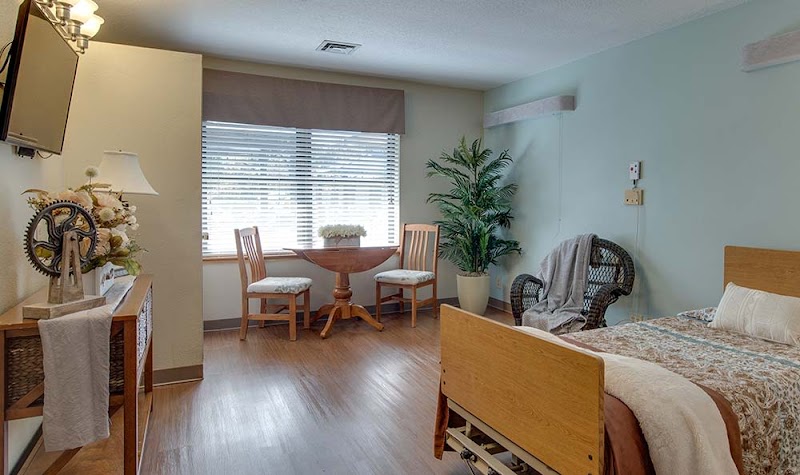
QUAKER HILL MANOR

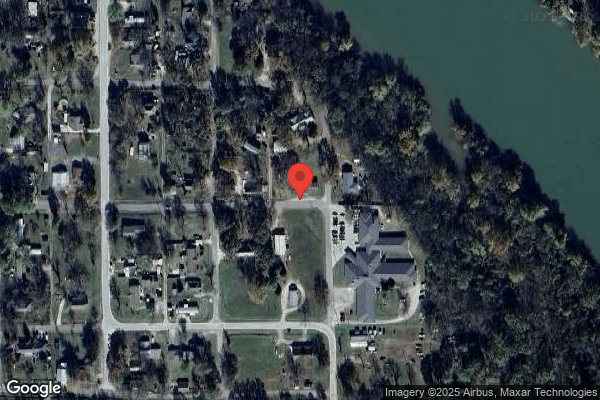
8675 SE 72ND TERRACE, BAXTER SPRINGS, KS 66713 (620) 848-3797
For profit - Limited Liability company 53 Beds AMERICARE SENIOR LIVING Data: November 2025
Trust Grade
80/100
#89 of 295 in KS
Last Inspection: February 2024

Within standard 12-15 month inspection cycle. Federal law requires annual inspections.

Overview

Quaker Hill Manor in Baxter Springs, Kansas, has a Trust Grade of B+, which means it is above average and recommended for potential residents. It ranks #89 out of 295 facilities in Kansas, placing it in the top half, and #2 out of 3 in Cherokee County, indicating strong local competition. However, the facility is experiencing a worsening trend, increasing from 3 issues in 2022 to 6 in 2024. Staffing is relatively stable with a 40% turnover rate, which is below the Kansas average of 48%, and there are no recorded fines, reflecting a compliance strength. On the downside, there have been notable concerns such as unsanitary food storage practices and a dirty kitchen environment, suggesting a need for improved hygiene and maintenance. Additionally, some residents did not receive bathing opportunities according to their preferences, highlighting gaps in personalized care. Overall, while Quaker Hill Manor has strengths in staffing and compliance, there are critical areas needing attention to enhance resident safety and comfort.

Trust Score
B+
80/100
In Kansas
#89/295
Top 30%
Safety Record
Low Risk
No red flags
Inspections
Getting Worse
3 → 6 violations
Staff Stability
○ Average
40% turnover. Near Kansas's 48% average. Typical for the industry.
Penalties
✓ Good
No fines on record. Clean compliance history, better than most Kansas facilities.
Skilled Nurses
⚠ Watch
Each resident gets only 29 minutes of Registered Nurse (RN) attention daily — below average for Kansas. Fewer RN minutes means fewer trained eyes watching for problems.
Violations
⚠ Watch
12 deficiencies on record. Higher than average. Multiple issues found across inspections.
★★★★☆
4.0
Overall Rating
★★★★☆
4.0
Staff Levels
★★★☆☆
3.0
Care Quality
★★★★☆
4.0
Inspection Score
Stable
2022: 3 issues
2024: 6 issues

The Good

  • 4-Star Staffing Rating · Above-average nurse staffing levels
  • Full Sprinkler Coverage · Fire safety systems throughout facility
  • No fines on record
  • Staff turnover below average (40%)

    8 points below Kansas average of 48%

Facility shows strength in staffing levels, fire safety.

The Bad

Staff Turnover: 40%

Near Kansas avg (46%)

Typical for the industry

Chain: AMERICARE SENIOR LIVING

Part of a multi-facility chain

Ask about local staffing decisions and management

The Ugly 12 deficiencies on record

Feb 2024 6 deficiencies
CONCERN (D)

Potential for Harm - no one hurt, but risky conditions existed

Deficiency F0561 (Tag F0561)

Could have caused harm · This affected 1 resident

**NOTE- TERMS IN BRACKETS HAVE BEEN EDITED TO PROTECT CONFIDENTIALITY** The facility reported a census of 44 residents with 14 residents selected for review which included three residents reviewed for...

Read full inspector narrative →
**NOTE- TERMS IN BRACKETS HAVE BEEN EDITED TO PROTECT CONFIDENTIALITY** The facility reported a census of 44 residents with 14 residents selected for review which included three residents reviewed for choices. Based on observation, interview, and record review, the facility failed to ensure bathing opportunities, per the residents' preferences, for two Residents (R)30 and R36, of the three residents reviewed for choices. Findings included: - Review of Resident (R)30's Physician Order Sheet dated 02/05/24, revealed diagnoses that included chronic obstructive pulmonary disease (COPD- progressive and irreversible condition characterized by diminished lung capacity and difficulty or discomfort in breathing), lymphedema (swelling caused by accumulation of fluid when the lymph system is damaged or blocked), and peripheral vascular disease (PVD- slow and progressive circulation disorder causing narrowing, blockage, or spasms in a blood vessel). The admission Minimum Data Set (MDS), dated [DATE], assessed the resident with a Brief Interview for Mental Status (BIMS) score of 15, which indicated intact cognition. The resident required partial to moderate assistance for bathing. The Activities of Daily Living (ADL)Functional/Rehabilitation Care Area Assessment (CAA), dated 08/10/23 assessed the resident at risk for decline of ADL due to exacerbation (worsening) of COPD. The Quarterly MDS dated [DATE], assessed the resident with a Brief Interview for Mental Status (BIMS) score of 15, which indicated intact cognition. The resident required substantial to maximum assistance for bathing. The Care Plan reviewed 11/06/23, instructed staff the resident required wound care for the lymphedema and to include washing his legs with soap and water and applying dressings. The resident was independent with bed mobility, dressing, toileting, and personal hygiene, but required assistance with bathing. On 02/07/24, the physician instructed staff to provide lymphedema wraps to R30's right lower extremity every Wednesday. Review of the Social Service Note dated 02/06/24, revealed the resident preferred a shower two to three times per week. Review of the Shower Schedule revealed the resident was scheduled for a shower on Wednesdays and Saturdays. Review of the Shower Sheets revealed the resident received a shower on 01/17/24, 01/20/24 (twice a week) and once a week on 01/24/24, 01/31/24, 02/07/24, and 02/14/24. Interview, on 02/12/24 at 01:45 PM, with the resident, revealed he did not receive bathing opportunities as frequently as he would like. Interview, on 02/14/24 at 12:47 PM with Licensed Nurse G, revealed the resident received a shower on Wednesdays at which time staff would remove the Unna boot (special gauze bandage) and then rewrap his right lower extremity after the shower. Interview, on 02/14/24 at 01:28 PM with Certified Nurse Aide (CNA) N, revealed if the bath aide was not working, other staff working the floor should provide bathing. Interview, on 02/14/24 at 12:24 PM with CNA M, revealed she provided bathing to the residents and works five days a week on Mondays through Fridays. Interview, on 02/15/24 at 10:30 AM with Administrative Nurse D, revealed the resident should receive bathing opportunities as per his preference as staff may wrap his lower extremities with a waterproof material during the shower. The facility Bathing Policy dated 01/01/20, instructed staff to provide bathing and grooming based on individual resident preferences. The facility failed to provide bathing opportunities to this resident two to three times a week as per his preference to promote wellbeing. - Review of Resident (R) 36's Physician Order Sheet dated 02/05/24, revealed diagnoses included multiple sclerosis (MS- progressive disease of the nerve fibers of the brain and spinal cord) and chronic obstructive pulmonary disease (COPD- progressive and irreversible condition characterized by diminished lung capacity and difficulty or discomfort in breathing). The admission Minimum Data Set (MDS), dated [DATE], assessed the resident with a Brief Interview for Mental Status (BIMS) score of 15, which indicated normal cognitive functioning. The Activities of Daily Living (ADL) Functional/Rehabilitation Care Area Assessment (CAA), dated 06/22/23, assessed the resident with impairment to perform ADL's due to MS and required staff assistance. The Quarterly MDS, dated 11/23/23, revealed the resident required substantial to maximum assistance with bathing. The Care Plan, reviewed 11/12/23, instructed staff to provide a shower two to three times per week. The Social Service Note dated 11/22/23, revealed the resident preferred a shower two to three times per week. Review of the Bathing Sheets revealed the resident received a bathing opportunity on 01/15/24 and 01/20/24 (twice a week), 01/29/24, 02/02/24 (twice a week), 02/05/24, 02/08/24 listed the resident as out of the facility) and on 02/12/24 (seven days later). Interview, on 02/12/24 at 02:00 PM the resident revealed he preferred to have more frequent bathing opportunities, but often went out of the facility for appointments and outings and missed bathing. Interview, on 02/14/24 at 01:28 PM with Certified Nurse Aide (CNA) N, revealed if the bath aide was not working, other staff working the floor should provide bathing. Interview, on 02/14/24 at 12:24 PM with CNA M, revealed she worked to provide bathing opportunities five days a week on Mondays through Fridays and would make up a missed bath the following day. Interview, on 02/15/24 at 10:30 AM, with Administrative Nurse D, revealed the resident should receive bathing opportunities as per his preference as staff. Administrative Nurse D stated the resident frequently went on outings, and this may contribute to his lack of showers, but she would expect staff to provide opportunities upon his return. The facility Bathing Policy dated 01/01/20, instructed staff to provide bathing and grooming based on individual resident preferences. The facility failed to provide bathing opportunities to this resident two to three times a week as per his preference to promote wellbeing.
CONCERN (D)

Potential for Harm - no one hurt, but risky conditions existed

Comprehensive Care Plan (Tag F0656)

Could have caused harm · This affected 1 resident

**NOTE- TERMS IN BRACKETS HAVE BEEN EDITED TO PROTECT CONFIDENTIALITY** The facility reported a census of 44 residents with 14 residents selected for review. Based on observation, interview and record...

Read full inspector narrative →
**NOTE- TERMS IN BRACKETS HAVE BEEN EDITED TO PROTECT CONFIDENTIALITY** The facility reported a census of 44 residents with 14 residents selected for review. Based on observation, interview and record review, the facility failed to develop a comprehensive care plan to include one Resident (R)26's use of Estrace (a female hormone) for inappropriate sexual behaviors. Findings included: - Review of Resident (R)26's Physician Order Sheet, dated 02/05/24, revealed diagnoses included hemiplegia/hemiparesis (weakness and paralysis on one side of the body),cerebral infarction (stroke - sudden death of brain cells due to lack of oxygen caused by impaired blood flow to the brain by blockage or rupture of an artery to the brain), aphasia (condition with disordered or absent language function), and major depressive disorder (major mood disorder which causes persistent feelings of sadness), The Annual Minimum Data Set (MDS), dated [DATE], assessed the resident with a Brief Interview for Mental Status (BIMS) score of 12, which indicated moderate cognitive impairment. The resident had no behaviors. The Psychotropic Drug Use Care Area Assessment (CAA), dated 10/19/23, assessed the resident used psychotropic (medications to alter mood or thought) medications daily. The resident received Celexa (an antidepressant) for major depressive disorder. The Care Plan reviewed 01/23/24, instructed staff the resident received Celexa and Trazodone for depression. The resident understood and followed tasks and required staff assistance of one for activities of daily living. The care plan indicated the resident (male) received Estrace (a female hormone with a black box warning of increased risk of endometrial (lining of the uterus) cancer. On 11/12/22, the physician instructed staff to administer Estrace (a female hormone) 0.5 milligrams daily. Review of the Progress Notes dated 09/13/22, revealed the resident received treatment at a behavioral health facility for inappropriate sexual behavior. The practitioner added Estrace to his medication regime for inappropriate sexual behavior on 09/13/22. Observation, on 02/13/24 at 09:10 AM, revealed the resident participating in therapy. Interview on 02/14/24 at 11:40 AM, with Administrative Nurse F, confirmed the care plan included the black box warning for female use of Estrace and did not indicate why R 26 (male) received this medication. Administrative Nurse F stated the diagnoses populated from the electronic record system for hormone replacement. Interview, on 02/14/24 at 03:30 PM, with Administrative Nurse D, confirmed the lack of appropriate diagnosis for use of Estrace for R26 and lack of care plan for inappropriate sexual behavior for this resident although he did not display the behavior since admission to the facility on [DATE]. The facility policy Resident Centered Care Plan Process revised 11/20/17, instructed implement an individualized interdisciplinary plan of care appropriate to their needs, strengths, and limitations. The facility failed to develop a comprehensive care plan to include the resident's use of Estrace for inappropriate behaviors to provide interventions for this resident's potential behaviors.
CONCERN (D)

Potential for Harm - no one hurt, but risky conditions existed

ADL Care (Tag F0677)

Could have caused harm · This affected 1 resident

**NOTE- TERMS IN BRACKETS HAVE BEEN EDITED TO PROTECT CONFIDENTIALITY** The facility reported a census of 44 residents with 14 residents sampled, including two residents reviewed for Activities of Dai...

Read full inspector narrative →
**NOTE- TERMS IN BRACKETS HAVE BEEN EDITED TO PROTECT CONFIDENTIALITY** The facility reported a census of 44 residents with 14 residents sampled, including two residents reviewed for Activities of Daily Living (ADL). Based on observation, interview, and record review, the facility failed to provide oral care for one dependent Resident (R)35. Findings included: - Review of Resident (R)35's electronic medical record (EMR) revealed a diagnosis of COVID (an acute disease in humans caused by a coronavirus, which is characterized mainly by fever and cough and is capable of progressing to severe symptoms and in some cases death, especially in older people and those with underlying health conditions). The Significant Change Minimum Data Set (MDS), dated [DATE], documented the resident had a Brief Interview for Mental Status (BIMS) score of zero, indicating severe cognitive impairment. She was dependent on staff for oral hygiene. The Activities of Daily Living (ADL)/Functional/Rehabilitation Potential Care Area Assessment (CAA), dated 02/05/24, did not trigger. The Quarterly MDS, dated 01/16/24, documented the resident had a BIMS score of 14. She was dependent on staff for oral hygiene. The ADL care plan, revised 01/16/24, instructed staff the resident was dependent on staff for oral hygiene. Review of the resident's EMR from 01/16/24 through 02/13/24, revealed the resident was mostly dependent on staff for oral hygiene. On 02/13/24 at 10:00 AM, Licensed Nurse (LN) I entered R35's room to provide cares. The resident had a build-up of a white substance on her lips and a build-up of a food on her teeth. LN I was unable to find any oral care supplies in the resident's room. LN I left the resident's room and returned with oral care supplies, LN I completed oral care using an oral swab. On 02/14/24 at 08:17 AM, the resident had a dried substance on her lips and her teeth were covered with a whitish substance. The resident had not yet had breakfast. On 02/14/24 at 11:49 AM, Certified Nurse Aide (CNA) P entered the resident's room to answer the call light. The resident continued to have dried food on her lips and a covering of food on her teeth. On 02/13/24 at 10:14 AM, CNA Q stated staff were to do oral care with the resident when she woke up in the morning and again after lunch. CNA Q confirmed he had not provided oral care to the resident that morning. On 02/13/24 at 10:49 AM, CNA P stated oral care should be done every time any cares are done with the resident. CNA P confirmed the resident's teeth had a layer of food/debris build-up on them. On 02/14/24 at 08:03 AM, LN I confirmed the resident's teeth were heavily soiled with food debris. On 02/15/24 at 08:58 AM, Administrative Nurse D stated it was the expectation for staff to complete oral care every morning and evening. The facility's policy for Oral Care, reviewed 01/01/24, included: It was the practice of the facility to provide oral care to residents in order to prevent and control plaque-associated oral diseases. The facility failed to provide adequate oral care for this dependent resident.
CONCERN (D)

Potential for Harm - no one hurt, but risky conditions existed

Deficiency F0757 (Tag F0757)

Could have caused harm · This affected 1 resident

**NOTE- TERMS IN BRACKETS HAVE BEEN EDITED TO PROTECT CONFIDENTIALITY** The facility reported a census of 44 residents with 14 residents selected for review which included five residents reviewed for ...

Read full inspector narrative →
**NOTE- TERMS IN BRACKETS HAVE BEEN EDITED TO PROTECT CONFIDENTIALITY** The facility reported a census of 44 residents with 14 residents selected for review which included five residents reviewed for unnecessary medications. Based on interview and record review, the facility failed to clarify the diagnoses for a medication for one Resident (R)26 of the five residents reviewed for medications. Findings included: - Review of Resident (R)26's Physician Order Sheet, dated 02/05/24, revealed diagnoses included hemiplegia/hemiparesis (weakness and paralysis on one side of the body), cerebral infarction (stroke - sudden death of brain cells due to lack of oxygen caused by impaired blood flow to the brain by blockage or rupture of an artery to the brain), aphasia (condition with disordered or absent language function), and major depressive disorder (major mood disorder which causes persistent feelings of sadness). The Annual Minimum Data Set (MDS), dated [DATE], assessed the resident with a Brief Interview for Mental Status (BIMS) score of 12, which indicated moderate cognitive impairment. The resident had no behaviors. The Psychotropic Drug Use Care Area Assessment (CAA), dated 10/19/23, assessed the resident used psychotropic (medications to alter mood or thought) medications daily. The resident received Celexa (an antidepressant) for major depressive disorder. The Care Plan reviewed 01/23/24, instructed staff the resident received Celexa and Trazodone for depression. The resident understood and followed tasks and required staff assistance of one for activities of daily living. The care plan indicated the resident (male) received Estrace (a female hormone with a black box warning of increased risk of endometrial (lining of the uterus) cancer. On 11/12/22, the physician instructed staff to administer Estrace (a female hormone) 0.5 milligrams daily. Review of the Progress Notes dated 09/13/22, revealed the resident received treatment at a behavioral health facility for inappropriate sexual behavior. The practitioner added Estrace to his medication regime for inappropriate sexual behavior on 09/13/22. Interview on 02/14/24 at 11:40 AM, with Administrative Nurse F, confirmed the care plan included the black box warning for female use of Estrace and did not indicate why R 26 (male) received this medication. Administrative Nurse F stated the diagnoses populated from the electronic record system for hormone replacement. Interview, on 02/14/24 at 03:30 PM, with Administrative Nurse D, confirmed the lack of appropriate diagnosis for use of Estrace for R26 and lack of care plan for inappropriate sexual behavior for this resident although he did not display the behavior since admission to the facility on [DATE]. The facility policy Medication Orders revised February 2023 instructed staff to include the diagnosis or indication for use of medication. The facility failed to identify the diagnoses for this resident's use of Estrace and failed to develop a comprehensive care plan to provide interventions for this resident's potential behaviors.
CONCERN (F)

Potential for Harm - no one hurt, but risky conditions existed

Food Safety (Tag F0812)

Could have caused harm · This affected most or all residents

The facility reported a census of 44 residents. Based on observation, record review, and interview, the facility failed to prepare and serve food under sanitary conditions, to the residents of the fac...

Read full inspector narrative →
The facility reported a census of 44 residents. Based on observation, record review, and interview, the facility failed to prepare and serve food under sanitary conditions, to the residents of the facility appropriately to prevent the potential for food borne bacteria. Findings included: - During an initial tour of the resident kitchenette, on 02/12/24 at 01:12 PM, the following areas of concern were noted in the resident refrigerator/freezer: 1. One box of store-bought pizzas that were undated and unlabeled. 2. An opened can of soda, half full, was undated and unlabeled. 3. One resident's half-eaten meal tray which was undated and unlabeled. 4. One bowl of mixed fruit was undated and unlabeled. 5. One bowl of a dessert was undated and unlabeled. 6. The temperature log on the refrigerator was dated December 2023. During an initial tour of the resident kitchenette, on 02/12/24 at 01:12 PM, the following areas of concern were noted: 1. The inside of the microwave had dried on food substances. 2. The inside of the sink had a build-up of soap scum and dried on food. 3. A coffee maker had dried-on coffee. 4. A 15 ounce (oz) opened bottle of flavored powdered coffee creamer was undated and unlabeled. 5. The rubber shelf liners in three of the four cabinets had a build-up of food debris and dust. 6. Two drawers contained spilled coffee grounds and food debris. During an initial tour of the main kitchen on 02/12/24 at 01:22 PM, the following areas of concern were noted: 1. An ice machine had a heavy build-up of dust and debris in the air vents and a build-up of dust on top of the ice machine. 2. A coffee machine had a thick layer of dried on coffee. 3. A microwave had dried on food debris on the front and the inside. 4. Two of six cabinet doors had a dried-on food substance. 5. Eight of 10 drawers had a dried, sticky substance on the rim with food debris on the inside of the drawers which held plastic pitcher lids, plastic eating utensils and plastic trash bags. 6. Two cabinet doors beneath the microwave and coffee maker had a build-up of food debris on the inside of the cabinet drawers. 7. Four of the four cabinet doors beneath the microwave and coffee maker had dried-on food debris and a dried-on liquid substance. 8. One of the reach-in refrigerators had two bowls of mixed fruit and one bowl of a dessert which were undated and unlabeled. 9. A plastic bowl of chopped onions were undated and unlabeled in the reach-in refrigerator. 10. A 48 oz container of salsa was undated and unlabeled in the reach-in refrigerator. 11. A container of shredded cheese was undated and unlabeled in the reach-in refrigerator. 12. The four-doored reach-in freezer had a build-up of food debris on the bottom. The front of the freezer doors had dried-on food and liquid substances. 13. A shelf underneath one worktable with boxes of plastic eating utensils, fruit and onions had a heavy build-up of food debris, dust and a sticky substance. 14. A metal shelf used to hold clean bowls, lids and other dishes had a build-up of dust and dirt. 15. One food preparation table had a rubber mat on the bottom shelf which contained a build-up of food debris. 16. A stationary can opener had a dried on sticky substance. 17. A blue, plastic container which held the inverted blender was completely covered in a dried-on sticky substance and was discolored. 18. A trash can next to the three-holed sink, had dried on food and liquid substances. 19. Two shelves above the three-holed sink, used to store clean pots and pans, had a layer of dust. 20. Twelve half cookie sheets were put away wet and had water droplets in the sheets. 21. Two toasters had a heavy build-up of crumbs on the inside and a sticky substance covering the toasters. On 02/12/24 at 01:41 PM, Dietary Staff BB stated she did not know the cookie sheets could not be put away while they were still wet. On 02/14/24 at 01:24 PM, Dietary Staff CC stated the refrigerator and microwave in the kitchenette was for resident food. The food items should be dated and labeled. The kitchen staff was responsible for cleaning the bistro area. Dietary Staff CC confirmed the areas of concern in the kitchen needed to be addressed. The facility policy for Sanitization, revised 10/2008, included: All kitchen areas and dining areas shall be kept clean. All utensils, counters, shelves and equipment shall be kept clean, maintained in good repair and shall be free from breaks, cracks and chipped areas that may affect their use or proper cleaning. Food preparation equipment will be allowed to air dry whenever practical. Ice machines will be cleaned. Kitchen and dining room surfaces shall be cleaned on a regular schedule and frequently enough to prevent accumulation of grime. The facility failed to prepare and serve food under sanitary conditions for the residents of the facility appropriately to prevent the potential for food borne bacteria.
CONCERN (F)

Potential for Harm - no one hurt, but risky conditions existed

Safe Environment (Tag F0921)

Could have caused harm · This affected most or all residents

The resident reported a census of 44 residents. Based on observation, interview, and record review, the facility failed to provide a safe, functional, sanitary, and comfortable environment for residen...

Read full inspector narrative →
The resident reported a census of 44 residents. Based on observation, interview, and record review, the facility failed to provide a safe, functional, sanitary, and comfortable environment for residents and staff. Findings included: - During the initial tour of the kitchen on 02/12/24 at 01:22 PM, the following area of concern was noted: The floor throughout the kitchen floor had areas which contained a dried, liquid, sticky substance and the parameter of the floor had a heavy build-up of dirt and grime. On 02/14/24 at 01:24 PM, Dietary Staff CC confirmed the kitchen floor parameter had a heavy build-up of dirt and grime. Dietary Staff CC stated staff were to keep the kitchen floor clean. The Daily Cleaning List revealed the kitchen floor was to be swept and mopped daily. The facility lacked a policy regarding the cleaning of kitchen floors. The facility failed to provide a safe, functional, sanitary and comfortable environment for residents and staff.
Jun 2022 3 deficiencies
CONCERN (D)

Potential for Harm - no one hurt, but risky conditions existed

Deficiency F0561 (Tag F0561)

Could have caused harm · This affected 1 resident

**NOTE- TERMS IN BRACKETS HAVE BEEN EDITED TO PROTECT CONFIDENTIALITY** The facility reported a census of 37 residents with 13 selected for review, including two residents reviewed for self-determinat...

Read full inspector narrative →
**NOTE- TERMS IN BRACKETS HAVE BEEN EDITED TO PROTECT CONFIDENTIALITY** The facility reported a census of 37 residents with 13 selected for review, including two residents reviewed for self-determination/choices. Based on observation, record review, and interview, the facility failed to honor one of the two residents bathing preferences, Resident (R)17, who requested baths on Saturdays so she was ready for church on Sundays. Findings included: - The electronic medical record (EMR), for Resident (R)17 included diagnoses of depression (abnormal emotional state characterized by exaggerated feelings of sadness, worthlessness, and emptiness) and anxiety (mental or emotional reaction characterized by apprehension, uncertainty and irrational fear). The admission Minimum Data Set (MDS), dated [DATE], assessed R17 with clear speech and able to make her needs known. The Brief Interview of Mental Status (BIMS) score was 14, indicating she was cognitively intact. She required physical help in part of bathing activity with assistance of two staff. It was very important for her to participate in religious activities and choose what type of bathing she wanted to receive. The Activities of Daily Living [ADL] Care Area Assessment (CAA), dated 04/18/22, revealed R17 had an alteration in her ADL function related to recent surgery and health decline. The Care Plan, dated 04/12/22, revealed R17 had difficulty with bathing/showering and required assistance of one staff. Staff needed to encourage her to bathe at least weekly as her family reported she would not bathe as often as she should. The care plan lacked her preference for bathing. Review of the EMR for bathing preferences lacked R17's preference and the frequency as needed. The Skin Communication Form revealed the staff provided bathing to the resident on the following Saturdays: 05/28/22, 06/04/22, and 06/11/22. Bathing did not occur on 05/14/22 and 05/21/22. R17 missed two of six Saturday's reviewed for bathing. On 06/13/21 at 01:25 PM, R17 stated sometimes she has problems getting a shower on Saturdays. She had to call her family to call the facility because the staff would not listen to her. R17 stated she liked her shower on Saturday so that on Sunday all she had to do was to get dressed and put on her makeup so she would be ready for church that morning when her family came to get her. On 06/15/22 at 09:51 AM, Certified Nurse Aide (CNA) R stated there was a list of what baths are scheduled on what days. CNA R stated that R17 wanted her baths on Saturdays, and she was not typically on duty on Saturdays to assist with bathing. CNA M was at the facility on Saturdays to do her bathing. The EMR will have the residents' preferences for bathing and the staff filled out a skin sheet when the bathing was done. On 06/16/22 at 11:02 AM, an unidentified family member stated he has had to call the facility for the resident to get her shower done. He further explained that the resident wanted one done on Saturdays and at 09:15 AM on Sundays the family picks her up to take her to church. The family member stated he has called twice in the last month to request her shower to get done or have been in to visit and had to ask the staff to please be sure bathing gets done that day. I ask the staff that if she refused a shower to call me and I have not received a call to let me know she ever refused. On 06/16/22 at 11:17 AM, Licensed Nurse (LN) G stated that bathing preference was determined upon admission and placed on the care plan and the bath aide notified of the preference, then the bath aide will ask them what days they prefer bathing. The preference is put into the EMR and would alert the staff to the days of preferred bathing and would be on the care plan. R17 prefers a bath twice a week with definitely one being on Saturday because she goes to church on Sunday. There were times she has refused a shower and I notify the nephew and he will sometimes call her and reference her last shower and then she will take one after that. LN G confirmed the EMR and the care plan lacked R17's bathing preferences. On 06/16/22 at 11:28 AM, CNA M stated she works on Saturday's, usually works the floor and will give baths if CNA R was off. There was a list of everyone and their bath day and when bathed, documentation would be done on the skin assessment communication sheet and put in the EMR. R17 preferred to bathe on Saturdays always. If unable to assist her with bathing on the day shift then the evening shift would do it. CNA M stated her family was in several Saturday's ago around shift change at 02:00 PM and asked about her bathing and one of the staff said they would give her a shower. On 06/16/22 at 11:36 AM, Administrative Nurse D stated the EMR should have a resident's bathing preference and there is a schedule for bathing. The bathing preference should also be on the care plan. Generally, there is a bath aide here on Saturday's. R17 can be difficult to get to bathe, was not aware of her wanting one on Saturday, and did not know she went out on Sunday's. The facility policy Bathing Policy, dated 01/01/20, revealed it was the policy of the facility to provide bathing and grooming based on individual resident preference. The resident or their responsible party will be interviewed upon admission to the facility regarding bathing preferences. Bathing preferences will include time of day, type of bathing, frequency of bathing, and preference regarding shaving/facial hair. Preferences gleaned from this interview will be reflected on the comprehensive care plan. Preferences will be reviewed quarterly and as needed and updated accordingly. The facility failed to provide bathing per the resident's preference/choices on Saturdays for two of six opportunities.
CONCERN (D)

Potential for Harm - no one hurt, but risky conditions existed

Deficiency F0657 (Tag F0657)

Could have caused harm · This affected 1 resident

**NOTE- TERMS IN BRACKETS HAVE BEEN EDITED TO PROTECT CONFIDENTIALITY** The facility reported a census of 37 residents with 13 selected for review. Based on observation, record review, and interview, ...

Read full inspector narrative →
**NOTE- TERMS IN BRACKETS HAVE BEEN EDITED TO PROTECT CONFIDENTIALITY** The facility reported a census of 37 residents with 13 selected for review. Based on observation, record review, and interview, the facility failed to review and revise the care plan for two sampled residents, Resident (R)17 with bathing preferences/choices and R21 with interventions post falls to prevent further fall occurrences. Findings included: - The admission Minimum Data Set (MDS), dated [DATE], assessed R17 with clear speech and able to make her needs known. The Brief Interview of Mental Status (BIMS) score was 14, indicating she was cognitively intact. She required physical help in part of bathing activity with assistance of two staff. It was very important for her to participate in religious activities and choose what type of bathing she wanted to receive. The Care Plan, dated 04/12/22, revealed R17 had difficulty with bathing/showering and required assistance of one staff. Staff needed to encourage her to bathe at least weekly as her family reported she would not bathe as often as she should. The care plan lacked her preference for bathing related to the choice of Saturdays so she would be ready for church sooner on Sundays. Review of the EMR for bathing preferences lacked R17's preference and the frequency as needed. The Skin Communication Form revealed the staff provided bathing to the resident on the following Saturdays: 05/28/22, 06/04/22, and 06/11/22. Bathing did not occur on 05/14/22 and 05/21/22. R17 missed two of six Saturday's reviewed for bathing. On 06/13/21 at 01:25 PM, R17 stated sometimes she has problems getting a shower on Saturdays. She had to call her family to call the facility because the staff would not listen to her. R17 stated she liked her shower on Saturday so that on Sunday all she had to do was to get dressed and put on her makeup so she would be ready for church that morning when her family came to get her. On 06/15/22 at 09:51 AM, Certified Nurse Aide (CNA) R stated there was a list of what baths are scheduled on what days. CNA R stated that R17 wanted her baths on Saturdays, and she was not typically on duty on Saturdays to assist with bathing. CNA M was at the facility on Saturdays to do her bathing. The EMR will have the residents' preferences for bathing and the staff filled out a skin sheet when the bathing was done. On 06/16/22 at 11:02 AM, an unidentified family member stated he has had to call the facility for the resident to get her shower done. He further explained that the resident wanted one done on Saturdays and at 09:15 AM on Sundays the family picks her up to take her to church. The family member stated he has called twice in the last month to request her shower to get done or have been in to visit and had to ask the staff to please be sure bathing gets done that day. I ask the staff that if she refused a shower to call me and I have not received a call to let me know she ever refused. On 06/16/22 at 11:17 AM, Licensed Nurse (LN) G stated that bathing preference was determined upon admission and placed on the care plan and the bath aide notified of the preference, then the bath aide will ask them what days they prefer bathing. The preference is put into the EMR and would alert the staff to the days of preferred bathing and would be on the care plan. R17 prefers a bath twice a week with definitely one being on Saturday because she goes to church on Sunday. There were times she has refused a shower and I notify the nephew and he will sometimes call her and reference her last shower and then she will take one after that. LN G confirmed the EMR and the care plan lacked R17's bathing preferences. On 06/16/22 at 11:28 AM, CNA M stated she works on Saturday's, usually works the floor and will give baths if CNA R was off. There was a list of everyone and their bath day and when bathed, documentation would be done on the skin assessment communication sheet and put in the EMR. R17 preferred to bathe on Saturdays always. If unable to assist her with bathing on the day shift then the evening shift would do it. CNA M stated her family was in several Saturday's ago around shift change at 02:00 PM and asked about her bathing and one of the staff said they would give her a shower. On 06/16/22 at 11:36 AM, Administrative Nurse D stated the EMR should have a resident's bathing preference and there is a schedule for bathing. The bathing preference should also be on the care plan. Generally, there is a bath aide here on Saturday's. R17 can be difficult to get to bathe, was not aware of her wanting one on Saturday, and did not know she went out on Sunday's. The facility policy Bathing Policy, dated 01/01/20, revealed it was the policy of the facility to provide bathing and grooming based on individual resident preference. The resident or their responsible party will be interviewed upon admission to the facility regarding bathing preferences. Bathing preferences will include time of day, type of bathing, frequency of bathing, and preference regarding shaving/facial hair. Preferences gleaned from this interview will be reflected on the comprehensive care plan. Preferences will be reviewed quarterly and as needed and updated accordingly. The facility failed to review and revise this resident's care plan to include her personal choices on when she wanted her baths related to her church outings on Sundays. - The electronic medical record (EMR), for Resident (R)21, included diagnoses of aftercare of fracture of right femur (thigh bone), fracture of left humerus (bone of the upper arm), and dementia (progressive mental disorder characterized by failing memory, confusion). She admitted to the facility on [DATE]. The admission Minimum Data Set (MDS), dated [DATE], assessed R21 with a Brief Interview of Mental Status (BIMS) score of ten, indicating moderate cognitive impairment. She required extensive assistance of two staff for transfers, did not ambulate, had range of motion impairment to one side of her upper extremities, and used a wheelchair for locomotion. R21 had a fall in the past month prior to admission and had a fracture related fall in the past six months prior to admission. She had not had any falls since admission to the facility. The Significant Change MDS, dated 07/27/21, assessed R21 with a BIMS score of eight, indicating moderate cognitive impairment. She had no changes to her transfer or ambulation status and continued to use a wheelchair for mobility. She had an impairment of her range of motion to one side of her lower extremities and no impairment to her upper extremities. R21 had not had any falls since reentry to the facility. The Cognitive Loss/Dementia Care Area Assessment (CAA), dated 08/03/21, revealed R21 had problems with both short and long term memory recall. The Activities of Daily Living [ADL] CAA. Dated 08/03/21, revealed R21 required extensive assist with ADL's and readmitted to the facility with a fracture to her right femur. She needed two staff to assist her with transfers, was not ambulating, and used a wheelchair for mobility. The Falls CAA, dated 08/03/21, revealed R21 was at risk for falls due to weakness and medication side effects. She required extensive assist of two staff for transfers and used a wheelchair for mobility needs. R21 sustained a femur fracture following a fall and required reminders not to get herself up. The Quarterly MDS, dated 04/27/22, assessed R21 with a BIMS score of seven, indicating severe cognitive impairment. There were no changes to her transfers, ambulation status, and method of mobility. She had no range of motion impairment to her upper for lower extremities and did not have any falls. The Care Plan, dated 05/05/21 revealed R21 was at risk for falls due to weakness and required extensive assistance from staff with transfers and ambulation. Staff were to keep frequently used items within reach and keep pathways free of clutter. The wheelchair was her primary mode of locomotion. The Baseline Care Plan, dated 07/22/21, revealed R21 was at risk for falls/had a history of falls. Her bed was against the wall, call light with pink tape, non-skid socks, and non-skid strips. She required assistance of two for transfers, did not ambulate, and was dependent on staff for locomotion. The Care Plan, dated 05/05/22, revealed R21 required extensive assistance of two staff members for transfers and continued to have a risk for falling. Staff were to assist with transfers, keep frequently used items within reach and keep pathways clear and free of clutter. On 07/17/21 additional intervention added for pink tape to be on her call light as a visual cue to use her call light. Additionally, the care plan included R21 had difficulty remembering and would become easily confused related to her long-term memory loss. The Progress Note, dated 07/12/21 at 02:44 AM, revealed R21 fell at 07:43 PM, and stated she was trying to get up and slid off the side of the bed. The Post Fall Evaluation, dated 07/12/21 lacked a post fall intervention to prevent further falls. The Progress Note, dated 07/15/21 at 12:06 AM, revealed R21 had a fall on the previous shift at approximately 03:30 PM. The staff placed R21 on every 30-minute visual checks at this time as an intervention to attempt to prevent fall risk. The staff failed to implement an immediate intervention post fall to prevent further falls. The Witness Statement from Certified Nurse Aide (CNA) P, dated 07/14/21, revealed R21 stated she was trying to get out of bed and the Stupid wheelchair moved. The Witness Statement from CNA Q, dated 07/14/21, revealed R21 was sitting against the wall on her bottom with the wheelchair next to her unlocked. The facility failed to put an appropriate intervention in place to keep the wheelchair from moving when the resident attempted to transfer herself. The Progress Note, dated 07/19/21 at 07:13 AM, revealed at approximately 04:10 AM, a scream was heard down the hall. R21 was in her room located between the beds by the counter with her wheelchair behind her screaming in pain. R21 complained of right leg and hip pain and had shortening of the leg at that time. The facility received an order to x-ray the right hip, then to send R21 to the emergency room after results received. The Witness Statement from CNA LL, dated 07/19/21, revealed she assisted R21 into dry pajamas and a clean brief a hour and a half before the fall. CNA LL left the wheelchair under the counter away from her so she would not get into it and be tempted to take a walk. She had clipped her call light to her shirt, but it was on the other bed when she arrived to the room. The Interdisciplinary Team [IDT] Review/Investigation for the fall on 07/19/21 included R21 stated she unlocked her wheelchair to take a walk and it slipped away from her and she fell. The IDT recommendation included a pink strip added to the call light to remind her to call out for assistance with transfers. The intervention was a repeat intervention from a fall R21 had on 06/09/21. The EMR revealed R21 had a right femur fracture that had been surgically repaired and returned to the facility on [DATE]. On 06/13/21 at 04:41 PM, a family member reported that R21 had fell at home and has fallen at the facility and broke her hip once, and the thought the first two times she fell the brakes were not set on the wheelchair. On 06/14/22 at 12:34 PM, CNA N and CNA O transferred R21 from her wheelchair to her bed. The call light lacked pink tape on it and the floor by the bed lacked the planned non-skid strips. On 06/14/22 at 12:47 PM, CNA N stated she had not seen any pink tape on her call light and that R21 has never turned her call light on when she has been on duty. On 06/16/22 at 04:10 PM, Administrative Staff A stated R21 had moved from another room and that her call light now had the pink tape on it. On 06/20/22 at 02:32 PM, Administrative Staff A stated a new intervention was not implemented following the fall on 07/11/21. She had thought non-skid strips by the bed was, but that was the intervention implemented for the resident's fall on 07/05/22. She would expect the staff to come up with a new intervention after each fall and update the care plan. When R21 returned from the hospital on [DATE], a low bed was put in place. The facility policy Accident/Incident Committee dated 11/20/20, revealed the purpose of the policy was to review post incident documentation to ensure that adequate interventions have been put into place to reduce the risk of future occurrences, including falls. A meeting would be held the morning after the incident occurred or within a reasonable time frame with the Administrator, Director of Nursing, Assistant Director of Nursing/Safety Nurse, and any other pertinent department managers, therapy personnel, or frontline staff. The meeting will include discussion, review and/or revision of the Post-Fall Assessment to ensure completion and review the care plan to ensure immediate interventions were put into place after the incident. The facility policy Resident Centered Care Plan Process, dated 03/28/18, revealed it was the policy of the facility to provide individualized, interdisciplinary plan of care for all residents that was appropriate to their needs, strengths, limitations, and goals based on initial, recurrent and continual needs. At 90-day intervals, or more frequently based on response to the resident's condition and request of the resident, the interdisciplinary care team will revise the plan for care, treatment, and services. The facility failed to review and revise the care plan for R21 with interventions implemented post falls to prevent further fall occurrences.
CONCERN (D)

Potential for Harm - no one hurt, but risky conditions existed

Accident Prevention (Tag F0689)

Could have caused harm · This affected 1 resident

**NOTE- TERMS IN BRACKETS HAVE BEEN EDITED TO PROTECT CONFIDENTIALITY** The facility reported a census of 37 residents with 13 selected for review including three residents reviewed for accidents. Bas...

Read full inspector narrative →
**NOTE- TERMS IN BRACKETS HAVE BEEN EDITED TO PROTECT CONFIDENTIALITY** The facility reported a census of 37 residents with 13 selected for review including three residents reviewed for accidents. Based on observation, interview, and record review the facility failed to follow planned fall interventions and implement a new and/or appropriate intervention for one of the two residents, Resident (R)21, to prevent occurrence of additional falls for this resident with multiple falls. Findings included: - The electronic medical record (EMR), for Resident (R)21, included diagnoses of aftercare of fracture of right femur (thigh bone), fracture of left humerus (bone of the upper arm), and dementia (progressive mental disorder characterized by failing memory, confusion). She admitted to the facility on [DATE]. The admission Minimum Data Set (MDS), dated [DATE], assessed R21 with a Brief Interview of Mental Status (BIMS) score of ten, indicating moderate cognitive impairment. She required extensive assistance of two staff for transfers, did not ambulate, had range of motion impairment to one side of her upper extremities, and used a wheelchair for locomotion. R21 had a fall in the past month prior to admission and had a fracture related fall in the past six months prior to admission. She had not had any falls since admission to the facility. The Significant Change MDS, dated 07/27/21, assessed R21 with a BIMS score of eight, indicating moderate cognitive impairment. She had no changes to her transfer or ambulation status and continued to use a wheelchair for mobility. She had an impairment of her range of motion to one side of her lower extremities and no impairment to her upper extremities. R21 had not had any falls since reentry to the facility. The Cognitive Loss/Dementia Care Area Assessment (CAA), dated 08/03/21, revealed R21 had problems with both short and long term memory recall. The Activities of Daily Living [ADL] CAA. Dated 08/03/21, revealed R21 required extensive assist with ADL's and readmitted to the facility with a fracture to her right femur. She needed two staff to assist her with transfers, was not ambulating, and used a wheelchair for mobility. The Falls CAA, dated 08/03/21, revealed R21 was at risk for falls due to weakness and medication side effects. She required extensive assist of two staff for transfers and used a wheelchair for mobility needs. R21 sustained a femur fracture following a fall and required reminders not to get herself up. The Quarterly MDS, dated 04/27/22, assessed R21 with a BIMS score of seven, indicating severe cognitive impairment. There were no changes to her transfers, ambulation status, and method of mobility. She had no range of motion impairment to her upper for lower extremities and did not have any falls. The Care Plan, dated 05/05/21 revealed R21 was at risk for falls due to weakness and required extensive assistance from staff with transfers and ambulation. Staff were to keep frequently used items within reach and keep pathways free of clutter. The wheelchair was her primary mode of locomotion. The Baseline Care Plan, dated 07/22/21, revealed R21 was at risk for falls/had a history of falls. Her bed was against the wall, call light with pink tape, non-skid socks, and non-skid strips. She required assistance of two for transfers, did not ambulate, and was dependent on staff for locomotion. The Care Plan, dated 05/05/22, revealed R21 required extensive assistance of two staff members for transfers and continued to have a risk for falling. Staff were to assist with transfers, keep frequently used items within reach and keep pathways clear and free of clutter. On 07/17/21 additional intervention added for pink tape to be on her call light as a visual cue to use her call light. Additionally, the care plan included R21 had difficulty remembering and would become easily confused related to her long-term memory loss. The Progress Note, dated 07/12/21 at 02:44 AM, revealed R21 fell at 07:43 PM, and stated she was trying to get up and slid off the side of the bed. The Post Fall Evaluation, dated 07/12/21 lacked a post fall intervention to prevent further falls. The Progress Note, dated 07/15/21 at 12:06 AM, revealed R21 had a fall on the previous shift at approximately 03:30 PM. The staff placed R21 on every 30-minute visual checks at this time as an intervention to attempt to prevent fall risk. The staff failed to implement an immediate intervention post fall to prevent further falls. The Witness Statement from Certified Nurse Aide (CNA) P, dated 07/14/21, revealed R21 stated she was trying to get out of bed and the Stupid wheelchair moved. The Witness Statement from CNA Q, dated 07/14/21, revealed R21 was sitting against the wall on her bottom with the wheelchair next to her unlocked. The facility failed to put an appropriate intervention in place to keep the wheelchair from moving when the resident attempted to transfer herself. The Progress Note, dated 07/19/21 at 07:13 AM, revealed at approximately 04:10 AM, a scream was heard down the hall. R21 was in her room located between the beds by the counter with her wheelchair behind her screaming in pain. R21 complained of right leg and hip pain and had shortening of the leg at that time. The facility received an order to x-ray the right hip, then to send R21 to the emergency room after results received. The Witness Statement from CNA LL, dated 07/19/21, revealed she assisted R21 into dry pajamas and a clean brief a hour and a half before the fall. CNA LL left the wheelchair under the counter away from her so she would not get into it and be tempted to take a walk. She had clipped her call light to her shirt, but it was on the other bed when she arrived to the room. The Interdisciplinary Team [IDT] Review/Investigation for the fall on 07/19/21 included R21 stated she unlocked her wheelchair to take a walk and it slipped away from her and she fell. The IDT recommendation included a pink strip added to the call light to remind her to call out for assistance with transfers. The intervention was a repeat intervention from a fall R21 had on 06/09/21. The EMR revealed R21 had a right femur fracture that had been surgically repaired and returned to the facility on [DATE]. On 06/13/21 at 04:41 PM, a family member reported that R21 had fell at home and has fallen at the facility and broke her hip once, and the thought the first two times she fell the brakes were not set on the wheelchair. On 06/14/22 at 12:34 PM, CNA N and CNA O transferred R21 from her wheelchair to her bed. The call light lacked pink tape on it and the floor by the bed lacked the planned non-skid strips. On 06/14/22 at 12:47 PM, CNA N stated she had not seen any pink tape on her call light and that R21 has never turned her call light on when she has been on duty. On 06/16/22 at 04:10 PM, Administrative Staff A stated R21 had moved from another room and that her call light now had the pink tape on it. On 06/20/22 at 02:32 PM, Administrative Staff A stated a new intervention was not implemented following the fall on 07/11/21. She had thought non-skid strips by the bed was, but that was the intervention implemented for the resident's fall on 07/05/22. She would expect the staff to come up with a new intervention after each fall and update the care plan. When R21 returned from the hospital on [DATE], a low bed was put in place. The facility policy Accident/Incident Committee dated 11/20/20, revealed the purpose of the policy was to review post incident documentation to ensure that adequate interventions have been put into place to reduce the risk of future occurrences, including falls. A meeting would be held the morning after the incident occurred or within a reasonable time frame with the Administrator, Director of Nursing, Assistant Director of Nursing/Safety Nurse, and any other pertinent department managers, therapy personnel, or frontline staff. The meeting will include discussion, review and/or revision of the Post-Fall Assessment to ensure completion and review the care plan to ensure immediate interventions were put into place after the incident. The facility failed to follow planned fall interventions and failed to implement a new and/or appropriate intervention for the resident, to prevent reoccurrence of additional falls for this resident with multiple falls.
Oct 2020 3 deficiencies
CONCERN (D)

Potential for Harm - no one hurt, but risky conditions existed

Deficiency F0657 (Tag F0657)

Could have caused harm · This affected 1 resident

**NOTE- TERMS IN BRACKETS HAVE BEEN EDITED TO PROTECT CONFIDENTIALITY** The facility reported a census of 28 resident with 12 selected for review, including one resident reviewed for dialysis care. Ba...

Read full inspector narrative →
**NOTE- TERMS IN BRACKETS HAVE BEEN EDITED TO PROTECT CONFIDENTIALITY** The facility reported a census of 28 resident with 12 selected for review, including one resident reviewed for dialysis care. Based on interviews and record review, the facility failed to review and revise the care plan for Resident (R) 2 with interventions to monitor and assess for complications related to dialysis care. Findings Included: - Review of R2's physician orders, dated 09/05/2020, documented the resident admitted on [DATE], with the diagnoses that included: atrial fibrillation (rapid, irregular heart beat), chronic obstructive pulmonary disease (progressive and irreversible condition characterized by diminished lung capacity and difficulty or discomfort in breathing), hypertension (elevated blood pressure), end stage renal disease (inability of the kidneys to excrete wastes, concentrate urine and conserve electrolytes), and dependence on renal dialysis. Review of R2's plan of care, dated 06/17/2020, lacked direction to staff regarding assessing the dressing every shift and/or when to remove the pressure dressing, no blood pressures, venipunctures (the puncture of a vein as part of a medical procedure, typically to withdraw a blood sample or for an intravenous injection), finger sticks, in left arm due to the dialysis fistula (a blood vessel made wider and stronger by a surgeon to handle the needles that allow blood flow out to and return from a dialysis machine). The care plan lacked instruction to include assessing thrill (a fine vibration felt which reflects the blood flow by a dialysis resident's shunt) or bruit (blowing or swishing sound heard which reflects the blood flow with a dialysis resident's shunt) to the fistula every shift or as needed. On 10/15/2020 at 10:40 AM, Administrative Nurse D verified the care plan was not updated to include interventions for the assessment and monitoring of the fistula site for this resident. On 10/1/2020 at 12:37 PM, Administrative Staff A, confirmed and verified the care plan lacked documentation to assess/monitor the fistula site. The facility's policy, Hemo-Dialysis, dated 04/02/2018, documentation included the management of the elder's overall comprehensive plan of care related to dialysis is the responsibility of the facility. The facility failed to review and revise R2's care plan with interventions to include the monitoring and assessment of the resident requiring dialysis.
CONCERN (D)

Potential for Harm - no one hurt, but risky conditions existed

ADL Care (Tag F0677)

Could have caused harm · This affected 1 resident

**NOTE- TERMS IN BRACKETS HAVE BEEN EDITED TO PROTECT CONFIDENTIALITY** The facility reported a census of 28 residents with 12 residents selected for review including two residents reviewed for activi...

Read full inspector narrative →
**NOTE- TERMS IN BRACKETS HAVE BEEN EDITED TO PROTECT CONFIDENTIALITY** The facility reported a census of 28 residents with 12 residents selected for review including two residents reviewed for activities of daily living (ADL's). Based on observation, interview, and record review, the facility failed to ensure one of the two sampled residents, Resident (R)14, received appropriate personal hygiene assistance needed for trimming and cleaning of his fingernails. Findings included: - The physician orders, dated 09/29/20, for Resident (R)14, included diagnoses of mild cognitive impairment, muscle weakness, and need for assistance with personal care. The admission Minimum Data Set (MDS), dated [DATE], assessed R14 as having a Brief Interview of Mental Status (BIMS) score of 8, indicating moderate cognitive impairment. He required limited assistance of one staff for personal hygiene. The ADL (activities of daily living) Care Area Assessment (CAA), dated 02/03/20, indicated R14 had physical deconditioning related to a recent hospitalization for congestive heart failure (CHF- a condition with low heart output and the body becomes congested with fluid). R14's daughter reported he was independent with ADL's except for bathing prior to his hospitalization. R14 required limited assistance with most ADL's except bathing. The quarterly MDS, dated 07/28/20, assessed R14 as having a BIMS score of 8 and was independent with personal hygiene without setup assistance required. The care plan, dated 07/28/20, indicated that R14 had difficulty with bathing/showering, bed mobility, toilet use, transfers, dressing, eating, ambulation, and locomotion related to decreased physical functioning from his recent hospitalization. An intervention, added 10/07/20, directed the staff that R14 required extensive assist of one with grooming. The electronic medical record (EMR), under the MDS tab, revealed R14 discharged from the facility with return anticipated on 10/02/20 and returned to the facility on [DATE]. On 10/12/20 at 02:14 PM, observation revealed R14's fingernails were long with some of his nails containing a dark substance underneath them. On 10/13/20 at 08:30 AM, observation revealed R14's fingernails continued to be long with a dark substance underneath some of his nails. On 10/14/20 at 08:13 AM, observation revealed R14's fingernails continued to be long with a dark substance underneath some of his nails. Review of the bathing schedule dated 10/11/20 through 10/17/20 indicated at the bottom of the schedule that R14 bathed himself. On 10/14/20 at 02:32 PM, Certified Nurse Aide (CNA) M revealed R14 liked to bathe every three to four days and staff should put him on the scheduled now since he required assistance. On 10/15/20 at 08:48 AM, R14 continued with long fingernails with some of them containing a dark substance underneath. On 10/15/20 at 08:49 AM, R14 revealed he did not know if the staff helped with nail care and he reported his fingernails needed trimmed and cleaned. On 10/15/20 at 09:29 AM, Administrative Staff A revealed that R14 had not been updated on the bathing schedule, since reentry into the facility on [DATE], and that a former employee updated and monitored those sheets. Physical therapy and occupational therapy worked together to give him a partial bath yesterday and on 10/13/20 CNA N attempted but the resident refused. On 10/15/20 at 09:40 AM, Administrative Staff A revealed that R14's nails needed trimmed and cleaned. The facility policy Cleaning and Trimming Nails, dated 03/08/19, directed that cleaned and trimmed fingernails were important for resident's overall health, bacteria often collect under and around nailbeds. Fingernails will be kept clean, neatly trimmed, and smooth to prevent injury to the resident's skin. The facility failed to ensure R14 received appropriate personal hygiene assistance needed for trimming and cleaning of his fingernails.
CONCERN (D)

Potential for Harm - no one hurt, but risky conditions existed

Deficiency F0698 (Tag F0698)

Could have caused harm · This affected 1 resident

**NOTE- TERMS IN BRACKETS HAVE BEEN EDITED TO PROTECT CONFIDENTIALITY** The facility reported a census of 28 resident. The 12 selected included one resident reviewed for dialysis care. Based on interv...

Read full inspector narrative →
**NOTE- TERMS IN BRACKETS HAVE BEEN EDITED TO PROTECT CONFIDENTIALITY** The facility reported a census of 28 resident. The 12 selected included one resident reviewed for dialysis care. Based on interview and record review, the facility failed to ensure Resident (R) 2, sampled for dialysis, received cares consistent with professional standards of practice. Findings included: - Review of R2's physician orders, dated 09/05/2020, documented the resident admitted on [DATE], with the diagnoses that included: atrial fibrillation (rapid, irregular heart beat), chronic obstructive pulmonary disease (progressive and irreversible condition characterized by diminished lung capacity and difficulty or discomfort in breathing), hypertension (elevated blood pressure), end stage renal disease (inability of the kidneys to excrete wastes, concentrate urine and conserve electrolytes), and dependence on renal dialysis. Review of R2's plan of care, dated 06/17/2020, lacked direction to staff regarding post dialysis that included guidance for assessment of the dressing post dialysis and/or when staff should remove the pressure dressing, blood pressure monitoring, venipunctures (the puncture of a vein as part of a medical procedure, typically to withdraw a blood sample or for an intravenous injection), or finger sticks, in the left arm due to the dialysis fistula (a blood vessel made wider and stronger by a surgeon to handle the needles that allow blood flow out to and return from a dialysis machine). The care plan lacked instruction to include assessing thrill (a fine vibration felt which reflects the blood flow by a dialysis resident's shunt) or bruit (blowing or swishing sound heard which reflects the blood flow with a dialysis resident's shunt) to the fistula. The review of R2's medical record, July, August, and September2020, lacked documentation of assessment of the resident's fistula site, every shift. On 10/14/2020 at 02:34 PM, Certified Nurse Aide (CNA) O, reported the resident attends dialysis on Monday, Wednesday, and Friday. If there was bleeding from the site, she would notify the nurse to assess the resident. On 10/15/2020 at 09:40 AM, Certified Medication Aide (CMA) R, reported if the resident were to have bleeding from the site, the nurse would be notified. On 10/15/2020 at 10:35 AM, Licensed Nurse (LN) G, reported on dialysis days, staff should complete a Pre/Post Evaluation Assessment. The evening the resident returns from dialysis, the site should be assessed several times. On 10/15/2020 at 10:40 AM, Administrative Nurse D verified the dialysis sites are assessed after treatment on Monday, Wednesday, and Friday, but should be assessed for thrill or bruit and bleeding every shift. She verified staff failed to provide proper assessment of the dialysis site. On 10/15/2020 at 12:37 PM, Administrative Staff A, verified expectations included staff monitoring the site every shift and monitor for thrill or bruit every shift. She verified that was not being completed. The facility policy, Hemo-Dialysis Policy, dated 04/02/2018, documented for elders with fistulas and grafts, inform all staff of the following: No blood pressures, venipunctures, finger sticks, ABG's in the affected arm, assess thrill or bruit every shift and record, and assess for bleeding every shift; do not remove pressure dressings until bleeding has completely stopped and notify the dialysis center of any bleeding. The facility failed to ensure that this resident who required dialysis receive such monitoring and services, were consistent with the professional standards of practice.
Understanding Severity Codes (click to expand)
Life-Threatening (Immediate Jeopardy)
J - Isolated K - Pattern L - Widespread
Actual Harm
G - Isolated H - Pattern I - Widespread
Potential for Harm
D - Isolated E - Pattern F - Widespread
No Harm (Minor)
A - Isolated B - Pattern C - Widespread

Questions to Ask on Your Visit

  • "Can I speak with families of current residents?"
  • "What's your RN coverage like on weekends and overnight?"

Our Honest Assessment

Strengths
  • • Grade B+ (80/100). Above average facility, better than most options in Kansas.
  • • No major safety red flags. No abuse findings, life-threatening violations, or SFF status.
  • • No fines on record. Clean compliance history, better than most Kansas facilities.
  • • 40% turnover. Below Kansas's 48% average. Good staff retention means consistent care.
Concerns
  • • 12 deficiencies on record. Higher than average. Multiple issues found across inspections.
Bottom line: Generally positive indicators. Standard due diligence and a personal visit recommended.

About This Facility

What is Quaker Hill Manor's CMS Rating?

CMS assigns QUAKER HILL MANOR an overall rating of 4 out of 5 stars, which is considered above average nationally. Within Kansas, this rating places the facility higher than 99% of the state's 100 nursing homes. This rating reflects solid performance across the metrics CMS uses to evaluate nursing home quality.

How is Quaker Hill Manor Staffed?

CMS rates QUAKER HILL MANOR's staffing level at 4 out of 5 stars, which is above average compared to other nursing homes. Staff turnover is 40%, compared to the Kansas average of 46%. This relatively stable workforce can support continuity of care.

What Have Inspectors Found at Quaker Hill Manor?

State health inspectors documented 12 deficiencies at QUAKER HILL MANOR during 2020 to 2024. These included: 12 with potential for harm.

Who Owns and Operates Quaker Hill Manor?

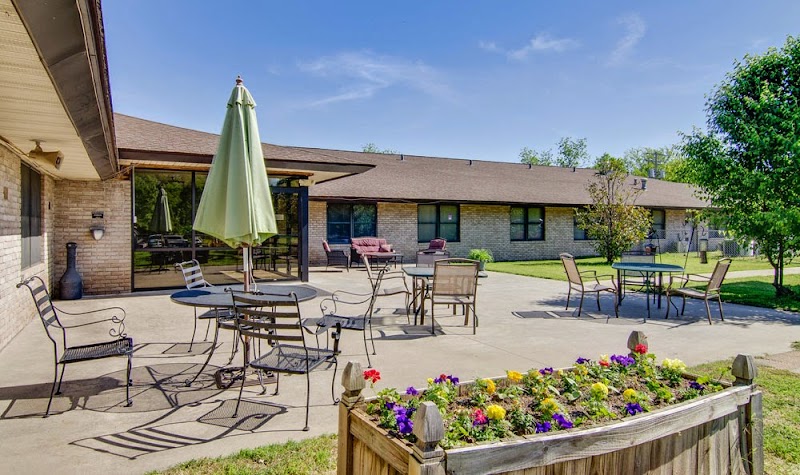
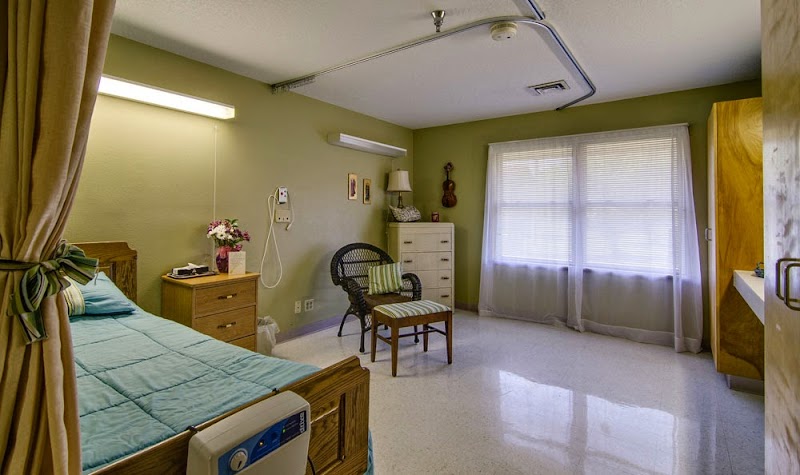
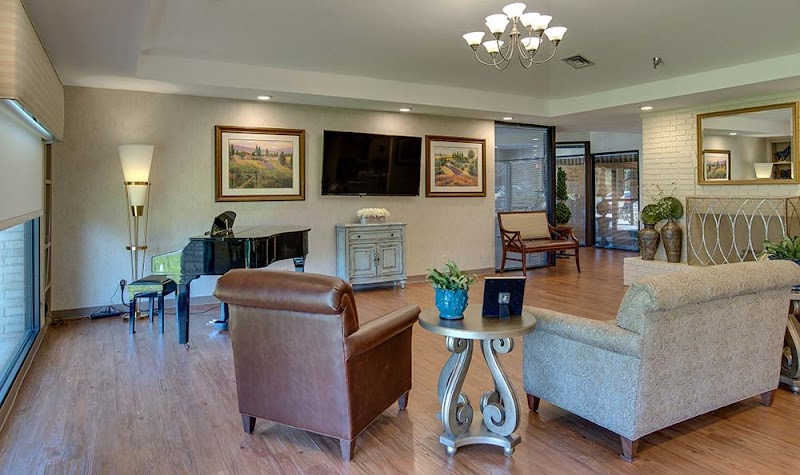
QUAKER HILL MANOR is owned by a for-profit company. For-profit facilities operate as businesses with obligations to shareholders or private owners. The facility is operated by AMERICARE SENIOR LIVING, a chain that manages multiple nursing homes. With 53 certified beds and approximately 44 residents (about 83% occupancy), it is a smaller facility located in BAXTER SPRINGS, Kansas.

How Does Quaker Hill Manor Compare to Other Kansas Nursing Homes?

Compared to the 100 nursing homes in Kansas, QUAKER HILL MANOR's overall rating (4 stars) is above the state average of 2.9, staff turnover (40%) is near the state average of 46%, and health inspection rating (4 stars) is above the national benchmark.

What Should Families Ask When Visiting Quaker Hill Manor?

Based on this facility's data, families visiting should ask: "Can I visit during a mealtime to observe dining assistance and food quality?" "How do you handle medical emergencies, and what is your hospital transfer rate?" "Can I speak with family members of current residents about their experience?"

Is Quaker Hill Manor Safe?

Based on CMS inspection data, QUAKER HILL MANOR has a clean safety record: no substantiated abuse findings (meaning no confirmed cases of resident harm), no Immediate Jeopardy citations (the most serious violation level indicating risk of serious injury or death), and is not on the Special Focus Facility watch list (a federal program monitoring the lowest-performing 1% of nursing homes). The facility has a 4-star overall rating and ranks #1 of 100 nursing homes in Kansas. While no facility is perfect, families should still ask about staff-to-resident ratios and recent inspection results during their visit.

Do Nurses at Quaker Hill Manor Stick Around?

QUAKER HILL MANOR has a staff turnover rate of 40%, which is about average for Kansas nursing homes (state average: 46%). Moderate turnover is common in nursing homes, but families should still ask about staff tenure and how the facility maintains care continuity when employees leave.

Was Quaker Hill Manor Ever Fined?

QUAKER HILL MANOR has no federal fines on record. CMS issues fines when nursing homes fail to meet care standards or don't correct problems found during inspections. The absence of fines suggests the facility has either maintained compliance or corrected any issues before penalties were assessed. This is a positive indicator, though families should still review recent inspection reports for the full picture.

Is Quaker Hill Manor on Any Federal Watch List?

QUAKER HILL MANOR is not on any federal watch list. The most significant is the Special Focus Facility (SFF) program, which identifies the bottom 1% of nursing homes nationally based on persistent, serious quality problems. Not being on this list means the facility has avoided the pattern of deficiencies that triggers enhanced federal oversight. This is a positive indicator, though families should still review the facility's inspection history directly.