BELLEVILLE HEALTHCARE AND REHABILITATION CENTER
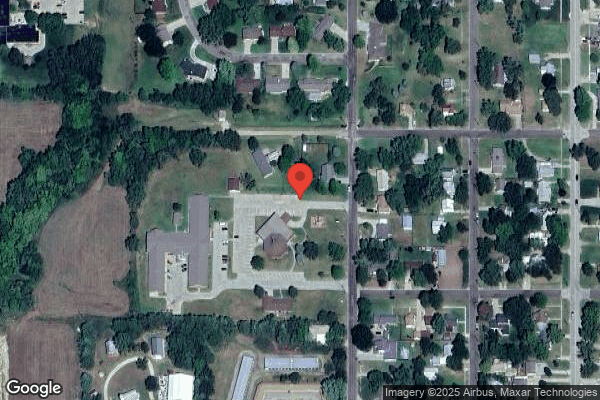

2626 WESLEYAN DR, BELLEVILLE, KS 66935 (785) 527-5636
For profit - Partnership 62 Beds RECOVER-CARE HEALTHCARE Data: November 2025 1 Immediate Jeopardy citation
Trust Grade
28/100
#177 of 295 in KS
Last Inspection: February 2024

Within standard 12-15 month inspection cycle. Federal law requires annual inspections.

Overview

Belleville Healthcare and Rehabilitation Center has a Trust Grade of F, which indicates significant concerns regarding the quality of care provided. They rank #177 out of 295 facilities in Kansas, placing them in the bottom half, and #1 out of 1 in Republic County means they are the only available option in that area. The trend is worsening, with the number of issues reported increasing from 3 in 2023 to 12 in 2024. Staffing is rated average with a 3 out of 5 stars and a turnover rate of 54%, which is similar to the state average, suggesting some staff stability but not exceptional. However, the facility has incurred fines totaling $46,770, which is concerning, as it is higher than 83% of Kansas facilities. In terms of RN coverage, they have more RN presence than 85% of facilities in the state, which is a positive aspect as RNs can catch issues that CNAs might miss. Specific incidents of concern include a resident not receiving prescribed antibiotics for a urinary tract infection, which poses a significant health risk, and another resident experiencing unintended weight loss due to inadequate nutritional support and lack of monitoring. Additionally, the facility does not have a certified dietary manager in place, potentially compromising residents' nutritional needs. Overall, while there are some strengths, particularly in RN staffing, the overall quality and compliance issues raise serious concerns for families considering this facility.

Trust Score
F
28/100
In Kansas
#177/295
Bottom 40%
Safety Record
High Risk
Review needed
Inspections
Getting Worse
3 → 12 violations
Staff Stability
⚠ Watch
54% turnover. Above average. Higher turnover means staff may not know residents' routines.
Penalties
✓ Good
$46,770 in fines. Lower than most Kansas facilities. Relatively clean record.
Skilled Nurses
✓ Good
Each resident gets 50 minutes of Registered Nurse (RN) attention daily — more than average for Kansas. RNs are trained to catch health problems early.
Violations
⚠ Watch
29 deficiencies on record. Higher than average. Multiple issues found across inspections.
★★☆☆☆
2.0
Overall Rating
★★★☆☆
3.0
Staff Levels
★★☆☆☆
2.0
Care Quality
★★☆☆☆
2.0
Inspection Score
Stable
2023: 3 issues
2024: 12 issues

The Good

  • Full Sprinkler Coverage · Fire safety systems throughout facility
  • No fines on record

Facility shows strength in fire safety.

The Bad

2-Star Overall Rating

Below Kansas average (2.9)

Below average - review inspection findings carefully

Staff Turnover: 54%

Near Kansas avg (46%)

Higher turnover may affect care consistency

Federal Fines: $46,770

Above median ($33,413)

Moderate penalties - review what triggered them

Chain: RECOVER-CARE HEALTHCARE

Part of a multi-facility chain

Ask about local staffing decisions and management

The Ugly 29 deficiencies on record

1 life-threatening 1 actual harm
Dec 2024 2 deficiencies 1 Harm
SERIOUS (G) 📢 Someone Reported This

A family member, employee, or ombudsman was alarmed enough to file a formal complaint

Actual Harm - a resident was hurt due to facility failures

Deficiency F0692 (Tag F0692)

A resident was harmed · This affected 1 resident

**NOTE- TERMS IN BRACKETS HAVE BEEN EDITED TO PROTECT CONFIDENTIALITY** The facility identified a census of 34 residents with three residents reviewed for unintended weight loss. Based on record revie...

Read full inspector narrative →
**NOTE- TERMS IN BRACKETS HAVE BEEN EDITED TO PROTECT CONFIDENTIALITY** The facility identified a census of 34 residents with three residents reviewed for unintended weight loss. Based on record review, observation, and interview, the facility failed to obtain consistent weights to establish a baseline, failed to identify and respond to progressive weight loss with intervention and increased assistance, and failed to follow the Registered Dietician (RD) recommendations to provide nutritional support for Resident (R)1. Subsequently, R1 had a significant unintended weight loss. This deficient practice also placed R1 at risk for decreased nourishment and delayed wound healing. Findings included: - R1's Electronic Medical Record (EMR) documented R1 had diagnoses of diabetes mellitus (DM-when the body cannot use glucose, not enough insulin made or the body cannot respond to the insulin), congestive heart failure (CHF-a condition with low heart output and the body becomes congested with fluid), major depressive disorder (major mood disorder which causes persistent feelings of sadness), hyponatremia (lower than normal concentration of sodium in the blood), and anemia (inadequate number of healthy red blood cells to carry adequate oxygen to body tissues). R1's admission Minimum Data Set (MDS), dated 09/16/24, documented R1 had a Brief Interview for Mental Status score of 15, which indicated intact cognition. The MDS documented R1 had an impaired range of motion in both of her upper extremities and both of her lower extremities. R1 required moderate assistance from staff with eating. R1's admission weight was 191 pounds (lbs.). R1 was on a mechanically altered and therapeutic diet and had no natural teeth or tooth fragments. The MDS documented R1 was dependent on staff for toileting, bathing, dressing, bed mobility, and transfers. The Nutritional Status Care Area Assessment (CAA), dated 09/16/24, documented R1's nutritional status would be addressed in her care plan. The CAA directed staff to monitor R1's body weight every week to help monitor trends in body weight. The CAA directed staff to monitor intrinsic factors, such as pain or functional mobility, that could affect her food and fluid intake. The CAA documented the registered dietitian was to meet with R1 regularly to help ensure R1's nutritional needs were met. The Pressure Ulcer/Injury CAA, dated 09/16/24, documented pressure ulcers (localized injury to the skin and/or underlying tissue usually over a bony prominence, as a result of pressure, or pressure in combination with shear and/or friction) would be addressed on R1's Care Plan. The CAA directed staff to help maintain R1's skin integrity with repositioning per protocol and as needed. The CAA directed licensed nursing staff to monitor R1's skin integrity weekly and monitor for any skin issues. The Functional Abilities CAA, dated 09/16/24, directed staff to assist with activities of daily living (ADLs) and anticipate care, as needed, so that R1's care needs were effectively met. R1's Care Plan documented R1 used specialty devices of a wheelchair and a Hoyer lift (total body mechanical lift) (09/16/24). The care plan documented R1 as at risk for skin breakdown based on risk scale assessment and had a coccyx (area at the base of the spine) pressure wound present on admission and a pressure injury to her right buttock area, facility acquired on 11/17/24. The care plan documented R1 was to use an air mattress to assist with wound healing and prevention measures for future skin breakdown (09/17/24). The care plan documented R1 would use a Broda chair (specialized wheelchair with the ability to tilt and recline) (12/10/24). Encourage good nutrition and hydration to promote healthier skin (12/10/24). The care plan directed staff to get R1 up right before meals and lay down as soon as possible after eating to aid in wound healing (12/10/24). The care plan directed staff to ensure R1 had adequate protein intake, supplement R1 with vitamins when indicated, and refer to the RD with skin concerns (09/16/24). The care plan directed staff R1 required setup or clean-up assistance for eating (10/01/24). The care plan documented R1 was dependent on staff for oral hygiene, toileting, bathing, dressing, transfers, and bed mobility (10/01/24). The care plan documented R1 was on Enhanced Barrier Precautions (EBP) due to a wound and directed staff to don personal protective equipment while providing care to the affected area (10/17/24). The care plan documented R1 had multiple significant Stage 4 (a deep pressure wound that reaches the muscles, ligaments, or even bone) wounds that required increased nutrient needs for wound healing demands, notify RD and nursing if there was a change in baseline for intake of food or beverages, and provide nutrition and supplements, as ordered (12/10/24). The Hospital Health and Physical (H&P) dated, 09/09/24, documented R1's weight was 188.5 lbs. The H&P documented R1 was bed-bound at her baseline, required a mechanical lift for transfers, and required maximum to moderate assistance by therapies for ADLs. R1 required total assistance for mobility with contractures (abnormal fixation of a muscle or joint) noted. Speech therapy recommended a mechanically altered diet with nectar thick liquids, as R1 was noted to pocket foods and was on aspiration precautions. Dietary was consulted due to moderate protein-calorie malnutrition. R1's Dismissal Instructions, dated 09/13/24, documented the transfer to the nursing facility and directed R1 resume her home diet, resume activity as tolerated, and included a treatment plan for R1's closed Stage 4 pressure injury as follows: cleanse wound with gentle flush and pat dry, apply moisture barrier cream to peri-wound, apply Sorbact (wound dressing) to the wound and cover with a foam dressing, change two times weekly on Monday and Thursday; float heels with pillows lengthwise or utilize Prevalon boots (specialized pressure reliving boots) at all times, even when sitting in a chair; monitor bilateral heels to ensure closed pressure injuries remain intact; air mattress with turning regimen of at least every two hours at 30-degree intervals; when sitting up in chair limit to one-hour intervals, and ensure a chair cushion was in place. The admission Assessment, dated 09/13/24 documented R1 arrived at the facility via wheelchair. The reason for R1's admission was weakness and wound care. R1's weight was 191.2 pounds. R1 was oriented to the call light and bed controls. R1's skin was normal for ethnicity. R1 had full upper and lower dentures. R1 was alert and oriented to person, place, and time. The admission Summary Note, dated 09/13/24, documented the facility received the report from the hospital nurse. The note documented R1 had been on aspiration precautions and had admitted to the hospital on [DATE] for sepsis (a life-threatening systemic reaction that develops due to infections that cause inflammation throughout the entire body) and failure to thrive. R1 was on a mechanically altered diet with honey thick liquids. R1 had a Stage 4 closed pressure wound on her coccyx with dressing changes every 72 hours. Staff would float heels and turn every two hours. R1 was bedridden and needed Prevalon boots on. The Multidisciplinary Care Conference Note, dated 09/13/24, documented R1 needed extensive assistance with ADLs, used a Broda chair for mobility propelled by staff, and a full body lift for transfers. For the dietary section, R1 weighed 191 lbs., had bilateral lower extremity edema, received Lasix (a diuretic used to promote urine excretion and reduce swelling), and had a body mass index (BMI) of 32.8 which indicated obesity. R1 was on a controlled carbohydrate and mechanical soft diet, with nectar-thickened liquids, due to DM and dysphagia (difficulty swallowing). R1 had a fair appetite with variable intakes. The note documented R1 did not eat meat per her preference, and she was able to feed herself after set-up and assist as needed. The note documented staff would anticipate weight fluctuations due to fluid shifts and noted a gradual weight loss was desirable given R1's obesity. The Weights and Vitals Tab, dated 09/13/24, documented R1's weight was 191.2 pounds. This value was crossed out as disputed by licensed nursing staff on 10/21/24. The initial Nutritional Assessment Note, dated 09/19/24, documented R1 admitted post sepsis with an admission height of 64 inches and a weight of 191 pounds. R1 had bilateral lower extremity edema (swelling) with a diagnosis of CHF and received Lasix. R1's body mass index was 32.8 which indicated obesity. R1 had weekly weights in place. R1 tolerated the current diet, she had a fair appetite with variable meal intakes, and she did not eat meat per her preference. R1 was able to feed herself after set-up; staff would assist as needed. R1 had skin concerns on her coccyx and a scab on her second toe. R1 was at nutritional risk due to infection, obesity, the potential for weight fluctuations due to fluid shifts, DM, and the need for a therapeutic diet. Other risks included dysphagia, variable intakes, and skin concerns. The RD indicated staff would continue to monitor R1's weekly weights and would anticipate weight fluctuations due to fluid shifts. A gradual weight loss was desirable given R1's obesity. Staff were to follow speech therapy recommendations, continue to encourage intake, and follow her food preferences. The RD recommended encouraging protein for wound healing, strengthening, and blood sugar control. The Weights and Vitals Tab, dated 09/26/24, documented R1's weight was 190.4 pounds. This value was crossed out as disputed by licensed nursing staff on 10/21/24. The Weights and Vitals Tab, dated 10/13/24 (2.5 weeks after the last weight), documented R1's weight was 161.2 pounds. The Weights and Vitals Tab, dated 10/20/24, documented R1's weight was 160.7 pounds. This value was crossed out as disputed by licensed nursing staff on 10/21/24. The Weights and Vitals Tab, dated 10/21/24, documented R1's weight was 160.7 pounds. The Weights and Vitals Tab, dated 10/27/24, documented R1's weight was 165 pounds. R1's meal intake monitoring was requested from the facility. The facility provided part of November 2024, from 11/17/24 through 11/26/24. The documentation had three meals with no percentages documented, four days where R1 ate 26-50% of her meals, fourteen days she ate 51-75% of her meals, and eight days she ate 76-100% of her meals. The facility was unable to provide any other meal intake records for October or November. The Weights and Vitals Tab, dated 11/12/24, documented R1's weight was 152 lbs. This value was crossed out as disputed by licensed nursing staff on 12/15/24. The Nutrition/Dietary Note, dated 11/15/24, documented a nutrition review was completed related to R1's wound. R1 had a Stage 4 pressure ulcer to her coccyx and required increased nutrient needs for healing. R1 was eating 50-100% of her meals on a mechanical soft consistent carbohydrate diet with honey-thickened liquids. The RD recommended ordering 30 milliliters (ml) of liquid protein to provide R1 with 200 kilocalories and 30 grams of protein for wound healing demands. The note recorded the RD would monitor and follow up as needed. R1's Medication Administration Record (MAR) and/or Treatment Administration Record (TAR) lacked any orders for 30 ml of liquid protein for wound healing demands. The Weights and Vitals Tab, dated 11/16/24, documented R1's weight was 152.8 pounds. This value was crossed out as disputed by licensed nursing staff on 12/15/24. The Weights and Vitals Tab, dated 11/23/24, documented R1's weight was 162.4 pounds. Meal Percentages for December 2024 from 12/07/24 through 12/16/24 documented R1 had two meals where no percentages were documented, three meals she ate 0-25% of her meal, five meals she ate 26-50% of her meal, seven meals she ate 51-75% of her meals, and ten meals she ate 76-100% of her meals. The Nutritional Assessment Note, dated 12/10/24, documented R1 had significant deterioration of wounds with infection present, was on antibiotics, and had multiple Stage 4 pressure ulcers. R1 required increased protein/kilocalorie needs as her intake at meals were inadequate to meet her increased needs. Recommendations included modifying R1's diet to regular/mechanical soft with honey-thickened fluids, ordering 60 ml of liquid protein twice a day, ordering fortified foods with meals, and monitoring intakes, labs, wound status, and follow-up as needed. On 12/11/24, R1's December 2024 MAR documented an order for a Prenatal Vitamin, one tab daily, for wound healing per the facility's request. On 12/12/24, R1's MAR documented Prostat (liquid protein) 60 ml twice a day was ordered for wound healing. Upon the surveyor's request, the facility weighed R1 on 12/17/24. R1's weight was 154 pounds. On 12/17/24 at 09:30 AM, observation revealed R1 laid in bed on her left side with covers over her. R1's water pitcher was back on a bedside table, unreachable for R1. On 12/17/24 at 10:30 AM, observation revealed a dressing change performed to R1's right Stage 4 pressure ulcer. The removed dressing was saturated with serosanguineous (semi-thick blood-tinged drainage) drainage. The pressure area had a large amount of gray eschar (dead tissue) and a moderate amount of cream-colored slough (dead tissue, usually cream or yellow in color). Licensed Nurse (LN) G and Certified Nurse Aide (CNA) M donned gloves but no gowns and CNA M held R1 over to her left side while LN G cleansed the wound, cut the dressing to fit the wound, and then covered the wound with a bordered dressing. R1 did complain of pain during the dressing change. The staff did not measure R1's wound. On 12/17/24 at 11:40 AM, R1 stated she could not feed herself all the time because she got so tired. She also stated staff did not help her eat or drink at mealtime. R1 stated she was not always offered water to drink with care and when she asked for water staff did not hear her. On 12/17/24 at 09:35 AM, Certified Medication Aide (CMA) R stated R1 came to the facility with pressure ulcers. CMA R stated R1 required turning and repositioning and required assistance with eating her food at mealtimes. On 12/17/24 at 11:30 AM, CNA M stated R1 required assistance with eating sometimes, but generally was able to eat by herself after the meals were set-up. CNA M stated there was no turning schedule for R1 and charting on turning was only every shift. CNA M stated the aides just kept R1's turning schedule in their heads and turned her when it was time. On 12/17/24 at 01:00 PM, RD GG stated it was not unusual for the first weight after admission to a facility to be wrong. RD GG stated she saw the first several weights were struck out by the nursing staff. RD GG stated she had not requested new weights to be obtained. RD GG stated baseline weights on new admissions should be obtained weekly for the first four weeks. RD GG verified baseline weights on R1 were not obtained by the facility. RD GG stated she did not realized that her first recommendation for additional protein had not been ordered for R1 until she reviewed R1's weights and wounds in December and made additional recommendations. On 12/17/24 at 01:30 PM, Administrative Nurse D stated it was the facility's policy to obtain weights on new admissions for the first four weeks after a resident was admitted to the facility, to obtain a baseline. Administrative D stated residents on skilled care were weighed weekly and verified R1 had been on skilled care for strengthening and therapy. Administrative Nurse D stated all of the weights were reviewed weekly and she did not know why R1's weights were not obtained but it probably had to do with agency staff not charting the weights. Administrative Nurse D stated nursing staff did not see RD GG's order in November for liquid protein to be added to R1's MAR and verified R1 did not start receiving liquid protein for increased protein intake and wound healing until 12/12/24. Administrative Nurse D also verified a multivitamin had not been ordered for wound healing until 12/11/24. Administrative Nurse D stated R1's plan of care did state R1 did not eat meat per her choice, but she had talked to dietary staff, and they stated R1 did eat meat. The facility's Weight Monitoring Policy, dated 10/30/24, documented based on the resident's comprehensive assessment, the facility will ensure that residents maintain acceptable parameters of nutritional status, such as usual body weight or desirable body weight range and electrolyte balance, unless the resident's clinical condition demonstrated that this is not possible or resident preferences indicate otherwise. Weight can be a useful indicator of nutritional status. Significant unintended changes in weight (loss or gain) or insidious weight (gradual unintended weight loss over a period) may indicate a nutritional problem. The facility will utilize a systemic approach to a resident's nutritional status. This process includes identifying and assessing each resident's nutritional status and risk factors, evaluating, and analyzing the assessment information, developing, and consistently implementing pertinent approaches, monitoring the effectiveness of interventions, and revising when necessary. Implementation gathered from the nutritional assessment and current dietary standards of practice are used to develop an individualized care plan to address the resident's nutritional concerns and preferences. Interventions will be identified, implemented, monitored, and modified consistent with the resident's assessed needs, choices, preferences, goals, and current professional standards to maintain acceptable parameters of nutritional status. A weight monitoring schedule will be developed upon admission for all residents. Weights should be recorded at the time obtained. The newly admitted resident's weight will be monitored weekly for four weeks. Residents with weight loss weights will be monitored weekly. If clinically indicated monitor weight daily. All others monitor weight monthly. The newly recorded resident weight should be compared to the previously recorded weight. A significant change in weight is defined as: a 5% change in weight in 1 month, a 7.5% change in weight in three months, and a 10% change in weight in six months. The physician should be informed of a significant change in weight and may order nutritional interventions. The physician should be encouraged to document the diagnosis or clinical conditions that may be contributing to weight loss. Meal consumption information should be recorded and may be referenced by the interdisciplinary team as needed. If the interdisciplinary team desires to explore specific meal consumption information for a resident the RD or Dietary Manager, or the nursing department may initiate this process. The RD or Dietary Manager should be consulted to assist with interventions; actions are recorded in the nutrition process notes. Observations pertinent to the resident's weight status should be recorded in the medical record. The interdisciplinary team communicated care instructions to staff. The facility failed to obtain consistent weight to establish a baseline, failed to identify and respond to progressive weight loss with interventions and increased assistance, and failed to follow the RD's recommendations to provide nutritional support for R1. Subsequently, R1 had a 19.5 % significant weight loss in ninety-five days from her admission on [DATE]. This deficient practice also placed R1 at risk for decreased nourishment and delayed wound healing.
CONCERN (D) 📢 Someone Reported This

A family member, employee, or ombudsman was alarmed enough to file a formal complaint

Potential for Harm - no one hurt, but risky conditions existed

Infection Control (Tag F0880)

Could have caused harm · This affected 1 resident

The facility identified a census of 34 residents. The facility identified 11 residents on Enhanced Barrier Precautions (EBP - infection control interventions designed to reduce transmission of resista...

Read full inspector narrative →
The facility identified a census of 34 residents. The facility identified 11 residents on Enhanced Barrier Precautions (EBP - infection control interventions designed to reduce transmission of resistant organisms which employ targeted gown and glove use during high contact care). Based on record review, observation, and interview, the facility failed to ensure staff implemented targeted gown and glove use during the high-contact care of a resident with a wound infection during a dressing change. This deficient practice placed the resident at risk for infectious diseases. Findings included: - On 12/17/24 at 10:30 AM, Licensed Nurse (LN) G and Certified Nurse's Aide (CNA) M entered R1's room to perform a dressing change to the resident's buttocks. LN G and CNA M did not don a gown for the dressing change. LN G and CNA M entered R1's room, donned gloves only, and performed the dressing change. CNA M held R1 over to her left side while LN G cleansed the wound, cut the dressing to fit the wound, and then covered the wound with a bordered dressing. R1 did complain of pain during the dressing change. No measurements were taken of R1's wound. On 12/17/24 at 10:45 AM, LN G stated she had forgotten the resident was on EBP and verified she had not donned a gown prior to performing the resident's dressing change. On 12/17/24 at 11:30 AM, CNA M verified she had not donned a gown prior to assisting LN G with the resident's dressing change. On 12/17/24 at 01:30 PM Administrative Nurse D stated LN G had come to her after the dressing change and told her she had forgotten to don a gown prior to performing the dressing change. Administrative Nurse D verified R1 was on EBP for the wound on R1's buttocks. Administrative Nurse D stated there were a total of 11 residents on EBP. Administrative Nurse D stated the staff should have donned gowns and gloves prior to completing the resident's wound care. The facility's Enhanced Barrier Precautions Policy, dated 04/01/24, documented it is the policy of this facility to implement EBP for the prevention of transmission of multi-drug resistant organisms. All staff will receive training upon hire and at least annually and are expected to comply with all designated precautions. The facility will make gowns and gloves available immediately near or outside of the resident's room. Personal protective equipment (PPE) for enhanced barrier precautions is only necessary when performing high-contact care activities. Ensure access to alcohol-based hand rub in every resident room (ideally both inside and outside the room). Position trash can inside the resident room or near the exit for discarding PPE after removal prior to exit of the room or before providing care for another resident in the same room. The Infection Preventionist will incorporate periodic monitoring and assessment of adherence to determine the need for additional training and education. The facility failed to ensure staff wore a gown during the high-contact care of a resident with a wound infection during a dressing change. This deficient practice placed the resident at risk for infectious diseases.
Nov 2024 2 deficiencies
CONCERN (D) 📢 Someone Reported This

A family member, employee, or ombudsman was alarmed enough to file a formal complaint

Potential for Harm - no one hurt, but risky conditions existed

Deficiency F0602 (Tag F0602)

Could have caused harm · This affected 1 resident

**NOTE- TERMS IN BRACKETS HAVE BEEN EDITED TO PROTECT CONFIDENTIALITY** The facility had a census of 58 residents. The sample included three residents, with three reviewed for abuse. Based on observat...

Read full inspector narrative →
**NOTE- TERMS IN BRACKETS HAVE BEEN EDITED TO PROTECT CONFIDENTIALITY** The facility had a census of 58 residents. The sample included three residents, with three reviewed for abuse. Based on observation, record review, and interview, the facility failed to ensure Resident (R) 2 remained free from misappropriation of her property. This placed the resident at risk for ongoing misappropriation and impaired psychosocial well-being. Findings included: - The Electronic Medical Record (EMR) for R2 documented diagnoses of dementia (a progressive mental disorder characterized by failing memory and confusion), pain, hypertension (high blood pressure), and weakness. The admission Minimum Data Set (MDS) dated [DATE] documented a resident interview where R2 indicated choosing her own clothes, and taking care of her personal belongings or things was very important to her. The Quarterly MDS dated 08/15/24 documented R2 had moderately impaired cognition. R2 required supervision with upper body dressing and personal hygiene. R2 required partial assistance with toileting, mobility, lower body dressing, and transfers. R2 did not ambulate. R2's Care Plan, dated 08/16/24 and initiated on 11/29/23, documented R2 had impaired cognition and directed staff to cue, reorient, and supervise as needed. The plan directed staff to administer medications as needed, engage in simple, structured activities that avoid overly demanding tasks, and monitor for any changes in R2's cognition. R2's Inventory Sheet, dated 12/11/23 documented R2 had a gold diamond ring. The facility Investigation Report, dated 10/29/24, documented that staff reported to Administrative Nurse D that R2's wedding ring was missing from her finger. R2's knuckle on the ring finger was very large and the ring would not have been able to fall off. R2 reported to staff that someone sprayed something on her finger, and took the ring, and her finger had hurt for a few days. R2 could not remember who or when this occurred. Administrative Nurse D searched R2's room, interviewed and obtained witness statements of all staff who had worked that day and the previous night. The facility was searched by leadership staff and the ring was not located. The facility contacted local Law Enforcement (LE) and statements were given. The facility conducted a staff in-service for Abuse Neglect and Exploitation. On 11/13/24 at 08:30 AM, observation revealed that R2 sat in her recliner and received a breathing treatment. On 11/13/24 at 09:00 AM, Social Service X stated she received a call to see if she had locked up R2's wedding ring as it was missing from R2's finger. Social Service X stated she had not locked up the ring and could not remember when she had last seen the ring. Social Service X stated she, Administrative Nurse D, and Administrative Staff A searched R2's room, her roommate's belongings, and the laundry but they were unable to locate the ring. Social Service X stated that when R2 was first admitted to the facility, she asked R2's family to take the ring home but several family members could not get the ring off her finger, so they left it on her finger. Social Service X stated that during the recent care plan meeting R2, who was cognitively impaired, told them again that someone had taken the ring but could not pinpoint when it happened. Social Service X stated when residents were admitted to the facility with anything of value like expensive jewelry, she asked the family to take it home or keep it in the facility lockbox. On 11/13/24 at 9:19 AM, Administrative Nurse D stated she had been notified by a staff member that they could not locate R2's wedding ring and she had thought it was in the facility lock box because someone had found a ring, but it was not R2's wedding ring. Administrative Nurse D interviewed staff and searched R2's room, and the recliner in the living room area she always sat in. Administrative Nurse D said staff took apart the plumbing to the sink but were still unable to locate the ring. Staff filled out witness statements, and agency staff were notified that a statement would need to be filled out as soon as possible. Administrative Nurse D stated the two agency staff members who had worked at the facility declined to come in and write statements and then canceled all their upcoming shifts. LE was notified and a report with all the information as well as the two agency staff members was provided to the police. A picture of the ring was also provided to the police department. On 11/13/24 at 9:30 AM, Administrative Staff A stated he searched the resident's room as well as the roommates' possessions, and recliners, and took apart the washing machine and sink plumbing in the hope that the ring was there. Administrative Staff A stated they interviewed staff and contacted the police to start an investigation. Administrative Staff A stated the facility would rather the family take valuables with them or keep them in their lockbox, just so they are not faced with this kind of situation. On 11/13/24 at 2:30 PM, Certified Nurse Aide (CNA) M stated she had only worked at the facility for a few days and was unaware of the missing ring. On 11/13/24 at 02:45 PM Licensed Nurse H stated she had seen R2's wedding ring when she would do her assessments but could not remember when the ring was last on her finger and did not know what happened to it. The facility's Personal Property undated policy, documented, that this facility understands the value and importance of everyone's personal property. The loss of valuable personal property is an unfortunate event and a very difficult task to manage in a long-term care facility where many diverse residents reside and employees work, there are many valuables to control including the presence of confused and/or ambulatory residents, multiple occupancy rooms, visitation by friends and relatives, and residents who frequently leave the facility. By defining an approach to investigate complaints of theft or misplaced personal property, the administration wishes not only to discover lost items but also to gather information and determine potential patterns that may lead to the reduction and eventual prevention of lost items or theft. The facility's The Resident's Right to Freedom from Abuse, Neglect, and Exploitation Policy and Procedure, undated, documented the residents have the right to be free from abuse, neglect, misappropriation of their property, and exploitation. This includes but is not limited to, freedom from corporal punishment, involuntary seclusion, and any physical or chemical restraint not required to treat the resident's medical symptoms. This policy applies to any owners, directors, officers, clinical staff, employees, independent contractors, consultants, and others currently or potentially working for the company. The facility failed to protect R2 from misappropriation of resident property after staff failed to safeguard R2's wedding ring, which had to be physically removed, went missing. This placed the resident at risk for further loss of property and psychosocial decline.
CONCERN (D) 📢 Someone Reported This

A family member, employee, or ombudsman was alarmed enough to file a formal complaint

Potential for Harm - no one hurt, but risky conditions existed

Infection Control (Tag F0880)

Could have caused harm · This affected 1 resident

**NOTE- TERMS IN BRACKETS HAVE BEEN EDITED TO PROTECT CONFIDENTIALITY** The facility had a census of 58 residents. The sample included three residents. Based on observation, record review, and intervi...

Read full inspector narrative →
**NOTE- TERMS IN BRACKETS HAVE BEEN EDITED TO PROTECT CONFIDENTIALITY** The facility had a census of 58 residents. The sample included three residents. Based on observation, record review, and interview, the facility failed to ensure adequate infection control measures for Resident (R) 1 during wound care, when staff did not change her gloves after she cleansed the wound. This placed the resident at risk for continued wound infection and complications. Findings included: - The Electronic Medical Record (EMR) for R1 documented diagnoses of diabetes mellitus (DM-when the body cannot use glucose, not enough insulin is made, or the body cannot respond to the insulin), anxiety (mental or emotional reaction characterized by apprehension, uncertainty, and irrational fear), depression (a mood disorder that causes a persistent feeling of sadness and loss of interest), hypertension (high blood pressure), open lesion (wound or injury), and cellulitis of the foot (skin infection caused by bacteria). The Quarterly/Medicare 5 Day Minimum Data Set (MDS), dated [DATE], documented that R1 had intact cognition. R1 required set-up assistance with eating, bathing, personal hygiene, and transfers. The MDS documented R1 was at risk for pressure ulcer (localized injury to the skin and/or underlying tissue usually over a bony prominence, as a result of pressure, or pressure in combination with shear and/or friction), had an infection of the foot, and had application of ointment and dressings to the feet. R1's Care Plan, dated 08/15/24 and initiated on 07/28/21, directed staff to observe and assess her skin weekly, refer to the dietician with skin concerns and supplement with vitamins as indicated. The update, dated 10/25/24, directed staff to promote good nutrition and hydration, document weekly treatments including measurements of each area of skin breakdown, and follow facility protocols for treatment of injury. R1's Physician's Order, dated 10/28/24, directed staff to cleanse the open lesion to the bottom of her right foot with Hibiclens (antiseptic skin cleanser used to prevent skin infections) and water, apply Triple Antibiotic Ointment (TAO-a antibiotic ointment used to prevent and treat minor skin infections) to the open area, apply an ABD pad (large pad to absorb drainage), and wrap with Kling (a sterile, flexible, rolled gauze bandage used to secure gauze pads or nonstick dressings), every day shift for the right foot wound. On 11/13/24 at 3:03 PM, observation revealed R1, in her recliner, with her feet elevated. Licensed Nurse (LN) G sanitized her hands, donned a clean gown and gloves, placed a barrier under R1's right foot, and removed the soiled dressing. The dressing had brown drainage visible which had soaked through the dressing and LN G placed it in a red bag. LN G then removed her soiled gloves, performed hand hygiene, and donned clean gloves. LN G used her tablet to take pictures of the wound and also took R1's phone to take pictures of the wound for the resident. Wearing the same gloves, LN G cleansed the wound with wound cleanser. LN G applied a small amount of TAO directly onto R1's wound wearing the same soiled gloves and then placed a fresh ABD pad on it and wrapped R1's foot with the Kling. On 11/13/24 at 3:10 PM, LN G stated she measured the wound weekly and the dressing was changed daily. LN G stated she should have changed her gloves after she cleansed the wound. On 11/13/24 at 03:30 PM, Administrative Nurse D stated LN G should have changed her gloves after she cleansed the wound. The facility's Infection Control Preventing Spread of Infection undated policy, documented the facility must establish and maintain an infection prevention and control program designed to provide a safe, sanitary, and comfortable environment and to help prevent the development and transmission of communicable diseases and infections. The facility administration and medical director should ensure that current standards of practice based on recognized guidelines are incorporated into the resident care policies and procedures. These practices must include hand hygiene before and after changing a dressing. The facility failed to ensure adequate infection control measures during wound care for R1, who had a recent infection in her right foot wound, This placed the resident at risk for continued infection and complications.
Feb 2024 8 deficiencies
CONCERN (D) 📢 Someone Reported This

A family member, employee, or ombudsman was alarmed enough to file a formal complaint

Potential for Harm - no one hurt, but risky conditions existed

Resident Rights (Tag F0550)

Could have caused harm · This affected 1 resident

The facility had a census of 47 residents. The sample included 12 residents. Based on observation, record review, and interview, the facility failed to treat two unsampled residents with dignity when ...

Read full inspector narrative →
The facility had a census of 47 residents. The sample included 12 residents. Based on observation, record review, and interview, the facility failed to treat two unsampled residents with dignity when staff administered Resident (R) 21's Flonase (allergy medication) nasal spray and R26's dorzolamide timolol (medication used to reduce pressure in the eye) eye drops at the dining room. This placed the residents at risk for an undignified experience. Findings included: - On 01/31/24 at 07:55 AM, observation revealed Licensed Nurse (LN) G administered R21's Flonase, 50 micrograms (mcg), nasal spray at the dining room table with 14 other residents present and able to view the procedure. On 01/31/24 at 08:00 AM, observation revealed LN G administered R26's dorzolamide timolol eye drop at the dining room table with 17 residents present and able to view the procedure. On 02/05/24 at 12:30 PM, Administrative Nurse D stated if a resident was in the dining room and staff needed to administer an eye drop or nasal spray, staff should take the resident to a private area to administer them. The facility's Promoting/Maintaining Resident Dignity Policy, revised in November 2017, documented it was the practice of the facility to protect and promote resident rights and treat each resident with respect. and dignity as well as care for each resident in a manner and environment that maintains or enhances the resident's quality of life by recognizing each resident's individuality. The facility failed to treat R21 and R26 with dignity when staff administered their medications at the dining room table with other residents able to see the procedure. This placed the residents at risk for an undignified experience.
CONCERN (D) 📢 Someone Reported This

A family member, employee, or ombudsman was alarmed enough to file a formal complaint

Potential for Harm - no one hurt, but risky conditions existed

Infection Control (Tag F0880)

Could have caused harm · This affected 1 resident

The facility had a census of 47 residents. The sample included 12 residents. Based on observation, record review, and interview the facility failed to handle soiled linen in a sanitary manner to preve...

Read full inspector narrative →
The facility had a census of 47 residents. The sample included 12 residents. Based on observation, record review, and interview the facility failed to handle soiled linen in a sanitary manner to prevent the development and transmission of communicable diseases and infections. This placed the affected resident at risk for infection. Findings included: - On 01/31/24 at 08:00 AM, observation revealed Certified Nurse Aide (CNA) M walked out of Resident (R) 34's room. Further observation revealed CNA M carried unbagged soiled linen, walked to the end of the south hallway, and then placed the soiled linen in a soiled linen barrel. On 01/31/24 at 08:15 AM, observation revealed CNA M walked out of R 21's room. Further observation revealed CNA M carried unbagged soiled linen, walked to the end of the south hallway, and then placed the soiled linen in a soiled linen barrel. On 02/01/24 at 07:45 AM, observation revealed CNA N walked out of R 31's room. Further observation revealed CNA N carried unbagged soiled linen, walked to the end of the north hallway, and then placed the soiled linen in a soiled linen barrel. On 02/01/24 at 07:55 AM, observation revealed CNA N walked out of R 5's room. Further observation revealed CNA N carried unbagged soiled linen, walked to the end of the south hallway, and then placed the soiled linen in a soiled linen barrel. On 02/05/24 at 08:30 AM, observation revealed CNA M walked out of R46's room. Further observation revealed CNA M carried unbagged soiled linen, walked to the end of the north hallway, and then placed the soiled linen in a soiled linen barrel. On 02/05/24 at 12:20 PM Administrative Nurse D verified she expected direct care staff when handling soiled linen is to place it in a bag before leaving a resident room and disposing of the soiled linen in the soiled linen barrel. The facility's policy for Linen Bagging of Soiled Laundry/Infection Prevention and Control Program, dated 10/22/23, stated clean linen shall be separated from soiled linen at all times. Soiled linen shall be collected at the bedside and placed in the soiled utility room. When the task is complete the bag shall be closed securely and placed in the soiled utility room. The facility failed to handle soiled linen in a manner to provide a safe, sanitary environment to prevent the development and transmission of communicable diseases and infections. This placed the affected resident at risk for infection.
CONCERN (E) 📢 Someone Reported This

A family member, employee, or ombudsman was alarmed enough to file a formal complaint

Potential for Harm - no one hurt, but risky conditions existed

Safe Environment (Tag F0584)

Could have caused harm · This affected multiple residents

**NOTE- TERMS IN BRACKETS HAVE BEEN EDITED TO PROTECT CONFIDENTIALITY** The facility had a census of 47 residents. The sample included 12 residents. Based on observation, record review, and interview ...

Read full inspector narrative →
**NOTE- TERMS IN BRACKETS HAVE BEEN EDITED TO PROTECT CONFIDENTIALITY** The facility had a census of 47 residents. The sample included 12 residents. Based on observation, record review, and interview the facility failed to clean the dining tables and chairs to provide a comfortable homelike environment in the dining room. This placed the residents who ate meals in the dining room at risk for an unsanitary, non-homelike environment. Findings included: - On 01/30/24 at 11:30 AM, observation of the lunch meal in the dining room included nine dining tables. Further observation revealed large amounts of dried brown, yellow, and green particles on all the edges of each dining table. Further observation revealed dried particles on the dining table legs and all 15 dining chairs. On 01/30/24 at 11:50 AM, observation revealed two residents placed napkins across the table on top of the dried particles before they received their meal plates. One female resident stated, I wish they would clean off these tables. On 01/31/24 at 09:30 AM, observation revealed a housekeeper in the dining room. Further observation revealed the housekeeper with a spray bottle of Lysol cleaner spraying the tops of the dining tables and using a paper towel to wipe them off. On 01/31/24 at 10:10 AM, Housekeeping Supervisor (HS) U stated the housekeeper used spray Lysol to clean off the dining tables after the breakfast meal. HS U stated the facility did not currently have any disinfectant to use until it was delivered to the facility on [DATE]. HS U further stated he had a housekeeper go to a local store and buy the Lysol spray cleaner. On 01/31/24 at 01:00 PM, observation revealed Activity Director Z obtained a paper towel, wet it in the sink, and then cleaned off the dining tables with the wet paper towel. On 01/31/24 at 02:00 PM, Administrative Staff A verified kitchen staff were to clean and disinfect the dining tables after meals and were to use the disinfectant that was supplied in the kitchen. Administrative Staff A verified the nine dining tables were unclean. The facility policy for Safe and Homelike Environment dated, 04/11/23, documented a homelike environment is one that de-emphasizes the institutional character of the setting, to the extent possible, and allows the resident to use a homelike setting. sanitary preventing the spread of infection by keeping resident furniture clean. Used daily for Activities of Daily Living. Housekeeping and maintenance services will be provided to maintain a sanitary, orderly, and comfortable environment. The facility will maintain a homelike environment. The facility failed to provide a sanitary, homelike dining experience for residents who ate meals in the dining room, by having unclean dining tables and chairs. This placed the residents who ate meals in the dining room at risk for an unsanitary, non-homelike environment.
CONCERN (E) 📢 Someone Reported This

A family member, employee, or ombudsman was alarmed enough to file a formal complaint

Potential for Harm - no one hurt, but risky conditions existed

Accident Prevention (Tag F0689)

Could have caused harm · This affected multiple residents

The facility had a census of 47 residents. The sample included 12 residents. Based on observation, record review, and interview the facility failed to ensure an environment free from accident hazards ...

Read full inspector narrative →
The facility had a census of 47 residents. The sample included 12 residents. Based on observation, record review, and interview the facility failed to ensure an environment free from accident hazards with staff left one of three medication carts and a treatment cart unsupervised and unlocked by the dining area and failed to secure a wall cabinet in the [NAME] shower room. This placed the seven cognitively impaired, independently mobile residents at risk for preventable accidents or injuries. Finding included: - On 01/30/24 at 08:10 AM, observation revealed the [NAME] shower room door open with an unlocked unsupervised wall cabinet containing the following items: One 1.5-ounce container of tolnaftate antifungal (medication used to treat skin infections) 1% powder whose label read avoid contact with eyes, nose, or mouth. Four disposable razors. Two 11-ounce cans of fresh scent shaving cream. Two 11-ounce containers of Selsun blue antidandruff shampoo/selenium sulfide (a medication used to treat several skin conditions) whose label read avoid contact with eyes. Two 12.5-ounce containers of head and shoulders deep scalp hydration shampoo. One 23.7-ounce container of head and shoulder pyrithione zinc (medication used to treat skin inflammation that causes a red, oily, flaking skin rash) and dandruff (flaking of skin from the scalp) shampoo and conditioner whose label directed to avoid contact with the eyes. The label directed to keep out of reach of children; if swallowed, get medical help or contact a Poison Control Center right away. On 01/30/24 at 08:20 AM, Administrative Nurse E verified the above findings and stated the door to the west shower room should be locked when staff were not present, and the wall cabinet should always be locked when unsupervised by staff. On 01/30/24 at 08:23 AM, observation revealed an unlocked and unsupervised treatment cart located in front of the east nurse's station. The cart contained the following items: The first drawer had insulin (a hormone that lowers the level of glucose in the blood) needles and supplies, one box of alcohol pads, one box of glucometer (an instrument used to calculate blood glucose) control solution lidocaine (medication used for numbing) injection solution, four Glucagon (used to quickly increase blood sugar levels) pens, two open boxes of lancets (a small needle) and a container with 22 lancets. The second drawer had one box of albuterol sulfate (breathing treatment) 9.08% 2-5 milligram (mg)/3 milliliters (ml), one box of budesonide (breathing treatment) 1 mg/2 ml suspension, one box of budesonide 0.5 mg /2 ml, one Glucagon injection pen, one tube Voltaren arthritis pain gel (topical pain relief gel for arthritis pain), three tubes diclofenac sodium topical gel 1% (topical pain relief gel for arthritis pain), two Nystatin (medication used to treat yeast infections) topical powder 60 grams, and four ketoconazole (medicated shampoo designed to treat fungal infections affecting the scalp) shampoo 2%. Drawer three had numerous wound dressings and one bottle of povidone (antiseptic) solution. Drawer four had one 18 oz bottle of spray wound cleanser. Drawer five had one 473 ml bottle of Dakin's solution (used to treat or prevent infections) 0.2% whose label read for external use only, harmful if swallowed; if swallowed call poison control or seek medical attention, and two (100 count) boxes of glucometer lancets. On 01/30/23 at 08:23 AM, Licensed Nurse (LN) H verified the above treatment cart was unlocked and stated it should be locked. LN H stated the treatment cart was used for all residents and she should keep it locked whenever she was not by it. On 01/30/24 at 08:35 AM, observation revealed an unlocked, unsupervised medication cart located outside the dining room and the nurse was in the dining room administering medications. LN H verified it was unlocked and stated she thought she had pushed the lock in but must not have stayed in. On 02/03/23 at 09:40 AM, Administrative Nurse D verified the facility had seven cognitively impaired, independently mobile residents residing in the facility. Administrative Nurse D stated the treatment and medication carts should be locked whenever staff was not supervising them. The facility's Medication Storage Policy, revised 01/01/20, documented the facility would ensure all medications housed on their premises would be stored in the medication carts or medication rooms according to the manufacturer's recommendations and sufficient to ensure proper sanitation, temperature, light, ventilation, moisture control, and security. The facility failed to ensure the environment was free from accident hazards when staff left a treatment cart and one of three medication carts unsupervised, unlocked, and accessible to the seven cognitively impaired, independently mobile residents who resided in the facility. This placed the residents at risk for preventable accidents and injuries.
CONCERN (E) 📢 Someone Reported This

A family member, employee, or ombudsman was alarmed enough to file a formal complaint

Potential for Harm - no one hurt, but risky conditions existed

Room Equipment (Tag F0908)

Could have caused harm · This affected multiple residents

The facility had a census of 47 residents. The sample included 12 residents. Based on observation, record review, and interview, the facility failed to ensure the kitchen's plate warmer and prep sink ...

Read full inspector narrative →
The facility had a census of 47 residents. The sample included 12 residents. Based on observation, record review, and interview, the facility failed to ensure the kitchen's plate warmer and prep sink were in safe and operable condition. This placed the residents who received their meals from the kitchen at risk of receiving cold food and the inoperable prep sink created the risk for food borne illness. Findings included: - On 02/01/24 at 11:50 AM, observation revealed the plate warmer in the kitchen was not working. The small kitchen prep sink was also not working. On 02/01/24 at 11:50 AM, Dietary Manager (DM) BB verified the plate warmer was not working and stated it had not been working for some time. DM BB also verified the small kitchen prep sink also not working. On 02/01/24 at 01:00 PM, Maintenance Director (MD) V stated he was unaware of the issue with the plate warmer. MD V stated he was aware of the kitchen prep sink not working. The facility's Preventative Maintenance Program, revised 01/09/24, documented a preventative maintenance program would be developed and implemented to ensure the provision of a safe, functional, sanitary, and comfortable environment for residents, staff, and the public. The facility failed to maintain all mechanical equipment in safe operating condition. This placed the residents who received their meals from the kitchen at risk of receiving cold food and the inoperable prep sink at risk for food-borne illness.
CONCERN (F) 📢 Someone Reported This

A family member, employee, or ombudsman was alarmed enough to file a formal complaint

Potential for Harm - no one hurt, but risky conditions existed

Deficiency F0801 (Tag F0801)

Could have caused harm · This affected most or all residents

The facility had a census of 47 residents. The sample included 12 residents. Based on observation, record review, and interview, the facility failed to employ a full-time certified dietary manager for...

Read full inspector narrative →
The facility had a census of 47 residents. The sample included 12 residents. Based on observation, record review, and interview, the facility failed to employ a full-time certified dietary manager for the 47 residents who resided in the facility and received meals from the facility kitchen. This placed the residents at risk for impaired nutrition. Findings included: - On 01/30/24 at 08:30 AM, observation revealed Dietary Staff BB was in the kitchen and oversaw the preparation of the breakfast meal. On 01/30/24 at 08:35 AM, Dietary Staff BB verified she was not a certified dietary manager. On 01/30/24 at 09:00 AM, Administrative Staff A verified Dietary Staff BB had no dietary manager certification. The facility's Director of Food and Nutrition Services policy, dated 2021, stated the director of food and nutrition services is responsible for all aspects of the food and nutrition services department including but not limited to food safety, cost management, and meeting nutritional needs of the residents. The director of food services is to be a certified dietary manager. The facility failed to employ a full-time certified dietary manager for 47 residents who resided in the facility. This placed the residents at risk for inadequate nutrition.
CONCERN (F) 📢 Someone Reported This

A family member, employee, or ombudsman was alarmed enough to file a formal complaint

Potential for Harm - no one hurt, but risky conditions existed

Food Safety (Tag F0812)

Could have caused harm · This affected most or all residents

The facility had a census of 47 residents. The sample included 12 residents. Based on observation, record review, and interview, the facility failed to ensure the refrigerator seals were intact and ai...

Read full inspector narrative →
The facility had a census of 47 residents. The sample included 12 residents. Based on observation, record review, and interview, the facility failed to ensure the refrigerator seals were intact and ailed to use sanitation strips for the three-compartment sink. This placed the residents at risk for foodborne illness. Findings included: - On 01/31/24 at 08:30 AM, observation of the kitchen revealed a #1 two-door refrigerator with door seals peeling off. Further observation revealed #2 two-door refrigerator with door seals peeling off both doors. On 01/31/24 at 08:45 AM, observation revealed a three-compartment sink with water in the sink. Further observation revealed a cork bulletin board hanging above the sink with large pieces of the cork board falling into the sink. On 01/31/24 at 08:50 AM, observation revealed a plastic baggie hanging on the cork bulletin board above the three-compartment sink which contained sanitation strips with an expiration date of 08/01/22. On 01/31/24 at 08:50 AM, Dietary Staff (DS) BB verified refrigerators #1 and # 2 with door seals peeling off. DS BB verified sanitation strips for checking the three-compartment sink had expired. On 01/31/24 at 09:50 AM, Maintenance Staff (MS) verified refrigerators #1 and #2 needed repair of the door seals. The facility's undated Food-Supply Storage-Food and Nutrition Services Policy documented to ensure food is stored properly The dishwashing areas and sink sanitation are to be tested daily and recorded. The facility failed to ensure the refrigerator seals were intact and failed to use sanitation strips for the three-compartment sink. This placed the residents at risk for foodborne illness.
CONCERN (F) 📢 Someone Reported This

A family member, employee, or ombudsman was alarmed enough to file a formal complaint

Potential for Harm - no one hurt, but risky conditions existed

Deficiency F0868 (Tag F0868)

Could have caused harm · This affected most or all residents

The facility had a census of 47 residents. The sample included 12 residents. Based on record review and interview, the facility lacked evidence the required infection preventionist attended the Qualit...

Read full inspector narrative →
The facility had a census of 47 residents. The sample included 12 residents. Based on record review and interview, the facility lacked evidence the required infection preventionist attended the Quality Assessment and Assurance (QAA) Committee quarterly meetings. This placed the residents who resided in the facility at risk for decreased quality of care. Findings included: - On 02/05/24 at 10:45 AM, the facility's Quarterly Quality Assurance Performance Improvement (QAPI) Meeting Attendance Sheets lacked evidence the infection preventionist attended the June 2023, September 2023, and December 2023 meetings. On 02/05/24 at 12:33 PM, Administrative Nurse D verified the lack of an infection preventionist signature on the quarterly meetings sign-in sheets and stated the facility had not employed an infection preventionist at the times of the quarterly meetings. The facility's Quality Assurance Process Improvement Plan (QAPI) documented the purpose of the QAPI was to provide excellent quality care and services to the residents. The QAPI committee would meet monthly to report and discuss identified trends or concerns from internal monitoring and auditing. The administrator would be responsible for documenting and maintain QAPI meeting minutes. The facility failed to retain evidence of the required QAA and QAPI member, the infection preventionist, attended meetings at least quarterly. This placed residents at risk of unidentified quality care services.
Aug 2023 2 deficiencies
CONCERN (D) 📢 Someone Reported This

A family member, employee, or ombudsman was alarmed enough to file a formal complaint

Potential for Harm - no one hurt, but risky conditions existed

Free from Abuse/Neglect (Tag F0600)

Could have caused harm · This affected 1 resident

**NOTE- TERMS IN BRACKETS HAVE BEEN EDITED TO PROTECT CONFIDENTIALITY** The facility identified a census of 38 residents with three residents reviewed for abuse and neglect. Based on record review, ob...

Read full inspector narrative →
**NOTE- TERMS IN BRACKETS HAVE BEEN EDITED TO PROTECT CONFIDENTIALITY** The facility identified a census of 38 residents with three residents reviewed for abuse and neglect. Based on record review, observation and interview, the facility failed to ensure residents remained free from verbal abuse/mistreatment. On 08/26/23 at approximately 06:00 PM, Resident (R) 1 was assisted to the toilet by a Certified Nurse's Aide (CNA). R1 placed her call light on and heard her door open to her room. R1 asked if whoever had entered the room was going to help her off of the toilet. CNA M yelled at R1, I'm not here to help you. R1's roommate, R2, told CNA M R1's call light had been on for fifteen minutes and she needed help off the toilet. CNA M yelled at R2 to not tell her what to do. CNA M left the room. R1 went to the nurse's desk to get a cigarette and CNA M continued to engage R1 in verbal altercation. This deficient practice placed R1 at risk for psychosocial impairment. Findings included: - R1's Electronic Medical Record (EMR) documented R1 had diagnoses of major depressive disorder (major mood disorder), cerebral infarction (sudden death of brain cells due to lack of oxygen caused by impaired blood flow to the brain by blockage or rupture of an artery to the brain) affecting the left non-dominant side, and hypertension (high blood pressure). The Quarterly Minimum Data Set (MDS), dated 06/05/23, documented R1 had a Brief Interview for Mental Status (BIMS) score of 15 which indicated intact cognition. The MDS documented R1 required extensive assistance of one staff for transfer, bed mobility, ambulation, locomotion, dressing, toileting, personal hygiene, and bathing. The Psychosocial Well-Being Care Area Assessment (CAA), dated 08/02/22, documented R1 had little interest or pleasure in doing things. R1 had verbal behaviors. The CAA documented R1 was at risk for depression and social isolation. The Activities of Daily Living Care Plan, revised 10/26/22, directed staff R1 required extensive assistance of one staff for transfers, ambulation, and toileting. The Behavior Care Plan, revised 10/26/22, directed staff to anticipate and meet R1's needs. The care plan directed staff to provide opportunities for positive interaction and attention. The care plan directed staff to approach/speak to R1 in a calm manner. The Witness Statement, dated 08/26/23, documented CNA N went into R1's room and CNA N witnessed CNA M yelling at R1. The Witness Statement, dated 08/26/23, documented CNA O witnessed R1 come to the nurses station to get her cigarettes and CNA M started yelling at R1 and R1 was venting about the situation. The Witness Statement, dated 08/26/23, documented CNA P witnessed CNA M coming out of R1's room and CNA M yelled down the hall, Who the [expletive] put her on the toilet? The Witness Statement, dated 08/26/23, documented Licensed Nurse (LN) G witnessed R1 come to the nurse's station to obtain her cigarettes. LN G stated R1 stated she needed to go outside and scream. LN G asked R1 what was wrong and R1 pointed to CNA M and said to ask her. CNA M raised her voice to R1 stating that she was not going to cross-contaminate things as she was passing trays. R1 stated it had been hell the last two days CNA M worked. R1 went to smoke and CNA M clocked out and left the building. On 08/29/23 at 11:30 AM, observation revealed R1 sat up in her recliner watching television. On 08/29/23 at 11:30 AM, R1 stated on 08/26/23, she was on the toilet and had her call light on for help. She heard someone come into her room and she asked if [NAME] was there to help her off the toilet. R1 stated CNA M yelled, I'm not here to help you. R1 stated when CNA M yelled at her she felt she was an inconvenience and not worth CNA M's time. On 08/29/23 at 12:00 PM, Administrative Nurse D stated LN G called her on 08/26/23 and told her that CNA M engaged R1 in a verbal altercation at the nurse's desk. LN G thought CNA M's behavior was unprofessional and verbal abuse towards R1. Administrative Nurse D stated she asked LN G if CNA M was still at the facility and LN G told Administrative Nurse D CNA M had clocked out and left the building. Administrative Nurse D instructed LN G to have all of the staff fill out witness statements regarding the incident. Administrative Nurse D stated she knew CNA M, who was an agency CNA, was not on shift for the next several days and notified the nursing agency CNA M was not welcome back at the facility to work any shifts. Administrative Nurse D stated she started an investigation into the incident and already started re-educating staff on abuse, neglect, and exploitation. On 08/29/23 at 12:45 PM, CNA P stated she saw CNA M come out of R1's room and yell, Who the [expletive] put her on the toilet? CNA P stated CNA M's yell was loud enough to be heard all the way up the hall. On 08/29/23 at 01:00 PM, LN G stated she worked all day with CNA M and had not noticed CNA M interacting badly with any of the residents. R1 came up to the nurse's desk to obtain her cigarettes and R1 stated she wanted to go outside and scream. LN G asked R1 what was wrong and R1 pointed at CNA M and said ask her. CNA M immediately verbally engaged with R1 yelling, I don't know what your problem is. I didn't want to cross-contaminate because I was passing trays. R1 called CNA M a liar and walked outside to smoke. CNA M left the facility. LN G stated that no one had reported to her the incident that happened in R1's room. LN G stated that she called Administrative Nurse D and reported the incident that she had witnessed. It is the facility's Abuse, Neglect, and Exploitation policy, revised 11/06/17, documented to provide for the safety and dignity of all its residents by implementing proper procedures for enforcing the residents' right to be free from abuse, neglect, misappropriation of residents property and exploitation. This includes but is not limited to freedom from corporal punishment, involuntary seclusion, and any physical or chemical restraint not required to treat the resident's medical symptoms. The facility shall develop and implement written policies and procedures that 1. Prohibit and prevent abuse, neglect, and exploitation of residents; 2. Establish policies and procedures to investigate any such allegations; 3. Include training on preventing abuse, neglect, and exploitation to all staff, service providers and volunteers. The facility failed to ensure residents remained free from verbal abuse/mistreatment. This deficient practice placed R1 at risk for psychosocial impairment.
CONCERN (D) 📢 Someone Reported This

A family member, employee, or ombudsman was alarmed enough to file a formal complaint

Potential for Harm - no one hurt, but risky conditions existed

Pressure Ulcer Prevention (Tag F0686)

Could have caused harm · This affected 1 resident

The facility identified a census of 38 residents with three reviewed for pressure ulcers (localized injury to the skin and/or underlying tissue usually over a bony prominence, as a result of pressure,...

Read full inspector narrative →
The facility identified a census of 38 residents with three reviewed for pressure ulcers (localized injury to the skin and/or underlying tissue usually over a bony prominence, as a result of pressure, or pressure in combination with shear and/or friction). Based on record review, interview and observation, the facility failed to put interventions into place immediately upon identifying an unavoidable pressure ulcer. The facility further failed to involve the registered dietician in a timely manner in order to obtain nutritional interventions to promote wound healing for Resident (R) 2's coccyx (tail bone area). This deficient practice placed R2 at risk for delayed wound healing. Findings included: - R2's Electronic Medical Record (EMR) documented R2 had diagnoses of major depressive disorder (major mood disorder), cerebral infarction (sudden death of brain cells due to lack of oxygen caused by impaired blood flow to the brain by blockage or rupture of an artery to the brain) affecting the left non-dominant side, and hypertension (high blood pressure). The Quarterly Minimum Data Set (MDS), dated 06/06/23, documented R2 had a Brief Interview for Mental Status (BIMS) score of two which indicated severely impaired cognition. The MDS documented R2 required extensive assistance to total dependence of one to two staff for all activities of daily living. The MDS documented R2 was at risk for obtaining pressure ulcers. The Pressure Ulcer/Injury Care Area Assessment (CAA), dated 01/13/23, documented R2 had a Stage 3 (pressure injury extending through the skin into the tissue below) pressure ulcer to her coccyx. The CAA documented R2 required extensive assistance with bed mobility and was always incontinent of bowel and bladder. The CAA documented R2 was at risk for further skin breakdown. The Skin Integrity Care Plan, revised 08/10/23, directed staff to monitor, document, report any changes in skin status, monitor nutritional status, and administer treatments as ordered. The care plan directed staff to use a positioning wedge for repositioning while in bed, reposition R2 every two hours, ensure pressure relieving boots were applied to bilateral heals while in bed, pressure relieving cushion to R2's bed, and pressure relieving cushion to R2's chair. The Weekly Skin Assessment, dated 07/10/23, documented R2 had a skin alteration to her coccyx. R2's primary care physician and responsible party were notified. The EMR lacked documentation of any treatment put in place to the open area or that the registered dietitian (RD) had been notified regarding the pressure ulcer. R2's clinical record lacked evidence treatment was initiated to promote healing until 10 days later on 07/20/23. The Skin/Wound Assessment, dated 07/20/23, documented the pressure ulcer to R2's coccyx was new and measured 4.46 centimeters (cm) by 1.25 cm. The area was a chronic pressure ulcer area. Collagen (protein derived wound treatment used to promote wound healing) was placed in the wound bed and covered with a bordered foam dressing. The Skin/Wound Assessment, dated 07/25/23, documented the pressure ulcer to R2's coccyx was improving. The pressure ulcer measured 1.47 cm by 0.63 cm. The Skin/Wound Assessment, dated 08/01/23 documented the pressure ulcer to R2's coccyx was deteriorating. The wound measured 3.4 cm by 2.01 cm and the wound bed had one hundred percent slough with moderate amount of serosanguinous drainage. The Skin/Wound Assessment, dated 08/08/23 documented the pressure ulcer to R2's coccyx was slow to heal. The wound measured 3.08 cm by 0.67 cm and the wound bed was one hundred percent granulation. The Skin/Wound Assessment, dated 08/15/23 documented the pressure ulcer to R2's coccyx was stable. The wound measured 2.7 cm by 1.25 cm with twenty percent slough and eighty percent granulation to the wound bed with light serous drainage. The Skin/Wound Assessment, dated 08/22/23, documented the pressure ulcer to R2's coccyx measured 2.04 cm by 1.29 cm with on hundred percent granulation to the wound bed and a moderate amount of serosanguinous drainage. The Skin/Wound Assessment, dated 08/29/23, documented the pressure ulcer to R2's coccyx was improving. The wound measured 2.38 cm by 0.82 cm with one hundred percent granulation to the wound bed and a moderate amount of sanguineous drainage. The Nutrition/Dietary Note dated 08/14/23, one month after the wound was identified, documented R2 had a stage three pressure ulcer to her sacrum (coccyx). The RD recommended to add fortified foods to R2's diet for additional calories and protein to aid in wound healing. On 08/29/23 at 09:30 AM, observation revealed R2 laid in bed on her right side with a positioning wedge behind her back and pressure relieving boots to her bilateral feet. On 08/29/23 at 10:00 AM, Licensed Nurse (LN) H stated that she was the wound nurse for the facility. LN H stated R2's pressure ulcer to her coccyx was an area that had sustained a pressure ulcer previously and the fragile skin of the area opened up intermittently due to the fragility of the skin. LN H stated upon finding the pressure ulcer, the RD should have been notified to make changes in diet for healing. On 08/29/23 at 01:00 PM Administrative Nurse D verified that treatment of R2's pressure ulcer was delayed ten days from the time it was found until treatment had started and verified that the RD was not involved for wound healing dietary interventions until 08/14/23. The facility's Pressure Ulcer Surveillance Policy, dated 01/01/20, documented a system of surveillance is utilized for preventing, identifying, reporting, and investigating any new or worsened pressure injuries in the facility. Registered Nurses and Licensed Practical Nurses participate in surveillance through assessment of residents, and reporting changes in condition to the residents physician and management staff of new or worsened pressure ulcers. The dietitian will be notified for nutritional screen for each resident at risk for pressure injury or has a pressure injury present. Wound treatments will be provided in accordance with physician's orders, including the cleansing method, type of dressing, and frequency of dressing change. In the absence of treatment orders, the licensed nurse will notify the physician to obtain treatment orders. The facility failed to put interventions into place immediately to heal an unavoidable pressure ulcer that was discovered to R2's coccyx and failed to involve the RD in a timely manner for nutritional interventions to promote wound healing. This deficient practice placed R2 at risk for delayed wound healing.
Apr 2023 1 deficiency 1 IJ
CRITICAL (J) 📢 Someone Reported This

A family member, employee, or ombudsman was alarmed enough to file a formal complaint

Immediate Jeopardy (IJ) - the most serious Medicare violation

Quality of Care (Tag F0684)

Someone could have died · This affected 1 resident

**NOTE- TERMS IN BRACKETS HAVE BEEN EDITED TO PROTECT CONFIDENTIALITY** The facility identified a census of 40 residents. The sample included four residents. Based on observations, record review, and ...

Read full inspector narrative →
**NOTE- TERMS IN BRACKETS HAVE BEEN EDITED TO PROTECT CONFIDENTIALITY** The facility identified a census of 40 residents. The sample included four residents. Based on observations, record review, and interviews, the facility failed to ensure staff implemented care and treatment consistent with standards of care, and physician orders, when staff failed to follow physician orders, and failed to update the physician when the resident did not receive medications and failure to follow physician orders. On 04/04/23 Resident (R)1's urinalysis (examination of urine) revealed a urinary tract infection (UTI) and R1's physician ordered Bactrim DS (antibiotic- medication used to treat infection) twice daily for five days, to start on 04/05/23. On 04/05/23, the Bactrim DS was not administered for both morning and evening doses and was marked as not available. On 04/06/23, the morning dose of Bactrim DS was not administered due to lack of availability. R1's medical record lacked evidence the physician was notified. On 04/06/23 R1's physician reviewed R1's complete metabolic panel (CMP- laboratory test used to examine the function of several organs in the body) results, drawn on 04/04/23, and faxed an order to the facility which directed staff to administer one liter of normal saline (saline water solution) intravenously (IV- infusion administration of fluids into a vein by means of a steel needle or plastic catheter). Facility staff did not administer the IV fluids to R1 due to the lack of availability. R1's medical record lacked evidence the physician was notified. On 04/08/23, R1's family was in the facility and expressed concerns regarding the fact that R1 had not received the IV fluids as ordered by the physician and insisted the resident receive the fluids that evening. Staff then notified R1's physician and received an order to send R1 to the hospital for hydration. R1 went to the hospital and was admitted with UTI, sepsis (a systemic reaction that develops when the chemicals in the immune system release into the blood stream to fight an infection which cause inflammation throughout the entire body instead. Severe cases of sepsis can lead to the medical emergency, septic shock), and acute kidney injury (AKI- sudden decrease in kidney function). The facility's failure to ensure staff provided adequate care and treatment for R1 placed R1 in Immediate Jeopardy. Findings included: - R1 admitted to the facility on [DATE] and discharged to the hospital on [DATE]. The Diagnoses tab of R1's Electronic Medical Record (EMR) documented diagnoses of dehydration, volume depletion (state of abnormally low extracellular [fluid found outside of cells] fluid in the body), and chronic kidney disease stage four (CKD- gradual loss of kidney function). The admission Minimum Data Set (MDS) dated 01/15/23, documented R1 had a Brief Interview for Mental Status (BIMS) score of seven, which indicated severe cognitive impairment. R1 required extensive assistance with two staff for bed mobility, transfers, locomotion, dressing, toileting, and personal hygiene. R1 received antibiotic medications two days in the seven-day lookback period. The Cognitive Loss/Dementia (progressive mental disorder characterized by failing memory, confusion) Care Area Assessment (CAA) dated 01/19/23, documented R1 had a BIMS score of seven and had short-term and long-term memory loss. The Care Plan dated 03/21/23, documented R1 had an indwelling catheter (tube placed in the bladder to drain urine into a collection bag) and directed staff performed catheter care every shift and as needed. The Care Plan did not address R1's antibiotic usage or UTI. The Orders tab of R1's EMR documented an order dated 04/04/23 for Bactrim DS 800-160 milligrams (mg) two times a day for UTI for five days. Review of R1's Medication Administration Record (MAR) for April 2023 documented Bactrim DS was to be administered starting the morning of 04/05/23. The MAR revealed Bactrim DS was not administered for the scheduled doses on 04/05/23 morning dose, 04/05/23 evening dose, and 04/06/23 morning dose. The Notes tab of R1's EMR revealed the following: An Orders- Administration Note on 04/05/23 at 08:46 AM documented Bactrim DS was not administered with a reason as not applicable. An Orders- Administration Note on 04/05/23 at 05:38 PM documented Bactrim DS was not administered with a reason as not delivered. An Orders- Administration Note on 04/06/23 at 09:09 AM documented Bactrim DS was not administered with a reason as waiting for delivery. The Miscellaneous (Misc.) tab of R1's EMR revealed a Physician Order/Communication Sheet for Laboratory Results that documented a fax was sent on 04/04/23 to Consultant GG regarding CMP laboratory results. On 04/06/23, Consultant GG wrote an order to give one liter of NS via IV for R1 and was faxed back to the facility on [DATE]. The Orders tab of R1's EMR lacked evidence of the order for NS. The Notes tab of R1's EMR revealed the following: A Nurse's Note on 04/06/23 at 01:11 PM documented staff left a message with R1's family member regarding orders from Consultant GG. An Infection Note on 04/06/23 at 08:41 PM documented an infection control assessment was completed that shift for R1 due to a catheter associated UTI. The Note recorded the physician reviewed R1 for signs/symptoms of infection telephonically. R1's medical record lacked evidence the physician was notified of the missed Bactrim DS doses on 04/05/23 and 04/06/23 or the lack of IV fluid administration as ordered. A General Note on 04/09/23 at 03:53 AM documented at around 08:30 PM, R1's family was at the facility verbalizing a concern that she had not received the ordered IV fluids. The facility was still waiting for delivery of IV fluids from pharmacy. R1's family insisted she received fluids that night and an order was received from Consultant GG to send R1 to the hospital for hydration. R1 left the facility around 09:00 PM. The Misc tab of R1's EMR revealed a History and Physical Reports from the hospital on [DATE]. The History and Physical documented R1 was found to have a UTI last week and was started on Bactrim. She was also noted to have an AKI and struggled to maintain adequate oral liquid intake so was to get IV fluids but was unable to receive them. R1 was admitted to the hospital with diagnoses of UTI with sepsis. On 04/19/23 at 11:58 AM, Administrative Nurse D stated R1 had missed antibiotics and fluids. The physician had ordered Bactrim and the pharmacy said they did not receive the order until 4/6/23, but staff stated they called it in on 4/4/23. She stated staff should have used the emergency medication kit (eKit) for the Bactrim but the eKit did not have IV fluids. On 04/19/23 at 01:54 PM, Certified Medication Aide (CMA) R stated if a medication was unavailable, she notified the nurse and called the pharmacy to see if they received the order. If the pharmacy had not received the order, she let the nurse know. She stated she checked the eKit. for the medication and there was a paper that listed what medications were available. CMA R stated she always ensured or tried to do everything she could to make sure the medication was given. On 04/19/23 at 2:00 PM, Licensed Nurse (LN) G stated when new orders were received, they were placed in the computer by the nurse assigned to the resident for the order. She stated the facility communicated with the physician via fax for something vague or called their office for something needed right away. LN G stated after an order was placed in the computer, it was faxed to the pharmacy which usually delivered within one day. She stated if the medication was in the eKit, she pulled it out of there and there was a list of the medications available in the kit, Bactrim was in the eKit. LN G stated if a resident missed a dose, the physician was notified. If an order for IV fluids was received, the pharmacy was notified. The physician was notified if the fluids were not going to be delivered until later. LN G stated the person who received the order, put the order in the computer. If she knew about a situation, she followed up the next day if an order had not been received. On 04/19/23 at 02:16 PM, Administrative Nurse D stated the nurse on the floor received new orders and were expected to place them in the computer and notify the pharmacy and family of changes. She stated if a medication was unavailable, staff were expected to check to see if the medication was brought in and if they did not find it, they were to check the eKit, especially if it was an antibiotic. Administrative Nurse D stated residents should not have missed any doses of medications and the physician was notified if one dose was missed then documented in the nurse's notes. She stated the IV fluid order was received via fax and should have been placed in the computer then sent to the pharmacy. The nurse should have followed up on the IV fluids the next day. Administrative Nurse D stated she completed an audit and realized the antibiotics and fluids were missed so it was reported to state. On 04/20/23 at 10:53 AM, Consultant GG stated he was not notified R1 had missed antibiotic doses and had not received the IV fluids until her family was in the facility and wanted her sent to the hospital for fluids. He stated he was not sure if the delay in treatment contributed to her hospitalization because she was on the incorrect antibiotic for her UTI which they discovered in the hospital. Consultant GG stated R1's care was delayed, and he expected to be notified if an antibiotic was missed. The facility's Notification of Changes policy, not dated, directed the facility consulted the resident's physician when there was a change requiring such notification which included circumstances that required a need to alter treatment. The facility's Consulting Physician/Practitioner Orders policy, dated 01/01/20, directed for orders received in writing or via fax, the nurse in a timely manner: called the physician to verify the order; documented the verification order; and followed facility procedures for verbal and telephone orders which included noting the order, submitting to pharmacy, and transcribing to medication or treatment administration record. The facility failed to implement orders for Bactrim and IV fluids in a timely manner for R1 and failed to notify Consultant GG of the missed doses of Bactrim and IV fluids. R1 was sent to the hospital for IV fluids and was admitted for UTI with sepsis and AKI. The facility's failure placed R1 in immediate jeopardy. The facility completed the following corrections by 04/17/23: All relevant staff received education for administration of medications, removal of needed medications from the emergency kit when needed, following up with the pharmacy to ensure medications delivered and physician notification. Daily medication audits started on 04/14/23 by Administrative Nurse D An eKit for IV fluids was obtained from the pharmacy. The corrections were completed prior to the start of the survey therefore the deficient practice was cited at past non-compliance.
Sept 2022 4 deficiencies
CONCERN (D)

Potential for Harm - no one hurt, but risky conditions existed

Medication Errors (Tag F0758)

Could have caused harm · This affected 1 resident

**NOTE- TERMS IN BRACKETS HAVE BEEN EDITED TO PROTECT CONFIDENTIALITY** The facility had a census of 39 residents. The sample included 13 residents with five reviewed for unnecessary medications. Base...

Read full inspector narrative →
**NOTE- TERMS IN BRACKETS HAVE BEEN EDITED TO PROTECT CONFIDENTIALITY** The facility had a census of 39 residents. The sample included 13 residents with five reviewed for unnecessary medications. Based on observation, record review, and interview the facility failed to place a stop date on an as needed (prn) psychotropic (medication used to treat mental health disorders) medication for Resident (R) 27. This placed the resident at risk for unnecessary medications and related complications. Findings included: - R27's Electronic Medical Record (EMR) documented R27 had diagnoses of anxiety disorder (mental or emotional reaction characterized by apprehension, uncertainty and irrational fear), and major depressive disorder (abnormal emotional state characterized by exaggerated feelings of sadness, worthlessness, emptiness and hopelessness). R27's Quarterly Minimum Data Set (MDS), dated [DATE], documented R27 had a Brief Interview for Mental Status (BIMS) score of eight, which indicated moderately impaired cognition. The MDS documented the resident required extensive staff assistance with bed mobility, toilet use, limited staff assistance with rest of her activities of daily living (ADLs). The MDS documented R27 received an antipsychotic (class of medications used to treat any major mental disorder characterized by a gross impairment in reality testing) and antidepressant (class of medications used to treat mood disorders and relieve symptoms of abnormal emotional state characterized by exaggerated feelings of sadness, worthlessness and emptiness), for seven days during the lookback period. R27's Antianxiety Medications Care Plan, revised 09/07/22, instructed staff to administer R27 antianxiety medications as physician ordered, monitor for side effects and safety every shift, and monitor/document/report prn any adverse reactions to antianxiety therapy. The Physician Order, dated 08/08/22, instructed staff to administer R27 Ativan solution (medication used to treat anxiety), 1 milligram (mg), intramuscularly, every two hours prn for anxiety disorder. The order lacked a stop date for the medication. The Consultant Pharmacist Recommendation, dated 08/08/22, documented R27 had a prn Ativan order since August 2022 without a stop date of 14 days and recommended the physician please add a 14 day stop date and or increase the current standing (scheduled) order for Ativan if clinically indicated. The physician replied no change but failed to address the stop date. On 09/20/22 at 02:35 PM, observation revealed R27 ambulated in the hall by the therapy room with a four wheeled walker. R27 visited with another resident in a polite voice. On 09/26/22 at 09:42 AM, Administrative Nurse D verified the lack of stop date for R27's Ativan, and confirmed the physician failed to address the consultant pharmacist recommendation to place a 14 day stop date on the medication. The facility's Use of Psychotropic Drugs Policy, revised 01/01/2020, documented prn as needed physician orders for psychotropic drugs should be used only when the medication is necessary to treat a diagnosed specific condition that is documented in the clinical record, and for a limited duration (14 days). The facility failed to place a stop date on R27's prn Ativan. This placed the resident at risk for receiving an unnecessary psychotropic medication.
CONCERN (D)

Potential for Harm - no one hurt, but risky conditions existed

Deficiency F0761 (Tag F0761)

Could have caused harm · This affected 1 resident

**NOTE- TERMS IN BRACKETS HAVE BEEN EDITED TO PROTECT CONFIDENTIALITY** The facility had a census of 39 residents. The sample included 12 residents. Based on observation, record review, and interview,...

Read full inspector narrative →
**NOTE- TERMS IN BRACKETS HAVE BEEN EDITED TO PROTECT CONFIDENTIALITY** The facility had a census of 39 residents. The sample included 12 residents. Based on observation, record review, and interview, facility staff failed to place an open date on Resident (R) 19's Levemir (long acting insulin-a medication that works by lowering levels of glucose (sugar) in the blood) flex pen (device used to inject insulin). This placed the resident at risk for receiving an expired and ineffective dose of insulin. Findings included: - On [DATE] at 08:50 AM, observation of the medication cart revealed R19's Levemir flex pen without an open date or discard date. On [DATE] at 8:50 AM, Licensed Nurse (LN) G verified the above finding and stated night shift administers R19's Levemir. LN G stated the insulin should be labeled with an open date; LN G discarded the insulin pen in the sharps container on the medication cart. On [DATE] at 09:42 AM, Administrative Nurse D stated she expected staff to label open insulin pens with the date opened and staff initials, and place in a plastic container in the top drawer of the medication cart. The facility's Insulin Pen Policy, revised [DATE], documented insulin pens must be clearly labeled with the resident name, physician name, date dispensed, type of insulin , amount to be given , frequency, and expiration date. Once opened, clearly labeled insulin pens may be stored at room temperature in a locked medication cart. The facility failed to place open date on R19's Levemir flex pen. This placed the resident at risk for receiving an expired/ineffective dose of insulin.
CONCERN (E)

Potential for Harm - no one hurt, but risky conditions existed

Infection Control (Tag F0880)

Could have caused harm · This affected multiple residents

The facility had a census of 39 residents. The sample included 12 residents. Based on observation, record review, and interview the facility failed to monitor and adhere to cleaning and disinfecting s...

Read full inspector narrative →
The facility had a census of 39 residents. The sample included 12 residents. Based on observation, record review, and interview the facility failed to monitor and adhere to cleaning and disinfecting shared equipment which consisted of a digital thermometer, placing the residents at risk for infection. Findings included: - On 09/20/22 at 08:00AM, upon entrance into the facility observation revealed a sign in sheet to document entrance and temperature for all who entered into the facility, and a digital thermometer. Further observation revealed no supplies for disinfecting or cleaning the thermometer. On 09/20/22 at 10:10AM, observation revealed two visitors entered the facility. Further observation revealed a staff member assisted the visitors with completing the sign in sheet at the front entrance, completed the visitors' temperature with the digital thermometer and did not clean the thermometer after use. On 09/21/22 at 7:00AM, observation continued to reveal no supplies were available to clean the digital thermometer. On 09/21/22 at 08:40AM, Administrative Staff A and Administrative Nurse D verified no supplies were available at the sign in area of the facility to clean the digital thermometer. Administrative Staff A stated she did not realize there were no supplies available at the sign in station. The facility's Infection Control policy, dated 11/01/2019, stated equipment is to be cleaned and disinfected after each use. The facility failed to have supplies available at the front desk check in to ensure shared equipment was cleaned and disinfected between uses, placing the residents at risk for infection.
CONCERN (F)

Potential for Harm - no one hurt, but risky conditions existed

Food Safety (Tag F0812)

Could have caused harm · This affected most or all residents

The facility had a census of 39 residents. Based on observation, record review, and interview the facility failed to provide a backflow device (prevent unwanted flow of water in the reverse direction)...

Read full inspector narrative →
The facility had a census of 39 residents. Based on observation, record review, and interview the facility failed to provide a backflow device (prevent unwanted flow of water in the reverse direction) or a two-inch air gap for the drainage system of the kitchen ice machine, used by the 39 residents who resided in the facility. This placed the affected residents at risk to receive contaminated ice. Findings Included: - On 09/21/22 at 10:59 AM, observation revealed a plastic flex-hose drain device extended from the back of the ice machine, inserted into a rigid plastic drainpipe that extended along the floor and inserted into a floor drain under the dishwasher. Continued observation revealed the ice machine drainage system had no backflow device or two-inch air gap at the rigid plastic drainpipe or floor drain. On 009/21/22 at 11:56 AM, Maintenance Staff U verified the ice machine drainage system did not have a backflow device, or two-inch air gap to prevent possible backflow contamination into the ice supply. The facility's Preventative Maintenance, policy, dated 10/25/19, recorded staff should maintain the facility's equipment as directed by manufacturer guidelines and life safety requirements. The facility failed to provide a backflow device or two-inch air gap for the drainage system of the kitchen ice machine, placing the 39 residents who resided in the facility at risk for contaminated ice.
Jul 2021 10 deficiencies
CONCERN (D)

Potential for Harm - no one hurt, but risky conditions existed

Deficiency F0655 (Tag F0655)

Could have caused harm · This affected 1 resident

**NOTE- TERMS IN BRACKETS HAVE BEEN EDITED TO PROTECT CONFIDENTIALITY** The facility had a census of 44 residents. The sample included 13 residents. Based on observation, interview, and record review,...

Read full inspector narrative →
**NOTE- TERMS IN BRACKETS HAVE BEEN EDITED TO PROTECT CONFIDENTIALITY** The facility had a census of 44 residents. The sample included 13 residents. Based on observation, interview, and record review, the facility failed to develop a baseline care plan with interventions for bowel management for one of 13 sampled residents, Resident (R) 47. Findings included: - Review of R47's medical record documented the facility admitted R47 on 06/25/21 at 09:54 AM. R47's Physician Order Sheet (POS), dated 07/14/21, documented diagnoses of broken internal left knee prosthesis (artificial device), hypertension (high blood pressure), dementia (a group of conditions characterized by impairment of at least two brain functions, such as memory loss and judgment), aftercare following surgery on the digestive system, generalized anxiety disorder, muscle weakness (generalized), other dissociative and conversion (neurological) disorders , insomnia (sleep disorder), abdominal (gut) pain, arthritis, ileus (a painful obstruction of the ileum or other part of the intestine), atrial fibrillation (irregular and often rapid heart rate), and long term use of anticoagulants. The Five Day Minimum Data Set (MDS), dated [DATE], documented the resident had a Brief Interview for Mental Status (BIMS) score of nine, indicating moderately impaired cognition. R47 required supervision with eating, extensive assistance of two staff for hygiene, and total staff assistance for all other activities of daily living (ADLs). The Medication Care Plan, dated 06/28/21 (3 days after admission), directed staff to monitor labs and report findings to the physician as indicated, and post lab results in results section of electronic record. The care plan further directed staff to administer medications as ordered, and monitor/document for side effects and effectiveness. The care plan lacked bowel monitoring and interventions. R47's Hospital History and Physical, received at the facility 06/25/21, included surgical history of bowel obstruction and surgery. Review of R47's admission Orders, dated 06/25/21, lacked bowel management interventions. The facility's Bowel and Bladder Assessment, dated 06/28/21, did not include the history of bowel obstruction. The Physician Note, dated 07/01/21 at 11:06 AM, documented the resident had abdominal distention with significantly worse pain. The resident had not had a bowel movement in two days and had a history of an ileus. The note documented the hospital admitted the resident for ileus, pain control, and ongoing treatment. She denied fevers, chills, nausea, or vomiting. The Abdominal X-ray Impression, dated 07/01/21, documented no small bowel obstruction identified at this time. On 07/14/21 at 11:10 AM, observation revealed R47 in her recliner, brace on left leg, feet elevated, call light in reach, and an air mattress on the bed. The resident stated her stomach hurt. Further observation revealed Certified Nurse Aide (CNA) O and CNA P assisted R47 to transfer to a commode beside her recliner. R47 displayed signs of pain when she sat, rubbed her right hip, and requested pain pills. On 07/15/21 at 09:14 AM, Administrative Nurse D stated when R47 started having stomach pain the physician alerted staff to the history of bowel ileus which they had not known prior to that. The physician started her on bowel protocol and then sent her to the hospital for admission. On re-admit the physician ordered Miralax (laxative) daily. Administrative Nurse D stated the night nurse checked the bowel movement (BM) record and if no BM in two days nurses gave prune juice or apple juice and encouraged water and activity. Administrative Nurse D verified staff needed to add pertinent information to the resident's care plan. On 07/19/21 at 10:45 AM, Administrative Nurse E verified the care plan lacked bowel monitoring and needed one. On 07/19/21 at 01:17 PM, Administrative Staff A verified staff had not created an initial care plan within 48 hours of admission for R47. The earliest care plan was dated 06/29/21 (four days after admission). The facility's Baseline Care Plan policy, dated 02/01/20, documented the baseline care plan would be developed within 48 hours of a resident's admission and would include the minimum healthcare information necessary to properly care for a resident. A supervising nurse would verify within 48 hours that a baseline care plan had been developed. The facility failed to include bowel management in R47's care plan, placing the resident at risk for further bowel problems.
CONCERN (D)

Potential for Harm - no one hurt, but risky conditions existed

Pressure Ulcer Prevention (Tag F0686)

Could have caused harm · This affected 1 resident

**NOTE- TERMS IN BRACKETS HAVE BEEN EDITED TO PROTECT CONFIDENTIALITY** The facility had a census of 44 residents. The sample included 13 residents, with four reviewed for pressure ulcers. Based on ob...

Read full inspector narrative →
**NOTE- TERMS IN BRACKETS HAVE BEEN EDITED TO PROTECT CONFIDENTIALITY** The facility had a census of 44 residents. The sample included 13 residents, with four reviewed for pressure ulcers. Based on observation, record review, and interview, the facility failed to provide interventions for the treatment and care of Resident (R) 27's pressure ulcer (localized injury to the skin and/or underlying tissue usually over a bony prominence, as a result of pressure, or pressure in combination with shear and/or friction). Findings included: - R27's Physician Order Sheet (POS), dated 07/09/21, documented diagnosis of cerebral infarction (sudden death of brain cells due to lack of oxygen caused by impaired blood flow to the brain), hemiplegia (paralysis of one side of the body), hemiparesis (weakness of one half of the body) affecting the left non-dominant side, type two diabetes mellitus (when the body cannot use glucose, not enough insulin made or the body cannot respond to the insulin), weakness, and need for assistance with personal cares. The Annual Minimum Data Set (MDS), dated [DATE], documented the resident had intact cognition, totally dependent on two staff for activities of daily living (ADLs), frequently incontinent of urine and bowel, at risk for pressure ulcers, and had no pressure ulcers. The MDS further documented the resident had moisture associated skin damage (MASD), had pressure reducing devices for chair and bed, and application of ointment/medication other than to feet. The Pressure Ulcer Care Area Assessment (CAA), dated 02/12/21, was not completed. The Quarterly MDS, dated 05/14/21, documented the same as the 02/11/21 MDS except the resident had severe cognitive impairment, inattention, and required extensive to total assistance of one to two staff for ADLs. The MDS documented the resident always incontinent of urine, received scheduled pain medication, and had one unhealed Stage II (the skin breaks open, wears away or forms an ulcer) pressure ulcer. The MDS further documented R27 had application of a non-surgical dressing with or without topical medication other than to feet. The Skin Integrity Care Plan, dated 07/12/21, recorded R27 had the potential for skin integrity/pressure ulcer development related to immobility, incontinence, history of skin impairments, and pressure ulcers on her coccyx (small triangular bone at the base of the spinal column). The care plan directed staff to follow facility's policy/protocols for prevention/treatment of skin breakdown, turn and reposition resident, apply barrier cream two times a day, and ensure pressure relieving device on her bed and chair. The Braden Scale Assessment, (used to determine risk for pressure ulcers) dated 04/08/21, recorded a score of 11, indicating high risk for pressure ulcers. The Braden Scale Assessment, dated 05/11/21, recorded a score of 11, indicating high risk for pressure ulcers. The Note to Physician, dated 06/05/21, recorded the reoccurring Stage III (the sore gets worse and extends into tissue beneath the skin) pressure ulcer to coccyx closed at this time, surrounding skin fragile, interventions for repositioning in place, and nursing to monitor skin through skin assessments. The Note to Physician, dated 07/08/21, recorded reoccurring Stage III pressure ulcer had reopened, no signs or symptoms of infection, interventions in place. The Physician Order, dated 07/09/21, directed staff to apply a 1 inch by 1 inch collagen pad (protein based dressing) and a 2 inch by 2 inch hydrocolloid dressing (wafer type of dressing that consists of an adhesive compound filled with gel-forming agents) every 72 hours. On 07/13/21 at 02:26 PM, observation revealed staff propelled the resident from the dining room in a wheelchair. Observation revealed the resident sat on a lift sling and no pressure reducing cushion on the seat of the wheelchair. On 07/14/21 at 03:31 PM, observation revealed R27 sat in her wheelchair in the front commons area of the facility without pressure reducing cushion. On 07/15/21 at 07:44 AM, observation revealed R27 sat in her wheelchair in the dining room without pressure reducing cushion. On 07/15/21 at 12:46 PM, Certified Nurse Aide (CNA) M and CNA N reported R27 did not have a pressure reducing cushion for her wheelchair or recliner. On 07/19/21 at 01:56 PM, Administrative Nurse D stated R27 continued with reoccurring pressure ulcer to her coccyx and did not have a pressure reducing cushion in her wheelchair. Administrative Nurse D stated the care plan reflected the use of a pressure relieving device for the resident's wheelchair. The facility's Pressure Injury Prevention and Management policy, dated 01/01/20 documented the facility was committed to the prevention of avoidable pressure injuries and the promotion of healing of existing pressure injuries. The policy further documented evidence-based interventions for preventions will be implemented for all residents. Basic or routine care interventions could include pressure redistribution support services and would be documented in the care plan and communicated to all relevant staff. The facility failed to provide a pressure reducing cushion for the R27's wheelchair, as care planned, placing the resident at risk for worsening pressure ulcers.
CONCERN (D)

Potential for Harm - no one hurt, but risky conditions existed

Pharmacy Services (Tag F0755)

Could have caused harm · This affected 1 resident

**NOTE- TERMS IN BRACKETS HAVE BEEN EDITED TO PROTECT CONFIDENTIALITY** The facility had a census of 44 residents. The sample included 13 resident, with seven reviewed for unnecessary medication. Base...

Read full inspector narrative →
**NOTE- TERMS IN BRACKETS HAVE BEEN EDITED TO PROTECT CONFIDENTIALITY** The facility had a census of 44 residents. The sample included 13 resident, with seven reviewed for unnecessary medication. Based on observation, interview, and record review the facility failed to provide and administer medications as ordered for two of seven sampled residents, Resident (R) 22, R47. Findings included: - R47's medical record documented the facility admitted R47 on 06/25/21 at 09:54 AM. R47's Physician Order Sheet (POS), dated 07/14/21, documented diagnoses of broken internal left knee prosthesis (artificial device), hypertension (high blood pressure), dementia (progressive mental disorder characterized by failing memory, confusion), aftercare following surgery on the digestive system, generalized anxiety disorder (frequent intense, excessive and persistent worry and fear about everyday situations), muscle weakness (generalized), other dissociative and conversion (neurological) disorders , insomnia (sleep disorder), abdominal (gut) pain, arthritis, ileus (painful obstruction of the ileum or other part of the intestine), atrial fibrillation (irregular and often rapid heart rate), and long term use of anticoagulants. The Five Day Minimum Data Set (MDS), dated [DATE], documented the resident had a Brief Interview for Mental Status (BIMS) score of nine, indicating moderately impaired cognition. R47 required supervision with eating, extensive assistance of two staff for hygiene, and total staff assistance for all other activities of daily living (ADLs). R47 received antipsychotic (used to treat mental issues), opioid (narcotic pain medication), anticoagulant (blood thinner), and diuretic (lower blood pressure and are a mainstay for treating heart failure) medications. The Medication Care Plan, dated 06/28/21, directed staff to monitor labs, report findings to the physician as indicated, and post lab results in results section of the electronic record. The care plan further directed staff to administer medications as ordered, and monitor/document for side effects and effectiveness. The care plan lacked interventions for bowel management. The June 2021 Medication Administration Record documented R47 did not receive furosemide (diuretic - medications designed to increase the amount of water and salt expelled from the body as urine), memantine (cognition-enhancing medication), metformin (helps regulate blood sugar levels), quetiapine (antipsychotic drug), and Lovenox (thins blood) as scheduled for 07:00 PM to 10:00 PM on 06/25/21. The Medication Administration Record, dated 06/26/21, documented the following medications not available from the pharmacy: Furosemide 40 milligrams (mg) x 2 doses Memantine 10 mg x 2 doses Metformin 500 mg x 2 doses Quetiapine (antipsychotic- alters the effect of certain chemicals in the brain) 50 mg Lovenox Solution 30 mg x 2 doses Diltiazem 60 mg Digoxin 125 micrograms (mcg) The Progress Note, dated 06/27/21 at 03:01 AM, documented the off-going nurse passed on that medication had not arrived from pharm script and should have been delivered on 06/26, but had not received any medication at that time. The note documented the nurse called pharm script and they requested to send a face sheet and medication orders via fax. Stated once they received this, the medications should be delivered mid-morning today. The Progress Note, dated 06/27/21 at 05:01 AM, documented the nurse called pharm script to confirm they received faxes, they confirmed they did, and that meds would now be received between 8:00 AM and 9:00 AM that morning. The Medication Administration Record, dated 06/27/21, documented the following medications not available from the pharmacy: Diltiazem 60 mg Furosemide Tablet 40 mg Digoxin tablet 125 mcg Memantine 10 mg Metformin 500 mg The Physician Note, dated 07/01/21 at 11:06 AM, documented the resident had abdominal distention with significantly worse pain, and was being admitted to the hospital for pain control, and ongoing treatment. On 07/14/21 at 11:10 AM, observation revealed R47 in her recliner. The resident stated her stomach hurt. Further observation revealed Certified Nurse Aide (CNA) O and CNA P assisted R47 to transfer to a commode beside her recliner. R47 displayed signs of pain when she sat, rubbed her right hip, and requested pain pills. On 07/15/21 at 09:14 AM, Administrative Nurse D verified the facility was aware there was a problem ordering and re-ordering medications in a timely manner. Administrative Nurse D stated the facility investigated and started nurse education, she provided the in-service, dated 07/14/21, and it contained four staff signatures. On 07/19/21 at 10:45 AM, Administrative Nurse E verified the care plan lacked bowel monitoring and needed one. The facility's Unavailable Medications policy, dated 01/01/20, documented the facility would maintain a contract with pharmacy provider to supply the facility with routine, PRN, and emergency medications. A stat supply of commonly used medication would be maintained in house for timely initiation of medications. Staff shall take immediate action when it is known a medication is unavailable. Investigate the reason, notify the physician, obtain alternative orders. If a resident missed a scheduled dose of medication, staff shall follow procedures for medication errors, including physician and family notification, completion of med error report, and monitoring the resident for adverse effects to omission of the medication. The facility failed to administer R47's medications as ordered and scheduled for the first 48 hours of the residents stay at the facility, placing the resident at risk for compromised health due to the unavailability of medications. - R22's POS, dated 06/23/21, documented diagnoses of chronic pain syndrome (persistent pain that lasts weeks to years), macular degeneration (causes loss in the center of the field of vision), and ocular hypertension (too much fluid enters the eye without being drained, causing high amounts of pressure to build up). The admission MDS, dated 05/12/21, documented short- and long-term memory problems with moderately impaired decision-making skill. The MDS documented the resident required supervision for eating, extensive staff assistance for dressing, toileting, bed mobility, transfers, and walking. R22 received scheduled and as needed (PRN) pain medication, reported frequent, severe pain which affected sleep and activities of daily living (ADLs). The resident received opioids (narcotic pain medication) seven days of the lookback period. The Medication Care Plan, dated 05/21/21, directed staff to administer anti-hypertensive (used to treat high blood pressure) medications as ordered, monitor for side effects, increased heart rate (tachycardia), and effectiveness, and review medications and record errors or adverse drug reactions. The care plan further directed staff to obtain and monitor lab/diagnostic work as ordered, report results to the physician and follow up as indicated, monitor for and document any edema, and notify the physician. The care plan further directed staff to review before and after medication administrations for pain medication efficiency, if pain intensity was acceptable to the resident no treatment regimen or change in regimen was required, if pain was controlled when therapeutic regimen was not always followed as ordered, then no change in regimen was required. The Physician Order, dated 05/05/21, directed staff to administer hydrocodone acetaminophen (Norco- narcotic pain drug), 5/325 milligrams (mg), ½ tab, four times daily (QID) for pain and Tylenol (pain medication for mild pain), 650 mg, as needed (PRN) every four hours. The Physician Order, dated 06/15/21, directed staff to administer Combigan (used to treat high pressure inside the eye), 0.3- 0.5 % solution, one drop in left eye twice daily (BID), for ocular (eye) hypertension (the presence of elevated fluid pressure inside the eye). The Physician Orders, dated 07/02/21, directed staff to administer Biotene (mouth rinse) rinse before meals, and at bedtime. Review of the Medication Administration Notes revealed the following physician ordered medication were not available to administer to R22: Latanoprost Solution 6/15/21 to 06/22/21. Norco, 06/24/21 x two doses, 07/02/21 to 7/3/21, and 07/17/21 to 07/18/21. Biotene 07/03/21 to 07/07/21. On 07/14/21 at 03:53 PM, observation revealed Certified Medication Aide (CMA) S administered medications, including Norco, to R22. R22 swallowed the pills whole, in applesauce, with sips of water. On 07/14/21 at 11:40 AM, R22 stated her pain was tolerable right now. On 07/14/21 at 11:40 AM, CMA S stated the resident received Norco at 10:30 AM. On 07/15/21 at 09:14 AM, Administrative Nurse D stated administration was aware of medication issues and had developed an in-service regarding re-ordering medication for all staff and agency to attend. She stated Norco was in the emergency medication kit, unless given prior. Administrative Nurse D stated sometimes staff can get an order for a couple of pills for emergency or e-kit refilled. Refills of Norco vary from 5-30 pills. For re-ordering medications, night shift checked narcotics during count to ensure the facility got them ordered in a timely manner. When seven or less pills left, staff are to reorder. The facility's Medication Reordering policy, dated 01/01/20, documented the facility would use a systematic approach to provide or obtain routine and emergency medications and biologicals in order to meet the needs of each resident. Acquisition of medications should be completed in a timely manner to ensure medications are administered in a timely manner. The facility failed to provide necessary, physician ordered medications to R22 in a routine and timely manner, placing the resident at risk for health decline.
CONCERN (D)

Potential for Harm - no one hurt, but risky conditions existed

Drug Regimen Review (Tag F0756)

Could have caused harm · This affected 1 resident

**NOTE- TERMS IN BRACKETS HAVE BEEN EDITED TO PROTECT CONFIDENTIALITY** The facility had a census of 44 residents. The sample included 13 residents, with six reviewed for unnecessary medications. Base...

Read full inspector narrative →
**NOTE- TERMS IN BRACKETS HAVE BEEN EDITED TO PROTECT CONFIDENTIALITY** The facility had a census of 44 residents. The sample included 13 residents, with six reviewed for unnecessary medications. Based on observation, interview, and record review, the facility's consultant pharmacist failed to follow up on previous recommendations for a stop date for one of six sampled resident's use of as needed (PRN) Ativan (antianxiety medication used to treat mental or emotional reaction characterized by apprehension, uncertainty and irrational fear), Resident (R) 2. Findings included: - R2's Quarterly Minimum Data Set (MDS), dated [DATE], documented the resident had a Brief Interview for Mental Status (BIMS) score of 15, indicating intact cognition. The MDS documented the resident independent with bed mobility, dressing, toilet use, required supervision for eating, and limited staff assistance for transfers. The MDS documented R2 received scheduled and PRN pain medications, and antianxiety medications. The Medication Care Plan, dated 0707/21, directed staff to administer medication to the resident as ordered, observe for possible side effects, monitor edema, and report pertinent lab results to the physician. The care plan further directed staff to monitor the resident before and after medication administrations for safety, increased confusion, loss of balance, and cognitive impairment that looked like dementia (progressive mental disorder characterized by failing memory, confusion). The Physician Order, dated 03/09/21, directed staff to administer R2 Ativan, 1 milligram (mg), at bedtime for anxiety, and 1 mg PRN, every eight hours. The Pharmacist Reviews, dated July 2020 through February 2021 documented no recommendations. The Pharmacist Review, dated 03/15/21, documented the PRN Ativan order needed a stop date. The physician responded No, continue Ativan on 03/18/21, with no stop date. The Pharmacist Reviews, dated April 2021-June 2021, lacked follow up on the recommendation. On 07/14/21 at 04:47 PM, observation revealed Certified Medication Aide (CMA) R administered R2 oxycodone (narcotic pain medication). On 07/19/21 at 12:53 PM, Administrative Nurse D verified the consultant pharmacist made no further recommendation for a stop date for R2's PRN Ativan. The facility's Consultant Pharmacist policy, dated 03/01/21, documented the consultant pharmacist documents potential or actual medication related problems, irregularities, and other medication review findings appropriate for prescriber and nursing to review. Recommendations are acted upon and documented by the staff, the attending physician, or nurse practitioner within 14 days. The facility's consultant pharmacist failed to follow up and ensure R2's PRN Ativan had a stop date, placing the resident at risk for long term use without appropriate assessment.
CONCERN (D)

Potential for Harm - no one hurt, but risky conditions existed

Deficiency F0757 (Tag F0757)

Could have caused harm · This affected 1 resident

**NOTE- TERMS IN BRACKETS HAVE BEEN EDITED TO PROTECT CONFIDENTIALITY** The facility had a census of 44 residents. The sample included 13 residents, with seven reviewed for unnecessary medications. Ba...

Read full inspector narrative →
**NOTE- TERMS IN BRACKETS HAVE BEEN EDITED TO PROTECT CONFIDENTIALITY** The facility had a census of 44 residents. The sample included 13 residents, with seven reviewed for unnecessary medications. Based on observation, record review, and interview, the facility failed to ensure correct medication administration for two of seven sampled residents, Resident (R) 3 and R15. Findings included: - R3's Physician Order Sheet (POS), dated 05/21/21, documented diagnoses of anxiety disorder (mental or emotional reaction characterized by apprehension, uncertainty and irrational fear), depressive disorder (abnormal emotional state characterized by exaggerated feelings of sadness, worthlessness, emptiness and hopelessness), chronic pain, and headache. The admission Minimum Data Set (MDS), dated [DATE], documented R3 had intact cognition, required extensive assistance of one staff for activities of daily living (ADLs), used a wheelchair or walker for mobility, and occasionally incontinent of urine. The MDS documented the resident had no ulcers and had not received any high-risk medications. The Tramadol (a controlled pain medication used to treat moderate to severe pain) Black Box Warning Care Plan, dated 04/19/21, documented the use of opioid addiction, abuse, and misuse which could lead to overdose and death, and directed staff to monitor for respiratory depression following a dose increase. The Pain Care Plan, dated 04/19/21, documented R3 received tramadol related to chronic pain. The care plan directed staff to administer medication as ordered by the physician, monitor, document, and report as needed adverse reactions to medication. The Physician Order, dated 03/25/21, directed staff to administer one tramadol 50 milligrams (mg) tablet four times a day related to chronic pain. The Progress Note, dated 04/30/21 at 11:20 PM, documented upon counting narcotics at shift change, it was noted the tramadol count was off by one tablet. The tramadol was not given, but an extra dose of Ativan (an antianxiety medication) was administered. Staff notified the Director of Nursing of the medication error and an incident report was filled out. Staff notified the physician via fax, and the family in the morning. The Progress Note, dated 06/20/21 at 11:30 PM, recorded at shift change while counting narcotics, resident's tramadol noted to be off. Director of Nursing notified and resident does not appear to be having any adverse reactions from tramadol error. The Progress Note, dated 07/05/21 at 06:56 AM, recorded incident note documented, upon counting pills this morning, staff noticed the tramadol count was off by one tablet. Two tramadol tablets were given at bedtime (HS) and no adverse reactions noted at this time. On 07/15/21 at 10:22 AM, observation revealed the resident in her room, seated in her wheelchair, she reports having a good breakfast for not having an appetite, but states she had a bad night related to pain all over. On 07/19/21 at 02:55 PM, Administrative Nurse D verified the tramadol medication errors on 04/30/21, 06/20/21, and 07/05/21. She verified staff notified the physician on 04/30/21 and 07/05/21. Administrative Nurse D could not verify physician notification on 06/20/21. Administrative Nurse D verified incidents should have been followed with a 72-hour time nursing assessment related to the resident condition following a medication error, and this had not been completed for the medication errors. The facility's Unnecessary Drug-Without Adequate Indication for use policy, dated 01/01/20, documented it was the facility's policy that each resident's drug regimen is managed and monitored to promote or maintain the resident's highest practicable mental, physical and psychosocial well-being free from unnecessary drugs. The indication for use is identified, documented clinical rationale for administering a medication that is based upon an assessment of the resident's condition and therapeutic goals and is consistent with manufacturer's recommendation and/or clinical guidelines, clinical standards of practice. The facility failed to ensure R3 received correct medication dosage or identified omission of ordered medications, placing the resident at risk for decline in health. - R15's POS, dated 07/09/21, documented diagnoses of cerebral infarction (sudden death of brain cells due to lack of oxygen caused by impaired blood flow to the brain), personal history of pneumonia (inflammation of the lungs) recurrent, restlessness and agitation, pain and spastic hemiplegia (paralysis of one side of the body) affecting left nondominant side. The Quarterly MDS, dated 05/07/21, documented the resident had severe cognitive impairment, inattention, disorganized thinking, and altered level of consciousness present at all times. The MDS documented the resident always incontinent of urine and bowel, and received antipsychotic (class of medications used to treat any major mental disorder characterized by a gross impairment in reality testing and other mental emotional conditions), antianxiety (class of medications that calm and relax people with excessive mental or emotional reaction characterized by apprehension, uncertainty and irrational fear, nervousness, or tension), antidepressant (class of medications used to treat mood disorders and relieve symptoms of abnormal emotional state characterized by exaggerated feelings of sadness, worthlessness and emptiness), and opioids (substance used to treat moderate to severe pain) on a routine basis. The Pain Care Area Assessment (CAA), dated 05/14/21, directed staff to monitor the resident for pain every shift and as needed to maintain optimum pain control, and administer medications as ordered. The Black Box Warning Care Plan, dated 06/09/21, documented Fentanyl (narcotic used to treat severe pain) patch exposed patients and other users to risks of opioid addiction, abuse and misuse, which could lead to overdose and death. Serious, life threatening, or fatal respiratory depression, especially during initiation of Fentanyl or following a dose increase. The 'Physician Order, dated 04/28/21, directed staff to administer Fentanyl patch 72-hour 12 micrograms/hour (mcg/hr.), apply one patch transdermally (applied to the skin to be absorbed slowly into the body) every 72 hours as needed, and remove per schedule. The Progress Note, dated 06/06/21 at 03:20 PM, recorded while a Certified Nurse Aide (CNA) assisted the resident to bed she noticed he had two patches on his back. The CNA notified Licensed Nurse (LN) I who removed both Fentanyl patches and replaced with a new patch. Staff continued to monitor for side effects. On 07/15/21 at 07:46 AM, observation revealed staff brought the resident into the dining room and assisted him to eat. On 07/19/21 at 02:45 PM, Licensed Nurse (LN) G reported when a resident had a Fentanyl patch the nurses were to remove the old patch before replacing it with a new patch. LN G report the old patches were then thrown away in the sharps box (biomedical waste container used to store any device or object used to puncture or lacerate the skin), witnessed by another nurse, and signed in the resident's Medication Administration Record. On 07/19/21 at 03:10 PM, Administrative Nurse D stated two patches on the resident was considered a medication error, the physician and family should have been notified, an incident report made, and a nursing follow up with 72-hour nursing assessment. Administrative Nurse D lacked documentation related to the incident. The facility's Unnecessary Drug-Without Adequate Indication for use policy, dated 01/01/20, documented it was the facility's policy that each resident's drug regimen is managed and monitored to promote or maintain the resident's highest practicable mental, physical and psychosocial well-being free from unnecessary drugs. The indication for use is identified, documented clinical rationale for administering a medication that is based upon an assessment of the resident's condition and therapeutic goals and is consistent with manufacturer's recommendation and/or clinical guidelines, clinical standards of practice. The facility failed to ensure R15 received correct medication dosage or identified omission of ordered medications, placing the resident at risk for decline in health.
CONCERN (D)

Potential for Harm - no one hurt, but risky conditions existed

Medication Errors (Tag F0758)

Could have caused harm · This affected 1 resident

**NOTE- TERMS IN BRACKETS HAVE BEEN EDITED TO PROTECT CONFIDENTIALITY** The facility had a census of 44 residents. The sample included 13 residents, with seven reviewed for unnecessary medications. Ba...

Read full inspector narrative →
**NOTE- TERMS IN BRACKETS HAVE BEEN EDITED TO PROTECT CONFIDENTIALITY** The facility had a census of 44 residents. The sample included 13 residents, with seven reviewed for unnecessary medications. Based on observation, record review, and interview, the facility failed ensure proper administration of psychotropic medication (medication capable of affecting the mind, emotions, and behavior) for one of seven sampled residents, Resident (R) 3. Findings included: - R3's Physician Order Sheet (POS), dated 05/21/21, documented diagnoses of anxiety disorder (mental or emotional reaction characterized by apprehension, uncertainty and irrational fear), depressive disorder (abnormal emotional state characterized by exaggerated feelings of sadness, worthlessness, emptiness and hopelessness), chronic pain, and headache. The admission Minimum Data Set (MDS), dated [DATE], documented R3 had intact cognition, required extensive assistance of one staff for activities of daily living (ADLs), used a wheelchair or walker for mobility, was occasionally incontinent of urine. The MDS documented the resident had no ulcers and had not received any high-risk medications. The Anxiety Care Plan, dated 04/19/21, documented R3 received the medication lorazepam (medication used that calm and relax people with excessive anxiety, nervousness, or tension) related to anxiety disorder. The care plan directed staff to administer medications as ordered by the physician, monitor, document, and report as needed any adverse reactions. The Physician Order, dated 03/24/21, directed staff to administer lorazepam 0.5 mg tablet, two times a day, related to anxiety disorder. The Progress Note, dated 04/30/21 at 11:20 PM, documented upon counting narcotics at shift change, it was noted the tramadol count was off by one tablet. Tramadol was not given, but an extra dose of Ativan (lorazepam) was administered. Staff notified the Director of Nursing (DON) of the medication error and an incident report was filled out. Staff notified the physician via fax, and the family in the morning. On 07/15/21at 10:22 AM, observation revealed resident in her room, seated in her wheelchair, she reports having a good breakfast for not having an appetite, and states she had a bad night related to pain all over. On 07/19/21 at 02:55 PM, Administrative Nurse D verified the lorazepam additional dose on 04/30/21 and verified staff notified the physician on 04/30/21. Administrative Nurse D verified the incident should have been followed with a 72-hour time nursing assessment related to the resident condition following the inaccurate medication administration, and this had not been completed. The facility's Use of Psychotropic Drugs policy, dated 01/01/2020, recorded residents are not given psychotropic drugs unless the medication is necessary to treat a specific condition, as diagnosed, and documented in the clinical record, and the medication is beneficial to resident, as demonstrated by monitoring and documentation of the resident's response to the medication. The facility failed ensure proper administration of psychotropic medication for R3, placing the resident at risk for receiving unnecessary medication. - R2's Quarterly MDS, dated 07/01/21, documented the resident had a Brief Interview for Mental Status (BIMS) score of 15, indicating intact cognition. The MDS documented the resident independent with bed mobility, dressing, toilet use, required supervision for eating, and limited staff assistance for transfers. The MDS documented R2 received scheduled and as needed (PRN) pain medications, and antianxiety (class of medications that calm and relax people with excessive anxiety, nervousness, or tension) medications. The Medication Care Plan, dated 07/07/21, directed staff to administer medication to the resident as ordered, observe for possible side effects, monitor edema, and report pertinent lab results to the physician. The care plan further directed staff to monitor the resident before and after medication administrations for safety, increased confusion, loss of balance, and cognitive impairment that looked like dementia (progressive mental disorder characterized by failing memory, confusion). The Physician Order, dated 03/09/21, directed staff to administer R2 Ativan (antianxiety drug) 1 milligram (mg), at bedtime for anxiety, and 1 mg PRN, every eight hours. The Pharmacist Review, dated 03/15/21, documented the PRN Ativan order needed a stop date. The physician responded No, continue Ativan on 03/18/21, with no stop date. On 07/14/21 at 04:47 PM, observation revealed Certified Medication Aide (CMA) R administered R2 oxycodone (narcotic pain medication). On 07/19/21 at 12:53 PM, Administrative Nurse D verified the facility had not followed up with education to the physician on the regulations for PRN psychotropic (medications that affect a person's mental state) medications. The facility's Use of Psychotropic Drugs policy, dated 01/01/20, documented PRN orders for psychotropic drugs shall be used only when the medication is necessary to treat a diagnosed specific condition that is documented in the clinical record, and for a limited time duration (14 days). If the attending physician believes it is appropriate for the PRN order to be extended beyond the 14 days, he shall document the rationale in the medical record and indicate the duration for the PRN order. PRN orders for antipsychotic drugs are limited to 14 days and cannot be renewed unless the attending physician evaluates the resident. The facility failed to obtain a stop date for R2's PRN Ativan, placing the resident at risk for unnecessary continued use of the psychoactive medication.
CONCERN (E)

Potential for Harm - no one hurt, but risky conditions existed

Safe Environment (Tag F0584)

Could have caused harm · This affected multiple residents

The facility had a census of 44 residents. Based on observation, interview, and record review, the facility failed to repair two of 35 residents' wheelchairs, Resident (R) 23 and R27, and one of two d...

Read full inspector narrative →
The facility had a census of 44 residents. Based on observation, interview, and record review, the facility failed to repair two of 35 residents' wheelchairs, Resident (R) 23 and R27, and one of two dining room ceilings in a timely manner. Findings included: - On 07/19/21 at 02:56 PM, observation revealed the ceiling in the east dining room with a damaged area approximately 2 feet (ft) by 2.5 ft, with the popcorn effect coming loose, and the sheet rock showing. On 07/19/21 at 02:58 PM, observation revealed R23's wheelchair had a worn seat cover with missing plastic on the front of the seat and R27's wheelchair seat and right arm had cracks in the upholstering. On 07/19/21 at 03:00 PM, Maintenance Staff (MS) U verified the ceiling in the east dining room had a damaged area approximately 2 ft by 2.5 ft with the popcorn effect coming loose, and the sheet rock showing. MS U verified R27 and R23's wheelchair seats needed replaced and stated staff were to write maintenance concerns on the form or sometimes they verbally notified him. The facility's Preventive Maintenance policy, dated 10/25/19, documented all staff have a responsibility to ensure that wheelchairs in need of repair are reported for repairs. Preventive maintenance should be performed weekly to include check seats, backs, arm rests, and cushions for tears, cracks or missing screws. The policy did not include ceiling maintenance. The facility failed to repair one of two dining room ceilings in a timely manner, and ensure R23 and R27's wheelchairs were in good repair, placing the resident's at risk for potential infection and injury.
CONCERN (F)

Potential for Harm - no one hurt, but risky conditions existed

Deficiency F0882 (Tag F0882)

Could have caused harm · This affected most or all residents

The facility had a census of 44 residents. Based on interview and record review, the facility failed to ensure the staff person designated as the Infection Preventionist, who was responsible for the f...

Read full inspector narrative →
The facility had a census of 44 residents. Based on interview and record review, the facility failed to ensure the staff person designated as the Infection Preventionist, who was responsible for the facility's Infection Prevention and Control Program, completed the specialized training in infection prevention and control. Finds included: - On 07/19/21 at 01:18 PM, Administrative Nurse D stated that she was responsible for the Infection Prevention and Control Program and lacked certification as an Infection Preventionist. Administrative Nurse D stated the facility lacked a certified Infection Preventionist. The facility's Infection Preventionist policy, dated 11/01/19, documented the facility will ensure the Infection Preventionist works at least part-time at the facility, is adequately qualified, and meets eligibility requirements by completing specialized training in infection prevention and control through accredited continuing education. The facility failed to ensure the person designated as the Infection Preventionist completed the required certification, placing the residents at risk for lack of identification and treatment of infections.
MINOR (C)

Minor Issue - procedural, no safety impact

Staffing Information (Tag F0732)

Minor procedural issue · This affected most or all residents

The facility had a census of 44 residents. Based on observation, interview, and record review, the facility failed to post daily nurse staffing information and keep records of the staffing posted for ...

Read full inspector narrative →
The facility had a census of 44 residents. Based on observation, interview, and record review, the facility failed to post daily nurse staffing information and keep records of the staffing posted for the required 18 months. Findings included: - On 07/13/21 at 03:00 PM, observation revealed nurse staffing posted by the nursing station lacked hours and was written on a dry erase board. On 07/14/21 at 12:00 PM, observation revealed nurse staffing posted by the nursing station lacked hours and was written on a dry erase board. On 07/17/21 at 02:30 PM, observation revealed nurse staffing posted by nursing station lacked hours and was written on a dry erase board. On 07/19/21 at 03:24 PM, Administrative Nurse D verified nurse staffing was posted without the hours, posted on a dry erase board, and no forms were saved to review for one and a half years. The facility's Nursing Staffing Posting Information policy, dated 12/01/19, documented the nursing staffing information would be posted daily and contain the total number and actual hours worked by registered nurses, licensed practical nurses and certified nurse aides. The policy documented the posting information would be maintained for review for at least 18 months. The facility failed to post daily nurse staffing information and keep records of the staffing posted for the required 18 months, placing the residents at risk for miscommunication regarding care and staffing.
MINOR (C)

Minor Issue - procedural, no safety impact

Deficiency F0801 (Tag F0801)

Minor procedural issue · This affected most or all residents

The facility had a census of 44 residents. The sample included 13 residents. Based on record review and interview, the facility failed to employ a full time certified dietary manager for the 43 reside...

Read full inspector narrative →
The facility had a census of 44 residents. The sample included 13 residents. Based on record review and interview, the facility failed to employ a full time certified dietary manager for the 43 residents who resided in the facility and received meals from the facility kitchen. Findings included: - On 07/13/21 at 01:06 PM, after initial tour of the kitchen, Dietary Staff (DS) BB reported she had completed the certification dietary manager course on 05/15/20, had not taken the certification test, and was working on scheduling a date. On 07/13/21 at 04:01 PM, DS BB reported she was scheduled to take the certification test of 07/29/21. On 07/14/21 at 11:31 AM, observation revealed DS BB in the kitchen preparing the noon meal. The facility's Director of Food and Nutrition Services, dated 2017, documented the director of food and nutrition services will be qualified according to the position's job description and guidelines put forth by the agency that regulates the facility. The facility failed to employ a full time certified dietary manager for 43 residents who resided in the facility and received meals from the facility kitchen, placing the residents at risk not to receive adequate nutrition.
Understanding Severity Codes (click to expand)
Life-Threatening (Immediate Jeopardy)
J - Isolated K - Pattern L - Widespread
Actual Harm
G - Isolated H - Pattern I - Widespread
Potential for Harm
D - Isolated E - Pattern F - Widespread
No Harm (Minor)
A - Isolated B - Pattern C - Widespread

Questions to Ask on Your Visit

  • "What changes have you made since the serious inspection findings?"
  • "Can I speak with families of current residents?"
  • "What's your RN coverage like on weekends and overnight?"

Our Honest Assessment

Strengths
  • • Licensed and certified facility. Meets minimum state requirements.
Concerns
  • • Multiple safety concerns identified: 1 life-threatening violation(s), 1 harm violation(s), $46,770 in fines. Review inspection reports carefully.
  • • 29 deficiencies on record, including 1 critical (life-threatening) violation. These warrant careful review before choosing this facility.
  • • $46,770 in fines. Higher than 94% of Kansas facilities, suggesting repeated compliance issues.
  • • Grade F (28/100). Below average facility with significant concerns.
Bottom line: Trust Score of 28/100 indicates significant concerns. Thoroughly evaluate alternatives.

About This Facility

What is Belleville Healthcare And Rehabilitation Center's CMS Rating?

CMS assigns BELLEVILLE HEALTHCARE AND REHABILITATION CENTER an overall rating of 2 out of 5 stars, which is considered below average nationally. Within Kansas, this rating places the facility higher than 0% of the state's 100 nursing homes. A rating at this level reflects concerns identified through health inspections, staffing assessments, or quality measures that families should carefully consider.
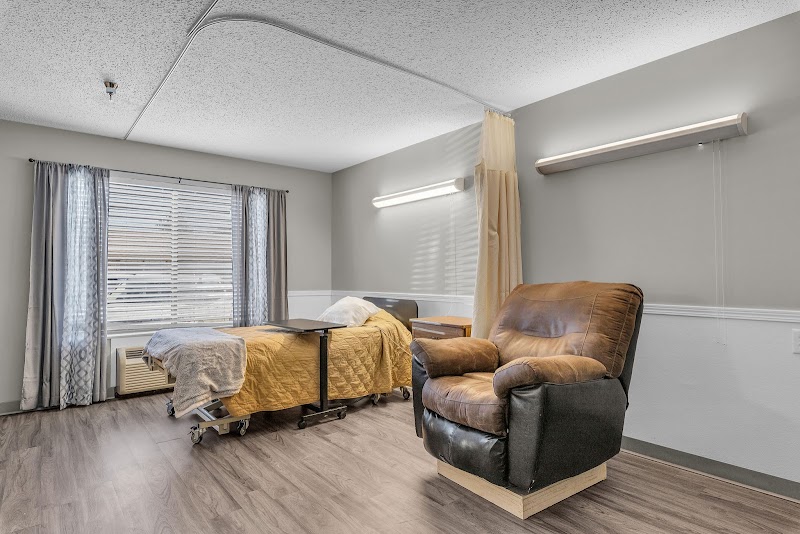
How is Belleville Healthcare And Rehabilitation Center Staffed?

CMS rates BELLEVILLE HEALTHCARE AND REHABILITATION CENTER's staffing level at 3 out of 5 stars, which is average compared to other nursing homes. Staff turnover is 54%, compared to the Kansas average of 46%.

What Have Inspectors Found at Belleville Healthcare And Rehabilitation Center?

State health inspectors documented 29 deficiencies at BELLEVILLE HEALTHCARE AND REHABILITATION CENTER during 2021 to 2024. These included: 1 Immediate Jeopardy (the most serious level, indicating potential for serious harm or death), 1 that caused actual resident harm, 25 with potential for harm, and 2 minor or isolated issues. Immediate Jeopardy findings are rare and represent the most serious regulatory concerns. They require immediate corrective action.

Who Owns and Operates Belleville Healthcare And Rehabilitation Center?

BELLEVILLE HEALTHCARE AND REHABILITATION CENTER is owned by a for-profit company. For-profit facilities operate as businesses with obligations to shareholders or private owners. The facility is operated by RECOVER-CARE HEALTHCARE, a chain that manages multiple nursing homes. With 62 certified beds and approximately 44 residents (about 71% occupancy), it is a smaller facility located in BELLEVILLE, Kansas.
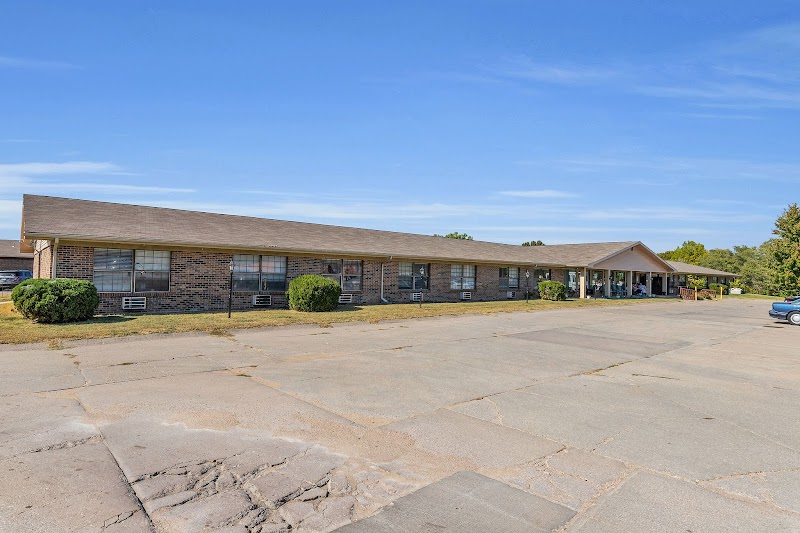
How Does Belleville Healthcare And Rehabilitation Center Compare to Other Kansas Nursing Homes?

Compared to the 100 nursing homes in Kansas, BELLEVILLE HEALTHCARE AND REHABILITATION CENTER's overall rating (2 stars) is below the state average of 2.9, staff turnover (54%) is near the state average of 46%, and health inspection rating (2 stars) is below the national benchmark.

What Should Families Ask When Visiting Belleville Healthcare And Rehabilitation Center?

Based on this facility's data, families visiting should ask: "What changes have been made since the serious inspection findings, and how are you preventing similar issues?" "Can I visit during a mealtime to observe dining assistance and food quality?" "How do you handle medical emergencies, and what is your hospital transfer rate?" "Can I speak with family members of current residents about their experience?" These questions are particularly relevant given the facility's Immediate Jeopardy citations.

Is Belleville Healthcare And Rehabilitation Center Safe?

Based on CMS inspection data, BELLEVILLE HEALTHCARE AND REHABILITATION CENTER has documented safety concerns. Inspectors have issued 1 Immediate Jeopardy citation (the most serious violation level indicating risk of serious injury or death). The facility has a 2-star overall rating and ranks #100 of 100 nursing homes in Kansas. Families considering this facility should ask detailed questions about what corrective actions have been taken since these incidents.

Do Nurses at Belleville Healthcare And Rehabilitation Center Stick Around?

BELLEVILLE HEALTHCARE AND REHABILITATION CENTER has a staff turnover rate of 54%, which is 8 percentage points above the Kansas average of 46%. Moderate turnover is common in nursing homes, but families should still ask about staff tenure and how the facility maintains care continuity when employees leave.

Was Belleville Healthcare And Rehabilitation Center Ever Fined?

BELLEVILLE HEALTHCARE AND REHABILITATION CENTER has been fined $46,770 across 4 penalty actions. The Kansas average is $33,547. While any fine indicates a compliance issue, fines under $50,000 are relatively common and typically reflect isolated problems that were subsequently corrected. Families should ask what specific issues led to these fines and confirm they've been resolved.

Is Belleville Healthcare And Rehabilitation Center on Any Federal Watch List?

BELLEVILLE HEALTHCARE AND REHABILITATION CENTER is not on any federal watch list. The most significant is the Special Focus Facility (SFF) program, which identifies the bottom 1% of nursing homes nationally based on persistent, serious quality problems. Not being on this list means the facility has avoided the pattern of deficiencies that triggers enhanced federal oversight. This is a positive indicator, though families should still review the facility's inspection history directly.