BUHLER SUNSHINE HOME
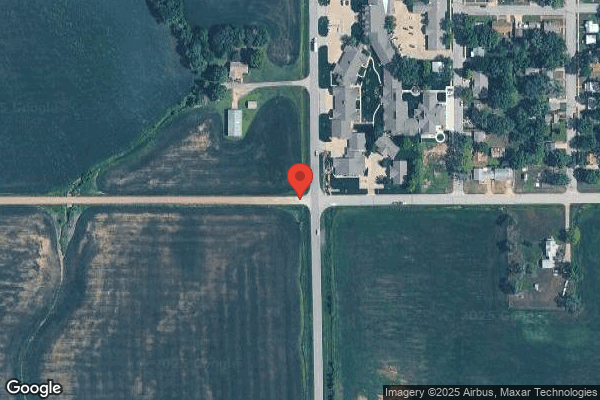
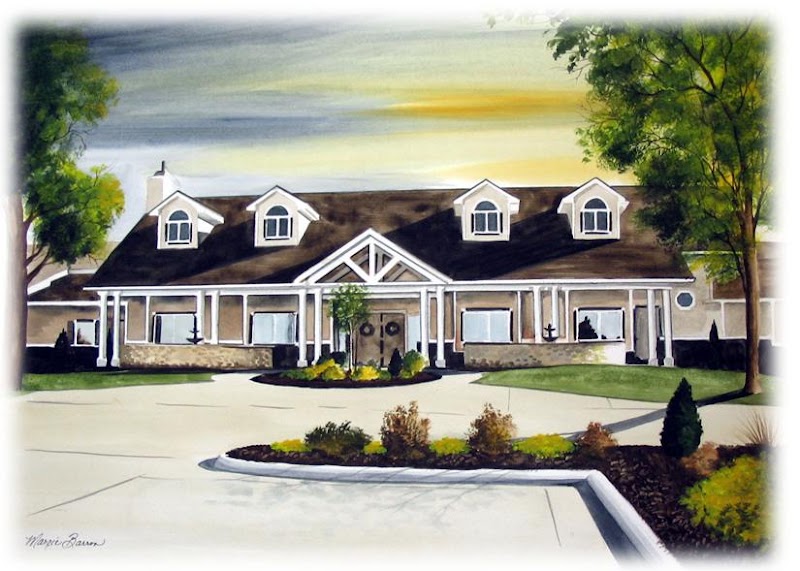
400 S BUHLER ROAD, BUHLER, KS 67522 (620) 543-2251
Non profit - Church related 55 Beds Independent Data: November 2025
Trust Grade
75/100
#54 of 295 in KS
Last Inspection: February 2025

Within standard 12-15 month inspection cycle. Federal law requires annual inspections.

Overview

Buhler Sunshine Home holds a Trust Grade of B, indicating it is a good choice among nursing facilities but has room for improvement. It ranks #54 out of 295 in Kansas, placing it in the top half of facilities statewide, and #4 out of 7 in Reno County, meaning there are only three local homes that perform better. However, the facility is trending worse, with issues increasing from 5 in 2023 to 7 in 2025, highlighting a concerning direction. Staffing is a relative strength, with a rating of 4 out of 5 stars and a turnover rate of 32%, significantly below the Kansas average of 48%. Despite having no fines on record, some significant concerns were noted; for example, the home failed to implement a water management program to prevent Legionella disease, which could expose residents to serious infections. Additionally, food safety practices were inadequate, with expired items in the kitchen and improper food storage, raising the risk of foodborne illnesses. While the facility offers good staffing and no fines, families should be aware of these health and safety issues when considering care for their loved ones.

Trust Score
B
75/100
In Kansas
#54/295
Top 18%
Safety Record
Low Risk
No red flags
Inspections
Getting Worse
5 → 7 violations
Staff Stability
○ Average
32% turnover. Near Kansas's 48% average. Typical for the industry.
Penalties
✓ Good
No fines on record. Clean compliance history, better than most Kansas facilities.
Skilled Nurses
⚠ Watch
Each resident gets only 21 minutes of Registered Nurse (RN) attention daily — below average for Kansas. Fewer RN minutes means fewer trained eyes watching for problems.
Violations
⚠ Watch
15 deficiencies on record. Higher than average. Multiple issues found across inspections.
★★★★☆
4.0
Overall Rating
★★★★☆
4.0
Staff Levels
★★★★☆
4.0
Care Quality
★★★★☆
4.0
Inspection Score
Stable
2023: 5 issues
2025: 7 issues

The Good

  • 4-Star Staffing Rating · Above-average nurse staffing levels
  • 4-Star Quality Measures · Strong clinical quality outcomes
  • Full Sprinkler Coverage · Fire safety systems throughout facility
  • No fines on record
  • Staff turnover below average (32%)

    16 points below Kansas average of 48%

Facility shows strength in staffing levels, quality measures, fire safety.

The Bad

Staff Turnover: 32%

14pts below Kansas avg (46%)

Typical for the industry

The Ugly 15 deficiencies on record

Feb 2025 7 deficiencies
CONCERN (D)

Potential for Harm - no one hurt, but risky conditions existed

Notification of Changes (Tag F0580)

Could have caused harm · This affected 1 resident

**NOTE- TERMS IN BRACKETS HAVE BEEN EDITED TO PROTECT CONFIDENTIALITY** The facility had a census of 50 residents. The sample included 13 residents. Based on observation, record review, and interview,...

Read full inspector narrative →
**NOTE- TERMS IN BRACKETS HAVE BEEN EDITED TO PROTECT CONFIDENTIALITY** The facility had a census of 50 residents. The sample included 13 residents. Based on observation, record review, and interview, the facility failed to notify the physician of episodes of syncope (fainting or passing out) and lightheadedness of one resident, Resident (R) 32. This placed the resident at risk for further decline and a delay in treatment. Findings included: - The Electronic Medical Record (EMR) documented R32 had diagnoses of Alzheimer's disease (progressive mental deterioration characterized by confusion and memory failure), anxiety (mental or emotional reaction characterized by apprehension, uncertainty, and irrational fear), diabetes mellitus (DM - when the body cannot use glucose, not enough insulin is made, or the body cannot respond to the insulin) type two, and arteriosclerotic heart disease (buildup of plaque in the arteries [blood vessels that carry blood away from the heart]). The Significant Change Minimum Data Set (MDS), dated [DATE], documented R32 had intact cognition. R32 was dependent upon staff for transfers and toileting. R32 required substantial assistance with dressing and did not ambulate. The MDS documented R32 was frequently incontinent of bladder and bowel and had lower functional impairment on one side. The Quarterly MDS, dated 01/01/25, documented R32 had moderately impaired cognition. R32 was dependent upon staff for dressing, transfers, mobility, and toileting. The MDS documented R32 was frequently incontinent of bladder and bowel and had lower functional impairment on one side. The Care Plan dated 01/14/25, initiated on 06/14/23, directed staff to use a sit-to-stand lift for all transfers. The update, dated 06/17/24, directed staff to use a full mechanical lift (a medical device used to assist individuals with mobility limitations in transferring between surfaces) and two staff members. The care plan lacked direction to staff if the resident should become lightheaded or have a syncope episode during transfers. The Nurse's Note dated 06/07/24 at 05:50 PM, documented, R32 was sat up in the sit-to-stand lift and because lightheaded. Staff sat R32 down and R32 stated that she felt strange, Staff encouraged R32 to drink more water and rest. The EMR lacked documentation the physician was notified of the episode. The Nurse's Note dated 06/17/24, documented during a transfer with the sit-to-stand lift, R32's eyes rolled into the back of her head, and she stated, Put me down. R32 was lowered back into her wheelchair and R32 stated, I just saw stars. The note stated the assistant director of Nursing (ADON) would talk with R32 regarding the use of a full lift mechanical lift. The EMR lacked documentation the physician was notified of the episode. The Nurse's Note dated 06/18/24 at 08:00 PM, documented R32 was unhappy with the use of the full mechanical lift. R32 stated she had multiple syncope episodes with the sit-to-stand lift. R32 stated she was being hooked up to the lift too long or she was being stood too high. The note documented staff explained to R32 that staff barely had her stood up when she would have the episodes and that it was not safe to use the sit-to-stand lift. On 02/12/25 at 12:46 PM, CNA M and CNA N attached the sling to the full lift raised R32 from the bed, and transferred her to the recliner. R32 did not appear to be afraid or had any health issues while up in the sling and thanked the CNAs after she was lowered into the recliner. On 02/12/25 at 01:00 PM, CNA M stated there had not been any more episodes of passing out since they changed from a toileting sling to a regular sling. On 02/13/25 at 08:45 AM, Licensed Nurse (LN) H stated she was unsure why R32 kept getting lightheaded or passing out. LN H verified she could not find any information that the physician had been notified of the episodes. LN H verified there was no direction for staff in the care plan should R32 have any more episodes of lightheadedness or syncopal episodes. On 02/13/25 at 12:55 PM, LN G stated the physician should have been notified when R32 had the syncopal episodes so that he would be aware and could find out why it kept happening. On 02/13/25 at 01:45 PM, Administrative Nurse G stated she was unaware of the syncope episodes R32 kept having. Administrative Nurse D stated that if she had been aware, she would have provided interventions in the care plan for staff. Administrative Nurse D further stated she expected staff to notify the physician for direction or treatment for R32. The facility's Guidelines for Notifying Physicians of Clinical Problems undated policy documented the physician would be notified whenever there was a significant change in the resident's condition. The physician would be notified to see if there would be a need to alter any treatments significantly. The LN had the responsibility of contacting a physician any time they believed a resident had developed a clinical problem, which required physician intervention. The LN, prior to contacting the physician, must have performed an assessment of the resident to provide to the physician. The facility failed to notify R32's physician of episodes of syncope and lightheadedness. This placed the resident at risk for further decline and a delay in treatment.
CONCERN (D)

Potential for Harm - no one hurt, but risky conditions existed

Deficiency F0657 (Tag F0657)

Could have caused harm · This affected 1 resident

**NOTE- TERMS IN BRACKETS HAVE BEEN EDITED TO PROTECT CONFIDENTIALITY** The facility had a census of 50 residents. The sample included 13 residents. Based on observation, record review, and interview,...

Read full inspector narrative →
**NOTE- TERMS IN BRACKETS HAVE BEEN EDITED TO PROTECT CONFIDENTIALITY** The facility had a census of 50 residents. The sample included 13 residents. Based on observation, record review, and interview, the facility failed to revise a care plan with direction to staff for interventions when one resident has periods of syncope and lightheadedness, Resident (R) 32. This placed the resident at risk for decline. Findings included: - The Electronic Medical Record (EMR) documented R32 had diagnoses of Alzheimer's disease (progressive mental deterioration characterized by confusion and memory failure), anxiety (mental or emotional reaction characterized by apprehension, uncertainty, and irrational fear), diabetes mellitus (DM - when the body cannot use glucose, not enough insulin is made, or the body cannot respond to the insulin) type two, and arteriosclerotic heart disease (buildup of plaque in the arteries [blood vessels that carry blood away from the heart]). The Significant Change Minimum Data Set (MDS), dated [DATE], documented R32 had intact cognition. R32 was dependent upon staff for transfers and toileting. R32 required substantial assistance with dressing and did not ambulate. The MDS documented R32 was frequently incontinent of bladder and bowel and had lower functional impairment on one side. The Quarterly MDS, dated 01/01/25, documented R32 had moderately impaired cognition. R32 was dependent upon staff for dressing, transfers, mobility, and toileting. The MDS documented R32 was frequently incontinent of bladder and bowel and had lower functional impairment on one side. R32 Care Plan dated 01/14/25, initiated on 06/14/23, directed staff to use a sit-to-stand lift for all transfers. The update, dated 06/17/24, directed staff to use a full mechanical lift (a medical device used to assist individuals with mobility limitations in transferring between surfaces) and two staff members. The care plan lacked direction to staff if the resident should become lightheaded or have a syncope episode during transfers. The Nurse's Note dated 06/07/24 at 05:50 PM, documented, R32 was sat up in the sit-to-stand lift and because lightheaded. Staff sat R32 down and R32 stated that she felt strange, Staff encouraged R32 to drink more water and rest. The EMR lacked documentation the physician was notified of the episode. The Nurse's Note dated 06/17/24, documented during a transfer with the sit-to-stand lift, R32's eyes rolled into the back of her head, and she stated, Put me down. R32 was lowered back into her wheelchair and R32 stated, I just saw stars. The note stated the Assistant Director of Nursing (ADON) would talk with R32 regarding the use of a full lift mechanical lift. The EMR lacked documentation the physician was notified of the episode. The Nurse's Note dated 06/18/24 at 08:00 PM, documented R32 was unhappy with the use of the full mechanical lift. R32 stated she had multiple syncope episodes with the sit-to-stand lift. R32 stated she was being hooked up to the lift too long or she was being stood too high. The note documented staff explained to R32 that staff barely had her stood up when she would have the episodes and that it was not safe to use the sit-to-stand lift. On 02/12/25 at 12:46 PM, CNA M and CNA N attached the sling to the full lift raised R32 from the bed, and transferred her to the recliner. R32 did not appear to be afraid or had any health issues while up in the sling and thanked the CNAs after she was lowered into the recliner. On 02/12/25 at 01:00 PM, CNA M stated there had not been any more episodes of passing out since they changed from a toileting sling to a regular sling. On 02/13/25 at 08:45 AM, Licensed Nurse (LN) H stated she was unsure why R32 kept getting lightheaded or passing out. LN H verified she could not find any information that the physician had been notified of the episodes. LN H verified there was no direction for staff in the care plan should R32 have any more episodes of lightheadedness or syncopal episodes. On 02/13/25 at 12:55 PM, LN G stated the physician should have been notified when R32 had the syncopal episodes so that he would be aware and could find out why it kept happening. On 02/13/25 at 01:45 PM, Administrative Nurse D stated she was unaware of the syncope episodes R32 kept having. Administrative Nurse D stated that if she had been aware, she would have provided interventions in the care plan for staff. Administrative Nurse D further stated she expected staff to notify the physician for direction or treatment for R32. The facility's Care Plan Revisions dated 04/23, documented the care planning process including resident assessment, goal setting, and interventions. When changes in condition, medications, or approaches occur, the care plan will be updated immediately. The care plan green sheet would be added to the resident's care plan placing one copy in the communication book and one in the care plan book. The care plan would be revised when there was a change in the problems and goals. The green sheets would be reviewed with each MDS and added as indicated to the resident's long-term care plan. Problems that are no longer applicable would be archived for possible future review or retrieval. The facility failed to revise R32's care plan with direction to staff when R32 had periods of lightheadedness and syncope. This deficient practice placed the resident at risk for decline.
CONCERN (D)

Potential for Harm - no one hurt, but risky conditions existed

Accident Prevention (Tag F0689)

Could have caused harm · This affected 1 resident

**NOTE- TERMS IN BRACKETS HAVE BEEN EDITED TO PROTECT CONFIDENTIALITY** The facility had a census of 50 residents. The sample included 13 residents, with eight reviewed for falls. Based on observation...

Read full inspector narrative →
**NOTE- TERMS IN BRACKETS HAVE BEEN EDITED TO PROTECT CONFIDENTIALITY** The facility had a census of 50 residents. The sample included 13 residents, with eight reviewed for falls. Based on observation, record review, and interview, the facility failed to evaluate the effectiveness of fall interventions and change or modify the ineffective interventions at preventing falls for Resident (R) 16. This placed the resident at risk for further falls and injury. Findings included: - The Electronic Medical Record (EMR) for R16 documented diagnoses of dementia (a progressive mental disorder characterized by failing memory and confusion), hypertension (high blood pressure), anxiety (mental or emotional reaction characterized by apprehension, uncertainty, and irrational fear), arteriosclerotic heart disease (buildup of plaque in the arteries [blood vessels that carry blood away from the heart]), and edema (swelling resulting from an excessive accumulation of fluid in the body tissues). The Quarterly Minimum Data Set (MDS), dated [DATE], documented R16's moderately impaired cognition. R16 required supervision with transfers but was independent with eating, dressing, mobility, personal hygiene, mobility, and ambulation. The MDS documented R16's no functional impairment, two or more falls with injury, and daily use of a bed and chair alarm. The Quarterly MDS, dated 01/15/25, documented R16 had severely impaired cognition. R16 required supervision with personal hygiene, transfers, dressing, and ambulation, and was independent with mobility. The MDS documented R16 had no functional impairment, had two or more falls with injury, and used a bed and chair alarm daily. The Fall Risk Assessments, dated 01/22/24, 04/22/24, 07/11/24, 10/11/24, and 01/09/25, documented R16 was at risk for falls. R16's Care Plan dated 01/28/25, initiated on 05/03/23, directed staff to provide gripper socks when barefoot in his room and ensure R16 laid on top of his blankets to decrease slipping. The update, dated 05/01/23, directed staff to remind R16 to ask for assistance with long-distance mobility, keep personal frequently used items within reach, and provide proper, well-maintained footwear. The update, dated 05/22/23, directed staff to educate R16 to slow down and take his time. The update, dated 10/03/23, directed staff to place non-skid socks on after he returned from supper. The update, dated 01/02/24, directed staff to place silent pressure alarms on while in bed and chair. The update, dated 03/09/24, directed staff to educate R16 on making sure gripper socks were on properly before attempting to ambulate. The update, dated 04/29/24, directed staff to place a stop sign in view of the recliner to call for assistance. The update, dated 06/07/24, directed staff to educate R16 on calling and waiting for assistance. The update, dated 09/21/24, directed staff to educate R16 on the risk of falling when he ambulates independently and for staff to continue to provide verbal reminders. The update, dated 10/15/24, directed staff to offer R16 a drink after he toilets during the night. The update, dated 01/14/25, directed staff to review with R16 the importance of staff assistance with ambulation. The Risk Note dated 03/14/24 at 10:40 AM, documented R16 had a fall on 03/09/24 at 11:00 AM. R16's feet slipped on the floor when he got out of bed, and he fell to his buttocks. R16 denied pain and was assisted to stand, R16 had one sock off and the other sock was worn upside down. R16 was educated to keep both gripper socks on and make sure the grippers were on the bottom of his feet. The note further documented R16 had another fall on 03/11/24 at 11:45 AM. R16 transferred to his recliner, failed back up far enough, and slid down to the floor. R16 sustained a superficial (occurring on the surface of the skin) abrasion (scrape) to the top of his left knee, had his pants down, and had on socks. The Risk Note dated 04/04/24 at 10:45 AM, documented R16 had a fall on 04/01/24 at 12:50 PM when he tried to get something from his refrigerator and lost his balance. R16 sustained a skin tear to his right elbow. The Risk Note dated 05/02/24 at 03:49 AM, documented R16 had a fall on 04/29/24 at 03:53 AM. R16 attempted to take himself to the bathroom and did not use his call light. R16 stated he reached for the grab bar, missed, and fell. R16 sustained a 3.3 centimeter (cm) x 0.3 cm abrasion with dark purple discoloration to the outer left arm. R16 was reminded to use his walker and call for assistance. The Risk Note dated 06/13/24 at 12;28 PM, documented R16 had a fall on 06/06/24 at 04:00 AM. R16 took himself to the bathroom, fell, on his left elbow, and then took himself back to his bed. The note documented staff responded within a minute of his pressure pad alarm being activated and observed R16 getting back into bed. R16 sustained a skin tear to his left inner elbow which measured 1 cm x 1 cm, a bruise to his right elbow which measured 1.5 cm x 0.5 cm, and another bruise to the outer right elbow that measures 2 cm x 1.5 cm. R16 was educated on the importance of using his call light or staff assistance. The Risk Note dated 10/11/24 at 10:40 AM, documented R16 had two noninjury falls on 10/06/24. The first fall at 08:20 PM, R16 attempted to get blankets from the top shelf of his closet. When he grabbed the blankets, they fell on top of him which caused him to lose his balance and fall. The second fall occurred at 09:00 PM when R16 wanted to move his wheelchair closer to his bed, lost his balance, and sat down on the floor. R16 was re-educated to call for assistance. The Risk Note dated 10/18/24 at 11:5 AM, documented R16 had a fall on 10/15/24 at 06:10 AM. R16 fell after he tried to get a drink of water from his pitcher in the refrigerator, lost his balance, and fell, R16 denied hitting his head and had no injuries. The Risk Note dated 01/16/25 at 12:32 PM, documented that R16 had a fall on 01/14/25 at 08:00 AM. R16 fell in his room when he attempted to ambulate independently. R16 attempted to get himself up from the floor as staff entered the room. R16 had redness to his left knee, with an abrasion below the knee. R16 was reminded to use his call light for staff assistance. The Risk Note dated 02/06/25 at 12:40 PM, documented R16 had a fall on 02/05/25 at 06:30 AM. R16 got up from his bed to ambulate unassisted, his legs weakened, and he fell. Staff noticed his pressure pad alarm had not alerted staff, as it was in the recliner, and he had been in bed. On 02/12/25 at 01:06 PM, Certified Nurse Aide (CNA) M placed a gait belt around R16's waist and with CNA N's assistance, R16 stood and transferred from his wheelchair into his recliner. R16 stated he was weak and could not understand why he was so tired after he was transferred. On 02/12/25 at 1:15 PM, CNA M stated he was very impulsive and would not wait for any assistance from staff. She stated he has had a lot of falls and staff checked on him frequently to remind him to call. CNA M stated that they keep an alarm on his bed and chair, and they have placed nonskid strips in front of his recliner and bed to keep him from slipping if he stands up alone. On 02/13/25 at 12:45 PM, Licensed Nurse (LN) G stated R16 was going to do whatever he wanted and would never call for assistance due to his dementia. R16 had silent alarms for his bed and chair and staff were to get him up right away in the morning or he would get up unassisted. LN G stated with R16s dementia he does not remember to call, and his family just wanted him kept injury-free. On 02/13/25 at 01:37 PM, Administrative Nurse D stated R16 could tell staff what he was doing at the time of the fall but due to his cognitive impairment, he does not remember to call for assistance. Administrative Nurse D verified the interventions on the care plan had not been effective due to his cognitive impairment. The facility's Fall Prevention and Management Protocol, revised 04/29/24, documented each resident would be assessed for the risk factors for falls at the time of move-in, return from a health care facility, and after a fall in the facility. After a fall, the resident was assessed for injuries and given the care/treatment needed at the time. The physician would be notified of the fall and would make the clinical decision to transfer to the hospital or be monitored. The falls would be investigated using a root cause analysis and would implement corrective action. A green care plan sheet in the fall packet was completed with fall interventions to be implemented. All falls with interventions are reported, and reviewed in a weekly risk meeting. The care manager would document in resident progress notes and the falls are reviewed in quarterly Quality Assurance and Performance Improvement (QAPI) and safety meetings. The facility failed to evaluate the effectiveness of fall interventions and change or modify the interventions that were ineffective at preventing falls for R16. This deficient practice placed the resident at risk for further falls and injury.
CONCERN (D)

Potential for Harm - no one hurt, but risky conditions existed

Drug Regimen Review (Tag F0756)

Could have caused harm · This affected 1 resident

**NOTE- TERMS IN BRACKETS HAVE BEEN EDITED TO PROTECT CONFIDENTIALITY** The facility had a census of 50 residents. The sample included 13 residents, with five reviewed for unnecessary medication. Base...

Read full inspector narrative →
**NOTE- TERMS IN BRACKETS HAVE BEEN EDITED TO PROTECT CONFIDENTIALITY** The facility had a census of 50 residents. The sample included 13 residents, with five reviewed for unnecessary medication. Based on observation, interview, and record review, the facility's pharmacist consultant failed to request an approved indication for the use of Seroquel (an antipsychotic -class of medications used to treat psychosis and other mental-emotional conditions), and the required physician-written clinical rationale for the continued use of Seroquel for Resident (R) 18. This deficient practice placed R18 at risk of receiving unnecessary antipsychotic drugs. Findings included: - R18's Electronic Medical Record (EMR) documented a diagnosis of Alzheimer's disease (progressive mental deterioration characterized by confusion and memory failure) with late-onset. The Quarterly Minimum Data Set (MDS), dated [DATE], documented a Brief Interview for Mental Status (BIMS) score of 99, short and long-term memory loss with severely impaired cognition. The MDS documented R18 was dependent on staff for all activities of daily living. R18 received antipsychotic medication without a gradual dose reduction (GDR) and the MDS stated the physician had documented a clinical rationale on 12/04/24. R18's Care Plan, dated 12/17/24, directed staff to obtain lab work, and vital signs as ordered by the physician, and request GDRs per regulations with physician review for possible dose reduction. The care plan directed staff to observe R18 for changes or decline in cognitive status, provide one-to-one observation when indicated, and a psychiatric evaluation as indicated. The Physician Order, dated 05/21/24, directed staff to administer Seroquel 25 milligrams (mg), by mouth, at bedtime for severe anxiety. The Pharmacist Reviews, dated 11/25/24, recommended a GDR for Seroquel. The physician declined to perform a GDR and failed to provide a written clinical rationale for the use of the antipsychotic for anxiety. On 02/12/25 at 11:35 AM, Certified Medication Aide (CMA) S administered cyclobenzaprine (muscle relaxant) in pudding, at the dining table. R18 took the medication without problems. On 02/13/25 at 10:15 AM, Administrative Nurse D verified that the consultant pharmacist had not continued to request a written thorough clinical rationale for the use of the antipsychotic for anxiety. The facility's Consultant Pharmacist Services Provider Requirements policy, dated October 2019, stated that the consultant pharmacist provided pharmaceutical services including a review of the medication administration record (MAR) to ensure proper documentation of medication orders and administration of medication. The consultant pharmacist would communicate to the physician and the director of nursing potential or actual problems detected and other findings related to medication therapy orders. The facility's pharmacist consultant failed to request an approved indication for the use of Seroquel, and the required physician-written clinical rationale for the continued use of Seroquel for R18. This deficient practice placed R18 at risk of receiving unnecessary antipsychotic drugs.
CONCERN (D)

Potential for Harm - no one hurt, but risky conditions existed

Medication Errors (Tag F0758)

Could have caused harm · This affected 1 resident

**NOTE- TERMS IN BRACKETS HAVE BEEN EDITED TO PROTECT CONFIDENTIALITY** The facility had a census of 50 residents. The sample included 13 residents, with five reviewed for unnecessary medication. Base...

Read full inspector narrative →
**NOTE- TERMS IN BRACKETS HAVE BEEN EDITED TO PROTECT CONFIDENTIALITY** The facility had a census of 50 residents. The sample included 13 residents, with five reviewed for unnecessary medication. Based on observation, interview, and record review the facility failed to obtain an approved indication for use for Seroquel (antipsychotic -class of medications used to treat psychosis and other mental emotional conditions), and the required physician-written clinical rationale for why any attempted dose reeducation would be likely to impair the resident's function or cause psychiatric instability for Resident (R) 18. This deficient practice placed R18 at risk of receiving unnecessary antipsychotic drugs. Findings included: - R18's Electronic Medical Record (EMR) documented a diagnosis of Alzheimer's disease (progressive mental deterioration characterized by confusion and memory failure) with late-onset. The Quarterly Minimum Data Set (MDS), dated [DATE], documented a Brief Interview for Mental Status (BIMS) score of 99, short and long-term memory loss with severely impaired cognition. The MDS documented R18 was dependent on staff for all activities of daily living. R18 received antipsychotic medication without a gradual dose reduction (GDR) and the MDS stated the physician had documented a clinical rationale on 12/04/24. The care plan, dated 12/17/24, directed staff to obtain lab work, and vital signs as ordered by the physician, and request GDRs per regulations with physician review for possible dose reduction. The care plan directed staff to observe R18 for changes or decline in cognitive status, provide one-to-one observation when indicated, and a psychiatric evaluation as indicated. The Physician Order, dated 05/21/24, directed staff to administer Seroquel 25 milligrams (mg), by mouth, at bedtime for severe anxiety. The Pharmacist Reviews, dated 11/25/24, recommended a GDR for Seroquel. The physician declined to perform a GDR and failed to provide a written clinical rationale for the use of the antipsychotic for anxiety. On 02/12/25 at 11:35 AM, Certified Medication Aide (CMA) S administered cyclobenzaprine (muscle relaxant) in pudding, at the dining table. R18 took the medication without problems. On 02/13/25 at 10:15 AM, Administrative Nurse D verified the physician had not written a thorough clinical rationale for the use of the antipsychotic for anxiety. The Psychotropic Medication Use and Management policy, dated October 2018, stated the facility would use and administer psychotropic medication appropriately working with the physician interdisciplinary team to ensure the appropriate use, evaluation, and monitoring. The drug dosage must be periodically reduced, with the goal of discontinuing it or replacing it with another less potent prescription. All antipsychotics would be tapered as a gradual dose reduction unless clinically contraindicated by the physician. The facility failed to obtain an approved indication for use for the antipsychotic drug Seroquel or the required physician-written clinical rationale, placing R18 at risk of receiving unnecessary antipsychotic drugs.
CONCERN (D)

Potential for Harm - no one hurt, but risky conditions existed

Deficiency F0760 (Tag F0760)

Could have caused harm · This affected 1 resident

**NOTE- TERMS IN BRACKETS HAVE BEEN EDITED TO PROTECT CONFIDENTIALITY** The facility had a census of 50 residents. The sample included 13 residents. Based on observation, interview, and record review,...

Read full inspector narrative →
**NOTE- TERMS IN BRACKETS HAVE BEEN EDITED TO PROTECT CONFIDENTIALITY** The facility had a census of 50 residents. The sample included 13 residents. Based on observation, interview, and record review, the facility failed to administer the correct physician-ordered dose of Ativan (antianxiety drug - a class of medications that calm and relax people) at the scheduled time for Resident (R) 20, placing R20 at risk for adverse effects resulting from the incorrect dose. Findings included: - R20's Electronic Medical Record (EMR) documented diagnoses of dementia (a progressive mental disorder characterized by failing memory, and confusion) and anxiety disorder (mental or emotional reaction characterized by apprehension, uncertainty, and irrational fear). The Quarterly Minimum Data Set (MDS), dated [DATE], documented a Brief Interview for Mental Status (BIMS) score of 00, indicating severe cognitive impairment. The MDS documented R20 required supervision to maximum staff assistance with activities of daily living and received antianxiety medication. R20's Care Plan, dated 02/11/25, directed staff to observe for anxiety or restlessness, strange noises, getting up or down, delusions or hallucinations, resisting cares, being stiff with cares or grabbing, obsession over items, or paranoia. R20's care plan directed staff to inform the nurse for documentation and notify hospice, and his physician as indicated. The Physician Order, dated 08/02/24, directed staff to administer Ativan 0.5mg, (1/2 tablet 0.25mg) two times per day (AM and 1 PM) for anxiety/ restlessness. The Physician Order, dated 11/07/24, directed staff to administer the following: Ativan 0.5mg daily at HS (bedtime) for anxiety for anxiety disorder. Ativan 0.5mg, (1/2 tablet 0.25mg) two times per day (AM and PM) for anxiety or restlessness. The Physician Order, dated 12/04/24, had the following: Ativan 0.5mg, daily at bedtime for anxiety for anxiety disorder. Ativan 0.5mg, (1/2 tablet 0.25mg) two times per day (AM and 4 PM) for anxiety or restlessness. Ativan 0.5mg, under tongue every 4 hours as needed for anxiety or restlessness for 6 months. The Progress Note dated 09/05/24 at 02:12 PM, documented a Certified Medication Aide (CMA) alerted this nurse that R20's noon dose of Ativan was not administered yesterday by error. R20 had not shown any increased anxiety or restlessness from the missed dose at that time. The Progress Note dated 10/08/24 at 10:34 AM, documented a CMA alerted this nurse of finding a medication error from last night. R20 had Ativan 0.5mg at bedtime scheduled but received Ativan 0.25mg last night. R20 had some restlessness this morning without being able to redirect. R20 had been climbing out of chairs and trying to walk. Staff tried to redirect with a magazine, 1:1, and a busy box. R20 continued to be restless and trying to leave for work. Staff attempted multiple times to redirect and the nurse instructed the CMA to give as needed (PRN) Ativan to help manage anxiety. The Progress Note dated 11/05/24 at 09:20 AM documented R20 had not received the scheduled dose of Ativan on 11/03/2024 at 02:00 PM. Staff education was performed, and the time of administration was adjusted. The Progress Note dated 12/16/24 at 08:25 AM, documented a CMA reported to this nurse that the narcotic book showed that R20 received Ativan 1 mg at bedtime instead of the scheduled Ativan 0.5mg at bedtime. Staff education on checking correct dosages prior to giving medications was provided. The Progress Note dated 12/23/24 documented a CMA reported R20 received the incorrect dose of Ativan at bedtime on 12/21/24 and 12/22/24. The Progress Note dated 02/05/25 at 06:15 AM, documented the evening CMA reported a medication error on 02/04/25 at 06:15 PM. R20 was scheduled to receive Ativan 0.5 mg tab in the AM and PM. The morning shift CMA recorded administration on the MAR (Medication Administration Record), but the narcotic box check indicated that Ativan was not given. This nurse and evening CMA rechecked the narcotic medication and record, confirming it was not administered. On 02/12/25 at 11:02 AM, R20 sat in his wheelchair at a dining table and ate lunch independently. After sneezing several times, he started fidgeting, rolling his wheelchair back and forth. On 02/13/25 at 10:35 AM, Administrative Nurse E stated one-to-one education had been provided to CMAs. On 02/04/25 administration removed the CMA from medication passes until her education was done. The facility also had the physician change the times for the scheduled Ativan. On 02/13/25 at AM, Administrative Nurse D verified that staff were to administer physician orders as scheduled. The facility's Reporting a Medication Error policy, dated 12/17/2015, stated all medication errors were to be reported to the Director of Nursing following the guidelines listed. The guidelines stated the person discovering the error would report to their supervisor and the supervisor would review information. Staff were to notify the physician and family. The error would be discussed at the weekly high-risk meeting. The facility failed to administer the correct physician-ordered dose of Ativan at the scheduled time for R20. This deficient practice placed R20 at risk for adverse effects resulting from the incorrect dose.
CONCERN (F)

Potential for Harm - no one hurt, but risky conditions existed

Infection Control (Tag F0880)

Could have caused harm · This affected most or all residents

The facility had a census of 50 residents. Based on observation, record review, and interview, the facility failed to implement a water management program for Legionella disease (Legionella is a bacte...

Read full inspector narrative →
The facility had a census of 50 residents. Based on observation, record review, and interview, the facility failed to implement a water management program for Legionella disease (Legionella is a bacterium spread through mist, such as air-conditioning units in large buildings. Adults over the age of 50 and people with weak immune systems, chronic lung disease, or heavy tobacco use are most at risk of developing pneumonia caused by legionella). This deficient practice placed the residents at risk of contracting infectious processes. Findings included: - On 02/13/25 at 10:17 AM, Maintenance Staff U stated he was not aware of whom managed the waterborne pathogen prevention program that included the prevention of Legionella disease. On 02/13/25 at 10:43 AM, Administrative Staff A reported he was not aware of further monitoring programs for Legionella disease. Administrative Staff A stated the facility had not mapped the water system for possible dead-end water sources. Upon request, the facility failed to provide a waterborne pathogen policy. The facility failed to implement a water management program to test and manage waterborne pathogens. This deficient practice placed the residents who resident in the facility at risk of contracting Legionella pneumonia.
Apr 2023 5 deficiencies
CONCERN (D)

Potential for Harm - no one hurt, but risky conditions existed

Comprehensive Care Plan (Tag F0656)

Could have caused harm · This affected 1 resident

**NOTE- TERMS IN BRACKETS HAVE BEEN EDITED TO PROTECT CONFIDENTIALITY** The facility had a census of 45 residents with 12 included in the sample. Based on observation, interview, and record review the...

Read full inspector narrative →
**NOTE- TERMS IN BRACKETS HAVE BEEN EDITED TO PROTECT CONFIDENTIALITY** The facility had a census of 45 residents with 12 included in the sample. Based on observation, interview, and record review the facility failed to develop a comprehensive care plan for one Resident (R) 10 of the 12 sampled residents, related to comfort care status. Findings included: - Resident (R) 10's signed physician orders dated 04/06/23, included the following diagnoses: dementia (progressive mental disorder characterized by failing memory, confusion), chronic kidney disease (inability of the kidneys to excrete wastes, concentrate urine and conserve electrolytes), hypertension (elevated blood pressure), history of alcohol dependence, major depressive disorder (abnormal emotional state characterized by exaggerated feelings of sadness, worthlessness and emptiness) and anxiety (mental or emotional reaction characterized by apprehension, uncertainty and irrational fear). The Quarterly Minimum Data Set (MDS) dated [DATE] revealed the resident required supervision with daily cares including personal hygiene. No dental concerns noted. The resident received antipsychotic (class of medications used to treat psychosis and other mental emotional conditions), antidepressant (class of medications used to treat mood disorders and relieve symptoms of depression), and antibiotic daily through the seven-day look-back observation period. Review of the annual MDS dated [DATE] revealed intact cognition. The resident was independent for activities of daily living (ADL's). No dental issues and received the same medications with no changes made. Review of the Activities of daily living (ADL) Functional/Rehabilitation Potential Care Area Assessment (CAA) dated 03/02/23, revealed the resident was alert and orientated with intact cognition. The resident was able to make her own decisions and preferred comfort care measures only as she did not want any labs, X-rays or interventions done. The resident was independent in ADL's and was ambulatory with her rolling walker and had a steady gait. The Care Plan dated 11/23/21, revealed the resident had a self-care deficit. The care plan lacked staff guidance in reference to her comfort care status and her preferences of what care she did not want. On 04/17/23 at 11:35 AM, the resident reported she could take care of herself and did not want all that doctor stuff. She was okay how she was. On 04/18/23 at 01:45 PM, Certified Medication Aide D reported the resident was very independent. She absolutely refused staff to clean her teeth. The last time the nurse tried helping her clean her dentures the resident tried to bite her. She is on comfort care and refuses to see doctors or have lab drawn. She sometimes has behaviors where she is mean when staff try to assist her. On 04/19/23 at 08:02 AM, Licensed Nurse (LN) F reported the resident was independent in her room and would not accept assistance for care. She was comfort care and received no physician or dental appointments per her choice. On 04/19/23 at 09:43 AM, Administrative Nurse B reported staff should care plan the resident decision for comfort care and her preferences were. Those are her preferences, and comfort care is not included on the MDS or physician orders. The facility lacked a policy for comfort care. The facility failed to develop a comprehensive care plan for Comfort Care that included the resident preferences and wishes.
CONCERN (D)

Potential for Harm - no one hurt, but risky conditions existed

Deficiency F0657 (Tag F0657)

Could have caused harm · This affected 1 resident

The facility reported a census of 45 residents, with 12 sampled, including four residents sampled for activities of daily living (ADL). Based on observation, interview, and record review, the facility...

Read full inspector narrative →
The facility reported a census of 45 residents, with 12 sampled, including four residents sampled for activities of daily living (ADL). Based on observation, interview, and record review, the facility failed to review and revise the care plan for Resident (R) 29 regarding shower preferences. Findings included: - The 09/29/22 Electronic Health Record (EHR) documented R29 had the following diagnoses of Alzheimer's (progressive mental deterioration characterized by confusion and memory failure) and anxiety (mental or emotional reaction characterized by apprehension, uncertainty, and irrational fear). The 09/28/22 admission Minimum Data Set (MDS) documented a brief interview for mental status (BIMS) of six, indicating severely impaired cognition. R29 was independent with set up assistance of one staff for all ADL, and no bathing occurred in the seven-day look-back period. The 09/28/22 ADL Functional/Rehabilitation Potential Care Area Assessment (CAA) documented R29 was independent with ADL. The 03/31/23 Care Plan documented R29 preferred early morning showers twice weekly, R29 required one assist for bathing transfers, with clothing management and drying off. The Spa Documentation Sheet for January through April 2023 documented R29 was on the schedule for the evening shift. On 04/17/23 at 10:36 AM, R 29 observed sitting in his room in his recliner with long facial hair growth, greasy/oily appearing hair, and a dirty shirt. On 04/18/23 at 01:24 PM, Certified Nurse Aide (CNA) R revealed R29 was on the evening shift schedule. On 04/18/23 at 03:45 PM, CNA E confirmed R29 was on the evening bathing schedule, but she had not given him a shower. On 04/18/23 at 04:02 PM, Licensed Nurse (LN) G revealed the admission nurse would obtain the resident's preferences and add them to the care plan. LN G stated whichever nurse talked to the family or resident concerning a change in their care would be responsible for updating the care plan. LN G reported she remembered hearing the resident wanted showers in the evening, and staff placed him on the evening schedule, however, she verified the care plan indicated he preferred morning showers. On 04/06/23 at 10:14 AM, Administrative Nurse D revealed she expected her staff to update and follow the care plan for the care of the residents. The facility Comprehensive Care Plan revised 07/21/2017, documented the care plans are prepared by a care plan team which included nursing, dietary, activities, and social services. This would include information from the physician, the resident, and the family. The care plan will be updated by charge nurses and care coordinators as events occur. The facility failed to update R29's care plan to guide staff related to this resident's shower preferences.
CONCERN (D)

Potential for Harm - no one hurt, but risky conditions existed

ADL Care (Tag F0677)

Could have caused harm · This affected 1 resident

The facility reported a census of 45 residents, with 12 sampled, including four residents sampled for activities of daily living (ADL). Based on observation, interview, and record review, the facility...

Read full inspector narrative →
The facility reported a census of 45 residents, with 12 sampled, including four residents sampled for activities of daily living (ADL). Based on observation, interview, and record review, the facility failed to provide care consistent with standard of practice for Resident (R) 29 to maintain good grooming and personal hygiene related to showers and facial hair removal. Findings included: - The 09/29/22 Electronic Health Record (EHR) documented R29 had the following diagnoses of Alzheimer's (progressive mental deterioration characterized by confusion and memory failure) and anxiety (mental or emotional reaction characterized by apprehension, uncertainty, and irrational fear). The 09/28/22 admission Minimum Data Set (MDS) documented a brief interview for mental status (BIMS) of six, indicating severely impaired cognition. R29 was independent with set up assistance of one staff for all ADL. The 09/28/22 ADL Functional/Rehabilitation Potential Care Area Assessment (CAA) documented R29 was independent with ADL, and that bathing did not occur. The 3/17/23 Quarterly MDS documented R29 required physical help in part of bathing by one staff. The 03/31/23 Care Plan documented R29 preferred early morning showers twice weekly, R29 required one assist for bathing transfers, with clothing management and drying off. The Progress Notes from January 2023 through March 2023, lacked documentation of the resident's refusals of showers/baths. The Spa Documentation Sheet for January 2023 documented out of nine scheduled opportunities, R29 received five showers, with no shaving noted. The Spa Documentation Sheet for February 2023 documented out of eight scheduled opportunities, R29 received five showers, two with shaving noted, and one refusal noted. The Spa Documentation Sheet for March 2023 documented out of nine scheduled opportunities, R29 received six showers, three with shaving noted, and no refusals noted. On 04/17/23 at 10:36 AM, R29 observed sitting in his room in his recliner with long facial hair growth, greasy/oily appearing hair, and a dirty shirt. On 04/17/23 at 10:36 AM, R29 stated he would like assistance with showering and shaving. On 04/18/23 at 08:02 AM, R29 observed sitting in his room in his recliner with long facial hair growth, greasy/oily appearing hair, and the same dirty shirt. On 04/17/23 at 08:02 AM, R29 revealed he had gotten no help to shave or shower. On 04/18/23 at 01:24 PM, certified nurse's aide (CNA) F, revealed she was the shower aide assigned to showers for the day. She stated she would try three times to give a shower to a resident, if they refused all three, she would get the charge nurse. She stated showers were to be documented in the electronic record and on a shower sheet. CNA F revealed R29 was on the evening shift schedule. On 04/18/23 at 03:45 PM, CNA E revealed there was not one CNA assigned to give showers on the evening shift, they would just give them per the bath schedule. CNA E stated staff should document them in the electronic record and on the shower sheet whether the resident received a bath or refused. CNA E confirmed R29 was on the evening schedule, and she had not given him a shower. On 04/18/23 at 04:02 PM, Licensed Nurse (LN) G revealed staff should document showers in the electronic record as well as on Spa documentation sheets. LN G confirmed R29 had long facial hair. On 04/06/23 at 10:14 AM, Administrative Nurse D revealed she expected her staff to provide bathing as per the residents' preference, to document it in the electronic record, and on the Spa documentation sheet. The facility Bathing policy dated 03/14/15, documented team members who assist residents with bathing would focus on making the bathing experience enjoyable for the resident. Staff were to review the information about bathing found on the resident's bath sheet regarding if the resident wanted a bath or shower. The facility failed to provide care consistent with professional standard of practice, for this resident that required assistance with bathing and facial hair removal, to maintain good grooming, and personal hygiene.
CONCERN (D)

Potential for Harm - no one hurt, but risky conditions existed

Incontinence Care (Tag F0690)

Could have caused harm · This affected 1 resident

**NOTE- TERMS IN BRACKETS HAVE BEEN EDITED TO PROTECT CONFIDENTIALITY** The facility census totaled 45 residents with 12 included in the sample, with one resident sampled for catheter care. Based on o...

Read full inspector narrative →
**NOTE- TERMS IN BRACKETS HAVE BEEN EDITED TO PROTECT CONFIDENTIALITY** The facility census totaled 45 residents with 12 included in the sample, with one resident sampled for catheter care. Based on observation, interview, and record review, the facility failed to provide necessary services to decrease the risk of a urinary tract infection by the failure to ensure the catheter tubing remained below the level of the bladder for one resident. Resident (R) 6. Findings included: - Resident (R) 6's signed physician orders dated 04/06/23 revealed the following diagnoses: traumatic subdural hemorrhage (collection of blood on the surface of the brain) without loss of consciousness, chronic obstructive pulmonary disease- COPD (progressive and irreversible condition characterized by diminished lung capacity and difficulty or discomfort in breathing), type 2 diabetes mellitus (when the body cannot use glucose, not enough insulin is made or the body cannot respond to the insulin) benign prostatic hyperplasia with lower urinary tract symptoms (non-cancerous enlargement of the prostate which can lead to interference with urine flow, urinary frequency and urinary tract infections (UTI). The Significant Change in Status Minimum Data Set (MDS) dated [DATE] revealed a Brief Interview for Mental Status (BIMS) score of 12 indicating moderate cognitive impairment. The resident required total dependence with daily cares. The resident had an indwelling urinary catheter. The Urinary Incontinence Indwelling Catheter Care Area Assessment (CAA) dated 03/16/23 revealed the resident fatigued easily with repositioning side to side for linen changes and catheter care. The resident received Levaquin (an antibiotic medication) for UTI. Review of the Care Plan dated 02/23/23 revealed R 6 required an indwelling urinary catheter related to urinary retention. The care plan guided staff to report symptoms of UTI, avoid obstructions, change the catheter monthly, keep the catheter system in a closed system as much as possible, manipulate the tubing as little as possible during cares, position the bag below the level of the bladder, and provide catheter cares. Review of the progress notes on 02/19/2023 at 11:20 AM revealed the resident required admission to the hospital for his COPD and UTI. He returned to the facility on [DATE]. The physician ordered levofloxacin (antibiotic), 500 milligrams, daily for five days for UTI. Observation on 04/17/23 at 10:16 AM, Licensed Nurse (LN) I and certified nurse's aide (CNA) J entered the resident room to transfer the resident to the toilet for a bowel movement. The sling under the resident as he sat in his wheelchair was then attached to the sit to stand lift. CNA J hung the catheter bag on the mechanical lift above the level of the resident's bladder. Staff transferred the resident to the toilet. When the resident sat on the toilet, the urinary catheter bag, still attached to the mechanical lift, was at the approximate level of the resident's shoulders. CNA J and LN I stood in the bathroom doorway as the resident sat on the toilet. After observation of the urinary catheter at the resident's shoulder height of approximately three minutes, the surveyor questioned the height of the catheter bag. CNA J abruptly grabbed the bag, without answering the question, and placed it on a lower bar on the lift. LN I failed to advise CNA J about the placement of the urinary catheter bag. On 04/18/23 at 1:50 PM, Certified Medication Aide (CMA) H reported the resident was dependent on staff for his care and transferred with a sit to stand lift. The resident had a urinary catheter and had a UTI. On 04/19/23 at 07:28 AM CNA J reported the resident was total assistance of two staff with a sit to stand lift. The resident had a urinary catheter. The resident had problems with UTIs. On 04/19/23 at 07:50 AM, LN G reported the CNAs were to do catheter care at least once a shift. Staff should keep the resident's urinary catheter below the level of his bladder. On 04/19/23 at 10:30 AM administrative Nurse B reported she expected all nursing staff to know how to care for a catheter. Review of the facility policy called Catheter Care dated 03/14/15 revealed the tubing is not to be positioned higher than the bladder. The facility failed to provide necessary services to decrease the risk of a urinary tract infection by the failure to ensure the catheter tubing remained below the level of the bladder for this resident.
CONCERN (F)

Potential for Harm - no one hurt, but risky conditions existed

Food Safety (Tag F0812)

Could have caused harm · This affected most or all residents

The facility reported a census of 45 residents. The facility had one main kitchen. The kitchen served food to two dining areas. Based on observation, interview, and record review, the facility failed ...

Read full inspector narrative →
The facility reported a census of 45 residents. The facility had one main kitchen. The kitchen served food to two dining areas. Based on observation, interview, and record review, the facility failed to properly store food in the main kitchen refrigerators due to foods left uncovered, boxes placed directly on the floor in the kitchen area, and staff failed to discard expired foods in accordance with professional standards for food service safety, to prevent food borne illness to the residents. Findings included: - During the brief initial tour of the kitchen, on 04/17/23 at 08:27 AM, observation revealed the following concerns: 1. The walk-in refrigerator had six 16-ounce (oz) containers of grated parmesan cheese with a use by date of 04/07/23. 2. The kitchen had approximately four various food boxes stored directly on the floor with 14 boxes stacked on top of those boxes. 3. The refrigerator had an undated box of lettuce, open to air and wilted. 4. The kitchen had five cutting boards with scratches that covered most of the surface of each of them (making them uncleanable). 5. The kitchen refrigerator had a tray of four oz juice cups with various dates, the front two stacks dated 04/16/23, with the following rows had 10 cups of juice dated 03/28/23, and five cups of juice dated 03/30/23. The juice in the back revealed a date of 04/17/23. On 04/17/23 at 08:45 AM, Dietary Staff D stated staff should date and seal any unused food products. She stated the juice cups were dated when they were taken out of the freezer. She verified the boxes of food should not be stored directly on the floor. On 04/18/23 at 02:22 PM, Dietary Manager (DM) C confirmed boxes should not be stored directly on the floor. DM C confirmed staff should discard the expired cheese. DM C stated the juices being in the refrigerator were only good for two to three days. In addition, staff should rotate the juice in the refrigerator. The facility's policy Food Storage revised in 2015 documented all food items would be stored on shelves. All packaged food items would be properly sealed. Refrigerated items should follow a rotation procedure. The facility failed to properly store food in the main kitchen refrigerators due to the boxes being directly on the floor and the open food items, also the expired food items for food service to the residents of this facility.
Oct 2021 3 deficiencies
CONCERN (D)

Potential for Harm - no one hurt, but risky conditions existed

Deficiency F0657 (Tag F0657)

Could have caused harm · This affected 1 resident

**NOTE- TERMS IN BRACKETS HAVE BEEN EDITED TO PROTECT CONFIDENTIALITY** The facility census totaled 45 residents, with 12 included in the sample. Based on observation, interview, and record review the...

Read full inspector narrative →
**NOTE- TERMS IN BRACKETS HAVE BEEN EDITED TO PROTECT CONFIDENTIALITY** The facility census totaled 45 residents, with 12 included in the sample. Based on observation, interview, and record review the facility failed to revise the care plan for Resident (R)24 related to the use of oxygen (O2). Findings included: - R24's Electronic Health Record (EHR) revealed the following diagnoses: dyspnea (difficulty breathing), pulmonary fibrosis (a lung disease that occurs when lung tissue becomes damaged and scarred), and bronchiectasis (a condition in which the lungs' airways become damaged, making it hard to clear mucus.) The admission Minimum Data Set (MDS) dated [DATE] revealed a Brief Interview for Mental Status (BIMS) score 15, which indicated intact cognition. R24 was not on O2 therapy. The Quarterly MDS dated 09/14/21 revealed a BIMS 15, which indicated intact cognition and R24 received O2 therapy. The Pressure Ulcer/Injury Care Area Assessment (CAA) dated 01/20/21 revealed R24 denied being short of air at rest or with exertion. R24 had crackles in the bilateral lower lobes of her lungs. R24 stated she did not wear O2 at home prior to moving to the facility. Review of R24's Care Plan lacked any interventions concerning the use of O2. A Physician Order dated 01/19/21 revealed R24 was to have O2 at 1-2 Liters (L) per minute per nasal cannula (a device used to deliver supplemental oxygen or increased airflow to a patient or person in need of respiratory help) as needed for dyspnea or O2 saturation less than 88%. A Physician Order dated 01/19/21 revealed staff were to replace O2 concentrator masks/cannula/tubing every two weeks, or as needed on Tuesdays when O2 was in use. An observation on 10/18/21 at 11:17 AM revealed O2 tubing connected to an O2 concentrator with the no date on the tubing During an interview on 10/21/21 at 01:29 PM, Certified Nurse Aide (CNA) T stated R24 used oxygen continuously. CNA T stated she thought the O2 tubing was changed out once a week and either the nurse or medication aides changed it, but she did not know on which shift. CNA T stated the O2 tubing should be dated. Interview on 10/20/21 at 02:38 PM, Licensed Nurse (LN) U stated, R24 used oxygen on a PRN bases in order to keep her O2 saturation level above 88%. LN U stated nurses, medication aides or CNAs could change out the oxygen tubing at least every two weeks and this was documented in the EMAR. LN U stated the O2 tubing should be dated. Interview on 10/21/21 at 10:57 AM, Administrative Nurse V stated the use of oxygen should be included in the care plan and stated the nurses filled out a green sheet, put it in the resident care plan notebook, and she updated the care plan off of the sheets when a care plan meeting took place. Administrative Nurse V verified there was no green sheet filled out for the use of oxygen for R24 and the care plan was not updated to include use of O2. Interview on 10/21/21 at 01:41 PM, Administrative Nurse A stated the use of oxygen should be included on the care plan. The Comprehensive Care Plan policy revised 07/21/17 revealed The care plan is .reviewed and revised quarterly . The facility failed to revise the care plan for R24 to include information concerning the use of O2.
CONCERN (D)

Potential for Harm - no one hurt, but risky conditions existed

Respiratory Care (Tag F0695)

Could have caused harm · This affected 1 resident

**NOTE- TERMS IN BRACKETS HAVE BEEN EDITED TO PROTECT CONFIDENTIALITY** The facility census totaled 45 residents, with 12 included in the sample, and one resident reviewed for oxygen (O2) use. Based o...

Read full inspector narrative →
**NOTE- TERMS IN BRACKETS HAVE BEEN EDITED TO PROTECT CONFIDENTIALITY** The facility census totaled 45 residents, with 12 included in the sample, and one resident reviewed for oxygen (O2) use. Based on observation, interview, and record review the facility failed to provide necessary respiratory care and/or services consistent with professional standards of practice when they failed to change, and date disposable O2 equipment for Resident (R)24. Findings included: - R24's Electronic Health Record (EHR) revealed the following diagnoses: dyspnea (difficulty breathing), pulmonary fibrosis (a lung disease that occurs when lung tissue becomes damaged and scarred), and bronchiectasis (a condition in which the lungs' airways become damaged, making it hard to clear mucus.) The admission Minimum Data Set (MDS) dated [DATE] revealed a Brief Interview for Mental Status (BIMS) score 15, which indicated intact cognition. R24 was not on O2 therapy. The Quarterly MDS dated 09/14/21 revealed a BIMS 15, which indicated intact cognition and R24 received O2 therapy. The Pressure Ulcer/Injury Care Area Assessment (CAA) dated 01/20/21 revealed R24 denied being short of air at rest or with exertion. R24 had crackles in the bilateral lower lobes of her lungs. R24 stated she did not wear O2 at home prior to moving to the facility. Review of R24's Care Plan lacked any interventions concerning the use of O2. A Physician Order dated 01/19/21 revealed R24 was to have O2 at 1-2 Liters (L) per minute per nasal cannula (a device used to deliver supplemental oxygen or increased airflow to a patient or person in need of respiratory help) as needed for dyspnea or O2 saturation less than 88%. A Physician Order dated 01/19/21 revealed staff were to replace O2 concentrator masks/cannula/tubing every two weeks, or as needed on Tuesdays when O2 was in use. The August 2021 - October 2021 Electronic Medication Administration Record (EMAR) revealed a place to: Replace O2 .cannula and tubing every two weeks, PRN on Tuesday when O2 was in use (label and date/initial). There were no entries on the EMAR to show that this was completed. An observation on 10/18/21 at 11:17 AM revealed O2 tubing connected to an O2 concentrator with the no date on the tubing During an interview on 10/21/21 at 01:29 PM, Certified Nurse Aide (CNA) T stated R24 used oxygen continuously. CNA T stated she thought the O2 tubing was changed out once a week and either the nurse or medication aides changed it, but she did not know on which shift. CNA T stated the O2 tubing should be dated. Interview on 10/20/21 at 02:38 PM, Licensed Nurse (LN) U stated, R24 used oxygen on a PRN bases in order to keep her O2 saturation level above 88%. LN U stated nurses, medication aides or CNAs could change out the oxygen tubing at least every two weeks and this was documented in the EMAR. LN U stated the O2 tubing should be dated. Interview on 10/21/21 at 01:41, Administrative Nurse A stated R24 used O2 and her expectation was the O2 tubing should be dated when changed every two weeks. The undated Oxygen, Administration of policy revealed, Masks, cannulas, tubing will be replaced at every two weeks. The facility failed to ensure R24's O2 tubing was changed out and dated as ordered.
CONCERN (F)

Potential for Harm - no one hurt, but risky conditions existed

Food Safety (Tag F0812)

Could have caused harm · This affected most or all residents

The facility reported a census of 45 residents. The facility had one main kitchen where food was stored and prepared serving two dining rooms. Based on observation, interview, and record review the fa...

Read full inspector narrative →
The facility reported a census of 45 residents. The facility had one main kitchen where food was stored and prepared serving two dining rooms. Based on observation, interview, and record review the facility failed to properly store food in a snack fridge due to lack of temperature monitoring and failed to ensure the dishes and cookware were washed under sanitary conditions, due to the lack of chemical or temperature monitoring. Findings included: - Observation on 10/18/21 at 11:39 AM revealed no temperature or chemical log available for the dishwasher in the Memory Care Unit (MCU). Interview on 10/18/21 at 11:39 AM CMA J stated the staff in the MCU washed their own dishes with a dishwasher which used chemicals and were metered in by the machine. The dishwasher light indicated when it was hot and ready to wash. She did not know of temperature monitoring or testing required for chemical strength. CMA J stated the maintenance staff came in periodically and checked the dishwashing machine. Interview on 10/19/21 at 08:07 AM Maintenance Staff (MS) E stated the dishwasher in the MCU was not tested by the maintenance department periodically for heat or chemical sanitization. MS E stated the dietary department managed the testing for sanitization on the dishwasher in the MCU. Observation on 10/19/21 at 10:52 AM revealed the snack room refrigerator temperature log was not present on one of the halls. Interview on 10/19/21 at 11:15 AM Dietary Staff (DS) B stated there were no temperature monitoring procedures in place for the MCU dishwasher. DS B stated the machine was only a few months old and had no problems heating up to the acceptable temperature range. Observation on 10/19/21 at 12:47 PM revealed the main kitchen dishwasher temperature log book was closed on the shelf. The binder instructed staff to log temperatures on the log sheets once each shift at 10:00 AM and 04:30 PM. Staff provided three log sheets from the log book upon request for copies. The log sheets were not labeled with a month or year date. The first log sheet had 16 blank spaces during the morning shift and 27 blank spaces during the afternoon shift. The second log sheet had three blank spaces on the 22nd, 23rd, and 25th during the morning shift. There were 23 blank spaces during the afternoon shift. The third log sheet had three blank spaces from the 29th to the 31st during the morning shift and 21 blank spaces during the afternoon shift. Interview on 10/19/21 at 12:47 DS K stated she wrote down the main kitchen dishwasher temperatures in the log book. She wrote the temperature on whichever page was open at the time. DS K stated if the temperatures were out of the acceptable range she would just write it down. Interview on 10/19/21 at 02:14 PM DS B stated the main kitchen dishwasher was a high heat dishwasher that rinsed at 180 degrees Fahrenheit (F) for 15 seconds. He expected the dishwasher temperature log sheets to be labeled with the month and year and expected the staff to record the temperatures twice daily morning and evening. Interview on 10/20/21 at 01:34 PM, Housekeeping Staff (HS) C stated the housekeeping department used to check the temperatures for the refrigerator and freezer in one of the halls for a snack room but had not done so in about a year. HS C stated dietary had overseen the temperature checks for the snack room fridge since the change last year. Interview on 10/20/21 at 02:15 PM, DS S stated he never checked and logged the temperature for the refrigerator and freezer in the one hallway's snack room. He stated he thought there was a temperature log in the room but could not locate one. He thought the nurses logged the temperatures in the MCU. The facility's Dish Machine Temperature Log Policy dated 05/03/05 revealed Dishwashing staff will monitor and record dish machine temperatures to assure proper sanitizing of dishes. The Facility Refrigerator Policy updated September 2019 stated, Refrigerator temperatures will be checked daily and reported to Worxhub (maintenance management tool) when over 41 degrees F. A log will be posted on the refrigerator for daily checks. Housekeeping is responsible for weekday checks, and nursing for weekends and holidays. The facility failed to properly store food items and wash dishes and cookware under sanitary conditions.
Understanding Severity Codes (click to expand)
Life-Threatening (Immediate Jeopardy)
J - Isolated K - Pattern L - Widespread
Actual Harm
G - Isolated H - Pattern I - Widespread
Potential for Harm
D - Isolated E - Pattern F - Widespread
No Harm (Minor)
A - Isolated B - Pattern C - Widespread

Questions to Ask on Your Visit

  • "Can I speak with families of current residents?"
  • "What's your RN coverage like on weekends and overnight?"

Our Honest Assessment

Strengths
  • • No major safety red flags. No abuse findings, life-threatening violations, or SFF status.
  • • No fines on record. Clean compliance history, better than most Kansas facilities.
  • • 32% turnover. Below Kansas's 48% average. Good staff retention means consistent care.
Concerns
  • • 15 deficiencies on record. Higher than average. Multiple issues found across inspections.
Bottom line: Generally positive indicators. Standard due diligence and a personal visit recommended.

About This Facility

What is Buhler Sunshine Home's CMS Rating?

CMS assigns BUHLER SUNSHINE HOME an overall rating of 4 out of 5 stars, which is considered above average nationally. Within Kansas, this rating places the facility higher than 99% of the state's 100 nursing homes. This rating reflects solid performance across the metrics CMS uses to evaluate nursing home quality.
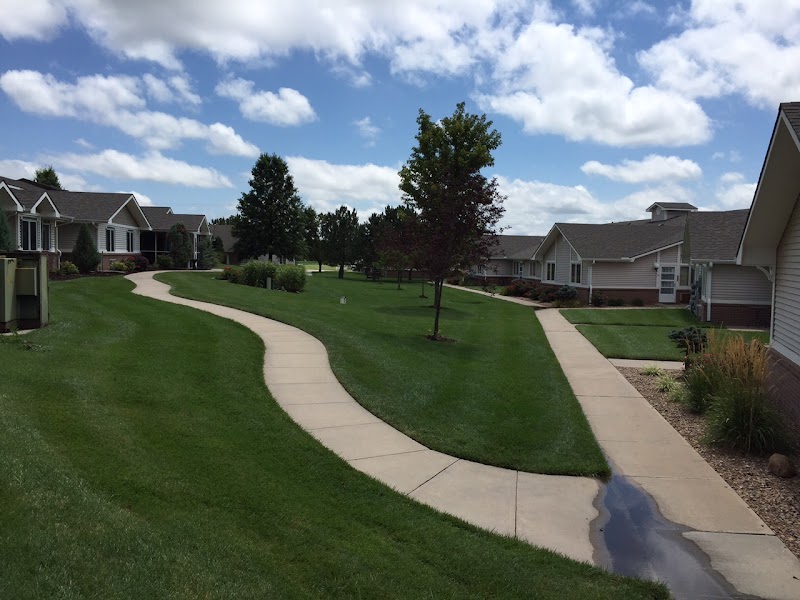
How is Buhler Sunshine Home Staffed?

CMS rates BUHLER SUNSHINE HOME's staffing level at 4 out of 5 stars, which is above average compared to other nursing homes. Staff turnover is 32%, compared to the Kansas average of 46%. This relatively stable workforce can support continuity of care.

What Have Inspectors Found at Buhler Sunshine Home?

State health inspectors documented 15 deficiencies at BUHLER SUNSHINE HOME during 2021 to 2025. These included: 15 with potential for harm.
Who Owns and Operates Buhler Sunshine Home?

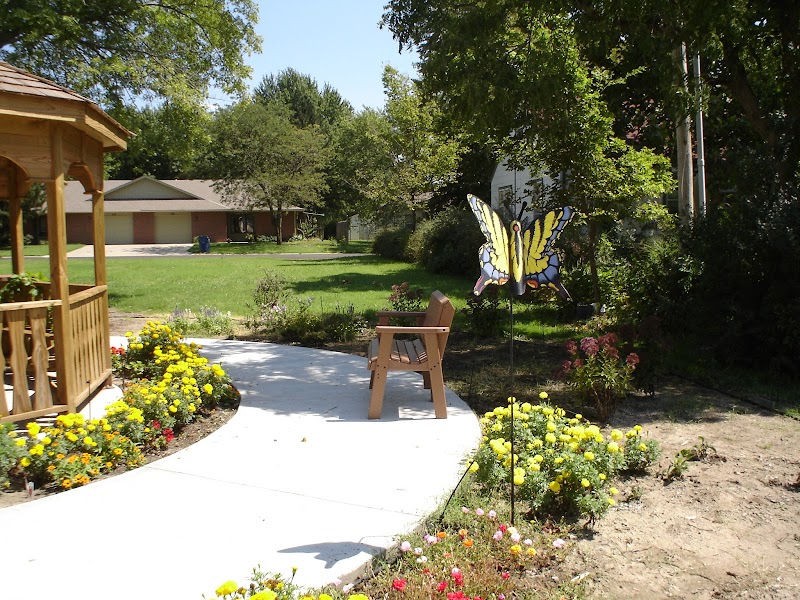
BUHLER SUNSHINE HOME is owned by a non-profit organization. Non-profit facilities reinvest revenue into operations rather than distributing to shareholders. The facility operates independently rather than as part of a larger chain. With 55 certified beds and approximately 46 residents (about 84% occupancy), it is a smaller facility located in BUHLER, Kansas.
How Does Buhler Sunshine Home Compare to Other Kansas Nursing Homes?

Compared to the 100 nursing homes in Kansas, BUHLER SUNSHINE HOME's overall rating (4 stars) is above the state average of 2.9, staff turnover (32%) is significantly lower than the state average of 46%, and health inspection rating (4 stars) is above the national benchmark.

What Should Families Ask When Visiting Buhler Sunshine Home?

Based on this facility's data, families visiting should ask: "Can I visit during a mealtime to observe dining assistance and food quality?" "How do you handle medical emergencies, and what is your hospital transfer rate?" "Can I speak with family members of current residents about their experience?"

Is Buhler Sunshine Home Safe?

Based on CMS inspection data, BUHLER SUNSHINE HOME has a clean safety record: no substantiated abuse findings (meaning no confirmed cases of resident harm), no Immediate Jeopardy citations (the most serious violation level indicating risk of serious injury or death), and is not on the Special Focus Facility watch list (a federal program monitoring the lowest-performing 1% of nursing homes). The facility has a 4-star overall rating and ranks #1 of 100 nursing homes in Kansas. While no facility is perfect, families should still ask about staff-to-resident ratios and recent inspection results during their visit.

Do Nurses at Buhler Sunshine Home Stick Around?

BUHLER SUNSHINE HOME has a staff turnover rate of 32%, which is about average for Kansas nursing homes (state average: 46%). Moderate turnover is common in nursing homes, but families should still ask about staff tenure and how the facility maintains care continuity when employees leave.

Was Buhler Sunshine Home Ever Fined?

BUHLER SUNSHINE HOME has no federal fines on record. CMS issues fines when nursing homes fail to meet care standards or don't correct problems found during inspections. The absence of fines suggests the facility has either maintained compliance or corrected any issues before penalties were assessed. This is a positive indicator, though families should still review recent inspection reports for the full picture.

Is Buhler Sunshine Home on Any Federal Watch List?

BUHLER SUNSHINE HOME is not on any federal watch list. The most significant is the Special Focus Facility (SFF) program, which identifies the bottom 1% of nursing homes nationally based on persistent, serious quality problems. Not being on this list means the facility has avoided the pattern of deficiencies that triggers enhanced federal oversight. This is a positive indicator, though families should still review the facility's inspection history directly.