LIFE CARE CENTER OF BURLINGTON
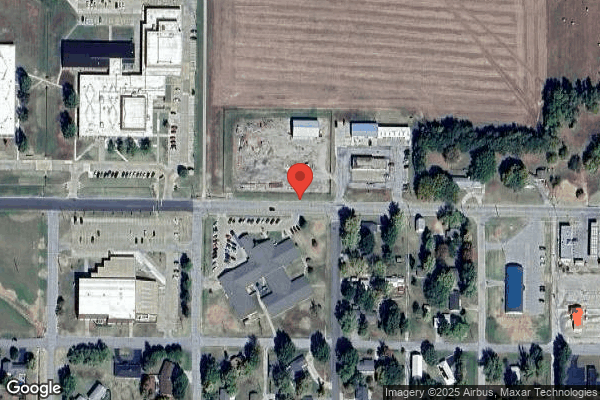
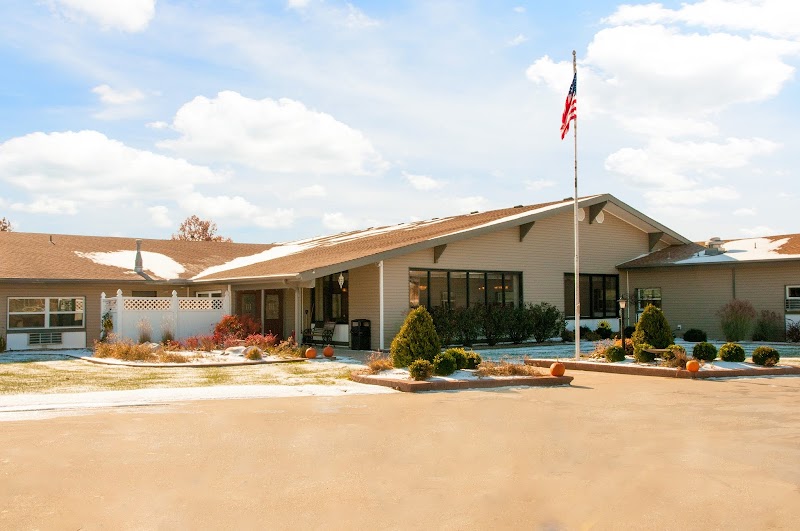
601 CROSS STREET, BURLINGTON, KS 66839 (620) 364-2117
For profit - Individual 77 Beds LIFE CARE CENTERS OF AMERICA Data: November 2025
Trust Grade
50/100
#136 of 295 in KS
Last Inspection: December 2024

Within standard 12-15 month inspection cycle. Federal law requires annual inspections.

Overview

Life Care Center of Burlington has a Trust Grade of C, which means it is average and situated in the middle of the pack among nursing homes. It ranks #136 out of 295 facilities in Kansas, placing it in the top half, and is the only option available in Coffey County. The facility is improving, as it reduced its issues from 10 in 2023 to 8 in 2024. Staffing is rated average, with a 3/5 star rating and a turnover of 48%, which matches the state average, indicating some stability among staff. However, there are concerns about RN coverage, as it is lower than 94% of Kansas facilities, meaning residents may not receive as much oversight from registered nurses. Recent inspections revealed several issues, including a serious incident where a resident developed a stage three pressure ulcer due to the facility's failure to provide necessary care and interventions. Additionally, the facility lacked a full-time certified dietary manager, which could lead to inadequate nutrition for residents. There were also concerns about infection control, as staff did not provide proper catheter care or maintain sanitary conditions, increasing the risk of infections. While there are strengths in areas like the quality of care measures, these weaknesses raise significant concerns for families considering this facility.

Trust Score
C
50/100
In Kansas
#136/295
Top 46%
Safety Record
Moderate
Needs review
Inspections
Getting Better
10 → 8 violations
Staff Stability
⚠ Watch
48% turnover. Above average. Higher turnover means staff may not know residents' routines.
Penalties
✓ Good
$31,272 in fines. Lower than most Kansas facilities. Relatively clean record.
Skilled Nurses
⚠ Watch
Each resident gets only 18 minutes of Registered Nurse (RN) attention daily — below average for Kansas. Fewer RN minutes means fewer trained eyes watching for problems.
Violations
⚠ Watch
23 deficiencies on record. Higher than average. Multiple issues found across inspections.
★★★☆☆
3.0
Overall Rating
★★★☆☆
3.0
Staff Levels
★★★★☆
4.0
Care Quality
★★★☆☆
3.0
Inspection Score
Stable
2023: 10 issues
2024: 8 issues

The Good

  • 4-Star Quality Measures · Strong clinical quality outcomes
  • Full Sprinkler Coverage · Fire safety systems throughout facility
  • No fines on record

Facility shows strength in quality measures, fire safety.

The Bad

3-Star Overall Rating

Near Kansas average (2.9)

Meets federal standards, typical of most facilities

Staff Turnover: 48%

Near Kansas avg (46%)

Higher turnover may affect care consistency

Federal Fines: $31,272

Below median ($33,413)

Moderate penalties - review what triggered them

Chain: LIFE CARE CENTERS OF AMERICA

Part of a multi-facility chain

Ask about local staffing decisions and management

The Ugly 23 deficiencies on record

1 actual harm
Dec 2024 8 deficiencies
CONCERN (D) 📢 Someone Reported This

A family member, employee, or ombudsman was alarmed enough to file a formal complaint

Potential for Harm - no one hurt, but risky conditions existed

Free from Abuse/Neglect (Tag F0600)

Could have caused harm · This affected 1 resident

**NOTE- TERMS IN BRACKETS HAVE BEEN EDITED TO PROTECT CONFIDENTIALITY** The facility had a census of 74 residents. The sample included 18 residents. Based on observation, record review, and interview,...

Read full inspector narrative →
**NOTE- TERMS IN BRACKETS HAVE BEEN EDITED TO PROTECT CONFIDENTIALITY** The facility had a census of 74 residents. The sample included 18 residents. Based on observation, record review, and interview, the facility failed to ensure all residents remained free from abuse when Resident (R)17 stomped on R8's foot after R8, who was cognitively impaired, went into R17's room. This placed the residents at risk for injury and ongoing abuse. Findings included: - The Electronic Medical Record (EMR) for R17 documented diagnoses of dementia (a progressive mental disorder characterized by failing memory and confusion), hypertension (high blood pressure), and depression (a mood disorder that causes a persistent feeling of sadness and loss of interest). The Significant Change Minimum Data Set (MDS), dated [DATE], documented R17 had intact cognition and was dependent upon staff for toileting, lower body dressing, and transfers. R17 required substantial assistance for bathing, and mobility, and did not ambulate. R17 received antipsychotic (a class of medications used to treat major mental conditions that cause a break from reality) and antidepressant (a class of medications used to treat mood disorders) medication. R17's Care Plan, dated 11/21/24 and initiated on 08/11/22, documented R17 had a history of behaviors and directed staff to intervene as necessary to protect the rights and safety of others, approach and speak calmly, divert attention, remove from the situation, and administer medications as needed. The care plan further directed staff to observe for behavior episodes and attempt to determine the underlying causes. The update, dated 04/20/24, documented R17 had the potential to be physically aggressive related to anger, dementia, a history of harm to others, and poor impulse control. The care plan directed staff to de-escalate her behaviors by talking, listening, and directing her to a quieter area. R17's Nurse's Note, dated 08/13/24 at 04:41 AM, documented that R17 went to the nurse's desk and told her that she stomped on another resident's foot several times when they entered her room. The note further documented that staff educated R17 not to do that. A review of R8's EMR revealed a Nurse's Note, dated 08/13/24 at 04:43 AM that documented R8 had her foot stomped on by another resident. Staff assessed R8 who had no complaints of pain or any other discomfort. On 12/10/24 at 08:21 AM, observation revealed R17 sat at the dining table and joked about staff apparel. On 12/10/24 at 03:30 PM, Consultant GG stated she did not have an incident report when R17 stomped on R8's foot, but she would start an investigation and report the incident to the State Agency. On 12/11/24 at 11:06 AM, Certified Nurse Aide (CNA) M stated R17 had behaviors and liked to pick on the other residents to get them upset. CNA M stated she was unaware of any resident-to-resident altercations but said she would notify the nurse if she ever saw any. On 12/11/24 at 11:19 AM, Administrative Nurse E stated that staff were to notify the charge nurse of any resident-to-resident altercations, and an investigation would be started. Administrative Nurse E further stated staff will make sure the two residents are separated and kept safe. On 12/11/24 at 12:30 PM, Administrative Nurse D stated the incident should have been reported so an investigation could be completed, and interventions put into place. The facility's Abuse - Identification of Types policy, dated 06/17/24, documented the resident had the right to be free from abuse, neglect, misappropriation of resident property, and exploitation. The risk for abuse may increase when a resident exhibits behavior that may provoke a reaction by staff, residents, or others, such as hitting, kicking, shoving, biting, spitting, threatening gestures, throwing objects, touching or grabbing, and wandering into others rooms or spaces. The facility failed to prevent resident-to-resident abuse when R17 stomped on R8's foot several times. This placed the residents at risk for injury and ongoing abuse.
CONCERN (D) 📢 Someone Reported This

A family member, employee, or ombudsman was alarmed enough to file a formal complaint

Potential for Harm - no one hurt, but risky conditions existed

Report Alleged Abuse (Tag F0609)

Could have caused harm · This affected 1 resident

**NOTE- TERMS IN BRACKETS HAVE BEEN EDITED TO PROTECT CONFIDENTIALITY** The facility had a census of 74 residents. The sample included 18 residents. Based on observation, record review, and interview,...

Read full inspector narrative →
**NOTE- TERMS IN BRACKETS HAVE BEEN EDITED TO PROTECT CONFIDENTIALITY** The facility had a census of 74 residents. The sample included 18 residents. Based on observation, record review, and interview, the facility failed to identify a resident-to-resident incident as abuse and report immediately to the administrator when Resident (R)17 stomped on R8's foot after R8, who was cognitively impaired, went into R17's room. This placed the residents at risk for unidentified and ongoing abuse. Findings included: - The Electronic Medical Record (EMR) for R17 documented diagnoses of dementia (a progressive mental disorder characterized by failing memory and confusion), hypertension (high blood pressure), and depression (a mood disorder that causes a persistent feeling of sadness and loss of interest). The Significant Change Minimum Data Set (MDS), dated [DATE], documented R17 had intact cognition and was dependent upon staff for toileting, lower body dressing, and transfers. R17 required substantial assistance for bathing, and mobility, and did not ambulate. R17 received antipsychotic (a class of medications used to treat major mental conditions that cause a break from reality) and antidepressant (a class of medications used to treat mood disorders) medication. R17's Care Plan, dated 11/21/24 and initiated on 08/11/22, documented R17 had a history of behaviors and directed staff to intervene as necessary to protect the rights and safety of others, approach and speak calmly, divert attention, remove from the situation, and administer medications as needed. The care plan further directed staff to observe for behavior episodes and attempt to determine the underlying causes. The update, dated 04/20/24, documented R17 had the potential to be physically aggressive related to anger, dementia, a history of harm to others, and poor impulse control. The care plan directed staff to de-escalate her behaviors by talking, listening, and directing her to a quieter area. R17's Nurse's Note, dated 08/13/24 at 04:41 AM, documented that R17 went to the nurse's desk and told her that she stomped on another resident's foot several times when they entered her room. The note further documented that staff educated R17 not to do that. A review of R8's EMR revealed a Nurse's Note, dated 08/13/24 at 04:43 AM that documented R8 had her foot stomped on by another resident. Staff assessed R8 who had no complaints of pain or any other discomfort. On 12/10/24 at 08:21 AM, observation revealed R17 sat at the dining table and joked about staff apparel. On 12/10/24 at 03:30 PM, Consultant GG stated she did not have an incident report when R17 stomped on R8's foot, but she would start an investigation and report the incident to the State Agency. On 12/11/24 at 11:06 AM, Certified Nurse Aide (CNA) M stated R17 had behaviors and liked to pick on the other residents to get them upset. CNA M stated she was unaware of any resident-to-resident altercations but said she would notify the nurse if she ever saw any. On 12/11/24 at 11:19 AM, Administrative Nurse E stated that staff were to notify the charge nurse of any resident-to-resident altercations, and an investigation would be started. Administrative Nurse E further stated staff will make sure the two residents are separated and kept safe. On 12/11/24 at 12:30 PM, Administrative Nurse D stated the incident should have been reported so an investigation could be completed, and interventions put into place. The facility's Abuse - Conducting an Investigation policy, dated 06/17/24, documented when an incident or suspected incident of resident abuse, and/or neglect, injury of unknown source, exploitation, or misappropriation of resident property, staff would respond immediately to protect the alleged victim, and report to administration or designee for an investigation to occur. The facility failed to identify a resident-to-resident incident as abuse and report immediately to the administrator when R17 stomped on R8's foot after R8 went into R17's room. This placed the residents at risk for unidentified and ongoing abuse.
CONCERN (D) 📢 Someone Reported This

A family member, employee, or ombudsman was alarmed enough to file a formal complaint

Potential for Harm - no one hurt, but risky conditions existed

Investigate Abuse (Tag F0610)

Could have caused harm · This affected 1 resident

**NOTE- TERMS IN BRACKETS HAVE BEEN EDITED TO PROTECT CONFIDENTIALITY** The facility had a census of 74 residents. The sample included 18 residents. Based on observation, record review, and interview,...

Read full inspector narrative →
**NOTE- TERMS IN BRACKETS HAVE BEEN EDITED TO PROTECT CONFIDENTIALITY** The facility had a census of 74 residents. The sample included 18 residents. Based on observation, record review, and interview, the facility failed to provide protective measures and investigate an incident of resident-to-resident abuse by Resident (R)17, who stomped on R8's foot after R8, who was cognitively impaired, went into R17's room. This placed the residents at risk for unidentified and ongoing abuse. Findings included: - The Electronic Medical Record (EMR) for R17 documented diagnoses of dementia (a progressive mental disorder characterized by failing memory and confusion), hypertension (high blood pressure), and depression (a mood disorder that causes a persistent feeling of sadness and loss of interest). The Significant Change Minimum Data Set (MDS), dated [DATE], documented R17 had intact cognition and was dependent upon staff for toileting, lower body dressing, and transfers. R17 required substantial assistance for bathing, and mobility, and did not ambulate. R17 received antipsychotic (a class of medications used to treat major mental conditions that cause a break from reality) and antidepressant (a class of medications used to treat mood disorders) medication. R17's Care Plan, dated 11/21/24 and initiated on 08/11/22, documented R17 had a history of behaviors and directed staff to intervene as necessary to protect the rights and safety of others, approach and speak calmly, divert attention, remove from the situation, and administer medications as needed. The care plan further directed staff to observe for behavior episodes and attempt to determine the underlying causes. The update, dated 04/20/24, documented R17 had the potential to be physically aggressive related to anger, dementia, a history of harm to others, and poor impulse control. The care plan directed staff to de-escalate her behaviors by talking, listening, and directing her to a quieter area. R17's Nurse's Note, dated 08/13/24 at 04:41 AM, documented that R17 went to the nurse's desk and told her that she stomped on another resident's foot several times when they entered her room. The note further documented that staff educated R17 not to do that. A review of R8's EMR revealed a Nurse's Note, dated 08/13/24 at 04:43 AM that documented R8 had her foot stomped on by another resident. Staff assessed R8 who had no complaints of pain or any other discomfort. On 12/10/24 at 08:21 AM, observation revealed R17 sat at the dining table and joked about staff apparel. On 12/10/24 at 03:30 PM, Consultant GG stated she did not have an incident report when R17 stomped on R8's foot, but she would start an investigation and report the incident to the State Agency. On 12/11/24 at 11:06 AM, Certified Nurse Aide (CNA) M stated R17 had behaviors and liked to pick on the other residents to get them upset. CNA M stated she was unaware of any resident-to-resident altercations but said she would notify the nurse if she ever saw any. On 12/11/24 at 11:19 AM, Administrative Nurse E stated that staff were to notify the charge nurse of any resident-to-resident altercations, and an investigation would be started. Administrative Nurse E further stated staff will make sure the two residents are separated and kept safe. On 12/11/24 at 12:30 PM, Administrative Nurse D stated the incident should have been reported so an investigation could be completed, and interventions put into place. The facility's Abuse-Conducting an Investigation policy, dated 06/17/24, documented that any allegation of abuse was promptly and thoroughly investigated. The facility would prevent further abuse, neglect, exploitation, and mistreatment from occurring while the investigation was in progress and take corrective action. Residents have the right to live at ease in a safe environment without the fear of retaliation when allegations are reported. Staff would report and respond immediately to protect the alleged victim and an investigation would be conducted as appropriate. The facility failed to provide protective measures and investigate an incident of resident-to-resident abuse by R17, who stomped on R8's foot after R8 went into R17's room. This placed the residents at risk for injury and ongoing abuse.
CONCERN (D) 📢 Someone Reported This

A family member, employee, or ombudsman was alarmed enough to file a formal complaint

Potential for Harm - no one hurt, but risky conditions existed

Transfer Notice (Tag F0623)

Could have caused harm · This affected 1 resident

**NOTE- TERMS IN BRACKETS HAVE BEEN EDITED TO PROTECT CONFIDENTIALITY** - The Electronic Medical Record (EMR) for R217 documented diagnoses of Alzheimer's disease (progressive mental deterioration cha...

Read full inspector narrative →
**NOTE- TERMS IN BRACKETS HAVE BEEN EDITED TO PROTECT CONFIDENTIALITY** - The Electronic Medical Record (EMR) for R217 documented diagnoses of Alzheimer's disease (progressive mental deterioration characterized by confusion and memory failure), vascular dementia (a progressive mental disorder characterized by failing memory and confusion caused by a decreased blood flow to the brain), psychosis (any major mental disorder characterized by a gross impairment in reality perception), impulse disorder (sudden, forceful, irresistible urges to do something anxiety (mental or emotional reaction characterized by apprehension, uncertainty, and irrational fear), and diabetes mellitus (DM-when the body cannot use glucose, not enough insulin is made, or the body cannot respond to the insulin). The admission Minimum Data Set (MDS), dated [DATE], documented R217 had severely impaired cognition and required set-up assistance for eating, toileting, bathing, dressing, and personal hygiene. R217 was independent with mobility, transfers, and ambulation. R217 had inattention, disorganized thinking, delusions, and verbal behaviors one to three days of the observation period, and significantly disrupted his care and the environment. R217's Care Plan, dated 10/24/24, documented R217 was at risk for elopement, and directed staff to encourage R217 to participate in activities to divert the resident from exit-seeking behavior. Staff were directed to provide frequent monitoring and provide for safe wandering. The update, dated 11/06/24, directed staff to give the resident choices about care and activities. When the resident became agitated, staff were to intervene before the agitation escalated, guide away from the source of distress, and engage calmly in conversation. If R217's response was aggressive, staff were to calmly walk away and approach later. The plan directed to obtain a psychiatric/psychogeriatric consult as indicated, and administer medications as ordered. The Nurse's Note, dated 11/15/24 at 02:13 PM, documented R217 was admitted to an acute behavioral unit. R217's EMR lacked documentation staff notified the LTCO of the resident's discharge from the facility. On 12/11/24 at 09:17 AM, Social Service X stated she had not notified the LTCO about the hospitalization and did not know she was supposed to do so for hospitalization transfers. On 12/11/24 at 12:30 PM, Administrative Staff A stated Social Service X did send a notification to the LTCO regarding discharged residents but was fairly new and didn't know that all discharged residents were to be sent. The facility's Notice of Transfers and Discharges policy, dated 10/29/24, documented the facility would send a copy of the transfer/discharge to a representative of the LTCO for all facility-initiated transfers or discharges. The facility failed to notify the LTCO of R217's facility-initiated discharge to an acute behavioral unit. This placed the resident at risk for impaired rights. - R32's Electronic Medical Record (EMR) documented R32 had a diagnosis of emphysema (long-term, progressive disease of the lungs characterized by shortness of breath), chronic obstructive pulmonary disease (COPD- a progressive and irreversible condition characterized by diminished lung capacity and difficulty or discomfort in breathing), acute (a condition characterized by a relatively sudden onset of symptoms that are usually severe) respiratory failure (a serious condition that occurs when the lungs can't get enough oxygen into the blood or remove enough carbon dioxide from the body), and bradycardia (low heart rate, less than 60 beats per minute). R32's Modified Quarterly Minimum Data Set (MDS), dated [DATE], documented R32 had a Brief Interview of Mental Status (BIMS) score of 13, which indicated intact cognition. The MDS documented the resident had COPD, respiratory failure, and heart failure. R32's Care Plan, revised 10/02/24, documented that R32 had heart failure, bradycardia, and COPD and instructed staff to encourage R32 to call for assistance if chest pain started. Staff were directed to observe R32 and report as needed (PRN) any changes in lung sounds, edema (swelling), shortness of breath, and weight change to the physician. The Progress Notes, dated 08/03/24 at 11:40 AM documented the nurse went in to assess R32's oxygen levels and R32's oxygen saturation was 69% (normal oxygen level is between 95% and 100%). The nurse changed R32's nasal cannula (a medical device that provides supplemental oxygen to a patient through two prongs that fit into the nostrils) to a face mask (a device worn over the nose and mouth to supply oxygen to a patient). R32 was sent to the hospital and admitted . The Progress Notes, dated 09/13/2024 at 04:14 PM documented R32 was very short of breath. R32 received an as-needed (PRN) Lasix (diuretic medication) at 11:30 AM and a breathing treatment at noon though neither intervention had any effect on R32's ease of breathing. The note documented R32 was sent to the hospital and admitted . A review of R32's clinical record lacked evidence the resident or representative was provided written notice of transfer/discharge when she was transferred to the hospital. The facility was unable to provide evidence of written notification of the transfers or notification to the LTCO. On 12/09/24 at 03:44 PM, observation revealed R32 sat in a wheelchair at a dining room table and participated in a bingo activity. On 12/11/24 at 09:18 AM, Social Service X verified the facility had not provided written notification of transfer to R32 or her representative or the LTCO when R32 was transferred to the hospital on the above dates. Social Services X stated she was unaware she was supposed to. On 12/12/24 at 12:28 PM, Administrative Nurse D stated he was unsure who was responsible for providing written notice to the resident or her representative about the reason for her transfer to the hospital or for notifying the ombudsman. Administrative Nurse D said he thought it was Social Service X's duty. The facility's Ombudsman Program Policy, revised 09/26/24, documented that before a facility transfers or discharges a resident the facility must notify the resident and representative of the transfer or discharge and the reason for the move in writing and in a language and manner they understand. The facility must send a copy of the notice to a representative of the LTCO office. The facility failed to provide written notice to R32 or her representative and failed to notify the LTCO regarding R32's facility-initiated transfers to the hospital. This placed the resident at risk of uninformed care choices and impaired resident rights. The facility had a census of 74 residents. The sample included 18 residents with three reviewed for hospitalization. Based on observation, interview, and record review the facility failed to provide written notification for the facility-initiated transfers and further failed to notify the Office of the Long-Term Care Ombudsman (LTCO-a public official who works to resolve resident issues in nursing facilities) when Residents (R) 42, R32, and R217 discharged to a hospital. This placed the resident at risk for uninformed care decisions and impaired resident rights. Findings included: - R42's Electronic Medical Record (EMR) documented diagnoses of fracture of shaft of right fibula (a break in the middle section of the right lower outer leg bone), displaced fracture of right tibia (a broken bone in the inner part of the ankle that has moved out of place), displaced dome fracture of right talus (the top surface of the talus bone (the dome) has fractured and moved out of its normal position). The Quarterly Minimum Data Set (MDS), dated [DATE], documented a Brief Interview for Mental Status (BIMS) score of 11. The MDS documented R42 was dependent on staff assistance for most activities of daily living, including mobility, and used a wheelchair. The MDS documented R42 had shortness of breath and almost constant severe pain. R42 had a fall with fractures and orthopedic (bone) surgery since the prior MDS assessment. R42's Care Plan dated 11/21/24 documented R42 was at risk for falls and directed staff to anticipate and meet her needs, ensure her call light was within reach, and respond promptly to all requests for assistance, initiated 11/10/24. The plan directed staff to observe for, and report signs and symptoms of hip fracture complications, initiated 11/10/24. The plan documented that Physical Therapy (PT) and Occupational Therapy (OT) were to evaluate and treat per orders, initiated 11/10/24. The Progress Note, dated 10/29/24 at 12:34 AM, documented that staff assisted R42 to the bathroom when her legs gave out and she was lowered to the floor. R42 went to her knees, bent her right leg, and heard a pop. She reported severe pain and requested to go to the emergency room. The Progress Note, dated 10/29/24 at 02:39 AM, documented R42 was sent to the emergency room by ambulance at approximately 12:15 AM. The Progress Note, dated 10/29/24 at 11:54 PM, documented R42 was pale, sweaty, had a bounding pulse, and was in and out of consciousness. Staff called 911 and transferred R42 to the emergency room. R42 was admitted to a hospital ICU (Intensive Care Unit). A review of R42's clinical record lacked evidence the resident or representative was provided written notice of transfer/discharge when R42 was transferred to the hospital. The facility was unable to provide evidence of written notification of the transfers or notification to the LTCO. On 12/09/24 at 09:10 AM, observation revealed R42 lay in bed with her call light in reach. She stated she got up to go to the bathroom, fell, and sustained fractures in November. On 12/10/24 at 10:38 AM, Social Services Staff X stated the facility did not notify the LTCO when a resident was not discharged but instead was placed on medical leave with Medicaid payment for the bed hold. She verified the facility had not given the resident written notice of the discharge or transfer to the hospital and had not sent the notice to the LTCO. The facility's Notice of Transfers and Discharges policy, dated 10/29/24, stated the facility would provide written notification including the following: The reason for the transfer or discharge and the location to which the resident is transferred or discharged . A copy of the notice of transfer or discharge will be sent to a representative of the Office of the State Long-Term Care Ombudsman for all facility-initiated transfers or discharges. The facility failed to provide written notification for R42's facility-initiated transfer and further failed to notify the LTCO of the transfer, placing R42 at risk for uninformed care decisions and impaired resident rights.
CONCERN (D) 📢 Someone Reported This

A family member, employee, or ombudsman was alarmed enough to file a formal complaint

Potential for Harm - no one hurt, but risky conditions existed

Deficiency F0676 (Tag F0676)

Could have caused harm · This affected 1 resident

**NOTE- TERMS IN BRACKETS HAVE BEEN EDITED TO PROTECT CONFIDENTIALITY** The facility had a census of 74 residents. The sample included 18 residents, with two reviewed for activities of daily living (A...

Read full inspector narrative →
**NOTE- TERMS IN BRACKETS HAVE BEEN EDITED TO PROTECT CONFIDENTIALITY** The facility had a census of 74 residents. The sample included 18 residents, with two reviewed for activities of daily living (ADLs). Based on observation, record review, and interview, the facility failed to ensure Resident (R) 47 received assistance eating her breakfast meal. This placed the resident at risk for choking, impaired nutrition, and further decline in ADL ability. Findings included: - The Electronic Medical Record (EMR) for R47 had diagnoses of dementia (a progressive mental disorder characterized by failing memory and confusion), dysphagia (swallowing difficulty), and cognitive communication deficit (an impairment in organization, sequencing, attention, memory, planning, problem-solving, and safety awareness). The Quarterly Minimum Data Set (MDS), dated [DATE], documented R47 had severely impaired cognition, and required substantial assistance with all ADLs except for eating, for which she required supervision. R47 had no weight loss or gain and received a mechanically altered diet. R47's Care Plan, dated 11/26/24, initiated on 08/01/23, directed staff to provide supervision and touching assistance at meals. The update, dated 05/31/24, directed staff to encourage the resident's socialization and interaction with tablemates during meals, observe and report any dysphagia, and provide and serve diet as ordered. The update, dated 11/26/24, directed staff to provide appropriate finger foods when available to encourage intake. On 12/10/24 at 09:05 AM, observation in the memory care unit revealed two certified nurse aides (CNAs) getting residents to the dining tables for breakfast. Administrative Nurse E talked to Licensed Nurse (LN) H while a dietary staff member and Administrative Staff A passed meal trays. Further observation revealed at 09:10 AM, R47 and R9 sat at a dining room table waiting for breakfast. At 09:14 AM, R47 was provided biscuits and gravy, eggs, and oatmeal. Further observation revealed R9, a cognitively impaired resident, began to feed R47 small bites of her meal. R9 also held up R47's cup to provide her with a drink. Continued observation revealed R9 continued to assist R47 until 09:30 AM when Administrative Staff E, who was assisting another resident at a table across the room, saw R9 assisting R47 and told LN H to tell R9 not to assist R47 with breakfast. LN H went to the table and told R9 that R47 was able to feed herself and told R9 not to assist R47. LN H did not offer assistance to R47. On 12/10/24 at 09:58 AM, observation revealed R47 had her bowl of oatmeal in her left hand and used her right hand to scoop out a handful of oatmeal and proceeded to eat it. R47 continued to do this until she had eaten the whole bowl. R47's hands were dirty with oatmeal, and she reached for her baby doll and got oatmeal all over the doll. Continued observation revealed R47 had pieces of egg and oatmeal on her lap which she picked up and ate. R47 attempted to clean the food particles on her lap but appeared unsure what to do with them so she ate them or wiped them off her pants. R47 was not wearing a clothing protector. Observation revealed at 10:07 AM, Aadministrative Nurse E walked over to R47 and wiped her hands off with her napkin. On 12/10/24 at 10:15 AM, LN H stated R47 was able to feed herself and should not receive assistance from other residents. LN H further stated if R47 was tired, staff would cue and encourage her as needed. On 12/11/24 at 11:15 AM, CNA M stated R47 was independent with meals unless she had a bad day and was over-tired, then staff would cue her. CNA M further stated that R9 was not supposed to assist another resident and that staff should have assisted R47. On 12/11/24 at 12:30 PM, Administrative Nurse D stated that residents were not to assist other residents with meals due to choking hazards. Administrative Nurse D said he had already provided education to the memory care staff on making sure staff assisted the residents as needed. The facility's Activities of Daily Living (ADLs) policy, documented that residents would receive assistance needed to complete ADLs, and any changes would be reported to the nurse. Based on the comprehensive assessment of a resident, the facility must ensure that residents receive treatment and care in accordance with professional standards of practice, the comprehensive person-centered care plan, and the resident's choices. Any resident who was unable to carry out activities of daily living received the necessary services to maintain good nutrition, grooming, and personal and oral hygiene. The facility failed to ensure staff provided R47 with the necessary ADL assistance with her breakfast meal. This placed the resident at risk for choking, impaired nutrition, and further decline in ADL ability.
CONCERN (D) 📢 Someone Reported This

A family member, employee, or ombudsman was alarmed enough to file a formal complaint

Potential for Harm - no one hurt, but risky conditions existed

Deficiency F0849 (Tag F0849)

Could have caused harm · This affected 1 resident

**NOTE- TERMS IN BRACKETS HAVE BEEN EDITED TO PROTECT CONFIDENTIALITY** The facility had a census of 74 residents. The sample included 18 residents with one reviewed for hospice services. Based on obs...

Read full inspector narrative →
**NOTE- TERMS IN BRACKETS HAVE BEEN EDITED TO PROTECT CONFIDENTIALITY** The facility had a census of 74 residents. The sample included 18 residents with one reviewed for hospice services. Based on observation, record review, and interview the facility failed to ensure collaboration between the hospice provider and the facility for Resident (R)45, regarding the plan of care and the services provided including visit frequency, medications, and medical equipment. This placed the resident at risk of impaired end-of-life care. Findings included: - R45's Electronic Medical Record (EMR) documented the resident had diagnoses of chronic obstructive pulmonary disease (COPD- a progressive and irreversible condition characterized by diminished lung capacity and difficulty or discomfort in breathing), congestive heart failure (CHF-a condition with low heart output and the body becomes congested with fluid), and (encephalopathy (a broad term for any brain disease that alters brain function or structure). R45's Quarterly Minimum Data Set (MDS), dated [DATE], documented the resident had a Brief Interview of Mental Status (BIMS) score of 11 which indicated moderately impaired cognition. The MDS documented R45 was independent with eating, oral hygiene, toileting hygiene, and personal hygiene. R45 required The MDS documented R45 received hospice services. R45's Care Plan, revised 10/15/24, documented the resident required extensive staff assistance with toileting use and transfers and limited staff assistance with personal hygiene. The care plan documented R45 received hospice services and instructed staff to expect weight loss, adjust the provision of activities of daily living (ADLs) to compensate for the resident's changing in abilities, encourage participation to the extent the resident wishes to participate, and assess residents coping strategies and respect the resident's wishes. The care plan instructed staff to administer medications as the physician ordered and notify the physician immediately if there was breakthrough pain. The care plan instructed staff to reposition R45 for comfort as needed (PRN), work cooperatively with the hospice team to provide the resident's spiritual emotional, intellectual, physical, and social needs, and work with nursing staff to provide maximum comfort for the resident. The care plan lacked a contact number for hospice; what supplies, equipment, and medications hospice would provide; when hospice staff would be in the building, and what care they would provide. The Physician Order, dated 07/17/24 at 12:10 PM, instructed staff to admit R45 to hospice service. On 12/11/24 at 12:28 PM, Administrative Nurse D verified that R45's Care Plan lacked information regarding the phone number when hospice staff would visit the facility, and what medications and supplies they would provide. The Hospice Service Agreement, signed by the hospice on 11/19/24 and the facility executive director on 12/05/24, documented the facility shall designate a member of an interdisciplinary group who is responsible for working with hospice to coordinate care provided by the facility staff and hospice staff to any hospice patient. The facility failed to ensure collaboration between the hospice provider and the facility for R45. This placed the resident at risk of impaired end-of-life care.
CONCERN (F) 📢 Someone Reported This

A family member, employee, or ombudsman was alarmed enough to file a formal complaint

Potential for Harm - no one hurt, but risky conditions existed

Deficiency F0801 (Tag F0801)

Could have caused harm · This affected most or all residents

The facility had a census of 74 residents. Based on observation, interview, and record review the facility failed to provide the services of a full-time certified dietary manager for 73 residents who ...

Read full inspector narrative →
The facility had a census of 74 residents. Based on observation, interview, and record review the facility failed to provide the services of a full-time certified dietary manager for 73 residents who resided in the facility and received their meals from the kitchen. This placed the residents at risk for inadequate nutrition. Findings included: - On 12/09/24 at 08:25 AM, observation in the facility's kitchen revealed staff preparing and serving breakfast. Dietary Staff (DS) BB assisted with serving the meals. On 12/09/24 at 08:30 AM, DS BB verified she was the Dietary Manager and stated she had not completed a state-approved dietary manager certification course or test. Upon request, the facility did not provide a policy regarding the Certified Dietary Manager. The facility failed to employ a full-time certified dietary manager to evaluate residents' nutritional concerns and oversee the ordering, preparing, and storage of food for 73 residents in the facility. This placed the residents at risk for inadequate nutrition.
CONCERN (F) 📢 Someone Reported This

A family member, employee, or ombudsman was alarmed enough to file a formal complaint

Potential for Harm - no one hurt, but risky conditions existed

Infection Control (Tag F0880)

Could have caused harm · This affected most or all residents

The facility had a census of 74 residents. The sample included 18 residents. Based on observation, record review, and interviews the facility failed to ensure a sanitary and comfortable environment to...

Read full inspector narrative →
The facility had a census of 74 residents. The sample included 18 residents. Based on observation, record review, and interviews the facility failed to ensure a sanitary and comfortable environment to help prevent the development and transmission of communicable diseases and infections when staff failed to provide sanitary catheter (a tube inserted into the bladder to drain urine) care and failed to implement Enhanced Barrier Precautions (EBP-infection control interventions designed to reduce transmission of resistant organisms which employ targeted gown and glove use during high contact care) for Resident (R)40. The facility failed to implement an adequate water management program to prevent and /or mitigate risks from waterborne pathogens. This placed the residents at risk of contracting an infection or communicable diseases. Findings included: - A review of the facility's TELS system (a web-based platform that helps with building operations, including maintenance, service requests, and asset management) dated 03/08/24 revealed staff were instructed to conduct required monthly Legionella (a serious type of lung infection caused by inhaling water droplets or mist contaminated with Legionella bacteria) meetings and upload documentation. The sheet lacked documentation of the test for Legionella or that water was flushed throughout the facility. The second sheet had a picture of an unlabeled device. A review of the hot water temperature checks logbook sheets on 11/07/24, 12/22/24 12/29/24, and 12/05/24 revealed documentation regarding hot water temperatures in random rooms but lacked documentation regarding whether a flush was conducted. On 12/10/24 at 09:45 AM, observation revealed Certified Nurse Aide (CNA) N and Licensed Nurse (LN) G placed gloves on but not gowns. CNA N unfastened R40's incontinence brief from the sides pulled it down in between the resident's legs, and provided perineal (private area) care to R40's front perineal area. Further observation revealed LN G assisted R40 to turn on his left side. CNA N tucked the incontinence brief underneath R40's buttocks, then removed and discarded her gloves, used hand sanitizer, applied new gloves, applied barrier cream to the resident's back perineal area, removed and discarded her gloves, and applied new gloves. Further observation revealed CNA N assisted the resident in turning on his right side. LN G removed the incontinence brief and discarded it in the trash, then LN G removed and discarded her gloves and applied new gloves while CNA N fastened the resident's brief. Both staff placed the uncovered catheter bag into the resident's left leg of his gray jogging pants and then placed the right leg into the gray pants. Both staff assisted the resident in turning from side to side to pull up his gray pants. Continued observation revealed LN G placed the uncovered catheter bag on the left side of the bed with the bag touching the floor. CNA N raised the bed which brought the uncovered catheter bag off the floor. Both staff removed and discarded their gloves. CNA N washed her hands, while LN G tied up the trash bag and took it to the dirty utility room where she washed her hands. On 12/10/24 at 09:55 AM, CNA N, and LN G both stated that staff were supposed to use EBP and verified they should have donned a gown before providing catheter care for R40. On 12/10/24 at 01:30 PM, Maintenance Staff (MS) V and Administrative Staff A stated the TELS system in the computer popped up monthly when the maintenance needed to conduct a Legionella test. MS V stated he checked the hot water temperature weekly in 15-20 rooms and conducted a water flush in the toilet of each room. MS V verified he had not documented the flushes. Administrative Staff A stated the facility had no designated Water Management Plan. Administrative Staff A stated if the community would have an outbreak of Legionella in their water system, they would test the facility water or whenever it indicated for maintenance check on the facility TELS system in the computer. On 12/11/24 at 11:19 AM, Administrative Nurse E stated he expected staff to follow the EBP precautions for R40. Administrative Nurse E stated the door had an EBP sign for staff to follow and supplies were on the back of R40's room door. On 12/12/24 at 12:28 PM, Administrative Nurse D stated he expected staff to have proper personal protective equipment (PPE) on when a resident is on EBP, and staff should not let a resident's uncovered catheter bag touch the floor. The facility's Legionella and Legionnaires' Disease Policy, revised 06/04/24, documented the facility would identify cases of Legionnaires disease promptly to determine if the case may be associated with the facility and would report Legionnaires' disease cases to local public health authorities quickly to investigate and prevent additional infections. The facility's EBP policy, revised 06/03/24, documented EBP as indicated for residents with any of the following: 1) infection or colonization with a Centers for Disease Control (CDC) targeted Multidrug-Resistant Organisms (MDRO-bacteria that resist treatment with more than one antibiotic) when contact precautions do not otherwise apply. 2) Wounds and or indwelling medical devices if the resident is not known to be infected or colonized MDRO. 3) Indwelling medical devices including urinary catheters, feeding tubes, and tracheostomies (opening through the neck into the trachea through which an indwelling tube may be inserted). The facility failed to implement a water management program to prevent and/or mitigate risk from waterborne pathogens. The facility further failed to provide sanitary catheter care and implement EBP. This placed the residents at increased risk of contracting infectious diseases.
Sept 2023 1 deficiency
CONCERN (D) 📢 Someone Reported This

A family member, employee, or ombudsman was alarmed enough to file a formal complaint

Potential for Harm - no one hurt, but risky conditions existed

Accident Prevention (Tag F0689)

Could have caused harm · This affected 1 resident

**NOTE- TERMS IN BRACKETS HAVE BEEN EDITED TO PROTECT CONFIDENTIALITY** The facility reported a census of 64 residents with 11 selected for review including two residents reviewed for accidents. Based...

Read full inspector narrative →
**NOTE- TERMS IN BRACKETS HAVE BEEN EDITED TO PROTECT CONFIDENTIALITY** The facility reported a census of 64 residents with 11 selected for review including two residents reviewed for accidents. Based on observation, interview, and record review, the facility failed to ensure the staff transferred the two residents reviewed, Resident (R)1 and R2 in a safe manner. Both residents required a full body mechanical (Hoyer) lift for transfers, and both had a fall when the staff transferred them with assistance of one staff member when the resident's required assistance of two staff. Findings included: - The Medical Diagnosis tab in the Electronic Medical Record (EMR) for R1 included diagnoses of muscle weakness, need for assistance with personal care, morbid obesity, impulse disorder, anxiety disorder (feelings of worry, anxiety, or fear that are strong enough to interfere with one's daily activities), bipolar disorder (major mental illness that caused people to have episodes of severe high and low moods), and schizophrenia (psychotic disorder characterized by gross distortion of reality, disturbances of language and communication, and fragmentation of thought). The Annual Minimum Data Set (MDS) dated [DATE] assessed R1 with a Brief Interview of Mental Status (BIMS) score of 15, indicating intact cognition. She required extensive assistance of two or more staff for transfers and had impairment to both sides of her lower extremities range of motion. The Falls Care Area Assessment dated 06/23/22, revealed R1 as a risk for falls related to needing assistance with activities of daily living (ADL's) and she required two staff members and use of the Hoyer lift (total body mechanical lift used to transfer residents) for transfers. The Quarterly MDS dated 11/25/22 revealed R1 continued to have a BIMS score of 15, was totally dependent on two or more staff for transfers, and had no lower extremity range of motion impairment. The Care Plan dated 12/07/22 revealed R1 required extensive assistance of two staff for transfers with a Hoyer lift and using a blue sling. The staff were to remind the resident not to hold on to the Hoyer lift bars during the transfer. The Progress Notes located in the EMR dated 02/17/23 at 05:20 PM revealed an unidentified Certified Nurse's Aide (CNA) called Licensed Nurse (LN) G to R1's room. R1 was laying on her right side, on the floor. LN G did not find any injuries. During transfer with the Hoyer lift to the commode, part of the sling came off the hook causing R1 to fall to the floor. The note lacked identification of additional staff present to assist with the transfer. The Witness Statement undated by CNA M for an incident dated 02/17/23, revealed while she assisted R1 from the wheelchair to the toilet/commode using the Hoyer lift, the strap slipped off the front hook and R1 fell to the floor. CNA M then immediately notified the nurse. The statement lacked an identification of an additional staff present to assist with the transfer. The Progress Note located in the EMR dated 02/19/23 by Administrative Nurse D, revealed the interdisciplinary team met to discuss R1's incident. While in the Hoyer lift being transferred to the commode, an unidentified CNA moved the wheelchair back to place the commode under R1 and when the strap from the right side of the lift slipped off the lift hook, R1 fell to the ground. The facility educated staff to use the other bariatric lift from now on with R1. The note lacked identification of additional staff present during the transfer of R 1 with the Hoyer lift. On 09/20/23 at 01:37 PM, observed R1 in her bed with a sign above the bed on the wall identifying the color of lift sling required for the resident. Further observation of the room revealed a lift sling in the resident's recliner and a bariatric commode in place in her room. On 09/20/23 at 01:42 PM, R1 stated she required the use of a lift for transfers and had for years. R1 stated two staff members assisted her with transfers, occasionally one staff who was more experienced and in a hurry, would transfer her, however that did not happen very often. R1 stated she fell from the lift one time when being transferred to the commode after she shifted her weight, she fell to the floor. R1 stated one of the straps slipped and when she shifted her weight the strap popped off on one side, which threw her body and weight and the person involved did not have enough weight to support her. R1 stated she could not recall who the staff member was, but she knew she should not have been transferring me by herself. R1 stated the CNA fetched someone to help me off the floor. On 09/21/23 at 09:45 AM, LN G stated she was on duty when R1 fell from the lift on 02/17/23, she could not recall who the staff member was, however the staff transferred R1 by herself with the lift, and they were to have two staff members present for transfers. LN G stated the correct lift was used and thought the loop came off of one of the hooks during the process of transferring R1 to the commode and stated she had let the administrative staff know the staff member transferred R1 by herself. On 09/21/23 at 10:03 AM, Administrative Staff A stated CNA M transferred R1 with the Hoyer lift when she fell, and she expected two staff members to assist when using the Hoyer lift. The facility policy Mechanical Lift Use revised 07/22/21, revealed the facility will ensure that two associates should be present during the transfer of residents who require a mechanical lift, and at least one of the two associates must be over the age of 18. The facility failed to ensure assistance of two staff provided to R1 during transfers. This deficient practice resulted in a fall, placing R1 at risk for injury. - The Medical Diagnosis tab located in the Electronic Medical Record (EMR) for R2 included diagnoses of Parkinson's Disease (slowly progressive neurologic disorder characterized by resting tremor, rolling of the fingers, masklike faces, shuffling gait, muscle rigidity and weakness), dementia (progressive mental disorder characterized by failing memory, confusion), muscle weakness, lack of coordination, and bipolar disorder (major mental illness that caused people to have episodes of severe high and low moods). The admission Minimum Data Set (MDS) dated [DATE] assessed R2 with a Brief Interview of Mental Status score of 10, indicating moderate cognitive impairment. R2 was totally dependent on two or more staff for transfers. The Activities of Daily Living [ADL's] Functional/Rehabilitation Care Area Assessment dated 10/05/22 revealed R2 required extensive assistance to total dependence with transfers. The Quarterly MDS dated 06/23/23 assessed R2 with a BIMS score of eight indicating moderate cognitive impairment and she required extensive assistance of two or more staff for transfers. The Care Plan dated 07/14/23, revealed R2 required the Hoyer lift (total body mechanical lift used to transfer residents) and two staff assistance with transfers. The Caregiver Education form dated 08/16/23, revealed R2 could not transfer with the sit to stand lift (mechanical lift that assists a resident to move from sitting to standing position) with her feet placed to the back of the foot plate and to encourage her to pull up to stand with the lift. The staff were to contact the Rehabilitation Department with any further questions or concerns. The Progress Notes dated 08/17/23 at 02:55 AM by Licensed Nurse (LN) H revealed the staff used the sit to stand lift this shift to attempt to transfer R2 and she was not able to hold her own weight causing her legs to give out. R2 was hanging on with both hands to the lift, the sling continued to be under her arms, and her feet in front of her on the foot plate of the lift. R2 had to be lowered to the floor by a nurse and a staff. The untitled facility form, that included the nursing staff assignments dated 08/16/23 revealed LN H, CNA N, and CNA O assigned to the hall R2 resided on for the 06:00 PM to 06:00 AM shift. The Witness Statement undated for incident on 08/16/23 by Certified Nurse Aide (CNA) N, revealed a report documented CNA N was told by an unidentified nurse that R2 required a sit to stand lift for transfers. CNA N went to put the resident to bed and as she hooked her up on the lift, her legs gave out, and she started to slide to the floor. CNA N called for an unidentified nurse and they lowered R2 to the floor. Another unidentified CNA and CNA N used the Hoyer lift to lift R2 off of the floor and to the bed. CNA N included in her statement it was not safe to use the sit to stand lift with R2. The statement further lacked indication that additional staff were present when CNA N went to transfer R2. The Witness Statement undated for incident on 08/16/23 by CNA O, revealed she was in another resident room when CNA N came to get her to help her, and LN H get R2 off of the floor due to slipping in the sit to stand lift. On 09/20/23 at 08:49 AM, observed R2 in her room in bed, a sit to stand lift was in the room. On 09/20/23 at 04:09 PM, R2 stated she fell from the lift one time, from the lift that stands you up and one staff was helping me, and I ended up on the floor and she had to go get help from someone else so they could lift me off of the floor. R2 stated she was receiving therapy during that time, and they were working on her standing. On 09/21/23 at 10:03 AM, Administrative Staff A stated she expected two staff to use the Hoyer lift and would need to double check on the sit to stand, however she thought two staff assisting was the expectation. The facility policy Limited Lift Program [Safe Patient Handling] revised 08/09/23 revealed the facility would provide education on hire and annually for the proper use of lifts including the need to have two associates present during the transfer and no associate under the age of 18 should operate a lift. The facility failed to ensure assistance of two staff provided to R2 during transfers. This deficient practice resulted in a fall, placing R2 at risk for injury.
Jul 2023 1 deficiency
CONCERN (F) 📢 Someone Reported This

A family member, employee, or ombudsman was alarmed enough to file a formal complaint

Potential for Harm - no one hurt, but risky conditions existed

Infection Control (Tag F0880)

Could have caused harm · This affected most or all residents

**NOTE- TERMS IN BRACKETS HAVE BEEN EDITED TO PROTECT CONFIDENTIALITY** The facility identified a census of 65 residents with 20 residents that resided on the memory care unit. The facility reported 2...

Read full inspector narrative →
**NOTE- TERMS IN BRACKETS HAVE BEEN EDITED TO PROTECT CONFIDENTIALITY** The facility identified a census of 65 residents with 20 residents that resided on the memory care unit. The facility reported 27 residents tested positive for COVID-19 (highly contagious respiratory disease spread from person to person through droplets released when an infected person coughs, sneezes, or talks) from 06/13/23 through 07/11/23, with 12 of those residents residing on the memory care unit. Based on observation, record review, and interview, the facility failed to utilize appropriate infection control practices to prevent transmission of COVID-19 throughout the facility and failed to monitor residents who tested positive for COVID-19. Findings included: - On 07/13/23 the facility reported five current residents with active COVID-19 with four of the five residing on the memory care unit. Resident (R)4, R5, R9, and R8 resided on the memory care unit, and R6 resided in another area of the facility. Review of R4's Electronic Medical Record (EMR) revealed he tested positive for COVID-19 on 07/03/23 and was tested due to exhibiting one or more symptoms (lacked what symptoms) of COVID-19. EMR lacked additional documentation of any assessment/symptoms R4 had while he remained positive with COVID-19 through 07/14/23 and lacked documentation when he came out of isolation on 07/14/23. The assessment tab lacked respiratory screenings for the duration of the COVID-19 isolation period. Review of R5's EMR revealed she tested positive for COVID-19 on 07/05/23 and had a temperature of 101.4 degrees Fahrenheit (F) during the night. The EMR lacked additional documentation of any assessment/symptoms R5 had while positive when reviewed through 07/16/23 and lacked documentation when she came out of isolation. The assessment tab lacked respiratory screenings for the duration of the COVID-19 isolation period. Review of R6's EMR revealed she tested positive for COVID-19 on 07/04/23 and was tested due to a positive result of another resident or associate. The nurse's notes from 07/04/23 through 07/15/23 lacked assessment/monitoring of COVID-19 symptoms on 07/06/23, 07/07/23, 07/09/23, and 07/14/23. The last documented symptom on 07/12/23 noted nasal congestion and fatigue. The facility performed a respiratory screen on the day and night shift on 07/08/23, but no other respiratory screens under the assessment tab for the duration of the COVID-19 isolation period were present. On 07/13/23 at 10:40 AM, observation revealed closed doors leading to the memory care unit wing of the facility. Upon entry to the unit, 10 residents sat in the dining room area, and one staff member ambulated with a resident down the hallway. The staff members in the unit had masks in place covering their nose and mouth however, they lacked wearing any eye protection. On 07/13/23 at 12:03 PM, R4's room had receptacles for trash and linen, which lacked a cover even though the resident was on isolation precautions for COVID-19. R4 sat in the dining room area in his wheelchair next to another resident visiting. On 07/13/23 at 12:12 PM COVID positive R5's room lacked signage noting R5 was on droplet precautions. R5 sat in the dining room area during the observation. On 07/13/23 at 12:17 PM, observed Housekeeping Staff U with a wire basket cart with folded towels, uncovered, in the memory care unit. Housekeeping Staff U moved the cart of folded towels from the memory care unit to outside the doors of the unit and into the clean side of the laundry area. On 07/13/23 at 12:18 PM, Housekeeping Staff U stated linens should be covered during transport. On 07/13/23 at 12:19 PM, Housekeeping Staff V stated linens should be covered during transport and the towels would be considered contaminated since they were taken into the Memory Care Unit, since residents with COVID-19 did not stay in their room on that unit. On 07/13/23 at 01:26 PM, observed signage at the second entrance door into the facility. To the right of the door on the window above the doorbell revealed a sign indicating there was a COVID-19 outbreak in the facility. An additional sign, on the left side of the door opposite of the door handle, was a sign which revealed visitors should wear masks regardless of vaccination status. On 07/13/23 at 01:34 PM, observed Unidentified delivery visitor LL who lacked having a mask in place over their mouth and nose, exiting the memory care unit along with Housekeeping Staff V. On 07/13/23 at 01:35 PM, Unidentified delivery visitor LL stated he did not know there was a COVID-19 outbreak in the facility, was in the facility the day before as well, and stated the facility staff did not inform him of the outbreak. On 07/13/23 at 01:36 PM, Housekeeping Staff V stated he did not know visitors should wear a mask when in the facility. On 07/13/23 at 01:40 PM Administrative Nurse F assisted R5, who sat in a positioning style wheelchair at a dining room table, by holding the foam cup with a straw up to her mouth so she could take drink from the straw. Administrative Nurse F wore a mask that covered her nose and mouth, however lacked gloves, face shield, and gown. After taking several sips from the straw, R5 coughed several times and did not cover her mouth. Another resident walked through the dining room area and Administrative Nurse F left R5's side and placed the ambulatory resident's walker in front of her, without performing hand hygiene before touching the walker. Observation on 07/13/23 at 02:14 PM revealed Licensed Nurse (LN) H in the memory care unit with a mask in place to mouth and nose, however lacked eye protection. On 07/17/23 at 10:04 AM, Administrative Nurse E stated when a resident tested positive for COVID-19, the LN was to complete a respiratory symptoms screening, located under the assessment tab in the EMR every shift. On 07/17/23 at 10:18 AM, Administrative Nurse E stated R5 and R4 lacked COVID-19 symptom monitoring in the EMR and R6 had some progress notes regarding her symptoms. Administrative Nurse E stated the respiratory screening under the assessment tab must be scheduled in the system and she lacked access to be able to schedule the assessments. Administrative Nurse E stated the nursing staff should wear gloves when assisting a resident who was positive with COVID-19 to eat/drink, however, was not sure if they should wear a face shield/protective eye wear or a gown. Administrative Nurse E stated if the resident coughed, then staff should wear eye protection and a gown and gloves would help as pretty much everyone in the memory care unit had been exposed to COVID-19. On 07/17/23 at 11:36 AM, LN G, stated she was responsible for the residents on the memory care unit as well as those on the north hall, and the memory care unit had two residents who were still on precautions. LN G stated in general, when going to the memory care unit she did not add additional PPE (personal protective equipment) other than the mask she had on, unless doing personal care with them. LN G stated when assisting a resident to eat who was positive for COVID-19, staff should wear a gown, face mask, face shield, and gloves. LN G stated the facility provided a list of residents who were positive for COVID-19, staff would also get that information in their report and there would be an isolation cart outside of the resident's room. LN G stated when a resident tested positive for COVID-19, then their oxygen level, lung sounds, level of alertness, food and fluid intake should be documented and there was a COVID screening under the assessment tab or a progress note could be made in the EMR. LN G stated the facility provided a list of residents with a date, of when a resident could come out of isolation, and stated residents needed to be on isolation for at least 10 days. If the resident had a fever, then staff should let the doctor know and the doctor would decide when that resident could come out of isolation. On 07/17/23 at 12:01 PM, Administrative Nurse D stated when a resident was positive for COVID-19, the nursing staff were to do a respiratory assessment and document the assessment in the EMR under the assessments tab. Administrative Nurse D stated he thought the respiratory assessment should be done every shift but would have to look. Administrative Nurse D stated a sign was not necessary on the door of a resident to indicate transmission-based precautions as there would be PPE at the doorway, however, if the PPE cart was between two rooms, then there should be signage on the door. Administrative Nurse D stated if the staff were helping a resident with feeding who was positive for COVID-19, then the staff should have on a gown, gloves, mask and protective eyewear regardless of whether the resident was in the room or the dining room. Administrative Nurse D stated he was not aware of how the determination was made on when a resident could come out of isolation, and would need to ask Administrative Nurse E, as she determined and provided the facility with a list. On 07/17/23 at 12:14 PM, Administrative Nurse E stated a resident could come out of their room [ROOM NUMBER] days after a positive test. Administrative Nurse E stated she would make a list of residents who was on isolation and when they could come out, and most of the residents did not have symptoms when it was time to end isolation. Administrative Nurse E stated she did not look to see if a resident was having symptoms before coming out of isolation, the LN did that, and generally they do not test the resident before taking them out of isolation. On 07/17/23 at 01:02 PM Certified Medication Aide (CMA) R and Certified Nurse Aide (CNA) M were in the memory care unit in the dining room area, where two COVID-19 positive residents were located, with a mask in place, but lacked protective eyewear. On 07/17/23 at 01:03 PM, CMA R stated she had not been instructed to wear protective eyewear when in the memory care unit. On 07/17/23 at 01:04 PM CNA M stated that the staff wore eyewear when COVID-19 was really bad but did not think they had to now when in the memory care unit. The facility policy COVID-19 dated 06/27/23 revealed when there are suspected or confirmed COVID-19 cases on the memory care unit, as it may be challenging to restrict residents to their rooms, the facility should implement use of eye protection and N95 or other respirators (or facemasks if respirators were not available) for all associates when on the unit to address potential for encountering a wandering resident who might have COVID-19. When there are newly identified active cases in the facility, health care providers should care for residents using an N95 or higher-level respirator, eye protection (goggles or a face shield that covers the front and sides of the face), gloves, and gown. For discontinuation of isolation precautions for residents who were positive for COVID-19, a symptom-based strategy for discontinuation or a test-based strategy should be used. For the symptom-based strategy, at least 10 days passed since symptoms first appeared and at least 24 hours passed since the last fever without use of fever-reducing medications, and symptoms have improved. If the resident was not moderately to severely immunocompromised (having an impaired immune system) and who were asymptomatic (without symptoms) throughout the infection, may have transmission-based precautions discontinued when at least 10 days passed since the date of the first positive viral diagnostic test. The test-based strategy indicated for asymptomatic residents, when results were negative from at least two consecutive respiratory specimens collected 48 hours apart, for a total of two negative specimens and for symptomatic residents, a resolution of fever without the use of fever-reducing medications and symptoms have improved, and results are negative from at least two consecutive respiratory specimens collected 48 hours apart for a total of two negative specimens. The facility policy Outbreak and/or Pandemic Control and Management dated 05/12/23 revealed the facility should provide training to facility associates on recognizing what constitutes and outbreak and included but was not limited to the following: how to monitor residents for signs and symptoms of respiratory illness and how to keep residents, visitors, and associates safe by using correct infection control practices including proper hand hygiene and selection and use of PPE. The facility policy Laundry Services dated 08/16/22 revealed all clean linens should be stored and transported in covered carts. Upon return to the laundry, the linen cart should be taken into the dirty side of the room and cleaned using a Hospital grade EPA (Environmental Protection Agency) registered disinfectant. The facility failed to ensure visitors were aware of COVID-19 Outbreak status, failed to ensure the staff in the memory care unit had on eye protection when in the unit, failed to ensure staff caring for those who were positive for COVID-19 utilized the appropriate PPE, failed to ensure appropriate signage in place to resident doors to alert those of the implemented transmission based precautions, and failed to ensure staff transported linens appropriately. These practices increased the risk of spreading the COVID-19 infection.
Jan 2023 8 deficiencies 1 Harm
SERIOUS (G)

Actual Harm - a resident was hurt due to facility failures

Pressure Ulcer Prevention (Tag F0686)

A resident was harmed · This affected 1 resident

**NOTE- TERMS IN BRACKETS HAVE BEEN EDITED TO PROTECT CONFIDENTIALITY** The facility had a census of 60 residents. The sample included 15 residents of which three residents were reviewed for pressure ...

Read full inspector narrative →
**NOTE- TERMS IN BRACKETS HAVE BEEN EDITED TO PROTECT CONFIDENTIALITY** The facility had a census of 60 residents. The sample included 15 residents of which three residents were reviewed for pressure ulcers (localized injury to the skin and/or underlying tissue usually over a bony prominence, as a result of pressure, or pressure in combination with shear and/or friction). Based on observation, record review, and interview, the facility failed to identify and implement interventions to prevent the development of an avoidable facility acquired pressure ulcer for Resident (R)49. The facility failed to identify and place treatments including monitoring of wound status, failed to involve the physician, and failed to act upon nutritional interventions to support wound healing and prevention of further pressure injuries. R49's pressure injury progressed to a stage three (full thickness pressure injury extending into the tissue beneath the skin) wound. The facility further failed to implement interventions to prevent, treat and promote healing for R53. Findings included: - The Medical Diagnosis section within R49's Electronic Medical Record (EMR) included diagnoses of type two diabetes mellitus (when the body cannot use glucose, not enough insulin made or the body cannot respond to the insulin) with other skin ulcer, lymphedema (swelling caused by accumulation of lymph), chronic pain, restless leg syndrome, history of venous thrombosis (clot that developed within a blood vessel), edema, heart failure, anxiety (mental or emotional reaction characterized by apprehension, uncertainty and irrational fear), and right below knee amputation. R49's Quarterly Minimum Data Set (MDS), dated [DATE], documented R49 had intact cognition, and required extensive assistance of one to two staff for bed mobility and transfers. The MDS further documented functional range of motion impairment both side of lower extremities. R49 used a wheelchair for mobility and had a limb prosthesis (artificial limb). R49 was at risk for pressure ulcer/injury, had an unhealed stage three pressure ulcer, not present on admission. The MDS further documented R49 had a pressure reducing device for bed and chair, no turning/repositioning program, no nutrition, or hydration interventions to manage skin problems, had application of ointment/medication other than to feet, application of dressings, and pressure ulcer care. The Care Plan, dated 03/02/22, documented R49 had a pressure ulcer development related to diabetes mellitus, and directed staff to serve diet as ordered, and required supplemental protein, amino acids, vitamins with minerals as ordered to promote wound healing. On 06/14/22 the care plan directed staff to serve double portions of protein with all meals. R49's Care Plan, updated 11/17/22, documented R49 was at nutrition risk related to weight loss and had a stage three pressure injury on the left heel. The Dietary Progress Note on 07/24/22 documented the Registered Dietician (RD) recommended a prealbumin (blood test that measure protein nutrients in diet) level to be checked. The Progress Note on 07/29/22 at 03:04 PM documented R49 had soft heel on left foot; the area was dark in color. The heel was wiped with skin protector and off loaded. The resident would wear a boot, elevate lower extremity at rest and would be monitored and treated daily. The note included the resident was going to the wound clinic. The medical record lacked evidence the physician was notified of the wound. The Progress Note on 08/01/22 at 02:28 PM documented the wound to left heel presented with a halo of yellow tinted skin, areas of red and purple tinted tissue beneath covered blister. The area was cleansed, rinsed, dried and skin prep applied. The medical record lacked evidence the physician was notified of the wound. The Progress Note on 08/06/22 at 04:38 PM documented R49 transferred with a full body lift and the wound had thick tissue, was purple in color, and mushy to the touch. The note recorded therapy was doing diathermy (deep heating beneath skin for therapeutic purposes) to the wound. The heel had been off loaded. On 08/07/22 the Weekly Skin Integrity Data Collect Assessment documented R49's skin was intact, he had a blister, and a left heel wound. The medical record lacked the physician was notified/aware of wound. On 08/10/22 the Nutrition Progress Note documented the provider's office was contacted regarding an order for pre-albumin and the provider would get back with facility with response (17 days after the RD recommendation on 07/24/22). On 08/19/22 the Resident at Risk Interdisciplinary Team Note documented R49 had a deep tissue injury and the staff nurse reported to the physician to get orders to follow up with provider. The Progress Note on 08/23/22 at 04:51 PM documented R49 was seen by the provider, who ordered a wound consult and an x-ray to the left heel. The Wound Observation Tool, dated 09/01/22, documented an air mattress and off-loading boot as preventative measures. The tool recorded R49 had an acquired left heel pressure ulcer, identified on 08/29/22, which was a stage three. The note recorded the physician was notified on 07/29/22. The wound had granulation tissue and 15 percent (%) necrotic (pertaining to the death of tissue in response to disease or injury) tissue, measured 4 centimeters (cm) length by 3.5 cm width by 0.2 cm depth. New orders were obtained from the wound care provider. The Dietary Progress Note on 09/12/22 documented a recommendation to change multivitamin to multivitamin with minerals and check pre-albumin. The medical record lacked evidence the wound was assessed from 11/11/22 to 12/01/22 (19 days). The Dietary Progress Note, dated 11/17/22, recommended double protein food items at mealtimes. The Wound Observation Tool, dated 12/01/22, documented the wound was unchanged, had not improved, and measured 2.5 cm in length by 3.2 cm in width by 0.3 cm depth. On 12/09/22 the Resident at Risk Interdisciplinary Team Note documented the heel wound was improving. The resident had a wound care provider and the RD recommended double portions for R49. On 12/26/22 the Dietary Wound Note documented R49 had a stage three pressure ulcer, which was unchanged per nursing report. The note recorded the RD recommended to add double protein on 11/17/22, but it had not been implemented. The RD recommended to add double protein and skim milk three times a day at all meals. The Wound Observation Tool, dated 01/06/23, documented the wound was unchanged, had 20% slough (dead tissue, usually cream or yellow in color) measured 2.1 cm in length by 2.0 cm in width and 0.3 cm in depth, it was followed by a wound care provider and ordered treatment provided. The Progress Note, dated 01/25/23, documented an order was received for double portion protein with meals (following the recommendation of 11/17/22). On 01/30/23 at 08:58 AM, observation revealed R49 ate in the dining room, wearing an offloading boot to his left leg, and a prosthetic leg to the right leg. Observation revealed R49 had a pressure reducing mattress on his bed, but the bed lacked an air mattress. On 01/31/23 at 10:15 AM, observation revealed Licensed Nurse (LN) G changed the dressing to R49's left heel. LN G stated the resident should have an air mattress on his bed, but R49 had switched beds in the room when a roommate was being admitted to the room. The new admission then was transferred to a different room, taking the air mattress. The air mattress removal date was 01/20/23, but LN G said an air mattress would be provided to R49 that day. On 01/31/23 at 07:52 AM, R49 reported he did not feel he was getting double portions but said he got milk with each meal. R49 also reported he had not had an air mattress on his bed since he moved to the hall, he now resided on (he moved on 12/12/22). On 01/31/23 at 11:33 AM, Consultant GG verified the care plan lacked interventions to prevent and treat R49's pressure ulcer, lacked wound assessments between 11/11/22 to 12/01/22 in which the wound had not improved, and stated the staff should have followed up on the Registered Dieticians recommendations in a timely manner. The facility's undated Skin Integrity and Pressure Ulcer/Injury Prevention and Management policy documented based on the comprehensive assessment of a resident, the facility must ensure that a resident receives care, consistent with professional standards of practice, to prevent pressure ulcers and does not develop pressure ulcers unless the individual's clinical condition demonstrates they we unavoidable, and a resident with pressure ulcer receives necessary treatment and services, consistent with professional standards of practice , to promote healing and prevent infections and prevent new ulcers from developing. The facility failed to prevent the development of an avoidable facility acquired pressure ulcer for R49 who developed a pressure injury. The facility failed to identify and place treatments, failed to involve the physician, and failed to act upon nutritional interventions to support wound healing and prevention of further pressure injuries. R49's pressure injury progressed to a stage three pressure wound. - The Electronic Medical Record (EMR) documented R53 was admitted to the facility on [DATE] with diagnoses of diabetes mellitus type 2 (when the body cannot respond to the insulin), atrial fibrillation (an irregular, often rapid heart rate that commonly causes poor blood flow), chronic diastolic heart failure (a condition in which the hearts main pumping chamber becomes still and unable to fill properly), and pulmonary hypertension (high blood pressure). R53's Medicare 5 Day Minimum Data Set (MDS), dated [DATE], documented R53 had moderately impaired cognition and required extensive assistance of two staff for bed mobility, transfers, dressing, toileting, and limited assistance of one staff for ambulation. The assessment further documented R53 had lower functional impairment on one side, was at risk for skin breakdown, had one stage two (partial thickness pressure injury) pressure ulcer, and had pressure relieving devices for his bed and chair. The Braden Scale Assessment (assessment for predicting pressure ulcer risk), dated 10/07/22, documented a score of 17, indicating a mild risk for pressure ulcer development. The Pressure Ulcer Care Plan, dated 10/08/22, documented R53 was at risk for skin breakdown and directed staff to obtain weekly skin checks. The care plan lacked direction to staff regarding the use of an orthopedic (CAM) walking boot for his right foot and/or R53's risk for skin alterations related to the medical device. The update, dated 11/04/22, documented R53 had a stage two pressure ulcer to his right heel, and directed staff to administer treatments as ordered, assess wound healing and report improvements and declines to the physician; follow facility protocols for the prevention and treatment of skin breakdown, non-weight bearing on his right foot, and see the wound doctor. The Physician's Order, dated 10/08/22, documented a right lower orthopedic (CAM) boot when walking and directed staff to administer a multivitamin daily. R53's clinical record lacked documentation of skin assessment until 10/14/22 (seven days after admission). The Weekly Skin Integrity Data, dated 10/14/22, documented R53's skin was intact. R53's medical record lacked evidence staff assessed skin under the orthopedic boot at least daily to identify signs of pressure or device-related skin alterations. The Physician's Order, dated 10/20/22, documented R53's right heel had fluid filled purple blister and directed staff to obtain a wound care evaluation and heel pads. The Physician's Order, dated 10/21/22, directed staff to cleanse, rinse, and dry the wound to the right heel, cover with duoderm signal (a dressing for the management of lightly to moderately exuding [discharge] wounds), change every 72 hours and as needed until resolved. The Wound Observation Tool, dated 10/26/22, documented R53 had a blister on his right heel, measured 4 centimeters (cm) x 3.5 cm, and was first observed 10/21/22. The Physician's Order, dated 10/27/22 documented non-weight bearing on R53' right lower extremity due to open area on his right heel. The Wound Observation Tool, dated 11/03/22, documented R53's blister had opened during a physician visit on 10/27/22 was now a stage two pressure ulcer and measured 5.9 cm x 3.6 cm x 0.1. The Wound Observation Tool, dated 11/16/22, documented R53's right heel wound measured 2.1 cm x 2.6 cm x 0.2 cm, with 75% epithelial tissue (a thin layer of tissue that covers organs) and 25% gray slough (dead tissue). The tool further documented R53 was seen at the wound clinic and the wound was improving, had good blood flow, and obtained new treatment orders to wash the right heel with soap and water, rinse, pat dry, apply Mupirocin (a topical antibiotic cream) to the right heel, and place gauze, a foam dressing, and wrap with cling, every dayshift. The Physician's Order, dated 01/21/23, directed staff to always float R53's heels. On 01/30/23 at 09:44 AM, observation revealed Licensed Nurse (LN) G donned clean gloves, and cleaned R53's right heel with soap and water, rinsed the wound with normal saline. Further observation revealed LN G applied Mupirocin ointment to the wound, placed a foam dressing on the wound and wrapped it with Kling dressing (absorbent gauze that stretches and conforms to the body shape). On 01/30/23 at 09:44 AM, R53 stated he obtained the wound on his heel from the orthopedic walking boot he wore and stated it would take a few months to heal. On 01/30/23 at 09:55 AM, LN G stated R53 came to the facility with the orthopedic (CAM) walking boot due to an ankle fracture and staff were not supposed to remove the boot until his first follow-up appointment. LN G stated they felt the blister was from the boot rubbing the back of his heel. On 01/31/23 at 10:44 AM, Consultant GG stated there had not been an order for the boot to remain on until the first appointment and stated staff should have done daily skin checks and skin checks on R53's shower days. The facility's Skin Integrity and Pressure Ulcer Injury Prevention and Management policy, dated 08/25/21, documented a skin inspection on admission and re-admission to the facility may identify pre-existing signs of possible deep tissue damage already present. The policy further documented a nurse would complete further inspections and provide treatment if needed as certain risk factors may have been identified that increased a patient's susceptibility to develop or impair healing of pressure ulcer. The facility failed to prevent a facility acquired stage two pressure ulcer for R53, who was admitted with a orthopedic walking boot, when staff failed to routinely monitor the skin under the orthopedic device. This placed the resident at risk for further breakdown and resulted in a stage two pressure injury.
CONCERN (D)

Potential for Harm - no one hurt, but risky conditions existed

Deficiency F0657 (Tag F0657)

Could have caused harm · This affected 1 resident

**NOTE- TERMS IN BRACKETS HAVE BEEN EDITED TO PROTECT CONFIDENTIALITY** The facility had a census of 60 residents. The sample included 15 residents. Based on observation, record review, and interview,...

Read full inspector narrative →
**NOTE- TERMS IN BRACKETS HAVE BEEN EDITED TO PROTECT CONFIDENTIALITY** The facility had a census of 60 residents. The sample included 15 residents. Based on observation, record review, and interview, the facility failed to review and revise Resident (R) 49's plan of care with resident centered interventions to prevent and/or promote healing for a facility acquired pressure injury, which placed the resident at risk for continued unhealed wound. Findings included: - The Medical Diagnosis section within R49's Electronic Medical Record (EMR) included diagnoses of type two diabetes mellitus (when the body cannot use glucose, not enough insulin made or the body cannot respond to the insulin) with other skin ulcer, lymphedema (swelling caused by accumulation of lymph), chronic pain, restless leg syndrome, history of venous thrombosis (clot that developed within a blood vessel), edema, acquired after care following surgical amputation, heart failure, anxiety (mental or emotional reaction characterized by apprehension, uncertainty and irrational fear), and need for assistant with care. R49's Quarterly Minimum Data Set (MDS), dated [DATE], documented R49 had intact cognition, required extensive assistance of one to two staff for bed mobility and transfers. The MDS further documented functional range of motion impairment both side of lower extremities, used a wheelchair for mobility and had a limb prosthesis. R49 was at risk for pressure ulcer/injury, had an unhealed stage three (full thickness tissue loss) pressure ulcer, not present on admission. The MDS further documented R49 had a pressure reducing device for bed and chair, no turning/repositioning program, no nutrition or hydration interventions to manage skin problems, had application of ointment/medication other than to feet, application of dressings, and pressure ulcer care. The Care Plan, dated 03/02/22, documented R49 had a pressure ulcer development related to diabetes mellitus, to serve diet as ordered, and required supplemental protein, amino acids, vitamins with minerals as ordered to promote wound healing. On 06/14/22 care plan directed staff to serve double portions of protein with all meals. The Care Plan, dated 11/17/22, documented R49 was at nutrition risk related to weight loss and [NAME] a stage three pressure of left heel. The Progress Note on 07/29/22 at 03:04 PM documented R49 had a soft heel on left foot, area was dark in color. Heel wiped with skin protector and off loaded. The resident would wear a boot, elevate lower extremity at rest and monitored and treat daily. The note included the resident going to wound clinic. The Wound Observation Tool, dated 09/01/22, documented an air mattress and off- loading boot as preventative measures, R49 had an acquired left heel pressure ulcer, identified on 08/29/22, which was a stage three (full thickness wound). The Progress Note, dated 01/25/23, documented an order was received for double portion protein with meals. (recommendation of 11/17/22) On 01/33/23 at 07:52 AM, R49 reported he did not feel he was getting double portions but said he got milk with each meal. R49 also reported he had not had an air mattress on his bed since he moved to the hall he now resided on (he moved on 12/12/22). On 01/31/23at 11:33 AM, Consultant GG verified the care plan lacked interventions to prevent and treat R49's pressure ulcer. The facility's Comprehensive Care Plan and Revisions policy, dated 03/02/22, documented the facility will ensure the timeliness of each resident's person-centered, comprehensive care plan, and to ensure that the comprehensive care plan is reviewed and revised by an interdisciplinary team composed of individuals who have knowledge of the resident and his/her needs, and that each resident and resident's representative, if applicable, is involved in developing the care plan and making decisions about his or her care. When these changes occur, the facility should review and update the plan of care to reflect the changes to care delivery. The facility failed to review and revise R49's plan of care with resident centered interventions to prevent a facility acquired stage three pressure ulcer or promote healing of the wound, which placed the resident at risk for continued unhealed wound.
CONCERN (D)

Potential for Harm - no one hurt, but risky conditions existed

Incontinence Care (Tag F0690)

Could have caused harm · This affected 1 resident

**NOTE- TERMS IN BRACKETS HAVE BEEN EDITED TO PROTECT CONFIDENTIALITY** The facility had a census of 60 residents. The sample included 15 residents, with one reviewed for indwelling (tube placed in th...

Read full inspector narrative →
**NOTE- TERMS IN BRACKETS HAVE BEEN EDITED TO PROTECT CONFIDENTIALITY** The facility had a census of 60 residents. The sample included 15 residents, with one reviewed for indwelling (tube placed in the bladder to drain urine into a collection bag) urinary catheterand urinary tract infection. The facility failed to provide Resident (R) 35 with appropriate catheter care which placed R35 for risk of infection. Finding included: -The Medical Diagnosis section within R35's Electronic Medical Record (EMR) included diagnoses of multiple sclerosis (progressive disease of the nerve fibers of the brain and spinal cord), neuromuscular dysfunction of bladder (dysfunction of the urinary bladder caused by a lesion of the nervous system), malignant (cancer) neoplasm (tumor) of left and right breast, secondary malignant neoplasm of bone and chronic pain. The Quarterly Minimum Data Set (MDS), dated [DATE], documented R35 had intact cognition, required extensive assistance of one person for activities of daily living, had an indwelling urinary catheter and was always continent of bowel. The Urinary Incontinence/Indwelling Care Area Assessment (CAA), dated 08/24/22, documented R35 was at risk for urinary complications related to catheter. The Care Plan, initiated on 05/24/21 documented R35 of urinary tract infection due to catheter. The care plan directed staff to encourage adequate fluid intake, provide treatments as ordered. The Physician Order dated 12/29/21 directed indwelling catheter to straight drainage, change for infection, obstruction or when closed system is compromised, and to change each month. The Progress Note, dated 12/19/22 at 08:58 PM, documented R35 returned to the facility post hospitalization. R35 was on contact precautions due to bacteria in urine and the catheter had been changed on 12/16/22. The note further documented R35 was not currently on antibiotics and the culture and sensitivity was abnormal. On 01/31/23 at 08:29 AM, observation revealed Certified Nurse Aide (CNA) N assisting R35 with morning cares. CNA N wore gloves and provided catheter care. During the care, CNA N, with the same gloved hands, adjusted her face mask and pushed up her glasses twice without removing or changing gloves. CNA N then continued to dress R35 ( wearing the same soiled gloves) with clean brief and adjust clothing. On 01/31/23 at 03:08 PM, Consultant Staff GG verified staff should remove gloves after cleansing the catheter area and should not touch mask or glasses, contaminating masks, glasses, and gloves, during the procedure. Consultant Staff GG stated the soiled gloves should have been removed before providing a clean brief to the resident. The facility's Indwelling Urinary Catheter Management policy, dated 04/01/22, documented based on comprehensive assessment of a resident, the facility must ensure that residents receive treatment and care in accordance with professional standards of practice, the comprehensive person-centered care plan and the resident's choice. Use Standard Precautions, including the use of gloves and gown as appropriate, during any manipulation of the catheter or collecting system. The facility failed provide appropriate catheter care, by not changing gloves during care after contamination, which placed R35 at risk for urinary tract infections.
CONCERN (D)

Potential for Harm - no one hurt, but risky conditions existed

Deficiency F0757 (Tag F0757)

Could have caused harm · This affected 1 resident

**NOTE- TERMS IN BRACKETS HAVE BEEN EDITED TO PROTECT CONFIDENTIALITY** The facility had a census of 60 residents. The sample included 15 residents, with five reviewed for unnecessary medications. Bas...

Read full inspector narrative →
**NOTE- TERMS IN BRACKETS HAVE BEEN EDITED TO PROTECT CONFIDENTIALITY** The facility had a census of 60 residents. The sample included 15 residents, with five reviewed for unnecessary medications. Based on observation, record review, and interview, the facility failed to report blood sugars (the concentration of glucose [sugar] in the blood) outside of physician ordered parameters for two sampled residents, Resident (R) 5, and R9. This placed the residents at risk for physical decline and complications related to hyperglycemia (high blood sugar). Findings included: - The Electronic Medical Record (EMR) for R5 documented diagnoses of diabetes mellitus type 2 (when the body cannot respond to the insulin), chronic respiratory failure (when lungs can't get enough oxygen), and hypertension (high blood pressure). R5's Quarterly Minimum Data Set (MDS), dated [DATE], documented R5 had moderately impaired cognition and required extensive assistance of two staff with bed mobility, toileting and extensive assistance of one staff for dressing and personal hygiene. The MDS further documented R5 received insulin (a hormone produced in the pancreas by the cells in the pancreas) daily during the look back period. The Diabetes Mellitus Care Plan, dated 10/19/22, directed staff to obtain blood sugar checks as ordered, review complications with the resident/family/caregiver, administer medication as ordered, and inspect feet daily for open areas, and staff to watch for and notice any significant changes. The Physician's Order, dated 01/03/22, directed to check R5's blood sugar before breakfast, and two hours after meals for the diagnosis of diabetes mellitus type 2, and notify the physician if blood sugar was above 400 or below 60. The Medication Administration Record, dated 11/28/22 at 08:07 PM, recorded R5's blood sugar was 419. The medical record lacked documentation the physician was notified. The Medication Administration Record, dated 12/08/22 at 08:27 PM, recorded R5's blood sugar was 440. The medical record lacked documentation the physician was notified. On 01/26/23 at 07:45 AM, observation revealed R5 in bed with her eyes closed. On 01/31/23 at 11:55 AM, Consultant GG stated staff should follow the physician orders and to notify if the blood sugars are out of parameters. The facility Changes in Resident's Condition or Status policy, dated 04/02/21, documented the facility would notify the provider of changes in the resident's condition or status, The policy further documented, the facility must immediately consult the physician when there is a need to alter treatment significantly. The facility failed to report blood sugars out of physician ordered parameter for R5, placing her at risk for physical decline and complications related to hyperglycemia. - The Electronic Medical Record (EMR) for R9 documented diagnoses of diabetes mellitus type 2 (when the body cannot respond to the insulin), traumatic brain injury (an injury that affects how the brain works), and anxiety (mental or emotional reaction characterized by apprehension, uncertainty and irrational fear). R9's Quarterly Minimum Data Set (MDS), dated [DATE], documented R9 had intact cognition and was independent with bed mobility, transfers, dressing, toileting, and personal hygiene. The MDS further documented R9 received insulin (a hormone produced in the pancreas by the cells in the pancreas) daily during the look back period. The Diabetes Mellitus Care Plan, dated 12/14/22, directed staff to observe and report as needed compliance with diet and document any problems, avoid exposure to extreme heat or cold, medication as ordered. The Physician's Order, dated 12/10/20, directed staff to notify physician as needed for blood sugars less than 60 or greater than 400. The Physician's Order, dated 11/01/22, directed staff to obtain blood sugar checks after meals. The Medication Administration Record, dated 11/10/22 at 08:28 AM, documented R9's blood sugar was 409. The medical record lacked documentation the physician was notified. The Medication Administration Record, dated 12/03/22 at 12:52 PM, documented R9's blood sugar was 419. The medical record lacked documentation the physician was notified. On 01/31/23 at 1:00 PM, observation revealed R9 in bed with the covers pulled up over her head. On 01/31/23 at 11:55 AM, Consultant GG stated staff should follow the physician orders and to notify if the blood sugars are out of parameters. The facility Changes in Resident's Condition or Status policy, dated 04/02/21, documented the facility would notify the provider of changes in the resident's condition or status, The policy further documented, the facility must immediately consult the physician when there is a need to alter treatment significantly. The facility failed to report blood sugars out of physician ordered parameter for R9, placing her at risk for physical decline and complications related to hyperglycemia
CONCERN (D)

Potential for Harm - no one hurt, but risky conditions existed

Medication Errors (Tag F0758)

Could have caused harm · This affected 1 resident

**NOTE- TERMS IN BRACKETS HAVE BEEN EDITED TO PROTECT CONFIDENTIALITY** The facility had a census of 60 residents. The sample included 15 residents, of which five were reviewed for unnecessary medicat...

Read full inspector narrative →
**NOTE- TERMS IN BRACKETS HAVE BEEN EDITED TO PROTECT CONFIDENTIALITY** The facility had a census of 60 residents. The sample included 15 residents, of which five were reviewed for unnecessary medications. Based on observation, record review, and interview, the facility failed to obtain a stop date for Resident (R) 48's as needed (PRN) antianxiety (class of medications that calm and relax people with excessive anxiety, nervousness, or tension) medication and failed to ensure an appropriate diagnosis for use of an antipsychotic (class of medications that treat psychosis (any major mental disorder characterized by a gross impairment in reality testing)) medication, which placed R48 at risk of receiving unnecessary psychotropic (medication that affects a person's mental status) medication. Findings included: -The Medical Diagnosis section within R48's Electronic Medical Record (EMR) included diagnoses of dementia (progressive mental disorder characterized by failing memory, confusion ) with anxiety (mental or emotional reaction characterized by apprehension, uncertainty and irrational fear) and mood disturbance, major depressive (abnormal emotional state characterized by exaggerated feelings of sadness, worthlessness, emptiness and hopelessness) disorder , generalized anxiety disorder. The Quarterly Minimum Data Set (MDS), dated [DATE], documented R48 had severely impaired cognition, had delusions (untrue persistent belief or perception held by a person although evidence shows it was untrue) and rejected evaluation or care behaviors which occurred one to three days during the look back period. The MDS further documented R48 received antipsychotic on a routine basis, had not attempted a gradual dose reduction or had physician documented a gradual dose reduction as clinically contraindicated. R48 also received daily antianxiety and antidepressant. The Psychotropic Drug Use Care Area Assessment (CAA), dated 11/10/22, documented R48 was at risk for potential complications related to the use of psychotropic medications and would be monitored for side effects related to the use of these medications. The Care Plan, dated 10/23/22, documented R48 had impaired cognitive ability and thought process related to diagnosis of dementia. The care plan included at risk for change in moods or behavior due to medical condition and to give medications as ordered. The Physician Order, dated 10/22/22, directed staff to administer the following psychotropic medications: Lorazepam (antianxiety medication) 1 milligram (mg) every eight hours as needed for anxiety/restlessness. (the order lacked a 14 day stop date) Citalopram (antidepressant medication) 20 mg one time a day for major depressive disorder. Hydroxyzine (medication used to treat anxiety) 25 mg three times a day for generalized anxiety disorder. Mirtazapine ( antidepressant) 15 mg at bedtime for major depressive disorder. Risperidone (antipsychotic) 0.5 mg give two tablets at bedtime for dementia with mood disturbance and anxiety. The Pharmacy Review, dated 10/27/22, documented for the physician to consider discontinuing PRN lorazepam, discontinuing hydroxyzine and consider initiating use of buspirone 5 mg twice a day increasing as tolerated 5 mg/day every three days in divided doses until desired maintenance is achieved. The physician's response on 11/06/22 accepted recommendation. The order was not initiated. The Pharmacy Review, dated 11/28/22, documented the recommendations from 10/27/22 had not been acted upon by the intended recipient of the recommendation in accordance with regulation or facility policy. The Pharmacy Review, dated 12/27/22, documented R48's medical record listed potentially inappropriate supporting diagnoses or indications for the risperidone, currently for dementia, and should it be major depressive disorder (MMD)? The Nursing Progress Note, dated 01/25/23, documented R48 had not utilized her PRN lorazepam in almost three months, the provider notified and requested to discontinue order and the physician agreed, medication had been removed from medication cart per facility protocol. On 01/28/23 the Physician Order directed staff to discontinue use of hydroxyzine and initiate buspirone five mg twice a day. On 01/26/23 at 11:47 AM, observation revealed R48 entered the dining room in a wheelchair, dressed and groomed appropriately. The facility's Medication Regimen Review (MMR) policy dated 11/28/16, documented the consultant pharmacist will conduct MMR's under a pharmacy consultation agreement and will make recommendations based on the information available in the resident's health record. The pharmacist will address copies of the resident's MRR to the Director of Nursing and/or the attending physician and to the Medical Director. The facility should encourage the physician/provider receiving the MRR and the Director of Nursing to act upon the recommendations contained in the MRR and provide an explanation as to why the recommendation is rejected. The attending physician should address the consultant pharmacist's recommendation no later than their next scheduled visit to the facility to assess the resident, either 30 or 60 days per applicable regulation. The facility failed to obtain a stop date for R48's use of PRN antianxiety (medication and an appropriate diagnosis for use of an antipsychotic medication, which placed R48 at risk of receiving unnecessary psychotropic medication.
CONCERN (E)

Potential for Harm - no one hurt, but risky conditions existed

ADL Care (Tag F0677)

Could have caused harm · This affected multiple residents

**NOTE- TERMS IN BRACKETS HAVE BEEN EDITED TO PROTECT CONFIDENTIALITY** The facility had a census of 60 residents. The sample included 15 residents, with five reviewed for activities of daily living (...

Read full inspector narrative →
**NOTE- TERMS IN BRACKETS HAVE BEEN EDITED TO PROTECT CONFIDENTIALITY** The facility had a census of 60 residents. The sample included 15 residents, with five reviewed for activities of daily living (ADLs). Based on observation, record review, and interview, the facility failed to provide consistent bathing services for four sampled residents, Resident (R) 5, R17, R23, and R54. This placed the residents at risk for complications related to poor hygiene. Findings included: - The Electronic Medical Record (EMR) for R5 documented diagnoses of diabetes mellitus type 2 (when the body cannot respond to the insulin), chronic respiratory failure (when lungs can't get enough oxygen), hypertension (high blood pressure), bipolar disorder (major mental illness that caused people to have episodes of severe high and low moods, personality disorder (a lack of guilt and an inability to form lasting relationships), and neuromuscular dysfunction of the bladder (when there is leak of bladder control due to brain, spinal cord or nerve problems). R5's Quarterly Minimum Data Set (MDS), dated [DATE], documented R5 had moderately impaired cognition and required extensive assistance of two staff with bed mobility, toileting and extensive assistance of one staff for dressing and personal hygiene. The assessment further documented bathing did not occur during the lookback period. The Care Plan dated 10/19/22 directed staff to assist with ADL as needed, to inspect the residents feet daily for open areas, edema or redness, and cut the resident's nails straight across and file the rough edges with a emery board. The December 2022 and January 2023 Bathing Report and Facility Shower Sheets documented R5 requested showers on Wednesday and Sundays and documented R5 had not received a bath or shower during the following days. 12/26/22-01/07/23 (13 days) 01/09/23-01/30/23 (22 days) The EMR documented R5 refused a shower 01/01/23 and 01/04/23. On 01/30/23 at 04:17 PM, observation revealed R5's hair disheveled and she continuously scratched her head. Further observation revealed R5 had numerous hairs approximately one-half inch long on her chin. On 01/30/23 at 04:17 PM, R5 stated her head was itchy. On 01/31/23 at 10:01 AM, Licensed Nurse (LN) G stated the resident often refused her baths and stated she did not push the residents if they refused their bath because it was their right to do so. On 01/31/23 at 10:53 AM, Certified Nurse Aide (CNA) M stated R5 received evening baths and was not certain if she refused or not. CNA M further stated if a resident refused, she would go back at least three times and ask, then fill out the shower sheet, give it to the charge nurse, and document in the computer. On 01/31/23 at 11:55 AM, Consultant GG stated she expected staff to offer the resident showers or baths two to three times per week and fill out the shower sheet. The facility Activities of Daily Living (ADLs) policy, dated 07/1721, documented to ensure the facility identifies and provide care and services that are resident centered, in accordance with the resident's preferences, goals for care and professional standard of practice that would meet each resident's physical, mental, and psychosocial needs. The facility must provide care and services for hygiene which include bathing, dressing, grooming, and oral care. The facility failed to provide consistent bathing services for R5. This placed the resident at risk for complications related to poor hygiene. - The Electronic Medical Record (EMR) for R17 documented diagnosis of edema (swelling resulting from an excessive accumulation of fluid in the body's tissues), depression (abnormal emotional state characterized by exaggerated feelings of sadness), and hypertension (high blood pressure). The Quarterly Minimum Data Set (MDS), dated [DATE], documented R17 had intact cognition and was dependent upon two staff for toileting, dependent upon one staff for bathing, required extensive assistance of two staff for dressing, and limited assistance of one staff for personal hygiene. The Care Plan, dated 10/26/22, documented R17 preferred to shower once a week on Monday morning. The care plan further directed staff to keep the resident's skin clean and dry as she continually picked at her skin. The November 2022 Bathing Report and Facility Shower Sheets documented R17 requested a shower on Monday mornings and documented R17 did not receive a bath or shower on the following Monday: 11/07/22 The EMR lacked documentation R17 refused a shower. The December 2022 Bathing Report and Facility Shower Sheets documented R17 requested a shower on Monday mornings and documented R17 did not receive a bath or shower on the following Monday: 12/26/22 The EMR lacked documentation R17 refused a shower. The January 2023 Bathing Report and Facility Shower Sheets documented R17 requested a shower on Monday mornings and documented R17 did not receive a bath or shower on the following Mondays: 01/02/23 01/16/23 01/30/23 The EMR lacked documentation R17 refused a shower. On 01/26/23 at 10:28 AM, observation revealed R17 in bed watching television, Further observation revealed her ws hair uncombed, and her upper denture fell down as she talked. On 01/31/23 at 10:01 AM, Licensed Nurse (LN) G stated the resident often refused her baths and stated she did not push the residents if they refused their bath because it was their right to do so. On 01/31/23 at 10:53 AM, Certified Nurse Aide (CNA) M stated R17 requested a shower on Monday mornings and usually did not refuse one on her shower day. CNA M further stated if a resident refused, she would go back at least threee times and ask, then fill out the shower sheet, give it to the charge nurse, and document in the computer. On 01/31/23 at 11:55 AM, Consultant GG stated she expected staff to offer the resident showers or baths two to three times per week and fill out the shower sheet. The facility Activities of Daily Living (ADLs) policy, dated 07/1721, documented to ensure the facility identifies and provide care and services that are resident centered, in accordance with the resident's preferences, goals for care and professional standard of practice that would meet each resident's physical, mental, and psychosocial needs. The facility must provide care and services for hygiene which include bathing, dressing, grooming, and oral care. The facility failed to provide consistent bathing services for R17. This placed the resident at risk for complications related to poor hygiene. - The Electronic Medical Record (EMR) for R23 documented diagnoses of anxiety (mental or emotional reaction characterized by apprehension, uncertainty and irrational fear), depression (abnormal emotional state characterized by exaggerated feelings of sadness, worthlessness, emptiness, and hopelessness, and chronic fatigue (sleep abnormalities, pain, and other symptoms that are made worse by exertion). The Quarterly Minimum Data Set (MDS), dated [DATE], documented R23 had severely impaired cognition and required extensive assistance of two staff for bed mobility, activity occurred once or twice by two staff for transfers, toileting, and dressing. The assessment further documented bathing did not occur during the look back period. The Care Plan, dated 10/19/22, documented R23 was on hospice care and required assistance with ADLs and the hospice aide would come to the facility one to three times per week and would assist with bed baths or showers, nail and oral care. The December 2022 Bathing Report and Facility Shower Sheets documented R23 requested showers on Sunday and Thursday dayshift and documented R23 had not received a shower or bed bath during the following days: 12/07/22-12/15/22 (9 days) 12/17/22-12/27/22 (11 days) The EMR lacked documentation R23 refused a shower. The January 2023 Bathing Report and Facility Shower Sheets documented R23 requested showers on Sunday and Thursday dayshift and documented R23 had not received a shower or bed bath during the following days: 01/21/23-01/30/23 (10 days) The EMR lacked documentation R23 refused a shower. On 01/26/23 at 09:05 AM, observation revealed R23 had on a green top that had dried stains on it and her hair was disheveled. On 01/31/23 at 10:01 AM, Licensed Nurse (LN) G stated the resident often refused her baths and stated she did not push the residents if they refused their bath because it was their right to do so. On 01/31/23 at 10:53 AM, Certified Nurse Aide (CNA) M stated R23 was on hospice and they would come twice a week to give the resident a bed bath and that the facility would also offer two additional bed baths for the resident, but the resident would often refuse the extra baths. CNA M further stated if a resident refused, she would go back at least threetimes and ask, then fill out the shower sheet, give it to the charge nurse, and document in the computer. On 01/31/23 at 11:55 AM, Consultant GG stated she expect staff to offer the resident showers or baths two to three times per week and fill out the shower sheet. The facility Activities of Daily Living (ADLs) policy, dated 07/1721, documented to ensure the facility identifies and provide care and services that are resident centered, in accordance with the resident's preferences, goals for care and professional standard of practice that would meet each resident's physical, mental, and psychosocial needs. The facility must provide care and services for hygiene which include bathing, dressing, grooming, and oral care. The facility failed to provide consistent bathing services for R23, who was on hospice. This placed the resident at risk for complications related to poor hygiene. - The Electronic Medical Record (EMR) for R54 documented diagnoses of protein calorie malnutrition (inadequate intake of food), dyspepsia (recurring upset stomach), and cognitive communication deficit (problems with communication). R54's Quarterly Minimum Data Set (MDS), dated [DATE], documented R54 had moderately impaired cognition and dependent upon two staff for bed mobility, transfers, dressing, toileting, and dependent upon one staff for personal hygiene. The MDS further documented bathing did not occur during the lookback period. The Care Plan, dated 11/04/22, directed staff to check R54's nail length and trim, clean on bath days and a necessary and was totally dependent upon one staff for personal hygiene and oral care. The November and December 2022 and January 2023 Bathing Report and Facility Shower Sheets documented R54 requested a shower on Wednesday and Saturdays and documented R54 did not receive a bath or shower on the following days: 11/01/22-12/17/22 (46 days) 12/19/22-01/04/23 (17 days) 01/05/23-01/30/23 (26 days) The EMR lacked documentation R54 refused a shower. On 01/30/23 at 09:17 AM, observation revealed R54 in her Broda chair (positioning chair) and was observed to have multiple chin hairs approximately one-half inch long. On 01/31/23 at 10:01 AM, Licensed Nurse (LN) G stated the resident often refused her baths and stated she did not push the residents if they refused their bath because it was their right to do so. On 01/31/23 at 10:53 AM, Certified Nurse Aide (CNA) M stated R54 did not normally refuse her showers. CNA M further stated if a resident refused, she would go back at least three times and ask, then fill out the shower sheet, give it to the charge nurse, and document in the computer. On 01/31/23 at 11:55 AM, Consultant GG stated she expect staff to offer the resident showers or baths two to three times per week and fill out the shower sheet. The facility Activities of Daily Living (ADLs) policy, dated 07/1721, documented to ensure the facility identifies and provide care and services that are resident centered, in accordance with the resident's preferences, goals for care and professional standard of practice that would meet each resident's physical, mental, and psychosocial needs. The facility must provide care and services for hygiene which include bathing, dressing, grooming, and oral care. The facility failed to provide consistent bathing services for R54. This placed the resident at risk for complications related to poor hygiene.
CONCERN (E)

Potential for Harm - no one hurt, but risky conditions existed

Deficiency F0801 (Tag F0801)

Could have caused harm · This affected multiple residents

The facility identified a census of 60 residents. The facility had one main kitchen. Based on observation, record review and interview, the facility failed to ensure the director of food and nutrition...

Read full inspector narrative →
The facility identified a census of 60 residents. The facility had one main kitchen. Based on observation, record review and interview, the facility failed to ensure the director of food and nutrition services had the required qualifications of a certified dietary manager (CDM). This placed residents at risk for unmet dietary and nutritional needs. Findings included: - On 01/25/23 at 09:07 AM Dietary BB stated she was not certified nor enrolled in a dietary manager course. Dietary BB stated the Registered Dietician reviewed resident's charts at least monthly via video/phone but was not routinely in the facility. On 01/31/23 at 08:39 AM Dietary BB stated she was currently working on the prerequisites for the certification course and hoped to begin the dietary manager courses in the next few months. On 01/31/23 at 03:35 PM Dietary BB stated she had only been working as the dietary manager at the facility since March 2022. The facility policy Departmental Leadership Requirements revised 08/15/22 documented: if a qualified or other clinically qualified nutrition professional was not employed full-time, the facility must designate a person to serve as the director of food and nutrition services who was a certified dietary manager; or a certified food service manager; or has similar national certification for food service management and safety from a national certifying body; or has an associate's or higher degree in food service management or in hospitality, if the course study includes food service or restaurant management, from an accredited institution of higher learning; have two or more years of experience in the position of a director of food and nutrition services and have completed a minimum course of study in food safety, by no later than October 1, 2023. The course should include topics integral to managing dietary operations such as, but not limited to, foodborne illness, sanitation procedures, food purchasing/receiving. The facility failed to ensure the director of food and nutrition services was a certified dietary manager. This deficient practice placed all residents at risk for unmet dietary and nutritional needs.
CONCERN (E)

Potential for Harm - no one hurt, but risky conditions existed

Food Safety (Tag F0812)

Could have caused harm · This affected multiple residents

The facility identified a census of 60 residents. The facility had one main kitchen. Based on observation, record review and interview, the facility failed to ensure that food items stored in the refr...

Read full inspector narrative →
The facility identified a census of 60 residents. The facility had one main kitchen. Based on observation, record review and interview, the facility failed to ensure that food items stored in the refrigerator were properly labeled and dated. This deficient practice had the potential for food borne illnesses for the residents. Findings included: - Upon the initial tour of the facility kitchen on 01/25/23 at 08:35 AM revealed the Traulsen three-door stainless steel refrigerator had a gallon sized plastic bag labelled turkey with a 01/23/23 date on the top shelf left side, two sandwich sized zip-lock plastic bags that contained an onion and one contained a tomato, both were not labeled or dated. There was one open bag of shredded coleslaw mix with no date, three small individual containers of cottage cheese unlabeled and undated, 12 chocolate dessert bowls were unlabeled and undated. There was also a Styrofoam container with brown sliced meat that had no label or date. The bottom of the refrigerator had red dried liquid noted. The Victory brand three-door stainless steel refrigerator revealed in left door top shelf had a five-pound bag of shredded cheese dated 11/07/22, a block of white sandwich sliced cheese with no open date, a white and orange blocks of cheese in plastic bags without dates. The left door bottom shelf grey tub contained a wrapped ham, and two sandwich bags that each contained two slices of bologna dated 01/07/23 and 01/14/23. On 01/31/23 at 11:12 AM Dietary Staff BB stated items placed in the refrigerator or put in ziplock bags for storage should all be labeled and dated. Dietary Staff BB stated the refrigerator and freezer temperatures should be recorded on the daily temperature log twice daily. The facility policy Sanitation and Food Safety revised 09/08/22 documented: food was stored and maintained in a clean, safe and sanitary manner following guidelines to minimize contamination and bacterial growth. Pre-packaged food was to be placed in a leak-proof, pest-proof, non-absorbent, sanitary container with a tight-fitting lid. The container should be labeled with the name of the contents and the date) when the item was transferred to the new container). A Use by Date should be noted on the label or product when applicable. Leftovers were to be dated properly and discarded after 72 hours unless otherwise indicated. The facility failed to ensure dietary staff properly labeled, dated or discarded opened food items stored in zip-lock bags, prepared bowls of pudding, bologna stored in refrigerators. This deficient practice had the potential for food borne illnesses for residents.
Jul 2021 5 deficiencies
CONCERN (D)

Potential for Harm - no one hurt, but risky conditions existed

Deficiency F0625 (Tag F0625)

Could have caused harm · This affected 1 resident

**NOTE- TERMS IN BRACKETS HAVE BEEN EDITED TO PROTECT CONFIDENTIALITY** The facility reported a census of 56 residents. The sample included 15 residents, with one resident reviewed for hospitalization...

Read full inspector narrative →
**NOTE- TERMS IN BRACKETS HAVE BEEN EDITED TO PROTECT CONFIDENTIALITY** The facility reported a census of 56 residents. The sample included 15 residents, with one resident reviewed for hospitalization. Based on interview and record review, the facility failed to provide a bed-hold policy for one of one resident, Resident (R) 59. Findings included: - The signed Physician Order Sheet (POS), dated 05/07/21, documented R59's diagnoses included dementia (progressive mental disorder characterized by failing memory, confusion), diabetes (when the body cannot use glucose, not enough insulin made or the body cannot respond to the insulin), and atrial fibrillation (rapid, irregular heartbeat). An admission Minimum Data Set (MDS), dated [DATE], documented R59's Brief Interview for Mental Status (BIMS) score was 12, indicating, moderate cognitive impairment. The discharge MDS, dated [DATE], documented the resident had an unplanned discharge to an acute hospital, with return anticipated. A Progress Note, dated 05/04/21, documented R59 was transferred to the hospital. R59's progress notes lacked documentation of attempts to provide bed hold notification for his 05/04/21 transfer. On 07/12/21 at 01:05 PM, Licensed Nurse H stated when the resident transferred to the hospital, she called 911 to get an ambulance and called the emergency room to give a report. She notified the family, however did not provide a bed hold form, and was unaware there was a bed hold form. On 07/12/21 at 05:22 PM, Administrative Nurse D stated when a resident is sent to the hospital, the nurse is expected to get the bed hold signed before they send them. The facility's policy titled Bed-hold/Reservation of Room, dated 05/18/20, instructed staff to provide the bed-hold policy upon transfer of a resident to the hospital (if in an emergency within 24 hours). The facility would provide written information to the resident or resident representative the nursing facility policy on bed-holds periods and the residents return to the facility to ensure that residents were made aware of a facility's bed-hold and reserve bed payment policy before and upon transfer to a hospital. The facility failed to provide appropriate bed hold notice to this resident or his responsible when he transferred to the hospital.
CONCERN (D)

Potential for Harm - no one hurt, but risky conditions existed

Deficiency F0661 (Tag F0661)

Could have caused harm · This affected 1 resident

**NOTE- TERMS IN BRACKETS HAVE BEEN EDITED TO PROTECT CONFIDENTIALITY** The facility reported a census of 56 residents. The included 15 residents, with one resident reviewed for discharge. Based on in...

Read full inspector narrative →
**NOTE- TERMS IN BRACKETS HAVE BEEN EDITED TO PROTECT CONFIDENTIALITY** The facility reported a census of 56 residents. The included 15 residents, with one resident reviewed for discharge. Based on interview and record review, the facility failed to complete a discharge summary consisting of a recapitulation of stay and a reconciliation of medications, as required, for one of one resident, Resident (R) 59 who transferred to another facility. Findings included: - The signed Physician Order Sheet (POS), dated 05/07/21, documented R59's diagnoses included dementia (progressive mental disorder characterized by failing memory, confusion), diabetes (when the body cannot use glucose, not enough insulin made or the body cannot respond to the insulin), and atrial fibrillation (rapid, irregular heartbeat). The admission Minimum Data Set (MDS), dated [DATE], documented R59's Brief Interview for Mental Status (BIMS) score was 12, indicative of moderate cognitive impairment. The discharge MDS, dated [DATE], documented the resident discharged with return not anticipated. A signed physician order, dated 05/13/21, discharged R59 from the facility to another long- term care facility in another town. The resident's medical record lacked a discharge summary. On 07/07/21 at 04:08 PM, Administrative Staff A verified staff failed to complete the resident's required discharge summary. Administrative Staff A stated it is expected that a discharge summary be completed for a discharged resident. The facility's policy titled Discharge Summary, dated 05/19/20, instructed development of a discharge summary when a resident is discharged to a private residence, another nursing facility, or another type of residential facility. The facility failed to develop a discharge summary, consisting of a recapitulation of stay and reconciliation of medications, as required, for this resident who discharged to another facility.
CONCERN (D)

Potential for Harm - no one hurt, but risky conditions existed

Deficiency F0943 (Tag F0943)

Could have caused harm · This affected 1 resident

The facility reported a census of 56. Based on record review, the facility failed to provide required prevention of abuse, neglect, exploitation and misappropriation of resident property for the staff...

Read full inspector narrative →
The facility reported a census of 56. Based on record review, the facility failed to provide required prevention of abuse, neglect, exploitation and misappropriation of resident property for the staff of the facility. Findings included: - Review of three staff personnel files revealed the two of the three selected staff lacked documentation of abuse training, as required. Certified Nurse Aide P failed to complete the abuse, neglect, exploitation and misappropriation training in the previous 12 months. Certified Nurse Aide M failed to complete the abuse, neglect, exploitation and misappropriation training in the previous 12 months. On 07/13/21 at 4:00 PM, Administrative Staff A, advised that she was aware that two of the three certified nurse aides had not completed the required training. The undated, facility policy In-Service Education and Orientation, documented the facility would provide abuse, neglect, exploitation and misappropriation training. The facility failed to ensure two of three selected staff completed abuse, neglect, exploitation and misappropriation of resident property.
CONCERN (E)

Potential for Harm - no one hurt, but risky conditions existed

Deficiency F0761 (Tag F0761)

Could have caused harm · This affected multiple residents

The facility reported a census of 56 residents. Based on observation, interview, and record review, the facility failed to ensure accurate labeling of seven insulin pens for five diabetic residents, R...

Read full inspector narrative →
The facility reported a census of 56 residents. Based on observation, interview, and record review, the facility failed to ensure accurate labeling of seven insulin pens for five diabetic residents, Resident (R)45, R43, R207, R47, and R3 reviewed for medication label accuracy. Findings Included: -Resident 45's signed physician orders, dated 05/18/21, included diagnosis for diabetes mellitus (when the body cannot use glucose, not enough insulin made, or the body cannot respond to the insulin). The resident's order included Lispro Kwikpen (injectable medication [insulin pens] used to lower the level of blood glucose), five units, three times a day. In addition, the physician ordered Levemir (injectable medication used for diabetes), 20 units, at bedtime. Observation, on 07/07/21 at 02:45 PM, revealed four Lispro pens and one Levemir pen without accurate labeling. R43's signed physician order, dated 06/09/21, included Tresiba Flex Touch Solution Pen (insulin), 26 units, subcutaneously (under the skin), daily, for diabetes mellitus. Observation, on 07/07/21 at 02:45 PM, revealed two Tresiba insulin pens that lacked accurate labeling. R47's signed physician order, dated 04/03/21, included Humalog (insulin), 5 units, subcutaneously, three times a day, for diabetes. Observation, on 07/07/21 at 02:45 PM, revealed one Humalog insulin pen that lacked accurate labeling. R3's signed physician order, dated 04/06/21, included Humalog, 5 units, subcutaneously, three times a day, for diabetes mellitus. Observation, on 07/07/21 at 02:45 PM, revealed one Humalog insulin pen that lacked accurate labeling. R207's signed physician order, dated 06/09/21, included Ozempic (an injectable medication used to improve blood sugar), 0.5 milligrams, subcutaneously, weekly, for diabetes mellitus. Observation, on 07/08/21 at 12:12 PM, revealed one Ozempic injectable pen lacked accurate labeling. On 07/07/21 at 02:45 PM, Licensed Nurse (LN) I reported staff Just write the resident's name on the insulin pens. On 07/12/21 at 01:38 PM, LN G advised that without the prescription each resident's insulin pens, a medication error was highly likely to occur. On 07/12/21 at 01:48 PM LN H advised that without the prescription label, nursing staff would not know the correct dosage for each of the residents. LN H advised the residents' insulin pens should have a prescription label on each of the insulin pens from the pharmacy to individualize each resident. On 07/12/21 at 03:30 PM Administrative Nurse D advised that was not aware the insulin pens did not have prescription labels on them. On 07/12/21 at 4:13 PM Consultant GG reported the pharmacy had not been placing prescription labels on each of the resident's insulin pens. The pharmacy would place just one label, on the outside of the box, even when the box contained five separate insulin pens. Review of the facility's policy, Storage and Expiration Dating of Medications, Biological, Syringes and Needles, revision date 10/28/19, the facility failed to destroy and reorder medications with missing labels. The facility failed to ensure accurate labeling of seven insulin pens for these five diabetic residents, for medication labeling accuracy.
CONCERN (F)

Potential for Harm - no one hurt, but risky conditions existed

Safe Environment (Tag F0921)

Could have caused harm · This affected most or all residents

The facility reported a census of 56 residents. Based on observation, interview, and record review the facility failed to provide housekeeping and maintenance services to ensure a safe and sanitary en...

Read full inspector narrative →
The facility reported a census of 56 residents. Based on observation, interview, and record review the facility failed to provide housekeeping and maintenance services to ensure a safe and sanitary environment for residents and staff in the laundry. Findings included: - On 07/12/21 at 11:31 AM, during a tour of the laundry with Housekeeping Staff V, revealed the following concerns: 1). A table in the soiled laundry area with exposed bare wood which was unsanitizable. 2). The floor in the laundry wash area had 60 missing and broken floor tiles. 3). Five plastic containers stored directly on the floor. 4). Two washing machines with lime build-up on the sides and on the floor surrounding the washing machines. The laundry floor had water stains around the washing machines. 5). An approximate five-foot section of base board peeled off the wall laid on the floor. 6). Seven cardboard boxes stored directly on the laundry floor. On 07/12/21 at 03:31 PM, Maintenance staff U and Administrative staff A, verified the above findings and indicated the laundry needed repairs and cleaning to ensure a safe, comfortable environment in the laundry for staff while processing residents' laundry. The facility's policy for Plant Operations, dated 02/26/21, documentation included a safe, clean, and structurally sound environment shall be achieved in the facility through the development and implementation of the Plant Operations Program. All maintenance responsibilities would include repairs, alterations, minor construction, and remodeling. The facility failed to provide housekeeping and maintenance services to ensure a safe and sanitary environment for residents and staff in the laundry.
Understanding Severity Codes (click to expand)
Life-Threatening (Immediate Jeopardy)
J - Isolated K - Pattern L - Widespread
Actual Harm
G - Isolated H - Pattern I - Widespread
Potential for Harm
D - Isolated E - Pattern F - Widespread
No Harm (Minor)
A - Isolated B - Pattern C - Widespread

Questions to Ask on Your Visit

  • "Can I speak with families of current residents?"
  • "What's your RN coverage like on weekends and overnight?"

Our Honest Assessment

Strengths
  • • Licensed and certified facility. Meets minimum state requirements.
Concerns
  • • 23 deficiencies on record, including 1 serious (caused harm) violation. Ask about corrective actions taken.
  • • $31,272 in fines. Higher than 94% of Kansas facilities, suggesting repeated compliance issues.
  • • Grade C (50/100). Below average facility with significant concerns.
Bottom line: Mixed indicators with Trust Score of 50/100. Visit in person and ask pointed questions.

About This Facility

What is Life Of Burlington's CMS Rating?

CMS assigns LIFE CARE CENTER OF BURLINGTON an overall rating of 3 out of 5 stars, which is considered average nationally. Within Kansas, this rating places the facility higher than 99% of the state's 100 nursing homes. This mid-range rating indicates the facility meets federal standards but may have areas for improvement.
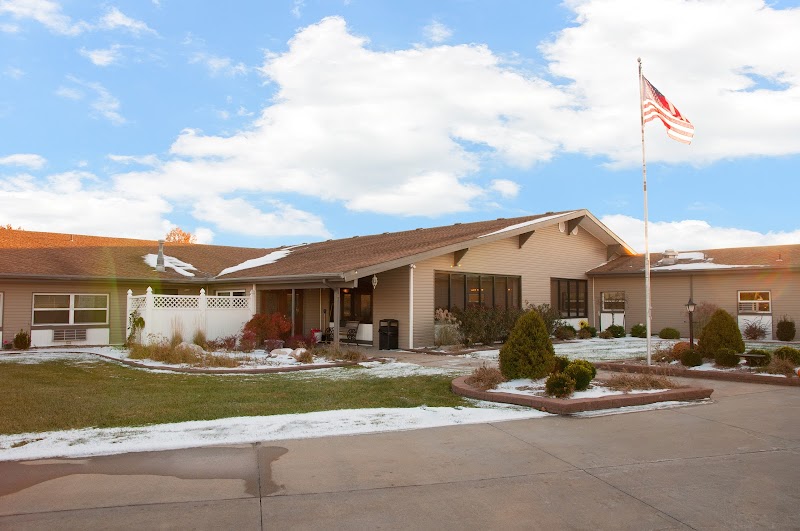
How is Life Of Burlington Staffed?

CMS rates LIFE CARE CENTER OF BURLINGTON's staffing level at 3 out of 5 stars, which is average compared to other nursing homes. Staff turnover is 48%, compared to the Kansas average of 46%.

What Have Inspectors Found at Life Of Burlington?

State health inspectors documented 23 deficiencies at LIFE CARE CENTER OF BURLINGTON during 2021 to 2024. These included: 1 that caused actual resident harm and 22 with potential for harm. Deficiencies causing actual harm indicate documented cases where residents experienced negative health consequences.
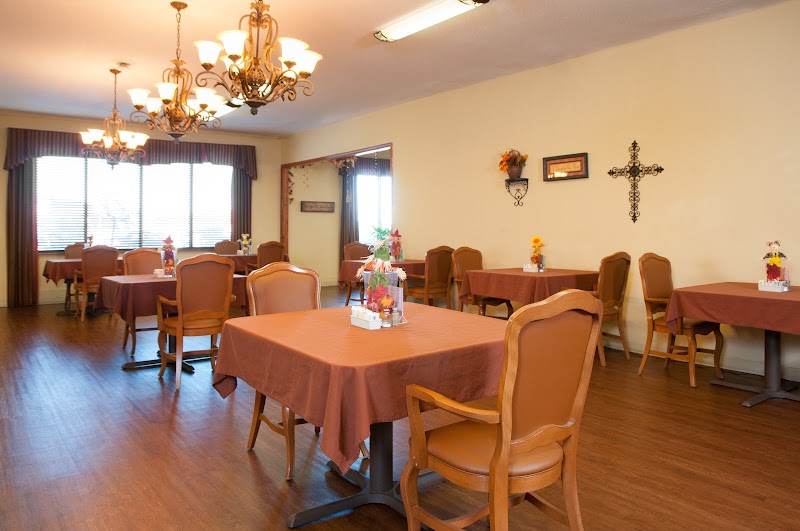
Who Owns and Operates Life Of Burlington?

LIFE CARE CENTER OF BURLINGTON is owned by a for-profit company. For-profit facilities operate as businesses with obligations to shareholders or private owners. The facility is operated by LIFE CARE CENTERS OF AMERICA, a chain that manages multiple nursing homes. With 77 certified beds and approximately 69 residents (about 90% occupancy), it is a smaller facility located in BURLINGTON, Kansas.
How Does Life Of Burlington Compare to Other Kansas Nursing Homes?

Compared to the 100 nursing homes in Kansas, LIFE CARE CENTER OF BURLINGTON's overall rating (3 stars) is above the state average of 2.9, staff turnover (48%) is near the state average of 46%, and health inspection rating (3 stars) is at the national benchmark.

What Should Families Ask When Visiting Life Of Burlington?

Based on this facility's data, families visiting should ask: "Can I visit during a mealtime to observe dining assistance and food quality?" "How do you handle medical emergencies, and what is your hospital transfer rate?" "Can I speak with family members of current residents about their experience?"

Is Life Of Burlington Safe?

Based on CMS inspection data, LIFE CARE CENTER OF BURLINGTON has a clean safety record: no substantiated abuse findings (meaning no confirmed cases of resident harm), no Immediate Jeopardy citations (the most serious violation level indicating risk of serious injury or death), and is not on the Special Focus Facility watch list (a federal program monitoring the lowest-performing 1% of nursing homes). The facility has a 3-star overall rating and ranks #1 of 100 nursing homes in Kansas. While no facility is perfect, families should still ask about staff-to-resident ratios and recent inspection results during their visit.

Do Nurses at Life Of Burlington Stick Around?

LIFE CARE CENTER OF BURLINGTON has a staff turnover rate of 48%, which is about average for Kansas nursing homes (state average: 46%). Moderate turnover is common in nursing homes, but families should still ask about staff tenure and how the facility maintains care continuity when employees leave.

Was Life Of Burlington Ever Fined?

LIFE CARE CENTER OF BURLINGTON has been fined $31,272 across 1 penalty action. This is below the Kansas average of $33,392. While any fine indicates a compliance issue, fines under $50,000 are relatively common and typically reflect isolated problems that were subsequently corrected. Families should ask what specific issues led to these fines and confirm they've been resolved.

Is Life Of Burlington on Any Federal Watch List?

LIFE CARE CENTER OF BURLINGTON is not on any federal watch list. The most significant is the Special Focus Facility (SFF) program, which identifies the bottom 1% of nursing homes nationally based on persistent, serious quality problems. Not being on this list means the facility has avoided the pattern of deficiencies that triggers enhanced federal oversight. This is a positive indicator, though families should still review the facility's inspection history directly.