CHASE COUNTY CARE AND REHAB
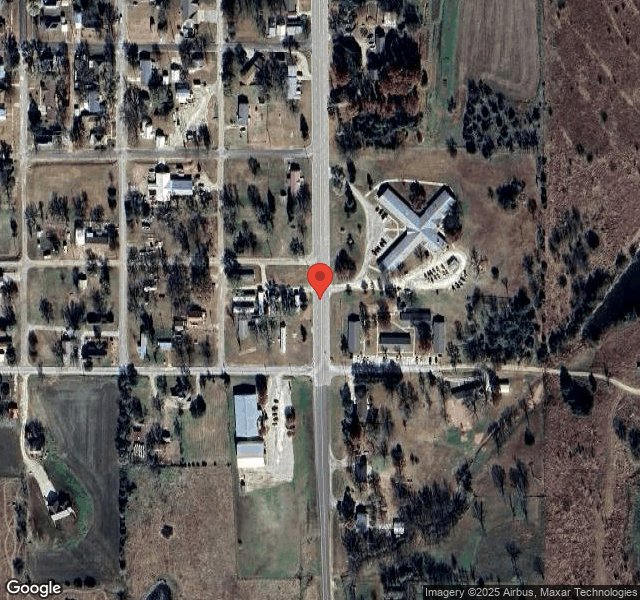
612 WALNUT, COTTONWOOD FALLS, KS 66845 (620) 273-6360
For profit - Limited Liability company 45 Beds MISSION HEALTH COMMUNITIES Data: November 2025
Trust Grade
50/100
#116 of 295 in KS
Last Inspection: February 2024

Within standard 12-15 month inspection cycle. Federal law requires annual inspections.

Overview

Chase County Care and Rehab has a Trust Grade of C, which means it is average and sits in the middle of the pack among nursing homes. It ranks #116 out of 295 facilities in Kansas, placing it in the top half, and is the only facility available in Chase County. However, the trend is worsening, as the number of issues reported increased significantly from 3 in 2023 to 14 in 2024. Staffing is a concern with a rating of 2 out of 5 stars and a high turnover rate of 71%, which is above the state average of 48%. On the positive side, the facility has no fines on record, indicating no recent compliance problems, and it has a solid 5 out of 5 star rating for quality measures, which shows that when care is provided, it meets high standards. However, there are several concerning incidents. For instance, the facility did not conduct annual performance reviews for its Certified Nurse Aides, potentially impacting the quality of care residents receive. Additionally, the kitchen was found to be unsanitary, with dirty food transport carts, which raises concerns about food safety. Finally, there were issues with inaccurate staffing data reported to the Centers for Medicare and Medicaid Services, suggesting that the facility may not have consistently met its staffing requirements. Overall, while there are some strengths, families should be aware of the significant weaknesses that could affect their loved ones' care.

Trust Score
C
50/100
In Kansas
#116/295
Top 39%
Safety Record
Low Risk
No red flags
Inspections
Getting Worse
3 → 14 violations
Staff Stability
⚠ Watch
71% turnover. Very high, 23 points above average. Constant new faces learning your loved one's needs.
Penalties
✓ Good
No fines on record. Clean compliance history, better than most Kansas facilities.
Skilled Nurses
○ Average
Each resident gets 32 minutes of Registered Nurse (RN) attention daily — about average for Kansas. RNs are the most trained staff who monitor for health changes.
Violations
⚠ Watch
31 deficiencies on record. Higher than average. Multiple issues found across inspections.
★★★☆☆
3.0
Overall Rating
★★☆☆☆
2.0
Staff Levels
★★★★★
5.0
Care Quality
★★☆☆☆
2.0
Inspection Score
Stable
2023: 3 issues
2024: 14 issues

The Good

  • 5-Star Quality Measures · Strong clinical quality outcomes
  • Full Sprinkler Coverage · Fire safety systems throughout facility
  • No fines on record

Facility shows strength in quality measures, fire safety.

The Bad

3-Star Overall Rating

Near Kansas average (2.9)

Meets federal standards, typical of most facilities

Staff Turnover: 71%

25pts above Kansas avg (46%)

Frequent staff changes - ask about care continuity

Chain: MISSION HEALTH COMMUNITIES

Part of a multi-facility chain

Ask about local staffing decisions and management

Staff turnover is very high (71%)

23 points above Kansas average of 48%

The Ugly 31 deficiencies on record

Jun 2024 1 deficiency
CONCERN (E) 📢 Someone Reported This

A family member, employee, or ombudsman was alarmed enough to file a formal complaint

Potential for Harm - no one hurt, but risky conditions existed

Employment Screening (Tag F0606)

Could have caused harm · This affected multiple residents

The facility reported a census of 33 residents with four residents selected for review. Based on interview and record review, the facility failed to conduct reference checks for five of five employees...

Read full inspector narrative →
The facility reported a census of 33 residents with four residents selected for review. Based on interview and record review, the facility failed to conduct reference checks for five of five employees reviewed to ensure no abuse to the residents of the facility. Findings included: - Review of the following personnel files for the following staff hired within the past year from 06/26/23 to 06/26/24, revealed lack of documentation for reference checks for the following staff: 1. Certified Nurse Aide (CNA) M with hire date of 02/08/24. 2. CNA N with a hire date of 02/026/24. 3. CNA O with a hire date of 11/2023. 4. CNA P with a hire date of 03/27/24. 5. Housekeeping staff U with a hire date of 05/21/24. Interview, on 06/26/24 at 03:30 PM, with Administrative Staff A, confirmed lack of documentation that reference checks were completed. The facility policy Abuse Prevention Program, Screening of Employees reviewed 09/2023, instructed staff pre-employment screening to consist of at a minimum employment history, information from former employers as available and documentation of status and any disciplinary actions from licensing or registration boards or registries. The facility failed to thoroughly screen employees by completion of reference checks for the prevention of abuse, neglect, and exploitation for the residents of the facility.
Feb 2024 13 deficiencies
CONCERN (D)

Potential for Harm - no one hurt, but risky conditions existed

Deficiency F0625 (Tag F0625)

Could have caused harm · This affected 1 resident

**NOTE- TERMS IN BRACKETS HAVE BEEN EDITED TO PROTECT CONFIDENTIALITY** The facility reported a census of 32 residents with 15 selected for review which included three residents reviewed for transfer ...

Read full inspector narrative →
**NOTE- TERMS IN BRACKETS HAVE BEEN EDITED TO PROTECT CONFIDENTIALITY** The facility reported a census of 32 residents with 15 selected for review which included three residents reviewed for transfer to hospital. Based on interview and record review, the facility failed to issue a Bed Hold (a document that indicates a resident's desire to keep their bed available and indicates financial implications if any apply) as required for one Resident (R)13 of the three residents reviewed for transfer to a hospital. Findings included: - Review of Resident (R)13's Physician Order Sheet dated 01/05/24, revealed diagnoses that included myasthenia gravis (abnormal condition that caused muscles to tire and weaken easily). The admission Minimum Data Set (MDS), dated [DATE], assessed the resident with a Brief Interview for Mental Status (BIMS) score of nine, which indicated moderate cognitive impairment. The ADL (Activity of Daily Living) Functional/Rehabilitation Care Area Assessment (CAA), dated 12/27/23, assessed the resident experienced an exacerbation of myasthenia gravis, and upon return to the facility had difficulty with communication and had functional limitations in her ability to perform ADLs. The Care Plan reviewed 01/18/24, instructed staff the resident required encouragement to participate in conversation and had poor communication/comprehension. Review of the Nurse Note dated 12/19/23, revealed the resident transferred to acute care due to possible flare up of the myasthenia gravis. The resident returned to the facility on [DATE]. Interview, on 01/30/24 at 11:45 AM, with Social Service Staff X, stated the resident was her own responsible party, and was not coherent enough to sign at the time of transfer and that the staff did not discuss the bed hold with the family member who was notified of the transfer. Interview, on 02/01/24 at 01:30 PM, with Administrative Nurse D, revealed she would expect the licensed nurse at the time of transfer to explain the bed hold. The facility policy Bed Hold revised 05/2023, instructed staff to inform the resident of the bed hold policy. The facility failed to issue to this resident/resident representative the bed hold policy, upon transfer to acute care as required.
CONCERN (D)

Potential for Harm - no one hurt, but risky conditions existed

Assessment Accuracy (Tag F0641)

Could have caused harm · This affected 1 resident

**NOTE- TERMS IN BRACKETS HAVE BEEN EDITED TO PROTECT CONFIDENTIALITY** The facility reported a census of 32 residents with 15 residents sampled. Based on interview and record review, the facility fai...

Read full inspector narrative →
**NOTE- TERMS IN BRACKETS HAVE BEEN EDITED TO PROTECT CONFIDENTIALITY** The facility reported a census of 32 residents with 15 residents sampled. Based on interview and record review, the facility failed to accurately complete a Minimum Data Sets (MDS) for two Residents (R)3, regarding documentation for falls and R 33, regarding discharge. Findings included: - Review of Resident (R)33's electronic medical record (EMR) revealed a diagnosis of a spinal injury (physical damage to the spinal cord which interfere with normal motor, sensory or autonomic function). The admission Minimum Data Set (MDS), dated [DATE], documented the resident admitted to the facility from an acute hospital. The Discharge MDS, dated 12/08/23, documented the resident discharged to an acute hospital and his return was not anticipated. Review of the resident's EMR revealed the resident had received a physician's order 12/01/23 to discharge to home with home health. Review of the resident's EMR revealed a Discharge Assessment, dated 12/06/23, which documented the resident was to discharge home. On 02/01/24 at 11:36 AM, Administrative Nurse D stated the 12/08/23 MDS was inaccurate. The resident did not discharge to the hospital but discharged to home. The facility utilized the Resident Assessment Instrument (RAI) in the completion of the MDSs. The facility failed to accurately complete a Discharge MDS, for this resident who discharged to home. - Review of Resident (R)3's electronic medical record (EMR) revealed the following diagnoses: Schizoaffective disorder (mental disorder characterized by gross distortion of reality, disturbances of language and communication and fragmentation of thought) and muscle weakness. The Significant Change Minimum Data Set (MDS), dated [DATE], documented the resident had a Brief Interview for Mental Status (BIMS) score of eight, indicating severe cognitive impairment. He had inattentive behavior continuously and impairment in range of motion (ROM) on one side of his lower extremity. He had two or more non-injury falls since his prior assessment (this section of the MDS was inaccurate) and required substantial to maximal staff assistance for transfers from his bed to a chair. The Falls Care Area Assessment (CAA), dated 11/30/23, documented the resident had three falls since his prior assessment, one with minor injury and one with a major injury, including a fracture. The admission MDS, dated 10/08/23, documented the resident had a BIMS score of nine, indicating moderately impaired cognition. He had inattention and disorganized thinking behavior which fluctuated. He required supervision or touching assistance from staff for bed to chair transfers and had no falls since admission. The care plan for falls, revised 10/22/23, instructed staff to anticipate the resident's needs due to him being unaware of his safety needs. Staff were to ensure he had non-skid strips beside his bed and in front of his recliner, the call light was to be within reach of the resident and staff were to encourage him to use it. Staff were to encourage him to ambulate close to the walls and handrails to be able to utilize handrails, if needed and encourage him to wear appropriate footwear. Review of the resident's EMR revealed fall assessments which placed the resident at a high risk for falls, dated, 01/09/24 and 08/31/23. Review of the resident's EMR revealed a fall assessment which placed the resident at a low risk for falls, dated 10/05/23. Review of a Fall Report, dated 12/26/23, and provided by the facility revealed the resident had a fall to the floor in his bathroom after attempting to self-transfer from his wheelchair to the toilet and landing on the floor. The resident complained of pain rated ten out of ten and a physician's order was obtained for an x-ray of his left hip. The x-ray was negative for fractures. The facility's intervention for the fall was to re-educate the resident to request staff assistance before attempting to self-transfer. On 02/01/24 at 08:31 AM, Administrative Nurse D stated the Significant Change MDS, was inaccurate as the resident had three falls since the prior assessment on 10/08/23. One fall was a non-injury fall, one fall was an injury except for major injury and one fall was an injury fall which resulted in fractured ribs. Administrative Nurse D stated it was the expectation for the MDSs to be completed accurately. The facility utilized the Resident Assessment Instrument (RAI) in the completion of the MDSs. The facility failed to accurately complete a Discharge MDS, for this resident who had experienced a total of three falls, one with a major injury.
CONCERN (D)

Potential for Harm - no one hurt, but risky conditions existed

Deficiency F0657 (Tag F0657)

Could have caused harm · This affected 1 resident

**NOTE- TERMS IN BRACKETS HAVE BEEN EDITED TO PROTECT CONFIDENTIALITY** The facility reported a census of 32 residents with 15 residents included in the sample. Based on observation, record review and...

Read full inspector narrative →
**NOTE- TERMS IN BRACKETS HAVE BEEN EDITED TO PROTECT CONFIDENTIALITY** The facility reported a census of 32 residents with 15 residents included in the sample. Based on observation, record review and interview, the facility failed to review and revise the care plans for one sampled Resident (R)3, regarding fall interventions. Findings included: - Review of Resident (R)3's electronic medical record (EMR) revealed the following diagnoses: Schizoaffective disorder (mental disorder characterized by gross distortion of reality, disturbances of language and communication and fragmentation of thought) and muscle weakness. The Significant Change Minimum Data Set (MDS), dated [DATE], documented the resident had a Brief Interview for Mental Status (BIMS) score of eight, indicating severe cognitive impairment. He had inattentive behavior continuously and impairment in range of motion (ROM) on one side of his lower extremity. He had two or more non-injury falls since his prior assessment (this section of the MDS was inaccurate) and required substantial to maximal staff assistance for transfers from his bed to a chair. The Falls Care Area Assessment (CAA), dated 11/30/23, documented the resident had three falls since his prior assessment, one with minor injury and one with a major injury, including a fracture. The admission MDS, dated 10/08/23, documented the resident had a BIMS score of nine, indicating moderately impaired cognition. He had inattention and disorganized thinking behavior which fluctuated. He required supervision or touching assistance from staff for bed to chair transfers and had no falls since admission. The care plan for falls, revised 10/22/23, instructed staff to anticipate the resident's needs due to him being unaware of his safety needs. Staff were to ensure he had non-skid strips beside his bed and in front of his recliner, the call light was to be within reach of the resident and staff were to encourage him to use it. Staff were to encourage him to ambulate close to the walls and handrails to be able to utilize handrails, if needed and encourage him to wear appropriate footwear. The care plan lacked an appropriate intervention for the resident's fall on 12/26/23. Review of the resident's EMR revealed fall assessments which placed the resident at a high risk for falls, dated, 01/09/24 and 08/31/23. Review of the resident's EMR revealed a fall assessment which placed the resident at a low risk for falls, dated 10/05/23. Review of a Fall Report, dated 12/26/23, and provided by the facility revealed the resident had a fall to the floor in his bathroom after attempting to self-transfer from his wheelchair to the toilet and landing on the floor. The resident complained of pain rated ten out of ten and a physician's order was obtained for an x-ray of his left hip. The x-ray was negative for fractures. The facility's intervention for the fall was to re-educate the resident to request staff assistance before attempting to self-transfer. On 01/31/24 at 10:19 AM, Certified Nurse Aide (CNA) N and Licensed Nurse (LN) G entered the resident's room to toilet the resident. Staff used extensive assistance of two staff and the use of a gait belt (belt used to help transfer or stabilize during activity) to transfer the resident from the side of his bed to his wheelchair and from his wheelchair to the toilet. The resident was able to bear full weight and pivot during the transfer. On 01/31/24 at 10:15 AM, CNA O stated the resident was forgetful and did not always remember to use his call light for assistance. He required staff assistance with his Activities of Daily Living (ADL). On 01/31/24 at 10:25 AM, CNA N stated the resident was forgetful and rarely remembered to use his call light. CNA N stated she was unsure of what the resident's fall interventions were. On 01/31/24 at 10:19 AM, Licensed Nurse (LN) G stated the resident was forgetful. When a resident would fall a new intervention would be initiated immediately by the nurse. The nurse would be able to add the intervention to the care plan at the time it was initiated to prevent further falls. On 01/31/24 at 03:54 PM, Administrative Nurse F stated the nurse was responsible for initiating a new intervention at the time of a resident's fall and revising the care plan with the new fall intervention. The resident was forgetful with a low BIMS so an intervention of re-education would not be an appropriate intervention for him. On 02/01/24 at 08:31 AM, Administrative Nurse D stated the resident was forgetful. Re-education was an inappropriate intervention for a fall intervention or him. The nurse on duty would be responsible for revising the resident's care plan with an appropriate intervention at the time of the fall. The facility lacked a policy for reviewing and revising the care plan with new interventions. The facility failed to review and revise the care plan with an appropriate fall intervention following this dependent resident's fall.
CONCERN (D) 📢 Someone Reported This

A family member, employee, or ombudsman was alarmed enough to file a formal complaint

Potential for Harm - no one hurt, but risky conditions existed

Quality of Care (Tag F0684)

Could have caused harm · This affected 1 resident

**NOTE- TERMS IN BRACKETS HAVE BEEN EDITED TO PROTECT CONFIDENTIALITY** The facility reported a census of 32 residents with 15 selected for review. Based on observation, interview and record review, t...

Read full inspector narrative →
**NOTE- TERMS IN BRACKETS HAVE BEEN EDITED TO PROTECT CONFIDENTIALITY** The facility reported a census of 32 residents with 15 selected for review. Based on observation, interview and record review, the facility failed to ensure one sampled Resident (R)137 received appropriate treatment to bilateral (both sides) lower extremity cellulitis (skin infection caused by bacteria) and received proper ear care. Findings included: - Review of Resident (R)137's medical record revealed diagnosis that included Parkinson's disease (slowly progressive neurological disorder characterized by resting tremor, rolling of the fingers, masklike faces, shuffling gait, muscle rigidity and weakness), schizophrenia (mental disorder characterized by gross distortion of reality, disturbances of language and communication and fragmentation of thought), narcolepsy (a chronic neurological disorder that affects the ability to control sleep-wake cycles), and encephalopathy (broad term for any brain disease that alters brain function or structure). The Annual Minimum Data Set (MDS), dated [DATE], assessed the resident with a Brief Interview for Mental Status (BIMS) score of 15 which indicated normal cognitive function. The resident had no impairment in the upper or lower extremities and required supervision for personal hygiene. The Pain Care Area Assessment (CAA), dated 02/12/23, assessed the resident had chronic pain from neuropathy (weakness, numbness, and pain from nerve damage, usually in the hands and feet) in his legs and feet. The ADL (Activity of Daily Living) Functional/Rehabilitation CAA, dated 02/12/23, assessed the resident had a risk for unsteadiness on his feet with use of a walker for ambulation. The resident required staff supervision to limited assistance to complete ADLs. The Care Plan reviewed 12/27/23, instructed staff the resident had significant issues with wax build-up in both ears and saw an audiologist and specialist to get his ears cleaned. The resident was hard of hearing and wore bilateral hearing aids. An entry dated 12/27/23, instructed staff the resident required Debrox solution for wax removal and then peroxide (an antiseptic solution) three drops to left ear twice daily for 10 days per order 01/03/24, and on 01/26/24. Furthermore, the Care Plan reviewed 01/23/24 instructed staff the resident followed with wound clinic as needed for leg weeping/rash. An update on 01/04/24, instructed staff to apply Nystatin cream (a type of medicated cream to treat yeast/fungus) topically to his toes and between the toes and to place gauze in the web space of the toes, apply Atrac [NAME] lotion (a type of medicated lotion that provides extra hydration) to his lower legs daily and to apply a single layer of tubigrip (elasticized tubular bandage designed to provide tissue support in treating strains, sprains, soft tissue injuries, general edema and tissue protection) to his bilateral lower legs per physician order on 01/04/24. On 12/21/23, the physician instructed staff to administer Debrox (a solution that softens ear wax) two times a day to each ear, for four days, and on the fourth day, to perform an ear wash. R137 had an appointment to see the audiologist on 12/27/23. Review of the Medication/Treatment Administration Record MAR/TAR, for December 2023, revealed staff provided the treatment beginning 12/21 once, 12/22, 12/23 and 12/24 twice and once on 12/25/23 with no indication of the completion of the ear wash as ordered. The physician note, dated 12/27/23, indicated the resident's right ear had trauma and the left ear contained blood and bits of cotton in two different areas of the ear canal upon examination and recommended a referral to an ENT (ears nose and throat) specialist. On 12/27/23, the physician instructed staff to administer Miracell ear oil to both ears nightly for seven days related to impacted ear wax. Observation, on 01/30/24 at 09:30 AM, revealed the resident seated in his recliner. The resident had cotton in his right ear. Interview, on 01/31/24 at 11:41 AM, with Licensed Nurse G revealed she did not irrigate the resident's ears prior to his appointment with the audiologist on 12/27/23 and did not know who did the irrigation of the ears. Interview on 01/31/24 at 02:30 PM, with Administrative Nurse F revealed she did not know who provided the ear wash to the resident prior to his appointment on 12/27/23, but thought it was the night nurse. Administrative Nurse E stated she would expect staff to follow the directions on the box of Debrox. Interview, on 02/01/24 at 09:57 AM, with LN H, revealed she did not administer the ear irrigation. Interview on 02/02/24 at 11:00 AM, with Administrative Nurse D, revealed the previous Director of Nursing did not provide guidance for staff to administer the ear irrigation. Administrative Nurse D stated she would expect the licensed nurse to document the results of the ear irrigation and any complications that occurred. Furthermore, on 11/30/23, the physician instructed staff to wash the residents' lower extremities with soap and water, apply Nystatin cream topically to his toes and in the web space between his toes, place gauze in the web space between his toes daily for a total of 10 days. The physician instructed staff to apply Atrac [NAME] lotion to his lower legs daily and single layer tubigrip (elasticized tubular bandage designed to provide tissue support in treating strains, sprains, soft tissue injuries, general edema, and tissue protection) stockings to bilateral lower legs daily. On 01/22/24, the physician instructed staff to wash the resident's legs with mild soap and water, pat dry, and to apply hydrocortisone cream (a cream with steroids) to the rash on his bilateral lower legs daily for two weeks and apply moisturizing lotion the resident's lower legs and feet daily and apply a double layer of tubigrips to R 137's bilateral lower legs. The January 2024 Medication Administration Record (MAR)/Treatment Administration Record(TAR), a physician order dated 01/23/24, instructed staff to apply hydrocortisone cream 1% topically to the resident's lower leg rash for two weeks daily with dressing change. An undated entry on the January 2024 Treatment Administration Record (TAR) instructed staff to apply Atrac-[NAME] cream 10-4% apply every day to the resident's lower legs. An undated entry on the January 2024 TAR, instructed staff to apply nystatin external cream to the resident's toes every day shift for wound care. Review of the January 2024 TAR, revealed an entry date of 01/24/24, which instructed staff to wash the resident's legs with mild soap and water, pat dry, and to apply hydrocortisone cream (a cream with steroids) to the rash on his bilateral lower legs daily for two weeks and apply moisturizing lotion the resident's lower legs and feet daily and apply a double layer of tubigrips to R 137's bilateral lower legs. Observation, on 02/01/24 at 08:01 AM, revealed Licensed Nurse (LN) G, prepared to provide wound care to the wound care to the resident's lower legs. LN G removed the single layer tubi grip stockings. LN G cleansed the resident's legs with soap and water and then applied Nystatin cream to the web space of R137's toes and placed gauze in between his toes. LN G applied Atrac [NAME] cream (a medicated cream to moisturize skin and prevent itching and flaking). And then applied the single layer tubigrips to each leg. LN G stated she did not know that the resident's treatment had changed to hydrocortisone cream to the rash area and moisturizing lotion to the lower legs and feet and double layer of tubigrips on each day shift. Interview, on 02/01/24 at 09:00 AM, with Administrative Nurse D, confirmed on 01/22/24, the physician instructed staff to wash the resident's legs with mild soap and water, pat dry, and apply hydrocortisone cream (a cream with steroids) to the rash on his bilateral lower legs daily for two weeks and apply moisturizing lotion the resident's lower legs and feet daily and apply a double layer of Tubigrips to R 137's bilateral lower legs. LN D state she would expect staff to follow the physician's orders and would clarify with the ordering physician if he still wanted the Atrac [NAME] cream and nystatin to continue. The facility policy Irrigation of Ears dated 01/2024, instructed staff to use a bulb or irrigating syringe and allow the solution and gravity to remove the ear wax and place a cotton ball loosely in the auditory meatus (opening). The facility lacked a policy for following physician orders. The facility failed to provide ear irrigation to this resident in a manner of professional standards to prevent trauma to the resident's ear canal. Furthermore, the facility failed to provide/clarify wound care to this resident's lower legs as ordered.
CONCERN (D) 📢 Someone Reported This

A family member, employee, or ombudsman was alarmed enough to file a formal complaint

Potential for Harm - no one hurt, but risky conditions existed

Accident Prevention (Tag F0689)

Could have caused harm · This affected 1 resident

**NOTE- TERMS IN BRACKETS HAVE BEEN EDITED TO PROTECT CONFIDENTIALITY** The facility reported a census of 32 residents with 15 residents sampled, including five residents reviewed for accidents. Based...

Read full inspector narrative →
**NOTE- TERMS IN BRACKETS HAVE BEEN EDITED TO PROTECT CONFIDENTIALITY** The facility reported a census of 32 residents with 15 residents sampled, including five residents reviewed for accidents. Based ON observation, interview, and record review, the facility failed to initiate an appropriate intervention following one non-injury fall for Resident (R)3, to prevent further falls. Findings included: - Review of Resident (R)3's electronic medical record (EMR) revealed the following diagnoses: Schizoaffective disorder (mental disorder characterized by gross distortion of reality, disturbances of language and communication and fragmentation of thought) and muscle weakness. The Significant Change Minimum Data Set (MDS), dated [DATE], documented the resident had a Brief Interview for Mental Status (BIMS) score of eight, indicating severe cognitive impairment. He had inattentive behavior continuously and impairment in range of motion (ROM) on one side of his lower extremity. He had two or more non-injury falls since his prior assessment (this section of the MDS was inaccurate) and required substantial to maximal staff assistance for transfers from his bed to a chair. The Falls Care Area Assessment (CAA), dated 11/30/23, documented the resident had three falls since his prior assessment, one with minor injury and one with a major injury, including a fracture. The admission MDS, dated 10/08/23, documented the resident had a BIMS score of nine, indicating moderately impaired cognition. He had inattention and disorganized thinking behavior which fluctuated. He required supervision or touching assistance from staff for bed to chair transfers and had no falls since admission. The care plan for falls, revised 10/22/23, instructed staff to anticipate the resident's needs due to him being unaware of his safety needs. Staff were to ensure he had non-skid strips beside his bed and in front of his recliner, the call light was to be within reach of the resident and staff were to encourage him to use it. Staff were to encourage him to ambulate close to the walls and handrails to be able to utilize handrails, if needed and encourage him to wear appropriate footwear. Review of the resident's EMR revealed fall assessments which placed the resident at a high risk for falls, dated, 01/09/24 and 08/31/23. Review of the resident's EMR revealed a fall assessment which placed the resident at a low risk for falls, dated 10/05/23. Review of a Fall Report, dated 12/26/23, and provided by the facility revealed the resident had a fall to the floor in his bathroom after attempting to self-transfer from his wheelchair to the toilet and landing on the floor. The resident complained of pain rated ten out of ten and a physician's order was obtained for an x-ray of his left hip. The x-ray was negative for fractures. The facility's intervention for the fall was to re-educate the resident to request staff assistance before attempting to self-transfer. On 01/31/24 at 10:19 AM, Certified Nurse Aide (CNA) N and Licensed Nurse (LN) G entered the resident's room to toilet the resident. Staff used extensive assistance of two staff and the use of a gait belt (belt used to help transfer or stabilize during activity) to transfer the resident from the side of his bed to his wheelchair and from his wheelchair to the toilet. The resident was able to bear full weight and pivot during the transfer. On 01/31/24 at 10:15 AM, CNA O stated the resident was forgetful and did not always remember to use his call light for assistance. He required staff assistance with his Activities of Daily Living (ADL). On 01/31/24 at 10:25 AM, CNA N stated the resident was forgetful and rarely remembered to use his call light. CNA N stated she was unsure of what the resident's fall interventions were. On 01/31/24 at 10:19 AM, Licensed Nurse (LN) G stated the resident was forgetful. When a resident would fall a new intervention would be initiated immediately by the nurse. The nurse would be able to add the intervention to the care plan at the time it was initiated in order to prevent further falls. On 01/31/24 at 03:54 PM, Administrative Nurse F stated the nurse was responsible for initiating a new intervention at the time of a resident's fall. The resident was forgetful with a low BIMS so an intervention of re-education would not be an appropriate intervention for him. On 02/01/24 at 08:31 AM, Administrative Nurse D stated the resident was forgetful. Re-education was an inappropriate intervention for a fall intervention or him. The facility policy for Falls and Fall Risk, effective 04/2023, included: The staff shall identify interventions related to the resident's specific risks and causes to try to prevent the resident from falling and to try to minimize complications from falls. The facility failed to initiate an appropriate intervention for this dependent resident following a non-injury fall.
CONCERN (D)

Potential for Harm - no one hurt, but risky conditions existed

Drug Regimen Review (Tag F0756)

Could have caused harm · This affected 1 resident

**NOTE- TERMS IN BRACKETS HAVE BEEN EDITED TO PROTECT CONFIDENTIALITY** The facility reported a census of 32 residents with 15 selected for review, which included six residents reviewed for unnecessar...

Read full inspector narrative →
**NOTE- TERMS IN BRACKETS HAVE BEEN EDITED TO PROTECT CONFIDENTIALITY** The facility reported a census of 32 residents with 15 selected for review, which included six residents reviewed for unnecessary medications. Based on observation, interview and record review, the facility failed to ensure timely follow-up of the pharmacist's recommendations for two of the six sampled Residents (R)7 and R3. Findings included: - Review of Resident (R)7's Physician Order Sheet dated 11/13/23, revealed diagnoses that included dementia (progressive mental disorder characterized by failing memory, confusion), bipolar disorder (major mental illness that caused people to have episodes of severe high and low moods), hypothyroidism (condition characterized by decreased activity of the thyroid gland) and hyperlipidemia (condition of elevated blood lipid levels). The Care Plan reviewed 11/30/23, instructed staff to review the pharmacy consultant recommendations and to follow-up as indicated. On 08/02/23, the physician instructed staff to administer Depakote (an antiseizure medication with mood altering effects) extended release, 250 milligrams (mg) daily for bipolar disorder. On 08/02/23, the physician instructed staff to administer levothyroxine 50 micrograms (mcg), daily for hypothyroidism. On 08/02/23, the physician instructed staff to administer atorvastatin 10 mg, daily for hyperlipidemia. On 08/02/23, the physician instructed staff to administer Risperidone (an antipsychotic) 1 milligram, daily, for bipolar disorder. Review of the Pharmacy Consultation Report dated 10/04/23, revealed the pharmacist recommended a comprehensive metabolic panel, lipid panel (to monitor cholesterol) every 12 months and a basic metabolic panel every six months. Interview, on 02/01/24 at 01:30 PM, with Administrative Nurse D, confirmed the pharmacy recommendation, dated 10/04/23, was not followed-up on, and as of 02/01/24 the recommended labs were not obtained or performed for this resident to monitor the medications ordered. The facility policy Medication Regimen Reviews, instructed staff that the Director of Nursing and Pharmacy Consultant will agree on time frames for reports and process to be taken for the identified irregularity. The facility failed to follow-up on the pharmacist's recommendation for lab for this resident taking multiple medications to ensure the resident did not have adverse reactions or subtherapeutic levels. - Review of the electronic medical record (EMR) for Resident (R)3, included the following diagnoses: Atrial fibrillation (A-fib--rapid, irregular heartbeat) and chronic embolism (an obstruction in a blood vessel due to a blood clot or other foreign matter that gets stuck while traveling through the blood stream) and thrombosis of deep veins (clot which developed within a blood vessel). The Significant Change Minimum Data Set (MDS), dated [DATE], documented the resident received anticoagulant medication (medication which decreases the blood's ability to clot) during the lookback assessment period. The admission Minimum Data Set (MDS,) dated 10/08/23, documented the resident received anticoagulant medication during the lookback assessment period. The care plan for A-fib, dated 10/22/23, instructed staff the resident took Eliquis (an anticoagulant medication) due to embolism and thrombosis of the deep veins. Review of the resident's EMR revealed a pharmacy consultant's recommendation, dated 11/09/23 requesting the physician to consider discontinuing (DC) aspirin while the resident was on Eliquis due to an increased risk for serious and potentially fatal bleeding. The physician accepted the pharmacy consultant recommendation and staff noted the order on 12/28/23. Review of the resident's EMR revealed a pharmacy consultant's recommendation, dated 12/05/23 requested the facility follow-up with the recommendation from 11/09/23, regarding DCof the resident's ASA due to the increased risk for serious and potentially fatal bleeding. Administrative Nurse D noted the 12/05/23 pharmacy recommendation on 01/02/24. Review of the resident's EMR revealed the following physician's orders: Eliquis 2.5 milligram (mg), by mouth (po), twice daily (BID) for embolism and thrombosis, ordered 01/26/23. Aspirin (ASA) 81 mg, po, every day (QD), for prevention of peripheral vascular disease (PVD- slow and progressive circulation disorder causing narrowing, blockage, or spasms in a blood vessel), to be given at 04:00 AM when resident was awake, ordered 09/01/23. Review of the resident's EMR revealed the ASA 81 mg was not DC'd until 01/02/24. On 02/01/24 at 08:31 AM, Administrative Nurse D stated the pharmacist consultant reviews resident's medications monthly and will send her an e-mail with the recommendations to be sent to each resident's physician. Administrative Nurse D stated she was not sure what happened with the pharmacy recommendations before she became employed at the facility, but the expectation was for the physician to respond to the pharmacy recommendations within approximately two weeks. Administrative Nurse D confirmed the recommendation to DC the ASA was not acted upon in a timely manner. The facility policy for Medication Regimen Reviews, revised 09/2023, included: The Director of Nursing and the Consultant Pharmacist will agree on time process and steps to be taken once an irregularity has been identified. The facility failed to follow-up and act upon the pharmacist recommendations to DC the ASA for this dependent resident, in a timely manner.
CONCERN (D) 📢 Someone Reported This

A family member, employee, or ombudsman was alarmed enough to file a formal complaint

Potential for Harm - no one hurt, but risky conditions existed

Deficiency F0757 (Tag F0757)

Could have caused harm · This affected 1 resident

**NOTE- TERMS IN BRACKETS HAVE BEEN EDITED TO PROTECT CONFIDENTIALITY** The facility reported a census of 32 residents with a sample of 15 residents, including six residents reviewed for unnecessary m...

Read full inspector narrative →
**NOTE- TERMS IN BRACKETS HAVE BEEN EDITED TO PROTECT CONFIDENTIALITY** The facility reported a census of 32 residents with a sample of 15 residents, including six residents reviewed for unnecessary medications. Based on observation, interview and record review, the facility failed to prevent two residents from unnecessary medications, including Resident (R)19, regarding giving medication outside of parameters and R 7, regarding the pharmacy consultant's recommendation to acquire labs. Findings included: - Review of the electronic medical record (EMR) for Resident (R)19, revealed a diagnosis of orthostatic hypotension (blood pressure dropping with change of position). The Annual Minimum Data Set (MDS), dated [DATE], documented the resident had a diagnosis of orthostatic hypotension (decrease in blood pressure (BP) with movement). The Quarterly MDS, dated 09/23/23, documented the resident had a diagnosis of hypertension (HTN- high blood pressure). The care plan, dated 10/11/23, lacked staff instruction regarding the resident's orthostatic hypotension. Review of the resident's EMR revealed the following physician's order: Midodrine 10 milligram (mg), by mouth (po), three times per day (TID) for hypotension. Hold if the systolic blood pressure (SBP-top number, the force your heart exerts on the walls of your arteries each time it beats) greater than 130, ordered 05/09/23. Review of the resident's Medication Administration Record (MAR) for August, September, October, and November 2023, revealed the medication was given on six occasions when the SBP was greater than 130. On 02/01/24 at 08:31 AM, Administrative Nurse D stated she would expect for the staff to hold the resident's medication if the SBP was out of the ordered parameters. The facility lacked a policy regarding the administration of medication. The facility failed to hold this medication when the resident's SBP was out of the physician ordered parameters, to ensure no unnecessary medications or adverse reactions. - Review of Resident (R)7's Physician Order Sheet dated 11/13/23, revealed diagnoses that included dementia (progressive mental disorder characterized by failing memory, confusion), bipolar disorder (major mental illness that caused people to have episodes of severe high and low moods), hypothyroidism (condition characterized by decreased activity of the thyroid gland) and hyperlipidemia (condition of elevated blood lipid levels). The Care Plan reviewed 11/30/23, instructed staff to review the pharmacy consultant recommendations and to follow-up as indicated. On 08/02/23, the physician instructed staff to administer Depakote (an antiseizure medication with mood altering effects) extended release, 250 milligrams (mg) daily for bipolar disorder. On 08/02/23, the physician instructed staff to administer levothyroxine 50 micrograms (mcg), daily for hypothyroidism. On 08/02/23, the physician instructed staff to administer atorvastatin 10 mg, daily for hyperlipidemia. On 08/02/23, the physician instructed staff to administer Risperidone (an antipsychotic) 1 milligram, daily, for bipolar disorder. Review of the Pharmacy Consultation Report dated 10/04/23, revealed the pharmacist recommended a comprehensive metabolic panel, lipid panel (to monitor cholesterol) every 12 months and a basic metabolic panel every six months. Interview, on 02/01/24 at 01:30 PM, with Administrative Nurse D, confirmed the pharmacy recommendation, dated 10/04/23, was not followed-up on, and as of 02/01/24 the recommended labs were not obtained or performed for this resident to monitor the medications ordered. The facility lacked a policy for monitoring labs for ensuring effectiveness of medications. The facility failed to follow-up with the physician regarding labs to monitor this resident taking multiple medications to ensure the resident did not have adverse reactions or subtherapeutic levels.
CONCERN (E)

Potential for Harm - no one hurt, but risky conditions existed

Safe Environment (Tag F0584)

Could have caused harm · This affected multiple residents

The facility reported a census of 32 residents. Based on observation, interview, and record review, the facility failed to maintain a clean, comfortable and homelike environment on one of three reside...

Read full inspector narrative →
The facility reported a census of 32 residents. Based on observation, interview, and record review, the facility failed to maintain a clean, comfortable and homelike environment on one of three resident hallways of the facility. Findings included: - During an environmental tour on 02/01/24 at 10:27 AM with Consultant Staff GG, the following areas of concern were noted: 1. One resident room had a hole through the sheetrock wall which measured approximately 11 by two inches. The floor of the room had a build-up of visible dirt and grime around the parameter of the room. The shelf in the bathroom over the sink had worn, missing paint and the sink of the bathroom had a large blackened area on the front where the porcelain had worn away. 2. One resident room had broken wood and missing, chipped paint on one closet door. The TV stand had various areas of chipped, missing paint. A seat riser over the bathroom toilet had a large amount of a dried, brownish substance. 3. One wall in a resident room had an area of missing paint approximately eight by three inches, above the TV. The tile flooring behind the toilet of the bathroom was discolored. 4. One wall in a resident room had an area of missing paint, approximately nine by four inches, above the TV. One of the two closet doors had areas with missing, chipped paint. The parameter of the floor had a visible build-up of dirt and grime. 5. One resident room had a fall mat which was heavily soiled with dirt. The toilet riser had rusted areas on all four legs and a rusted area around the drain of the sink. The parameter of the floor had a build-up of dirt and grime. 6. One resident room had multiple areas of missing paint on the wall next to the bed. On 02/01/24 at 10:27 AM, Consultant Staff GG stated the areas identified needed repair, painting and cleaning. The facility policy for Cleaning and Disinfection of Environmental Services, revised 10/2022, included: Routine cleaning and disinfection should be completed of frequently touched or visibly soiled surfaces in resident rooms. The facility failed to maintain a clean, comfortable, and homelike environment for the residents on one of the three resident hallways of the facility.
CONCERN (F)

Potential for Harm - no one hurt, but risky conditions existed

Deficiency F0730 (Tag F0730)

Could have caused harm · This affected most or all residents

The facility reported a census of 32 residents. Based on interview and record review, the facility failed to complete an annual performance review at least once every 12 months for five of the five Ce...

Read full inspector narrative →
The facility reported a census of 32 residents. Based on interview and record review, the facility failed to complete an annual performance review at least once every 12 months for five of the five Certified Nurse Aides (CNA) reviewed, CNA M, N, O, P and Q, to ensure adequate appropriate cares and services provided to the residents of the facility. Findings included: - Review of five employee personnel files, employed by the facility for greater than one year, revealed the following concerns: Review of Certified Nurse Aide (CNA) M, hired 03/08/22, lacked an annual performance review in her personnel file. Review of CNA Q, hired 11/21/22, lacked an annual performance review in her personnel file. Review of CNA N, hired 02/01/22, lacked an annual performance review in her personnel file. Review of CNA, O, hired 09/19/22, lacked an annual performance review in her personnel file. Review of CNA P, hired 07/13/22, lacked an annual performance review in his personnel file. On 01/31/24 at 09:12 AM, Administrative Staff A stated the annual evaluations were not up to date. The facility lacked a policy for employee annual evaluations. The facility failed to complete an annual performance review for these five CNAs, employed by the facility for greater than one year, to ensure adequate appropriate cares and services provided to the residents of the facility.
CONCERN (F) 📢 Someone Reported This

A family member, employee, or ombudsman was alarmed enough to file a formal complaint

Potential for Harm - no one hurt, but risky conditions existed

Food Safety (Tag F0812)

Could have caused harm · This affected most or all residents

The facility reported a census of 32 residents. Based on observation, record review and interview, the facility failed to prepare and serve food under sanitary conditions, to the residents of the faci...

Read full inspector narrative →
The facility reported a census of 32 residents. Based on observation, record review and interview, the facility failed to prepare and serve food under sanitary conditions, to the residents of the facility appropriately to prevent the potential for food borne bacteria. Findings included: - During an initial tour of the kitchen on 01/30/24 at 03:15 PM, the following areas of concern were noted: 1. A three-tiered beige rolling cart used to transport food from the walk-in refrigerator to the kitchen area and to deliver meals to residents in their rooms had visible ground-in dirt on all three tiers. 2. A three-tiered plastic rolling cart used to transport food from the walk-in refrigerator to the kitchen area and to deliver meals to residents in their rooms had visible ground-in dirt on the handles used to push the cart. 3. Two buckets with water and chemicals used to clean the dining room tables and work surfaces in the kitchen had the chemical dispensing hose left directly inside of the bucket beneath the water level. 4. A wire shelf used to hold clean dishes had a build-up of dust and debris on all five shelves. 5. Two reach-in refrigerators had a heavy build-up of food debris on the bottom. 6. The fronts of two reach-in refrigerators had dried on food debris. 7. The handle to the walk-in refrigerator had a greasy substance covering the entire handle. 8. The runners of the can rack had a build-up of dust and dried food debris. 9. Shelving paper on a shelf underneath a worktable was peeling back and had dirt and food debris along the edges, making it an unsanitizable area. 10. A worktable had three legs with chipped, missing paint, making it an unsanitizable area. 11. Three colored cutting boards had deep grooves, making them unsanitizable. 12. An oscillating fan which blew directly over the clean dishes rack and a sink had a build-up of dust on the blades and the cage. On 02/01/24 at 10:09 AM, Dietary Staff BB, confirmed the areas above need to be corrected. The facility policy for Sanitation, effective 10/2023, included: Utensils, counters, shelves and equipment shall be kept clean, maintained in good repair and shall be free from breaks, corrosions, open seams, cracks and chipped areas that may affect their use or proper cleaning. The facility failed to prepare and serve food under sanitary conditions for the residents of the facility appropriately to prevent the potential for food borne bacteria.
CONCERN (F)

Potential for Harm - no one hurt, but risky conditions existed

Staffing Data (Tag F0851)

Could have caused harm · This affected most or all residents

The facility reported a census of 32 residents. Based on observation, interview, and record review, the facility failed to electronically submit to Centers for Medicare and Medicaid Services (CMS) wit...

Read full inspector narrative →
The facility reported a census of 32 residents. Based on observation, interview, and record review, the facility failed to electronically submit to Centers for Medicare and Medicaid Services (CMS) with complete and accurate direct staffing information, based on payroll and other verifiable and auditable data in a uniform format according to specifications established by CMS (i.e. Payroll Base Journal (PBJ), related to licensed nursing staffing information, when the facility failed to accurately report 24 hour per day Licensed Nurse coverage on 24 dates between 01/01/23 and 12/31/23. Findings Included: - Review of the Payroll Base Journal (PBJ) Staffing Data Report for fiscal year (FY), Quarter 1 2023 (October 1-December 31) revealed a lack of License Nurse (LN) for 24 hours/seven days a week 24 hour/day on the following dates: On 10/02, Sunday (SU), On 10/09, SU, On 11/12, Saturday (SA), On 11/24, Thursday (TH), On 11/26, SA, On 12/06, Tuesday (TU), On 12/24, SA, Review of the PBJ for FY, Quarter 2, 2023 (January 1-March 31), the following infraction dates the facility failed to have Licensed Nursing Coverage 24 hours/day included: On 01/06, Friday (FR), On 01/07/24, SA, On 01/08/24, SU, On 01/21/24, SA, On 01/22, SU, On 01/28, SA, On 01/29, SU, On 02/18, SA, On 03/04, SA, On 03/05, SU, On 03/26, SU, Review of the PBJ for FY, Quarter 3, 2023 (April 01 - June 30), the following infraction dates the facility failed to have Licensed Nursing Coverage 24 hours/day included: On 04/02, SU, On 04/15, SA, On 05/06, SA, On 05/27, SA, On 05/28, SU, On 06/24, SA, On 02/01/24 at 11:00 AM, Consultant Staff GG stated it was possible the information regarding licensed nurse hours had not been submitted accurately. The facility policy for Payroll Based Journal, effective 09/2023, included: The facility shall submit payroll data in a uniform format to Center for Medicare and Medicaid Services (CMS), including staffing information for the facility, agency, and contract staff. The facility failed to electronically submit to Centers for Medicare and Medicaid Services (CMS) with complete and accurate direct staffing information, based on payroll and other verifiable and auditable data in a uniform format according to specifications established by CMS (i.e., Payroll Base Journal (PBJ), related to licensed nursing staffing information when the facility failed to accurately report 24 hour per day Licensed Nurse coverage on 24 dates between 01/01/23 and 12/31/23.
CONCERN (F)

Potential for Harm - no one hurt, but risky conditions existed

Infection Control (Tag F0880)

Could have caused harm · This affected most or all residents

The facility reported a census of 32 residents. Based on observation, interview and record review, the facility failed to maintain an effective infection control program that would ensure infection su...

Read full inspector narrative →
The facility reported a census of 32 residents. Based on observation, interview and record review, the facility failed to maintain an effective infection control program that would ensure infection surveillance for infections and determine the causative organism when cultured to prevent the spread of infections amongst the residents. Findings included: - Review of the Infection Control logs, revealed the lack of clinical data collection which included lack of causative organisms for infections of cultured infections to determine trends in types of infections and prevalence in the facility. This included the logs for the following months in 2023: February, March, April, June, July, August, September, October, and November. Interview, on 01/30/24 at 03:41 PM, with Administrative Nurse F, revealed she utilized the antibiotic report generated from their providing pharmacy. Administrative Nurse F stated she reviewed new orders daily, and documents those on the log. Interview, on 01/30/24 at 03:34 PM, with Administrative Nurse D, revealed the previous Infection Preventionist did not follow the facility policy for infection surveillance and confirmed the lack of infection surveillance for causative organisms to determine trends in the facility for the above listed months. The facility policy Surveillance for Healthcare Associated Infections revised 05/2023, instructed staff to collect data on the incidence of infections which included pathogens (causative organisms). Staff instructed to organize the data according to pathogenic organism and site of infection. The facility failed to provide infection surveillance to include pathogens to determine trends within the facility to prevent the spread of infections amongst the residents.
CONCERN (F)

Potential for Harm - no one hurt, but risky conditions existed

Safe Environment (Tag F0921)

Could have caused harm · This affected most or all residents

The resident reported a census of 32 residents. Based on observation, interview, and record review, the facility failed to provide a safe, functional, sanitary, and comfortable environment in the kitc...

Read full inspector narrative →
The resident reported a census of 32 residents. Based on observation, interview, and record review, the facility failed to provide a safe, functional, sanitary, and comfortable environment in the kitchen for residents and staff. Findings included: - During the initial tour of the kitchen on 01/30/24 at 03:15 PM, the following area of concern was noted: The floor throughout the kitchen had areas which contained a build-up of dirt. The parameter of the floor had a heavy build-up of dirt and grime. The floor where table legs stood had a build-up of grime. On 02/01/24 at 10:09 AM, Dietary Staff BB, confirmed the kitchen floor needed to be kept clean at all times. The facility policy for Sanitation, effective 10/2023, included: Utensils, counters, shelves and equipment shall be kept clean, maintained in good repair and shall be free from breaks, corrosions, open seams, cracks and chipped areas that may affect their use or proper cleaning. The facility failed to provide a safe, functional, sanitary and comfortable environment for residents and staff.
Sept 2023 3 deficiencies
CONCERN (D) 📢 Someone Reported This

A family member, employee, or ombudsman was alarmed enough to file a formal complaint

Potential for Harm - no one hurt, but risky conditions existed

Free from Abuse/Neglect (Tag F0600)

Could have caused harm · This affected 1 resident

**NOTE- TERMS IN BRACKETS HAVE BEEN EDITED TO PROTECT CONFIDENTIALITY** The facility reported a census of 30 residents with eight residents selected for review and one resident reviewed for neglect. B...

Read full inspector narrative →
**NOTE- TERMS IN BRACKETS HAVE BEEN EDITED TO PROTECT CONFIDENTIALITY** The facility reported a census of 30 residents with eight residents selected for review and one resident reviewed for neglect. Based on observation, interview, and record review, the facility neglected Resident (R)1 when they left him unattended at a clinic during an out of town appointment on 08/29/23. R1 exited the clinic with clinic staff then left the premises around 04:00 PM to 04:30 PM. R1 was later found by facility staff 1.8 miles away from the clinic on 08/29/23 at 06:19 PM. Findings included: - The Medical Diagnosis tab for R1 included diagnoses of schizophrenia (psychotic disorder characterized by gross distortion of reality, disturbances of language and communication and fragmentation of thought), acquired absence of right and left leg above knee, bipolar disorder (major mental illness that caused people to have episodes of severe high and low moods), history of traumatic brain injury, stimulant use, mild neurocognitive disorder, and need for assistance with personal care. The admission Minimum Data Set (MDS) dated [DATE], assessed R1 with a Brief Interview of Mental Status (BIMS) score of 15, indicating intact cognition, he did not have any behaviors, and he did not wander. R1 required supervision and setup for transfers and locomotion, used a wheelchair for mobility, and had a range of motion impairment to both sides of his lower extremities. The Activities of Daily Living [ADL] Functional/Rehabilitation Potential Care Area Assessment (CAA) dated 05/29/23 revealed R1 had increased weakness, was at risk to fall, and admitted to the facility to assist with strengthening and ADL function post amputation of both lower extremities above the knee. He was possibly going to be fitted for prosthetics and learn to use them prior to returning to the community. R1 could ambulate safely with a wheelchair. The Quarterly MDS dated 08/17/23 did not reveal any changes from the prior assessment. The Care Plan dated 05/29/23 revealed R1 had the potential for an exacerbation of his mental disorder due to the diagnoses of schizophrenia, bipolar disorder, and history of substance abuse. R1 used a wheelchair and did not require staff assistance. The care plan included a revision on 08/31/23: R1 left on 08/29/23 to go visit some friends while on a medical transportation outing and found in area of a [major city] that was heavy with substance abuse. R1 had a significant history of substance abuse including drugs and alcohol. R1 had the potential for injury related to drug or alcohol seeking. The Progress Notes dated 08/25/23 by Certified Nurse Aide (CNA) M revealed R1 went to an appointment at [specified] clinic in [major city] and had another appointment on 08/29/23 at 03:00 PM. The Progress Notes lacked documentation of the incident on 08/29/23. The facility investigation revealed on 08/29/23, CNA M transported R1 to an appointment at [specified] clinic in [major city] to pick up his prosthetics. CNA M assisted R1 to the waiting room where he requested to see the practitioner privately, so she returned to the facility van. At approximately 04:30 PM, R1 had not come back to CNA M, so she went into the clinic and found he was not in there and immediately began looking for him. CNA M informed Administrative Staff A at 05:13 PM, who instructed CNA M to call the police. CNA M notified the police at approximately 05:21 PM and the police arrived at the clinic at 05:40 PM. Administrative Staff A arrived at the clinic at 05:45 PM. The facility had attempted to contact the responsible party, who did not answer, so the facility notified an additional contact. At approximately 06:19 PM, Administrative Staff A located R1 1.8 miles from the clinic. R1 stated to the administrator I signed myself out and I wanted to visit friends. The statement dated 08/29/23 for R1 revealed he had gone to the clinic to pick up his (prosthetic) legs, CNA M went into the appointment, was present when he checked in, and he had his appointment with the doctor alone. When R1 left the appointment, CNA M was not in the parking lot and he left to go visit some friends. The Witness Statement by CNA M regarding the appointment for R1 on 08/29/23 revealed R1 wheeled off from the appointment, while she was loading his belongings from the appointment. CNA M called Administrative Staff A, the cops, and Administrative Staff A located him while she was still with the cops. Administrative Staff A drove him back in the van and CNA M followed. Administrative Staff A wrote on the statement she asked CNA M to write a more detailed account of events, prompted to include times, locations, reasons, and CNA M had stated she had nothing more to add. The Witness Statement by Administrative Staff A regarding the incident with R1 on 08/29/23 revealed on 08/30/23 (rather than 08/29/23) at 05:13 PM, she received a text from CNA M stating I have an emergency. Please call me. Administrative Staff A heard and saw the text and immediately called CNA M. CNA M notified Administrative Staff A that R1 was missing. CNA M had taken R1 to the clinic in Wichita to get his (prosthetic) legs and she reported she had left R1 outside smoking while she went inside the clinic to get his legs and put them in the van. CNA M told Administrative Staff A when she returned, he was gone, and 30 minutes had passed before CNA M contacted Administrative Staff A. During that time CNA M was looking for R1. Administrative Staff A told CNA M to call the police and she was on her way to her. When Administrative Staff A arrived, CNA M was talking with the police and she left CNA M to finish her report and began looking for R1. After information received from one of R1's contacts, Administrative Staff A began looking on [designated street] as the contact had stated he is headed to [designated street] to get a fix. Administrative Staff A began driving up and down the street and at approximately 06:19 PM, she located R1. Administrative Staff A pulled into a parking space and began talking to R1 and informed CNA M and the police of her location. CNA M and the police arrived approximately 20 minutes later and then R1 transported back to the facility. The Witness Statement by Administrative Nurse E regarding the incident with R1 on 08/29/23 revealed she received a call from Administrative Staff A at 05:17 PM, stating R1 went to appointment in [specified city] by CNA M and he ran off and CNA M was calling the police department at that time. Administrative Nurse E stated she hung up with Administrative Staff A at that time and called R1's Durable Power of Attorney (DPOA) at 05:21 PM, but there was not answer and a voicemail was left to return the call as soon as possible as it was emergent. Administrative Nurse E then attempted to find out other contact information by calling a workplace and texting management staff who had attended a care plan meeting the day before with his family. At 05:34 PM, Administrative Nurse E received a call from that contact and reported he was missing and questioned if she thought he would come to her. The contact stated no, and Administrative Nurse E told the contact that he was taken to [specified city] to an appointment for prosthetic fitting and she stated R1 would head to [the designated street]. Administrative Nurse E asked if he would go there because he was drug seeking and the contact stated yes. Administrative Nurse E spoke with Administrative Staff A and directed her to go to the designated street. On 09/05/23 at 01:51 PM, R1 stated on 08/29/23 he had gone to the clinic to get his legs, which he did. R1 stated CNA M went in the clinic with him but she did not stay inside the clinic the whole time. R1 stated he left to go see a couple of people. R1 stated he stayed on the sidewalk most of the time but did cross a few streets. R1 stated he did not smoke outside of the clinic. On 09/05/23 at 02:03 PM, observed R1 propelling his wheelchair independently and stopped at the nurse's desk and was told it would be 25 minutes before going out. R1 still remained at the nurse's desk at 02:16 PM, waiting on time to go outside to smoke. On 09/05/23 at 02:44 PM, CNA M stated on 08/29/23 she had not been feeling well that day and she transported R1 to his appointment which was at 03:30 PM. Since she did not feel well, she did not think it was a good idea to stay in the waiting room, so after getting R1 checked in, she went back out to the van. CNA M stated she had asked how long the appointment would be and was told an hour and a half. CNA M stated she set a timer for 45 minutes and fell asleep in the van while R1 was having his appointment. After the timer went off, it was about 30-45 minutes when R1 came out of his appointment and CNA M asked him if he had anything in the clinic or needed help and he responded yes. CNA M stated she then lit a cigarette for R1 and went into the clinic and got two pretty heavy bags and brought them outside, and when she was outside, he was gone. CNA M stated she put the bags in the van, walked, and drove around for about 15 to 20 minutes, and then called Administrative Staff A who instructed her to call the police. CNA M stated she was talking to the cops at the clinic when Administrative Staff A found R1. CNA M stated before this had happened, she had received education that it was up to the resident's discretion but was not to drop off a resident at an appointment and leave. On 09/05/23 at 03:30 PM, Administrative Staff A stated CNA M originally told her she went into the clinic to get R1's legs while he was out smoking and when called in the office the next day and asked if she wanted to change anything in her story to let Administrative Staff A know now, CNA M stated she did not feel well and went into the van and slept. Administrative Staff A stated she had called the clinic on 08/30/23 and they called her back on 08/31/23 and informed her that CNA M gave them her phone number when she arrived to the clinic with R1 and told them to call her when the appointment was done. The clinic staff said after the appointment, they (clinic staff) called CNA M, R1 wanted to go outside, so the staff took him outside with his prosthetic legs and bags. The clinic staff said later someone came in the clinic and said there were bags sitting outside the clinic and when the staff went outside to look, R1 was gone. The clinic staff stated they called CNA M twice and she had said she was on her way. Administrative Staff A stated R1 had told her when she talked to him the next day, he did not have any cigarettes until he got down several streets. Administrative Staff A stated her expectation was the staff were to stay with the resident the entire time of the appointment, and if the resident did not want them in the room during the appointment, the staff were to stay in the waiting room, and CNA M was aware of the expectation. On 09/05/23 at 04:25 PM, Clinic Staff GG stated on 08/29/23, R1 came in with the driver, CNA M, and she left him in the front lobby and left her phone number to call her when the appointment finished, and then she left. Clinic Staff GG stated around 04:00 PM to 04:30 PM, they called CNA M to let her know the appointment was done and CNA M stated she was on her way to get him. R1 wanted to wait for her outside, so the clinician took him outside in his wheelchair with the prosthesis he received that day. Clinic Staff GG stated a few minutes later, one of the clinic patients came in and commented there were bags outside with the clinic logo on them and when we went out to check, R1 was gone and his items were there. Clinic Staff GG stated they called CNA M again, which was about 10-15 minutes after the first call, to verify if she had picked him up, and that is when she found out we did not know where R1 was. Clinic Staff GG stated it was a few minutes after the second call that CNA M showed up in an attempt to get R1. The facility policy Transportation, Facility Van dated May 2022 revealed the purpose of the policy was transporting residents by community vehicle in a safe manner and lacked instruction for staff to remain with residents during appointments. The facility policy Abuse Prevention Program dated August 2022 revealed residents have the right to be free from abuse and neglect. Neglect is the failure of the facility, its employees or service providers to provide goods or services to a resident that are necessary to avoid physical harm, pain, mental anguish or emotional distress. The facility neglected R1 when CNA M failed to remain in the waiting room for the duration of R1's appointment and failed to notify the administrator immediately when R1 was missing. This neglect placed R1 at risk for injury and potential for repeated substance abuse.
CONCERN (D) 📢 Someone Reported This

A family member, employee, or ombudsman was alarmed enough to file a formal complaint

Potential for Harm - no one hurt, but risky conditions existed

Infection Control (Tag F0880)

Could have caused harm · This affected 1 resident

The facility reported a census of 30 residents. Based on observation, interview, and record review, the facility failed to maintain an effective infection control program with the failure to clean the...

Read full inspector narrative →
The facility reported a census of 30 residents. Based on observation, interview, and record review, the facility failed to maintain an effective infection control program with the failure to clean the nebulizer kit (device which changes liquid medication into a mist easily inhaled into the lungs) for Resident (R)3 and R4 after use. These practices increased the risk of R3 and R4 for developing a respiratory infection. Findings included: - On 09/06/23 at 09:24 AM, Licensed Nurse (LN) G entered R3's room to administer his nebulizer treatment. The nebulizer kit was connected and rested directly on top of the nebulizer machine. LN G placed the medication in the nebulizer kit medication cup and handed the kit to the resident. On 09/06/23 at 09:33 AM, LN G entered R4's room to administer his nebulizer treatment. The nebulizer kit mask was hanging off the overbed table approximately a foot above the floor and dated 09/04. An additional nebulizer kit was connected and stored in a bag on the wall with a date of 09/03. While trying to get a hold of the mask hanging off the overbed table, the mask made direct contact with the floor and LN G then disposed of the mask. LN G exited and returned to R4's room with a new mask. On 09/06/23 at 09:35 AM, LN G stated they usually do not store the nebulizer kits in a bag when not in use, and when made aware of the one hanging on the wall, LN G then used that kit to administer R4's nebulizer treatment. On 09/06/23 at 09:42 AM, LN G rinsed out the medication cup of R3's nebulizer kit with tap water, placed a different medication in the cup, and handed R3 the nebulizer kit. On 09/06/23 at 09:50 AM LN G removed the nebulizer kit mask off R4's face and placed the nebulizer kit upright on the nebulizer machine holder. LN G exited the room and failed to clean the nebulizer kit. On 09/06/23 at 09:58 AM, R3 was standing at the sink with his walker, the nebulizer machine was turned off, and the nebulizer kit was on top of the nebulizer machine. LN G listened to R3's lung sounds and checked his oxygen saturation levels and exited the room. LN G failed to clean the nebulizer kit. On 09/06/23 at 10:02 AM, LN G stated the nebulizer kits were cleaned daily and she assumed the kits for R3 and R4 had been rinsed out after use. LN G stated the kits were to be rinsed out after each use. On 09/06/23 at 11:24 AM, Administrative Nurse E stated the nebulizer kits were to be cleaned after each use and allowed to air dry on paper towels, there were tubs in the room for them to air dry in, and the kits should be stored in the tub until next use. The facility policy Administering Medications through a Small Volume [Handheld] Nebulizer dated May 2022 revealed the purpose of the procedure was to safely and aseptically administer aerosolized particles of medication into the resident's airway. When the treatment was completed, the staff were to turn of the nebulizer, disconnect the T-piece, the mouthpiece, and the medication cup. The nebulizer equipment should be rinsed and disinfected according to facility protocol or by washing the pieces with warm, soapy water, then rinse with hot water, then place all pieces in a bowl and cover with isopropyl (rubbing) alcohol, soak for five minutes, rinse all the pieces with sterile water, and allow to air dry on a paper towel. When equipment was completely dry, store in a plastic bag with resident's name and date on it. The facility failed to maintain an appropriate infection control program with the failure to clean the nebulizer kits after use for R3 and R4. These practices increased the risk of the two residents developing a respiratory infection.
CONCERN (D) 📢 Someone Reported This

A family member, employee, or ombudsman was alarmed enough to file a formal complaint

Potential for Harm - no one hurt, but risky conditions existed

Deficiency F0883 (Tag F0883)

Could have caused harm · This affected 1 resident

The facility reported a census of 30 residents with eight selected for review including five reviewed for Influenza and Pneumococcal Immunizations. Based on record review and interview, the facility f...

Read full inspector narrative →
The facility reported a census of 30 residents with eight selected for review including five reviewed for Influenza and Pneumococcal Immunizations. Based on record review and interview, the facility failed to obtain immunization status for Resident (R)1 and failed to provide additional immunization to R5. Findings included: - The Minimum Data Set tab for R1 revealed he entered the facility on 05/11/23. The Immunization tab lacked information of R1 receiving the Pneumococcal vaccine. The Miscellaneous tab lacked a consent/declination for the Pneumococcal vaccine for R1. The Resident Vaccination binder lacked a consent/declination for the Pneumococcal vaccine for R1. On 09/06/23 at 01:10 PM, Administrative Nurse E stated the status of the Pneumococcal vaccine should have been addressed on admission. The facility policy Pneumococcal Vaccine dated October 2022 revealed residents will be offered the Pneumococcal vaccine to aid in preventing Pneumococcal infections. Prior to or upon admission, residents will be assessed for eligibility to receive the Pneumococcal vaccine, and when indicated will be offered the vaccination unless medically contraindicated or the resident has already been vaccinated. Assessments of Pneumococcal vaccination status will be conducted within five working days of the resident's admission if not conducted prior to the admission. The facility failed to obtain Pneumococcal vaccination status within five working days for R1 increasing his risk for a Pneumococcal infection. - The Immunization tab revealed R5 received the Pneumococcal vaccination PPV 13 on 06/07/22. The Immunization Record located under the Miscellaneous tab revealed R5 received the PCV-13 (Prevnar - Pneumococcal conjugate vaccine) vaccination on 06/07/22 and the next vaccination was due on 06/07/23. The Miscellaneous tab lacked consent/declination for the additional Pneumococcal vaccine due on 06/07/23. On 09/05/23 at 01:10 PM, Administrative Nurse E stated R5 probably did not get offered or receive the additional Pneumococcal vaccination. The facility policy Pneumococcal Vaccine dated October 2022, revealed residents will be offered the Pneumococcal vaccine to aid in preventing Pneumococcal infections. Pneumococcal vaccinations will be administered to residents unless medically contraindicated, already given, or refused per Pneumococcal vaccination protocol. The facility Updated Pneumococcal Vaccine Guidelines dated 2022 revealed for adults with a previous history of Pneumococcal vaccination with PCV13 then follow previous vaccination schedule for PPSV23 (Pneumococcal polysaccharide vaccine) and if not available, one dose of PCV20 may be used. Timing of the PPSV23 dose is most often one year or later. The facility failed to address consent/declination from R5 for the Pneumococcal vaccine due on 06/07/23, increasing his risk for Pneumococcal infection.
May 2022 10 deficiencies
CONCERN (D)

Potential for Harm - no one hurt, but risky conditions existed

Deficiency F0561 (Tag F0561)

Could have caused harm · This affected 1 resident

**NOTE- TERMS IN BRACKETS HAVE BEEN EDITED TO PROTECT CONFIDENTIALITY** The facility reported a census of 25 residents with 14 sampled, which included two residents reviewed for choices. Based on obse...

Read full inspector narrative →
**NOTE- TERMS IN BRACKETS HAVE BEEN EDITED TO PROTECT CONFIDENTIALITY** The facility reported a census of 25 residents with 14 sampled, which included two residents reviewed for choices. Based on observation, interview, and record review, the facility failed to provide choices for dependent Resident (R)7 related to his preferences for frequency of bath/shower. Findings included: - Review of the Resident (R)7's, Physician Orders, dated 05/18/22, revealed diagnoses which included after care following surgical bilateral (both sides) below the knee amputations, embolism (blood clot) of right lower extremity, and generalized anxiety (mental or emotional reaction characterized by apprehension, uncertainty and irrational fear). The admission Minimum Data Set (MDS) dated [DATE], documented the resident with highly impaired vision. His Brief Interview for Mental Status (BIMS) score of 13, which indicated cognitively intact. He reported it was somewhat important to choose between a tub bath, shower, bed bath, or sponge bath. The resident required supervision of staff for bed mobility. He required limited assistance of staff for transfers, locomotion, dressing, toilet use, and personal hygiene, and one-person physical assistance of staff with bathing. His balance during transition was not steady and was only able to stabilize with staff assistance. He had functional limitation in range of motion for bilateral lower extremities and used a wheelchair (w/c) as a mobility device. The Quarterly MDS, dated 03/10/22, documented the following changes that included a BIMS score of 15, indicating improved cognition. The resident was independent with bed mobility, transfer, dressing, and supervision with personal hygiene. The ADL Functional/Rehabilitation Potential Care Area Assessment (CAA), dated 06/21/22, documentation included significant vision loss. He required assistance for most activities of daily living (ADL). The resident used his wheelchair (w/c) due to his double amputation to bilateral lower extremities (BLE). He was at risk for falls and had a fall when he attempted to transfer himself without staff assistance. The Care Plan, (CP), dated 04/20/22, directed staff the resident required assistance of two staff with bathing and needed assistance to transfer to the shower chair. The care plan lacked address of the resident's preference for bathing daily. On 05/22/22 at 12:30 PM, the resident was lying in his bed. His hair was somewhat oily and stringy in appearance. He stated he wanted a shower everyday and did not care when except not at 10:00 PM or 02:00 AM. On 05/25/22 at 10:30 AM, the resident was lying in his bed, smiling, his hair was not oily in appearance The resident stated he got a shower last night. He reported feeling much better due to receiving his baths daily since the State talked to them. The resident stated he thought he had a right to have baths daily if he wanted them and he had told staff of his bathing choices He held his arms up and said he did not have eczema (medical condition in which patches of skin become rough and inflamed, with blisters that cause itching and bleeding). It does not break out when I bath daily. He stated he sweated when he laid in the bed, and the sweating interfered with his sleep and he could not stand the smell of his body odor. Review of the resident's clinical record documentation revealed the facility was aware of the resident's preference to bath daily as exhibited by the following progress notes: On 02/22/22 at 03:15 PM, Social Service Note, documentation included . the resident wanting a daily shower. His last shower was 02/19/22 . He is demanding a daily shower . SSD printed his current care plan and tried to read it to him . It does not have a shower schedule and we do not have a Dr. order on file for daily showers. He refused for me to read the care plan to him. He then proceeded to show 3 female staff his butt. Grievance completed. SSD checked shower list and he has had a shower every three days . Resident given a copy and Staff will read to him if he allows . Nursing to ask Dr. to write an order for 2 [two] times per week per facility protocol. Reviewed residents filed Grievance, dated 04/13/22 , baths given in accordance to order of three times a week but not daily as the resident preferred. On 04/20/2022 at 03:30 PM, Social Services Note, documentation included .Resident requested that he meet with Dept [Department] Heads this date. The following went to his room this AM 10:45 : Admin[Administrator] , DON [Director of Nursing], Corporate Nurse and Social Service Director (SSD). Resident was complaining about multiple things. Management team worked out 3 issues for this date which included, getting a Shower. Grievance was completed this date . On 04/20/2022 at 11:46 AM, the Nursing Note documentation included Administrator and Director of Nursing (DON) were called at approximately 01:30 AM about the resident having a physically aggressive episode where he was banging on window or door at [the] end of hallway on 04/20/22. The Interim DON, Administrator, Regional Nurse, and Social worker went to speak with the resident. He had numerous complaints including baths. ask the resident what happened last night 'I wanted a bath'. The Physician Order, dated 04/22/22, documented bath one time a day every Monday, Wednesday, and Friday for Eczema. On 05/23/22 at 04:08 PM, Certified Nurse Aide (CNA) B reviewed the Physician Orders, and verified the order as noted above for baths three times a week. She stated the residents were to receive a minimum of two baths a week. If someone wants a bath more than two times a week, they should get a bath when they want one. CNA B reported the resident sometimes refused baths but did not know why. She verified the resident did not get offered or receive daily baths. Baths were offered three times a week. On 05/24/22 at 12:11 PM, Licensed Nurse (LN) G, reported the resident sometimes refuses a bath if he does not want to get up. He has trouble seeing, he sees shadows. On 05/25/22 at 03:53 PM, Administrative Nurse D, stated residents should be able to get showers daily if they want. She stated the resident wanted showers every day. He had an order for Monday, Wednesday, and Fridays, due to eczema but had a right to refuse treatment including an order for baths three times a week when he wants one daily. Staff assisted him with bathing on Monday, Wednesday, and Fridays, and if the resident missed his bathing, staff would give him a bath the next day. Upon review of progress note dated 02/28/22 noted above, Administrative Nurse D stated the resident had a right to participate in care plan decisions with his preferences acknowledged. The facility policy Resident Rights, dated 05/2022, documentation included . Employees shall treat all residents with kindness, respect, and dignity. Federal and state laws guarantee certain basic rights to all residents of this facility. These rights include the resident right to choose a physician and treatment and participate in decisions and care planning. The facility failed to provide choices for a dependent Resident related to bathing preferences for daily bath/shower.
CONCERN (D)

Potential for Harm - no one hurt, but risky conditions existed

Deficiency F0637 (Tag F0637)

Could have caused harm · This affected 1 resident

**NOTE- TERMS IN BRACKETS HAVE BEEN EDITED TO PROTECT CONFIDENTIALITY** The facility reported a census of 25 residents which included 14 residents sampled for review. Based on observation, interview, ...

Read full inspector narrative →
**NOTE- TERMS IN BRACKETS HAVE BEEN EDITED TO PROTECT CONFIDENTIALITY** The facility reported a census of 25 residents which included 14 residents sampled for review. Based on observation, interview, and record review, the facility failed to complete a significant change Minimum Data Set (MDS) for one selected Resident (R)22 after the resident experienced a change of condition in at least two or more activities of daily living (ADLs) with a significant change in the resident's physical or mental condition, that had an impact on more than one area of the resident's health status Findings included: - Review of Resident's (R)22's, Physician Orders, dated 04/09/22, revealed diagnoses which included, legal blindness, major depressive disorder (major mood disorder), morbid obesity (severely overweight), lumbago (lower back pain), with sciatica (pain affecting the back hip, and outside of the leg, caused by compression of a spinal nerve root in the lower back) of the right side, chronic peripheral venous insufficiency (improper functioning of the vein valves in the leg, causing swelling and skin changes), osteoarthritis (degenerative changes to one or many joints characterized by swelling and pain), and thrombocytopenia (abnormally low amount of platelets, the parts of the blood that help blood to clot, sometimes associated with abnormal bleeding). The admission Minimum Data Set (MDS) dated [DATE], documented the Brief Interview for Mental Status (BIMS) score of 14, which indicated cognitively intact. She required extensive assistance of staff for bed mobility, transfers, dressing toilet use, and personal hygiene. Walking did not occur, and resident was totally dependent on staff for locomotion . Her balance during transition was not steady and was only able to stabilize with staff assistance. She had no functional limitation in range of motion of upper or lower extremities. She is frequently incontinent of bladder and always continent of bowel. She received scheduled and prn (as needed) pain medication. and reported occasional pain rated 10/10, which interfered with her sleep and day to day activity. She did not receive therapy, nor Restorative Nursing Program (RNP). The resident participated in the assessment and reported she expected to be discharged to the community. The Quarterly MDS dated 01/01/22, documentation revealed the resident had a BIMS score of 15, indicating an improvement in cognition and continued cognitive intactness. The resident required limited assistance of staff for bed mobility, transfers, walking, and locomotion. Her balance during transition was not steady but she was able to stabilize without staff assistance. She exhibited shortness of breath (SOB) or trouble breathing with exertion. The Quarterly MDS, dated 04/26/22, documented BIMS score of 15, indicating cognitively intact. The following changes included she required supervision for bed mobility. The ADL Functional/Rehabilitation Potential Care Area Assessment (CAA), dated 10/04/21,documentation included the resident had declined functional status while at home and was referred to long term care (LTC) facility for strengthening and assistance with personal cares and functionality. Resident had increased weakness and some pain in her lower extremities causing some limitations along with her diagnosis of blindness in both eyes. She required significant encouragement and limited to extensive assistance with all her activities of daily living (ADLs) and had poor motivation and hygiene. The resident could transfer from surface to surface with staff assistance and ambulated utilizing a wheelchair with staff assistance. She was at risk for falls with a history of of multiple falls at home. Care plan would be reviewed and revised as needed to reflect her current ADL status and fall interventions in place. On 05/23/22 at 08:05 AM, the resident sat in her wheelchair at the dining room table. She fed herself breakfast, not looking towards her plate staring off in the distance, not tracking movement around her with her eyes. She exhibited the appearance of someone who was blind. The resident confirmed she was blind on inquiry. The resident reported she wanted to discharge back to her apartment. She stated staff told her she needed to be able to walk around in the building to go home. The resident stated she was not receiving any Restorative Nursing Programs (RNP) or Therapy to help her walk and she needed help. On 5/23/22 at 04:52 PM, CNA X stated the resident had mentioned she wanted to go home. She needed to walk and be able to get in and out of the car. She got so SOB when she tried to do anything. The resident uses a cane due to blindness. The resident will stand up and transfer, but she does not walk. On 05/24/22 at 12:11 PM, Licensed Nurse G stated she was not aware of the resident wanting to discharge home until yesterday. She stated the resident could pivot on transfer, but she never saw the resident walk. On 05/24/22 at 02:24 PM, CNA Z provided stand by assistance and verbal cues for guidance while the resident walked down the hall approximately 100 feet. She used her white cane (a device used for the blind to assist in ambulation), checking for obstacles along the way. On 06/01/22 at 09:25 AM, Administrative Nurse D confirmed the resident with two or more changes in ADLs would indicate a Significant Change in Status MDS, should have been done, as required by the Resident Assessment Instrument (RAI) manual which provides guidance on the requirements for completion of the MDS. The RAI manual, dated 10/2018, documented a significant change in status MDS is indicated when it is determined that a significant change (either improvement or decline) in a resident's condition from his or her baseline had occurred as indicated by comparison of the resident's current status to the most recent comprehensive assessment and any subsequent quarterly assessments and the resident's condition is not expected to return to base line within two weeks. The facility failed to complete a Significant Change in Status MDS, for the resident after the resident experienced an improvement of change of condition in at least two or more activities of daily living (ADLs).
CONCERN (D)

Potential for Harm - no one hurt, but risky conditions existed

Deficiency F0688 (Tag F0688)

Could have caused harm · This affected 1 resident

**NOTE- TERMS IN BRACKETS HAVE BEEN EDITED TO PROTECT CONFIDENTIALITY** The facility reported a census of 25 residents which included 14 residents sampled for review which included one Resident (R)22 ...

Read full inspector narrative →
**NOTE- TERMS IN BRACKETS HAVE BEEN EDITED TO PROTECT CONFIDENTIALITY** The facility reported a census of 25 residents which included 14 residents sampled for review which included one Resident (R)22 reviewed for Increase/Prevent Decrease in Mobility. Based on observation, interview, and record review, the facility failed to ensure resident (R)22 received needed treatment/care to maintain Range of Motion (ROM) an/or Mobility and/or to prevent further decline in ROM/Mobility. Findings included: - Review of Resident's (R)22's Physician Orders, dated 04/09/22, revealed diagnoses which included legal blindness, major depressive disorder ( abnormal emotional state characterized by exaggerated feelings of sadness, worthlessness, emptiness and hopelessness)), morbid obesity (severely overweight), lumbago (lower back pain), with sciatica (pain affecting the back hip, and outside of the leg, caused by compression of a spinal nerve root in the lower back) of the right side, chronic peripheral venous insufficiency (improper functioning of the vein valves in the leg, causing swelling and skin changes), osteoarthritis (degenerative changes to one or many joints characterized by swelling and pain), and thrombocytopenia (abnormally low amount of platelets, the parts of the blood that help blood to clot, sometimes associated with abnormal bleeding). The admission Minimum Data Set (MDS) dated [DATE], documented the Brief Interview for Mental Status (BIMS) score of 14, which indicated cognitively intact. She required extensive assistance of staff for bed mobility, transfers, dressing toilet use, and personal hygiene. Walking did not occur, and resident was totally dependent on staff for locomotion . Her balance during transition was not steady and was only able to stabilize with staff assistance. She had no functional limitation in range of motion of upper or lower extremities. She was frequently incontinent of bladder and always continent of bowel. She received scheduled and prn (as needed) pain medication. and reported occasional pain rated 10/10, which interfered with her sleep and day to day activity. She did not receive therapy, nor Restorative Nursing Program (RNP). The resident participated in the assessment and she expected to be discharged to the community. The Quarterly MDS, dated 01/01/22, documented a BIMS score of 15, indicating an improvement in cognition and continued cognitive intactness. The resident required limited assistance of staff for bed mobility, transfers, walking, and locomotion. Her balance during transition was not steady but she was able to stabilize without staff assistance. She exhibited shortness of breath (SOB) or trouble breathing with exertion. The ADL Functional/Rehabilitation Potential Care Area Assessment (CAA), dated 10/04/21, documentation included the resident had declined functional status while at home and was referred to the long- term care (LTC) facility for strengthening and assistance with personal cares and functionality. The resident had increased weakness and some pain in her lower extremities causing some limitations along with her diagnosis of blindness in both eyes. She required significant encouragement and limited to extensive assistance with all her activities of daily living (ADLs) and had poor motivation and hygiene. The resident could transfer from surface to surface with staff assistance and ambulated utilizing a wheelchair with staff assistance. She was at risk for falls with a history of multiple falls at home. The Care Plan, (CP), dated 04/14/22, directed staff the resident had self- care deficit due to blindness, obesity, and SOB with activities. The resident used her wheelchair due to dyspnea (SOB) with activity, but she would attempt to walk using her walker with staff guidance, while she used her walking cane (a cane for the blind). She required staff assistance with transferring and ambulation during times of increased weakness, SOB, or when out of her normal routine, initiated 09/25/21. The care plan lacked documentation of intervention to maintain and or prevent decline in mobility and ADLs. The care plan lacked therapy or a restorative plan. Review of the clinical records from 10/01/21 to 05/25/22 revealed the resident lacked therapy or restorative services. On 05/23/22 at 08:05 AM, the resident sat in her wheelchair at the dining room table. She fed herself breakfast, not looking towards her plate, staring off in the distance, not tracking movement around her with her eyes. The resident confirmed she was blind. She reported she wanted to discharge back to her apartment and stated staff told her she needed to be able to walk around in the building to go home. The resident stated she was not receiving any Restorative Nursing Programs (RNP) or therapy to help her walk and she needed help. On 5/23/22 at 04:52 PM, CNA X stated the resident had mentioned she wanted to go home. She needed to walk and be able to get in and out of the car. She got SOB when she tried to do anything. The resident uses a cane due to blindness. The resident will stand up and transfer, but she does not walk. CNA X reported she was not aware of any Restorative Nursing Program (RNP) offered in the facility. She did not think the resident received therapy services. On 05/24/22 10:43 AM, CNA Z, stated three years ago the facility had a restorative aide. That position was eliminated when the new ownership took over. When the resident was first admitted she was not able to walk because she had wounds on her legs as well as severe pain in her legs The resident can walk short distances but gets SOB with exertion and she must rest to catch her breath. When the resident admitted to the facility, she required staff to transfer her with a full body mechanical lift. CNA Z stated she was not aware of any RNP or the person responsible for evaluating residents or providing oversight for RNP. On 05/24/22 at 12:11 PM, Licensed Nurse (LN) G stated she was not aware of the resident wanting to discharge home until yesterday. She stated the resident could pivot on transfer, but she never saw the resident walk. LN G reported she was not aware of any restorative nursing programs for this resident. She did not know the nurse responsible for oversight of the RNP and the resident did not receive therapy. On 05/24/22 at 02:24 PM, CNA Z provided stand- by assistance and verbal cues for guidance while the resident walked down the hall approximately 100 feet. She used her white cane (a device used for the blind to assist in ambulation), checking for obstacles along the way. On 05/25/22 at 11:32 AM, Administrative Nurse D confirmed the facility did not have an RNP in place for the residents of the facility. The facility did not have a system in place to evaluate residents for RNP to maintain functioning or prevent decline. She stated the resident had demonstrated a significant change related to her improved status with ADL performance and would benefit from a restorative program to build on her strengths and prevent decline. She confirmed the facility lacked a system for evaluation and/or oversight by a licensed nurse for RNP. The facility policy Goals and Objectives, Restorative Services, dated 05/22/22, documentation included . Specialized rehabilitation services and objectives shall be developed problems identified through resident assessment. The policy did not address RNP evaluation, oversight by licensed nurse, and routine documentation of resident status. The facility failed to ensure this resident received needed treatment/care to increase/maintain her range of motion(ROM) /mobility and/or to prevent further decline in ROM/mobility, with identified need for Restorative Nursing Program (RNP) for mobility.
CONCERN (D)

Potential for Harm - no one hurt, but risky conditions existed

Respiratory Care (Tag F0695)

Could have caused harm · This affected 1 resident

**NOTE- TERMS IN BRACKETS HAVE BEEN EDITED TO PROTECT CONFIDENTIALITY** The facility reported a census of 25 residents. The sample of 14 residents included one resident (R)4 for respiratory care. Base...

Read full inspector narrative →
**NOTE- TERMS IN BRACKETS HAVE BEEN EDITED TO PROTECT CONFIDENTIALITY** The facility reported a census of 25 residents. The sample of 14 residents included one resident (R)4 for respiratory care. Based on observation, interview, and record review, the facility failed to provide R 4 needed respiratory care, consistent with professional standards of practice related to nebulizer treatment/care (an electrically powered machine that turns liquid medication into a mist so that it can be breathed directly into the lungs through a face mask or mouthpiece). Findings included: - Review of the Resident (R)4's, Physician Orders, dated 04/13/22, revealed diagnoses which included asthma ( a respiratory condition marked by spasms in the bronchi of the lungs causing difficulty breathing usually resulting from an allergic reaction or hypersensitivity) and chronic obstructive pulmonary disease (COPD) with acute exacerbation (progressive and irreversible condition characterized by diminished lung capacity and difficulty or discomfort in breathing). The Annual Minimum Data Set (MDS) dated [DATE], documented the Brief Interview for Mental (BIMS) score of 10, indicating moderate cognitive impairment. He exhibited shortness of breath (SOB) or trouble breathing with exertion. The Quarterly MDS, dated 05/13/22, documented the resident without SOB. The Cognitive Loss/Dementia Care Area Assessment (CAA), dated 12/27/21, documented the CAA triggered for cognition due to having a BIMS of less than 13. The Resident was alert to person, place and time but did have some cognitive deficits which included some short-term memory loss at times. The CAAs did not address his respiratory status. The Care Plan, (CP), dated 04/28/22, directed staff the resident received nebulizer treatment of Albuterol Sulfate Nebulization Solution, 2.5 milligrams/3.0 milliliters (ml) 0.083%, 3.0 ml, inhale orally, via nebulizer every six hours, as needed for SOB, related to COPD, ordered 02/17/2020. His care plan lacked address of appropriate storage of the nebulizer mask and tubing when not in use. On 05/22/22 at 12:26 PM, the nebulizer machine sat on the top of the resident's bedside table. The attached tubing and mask stored directly in the top drawer of the bedside table, in direct contact with the items in the drawer. There was not a bag or storage container available to store the mask and tubing when not in use. On 05/22/22 at 12:26 PM, Certified Medication Aide (CMA) S, verified the tubing and mask stored directly in the resident's drawer and stated staff should store the nebulizer tubing and mask in a bag when not in use to prevent cross contamination and spread of infection. On 05/23/22 at 04:52 PM, Certified Nurse Aide (CNA) X, reported the oxygen and nebulizer tubing should be in bag when not in use to prevent cross contamination and infection. On 05/24/22 at 10:43 AM, CNA Z, reported staff should store oxygen tubing and mask in a bag to prevent cross contamination. On 05/24/22 at 12:11 PM Licensed Nurse (LN) G, reported the resident received a nebulizer treatment as needed. Staff should store tubing and masks in a bag when not in use to prevent cross contamination and infection. On 05/25/22 at 04:20 PM, Administrative Nurse D, stated the nebulizer mask and tubing should be stored in a bag to prevent cross contamination. He takes it off himself sometime, but there should be a bag in place so it can be stored appropriately. Staff should check for appropriate storage of nebulizer mask and tubing when not in use upon entering the room. The facility policy Administering Medication through a Small Volume (Handheld) Nebulizer, dated 05/2021, documented . when equipment is completely dry, store in a plastic bag with the resident's name and the date on it. The facility failed to provide this resident with needed respiratory care, consistent with professional standards of practice related to nebulizer care.
CONCERN (D)

Potential for Harm - no one hurt, but risky conditions existed

Drug Regimen Review (Tag F0756)

Could have caused harm · This affected 1 resident

**NOTE- TERMS IN BRACKETS HAVE BEEN EDITED TO PROTECT CONFIDENTIALITY** The facility reported a census of 25 resident with 14 residents sampled which included five residents sampled for unnecessary me...

Read full inspector narrative →
**NOTE- TERMS IN BRACKETS HAVE BEEN EDITED TO PROTECT CONFIDENTIALITY** The facility reported a census of 25 resident with 14 residents sampled which included five residents sampled for unnecessary medications. Based on observation, interview, and record review, the facility failed to act upon the pharmacist's recommendation in a timely manner to resolve identified irregularities for two residents, Resident (R)4 related to a recommended medication change and gradual dose reduction (GDR) of an antipsychotic medication for R 4 and R 9, related to GDR for psychoactive medications and recommended lab work. Findings Included: - Review of the Resident's (R)4's, Physician Orders, dated 04/13/22, revealed diagnoses which included lewy body dementia (a disease associated with abnormal deposits of a protein in the brain. Called Lewy bodies, affect chemicals in the brain whose changes, in turn can lead to problems with thinking, movement, behavior , and mood), with behavioral disturbances, anxiety disorder (fear characterized by behavioral disturbances) major depressive disorder (abnormal emotional state characterized by exaggerated feelings of sadness, worthlessness, emptiness and hopelessness], delusions (untrue persistent belief or perception held by a person although evidence shows it was untrue), alcohol abuse, psychosis (any major mental disorder characterized by a gross impairment in reality testing), hallucinations (sensing things while awake that appear to be real, but the mind created personality disorder (a group of mental illnesses), and other seasonal allergies. The Annual Minimum Data Set (MDS) dated [DATE], documented the Brief Interview for Mental Status (BIMS) score of 10, indicating moderate cognitive impairment . He reported trouble falling or staying asleep or sleeping too much for two to six days of the look back period. He hallucinated and required limited assistance of staff for activities of daily living (ADL) for dressing and toilet use. He used his walker as a mobility device. His balance during transition was not steady but he stabilized without staff assistance. He received antipsychotics (class of medications used to treat psychosis and other mental emotional conditions), antianxiety (class of medications that calm and relax people with excessive anxiety, nervousness or tension), and anticoagulant (class of medications commonly known as blood thinners) , for seven days of the look back period. A GDR attempted on 09/14/21. There was no Physician documentation of GDR as clinically contraindicated. The Quarterly MDS, dated 05/13/22, documented the following changes. The BIMS was not assessed. He experienced delusions and received antidepressants, for seven days of the look-back period. The Cognitive Loss/Dementia, and Psychotropic Drug Use, Care Area Assessment (CAA), dated 12/27/21, documentation respectively included the resident triggered for cognition due to having a BIMS of less than 13. The resident was alert to person, place and time but did have some cognitive deficits regarding what year it was and he had some short-term memory loss at times. The resident was able to make his needs known. The resident was at risk for adverse reactions to psychotropic medication use. He had chronic hallucinations disorder, anxiety and dementia (progressive mental disorder characterized by failing memory, confusion), and had been on psychotropic medications on a long -term basis. The resident had tremors related to the psychoactive medication use. The Care Plan, (CP), dated 04/28/22, directed staff the resident had a history of hallucinations and exhibited paranoia (a thought process believed to be heavily influenced by anxiety or fear to the point of irrational thinking) related to diagnosis of psychotic disorder with delusions The resident saw people with disfigured faces walk through his room, but he was aware that they were not real. He expressed feelings of hopelessness due to health status, paranoia, anxiety, and a history of alcohol dependency. The resident exhibited anxiety and confusion and received inpatient psychiatric care. He received medications to help with his behaviors and reported hallucinating, seeing people who were floating, people coming in through the walls and chasing him. At times the hallucinations bothered him. Staff should administer medications as ordered. The resident should receive the lowest dose [medication] needed to manage his moods and behaviors. Staff were to monitor his triggered behaviors associated with Seroquel (antipsychotic medication), cursing, elopement (an incident in which a cognitively impaired resident with poor or impaired decision making ability/safety awareness leaves the facility without the knowledge of staff )attempts, refusal of care, hallucinations, and delusions. Seroquel has a Black Box Warning (BBW )of Increased mortality in elderly patients with dementia-related psychosis. The Physician Orders , dated 04/13/22, documented medication orders which included the following medications. 1. Benztropine Mesylate, ( a medication classified as an anticholinergic used to treat symptoms of Parkinson's or involuntary movements due to the side effects of certain psychiatric drugs)Tablet 0.5 milligrams (mg), give one tablet by mouth daily, related to psychotic disorder with delusions due to known physiological condition, paranoid personality disorder, adverse effect of unspecified drugs, ordered 02/15/2022. 2. Trazodone Hydrochloric (HCL) (antidepressant medication) tablet, give 25 mg by mouth, at bedtime, related to dementia with behavioral disturbances ordered 02/19/22. 3. Buspirone HCl (antianxiey medication)tablet 10 mg, give 1 tablet, by mouth, every 12 hours related to anxiety disorder, ordered 01/10/2021. 4. Keppra (anticonvulsant medication) tablet 500 mg, give 1 tablet, by mouth, two times a day, related to convulsions, ordered 06/30/2000. 5. Seroquel/Quetiapine Fumarate tablet 25 mg, give one tablet by mouth three times a day, related to psychotic disorder with delusions due to physiological condition of paranoid personality disorder, ordered 04/09/2022. The Pharmacy Medication Regimen Review, dated 05/12/2021, documentation included the resident received Buspirone, 10 mg, three times a day, Seroquel, 50 mg at bedtime, for psychotic disorder, and Trazadone, 12.5 mg, at bedtime for psychotic disorder. The pharmacist recommended the physician consider decreasing the Seroquel to 37.5 mg at bedtime. The physician failed to respond to the recommendation. The Pharmacy Medication Regimen Review, dated 08/10/2021, documentation included the resident received Diphenhydramine/Benadryl, (an antihistamine), 25 mg for rash or itch. The pharmacist recommended the physician discontinue the medication due to its use not recommended for the elderly. The pharmacist recommended initiating Loratidine10 mg daily for rash and itch. The physician accepted the recommendation on 10/20/21, however this was over two months after the pharmacist recommendation. On 05/22/22 at 12:26 PM, the resident denied complaints on inquiry, hesitated to engage in conversation on inquiry, and responded yes and no to direct questions. The resident talked in quiet almost whispered tones. The resident had no yelling or inappropriate behaviors. On 05/23/22 at 11:15 AM, Certified Nursing Aide (CNA) Z assisted the resident with cares. The resident did not display signs of abnormal involuntary movement. He was not aggressive nor inappropriate towards staff. On 05/24/22 at 10:43 AM, CNA Z stated the resident has hallucinations but knows they are not real. On 05/24/22 at 12:11 PM, Licensed Nurse (LN) G reported the resident exhibited behaviors when he gets frustrated, and he yells. Sometimes he had signs of depression, like being weepy and would keep to himself. The pharmacist reviews the resident's medications. He makes recommendations which are sent to the physician and Director of Nursing (DON). The physician should respond to the pharmacist's recommendations within the week. The DON tracks the follow-up recommendations. On 06/01/22 at 09:25 AM, Administrative Nurse D stated that pharmacy recommendations should be responded to by the physician in a timely manner. She stated she considered seven to ten days to be a timely response. Administrative Nurse D reviewed the above findings and agreed the pharmacist's recommendations lacked a timely response by the physician to the pharmacist's recommendations on 05/12/21 and 08/10/2021. On 06/01/22 at 04:45 PM, Pharmacy Consultant II, stated the pharmacist identified irregularities during the monthly medication regimen review. The physician and the DON are notified of the irregularities. The physician should respond to the notification in a timely manner. The timely response time should be defined in the facility policy. Upon review of the above findings, Consultant II agreed the physician response to the pharmacy recommendations went beyond his expectation of the typical response time of seven to ten-day time frame. Additionally, he reported he would expect the facility to notify the physician of needed response if they had not received a response within three to seven days. The facility policy Medication Utilization and Prescribing-Clinical Guidelines, dated 05/2022, documentation included . The consultant pharmacist should use the monthly and interim drug review to help identify potentially problematic medications. The policy lacked address of the expected response of the physician to the pharmacist's recommendations. The facility failed to act upon the pharmacist's recommendation in a timely manner to resolve identified irregularities for the resident. - Review of the Resident's (R)9's, Physician Orders, dated 05/05/22, revealed diagnoses which included, heart failure, schizoaffective disorder (characterized by gross distortion of reality, disturbances of language and communication and fragmentation of thought), bipolar disorder (major mental illness that caused people to have episodes of severe high and low moods), atrial fibrillation (irregular heart beat), altered mental status, and dementia (progressive mental disorder characterized by failing memory, confusion). The Annual Minimum Data Set (MDS) dated [DATE] documented the Brief Interview for Mental Status (BIMS) score of 13, which indicated cognitively intact. She exhibited fluctuating behaviors of inattention and disorganized thinking and reported little interest or pleasure in doing things, feeling down, depressed, or hopeless, She had trouble falling or staying asleep, or sleeping too much, feeling tired or having little energy, feeling bad about herself, or that she was a failure or that she let herself or her family down. The resident received antipsychotics (class of medications used to treat psychosis [ any major mental disorder characterized by a gross impairment in reality testing) and other mental emotional conditions) , antianxiety (class of medications that calm, antidepressant, anticoagulant (class of medications commonly referred to as blood thinners), diuretic (medication to promote the formation and excretion of urine), for seven days of the look back period. The MDS lacked documentation of clinical contraindications of gradual dose reduction (GDR) of psychotropic medications by the physician. The Delirium Care Area Assessment (CAA), dated 03/30/22, documentation included The resident recently admitted to the facility following a hospital stay. She was alert, oriented, and she can make her needs known. She admitted with diagnoses which included heart failure, , schizoaffective disorder, atrial fibrillation, bipolar disorder and altered mental status. She received the following medications- Fluoxetine (antidepressant medication) 40 mg every evening, Aripiprazole (antipsychotic medication) 10 mg. Trazodone (antidepressant medication) 100 mg at bedtime. and Buspirone (antianxiety medication)10 mg. The Care Plan, (CP), dated 03/23/22, directed staff the resident received cardiac medications due to heart failure and received psychotropic medications for schizoaffective disorder, bipolar disorder, anxiety, and dementia. The staff should give medications as ordered and follow-up on the pharmacist monthly medication regimen review and recommendations to the physician. The Physician Orders , dated 04/13/22, documented medication orders which included the following psychoactive medications and heart medication. 1. Amiodarone Hydrochloric (medication used to treat certain types of heart issues) (HCl) tablet, 200 milligrams (mg), by mouth, daily for heart failure, ordered 02/21/22. 2. Aripiprazole (antipsychotic medication), tablet, 10 mg. every other day related to schizoaffective disorder, bipolar type, ordered 0/15/22. 3. Fluoxetine HCL (antidepressant medication), 40 mg, give tablet by mouth, daily, for bipolar, ordered 04/14/2021. 4. Trazodone HCl (antidepressant medication), 100 mg, give two tablets by mouth at bedtime, for bipolar disorder, ordered 04/13/2021. 5. Buspirone HCl (antianxiety medication), 15 mg, give tablet, by mouth, two times a day related to bipolar disorder, ordered 04/10/2022 The Pharmacy Medication Regimen Review, dated 09/15/2021, documentation included the resident received Amiodarone 400 mg for atrial fibrillation since 07/21/21, and this dosage was higher than the recommended maintenance dose. Please consider reducing the dose to 200 mg daily. Recommend the following labs and diagnostic studies: 1. Thyroid Stimulating Hormone (TSH) and Liver Function Test (LFT), every six months. 2. Chest X-Ray, Electrocardiogram, and Ophthalmological Function Test annually. The physician did not respond to the pharmacist's recommendation until 10/07/21, 22 days later. The physician then accepted the recommendations. The Pharmacy: Medication Regimen Review, dated 10/14/21, documentation included the resident received the following psychoactive medications: 1. Aripiprazole 10 mg for schizoaffective disorder. 2. Trazadone 200 mg at bedtime for bipolar disorder. 3. Buspirone 20 mg for bipolar disorder. 4. Fluoxetine 40 mg daily for bipolar disorder. The pharmacist recommendation included to consider a trial GDR to Aripiprazole, 7.5 mg, daily, for schizoaffective disorder. In addition, recommendation for reduction/review for Trazadone, and Fluoxetine for GDR. The physician did not respond to the pharmacist's recommendation until 11/09/21, 36 days later. On 05/22/22 at 12:13 PM, the resident sat on her bed in her room leaning over her bedside table looking through various colored pens, pencils, crayons. She was alert and oriented with appropriate affect when talking about her art work. She did not exhibit any inappropriate behaviors. Her tone was calm, and she engaged in the conversation spontaneously. On 05/24/22 at 02:50 PM, the resident slept lying in the bed, no tremors or agitation noted. On 05/24/22 at 10:43 AM, Certified Nursing Aide (CNA) Z reported when the resident first arrived, she had some congestion. She went to see the physician and was told she had a leaky heart valve and the congestion was due to back flow of the blood in her heart secondary to the leaky heart valve. She did not want invasive surgery to fix it. She sees a cardiologist every six months. The resident gets anxious sometimes but calms down easily. The pharmacist reviews the resident's medications monthly and the recommendations should be handled by the nurse and administration. On 06/01/22 at 09:25 AM, Administrative Nurse D stated that pharmacy recommendations should be responded to by the physician in a timely manner. She stated she considered seven to ten days to be a timely response. Administrative Nurse D reviewed the above findings and agreed the pharmacist's recommendations lacked a timely response by the physician to the pharmacist's recommendations on 09/15/21 and 10/14/21. On 06/01/22 at 04:45 PM, Pharmacy Consultant II, stated the pharmacist identified irregularities during the monthly medication regimen review. The physician and the DON are notified of the irregularities. The physician should respond to the notification in a timely manner. The timely response time should be defined in the facility policy. Upon review of the above findings, Consultant II agreed the physician response to the pharmacy recommendations went beyond his expectation of the typical response time of seven to ten-day time frame. Additionally, he reported he would expect the facility to notify the physician of needed response if they had not received a response within three to seven days. The facility policy Medication Utilization and Prescribing-Clinical Guidelines, dated 05/2022, documentation included . The consultant pharmacist should use the monthly and interim drug review to help identify potentially problematic medications. The policy lacked address of the expected response of the physician to the pharmacist's recommendations. The facility failed to act upon the pharmacist's recommendation in a timely manner to resolve identified irregularities for the resident.
CONCERN (E)

Potential for Harm - no one hurt, but risky conditions existed

Safe Environment (Tag F0584)

Could have caused harm · This affected multiple residents

The facility reported a census of 25 residents. Based on observation, interview, and record review, the facility failed to provide housekeeping and maintenance services to maintain a sanitary, orderly...

Read full inspector narrative →
The facility reported a census of 25 residents. Based on observation, interview, and record review, the facility failed to provide housekeeping and maintenance services to maintain a sanitary, orderly, and comfortable interior in the room designated as the beauty shop. Findings included: - An observation on 05/24/22 at 03:34 PM revealed these findings: 1. A build-up of dust covered a black wheeled cart located between the two chairs with dryers, the sink pipes, and on the hair style products stored under the hinged countertop which covered the sink. 2. Both hair dryer vents covered with lint build-up. 3. The ceiling had a crack across the middle of the ceiling that measured approximately to the width of the ceiling. 4. The beauty shop chair contained opened cracks in the material at the top and the back of the backrest and rust was present to the base of the chair. 5. The cushion in the seat of the hair dryer chair contained hair and dust. 6. Both hair dryers had a layer of dust. 7. An undated bleach bottle stored directly on the floor. The bleach bottle had hair and a build-up of dust on it. 8. One overbed table had a dried liquid stain on it. In addition, the other overbed table located near the wall cabinet had hair clippings on it. 9. The top of a hand sanitizer bottle located on the counter had a layer of dust and grime on it. 10. A fan that hung from the wall above the hair dryers had a covering of dust. 11. The doorway of the beauty shop had chipped paint and peeling wallpaper next to it near the floor. 12. The ceiling had stains and the wall where the mirror hung had stains at the corner. On 05/24/22 at 03:49 PM, Consultant staff GG stated the facility just changed over on 04/01/22 from a contracting housekeeping service and have met with current staff about a new schedule and training. On 05/24/22 at 03:50 PM, Administrative staff A stated that resident haircuts occurred in the beauty shop last week. The beautician was responsible for cleaning their spot, cleaning hair, wiping down surfaces, and the facility housekeepers should be cleaning on a schedule. Administrative staff A stated she would expect the beauty shop to be cleaned after each use. The facility policy Safe, Clean, Comfortable, Homelike Environment, dated 08/2021, included the facility staff and management shall maximize, to the extent possible, the characteristics of the facility that reflect a personalized, home like setting including cleanliness and order. The facility failed to provide housekeeping and maintenance services to maintain a sanitary, orderly, and comfortable interior in the room designated as the beauty shop.
CONCERN (E)

Potential for Harm - no one hurt, but risky conditions existed

Unnecessary Medications (Tag F0759)

Could have caused harm · This affected multiple residents

The facility reported a census of 25 residents. Based on observation, interview, and record review, the facility failed to maintain a medication error rate of less than five percent. Observation of 29...

Read full inspector narrative →
The facility reported a census of 25 residents. Based on observation, interview, and record review, the facility failed to maintain a medication error rate of less than five percent. Observation of 29 physician ordered medications revealed four medications in error, resulting in a medication error rate of 13.79%. These errors affected Resident (R)28, R23, and R130. Findings included: - The electronic medical record (EMR) for Resident (R)28, included a diagnosis of diabetes mellitus (when the body cannot use glucose, not enough insulin made, or the body cannot respond to the insulin). The Treatment Administration Record (TAR) dated 05/2022 for R28 included an order, with a start date of 04/13/22, for Humalog insulin, 10 units, subcutaneously (under the skin), three times a day. If R28 would eat half of the meal, staff may administer six units. If the resident skipped the meal, may hold the insulin dose for that meal. The third dose of the day scheduled at 04:00 PM. On 05/23/22 at 04:27 PM R28 was in his room sitting up in his wheelchair. On 05/23/22 at 04:28 PM Licensed Nurse (LN) G administered 10 units of Humalog insulin to R28. On 05/23/22 at 04:36 PM LN G, when questioned about parameters, LPN G checked R28's orders in the TAR and reported if R28 did not eat all of his meal, she would be sure to give him a snack. On 05/23/22 at 05:06 PM observed R28 in the dining room eating supper. On 05/23/22 at 06:00 PM, Administrative Nurse D confirmed staff should not have administered the insulin before the meal and the administration time needed changed on the TAR. The facility policy Administering Medications, dated 05/2021, revealed medications must be administered in accordance with the orders. The individual administering the medication must check the label three times to verify the right medication, right dosage, right time, and right method (route) of administration before giving the medication. The facility failed to wait until R28 finished or skipped the meal before administering insulin, to prevent possible adverse effects from the medication. - The electronic medical record (EMR) for Resident (R)23 included a diagnosis of chronic pain and dry eye syndrome. The Medication Administration Record, (MAR) dated 05/2022, included these orders: 1. Voltaren gel, one percent, apply two grams topically, twice daily for chronic pain, starting 12/21/21. The order lacked instruction if the two grams was a total dose or for each hip. 2. Restasis 0.05 percent, instill one drop, in both eyes, two times day, related to dry eye syndrome, starting 04/01/21. On 05/24/22 at 09:15 AM, Certified Medication Aide (CMA) R stated the order Says hips but we (facility staff) put it on her knees, and that R23 requested the cream to be put on her knees. CMA R failed to use a dosing strip for the cream and places a Squirt or two in the plastic cup. CMA R stated she had not used a dosing strip and there was not one in the medication box. After checking the medication box, a dosing strip was found attached to the medication packing insert. On 05/24/22 at 09:22 AM Administrative Nurse D stated she would expect staff to use the dosing strip to measure the cream and the staff should clarify the order for the site and the amount of medication to each site. On 05/24/22 at 09:28 AM CMA R applied two drops of the Restasis into each eye. CMA R failed to follow the order of one drop per eye. On 05/24/22 at 09:32 AM CMA R stated the order for the eye drops was for two drops, then pulled the order back up on the MAR and confirmed the order was for one drop, the pharmacy label was for one drop. CMA R stated she was trained to give two drops and R28 tells us to give her two drops every day. On 05/24/22 at 09:34 AM CMA R remeasured the Voltaren gel using the dosage strip and applied the medication to R28's knees rather than her hips as ordered. The facility policy Administering Medications, dated 05/2021, revealed medications must be administered in accordance with the orders. The individual administering the medication must check the label three times to verify the right medication, right dosage, right time, and right method (route) of administration before giving the medication. The facility failed to prepare and follow physician orders when administering medication when staff applied the wrong dosage of eye medication to this resident. In addition, the facility failed to apply the topical medication as ordered by the physician, when staff applied the medication without the proper tool for measurement, and in the wrong site. - The electronic medical record (EMR) for R130, included diagnoses of dementia (progressive mental disorder characterized by failing memory, confusion) and chronic pain. The Medication Administration Record (MAR) dated 05/2022, included an order for Lidocaine patch, apply to low back topically (on the skin) one time a day for pain and remove per schedule, starting 04/26/22. The MAR instructed the staff to remove the patch at 08:00 PM. On 05/24/22 at 09:35 AM, CMA R entered R130's room where he sat in his recliner. When CMA R went to apply the Lidocaine patch to his back, another patch was in place, loose and wrinkled up, dated 05/23/22. CMA R removed the old patch and applied the new patch. On 05/24/22 at 09:40 AM CMA R stated the patch was to be applied every morning and removed at night, and scheduled to be removed nightly at 08:00 PM. CMA R stated the patch from the prior day was in place to R130's back every day she worked. The manufacturer's directions on the Lidocaine box revealed use of the Lidocaine patch was for 12 hours. The MAR revealed documentation the staff removed the patch on 05/23/22 at the 08:00 PM scheduled dose. The facility failed to remove the patch as scheduled. The facility policy Administering Medications, dated 05/2021, revealed medications must be administered in accordance with the orders. The individual administering the medication must check the label three times to verify the right medication, right dosage, right time, and right method (route) of administration before giving the medication. The facility failed follow orders when to remove the medication patch. The facility failed to ensure a medication error rate less than five percent, placing the residents at risk for adverse drug effects.
CONCERN (F)

Potential for Harm - no one hurt, but risky conditions existed

Deficiency F0761 (Tag F0761)

Could have caused harm · This affected most or all residents

The facility reported a census of 25 residents. Based on observation, interview, and record review, the facility failed to store drugs and biologicals in a locked compartment. Findings included: - On...

Read full inspector narrative →
The facility reported a census of 25 residents. Based on observation, interview, and record review, the facility failed to store drugs and biologicals in a locked compartment. Findings included: - On 5/25/22 at 01:00 PM, the medication cart observed unlocked. The Licensed Nurse and the Certified Medication Aide were no where available. The surveyor notified nurse consultant staff HH, in an adjoining office, who then went out of the office and to the medication cart and confirmed the medication cart unlocked. She reported staff should always keep the medication cart locked when the staff were not available. The facility policy Administering Medications, dated 05/2021, revealed during administration of medications, the medication cart was to be kept closed and locked when out of sight of the medication nurse or aide. The facility failed to appropriately store drugs and biologicals in a locked compartment by not locking the medication cart.
CONCERN (F)

Potential for Harm - no one hurt, but risky conditions existed

Food Safety (Tag F0812)

Could have caused harm · This affected most or all residents

The facility reported a census of 25 residents. Based on observation, interview, and record review the facility failed to provide sanitary food preparation and storage for the residents of the facilit...

Read full inspector narrative →
The facility reported a census of 25 residents. Based on observation, interview, and record review the facility failed to provide sanitary food preparation and storage for the residents of the facility. Findings included: - Tour of the kitchen, on 05/22/22 at 09:59 AM, with Dietary Staff BB revealed the following concerns: 1. The refrigerator contained two undated glasses of fruit punch, one undated opened carton of chocolate milk, and one undated glass of Kool-aide. 2. The freezer contained three undated serving bowls of scooped ice cream. 3. The hood over the stove had peeling paint inside the right front corner. On 05/22/22 at 09:59 AM, Dietary Staff BB, confirmed the above findings and agreed that the glasses of punch, Kool aide, and the open carton of chocolate milk. Staff should have labeled the items with the date it was opened, used, and stored in the refrigerator. Additionally, she confirmed the stove hood needed to be repaired to prevent food borne illnesses. The facility policy Food Safety-Storage, dated 04/2021, documentation included food would be stored and protected in a safe and sanitary manner and in accordance with the Food Code. Wrap, cover, or seal all refrigerated foods and label and date per Food Code guidelines. The facility failed to provide sanitary food preparation and storage for the residents of the facility.
CONCERN (F)

Potential for Harm - no one hurt, but risky conditions existed

Safe Environment (Tag F0921)

Could have caused harm · This affected most or all residents

The facility reported a census of 25 residents. Based on observation, interview, and record review the facility failed to provide housekeeping and maintenance services to ensure a safe and sanitary en...

Read full inspector narrative →
The facility reported a census of 25 residents. Based on observation, interview, and record review the facility failed to provide housekeeping and maintenance services to ensure a safe and sanitary environment for resident and staff in the laundry. Findings included: - On 05/24/22 at 03:24 PM, the laundry tour with Administrative Staff A, and Maintenance Staff U, revealed the following environmental concerns: 1. An unsanitizable bare wood riser/pallet under the laundry chemicals sat directly on the floor. 2. A three-foot section of base board missing in the laundry folding room that extended into the laundry processing room. 3. An approximate two-foot section of the wall, that extended from the dryer, had peeled/chipped paint. 4. The laundry folding room had six broken and cracked floor tiles. 5. The laundry folding counter tops had peeled laminate. 6. A ceiling in the folding laundry area with approximately a three foot round brown stain with a hole approximately two feet round open area. 7. In addition, a second hole in the ceiling that measured approximately four feet by five feet. The section of missing ceiling had a drooping plastic sheeting. 8. The concrete floor in the soiled laundry processing room for soiled linen/clothing had peeled paint throughout the room. 9. The corner cabinet in the soiled laundry processing had peeled paint. 10. The entrance/exit door of the folding room had bare wood around the door handle. 11. The interior walls behind the washers and throughout the laundry area had missing sheetrock. 12. The area around the radiator had missing baseboard. On 05/24/22 at 03:44 PM, Administrative Staff A, and Maintenance Staff U, verified the above findings. Maintenance staff U reported a water pipe busted in the ceiling. He fixed the pipe but could not do the sheetrock, that he would get an outside vendor to come in and bid on the repair. Additionally, Maintenance Staff U stated the facility needed a lot of maintenance and repair. He stated he had tried to prioritize and address maintenance issues since new ownership. The facility policy, Laundry and Bedding Soiled F880, dated 05/2021, lacked address of needed maintenance and repairs of the laundry processing environment. The facility failed to provide housekeeping and maintenance services to ensure a safe and sanitary environment for resident and staff in the laundry.
Sept 2020 4 deficiencies
CONCERN (D)

Potential for Harm - no one hurt, but risky conditions existed

Quality of Care (Tag F0684)

Could have caused harm · This affected 1 resident

The facility reported a census of 28 residents with 14 selected for review including two residents reviewed for skin conditions. Based on observation, interview, and record review, the facility failed...

Read full inspector narrative →
The facility reported a census of 28 residents with 14 selected for review including two residents reviewed for skin conditions. Based on observation, interview, and record review, the facility failed to complete a thorough skin assessment and monitor the cushion for breakdown for one of the two residents, Resident (R)19. Findings included: - The Order Summary Report, dated 05/13/20, for Resident (R)19, included diagnoses of atopic dermatitis (condition that makes skin red and itchy), other specified dermatitis (skin irritation), generalized edema (swelling resulting from an excessive accumulation of fluid in the body tissues), changes in skin texture, and obesity (a disorder involving excess body fat that increased the risk for health problems). The annual Minimum Data Set (MDS), date 06/24/20, assessed R19 as having a Brief Interview of Mental Status (BIMS) score of 15, indicating cognitively intact. R19 was independent with setup assistance for transfers and toileting, was always continent of bowel and bladder, and at risk for developing pressure ulcers. She had no ulcers or other skin conditions present, had a pressure reducing device for her bed and her chair, and received an application of ointments/medications other than to her feet. The quarterly MDS, dated 08/07/20 assessed R19 as having a BIMS score of 15. She received supervision and one assist for transfers, limited assist of one person for toilet use, and was always continent of bowel and bladder. Furthermore, she was not at risk for developing pressure ulcers, had no ulcers or other skin problems present, and had a pressure reducing device to her bed. The ADL Functional/Rehabilitation Potential Care Area Assessment (CAA), dated 06/29/20, indicated R19 required limited assistance with ambulation and locomotion, used a wheelchair for mobility outside of her room, and required supervision to limited assistance with other areas of activities of daily living (ADL's). The Pressure Ulcer/Injury CAA,, dated 06/29/20, indicated R19 was at risk for pressure injury due to her Braden (a tool used to assess a patient's risk of developing a pressure ulcer) score. She required supervision to limited assistance with transfers and mobility, her skin was clean, dry, and free from pressure related issues. The Care Plan, dated 06/19/20, indicated R19 was at risk for impairment of her skin integrity related to her diagnosis of obesity, her times of limited mobility, and that she slept in a recliner. Furthermore, she had a history of recurrent cellulitis (skin infection caused by bacteria characterized by heat, redness and swelling) and had dermatitis to her face, neck, and arms. The interventions included on the care plan were to monitor/document the location, size and treatment of skin injury and report abnormalities, failure to heal, signs and symptoms of infection, maceration, etc. to the medical doctor. Staff were to identify/document potential causative factors and eliminate/resolve where possible. The care plan included that R19 has an ADL self-care performance deficit related to depression and obesity. She wore a pull-up or pad per her preference for fluctuating periods of incontinence of both bowel and bladder. Her hygiene care items and supplies were to be set-up at the bedside as needed. R19 preferred to use her recliner and could get in and out of it by herself and would ask for assistance sometimes. She would transfer independently or with assistance of one depending on how she was feeling. Furthermore, she required supervision to one staff assistance for toilet use. The Weekly Skin Assessment Evaluation, dated 08/09/20, indicated her skin was intact, dry, a rash was present, and there were no open areas. Furthermore, the assessment revealed there was eczema (rash of the skin) to her right buttock, and triamcinolone (a steroid cream used for inflammation) applied. The Weekly Skin Assessment Evaluation, dated 08/16/20, indicated her skin was intact, dry, a rash was present, and there were no open areas. The assessment lacked description of the skin as to location of the rash. The Weekly Skin Assessment Evaluation, dated 08/23/20 indicated her skin was dry, had redness, and there were no open areas. The assessment lacked description of the skin as to location of the redness. The Weekly Skin Assessment Evaluation, dated 09/06/20, indicated her skin was intact, dry, had redness, and there were no open areas. The assessment lacked description of the skin as to location of the redness. On 09/02/20 at 04:53 PM, R19 reported that she had a place on her bottom from sitting on it all the time and that the staff apply a cream to it two to three times a day. On 09/02/20 at 04:54 PM, R19 had a burgundy colored elevated area on her right lower shin area that contained a small scab within the discolored area. On 09/08/20 at 10:03 AM, R19 reported that she toilets herself, her bottom felt better, and that the staff had been putting medicine on it. They applied some today and would be doing it again this afternoon. Furthermore, she reported that the aides apply the medicine. On 9/08/20 at 12:05 PM, R19's wheelchair contained a seat cushion in place, and she was sitting in her recliner. On 09/08/20 at 12:06 PM, R19 reported that she told the nurse about her bottom, the nurse looked at it, and there was a small sore there. Furthermore, she reported that the nurse was going to get a cushion for her to have in the recliner in her room. On 09/08/20 at 12:09 PM, Certified Nurse Aide (CNA) M revealed he does not put any kind of ointment on R19's buttocks, R19 toilets herself, and he only helps her if she wants her pad changed. CNA M does not see her buttocks at those times. On 09/08/20 at 12:14 PM, Licensed Nurse (LN) G, revealed that barrier cream is applied by the CNA's at least daily to her buttocks. LN G reported that she just looked at R19's buttocks a little bit ago and it looked like there was a scratch, possible shearing present. On 09/08/20 at 02:09 PM, R19 reported that her cushion in her wheelchair was not that comfortable, she had it for a while, and that the facility was going to find a temporary one for the recliner until the one they ordered came in. On 09/08/20 at 02:16 PM, observation of R19's buttocks with LN G present, revealed a V shaped superficial purple area to the right inner buttocks, and a pinpoint open area to her left inner buttocks. Her inner buttocks were pink with red edges and blanchable. On 09/08/20 at 02:18 PM, LN G revealed she was not sure how she would measure the V area, and that the discoloration to her right lower shin was normally like that, as the staff monitor the area but do not measure it. The scab was a pinpoint sized area today. On 09/08/20 at 02:22 PM, LN G wiped the resident's inner buttocks with a premoistened wipe and R19 complained of burning. Next, LN G applied barrier cream to her inner buttocks. Then LN G assisted the resident to change her incontinent product due to moisture being present. LN G confirmed that the cushion in R19's wheelchair was hard and wrinkles were present to it under the cover. Furthermore, LN G was not sure how long she had that cushion and that the facility was getting her a new one. On 09/08/20 at 02:43 PM, Administrative Nurse D confirmed that the nurses should explain on weekly skin assessments any areas of redness or rash on the assessment. The discoloration on her right shin area should be monitored and measured and a note about it weekly when doing the skin assessment. Furthermore, she reported that therapy was responsible for assessing the residents' seat cushions. The progress note, dated 09/09/20 at 10:40 AM, indicated R19 had an area of sheering to her right buttock that measured 0.3 centimeters (cm) by 0.1 cm and scabbed over. The staff cleansed the area and applied barrier cream. The surrounding skin had blanchable redness, and the facility was getting a new pressure cushion. On 09/09/20 at 02:11 PM, LN H reported she was made aware of the area to the resident's buttocks by Administrative Nurse D and so she assessed the area today. Furthermore, she revealed the treatment would continue with barrier cream and that the facility ordered a new cushion. On 09/09/20 at 02:20 PM, Consultant staff GG reported that they assess cushions when the resident is on caseload as needed in case they have a sore, or maybe having pain, to evaluate and find the appropriate cushion for them, then they would make recommendations from there. Furthermore, he was not aware if there was a schedule to routinely check cushions for breakdown, as the therapy manager would be in charge of that. The facility policy, Skin integrity, Pressure Injuries Nursing Protocol, dated 01/2020, instructed to provide appropriate, pressure redistributing report surfaces. The facility policy Pressure Injury/Skin Breakdown-Clinical Guidelines, dated 01/2020, instructed that the nursing staff will complete and evaluation of the skin weekly. The facility failed to complete a thorough skin assessment and monitor the cushion for breakdown for Resident (R)19, with a history of skin issues.
CONCERN (D)

Potential for Harm - no one hurt, but risky conditions existed

Respiratory Care (Tag F0695)

Could have caused harm · This affected 1 resident

**NOTE- TERMS IN BRACKETS HAVE BEEN EDITED TO PROTECT CONFIDENTIALITY** The facility reported a census of 28 residents with 14 selected for review, including three residents reviewed for respiratory c...

Read full inspector narrative →
**NOTE- TERMS IN BRACKETS HAVE BEEN EDITED TO PROTECT CONFIDENTIALITY** The facility reported a census of 28 residents with 14 selected for review, including three residents reviewed for respiratory care. Based on observation, interview, and record review, the facility failed to provide the three sampled residents with appropriate respiratory services to prevent respiratory infections, which included failure to clean, date, and store the nebulizer tubing and kit for Resident (R) 12, failed to date and store the nebulizer tubing for R23, and failed to date the oxygen tubing, date the humidifier bottle, clean the oxygen concentrator filter, place an open date on the distilled water jug used for the humidifier bottle, and store the distilled water jug appropriately for R26. These practices increased the risk for developing respiratory infections. Findings included: - The Order Summary Report, dated 05/14/20, for Resident (R)26, included a diagnosis of other forms of dyspnea (difficulty breathing). The admission Minimum Data Set (MDS), dated [DATE], assessed R26 with a Brief Interview of Mental Status (BIMS) score of 15, indicating cognitively intact, a diagnosis of other forms of dyspnea, shortness of breath or trouble breathing with exertion, and did not use any oxygen. The quarterly MDS, dated 08/21/20, assessed R26 with a BIMS score of 15 and a diagnosis of other forms of dyspnea. R26 was not assessed as having shortness of breath but did use oxygen while in the facility. The Care Plan, dated 07/09/20, included that R26 was on oxygen therapy related to dyspnea. The Order Summary Report, dated 05/14/20, included an order dated, 03/20/20 to apply oxygen to keep the resident's oxygen saturations above 89%. The Treatment Administration Record, for 09/2020, included R26 with documented oxygen saturation levels between 92-97%. On 09/02/20 at 09:30 AM, observation of R26's oxygen concentrator revealed the filter contained a build-up of dust and lint, the oxygen tubing and humidifier bottle lacked a date, and the distilled water container that was half full, sat directly on the floor and also lacked and open date. On 09/08/20 at 09:50 AM, observation of R26's oxygen concentrator revealed the filter remained dirty with lint, the humidifier bottle was sitting directly on the floor, and the distilled water container was half full and sitting directly on the floor and lacked an open date. On 09/08/20 at 04:00 PM, Administrative Nurse D reported that the maintenance supervisor changed the oxygen concentrator filters and was not aware of how often they were cleaned. On 09/08/20 at 04:04 PM, Administrative Nurse D went to R26's room and confirmed the humidifier bottle should not be setting directly on the floor, staff used the distilled water container for the humidifier bottle and it should have an open date and not be stored on the floor. Furthermore, Administrative Nurse D confirmed that the oxygen concentrator filter needed cleaning. On 09/09/20 at 02:13 PM, Maintenance staff U reported that he cleans the oxygen concentrator filters as needed and checked them every two weeks to see if they need cleaned. Furthermore, he was unable to recall the last time he cleaned the filter for R26's oxygen concentrator and confirmed it needed cleaned when observed. The facility policy, Oxygen Administration, dated 02/2020, lacked instruction for dating the oxygen tubing and the humidifier bottle, lacked instruction for cleaning the oxygen concentrator filters, and lacked instruction for storage of distilled water and placing an open date on the container. The facility failed to clean the resident's oxygen concentrator filter, failed to date the oxygen tubing and humidifier bottle, and failed to add the open date to the distilled water container and store it off of the floor, which could increase the risk of R26 developing a respiratory infection. - The Order Summary Report, dated 06/29/20, for Resident (R)12, included a diagnosis of anxiety disorder. The annual Minimum Data Set (MDS), dated [DATE], assessed R12 with a Brief Interview of Mental Status (BIMS) score of five, indicating severe cognitive impairment, no shortness of breath, and the resident did not receive any respiratory therapy. The quarterly MDS, dated 07/16/20, assessed R12 with a BIMS score of 8, indicating moderate cognitive impairment, no shortness of breath, and the resident did not receive any respiratory therapy. The Order Summary Report, dated 06/29/20, included an order dated 05/15/19 for DuoNeb (medication used to help treat airway narrowing) solution 0.5-2.5 three milligram (mg) per milliliter (mL), inhale three mL via nebulizer, every four hours as needed for shortness of breath. Review of the current Medication Administration Record (MAR), revealed the last documentation that R12 received a breathing treatment was on 08/14/20 at 05:05 AM. On 09/02/20 at 09:47 AM, observation revealed R26's nebulizer kit remained connected to the tubing, connected to the nebulizer machine and placed in a basket that had papers and snacks in it. The mask of the kit was visibly dirty with smears present, with the tubing and kit lacking a date. Further observations on 09/03/20 at 12:03 PM, and 09/08/20 at 09:57 AM, revealed no changes to the observation made on 09/02/20 at 09:47 AM. On 09/08/20 at 03:58 PM, Administrative Nurse D stated that she expected the nebulizer tubing to be changed once a week, it should be stored in a bag when not in use and labeled with the date and the resident initials. The kit should be cleaned per policy after use. On 09/09/20 at 08:42 AM, the nebulizer tubing contained a date of 09/08/20 and the kit remained connected and stored in a plastic bag dated 09/08/20 with the resident initials. The nebulizer mask however, still contained the same smears as observed on 09/02/20. On 09/09/20 at 08:53 AM, Licensed Nurse (LN) H confirmed R26's last breathing treatment she received was on 08/14/20. She reported that the kit should be changed weekly on Saturday nights. Furthermore, she reported that after a treatment, the kit was to be cleaned with soap and water, soaked in alcohol for five minutes, rinsed with sterile water, and laid out on a paper towel to dry. Once it was dry, it was to be stored in a plastic bag or sealed container. LN H confirmed that R26's kit should be stored with the pieces separated and that the staff failed to appropriately clean the resident's mask after use. The facility policy, Administering Medications through a Small Volume (Handheld) Nebulizer, dated 01/2020, instructed after the treatment to wash pieces with warm, soapy water, rinse with hot water, place all pieces in a bowl and cover with isopropyl (rubbing) alcohol, and soak for five minutes. Then, rinse all pieces with sterile water (not tap, bottled, or distilled), and allow to air dry on a paper towel. When equipment is completely dry, store in a plastic bag with the resident's name and date on it and change the equipment and tubing every seven days or according to facility protocol. The facility failed to appropriately clean, date, and store the nebulizer kit according to facility policy to ensure adequate sanitation, to prevent the resident from developing a respiratory infection. - The Order Summary Report, dated 08/24/20, for Resident (R)23, included diagnosis of chronic obstructive pulmonary disease (COPD- progressive and irreversible condition characterized by diminished lung capacity and difficulty or discomfort in breathing). The admission Minimum Data Set (MDS), dated [DATE], assessed R23 as having a Brief Interview of Mental Status (BIMS) score of three, indicating severe cognitive impairment, no shortness of breath, no oxygen use, and no respiratory therapy. The quarterly MDS, dated 08/17/20, assessed R23 as having a BIMS score of 11, indicating moderate cognitive impairment, shortness of breath or difficulty breathing with exertion and lying flat, no oxygen use, and no respiratory therapy. The Order Summary Report dated 08/24/20, included an order dated 02/16/20 for Albuterol Sulfate (medication used to help treat airway narrowing) nebulization solution 2.5 milligrams (mg)/ three milliliters (mL) 0.083%. Give three mL to inhale orally via nebulizer every six hours as needed for shortness of breath related to COPD. On 09/02/20 at 10:09 AM, it was observed that R23's nebulizer kit remained connected and laying in a drawer on top of a plastic spoon. The kit and tubing lacked a date. On 09/08/20 at 03:58 PM, Administrative Nurse D stated that she expected the nebulizer tubing to be changed once a week, should be stored in a bag when not in use, and labeled with the date and the resident initials. The kit should be cleaned per policy after use. The facility policy, Administering Medications through a Small Volume (Handheld) Nebulizer, dated 01/2020, instructed after the treatment to wash pieces with warm, soapy water, rinse with hot water, place all pieces in a bowl and cover with isopropyl (rubbing) alcohol, and soak for five minutes. Then, rinse all pieces with sterile water (not tap, bottled, or distilled), and allow to air dry on a paper towel. When equipment is completely dry, store in a plastic bag with the resident's name and date on it and change the equipment and tubing every seven days or according to facility protocol. The facility failed to ensure adequate sanitation for the resident's nebulizer kit according to facility policy which increased the risk of R23 developing a respiratory infection.
CONCERN (E)

Potential for Harm - no one hurt, but risky conditions existed

Safe Environment (Tag F0584)

Could have caused harm · This affected multiple residents

The facility reported a census of 28 residents. Based on observation and interview the facility failed to maintain safe, clean, comfortable and home like environment on three resident hallways and in ...

Read full inspector narrative →
The facility reported a census of 28 residents. Based on observation and interview the facility failed to maintain safe, clean, comfortable and home like environment on three resident hallways and in the activity room, for the residents of the facility who utilized these resident areas. Findings included: - On 09/08/2020 at 12:00 PM, during environmental tour of the facility, with Administrative Staff A and Housekeeping/Maintenance Staff U, revealed the following areas in need of housekeeping/maintenance: 1. The activity room's entryway threshold had indented area where the tiles chipped out across the entryway. 2. The floor tiles between the fire doors, on hallway 3, contained an indented area of chipped tiles across the hallway. 3. The threshold between the activities room and dining room, contained chipping floor tiles. 4. The activities room floor contained four chipped out floor tiles. 5. The lower wall, beneath the handrail, along hallway 2, contained various scrapping all along the walls. On 09/09/2020 at 01:34 PM, Administrative Staff A and Housekeeping/Maintenance U acknowledged the need for these noted areas to be repaired. The facility's policy Safe, Clean, Comfortable, Homelike Environment, revision date of 11/2017, revealed the facility needed to be maintained in a safe, clean, comfortable and homelike environment. The facility failed to maintain a safe, clean, comfortable and homelike environment on three resident hallways and in the activity room, for the residents of the facility.
CONCERN (E)

Potential for Harm - no one hurt, but risky conditions existed

Safe Environment (Tag F0921)

Could have caused harm · This affected multiple residents

The facility reported a census of 28 residents. Based on observation and interview the facility failed to maintain a safe, clean, and sanitary environment in the kitchen for the residents in the facil...

Read full inspector narrative →
The facility reported a census of 28 residents. Based on observation and interview the facility failed to maintain a safe, clean, and sanitary environment in the kitchen for the residents in the facility. Findings included: -On 09/08/2020 at 11 AM, during a tour of the kitchen areas, revealed the following areas of concern in need of cleaning and/or repair: 1. The floor by the exit door, by the True Freezer, contained an excessive grease and grime build-up on the floor. 2. The lower area next to the exit door next, by the True Freezer lacked the baseboard. 3. The attic fan, over the dishwasher machine contained excessive dust build-up on each of the blades. 4. The ceiling, next to the attic fan, contained an excessive dust build-up around and near the fan. 5. The three open cabinets contained aged shelf paper detaching from the cabinets in several various areas. 6. The ceiling supporting the open cabinets contained a crack, approximately eighteen inches long. 7. The ceiling over the dishwasher contained four ceiling tiles that hung downward away from the ceiling. 8. The food preparation area, contained a red four plug outlet on the east wall which contained a crack through it. On 09/09/2020 at 01:16, PM Administrative Staff A and Housekeeping/Maintenance U both stated they were unaware of these environmental concerns in the kitchen. The facility failed to provide a policy for Safe, Clean, and Sanitary Environment in the facility's kitchen. The facility failed to maintain a Safe, Clean, and Sanitary Environment in the kitchen for the residents in the facility.
Understanding Severity Codes (click to expand)
Life-Threatening (Immediate Jeopardy)
J - Isolated K - Pattern L - Widespread
Actual Harm
G - Isolated H - Pattern I - Widespread
Potential for Harm
D - Isolated E - Pattern F - Widespread
No Harm (Minor)
A - Isolated B - Pattern C - Widespread

Questions to Ask on Your Visit

  • "Why is there high staff turnover? How do you retain staff?"
  • "Can I speak with families of current residents?"
  • "What's your RN coverage like on weekends and overnight?"

Our Honest Assessment

Strengths
  • • No major safety red flags. No abuse findings, life-threatening violations, or SFF status.
  • • No fines on record. Clean compliance history, better than most Kansas facilities.
Concerns
  • • 31 deficiencies on record. Higher than average. Multiple issues found across inspections.
  • • Grade C (50/100). Below average facility with significant concerns.
  • • 71% turnover. Very high, 23 points above average. Constant new faces learning your loved one's needs.
Bottom line: Mixed indicators with Trust Score of 50/100. Visit in person and ask pointed questions.

About This Facility

What is Chase County Care And Rehab's CMS Rating?

CMS assigns CHASE COUNTY CARE AND REHAB an overall rating of 3 out of 5 stars, which is considered average nationally. Within Kansas, this rating places the facility higher than 99% of the state's 100 nursing homes. This mid-range rating indicates the facility meets federal standards but may have areas for improvement.

How is Chase County Care And Rehab Staffed?

CMS rates CHASE COUNTY CARE AND REHAB's staffing level at 2 out of 5 stars, which is below average compared to other nursing homes. Staff turnover is 71%, which is 25 percentage points above the Kansas average of 46%. High turnover can affect care consistency as new staff learn residents' individual needs. RN turnover specifically is 86%, which is notably high. RNs provide skilled clinical oversight, so turnover in this role can affect medical care quality.

What Have Inspectors Found at Chase County Care And Rehab?

State health inspectors documented 31 deficiencies at CHASE COUNTY CARE AND REHAB during 2020 to 2024. These included: 31 with potential for harm.

Who Owns and Operates Chase County Care And Rehab?

CHASE COUNTY CARE AND REHAB is owned by a for-profit company. For-profit facilities operate as businesses with obligations to shareholders or private owners. The facility is operated by MISSION HEALTH COMMUNITIES, a chain that manages multiple nursing homes. With 45 certified beds and approximately 34 residents (about 76% occupancy), it is a smaller facility located in COTTONWOOD FALLS, Kansas.

How Does Chase County Care And Rehab Compare to Other Kansas Nursing Homes?

Compared to the 100 nursing homes in Kansas, CHASE COUNTY CARE AND REHAB's overall rating (3 stars) is above the state average of 2.9, staff turnover (71%) is significantly higher than the state average of 46%, and health inspection rating (2 stars) is below the national benchmark.

What Should Families Ask When Visiting Chase County Care And Rehab?

Based on this facility's data, families visiting should ask: "How do you ensure continuity of care given staff turnover, and what is your staff retention strategy?" "Can you walk me through typical staffing levels on day, evening, and night shifts?" "Can I visit during a mealtime to observe dining assistance and food quality?" "How do you handle medical emergencies, and what is your hospital transfer rate?" These questions are particularly relevant given the facility's high staff turnover rate and the below-average staffing rating.

Is Chase County Care And Rehab Safe?

Based on CMS inspection data, CHASE COUNTY CARE AND REHAB has a clean safety record: no substantiated abuse findings (meaning no confirmed cases of resident harm), no Immediate Jeopardy citations (the most serious violation level indicating risk of serious injury or death), and is not on the Special Focus Facility watch list (a federal program monitoring the lowest-performing 1% of nursing homes). The facility has a 3-star overall rating and ranks #1 of 100 nursing homes in Kansas. While no facility is perfect, families should still ask about staff-to-resident ratios and recent inspection results during their visit.

Do Nurses at Chase County Care And Rehab Stick Around?

Staff turnover at CHASE COUNTY CARE AND REHAB is high. At 71%, the facility is 25 percentage points above the Kansas average of 46%. Registered Nurse turnover is particularly concerning at 86%. RNs handle complex medical decisions and coordinate care — frequent RN changes can directly impact care quality. High turnover means new staff may not know residents' individual needs, medications, or preferences. It can also be disorienting for residents, especially those with dementia who rely on familiar faces. Families should ask: What is causing the turnover? What retention programs are in place? How do you ensure care continuity during staff transitions?

Was Chase County Care And Rehab Ever Fined?

CHASE COUNTY CARE AND REHAB has no federal fines on record. CMS issues fines when nursing homes fail to meet care standards or don't correct problems found during inspections. The absence of fines suggests the facility has either maintained compliance or corrected any issues before penalties were assessed. This is a positive indicator, though families should still review recent inspection reports for the full picture.

Is Chase County Care And Rehab on Any Federal Watch List?

CHASE COUNTY CARE AND REHAB is not on any federal watch list. The most significant is the Special Focus Facility (SFF) program, which identifies the bottom 1% of nursing homes nationally based on persistent, serious quality problems. Not being on this list means the facility has avoided the pattern of deficiencies that triggers enhanced federal oversight. This is a positive indicator, though families should still review the facility's inspection history directly.