DIVERSICARE OF COUNCIL GROVE
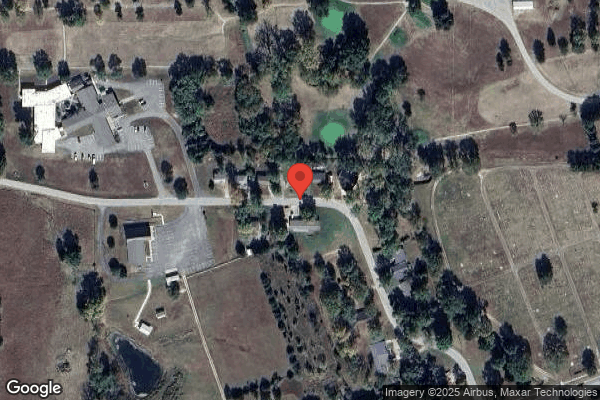
400 SUNSET DRIVE, COUNCIL GROVE, KS 66846 (620) 767-5172
For profit - Corporation 60 Beds DIVERSICARE HEALTHCARE Data: November 2025
Trust Grade
45/100
#182 of 295 in KS
Last Inspection: August 2024

Within standard 12-15 month inspection cycle. Federal law requires annual inspections.

Overview

Diversicare of Council Grove has a Trust Grade of D, which indicates below-average performance and some significant concerns. Ranking #182 out of 295 facilities in Kansas places it in the bottom half, although it is the only option in Morris County. The facility is showing improvement, with issues reducing from 10 in 2024 to 6 in 2025, but it still has much room for growth. Staffing is average with a rating of 3 out of 5 stars and a turnover rate of 52%, which is similar to the state average. While there are no fines recorded, a serious incident was noted where a resident's wound care was inadequate, leading to contamination with maggots, and another concern was related to inaccurate reporting of staffing data to federal authorities, which could affect the quality of care. Overall, while there are some positive aspects, families should weigh these serious issues when considering care for their loved ones.

Trust Score
D
45/100
In Kansas
#182/295
Bottom 39%
Safety Record
Moderate
Needs review
Inspections
Getting Better
10 → 6 violations
Staff Stability
⚠ Watch
52% turnover. Above average. Higher turnover means staff may not know residents' routines.
Penalties
✓ Good
No fines on record. Clean compliance history, better than most Kansas facilities.
Skilled Nurses
○ Average
Each resident gets 33 minutes of Registered Nurse (RN) attention daily — about average for Kansas. RNs are the most trained staff who monitor for health changes.
Violations
⚠ Watch
26 deficiencies on record. Higher than average. Multiple issues found across inspections.
★★☆☆☆
2.0
Overall Rating
★★★☆☆
3.0
Staff Levels
★★★☆☆
3.0
Care Quality
★★☆☆☆
2.0
Inspection Score
Stable
2024: 10 issues
2025: 6 issues

The Good

  • Full Sprinkler Coverage · Fire safety systems throughout facility
  • No fines on record

Facility shows strength in fire safety.

The Bad

2-Star Overall Rating

Below Kansas average (2.9)

Below average - review inspection findings carefully

Staff Turnover: 52%

Near Kansas avg (46%)

Higher turnover may affect care consistency

Chain: DIVERSICARE HEALTHCARE

Part of a multi-facility chain

Ask about local staffing decisions and management

The Ugly 26 deficiencies on record

1 actual harm
Jul 2025 5 deficiencies 1 Harm
SERIOUS (G) 📢 Someone Reported This

A family member, employee, or ombudsman was alarmed enough to file a formal complaint

Actual Harm - a resident was hurt due to facility failures

Quality of Care (Tag F0684)

A resident was harmed · This affected 1 resident

The facility reported a census of 47 residents, with two residents reviewed for wounds. Based on observation, interview, and record review, the facility failed to provide adequate wound care for Resid...

Read full inspector narrative →
The facility reported a census of 47 residents, with two residents reviewed for wounds. Based on observation, interview, and record review, the facility failed to provide adequate wound care for Resident (R)1 to prevent the wound from being contaminated with maggots (fly larvae). This deficient practice led to R1's right lower leg wound becoming contaminated with maggots, which caused physical and psychosocial discomfort.Findings included:- R1's Electronic Health Record (EHR) documented diagnoses that included diabetes mellitus type 2 (DM2 - when the body cannot use glucose, not enough insulin is made, or the body cannot respond to the insulin), chronic veinous hypertension (high blood pressure in the legs) with inflammation of an unspecified lower extremity, edema (swelling resulting from an excessive accumulation of fluid in the body tissues), an open right lower leg wound, and need for assistance with personal care.R1's 03/26/25 admission Minimum Data Set (MDS) documented a Brief Interview for Mental Status (BIMS) score of 15, which indicated intact cognition. The assessment documented R1 required substantial/maximal assistance with application of footwear and lower body dressing, and partial/moderate assistance for shower/bathing. The assessment documented no venous or arterial ulcers or lesions; R1 had surgical wound(s) that received surgical wound care and received application of non-surgical dressings and ointments/medications to areas other than the feet.The 03/26/25 Care Area Assessments (CAA) did not address R1's right lower leg wound.The 06/23/25 Quarterly MDS documented a BIMS score of 15. The assessment documented R1 required substantial/maximal assistance with application of footwear, partial/moderate assistance with lower body dressing, and supervision/touching assistance with shower/bathing. The assessment documented R1 had no venous or arterial ulcers/lesions or surgical wounds. R1 received surgical wound care and application of ointments and medications to areas other than the feet.R1's 03/17/25 Care Plan reviewed on 07/08/25 documented R1 had an old surgical wound, non-healing wound(s) to lower extremities with a risk for development of further wound(s) due to long-term open wound management and chronic edema. The care plan documented R1's wound would be free of signs and symptoms of infection and included the following interventions:Staff would administer medications and obtain labs as ordered, dated 04/03/25.Staff would wrap both legs with Unna boots (a compressive dressing to aid in circulation and wound healing) every three days, dated 04/03/25.The Orders tab of the EHR documented the following orders:Cleanse legs with Hibiclens (a topical antiseptic) daily and apply a clean dressing everyday shift, dated 06/25/25 at 06:00 AM.Mupirocin (a topical antibiotic) ointment 2 percent (%), apply to both legs topically twice per day, related to skin graft infection, venous hypertension, and open wound right lower leg, dated 04/26/25 at 07:00 AM.Apply calcium alginate (highly absorbent dressing) with antibacterial silver to wounds on both lower extremities. Cover with Hydralock (highly absorbent dressing with waterproof backing), then wrap with Kerlix (stretchy gauze bandage) and secure. Change every three days related to an open wound on the right lower leg, dated 05/24/25 at 07:00 AM.Eucerin (skin lotion), apply to both lower legs, topically, two times per day. Apply after Bactroban (a topical antibiotic), then apply absorbent dressing, wrap with Kerlix, and then Coban (self-adherent elastic wrap used to provide compression and secure dressings), dated 04/28/25 at 03:00 PM.The Progress Notes documented the following:On 06/23/25 at 10:24 AM, R1 received a shower at 09:40 AM. Her dressings were removed from both lower legs, and maggots were observed crawling on the skin of both ankles and heels. Staff left a message with R1's primary care physician (PCP) and were awaiting a call back.On 06/23/25 at 03:11 PM, R1's PCP returned the call and gave a telephone order to cleanse R1's legs daily with Hibiclens and apply clean dressings. R1's PCP requested a report back on 06/27/25 and further stated the maggots were probably good for the wounds.R1's June 2025 Medication Administration Record (MAR) and Treatment Administration Record (TAR) documented Administrative Nurse D updated R1's PCP about the wound on 06/27/25 at 12:38 PM.During an observation on 07/09/25 at 10:05 AM, R1 sat in her wheelchair with loose dressings on both lower legs. Both dressings appeared saturated with an unknown yellow liquid. Multiple flies were observed in R1's room and around R1. R1 was able to put her hands between the dressings and her legs.During an observation on 07/09/25 at 01:30 PM, Licensed Nurse (LN) G performed a dressing change on R1's lower extremity wounds. LN G noted both dressings appeared saturated and were falling off R1's legs. During the dressing change, both the surveyor and LN G observed maggots on R1's right lower extremity wound. LN G removed maggots from the wound while performing wound care.On 07/08/25 at 10:05 AM, R1 acknowledged she did have maggots in both lower extremity wounds and said she sometimes pushed the dressing down to scratch the wounds and would get maggot pieces on her fingers. R1 demonstrated this, but no maggot debris was observed on R1's fingers. R1 said she could feel the maggots crawling in and out of her skin, and this caused her physical discomfort from itching, which she stated caused her to feel restless at times. R1 stated that the thought of the maggots bothered her a bit occasionally, but mainly it was just itchy.On 07/08/25 at 01:30 PM, LN G revealed that the dressings to R1's lower extremities used to be changed every three days, but after maggots were discovered in the right lower leg wound, the orders were changed to include Hibiclens, and the dressing changes are performed daily now.On 07/08/25 at 02:10 PM, Administrative Nurse D said R1's dressing changes used to be performed three times per week, but the order was recently changed to daily. Administrative Nurse D was unaware of the continued presence of maggots in R1's wound and said wounds should not have maggots in them. Administrative Nurse D further stated the flies in the facility were a concern for a while but could not provide a definitive length of time.On 07/08/25 at 05:00 PM, Administrative Staff A stated she was not aware of the continued presence of maggots in R1's right lower extremity wound.On 07/10/25 at 09:00 AM, during an interview, Physician HH revealed she was unaware of the continued existence of maggots in the wound on R1's right lower leg. She reported the facility does have a fly problem that has been present for the last few weeks and stated that, in her professional opinion, maggots in the wound are not harming the wound or impeding the wound's healing process.Per the Maggot Infestation: Various Treatment Modalities article from the National Institute of Health National Library of Medicine website revealed The invasion of the skin and subcutaneous tissue by the larvae (Maggot) is known as Maggot infestation. Per the Centers for Disease Control (CDC) website About Myiasis [myiasis is a parasitic infection of fly larva (maggots) in human tissue]. people who have untreated or open wounds have a higher risk for getting myiasis . certain species' larvae will move deeper in the body and can cause severe damage.The facility did not have a policy related to wound care and dressing changes and stated that the facility followed the professional standards of care.
CONCERN (D) 📢 Someone Reported This

A family member, employee, or ombudsman was alarmed enough to file a formal complaint

Potential for Harm - no one hurt, but risky conditions existed

Resident Rights (Tag F0550)

Could have caused harm · This affected 1 resident

The facility reported a census of 46 residents. The sample included three residents. Based on observation, interview, and record review, the facility failed to treat residents in a dignified manner wh...

Read full inspector narrative →
The facility reported a census of 46 residents. The sample included three residents. Based on observation, interview, and record review, the facility failed to treat residents in a dignified manner when Resident (R)2 received personal care without privacy. This deficient practice placed the resident at risk for decreased psychosocial well-being and embarrassment.Findings included:- R2's Electronic Medical Record (EMR) revealed a diagnosis of a local infection of the skin and unspecified adult personality disorder.R2's 06/30/25 Significant Change Minimum Data Set (MDS) documented a Brief Interview for Mental Status (BIMS) score of 13, indicating intact cognition.Observation on 07/08/25 at 12:00 PM, Licensed Nurse (LN) G entered R2's room without shutting the door. LN G did not close the curtain to provide privacy. LN G proceeded to perform a dressing change on both of the resident's legs with the door and privacy curtain open, leaving the resident visible from the hall.On 07/08/25 at 12:25 PM, LN G confirmed she should have provided privacy for R2 when she provided his dressing change.On 07/08/25 at 02:10 PM, Administrative Nurse D confirmed she expected staff to treat all residents with respect and dignity by providing privacy with care.The facility's Clean Dressing Change Care Audit documented that staff were to inform the resident what the nurse was going to do and provide privacy by shutting the door and pulling the privacy curtain.
CONCERN (E) 📢 Someone Reported This

A family member, employee, or ombudsman was alarmed enough to file a formal complaint

Potential for Harm - no one hurt, but risky conditions existed

Safe Environment (Tag F0584)

Could have caused harm · This affected multiple residents

The facility reported a census of 46 residents. Based on observation, interview, and record review, the facility failed to maintain a clean, comfortable, and homelike environment in the common living ...

Read full inspector narrative →
The facility reported a census of 46 residents. Based on observation, interview, and record review, the facility failed to maintain a clean, comfortable, and homelike environment in the common living area for the residents of the facility. This placed the affected residents at risk for decreased quality of life.Findings included:- Observation on 07/08/25 at 10:38 AM revealed a strong odor of urine upon entering the facility from the east doors to the A-Hall unit.Observation on 07/08/25 at 10:42 AM, R3 sat in a reclining chair in the common area. R3's pants were wet on the front between the legs, and the seat of the chair was saturated. There was a strong odor of urine.Observation on 07/08/25 at 10:54 AM, Certified Nurse Aide (CNA) M and CNA N brought a sit-to-stand lift to assist R3 out of the recliner. As they lifted R3, they could see that the recliner and R3 were saturated. CNA M did not clean the chair, but requested that someone call housekeeping to clean the chair. On 07/08/25 at 11:16 AM, the recliner remained uncleaned. CNA M again requested that a staff member call housekeeping. Observation on 07/08/25 at 11:21 AM, Housekeeping Staff U brought a shampooer into the living area. She shampooed the seat of the recliner.Observation on 07/08/25 at 04:26 PM, the recliner remained wet with a wet floor sign in it. The recliner had multiple stains on the armrest, seat, footrest, and back of the chair where the head rests.On 07/08/25 at 12:15 PM, R3's representative reported that the smell in the facility was very bad. She remarked that the smell was worse on her family member's wing. On 07/08/25 at 12:52 PM, R3's husband said the facility was dirtier over the last six to eight months, and the smell of urine had gotten worse. On 07/08/25 at 2:40 PM, CNA O stated she did notice the strong urine smell. CNA O said that at times, staff used Bye-Bye Odor spray for the strong urine smell.On 07/08/25 at 04:56 PM, Administrative Staff A reported that she talked to the regional managers of the contracted housekeeping employees who will provide training and instruction for better cleaning and removal of unpleasant odors. The facility did not provide a policy related to creating and maintaining a clean, safe, and comfortable home-like environment for the residents of the facility.
CONCERN (E) 📢 Someone Reported This

A family member, employee, or ombudsman was alarmed enough to file a formal complaint

Potential for Harm - no one hurt, but risky conditions existed

Infection Control (Tag F0880)

Could have caused harm · This affected multiple residents

The facility reported a census of 46 residents. Based on observation, interview, and record review, the facility failed to maintain an effective infection control program related to inadequate hand hy...

Read full inspector narrative →
The facility reported a census of 46 residents. Based on observation, interview, and record review, the facility failed to maintain an effective infection control program related to inadequate hand hygiene during wound care and inadequate cleaning of furniture. This deficient practice had the potential to spread possible infections to the residents in the facility.Findings included:- Resident (R)3's Electronic Medical Record (EMR) revealed diagnoses of cognitive communication deficit (an impairment in organization, sequencing, attention, memory, planning, problem-solving, and safety awareness) due to cerebral infarction (stroke - sudden death of brain cells due to lack of oxygen caused by impaired blood flow to the brain by blockage or rupture of an artery to the brain), and a history of urinary tract infections (UTI-an infection in any part of the urinary system). R3's 04/27/25 Significant Change Minimum Data Set (MDS) documented a Brief Interview for Mental Status (BIMS) score of two, indicating severe cognitive impairment. R3 was always incontinent of urine and bowel, and she required substantial to maximum assistance with toileting. R3's Urinary Incontinence and Indwelling Catheter Care Area Assessment (CAA) documented R3 required increased assistance with all areas of daily living. R3's EMR under Tasks documented R3 was continent one time in the last 30 days. R3's Care Plan dated 09/13/23 documented R3 was incontinent of bladder related to confusion, impaired mobility, and a history of UTIs. An intervention dated 09/17/24 directed staff to offer toileting assistance before and after meals, bedtime, and as needed at night. Observation on 07/08/25 at 10:42 AM, R3 sat in a reclining chair in the common area. R3's pants were showing wetness on the front of her pants between the legs, and the seat of the chair was saturated. There was a strong odor of urine. Observation on 07/08/25 at 10:54 AM, Certified Nurse Aide (CNA) M and CNA N brought a sit-to-stand lift. They told R3 that they were taking her to the bathroom, then to lunch. CNA M and CNA N attached R3 properly to the lift and lifted her to a standing position. As they lifted R3, they could see that she was wet from her knees to her mid-back above her waist. CNA M and CNA N assisted R3 from the fabric-covered recliner to the wheelchair and took her to the shower room to change and toilet her. CNA M did not clean the chair but requested that someone call housekeeping to clean the chair. CNA M and CNA N cleaned and changed R3's clothing. On 07/08/25 at 11:16 AM, the recliner remained uncleaned. CNA M again requested that a staff member call housekeeping. Observation on 07/08/25 at 11:21 AM, Housekeeping Staff U brought a shampooer into the living area. She shampooed the seat of the recliner. Observation on 07/08/25 at 04:26 PM, the recliner remained wet with a wet floor sign in it. The recliner had multiple stains on the armrest, seat, footrest, and back of the chair where the head rests. On 07/08/25 at 11:25 AM, Housekeeping Staff U said the housekeeping staff use hot water to clean urine off the chairs, and that is all that was in the shampooer. Housekeeper Staff U said the housekeeping staff did not use any chemicals for cleaning the chair. On 07/08/25 at 11:46 AM, Consultant GG stated nursing staff cleaned up bodily fluids like urine, and then housekeeping disinfected the surface. Consultant GG stated that each building had its own cleaning supplies, so which chemicals were used was dependent on what products the facility had. Consultant GG acknowledged that hot water alone was not a disinfectant. On 07/08/25 at 12:59 PM, Administrative Nurse D stated that if the soiled chair was cloth, it must be discarded, and if it was not cloth, nursing staff should immediately wipe the chair with a germicide wipe, then get housekeeping to clean the chair. Administrative Nurse D stated she expected chairs to be disinfected with a disinfectant, not just hot water. On 07/08/25 at 04:20 PM, Administrative Nurse D said 24 out of the 47 residents could transfer to the recliners with or without assistance and had the potential to be affected by this deficient practice. On 07/08/25 at 04:56 PM, Administrative Staff A reported that she talked to the regional managers of the contracted housekeeping employees who will provide training and instruction. The facility's Infection Control policy dated 11/01/17, documented that the center's infection control policies and practices are intended to facilitate maintaining a safe, sanitary, and comfortable environment and to help prevent and manage transmission of diseases and infections. - Observation on 07/08/25 at 12:00 PM, Licensed Nurse (LN) G entered Resident (R)2's room and donned gloves and gown without performing hand hygiene. LN G removed the wound dressing from R2's left leg. LN G cleansed the wound with water, Hibiclens wash (an antibacterial and antimicrobial skin cleanser), and gauze. Without washing her hands or changing gloves, LN G applied a clean Telfa (nonstick gauze) and Kerlix (stretchy gauze bandage) to the wound on R2's left leg. LN G changed her gloves but did not perform hand hygiene. LN G removed the dressing from the right leg and cleansed the wound with water, Hibiclens, and gauze. LN G changed her gloves without performing hand hygiene. LN G then applied a clean Telfa and Kerlix to the wound on the right leg. LN G doffed her gown, then her gloves. On 07/08/25 at 12:25 PM, LN G confirmed she should have washed her hands when entering the room. She should have performed hand hygiene and changed gloves after cleaning the wound and before applying clean gloves. LN G stated the correct order in doffing is gloves, then gown. On 07/08/25 at 02:10 PM, Administrative Nurse D confirmed she expected hand hygiene to be completed when a staff member goes into a room and out of a room, and when applying and reapplying gloves. Administrative Nurse D said staff should perform hand hygiene after touching a dirty area, prior to touching a clean dressing. Administrative Nurse D stated that when doffing gown and gloves, the gloves were to be removed first, hand hygiene performed, then remove the gown with hand hygiene again. The facility's Infection Control policy, dated 11/01/17, documented that the center's infection control policies and practices are intended to facilitate maintaining a safe, sanitary, and comfortable environment and to help prevent and manage transmission of diseases and infections.
CONCERN (E) 📢 Someone Reported This

A family member, employee, or ombudsman was alarmed enough to file a formal complaint

Potential for Harm - no one hurt, but risky conditions existed

Deficiency F0925 (Tag F0925)

Could have caused harm · This affected multiple residents

The facility had a census of 46 residents. Based on observation, interview, and record review, the facility failed to ensure effective pest control in the facility. This deficient practice placed the ...

Read full inspector narrative →
The facility had a census of 46 residents. Based on observation, interview, and record review, the facility failed to ensure effective pest control in the facility. This deficient practice placed the affected residents of the facility at risk for decreased health and wellness. (Refer to F684) Findings included: - On 07/08/25 at 08:05 AM, 10:20 AM, and 12:00 PM, observation of R2's room revealed a lot of flies in the room. Further observation revealed a fly paper strip hanging from the ceiling in R2's room next to the closet. On 07/08/25 at 10:05 AM, 01:30 PM, and 03:05 PM, observation of R1's room revealed a lot of flies in R1's room. R1's room did not show any evidence of any fly mitigation attempts. On 07/08/25 at 01:30 PM, observation of wound care on R1's right lower leg revealed live maggots (fly larvae) on R1's right lower leg wound.On 07/08/25 at 02:10 PM, Administrative Nurse D revealed that the facility had been concerned about flies for a while, and Administrative Staff A had been implementing fly mitigation strategies. On 07/08/25 at 05:00 PM, Administrative Staff A revealed the facility had identified R1's room, R2's room, and some other unidentified residents' rooms as problem areas related to flies. The facility had installed fly paper strips, but this was ineffective. The facility had ordered fly bags (a liquid-filled bag with a one-way valve used to trap and eliminate flies), and they had arrived but had not been installed. Administrative Staff A revealed that the cause of the flies was due to the mostly rural area and the prevalence of cattle in the area. The facility did not provide a policy related to pest management.
Jun 2025 1 deficiency
CONCERN (D) 📢 Someone Reported This

A family member, employee, or ombudsman was alarmed enough to file a formal complaint

Potential for Harm - no one hurt, but risky conditions existed

Deficiency F0627 (Tag F0627)

Could have caused harm · This affected 1 resident

**NOTE- TERMS IN BRACKETS HAVE BEEN EDITED TO PROTECT CONFIDENTIALITY** The facility identified a census of 52 residents. The sample included one resident reviewed for involuntary discharge. Based on ...

Read full inspector narrative →
**NOTE- TERMS IN BRACKETS HAVE BEEN EDITED TO PROTECT CONFIDENTIALITY** The facility identified a census of 52 residents. The sample included one resident reviewed for involuntary discharge. Based on observation, record review, and interview, the facility initiated a 30-day involuntary discharge for Resident (R)1 though R1's clinical record did not contain evidence to validate the reason for the involuntary discharge. This deficient practice placed R1 at risk for impaired health and well-being and involuntary discharge from the facility. Findings included: - R1's Electronic Health Record (EHR), under the Diagnosis tab, recorded diagnoses of schizoaffective disorder bipolar type (characterized by gross distortion of reality, disturbances of language and communication, and fragmentation of thought) diabetes mellitus type two (DM2 - when the body cannot use glucose, not enough insulin is made, or the body cannot respond to the insulin), heart failure (chronic inability of the heart to pump blood sufficiently which results in shortness of breath), visual loss [to] both eyes, personality and behavioral disorders, alcohol abuse with alcohol-induced mood disorders, a need for assistance with personal cares, and difficulty in walking. R1's admission Minimum Data Set (MDS) dated [DATE] documented a Brief Interview for Mental Status (BIMS) score of 15 which indicated intact cognition. The assessment documented R1 had verbal behavioral symptoms towards others four to six days and rejection of care one to three days, during the seven-day observation period. R1's Quarterly MDS dated 03/25/25 documented a BIMS score of 15. The assessment documented R1 had verbal behavioral symptoms towards others and other behavioral symptoms not directed towards others one to three days during the seven-day observation period. R1's Care Plan reviewed on 06/12/25 revealed no discharge planning care plan interventions before 02/07/25. R1's Care Plan documented on 07/08/24 R1 sometimes had behaviors that included cursing, shouting/yelling during care, and refusing care. The plan instructed staff to administer medications as ordered, assist the resident to avoid situations or people who were upsetting, offer diversions, report to the provider if behaviors interfered with daily living, ensure the resident was not in pain or discomfort, inform R1 what staff would do before beginning and speak to him in an unhurried manner and calm voice. A review of R1's EHR under the Progress Notes revealed the following notes: A note dated 01/03/25 at 09:28 PM, documented R1 would display a tantrum if R1's wishes were not immediately addressed. The note documented R1's behaviors included screaming expletives at staff, slamming his hand on a wall or table and kicking furniture; R1 attempted to bully staff to provide skin treatments and medications that were not ordered in the EHR. R1's EHR lacked evidence of interventions attempted to address the documented behaviors. A physician note dated 01/08/25 at 04:56 PM documented R1 had mixed complaints as well as argumentative and defiant behaviors. The physician documented R1 did not display good judgment or insight into reality. A note dated 01/12/25 at 05:08 PM documented R1 had good days and bad days and described that R1 accused staff and other residents of stealing his drinks and cigarettes. R1 displayed a tantrum at times when he didn't get his way and attempted to loudly bully staff when angry or if he had to wait. The note lacked evidence of interventions attempted to address the documented behaviors. A note dated 01/19/25 at 10:59 AM documented R1 was well-behaved for periods of time. R1 refused to accept he had smoked his cigarettes and accused others of stealing his cigarettes. The note lacked evidence of interventions attempted to address the documented behaviors. A note dated 01/21/25 at 05:55 AM documented R1 became angry when an (unnamed) Certified Nurse Aide (CNA) staff asked R1 to repeat himself because they could not hear R1's request. R1 swore at the staff and threw his shoe at staff. The note lacked evidence of interventions attempted to address the documented behaviors. A note dated 01/30/25 at 10:47 AM documented R1 was verbally abusive to staff and another resident. Staff documented behaviors that included R1 yelled at staff due to R1 not getting his breakfast fast enough. The entry lacked documentation of verbal statements made to any other residents and lacked evidence of interventions attempted to address the documented behaviors. A note dated 02/02/25 at 02:22 AM documented R1 yelled at staff and set off the door alarms; it took approximately three hours for staff to calm R1. A note dated 02/02/25 at 11:10 AM documented R1 accused R2 of being in his room, taking R1's cigarettes, and moving R1's bedding and furniture. The note recorded staff had not observed R2 in R1's room. R1 accused R2 of walking around with his genitals exposed and stated he did not want to be around R2. Staff documented calling Administrative Nurse D who advised staff to move R2 to a different room. A note dated 02/02/25 at 01:52 AM documented staff assisted R1 to the dining area where he began yelling and asked where the man who walked around with his genitals exposed was. Staff asked R1 to leave the dining area due to disruptive behaviors. R1 refused and rolled his wheelchair into staff and began swearing at staff. A note dated 02/02/25 at 03:41 PM documented R1 called staff expletive names. Staff described R1 as belligerent though the note evidence of interventions attempted to address the documented behaviors. A note dated 02/07/25 at 09:39 AM documented R1 sat in his wheelchair near the nurse's station and when staff approached, R1 rolled his wheelchair forward and struck a staff member on the legs with his wheelchair. R1 laughed and reported to the staff that he could not see her then requested a urinal so he could urinate in the common area. Staff assisted R1 to his room and handed him his urinal. Staff documented R1 then yelled and stated he did not want to use the urinal in his room. R1's EHR lacked documentation from a physician that R1's needs could not be met at the facility, or that R1 had placed other residents in danger warranting involuntary discharge. The facility was unable to provide evidence of investigative reports or incident reports regarding the alleged inappropriate behaviors of R1 towards other residents or behavioral interventions that were attempted but were unsuccessful. A review of documents provided by Administrative Staff A revealed a letter sent by Administrative Staff A to R1 on 02/07/25 which stated RE: Notice of Transfer or Discharge that documented R1 would be discharged from the facility on 03/10/25 because the transfer or discharge is necessary because the health of other individuals may be at risk if R1 remained in the facility. A review of documents provided by the Long-Term Care Ombudsman (LTCO) revealed a letter that formally requested to withdraw the involuntary discharge letter to R1 due to a change in circumstances, postmarked 04/12/25. During an observation on 06/12/25 at 11:40 AM, R1 rested in bed with his eyes closed. During an interview on 06/12/25 at 01:05 PM, Administrative Staff A reported R1 was scheduled to be discharged to home under the care of his daughter, and the family was involved with the planning process. Administrative Staff A reported that for an unknown reason, R1's family was not agreeable to his discharge home under the care of his representative. Administrative Staff A said R1's representative refused to acknowledge R1's behavior which included sexual aggression and violence towards staff. Administrative Staff A stated R1 had bragged about being evicted from multiple other facilities for behaviors that included fondling another resident at a different facility. During an interview on 06/12/25 at 02:05 PM, Administrative Nurse D revealed R1 refused care approximately 70 percent (%) of the time and then accused staff of neglect. Administrative Nurse D said R1 frequently instigated confrontations with staff to elicit a negative response and/or to get his demands met and R1 chose to be discharged from the facility to live with his representative. Administrative Nurse D reported that the facility had no reportable incidents, including no resident-to-resident altercations involving R1, during the survey review period of 01/01/25 to 06/12/25. During an interview on 06/12/25 at 04:10 PM, Certified Medication Aide (CMA) R reported R1 had his good days and bad days and denied any known physical or verbal aggression towards other residents. CMA verified all of R1's behaviors were directed at staff. During an interview on 06/12/25 at 04:15 PM, CNA M revealed R1 had yelling behaviors toward staff, but she denied knowledge of any physical behaviors R1 had towards other residents or staff. During an interview on 06/12/25 at 04:18 PM, Administrative Nurse E reported that R1 would moan and grumble whenever he had to wait for staff assistance. Administrative Nurse E denied R1 had any physical altercations with other residents and stated that there were multiple occasions in which R1 was verbally inappropriate and aggressive towards other residents. Administrative Nurse E went on to say R1 was irritable, impatient, and had threatened other residents. Administrative Nurse E reported when staff assisted other residents around R1, they attempted to be greater than an arm's length away. During an interview on 06/12/25 at 04:37 PM, Administrative Staff A stated on 02/02/25 during the verbal exchange between R1 and R2, R1 threatened to kill R2. Administrative Staff A confirmed that no reportable incident report existed because she did not recognize it as resident-to-resident abuse and therefore did not report the incident to the State Agency (SA). The facility did not provide a policy related to involuntary discharge.
Aug 2024 10 deficiencies
CONCERN (D)

Potential for Harm - no one hurt, but risky conditions existed

Resident Rights (Tag F0550)

Could have caused harm · This affected 1 resident

**NOTE- TERMS IN BRACKETS HAVE BEEN EDITED TO PROTECT CONFIDENTIALITY** The facility reported a census of 43 residents with 14 residents sampled, including two residents reviewed for dignity. Based on...

Read full inspector narrative →
**NOTE- TERMS IN BRACKETS HAVE BEEN EDITED TO PROTECT CONFIDENTIALITY** The facility reported a census of 43 residents with 14 residents sampled, including two residents reviewed for dignity. Based on observation, interview, and record review, the facility failed to show respect and dignity to two Residents (R)19, by failing to cover the resident's bare lap, which left the silicone portion of an indwelling urinary catheter (a catheter that is inserted into the bladder and left in place for many days or weeks) visible to others while in the dining room and R41 for failure to utilize a dignity cover for the collection leg bag of the resident's indwelling urinary catheter while in the dining room and common's area. Findings included: - Review of Resident (R)41's electronic medical record (EMR) revealed a diagnosis of obstructive and reflux uropathy (when urine flow is blocked (partially or completely) through the ureter (the duct by which urine passes from the kidney to the bladder), bladder, or urethra (the duct by which urine is conveyed out of the body from the bladder) due to an obstruction and when urine flows backward from the bladder into the kidneys). The admission Minimum Data Set (MDS), dated [DATE], documented the resident had a Brief Interview for Mental Status (BIMS) score of six, indicating severe cognitive impairment. He had an indwelling catheter (a catheter that is inserted into the bladder and left in place for many days or weeks) and required substantial to maximal staff assistance with toileting. The Urinary Incontinence and Indwelling Catheter Care Area Assessment (CAA), dated 03/27/24, documented the resident had a urinary catheter due to urinary retention and obstruction. The Quarterly MDS, dated 06/27/24, documented the resident had a BIMS score of six, indicating severe cognitive impairment. He had an indwelling catheter and required substantial to maximal staff assistance with toileting. The indwelling urinary catheter care plan, revised 06/27/24, lacked staff instruction regarding the use of a dignity cover for the resident's leg collection bag. Review of the resident's EMR revealed the following physician's order: Indwelling urinary catheter 16 French (fr--the measurement of the external diameter of the catheter tube), 10 centimeters (cc--the length of the urinary tubing), to dependent drainage, ordered 05/07/24. On 08/27/24 at 07:47 AM, the resident sat in the dining room awaiting breakfast. His urinary catheter leg bag was attached at the right ankle and lacked a dignity cover, making the collection bag containing urine, visible to all in the dining room. On 08/27/24 at 10:45 AM, the resident sat in the common's area watching TV. His urinary catheter leg bag was attached at the right ankle and lacked a dignity cover, making the collection bag containing urine, visible to all in the common's area. On 08/27/24 at 10:53 AM, the resident sat in the dining room awaiting lunch. His urinary catheter leg bag was attached at the right ankle and lacked a dignity cover, making the collection bag containing urine, visible to all in the dining room. On 08/27/24 at 10:55 AM, the resident stated he would prefer others not be able to see his catheter bag. On 08/27/24 at 01:13 PM, Certified Nurse Aide (CNA) N stated the staff attach the leg bag to the resident's ankle. CNA N stated they did not have a dignity bag to place over the leg bag. On 08/27/24 at 01:13 PM, CNA M stated the facility did not have bags to place the catheter leg bags in to hide them. They only had covers for the normal sized catheter bags. On 08/28/24 at 08:03 AM, Administrative Nurse D stated it was the expectation for staff to use a cover of some type for all catheter bags. The facility policy for Rights of Nursing Facility Residents, dated May 2012, included: Every resident has the right to be treated with dignity, respect, and consideration. The facility failed to utilize a dignity cover for this dependent resident's catheter bag, making the bag, containing urine, visible to others in the dining room and common areas of the facility. - Review of Resident (R) 19's medical record revealed diagnoses that included cerebral vascular accident (CVA - stroke sudden death of brain cells due to lack of oxygen), osteoarthritis (degenerative changes to one or many joints characterized by swelling and pain), chronic obstructive pulmonary disease (COPD a progressive and irreversible condition characterized by diminished lung capacity and difficulty or discomfort in breathing), and neurogenic bladder (dysfunction of the urinary bladder caused by a lesion of the nervous system). The Significant Change Minimum Data Set (MDS), dated [DATE], assessed the resident with a Brief Interview for Mental Status (BIMS) score of four, which indicated severe cognitive impairment. The resident required substantial to maximal assistance for transfers and utilized a wheelchair for mobility. The resident had an indwelling urinary catheter. The Urinary Incontinence and Indwelling Catheter (CAA), dated 01/29/24, was not developed. The Falls CAA dated 01/29/24, assessed the resident as unsteady on her feet and did not remember to call. The resident had multiple diagnoses that affected her balance and had a recent decline in her ability to transfer, ambulate, and make her elf understood. The resident had urinary catheter placed for urinary retention. The Quarterly MDS dated 06/27/24 revealed the resident had a BIMS score of three, which indicated severe cognitive impairment. The resident required supervision/touching assistance for transfers and utilized a wheelchair for mobility. The resident had one non-injury fall during the look back period. The resident had an indwelling urinary catheter. The Care Plan reviewed 08/21/24, instructed staff to provide catheter care with soap and water every shift. A Physician's Order dated 07/24/24, instructed staff to maintain a number 18 French (a size of tubing that is inserted directly into the bladder) urinary catheter to dependent drainage. Observation, on 08/26/24 at 11:39 AM, revealed the resident seated in her wheelchair in the dining room with approximately six inches of the urine collection tubing lay directly on floor. Observation, on 08/27/24 at 08:00 AM, revealed the resident seated in the common dining area without a lap robe to cover her exposed thighs. The actual urinary catheter was visible and hanging down between the resident's open legs. Approximately eight inches of the urine collection tubing lay directly on the floor. Observation, on 08/27/24 at 08:17 AM, revealed the Certified Nurse Aide (CNA) P transported the resident in her wheelchair to her room. Approximately eight inches of the catheter tubing lay directly on the floor during the transport. Upon transfer into the bed the catheter moved under the resident's right thigh and lacked an anchoring device. CNA P stated the resident should have an anchoring device, but she usually took them off. Search for an anchoring device in the bed or on the floor failed to find the device. Interview, on 08/28/24 at 08:08 AM, with Administrative Nurse D, revealed she would expect staff to provide an anchoring device, but the resident did frequently remove the device herself and would need to explore options for catheter anchoring to keep the device secure and protected. Administrative Nurse D stated she would expect to be diligent in ensuring the resident unknowingly exposed herself and catheter in public places. The facility policy for Rights of Nursing Facility Residents, dated May 2012, included: Every resident has the right to be treated with dignity, respect, and consideration. The facility failed to ensure staff maintained the R19's dignity when she unknowingly exposed herself and the urinary catheter in common living areas.
CONCERN (D) 📢 Someone Reported This

A family member, employee, or ombudsman was alarmed enough to file a formal complaint

Potential for Harm - no one hurt, but risky conditions existed

Deficiency F0558 (Tag F0558)

Could have caused harm · This affected 1 resident

The facility reported a census 43 residents with 14 residents sampled, which included Resident (R)18 reviewed for reasonable accommodation. Based on observation, interview, and record review, the faci...

Read full inspector narrative →
The facility reported a census 43 residents with 14 residents sampled, which included Resident (R)18 reviewed for reasonable accommodation. Based on observation, interview, and record review, the facility failed to ensure reasonable accommodation of R18's needs when the facility failed to follow up on recommendations for a different wheelchair, which would meet the resident's physical needs and preference to maintain his independence. Findings included: - Review of Resident (R)18's Physician Orders, dated 08/18/24, included diagnoses muscular dystrophy (MD - group of inherited disorders that involve muscle weakness and loss of muscle tissue, and worsen over time), contracture (abnormal permanent fixation of a joint or muscle) of the right and left ankles, immobility syndrome (paraplegic-paralysis characterized by motor or sensory loss in the lower limbs and trunk) and anxiety disorder (mental or emotional reaction characterized by apprehension, uncertainty and irrational fear). The Modified Annual Minimum Data Set (MDS), dated 10/11/23 documentation included a Brief Interview for Mental Status (BIMS) score of 15, indicating the resident was cognitively intact. He required staff assistance for activities of daily living (ADLs). The resident had functional limitation with range of motion of his upper and lower extremities and had no behaviors. He reported it was very important to have his family or a close friend involved in discussion about his care. R18 lacked any noted skin conditions or treatments. The Functional Abilities (Self-Care and Mobility) Care Area Assessment (CAA), dated 10/19/23 revealed the resident was dependent with most activities of daily living (ADLs) due to his MD. The resident was independently mobile once he is in his motorized wheelchair. The Care Plan dated 08/01/24, directed the staff to know the resident had an activities of daily living (ADL) deficit, he was non weight bearing, and used electric wheelchair for locomotion. Review of the Occupational Therapy (OT) Evaluation & Plan of Treatment dated 03/03/23 (17 months prior) documentation included the resident and clinician were to participate in a seating and positioning assessment to determine the resident's wheelchair needs to maximize his upright posture and decrease the risk of further skin breakdown/contracture's as the resident's disease process continued. His current electric wheelchair was donated to him years ago. The note stated the resident's knees were increasingly flexed and he had poor positioning of ankles/feet, which lead to worsening the risk of contracture's to the resident's lower extremities. The Weekly Nurses Note, dated 07/21/24 at 08:57 AM, included R18 had muscular dystrophy which was slowly advancing. The resident worried about his diagnosis and any subtle changes in his body or routine were very upsetting to him. The Physician Progress Note, in the electronic medical record (EMR), dated 08/21/24 at 03:51 PM, included the resident's muscular dystrophy, which was slowly progressing was causing weakness and disabilities. The note lacked documentation noting the resident's representative/1st emergency contact or responsible party were contacted regarding an evaluation or assessment for a new electric wheelchair or follow-up related to his changing condition. Review of R18's Electronic Medical Record dated 03/23/23 through 08/23/24 (17 months,) lacked documentation or follow-up regarding the assessment recommendation for R 18's specific wheelchair to meet his needs for seating and positioning related to maintain his functioning identified by therapy on 03/03/23, as noted above. On 08/27/24 at 09:54 AM, revealed the resident in the shower room and Certified Nurse Aide (CNA) R answered the call light and entered the shower room to assist the resident with dressing after his shower. CNA R confirmed the resident was dependent on the staff for transfers to the wheelchair and then operated his electric wheelchair independently. Observation on 08/27/24 at 10:03 AM the resident exited the shower room as he sat in his electric wheelchair maneuvering it independently. The resident controlled the wheelchair with his right hand maneuvered through the doorway without difficulty. R18 reported his wheelchair was on its last leg due to the wheels going flat and the last maintenance man and his brother had to patch and pumped the wheels up. He stated his brothers were talking with the nursing home administrator (NHA) about possibility of getting another wheelchair, but he did not know what the status was with his wheelchair. On 08/27/24 at 12:26 PM, R18's designated representative reported he made multiple attempts to contact the facility administrator and left messages with the staff of the facility regarding the resident obtaining a electric wheelchair to meet R18's needs. The representative expressed his displeasure with the facility's lack of communication, which included the failure to return phone calls and/or response to messages regarding the resident's need for a different wheelchair to prevent further decline and maintain his functioning. He stated he called and left messages with the facility as recent as 06/07/24 and 07/11/24. The administrator had not called him back at the time of the interview. R18's representative stated it should not be so difficult to get a timely response from the facility so he would have information on how to meet his family member's needs. On 08/28/24 at 09:45 AM, Administrative Staff A stated a year or so ago therapy staff recommended the resident receive an evaluation for a new electric wheelchair. The provider assessed the resident and made recommendations. The recommendations were forwarded to the facility's corporate office for determination on how to proceed. On inquiry Administrative Staff A confirmed the resident's medical record lacked documentation of the assessment, recommendations, and/or corporate determination/directive how to proceed with meeting the identified need related to the resident's assessment and resulting recommendation. Additionally, Administrative Staff A verified the resident's electronic medical record lacked documentation of follow-up regarding the recommendations with the resident's representative, and he did not recall talking with the resident's representative regarding the providers recommendation or corporate decision regarding the provision of the needed device. On 08/28/24 at 11:12 AM, R18 reported the therapist recommended a new wheelchair that would fit him better than the current one. He reported the current electric wheelchair was on its last leg and he did not know the status regarding obtaining a wheelchair that met his identified need for positioning R18 reported he thought the facility administrator was discussing the wheelchair with his chosen representative. He stated his representative informed him that he had trouble getting in touch with the administrator, although he had tried multiple times. R18 confirmed he expected the facility to communicate with his chosen representative regarding health care decisions because he forgot things sometimes. On 08/28/24 at 11:50 AM, Therapy Consultant HH stated she tried to get R18 a new wheelchair in March of 2023. She reported she felt a new wheelchair fitted to the resident would be beneficial to maximize the resident's upright posture and decrease the risk of skin breakdown and contracture's as the resident's disease progressed. The company that assessed the resident was specialized in seating and positioning. Consultant HH reported the resident exhibited tightening of his bilateral leg muscles related to his diagnosis. She felt the current electric wheelchair would contribute to further decline and it was her opinion that a power tilt chair would benefit the resident and enhance his independence. The company assessed the resident and recommended the resident to have a power tilt wheelchair. The recommendation was then submitted to the administrator who informed her the recommendation was forwarded to the facility's corporate office. Consultant HH stated she was not aware of the follow up or final determination regarding the resident getting the recommended electric wheelchair. The facility lacked a policy to address reasonable accommodation of identified needs for a resident. The facility failed to ensure reasonable accommodation of R18's needs when the facility failed to follow up on recommendations for a different wheelchair, which would meet the resident's physical needs and preference to maintain his independence.
CONCERN (D) 📢 Someone Reported This

A family member, employee, or ombudsman was alarmed enough to file a formal complaint

Potential for Harm - no one hurt, but risky conditions existed

Notification of Changes (Tag F0580)

Could have caused harm · This affected 1 resident

The facility reported a census 43 residents with 14 residents sampled, which included one Resident (R)18 reviewed for notification of change in condition. Based on observation, interview, and record r...

Read full inspector narrative →
The facility reported a census 43 residents with 14 residents sampled, which included one Resident (R)18 reviewed for notification of change in condition. Based on observation, interview, and record review, the facility failed to notify the resident's chosen representative when the resident required a new form of treatment, related to the resident's newly diagnosed scabies infestation. Findings included: - Review of Resident (R) 18's Physician Orders, dated 08/18/24, included diagnoses muscular dystrophy (MD-group of inherited disorders that involve muscle weakness and loss of muscle tissue, and worsen over time), contracture (abnormal permanent fixation of a joint or muscle) of the right and left ankles, immobility syndrome (paraplegic) and anxiety (mental or emotional reaction characterized by apprehension, uncertainty and irrational fear) disorder, and scabies infestation (contagious infestation of the skin by burrowing mites). The Modified Annual Minimum Data Set (MDS), dated 10/11/23 included a Brief Interview for Mental Status (BIMS) score of 15, indicating the resident was cognitively intact. He required staff assistance for activities of daily living (ADL), had functional limitation with range of motion of his upper and lower extremities, and used a wheelchair for mobility. He reported it was very important to have his family or a close friend involved in discussions about his care. The MDS lacked any noted skin conditions for R18's treatments. The Functional Abilities (Self-Care and Mobility) Care Area Assessment (CAA), dated 10/19/23, revealed the resident was dependent for most ADLs due to his muscular dystrophy. He was cognitively intact with a BIMS of 15 and independently mobile once in his motorized wheelchair. The Care Plan dated 08/01/24, lacked any interventions related to the resident's change of condition and/or treatment for a scabies infestation. R18's Physician Orders, dated 08/18/24, included an order for Permethrin External Cream 5 % (Permethrin-lotion used to treat scabies infestation). Staff were to apply to the resident's skin from neck down topically one time a day for rash for seven days at night and shower it off in the morning. Review of the Progress Notes dated 08/21/24, lacked documentation of the resident's representative/1st emergency contact, or responsible party were notified of the resident's change in condition and/or new order for treatment of scabies. The Weekly Nurses Note, dated 08/24/2024 at 10:17 AM, documentation included the resident was treated for a scabies type rash. Observation on 08/27/24 at 09:54 AM, revealed the resident in the shower room and Certified Nurse Aide (CNA) R answered the call light and entered the shower room to assist the resident with dressing after shower. CNA R confirmed the resident had a rash and received lotion for treatment of scabies infestations. On 08/27/24 10:03 AM, the resident exited the shower room as he sat in his electric wheelchair maneuvering it independently. The resident controlled it with his right hand and maneuvered through the doorway without difficulty. The resident reported no discomfort or itching. On 08/27/24 at 03:31 PM, Administrative Nurse D stated the resident's representative should be notified change of condition and/or medication /treatment. She reported when the physician diagnosed the resident with the scabies infestation and ordered the treatment, she expected the staff to notify the resident's chosen representative. Upon review of R18's electronic medical record she confirmed the resident's representative had not been notified of the change of condition and treatment plan. Additionally, the resident's care plan had not been updated to direct the staffs care of R18. On 08/28/24 at 11:12 AM, R 18 reported it was his understanding that the facility would let his chosen representative know about changes in his condition and/or changes in his treatment or medication. He confirmed his documented representative was his chosen representative and would want him aware of his health status at all times. R18 stated sometimes he forgot information and what was said. The facility Policy Notification of Change in Patient/Resident Health Status dated 06/2027 documentation included to ensure all interested parties are informed of the patient's/resident's change in health status so that a treatment plan can be developed which is in the best interest of the patient/resident. The center will notify the patient's representative when an acute illness occurs. The facility failed to notify the resident's chosen representative when there was a need to commence a new form of treatment, related to the resident's newly diagnosed scabies infestation.
CONCERN (D)

Potential for Harm - no one hurt, but risky conditions existed

Accident Prevention (Tag F0689)

Could have caused harm · This affected 1 resident

**NOTE- TERMS IN BRACKETS HAVE BEEN EDITED TO PROTECT CONFIDENTIALITY** The facility reported a census of 43 residents with 14 residents selected for review, which included three residents reviewed fo...

Read full inspector narrative →
**NOTE- TERMS IN BRACKETS HAVE BEEN EDITED TO PROTECT CONFIDENTIALITY** The facility reported a census of 43 residents with 14 residents selected for review, which included three residents reviewed for accidents. Based on observation, interview and record review, the facility failed to ensure staff provided safe transfers for one, Resident (R)19, of the three residents reviewed. Findings included: - Review of Resident (R)19's medical record revealed diagnoses that included cerebral vascular accident (CVA stroke sudden death of brain cells due to lack of oxygen), osteoarthritis (degenerative changes to one or many joints characterized by swelling and pain), chronic obstructive pulmonary disease (COPD a progressive and irreversible condition characterized by diminished lung capacity and difficulty or discomfort in breathing), neurogenic bladder (dysfunction of the urinary bladder caused by a lesion of the nervous system). The Significant Change Minimum Data Set (MDS), dated [DATE], assessed the resident with a Brief Interview for Mental Status (BIMS) score of four, which indicated severe cognitive impairment. The resident required substantial to maximal assistance for transfers and utilized a wheelchair for mobility. The resident had two or more non-injury falls during the look back period. The Falls Care Area Assessment (CAA), dated 01/29/24, assessed the resident as unsteady on her feet and did not remember to call. The resident had multiple diagnoses that affected her balance and had a recent decline in her ability to transfer, ambulate, and make her elf understood. The resident had urinary catheter placed for urinary retention. The Quarterly MDS dated 06/27/24 revealed the resident had a BIMS score of three, which indicated severe cognitive impairment. The resident required supervision/touching assistance for transfers and utilized a wheelchair for mobility. The resident had one non-injury fall during the look back period. The Care Plan reviewed 08/21/24, instructed staff the resident was at risk for falls with a decreased perception of safety and to place a bedside table near the resident for personal items. The resident had antiroll back brakes on her wheelchair. Staff were instructed to place call light and personal items within easy reach. Staff were instructed to provide partial to moderate assistance with toilet hygiene and all transfers per revision on 07/03/24. Observation, on 08/27/24 at 08:17 AM, revealed the Certified Nurse Aide P transported the resident in her wheelchair to her room. CNA P aligned the wheelchair perpendicular to the bed and instructed the resident to grab the side rail and transfer herself into the bed. The resident leaned forward and grabbed the wheelchair, and the chair moved due to the resident weight still in a seated position in the chair but reaching for the siderail. CNA P then locked the brakes on the wheelchair. The resident attempted to stand several times but had difficulty to bring herself to a standing position. CNA P stated the resident usually transferred herself and did not require staff assistance. CNA P then obtained a gait belt to assist the resident to stand. The resident then stood with staff assistance and pivoted into the bed. The resident's water cup was on the floor beside the head of the bed out of her reach. CNA P stated the cup should be placed on the footstool so the resident could reach it from the low position of her bed to prevent her from overreaching and to keep the cup sanitary. Interview, on 08/28/24 at 08:08 AM, with Administrative Nurse D, revealed she would expect staff to use a gait belt to transfer residents and lock the brakes on the wheelchair when transferring a resident as per standard of practice. The facility policy Falls Prevention dated April 2024 instructed staff to identify interventions to prevent falls. The facility failed to ensure staff provided safe transfer techniques for this resident at risk for falls with weakness and balance deficits.
CONCERN (D)

Potential for Harm - no one hurt, but risky conditions existed

Incontinence Care (Tag F0690)

Could have caused harm · This affected 1 resident

**NOTE- TERMS IN BRACKETS HAVE BEEN EDITED TO PROTECT CONFIDENTIALITY** The facility reported a censes of 43 residents with 14 residents selected for review and three residents reviewed for bowel and ...

Read full inspector narrative →
**NOTE- TERMS IN BRACKETS HAVE BEEN EDITED TO PROTECT CONFIDENTIALITY** The facility reported a censes of 43 residents with 14 residents selected for review and three residents reviewed for bowel and bladder. Based on observation, interview, and record review, the facility failed to analyze one Resident (R) 95's three-day voiding diary to determine type of incontinence and pattern of incontinence to mitigate fall occurrences and provide sanitary urinary catheter (a tube that drains urine from the bladder) care for one resident (R19) to prevent urinary tract infections of the three residents reviewed. Findings included: - Review of Resident (R) 19's medical record revealed diagnoses that included cerebral vascular accident (CVA stroke sudden death of brain cells due to lack of oxygen), osteoarthritis (degenerative changes to one or many joints characterized by swelling and pain), chronic obstructive pulmonary disease (COPD a progressive and irreversible condition characterized by diminished lung capacity and difficulty or discomfort in breathing), neurogenic bladder (dysfunction of the urinary bladder caused by a lesion of the nervous system). The Significant Change Minimum Data Set (MDS), dated [DATE], assessed the resident with a Brief Interview for Mental Status (BIMS) score of four, which indicated severe cognitive impairment. The resident required substantial to maximal assistance for transfers and utilized a wheelchair for mobility. The resident had an indwelling urinary catheter. The Urinary Incontinence and Indwelling Catheter (CAA), dated 01/29/24, was not developed. The (Falls CAA dated 01/29/24, assessed the resident as unsteady on her feet and did not remember to call. The resident had multiple diagnoses that affected her balance and had a recent decline in her ability to transfer, ambulate, and make her elf understood. The resident had urinary catheter placed for urinary retention. The Quarterly MDS dated 06/27/24 revealed the resident had a BIMS score of three, which indicated severe cognitive impairment. The resident required supervision/touching assistance for transfers and utilized a wheelchair for mobility. The resident had one non-injury fall during the look back period. The resident had an indwelling urinary catheter. The Care Plan reviewed 08/21/24, instructed staff to provide catheter care with soap and water every shift. A Physician's Order dated 07/24/24, instructed staff to maintain a number 18 French (a size of tubing that is inserted directly into the bladder) urinary catheter to dependent drainage. Observation, on 08/26/24 at 11:39 AM, revealed the resident seated in her wheelchair in the dining room. Approximately six inches of the urine collection tubing lay directly on floor. Observation, on 08/27/24 at 08:00 AM, revealed the resident seated in the common dining area. The resident lacked a lap robe to cover her exposed thighs. The actual urinary catheter was visible and hanging down between the resident's open legs. Approximately eight inches of the urine collection tubing lay directly on the floor. Observation, on 08/27/24 at 08:17 AM, revealed the Certified Nurse Aide (CNA) P transported the resident in her wheelchair to her room. Approximately eight inches of the catheter tubing lay directly on the floor during the transport. Upon transfer into the bed the catheter became placed under the resident's right thigh and lacked an anchoring device. CNA P stated the resident should have an anchoring device, but she usually took them off. Search for an anchoring device in the bed or on the floor failed to find the device. Interview, on 08/28/24 at 08:08 AM, with Administrative Nurse D, revealed she would expect staff to provide an anchoring device, but the resident did frequently remove the device herself and would need to explore options for catheter anchoring. Administrative Nurse D stated she would expect to be diligent in ensuring the tubing did not directly lay on the floor. Administrative Nurse D stated the facility used a skills checklist as a policy for catheter care but failed to provide it. The facility failed to ensure staff provided sanitary catheter care for this resident with a history of urinary tract infections. - Review of Resident (R) 95's medical record revealed diagnoses that included stress incontinence (sudden loss of urine due to increased abdominal pressure), nocturia (urination during the night), transient ischemic attack (TIA an episode of cerebrovascular (blood flow to the brain) insufficiency), diabetes (when the body cannot use glucose, not enough insulin made or the body cannot respond to the insulin) and osteoarthritis (degenerative changes to one or many joints characterized by swelling and pain). The admission Minimum Data Set (MDS) dated [DATE]. Assessed the resident with a Brief Interview for Mental Status (BIMS) score of 00 which indicated severe cognitive impairment and frequently incontinent of urine with no toileting plan in place. The resident required supervision/touch assist with toileting and had no impairment in upper or lower extremities. The Urinary Incontinence and Indwelling Catheter Care Area Assessment (CAA), dated 07/22/24, assessed the resident required assistance with toileting needs and had incontinent episodes and the Care Plan will initiate and review interventions to improve and maintain current toileting skills and continent status to decrease falls, and risk of pressure ulcers, and urinary tract infections. The Interim Payment MDS dated 08/01/24, assessed the resident with a BIMS score of 14, which indicated normal cognitive function. The Care Plan reviewed 07/22/24, instructed staff the resident had an alteration in elimination of bowel and bladder and had functional incontinence. The care plan instructed staff to remind the resident to call for assistance, encourage fluids and exercise, observe and report changes in the ability to toilet/continence status, and observe for urinary tract infection signs and symptoms. The care plan lacked a personalized toileting plan. The Elimination Assessment dated 07/15/24 indicated the resident awakened for toileting and utilized briefs and pads and was continent of urine. The 3 Day Voiding Trial dated 07/15-07/17/24, documented 17 episodes of a wet condition (indicated incontinence). The Interpretation of Data was not completed to determine R95's voiding pattern. A Nurse Note dated 08/25/24 at 02:15 PM, documented staff found the resident sitting on the floor by her bed. The resident told staff she needed to toilet. Observation, on 08/27/24 at 08:49 AM, revealed the resident seated in her wheelchair in the common dining room feeding herself breakfast. The resident propelled herself with her feet in the wheelchair and wheeled herself into the community bathroom. Interview, on 08/27/24 at 09:17 AM, with Certified Nurse Aide (CNA) P revealed the resident could tell staff when she needed to toilet but did not know if there was a toileting plan in place. CNA P stated the resident could take herself to the bathroom but should request staff assistance and assisted the resident in the common bathroom. Interview, on 08/27/24 at 09:30 AM, with Certified Medication Aide (CMA) R, revealed the resident had good and bad days, and should request staff assistance at times, but did not know if there was a toileting plan for the resident as she thought the resident took herself to the bathroom most of the time. Interview, on 08/28/24 at 08:30 AM, with Administrative Nurse D, confirmed the three-day voiding diary lacked interpretation of data and the resident had fallen on 08/25/24 when trying to get to the bathroom. Administrative Nurse D stated the intervention for the fall included toileting the resident before she lays down for a nap. The facility policy Fall Prevention dated April 2024 instructed staff to evaluate a toileting schedule. The facility failed to interpret the 3-Day Voiding Trial data to determine R95's toileting patterns to develop a personalized care plan.
CONCERN (D)

Potential for Harm - no one hurt, but risky conditions existed

Respiratory Care (Tag F0695)

Could have caused harm · This affected 1 resident

The facility reported a census of 43 residents, 14 residents selected for review, which included one resident reviewed for respiratory care. Based on observation, interview, and record review the faci...

Read full inspector narrative →
The facility reported a census of 43 residents, 14 residents selected for review, which included one resident reviewed for respiratory care. Based on observation, interview, and record review the facility failed to ensure staff provided sanitary care to respiratory equipment and administration of aerosolized (vapor) medication for one Resident (R) 39. Findings included: - Review of Resident (R)39's medical record revealed diagnoses that included chronic obstructive pulmonary disease (COPD a progressive and irreversible condition characterized by diminished lung capacity and difficulty or discomfort in breathing) and congestive heart failure (CHF a condition with low heart output and the body becomes congested with fluid). The admission Minimum Data Set (MDS). Dated 02/05/24, assessed the resident with a Brief Interview for Mental Status (BIMS) score of seven, with indicated severe cognitive impairment. The Cognitive Loss Care Area Assessment (CAA) dated 02/05/24, assessed the resident had COPD and CHF The resident had a low oxygen level without her continuous flow oxygen and understood the importance of keeping the oxygen on. The Care Plan reviewed instructed staff to administer oxygen as per the physician's order and assist with oxygen tubing when she ambulated. A Physician's Order, dated 01/29/24, instructed staff to provide oxygen to the resident by nasal cannula at 2 liters (L) per minute continuously for COPD. A Physician's Order, dated 04/24/24, instructed staff to administer ipratropium-albuterol (medications used to dilate the airway and lungs to make breathing easier and allow more efficient oxygen exchange) inhalation solution 0.5-2.5 milligrams (mg)/3 milliliters (ml) one vial orally via nebulizer (a devise that turns liquid medication into vapor) four times a day for COPD. Observation, on 08/26/24 at 02:56 PM, revealed the resident seated in her room. The oxygen tubing cannula lay directly on the floor. Certified Medication Aide (CMA) Q Q washed her hands but did not don gloves. The oxygen tubing cannula lay directly on the floor. CMA Q obtained a wet paper towel and began to wipe the cannula and tubing off. Upon questioning for effectiveness of sanitization, CMA Q stated she would replace the cannula and tubing. CMA Q washed her hands but did not don gloves. CMA Q connected the components of the nebulizer, then placed the vial of ipratropium-albuterol into the aerosol chamber and handed it to the resident. After completion of the treatment, CMA Q without performing hand hygiene or donning gloves, rinsed the components with water from the bathroom sink wiped them with a paper towel, and was about to return them to the storage container, but dropped them on the floor. CMA Q then proceeded to re-rinse the components with water from the bathroom sink. When questioned on the effectiveness of sanitation, CMA Q stated she should replace the nebulizer components. Interview, on 08/28/24 at 08:08 AM, with Administrative Nurse D, revealed she would expect staff to obtain new oxygen cannula, tubing, and nebulizer components if they fell on the floor per the standard of practice, and staff should perform hand hygiene and gloving when providing the nebulizer treatments and when cleaning the equipment. The facility policy Oxygen Guideline updated 08/10/24, instructed staff to provide oxygen in accordance with acceptable standard of practice. The facility policy Nebulizer Guidelines updated 08/01/24, instructed staff to follow guidance by the Center for Disease Control Guidelines for Preventing Healthcare-Associated Pneumonia The facility failed to ensure staff provided respiratory care in a sanitary manner to this resident with a compromised respiratory system to prevent the spread of airborne infections.
CONCERN (D)

Potential for Harm - no one hurt, but risky conditions existed

Deficiency F0757 (Tag F0757)

Could have caused harm · This affected 1 resident

**NOTE- TERMS IN BRACKETS HAVE BEEN EDITED TO PROTECT CONFIDENTIALITY** The facility reported a census of 43 residents with 14 residents sampled, including five residents reviewed for unnecessary medi...

Read full inspector narrative →
**NOTE- TERMS IN BRACKETS HAVE BEEN EDITED TO PROTECT CONFIDENTIALITY** The facility reported a census of 43 residents with 14 residents sampled, including five residents reviewed for unnecessary medications. Based on interview and record review, the facility failed to ensure two Residents (R) 12 and R 27 remained free from unnecessary medications related to failure to administer as needed (PRN) medications for bowel movements (BM). Findings included: - Review of Resident (R) 12's electronic medical record (EMR) revealed a diagnosis of constipation (the inability to pass stool). The Annual Minimum Data Set (MDS), dated [DATE], documented the resident had a Brief Interview for Mental Status (BIMS) score of 14, indicating intact cognition. She required extensive assistance of two staff for transfers and toileting. She was always continent of bowel and had no constipation during the assessment period. The Activities of Daily Living (ADL) Functional/Rehabilitation Potential Care Area Assessment (CAA), dated 08/28/23, documented the resident required staff assistance with transferring and toileting. The Urinary Incontinence and Indwelling Catheter CAA, dated 08/28/23, documented the resident would notify staff for assistance with toileting. The Quarterly MDS, dated 06/28/24, documented the resident had a BIMS of 14, indicating intact cognition. She was dependent on staff for toileting transfers and was frequently incontinent of bowel. The Alteration in Elimination of Bowel Care Plan, revised 08/22/24, instructed staff the resident had constipation and staff were to administer bowel medication, as needed (PRN). Review of the resident's EMR, from 07/28/24 through 08/25/24, revealed the resident did not have a bowel movement (BM) from 08/21/24 through 08/25/24, a total of five days. Review of the resident's Medication Administration Record (MAR) for August, revealed the resident did not have any PRN medications available for administration regarding constipation. On 08/26/24 at 09:52 AM, the resident stated she had constipation from time to time, but rarely received medication to help her move her bowels. On 08/27/24 at 02:32 PM, Certified Nurse Aide (CNA) O stated staff documented BMs on the computer. On 08/27/24 at 12:24 PM, Licensed Nurse (LN) G stated the computer would send an alert for all residents who had not had a BM in three days. Not all residents received the same thing for constipation. It depended on who the resident was. If a resident needed something for constipation LN G stated she would give them prune juice. LN G was unsure if there was a specific bowel protocol at the facility. On 08/27/24 at 02:27 PM, LN G stated the day shift nurse would run a list of all residents who needed a PRN medication for constipation. Nursing will give the residents PRN medications depending on what orders they had. LN G stated the resident did not have any orders for constipation so the physician would need to be notified and an order obtained. On 08/28/24 at 07:33 AM, Administrative Nurse D stated the nurses were responsible for pulling a report from the computer of any resident who had not had a BM in three days or more. The nurse would then need to notify the physician if the resident did not have PRN orders for bowels. The facility did not have standing orders for a bowel protocol. The facility lacked a policy regarding bowel movements. The facility failed to utilize PRN medications for this dependent resident with constipation. - Review of Resident (R)27's electronic medical record (EMR) revealed a diagnosis of constipation (the inability to pass stool). The Annual Minimum Data Set (MDS), dated [DATE], documented the resident had a Brief Interview for Mental Status (BIMS) score of 15, indicating intact cognition. He required substantial to maximal staff assistance for toileting transfers. He was occasionally incontinent of bowel. Constipation was not assessed. The Urinary Incontinence and Indwelling Catheter Care Area Assessment (CAA), dated 08/08/24, documented the resident required staff assistance with toileting. The Quarterly MDS, dated 05/16/24, documented the resident had a BIMS score of 15, indicating intact cognition. He required substantial to maximal staff assistance with toileting transfers and was always continent of bowel. The Care Plan for alteration in elimination of bowel, revised 08/08/24, instructed staff the resident had a diagnosis of constipation. Staff were to administer bowel medications, as ordered. Review of the resident's EMR, from 07/29/24 through 08/02/24, revealed the resident did not have a bowel movement (BM) from 07/31/24 through 08/04/24, a total of four days. Review of the resident's EMR revealed the following physician's orders: Milk of Magnesia (MOM-a laxative used to help the bowels move), 30 milliliters (ml), by mouth (po), every (Q) 24 hours, as needed (PRN), for constipation, ordered 12/16/20. MiraLAX powder (a laxative), 17 grams (gm), po, Q 24 hours, PRN, for constipation, ordered 08/30/23. Senekot (a stool softener to assist in the passing of stool with constipation), 8.6-50 mg, po, twice daily (BID), for constipation, ordered 09/21/22. On 08/26/24 at 09:48 AM, the resident stated that he would often have constipation and would ask the nurse for a PRN medication. The resident stated the nurses would sometimes give him something for the constipation and other times would not. On 08/27/24 at 02:32 PM, Certified Nurse Aide (CNA) O stated staff documented BMs on the computer. On 08/27/24 at 12:24 PM, Licensed Nurse (LN) G stated the computer would send an alert for all residents who had not had a BM in three days. Not all residents received the same thing for constipation. It depends on who the resident was. If a resident needed something for constipation LN G stated she would give them prune juice. LN G was unsure if there was a specific bowel protocol at the facility. On 08/27/24 at 02:27 PM, LN G stated the day shift nurse would run a list of all residents who needed a PRN medication for constipation. Nursing would give the residents PRN medications depending on what orders they had. On 08/28/24 at 07:33 AM, Administrative Nurse D stated the nurses were responsible for pulling a report from the computer of any resident who had not had a BM in three days or more. The nurse would then need to notify the physician if the resident did not have PRN orders for bowels. The facility did not have standing orders for a bowel protocol. The facility lacked a policy regarding bowel movements. The facility failed to utilize PRN medications for this dependent resident with constipation.
CONCERN (E)

Potential for Harm - no one hurt, but risky conditions existed

Deficiency F0657 (Tag F0657)

Could have caused harm · This affected multiple residents

**NOTE- TERMS IN BRACKETS HAVE BEEN EDITED TO PROTECT CONFIDENTIALITY** - Review of Resident (R) 18's Physician Orders, dated 08/18/24, included diagnoses muscular dystrophy (MD-group of inherited dis...

Read full inspector narrative →
**NOTE- TERMS IN BRACKETS HAVE BEEN EDITED TO PROTECT CONFIDENTIALITY** - Review of Resident (R) 18's Physician Orders, dated 08/18/24, included diagnoses muscular dystrophy (MD-group of inherited disorders that involve muscle weakness and loss of muscle tissue, and worsen over time), contracture (abnormal permanent fixation of a joint or muscle) of the right and left ankles, immobility syndrome (paraplegic) and anxiety (mental or emotional reaction characterized by apprehension, uncertainty and irrational fear) disorder, and scabies infestation (contagious infestation of the skin by burrowing mites). The Modified Annual Minimum Data Set (MDS), dated 10/11/23 documentation included a Brief Interview for Mental Status (BIMS) score of 15, indicating the resident was cognitively intact. He required staff assistance for activities of daily living (ADL). The resident had functional limitation with range of motion of his upper and lower extremities and used a wheelchair for a mobility device. He reported it was very important to have his family or a close friend involved in discussions about his care. R18 lacked any noted skin conditions or treatments. The Functional Abilities (Self-Care and Mobility) Care Area Assessment (CAA), dated 10/19/23 revealed the resident was dependent for most ADLs due to his Muscular Dystrophy. He was cognitively intact with a BIMS of 15 and independently mobile once in his motorized wheelchair. The Care Plan dated 08/01/24, failed to address the resident's change of condition and treatment for a scabies infestation. R18's Physician Orders, dated 08/18/24, documentation included an order for Permethrin External Cream 5 % (Permethrin-lotion used to treat scabies infestation). Staff were to apply the cream to from neck down, topically, one time a day for rash for seven days at night and shower it off in the morning. Review of Progress Notes dated 08/21/24 lacked documentation of the resident's representative/1st emergency contact, or responsible party were notified of the resident's change in condition and/or new order for treatment. The Weekly Nurses Note, dated 08/24/24 at 10:17 AM documentation included the resident was treated for a scabies type rash. Observation on 08/27/24 at 09:54 AM, revealed the resident in the shower room and Certified Nurse Aide (CNA) R answered the call light and entered the shower room to assist the resident with dressing after shower. CNA R confirmed the resident had a rash and received lotion for treatment of scabies infestations. On 08/27/24 at 10:03 AM the resident exited the shower room. He sat in his electric wheelchair maneuvering it independently. The resident controlled it with his right hand and maneuvered through the doorway without difficulty. The resident reported no discomfort or itching. On 08/27/24 at 03:31 PM, Administrative Nurse D stated the resident's care plan should have been updated to provide guidance to the staff related to the treatment of R18's scabies infestation when ordered by the physician. She confirmed the resident's care plan had not been updated to direct the staff's care of R18. The facility Policy Notification of Change in Patient/Resident Health Status dated 06/2027 documentation included a treatment plan should be developed to ensure patient's/resident's change in health status to address an acute change in condition/treatment (intervention). The facility failed to review and revise R18's care plan to reflect a new acute diagnosis of scabies infestation and its prescribed treatment for the resident. - Review of Resident (R)41's Electronic Medical Record (EMR) revealed a diagnosis of obstructive and reflux uropathy (when urine flow is blocked [partially or completely] through the ureter [the duct by which urine passes from the kidney to the bladder], bladder, or urethra [the duct by which urine is conveyed out of the body from the bladder] due to an obstruction and when urine flows backward from the bladder into the kidneys). The admission Minimum Data Set (MDS), dated [DATE], documented the resident had a Brief Interview for Mental Status (BIMS) score of six, indicating severe cognitive impairment. He had an indwelling catheter (a catheter that is inserted into the bladder and left in place for many days or weeks) and required substantial to maximal staff assistance with toileting. The Urinary Incontinence and Indwelling Catheter Care Area Assessment (CAA), dated 03/27/24, documented the resident had a urinary catheter due to urinary retention and obstruction. The Quarterly MDS, dated 06/27/24, documented the resident had a BIMS score of six, indicating severe cognitive impairment. He had an indwelling catheter and required substantial to maximal staff assistance with toileting. The indwelling urinary catheter Care Plan, revised 06/27/24, lacked staff instruction regarding the use of a leg bag for the resident's catheter and lacked staff instruction regarding the need for a dignity cover for the leg bag. Review of the resident's EMR revealed the following physician's order: Indwelling urinary catheter 16 French (fr--the measurement of the external diameter of the catheter tube), 10 centimeters (cm--the length of the urinary tubing), to dependent drainage, ordered 05/07/24. On 08/27/24 at 07:47 AM, the resident sat in the dining room awaiting breakfast. His urinary catheter leg bag was attached at the right ankle and lacked a dignity cover, making the collection bag containing urine, visible to all in the dining room. On 08/27/24 at 10:45 AM, the resident sat in the common's area watching TV. His urinary catheter leg bag was attached at the right ankle and lacked a dignity cover, making the collection bag containing urine, visible to all in the common's area. On 08/27/24 at 10:53 AM, the resident sat in the dining room awaiting lunch. His urinary catheter leg bag was attached at the right ankle and lacked a dignity cover, making the collection bag containing urine, visible to all in the dining room. On 08/27/24 at 10:55 AM, the resident stated he would prefer others not be able to see his catheter bag. On 08/27/24 at 01:13 PM, Certified Nurse Aide (CNA) N stated the staff attach the leg bag to the resident's ankle. CNA N stated they did not have a dignity bag to place over the leg bag. On 08/27/24 at 01:13 PM, CNA M stated the facility did not have bags to place the catheter leg bags in, to hide them. They only had covers for the normal sized catheter bags. On 08/28/24 at 08:03 AM, Administrative Nurse D stated the leg bag and dignity bag should be included on the resident's care plan. The facility policy for Care Plans, revised June 2017, included: Care plans will be developed for all residents based upon the Resident Assessment Instrument (RAI) guidelines. Care plans are developed by the interdisciplinary team (IDT) and revised as needed according to resident status or change. The facility failed to review and revise this dependent resident's care plan to include the leg bag for his urinary catheter and the need for a dignity bag. The facility reported a census of 43 residents with 14 residents selected for review. Based on observation, interview, and record review, the facility failed to review and revise the care plans for four or the sampled residents, Resident (R) 18 and R8 for scabies (a contagious skin infection caused by mites) infections, R41 for use of urine collection leg bag device, and R19 for self-removal of anchoring device, and alternative catheter stabilizing devices. Findings included: - Review of R8's medical record, revealed a diagnosis of dementia (progressive mental disorder characterized by failing memory, confusion), and vision loss. The Significant Change Minimum Data Set (MDS), dated [DATE], assessed the resident with severely impaired cognition. The resident was dependent on staff for activities of daily living (ADLs). The Cognitive Loss/Dementia Care Area Assessment (CAA) revealed the resident required extensive/total assistance with all ADLs. The Care Plan reviewed 06/07/24, instructed staff the resident had altered skin integrity due to psoriasis (a chronic skin disease that causes thick scaley inflamed skin), staff were to provide treatments as ordered, and conduct weekly skin assessments. The care plan lacked an update for suspicion of scabies (a contagious skin infection caused by mites) infection. A Nurse Note dated 06/04/24, documented the staff noticed the resident scratching and digging at her stomach and chest, and noted pruritic (itching) bumps. A Physician's Order dated 06/06/24, instructed staff to apply Permethrin (a medicated cream used to treat mites) 5% cream to the resident's body at bedtime, one time, and then shower the resident and change all linens in the morning for scabies. A Nurse Note dated 08/03/24, documented the staff noticed a clustered itchy rash to the resident's trunk. A Physician's Order dated 08/03/24, instructed staff to apply Permethrin 5% cream R18's body at bedtime, and then shower resident and change all linens in the morning for scabies at bedtime for seven days for recurrent scabies. Interview, on 08/28/24 at 01:00 PM, with Administrative Nurse D, revealed the resident had suspected scabies infection, and had two rounds of Permethrin treatment. Administrative Nurse D stated the incidents were not added to the care plan. The facility policy Care Plans effective June 2027, instructed to revise the care plan as needed according to the resident status. The facility failed to review and revise the resident's care plan to include the R8's initial and recurrent infection with scabies. - Review of Resident (R) 19's medical record revealed diagnoses that included cerebral vascular accident (CVA stroke sudden death of brain cells due to lack of oxygen), osteoarthritis (degenerative changes to one or many joints characterized by swelling and pain), chronic obstructive pulmonary disease (COPD a progressive and irreversible condition characterized by diminished lung capacity and difficulty or discomfort in breathing), neurogenic bladder (dysfunction of the urinary bladder caused by a lesion of the nervous system). The Significant Change Minimum Data Set (MDS), dated [DATE], assessed the resident with a Brief Interview for Mental Status (BIMS) score of four, which indicated severe cognitive impairment. The resident required substantial to maximal assistance for transfers and utilized a wheelchair for mobility. The resident had an indwelling urinary catheter. The Urinary Incontinence and Indwelling Catheter Care Area Assessment (CAA), dated 01/29/24, was not developed. The Falls CAA dated 01/29/24, assessed the resident as unsteady on her feet and noted she did not remember to call for assistance. The resident had multiple diagnoses that affected her balance and had a recent decline in her ability to transfer, ambulate, and make herself understood. The resident had a urinary catheter placed for urinary retention. The Quarterly MDS dated 06/27/24 revealed the resident had a BIMS score of three, which indicated severe cognitive impairment. The resident required supervision/touching assistance for transfers and utilized a wheelchair for mobility. The resident had one non-injury fall during the look back period. The resident had an indwelling urinary catheter. The Care Plan reviewed 08/21/24, instructed staff to provide catheter care with soap and water every shift. A Physician's Order dated 07/24/24, instructed staff to maintain a number 18 French (a size of tubing that is inserted directly into the bladder) urinary catheter to dependent drainage. Observation, on 08/26/24 at 11:39 AM, revealed the resident seated in her wheelchair in the dining room. Approximately six inches of the urine collection tubing lay directly on floor. Observation, on 08/27/24 at 08:00 AM, revealed the resident seated in the common dining area. The resident lacked a lap robe to cover her exposed thighs. The actual urinary catheter was visible and hanging down between the resident's open legs. Approximately eight inches of the urine collection tubing lay directly on the floor. Observation, on 08/27/24 at 08:17 AM, revealed the Certified Nurse Aide (CNA) P transported the resident in her wheelchair to her room. Approximately eight inches of the catheter tubing lay directly on the floor during the transport. Upon transfer into the bed the catheter became placed under the resident's right thigh and lacked an anchoring device. CNA P stated the resident should have an anchoring device, but she usually took them off. Search for an anchoring device in the bed or on the floor failed to find the device. Interview, on 08/28/24 at 08:08 AM, with Administrative Nurse D, revealed she would expect staff to provide an anchoring device, but the resident did frequently remove the device herself and would need to explore options for catheter anchoring and include measures on the care plan. The facility policy Care Plans effective June 2027, instructed to revise the care plan as needed according to the resident status. The facility failed to review and revise the care plan to include R19's care plan to include alternatives for the urinary catheter device and R19's behavior of removing the anchoring device to ensure the catheter remained sanitary and in proper position.
CONCERN (F)

Potential for Harm - no one hurt, but risky conditions existed

Staffing Data (Tag F0851)

Could have caused harm · This affected most or all residents

The facility reported a census of 43 residents. Based on observation, interview, and record review the facility failed to electronically submit to Centers for Medicare and Medicaid Services (CMS) with...

Read full inspector narrative →
The facility reported a census of 43 residents. Based on observation, interview, and record review the facility failed to electronically submit to Centers for Medicare and Medicaid Services (CMS) with complete and accurate direct staffing information, based on payroll and other verifiable and auditable data in a uniform format according to specifications established by CMS on the Payroll Base Journal (PBJ), related to licensed nursing staffing information, when the facility failed to accurately report weekend staffing for Quarter 3 of 2023 (April 1-June 3), Quarter 4 of 2023 (July 1-September 30), Quarter 1 of 2024 (October 1-December 31) and Quarter 2 of 2024 (January 1-March 31). Findings Included: - Review of the Payroll Base Journal (PBJ) Staffing Data Report for fiscal year (FY), Quarter 3 2023 (April 1-June 3), Quarter 4 (July 1-September 30), Quarter 1 2024 (October 1-December 31) and Quarter 2 (January 1-March 31), revealed excessively low weekend staffing. Review of the facility's daily staffing sheets revealed the facility's weekend staffing to be the same as the staffing on weekdays. On 08/28/24 at 09:37 AM, Administrative Staff A stated that Administrative Nurse D worked most weekends. Since Administrative Nurse D was a salaried employee, her hours were not shown on the facility timesheet hours. Administrative Staff A stated the facility would send their hours to their corporate office and the corporate office was responsible for turning the time into Centers for Medicare and Medicaid Services (CMS). The facility lacked a policy regarding the completion of the PBJ. The facility failed to accurately report weekend staffing on the PBJ for four quarters.
MINOR (C)

Minor Issue - procedural, no safety impact

Staffing Information (Tag F0732)

Minor procedural issue · This affected most or all residents

The facility reported a census of 43 residents. Based on observation, record review, and interview, the facility failed to display accurate, publicly accessible, and identifiable staffing information,...

Read full inspector narrative →
The facility reported a census of 43 residents. Based on observation, record review, and interview, the facility failed to display accurate, publicly accessible, and identifiable staffing information, on a daily basis, for the 43 residents who resided in the facility. Findings included: - Review of the facility's Daily Staffing Sheets, for the past 90 days, revealed the actual hours worked had not been completed on the daily staffing sheets. On 08/28/24 at 09:37 AM, Administrative Nurse D stated the facility did not include the actual hours worked on the daily staffing sheets. The staffing sheets were completed for the day and hung up each morning without any changes made. The facility lacked a policy for the completion of daily staffing sheets. The facility failed to properly complete the daily staffing sheets for the residents of the facility.
Dec 2022 7 deficiencies
CONCERN (D)

Potential for Harm - no one hurt, but risky conditions existed

ADL Care (Tag F0677)

Could have caused harm · This affected 1 resident

**NOTE- TERMS IN BRACKETS HAVE BEEN EDITED TO PROTECT CONFIDENTIALITY** The facility had a census of 42 residents. The sample included 12 residents with six reviewed for activities of daily living (AD...

Read full inspector narrative →
**NOTE- TERMS IN BRACKETS HAVE BEEN EDITED TO PROTECT CONFIDENTIALITY** The facility had a census of 42 residents. The sample included 12 residents with six reviewed for activities of daily living (ADL). Based on observation, interview and record review the facility failed to provide shaving for dependent Resident (R) 28, which placed the resident at risk of impaired comfort and dignity. Finding included: - R28's diagnoses included hemiplegia (paralysis of one side of the body) following cerebral infarction (CVA- sudden death of brain cells due to lack of oxygen caused by impaired blood flow to the brain by blockage or rupture of an artery to the brain ) affecting left non-dominant side, chronic kidney disease, major depressive disorder (abnormal emotional state characterized by exaggerated feelings of sadness, worthlessness, emptiness and hopelessness), diabetes mellitus (when the body cannot use glucose, not enough insulin made or the body cannot respond to the insulin) with diabetic neuropathy (dysfunction of nerves causing numbness or weakness), and unspecified lack of coordination. The Quarterly Minimum Data Set (MDS), dated [DATE], documented R28 had intact cognition, required extensive to total assistance of one staff for ADL; he was totally dependent on one staff for bathing. He received scheduled pain medication and had pain which limited day to day activities. The MDS further documented R28 received insulin (used to treat blood sugar levels), antidepressant (class of medications used to treat mood disorders and relieve symptoms of depression) and opioids (used for pain) daily during the look back period and had no restorative therapy. The ADL Care Area Assessment (CAA), dated 08/15/22, documented R28 had a stroke which significantly impacted R28's mobility, hygiene, and ability to perform ADLs independently. The ADL Care Plan, dated 11/17/22, documented R28 had an ADL self-care performance deficit related to a CVA and hemiplegia. The care plan further documented R28 required assistance with showering and was dependent on staff. The care plan did not document preference of shaving facial hair or frequency bathing. A Progress Note dated 11/20/22 at 09:43 AM documented R28 was totally dependent on staff; he was capable of doing some things for himself such as shaving but chose not to help at all. On 11/29/22 at 09:45 AM observation revealed R28 had extensive facial hair. R28 reported he wanted to be shaved daily. R28 explained he was ex-military and he preferred to be clean-shaven. On 11/30/22 at 08:15 AM observation revealed R28 sat in the dining room and ate breakfast. He remained unshaven. On 12/01/22 at 01:10 PM observation revealed staff assisted R28 into the shower room. On 12/05/22 at 07:43 AM observation revealed R28 seated in the dining room unshaven. On 12/01/22 at 01:58 PM, Certified Nurse Aide (CNA) N reported R28 was dependent on staff for all cares and would allow CNA N to shave him. CNA N reported R28 had not been shaved. On 12/01/22 at 01:58 PM Licensed Nurse (LN) G stated R28 needed shaved and his nails trimmed On 12/05/22 at 08:10 AM Administrative Nurse D stated if residents refused baths, the staff were to try again the next day. Administrative Nurse D reported CNA N was a new and she would work with CNA N to get R28 shaven. Upon request the facility failed to provide a policy regarding ADL care and assistance. The facility failed to provide assistance with shaving for R28 which placed the resident at risk for impaired comfort and dignity.
CONCERN (D)

Potential for Harm - no one hurt, but risky conditions existed

Deficiency F0688 (Tag F0688)

Could have caused harm · This affected 1 resident

**NOTE- TERMS IN BRACKETS HAVE BEEN EDITED TO PROTECT CONFIDENTIALITY** The facility had a census of 42 residents. The sample included 12 residents. Based on observation, record review and interview t...

Read full inspector narrative →
**NOTE- TERMS IN BRACKETS HAVE BEEN EDITED TO PROTECT CONFIDENTIALITY** The facility had a census of 42 residents. The sample included 12 residents. Based on observation, record review and interview the facility failed to prevent a decrease in range of motion (ROM)/mobility for one of six residents, Resident (R) 4, reviewed for activities of daily living. This placed R4 at risk of further contractures (abnormal permanent fixation of a joint) and impaired mobility. - R4's diagnoses included type two diabetes mellitus (when the body cannot use glucose, not enough insulin made or the body cannot respond to the insulin), localized edema (swelling), psoriasis (chronic skin disorder characterized by red patches covered by thick, dry silvery adherent scales), anemia (condition without enough healthy red blood cells to carry adequate oxygen to body tissues), muscle weakness, pain in joints of right and left hands, contracture of right and left hands, and other reduced mobility. The Quarterly Minimum Data Set (MDS), dated [DATE], documented R4 had severe cognitive impairment, inattention and disorganized thinking behavior present continuously She required extensive to total assistance with activities of daily living (ADLs); she was frequently incontinent of urine and occasionally of bowel. The MDS further documented R4 received scheduled pain medication, was at risk for pressure ulcers/injuries, and had application of nonsurgical dressings and ointment/medication other than to her feet. The Pressure Ulcer Care Area Assessment (CAA), dated 06/14/22, documented R4 was at risk for pressure injury and skin integrity impairment particularly to her hands due to contractures. The Functional Maintenance Care Plan, revised 09/21/22, directed staff to have a palm protector to R4's right hand, and a dressing in place over open area when palm protector was in place. It directed to remove palm protector for bathing and at meals; monitor bandage in the hand and any signs/symptoms redness, irritation or further breakdown. The care plan further directed staff to provide passive range of motion to both hands two to three times per day: provide skin care to hands at least once a shift and as needed; remove palm protector wash hands with soap and water, rinse thoroughly and dry before reapplying splints and remove palm protector at least every shift, monitor skin integrity, report any issue to nurse, and notify therapy and physician. On 05/27/22 the Physician Order directed staff to monitor for skin breakdown to right hand every shift due to soft splint placement. On 05/27/22 The Physician Order directed staff to apply soft splint to right hand, remove for bathing and meals, monitor for signs and symptoms of breakdown and remove if complaints of pain. Upon record review of the Treatment Administration Record (TAR) for November 2022, the TAR lacked treatment evidence the splint was applied/monitored on day shift for 11/3, 11/18, 11/21, 11/22, 11/23, 11/27, and 11/28. On the evening shift the TAR lacked treatment evidence of splint application/monitoring on 11/24, 11/27 and on the night shift the TAR lacked treatment documentation on 11/2, 11/18 and 11/27. A Progress Note dated 11/01/22 at 02:10 AM documented apply medicated cream to right palm, place foam adhesive bandage on top to prevent skin from fingernails due to contracture of right hand. The clinical record lacked evidence staff provided passive ROM to both hands as directed in the care plan. On 11/30/22 at 07:44 AM observation revealed R4 sat in the dining room, in her wheelchair and independently drank from a two handled cup. Both hands were contracted and the right hand had a brown wrapping/dressing. On 11/30/22 at 09:22 AM Certified Nurse Aide (CNA) M stated the nurse takes care of the right hand and exercises/opens R4 hands. On 12/05/22 at 08:54 AM CNA M reported R4's splint for the right hand was missing for approximately two weeks now. CNA M stated the splint was sent to be cleaned and had not returned and the splint helped R4's contractures. On 12/01/22 at 02:20 PM Licensed Nurse (LN) G verified R4 had contractures in both hands. LN G stated the CNAs were responsible to help with range of motion for R4's hands and CNAs were to place a type of wool material in R4's hands between meals. LN G stated R4's contractures made her nails dig into her hands. On 12/05/22 at 08:10 AM Administrative Nurse D verified R4's hand contractures of both hands and confirmed R4's fingernails dug into the palm of her hands; R4 wore a splint. Administrative Nurse D stated she thought the care plan directed staff to exercise the hands twice a day, and it was the CNA's responsibility to do the exercises. Administrative Nurse D stated she was not aware the splint hand been missing. The facility's Restorative Guideline, dated 06/2019, documented restorative services refers to nursing interventions to assist the resident in reaching his/her highest level and then maintain that function. Each resident will be screened or evaluated by the Interdisciplinary Team (IDT) for inclusion into the appropriate center restorative program based on current functional status. The restorative plan may have components to sustain function as part of the daily care plan to sustain function as part of the daily care plan. Nurse assistance/aides are trained in the techniques that promote resident involvement in the restorative activity. The facility failed to provide restorative treatment which included splint application and monitoring and passive ROM to R4's contractures to both hands which placed the resident at risk of further contractures.
CONCERN (D)

Potential for Harm - no one hurt, but risky conditions existed

Deficiency F0757 (Tag F0757)

Could have caused harm · This affected 1 resident

**NOTE- TERMS IN BRACKETS HAVE BEEN EDITED TO PROTECT CONFIDENTIALITY** - R28's diagnoses included hemiplegia (paralysis of one side of the body) following cerebral infarction (CVA- sudden death of br...

Read full inspector narrative →
**NOTE- TERMS IN BRACKETS HAVE BEEN EDITED TO PROTECT CONFIDENTIALITY** - R28's diagnoses included hemiplegia (paralysis of one side of the body) following cerebral infarction (CVA- sudden death of brain cells due to lack of oxygen caused by impaired blood flow to the brain by blockage or rupture of an artery to the brain ) affecting left non-dominant side, chronic kidney disease, major depressive disorder (abnormal emotional state characterized by exaggerated feelings of sadness, worthlessness, emptiness and hopelessness), diabetes mellitus (when the body cannot use glucose, not enough insulin made or the body cannot respond to the insulin) with diabetic neuropathy (dysfunction of nerves causing numbness or weakness), and unspecified lack of coordination. The Quarterly Minimum Data Set (MDS), dated [DATE], documented R28 had intact cognition, required extensive to total assistance of one staff for ADL; he was totally dependent on one staff for bathing. He received scheduled pain medication and had pain which limited day to day activities. The MDS further documented R28 received insulin (used to treat blood sugar levels), antidepressant (class of medications used to treat mood disorders and relieve symptoms of depression) and opioids (used for pain) daily during the look back period and had no restorative therapy. The ADL Care Area Assessment (CAA), dated 08/15/22, documented R28 had a stroke which significantly impacted R28's mobility, hygiene, and ability to perform ADLs independently. The ADL Care Plan, dated 11/17/22, documented R28 had an ADL self-care performance deficit related to a CVA and hemiplegia. The care plan further documented R28 required assistance with showering and was dependent on staff. The care plan did not document preference of shaving facial hair or frequency bathing. R28's November 2022 Medication Administration Record (MAR), lacked documentation of the following medications administered on the following dates and times: Amlodipine besylate (medication used to treat high blood pressure and chronic kidney disease) 5 milligrams (mg) tablet one time a day at 08:00 AM (11/03, 11/07, 11/21, 11/22, 11/23, and 11/27). Atorvastatin calcium (medication used to lower fat levels in the blood) 80 mg tablet at bedtime daily 08:00 PM (11/24, 11/27, 11/29). Cholecalciferol (supplement used for vitamin deficiencies) 25 micrograms (mcg) tablet one time a day at 08:00 AM (11/03, 11/07, 11/21, 11/22, 11/23, and 11/27). Multivitamin (supplement used for vitamin deficiencies) tablet one time a day at 08:00 AM (11/03, 11/07, 11/21, 11/22, 11/23, and 11/27). Omeprazole sodium bicarbonate (medication used to treat acid reflux) Packet 40-1680 mg one time a day at 08:00 AM (11/03, 11/07, 11/21, 11/22, 11/23, and 11/27). Paroxetine HCL (medication used to treat depression) 20 mg tablet one time a day at 08:00 PM (11/24 and 11/27). Senna Plus 8.6-50 mg (medication used to treat constipation) tablet one time a day at 08:00 PM (11/24 and 11/27). Carvedilol (medication used to treat high blood pressure) 25 mg tablet two times a day at 08:00 AM (11/03, 11/07, 11/21, 11/22, 11/23, and 11/27), and at 08:00 PM (11/24 and 11/27). Valproic acid (medication used to treat seizure activity) Solution 5 milliliters (ml) two times a day at 08:00 AM (11/03, 11/07, 11/21, 11/22, 11/23, and 11/27), and 08:00 PM (11/24 and 11/27). Oxycodone-Acetaminophen (medication used to treat pain) 7.5-325 mg tablet three times a day at 08:00 AM (11/03, 11/07, 11/21, 11/22, 11/23, and 11/27), at 11:00 AM ((11/03, 11/07, 11/21, 11/22, 11/23, and 11/27), and 08:00 PM (11/24 and 11/27). On 11/20/22 at 07:42 AM observation revealed R28 sat in the dining room, upright in a positioning chair, with a bedside table in front of him. Staff gave R28 medication which had been crushed and placed in applesauce. On 12/01/22 at 02:20 PM, Licensed Nurse (LN) G stated the medications were given but not signed out for on the MAR, due to LN G verified the lack of signing out medication during medication administration and should be accountable for this. On 12/05/22 at 01:21PM, Administrative Nurse D verified nursing staff were to give the medications as prescribed and documentation should be made on the MAR. The facility's General Dose Preparation and Medication Administration Policy, revised 01/01/13, instructed staff to verify each time a medication is administered that it is the correct medication, correct dose, correct route, correct rate, and the correct time. The policy instructed staff to confirm the MAR reflects the most recent medication order, check the expiration date on the medication, check for allergies, if necessary, obtain vital signs, identify the resident per facility policy, administer medication within time frames specified by the facility policy, observe the resident's consumption of the medications and document necessary medication administration/treatment information ( when medications are refused, as need (PRN) medications, as application sight) on appropriate forms. The facility failed to ensure R28's drug regimen was free from unnecessary drugs, when staff failed to administer his medications. This placed R28 at risk for ineffective medication regimen. The facility had a census of 42 residents. The sample included 12 residents of which five were reviewed for unnecessary medications. Based on observation, record review, and interview, the facility failed to ensure and record consistent medication administration for Resident (R) 29, and R28. This placed the residents at risk for ineffective medication regimen. Findings included: - R29's Electronic Medical Record (EMR) documented he had diagnoses of Parkinson's disease (slowly progressive neurologic disorder characterized by resting tremor, rolling of the fingers, masklike faces, shuffling gait, muscle rigidity and weakness), hyperlipidemia (condition of elevated blood lipid levels), major depressive disorder (abnormal emotional state characterized by exaggerated feelings of sadness, worthlessness and emptiness), hypertension (elevated blood pressure), anxiety (mental or emotional reaction characterized by apprehension, uncertainty and irrational fear), gastro- esophageal reflux (GERD-backflow of stomach contents to the esophagus) and chronic (persisting for a long period, often for the remainder of a person's lifetime) pain. R29's Annual Minimum Data Set (MDS), dated [DATE], documented R29 had a Brief Interview for Mental Status (BIMS) score of 13, which indicated intact cognition. The MDS documented the resident required extensive staff assistance with activities of daily living (ADLs) except eating. The MDS documented R29 received an antipsychotic (class of medications used to treat psychosis and other mental emotional conditions), antidepressant, and diuretic (medication to promote the formation and excretion of urine) medication for all seven days during the lookback period. R29's Psychotropic Drug Use Care Area Assessment (CAA), dated 10/17/22, documented R29 received and antipsychotic and antidepressant medication; he had hallucinations (sensing things while awake that appear to be real, but the mind created) related to his Parkinson's disease which upset him. R29's ADL Care Plan, dated 10/24/22, documented he required staff assistance with ADLs except with eating for which he was independent. The Parkinson Care Plan, dated 10/24/22, instructed staff to encourage daily exercise, mobility as tolerated and administered his medications as scheduled. R29's November 2022 Medication Administration Record (MAR), lacked documentation the following medications were administered on the following dates: Aricept (medication used to treat confusion related to Alzheimer's disease)10 mg (9,11, and 13 at 08:00 PM) Atorvastatin calcium tablet (medication used to lower cholesterol), 10 mg, (9, 11, and 13 at 09:00 PM) Famotidine tablet (medication used to treat ulcers of the stomach), 20 mg, (9,11, and 13 at 09:00 PM) Melatonin table ,(medication used to help with sleep) 3 mg, (9,11, and 13 at 09:00 PM) Sinemet controlled release (CR) tablet (medication used to treat symptoms of Parkinson's disease or Parkinson-like symptoms (such as shakiness, stiffness, difficulty moving), 50-200 mg, (9,11, and 13 at 9:00 PM) Tamsulosin HCI capsule (medication to treat the symptoms of an enlarged prostate), 0.4 mg (9,11,and 13 at 09:00 PM) Senokot S tablet (medication used to treat constipation) 8.6-50 mg, 9 and 11 at 06:00 PM) Tylenol 325 mg (pain medication) (2 tablets), (9 and 11 at 06:00 PM) Seroquel tablet (antipsychotic medication used to treat certain mental/mood conditions )100 mg, (9 and 11 at 06:00 PM) Sinemet tablet, 25-250 mg, (9 and 11 at 07:00 PM) R29's Pharmacist Recommendations for the following dates documented charting on the MAR showed significant blanks, and directed to remind staff to chart appropriately and ensure the physician was made aware of the missed doses on the following dates: 03/23/22, 06/09/22, 07/20/22, and 11/16/22. On 11/30/22 at 10:29 AM, observation revealed R29 sat in a wheelchair at the dining room table, drank coffee and visited with other residents in a polite voice at his table. On 12/05/22 at 12:32 PM, Administrative Nurse D verified the missing documentation in R29's MAR, and stated she had reeducated staff several times. Administrative Nurse D stated she expected staff to administer R29's medications, then return to the MAR and sign them off. The facility's General Dose Preparation and Medication Administration Policy, revised 01/01/13, instructed staff to verify each time a medication is administered that it is the correct medication, correct dose, correct route, correct rate, at the correct time. The policy instructed staff to confirm the MAR reflects the most recent medication order, check the expiration date on the medication, check for allergies, if necessary, obtain vital signs, identify the resident per facility policy, administer medications within time frames specified by the facility policy, observe the resident's consumption of the medications and document necessary medication administration /treatment information (when medications are opened, when they are given, injection site of a medication, if medications are refused, as needed (PRN) medications , application sight) on appropriate forms. The facility failed to ensure R29's drug regimen was free from unnecessary drugs, when staff failed to administer his medications. This placed R29 at risk for ineffective medication regimen.
CONCERN (D)

Potential for Harm - no one hurt, but risky conditions existed

Medication Errors (Tag F0758)

Could have caused harm · This affected 1 resident

**NOTE- TERMS IN BRACKETS HAVE BEEN EDITED TO PROTECT CONFIDENTIALITY** The facility had a census of 42 residents. The sample included 12 residents with five reviewed for unnecessary medications. Base...

Read full inspector narrative →
**NOTE- TERMS IN BRACKETS HAVE BEEN EDITED TO PROTECT CONFIDENTIALITY** The facility had a census of 42 residents. The sample included 12 residents with five reviewed for unnecessary medications. Based on observations, record review, and interview the facility failed to provide an appropriate diagnosis for R29's antipsychotic (class of medications used to treat psychosis and other mental emotional conditions) medication. This placed R29 at risk for complications related to receiving an unnecessary antipsychotic medication. Findings included: - R29's Electronic Medical Record (EMR) documented he had diagnoses of Parkinson's disease (slowly progressive neurologic disorder characterized by resting tremor, rolling of the fingers, masklike faces, shuffling gait, muscle rigidity and weakness), hyperlipidemia (condition of elevated blood lipid levels), major depressive disorder (abnormal emotional state characterized by exaggerated feelings of sadness, worthlessness and emptiness), hypertension (elevated blood pressure), anxiety (mental or emotional reaction characterized by apprehension, uncertainty and irrational fear), gastro- esophageal reflux (GERD-backflow of stomach contents to the esophagus) and chronic (persisting for a long period, often for the remainder of a person's lifetime) pain. R29's Annual Minimum Data Set (MDS), dated [DATE], documented R29 had a Brief Interview for Mental Status (BIMS) score of 13, which indicated intact cognition. The MDS documented the resident required extensive staff assistance with activities of daily living (ADLs) except eating. The MDS documented R29 received an antipsychotic, antidepressant, and diuretic (medication to promote the formation and excretion of urine) medication for all seven days during the lookback period. R29's Psychotropic Drug Use Care Area Assessment (CAA), dated 10/17/22, documented R29 received and antipsychotic and antidepressant medication; he had hallucinations (sensing things while awake that appear to be real, but the mind created) related to his Parkinson's disease which upset him. R29's ADL Care Plan, dated 10/24/22, documented he required staff assistance with ADLs except with eating for which he was independent. The Parkinson Care Plan, dated 10/24/22, instructed staff to encourage daily exercise, mobility as tolerated and administered his medications as scheduled. R29's Physician Order, dated 07/10/22, documented his Seroquel (antipsychotic) tablet, 100mg, with a diagnosis of Parkinson's Disease. R29's Pharmacist Recommendation, dated 09/19/22, documented R29's medical record listed a potentially inappropriate diagnosis or indication for Seroquel. On 11/30/22 at 10:29 AM, observation revealed R29 sat in a wheelchair at the dining room table, drank coffee and visited with other residents in a polite voice at his table. On 12/05/22 at 12:32 PM, Administrative Nurse D verified the diagnosis was inappropriate and stated the resident had hallucinations due to his Parkinson's disease. Upon request the facility failed to provide a policy regarding appropriate diagnoses for antipsychotic medications. The facility failed to ensure R29's drug regimen was free from unnecessary drugs, when staff failed to provide an appropriate indication for R29's Seroquel. This placed R29 at risk for complications receiving an unnecessary antipsychotic medication.
CONCERN (E)

Potential for Harm - no one hurt, but risky conditions existed

Safe Environment (Tag F0584)

Could have caused harm · This affected multiple residents

The facility had a census of 42 residents. The sample included 12 residents. Based on observation, record review, and interview, the facility failed to provide a safe, clean comfortable and homelike e...

Read full inspector narrative →
The facility had a census of 42 residents. The sample included 12 residents. Based on observation, record review, and interview, the facility failed to provide a safe, clean comfortable and homelike environment in one of three halls on the A unit and one of three halls and the commons area by the nurse's station in the B unit. This placed the residents at risk for an unsafe and uncomfortable environment. Findings included: - On 11/29/22 at 10:20 AM, observation revealed Resident (R) 7's room door would not easily latch. On 11/29/22 at 10:25 AM, observation revealed R10's room door casing was not attached to the frame, approximately three to four inches at the bottom, and R10's transition flooring piece into the bathroom from her room lifted from the floor approximately three inches. On 11/30/22 at 11:59 AM, observation revealed a dark brown recliner in the B unit commons area by the nurse's station had fraying of the material on the sides of the footrest approximately 12 inches by three to four inches, and the footrest would not stay up. On 12/05/22 at 12:13 PM, Maintenance Staff U verified the above findings and stated staff usually send a work order on tells on the computer if something needed fixed and he was unaware of the findings above. The facility's Work Orders and Paging Policy, revised 09/01/14, documented TELS was a computerized maintenance management system and residents and visitors should report all maintenance needs to an employee who would fill to a work order. Upon receipt of each work order, the maintenance supervisor would evaluate, prioritize and schedule the work. The facility failed to provide a safe, clean, and comfortable environment. This placed the affected residents at risk for an unsafe, uncomfortable environment.
CONCERN (F)

Potential for Harm - no one hurt, but risky conditions existed

Deficiency F0868 (Tag F0868)

Could have caused harm · This affected most or all residents

The facility had a census of 42 residents. The sample included 12 residents. Based on record review and interview, the facility lacked evidence the required committee members attended the Quality Asse...

Read full inspector narrative →
The facility had a census of 42 residents. The sample included 12 residents. Based on record review and interview, the facility lacked evidence the required committee members attended the Quality Assessment and Assurance (QAA) Committee meetings at least quarterly. This placed the residents who resided in the facility at risk for decreased quality of care. Findings included: - On 12/05/22 at 01:35 PM, , the facility's Quality Assurance Performance Improvement (QAPI) meeting attendance sheets lacked signatures of attendees/committee members on the sheets. The sheets had just an X placed by members who allegedly attended the meetings. On 12/05/22 at 02:30 PM, Administrative Staff A stated the facilty changed to electronic sign in sheets and the facility did not have staff who attended sign the sheets. The facility's Quality Assurance& Performance Improvement Policy, revised 03/13/2020, documented it was the facility policy each resident and/or patient received the necessary care to attain or maintain the highest practicable physical, mental, psychosocial well-being, in accordance with the resident's comprehensive assessment and plan of care. The QAPI program sets care protocols and implements mechanisms for evaluating compliance with those protocols in accordance with the guidance provided by the Centers of Medicare & Medicaid Services (CMS). the plan was data driven, proactive approach to improving the quality of life, care and services in the centers. The QAPI involved team members at all levels of the organization to identify opportunities for improvement, address gaps in system or processes, developed and implemented an improvement or corrective plan and continuously monitored the effectiveness of interventions. The facility lacked evidence the required QAA and QAPI members attended meetings at least quarterly which placed residents at risk of unidentified quality care services.
CONCERN (F)

Potential for Harm - no one hurt, but risky conditions existed

Infection Control (Tag F0880)

Could have caused harm · This affected most or all residents

**NOTE- TERMS IN BRACKETS HAVE BEEN EDITED TO PROTECT CONFIDENTIALITY** The facility had a census of 42 residents. The sample included 12 residents with no COVID (an acute respiratory illness capable ...

Read full inspector narrative →
**NOTE- TERMS IN BRACKETS HAVE BEEN EDITED TO PROTECT CONFIDENTIALITY** The facility had a census of 42 residents. The sample included 12 residents with no COVID (an acute respiratory illness capable of producing severe respiratory complications including death) positive residents identified. Based on observation, record review and interview the facility failed to identify high transmission rates for COVID and failed to ensure facility staff wore masks to protect residents and staff, and prevent COVID transmission for the 42 residents residing in the facility. This placed all residents at increased risk for transmission of infectious disease. Findings included: - On 11/29/22 at 08:00AM, upon entrance into the facility observation revealed the facility staff did not wear masks. On 11/29/22 at 09:30AM, Administrative Nurse D verified that facility staff were not wearing masks. On 11/29/22 at 09:40AM, Administrative Nurse D stated the facility received an electronic message every Monday in the late afternoon regarding the transmission rate for COVID and then mads the decision if facial coverings/masks were required. Administrative Nurse D also stated she was scheduled to be out of the facility on 11/29/22 so she was not aware the facility staff were required to wear facial coverings. The Centers for Disease Control and Prevention (CDC) COVID Data Tracker (https://covid.cdc.gov/covid-data-tracker) documented [NAME] county transmission rate on 11/29/22 as High. The undated facility's policy for COVID stated if the transmission rate was not high for at least two weeks consecutively, team members may choose to not wear a mask. The facility staff failed to wear masks to prevent COVID transmission and infection, placing the 42 residents residing in the facility at risk for COVID infection.
Mar 2021 3 deficiencies
CONCERN (D)

Potential for Harm - no one hurt, but risky conditions existed

Accident Prevention (Tag F0689)

Could have caused harm · This affected 1 resident

**NOTE- TERMS IN BRACKETS HAVE BEEN EDITED TO PROTECT CONFIDENTIALITY** The facility had a census of 39 residents. The sample included 12 residents, with one reviewed for accidents. Based on observati...

Read full inspector narrative →
**NOTE- TERMS IN BRACKETS HAVE BEEN EDITED TO PROTECT CONFIDENTIALITY** The facility had a census of 39 residents. The sample included 12 residents, with one reviewed for accidents. Based on observation, record review, and interview the facility failed to evaluate and provide wheelchair foot pedals to prevent accidents for one sampled resident, Resident (R) 24. Findings included: - R24's Quarterly Minimum Data Set (MDS), dated [DATE], recorded the resident had severely impaired cognition with inattention, and disorganized thinking. The MDS recorded R24 required extensive staff assistance to transfer, had impaired balance, used a wheelchair for mobility, and was a fall risk. The Fall/Accident Care Plan, dated 02/04/21, recorded R24 was a high risk for falls due to poor safety awareness, confusion, and impaired balance. The care plan recorded R24 used a wheelchair for mobility, and directed staff to provide close supervision to prevent falls. The facility's Post Fall Evaluation, dated 12/28/21, recorded staff found R24 seated on the floor next to her wheelchair, and staff assessed the resident with no injuries. The evaluation recorded R24 was a high risk for falls due to impaired cognition with increased confusion, and poor safety awareness. The evaluation directed staff to place an anti-rollback brake on R24's wheelchair. On 02/24/21 at 12:00 PM, an observation revealed R24 sat in her wheelchair, in the dining room, with her feet in slippers resting on the floor. Continued observation revealed staff pushed R24's wheelchair to her room (approximately 140 feet), and R24's feet slid on the tiled and carpeted floor the entire distance. On 03/01/21 at 01:26 PM, Certified Nurse Aide (CNA) P stated R24 was a high risk for falls due to her severe cognitive impairment and poor safety awareness. CNA P stated R24 required a wheelchair for mobility, and staff pushed R24 in her wheelchair to meals, activities, and her room. On 03/01/21 at 12:36 PM, Licensed Nurse (LN) I stated R24 was a high risk for falls due to her severe cognitive impairment, impulsive behaviors, and poor safety awareness. LN I stated R24 required extensive staff assistance with all Activities of Daily Living (ADLs), and staff pushed R24 in her wheelchair to meals, activities and her room. On 03/02/21 at 10:40 AM, Administrative Nurse D stated R24 had severe cognitive impairment, required extensive staff assistance with all ADLs, and was a high risk for falls. Administrative Nurse D stated staff should place R24's feet on foot pedals before pushing the resident in her wheelchair. The facility's Fall/Accident policy, dated 02/2017, directed staff to identify risk and implement interventions to prevent falls. The policy also directed staff to evaluate residents' wheelchairs for the need of foot pedals to prevent falls. The facility failed to evaluate and provide wheelchair foot pedals to prevent accidents for R24, placing the resident at risk for falls and injuries.
CONCERN (D)

Potential for Harm - no one hurt, but risky conditions existed

Incontinence Care (Tag F0690)

Could have caused harm · This affected 1 resident

**NOTE- TERMS IN BRACKETS HAVE BEEN EDITED TO PROTECT CONFIDENTIALITY** The facility had a census of 39 residents. The sample included 12 residents with one reviewed for bladder incontinence. Based on...

Read full inspector narrative →
**NOTE- TERMS IN BRACKETS HAVE BEEN EDITED TO PROTECT CONFIDENTIALITY** The facility had a census of 39 residents. The sample included 12 residents with one reviewed for bladder incontinence. Based on observation, interview, and record review the facility failed to reassess Resident (R) 34 for incontinence after the resident experienced an increase in incontinence following a hospitalization. Findings include: - R34's Significant Change Minimum Data Set (MDS), dated [DATE], documented the resident had moderate cognitive impairment with a Brief Interview for Mental Status (BIMS) score of 12. The MDS documented the resident independent for eating, required limited staff assistance with walking, and extensive assistance of one staff for toileting. The MDS documented the resident had no toileting program, no diuretics, (medication to promote the formation and excretion of urine) and was occasionally incontinent of urine. The Quarterly MDS, dated 02/09/21, documented the same except the resident required limited staff assistance with Activities of Daily Living (ADLs), including toileting, had no toileting program, and was frequently incontinent of urine. The Care Area Assessment (CAA), dated 11/24/20, documented the resident occasionally incontinent. The ADL Care Plan, dated 11/24/20, directed staff to move the dresser to make more room at the bathroom entrance, encourage the resident to call for assistance to toilet at night, and assist her to the bathroom as needed. The Three Day Voiding Pattern, dated 11/24/20, documented just occasional incontinence. Average # wet = 8 in three days, average time between incontinence of 5 hours. The Progress Note, dated 11/26/20 at 03:58 PM, documented the resident glad to feel better, remained weak, but getting a little better every day. She denied trouble with bowels or bladder. The Physician Note, dated 01/19/21, documented the resident complained of very frequent urination and would like to try some oxybutynin (bladder relaxant used to treat overactive bladder). The physician ordered Oxybutynin 5 milligrams (mg) at bedtime. The Progress Note, dated 01/25/21 at 04:37 AM, documented the resident slept very soundly, incontinent of urine three times, and had been up to urinate three times. The Bladder Elimination Record, from 01/06/21 to 02/25/21, documented R34 usually incontinent and continent approximately every four days. On 03/02/21 at 09:39 AM, Certified Nurse Aide (CNA) M asked the resident if she would like assistance to toilet. The resident declined and stated she went about 09:10 AM by herself. CNA M reminded the resident to call for assistance when getting up and ambulating to the toilet. The resident stated she knows when she needed assistance. Observation revealed no signs of incontinence and no odors. On 02/24/21 at 01:24 PM, R34 stated her urine incontinence became worse this winter after she was hospitalized . On 02/24/21 at 12:23 PM, CNA N stated the resident used the call light when she needed help to toilet and stated the resident was incontinent at times. CNA N further explained even when staff answered the light right away, R34 started to urinate, and did not feel like she had to go until it was too late. On 03/01/21 at 02:16 PM, Licensed Nurse (LN) E stated the resident had several voiding assessments, but she did not have time to do one with the last MDS (02/09/21). She stated the resident was usually incontinent when she assisted her to the bathroom and stated she felt the resident was often wet. She verified the resident did not receive diuretics, and staff documentation showed frequent incontinence. She stated the resident became weaker after a non-Covid illness last fall. LN E agreed the resident needed another bladder assessment and staff should have performed one in early February for the quarterly MDS. On 03/02/21 at 02:30 PM, Administrative Nurse D verified staff should have performed a three day voiding assessment for the resident with the February Quarterly MDS. Upon request the facility did not provide a policy for bladder assessment. The facility failed to assess R34's increased urinary incontinence and provide further services to promote continence, cleanliness, and dignity.
CONCERN (D)

Potential for Harm - no one hurt, but risky conditions existed

Deficiency F0692 (Tag F0692)

Could have caused harm · This affected 1 resident

**NOTE- TERMS IN BRACKETS HAVE BEEN EDITED TO PROTECT CONFIDENTIALITY** The facility had a census of 39 residents. The sample included 12 residents with two reviewed for nutrition. Based on observatio...

Read full inspector narrative →
**NOTE- TERMS IN BRACKETS HAVE BEEN EDITED TO PROTECT CONFIDENTIALITY** The facility had a census of 39 residents. The sample included 12 residents with two reviewed for nutrition. Based on observation, interview, and record review the facility failed to provide timely weight loss interventions after one of two sampled residents, Resident (R) 37 lost weight. Findings included: - R37's admission Minimum Data Set (MDS), dated [DATE], documented short and long term memory problems, and severely impaired decision making skills. The resident required staff supervision for eating, weighed 150 pounds (lbs.), and had no swallowing or dental problems. The Quarterly MDS, dated 02/16/20, documented short and long term memory problems, and severely impaired decision making skills. The resident required staff supervision for eating, weighed 125 lbs., and had no swallowing problems. The Baseline Care Plan, dated 11/26/20, documented R37's food likes: ice cream, sandwiches, coffee, juice, and cinnamon crunch cereal. The Nutrition Care Plan, dated 12/07/20, directed staff to provide a regular diet, regular texture, and document meal consumption daily. The care plan further directed staff to obtain and update food/beverage preferences and weights as ordered by the physician. The Physician Order, dated 11/26/20, directed staff to provide the resident a regular diet with regular fluids. The Progress Note, dated 11/26/20 at 10:30 AM, documented the facility admitted R37 from the hospital for increased confusion. The resident was positive for Covid 19 (respiratory illness) on 11/16/20 and recovered, but was still weak, and had a productive cough with brown gray sputum (mixture of saliva and mucus). The Progress Note, dated 11/28/20 at 10:20 AM, documented the resident recently had COVID 19 and viral pneumonia. Nursing services provided observation and assessment of vital signs, lung sounds, and behavior monitoring. Resident continued to refuse meals stating, I am not hungry and yelled at staff when they attempted to help her eat. The Progress Note, dated 12/01/20, documented R37 got up around 11:00 AM, hollered out all day for family and caregiver, walked with shuffled steps, and still was not eating. The Physician Note, dated 12/15/20 at 12:49 PM, documented R37 was in her room and very confused. Staff fed her some of her lunch, but she kept spitting it out. She then wanted to lay down. The resident weighed 150 lbs. and had progressive dementia. The Progress Note, dated 12/18/20 at 11:25 PM, documented R37 with 7.5% weight loss since admission. The resident admitted from the hospital post Covid 19 positive, dementia increased greatly, very poor appetite, and she would not allow staff to feed more than a bite, then she refused. Drank small sips then could not be coaxed to take more. The note further documented staff continued trying to feed her and integrate her out with others as she tolerated, now that dining room was open. The Nutrition Note, dated 12/22/20, documented R37 consumed an average of 0-50% of meals on a regular diet with small portions. R37 fed herself after set up, current weight was 134 lbs. The dietician recommended the resident eat meals in the main dining room for supervision and cueing, and directed staff to provide house protein supplement two times per day (BID) to provide an additional 400 calories and 12 grams (gm) protein daily. The Physician Note, dated 1/19/21, documented R37's dementia stable, but progressive and she refused to eat. Weight loss was due to not eating. The physician ordered Remeron (appetite stimulant) 15 milligrams (mg) starting tonight . The Nutrition Note, dated 01/27/21, documented R37 consumed an average of 25-50% of meals on a regular diet. Current weight was 126 lbs. The dietician documented she observed the resident slept through the noon meal after several attempts to arouse her. Nursing stated the resident appeared to have her days and nights mixed up and would snack throughout the night. The dietician recommended providing Med Plus 90 cubic centimeters (cc) three times daily (TID) to provide an additional 540 calories and 23 gm protein per day. The Progress Note, dated 01/28/21 at 10:10 AM, documented R37 was 150 lbs. when admitted , would sit at the dining room table, staff would fix her meal first and she would jump up and leave the dining room prior to her meal arriving. Several things were tried with some success. R37 had good days where she sat and ate the meal and other days where she was looking for someone. The plan was to send a fax to the physician to request house supplement 6-8 ounces, TID with meals, and continue weekly weights. The Physician's Order, dated 01/29/21, directed staff to provide house supplements 6-8 ounces with meals, daily, and start Marinol, (medication used to treat loss of appetite) 2.5 mg BID for appetite. The 02/08/21 fax to the physician documented due to weight loss, may we get an order for Med Plus (nutritional supplement), which dietary recommended. The physician ordered Med Plus, 90 cc, TID with meals. R37's Swallow Assessment, dated 02/11/21, recommended a soft diet with thin liquids, pills whole or crushed in pudding. General swallowing strategies to be completed with staff assistance. The Nutrition Note, dated 02/18/21, documented R37 weighed 125 lbs. Her weight increased by 1 lb. this week, she refused to or ate only 25% of most meals, and did not drink her Med Plus or supplement shake very often according to nursing. R37 currently very active, walked everywhere, and fidgeted. Weights: 11/26/20 150.0 lbs. 12/18/20 134.0 lbs. - RD recommended house supplements BID. (not ordered) 12/24/20 133.0 lbs. loss of 17 lbs., 11.33% in first 30 days. 12/30/20 130.2 lbs. 01/07/21 126.0 lbs. Physician ordered Remeron 1/19/21 for weight loss. 01/28/21 124.0 lbs. Loss of 9 lbs., 6.7% in second 30 days. Physician ordered house supplements 6-8 ounces with meals, daily, and start Marinol. 02/05/21 124.0 lbs. 02/11/21 124.0 lbs. 02/19/21 124.0 lbs. 02/25/21 122.0 lbs. 03/02/21 123.4 lbs. On 02/25/21 at 07:25 AM, observation revealed R37 independently ambulated with a walker in the hall and staff guided her to the dining room. She sat and drank 180 cc of coffee, 180 cc orange house supplement, 120 cc water, and ate a bowl of hot cereal. After she finished she used walker and staff guidance to go back to her room. At 08:32 AM, R37 independently ambulated with walker from her room to a chair by the nurse's station, then returned to her room at 08:35 AM. On 02/25/21 at 11:52 AM, observation revealed the resident independently ate lunch of beef stroganoff, mixed vegetables, bread stick, 180 cc of orange house supplement, 120 cc of water, and a cookie. She ate 25% of the meal before getting up from the table, and drank 120 cc of the supplement. On 02/25/21 at 03:35 PM, observation revealed the resident ambulated around the nurse's station and down another hall. Licensed Nurse (LN) G stated the resident had an orange supplement at snack pass. Certified Nurse Aide (CNA) O offered a banana and helped to start peeling it. The resident sat in a chair by the nurse's station and ate the banana. On 02/25/21 at 08:06 AM, LN H stated the resident received supplements because she ambulated a lot and would not sit for long. On 02/24/21 at 12:23 PM, Certified Nurse Aide (CNA) N stated staff encouraged the resident to eat meals, snacks, and supplements. She liked ice cream, cookies, and gets protein supplement shakes. CNA N stated R37 usually would not go back to eat after she left the table. CNA N stated R37 ate super cereal (cereal with added protein or calories) at breakfast. On 02/25/21 at 03:54 PM, Dietary Staff (DS) BB stated staff provided the resident supplements TID, and Med Plus with medications. She stated R37 sometimes ate well and other times did not. She stated if the resident had a bad day, she could not settle down long enough to eat much, and staff fed her when she allowed. Staff served her first so she doesn't have to wait. On 03/01/21 at 02:00 PM, DS BB verified the dietician recommended house supplements on 12/22/20, but the physician had not ordered them until 01/29/21, after further weight loss. She verified staff were to obtain weekly weights the first four weeks after admission and verified staff had not obtained R37's weight the second and third week after admission. On 03/01/21 at 02:09 PM, Administrative Nurse D verified staff were to get weekly weights the first four weeks after admission and verified staff did not follow up with the dietician's recommendation on 12/22/20 to provide house supplements. The facility's Weight Loss Interventions policy, dated 08/01/2012, documented the resident with weight loss of 3% or more in a month will be weighed weekly for four weeks. If weight did not stabilize or if the resident lost 5% in one month, 7.5% in three months, or 10% in six months, staff would notify the physician, Registered Dietician (RD), responsible party, and a revised plan would be suggested. The resident would be weighed weekly for four weeks to evaluate effectiveness of actions. The policy further documented in order to promote full consumption of the prescribed diet, prepared supplements would not be served with meals. The facility failed to monitor R37's weight weekly, and follow up on the dietician's recommendation to provide house supplements on 12/22/20 and R37 continued to lose weight for the next month until the staff provided the physician with the dietician's recommendation.
Understanding Severity Codes (click to expand)
Life-Threatening (Immediate Jeopardy)
J - Isolated K - Pattern L - Widespread
Actual Harm
G - Isolated H - Pattern I - Widespread
Potential for Harm
D - Isolated E - Pattern F - Widespread
No Harm (Minor)
A - Isolated B - Pattern C - Widespread

Questions to Ask on Your Visit

  • "Can I speak with families of current residents?"
  • "What's your RN coverage like on weekends and overnight?"

Our Honest Assessment

Strengths
  • • No fines on record. Clean compliance history, better than most Kansas facilities.
Concerns
  • • 26 deficiencies on record, including 1 serious (caused harm) violation. Ask about corrective actions taken.
  • • Grade D (45/100). Below average facility with significant concerns.
Bottom line: Trust Score of 45/100 indicates significant concerns. Thoroughly evaluate alternatives.

About This Facility

What is Diversicare Of Council Grove's CMS Rating?

CMS assigns DIVERSICARE OF COUNCIL GROVE an overall rating of 2 out of 5 stars, which is considered below average nationally. Within Kansas, this rating places the facility higher than 0% of the state's 100 nursing homes. A rating at this level reflects concerns identified through health inspections, staffing assessments, or quality measures that families should carefully consider.

How is Diversicare Of Council Grove Staffed?

CMS rates DIVERSICARE OF COUNCIL GROVE's staffing level at 3 out of 5 stars, which is average compared to other nursing homes. Staff turnover is 52%, compared to the Kansas average of 46%.

What Have Inspectors Found at Diversicare Of Council Grove?

State health inspectors documented 26 deficiencies at DIVERSICARE OF COUNCIL GROVE during 2021 to 2025. These included: 1 that caused actual resident harm, 24 with potential for harm, and 1 minor or isolated issues. Deficiencies causing actual harm indicate documented cases where residents experienced negative health consequences.

Who Owns and Operates Diversicare Of Council Grove?

DIVERSICARE OF COUNCIL GROVE is owned by a for-profit company. For-profit facilities operate as businesses with obligations to shareholders or private owners. The facility is operated by DIVERSICARE HEALTHCARE, a chain that manages multiple nursing homes. With 60 certified beds and approximately 49 residents (about 82% occupancy), it is a smaller facility located in COUNCIL GROVE, Kansas.

How Does Diversicare Of Council Grove Compare to Other Kansas Nursing Homes?

Compared to the 100 nursing homes in Kansas, DIVERSICARE OF COUNCIL GROVE's overall rating (2 stars) is below the state average of 2.9, staff turnover (52%) is near the state average of 46%, and health inspection rating (2 stars) is below the national benchmark.

What Should Families Ask When Visiting Diversicare Of Council Grove?

Based on this facility's data, families visiting should ask: "Can I visit during a mealtime to observe dining assistance and food quality?" "How do you handle medical emergencies, and what is your hospital transfer rate?" "Can I speak with family members of current residents about their experience?"

Is Diversicare Of Council Grove Safe?

Based on CMS inspection data, DIVERSICARE OF COUNCIL GROVE has a clean safety record: no substantiated abuse findings (meaning no confirmed cases of resident harm), no Immediate Jeopardy citations (the most serious violation level indicating risk of serious injury or death), and is not on the Special Focus Facility watch list (a federal program monitoring the lowest-performing 1% of nursing homes). The facility has a 2-star overall rating and ranks #100 of 100 nursing homes in Kansas. While no facility is perfect, families should still ask about staff-to-resident ratios and recent inspection results during their visit.

Do Nurses at Diversicare Of Council Grove Stick Around?

DIVERSICARE OF COUNCIL GROVE has a staff turnover rate of 52%, which is 5 percentage points above the Kansas average of 46%. Moderate turnover is common in nursing homes, but families should still ask about staff tenure and how the facility maintains care continuity when employees leave.

Was Diversicare Of Council Grove Ever Fined?

DIVERSICARE OF COUNCIL GROVE has no federal fines on record. CMS issues fines when nursing homes fail to meet care standards or don't correct problems found during inspections. The absence of fines suggests the facility has either maintained compliance or corrected any issues before penalties were assessed. This is a positive indicator, though families should still review recent inspection reports for the full picture.

Is Diversicare Of Council Grove on Any Federal Watch List?

DIVERSICARE OF COUNCIL GROVE is not on any federal watch list. The most significant is the Special Focus Facility (SFF) program, which identifies the bottom 1% of nursing homes nationally based on persistent, serious quality problems. Not being on this list means the facility has avoided the pattern of deficiencies that triggers enhanced federal oversight. This is a positive indicator, though families should still review the facility's inspection history directly.