DOWNS CARE AND REHAB
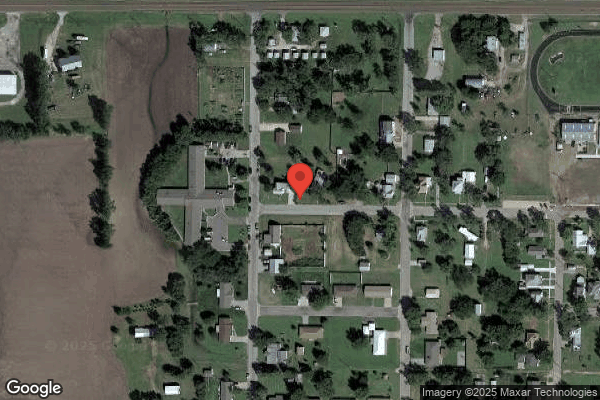
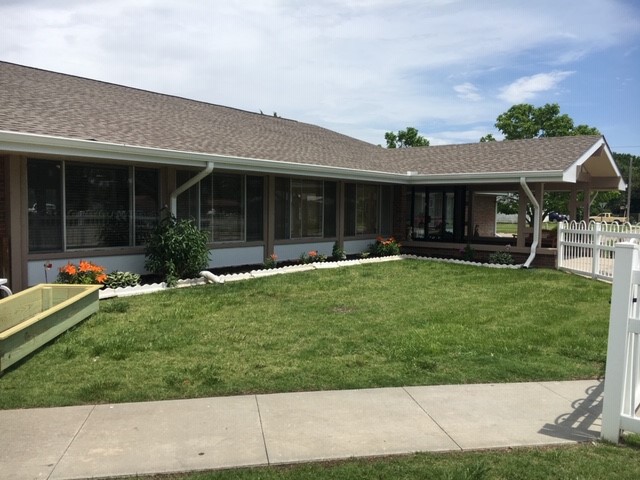
1218 KANSAS STREET, DOWNS, KS 67437 (785) 454-3321
For profit - Corporation 45 Beds MISSION HEALTH COMMUNITIES Data: November 2025
Trust Grade
75/100
#63 of 295 in KS
Last Inspection: July 2024

Within standard 12-15 month inspection cycle. Federal law requires annual inspections.

Overview

Downs Care and Rehab in Downs, Kansas has a Trust Grade of B, indicating it is a good choice for families seeking care, but it is not without issues. The facility ranks #63 out of 295 in Kansas, placing it in the top half of all facilities, and #1 out of 2 in Osborne County suggests it is the best local option available. However, the trend is concerning as the number of issues reported has worsened, increasing from 4 in 2022 to 8 in 2024. Staffing is a strength with a 4/5 star rating and a turnover rate of 42%, which is lower than the state average, and the facility has more RN coverage than 89% of Kansas facilities, ensuring residents receive proper medical attention. On the downside, there have been specific incidents such as a lack of a certified dietary manager, which poses a risk for inadequate nutrition, and issues with food storage and laundry procedures that could increase the risk of infection. While the facility has no fines on record, these concerns suggest it may need to improve its operational standards.

Trust Score
B
75/100
In Kansas
#63/295
Top 21%
Safety Record
Low Risk
No red flags
Inspections
Getting Worse
4 → 8 violations
Staff Stability
○ Average
42% turnover. Near Kansas's 48% average. Typical for the industry.
Penalties
✓ Good
No fines on record. Clean compliance history, better than most Kansas facilities.
Skilled Nurses
✓ Good
Each resident gets 58 minutes of Registered Nurse (RN) attention daily — more than average for Kansas. RNs are trained to catch health problems early.
Violations
⚠ Watch
14 deficiencies on record. Higher than average. Multiple issues found across inspections.
★★★★☆
4.0
Overall Rating
★★★★☆
4.0
Staff Levels
★★★☆☆
3.0
Care Quality
★★★★☆
4.0
Inspection Score
Stable
2022: 4 issues
2024: 8 issues

The Good

  • 4-Star Staffing Rating · Above-average nurse staffing levels
  • Full Sprinkler Coverage · Fire safety systems throughout facility
  • No fines on record
  • Staff turnover below average (42%)

    6 points below Kansas average of 48%

Facility shows strength in staffing levels, fire safety.

The Bad

Staff Turnover: 42%

Near Kansas avg (46%)

Typical for the industry

Chain: MISSION HEALTH COMMUNITIES

Part of a multi-facility chain

Ask about local staffing decisions and management

The Ugly 14 deficiencies on record

Jul 2024 8 deficiencies
CONCERN (D)

Potential for Harm - no one hurt, but risky conditions existed

Deficiency F0657 (Tag F0657)

Could have caused harm · This affected 1 resident

**NOTE- TERMS IN BRACKETS HAVE BEEN EDITED TO PROTECT CONFIDENTIALITY** The facility had a census of 40 residents. The sample included 12 residents. Based on observation, record review, and interview,...

Read full inspector narrative →
**NOTE- TERMS IN BRACKETS HAVE BEEN EDITED TO PROTECT CONFIDENTIALITY** The facility had a census of 40 residents. The sample included 12 residents. Based on observation, record review, and interview, the facility failed to revise one sampled resident's care plan to include guidance to staff regarding Resident (R) 25 exiting the building without staff supervision. This placed R25 at risk for impaired care due to uncommunicated care needs. Findings included: - R25's Electronic Medical Record (EMR) documented that R25 had diagnoses of attention-deficit hyperactivity disorder (ADHD-ongoing pattern of inattention and/or hyperactivity-impulsivity that interferes with functioning or development) and anxiety disorder (mental or emotional reaction characterized by apprehension, uncertainty and irrational fear). R25's Quarterly Minimum Data Set (MDS), dated [DATE], documented that R25 was independent with most activities of daily living (ADLs). He required staff supervision with ambulation 50 feet (ft) with two turns or 50 ft. once standing. R25's Care Plan, revised 06/25/24, documented R25 required set-up or supervision with ADLs and directed R25 was up ad lib throughout the facility and his room without an assistive device. The care plan lacked guidance to staff on what to do if R25 exited the building unsupervised. On 07/29/24 at 03:15 PM, observation revealed R25 ambulated down the hall, from the nurse's station using a walker with a fast steady gait to his room. Once he was inside the entrance door, he left his walker by the entrance door and ambulated into the bathroom. Further observation revealed R25 ambulated out of his room using a walker with a fast steady gait down the hall to the south exit door. He opened the door and went outside (without staff supervision) and no alarm was heard at the exit door. Further observation revealed R25 ambulated through an open gate and sat on a bench outside the facility. On 07/29/24 at 01:37 PM, Certified Medication Aide (CMA) M stated all of the facility doors were unlocked but did alarm at the nurse's station whenever someone went out without putting in the code. CMA M stated when R25 exited the facility through the south exit door, it alarmed the nurse's station; staff could see him exit from the nurse's station and tried to keep an eye on him when he exited. CMA M stated staff knew R25 was allowed to exit the building unsupervised. On 07/31/24 at 12:00 PM, Administrative Nurse D verified that R25's Care Plan lacked instructions to staff regarding what to do when R25 exited the building unsupervised. Administrative Nurse D stated she discussed with the administrative team whether the facility should include instructions on the care plan related to R25 exiting the building unsupervised. Administrative Nurse D stated the facility had a few other residents who were allowed to exit the building without staff supervision. if R25 was updated, the other care plans would require updating as well so the facility determined it was not necessary. The facility's Comprehensive Assessment Policy, revised 09/2023, documented resident's assessment would be completed within the last 15 months in the resident's active record and use the results of the assessments to develop, review, and revise the resident's comprehensive care plan. The facility failed to revise R25's care plan to include guidance to staff regarding R25 exiting the building unsupervised. This placed the resident at risk of impaired care due to uncommunicated care needs.
CONCERN (D)

Potential for Harm - no one hurt, but risky conditions existed

Deficiency F0661 (Tag F0661)

Could have caused harm · This affected 1 resident

**NOTE- TERMS IN BRACKETS HAVE BEEN EDITED TO PROTECT CONFIDENTIALITY** The facility had a census of 40 residents. The sample included 12 residents. Based on record review and interview, the facility ...

Read full inspector narrative →
**NOTE- TERMS IN BRACKETS HAVE BEEN EDITED TO PROTECT CONFIDENTIALITY** The facility had a census of 40 residents. The sample included 12 residents. Based on record review and interview, the facility failed to develop a discharge summary that included a complete recapitulation (a concise summary of the resident's stay and course of treatment in the facility) of the resident's stay and post-discharge plan for Resident (R)42. This placed the resident at risk of receiving inadequate care. Findings included: - R42's Electronic Medical Record (EMR) revealed the resident admitted to the facility on [DATE]. R42's admission Minimum Data Set (MDS), dated [DATE], documented R42 required limited staff assistance with activities of daily living (ADLs). The MDS documented the resident was expected to stay at the facility for three or fewer months. The Care Area Assessment (CAA, dated 04/26/24), documented the resident planned to return to the community, and the social service director would work with the family for possible home health. R42's admission Care Plan, dated 04/17/24, documented the resident was admitted to the facility for skilled therapy including physical therapy and occupational therapy and he would have a short-term stay at the facility. The Nurse's Note, dated 05/06/24 at 10:42 AM, documented R42 was discharged from the facility to home. A review of R42's EMR lacked a discharge summary which included a complete recapitulation of her stay. On 07/31/24 at 02:30 PM, Administrative Staff A verified R42's discharge summary had an incomplete recapitulation of her stay and stated social service staff and nursing were responsible for completing the discharge summary. The facility's Discharge Summary and Plan, policy, revised 09/2023, documented that staff should complete a discharge summary when the resident is discharged that would include a recapitulation of the resident's stay at the facility and a final summary of the resident status at the time of discharge in accordance with established regulations governing the release of resident information and as permitted by the resident. The recapitulation would include, but not be limited to: diagnoses, course of the illness, treatment or therapy; pertinent lab, radiology, and consultation results; reconciliation of all pre-discharge medications with the residents post-discharge medications, for prescribed and over the counter; and a final summary paragraph that may be released to any provider with the consent of the resident or representative. The facility failed to develop a discharge summary that included a complete recapitulation of R42's stay and post-discharge plan. This placed the resident at risk of receiving inadequate care.
CONCERN (D)

Potential for Harm - no one hurt, but risky conditions existed

ADL Care (Tag F0677)

Could have caused harm · This affected 1 resident

**NOTE- TERMS IN BRACKETS HAVE BEEN EDITED TO PROTECT CONFIDENTIALITY** The facility had a census of 40 residents. The sample included 12 residents with one resident reviewed for activities of daily l...

Read full inspector narrative →
**NOTE- TERMS IN BRACKETS HAVE BEEN EDITED TO PROTECT CONFIDENTIALITY** The facility had a census of 40 residents. The sample included 12 residents with one resident reviewed for activities of daily living (ADLs). Based on observation, record review, and interview, the facility failed to provide necessary services to maintain good personal hygiene, including bathing, for Resident (R)37. This placed the resident at risk for poor personal hygiene and impaired dignity. Findings included: - R37's Electronic Medical Record (EMR) recorded diagnoses of adult failure to thrive (includes not doing well, feeling poorly, weight loss, and poor self-care that could be seen in elderly individuals,) dementia (a progressive mental disorder characterized by failing memory, confusion, and anxiety (mental or emotional reaction characterized by apprehension, uncertainty, and irrational fear). R37's admission Minimum Data Set (MDS), dated [DATE], recorded R37 had a Brief Interview for Mental Status (BIMS) score of 12, which indicated moderate cognitive impairment. The MDS recorded R37 required set-up and clean-up assistance from staff for most ADLs including bathing. R37's Care Plan, dated 06/21/24 indicated that R37 required limited staff assistance and supervision with ADL care. R37's Bathing/Shower Task documentation revealed the resident was scheduled to have a shower/bath once a week. The April 2024 bathing report documented the resident received a bath on the following days: 04/07/24 04/14/24 The May 2024 bathing report documented the resident received a shower on the following days: 05/15/24 (30 days with no shower). The June 2024 bathing report documented the resident received a shower on the following days: 06/05/24 (19 days with no shower) The July 2024 bathing report documented the resident received a shower on the following days: 07/10/23 resident refused to have her hair washed (13 days with no shower) 07/17/24 resident refused to have her hair washed (6 days) 07/24/24 -resident refused to have her hair washed (6 days) The bathing report lacked documentation the resident refused her showers. On 07/29/24 at 10:45 AM, observation revealed R37 sitting in a wheelchair in her room dressed in street clothes. Her hair was uncombed and appeared greasy. On 07/30/24 at 10:00 AM, Administrative Nurse D verified the residents had scheduled shower days and the aides documented in the electronic medical record and on shower sheets. Administrative Nurse D verified the R37's EMR noted the dates she received a shower and verified the resident did not receive her shower once a week. Administrative Nurse D stated the resident did not like to get her ears wet and she would refuse showers but confirmed the facility staff were unsure of her apprehensions or why she did not want to get her ears wet and had not followed up on that. The facility's Activities of Daily Living policy, dated 09/2024, documented the facility would ensure a resident would be provided appropriate care and services including hygiene, mobility, elimination, dining, and communication. The policy documented residents who were unable to carry out activities of daily living receive the necessary care and services to maintain good nutrition, grooming, and personal and oral hygiene and if the resident refuses care and treatment which may contribute to a decline the staff would attempt to find the underlying cause of the refusal if related to depression, behavioral or dementia care. The facility failed to provide the necessary care and bathing services for R37, placing the resident at risk for poor hygiene and impaired dignity.
CONCERN (D)

Potential for Harm - no one hurt, but risky conditions existed

Medication Errors (Tag F0758)

Could have caused harm · This affected 1 resident

**NOTE- TERMS IN BRACKETS HAVE BEEN EDITED TO PROTECT CONFIDENTIALITY** The facility had a census of 40 residents. The sample included 12 residents. Based on observation, record review, and interview ...

Read full inspector narrative →
**NOTE- TERMS IN BRACKETS HAVE BEEN EDITED TO PROTECT CONFIDENTIALITY** The facility had a census of 40 residents. The sample included 12 residents. Based on observation, record review, and interview the facility failed to ensure an appropriate indication for the use of an antipsychotic (class of medications used to treat mental disorder characterized by a gross impairment in reality testing) or the required physician documentation for two of five residents, Resident (R) 31 and 38, reviewed for unnecessary medications. This placed the residents at risk for unnecessary psychotropic (alters mood or thought) medications. Findings included: - R31's Electronic Medical Record (EMR) documented R31 had diagnoses of major depressive disorder (a mood disorder that causes a persistent feeling of sadness and loss of interest) and anxiety disorder (mental or emotional reaction characterized by apprehension, uncertainty, and irrational fear). R31's Quarterly Minimum Data Set (MDS), dated [DATE], documented R31 had a Brief Interview of Mental Status (BIMS) score of 15, which indicated intact cognition. The MDS documented R31 required partial to moderate staff assistance with toileting, dressing, and bed mobility. R31 required maximal staff assistance with showering and was dependent on staff for putting on and taking off footwear. The MDS documented R31 received an antidepressant (class of medications used to treat mood disorders) medication during the look-back period. R31's Care Plan, revised 06/24/24, instructed staff to monitor R31 for drug-related complications from his Seroquel (antipsychotic medication). R31 used Seroquel related to behavior management. The care plan instructed staff to administer R31's psychotropic medications as ordered by the physician and consult with the pharmacy and physician to consider a dosage reduction of the Seroquel when clinically appropriate, at least quarterly. The Physician Order, dated 02/10/23, instructed staff to administer Seroquel, 25 milligrams (mg), at bedtime related to depression. R31's EMR lacked evidence of nondrug behavioral interventions that were tried and failed before starting the antipsychotic medication and lacked a physician-documented rationale including risk versus benefits for the continued use of Seroquel. On 07/2/24 at 1:00 PM, observation revealed R31 sat in a wheelchair in his room visiting in a polite voice with a family member. On 07/31/24 at 11:22 AM, Administrative Nurse D verified the resident's Seroquel had an inappropriate indication and stated the facility staff tried to get the physicians on board with proper documentation for antipsychotic medications. The facility's Unnecessary Drugs Policy, revised 09/23, documented that residents would receive antipsychotic and psychotropic medications when necessary to treat specific conditions for which they are indicated. The facility failed to ensure an appropriate indication for use, or the required physician documentation for R31's Seroquel. This placed the resident at risk for unnecessary psychotropic medications. - R38's Electronic Medical Record (EMR) documented diagnoses of dementia (a progressive mental disorder characterized by failing memory, and confusion) with agitation and heart failure lifelong condition in which the heart muscle can't pump enough blood to meet the body's needs for blood and oxygen). The admission Minimum Data Set (MDS), dated [DATE], documented a Brief Interview for Mental Status (BIMS) score of 99, indicating severely impaired cognition. The MDS documented R38 had hallucinations (sensing things while awake that appear to be real, but the mind created) and verbal and wandering behaviors. The MDS documented R38 received antipsychotics (a class of medications used to treat major mental conditions that cause a break from reality), antianxiety (a class of medications that calm and relax people), and opioid (narcotic) drugs. The Dementia Care Area Assessment (CAA), dated 05/09/24, documented R38 would not answer questions, or her answers made no sense, and the interview was completed showing severe dementia. R38 was noted to be alert and oriented to self only and wandered and paced throughout the facility. R38 displayed constant confusion with a scattered thought process, clear speech with frequent rambling, and did not always answer questions appropriately. The physician adjusted her medications which were becoming effective with less agitation noted. Risk factors of her medications included social isolation and behaviors. The Behavior CAA documented R38 wandered nearly daily and had at least one behavioral symptom. No physical aggression was noted, but she had increased verbal rambling, and some foul word use; she paced continuously while talking to herself. One evening she was in a constant state of agitation, restlessness, and irritability as evidenced by her wandering the halls, attempting to leave the facility, entering other resident's rooms, and yelling at them causing other residents to become agitated. R38 spit her crushed medications on staff, verbalized constant cursing at staff, called staff names, and yelled at staff. She scratched a Certified Nurse Aide (CNA). Staff offered drinks, snacks, activities, and television which were refused by the resident. Staff were unable to redirect or distract her. The Quarterly MDS, dated 06/19/24, documented R38 received antipsychotic, antianxiety, and antidepressant (class of medications used to treat mood disorders) drugs. R38's Care Plan, dated 07/26/24, stated R38 had impaired cognitive function or impaired thought processes related to severe dementia with agitation. The care plan directed staff to perform behavior monitoring each shift due to the dementia diagnosis and document in detail behaviors and chart effective interventions if any. Administer medications as ordered, and monitor for effectiveness and possible adverse reactions. The care plan stated R38 used antipsychotic medications for behavior management and included the Black Box Warning (BBW- highest safety-related warning that medications can have assigned by the Food and Drug Administration) for Seroquel (antipsychotic medication) which stated, not approved for dementia-related psychosis and mortality risk in elderly people on antipsychotic treatment for dementia-related psychosis. The Physician Note, dated 06/21/24, documented R38's agitation was markedly improved and R38 was calm. The note documented R38's generalized anxiety disorder improved with clonazepam. The Physician Order, dated 06/28/24, directed staff to administer clonazepam (antianxiety medication) 0.5 milligrams (mg) in the afternoon for dementia with agitation. The Physician Order, dated 06/28/24, directed staff to administer Seroquel 75 mg two times a day related to severe dementia with agitation. The Physician Order, dated 06/29/24, directed staff to administer Seroquel 50 mg in the morning for dementia with agitation. The Physician Order, dated 07/21/24, directed staff to administer clonazepam 1 mg in the morning for dementia with agitation. R38's EMR lacked physician documentation of the interventions that were attempted and failed prior to starting an antipsychotic and lacked physician documentation of the risks versus benefits for continued use of Seroquel. On 07/30/24 at 10:06 AM, observation revealed R38 wandered into the room next door to hers. She wore glasses, non-skid socks, and a Wander Guard bracelet. She was very confused. Observation revealed Licensed Nurse (LN) G administered medications crushed and in applesauce to R38 in the hallway. On 07/31/24 at 1058 AM, Administrative Nurse D verified dementia with agitation was not an approved indication for the use of the antipsychotics and the facility did not have the physician's rationale for the continued use of Seroquel and clonazepam for R38. The facility's Unnecessary Medication policy, dated 09/2023, stated residents would only receive antipsychotic and psychotropic medications when necessary to treat specific conditions for which they are indicated and effective and would not be used for discipline or convenience of the staff. The policy directed staff to record and document an individual's target symptoms including if the behavior was observed or identified by shift in the clinical record for antipsychotics and medications used off label to affect the target symptom. The presence or absence of side effects of antipsychotics would be recorded in the clinical record every shift. The facility failed to ensure an appropriate indication for use or the required physician documentation for the ongoing use of antipsychotic medications for R38. This placed the resident at risk for unnecessary psychotropic medications.
CONCERN (D)

Potential for Harm - no one hurt, but risky conditions existed

Deficiency F0761 (Tag F0761)

Could have caused harm · This affected 1 resident

**NOTE- TERMS IN BRACKETS HAVE BEEN EDITED TO PROTECT CONFIDENTIALITY** The facility had a census of 40 residents. The sample included 12 residents. Based on observation, interview, and record review ...

Read full inspector narrative →
**NOTE- TERMS IN BRACKETS HAVE BEEN EDITED TO PROTECT CONFIDENTIALITY** The facility had a census of 40 residents. The sample included 12 residents. Based on observation, interview, and record review the facility failed to record the open or discard date on residents' insulin (a hormone that lowers the level of glucose in the blood) vials when they opened a new, multi-use insulin vial. This deficient practice placed Residents (R)13 and R30 at risk for ineffective insulin medication. Findings included: - On [DATE] at 08:53 AM, observation of the west medication cart medications with Licensed Nurse (LN) G revealed one opened and partially used insulin glargine (long-acting insulin) vial for R30 was not dated and one insulin glargine vial for R13 had been opened and was not dated. On [DATE] at 08:53 AM, LN G verified staff were to date the insulin vial when opened so they would know when the insulin was expired. On [DATE] at 01:45 PM, Administrative Nurse D verified staff were to date all insulins when opened. Medlineplus.gov, on [DATE] documented that urefrigerated vials of insulin glargine can be used within 28 days; after that time they must be discarded. Opened vials of insulin glargine can be stored for 28 days at room temperature or in the refrigerator. The facility's Insulin Administration policy, dated 05/2021, directed staff to record the expiration date and time on the vial when opening a new insulin vial. The facility failed to date R13 and R30's multi-use insulin vials when opened, placing the residents at risk for ineffective insulin.
CONCERN (E)

Potential for Harm - no one hurt, but risky conditions existed

Safe Environment (Tag F0584)

Could have caused harm · This affected multiple residents

The facility had a census of 40 residents. The sample included 12 residents. Based on observation, record review and interview the facility failed to provide a clean, homelike environment when staff f...

Read full inspector narrative →
The facility had a census of 40 residents. The sample included 12 residents. Based on observation, record review and interview the facility failed to provide a clean, homelike environment when staff failed to clean the dining chairs in the dining room. This placed the residents who ate meals in the dining room at risk for impaired comfort and decreased quality of life. Findings included: - On 07/29/24 at 11:30 AM, the dining observation of the lunch meal in the main dining room included nine dining tables with 14 maroon cloth chairs, and the second dining room had two round tables and three square tables with nine maroon cloth chairs. Further observation revealed all of the chairs in both dining rooms had numerous areas of what appeared to be a liquid blackish-brown stain on the seats. They appeared unclean and dirty. On 07/31/24 at 10:30 AM, Housekeeper U verified he used a shampooer every other week to clean and deodorize the chairs but stated it did not remove the stains due to the age of the chairs. On 07/31/24 at 02:00 PM, Administrative Staff A verified housekeeping staff were to clean the dining room chairs and verified the chairs were stained and appeared unclean. Administrative Staff A stated the facility was aware of the stains and dirty-looking chair seats and said staff had tried to clean them. Administrative Staff A stated the facility was looking into getting the chairs reupholstered, but staff had not done so at that time and did not have a date to have the work completed. The facility's Safe, Clean, Comfortable, Homelike Environment, policy, dated, 09/2024, documented the residents have the right to a safe, clean, comfortable, and homelike environment, including but not limited to receiving treatment and support for daily living safely. The facility failed to provide a homelike dining experience for residents who ate meals in the dining room, by having unclean and soiled dining room chairs. This placed the residents who ate meals in the dining room at risk for impaired comfort and decreased quality of life.
CONCERN (E)

Potential for Harm - no one hurt, but risky conditions existed

Safe Environment (Tag F0921)

Could have caused harm · This affected multiple residents

The facility had a census of 40 residents. Based on observation, record review, and interview, the facility failed to provide a safe environment in the facility kitchen. This deficient practice placed...

Read full inspector narrative →
The facility had a census of 40 residents. Based on observation, record review, and interview, the facility failed to provide a safe environment in the facility kitchen. This deficient practice placed the facility residents and staff at risk for impaired safety. Findings Included: - On 07/30/24 at 12:15 PM, during kitchen follow up tour, observation revealed the following: Four 2-foot x 4 -foot fluorescent lights, located between the food preparation area and the stove area that lacked a plastic light diffuser (cover). Each fixture had two fluorescent tube glass light bulbs per fixture. Five 2-foot x 4 -foot fluorescent light, located above the dishwasher area lacked a plastic light cover. Each fixture had two fluorescent tube glass light bulbs per fixture. On 07/30/24 at 12:20 PM, Maintenance Staff U verified the overhead fluorescent light fixtures lacked a diffuser/cover and said he thought the facility had some in storage and would replace the covers as soon as he could locate them. The facility's Sanitization policy, dated 10/2024, documented the food service area shall be maintained in a clean and sanitary manner. The kitchen area would be kept clean, maintained in good repair and free from breaks, corrosion, open seams, cracks and chipped areas that may affect their use or proper cleaning. Seals, hinges and fasteners will be kept in good repair. The facility failed to provide a safe environment for the facility kitchen, placing the residents and staff at risk.
CONCERN (F)

Potential for Harm - no one hurt, but risky conditions existed

Deficiency F0801 (Tag F0801)

Could have caused harm · This affected most or all residents

The facility had a census of 40 residents. The sample included 12 residents. Based on observation, record review, and interview, the facility failed to provide the services of a full-time certified di...

Read full inspector narrative →
The facility had a census of 40 residents. The sample included 12 residents. Based on observation, record review, and interview, the facility failed to provide the services of a full-time certified dietary manager for the 40 residents who resided in the facility and received their meals from the kitchen. This placed the residents at risk for inadequate nutrition. Findings included: - On 07/29/24 at 08:30 AM, observation revealed dietary staff in the kitchen prepared the breakfast meal. On 07/29/24 at 09:40 AM, Dietary Staff BB verified she was not a certified dietary manager. Dietary Staff BB stated the facility had seven residents with mechanical soft diets and one with a pureed diet. On 07/31/24 at 02:00 PM, Administrative Staff A verified Dietary Staff BB was not certified. The facility's Food Service Staffing dated 10/2024, documented the community will employ sufficient staff with the appropriate competencies and skills to carry out the function of the food and nutrition services. The qualified Dietician would help oversee clinical nutrition and dietary services in the facility. The policy documented that if the Dietician is not full time the community would employee another qualified nutritional professional, to serve as the Dietary Manager. The person a minimum must meet one of the following qualifications: a) A certified Dietary Manager, b) A certified food service manager, c) Have similar certification in food service management and safety from a national certifying body, d) Has an associate or higher degree in food services management or in hospitality, if the course study includes food service or restaurant management from an accredited institution or higher degree, e) Has two or more years of experience in the position of dietary manager in a nursing facility setting and has completed a course of study in food safety management, by no later than October 1, 2023, that includes topics integral to managing dietary operations including, but not limited to, foodborne illnesses, sanitization procedures, and food purchasing/receiving; and f) meets the state-established standards if applicable. The Dietary Manager would receive frequently scheduled consultations from a qualified dietician. The facility failed to employ a full-time certified dietary manager to evaluate residents' nutritional concerns and oversee the ordering, preparing, and storage of food for the 40 residents in the facility. This placed the residents at risk for inadequate nutrition.
Aug 2022 4 deficiencies
CONCERN (D)

Potential for Harm - no one hurt, but risky conditions existed

Deficiency F0698 (Tag F0698)

Could have caused harm · This affected 1 resident

**NOTE- TERMS IN BRACKETS HAVE BEEN EDITED TO PROTECT CONFIDENTIALITY** The facility had a census of 38 residents. The sample included 12 residents with one reviewed for dialysis (a treatment to filte...

Read full inspector narrative →
**NOTE- TERMS IN BRACKETS HAVE BEEN EDITED TO PROTECT CONFIDENTIALITY** The facility had a census of 38 residents. The sample included 12 residents with one reviewed for dialysis (a treatment to filter wastes and water from your blood, by the use of a dialysis machine). Based on observation, record review and interview, the facility failed to provide ongoing assessment of Resident (R) 37's condition and failed to monitor for complications before and after dialysis treatments. The facility further failed to adhere to a 1500 milliliter (ml) fluid restriction. This deficient practice placed R37 at risk for complications related to dialysis. Findings included: - R37's Electronic Medical Record (EMR) recorded diagnosis of end stage renal disease, (kidneys cease functioning on a permanent basis) and hemodialysis. The EMR documented R37 admitted to the facility on [DATE] and transported out of facility three times a week on Monday, Wednesday and Friday to a dialysis center. The admission Minimum Data Set (MDS), dated [DATE], recorded the resident had intact cognition. R37 required staff assistance with transfers to the wheelchair, and the resident was independently mobile in a wheelchair. The Activities of Daily Living (ADL) Care Area Assessment Summary (CAA), dated 08/05/22, recorded the resident received hemodialysis at a dialysis center three times a week. The Dialysis care plan dated 08/05/22 directed the staff to check and change the dressing at the access site daily. The care plan directed staff to assess the dialysis access site every shift and monitor vital signs and weight before and after dialysis. R37 was to only consume 1500 ml of fluid in a 24-hour period. R37's Physician Order, dated 07/29/22, instructed staff the resident was on a fluid restriction of 1500 ml in a 24-hour period. The registered dietician admission assessment note dated 07/30/22, documented the resident was on a 1500 ml fluid restriction. The Nurses Note dated 08/06/22 at 01:19PM, documented a fistula (an abnormal connection between an artery and a vein) was present in right forearm, and bruit (blowing or swishing sound heard which reflects the blood flow with a dialysis resident's shunt) and thrill (a fine vibration felt which reflects the blood flow by a dialysis resident's shunt ) heard without complications. Review of R37's clinical record lacked documentation of assessment of the dialysis site, assessment before and after dialysis, and lacked monitoring of R37's fluid intake. On 08/16/22 at 01:10PM, R37 sat in his wheelchair in his room. Further observation revealed a metal thermos and a water pitcher at the bedside. On 08/16/22 at 12:30PM, Dietary Staff (DS) BB stated dietary staff gave the resident 120 ml of fluid with each meal; nursing staff were to monitor R37's intake. On 08/16/22 at 01:10PM, R37 stated he goes to dialysis three times a week, on Monday, Wednesday and Friday. R37 stated his dialysis access site is in the left subclavian (an artery or vein in the upper side of the neck) artery and not in either of his arms. R37 stated no one at the facility checked his access site or assess him before or after dialysis treatments. R37 stated he drinks what he wants and stated the facility does not monitor how much he drinks. R37 stated he keeps pop in his room and fills his thermos. On 08/16/22 at 01:35PM, Certified Nurse Aide (CNA) M stated, I am not sure if he is on a fluid restriction. On 08/16/22 at 02:20PM, Licensed Nurse (LN) G stated staff document on R37 every shift since he was on skilled services. LN G confirmed staff did not do an assessment of R37's dialysis site. R37 left about 07:00 AM and returned around 05:00 PM from dialysis Monday, Wednesday and Friday. R37 did not have a daily dressing that staff changed. He was in on a fluid restriction of 1500 ml. On 08/16/22 at 2:50PM, Administrative Nurse D verified the resident was on a fluid restriction and the facility was not compliant with keeping track the amount of fluid the resident was consuming. Administrative Nurse D also verified the facility was not assessing or documenting R37's dialysis before and after treatments. The facility's Dialysis Care for a Resident policy, dated 05/2021, stated an ongoing assessment of a resident on dialysis should be done before and after each dialysis session. This includes assessment of dialysis site, weight, vital signs any changes are to be reported to the resident's physician. The facility failed to assess, and monitor for dialysis related conditions and failed to adhere to a fluid restriction for R37 who received dialysis three times a week. This placed R 37 at risk for complications from dialysis and potential fluid overload.
CONCERN (D)

Potential for Harm - no one hurt, but risky conditions existed

Deficiency F0726 (Tag F0726)

Could have caused harm · This affected 1 resident

**NOTE- TERMS IN BRACKETS HAVE BEEN EDITED TO PROTECT CONFIDENTIALITY** The facility had a census of 38 residents. The sample included 12 residents with one reviewed for dialysis (a treatment to filte...

Read full inspector narrative →
**NOTE- TERMS IN BRACKETS HAVE BEEN EDITED TO PROTECT CONFIDENTIALITY** The facility had a census of 38 residents. The sample included 12 residents with one reviewed for dialysis (a treatment to filter wastes and water from your blood, by the use of a dialysis machine). Based on observation, record review and interview, the facility failed to ensure staff possessed the knowledge and skills necessary to provide care to the standards of practice for residents who received dialysis when facility staff failed to assess Resident (R) 37 for complications before and after dialysis treatments and failed to correctly identify a dialysis access site and monitor for complications. This deficient practice placed R37 at increased risk for adverse effects and negative outcomes. Findings included: - R37's Electronic Medical Record (EMR) recorded diagnosis of end stage renal disease, (kidneys cease functioning on a permanent basis) and hemodialysis. The EMR documented R37 admitted to the facility on [DATE] and transported out of facility three times a week on Monday, Wednesday and Friday to a dialysis center. The admission Minimum Data Set (MDS), dated [DATE], recorded the resident had intact cognition. R37 required staff assistance with transfers to the wheelchair, and the resident was independently mobile in a wheelchair. The Activities of Daily Living (ADL) Care Area Assessment Summary (CAA), dated 08/05/22, recorded the resident received hemodialysis at a dialysis center three times a week. The Dialysis care plan dated 08/05/22 directed the staff to check and change dressing at access site daily. Assess dialysis access site every shift and monitor vital signs and weight before and after dialysis. R37 was to only consume 1500 ml of fluid in a 24-hour period. R37's Physician Order, dated 07/29/22, instructed staff the resident was on a fluid restriction of 1500 ml in a 24-hour period. The registered dietician admission assessment note dated 07/30/22, documented the resident was on a 1500 ml fluid restriction. Review of the EMR lacked documentation of assessment of the dialysis site, assessment before and after dialysis, and lacked monitoring of R37's fluid intake. The Nurses Note dated 08/06/22 at 01:19PM, documented a fistula (an abnormal connection between an artery and a vein) was present in right forearm, and bruit (blowing or swishing sound heard which reflects the blood flow with a dialysis resident's shunt) and thrill (a fine vibration felt which reflects the blood flow by a dialysis resident's shunt ) heard without complications. On 08/16/22 at 01:10PM, R37 observed seated in his wheelchair in his room. Further observation revealed a metal thermos and a water pitcher at the bedside. On 08/16/22 at 01:10PM, R37 stated he goes to dialysis three times a week, on Monday, Wednesday and Friday. R37 stated his dialysis access site is in the left subclavian (an artery or vein in the upper side of the neck) artery and not in either of his arms. R37 stated no one at the facility checks his access site or assess him before or after dialysis treatments. On 08/16/22 at 02:20PM, Licensed Nurse (LN) G stated staff document on R37 every shift since he was on skilled services. Staff did not do an assessment of his dialysis site. R37 left about 07:00 AM and returned around 05:00 PM from dialysis Monday, Wednesday and Friday. R37 did not have a daily dressing that staff changed. On 08/16/22 at 02:30PM, LN H stated they did the documentation on 08/06/22, and did document the access site in the right forearm. LN H stated he/she was thinking of a different resident. On 08/16/22 at 2:50PM, Administrative Nurse D verified the facility was not assessing or documenting R37's dialysis before and after treatments; Administrative Nurse D was unsure why LN H documented the resident had an access site in the right forearm. The facility's Dialysis Care for a Resident policy, dated 05/2021, stated an ongoing assessment of a resident on dialysis should be done before and after each dialysis session. This includes assessment of dialysis site, weight, vital signs any changes are to be reported to the resident's physician. The facility failed to ensure staff possessed the knowledge and skills necessary to provide care to the standards of practice for residents who received dialysis when facility staff failed to assess R37 for complications before and after dialysis treatments and failed to correctly identify a dialysis access site and monitor for complications. This deficient practice placed R37 at increased risk for adverse effects and negative outcomes.
CONCERN (F)

Potential for Harm - no one hurt, but risky conditions existed

Food Safety (Tag F0812)

Could have caused harm · This affected most or all residents

The facility had a census of 38 residents. The sample included 12 residents. Based on observation, record review, and interview, the facility failed to appropriately maintain the chest freezer in the ...

Read full inspector narrative →
The facility had a census of 38 residents. The sample included 12 residents. Based on observation, record review, and interview, the facility failed to appropriately maintain the chest freezer in the store room to ensure proper function and sanitary food storage. This placed the 38 residents who reside in the facility at risk for food borne illness. Findings included: - On 08/15/22 at 9:10 AM, observation revealed a large chest freezer in the kitchen storeroom. Further observation revealed the chest freezer with packaged food in the freezer had three to four inches of ice build up on the walls of the freezer. The facility's Kitchen Cleaning Checklist documented refrigerators and freezers were to be cleaned and defrosted on a monthly basis and as needed. On 08/16/22 at 12:10PM Dietary Staff BB verified the chest freezer in the storeroom had ice buildup and needed to be defrosted. On 08/17/22 at 3:45PM Administrative Staff A stated the expectation was dietary staff were to defrost the freezers as needed and to maintain the freezers in the kitchen. The facility's Refrigerators and Freezers policy, dated 7/2022, documented freezers are to be kept clean, and free of frost and ice buildup. The facility failed to defrost the storeroom chest freezer to ensure proper function and sanitary food storage. This placed the 38 residents who received meals from the facility kitchen at risk for food borne illness.
CONCERN (F)

Potential for Harm - no one hurt, but risky conditions existed

Infection Control (Tag F0880)

Could have caused harm · This affected most or all residents

The facility had a census of 38 residents. The sample included 12 residents. Based on observation, record review and interview the facility staff failed to assess and record washing machine temperatur...

Read full inspector narrative →
The facility had a census of 38 residents. The sample included 12 residents. Based on observation, record review and interview the facility staff failed to assess and record washing machine temperatures in one of one laundry room to ensure adequate temperatures to prevent the spread of infection. This placed the 38 residents at risk for a communicable disease or infection. Findings included: - On 08/17/22 at 11:08 AM observation in the facility laundry room revealed TMA laundry suds, laundry softener, and chlorine de-stainer, hooked to the commercial washing machine. The Monthly Washing Machine Hot Water Temperature Daily Logs lacked documentation for June, July, and August 2022. On 08/17/22 at 11:10 AM Housekeeping Supervisor (HS) U verified she had not checked daily washing machine hot water temperatures for the above months. HS U stated she thought maintenance was checking and recording them. On 08/17/22 at 11:17 AM Maintenance Supervisor (MS) V verified he had not checked hot water washing machine temperatures. MS V stated laundry staff were responsible for checking and recording the daily hot water washing machine temperatures. On 08/18/22 at 09:10 AM, Administrative Nurse E stated she expected laundry staff to check the hot water temperature of the washing machine daily. The facility's Laundry and Bedding Policy, revised 05/2022, documented recommendation for laundry cycles are per manufacturer guidelines and the following : hot water is 160 degrees Fahrenheit (F) for 25 minutes. The facility failed to assess and record a daily hot water temperature for June, July, and August 2022. This placed the 38 residents at risk for a communicable disease or infection.
Jul 2021 2 deficiencies
CONCERN (D)

Potential for Harm - no one hurt, but risky conditions existed

Notification of Changes (Tag F0580)

Could have caused harm · This affected 1 resident

The facility had a census of 35 residents. The sample included 12 residents, with five reviewed for unnecessary medications. Based on observation, record review, and interview, the facility failed to ...

Read full inspector narrative →
The facility had a census of 35 residents. The sample included 12 residents, with five reviewed for unnecessary medications. Based on observation, record review, and interview, the facility failed to notify the physician regarding pulses out of parameters for one of five sampled residents, Resident (R) 28. Findings included: - R28's Physician Order Sheet (POS), dated 06/17/21, documented diagnoses of atherosclerotic heart disease (build up of fats, cholesterol, and other substances in and on the artery walls) and hypertension (elevated blood pressure). The POS, dated 06/17/21, directed staff to notify R28's primary care physician (PCP) if blood pressure (BP) greater than 180/90 millimeters of mercury (mmHg) or less than 90/60 mmHg and/or if pulse greater than 110 beats per minute (bpm) or less than 60 bpm. Review of R28's Electronic Medical Record (EMAR) -Vital Signs, dated 01/20/21, documented a pulse of 111 bpm. The EMR lacked documentation staff notified the resident's PCP of the out of parameter pulse. The Nurse's Note, dated 01/24/21 at 07:24 PM, documented a pulse of 120 bpm. The EMR lacked documentation staff notified the resident's PCP of the out of parameter pulse. Review of R28's EMR-Vital Signs, dated 02/13/21, documented a pulse of 113 bpm. The EMR lacked documentation staff notified the resident's PCP of the out of parameter pulse. The Nurse's Note, dated 02/14/21 at 01:23 PM, documented a pulse of 124 bpm. The EMR lacked documentation staff notified the resident's PCP of the out of parameter pulse. The Nurse's Note, dated 03/06/21 at 11:09 AM, documented a pulse of 116 bpm. The EMR lacked documentation staff notified the resident's PCP of the out of parameter pulse. The Nurse's Note, dated 03/09/21 at 08:10 PM, documented a pulse of 120 bpm. The EMR lacked documentation staff notified the resident's PCP of the out of parameter pulse. The Nurse's Note, dated 03/09/21 at 08:49 PM, documented a pulse of 118 bpm. The EMR lacked documentation staff notified the resident's PCP of the out of parameter pulse. On 07/14/21 at 10:00 AM, observation revealed R28 sat in the hallway and visited with staff as they passed by. Resident smiling and pleasant with staff. On 07/15/21 at 10:16 AM, Licensed Nurse (LN) G stated the nurses obtained vital signs for any skilled residents and the Certified Nurse Aides (CNAs) obtained vital signs on the rest of the residents. LN G stated she expected the CNAs to report any abnormal vital signs to her or another nurse. The nurses are to review the vital signs before they document them and report any abnormal vital signs to the resident's PCP immediately. On 07/15/21 at 10:37 AM, CNA M stated she obtained vital signs, and if there were any abnormally high vital sign she would check it again. If the vital signs were still high she would notify the nurse. On 07/15/21 at 10:45 AM, CNA N stated she was assigned to obtain vital signs. If there were a vital signs that were out of range she immediately let the nurse know what the vital signs were and then the nurse checked the vital signs herself. On 07/15/21 at 10:52 AM, LN H stated she would notify the PCP of any vital signs that were out of parameters and wait for their direction. On 07/15/21 at 11:20 AM Administrative Nurse D stated she expected the nurses to notify the doctor with any vital signs that were out of parameters. The facility's revised Change in Resident's Condition or Status policy, dated November 2017, documented the nurse supervisor/charge nurse will notify the resident's attending physician or on-call physician of changes in the resident's medical/mental condition and /or status. A significant change in the resident's physical, mental, or psychosocial status including deterioration in health, mental or psychosocial status in either life-threatening conditions or clinical complications. Nursing will follow instructions to notify the physician of changes in the resident's condition. The facility failed to notify R28's physician about abnormally high pulses, placing the resident at risk for health complications.
CONCERN (D)

Potential for Harm - no one hurt, but risky conditions existed

Transfer Requirements (Tag F0622)

Could have caused harm · This affected 1 resident

The facility had a census of 35 residents. The sample included 12 residents and one unsampled resident reviewed for transfer/discharge. Based on observation and record review, the facility failed to c...

Read full inspector narrative →
The facility had a census of 35 residents. The sample included 12 residents and one unsampled resident reviewed for transfer/discharge. Based on observation and record review, the facility failed to complete the necessary documentation to ensure a safe and successful transfer for one of one unsampled resident, Resident (R) 39. Findings included: - R39's Progress Note, dated 04/19/21 at 04:12 PM, documented R39's family informed the facility of plans to transfer the resident to another nursing home. R39's Progress Note, dated 04/20/21 at 12:50 PM, documented R39's family picked up the resident in a private vehicle and transferred R39 to another facility. Review of R39's medical record lacked documentation the facility completed a discharge summary with the resident's current mental and physical status, care plan goals and needs, diagnoses and allergies, relevant labs, recent immunizations, and personal property inventory. On 07/14/21 at 03:20 PM, Administrative Nurse D stated staff had not completed a discharge summary for R39's transfer to another facility. The facility's Transfer/Discharge policy, dated May 2021, directed staff to complete all the necessary medical and personal information to ensure a safe, effective transfer. The facility failed to complete a discharge summary for R39 to ensure a safe and successful transfer, placing the resident at risk to not receive needed cares and services.
Understanding Severity Codes (click to expand)
Life-Threatening (Immediate Jeopardy)
J - Isolated K - Pattern L - Widespread
Actual Harm
G - Isolated H - Pattern I - Widespread
Potential for Harm
D - Isolated E - Pattern F - Widespread
No Harm (Minor)
A - Isolated B - Pattern C - Widespread

Questions to Ask on Your Visit

  • "Can I speak with families of current residents?"
  • "What's your RN coverage like on weekends and overnight?"

Our Honest Assessment

Strengths
  • • No major safety red flags. No abuse findings, life-threatening violations, or SFF status.
  • • No fines on record. Clean compliance history, better than most Kansas facilities.
  • • 42% turnover. Below Kansas's 48% average. Good staff retention means consistent care.
Concerns
  • • 14 deficiencies on record. Higher than average. Multiple issues found across inspections.
Bottom line: Generally positive indicators. Standard due diligence and a personal visit recommended.

About This Facility

What is Downs Care And Rehab's CMS Rating?

CMS assigns DOWNS CARE AND REHAB an overall rating of 4 out of 5 stars, which is considered above average nationally. Within Kansas, this rating places the facility higher than 99% of the state's 100 nursing homes. This rating reflects solid performance across the metrics CMS uses to evaluate nursing home quality.

How is Downs Care And Rehab Staffed?

CMS rates DOWNS CARE AND REHAB's staffing level at 4 out of 5 stars, which is above average compared to other nursing homes. Staff turnover is 42%, compared to the Kansas average of 46%. This relatively stable workforce can support continuity of care.

What Have Inspectors Found at Downs Care And Rehab?

State health inspectors documented 14 deficiencies at DOWNS CARE AND REHAB during 2021 to 2024. These included: 14 with potential for harm.

Who Owns and Operates Downs Care And Rehab?

DOWNS CARE AND REHAB is owned by a for-profit company. For-profit facilities operate as businesses with obligations to shareholders or private owners. The facility is operated by MISSION HEALTH COMMUNITIES, a chain that manages multiple nursing homes. With 45 certified beds and approximately 38 residents (about 84% occupancy), it is a smaller facility located in DOWNS, Kansas.

How Does Downs Care And Rehab Compare to Other Kansas Nursing Homes?

Compared to the 100 nursing homes in Kansas, DOWNS CARE AND REHAB's overall rating (4 stars) is above the state average of 2.9, staff turnover (42%) is near the state average of 46%, and health inspection rating (4 stars) is above the national benchmark.

What Should Families Ask When Visiting Downs Care And Rehab?

Based on this facility's data, families visiting should ask: "Can I visit during a mealtime to observe dining assistance and food quality?" "How do you handle medical emergencies, and what is your hospital transfer rate?" "Can I speak with family members of current residents about their experience?"

Is Downs Care And Rehab Safe?

Based on CMS inspection data, DOWNS CARE AND REHAB has a clean safety record: no substantiated abuse findings (meaning no confirmed cases of resident harm), no Immediate Jeopardy citations (the most serious violation level indicating risk of serious injury or death), and is not on the Special Focus Facility watch list (a federal program monitoring the lowest-performing 1% of nursing homes). The facility has a 4-star overall rating and ranks #1 of 100 nursing homes in Kansas. While no facility is perfect, families should still ask about staff-to-resident ratios and recent inspection results during their visit.

Do Nurses at Downs Care And Rehab Stick Around?

DOWNS CARE AND REHAB has a staff turnover rate of 42%, which is about average for Kansas nursing homes (state average: 46%). Moderate turnover is common in nursing homes, but families should still ask about staff tenure and how the facility maintains care continuity when employees leave.

Was Downs Care And Rehab Ever Fined?

DOWNS CARE AND REHAB has no federal fines on record. CMS issues fines when nursing homes fail to meet care standards or don't correct problems found during inspections. The absence of fines suggests the facility has either maintained compliance or corrected any issues before penalties were assessed. This is a positive indicator, though families should still review recent inspection reports for the full picture.

Is Downs Care And Rehab on Any Federal Watch List?

DOWNS CARE AND REHAB is not on any federal watch list. The most significant is the Special Focus Facility (SFF) program, which identifies the bottom 1% of nursing homes nationally based on persistent, serious quality problems. Not being on this list means the facility has avoided the pattern of deficiencies that triggers enhanced federal oversight. This is a positive indicator, though families should still review the facility's inspection history directly.