GOOD SAMARITAN SOCIETY - ELLIS
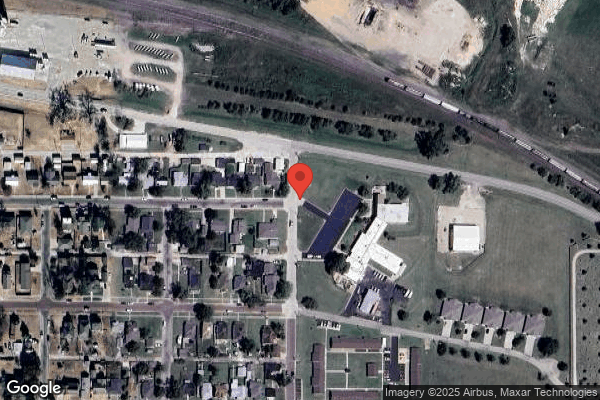

1101 SPRUCE STREET, ELLIS, KS 67637 (785) 726-3101
Non profit - Corporation 45 Beds GOOD SAMARITAN SOCIETY Data: November 2025
Trust Grade
65/100
#126 of 295 in KS
Last Inspection: March 2024

Within standard 12-15 month inspection cycle. Federal law requires annual inspections.

Overview

Good Samaritan Society - Ellis has a Trust Grade of C+, which means it is slightly above average but not outstanding. It ranks #126 out of 295 facilities in Kansas, placing it in the top half, and #2 out of 3 in Ellis County, indicating there is only one local option that is better. The facility is improving, having reduced its issues from 14 in 2022 to 6 in 2024. Staffing is a strength here with a 5/5 star rating and a turnover rate of 24%, significantly better than the state average. However, there are concerns, such as the absence of a certified Dietary Manager, which risks inadequate nutrition, and incomplete staffing information submitted to regulators, raising questions about nurse availability. Additionally, one Certified Nurse Aide was found to be lacking required in-service training hours, highlighting a gap in staff education. Overall, while the facility has strengths in staffing and is on an upward trend, it does have areas that require attention.

Trust Score
C+
65/100
In Kansas
#126/295
Top 42%
Safety Record
Low Risk
No red flags
Inspections
Getting Better
14 → 6 violations
Staff Stability
✓ Good
24% annual turnover. Excellent stability, 24 points below Kansas's 48% average. Staff who stay learn residents' needs.
Penalties
✓ Good
No fines on record. Clean compliance history, better than most Kansas facilities.
Skilled Nurses
✓ Good
Each resident gets 42 minutes of Registered Nurse (RN) attention daily — more than average for Kansas. RNs are trained to catch health problems early.
Violations
⚠ Watch
30 deficiencies on record. Higher than average. Multiple issues found across inspections.
★★★☆☆
3.0
Overall Rating
★★★★★
5.0
Staff Levels
★☆☆☆☆
1.0
Care Quality
★★★☆☆
3.0
Inspection Score
Stable
2022: 14 issues
2024: 6 issues

The Good

  • 5-Star Staffing Rating · Excellent nurse staffing levels
  • Low Staff Turnover (24%) · Staff stability means consistent care
  • Full Sprinkler Coverage · Fire safety systems throughout facility
  • No fines on record
  • Staff turnover is low (24%)

    24 points below Kansas average of 48%

Facility shows strength in staffing levels, staff retention, fire safety.

The Bad

3-Star Overall Rating

Near Kansas average (2.9)

Meets federal standards, typical of most facilities

Chain: GOOD SAMARITAN SOCIETY

Part of a multi-facility chain

Ask about local staffing decisions and management

The Ugly 30 deficiencies on record

Mar 2024 6 deficiencies
CONCERN (D) 📢 Someone Reported This

A family member, employee, or ombudsman was alarmed enough to file a formal complaint

Potential for Harm - no one hurt, but risky conditions existed

Deficiency F0692 (Tag F0692)

Could have caused harm · This affected 1 resident

**NOTE- TERMS IN BRACKETS HAVE BEEN EDITED TO PROTECT CONFIDENTIALITY** The facility had a census of 35 residents. The sample included 14 residents with three reviewed for weight loss. Based on observ...

Read full inspector narrative →
**NOTE- TERMS IN BRACKETS HAVE BEEN EDITED TO PROTECT CONFIDENTIALITY** The facility had a census of 35 residents. The sample included 14 residents with three reviewed for weight loss. Based on observation, interview, and record review the facility failed to identify and implement interventions to prevent weight loss for Residents (R) 14. This deficient practice placed the resident at risk for further weight loss or health issues. Findings included: - R14's Electronic Medical Record (EMR) documented diagnoses of rheumatoid arthritis (chronic inflammatory disease that affected joints and other organ systems), epilepsy (brain disorder characterized by repeated seizures), anemia (inadequate number of healthy red blood cells to carry adequate oxygen to body tissues), congestive heart failure (CHF-a condition with low heart output and the body becomes congested with fluid), chronic obstructive pulmonary disease (COPD- progressive and irreversible condition characterized by diminished lung capacity and difficulty or discomfort in breathing), gastroesophageal reflux (GERD-backflow of stomach contents to the esophagus), and pain. The admission Minimum Data Set (MDS), dated [DATE], documented a Brief Interview for Mental Status (BIMS) score of 14, indicating intact cognition. The MDS documented R14 had impaired range of motion (ROM) in all four extremities and required staff set up for meals however she fed herself. The MDS documented R14 had no swallowing or dental issues and weighed 176 pounds (lbs.). The Nutrition Care Area Assessment (CAA), dated 12/18/23, stated R14 had a potential nutritional problem related to moving into a nursing home. R14 was able to feed herself and let staff know her likes and dislikes. R14's Care Plan, dated 12/12/23, stated R14 was able to feed herself independently, but had a potential nutritional problem related to moving into a nursing home. The care plan directed staff to weigh R14 weekly, invite her to food-related activities, and offer food or beverages of her choice to encourage intake. The Physician Order, dated 12/12/23, directed staff to provide a regular diet, and regular texture and stated she needed her food cut up for her. The Dietician Assessment, dated 12/18/23, documented R14 weighed 175.6 lbs. and her intakes were all adequate, mostly 51-100%. The Registered Dietician (RD) recommended adding meal fortification to R14's diet order. R14's EMR lacked documentation that staff added the fortified foods as recommended by the RD. The Progress Note, dated 03/06/24 at 09:31 AM, documented the nurse requested a dietary supplement drink for R14 due to weight loss and refusing meals. The Physician Order, dated 03/06/24, directed staff to provide R14 with Ensure (dietary supplement) twice daily. On 03/05/24 at 12:10 PM, R14 received her meal and staff sat by her and encouraged her. R14 decided to sit at a different table and staff moved with her. R14 ate a few bites of her meal before leaving the dining room. On 03/06/24 at 08:30 AM, observation revealed R14 sat in her wheelchair at a dining table while Certified Nurse Aide (CNA) O encouraged her to eat and drink. R14 stated her stomach was bothering her and she could not eat anymore. R14 requested tea without ice. CNA O informed the nurse who questioned the resident and then brought R14 a Boost (supplement) drink. On 03/06/24 at 08:39 AM, Licensed Nurse (LN) G stated R14's family brought in Glucerna (liquid protein) supplements and LN G stated she would get an order for more. She stated R14's representatives informed staff they gave R14 Glucerna when she would not eat. LN G stated R14 would only eat grilled cheese sandwiches when she was first admitted , but now she likes roast beef and mashed potatoes. On 03/07/24 at 01:55 PM, CNA N stated staff gave R14 a supplement if she did not eat well but was not sure if the supplement was scheduled. She stated R14 ate very little at meals and staff offered her other foods but R14 would complain of stomach pain instead of taking an alternative food. On 03/07/24 at 02:05 PM, LN G stated staff notified the physician and RD of R14's weight loss that week. LN G stated R14 could feed herself, but staff ended up feeding her like her family used to. On 03/07/24 at 10:08 AM, Administrative Nurse D verified staff had not obtained R14's weights weekly and said staff should have notified the physician and the RD earlier than two weeks after the significant loss, Administrative Nurse D said the facility should have started a supplement when the resident refused to eat meals. The facility's Weight and Height policy, dated 09/18/23, stated all residents were weighed at a minimum of weekly for the first four weeks following admission and then monthly thereafter. Residents at risk would be weighed weekly and the facility would immediately inform the resident, consult with the resident's physician, and notify the resident's representative. The policy directed staff to record the weights and if the weight varied by more than three percent, reweigh the resident and document. The licensed nurse was to notify the Dietary Manager (DM) within 24 hours regarding any significant weight change as defined by: five percent in 30 days, 7.5 percent in 90 days, and 10 percent in 180 days. The licensed nurse should immediately notify the medical provider regarding any significant weight change. The facility failed to provide fortified foods to prevent weight loss for R14. This deficient practice placed R14 at risk for further weight loss or health issues.
CONCERN (E) 📢 Someone Reported This

A family member, employee, or ombudsman was alarmed enough to file a formal complaint

Potential for Harm - no one hurt, but risky conditions existed

Resident Rights (Tag F0550)

Could have caused harm · This affected multiple residents

The facility had a census of 35 residents. The sample included 14 residents. Based on observation, interview, and record review the facility failed to promote care in a manner to maintain and enhance ...

Read full inspector narrative →
The facility had a census of 35 residents. The sample included 14 residents. Based on observation, interview, and record review the facility failed to promote care in a manner to maintain and enhance dignity and respect when staff administered an injection to Resident (R) 2 beside the front entry to the facility and in view of other residents and when residents were served meals in Styrofoam bowls instead of regular dinnerware. This placed the residents of the facility at risk for impaired dignity. Findings included: - On 03/05/24 observation during the lunch meal service revealed staff provided Styrofoam bowls for baked beans and desserts. On 03/07/24 at 12:52 PM, observation revealed Licensed Nurse (LN) G obtained a finger stick blood sugar from R2 and then administered insulin (a hormone that lowers the level of glucose in the blood) in R2's abdomen, by the front entry with one male resident nearby and a resident watching from the dining room. On 03/05/24 at 12:17 PM, DS BB stated the facility used the Styrofoam bowls because the beans would run into the other foods and the facility only had large bowls. 03/07/24 at 12:00 PM, Dietary Staff (DS) CC stated the facility used Styrofoam bowls for desserts for at least the past year. On 03/07/24 at 01:23 PM, Consultant GG said Styrofoam should only be used in emergencies such as if the dishwasher was not working or for residents on isolation precautions. On 03/07/24 at 01:00 PM, LN G verified she should not have administered the insulin injection in an area where others could see R2's exposed abdomen. On 03/11/24 at 10:30 AM, Administrative Nurse D stated the facility did not have enough bowls because some were thrown away or broken. Administrative Nurse D verified staff should not be using Styrofoam bowls for regular meal services. The facility's Dining Service Standards policy, dated 07/21/23, directed staff to not use stained, chipped, or worn dishes or glassware and not use disposable dishware unless it was appropriate to an individual's needs. The facility failed to promote care in a manner to maintain and enhance dignity and respect when staff administered insulin to R2 in view of other residents and when residents were served meals on disposable dinnerware. This placed the residents at risk for impaired dignity.
CONCERN (E) 📢 Someone Reported This

A family member, employee, or ombudsman was alarmed enough to file a formal complaint

Potential for Harm - no one hurt, but risky conditions existed

Food Safety (Tag F0812)

Could have caused harm · This affected multiple residents

The facility had a census of 35 residents. The sample included 14 residents. Based on observation, interview, and record review the facility failed to ensure the residents' dinnerware was not broken o...

Read full inspector narrative →
The facility had a census of 35 residents. The sample included 14 residents. Based on observation, interview, and record review the facility failed to ensure the residents' dinnerware was not broken or chipped. This placed the 35 residents at risk for unsafe food service. Findings included: - On 03/07/24 at 12:00 PM, Dietary Staff (DS) CC served meals in the facility kitchen. Observation revealed a stack of plates with four chipped plates which DS CC used during the meal service. On 03/07/24 at 01:23 PM, Consultant GG verified the chipped plates could be a safety or sanitation concern and said chipped dinnerware should not be used. The facility's Dining Service Standards policy, dated 07/21/23, directed staff to not use stained, chipped, or worn dishes or glassware. The facility failed to ensure the residents' dinnerware was not broken or chipped. This placed the 35 residents at risk for unsafe food service.
CONCERN (F) 📢 Someone Reported This

A family member, employee, or ombudsman was alarmed enough to file a formal complaint

Potential for Harm - no one hurt, but risky conditions existed

Deficiency F0801 (Tag F0801)

Could have caused harm · This affected most or all residents

The facility had a census of 35 residents. The sample included 14 residents. Based on observation, interview, and record review the facility failed to employ a full-time Certified Dietary Manager (CDM...

Read full inspector narrative →
The facility had a census of 35 residents. The sample included 14 residents. Based on observation, interview, and record review the facility failed to employ a full-time Certified Dietary Manager (CDM) to supervise the preparation of meals and sanitation in the facility's kitchen. This deficient practice placed the 35 residents of the facility at risk for inadequate nutrition or food-borne illness. Findings included: - On 03/05/24 at 810 AM, observation revealed Dietary Staff (DS) DD and EE served breakfast to the residents in the dining room. On 03/05/24 at 08:35 AM, Administrative Staff A verified the Dietary Manager was not certified. The facility's Food and Nutrition Services policy, dated 01/02/24, stated the person in charge of the food and nutrition department is responsible for department operation and must meet one of the following criteria: A Certified Dietary Manager (CDM) by the Association of Foodservice and Nutrition Professionals. A Certified Food Service Manager (CFM) by the International Foodservice Executives Association. Similar national certification food service management and safety from a national certifying body. An associate's or higher degree in food service management from an accredited institute of higher learning. The Dietary/Food Service managers must meet state requirements and receive frequently scheduled consultations from a Registered Dietician. The facility failed to employ a CDM or the equivalent to supervise the preparation of meals and sanitation in the facility's kitchen. This deficient practice placed the 35 residents of the facility at risk for inadequate nutrition or food-borne illness.
CONCERN (F) 📢 Someone Reported This

A family member, employee, or ombudsman was alarmed enough to file a formal complaint

Potential for Harm - no one hurt, but risky conditions existed

Staffing Data (Tag F0851)

Could have caused harm · This affected most or all residents

The facility had a census of 35 residents. Based on record review and interview, the facility failed to submit complete and accurate staffing information through the Payroll-Based Journal (PBJ) as req...

Read full inspector narrative →
The facility had a census of 35 residents. Based on record review and interview, the facility failed to submit complete and accurate staffing information through the Payroll-Based Journal (PBJ) as required. This deficient practice placed the residents at risk for unidentified and ongoing inadequate nurse staffing. Findings included: - The PBJ report provided by the Centers for Medicare & Medicaid Services (CMS) for Fiscal Year (FY) 2023 Quarter 2 indicated the facility did not have licensed nurse coverage 24 hours a day, seven days a week on the following days: 01/14/23, 02/05/23, 02/26/23, and 03/19/23. The PBJ report for FY 2023 Quarter 3 indicated no licensed nurse coverage on 04/08/23, 04/30/23, 05/20/23, 05/21/23 and 06/11/23. A review of the facility's licensed nurse payroll data for the dates listed on the PBJ revealed a licensed nurse was on duty for 24 hours a day seven days a week. On 03/06/24 at 11:30 AM, Administrative Nurse D verified the facility failed to submit accurate nursing hour data for the PBJ. She verified the nurse clock-in hours for all the days. The facility's Nursing Service Staff, policy, dated 10/30/23 documented the facility would provide appropriate staff for resident care in the nursing service department. The facility would use the services of a registered nurse for at least eight consecutive hours a day, seven days a week, except when waived by state regulations. The charge nurse would delegate the responsibility to nursing personnel for direct nursing care of residents on the basis of staff qualifications, workload, size and physical layout of the unit or location, and the individual needs of the residents. The facility failed to submit accurate PBJ data which placed the residents at risk for unidentified and ongoing inadequate staffing.
CONCERN (F) 📢 Someone Reported This

A family member, employee, or ombudsman was alarmed enough to file a formal complaint

Potential for Harm - no one hurt, but risky conditions existed

Deficiency F0947 (Tag F0947)

Could have caused harm · This affected most or all residents

The facility had a census of 35 residents. Based on record review and interview, the facility failed to ensure one of the five Certified Nurse Aides (CNA) employed at the facility for at least one yea...

Read full inspector narrative →
The facility had a census of 35 residents. Based on record review and interview, the facility failed to ensure one of the five Certified Nurse Aides (CNA) employed at the facility for at least one year completed the minimum 12 hours of in-service training per year and lacked a system for accurately tracking CNA education. Findings included: - A review of the facility's CNA Training Records for CNA staff who had been employed at the facility for over one year revealed a lack of 12-hour in-service training for CNA M, hired 02/15/22. The records recorded that CNA M completed 4.5 hours. On 03/06/24 at 02:20 PM, Administrative Nurse D stated the facility had not monitored the completion of CNA in-service hours and verified that one of the five CNAs lacked the 12 hours of yearly in-service training. Upon request, the facility did not provide a policy for nurse aide in-service continuing education. The facility failed to ensure one of the five CNA staff reviewed completed the minimum 12 hours of in-service training per year and lacked a system for accurately tracking CNA education.
Aug 2022 14 deficiencies
CONCERN (D)

Potential for Harm - no one hurt, but risky conditions existed

Resident Rights (Tag F0550)

Could have caused harm · This affected 1 resident

**NOTE- TERMS IN BRACKETS HAVE BEEN EDITED TO PROTECT CONFIDENTIALITY** The facility had a census of 31 residents. The sample included 14 residents. Based on observation, record review, and interview,...

Read full inspector narrative →
**NOTE- TERMS IN BRACKETS HAVE BEEN EDITED TO PROTECT CONFIDENTIALITY** The facility had a census of 31 residents. The sample included 14 residents. Based on observation, record review, and interview, the facility failed to treat Resident (R) 16 with dignity when staff applied Voltaren gel (a topical medication used to treat arthritis pain) on her shoulders, twice, at the dining room with two other residents present. This placed the resident at risk for an undignified dining experience. Findings included: - R16's Electronic Medical Record (EMR) documented she had diagnoses anxiety disorder (mental or emotional reaction characterized by apprehension, uncertainty and irrational fear), panic disorder (sudden episode of intense fear that triggers severe physical reactions when there is no real danger or apparent cause) and chronic pain and stiffness of joints. R16's Quarterly Minimum Data Set (MDS), dated [DATE], documented R16 had a Brief Interview of Mental Status (BIMS) score of seven, which indicated severe impaired cognition. The MDS documented R16 required extensive staff assistance with activities of daily living (ADLs) except supervision with eating. R16 received scheduled and as needed (prn) pain medications during the seven day look back period. The Anti-Anxiety Care Plan, revised on 06/27/22, documented R16 received an antianxiety (medication used to treat anxiety) medication. The Right Shoulder Arthritis Pain Care Plan, revised on 06/27/22, documented R16's identified level of pain she tolerated was a five on a scale of 0-10. The care plan instructed staff to report to the nurse if R16 complained of pain or discomfort. The care plan documented R16's pain was aggravated by movement and instructed staff to administer pain medications as ordered. The Physician Order, dated 08/02/22, instructed staff to apply 2 grams Voltaren gel 1%, topically, to R16's shoulders, four times a day for right shoulder pain. On 08/24/22 at 08:20 AM, observation revealed Licensed Nurse (LN) I applied Voltaren gel to R16's shoulders at the dining room table with two other residents present. On 08/25/22 at 11:30 AM, LN I applied gloves, took Voltaren gel out of a medication cup and applied on the resident's shoulders at the dining room table with two other residents present. On 08/24/22 at 08:20 AM, LN I verified she applied R16's Voltaren gel on her shoulders at the dining room table and stated she always applied it at the dining room table. On 08/29/22 at 10:36 AM , LN J stated she would not apply R16's Voltaren gel on her shoulders in the dining room; she would take R16 to her room. On 08/29/22 at 12:07 PM, Administrative Nurse D stated staff should not apply Volteran gel on R16's shoulders in the dining room; staff should take her to her room. The undated Resident's Rights For Skilled Nursing Facilities Policy, documented the resident had a right to a dignified existence, self-determination and communication with and access to persons and services inside and outside the facility. The facility failed to treat R16 with dignity when staff applied her Volteran gel to her shoulders, twice, at the dining room table with two other residents present. This placed the resident at risk for an undignified experience.
CONCERN (D)

Potential for Harm - no one hurt, but risky conditions existed

Notification of Changes (Tag F0580)

Could have caused harm · This affected 1 resident

**NOTE- TERMS IN BRACKETS HAVE BEEN EDITED TO PROTECT CONFIDENTIALITY** The facility had a census of 31 residents. The sample included 14 residents, with five reviewed for behaviors. Based on observat...

Read full inspector narrative →
**NOTE- TERMS IN BRACKETS HAVE BEEN EDITED TO PROTECT CONFIDENTIALITY** The facility had a census of 31 residents. The sample included 14 residents, with five reviewed for behaviors. Based on observation, record review, and interview, the facility failed to notify Resident (R)11's physician after R11 made the statement she wished she was dead. This placed the resident at risk for further decline of her emotional well-being and delayed mental healthcare treatment. Findings Included: - The Electronic Medical Record (EMR) for R11 documented diagnoses of anxiety (mental or emotional reaction characterized by apprehension, uncertainty and irrational fear), depression (abnormal emotional state characterized by exaggerated feelings of sadness, worthlessness, and emptiness, and severe stress reaction (occurs when a person experiences certain symptom after a particularly stressful event) The admission Minimum Data Set (MDS), dated [DATE], documented R11 had intact cognition and was independent with all activities of daily living (ADLs). The MDS further documented R11 had thoughts she would be better off dead or hurting herself never or one day, felt depressed or hopeless two to six days, felt bad about herself never or one day. R11 received antianxiety (medication that calm and relax people with excessive anxiety, nervousness or tension) during the look back period. The Care Plan, dated 06/09/22, documented R11 had depression as evidenced by being tearful, fearful, and she had a history of suicidal ideation. The care plan further directed staff to monitor, record, and report to the health care provider as needed for risky actions, intentional self harm or tried to harm self, refusing to eat, drink, refusal of medications or therapies, a sense of hopelessness or helplessness, impaired judgement or safety awareness. The Nurse's Note,' dated 08/10/22 At 01:39 PM, documented R11 stated she felt homesick and hopeless; she felt that she was a burden to people. The note further documented R11 commented that she wished she was dead but had no plan to hurt herself and agreed she would not do that because she had nothing to hurt herself with. R11 continued to cry and refused her as needed anxiety medication. The EMR lacked documentation the physician or family was notified and lacked follow up documentation or interventions put into place after R11 made the statement she wished she was dead. On 08/24/22 at 08:00 AM, observation revealed R11 ate breakfast in the dining room. On 08/24/22 at 10:00 AM, R11 stated she lived in the facility since June; she missed her mom. R11 further stated she wished her mom could come live with her. R11 stated the facility where her mom lived never let her talk to her mom. On 08/24/22 at 08:00 AM, Licensed Nurse (LN) G stated R11 was upset that her mother did not live at the facility with her but R11 had never made statements of harming herself. On 08/25/22 at 09:30 AM, Certified Nurse Aide (CNA) M stated R11 had behaviors of crying sometimes but had not made comments that she wanted to harm herself. On 08/29/22 at 11:00 AM, Social Service X stated she talked with R11 about the statement but R11 did not have a plan to harm herself. Social Services X further stated she had not documented any of the conversation she had with R11 and verified R11's physician was not notified. On 08/29/22 at 11:30 AM, Administrative Nurse D stated staff should have contacted the physician and family to make both of them aware of the situation. The facility's Notification of Change policy, dated 05/16/22, documented the facility must immediately inform the physician and resident representative when there was a significant change in the resident's physical, mental or psychosocial status, a need to alter treatment, and the safety of individuals in the location was endangered due to the clinical or behavior status. The facility failed to contact R11's physician and family when she made the statement that she wished that she was dead. This placed the resident at risk of further decline of her emotional well-being and delayed mental healthcare treatment.
CONCERN (D)

Potential for Harm - no one hurt, but risky conditions existed

Investigate Abuse (Tag F0610)

Could have caused harm · This affected 1 resident

**NOTE- TERMS IN BRACKETS HAVE BEEN EDITED TO PROTECT CONFIDENTIALITY** The facility had a census of 31 residents. The sample included 14 residents. Based on observation, record review, and interview,...

Read full inspector narrative →
**NOTE- TERMS IN BRACKETS HAVE BEEN EDITED TO PROTECT CONFIDENTIALITY** The facility had a census of 31 residents. The sample included 14 residents. Based on observation, record review, and interview, the facility failed to immediately respond and investigate a report of alleged inappropriate interaction between a male resident, (R)10 and R11. This placed the residents at risk emotional distress. Findings included: - The Electronic Medical Record (EMR) for R11 documented diagnoses of anxiety (mental or emotional reaction characterized by apprehension, uncertainty and irrational fear), depression (abnormal emotional state characterized by exaggerated feelings of sadness, worthlessness, and emptiness, and severe stress reaction (occurs when a person experiences certain symptom after a particularly stressful event) The admission Minimum Data Set (MDS), dated [DATE], documented R11 had intact cognition and was independent with all activities of daily living (ADLs). The MDS further documented R11 had thoughts she would be better off dead or hurting herself never or one day, felt depressed or hopeless two to six days, felt bad about herself never or one day. R11 received antianxiety (medication that calm and relax people with excessive anxiety, nervousness or tension) during the look back period. The Care Plan, dated 06/09/22, documented R11 had depression as evidenced by being tearful, fearful, and she had a history of suicidal ideation. The care plan further directed staff to monitor, record, and report to the health care provider as needed for risky actions, intentional self harm or tried to harm self, refusing to eat, drink, refusal of medications or therapies, a sense of hopelessness or helplessness, impaired judgement or safety awareness. The care plan directed staff to discuss with the resident any concerns, fears, or issues regarding health or other subjects. The Nurse's Note, dated 08/22/22 documented an unidentified evening Certified Nurse Aide (CNA) overheard a conversation regarding an interaction with R11 and R10. The CNA stated R10 talked to R11 about the possibility of marriage and a request to have sex with him. The CNA further stated R11 called her brother to ask his permission regarding these issues and ask if it would be ok to start kissing R10. The EMR lacked documentation of any follow up with the incident. On 08/24/22 at 08:00 AM, Licensed Nurse (LN) G stated she was unsure what had happened between the two residents but R11 did not want R10 in her room anymore because he had said something that scared her. LN G said R11 stated R10 gave R11 the creeps. On 08/24/22 at 10:00 AM, R11 stated she hoped that a problem she had, with R10, was taken care of. R11 stated that R10 wanted to marry her. R11 further stated she had told him he would have to wait because she needed to talk to her family a little bit more about it. R11 stated the previous Sunday, which was her birthday, R10 came to her room and wanted to come in; she stated she really did not want him to, but she let him come in anyway. R11 stated he asked her if he could kiss her and she told him that he could kiss her on the cheek. R11 stated it scared her when he asked her to have sex with him. R11 said she hopes R10 will stay away from her. R11 stated she told her nurse what R10 said and was told if he said anything else inappropriate to her, to let the nurse know. On 08/24/22 at 01:40 PM Social Service X stated the two residents had been in a platonic relationship and she was not aware it had progressed. Social Services X further stated the family was aware and was ok with the relationship. Social Service X stated both residents' got flirty with each other and were always in each other's room. Social Service X stated that before she left the facility the previous evening, she saw R11 trying to get R10's attention and did not understand why he would not talk to her. Social Service X further stated she would write a note in the charts and talk to all the staff to make sure they keep both residents out of each other's room. On 08/25/22 at 07:50 AM, LN H stated she was the nurse on the evening of 08/22/22 and that the family had not come for R11's birthday, which upset R11. LN H further stated R11 told her she did not want R10 in her room anymore, so LN H told the staff to make sure R10 did not go in R11's room. On 08/25/22 at 09:30 AM, CNA M stated she had just been told not to let R10 and R11 in each other's room and that the facilty had sent around a notice that staff must sign to show them they read the notice. On 08/29/22 at 11:30 AM, Administrative Nurse D stated they should have put interventions into place immediately after they heard about the situation between R11 and R10, as well documenting that both residents had been talked to and the resident's families as well. The facility's Abuse and Neglect policy, dated 03/31/22, documented each resident had the right to be free from abuse, neglect, misappropriation of resident property and exploitation. If an employee received an allegation of abuse, neglect, exploitation or misappropriation of resident property or witnesses suspected abuse, neglect, exploitation, the employee would take measures to protect the resident, provided the safety of the employee was not jeopardized, the employee would then report the allegation to a supervisor. The facility failed to immediately respond and investigate a report of alleged inappropriate interaction between R10 and R11. This placed the residents at risk emotional distress.
CONCERN (D)

Potential for Harm - no one hurt, but risky conditions existed

Transfer Notice (Tag F0623)

Could have caused harm · This affected 1 resident

**NOTE- TERMS IN BRACKETS HAVE BEEN EDITED TO PROTECT CONFIDENTIALITY** The facility had a census of 31 residents. The sample included 14 residents with one reviewed for hospitalization. Based on obse...

Read full inspector narrative →
**NOTE- TERMS IN BRACKETS HAVE BEEN EDITED TO PROTECT CONFIDENTIALITY** The facility had a census of 31 residents. The sample included 14 residents with one reviewed for hospitalization. Based on observation, record review, and interview the facility failed to provide Resident (R)14 or her representative in writing a notice of transfer to the hospital, which included the reason for transfer, the date, and where R14 was transferred. The facility failed to send a copy of R14's notice for transfer to the hospital to the State Long Term Care Ombudsman. Findings included: - R14's Electronic Medical Record (EMR) documented the resident had diagnoses of iron deficiency anemia (a condition in which blood lacks adequate healthy red blood cells) and gastrointestinal hemorrhage (bleeding into the stomach and/or digestive tract) R14's Quarterly Minimum Data Set (MDS), dated [DATE], documented the resident had a Brief Interview of Mental Status (BIMS) of nine, which indicated moderately impaired cognition. The MDS documented R14 required extensive staff assistance with bed mobility, transfers, locomotion on and off unit, dressing and personal hygiene, limited staff assistance with walk in corridor and room and toilet use, and independent with eating. R14's Alteration in Hematological Status Care Plan, revised 06/27/22, instructed staff to monitor/document/report to health care provider as needed (prn)following sign and symptoms of anemia, and encourage/give good oral hygiene post iron administration to prevent staining of the teeth or dentures. The care plan instructed staff to increase observation of the because she was a fall risk. R14's Progress Notes, dated 06/19/22 at 07:54 AM documented the resident was transferred to the hospital. Review of R14's Progress Notes, revealed lack of documentation the resident or representative was provided written notice when R14 was transferred to the hospital on [DATE]. The facility was unable to provide documentation the Ombudsman was notified in a reasonable amount of time when the resident was transferred to the hospital on [DATE]. On 08/23/22 at 03:42 PM, observation revealed R14 sat in a recliner in her room with oxygen on at two liters per nasal cannula (flexible tube that is placed under the nose. The tube includes two prongs that go inside the nostrils). On 08/29/22 at 09:09 AM, Social Service X stated she notified R14's representative by telephone regarding the resident being transferred to the hospital on [DATE] but did not give the representative a written copy of the transfer. Social Service X stated she was unaware she was supposed to provide a written notice for R14's transfer to the hospital. Social Service X stated she did send a notification to the Ombudsman when the resident went to the hospital but did not have record of it. On 08/29/22 at 10:36 AM, Licensed Nurse (LN) J stated when a resident was transferred to the hospital the nurse sends the bed hold policy, transfer form, and R14's Medication Administration Record (MAR) with the Emergency Medical Technician (EMT). LN J stated social service staff was responsible for providing R14's representative written transfer information. Upon request the facility failed to provide a resident transfer or ombudsman notification policy. The facility failed to provide R14 or her representative with a written transfer notice, when she was transferred to the hospital. This placed the resident and representative at risk for unknown information regarding transfer.
CONCERN (D)

Potential for Harm - no one hurt, but risky conditions existed

Deficiency F0625 (Tag F0625)

Could have caused harm · This affected 1 resident

**NOTE- TERMS IN BRACKETS HAVE BEEN EDITED TO PROTECT CONFIDENTIALITY** The facility had a census of 31 residents. The sample included 14 residents. Based on observation, record review, and interview ...

Read full inspector narrative →
**NOTE- TERMS IN BRACKETS HAVE BEEN EDITED TO PROTECT CONFIDENTIALITY** The facility had a census of 31 residents. The sample included 14 residents. Based on observation, record review, and interview the facility failed to provide Resident (R)14 or her representative with written information regarding the facility bed hold policy, when R14 was transferred to the hospital. This placed R14 at risk for not being permitted to return and resume residence in the nursing facility. Findings included: - R14's Electronic Medical Record (EMR) documented the resident had diagnoses of iron deficiency anemia (a condition in which blood lacks adequate healthy red blood cells) and gastrointestinal hemorrhage (bleeding into the stomach and/or digestive tract) R14's Quarterly Minimum Data Set (MDS), dated [DATE], documented the resident had a Brief Interview of Mental Status (BIMS) of nine, which indicated moderately impaired cognition. The MDS documented R14 required extensive staff assistance with bed mobility, transfers, locomotion on and off unit, dressing and personal hygiene, limited staff assistance with walk in corridor and room and toilet use, and independent with eating. R14's Alteration in Hematological Status Care Plan, revised 06/27/22, instructed staff to monitor/document/report to health care provider as needed (prn)following sign and symptoms of anemia, and encourage/give good oral hygiene post iron administration to prevent staining of the teeth or dentures. The care plan instructed staff to increase observation of the because she was a fall risk. R14's Progress Notes, dated 06/19/22 at 07:54 AM documented the resident was transferred to the hospital. Review of R14's clinical record revealed lack of documentation the resident or representative was provided the facility bed hold policy. On 08/23/22 at 03:42 PM, observation revealed R14 sat in a recliner in her room with oxygen on at two liters per nasal cannula. On 08/29/22 at 09:09 AM, Social Service X stated she notified R14's representative by telephone regarding the bed hold policy but did not document the notification or give the representative a written copy of it. Social Services X stated nursing was responsible for sending the bed hold policy and receiving a signed copy from the R14's representative. On 08/29/22 at 10:36 AM, Licensed Nurse (LN) J stated when a resident was transferred to the hospital the nurse sends the bed hold policy, transfer form, and R14's Medication Administration Record (MAR) with the Emergency Medical Technician (EMT). LN J stated social service staff was responsible for reviewing the facility bed hold policy with the resident's representative and obtaining a signed copy. The facility's Bed-Hold-Rehab/Skilled Policy, revised 12/10/21, documented at the time of admission, transfer or therapeutic leave, the facility would provide written information to the resident or resident representative that specified the following; 1. The duration of the state bed-hold policy, if any, during which a resident is permitted to return and resume residence. 2. The reserved bed payment policy in the state plan. 3. The location's policies regarding bed-hold periods permitting a resident to return. The policy documented In case of emergency transfer the resident's copy of the notice of bed-hold policy would be sent with the other papers accompanying the resident to the hospital. the family member or resident representative, if any, is provided with the notice of bed-hold policy within 24 hours of the transfer. The notice of bed -hold policy should be mailed if family or the resident representative does not come to the facility to receive a copy. The charge nurse is responsible for completion of notification procedures if the transfer occurs at a time the social worker is not at the location. The facility failed to provide R14 or her representative with the bed hold policy when she was transferred to the hospital. This placed the resident at risk for not being permitted to return and resume residence in the nursing facility.
CONCERN (D)

Potential for Harm - no one hurt, but risky conditions existed

Comprehensive Care Plan (Tag F0656)

Could have caused harm · This affected 1 resident

**NOTE- TERMS IN BRACKETS HAVE BEEN EDITED TO PROTECT CONFIDENTIALITY** The facility had a census of 31 residents. The sample included 14 residents. Based on observation, record review and interview, ...

Read full inspector narrative →
**NOTE- TERMS IN BRACKETS HAVE BEEN EDITED TO PROTECT CONFIDENTIALITY** The facility had a census of 31 residents. The sample included 14 residents. Based on observation, record review and interview, the facility failed to develop a discharge care plan for Resident (R) 33, to reflect current needs, goals, treatment and discharge preferences. This placed the resident at risk for miscommunication or interruptions in the continuum of care. Findings included: - The Electronic Medical Record (EMR) for R33 documented diagnoses of femur fracture (broken leg), diabetes mellitus type 2 (when the body cannot use glucose, not enough insulin made or the body cannot respond to the insulin), and pain (physical suffering or discomfort caused by illness or injury). The admission Minimum Data Set (MDS), dated [DATE], documented R33 had intact cognition and required limited assistance for bed mobility, transfers, ambulation, dressing, toileting, and personal hygiene. The MDS further documented R33 had lower impairment on one side and expected to be discharged to the community. The EMR lacked a discharge care plan for R33. The Nurse's Note, dated 06/12/22 at 11:33AM, documented R33 left the facility with her daughters. R33 was excited, thankful, and happy to be going home. The note further documented the facility did not have therapy information for the resident once she went home but would call the family the following Monday. On 05/29/22 at 11:15 AM, Administrative Nurse E verified the facility had not developed a discharge care plan for the resident. On 05/29/22 at 11L30 AM, Administrative Nurse D stated there should always be a discharge care plan developed for the residents. The facility's Discharge Planning-Rehab/Skilled policy, dated 12/22/21, documented discharge planning was a process that began n admission and involved identifying each resident's goals and needs, developed and implemented interventions to address them, and continuously evaluate them throughout the resident's stay to ensure a success ful discharge. The facility failed to develop a discharge care plan for R33, placing the resident at risk for miscommunication or interruptions in the continuum of care.
CONCERN (D)

Potential for Harm - no one hurt, but risky conditions existed

Deficiency F0657 (Tag F0657)

Could have caused harm · This affected 1 resident

**NOTE- TERMS IN BRACKETS HAVE BEEN EDITED TO PROTECT CONFIDENTIALITY** The facility had a census of 31 residents. The sample included 14 residents, with four reviewed for accidents. Based on observat...

Read full inspector narrative →
**NOTE- TERMS IN BRACKETS HAVE BEEN EDITED TO PROTECT CONFIDENTIALITY** The facility had a census of 31 residents. The sample included 14 residents, with four reviewed for accidents. Based on observation, record review, and interview, the facility failed to place interventions on the care plan to prevent falls for Resident (R) 24. This deficient practice placed the resident at risk for further falls due to uncommunicated care needs. Findings included: - The Electronic Medical Record (EMR) for R24 documented diagnoses of encephalopathy (a disorder of the brain that can be caused by disease, injury, drugs, or chemicals), benign neoplasm of cerebral meninges (brain tumor), epilepsy (a neurological disease marked by sudden recurrent episodes of sensory disturbances and loss of consciousness), and mood disorder (the emotional state or mood is distorted or inconsistent with the circumstances and interferes with the ability to function). R24's admission Minimum Data Set (MDS), dated [DATE], documented R24 had intact cognition and required limited assistance of one staff for transfers, ambulation in her room, dressing, toileting, and personal hygiene. The MDS further documented R24 had unsteady balance, no functional impairment, had no falls, and received therapy. The Quarterly MDS, dated 07/21/22, documented R24 had intact cognition and required extensive assistance of one staff for bed mobility, transfers, ambulation, dressing, and toileting. The MDS further documented R24 had unsteady balance, upper and lower functional impairment, had two non-injury falls, and received restorative therapy. The Fall Risk Assessments, dated 03/07/22, 04/21/22, 05/29/22, 06/07/22, 07/12/22, and 08/06/22 documented R24 a high risk for falls. The Fall Care Plan, dated 01/04/22, documented R24 was at risk for falls related to her brain tumor and epilepsy (seizure disorder) and directed staff to remind R24 not to bend over and pick up dropped items, encourage the use of her grabber, and educate the resident on the causes of falls. The update, dated 03/06/22, directed staff to ensure the resident's floor in her room remained clean so that she was not tempted to bed over and pick it up. The update, dated 05/20/22, directed staff to have a fall mat next to R24's bed. The update, dated 05/28/22, directed staff to ensure a padded call light was on the resident and reinforce the use and educate the resident on safe use of assistive devices. The update, dated 05/31/22, directed staff to review R24's bowel and bladder continence status and establish a toileting plan based on resident needs. The care plan lacked evidence of updates which included the toileting plan. The Fall Investigation, dated 03/06/22 at 01:09 PM, documented R24 was on the floor in her bathroom and stated she fell after she tried to pick up a small piece of paper off the floor in the bathroom. The investigation documented R24 did not receive any injury. The Fall Investigation, dated 05/20/22 at 04:19 PM, documented R24 was on the floor next to her bed and staff educated her to use her call light. The investigation documented R24 did not receive any injury. The Fall Investigation, dated 05/28/22 at 12:11 PM, documented staff lowered R24 to the floor after finding her in the bathroom by the toilet and the resident was weak and shaky. The investigation further documented staff reeducated resident on the use of the call pad. The Fall Investigation, dated 05/29/22 at 10:30 PM, documented R24 was in the bathroom on the floor with her pajama bottoms and attends pulled halfway down. The investigation further documented R24 had no safety awareness, impaired memory, and did not sustain any injury. The clinical record lacked evidence a toileting plan was established based on the residents needs in an effort to prevent further falls. The Fall Investigation, dated 07/12/22, at 04:45 PM, documented R24 was on the floor by the bathroom door and was incontinent of urine. The investigation further documented R24 did not use her call light for assistance and did not sustain any injury. The Fall Investigation, dated 08/06/22, at 07:11 AM, documented R24 was on the floor in her room, She stated she had tried to unplug her nightlight and fell. On 08/25/22 at 09:00 AM, observation revealed Certified Nurse Aide (CNA) N asked R24 if she wanted to go for a walk and R24 was slow to respond and whispered yes. CNA N placed a gait belt around the resident and assisted her to stand up in front of her walker. Further observation revealed R24 had a steady gait but required cueing from CNA N to not run into objects along the way. CNA N assisted the resident into a chair in the commons area in front of the television. On 08/29/22 at 11:35 AM, Administrative Nurse D stated, they review falls at the risk meeting and are good at new interventions for residents who falls and would review falls in the clinical morning meetings. Administrative Nurse D further stated, there should be new interventions placed on the care plan for the resident. The facility's Comprehensive Care Plan and Care Conference policy, dated 07/01/22, documented the care plan provided an ongoing method of assessing, implementing, evaluating, and updating the resident's care plan to help to maintain the resident's highest practicable level of function. The facility failed to revise R24's care plan with new resident-centered fall interventions. This placed the resident at risk for further falls and injuries due to uncommunicated care needs.
CONCERN (D)

Potential for Harm - no one hurt, but risky conditions existed

Accident Prevention (Tag F0689)

Could have caused harm · This affected 1 resident

**NOTE- TERMS IN BRACKETS HAVE BEEN EDITED TO PROTECT CONFIDENTIALITY** The facility had a census of 31 residents. The sample included 14 residents, with four reviewed for accidents. Based on observat...

Read full inspector narrative →
**NOTE- TERMS IN BRACKETS HAVE BEEN EDITED TO PROTECT CONFIDENTIALITY** The facility had a census of 31 residents. The sample included 14 residents, with four reviewed for accidents. Based on observation, record review, and interview, the facility failed to implement interventions for accidents for one sampled resident, Resident (R) 24, who had multiple falls and failed to use two staff when transferring R27 with a full mechanical lift (used to assist with transfers and movement of individuals who require support for mobility). This placed the residents at risk for injury. Findings included: - The Electronic Medical Record (EMR) for R24 documented diagnoses of encephalopathy (a disorder of the brain that can be caused by disease, injury, drugs, or chemicals), benign neoplasm of cerebral meninges (brain tumor), epilepsy (a neurological disease marked by sudden recurrent episodes of sensory disturbances and loss of consciousness), and mood disorder (the emotional state or mood is distorted or inconsistent with the circumstances and interferes with the ability to function). R24's admission Minimum Data Set (MDS), dated [DATE], documented R24 had intact cognition and required limited assistance of one staff for transfers, ambulation in her room, dressing, toileting, and personal hygiene. The MDS further documented R24 had unsteady balance, no functional impairment, had no falls, and received therapy. The Quarterly MDS, dated 07/21/22, documented R24 had intact cognition and required extensive assistance of one staff for bed mobility, transfers, ambulation, dressing, and toileting. The MDS further documented R24 had unsteady balance, upper and lower functional impairment, had two non-injury falls, and received restorative therapy. The Fall Risk Assessments, dated 03/07/22, 04/21/22, 05/29/22, 06/07/22, 07/12/22, and 08/06/22 documented R24 a high risk for falls. The Fall Care Plan, dated 01/04/22, documented R24 was at risk for falls related to her brain tumor and epilepsy (seizure disorder) and directed staff to remind R24 not to bend over and pick up dropped items, encourage the use of her grabber, and educate the resident on the causes of falls. The update, dated 03/06/22, directed staff to ensure the resident's floor in her room remained clean so that she was not tempted to bed over and pick it up. The update, dated 05/20/22, directed staff to have a fall mat next to R24's bed. The update, dated 05/28/22, directed staff to ensure a padded call light was on the resident and reinforce the use and educate the resident on safe use of assistive devices. The update, dated 05/31/22, directed staff to review R24's bowel and bladder continence status and establish a toileting plan based on resident needs. The care plan lacked interventions related to a toileting plan. The Fall Investigation, dated 03/06/22 at 01:09 PM, documented R24 was on the floor in her bathroom and stated she fell after she tried to pick up a small piece of paper off the floor in the bathroom. The investigation documented R24 did not receive any injury. The Fall Investigation, dated 05/20/22 at 04:19 PM, documented R24 was on the floor next to her bed and staff educated her to use her call light. The investigation documented R24 did not receive any injury. The Fall Investigation, dated 05/28/22 at 12:11 PM, documented staff lowered R24 to the floor after finding her in the bathroom by the toilet and the resident was weak and shaky. The investigation further documented staff reeducated resident on the use of the call pad. The Fall Investigation, dated 05/29/22 at 10:30 PM, documented R24 was in the bathroom on the floor with her pajama bottoms and attends pulled halfway down. The investigation further documented R24 had no safety awareness, impaired memory, and did not sustain any injury. The clinical record lacked evidence a toileting plan was established and implemented based on the residents needs in an effort to prevent further falls. The Fall Investigation, dated 07/12/22, at 04:45 PM, documented R24 was on the floor by the bathroom door and was incontinent of urine. The investigation further documented R24 did not use her call light for assistance and did not sustain any injury. The Fall Investigation, dated 08/06/22, at 07:11 AM, documented R24 was on the floor in her room, She stated she had tried to unplug her nightlight and fell. On 08/25/22 at 09:00 AM, observation revealed Certified Nurse Aide (CNA) N asked R24 if she wanted to go for a walk and R24 was slow to respond and whispered yes. CNA N placed a gait belt around the resident and assisted her to stand up in front of her walker. Further observation revealed R24 had a steady gait but required cueing from CNA N to not run into objects along the way. CNA N assisted the resident into a chair in the commons area in front of the television. On 08/25/22 at 09:00 AM, CNA N stated the resident had a lot of falls but was doing better as R24 had a fall mat and a flat call light. On 08/25/22 at 09:35 AM, Licensed Nurse (LN) H stated the resident had a history of a brain tumor and her cognition was not good. LN H further stated she was better than she used to be but will get up on her own because she cannot remember to use her call light. The facility had given her a flat call light that when she started to get up, she would roll over it alerting staff that she had been trying to get up. On 08/29/22 at 11:35 AM, Administrative Nurse D stated, they review falls at the risk meeting and are good at new interventions for residents who falls and would review falls in the clinical morning meetings. The facility's Fall Prevention and Management policy, dated 03/30/22, documented each resident would have a fall prevention and management program to promote resident well-being. The program would identify risk factors and would implement interventions before a fall occurs, give treatment after a fall occurred, prevent further injury, and provides guidance for documentation. The facility failed to follow R24's care plan for falls which directed a resident specific toileting plan should be developed and failed to identify and implement resident centered interventions for falls placing the resident at risk for further falls. - The Electronic Medical Record (EMR) for R27 documented diagnoses of paraplegia (paralysis characterized by motor or sensory loss in the lower limbs and trunk), left side hemiparesis (paralysis of one side of the body), and neuromuscular dysfunction of the bladder (lack of bladder control due to brain, spinal cord or nerve problems). The Quarterly Minimum Data Set (MDS), dated [DATE], documented R27 had moderately impaired cognition and was dependent upon two staff for transfers and toileting, extensive assistance of two staff for bed mobility and dressing. The MDS further documented the resident had upper and lower functional impairment and used a wheelchair for mobility. The Care Plan, dated 04/19/17, directed staff to use the total lift with two staff for transfers. On 08/25/22 at 12:30 PM, observation revealed Certified Nurse Aide (CNA) M roll the full mechanical lift toward the bed, attach the sling to the lift, raised the resident into the air. Further observation revealed as R27 was raised up, he started to swing around because there was not another aide to control the movement of the resident in the sling. R27 stated, watch my feet, watch my feet! as his feet hit the hydraulic lift (part that lifts the sling bar mechanism into the air). Continued observation revealed CNA M lowered the resident into his electric wheelchair. He was in a slouched position because he was not centered or further back into the seat. On 08/25/22 at 12:30 PM, CNA M stated she should have asked the nurse to assist her with the use of the mechanical lift but she did not. CNA M further stated it was the policy of the facility to use two staff with the full mechanical lift but there wasn't enough staff. CNA M stated she was going to go get a second person to assist her to position R27 in his wheelchair better. On 08/25/22 at 12:40 PM, Licensed Nurse (LN) H stated residents who required the use of a full mechanical lift should always have two staff assistance. On 08/29/22 at 11:30 AM, Administrative Nurse D stated CNA M was trained to use two staff when transferring a resident with a full mechanical lift. The facility's Mobility Support and Positioning policy, dated 05/03/22, documented two or more employees are required for using total lift and assist devices when transferring a resident from surface to surface. The facility failed to use two staff when using a full mechanical lift for R27. This placed the resident at risk for injury.
CONCERN (D)

Potential for Harm - no one hurt, but risky conditions existed

Deficiency F0692 (Tag F0692)

Could have caused harm · This affected 1 resident

**NOTE- TERMS IN BRACKETS HAVE BEEN EDITED TO PROTECT CONFIDENTIALITY** The facility had a census of 31 residents. The sample included 14 residents which one was reviewed for hydration. Based on obser...

Read full inspector narrative →
**NOTE- TERMS IN BRACKETS HAVE BEEN EDITED TO PROTECT CONFIDENTIALITY** The facility had a census of 31 residents. The sample included 14 residents which one was reviewed for hydration. Based on observation, record review, and interview the facility nursing staff failed to monitor Resident (R) 15's, who was on a physician ordered fluid restriction, fluid intake. This placed R15 at risk for fluid overload. Findings included: - R15's Electronic Medical Record (EMR) documented the resident had diagnoses of heart failure, hyponatremia (low sodium level) and hypomagnesia (low level of magnesium, an electrolyte, in your blood). R15's Quarterly Minimum Data Set (MDS), dated [DATE], documented R15 had a Brief Interview of Mental Status score of four, which indicated severe cognitive impairment. The MDS documented the resident required limited staff assistance with eating, toileting, and personal hygiene, supervision with walk in room and corridor, bed mobility, and locomotion on and off unit, and was independent with transfers. The MDS documented the resident had no weight loss or gain. The Fluid Overload Care Plan, revised 06/27/22, documented R15 had fluid overload retaining to excess fluid and hypo-osmolality (too much fluid in your body) and hyponatremia. The care plan documented the resident was on a fluid restriction. The care plan instructed staff to weigh R15 daily and provide 60 cubic centimeters (cc-ommonly used unit of volume) of fluid with day, evening, and night shift medications and 1200 cc fluids at meals per day. The care plan instructed staff to see the charge nurse before giving any fluids between meals, and to document all fluids provided to R15. The Dietary Fluid Intake, from 07/31/22 to 08/28/22, documented daily fluid intake at meals. R15's EMR lacked documentation regarding fluid intake from nursing staff. On 08/23/22 at 3:00 PM, observation revealed a half-full pitcher of water on R15's bedside table. On 08/24/22 at 9:00 AM observation revealed a full pitcher of water on R15's bedside table. On 08/25/22 at 03:37 PM observation revealed a three-quarters full pitcher of water sat on R15's bedside table. Certified Nurse Aide (CNA) O came into R15's room, removed the pitcher of water, and took it out of the room. On 08/25/22 at 02:31 PM, CNA O stated she was unaware the resident was on a fluid restriction. On 08/25/22 at 03:15 PM, Licensed Nurse (LN) J stated she had been employed with the facility for two years and had never documented fluid intake for R15. LN J stated dietary kept track of R15's fluid intake. LN J said R15 did not have water in her room; when LN J administered R15 her medications, R15 used her juice or hot chocolate at her meals to washdown the medication. On 08/29/22 at 12:07 PM, Administrative Nurse D stated nursing staff should keep track of R15's fluid intake. The facility's Residents at Risk for Dehydration, Fluid Maintenance-Food and Nutrition Policy, revised 5/26/22, documented Fluid Restriction the physician would order a fluid restriction and may utilize form diet notification form fluids would be distributed between meals, snacks and medication pass based on resident preferences, as able. If the plan of care identifies specific amounts of fluid at meals/snacks, the fluid intake should be documented as/where appropriate in the EMR to monitor compliance. The facility nursing staff failed to monitor and record R15's fluid intake. This placed the resident at risk for fluid overload.
CONCERN (D)

Potential for Harm - no one hurt, but risky conditions existed

Deficiency F0740 (Tag F0740)

Could have caused harm · This affected 1 resident

**NOTE- TERMS IN BRACKETS HAVE BEEN EDITED TO PROTECT CONFIDENTIALITY** The facility had a census of 31 residents. The sample included 14 residents, with four reviewed for behaviors. Based on observat...

Read full inspector narrative →
**NOTE- TERMS IN BRACKETS HAVE BEEN EDITED TO PROTECT CONFIDENTIALITY** The facility had a census of 31 residents. The sample included 14 residents, with four reviewed for behaviors. Based on observation, record review, and interview, the facility failed to provide the necessary behavioral health care and services to attain or maintain the highest practicable physical, mental, and psychosocial well-being for one sampled resident, Resident (R) 11, who stated she wished she was dead. This placed the resident at risk for further decline of her emotional and mental-wellbeing and risk for self-harm. Findings included: - The Electronic Medical Record (EMR) for R11 documented diagnoses of anxiety (mental or emotional reaction characterized by apprehension, uncertainty and irrational fear), depression (abnormal emotional state characterized by exaggerated feelings of sadness, worthlessness, and emptiness, and severe stress reaction (occurs when a person experiences certain symptom after a particularly stressful event) The admission Minimum Data Set (MDS), dated [DATE], documented R11 had intact cognition and was independent with all activities of daily living (ADLs). The MDS further documented R11 had thoughts she would be better off dead or hurting herself never or one day, felt depressed or hopeless two to six days, felt bad about herself never or one day. R11received antianxiety (medication that calm and relax people with excessive anxiety, nervousness or tension) during the look back period. The Care Plan, dated 06/09/22, documented R11 had depression as evidenced by being tearful, fearful, and she had a history of suicidal ideation. The care plan further directed staff to monitor, record, and report to the health care provider as needed for risky actions, intentional self harm or tried to harm self, refusing to eat, drink, refusal of medications or therapies, a sense of hopelessness or helplessness, impaired judgement or safety awareness. The Nurse's Note, dated 08/10/22 At 01:39 PM, documented R11 stated she felt homesick and hopeless; she felt that she was a burden to people. The note further documented R11 commented that she wished she was dead but had no plan to hurt herself and agreed she would not do that as she had nothing to hurt herself with. R11 continued to cry and refused her as needed anxiety medication. The EMR lacked documentation the physician or family was notified and lacked follow up documentation or interventions put into place after R11 made the statement she wished she was dead. On 08/24/22 at 08:00 AM, observation revealed R11 ate breakfast in the dining room. On 08/24/22 at 10:00 AM, R11 stated she lived in the facility since June; she missed her mom. R11 further stated she wished her mom could come live with her. R11 stated the facility where her mom lived never let her talk to her mom. On 08/24/22 at 08:00 AM, Licensed Nurse (LN) G stated R11 was upset that her mother did not live at the facility with her but R11 had never made statements of harming herself. On 08/25/22 at 09:30 AM, Certified Nurse Aide (CNA) M stated R11 had behaviors of crying sometimes but had not made comments that she wanted to harm herself. On 08/29/22 at 11:00 AM, Social Service X stated she talked with R11 about the statement but R11 did not have a plan to harm herself. Social Services X further stated she had not documented any of the conversation she had with R11 and verified R11's physician was not notified. On 08/29/22 at 11:30 AM, Administrative Nurse D stated staff should have put interventions into place after R11 made that statement and the whole interdisciplinary team should have been involved. Administrative Nurse D said staff should have made sure R11 was kept busy, so she did not feel so depressed. The facility's Behavioral Cause and Interventions policy, dated 09/24/21, documented a resident's behavior may be related to a variety of factors and to use an interdisciplinary team approach to determine probable causes of the behavior and understand the meaning behind the behavior. The facility failed to provide the necessary behavioral health care and services to attain or maintain the highest practicable physical, mental, and psychosocial well-being for R11, who made a statement she wished she was dead. This placed the resident at risk for further decline of her emotional and mental-wellbeing and risk for self-harm
CONCERN (D)

Potential for Harm - no one hurt, but risky conditions existed

Deficiency F0745 (Tag F0745)

Could have caused harm · This affected 1 resident

**NOTE- TERMS IN BRACKETS HAVE BEEN EDITED TO PROTECT CONFIDENTIALITY** The facility had a census of 31 residents. The sample included 14 residents. Based on observation, record review, and interview,...

Read full inspector narrative →
**NOTE- TERMS IN BRACKETS HAVE BEEN EDITED TO PROTECT CONFIDENTIALITY** The facility had a census of 31 residents. The sample included 14 residents. Based on observation, record review, and interview, the facility failed to identify and provide medically-related social services to attain or maintain the highest practicable physical, mental, and psychosocial well-being of one sampled resident, Resident (R) 11, who had made a statement that she wished that she was dead and had an alleged inappropriate interaction with a male resident ,R10. This placed the resident at risk for further decline of her emotional and mental-wellbeing. Findings included: - The Electronic Medical Record (EMR) for R11 documented diagnoses of anxiety (mental or emotional reaction characterized by apprehension, uncertainty and irrational fear), depression (abnormal emotional state characterized by exaggerated feelings of sadness, worthlessness, and emptiness, and severe stress reaction (occurs when a person experiences certain symptom after a particularly stressful event) The admission Minimum Data Set (MDS), dated [DATE], documented R11 had intact cognition and was independent with all activities of daily living (ADLs). The MDS further documented R11 had thoughts she would be better off dead or hurting herself never or one day, felt depressed or hopeless two to six days, felt bad about herself never or one day. R11 received antianxiety (medication that calm and relax people with excessive anxiety, nervousness or tension) during the look back period. The Care Plan, dated 06/09/22, documented R11 had depression as evidenced by being tearful, fearful, and she had a history of suicidal ideation. The care plan further directed staff to monitor, record, and report to the health care provider as needed for risky actions, intentional self harm or tried to harm self, refusing to eat, drink, refusal of medications or therapies, a sense of hopelessness or helplessness, impaired judgement or safety awareness. The care plan directed staff to discuss with the resident any concerns, fears, or issues regarding health or other subjects. The Nurse's Note, dated 08/10/22 At 01:39 PM, documented R11 stated she felt homesick and hopeless; she felt that she was a burden to people. The note further documented R11 commented that she wished she was dead but had no plan to hurt herself and agreed she would not do that as she had nothing to hurt herself with. R11 continued to cry and refused her as needed anxiety medication. The Nurse's Note, dated 08/22/22 documented an unidentified evening Certified Nurse Aide (CNA), had overheard a conversation regarding an interaction with R11 and R10. The CNA stated R10 talked to R11 about the possibility of marriage and a request to have sex with him. The CNA further stated R11 called her brother to ask his permission regarding these issues and if it would be ok to start kissing R10. On 08/24/22 at 08:00 AM, Licensed Nurse (LN) G stated she was unsure what had happened between the two residents but R11 did not want R10 in her room anymore because he had said something that scared her. LN G said R11 stated R10 gave R11 the creeps. On 08/24/22 at 10:00 AM, R11 stated she had lived in the facility since June and missed her mother and wished her mother could live at this facility. R11 stated she hoped that a problem she had, with R10, was taken care of. R11 stated that R10 wanted to marry her. R11 further stated she had told him he would have to wait because she needed to talk to her family a little bit more about it. R11 stated the previous Sunday, which was her birthday, R10 came to her room and wanted to come in; she stated she really did not want him to, but she let him come in anyway. R11 stated he asked her if he could kiss her and she told him that he could kiss her on the cheek. R11 stated it scared her when he asked her to have sex with him. R11 said she hopes R10 will stay away from her. R11 stated she told her nurse what R10 said and was told if he said anything else inappropriate to her, to let the nurse know. On 08/24/22 at 01:40 PM Social Service X stated the two residents had been in a platonic relationship and she was not aware it had progressed. Social Services X further stated the family was aware and was ok with the relationship. Social Service X stated both residents' got flirty with each other and were always in each other's room. Social Service X stated that before she left the facility the previous evening, she saw R11 trying to get R10's attention and did not understand why he would not talk to her. Social Service X further stated she would write a note in the charts and talk to all the staff to make sure they keep both residents out of each other's room. On 08/25/22 at 07:50 AM, LN H stated she had been the nurse on the evening of 08/22/22 and that the family had not come for R11's birthday which upset R11. LN H further stated R11 told her she did not want R10 in her room anymore, so LN H told the staff to make sure R10 did not go in R11's room. On 08/25/22 at 09:30 AM, CNA M stated she had just been told not to let R10 and R11 in each other's room and that the facility had sent around a notice that staff must sign to show them they read the notice. CNA M stated R11 had behaviors of crying sometimes but she had not heard any comments that she wanted to harm herself. On 08/29/22 at 11:00 AM, Social Service X stated she talked with R11 about the statement but R11 did not have a plan to harm herself. Social Services X further stated she had not documented any of the conversation she had with R11 and verified the physician was not notified. On 08/29/22 at 11:30 AM, Administrative Nurse D stated they should have put interventions into place immediately after they heard about the situation between R11 and R10, as well documenting that both residents had been talked to and families as well. Administrative Nurse D stated staff should have put interventions into place after R11 made that statement and the whole interdisciplinary team should have been involved. Administrative Nurse D said staff should have made sure R11 was kept busy, so she did not feel so depressed. The facility's Social Service policy, dated 08/29/22, documented the Social Service staff serves as a member of the interdisciplinary team in providing assistance with activities, social, emotional and economic concerns of the resident and family, thus enabling them to achieve or maintain an optimal level of functioning. The Social Service staff worked closely with additional interdisciplinary team to achieve sound and timely outcomes. The facility failed to identify and provide medically-related social services to attain or maintain the highest practicable physical, mental, and psychosocial well-being of R11, who had made a statement that she wished that she was dead and had an alleged inappropriate interaction with R10. This placed the resident at risk for further decline of her emotional and mental-wellbeing.
CONCERN (D)

Potential for Harm - no one hurt, but risky conditions existed

Deficiency F0760 (Tag F0760)

Could have caused harm · This affected 1 resident

The facility had a census of 31 residents. The sample included 14 residents. Based on observation, record review, and interview, the facility failed to ensure Resident (R) 17 medication administration...

Read full inspector narrative →
The facility had a census of 31 residents. The sample included 14 residents. Based on observation, record review, and interview, the facility failed to ensure Resident (R) 17 medication administration was free from significant errors when staff crushed one extended release medication. This placed R17 at risk for side effects related to the medication being improperly released and decreased therapeutic effect. Findings included: - On 08/24/22 at 08:18 AM, observation revealed Licensed Nurse (LN) I, during medication administration, crushed R17's metoprolol (medication used to treat chest pain, heart failure, and high blood pressure) extended release (ER),12.5 milligram (MG) tablet. Observation revealed LN I placed the crushed metoprolol with the other medications she had crushed and placed in applesauce and administered the medications to R17. On 08/24/22 at 08:44 AM, LN I verified she crushed the above medication and stated she was unaware it could not be crushed. LN I stated usually if a medication cannot be crushed, there was a physician order stating not to crush the medication and there was not one for R17's metoprolol ER. On 08/24/22 at 09:29 AM, LN K stated staff should not crush metoprolol ER; if R17 had trouble swallowing it, staff should place it in applesauce. On 08/29/22 at 12:07 PM, Administrative Nurse D stated staff should not crush metoprolol ER; they should give it whole mixed with the R17's other medications. On 08/30/22 at 11:32 AM, Consultant Pharmacist (CP) HH stated metoprolol ER tablet should not be crushed because it would change the way the medication was released into the resident's body. CP HH stated if crushed, the medication would be released immediately so would not last for prolonged period of time like it was supposed to. The facility's Medication Errors Policy, revised 03/07/22, documented when a medication error occurs, it would be reported promptly to the attending physician including a medication incorrectly formulated or manipulated before administration, such as crushing medications that should not be crushed. The facility failed to ensure R17's medication administration was free from significant medication errors, when staff crushed R17's metoprolol ER medication. This placed R17 at risk for side effects related to the medication being improperly released and decreased therapeutic effect.
CONCERN (E)

Potential for Harm - no one hurt, but risky conditions existed

Deficiency F0572 (Tag F0572)

Could have caused harm · This affected multiple residents

The facility had a census of 31 residents. The sample included five residents. Based on observation, record review, and interview the facility failed to provide ongoing communication to the resident c...

Read full inspector narrative →
The facility had a census of 31 residents. The sample included five residents. Based on observation, record review, and interview the facility failed to provide ongoing communication to the resident council group about their rights and location of State Long Term Care Ombudsman (LTCO-an official appointed to investigate individual's complaints against maladministration), State Survey Agency (a group which assess whether nursing homes are operating with a quality of care that is in line with standards, applicable laws, and industry regulations) information and the location of the last survey report. This placed the residents at risk for impaired dignity due to decreased autonomy. Findings included: - The Resident Council Minutes, from 08/03/21 to 08/04/22 documented one resident right was reviewed with resident council minutes. The minutes lacked documentation regarding LTCO and State Survey Agency contact information or the last state survey location. On 08/25/22 at 10:00 AM, Resident (R) 4, R7, R8, R11, and R28 attended the resident council meeting with the surveyor and all stated they did not know where the LTCO, State Survey Agency contact information, and last State Survey report was kept. All five of the residents stated staff did not review resident rights with them during the resident council meetings. On 08/25/22 at 10:58 AM, Social Service X verified staff did not review the above information and stated she asked the residents at the resident council meetings if they were being treated ok. The facility failed to provide ongoing communication regarding resident rights, contact information for State LTCO and State Survey Agency, and information regarding lcoation of the last state survey report. This placed the resident at risk for being uninformed of their rights.
CONCERN (F)

Potential for Harm - no one hurt, but risky conditions existed

Food Safety (Tag F0812)

Could have caused harm · This affected most or all residents

The facility had a census of 31 residents. The sample included 14 residents. Based on observation, record review, and interview the facility failed to distribute and serve food in accordance with prof...

Read full inspector narrative →
The facility had a census of 31 residents. The sample included 14 residents. Based on observation, record review, and interview the facility failed to distribute and serve food in accordance with professional standards for food service safety for the 31 residents who resided in the facility and received their food from the facility kitchen when the facility failed to ensure dietary staff followed hand hygiene and failed to ensure clean and sanitary food prep areas. This placed the 31 residents at risk for foodborne illness. Findings included: - On 8/24/22 at 11:30 AM observation in the kitchen revealed the following: During serving of the noon meal, Dietary Staff (DS) BB applied gloves, touched her face, steam table, and undercounter fridge door handle. Then, with the same contaminated gloves, took two grilled cheese sandwiches from a plastic bag, and placed them in a frying pan. The mopboard around the kitchen floor had numerous brown stains of various sizes The kitchen ceiling had eight ceiling tiles with numerous different sized brown stains. Three ceiling fluorescent light fixtures had numerous bugs and brown particles. The pipes located underneath the three-well sink had brown and black particles. On 08/24/22 at 11:45 AM, DS BB verified the above issues in the kitchen. The facility's Hand Hygiene and Use of Gloves Policy, revised 12/2018, documented staff should wear gloves when working on a single task and touch any food item. Gloves must be removed and hands must be washed every time staff touch anything other than the food item they are working on. Any time staff hands or gloves are contaminated by touching any non food surface including other utensils or any part of their body and if they are changing food item tasks. The facility's undated Cook To Do List, documented tasks for the morning and night cook to complete each day, but did not include cleaning light fixtures and replacing ceiling tiles. The facility failed to prepare and serve food in accordance with professional standards for food service safety. This placed the 31 residents, who resided at the facility and received food from the facility kitchen at risk for receiving a foodborne illness.
Jul 2021 10 deficiencies
CONCERN (D)

Potential for Harm - no one hurt, but risky conditions existed

Resident Rights (Tag F0550)

Could have caused harm · This affected 1 resident

**NOTE- TERMS IN BRACKETS HAVE BEEN EDITED TO PROTECT CONFIDENTIALITY** - R14's Quarterly MDS, dated 05/06/21, recorded the resident had a BIMS score of 10, indicating moderately impaired cognition, a...

Read full inspector narrative →
**NOTE- TERMS IN BRACKETS HAVE BEEN EDITED TO PROTECT CONFIDENTIALITY** - R14's Quarterly MDS, dated 05/06/21, recorded the resident had a BIMS score of 10, indicating moderately impaired cognition, and an indwelling urinary catheter. The Urinary Catheter Care Plan, dated 05/03/21, directed staff to keep the urinary catheter bag covered. On 07/13/21 at 02:30 PM, observation revealed R14 rested in bed with his uncovered urinary catheter bag hanging on the side of the bed. On 07/14/21 at 08:29 AM, observation revealed R14 rested in bed with his uncovered urinary catheter bag hanging on the side of the bed. On 07/14/21 at 01:10 PM, observation revealed R14 rested in bed with his uncovered urinary catheter bag hanging on the side of bed. On 07/14/21 at 02:45 PM, Licensed Nurse (LN) H verified the uncovered catheter bag and stated the bag should be covered when the resident was in bed or up in his wheelchair. On 07/19/21 at 09:30 AM, Administrative Nurse D stated the resident's urinary catheter bag should always be in a covered bag. The facility's Resident Dignity policy, dated 10/06/20, documented the facility should treat the residents in a way that maintains or enhances each resident's dignity and respect in full recognition of his or her individuality and to refrain from practices demeaning to residents such as keeping urinary catheter bags uncovered. The facility failed to cover R14's urinary catheter bag, placing the resident at risk for embarrassment and an undignified living environment. The facility had a census of 38 residents. The sample included 13 residents, with three reviewed for dignity. Based on observation, record review, and interview, the facility failed to promote care in a manner to maintain and enhance dignity and respect for three of three sampled residents, Resident (R) 4 and R14, who lacked privacy bags to cover their indwelling urinary catheter (tube inserted in the bladder to drain urine) bags, and R29, who received insulin injections in front of other residents while in the dining room. Findings included: - R4's admission Minimum Data Set (MDS), dated [DATE], recorded the resident had a Brief Interview for Mental Status (BIMS) score of 12 (moderate cognitive impairment), and an indwelling urinary catheter. The Urinary Catheter Care Plan, dated 04/21/21, directed staff to document intake and output and report any unusual observations/conditions to the nurse. On 07/01/0/21 at 12:10 PM, observation revealed R4 rested in bed, her uncovered urinary catheter bag hung on the right side of the bed, with yellow urine in the catheter tubing and bag. On 07/14//21 at 10:10 AM, observation revealed R4 rested in bed, her uncovered urinary catheter bag hung on the right side of the bed, with yellow urine in the catheter tubing and bag. On 07/19/21 at 10:00 AM, Administrative Nurse D stated the resident's urinary catheter bag should always be covered. The facility's Resident Dignity policy, dated 10/06/20, documented the facility would promote care for the resident in a manner and in an environment that maintains or enhances each resident's dignity and respect in full recognition of his or her individuality. The facility failed to cover R4's urinary catheter bag, placing the resident at risk for embarrassment and an undignified living environment. - On 07/15/21 at 07:45 AM, observation revealed LN I administered a 52 units injection of Novolog (fast acting insulin that starts to work in about 15 minutes after the injection) insulin in R29's right upper arm, then administered a 54 unit injection of Levemir (long acting insulin that starts to work several hours after injection and keeps working evenly up to 24 hours) insulin in his left upper arm. Observation revealed R29 sat at a table in the dining room with one male resident at his table. Continued observation revealed five other residents in the dining room and three staff assisting residents with lunch. On 07/19/21 at 10:00 AM, Administrative Nurse D stated the nurse should not administer insulin in the dining room and should take the resident to his/her room and administer the injection in private. The facility's Resident Dignity policy, dated 10/06/20, documented the facility would promote care for the resident in a manner and in an environment that maintains or enhances each resident's dignity and respect in full recognition of his or her individuality. The facility failed to administer R29's insulin injection in private, placing the resident at risk for embarrassment and an undignified living environment
CONCERN (D)

Potential for Harm - no one hurt, but risky conditions existed

Deficiency F0657 (Tag F0657)

Could have caused harm · This affected 1 resident

**NOTE- TERMS IN BRACKETS HAVE BEEN EDITED TO PROTECT CONFIDENTIALITY** The facility had a census of 38 residents. The sample included 13 residents. Based on observation, record review, and interview,...

Read full inspector narrative →
**NOTE- TERMS IN BRACKETS HAVE BEEN EDITED TO PROTECT CONFIDENTIALITY** The facility had a census of 38 residents. The sample included 13 residents. Based on observation, record review, and interview, the facility failed to update and revise the care plan for one of the three residents reviewed for behavioral emotional status, Resident (R) 34. Findings included: - The Quarterly Minimum Data Set (MDS), dated [DATE], documented the resident had a Brief Interview for Mental Status (BIMS) score of nine, indicating moderately impaired cognition. The MDS documented the resident with a mood score of two, indicating minimal depression. The MDS further indicated the resident had no behaviors. The Psychosocial Well Being Care Plan, dated 04/12/21, documented the resident had anxiety (mental or emotional reaction characterized by apprehension, uncertainty and irrational fear) and depression (abnormal emotional state characterized by exaggerated feelings of sadness, worthlessness and emptiness). The care plan directed staff to encourage the resident to come out of her room. The Nurses Note, dated 06/26/21 at 03:24 PM, documented the resident very paranoid (unreasonable, obsessively anxious, suspicious, or mistrustful) and believed the staff were conspiring against her and she may not make it through the night. The Nurses Note, dated 06/27/21 at 04:49 AM, documented the resident woke up and was afraid that someone would come into her room and kill her. The Nurses Note, dated 07/05/21 at 02:18 PM, documented the resident activated her call light and told staff that she needed to stay in her room because there was someone out there that may kill her. The Nurses Note, dated 07/10/21 at 04:26 PM, documented the resident began screaming that someone needed to help her right away, the resident indicated her heart was broken and nobody cared about her anymore. On 07/14/21 at 09:10 AM, observation revealed the resident ambulated out of her room and sat on a chair beside the surveyor. Further observation revealed the resident wore a night gown and had a towel over her head. The resident stated, I am scared, I saw someone sitting in my room and they are out to get me. On 07/14/21 at 01:30 PM, observation revealed the resident in bed with her head covered with a blanket. On 07/15/21 at 08:30 AM, observation revealed the resident with her divider curtain pulled around her bed and her head covered with a blanket. On 07/19/21 at 10:00 AM, observation revealed the resident in bed with her eyes closed. On 07/19/21 at 01:10 PM, observation revealed the resident in bed with a cover over her head. On 07/19/21 at 09:10 AM, Licensed Nurse (LN) H verified the resident had increased paranoia and multiple medications changes to ease the resident's anxiety. LN H also verified there was not a care plan to follow for the residents change in mood and increased paranoia symptoms. On 07/19/21 at 11:30 AM, Administrative Nurse E verified the care plan had not been updated with the new symptoms and increased mood of the resident. On 07/19/21 at 12:20 PM, Administrative Nurse D verified the residents had increased paranoia symptoms, and increased anxiety,and the current care plan did not address the change in the resident's mood. Administrative Nurse D stated the care plan needed to be updated with further interventions and direction for the staff to care for the resident's increased behaviors. The facility's Care Plan Update policy, dated 10/16/20, documented the care plan team is to review and revise the care plan for changes in the resident care. The care plan needs to be person centered and updated as changes occur. The facility failed to update R34's care plan regarding her change in behavior, placing the resident at risk for inappropriate care to decrease her paranoia and anxiety.
CONCERN (D)

Potential for Harm - no one hurt, but risky conditions existed

Accident Prevention (Tag F0689)

Could have caused harm · This affected 1 resident

The facility had a census of 38 residents. The sample included 13 residents. Based on observation, record review, and interview, the facility failed to provide a safe environment for the three cogniti...

Read full inspector narrative →
The facility had a census of 38 residents. The sample included 13 residents. Based on observation, record review, and interview, the facility failed to provide a safe environment for the three cognitively impaired independently mobile residents who resided in the facility. Findings included: - On 07/13/21 at 12:45 PM, observation during initial tour revealed an unlocked soiled utility door across from the Sunflower Hall nurse's desk. Further observation revealed the door contained a key pad, but it was not needed to open the door at this time. The soiled utility room contained a 15-ounce spray can of Bengal Ant and Spider Killer, one quart spray bottle of Peroxide Multi surface Cleaner Disinfectant, and a 32-ounce spray bottle of Heavy Alkaline Bathroom Cleaner. All three items labels documented keep out of reach of children, hazardous if swallowed, can cause significant burns to skin and eyes. On 07/13/21 at 01:00 PM, Licensed Nurse (LN) G verified the chemicals in the unlocked soiled utility room, stated the soiled utility room door should have been locked, and chemicals were to be stored in a locked secure location. On 07/12/21 at 01:10 PM, Administrative Nurse D verified the soiled utility room door was to remain locked at all times and chemicals needed to be kept behind a locked door. Administrative Nurse D stated the facility had three cognitively impaired independently mobile residents. The facility's Storage of Chemicals policy, dated 01/26/21, documented the facility is to ensure that all products are labeled and stored in a manner that eliminates risk of improper use and should be stored in a locked area. The facility failed to store hazardous chemicals in a safe environment, placing the three cognitively impaired independently mobile residents at risk for injury.
CONCERN (D)

Potential for Harm - no one hurt, but risky conditions existed

Deficiency F0692 (Tag F0692)

Could have caused harm · This affected 1 resident

**NOTE- TERMS IN BRACKETS HAVE BEEN EDITED TO PROTECT CONFIDENTIALITY** The facility had a census of 38 residents. The sample included 13 residents, with one reviewed for nutrition. Based on observati...

Read full inspector narrative →
**NOTE- TERMS IN BRACKETS HAVE BEEN EDITED TO PROTECT CONFIDENTIALITY** The facility had a census of 38 residents. The sample included 13 residents, with one reviewed for nutrition. Based on observation, record review, and interview, the facility failed to obtain an admission dietary assessment and failed to recommend interventions to prevent weight loss for one of one sampled resident, Resident (R) 4, who had an 8.71% weight loss in three months. Findings included: - R4's Physician Order Sheet, dated 04/16/21, documented diagnoses of diabetes mellitus type 2 (when the body cannot use glucose, not enough insulin made or the body cannot respond to the insulin), gastro-esophageal reflux disease (GERD-backflow of stomach contents to the esophagus), hypertension (elevated blood pressure), and dysphagia (swallowing difficulty). The admission Minimum Data Set (MDS), dated [DATE], documented the resident had moderately impaired cognition, required extensive assistance of two staff for bed mobility, transfers, and eating, and had no difficulty chewing or swallowing. The Nutrition Care Plan, dated 04/19/21, documented the resident had potential nutritional problems due to requiring total staff assistance with eating due to dementia. The resident had orders for a texture modified diet and a medical nutritional supplement. The Mini Nutritional Assessment, dated 04/19/21, recorded a score of five, indicating the resident was malnourished. A score of 12 or greater indicated the resident was well nourished, a score of eight-11 indicated the person was at risk of malnutrition, and a score of seven or less indicated the resident was malnourished. Review of the resident's Electronic Medical Record (EMR) lacked an admission or Weight Loss Assessment. Review of the April 2021-July 15, 2021 EMR-Vitals recorded the following monthly weights: 04/16/21 - 165.4 pounds 05/13/21 - 154.0 pounds 06/14/21 - 152.0 pounds 07/08/21 - 151.0 pounds 07/15/21 - 151.0 pounds (14.4 pounds or 8.71% weight loss in three months) The Nursing Progress Note, dated 06/02/21, recorded the nurse noted when the resident drank liquid, she had some choking episodes. The nurse tried nectar consistency and the resident tolerated it well, so the nurse notified dietary staff via a dietary slip for the change in diet. The April 2021-July 15, 2021 Electronic Medication Administration Record (EMAR) recorded an order for Glucerna liquid supplements twice a day, dated 04/16/21. The EMAR documented the resident received the supplement but not the amount the resident consumed. The Physician Diet Order, dated 06/07/21, ordered a regular diet, soft, and bite sized texture, mildly thick consistency soft diet, with chopped meats. On 07/15/21 at 08:30 AM, observation revealed staff served the resident two pancakes, two pieces of bacon, and orange juice. The resident ate and drank approximately half of the meal. Observation revealed Licensed Nurse (LN) I sat next to the resident and offered the resident 240 cubic centimeters (cc) of Glucerna. The resident drank all the nutritional supplement. On 07/15/21 at 08:40 AM, LN I stated the resident required one staff assistance for eating and occasionally refused to eat. LN I stated the resident normally drank all her nutritional supplement when she administered it in the morning. On 07/19/21 at 11:30 AM, Administrative Nurse E stated the resident had been on a nutritional supplement since admission to the facility and verified the weight loss of 14.4 pounds. Administrative Nurse E verified the Registered Dietician had not evaluated/assessed the resident's nutritional needs or completed an Initial admission Dietary Assessment, and had not completed a Nutritional Assessment with the current weight loss since admission. On 07/19/21 at 02:15 PM, Administrative Nurse D stated the resident was placed on a nutritional supplement . Administrative Nurse D stated she expected the Registered Dietician to evaluate the resident on admission to the facility and with the weight loss. Administrative Nurse D verified she had not completed her At Risk resident reviews or she would have identified the resident's weight loss, started other interventions, and notified the Registered Dietician. The facility's Identifying Residents with Impaired Nutrition Status and Nutritional Risk policy, dated 05/25/21, documented staff would monitor residents at nutritional risk including hydration. The facility ensures that each resident maintains acceptable parameters of nutritional status such as body weight, fluid and electrolyte balance, and hydration status unless the resident clinical condition demonstrates that this is not possible. Residents with impaired nutritional status or nutritional risk may be identified by nursing, food and nutrition services and other members of the care plan team. Residents are reviewed for nutritional risk at least quarterly using Mini Nutritional Assessment. Nursing employees will notify food and nutrition services within 24 hours by sending a Point Click Care electronic medical record alert to the Clinical Dashboard. The Director of Food Services (DFN) and the Dietician will identify residents with impaired nutritional risk. The DFN or designee will review resident weights at minimum monthly to identify residents with significant weight loss/gain (5% in 30 days, 7.5% in 90 days or 10% in 180 days) or insidious weight loss or gain. The residents with newly identified impaired nutritional status or nutritional risk are added to the Nutritional Risk List and discussed at the next nutritional risk committee meeting. The facility failed to assess R24's dietary needs and lacked a Registered Dietician assessment on admission, and had an 8.71% weight loss in three months, placing the resident at risk for increased weight loss and nutritional deficit.
CONCERN (D)

Potential for Harm - no one hurt, but risky conditions existed

Deficiency F0700 (Tag F0700)

Could have caused harm · This affected 1 resident

**NOTE- TERMS IN BRACKETS HAVE BEEN EDITED TO PROTECT CONFIDENTIALITY** The facility had a census of 38 residents. The sample included 13 residents. Based on observation, interview, and record review,...

Read full inspector narrative →
**NOTE- TERMS IN BRACKETS HAVE BEEN EDITED TO PROTECT CONFIDENTIALITY** The facility had a census of 38 residents. The sample included 13 residents. Based on observation, interview, and record review, the facility failed to assess and obtain consent for a mobility assistance bar (side rail) for one of 13 sampled residents, Resident (R) 3. Findings included: - R3's Annual Minimum Data Set (MDS), dated [DATE], documented the resident had a Brief Interview for Mental Status (BIMS) score of 13, indicating intact cognition. The MDS documented the resident required limited assistance of one staff with bed mobility, transfers, and locomotion on and off the unit. The Activities of Daily Living (ADL) Care Plan, dated 07/12/21, directed one staff to assist the resident with bed mobility, and the resident utilized an assistance bar on the side of the bed for balance and stability when getting in and out of bed (a durable, steel handled rail to assist the resident to transfer in and out of bed), and to assist with repositioning and bed mobility. The Side Rail Assessment, dated 07/15/21, documented the side rail assisted the resident with transfers and mobility. The assessment lacked documentation regarding safety awareness or the size of the side rail. On 07/15/21 at 01:50 PM, observation revealed an assistance bar on the resident's bed, on the side opposite the wall. Continued observation revealed the resident had an assistance bar on the bed attached to a moveable piece of wood approximately 18 inches (in) by 24 in to secure the board to the bed frame that was not attached. This allowed the board to move closer to and farther away from the mattress. Continued observation revealed the assistance bar opening measured approximately 18 in by 24 in with an 8 in opening in the rail between the top of the rail and the mattress. On 07/15/21 at 02:00 PM, Administrative Staff A verified the assistance bar should not be on the bed and it was not attached to the bed frame. This allowed the rail to move close to and away from the mattress and the opening was too large for safe transfers. Administrative Nurse A verified she did not know where the mobility assistance bar came from and she would remove it from the bed. The facility's Bed Safety Including Bed Rails, Side Rails, Assistance Bars policy, dated 06/16/21, documented the purpose of the rails is to promote bed safety, promote appropriate use of bed rails for resident safety when being used for medical provider-identified medically necessity, and to reduce entrapment risk by providing appropriate resident assessment and use of less restrictive alternatives to side rails. The policy documented the bed/side rails will occur only when medically necessity is documented by medical provider or supported by resident assessment and data collection documentation allowing the resident to assist or be independent with bed mobility and/or transfers, a physician order is required. Prior to use of bed rails, side rails, safety rails, grab bar and assist bars a Physical Device and Restraint Assessment UDA will be completed. Annual inspections of all bedframes, mattresses and bed rails, (side rails, assist bars and transfer devices) are required to identify and eliminate any potential entrapment issues and to ensure these devices are compatible with the bed frame and mattress. An inspection is required upon application of a different assistance device or purchase of a new bed frame or changing out a mattress. These inspections must be documented. Residents who have been assessed to use bed rails should be placed in beds that have quarter rails from the same manufacture as the bed and assist bars must have an approved configuration and installed using the manufacturer's instructions. If the appropriate equipment is not available at the location coordinate and order for new equipment with a National Campus purchasing agent. The Food and Drug Association (FDA) Guidelines, dated 03/10/2006, documented, any open spaces between perimeters of rail can present a risk of head entrapment and the FDA recommended spaces of less than 4 3/4 inches. The facility failed to adequately assess R3's bed for the appropriate mobility assistance bar or side rail, placing the resident at risk for accidents and injury.
CONCERN (D)

Potential for Harm - no one hurt, but risky conditions existed

Drug Regimen Review (Tag F0756)

Could have caused harm · This affected 1 resident

**NOTE- TERMS IN BRACKETS HAVE BEEN EDITED TO PROTECT CONFIDENTIALITY** The facility had a census of 38 residents. The sample included 13 residents, with five reviewed for unnecessary medications. Bas...

Read full inspector narrative →
**NOTE- TERMS IN BRACKETS HAVE BEEN EDITED TO PROTECT CONFIDENTIALITY** The facility had a census of 38 residents. The sample included 13 residents, with five reviewed for unnecessary medications. Based on observation, record review and interview the facility's consultant pharmacist failed to report an inappropriate diagnosis to the Director of Nursing and physician for one of five sampled residents, Resident (R) 4. Findings included: - R4's Physician Order Sheet, dated 04/16/21, recorded a diagnosis of dementia (progressive mental disorder characterized by failing memory, confusion) with Alzheimer's disease (progressive mental deterioration characterized by confusion and memory failure). The admission Minimum Data Set (MDS), dated [DATE], documented the resident had moderately impaired cognition, and required extensive assistance of two staff for bed mobility and transfers. The MDS further recorded the resident received an antipsychotic medication (class of medications used to treat psychosis and other mental emotional conditions) six days a week. The Care Plan, dated 04/16/21, directed staff to consult with the pharmacy, healthcare provider, and consider dosage reduction when clinically appropriate. The care plan recorded the resident received psychopharmacological (any medication used for managing behavior, stabilizing mood, or treating psychiatric disorders) medications due to dementia but did not specify the name of the medication. The Physician Order, dated 04/20/21, directed staff to administer Risperdal (medication used to treat certain mental/mood disorders) 1 milligram (mg) by mouth (PO) daily at bedtime, for dementia related to Alzheimer's disease. On 07/15/21 at 08:30 AM, observation revealed the resident sat at the dining room table in a wheelchair eating breakfast. Continued observation revealed Licensed Nurse (LN) I administered the resident medication at the dining room table. On 07/19/21 at 01:30 PM, Administrative Nurse D verified the inappropriate diagnosis of dementia with Alzheimer's disease for the resident's use of Risperdal and no recommendations from the pharmacist for an appropriate diagnoses. The facility's Drug Regimen Review policy, dated 12/11/20, documented monthly reviews are to identify errors and ensure medications are appropriate. The policy documented the pharmacist would perform a drug regimen review on admission and readmission and at least once a month by a licensed pharmacist. The facility's Pharmacist Consultant failed to identify and report to the facility Director of Nursing and physician an inappropriate diagnosis for R4's use of Risperdal, placing the resident at risk for adverse side effect.
CONCERN (D)

Potential for Harm - no one hurt, but risky conditions existed

Medication Errors (Tag F0758)

Could have caused harm · This affected 1 resident

**NOTE- TERMS IN BRACKETS HAVE BEEN EDITED TO PROTECT CONFIDENTIALITY** The facility had a census of 38 residents. The sample included 13 residents, with five reviewed for unnecessary medications. Bas...

Read full inspector narrative →
**NOTE- TERMS IN BRACKETS HAVE BEEN EDITED TO PROTECT CONFIDENTIALITY** The facility had a census of 38 residents. The sample included 13 residents, with five reviewed for unnecessary medications. Based on observation, record review, and interview, the facility failed to ensure an appropriate diagnosis for the use of antipsychotic medications (class of medications used to treat any major mental disorder characterized by a gross impairment in reality testing and other mental illness conditions) for one of five sampled residents, Resident (R) 4, who received an antipsychotic medication with an inappropriate diagnosis for the medication usage. Findings included: - R4's Physician Order Sheet, dated 04/16/21, recorded a diagnosis of dementia (progressive mental disorder characterized by failing memory, confusion) with Alzheimer's disease. (progressive mental deterioration characterized by confusion and memory failure). The admission Minimum Data Set (MDS), dated [DATE], documented the resident had moderately impaired cognition, and required extensive assistance of two staff for bed mobility and transfers. The MDS documented the resident received an antipsychotic medication six days a week. The Care Plan, dated 04/16/21, directed staff to consult with the pharmacy, healthcare provider, and to consider dosage reduction when clinically appropriate. The care plan recorded the resident received psychopharmacological medications (medication used to treat metal disorders) due to dementia but did not specify the name of the medication. The Physician Order, dated 04/20/21, directed staff to administer Risperdal (used to treat certain mental/mood disorders) 1 milligram (mg) by mouth (PO) daily at bedtime, for dementia related to Alzheimer's disease. On 07/15/21 at 08:30 AM, observation revealed the resident sat at the dining room table in a wheelchair eating breakfast. Continued observation revealed Licensed Nurse (LN) I administered the resident medication at the dining room table. On 07/19/21 at 01:30 PM, Administrative Nurse D verified the inappropriate diagnosis of dementia with Alzheimer's disease for the resident's use of Risperdal. The facility's Psychotropic Medication policy, dated 11/19/20, directed staff to ensure the resident had an appropriate diagnosis, as well as medical symptoms from the physician for treatment with an antipsychotic medication. The facility's failed to have an appropriate diagnosis for R4's Risperdal, placing the resident at risk for adverse side effects.
CONCERN (E)

Potential for Harm - no one hurt, but risky conditions existed

Deficiency F0761 (Tag F0761)

Could have caused harm · This affected multiple residents

The facility had a census of 38 residents. The sample included 19 residents. Based on observation, interview, and record review, the facility failed to label Resident (R) 29's insulin (hormone which a...

Read full inspector narrative →
The facility had a census of 38 residents. The sample included 19 residents. Based on observation, interview, and record review, the facility failed to label Resident (R) 29's insulin (hormone which allows cells throughout the body to uptake glucose) vial with the date opened, failed to label two insulin pens for R17 with her name, failed to label insulin pen for R86 with date opened, and failed to replace expired medications in the emergency medication kit in the Medication Administration room. Findings included: - On 07/13/21 at 12:30 PM, observation of the medication cart on Sunflower Hall revealed R29's Novolog (rapid acting insulin starts to work in 15 minutes) vial lacked a name and date opened, R17's two Tresiba (long acting pen starts working several hours after injection and keeps working evenly for 24 hours) flex pens opened 06/15/21 and 06/16/21 lacked a name on the pen, and R86's Lantus (long acting insulin up to 24 hours) flex pen lacked a date opened. On 07/13/21 at 12:40 PM, Licensed Nurse (LN) G verified R29, R17, and R86 received insulin daily, the insulin vial lacked a date opened, and the flex pens lacked a date opened and/or a name. On 07/13/21 at 12:50 PM, observation of the medication room on Sunflower Hall revealed an emergency medication kit that contained the following medications with an expiration date of May 2021 : Amoxicillin (antibiotic) 250 milligrams (mg), eight tablets Amoxicillin/Clavulanate (antibiotic) 875/125 mg, four tablets Dipehenhydramine (antihistamine relieves allergy symptoms) 25 mg, eight tablets NitroStat (vasodilator prevents chest pain) 0.4 mg, 1 bottle of 25 tablets On 07/13/21 at 12:55 PM, LN G verified the emergency medication kit contained four expired medications. On 07/20/21 at 10:00 AM, Administrative Nurse D stated the nurses were to date the insulin pens/vials when opened, label with the resident's name, and discard expired medications. The facility's Medication Dispensing and Storage policy, dated 12/28/20, documented medications will be properly and safely stored, and staff would remove any expired medications from active stock and discard medications according to facility policy. The facility's Insulin Administration, Insulin Pen policy, dated 04/06/21, documented insulin pens/vial would be clearly labeled with the resident's name, the expiration date and the number of days the pen/vial has been opened. The facility failed to label and date R29's Novolog vial when opened, label R17's two Treshiba flex insulin pens, label R86's Lantus insulin pen with date opened, and discard expired medication in the emergency medication kit, placing the residents at risk for receiving ineffective medications.
CONCERN (F)

Potential for Harm - no one hurt, but risky conditions existed

Deficiency F0801 (Tag F0801)

Could have caused harm · This affected most or all residents

The facility had a census of 38 residents. Based on observation, record review, and interview, the facility failed to employ a full time certified dietary manager to plan and supervise the preparation...

Read full inspector narrative →
The facility had a census of 38 residents. Based on observation, record review, and interview, the facility failed to employ a full time certified dietary manager to plan and supervise the preparation of meals for the 38 residents who resided in the facility and received their meals from the facility kitchen. Findings included: - On 07/13/21 at 12:30 PM, observation revealed Dietary Staff (DS) BB in the kitchen overseeing the preparation of the noon meal. On 07/13/21 at 12:45 PM, DS BB stated she was not certified as a dietary manager. DS BB stated she had been employed at the facility since May 2021 and the facility dietician came to the facility two times a month. On 07/19/21 at 10:00 AM, Administrative Staff A verified DS BB was not a Certified Dietary Manager. Upon request, the facility did not provide a policy for Certified Dietary Manager. The facility failed to employ a full time Certified Dietary Manager for the 38 residents that resided in the facility and received meals from the facility kitchen, placing the residents at risk for inadequate nutrition.
CONCERN (F)

Potential for Harm - no one hurt, but risky conditions existed

Menu Adequacy (Tag F0803)

Could have caused harm · This affected most or all residents

The facility had a census of 38 residents. Based on observation, record review, and interview, the facility failed to assure the menus are developed and prepared to meet resident nutritional guideline...

Read full inspector narrative →
The facility had a census of 38 residents. Based on observation, record review, and interview, the facility failed to assure the menus are developed and prepared to meet resident nutritional guidelines. Findings included: - On 07/14/21 at 11:15 AM, the posted menu/meal for lunch was savory pot roast, brown gravy, mashed potatoes, whole kernel corn, bread selection, gelatin with peaches and assorted drinks/beverages. On 07/14/21 at 11:30 AM, observation of the lunch meal service revealed a large roaster pan on the steam table which contained beef broth, roast beef, and small baby carrots floating on the top of the broth. Further observation revealed when the cook stirred the broth there were also mushrooms and shredded cabbage in the broth. On 07/14/21 at 12:00 PM, observation of the cook preparing the meal trays revealed different sizes of meat being served, some plates had one or two baby carrots, and some plates had none. Further observation revealed a scoop of mashed potatoes on the plates with a slice of bread with margarine, but no corn was served. On 07/14/21 at 12:00 PM, Dietary Staff (DS) BB stated she did not know what the serving size was supposed to be for the roast beef and she used her family member's recipe to cook the meat, carrots, mushrooms, and shredded cabbage but did not add the beer as her family member used to do. DS BB verified she did not use specific facility recipes to prepare the meal for the residents. DS BB stated there were three mechanical soft diets and kitchen staff did not use a recipe to prepare the mechanical soft diets. DS BB pointed at the bookshelf on the wall in the corner of the kitchen and then stated, there are the cookbooks, but they are just all messed up, so I do not use them. On 07/14/21 at 12:45 PM, DS BB stated she prepared brownies instead of the gelatin with peaches because the facility just serves to much fruit. The facility did not serve gelatin and residents were all served the brownies as decided upon by DS BB. On 07/15/21 at 10:35 AM, Registered Dietician GG stated she expected the facility to serve a certain amount of protein, vegetables and fruits to the residents every day, and did not approve the changes to the lunch menu on 07/14/21. On 07/19/2021 at 10:00 AM, Administrative Staff A stated she was not aware the kitchen was making changes to the menu without consulting with the Registered Dietician, and was not aware that the kitchen was not serving adequate serving sizes of protein, vegetables, and fruits. Administrative Staff A stated she expected the kitchen to serve adequate meals to the residents, which contained protein, vegetables and fruits as recommended by the dietician. Upon request, the facility did not provide a policy for following recipes and menus. The facility failed to follow a recipe for the served meal and provide adequate serving sizes of protein, vegetables, and fruits, placing the 38 residents who received meals from the facility kitchen at risk for inadequate nutrition.
Understanding Severity Codes (click to expand)
Life-Threatening (Immediate Jeopardy)
J - Isolated K - Pattern L - Widespread
Actual Harm
G - Isolated H - Pattern I - Widespread
Potential for Harm
D - Isolated E - Pattern F - Widespread
No Harm (Minor)
A - Isolated B - Pattern C - Widespread

Questions to Ask on Your Visit

  • "Can I speak with families of current residents?"
  • "What's your RN coverage like on weekends and overnight?"

Our Honest Assessment

Strengths
  • • No major safety red flags. No abuse findings, life-threatening violations, or SFF status.
  • • No fines on record. Clean compliance history, better than most Kansas facilities.
  • • 24% annual turnover. Excellent stability, 24 points below Kansas's 48% average. Staff who stay learn residents' needs.
Concerns
  • • 30 deficiencies on record. Higher than average. Multiple issues found across inspections.
Bottom line: Mixed indicators with Trust Score of 65/100. Visit in person and ask pointed questions.

About This Facility

What is Good Samaritan Society - Ellis's CMS Rating?

CMS assigns GOOD SAMARITAN SOCIETY - ELLIS an overall rating of 3 out of 5 stars, which is considered average nationally. Within Kansas, this rating places the facility higher than 99% of the state's 100 nursing homes. This mid-range rating indicates the facility meets federal standards but may have areas for improvement.
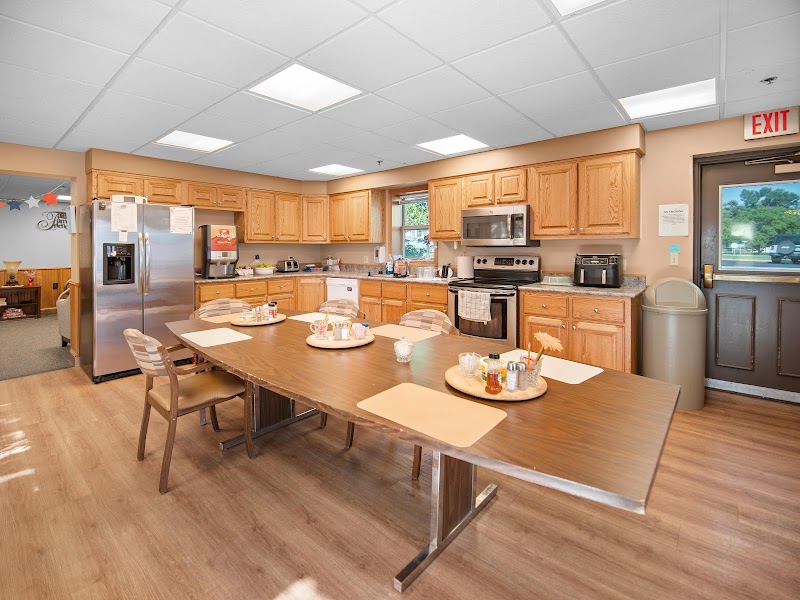
How is Good Samaritan Society - Ellis Staffed?

CMS rates GOOD SAMARITAN SOCIETY - ELLIS's staffing level at 5 out of 5 stars, which is much above average compared to other nursing homes. Staff turnover is 24%, compared to the Kansas average of 46%. This relatively stable workforce can support continuity of care.

What Have Inspectors Found at Good Samaritan Society - Ellis?

State health inspectors documented 30 deficiencies at GOOD SAMARITAN SOCIETY - ELLIS during 2021 to 2024. These included: 30 with potential for harm.
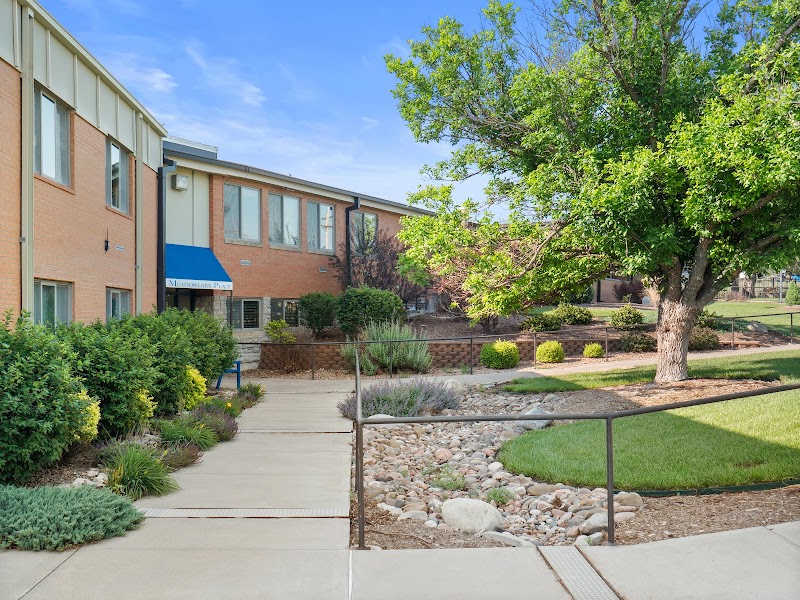
Who Owns and Operates Good Samaritan Society - Ellis?

GOOD SAMARITAN SOCIETY - ELLIS is owned by a non-profit organization. Non-profit facilities reinvest revenue into operations rather than distributing to shareholders. The facility is operated by GOOD SAMARITAN SOCIETY, a chain that manages multiple nursing homes. With 45 certified beds and approximately 37 residents (about 82% occupancy), it is a smaller facility located in ELLIS, Kansas.
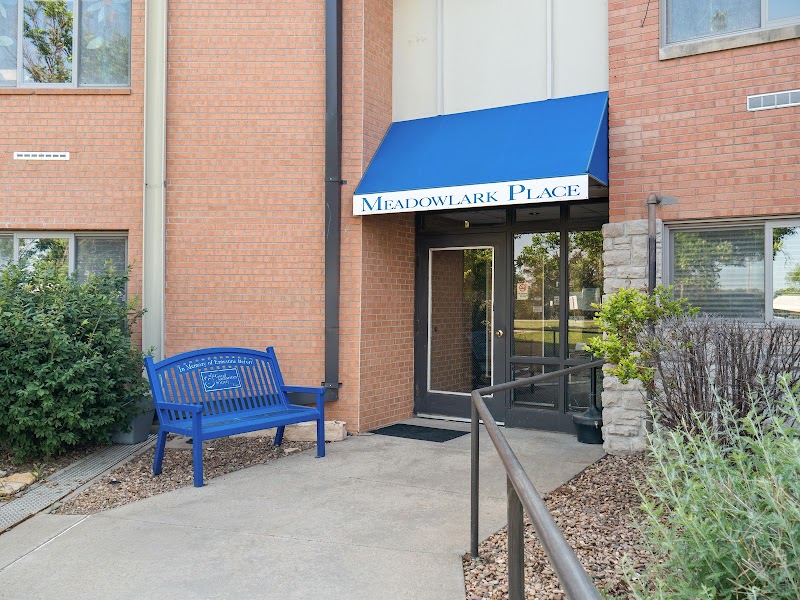
How Does Good Samaritan Society - Ellis Compare to Other Kansas Nursing Homes?

Compared to the 100 nursing homes in Kansas, GOOD SAMARITAN SOCIETY - ELLIS's overall rating (3 stars) is above the state average of 2.9, staff turnover (24%) is significantly lower than the state average of 46%, and health inspection rating (3 stars) is at the national benchmark.

What Should Families Ask When Visiting Good Samaritan Society - Ellis?

Based on this facility's data, families visiting should ask: "Can I visit during a mealtime to observe dining assistance and food quality?" "How do you handle medical emergencies, and what is your hospital transfer rate?" "Can I speak with family members of current residents about their experience?"

Is Good Samaritan Society - Ellis Safe?

Based on CMS inspection data, GOOD SAMARITAN SOCIETY - ELLIS has a clean safety record: no substantiated abuse findings (meaning no confirmed cases of resident harm), no Immediate Jeopardy citations (the most serious violation level indicating risk of serious injury or death), and is not on the Special Focus Facility watch list (a federal program monitoring the lowest-performing 1% of nursing homes). The facility has a 3-star overall rating and ranks #1 of 100 nursing homes in Kansas. While no facility is perfect, families should still ask about staff-to-resident ratios and recent inspection results during their visit.

Do Nurses at Good Samaritan Society - Ellis Stick Around?

Staff at GOOD SAMARITAN SOCIETY - ELLIS tend to stick around. With a turnover rate of 24%, the facility is 22 percentage points below the Kansas average of 46%. Low turnover is a positive sign. It means caregivers have time to learn each resident's needs, medications, and personal preferences. Consistent staff also notice subtle changes in a resident's condition more quickly. Registered Nurse turnover is also low at 20%, meaning experienced RNs are available to handle complex medical needs.

Was Good Samaritan Society - Ellis Ever Fined?

GOOD SAMARITAN SOCIETY - ELLIS has no federal fines on record. CMS issues fines when nursing homes fail to meet care standards or don't correct problems found during inspections. The absence of fines suggests the facility has either maintained compliance or corrected any issues before penalties were assessed. This is a positive indicator, though families should still review recent inspection reports for the full picture.

Is Good Samaritan Society - Ellis on Any Federal Watch List?

GOOD SAMARITAN SOCIETY - ELLIS is not on any federal watch list. The most significant is the Special Focus Facility (SFF) program, which identifies the bottom 1% of nursing homes nationally based on persistent, serious quality problems. Not being on this list means the facility has avoided the pattern of deficiencies that triggers enhanced federal oversight. This is a positive indicator, though families should still review the facility's inspection history directly.