FLINT HILLS CARE AND REHABILITATION CENTER
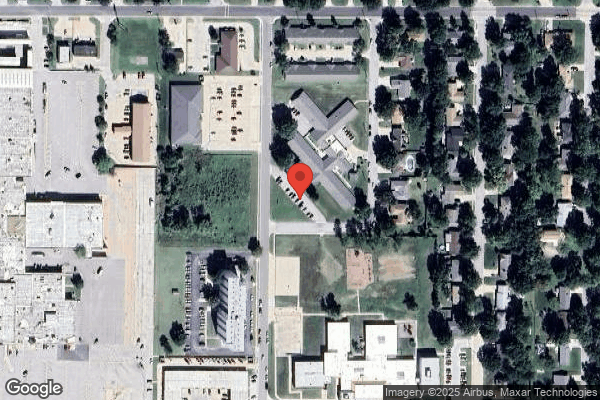
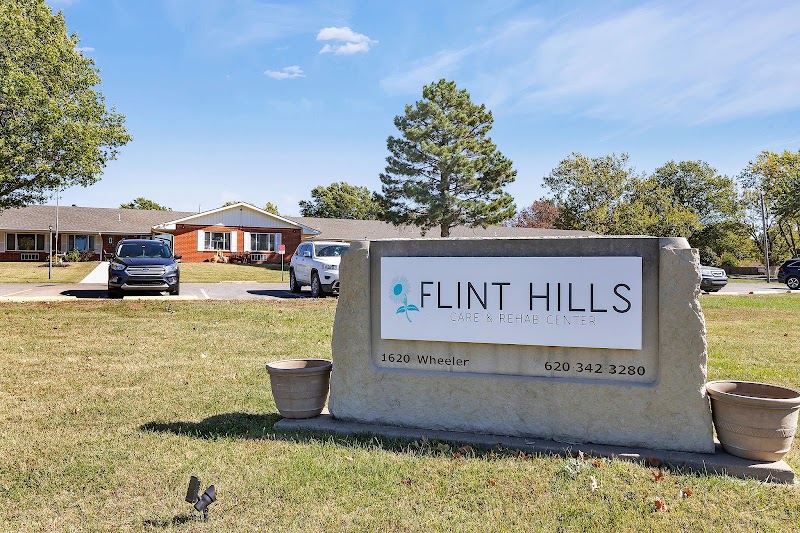
1620 WHEELER STREET, EMPORIA, KS 66801 (620) 342-3280
For profit - Limited Liability company 50 Beds RECOVER-CARE HEALTHCARE Data: November 2025 1 Immediate Jeopardy citation
Trust Grade
23/100
#187 of 295 in KS
Last Inspection: July 2025

Inspected within the last 6 months. Data reflects current conditions.

Overview

Flint Hills Care and Rehabilitation Center has received a Trust Grade of F, indicating significant concerns and a poor reputation among nursing facilities. They rank #187 out of 295 in Kansas, placing them in the bottom half of state facilities, and #2 out of 2 in Lyon County, meaning they have only one local competitor. The facility's situation is worsening, with issues increasing from 6 in 2024 to 10 in 2025. Staffing is average, with a rating of 3 out of 5 stars and a turnover rate of 49%, which is close to the state average of 48%. However, the facility has concerning fines totaling $30,781, which are higher than 79% of Kansas facilities, indicating repeated compliance problems. Specific incidents include a critical finding where a resident was transferred without the required mechanical lift, leading to injury, and a serious finding where another resident was not given necessary pain medication, resulting in severe discomfort. Additionally, the facility failed to provide timely treatment for a resident's pressure ulcer. Overall, while there are some strengths like average staffing ratings, the numerous deficiencies and critical incidents raise serious concerns for families considering this facility for their loved ones.

Trust Score
F
23/100
In Kansas
#187/295
Bottom 37%
Safety Record
High Risk
Review needed
Inspections
Getting Worse
6 → 10 violations
Staff Stability
⚠ Watch
49% turnover. Above average. Higher turnover means staff may not know residents' routines.
Penalties
✓ Good
$30,781 in fines. Lower than most Kansas facilities. Relatively clean record.
Skilled Nurses
○ Average
Each resident gets 39 minutes of Registered Nurse (RN) attention daily — about average for Kansas. RNs are the most trained staff who monitor for health changes.
Violations
⚠ Watch
32 deficiencies on record. Higher than average. Multiple issues found across inspections.
★★☆☆☆
2.0
Overall Rating
★★★☆☆
3.0
Staff Levels
★★★★☆
4.0
Care Quality
★★☆☆☆
2.0
Inspection Score
Stable
2024: 6 issues
2025: 10 issues

The Good

  • 4-Star Quality Measures · Strong clinical quality outcomes
  • Full Sprinkler Coverage · Fire safety systems throughout facility
  • No fines on record

Facility shows strength in quality measures, fire safety.

The Bad

2-Star Overall Rating

Below Kansas average (2.9)

Below average - review inspection findings carefully

Staff Turnover: 49%

Near Kansas avg (46%)

Higher turnover may affect care consistency

Federal Fines: $30,781

Below median ($33,413)

Moderate penalties - review what triggered them

Chain: RECOVER-CARE HEALTHCARE

Part of a multi-facility chain

Ask about local staffing decisions and management

The Ugly 32 deficiencies on record

1 life-threatening 2 actual harm
Jul 2025 10 deficiencies 1 Harm
SERIOUS (G)

Actual Harm - a resident was hurt due to facility failures

Deficiency F0697 (Tag F0697)

A resident was harmed · This affected 1 resident

The facility reported a census of 44 residents. The sample included 12 residents. Based on observation, interview, and record review the facility failed to administer scheduled pain medication and tak...

Read full inspector narrative →
The facility reported a census of 44 residents. The sample included 12 residents. Based on observation, interview, and record review the facility failed to administer scheduled pain medication and take action to manage severe pain for Resident (R)32. Additionally, the facility failed to re-order the scheduled pain medication and notify the provider when the pain medication was not available. As a result of the deficient practice, R32 experienced severe pain with ineffective pain relief for two days and had physical symptoms of abrupt withdrawal, including nausea and vomiting, related to the facility not administering the scheduled, physician ordered pain medication. This also placed R32 at risk for discomfort and further decline in her overall well-being.Findings included: - A review of the Electronic Health Record (EHR), documented R32 had diagnoses of osteoarthritis (degenerative changes to one or many joints characterized by swelling and pain) of the right hip, chronic pain, and anxiety (mental or emotional reaction characterized by apprehension, uncertainty, and irrational fear).R32's 02/01/25 Annual Minimum Data Set (MDS) documented a Brief Interview of Mental Status (BIMS) score of nine, which indicated moderately impaired cognition. The MDS documented R32 required supervision for bathing and was independent in all activities of daily living (ADL). The MDS documented R32 received no routine pain medications; R32 did not receive as-needed pain medications or non-medicated pain intervention during the observation period. The MDS noted R1 had reported occasional pain with a pain score of three (pain scale with zero indicating no pain and 10 the worst pain imaginable) during the interview. R32's Pain Care Area Assessment (CAA) dated 02/18/25, documented R32 was at risk for alterations in comfort related to cervical (neck/spine) disc disorder. R32 would maintain current level of function and have minimal risks. R32's 05/05/25 Quarterly MDS documented a BIMS score of 13, which indicated intact cognition. The MDS documented R32 required moderate assistance for bathing and was independent for all other ADLs. The MDS documented R32 received routine pain medications, received non-medicated pain intervention, and did not receive as-needed pain medications during the observation period. The MDS noted R32 reported almost constant pain with a pain score of nine out of 10 during the interview. R32's Care Plan dated 04/19/24 directed staff to notify the physician if interventions were unsuccessful or if the current complaint of pain was a significant change from past experiences. The plan instructed staff to monitor and record pain characteristics every shift and as needed for quality and severity using a pain scale of one to ten, location, onset, duration, aggravating factors, and relieving factors. The plan instructed staff to administer analgesics per orders. The plan, dated 03/28/25, instructed staff R32's acceptable pain level was seven. The plan instructed staff to provide non-pharmacological pain interventions such as heat, ice, coloring, watching television, and plants. The plan, dated 05/08/25, instructed staff to identify, record, and treat existing conditions that may increase pain and or discomfort. R32's Physician Orders documented the following orders:Pain monitoring; (able to communicate) Are you free of pain or hurting? If no, indicate response through chart code Y for yes and N for no. Address new or changes in pain, complete pain evaluation in user define assessment every shift for pain, dated 02/11/25.Pregabalin capsule (medication used to treat nerve pain) 150 milligrams (mg), give one capsule by mouth, three times a day for right hip pain, dated 04/26/25. Acetaminophen (over-the-counter pain medication) oral tablet 325 mg, give two tablets by mouth, every four hours as needed for general discomfort, dated 06/28/25. R32's June 2025 Medication Administration Record (MAR) documented the pregabalin 150 mg capsule was not administered on the following dates:06/28/25 07:00 PM through 10:00 PM.06/29/25 07:00 AM through 10:00 AM, 11:00 AM through 02:00 PM, and 07:00 PM through 10:00 PM.06/30/25 between 07:00AM thru 10:00AM. R32's June 2025 MAR documented R32 received as needed acetaminophen 325 mg tablet two by mouth on 06/28/25 at 05:51 PM for a pain score of seven that was effective. R32's MAR lacked any documentation that R32 received any as-needed acetaminophen for pain on 06/29/25 and 06/30/25.R32's June MAR from 06/28/25 through 06/30/25 documented Y indicating the resident was free from pain each shift. R32's X-ray Report dated 02/22/25 documented severe osteoarthritis of the right hip marked by severe narrowing of the weight-bearing aspect of the hip joint, subarticular sclerosis (a hardening or increased density of the bone located just below the cartilage in the hip joint) and marginal osteophytosis (also known as bone spurs or osteophytes, refers to the formation of abnormal bony growths around the hip joint).R32's Progress Note dated 02/28/2025 at 12:08 PM documented the resident had an orthopedic appointment that day for right hip pain. The note documented the following physician communication: The X-rays of the right hip showed advanced arthritis and R32 would need a revision specialist to discuss removal of the hardware and a hip replacement. The Orders Administration Note dated 06/28/25 at 09:40 PM, documented the pregabalin capsule 150 mg was unavailable. The note indicated staff contacted the pharmacy about the medication. The Orders Administration Note dated 06/29/25 at 07:53 AM, documented the pregabalin capsule 150 mg was unavailable. The note indicated staff were waiting on the pharmacy. The Orders Administration Note dated 06/29/25 at 11:16 AM, documented the pregabalin capsule 150 mg was unavailable. The note indicated staff were waiting on the pharmacy. The Orders Administration Note dated 06/29/25 at 09:01 PM, documented the resident refused to take the pregabalin capsules that were in the E-kit (an emergency medication box). The Orders Administration Note dated 06/30/25 at 06:51 AM, documented the pregabalin capsule 150 mg was not administered, but lacked why the medication was not administered. R32's Progress Note dated 06/30/25 at 10:54 AM documented staff called the pharmacy, and they had a prescription for the pregabalin capsule but did not have it ready to go. The note recorded the facility would pick up the medication in 30 minutes. The note said staff offered R32 six capsules of 25 mg pregabalin the previous night and the night before that but R32 declined and said she wanted acetaminophen. R32's Progress Note dated 6/30/25 at 12:09 PM documented R32 did not receive proper medications due to the medication not being available from the pharmacy; the pharmacy stated that they did not have a prescription. The note documented R32 refused to take the medication from the E-kit because she would have had to take six pills instead of one pill of pregabalin. Staff notified the pharmacy, and the medication was picked up. The note documented R32 had been experiencing some nausea and vomiting.R32's EMR lacked evidence staff notified the physician regarding R32's pain medication and unmanaged pain. During an interview on 06/29/25 at 11:03 AM, R32 reported she was in constant pain with a pain scale score of 10 and reported the facility ran out of her pain medication yesterday and she was in severe pain and was not receiving any other medication for her pain. During an observation on 06/30/25 at 09:00 AM, R32 was in her bed with her eyes closed.During an observation on 06/30/25 at 10:48 AM, R32 sat up in bed with her garbage can in front of her and she was vomiting. R32 reported a wave of nausea came over her and not sure why. R32 reported she could not recall if she had been offered the pregabalin from the nurse on 06/29/25 and reported she was still in severe pain at a level of 10. During an observation on 06/30/25 at 11:23 AM, the pharmacy delivered R32's pregabalin. During an observation on 06/30/25 at 03:45 PM R32 remained in bed and reported she felt a little better and was glad she received her pain medication. On 07/01/25 at 08:30 AM R32 sat up on the edge of the bed and reported her pain was now tolerable and was glad she would be able to get out of bed today. On 06/30/25 at 10:01 AM, Certified Medication Aide (CMA) R reported pregabalin was not in the E-kit. CMA R said R32 used her own pharmacy that did not provide an E-kit, so the facility was not allowed to take any medication from the facility's pharmacy E-kit for residents that used their own pharmacy. CMA R reported that she called R32's pharmacy that morning at 09:07 AM to have R32's pain medication delivered. CMA R reported she was not sure if R32's medication had been ordered over the weekend as she did not work and was not certain if R32's pharmacy was open on Sundays. On 06/30/25 at 10:30 AM, Licensed Nurse (LN) H reported if a resident did not have a medication available, the nurse would pull the medication from the E-kit if it was in the E-kit. If the medication was not in the E-kit the pharmacy would be called for an immediate delivery. LN H reported that R32's pharmacy was slower than the facility pharmacy. LN H reported that R32 was offered the pregabalin from the E-kit last night and she declined per the report she received today as the resident did not want to take that many pills. LN H said the E-kit was reviewed and had a stock of eight 25 mg pregabalin capsules available. LN H reported she was not certain if the pharmacy had been called to re-order the medication. LN H reported that the physician should be called when a medication is not available. During an interview on 06/30/25 at 10:52 AM with R32's pharmacy, Pharmacy Staff HH reported that they received no calls over the weekend for a pregabalin refill for R32. Pharmacy Staff HH said the pharmacy has an on-call number when it is closed and reported the facility called this morning for a refill, and they would be delivering the medication soon to the facility. During an interview on 06/30/25 at 11:11 AM with the facility's pharmacy, Pharmacy Staff II reported when a resident at the facility chose to use their own pharmacy at the facility, those residents would still be able to have staff use the E-kit for medications when their medications were not available. During an interview on 06/30/25 at 11:18 AM, Administrative Nurse D reported she expected the residents to have all their medications available and to be always administered. She expected the nurse to contact the pharmacy to order that medication. Administrative Nurse D reported that the staff is not allowed to use the medications from the E-kit if the residents use their own pharmacy and not the facility pharmacy. Administrative Nurse D also reported that she expected the staff to notify the physician when the medication was unavailable to be administered and that she considered the above concern a medication error. The facility's policy Pain Management dated 02/21/25 documented the facility must ensure pain management is provided to residents who requires such services, consistent with professional standards of practice, comprehensive person-centered care plan, and the resident's goals and preferences. The facility's policy Unavailable Medications dated 11/8/24 documented the facility shall use uniform guidelines for unavailable medications. The facility would maintain a contract with a pharmacy to supply the facility with routine, as-needed, and emergency medications. The facility shall follow established procedures to ensure residents have sufficient medications. Notify the physician of the inability to obtain medications to obtain alternative treatment orders.
CONCERN (D)

Potential for Harm - no one hurt, but risky conditions existed

Report Alleged Abuse (Tag F0609)

Could have caused harm · This affected 1 resident

**NOTE- TERMS IN BRACKETS HAVE BEEN EDITED TO PROTECT CONFIDENTIALITY** The facility reported a census of 44 residents. The sample included 12 residents. Based on observation, interview, and record re...

Read full inspector narrative →
**NOTE- TERMS IN BRACKETS HAVE BEEN EDITED TO PROTECT CONFIDENTIALITY** The facility reported a census of 44 residents. The sample included 12 residents. Based on observation, interview, and record review, the facility failed to identify an elopement (when a cognitively impaired resident leaves the facility without the knowledge or supervision of staff) as a potential neglect and report to the State Agency (SA) as required. This placed the resident at risk for neglect and impaired safety.Findings included:- Review of the Electronic Health Record (EHR) documented Resident (R)30 had diagnoses which included dementia (a progressive mental disorder characterized by failing memory and confusion), and mood disorder. R30 admitted to the facility on [DATE].R30's 09/15/24 Annual Minimum Data Set (MDS) documented a Brief Interview of Mental Status (BIMS) of eight, which indicated moderately impaired cognition. The MDS documented R30 required maximal assistance for bathing, transfers, dressing, and toileting. The MDS documented R30 required moderate assistance with oral care, personal hygiene, and bed mobility. The MDS documented R30 was independent with eating and wheelchair mobility. The MDS documented R30 had wandering behaviors daily and placed the resident at significant risk of getting to a potentially dangerous place, like outside the facility.R30's 09/18/24 Cognitive Loss/Dementia Care Area Assessment (CAA) documented R30 had impaired cognitive function/dementia or impaired thought processes related to his dementia. R30 would get agitated when he could not remember what to do or how to do it. R30 would wander looking for different places.R30's 09/18/24 Behavioral Symptoms CAA documented R30 was an elopement risk and wandered aimlessly. R30's information and photo were placed in the elopement book. Staff are aware R30 was a risk for elopement, and his anxiety could cause him to wander.R30's 04/30/25 Quarterly MDS documented a BIMS score of eight, which indicated moderately impaired cognition; no behaviors were noted. The MDS documented R30 was dependent on staff assistance for toileting and required maximal assistance with showers and moderate assistance with lower dressing. The MDS documented R30 was independent with eating and wheelchair mobility.R30's Care Plan dated 09/17/24, documented R30 was at risk for elopement related to cognitive status, mobility status, and assessment indicating a high risk potential for wandering/elopement. The plan directed staff to provide the following interventions:Encourage independence while in the building but ensure supervision while outside.Encourage participation in positive, meaningful activity programs of choice.Engage R30 in active conversation as a form of redirection.In the event of an elopement, follow search and reporting protocols.Keep routine consistent to alleviate confusion.Observe for signs/symptoms of acute illness, which may enhance confusion.Provide picture/identification and description of R30 in the elopement book.Redirect when wandering around doors/exits.Visualize the resident's whereabouts frequently.R30's Wandering/Elopement Risk Scale, dated 09/10/24 and 12/20/24, documented a score of 10.0 which indicated the resident was at risk to wander.R30's Progress Note on 12/22/24 at 01:00 PM, documented upon coming out of the third dining room bathroom, an unknown Licensed Nurse (LN) was notified by an unknown Certified Nurse Aide (CNA) that a family member alerted staff that R30 exited the building through the north side Emporia Lane hallway exit. The note recorded both the LN and CNA ran to the door. The LN entered the door code and ran outside to find R30 in his wheelchair on a street near the facility. The note recorded the LN asked R30 what he was doing, to which he said he was leaving the [expletive] place. The note documented staff found and safely returned R30 into the facility, and elopement procedure was initiated. Staff assessed R30 for pain; he denied any injuries, and none were noted.R30's Risk Management Report dated 12/22/24 at 01:00 PM documented the above note and that R30 was oriented to person but confused with impaired memory; he was an active seeker and wanderer.During an observation on 06/30/25 at 09:40 AM, R30 was noted to be able to self-propel in his wheelchair in the hallway.On 06/29/25 at 01:09 PM, R30's representative reported that R30 was found outside the facility last year and reported she was told he did not leave the facility property. R30's representative reported that she was concerned now that she heard R30 had made it out to the street when he exited the building.During an interview on 06/30/25 at 12:56 PM Administrative Nurse D reported R30 exited the building on 12/22/24 and did not report to the State Agency as she did not feel like the incident was a true elopement. Administrative Nurse D said the resident was in view of a family member of another resident, so R30 really did not elope. Administrative Nurse D reported she did not receive a statement from the family/visitor who reported to the nursing staff that R30 had gone out the door.During an interview on 06/30/25 01:30 PM Administrative Staff A reported that she was told the day R30 exited the facility, the resident was observed by a housekeeper and the housekeeper kept the resident in their sight outside until the nursing staff went outside to assist the resident back into the facility. Administrative Staff A reviewed the investigation and said she would call the incident an elopement. Administrative Staff A reported that she could not recall any immediate interventions to prevent R30 from elopement except for the medication change that was requested.The facility's policy Residents Right to Freedom from Abuse, Neglect, and Exploitation. dated 2017 documented the facility have a duty to report all alleged violations of abuse, neglect, exploitation, mistreatment, including injuries of unknown origin as well as the results of all investigations of alleged violations pursuant to 42 CFR 483.12c.
CONCERN (D)

Potential for Harm - no one hurt, but risky conditions existed

Deficiency F0628 (Tag F0628)

Could have caused harm · This affected 1 resident

**NOTE- TERMS IN BRACKETS HAVE BEEN EDITED TO PROTECT CONFIDENTIALITY** The facility had a census of 44 residents. The sample included 12 residents, with one resident reviewed for hospitalization. Bas...

Read full inspector narrative →
**NOTE- TERMS IN BRACKETS HAVE BEEN EDITED TO PROTECT CONFIDENTIALITY** The facility had a census of 44 residents. The sample included 12 residents, with one resident reviewed for hospitalization. Based on interview and record review, the facility failed to provide a written bed hold policy and failed to issue written notification as soon as practicable for transfers for Resident (R) 32 This placed the resident at risk for impaired rights related to returning to the facility.Findings included:- Review of the Electronic Health Record (EHR), documented R32 had diagnoses of osteoarthritis (degenerative changes to one or many joints characterized by swelling and pain) of the right hip, chronic pain, and anxiety (mental or emotional reaction characterized by apprehension, uncertainty, and irrational fear).R32's 02/01/25 Annual Minimum Data Set (MDS) documented a Brief Interview of Mental Status (BIMS) score of nine, which indicated moderately impaired cognition. The MDS documented R32 required supervision for bathing and was independent for all activities of daily living (ADL).R32's Functional Abilities (Self-Care and Mobility) Care Area Assessment (CAA) dated 02/18/25, documented R32 required assistance with ADLs related to weakness and shortness of breath. R32 had depression and may have lack of motivation to complete ADLs.R32's 01/12/25 at 12:18 AM Progress Note documented resident was transferred to the hospital due to a large amount of blood in stool.R32's EHR lacked evidence the facility provided a bed hold notice or written notification of the transfer to R32 and/or his representative.On 07/01/25 at 09:43 AM, Licensed Nurse (LN) G reported when a resident was transferred to the hospital, the nurse asked the resident and or representative if they wanted a bed hold. LN G reported there was no form that was completed by the nurse at the time of transfer and said she would notify Social Service Designee (SSD) X, Administrative Nurse D and Administrative Staff A of the transfer.On 07/01/25 at 09:55 AM, SSD X reported there was no bed hold completed when R32 transferred to the hospital on [DATE]. SSD X reported the nurse could complete a Bed-Hold Notification Agreement under the assessment tab in the EHR. Additionally, SSD X reported the bed hold could be completed on the next business day if the form had not been completed the day of transfer.During an interview on 07/01/25 at 10:00 AM, Administrative Staff A she expected the bed-hold to be completed the day of the transfer or the next business day.The facility's Transfer and/ or Discharge, Including Against Medical Advice, Discharge Notification dated 11/08/24 documented to provide a notice of transfer and the facility's bed hold notice to the resident and representative as indicated.
CONCERN (D)

Potential for Harm - no one hurt, but risky conditions existed

Assessment Accuracy (Tag F0641)

Could have caused harm · This affected 1 resident

**NOTE- TERMS IN BRACKETS HAVE BEEN EDITED TO PROTECT CONFIDENTIALITY** The facility reported a census of 44 residents; 12 residents were sampled for review. Based on observation, interview, and recor...

Read full inspector narrative →
**NOTE- TERMS IN BRACKETS HAVE BEEN EDITED TO PROTECT CONFIDENTIALITY** The facility reported a census of 44 residents; 12 residents were sampled for review. Based on observation, interview, and record review the facility failed to ensure accurate Minimum Data Set (MDS) assessments for Residents (R) 18, R42, and R7 related to urinary continence and/or indwelling catheter (a tube inserted into the bladder to drain urine into a collection bag) and R7 for communication/sensory status. The deficient practice placed the affected residents at risk for impaired care due to unidentified care needs.Findings included:- R18's Electronic Health Records (EHR) documented diagnoses, which included neuromuscular dysfunction of the bladder (the muscles that control the flow of urine out of the body do not relax and prevent the bladder from fully emptying).R18's admission Minimum Data Set (MDS) dated [DATE], documented a Brief Interview for Mental Status (BIMS) score of 14, indicating cognitively intact. He had an indwelling catheter and was always continent (able to control bladder/urine flow).The 06/19/25 Urinary Continence Indwelling Catheter Care Area Assessment, (CAA) documented the resident had an indwelling catheter for neurogenic bladder.On 06/29/25 at 03:57 PM, the resident sat in his wheelchair. His catheter tubing was positioned below his bladder. He reported he had an indwelling catheter because he could not completely empty his bladder without it. R18 verified he has had a catheter throughout his stay at the facility.On 07/01/25 at 11:54 AM, Administrative Nurse F verified above findings and reported she always coded the MDS for residents with indwelling catheters as always continent. She stated that the facility used the Resident Assessment Instrument (RAI) manual for guidance to accurately code the MDS. She reviewed the RAI manual, and she confirmed she should code the MDS for residents with catheters as not rated. Administrative Nurse F stated the admission MDS, dated [DATE] was not accurate.The RAI manual, dated 10/2019, documentation included the MDS coding for the number of calendar days in the look-back period should be coded to reflect Code 9, not rated: if during the seven-day look-back period the resident had an indwelling bladder catheter. - R42's Electronic Health Records (EHR), dated 06/01/25, documented diagnoses which included neuromuscular dysfunction of the bladder (the muscles that control the flow of urine out of the body do not relax and prevent the bladder from fully emptying).R42's admission Minimum Data Set (MDS) dated [DATE], documented a Brief Interview for Mental Status (BIMS) score of 14, indicating cognitively intact. He had an indwelling catheter and was always continent (able to control bladder/urine flow).The 05/28/25Urinary Continence Indwelling Catheter Care Area Assessment (CAA) documented the resident had an indwelling catheter for urinary retention.On 06/29/25 at 11:49 AM, R42 laid in bed with his catheter positioned through his right pant leg below his bladder.On 07/01/25 at 11:54 AM, Administrative Nurse F verified above findings and reported she always coded the MDS for residents with indwelling catheters as always continent. She stated that the facility used the Resident Assessment Instrument (RAI) manual for guidance to accurately code the MDS. She reviewed the RAI manual, and she confirmed she should code the MDS for residents with catheters as not rated. Administrative Nurse F stated the admission MDS, dated [DATE] was not accurate.The RAI manual, dated 10/2019, documentation included the MDS coding for the number of calendar days in the look-back period should be coded to reflect Code 9, not rated: if during the seven-day look-back period the resident had an indwelling bladder catheter. - R7's Electronic Health Records (EHR) dated 06/01/25, documented diagnoses which included bladder obstruction and hearing loss.The 08/30/24, Annual Minimum Data Set (MDS) documented a Brief Interview for Mental Status (BIMS) score of three, indicating severe cognitive impairment. The resident had an indwelling catheter and was always continent (able to control bladder/urine flow).The 09/06/24 Urinary Continence/Indwelling Catheter and Communication Care Area Assessment (CAA) documented he had an indwelling catheter due to urinary retention and a communication problem related to his hearing deficit.R7's 05/26/25 Quarterly MDS documentation included a BIMS score of six, indicating severe cognitive impairment. His hearing was adequate, and he did not wear hearing aids. R 7 had a catheter, and the MDS recorded he was always continent.R7's EHR Physician Orders (POS) documented the following orders:Enhanced Barrier Precautions due to his catheter placement, ordered 11/4/24.Place hearing aid on charger in med room at bedtime, ordered 04/23/25.On 06/30/25 at 03:40 PM, observation revealed R7 returned from his appointment. The resident's hearing aid was not in his ears. Certified Medication Aide (CMA) T found the hearing aids in his bag with his paperwork in the back of his wheelchair.On 07/01/25 at 11:54 AM, Administrative Nurse F verified above findings and reported she always coded the MDS for residents with indwelling catheters as always continent. She stated that the facility used the Resident Assessment Instrument (RAI) manual for guidance to accurately code the MDS. She reviewed the RAI manual, and she confirmed she should code the MDS for residents with catheters as not rated. Administrative Nurse F stated the Annual MDS, dated [DATE] was inaccurately coded as always continent and the Quarterly MDS, dated [DATE] was inaccurately coded as always continent and lacked indication of residents hearing deficit and use of hearing aids.
CONCERN (D) 📢 Someone Reported This

A family member, employee, or ombudsman was alarmed enough to file a formal complaint

Potential for Harm - no one hurt, but risky conditions existed

ADL Care (Tag F0677)

Could have caused harm · This affected 1 resident

The facility reported a census of 44 residents. The sample included 12 residents, with one reviewed for hearing aid use. Based on the interview and record review, the facility failed to ensure that de...

Read full inspector narrative →
The facility reported a census of 44 residents. The sample included 12 residents, with one reviewed for hearing aid use. Based on the interview and record review, the facility failed to ensure that dependent Resident (R) 7 received staff assistance in placing his hearing aids. This placed the resident at risk for social isolation, mental decline, and loss of independence. Findings included:- R7's Electronic Health Record (EHR) revealed diagnoses of conductive hearing loss and a need for assistance with personal care. R7's 08/30/24 Annual Minimum Data Set (MDS) documented that the resident had a Brief Interview for Mental Status (BIMS) score of three, which indicated severely impaired cognition. The MDS documented R7 was dependent on staff for toileting, bathing, dressing, footwear, and personal hygiene. The MDS noted R7 had minimal difficulty with hearing, and R7 used hearing aids. The 09/06/24 Communication Care Area Assessment (CAA) documented R7 had a communication problem related to having difficulty understanding or making his needs known. The CAA noted R7 had hearing deficits and staff would ensure R7 understood what requests were being made. R7's 05/26/25 Quarterly MDS documented a BIMS score of six, which indicated severely impaired cognition. The MDS documented R7's hearing was adequate, and he had no hearing aids. R7's Care Plan dated 06/07/23 documented R7 had a communication problem related to having difficulty understanding or making his needs known, related to a hearing deficit. The plan did not address R7's hearing aids.R7s Physician's Orders documented an order that directed the Certified Medication Aide (CMA) to ensure that the resident had a leg bag on, his hair was combed, his face washed, and shaved. The order directed to ensure R7 had clean clothes and a hearing aid when going to the Program of All-Inclusive Care for the Elderly (PACE) Monday through Friday by 08:30 AM, date ordered 04/10/25. R7s Physician's Orders documented an order to place the hearing aid on the charger in the medication room at bedtime, date ordered 04/23/25R7's Progress Note dated 01/23/25 at 09:07 AM documented that his right hearing aid was identified as missing when staff assisted R7 in getting ready for PACE services.R7's Progress Note dated 04/29/25 at 03:28 AM documented that the staff were unable to find the hearing aids to place on the charger in the medication room. R7's Progress Note dated 05/03/25 at 09:56 PM documented R7 did not have hearing aids on, and the hearing aids could not be located. R7's Progress Note dated 06/23/25 at 07:45 PM documented that hearing aids were not with R7 when he returned from PACE. During an observation on 06/29/25 at 01:55 PM, R7 had no hearing aids in his ears. R7 sat in the television lounge with the television on. R7 had difficulty hearing when he was asked questions. During an observation on 06/30/25 at 03:40 PM, R7 returned from the PACE program and was seated in his wheelchair at the church service activity. R7 had no hearing aids in his ears. Certified Nurse Aide (CNA) JJ found the hearing aids in a bag attached to the back of R7's wheelchair. During an observation on 07/01/25 at 08:25 AM, R7 sat in the television lounge in a recliner with no hearing aids noted in his ears. R7 reported he had no hearing aids when asked. On 06/30/25 at 11:21 AM, Activity Staff Z reported that R7 required bilateral hearing aids, and the nursing staff would apply the hearing aids. On 07/01/25 at 08:36 AM, CNA O reported she had to wait for the Certified Medication Aide to give her R7's hearing aids out of the locked medication cart. CNA O reported R7 had been up in his recliner for a couple of hours now and had his breakfast without his hearing aids applied. On 07/01/25 at 09:48 AM, CMA R reported she had not placed R7's hearing aids in his ears that morning and reported that the nurse had applied them as the hearing aids were no longer locked up in the medication room. On 07/01/25 at 09:55 AM, Licensed Nurse (LN) G reported she applied R7's hearing aids before he transferred to PACE that morning. LN G reported that R7's hearing aids could not be located at times, but eventually, staff would find them.On 07/01/25 at 11:52 AM, Administrative Nurse F expected staff to apply and remove the resident's hearing aids daily. The facility's policy Care and Use of Hearing Aids, dated 11/08/24, documented it is the practice of this facility to assist residents in using their hearing aids and to provide care to the hearing aids to ensure they are clean and protected from loss or breakage when not in use.
CONCERN (D) 📢 Someone Reported This

A family member, employee, or ombudsman was alarmed enough to file a formal complaint

Potential for Harm - no one hurt, but risky conditions existed

Accident Prevention (Tag F0689)

Could have caused harm · This affected 1 resident

**NOTE- TERMS IN BRACKETS HAVE BEEN EDITED TO PROTECT CONFIDENTIALITY** The facility reported a census of 44 residents. The sample included 12 residents. Based on observation, interview, and record re...

Read full inspector narrative →
**NOTE- TERMS IN BRACKETS HAVE BEEN EDITED TO PROTECT CONFIDENTIALITY** The facility reported a census of 44 residents. The sample included 12 residents. Based on observation, interview, and record review, the facility failed to provide adequate supervision to cognitively impaired, independently mobile Resident (R)30, identified as a high risk for elopement (when a cognitively impaired resident leaves the facility or safe area without staff knowledge or supervision). This placed the resident at risk for injuries, accidents, and further elopements. Findings included:- Review of the Electronic Health Record (EHR) documented R30 had diagnoses which included dementia (a progressive mental disorder characterized by failing memory and confusion), and mood disorder. R30 was admitted to the facility on [DATE].R30's 09/15/24 Annual Minimum Data Set (MDS) documented a Brief Interview of Mental Status (BIMS) of eight, which indicated moderately impaired cognition. The MDS documented R30 required maximal assistance for bathing, transfers, dressing, and toileting. The MDS documented R30 required moderate assistance with oral care, personal hygiene, and bed mobility. The MDS documented R30 was independent with eating and wheelchair mobility. The MDS documented R30 had wandering behaviors daily and placed the resident at significant risk of getting to a potentially dangerous place, like outside the facility. R30's 09/18/24 Cognitive Loss/Dementia Care Area Assessment (CAA) documented R30 had impaired cognitive function/dementia or impaired thought processes related to his dementia. R30 would get agitated when he could not remember what to do or how to do it. R30 would wander looking for different places. R30's 09/18/24 Behavioral Symptoms CAA documented R30 was an elopement risk and wandered aimlessly. R30's information and photo were placed in the elopement book. Staff are aware R30 was a risk for elopement, and his anxiety could cause him to wander. R30's 04/30/25 Quarterly MDS documented a BIMS score of eight, which indicated moderately impaired cognition; no behaviors were noted. The MDS documented R30 was dependent on staff assistance for toileting and required maximal assistance with showers and moderate assistance with lower dressing. The MDS documented R30 was independent with eating and wheelchair mobility.R30's Care Plan dated 09/17/24, documented R30 was at risk for elopement related to cognitive status, mobility status, and assessment indicating a high risk potential for wandering/elopement. The plan directed staff to provide the following interventions:Encourage independence while in the building, but ensure supervision while outside.Encourage participation in positive, meaningful activity programs or choices.Engage R30 in active conversation as a form of redirection.In the event of an elopement, follow search and reporting protocols.Keep the routine consistent to alleviate confusion.Observe for signs/symptoms of acute illness, which may enhance confusion.Provide picture/identification and description of R30 in the elopement book.Redirect when wandering around doors/exits.Visualize the resident's whereabouts frequently.R30's Wandering/Elopement Risk Scale dated 09/10/24 and 12/20/24 documented a score of 10.0, which indicated the resident was at risk to wander. R30's Progress Note on 12/22/24 at 01:00 PM, documented upon coming out of the third dining room bathroom, an unknown Licensed Nurse (LN) was notified by an unknown Certified Nurse Aide (CNA) that a family member alerted staff that R30 exited the building through the north side Emporia Lane hallway exit. The note recorded both the LN and CNA ran to the door. The LN entered the door code and ran outside to find R30 in his wheelchair on a street near the facility. The note recorded the LN asked R30 what he was doing, to which he said he was leaving the [expletive] place. The note documented staff found and safely returned R30 into the facility, and the elopement procedure was initiated. Staff assessed R30 for pain, which he denied, and injuries; none were noted.R30's Risk Management Report dated 12/22/24 at 01:00 PM documented the above note and that R30 was oriented to person but confused with impaired memory; he was an active seeker and wanderer. Maintenance Supervisor U's Witness Statement dated 12/22/24 documented he showed up to the facility at 01:35 PM to check the function of the exit door on Emporia Hall. The door alarm worked with no concerns. The housekeeper's Witness Statement dated 12/22/24 documented that she was on Jayhawk hallway and a family member came to tell her a resident had left. The family member thought the housekeeper did not understand and went to get other staff members. The housekeeper entered the code in the door, and another lady went and got R30.The Logbook Report for Doors, Locks, and Alarms for exit doors documented the doors were checked weekly, and were last checked on 12/21/24, and were functioning. During an observation on 06/30/25 at 09:40 AM, R30 was noted to be able to self-propel in his wheelchair in the hallway.On 06/29/25 at 01:09 PM, R30's representative reported that R30 was found outside the facility last year and reported she was told he did not leave the facility property. R30's representative reported that she was concerned now that she heard R30 had made it out to the street when he exited the building. On 06/30/25 at 08:01 AM, Maintenance Supervisor U reported that the exit doors were checked weekly to verify that the door alarm would function properly. Maintenance Supervisor U reported he had to come to the facility on a Saturday in December to check an alarm on an exit door, as he had received a call from Administrative Staff A to make sure the door was functioning properly, as a resident had made it outside. Maintenance Supervisor U reported he did not complete a log for that day, and the door was checked.On 06/30/25 at 09:54 AM, Certified Medication Aide (CMA) R reported she was unsure if an elopement book was available. On 06/30/25 at 10:18 AM, CNA O reported that she could not think of any resident who was an elopement risk. CNA O reported she was not sure if there was an elopement book. On 06/30/25 at 10:27 AM, LN H provided the Elopement Book at the nurse's station that contained seven residents in the book, which included R30. LN H reported that the residents who had a history of elopement, were confused, and able to ambulate independently, and or exit seeking would be at high risk for elopement. LN H reported that the higher the number on the Wander/Elopement Risk Scale, indicated the resident was higher risk. LN H reported that a score of 10.0 was high risk for elopement and that R30 would wander around independently in his wheelchair.During an interview on 06/30/25 at 12:56 PM, Administrative Nurse D reported R30 exited the building on 12/22/24 and did not report to the State Agency as she did not feel like the incident was a true elopement. Administrative Nurse D said the resident was in view of a family member of another resident, so R30 really did not elope. Administrative Nurse D reported she did not receive a statement from the family/visitor who reported to the nursing staff that R30 had gone out the door. During an interview on 06/30/25 01:30 PM, Administrative Staff A reported that she was told that the day R30 exited the facility, the resident was observed by a housekeeper and the housekeeper kept the resident in their sight outside until the nursing staff went outside to assist the resident back into the facility. Administrative Staff reviewed the investigation and said in review, she would call the incident an elopement. Administrative Staff A reported that she could not recall any immediate interventions to prevent R30 from eloping, except for the medication change that was requested.The facility's Elopement/Wandering Residents dated 11/08/24, documented this facility ensures that residents who exhibit wandering behaviors and/or are at risk for elopement receive adequate supervision to prevent accidents, and receive care in accordance with the person-centered plan of care addressing the unique factors contributing to wandering or elopement risk. Staff are to be vigilant in responding to alarms in a timely manner.
CONCERN (D)

Potential for Harm - no one hurt, but risky conditions existed

Deficiency F0757 (Tag F0757)

Could have caused harm · This affected 1 resident

**NOTE- TERMS IN BRACKETS HAVE BEEN EDITED TO PROTECT CONFIDENTIALITY** The facility reported a census of 44 residents. The sample included 12 residents, with five reviewed for unnecessary medications...

Read full inspector narrative →
**NOTE- TERMS IN BRACKETS HAVE BEEN EDITED TO PROTECT CONFIDENTIALITY** The facility reported a census of 44 residents. The sample included 12 residents, with five reviewed for unnecessary medications. Based on observations, interview, and record review, the facility failed to notify the physician for blood sugars outside of the physician-ordered parameters for Resident (R) R29. The deficient practice placed the affected resident at risk for complications related to hyperglycemia (high blood sugar) or hypoglycemia (low blood sugar)Findings included:- R29's Physician Orders dated 06/01/25 revealed the following diagnosis: type two diabetes mellitus (DM-when the body cannot use glucose, not enough insulin is made, or the body cannot respond to the insulin).R29's Annual Minimum Data Set (MDS) dated [DATE] revealed a Brief Interview of Mental Status (BIMS) score of six, indicating severely impaired cognition. The MDS noted R29 dependent upon staff for all activities of daily living (ADLs). The MDS did not indicate that injections or insulin were administered.R29's Quarterly MDS dated [DATE] indicated a BIMS score of zero, indicating severely impaired cognition. The MDS noted R29 received seven days of injections and seven days of insulin (a hormone that lowers the level of glucose in the blood) during the observation period.R29's Care Plan, revised on 02/22/25, indicated R29 received diabetes medication as ordered by the physician, and fasting blood sugars as ordered four times a day. The plan directed staff to report blood sugars if less than 60 milligrams per deciliter (mg/dl) and greater than 400 mg/dl. R29's Physician Orders documented a finger stick blood glucose four times a day; notify the physician if the blood sugar is less than 60 mg/dl or greater than 400 mg/dl R29's Electronic Medical Record (EMR) under the Vitals tab, reviewed from 04/18/25 to 06/30/25, documented two blood sugars over the 400 mg/dl parameter. On 05/11/25 at 05:02 PM, R29's blood sugar was 435 mg/dl. On 05/13/25 at 10:40 AM, R29's blood sugar was 499 mg/dl.R29's Progress Notes dated 05/11/25 at 05:02 PM lacked evidence of notification to the physician for blood sugars out of the parameters.R29's Progress Note dated 05/13/25 at 10:40 AM lacked evidence of notification to the physician for blood sugars outside the parameters.On 07/01/25 at 11:00 AM, Licensed Nurse (LN) G stated that the nurses should notify the physician of blood sugars when the level is above the ordered parameters to obtain an order for an additional dose of insulin.On 07/01/25 at 11:10 AM, Administrative Nurse D stated the nursing staff should reach out to the physician for additional insulin orders when blood sugars are above the parameters. The facility did not provide a policy for unnecessary medications.
CONCERN (E)

Potential for Harm - no one hurt, but risky conditions existed

Deficiency F0678 (Tag F0678)

Could have caused harm · This affected multiple residents

**NOTE- TERMS IN BRACKETS HAVE BEEN EDITED TO PROTECT CONFIDENTIALITY** The facility reported a census of 44 residents; the sample included 12 residents. Based on observation, interview, and record re...

Read full inspector narrative →
**NOTE- TERMS IN BRACKETS HAVE BEEN EDITED TO PROTECT CONFIDENTIALITY** The facility reported a census of 44 residents; the sample included 12 residents. Based on observation, interview, and record review, the facility failed to develop and implement a system to ensure the presence of at least one staff certified in cardiopulmonary resuscitation (CPR- an emergency lifesaving procedure performed when the heart stops beating) during transportation provided by the facility for residents who desired a Full Code status (full resuscitative measures). This deficient practice placed the residents at risk for decreased quality of care and inadequate resuscitative measures.Findings included:- Review of Certified Nurse Aide (CNA) /Transportation Aide's O's health care credentials revealed she lacked CPR certification. Review of the facility's Code Status Listing dated [DATE], revealed 24 of the 44 residents identified as Full Code (requesting to receive CPR in the event their heart stopped and/or breathing stopped). Review of the Transportation Schedule/Log, dated [DATE] through [DATE], revealed that CNA O transported 17 Full Code residents for 52 separate appointments during that time frame. The resident transported by the facility for offsite appointments without available CPR-certified staff included Resident (R)12, R18, R29, R32, and R36. On [DATE] at 12:38 PM, Administrative Nurse D confirmed the above findings. She reported that the facility should ensure a CPR-certified staff member is available when transporting residents to appointments. She agreed that the lack of CPR-certified staff when providing transportation placed the residents at risk for decreased quality of care and inadequate resuscitative measures. The 06/2017 facility policy Medical Emergency Response documentation included that current certified staff must maintain CPR-Certification for Healthcare Providers through a CPR provider whose training includes hands-on skills practice and in-person assessment and demonstration of skills. CPR-certified staff are available at all times.
CONCERN (E)

Potential for Harm - no one hurt, but risky conditions existed

Infection Control (Tag F0880)

Could have caused harm · This affected multiple residents

The facility reported a census of 44 residents. The sample included 12 residents. Based on observation, interview, and record review, the facility failed to utilize Enhanced Barrier Precautions (EBP-i...

Read full inspector narrative →
The facility reported a census of 44 residents. The sample included 12 residents. Based on observation, interview, and record review, the facility failed to utilize Enhanced Barrier Precautions (EBP-infection control interventions designed to reduce transmission of resistant organisms which employ targeted gown and glove use during high contact care) when providing catheter (a flexible tube inserted through a narrow opening into a body cavity, particularly the bladder, for removing fluid) care for Resident (R) 7. Additionally, the facility failed to provide adequate incontinence care (the management and support provided to individuals who experience involuntary loss of urine) for R40 and R34 when staff failed to complete proper hand hygiene and cleansing of the peri-area. The facility failed to store respiratory equipment in a sanitary manner for R32 and R20. The facility failed to provide personal protective equipment (PPE- gowns, face shields,/eyeglasses/goggles, and gloves) for the laundry staff to utilize when sorting soiled linens. These deficient practices had the potential to spread infections to the residents in the facility.Findings included:- Observation on 06/29/25 at 10:55 AM, R32's nebulizer (a device that changes liquid medication into a mist easily inhaled into the lungs) was intact, with clear liquid noted in the medication chamber, and the intact nebulizer system was in a plastic bag. R32 reported she received her breathing treatment last night and had not seen the staff rinse the nebulizer equipment.Observation on 06/29/25 at 11:00 AM, Certified Nurse Aide (CNA) P and CNA Q provided peri-care to R40. Neither CNA changed their gloves in between the dirty and the clean during peri-care provided. CNA P reported she did not know to change gloves and perform hand hygiene between the clean and the dirty actions of the task.Observation on 06/29/25 at 12:11 PM CNA P moved back and forth between residents, standing while assisting the three residents to eat lunch. CNA P wiped off the residents' faces with their neck napkin and picked up another resident's fork without any hand hygiene being completed during the entire time CNA P assisted the residents. CNA P handled her cell phone several times when assisting the three residents to eat.During an observation on 06/30/25 at 08:30 AM, R20's nebulizer was attached to the machine, and the medication chamber had a clear liquid in the chamber. Licensed Nurse (LN) H prepared to administer R20's nebulizer medication. LN H dumped the clear liquid out of the chamber and added the new medication to the chamber to administer the treatment. LN H reported nurses would rinse the nebulizer out after each use, place the equipment on a paper towel to air dry, and then place the equipment into the storage bag.During an observation on 06/30/25 at 08:37 AM, CNA KK and CNA O provided peri-care to R34. CNA O applied double gloves and removed the first pair after she cleansed the peri-area and then applied the barrier cream. CNA O commented as she removed her gloves that her gloves were now clean to the other aide.During an observation on 06/30/25 at 03:51 PM, CNA JJ applied gloves without performing hand hygiene. CNA JJ did not don a gown. CNA JJ placed two unopened alcohol prep packets on the floor, grabbed an alcohol prep packet off the bathroom floor, opened it up, and placed the alcohol prep pad on her pant leg. CNA JJ emptied the leg bag, and the drain release hit the inside of the graduate several times. CNA JJ used the alcohol pad that was on her pant leg and wiped the drain release. CNA JJ used the dirty gloved hand on the handle of the faucet to turn it on and off, then took off her gloves, picked up the other prep pad off the floor, and propelled the resident back to the lounge in his wheelchair. CNA JJ then performed hand hygiene.During an observation on 07/01/25 at 12:40 PM, no PPE was noted in the soiled part of the laundry room. Laundry Staff W reported that she never wore a gown or goggles in the soiled laundry area when she sorted laundry; she reported she wore just disposable gloves.On 06/29/25 at 12:52 PM, CNA P reported that normally there were more staff to assist residents with meals, and she had to assist all the residents.On 06/29/25 at 01:25 PM, LN G reported that the staff who assisted the residents in the dining room should sanitize their hands between residents. LN G said staff were not to handle their personal cell phones during care.During an interview with CNA O and CNA KK on 06/30/25 at 08:50 AM, CNA O reported that she wore double gloves as it was easier to do that since it was a messy job to complete. CNA KK reported that she would normally change her gloves when providing care, but she would not always wash her hands in between glove changes.During an interview on 06/30/25 at 04:00 PM, CNA JJ reported she should have washed her hands prior to the procedure, and she should have worn a gown. She reported she should have placed the prep pads on a barrier, and she should not have touched the leg bag drain to the inside of the graduate, and she should have washed her hands before she moved the resident back to the lounge.During an interview on 06/30/25 at 04:04 PM, LN H reported the staff should wear PPE, including a gown, when performing care when emptying the catheter bag. LN H reported that handwashing prior to providing care and after is important and that no items should be placed directly on the floor without a barrier. She reported that the drainage bag drain should not touch the inside of the graduate.During an interview on 07/01/25 at 12:42 PM, Laundry Supervisor V reported that the goggles and gown were usually hung in the soiled room by the sink and reported she did not know where the PPE was.During an interview on 07/01/25 at 12:53 PM, Administrative Nurse E reported no staff should double glove at any time when providing care and said the facility expected the staff to perform hand hygiene after gloves were removed. Administrative Nurse E said she expected staff to wear the required PPE for residents who require EBP. Additionally, she expected staff to sit when assisting residents to eat and expected staff to sanitize their hands in between residents, especially after wiping a resident's mouth, and no staff should be handling their cell phones when providing any care to residents. Administrative Nurse E stated she expected the laundry staff to have and use PPE in the soiled laundry room and expected the nebulizers to be rinsed out and air dried after each use before placing the equipment in the storage bag.During an interview on 07/01/25 at 01:19 PM, Consultant Staff GG reported that the laundry aide had been educated to use the impervious (provides protection against splashing and spraying of body fluids) barrier gown and goggles as her PPE and reported the PPE had not been replaced after the area was painted.The facility's policy Nebulizer Therapy dated 11/08/24 documented clean equipment after each use, disassembling parts after each treatment, rinsing the nebulizer cup and mouthpiece with sterile or distilled water, shaking off excess water, air drying on an absorbent towel, and once completely dry, storing nebulizer equipment in a zip lock bag.The facility's policy Perineal Care dated 11/08/24 lacked the documentation regarding washing hands in between glove changes. The policy documented change gloves if soiled and continuing with perineal care.The facility did not provide a policy on emptying a catheter drainage bag.The facility's policy Sorting Soiled Linen dated 01/2016 documented that soiled linens are sorted into proper wash classifications, employees must wear the proper PPE, which includes gloves and a protective apron.The facility's policy Meal Supervision and Assistance dated 08/2024 lacked direction for staff to be seated during meal assistance and lacked hand hygiene.
MINOR (C)

Minor Issue - procedural, no safety impact

Staffing Data (Tag F0851)

Minor procedural issue · This affected most or all residents

The facility reported a census of 44 residents. Based on record review and interviews, the facility failed to submit accurate staffing information through Payroll Based Journaling (PBJ - Staffing Data...

Read full inspector narrative →
The facility reported a census of 44 residents. Based on record review and interviews, the facility failed to submit accurate staffing information through Payroll Based Journaling (PBJ - Staffing Data Report), when the facility failed to submit accurate weekend staffing coverage hours.Findings included:- Review of the PBJ Quarterly Staffing Data Report documented that the facility had excessively low weekend staffing in Fiscal Year (FY) 2024 Quarter (Q) 3, FY 2024 Q4, FY 2025 Q1, and FY 2025 Q2.Review of the Nursing Schedule and nursing hours for weekend staffing during the above-noted quarters revealed staffing was adequate and consistent with the weekday (Monday through Friday) staffing patterns.On 07/01/25 at 12:38 PM, Administrative Staff A and Administrative Nurse D reviewed the PBJ reports, the nursing schedule, and daily staff postings for the weekends of the above-noted quarters and concurred that the PBJ Data Reports were inaccurate. They stated the facility's administrative nurses often filled in on the weekends to provide direct care. They confirmed those hours were not reflected in the PBJ data reports. Administrative Staff A stated that the facility's corporate office submitted the PBJ data and did not accurately reflect the direct care nursing time provided to the residents of the facility.The facility did not provide a policy to address reporting accurate PBJ Data.
Jun 2024 2 deficiencies
CONCERN (D) 📢 Someone Reported This

A family member, employee, or ombudsman was alarmed enough to file a formal complaint

Potential for Harm - no one hurt, but risky conditions existed

Deficiency F0741 (Tag F0741)

Could have caused harm · This affected 1 resident

**NOTE- TERMS IN BRACKETS HAVE BEEN EDITED TO PROTECT CONFIDENTIALITY** The facility reported a census of 45 residents with nine residents selected for review, which included four residents reviewed f...

Read full inspector narrative →
**NOTE- TERMS IN BRACKETS HAVE BEEN EDITED TO PROTECT CONFIDENTIALITY** The facility reported a census of 45 residents with nine residents selected for review, which included four residents reviewed for abuse, neglect, and exploitation. Based on observation, interview and record review, the facility failed to ensure staff were competent in interactions with aggressive behaviors for one Resident (R)9, with dementia. Findings included: - Review of Resident (R)9's medical record revealed diagnoses that included frontal temporal neurocognitive disorder( sometimes called frontotemporal dementia, which is damage to neurons in the frontal and temporal lobes of the brain which result in unusual behaviors, emotional problems, trouble communicating, difficulty with work, or difficulty with walking), anxiety (mental or emotional reaction characterized by apprehension, uncertainty and irrational fear) and moderate dementia (progressive mental disorder characterized by failing memory, confusion) with agitation (feeling of aggravation or restlessness brought on by a provocation or a medical condition). The Significant Change Minimum Data Set (MDS), dated [DATE], assessed the resident with severely impaired ability to make decisions. The resident received antipsychotic (a class of medications used to treat major mental conditions which cause a break from reality) medications. The resident was frequently incontinent of urine and had no impairment in upper or lower extremities. The Cognitive Loss Care Area Assessment (CAA), dated 03/24/24, assessed the resident required consistency in care, and staff advised to use cues and reorientation to assist with this. The resident received psychotropic medications (medications that alter mood or thought). The Care Plan dated 04/03/24, instructed staff the resident had behaviors of resistance to cares and aggression, and poor impulse control. The care plan instructed staff to calmly walk away from the resident and approach later . A Nurse's note, dated 06/22/24 at 02:25 AM, revealed Licensed Nurse I, assessed R9 for signs of abuse and found no redness or bruising or statements of pain. An Intake Detail for Complaint 188743, dated 06/24/24 at 08:50 AM, revealed the facility was investigating an alleged altercation between R9 and Certified Nurse Aide (CNA) M. Observation on 06/25/24 at 07:30 AM, revealed the resident seated in his wheelchair in the dining room with his eyes closed. Certified Medication Aide (CMA) R stated the resident was offered food and refused to eat but had taken his crushed medications earlier in the morning. CMA R stated the resident would spit out his medications at times and refused cares. Interview, on 06/25/24 at 07:44 AM, with Administrative Nurse D, revealed the resident had aggression, and medication the provider made medication changes. Administrative Nurse D stated staff received training in dementia through computerized and paper courses, but staff would probably benefit with a more interactive approach to training for aggression in residents. Observation, on 06/25/24 at 08:05 AM, revealed Certified Nurse Aide (CNA) O, CNA P and Administrative Nurse D, transferred the resident from his wheelchair to recliner in the common living area. The resident required constant cuing and had difficulty following directions for the transfer. Interview, on 06/25/24 at 08:30 AM, with CNA O revealed the resident could become aggressive with staff during cares, and the staff should remain calm and walk away from the resident and come back later. Interview, on 06/25/24 at 08:45 AM, with Licensed Nurse (LN) H, revealed the resident's dementia worsened and the resident becomes agitated when there is a lot of noise around him. LN H stated the resident did not comprehend what staff were doing when they provided cares and easily became agitated. Staff should wait for the resident to calm down and try again. Interview, on 06/25/24 at 08:44 AM, with CNA M, revealed on 06/22/24 at approximately 11:30 PM, she and CNA N (a new trainee) took the resident to his room for incontinence care and to prepare the resident for bed. CNA M stated the resident became uncooperative after transferring him into bed and CNA N left the room to find another staff member for assistance. CNA M stated with the resident positioned in bed, she attempted to remove his shorts and soiled brief. The resident struck his fists at her, yelled, and pulled her hair and caused her to lose her balance and she raised her arms in response to this. CNA M stated she yelled out in pain and the resident continued to yell. CNA N and LN G came into the room and deescalated the situation and completed the tasks. Interview, on 06/25/24 at 12:30 PM, LN G revealed on 06/22/24 at approximately 11:45 PM, CNA N requested her assistance with R9. LN G stated she entered R9's room shortly after CNA N and saw R9 hit CNA M with his right hand while CNA M held onto his left hand with both of her hands. The resident continued to attempt to strike at CNA M and kick her. LN G stated she, CNA M and CNA N were able to change the resident out of his wet brief and provide incontinence care with difficulty. LN G stated the resident frequently became aggressive and more training in dealing with this type of behavior would be beneficial for staff and the resident. The facility policy Comprehensive Care Plans, reviewed 11/12/23, instructed staff the facility will attempt alternate methods for refusal of treatment and services and document such attempts in the clinical record including discussions with the resident/resident representative. Qualified staff responsible for carrying out interventions specified in the care plan will be notified of their roles and responsibilities for carrying out the interventions. The facility failed to ensure staff competency for interactions with aggressive residents and failed to provide person centered training for this resident's resistive behaviors to prevent potential detrimental physical and mental health consequences.
CONCERN (F) 📢 Someone Reported This

A family member, employee, or ombudsman was alarmed enough to file a formal complaint

Potential for Harm - no one hurt, but risky conditions existed

Food Safety (Tag F0812)

Could have caused harm · This affected most or all residents

The facility reported a census of 45 residents. Based on observation, interview, and record review, the facility failed to ensure staff-maintained food on the steam table at a temperature of at least ...

Read full inspector narrative →
The facility reported a census of 45 residents. Based on observation, interview, and record review, the facility failed to ensure staff-maintained food on the steam table at a temperature of at least 135 degrees. Findings included: - Observation, on 06/24/24 at 12:30 PM, revealed Dietary Staff CC, obtained temperature of the food on the steam table as follows: Chicken paprikash had a temperature of 110 degrees Fahrenheit. Buttered egg noodles had a temperature of 120 degrees Fahrenheit. Interview on 06/24/24 at 12:30 PM, Dietary Staff CC reported she kept the food uncovered while she served the food to the residents. Dietary Staff CC obtained a temperature of the food when she removed it from the oven/cook top which registered 170 degrees Fahrenheit and placed it in the steam table pans but did not obtain the temperature as it was held on the steam table prior to serving the residents. Interview on 06/25/24 at 12:05 PM with Dietary staff BB, reported dietary staff had the exhaust fans on and the air conditioner yesterday (06/24/24) and this may have caused the lower food temperatures. Dietary Staff BB confirmed she would expect staff to ensure the holding temperature of the food on the steam table at 135 degrees Fahrenheit. The facility policy Food Production and Food Safety, dated 2021, instructed staff the maintain a temperature at or above 135 degrees Fahrenheit during holding distribution and service. The facility failed to ensure staff maintained the holding temperature of the food at 135 degrees Fahrenheit on the steam table as required to prevent food borne illness.
Feb 2024 4 deficiencies 1 Harm
SERIOUS (G) 📢 Someone Reported This

A family member, employee, or ombudsman was alarmed enough to file a formal complaint

Actual Harm - a resident was hurt due to facility failures

Pressure Ulcer Prevention (Tag F0686)

A resident was harmed · This affected 1 resident

**NOTE- TERMS IN BRACKETS HAVE BEEN EDITED TO PROTECT CONFIDENTIALITY** The facility reported a census of 44 residents with nine residents selected for review, including three residents reviewed for s...

Read full inspector narrative →
**NOTE- TERMS IN BRACKETS HAVE BEEN EDITED TO PROTECT CONFIDENTIALITY** The facility reported a census of 44 residents with nine residents selected for review, including three residents reviewed for skin conditions. Based on record review and interview, the facility failed to provide appropriate treatment services for one Resident (R)7's pressure ulcer (localized injury to the skin and/or underlying tissue usually over a bony prominence, as a result of pressure, or pressure in combination with shear and/or friction) at a Stage 3 (full thickness pressure injury extending through the skin into the tissue below), present on admission to her coccyx (area at the base of the spine) when they failed to obtain physician ordered treatment until seven days after admission to the facility, failed to assess the wound until three days after admission to the facility, failed to ensure R7 had a dressing replaced timely when soiled or absent, and failed to provide a pressure reducing device to the seat of her wheelchair until three days after admission. R7's pressure area deteriorated to an unstageable wound, became infected, and she required hospitalization for wound management. Findings included: - The Medical Diagnosis tab for R7 included diagnoses of protein-calorie malnutrition, pressure ulcer of sacral region (large triangular bone/area between the two hip bones), muscle weakness, functional diarrhea, depression (a mood disorder that causes a persistent feeling of sadness and loss of interest), anxiety (mental or emotional reaction characterized by apprehension, uncertainty and irrational fear), and tremor. The Admission/Discharge report dated 11/21/23 through 02/20/24 revealed R7 admitted to the facility from the hospital on [DATE] and discharged back to the hospital on [DATE] (the 19th day of stay at the facility). The admission Minimum Data Set (MDS) dated [DATE] assessed R7 with a Brief Interview of Mental Status (BIMS) score of 15, indicating intact cognition. R7 did not reject care, was frequently incontinent of bowel, and used a walker and a wheelchair for mobility. R7 was dependent on staff for toileting and for rolling left to left and right side and returning to her back when in bed. She was at risk for pressure ulcers and had one stage 3 ulcer which was present on admission and skin tears. The MDS revealed she had a pressure reducing device for her chair but not the bed and was not on a turning/repositioning program. R7 received pressure ulcer/injury care and nutrition or hydration to manage skin problems, application of dressings and ointments/medications other than to feet. The Pressure Ulcer/Injury Care Area Assessment dated 02/07/24 revealed R7 admitted from the hospital with a stage 3 pressure ulcer to her coccyx, malnourished, weakness, debility, and a Foley catheter (tube inserted into the bladder to drain urine into a collection bag) that was removed on 02/02/24. R7 preferred to lie on her back and staff encouraged and assist her to turn side to side. The Care Plan initiated on 01/29/24, revealed R7 required partial/moderate assistance for toileting hygiene, moving from sitting to standing, transfers, and toilet transfers. R7 had urine incontinence at times and utilized disposable briefs and staff were to change as needed. R7 was at risk for skin breakdown related to a pressure ulcer present upon admission, frequent loose stools with unawareness of occurring until felt afterwards, refuses to lay down, removes her own dressing, leaving it open to constant diarrhea, adult neglect, and protein-calorie malnutrition. The Nursing Admit/Readmit Assessment dated 01/26/24, revealed a pressure area to R7's coccyx, however the assessment lacked stage of ulcer and measurements of the pressure area. The Skin and Wound Evaluation dated 01/29/24 (three days after admission) revealed R7 had a stage three pressure area (lacked location), present on admission, which was 100 percent (%) covered with slough (dead tissue, usually cream or yellow in color). The area measured 4.0 centimeters (cm) by 2.9 cm. The Treatment Administration Record (TAR) dated January 2024, lacked treatment orders for the pressure area to R7's coccyx from date of admission [DATE] through 01/31/24. The physician Office Visit note, dated 01/31/24, revealed R7 had sacral ulcers which were unstageable (depth of the wound is unknown due to the wound bed is covered by a thick layer of other tissue and pus) on exam and the areas measured 2.5 cm by 2.5 cm, 1.0 cm by 1.5 cm, and 1.5 cm by 1.5 cm. R7's chronic diarrhea and poor nutrition with hypoalbuminemia (abnormally low levels of albumin in the blood) contributed to the areas. The note revealed an old dressing removed, sterile dressings were applied, and would get R7 set up with wound care services for the unstageable pressure ulcer. R7 reported she had not been receiving her antidiarrheals despite having numerous episodes of diarrhea daily, so will change those medications to be scheduled. The Order Summary Report dated 02/01/24 lacked treatment orders for R7's pressure ulcer to her coccyx. The TAR dated February 2024 revealed a treatment for R7's pressure area to her coccyx as needed began on 02/02/24 (seven days after admission) however lacked documentation the staff completed the treatment order. A routine treatment order began on 02/03/24 (eight days after admission) to R7's coccyx. The staff were to perform the treatment daily. The TAR lacked documentation the staff completed the treatment on 02/09/24. On 02/10/24 a new treatment began which included the use of Santyl (a prescription enzyme used to help break up and remove dead skin and tissue of a wound) ointment was to be done daily and as needed after every incontinence episode. The TAR revealed the staff completed the as needed treatment order twice, on 02/11/24 and 02/12/24. The Medication Administration Record (MAR) dated February 2024, included instructions dated 01/30/24 to administer loperamide (antidiarrheal), two milligrams, by mouth, as needed, every six hours, for functional diarrhea. The MAR lacked documentation the staff administered the medication at any time from 02/01/24 through 02/13/24. The Progress Notes dated 02/02/24 at 10:50 AM revealed a communication was sent to the physician via a fax regarding a referral R7 had for the Wound Care Center [designated hospital]. The note revealed R7 was being seen by the facility wound care Advanced Practice Registered Nurse (APRN), who came weekly, and the facility had been providing daily treatment. R7 was receiving skilled Medicare A services, R7 did not need the referral to the wound care center, and the facility notified the wound care center of lack of need for an appointment at this time. The Skin and Wound Evaluation dated 02/06/24 revealed R7's stage three pressure area to her sacrum had 80 % coverage of slough and 20 % coverage of eschar (dead tissue). The area lacked evidence of infection, however the tissue surrounding the wound had erythema (redness or inflammation of the skin) that measured 5.0 cm and the temperature of the tissue around the area was warm (indicating possible infection). The area measured 2.8 cm by 1.6 cm. The physician Office Visit note dated 02/08/24, revealed R7 had a worsening sloughing sacral wound measuring 3.0 cm by 3.0 cm with 4.0 cm to 5.0 cm surrounding erythema and induration (hardening of the skin and subcutaneous tissues around a wound due to inflammation which could be secondary to infection). The note included R7's treatment orders would be updated to use of Santyl to the wound and change the dressing daily and as needed, and additionally, referral placed to wound care at [specified facility]. The note included R7 recently grew pseudomonas (type of bacteria) in her stool and would treat with Levaquin (antibiotic). The Grievance/Concern Log dated 01/29/24 through 02/09/24 revealed a concern (lacked who reported the concern) of R7 not being cared for properly, the resident and staff were talked to, and the concern resolved on 02/09/24. The Progress Note dated 02/12/24 revealed R7's family member spoke with social services about moving R7 to [specified facility] for one of two reasons being R7 did not feel like she was receiving adequate care. The Skin and Wound Evaluation dated 02/13/24 revealed R7's pressure area had 100 % coverage of eschar (indicating unstageable pressure area). The area had no evidence of infection, however had a moderate odor after cleansing, and the wound increased in size to 6.2 cm by 5.0 cm. The Progress Note dated 02/13/24 at 10:42 AM, revealed R7's wound deteriorated, she was to go out for wound care today (02/13/24), she was encouraged to lay down to offload pressure and refused, and treatment to the coccyx completed for the second time this shift. The Plan of Care Note dated 02/13/24 at 10:58 AM by Administrative Staff A revealed R7's care plan reviewed related to R7 refusing to lay down, taking off the wound dressing, and refusing supplements recommended by the Registered Dietician. R7 was aware of skin issues but continued to refuse to help herself by not laying down and taking pressure off, taking bandage off the wound and letting loose stools come in contact with the wound, the resident does very little for herself, and expected one on one care. The staff encouraged R7 to let them know as soon as she can that she needed a dressing changed and her changed (from incontinence). R7 was able to take herself to the bathroom but not always aware of the diarrhea until after it had happened, which according to nursing staff was almost constant. The Progress Note dated 02/13/24 at 03:50 PM revealed R7 went to [specified hospital] for wound care appointment and admitted to the hospital due to her wounds. The electronic medical record (EMR) lacked notes to indicate R7 was seen by wound care other than on 02/13/24. The Wound Clinic Consult Note dated 02/13/24 revealed R7 was there for consultation regarding multiple sacral ulcers that were necrotic (pertaining to the death of tissue in response to disease or injury) with a foul odor. The note revealed R7 reported the small wound she had at home increased in size since admitted to the facility and the nursing facility was not prompt about changing after bowel incontinence episodes and she had sat in a dirty brief for up to an hour and a half. R7 required two to three staff to transfer her at the appointment and stated, I need to be in the hospital, and I am not getting the proper care that I need. The assessment of the wound revealed multiple wounds measured together 9.5 cm by 7.0 cm by 0.1 cm, wound bed appearance was black, eschar, grey, and yellow, surrounding tissue was warm and appeared pink and erythematous, and the wound drainage had a foul odor. The note revealed R7's sacral ulcers would mostly likely need antibiotic, and debridement and they referred R7 to the emergency room for further evaluation. The Progress Note dated 02/14/24 at 11:32 AM, revealed R7 was in the intensive care unit due to having low blood pressure in the night and receiving intravenous (into the vein) medications for the low blood pressure and for her wounds. R7 was to have surgery in the afternoon (of 02/14/24) for coccyx wound debridement (medical removal of dead, damaged, or infected tissue to improve the healing potential for the remaining healthy tissue). On 02/21/24 at 09:33 AM, R7's family member stated, the spot on her back went from half dollar size to size of a dinner plate. The family member stated he was in the facility with R7 at times when she needed a new dressing and the staff would not do it or do it later the next [explicit language] day. The family member stated on the day of the Superbowl (02/11/24), family stopped at the nurse's desk and told the nurse she was ready for her medications and she needed a new dressing. The nurse came with medications and when R7 asked about a dressing, the nurse responded nobody had told her, and the nurse did not return to apply a new dressing while there, which was sometime after 08:00 PM. On 02/21/24 at 10:58 AM, an additional family member stated him and R7 spoke with Administrative Nurse D about the lack of wound care, however, could not recall what day, and was told R7 would get better care. When R7 went to see the wound care doctor it was much worse, so they admitted her to the hospital. On 02/21/24 at 12:13 PM, Certified Nurse Aide (CNA) M stated R7 was not resistive to cares, she used her call light to get help, she was incontinent of bowel and bladder and wore a brief that the staff changed, and she needed help to get to the bathroom. CNA M stated when R7 first came to the facility, she required two people to assist her, then she started walking when getting her strength up. CNA M stated R7 had constant diarrhea of large amounts that would soil the dressing on her coccyx, he would not remove the dressing, the nurse would come and take care of it. On 02/21/24 at 12:36 PM, Licensed Nurse (LN) I stated she mostly did skin care; however, she did not do weekly wound measurements, other staff were to complete those. LN I stated she did not know R7 had a wound on her bottom for a few days and thought it was Thursday or Friday after she came (02/01/24 or 02/02/24) she had physician orders for a treatment. LN I stated she put a patch on R7 the first day she was on treatments. LN I stated she put a dressing on R7 every day, multiple times because she had a lot of diarrhea, we could not keep a dressing on her bottom, and R7 expected a dressing to be put on right away. LN I stated R7 needed to tell someone and not complain for two hours later and say she had not had a dressing on stating how long it had been. LN I stated she does not take residents to the bathroom so she would not know when another dressing needed to be placed, the CNA's were not letting her know, and R7 would take herself to the bathroom. LN I stated she did not think R7 would take the dressing off, it would fall off when she wiped. LN I stated she felt like R7 could have done more to get more attention, rather than be caddy about it three hours later and tell other people sitting at the table, turning it into gossip rather than an actual request, or would get on the phone and tell her husband. LN I stated she most often would know what she needed by overhearing what she was saying on the phone to her husband and her friend. LN I stated the dressing would not stay on due to the diarrhea and she tried three different kinds of dressings, but they would not stick. LN I stated every day she came in the wound would be worse. LN I stated she was not sure if the Nurse Practitioner came in weekly to see her as she was scheduled opposite of her and if a resident was going to wound care the APRN could not see her as it would be double billing. On 02/21/24 at 01:05 PM, R7's friend stated one day when she was at the facility R7 had diarrhea and when heading back to her room the nurse was told she needed a diaper change. R7's friend stated they waited an hour and a half before anyone came to change her, and another time when she was there R7 waited 45 minutes after turning on her call light before anyone came to change her. R7's friend could not recall dates of occurrences, as she did not write it down. R7's friend stated she went to the doctor with her four or five days before R7 went to the wound care specialist and R7 had soiled herself before they got ready to leave and the staff said they could take care of it when she got to the doctor's office. R7's friend stated when they arrived at the doctor's office, R7 had feces all the way up to her belly button and to her back and lacked a bandage on her sore. R7's friend stated she went to the wound care appointment with her and when they took the bandage off the smell was so bad I almost puked and the nurse could not believe how bad the wound smelled and R7 was put in the hospital for the infection. R7's friend stated when she was at the facility, the staff had to help her out of the wheelchair, she could not take herself to the bathroom or get out of bed without help. R7's friend stated the wound went from a size of a ping pong ball to the size of a softball in a short time and the wound was black. On 02/21/24 at 01:27 PM, Administrative Nurse D stated the in house wound care nurse was in the facility on 02/06/24, however she did not see R7. On 02/08/24, R7 went to the doctor due to swelling and warmth to her left breast and was started on an antibiotic, a new wound treatment, and staff was to schedule for an appointment for regular wound care, which she went on 02/13/24. Wound care did a direct admit for R7 to the hospital. Administrative Nurse D stated wound measurement for newly admitted residents should be done within 24 hours of admission, and as needed treatments completed should be documented on the TAR. On 02/21/24 at 02:04 PM, CNA N stated R7 required one person to assist her with toileting and would let the staff know when she needed to go the bathroom. CNA N stated R7 had to go to the bathroom quite a bit for her bowels and at times when getting her in the bathroom and getting her brief down she had already went and would get her up and change her and she went again. CNA N stated she reported to the nurse every time R7 had diarrhea. CNA N stated two or three times when she first arrived in the morning, R7 lacked a dressing in place to her wound when they went to get R7 up, and one of those times she had bowel incontinence when doing a check and change and dressing removed due to bowel under the dressing but not on top of it. CNA N stated R7' s dressing needed to be changed two to three times an eight-hour shift because of bowel incontinence. CNA N stated when R7 first got to the facility, she did not have a cushion in her wheelchair, but therapy placed one on the following Monday (three days later). CNA N stated R7 would only lay down if really tired, which was not often and mainly stayed in the wheelchair when she was not in bed. On 02/21/24 at 02:20 PM, Administrative Nurse D stated every morning when she came in if R7 was up and said she did not have a patch on, she would have R7 go with the nurse and aides to clean her up and do a treatment. Administrative Nurse D stated in the morning when she arrived, she would make sure R7 was the first wound care patient done. Administrative Nurse D stated one day, R7 went to the dining room and was sitting at the table with her husband on the phone getting ready to eat and was waiting on the wound care nurse to come in, R7 had told her the dressing was off as she was going to the table, but Administrative Nurse D was to pass medications that day. R7's dressing was not changed until after she ate breakfast. Administrative Nurse D stated R7 talked to her and Social Service Staff X on 02/12/24, and prior to that on 02/09/24, R7's family member talked to her about the same thing (fault of wound getting worse). Administrative Nurse D stated she watched several days and would get on the nurse if she did not have a bandage on and to get on her treatment. Administrative Nurse stated she talked to the night nurse about making sure if the dressing came off to replace it, and there were a couple of times R7 did not have a treatment in place when she came in, however she had chronic diarrhea and believed we were doing the best we could. and R7 had poor nutrition. Administrative Nurse D stated R7 had a cushion in her wheelchair the Monday after she came in (01/29/24), and R7 lacked documentation of wound measurements when admitted , and lacked a treatment order until 02/02/24 (seven days after admission). On 02/21/24 at 02:51 PM, CNA O stated she helped R7 everyday she worked and there were a couple of time R7 lacked coverage to her wound, she would tell the nurse and they usually drop what they were doing except for one, who would not acknowledge the need for a dressing when reported to her or would say she was in the middle of report or she was busy and R7 would have to wait. CNA O stated there was two or three times at the start of her shift, the wound would not have a dressing in place and R7 would have diarrhea four to six times a shift. On 02/21/24 at 03:09 PM, CNA P stated she provided care to R7 for a few days and one of those days she lacked a dressing in place to her wound and when reporting to the nurse, the nurse responded she had not had a chance to do that yet, she had constant diarrhea, and the dressing would not stay. On 02/21/24 at 04:30 PM, CNA Q stated she provided cares to R7 and a couple of times she did not have a dressing in place, one time she told the nurse and the other time I think I forgot, I was doing something else. CNA Q stated she did not think R7 removed her dressings herself. On 02/21/24 at 04:40 PM, LN J stated one time during her shift R7 did not have a dressing in place, but she had just been changed. LN J stated she was getting report at the time and that was first, so I did it after shift report. LN J stated R7 would have diarrhea constantly and would change the dressing four or five times during the night. LN J stated she worked the day R7 admitted , and she completed a skin assessment on her, and remembered sometime removing a dressing to take pictures, but could not recall if it was when R7 admitted . LN J stated she could not remember if R7 admitted with treatment orders. LN J stated for new resident admissions, therapy determines if the resident needs a cushion or not. On 2/21/24 at 04:57 PM, LN K stated one day Administrative Nurse D and said as soon as report was done, R7 needed a dressing put on. Administrative Nurse D thought it had already been asked at report but that was to LN I and not to her. LN K stated R7 had less episodes of diarrhea at night than during the day. LN K stated R7 did not toilet herself and was a check and change at night. LN K stated R7 would require assistance to reposition, R7 could help some, but not completely and she laid mostly on her right side. On 02/22/4 at 10:37 AM, attempted to reach Consultant Physician GG and was unsuccessful. The facility policy Wound Treatment Management dated 01/01/20, revealed the policy was to promote wound healing of various types of wounds and provide evidence-based treatments in accordance with current standards of practice and physician orders. In the absence of treatment orders, the licensed nurse will notify the physician to obtain treatment orders. This may be the treatment nurse, or the assigned licensed nurse in the absence of the treatment nurse. Dressing changes may be provided outside the frequency parameters in certain situations: feces seeped underneath the dressing, dressing dislodged, dressing soiled otherwise or wet. Treatments will be documented on the Treatment Administration Record. The effectiveness of treatments will be monitored through ongoing assessment of the wound. Considerations for needed modification include lack of progression towards healing and changes in characteristics of the wound. The facility policy Documentation of Wound Treatments dated 01/02/20, revealed wound assessments were to be documented upon admission, weekly, and as needed if the resident or wound condition deteriorates. The wound assessment documentation should include the type of wound, stage of the wound, measurements of the height, width, depth, undermining, tunneling, description of wound bed, tissue around wound bed, presence and amount of drainage, presence or absence of odor, and presence or absence of pain. Wound treatments documented at the time of each treatment. The facility failed to obtain physician ordered treatment until seven days after R7's admission to the facility, failed to assess the wound until three days after admission to the facility, failed to ensure R7 had a dressing replaced timely when soiled or absent, and failed to provide a pressure reducing device to the seat of her wheelchair until three days after admission. R7's pressure area deteriorated to an unstageable wound, became infected, and she required hospitalization for wound management.
CONCERN (D) 📢 Someone Reported This

A family member, employee, or ombudsman was alarmed enough to file a formal complaint

Potential for Harm - no one hurt, but risky conditions existed

Deficiency F0676 (Tag F0676)

Could have caused harm · This affected 1 resident

**NOTE- TERMS IN BRACKETS HAVE BEEN EDITED TO PROTECT CONFIDENTIALITY** The facility reported a census of 44 residents with nine residents selected for review, including three residents reviewed for b...

Read full inspector narrative →
**NOTE- TERMS IN BRACKETS HAVE BEEN EDITED TO PROTECT CONFIDENTIALITY** The facility reported a census of 44 residents with nine residents selected for review, including three residents reviewed for bathing. Based on observation, interview, and record review, the facility failed to provide two of two non-dependent residents, Resident (R)2 and R8 adequate bathing. Findings included: - The Medical Diagnosis tab for Resident (R)2 included diagnoses of dementia (progressive mental disorder characterized by failing memory, confusion) and need for assistance with personal care. The admission Minimum Data Set (MDS) dated [DATE] assessed R2 with a Brief Interview of Mental Status (BIMS) score of 00 indicating severe cognitive impairment. R2 rejected care one to three days of the assessment period and required physical help of one staff for transfer only for bathing task. The Cognitive Loss/Dementia Care Area Assessment dated 09/29/23, revealed R2 had dementia, required cues for cares, and resisted assistance or redirection at times. The Quarterly MDS dated 12/22/23 revealed R2 had a loss of short and long-term memory, impaired decision making, and rejected care four to six days. The Care Plan dated 09/29/23 revealed R2 required bathing assist of two or more staff, would refuse bathing, and the staff were to offer bathing/showers and remind of the importance of hygiene. If R2 refused, the staff were to offer washcloths and soapy water for sponge bathing. The Care Plan lacked the frequency when staff were to provide bathing. The Bathing Sheet schedule, located at the nurse's station, undated, revealed the staff was to bathe R2 on Monday, Thursday, and Saturday, during the day shift. The staff had handwritten R2's name on the days of the week for day shift to bathe. The task tab for bathing in the electronic record and the paper Comprehensive Shower Review from 12/23/23 through 02/20/24 revealed R2 lacked bathing from 12/26/23 through 01/01/24 (seven days), 01/09/24 through 01/24/24 (16 days), 01/30/24 through 02/03/24 (five days), and 02/05/24 through 02/11/24 (seven days). The facility failed to provide bathing according to the Bathing Sheet schedule for 12 of 21 opportunities from 12/23/23 through 02/20/24. On 02/20/24 at 03:31 PM, R2 sat in a reclining chair in the living room area by the nurse's station. R2 had a slight facial hair stubble. On 02/21/24 at 12:18 PM, Certified Nurse Aide (CMA) M stated it was hard to get bathing done on the day shift due to not enough staff. CNA M stated if staff were not able to get the shower done, then the nurse would be notified, and the second shift was to pick it up. CNA M stated the next shift would be notified the shower was not done, asked if they can take care of it, and they should have. CNA M stated if a resident refused a shower, then someone else should come back later and ask, and if the resident still refused, staff would have the resident sign a paper if they were able, and staff would let the nurse know. CNA M stated R2 was to have a shower every other day On 02/21/24 at 01:48 PM, CNA N stated the nurse assigns the showers. She gave R2's shower one or two times before. CNA N stated R2 did fine the second time by herself however the first time it took two staff. CNA N stated she thought R2 was to have a shower daily. On 02/21/24 at 03:09 PM, CNA P stated she usually worked 02:00 PM to 10:00 PM, and staff were to give R2 his shower first. CNA P stated R2 was to have a shower on Tuesday and was not sure of the other day, however, there was a schedule which showed what showers were due on each day. On 02/21/24 at 03:32 PM, R2's family member stated on 02/10/24, the family took him home and gave him a shower at the house because he stunk. R2's family member stated he was to have a shower two to three times a week, but he was getting bathed maybe once a week and was told by staff there was not enough time or the day shift did not have it down for him to have a shower. On 02/22/24 at 08:03 AM, Licensed Nurse (LN) H stated the night shift nurse should update the Bathing Sheets to show when the staff were to provide resident bathing. On 02/22/24 at 08:09 AM, Administrative Nurse D stated during morning meeting Monday through Friday she would make a list of what showers did not get done, and staff were to get them done. Administrative Nurse D stated if a resident refused a shower, the staff were to let the nurse know immediately, and the nurse was to go try and convince the resident to take one. If the resident was not able to be convinced to take a shower, then bathing supplies were to be offered such as a basin, soap, towels and to wash up in the room. If a resident allowed that, the staff were to document that. Administrative Nurse D stated she expected the staff to complete the showers as they were scheduled. The facility policy Bathing A Resident dated 09/09/20 revealed it was the practice of the facility to assist residents with bathing to maintain proper hygiene and help prevent skin issues. The policy lacked expectations of bathing frequency. The facility failed to provide bathing to R2 for 12 of 21 opportunities between 12/23/23 through 02/20/24. - The Medical Diagnosis tab for Resident (R)8 included diagnoses for muscle weakness and need for assistance with personal care. The Annual Minimum Data Set (MDS) dated [DATE] assessed R8 with a Brief Interview of Mental Status (BIMS) score of 15, indicating intact cognition. R8 required assistance of one person for transfer only for bathing and did not reject care. The Activities of Daily Living [ADL] Functional/Rehabilitation Care Area Assessment dated 05/08/23 revealed R8 had made a lot of progress with ADL function since recovery from a fracture (broken bone). The Quarterly MDS dated 02/09/24 assessed R8 with a BIMS score of 15 and she did not reject care. The Care Plan dated 12/04/23 revealed R8 required partial assistance of one staff to provide a shower two times a week and as necessary. The Bathing Sheet schedule located at the nurse's station, undated, revealed R8 was to receive a shower on Tuesday, Thursday, and Sunday, indicating R8 should not have more than two days in a row without a shower. Review of the bathing task in the electronic record and the paper Comprehensive Shower Review sheets from 12/24/24 through 02/11/24 revealed R8 lacked bathing from 12/29/23 through 01/06/24 (nine days), 01/19/24 through 01/24/24 (six days), 01/31/24 through 02/03/24 (four days), and 02/05/24 through 02/10/24 (six days). R8 refused bathing on 01/16/24. The facility failed to provide bathing eight of 22 opportunities from 12/24/23 through 02/11/24. Additionally, R8 lacked bathing on 02/20/24, however received a shower on 02/18/24 and 02/22/24. On 02/20/24 at 02:31 PM, R8 stated she was not getting her showers as scheduled. R8 stated her schedule was Sunday, Tuesday, and Thursday, usually on the morning shift. R8 stated if the morning shift did not assist, then the shower usually did not get done. R8 stated she was getting a shower once a week and sometimes went a week and a half without bathing. R8 stated she would ask the staff why she could not take a shower, and staff would respond would be they were short of staff. R8 stated she had not received a shower yet today (scheduled day). On 02/21/24 at 12:18 PM, Certified Nurse Aide (CNA) M stated it was hard to get bathing done on the day shift due to not enough staff. CNA M stated if staff were not able to get the shower done, then the nurse would be notified, and the second shift was to pick it up. CNA M stated the next shift would be notified the shower was not done, asked if they can take care of it, and were to do it. CNA M stated if a resident refused a shower, then someone else should come back later and ask, and if the resident still refused, staff have the resident sign a paper if they were able, and staff would let the nurse know. CNA M stated R8 was to have a shower every other day, and if they were short on staff, there was a problem getting R8's shower done because she takes an hour-long shower. CNA M states if they do not get the shower done, then it gets passed on to second shift. On 02/21/24 at 01:48 PM, CNA N stated the nurse assigns the showers, and this week, confirmed there had been problems getting R8's shower done. CNA N stated sometimes they cannot get her shower done on the day shift, she does not refuse, and she enjoys her showers. CNA N stated she thought R8 was to receive a shower on Tuesday, Thursday, and Sunday. On 02/21/24 at 03:09 PM, CNA P stated R8 was to have a shower on the day shift, and there were times the day shift would not be able to get the shower done so her shift would need to complete it. On 02/22/24 at 08:03 AM, Licensed Nurse (LN) H stated the night shift nurse should update the Bathing Sheets for which shows when a resident was to be bathed. On 02/22/24 at 08:09 AM, Administrative Nurse D stated during morning meeting Monday through Friday, she would make a list of what showers did not get done and staff were to get them done. Administrative Nurse D stated if a resident refused a shower, the staff were to let the nurse know immediately, and the nurse was to go try and convince the resident to take one. If the resident was not able to be convinced to take a shower, then bathing supplies were to be offered such as a basin, soap, towels and to wash up in the room. If a resident allowed that, the staff were to document that. Administrative Nurse D stated she expected the staff to complete the showers as they were scheduled. The facility policy Bathing A Resident dated 09/09/20 revealed it was the practice of the facility to assist residents with bathing to maintain proper hygiene and help prevent skin issues. The policy lacked expectations of bathing frequency. The facility failed to provide bathing for R8 on eight of 22 opportunities from 12/24/23 through 02/11/24 and on 02/20/24.
CONCERN (D) 📢 Someone Reported This

A family member, employee, or ombudsman was alarmed enough to file a formal complaint

Potential for Harm - no one hurt, but risky conditions existed

ADL Care (Tag F0677)

Could have caused harm · This affected 1 resident

**NOTE- TERMS IN BRACKETS HAVE BEEN EDITED TO PROTECT CONFIDENTIALITY** The facility reported a census of 44 residents with nine residents selected for review, including three reviewed for bathing. Ba...

Read full inspector narrative →
**NOTE- TERMS IN BRACKETS HAVE BEEN EDITED TO PROTECT CONFIDENTIALITY** The facility reported a census of 44 residents with nine residents selected for review, including three reviewed for bathing. Based on observation, record review, and interview, the facility failed to provide adequate bathing for one dependent resident, Resident (R)6. Findings included: - The Medical Diagnosis tab for R6 included diagnoses of hemiplegia (paralysis of one side of the body) and hemiparesis (muscular weakness of one half of the body) following cerebral infarction (stroke - sudden death of brain cells due to lack of oxygen caused by impaired blood flow to the brain by blockage or rupture of an artery to the brain) affecting right dominant side, stiffness in other specified joint, and contracture (abnormal permanent fixation of a joint or muscle) of muscle of right shoulder and right hand. The Annual Minimum Data Set (MDS) dated [DATE], assessed R6 with a Brief Interview of Mental Status (BIMS) score of nine, indicating moderate cognitive impairment, she did not reject care, and was totally dependent on two or more staff for bathing. The Activities of Daily Living [ADL]Functional/Rehabilitation Potential Care Area Assessment dated 02/21/23, revealed R6 had hemiplegia to her right side, required assistance of two staff to transfer manually, or with the use of the Hoyer (total body mechanical lift) lift at times, and required partial to extensive assistance with ADL's. The Quarterly MDS dated 11/12/23 revealed no rejection of care and lacked a BIMS assessment of staff assessment of her mental status. The Care Plan dated 02/16/24, revealed R6 was totally dependent on two or more staff to provide a shower, two times a week, on Monday and Thursday, after lunch, and as necessary. R6 often refused showers and staff were to notify the charge nurse so an attempt could be made to check on her and talk her into a shower. The Bathing Sheet undated and located at the nurse's station, revealed R6 was to receive a shower on the day shift on Monday and Thursday. Review of the electronic documentation task bathing and the paper Comprehensive Shower Review sheets from 12/23/23 through 02/21/24 revealed R6 lacked 12 of 17 opportunities to be bathed. R6 lacked bathing 12/25/23 through 01/14/24 (21 days), 01/16/24 through 01/24/24 (nine days), 01/26/24 through 02/04/24 (10 days), 02/06/24 through 02/11/24 (six days), and lacked bathing from 02/15/24 through 02/21/24 (seven days). R6 refused a shower on 01/08/24 and 01/22/24. On 02/21/24 at 12:18 PM, Certified Nurse Aide (CNA) M stated it was hard to get bathing done on the day shift due to not enough staff. CNA M stated staff were not able to get the showers done, then the nurse would be notified, and the second shift was to pick it up. CNA M stated the next shift would be notified the shower was not done, asked if they can take care of it, and they were to complete the bathing. CNA M stated if a resident refuses a shower, then someone else should come back later and ask, and if the resident continued to refuse, staff should have them sign a paper if they were able, and staff would let the nurse know. CNA M stated R6 was to have a shower every other day and would refuse a lot as she only wanted certain girls to give her a shower. On 02/21/24 at 01:48 PM, CNA N stated the nurse assigns the showers. R6 was to have a shower on Monday and Thursday on the day shift, and she would refuse a shower at times. CNA N stated R6 required two staff to transfer her and to provide the shower, and that would pull everyone off of the floor. CNA N stated the nurse and the Certified Medication Aide (CMA) would help cover the floor when a shower required two staff to assist. On 02/22/24 at 07:58 AM, R6 sat in her wheelchair in the dining room. R6's hair appeared greasy with numerous white flakes noted on her scalp. On 02/22/24 at 08:03 AM, Licensed Nurse (LN) H stated the night shift nurse should update the Bathing Sheets that shows when a resident was to be bathed. On 02/22/24 at 08:09 AM, Administrative Nurse D stated during morning meeting Monday through Friday she would make a list of what showers did not get done and they were to get them done. Administrative Nurse D stated if a resident refused a shower, the staff were to let the nurse know immediately and the nurse was to go try and convince the resident to take one. If the resident was not able to be convinced to take a shower, then bathing supplies were to be offered such as a basin, soap, towels and to wash up in the room. If a resident allowed that, the staff were to document that. Administrative Nurse D stated she expected the staff to complete the showers as they were scheduled. The facility policy Bathing A Resident dated 09/09/20, revealed it was the practice of the facility to assist residents with bathing to maintain proper hygiene and help prevent skin issues. The policy lacked expectations of bathing frequency. The facility failed to provide bathing to dependent resident R6 for 12 of 17 bathing opportunities from 12/25/24 through 02/21/24.
CONCERN (F) 📢 Someone Reported This

A family member, employee, or ombudsman was alarmed enough to file a formal complaint

Potential for Harm - no one hurt, but risky conditions existed

Deficiency F0725 (Tag F0725)

Could have caused harm · This affected most or all residents

The facility reported a census of 44 residents. Based on observation, record review, and interview, the facility failed to have sufficient nursing staff at all times to meet the residents bathing need...

Read full inspector narrative →
The facility reported a census of 44 residents. Based on observation, record review, and interview, the facility failed to have sufficient nursing staff at all times to meet the residents bathing needs and adequate call light response time. Findings included: - The Facility Assessment dated 11/09/23, revealed an average census of 41 to 43 residents with a staffing plan of two Licensed Nurses (LN) providing direct care and 12 nurse aides. An example documented revealed one LN for day shift from 05:00 AM to 05:00 PM and one LN for evening shift 05:00 PM to 05:00 AM, three CNA's on days and evenings, two CNA's on nights, two Certified Medication Aides (CMA) on days and one CMA on nights, a transportation CNA full time day shift and a restorative aide full time. The facility nursing schedule dated December 2023 revealed on day shift, 06:00 AM to 02:00 PM, the following days had two CNA's scheduled: 12/09/23, 12/11/23, 12/12/23, 12/13/23, 12/28/23, 12/29/23, and 12/31/23. On 12/16/23 there were 2.5 CNA's. Those dates lacked a restorative aide with exception on 12/29/23 from 09:00 AM to 02:00 PM, and on 12/31/23 from 06:00 AM to 02:00 PM. A transportation CNA scheduled on 12/11/23 through 12/13/23 and 12/28/23 through 12/29/23. The facility lacked sufficient staff on eight days shifts for December 2023. The facility nursing schedule dated January 20204 revealed on day shift, two CNAs scheduled on 01/01/24, 01/02/24, 01/08/24 through 01/11/24, 01/22/24, and 01/25/24. There were 2.5 CNAs scheduled for 01/16/24 and 01/19/24. On 01/04/24, there was one CNA scheduled, however an extra CMA was on the schedule for that day. On 01/20/24 there was one CNA scheduled. On those dates the restorative scheduled 06:00 AM to 02:00 PM on 01/01/24 and 09:00 AM to 02:00 PM on 01/02/24, 01/08/24, and 01/22/24. The transportation aide scheduled 01/02/24, 01/08/24, 01/10/24, 01/11/24, 01/22/24, and 01/25/24. The facility lacked sufficient staff for 12 day shifts in January 2024. The facility nursing schedule dated February 2024 from 02/01/24 through 02/22/24 revealed two CNA's scheduled on 02/02/24, 02/11/24, 02/14/24, and 02/16/24. On those dates, a restorative aide scheduled on 02/14/24 from 09:00 AM to 02:00 PM, and a transportation aide scheduled 02/02/24, 02/14/24, and 02/16/24. The facility lacked sufficient staff for four-day shifts from 02/01/24 through 02/22/24. The facility failed to provide bathing to Resident (R)2 for 12 of 21 opportunities between 12/23/23 through 02/20/24. Refer to F676. The facility failed to provide bathing to dependent resident R6 for 12 of 17 bathing opportunities from 12/25/24 through 02/21/24. Refer to F677. On 02/20/24 at 02:31 PM, R8 stated when using the call light, you can buzz your buzzer and may be quite a lengthy time before the staff assist you and has been as long as an hour and a half. R8 stated the staff try to keep the response time to 15 minutes. R8 was unable to recall the extended wait time for the call light response. On 02/20/24 at 03:12 PM, a confidential resident interview revealed the staff does not respond timely to the call light, the facility was short on staff, and sometimes it took half an hour before the staff would respond. On 02/21/24 at 12:24 PM, CNA M stated on a regular basis, they are responsible for 30 or more residents on the day shift, sometimes the entire building. CNA M stated the 06:00 AM to 02:00 PM shift was to have three CNA's, however, some days there are only one or two. CNA M stated there were a lot of call in's and three CNA's was not enough and ten or more residents in the north side of the building required mechanical lifts to be used. CNA M stated the transportation aide would help out if able to. CNA M stated with three CNA's, it was difficult to complete showers because two aides work the north side and one aide works on the south side. On 02/21/24 at 01:05 PM, R7's friend stated one day when she was at the facility R7 had diarrhea and when heading back to her room the nurse was told she needed a diaper change. R7's friend stated they waited an hour and a half before anyone came to change her, and another time when she was there R7 waited 45 minutes after turning on her call light before anyone came to change her. R7's friend could not recall dates of occurrences, as she did not write it down. On 02/21/24 at 01:48 PM, CNA N stated depending on the assignment, she was responsible for around 30 residents on the north side or 15 on the south side. CNA N stated the north side had ten residents transferred with a mechanical lift and one resident on the south side. CNA N stated there were three to four other residents that required two staff to assist. CNA N stated most of the time there was enough time to complete required assignments unless short staffed and sometimes cannot get the showers done, which happens once or twice a week. CNA N stated when that happens, she lets the next shift know and they to pick up what the previous shift could not get done. On 02/21/24 at 02:51 PM, CNA O stated she works the 06:00 AM to 02:00 PM and the 02:00 PM to 10:00 PM shift and was responsible for all residents on her shift on a regular basis. CNA O stated there are three CNAs on the evening shift if lucky and sometimes only one or two CNAs. CNA O stated sometimes showers get done and if not, they pass on to night shift then the morning shift would need to do those baths. On 02/21/24 at 03:09 PM, CNA P stated on a regular basis she was responsible for all residents on her shift. CNA P stated there was not enough time to complete showers and pass snacks. CNA P stated there was never a day they could complete all scheduled showers, with the exception of yesterday (02/20/24), there was five CNA's, and that had never happened for at least a year. On 02/21/24 at 03:32 PM, R2's family member stated on 02/10/24, the family took him home and gave him a shower at the house because he stunk. R2's family member stated he was to have a shower two to three times a week, but he was getting bathed maybe once a week and was told by staff there was not enough time or the day shift did not have it down for him to have a shower. The facility failed to provide bathing to R2 for 12 of 21 opportunities between 12/23/23 through 02/20/24. Refer to F676. On 02/21/24 at 04:21 PM, Administrative Nurse D stated there were not any call light response times over 45 minutes for R7. On 02/27/24 at 01:39 PM, Administrative Nurse D stated she staffed three CNA's on day and evening shift and two on night shift. Administrative D stated the transportation aide was full time and could help out in between appointments when she could and the restorative aide was the Certified Medication Aide (CMA) and would do direct care, not every day, but some days. The facility policy Call Lights: Accessibility and Timely Response dated 09/09/20, lacked the expected staff call light response time. The facility failed to provide a policy for sufficient staffing. The facility failed to provide adequate staff to meet bathing needs and timely call light response for these residents in the facility.
Aug 2023 8 deficiencies
CONCERN (D)

Potential for Harm - no one hurt, but risky conditions existed

Assessment Accuracy (Tag F0641)

Could have caused harm · This affected 1 resident

**NOTE- TERMS IN BRACKETS HAVE BEEN EDITED TO PROTECT CONFIDENTIALITY** The facility reported a census of 43 residents with 15 sampled for review. Based on observation, interview, and record review th...

Read full inspector narrative →
**NOTE- TERMS IN BRACKETS HAVE BEEN EDITED TO PROTECT CONFIDENTIALITY** The facility reported a census of 43 residents with 15 sampled for review. Based on observation, interview, and record review the facility failed to complete an accurate Minimum Data Set (MDS) for one Resident (R)8, regarding an indwelling urinary catheter. Findings included: - The Physician Order Sheet (POS), dated 08/01/23, documented the resident had a diagnosis of urinary retention (inability to pass urine). The admission Minimum Data Set (MDS), dated [DATE], documented the staff assessment for cognition revealed moderate impairment. He required extensive assistance of one staff for toileting and did not have an indwelling urinary catheter (a catheter (hollow tube) is inserted into the bladder to drain or collect urine). The resident was frequently incontinent of urine. The Urinary Incontinence and Indwelling Catheter Care Area Assessment (CAA), dated 06/12/23, inaccurately documented the resident had an indwelling urinary catheter. The indwelling catheter care plan, dated 06/06/23, instructed staff the resident admitted to the facility with an indwelling urinary catheter, which was discontinued (DC'd) then replaced due to a diagnosis of urinary retention. Staff were to ensure the catheter tubing was anchored to the resident's leg to prevent injury. Review of the resident's electronic medical record (EMR) revealed the following physician's order: Anchor catheter tubing to prevent injury, ordered 08/10/23. On 08/17/23 at 07:40 AM, Certified Nurse Aide (CNA) P and Certified Medication Aide (CMA) R entered the resident's room to empty his urinary catheter collection bag. Staff assisted the resident to stand up and his pants were lowered to perform peri-care (the cleansing of the genitals). When the resident's pants were lowered, the tubing hung loose, not anchored to the resident's leg, as ordered. On 08/17/23 at 11:05 AM, Administrative Nurse D stated the Urinary Incontinence and Indwelling CAA, dated 06/12/23, was inaccurate. The facility followed the Resident Instrument for Assessment (RAI) manual for the completion of MDSs. The facility failed to complete an accurate Minimum Data Set (MDS) for this resident with an indwelling urinary catheter.
CONCERN (D)

Potential for Harm - no one hurt, but risky conditions existed

Quality of Care (Tag F0684)

Could have caused harm · This affected 1 resident

**NOTE- TERMS IN BRACKETS HAVE BEEN EDITED TO PROTECT CONFIDENTIALITY** The facility reported a census of 43 residents with 15 selected for review. Based on observation, interview, and record review, ...

Read full inspector narrative →
**NOTE- TERMS IN BRACKETS HAVE BEEN EDITED TO PROTECT CONFIDENTIALITY** The facility reported a census of 43 residents with 15 selected for review. Based on observation, interview, and record review, the facility failed to ensure laboratory tests ordered by the physician were completed for two Residents (R)18 and R 34 and failed to ensure proper wheelchair positioning for one resident R2. Findings included: - Review of Resident (R)18's Physician Order Sheet, dated 07/27/23, revealed diagnoses included emphysema (long-term, progressive disease of the lungs characterized by shortness of breath, hypertension (elevated blood pressure), and alcohol dependence. The Annual Minimum Data Set (MDS), dated [DATE], assessed the resident with severe cognitive impairment. The resident received seven days of an antidepressant (a class of medications used to treat mood disorders and relieve symptoms of depression) during the seven days look back period. The Cognitive Loss/Dementia Care Area Assessment (CAA), dated 11/09/22, assessed the resident with a long history of chronic alcohol abuse and the resident was no longer able to care for himself. The Quarterly MDS, dated 06/04/23, assessed the resident with moderately impaired cognitive function, and received seven days of antipsychotic (class of medications used to treat psychosis and other mental emotional conditions) medications and seven days of antidepressants during the seven days look back period. The Care Plan, revised 07/30/23, instructed staff the resident was at risk for potential side effects due to medications. On 01/20/23, the physician instructed staff to obtain a current blood count (CBC), comprehensive metabolic profile (CMP), and thyroid stimulating hormone (TSH,) every six months. The facility obtained the above laboratory tests on 01/24/23 but failed to obtain the laboratory tests in June 2023 as ordered by the physician. Observation, on 08/15/23 at 08:30 AM, revealed the resident in his bed in his room, alert to name. Interview, on 08/17/23 at 02:30 PM, with Administrative Nurse D, confirmed the facility failed to obtain the CBC, CMP and TSH every six months as ordered by the physician. Administrative Nurse D stated she would expect staff to follow physician orders and would need to determine the cause of the system error. The facility did not provide a policy for following physician laboratory orders. The facility failed to obtain this resident's laboratory values for monitoring as ordered by the physician. - Review of Resident (R) 34's Physician Order Sheet, dated 08/03/23, revealed diagnoses included chronic respiratory failure (progressive and irreversible condition characterized by diminished lung capacity and difficulty or discomfort in breathing,) liver transplant status, immunodeficiency (weakened immune system to fight infections,) and chronic kidney disease. The admission Minimum Data Set (MDS), dated [DATE], assessed the resident with a Brief Interview for Mental Status (BIMS) score of 13, which indicated intact cognitive status. The resident received seven days of antidepressant (a class of medications used to treat mood disorders and relieve symptoms of depression), antibiotic, and diuretic (medications that remove excess fluid from the body) medications within the seven days look back period. The ADL (Activity of Daily Living) Functional/Rehabilitation Potential Care Area Assessment (CAA ), assessed the resident had weakness and was rejecting her liver transplant and received antirejection medications. The Care Plan, revised 07/11/23, assessed the resident was at risk for potential side effects related to medications. On 12/07/22, the physician instructed staff to obtain CMV (cytomegalovirus, a viral disease that causes severe health problems in organ transplant recipients) and PCR (polymerase Chain Reaction (a sensitive laboratory test for the detection of CMV) every month. Review of the medical record revealed the facility obtained the tests on 12/16/22 and 06/08/23 but lacked testing in January 2023, February 2023, March 2023, April 2023, May 2023, and July 2023. Observation, on 08/15/23 at 10:30 AM, revealed the resident in her bed in her room. The resident stated she felt weak and required staff assistance for ADLs. Interview, on 08/16/23 at 3:30 PM, with Administrative Nurse D, confirmed lack of monthly testing of the CMV and PCR testing as ordered by the physician and would investigate the error. The facility did not provide a policy for following physician laboratory orders. The facility failed to obtain this resident's monthly laboratory tests as ordered by the physician, for a total of six months. - Review of Resident (R) 2's Physician Order Sheet, dated 08/03/23, revealed diagnoses included hemiplegia (paralysis) right side, cerebral vascular accident (CVA stroke) right shoulder contracture (tightening of muscle, ligaments, and tendons) and fracture of fibula (bone in the between the knee and ankle) and femur (large bone in the thigh which moves at the hip and knee.) The Significant Change Minimum Data Set (MDS), dated [DATE], assessed the resident with severely impaired cognitive status and dependent on staff for bed mobility and transfers. The resident had impairment in functional range of motion on both sides of her upper and lower extremities. The Care Plan, revised 06/21/23, instructed staff to keep her feet up on foot pedals when up in wheelchair and provide a wheelchair cushion. Observation, on 08/15/23 at 01:54 PM, revealed the resident seated in her wheelchair leaning to the right with both feet dangling off the wheelchair pedals. Observation on 08/16/23 at 07:30 AM, revealed the resident seated in her wheelchair in the dining room. The resident's feet dangled off the wheelchair pedals in a hyperextended position. Observation on 08/17/23 at 10:19 AM, revealed the resident seated in her wheelchair in the common living area. The resident leaned to the right with her shoulder against the side of the wheelchair. The resident's feet dangled off the foot pedals in a hyperextended position. Interview, on 08/17/23 at 10:19 AM, with Certified Nurse Aide (CNA) O, confirmed the resident leaned to the right and her feet did not fit the wheelchair pedals. CNA O obtained a pillow and placed it on the resident's right side and the resident sat in an upright position. The resident responded that this felt better. Interview, on 08/17/23 at 10:36 AM, with Licensed Nurse G, revealed the wheelchair seating for this resident did not accommodate her needs as the footrests appeared too long for the resident's legs and she leaned to the right. Interview, on 08/17/23 at 10:46 AM, with Administrative Nurse D, confirmed the foot pedals did not accommodate the resident's feet appropriately and therapy could determine her positioning needs. Interview, on 08/17/23 at 10: 50 AM, with Consulting Therapy Staff GG, confirmed the need for wheelchair positioning devices and adjustments of foot pedals. The facility policy Turning and Repositioning, dated 01/01/20, instructed staff to ensure the resident's feet are properly supported on footrests and utilize positioning devices as needed to maintain posture. The facility failed to ensure this resident received positioning devices and proper foot pedals to maintain comfortable anatomical body alignment to enhance her sense of well-being.
CONCERN (D)

Potential for Harm - no one hurt, but risky conditions existed

Accident Prevention (Tag F0689)

Could have caused harm · This affected 1 resident

**NOTE- TERMS IN BRACKETS HAVE BEEN EDITED TO PROTECT CONFIDENTIALITY** The facility reported a census of 43 residents with 15 residents included in the sample, including three residents reviewed for ...

Read full inspector narrative →
**NOTE- TERMS IN BRACKETS HAVE BEEN EDITED TO PROTECT CONFIDENTIALITY** The facility reported a census of 43 residents with 15 residents included in the sample, including three residents reviewed for accidents. Based on observations, interview and record review, the facility failed to safely transfer one dependent Resident (R)24, by failing to lock the brakes of her wheelchair before transferring her from her wheelchair to the toilet. Findings included: - The Physician Order Sheet (POS), dated 08/01/23, documented Resident (R) 24 had a diagnosis of chorea (involuntary muscle movements). The Significant Change Minimum Data Set (MDS), dated [DATE], documented the resident had a Brief Interview for Mental Status (BIMS) score of 12, indicating moderately impaired cognition. She required extensive assistance of one staff for transfers, had impairment in range of motion (ROM) to her bilateral (both sides) lower extremities and used a wheelchair for mobility. The Activities of Daily Living (ADL) Functional/Rehabilitation Potential Care Area Assessment (CAA), dated 02/15/23, documented the resident required assistance with transfers. She had jerky and poorly controlled movements due to ataxia (impaired ability to coordinate movement). The Quarterly MDS, dated 05/18/23, documented the resident had a BIMS score of 12, indicating moderately impaired cognition. She required extensive assistance of one staff for transfers and had impairment on both sides of her lower extremities. She used a wheelchair for mobility. The care plan for ADLs, revised 07/31/23, instructed staff the resident had contractures (abnormal permanent fixation of a joint) to both knees and required assistance of one staff and the use of a gait belt to complete safe transfers between surfaces. Review of the resident's electronic medical record (EMR), from 07/19/23 through 08/16/23, revealed the resident required extensive assistance of one staff for transfers. On 08/16/23 at 01:35 PM, Certified Nurse Aide (CNA) M took the resident into the shower room to toilet. CNA M placed the gait belt on the resident and assisted her to stand and transfer to the toilet. After toileting, CNA M assisted the resident to transfer from the toilet to her wheelchair with the use of the gait belt. While transferring back to the wheelchair, the resident had involuntary movements which caused her to bump into the wheelchair, making it move back away from the resident and staff. CNA M failed to lock the brakes of the wheelchair before transferring the resident. On 08/16/23 at 01:35 PM, CNA M confirmed she had not locked the brakes of the resident's wheelchair before transferring the resident. CNA M stated there were times when the locks of the wheelchair would need to be locked. On 08/16/23 at 11:10 AM, Administrative Nurse D stated staff should always lock the wheels of a wheelchair before transferring a resident. The Competency Checklist for Transfers, undated, included: When transferring a resident to or from a wheelchair, staff shall ensure the wheelchair brakes are locked. The facility failed to safely transfer this dependent resident by failing to lock the brakes to her wheelchair before transferring her from her wheelchair to the toilet.
CONCERN (D)

Potential for Harm - no one hurt, but risky conditions existed

Incontinence Care (Tag F0690)

Could have caused harm · This affected 1 resident

**NOTE- TERMS IN BRACKETS HAVE BEEN EDITED TO PROTECT CONFIDENTIALITY** The facility reported a census of 43 residents with 15 residents sampled, including one resident reviewed for urinary catheter (...

Read full inspector narrative →
**NOTE- TERMS IN BRACKETS HAVE BEEN EDITED TO PROTECT CONFIDENTIALITY** The facility reported a census of 43 residents with 15 residents sampled, including one resident reviewed for urinary catheter (a catheter (hollow tube) is inserted into the bladder to drain or collect urine). Based on observation, interview and record review, the facility failed to anchor the catheter tubing to one Resident's (R)8. Findings included: - The Physician Order Sheet (POS), dated 08/01/23, documented the resident had a diagnosis of urinary retention (inability to pass urine). The admission Minimum Data Set (MDS), dated [DATE], documented the staff assessment for cognition revealed moderate impairment. He required extensive assistance of one staff for toileting and did not have an indwelling urinary catheter (a catheter (hollow tube) is inserted into the bladder to drain or collect urine). The resident was frequently incontinent of urine. The Urinary Incontinence and Indwelling Catheter Care Area Assessment (CAA), dated 06/12/23, inaccurately documented the resident had an indwelling urinary catheter. The indwelling catheter care plan, dated 06/06/23, instructed staff the resident admitted to the facility with an indwelling urinary catheter, which was discontinued (DC'd) then replaced due to a diagnosis of urinary retention. Staff were to ensure the catheter tubing was anchored to the resident's leg to prevent injury. Review of the resident's electronic medical record (EMR) revealed the following physician's order: Anchor catheter tubing to prevent injury, ordered 08/10/23. On 08/17/23 at 07:40 AM, Certified Nurse Aide (CNA) P and Certified Medication Aide (CMA) R entered the resident's room to empty his urinary catheter collection bag. Staff assisted the resident to stand up and his pants were lowered to perform peri-care (the cleansing of the genitals). When the resident's pants were lowered, the tubing hung loose, not anchored to the resident's leg, as ordered. On 08/17/23 at 07:40 AM, CNA P confirmed the resident's catheter tubing was not anchored as it should have been. On 08/17/23 at 07:40 AM, CMA R confirmed the resident's catheter tubing was not anchored as it should have been. On 08/17/23 at 11:05 AM, Administrative Nurse D stated the catheter tubing should always be anchored to a resident's leg to prevent injury. The facility lacked a policy regarding anchoring or catheter tubing. The facility failed to anchor the catheter tubing for this dependent resident's indwelling urinary catheter.
CONCERN (D)

Potential for Harm - no one hurt, but risky conditions existed

Respiratory Care (Tag F0695)

Could have caused harm · This affected 1 resident

**NOTE- TERMS IN BRACKETS HAVE BEEN EDITED TO PROTECT CONFIDENTIALITY** The facility reported a census of 43 residents with 15 residents sampled including five residents reviewed for respiratory care....

Read full inspector narrative →
**NOTE- TERMS IN BRACKETS HAVE BEEN EDITED TO PROTECT CONFIDENTIALITY** The facility reported a census of 43 residents with 15 residents sampled including five residents reviewed for respiratory care. Based on observation, interview, and record review, the facility failed to timely change oxygen tubing for one Resident (R)33. Findings included: - Review of Resident (R)33's electronic medical record (EMR) revealed a diagnosis of chronic obstructive pulmonary disease (COPD- progressive and irreversible condition characterized by diminished lung capacity and difficulty or discomfort in breathing). The Significant Change Minimum Data Set (MDS), dated [DATE], documented the resident had a Brief Interview for Mental Status (BIMS) score of 13, indicating intact cognition. She used oxygen while a resident. The Activities of Daily Living (ADL) Functional/Rehabilitation Potential Care Area Assessment (CAA), dated 06/17/23, documented the resident had a diagnosis of COPD and used supplemental oxygen. The Annual MDS, dated 04/15/23, documented the resident had a BIMS score of 13, indicating intact cognition. She used oxygen while a resident. The care plan for oxygen therapy, revised 06/27/23, instructed staff to change the oxygen tubing weekly. Review of the resident's EMR revealed a physician's order, which included: Change oxygen tubing every week, ordered 06/16/23. On 08/16/23 at 08:34 AM, Certified Nurse Aide (CNA) N transferred the resident from her wheelchair to her bed following breakfast. The resident wore oxygen via nasal cannula (NC). The oxygen tubing dated 08/04/23. On 08/16/23 at 08:34 AM, CNA N stated the resident wore oxygen continuously. CNA N unsure of when the oxygen tubing was to be replaced. On 08/17/23 at 11:03 AM, Administrative Nurse D stated it was the expectation for the staff to replace oxygen tubing weekly. The facility policy for Oxygen Concentrator, implemented 10/01/20, included: Change oxygen tubing and mask/cannula weekly and as needed if it becomes soiled or contaminated. The facility failed to change this dependent resident's oxygen tubing, as ordered.
CONCERN (D)

Potential for Harm - no one hurt, but risky conditions existed

Deficiency F0730 (Tag F0730)

Could have caused harm · This affected 1 resident

The facility reported a census of 43 residents. Based on interview and record review, the facility failed to complete an annual performance review at least once every 12 months for one of the five Cer...

Read full inspector narrative →
The facility reported a census of 43 residents. Based on interview and record review, the facility failed to complete an annual performance review at least once every 12 months for one of the five Certified Nurse Aides (CNA) reviewed, CNA N. Findings included: - Review of five employee personnel files, employed by the facility for greater than one year, revealed the following concern: Review of Certified Nurse Aide (CNA) N, hired 02/02/21, lacked an annual performance review in her personnel file. On 08/17/23 at 01:23 PM, Administrative Nurse D stated she had not completed an annual evaluation for this staff member who had been employed by the facility for greater than one year. The facility lacked a policy for the completion of staff's annual performance reviews. The facility failed to complete an annual performance review for this resident, employed by the facility for greater than one year.
CONCERN (E)

Potential for Harm - no one hurt, but risky conditions existed

Deficiency F0883 (Tag F0883)

Could have caused harm · This affected multiple residents

The facility reported a census of 43 residents. Based on interview and record review, the facility failed to ensure four Residents (R) 25, 40, 36 and 146 acknowledged receipt of COVID-19 vaccination i...

Read full inspector narrative →
The facility reported a census of 43 residents. Based on interview and record review, the facility failed to ensure four Residents (R) 25, 40, 36 and 146 acknowledged receipt of COVID-19 vaccination information to make informed declination decisions as required. Findings included: - Review of Resident (R)25, R40, R36 and R 146, medical records revealed lacked COVID-19 declinations/receipt of vaccine information to make informed decisions. Interview, on 08/17/23 at 03:30 PM, with Administrative Nurse D, confirmed lack of declinations for these four residents. Administrative Nurse D stated she would expect staff to provide vaccine information and resident/legal guardian signature on the declination. The facility policy Vaccine Information Statements, dated 11/01/19, instructed staff to provide the most current vaccine information statement to the legal representative prior to administration and document in the medical record. The facility did not provide a policy for declinations of vaccines. The facility failed to ensure residents/legal guardians acknowledge receipt of COVID-19 vaccine information for making informed declinations for the vaccine as required.
CONCERN (F)

Potential for Harm - no one hurt, but risky conditions existed

Infection Control (Tag F0880)

Could have caused harm · This affected most or all residents

The facility reported a census of 43 residents. Based on observation, interview and record review, the facility failed to provide infection surveillance tracking by organism to prevent the spread of i...

Read full inspector narrative →
The facility reported a census of 43 residents. Based on observation, interview and record review, the facility failed to provide infection surveillance tracking by organism to prevent the spread of infections. Findings included: - Review of the Infection Tracking logs from January 2023 through July 2023, revealed lack of microorganism identification from cultures (if obtained) on the logs to determine patterns for infections in the facility. Interview, on 08/17/23 at 3:00 PM, with Administrative Nurse D, confirmed the lack of identification of microorganisms for tracking. Administrative Nurse D stated the facility changed computerized programs, and failed to notice the organism identification did not transfer over to the Infection Tracking logs for determination of organism prevalence in the facility. The facility policy Infection Prevention and Control Program, revised 08/15/22, instructed staff to utilize a system of surveillance for prevention, identification, reporting, investigating, and controlling infections and communicable diseases for all residents. The facility failed to identify the causative organisms for infections from culture reports to determine prevalence of organisms in the facility as required.
Feb 2023 1 deficiency 1 IJ
CRITICAL (J) 📢 Someone Reported This

A family member, employee, or ombudsman was alarmed enough to file a formal complaint

Immediate Jeopardy (IJ) - the most serious Medicare violation

Free from Abuse/Neglect (Tag F0600)

Someone could have died · This affected 1 resident

The facility reported a census of 41 residents, that included three residents sampled for accidents. The facility identified 11 residents required a mechanical lift transfer. Based on record review an...

Read full inspector narrative →
The facility reported a census of 41 residents, that included three residents sampled for accidents. The facility identified 11 residents required a mechanical lift transfer. Based on record review and interview, the facility failed to ensure dependent Resident (R)1 remained free from neglect, when Certified Nurse Aide (CNA) M attempted an unsafe transfer of R1 from the bath chair to her wheelchair, without use of the care planned mechanical lift, on 12/20/22. R1's legs buckled during the transfer and CNA M called for assistance; however, when CNA N entered the room, the two staff continued to transfer R1 to her wheelchair, without use of the care planned mechanical lift. CNA N and CNA M did not report the unsafe transfer and Administrative Nurse D began an investigation on 12/26/22, after she was notified R1 had complained of pain, and had faint yellow bruising to her lateral side (outside) of her left leg, just below her knee, since 12/23/22. Six days after the incident, on 12/26/22, X-rays completed and R1 diagnosed with an oblique nondisplaced hairline fracture to her left fibular head (upper end of one of the two bones of the lower leg at the knee area). The staff failure of an unsafe transfer of R1 without the care planned mechanical lift and failure to report the fall, placed R1 in immediate jeopardy, and placed all 11 resident who used mechanical lifts at risk for unsafe transfers. Findings included: - The signed Physician Order Sheet (POS), dated 01/04/23, documented Resident (R)1's diagnoses included hemiplegia (paralysis of one side of the body), vascular dementia (a progressive mental disorder characterized by failing memory and confusion caused by a decreased blood flow to the brain), polyarthritis (inflammation of five or more simultaneous joints characterized by pain, swelling, heat, redness, and limitation of movement), and muscle weakness. The 10/06/22 Annual Minimum Data Set (MDS), documented the resident had a Brief Interview for Mental Status score (BIMS) of two, indicating severely impaired cognition. The resident required extensive assistance of two staff for bed mobility, transfer, and toileting, and required total assist with bathing. The resident had range of motion impairment of her upper and lower extremity. The resident used a wheelchair for mobility. The 10/17/22 Fall Care Area Assessment (CAA), documented the resident required a mechanical full body lift (Hoyer lift) for transfers as she could not bear weight. The 01/06/23 Significant Change of Condition Minimum Data Set (MDS), documented the resident had a BIMS score of 0, indicating severely impaired cognition. The resident required total dependence of staff for bed mobility and transfers and required extensive assistance of staff with toileting. She used a wheelchair for mobility. The 01/23/23 Fall Care Area Assessment (CAA), documented the resident required a mechanical lift for transfers as she could no longer bear weight related to a femur (thigh bone) and fibula (one of the two bones in the lower leg) fracture. The resident had an immobilizer to her left lower extremity. She did not use the call light, however, would call out Hey to get staff's attention. The resident's Fall Care Plan, dated 11/02/19, instructed the staff the resident required the use of the mechanical lift for transfer when the resident refused, or was unable to bear her weight. The resident's Activities of Daily Living (ADL) Care Plan, dated 05/20/22, documented the resident required total assistance to move between surfaces with use of the Hoyer lift. The resident's care plan revision on 12/26/22 instructed staff the resident required a mechanical lift for all transfers. On 11/02/22, the Morse Fall Scale (an assessment to predict a risk of falls), revealed a score of 75, that indicated the resident as at a high risk for falls (a score higher than 50 indicates a resident at risk for falls). Review of the Incident note dated 12/26/22, documented Administrative Nurse D began a facility investigation as the resident had pain in her left leg since 12/23/22, and had faint yellow bruising to her lateral side (outside) of her left leg, just below her knee. During the investigation, staff reported the resident was lowered to the ground onto her knees during a transfer out of a shower chair to the resident's wheelchair on 12/20/22. The two CNAs picked the resident up from the floor and placed her into her wheelchair. Administrative Nurse D notified the on-call physician due to the resident's pain in her left leg. The physician ordered an X-ray of the resident's left hip, pelvis, and knee. Orders also included to increase her Tylenol 650 milligrams from twice a day to three times a day, provide bedrest, and get an appointment for an orthopedic physician. Staff should splint the left leg until the orthopedic physician could see the resident. Review of the Fall Investigation Note, on 12/26/22, documented the X-ray of the resident's left knee had an oblique nondisplaced hairline fracture to her left fibular head with the diagnosis of osteopenia (low bone density). The facility provided the Abuse Prevention and Reporting Education for CNA N, dated 12/28/22. CNA N had Staff Transfer Audit on only one occasion, dated 01/04/23 to monitor for reoccurrence of failure to use the mechanical lift with transfers that required it. The facility failed to provide any additional audits/competency monitoring for CNA N. The facility provided Abuse Prevention and Reporting education for CNA M, dated 12/29/22, however, the facility failed to provide Transfer Audits or Competency Checklist for Total (Hoyer) Lift or Competency Checklist for Sit to Stand lift for CNA M from 12/29/22 (after her suspension when the facility allowed her to return to work) through 02/07/23 to monitor for any reoccurrence of failure to use the mechanical lift with transfers that required it. The facility provided a Staff Transfer Audit for CNA O, signed 01/17/23, however, the facility failed to provide any additional audit/competency monitoring for CNA O. In addition, the facility failed to provide Abuse Prevention and Reporting Education for CNA O. The facility provided a Competency Checklist for Total (Hoyer) lift with six staff competencies. Four staff members lacked a date of completion, one staff member with a completion date of 01/02/23, and one staff member with a completion date of 02/08/23. The facility further failed to provide a Competency Checklist for Total (Hoyer) Lift for CNA M, CNA N and CNA O from 12/26/22 through 02/14/23. The facility provided a Competency Checklist for Sit to Stand lift with six staff competencies. Five of the six staff competencies were the same staff as the Competency checklist for the total mechanical lift (Hoyer). Four of the six staff lacked a completion date, one staff member with a completion date of 01/02/23 (the same date of the mechanical lift competency, and one staff member with a completion date of 01/06/23 (the same date of the mechanical lift competency. Furthermore, the facility failed to provide a Competency Checklist for Sit to Stand lift for CNA M, CNA N, and CNA O, from 12/26/22 through 2/14/23. A Teachable Moment Form, dated 02/08/23, documented observation made (behavior to change); Improper usage of mechanical lifts; with education given that all CNA/CMA nurses need to see me for mechanical lift training competencies revealed seven staff signatures, all dated 02/08/23, and were the same staff as the Competency Checklist for the total (Hoyer) lift and the competency checklist for the sit to stand mechanical lifts. On 02/01/23 at 03:38 PM, Administrative Nurse D reported that she was advised by staff that R1 complained of pain in left leg/knee on Friday, 12/23/22. Administrative Nurse D reported she did not assess R1 at that time. On 12/26/22, she was advised the resident complained of a mild discomfort in her left leg/knee on Sunday, 12/25/22. The resident did not want to get out of bed. Administrative Nurse D notified the resident's physician for an x-ray of her left hip, leg and knee. The x-ray of her left knee revealed an oblique nondisplaced hairline fracture to her left fibular head. On 12/26/22 at approximately 3:00 PM, Administrative Nurse D started an investigation and interviewing staff members. CNA N reported that on 12/20/23 she and CNA M were transferring the resident in the shower room and the resident knees began to buckle and the staff members lowered the resident to the bathroom floor onto her knees. CNA M and CNA N transferred the resident from the bathroom room floor to the resident's wheelchair. CNA N reported she should not have listened to CNA M, who advised her not to report the to the charge nurse that the resident was lowered to the floor. Administrative Nurse D reported she then visited with CNA M who verified that the resident was lowered to the floor, and she told CNA N not to report the fall. At that time each of the staff members were suspended due to the investigation. CNA N was suspended for three hours. CNA N received Abuse, Neglect and Reporting of Incidents prior to her shift. CNA M was suspended for one week. CNA M received Abuse, Neglect and Reporting of Incident prior to her shift and placed on 90-day probation. On 02/02/23 at 05:11 PM, CNA PP reported during rounds on 12/25/22 at approximately 03:00 PM, CNA PP repositioned R1. R1 complained of left leg and knee pain. Staff member advised when he repositioned the resident to change her soiled brief, the resident complained of pain in her left leg and knee. Upon completion of cares, CNA PP, advised Certified Medication Aide (CMA) R that the resident complained of pain. On 02/07/23 at 10:02 AM, CNA P reported staff should transfer the resident with a mechanical lift and the resident's care plan instructed staff to use a mechanical lift for all transfers. On 02/07/23 at 10:02 AM, CNA Q reported staff should refer to the resident's care plans and tasks, and that should identify what cares the resident would require. On 02/07/23 at 02:18 PM, CNA N reported the investigation began on 12/26/22. On 12/20/22 (six days prior to the investigation), CNA N answered the call light to the shower room, after CNA M gave the resident a shower. CNA M placed her arms around the resident's waist and lifted her to a standing position. When CNA N entered the shower room, the resident's knees began to buckle and the resident was in a squatted position, but her knees did not touch the floor while CNA N was in the room. CNA N assisted CNA M with transferring the resident to her wheelchair. CNA N reported she was extremely intimidated by CNA M, however CNA N told CNA M the resident was to transfer with a mechanical lift per her care plan. CNA M advised when I work with her nothing is reported to the nurse's, she does not have time to wait for someone else. You are not to tell anyone that this incident happened. CNA M reported she received education on reporting falls, follow resident care plans, accident, abuse and neglect policies. On 02/07/23 at 02:41 PM, CNA M reported she transferred R1 in the shower without a gait belt, mechanical lift, and another staff member. She did activate the shower room call light for a staff member to assist her because she was no longer able to hold the resident during the transfer from the bath chair to the wheelchair, and the resident knees began to buckle. CNA M lifted the resident up as much as she could, but her knees still buckled. CNA N entered the shower room and assisted her with the transfer to the resident's wheelchair. Before CNA N entered the shower room, CNA M reported that she was no longer able to hold the resident and lowered the resident onto her shoes. Both staff members transferred the resident to her wheelchair. CNA M stated she advised CNA N the resident no longer required a mechanical lift and CNA N argued about it, but I told her that I knew the resident's better than her. CNA M stated, I told her not to report this incident to the charge nurse or anyone else in the facility. Furthermore, CNA M reported that the previous week, she and CNA O transferred the resident in the shower room without a gait belt or a mechanical lift. CNA M reported that she bear hugged R1 and the resident began to lose her balance. CNA O assisted her to transfer the resident to her wheelchair. CNA M reported she transferred R1 on several occasions without using the gait belt and the mechanical lift, because she had worked at the facility for two and half years. CNA M reported she did not know where to find the resident's care plans or tasks, to see what cares the residents required. She reported she only received the information from the previous shift or charge nurses. CNA M reported she continued to transfer other residents as well, on several occasions, without the gait belt or use of a mechanical lift. CNA M reported she received education on reporting falls, follow resident care plans, accident, abuse and neglect policies. CNA M reported she did know the policies of the facility; however, she could transfer the resident by herself without difficulty. She further stated would continue transferring residents without another staff member, because she did not want to wait for another staff member to help her. On 02/08/23 at 12:43 PM, CNA O reported that on 12/15/22, she and CNA M were in the shower room with the resident. CNA M gave the resident a bear hug under her arms, CNA O reported that they assisted the resident to the edge of the shower chair. We went under her arms to transfer her back into the chair. After her shower, staff placed their arms under the resident's arms and transferred the resident, without using the gait belt or the mechanical lift, from the shower chair to the resident's wheelchair. CNA M advised CNA O that the resident was not a mechanical lift, and she did not look at the resident's care plan, as she trusted her co-worker. Staff should use the mechanical lift with all transfers. On 02/15/22 at 10:07 AM, Administrative Staff A verified the facility provided all the documentation the facility had regarding the fall and staff education/audits related to R1's fall on 12/20/22. The facility's Resident Right to Freedom from Abuse and Neglect Policy and Procedure, revision 11/06/17, documented staff would ensure the residents were free from abuse and neglect. The facility's undated Accident and Supervision Policy documented the resident would remain free of accident hazards as is possible; and each resident would receive adequate supervision and assistive devices to prevent accidents. The facility's undated Comprehensive Care Plan Policy documented the facility would develop and implement a comprehensive person-centered care plan. Qualified staff responsible for carrying out interventions specified in the care plan would be notified of their roles and responsibilities for carrying out interventions, initially and when changes were made. The facility failed to ensure this dependent resident remained free from neglect, when staff failed to transfer the resident as care planned, when staff attempted to transfer the resident from a shower chair to her wheelchair, that resulted in a fracture to her left fibular head. In addition, staff failed to report the incident. The staff failure of an unsafe transfer of this resident without the care planned mechanical lift and failure to report the fall, placed R1 in immediate jeopardy, and placed all 11 resident who used mechanical lifts at risk for unsafe transfers. The facility provided an acceptable plan of removal of the immediate jeopardy on 02/15/23 at 08:30 PM, after completion of the following: All staff educated on Abuse, Neglect, Exploitation training initiated on 12/26/22, and completed on 12/29/22 at approximately 01:00 PM. Competency training for safe transfers for mechanical lifts initiated on 02/08/23, and the majority of the staff completed the training by 02/15/23. On 02/07/23 at 03:30 PM, Administrative staff A terminated CNA N and escorted her out of the building. On 02/15/23 at 08:30 PM, staff were to complete a transfer competency evaluation/ demonstration before staff were allowed to work on the floor. The survey team validated the immediate jeopardy was removed on 02/15/23 at 08:30 PM, following the facility's implementation of the plan for removal of the immediate jeopardy. The deficient practice remained at a scope and severity of J (isolated immediate jeopardy) and was lowered to a scope of severity of G (isolated with actual harm) following the removal of the immediate jeopardy.
Dec 2021 7 deficiencies
CONCERN (D)

Potential for Harm - no one hurt, but risky conditions existed

Deficiency F0657 (Tag F0657)

Could have caused harm · This affected 1 resident

**NOTE- TERMS IN BRACKETS HAVE BEEN EDITED TO PROTECT CONFIDENTIALITY** The facility reported a census of 43 residents with 14 selected for review, with two residents reviewed for nutrition. Based on ...

Read full inspector narrative →
**NOTE- TERMS IN BRACKETS HAVE BEEN EDITED TO PROTECT CONFIDENTIALITY** The facility reported a census of 43 residents with 14 selected for review, with two residents reviewed for nutrition. Based on observation, interview and record review, the facility failed to review and revise the care plan for one Resident (R)12, that had an unplanned weight loss. Findings included: - Review of Resident (R)12's Physician Order Sheet, dated 11/01/21, revealed diagnosis included major depressive disorder(major mood disorder,) dementia (progressive mental disorder characterized by failing memory, confusion) with behavior disturbance, anxiety (mental or emotional reaction characterized by apprehension, uncertainty and irrational fear) and hypothyroidism (condition characterized by decreased activity of the thyroid gland.) The Quarterly Minimum Data Set (MDS), dated [DATE], assessed the resident with severely impaired cognitive function. The resident required extensive assistance of one person for eating. The resident had no impairment in range of motion in the upper or lower extremities. The resident had no swallowing issues and her height was 64 inches, and weight 122 pounds. The Nutritional Status Care Area Assessment (CAA), dated 04/03/21, assessed the resident had dementia with behavior disturbance and needed assistance for activities of daily living. The Care Plan, reviewed 10/04/21, instructed staff the resident had a potential for diet and nutrition changes due to dementia and was on a regular diet with mechanical soft texture. The resident's family brings in an afternoon snack for the resident. Staff are to provide a house supplement. The resident needed cuing at meals, liked ice-cream, wore dentures or partials, and had the potential for verbal aggressiveness due to dementia. The resident had a potential for diet/nutrition changes due to dementia. The resident was on a regular diet with mechanical soft texture. The care plan failed to address the physician's order for fortified foods, and failed to provide guidance when the resident consistently refused breakfast. In addition, the facility failed to revise the dieticians recommendation for staff assistance at all meals. Review of the resident's weights in the Weight tab in the electronic medical record revealed an admitting weight on 03/29/21 of 120 pounds. On 04/13/21, the resident weighed 137 pounds and the physician discontinued the resident's Risperidone ( an antipsychotic medication). On 05/26/21 the resident weighed 143 pounds, and the physician restarted the Risperidone. On 06/22/21, the resident weighed 127.5 pounds. On 11/30/21, the resident weighed 113 pounds. A faxed note Weight Change Notification, dated 06/26/21, revealed staff informed the physician of the residents 5% weight loss since 06/05/21. The note indicated the resident had not been eating breakfast as she slept through breakfast. The physician ordered fortified health shakes on 06/28/21 and discontinued the Risperidone. A Physician's Order, dated 07/14/21, instructed staff to administer fortified house supplement three times a day. The Nutritional Assessment, dated 03/29/21, revealed the resident at moderate risk for weight loss with a BMI (Basal Metabolic Indicator) of 20.6, with a pureed diet. A Registered Dietician Note dated 11/20/21 assessed the resident weight as 114.5, which was a 15-pound weight loss in 90 days. The resident started on Lasix (a medication that removes fluid from the body) and levothyroxine (a medication for hypothyroidism) adjustment due to poor the thyroid level. The resident also had renal deficiency. The resident was on a nutritional supplement three times a day, a multivitamin and megestrol (medication for appetite stimulation). This note indicated the resident required staff assistance with all meal selection and provide fortified foods if possible and continue to encourage supplements. The registered dietitian documented part of the weight decline was due to diuresis (removal of fluid from the body.) and advised staff to monitor hydration status. Observation, on 11/29/21 at 01:30 PM, revealed the resident seated in her wheelchair in the dining room. The resident's family member assisted the resident to eat banana bread with cream cheese. Interview with the family member at that time revealed he comes every day and brings her a snack. He stated the resident did like cookies and deserts. The resident did not have any fluids to drink. Observation, on 11/30/21 at 08:02 AM, revealed the resident seated at the dining table with Certified Nurse Aide(CNA) P assisting the resident with breakfast. The resident drank 100% of her 120 cc (cubic centimeter) health shake. The resident did not eat her scrambled eggs with sausage and took a few bites of cream of wheat. CNA P did not know if the cream of wheat was fortified. CNA P stated the resident usually did not get up for breakfast. Observation, on 11/30/21 at 11:57 AM, revealed the resident at the assisted feeding table. CNA P assisted the resident with eating au gratin potatoes, ham and broccoli. The resident drank two (approximately 240 cc) glasses of Kool aide. Observation, on 12/01/21 at 08:51 AM, revealed Certified Nurse Aide (CNA) M and CNA N, prepared to provide morning care to the resident. CNA M stated the resident did not get up for breakfast and often slept through breakfast. Observation, on 12/01/21 at 09:45 AM, revealed CNA M propelled the resident in her wheelchair to the common TV area after providing morning cares to the resident. The resident did not receive breakfast or a health supplement. Interview on 12/01/21 at 10:00 AM, with Certified Medication Aide (CMA) T, revealed the resident did not take her morning supplement which she offered to her earlier before getting up out of bed. Interview, on 12/01/21 at 10:10 AM, with Licensed Nurse H, revealed the resident did not eat breakfast. Interview, on 12/01/21 at 12:12 PM, with Consulting Dietary Staff II, revealed staff did not inform her the resident was inconsistent in getting up for breakfast and this information would make a difference to approaches needed to prevent weight loss. Dietary Staff BB revealed the resident liked Kool aide and lemonade which was sugar free. Dietary Staff BB stated the resident was not a morning person and liked to sleep in. The resident ate at the restorative table for assistance. Dietary staff BB stated the resident liked ice-cream also and that her husband brings in sweets for her in the afternoon. Interview, on 12/02/21 at 10:30 AM, with Administrative Nurse E, revealed the resident did not usually get up for breakfast and thought it was on the care plan and interventions should be developed to prevent unintentional weight loss. The facility policy Interventions for Unintended Weight Loss, dated 05/24/17, instructed staff to identify individuals with unintended weight loss or insidious weight loss and monitor and implement appropriate interventions. The facility failed to revise this resident's care plan related to interventions to prevent unintentional weight loss.
CONCERN (D)

Potential for Harm - no one hurt, but risky conditions existed

ADL Care (Tag F0677)

Could have caused harm · This affected 1 resident

**NOTE- TERMS IN BRACKETS HAVE BEEN EDITED TO PROTECT CONFIDENTIALITY** The facility reported a census of 43 residents with 14 residents included in the sample, including three residents reviewed for ...

Read full inspector narrative →
**NOTE- TERMS IN BRACKETS HAVE BEEN EDITED TO PROTECT CONFIDENTIALITY** The facility reported a census of 43 residents with 14 residents included in the sample, including three residents reviewed for Activities of Daily Living (ADLs). Based on observation, interview, and record review, the facility failed to ensure the three sampled, dependent Residents (R)16, R 17 had appropriate bathing opportunities and R 18, regarding shaving of facial hair. Findings included: - The Physician Order Sheet (POS), dated 11/01/21, for Resident (R)16 included the following diagnosis: dementia (progressive mental disorder characterized by failing memory, confusion). The significant change Minimum Data Set (MDS), dated [DATE], documented the resident had a Brief Interview for Mental Status (BIMS) score of four, indicating severe cognitive impairment. He required limited assistance of one staff for personal hygiene. No bathing activity occurred during the assessment period. The Activity of Daily Living Functional/Rehabilitation Potential (ADL) Care Area Assessment (CAA), dated 05/25/21, documented the resident required partial assistance to independent assistance with ADLs and would request staff assistance with toileting after incontinent episodes. The quarterly MDS, dated [DATE], documented the resident had a BIMS score of 4, indicating severe cognitive impairment. He required physical help of one staff for bathing. The care plan, dated 10/13/21, instructed staff the resident required assistance of one staff for showering twice weekly. Review of the resident's electronic medical record EMR, under the Tasks tab from 11/01/21 through 11/30/21, and staff bathing sheets, provided by the facility, revealed staff were to bathe the resident on Tuesday and Saturday evenings. Documentation revealed the resident was bathed on 11/11/21, the resident had no other bathing opportunities. On 11/29/21 at 10:30 AM, the resident sat in his room in his wheelchair. His hair was dirty and greasy. On 12/01/21 at 08:15 AM, the resident sat in his room in his wheelchair. His hair remained dirty and greasy. On 11/30/21 at 01:42 PM, Certified Nurse Aide (CNA) M stated, staff were to bathe the resident twice weekly. The resident did not refuse his showers. On 12/01/21 at 08:30 AM, CNA T stated, the resident rarely refused bathing opportunities. Staff document showers in the computer as well as fill out a bathing sheet. On 12/01/21 at 12:52 PM, Licensed Nurse H stated, staff should document showers on a bathing sheet. If a resident refused a shower, it should be offered on the next shift. On 12/02/21 at 08:15 AM, Administrative Nurse D stated, staff document resident showers in the computer and on shower sheets. Administrative Nurse D confirmed the resident only had one shower in the month of November, 2021. The facility policy for Bathing a Resident, implemented 09/09/20, included: It is the practice of this facility to assist residents with bathing to maintain proper hygiene. The facility failed to ensure this dependent resident received his showers in order to maintain proper hygiene. - The Physician Order Sheet (POS), dated 11/01/21, documented Resident (R)17 had a diagnosis of dementia (progressive mental disorder characterized by failing memory, confusion). The admission Minimum Data Set (MDS), dated [DATE], documented the resident had a Brief Interview for Mental Status (BIMS) score of eight, indicating moderately impaired cognition. She required physical help of two staff for bathing. The Activities of Daily Living Functional/Rehabilitation Potential (ADL) Care Area Assessment (CAA), dated 09/26/21, was not complete. The care plan for ADLs, dated 09/22/21, instructed staff that the resident required extensive assistance of two staff for bathing, twice weekly. Review of the resident's electronic medical record EMR, under the Tasks tab from 11/01/21 through 11/30/21, and staff bathing sheets, provided by the facility, revealed staff were to bathe the resident on Tuesday and Saturday evenings. Documentation revealed the resident was bathed on 11/02/21, 11/06/21. Staff bathed the resident on 11/08/21 and failed to bathe the resident until 11/16/21, a total of eight days later, and staff bathed the resident on 11/27/21, a total of 11 days later. Staff failed to assist the resident with bathing opportunities on four of the nine opportunities. On 11/29/21 at 10:19 AM, the resident propelled herself around the facility. Her hair was dirty and greasy. On 11/30/21 at 08:25 AM, the resident sat in the dining room. Her hair was dirty and greasy. On 11/30/21 at 03:50 PM, the resident remained to have dirty, greasy hair. On 11/30/21 at 08:51 AM, Certified Nurse Aide (CNA) N stated, the resident did not refuse her showers. CNA N confirmed the resident's hair was dirty and greasy. On 11/30/21 at 01:42 PM, CNA M stated, the resident did not refuse showers. CNA M confirmed the resident's hair was dirty and greasy. On 12/01/21 at 12:52 PM, Licensed Nurse H stated, staff would document showers on a bathing sheet. If a resident refused a shower, it would be offered on the next shift. On 12/02/21 at 08:15 AM, Administrative Nurse D stated, staff document showers in the computer and on shower sheets. Administrative Nurse D confirmed the resident did not receive all her showers in the month of November. The facility policy for Bathing a Resident, implemented 09/09/20, included: It is the practice of this facility to assist residents with bathing to maintain proper hygiene. The facility failed to ensure this dependent resident received her showers in order to maintain proper hygiene. - The Physician Order Sheet (POS), dated 11/01/21, documented Resident (R)18 had diagnoses of hemiplegia (paralysis of one side of the body) and hemiparesis (muscular weakness of one half of the body). The admission Minimum Data Set MDS, dated 06/10/21, documented the staff assessment for cognition revealed moderately impaired cognition. The resident required physical help of two staff for bathing. The Activities of Daily Living Functional/Rehabilitation Potential (ADL) Care Area Assessment (CAA), dated 06/10/21, documented the resident had right sided hemiplegia. The resident preferred to be showered two to three times per week and required assistance of two staff for his showers. The quarterly MDS, dated 10/11/21, documented staff assessment for cognition revealed moderately impaired cognition. The resident required total assistance of one staff for bathing. The care plan, dated 06/24/21, instructed to staff that the resident required extensive assistance of two staff for bathing. If the resident refused his shower, staff were to continue to offer the residents his showers and remind him of the importance of hygiene. Review of the resident's electronic medical record EMR, under the Tasks tab from 11/01/21 through 11/30/21, and staff bathing sheets, provided by the facility, revealed staff were to bathe the resident on Wednesday and Sunday evenings. Documentation revealed the resident was bathed on 11/05/21, 11/21/21, and 11/30/21. The resident had no other bathing opportunities. On 11/29/21 at 02:30 PM, the resident sat in his room. He had long facial hair. On 12/01/21 at 07:43 AM, the resident continued to have long facial hair. On 12/01/21 at 07:43 AM, the resident stated he liked to be clean shaven. On 11/30/21 at 01:51 PM, Certified Nurse Aide (CNA) M stated if the resident wanted to be shaven, she would shave him, but he had never asked. Residents were to be shaved on shower days. On 12/01/21 at 12:52 PM, Licensed Nurse H stated, residents are shaven on their shower days and as needed (PRN). On 12/02/21 at 08:15 AM, Administrative Nurse D stated, staff were to shave residents on their shower days and that the resident had not received all his showers. Administrative Nurse D confirmed the resident had long facial hair. The facility policy for Grooming a Resident's Facial Hair, implemented 09/09/20, included: It is the practice of the facility to assist residents with grooming facial hair to help maintain proper hygiene. The facility failed to ensure personal hygiene needs were taken care of for this dependent resident with long facial hair.
CONCERN (D)

Potential for Harm - no one hurt, but risky conditions existed

Deficiency F0692 (Tag F0692)

Could have caused harm · This affected 1 resident

**NOTE- TERMS IN BRACKETS HAVE BEEN EDITED TO PROTECT CONFIDENTIALITY** The facility reported a census of 43 residents with 14 selected for review, with two residents reviewed for nutrition. Based on ...

Read full inspector narrative →
**NOTE- TERMS IN BRACKETS HAVE BEEN EDITED TO PROTECT CONFIDENTIALITY** The facility reported a census of 43 residents with 14 selected for review, with two residents reviewed for nutrition. Based on observation, interview and record review, the facility failed to ensure one Resident (R)12, received appropriate nutritional opportunities and interventions to prevent unintentional weight loss. Findings included: - Review of Resident (R)12's Physician Order Sheet, dated 11/01/21, revealed diagnosis included major depressive disorder(major mood disorder,) dementia (progressive mental disorder characterized by failing memory, confusion) with behavior disturbance, anxiety (mental or emotional reaction characterized by apprehension, uncertainty and irrational fear) and hypothyroidism (condition characterized by decreased activity of the thyroid gland.) The Quarterly Minimum Data Set (MDS), dated [DATE], assessed the resident with severely impaired cognitive function. The resident required extensive assistance of one person for eating. The resident had no impairment in range of motion in the upper or lower extremities. The resident had no swallowing issues and her height was 64 inches, and weight 122 pounds. The Nutritional Status Care Area Assessment (CAA), dated 04/03/21, assessed the resident had dementia with behavior disturbance and needed assistance for activities of daily living. The Care Plan, reviewed 10/04/21, instructed staff the resident had a potential for diet and nutrition changes due to dementia and was on a regular diet with mechanical soft texture. The resident's family brings in an afternoon snack for the resident. Staff are to provide a house supplement. The resident needed cuing at meals, liked ice-cream, wore dentures or partials, and had the potential for verbal aggressiveness due to dementia. The resident had a potential for diet/nutrition changes due to dementia. The resident was on a regular diet with mechanical soft texture. Review of the resident's weights in the Weight tab in the electronic medical record revealed an admitting weight on 03/29/21 of 120 pounds. On 04/13/21, the resident weighed 137 pounds and the physician discontinued the resident's Risperidone ( an antipsychotic medication). On 05/26/21 the resident weighed 143 pounds, and the physician restarted the Risperidone. On 06/22/21, the resident weighed 127.5 pounds. On 11/30/21, the resident weighed 113 pounds. A faxed note Weight Change Notification, dated 06/26/21, revealed staff informed the physician of the residents 5% weight loss since 06/05/21. The note indicated the resident had not been eating breakfast as she slept through breakfast. The physician ordered fortified health shakes on 06/28/21 and discontinued the Risperidone. A Physician's Order, dated 07/14/21, instructed staff to administer fortified house supplement three times a day. The Nutritional Assessment, dated 03/29/21, revealed the resident at moderate risk for weight loss with a BMI (Basal Metabolic Indicator) of 20.6, with a pureed diet. A Registered Dietician Note dated 11/20/21 assessed the resident weight as 114.5, which was a 15-pound weight loss in 90 days. The resident started on Lasix (a medication that removes fluid from the body) and levothyroxine (a medication for hypothyroidism) adjustment due to poor the thyroid level. The resident also had renal deficiency. The resident was on a nutritional supplement three times a day, a multivitamin and megestrol (medication for appetite stimulation). This note indicated the resident required staff assistance with all meal selection and provide fortified foods if possible and continue to encourage supplements. The registered dietitian documented part of the weight decline was due to diuresis (removal of fluid from the body.) and advised staff to monitor hydration status. Observation, on 11/29/21 at 01:30 PM, revealed the resident seated in her wheelchair in the dining room. The resident's family member assisted the resident to eat banana bread with cream cheese. Interview with the family member at that time revealed he comes every day and brings her a snack. He stated the resident did like cookies and deserts. The resident did not have any fluids to drink. Observation, on 11/30/21 at 08:02 AM, revealed the resident seated at the dining table with Certified Nurse Aide(CNA) P assisting the resident with breakfast. The resident drank 100% of her 120 cc (cubic centimeter) health shake. The resident did not eat her scrambled eggs with sausage and took a few bites of cream of wheat. CNA P did not know if the cream of wheat was fortified. CNA P stated the resident usually did not get up for breakfast. Observation, on 11/30/21 at 11:57 AM, revealed the resident at the assisted feeding table. CNA P assisted the resident with eating au gratin potatoes, ham and broccoli. The resident drank two (approximately 240 cc) glasses of Kool aide. Observation, on 12/01/21 at 08:30 AM, revealed the resident positioned in bed. Observation, on 12/01/21 at 08:51 AM, revealed Certified Nurse Aide (CNA) M and CNA N, prepared to provide morning care to the resident. CNA M stated the resident did not get up for breakfast and often slept through breakfast. Observation, on 12/01/21 at 09:45 AM, revealed CNA M propelled the resident in her wheelchair to the common TV area after providing morning cares to the resident. The resident did not receive breakfast or a health supplement. Interview on 12/01/21 at 10:00 AM, with Certified Medication Aide (CMA) T, revealed the resident did not take her morning supplement which she offered to her earlier before getting up out of bed. Interview, on 12/01/21 at 10:10 AM, with Licensed Nurse H, revealed the resident did not eat breakfast. Interview, on 12/01/21 at 12:12 PM, with Consulting Dietary Staff II, revealed staff did not inform her the resident was inconsistent in getting up for breakfast and this information would make a difference to approaches needed to prevent weight loss. Dietary Staff BB revealed the resident liked Kool aide and lemonade which was sugar free. Dietary Staff BB stated the resident was not a morning person and liked to sleep in. The resident ate at the restorative table for assistance. Dietary staff BB stated the resident liked ice-cream also and that her husband brings in sweets for her in the afternoon. Interview, on 12/02/21 at 10:30 AM, with Administrative Nurse E, revealed the resident did not usually get up for breakfast and thought it was on the care plan and interventions should be developed to prevent unintentional weight loss. The facility policy Interventions for Unintended Weight Loss, dated 05/24/17, instructed staff to identify individuals with unintended weight loss or insidious weight loss and monitor and implement appropriate interventions. The facility failed to identify this resident's inconsistent consumption of breakfast to implement measures to provide the missed nutritional intake to prevent unintentional weight loss.
CONCERN (D)

Potential for Harm - no one hurt, but risky conditions existed

Medication Errors (Tag F0758)

Could have caused harm · This affected 1 resident

**NOTE- TERMS IN BRACKETS HAVE BEEN EDITED TO PROTECT CONFIDENTIALITY** The facility reported a census of 43 residents with 14 residents sampled, including six residents reviewed for unnecessary medic...

Read full inspector narrative →
**NOTE- TERMS IN BRACKETS HAVE BEEN EDITED TO PROTECT CONFIDENTIALITY** The facility reported a census of 43 residents with 14 residents sampled, including six residents reviewed for unnecessary medications. Based on observation, record review, and interview, the facility failed to monitor two Residents (R)16 and R 17, regarding psychotropic (medication capable of affecting the mind, emotions, and behavior) medications, to ensure no unnecessary antipsychotic medication usage. Findings included: - The Physician Order Sheet (POS), dated 11/01/21 for Resident (R) 16, documented a diagnosis of dementia (progressive mental disorder characterized by failing memory, confusion). The significant change Minimum Data Set (MDS), dated [DATE], documented the resident had a Brief Interview for Mental Status (BIMS) score of seven, indicating severely impaired cognition. The resident did not receive any psychotropic (medication capable of affecting the mind, emotions, and behavior) medications during the assessment period. The Psychotropic Drug Use Care Area Assessment (CAA), dated 05/25/21, did not trigger. The quarterly MDS, dated 10/07/21, documented the resident had a BIMS score of four, indicating severely impaired cognition. He received psychotropic medication seven out of seven days of the assessment period. Review of the care plan, dated 10/13/21, instructed staff that the resident had delusions related to paranoia (unjustified suspicion and mistrust of other people or their actions). Review of the resident's electronic medical record (EMR), revealed the resident had an order for Risperdal (an antipsychotic medication which reduce or relieve symptoms of psychosis, such as delusions (false beliefs) and hallucinations (seeing or hearing something that is not there), 0.5 milligrams (mg), by mouth (po), every day (QD), for dementia, ordered 07/24/21. Review of the resident's Medication Administration Record (MAR), revealed staff failed to monitor/ document the resident's behaviors related to the psychotropic medications. On 12/01/21 at 12:52 PM, Licensed Nurse H stated, any resident who takes a psychotropic medication needs to have behaviors documented in the computer each shift by the nurse. The behaviors are documented on the MAR. If the resident had a particularly bad behavior or a different behavior, the nurse should make a progress note in the resident's charting as well. On 12/02/21 at 08:15 AM, Administrative Nurse D stated, nurses should document behaviors on every shift for all residents who have a psychotropic medication. The documentation should have been on the MAR. The facility policy for Behavior Management Plan, undated, included: Behaviors should be documented clearly and concisely by facility staff. Documentation should include specific behaviors, time and frequency of behaviors, observation of what may be triggering behaviors, what interventions were utilized, and the outcomes of the interventions. The facility failed to document behaviors for this resident who receives a psychotropic medication every day to ensure no unnecessary antipsychotic medication usage. - The Physician Order Sheet (POS), dated 11/01/21, documented Resident (R)17 had a diagnosis of dementia (progressive mental disorder characterized by failing memory, confusion). The admission Minimum Data Set, dated 09/26/21, documented the resident had a Brief Interview for Mental Status (BIMS) score of eight, indicating moderately impaired cognition. The resident did not receive any psychotropic medications during the assessment period. The Psychotropic Drug Use Care Area Assessment (CAA), dated 05/25/21, did not trigger. The care plan, dated 09/22/21, instructed staff that the resident could be verbally aggressive. Staff were to analyze key times, places and circumstances of the resident's behaviors and document. Review of the resident's electronic medical record (EMR), revealed the resident had an order for Seroquel ( antipsychotic medications which reduce or relieve symptoms of psychosis, such as delusions (false beliefs) and hallucinations (seeing or hearing something that is not there), 25 milligrams (mg), by mouth (po), twice daily (BID) for behaviors, ordered 11/16/21. Review of the resident's Medication Administration Record (MAR), revealed staff failed to document the resident's behaviors related to the resident's psychotropic medications. On 12/01/21 at 12:52 PM, Licensed Nurse H stated, any resident who takes a psychotropic medication needs to have behaviors documented in the computer each shift by the nurse. The behaviors should be documented on the MAR. If the resident had a particularly bad behavior or a different behavior, the nurse should make a progress note as well. On 12/02/21 at 08:15 AM, Administrative Nurse D stated, nurses should document behaviors on every shift for all residents who have a psychotropic medication. The documentation should be on the MAR. The facility policy for Behavior Management Plan, undated, included: Behaviors should be documented clearly and concisely by facility staff. Documentation should include specific behaviors, time and frequency of behaviors, observation of what may be triggering behaviors, what interventions were utilized, and the outcomes of the interventions. The facility failed to document behaviors for this resident who receives a psychotropic medication every day to ensure no unnecessary antipsychotic medication usage.
CONCERN (E)

Potential for Harm - no one hurt, but risky conditions existed

Accident Prevention (Tag F0689)

Could have caused harm · This affected multiple residents

**NOTE- TERMS IN BRACKETS HAVE BEEN EDITED TO PROTECT CONFIDENTIALITY** The facility reported a census of 43 residents with 14 selected for review, which included six residents reviewed for accidents....

Read full inspector narrative →
**NOTE- TERMS IN BRACKETS HAVE BEEN EDITED TO PROTECT CONFIDENTIALITY** The facility reported a census of 43 residents with 14 selected for review, which included six residents reviewed for accidents. The facility reported seven cognitively impaired mobile residents. Based on observation, interview and record review, the facility failed to ensure one Resident (R)12 transferred in a safe manner, and R15 shoelaces secured in a way to prevent entanglement in the wheelchair wheels. Furthermore, the facility failed to ensure the hydrocollator (a device that contains hot water that warms packs for application to areas to provide warm moist heat by therapy staff) used by therapy staff remained locked in the therapy room when staff were not in the area. In addition, the facility failed to secure chemicals in the beauty shop to prevent accidental contact with the seven cognitively impaired mobile residents in the facility and failed to ensure the kick plate on the exterior side of the patio door was securely attached to prevent accidental injury for the residents who used the patio. Findings included: - Review of Resident (R)12's Physician Order Sheet, dated 11/01/21, revealed diagnosis included major depressive disorder ( major mood disorder,) dementia (progressive mental disorder characterized by failing memory, confusion) with behavior disturbance, and anxiety (mental or emotional reaction characterized by apprehension, uncertainty and irrational fear.) The Quarterly Minimum Data Set (MDS), dated [DATE] assessed the resident with severely impaired cognitive function. The resident required extensive assistance of two persons for transfer. The resident had no impairment in range of motion in the upper or lower extremities. The Falls Care Area Assessment (CAA), dated 04/03/21, assessed had unspecified dementia with behavior disturbance and required assistance for all activities of daily living. The resident attempted self-transfer but was unable to transfer or ambulate unassisted. The Care Plan, reviewed 10/04/21, instructed staff the resident required assistance of two staff for transfers. Review of a Therapy Evaluation, dated 08/10/21, evaluated the resident for modification of a cervical neck brace due to a fracture of the cervical vertebrae from a fall. The Mobility Function Score, assessed the resident as a 0, which indicated lowest functional ability on a scale of 0-12. Toilet transfers indicated not applicable. Observation, on 11/30/21 at 03:46 PM, revealed Certified Nurse Aide (CNA) O, CNA N and Certified Medication Aide (CMA) S, applied a gait belt to the resident, instructed the resident to stand, and transferred the resident from her wheelchair, onto the toilet. The resident stood with extensive assistance of CNA O and CNA N, but could not fully extend her knees and her feet slid along the floor. The resident could not follow instructions on the staff to pivot onto the toilet. Interview, on 11/30/21 at 04:00 PM, with CNA N revealed the resident did not always bear weight when transferred. Interview, on 11/30/21 at 04:15 PM with Therapy Consultant GG, revealed the resident did not receive therapy or restorative services. Interview, on 11/30/21 at 04:30 PM, with Licensed Nurse (LN) H, revealed the resident had frequent falls, and did not attempt to get up by herself. LN H stated she would expect staff to inform her of difficulty with transfers. LN H stated she did not think the resident would tolerate a transfer with a lift. Interview, on 12/01/21 at 08:51 AM revealed CNA M and CNA N, prepared to provide morning care to the resident. The resident positioned on her right side with knees flexed. CNA M stated the resident usually slept on her right side and would reposition herself onto her right side when placed on her left side or back. CNA M and CNA placed the gait belt around the resident and positioned the resident in a sitting position on the edge of the bed. The resident had minimal sitting balance. CNA M instructed the resident to stand, which the resident minimally cooperated. The resident did not fully extend her knees, did not bear weight on both legs and her feet slid across the floor as she pivoted into her wheelchair. Interview, on 12/01/21 at 09:30 AM, with CNA P, revealed the resident did not receive restorative services other than assistance with eating. Interview, on 12/02/21 at 10:30 AM, with Administrative Nurse D, revealed she would expect staff to report to the charge nurse if the resident had a change in status or if staff experienced difficulty providing transfers. The facility policy Accidents and Supervisions, dated 02/01/20, instructed staff to ensure the resident received adequate supervision and assistive devices to prevent accidents by identifying hazards and risks, evaluation and analyzation of hazards and implement and evaluate interventions to reduce hazards and monitor for effectiveness and modify as needed. The facility failed to transfer this dependent resident in a safe manner to prevent possible injury. - Review of resident (R)15's Physician Order Sheet, dated 11/01/21, revealed diagnosis included cerebral ataxia (impaired ability to coordinate movement), cognitive and communication deficit, major depressive disorder (major mood disorder) and abnormal posturing. The Annual Minimum Data Set,(MDS), dated [DATE], assessed the resident with normal cognitive function, and the resident required limited assistance of one person for dressing and was independent with mobility. The resident had impairment in range of motion in upper and lower extremities bilaterally (both sides). The ADL (Activity of Daily Living) Functional Rehabilitation Potential Care Area Assessment (CAA) dated 09/14/21, assessed the resident had frequent falls. The resident used her wheelchair for mobility and required assistance of two staff to ambulate with her walker. The resident was very independent and could reject care. The resident's movements were jerky, resulting in skin tears and bruising on the lower legs. The Care Plan, reviewed 11/12/21, instructed staff to make sure the resident's shoes were comfortable and not slippery. The resident preferred to go barefoot at night. Staff instructed to encourage the resident to allow staff to assist with shoes. Interview, on 11/30/21 at 02:47 PM, with Certified Nurse Aide (CNA) N, revealed she assisted the resident with dressing and transfers to the toilet when she allowed. Interview, on 11/30/21 at 04:15 PM with Therapy Consultant GG, revealed therapy staff worked with the resident multiple times for wheelchair and transfer safety, utilizing multiple interventions. Consultant GG stated the resident had poor motor control resulting in incoordination of movements of her extremities. Therapy Consultant staff stated proper fitting safe footwear as essential to help with safety. Observation, on 12/01/21 at 08:10 AM, revealed the resident sitting in her wheelchair propelling herself back to her room. The resident's shoes were tied, but the shoelaces dragged on the floor. One of the resident's shoelaces got caught in the front wheel of the wheelchair, and her foot dragged by the wheel. Interview, on 12/01/21 at 08:15 AM, with the resident, revealed she liked to propel herself in her chair and wore the tennis shoes. The resident stated she did not consider wearing shoes that did not require lacing. One shoelace got caught in the wheel of the wheelchair. Interview, on 12/01/21 at 03:42 PM, with Licensed Nurse (LN) H, confirmed the resident did get tripped up with her shoes in the wheelchair, and staff should double knot the shoelaces. LN H stated she did not know if the resident would agree to a type of shoe that did not require lacing. Interview, on 12/02/21 at 01:39 PM with Administrative Nurse E, revealed the resident tried to tie her shoes herself and often pulled out the laces. She needs the elastic type laces that curl to prevent this. The facility policy Accidents and Supervisions, dated 02/01/20, instructed staff to ensure the resident received adequate supervision and assistive devices to prevent accidents by identifying hazards and risks, evaluation and analyzation of hazards and implement and evaluate interventions to reduce hazards and monitor for effectiveness and modify as needed. The facility failed to ensure the resident's foot wear with long dragging shoelace, were maintained in a safe manner to prevent entanglement in the wheels of her wheelchair to prevent possible accident hazard. - Observation, on 11/30/21 at 10:30 AM, revealed the therapy room unlocked and the door opened . The hydrocollator was in the bathroom of the therapy room. The door to the bathroom had a broken doorknob, and the door had no other means of locking. The hydrocollator was unlocked and the hydrocollator was turned on. Interview, at that time with Therapy Consultant staff HH, revealed maintenance staff planned to replace the doorknob. Therapy Consulting staff HH stated residents were not left alone in the therapy room. Observation, on 12/01/21 at 09:54 AM, revealed the door to therapy unlocked and wide open without therapy staff present. The door to the bathroom was unlocked and the hydrocollator in the bathroom also was unlocked with a water temperature of 158 degrees Fahrenheit. Interview, on 12/01/21 at 10:15 AM, with Therapy Consulting staff HH, revealed maintenance did not provide a key for the bathroom door after maintenance staff replaced the broken door lock. Interview, on 12/01/21 at 10:20 AM, with Administrative Nurse D, revealed she would expect therapy staff to lock the therapy door/hydrocollator to ensure residents did not have access to the hydrocollator. Administrative Nurse D stated the facility had one cognitively impaired mobile resident that wandered, and seven cognitively impaired self-mobile residents. The facility policy Hydrocollator Policy and Procedure, undated, instructed staff to maintain the unit in a secure area and locked when not in use. The hot packs if handled incorrectly could cause burns. The facility failed to ensure the hydrocollator was in a secured area to prevent accidental exposure by the seven cognitively impaired mobile residents of the facility. - Observation, on 12/02/21 at 09:47 AM, on the environmental tour of the unlocked beauty shop, revealed a one-quart container of Airix sanitizer and a one-pound container 160 sheets) of Barbicied wipes contained in the storage area under the lifting counter over the shampoo bowl. Both contained hazard warnings to Keep out of reach of children. Interview, at that time with Maintenance staff U, confirmed the door to the beauty shop did not have a locking mechanism and revealed the housekeep staff should keep the chemicals in a locked cupboard. Interview, on 12/02/21 at 10:30 AM, with Administrative Nurse D, revealed she would expect staff to store the chemicals in a locked area. Administrative Nurse D stated the facility had one cognitively impaired resident that wandered and seven cognitively impaired self-mobile residents. The facility policy Environmental Services Safety Policy, dated May 2021, instructed staff to ensure chemicals and equipment are properly stored and not left unattended in areas that are accessible to residents. When not in use staff should store equipment/chemicals in a locked closet or cabinet. The facility failed to ensure chemicals were stored in a manner to prevent accidental contact by the seven confused mobile residents. - Observation, on 12/02/21 at 09:48 AM, with Maintenance Staff U, revealed the door to a large patio, contained a metal kick plate with an area approximately ten inches by 12 inches of sharp protruding edges on the outside surface. Maintenance Staff U confirmed this area needed repair. Interview, on 12/02/21 at 10:30 AM, with administrative Nurse D, revealed she would expect staff to keep the kick plate in a safe condition. The facility policy Preventive Maintenance Program, dated 10/25/19, instructed staff to maintain a schedule of maintenance services to ensure the building, grounds and equipment are maintained in a safe and operable manner. The facility failed to maintain this outside patio door in a safe secure manner to prevent possible accidents, to the residents that resided in the facility.
CONCERN (F)

Potential for Harm - no one hurt, but risky conditions existed

Antibiotic Stewardship (Tag F0881)

Could have caused harm · This affected most or all residents

The facility reported a census of 43 residents. Based on interview and record review, the facility failed to ensure principles of antibiotic stewardship would be followed by nursing staff to ensure an...

Read full inspector narrative →
The facility reported a census of 43 residents. Based on interview and record review, the facility failed to ensure principles of antibiotic stewardship would be followed by nursing staff to ensure antibiotics used in a safe and effective manner to prevent unnecessary side effects of antibiotics and antibiotic resistance in an ongoing, proactive manner. Findings included: - Review of the Infection Control Log for tracking and trending infections, revealed lack of diagnoses for antibiotics prescribed in January 2021 for four residents (R)3,11,21 and 96. Review of the October 2021 Infection Control Log revealed three residents (R38, R30 and R17) prescribed antibiotics without the Infection Control Worksheet completed in the electronic medical record. Interview, with Licensed Nurse (LN) G, revealed she acted as the facilities Infection Preventionist and completed the Infection Control Logs. Licensed Nurse G stated only the infections that met the McGreers Criteria were documented on the facility map for tracking and trending. The residents who were prescribed antibiotics were not included on the mapping. Furthermore, antibiotic usage by providers was not tracked. Interview, on 12/01/21 at 3:30 PM with LN H, revealed lack of knowledge of utilizing the Infection Control Worksheet, when documenting resident status and antibiotic use. The facility policy Antibiotic Stewardship Program, revised November 2017, instructed staff to utilize the McGreers criteria to define infections and to determine whether or not to treat an infection with antibiotics. This policy instructed nursing staff to assess residents who are suspected to have an infection and communicate to the physicians. Antibiotic use shall be measured by monthly prevalence, antibiotic starts and/or antibiotic days. The facility failed to determine antibiotic trends in the facility by lack of assessment of all antibiotics utilized by the providers and lacked completion of the Infection Control Worksheet to proactively monitor antibiotic usage to prevent unnecessary antibiotic use and development of resistance.
MINOR (C)

Minor Issue - procedural, no safety impact

Staffing Information (Tag F0732)

Minor procedural issue · This affected most or all residents

The facility reported a census of 43 residents. Based on observation, record review and interview, the facility failed to display accurate, publicly accessible, and identifiable staffing information, ...

Read full inspector narrative →
The facility reported a census of 43 residents. Based on observation, record review and interview, the facility failed to display accurate, publicly accessible, and identifiable staffing information, on a daily basis, for the 43 residents who reside in the facility. Findings included: - Review of the facility's Daily Staffing Sheets, for the past 90 days, revealed the actual hours worked had not been completed on the daily staffing sheets. On 12/02/21 at 09:51 AM, Administrative Nurse D stated, the actual hours worked had not been filled in on the daily staffing sheets, as they should have been. The facility policy for Nurse Staffing Posting Information, undated, included: The nurse staffing information will be posted on a daily basis and will contain the actual hours worked. The facility failed to properly complete the daily staffing sheets for the residents of the facility.
Understanding Severity Codes (click to expand)
Life-Threatening (Immediate Jeopardy)
J - Isolated K - Pattern L - Widespread
Actual Harm
G - Isolated H - Pattern I - Widespread
Potential for Harm
D - Isolated E - Pattern F - Widespread
No Harm (Minor)
A - Isolated B - Pattern C - Widespread

Questions to Ask on Your Visit

  • "What changes have you made since the serious inspection findings?"
  • "Can I speak with families of current residents?"
  • "What's your RN coverage like on weekends and overnight?"

Our Honest Assessment

Strengths
  • • Licensed and certified facility. Meets minimum state requirements.
Concerns
  • • Multiple safety concerns identified: 1 life-threatening violation(s), 2 harm violation(s), $30,781 in fines. Review inspection reports carefully.
  • • 32 deficiencies on record, including 1 critical (life-threatening) violation. These warrant careful review before choosing this facility.
  • • $30,781 in fines. Higher than 94% of Kansas facilities, suggesting repeated compliance issues.
  • • Grade F (23/100). Below average facility with significant concerns.
Bottom line: Trust Score of 23/100 indicates significant concerns. Thoroughly evaluate alternatives.

About This Facility

What is Flint Hills Care And Rehabilitation Center's CMS Rating?

CMS assigns FLINT HILLS CARE AND REHABILITATION CENTER an overall rating of 2 out of 5 stars, which is considered below average nationally. Within Kansas, this rating places the facility higher than 0% of the state's 100 nursing homes. A rating at this level reflects concerns identified through health inspections, staffing assessments, or quality measures that families should carefully consider.
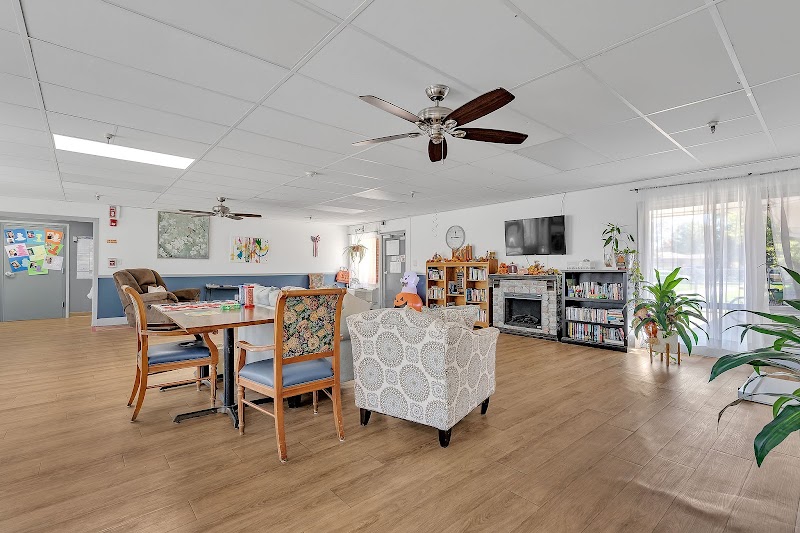
How is Flint Hills Care And Rehabilitation Center Staffed?

CMS rates FLINT HILLS CARE AND REHABILITATION CENTER's staffing level at 3 out of 5 stars, which is average compared to other nursing homes. Staff turnover is 49%, compared to the Kansas average of 46%.

What Have Inspectors Found at Flint Hills Care And Rehabilitation Center?

State health inspectors documented 32 deficiencies at FLINT HILLS CARE AND REHABILITATION CENTER during 2021 to 2025. These included: 1 Immediate Jeopardy (the most serious level, indicating potential for serious harm or death), 2 that caused actual resident harm, 27 with potential for harm, and 2 minor or isolated issues. Immediate Jeopardy findings are rare and represent the most serious regulatory concerns. They require immediate corrective action.
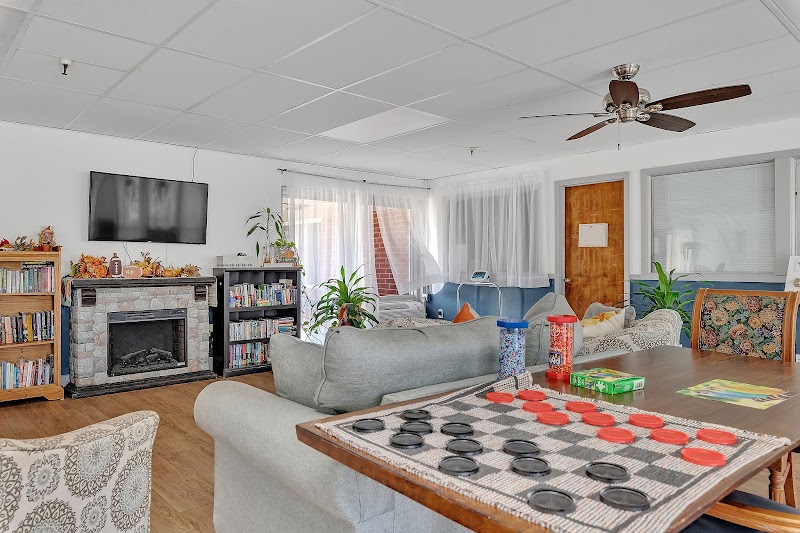
Who Owns and Operates Flint Hills Care And Rehabilitation Center?

FLINT HILLS CARE AND REHABILITATION CENTER is owned by a for-profit company. For-profit facilities operate as businesses with obligations to shareholders or private owners. The facility is operated by RECOVER-CARE HEALTHCARE, a chain that manages multiple nursing homes. With 50 certified beds and approximately 44 residents (about 88% occupancy), it is a smaller facility located in EMPORIA, Kansas.
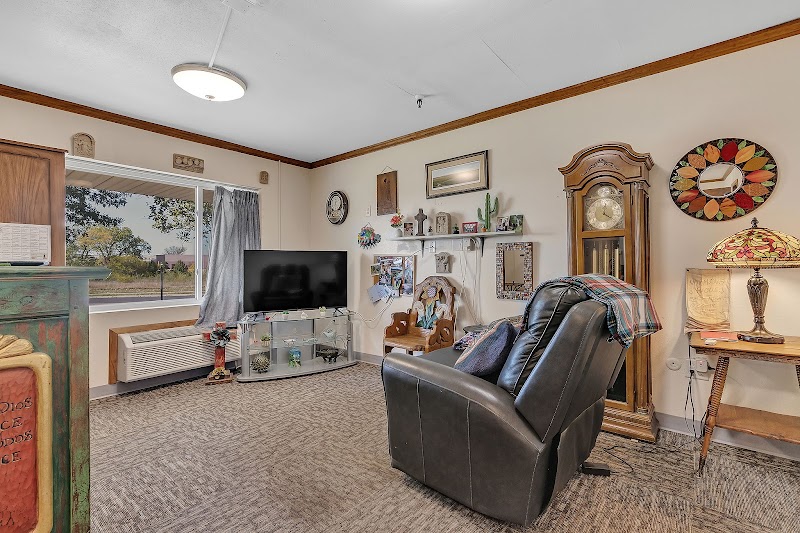
How Does Flint Hills Care And Rehabilitation Center Compare to Other Kansas Nursing Homes?

Compared to the 100 nursing homes in Kansas, FLINT HILLS CARE AND REHABILITATION CENTER's overall rating (2 stars) is below the state average of 2.9, staff turnover (49%) is near the state average of 46%, and health inspection rating (2 stars) is below the national benchmark.

What Should Families Ask When Visiting Flint Hills Care And Rehabilitation Center?

Based on this facility's data, families visiting should ask: "What changes have been made since the serious inspection findings, and how are you preventing similar issues?" "Can I visit during a mealtime to observe dining assistance and food quality?" "How do you handle medical emergencies, and what is your hospital transfer rate?" "Can I speak with family members of current residents about their experience?" These questions are particularly relevant given the facility's Immediate Jeopardy citations.

Is Flint Hills Care And Rehabilitation Center Safe?

Based on CMS inspection data, FLINT HILLS CARE AND REHABILITATION CENTER has documented safety concerns. Inspectors have issued 1 Immediate Jeopardy citation (the most serious violation level indicating risk of serious injury or death). The facility has a 2-star overall rating and ranks #100 of 100 nursing homes in Kansas. Families considering this facility should ask detailed questions about what corrective actions have been taken since these incidents.

Do Nurses at Flint Hills Care And Rehabilitation Center Stick Around?

FLINT HILLS CARE AND REHABILITATION CENTER has a staff turnover rate of 49%, which is about average for Kansas nursing homes (state average: 46%). Moderate turnover is common in nursing homes, but families should still ask about staff tenure and how the facility maintains care continuity when employees leave.

Was Flint Hills Care And Rehabilitation Center Ever Fined?

FLINT HILLS CARE AND REHABILITATION CENTER has been fined $30,781 across 2 penalty actions. This is below the Kansas average of $33,387. While any fine indicates a compliance issue, fines under $50,000 are relatively common and typically reflect isolated problems that were subsequently corrected. Families should ask what specific issues led to these fines and confirm they've been resolved.

Is Flint Hills Care And Rehabilitation Center on Any Federal Watch List?

FLINT HILLS CARE AND REHABILITATION CENTER is not on any federal watch list. The most significant is the Special Focus Facility (SFF) program, which identifies the bottom 1% of nursing homes nationally based on persistent, serious quality problems. Not being on this list means the facility has avoided the pattern of deficiencies that triggers enhanced federal oversight. This is a positive indicator, though families should still review the facility's inspection history directly.