ESKRIDGE CARE AND REHAB
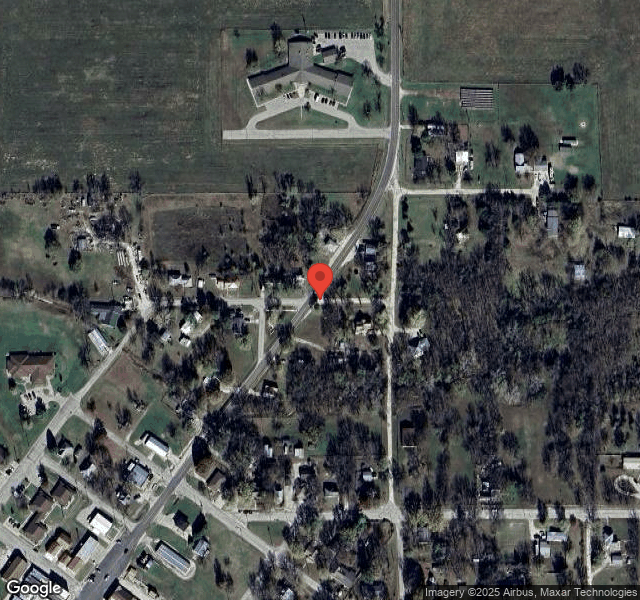

505 N. MAIN STREET, ESKRIDGE, KS 66423 (785) 449-2294
For profit - Limited Liability company 60 Beds MISSION HEALTH COMMUNITIES Data: November 2025 1 Immediate Jeopardy citation
Trust Grade
36/100
#185 of 295 in KS
Last Inspection: February 2025

Within standard 12-15 month inspection cycle. Federal law requires annual inspections.

Overview

Eskridge Care and Rehab has a Trust Grade of F, which indicates significant concerns regarding the quality of care provided. It ranks #185 out of 295 nursing homes in Kansas, placing it in the bottom half of facilities statewide. The facility's condition is worsening, with issues increasing from 1 in 2024 to 11 in 2025. Staffing is a relative strength here, rated at 3 out of 5 stars, and with a turnover rate of 38%, which is better than the state average of 48%. However, families should be cautious as the home has received fines totaling $13,397, a sign of ongoing compliance issues, and there have been critical incidents, such as a resident experiencing a severe allergic reaction due to a failure to follow dietary guidelines, highlighting serious risks in care practices.

Trust Score
F
36/100
In Kansas
#185/295
Bottom 38%
Safety Record
High Risk
Review needed
Inspections
Getting Worse
1 → 11 violations
Staff Stability
○ Average
38% turnover. Near Kansas's 48% average. Typical for the industry.
Penalties
○ Average
$13,397 in fines. Higher than 62% of Kansas facilities. Some compliance issues.
Skilled Nurses
⚠ Watch
Each resident gets only 27 minutes of Registered Nurse (RN) attention daily — below average for Kansas. Fewer RN minutes means fewer trained eyes watching for problems.
Violations
⚠ Watch
30 deficiencies on record. Higher than average. Multiple issues found across inspections.
★★☆☆☆
2.0
Overall Rating
★★★☆☆
3.0
Staff Levels
★★★★☆
4.0
Care Quality
★★☆☆☆
2.0
Inspection Score
Stable
2024: 1 issues
2025: 11 issues

The Good

  • 4-Star Quality Measures · Strong clinical quality outcomes
  • Full Sprinkler Coverage · Fire safety systems throughout facility
  • No fines on record
  • Staff turnover below average (38%)

    10 points below Kansas average of 48%

Facility shows strength in quality measures, fire safety.

The Bad

2-Star Overall Rating

Below Kansas average (2.9)

Below average - review inspection findings carefully

Staff Turnover: 38%

Near Kansas avg (46%)

Typical for the industry

Federal Fines: $13,397

Below median ($33,413)

Minor penalties assessed

Chain: MISSION HEALTH COMMUNITIES

Part of a multi-facility chain

Ask about local staffing decisions and management

The Ugly 30 deficiencies on record

1 life-threatening
Feb 2025 11 deficiencies
CONCERN (D) 📢 Someone Reported This

A family member, employee, or ombudsman was alarmed enough to file a formal complaint

Potential for Harm - no one hurt, but risky conditions existed

Deficiency F0582 (Tag F0582)

Could have caused harm · This affected 1 resident

The facility had a census of 58 residents. Based on record review and interview the facility failed to provide two of three sampled residents, Resident (R)9 and R111 (or their representative) the CMS ...

Read full inspector narrative →
The facility had a census of 58 residents. Based on record review and interview the facility failed to provide two of three sampled residents, Resident (R)9 and R111 (or their representative) the CMS (Center for Medicaid/Medicare Services) approved Skilled Nursing Facility Advanced Beneficiary Notices (ABN) form 10055. The facility failed to provide R9 and R111 the contact phone numbers on the Notice of Medicare Non-Coverage (NOMNC) Form-10123 which informed the beneficiary of the right to an expedited review by a Quality Improvement Organization (QIO). This placed the residents at risk of uninformed decisions about their skilled services. Findings included: - Review of the Notice of Medicare Non-Coverage (NOMNC) document on Form CMS 10123-NOMNC informed the beneficiary that Medicare may not pay for future skilled therapy services. The form included directions for the beneficiary (resident or resident representative) to contact the QIO for questions regarding appeals. Review of R9's NOMNC revealed Medicare Part A skilled services ended on 01/12/25. The facility provided CMS Form 10123 which lacked QIO name and contact number information for R9. The ABN form was completed but not the CMS approved form 10055. Review of R111's NOMNC revealed Medicare Part A skilled services ended on 01/21/25. The facility provided CMS Form 10123 which lacked QIO name and contact number information for R111. The ABN form was completed but not the CMS approved form 10055. On 02/20/25 at 10:24 AM, Administrative Nurse E verified she had not written the QIO phone number on the 10123 form and had not used the 10055 ABN form for R9 and R111's Part A discharge. The facility's Beneficiary Notice policy, dated 08/2024, stated a Medicare beneficiary had the right to have Medicare make the decision to determine if skilled services would be covered by Medicare. The facility must give notice to the beneficiary at least three days prior to termination of all Part A covered services when the beneficiary still has days left in the benefit period. The Notice of Medicare Non-Coverage, form 10123, informs the beneficiary how to request an expedited redetermination from QIO (Quality Improvement Organization) and provided the phone contact number. The policy directed staff to prepare and issue CMS form 10055 (Advanced Beneficiary Notice) to the resident. The facility failed to provide R9 and R111 the QIO contact number for appealing Medicare Part A decisions and the CMS approved 10055 ABN form. This placed R9 and R111 at risk of uninformed decisions about their skilled services.
CONCERN (D) 📢 Someone Reported This

A family member, employee, or ombudsman was alarmed enough to file a formal complaint

Potential for Harm - no one hurt, but risky conditions existed

Transfer Notice (Tag F0623)

Could have caused harm · This affected 1 resident

**NOTE- TERMS IN BRACKETS HAVE BEEN EDITED TO PROTECT CONFIDENTIALITY** The facility had a census of 58 residents. The sample included 16 residents, with two reviewed for discharge from the facility t...

Read full inspector narrative →
**NOTE- TERMS IN BRACKETS HAVE BEEN EDITED TO PROTECT CONFIDENTIALITY** The facility had a census of 58 residents. The sample included 16 residents, with two reviewed for discharge from the facility to an acute care hospital. Based on observation, interview, and record review the facility failed to notify the Long-Term Care Ombudsman (LTCO - a public official who works to resolve resident issues in nursing facilities) of the discharges for Resident(R) 26 and R111. This placed the two residents at risk for uninformed care choices. Findings included: - R26's Electronic Medical Record (EMR) documented diagnoses of bipolar type (episodes of severe high and low moods) schizoaffective disorder (a mental disorder characterized by gross distortion of reality, disturbances of language and communication, and fragmentation of thought), chronic tension-type headache, and posttraumatic stress disorder (PTSD - a mental disorder characterized by an acute emotional response to a traumatic event or situation involving severe environmental stress). R26's admission Minimum Data Set (MDS), dated [DATE], documented a Brief Interview for Mental Status (BIMS) score of 15, indicating intact cognition. The MDS documented R26 required staff set up for all activities of daily living (ADL), had frequent, moderate pain, and used tobacco products. R26's EMR documented she was hospitalized from [DATE] to 12/31/24. The facility lacked proof they had sent a notice to the ombudsman regarding R26's discharge to the hospital. On 02/24/25 at 10:20 AM, R26 walked past other residents and staff and stated she was not fine, and wanted to get out of here. On 02/24/25 at 10:45 AM, Social Services Staff X stated the facility only sent a Continuation of Stay form to the KDADS offices monthly, listing all residents and if they were still in the facility or had moved somewhere else. She stated the facility did not have an ombudsman and did not send information to them regarding hospitalizations. The facility's Transfer or Discharge policy, dated 08/2024, stated the resident or their representative would be provided a written notice with the reason for the discharge or transfer and sent a copy of the notice to the office of the LTCO. The facility failed to send a notice to the LTCO office regarding R26's discharge to the hospital, placing R26 at risk for uninformed decision making. - R111's Electronic Medical Record (EMR) documented diagnoses of Schizoaffective Disorder (a mental disorder characterized by gross distortion of reality, disturbances of language and communication, and fragmentation of thought), diabetes mellitus (DM-when the body cannot use glucose, not enough insulin is made, or the body cannot respond to the insulin), and Chronic Obstructive Pulmonary Disorder (COPD- a progressive and irreversible condition characterized by diminished lung capacity and difficulty or discomfort in breathing). The Quarterly Minimum Data Set (MDS), dated [DATE], documented R111 had long-term memory problems, moderately impaired decision-making skills, and an acute mental status change. The MDS documented R111 had delusions, abnormal behaviors, and was dependent on staff for all activities of daily living. R111's EMR documented she was hospitalized from [DATE] to 02/19/25. On 02/19/25 at 02:25 PM, Emergency Medical Services (EMS) brought the resident back to the facility to her room. R111's family accompanied her, and Licensed Nurse (LN) G assessed R111. On 02/24/25 at 10:45 AM, Social Services Staff X stated the facility only sent a Continuation of Stay form to the KDADS offices monthly, listing all residents and if they were still in the facility or had moved somewhere else. She stated the facility did not have an ombudsman and did not send information to them regarding hospitalizations. The facility's Transfer or Discharge policy, dated 08/2024, stated the resident or their representative would be provided a written notice with the reason for the discharge or transfer and sent a copy of the notice to the office of the LTCO. The facility failed to send a notice to the LTCO office regarding R111's discharge to the hospital, placing R111 at risk for uninformed decision making.
CONCERN (D) 📢 Someone Reported This

A family member, employee, or ombudsman was alarmed enough to file a formal complaint

Potential for Harm - no one hurt, but risky conditions existed

Incontinence Care (Tag F0690)

Could have caused harm · This affected 1 resident

**NOTE- TERMS IN BRACKETS HAVE BEEN EDITED TO PROTECT CONFIDENTIALITY** The facility had a census of 58 residents, and the sample included 16 residents. Based on observation, record review, and interv...

Read full inspector narrative →
**NOTE- TERMS IN BRACKETS HAVE BEEN EDITED TO PROTECT CONFIDENTIALITY** The facility had a census of 58 residents, and the sample included 16 residents. Based on observation, record review, and interview, the facility failed to assess and maintain urine continence for Resident (R) 51. This deficient practice placed R51 at risk of embarrassment and complications from incontinence. Findings included: - R51 ' s Electronic Medical Record (EMR) included diagnoses of schizoaffective disorder (a mental disorder characterized by gross distortion of reality, disturbances of language and communication, and fragmentation of thought), bipolar type (a major mental illness that causes people to have episodes of severe high and low moods), autistic (a condition related to brain development that impacts how a person perceives and socializes with others, causing problems in social interaction and communication) disorder, insomnia (inability to sleep) due to other mental disorders, extrapyramidal (movement disorders as a result of taking certain medications) and movement disorder, constipation (difficulty passing stools), and encopresis (repeated passing of stool usually involuntary into clothing) not due to a substance or known physiological condition. The Quarterly Minimum Data Set (MDS), dated [DATE], documented that R51 had intact cognition, fluctuating inattention, delusions (untrue persistent belief or perception held by a person although evidence shows it was untrue), and no exhibited behaviors. R51 required setup or clean-up assistance with toileting, showering, upper and lower body dressing, and mobility. The MDS further documented that R51 was always continent of urine and bowels. The Quarterly MDS, dated 11/23/24, documented R51 had intact cognition, fluctuated disorganized thinking, delusions, and other behavioral symptoms not directed toward others which occurred one to three days of the seven-day look-back period. R51 required setup or clean-up assistance with toileting, showering, upper and lower body dressing, and mobility. The MDS further documented that R51 was occasionally incontinent of urine with no trial of a toileting program or current toileting, and always continent of bowel. The admission Urinary Incontinence Care Area Assessment (CAA), dated 03/15/24, documented R51 had the potential for a decline in toileting hygiene. The resident is encouraged to be as independent as possible. The CAA further documented R51 was up ad lib (as desired) with a steady gait. R51 ' s Care Plan dated 02/20/24, documented R51 had a diagnosis of encopresis related to constipation related to psychotropic (alters mood or thought) medication use. The care plan instructed staff to observe patterns of incontinence and initiate a toileting schedule if indicated, offer the use of briefs, and provide peri-care items for cleaning himself up following incontinent episodes. The Quarterly Nursing Evaluation Progress Note dated 11/21/24 at 03:03 PM, documented no new urinary incontinence. A 30-day (01/23/25 to 02/22/25) bladder continency review revealed R51 had incontinence 18 days during a 30-day look-back period. On 02/19/24 at 08:30 AM, R51 carried a large clear plastic bag of linens down the hall. R51 ' s bed had a large wet area in the center of the bed. On 02/24/25 at 07:52 AM, Certified Nurse Aide (CNA) O reported R51 had some incontinence, and staff at times told him he needed to change his clothes. CNA O stated that R51 would ask staff for linens. On 02/24/24 at 12:12 PM, Administrative Nurse E reported the nurse aides observed for incontinence and documented in the EMR which populated the MDS. Administrative Nurse E stated R51 ' s incontinence was usually nocturnal and would have the physician review medication to see if that may be causation due to sleeping through the urge or the need to void. Administrative Nurse E stated staff should have the resident on a night toilet regimen. On 02/24/25 at 02:15 PM, Administrative Nurse D stated that R51 ' s incontinence should be assessed to determine possible causation factors. The facility ' s Urinary Continence and Incontinence Assessment and Management policy, dated 10/2024, documented the facility must ensure that a resident who is continent of bladder and bowel on admission receives care and assistance to maintain continence unless his or her clinical condition is or becomes such that continence is not possible to maintain. The facility failed to assess causation factors and maintain R51 ' s urinary incontinence. This deficient practice placed the resident at risk for continued embarrassment and complications of urinary incontinence.
CONCERN (D) 📢 Someone Reported This

A family member, employee, or ombudsman was alarmed enough to file a formal complaint

Potential for Harm - no one hurt, but risky conditions existed

Deficiency F0692 (Tag F0692)

Could have caused harm · This affected 1 resident

**NOTE- TERMS IN BRACKETS HAVE BEEN EDITED TO PROTECT CONFIDENTIALITY** The facility had a census of 58 residents. The sample included 16 residents. Based on observation, record review, and interview,...

Read full inspector narrative →
**NOTE- TERMS IN BRACKETS HAVE BEEN EDITED TO PROTECT CONFIDENTIALITY** The facility had a census of 58 residents. The sample included 16 residents. Based on observation, record review, and interview, the facility failed to address Resident (R) 51's food preferences and dislikes with continued weight loss resulting in a significant weight loss of 11.3 percent (%) in six months. Findings included: - R51's Electronic Medical Record (EMR) included diagnoses of schizoaffective disorder (a mental disorder characterized by gross distortion of reality, disturbances of language and communication, and fragmentation of thought), bipolar type (a major mental illness that causes people to have episodes of severe high and low moods), autistic (a condition related to brain development that impacts how a person perceives and socializes with others, causing problems in social interaction and communication) disorder, insomnia (inability to sleep) due to other mental disorders, extrapyramidal (movement disorders as a result of taking certain medications) and movement disorder, constipation (difficulty passing stools), and encopresis (repeated passing of stool usually involuntary into clothing) not due to a substance or known physiological condition. The Quarterly Minimum Data Set (MDS), dated [DATE], documented that R51 had intact cognition, fluctuating inattention, delusions (untrue persistent belief or perception held by a person although evidence shows it was untrue), and no exhibited behaviors. R51 required setup or clean-up assistance with toileting, showering, upper and lower body dressing, and mobility. The MDS further documented R51 weighed 165 pounds (lbs.), had weight loss, and not on a prescribed weight loss regimen. R51 had no swallowing disorder and received a mechanically altered diet. The Quarterly MDS, dated 11/23/24, documented R51 had intact cognition, fluctuated disorganized thinking, delusions, and other behavioral symptoms not directed toward others which occurred one to three days of the seven-day look back period. R51 required setup or clean-up assistance with toileting, showering, upper and lower body dressing, and mobility. The MDS further documented that R51 weighed 159 lbs, had unknown weight loss or gain, no swallowing disorder and lacked nutritional approaches. The admission Nutrition Status Care Area Assessment (CAA), dated 03/15/24, documented R51 had the potential for nutritional problems related to low body mass index (BMI), recent weight loss since admission. The resident was edentulous, received a mechanical soft diet, and reported being a picky eater at times. The CAA further documented R51 was offered snacks between lunch and dinner and evening snack prior to bed. The assessment lacked food likes and dislikes. R51's Care Plan dated 12/18/24, documented R51 at risk for altered nutritional/hydration status related to decreased fluid need due to hyponatremia, edentulous, inadequate intake, and weight loss. The care plan directed staff to honor food preferences and update as needed. R51 was a very picky eater and to remind him about the alternative meal, but to respect his right to refuse. The care plan further documented R51 receive a magic cup (frozen nutritional supplement) one time a day at lunch most generally, please offer it to the resident after he eaten his meal. R51 liked to sleep in and would sometimes refuse breakfast. The staff were to monitor and record meal intake, offer snacks between meals and as desired, and the Registered Dietician (RD) would evaluate and make recommendations and to weigh R51 monthly. The care plan lacked specific food preferences. Record Review of R51 weights revealed: On 02/08/24 admission weighed of 176.0 lbs. On 03/04/24 weighed 165.0 lbs. (a significant weight loss of 6.25% in a 30 day review from 02/08/24 to 03/04/24). On 06/03/24 weighed 162.8 lbs On 08/05/24 weighed 165.0 lbs. On 10/07/24 weighted 158.6 lbs. On 01/07/25 weighed 158.2 lbs. On 02/19/25 weighed 153.0 lbs. R51's EMR 30 day (01/22/25 to 02/20/25) meal intake review revealed R51 had refused the breakfast meal 17 times and the lunch meal three times and the supper meal once. The Progress Note dated 03/04/24 at 10:39 AM, documented a five percent weight loss variance over 30 days. The Progress Note dated 04/10/24 at 05:43 PM, documented R51 was a patient at risk related to weight loss. Both dietary and nursing contributing factor of weight loss due to R51 stated he does not want to eat some of the food. R51 preferred peanut butter and jelly sandwich most meals. The Progress Note dated 05/01/24 at 09:49 PM, documented R51's physician ordered twice a week weight related to weight loss. R51 was to receive his preferences at mealtime to reduce further weight loss. The Progress Note dated 05/07/24 at 08:53 AM, documented a nutrition review was completed for R51. R51 diet order is fortified foods, mechanical soft, ground meat texture. The meal intakes were fair ranging 51 to 75% intake in the last eleven days. R51 was currently receiving supplements. The Progress Note dated 05/14/24 at 11:01 AM, documented staff talked to R51 about weight loss and food intake. R51 stated he does not feel that the food was appealing to him but agreed to have a med pass at 10:00 AM and 2:00 PM for a nutrition supplement. Staff educated reason risks and benefits of proper nutrition. The Progress Note dated 06/05/24 at 11:09 AM, documented a nutritional assessment had been completed. R51 had gradual weight loss of the past six month. R51 received fortified foods, snacks, and magic cup. R51's current intake was not adequate to maintain his estimated needs. The note documented recommendation to discontinue fortified foods and magic cup, and instead would offer six ounces of Med Pass supplement if R51 refused a meal. The Progress Note dated 08/03/24 at 02:56 AM, documented R51 had a swallow study and received new order for a regular diet. The Progress Note dated 10/11/24 at 03:31 PM, documented a nutritional assessment was completed. The RD spoke with R51 and informed him of his weight loss and dropped below weight goal. R51 agreed to Magic Cup three times a day with meals. New goal weight of 158 lbs. The Progress Note dated 12/02/24 at 01:37 PM, documented R51 received a therapeutic regular diet, meal intake was fair averaging 51 to 75%. R51 received supplements and was on a fluid restriction. The Progress Note dated 02/06/25 at 02:07 PM, documented a nutritional review. R51 had not had a significant weight loss in the last month or last six months. On 02/19/25 at 03:25 PM, R51 came to the facility's conference room, drinking a supplement drink while talking with the survey team. R51 talked in a very quiet voice. R51 reported he had not gotten many of the supplement drinks but liked them and voiced he needed to put on weight. On 02/24/25 at 07:52 AM, Certified Nurse Aide (CNA) O reported R51 slept late and sometimes he ate a whole meal and other times would just eat a few bites. On 02/24/25 at 08:38 AM, Dietary Staff (DS) BB reported she was unsure of R51's total weight loss and would have to review the clinical record to determine if it was significant. DS BB stated when a resident admitted to the facility a food preference was completed on admission. DS BB stated she had not talked to R51 on food preferences. Upon record review preferences were not found. DS BB reported R51 got chicken broth with lunch and a magic cup daily, he could not sit for long periods of time in the dining room and got up and would throw away his meal, but then come back later and ask for dessert or a magic cup. On 02/24/25 at 09:50 AM, R51 stated he was aware of weight loss since admission. He reported being a picky eater but liked pizza, hot dogs, hamburgers, and tacos. He reported he did not like chicken due to past experience of working on a chicken farm when a roof collapsed and killed thousands of chickens that he had to clean up, therefor that turned him off of chicken. 02/24/25 at 02:15 PM, Administrative Nurse D stated she would expect someone on staff to have talked to R51 about his weight loss and food preferences to prevent further weight loss. The facility's Nutritional Assessment policy, dated 10/2024, documented a nutritional assessment including current nutritional status and risk factors for impaired nutrition, shall be conducted for each resident. Nursing and the Interdisciplinary Team (IDT) to include food preferences and dislikes. Once current conditions and risk factors for impaired nutrition are assessed and analyzed, individual care plans will be developed that address or minimize to the extent possible the resident's prognosis and personal preference. The facility failed to assess R51's preferences of diet to address continued weight loss. This deficient practice placed R51 at risk for continued significant weight loss.
CONCERN (D) 📢 Someone Reported This

A family member, employee, or ombudsman was alarmed enough to file a formal complaint

Potential for Harm - no one hurt, but risky conditions existed

Deficiency F0700 (Tag F0700)

Could have caused harm · This affected 1 resident

**NOTE- TERMS IN BRACKETS HAVE BEEN EDITED TO PROTECT CONFIDENTIALITY** The facility had a census of 58 residents. The sample included 16 residents, with two reviewed for side rails. Based on observat...

Read full inspector narrative →
**NOTE- TERMS IN BRACKETS HAVE BEEN EDITED TO PROTECT CONFIDENTIALITY** The facility had a census of 58 residents. The sample included 16 residents, with two reviewed for side rails. Based on observation, record review, and interview, the facility failed to assess the actual rail being used to assure safety for Resident (R) 7 and R1. This placed the residents at risk for accident or injury due to unidentified risks associated with side rail use. Findings included: - R7's Electronic Medical Record (EMR) recorded diagnoses of dementia (a progressive mental disorder characterized by failing memory and confusion), schizophrenia (a mental disorder characterized by gross distortion of reality, disturbances of language and communication, and fragmentation of thought), and tremors. R7's Quarterly Minimum Data Set (MDS), dated [DATE], recorded the resident had a Brief Interview for Mental Status (BIMS) score of 12, indicating mild cognitive impairment. The MDS documented R7 required substantial to maximum assistance with bed mobility and transfers. The MDS lacked documentation the resident had side rails. The Cognitive Loss/Dementia Care Area Assessment (CAA), dated 06/27/24, recorded R7 had trouble finding words and expressing herself, and recognized her surroundings, but could be forgetful. The Activities of Daily Living (ADL) CAA, dated 06/27/24, recorded staff transferred R7 per total body left and had a non-weight bearing status. R7's Care Plan, dated 12/03/24, documented R7 required extensive assistance with daily needs and propelled herself in a wheelchair around the facility. The care plan documented the resident utilized grab bars on the bed for safety and mobility. The care plan documented the resident used the grab bars for rolling from side to side while in bed, slide herself up and down in the bed, and support herself. R7's EMR recorded a Side Rail Evaluation completed on 01/28/25 documenting the resident used the rails to pull or push herself for mobility. The assessment documented alternatives to bed rails attempted were roll guards, a low bed to the floor, a concave mattress, and the alternatives had failed. On 02/20/25 at 08:25 AM, observation revealed a half-circle side rail on the upper right and left side of R7's bed with an opening approximately 13 inches wide by 20 inches high. Continued observation and examination revealed the side rail had a piece of canvas material covering ½ of the height of the rail, however, it was torn and easily movable to allow for a larger opening. The rail was unstable, able to be moved up and down, and back and forth a few inches with slight pressure on the rail. On 02/24/25 at 10:00 AM, Administrative Nurse D verified the bed rails on R7's bed had too large of an opening, and the rails were not stable and were able to be moved easily. Administrative Nurse E verified the facility lacked any further assessment for the use of the side rail. The Bed Safety-Bed Rails policy, dated 10/2024, documented the facility strived to provide a safe sleeping environment for the resident. Upon admission, evaluate the current status of the resident for any type of bed rail. Prior to applying any type of rail, attempt an alternative such as a roll guard, foam bumper, concave mattress, or lower the bed to the floor. The policy documented after attempted alternatives failed to complete the bed rail evaluation, including risk, upon admission, quarterly, and change of need or condition. Prior to applying the bed rail, obtain consent to include, the medical need for the rails, the benefit for use of the bed rails, how the risk would be mitigated, alternatives attempted but failed to meet the resident's needs, and alternatives considered but not attempted that were considered inappropriate. Staff would obtain a physician's order for the use of the bed rails. The bed rails would be used if assessment and consultation with the Attending Physician had determined they were needed to help manage a medical symptom or condition or to help the resident reposition, move in bed, and transfer, and no other reasonable alternative could be identified. The bed rails would be applied per manufacturer instructions and specifications for compatibility with the bed frame and mattress requirements. The facility was directed to confirm the rails are installed with the appropriate size and weight of the resident and to inspect regularly. The policy documented that staff would add the type of bed rails to the resident's care plan, including what type of specific direct monitoring and supervision would be provided during the use of the bed rails and where it would be documented. The policy directed identification of how needs would be met during the use of the side rail, such as turning and repositioning, and how often the use of the rails would be assessed, including evaluation if they need to be discontinued. Ongoing evaluation and risks, and any additional interventions to address residual effects of the bed rail use. The facility failed to adequately assess R7's actual rail in use to ensure safe openings and failed to assess for the safe use of a side rail prior to placing the side rail on R7's bed. This placed her at risk for accident or injury due to unidentified risks associated with side rail use. - R1's Electronic Medical Record (EMR) recorded diagnoses of Parkinson's disease (a slowly progressive neurologic disorder characterized by resting tremors, rolling of the fingers, masklike faces, shuffling gait, muscle rigidity, and weakness) dementia (a progressive mental disorder characterized by failing memory and confusion), schizophrenia (a mental disorder characterized by gross distortion of reality, disturbances of language and communication, and fragmentation of thought), and anxiety (mental or emotional reaction characterized by apprehension, uncertainty, and irrational fear). R1's Quarterly Minimum Data Set (MDS), dated [DATE], recorded the resident had a Brief Interview for Mental Status (BIMS) score of 15 indicating intact cognition. The MDS documented R1 required substantial to maximum assistance with bed mobility and transfers. The MDS lacked documentation the resident had side rails. The Cognitive Loss/Dementia Care Area Assessment (CAA), dated 10/07/24, recorded R1 had the potential for a decline in her cognition due to the diagnosis of dementia and potential further memory loss. The CAA documented the resident could be confused and forgetful. The Activities of Daily Living (ADL) CAA, dated 10/07/24, recorded R1 documented the resident had the potential for falls due to weakness, unsteady gait, and history of falls. The CAA documented the resident utilized a wheelchair for mobility and was able to self-propel. The CAA documented that the resident utilized grab bars on the bed to stand and pivot transfer. R1's Care Plan, dated 12/12/24, documented R1 was full weight bearing on both legs as tolerated, however chooses to use a wheelchair for mobility. The resident is at risk for falls secondary to Parkinson's, unsteady gait, and a history of falls. Staff assisted the resident with transfers due to a non-injury fall on 03/26/24 and placed a grab bar on the resident's bed. The care plan documented the resident had a fall out of bed on 12/13/24 and sustained a bruise to her right shoulder. R1's EMR recorded a Side Rail Evaluation completed on 01/28/25 documented the resident used the rails to pull or push R1's self for mobility. The assessment documented no alternatives to bed rails had been attempted and the bed rails potential risks were addressed with a representative including dignity and isolation. On 02/20/25 at 08:25 AM, observation revealed a half-circle side rail on the upper left side of R1's bed with an opening approximately 13 inches wide and 20 inches high. Continued observation and examination revealed the side rail had a piece of canvas material covering ½ of the height of the rail, was easily movable to allow for a larger opening, and the rail was unstable and able to be moved up and down and back and forth a few inches with pressure exerted on the rail. On 02/24/25 at 10:00 AM, Administrative Nurse E verified the bed rail on R1's bed had too large of an opening, and the rail was not stable. Administrative Nurse E verified the facility lacked any further assessment for the use of the side rail. The Bed Safety-Bed Rails policy, dated 10/2024, documented the facility strived to provide a safe sleeping environment for the resident. Upon admission, evaluate the current status of the resident for any type of bed rail. Prior to applying any type of rail, attempt an alternative such as a roll guard, foam bumper, concave mattress, or lower the bed to the floor. The policy was documented after attempted alternatives failed to complete the bed rail evaluation, including risk, upon admission, quarterly, and change of need or condition. Prior to applying the bed rail, obtain consent to include, the medical need of the rails, the benefit of use of the bed rails, how the risk would be mitigated, alternatives attempted but failed to meet the resident's needs, and alternatives considered but not attempted that were considered inappropriate. Staff would obtain a physician's order for the use of the bed rails. The bed rails would be used if assessment and consultation with the Attending Physician had determined they were needed to help manage a medical symptom or condition or to help the resident reposition, move in bed, and transfer, and no other reasonable alternative could be identified. The bed rails would be applied per manufacturer instructions and specifications for compatibility with the bed frame and mattress requirements. The facility was directed to confirm the rails are installed with the appropriate size and weight of the resident and to inspect regularly. The policy documented that staff would add the type of bed rails to the resident's care plan, including what type of specific direct monitoring and supervision would be provided during the use of the bed rails and where it would be documented. The policy directed identification of how needs would be met during the use of the side rail, such as turning and repositioning, and how often the use of the rails would be assessed, including evaluation if they need to be discontinued. Ongoing evaluation and risks, and any additional interventions to address residual effects of the bed rail use. The facility failed to adequately assess R1's actual rail in use to ensure safe openings and failed to assess for safe use of a side rail prior to placing on R1's bed. This deficient practice placed her at risk for accident or injury due to unidentified risks associated with side rail use.
CONCERN (D) 📢 Someone Reported This

A family member, employee, or ombudsman was alarmed enough to file a formal complaint

Potential for Harm - no one hurt, but risky conditions existed

Deficiency F0760 (Tag F0760)

Could have caused harm · This affected 1 resident

The facility had a census of 58 residents. The sample included 16 residents. Based on observation and interview, the facility failed to ensure the correct use of a subcutaneous (beneath the skin) inje...

Read full inspector narrative →
The facility had a census of 58 residents. The sample included 16 residents. Based on observation and interview, the facility failed to ensure the correct use of a subcutaneous (beneath the skin) injection of insulin (a hormone that lowers the level of glucose in the blood) during the observation of administration. This placed the resident at risk of receiving less than the ordered dose. Findings included: - On 02/24/25 at 11:48 AM, Licensed Nurse (LN) H pulled Resident (R) 7 into the quiet room for the administration of subcutaneous insulin. LN H had dialed the Novolog insulin pen to five units. LN H then injected the insulin into R7's lower left abdomen. LN H stated she usually primed the insulin with two units of waste insulin before administration but was nervous and failed to at this time. On 02/24/25 at 02:15 PM, Administrative Nurse D stated she had expected LN H to prime the insulin needle with waste insulin before administering the dose. The facility's Insulin Administration policy, dated 10/2024, documented the nursing staff would have access to specific instructions (from the manufacturer if appropriate) on all forms of insulin delivery system(s) before their use. The facility failed to ensure the correct use of subcutaneous injection of insulin which placed the resident at risk of receiving less than ordered insulin.
CONCERN (D) 📢 Someone Reported This

A family member, employee, or ombudsman was alarmed enough to file a formal complaint

Potential for Harm - no one hurt, but risky conditions existed

Deficiency F0761 (Tag F0761)

Could have caused harm · This affected 1 resident

**NOTE- TERMS IN BRACKETS HAVE BEEN EDITED TO PROTECT CONFIDENTIALITY** The facility had a census of 58 residents. The sample included 16 residents. Based on observation, interview, and record review,...

Read full inspector narrative →
**NOTE- TERMS IN BRACKETS HAVE BEEN EDITED TO PROTECT CONFIDENTIALITY** The facility had a census of 58 residents. The sample included 16 residents. Based on observation, interview, and record review, the facility failed to label Resident (R) 7, R12, and R23s' insulin (a hormone that lowers the level of glucose in the blood) flex pens with the date opened and the discard date on the two nurse medication carts. This deficient practice placed the affected residents at risk for ineffective medications. Findings included: - On [DATE] at 08:50 AM, observation of the facility's treatment cart revealed the following: R7's Novolog (rapid-acting insulin) flex pen was not labeled with an open or expired date. R12's Basaglar (long-acting insulin) flex pen was not labeled with an open or expired date. R23's Basaglar flex pen was not labeled with an open or expired date. On [DATE] at 09:00 AM, License Nurse (LN) G verified the nurses should label and date the insulin flex pens with the date opened and the expiration date. On [DATE] at 01:30 PM, Administrative Nurse D verified the nurses should label and date the flex pens with the date opened and the expiration date. Medlineplus.gov directs open, unrefrigerated Lantus (Novolog and Basaglar) can be used within 28 days; after that time, they must be discarded. The facility's Storage of Medication policy, dated [DATE], documented the facility would store all drugs and biologicals in a safe, secure, and orderly manner. The facility would not use discontinued, outdated, or deteriorated drugs or biologicals. All such drugs shall be returned to the dispensing pharmacy or destroyed. The facility failed to date the insulin flex pens when opened and the expiration date. This deficient practice placed the residents at risk for ineffective medication.
CONCERN (E) 📢 Someone Reported This

A family member, employee, or ombudsman was alarmed enough to file a formal complaint

Potential for Harm - no one hurt, but risky conditions existed

Deficiency F0730 (Tag F0730)

Could have caused harm · This affected multiple residents

The facility had a census of 58 residents. The sample included 16 residents. Based on observation, record review, and interview, the facility failed to ensure the required annual performance review wa...

Read full inspector narrative →
The facility had a census of 58 residents. The sample included 16 residents. Based on observation, record review, and interview, the facility failed to ensure the required annual performance review was completed for two of the five staff reviewed. This deficient practice placed the residents at risk of receiving impaired care. Findings included: - A review of the facility nurse aide performance evaluation revealed two Certified Nurse Aides (CNA) M and CNA N who had been employed for over a year lacked an annual review. On 02/20/25 at 02:51 PM, Administrative Nurse D reported two of the five staff randomly selected staff for review lacked annual performance evaluation. The facility's Staff Competency policy, dated 06/2024, documented nursing staff would demonstrate competency in skills and techniques necessary to care for the resident's needs, as identified through resident assessments and resulting in plans of care. The premises of the competency-based program included an evaluation of a current program to identify needs and opportunities. The facility failed to ensure a nurse aide performance review related to the special needs of the resident population as identified from the facility assessment based on the outcome of the review. This deficient practice placed the residents at risk of receiving impaired care.
CONCERN (F) 📢 Someone Reported This

A family member, employee, or ombudsman was alarmed enough to file a formal complaint

Potential for Harm - no one hurt, but risky conditions existed

Food Safety (Tag F0812)

Could have caused harm · This affected most or all residents

The facility had a census of 58 residents. The sample included 16 residents. Based on observation and interview, the facility failed to store, prepare, and serve food at the required serving temperatu...

Read full inspector narrative →
The facility had a census of 58 residents. The sample included 16 residents. Based on observation and interview, the facility failed to store, prepare, and serve food at the required serving temperature. This deficient practice placed the residents at risk of unpalatable food and food-borne illness. Findings included: - On 02/20/25 at 11:43 AM, Dietary Staff (DS) CC prepared to serve the noon meal. DS BB took the serving temperature check which revealed the pureed turkey temperature of 110 degrees Fahrenheit (F) and the pureed corn of 115 degrees F. DS CC reported he did not know what the holding/serving temperature of the hot food was. The surveyor brought the incorrect temperatures to the kitchen supervisor for the day Social Service Staff X prior to letting the pureed turkey and corn be served. Social Service Staff X, explained to DS CC the pureed turkey and corn had to be heated to the proper temperature before serving. DS BB placed the pureed turkey and corn back into the oven. Once the pureed turkey and corn reached 160 degrees F., they were placed on the steam table for serving. On 02/24/25 at 08:22 AM, DS BB reported DS CC was a fairly new employee, still learning the job and DS BB would educate DS CC on the proper safe serving temperatures. The facility's Food Safety Requirements policy, dated 10/2024, documented that foods shall be received and stored in a manner that complies with safe food handling practices. The policy lacked the holding/serving temperature. The facility failed to store, prepare, and serve food at the required temperature. This deficient practice placed the residents at risk of unpalatable food and food-borne illnesses.
CONCERN (F) 📢 Someone Reported This

A family member, employee, or ombudsman was alarmed enough to file a formal complaint

Potential for Harm - no one hurt, but risky conditions existed

Deficiency F0868 (Tag F0868)

Could have caused harm · This affected most or all residents

The facility had a census of 58 residents. Based on record review and interview, the facility failed to retain evidence of the required Quality Assessment and Assurance (QAA) and Quality Assurance Per...

Read full inspector narrative →
The facility had a census of 58 residents. Based on record review and interview, the facility failed to retain evidence of the required Quality Assessment and Assurance (QAA) and Quality Assurance Performance Improvement (QAPI) members attended meetings at least quarterly, which placed residents at risk of unidentified quality care services. This placed the residents who resided in the facility at risk for decreased quality of care. Findings included: - Upon request, the facility failed to provide the facility's Quality Assurance Performance Improvement (QAPI) meeting attendance sheets for the past year. On 02/24/25 at 01:30 PM, Administrative Staff A stated the facility could not find QAA or QAPI meeting sign-in sheets from 2024. The facility's QAPI Committee policy, dated 10/2024, stated the primary goals of the QAA committee were to oversee facility systems and processes related to improving quality of care and services. The policy stated the required committee members included the Director of Nursing, the Medical Director or his/her designee, the Infection Preventionist, and at least three other staff. The policy stated the committee would meet monthly and would maintain records including the names of committee members present and absent. The facility failed to retain evidence the required QAA and QAPI members attended meetings at least quarterly. This deficient practice placed residents at risk of unidentified quality care services.
CONCERN (F) 📢 Someone Reported This

A family member, employee, or ombudsman was alarmed enough to file a formal complaint

Potential for Harm - no one hurt, but risky conditions existed

Deficiency F0882 (Tag F0882)

Could have caused harm · This affected most or all residents

The facility had a census of 58 residents. Based on record review and interview, the facility failed to ensure the staff member designated as the Infection Preventionist, who was responsible for the f...

Read full inspector narrative →
The facility had a census of 58 residents. Based on record review and interview, the facility failed to ensure the staff member designated as the Infection Preventionist, who was responsible for the facility's Infection Prevention and Control Program, completed the specialized training in infection prevention and control. This deficient practice placed the residents at risk for lack of identification and treatment of infections. Findings included: - On 02/20/25 at 10:00 AM, Administrative Nurse D stated she was responsible for the Infection Prevention and Control Program but lacked certification as an Infection Preventionist. Administrative Nurse D stated an Infection Preventionist was starting at the facility in a week, but presently she assumed the job and lacked certification. The Infection Preventionist policy dated 08/2024, documented the Infection Control Preventionist was responsible for assessing, implementing, developing, and monitoring the infection prevention and control program, coordinating the implementation and updating of the established infection control policies and practices. The Infection Preventionist would develop and monitor the facility's established infection control policies and practices. The Infection Preventionist would report information related to compliance with the facility's established infection control policies and practices to the Administrator and Quality Assurance and Assessment Committee. The Infection Preventionist would keep abreast of changes in infection control guidelines and regulations to maintain and update the facility's protocols, as needed, and remain current and aid in the prevention and control of the spread of infections. The Infection Preventionist would collect, analyze, and provide infection data and trends to nursing staff and health care practitioners. The Infection Preventionist would consult on infection risk assessment and prevention control strategies, and collaborate with the Administrator, Medical Director, Consulting Pharmacist, and Nursing Leadership for all things Infection Prevention, including the Antibiotic Stewardship Program. The Infection Preventionist would provide education and training and implement evidenced-based infection control practices. The Infection Control Preventionist is recommended to have a background in nursing, medical technology, microbiology, epidemiology, or another related field. The facility failed to ensure the person designated as the Infection Preventionist completed the required certification. This deficient practice placed the residents at risk for lack of identification and treatment of infections.
Feb 2024 1 deficiency 1 IJ
CRITICAL (J) 📢 Someone Reported This

A family member, employee, or ombudsman was alarmed enough to file a formal complaint

Immediate Jeopardy (IJ) - the most serious Medicare violation

Deficiency F0806 (Tag F0806)

Someone could have died · This affected 1 resident

**NOTE- TERMS IN BRACKETS HAVE BEEN EDITED TO PROTECT CONFIDENTIALITY** The facility identified a census of 57 residents, with three residents reviewed for food allergies. Based on record review, obse...

Read full inspector narrative →
**NOTE- TERMS IN BRACKETS HAVE BEEN EDITED TO PROTECT CONFIDENTIALITY** The facility identified a census of 57 residents, with three residents reviewed for food allergies. Based on record review, observation, and interview, the facility failed to accommodate R1's known food allergy to mushrooms which caused anaphylactic (severe life-threatening allergic reaction) allergic reaction. The facility failed to follow R1's dietary care plan, when staff served R1 facility food (oriental vegetables) for lunch, that contained mushrooms. R1 advised Certified Nurse Aide (CNA) M her mouth and throat were itching, and she was severely allergic to mushrooms. R1 required administration of diphenhydramine (antihistamine), administration of an epinephrine (adrenaline use to treat anaphylaxis) pen, and transfer by Emergency Medical Services (EMS) to the Emergency Department (ED) for evaluation and treatment. This deficient practice placed R1 in immediate jeopardy. Findings included: - The signed Physician Order Sheet (POS) for R1, dated 01/31/24, documented the facility admitted the resident on 03/24/22, with the following diagnoses: conversion disorder (a mental condition in which a person experiences blindness, paralysis or other nervous system symptoms that cannot be explained by illness or injury), asthma (disorder of narrowed airways that caused wheezing and shortness of breath), and congestive heart failure (CHF-a condition with low heart output and the body becomes congested with fluid). The Annual Minimum Data Set (MDS), dated [DATE], documented R1 had a Brief Interview for Mental Status (BIMS) score of 15, which indicated intact cognition. The resident required supervision with eating. The Nutritional Status Care Area Assessment (CAA), dated 03/23/23, documented R1 could feed herself during meals and staff were to encourage the resident to eat healthy foods and snacks. The 01/27/24 Quarterly MDS documented the resident had a BIMS of 15 and required supervision with eating. The residents Altered Nutritional Status Care Plan, dated 12/30/22, included R1 had allergies to mushrooms, which were listed on her tray card. The revised care plan, dated 02/21/24, directed staff to review allergies when ordering her food tray. Review of the Registered Dietician's Annual Assessment, dated 12/21/23, documented R1 was on regular diet and had an allergy to mushrooms. Review of a Nursing Note revealed on 02/16/24 at 12:53 PM the resident was eating lunch when she noticed there were mushrooms in the food, and alerted staff to her allergy of mushrooms. The resident advised staff her throat and body began to itch. Review of a Nursing Note revealed on 02/16/24 at 12:53 PM the nursing staff notified R1's Healthcare Provider (HCP) of the resident's allergies to mushrooms and she was served mushrooms at lunch. The HCP provider ordered diphenhydramine, 50 milligrams (mg), by mouth, now, and 25 mg as needed (PRN), by mouth, every four hours. Review of a Nursing Note on 02/16/24 at 12:53 PM documented nursing staff observed R1's tongue began to swell and the resident reported her throat was swelling. Nursing staff then administered an epinephrine pen solution, 0.3 milligrams/0.3 milliliters (ML), to R1's right thigh. The staff notified R1's HCP and staff received an order to transport the resident to the Emergency Department (ED) by Emergency Medical Services (EMS). On 02/22/24 at 12:13 PM, the resident sat at the dining room tablet eating lunch. On 02/22/24 at 10:12 AM, Licensed Nurse (LN) G reported the resident complained her body and throat were itching after she consumed some of her meal that contained mushrooms. Staff notified the HCP and received an order for diphenhydramine. LN G administered the diphenhydramine, which was ineffective. The resident advised LN G that her tongue and throat began to swell, and LN G administered the epinephrine. Staff notified the HCP again and received an order to transport the resident to the Emergency Department (ED) by Emergency Medical Services (EMS). On 02/22/24 at 09:28 AM, Administrative Nurse D reported that Dietary Staff BB knew R1 had an allergy to mushrooms and did not check the ingredient label of the oriental vegetables, which contained mushrooms. On 02/22/24 at 10:17 AM, Dietary BB reported on 02/16/24, staff served sweet and sour chicken with oriental vegetables for the noon meal. Dietary BB reported she was asked by nursing staff if mushrooms were in the meal. After checking the oriental vegetable bag, Dietary BB found small mushrooms in it, which she did not notice when she prepared the meal. Dietary BB stated she did not check the label prior to preparing R1's plate or offering R1 an alternate meal. Dietary BB said R1 had an allergy to mushrooms and the allergy was identified on R1's green card. The facility's Food Allergies and Intolerance Policy, revised 10/2022, documented the facility should ensure steps to prevent resident exposure to allergens. On 02/24/24 at 03:22 PM, Administrative Staff A was provided a copy of the Immediate Jeopardy template and notified the facility failed to follow R1's dietary care plan, which noted R1 had an allergy to mushrooms, to prevent an avoidable allergic reaction when staff served R1 facility food containing mushrooms, placed R1 in immediate jeopardy. The facility identified and implemented the following corrective actions immediately in response to the allergic reaction to R1, completed on 02/16/24: On 02/16/24 at 01:35 PM, immediately re-educated staff on identifying allergens: ingredients checked for allergens and immediate medical intervention for the affected resident. On 02/16/24 at 03:00 PM, all residents with food allergies were identified and tray cards were updated so the allergens were more easily visualized. Dietary Manager reviewed all food supplies in the Kitchen to identify any food allergens, Dietary Manager reviewed all recipes to identify food allergens. On 02/16/24 at 04:30 PM, Quality Assurance and Performance Improvement (QAPI) meeting held. Due to the corrective actions implemented prior to the onsite visit, the deficient practice was deemed past non-compliance and existed at a J score and severity.
Sept 2023 1 deficiency
CONCERN (F) 📢 Someone Reported This

A family member, employee, or ombudsman was alarmed enough to file a formal complaint

Potential for Harm - no one hurt, but risky conditions existed

Food Safety (Tag F0812)

Could have caused harm · This affected most or all residents

The facility identified a census of 56 residents. Based on observations and interviews, the facility failed to store & prepare food to prevent the spread of food borne illness to the residents of the ...

Read full inspector narrative →
The facility identified a census of 56 residents. Based on observations and interviews, the facility failed to store & prepare food to prevent the spread of food borne illness to the residents of the facility. Findings included: - The kitchen environment tour observations, on 09/25/23, at 02:36 PM, revealed the following areas of concern: 1. The stove contained excessive brown residue around the three burners. 2. There was excessive food and dirt under the white freezer across from the dishwashing area, a commercial freezer, the preparation table, and the refrigerator. 3. The freezer contained food crumbs, one red and one orange frozen popsicle lying on the bottom shelf, clear container with red lid, unlabeled, with the lid opened, and unlabeled, undated large blue bag with broccoli. 4. The refrigerator contained clear container with blue lid, with diced peaches, unlabeled and undated. 5. The refrigerator contained a box with ten red tomatoes; three tomato's with white substance at the stem and soft areas, seven tomato's with soft areas, and one tomato leaking white substance. 6. The refrigerator contained a bag of 18 green peppers; five green peppers contained excessive amount of white and black substance, the five peppers were open and soggy. 7. Lying on the preparation table were two six-pound sealed packages of pork sausage thawing. On 09/25/23 at 03:00 PM, Dietary BB reported that she did not inspect the produce daily to ensure the produce or fruit did not contain mold or soft areas She reported that she did not check the freezers or refrigerators daily to ensure food items sealed, labeled, dated or cleanliness. She reported that the floors under the freezers and refrigerators are pulled out once a week to be swept and mopped. She verified that thawing out meat directly on the preparation table was not appropriate due to cross contamination. She verified the concerns were not acceptable and should be addressed immediately. On 09/25/23 at 09:40 AM, Administrative Staff A reported that she agreed the above listed concerns should be addressed and corrected. On 9/26/23 at 11:26 AM, Consultant GG verified that the freezer and refrigerators should be glanced through daily but did not feel that the produce would not need to be inspected daily because produce could go bad in one day. Consultant GG reported that pork sausage should not be left to thaw at room temperature. The facility failed to provide a policy for Safe, Clean, and Sanitary Environment in the Kitchen. The facility the facility failed to maintain a Safe, Clean, and Sanitary Environment in the Kitchen for the residents in the facility.
May 2023 6 deficiencies
CONCERN (D)

Potential for Harm - no one hurt, but risky conditions existed

Resident Rights (Tag F0550)

Could have caused harm · This affected 1 resident

**NOTE- TERMS IN BRACKETS HAVE BEEN EDITED TO PROTECT CONFIDENTIALITY** The facility reported a census of 58 residents with 17 residents sampled which included two residents reviewed for dignity. Base...

Read full inspector narrative →
**NOTE- TERMS IN BRACKETS HAVE BEEN EDITED TO PROTECT CONFIDENTIALITY** The facility reported a census of 58 residents with 17 residents sampled which included two residents reviewed for dignity. Based on observation, interview, and record review the facility failed to ensure the two sampled residents were treated with dignity in a manner to promote, maintain, or enhance their quality of life for Resident (R)7 related to providing a dignity bag to cover his urine collection bag and R 2 related to personal hygiene, (chin hairs). Findings included: - Review of Resident (R)7's Physician Orders Sheet, (POS) dated 03/16/23, revealed diagnosis included neurogenic bladder (neuromuscular dysfunction of the bladder/retention of urine). The POS, dated 03/16/23, included an order for an indwelling catheter for neuromuscular dysfunction of the bladder. Foley catheter with catheter change. The Care Plan, (CP), dated 05/03/23, lacked address of the use of a dignity bag to cover his urine collection drainage bag. On 05/10/23 at 10:24 AM, the resident was lying supine in the bed with his catheter bag attached to the hallway facing side of the bed with his urine exposed to people passing by in the hallway. On 05/10/23 at 10:29 AM, Certified Nurse Aide (CNA) entered the room and upon inquiry stated the resident's urine collection bag should have a cover to provide the resident with privacy and dignity. On 05/10/23 at 10:34 AM, Licensed Nurse I, entered the resident's room and verified the catheter's urine collection was uncovered and people passing in the hallway had direct line of sight of his urine. On 05/10/23 at 10:50 AM, CNA O stated the catheter drainage bags should have covers over their bags. On 05/10/23 at 03:29 PM, Administrative Nurse D, stated staff should keep catheter drainage bags covered to ensure each resident's privacy and dignity. The facility policy Indwelling Urinary Catheters F690, dated 05/2023, lacked address of the use of a dignity cover for the catheter drainage urine collection bag. The facility failed to ensure the staff treated this dependent resident with dignity in a manner to promote, maintain, or enhance the quality of life related to obscuring his urine from public viewing. - Review of the resident 2's Physician Orders, dated 03/16/23, documentation included diagnoses of intellectual disabilities and aphagia (a language disorder that affects a person's ability to communicate). Review of her Significant Change in Status Minimum Data Set, (MDS), dated [DATE], documented Brief Interview for Mental Status, not completed due to resident rarely/never understood. She was noted to have long-term memory problems. The resident was totally dependent on staff for bathing, personal hygiene, and grooming. She had functional limitations in range of motion on both sides of her upper extremities. The Communication Care Area Assessment, (CAA), dated 07/11/23, documentation included the resident unable to express her ideas or understand and respond appropriately to questions. The Care Plan, dated 03/22/23, directed staff the resident was dependent on staff for all activities of daily living (ADLs) for personal hygiene, grooming and dressing. The staff should guide her arms and legs while dressing, bathing, and wash her face. On 05/08/23 at 01:19 PM, the resident sat at the dining room table in her wheelchair. She had multiple chin hairs approximately ¼ inch long. On 05/10/23 at 10:50 AM, Certified Nurse Aide (CNA) O reported dependent residents should be shaved with their baths and also when hairs sprouted in-between times. She reported residents get a minimum of two showers a week. CNA O stated the resident did not refuse to allow staff to shave her. On 05/10/23 at 12:51 PM, Licensed Nurse (LN) I stated residents should be shaved withs their baths or showers. She reported the resident was dependent on staff for her hygiene and grooming. She verified the resident had a shower yesterday and should have been shaved then. She reported if the residents resist cares the staff should document the resistance in the medical record and notify the nurse. LN I verified the resident lacked documentation in her EMR of refusal of her shave. 05/10/23 at 04:05 PM, the resident sat in her recliner in her room, with chin hairs approximately 1/2 inch long. CNA P, verified the resident had chin hairs approximately ½ inch long. She confirmed her shower day was the day before and the resident should have been shaved by staff at that time. Upon review of the resident's shower sheets and electronic medical record CNA P confirmed the resident received her bath and the staff did not indicate any refusal of care. On 05/11/23 at 01:19 PM, Administrative Nurse D verified staff should shave residents at the time of their baths or when needed. If the resident refuses care the staff should report to the nurse and document the refusal. The facility lacked a policy to address shaving a resident to provide a dignified appearance. The facility failed to ensure the staff shaved and treated this dependent resident with dignity in a manner to promote, maintain, or enhance her quality of life.
CONCERN (D)

Potential for Harm - no one hurt, but risky conditions existed

Deficiency F0657 (Tag F0657)

Could have caused harm · This affected 1 resident

**NOTE- TERMS IN BRACKETS HAVE BEEN EDITED TO PROTECT CONFIDENTIALITY** The facility reported a census of 58 residents with 17 residents sampled. Based on observation, interview, and record review, th...

Read full inspector narrative →
**NOTE- TERMS IN BRACKETS HAVE BEEN EDITED TO PROTECT CONFIDENTIALITY** The facility reported a census of 58 residents with 17 residents sampled. Based on observation, interview, and record review, the facility failed to review and revise the care plan for one Resident (R)12, regarding a wound to the right great toe. Findings included: - Review of Resident (R)12's electronic medical record (EMR) included a diagnosis of type II diabetes mellitus (DM--when the body cannot use glucose, not enough insulin made, or the body cannot respond to the insulin). The annual Minimum Data Set (MDS), dated [DATE], documented the resident had a Brief Interview for Mental Status (BIMS) score of 15, indicating intact cognition. He was not at risk for the development of pressure ulcers (PU--localized injury to the skin and/or underlying tissue usually over a bony prominence). The Pressure Ulcer Care Area Assessment (CAA), dated 08/01/22, documented the resident was able to make his needs known. The quarterly MDS, dated 01/24/23, documented the resident had a BIMS score of 15, indicating intact cognition. He was not at risk for the development of PUs. The skin concerns care plan, revised 04/19/23, instructed licensed nurse staff to complete weekly skin assessments and to notify the physician of any concerns. The care plan, revised 04/19/23, lacked staff instruction on the care of the wound to the resident's right great toe. On 05/11/23 at 07:58 AM, Administrative Nurse D stated, the wound to the right great toe should be included on the care plan and was not at that time. The facility policy for Comprehensive Care Plans, revised 10/2022, included: The Care Planning/Interdisciplinary Team was responsible for the periodic review and updating of care plans when there has been a change in the resident's condition. The facility failed to review and revise the care plan for this resident with a wound to his right great toe.
CONCERN (D) 📢 Someone Reported This

A family member, employee, or ombudsman was alarmed enough to file a formal complaint

Potential for Harm - no one hurt, but risky conditions existed

Quality of Care (Tag F0684)

Could have caused harm · This affected 1 resident

**NOTE- TERMS IN BRACKETS HAVE BEEN EDITED TO PROTECT CONFIDENTIALITY** - Review of Resident (R )13's Physician Orders, dated 03/16/23, documentation included diagnoses of abnormal posture, difficulty...

Read full inspector narrative →
**NOTE- TERMS IN BRACKETS HAVE BEEN EDITED TO PROTECT CONFIDENTIALITY** - Review of Resident (R )13's Physician Orders, dated 03/16/23, documentation included diagnoses of abnormal posture, difficulty walking, gait abnormalities, impulse disorder, unsteadiness on her feet, and lack of coordination. The Annual Minimum Data Set (MDS), dated [DATE], documented the resident with a Brief Interview for Mental Status Score (BIMS) of 15, indicating cognition was intact. She required supervision of staff for bed mobility, transfer and locomotion. The staff provided extensive assistance with her walking and dressing. The had functional limitation in range of motion of her lower extremity of one side of her body. Her balance during transition was not steady. She could stabilize without staff assistance. The clinical formal skin assessment revealed no skin conditions. The Quarterly MDS, dated [DATE], revealed no changes from the above MDS. The resident had no documented skin conditions. The ADL Functional/Rehabilitation Potential CAA, dated 07/13/22, triggered due to the resident's need with supervision/assistance at times during transfers and bed mobility. The resident required extensive assistance during walking. The Care Plan, (CP), dated 04/12/23, directed that the resident was at risk for skin breakdown. The staff should complete skin risk assessments. On 05/08/23 at 01:49 PM, the resident sat in her wheelchair at the dining room table. She had multiple purple/blue discolorations/bruises on her lower bilateral arms, approximately seven bruises on each arm. On inquiry she reported she hit her arms going through the front doors. She reported that the staff did not offer her any type of protection for her arms or monitor the bruised areas when they occurred. Review of the residents Weekly Skin Observations, from 05/04/23 through 05/23/23, revealed the documentation in the electronic medical record (EMR), lacked any mention of any of the resident's bruising areas. On 05/10/23 at 12:51 PM, Licensed Nurse (LN) I verified the lack of staff identification of the bruising in the weekly skin observations. She reported that each resident gets a weekly skin assessment by the nurse. The assessment should include any skin issues to include bruising. LN I stated the resident self-propelled her wheelchair out the double doors at the front of the facility and hit her arms when going through the double doors. LN, I stated the resident always had bruising on her arms. Upon review of the resident's EMR LN I verified the documentation lacked identification of bruising present on the resident's bilateral arms. She stated the resident's also received skin assessments when they received their bath/showers. The resident's most recent bath/shower was noted on 05/08/23. The documentation reflected the resident's skin was intact and no new skin issues. LN I stated the bruising should have been reported, measured, and documented which she then verified had not been done. On 05/10/23 at 02:15 PM, Administrative Nurse F and Administrative Nurse D reported the resident's arms always had bruising on her forearms. She liked to go out the double doors at the front of the building. Upon further review of the resident's EMR, they agreed the documentation failed to address the bruising the resident had on her bilateral arms. Additionally, the facility had not completed an assessment nor investigation to determine causes or contributing factors to determine an appropriate intervention to prevent further bruising. On 05/10/23 at 02:34 PM, upon request, Administrative Nurse F assessed and measured the resident's unidentified skin bruised areas which revealed the following: 1. A Skin tear on the anterior left hand, the open area with edges approximated with two steri strips (wound closure adhesive to approximate the edges of a wound to promote healing). The open area measured 1.0 centimeters (cm) by 0.5 cm by less than 0.1 cm, within a purple area measuring 2.5 cm by 0.5 cm. The resident stated that occurred the night before and the nurse placed the steri strips on it. 2. The left forearm purple/gray discoloration below the elbow to the wrist measured 13 cm by 8.0 cm with pronounced purple areas which included eight darker purple areas bruising from the wrist to the elbow which measured 1.5 cm by 1.25 cm; 3.0 cm by 1.5 cm; 3.5 cm by 2.0 cm; 3.75 cm by 4.0 cm; 1.25 cm by 0.8 cm; 1.5 cm by 1.5 cm; 2.6 cm by 1.5 cm; and 0.6 cm by 0.5 cm. 3. The right upper arm at the shoulder had blue discoloration which measured 6.5 cm by 2.5 cm. 4. The right forearm below the elbow to the wrist with seven purple discolored areas which measured. 3.4 cm by 1.0 cm; 3.6 cm by 2.6 cm; 3.0 cm by 2.8 cm; 1.75 cm by 2.0 cm; 1.8 cm by 1.5 cm; 6.8 cm by 3.4 cm; and 2.0 cm by 1.4 cm On 05/10/23 at 02:54 PM, the resident explained the facility staff did talk to her about arm wraps, but no one had put them on. On 05/10/23 at 03:00 PM, Licensed Nurse F confirmed the multiple above documented bruised areas on the resident's arms. LN F believed the bruises should be identified, notification to the charge nurse, who would then notify the medical provider, notify the family, and do weekly skin assessments. LN F explained the staff can do the weekly non pressure skin assessments on residents such as this. On 05/10/23 at 03:01 PM, Administrative Nurse F, confirmed the above findings and stated the staff should report bruises, the facility should follow-up with an investigation to determine the cause and/or contributing factors, put interventions in place to prevent further bruising and monitor for the effectiveness of the interventions. She confirmed the facility failed to address the resident's bruises as expected. On 05/10/23 at 03:21 PM, Administrative Nurse E, verified she was aware of the bruising on the resident's arms which the resident had since moving into the facility. Administrative Nurse E verified the facility failed to report, assess, and monitor the wounds as they should. The facility lacked a policy to address the protocol for skin conditions. The facility failed to identify, investigate, and initiate interventions to prevent further skin injury for the resident. Additionally, they failed to monitor the bruising to ensure appropriate treatment was being provided to the resident's skin areas. The facility reported a census of 58 residents with 17 residents sampled including four residents reviewed for skin issues. Based on observation, interview and record review, the facility failed to monitor skin issues for two Residents (R)12, regarding a wound to his right great toe and R13, regarding multiple bruising to her bilateral (both sides) arms. Findings included: - Review of Resident (R)12's electronic medical record (EMR) included a diagnosis of type II diabetes mellitus (DM--when the body cannot use glucose, not enough insulin made, or the body cannot respond to the insulin). The annual Minimum Data Set (MDS), dated [DATE], documented the resident had a Brief Interview for Mental Status (BIMS) score of 15, indicating intact cognition. He was not at risk for the development of pressure ulcers (PU--localized injury to the skin and/or underlying tissue usually over a bony prominence). The Pressure Ulcer Care Area Assessment (CAA), dated 08/01/22, documented the resident was able to make his needs known. The quarterly MDS, dated 01/24/23, documented the resident had a BIMS score of 15, indicating intact cognition. He was not at risk for the development of PUs. The skin concerns care plan, revised 04/19/23, instructed licensed nurse staff to complete weekly skin assessments and to notify the physician of any concerns. The care plan, revised 04/19/23, lacked staff instruction on the care of the wound to the resident's right great toe. Review of the Weekly Skin Evaluation, documented in the resident's EMR, dated 05/07/23, included: widespread psoriasis (chronic skin disorder characterized by red patches covered by thick, dry silvery adherent scales), with a treatment in place. The evaluation identified no other skin concerns documented. Review of the resident's Treatment Administration Record (TAR), in the EMR, for May 2023, lacked an order for the treatment to the resident's right great toe. On 05/10/23 at 02:14 PM, Licensed Nurse (LN) H entered the resident's room to look at the wound to his toe. The resident removed his sock to reveal his right foot which contained a heavy build-up of dried, flaky skin. The area where his right great toe connects to his foot had a deep split which measured, 3.5 centimeters (cm) in length (L), 1.0 cm in width (W), and 0.3 cm in depth (D). The resident denied pain or discomfort in the area at that time. On 05/08/23 at 11:13 AM, the resident stated he first notified staff of the area to his toe about a month ago. The resident stated he had asked the nurses to treat the toe as he was in fear of losing the toe due to his diagnosis of diabetes. The resident stated the facility failed to treat the toe, as of to date. On 05/09/23 at 12:48 PM, Administrative Nurse E stated the LN's are to do a weekly skin assessment and document in the EMR. On 05/10/23 at 11:14 AM, Certified Nurse Aide (CNA) M stated the resident had not complained of any pain or discomfort to his feet. The CNA stated she had not seen the area to his right great toe. On 05/10/23 at 02:14 PM, LN H stated she was aware of the area to the resident's right great toe but was unaware of any current treatment. LN H stated she would notify the physician to see about obtaining a treatment for the resident's toe wound. On 05/11/23 at 07:58 AM, Administrative Nurse D stated, she had been made aware of the area to the resident's right great toe on 05/10/23. Administrative Nurse D stated she was unsure if the staff notified the physician of the area or not. The facility lacked a policy for non-pressure related skin concerns. The facility failed to monitor the wound to this resident's right great toe and obtain a treatment order, placing the resident at risk for infection.
CONCERN (D)

Potential for Harm - no one hurt, but risky conditions existed

Incontinence Care (Tag F0690)

Could have caused harm · This affected 1 resident

**NOTE- TERMS IN BRACKETS HAVE BEEN EDITED TO PROTECT CONFIDENTIALITY** The facility reported a census of 58 residents with 17 residents sampled which included two residents reviewed for urinary cathe...

Read full inspector narrative →
**NOTE- TERMS IN BRACKETS HAVE BEEN EDITED TO PROTECT CONFIDENTIALITY** The facility reported a census of 58 residents with 17 residents sampled which included two residents reviewed for urinary catheters. Based on observation, interview, and record review, the facility failed to ensure the two sampled Residents (R)7 and R 8, with indwelling catheters, received appropriate treatment and services to prevent urinary tract infections to the extent possible, related to the positioning of the residents' catheters below the bladder during care to promote drainage of the urine from the bladder to prevent the potential for infection. Findings included: - Review of Resident (R)7's Physician Orders Sheet, (POS) dated 03/16/23, revealed diagnosis which included neurogenic bladder (neuromuscular dysfunction of the bladder/retention of urine). The Physician's Order Sheet, dated 03/16/23, included an order for an indwelling catheter for neuromuscular dysfunction of the bladder. The Care Plan, (CP), dated 05/03/23, directed staff to always maintain the catheter urine drainage bag below the bladder level. On 05/10/23 at 11:04 AM, Certified Nurse Aide (CNA) MM and Licensed Nurse (LN) I, provided the resident with position change and incontinence care. The resident was lying supine on the bed. LN I lifted the catheter drainage bag (with urine) and the catheter tubing above the resident while dressing the resident. Upon inquiry, LN I stated, and CNA MM agreed the urine drainage collection bag and tubing should be maintained below the bladder to prevent the back flow of urine into the bladder and decrease the risk of urinary tract infection. On 05/10/23 at 03:29 PM, Administrative Nurse D, stated staff should maintain the urinary catheter collection bag below the bladder to prevent back flow of the urine into the bladder to decrease the risk of infection. The facility policy Indwelling Urinary Catheters F690, dated 05/2023, documentation included . The urinary drainage bag must be held or positioned lower than the bladder at all times to prevent the urine in tubing and drainage bag from flowing back into the urinary bladder. The facility failed to ensure the resident with an indwelling catheter received appropriate treatment and services to prevent urinary tract infections to the extent possible, related to the positioning of the resident's catheters below the bladder during care to promote drainage of the urine from the bladder and prevent the potential for infection. - Review of Resident (R)8's Physician Order Sheet, (POS), dated 03/16/23, revealed diagnosis which included neurogenic bladder (neuromuscular dysfunction of the bladder/retention of urine). The Annual Minimum Data Set, (MDS), dated [DATE], documented the Brief Interview for Mental Status, score of 12 indicating mild cognitive impairment. He required extensive staff assistance with bed mobility, transfers, and toilet use. He did not walk during the assessment. The resident did not have an indwelling catheter and was always incontinent of urine. The Quarterly MDS, dated 04/03/23, documented a change in the above MDS as the resident had an indwelling suprapubic catheter (tube entering the bladder through the abdomen). The Urinary Incontinence and Indwelling Catheter Care Area Assessment, (CAA), dated 02/09/23 documentation included the CAA triggered due to the resident having frequent incontinence of urine. She continues to have incontinence episodes during sleep even with prompted voiding schedule every two hours to help promote continence, no change in incontinence since last review. The resident has with diagnosis of neuromuscular dysfunction of bladder. The POS, dated 03/31/23, reentry order, included an order for an indwelling catheter for neuromuscular dysfunction of the bladder. The Care Plan, (CP), dated 05/03/23, directed staff to always maintain the catheter urine drainage bag below the bladder. On 05/09/23 at 11:39 AM, Certified Nurse Aide (CNA) O and NN transferred the resident from the bed to the wheelchair using a full body lift. CNA NN placed the urinary catheter collection bag and tubing on and above he resident's bladder during the transfer. CNA NN stated she should not have placed the tubing or the catheter drainage bag above the bladder during the transfer. On 05/10/23 at 11:04 AM, Certified Nurse Aide (CNA) MM and Licensed Nurse (LN) I, I stated the urine drainage collection bag and tubing should be maintained below the bladder to prevent the back flow of urine into the bladder and decrease the risk of urinary tract infection. On 05/10/23 at 03:29 PM, Administrative Nurse D, stated staff should maintain the urinary catheter collection bag below the bladder to prevent back flow of the urine into the bladder to decrease the risk of infection. The facility policy Indwelling Urinary Catheters F690, dated 05/2023, documentation included . The urinary drainage bag must be, held or positioned lower than the bladder at all times, to prevent the urine in tubing and drainage bag from flowing back into the urinary bladder. The facility failed to ensure the resident with an indwelling catheter received appropriate treatment and services to prevent urinary tract infections to the extent possible, related to the positioning of the resident's catheter below the bladder.
CONCERN (E)

Potential for Harm - no one hurt, but risky conditions existed

Safe Environment (Tag F0584)

Could have caused harm · This affected multiple residents

The facility reported a census of 58 residents with 17 residents sampled. Based on observation, interview and record review, the facility failed to provide a safe, clean, comfortable and homelike envi...

Read full inspector narrative →
The facility reported a census of 58 residents with 17 residents sampled. Based on observation, interview and record review, the facility failed to provide a safe, clean, comfortable and homelike environment for the residents of the facility. Findings included: - During an environmental tour of the 200 hallway, on 05/11/23 at 10:30 AM, with Administration Staff A and Housekeeping/Maintenance Staff U, revealed the following areas of concern: 1. One shared resident room had two built-in drawers, which would not properly push into the wall to close them. One of the four handles of the drawers was broken. There was a build-up of dirt around the floor parameter of the room. 2. The bathroom of one shared resident room had dirty towels lying directly on the bathroom floor. The toilet seat riser had rust on four of the four supportive legs. The toilet paper holder was broken. The bathroom had a build-up of dirt around the parameter of the bathroom floor. 3. One shared resident room had cove base separating from the wall in several various areas. Three of the eight, built-in drawers, would not properly push into the wall to close. There was a build-up of dirt around the floor parameter of the room. 4. One shared resident room had two of six built-in drawers, which would not properly push into the wall to close. There was a build-up of dirt around the floor parameter of the room. 5. One shared resident bathroom had a build-up of dirt around the floor parameter. On 05/11/23 at 10:30 AM, Administrator A confirmed the areas of concern required attention with housekeeping/maintenance services. The facility lacked a policy for the upkeep of housekeeping and maintenance issues. The facility failed to provide a safe, clean, comfortable and homelike environment for the residents of the facility.
CONCERN (E) 📢 Someone Reported This

A family member, employee, or ombudsman was alarmed enough to file a formal complaint

Potential for Harm - no one hurt, but risky conditions existed

Safe Environment (Tag F0921)

Could have caused harm · This affected multiple residents

The facility reported a census of 58 residents. Based on observation, interview, and record review, the facility failed to provide housekeeping and maintenance services to ensure a safe and sanitary e...

Read full inspector narrative →
The facility reported a census of 58 residents. Based on observation, interview, and record review, the facility failed to provide housekeeping and maintenance services to ensure a safe and sanitary environment for the residents and staff related to items/areas in the facility laundry. Findings included: - The laundry tour on 05/11/23 at 10:00 AM, with Housekeeping/Maintenance Staff V, identified the following areas of concern: 1. The soiled linen processing area, with two air conditioning vents, with visible rusting on them. 2. A wall in the soiled linen processing area, with bare sheetrock and unfinished plaster. 3. Two soiled linen barrels, which contained soiled laundry, lacked covers. 4. An unsecured fire extinguisher sat directly on the floor. There was an approximate three-inch hole into the wall directly above the fire extinguisher. 5. The corner of the washer room, with missing sheetrock, the full height of the wall. 6. The floor of the laundry was soiled with dirt/debris throughout. 7. A drain hole in the laundry floor lacked a cover. 8. Across the width of the front of two dryers, revealed visible rust which was unsanitizable. 9. The ceiling along the entrance from the washer room to the dryer room, contained peeling paint and sheetrock paper. 10. The folding table used for processing clean linen with peeling laminant, exposing bare particle board which was unsanitizable. 11. A clean linen basket with unsanitizable frayed blue netting, which was in direct contact with the clean linens. 12. A clean linen cart cover frayed and unsanitizable. On 05/11/23 at 10:15 AM, Housekeeping/Laundry Staff V confirmed the above findings were in need of housekeeping/maintenance services. On 05/11/23 at 11:16 AM, Administrative Staff A, stated the facility prioritized housekeeping/maintenance services with the resident's rooms. She agreed the laundry contained areas in need of maintenance and repair. The facility lacked a policy for the maintenance and housekeeping of the facility laundry. The facility failed to provide housekeeping and maintenance services to ensure a safe and sanitary environment for the residents and staff in the facility laundry areas.
Sept 2021 11 deficiencies
CONCERN (D)

Potential for Harm - no one hurt, but risky conditions existed

Deficiency F0582 (Tag F0582)

Could have caused harm · This affected 1 resident

The facility reported a census of 54 residents. The sample contained 14 residents, with three residents reviewed for the provision of an ABN (advance beneficiary notice), for the end of Medicare A cov...

Read full inspector narrative →
The facility reported a census of 54 residents. The sample contained 14 residents, with three residents reviewed for the provision of an ABN (advance beneficiary notice), for the end of Medicare A covered services. Based on interview and record review, the facility failed to provide two of the three sampled Residents (R)14 and R42 an ABN of the end of Medicare A services, to allow the resident and/or representative an opportunity to file an appeal regarding the facilities decision to end Medicare A coverage, as required. Findings included: Findings included: - Review of the beneficiary protection notifications on 10/06/21 revealed the following: On 06/25/21, R14 received a Notice of Medicare Non-Coverage (NOMNC) form (required by Medicare to provide appeal information) indicating the last day her skilled services would be paid for by Medicare was 06/30/21. The form lacked the name and contact information of the Quality Improvement Organization (QIO) (an organization authorized by Medicare to assist residents to appeal). On 08/23/21, R42 received a NOMNC form, indicating the last day his skilled services would be paid for by Medicare was 08/27/21. The form lacked the name and contact information of the QIO. On 09/29/21 at 10:04 AM, Administrative Nurse E stated she was provided the forms and did them as she was taught. The facility lacked a policy related to Beneficiary notices. The facility failed to provide these two residents and/or representative an advanced beneficiary notice of the end of Medicare A services, to allow these two residents and/or representative an opportunity to file an appeal of the facilities decision, as required.
CONCERN (D)

Potential for Harm - no one hurt, but risky conditions existed

Deficiency F0657 (Tag F0657)

Could have caused harm · This affected 1 resident

**NOTE- TERMS IN BRACKETS HAVE BEEN EDITED TO PROTECT CONFIDENTIALITY** The facility reported a census of 54 residents with 14 selected for review. Based on record review, observation, and interview, ...

Read full inspector narrative →
**NOTE- TERMS IN BRACKETS HAVE BEEN EDITED TO PROTECT CONFIDENTIALITY** The facility reported a census of 54 residents with 14 selected for review. Based on record review, observation, and interview, the facility failed to revise the care plan for two residents, Resident (R)8 and R45, following falls. Findings included: - The last physician order review, for R8, dated 08/25/21, included diagnoses of schizoaffective (a combination of symptoms of schizophrenia [psychotic disorder characterized by gross distortion of reality, disturbances of language and communication and fragmentation of thought] and mood disorder) disorder, bipolar (major mental illness that caused people to have episodes of severe high and low moods) type, and extrapyramidal (movement disorders as a result of taking certain medications )and movement disorder. The Annual Minimum Data Set (MDS), dated [DATE], assessed R8 with a short- term memory problem, and inattention and disorganized thinking behavior present that fluctuated. He required setup assist for bed mobility, transfers, and toilet use. R8 was independent when walking in room but required staff supervision when in the corridor, he did not use any mobility devices, and his balance was steady. The Falls Care Area Assessment (CAA), dated 01/05/21, indicated that falls would be addressed in the care plan. The Care Plan, dated 06/23/21, indicated that R8 was at risk for falls because he received high risk medication, but walked independently with an upright steady gait. The care plan included interventions for the staff to ensure he wore proper footwear such as gripper socks or tennis shoes. Staff were to wipe up spills as soon as they were seen, and staff would observe for side effects of medications that could cause him to fall. Additionally, staff were to remind him to keep his living area free of objects that he could trip over, and to provide education to him to slow down when ambulating. The care plan included these additional interventions: 1. On 07/16/21, staff were to educate R8 to have proper footwear on with ambulation. 2. On 08/23/21, staff were to encourage R8 to stand up straight and look forward when walking and to slow down his pace so he would not trip. 3. On 10/04/21, staff educated R8 to not run, but walk in the hallway. The Progress Notes, indicated that R8 fell on [DATE], 07/16/21, 08/23/21, and 09/24/21. The Progress Note, dated 09/24/21 at 06:57 AM, revealed that R8 was on the bathroom floor, next to the commode. The intervention added to the care plan, dated 10/04/21, was 10 days after R8's fall. The facility failed to update the care plan in a timely manner following the fall. On 09/30/21 at 01:30 PM, Licensed Nurse (LN) G stated that when a resident has a fall, she looks to see how the resident fell, the cause of the fall, and then she was to put an intervention in place at that time. The intervention should be documented in the care plan, but it does not always happen. On 10/06/21 at 11:32 AM, Administrative staff A stated she would expect staff to implement an immediate intervention following a fall and would expect the intervention to be on the care plan. The facility policy Care Plans-Comprehensive, last revised 11/2017, included that the Care Plan/Interdisciplinary Team was responsible for the periodic review and updating of care plans. The facility failed to revise the care plan in a timely manner following R8's fall. - The last order review, for R45, which occurred on 08/25/21, included diagnoses of difficulty in walking, repeated falls, muscle weakness, fracture of one rib, and schizoaffective (a combination of symptoms of schizophrenia [psychotic disorder characterized by gross distortion of reality, disturbances of language and communication and fragmentation of thought] and mood disorder) disorder. The Quarterly Minimum Data Set (MDS), dated [DATE], assessed R45 with a Brief Interview of Mental Status (BIMS) score of 15, indicating cognitively intact. She required supervision and set up for transfers, toilet use and limited assist of one staff for walking in her room and in the corridor. Her balance was not steady but could stabilize without staff support, she had a range of motion impairment to one side of her lower extremities, and used a cane/crutch and a walker for mobility. She had no falls since the last assessment. The Quarterly MDS, dated 07/16/21, assessed R45 with a BIMS score of 14, indicating cognitively intact. She was independent with transfers and toilet use and continued to require assist of one staff for waling in her room and in the corridor. There was not change in her balance or range of motion and she continued to use a cane/crutch and walker for mobility. She had no falls since the last assessment. The Annual MDS, dated 08/13/21, assessed R45 with a BIMS score of 13, indicating cognitively intact. She required supervision and setup for transfers, walking in her room and corridor, and toilet use. Her balance continued to be unsteady but could stabilize without staff assistance except for surface to surface transfers which was steady at all times. She had no impairment to her range of motion to her lower extremities and continued to use a cane/crutch and walker for mobility. She had no falls since the last assessment. The Falls Care Area Assessment (CAA), dated 08/30/21, indicated that falls would be addressed on the care plan. The Care Plan, dated 07/07/21, indicated that R45 was at risk for falls and received high risk medications and had a diagnosis of epilepsy ( brain disorder characterized by repeated seizures). The care plan included interventions to encourage her to use her call light for assistance to pick up clothes off the floor, to turn on the light before ambulating to the bathroom at night, and a scoop mattress was in place by the resident's choice. Staff provided education to the resident to wear non-slip socks. Staff were to observe the resident for side effects of medications that could cause her to fall and included to give her seizure medications as ordered and observe her labs. Staff were to remind her to wear footwear that would prevent slipping. Additional interventions added to the care plan included: 1. On 07/13/21, actual fall in the bathroom reported by R45 on 07/07/21 and education provided to the resident to call for assistance with transfers in the night. 2. On 07/29/21, due to a noninjury fall on 07/27/21, pain med and lab work ordered. Staff were to administer caffeinated beverage related to her blood pressure, and provide the resident with a different table. 3. On 07/29/21, R45 fell on [DATE] and staff had the resident transferred to the emergency room for evaluation, and upon return from the hospital, Physical Therapy evaluation for safe transfers. The Progress Notes revealed R45 fell on [DATE], 07/27/21, and 07/29/21. The Progress Note, dated 07/07/21 at 02:30 PM, revealed R45 reported that she a fall in her restroom that morning and stated I missed the toilet and fell onto the floor. I hit my elbow on the toilet and hit my head on the wall. The facility failed to add an intervention to prevent further falls onto the care plan until 07/13/21, six days after the fall. The Progress Note, dated 07/27/21 at 02:34 PM, revealed that R45 fell in the dining room when she attempted to stand up. Staff failed to revise the care plan to indicate on a prior intervention that she was noncompliant with wearing footwear that would prevent slipping. The facility failed to add any interventions to prevent further falls until 07/29/21, two days following the fall. On 09/28/21 at 09:35 AM, observed R45 stated that she falls All of the time and that is why staff watch her take a bath. R45 observed with nonskid socks in place and wearing slide style shoes (open toe, no strap in the back to assist with keeping the shoe in place). On 09/30/21 at 01:30 PM, Licensed Nurse (LN) G stated when a resident has a fall, she looked to see how the resident fell, the cause of the fall, and then she was to put an intervention in place at that time. The intervention should be documented in the care plan but it did not always happen. LN G stated when she fell on [DATE], she had on black slide style shoes, and despite education, she still refused to wear other shoes because she wanted to Look nice. On 10/06/21 at 11:32 AM, Administrative staff A stated she would expect staff to implement an immediate intervention following a fall and would expect the intervention to be on the care plan. The facility policy Care Plans-Comprehensive, last revised 11/2017, included that the Care Plan/Interdisciplinary Team was responsible for the periodic review and updating of care plans. The facility failed to revise the care plan in a timely manner following R45's falls and to indicate noncompliance with appropriate footwear.
CONCERN (D)

Potential for Harm - no one hurt, but risky conditions existed

ADL Care (Tag F0677)

Could have caused harm · This affected 1 resident

**NOTE- TERMS IN BRACKETS HAVE BEEN EDITED TO PROTECT CONFIDENTIALITY** he facility reported a census of 54 residents. The sample contained 14 residents, with five residents reviewed for activities of...

Read full inspector narrative →
**NOTE- TERMS IN BRACKETS HAVE BEEN EDITED TO PROTECT CONFIDENTIALITY** he facility reported a census of 54 residents. The sample contained 14 residents, with five residents reviewed for activities of daily living. Based on observation, interview, and record review, the facility failed to provide adequate bathing and shaving opportunities for one of five residents, Resident (R) 53. Findings included: - The signed Physician Order Sheet (POS), dated 08/25/21, documented R53's diagnoses included paranoid schizophrenia (psychotic disorder characterized by gross distortion of reality, disturbances of language and communication and fragmentation of thought), depression (abnormal emotional state characterized by exaggerated feelings of sadness, worthlessness and emptiness), anxiety(mental or emotional reaction characterized by apprehension, uncertainty and irrational fear), and essential tremors (nervous system (neurological) disorder that causes involuntary and rhythmic shaking). An annual Minimum Data Set (MDS), dated [DATE], documented R53's Brief Interview for Mental Status (BIMS) score was seven, which indicated severe cognitive impairment. R53 required extensive assistance from staff for bed mobility, transfer, dressing, toileting, and personal hygiene. Bathing did not occur. He did not reject evaluation or cares. An Activity of Daily Living (ADL) Functional/ Rehabilitation Potential Care Area Assessment (CAA), dated 08/31/21, documented R53 required cares. A quarterly MDS, dated [DATE], documented R53 as dependent upon staff for bathing and personal hygiene. He did not reject evaluation or cares. R53's ADL plan of care documented the resident required one person assist with showers. Staff should assist the resident with bathroom sink bathing if the resident refused showers. The resident chose to wear his hair long, however he wanted to be clean shaved. The care plan lacked instructions regarding how often the resident chose to bathe. Review of R53's bathing documentation from 08/22/21 to 09/30/21 revealed the following: A Skin Monitoring CNA Shower/Bath Review Sheet, dated 08/26/21, documented the resident received a bath on 08/26/21. A Shower log dated 08/29/21 to 09/04/21 documented the resident received a bath on 09/04/21, eight days after his last bathing opportunity. A Bathing Corporate Report, dated 08/30/21 to 09/14/21 documented the resident received a bath on 09/05/21, the day following his last bathing opportunity. A Skin Monitoring CNA Shower/Bath Review Sheet, dated 09/13/21, documented resident received a bath on 09/13/21, seven days after his last bathing opportunity. A Bathing Corporate Report, dated 08/30/21 to 09/14/21 documented the resident received a bath on 09/14/21, the day following his last bathing opportunity. A Bathing Corporate Report, dated 09/15/21 to 09/30/21, documented the resident received a bath on 09/29/21, a total of 15 days after his last bathing opportunity. On 09/27/21 at 02:46 PM, R53 sat in his wheelchair in his room. The resident had a body odor, and had several days growth of beard. On 09/28/21 at 12:00 PM, R53 sat in his wheelchair in the dining room. He continued to have a body odor and had several days growth of beard. On 09/29/21 at 04:00 PM, R53 sat in his wheelchair in the dining room. He continued to have a foul body odor and had several days growth of beard. On 9/30/21 at 09:03 AM, the resident had a clean-shaven face, however his neck continued to have a growth of unshaven hair approximately three-quarters inches long. On 09/27/21 at 02:46 PM, R53 reported he preferred to be shaved daily. On 09/29/21 at 02:01 PM, Certified Medication Aide (CMA) R stated R53 required staff assistance with bathing. He usually received a shower and did not refuse showers or shaving. On 09/30/21 at 09:28 AM, Certified Nursing Assistant (CNA) M stated R53 did not refuse showers or shaving. Staff should assist him with bathing two times a week. He likes his showers. Night shift would also ask him about bathing. On 09/30/21 at 12:50 PM, Licensed Nurse (LN) G stated R53 is not hard to bathe and he has not refused a bath. He requires staff assistance. On 09/30/21 at 01:33 PM, Consultant GG stated staff should bathe and shave dependent residents related to the resident's preference. The facility's policy titled Quality of Life- Activities of Daily Living F 677, dated 05/21, instructed residents are provided with appropriate care and services, including hygiene. The facility failed to provide this resident, who did not refuse cares, and was dependent on staff for bathing, adequate bathing opportunities, when a span of eight days, from 08/26/21 to 09/04/21, a span of seven days, from 09/05/21 to 09/13/21, and a span of 15 days, from 09/14/21 to 09/29/21, elapsed between baths. In addition, staff failed to shave this resident, who preferred to be shaven daily.
CONCERN (D)

Potential for Harm - no one hurt, but risky conditions existed

Accident Prevention (Tag F0689)

Could have caused harm · This affected 1 resident

**NOTE- TERMS IN BRACKETS HAVE BEEN EDITED TO PROTECT CONFIDENTIALITY** The facility reported a census of 54 residents with 14 selected for review, including four residents reviewed for accidents. Bas...

Read full inspector narrative →
**NOTE- TERMS IN BRACKETS HAVE BEEN EDITED TO PROTECT CONFIDENTIALITY** The facility reported a census of 54 residents with 14 selected for review, including four residents reviewed for accidents. Based on observation, record review, and interview, the facility failed to determine the root cause analysis for falls, implement interventions in a timely manner for R8 and R45, and implement appropriate intervention following fall for R8. - The last order review, for R45, which occurred on 08/25/21, included diagnoses of difficulty in walking, repeated falls, muscle weakness, fracture of one rib, and schizoaffective (a combination of symptoms of schizophrenia [psychotic disorder characterized by gross distortion of reality, disturbances of language and communication and fragmentation of thought] and mood disorder) disorder. The Quarterly Minimum Data Set (MDS), dated [DATE], assessed R45 with a Brief Interview of Mental Status (BIMS) score of 15, indicating cognitively intact. She required supervision and set up for transfers, toilet use and limited assist of one staff for walking in her room and in the corridor. Her balance was not steady but could stabilize without staff support, she had a range of motion impairment to one side of her lower extremities and used a cane/crutch and a walker for mobility. She had no falls since the last assessment. The Quarterly MDS, dated 07/16/21, assessed R45 with a BIMS score of 14, indicating cognitively intact. She was independent with transfers and toilet use and continued to require assist of one staff for waling in her room and in the corridor. There was no change in her balance or range of motion, and she continued to use a cane/crutch and walker for mobility. She had no falls since the last assessment. The Annual MDS, dated 08/13/21, assessed R45 with a BIMS score of 13, indicating cognitively intact. She required supervision and setup for transfers, walking in her room and corridor, and toilet use. Her balance continued to be unsteady at all times but could stabilize without staff assistance with the exception for surface to surface transfers. She continued to use a cane/crutch and walker for mobility. She had no falls since the last assessment. The Falls Care Area Assessment (CAA), dated 08/30/21, indicated that falls would be addressed on the care plan. The Care Plan, dated 07/07/21, indicated R45 was at risk for falls and received high risk medications and had a diagnosis of epilepsy (brain disorder characterized by repeated seizures). The care plan included interventions to encourage her to use the call light for staff assistance to pick up her clothes off of the floor, to turn on the light before ambulating to the bathroom at night, and a scoop mattress was in place by the resident's choice. Staff provided education to the resident to wear non-slip socks, staff were to observe for side effects of medications that could cause her to fall, and included to give her seizure medications as ordered and observe her labs. Staff were to remind her to wear footwear that would prevent slipping. Additional interventions added to the care plan included: 1. On 07/13/21, actual fall in the bathroom reported by R45 on 07/07/21. Staff educated the resident to call for staff assistance with transfers in the night. 2. On 07/29/21, due to a non-injury fall on 07/27/21, pain medication and lab work ordered. Staff were to administer caffeinated beverage related to her blood pressure, and provide her with a different table. 3. On 07/29/21, R45 fell. Staff had the resident transferred to an emergency room for evaluation, and upon return from the hospital, the resident had a Physical Therapy evaluation for safe transfers. The Progress Notes revealed R45 fell on [DATE], 07/27/21, and 07/29/21. The Progress Note, dated 07/07/21 at 02:30 PM, revealed R45 reported that she a fall in her restroom that morning and stated I missed the toilet and fell onto the floor. I hit my elbow on the toilet and hit my head on the wall. R45 reported she got herself up off of the floor and went back to bed. Staff noted a small bruise to her left elbow and no visible injury to her head. R45 reported a slight headache and pain in her elbow and the staff administered Tylenol (medication used to treat pain). The facility failed to investigate what caused her to miss the toilet and fall and failed to add an intervention onto the care plan until 07/13/21, six days after the fall. The Progress Note, dated 07/27/21 at 02:34 PM, revealed R45 fell in the dining room when she attempted to stand up. R45 denied knowing what happened but had reported to Physical Therapy staff that her toe hooked on the foot of the table when she stood up. An unidentified dietary staff member heard a dining room chair squeak on the floor, and turned around, and seen R45 fall to the floor, hitting her head on the chair. When assessed, staff found a hematoma (bruise) to the back of her head and she complained of a headache and back pain. The Progress Note, dated 07/28/21 at 01:28 AM, revealed R45 tends to wear flip flops for her footwear, did not have the best of a steady gait, and they tend to slide off her foot at times. Staff educated the resident about her footwear and she said she had her flip flops on when she had her incident earlier in the day. Staff failed to revise the care plan to indicate on a prior intervention that she was noncompliant with wearing footwear that would prevent slipping. The facility failed to add any interventions to prevent further falls until 07/29/21, two days following the fall. The Progress Note, dated 07/29/21 at 10:42 AM, revealed the resident was on the floor post fall and reported that she tripped over her walker on her way to the restroom, losing her balance and fell onto her nightstand. She reported that she turned on her call light then attempted to crawl to the restroom. When assessed for injury a popping was felt upon palpitation of her posterior right side. After assisting her to stand and supervise her walking to the restroom, R45 reported pain in her ribs with each breath and requested her as needed pain medication. Staff received an order to administer R45's scheduled pain medication early. R45 reported a pain level of 10 on the one to 10 pain scale and with each breath and movement. The physician ordered staff to send R45 to the hospital for evaluation and treatment. R45 left the facility via ambulance. The Progress Note, dated 07/29/21 at 12:59 PM revealed the hospital admitted R45 for a closed right rib fracture and elevated Dilantin (medication used for seizure prevention) level. The facility failed to investigate the root cause of the fall and implement an appropriate immediate intervention to prevent R45 from having further falls. On 09/28/21 at 09:35 AM, observed R45 with nonskid socks in place and she wore slide style shoes (open toe, no strap in the back to assist with keeping the shoe in place). R45 stated that she Falls all of the time and that is why staff watch her take a bath. On 09/28/21 at 05:01 PM, observed R45 sat in the dining room with her walker beside her and slippers with a nonskid surface in place to her feet. On 09/30/21 at 01:30 PM, Licensed Nurse (LN) G stated when a resident had a fall, she looked to see how the resident fell, the cause of the fall, and then she was to put an intervention in place at that time. The intervention should be documented in the care plan, but it did not always happen. LN G stated that when she fell on [DATE], she had on the black slide style shoes and despite education, she still refused to wear other shoes because she wanted to Look nice. On 10/06/21 at 11:32 AM, Administrative staff A stated she would expect staff to implement an immediate intervention following a fall and would expect the intervention to be on the care plan. The facility policy Falls and Fall Risk, Managing, last revised 11/2017, indicated that if falling recur despite initial interventions, staff would implement additional or different interventions, or indicate why the current approach remains relevant. If underlying causes could not be readily identified or corrected, staff would try various interventions, based on assessment of the nature or category of falling, until falling reduced or stopped, or until the reason for the continuation of the falling identified as unavoidable. The facility failed to determine a root cause for two of the three falls, failed to implement interventions timely for two of the three falls, and failed to implement appropriate immediate intervention following one of her falls, including the fall that resulted in a right rib fracture, to prevent R45 from having further falls. - The last physician order review for R8, dated 08/25/21, included diagnoses of schizoaffective (a combination of symptoms of schizophrenia [psychotic disorder characterized by gross distortion of reality, disturbances of language and communication and fragmentation of thought] and mood disorder) disorder, bipolar (major mental illness that caused people to have episodes of severe high and low moods) type, and extrapyramidal (movement disorders as a result of taking certain medications )and movement disorder. The Annual Minimum Data Set (MDS), dated [DATE], assessed R8 with a short- term memory problem, inattention and disorganized thinking behavior present that fluctuated. He required setup assist for bed mobility, transfers, and toilet use. R8 was independent when walking in room but required supervision when in the corridor, he did not use any mobility devices, and his balance was steady. The Falls Care Area Assessment (CAA), dated 01/05/21, indicated that falls would be addressed in the care plan. The Care Plan, dated 06/23/21, indicated R8 was at risk for falls because he received high risk medication, but walked independently with an upright steady gait. The care plan included interventions for staff to ensure he wore proper footwear such as gripper socks or tennis shoes, staff were to wipe up spills as soon as they were seen, and staff would observe for side effects of medications that could cause him to fall. Additionally, the staff were to remind him to keep his living area free of objects that he could trip over, and to provide education to him to slow down when ambulating. The care plan included these additional interventions: 1. On 07/16/21, staff were to educate R8 to have proper footwear on with ambulation. 2. On 08/23/21, staff were to encourage R8 to stand up straight and look forward when walking and to slow down his pace so he would not trip. 3. On 10/04/21, staff educated R8 to not run but walk in the hallway. The Progress Notes, indicated that R8 fell on [DATE], 07/16/21, 08/23/21, and 09/24/21. The Progress Note, dated 09/24/21 at 06:57 AM, revealed R8 was on the bathroom floor, next to the commode. The facility failed to investigate the fall and determine the root cause of the fall. The intervention added to the care plan, dated 10/04/21 (10 days after the fall), for resident to not run, but walk in the hallway, did not relate to where R8 fell. On 09/27/21 at 03:31 PM, R8 observed to be walking with a shuffling gait that would increase in speed at times, staff responded with cues to slow down and observe him until he was safely sitting down. On 09/27/21 at 03:55 PM, R8 observed to be ambulating down the hallway, with one shoe untied, speed of ambulation increased, R8 slowed down with cues, then would speed up again between the end and the beginning of the handrails in the hallway. On 09/28/21 at 04:32 PM, R8 observed ambulating in the common area with a slow and steady gait, belt in place to his pants, but was holding the back of his pants up while ambulating. He then ambulated down the hallway, turned around, then started ambulating faster and would slow down when he grabbed a hold of the handrail, his jeans were sliding down, and he would attempt to keep them held up. On 09/29/21 at 09:41 AM, R8 observed to have his head down while ambulating while keeping his hands in his front pockets of his jeans, he continued in that fashion while waiting in line for a snack. On 09/30/21 at 01:30 PM, Licensed Nurse (LN) G stated that when a resident has a fall, she looks to see how the resident fell, the cause of the fall, and then she was to put an intervention in place at that time. The intervention should be documented in the care plan, but it does not always happen. On 10/06/21 at 11:32 AM, Administrative staff A stated she would expect staff to implement an immediate intervention following a fall and would expect the interventions to be on the care plan. The facility policy Falls and Fall Risk, Managing, last revised 11/2017, indicated that if falling recur despite initial interventions, staff would implement additional or different interventions, or indicate why the current approach remained relevant. If underlying causes could not be readily identified or corrected, staff would try various interventions, based on assessment of the nature or category of falling, until falling reduced or stopped, or until the reason for the continuation of the falling identified as unavoidable. The facility failed to investigate the root cause of R8's fall and implement an appropriate intervention to prevent further falls.
CONCERN (D)

Potential for Harm - no one hurt, but risky conditions existed

Drug Regimen Review (Tag F0756)

Could have caused harm · This affected 1 resident

The facility reported a census of 54 residents with 14 selected for review including five reviewed for unnecessary medications. Based on record review and interview, the facility failed to act upon ph...

Read full inspector narrative →
The facility reported a census of 54 residents with 14 selected for review including five reviewed for unnecessary medications. Based on record review and interview, the facility failed to act upon pharmacy recommendations for three of the residents reviewed, including Resident (R)5, R8, and R45. Findings included: - The physician order review, on 08/25/21, for Resident (R)5, included diagnoses of schizoaffective disorder (a combination of symptoms of schizophrenia [psychotic disorder characterized by gross distortion of reality, disturbances of language and communication and fragmentation of thought] and mood disorder) of bipolar (major mental illness that caused people to have episodes of severe high and low moods) type, anxiety (feelings of worry, anxiety, or fear that are strong enough to interfere with one's daily activities) disorder, pain in left shoulder, and chronic pain. The Care Plan, dated 06/16/21, included that R5 had a history of behaviors related to her bipolar disorder and had a potential for adverse drug reactions related to her high risk medications she received, and was at risk for uncontrolled pain related to her diagnosis of chronic pain. The Physician Orders included the following medications: 1. Tylenol (used to treat pain), 500 milligrams (mg), give two tabs, at bedtime, for chronic pain, ordered on 01/02/19. 2. Tylenol, 500 mg, give one tab in the morning, give two tabs in the afternoon, for chronic pain, ordered on 01/23/19. 3. Trazadone (used to treat depression), 75 mg, at bedtime, related to schizoaffective disorder of bipolar type, ordered on 05/23/19. 4. Clozapine (antipsychotic), 100 mg, every day, and 200 mg, at bedtime, related to schizoaffective disorder of bipolar type, ordered on 10/10/19. 5. Seroquel (antipsychotic), 50 mg, in the afternoon, related to schizoaffective disorder of bipolar type, ordered on 06/04/20. 6. Clonazepam (used to treat anxiety), one mg, twice daily, for anxiousness, related to schizoaffective disorder of bipolar type and anxiety disorder, ordered on 01/04/21. 7. Pristiq (used to treat depression), 150 mg, in the morning, for depression, ordered on 02/25/21. 8. Biofreeze (used to treat pain) gel, four percent, apply to right foot, topically, every 12 hours, as needed, for pain, ordered on 05/20/21. 9. Voltaren (used to treat pain) gel, one percent, apply to right foot, topically, at bedtime, for chronic pain. The Consultation Report, dated 08/28/20, revealed that R5 received: 1. Clozapine, 100 mg, in the morning, and 200 mg, at bedtime, for schizoaffective disorder. 2. Pristiq, 100 mg, in the morning, for schizoaffective disorder. 3. Trazadone, 75 mg, at bedtime, for schizoaffective disorder. 4. Clonazepam, one mg, twice daily, for anxiety disorder. 5. Gabapentin, (used to treat seizures or nerve pain), 100 mg, four times daily, for schizoaffective disorder. 6. Hydroxyzine (can be used to treat anxiety), 25 mg, twice daily, and 50 mg, in the afternoon, for anxiety. 7. Quetiapine (Seroquel), 200 mg, twice daily, and 50 mg, in the afternoon, for schizoaffective disorder. The report included to please consider a trial gradual dose reduction (GDR) to quetiapine, 150 mg in the morning, 50 mg in the afternoon, and 200 mg in the evening, for schizoaffective disorder. In addition to the recommended reduction, review the clozapine, Pristiq, Trazadone, clonazepam, gabapentin, and hydroxyzine for GDR At this time. The Advanced Practice Registered Nurse (APRN) responded on 10/16/20 that the report would be addressed when R8 was seen, which was on 10/22/20, a total of 55 days. The facility failed to act upon the recommendation in a timely manner. The Consultation Report, dated 07/14/21, revealed R5 had an order for topical diclofenac (Voltaren) gel, one percent, that appeared to be unclear, or was not being applied as recommended. The report included to please update the directions for the topical diclofenac, one percent, to include the grams to apply. The facility failed to act upon the recommendation as R5 continued to have an order without specification of the amount of medication to apply. On 09/30/21 at 08:38 AM, Consultant staff GG reported that there had been two interim Director of Nursing (DON) this past year and the emails were not Merging. On 10/05/21 at 04:33 PM, Consultant staff II reported that he had not been informed of any issues with the facility not receiving his emails and that he gets responses back on some of the recommendations. On 10/06/21 at 09:39 AM, Consultant staff II stated that there is an expectation that the facility addresses or forwards the recommendations to the necessary prescribers. As far as timeframe, timely is not specifically defined, but each facility should have a policy in place outlining the timeframes for addressing recommendations and receiving responses. Consultant staff II reported he usually had three to seven days for recommendations to be addressed by nursing or sent to the prescriber. Most facilities also have a policy to follow up on unaddressed prescriber recommendations. The facility policy Medication Regimen Reviews, last revised 11/2016, indicated that the Director of Nursing and the Consultant Pharmacist would agree on time frames for reports of the Drug Regimen Review. The facility failed to act upon in a timely manner recommendations made by the consulting pharmacist for R5's medications. - The last physician order review, for Resident (R)8, dated 08/25/21, included diagnoses of schizoaffective (a combination of symptoms of schizophrenia [psychotic disorder characterized by gross distortion of reality, disturbances of language and communication and fragmentation of thought] and mood disorder) disorder, bipolar (major mental illness that caused people to have episodes of severe high and low moods) type, hyperlipidemia (condition of elevated blood lipid levels), and diabetes mellitus (when the body cannot use glucose, not enough insulin made or the body cannot respond to the insulin). The Care Plan,' dated 06/23/21, revealed R8 had a behavior problem and could be intrusive, impulsive, sexually inappropriate, delusional (misconceptions or beliefs that are firmly held, contrary to reality), demanding, and had cognitive changes related to his diagnosis of schizoaffective disorder, bipolar type. The care plan included to administer his medications as ordered and monitor and document for side effects and effectiveness. The care plan included that he received high risk medications that included his psychotropic medication and his diabetes medication. R8's care plan included to check his blood sugar as ordered and report abnormal results per physician parameters/guideline of below 70 or greater than 400, to obtain lab as ordered, and administer medication for hyperlipidemia as ordered. The Physician Orders included: 1. Haldol deconate (antipsychotic), 50 milligrams (mg), intramuscularly (in the muscle), in the morning, every 14 days, for schizoaffective disorder, bipolar type, ordered on 01/27/20, and discontinued on 09/09/21. 2. Clozapine (antipsychotic), 100 mg, three tabs, at bedtime, for schizoaffective disorder, bipolar type, ordered on 01/16/20. 3. Fenofibrate (use to lower cholesterol and triglycerides), one tablet, at bedtime for hyperlipidemia, ordered on 01/16/20. 4. Glucose blood strip, two times a day, for diabetes, notify of blood sugars less than 70 or greater than 450, ordered on 05/31/2020 and discontinued on 09/30/21. 5. Glucose blood strip, two times a day, for diabetes, notify of blood sugar level greater than 400, ordered on 05/31/21 and discontinued on 06/13/21. The Consultation Report, dated 08/28/20, revealed R8 received haloperidol (antipsychotic), 50 mg, in the muscle, in the morning, every 14 days, for schizoaffective disorder. The recommendation included to review listed psychotropic medications for a gradual dose reduction (GDR), and to please consider reducing medications if clinically indicated or document reason that a dose reduction is contraindicated. Additionally, another Consultation Report, dated 08/28/20, revealed the recommendations from 07/29/20 had not been acted upon by the intended recipient of the recommendation in accordance with regulation or facility policy, and to please follow up with the recipients to ensure compliance, specifically the recommendation in question is the GDR. The facility failed to address the pharmacy recommendation. The Consultation Report, dated 09/30/20, revealed the recommendation from 08/28/20 had not been acted upon by the intended recipient of the recommendation in accordance with regulation or facility policy, and to please follow up with the recipient(s) of the outstanding pharmacy recommendation to ensure compliance. Specifically, the recommendation in question was the GDR for haloperidol. The Director of Nursing (DON) signed this report on 10/13/20. The report lacked a response from the physician. The facility failed to address the pharmacy recommendation. The Consultation Report, dated 03/10/21, revealed R8 received fenofibrate, 48 mg, daily, for high cholesterol and has a diagnosis of diabetes. The recommendation included to please consider discontinuation of fenofibrate and start therapy with Atorvastatin (used to lower cholesterol and triglyceride levels), 40 mg, daily, monitoring lipid panel four weeks after initiation and every 12 months thereafter. Additionally, the interdisciplinary team (IDT) should ensure ongoing monitoring for symptoms of myopathy (muscle weakness due to a dysfunction in the muscle fibers). The rationale for the recommendation was to reduce the risk of cardio-and-cerebrovascular events. The facility failed to address the pharmacy recommendation and lacked having this recommendation in the facility records. The Consultation Report, dated 04/21/21, indicated there were two orders for blood sugar monitoring with different parameters and to please clarify the parameters. The Medication Administration Record (MAR), dated 2021, included a start date of 04/15/21 and an end date of 06/13/21 to call for blood sugar level greater than 400. The MAR also included and order with the start date of 05/13/20 and an end date of 09/30/21 to notify if blood sugar levels were less than 70 or greater than 450, indicating there were two different parameters of when to notify the physician. The facility failed to address the pharmacy recommendation until 06/13/21, 53 days following the recommendation. The Consultation Report, dated 08/24/21, revealed R8 had no side effect monitoring for his antipsychotic medication on the MAR. Review of the MAR dated 08/2021 and 09/2021, lacked side effect monitoring for R8's antipsychotic medication. The facility failed to address the pharmacy recommendation. On 09/30/21 at 08:38 AM, Consultant staff GG reported that there had been two interim DON's this past year and the emails were not merging. On 10/05/21 at 04:33 PM, Consultant staff II reported that he had not been informed of any issues with the facility not receiving his emails and that he gets responses back on some of the recommendations. On 10/06/21 at 09:39 AM, Consultant staff II stated that there is an expectation that the facility addresses or forwards the recommendations to the necessary prescribers. As far as timeframe, timely is not specifically defined, but each facility should have a policy in place outlining the timeframes for addressing recommendations and receiving responses. Consultant staff II reported he usually had three to seven days for recommendations to be addressed by nursing or sent to the prescriber. Most facilities also have a policy to follow up on unaddressed prescriber recommendations. The facility policy Medication Regimen Reviews, last revised 11/2016, indicated that the Director of Nursing and the Consultant Pharmacist would agree on time frames for reports of the Drug Regimen Review. The facility failed to act upon and/or act upon in a timely manner recommendations made by the consulting pharmacist for R8's medications. - The physician order review, for Resident (R)45, dated 08/25/21, included diagnoses of epileptic syndrome (disorder in which brain activity becomes abnormal, causing seizures or periods of unusual behavior or sensations and sometimes loss of awareness) with simple partial seizures (type of seizure affecting only one area of the brain) and chronic obstructive pulmonary disease (COPD- progressive and irreversible condition characterized by diminished lung capacity and difficulty or discomfort in breathing). The Care Plan, dated 07/07/21, included R45 had an impaired neurological status related to seizure disorder, staff should administer medication as ordered, obtain lab work as ordered, and monitor and report any seizure activity. She was at risk for shortness of breath due to her diagnosis of other diseases of the respiratory system, staff to observe and monitor her breathing for any difficulty, and provide her medications as ordered. The Physician Orders included an order dated 12/29/20, for Combivent aerosol (used to treat wheezing and shortness of breath caused by ongoing lung disease such as COPD), 18-103 micrograms (mcg), one puff, inhale orally, every six hours, as needed, for shortness of breath. Additionally, there was an order, dated 08/02/21, for Dilantin (phenytoin), 300 milligrams (mg), at bedtime, for epileptic syndrome with simple partial seizures. The Consultation Report, dated 08/28/20, revealed that R45 received phenytoin (used to treat and prevent seizures), 300 milligrams (mg) at bedtime, on Sunday, Tuesday, Thursday, and Saturday, and 400 mg at bedtime, on Monday, Wednesday, and Friday. The most recent reported phenytoin value was 22.4 (normal range 10-20) on 05/06/20 and to please evaluate for a dose adjustment, as supratherapeutic phenytoin concentrations increased the risk of adverse consequences. The facility failed to act upon the pharmacy recommendation. The Consultation Report, dated 09/30/20, revealed that the recommendation for the phenytoin dose adjustment from 08/28/20 had not been acted upon by the intended recipient of the recommendation in accordance with regulation or facility policy. The physician responded on 10/14/20, 47 days after the initial recommendation, and changed the order to administer phenytoin, 400 mg on Monday and Wednesday and 300 mg on all other days. The Consultation Report, dated 10/27/20, revealed R45 received Combivent, two puffs, every six hours, as needed, for shortness of breath, and recommended the dose changed to one puff, every six hours, for a maximum of six inhalations per 24 hours. The Consultation Report, dated 12/23/20, revealed the recommendation to change the Combivent to one inhalation every six hours with maximum inhalation of six per 24 hours had not been addressed. The Medication Administration Record (MAR), dated 12/2020, revealed the Combivent dose was one puff, instead of two, on 12/29/20, 63 days following the initial recommendation. On 09/03/21 at 08:38 AM, Consultant staff GG reported that there had been the interim Director of Nursing staff this past year and the emails were not merging. On 10/05/21 at 04:33 PM, Consultant staff II reported that he had not been informed of any issues with the facility not receiving his emails and that he gets responses back on some of the recommendations. On 10/06/21 at 09:39 AM, Consultant staff II stated that there is an expectation that the facility addresses or forwards the recommendations to the necessary prescribers. As far as timeframe, timely is not specifically defined, but each facility should have a policy in place outlining the timeframes for addressing recommendations and receiving responses. Consultant staff II reported he usually had three to seven days for recommendations to be addressed by nursing or sent to the prescriber. Most facilities also have a policy to follow up on unaddressed prescriber recommendations. The facility policy Medication Regimen Reviews, last revised 11/2016, indicated that the Director of Nursing and the Consultant Pharmacist would agree on time frames for reports of the Drug Regimen Review. The facility failed to act upon the pharmacy recommendations and/or in a timely manner.
CONCERN (D)

Potential for Harm - no one hurt, but risky conditions existed

Deficiency F0757 (Tag F0757)

Could have caused harm · This affected 1 resident

The facility reported a census of 54 residents with 14 selected for review, including five reviewed for unnecessary medications. Based on record review and interview, the facility failed to clarify do...

Read full inspector narrative →
The facility reported a census of 54 residents with 14 selected for review, including five reviewed for unnecessary medications. Based on record review and interview, the facility failed to clarify dosage of a topical medication for Resident (R)5 and failed to consult with the physician timely regarding an antiseizure medication when lab values were out of range for R45. Findings included: - The physician order review, on 08/25/21, for Resident (R)5, included a diagnosis of chronic pain. The Care Plan, dated 06/16/21, included that R5 was at risk for uncontrolled pain related to her diagnosis of chronic pain. The Physician Orders included and order for Voltaren (used to treat pain) gel, one percent, apply to right foot, topically, at bedtime, for chronic pain, order revised on 09/06/21. The Consultation Report, date 07/14/21, revealed R5 had an order for topical diclofenac (Voltaren) gel, one percent, that appeared to be unclear, or was not being applied as recommended. The report included to update the directions for the topical diclofenac, one percent, to include the grams to apply. The facility failed to act upon the recommendation as R5 continued to have an order without specification of the amount of medication to apply. On 10/06/21 at 09:39 AM, Consultant staff II stated that there is an expectation that the facility addresses or forwards the recommendations to the necessary prescribers, and he usually had three to seven days for recommendations to be addressed by nursing or sent to the prescriber. The facility policy Unnecessary Drugs, Psychotropic Use, last revised on 11/2017, revealed that physician orders would include the diagnosis, condition, or symptoms for what is being ordered, and the dose. The facility failed to obtain the dose of the Voltaren gel to be administered to R5. - The physician order review, for Resident (R)45, dated 08/25/21, included a diagnoses of epileptic syndrome (disorder in which brain activity becomes abnormal, causing seizures or periods of unusual behavior or sensations and sometimes loss of awareness) with simple partial seizures (type of seizure affecting only one area of the brain). The Care Plan, dated 07/07/21, included R45 had an impaired neurological status related to seizure disorder, staff should administer medication as ordered, obtain lab work as ordered, and monitor and report any seizure activity. The Physician Orders included Dilantin (phenytoin), 300 milligrams (mg), at bedtime, for epileptic syndrome with simple partial seizures, ordered on 08/02/21. The Consultation Report, dated 08/28/20, revealed that R45 received phenytoin (used to treat and prevent seizures), 300 milligrams (mg) at bedtime, on Sunday, Tuesday, Thursday, and Saturday, and 400 mg at bedtime, on Monday, Wednesday, and Friday. The most recent reported phenytoin value was 22.4 (normal range 10-20) on 05/06/20 and to please evaluate for a dose adjustment, as supratherapeutic phenytoin concentrations increased the risk of adverse consequences. The facility failed to act upon the pharmacy recommendation. The Consultation Report, dated 09/30/20, revealed that the recommendation for the phenytoin dose adjustment from 08/28/20 had not been acted upon by the intended recipient of the recommendation in accordance with regulation or facility policy. The physician responded on 10/14/20, 47 days after the initial recommendation, and changed the order to administer phenytoin, 400 mg on Monday and Wednesday and 300 mg on all other days. On 09/03/21 at 08:38 AM, Consultant staff GG reported that there had been the interim Director of Nursing staff this past year and the emails were not merging. On 10/05/21 at 04:33 PM, Consultant staff II reported that he had not been informed of any issues with the facility not receiving his emails and that he gets responses back on some of the recommendations. On 10/06/21 at 09:39 AM, Consultant staff II stated that there is an expectation that the facility addresses or forwards the recommendations to the necessary prescribers. As far as timeframe, timely is not specifically defined, but each facility should have a policy in place outlining the timeframes for addressing recommendations and receiving responses. Consultant staff II reported he usually had three to seven days for recommendations to be addressed by nursing or sent to the prescriber. Most facilities also have a policy to follow up on unaddressed prescriber recommendations. The facility policy Medication Regimen Reviews, last revised 11/2016, indicated that the Director of Nursing and the Consultant Pharmacist would agree on time frames for reports of the Drug Regimen Review. The facility failed to act upon the pharmacy recommendations from 08/28/21 to 10/14/21, which increased R45's risk of having adverse effects from the phenytoin medication, to ensure the resident did not have unnecessary medication.
CONCERN (D)

Potential for Harm - no one hurt, but risky conditions existed

Medication Errors (Tag F0758)

Could have caused harm · This affected 1 resident

The facility reported a census of 54 residents with 14 selected for review including five reviewed for unnecessary medication. Based on record review and interview, the facility failed to ensure one r...

Read full inspector narrative →
The facility reported a census of 54 residents with 14 selected for review including five reviewed for unnecessary medication. Based on record review and interview, the facility failed to ensure one resident of the five residents reviewed, Resident (R)8, remained free of unnecessary medications when the facility failed to address his orders for his psychotropic (class of medications capable of affecting the mind, emotions, and behavior) medications following a recommendation from the pharmacist and failed to monitor for the presence or absence of side effects. Findings included: - The last physician order review, for R8, dated 08/25/21, included a diagnosis of schizoaffective (a combination of symptoms of schizophrenia [psychotic disorder characterized by gross distortion of reality, disturbances of language and communication and fragmentation of thought] and mood disorder) disorder, bipolar (major mental illness that caused people to have episodes of severe high and low moods) type. The Care Plan, dated 06/23/21, revealed R8 had a behavior problem and could be intrusive, impulsive, sexually inappropriate, delusional (misconceptions or beliefs that are firmly held, contrary to reality), demanding, and had cognitive changes related to his diagnosis of schizoaffective disorder, bipolar type. The care plan included to administer his medications as ordered and monitor and document for side effects and effectiveness. The care plan included that he received high risk medications that included his psychotropic medications. The Physician Orders, included: 1. Haldol deconate (antipsychotic), 50 mg, intramuscularly (in the muscle), in the morning, every 14 days, for schizoaffective disorder, bipolar type, ordered on 01/27/20, and discontinued on 09/09/21. 2. Clozapine (antipsychotic medication), 100 mg, three tabs, at bedtime, for schizoaffective disorder, bipolar type, ordered on 01/16/2020. The Consultation Report, dated 08/28/20, revealed R8 received haloperidol (antipsychotic medication), 50 mg, in the muscle, in the morning, every 14 days, for schizoaffective disorder. The recommendation included to review listed psychotropic medications for a gradual dose reduction (GDR), and to please consider reducing medications if clinically indicated or document reason that a dose reduction is contraindicated. Additionally, another Consultation Report, dated 08/28/20 revealed the recommendations from 07/29/20 had not been acted upon by the intended recipient of the recommendation in accordance with regulation or facility policy, and to please follow up with the recipients to ensure compliance, specifically the recommendation in question is the GDR. The Consultation Report, dated 09/30/20, revealed the recommendation from 08/28/20 had not been acted upon by the intended recipient of the recommendation in accordance with regulation or facility policy, and to please follow up with the recipient(s) of the outstanding pharmacy recommendation to ensure compliance. Specifically, the recommendation in question was the GDR for haloperidol. The Director of Nursing (DON) signed this report on 10/13/20. The report lacked a response from physician. Review of the Medication Administration Record (MAR), dated 10/2020 and 11/2020, did not reveal any dosage changes for the haloperidol. The Consultation Report, dated 08/24/21, revealed R8 had no side effect monitoring for his antipsychotic medication on the MAR. Review of the MAR, dated 08/2021 and 09/2021, lacked side effect monitoring for R8's antipsychotic medication. On 09/30/21 at 08:38 AM, Consultant staff GG reported that there had been two interim DON's this past year and the emails were not merging. On 10/05/21 at 04:33 PM, Consultant staff II reported that he had not been informed of any issues with the facility not receiving his emails and that he gets responses back on some of the recommendations. On 10/06/21 at 09:39 AM, Consultant staff II stated that there is an expectation that the facility addresses or forwards the recommendations to the necessary prescribers. As far as timeframe, timely is not specifically defined, but each facility should have a policy in place outlining the timeframes for addressing recommendations and receiving responses. Consultant staff II reported he usually had three to seven days for recommendations to be addressed by nursing or sent to the prescriber. Most facilities also have a policy to follow up on unaddressed prescriber recommendations. The facility policy Unnecessary Drugs, Psychotropic Drug Use, last revised 11/2017, included the presence or absence of side effects of antipsychotics shall be recorded in the clinical record every shift. The facility policy Tapering Medications and Gradual Dose Reduction, last revised 11/2017, included the tapering of medications and gradual dose reductions would be completed in consultation with the Attending Physician and Consultant Pharmacist and would be conducted per CMS (Centers for Medicare and Medicaid Services) Guidelines. The consultant pharmacist would consider tapering of medications or gradual dose reductions as one approach to finding an optimal dose or determining whether continued use of a medication is benefiting the resident. The facility failed to ensure this resident remained free of administration of unnecessary psychotropic medications when they failed to contact the physician after the consultant pharmacist had recommendations, and failed to monitor for presence or absence of side effects.
CONCERN (E)

Potential for Harm - no one hurt, but risky conditions existed

Deficiency F0761 (Tag F0761)

Could have caused harm · This affected multiple residents

The facility reported a census of 54 residents. Based on observation, interview and record review, the facility failed to track 81 bubble packed cards of discontinued medications for 15 residents Resi...

Read full inspector narrative →
The facility reported a census of 54 residents. Based on observation, interview and record review, the facility failed to track 81 bubble packed cards of discontinued medications for 15 residents Resident (R)2, R5, R8, 10, R11, R22, R28, R29, R36, R45, R54, R55, R57, R159, and R160, failed to ensure shift change counts for four resident's refrigerated narcotics for R10, R19, R28 and R40 to prevent possible drug diversion, and failed to discard outdated prescription eye drops for one resident (R40). \ Findings included: - On 09/28/21 at 01:12 PM, inspection of the 100 Hall medication cart revealed one bottle of R40's Latanoprost Solution (prescription eye medication). The bottle opened on 07/20/21, open for 71 days. Review of R40's electronic medical record on 10/04/21, revealed a signed physician order, dated 06/02/20, for Latanoprost Solution 0.005 % Instill 1 drop in both eyes at bedtime for glaucoma (abnormal condition of elevated pressure within an eye caused by obstruction to the outflow). The electronic medication administration record dated 09/01/21 to 09/30/21, documented administration of the Latanoprost Solution 0.005 %. According to www.accessdata.fda.gov, revealed once a bottle opened for use, it may be stored at room temperature up to 77 degree Fahrenheit for six weeks, approximately 42 days. On 09/28/21 at 02:00 PM, inspection of the facility medication room revealed the following: A cardboard box contained 79 untracked bubble pack cards of discontinued prescription medication for 15 residents. The box contained, but not limited to, the following examples: One card of fluoxetine (medication used to treat depression) with twenty-five 40 milligram (mg) capsules, and one card of fluoxetine with fifteen 20 mg capsules for R2. Four cards of hydroxyzine (antihistamine) with thirty 10 mg tablets, and one card of Jardiance with seven 25 mg tablets for R5. One card of Jardiance (medication used to control blood sugar levels) with fourteen 25 mg tablets, one card of divalproex sodium with thirty 500 mg tablets for R8. One card of clindamycin (antibiotic) with six 300 mg capsules for R11. One card of clozapine (antipsychotic) with twenty-eight 50 mg tablets, and one card of clozapine with twenty-eight 200 mg tablets for R159 . A binder held removable sheets for narcotic counts for refrigerated narcotic medication. The binder lacked a signature sheet for nurses to perform an on-going /off-going shift change count. The refrigerator contained one sealed 30 milliliter (ml) of lorazepam (controlled benzodiazepine medication) concentrate 2 mg/ml for R19, six vials of lorazepam 2 mg 1/ml for R10, one container of lorazepam concentrate 2 mg/ml with 25.25 ml remaining for R40, and eight vials of lorazepam 2 mg 1/ml for R28. On 09/28/21 at 02:01 PM, Licensed Nurse (LN) G stated, at each shift change, the on-going and off-going nurses count the narcotics in the carts and documents that in the bound narcotic book. The locks on the emergency medication kit, and the refrigerated emergency narcotic medication kit are recorded in a log and checked. There is a binder with removable pages for the refrigerated resident narcotics, but staff does not count them every shift. The large cardboard box contained discontinued medications that staff did not account for as staff did not have time to write them up. On 09/29/21 at 09:20 AM, Consultant HH stated it there should be pharmacy recommendations regarding how long to use medications once opened. Staff should not use the Latanoprost drops after 28 days. The expected handling for discontinued medications is the medications need to be logged when they are removed from the cart. It is expected that staff should count the narcotics stored in the medication refrigerator in the medication room every shift change. On 10/06/21 at 09:27 AM, Consultant II verified manufacturer recommendation instructed staff to discard Latanoprost Solution 0.005 % drops after 45 days. He would not expect staff to use the eye medication longer than the recommended time frame. He would expect vials of injectable lorazepam and oral lorazepam liquid be accounted for every shift, with the ongoing/ off going nurse count for all the narcotics, including medications in the refrigerator. Discontinued medications should be accounted for at the time the medications are removed from the medication cart. A facility policy titled Storage of Medications F761, dated 05/21, instructed the facility shall not use discontinued, outdated or deteriorated drugs or biologicals. All such drugs shall be returned to the dispensing pharmacy or destroyed. A facility policy titled Discarding and Destroying Medications F755, dated 05/21, instructed unless otherwise prohibited under applicable federal or state laws, individual resident medications supplied in sealed, unopened containers may be returned to the issuing pharmacy for disposition provided that .all such medications are identified as to lot or control number and the receiving pharmacy and a nurse employed by the facility sign a separate log that lists the resident's name, the name, strength prescription number (if applicable), and amount of the medication returned, and the date medication returned. Staff shall contact the provider pharmacy if they are unsure of proper disposal methods for a medication. A facility policy titled Controlled Substances F755, dated 05/21 instructed nursing staff must count controlled drugs at the end of each shift. The nurse coming on duty and the nurse going off duty must make the count together. They must document and report any discrepancies to the Director of Nursing Services. This accounts for periodic reconciliation. The facility failed to track 79 bubble pack cards of discontinued medications for 15 residents, failed to ensure shift change counts for four resident's refrigerated narcotics, to prevent possible drug diversion, and failed to discard outdated prescription eye drops for one resident.
CONCERN (F)

Potential for Harm - no one hurt, but risky conditions existed

Deficiency F0727 (Tag F0727)

Could have caused harm · This affected most or all residents

The facility reported a census of 54 residents. Based on record review and interview, the facility failed to provide Registered Nurse coverage for at least eight hours, for one of the 27 days reviewed...

Read full inspector narrative →
The facility reported a census of 54 residents. Based on record review and interview, the facility failed to provide Registered Nurse coverage for at least eight hours, for one of the 27 days reviewed, to ensure the provision of adequate cares to the residents of the facility. This had the potential to affect all residents. Findings included: - Review of the schedule, dated 08/30/21 through 09/25/21, lacked a Registered Nurse (RN) on the schedule for 09/06/21, 09/07/21, 09/11/21, and 09/12/21. On 10/05/21 at 04:53 PM, Administrative staff A revealed that the schedule did not reflect when there was a RN on duty, and that a RN was working on 09/06/21, 09/07/21, and 09/12/21, but failed to have a RN on duty on 09/11/21. On 10/07/21 at 11:44 AM, Administrative staff A stated that she was aware that the facility did not have a RN on 09/11/21 and would expect to have a RN in the facility for at least eight hours a day, however, with the staffing challenges of late when a staff member calls off, it is the expectation to replace them with a person at the same level, but not always possible. The facility lacked a policy regarding RN coverage. The facility failed to provide Registered Nurse coverage for at least eight hours, seven days a week, to ensure the provision of adequate cares to the residents of the facility. This had the potential to affect all residents.
CONCERN (F)

Potential for Harm - no one hurt, but risky conditions existed

Food Safety (Tag F0812)

Could have caused harm · This affected most or all residents

The facility reported a census of 54 residents. Based on observation, interview, and record review, the facility failed to store resident drinking cups in a sanitary manner for the residents of the fa...

Read full inspector narrative →
The facility reported a census of 54 residents. Based on observation, interview, and record review, the facility failed to store resident drinking cups in a sanitary manner for the residents of the facility. Findings included: - Observation, on 09/27/21 at 10:04 AM, revealed a rack of drinking cups, identified as a storage area for the washed drinking cups, located in the dishwashing room, on the counter, approximately six inches away from the handwashing sink. The handwashing sink had brown spots on the back of the sink and a step lid style trash can stored below it that had dust and white splattered spots on the lid. Observation, on 09/30/21 at 10:42 AM revealed no changes to the observation made on 09/27/21. On 09/30/21 at 10:43 AM, Dietary staff BB stated the sink was last cleaned on 09/25/21 and that the cups have been stored there since they do not leave them out in the dining room due to COVID-19 precautions. The facility lacked a policy regarding sanitary storage of dishes. The facility failed to store resident drinking cups in a sanitary manner, for the residents of this facility.
CONCERN (F)

Potential for Harm - no one hurt, but risky conditions existed

Deficiency F0838 (Tag F0838)

Could have caused harm · This affected most or all residents

The facility identified a census of 54 residents. Based on record review and interview, the facility failed to conduct a facility wide assessment to include an evaluation of the overall number of faci...

Read full inspector narrative →
The facility identified a census of 54 residents. Based on record review and interview, the facility failed to conduct a facility wide assessment to include an evaluation of the overall number of facility staff needed to ensure sufficient number of qualified staff are available to meet each resident's needs and to include a competency-based approach to determine the knowledge and skills required amongst staff to ensure residents are able to maintain or attain their highest practicable physical, functional, mental, and psychological well-being and meet current professional standards of practice. Findings included: - Review of the Facility Assessment, dated 2021, identified the number of admissions/stays of residents with various diseases, conditions, and treatments, including cognitive, mental, and behavioral status. The Facility Assessment lacked the number and what qualifications of staff and competencies were required for various needs/potential needs of the residents and answered Sufficient or Not applicable under the Overall Staffing, Staff Competencies, and Services columns of the assessment. On 10/07/21 at 11:44 AM, Administrative Staff A did not know why the facility assessment did not contain the number of staff and qualifications needed to meet the residents needs and the competencies needed, or if it should. The facility lacked a policy for Facility Assessments. The facility failed to conduct a facility wide assessment to include an evaluation of the overall number of facility staff needed to ensure sufficient number of qualified staff are available to meet each resident's needs and to include a competency-based approach to determine the knowledge and skills required amongst staff to ensure residents are able to maintain or attain their highest practicable physical, functional, mental, and psychological well-being and meet current professional standards of practice.
Understanding Severity Codes (click to expand)
Life-Threatening (Immediate Jeopardy)
J - Isolated K - Pattern L - Widespread
Actual Harm
G - Isolated H - Pattern I - Widespread
Potential for Harm
D - Isolated E - Pattern F - Widespread
No Harm (Minor)
A - Isolated B - Pattern C - Widespread

Questions to Ask on Your Visit

  • "What changes have you made since the serious inspection findings?"
  • "Can I speak with families of current residents?"
  • "What's your RN coverage like on weekends and overnight?"

Our Honest Assessment

Strengths
  • • 38% turnover. Below Kansas's 48% average. Good staff retention means consistent care.
Concerns
  • • Multiple safety concerns identified: 1 life-threatening violation(s). Review inspection reports carefully.
  • • 30 deficiencies on record, including 1 critical (life-threatening) violation. These warrant careful review before choosing this facility.
  • • $13,397 in fines. Above average for Kansas. Some compliance problems on record.
  • • Grade F (36/100). Below average facility with significant concerns.
Bottom line: Trust Score of 36/100 indicates significant concerns. Thoroughly evaluate alternatives.

About This Facility

What is Eskridge Care And Rehab's CMS Rating?

CMS assigns ESKRIDGE CARE AND REHAB an overall rating of 2 out of 5 stars, which is considered below average nationally. Within Kansas, this rating places the facility higher than 0% of the state's 100 nursing homes. A rating at this level reflects concerns identified through health inspections, staffing assessments, or quality measures that families should carefully consider.

How is Eskridge Care And Rehab Staffed?

CMS rates ESKRIDGE CARE AND REHAB's staffing level at 3 out of 5 stars, which is average compared to other nursing homes. Staff turnover is 38%, compared to the Kansas average of 46%. This relatively stable workforce can support continuity of care.

What Have Inspectors Found at Eskridge Care And Rehab?

State health inspectors documented 30 deficiencies at ESKRIDGE CARE AND REHAB during 2021 to 2025. These included: 1 Immediate Jeopardy (the most serious level, indicating potential for serious harm or death) and 29 with potential for harm. Immediate Jeopardy findings are rare and represent the most serious regulatory concerns. They require immediate corrective action.

Who Owns and Operates Eskridge Care And Rehab?

ESKRIDGE CARE AND REHAB is owned by a for-profit company. For-profit facilities operate as businesses with obligations to shareholders or private owners. The facility is operated by MISSION HEALTH COMMUNITIES, a chain that manages multiple nursing homes. With 60 certified beds and approximately 56 residents (about 93% occupancy), it is a smaller facility located in ESKRIDGE, Kansas.

How Does Eskridge Care And Rehab Compare to Other Kansas Nursing Homes?

Compared to the 100 nursing homes in Kansas, ESKRIDGE CARE AND REHAB's overall rating (2 stars) is below the state average of 2.9, staff turnover (38%) is near the state average of 46%, and health inspection rating (2 stars) is below the national benchmark.

What Should Families Ask When Visiting Eskridge Care And Rehab?

Based on this facility's data, families visiting should ask: "What changes have been made since the serious inspection findings, and how are you preventing similar issues?" "Can I visit during a mealtime to observe dining assistance and food quality?" "How do you handle medical emergencies, and what is your hospital transfer rate?" "Can I speak with family members of current residents about their experience?" These questions are particularly relevant given the facility's Immediate Jeopardy citations.

Is Eskridge Care And Rehab Safe?

Based on CMS inspection data, ESKRIDGE CARE AND REHAB has documented safety concerns. Inspectors have issued 1 Immediate Jeopardy citation (the most serious violation level indicating risk of serious injury or death). The facility has a 2-star overall rating and ranks #100 of 100 nursing homes in Kansas. Families considering this facility should ask detailed questions about what corrective actions have been taken since these incidents.

Do Nurses at Eskridge Care And Rehab Stick Around?

ESKRIDGE CARE AND REHAB has a staff turnover rate of 38%, which is about average for Kansas nursing homes (state average: 46%). Moderate turnover is common in nursing homes, but families should still ask about staff tenure and how the facility maintains care continuity when employees leave.

Was Eskridge Care And Rehab Ever Fined?

ESKRIDGE CARE AND REHAB has been fined $13,397 across 1 penalty action. This is below the Kansas average of $33,213. While any fine indicates a compliance issue, fines under $50,000 are relatively common and typically reflect isolated problems that were subsequently corrected. Families should ask what specific issues led to these fines and confirm they've been resolved.

Is Eskridge Care And Rehab on Any Federal Watch List?

ESKRIDGE CARE AND REHAB is not on any federal watch list. The most significant is the Special Focus Facility (SFF) program, which identifies the bottom 1% of nursing homes nationally based on persistent, serious quality problems. Not being on this list means the facility has avoided the pattern of deficiencies that triggers enhanced federal oversight. This is a positive indicator, though families should still review the facility's inspection history directly.