EUREKA NURSING CENTER
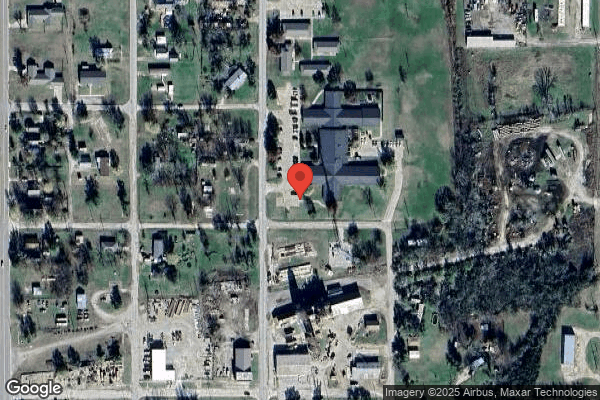
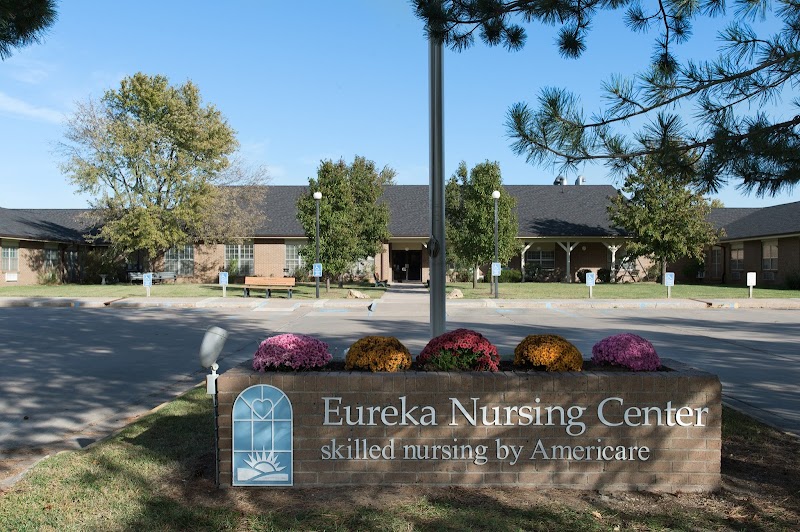
1020 N SCHOOL STREET, EUREKA, KS 67045 (620) 583-7418
For profit - Corporation 65 Beds AMERICARE SENIOR LIVING Data: November 2025 2 Immediate Jeopardy citations
Trust Grade
16/100
#186 of 295 in KS
Last Inspection: July 2024

Within standard 12-15 month inspection cycle. Federal law requires annual inspections.

Overview

Eureka Nursing Center has received a Trust Grade of F, indicating significant concerns regarding the quality of care provided. Ranking #186 out of 295 facilities in Kansas places it in the bottom half, while being the only option in Greenwood County suggests limited local alternatives. The facility's trend is worsening, with issues increasing from 10 in 2022 to 13 in 2024. Staffing is average with a 3/5 rating and a turnover rate of 48%, which aligns with the state average, but the RN coverage is concerning as it is less than 98% of Kansas facilities, potentially impacting care quality. Specific incidents include a failure to protect residents from sexual abuse, where a resident with a history of inappropriate behavior inappropriately touched another resident, and a serious incident where a resident suffered a fractured leg due to unsafe transfer practices. While there are strengths in staffing stability, the overall care environment raises significant concerns for families considering this facility.

Trust Score
F
16/100
In Kansas
#186/295
Bottom 37%
Safety Record
High Risk
Review needed
Inspections
Getting Worse
10 → 13 violations
Staff Stability
⚠ Watch
48% turnover. Above average. Higher turnover means staff may not know residents' routines.
Penalties
✓ Good
$27,895 in fines. Lower than most Kansas facilities. Relatively clean record.
Skilled Nurses
⚠ Watch
Each resident gets only 15 minutes of Registered Nurse (RN) attention daily — below average for Kansas. Fewer RN minutes means fewer trained eyes watching for problems.
Violations
⚠ Watch
28 deficiencies on record. Higher than average. Multiple issues found across inspections.
★★☆☆☆
2.0
Overall Rating
★★★☆☆
3.0
Staff Levels
★★★☆☆
3.0
Care Quality
★★☆☆☆
2.0
Inspection Score
Stable
2022: 10 issues
2024: 13 issues

The Good

  • Full Sprinkler Coverage · Fire safety systems throughout facility
  • No fines on record

Facility shows strength in fire safety.

The Bad

2-Star Overall Rating

Below Kansas average (2.9)

Below average - review inspection findings carefully

Staff Turnover: 48%

Near Kansas avg (46%)

Higher turnover may affect care consistency

Federal Fines: $27,895

Below median ($33,413)

Moderate penalties - review what triggered them

Chain: AMERICARE SENIOR LIVING

Part of a multi-facility chain

Ask about local staffing decisions and management

The Ugly 28 deficiencies on record

2 life-threatening 1 actual harm
Nov 2024 2 deficiencies 2 IJ
CRITICAL (J) 📢 Someone Reported This

A family member, employee, or ombudsman was alarmed enough to file a formal complaint

Immediate Jeopardy (IJ) - the most serious Medicare violation

Free from Abuse/Neglect (Tag F0600)

Someone could have died · This affected 1 resident

The facility reported a census of 43 residents with five residents sampled and two residents reviewed for abuse. Based on observation, interview, and record review the facility failed to ensure staff ...

Read full inspector narrative →
The facility reported a census of 43 residents with five residents sampled and two residents reviewed for abuse. Based on observation, interview, and record review the facility failed to ensure staff identified and responded appropriately to all allegations of abuse, to include resident-to-resident sexual abuse, when independently mobile Resident (R) 2 (who had a history of hypersexual behaviors directed toward staff to include groping, sexual inuendo/comments, and attempting to pull staff into bed with him) grabbed R1's breast on 09/30/24, without her consent. This failure placed R1 in immediate jeopardy due to the lack of facility response and reasonable person concept regarding sexual assault, and the negative impact to R1's psychosocial well-being and feelings regarding her safety. The facility also failed to thoroughly investigate two employee-to-resident abuse allegations which involved R10 when several bruises were documented on 10/03/24 and the facility did not investigate as potential abuse and/or report to the state agency or local police of the multiple bruises of unknown origin. This failure placed the residents at risk for abuse and continued negative impact on their physical, mental, and psychosocial well-being. Findings Included: - Review of the Electronic Health Record (EHR), documented R2 had a diagnosis of vascular dementia (a chronic condition that occurs when the brain's blood supply is interrupted, damaging brain tissue and causing a decline in thinking, memory, and behavior). The 06/18/24 Annual Minimum Data Set (MDS) documented a Brief Interview for Mental Status (BIMS) score of 14, which indicated intact cognition. R2 had a total mood severity score of one, which indicated minimal depression. R2 required total dependence with activities of daily living (ADL), with bathing. R2 required maximal assistance with dressing, transfers, personal hygiene and toileting. R2 was independent with wheelchair mobility and he had 1-3 days rejection of care. The 07/02/24 Cognitive Loss/Dementia Care Area Assessment (CAA) documented R2 triggered due to his behavior of rejection of care. R2 had a diagnosis of dementia, his cognition would worsen if he became ill and typically would improve once well again. R2 had impulsivity and could have increased agitation and aggression, which could result in unsafe behaviors and the potential for injury, or difficulty with performance of ADLs. The 07/02/24 Behavioral Symptoms CAA documented R2 triggered related to refusal of cares and noted this did not place others at risk. The 10/15/24 Quarterly MDS documented R2 had a BIMS score of 14, which indicated intact cognition. Review of R2's behaviors revealed one time he wandered and one time he refused care , which were documented in the seven day lookback period. R2 was independent with wheelchair mobility and received an antianxiety (class of medications that calm and relax people) medication daily. The 11/04/24 Care Plan documented the following: 04/15/19 - Staff were instructed to provide redirection and reorientation if R2 had a decline in cognition in the late afternoon and evening as needed. 03/21/21 - R2 could have increased agitation with education or redirection. Staff were instructed to notice the increased agitation and provide R2 with one-on-one and allow him space. 03/25/21 - Staff were instructed to identify cause of behaviors, assess for pain, offer food, drinks or toileting. 06/17/21 - Staff were instructed to provide reminders and redirection when R2 was inappropriate with behaviors of pulling staff into bed with him and he would try to kiss them. 08/08/24 - R2 had episodes of increased agitation/aggression. Staff instructed to administer Memantine (is a medication commonly used to treat moderate to severe dementia and Buspirone (is a medication commonly used to treat anxiety disorders) per orders. The facility provided Care Plan dated 11/04/24 and not uploaded in the EHR included handwritten interventions, which documented staff were instructed to provided one-on-one supervision for 24 hours, dated initiated 09/30/24 and discontinued on 10/01/24. The 11/04/24 Care Plan lacked any interventions related to a sexual abuse incident directed toward a female resident on 09/30/24. R2's Physician Orders documented an order for Memantine 10 milligram (mg) tablet, give one tablet by mouth, two times a day for vascular dementia, date ordered 06/11/24; and Buspirone HCI tablet 5mg, give one tablet by mouth, two times a day for anxiety/agitation, date ordered 07/18/24. The Physician Orders lacked any documentation directing staff to monitor for behaviors of anxiety/agitation. The Progress Note dated 04/11/24 at 01:17 AM revealed R2 grabbed at a staff member's neck and squeezed while staff attempted to obtain vital signs. The Progress Note on 07/03/24 at 09:48 AM, Certified Nurse Aide (CNA) reported R2 had been sexually inappropriate when he slapped/spanked a CNA on the buttock. The CNA informed R2 that was inappropriate behavior, and Nurse discussed with R2 that was inappropriate and R2 laughed and verbalized and understanding. The Progress Note on 07/16/24 at 02:30 PM revealed R2 wandered up and down the hallways, attempted to open doors, and threw water on the floor. R2 attempted to grab/smack the CNA on the buttock. R2 was informed his behaviors were inappropriate and staff assessed the resident for immediate needs. R2 requested coffee and it was provided. R2 unzipped his pants and told staff to look at it. Nurse called provider for orders. The Progress Note on 07/19/24 at 02:42 PM revealed R2 inappropriately touched staff. The Progress Note on 08/02/24 at an unknown time revealed R2 inappropriately touched staff when care provided that morning. The Progress Note on 09/02/24 at 03:22 PM revealed R2 grabbed his belt, undid his pants in the dining room, and he asked the staff member if she would like a sneak peek. The staff member excused herself and reported R2's behavior to the nurse. The Progress Note on 09/30/24 at 12:45 PM revealed R2 had his arm across R1 and held on to her breast. Staff removed R2 from dining room immediately and assisted him to his room. When R2 was asked by staff why he touched R1 he stated, she liked it, and she didn't say no. R2 was educated by staff that if he was not given verbal consent to touch anyone, then he should not touch them. R2 shook his head and looked down. The facility placed immediate interventions, which included R2 being educated of inappropriateness of touching other residents in that way and placed the resident on 24-hour one-on-one supervision. The progress notes from 09/30/24 thru 11/04/24 lacked any Social Service Designee (SSD) notes regarding the incident on 09/30/24. During an observation on 11/04/24 at 11:00 AM, R1's room was located directly across the hallway from R2's room. R1 sat in her recliner watching television in her room. During an observation on 11/04/24 at 11:48 AM, R2 sat in the dining room at a table as he waited for his lunch. During an interview on 11/04/24 at 11:00 AM, R1 reported that R2 had grabbed her left breast when she was leaving the dining room after lunch. R1 reported she was in shock, scared, uncomfortable, and embarrassed during the incident. She reported she did not know why he grabbed her breast and was glad that someone assisted her that day. R1 reported she tried not to think about how R2 grabbed her, but when she did it bothered her emotionally. R1 had tears in her eyes when she spoke of the incident. R1 reported she was not afraid of R2 at this time and could not recall if a room change was offered to her. R1 reported that R2 had never entered her room and she would not pay attention to R2 anymore. R1 was asked about the male resident mentioned on her care plan, and R1 reported he was just a friend and said she liked him and he was funny, and it was not R2. During an interview on 11/04/24 at 11:48 AM, R2 reported he was by himself in the dining room most of the time and that it did not bother him, he reported he could see everyone in the dining room and could see when they would come in and leave the dining room. During an interview on 11/04/24 at 11:58 AM, Certified Nurse Aide (CNA) G reported R2 would wander independently in his wheelchair throughout the facility. CNA G reported R2 liked to flirt with female staff and asked staff to sit on his lap. CNA G revealed she was never grabbed or touched inappropriately by R2. CNA G reported she did not know R2 had touched a female resident's breast. CNA G revealed she would report any type of abuse seen, heard of, or suspected of to Administrative Staff A or Administrative Nurse C immediately. During an interview on 11/05/24 at 02:35 PM, CNA H confirmed that R2 did not have interventions about sexual abuse on his care plan. CNA H reported that R2 would grab at the staff and make inappropriate sexual comments towards the female staff, she reported that she would go into his room with another staff member to assist with cares. CNA H reported that she would chart in EHR when a resident had a behavior and let the nurse know. During an interview on 11/04/24 at 12:06 PM. Administrative Nurse D reported the resident's care plan in the EHR was current and updated with the care plans printed in the care plan book located at the nurse's station. Administrative Nurse D confirmed R2's care plan in the book had a 09/30/24 intervention of one-on-one for 24 hours handwritten on it and was discontinued on 10/01/24. She confirmed R2's care plan lacked any documentation about sexual assault to a female resident and/or any additional interventions regarding the incident. During an interview on 11/04/24 at 12:50 PM, Dietary Staff J reported she was the one that witnessed R2, grab at R1's breast. She reported that she would have not seen R2 grab R1's breast if she had not moved towards the entrance of the dining room to clean tables. Dietary Staff J reported R1 self-propelled her wheelchair towards the exit of the dining room like R1 would normally do. She thought that R1 and R2 were just talking to each other until she was able to see what occurred. Dietary Staff J reported that R1 had a horrified look on her face and was frozen as R2 had his hand on her breast. Dietary Staff J reported that she immediately separated the residents and assisted R1 to the nurse. Dietary Staff J reported that R2 liked to propel himself around in the dining room and stopped and talked to the residents, mostly the female residents. Dietary Staff J pointed at R2 who had stopped in front of R8 in the dining room to talk to her. Dietary Staff J reported she had received Abuse, Neglect and Exploitation (ANE) education in the first week of October 2024. During an interview on 11/04/24 at 01:30 PM, R4 hesitated to comment on the question Do you feel safe here? R4 asked what the other residents had stated when the surveyor asked them the same question. R4 was educated that the interviews would not be discussed with other residents. R4 reported she was ok here; she was asked if she could be more specific. She reported that the staff would take good care of her, and no staff or resident had abused her. R4 reported that R2 was very grabby and handsy towards other female residents and female staff and liked to flirt with women. R4 reported she did not want R2 to get into trouble. She reported that R2 had never touched her, but she has seen it happen to other women and it bothered her. R4 reported that she did not report this to staff here as she worried she would get kicked out if she caused any trouble for other residents. During an interview on 11/04/24 at 02:02 PM R2 sat in his wheelchair in his room and watched television. When asked about the incident with R1, R2 stated she was that type of woman and she wanted to be touched, if I didn't touch her someone else would have. R2 reported he liked to flirt with women, and he would never touch a woman unless she asked to be touched. R2 reported he was told that touching R1 was not appropriate and to never do it again. R2 then reported that he was mad about the facilities education with him, because they took her side and not his. During an interview on 11/04/24 at 02:29 PM, Licensed Nurse (LN) F reported she was the nurse on the day R2 touched R1's breast. LN F reported that R2 never explained to her why he grabbed at R1, that R2 only stated she never told him no. LN F confirmed that R2 had a history sexual behavior towards the female staff as he would grab at them and make sexual innuendos to the female staff, and staff would tell R2 that was inappropriate behavior. LN F reported to the best of her knowledge R2 was placed on one-on-one supervision for 24 hours and received education noting that touching R1 was inappropriate behavior. During an interview on 11/04/24 at 04:34 PM, Administrative Staff A reported SSD K spoke to R2 about consent and LN F educated R2 about consent before touching other residents, the inappropriate behavior that occurred, and informed R2 not to do it ever again. Administrative Staff A reported the interventions they placed was to prevent R2 from that behavior occurring again. Administrative Staff A reported R2 had never inappropriately touched a resident before and further stated it only happened that one time. During an interview on 11/04/24 at 04:40 PM, SSD K reported R1 was care planned on 10/30/24 regarding a relationship with another male resident as she would be affectionate and want to hold hands and rub his arm. SSD K confirmed it was not R2. SSD K confirmed that R1 had moderately impaired cognition with a BIMS of 10. SSD K reported R2 would not speak to her about the incident. SSD K reported she never went back to talk to him after that day about the inappropriate behavior. SSD K reported she could not recall if R1 was offered a room change as R1 felt safe and confirmed that R1 lived right across the hallway from R2. SSD K reported she visited with R1 several times after the incident and R1 told her she felt safe and had no concerns. SSD K reported she was not aware that R4 was bothered about R2's behaviors of grabbing at others and reported that R4 had never reported her concerns. On 11/05/24 at 11:00 AM Administrative Staff A reported she had the one-on-one supervised signed record for R2 that started on 11/04/24 and Administrative Staff A reported she and Administrative Nurse B had not signed the record on 11/04/24 for the times they had completed one on one supervision for R2. Administrative Staff provided another form that showed initials on them and asked if she could write on the record now for the times, they both had supervised him. The surveyor briefly scanned the form she held and said it was up to her if she wanted to record now on the 11/04/24 one-on-one record, which she did. During an interview on 11/05/24 at 11:05 AM, Nurse Consultant L reported the incident between R1 and R2was not a sexual abuse incident. Nurse Consultant L reported the relationship that R1 and R2 had was just not understood by state agency. Nurse Consultant L reported that R1 did not yell out for help when he touched her breast and that R1 had reported she was not afraid of R2. Nurse Consultant K confirmed that R2's care plan should have been updated after the incident and continued to state it was not sexual abuse. On 11/05/24 at 11:20 AM, Administrative Staff A provided an updated copy of the resident's care plan with a focus area dated 11/04/24, instructing staff to know R2 had a history of inappropriate female contact. On 11/04/24 the facility reinitiated one-on-one supervision for R2. R2 had a room change, which occurred on 11/05/24. During an interview on 11/05/24 at 01:00 PM, Administrative Staff A reported well just looking at it at face value R2 said he would not do it again and he had not since that day, and his room was changed today. R2 continued one-on- one supervision. Administratve Staff A confirmed with a medication change the nurses would assess the medications effectiveness and would continue to monitor his behaviors. During an interview on 11/05/24 at 01:10 PM, Therapy Staff N reported he had the ANE education and stated that he knew that the education was about R1 being touched by R2 and reported that was sexual assault on R1. He was able to state how to report and the different types of abuse correctly. During an interview on 11/05/24 at 02:17 PM, Administrative Staff A reported the staff would monitor behaviors and it would be reported to the charge nurse. The charge nurses use a CUE book (a handwritten communication book for all the nursing staff to review) kept at the nurses' station. The facility policy Abuse Neglect and Exploitation dated May 2023 documented the facility has developed and implemented this policy and procedure to prohibit abuse, neglect, and exploitation. The residents will be free from physical, verbal, emotional, sexual abuse, neglect, and exploitation. Annual training required by all staff on how to report and recognize abuse. Sexual abuse includes, but not limited to, sexual harassment, sexual coercion, or sexual assault, or fondling of any part of the body, or any other form of sexual activity with a resident. The facility failed to ensure staff identified and responded appropriately to all allegations of abuse, to include resident-to-resident sexual abuse, when independently mobile R2 (who had a history of hypersexual behaviors directed toward staff to include groping, sexual inuendo/comments, and attempting to pull staff into bed with him) on 09/30/24 he grabbed R1's breast without her consent. This failure placed the residents in immediate jeopardy due to the lack of the facility response and reasonable person concept to sexual assault, and the negative impact to R1's psychosocial well-being and feeling safe. On 11/04/24 at 05:52 PM, Administrative Nurse B and Administrative Nurse C were provided the Immediate Jeopardy (IJ) template and notified that the facility failure to ensure staff identified and responded appropriately to all allegations of abuse, to include resident-to-resident sexual abuse and the lack of the facility response and reasonable person concept to sexual assault, and the negative impact to R1's psychosocial well-being and feeling safe, placed R1 in immediate jeopardy. The facility submitted an acceptable plan for removal of the immediate jeopardy on 11/05/24 at 02:45 PM which included the following: 1. R2 was placed on a one on one at approximately 08:30 PM on 11/04/24 and would remain a one on one until alternative living arrangements can be made and/or medication can be implemented to decrease sexual urges. 2. To ensure the psychosocial well-being of R1, a follow-up interview was conducted on 11/04/24. During the interview conducted by Administrative Nurse B and Administrative Nurse C, R1 denied being afraid of R2 or that she was fearful of living across the hall from him. R1 reported she felt safe living at facility and had no complaints. The surveyor verified the facility implemented the above corrective measures on-site on 11/05/24 at 02:15 PM. The deficient practice remained at a scope and severity level of a D, following the implementation of the removal plan. Administrative Staff A sent an email on 11/05/24 at 03:16 PM with several 15 minute check forms attached for R2 and reported that 15 minute checks were put into place on 10/01/24, after the one on one supervision was discontinued, and the 15 minute checks continued up until 11/04/24 when the facility received the IJ template and placed R2 back on one-on-one supervision; However, at no time during the onsite investigation were the 15-minute checks spoken of in interviews or documented or uploaded in the EHR, and no 15 minute checks were mentioned in the facility's investigations or in the IJ removal plan. - The Electronic Health Records (EHR) documented Resident (R) 10 had the following diagnoses that included cerebral infarction (stroke - sudden death of brain cells due to lack of oxygen caused by impaired blood flow to the brain by blockage or rupture of an artery to the brain), depression and need for assistance with personal care. The 02/07/24 Annual Minimum Data Set (MDS) documented a Brief Interview for Mental Status (BIMS) score of three, which indicated severely impaired cognition. R10 had a total mood severity score of three, which indicated minimal depression and she had behaviors documented one to three days of hitting, swearing, pushing, yelling, grabbing, pinching, and refused care. R10 was totally dependent on staff for assistance with activities of daily living (ADL) such as toileting hygiene, transfers, personal hygiene, bed mobility, and dressing and required moderate assistance with bathing. R10 was independent with wheelchair mobility and eating. The 02/21/24 Behavioral Symptoms Care Area Assessment (CAA) documented R10 triggered related to rejection of care. R10 would become verbally and physically aggressive with staff. Behaviors would typically occur in the morning but resolved after care was provided. The 02/21/24 Cognitive Loss/Dementia CAA documented R10 triggered related to a BIMS score of three and she would wander daily. R10 had a history of cerebral infarction and had a diagnosis of dementia ((progressive mental disorder characterized by failing memory, confusion). R10 had forgetfulness and had forgotten her husband passed away. The Care Plan documented the following: Staff were instructed to provide Tubi-grips (elasticated tubular bandage designed to provide tissue support in treating strains, sprains, soft tissue injuries, general edema and tissue protection) applied in morning to both upper extremities and removed at bedtime, date initiated 04/01/21. Staff were instructed to provide two staff assist for all transfers; date initiated 02/03/24. Staff were instructed to re-approach R10 in 10 minutes if she was in a safe position if she became physically and verbally aggressive with staff, date initiated 06/04/24. Staff were instructed to use warm wipes when personal care was provided, date initiated 10/03/24. The Care Plan lacked any documentation noting R10 was at risk for bruising. Review of the Facility Reported Incident dated 10/03/24, alleged Certified Nurse Aide (CNA) Q used profanity and was forceful when dressing R10 on 10/01/24. CNA Q was suspended on 10/01/24. Review of the Facility Reported Incident dated 10/07/24, R10's family member reported to Administrative Staff A on 10/03/24 that during a family visit on 09/29/24 R10 was assisted to the bathroom and reported to family member after she was toileted, she had been hit. CNA G was suspended on 10/03/24 and CNA Q remained on suspension from 10/01/24. The 09/30 /24 at 12:11 PM Progress Note revealed R10 had a blood draw on 09/26/24 as lab results were received. The 09/30/24 at 01:16 PM Weekly Skin Assessment completed by Administrative Nurse C revealed R10 had bruising noted on her left elbow a measured bruise, 3.0 centimeters (cm) length by 3.0 cm width, back of left hand a measured bruise, 0.6 cm length by 0.5 cm width, back of left hand a measured bruise, 3.0 cm length by 2.5 cm width, on left wrist a measured bruise, 0.5 cm length by 0.8 cm width and on her left upper back of arm a measured bruise, 1.0 cm length by 0.8 cm. R10 noted to have scattered areas of bruising to her left upper arm. The left elbow area and the larger of the bruises on her left hand both appeared to be in the healing process with faded or yellow colored edges. The smaller bruised areas appear to be newer. The 10/02/24 at 04:22 PM Progress Note revealed R10 was visited by Social Service Designee (SSD) K and she was asked if she felt safe at the facility, R10 stated well I guess and reported her needs were met. R10 was in a good mood during the visit. The 10/03/24 at 03:56 PM Progress Note revealed a weekly skin assessment was completed by Administrative Nurse B and Licensed Nurse (LN) I on this date. The 10/09/24 at 12:30 PM Progress Note revealed LN I assisted with a discharge skin assessment when R10 was toileted. LN I noted R10 continued to have areas of discoloration to both upper arms which was consistent with the last skin assessment completed by LN I and Administrative Nurse B. No new skin issues noted. The Progress Notes reviewed from 09/30/24 through 10/09/24 lacked any documentation of any nurse assessment completed on R10 after the10/01/24 incident. Review of the written Complaint Investigation Witness Statement dated 10/02/24, by LN O revealed R10 was assessed by LN O on 10/01/24, noted R10 had a flat affect when spoken to, did not want to talk about the incident and did not want to get up and dressed. LN O noted scattered bruising on both upper arms, which were purple in color, some areas were noted to be yellow in color on the edges of the bruises. The 09/26/24 at 03:45 PM Weekly Skin Assessment completed by LN I revealed no skin concerns noted and R10 had trace edema (swelling resulting from an excessive accumulation of fluid in the body tissues) of both lower extremities' ankle region. The 10/03/24 at 11:54 AM Weekly Skin Assessment signed by Administrative Nurse B on 10/03/24 revealed R10 had 15 bruised areas documented on the assessment. Left wrist had a measured bruise, 1.2 cm by 1.5 cm, left wrist had a measured bruise, 1.3 cm by 1.0 cm, left forearm had a measured bruise 1.5 cm by 3 cm, left hand had a measured bruise 101cm (later corrected to measure 1.1cm) by 0.7 cm, left wrist had a measured bruise, 1.0 cm by 0.5 cm and another measured bruise on left wrist measured 1.0 cm by 0.8 cm. Right upper arm had a measured bruise 1.0 cm by 1.0 cm, left forearm had a measure bruise 2.0 cm by 3.1 cm, left hand had a measured bruise, 4.5 cm by 3.3 cm, right wrist had a measured bruise 6.0 cm by 4.8 cm, left upper arm had a measured bruise, 0.6 cm by 0.8 cm, right hip had a measured bruise, 0.7 cm y 1.1 cm, right upper arm had a measured bruise, 1.2 cm y 0.8 cm, right calf had a measured bruise, 1.4 cm by 1.0 cm and left upper arm had a measured bruise, 1.5 cm by 1.3 cm. R10 had three scratched areas noted on the right shin that measured, 1.5 cm by 0.2, 4.2 cm by 0.5 cm and 5.1 cm by 1.3 cm. LN I documented right upper arm had light fading bruise, left upper arm very faint bruise and purple bruise, right hip purple with faded edges and right calf very light faded bruise. The 10/04/24 at 12:23 PM, Non Pressure Sore Assessment competed and signed by Administrative Nurse C revealed R10 had a bruise on left that measured 4.5 cm by 3.3 cm, date of onset10/01/24 and was a new wound. A bruise on left hand that measured 1.1 cm by 0.7 cm, date of 10/01/24 which had improved. A bruise that measured 2.0 cm by 3.1 cm, date of onset 10/01/24 which had improved. A bruise that measured on left forearm, 1.5 cm by 3.0 cm, date of onset 10/01/24 which had improved. Plan of care updated for all areas. The 10/04/24 at 12:29 PM Non Pressure Sore Assessment completed and signed by Administrative Nurse C revealed R10 had a measured bruise on left wrist, 1.3 cm by 1.0 cm, date of onset was 10/01/24 and was a new wound. A measured bruise on left wrist, 1.0 cm by 0.5 cm, date of onset 10/01/24 and had improved, right upper arm had a measured bruise, 1.2 cm by 0.8 cm, date of onset 10/01/24 which had improved. A bruise on left upper arm measured, 0.6 cm by 0.8 cm, date of onset 10/01/24 which had improved. Plan of care updated for all areas. The 10/04/24 at 12:32 PM Non Pressure Sore Assessment completed and signed by Administrative Nurse C revealed R10 had a measured bruise on left upper arm measured 1.5 cm by 1.3 cm date of onset, 10/01/24 was a new wound. R10 had a bruise on right hip that measured 0.7 cm by 1.1 cm date of onset 10/01/24 w had improved. R10 had a measured bruise on right calf, 1.4 cm by 1.0 cm date of onset 10/01/24 and had improved. R10 had a measured abrasion (scraping or rubbing away of skin) on right shin, 5.1 cm by 1.3 cm date of onset 10/01/24 had improved. All the areas noted had plan of care updated. The 10/04/24 at 12:38 PM Non Pressure Sore Assessment completed and signed by Administrative Nurse C revealed R10 had a measured abrasion on right shin, 1.5 cm by 0.2 cm, date of onset 10/01/24 had improved and plan of care updated. Additionally, a measured abrasion on right shin, 4.2 cm by 0.5 cm date of onset 10/01/24 had improved and plan of care updated. During an interview on 11/04/24 at 03:35 PM, Certified Nurse Aide (CNA) P reported she was the CNA that reported CNA Q for abuse toward R10 the morning of 10/01/24. CNA P reported CNA Q used profanity toward R10 when she attempted to dress R10. CNA P reported that R10 tried to bite at CNA Q and that is why CNA Q had pushed R10 down in bed and pulled on R10's arms while she continued to use profanity. CNA P reported she left R10's room to look for Administrative Nurse C, when Certified Medication Aide (CMA) R stopped CNA P and asked her what was wrong. CNA P did not explain what had happened she stated, I'm done. CNA P reported that LN O located her a couple minutes later at the nurse's station and CNA P explained what had happened in R10's room to LN O. CNA P reported that LN O escorted CNA Q out of the facility approximately around 11:35 AM. CNA P reported that she did complete ANE education the first week of October 2024. During an interview on 11/04/24 at 04:00 PM, CNA G reported that she was suspended for the allegation of abuse that R10 made a comment to her family of being hit in the leg when she was toileted by CNA G and CNA Q on 09/29/24 during a visit. R10's family did not report this until 10/03/24. CNA G reported that CNA Q no longer worked at the facility. CNA reported she was allowed to come back to work on 10/04/24 but had to complete the ANE training before she could work. During an interview on 11/05/24 at 02:15 PM, Administrative Nurse B made no comment when questioned origin of several bruises and if there had been an investigation of the several bruises noted investigated noted on the weekly skin assessment in EHR that was completed by her and LN I on 10/03/24. During an interview on 11/05/24 at 02:15 PM, Administrative Nurse C reported she thought the bruises were reported on the facility investigation report and she read out loud from the facility report #0983 a head to toe assessment performed with noted bruising on back of hands from lab draws on a prior day, with no signs of mishandling or physical maltreatment. Administrative Nurse C confirmed there was no progress note or skin assessment documented in R10's EHR after the 10/01/24 incident until 10/03/24 when a skin assessment was completed by Administrative Nurse B. The questioned was asked again how R10 received several bruises that were noted on the 09/30/24 and 10/03/24 weekly skin assessments. Administrative Nurse C reported she was unsure how R10 received all of the bruises that were documented, except for one bruise that was located on R10's right wrist from a blood draw on 09/26/24. During an interview on 11/05/24 at 02:15 PM, Administrative Staff A reported that R10 was independent with her wheelchair mobility, and she would bump into objects and walls at times. The weekly skin assessments from 08/01/24 through 09/26/24 in EHR were reviewed and confirmed documentation of no skin issues noted on any of the assessments. Administrative Staff A reported that the bruises were of unknown origin and the facility lacked an investigation for the bruises. During an interview on 11/05/24 at 02:35 PM, CNA H reported if a [TRUNCATED]
CRITICAL (J) 📢 Someone Reported This

A family member, employee, or ombudsman was alarmed enough to file a formal complaint

Immediate Jeopardy (IJ) - the most serious Medicare violation

Investigate Abuse (Tag F0610)

Someone could have died · This affected 1 resident

The facility reported a census of 43 residents with five residents sampled and one resident reviewed for sexual abuse. Based on observation, interview, and record review the facility failed to ensure ...

Read full inspector narrative →
The facility reported a census of 43 residents with five residents sampled and one resident reviewed for sexual abuse. Based on observation, interview, and record review the facility failed to ensure staff protected residents from sexual abuse, when independently mobile Resident (R) 2 (who had a history of hypersexual behaviors directed toward staff to include groping, sexual inuendo/comments, and attempting to pull staff into bed with him) grabbed R1's breast on 09/30/24, without her consent. This failure placed R1 and other female residents in immediate jeopardy due to the facility did not place interventions to protect R1 and other female residents who resided in the facility, from R2's unwanted sexual abuse/assault. This failure placed the residents at risk for abuse and continued negative impact on their physical, mental, and psychosocial well-being. Findings Included: - Review of the Electronic Health Record (EHR), documented R2 had a diagnosis of vascular dementia (a chronic condition that occurs when the brain's blood supply is interrupted, damaging brain tissue and causing a decline in thinking, memory, and behavior). The 06/18/24 Annual Minimum Data Set (MDS) documented a Brief Interview for Mental Status (BIMS) score of 14, which indicated intact cognition. R2 had a total mood severity score of one, indicated minimal depression. R2 required total dependence with activities of daily living (ADL), with bathing. R2 required maximal assistance with dressing, transfers, personal hygiene and toileting. R2 was independent with wheelchair mobility, and he had 1-3 days of behavior when he rejected care. The 07/02/24 Cognitive Loss/Dementia Care Area Assessment (CAA) documented R2 triggered for this CAA due to his behavior of rejection of care. R2 had a diagnosis of dementia, his cognition would worsen if he became ill and typically would improve once well again. R2 had impulsivity and could have increased agitation and aggression, which could result in unsafe behaviors and the potential for injury, or difficulty with performance of ADLs. The 07/02/24 Behavioral Symptoms CAA documented R2 triggered for this CAA related to refusal of cares and noted this did not place others at risk. The 10/15/24 Quarterly MDS documented R2 had a BIMS score of 14, which indicated intact cognition. Review of R2's behaviors revealed one time he wandered and one time he refused care, which were documented in the seven-day lookback period. R2 was independent with wheelchair mobility and received an antianxiety (class of medications that calm and relax people) medication daily. The 11/04/24 Care Plan documented the following: 04/15/19 - Staff were instructed to provide redirection and reorientation if R2 had a decline in cognition in the late afternoon and evening as needed. 03/21/21 - R2 could have increased agitation with education or redirection. Staff were instructed to notice the increased agitation and provide R2 with one-on-one and allow him space. 03/25/21 - Staff were instructed to identify cause of behaviors, assess for pain, offer food, drinks or toileting. 06/17/21 - Staff were instructed to provide reminders and redirection when R2 was inappropriate with behaviors of pulling staff into bed with him and he would try to kiss them. 08/08/24 - R2 had episodes of increased agitation/aggression. Staff instructed to administer Memantine (is a medication commonly used to treat moderate to severe dementia and Buspirone (is a medication commonly used to treat anxiety disorders) per orders. The facility provided Care Plan dated 11/04/24 and not uploaded in her included handwritten interventions, which documented staff were instructed to provided one-on-one supervision for 24 hours, dated initiated 09/30/24 and discontinued on 10/01/24. The 11/04/24 Care Plan lacked any interventions related to a sexual abuse incident directed toward a female resident on 09/30/24. R2's Physician Orders documented an order for Memantine 10 milligram (mg) tablet, give one tablet by mouth, two times a day for vascular dementia, date ordered 06/11/24; and Buspirone HCI tablet 5mg, give one tablet by mouth, two times a day for anxiety/agitation, date ordered 07/18/24. The Physician Orders lacked any documentation directing staff to monitor for behaviors of anxiety/agitation. The Progress Note dated 04/11/24 at 01:17 AM revealed R2 grabbed at a staff member's neck and squeezed while staff attempted to obtain vital signs. The Progress Note on 07/03/24 at 09:48 AM, Certified Nurse Aide (CNA) reported R2 had been sexually inappropriate when he slapped/spanked a CNA on the buttock. The CNA informed R2 that was inappropriate behavior, and Nurse discussed with R2 that was inappropriate and R2 laughed and verbalized and understanding. The Progress Note on 07/16/24 at 02:30 PM revealed R2 wandered up and down the hallways, attempted to open doors, and threw water on the floor. R2 attempted to grab/smack the CNA on the buttock. R2 was informed his behaviors were inappropriate and staff assessed the resident for immediate needs. R2 requested coffee and it was provided. R2 unzipped his pants and told staff to look at it. Nurse called provider for orders. The Progress Note on 07/19/24 at 02:42 PM revealed R2 inappropriately touched staff. The Progress Note on 08/02/24 at an unknown time revealed R2 inappropriately touched staff when care provided that morning. The Progress Note on 09/02/24 at 03:22 PM revealed R2 grabbed his belt, undid his pants in the dining room, and he asked the staff member if she would like a sneak peek. The staff member excused herself and reported R2's behavior to the nurse. The Progress Note on 09/30/24 at 12:45 PM revealed R2 had his arm across R1 and held on to her breast. Staff removed R2 from dining room immediately and assisted him to his room. R2 stated to nurse she liked it, and she didn't say no when staff asked R2 why he touched her and if he had consent to touch R1 in that area. R2 was educated by staff to know if he was not given verbal consent to touch anyone, then he should not touch them. R2 shook his head and looked down. The facility placed immediate interventions, which included R2 being educated of inappropriateness of touching other residents in that way and placing the resident on 24-hour one-on-one supervision. The progress notes from 09/30/24 thru 11/04/24 lacked any Social Service Designee (SSD) notes regarding the incident on 09/30/24. During an observation on 11/04/24 at 11:00 AM, R1's room was located directly across the hallway from R2's room. R1 sat in her recliner watching television in her room. During an observation on 11/04/24 at 11:48 AM, R2 sat in the dining room at a table as he waited for his lunch. During an interview on 11/04/24 at 11:00 AM, R1 reported that R2 had grabbed her left breast when she was leaving the dining room after lunch. R1 reported she was in shock, scared, uncomfortable, and embarrassed during the incident. She reported she did not know why he grabbed her breast and was glad that someone assisted her that day. R1 reported she tried not to think about how R2 grabbed her, but when she did it bothered her emotionally. R1 had tears in her eyes when she spoke of the incident. R1 reported she was not afraid of R2 at this time and could not recall if a room change was offered to her. R1 reported that R2 had never entered her room and she would not pay attention to R2 anymore. R1 was asked about the male resident mentioned on her care plan, and R1 reported he was just a friend and said she liked him, he was funny, and it was not R2. During an interview on 11/04/24 at 11:48 AM, R2 reported he was by himself in the dining room most of the time and that it did not bother him, he reported he could see everyone in the dining room, and could see when they would come in and leave the dining room. During an interview on 11/04/24 at 11:58 AM, Certified Nurse Aide (CNA) G reported R2 would wander independently in his wheelchair throughout the facility. CNA G reported R2 liked to flirt with female staff and asked staff to sit on his lap. CNA G revealed was never grabbed or touched inappropriately by R2. CNA G reported she did not know R2 had touched a female resident's breast. CNA G revealed she would report any type of abuse seen, heard of, or suspected of to Administrative Staff A or Administrative Nurse C immediately. During an interview on 11/05/24 at 02:35 PM, CNA H confirmed R2 had no interventions about sexual abuse on his care plan. CNA H reported that R2 would grab at the staff and make inappropriate sexual comments towards the female staff, she reported that she would go into his room with another staff member to assist with cares. CNA H reported that she would chart in EHR when a resident had a behavior and let the nurse know. During an interview on 11/04/24 at 12:06 PM. Administrative Nurse D (MDS Nurse), reported the resident's care plan in the EHR was current and updated with the care plans printed in the care plan book located at the nurse's station. Administrative Nurse D confirmed R2's care plan in the book had a 09/30/24 intervention of one-on-one for 24 hours handwritten on it and was discontinued on 10/01/24. She confirmed R2's care plan lacked any documentation about sexual assault to a female resident and/or any additional interventions regarding the incident. During an interview on 11/04/24 at 12:50 PM, Dietary Staff J reported she was the one that witnessed R2, grab at R1's breast. She reported that she would have not seen R2 grab R1's breast if she had not moved towards the entrance of the dining room to clean tables. Dietary Staff J reported R1 self-propelled her wheelchair towards the exit of the dining room like R1 would normally do. She thought that R1 and R2 were just talking to each other until she was able to see what occurred. Dietary Staff J reported that R1 had a horrified look on her face and was frozen as R2 had his hand on her breast. Dietary Staff J reported that she immediately separated the residents and assisted R1 to the nurse. Dietary Staff J reported that R2 liked to propel himself around in the dining room sometimes and stop and talk to the residents, mostly the female residents. Dietary Staff J pointed at R2 who had stopped in front of R8 in the dining room to talk to her. Dietary Staff J reported she had received Abuse, Neglect and Exploitation (ANE) education in the first week of October 2024. During an interview on 11/04/24 at 01:30 PM, R4 hesitated to comment on the question Do you feel safe here? R4 asked what the other residents had stated when the surveyor asked them the same question. R4 was educated that the interviews would not be discussed with other residents. R4 reported she was ok here; she was asked if she could be more specific. She reported that the staff would take good care of her, and no staff or resident had abused her. R4 reported that R2 was very grabby and handsy towards other female residents and female staff and liked to flirt with women. R4 reported she did not want R2 to get into trouble. She reported that R2 had never touched her, but she has seen it happen to other women and it bothered her. R4 reported that she did not report this to staff here as she worried she would get kicked out if she caused any troubles for other residents. During an interview on 11/04/24 at 02:02 PM R2 was seated in his wheelchair in his room and watching television. When asked about the incident with R1, R2 stated she was that type of woman and she wanted to be touched, if I didn't touch her someone else would have. R2 reported he liked to flirt with women, and he would never touch a woman unless she asked to be touched. R2 reported he was told that touching R1 was not appropriate and to never do it again. R2 then reported that he was mad about the facilities education with him, because they took her side and not his. During an interview on 11/04/24 at 02:29 PM, Licensed Nurse (LN) F reported she was the nurse on the day R2 touched R1's breast. LN F reported that R2 never explained to her why he grabbed at R1, that R2 only stated she never told him no. LN F confirmed that R2 had a history sexual behavior towards the female staff as he would grab at them and make sexual innuendos to the female staff, and staff would tell R2 that was inappropriate behavior. LN F reported to the best of her knowledge R2 was placed on one-on-one supervision for 24 hours and received education noting that touching R1 was inappropriate behavior. During an interview on 11/04/24 at 04:34 PM, Administrative Staff A reported SSD K spoke to R2 about consent and LN F educated R2 about consent before touching other residents, the inappropriate behavior that occurred, and informed R2 not to do it ever again. Administrative Staff A reported the interventions they placed was to prevent R2 from that behavior occurring again. Administrative Staff A reported R2 had never inappropriately touched a resident before and further stated it only happened that one time. During an interview on 11/04/24 at 04:40 PM, SSD K reported R1 was care planned on 10/30/24 regarding a relationship with another male resident as R1 would be affectionate and want to hold hands and rub his arm. SSD K confirmed it was not R2, she reported that R1 liked to be affectionate with some men, she reported that is not why she thought R2 grabbed R1's breast though. SSD K confirmed that R1 had moderately impaired cognition with a BIMS of 10. SSD K reported R2 would not speak to her about the incident. SSD K reported she never went back to talk to him after that day about the inappropriate behavior. SSD K reported she could not recall if R1 was offered a room change as R1 felt safe and confirmed that R1 lived right across the hallway from R2. SSD K reported she visited with R1 several times after the incident and R1 told her she felt safe and had no concerns. SSD K reported she was not aware that R4 was bothered about R2's behaviors of grabbing at others and reported that R4 had never reported her concerns. On 11/05/24 at 11:00 AM Administrative Staff A reported she had the one-on-one supervised signed record for R2 that started on 11/04/24 and Administrative Staff A reported she and Administrative Nurse B had not signed the record on 11/04/24 for the times they had completed one on one supervision for R2. Administrative Staff provided another form that showed initials on them and asked if she could write on the record now for the times, they both had supervised him. The surveyor briefly scanned the form she held and said it was up to her if she wanted to record now on the 11/04/24 one-on-one record, which she did. During an interview on 11/05/24 at 11:05 AM, Nurse Consultant L reported the incident between R1 and R2 was not a sexual abuse incident. Nurse Consultant L reported the relationship that R1 and R2 had was just not understood by state agency. Nurse Consultant L reported that R1 did not yell out for help when he touched her breast and that R1 had reported she was not afraid of R2. Nurse Consultant K confirmed that R2's care plan should have been updated after the incident and continued to state it was not sexual abuse. On 11/05/24 at 11:20 AM, Administrative Staff A provided an updated copy of the resident's care plan with a focus area dated 11/04/24, instructing staff to know R2 had a history of inappropriate female contact. On 11/04/24 the facility reinitiated one-on-one supervision for R2. R2 had a room change, which occurred on 11/05/24. During an interview on 11/05/24 at 01:00 PM, Administrative Staff A reported well just looking at it at face value R2 said he would not do it again and he had not since that day, and his room was changed today. R2 continued one-o one supervision. With a medication change the nurses would assess the medications effectiveness and would continue to monitor his behaviors. During an interview on 11/05/24 at 01:10 PM, Therapy Staff N reported he had the ANE education and stated that he knew that the education was about R1 being touched by R2 and reported that was sexual assault on R1. He was able to state how to report and the different types of abuse correctly. During an interview on 11/05/24 at 02:17 PM, Administrative Staff A reported the staff would monitor behaviors and would be reported to the charge nurse. The charge nurses use a CUE book (a handwritten communication book for all the nursing staff to review) kept at the nurses' station. The facility policy Abuse Neglect and Exploitation dated May 2023 documented the facility has developed and implemented this policy and procedure to prohibit abuse, neglect, and exploitation. The residents will be free from physical, verbal, emotional, sexual abuse, neglect, and exploitation. Annual training required by all staff on how to report and recognize abuse. Sexual abuse includes, but not limited to, sexual harassment, sexual coercion, or sexual assault, or fondling of any part of the body, or any other form of sexual activity with a resident. The facility failed to ensure staff protected residents from sexual abuse, when independently mobile R2 (who had a history of hypersexual behaviors directed toward staff to include groping, sexual inuendo/comments, and attempting to pull staff into bed with him) on 09/30/24 he grabbed R1's breast without her consent. This failure placed R1 and other female residents in immediate jeopardy due to the facility did not place interventions to protect R1 and other female residents who resided in the facility, from R2's unwanted sexual abuse/assault. This failure placed the residents at risk for abuse and continued negative impact on their physical, mental, and psychosocial well-being. On 11/04/24 at 05:52 PM, Administrative Nurse B and Administrative Nurse C were provided the Immediate Jeopardy (IJ) template and notified that the facility failure to ensure staff identified and responded appropriately to all allegations of abuse, to include resident-to-resident sexual abuse and the lack of the facility response and reasonable person concept to sexual assault, and the negative impact to R1's psychosocial well-being and feeling safe, placed R1 in immediate jeopardy. The facility submitted an acceptable plan for removal of the immediate jeopardy on 11/05/24 at 02:45 PM which included the following: 1. R2 was placed on a one on one at approximately 08:30 PM on 11/04/24 and would remain a one on one until alternative living arrangements can be made and/or medication can be implemented to decrease sexual urges. 2. To ensure the psychosocial well-being of R1, a follow-up interview was conducted on 11/04/24. During the interview conducted by Administrative Nurse B and Administrative Nurse C, R1 denied being afraid of R2 or that she was fearful of living across the hall from him. R1 reported she felt safe living at facility and had no complaints. The surveyor verified the facility implemented the above corrective measures on-site on 11/05/24 at 02:15 PM. The deficient practice remained at a scope and severity level of a D, following the implementation of the removal plan. Administrative Staff A sent an email on 11/05/24 at 03:16 PM with several 15 minute check forms attached for R2 and reported that 15 minute checks were put into place on 10/01/24, after the one on one supervision was discontinued, and the 15 minute checks continued up until 11/04/24 when the facility received the IJ template and placed R2 back on one-on-one supervision; However, at no time during the onsite investigation were the 15-minute checks spoken of in interviews or documented or uploaded in the EHR, and no 15 minute checks were mentioned in the facility's investigations or in the IJ removal plan.
Jul 2024 11 deficiencies 1 Harm
SERIOUS (G)

Actual Harm - a resident was hurt due to facility failures

Accident Prevention (Tag F0689)

A resident was harmed · This affected 1 resident

**NOTE- TERMS IN BRACKETS HAVE BEEN EDITED TO PROTECT CONFIDENTIALITY** The facility reported a census of 48 residents, with 13 residents sampled, including six residents reviewed for accidents. Based...

Read full inspector narrative →
**NOTE- TERMS IN BRACKETS HAVE BEEN EDITED TO PROTECT CONFIDENTIALITY** The facility reported a census of 48 residents, with 13 residents sampled, including six residents reviewed for accidents. Based on observation, interview, and record review, the facility failed to ensure resident safety for one of the six residents, during transfer of Resident (R) 30. On 04/11/24, staff used the facility shower chair to transport R30 and in doing so the wheel on the chair broke, the resident to fell forward to the floor, and sustained a fractured tibia (one of two long bones in the lower leg). In addition, on 06/04/24 the facility staff did not ensure a safe transfer for R30 into his electric wheelchair (which had exposed metal) while using the mechanical lift, which resulted in a laceration on his anterior (front) lower leg, that required sutures. Findings included: - Review of Resident (R)30's medical record revealed diagnoses that included chronic obstructive pulmonary disease (COPD- progressive and irreversible condition characterized by diminished lung capacity and difficulty or discomfort in breathing), diabetes (when the body cannot use glucose, not enough insulin made or the body cannot respond to the insulin), polyneuropathy (malfunction of nerves in multiple areas of the body), and right above the knee amputation (surgical removal). The Annual Minimum Data Set (MDS), dated [DATE], assessed the resident with a Brief Interview for Mental Status (BIMS) score of 14, which indicated normal cognitive function. The resident had impairment on one side of his lower extremity and no impairment in his upper extremities. The resident was dependent on staff for transfers, donning and doffing footwear, and bathing. The resident utilized a wheelchair for mobility. The Activity of Daily Living (ADL) Functional/Rehabilitation Potential Care Area Assessment (CAA), dated 11/07/23, assessed the resident required staff assistance for ADL and a previous near fall when a strap on the mechanical lift broke, but staff were able to lower him to the floor without injury. The resident was at risk for difficult transfers due to his right above knee amputation. The Care Plan, revised 04/10/24, instructed staff to assist the resident with bathing and to ensure his sock and shoe were on prior to getting him out of bed and prior to all transfers. Staff utilized the mechanical lift for transfers. The care plan lacked a revision to include the physician's order (05/23/24) for use of a controlled ankle movement (CAM) boot except for skin checks and range of motion. A Nurses' Note, dated 04/11/24, revealed staff transported the resident out of the shower room in a shower chair, and the left front wheel did not swivel, which caused it to fold backward, and the chair tipped forward, at which time the resident fell forward out of the chair and sustained a fractured left tibia, which required a cast. The Facility Investigation dated 04/11/24, revealed the shower chair left front wheel did not swivel, which caused it to fold backward when staff turned the chair and provided forward momentum, which caused the chair to tip forward, and the resident fell forward. The immediate intervention included staff education to transfer residents into the shower chair in the shower room and not transport residents in the shower chair from their room to shower room. The undated Safety/Maintenance Information for the shower chair, used in the incident, instructed staff to check the following monthly: Check the pipe and fittings for hairline fractures. 1. Check all junctures to make certain the pipe and fittings do not pull apart. 2. Clean and lubricate casters [wheels] monthly to avoid rust and wheel lock up. The Shower Chair Safety Maintenance Log documented maintenance completed on 04/15/24. The facility did not provide documentation that staff completed the safety and maintenance inspections prior to 04/15/24. A Physician's Order dated 05/23/24, revealed the removal of R30's cast and instructed staff to ensure R30 wore a CAM boot in place of the cast. The order instructed staff to remove the CAM boot for range of motion and skin inspection. Furthermore , the Interdisciplinary Team Review dated 06/04/24 at 07:25 AM, revealed nursing staff transferred the resident with a mechanical lift into his wheelchair, and the resident sustained an approximate 7.5 cm (length) by 6.3 cm (width) by 0.3 cm (depth) full thickness laceration to his left lower extremity. The resident's wheelchair lacked padding over an exposed piece of metal, and the resident's shin sustained a laceration from the exposed metal. R30 transferred to acute care and received sutures to the laceration. Observation and interview with R30 on 07/09/24 at 04:40 PM revealed he leaned onto his right side, in his electric wheelchair. R30 stated staff pushed him in a shower chair across the shower room threshold, and the wheel broke, and he fell forward onto the floor, and sustained a fracture in his left leg. R30 stated he had a cast on the leg for approximately 60 days, and then after the cast removed, he had a CAM boot applied. R30 stated staff should apply the boot before transferring him into his electric chair, but one time staff did not, and he received a laceration on his shin from an exposed area of sharp metal on his chair. R30 stated now the area is padded, and a cushion placed for protection. During an observation on 07/10/24 at 11:45 AM, Certified Nurse Aide (CNA) N and CNA M transferred R30 from his bed to his electric chair with a full body mechanical lift. The resident did not have the CAM boot on prior to the transfer and staff applied the CAM boot after the transfer of R30, as he sat in his electric chair. During an interview on 07/10/24 at 09:16 AM, CNA N stated after R30's fall out of the shower chair, staff must transfer the resident in the shower room. During an interview on 07/10/24 at 03:30 PM. Administrative Nurse E reported the resident obtained a laceration to his anterior shin from contact with a sharp piece of metal on his chair. The resident required several sutures, but the area was now healed. Administrative Nurse E stated she expected staff to ensure to pad the chair appropriately. Administrative Nurse E stated the resident received therapy services for wheelchair positioning. During an interview on 07/11/24 at 12:02 PM, Administrative Nurse D revealed she expected staff to apply the CAM boot prior to transfer for protection of his leg and confirmed the care plan was not updated to include the CAM boot. During an interview on 07/11/24 at 12:15 PM, Administrative Staff A revealed the facility changed the policy for transporting residents in the shower chair after R30's fall. During an interview on 07/11/24 at 01:25 PM, Maintenance Staff U revealed he did perform monthly safety inspections of the shower chairs beginning 04/15/24, after the incident with the shower chair on 04/11/24. The facility's policy for Resident Showers dated January 2023, instructed staff that based on the resident's function and preferences, the resident may be transported to the shower room in a shower chair provided the manufacturer's instructions allow and dignity is maintained during transport. The facility's policy for Resident Showers revised 04/11/24, instructed staff to assist the resident to the shower room and help the resident sit on the shower chair . An Immediate Staff Reeducation dated 04/11/24, instructed staff to transport residents to the shower room via their wheelchair and then transfer onto the shower chair. The facility policy Accidents and Supervision dated 03/23/24, instructed staff to provide supervision and assistive devices to prevent accidents, which included identifying hazard, evaluating, and analyzing hazards and risks, implementing interventions to reduce hazards and risks, and monitoring for effectiveness and modifying interventions when necessary. The facility failed to ensure resident safety during two transfers of Resident (R)30. On 04/11/24, staff used the facility shower chair to transport R30 and in doing so the wheel on the chair broke, the resident to fell forward to the floor, and sustained a fractured tibia. In addition, on 06/04/24 the facility staff did not ensure a safe transfer for R30 into his electric wheelchair (which had exposed metal) while using the mechanical lift, which resulted in a laceration on his anterior (front) lower leg, that required sutures.
CONCERN (D)

Potential for Harm - no one hurt, but risky conditions existed

Assessment Accuracy (Tag F0641)

Could have caused harm · This affected 1 resident

**NOTE- TERMS IN BRACKETS HAVE BEEN EDITED TO PROTECT CONFIDENTIALITY** - The Electronic Health Records (EHR) documented R2 had the following diagnoses that included anemia (inadequate number of healt...

Read full inspector narrative →
**NOTE- TERMS IN BRACKETS HAVE BEEN EDITED TO PROTECT CONFIDENTIALITY** - The Electronic Health Records (EHR) documented R2 had the following diagnoses that included anemia (inadequate number of healthy red blood cells to carry adequate oxygen to body tissues) and diabetes mellitus (DM-when the body cannot use glucose, not enough insulin made, or the body cannot respond to the insulin). The 12/26/23 Annual Minimum Data Set (MDS) documented a Brief Interview for Mental Status (BIMS) score of 14, indicating intact cognition. R2 was independent with eating and wheelchair mobility. R2 required moderate assistance with activities of daily living (ADLs), with bed mobility, toileting hygiene, and dressing. R2 was frequently incontinent of bladder. The assessment documented R2 received an anticoagulant medication (a class of medication that prevents or reduces the ability for blood to form clots) and did not receive an antiplatelet medication (a class of medication that prevents or reduces the ability of platelets [a type of blood cell] to stick together). The 12/06/23 Care Area Assessment (CAA) lacked documentation related to anticoagulant or antiplatelet medication use. The 05/21/24 Quarterly MDS documented a BIMS score of 12, which indicated moderately impaired cognition. R2 was independent with eating and wheelchair mobility and required moderate assistance with ADL's. R2 received an anticoagulant medication and did not receive an antiplatelet medication. The 07/10/24 Care Plan lacked any intervention for aspirin. The Physician Orders revealed aspirin tablet enteric coated, 81 milligrams (mg), to be given by mouth, every morning, for heart health, ordered 05/08/24. The 04/01/24 to 07/11/24 Medication Administration Record (MAR) and Treatment Administration Record (TAR) documented appropriate administrations of aspirin but lacked any documentation of any anticoagulant medications. The Progress Notes reviewed from 04/01/24 to 07/11/24 lacked any documentation related to anticoagulant or antiplatelet medication use. On 05/21/24 at 11:32 AM, Administrative Nurse F confirmed the above information and stated that it was a clerical error in documenting an antiplatelet medication as an anticoagulant. Her expectation was for all MDS assessments to be accurate. Additionally stated that the facility did not have a policy for MDS completion and used the Resident Assessment Instrument (RAI) manual as a guide. The facility failed to accurately complete the MDS for R2 related to antiplatelet medication use. This placed the resident at risk for uncommunicated care needs. - The Electronic Health Records (EHR) documented R34 had the following diagnoses that included arthritis (inflammation of a joint characterized by pain, swelling, redness and limitation of movement) and anxiety (mental or emotional reaction characterized by apprehension, uncertainty and irrational fear). The 08/02/23 Annual MDS documented a Brief Interview for Mental Status (BIMS) score of five, indicating severely impaired cognition and a total severity score of two, indicating minimal depression. R34 required extensive assistance with activities of daily living (ADLs), with bed mobility, toileting hygiene, and dressing. R34 required supervision for eating. R34 was frequently incontinent of bladder. No impairments or contractures of upper extremities captured on the MDS. The 08/02/23 Functional ADL Care Area Assessment (CAA) documented R34 required assistance with ADL's related to arthritis and weakness. The Quarterly MDS, dated [DATE], documented a BIMS score of 12, indicating moderately impaired cognition. No behaviors, no impairments of upper extremities. The Care Plan dated 07/10/24, revealed R34 had a right -hand contracture (abnormal permanent fixation of a joint or muscle) and arthritis. Therapy provided the resident with a hand splint and a carrot (a specialized splint used in therapy for managing hand contractures.) Right resting hand splint to be applied every morning and remove at sleep. The Physician Orders dated 07/10/24 lacked any documentation of hand splint of hand carrot to be applied. The 04/01/24 to 07/11/24 Medication Administration Record (MAR) and Treatment Administration Record (TAR) lacked documentation of hand splint to be applied. The Progress Notes reviewed from 04/01/24 to 07/11/24 lacked any documentation related to contractures or hand splint and carrot. On 07/09/24 at 01:22 PM, R34 is seated in her wheelchair at the nurse's station with a left hand brace on her left hand and a soft carrot splint in her right hand. On 07/10/24 at 07:37 AM, On 07/10/24 at 07:37 AM, R34 seated in the dining room and lacked placement of the left hand splint and the right hand soft carrot. On 07/10/24 at 09:35 AM, Licensed Nurse G (LN) and Certified Nurse Aide (CNA) MM assisted R34 to her recliner. R34 had the soft carrot splint on her right hand, however lacked a left hand splint. On 07/10/24 at 09:43 AM, LN G stated R34 has refused to wear the left hand splint and stated it is as tolerated. LN G stated staff were required to carry Jot sheets that have all the care needs for each individual resident, and they are updated as care is changed. On 07/10/24 at 09:59 AM, CNA M stated the nurse or therapy should apply the hand splints. CNA M reported the jot sheet lacked anything regarding the splint. On 07/11/24 at 02:00 PM, Administrative Nurse F confirmed the above area of concern of impairment not captured on the MDS's. Her expectation was for all MDS assessments to be accurate. Additionally stated that the facility did not have a policy for MDS completion and used the Resident Assessment Instrument (RAI) manual as a guide. The facility failed to accurately the MDS for R34 related to contractures not documented as impairments under section G and section GG on the MDS assessments. This placed the residents at risk for uncommunicated care needs. The facility reported a census of 48 residents with 13 residents selected for review. Based on observation, interview, and record review, the facility failed to accurately complete the Minimum Data Set (MDS) for three sampled residents, Resident (R)2 and 28 related to antiplatelet medication use, and R34 related to contractures (abnormal permanent fixation of a joint or muscle) not documented as impairments under section G and section GG on the MDS assessments. This placed the residents at risk for uncommunicated care needs. Findings included: - The Electronic Health Records (EHR) documented R28 had the following diagnoses that included atherosclerotic heart disease (also known as coronary artery disease [CAD- abnormal condition that may affect the flow of oxygen to the heart]) and hyperlipidemia (condition of elevated blood lipid levels). The 04/01/24 Annual MDS documented a Brief Interview for Mental Status (BIMS) score of 15, indicating intact cognition. R28 was independent for all cares except bathing which required supervision and setup. The assessment documented R28 received an anticoagulant medication (a class of medication that prevents or reduces the ability for blood to form clots) and did not receive an antiplatelet medication (a class of medication that prevents or reduces the ability of platelets [a type of blood cell] to stick together). The 04/01/24 Care Area Assessment (CAA) lacked documentation related to anticoagulant or antiplatelet medication use. The 01/04/24 Quarterly MDS documented a BIMS score of 15 which indicated intact cognition. R28 was independent for all cares except bathing which required minimal assistance. The assessment documented that R28 received an anticoagulant medication and did not receive an antiplatelet medication. The 07/11/24 Care Plan documented on 11/09/22, for staff to hold aspirin (an antiplatelet medication) for all dental procedures. The Physician Orders revealed aspirin tablet, 325 milligrams (mg), to be given by mouth, every morning for CAD, ordered 04/02/22. The 04/01/24 to 07/11/24 Medication Administration Record (MAR) and Treatment Administration Record (TAR) documented appropriate administrations of aspirin but lacked any documentation of any anticoagulant medications. The Progress Notes reviewed from 04/01/24 to 07/11/24 lacked any documentation related to anticoagulant or antiplatelet medication use. On 05/21/24 at 11:32 AM, Administrative Nurse F confirmed the above information and stated that it was a clerical error in documenting an antiplatelet medication as an anticoagulant. Her expectation was for all MDS assessments to be accurate. Additionally stated that the facility did not have a policy for MDS completion and used the Resident Assessment Instrument (RAI) manual as a guide. The facility failed to accurately complete the MDS for R28 related to antiplatelet medication use. This placed the resident at risk for uncommunicated care needs.
CONCERN (D)

Potential for Harm - no one hurt, but risky conditions existed

Comprehensive Care Plan (Tag F0656)

Could have caused harm · This affected 1 resident

**NOTE- TERMS IN BRACKETS HAVE BEEN EDITED TO PROTECT CONFIDENTIALITY** The facility identified a census of 48 residents, which included 13 residents sampled and reviewed for care plan development. Ba...

Read full inspector narrative →
**NOTE- TERMS IN BRACKETS HAVE BEEN EDITED TO PROTECT CONFIDENTIALITY** The facility identified a census of 48 residents, which included 13 residents sampled and reviewed for care plan development. Based on interview, observations, and record review, the facility failed to develop a comprehensive person-centered care plan for one resident. Resident (R) 47 comprehensive person-centered care plan was not completed in a timely manner of 21 days from admission, as required. This deficient practice had the potential to lead to uncommunicated needs, which could lead to negative impacts on the resident's physical, mental and psychosocial well-being. Findings included: - R 47's Electronic Health Record (EHR) revealed diagnoses that included Alzheimer's disease (progressive mental deterioration characterized by confusion and memory failure), anxiety, and dementia (progressive mental disorder characterized by failing memory, confusion). The admission Minimum Data Set (MDS) dated [DATE], documented a Brief Interview for Mental Status (BIMS) of 11, indicating moderately impaired cognition. The resident had a total mood severity score of 00, indicating no depression and no behaviors noted. R47 was independent with activities of daily living (ADLs). R47 required supervision with verbal cues when ambulating independently in the facility. R47 was continent of bowel and bladder. The Functional Abilities (Self-Care and Mobility) Care Area Assessment (CAA) dated 05/22/24 did not trigger. The Cognition CAA documented R47 had a BIMS of 11 and the resident was no longer safe to live alone in her home. The Care Plan dated 07/09/24, lacked staff interventions to provide person-centered care. Review of the Progress Notes from 05/15/24 to 07/09/24 lacked a documentation in regard to completion of a care plan. On 07/09/24 at 10:03 AM, R47 was in her room and anxious when speaking, wringing her hands together and kept moving around her room. On 07/09/24 at 11:30 AM, Administrative Nurse F stated R47 admitted to the facility on [DATE] and verified R47's person-centered care plan was not developed within seven days of the required MDS. The facility's policy for Comprehensive Care Plans, dated 03/28/24 documented: It is the policy of this facility to develop and implement a comprehensive person-centered care plan for each resident, consistent with resident rights, that includes measurable objectives and timeframe's to meet a resident's medical, nursing, mental and psychosocial needs identified in resident's comprehensive assessment. The comprehensive care plan will be developed within seven days after the completion of the comprehensive MDS. The facility failed to develop a comprehensive person-centered care plan for one resident. R47 comprehensive person-centered care plan was not completed in a timely manner of 21 days from admission. This deficient practice had the potential to lead to uncommunicated needs which could lead to negative impacts on the resident's physical, mental and psychosocial well-being.
CONCERN (D)

Potential for Harm - no one hurt, but risky conditions existed

Deficiency F0657 (Tag F0657)

Could have caused harm · This affected 1 resident

**NOTE- TERMS IN BRACKETS HAVE BEEN EDITED TO PROTECT CONFIDENTIALITY** The facility reported a census of 48 residents, with 13 residents sampled, including six residents reviewed for accidents. Based...

Read full inspector narrative →
**NOTE- TERMS IN BRACKETS HAVE BEEN EDITED TO PROTECT CONFIDENTIALITY** The facility reported a census of 48 residents, with 13 residents sampled, including six residents reviewed for accidents. Based on observation, interview, and record review, the facility failed to review and revise the care plan for one Resident (R)30's controlled ankle movement (CAM) boot. Findings included: - Review of Resident (R)30's medical record revealed diagnoses that included chronic obstructive pulmonary disease (COPD- progressive and irreversible condition characterized by diminished lung capacity and difficulty or discomfort in breathing), diabetes (when the body cannot use glucose, not enough insulin made or the body cannot respond to the insulin), polyneuropathy (malfunction of nerves in multiple areas of the body), and right above the knee amputation (surgical removal). The Annual Minimum Data Set (MDS), dated [DATE], assessed the resident with a Brief Interview for Mental Status (BIMS) score of 14, which indicated normal cognitive function. The resident had impairment on one side of his lower extremity and no impairment in his upper extremities. The resident was dependent on staff for transfers, donning and doffing footwear, and bathing. The resident utilized a wheelchair for mobility. The Activity of Daily Living (ADL) Functional/Rehabilitation Potential Care Area Assessment (CAA), dated 11/07/23, assessed the resident required staff assistance for ADL and a previous near fall when a strap on the mechanical lift broke, but staff were able to lower him to the floor without injury. The resident was at risk for difficult transfers due to his right above knee amputation. The Care Plan, revised 04/10/24, instructed staff to assist the resident with bathing and to ensure his sock and shoe were on prior to getting him out of bed and prior to all transfers. Staff utilized the mechanical lift for transfers. The care plan lacked a revision to include the physician's order (05/23/24) for use of a controlled ankle movement (CAM) boot except for skin checks and range of motion. A Physician's Order dated 05/23/24, revealed the removal of R30's cast and instructed staff to ensure R30 wore a CAM boot in place of the cast. The order instructed staff to remove the CAM boot for range of motion and skin inspection. The Interdisciplinary Team Review dated 06/04/24 at 07:25 AM, revealed nursing staff transferred the resident with a mechanical lift into his wheelchair, and the resident sustained an approximate 7.5 cm (length) by 6.3 cm (width) by 0.3 cm (depth) full thickness laceration to his left lower extremity. The resident's wheelchair lacked padding over an exposed piece of metal, and the resident's shin sustained a laceration from the exposed metal. R30 transferred to acute care and received sutures to the laceration. Observation and interview with R30 on 07/09/24 at 04:40 PM revealed he leaned onto his right side, in his electric wheelchair. R30 stated staff pushed him in a shower chair across the shower room threshold, and the wheel broke, and he fell forward onto the floor, and sustained a fracture in his left leg. R30 stated he had a cast on the leg for approximately 60 days, and then after the cast removed, he had a CAM boot applied. R30 stated staff should apply the boot before transferring him into his electric chair, but one time staff did not, and he received a laceration on his shin from an exposed area of sharp metal on his chair. R30 stated now the area is padded, and a cushion placed for protection. During an observation on 07/10/24 at 11:45 AM, Certified Nurse Aide (CNA) N and CNA M transferred R30 from his bed to his electric chair with a full body mechanical lift. The resident did not have the CAM boot on prior to the transfer and staff applied the CAM boot after the transfer of R30, as he sat in his electric chair. During an interview on 07/10/24 at 03:30 PM. Administrative Nurse E reported the resident obtained a laceration to his anterior shin from contact with a sharp piece of metal on his chair. The resident required several sutures, but the area was now healed. Administrative Nurse E stated she expected staff to ensure to pad the chair appropriately. Administrative Nurse E stated the resident received therapy services for wheelchair positioning. During an interview on 07/11/24 at 12:02 PM, Administrative Nurse D revealed she expected staff to apply the CAM boot prior to transfer for protection of his leg and confirmed the care plan was not updated to include the CAM boot. The facility policy Accidents and Supervision dated 03/23/24, instructed staff to provide supervision and assistive devices to prevent accidents, which included identifying hazard, evaluating, and analyzing hazards and risks, implementing interventions to reduce hazards and risks, and monitoring for effectiveness and modifying interventions when necessary. The facility policy Care Plan Revisions dated 02/01/2020, instructed staff changes in a resident's condition require changed to be made in the plan of care. Staff to review all physician orders, progress notes, and consultant notes and added to the care plan as appropriate. The facility failed to review and revise R30's care plan to include the use of the cam boot except for skin checks and range of motion, as ordered by the physician on 05/23/24.
CONCERN (D)

Potential for Harm - no one hurt, but risky conditions existed

Quality of Care (Tag F0684)

Could have caused harm · This affected 1 resident

The facility reported a census of 48 residents, with 13 residents in the sample selected for review. Based on observation, interview, and record review the facility failed to apply sheepskin padding t...

Read full inspector narrative →
The facility reported a census of 48 residents, with 13 residents in the sample selected for review. Based on observation, interview, and record review the facility failed to apply sheepskin padding to Resident (R) 34's arm rests of her wheelchair. This deficient practice had the potential to place R34 at an increased risk for additional skin injuries. Findings included: - The Electronic Health Records (EHR) documented R34 had the following diagnoses that include arthritis (inflammation of a joint characterized by pain, swelling, redness and limitation of movement) and anxiety (mental or emotional reaction characterized by apprehension, uncertainty and irrational fear). The 08/02/23 Annual MDS documented a Brief Interview for Mental Status (BIMS) score of five, indicating severely impaired cognition. R34 required extensive assistance with activities of daily living (ADLs), with bed mobility, toileting hygiene, and dressing. R34 was frequently incontinent of bladder and had no skin issues. The 08/02/23 Functional ADL Care Area Assessment (CAA) documented R34 required assistance with ADL's related to arthritis and weakness. The 05/02/24 Quarterly MDS documented a BIMS score of 12, indicating moderately impaired cognition. R34 had no skin issues. The Care Plan dated 07/04/24, revealed R34 was to have sheepskin padding applied to wheelchair arm rests related to a skin tear obtained on 07/04/24. The Physician Orders dated 07/10/24 lacked any documentation for sheepskin pad to wheelchair arm rests. The Progress Notes reviewed from 04/01/24 to 07/11/24 documented the following: On 07/04/24 at 02:15 PM, Immediate intervention is to apply sheepskin to arm rests. Observation, on 07/10/24 at 09:59 AM, revealed R34's wheelchair arm rests lacked sheepskin. On 07/10/24 at 09:59 AM, Certified Nurse Aide (CNA) M verified there was no sheepskin padding on R34's wheelchair arm rests and stated that she had never seen any sheepskin on the R34's wheelchair arm rests. On 07/10/24 at 10:27 AM, Administrative Nurse E stated her expectation was the charge nurse that completed the intervention should make sure the intervention is completed as per the care plan. Stated the nurse on 07/04/24 should have applied the sheepskin padding to R34's wheelchair arm rests. The policy Accidents and Supervision dated 03/28/24 documented: The resident environment will remain free of accident hazards as possible. Each resident will receive adequate supervision and assistive devices to prevent accidents. This includes implementing interventions to reduce hazards and risks. The facility failed to apply sheepskin padding to Resident (R) 34's arm rests of her wheelchair. This deficient practice had the potential to place R34 at an increased risk for additional skin injuries.
CONCERN (D)

Potential for Harm - no one hurt, but risky conditions existed

Deficiency F0699 (Tag F0699)

Could have caused harm · This affected 1 resident

**NOTE- TERMS IN BRACKETS HAVE BEEN EDITED TO PROTECT CONFIDENTIALITY** The facility reported a census of 48 residents, with 13 residents in the sample, and one resident reviewed for trauma. Based on ...

Read full inspector narrative →
**NOTE- TERMS IN BRACKETS HAVE BEEN EDITED TO PROTECT CONFIDENTIALITY** The facility reported a census of 48 residents, with 13 residents in the sample, and one resident reviewed for trauma. Based on observation, interview, and record review the facility failed to develop and implement approaches to care that were both clinically appropriate and person centered for R47, who had a history of personal trauma. Findings included: - R 47's Electronic Health Record (EHR) revealed diagnoses that included Alzheimer's disease (progressive mental deterioration characterized by confusion and memory failure), anxiety, and dementia (progressive mental disorder characterized by failing memory, confusion). The admission Minimum Data Set (MDS) dated [DATE], documented a Brief Interview for Mental Status (BIMS) of 11, indicating moderately impaired cognition. The resident had a total mood severity score of 00, indicating no depression and no behaviors noted. R47 was independent with activities of daily living (ADLs). R47 required supervision with verbal cues when ambulating independently in the facility. R47 was continent of bowel and bladder. The Functional Abilities (Self-Care and Mobility) Care Area Assessment (CAA) dated 05/22/24 did not trigger. The Cognition CAA documented R47 had a BIMS of 11 and the resident was no longer safe to live alone in her home. The Care Plan dated 07/09/24, lacked any interventions to address the resident's past trauma. The care plan further failed to address the resident's adjustment difficulties and/or history of trauma. The care plan lacked any description of the resident's indications of distress and/or interventions intended to assist the resident to reach and maintain his highest level of mental and psychosocial wellbeing. Review of the Progress Notes from 05/15/24 to 07/09/24 lacked any documentation of past trauma. Review of the 'Who I Am .My Social History psycho-social review dated, 05/15/24 completed by Social Service Staff X interviewed R47's durable power of attorney (DPOA- legal document that named a person to make healthcare decisions when the resident was no longer able to) documented R47's family member tried to rape her when she was a child. DPOA also stated R47's ex-husband was physically abusive towards her. Review of the History of Trauma Care Plan dated 05/16/24, was located in the medical records file in medical records room on 07/09/24 documented, R47's family member tried to rape her. R47's ex-husband was physically abusive towards her. Staff directed to assist with recovery and avoid re-traumatization. On 07/09/24 at 10:03 AM, R47 was in her room and anxious when speaking, wringing her hands together and kept moving around her room. On 07/09/24 at 11:30 AM, Administrative Nurse F revealed the baseline care plan lacked any interventions for R47's past trauma. Administrative Nurse F stated the history of trauma care plan was not located in the care plan book with base line care plan. Revealed the form was located in a file drawer in medical records office and stated the form should have been with the care plan. On 07/10/24 at 03:15 PM, Certified Nurse Assistant (CNA) P stated that unsure if staff received posttraumatic stress disorder (PTSD- mental disorder characterized by an acute emotional response to a traumatic event or situation involving severe environmental stress) training and stated it could be on the online training software. CNA P stated was not aware of any current resident with any past traumas. On 07/10/24 at 03:20 PM, CNA Q could not recall any training on PTSD, and stated she did not know of any resident that had PTSD or any trauma. On 07/10/24 at 10:27 AM, Administrative Staff B agreed that the PTSD was not on the current plan of care. On 07/11/24 at 12:41 PM, Social Service Staff X agreed that the PTSD was not on resident's baseline care plan or the care plan that is incomplete on electronic health record. The facility's policy for Trauma Informed Care, dated 03/28/24 documented: It is the policy of this facility to provide care and services which, in addition to meeting professional standards, are delivered using approaches which are culturally competent, account for experiences and preferences and address the needs of trauma survivors by minimizing triggers and/or re-traumatization. Trauma may include: Rape, and physical abuse. The facility failed to develop and implement approaches to care that were both clinically appropriate and person centered for R47, who had a history of personal trauma. This deficient practice had the potential to lead to uncommunicated needs which could lead to negative impacts on the resident's physical, mental and psychosocial well-being.
CONCERN (D)

Potential for Harm - no one hurt, but risky conditions existed

Safe Environment (Tag F0921)

Could have caused harm · This affected 1 resident

The facility reported a census 48 residents. Based on observation, interview, and record review, the facility failed to provide a sanitary environment when staff stored an unlined trash can in the soi...

Read full inspector narrative →
The facility reported a census 48 residents. Based on observation, interview, and record review, the facility failed to provide a sanitary environment when staff stored an unlined trash can in the soiled utility room of the 400-hall. Findings included: - On 07/11/24 at 01:25 PM, Maintenance Director U identified three soiled utility rooms in the facility during an environmental tour: On the 400-hall, a trash can in the soiled utility room lacked a liner and a lid. On 07/11/24 at 01:30 PM, Maintenance Director U revealed that all trash containers should have liners and lids. The trash and soiled linen containers were to be washed out at the end of every shift. The facility failed to provide a policy related to lids or the covering on trash cans. The facility failed to provide a sanitary environment when staff stored an unlined trash can in the soiled utility room of the 400-hall.
CONCERN (E)

Potential for Harm - no one hurt, but risky conditions existed

Safe Environment (Tag F0584)

Could have caused harm · This affected multiple residents

The facility reported a census 48 residents. Based on observation, interview, and record review, the facility failed to provide a clean home-like and sanitary environment for the 11 residents who resi...

Read full inspector narrative →
The facility reported a census 48 residents. Based on observation, interview, and record review, the facility failed to provide a clean home-like and sanitary environment for the 11 residents who resided in the special care unit. Additionally, the facility failed to provide a sanitary environment for two residents who had cracked fall mats with uncleanable surfaces in their rooms. Findings included: - On 07/11/24 at 01:25 PM, an environmental tour with Maintenance Director U revealed: On the special care unit, an odor of urine existed throughout the special care unit and extended approximately 10-12 feet beyond the locked doors to the main hallway. On 07/11/24 at 01:30 PM, Maintenance Director U reported the odor of urine in and around the special care unit was due to a resident who would urinate in random places and nursing staff have performed multiple interventions to combat the smell of urine. On 05/21/24 at 09:50 AM, Administrative Nurse E revealed multiple interventions had been attempted to mitigate the smell of urine historically back to September of 2022 with varying degrees of success. Administrative Nurse E confirmed that the pervasive odor of urine did not provide a sanitary home-like environment for the 11 residents who lived on the special care unit. The facility failed to provide a policy related to the elimination of urine odors. The facility failed to provide a clean home-like and sanitary environment for the 11 residents who resided in the special care unit. - Observation, during the initial tour of the facility on 07/09/24 at 10:48 AM, revealed Resident (R)2 had a fall mat by her bed that contained multiple cracks and areas of worn surface. Observation, during the initial tour on 07/09/24 at 11:11 AM, revealed (R) 20 had two fall mats on each side of her bed. The mats had numerous cracks and worn areas that made the area uncleanable. Interview, on 07/10/24 at 11:57 AM, with Administrative Nurse E, confirmed the fall mats for R20 and R2 were worn and cracked, making sanitation difficult and actual effectiveness of the mats decreased. The facility lacked a policy for fall mat maintenance. The facility failed to ensure a sanitary, safe and homelike environment for these two residents with cracked and worn fall mats.
CONCERN (F) 📢 Someone Reported This

A family member, employee, or ombudsman was alarmed enough to file a formal complaint

Potential for Harm - no one hurt, but risky conditions existed

Deficiency F0727 (Tag F0727)

Could have caused harm · This affected most or all residents

The facility reported a census of 48 residents. Based on observation, interview, and record review, the facility failed to have Registered Nurse (RN) coverage for at least eight continuous hours on 08...

Read full inspector narrative →
The facility reported a census of 48 residents. Based on observation, interview, and record review, the facility failed to have Registered Nurse (RN) coverage for at least eight continuous hours on 08/21/23, 08/22/23, 08/23/23, 08/30/23, 09/01/23, 09/04/23, 09/06/23, 09/08/23, 09/18/23, 09/20/23, 10/01/23, 10/04/23, 10/28/23, 12/01/23, 12/04/23, 12/13/23, 12/20/23, 12/23/23, 12/24/23, 12/24/23, 12/25/23, 12/26/23, 01/01/24, 01/03/24, 01/06/24, 01/07/24, 01/08/24, 01/10/24 and 01/12/24, a total of 29 days, as required. The facility may permit the DON to serve as a charge nurse only when the facility had an average daily occupancy of 60 or fewer residents. This placed the residents in the facility at risk for unsupervised nursing care and services. Findings included: - Review of the Payroll Based Journal (PBJ) for 04/01/23 through 03/31/24, revealed the facility did not have the required eight consecutive hours of RN coverage, as required, on 08/21/23, 08/22/23, 08/23/23, 08/30/23, 09/01/23, 09/04/23, 09/06/23, 09/08/23, 09/18/23, 09/20/23, 10/01/23, 10/04/23, 10/28/23, 12/01/23, 12/04/23, 12/13/23, 12/20/23, 12/23/23, 12/24/23, 12/24/23, 12/25/23, 12/26/23, 01/01/24, 01/03/24, 01/06/24, 01/07/24, 01/08/24, 01/10/24 and 01/12/24. Review of the Daily Staff Postings from 04/01/23 through 03/31/24, revealed the facility lacked Registered Nurse (RN) coverage on 29 days. On 07/11/24 at 10:01 AM, Administrative Staff A confirmed the facility lacked RN coverage on the days indicated on the PBJ report. The facility utilized the Facility Assessment for required RN coverage. The facility failed to ensure eight consecutive hours of RN nursing coverage to ensure adequate nursing cares provided to the residents of the facility for a total of 29 days.
CONCERN (F)

Potential for Harm - no one hurt, but risky conditions existed

Food Safety (Tag F0812)

Could have caused harm · This affected most or all residents

The facility reported a census of 48 residents. Based on observation, interview, and record review, the facility failed to store, prepare, and serve food in a sanitary manner to prevent possible food-...

Read full inspector narrative →
The facility reported a census of 48 residents. Based on observation, interview, and record review, the facility failed to store, prepare, and serve food in a sanitary manner to prevent possible food-borne illnesses to the residents of the facility. Findings included: - Observation, on 07/09/24 at 08:55 AM, revealed the following areas of concern in the dry goods pantry: One sealed 10 -pound (lbs.) bag of macaroni that lacked an opened date. Observation, on 07/09/24 at 09:00 AM, revealed half of meat sandwich in a zip lock bag without a date on the bag. A sealed zip locked bag with four, half emptied squeeze bags of icing that measured approximately a half of cup, dated 02/02/24. The icing squeeze containers had no expiration dates noted. Interview, on 07/09/24 at 09:00 AM, with Dietary Staff BB confirmed the areas of concern. Observation, on 07/10/24 at 11:10 AM, revealed an open garbage can that was full with garbage in the kitchen near the food preparation station. Interview, on 07/10/24 at 11:40 AM, with Dietary Staff B confirmed that garbage can should be closed at all times. Observation, on 07/10/24 at 02:00 PM, during the environmental tour with Dietary Staff BB, revealed the following areas of concern: The top oven contained several areas of bubbled burned food debris on the bottom of the inside. Two large fry pan contained multiple scratches in the cooking surface. One large white cutting board had multiple scratches and several gouges noted on both sides of the board. Two white rubber spatulas had cracks and chips on the outer surfaces. During an interview on 07/02/24 at 02:30 PM, Dietary Staff BB confirmed the areas of concern. The facility failed to provide a policy on food storage. The facility failed to store, prepare, and serve food in a sanitary manner to prevent potential foodborne illness for the residents.
CONCERN (F) 📢 Someone Reported This

A family member, employee, or ombudsman was alarmed enough to file a formal complaint

Potential for Harm - no one hurt, but risky conditions existed

Staffing Data (Tag F0851)

Could have caused harm · This affected most or all residents

The facility reported a census of 48 residents. Based on observation, interview, and record review the facility failed to electronically submit to Centers for Medicare and Medicaid Services (CMS) with...

Read full inspector narrative →
The facility reported a census of 48 residents. Based on observation, interview, and record review the facility failed to electronically submit to Centers for Medicare and Medicaid Services (CMS) with complete and accurate direct staffing information, based on payroll and other verifiable and auditable data in a uniform format according to specifications established by CMS (i.e. Payroll Base Journal (PBJ), related to licensed nursing staffing information, when the facility failed to accurately report 24 hour per day Licensed Nurse coverage on 16 dates between April 1, 2023 and March 31, 2024. Findings included: - Review of the Payroll Base Journal (PBJ) Staffing Data Report for fiscal year (FY), Quarter 3 2023 (April 1-June 30) revealed a lack of License Nurse (LN) for 24 hours/seven days a week 24 hour/day on the following dates: On 04/01/23, Saturday (SA), On 04/02/23, Sunday (SU), On 04/09/23, SU, On 04/15/23, SA, On 04/16/23, SU, On 04/23/23, SU, On 04/29/23, SA, On 04/30/23, SU On 05/07/23, SU, On 05/13/23, SA, On 05/14/23, SU, On 05/21/23, SU, On 05/27/23, SA, On 05/28/23, SU, On 06/24/23, SA, On 06/25/23, SU. On 07/11/24 at 10:01 AM, Administrative Staff A stated the information on the PBJ regarding not having 24-hour Licensed Nursing available seven days a week, for 16 dates, was inaccurate. The facility utilized the Facility Assessment for their policy for completion of the PBJ. The facility failed to electronically submit to Centers for Medicare and Medicaid Services (CMS) with complete and accurate direct staffing information, based on payroll and other verifiable and auditable data in a uniform format according to specifications established by CMS (i.e., Payroll Base Journal (PBJ), related to licensed nursing staffing information when the facility failed to accurately report 24 hour per day Licensed Nurse coverage on 16 dates between April 1, 2023 and March 31, 2024.
Nov 2022 10 deficiencies
CONCERN (D) 📢 Someone Reported This

A family member, employee, or ombudsman was alarmed enough to file a formal complaint

Potential for Harm - no one hurt, but risky conditions existed

Deficiency F0578 (Tag F0578)

Could have caused harm · This affected 1 resident

**NOTE- TERMS IN BRACKETS HAVE BEEN EDITED TO PROTECT CONFIDENTIALITY** The facility identified a census of 47 residents. The sample included 13 residents with one resident sampled for advance directi...

Read full inspector narrative →
**NOTE- TERMS IN BRACKETS HAVE BEEN EDITED TO PROTECT CONFIDENTIALITY** The facility identified a census of 47 residents. The sample included 13 residents with one resident sampled for advance directives. Based on observation, record review and interview the facility failed to provide the resident or resident's responsible party with a lawfully recognized Out of Hospital Do Not Resuscitate (DNR-an order to withhold resuscitative measures) advance directive form for Resident (R) 13, which placed her at risk for her choice for a DNR not being honored. Findings Included: - The electronic medical record (EMR) for R13 identified diagnoses of Alzheimer's disease (a progressive mental deterioration characterized by confusion and memory failure), and dementia with mood disturbance ((progressive mental disorder characterized by failing memory, confusion and behaviors including agitation, verbal and physical aggression, wandering and hoarding). The admission Minimum Data Set (MDS) dated [DATE] for R13 documented a Brief Interview for Mental Status (BIMS) score of five which indicated a severely impaired cognition. R13 displayed verbal behaviors towards others on one to three days during the lookback period. R13 received both an antipsychotic and an antidepressant an antidepressant (a class of medications used to treat mood disorders and relieve symptoms of depression) during seven of seven days during the lookback period. The Quarterly MDS dated 09/22/22 for R13 documented a BIMS score of seven which indicated severely impaired cognition. R13 displayed verbal behaviors towards others on one to three days during the lookback period. R13 received an antipsychotic and antidepressant on seven of seven days during the lookback period. The Cognition Care Area Assessment (CAA) dated 03/38/22 documented R13's advance directives included a DNR, a Durable Power of Attorney (DPOA), and a living will. The Long-term Stay and Advance Directives Care Plan for R13 initiated on 04/25/22 directed staff should her heart stopped beating or she stopped breathing she did not want any medical interventions to be initiated to restart her cardiovascular or respiratory systems. The November 2022 Physician's Order Summary documented an active order dated 05/18/22 for a DNR. A hand-written statement from the hospital dated 02/08/22 documented R13 was a DNR per family and patient request. The DNR request statement was signed by both of R13's physician's but had not been signed by R13's DPOA/family representative. The record lacked further docuemnts regarding DNR. On 11/17/22 at 03:25 PM R13 sat in her wheelchair in the main dining room participating in the wheel of fortune activity with other residents. On 11/21/22 at 01:23 PM R13 propelled herself from her room to the dining area on the memory unit. On 11/21/22 at 01:37 PM Certified Medication Aide (CMA) S stated R13's code status was on the jot report (a report that contains a residents code status, and information about their activities of daily living (ADLs) printout that she received at the beginning of each shift. CMA S stated that code status of the resident was on the background of their name outside of their room door a red background means a DNR and yellow was a full code. CMA S stated each unit/hall also had a code status book with each resident's code status and paperwork in the book. R13 was a DNR in the code status book and on the jot sheet. On 11/21/22 at 01:50PM Licensed Nurse (LN) G stated a residents code status was in the EMR on the main screen as well as in the physician orders and a copy of the DNR or advance directive was scanned into Misc. tab. LN G stated each unit had a code status book with a copy of the signed DNR's. R13 was a DNR as far as she knew. On 11/21/22 at 02:51 Administrative Staff A had provided a signed copy of R13's DNR that had been signed by both of R13's physicians. Administrative Staff A stated most resident's DNR were completed or moved over to the DNR for that should be signed by both the physician as well as the DPOA. Administrative Staff A stated she was not aware that R13's DNR had not been signed by the DPOA/family representative. The undated facility policy Communication of Code Status documented it was the policy of this facility to adhere to residents' rights to formulate advance directives. In accordance to these rights, this facility will implement procedures to communicate a resident's code status to those individuals who need to know this information. When an order is written pertaining to a resident's presence or absence of an Advance Directive, the directions will be clearly documented in designated sections of the medical record. The nurse who notates the physician order was responsible for documenting the directions in all relevant sections of the medical record. The facility failed to provide the resident or resident's responsible party with a lawfully recognized Out of Hospital Do Not Resuscitate form for R13, which placed her at risk for her choice for a DNR not being honored.
CONCERN (D) 📢 Someone Reported This

A family member, employee, or ombudsman was alarmed enough to file a formal complaint

Potential for Harm - no one hurt, but risky conditions existed

Deficiency F0657 (Tag F0657)

Could have caused harm · This affected 1 resident

**NOTE- TERMS IN BRACKETS HAVE BEEN EDITED TO PROTECT CONFIDENTIALITY** The facility identified a census of 47 residents. The sample included 13 residents with two reviewed for care plan revisions. Ba...

Read full inspector narrative →
**NOTE- TERMS IN BRACKETS HAVE BEEN EDITED TO PROTECT CONFIDENTIALITY** The facility identified a census of 47 residents. The sample included 13 residents with two reviewed for care plan revisions. Based of observations, record review, and interviews, the facility failed to revise care plan interventions to include Resident (R)1's wheelchair seatbelt and R12's elopement attempt. This deficient practice placed the residents at risk for ineffective treatment and safety hazards. Findings Included: - The Medical Diagnosis section within R1's Electronic Medical Records (EMR) included diagnoses of cerebral palsy (progressive disorder of movement, muscle tone or posture caused by injury or abnormal development in the immature brain, most often before birth), muscle spasms, need for assistance with personal cares, abnormal posture, muscle weakness, and epilepsy (brain disorder characterized by repeated seizures). A review of R1's Quarterly Minimum Data Set (MDS) dated 10/18/22 noted a Brief Interview for Mental Status (BIMS) score of 15 indicating intact cognition. The MDS indicated that R1 required extensive assistance from two staff for bed mobility, toileting, personal hygiene, dressing, and locomotion. The MDS noted that he was totally dependent for two staff related to all transfers. R1's Physical Restraint's Care Area Assessment date 01/24/22 noted that he utilized a seat belt on his wheelchair and R1 could remove the restraint easily when needed. A review of R1's Care Plan revised 07/22/22 noted that R1 was a risk for falls related to impaired mobility, poor trunk control, seizures, and his medical diagnoses. The plan noted (on 09/20/22) that he required a Hoyer (full body mechanical lift) lift for all transfers. The plan noted that he utilized a wheelchair for mobility. The plan noted that R1 could propel himself in his wheelchair without assistance. The care plan lacked documentation indicating that he utilized seatbelt as a positioning device due to his medical diagnoses and risk of falling out of his chair. On 11/17/22 at 08:20AM R1 propelled himself down the main hallway to the dining room. R1 stated that he was going to eat breakfast. R1 indicated that he wore his seatbelt to prevent him from falling out of his chair if he had a seizure or lost his balance. R1 demonstrated that he could disconnect the seatbelt if needed. He stated that he has not had a seizure in a while but still wanted to feel safe. R1's seatbelt extended from the left side of his wheelchair to the right side of his wheelchair with a buckle in the center. The buckle area had a protective padding on the inside to protect his body from the hard buckle. On 11/21/22 at 02:24PM Licensed Nurse (LN) stated that R1 wore a seatbelt with his wheelchair but could release the belt himself. She stated that he needed the seatbelt due to his unsteadiness while seated and propelling himself. She stated that all staff have access to the care plan and make request in the care plan book. On 11/21/22 at 03:11PM Administrative Nurse F stated that all staff have access to the care plan and can make request for changes in the care plan by writing the information on the paper copies of the care plan on the unit. She stated that the interdisciplinary team would review the requests in the book. She stated that she was aware that R1 was using his seat belt but not sure if it had been added to the care plan. She stated that an initial assessment was documented on his annual review. A review of the facility's Resident Centered Care Plan Process policy revised 03/28/18 indicated that the care plan will include healthcare information necessary to properly care for each resident to include goals, therapy services, social services, other services that are to be furnished to attain the resident's highest practicable level of wellbeing. The facility failed revise care plan interventions related to include R1's wheelchair seatbelt. This deficient practice placed the resident's at risk for ineffective treatment and safety hazards. - R12's electronic medical record (EMR) from the Diagnoses tab documented diagnoses of Alzheimer's disease (progressive mental deterioration characterized by confusion and memory failure), depression (abnormal emotional state characterized by exaggerated feelings of sadness, worthlessness and emptiness), and schizophrenia (psychotic disorder characterized by gross distortion of reality, disturbances of language and communication and fragmentation of thought). The Annual Minimum Data Set (MDS) dated [DATE] documented a Brief Interview of Mental Status (BIMS) score of 12 which indicated moderately impaired cognition. The MDS documented that R12 required limited assistance of one staff member for activities of daily living (ADLs). The Quarterly MDS dated 10/04/22 documented a BIMS score of 12 which indicated moderately impaired cognition. The MDS documented that R12 required extensive assistance of one staff member for ADLs. R12's Falls Care Area Assessment (CAA) dated 04/15/22 documented R12 had one non-injury fall during the look back period. R12 was independent with mobility when using a wheelchair. R12's Care Plan revised 06/10/21 documented staff would monitor for any changes in R12's cognitive function, specifically changes in: decision making ability, memory, recall and general awareness, difficulty expressing self, difficulty understanding others, level of consciousness, mental status. R12's Care Plan lacked direction and interventions related to elopement risk or attempts to elope. Review of the EMR under Assessment tab revealed an Elopement Evaluation dated 10/04/22 which directed staff that a yes answer to any question identified with an asterisk identified a risk for elopement. Review of the completed assessment revealed four yes answers to four questions identified with asterisk. Review of the EMR under Progress Notes tab revealed the following nurse note: On 10/25/2022 at 05:31 PM nurses note documented staff responded to a door alarm sound, R12 had opened an exit door and started to exit the building. R12 stated he was going outside to load stuff into the back of his truck. Staff was able to assist R12 back into the facility. R12 was upset upon reentering the facility and refused to allow staff to assist with incontinent episode. R12's room was located next to the exit door, so he was transferred to another room. On 11/17/22 at 09:40 AM R12 laid on the bed on his right side. the TV was on in the room and no behaviors of distress noted. On 11/21/22 at 01:30 PM Certified Medication Aide (CMA) T stated the care plan would be updated related to elopement risk and attempts if needed. On 11/21/22 at 01:50 PM Licensed Nurse (LN) H stated an immediate intervention should be made to the care plan. On 11/21/22 at 03:11PM Administrative Nurse F stated that all staff have access to the care plan and can make request for changes in the care plan by writing the information on the paper copies of the care plan on the unit. She stated that the interdisciplinary team would review the requests in the book. On 11/21/22 at 02:50 PM Administrative Nurse D stated the nursing staff would gather to discuss the elopement attempt to develop an intervention and the care plan would be updated. Administrative Nurse D stated the nursing staff would complete follow up documentation to monitor for any further changes in behavior. The facility's Resident Centered Care Plan Process policy 03/28/18 documented every 90-day intervals or more frequently based on the resident's condition, each member of the interdisciplinary team would perform assessments or reassessments prior to the collaboration meeting and bring any specific recommendations for the care plan. The facility failed to identify R12 as an elopement risk and revise his comprehensive care plan with person centered interventions to prevent future elopement attempts for an at-risk resident. The deficient practice placed R12 at risk of injury or harm related to an elopement.
CONCERN (D) 📢 Someone Reported This

A family member, employee, or ombudsman was alarmed enough to file a formal complaint

Potential for Harm - no one hurt, but risky conditions existed

Incontinence Care (Tag F0690)

Could have caused harm · This affected 1 resident

**NOTE- TERMS IN BRACKETS HAVE BEEN EDITED TO PROTECT CONFIDENTIALITY** The facility identified a census of 47 residents. The sample included 13 residents with two reviewed for bowel and bladder manag...

Read full inspector narrative →
**NOTE- TERMS IN BRACKETS HAVE BEEN EDITED TO PROTECT CONFIDENTIALITY** The facility identified a census of 47 residents. The sample included 13 residents with two reviewed for bowel and bladder management. Based of observations, record review, and interviews, the facility failed to provide sanitary Foley catheter care (tube inserted into the bladder to drain urine into a collection bag) for Resident (R)18 and failed to implement an individualized bowel and bladder toileting program for R20. This deficient practice placed the residents at risk for complications related urinary tract infections and incontinence. Findings Included: - The Medical Diagnosis section within R18's Electronic Medical Records (EMR) included diagnoses of urinary tract infection (UTI), chronic kidney disease, hemiplegia affecting right dominant side (paralysis of one side of the body), cerebral infarction (sudden death of brain cells due to lack of oxygen caused by impaired blood flow to the brain by blockage or rupture of an artery to the brain ), osteoarthritis of hip (degenerative changes to one or many joints characterized by swelling and pain), history of fracture femur head at hip (broken bone). R18's Quarterly Minimum Data Set (MDS) dated 09/22/22 noted a Brief Interview for Mental Status (BIMS) score of eight indicating moderate cognitive impairment. The MDs indicated he required extensive assistance from two staff for bed mobility, transfers, dressing, toileting, personal hygiene, and bathing. The MDS indicated he was frequently incontinent of bowel and bladder but did not indicate he had an indwelling catheter. R18's Urinary Incontinence Care Area Assessment (CAA) dated 07/05/22 noted he required extensive assistance with toileting. The CAA noted he due to his hemiplegia he was at risk for urinary tract infections and skin breakdown. R18 did not have an indwelling catheter at the time of the assessment. A review of R18's Care Plan created 03/31/22 revealed a new intervention was entered on 09/29/22 that indicated R18 had an indwelling (Foley) catheter. The plan noted that staff were to change the catheter monthly and complete catheter care each shift. The plan indicated the catheter's size was an 18 French (Fr-size of the indwelling catheter) with a ten cubic centimeter (cc) balloon (inflatable bladder used to prevent catheter from coming out). The plan instructed staff to monitor from sign and symptoms of infections related to R18's catheter. A review of R18's EMR under Physician's Orders revealed an order dated 09/29/22 for a 18Fr. Foley catheter to be inserted and changed monthly related to urinary retention and chronic kidney disease. On 11/16/22 at 09:55AM R18 rested in his bed. R18's catheter's urine collection bag was on the floor next to his bed with no barrier or dignity bag. R18's urine collection bag was one-third full of dark brown urine. R18's resident representative sat next to his bed and stated that staff usually come in to empty the bag each morning. She stated that she has found to bag on the floor multiple time due to the bags hook not connecting properly to the bed. She stated he does have a privacy bag but not sure were staff left it. She stated that R18 has had a history of UTI's. On 11/17/22 at 09:11AM R18 was assisted from his bed to his recliner by Certified Nurses Aid (CNA) N and CNA O. Upon assisting R18, CNA N removed R18's blankets and assisted him into a sitting position on the side of his bed. CNA N then removed R18's catheter bag from the privacy bag without completing hand hygiene and donning gloves. While attempting to assist R18 with a two-person transfer with his wheelchair, CNA N placed R18's catheter bag on the ground next to his bed. CNA N and CNA O transferred R18 to his wheelchair. CNA N picked up R18's catheter bag and attached it to his wheelchair. R18 was transferred to his recliner in an adjacent room with CNA N pushing the wheelchair. R18 was transferred to his recliner by both staff. CNA N then moved R18's catheter bag to the recliner without completing hand hygiene or donning gloves. Staff failed to complete hand hygiene during the transfer of R18 and failed to utilize gloves while moving his urinary catheter. On 11/21/22 at 02:15PM Certified Medication Aid (CMA) S, she stated the catheter bag and tubing should always be hung off he bed or chair below the level of the resident's bladder. She stated that the bag should never touch the floor. She stated that if the bag touched to floor staff should immediately change the bag. On 11/21/22 at 03:01PM Administrative Nurse F stated that staff were expected to maintain the catheter and bag in a safe and sanitary manner. She stated that the tubing and bag should never touch the floor and staff should be wearing gloves and completing hand hygiene during the cares provided. She stated that R18's catheter bag was changed out on 11/16 due to it being found on the floor. A review of the facility's Indwelling Catheter Protocol (undated) indicated staff were to complete hand hygiene immediately before and after manipulation of the catheter or drainage bag. The protocol noted that the catheter bag and tubing should never touch the floor or other contaminated surfaces. The facility failed to provide appropriate catheter care for R18. This deficient practice placed the residents at risk for complications related urinary tract infections. - R20's electronic medical record (EMR) from the Diagnoses tab documented diagnoses of dementia (progressive mental disorder characterized by failing memory, confusion), benign prostatic hyperplasia with lower urinary tract symptoms (a condition in which the flow of urine is blocked due to the enlargement of prostate gland, which increased frequency of urination at night and difficulty in urinating), and obstructive and reflux uropathy (is a condition in which the flow of urine is blocked). The admission Minimum Data Set (MDS) dated [DATE] documented a Brief Interview of Mental Status (BIMS) score of seven which indicated severely impaired cognition. The MDS documented that R20 required extensive assistance of two staff members for activities of daily living (ADL's). The MDS documented R20 was frequently incontinent of urine (seven or more episodes of urinary incontinence but at least one episode of continent voiding), was not on a toileting program or had received a diuretic (medication to promote the formation and excretion of urine) during the look back period. R20's Urinary Incontinence and Indwelling Catheter Care Area Assessment (CAA) dated 09/28/22 documented R20 had removed an indwelling urinary catheter (a flexible tube inserted through a narrow opening into a body cavity, particularly the bladder, for removing fluid). R20 required nursing staff assistance for toileting and transfers. R20's Care Plan lacked resident specific toileting schedule or interventions related to bladder retraining. Review of the clinical record documented an Urinary Incontinent Assessment dated 09/17/22 R20 was not assessed related to a catheter at that time. The clinical record lacked an assessment was completed after catheter was removed. On 11/17/22 at 09:28 AM R20 sat in recliner with bilateral lower extremities elevated and eyes closed. On 11/21/22 at 01:30 PM Certified Medication Aide (CMA) T stated the facility completed a three-day voiding assessment on each resident at the time of admission and every three months. CMA T stated she was not sure R20 had a voiding assessment after staff removed his catheter. CMA T stated R20 was not on a toileting retraining program. On 11/21/22 at 01:55 PM Licensed Nurse (LN) G stated the facility completed a three-day voiding tool at the time of each resident's admission, readmission and change of condition. LN G stated once the voiding assessment was completed the assistant director of nursing would review. LN G stated she was not sure if R20 was on a personalized retraining toileting program. On 11/21/22 at 02:50 PM Administrative Nurse D stated a three-day voiding assessment was completed at the time of admission, readmission and any change of condition, once completed it was reviewed and the Urinary Incontinent Assessment was updated in the resident EMR. Administrative Nurse D stated an analysis was not completed at the time of the review of the three-day voiding assessment. Administrative Nurse D stated she was not sure if a three-day voiding assessment was completed for R20 after he removed his catheter to assess for a personalized toileting program. The facility was unable to provide a policy related to bladder assessment. The facility failed to assess for an individualized toileting program and/or bladder retraining for R20 after a catheter was removed to promote continence and maintain his dignity and well-being.
CONCERN (D) 📢 Someone Reported This

A family member, employee, or ombudsman was alarmed enough to file a formal complaint

Potential for Harm - no one hurt, but risky conditions existed

Respiratory Care (Tag F0695)

Could have caused harm · This affected 1 resident

**NOTE- TERMS IN BRACKETS HAVE BEEN EDITED TO PROTECT CONFIDENTIALITY** The facility identified a census of 47 residents. The sample included 13 residents. Based on observation, record review, and int...

Read full inspector narrative →
**NOTE- TERMS IN BRACKETS HAVE BEEN EDITED TO PROTECT CONFIDENTIALITY** The facility identified a census of 47 residents. The sample included 13 residents. Based on observation, record review, and interviews, the facility failed to store oxygen tubing and nasal cannula (device used to deliver supplemental oxygen or increased airflow to a patient or person in need of respiratory help) and nebulizer (device which changes liquid medication into a mist easily inhaled into the lungs) equipment in a sanitary manner for Resident (R) 100. This deficient practice placed R100 at increased risk to develop a respiratory infection. Findings included: - R100's electronic medical record (EMR) from the Diagnoses tab documented diagnoses of acute and chronic respiratory failure (condition in which the blood does not have enough oxygen or has too much carbon dioxide and the lungs are unable to carry the blood to the organs) with hypoxia (inadequate supply of oxygen), chronic obstructive pulmonary disease (COPD-progressive and irreversible condition characterized by diminished lung capacity and difficulty or discomfort in breathing), and anxiety (mental or emotional reaction characterized by apprehension, uncertainty and irrational fear). The admission Minimum Data Set (MDS) dated [DATE] documented a Brief Interview of Mental Status (BIMS) score of 15 which indicated intact cognition. The MDS documented that R100 required extensive assistance of one staff member for activities of daily living (ADLs). The MDS documented R100 received an antibiotic (class of medication used to treat bacterial infections) for six days during the look back period. The Quarterly MDS dated 08/22/22 documented a BIMS score of 15 which indicated intact cognition. The MDS documented that R100 required limited assistance of one staff member for ADLs. The MDS documented R100 received an antibiotic for two days during the look back period. R100's ADL Functional/Rehabilitation Potential Care Area Assessment (CAA) dated 06/29/22 documented R100 required assistance with his ADLs related to decreased mobility. R100 had a recent hospitalization related to respiratory failure. R100's Care Plan dated 08/22/22 documented the nasal cannula, breathable bag, and humidifier bottle would be changed weekly on Sunday night shift. Review of the EMR under Orders tab revealed physician orders: Change nasal cannula every Sunday night for oxygen dated 08/15/22. Change out oxygen humidifier every Sunday night every for oxygen dated 08/15/22. Oxygen at three to five liters continuous per nasal cannula keep oxygen saturation greater than 90% dated 08/17/22. Review of the EMR under Reports for Medication Administration Record (MAR) from 08/25/22 through 11/21/22 revealed physician orders for antibiotics to treat upper respiratory infections for R100 on the following dates: 08/25/22, 09/10/22, 09/12/22, 10/16/22, 11/10/22, and 11/17/22. On 11/16/22 at 11:08 AM R100 sat in an electric wheelchair next to a bedside table. R100's nebulizer apparatus sat on his chair cushion, unbagged. There was no bag present for R100 to store the apparatus/tubing in. On 11/16/22 at 01:28 PM R100's oxygen tubing was draped over the oxygen concentrator with the nasal cannula resting on the floor. R100's nebulizer laid unbagged on the cushion of the chair. There was no bag present for R100 to store the apparatus/tubing in. On 11/17/22 at 09:36 AM R100 sat in an electric wheelchair in the room, nebulizer laid on the cushion of his chair unbagged. There was no bag present for R100 to store the apparatus/tubing in. On 11/21/22 at 09:52 AM R100 sat in a recliner asleep, his nebulizer laid on the cushion of the chair unbagged. There was no bag present for R100 to store the apparatus/tubing in. On 11/21/22 at 01:30 PM Certified Medication Aide (CMA) T stated the oxygen tubing was changed weekly on night shift. CMA T stated the nasal cannula and nebulizer should be stored in a bag when not in use. CMA T stated R100 was independent when in his electric wheelchair and moved items around in his room, so at times it was hard to keep the nasal cannula and nebulizer equipment stored in a bag. On 11/21/22 at 01:55 PM Licensed Nurse (LN) G stated nasal cannula and nebulizer equipment should be kept in a bag when not in use. LN G stated the respiratory equipment should be changed if they touch the floor or become soiled. LN G stated R100 had several orders past several months for upper respiratory infections. On 11/21/22 at 02:50 PM Administrative Nurse D stated oxygen tubing was changed weekly on Sunday nightshift. Administrative Nurse D stated the oxygen nasal cannula and nebulizer equipment should be stored in bag when not in use. Administrative Nurse D stated if the nasal cannula or nebulizer became soiled they would be changed immediately. Administrative Nurse D stated that when R100's nasal cannula and nebulizer are not stored correctly when not in use could possibly increase the risk of frequent use of antibiotics. Administrative Nurse D stated R100was not always compliant with keeping respiratory equipment in a storage bag when not in use. The facility's Oxygen Administration policy undated documented oxygen tubing and mask/cannula weekly and as needed if it becomes soiled or contaminated. The facility failed to provide necessary respiratory care and services in accordance with professional standards of practice, which placed R100 at increased risk to develop a respiratory infection.
CONCERN (D) 📢 Someone Reported This

A family member, employee, or ombudsman was alarmed enough to file a formal complaint

Potential for Harm - no one hurt, but risky conditions existed

Drug Regimen Review (Tag F0756)

Could have caused harm · This affected 1 resident

**NOTE- TERMS IN BRACKETS HAVE BEEN EDITED TO PROTECT CONFIDENTIALITY** The facility identified a census of 47 residents. The sample included 13 residents. Five sampled residents were reviewed for unn...

Read full inspector narrative →
**NOTE- TERMS IN BRACKETS HAVE BEEN EDITED TO PROTECT CONFIDENTIALITY** The facility identified a census of 47 residents. The sample included 13 residents. Five sampled residents were reviewed for unnecessary medications. Based on observation, record review and interview, the facility failed to ensure the Consultant Pharmacist (CP) identified and reported an inappropriate diagnosis for the antipsychotic (a class of medications used to treat psychosis and other mental emotional conditions) for Resident (R) 25 and R13. This failure had to potential of unnecessary antipsychotic medication use and related side effects for R25 and R13. Finding included: - The electronic medical record (EMR) for R25 identified diagnoses of: dementia without behavioral disturbance (progressive mental disorder characterized by failing memory, confusion), Alzheimer's disease (progressive mental deterioration characterized by confusion and memory failure), and major depressive disorder (a mood disorder that causes a persistent feeling of sadness and loss of interest). The Annual Minimum Data Set (MDS) dated [DATE] for R25 documented she had both short and long-term memory problems. R25's cognitive skills for daily decision making were severely impaired. R25 displayed the behavior of wandering daily. R25 required supervision for most activities of daily living (ADLs) but required extensive assist of one staff for dressing, toileting and personal hygiene. R25's balance was unsteady but able to stabilize without staff assist. R25 received an antipsychotic and antidepressant (class of medications used to treat mood disorders and relieve symptoms of depression) during seven of seven days during the lookback period. The Quarterly MDS dated 09/16/22 for R25 documented she had both short and long-term memory problems. R25 displayed inattention that fluctuated. R25 displayed the behavior of wandering that occurred on one to three days. R25 required extensive assist of one staff for bed mobility, dressing, personal hygiene. R25 balance was unsteady but able to stabilize without assistance. R25 received antipsychotic and antidepressant medications on seven of seven days during the lookback period. R25 received an antipsychotic medication on a routine basis. The Psychotropic Drug Use Care Area Assessment (CAA) for R25 dated 06/30/22 documented resident used Remeron (a medication used to treat depression) for depression and Seroquel (an antipsychotic medications used for treatment of metal/mood disorders) for Alzheimer's. Factors that placed R25 at risk included the potential for side effects from the medications. R25 was monitored for side effects on an on-going basis. The CP conducted periodic review of the medication profile and made recommendations including requesting physician review of reconsideration of dosage reduction when appropriate. The Behavior Care Plan revised 10/11/22 for R25 directed staff to administer Seroquel per orders. Monitor for effectiveness and adverse reactions. A gradual dose reduction was attempted on 10/01/22 on 10/05/22 R25 was noted with increased behaviors. Seroquel was increased back to previous dose. The care plan directed staff to administer medications as ordered and monitor for side effects and document the effectiveness of the medication. The Orders tab recorded an order dated 10/05/22 for quetiapine fumarate (Seroquel) 12.5 milligrams (mg) by mouth in the morning for psychosis (R25 chart lacked a diagnosis of psychosis) related to Alzheimer's disease. Evaluate patients' level of conscience before giving each dose. The CP's monthly Medication Regimen Reviews (MRR) were reviewed from December 2021 to November 11 2022. The MMR's revealed no recommendation for adequate and appropriated indications (diagnosis) for Seroquel. The 09/11/22 MRR documented a recommendation to outline the resident's symptoms of psychosis and put a care plan in place for proper monitoring. On 11/16/22 at 01:19 PM R25 appeared withdrawn; her spouse was present and tried to engage R25 into conversation with other residents. On 11/17/22 at 09:47 AM R25 and her spouse held hands as they walked about the facility outside of the memory unit. On 11/21/22 at 12:59 PM R25 and her spouse were let outside of facility by staff and R25 held her spouse's hand as they walked to their vehicle. On 11/21/22 at 01:37 PM Certified Medication Aide (CMA) S stated R25 was on Seroquel. CMA S stated Seroquel was typically to be prescribed to people with schizophrenia or psychosis and did not think it was supposed to be used for dementia anymore. She stated the facilty monitored the resident for behaviors and tried to figure out the root cause and let the nurse know. On 11/21/22 at 01:52 PM Licensed Nurse (LN) G stated R25 was taking Seroquel and had not been seen by a Psychiatric doctor that she knew of. LN G stated the MRR were received from the CP and forwarded to the physician and when they received the signed responses back, they would enter the recommendations into the EMR. LN G was not aware of any recommendation of an inappropriate diagnosis for R25's Seroquel but does know that it should not be used for the diagnosis of dementia. On 11/21/22 at 02:51 PM Administrative Staff A stated the facility received the MRR from the CP each month and the facility would forward the recommendations to the physicians. The physicians would send the signed responses back to the facility and then the nursing staff would enter the recommendations into the EMR. Administrative Staff A stated that dementia was not an appropriate diagnosis for Seroquel use. Administrative Staff A stated R25 did not have a diagnosis of psychosis that she was aware of. Consultant GG was attempted to contact by phone on 11/23/22 and 11/25/22 unsuccessfully. The facility policy Drug Regimen Review approved 11/2020 documented the CP would perform a drug regimen review on each elder living at the facility at the time of admission to the facility and at least monthly. The drug regimen review would identify -medications prescribed without adequate indication for use documented in the clinical record. Medications used without adequate monitoring. The pharmacist would prepare a written report for the facility administrator, director of nursing (DON), and Medical Director for use and review of the facility's Quality Assessment and Performance Improvement (QAPI) Committee. The facility failed to ensure the CP identified and reported an inadequate indication for use for R25's anti-psychotic medication Seroquel that was used to treat her diagnosis of dementia and early onset of Alzheimer's Disease. - The electronic medical record (EMR) for R13 identified diagnoses of Alzheimer's disease (a progressive mental deterioration characterized by confusion and memory failure) , and dementia with mood disturbance ((progressive mental disorder characterized by failing memory, confusion and behaviors including agitation, verbal and physical aggression, wandering and hoarding). The admission Minimum Data Set (MDS) dated [DATE] for R13 documented a Brief Interview for Mental Status (BIMS) score of five which indicated a severely impaired cognition. R13 displayed verbal behaviors towards others on one to three days during the lookback period. R13 received both an antipsychotic and an antidepressant an antidepressant (a class of medications used to treat mood disorders and relieve symptoms of depression) during seven of seven days during the lookback period. The Quarterly MDS dated 09/22/22 for R13 documented a BIMS score of seven which indicated severely impaired cognition. R13 displayed verbal behaviors towards others on one to three days during the lookback period. R13 received an antipsychotic and antidepressant on seven of seven days during the lookback period. The Psychotropic Drug Use Care Area Assessment (CAA) dated 03/28/22 documented R13 was alert with clear speech. R13 was able to understand others and be understood. On section D of the MDS she scored a 1 indicating minimal symptoms of depression. She had little interest or pleasure in doing things. R13 took quetiapine fumarate (Seroquel)and donepezil for dementia with behavior disturbances. R13 rejected care by refusing shower. R13 displays symptoms of other behaviors not directed towards others indicated by picking her skin/nail of her fingers and removes dressings or treatments. R13 enjoyed visiting with staff and other residents. R13 had attended group activities. R13 was independent for bed mobility, transfers, wheelchair mobility, dressing, eating, toileting, and personal hygiene. Will proceed to care plan for psychotropic drug use, administer medications as ordered, monitor for effectiveness and for adverse reactions, monitor labs, mental health as indicated, and notify physician as indicated. The Alzheimer's Disease Care Plan revised 10/13/22 directed staff to administer medications as directed. R13 had a history of refusal, so allow resident to refuse temporarily and then attempt again later. Staff was to document refusals and notify the physician as needed. R13 was being seen for psych. If being verbally aggressive towards staff, please leave her in a safe position, allow time to calm down, and reattempt cares later. If R13 was having an increase in behaviors please ask if she was in pain, need to toilet, hungry/thirsty, and offer to visit with me one on one as needed. R13 prefers it quiet in her room. When R13 was upset it helped her to feel better to snuggle with a stuffed animal or to read from the bible. Under the Orders tab R13 had an order dated 07/05/22 for Seroquel 50 milligrams (mg) to give 50 mg by mouth every morning and at bedtime for physical aggression related to dementia and Alzheimer's disease. A Behavioral Health Physician Note dated 7/28/22 documented R13 was being seen via tele-video for a new patient visit and a medication follow up. Seroquel seems helpful for behaviors. Recommendation that R13 may benefit from music therapy. Patient would benefit from continuing with primary care physician. Plan for generalized anxiety disorder quetiapine fumarate 50mg tablet twice daily. The CP Monthly Regimen Review (MRR) were reviewed for January 2022 to November 2022. The MMR's revealed no recommendation for adequate and appropriated indications (diagnosis) for Seroquel. On 11/17/22 at 03:25 PM R13 sat in her wheelchair in the main dining room participating in the wheel of fortune activity with other residents. On 11/21/22 at 01:23 PM R13 propelled herself from her room to the dining area on the memory unit. On 11/21/22 at 01:37 PM Certified Medication Aide (CMA) S stated R13 was on Seroquel. CMA S stated Seroquel was typically to be prescribed to people with schizophrenia or psychosis and did not think it was supposed to be used for dementia anymore. She stated the facility monitored the resident for behaviors and tried to figure out the root cause and let the nurse know. On 11/21/22 at 01:52 PM Licensed Nurse (LN) G stated 13 was taking Seroquel and had been seen by a Behavioral Health provider. LN G stated the MRR's were received from the CP and forwarded to the physician and when they received the signed responses back, they would enter the recommendations into the EMR. LN G was not aware of any recommendation of an inappropriate diagnosis for R13's Seroquel but does know that it should not be used for the diagnosis of dementia. On 11/21/22 at 02:51 PM Administrative Staff A stated the facility received the MRR from the CP each month and the facility would forward the recommendations to the physicians. The physicians would send the signed responses back to the facility and then the nursing staff would enter the recommendations into the EMR. Administrative Staff A stated that dementia was not an appropriate diagnosis for Seroquel use. Administrative Staff A stated R13 had been seen by Behavioral Health for her dementia and Alzheimer's with behaviors. Consultant GG was attempted to contact by phone on 11/23/22 and 11/25/22 unsuccessfully. The facility policy Drug Regimen Review approved 11/2020 documented the CP would perform a drug regimen review on each elder living at the facility at the time of admission to the facility and at least monthly. The drug regimen review would identify -medications prescribed without adequate indication for use documented in the clinical record. Medications used without adequate monitoring. The pharmacist would prepare a written report for the facility administrator, director of nursing (DON), and Medical Director for use and review of the facility's Quality Assessment and Performance Improvement (QAPI) Committee. The facility failed to ensure the CP identified and reported an inadequate indication for use for R13's anti-psychotic medication Seroquel that was used to treat her diagnosis of dementia and Alzheimer's Disease with behaviors.
CONCERN (D) 📢 Someone Reported This

A family member, employee, or ombudsman was alarmed enough to file a formal complaint

Potential for Harm - no one hurt, but risky conditions existed

Deficiency F0757 (Tag F0757)

Could have caused harm · This affected 1 resident

**NOTE- TERMS IN BRACKETS HAVE BEEN EDITED TO PROTECT CONFIDENTIALITY** The facility identified a census of 47 residents. The sample included 13 residents which five residents reviewed for unnecessary...

Read full inspector narrative →
**NOTE- TERMS IN BRACKETS HAVE BEEN EDITED TO PROTECT CONFIDENTIALITY** The facility identified a census of 47 residents. The sample included 13 residents which five residents reviewed for unnecessary medication. Based on observation, record review, and interviews, the facility failed ensure staff monitored physician-ordered parameters for Resident (R) 14's hypertensive medication (class of medication used to treat high blood pressure). This deficient practice had the potential of unnecessary medication administration thus leading to possible harmful side effects. Findings included: - R14's electronic medical record (EMR) from the Diagnoses tab documented diagnoses of dementia with psychotic disturbances (progressive mental disorder characterized by failing memory, confusion), major depressive disorder (major mood disorder), hypertension (elevated blood pressure), and anxiety disorder (mental or emotional reaction characterized by apprehension, uncertainty and irrational fear). The admission Minimum Data Set (MDS) dated [DATE] documented a Brief Interview of Mental Status (BIMS) score of eight which indicated moderately impaired cognition. The MDS documented that R14 required limited assistance of one staff member for activities of daily living (ADL's). The MDS documented R14 had received antipsychotic medication (class of medications used to treat psychosis and other mental emotional conditions), diuretic (medication to promote the formation and excretion of urine), and hypnotic (a class of medications used to induce sleep and treat insomnia) for seven days during the look back period. The Quarterly MDS dated 09/06/22 documented a BIMS score of four which indicated severely impaired cognition. The MDS documented that R14 required extensive assistance of one staff member for ADL's. The MDS documented R14 had received antipsychotic medication, diuretic, anticoagulant (class of medications used to prevent the formation of blood clots), and antidepressant (class of medications used to treat mood disorders and relieve symptoms of depression). R14's ADL Functional/Rehabilitation Potential dated 12/15/21 documented R14 required supervision/ limited assistance with ADL's. R14's Care Plan initiated 01/19/22 documented R14 she had congestive heart failure (CHF-a condition with low heart output and the body becomes congested with fluid) and hypertension. The care plan noted that she was taking amlodipine for her CHF. The care plan instructed staff to monitor for sings of dizziness, edema, fatigue, increased heart rate, headache, and difficulty breathing. Review of the EMR under Orders tab revealed physician orders: Amlodipine besylate tablet antihypertensive (class of medication used to treat hypertension) five milligrams (mg) give one tablet by mouth daily for hypertension hold if systolic blood pressure (SBP-relating to the phase of the heartbeat when the heart muscle contracts and pumps blood from the chambers into the arteries) was less than (<) 90 millimeters of mercury (mmHg) dated 12/02/21. Review of R14's clinical record lacked documentation of daily SBP. On 11/17/22 at 01:55 PM R14 sat in a wheelchair in her room and watched TV, no distress or behaviors were noted. On 11/21/22 at 02:24 in an interview with Licensed Nurse (LN) G, she stated that nurses should be following the parameters set up by the orders. She stated that nursing staff are required to review the resident's orders and medication requirements before administering medications. She stated that if a medication stated to hold if a blood pressure is out of range, the nurse would hold the medication and notify the physician for further instructions. On 11/21/22 at 03:40PM in an interview with Administrative Nurse D, stated that staff are expected follow the parameters of for all medications and should be documenting them in the EMR. She stated that Certified Medication Aid (CMA's) are required to alert a nurse if a medication could not be given due to parameters and the nurse would assess the resident further. She stated that all blood pressure readings should be documented within the resident's EHR and should be checked based upon the resident's orders. A review of the facility's Medication Monitoring policy revised 01/15/22 indicated that medications will be provided that are clinically indicated for the resident. The policy noted that the clinical staff will collaborate with the CP to identify irregularities. The policy noted clinical staff will complete and documented assessments related to medication parameters. The policy noted that the physician will be notified if a medication cannot be given due to being outside the given order. The facility failed to ensure staff monitored R14's SBP as directed prior to administration which had the potential of unnecessary medication administration thus leading to possible harmful side effects.
CONCERN (D) 📢 Someone Reported This

A family member, employee, or ombudsman was alarmed enough to file a formal complaint

Potential for Harm - no one hurt, but risky conditions existed

Medication Errors (Tag F0758)

Could have caused harm · This affected 1 resident

**NOTE- TERMS IN BRACKETS HAVE BEEN EDITED TO PROTECT CONFIDENTIALITY** The facility identified a census of 47 residents. The sample included 13 residents. Five sampled residents were reviewed for unn...

Read full inspector narrative →
**NOTE- TERMS IN BRACKETS HAVE BEEN EDITED TO PROTECT CONFIDENTIALITY** The facility identified a census of 47 residents. The sample included 13 residents. Five sampled residents were reviewed for unnecessary medications. Based on observation, record review and interview, the facility failed to ensure an appropriate diagnosis for an antipsychotic (a class of medications used to treat psychosis and other mental emotional conditions) for Resident (R)25 and R13. This failure had to potential of unnecessary antipsychotic medication use and related side effects for R25,and R13. Finding included: - The electronic medical record (EMR) for R25 identified diagnoses of: dementia without behavioral disturbance (progressive mental disorder characterized by failing memory, confusion), Alzheimer's disease (progressive mental deterioration characterized by confusion and memory failure), and major depressive disorder (a mood disorder that causes a persistent feeling of sadness and loss of interest). The Annual Minimum Data Set (MDS) dated [DATE] for R25 documented she had both short and long-term memory problems. R25's cognitive skills for daily decision making were severely impaired. R25 displayed the behavior of wandering daily. R25 required supervision for most activities of daily living (ADLs) but required extensive assist of one staff for dressing, toileting and personal hygiene. R25's balance was unsteady but able to stabilize without staff assist. R25 received an antipsychotic and antidepressant (class of medications used to treat mood disorders and relieve symptoms of depression) during seven of seven days during the lookback period. The Quarterly MDS dated 09/16/22 for R25 documented she had both short and long-term memory problems. R25 displayed inattention that fluctuated. R25 displayed the behavior of wandering that occurred on one to three days. R25 required extensive assist of one staff for bed mobility, dressing, personal hygiene. R25 balance was unsteady but able to stabilize without assistance. R25 received antipsychotic and antidepressant medications on seven of seven days during the lookback period. R25 received an antipsychotic medication on a routine basis. The Psychotropic Drug Use Care Area Assessment (CAA) for R25 dated 06/30/22 documented resident used Remeron (a medication used to treat depression) for depression and Seroquel (an antipsychotic medications used for treatment of metal/mood disorders) for Alzheimer's. Factors that placed R25 at risk included the potential for side effects from the medications. R25 was monitored for side effects on an on-going basis. The CP conducted periodic review of the medication profile and made recommendations including requesting physician review of reconsideration of dosage reduction when appropriate. The Behavior Care Plan revised 10/11/22 for R25 directed staff to administer Seroquel per orders. Monitor for effectiveness and adverse reactions. A gradual dose reduction was attempted on 10/01/22 on 10/05/22 R25 was noted with increased behaviors. Seroquel was increased back to previous dose. The care plan directed staff to administer medications as ordered and monitor for side effects and document the effectiveness of the medication. The Orders tab recorded an order dated 10/05/22 for quetiapine fumarate (Seroquel) 12.5 milligrams (mg) by mouth in the morning for psychosis (R25 chart lacked a diagnosis of psychosis) related to Alzheimer's disease. Evaluate patients' level of conscience before giving each dose. On 11/16/22 at 01:19 PM R25 appeared withdrawn; her spouse was present and tried to engage R25 into conversation with other residents. On 11/17/22 at 09:47 AM R25 and her spouse held hands as they walked about the facility outside of the memory unit. On 11/21/22 at 12:59 PM R25 and her spouse were let outside of facility by staff and R25 held her spouse's hand as they walked to their vehicle. On 11/21/22 at 01:37 PM Certified Medication Aide (CMA) S stated R25 was on Seroquel. CMA S stated Seroquel was typically to be prescribed to people with schizophrenia or psychosis and did not think it was supposed to be used for dementia anymore. She stated the facility monitored the resident for behaviors and tried to figure out the root cause and let the nurse know. On 11/21/22 at 01:52 PM Licensed Nurse (LN) G stated R25 was taking Seroquel and had not been seen by a Psychiatric doctor that she knew of. LN G was not aware of any recommendation of an inappropriate diagnosis for R25's Seroquel but does know that it should not be used for the diagnosis of dementia. On 11/21/22 at 02:51 PM Administrative Staff A stated that dementia was not an appropriate diagnosis for Seroquel use. Administrative Staff A stated R25 did not have a diagnosis of psychosis that she was aware of. The 2022 Use of Psychotropic Medication policy documented the indication for use of any psychotropic drug will be documented in the medical record. Pre-admission screening and other pre-admission data shall be utilized for determining indication for use of medications ordered upon admission to the facility. For psychotropic drugs that are initiated after admission to the facility, documentation shall include the specific conditions as diagnosed by the physician. Psychotropic medications shall be initiated only after medical, physical, functional psychosocial and environmental causes have been identified and addressed. Non-pharmacological interventions that have been attempted, and the target symptoms for monitoring shall be included in the documentation. The facility failed to ensure an inadequate indication for use for R25's anti-psychotic medication Seroquel that was used to treat her diagnosis of dementia and early onset of Alzheimer's Disease. - The electronic medical record (EMR) for R13 identified diagnoses of Alzheimer's disease (a progressive mental deterioration characterized by confusion and memory failure), and dementia with mood disturbance ((progressive mental disorder characterized by failing memory, confusion and behaviors including agitation, verbal and physical aggression, wandering and hoarding). The admission Minimum Data Set (MDS) dated [DATE] for R13 documented a Brief Interview for Mental Status (BIMS) score of five which indicated a severely impaired cognition. R13 displayed verbal behaviors towards others on one to three days during the lookback period. R13 received both an antipsychotic and an antidepressant an antidepressant (a class of medications used to treat mood disorders and relieve symptoms of depression) during seven of seven days during the lookback period. The Quarterly MDS dated 09/22/22 for R13 documented a BIMS score of seven which indicated severely impaired cognition. R13 displayed verbal behaviors towards others on one to three days during the lookback period. R13 received an antipsychotic and antidepressant on seven of seven days during the lookback period. The Psychotropic Drug Use Care Area Assessment (CAA) dated 03/28/22 documented R13 was alert with clear speech. R13 was able to understand others and be understood. On section D of the MDS she scored a 1 indicating minimal symptoms of depression. She had little interest or pleasure in doing things. R13 took quetiapine fumarate (Seroquel)and donepezil for dementia with behavior disturbances. R13 rejected care by refusing shower. R13 displays symptoms of other behaviors not directed towards others indicated by picking her skin/nail of her fingers and removes dressings or treatments. R13 enjoyed visiting with staff and other residents. R13 had attended group activities. R13 was independent for bed mobility, transfers, wheelchair mobility, dressing, eating, toileting, and personal hygiene. Will proceed to care plan for psychotropic drug use, administer medications as ordered, monitor for effectiveness and for adverse reactions, monitor labs, mental health as indicated, and notify physician as indicated. The Alzheimer's Disease Care Plan revised 10/13/22 directed staff to administer medications as directed. R13 had a history of refusal, so allow resident to refuse temporarily and then attempt again later. Staff was to document refusals and notify the physician as needed. R13 was being seen for psych; if being verbally aggressive towards staff, leave her in a safe position, allow time to calm down, and reattempt cares later. If R13 was having an increase in behaviors ask if she was in pain, need to toilet, hungry/thirsty, and offer to visit with me one on one as needed. R13 prefers it quiet in her room. When R13 was upset it helped her to feel better to snuggle with a stuffed animal or to read from the bible. Under the Orders tab R13 had an order dated 07/05/22 for Seroquel 50 milligrams (mg) to give 50 mg by mouth every morning and at bedtime for physical aggression related to dementia and Alzheimer's disease. A Behavioral Health Physician Note dated 7/28/22 documented R13 was being seen via tele-video for a new patient visit and a medication follow up. Seroquel seems helpful for behaviors. Recommendation that R13 may benefit from music therapy. Patient would benefit from continuing with primary care physician. Plan for generalized anxiety disorder quetiapine fumarate 50mg tablet twice daily. On 11/17/22 at 03:25 PM R13 sat in her wheelchair in the main dining room participating in the wheel of fortune activity with other residents. On 11/21/22 at 01:23 PM R13 propelled herself from her room to the dining area on the memory unit. On 11/21/22 at 01:37 PM Certified Medication Aide (CMA) S state R13roquel. CMA S stated Seroquel was typically to be prescribed to people with schizophrenia or psychosis and did not think it was supposed to be used for dementia anymore. She stated the facility monitored the resident for behaviors and tried to figure out the root cause and let the nurse know. On 11/21/22 at 01:52 PM Licensed Nurse (LN) G stated R13 was taking Seroquel and had been seen by a by a Behavioral Health provider. LN G was not aware of any recommendation of an appropriate diagnosis for R13's Seroquel but does know that it should not be used for the diagnosis of dementia. On 11/21/22 at 02:51 PM Administrative Staff A stated that dementia was not an appropriate diagnosis for Seroquel use. The 2022 Use of Psychotropic Medication policy documented the indication for use of any psychotropic drug will be documented in the medical record. Pre-admission screening and other pre-admission data shall be utilized for determining indication for use of medications ordered upon admission to the facility. For psychotropic drugs that are initiated after admission to the facility, documentation shall include the specific conditions as diagnosed by the physician. Psychotropic medications shall be initiated only after medical, physical, functional psychosocial and environmental causes have been identified and addressed. Non-pharmacological interventions that have been attempted, and the target symptoms for monitoring shall be included in the documentation. The facility failed to ensure an inadequate indication for use for R13's anti-psychotic medication Seroquel that was used to treat her diagnosis of dementia and Alzheimer's disease with behaviors.
CONCERN (D) 📢 Someone Reported This

A family member, employee, or ombudsman was alarmed enough to file a formal complaint

Potential for Harm - no one hurt, but risky conditions existed

Food Safety (Tag F0812)

Could have caused harm · This affected 1 resident

The facility identified a census of 47 resident and one kitchen. Based on observation, record review, and interviews, the facility failed to maintain sanitary dietary standards related to equipment cl...

Read full inspector narrative →
The facility identified a census of 47 resident and one kitchen. Based on observation, record review, and interviews, the facility failed to maintain sanitary dietary standards related to equipment cleaning during food preparation. This deficient practice placed the residents at risk related to food borne illnesses and cross-contamination concerns. Findings Included: - On 11/17/22 at 11:10AM, Dietary Staff CC prepared puree meals for the lunch service. Staff CC followed the dietary menu for making pureed portions of pork, potatoes, and carrots. Dietary Staff CC rinsed the bowl with plain water in between preparing each type of dish. Dietary Staff CC stated the bowl should be properly cleaned/sanitized between food types. On 11/17/22 at 11:30AM an interview with Dietary Staff BB, she stated that dietary staff were expected to complete hand hygiene in between meal services and maintain sanitary food service standards to include keeping the prep stations clean and washing out kitchen items between uses. A review of the facility's Food Safety Requirements revised 10/2022 stated that all equipment used in the handling of food shall be cleaned, sanitized, and handled in a manner that prevents contamination. The facility failed to maintain sanitary dietary standards related to equipment cleaning during food preparation. This deficient practice placed the residents at risk related to food borne illnesses and food safety concerns.
CONCERN (D) 📢 Someone Reported This

A family member, employee, or ombudsman was alarmed enough to file a formal complaint

Potential for Harm - no one hurt, but risky conditions existed

Infection Control (Tag F0880)

Could have caused harm · This affected 1 resident

The facility identified a census of 47 residents. Based on observation, record review and interview, the facility failed to ensure staff followed infection control standard of practice when staff fail...

Read full inspector narrative →
The facility identified a census of 47 residents. Based on observation, record review and interview, the facility failed to ensure staff followed infection control standard of practice when staff failed to ensure Resident (R)18's catheter (the insertion of a hollow tube into the bladder to drain the urine into a collection) bag remained off the floor. The facility staff failed to perform hand hygiene (a term used for cleaning your hands by handwashing with soap and water or the use of an alcohol-based hand rub ABHR) while providing catheter care to R18. This placed the resident at risk for increased infection and transmission of communicable disease. Findings included: - On 11/16/22 at 09:55AM R18 rested in his bed. R18's catheter's urine collection bag was on the floor next to his bed with no barrier or dignity bag. R18's urine collection bag was one-third full of dark brown urine. R18's resident representative sat next to his bed and stated that staff usually come in to empty the bag each morning. She stated that she has found to bag on the floor multiple time due to the bags hook not connecting properly to the bed. She stated he does have a privacy bag but not sure were staff left it. On 11/16/22 at 11:52 AM on the memory care unit dining room during lunch service an unidentified Certified Nurses Aid (CNA) performed no hand hygiene after serving each of 11 residents a plate and dishes from a tray. On 11/17/22 at 09:11AM R18 was assisted from his bed to his recliner by CNA N and CNA O. Upon assisting R18, CNA N removed R18's blankets and assisted him into a sitting position on the side of his bed. CNA N then removed R18's catheter bag from the privacy bag without completing hand hygiene and donning gloves. While attempting to assist R18 with a two-person transfer with his wheelchair, CNA N placed R18's catheter bag on the ground next to his bed. CNA N and CNA O transferred R18 to his wheelchair. CNA N picked up R18's catheter bag and attached it to his wheelchair. R18 was transferred to his recliner in an adjacent room with CNA N pushing the wheelchair. R18 was transferred to his recliner by both staff. CNA N then moved R18's catheter bag to the recliner without completing hand hygiene or donning gloves. Staff failed to complete hand hygiene during the transfer of R18 and failed to utilize gloves while moving his urinary catheter. On 11/21/22 at 01:37PM Certified Medication Aide (CMA) S stated hand hygiene should be done all the time, when entering or exiting a resident's rooms after cares, in between donning and doffing gloves. On 11/21/22 at 02:32 PM Administrative Nurse F stated hand hygiene should be performed upon starting a work shift, after coughing or sneezing, when in contact with bodily fluid, before donning gloves and after doffing hand sanitizer should be used. Administrative Nurse F stated a catheter bag should never touch the floor and should be changed out if it had touched the floor. On 11/21/22 at 02:51PM Administrative Staff A stated hand hygiene should be performed all the time, before entering a room and after leaving, before any cares are given to a resident and after, ABHR should be used after doffing gloves and putting on clean gloves. Administrative Staff A stated a catheter bag should never touch the floor and should be changed out if the bag had touched the floor. A review of the facility's Indwelling Catheter Protocol (undated) indicated staff were to complete hand hygiene immediately before and after manipulation of the catheter or drainage bag. The protocol noted that the catheter bag and tubing should never touch the floor or other contaminated surfaces. The facility policy Hand Hygiene revised 01/04/20 documented all staff would perform hand hygiene procedures to prevent the spread of infection to other personnel, residents, and visitors. Staff would perform hand hygiene when indicated, using proper technique consistent with accepted standards of practice. Hand hygiene was indicated and will be performed between resident contact. The facility failed to ensure that staff practiced hand hygiene while providing catheter care and failed to maintain the catheter bag in a sanitary manner. These deficient practices placed the resident at risk for increased infection and transmission of communicable disease.
CONCERN (E) 📢 Someone Reported This

A family member, employee, or ombudsman was alarmed enough to file a formal complaint

Potential for Harm - no one hurt, but risky conditions existed

Accident Prevention (Tag F0689)

Could have caused harm · This affected multiple residents

**NOTE- TERMS IN BRACKETS HAVE BEEN EDITED TO PROTECT CONFIDENTIALITY** - On 11/16/22 at 07:05AM an during an initial walkthrough of the facility, two opened germicidal cylindrical containers of wipes...

Read full inspector narrative →
**NOTE- TERMS IN BRACKETS HAVE BEEN EDITED TO PROTECT CONFIDENTIALITY** - On 11/16/22 at 07:05AM an during an initial walkthrough of the facility, two opened germicidal cylindrical containers of wipes were found sitting in the Eureka Downs Lounge on a table. Both items stated, keep out of reach of children, hazardous to humans can cause eye irritation, harmful if swallowed. On 11/21/22 at 02:20PM Certified Nurses Aid (CNA) M stated that all cleaning products should be securely locked and away from the residents. He stated that cleaning products should not be left out in areas that the resident can access. On 11/21/22 at 03:40PM Administrative Nurse D stated that all cleaning products should be stored in a securely locked room. She stated that hazardous chemicals should never be left out in the common areas. A review of the facility's Accidents and Supervision 10/2022 indicated that the resident environment will remain of accident hazards (elements of the resident environment that have the potential to cause injury or illness). The policy noted that the facility will make reasonable efforts to identify the hazards and risks in the environment. The facility failed to secure chemicals in a safe, locked area, and out of reach of the 10 cognitively impaired independently mobile residents. This placed the affected residents at risk for accidents. The facility identified a census of 47 residents. The sample included 13 residents with six residents sampled for accidents. Based on observation, record review and interview, the facility failed to identify risks and implement safety interventions to prevent elopement (when a cognitively imapired resident exits the facility without staff knowledge ro supervision) for Resident (R)12. The facility failed to ensure staff stored bleach wipes in a safe manner. These deficient practices placed R12 at risk for elopement and 10 cognitively impaired, independently mobile residents at risk for chemical exposure and related accidents. Findings included: - R12's electronic medical record (EMR) from the Diagnoses tab documented diagnoses of Alzheimer's disease (progressive mental deterioration characterized by confusion and memory failure), depression (abnormal emotional state characterized by exaggerated feelings of sadness, worthlessness and emptiness), and schizophrenia (psychotic disorder characterized by gross distortion of reality, disturbances of language and communication and fragmentation of thought). The Annual Minimum Data Set (MDS) dated [DATE] documented a Brief Interview of Mental Status (BIMS) score of 12 which indicated moderately impaired cognition. The MDS documented that R12 required limited assistance of one staff member for activities of daily living (ADLs). The Quarterly MDS dated 10/04/22 documented a BIMS score of 12 which indicated moderately impaired cognition. The MDS documented that R12 required extensive assistance of one staff member for ADLs. R12's Falls Care Area Assessment (CAA) dated 04/15/22 documented R12 had one non-injury fall during the look back period. R12 was independent with mobility when using a wheelchair. R12's Care Plan revised 06/10/21 documented staff would monitor for any changes in R12's cognitive function, specifically changes in: decision making ability, memory, recall and general awareness, difficulty expressing self, difficulty understanding others, level of consciousness, mental status. R12's Care Plan lacked direction and interventions related to elopement risk or attempts to elope. Review of the EMR under Assessment tab revealed an Elopement Evaluation dated 10/04/22 which directed staff that a yes answer to any question identified with an asterisk identified a risk for elopement. Review of the completed assessment revealed four yes answers to four questions identified with asterisk. Review of the EMR under Progress Notes tab revealed the following nurse note: On 10/25/2022 at 05:31 PM nurses note documented staff responded to a door alarm sound, R12 had opened an exit door and started to exit the building. R12 stated he was going outside to load stuff into the back of his truck. Staff was able to assist R12 back into the facility. R12 was upset upon reentering the facility and refused to allow staff to assist with incontinent episode. R12's room was located next to the exit door, so he was transferred to another room. On 11/17/22 at 09:40 AM R12 laid on the bed on his right side. the TV was on in the room and no behaviors of distress noted. On 11/21/22 at 01:30 PM Certified Medication Aide (CMA) T stated the exit doors have alarms that sound if opened without a code. CMA T stated all the staff respond to the alarm or check the alarm panel to see which exit door was opened. CMA T stated staff would redirect the resident away from the door and then report the attempt to the charge nurse. CMA T stated the care plan would be updated related to elopement risk and attempt if needed. CMA T stated R12 was confused on 10/25/22 and had tried to leave the building to load his truck. On 11/21/22 at 01:50 PM Licensed Nurse (LN) H stated staff respond to any door alarm that goes off. LN H stated if a resident had made attempt to elope from the facility, she would interview the resident to find out why they wanted to leave. LN H stated she would notify the administrative staff of the elopement attempt. LN H stated an immediate intervention should be made to the care plan. LNH stated she had not been on duty on 10/25/22 when R 152 had attempted to leave the facility. On 11/21/22 at 02:50 PM Administrative Nurse D stated the facility had door alarms on the exit doors and would alarm if opened, staff would respond to the door alarm. Administrative Nurse D stated the nursing staff would gather to discuss the elopement attempt to develop an intervention and the care plan would be updated. Administrative Nurse D stated the nursing staff would complete follow up documentation to monitor for any further changes in behavior. The facility's Elopement and Wandering Resident's policy undated documented the facility would ensure residents who had exhibited wandering behavior and or are at risk for elopement received adequate supervision to prevent assistants and received care in accordance with their person-centered plan of care addressing the unique factors contributing to wandering or elopement. The facility failed to identify R12 as an elopement risk and implement interventions for an at-risk resident. The deficient practice placed R12 at risk of injury or harm related to an elopement.
Mar 2021 5 deficiencies
CONCERN (D)

Potential for Harm - no one hurt, but risky conditions existed

ADL Care (Tag F0677)

Could have caused harm · This affected 1 resident

**NOTE- TERMS IN BRACKETS HAVE BEEN EDITED TO PROTECT CONFIDENTIALITY** The facility reported a census of 30 residents with 14 residents included in the sample, including three residents reviewed for ...

Read full inspector narrative →
**NOTE- TERMS IN BRACKETS HAVE BEEN EDITED TO PROTECT CONFIDENTIALITY** The facility reported a census of 30 residents with 14 residents included in the sample, including three residents reviewed for Activities of Daily Living (ADLs). Based on observation, interview, and record review, the facility failed to ensure two dependent Residents (R)10 and R 17, received assistance for appropriate facial shaving. Findings included: - The Physician Order Sheet (POS), dated 03/05/21, documented Resident (R)17 had a diagnosis of dementia (progressive mental disorder characterized by failing memory, confusion). The admission Minimum Data Set (MDS), dated [DATE], documented the resident had a Brief Interview for Mental Status (BIMS) score of six, indicating severely impaired cognition. He required extensive assistance of one staff for personal hygiene needs. The Activities of Daily Living (ADL) Functional/Rehabilitation Potential Care Area Assessment (CAA), dated 01/27/21, documented the resident required extensive assistance of one staff for personal hygiene and was dependent on staff for bathing. The care plan for ADLs, dated 02/03/21, instructed staff the resident was dependent of staff for bathing due to impaired balance and limited range of motion (ROM). Review of the resident's electronic medical record (EMR), from 02/18/21 through 03/18/21, revealed he received eight showers. Documentation lacked evidence of the resident being shaven during the month reviewed. On 03/17/21 at 10:42 AM, the resident sat in his recliner in his room. The resident had long scraggly facial hair. On 03/18/21 at 07:53 AM, the resident remained unshaven. On 03/22/21 at 08:03 AM, the resident remained with the long, scraggly facial hair. On 03/22/21 at 08:39 AM, the resident stated he felt scraggly from not being shaven. Resident further stated he always kept his face clean-shaven. On 03/22/21 at 08:42 AM, Certified Nurse Aide (CNA) O stated, the resident's facial hair was long and scraggly. Shaving should be done on shower days and she did not get around to shaving the resident on the previous day with his shower. On 03/23/21 at 08:22 AM, Certified Medication Aide (CMA) S stated, the resident did not refuse cares. CMA S stated she noticed the resident needed to be shaven. On 03/22/21 at 02:47 PM, Licensed Nurse (LN) F stated, the resident did not refuse cares. The residents should be shaven on their shower days and more often if they want. On 03/23/21 at 07:27 AM, Administrative Nurse D stated, it was the expectation the residents would be shaven in the mornings unless they refuse. It depends on their preferences. The resident would occasionally refuse cares, but not frequently. The facility policy for Shaving A Resident, undated, included: Residents will be shaven routinely on bath days, daily as needed or per their request. The facility failed to provide assistance for appropriate facial shaving for this dependent resident who wanted to be clean shaven. - Review of resident (R)10's Physician Order Sheet, undated, for March 2021, revealed diagnosis included major depressive disorder (major mood disorder) cerebral infarction (sudden death of brain cells due to lack of oxygen caused by impaired blood flow to the brain by blockage or rupture of an artery to the brain) and pneumonia (inflammation of the lungs). The Quarterly Minimum Data Set, (MDS), dated 12/29/21, assessed the resident with severe cognitive function and required extensive assistance for personal hygiene. The resident had no functional impairment in his upper or lower extremities. The Activity of Daily Living (ADL) Functional/Rehabilitation Potential Care Area Assessment (CAA,) dated 08/05/20, assessed the resident had moderately impaired cognitive function, and required more assistance in the morning for completion of ADLs. The Care Plan, revised 10/28/20, instructed staff the resident required extensive assistance of one staff for personal hygiene. The Certified Nurse Assistant (CNA) Jot (a condensed paper version of the care plan) instructed staff to assist the resident with showers on Mondays and Thursdays at 02:00 PM, and as needed and upon request. Observation, on 03/17/21 (Wednesday) at 11:20 AM, revealed the resident dressed and positioned in bed. The resident responded appropriately to simple questions. The resident had several days growth of facial hair on his face and neck area. The resident stated his neck itched some. Observation, on 03/17/21 at 03:34 PM, revealed the resident continued with the long facial hair. Observation, on 03/18/21 at 10:20 AM, revealed the resident had facial hair shaved from his face but continued with facial hair on one side of his upper and lower lip and all of his neck area. The resident had evidence of a recent shave by the presence of loose whiskers covering the front of his shirt. Observation, on 03/18/21 at 11:00 AM, revealed the resident in a group activity with the same shirt on with the whiskers over the upper front. Observation, on 03/18/21 at 11:30 AM, revealed CNA N and CNA P took the resident to the bathroom and changed his shirt due to the presence of the whiskers on his shirt. Interview, on 03/18/21 at 1:00 PM, with CNA N revealed she shaved him this morning, but the resident did not like having his neck shaved and reported she would assist him with a shower this afternoon. Interview, on 03/22/21 at 04:15 PM, with Administrative Nurse F, revealed she expected staff to assist the resident with dressing and shaving. Administrative Nurse F stated staff shave the residents on their bath/shower days. Interview, on 03/23/21 at 11:29 AM, with Administrative Nurse D, revealed staff should shave the residents daily, or as they prefer. The facility policy Shaving a Resident, undated instructed staff to shave residents routinely on bath days, daily as needed or per their request. The facility failed to provide adequate assistance for shaving of this dependent resident's facial hairs.
CONCERN (D)

Potential for Harm - no one hurt, but risky conditions existed

Pressure Ulcer Prevention (Tag F0686)

Could have caused harm · This affected 1 resident

**NOTE- TERMS IN BRACKETS HAVE BEEN EDITED TO PROTECT CONFIDENTIALITY** The facility reported a census of 30 residents with 14 residents sampled, including one resident reviewed for pressure ulcers (P...

Read full inspector narrative →
**NOTE- TERMS IN BRACKETS HAVE BEEN EDITED TO PROTECT CONFIDENTIALITY** The facility reported a census of 30 residents with 14 residents sampled, including one resident reviewed for pressure ulcers (PU). Based on observation, interview, and record review, the facility failed to ensure appropriate care and services for one Resident (R)17, for failure to prevent the development of an unstageable PU. Findings included: - The Physician Order Sheet (POS), dated 03/05/21, documented Resident (R)17 had a diagnosis of dementia (progressive mental disorder characterized by failing memory, confusion). The admission Minimum Data Set (MDS), dated [DATE], documented the resident had a Brief Interview for Mental Status (BIMS) score of 6, indicating severe cognitive impairment. He required extensive assistance of two staff for bed mobility and transfers. He was at risk for the development of pressure ulcers (PU) and had one stage II PU (partial-thickness skin loss) and one unstageable deep tissue injury (STDI) (a type of injury caused by pressure ulcers), which were present upon admission. The resident had a pressure reducing device for his chair and bed, was on a turning and repositioning program, and had nutritional interventions in place. The Pressure Ulcer Care Area Assessment (CAA), dated 01/27/21, documented the resident admitted to the facility with a stage II PU to his left buttock and a SDTI to his left heel. The skin integrity care plan, dated 02/03/21, instructed staff to apply calazime cream (a protective barrier cream) to the resident's buttock, as ordered. Staff were to reposition the resident every two hours and as needed (PRN), float his heels and have a roho (a pressure redistribution) cushion to the resident's wheelchair. Review of the resident's electronic medical record (EMR), revealed the following Braden assessments (assessment tool commonly used to quantify a patient's degree of risk for developing a pressure ulcer): 03/01/21, 02/22/21, 02/15/21, 02/08/21, 02/01/21, 01/29/21, 01/28/21, 01/27/21, and 01/21/21 of which all assessments placed the resident at risk for developing pressure ulcers. On 03/18/21 at 09:30 AM, the resident sat in his recliner in his room with feet up on the elevated footrest with heels floating (elevated without any pressure to the heels). The recliner seat lacked any type of pressure relieving device. The resident's roho cushion was in the resident's wheelchair. The resident remained in this position until 11:07 AM, one hour and 37 minutes later), when staff entered the room to take the resident to toilet. On 03/22/21 at 01:29 PM, Administrative Nurses F and D entered the resident's room to treat the resident's PU to his buttocks. When staff removed the resident's brief, they noted an unstageable PU, measuring 1.0 by 0.6 centimeters (cm) to the resident's right buttock, which was a new wound for the resident. The red, blanchable peri-wound (area surrounding a wound) measures 1.0 cm at 12 o'clock, 0.8 cm at 3 o'clock, 0.7 cm at 6 o'clock, and 0.7 cm at 9 o'clock. Administrative staff D was unable to determine if the wound had undermining or tunneling due to dry skin present in the center of the open wound. Staff D cleansed the area with wound cleanser and patted dry with gauze. Staff D then placed saturated hydrogel gauze (dressings ideal for filling and packing deep wounds to maintain an optimal moist wound healing environment), cut to fit the wound, and covered with a hydrocoloid dressing (opaque or transparent dressing for wounds). The resident tolerated the treatment well. On 03/22/21 at 08:42 AM, Certified Nurse Aide (CNA) O stated, the resident would wiggle around when he sat in his chair but was not really able to reposition himself. He stayed in his chair most of the day. The resident had a roho cushion in his wheelchair which staff are supposed to transfer with him when he goes back and forth to the recliner. He would sit in his recliner for extended periods of time without being repositioned by staff as he was able to wiggle around on his own. On 03/23/21 at 08:22 AM, Certified Medication Aide (CMA) S stated, staff will turn and reposition the resident every two hours, but the resident was also able to wiggle around on his own in the recliner. Staff are to always make sure he was sitting on the roho cushion. The roho cushion was not a new intervention. On 03/22/21 at 02:47 PM, Administrative Nurse F stated, the resident was to always have the roho cushion when he was in the recliner or his wheelchair. 03/23/21 at 07:27 AM, Administrative Nurse D stated, it was the expectation that the roho cushion be used in the wheelchair as well as the recliner starting on 03/22/21. It was not an intervention before that date. The facility policy for Pressure Injury Prevention Policy, updated 5/2016, included: Individuals who are able should be taught to shift weight every 15 minutes. The use of a pressure redistributing device should be used. The facility failed to provide appropriate care and services for this resident to prevent the development of an unstageable PU.
CONCERN (D)

Potential for Harm - no one hurt, but risky conditions existed

Incontinence Care (Tag F0690)

Could have caused harm · This affected 1 resident

**NOTE- TERMS IN BRACKETS HAVE BEEN EDITED TO PROTECT CONFIDENTIALITY** The facility reported a census of 30 residents. The sample contained 14 residents, with three residents selected for review of i...

Read full inspector narrative →
**NOTE- TERMS IN BRACKETS HAVE BEEN EDITED TO PROTECT CONFIDENTIALITY** The facility reported a census of 30 residents. The sample contained 14 residents, with three residents selected for review of incontinence. Based on observation, interview, and record review, the facility failed to provide an individualized toileting program to promote urinary continence and maintain as much normal bladder function as possible for the three sampled residents, Resident (R)5, R4, and R10. Findings included: - A signed Physician Order Sheet (POS), dated 03/03/21, documented R5's diagnoses included Alzheimer's (progressive mental deterioration characterized by confusion and memory failure) and ulcerative colitis (disease resulting in inflammation and sores in the large intestine). A Significant Change Minimum Data Set (MDS), dated [DATE], documented R5's Brief Interview for Mental Status (BIMS) score was 4 with severe cognitive impairment. She required extensive assistance for toileting. The Urinary Incontinence and Indwelling Catheter Care Area Assessment (CAA), dated 08/27/20, documented R5 was alert, had clear speech, and admitted following a right hip fracture. She was frequently incontinent and had a toileting program. A Quarterly MDS, dated [DATE], documented the resident with continued incontinence of bladder and on a current toileting plan. An incontinence care plan, dated 02/15/21, instructed staff to prompt and assist with toileting at 07:00 AM, 09:00 AM, 10:00 AM, 01:00 PM, 04:00 PM. 06:00 PM, and if she was awake at 09:00 PM. It also instructed staff to offer toileting to the resident before and after meals. On 03/17/21 at 10:50 AM, R5's pants had visible darkened color in the crotch area, indicating saturated incontinence, as she sat in her wheelchair in the hallway in front of the nurses' station. On 03/22/21 at 08:34 AM, Certified Nursing Assistant (CNA) M propelled R5 in the wheelchair from the dining room to her room. CMA RR assisted the resident to transfer into the recliner. The staff failed to attempt or to offer toileting to the resident. R5 remained in her recliner until 09:53 AM, when CNA O and CNA M assisted her to the toilet using the wheelchair. Upon standing, there was a puddle of wet urine in the wheelchair, and R5's pants were wet in the crotch area and up the back of her pants. On 03/22/21 at 11:30 AM, R5 worked with Therapist GG in the therapy room. At 11:45 AM, Therapist GG propelled R5 from the therapy room to the dining room. R5 remained in the dining room until 01:30 PM, when CNA O propelled her in her wheelchair to sit in front of the nurses' station. R5 sat in front of the nurses' station until 02:17 PM, when CMA RR and Administrative Nurse D propelled R5 to the toilet in her room. The facility staff failed to attempt or offer toileting to this incontinent resident at 01:00 PM, as planned and for at least 2 hours and 47 minutes. On 03/22/21 at 08:44 AM, Certified Nursing Assistant (CNA) M stated R5 required extensive assistance of two staff for toileting. When the resident wakes up, the staff would change R5 while in the bed. CNA M explained that the staff assisted the resident to toilet every two hours. CNA M verified the staff failed to offer R5 the toilet after breakfast, Because she was just changed in the bed when she got up. On 03/22/21 at 09:59 AM, CNA O stated R5 was on a toileting program that included offering her the toilet before and after every meal. On 03/22/21 at 12:00 PM, Therapist GG stated if R5 needed to toilet he would go get the aides because toileting was not part of her physical therapy plan of care. Normally therapy tried to get her right after she was toileted, but he recalled that R5 had at least one episode of incontinence during therapy. On 03/23/21 at 09:54 AM, Administrative Nurse F stated R5's pants were not usually wet because staff toileted her frequently. R5 had a toileting program and she expected that staff toilet R5 at the times in her plan of care. On 03/23/21 at 12:33 PM, Administrative Nurse D stated, to determine a toileting program, staff monitor for continence or incontinence every hour for three days to track trends in voiding. The MDS Nurse or Director of Nursing reviews the trends and sets up a program to prompt the resident to toilet to reduce or avoid incontinence. The expectation is that staff assist the resident to the bathroom at that time. Although there may be some leeway for the scheduled time, we expect staff would physically go up to the resident and ask them to toilet. An undated facility policy titled Bladder Prompted Toileting Protocol instructed staff to prompt the elder to use the toilet within 15-30 minutes of the planned toileting times. The facility failed to attempt or offer this dependent incontinent resident toileting on an individualized plan, to maintain as much normal bladder function as possible. - A signed Physician Order Sheet (POS), dated 03/03/21, documented R4's diagnoses included dementia (progressive mental deterioration characterized by confusion and memory failure) and problems with speaking and language due to cerebral infarct (stroke) (sudden death of brain cells due to lack of oxygen caused by impaired blood flow to the brain by blockage or rupture of an artery to the brain). An Annual Minimum Data Set MDS, dated 07/01/20, documented R4's brief interview for mental status (BIMS) score was 11, indicating moderate cognitive impairment. She required extensive assistance of two staff for toileting and had a toileting program. The Urinary Incontinence and Indwelling Catheter CAA, dated 07/01/20, documented R4 was alert with unclear speech. She was incontinent of bowel and bladder and had a toileting program. She used incontinence products for protection and dignity. An incontinence care plan, dated 02/18/21, instructed staff to prompt and assist R4 with toileting at 07:00 AM, 10:00 AM, 11:00 AM, 01:00 PM, 04:00 PM, 10:30 PM and if she was awake at 03:45 AM. On 03/18/21 at 09:30 AM, R4 sat in the recliner in her room. She remained there until 11:00 AM, when certified nurse aide (CNA) Q and certified medication aide (CMA) S used a mechanical lift to put R4 into bed and changed her wet incontinent brief. The staff failed to attempt or to offer R4 a toileting opportunity. On 03/22/21 at 08:45 AM, R4 sat in her wheelchair in her room. She remained there until 09:43 AM, when CNA O propelled her to an activity held in the dining room. CNA O did not offer R4 a toileting opportunity before leaving her room. R4 remained in the dining room until 12:53 PM, when CNA M propelled her to her room. Although CNA M conversed with R4, she did not offer her a toileting opportunity. R4 remained in the wheelchair in her room until 02:20 PM, when CNA M and CNA O used a mechanical lift to transfer her to the bed to change her wet incontinent brief. When staff assisted R4 to roll to her side, the crotch of her pants had a five-inch circle of wetness where moisture soaked through/past the brief. The staff changed the incontinent brief on the resident but failed to attempt or to offer R4 a toileting opportunity. On 03/22/21 at 01:00 PM, CNA O stated, we try to change her every two hours, but when she has activities she does not like to get out of her wheelchair. On 03/23/21 at 09:43 AM, Administrative Nurse F stated when they have times care planned for toileting, the aides are supposed to offer it as close to that time as possible, because it is based on the 3 day voiding diary. The nurse is responsible for monitoring to see if they are offering the residents toileting. On 03/23/21 at 12:33 PM, Administrative Nurse D stated, to determine a toileting program, staff monitor for continence or incontinence every hour for three days to track trends in voiding. The MDS Nurse or Director of Nursing reviews the trends and sets up a program to prompt the resident to toilet to reduce or avoid incontinence. The expectation is that the resident is assisted to the bathroom at that time. Although there may some leeway for the scheduled time, we expect staff would physically go up to the resident and ask them to toilet. An undated facility policy titled Bladder Prompted Toileting Protocol instructed staff to prompt the elder to use the toilet within 15-30 minutes of the planned toileting times. If the elder declines to toilet, the CNA will return and ask again in an hour. The facility failed to attempt or to offer this dependent resident toileting opportunities as planned to maintain as much normal bladder function as possible. - Review of resident (R)10's Physician Order Sheet, undated, for March 2021, revealed diagnosis included major depressive disorder (major mood disorder), cerebral infarction (sudden death of brain cells due to lack of oxygen caused by impaired blood flow to the brain by blockage or rupture of an artery to the brain), and pneumonia (inflammation of the lungs). The Annual Minimum Data Set, (MDS), dated 08/05/20, assessed the resident with moderate cognitive impairment. The resident required limited assistance for toileting and personal hygiene and had no functional limitation in range of motion of his upper or lower extremities. The resident was occasionally incontinent of urine and on a toileting program. The ADL (Activity of Daily Living) Functional/Rehabilitation Potential Care Area Assessment (CAA,) dated 08/05/20, assessed the resident had moderately impaired cognitive function, and required more assistance in the morning for completion of ADLs. The Quarterly Minimum Data Set, (MDS), dated 12/29/21, assessed the resident with severe cognitive function, and required extensive assistance for personal hygiene and toileting. The resident had no functional impairment in his upper or lower extremities. The resident was always incontinent of urine but on a toileting program. The Care Plan, revised 10/28/20, instructed staff the resident required extensive assistance of one staff for personal hygiene and toileting. The care plan instructed staff the resident was on a prompt toileting at 07:00 AM, 10:00 AM, 11:30 AM, 04:00 PM, 06:00 PM, 08:00 PM, and at night at 04:00 AM. The Certified Nurse Assistant (CNA) Jot (a condensed paper version of the care plan) instructed staff to assist the resident with toileting at 07:00 AM, 10:00 AM, 11:30 AM, 04:00 PM, 06:00 PM, 08:00 PM, and at night at 04:00 AM. Observation, on 03/17/21 at 11:20 AM, revealed the resident dressed and positioned in bed. The resident responded appropriately to simple questions. The resident requested assistance to sit up in bed, therapy consultant CC, assisted the resident to sit up in bed. The resident's pants were visibly wet. Observation, on 03/18/21 at 08:30 AM, revealed CNA N, revealed the resident did not want to get up or eat breakfast this am, but she did assist the resident to dress. Observation, on 03/18/21 continued at 08:45 AM, 09:00 AM, 09:15 AM, 09:30 AM, 09:45 AM, 10:00 AM, and 10:15 AM at which time CNA P assisted the resident to put on his shoes, and with CNA N, transferred the resident from his bed to the wheelchair and took the resident to an activity in the dining room. Staff did not offer the resident a toileting opportunity. Interview, on 03/18/21 at 10:20 AM, with CNA N revealed she last toileted the resident around 08:00 AM, and that he should be toileted every two hours and before and after meals. CNA N confirmed the resident was incontinent and sometimes, he does not want to get up out of bed. Observation, on 03/18/21 continued at 10:30 AM, 10:45 AM, 11:00 AM, 11:15, and 11:30 AM, at which time CNA N and P took the resident back to his room and transferred the resident onto the toilet. The resident was already incontinent of urine in his brief. Interview on 03/18/21 at 11:30 AM, with CNA N revealed staff toilet the resident every two hours, and he should have been toileted prior to the activity. Interview, on 03/22/21 at 3:43 PM, with Administrative nurse F, revealed the resident had a decline in function due to illness with COVID and pneumonia. Administrative Nurse F revealed the resident preferred to spend more time in bed. Interview, on 03/23/21 at 11:29 AM, with Administrative Nurse E, revealed the resident was incontinent of urine at variable frequencies but the decline in December 2020 reflected the illness with COVID and pneumonia. Administrative Nurse E revealed the resident was on a scheduled/prompted toileting plan. The facility policy Bladder Prompted Toileting Protocol undated, instructed staff to prompt the resident to use the toilet within 15-30 minutes of the planned toileting times and to add interventions found to be useful. The protocol will be evaluated to determine effectiveness. The facility failed to provide toileting opportunities for this dependent resident as care planned to ensure the resident maintained as much normal bladder function as possible.
CONCERN (D)

Potential for Harm - no one hurt, but risky conditions existed

Deficiency F0740 (Tag F0740)

Could have caused harm · This affected 1 resident

**NOTE- TERMS IN BRACKETS HAVE BEEN EDITED TO PROTECT CONFIDENTIALITY** The facility reported a census of 30 residents with 14 residents sampled, including two residents reviewed for behaviors. Based ...

Read full inspector narrative →
**NOTE- TERMS IN BRACKETS HAVE BEEN EDITED TO PROTECT CONFIDENTIALITY** The facility reported a census of 30 residents with 14 residents sampled, including two residents reviewed for behaviors. Based on interview, record review, and interview, the facility failed to develop interventions to manage one Resident (R)17 behaviors, regarding frequent yelling out. Findings included: - The Physician Order Sheet (POS), dated 03/05/21, documented Resident (R)17 had a diagnosis of dementia (progressive mental disorder characterized by failing memory, confusion). The admission Minimum Data Set (MDS), dated [DATE], documented the resident had a Brief Interview for Mental Status (BIMS) score of 6, indicating severe cognitive impairment. The resident had no behaviors, rejection of care or wandering and had a mood score of nine, indicating moderate depression. The Behavioral Care Area Assessment (CAA), dated 01/27/21, did not trigger. The behavioral care plan, dated 02/03/21, instructed staff the resident had behaviors at times of yelling out. The care plan lacked non-pharmacological interventions for staff to try when the resident would yell out. On 03/18/21 at 10:42 AM, the resident sat in his room yelling out, help me. Several staff walked by the resident's room without stopping. After a few minutes the resident stopped yelling out. On 03/18/21 at 10:02 AM, the resident sat in his room yelling out, help me. Certified Nurse Aide (CNA) Q entered the resident's room and told him it would soon be lunch time. CNA Q took his vital signs and left the room. On 03/18/21 at 10:02 AM, CNA Q stated, the resident yells out often. Staff will go in and tell him he's OK and he will stop yelling out. On 03/22/21 at 08:42 AM, CNA O stated, the resident will yell out when he wants a snack or something. He yells out for attention. Unsure what interventions are on the care plan for him when he's yelling out. On 03/22/21 at 02:47 PM, Administrative Nurse F stated, the resident will yell out often. Staff will check on him and he's always OK. The facility failed to develop interventions to manage the resident's behaviors, regarding frequent yelling out.
CONCERN (F)

Potential for Harm - no one hurt, but risky conditions existed

Food Safety (Tag F0812)

Could have caused harm · This affected most or all residents

The facility reported a census of 30 residents. Based on observation, interview and record review, the facility failed to store, prepare, and serve food to residents in a sanitary manner. Findings inc...

Read full inspector narrative →
The facility reported a census of 30 residents. Based on observation, interview and record review, the facility failed to store, prepare, and serve food to residents in a sanitary manner. Findings included: - Observation, on 03/17/21 at 08:42 AM, during the initial tour of the kitchen with Dietary staff CC, revealed the three- compartment sink for sanitizing, test strip showed a questionable 50 ppm (parts per million). Interview on 03/17/21 at 08:42 AM, with Dietary staff CC stated the three-compartment sink's sanitizing solution should be 150-200 ppm. Observation on 03/22/21 at 03:06 PM, during the environmental tour of the kitchen with Dietary staff BB, revealed the test strip for the three-compartment sink showed 50 ppm (parts per million). Inter view on, 03/22/21 at 03:49 PM, with Dietary staff BB, confirmed the above and stated staff use a special two ounce cup of the sanitizer and then fill the sanitizing sink half full of water, but the staff did not measure it. The label on the commercial sanitizer instructed staff to use 1 ounce per gallon of water for sanitizing. The manufacturer's directions instructed further to: Prepare daily or more often if solution becomes diluted or soiled. Staff member BB stated the sanitizing level should be at 150-200 ppm. Observation, on 03/17/21 at 08:42 AM, with dietary staff DD, revealed a tray of 16 single serving sherbets sat covered with a serving tray with no date or label in the kitchen's freezer. Observation, on 03/17/21 at 10:30 AM, the North Hall snack area contained a freezer with a tray of eight single serving sherbets uncovered and were without a date or label. Interview on 03/17/21 10:30 AM, with Dietary staff EE stated the sherbet servings should be covered. Observation on 03/22/21 at 03:06 PM, during the environmental tour of the kitchen with dietary staff BB, revealed the following areas/items of concern: 1.) Five stacked ready for use steam table pans contained debris of food particles and water on the interiors. 2.) Twenty-three plastic plate covers were discolored in appearance with bubbled areas on them. 3.) One fluorescent ceiling light in a food preparation area lacked the cover. The facility Sanitation policy, reviewed on 03/23/21, instructed staff that .manual washing and sanitizing would employ a 3-step process for washing, rinsing, and sanitizing. a. scrape food particles and wash using hot water and detergent hot water to remove soap residue and c, sanitize with hot water or chemical sanitizing solution. Chemical solutions may consist of quaternary ammonium compound 150-200 ppm for time designated by the manufacturer . The facility Food Receiving and Storage policy viewed on 03/23/21, instructed staff that all foods stored in the refrigerator or freezer would be covered, labeled, and dated (use by date). The facility failed to prepare, store, and serve food in a sanitary manner to prevent the spread of food borne illnesses for the residents of the facility.
Understanding Severity Codes (click to expand)
Life-Threatening (Immediate Jeopardy)
J - Isolated K - Pattern L - Widespread
Actual Harm
G - Isolated H - Pattern I - Widespread
Potential for Harm
D - Isolated E - Pattern F - Widespread
No Harm (Minor)
A - Isolated B - Pattern C - Widespread

Questions to Ask on Your Visit

  • "What changes have you made since the serious inspection findings?"
  • "Can I speak with families of current residents?"
  • "What's your RN coverage like on weekends and overnight?"

Our Honest Assessment

Strengths
  • • Licensed and certified facility. Meets minimum state requirements.
Concerns
  • • Multiple safety concerns identified: 2 life-threatening violation(s), 1 harm violation(s), $27,895 in fines. Review inspection reports carefully.
  • • 28 deficiencies on record, including 2 critical (life-threatening) violations. These warrant careful review before choosing this facility.
  • • $27,895 in fines. Higher than 94% of Kansas facilities, suggesting repeated compliance issues.
  • • Grade F (16/100). Below average facility with significant concerns.
Bottom line: Trust Score of 16/100 indicates significant concerns. Thoroughly evaluate alternatives.

About This Facility

What is Eureka Nursing Center's CMS Rating?

CMS assigns EUREKA NURSING CENTER an overall rating of 2 out of 5 stars, which is considered below average nationally. Within Kansas, this rating places the facility higher than 0% of the state's 100 nursing homes. A rating at this level reflects concerns identified through health inspections, staffing assessments, or quality measures that families should carefully consider.
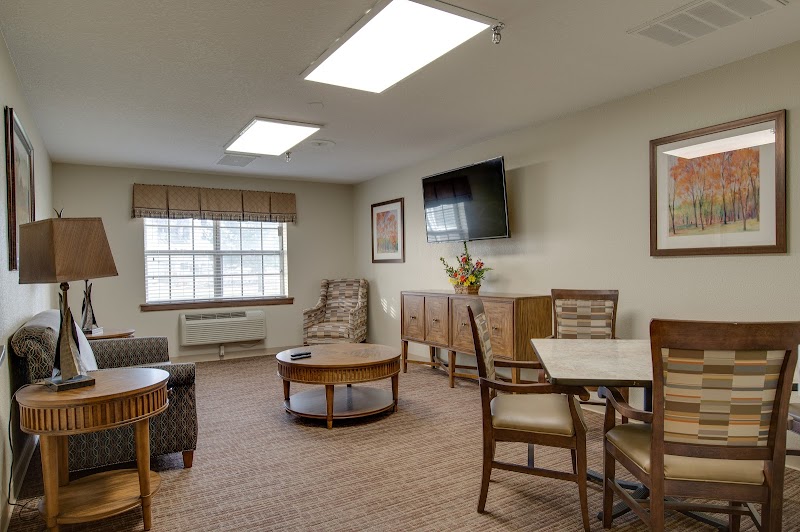
How is Eureka Nursing Center Staffed?

CMS rates EUREKA NURSING CENTER's staffing level at 3 out of 5 stars, which is average compared to other nursing homes. Staff turnover is 48%, compared to the Kansas average of 46%.

What Have Inspectors Found at Eureka Nursing Center?

State health inspectors documented 28 deficiencies at EUREKA NURSING CENTER during 2021 to 2024. These included: 2 Immediate Jeopardy (the most serious level, indicating potential for serious harm or death), 1 that caused actual resident harm, and 25 with potential for harm. Immediate Jeopardy findings are rare and represent the most serious regulatory concerns. They require immediate corrective action.
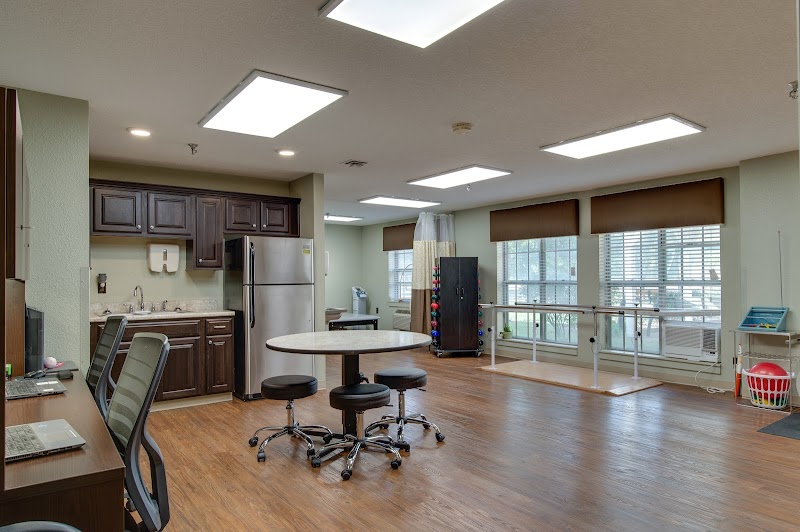
Who Owns and Operates Eureka Nursing Center?

EUREKA NURSING CENTER is owned by a for-profit company. For-profit facilities operate as businesses with obligations to shareholders or private owners. The facility is operated by AMERICARE SENIOR LIVING, a chain that manages multiple nursing homes. With 65 certified beds and approximately 48 residents (about 74% occupancy), it is a smaller facility located in EUREKA, Kansas.
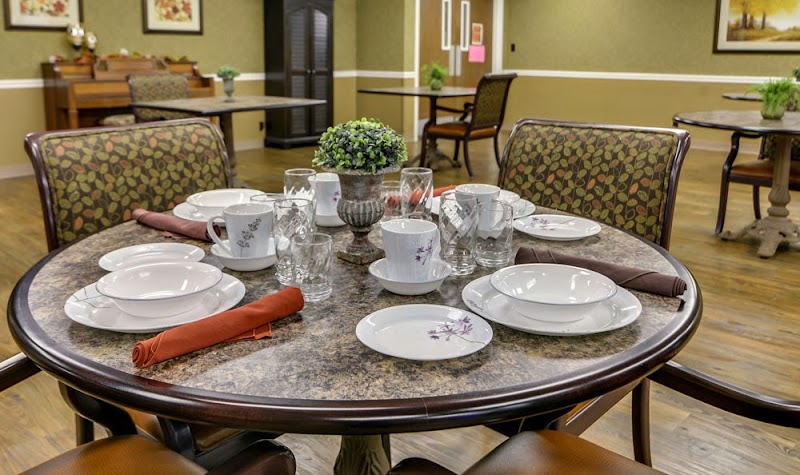
How Does Eureka Nursing Center Compare to Other Kansas Nursing Homes?

Compared to the 100 nursing homes in Kansas, EUREKA NURSING CENTER's overall rating (2 stars) is below the state average of 2.9, staff turnover (48%) is near the state average of 46%, and health inspection rating (2 stars) is below the national benchmark.

What Should Families Ask When Visiting Eureka Nursing Center?

Based on this facility's data, families visiting should ask: "What changes have been made since the serious inspection findings, and how are you preventing similar issues?" "Can I visit during a mealtime to observe dining assistance and food quality?" "How do you handle medical emergencies, and what is your hospital transfer rate?" "Can I speak with family members of current residents about their experience?" These questions are particularly relevant given the facility's Immediate Jeopardy citations.

Is Eureka Nursing Center Safe?

Based on CMS inspection data, EUREKA NURSING CENTER has documented safety concerns. Inspectors have issued 2 Immediate Jeopardy citations (the most serious violation level indicating risk of serious injury or death). The facility has a 2-star overall rating and ranks #100 of 100 nursing homes in Kansas. Families considering this facility should ask detailed questions about what corrective actions have been taken since these incidents.

Do Nurses at Eureka Nursing Center Stick Around?

EUREKA NURSING CENTER has a staff turnover rate of 48%, which is about average for Kansas nursing homes (state average: 46%). Moderate turnover is common in nursing homes, but families should still ask about staff tenure and how the facility maintains care continuity when employees leave.

Was Eureka Nursing Center Ever Fined?

EUREKA NURSING CENTER has been fined $27,895 across 3 penalty actions. This is below the Kansas average of $33,358. While any fine indicates a compliance issue, fines under $50,000 are relatively common and typically reflect isolated problems that were subsequently corrected. Families should ask what specific issues led to these fines and confirm they've been resolved.

Is Eureka Nursing Center on Any Federal Watch List?

EUREKA NURSING CENTER is not on any federal watch list. The most significant is the Special Focus Facility (SFF) program, which identifies the bottom 1% of nursing homes nationally based on persistent, serious quality problems. Not being on this list means the facility has avoided the pattern of deficiencies that triggers enhanced federal oversight. This is a positive indicator, though families should still review the facility's inspection history directly.