MEDICALODGES FORT SCOTT
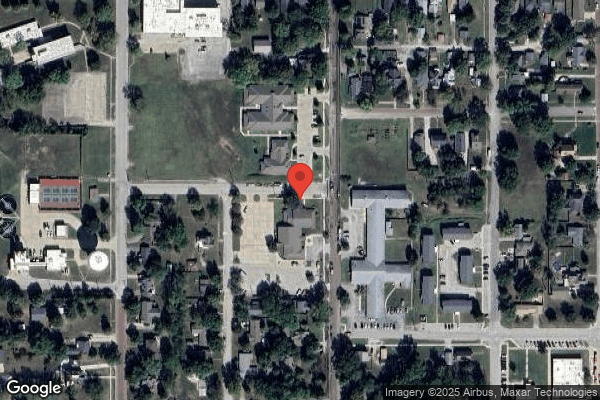

915 S HORTON, FORT SCOTT, KS 66701 (620) 223-0210
For profit - Corporation 45 Beds MEDICALODGES, INC. Data: November 2025 1 Immediate Jeopardy citation
Trust Grade
31/100
#206 of 295 in KS
Last Inspection: April 2024

Within standard 12-15 month inspection cycle. Federal law requires annual inspections.

Overview

Medicalodges Fort Scott has received a Trust Grade of F, indicating significant concerns about the quality of care provided. Ranking #206 out of 295 facilities in Kansas places it in the bottom half, though it is the only nursing home option in Bourbon County. The facility is showing signs of improvement, reducing its issues from 34 in 2024 to just 3 in 2025, yet it still faces serious challenges. Staffing is a strong point, with a perfect 5/5 rating, although the turnover rate is around the state average at 53%. On the downside, there have been critical incidents, such as a resident being injured due to improper securing in a wheelchair during transport, as well as failures in monitoring and treating pressure ulcers, which raises serious safety concerns.

Trust Score
F
31/100
In Kansas
#206/295
Bottom 31%
Safety Record
High Risk
Review needed
Inspections
Getting Better
34 → 3 violations
Staff Stability
⚠ Watch
53% turnover. Above average. Higher turnover means staff may not know residents' routines.
Penalties
✓ Good
$15,593 in fines. Lower than most Kansas facilities. Relatively clean record.
Skilled Nurses
✓ Good
Each resident gets 44 minutes of Registered Nurse (RN) attention daily — more than average for Kansas. RNs are trained to catch health problems early.
Violations
⚠ Watch
59 deficiencies on record. Higher than average. Multiple issues found across inspections.
★★☆☆☆
2.0
Overall Rating
★★★★★
5.0
Staff Levels
★★★★★
5.0
Care Quality
★☆☆☆☆
1.0
Inspection Score
Stable
2024: 34 issues
2025: 3 issues

The Good

  • 5-Star Staffing Rating · Excellent nurse staffing levels
  • 5-Star Quality Measures · Strong clinical quality outcomes
  • Full Sprinkler Coverage · Fire safety systems throughout facility
  • No fines on record

Facility shows strength in staffing levels, quality measures, fire safety.

The Bad

2-Star Overall Rating

Below Kansas average (2.9)

Below average - review inspection findings carefully

Staff Turnover: 53%

Near Kansas avg (46%)

Higher turnover may affect care consistency

Federal Fines: $15,593

Below median ($33,413)

Minor penalties assessed

Chain: MEDICALODGES, INC.

Part of a multi-facility chain

Ask about local staffing decisions and management

The Ugly 59 deficiencies on record

1 life-threatening 1 actual harm
Jul 2025 3 deficiencies
CONCERN (D) 📢 Someone Reported This

A family member, employee, or ombudsman was alarmed enough to file a formal complaint

Potential for Harm - no one hurt, but risky conditions existed

Investigate Abuse (Tag F0610)

Could have caused harm · This affected 1 resident

**NOTE- TERMS IN BRACKETS HAVE BEEN EDITED TO PROTECT CONFIDENTIALITY** The facility reported a census of 34 residents. The sample included three residents. Based on observation, interview, and record...

Read full inspector narrative →
**NOTE- TERMS IN BRACKETS HAVE BEEN EDITED TO PROTECT CONFIDENTIALITY** The facility reported a census of 34 residents. The sample included three residents. Based on observation, interview, and record review the facility failed to provide protective measures for Resident (R)1 following an allegation of abuse. This placed the resident at risk for abuse. Findings included: - R1's Electronic Medical Record (EMR) included the following diagnoses: schizophrenia (a mental disorder characterized by gross distortion of reality, disturbances of language and communication, and fragmentation of thought), bipolar disorder (a major mental illness that causes people to have episodes of severe high and low moods), major depressive disorder (MDD-major mood disorder that causes persistent feelings of sadness), intellectual disability (ID- a significantly below-average score on a test of mental ability or intelligence and limitations in the ability to function in areas of daily life), anxiety (mental or emotional reaction characterized by apprehension, uncertainty, and irrational fear) and hallucinations (sensing things while awake that appear to be real, but the mind created). R1's Annual Minimum Data Set (MDS), dated [DATE], documented the resident had a Brief Interview for Mental Status (BIMS) score of 12, indicating moderately impaired cognition. He had verbal behaviors for one to three days of the assessment period. The resident received antipsychotic (a class of drugs primarily used to treat psychosis, a condition where a person experiences a loss of contact with reality), antianxiety (drugs used to treat symptoms of anxiety and related disorders) and antidepressant (prescription drugs used to treat depression and other mental health conditions by affecting neurotransmitters in the brain) medications during the seven-day look-back period. R1's Cognitive Loss/Dementia Care Area Assessment (CAA), dated 03/14/25, documented the resident had mild cognitive impairment. R1's Urinary Incontinence/Indwelling Catheter CAA, dated 03/14/25, documented the resident required extensive assistance with toileting as he was frequently incontinent (inability to hold bowel and bladder) of bowel and bladder and wore briefs for protection and dignity. R1's Behavioral Symptoms and Psychosocial Well-Being CAAs, dated 03/14/25, documented the resident had an increase in behaviors and rejection of care. R1's physician had been made aware of the increase in behaviors. R1's Quarterly MDS, dated 06/13/25, documented the resident had a BIMS score of 11, indicating moderate cognitive impairment. He had verbal behaviors for one to three days of the assessment period. The resident received antipsychotic, antianxiety, and antidepressant medications during the seven-day look-back period. R1's Care Plan, revised 07/02/25, instructed staff the resident could, at times, make false accusations against staff and was on psychotropic (drugs that affect brain activities associated with mental processes and behaviors) medications to assist in regulating his emotions and thought patterns. R1 was receiving psychiatric services through telemedicine and staff were to monitor him closely and redirect him to promote his safety. Staff were to utilize two staff members when providing care to the resident. A review of R1's EMR and information provided by the facility revealed on 06/29/25 the resident made an accusation of sexual abuse by staff while toileting. Staff approached the resident at approximately 11:15 in his room as the resident was in a chair watching TV and yelling. When staff entered R1's room, he yelled at them to get out. The resident was then heard by staff saying he was tired of the staff waking him up to play with his butthole and ding-dong and he was going to get them for sexual assault. Staff assessed R1 for physical and emotional safety at approximately 11:30 AM and he was stable with no signs of distress or harm. The facility was unable to provide evidence the alleged perpetrator of the abuse was removed from the facility and denied access to the residents during their investigation of the accusation. On 07/02/25 at 08:30 AM, R1 sat in his wheelchair in the front commons area with his peers. The resident was friendly and talkative and had no outward appearance of distress. On 07/02/25 at 08:57 AM, Certified Nurse Aide (CNA) O provided stand-by assistance while toileting R1. No other staff were in the room at the time of the care. On 07/02/25 at 11:21 AM, CNA M stated the resident would refuse care at times. CNA M stated the resident had an increase in behaviors and the nurse was aware of the changes. CNA M stated the resident was incontinent of bowel and bladder and required staff assistance with toileting. CNA M was not aware of the need to provide care to the resident in pairs. On 07/02/25 at 11:43 AM, Licensed Nurse (LN) G stated the resident had psychotic episodes which would include screaming and being aggressive towards staff verbally. LN G was not aware the staff was supposed to be providing resident care in pairs for the resident. On 07/02/25 at 01:17 PM, Administrative Staff A stated she was unaware the staff involved in the incident needed to be suspended, placed on leave, or otherwise formally denied access to the residents while the allegation was investigated. Administrative Staff A stated she was notified of the accusation immediately and was in the facility to begin the investigation within approximately 15 minutes. She reported the incident to the hotline via e-mail on 06/30/25. The facility policy for Abuse, Neglect and Exploitation, revised 10/2022, included: Any time a report of possible abuse, neglect or exploitation is made against an employee, that employee shall be immediately sent home and suspended without pay by the person in charge until a thorough investigation can be conducted by the DON and/or the Administrator.
CONCERN (D) 📢 Someone Reported This

A family member, employee, or ombudsman was alarmed enough to file a formal complaint

Potential for Harm - no one hurt, but risky conditions existed

Deficiency F0657 (Tag F0657)

Could have caused harm · This affected 1 resident

**NOTE- TERMS IN BRACKETS HAVE BEEN EDITED TO PROTECT CONFIDENTIALITY** The facility reported a census of 34 residents. The sample included three residents. Based on observation, interview, and record...

Read full inspector narrative →
**NOTE- TERMS IN BRACKETS HAVE BEEN EDITED TO PROTECT CONFIDENTIALITY** The facility reported a census of 34 residents. The sample included three residents. Based on observation, interview, and record review the facility failed to update Resident (R) 1's Care Plan, putting the resident at risk for inadequate care due to uncommunicated care needs. Findings included: - R1's Electronic Medical Record (EMR) included the following diagnoses: schizophrenia (a mental disorder characterized by gross distortion of reality, disturbances of language and communication, and fragmentation of thought), bipolar disorder (a major mental illness that causes people to have episodes of severe high and low moods), major depressive disorder (MDD-major mood disorder that causes persistent feelings of sadness), intellectual disability (ID- a significantly below-average score on a test of mental ability or intelligence and limitations in the ability to function in areas of daily life), anxiety (mental or emotional reaction characterized by apprehension, uncertainty, and irrational fear) and hallucinations (sensing things while awake that appear to be real, but the mind created). R1's Annual Minimum Data Set (MDS), dated [DATE], documented the resident had a Brief Interview for Mental Status (BIMS) score of 12, indicating moderately impaired cognition. He had verbal behaviors for one to three days of the assessment period. The resident received antipsychotic (a class of drugs primarily used to treat psychosis, a condition where a person experiences a loss of contact with reality), antianxiety (drugs used to treat symptoms of anxiety and related disorders) and antidepressant (prescription drugs used to treat depression and other mental health conditions by affecting neurotransmitters in the brain) medications during the seven-day look-back period. R1's Cognitive Loss/Dementia Care Area Assessment (CAA), dated 03/14/25, documented the resident had mild cognitive impairment. R1's Urinary Incontinence/Indwelling Catheter CAA, dated 03/14/25, documented the resident required extensive assistance with toileting as he was frequently incontinent (inability to hold bowel and bladder) of bowel and bladder and wore briefs for protection and dignity. R1's Behavioral Symptoms and Psychosocial Well-Being CAAs, dated 03/14/25, documented the resident had an increase in behaviors and rejection of care. R1's physician had been made aware of the increase in behaviors. R1's Quarterly MDS, dated 06/13/25, documented the resident had a BIMS score of 11, indicating moderate cognitive impairment. He had verbal behaviors for one to three days of the assessment period. The resident received antipsychotic, antianxiety, and antidepressant medications during the seven-day look-back period. R1's Care Plan, revised 07/02/25, instructed staff the resident could, at times, make false accusations against staff and was on psychotropic (drugs that affect brain activities associated with mental processes and behaviors) medications to assist in regulating his emotions and thought patterns. R1 was receiving psychiatric services through telemedicine and staff were to monitor him closely and redirect him to promote his safety. Staff were to utilize two staff members when providing care to the resident. On 07/02/25 at 08:30 AM, R1 sat in his wheelchair in the front commons area with his peers. The resident was friendly and talkative and had no outward appearance of distress. On 07/02/25 at 08:57 AM, Certified Nurse Aide (CNA) O provided stand-by assistance while toileting R1. No other staff were in the room at the time of the care. On 07/02/25 at 11:21 AM, CNA M stated she was not aware of the need to provide care to the resident in pairs. On 07/02/25 at 11:30 AM, CNA N stated staff did care for the resident in pairs on the day he made the accusations of staff not treating him appropriately but had not been told to continue to do care in pairs after that day. On 07/02/25 at 11:37 AM, CNA O stated staff were to be doing care with the resident in pairs, but it was not always happening. On 07/02/25 at 11:43 AM, Licensed Nurse (LN) G stated she was not aware the staff was to be providing resident care in pairs for the resident. On 07/02/25 at 01:17 PM, Administrative Nurse D stated the resident's care plan had not been reviewed and revised to include staff instruction to complete the resident's care in pairs only until 07/02/25, while the incident took place 06/29/25. The facility's undated policy for Care Plans documented each resident's care plan would be reviewed and revised with any new interventions.
CONCERN (E) 📢 Someone Reported This

A family member, employee, or ombudsman was alarmed enough to file a formal complaint

Potential for Harm - no one hurt, but risky conditions existed

Pharmacy Services (Tag F0755)

Could have caused harm · This affected multiple residents

The facility reported a census of 34 residents. Based on observation, interview, and record review, the facility failed to ensure an accurate and adequate system for monitoring and reconciliation of n...

Read full inspector narrative →
The facility reported a census of 34 residents. Based on observation, interview, and record review, the facility failed to ensure an accurate and adequate system for monitoring and reconciliation of narcotic medications in the facility emergency kits (e-kit), putting the residents at risk of misappropriation of medications. Findings included: - A tour of the medication room on 07/02/25 at 09:09 AM with Licensed Nurse (LN) G revealed the following concerns: 1. A narcotic (a psychoactive compound with numbing or paralyzing properties) e-kit which contained 10 tablets (tabs) of hydrocodone-acetaminophen (a narcotic pain medication) 5-325 milligrams (mg); five tabs of hydrocodone-acetaminophen 7.5-325 mg; hydrocodone-acetaminophen 10-325 mg and a 15 milliliter (ml) bottle of morphine sulfate (MS) 20 mg/ml. The lock-out tag number did not match the number documented on the Controlled Medication Shift Count. 2. An e-kit which contained five tabs of alprazolam (an antianxiety medication) 0.25 mg; five tabs APAP-Codeine #3 (a pain medication); five tabs clonazepam (an antianxiety medication) 0.5 mg; five tabs lorazepam (antianxiety medication) 0.5 mg; five tabs zolpidem (a hypnotic-a class of medications used to induce sleep) 5 mg and Tramadol (a pain medication) 50 mg. The lock-out tag number did not match the number documented on the Controlled Medication Shift Count. A review of the Controlled Medication Shift Count sheet in the medication room revealed the staff signed off on the count and reconciliation of the e-kits three times from 06/01/25 to 07/01/25. On 07/02/25 at 09:13 AM, LN G stated the lock-out tags on the e-kits in the medication room were not checked and documented by the oncoming and off-going nurses at shift change. On 07/02/25 at 01:21 PM, Administrative Nurse D stated it was the facility's expectation for nurses to verify the lock-out tag number of all e-kits and compare them to the documented numbers on the Controlled Medication Reconciliation form at the beginning and end of each shift. Admin Nurse D said the nurses were to date and sign the form to indicate the e-kits had been reconciled. The facility policy for Controlled Medication Reconciliation, revised 11/2024, included: At each shift change or with a change in licensed nurse responsibility for the medication cart or storage area, the oncoming licensed nurse will verify the number of the Emergency kit tags on all emergency kits (refrigerated narcotic/insulin's emergency kit, narcotic emergency kit, regular emergency kit, and IV emergency kit) match the Pharmamerica Emergency Kit Lock Tracking Log.
Aug 2024 2 deficiencies
CONCERN (D) 📢 Someone Reported This

A family member, employee, or ombudsman was alarmed enough to file a formal complaint

Potential for Harm - no one hurt, but risky conditions existed

Free from Abuse/Neglect (Tag F0600)

Could have caused harm · This affected 1 resident

**NOTE- TERMS IN BRACKETS HAVE BEEN EDITED TO PROTECT CONFIDENTIALITY** The facility reported a census of 26. The sample included three residents reviewed for neglect. Based on observations, record re...

Read full inspector narrative →
**NOTE- TERMS IN BRACKETS HAVE BEEN EDITED TO PROTECT CONFIDENTIALITY** The facility reported a census of 26. The sample included three residents reviewed for neglect. Based on observations, record review, and interview, the facility failed to ensure dependent and cognitively impaired Resident (R) 1, who had a diagnosis of dysphagia (swallowing difficulty), oropharyngeal phage (delay in swallowing), and ileus (obstruction of the intestines [gastrointestinal tract that absorbs nutrients and water from food], caused by immobility of the bowel), remain free from neglect when Certified Medication Aide (CMA) S continued to administer R1's morning medications despite R1's request to slow down because she was having a difficult time swallowing. When CMA S left the room, CMA S told R1 there you're done now you can quit your crying. Findings included: - (R)1's ''Physician Order Sheet'' (POS), dated 08/01/24, documented diagnoses which included: dysphagia (swallowing difficulty), oropharyngeal phage (delay in swallowing), ileus (obstruction of the intestines [gastrointestinal tract that absorbs nutrients and water from food], caused by immobility of the bowel), anxiety disorder (mental or emotional reaction characterized by apprehension, uncertainty, and irrational fear), and cognitive communication deficit (difficulty with communicating). The Annual Minimum Data Set (MDS), dated [DATE], documented the resident had a Brief Interview of Mental Status (BIMS) score of seven, indicating severely impaired cognition. R1 required setup assistance for eating. R1 had swallowing disorders that included coughing or choking on meals, or when swallowing medications, and complaints of difficulty or pain with swallowing. She required a mechanically altered diet and had no natural teeth or tooth fragments. R1 had no speech therapy during the lookback period but had speech therapy from 11/16/23 to 01/21/24. The ''Cognitive Loss/Dementia Care Area Assessment'' (CAA), dated 02/19/24, the resident was alert with occasional confusion. The resident's speech was clear, and she was able to voice her wants and needs. The Functional abilities (self-care and mobility) Care Area Assessment (CAA), dated 02/19/24, the resident will get up for meals and assisted by staff. The Nutrition Care Area Assessment (CAA), dated 02/19/24, the resident assisted by staff assist with meals. She was able to make her own menu choices. R1's Activities of Daily Living Care Plan, dated 03/16/17, instructed nursing staff to administer R1 medications crushed. The Quarterly MDS dated [DATE], documented the resident had a BIMS score of three, which indicated severely impaired cognition. She continued to have swallowing disorders that included coughing and chocking during meals and swallowing medications. She had complaints with difficulty or pain with swallowing. She required a mechanically altered diet and had no natural teeth or tooth fragments. R1's Difficulty Swallowing Care Plan, dated 08/07/24, instructed staff to be patient and take time when administering R1 medications because R1 would become anxious and choke easily. Staff were to crush her medications and mix the medications with applesauce. Review of R1's Electronic Medication Administration Record for 08/02/24, revealed CMA S administered the following medications: MiraLAX Powder (laxative), 17 grams, one scoop by mouth, daily, for constipation, start date 01/30/2023. Bactrim-DS Oral Tablet (antibiotic folate antagonist), 400-80 milligram's (mg), one tablet by mouth, daily, for prophylaxis, start date 02/01/23. Colace Tablet (laxative), 100 mg, one tablet by mouth, twice daily, for constipation, start date 01/30/23. A Registered Dietitian (RD) Assessment, dated 02/23/24, documented the resident required pureed diet with nectar thick liquids. The residents had risk factors such as difficulty chewing, swallowing and dysphagia. She had an altered texture diet, and thickened liquids. On 08/15/24 at 10:00 AM, Outside Resource Staff EE, reported she witnessed CMA S administering the resident medications and the resident was telling CMA S to stop, I need to swallow. Housekeeping/CNA U was also in the resident's room telling the resident to take a drink. Outside Resource Staff EE observed CMA S continued to give the resident her medications even though the resident told her she needed to swallow. Outside Resource Staff EE reported that CMA S made the statement when she walked out of the resident's room it's over with now, you can quit your crying. Outside Resource Staff EE reported she should have reported this to Administrative Staff A and to her supervisor on 08/02/24 but failed to do so. On 08/15/24 at 11:36 AM, CMA S reported that she administered R1's medications on the morning of 08/02/24. The resident was talking and screaming between bites of applesauce with her crushed medications. CMA S reported that she did not remember her crying. Housekeeping/CNA U gave her drinks of thickened liquid between medication bites in the applesauce mixture. CMA S reported she wanted to make sure the resident had all her medication. CMA S reported she had too much on her mind and should not have administered the medications in that manner. On 08/15/24 at 12:40 PM, Review of Housekeeping/CNA U witness statement revealed she delivered laundry to resident's room the morning of 08/02/04. CMA S was administering R1's medications when she entered the residents room. R1 asked CMA S to stop giving her the medication. R1 was coughing and choking on the medication. CMA S kept administering her medication. She asked CMA S to wait before giving more medication and give the resident a chance to swallow and get some water. CMA S continued to administer the medication. After CMA S finished administering medications, she told the resident she was A crybaby. On 8/15/24 at 10:19 AM, Administrative Nurse D reported she was not aware of CMA S actions until 08/07/24, (five days later), when Housekeeping/CNA U reported the incident to her and Administrative Staff A. Administrative Nurse D reported Housekeeping/CNA U said she got busy and forgot and should have reported the incident on 08/02/24 at the time of the incident. On 08/15/24 at 10:35 AM, Administrative Staff A reported Housekeeping U reported this incident to her and Administrative Nurse D on 08/07/24, instead of when it occurred, because Housekeeping/CNA U forgot to report the occurrence. Administrative Staff A reported Outside Resource staff EE failed to report what she witnessed with CMA S and R1. The facility's Abuse and Neglect Policy, revised dated 10/2022, documented the facility should ensure the resident is free from neglect and to take precautions to ensure the residents safety and well-being. The facility failed to ensure dependent and cognitively impaired Resident (R) 1, remained free from neglect when CMA S continued to administer medications in applesauce, despite R1's request to slow down because she was had a difficult time swallowing, witnessed by Housekeeping Aide/CNA U and Outside Resource Staff EE. When CMA S left the room, CMA S told R1 there you're done now you can quit your crying.
CONCERN (D) 📢 Someone Reported This

A family member, employee, or ombudsman was alarmed enough to file a formal complaint

Potential for Harm - no one hurt, but risky conditions existed

Report Alleged Abuse (Tag F0609)

Could have caused harm · This affected 1 resident

**NOTE- TERMS IN BRACKETS HAVE BEEN EDITED TO PROTECT CONFIDENTIALITY** The facility reported a census of 26. The sample included three residents reviewed for neglect. Based on observations, record re...

Read full inspector narrative →
**NOTE- TERMS IN BRACKETS HAVE BEEN EDITED TO PROTECT CONFIDENTIALITY** The facility reported a census of 26. The sample included three residents reviewed for neglect. Based on observations, record review, and interview, the facility failed to ensure dependent and cognitively impaired Resident (R) 1, who had a diagnosis of dysphagia (swallowing difficulty), oropharyngeal phage (delay in swallowing), ileus (obstruction of the intestines [gastrointestinal tract that absorbs nutrients and water from food], caused by immobility of the bowel), remain from neglect when Housekeeping U and Outside Resource Staff EE failed to report to Administrative Staff A that Certified Medication Aide S continued to administer R1's morning medications despite R1's request to slow down because she was had a difficult time swallowing. When CMA S left the room, CMA S told R1 there you're done now you can quit your crying. Findings included: - (R)1's ''Physician Order Sheet'' (POS), dated 08/01/24, documented diagnoses which included: dysphagia (swallowing difficulty), oropharyngeal phage (delay in swallowing), ileus (obstruction of the intestines [gastrointestinal tract that absorbs nutrients and water from food], caused by immobility of the bowel), anxiety disorder (mental or emotional reaction characterized by apprehension, uncertainty, and irrational fear), and cognitive communication deficit (difficulty with communicating). The Annual Minimum Data Set (MDS), dated [DATE], documented the resident had a Brief Interview of Mental Status (BIMS) score of seven, indicating severely impaired cognition. R1 required setup assistance for eating. R1 had swallowing disorders that included coughing or choking on meals, or when swallowing medications, and complaints of difficulty or pain with swallowing. She required a mechanically altered diet and had no natural teeth or tooth fragments. R1 had no speech therapy during the lookback period but had speech therapy from 11/16/23 to 01/21/24. The ''Cognitive Loss/Dementia Care Area Assessment'' (CAA), dated 02/19/24, the resident is alert with occasional confusion. The resident's speech was clear, and she is able to voice her wants and needs. The Functional abilities (self-care and mobility) Care Area Assessment (CAA), dated 02/19/24, the resident's will get up for meals and is assisted by staff. The Nutrition Care Area Assessment (CAA), dated 02/19/24, the resident assist by staff assist by meals. She was able to make her own menu choices. R1's Activities of Daily Living Care Plan, dated 03/16/17, instructed nursing staff to administer R1 medications crushed. The Quarterly MDS dated [DATE], documented the resident had a BIMS score of three, which indicated severely impaired cognition. She continued to have swallowing disorders that included coughing and chocking during meals and swallowing medications. She had complaints with difficulty or pain with swallowing. She required a mechanically altered diet and had no natural teeth or tooth fragments. R1's Difficulty Swallowing Care Plan, dated 08/07/24, instructed staff to be patient and take time when administering R1 medications because R1 would become anxious and choke easily. Staff were to crush her medications and mix the medications with applesauce. Review of R1's Electronic Medication Administration Record for 08/02/24, revealed CMA S administered the following medications: MiraLax Powder (laxative), 17 grams, one scoop by mouth, daily, for constipation, start date 01/30/2023. Bactrim-DS Oral Tablet (antibiotic folate antagonist), 400-80 milligrams (mg), one tablet by mouth, daily, for prophylaxis, start date 02/01/23. Colace Tablet (laxative), 100 mg, one tablet by mouth, twice daily, for constipation, start date 01/30/23. A Registered Dietitian Assessment, dated 02/23/24, documented the resident required pureed diet with nectar thick liquids. The residents had risk factors such as difficulty chewing, swallowing and dysphagia. She had an altered texture diet, and thickened liquids. On 08/15/24 at 10:00 AM, Outside Resource Staff EE, reported she witnessed CMA S administering the resident's medications and the resident was telling CMA S to stop, I need to swallow. Housekeeping/CNA U was also in the resident's room telling the resident to take a drink. Outside Resource Staff EE observed CMA S continued to give the resident her medications even though the resident told her she needed to swallow. Outside Resource Staff EE reported that CMA S made the statement when she walked out of the resident's room it's over with now, you can quit your crying. Outside Resource Staff EE reported she should have reported this to Administrative Staff A and her supervisor on 08/02/24 but failed to do so. On 08/15/24 at 11:36 AM, CMA S reported that she administered R1's medications on the morning of 08/02/24. The resident was talking and screaming between bites of applesauce with her crushed medications. CMA S reported that she did not remember her crying. Housekeeping/CNA U gave her drinks of thickened liquid between medication bites in the applesauce mixture. CMA S reported she wanted to make sure the resident had all her medication. CMA S reported she had too much on her mind and should not have administered the medications in that manner. On 08/15/24 at 12:40 PM, Review of Housekeeping/CNA U witness statement revealed she delivered laundry to resident's room the morning of 08/02/04. CMA S was administering R1's medications when she entered the residents room. R1 asked CMA S to stop giving her the medication. R1 was coughing and choking on the medication. CMA S kept administering her medication. She asked CMA S to wait before giving more medication and give the resident a chance to swallow and get some water. CMS continued to administer the medication. After CMA S finished administering medications, she told the resident she was A crybaby. On 8/15/24 at 10:19 AM, Administrative Nurse D reported she was not aware of CMA S actions until 08/07/24, (five days later), when Housekeeping/CNA U reported the incident to her and Administrative Staff A. Administrative Nurse D reported Housekeeping/CNA U said she got busy and forgot, and should have reported the incident on 08/02/24 at the time of the incident. On 08/15/24 at 10:35 AM Administrative Staff A reported Housekeeping U reported this incident to her and Administrative Nurse A on 08/07/24, instead of when it occurred, because Housekeeping/CNA U forgot to report the occurrence. Administrative Staff A reported Outside Resource staff EE failed to report what she witnessed with CMA S and R1. The facility's Abuse and Neglect Policy, revised dated 10/2022, documented the facility should ensure the resident is free from neglect, to take precautions to ensure the residents safety and well-being due to responsibility of every employee of the facility report any abuse and/or neglect The facility failed to ensure dependent and cognitively impaired Resident (R) 1 the facility failed to ensure dependent and cognitively impaired Resident (R) 1, who had a diagnosis of dysphagia, ileus and oropharyngeal phase, remain from neglect when Housekeeping U and Outside Resource Staff EE failed to report to Administrative Staff A that Certified Medication Aide S continued to administer R1's morning medications despite R1's request to slow down because she was had a difficult time swallowing. When CMA S left the room, CMA S told R1 there you're done now you can quit your crying.
Apr 2024 32 deficiencies
CONCERN (D)

Potential for Harm - no one hurt, but risky conditions existed

Deficiency F0582 (Tag F0582)

Could have caused harm · This affected 1 resident

The facility identified a census of 37 residents with 12 residents included in the sample. The facility identified six residents who were discharged from Medicare Part A services. Based on interview a...

Read full inspector narrative →
The facility identified a census of 37 residents with 12 residents included in the sample. The facility identified six residents who were discharged from Medicare Part A services. Based on interview and record review the facility failed to issue CMS (Center for Medicare/Medicaid Services) Notification of Medicare Non-Coverage Form 10123 (NOMNC- the form used to notify Medicare A participants of their rights to appeal and the last covered date of participants of potential financial liability when a Medicare Part A episode ends) with the required information for Resident (R) 88 and R 89. This failure placed the residents at risk for decreased autonomy and impaired decision-making. Findings included: - A review of R88's Electronic Medical Record (EMR) documented that the Medicare Part A episode began on 12/09/23 and ended on 12/21/23. R88 did not remain in the facility for custodial care. The facility was unable to provide documentation a NOMNC was issued for R88. A review of R89's EMR documented that the Medicare Part A episode began on 9/27/23 and ended on 11/03/24. R89 did not remain in the facility for custodial care. The facility was unable to provide documentation a NOMNC was issued for R89. On 04/03/24 at 10:45 AM Administrative Staff A stated she was unsure where the forms were. She stated she was unable to find any documentation that R88 and R89 had received a NOMNC. The facility did not provide a policy for beneficiary notification. The facility failed to ensure a NOMNC was provided at the end of skilled services for R88 and R89. This failure placed the residents at risk for decreased autonomy and impaired decision-making.
CONCERN (D)

Potential for Harm - no one hurt, but risky conditions existed

Transfer Notice (Tag F0623)

Could have caused harm · This affected 1 resident

**NOTE- TERMS IN BRACKETS HAVE BEEN EDITED TO PROTECT CONFIDENTIALITY** The facility identified a census of 37 residents. The sample included 12 residents with two residents reviewed for hospitalizati...

Read full inspector narrative →
**NOTE- TERMS IN BRACKETS HAVE BEEN EDITED TO PROTECT CONFIDENTIALITY** The facility identified a census of 37 residents. The sample included 12 residents with two residents reviewed for hospitalization. Based on observation, record review, and interviews, the facility failed to provide written notice of transfer or discharge notice for Resident (R) 10's facility-initiated transfers. This deficient practice placed R10 at risk of uninformed choices and miscommunication regarding care needs. Findings included: - R10's Electronic Medical Record (EMR) from the Diagnoses tab documented diagnoses of congestive heart failure (CHF-a condition with low heart output and the body becomes congested with fluid), hypertension (HTN-elevated blood pressure), and a contracture (abnormal permanent fixation of a joint or muscle). The Annual Minimum Data Set (MDS) dated [DATE] documented a Brief Interview of Mental Status (BIMS) score of eight which indicated moderately impaired cognition. The MDS documented no upper or lower extremity impairment for R10 during the observation period. The Quarterly MDS dated 02/16/24 documented a BIMS score of 10 which indicated moderately impaired cognition. The MDS documented that R10 had upper and lower extremity impairment on one side during the observation period. R10's Activities of Daily Living Functional/Rehabilitation Potential Care Area Assessment (CAA) dated 07/26/23 documented he had impaired mobility and required extensive assistance from three staff members for transfers. R10's plan of care would direct staff to assist him in maintaining his level of care and prevent a decline in his ability to participate in his care. R10's Care Plan dated 05/20/21 documented that staff would assist him in setting a realistic goal to make his life as comfortable as possible. R10's EMR under the Progress Notes tab revealed a nurse's note on 09/28/223 at 04:40 PM that documented R10 was transported to the hospital. On 11/09/23 at 10:43 AM a Nursing Progress Note documented R16 was transferred to the hospital. On 12/14/23 at 03:25 AM a Nursing Progress Note documented R10 was admitted to the hospital. On 02/21/24 at 04:05 AM a Nursing Progress Note documented R10 was admitted to the hospital on [DATE]. On 03/20/24 at 07:15 AM a Nursing Progress Note documented R10 was admitted to the hospital. The facility was unable to provide evidence a written notice of transfer or discharge notification was provided to the legal representative when R10 transferred to the hospital on the above dates upon request. On 04/02/24 at 09:55 AM R10 sat slightly reclined in his Broda chair (specialized wheelchair with the ability to tilt and recline) in the common area. R10's contracted left hand lay on his abdomen. R10's left hand did not have a washcloth or carrot in his palm. On 04/02/24 at 04:05 PM Administrative Staff A stated the facility had not provided a written notice of transfer or discharge notice to R10 or his legal representative for R10's hospitalizations. The facility did not provide a policy related to transfers and discharges, The facility failed to provide a written notice of transfer or discharge notice for R10's facility-initiated transfers. This deficient practice placed R10 at risk of uninformed choices and miscommunication regarding care needs.
CONCERN (D)

Potential for Harm - no one hurt, but risky conditions existed

Deficiency F0625 (Tag F0625)

Could have caused harm · This affected 1 resident

**NOTE- TERMS IN BRACKETS HAVE BEEN EDITED TO PROTECT CONFIDENTIALITY** The facility identified a census of 37 residents. The sample included 12 residents with two residents reviewed for hospitalizati...

Read full inspector narrative →
**NOTE- TERMS IN BRACKETS HAVE BEEN EDITED TO PROTECT CONFIDENTIALITY** The facility identified a census of 37 residents. The sample included 12 residents with two residents reviewed for hospitalization. Based on observation, record review, and interviews, the facility failed to provide a bed hold notice when Resident (R) 10 was hospitalized . This deficient practice placed R10 at risk of uninformed choices. Findings included: - R10's Electronic Medical Record (EMR) from the Diagnoses tab documented diagnoses of congestive heart failure (CHF-a condition with low heart output and the body becomes congested with fluid), hypertension (HTN-elevated blood pressure), and a contracture (abnormal permanent fixation of a joint or muscle). The Annual Minimum Data Set (MDS) dated [DATE] documented a Brief Interview of Mental Status (BIMS) score of eight which indicated moderately impaired cognition. The MDS documented no upper or lower extremity impairment for R10 during the observation period. The Quarterly MDS dated 02/16/24 documented a BIMS score of 10 which indicated moderately impaired cognition. The MDS documented that R10 had upper and lower extremity impairment on one side during the observation period. R10's Activities of Daily Living Functional/Rehabilitation Potential Care Area Assessment (CAA) dated 07/26/23 documented he had impaired mobility and required extensive assistance from three staff members for transfers. R10's plan of care would direct staff to assist him in maintaining his level of care and prevent a decline in his ability to participate in his care. R10's Care Plan dated 05/20/21 documented that staff would assist him in setting a realistic goal to make his life as comfortable as possible. R10's EMR under the Progress Notes tab revealed a nurse's note on 09/28/223 at 04:40 PM that documented R10 was transported to the hospital. On 11/09/23 at 10:43 AM a Nursing Progress Note documented R16 was transferred to the hospital. On 12/14/23 at 03:25 AM a Nursing Progress Note documented R10 was admitted to the hospital. On 02/21/24 at 04:05 AM a Nursing Progress Note documented R10 was admitted to the hospital on [DATE]. On 03/20/24 at 07:15 AM a Nursing Progress Note documented R10 was admitted to the hospital. The facility was unable to provide evidence a bed hold notification was provided to the legal representative when R10 transferred to the hospital on the above dates upon request. On 04/02/24 at 09:55 AM R10 sat slightly reclined in his Broda chair (specialized wheelchair with the ability to tilt and recline) in the common area. R10's contracted left hand lay on his abdomen. R10's left hand did not have a washcloth or carrot in his palm. On 04/02/24 at 04:05 PM Administrative Staff A stated the facility had not provided a bed hold notice to R10 or his legal representative for R10's hospitalizations. The facility did not provide a policy related to transfers and discharges. The facility failed to provide a bed hold notice for R10 hospitalization. This deficient practice placed R10 at risk of uninformed choices.
CONCERN (D)

Potential for Harm - no one hurt, but risky conditions existed

Deficiency F0676 (Tag F0676)

Could have caused harm · This affected 1 resident

**NOTE- TERMS IN BRACKETS HAVE BEEN EDITED TO PROTECT CONFIDENTIALITY** The facility identified a census of 37 residents. The sample included 12 residents with three residents reviewed for activities ...

Read full inspector narrative →
**NOTE- TERMS IN BRACKETS HAVE BEEN EDITED TO PROTECT CONFIDENTIALITY** The facility identified a census of 37 residents. The sample included 12 residents with three residents reviewed for activities of daily living (ADL). Based on record review, and interviews, the facility failed to ensure Resident (R) 25 received the necessary ADL assistance he required for his hearing aids. This deficient practice placed R25 at risk for the inability to communicate with peers or staff, increased confusion, negative psychosocial outcomes, and decreased dignity. Findings included: - R25's Electronic Medical Record (EMR) from the Diagnoses tab documented diagnoses of congestive heart failure (CHF-a condition with low heart output and the body becomes congested with fluid), hypertension (HTN-elevated blood pressure), depression (a mood disorder that causes a persistent feeling of sadness and loss of interest), and cognitive communication deficit. The Significant Change Minimum Data Set (MDS) dated [DATE] documented severely impaired cognition. The MDS documented R25 was dependent on staff assistance for all activities of daily living. The MDS documented R10 had difficulty with his hearing and did not wear hearing aids during the observation period. The Quarterly MDS dated 03/15/24 documented a BIMS score of eight which indicated moderately impaired cognition. The MDS documented that R25 required substantial to maximum assistance with personal hygiene. The MDS documented R25's hearing was adequate with the assistance of his hearing aids. R25's Cognitive Loss/Dementia Care Area Assessment (CAA) dated 06/24/23 documented R25 had severe cognitive impairment. R25's Care Plan dated 03/15/23 documented R25 had hearing aids that needed to be charged nightly. The plan of care lacked direction to the staff related to the application of R25's hearing aids. On 04/01/24 at 12:36 PM staff pushed R25 into the dining room table in his wheelchair and left the dining room. Another resident attempted to talk with R25. R25 stated he could not hear this resident because his hearing aids had been lost again. Certified Nurse Aide (CNA) Q entered the dining room and placed hearing aids into R25's ears. On 04/02/24 at 08:07 AM R25 sat in his wheelchair at the dining room table without his hearing aids. One of his table mates attempted to talk to R25. R25 was unable to hear what was said to him. R25 stated he could not hear; his hearing aids had been lost. On 04/03/24 at 09:48 AM Consultant HH stated she understood R25's hearing had been discarded into the trash. Consultant HH stated R25 had placed his hearing aids into a Kleenex, and then attempted to give his hearing aids to the staff member. Consultant HH stated the facility staff member instructed R25 to throw the Kleenex in the trash. Consultant HH stated the facility had located an old pair of R25's hearing aids and was using those. On 04/03/24 at 09:57 AM, Administrative Nurse D stated R25 had lost a pair of hearing aids, but he currently had hearing aids to use. Administrative Nurse D stated she was not aware of any specific staff assigned to ensure R25's hearing aids were placed in his ears to assist him with being able to participate with his ADLs. Administrative Nurse D stated R25 could understand if he was facing the person who was speaking. Administrative Nurse D stated R25 would stop by the nurse's desk if someone was there to ask for his hearing aids. Administrative Nurse D stated she was not aware that R25 believed his hearing aids had been lost. The facility was unable to provide a policy related to maintaining a resident's hearing. The facility failed to ensure assistance was provided for R25's hearing aids to aid his ability to participate with ADLs. This deficient practice placed R25 at risk for the inability to communicate with peers or staff, increased confusion, negative psychosocial outcomes, and decreased dignity.
CONCERN (D)

Potential for Harm - no one hurt, but risky conditions existed

Quality of Care (Tag F0684)

Could have caused harm · This affected 1 resident

**NOTE- TERMS IN BRACKETS HAVE BEEN EDITED TO PROTECT CONFIDENTIALITY** The facility identified a census of 37 residents. The sample included 12 residents with one resident reviewed for quality of car...

Read full inspector narrative →
**NOTE- TERMS IN BRACKETS HAVE BEEN EDITED TO PROTECT CONFIDENTIALITY** The facility identified a census of 37 residents. The sample included 12 residents with one resident reviewed for quality of care. Based on observation, record review, and interviews, the facility failed to follow a physician's order for daily weights to monitor for fluid overload for Resident (R) 14. This deficient practice placed R14 at risk for delay in treatment related to fluid overload and untreated illness. Findings included: - R14's Electronic Medical Record (EMR) from the Diagnoses tab documented diagnoses of congestive heart failure (CHF-a condition with low heart output and the body becomes congested with fluid), neuromuscular dysfunction of the bladder (when a person lacks bladder control due to brain, spinal cord or never problems), dysphagia (swallowing difficulty), and aphasia (condition with disordered or absent language function). The Significant Change Minimum Data Set (MDS) dated [DATE] did not document a Brief Interview of Mental Status (BIMS). The MDS documented that R14 required partial/moderate assistance with toileting, showers, and eating. The MDS documented R14 received a diuretic (medication to promote the formation and excretion of urine) during the observation period. R14's Communication Care Area Assessment (CAA) dated 02/09/24 documented R14 was alert to person and was nonverbal. He could indicate by nodding his head to yes or no questions. He also had a picture book where he could point to objects, which he seldom used. R14's Care Plan revised 08/25/22 documented R14 received a diuretic with a Black Box Warning (BBW- highest safety-related warning that medications can be assigned by the Food and Drug Administration). The plan lacked direction related to weight monitoring for CHF. R14's EMR under the Orders tab dated 04/27/21 revealed the following physician orders: Lasix (diuretic) tablet 20 milligrams; give one tablet by mouth one time a day related to CHF. Daily weights every day dated 02/17/24, for the diagnosis of CHF. Review of R14's Medication Administration Record (MAR) from 02/17/24 to 04/03/24 (45 days) lacked evidence staff measured and recorded R14's weight on the following dates 02/17, 02/18, 02/21, 02/22, 2/26, 2/27, 03/01, 03/02, 03/03, 03/06, 03/07, 03/11, 03/12, 03/15, 03/16, 03/17, 03/20, 03/25, 03/26, 03/28, 03/29, 03/30, 03/31 and 04/02. R14's clinical record lacked documentation of physician notification the daily weight was not obtained and lacked evidence R14 refused to be weighed. On 04/02/24 at 09:19 AM R14 sat in his wheelchair playing hit the balloon with peers during an activity. On 04/03/24 at 02:20 PM, Certified Nursing Aide (CNA) O stated nursing would let the CNA staff know if ta residents needed to be weighed. CNA O stated the nurses usually made a list of residents who needed to be weighed. On 04/03/24 at 02:43 PM Licensed Nurse (LN) G stated that occasionally she did not have time to obtain weights. LN G stated if she did not have time to get the weight, she also did not have time to notify the physician of the missed weight. On 04/03/24 at 03:25 PM Administrative Nurse D stated she knew staff were behind on obtaining resident weights. She stated the facility was going to have the restorative aide do the weights. Administrative Nurse D stated if the restorative aid was not able to get the weights done, she would do it herself. The facility did not provide a policy for quality of care or following physician orders. The facility failed to follow a physician's order for daily weights to monitor for fluid overload for R14. This deficient practice placed R14 at risk for a delay in treatment related to fluid overload and untreated illness.
CONCERN (D)

Potential for Harm - no one hurt, but risky conditions existed

Pressure Ulcer Prevention (Tag F0686)

Could have caused harm · This affected 1 resident

**NOTE- TERMS IN BRACKETS HAVE BEEN EDITED TO PROTECT CONFIDENTIALITY** The facility identified a census of 37 residents. The sample included 12 with five reviewed for pressure ulcers (localized injur...

Read full inspector narrative →
**NOTE- TERMS IN BRACKETS HAVE BEEN EDITED TO PROTECT CONFIDENTIALITY** The facility identified a census of 37 residents. The sample included 12 with five reviewed for pressure ulcers (localized injury to the skin and/or underlying tissue usually over a bony prominence, as a result of pressure, or pressure in combination with shear and/or friction). Based on interviews, observations, and record reviews, the facility failed to ensure Resident (R)7's pressure-reducing interventions were implemented correctly when his low air-loss mattress pump was inappropriately set for his current weight. This deficient practice placed the resident at risk for complications related to skin breakdown and pressure ulcers. Findings Included: - The Medical Diagnosis section within R7's Electronic Medical Records (EMR) included diagnoses of morbid obesity (severely overweight), chronic obstructive pulmonary disorder (COPD- a progressive and irreversible condition characterized by diminished lung capacity and difficulty or discomfort in breathing), muscle weakness, and respiratory failure. R7's Quarterly Minimum Data Assessment (MDS) completed 02/02/24 noted a Brief Interview for Mental Status (BIMS) score of nine indicating moderate cognitive impairment. The MDS indicated he required substantial to maximal assistance with bed mobility, transfers, personal hygiene, dressing, and bathing. The MDS indicated he had no pressure ulcers but was at risk for developing them. The MDS noted he was on a turning/repositioning program and received ointment and medications. The MDS noted he had pressure-relieving devices for his chair and bed. R7's Pressure Ulcer Care Area Assessment (CAA) completed 08/12/23 indicated he was at risk for pressure ulcer development due to his decreased mobility. The CAA noted he had a pressure-reducing cushion in his wheelchair and a pressure-relieving mattress on his bed. The CAA noted he used an overhead trapeze to assist with repositioning. The CAA indicated a care plan would be developed to minimize the risk of occurrences. R7's Care Plan initiated 09/01/17 indicated he was at risk for skin breakdown and pressure ulcers. The plan indicated he required assistance from staff to complete his activities of daily living (ADLs) due to his physical limitations. The plan indicated he should be repositioned every two hours to prevent skin breakdown. The plan noted he had no actual pressure related injuries but was at risk. The plan lacked documentation related to his low air-loss mattress on his bed or the correct settings. A Skin/Wound Condition assessment completed on 03/15/24 noted no wound or skin conditions. The assessment indicated he had a low air-loss or alternating pressure air mattress as a preventative measure for pressure injuries. R7's EMR indicated he weighed 338 pounds (lbs.) on 03/27/24. R7's EMR lacked instructions related to his low air-loss mattress or pump settings. A review of the low air-loss mattress manufacturer's operation (Drive Model #14048) manual indicated the mattress system was intended to reduce the incidence of pressure ulcers while optimizing comfort. The manual indicated the mattress pump's pressure levels and firmness were preset based on the weight range selected. The manual recommended the pump be set based on the resident's weight. The manual indicated the firmness of the mattress could be set within 50 lbs. weight intervals. On 04/01/24 at 07:05 AM R7 slept in his bed. His bed contained a low air-loss mattress and a Drive Model 14048 pump. The pump's weight range was [PHONE NUMBER] lbs. capacity with weight ranges set at 50 lb. increments. R7's pump was set up for 400-450 lbs. range. On 04/02/24 at 09:21 AM R7 sat in his recliner. He stated he had skin breakdown when he first arrived at the facility and the bed was brought in. He stated the bed could be uncomfortable and he was not sure if staff checked the settings on it. Observation revealed R7's pump was set at the 400-450lbs range. R7 stated he has never weighed 400lbs. On 04/02/24 at 11:45 AM Certified Nurses Aid (CNA) stated the pump should be set based on R7's weight but usually was set up by maintenance. She stated she was not sure who checked the pump. She stated the pump instructions should be listed in the care plan to inform staff how it should be set. On 04/02/24 at 02:40 PM, Licensed Nurse (LN) G stated the low air-loss pumps were set to R7's weight. She stated he had no actual wounds but R7 was at risk due to his immobility and size. She stated she was not sure if the care plan or orders contained instructions for his mattress pump. On 04/02/24 at 03:30 PM, Administrative Nurse D stated staff were expected to check the settings of the mattresses daily. She stated the mattress pumps were set per the resident's weight and should be adjusted if incorrectly set. She stated she was not sure if in-service training had occurred related to low air-loss beds. A review of the facility's provided Wound Prevention and Management policy revised 12/2018 indicated the facility will provide pressure redistribution mattresses and pressure relieving devices as interventions to prevent pressure-related injuries. The policy indicated the facility will ensure the appropriate use and ongoing assessment of preventative interventions. The facility failed to ensure R7's low air-loss mattress pump was appropriately set to his current weight. This deficient practice placed both residents at risk for complications related to skin breakdown and pressure ulcers.
CONCERN (D)

Potential for Harm - no one hurt, but risky conditions existed

Deficiency F0688 (Tag F0688)

Could have caused harm · This affected 1 resident

**NOTE- TERMS IN BRACKETS HAVE BEEN EDITED TO PROTECT CONFIDENTIALITY** The facility identified a census of 37 residents. The sample included 12 residents with one resident reviewed for positioning an...

Read full inspector narrative →
**NOTE- TERMS IN BRACKETS HAVE BEEN EDITED TO PROTECT CONFIDENTIALITY** The facility identified a census of 37 residents. The sample included 12 residents with one resident reviewed for positioning and mobility. Based on observation, record review, and interviews, the facility failed to ensure Resident (R) 10 was provided services and treatment to prevent worsening of contractures (abnormal permanent fixation of a joint or muscle) in his left hand. This deficient practice placed R10 at risk for discomfort and decreased range of motion (ROM- the full movement potential of a joint, usually its range of flexion and extension). Findings included: - R10's Electronic Medical Record (EMR) from the Diagnoses tab documented diagnoses of congestive heart failure (CHF-a condition with low heart output and the body becomes congested with fluid), hypertension (HTN-elevated blood pressure), and a contracture (abnormal permanent fixation of a joint or muscle). The Annual Minimum Data Set (MDS) dated [DATE] documented a Brief Interview of Mental Status (BIMS) score of eight which indicated moderately impaired cognition. The MDS documented no upper or lower extremity impairment for R10 during the observation period. The MDS documented R10 was dependent on staff for most activities of daily living (ADL) but was able to feed himself after set-up assistance from staff. The Quarterly MDS dated 02/16/24 documented a BIMS score of 10 which indicated moderately impaired cognition. The MDS documented that R10 had upper and lower extremity impairment on one side during the observation period. The MDS documented R10 was dependent on staff for most ADL but was able to feed himself after set-up assistance from staff. R10's Activities of Daily Living Functional/Rehabilitation Potential Care Area Assessment (CAA) dated 07/26/23 documented he had impaired mobility and required extensive assistance from three staff members for transfers. R10's plan of care would direct staff to assist him in maintaining his level of care and prevent a decline in his ability to participate in his care. R10's Care Plan dated 05/18/22 directed staff to place a washcloth in R10's hand to protect his palm from his fingernails. The plan of care lacked direction for a left-hand splint. R10's EMR under the Documentation Survey Reports under Tasks documented: Restorative: Splint/brace- apply elbow brace, hand splint, and carrot daily to the left hand. The resident was to wear the splint throughout the day for contracture. R10's EMR under Tasks reviewed from 01/01/24 through 03/31/24 lacked documentation that the splint was applied to R10's left hand. On 04/01/24 at 09:53 AM R10 sat in his Broda chair (specialized wheelchair with the ability to tilt and recline) in his room. R10's left contracted left hand laid on his chest with his fingers tightly gripped. R10's left hand did not have a washcloth or carrot in his palm or a splint/brace on his left elbow. R10 stated the staff had not placed a washcloth in his left palm for a long time and said he probably should have one in his hand. On 04/02/24 at 09:55 AM R10 sat slightly reclined in his Broda chair in the common area. R10's contracted left hand lay on his abdomen. R10's left hand did not have a washcloth or carrot in his palm and no splint/brace on his left elbow. On 04/03/24 at 02:30 PM, Certified Nurse Aide (CNA) O stated the dayshift would apply any splints or braces. CNA O stated she had not seen a splint for R10. CNA O stated she had not been told R10 should have a washcloth in his left hand. On 04/03/24 at 02:43 PM, Licensed Nurse (LN) G stated restorative service was provided depending on staffing levels. LN G stated she was not aware R10 was to wear a splint or brace. On 04/03/24 at 03:33 PM, Administrative Nurse D stated the CNAs would be responsible for ensuring a restorative program was followed. Administrative Nurse D stated the CNAs would also be responsible for ensuring a washcloth was placed in R10's hand. The facility's Restorative Program Policy and Procedure last revised in December 2022 documented the facility would provide ongoing assessments of the residents' functional abilities related to optimal physical functioning, mental capacity, and psychosocial well-being. The facility would identify the residents' potential for the highest practical level of physical functioning, mental abilities, and psychosocial well-being. The facility would develop restorative nursing programs that would be resident-driven also specific and to aid in the design of programs that enable each resident to maintain their highest level of functioning in the areas of physical, mental, and psychosocial wellbeing. The facility failed to ensure R10 received services and treatment for his contractures to prevent an avoidable reduction of ROM. This deficient practice left R10 at risk for further decline and discomfort.
CONCERN (D)

Potential for Harm - no one hurt, but risky conditions existed

Incontinence Care (Tag F0690)

Could have caused harm · This affected 1 resident

**NOTE- TERMS IN BRACKETS HAVE BEEN EDITED TO PROTECT CONFIDENTIALITY** The facility identified a census of 37 residents. The sample included 12 residents with two residents reviewed for catheters (a ...

Read full inspector narrative →
**NOTE- TERMS IN BRACKETS HAVE BEEN EDITED TO PROTECT CONFIDENTIALITY** The facility identified a census of 37 residents. The sample included 12 residents with two residents reviewed for catheters (a flexible tube inserted through a narrow opening into a body cavity, particularly the bladder, for removing fluid) and urinary tract infections (UTI infection in any part of the urinary system). Based on observation, record review, and interviews, the facility failed to ensure Resident (R)2 received sanitary catheter care when staff failed to provide R2 education on performing sanitary catheter care and failed to assess R2's ability to self-perform her catheter care. These deficient practices placed the resident at risk for catheter-related complications. Findings included: - R2's Electronic Medical Record (EMR) from the Diagnoses tab documented diagnoses of weakness, acute respiratory failure (occurs when your lungs cannot release enough oxygen you're your blood, which prevents your organs from properly functioning) with hypoxia (hypoxia (inadequate supply of oxygen), diabetes mellitus (DM-when the body cannot use glucose, not enough insulin made or the body cannot respond to the insulin) and neuromuscular dysfunction of the bladder(when a person lacks bladder control due to brain, spinal cord or never problems). The Quarterly Minimum Data Set (MDS) dated [DATE] documented a Brief Interview of Mental Status (BIMS) score of 15 which indicated intact cognition. The MDS documented that R2 had an indwelling catheter during the observation period. R2's Urinary Incontinence and Indwelling Catheter Care Area Assessment (CAA) dated 06/06/23 documented R2 was alert, oriented, and requires extensive assistance for toileting. R2 had an indwelling Foley catheter to dependent drainage. R2 used her call light for assistance. She wore a brief for protection and was frequently incontinent of her bowel. R2 was at increased risk for falls, UTI, skin breakdown, and dignity loss. R2's Care Plan dated 05/18/22 documented that staff would provide catheter care every shift. R2's EMR under the Orders tab dated 01/23/23 recorded the following physician orders: Indwelling catheter French number 16, with bulb size of 30. A Nurse's Note dated 03/07/24 documented that R2 had discomfort with a catheter change due to a sore at the urethral (small tubular structure that drains urine from the bladder) opening resembling a canker sore; the surrounding tissue was red and swollen. R2's EMR under the Tasks documentation revealed staff were to provide catheter care each shift. A review of the task documentation revealed staff documented catheter care done three to four times daily. On 04/02/24 at 02:48 PM, R2 sat in a wheelchair getting ready to go outside to smoke. Her urine collection bag was covered with a privacy bag and hung on the back handle of the wheelchair. R2 stated she hung the urine bag on the back of her chairs so she could easily reach it when she returned from smoking. R2 stated she did her own catheter care; she stated she wipes it herself with personal wet wipes. She stated staff did not touch her catheter except to change it. She stated she has not received any education on sanitary catheter care or evaluation of her catheter care. On 04/03/23 at 02:20 Certified Nurse's Aide (CNA) O stated she does perineal care regularly with R2 as R2 made had frequent bowel messes but said she does not do catheter care for R2 because R2 did her catheter care. CNA O stated staff was educated about a year and a half ago on catheter care. On 04/03/24 at 02:43 PM, Licensed Nurse (LN) G stated the catheter care used to be on the nursing treatment records, but it was moved to the CNA tasks. LN G stated she did know R2's catheter care was being performed for R2 because the CNAs were in R2's room for up to 45 minutes sometimes in the evenings. On 04/03/24 at 03:25 PM Administrative Nurse D stated she did know catheter care was a task for the CNAs, but she did not know how R2's self-performance of the catheter care was being monitored. Administrative Nurse D stated she would clarify if education needed to be done with R2. The facility did not provide a policy on request. The facility failed to ensure R2 received sanitary catheter care when staff failed to provide R2 education on performing sanitary catheter care and failed to assess R2's ability to self-perform her catheter care. These deficient practices placed the resident at risk for catheter-related complications.
CONCERN (D)

Potential for Harm - no one hurt, but risky conditions existed

Deficiency F0692 (Tag F0692)

Could have caused harm · This affected 1 resident

The facility identified a census of 37 residents. The sample included 12 residents with two reviewed for nutrition. Based on record review, observations, and interviews, the facility failed to obtain ...

Read full inspector narrative →
The facility identified a census of 37 residents. The sample included 12 residents with two reviewed for nutrition. Based on record review, observations, and interviews, the facility failed to obtain accurate weights as ordered by the medical provider to prevent avoidable weight loss for Resident (R)4. This deficient practice placed R4 at risk for complications related to weight loss. Findings Included: - The Medical Diagnosis section within R4's Electronic Medical Records (EMR) included diagnoses of cognitive communication deficit, dysphagia (difficulty swallowing), chronic obstructive pulmonary disorder (COPD- a progressive and irreversible condition characterized by diminished lung capacity and difficulty or discomfort in breathing), muscle weakness, and abnormal weight loss. R4's admission Minimum Data Assessment (MDS) completed 03/04/24 noted a Brief Interview for Mental Status (BIMS) score of nine indicating moderate cognitive impairment. The MDS indicated he weighed 139 pounds (lbs.) upon admission. The MDS indicated he had an enteral feeding tube (provision of nutrients through the gastrointestinal tract when the resident cannot ingest, chew, or swallow food). R4's Feeding Tube Care Area Assessment (CAA) completed 03/08/24 indicated he had an enteral percutaneous endoscope gastrostomy tube (PEG-a tube inserted through the wall of the abdomen directly into the stomach)tube placed before his admission to the facility. The CAA noted the Registered Dietician (RD) will follow R4 to monitor weight loss. R4's Functional Abilities CAA completed 03/08/24 indicated he was alert with confusion and required assistance with bed mobility, transfers, and all his activities of daily living (ADLs). The CAA noted he was able to make his needs known. The CAA noted a care plan will be implemented to assist him with his daily care. R4's Care Plan initiated on 02/28/24 indicated he was at risk for a nutritional decline related to his enteral feeding tube placement and limited food intake. The plan instructed staff to weigh him per his physician's order. The plan instructed staff to check for tube placement and residual volume. The plan instructed staff to ensure the head of R4's bed remained at a 45-degree angle when administering his enteral feeding. R4's EMR under Physician's Orders revealed an order dated 03/04/24 for staff to complete weekly weights every Monday for four weeks. The order was discontinued on 04/01/24. A review of R4's EMR noted his weight upon admission was 143.8 lbs. on 02/28/24. The EMR noted he weighed 139 lbs. on 03/04/24. R4's EMR and physical medical record lacked weights after 03/04/24. On 04/01/24 at 09:00 AM R4 rested in his bed. He had a pressure-reducing mattress and pad in his wheelchair. The head of his bed was elevated above 30 degrees. On 04/02/24 at 01:05 PM, R4 was weighed by staff upon request. He weighed 143.6 lbs. On 04/02/2024 at 11:34 PM Licensed Nurse (LN) I stated staff weighed the residents per their physician's orders. She stated staff completed the weights and entered the weights into the EMR under the Vitals section. She stated R4 should be weighed weekly due to his enteral diet. On 04/03/24 at 02:10 PM, Certified Nurses Aid (CNA) O stated most residents were on monthly weights, but some would be weighed more often due to their risks or medical needs. She stated the nurse would provide a list of residents to be weighed for the day. She stated that R4 would be weighed more often due to his dietary risks. She stated missed weights or refusals should be noted in the EMR and reported to the nurse. On 04/03/24 at 03:30 PM Administrative Nurse D stated staff were expected to weigh the residents per their orders. She stated that missed weights or refusal should be immediately reported to the nurse and re-attempted later. She stated a progress note should be completed and the weight should be attempted the next day to ensure consistent weight monitoring. She stated she believed R4 was on weekly weights. The facility's provided Weight Assessment and Intervention policy (undated) indicated the facility will monitor weights per physician orders. The policy indicated staff will document and notify the medical provider of changes or missed weights. The facility failed to obtain weights as ordered by the medical provider for R4, who received enteral nutrition. This deficient practice placed R4 at risk for complications related to weight loss.
CONCERN (D)

Potential for Harm - no one hurt, but risky conditions existed

Respiratory Care (Tag F0695)

Could have caused harm · This affected 1 resident

**NOTE- TERMS IN BRACKETS HAVE BEEN EDITED TO PROTECT CONFIDENTIALITY** The facility identified a census of 37 residents. The sample included 12 residents with two residents reviewed for respiratory c...

Read full inspector narrative →
**NOTE- TERMS IN BRACKETS HAVE BEEN EDITED TO PROTECT CONFIDENTIALITY** The facility identified a census of 37 residents. The sample included 12 residents with two residents reviewed for respiratory care. Based on observation, record review, and interviews, the facility failed to ensure appropriate respiratory care and services for Resident (R)33 and R2. This placed the residents at risk for respiratory complications. Findings included: - R33's Electronic Medical Record (EMR) from the Diagnoses tab documented diagnoses of pulmonary edema (accumulation of extravascular fluid in the lung tissues), chronic obstructive pulmonary disease (COPD- a progressive and irreversible condition characterized by diminished lung capacity and difficulty or discomfort in breathing), hypertension (HTN-elevated blood pressure) and weakness. The Quarterly Minimum Data Set (MDS) dated [DATE] documented a Brief Interview of Mental Status (BIMS) score of four which indicated severe cognition impairment. The MDS indicated R33 needed assistance with activities of daily living (ADLs). The MDS indicated R33 did not receive oxygen during the observation period. R33's Functional Abilities Care Area Assessment (CAA) dated 12/10/23 documented R33 was unsteady and required staff assistance during transitions. R33 required assistance with dressing, personal hygiene, wheelchair mobility, ambulation with bathing, toileting, bed mobility, and transfers. R33's Care Plan dated 05/16/23 documented R33 needed oxygen to assist with breathing and keep his oxygen levels above 90 percent. R33's EMR under the Orders tab documented the following orders: Apply oxygen as needed to keep oxygen saturation at 90 percent and above dated 01/04/24. Levofloxacin (antibiotic used to treat bacterial infection) dated 03/27/24 give 500 milligrams daily, one tablet, for left-sided pneumonia (inflammation of the lungs). On 04/02/24 at 08:40 AM R33 sat in his wheelchair in the commons area. Staff helped him eat breakfast. R33 received supplemental oxygen via a nasal cannula. On 04/03/24 at 10:45 AM, R33 sat in his wheelchair and did not have an oxygen cannula in his nares. Certified Nurse's Aide (CNA) Q brought R33's oxygen to him with the cannula wrapped around the handle of the oxygen canister. The cannula was not inside a bag or clean container. On 04/03/24 at 11:25 PM, Licensed Nurse (LN) H stated wrapping the nasal cannula around the handle of the oxygen canister was an inappropriate place to store oxygen tubing when oxygen was not in use. She stated staff used to have bags for the oxygen tubing, but the bags fell off, and the tubing was always on the floor. LN H stated wrapping the tubing around the handle worked better. She stated the facility should get straps to wrap them around the handle. On 04/03/24 at 03:25 PM Administrative Nurse D stated R33's oxygen should be in a container and dated when not in use. The faculty did not provide a policy for oxygen use. The facility failed to ensure R33's oxygen was stored in a sanitary manner while not in use. This placed R33 at increased risk for respiratory complications. - R2's Electronic Medical Record (EMR) from the Diagnoses tab documented diagnoses of weakness, acute respiratory failure (occurs when your lungs cannot release enough oxygen you're your blood, which prevents your organs from properly functioning) with hypoxia (hypoxia (inadequate supply of oxygen), diabetes mellitus (DM-when the body cannot use glucose, not enough insulin made or the body cannot respond to the insulin) and neuromuscular dysfunction of the bladder(when a person lacks bladder control due to brain, spinal cord or never problems). The Quarterly Minimum Data Set (MDS) dated [DATE] documented a Brief Interview of Mental Status (BIMS) score of 15 which indicated intact cognition. The MDS documented R2 received oxygen during the observation period. R2's Functional Abilities Care Area Assessment (CAA) dated 06/06/23 documented R2 was able to make her wants and needs known and uses her call light for assistance. She requires the assistance of staff for transfers, dressing, and bathing. She used a wheelchair for ambulation. She had a Foley catheter (a flexible tube inserted through a narrow opening into a body cavity, particularly the bladder, for removing fluid) for urine drainage, and she could feed herself independently after the tray was set up by staff. R2's Care Plan dated 02/17/22 documented a potential for respiratory distress due to the diagnosis of chronic obstructive pulmonary disease (COPD- a progressive and irreversible condition characterized by diminished lung capacity and difficulty or discomfort in breathing). After smoking, R2 applies oxygen at two liters via nasal cannula. R2's EMR under the Orders tab lacked a physician order for R2's supplemental oxygen use. On 04/01/24 at 08:10 AM R2 sat in her recliner eating her breakfast. Observation revealed R2 received oxygen via nasal cannula. On 04/02/24 at 08:45 AM, R2 sat in her wheelchair applying her oxygen via nasal cannula. R2 had just returned from going outside to smoke. On 04/03/24 at 03:25 PM, Licensed Nurse (LN) H stated R2 was able to apply her oxygen. LN H was unsure if this needed to be on the EMR. On 04/03/24 at 03:25 PM Administrative Nurse D stated R2 used to have an order for oxygen, but the order had been discontinued in November. Administrative Nurse D stated she would clarify the order for R2's oxygen use. The facility did not have a policy for physician orders. The facility failed to ensure R2 had a physician's order for oxygen use. This placed R2 at increased risk for complications.
CONCERN (D)

Potential for Harm - no one hurt, but risky conditions existed

Deficiency F0700 (Tag F0700)

Could have caused harm · This affected 1 resident

**NOTE- TERMS IN BRACKETS HAVE BEEN EDITED TO PROTECT CONFIDENTIALITY** The facility identified a census of 37 residents. The sample included 12 residents with one resident reviewed for siderails. Bas...

Read full inspector narrative →
**NOTE- TERMS IN BRACKETS HAVE BEEN EDITED TO PROTECT CONFIDENTIALITY** The facility identified a census of 37 residents. The sample included 12 residents with one resident reviewed for siderails. Based on observation, record review, and interview, the facility failed to ensure that Resident (R) 25 had documented consent for the use of the siderails, failed to show alternative methods were attempted, and failed to ensure the resident and/or responsible party were advised of the risks and/or benefits of the use of the siderails. This placed the resident and/or representative at risk for uninformed decisions related to the risks and benefits associated with the use of siderails. Findings included: - R25's Electronic Medical Record (EMR) from the Diagnoses tab documented diagnoses of congestive heart failure (CHF-a condition with low heart output and the body becomes congested with fluid), hypertension (HTN-elevated blood pressure), depression (a mood disorder that causes a persistent feeling of sadness and loss of interest), and cognitive communication deficit. The Significant Change Minimum Data Set (MDS) dated [DATE] documented severely impaired cognition. The MDS documented R25 was dependent on staff assistance for all activities of daily living. The MDS documented R25 received hospice services during the observation period. The Quarterly MDS dated 03/15/24 documented a BIMS score of eight which indicated moderately impaired cognition. The MDS documented that R25 required substantial to maximum assistance with personal hygiene. The MDS documented R25 received hospice services during the observation period. R25's Cognitive Loss/Dementia Care Area Assessment (CAA) dated 06/24/23 documented R25 had severe cognitive impairment. R25's Falls Care Area Assessment (CAA) dated 06/24/23 documented he was unsteady during transfers and required extensive assistance. Documented R25 had cognitive impairment which increased his risk for falls and poor safety awareness. Also documented R25 had a history of falls since admission to the facility. R25's Care Plan dated 07/09/21 documented that staff would encourage R25 to change position slowly. R25's plan of care lacked direction for half siderails. R25's EMR under the Assessment tab revealed a Quarterly Assessment dated 03/14/24 that placed R25 at moderate risk for the use of siderails. Review of R25's EMR lacked evidence of alternatives tried before the use of bilateral half siderails. R25's EMR also lacked evidence of documented consent for the use of the siderails and lacked evidence the risk versus benefits had been explained to R25 and/or his legal representative. The facility was unable to provide documentation upon request. Observation on 04/02/24 at 02:27 PM of R25's left half siderail was loose. The siderail moved freely from side to side (towards the head of the bed then towards the foot of the bed) and when it moved it created approximately a 10-12-inch gap between the rail and the bed frame. noted. Administrative Nurse D was notified and attempted to tighten the siderail with her right hand. Administrative Nurse D stated she was not sure of the frequency of safety checks completed by maintenance on R25's siderails. On 04/03/24 at 07:43 AM R25 lay on his bed with bilateral half siderails pulled up and locked in place. The left half siderail was slightly loose. On 04/03/24 at 08:15 AM, Certified Nurse Aide (CNA) N stated R25's left siderail always comes loose and the CNAs just tighten it back up. CNA N stated R25's previous siderails fell off his bed and were replaced with these siderails. On 04/03/24 at 02:43 PM, Licensed Nurse (LN) G stated each resident was assessed for the use of siderails upon admission. LN G stated she would ask the staff how much assistance the new resident required to determine if the new resident was safe to have siderails. LN G stated sometimes the family would be present to ask how much assistance the new resident required to determine if the new admission was safe to utilize siderails. LN G stated the CNAs would know who needed to have a pillow placed between the resident and the siderails for safety. The facility was unable to provide a policy related to the use of siderails. The facility failed to ensure that R25 had documented consent for the use of the siderails, failed to show alternative methods were attempted, and failed to ensure the resident and/or responsible party were advised of the risks and/or benefits of the use of the siderails. This placed the resident and/or representative at risk for uninformed decisions related to the risks and benefits associated with the use of siderails.
CONCERN (D)

Potential for Harm - no one hurt, but risky conditions existed

Deficiency F0726 (Tag F0726)

Could have caused harm · This affected 1 resident

The facility identified a census of 37 residents. The sample included 12 with one reviewed for significant medication errors. Based on interviews and record reviews, the facility failed to ensure staf...

Read full inspector narrative →
The facility identified a census of 37 residents. The sample included 12 with one reviewed for significant medication errors. Based on interviews and record reviews, the facility failed to ensure staff possessed the appropriate skills and knowledge to administer Resident (R)30's Midodrine (medication used to increase blood pressure). This deficient practice placed R30 at risk for impaired quality of care. Findings Included: - The Medical Diagnosis section within R30's Electronic Medical Records (EMR) included diagnoses of hypotension (low blood pressure), muscle weakness, major depressive disorder (major mood disorder), and aphasia (condition with disordered or absent language function). R30's admission Minimum Data Assessment (MDS) completed 03/15/24 noted a Brief Interview for Mental Status (BIMS) assessment was not completed due to severe impairment. The MDS indicated she was dependent on staff assistance for all activities of daily living (ADLs). The MDS indicated she had respiratory services. R30's Communication Care Area Assessment (CAA) completed 03/21/24 indicated she had impaired communication related to her aphasia. The CAA instructed staff to anticipate her needs and provide care as ordered. The CAA indicated care planned interventions will be implemented to reduce the risks related to impaired nutrition, activities of daily living, and pressure injuries. R30's EMR under Physician's Orders revealed an order (started 01/31/24) for staff to administer ten milligrams (mg) of Midodrine by mouth three times daily for hypotension. The parameters instructed staff to hold the medication if systolic blood pressure (SBP-relating to the phase of the heartbeat when the heart muscle contracts and pumps blood from the chambers into the arteries) was greater than (>) 100 millimeters of mercury (mmHg). R30's Medication Administration Report (MAR) for March 2024 indicated the medication was given outside of the provided parameters on 37 occasions. A review of the MAR indicated Licensed Nurse (LN) G administered the medication outside the parameters on 20 of the 37 occasions. A review of the facility's in-service schedule indicated no recent medication-based training occurred within February or March of 2024. R30 was unavailable for an interview. On 04/04/24 at 02:30 PM Licensed Nurse (LN) G stated she administered R30's medication without realizing the medication was given for low blood pressure instead of high blood pressure. She stated she did not understand the medication order or indication before giving the medication outside the parameter. On 04/04/24 at 03:30 PM Administrative Nurse D stated the nursing staff were expected to check the orders before administering the medications. She stated no in-service training related to physician orders or medications has been provided since last year. The facility did not provide a policy related to staff competency, staff training, or performance evaluation. The facility failed to ensure staff possessed the appropriate skills and knowledge to administer R30's Midodrine. This deficient practice placed R30 at risk for impaired quality of care.
CONCERN (D)

Potential for Harm - no one hurt, but risky conditions existed

Drug Regimen Review (Tag F0756)

Could have caused harm · This affected 1 resident

**NOTE- TERMS IN BRACKETS HAVE BEEN EDITED TO PROTECT CONFIDENTIALITY** - The Medical Diagnosis section within R30's Electronic Medical Records (EMR) included diagnoses of hypotension (low blood press...

Read full inspector narrative →
**NOTE- TERMS IN BRACKETS HAVE BEEN EDITED TO PROTECT CONFIDENTIALITY** - The Medical Diagnosis section within R30's Electronic Medical Records (EMR) included diagnoses of hypotension (low blood pressure), muscle weakness, major depressive disorder (major mood disorder), and aphasia (condition with disordered or absent language function). R30's admission Minimum Data Assessment (MDS) completed 03/15/24 noted a Brief Interview for Mental Status (BIMS) assessment was not completed due to severe impairment. The MDS indicated she was dependent on staff assistance for all activities of daily living (ADLs). The MDS indicated she had respiratory services. R30's Communication Care Area Assessment (CAA) completed 03/21/24 indicated she had impaired communication related to her aphasia. The CAA instructed staff to anticipate her needs and provide care as ordered. The CAA indicated care planned interventions will be implemented to reduce the risks related to impaired nutrition, activities of daily living, and pressure injuries. R30's EMR under Physician's Orders revealed an order (started 01/31/24) for staff to administer ten milligrams (mg) of Midodrine by mouth three times daily for hypotension. The parameters instructed staff to hold the medication if systolic blood pressure (SBP-relating to the phase of the heartbeat when the heart muscle contracts and pumps blood from the chambers into the arteries) was greater than (>) 100 millimeters of mercury (mmHg). R30's Medication Administration Report (MAR) for March 2024 indicated the medication was given outside of the provided parameters on 37 occasions. A review of the MAR indicated Licensed Nurse (LN) G administered the medication outside the parameters on 20 of the 37 occasions. R30's Monthly Medication Reviews (MMR) for February 2024 indicated the consulting pharmacist (CP) identified 28 occurrences of her Midodrine medication given outside of parameters. The CP instructed the facility to educate staff on medication administration. The report had no facility response. R30's MMR for March 2024 indicated the CP noted continued occurrences of the medication given outside of parameters. No facility response was noted on the report. R30's EMR revealed she was admitted to an acute care facility for urosepsis (a condition where a urinary tract infection leads to a systemic infection that spreads throughout the body) on 03/29/24. A review of the facility's in-service schedule indicated no recent medication-based training occurred within February or March of 2024. On 04/04/24 at 03:30 PM Administrative Nurse D stated the CP would fax the recommendation to the facility and she would have to take them the to medical provider for review. She stated the responses would be delayed because she had to wait for the medical provider to return the signed orders and they would have to be put in. She stated R30's medication error should have been communicated to the facility directly to prevent delays or issues with her medical care. The facility's provided Medication Regimen Review and Reporting policy revised 09/2018 indicated the CP will complete monthly medication reviews and provide appropriate recommendations for identified medication concerns. The policy noted the medical director and nursing care center will be notified of immediate concerns affecting resident health and care. The facility failed to follow the recommendations of the CP related to R30's Midodrine administration given outside of the physician-provided parameters repeatedly. This deficient practice placed R30 at risk for adverse medication effects. The facility identified a census of 37 residents. The sample included 12 residents. with six residents reviewed for unnecessary medications. Based on observation, record review, and interviews, the facility failed to ensure the Consultant Pharmacist (CP) identified and reported the need for physician documented rationale for the continued use of the antipsychotic medication for Resident (R) 3 who had a diagnosis of dementia (a progressive mental disorder characterized by failing memory, and confusion). The facility also failed to follow the recommendations of the CP related to R30's Midodrine administration given outside of the physician-provided parameters repeatedly. This deficient practice placed R30 at risk for adverse medication effects. Findings included: - R3's Electronic Medical record (EMR) under the 'Diagnoses tab recorded diagnoses of diabetes mellitus (DM-when the body cannot use glucose, not enough insulin is made, or the body cannot respond to the insulin), congestive heart failure (CHF-a condition with low heart output and the body becomes congested with fluid), dementia (a progressive mental disorder characterized by failing memory, and confusion), hallucinations (sensing things while awake that appear to be real, but the mind created) and edema (swelling). R3's Quarterly Minimum Data Set (MDS) dated [DATE] recorded a Brief Interview for Mental Status (BIMS) score of three which indicated severely impaired cognition. The MDS documented R3 was dependent on staff for most activities of daily living (ADL). The MDS recorded R3 was taking insulin (a hormone that lowers the level of glucose in the blood), a diuretic (medication that promotes the formation and excretion of urine), and an antipsychotic (class of medications used to treat major mental conditions that cause a break from reality). R3's Psychotropic Drug Use Care Area Assessment (CAA) dated 10/10/23 documented R3 was at risk for adverse effects related to the antipsychotic medication she received. R3's Care Plan dated 10/11/21 documented R3 received medications that had a Black Box Warning (BBW- highest safety-related warning that medications can have assigned by the Food and Drug Administration) and listed those medications which included Lasix (diuretic), and olanzapine (an antipsychotic). The plan dated 01/23/23 documented R3 was at risk for hyperglycemia (high blood sugar) or hypoglycemia (low blood sugar) and used insulin to manage her blood sugars. The plan directed staff to administer R3's insulin per the physician's orders and monitor for hyperglycemia and hypoglycemia. R3's EMR recorded the following physician orders: Olanzapine 2.5 mg twice daily for dementia dated 10/06/23. A review of the Monthly Medication Review (MMR) from April 2023 to March 2024 lacked evidence of recommendations for physician documentation for risk versus benefits for the continued use of the antipsychotic medication for R3 with a diagnosis of dementia. On 04/03/24 at 07:32 AM R3 sat in her wheelchair at the dining room table and drank her coffee. On 04/03/24 at 02:43 PM, Licensed Nurse (LN) G stated she did not review the pharmacy MRRs. On 04/03/24 at 03:30 PM, Administrative Nurse D stated the CP would email the monthly reports to her. Administrative Nurse D stated she would print the reports and deliver them to the physicians for review and signatures. Administrative Nurse D stated the physicians would return the signed MRR to the facility and Administrative Nurse D Stated Administrative Nurse F would review for any new orders or changes, and she would enter the new orders. The facility's provided Medication Regimen Review and Reporting policy revised 09/2018 indicated the CP will complete monthly medication reviews and provide appropriate recommendations for identified medication concerns. The policy noted the medical director and nursing care center will be notified of immediate concerns affecting resident health and care. The facility failed to ensure the CP identified and reported an inappropriate indication for R3's olanzapine. This deficient practice placed R3 at risk for unnecessary psychotropic medication and related complications.
CONCERN (D)

Potential for Harm - no one hurt, but risky conditions existed

Deficiency F0757 (Tag F0757)

Could have caused harm · This affected 1 resident

**NOTE- TERMS IN BRACKETS HAVE BEEN EDITED TO PROTECT CONFIDENTIALITY** The facility identified a census of 37 residents. The sample included 12 residents with five residents reviewed for unnecessary ...

Read full inspector narrative →
**NOTE- TERMS IN BRACKETS HAVE BEEN EDITED TO PROTECT CONFIDENTIALITY** The facility identified a census of 37 residents. The sample included 12 residents with five residents reviewed for unnecessary medication. Based on observation, record review, and interviews, the facility failed to provide adequate pulse monitoring for Resident (R)4's anti-hypertensive beta-blocker (class of medication used to treat high blood pressure). The facility additionally failed to obtain physician-ordered lab results for R3's medication regimen. These deficient practices placed the residents at risk for unnecessary medications and adverse medication effects. Findings Included: - The Medical Diagnosis section within R4's Electronic Medical Records (EMR) included diagnoses of cognitive communication deficit, dysphagia (difficulty swallowing), chronic obstructive pulmonary disorder (COPD- a progressive and irreversible condition characterized by diminished lung capacity and difficulty or discomfort in breathing), muscle weakness, and abnormal weight loss. R4's admission Minimum Data Assessment (MDS) completed 03/04/24 noted a Brief Interview for Mental Status (BIMS) score of nine indicating moderate cognitive impairment. The MDS noted he had hypertension (high blood pressure) and atrial fibrillation (A-fib: rapid, irregular heartbeat). The MDS noted he required substantial to maximal assistance for all his activities of daily (ADLs). R4's Functional Abilities CAA completed 03/08/24 indicated he was alert with confusion and required assistance with bed mobility, transfers, and all his ADLs. The CAA noted he was able to make his needs known. The CAA noted a care plan will be implemented to assist him with his daily care. R4's Care Plan initiated 03/28/24 indicated he took medication with a Black Box Warning (BBW- highest safety-related warning that medications can be assigned by the Food and Drug Administration). The plan noted he took cardiovascular medications and instructed staff to monitor for side effects. The plan noted he took metoprolol (anti-hypertensive beta-blocker medication). R4's EMR under Physician's Orders revealed an order (started 03/12/24) for staff to administer 12.5 milligrams (mg) of metoprolol via his percutaneous endoscope gastrostomy tube (PEG-a tube inserted through the wall of the abdomen directly into the stomach) twice daily for chronic A-Fib. The order lacked instructions to monitor R4's pulse before administration. This order was discontinued on 04/03/24. R4's Physician's Order revealed a new order (dated 04/03/24) for staff to administer 12.5mg of metoprolol via his PEG tube twice daily for A-fib. The new order instructed staff to hold the medication if R4's systolic blood pressure (SBP-relating to the phase of the heartbeat when the heart muscle contracts and pumps blood from the chambers into the arteries) was less than (<) 110 millimeters of mercury (mmHg) or pulse (heart rate) < 60 beats per minute (bpm). A review of R4's EMR between 03/12/24 through 04/02/24 revealed no pulse monitoring was completed for the evening dosage of his metoprolol. The EMR indicated his pulse was only completed in the morning. On 04/03/24 at 07:05 AM Licensed Nurse (LN) G assessed R4's blood pressure and administered his morning medications via enteral administration. On 04/03/24 at 02:30 PM LN G stated R4's pulse and blood pressure should be assessed each time the medication was given. She stated some staff may not be documenting the checks. She stated it should be documented under the Vitals task or directly on the MAR. She stated R4's order was recently changed to include his pulse checks. On 04/03/24 at 03:30 PM Administrative Nurse D stated staff were expected to check pulse before administering Metoprolol each time. She stated the checks were documented in the MAR at the same time the administration was given. The facility's provided Medication Administration policy revised 01/2020 indicated the facility will ensure the proper indication, route, dosage, time/date, and resident while administering medications to residents. The policy noted staff would be provided in-service training on safe administration and were expected to consult with the medical provider and pharmacist if needed. The facility failed to provide adequate pulse monitoring for R4's metoprolol. This deficient practice placed R4 at risk for unnecessary medications and adverse medication effects. - R3's Electronic Medical record (EMR) under the 'Diagnoses tab recorded diagnoses of diabetes mellitus (DM-when the body cannot use glucose, not enough insulin is made, or the body cannot respond to the insulin), congestive heart failure (CHF-a condition with low heart output and the body becomes congested with fluid), dementia (a progressive mental disorder characterized by failing memory, and confusion), hallucinations (sensing things while awake that appear to be real, but the mind created) and edema (swelling). R3's Quarterly Minimum Data Set (MDS) dated [DATE] recorded a Brief Interview for Mental Status (BIMS) score of three which indicated severely impaired cognition. The MDS documented R3 was dependent on staff for most activities of daily living (ADL). The MDS recorded R3 was taking insulin (a hormone that lowers the level of glucose in the blood), a diuretic (medication that promotes the formation and excretion of urine), and an antipsychotic (class of medications used to treat major mental conditions that cause a break from reality). R3's Psychotropic Drug Use Care Area Assessment (CAA) dated 10/10/23 documented R3 was at risk for adverse effects related to the antipsychotic medication she received. R3's Care Plan dated 10/11/21 documented R3 received medications that had a Black Box Warning (BBW- highest safety-related warning that medications can have assigned by the Food and Drug Administration) and listed those medications which included Lasix (diuretic), and olanzapine (an antipsychotic). The plan dated 01/23/23 documented R3 was at risk for hyperglycemia (high blood sugar) or hypoglycemia (low blood sugar) and used insulin to manage her blood sugars. The plan directed staff to administer R3's insulin per the physician's orders and monitor for hyperglycemia and hypoglycemia. R3's EMR recorded the following physician orders: Obtain a Complete Blood Count (CBC-laboratory blood test), Comprehensive Metabolic Panel (CMP- laboratory blood test), Lipid panel (blood test), Hemoglobin A1C (blood test), and urine analysis every three months dated to start on 10/01/23. Lasix 40 milligrams (mg) by mouth one time daily for high blood pressure dated 10/11/21. Potassium chloride 20 milliequivalents (meq) one tablet daily for health maintenance dated 10/11/21. Glipizide (oral medication used to manage blood sugar levels) 10 mg twice daily for DM dated 07/11/23. Novolog (fast-acting insulin) per sliding scale twice daily for DM dated 11/15/22. R25's EMR lacked evidence of the results from the laboratory tests ordered. The facility was unable to provide the results as requested. On 04/03/24 at 07:32 AM R3 sat in her wheelchair at the dining room table and drank her coffee. On 04/03/24 at 02:43 PM, Licensed Nurse (LN) G stated the charge nurse would fill out physician-ordered laboratory tests. LN G said it would depend on which physician placed that order as to which laboratory would provide the service. LN G stated the order should be listed on the Treatment Administration Record (TAR). On 04/03/24 at 03:30 PM, Administrative Nurse D stated she did not know why R3's laboratory tests had not been completed as ordered in October 2023. Administrative Nurse D stated the physician was notified and a laboratory test had been obtained in January 2024. The facility was unable to provide a policy related to following a physician's order. The facility failed to ensure the physician's order was followed for R3's laboratory tests to monitor for high-risk medications. This deficit practice placed R3 at risk of adverse side effects and unnecessary medications.
CONCERN (D)

Potential for Harm - no one hurt, but risky conditions existed

Medication Errors (Tag F0758)

Could have caused harm · This affected 1 resident

**NOTE- TERMS IN BRACKETS HAVE BEEN EDITED TO PROTECT CONFIDENTIALITY** The facility identified a census of 37 residents. The sample included 12 residents with five residents reviewed for unnecessary ...

Read full inspector narrative →
**NOTE- TERMS IN BRACKETS HAVE BEEN EDITED TO PROTECT CONFIDENTIALITY** The facility identified a census of 37 residents. The sample included 12 residents with five residents reviewed for unnecessary medications. Based on observation, record review, and interview the facility failed to ensure an appropriate indication, or a documented physician rationale which included the multiple unsuccessful attempts for nonpharmacological symptom management and risk versus benefits for the continued use of an antipsychotic (class of medications used to treat mental disorder characterized by a gross impairment in reality testing) for Resident (R)3's olanzapine (antipsychotic medication). This placed the resident at risk for unnecessary psychotropic (alters perception, mood, consciousness, cognition, or behavior) medications and related complications. Findings included: - R3's Electronic Medical record (EMR) under the 'Diagnoses tab recorded diagnoses of diabetes mellitus (DM-when the body cannot use glucose, not enough insulin is made, or the body cannot respond to the insulin), congestive heart failure (CHF-a condition with low heart output and the body becomes congested with fluid), dementia (a progressive mental disorder characterized by failing memory, and confusion), hallucinations (sensing things while awake that appear to be real, but the mind created) and edema (swelling). R3's Quarterly Minimum Data Set (MDS) dated [DATE] recorded a Brief Interview for Mental Status (BIMS) score of three which indicated severely impaired cognition. The MDS documented R3 was dependent on staff for most activities of daily living (ADL). The MDS recorded R3 was taking insulin (a hormone that lowers the level of glucose in the blood), a diuretic (medication that promotes the formation and excretion of urine), and an antipsychotic (class of medications used to treat major mental conditions that cause a break from reality). R3's Psychotropic Drug Use Care Area Assessment (CAA) dated 10/10/23 documented R3 was at risk for adverse effects related to the antipsychotic medication she received. R3's Care Plan dated 10/11/21 documented R3 received medications that had a Black Box Warning (BBW- highest safety-related warning that medications can be assigned by the Food and Drug Administration) and listed olanzapine. The plan dated 10/04/22 documented R3 received therapeutic medications to help regulate her emotions and thoughts. The plan documented R3 received olanzapine for her dementia. R3's EMR recorded the following physician orders: Olanzapine 2.5 mg twice daily for dementia dated 10/06/23. R3's clinical record lacked evidence of a documented physician rationale which included the multiple unsuccessful attempts for nonpharmacological symptom management and risk versus benefits for the continued use of olanzapine. On 04/03/24 at 07:32 AM R3 sat in her wheelchair at the dining room table and drank her coffee. On 04/03/24 at 02:43 PM, Licensed Nurse (LN) G stated she was not sure what would be an acceptable indication for the use of antipsychotic medication. LN G stated she thought a resident with dementia and behaviors should receive an antipsychotic medication to treat their behaviors. On 04/03/24 at 03:30 PM, Administrative Nurse D stated a resident with a diagnosis of schizophrenia (a mental disorder characterized by gross distortion of reality, disturbances of language and communication, and fragmentation of thought) would be an appropriate indication for the use of an antipsychotic medication. Administrative Nurse D stated the facility was working with the physicians to reduce the use of antipsychotic medications. The facility's Behavior Management and Psychotropic Medications policy documented that residents would be assessed for the appropriate diagnosis and target behaviors related to psychotropic medication use and off-label use of medication prescribed that affects brain activity. The plan of care would address individualized focus, goals, and interventions directed toward managing the resident's targeted behaviors and non-pharmacological interventions. The facility failed to ensure an appropriate indication for use or the required physician documentation for R3's continued use of olanzapine. This placed the resident at risk for unnecessary psychotropic medication effects.
CONCERN (D)

Potential for Harm - no one hurt, but risky conditions existed

Deficiency F0760 (Tag F0760)

Could have caused harm · This affected 1 resident

The facility identified a census of 37 residents. The sample included 12 with one reviewed for significant medication errors. Based on interviews and record reviews, the facility failed to prevent a s...

Read full inspector narrative →
The facility identified a census of 37 residents. The sample included 12 with one reviewed for significant medication errors. Based on interviews and record reviews, the facility failed to prevent a significant medication error for Resident (R)30 when staff administered Midodrine (medication used to increase blood pressure) outside of the physician-provided parameters repeatedly. This deficient practice placed R30 at risk for adverse medication effects. Findings Included: - The Medical Diagnosis section within R30's Electronic Medical Records (EMR) included diagnoses of hypotension (low blood pressure), muscle weakness, major depressive disorder (major mood disorder), and aphasia (condition with disordered or absent language function). R30's admission Minimum Data Assessment (MDS) completed 03/15/24 noted a Brief Interview for Mental Status (BIMS) assessment was not completed due to severe impairment. The MDS indicated she was dependent on staff assistance for all activities of daily living (ADLs). The MDS indicated she had respiratory services. R30's Communication Care Area Assessment (CAA) completed 03/21/24 indicated she had impaired communication related to her aphasia. The CAA instructed staff to anticipate her needs and provide care as ordered. The CAA indicated care plan interventions will be implemented to reduce the risks related to impaired nutrition, activities of daily living, and pressure injuries. R30's EMR under Physician's Orders revealed an order (started 01/31/24) for staff to administer ten milligrams (mg) of Midodrine by mouth three times daily for hypotension. The parameters instructed staff to hold the medication if systolic blood pressure (SBP-relating to the phase of the heartbeat when the heart muscle contracts and pumps blood from the chambers into the arteries) was greater than (>) 100 millimeters of mercury (mmHg). A review of R30's Medication Administration Report (MAR) for March 2024 indicated the medication was given outside of the provided parameters on 37 occasions. A review of the MAR indicated Licensed Nurse (LN) G administered the medication outside the parameters on 20 of the 37 occasions. A review R30's Monthly Medication Reviews (MMR) for February 2024 indicated the consulting pharmacist (CP) identified 28 occurrences of her Midodrine medication given outside of parameters. The CP instructed the facility to educate staff on medication administration. The report had no facility response. A review R30's MMR for March 2024 indicated the CP noted continued occurrences of the medication given outside of parameters. No facility response was noted on the report. A review of the facility's in-service schedule indicated no recent medication-based training occurred within February or March of 2024. R30 was unavailable for an interview. On 04/04/24 at 02:30 PM Licensed Nurse (LN) G stated she administered R30's medication without realizing the medication was given for low blood pressure instead of high blood pressure. She stated she did not understand the medication order or indication before giving the medication outside the parameter. On 04/04/24 at 03:30 PM Administrative Nurse D stated the nursing staff were expected to check the orders before administering the medications. She stated daily reviews of the MAR should be completed by each shift to ensure errors or medication concerns were identified and corrected. She stated no in-service training related to physician orders or medications has been provided since last year. The facility's provided Medication Administration policy revised 01/2020 indicated the facility will ensure the proper indication, route, dosage, time/date, and resident while administering medications to residents. The policy noted staff would be provided in-service training on safe administration and were expected to consult with the medical provider and pharmacist if needed. The facility failed to prevent a significant medication error for R30 who received Midodrine outside of the physician-provided parameters on repeated occasions. This deficient practice placed R30 at risk for adverse medication effects.
CONCERN (D)

Potential for Harm - no one hurt, but risky conditions existed

Deficiency F0849 (Tag F0849)

Could have caused harm · This affected 1 resident

**NOTE- TERMS IN BRACKETS HAVE BEEN EDITED TO PROTECT CONFIDENTIALITY** The facility identified a census of 37 residents. The sample included 12 residents. Based on observation, record review, and int...

Read full inspector narrative →
**NOTE- TERMS IN BRACKETS HAVE BEEN EDITED TO PROTECT CONFIDENTIALITY** The facility identified a census of 37 residents. The sample included 12 residents. Based on observation, record review, and interviews, the facility failed to ensure a communication process was implemented, which included how the communication would be documented between the facility and the hospice provider, and a failed to describe the services and equipment provided to Resident (R) 25 by hospice. This deficient practice created a risk for missed or delayed services and impaired care for R25. Findings included: - R25's Electronic Medical Record (EMR) from the Diagnoses tab documented diagnoses of congestive heart failure (CHF-a condition with low heart output and the body becomes congested with fluid), hypertension (HTN-elevated blood pressure), depression (a mood disorder that causes a persistent feeling of sadness and loss of interest), and cognitive communication deficit. The Significant Change Minimum Data Set (MDS) dated [DATE] documented severely impaired cognition. The MDS documented R25 was dependent on staff assistance for all activities of daily living. The MDS documented R10 had difficulty with his hearing and did not wear hearing aids during the observation period. The MDS documented R25 received hospice services during the observation period. The Quarterly MDS dated 03/15/24 documented a BIMS score of eight which indicated moderately impaired cognition. The MDS documented that R25 required substantial to maximum assistance with personal hygiene. The MDS documented R10's hearing was adequate with the assistance of his hearing aids. The MDS documented R25 received hospice services during the observation period. R25's Cognitive Loss/Dementia Care Area Assessment (CAA) dated 06/24/23 documented R25 had severe cognitive impairment. R25's Care Plan dated 06/12/23 documented the facility would coordinate R25's care and services with the hospice provider. The plan of care directed the facility staff to communicate with the hospice provider for any ongoing treatment plans to help maintain optimum care to meet R25's needs. The plan of care dated 11/03/23 documented that hospice would provide a bath on Wednesday and Thursday, and the facility would bathe R25 on Monday and Friday. The plan of care also documented the hospice nurse would come on Tuesday and Thursday. A review of the communication book provided by the hospice revealed R25 was admitted to hospice services on 06/12/23. The hospice communication book lacked documentation of the recent services provided by hospice. The last documentation was dated 03/15/24. On 04/02/24 at 08:07 AM R25 sat in his wheelchair at the dining room table without his hearing aids. One of his table mates attempted to talk to R25. R25 was unable to hear what was said to him. R25 stated he could not hear; his hearing aids had been lost. On 04/03/24 at 0930 AM Licensed Nurse (LN) G stated she was unable to locate recent documentation of services provided by hospice. LN G stated the hospice had her sign electronically and she was not sure what happened after that. On 04/03/24 at 10:43 AM LN G stated she had asked the hospice provider how their documentation was placed into the hospice communication book. LN G stated the hospice provider would print off the care provided every two weeks and place a copy into the hospice communication book. On 04/03/24 at 02:30 PM, Certified Nurse Aide (CNA) O stated she would ask the nurse which residents received hospice services. CNA O stated she was not sure if there was any hospice information on the plan of care, but that would be a good place to have what was provided by hospice, along with what equipment was provided by hospice. On 04/03/24 at 02:33 PM, Administrative Nurse D stated that R25's plan of care should include all the services and equipment provided by the hospice provider. Administrative Nurse D stated the hospice provider's visits should be placed in the hospice communication for the facility staff to review if needed. The facility was unable to provide a policy related to hospice services. The facility failed to ensure a communication process was implemented, which included how the communication would be documented between the facility and the hospice provider, and a failed to describe the services and equipment provided to R25 by hospice. This deficient practice created a risk for missed or delayed services and impaired care for R25.
CONCERN (D)

Potential for Harm - no one hurt, but risky conditions existed

Deficiency F0883 (Tag F0883)

Could have caused harm · This affected 1 resident

**NOTE- TERMS IN BRACKETS HAVE BEEN EDITED TO PROTECT CONFIDENTIALITY** The facility identified a census of 37 residents. The sample included 12 residents with five reviewed for pneumococcal (type of ...

Read full inspector narrative →
**NOTE- TERMS IN BRACKETS HAVE BEEN EDITED TO PROTECT CONFIDENTIALITY** The facility identified a census of 37 residents. The sample included 12 residents with five reviewed for pneumococcal (type of bacterial infection), and influenza (highly contagious viral infection immunizations. Based on record review and interviews, the facility failed to provide consent, declination, or documentation of ineligibility for Resident (R)2, R19, and R33's pneumococcal vaccinations. This deficient practice placed the residents at risk for complications related to pneumococcal diseases. Findings Included: - On 04/02/24 at 10:03 AM a review was completed related to pneumococcal and influenza vaccinations for R2, R7, R19, and R33. R2's Electronic Medical Record (EMR) indicated she was admitted to the facility on [DATE]. The EMR indicated she refused the Prevnar 13 (07/2017) and Pneumovax 23 (09/2018) vaccinations. The EMR indicated she received an unidentified pneumococcal vaccination from the Kansas Department of Health and Environment (KDHE) on 12/05/22. The EMR lacked consent, declination, or documentation of ineligibility for her offered pneumococcal vaccinations. The EMR lacked documentation related to the education provided and the risks associated with the vaccinations ordered. R19's EMR indicated she was admitted to the facility on [DATE]. The EMR lacked documentation indicating her pneumococcal immunization status. The EMR lacked consent, declination, or documentation of ineligibility for her pneumococcal vaccinations. The EMR lacked documentation related to the education provided and the risks associated with the vaccinations ordered. R33's EMR indicated he admitted to the facility on [DATE]. The EMR lacked documentation indicating his pneumococcal immunization status. The EMR lacked consent, declination, or documentation of ineligibility for his pneumococcal vaccinations. The EMR lacked documentation related to the education provided and the risks associated with the vaccinations ordered. On 04/02/24 at 03:05 PM Administrator A stated the facility was unable to find the missing immunization documentation due to changes in staffing. On 04/32/24 at 03:30 PM Administrative Nurse D stated the facility was behind on their vaccinations. She stated she was developing a system to better track and audit needed immunization documentation. She stated the residents should be screened upon admission or re-admission by the admitting nurse for needed vaccinations. She stated the facility provides clinical days for immunizations. She stated the facility was working on a plan to track the new recommendations for the pneumococcal immunization requirements. The facility's provided Vaccination/Immunizations policy revised 02/2023 indicated the facility would screen and offer influenza and pneumococcal immunizations based upon the Centers for Disease Control (CDC) recommendations. The policy indicated the facility will track each resident's immunization status and provide documentation in the electronic medical record. The facility failed to provide consent, declination, or documentation of ineligibility for R2, R19, and R33's pneumococcal vaccinations. This deficient practice placed the residents at risk for complications related to pneumonia.
CONCERN (D)

Potential for Harm - no one hurt, but risky conditions existed

Deficiency F0887 (Tag F0887)

Could have caused harm · This affected 1 resident

**NOTE- TERMS IN BRACKETS HAVE BEEN EDITED TO PROTECT CONFIDENTIALITY** The facility identified a census of 37 residents. The sample included 12 residents with five reviewed for COVID-19 (highly conta...

Read full inspector narrative →
**NOTE- TERMS IN BRACKETS HAVE BEEN EDITED TO PROTECT CONFIDENTIALITY** The facility identified a census of 37 residents. The sample included 12 residents with five reviewed for COVID-19 (highly contagious viral infection) immunizations. Based on record review and interviews, the facility failed to provide consent, declination, or documentation of ineligibility for Resident (R)3's COVID-19 immunizations. This deficient practice placed the residents at risk for complications related to COVID-19. Findings Included: - On 04/02/24 at 10:03AM a review was completed related to COVID-19 immunization for R2, R3, R7, R19, and R33. R3's EMR indicated she was admitted to the facility on [DATE]. The EMR lacked documentation indicating she received or was offered COVID-19 immunizations. The EMR indicated she had no COVID-19 vaccinations. The EMR lacked consent, declination, or documentation of ineligibility for her COVID-19 vaccinations. The EMR lacked documentation related to the education provided and the risks associated with the vaccinations ordered. On 04/02/24 at 03:05 PM Administrator A stated the facility was unable to find the missing immunization documentation due to changes in staffing. On 04/32/24 at 03:30 PM Administrative Nurse D stated the facility was behind on their vaccinations. She stated she was developing a system to better track and audit needed immunization documentation. She stated the residents should be screened upon admission or re-admission by the admitting nurse for needed vaccinations. She stated the facility provides clinical days for immunizations. She stated the facility was working on a plan to track the new recommendations for the pneumococcal immunization requirements. The facility's COVID-19 for Residents policy indicates the facility will follow the CDC guidelines related to immunizations and document in the resident's EMR the offering, administration, and declination of the vaccination provided. The facility failed to provide consent, declination, or documentation of ineligibility for R3's COVID-19 vaccinations. This deficient practice placed R3 at risk for complications related to infectious diseases.
CONCERN (E)

Potential for Harm - no one hurt, but risky conditions existed

Deficiency F0575 (Tag F0575)

Could have caused harm · This affected multiple residents

The facility identified a census of 37 residents. The sample included 12 residents. Based on record review, observation, and interviews, the facility failed to post the State Survey Agency (SSA) conta...

Read full inspector narrative →
The facility identified a census of 37 residents. The sample included 12 residents. Based on record review, observation, and interviews, the facility failed to post the State Survey Agency (SSA) contact information on how to report abuse in a manner accessible to the residents and their representatives. This deficient practice placed the residents at risk for ongoing abuse and other concerns. Findings Included: - On 04/01/24 at 07:20 AM a walkthrough of the facility was completed. Upon inspection of the facility's television area, a small 8-inch by 10-inch (8x10) poster with small black writing was posted by the main entry door to the room four feet high on the wall. The poster displayed the SSA contact information and instructions related to reporting complaints related to abuse. A walkthrough of the center hall revealed an 8x10 poster with a small black font on the wall placed behind two Hoyer lifts (total body mechanical lift). The poster was placed six feet away from the view of the hall. On 04/02/24 at 10:15 AM, the Resident Council members reported they were not aware of the location of the SSA contact information. On 04/03/23 at 12:45 PM Resident (R)16, a cognitively intact resident, sat in her wheelchair next to the piano in the lobby. Upon request, R16 attempted to read the state agency contact poster. R16 reported she could not read the poster from two feet away from it. R16 reported she could not read the state contact poster in the hallway behind the Hoyer lifts. On 04/03/24 at 02:30 PM, Licensed Nurse (LN) G reported the required contact posters should place in a highly visible area and big enough for everyone including the residents to read. She stated many of the residents have difficulty seeing small letters and require larger signs to read. On 04/03/24 at 03:30 PM Administrative Nurse D stated the required contact information should be posted in a manner visible and understandable to the residents. The facility's provided Your Rights and Protections as a Nursing Home Resident policy (undated) indicated the facility must provide the contact information to report mistreatment or concerns to the Long-Term Care Ombudsman, and State Survey Agency. The facility failed to post the SSA information in a manner accessible to the residents and their representatives. This deficient practice placed the residents at risk for ongoing abuse and unresolved grievances and concerns.
CONCERN (E)

Potential for Harm - no one hurt, but risky conditions existed

Grievances (Tag F0585)

Could have caused harm · This affected multiple residents

The facility identified a census of 37 residents. The sample included 12 residents. Based on observation, record review, and interviews, the facility failed to implement a system to allow residents an...

Read full inspector narrative →
The facility identified a census of 37 residents. The sample included 12 residents. Based on observation, record review, and interviews, the facility failed to implement a system to allow residents and/or their representatives to file grievances anonymously. This deficient practice placed the residents at risk for decreased psychosocial well-being and unresolved grievances and concerns. Findings Included: - On 04/02/24 at 08:00 AM an inspection of the facility revealed no designated grievance drop boxes or system available in the areas accessible to the residents and visitors of the facility. On 04/02/24 at 10:15 AM, the Resident Council members reported they were not aware if the facility provided a way to complete anonymous grievances. The council reported Administrative Staff A was responsible for complaints and grievances. The council reported they did not know of a grievance box or forms. On 04/03/24 at 11:45 AM Social Services X reported she was not aware of any way for the residents or their visitors to file grievances anonymously. On 04/03/24 at 03:50 PM Administrator A stated she handled the facility's grievances. She stated she currently did not have a posted grievance dropbox, but the residents could call the corporate complaint line to file a grievance. She stated staff could receive the grievances and file them for the residents as well. The facility's provided Grievance policy revised (undated) indicated the facility would ensure each resident's right to file a grievance in writing, verbally, or anonymously. The policy indicated the facility would ensure the grievances were documented and ensure all written decisions included corrective actions and prompt resolution. The policy noted the grievance documentation will be kept for three years beyond the written decision. The facility failed to implement a system to allow residents and/or their representatives to file grievances anonymously within the facility. This deficient practice placed the residents at risk for decreased psychosocial well-being and unresolved grievances.
CONCERN (E)

Potential for Harm - no one hurt, but risky conditions existed

Deficiency F0657 (Tag F0657)

Could have caused harm · This affected multiple residents

**NOTE- TERMS IN BRACKETS HAVE BEEN EDITED TO PROTECT CONFIDENTIALITY** - R14's Electronic Medical Record (EMR) from the Diagnoses tab documented diagnoses of congestive heart failure (CHF-a condition...

Read full inspector narrative →
**NOTE- TERMS IN BRACKETS HAVE BEEN EDITED TO PROTECT CONFIDENTIALITY** - R14's Electronic Medical Record (EMR) from the Diagnoses tab documented diagnoses of congestive heart failure (CHF-a condition with low heart output and the body becomes congested with fluid), neuromuscular dysfunction of the bladder (when a person lacks bladder control due to brain, spinal cord or never problems), dysphagia (swallowing difficulty), and aphasia (condition with disordered or absent language function). The Significant Change Minimum Data Set (MDS) dated [DATE] did not document a Brief Interview of Mental Status (BIMS). The MDS documented that R14 required partial/moderate assistance with toileting, showers, and eating. The MDS documented R14 received a diuretic (medication to promote the formation and excretion of urine) during the observation period. R14's Communication Care Area Assessment (CAA) dated 02/09/24 documented R14 was alert to person and was nonverbal. He could indicate by nodding his head to yes or no questions. He also had a picture book where he could point to objects, which he seldom used. R14's Care Plan revised 08/25/22 documented R14 received a diuretic with a Black Box Warning (BBW- highest safety-related warning that medications can be assigned by the Food and Drug Administration). The plan lacked direction related to weight monitoring for CHF. R14's EMR under the Orders tab dated 04/27/21 revealed the following physician orders: Lasix (diuretic) tablet 20 milligrams; give one tablet by mouth one time a day related to CHF. Daily weights every day dated 02/17/24, for the diagnosis of CHF. Review of R14's Medication Administration Record (MAR) from 02/17/24 to 04/03/24 (45 days) lacked evidence staff measured and recorded R14's weight on the following dates 02/17, 02/18, 02/21, 02/22, 2/26, 2/27, 03/01, 03/02, 03/03, 03/06, 03/07, 03/11, 03/12, 03/15, 03/16, 03/17, 03/20, 03/25, 03/26, 03/28, 03/29, 03/30, 03/31 and 04/02. R14's clinical record lacked documentation of physician notification the daily weight was not obtained and lacked evidence R14 refused to be weighed. On 04/02/24 at 09:19 AM R14 sat in his wheelchair playing hit the balloon with peers during an activity. On 04/03/24 at 02:20 PM, Certified Nursing Aide (CNA) O stated nursing would let the CNA staff know if ta residents needed to be weighed. CNA O stated the nurses usually made a list of residents who needed to be weighed. On 04/03/24 at 02:43 PM Licensed Nurse (LN) G stated that occasionally she did not have time to obtain weights. LN G stated if she did not have time to get the weight, she also did not have time to notify the physician of the missed weight. On 04/03/24 at 03:30 PM Administrative Nurse D stated all staff had access to the care plans. Administrative Nurse D stated she expected the care plan to be updated within one to two days after learning of new issues or interventions. Administrative Nurse D stated she expected all staff to review and follow the residents' plans. Administrative Nurse D acknowledged the care plans had not been updated as they should have before January and said it was a work in progress. The facility did not provide a policy related to care plan creation or revision. The facility failed to review and revise the care plan with resident-specific interventions for R14. This deficient practice placed the residents at risk for impaired care due to uncommunicated care needs. The facility identified a census of 37 residents. The sample included 12 residents. Based on observation, interview, and record review the facility failed to review and revise the care plan with resident-specific interventions for Resident (R)7, R10, R25, and R14. This deficient practice placed the residents at risk for impaired care due to uncommunicated care needs. Findings Included: - The Medical Diagnosis section within R7's Electronic Medical Records (EMR) included diagnoses of morbid obesity (severely overweight), chronic obstructive pulmonary disorder (COPD- a progressive and irreversible condition characterized by diminished lung capacity and difficulty or discomfort in breathing), muscle weakness, and respiratory failure. R7's Quarterly Minimum Data Assessment (MDS) completed 02/02/24 noted a Brief Interview for Mental Status (BIMS) score of nine indicating moderate cognitive impairment. The MDS indicated he required substantial to maximal assistance with bed mobility, transfers, personal hygiene, dressing, and bathing. The MDS indicated he had no pressure ulcers but was at risk for developing them. The MDS noted he was on a turning/repositioning program and received ointment and medications. The MDS noted he had pressure-relieving devices for his chair and bed. R7's Pressure Ulcer Care Area Assessment (CAA) completed 08/12/23 indicated he was at risk for pressure ulcer development due to his decreased mobility. The CAA noted he had a pressure-reducing cushion in his wheelchair and a pressure-relieving mattress on his bed. The CAA noted he used an overhead trapeze to assist with repositioning. The CAA indicated a care plan would be developed to minimize the risk of occurrences. R7's Care Plan initiated 09/01/17 indicated he was at risk for skin breakdown and pressure ulcers. The plan indicated he required assistance from staff to complete his activities of daily living (ADLs) due to his physical limitations. The plan indicated he should be repositioned every two hours to prevent skin breakdown. The plan noted he had no actual pressure-related injuries but was at risk. The plan lacked documentation related to his low air-loss mattress on his bed or the correct settings. A Skin/Wound Condition assessment completed on 03/15/24 noted no wound or skin conditions. The assessment indicated he had a low air-loss or alternating pressure air mattress as a preventative measure for pressure injuries. R7's EMR indicated he weighed 338 pounds (lbs.) on 03/27/24. R7's EMR lacked instructions related to his low air-loss mattress or pump settings. A review of the low air-loss mattress manufacturer's operation (Drive Model #14048) manual indicated the mattress system was intended to reduce the incidence of pressure ulcers while optimizing comfort. The manual indicated the mattress pump's pressure levels and firmness were preset based on the weight range selected. The manual recommended the pump be set based on the resident's weight. The manual indicated the firmness of the mattress could be set within 50 lbs. weight intervals. On 04/01/24 at 07:05 AM R7 slept in his bed. His bed contained a low air-loss mattress and a Drive Model 14048 pump. The pump's weight range was [PHONE NUMBER] lbs. capacity with weight ranges set at 50 lb. increments. R7's pump was set up for 400-450 lbs. range. On 04/02/24 at 09:21 AM R7 sat in his recliner. He stated he had skin breakdown when he first arrived at the facility and the bed was brought in. He stated the bed could be uncomfortable and he was not sure if staff checked the settings on it. Observation revealed R7's pump was set at the 400-450lbs range. R7 stated he has never weighed 400lbs. On 04/02/24 at 11:45 AM Certified Nurses Aid (CNA) stated the pump instructions should be listed in the care plan to inform staff how it should be set. On 04/02/24 at 02:40 PM, Licensed Nurse (LN) G stated she was not sure if the care plan or orders contained instructions for his mattress pump. On 04/03/24 at 03:30 PM Administrative Nurse D stated all staff had access to the care plans. Administrative Nurse D stated she expected the care plan to be updated within one to two days after learning of new issues or interventions. Administrative Nurse D stated she expected all staff to review and follow the residents' plans. Administrative Nurse D acknowledged the care plans had not been updated as they should have before January and said it was a work in progress. The facility did not provide a policy related to care plan creation or revision. The facility failed to review and revise the care plan with resident-specific interventions for R7. This deficient practice placed the residents at risk for impaired care due to uncommunicated care needs. - R10's Electronic Medical Record (EMR) from the Diagnoses tab documented diagnoses of congestive heart failure (CHF-a condition with low heart output and the body becomes congested with fluid), hypertension (HTN-elevated blood pressure), and a contracture (abnormal permanent fixation of a joint or muscle). The Annual Minimum Data Set (MDS) dated [DATE] documented a Brief Interview of Mental Status (BIMS) score of eight which indicated moderately impaired cognition. The MDS documented no upper or lower extremity impairment for R10 during the observation period. The MDS documented R10 was dependent on staff for most activities of daily living (ADL) but was able to feed himself after set-up assistance from staff. The Quarterly MDS dated 02/16/24 documented a BIMS score of 10 which indicated moderately impaired cognition. The MDS documented that R10 had upper and lower extremity impairment on one side during the observation period. The MDS documented R10 was dependent on staff for most ADL but was able to feed himself after set-up assistance from staff. R10's Activities of Daily Living Functional/Rehabilitation Potential Care Area Assessment (CAA) dated 07/26/23 documented he had impaired mobility and required extensive assistance from three staff members for transfers. R10's plan of care would direct staff to assist him in maintaining his level of care and prevent a decline in his ability to participate in his care. R10's Care Plan dated 05/18/22 directed staff to place a washcloth in R10's hand to protect his palm from his fingernails. The plan of care lacked direction for a left-hand splint. R10's EMR under the Documentation Survey Reports under Tasks documented: Restorative: Splint/brace- apply elbow brace, hand splint, and carrot daily to the left hand. The resident was to wear the splint throughout the day for contracture. R10's EMR under Tasks reviewed from 01/01/24 through 03/31/24 lacked documentation that the splint was applied to R10's left hand. On 04/01/24 at 09:53 AM R10 sat in his Broda chair (specialized wheelchair with the ability to tilt and recline) in his room. R10's left contracted left hand laid on his chest with his fingers tightly gripped. R10's left hand did not have a washcloth or carrot in his palm or a splint/brace on his left elbow. R10 stated the staff had not placed a washcloth in his left palm for a long time and said he probably should have one in his hand. On 04/02/24 at 09:55 AM R10 sat slightly reclined in his Broda chair in the common area. R10's contracted left hand lay on his abdomen. R10's left hand did not have a washcloth or carrot in his palm and no splint/brace on his left elbow. On 04/03/24 at 02:30 PM, Certified Nurse Aide (CNA) O stated the dayshift would apply any splints or braces. CNA O stated she had not seen a splint for R10. CNA O stated she had not been told R10 should have a washcloth in his left hand. On 04/03/24 at 02:43 PM, Licensed Nurse (LN) G stated restorative service was provided depending on staffing levels. LN G stated she was not aware R10 was to wear a splint or brace. On 04/03/24 at 03:30 PM Administrative Nurse D stated all staff had access to the care plans. Administrative Nurse D stated she expected the care plan to be updated within one to two days after learning of new issues or interventions. Administrative Nurse D stated she expected all staff to review and follow the residents' plans. Administrative Nurse D acknowledged the care plans had not been updated as they should have before January and said it was a work in progress. The facility did not provide a policy related to care plan creation or revision. The facility failed to review and revise the care plan with resident-specific interventions for R10. This deficient practice placed the resident at risk for impaired care due to uncommunicated care needs. - R25's Electronic Medical Record (EMR) from the Diagnoses tab documented diagnoses of congestive heart failure (CHF-a condition with low heart output and the body becomes congested with fluid), hypertension (HTN-elevated blood pressure), depression (a mood disorder that causes a persistent feeling of sadness and loss of interest), and cognitive communication deficit. The Significant Change Minimum Data Set (MDS) dated [DATE] documented severely impaired cognition. The MDS documented R25 was dependent on staff assistance for all activities of daily living. The MDS documented R25 had difficulty with his hearing and did not wear hearing aids during the observation period. The Quarterly MDS dated 03/15/24 documented a BIMS score of eight which indicated moderately impaired cognition. The MDS documented that R25 required substantial to maximum assistance with personal hygiene. The MDS documented R10's hearing was adequate with the assistance of his hearing aids. R25's Cognitive Loss/Dementia Care Area Assessment (CAA) dated 06/24/23 documented R25 had severe cognitive impairment. R25's Care Plan dated 03/15/23 documented R25 had hearing aids that needed to be charged nightly. The plan of care lacked direction to the staff related to the application of R25's hearing aids. On 04/01/24 at 12:36 PM staff pushed R25 into the dining room table in his wheelchair and left the dining room. Another resident attempted to talk with R25. R25 stated he could not hear this resident because his hearing aids had been lost again. Certified Nurse Aide (CNA) Q entered the dining room and placed hearing aids into R25's ears. On 04/02/24 at 08:07 AM R25 sat in his wheelchair at the dining room table without his hearing aids. One of his table mates attempted to talk to R25. R25 was unable to hear what was said to him. R25 stated he could not hear; his hearing aids had been lost. On 04/03/24 at 09:57 AM, Administrative Nurse D stated R25 had lost a pair of hearing aids, but he currently had hearing aids to use. Administrative Nurse D stated she was not aware of any specific staff assigned to ensure R25's hearing aids were placed in his ears to assist him with being able to participate with his ADLs. Administrative Nurse D stated that R25 could understand if he was facing the person who was speaking. Administrative Nurse D stated R25 would stop by the nurse's desk if someone was there to ask for his hearing aids. Administrative Nurse D stated she was not aware that R25 believed his hearing aids had been lost. On 04/03/24 at 03:30 PM Administrative Nurse D stated all staff had access to the care plans. Administrative Nurse D stated she expected the care plan to be updated within one to two days after learning of new issues or interventions. Administrative Nurse D stated she expected all staff to review and follow the residents' plans. Administrative Nurse D acknowledged the care plans had not been updated as they should have before January and said it was a work in progress. The facility did not provide a policy related to care plan creation or revision. The facility failed to review and revise the care plan with resident-specific interventions for R25. This deficient practice placed the residents at risk for impaired care due to uncommunicated care needs.
CONCERN (E)

Potential for Harm - no one hurt, but risky conditions existed

Deficiency F0679 (Tag F0679)

Could have caused harm · This affected multiple residents

The facility identified a census of 37 residents. The sample includes 12 residents. Based on observation, record review, and interviews, the facility failed to provide consistent weekend activities. T...

Read full inspector narrative →
The facility identified a census of 37 residents. The sample includes 12 residents. Based on observation, record review, and interviews, the facility failed to provide consistent weekend activities. This deficient practice placed the affected residents at risk for decreased psychosocial well-being. Findings included: - A review of the facility's Activity Calendar for January, February, and March 2024 was completed. The review revealed no activities on Saturdays and Sundays. The calendar indicated church services were provided on Sunday afternoons. On 04/03/24 at 10:15 AM, Resident Council members reported activities rarely occurred on weekends compared to the weekdays. The council reported due to the low staffing in the facility there was no activity person on the weekend. The council reported they could read books, and there were extra coloring pages, or they could watch TV. The council reported they would like activities on the weekends, such as bingo or interactive groups on the weekend. On 04/03/24 at 12:55 PM, Certified Nurses Aid (CNA) Q stated staff used to have activities on the weekends, but now there was only church on Sundays. CNA Q stated most of the residents watched TV on the weekends, since that was all there was to do. On 04/03/24 at 10:51 AM Activities Staff Z reported the facility did not have activities on the weekends. Activities Staff Z stated there were things residents could do, like read books and there were always coloring pages left out for the residents. A review of the facility's Activities and Resident Rights policy revised 10/2019 indicated facility will promote and advocate the residents' rights in the provision of recreation services and to promote self-determination. The resident council is to be promoted and used as a way for soliciting new ideas and suggestion programs. The facility failed to provide consistent activities for the residents during weekends. This deficient practice placed the affected residents at risk for decreased psychosocial well-being.
CONCERN (E)

Potential for Harm - no one hurt, but risky conditions existed

Accident Prevention (Tag F0689)

Could have caused harm · This affected multiple residents

**NOTE- TERMS IN BRACKETS HAVE BEEN EDITED TO PROTECT CONFIDENTIALITY** The facility had a census of 37 residents. The sample included 12 residents. Based on observation, record review, and interview,...

Read full inspector narrative →
**NOTE- TERMS IN BRACKETS HAVE BEEN EDITED TO PROTECT CONFIDENTIALITY** The facility had a census of 37 residents. The sample included 12 residents. Based on observation, record review, and interview, the facility failed to ensure a safe environment free from hazardous materials for eight cognitively impaired independently mobile residents. The facility additionally failed to assess and ensure Resident (R) 25's siderails were mounted safely. This deficient practice placed the affected residents at risk for preventable accidents. Findings Included: - On 04/01/24 at 07:05 AM a walkthrough of the facility was completed. An inspection of the facility's east hallway revealed an unlocked oxygen storage room. An inspection of the room revealed 25 pressurized supplemental oxygen cylinders stored on the racks. The room contained eight smaller pressurized cylinders underneath a shelf. Certified Nurses Aid (CNA) O stated the room should be left secured due to the oxygen canisters and secured the door. An inspection of the north hallway revealed an unsecured beauty shop. The room contained sanitizing chemical wipes. The label of the wipes contained the warning, Keep out of reach of children, hazardous to humans can cause eye irritation, harmful if swallowed. On 04/03/24 at 02:30 PM Licensed Nurse (LN) G stated the oxygen room should be locked at all times to prevent accidents or injuries. She stated cleaning wipes should never be accessible to the residents. On 04/03/24 at 03:00 PM Administrator A stated the facility followed standard of practices for oxygen storage. On 04/03/24 at 03:30 PM Administrative Nurse D stated staff were expected to lock the oxygen storage room and check to ensure it remained locked. She stated any product with the keep out of reach of children warning should never be left out or in an unlocked area. The facility did not have a policy related to safe chemical storage or oxygen storage. The facility failed to ensure a safe environment free from hazardous materials and out of reach from eight cognitively impaired independently mobile residents. This deficient practice placed the affected residents at risk for preventable accidents. - R25's Electronic Medical Record (EMR) from the Diagnoses tab documented diagnoses of congestive heart failure (CHF-a condition with low heart output and the body becomes congested with fluid), hypertension (HTN-elevated blood pressure), depression (a mood disorder that causes a persistent feeling of sadness and loss of interest), and cognitive communication deficit. The Significant Change Minimum Data Set (MDS) dated [DATE] documented severely impaired cognition. The MDS documented R25 was dependent on staff assistance for all activities of daily living. The MDS documented R25 received hospice services during the observation period. The Quarterly MDS dated 03/15/24 documented a BIMS score of eight which indicated moderately impaired cognition. The MDS documented that R25 required substantial to maximum assistance with personal hygiene. The MDS documented R25 received hospice services during the observation period. R25's Cognitive Loss/Dementia Care Area Assessment (CAA) dated 06/24/23 documented R25 had severe cognitive impairment. R25's Falls Care Area Assessment (CAA) dated 06/24/23 documented he was unsteady during transfers and required extensive assistance. Documented R25 had cognitive impairment which increased his risk for falls and poor safety awareness. Also documented R25 had a history of falls since admission to the facility. R25's Care Plan dated 07/09/21 documented that staff would encourage R25 to change position slowly. R25's plan of care lacked direction for half siderails. R25's EMR under the Assessment tab revealed a Quarterly Assessment dated 03/14/24 that placed R25 at moderate risk for the use of siderails. R25's EMR lacked evidence of alternatives tried before the use of bilateral half siderails. R25's EMR also lacked evidence the risk versus benefits had been explained to R25 and/or his legal representative. The facility was unable to provide documentation upon request. Observation on 04/02/24 at 02:27 PM of R25's left half siderail was loose. The siderail moved freely from side to side (towards the head of the bed then towards the foot of the bed) and when it moved it created approximately a 10-12-inch gap between the rail and the bed frame. noted. Administrative Nurse D was notified and attempted to tighten the siderail with her right hand. Administrative Nurse D stated she was not sure of the frequency of safety checks completed by maintenance on R25's siderails. On 04/03/24 at 07:43 AM R25 lay on his bed with bilateral half siderails pulled up and locked in place. The left half siderail was slightly loose. On 04/02/24 at 02:53 PM Administrative Nurse D stated the maintenance staff checked all the siderails monthly. Administrative Nurse D stated she had care planned R25's siderails. On 04/03/24 at 08:15 AM, Certified Nurse Aide (CNA) N stated R25's left siderail always comes loose and the CNAs just tighten it back up. CNA N stated R25's previous siderails fell off his bed and were replaced with these siderails. On 04/03/24 at 02:43 PM, Licensed Nurse (LN) G stated each resident was assessed for the use of siderails upon admission. LN G stated she would ask the staff how much assistance the new resident required to determine if the new resident was safe to have siderails. LN G stated sometimes the family would be present to ask how much assistance the new resident required to determine if the new admission was safe to utilize siderails. LN G stated the CNAs would know who needed to have a pillow placed between the resident and the siderails for safety. The facility was unable to provide a policy related to the use of siderails. The facility failed to ensure R25's side rails were properly secured, to prevent accidents, injuries, or entrapments. This deficient practice placed R25 at risk of injuries and possible entrapment.
CONCERN (E)

Potential for Harm - no one hurt, but risky conditions existed

Infection Control (Tag F0880)

Could have caused harm · This affected multiple residents

The facility identified a census of 37 residents. The sample included 12 residents. Based on record review, observations, and interviews, the facility failed to ensure adequate infection control stand...

Read full inspector narrative →
The facility identified a census of 37 residents. The sample included 12 residents. Based on record review, observations, and interviews, the facility failed to ensure adequate infection control standards related to following enhanced barrier precautions (EBP-infection control interventions designed to reduce transmission of resistant organisms which employs targeted gown and glove use during high contact care), laundry services, and sanitary care practices. his deficient practice placed the residents at risk for infectious diseases. Findings Included: - The facility identified it was completing ongoing exposure testing for COVID-19 (highly contagious, potentially life-threatening respiratory virus) but had no COVID-19-positive residents in the facility. A review of Resident (R)2's Electronic Medical Record (EMR) indicated she had a Foley catheter (a tube inserted into the bladder to drain urine into a collection bag). Her EMR lacked indication she was on enhanced barrier precautions. A review of R4's EMR indicated he had a percutaneous endoscope gastrostomy tube (PEG-a tube inserted through the wall of the abdomen directly into the stomach) for enteral nutrition (provision of nutrients through the gastrointestinal tract when the resident cannot ingest, chew, or swallow food). His EMR lacked indication he was on enhanced barrier precautions. A review of R10's EMR indicated he had a Foley catheter. His EMR lacked indication he was on enhanced barrier precautions. R14's EMR indicated he had a recovering surgical wound. It lacked indication he was on enhanced barrier precautions. A review of R188's EMR indicated he had a Foley catheter. His EMR lacked indication he was on enhanced barrier precautions. On 04/01/24 at 07:05 AM an inspection of R2, R4, R10, R14, and R188's rooms indicated enhanced barrier precautions were not implemented for the residents. Their rooms lacked signage and required personal protective equipment (PPE) readily available outside the room. On 04/01/24 at 07:20 AM the north hallway clean linen room door was left open with multiple sheets on the bottom shelf touching the floor. The north hallway ice machine ice storage basin was left open with melted ice and the ice scoop was left inside. On 04/01/24 at 07:50 AM R2's nasal oxygen tubing laid on the floor in her room. On 04/01/24 at 11:40 AM a trash bag of soiled incontinence briefs sat on the floor in the hallway by R2's door. On 04/01/24 at 11:44 AM Housekeeping Staff U transported an uncovered cart containing clean linen down the 100 (north) Hallway. On 04/01/24 at 03:42 PM, R14's oxygen tubing was wrapped around the handle of his oxygen canister. Certified Nurse's Aide (CNA) P was transporting the canister and tubing to the dining room for R14. On 04/02/24 at 02:17 PM Housekeeping Staff U pushed a metal cart in the hallway uncovered with resident's clean clothing. Housekeeping Staff U stated she had never been trained or informed that clean clothing needed to be covered in the hall. On 04/03/24 at 07:43 AM CNA N and CNA M completed peri-care on R25. While completing peri-care on R25, CNA N completed multiple glove changes without performing hand hygiene in between glove changes. She stated trash and linens should never touch the floor due to contamination risks. On 04/03/24 at 02:00 PM, CNA O stated the facility had not educated her on enhanced barrier precautions and she was not sure if the facility had any residents currently that were supposed to be on them. She stated staff were expected to complete hand hygiene in between changing PPE and gloves. She stated oxygen tubing should be stored in a clean bag to prevent cross-contamination. On 04/03/24 at 02:44 PM, Licensed Nurse (LN) G stated she was not aware of enhanced barrier precautions and that the facility had not educated staff on the new requirements. She stated she was not aware if any of the residents were on them. She stated oxygen tubing should be stored in a clean bag when not in use. She stated hand hygiene is to be completed in between glove changes. On 04/03/24 at 03:30 PM Administrative Nurse D stated she was aware of the new enhanced barrier precautions requirements, but the facility had not implemented or educated staff on them. She stated staff was expected to complete hand hygiene before, during, and after care with residents. She stated staff were regularly provided in-service education on hand hygiene and prevention of infections. A review of the facility's Infection Management Process policy revised 11/2023 indicated the facility will ensure the prevention of infectious diseases by ensuring appropriate hand hygiene completion, education, and sanitary care practices that limit exposure among residents. The policy lacked information related to enhanced barrier precautions. The facility failed to ensure adequate infection control standards related to following EBP, laundry services, and sanitary care practices. This deficient practice placed the residents at risk for infectious diseases.
CONCERN (E)

Potential for Harm - no one hurt, but risky conditions existed

Deficiency F0925 (Tag F0925)

Could have caused harm · This affected multiple residents

The facility identified a census of 37 residents. The sample included 12 residents. Based on records review, interviews, and observations, the facility failed to provide effective pest control so that...

Read full inspector narrative →
The facility identified a census of 37 residents. The sample included 12 residents. Based on records review, interviews, and observations, the facility failed to provide effective pest control so that the facility was free from pests. This placed the residents at increased risk for impaired comfort and disease. Finding Included: - An inspection of the facility's Pest Siting log indicated that cockroaches were last seen in the facility on 07/07/23 around the north hall soiled utility room. The pest control log indicated the facility contracted a company to spray monthly. The log indicated the last pest control treatment was in March 2024. On 04/01/24 at 07:01 AM a walkthrough of the facility was completed. An inspection of an unlocked shower room labeled Handicapped Women's Bathroom (north hall) revealed a large number of cockroaches crawling along the shower, toilet, cabinets, sink ceiling, and bathtub in the room. On 04/03/24 at 02:30 PM, Licensed Nurse (LN) G stated she was aware the facility had large numbers of cockroaches. She stated staff reported the north hall bathroom was infested with them. She stated the facility has had a problem with cockroaches for the past seven years and couldn't get rid of them. She stated the company comes out monthly to treat the facility, but it never gets rid of them. On 04/03/24 at 03:30 PM Administrative Nurse D stated it's an old facility and hard to get rid of the roaches. She stated the pest control company comes monthly to spray but the cockroaches were still there. The facility did not have a policy related to pest control. The facility failed to provide effective pest control so that the facility was free from pests. This placed the residents at increased risk for impaired comfort and disease.
CONCERN (F)

Potential for Harm - no one hurt, but risky conditions existed

Deficiency F0725 (Tag F0725)

Could have caused harm · This affected most or all residents

The facility identified a census of 37 residents. The sample included 12 residents. Based on interview and record review, the facility failed to ensure adequate staffing levels on the weekends to meet...

Read full inspector narrative →
The facility identified a census of 37 residents. The sample included 12 residents. Based on interview and record review, the facility failed to ensure adequate staffing levels on the weekends to meet the needs of the residents. This placed the residents at risk for impaired mental and physical well-being. Findings included: - A review of the Centers for Medicare and Medicaid Services (CMS) Payroll-Based Journal (PBJ) for Fiscal Year (FY) 2023 Quarter 4 and FY 2024 Quarter 1 revealed the facility triggered for excessively low weekend staffing. On 04/03/24 at 10:15 AM, Resident Council members reported activities rarely occurred on weekends compared to the weekdays. The council reported due to the low staffing in the facility there was no activity person on the weekend. The council reported they would like activities on the weekends, such as bingo or interactive groups on the weekend. On 04/03/24 at 10:37 AM Administrative Staff A stated the weekend staff was low at times related to call-ins and lack of staff. Administrative Staff A stated the weekend staff had improved. On 04/03/24 at 10:51 AM Activities Staff Z reported the facility did not have activities on the weekends. On 04/03/24 at 12:55 PM, Certified Nurses Aid (CNA) Q stated staff used to have activities on the weekends, but now there was only church on Sundays. CNA Q stated most of the residents watched TV on the weekends since that was all there was to do. On 04/03/24 at 02:30 PM, CNA O stated all shifts have low staffing at times. CNA O stated she had been the only CNA on the 2-10 shifts at times and it was hard to complete all her duties. On 04/03/24 at 02:43 PM Licensed Nurse (LN) G stated the facility had low weekend staff; one weekend staffing was lower than the other weekend. LN G stated it was difficult to complete all the nursing duties when there was not even staff to provide care. The facility did not provide a policy related to weekend staffing. The facility failed to ensure adequate staffing levels on the weekends to meet the needs of the residents. This placed the residents at risk for impaired mental and physical well-being. (Refer to F679)
CONCERN (F)

Potential for Harm - no one hurt, but risky conditions existed

Deficiency F0730 (Tag F0730)

Could have caused harm · This affected most or all residents

The facility had a census of 37 residents. The sample included 12 residents and five Certified Nurse Aides (CNA) reviewed for performance evaluations and the associated in-service training. Based on r...

Read full inspector narrative →
The facility had a census of 37 residents. The sample included 12 residents and five Certified Nurse Aides (CNA) reviewed for performance evaluations and the associated in-service training. Based on record review and interview, the facility failed to ensure five of the five CNA staff reviewed had the required yearly performance evaluations completed. This placed the residents at risk for inadequate care. Findings included: - A review of the facility's staffing list revealed the following CNAs were employed with the facility for more than 12 months: CNA Q, hired on 11/24/98 had no yearly performance evaluations upon request. CNA M, hired on 05/14/19 had no yearly performance evaluations upon request. CNA BB, hired on 05/22/20 had no yearly performance evaluations upon request. CNA R, hired on 06/28/22 had no yearly performance evaluations upon request. CNA S, hired on 11/17/97 had no yearly performance evaluations upon request. On 04/02/24 at 04:02 PM Administrative Staff A stated the facility was unable to find any performance evaluations or the required in-service records for the above-mentioned staff. Administrative Staff A stated going forward each department head will conduct the yearly performance evaluation for their staff. On 04/03/24 at 03:30 PM Administrative Nurse D stated she had not conducted any performance evaluations since she had been in her position. She stated she was unable to find any performance evaluations or training for the above-mentioned staff. The facility did not provide a policy related to staff competency, staff training, or performance evaluation. The facility failed to ensure five of the five CNA staff reviewed had the required yearly performance evaluations completed. This placed the residents at risk for inadequate care.
CONCERN (F)

Potential for Harm - no one hurt, but risky conditions existed

Deficiency F0947 (Tag F0947)

Could have caused harm · This affected most or all residents

The facility had a census of 37 residents. The sample included 12 residents and five Certified Nurse Aides (CNAs) reviewed for 12 hours of required in-service training. Based on record review and inte...

Read full inspector narrative →
The facility had a census of 37 residents. The sample included 12 residents and five Certified Nurse Aides (CNAs) reviewed for 12 hours of required in-service training. Based on record review and interview, the facility failed to ensure five of the five CNA staff reviewed had the required 12 hours of in-service education. This placed the residents at risk for inadequate care. Findings included: - A review of the facility's staffing list revealed the following CNAs were employed with the facility for more than 12 months: CNA Q, hired on 11/24/98 had no hours of in-service training recorded. CNA M, hired on 05/14/19 had no hours of in-service training recorded. CNA BB, hired on 05/22/20 had no hours of in-service training recorded. CNA R, hired on 06/28/22 had no hours of in-service training recorded. CNA S, hired on 11/17/97 had no hours of in-service training recorded. On 04/02/24 at 04:05 PM Administrative Staff A stated the facility was unable to find any performance evaluations or the required in-service records for the above-mentioned staff. On 04/03/24 at 03:30 PM Administrative Nurse D stated she had not conducted any performance evaluations since she had been in her position. She stated she was unable to find any performance evaluations or training for the above-mentioned staff. The facility did not provide a policy related to staff competency, staff training, or performance evaluation. The facility failed to ensure five of the five CNA staff reviewed had the required 12 hours of in-service education. This placed the residents at risk for inadequate care.
MINOR (C)

Minor Issue - procedural, no safety impact

Deficiency F0576 (Tag F0576)

Minor procedural issue · This affected most or all residents

The facility identified a census of 37 residents. The sample included 12 residents. Based on observation, record review, and interviews, the facility failed to ensure the residents received their mail...

Read full inspector narrative →
The facility identified a census of 37 residents. The sample included 12 residents. Based on observation, record review, and interviews, the facility failed to ensure the residents received their mail services on Saturdays. Findings Included: - On 04/02/24 at 10:15 AM, Resident Council members reported that the facility does not provide mail services for the residents on Saturdays. The council reported they receive mail Monday through Friday, but there is no one to pick up and pass mail on Saturdays. On 04/03/2 at 10:31 AM Activities Coordinator (AC) Z reported that she would get the mail if Administrative Staff A was not going to be at the facility on Monday through Friday. AC Z stated there was no one at the facility to pick up the resident's mail on Saturdays. On 04/03/24 at 10:40 AM Administrative Nurse D stated that she picked up mail Monday through Friday, but she was not at the facility on Saturdays. She stated she was trying to get a box at the facility to ensure residents would be able to get their mail on Saturdays. The facility did not provide a policy related to mail delivery. The facility failed to ensure the residents received their mail services on Saturdays.
MINOR (C)

Minor Issue - procedural, no safety impact

Deficiency F0577 (Tag F0577)

Minor procedural issue · This affected most or all residents

The facility identified a census of 37 residents. The sample included 12 residents. Based on interviews and observations, the facility failed to post the previous state inspection information in a loc...

Read full inspector narrative →
The facility identified a census of 37 residents. The sample included 12 residents. Based on interviews and observations, the facility failed to post the previous state inspection information in a location accessible to the residents and visitors. Findings Include: - On 04/01/24 at 07:10 AM an initial walkthrough of the facility revealed a sign posted Survey Results in the main lobby with an arrow pointing down to the ground. An inspection of the ground and surrounding area revealed no previous survey results. On 04/02/24 at 10:15 AM the resident council reported they were unaware of where the survey book was located. The council reported a sign in the main lobby behind a recliner but not sure where the book was located. On 04/03/24 at 11:00 AM an inspection of the facility revealed no posted survey results accessible to the residents or their representatives. On 04/03/24 at 11:30 AM Administrator A stated the survey binder had been in Administrative Nurse D's office, but she was not sure why. She stated the book was moved back to the table in the main lobby. The facility did not provide a policy. The facility failed to post the state inspection survey results in a place available to the residents and representatives.
MINOR (C)

Minor Issue - procedural, no safety impact

Staffing Information (Tag F0732)

Minor procedural issue · This affected most or all residents

The facility identified a census of 37 residents. Based on observation, record review, and interviews, the facility failed to retain the daily posted nursing staffing data for the 18 months as require...

Read full inspector narrative →
The facility identified a census of 37 residents. Based on observation, record review, and interviews, the facility failed to retain the daily posted nursing staffing data for the 18 months as required. Findings included: - Review of the daily posted nursing staffing data provided by the facility lacked any posted nursing staffing data for January 2023 (31 days) and February 2023 (28 days). On 04/02/24 at 11:45 AM, Administrative Nurse D stated that all the posted staffing data that was available to be reviewed. Administrative Nurse D stated she was responsible for maintaining the posted nursing data and keeping it in the business office. The facility's Benefits Improvement Protection Act Nursing Staff Posting policy last reviewed in December 2019 documented that when a new daily staff posting form is initiated, the previous form would be removed and given to the business office for filing in the 18-month overflow. The facility failed to retain the daily posted nursing staffing data for the 18 months as required.
May 2023 1 deficiency 1 IJ
CRITICAL (J) 📢 Someone Reported This

A family member, employee, or ombudsman was alarmed enough to file a formal complaint

Immediate Jeopardy (IJ) - the most serious Medicare violation

Accident Prevention (Tag F0689)

Someone could have died · This affected 1 resident

**NOTE- TERMS IN BRACKETS HAVE BEEN EDITED TO PROTECT CONFIDENTIALITY** The facility reported a census of 40, with one resident reviewed for accidents. Based on record review and interview, the facili...

Read full inspector narrative →
**NOTE- TERMS IN BRACKETS HAVE BEEN EDITED TO PROTECT CONFIDENTIALITY** The facility reported a census of 40, with one resident reviewed for accidents. Based on record review and interview, the facility failed to ensure staff safely secured Resident (R)1 in the resident's wheelchair during transport. On 05/23/23 Certified Nurse Aide (CNA) M failed to apply the seatbelt or the full four-point belt system to R1's wheelchair, and when CNA M applied brakes in the facility van during transport, caused R1 to slide out of her wheelchair and onto the floor of the facility van, landing on her bottom. The resident received a 13 centimeter (cm) in length by two cm in width laceration (wound to the skin) to her left knee and required transfer to the Emergency Department (ED) for treatment. The resident received 11 sutures to the laceration to her left knee. This failure placed the resident in immediate jeopardy. Findings included: - The signed Physician Order Sheet (POS), dated 03/03/23, documented R1 admitted to the facility on [DATE] with the following diagnoses; muscle weakness (feel weak and tired or your muscles may be sore), spondylosis (a small crack between two vertebrae [the bones in your spine] without myelopathy (a nervous system disorder that can permanently affect the spinal cord that causes a loss of sensation, loss of function, and pain or discomfort), radiculopathy lumbosacral region (a severe pain that radiates from the back into the hip and outer side of the leg caused by compression of the sciatic nerve), and morbid obesity (a disorder involving excessive body fat that increases the risk of health problems). The 12/19/22 admission Minimum Data Set (MDS), documented the resident had a Brief Interview for Mental Status (BIMS) score of 15, which indicated intact cognition. She required one staff member for bed mobility, transfer, and toileting. She required extensive assistance of one staff member with ambulation, and supervision with locomotion. Her mobility devices included a walker and a wheelchair. She was not steady but could stabilize without staff assistance. The 12/22/22 Activities of Daily Living (ADL)/Functional Rehabilitation Potential Care Area Assessment (CAA), documented the resident had impaired mobility and required extensive assistance of one to two staff members with bed mobility, transfers, and toileting. The 12/22/22 Falls Care Area Assessment (CAA), documented the resident was unstable during transitional move and required staff assistance with transfers and toileting, which placed her at risk for falls. The 03/07/23 Quarterly Minimum Data Set (MDS) documented the resident had a Brief Interview for Mental Status (BIMS) score of 15, which indicated intact cognition. She required supervision with bed mobility, transfer, and locomotion. She required limited assistance with ambulation. Her mobility devices included a walker and a wheelchair. She was not steady but could stabilize without staff assistance. The resident's Activities of Daily Living Care Plan dated 12/13/22 included the resident could self-propel in her wheelchair. The resident required assistance with transfer with the gait belt. The revised care plan, dated 05/23/23, included the resident required two-staff assistance with transfer. The resident's Fall Care Plan, dated 12/13/22, included the resident would place herself on the floor when she became upset, or things did not go to her liking. The revised care plan, dated 05/23/23, directed the staff to ensure the resident to be safely secured in her wheelchair when in the facility van, and she required two staff assistance with transfer and ambulation. Review of the Nurse's Notes revealed on 05/23/23 at 10:28 AM, the resident was on her buttocks on the floor of the facility vehicle. The resident had a red drainage noted to her left knee. The resident reported to the nurse that she fell forward out of her wheelchair and hit her knee. The resident did not obtain other injuries. Staff transported the resident in the facility van to the Emergency Department (ED) for evaluation and treatment. The resident returned with 11 sutures to her left knee and a knee brace on her left knee. The physician ordered clindamycin (antibiotic that fights bacteria in the body) 300 milligrams (mg), by mouth, four times a day, for seven days. The physician also ordered hydrocodone/acetaminophen 5-325 mg, every six hours, as needed for moderate pain for three days. The sutures to the resident left knee to be removed in two weeks. On 05/30/23 at 01:39 PM, Certified Nurse Aide (CNA) M reported on 05/23/23 at 10:15 AM, she left the facility in the facility van with R1. CNA M attempted to transfer R1 alone into the front passenger seat of the facility van, as the resident requested. The resident became weak, and she lowered herself to the running boards of the van and then to the ground. CNA M called the facility for assistance. Licensed Nurse (LN) H and Social Services X assisted CNA M with the transfer to get the resident back into her wheelchair and into the facility van. After the resident was in the van, CNA M reported she locked the wheels of the resident's wheelchair and attached one hook on the van floor to the wheelchair. CNA M reported she failed to place the seatbelt on the resident and failed to attach the other three of the four-point hooks on the wheelchair to secure the resident and her wheelchair in place. CNA M reported she then drove out of the facility parking lot to the stop sign, approximately 1 ½ blocks away. When she pushed on the brakes to stop, R1 slid forward out the wheelchair onto her bottom and received a large laceration to her left knee. CNA M reported she notified LN H she was on her way back to the facility due to the incident. She reported she drove back to the facility with the resident on the floor of the van. CNA M reported she should have stayed at the stop sign and should have called 911 and waited on the facility staff to arrive for assistance. When she returned to the facility, staff assisted the resident off the van floor and into her wheelchair. After securing the four-point hook safety system and the resident's seatbelt, staff then transported R1 to the ED accompanied by CNA M and Administrative Staff A. On 05/30/23 at 02:08 PM, Administrative Staff A reported CNA M failed to secure R1's wheelchair with the four-point hooks in the facility van and failed to place the seat belt on the resident prior to leaving the facility parking lot. The facility provided CNA M with education on Van Orientation and In-Service before she transported the resident to the ED. On 05/31/23 at 01:33 PM, Licensed Nurse (LN) G reported staff should not drive with a resident on the floor of the van CNA M unsafely transported the resident. The undated facility's Instruction for Van Safety Notebook, located in the facility van revealed the procedure for Van safety included: 1. The appropriate postings to match the tie down equipment the van used were printed and posted appropriately in the facility van. 2. All Drivers were trained and signed the Van Safety and Orientation In-Service sheet. 3. All Drivers are routinely scheduled at least annually for re-training and checkoff. On 05/30/23 at 05:23 PM, Administrative Staff A was provided a copy of the IJ template and notified the facility failure to safely secure the resident and her wheelchair during transport, where R1 fell forward out of her wheelchair onto the floor of the van and received a 13 cm by 2 cm laceration to her left knee that required the resident to receive 11 sutures, placed the resident immediate jeopardy. The facility identified and implemented the following corrective measures on 05/24/23 at 02:15 PM: 1. On 05/23/23 at approximately 10:45 AM, the facility provided CNA M immediate education on utilization of using the van's seatbelt and four-point safety hooking system with a return demonstration. 2. A Quality Assurance and Performance Improvement (QAPI) meeting held on 05/24/23 at 09:30 AM. 3. On 05/24/23 at 02:15 PM, the facility identified six staff members approved by corporate for driving ability. The facility completed the training including all staff authorized to drive the van for transportation received education and skills checks prior to driving the facility vehicles. The surveyor verified the implementation of the above corrective actions onsite on 05/31/at 08:00 AM. Due to the implemented corrective actions prior to the surveyor's arrival onsite, the deficient practice was deemed past-noncompliance and existed at a J scope and severity.
Sept 2022 13 deficiencies
CONCERN (D)

Potential for Harm - no one hurt, but risky conditions existed

Deficiency F0657 (Tag F0657)

Could have caused harm · This affected 1 resident

**NOTE- TERMS IN BRACKETS HAVE BEEN EDITED TO PROTECT CONFIDENTIALITY** - Review of Resident (R)24's electronic medical record (EMR), under the Med (Medical) Diag (diagnosis) tab, included a diagnosis...

Read full inspector narrative →
**NOTE- TERMS IN BRACKETS HAVE BEEN EDITED TO PROTECT CONFIDENTIALITY** - Review of Resident (R)24's electronic medical record (EMR), under the Med (Medical) Diag (diagnosis) tab, included a diagnosis of Parkinson's disease (slowly progressive neurologic disorder characterized by resting tremor, rolling of the fingers, masklike faces, shuffling gait, muscle rigidity and weakness). The admission Minimum Data Set (MDS), dated [DATE], documented the resident had a Brief Interview for Mental Status (BIMS) score of eight, indicating moderately impaired cognition. She required extensive assistance of two staff for transfers and had no limitation in range of motion (ROM). The Activities of Daily Living (ADL) Functional/Rehabilitation Potential Care Area Assessment (CAA), dated 04/24/22, documented the resident was able to make her needs known. She required extensive assistance of staff for transfers. The quarterly MDS, dated 07/23/22, documented the resident had a BIMS score of nine, indicating moderately impaired cognition. She required extensive assistance of two for transfers and had no limitation in ROM. The care plan for ADLs, revised 07/14/22, lacked staff instruction on how to safely transfer the resident. Review of the resident's electronic medical record (EMR), under the Tasks tab, from 08/03/22 through 08/31/22, revealed the resident required extensive assistance of two staff for transfers. On 08/31/22 at 07:30 AM, Certified Nurse Aide (CNA) M and CNA P, entered the resident's room to get her up for breakfast. Staff assisted the resident to sit up to the side of the bed and put the gait belt on the resident. Staff then transferred the resident and required extensive assistance of two and the use of a gait belt from the side of the bed to her wheelchair. The resident was unable to bear weight on her legs or assist with the transfer as evidenced by the resident only touching the floor with her tip toes which drug across the floor smoothly during the transfer. On 08/31/22 at 08:42 AM, CNA O and CNA P, took the resident back to her room following breakfast. Staff put the gait belt onto the resident and transferred her from the wheelchair to the recliner using extensive assistance of two and the use of a gait belt. The resident was unable to bear weight on her legs or assist with the transfer as evidenced by the resident only touching the floor with her tip toes which drug across the floor smoothly during the transfer. On 08/31/22 at 01:12 PM, CNA N and CNA P, took the resident to her room following lunch. Staff put the gait belt onto the resident and transferred her from the wheelchair to her recliner with extensive assistance of two and the use of the gait belt. The resident was unable to bear weight on her legs or assist with the transfer as evidenced by the resident only touching the floor with her tip toes which drug across the floor smoothly during the transfer. On 08/31/22 at 07:30 AM, CNA P stated the resident did not bear weight during transfers. CNA P stated she had not notified the charge nurse of the resident was no longer being able to bear weight during transfers. On 08/31/22 at 01:12 PM, CNA N stated the resident did not bear weight or assist with pivoting during transfers anymore. On 08/31/22 at 02:45 PM, CNA M stated some days were better than others with transferring the resident. The resident was not able to bear much weight during transfers anymore. On 08/31/22 at 02:22 PM, Licensed Nurse (LN)G stated she was unaware of the resident no longer being able to bear weight during transfers. For a transfer to be safe, the resident would need to be able to bear weight. The resident's care plan should have staff instructions on how to safely transfer the resident. On 08/31/22 at 02:00 PM, Administrative Nurse D stated a resident would need to be able to bear weight for a transfer to be safe. The resident's care plan should have staff instructions on how to safely transfer the resident. The facility lacked a policy reviewing and revising the resident care plans. The facility failed to review and revise the resident care plans related to this resident's transfers. The facility reported a census of 50 residents with 16 residents selected for review. Based on observation, interview and record review, the facility failed to review and revise the plan of care for two of the 16 residents, that included Resident (R)13 for pressure ulcers and R 24 for transfer techniques. Findings included: - Review of Resident (R)13's Physician Order Sheet, dated 08/19/22, revealed diagnoses included open wound of lower back and pelvis, emphysema (long-term, progressive disease of the lungs characterized by shortness of breath,) and depression (abnormal emotional state characterized by exaggerated feelings of sadness, worthlessness and emptiness.) The admission Minimum Data Set (MDS) status as In Progress. The Care Plan, dated 08/15/22, instructed staff the resident had a pressure relieving mattress and a wheelchair cushion. Staff instructed to inspect his skin with bathing and daily care and to report changes to the nurse. The resident used a walker for ambulation. The resident had pressure wounds to his coccyx, spine, and right heel. The care plan lacked revision/guidance related to the treatment, assessment, and individualized care of the resident related to the resident's skin wounds. The Braden Score (a method of determining risk for development of pressure ulcers) dated 08/15/22, revealed a score of 12, that indicated the resident was at a high risk for the development of pressure ulcers (High risk 10-12). The admission Clinical Health Review for Integumentary (skin) dated 08/15/22, revealed the resident often had very moist skin, with his linen change, at least once a shift. The resident was chairfast with severely limited ability to walk. The resident had occasional slight changes in his body or his extremity positions but was unable to make frequent or significant changes independently. The resident never ate a complete meal and rarely ate more than one third of the food offered. The admission Clinical Health Review for Integumentary, dated 08/15/22 listed the following skin issues: 1.) The resident's vertebrae (bone of the spinal column) mid- upper back described as a pressure wound, however, the record lacked measurements or stage (stages based on the degree of tissue involvement or the depth of the wound) of the pressure wound. 2.) The resident's right buttock had a pressure wound that measured 2.2 by 1.9 centimeter (cm). However, the record lacked depth and stage of the pressure wound. 3.) The resident's right toe blister measured 0.4 by 0.6 cm and lacked the stage of the wound. 4.) The resident's right heel wound measured 4.2 by 3.9 cm. The record lacked the stage of the wound. Further description of the resident's skin impairments revealed a pressure area to his right foot, spine and right buttocks with a dressing applied to his spine and calcium alginate (a type of wound care dressing) to the resident's buttocks with skin prep (a liquid film-forming dressing that forms a protective film to help reduce friction during removal of tapes and films) to the foot along with Boots. The admission Nurse Progress Note, dated 08/15/22, revealed the resident had a pressure area to the spine with an open area to the coccyx and pressure area to his foot. The medical record lacked further skin assessments after 08/15/22. A Physician's Order, dated 08/15/22, instructed staff to cleanse the wound on the resident's left buttock with wound cleanser, apply calcium alginate and cover with a bordered dressing. Staff should change the dressing every other day and as needed for the pressure ulcer of the sacral region (area of the back overlying the large triangular bone between the two hip bones). A Physician's Order, dated 08/16/22, instructed staff to cleanse the right lateral heel (pertaining to the side and away from the middle) and pack with Xeroform gauze (a type of Vaseline gauze) and cover with a foam dressing daily. This order was discontinued on 08/18/22. Review of the Medication Administration Record/Treatment Administration Record (MAR/TAR) For August 2022, revealed an entry dated 08/15/22: Cleanse the wound on the left buttock with wound cleanser, apply calcium alginate and cover with a bordered dressing. Change every other day or as needed, for pressure ulcer of the sacral region, unspecified stage. Observation, on 08/31/22 at 08:58 AM, revealed the resident seated in his recliner eating breakfast. The resident ate a sausage patty and drank eight ounces of Boost (a nutritional drink.) Interview with the resident at that time revealed the resident was alert to name and responded appropriately to questions, with a flat affect (unemotional. The resident stated he did not sleep in his bed and stayed in his recliner during the day and slept in it at night. The resident stated he had a Sore on his Bottom. The recliner lacked a pressure relieving device. Interview on 08/31/22 at 09:00 AM, with Certified Nurse Aide (CNA) N, revealed the resident stayed in his recliner, and required two persons to stand and transfer him. The resident did use his urinal most of the time, but he did have incontinent episodes. Interview, on 08/31/22 at 10:10 AM, with CNA M, revealed the resident slept in his recliner and refused to lay in his bed. CNA M stated the resident becomes dizzy when moving from a sitting to standing position and required two staff to stand. Observation, on 08/31/22 at 10:30 AM, revealed Licensed Nurse (LN) G and H, assisted CNA M and N to stand the resident for a skin assessment. The resident refused to lay in the bed. LN G removed the dressing form the resident's coccyx and cleansed the area with wound cleanser. The area was approximately 2 by 3 cm, bright pink in color. LN G applied calcium alginate and a foam dressing. LN G removed the lateral right buttock dressing and observation revealed a yellow drainage with a wound bed of bright red tissue approximately 1 by 0.5 cm. LN G cleansed the area and applied calcium alginate and a foam dressing. LN G noted the open area on the resident's spine, red in color, approximately 1 by 0.5 cm and lateral left buttocks with the top layer of skin scraped off, approximately 0.5 by 0.25 cm. LN G did not treat these areas. Interview, on 08/31/22 at 11:00 AM, with LN G confirmed the resident did not have orders for treatment of the vertebra wound or the left lateral buttock wound, and staff would need to call the physician for treatment orders. LN G stated the resident admitted to the facility with wounds but was unaware how many wounds or which wounds the resident had. Interview, on 08/31/22 at 02:30 PM, with CNA MM, revealed the resident slept in his recliner day and night, and did not always cooperate with staff. Observation, on 09/01/22 at 09:33 AM revealed the resident seated in his recliner, incontinent of bowel and bladder. Consultant GG and LN H, and CNA M assisted the resident to stand for incontinence care and a dressing change. LN H measured the residents wounds as follows: 1.) The resident's right buttock wound measured 0.5 by 1 by 0.2 cm, described with a scant yellow drainage to the dressing, the wound had maceration (softening and breaking down of skin as a result from prolonged exposure to moisture, such as sweat, urine, or feces or wounds for extended periods) to perineal . 2.) The resident's left buttock wound measured 1.5 by 0.1cm, described with a pink superficial break in the resident's skin integrity. The wound had no visible drainage. 3.) The resident's vertebra wound measured 1 by 1 by 0.1 cm, described as a pink circular area with slight yellow discoloration to the center. 4.) The resident's right great toe tip had a wound that measured 0.7 by 0.7 cm, described with purple discoloration, intact tissue non-blanchable (pressing one's finger on the area does not force blood out of the capillaries and make the skin paler or white). 5.) The resident's top of the right forth toe wound measured 0.2 by 0.2 cm, described with a brown scabbed area. 6.) The resident's right heel measured 2 by 1 cm, described as a brown flaky, scabbed area. 7.) The resident's right lateral bottom of the foot wound measured 1.5 by 0.5 cm, described as a brown, flaky scabbed area. 8.) The resident's right buttocks upper wound measured 1.5 by 2 by 0.2 cm. Interview, on 09/01/22 at 10:30 AM with Consultant GG, revealed she would obtain order clarifications for wound treatments. Consultant GG stated the facility did not stage wounds. Consultant GG stated pressure relieving interventions were needed for the resident's preference of sleeping in his recliner and she would expect staff to review and revise the care plan. Interview on 09/06/22 at 02:00 PM, with Administrative Nurse D, revealed she would expect staff to review and revise the plan of care when the resident refused to sleep in his bed and used the recliner throughout the day. Interview, on 09/06/22 at 02:30 PM with Consultant GG, revealed the facility did not have a policy for reviewing and revising the care plan. The facility policy Wound Prevention and Management, dated 12/2018, instructed staff to develop interventions to decrease the incidence of pressure ulcers and promote healing of all identified skin alterations. The director of nursing should monitor all wounds on a weekly basis using the Skin Condition Assessment. The Plan of Care would address problems, goals and interventions for the prevention of pressure ulcers and or skin integrity concerns identified. The facility failed to review and revise the care plan for individualized interventions related to the treatment, assessment, and individualized care of the resident related to the resident's skin wounds and his preference to remain in his recliner day and night for this resident's pressure related wounds.
CONCERN (D)

Potential for Harm - no one hurt, but risky conditions existed

ADL Care (Tag F0677)

Could have caused harm · This affected 1 resident

**NOTE- TERMS IN BRACKETS HAVE BEEN EDITED TO PROTECT CONFIDENTIALITY** The facility reported a census of 50 residents with 16 residents sampled, including three residents reviewed for Activities of D...

Read full inspector narrative →
**NOTE- TERMS IN BRACKETS HAVE BEEN EDITED TO PROTECT CONFIDENTIALITY** The facility reported a census of 50 residents with 16 residents sampled, including three residents reviewed for Activities of Daily Living (ADL). Based on interview, record review and observation, the facility failed to ensure two Residents (R)21, and R 25, received appropriate personal hygiene, regarding facial shaving. Findings included: - Review of Resident (R)25's electronic medical record (EMR), under the Med Diag (medical diagnoses) tab, included a diagnosis of Alzheimer's disease (progressive mental deterioration characterized by confusion and memory failure). The admission MDS, dated 06/19/22, documented the resident had a BIMS score of zero, indicating severe cognitive impairment. He required extensive assistance of one staff for personal hygiene. The admission Minimum Data Set (MDS), dated [DATE], documented the resident had a Brief Interview for Mental Status (BIMS) score of one, indicating severe cognitive impairment. He required extensive assistance of two staff for personal hygiene. The Activities of Daily Living (ADL) Functional/Rehabilitation Potential Care Area Assessment (CAA), dated 07/26/22, did not trigger. The care plan for ADLs, revised 06/14/22, instructed staff the resident required assistance of one staff for personal cares. Review of the resident's EMR, under the Tasks tab, from 08/08/22 through 09/05/22, revealed the resident required limited to total assistance of one to two staff for personal hygiene, that included shaving. On 08/30/22 at 09:49 AM, the resident sat in his Broda chair (a specialized reclining wheelchair). The resident's face had approximately a weeks' worth of unshaven facial hair. On 08/31/22 at 07:28 AM, the resident sat in his Broda chair. His face remained unshaven. On 08/31/22 at 01:08 PM, the resident sat at the dining table eating lunch. His face remained unshaven. On 08/31/22 at 02:27 PM, Certified Nurse Aide (CNA) M and Certified Medication Aide (CMA) R ambulated with the resident using a gait belt and stand by assist. The resident's face remained unshaven. On 08/31/22 at 01:29 PM, CNA Q stated staff were to shave residents on shower days. Hospice staff were generally responsible for shaving this resident as they were the ones who would give him his showers. On 09/01/22 at 08:32 AM, CNA M stated staff were to shave the resident on shower days. CNA M confirmed staff needed to shave the resident as his facial hair was long. On 08/31/22 at 02:22 PM, Licensed Nurse (LN) G stated the staff were to shave the resident on shower days. On 09/06/22 at 08:08 AM, Administrative Nurse D stated the staff were to shave the resident on his shower days. Administrative Nurse D stated her expectation was for the male residents to be clean shaven, if that was what the resident preferred. The facility lacked a policy for ADLs regarding shaving dependent residents. The facility failed to provide appropriate personal hygiene needs for this dependent resident, regarding facial shaving. - Review of Resident (R)21's Physician Order Sheet (POS), dated 08/09/22, documented the resident had a diagnosis of a cerebral vascular accident (CVA-stroke a sudden death of brain cells due to lack of oxygen caused by impaired blood flow to the brain by blockage or rupture of an artery to the brain). The admission Minimum Data Set (MDS), dated [DATE], documented the staff assessment for cognition revealed severely impaired cognition. The resident required extensive assistance of two staff for personal hygiene. The Activities of Daily Living (ADL) Functional/Rehabilitation Potential Care Area Assessment (CAA), dated 04/14/22, did not trigger. The quarterly MDS, dated 07/09/22, documented the staff assessment for cognition revealed severely impaired cognition. He required extensive assistance of two staff for personal hygiene. The care plan for ADLs, revised 04/09/22, instructed staff the resident required assistance of one staff for personal care. Review of the resident's electronic medical record (EMR), under the Tasks tab, from 08/08/22 through 09/05/22, revealed the resident required limited to total assistance with personal hygiene, that included shaving. On 08/31/22 at 07:30 AM, the resident sat in his recliner in his room with his feet elevated. The resident had approximately a weeks' worth of unshaven facial hair. On 08/31/22 at 02:37 PM, the resident was in his wheelchair in the hallway. He remained unshaven. On 09/01/22 at 08:15 AM, the resident sat in the chair in his room. He remained unshaven. On 08/31/22 at 08:34 AM, Certified Nurse Aide (CNA) P stated staff should shave him because he was unable to shave himself. On 09/01/22 at 08:32 AM, CNA M stated the resident required assistance with ADLs. Staff should shave him on his shower days. On 08/31/22 at 02:22 PM, Licensed Nurse (LN) G stated staff were to shave the residents on their shower days. On 09/06/22 at 08:08 AM, Administrative Nurse D stated the staff were to shave residents on their shower days. Administrative Nurse D stated her expectation was for the male residents to be clean shaven, if that was what the resident preferred. The facility lacked a policy for ADLs regarding shaving dependent residents. The facility failed to provide appropriate personal hygiene needs for this dependent resident, regarding facial shaving.
CONCERN (D)

Potential for Harm - no one hurt, but risky conditions existed

Pressure Ulcer Prevention (Tag F0686)

Could have caused harm · This affected 1 resident

**NOTE- TERMS IN BRACKETS HAVE BEEN EDITED TO PROTECT CONFIDENTIALITY** The facility reported a census of 50 residents with 16 residents selected for review, which included two residents reviewed for ...

Read full inspector narrative →
**NOTE- TERMS IN BRACKETS HAVE BEEN EDITED TO PROTECT CONFIDENTIALITY** The facility reported a census of 50 residents with 16 residents selected for review, which included two residents reviewed for pressure ulcers. Based on observation, interview and record review, the facility failed to ensure one of the two selected Residents (R) 13, received appropriate monitoring and treatment and preventive measures for pressure ulcers. Findings included: - Review of Resident (R)13's Physician Order Sheet, dated 08/19/22, revealed diagnoses included open wound of lower back and pelvis, emphysema (long-term, progressive disease of the lungs characterized by shortness of breath,) and depression (abnormal emotional state characterized by exaggerated feelings of sadness, worthlessness and emptiness.) The admission Minimum Data Set (MDS) status as In Progress. Review of the electronic medical record revealed the following admissions to the facility: admission to the facility 04/18/22 with discharge on [DATE]. admission to the facility 06/16/22 with discharge on [DATE] with transfer to assisted living facility. admission to the facility on [DATE]. The Care Plan, dated 08/15/22, instructed staff the resident had a pressure relieving mattress and a wheelchair cushion. Staff instructed to inspect his skin with bathing and daily care and to report changes to the nurse. The resident used a walker for ambulation. The resident had pressure wounds to his coccyx, spine, and right heel. The Braden Score (a method of determining risk for development of pressure ulcers) dated 08/15/22, revealed a score of 12, that indicated the resident was at a high risk for the development of pressure ulcers (High risk 10-12). The admission Clinical Health Review for Integumentary (skin) dated 08/15/22, revealed the resident often had very moist skin, with his linen change, at least once a shift. The resident was chairfast with severely limited ability to walk. The resident had occasional slight changes in his body or his extremity positions, but was unable to make frequent or significant changes independently. The resident never ate a complete meal and rarely ate more than one third of the food offered. The admission Clinical Health Review for Integumentary, dated 08/15/22 listed the following skin issues: 1.) The resident's vertebrae (bone of the spinal column) mid- upper back described as a pressure wound, however, the record lacked measurements or stage (stages based on the degree of tissue involvement or the depth of the wound) of the pressure wound. 2.) The resident's right buttock had a pressure wound that measured 2.2 by 1.9 centimeter (cm). However, the record lacked depth and stage of the pressure wound. 3.) The resident's right toe blister measured 0.4 by 0.6 cm and lacked the stage of the wound. 4.) The resident's right heel wound measured 4.2 by 3.9 cm. The record lacked the stage of the wound. Further description of the resident's skin impairments revealed a pressure area to his right foot, spine and right buttocks with a dressing applied to his spine and calcium alginate (a type of wound care dressing) to the resident's buttocks with skin prep (a liquid film-forming dressing that forms a protective film to help reduce friction during removal of tapes and films) to the foot along with Boots. The admission Nurse Progress Note, dated 08/15/22, revealed the resident had a pressure area to the spine with an open area to the coccyx and pressure area to his foot. The medical record lacked further skin assessments after 08/15/22. A Physician's Order, dated 08/15/22, instructed staff to cleanse the wound on the resident's left buttock with wound cleanser, apply calcium alginate and cover with a bordered dressing. Staff should change the dressing every other day and as needed for the pressure ulcer of the sacral region (area of the back overlying the large triangular bone between the two hip bones). A Physician's Order, dated 08/16/22, instructed staff to cleanse the right lateral heel (pertaining to the side and away from the middle) and pack with Xeroform gauze (a type of Vaseline gauze) and cover with a foam dressing daily. This order was discontinued on 08/18/22. Review of the Medication Administration Record/Treatment Administration Record (MAR/TAR) For August 2022, revealed an entry dated 08/15/22: Cleanse the wound on the left buttock with wound cleanser, apply calcium alginate and cover with a bordered dressing. Change every other day or as needed, for pressure ulcer of the sacral region, unspecified stage. Observation, on 08/31/22 at 08:58 AM, revealed the resident seated in his recliner eating breakfast. The resident ate a sausage patty and drank eight ounces of Boost (a nutritional drink.) Interview with the resident at that time revealed the resident was alert to name and responded appropriately to questions, with a flat affect (unemotional. The resident stated he did not sleep in his bed and stayed in his recliner during the day and slept in it at night. The resident stated he had a Sore on his Bottom. The recliner lacked a pressure relieving device. Interview on 08/31/22 at 09:00 AM, with Certified Nurse Aide (CNA) N, revealed the resident stayed in his recliner, and required two persons to stand and transfer him. The resident did use his urinal most of the time, but he did have incontinent episodes. Interview, on 08/31/22 at 10:10 AM, with CNA M, revealed the resident slept in his recliner and refused to lay in his bed. CNA M stated the resident becomes dizzy when moving from a sitting to standing position and required two staff to stand. Observation, on 08/31/22 at 10:10 AM, revealed CNA N and CNA M assisted the resident to stand for incontinence care. The resident stood with difficulty and was incontinent of urine and stool with soiling of the dressing on the coccyx. The resident had a Duoderm (gel type) dressing on the right lateral buttock area. The resident had no dressing on the vertebrae open area. Observation, on 08/31/22 at 10:30 AM, revealed Licensed Nurse (LN) G and H, assisted CNA M and N to stand the resident for a skin assessment. The resident refused to lay in the bed. LN G removed the dressing form the resident's coccyx and cleansed the area with wound cleanser. The area was approximately 2 by 3 cm, bright pink in color. LN G applied calcium alginate and a foam dressing. LN G removed the lateral right buttock dressing and observation revealed a yellow drainage with a wound bed of bright red tissue approximately 1 by 0.5 cm. LN G cleansed the area and applied calcium alginate and a foam dressing. LN G noted the open area on the resident's spine, red in color, approximately 1 by 0.5 cm and lateral left buttocks with the top layer of skin scraped off, approximately 0.5 by 0.25 cm. LN G did not treat these areas. Interview, on 08/31/22 at 11:00 AM, with LN G confirmed the resident did not have orders for treatment of the vertebra wound or the left lateral buttock wound, and staff would need to call the physician for treatment orders. LN G stated the resident admitted to the facility with wounds but was unaware how many wounds or which wounds the resident had. Observation, on 08/31/22 at 02:15 PM, revealed CNA MM, NN, and OO, assisted the resident to stand for urinary incontinence care. The resident stood with extensive assistance and CNA MM provided peri care. The resident lacked a dressing on his vertebra or left lateral buttocks. Interview, on 08/31/22 at 02:30 PM, with CNA MM, revealed the resident slept in his recliner day and night, and did not always cooperate with staff. Observation, on 09/01/22 at 09:33 AM revealed the resident seated in his recliner, incontinent of bowel and bladder. Consultant GG and LN H, and CNA M assisted the resident to stand for incontinence care and a dressing change. LN H measured the residents wounds as follows: 1.) The reisdent's right buttock wound measured 0.5 by 1 by 0.2 cm, described with a scant yellow drainage to the dressing, the wound had maceration (softening and breaking down of skin as a result from prolonged exposure to moisture, such as sweat, urine, or feces or wounds for extended periods) to perineal . 2.) The resident's left buttock wound measured 1.5 by 0.1cm, described with a pink superficial break in the resident's skin integrity. The wound had no visible drainage. 3.) The resident's vertebra wound measured 1 by 1 by 0.1 cm, described as a pink circular area with slight yellow discoloration to the center. 4.) The resident's right great toe tip had a wound that measured 0.7 by 0.7 cm, described with purple discoloration, intact tissue non-blanchable (pressing one's finger on the area does not force blood out of the capillaries and make the skin paler or white). 5.) The resident's top of the right forth toe wound measured 0.2 by 0.2 cm, described with a brown scabbed area. 6.) The resident's right heel measured 2 by 1 cm, described as a brown flaky, scabbed area. 7.) The resident's right lateral bottom of the foot wound measured 1.5 by 0.5 cm, described as a brown, flaky scabbed area. 8.) The resident's right buttocks upper wound measured 1.5 by 2 by 0.2 cm. Interview, on 09/01/22 at 10:30 AM with Consultant GG, revealed she would obtain order clarifications for wound treatments. Consultant GG stated the facility did not stage wounds. Consultant GG stated pressure relieving interventions were needed for the resident's preference of sleeping in his recliner. The facility policy Wound Prevention and Management, dated 12/2018, instructed staff to develop interventions to decrease the incidence of pressure ulcers and promote healing of all identified skin alterations. The director of nursing should monitor all wounds on a weekly basis using the Skin Condition Assessment. The Plan of Care would address problems, goals and interventions for the prevention of pressure ulcers and or skin integrity concerns identified. The facility failed to assess, treat and monitor this resident's pressure related wounds to promote healing.
CONCERN (D)

Potential for Harm - no one hurt, but risky conditions existed

Accident Prevention (Tag F0689)

Could have caused harm · This affected 1 resident

**NOTE- TERMS IN BRACKETS HAVE BEEN EDITED TO PROTECT CONFIDENTIALITY** The facility reported a census of 50 residents with 16 residents sampled, including four residents reviewed for accidents. Based...

Read full inspector narrative →
**NOTE- TERMS IN BRACKETS HAVE BEEN EDITED TO PROTECT CONFIDENTIALITY** The facility reported a census of 50 residents with 16 residents sampled, including four residents reviewed for accidents. Based on interview, record review, and observation, the facility failed to ensure staff provided safe transfers for one Resident (R)24, of the four residents reviewed for accidents. Findings included: - Review of Resident (R)24's electronic medical record (EMR), under the Med (Medical) Diag (diagnosis) tab, included a diagnosis of Parkinson's disease (slowly progressive neurologic disorder characterized by resting tremor, rolling of the fingers, masklike faces, shuffling gait, muscle rigidity and weakness). The admission Minimum Data Set (MDS), dated [DATE], documented the resident had a Brief Interview for Mental Status (BIMS) score of eight, indicating moderately impaired cognition. She required extensive assistance of two staff for transfers and had no limitation in range of motion (ROM). The Activities of Daily Living (ADL) Functional/Rehabilitation Potential Care Area Assessment (CAA), dated 04/24/22, documented the resident was able to make her needs known. She required extensive assistance of staff for transfers. The quarterly MDS, dated 07/23/22, documented the resident had a BIMS score of nine, indicating moderately impaired cognition. She required extensive assistance of two for transfers and had no limitation in ROM. The care plan for ADLs, revised 07/14/22, instructed staff the resident required assistance with ADLs due to physical limitations. Review of the resident's electronic medical record (EMR), under the Tasks tab, from 08/03/22 through 08/31/22, revealed the resident required extensive assistance of two staff for transfers. On 08/31/22 at 07:30 AM, Certified Nurse Aide (CNA) M and CNA P, entered the resident's room to get her up for breakfast. Staff assisted the resident to sit up to the side of the bed and put the gait belt on the resident. Staff then transferred the resident and required extensive assistance of two and the use of a gait belt from the side of the bed to her wheelchair. The resident was unable to bear weight on her legs or assist with the transfer as evidenced by the resident only touching the floor with her tip toes which drug across the floor smoothly during the transfer. On 08/31/22 at 08:42 AM, CNA O and CNA P, took the resident back to her room following breakfast. Staff put the gait belt onto the resident and transferred her from the wheelchair to the recliner using extensive assistance of two and the use of a gait belt. The resident was unable to bear weight on her legs or assist with the transfer as evidenced by the resident only touching the floor with her tip toes which drug across the floor smoothly during the transfer. On 08/31/22 at 01:12 PM, CNA N and CNA P, took the resident to her room following lunch. Staff put the gait belt onto the resident and transferred her from the wheelchair to her recliner with extensive assistance of two and the use of the gait belt. The resident was unable to bear weight on her legs or assist with the transfer as evidenced by the resident only touching the floor with her tip toes which drug across the floor smoothly during the transfer. On 08/31/22 at 07:30 AM, CNA P stated the resident did not bear weight during transfers. CNA P stated she had not notified the charge nurse of the resident was no longer being able to bear weight during transfers. On 08/31/22 at 01:12 PM, CNA N stated the resident did not bear weight or assist with pivoting during transfers anymore. On 08/31/22 at 02:45 PM, CNA M stated some days were better than others with transferring the resident. The resident was not able to bear much weight during transfers anymore. On 08/31/22 at 02:22 PM, Licensed Nurse (LN)G stated she was unaware of the resident no longer being able to bear weight during transfers. For a transfer to be safe, the resident would need to be able to bear weight. On 08/31/22 at 02:00 PM, Administrative Nurse D stated a resident would need to be able to bear weight for a transfer to be safe. The facility lacked a policy for safe transfers. The facility failed to provide safe transfers for this dependent resident.
CONCERN (D)

Potential for Harm - no one hurt, but risky conditions existed

Incontinence Care (Tag F0690)

Could have caused harm · This affected 1 resident

**NOTE- TERMS IN BRACKETS HAVE BEEN EDITED TO PROTECT CONFIDENTIALITY** The facility reported a census of 50 resident with 16 selected for review which included two residents reviewed for urinary cath...

Read full inspector narrative →
**NOTE- TERMS IN BRACKETS HAVE BEEN EDITED TO PROTECT CONFIDENTIALITY** The facility reported a census of 50 resident with 16 selected for review which included two residents reviewed for urinary catheter. Based on observation, interview and record review, the facility failed to ensure sanitary catheter care for one of two residents (R) 12, reviewed for catheter care. Findings included: - Review of Resident (R)12's Physician Order Sheet, revealed diagnoses included diabetes (when the body cannot use glucose, not enough insulin made, or the body cannot respond to the insulin) and neurogenic bladder (dysfunction of the urinary bladder caused by a lesion of the nervous system). The Annual Minimum Data Set (MDS), dated [DATE], assessed the resident with normal cognitive function, and the resident required limited assistance of one staff for transfers and personal hygiene and extensive assistance of one staff for toileting. The resident had no impairment of the upper or lower extremities and used a wheelchair for mobility. The resident had a urinary catheter (insertion of a catheter into the bladder to drain the urine into a collection bag). The Urinary Incontinence/Indwelling Catheter Care Area Assessment (CAA), dated 06/18/22, assessed the resident required extensive assistance for toileting and had a urinary catheter. The ADL (activity of daily living)/Functional Rehabilitation Potential CAA dated 06/18/22, assessed the resident with normal cognitive function and the resident used a wheelchair for mobility. The Care Plan, reviewed 07/14/22, instructed staff the resident had an indwelling catheter for neurogenic bladder. Observation on 08/30/22 at 11:36 AM, revealed the resident outside smoking. Approximately 12 inches of the catheter tubing lay directly on the patio floor. The urine collection bag contained in a dignity bag on the back of her wheelchair. Interview, on 08/30/22 at 11:41 AM, with the resident, revealed she had a stroke several years ago and her bladder would not hold urine and she needed a catheter to drain the urine. Observation, on 08/30/22 at various times during the day, revealed the resident seated in her wheelchair with approximately 12 inches of the catheter tubing laid directly on the floor. Observation, on 08/31/22 at 09:30 AM, revealed the resident seated in her wheelchair as she propelled herself in the hallway. Approximately 12 inches of the catheter tubing dragged along the hallway floor. Observation, on 08/31/22 at 01:25 PM, revealed the resident seated in her recliner with her wheelchair directly in front of her. The resident's urine collection bag was contained in the dignity bag attached to the back of her wheelchair, and the tubing was off the floor. Certified Nurse Aide (CNA) M prepared to drain the urine collection bag in a urinal. CNA M did not have alcohol wipes or peri wipes available to wipe the drain off upon completion of the drainage of urine. Observation, on 09/06/22 at 09:00 AM, revealed the resident seated in her wheelchair with approximately 12 inches of tubing laid directly on the floor. The resident propelled herself in the hallway. The tubing dragged along the floor as she propelled herself. Interview, on 09/06/22 at 01:00 PM, with CNA M, revealed the resident transferred herself in and out of her wheelchair. CNA M stated the catheter tubing should be kept off the floor. Interview, on 09/06/22 at 01:30 PM with Licensed Nurse (LN) G, revealed she would expect staff to keep the catheter tubing off the floor. Interview, on 09/06/22 at 01:45 PM, with Administrative Nurse D, revealed she would expect staff to keep the catheter tubing off the floor. Interview, on 09/06/22 at 03:30 PM with Administrative Staff A, revealed the resident transferred herself and it was difficult for staff to ensure the tubing remained off the floor. The facility lacked a policy for catheter care/tubing care. The facility failed to ensure sanitary care of this resident's catheter tubing to prevent infection.
CONCERN (D)

Potential for Harm - no one hurt, but risky conditions existed

Tube Feeding (Tag F0693)

Could have caused harm · This affected 1 resident

**NOTE- TERMS IN BRACKETS HAVE BEEN EDITED TO PROTECT CONFIDENTIALITY** The facility reported a census of 50 residents. The sample of 16 residents included two residents which received their total nut...

Read full inspector narrative →
**NOTE- TERMS IN BRACKETS HAVE BEEN EDITED TO PROTECT CONFIDENTIALITY** The facility reported a census of 50 residents. The sample of 16 residents included two residents which received their total nutrition and hydration through a percutaneous enteral gastrostomy feeding tube, (PEG- a tube that directly enters the stomach through the abdominal wall). Based on observations, interviews, and record review, the facility failed to ensure one Resident (R)19 received appropriate treatment and services to prevent potential complications and/or metabolic interactions related to the resident's tube feeding and mixture of his medications through his PEG tube. Findings included: - Review of Resident (R)19's Physician Orders, dated 08/09/2022, revealed diagnoses which included, encephalopathy (inflammatory condition of the brain), gastrostomy (surgical creation of an artificial opening into the stomach thru the abdominal wall), aspiration (an inflammatory condition of the lungs caused by inhaling foreign material or vomit), dementia (progressive mental disorder characterized by failing memory, confusion), aphasia (condition with disordered or absent language function), paranoid schizophrenia (a thought process believed to be heavily influenced by anxiety or fear to the point of irrational thinking, psychotic disorder characterized by gross distortion of reality, disturbances of language and communication and fragmentation of thought), multiple sclerosis (progressive disease of the nerve fibers of the brain and spinal cord), atrial fibrillation (irregular heart rate), bipolar disorder (major mental illness that caused people to have episodes of severe high and low moods), epilepsy (seizures), constipation, insomnia (inability to sleep), restlessness and agitation, pneumonia (inflammation of the lungs), muscle weakness, altered mental status, and hypertension (high blood pressure). The Annual Minimum Data Set (MDS) dated [DATE], documented the Brief Interview for Mental Status (BIMS) was not conducted due to the resident was sometimes understood, but his speech was not clear. His decision-making skills were severely impaired. He required extensive assistance of staff with bed mobility, transfer, and dressing. The resident was totally dependent on staff for eating. His weight was 172 pounds and his height was 69 inches and he experienced significant weight gain. He received 51% or more proportion of total calories and 501 cc/day or more fluids by tube feeding. He received antianxiety medication and antibiotic for six days of the look back period. The Quarterly MDS, dated 07/02/22, documented no significant changes in the above assessment. The Feeding Tube Care Area Assessment (CAA), dated 04/15/22, documented the resident had a history of choking when eating and aspiration pneumonia which required him to receive 100% of his nutrition by a feeding tube. His weight was stable and the dietician reviewed the resident's nutritional status per facilityh policy. The Care Plan, (CP), dated 06/10/22, directed staff the resident had a PEG-Tube. He received Nutren 1.5 Liquid (Nutritional Supplement), 60 milliliters/hour (ml/hr) with 200 cubic centimeters (cc) of flush every four hours via PEG-Tube, for health maintenance. Administer the tube feeding for 23 hours to allow one hour for cares to be given. The staff should change his feeding tubing and supplies daily. His PEG tube should be flushed per current orders to maintain patency. Administer the antibiotic medication as ordered by the physician. Review of the Physician orders, dated 08/09/22, revealed the following orders related to nutritional tube feedings and medications: 1. Besylate Tablet, 10 milligrams (mg), give one tablet via PEG tube daily,, related to hypertension, ordered 06/28/22 2. Aspirin Tablet Chewable 81 MG, give 1 tablet via PEG-Tube, one time a day, related to atrial fibrillation, ordered on 6/28/2022. 3. Cyanocobalamin Tablet, 500 micrograms (mcg), give two tablets via PEG-Tube one time a , related to vitamin deficiency, ordered on 06/28/2022. 4. Flomax Capsule 0.4 mg, give one capsule via PEG-Tube daily, related to urinary tract infection . 5. Mobic Tablet 15mg, give 15 mg, via PEG-Tube daily, for anti-inflammatory, to be administered with food, ordered on 06/28/2022. 6. Polyethylene Glycol 3350 Kit, give 17 grams, via PEG-Tube daily, for constipation, ordered on 06/28/2022. 7. Ativan Solution 2.0 MG/milliliter (ML), give 0.5 ml, via PEG-Tube, every morning and at bedtime, related to bipolar disorder, ordered on 06/27/2022. 8. Flecainide Acetate Tablet 100 MG, give one tablet, via PEG-Tube, two times a day, related to atrial fibrillation, ordered on 06/28/2022. 9. Phenobarbital Elixir, 20 MG/5ML, give 20 ml, via PEG-Tube, twice daily, related to epilepsy, ordered on 06/28/2022. 10. Senna-Docusate Sodium Tablet 8.6-50 MG (Sennosides-Docusate Sodium), give two tablets, via PEG-Tube, two times a day, related to constipation, ordered on 06/28/2022. 11. Ziprasidone hydrochloric (HCl) Capsule 20 mg, give 20 mg via PEG-Tube, two times a day with meals, related to paranoid schizophrenia, ordered on 06/28/2022. 12. Baclofen Tablet 5.0 mg, give one tablet via PEG-Tube, three times a day, related to multiple sclerosis, ordered on 06/27/2022. 13. Gabapentin Capsule 300 mg, give one capsule, via PEG-Tube, three times a day, related to epilepsy, ordered on 06/27/2022. 14. Valproic Acid Solution (Valproate Sodium), give 375 mg, via PEG-Tube, three times a day, related to epilepsy, ordered on 06/28/2022. 15. Nutren 1.5 Liquid (Nutritional Supplements) Give 60 ml/hr via PEG-Tube every shift for Health Maintenance tube feeding to run for 23 hours to allow for cares to be given, ordered on 07/18/2022. 16. Equipment Care-Tube Feeding Change tubing, flush bottle & syringe, and clean pump pole every night shift, ordered on05/17/2022. The Physician Orders, lacked an order directing the staff to give the medications mixed into one solution through the Peg Tube. On 08/30/22 at 11:17 AM, observation revealed a prefilled bag of a nutritional feeding solution lacked a date. A syringe was inside a bottle of water, dated 08/27/22 (three days old) on the bedside table. On 08/30/22 at 11:17 AM, Licensed Nurse (LN) J reported staff should change the PEG-tube supplies nightly and the feeding bag should be dated at the time staff replaces the feeding bag. LN J confirmed the feeding solution lacked a and she confirmed the date on the bottle of water which held the syringe, indicated the date it was put out for use (three days prior). She confirmed the bottle and syringe was for staff to check the placement of the tube feeding, administer medications, and to flush the PEG tube as ordered, and after each medication to prevent the clogging of the PEG tube as well as metabolic interactions of the medications. LN J stated staff should change the bottle and syringe daily, rinse them after each use, and dispose of the supplies daily to prevent cross contamination, medication interactions, and /or stomach irritation. On 08/31/22 at 09:05AM, the resident's prefilled formula bag labelled with the date of 08/30/22 and had approximately 100 mls. of formula remaining. LNG, reported the PEG tubing and bag should be changed out when the prefilled bag emptied and should be labelled with the date of change. The bottle and the syringe should be changed each night shift and should be labelled with the date. She confirmed the bottle and syringe lacked a date. LN G confirmed the supplies, which the staff used for checking for placement of the feeding tube and flushing the tube after medication administration. She proceeded to check the resident's PEG-tube for placement. LN G used the syringe in the unmarked bottle to flush the Peg tube, administer the above medications which she had mixed together in a single Cocktail mixture, through the syringe directly into the PEG-tube, she then used water from the undated water bottle to flush the syringe and PEG-tube after the administration of the mixed medication. On 09/06/22 at 02:50PM, Administrative Nurse D, stated due to the potential interactions of multiple medication given through the PEG tube at one time, each medication should be crushed individually, and the medication should be administered individually, and the PEG tube should be flushed with water after each medication to prevent interaction. Staff should change the tubing and the syringes daily She reported staff should not have used the bottle or syringe if they were not dated and labelled with in a 24-hour period due to the potential of stomach upset and/or cross contamination. The syringe dated 08/22/22 was not acceptable for use for the resident . The facility policy for Medication Administration, Enteral Tubes, dated 2007, documentation included . interactions between medications and feeding formulas, and interactions of multiple medications, are considered before administering medications through the enteral tube. Crushed medications are not mixed. The powder from each medication is mixed with water before administration. The souffle cup is rinsed with water to get all the medication contained within the cup to facilitate the ordered dose. The standard of practice is that crushed medications should not be combined and given all at once via feeding tube. Each medication is administered separately to avoid interaction and clumping. The enteral tubing is flushed with water between each medication to avoid physical interaction of each medication. Clean feeding syringe and return to bedside stand. Syringes are replaced after 24 hours. The facility failed to ensure the resident received appropriate treatment and services to prevent potential complications and/or metabolic interactions related to the resident's tube feeding and mixture of his medications through his PEG tube.
CONCERN (D)

Potential for Harm - no one hurt, but risky conditions existed

Respiratory Care (Tag F0695)

Could have caused harm · This affected 1 resident

**NOTE- TERMS IN BRACKETS HAVE BEEN EDITED TO PROTECT CONFIDENTIALITY** The facility reported a census of 50 residents, which included one resident sampled for respiratory care. Based on observation, ...

Read full inspector narrative →
**NOTE- TERMS IN BRACKETS HAVE BEEN EDITED TO PROTECT CONFIDENTIALITY** The facility reported a census of 50 residents, which included one resident sampled for respiratory care. Based on observation, interview, and record review, the facility failed to provide appropriate respiratory care in maintaining respiratory equipment to prevent the spread of infection, consistent with standards of practice and person -centered care plan for one Resident (R)19, related to storage and tubing/mask change of oxygen equipment. Findings included: - Review of Resident (R)19's Physician Orders, dated 08/09/2022, revealed diagnoses which included, encephalopathy (inflammatory condition of the brain), dementia (progressive mental disorder characterized by failing memory, confusion), aphasia (condition with disordered or absent language function), multiple sclerosis (progressive disease of the nerve fibers of the brain and spinal cord), atrial fibrillation (irregular heart rate), epilepsy (seizures), insomnia (inability to sleep), pneumonia (inflammation of the lungs) , and hypertension (high blood pressure). The Annual Minimum Data Set (MDS) dated [DATE], documented the Brief Interview for Mental Status (BIMS) was not conducted due to the resident's sometimes understood, speech wass unclear, he usually understood, and he was severely impaired in decision making about his daily life. He required extensive assistance of staff with bed mobility and transfer. He received oxygen. His family or significant other participated in the assessment. The Quarterly MDS, dated 07/02/22, documented the following changes from the above annual MDS. He was totally dependent on staff for bed mobility. Transfer only occurred only once or twice, and he continued to use oxygen. The Care Area Assessment (CAA), dated 04/15/22, documentation lacked address of his oxygen use. The Care Plan, (CP), dated 06/10/22, directed staff the resident was to receive oxygen via nasal cannula at 2 liter per minute to keep his oxygen saturations above 90 percent (%), ordered on 05/23/22. The care plan lacked instructions to the staff regarding the maintenance and upkeep of the oxygen supplies such as the storage of oxygen cannulas and tubing when not in use nor the replacement of the cannulas and tubing. The Physician Orders, dated 08/09/22, included an order for Oxygen via nasal cannula at 2.0 liter per minute to keep oxygen saturations above 90 percent (%), ordered on 05/23/22. The Physician Orders, lacked orders for the changing of tubing and storage of oxygen equipment and supplies when not in use. On 08/30/22 at 10:28 AM, Certified Nurse Aide (CNA) P stated the resident's individual needs and preferences should be documented on the care plan. She reported respiratory equipment such as nasal cannulas/tubing should be stored in a bag when not in use to prevent infection. CNA P stated staff should check for the proper storage of respiratory equipment each time staff enter a resident's room. She confirmed the tubing and canula were wrapped around the wheels of the oxygen concentrator and laid directly on the floor. She verified the date on the oxygen bag which should be used for storage of tubing and cannula when not in use date was 08/14/22. She stated the cannula, tubing and the bag should have been replaced on 08/29/22. On 08/30/22 at 11:17 AM, Licensed Nurse (LN) J, confirmed the oxygen tubing and cannula laid directly on the floor. The date of 08/14/22 (16 days prior) was on the bag used for the storage of the oxygen cannula/tubing when not in use. She stated the bag and cannula/tubing for the oxygen tubing should be replaced weekly and should be labeled the date when changed. She stated staff should change the oxygen supplies out every Sunday night. On 09/06/22 at 02:50 PM, Administrative Nurse D verified staff should change the tubing and bag for storage of the respiratory equipment weekly and should store the oxygen cannula and tubing when not in use to prevent infection. The facility lacked a policy to address the care and/or storage of respiratory equipment tubing/mask. The facility failed to provide appropriate respiratory care in maintaining respiratory equipment to prevent the spread of infection consistent with standards of practice and person-centered care plan for this resident that required oxygen, related to storage and change of the nasal cannula/tubing.
CONCERN (D)

Potential for Harm - no one hurt, but risky conditions existed

Deficiency F0757 (Tag F0757)

Could have caused harm · This affected 1 resident

**NOTE- TERMS IN BRACKETS HAVE BEEN EDITED TO PROTECT CONFIDENTIALITY** - Review of Resident's (R) 22's, undated Physician Orders, revealed diagnoses which included, type 2 diabetes mellites (when the...

Read full inspector narrative →
**NOTE- TERMS IN BRACKETS HAVE BEEN EDITED TO PROTECT CONFIDENTIALITY** - Review of Resident's (R) 22's, undated Physician Orders, revealed diagnoses which included, type 2 diabetes mellites (when the body cannot use glucose, not enough insulin made or the body cannot respond to the insulin), , hypertension (high blood pressure, congestive heart failure (fluid collection around the heart), and cellulitis(skin infection caused by bacteria characterized by heat, redness and swelling) of the limb. The admission Minimum Data Set (MDS) dated [DATE], documented the Brief Interview for Mental Status (BIMS) score of 06, which indicated severe cognitive impairment. The resident demonstrated fluctuating disorganized thinking. She required extensive assistance from staff for ADLs with exception of independent with eating. Her balance during transition was unsteady, only able to stabilize with staff assistance. The resident had no functional limitation in her range of motion of her upper or lower extremities. She received injections, insulin, antipsychotics, antidepressants, and diuretics for seven days of the look back period. The Psychotropic Drug Use Care Area Assessment (CAA), dated 10/31/21, documentation included the resident as a new admission to the facility. She was alert but confusion with a BIMS score of six. The resident received an antidepressant medication, antipsychotic medication which placed the resident at an increased risk for adverse effects. The medications reviewed monthly by the pharmacist with recommendations sent to the physician. The CAAs lacked address of the use of other medications which required monitoring for effectiveness or adverse side effects. The Care Plan, (CP), dated 07/14/22, directed staff to obtain lab work as ordered by the physician. Monitor for the effectiveness and adverse side effects of medications. The resident received multiple medications that had Black Box Warnings, (severe negative effects from medications) or have nursing consideration that need to be monitored which include seizures, dizziness, dry mouth, headache, insomnia, upper respiratory infections, suicidal thinking/behaviors, tremors, stomach pain, hypertension, electrolyte imbalance. Have the physician and the pharmacist routinely review medications and make appropriate changes as indicated. Review of the undated Physician orders, included the following orders medication that required monitoring via the ordered laboratory studies to determine effectiveness of treatment and potential side effects: 1. Lasix Tablet (diuretic) 40 mgm by mouth, daily, related to hypertension, ordered 10/11/2021. 2. Potassium Chloride [NAME] extended release (ER) Tablet, 20 milliequivalents (MEQ), give one tablet by mouth daily, for potassium replacement related to health maintenance of electrolytes, ordered 10/11/2021. 3. Glipizide Tablet (hypoglycemic/diabetic medication), 10 mg, give one tablet by mouth two times a day related to type 2 diabetes mellitus, ordered 10/11/2021. 4. Levemir Solution (insulin) 100 unit/milliliter (UNIT/ML), Inject 10 unit subcutaneously (SQ-under the skin,) two times a day related to type 2 diabetes mellitus, ordered 10/11/2021. Additionally, the undated Physician Orders, documentation included orders for laboratory (lab) work which included complete blood count (CBC-blood cell examination use to evaluate overall health ), comprehensive metabolic panel (CMP-which measures 14 different substances in the blood such as electrolytes), hemoglobin A1c (Hgb A1c-blood test that measures average blood sugar over the past three months), every 3 months ordered on 10/22/21. Review of the resident's lab work revealed the facility obtained the resident's ordered lab work on 10/22/2021 and 05/04/22. The facility failed to obtain lab work as on 01/2022 and 08/2022, as ordered by the physician, to monitor the effectiveness of the medication and for adverse side effects. On 08/31/22 at 12:45 PM, the resident sat in the dining room at the table during her conversation with her tablemates. She was noted to change topics of conversation frequently. On 09/01/22 at 8:45 AM, the resident sat in her wheelchair in front of the television dozing. She intermittently raised her head and looked around the room and mumbled, then lowered her head and resumed sleeping. On 09/06/22 at 01:08 PM, Licensed Nurse G, confirmed the facility should obtain lab work as ordered by the physician to monitor the effectiveness of the medications and the overall effects of the medication on the resident's general health. She confirmed the resident's orders for medications required monitoring and corresponding lab work. On 09/06/22 at 01:37 PM, Administrative Nurse D confirmed the resident's orders for medication and lab work as noted above. She verified the resident lacked lab work on 01/2022 and 08/2022, which should have been obtained to monitor the effectiveness of the above medication and screen for potential adverse side effects. The nurses should schedule the ordered lab work consistent with the physician orders as a standard of practice. The facility lacked a policy regarding obtaining lab work as ordered by the physician to monitor the effectiveness and/or adverse side effects of the medications. The facility failed to obtain laboratory results to monitor the effectiveness of medications for the resident. - The Physician Order Sheet (POS), dated 08/09/22, for Resident (R)21, documented a diagnosis of cerebral vascular accident (CVA-stroke a sudden death of brain cells due to lack of oxygen caused by impaired blood flow to the brain by blockage or rupture of an artery to the brain). The admission Minimum Data Set (MDS), dated [DATE], documented the staff assessment for cognition revealed severe cognitive impairment. He required extensive assistance of two staff for toileting and had no constipation (inability to pass stool). The Urinary Incontinence and Indwelling Catheter Care Area Assessment (CAA), dated 04/14/22, documented the resident required extensive assistance of two staff for toileting. The quarterly MDS, dated 07/09/22, documented the staff assessment for cognition revealed severe cognitive impairment. He required extensive assistance of two staff for toileting and had occasional bowel incontinence. The care plan for Activities of Daily Living (ADL), revised 04/09/22, instructed staff the resident required assistance with ADLs due to physical limitations. Review of the resident's electronic medical record (EMR), under the Tasks tab, from 08/06/22 through 08/26/22, revealed the resident did not have a bowel movement (BM) on the following days: From 08/06/22 through 08/12/22, a total of seven days without a BM. From 08/23/22 through 08/26/22, a total of four days without a BM. Review of the resident's EMR, under the Orders tab, lacked an as needed (PRN) medication to assist with constipation. Staff failed to give the resident any medication to assist with constipation for the four and seven days he went without a BM. On 09/06/22 at 10:45 AM, Licensed Nurse (LN) J stated staff should document BMs on the computer and the nurse should monitor the BMs at the beginning of each shift. If a resident goes without a BM for three days, the nurse should give the resident a PRN medication for their bowels. If the resident did not have a PRN medication for their bowels, the nurse would notify the doctor for an order. LN J confirmed the resident went seven and four days without a BM and the nurses failed to obtain a PRN order for medication to assist with his bowels. On 09/06/22 at 01:23 PM, Administrative Nurse D stated the nurse should pull the bowel report every morning for residents who had not had a BM for three days. This list would then be given to the Certified Medication Aide (CMA) to administer a laxative (medication to assist with bowels). The facility lacked a policy for BMs. The facility failed to ensure this dependent resident was given a PRN medication to assist with having a BM. The facility reported a census of 50 residents with 16 selected for review which included five residents reviewed for unnecessary medications. Based on observation, interview and record review, the facility failed to ensure staff monitor bowel movements and administer laxatives for two of the five Residents (R) 3 and R21. Furthermore, the facility failed to obtain laboratory results to monitor the effectiveness of medications for one of the five residents, R22. Findings included: - Review of Resident (R)3's undated Physician Order Sheet, revealed diagnoses included unspecified injury of the cervical spine, diabetes (when the body cannot use glucose, not enough insulin made, or the body cannot respond to the insulin) with neuropathy (nerve damage causing weakness and pain), constipation (difficulty passing stools), and arthritis (inflammation of a joint characterized by pain, swelling, heat, redness and limitation of movement). The Annual Minimum Data Set (MDS), dated [DATE], assessed the resident with normal cognitive function. The resident required extensive assistance of two staff for transfers and toilet use and was frequently incontinent of stool. The resident received scheduled pain medication. The resident received seven days of opioid (narcotic), diuretic (medication to removed excess fluid), antidepressant, insulin (medication to decrease blood glucose levels) and anticoagulant (medication to prevent blood clots) medications during the seven-day look-back period. The Psychotropic Drug Use Care Area Assessment (CAA), dated 06/04/22, assessed the resident as alert and oriented and received Remeron (a medication for depression) which placed the resident at risk for adverse reactions that included constipation. The ADL (activity of daily living)/Functional Rehabilitation CAA, dated 06/04/22, assessed the resident required extensive assistance for transfers. The Care Plan, reviewed 06/10/22, instructed staff the resident took routine pain medications related to leg pain. The resident took the opioid Percocet, and the resident was at risk for constipation. Review of the Physician Orders revealed the following medications of relevance: Bisacodyl (medication used to treat constipation) EC (enteric coated), delayed release, 5 milligrams (mg), every 24 hours, for occasional constipation, dated 05/28/21. Dulcolax (medication used to treat constipation) suppository, 10 mg rectally every 24 hours ,as needed for occasional constipation, dated 05/28/21. Fiber-lax, 1 tablet every 12 hours, as needed, for occasional constipation, dated 05/28/21. Miralax packet, 17 grams (gm), every 24 hours, as needed, for constipation, dated 05/28/21. Movantick a medication used to treat constipation caused by opioid use), 25 mg, once a day, for constipation, dated 05/21/21. Percocet (a narcotic pain medication), 5-325mg, every four hours, for moderate to severe pain, ordered 09/17/21. Percocet 10-325 mg, twice a day for pain, dated 03/10/22. Review of the Bowel and Bladder Elimination log revealed the resident lacked a bowel movement from 08/12/22 through 08/16/22 (five days.) The resident had a medium bowel movement on 08/17/22. Review of the August 2022Medication Administration Record, revealed staff failed to administer the resident an as needed laxative. Interview, on 09/06/22 at 10:00 AM, with the resident, revealed the staff kept track of his bowel movements, and he did not remember how frequently he had bowel movements. Interview, on 09/06/22 at 01:00PM with Licensed Nurse (LN) G, revealed she did not access a tracking report for residents without bowel movements for three days. Interview, on 09/06/22 at 01:23 PM, with Administrative Nurse D, revealed she would run a daily report (on the electronic medical records) of residents who had not had a bowel movement in three days and would give the report to the Certified Medication Aide to administer laxatives, however, she did not follow up to verify the resident received medication or had a bowel movement. The facility lacked a policy for monitoring/assessing bowel movements. The facility failed to monitor/assess/treat this resident that received routine opioid medication to ensure adequate bowel movement when the medical record indicated he had no bowel movement for five days.
CONCERN (E)

Potential for Harm - no one hurt, but risky conditions existed

Safe Environment (Tag F0584)

Could have caused harm · This affected multiple residents

The facility reported a census of 50 residents. Based on observation, record review and interview, the facility failed to provide housekeeping and maintenance services to maintain a sanitary, orderly,...

Read full inspector narrative →
The facility reported a census of 50 residents. Based on observation, record review and interview, the facility failed to provide housekeeping and maintenance services to maintain a sanitary, orderly, and comfortable interior for residents in the facility. Findings included: - During an environmental tour on 09/01/22 at 09:46 AM, with Housekeeping/Maintenance staff U, the following concerns identified: 1. Sunflower hall shower room had a toilet seat riser with rust on two of the four legs. The shower room also had a shower chair with a heavily worn mesh back. 2. One resident room had large holes in the cove base as well as multiple gaps and scraped areas on the cove base, ranging in size from 1 inch to 3 feet. 3. One resident room had paint missing on the bathroom and closet doors, in multiple areas. 4. One resident room had a large piece of wooden windowsill, approximately eight inches long, broken away. The wall behind the recliner was heavily damaged and missing paint, in an approximately two-foot area. There was broken floor tile underneath the air conditioning unit, in about a three-foot-long stretch of flooring. On 09/01/22 at 09:46 AM, Housekeeping/Maintenance staff U stated the areas on the walls and doors with missing paint needed touch up paint. The facility lacked a policy for upkeep of resident equipment and general facility maintenance. The facility failed to provide housekeeping and maintenance services to maintain a sanitary, orderly, and comfortable interior for residents in the facility.
CONCERN (F)

Potential for Harm - no one hurt, but risky conditions existed

Infection Control (Tag F0880)

Could have caused harm · This affected most or all residents

The facility reported a census of 50 residents. Based on observation, interview and record review, the facility failed to ensure an effective infection control and prevention program to prevent the sp...

Read full inspector narrative →
The facility reported a census of 50 residents. Based on observation, interview and record review, the facility failed to ensure an effective infection control and prevention program to prevent the spread of infection. Findings included: - Interview, on 08/30/22 at 08:00 AM, with Administrative staff A, revealed the facility had one Covid positive resident and the facility was in outbreak testing. Observation, on 08/30/22 at 08:00 AM, revealed the screening desk area at the front entrance adjacent to the common living area, contained approximately 12 completed rapid tests across one end of the desk. Observation of the hallway outside of a resident room with active Covid, revealed three isolation gowns thrown over the hand rails, and a large plastic bags that contained clean cloth isolation gowns directly on the floor beside the biohazard trash can. Observation on 08/30/22 at 08:45 AM, revealed Certified Nurse Aide (CNA) M in preparation to enter the resident's (in isolation for active Covid,) room to deliver her breakfast. CNA M could not locate a N95 masks (a specific mask type for high level protection against active Covid.) in the storage dresser outside of the room. This dresser lacked surgical masks to wear over the KN95 (mask that does not have the high- level protection against Covid) mask. Interview, on 08/30/22 at 08:45 AM, with CNA M, revealed if there were not N95's available, she would need to wear a surgical mask over her KN95. Observation on 08/30/22 at 09:33 AM, revealed a meal tray that was directly on the floor in the hallway outside unsampled R 17's room. Observation on 08/30/22 at 04:30 PM, revealed a meal tray that was laid directly on the floor in the hallway outside unsampled R 17's room. Observation on 08/31/22 at 07:15 AM, revealed a cloth gown stored on the handrail outside the isolation room. Observation, on 09/01/22 at 07:00 AM, revealed a cloth gown stored on the handrail outside the isolation room. Interview on 09/06/22 at 01:30 PM, with Administrative Staff A, revealed staff should use disposable gowns for isolation, or place the cloth gowns in the isolation laundry barrel and staff should restock the isolation storage dresser with needed supplies. Administrative Staff A stated R 17 placed the meal trays on floor outside his room himself when he finished. Administrative Staff A stated the facility had ample personal protective equipment and she would expect to stock the dresser with supplies when needed. She would expect staff to place the used isolation gowns in the appropriate biohazard containers outside the isolation room and not hang them on the handrails. The facility policy Covid-19 Positive Cases in the Facility, dated 05/02/2022, instructed staff to place isolation cart in the hall at the resident room entry and stock with PPE (personal protective equipment). The facility policy Infection Surveillance, revised 11/2017, instructed staff to follow the CDC (Center for Disease Control) Guidelines for any identified infections or conditions at risk for transmission to other individuals. The facility failed to ensure staff followed isolation precautions and infection control practices to prevent the spread of infections in the facility.
CONCERN (F)

Potential for Harm - no one hurt, but risky conditions existed

Antibiotic Stewardship (Tag F0881)

Could have caused harm · This affected most or all residents

The facility reported a census of 50 residents. Based on record review and interview, the facility failed to ensure nursing staff followed the principles of antibiotic stewardship in a proactive manne...

Read full inspector narrative →
The facility reported a census of 50 residents. Based on record review and interview, the facility failed to ensure nursing staff followed the principles of antibiotic stewardship in a proactive manner to ensure residents received antibiotics in a safe and effective manner to prevent unnecessary side effects of antibiotics and antibiotic resistance. The facility failed to track and trend causative microorganisms to determine trends within the facility. Findings included: - Review of the Infection Control Surveillance Logs revealed the following areas of concern: Review of the January 2022 log revealed seven urinary tract infections all lacking causative organisms to determine appropriateness of antibiotic use. Review of the February 2022 log revealed nine urinary tract infections, five with cultures done, one of the five indicated causative organism. One of the urinary tract infections without causative organism had been treated with Meropenem (a broad-spectrum antibiotic) for 21 days. Review of the March 2022 log revealed three urinary tract infections, one with culture results, however all three residents were treated with antibiotics. Review of the April 2022 log revealed seven urinary tract infections, all without causative organisms, however, all seven residents were treated with antibiotics. Review of the June 2022 log revealed five urinary tract infections, four with cultures obtained, all without causative organism and all the five residents treated with antibiotics. One unsampled resident was treated with Ampicillin and Cipro for a urinary tract infection and doxycycline for an unspecified infection. Review of the July 2022 log revealed eight urinary tract infections all without causative organisms and treated with antibiotics. One unsampled resident with symptoms of vaginal pain was treated with Augmentin and Levaquin. One unsampled resident with no symptoms indicated, was treated with Cipro and Flagyl. Review of the August 2022 log revealed omission of resident (R) 3 who received Azithromycin 250 milligrams (mg), every day, for four days, ordered on 08/06/22 and Cefdinir, 300 mg, twice a day, for a urinary tract infection, ordered on 08/12/22. Interview, on 09/06/22 at 09:43 AM, with Administrative Nurse E, revealed the previous nurse consultant compiled the logs at the end of each month. Interview, on 09/06/22 at 10:00 AM, with Consultant Nurse GG, confirmed the logs lacked causative organism if cultures obtained and confirmed the facility lacked data on the trends for causative organisms. The logs also lacked indication of adherence to an evidence-based surveillance criteria, such as the McGeer criteria (an organized set of criteria used to determine sign/symptoms of infection for treatment with antibiotics) which the facility used. The facility policy Infection Control Surveillance revised 11-2017, instructed staff the antibiotic initiated should be based on the specific organism identified on lab results and per the physician orders. The identified resident, signs and symptoms infection location, room location, lab results, antibiotic and control techniques utilized are to be documented on the infection control surveillance and analysis log. The facility failed to ensure principles of antibiotic stewardship to ensure residents received antibiotics in a safe and effective manner to prevent unnecessary side effects and antibiotic resistance in an ongoing, proactive manner.
CONCERN (F)

Potential for Harm - no one hurt, but risky conditions existed

Deficiency F0887 (Tag F0887)

Could have caused harm · This affected most or all residents

The facility reported a census of 50 residents. The sampled of 16 residents included eight reviewed for Covid-19 vaccinations. Based on interview and record review, the facility failed to ensure eight...

Read full inspector narrative →
The facility reported a census of 50 residents. The sampled of 16 residents included eight reviewed for Covid-19 vaccinations. Based on interview and record review, the facility failed to ensure eight of the eight sampled residents were offered the second vaccine booster which became available on May 20, 2022 in a timely manner as required and/or failed to monitor the residents' vaccine status for possible booster administration. Findings included: - Review of the Immunization Report revealed the following areas of concern for Covid-19 vaccination status: Unsampled Resident (R) 18, last Covid-19 booster received on 11/30/21. Unsampled R30, last Covid-19 booster received on 10/28/21. R 19, last Covid-19 booster received on 11/22/21. Unsampled R 26, last Covid-19 booster received on 10/27/21. R 10, last Covid-19 booster received on 11/22/21. R2, last Covid-19 booster received on 11/19/21. R 24, last Covid-19 booster received on 12/31/21. R6, last Covid-19 booster received on 11/08/21. Interview, on 09/06/22 at 10:45 AM, with Administrative Staff A, revealed the facility did not offer a clinic for residents to receive the second booster when it became available May 20, 2022. Administrative Staff A stated six residents tested positive for Covid-19 in February, March and April 2022 collectively and in July 2022, 22 residents tested positive, and three residents tested positive in August 2022. Administrative Staff A stated the facility did not determine which residents were eligible for the booster vaccine when available in May 2022. The facility policy Resident Immunization, revised 12-2018, instructed staff immunization essential to the health and well- being of residents. The facility policy Checklist for Controlling Covid-19 in the Long Term Care Facility instructed staff that a resident was considered up to date with COvid-19 vaccinations when they have received all recommended vaccines, including any booster doses when eligible. The facility failed to monitor the vaccine status of the residents in a proactive manner to ensure residents received full protection of the vaccines to prevent the spread of COVID-19 and failed to offer the vaccines timely when the vaccines were made available.
CONCERN (F)

Potential for Harm - no one hurt, but risky conditions existed

Safe Environment (Tag F0921)

Could have caused harm · This affected most or all residents

The facility reported a census of 50 residents. Based on observation, record review and interview, the facility failed to provide housekeeping and maintenance services to maintain a sanitary, orderly ...

Read full inspector narrative →
The facility reported a census of 50 residents. Based on observation, record review and interview, the facility failed to provide housekeeping and maintenance services to maintain a sanitary, orderly environment in the storage closets that contained supplies for the residents of the facility. Findings included: - During an environmental tour on 09/01/22 at 09:46 AM, with Housekeeping/Maintenance staff U, the following concerns identified: 1.) A storage closet near the kitchen had a partial box of dinner napkins, a full box of 1,000 plastic lids, a 16-pack box of paper towels and a partially full box of plastic lids, stored directly on the floor. 2.) A storage room on the north hall had a full box of ostomy (surgical creation of an artificial opening on the intestinal wall to excrete feces from the body) supplies, two partial boxes of humidifier bottles, a case of Nutren 1.5 (a liquid nutritional replacement), a partial box of wound Vacuum-assisted closure (VAC) supplies, a full box of foley (a tube inserted into the bladder to drain urine in a collection bag) supplies, a case of six gallon jugs of distilled water, a box of tube feeding bottles, four cases of COVID tests, 10 sleeves of nine ounce (oz) plastic cups, two full boxes (96 servings) of Ensure (a liquid nutritional supplement), one full box of tube feeding supplies, a box (2,000 quantity) of woven gauze sponges, a partial box of shampoo and one full box (144 quantity) of gel toothpaste stored directly on the floor. On 09/01/22 at 09:46 AM, Housekeeping/Maintenance staff U stated the boxes in the storage rooms should not be placed directly on the floor. Staff were responsible for putting the supplies away when the supplies delivered to the facility. The facility lacked a policy for upkeep of resident equipment and general facility maintenance. The facility failed to provide housekeeping and maintenance services to maintain a sanitary, orderly environment in the storage closets that contained supplies for the residents of the facility.
Feb 2021 8 deficiencies 1 Harm
SERIOUS (G)

Actual Harm - a resident was hurt due to facility failures

Pressure Ulcer Prevention (Tag F0686)

A resident was harmed · This affected 1 resident

**NOTE- TERMS IN BRACKETS HAVE BEEN EDITED TO PROTECT CONFIDENTIALITY** The facility reported a census of 44 residents with 15 residents sampled, including four residents reviewed for pressure ulcers ...

Read full inspector narrative →
**NOTE- TERMS IN BRACKETS HAVE BEEN EDITED TO PROTECT CONFIDENTIALITY** The facility reported a census of 44 residents with 15 residents sampled, including four residents reviewed for pressure ulcers (PU). Based on observation, interview, and record review, the facility failed to ensure appropriate treatment and services for two of the four residents, which included Resident (R)1 for the failure to reposition the dependent resident timely, failed to monitor and assess the wound for 27 days, and the resident developed a facility acquired a stage III PU (involves full-thickness skin loss). The facility also failed to reposition dependent R 30 timely and the resident developed a facility acquired stage III PU. Findings included: - The Physician Order Sheet (POS), dated 02/05/21, documented Resident (R)1 had a diagnosis of Alzheimer's disease (progressive mental deterioration characterized by confusion and memory failure). The Annual Minimum Data Set (MDS) dated [DATE] documented staff assessment for cognition revealed the resident had moderately impaired cognition. She required extensive assistance of two staff for bed mobility, transfers, and toilet use. She had functional impairment in range of motion (ROM) on one side of her lower extremity and used a wheelchair for mobility. She was at risk for developing pressure ulcers (PU), but had no unhealed PUs at the time of the assessment. Staff utilized pressure reducing devices for her bed and her chair, and the resident was on a turning and repositioning program. The Care Area Assessment for Pressure Ulcers, dated 02/06/21, documented the resident as at moderate risk for acquiring PUs. She was frequently incontinent of bowel and bladder and required extensive assistance with bed mobility. The Significant Change MDS), dated 02/01/21, documented the staff assessment for cognition revealed the resident had moderately impaired cognition. She required extensive assistance of two staff for bed mobility, transfers, and toileting. She had functional impairment in ROM on one side of her lower extremity and required a wheelchair for mobility. She was at risk for developing PUs, but had no unhealed PUs at the time of the assessment. Staff utilized pressure reducing devices for her bed and her chair, and the resident was on a turning and repositioning program. The Pressure Ulcer Care Plan, dated 12/16/20, instructed staff to turn and reposition the resident every two hours and to ensure she had a pressure relieving cushion in her wheelchair. The resident had a pressure reducing mattress on her bed. The revised Pressure Ulcer Care Plan, dated 02/03/21, instructed staff to administer a multivitamin and calcium to assist in wound healing. The revised Pressure Ulcer Care Plan, dated 02/15/21, instructed staff to cleanse the open area to the resident's coccyx (a small triangular bone at the base of the spinal column) with wound cleanser, allow to dry, apply skin prep (prepares skin for an adhesive dressing), apply Santyl (an enzyme used to help the healing of skin wounds, and skin ulcers) nickel-sized thickness, and cover with a bordered gauze. Staff were to change the dressing daily and as needed (PRN). Review of the resident's electronic medical record (EMR), under the Assessments tab, revealed Braden assessments (shows risk of developing a PU), dated 11/14/20 and 02/06/21, which placed the resident at a moderate risk for developing PUs. Review of the resident's EMR, under the Assessment tab, revealed a Skin/Wound Condition Assessment, dated 01/08/21, which documented an open area to the resident's coccyx that measured 3.0 centimeters (cm) in length (L) by 3.0 cm in width (W). The facility lacked documentation of staging the pressure ulcer (an assessment system that classifies pressure ulcers based on the depth of soft-tissue damage). Staff treated the area with Calmoseptine (ointment that helps heal and prevent skin irritations and promotes healing for a variety of symptoms) and sprinkled with Nystatin powder (antifungal antibiotic powder for skin irritation). Review of the resident's Treatment Administration Record (TAR), dated 01/09/21, revealed a physician's order to cleanse the resident's open area of her coccyx with wound cleanser, apply skin prep to the peri-wound (area surrounding the wound), apply calcium alginate (used in the treatment of wounds), and cover with bordered gauze dressing. Staff were to change the dressing daily and PRN. This order was discontinued (DC'd) on 01/15/21. Review of the resident's Progress Notes in the EMR, dated 01/11/21, revealed the resident's unstaged coccyx wound measured 3.3 cm L by 3.0 cm W by 0.5 cm in depth (D). Staff were educated on the need to reposition the resident at least every two hours and to keep the resident off of her buttocks as much as possible. Review of the resident's TAR, dated 01/16/21, revealed a physician's order to cleanse the open area to the resident's coccyx with a wound cleanser, apply skin prep to the peri-wound, apply Duoderm (breathable dressing), and cover with foam and tape. Staff were to change the dressing every 72 hours and PRN. This order was DC'd on 02/12/21. Review of the resident's Progress Notes in the EMR, dated 02/01/21, revealed the resident had an ongoing open area to her coccyx. Documentation lacked measurements and description of the wound . Review of the resident's Progress Notes in the EMR, dated 02/07/21, revealed the resident had an open area to her coccyx that measured 1.0 cm L by 0.5 cm W. Documentation lacked description of the wound. The facility lacked measurements of the wound for 27 days . Review of the resident's EMR, under the Assessment tab, revealed a Skin/Wound Condition Assessment, dated 02/14/21, which documented a PU to the resident's coccyx, measuring 1.2 cm L by 1.0 cm W by 0.2 cm D. This was the initial wound encounter with the wound consultant company by the facility. The wound was surgically debrided (the removal of damaged tissue from a wound) of slough (dead skin tissue that may have a yellow or white appearance) with a small amount of serosanguineous (discharge that contained both blood and a clear yellow liquid) drainage present. The wound was identified as a full thickness pressure injury. A new order directed staff to cleanse the area with Hyphochlorous Acid (a wound cleanser), allow to air dry, apply skin prep around the wound, apply Santyl, nickel -thick to the wound bed, and cover with a bordered gauze. Staff were to change the dressing daily and PRN. On 02/18/21 at 10:15 AM, the resident sat in her Broda chair (specialized wheelchair) in the activities room participating in a flower arranging activity. The resident remained in this position at 10:30 AM, 10:45 AM, and 11:00 AM. At 11:04 AM, activity staff Z took the resident to the front commons area of the facility to watch TV. The resident remained in this position at 11:15 AM, 11:30 AM, and 11:45 AM. At 12:00 PM, when staff took the resident to the dining room for lunch and sat her at the dining table in her Broda chair. The resident remained in this position at 12:15 PM and 12:30 PM. At 12:35 PM, staff served the resident her lunch and assisted her to eat. At 12:49 PM, the resident rested with her eyes closed in the Broda chair. The resident remained in this position until 01:06 PM (two hours and 51 minutes), when Licensed Nurse (LN) K informed staff the resident had been up in the Broda chair for almost three hours. LN K requested staff to lay the resident down. Certified Nurse Aides (CNAs) N and NN propelled the resident to her room and transferred her from the Broda chair to her bed. Staff completed peri-care with the resident. Her skin appeared pink and was blanchable. The resident had no further skin breakdown. Staff positioned the resident onto her left side and propped her back with pillows before leaving her room . On 02/23/21 at 09:45 AM, revealed the resident laid in her bed, on her back. LN G and LN J rolled the resident to her right side, lowered her pants, and removed her dry brief. The wound appeared to be approximately 1 centimeter round. Staff did not measure the wound. The resident had no further skin breakdown. Staff cleansed the wound with wound cleanser and allowed the wound cleanser to air dry. Staff applied skin prep to the peri wound and placed Santyl on the wound bed. The wound was then covered with a bordered gauze dressing. The wound presented as pink with tunneling (a wound that goes deep in the body and snakes through layers of tissue, creating a curved tunnel that makes the wound difficult to heal) and the peri-wound without redness . The LNs positioned the resident on her back before they left the room. The resident stayed in this position until 12:04 PM (a total of two hours and 19 minutes) when CNA NN and CNA N transferred the resident from her bed to the Broda chair. Staff utilized a full body mechanical lift when they transferred the resident . On 02/22/21 at 04:54 PM, CNA O stated, the resident should be turned and repositioned every two hours. Staff were not always able to turn and reposition the resident on time due to not having enough staff available. The resident currently had a PU to her coccyx. On 02/23/21 at 10:06 AM, CNA NN stated, the resident was to be turned and repositioned every two hours. Staff were unable to always get the resident turned every two hours. On 02/23/21 at 09:39 AM, LN G stated, the resident had an open area on her coccyx which was a PU, but LN G was not sure of the stage of the PU. The staff were to turn and reposition the resident every two hours, but LN G was unaware if staff was able to reposition the resident every two hours . On 02/23/21 at 11:02 AM, Consultant staff HH stated she classified the resident's PU as a stage III PU. Staff HH stated she did not stage a wound on the initial visit, but would stage a wound on the second visit. This was the company's practice. On 02/23/21 at 12:37 PM, Administrative Nurse D stated, the facility would initiate a treatment for wounds as ordered by the resident's physician. If the wound did not heal or became worse, staff would notify the wound care consultants. The facility did not allow licensed nurses to stage or measure a PU. The licensed nurses were only to describe what the wound looked like in their documentation. This was why the wound was not classified as a PU until 02/14/21, when the wound care came into the facility to see the resident for the first time. Administrative Nurse D confirmed the pressure area was facility acquired. The facility policy for Wound Prevention and Management, revised 12/2018, included: Residents will be repositioned in order to meet individual resident needs. Individual repositioning needs will be identified on the care plan. Licensed Nurse will be responsible for weekly assessment of skin for all residents and document findings in the electronic medical record. The facility failed reposition this dependent resident timely to assess the wound for 27 days. The resident developed a facility acquired stage III PU. - The Physician Order Sheet (POS), dated 01/04/21, documented Resident (R)30, had a diagnosis of hemiplegia (paralysis of one side of the body). The annual Minimum Data Set (MDS), dated [DATE], documented the resident had a Brief Interview for Mental Status (BIMS) score of nine, indicating moderate cognitive impairment. He required extensive assistance of two staff for bed mobility, transfers, and toileting. He had limited functional range of motion (ROM) on one side of his lower extremities and required a wheelchair for mobility. He was always incontinent of bowel and bladder. He was at risk for pressure ulcers (PU) with no unhealed PUs at the time of assessment. Staff utilized pressure reducing devices for the chair and the bed, and the resident was on a turning and repositioning program. The Care Area Assessment for Pressure Ulcers, dated 01/09/21, documented the resident was at a mild risk for PU development and was incontinent of bowel and bladder. Staff were to turn and reposition the resident every two hours due to impaired mobility. The quarterly MDS, dated 10/03/20, documented the resident had a BIMS score of nine, indicating moderately impaired cognition. He required total assistance of two staff for bed mobility, transfers, and toilet use. He was at risk for the development of PUs, and the resident had no unhealed PUs at the time of the assessment. Staff utilized pressure reducing devices for his bed and his chair. The resident was on a turning and repositioning program. The Pressure Ulcer Care Plan, dated 02/10/21, instructed staff to turn and reposition the resident every two hours and assess the wound on the resident's buttocks for signs and symptoms of infection and treat the wound daily, as ordered. Review of the resident's electronic medical record (EMR), under the Assessment tab, revealed the Braden assessments (used to determine the likelihood of a resident to develop PUs), dated 01/05/21, which placed the resident at a mild risk for the development of PUs. Review of the resident's Progress Notes in the EMR, dated 01/30/21, documented two New open areas to the resident's left buttock that measured 0.5 length (L) by 1.0 width (W) centimeters (cm) on one of the open wounds, and 1.0 (L) by 1.5 (W) cm. on the second open wound. The facility lacked documentation of staging the pressure ulcer (an assessment system that classifies pressure ulcers based on the depth of soft-tissue damage). Physician orders included to cleanse the area on the resident's left buttock and coccyx (a small triangular bone at the base of the spinal column) with wound cleanser, apply Calcium Alginate (used in the treatment of wounds), and cover with a bordered gauze dressing. Staff were to change the dressing every shift. This order was discontinued (DC'd) on 02/05/21. Review of the resident's medical record, revealed documentation from the wound care company contracted by the facility, dated 02/05/21, which documented the resident had an unstaged coccyx wound which measured 2.8 (L) by 2.5 (W) by 0.1 depth (D) cm. The peri-wound skin texture was normal. The wound had been surgically debrided (the removal of damaged tissue from a wound) of slough (dead skin tissue that may have a yellow or white appearance). Wound care providers included orders for staff to cleanse the wound with Hypochlorous Acid (a wound cleanser) and allow to air dry, apply Santyl (an enzyme used to help the healing of skin wounds, and skin ulcers), nickel thick to the wound bed, and cover with an absorbent dressing. Staff were to change the dressing every day and as needed (PRN). Review of the resident's EMR, under the Progress Notes tab, dated 02/08/21, revealed staff failed to provide treatment for the wounds. The documentation revealed Licensed Nurse (LN) H had been unable to change the resident's dressing that shift due to the resident not being laid down in his bed. Review of the resident's medical record, revealed documentation from the wound care company contracted by the facility, dated 02/12/21, documented the stage III left buttocks/coccyx wound measured 1.9 (L) by 2.5 (W) by 0.1 (D) cm. Wound care debrided the pressure ulcer of slough with post debridement measurements of 1.9 (L) by 2.5 (W) and 0.2 (D) cm. There was no order change in the resident's treatment. Review of the resident's medical record, revealed documentation from the wound care company contracted by the facility, dated 02/19/21, documented the stage III coccyx wound measured 1.8 (L) by 0.9 (W) by 0.1 (D) cm. The wound had a moderate amount of serosanguineous (discharge that contains both blood and a clear yellow liquid) drainage, with no odor. The wound bed contained 1-25 percent slough and 51-75 percent epithelial (thin tissues that cover all the exposed surfaces of the body) tissue. There was no order change in the resident's treatment. On 02/18/21 at 02:00 PM, the resident rested in bed on his back. The resident remained in this position at 02:15 PM and 02:30 PM. At 02:34 PM, Certified Nurse Aide (CNA) OO and Certified Medication Aide (CMA) R entered the resident's room to provide cares. The wound to the resident's coccyx was red around the inside edge with the wound bed containing a yellow colored substance. Staff transferred the resident from the bed to the Broda chair (specialized wheelchair) with the use of a full body mechanical lift. On 02/18/21 at 03:43 PM, Administrative Nurse E and CNA OO entered the resident's room to treat the resident's wound. Staff positioned the resident on his left side and removed his brief and performed peri-care. Administrative Nurse E cleansed the wound with wound cleanser, applied Santyl, nickel thick to the wound bed and covered the wound with an adhesive dressing. The wound had a yellow center. Administrative Nurse E did not measure the wound. On 02/22/21 at 10:00 AM, the resident rested in bed turned slightly to the right and propped with pillows. He remained in this position at 10:15 AM, 10:30 AM, and 10:45 AM. At 10:57 AM, CNAs Q and M entered the resident's room to reposition him onto his left side. Resident tolerated the cares without visible evidence of distress . On 02/22/21 at 10:00 AM, CNA M stated, staff were to turn the resident every two to three hours. CNA M verified staff were not always able to get to the resident that often, but they Tried. On 02/22/21 at 04:54 PM, CNA O stated, staff should reposition the resident every two hours. CNA ) verified staff were not always able to turn and reposition the resident on time due to not having enough staff available. The resident currently had a PU to her coccyx. On 02/23/21 at 10:06 AM, CNA NN stated, the resident should be turned and repositioned every two hours. CNA NN verified Staff were unable to reposition the resident every two hours. On 02/23/21 at 11:02 AM, Consultant staff HH stated, she classified the resident's PU as a stage III PU (involves full-thickness skin loss). On 02/18/21 at 03:43 PM, Administrative Nurse E stated, the wound care company are the only ones who were allowed to measure the pressure wounds per the corporate. The resident was not able to turn and reposition himself. Staff had to turn and reposition the resident. On 02/23/21 at 12:19 PM, Consultant II stated, Staff should turn and reposition the resident every two hours. Turning and repositioning the resident would definitely help reduce the resident's risk of developing PUs. On 02/23/21 at 12:37 PM, Administrative Nurse D stated, staff were to turn and reposition the resident every two hours and verified the guidance was documented in the resident's care plan. The facility policy for Wound Prevention and Management, revised 12/2018, included: Residents would be repositioned to meet individual resident needs. Individual repositioning needs will be identified on the care plan. The facility failed to treat this dependent resident's PU as ordered when staff failed to lay the resident down for treatment of this resident's pressure ulcer.
CONCERN (D)

Potential for Harm - no one hurt, but risky conditions existed

Notification of Changes (Tag F0580)

Could have caused harm · This affected 1 resident

**NOTE- TERMS IN BRACKETS HAVE BEEN EDITED TO PROTECT CONFIDENTIALITY** The facility reported a census of 44 residents. The sample contained 15 residents, with three residents reviewed for nutrition. ...

Read full inspector narrative →
**NOTE- TERMS IN BRACKETS HAVE BEEN EDITED TO PROTECT CONFIDENTIALITY** The facility reported a census of 44 residents. The sample contained 15 residents, with three residents reviewed for nutrition. Based on interview and record review, the facility failed to notify the physician when one resident, Resident (R)43, had an unplanned weight loss, to ensure adequate interventions placed. Findings included: - The signed Physician Order Sheet (POS), dated 02/02/21, documented R43's ileostomy (a surgical formation of an opening through which fecal matter emptied). An admission Minimum Data Set (MDS), dated [DATE], documented R43 admitted on [DATE], was cognitively intact, fed himself and weighed 172 pounds. The resident did not have a swallowing disorder. The resident had obvious or likely cavity or broken natural teeth. A Nutritional Status Care Area Assessment, dated 10/08/20, documented R43 ate a regular diet with ground meat, and was able to choose what food he ate. The quarterly MDS, dated [DATE], documented the resident weighed 133 pounds. He was not on a physician-prescribed weight loss regimen. A nutrition care plan, dated 09/28/20, identified R43 as at risk for weight change due to his disease process, however, the care plan lacked interventions to prevent weight loss. A Registered Dietitian Assessment, dated 10/19/20 documented R43 weighed 152 pounds, (a total of 17-pound weight loss from the admission MDS weight). The resident ate 51-100 percent of his meals. Staff should weigh the resident weekly and would require a reassessment if his weight loss continued. On 10/19/20, review of the clinical records revealed the resident weighed 149 pounds, which was a two- pound weight loss from the Registered Dietician's weight on the same date. This weight indicated a total of 23 pounds and 13.37 percent weight loss in 17 days. On 10/30/20, the clinical records revealed the resident weighed 144 pounds. On 11/02/20, the clinical records revealed the resident weighed 145 pounds. On 11/11/20, the clinical records revealed the resident weighed 145 pounds. On 12/08/20, the clinical records reveled the resident weighed 131 pounds. Review of the clinical records lacked physician notification for the weight loss until 12/08/20. On 02/23/21 12:46 PM Dietary BB stated if R34 had dietary interventions put in place in November 2020, it was probable that he would not have lost as much weight. On 02/23/21 at 01:03 PM, Administrative Nurse D verified the physician was not notified of R43's weight loss until 12/08/20, when the physician ordered fortified foods. A facility policy titled Weight Assessment and Intervention, dated 2011, identified significant unplanned weight loss as loss of five percent in a month, and that more than five percent as severe. The physician would be notified of significant weight change. The facility failed provide timely notification to the physician of significant unplanned weight loss, delaying physician assessment and intervention to offset further weight loss in this resident.
CONCERN (D)

Potential for Harm - no one hurt, but risky conditions existed

Deficiency F0583 (Tag F0583)

Could have caused harm · This affected 1 resident

**NOTE- TERMS IN BRACKETS HAVE BEEN EDITED TO PROTECT CONFIDENTIALITY** - The signed Physician Order Sheet (POS), for Resident (R)44, dated 02/12/21, documented the resident had diagnoses that include...

Read full inspector narrative →
**NOTE- TERMS IN BRACKETS HAVE BEEN EDITED TO PROTECT CONFIDENTIALITY** - The signed Physician Order Sheet (POS), for Resident (R)44, dated 02/12/21, documented the resident had diagnoses that included shortness of breath and chronic pain. An admission Minimum Data Set (MDS) dated , 05/05/20, documented R44 had a Brief Interview for Mental Status score of 12, which indicated moderate cognitive impairment. She required extensive assistance of two or more staff for transfers. The ADL (Activity of Daily Living) Functional/ Rehabilitation Potential Care Area Assessment (CAA) documented R44's reduced right arm function, and inability to use her legs. Staff used a mechanical lift for transfers. She wore incontinence briefs for protection. The ADL care plan, dated 04/30/20, instructed two staff to assist resident using a lift for transfers. On 02/18/21 at 03:00 PM, Certified Nursing Assistant (CNA) O stood with the resident in her room. The door was open, and the privacy curtain was pulled back. R44 sat in profile, with the side of her wheelchair against the side of her bed. CNA PP entered the resident's room with the mechanical lift and immediately removed R44's lap blanket, exposing her to anyone in the hallway. Staff failed to close the door or draw the resident's privacy curtain. The resident's dress was around her abdomen, with the edge of her incontinence brief visible. Her legs were bare. Upon request, staff closed the door to provide the resident privacy. On 02/22/21 at 05:31 PM, Administrative Nurse D stated she would expect staff to use the privacy curtain or close the door to the resident's room. Residents should not be left exposed to anyone in the hallway at any time. On 02/23/21 at 03:46 PM, CNA PP stated a resident should not be able to be seen from the resident's doorway when the resident was not fully clothed. Staff should pull the door shut. The facility's undated policy titled Resident Rights, instructed staff to treat residents with consideration, respect and full recognition of their dignity and individuality, including privacy in treatment and in the care of personal needs. The facility failed to ensure privacy during personal cares for this resident, when staff failed to close the resident's bedroom door or draw the resident's privacy curtains, to ensure privacy. The facility reported a census of 44 residents with 15 residents sampled, including three residents reviewed for privacy. Based on observation, interview, and record review, the facility failed to provide personal privacy for three Residents (R)25, R 37, and R 44, while in their rooms. Findings included: - The Physician Order Sheet (POS) for Resident (R)25, documented he had a diagnosis of Parkinson's disease (slowly progressive neurological disorder characterized by resting tremor, rolling of the fingers, masklike faces, shuffling gait, muscle rigidity and weakness). The annual Minimum Data Set (MDS), dated [DATE], documented the resident had a Brief Interview for Mental Status (BIMS) score of three, indicating severe cognitive impairment. He required extensive assistance of two staff for bed mobility and toilet use. He had functional impairment in range of motion (ROM) on both sides of the lower extremities and used a wheelchair for locomotion. He was frequently incontinent of bowel and bladder. The cognition Care Area Assessment (CAA), dated 12/26/20, documented the resident had severe cognitive impairment, depression (sad mood) and anxiety (a feeling of worry, nervousness, or unease). The quarterly MDS, dated 09/26/20, documented the resident had a BIMS score of nine, indicating moderately impaired cognition. He required total assistance of two staff for bed mobility and toilet use. He had no impairment in functional ROM and used a wheelchair for locomotion. He was frequently incontinent of bowel and bladder. The Activities of Daily Living (ADL) care plan, dated 12/16/20, instructed staff the resident required assistance of two staff for dressing and personal care and used a sit to stand mechanical lift for transfers. On 02/18/21 at 07:37 AM, the resident was on his bed, uncovered, with the door to his room open to the hall. The resident wore a brief and a t-shirt which was pushed up over his rotund abdomen, that exposed most of the resident's body to anyone who was in the hallway. On 02/18/21 at 07:37 AM, Certified Nurse Aide (CNA) P stated, the resident will often only wear a brief and t-shirt while he rested in bed. Staff do not want to close the door to his room because they want to keep an eye on him. On 02/22/21 at 04:54 PM, CNA O stated, staff should close the resident's door when the resident wears only a brief and a t-shirt, for their privacy. On 02/23/21 at 12:51 PM, Licensed Nurse (LN) J stated, residents should have their bodies fully covered when they are in their rooms with the doors open to the hallway. It would be inappropriate for the resident to not be covered when they can be seen by others. On 02/22/21 at 05:31 PM, Administrative Nurse D stated, she would expect staff to close the resident's door if the resident was only wearing a brief and t-shirt. Residents should not be left exposed in others in the hallway at any time. The facility policy for Resident Rights, undated, included: Residents shall be treated with consideration, respect and full recognition of their dignity and individuality, including privacy in treatment and in the care of personal needs. The facility failed to provide personal privacy for this dependent resident while he rested in his bed. - The Physician Order Sheet (POS), dated 02/02/21, documented Resident (R)37, had a diagnosis of paraplegia (paralysis characterized by motor or sensory loss in the lower limbs and trunk). The annual Minimum Data Set (MDS), dated [DATE], documented the resident had a Brief Interview for Mental Status (BIMS) score of 15, indicating intact cognition. She required total assistance of two staff for bed mobility and toilet use and extensive assistance of two staff for personal hygiene. She had functional impairment in range of motion (ROM) of both sides of her lower extremities. The Activities of Daily Living (ADLS) Care Area Assessment (CAA), dated 10/17/20, documented the resident required assistance with ADLs due to obesity (condition in which excess body fat has accumulated to an extent that it may have a negative effect on health) and paraplegia. Staff were to turn and reposition the resident every two hours. The quarterly MDS, dated 01/16/21, documented the resident had a BIMS score of 15, indicating intact cognition. She required extensive assistance of two staff for bed mobility, transfers, toilet use, and personal hygiene. She had functional limitation in ROM on both sides of her lower extremities and one side of her upper extremity. The pain care plan, dated 02/09/21, instructed staff the resident had limited mobility due to obesity and paraplegia. The resident was able to call for assistance when in pain and ask for medication. On 02/22/21 at 03:41 PM, Certified Nurse Aide (CNA) R provided cares to the resident in her room. CNA R needed to leave the room to obtain a draw sheet for the resident's bed. When she exited the room, the resident was left naked from the chest down. CNA R failed to pull the privacy curtain to protect the resident's privacy from being seen by others in the hallway when the door was opened. This exposed the resident to anyone in the hall. On 02/22/21 at 03:41 PM, the resident stated, she would ask the staff to close the privacy curtain if she was able to catch them in time before they left her room. The resident stated the staff never seem to remember to close the curtain. On 02/22/21 at 03:41 PM, CNA R confirmed she failed to close the privacy curtain to shield the resident when she left the room to obtain a draw sheet. CNA R stated, she should have closed to curtain so that the resident was not exposed to others in the hallway. On 02/23/21 at 12:51 PM, Licensed Nurse (LN) J stated, staff should close the privacy curtain when they leave the resident's room to ensure the resident was not exposed to others in the hallway. On 02/22/21 at 05:31 PM, Administrative Nurse D stated, she would expect staff to pull the privacy curtain to shield the resident from being seen by others in the hallway if the resident was not fully dressed. The facility policy for Resident Rights, undated, included: Residents shall be treated with consideration, respect and full recognition of their dignity and individuality, including privacy in treatment and in the care of personal needs. The facility failed to provide personal privacy for this dependent resident while she received cares in her room.
CONCERN (D)

Potential for Harm - no one hurt, but risky conditions existed

Deficiency F0657 (Tag F0657)

Could have caused harm · This affected 1 resident

The facility reported a census of 44 residents, with 15 residents sampled. Based on observation, interview, and record review, the facility failed to review and revise the care plans for two Residents...

Read full inspector narrative →
The facility reported a census of 44 residents, with 15 residents sampled. Based on observation, interview, and record review, the facility failed to review and revise the care plans for two Residents ®33 and R 25, following falls. Findings included: - The Physician Order Sheet (POS), dated 02/02/21, documented Resident (R)25 had a diagnosis of Parkinson's disease (slowly progressive neurologic disorder characterized by resting tremor, rolling of the fingers, masklike faces, shuffling gait, muscle rigidity and weakness). The fall care plan, dated 12/16/20, instructed staff the resident was at risk for falls due to a diagnosis of Parkinson's. He required a fall mat in his room next to his bed and a sign to help remind him to use the call light. Staff were to keep the resident's bed in the low position. The revised fall care plan, dated 01/11/21, Staff were to complete a three- day voiding diary due to incontinence and an increase in falls. Review of the resident's electronic medical record (EMR), under the Progress Notes tab, dated 01/11/21, documented the resident experienced a fall while in his room. Staff discovered the resident sitting on the floor on the floor mat with his back against his recliner. The resident had no injuries and stated he was not in pain. The fall intervention was for staff to complete a 72- hour bowel and bladder diary and to obtain an order for a urinalysis to check for a UTI (urinary tract infection). Staff failed to initiate an immediate fall intervention. These interventions were completed by staff. On 02/18/21 at 07:37 AM, the resident rested on his bed which was in the lowest position. A fall floor mat was in place next to the resident's bed and a sign in the resident's room instructed him to use the call light for assistance. The call light was within reach of the resident. On 02/18/21 at 11:29 AM, Certified Nurse Aides (CNA) NN and P entered the resident's room to toilet him. The resident wore appropriate footwear. Staff toileted him with the use of the sit- to -stand mechanical lift. The resident tolerated the cares without difficulty. On 02/23/21 at 12:51 PM, Licensed Nurse (LN) J stated, staff should implement a new fall intervention after each fall. The intervention should be related to the fall, so staff need to have a good idea of what caused the resident to fall. The nurse would then put the new intervention into the care plan. On 02/23/21 at 11:30 AM, Administrative Nurse D stated, the nurse would be responsible for entering the new intervention into the care plan. The facility policy for Falls Management, revised 12/2017, included: the interventions initiated are to be documented in the plan of care. The facility failed to review and revise the care plan for this resident with falls - The Physician's Order Sheet (POS), dated 02/05/21, documented Resident (R)33 had a diagnosis of Parkinson's disease (slowly progressive neurologic disorder characterized by resting tremor, rolling of the fingers, masklike faces, shuffling gait, muscle rigidity and weakness). The fall care plan, dated 02/09/21, instructed staff the resident had a history of falls due to impaired mobility and was at risk for further falls. Staff were to keep a fall mat on the floor next to the resident's bed and keep the call light within reach of the resident. The resident was to have an alarm on her bathroom door to alert staff if she opened the door to her bathroom on her own. Review of the resident's electronic medical record (EMR), under the Progress Notes tab, dated 07/23/20, revealed the resident had a fall in her room. Staff discovered the resident on the floor between her wheelchair and her roommate's recliner. The resident had no injuries. The staff failed to implement an intervention following the fall. On 02/ 18/21 at 10:34 AM, the resident rested in her bed. The floor mat was in place next to her bed and the call light was within reach of the resident. On 02/22/21 at 04:51 PM, the resident rested on top of her bed. The call light was within reach and the fall floor mat was next to her bed. The alarm was in place to the bathroom door. On 02/23/21 at 12:51 PM, Licensed Nurse (LN) J stated, staff should implement a new fall intervention after each fall. The intervention should be related to the fall, so staff need to have a good idea of what caused the resident to fall. The nurse would then put the new intervention into the care plan. On 02/23/21 at 11:30 AM, Administrative Nurse D stated, the nurse would be responsible for entering the new intervention into the care plan. The facility policy for Falls Management, revised 12/2017, included: the interventions initiated are to be documented in the plan of care. The facility failed to review and revise the care plan for this resident with falls.
CONCERN (D)

Potential for Harm - no one hurt, but risky conditions existed

Accident Prevention (Tag F0689)

Could have caused harm · This affected 1 resident

**NOTE- TERMS IN BRACKETS HAVE BEEN EDITED TO PROTECT CONFIDENTIALITY** - The signed Physician Order Sheet (POS) for R15 dated 12/05/20, documented the resident diagnoses included dementia (a progress...

Read full inspector narrative →
**NOTE- TERMS IN BRACKETS HAVE BEEN EDITED TO PROTECT CONFIDENTIALITY** - The signed Physician Order Sheet (POS) for R15 dated 12/05/20, documented the resident diagnoses included dementia (a progressive mental disorder characterized by failing memory, confusion), and macular degeneration (progressive deterioration of the retina, causing vision loss). An admission Minimum Data Set (MDS) dated [DATE], documented the resident was rarely to never understood, had short-term and long-term memory problems, and moderately impaired daily decision making. R15 required extensive assistance for locomotion, using a walker or wheelchair. The ADL (Activity of Daily Living) Functional / Rehabilitation Potential Care Area Assessment, dated 12/18/20, documented R15 used a wheelchair for longer distances. An ADL care plan, dated 12/04/20, alerted staff that R15 could propel herself in the wheelchair, and instructed staff to propel her in the wheelchair as needed. The care plan lacked instruction regarding the use of foot pedals. On 02/18/21 at 11:14 AM, Certified Nursing Assistant (CNA) MM assisted R15 up from bed, applied boot-like slippers with non-skid soles on her feet to help her walk safely. After cares, R15 sat in her wheelchair. The wheelchair was without foot pedals. CNA MM propelled R15 from her room to the seating area up front. R15's feet scraped along the floor throughout the travel of approximately 80 feet. On 02/18/21 at 02:20 PM, Certified Medication Aide S propelled R15 in her wheelchair without foot pedals. R15's feet skimmed along the floor from the day area to her room, a distance of approximately 70 feet. On 02/22/21 at 11:41 AM, Activity Staff Z propelled R15 in her wheelchair, without foot pedals, from the activity room to the hallway near the nurses' station. R15's feet skimmed along the floor throughout the travel of approximately 150 feet. On 02/22/21 at 11:49 AM, CNA MM propelled R15 in her wheelchair, without foot pedals, from the hallway to her room. R15's feet scraped along the floor throughout the travel of approximately 50 feet. On 02/22/21 at 11:42 PM, Activity Staff Z stated R15 staff should apply the resident's wheelchair pedals to her wheelchair when staff propelled her. Activity Staff Z verified the resident's wheelchair lacked foot pedals, and reported the resident's wheelchair pedals Might be in the resident's room. On 02/22/21 at 11:55 AM, CNA MM stated R15 occasionally propels herself in her wheelchair, however she walked and was probably tired. R15 should have foot pedals when staff propel her, but CNA MM looked in the resident's room and could not find any. On 02/22/21 at 05:46 PM Administrative Nurse D stated the facility uses the standard of care practice regarding wheelchair use, so if a resident cannot function or lift their feet safely, residents should have foot pedals applied to the wheelchairs. The facility lacked a policy regarding wheelchair use. The facility failed to keep this cognitively impaired resident, that required assistance with wheelchair mobility, as safe as possible, when staff propelled the resident in the hallway, and the resident's feet dragged on the floor. The facility reported a census of 44 residents with 15 residents sampled, including six residents reviewed for accidents. Based on observation, interview, and record review, the facility failed to implement appropriate interventions for two Residents (R)33 and R 25, following a fall, and failed to provide safe wheelchair mobility for one resident R15, regarding lack of foot pedals on the wheelchair. Findings included: - The Physician Order Sheet (POS), dated 02/02/21, documented Resident (R)25 had a diagnosis of Parkinson's disease (slowly progressive neurologic disorder characterized by resting tremor, rolling of the fingers, masklike faces, shuffling gait, muscle rigidity and weakness). The quarterly MDS, dated 09/26/20, documented the resident had a BIMS score of nine, indicating moderately impaired cognition. He required total assistance of two staff for bed mobility, transfers, and toilet use. His balance was not steady , and he was only able to stabilize with staff assistance. He had no impairment in functional range of motion (ROM). He had no falls since his prior assessment. The annual Minimum Data Set (MDS), dated [DATE], documented the resident had a Brief Interview for Mental Status (BIMS) score of three, indicating severely impaired cognition. He required extensive assistance of two staff for bed mobility, transfers, and toilet use. His balance was not steady, and he was only able to stabilize with staff assistance. He had impairment on both sides of his lower extremities. He had no falls since his prior assessment. The Falls Care Area Assessment (CAA), dated 12/26/20, documented the resident required a full body mechanical lift for transfers and had a history of falls. The fall care plan, dated 12/16/20, instructed staff the resident was at risk for falls due to a diagnosis of Parkinson's. He was to have a fall mat in his room next to his bed and a sign to help remind him to use the call light. Staff were to keep the resident's bed in the low position. The revised fall care plan, dated 01/11/21, Staff were to complete a three- day voiding diary due to incontinence and an increase in falls. Review of the resident's electronic medical record (EMR), under the Progress Notes tab, dated 01/11/21, documented the resident experienced a fall while in his room. Staff discovered the resident sitting on the floor on the floor mat with his back against his recliner. The resident had no injuries and stated he was not in pain. The fall intervention was for staff to complete a 72- hour bowel and bladder diary and to obtain an order for a urinalysis to check for a UTI (urinary tract infection) . Staff failed to initiate an immediate fall intervention. These interventions were completed by staff. On 02/18/21 at 07:37 AM, the resident rested on his bed which was in the lowest position. A fall floor mat was in place next to the resident's bed and a sign in the resident's room instructed him to use the call light for assistance. The call light was within reach of the resident. On 02/18/21 at 11:29 AM, Certified Nurse Aides (CNA) NN and P entered the resident's room to toilet him. The resident wore appropriate footwear. Staff toileted him with the use of the sit- to -stand mechanical lift. The resident tolerated the cares without difficulty. On 02/22/21 at 04:54 PM, CNA O stated, the fall intervention for the resident was a fall mat. On 02/23/21 at 10:06 AM, CNA NN stated, the resident's fall interventions included a fall mat and keeping his bed in the lowest position . The resident had a history of falls. On 02/23/21 at 12:51 PM, Licensed Nurse (LN) J stated, staff should implement a new fall intervention after each fall. The intervention should to be related to the fall, so staff need to have a good idea of what caused the resident to fall. On 02/23/21 at 11:30 AM, Administrative Nurse D stated, a fall intervention should be initiated immediately after the resident fell. The bowel and bladder diary and the (urinary analysis) UA were not immediate interventions for the resident's fall. The facility policy for Falls Management, revised 12/2017, included: Fall occurrences are to be documented in the clinical record along with the new intervention implemented. The facility failed to implement an appropriate intervention, for this confused, dependent resident with a history of falls, to prevent possible reoccurring falls. - The Physician's Order Sheet (POS), dated 02/05/21, documented Resident (R)33 had a diagnosis of Parkinson's disease (slowly progressive neurologic disorder characterized by resting tremor, rolling of the fingers, masklike faces, shuffling gait, muscle rigidity and weakness). The quarterly MDS, dated 10/03/20, documented the resident had a BIMS score of three, indicating severe cognitive impairment. She required extensive assistance of two staff for bed mobility, transfers, and toilet use. Her balance was not steady, and she was only able to stabilize with staff assistance. She had two or more non-injury falls since the prior assessment. The annual Minimum Data Set (MDS), dated [DATE], documented the resident had a Brief Interview for Mental Status (BIMS) score of three, indicating severe cognitive impairment. She required extensive assistance of two staff for bed mobility and transfers and had limited functional range of motion (ROM) on one side of her upper and lower extremities. Her balance was not steady, and she was only able to stabilize with staff assistance. She had one injury (except major) fall since the prior assessment. The Falls Care Area Assessment (CAA), dated 01/09/21, documented the resident was at a high risk for falls due to impaired mobility and decreased cognitive awareness. The fall care plan, dated 02/09/21, instructed staff the resident had a history of falls due to impaired mobility and was at risk for further falls. Staff were to keep a fall mat on the floor next to the resident's bed and keep the call light within reach of the resident. The resident was to have an alarm on her bathroom door to alert staff if she opened the door to her bathroom on her own. Review of the resident's electronic medical record (EMR), under the Progress Notes tab, dated 07/23/20, revealed the resident had a fall in her room. Staff discovered the resident on the floor between her wheelchair and her roommate's recliner. The resident had no injuries. The staff failed to implement an intervention following the fall. On 02/ 18/21 at 10:34 AM, the resident rested in her bed. The floor mat was in place next to her bed and the call light was within reach of the resident. On 02/22/21 at 04:51 PM, the resident rested on top of her bed. The call light was within reach and the fall floor mat was next to her bed. The alarm was in place to the bathroom door. On 02/22/21 at 04:54 PM, Certified Nurse Aide (CNA) O stated, the resident had confusion. Fall interventions included a fall mat and an alarm on her bathroom door. On 02/23/21 at 10:06 AM, CNA NN stated, fall interventions for the resident included a fall mat next to her bed and keeping her bed in the lowest position possible. Staff should keep the resident's call light within her reach. On 02/23/21 at 12:51 PM, Licensed Nurse (LN) J stated, staff need to implement a new fall intervention after each fall. The intervention needs to be related to the fall, so the staff need to have a good idea of what caused the resident to fall. On 02/23/21 at 11:30 AM, Administrative Nurse D stated, a fall intervention should be initiated immediately after the resident fell. The facility policy for Falls Management, revised 12/2017, included: Fall occurrences are to be documented in the clinical record along with the new intervention implemented. The facility failed to implement an appropriate intervention, for this confused, dependent resident with a history of falls, to prevent possible reoccurring falls.
CONCERN (D)

Potential for Harm - no one hurt, but risky conditions existed

Deficiency F0692 (Tag F0692)

Could have caused harm · This affected 1 resident

**NOTE- TERMS IN BRACKETS HAVE BEEN EDITED TO PROTECT CONFIDENTIALITY** The facility reported a census of 44 residents with 15 residents sampled, including three residents reviewed for nutrition. Base...

Read full inspector narrative →
**NOTE- TERMS IN BRACKETS HAVE BEEN EDITED TO PROTECT CONFIDENTIALITY** The facility reported a census of 44 residents with 15 residents sampled, including three residents reviewed for nutrition. Based on observation, interview and record review, the facility failed to ensure adequate nutritional assessment to identify the resident's unplanned weight loss, and the facility failed to implement timely nutritional interventions for one resident, Resident (R)43, of the three residents reviewed, to prevent weight loss. Findings included: - The signed Physician Order Sheet (POS), dated 02/02/21, documented R43's diagnosis included an ileostomy(surgical formation of an opening through which fecal matter emptied). An admission Minimum Data Set (MDS), dated [DATE], documented R43 admitted on [DATE], was cognitively intact, fed himself and weighed 172 pounds. The resident did not have a swallowing disorder. The resident had obvious or likely cavity or broken natural teeth. A Nutritional Status Care Area Assessment, dated 10/08/20, documented R43 ate a regular diet with ground meat, and was able to choose what food he ate. The quarterly MDS, dated [DATE], documented the resident weighed 133 pounds. He was not on a physician-prescribed weight loss regimen. A nutrition care plan, dated 09/28/20, identified R43 as at risk for weight change due to his disease process, however, the care plan lacked interventions to prevent weight loss. A hospital Discharge summary, dated [DATE], documented R43's weight on that date as 80.7 kilograms, or 177.9 pounds. A Registered Dietitian Assessment, dated 10/19/20 documented R43 weighed 152 pounds, (a total of 17-pound weight loss from the admission MDS weight). The resident ate 51-100 percent of his meals. Staff should weigh the resident weekly and would require a reassessment if his weight loss continued. On 10/19/20, review of the clinical records revealed the resident weighed 149 pounds, which was a two- pound weight loss from the Registered Dietician's weight on the same date. This weight indicated a total of 23 pounds and 13.37 percent weight loss in 17 days. On 10/30/20, the clinical records revealed the resident weighed 144 pounds. On 11/02/20, the clinical records revealed the resident weighed 145 pounds. On 11/11/20, the clinical records revealed the resident weighed 145 pounds. On 12/08/20, the clinical records revealed the resident weighed 131 pounds, a total of 41 pounds/ 23.83 percent in 67 days, and 14 pounds/ 9.65 percent weight loss in 30 days. The facility lacked interventions for the resident's weight loss until the Registered Dietitian Assessment, dated 12/08/20, recommended dietary should provide the resident with fortified foods. A physician's order, dated 12/08/20, instructed dietary to provide fortified foods. A physician's order, dated 12/15/20, instructed staff to provide 2 Cal, (a nutritional supplement) with meals. On 12/17/20, the clinical records revealed the resident weighed 128 pounds. A physician's order, dated 12/19/20, instructed staff to administer Prostat (a protein supplement) twice a day. On 01/21/21, a physician's order included Ensure (a nutritional supplement) daily. The clinical records revealed on 02/26/20, the resident weighed 136 pounds. On 02/23/21 at 04:40 PM, observation revealed Certified Nursing Assistant (CNA) O and CNA OO weighed the resident. R43 weighed 135.4 pounds. On 02/23/21 at 12:46 PM, Dietary BB stated R43 was not assessed by the Registered Dietitian in November 2020 and did not have dietary interventions put in place in November for the resident's weight loss. If the resident had dietary interventions for the resident's weight loss, the resident may not have had the weight loss. On 02/23/21 at 01:03 PM, Administrative Nurse D verified the lack of Dietitian assessment in November, and lack of physician prescribed nutritional interventions until 12/08/20. A facility policy titled Weight Assessment and Intervention, dated 2011, instructed the Registered Dietitian to review weights monthly. Unplanned weight change would be referred to the Registered Dietitian. The facility failed to ensure adequate nutritional assessment for this resident that had an unplanned weight loss of 41 pounds/ 23.83 percent in 67 days. The lack of nutritional assessment led to the facility failure to provide timely nutritional interventions for this resident's weight loss.
CONCERN (D)

Potential for Harm - no one hurt, but risky conditions existed

Drug Regimen Review (Tag F0756)

Could have caused harm · This affected 1 resident

**NOTE- TERMS IN BRACKETS HAVE BEEN EDITED TO PROTECT CONFIDENTIALITY** The facility reported a census of 44 residents. The sample included 15 residents, with five residents reviewed for unnecessary m...

Read full inspector narrative →
**NOTE- TERMS IN BRACKETS HAVE BEEN EDITED TO PROTECT CONFIDENTIALITY** The facility reported a census of 44 residents. The sample included 15 residents, with five residents reviewed for unnecessary medications. Based on interview and record review, the facility failed to act upon the pharmacist's recommendation for one Resident (R)21, of the five sampled residents related to a gradual drug reduction for this resident on an antidepressant medication. Findings included: - The signed Physician Order Sheet (POS), dated 02/21/21, documented R21's diagnoses included vascular dementia (progressive mental disorder characterized by failing memory, confusion) with behavioral disturbance, and depression. The annual Minimum Data Set (MDS), dated [DATE], documented R21's Brief Interview for Mental Status (BIMS) score as 15, cognitively intact. His Patient Health Questionnaire (PHQ-9) (a nine-question screening tool for depression, ranging from 0 to 27) score of 12 indicated moderate depression. The signed Physician Order Sheet (POS), dated 02/21/21, documented R21's order for Prestiq ER (an extended release medication used to treat depression), 100 milligrams, by mouth, at bedtime, ordered on 12/23/19. A Pharmacy Consultant Note, dated 07/23/20, documented the pharmacist recommendation for the physician to evaluate Pristiq antidepressant for a gradual dosage reduction. However, the facility failed to act upon the pharmacist recommendation. A Pharmacy Consultant Note, dated 10/06/20, documented the pharmacist recommendation for the physician to evaluate Pristiq antidepressant for a gradual dosage reduction. However, the facility failed to act upon the pharmacist recommendation. A Pharmacy Consultant Note, dated 12/02/20, documented the pharmacist recommendation for the physician to evaluate Pristiq antidepressant for a gradual dosage reduction. However, the facility failed to act upon the pharmacist recommendation. On 02/23/21 at 11:27 AM, Administrative Nurse D reported the facility was not getting pharmacist recommendations back from the physician. Staff should obtain a physician response for the pharmacy recommendations. Administrative Nurse D verified the resident's pharmacy recommendations were not acted upon when because the facility had not received the recommendations from the resident's physician. On 02/23/21 12:11 PM, Pharmacy Consultant GG stated she was aware of the issues at the facility, that the physicians were not returning the pharmacy recommendations. The contract the facility has with the pharmacy specifies that the pharmacy recommendations would be acted upon by the physician within 30 days. The facility's policy titled Medication Regimen Review and Reporting, dated 09/08, instructed the consultant pharmacist and the nursing care center to follow up on the recommendations to verify that appropriate action has been taken. Recommendations shall be acted upon with a reasonable time frame. The facility failed to act upon the pharmacy recommendations for a gradual dosage reduction related to this resident's antidepressant medication.
CONCERN (F)

Potential for Harm - no one hurt, but risky conditions existed

Food Safety (Tag F0812)

Could have caused harm · This affected most or all residents

**NOTE- TERMS IN BRACKETS HAVE BEEN EDITED TO PROTECT CONFIDENTIALITY** The facility reported a census of 44 residents. Based on observation and interviews, the facility failed to store and prepare fo...

Read full inspector narrative →
**NOTE- TERMS IN BRACKETS HAVE BEEN EDITED TO PROTECT CONFIDENTIALITY** The facility reported a census of 44 residents. Based on observation and interviews, the facility failed to store and prepare food under sanitary conditions in the kitchen for the residents in the facility Findings included: - The following kitchen tour environmental observation on 02/23/21 at 08:38 AM, revealed the following areas or items of concern: 1. On the dry storage door, contained a hanging device with various spices. The outside of the 17 spice containers had a build-up of excessive grime and the containers had sticky substance. 2. In the dry storage room, on the east wall, had metal shelving. On the third shelf were three various spices that contained excessive grime and a sticky substance. 3. In the dry storage room, contained a red and black [NAME] lunch box with a black strap, a black and green camouflage hat, and a black Polar King coat hanging on the metal shelving as unidentified staff clothing. 4. In the dry storage room, contained a black hoodie with green and pink labeling and an unlabeled lunch box hanging on the metal shelving on the east wall as unidentified staff clothing. 5. In the food preparation area, on the north side of the kitchen, four lower cabinets lacked doors. 6. In the food preparation area, on the west and the north walls, the backsplash separated from the wall. The separated area lacked areas of caulking. On 02/23/21 at 09:01 AM, Dietary Staff CC stated she was unsure where kitchen staff should place their personal items. She stated the walls have been cracked and the doors have also been missing for a Long time. She verified the numerous spice containers were dirty and should have been cleaned after each use. On 02/22/21 at 03:58 PM, Maintenance Staff U stated he was unaware there were maintenance repairs needed in the kitchen. On 02/23/21 at 2:05 PM, Administrative Staff A stated staffs personal belongings should be stored in the breakroom. She was unaware of the repairs needed in the kitchen. On 02/23/21 at 11:02 AM, Administrative Staff A stated the facility lacked a general maintenance policy for the kitchen. The facility's Code of Dress and Personal Appearance policy, 2016 Edition, revealed all dining service employees will comply with sanitation practices in the facility by storing all personal items out of the food preparation or service area. The facility lacked a kitchen maintenance policy. The facility failed to store & prepare food under sanitary condition in the kitchen for the dependent residents in the facility related to dirty spice containers, staffs personal items in proximity of the residents food, and lack of maintenance of the kitchen in the food preparation areas.
Understanding Severity Codes (click to expand)
Life-Threatening (Immediate Jeopardy)
J - Isolated K - Pattern L - Widespread
Actual Harm
G - Isolated H - Pattern I - Widespread
Potential for Harm
D - Isolated E - Pattern F - Widespread
No Harm (Minor)
A - Isolated B - Pattern C - Widespread

Questions to Ask on Your Visit

  • "What changes have you made since the serious inspection findings?"
  • "Can I speak with families of current residents?"
  • "What's your RN coverage like on weekends and overnight?"

Our Honest Assessment

Strengths
  • • Licensed and certified facility. Meets minimum state requirements.
Concerns
  • • Multiple safety concerns identified: 1 life-threatening violation(s), 1 harm violation(s). Review inspection reports carefully.
  • • 59 deficiencies on record, including 1 critical (life-threatening) violation. These warrant careful review before choosing this facility.
  • • $15,593 in fines. Above average for Kansas. Some compliance problems on record.
  • • Grade F (31/100). Below average facility with significant concerns.
Bottom line: Trust Score of 31/100 indicates significant concerns. Thoroughly evaluate alternatives.

About This Facility

What is Medicalodges Fort Scott's CMS Rating?

CMS assigns MEDICALODGES FORT SCOTT an overall rating of 2 out of 5 stars, which is considered below average nationally. Within Kansas, this rating places the facility higher than 0% of the state's 100 nursing homes. A rating at this level reflects concerns identified through health inspections, staffing assessments, or quality measures that families should carefully consider.

How is Medicalodges Fort Scott Staffed?

CMS rates MEDICALODGES FORT SCOTT's staffing level at 5 out of 5 stars, which is much above average compared to other nursing homes. Staff turnover is 53%, compared to the Kansas average of 46%.

What Have Inspectors Found at Medicalodges Fort Scott?

State health inspectors documented 59 deficiencies at MEDICALODGES FORT SCOTT during 2021 to 2025. These included: 1 Immediate Jeopardy (the most serious level, indicating potential for serious harm or death), 1 that caused actual resident harm, 54 with potential for harm, and 3 minor or isolated issues. Immediate Jeopardy findings are rare and represent the most serious regulatory concerns. They require immediate corrective action.

Who Owns and Operates Medicalodges Fort Scott?

MEDICALODGES FORT SCOTT is owned by a for-profit company. For-profit facilities operate as businesses with obligations to shareholders or private owners. The facility is operated by MEDICALODGES, INC., a chain that manages multiple nursing homes. With 45 certified beds and approximately 32 residents (about 71% occupancy), it is a smaller facility located in FORT SCOTT, Kansas.

How Does Medicalodges Fort Scott Compare to Other Kansas Nursing Homes?

Compared to the 100 nursing homes in Kansas, MEDICALODGES FORT SCOTT's overall rating (2 stars) is below the state average of 2.9, staff turnover (53%) is near the state average of 46%, and health inspection rating (1 stars) is much below the national benchmark.

What Should Families Ask When Visiting Medicalodges Fort Scott?

Based on this facility's data, families visiting should ask: "What changes have been made since the serious inspection findings, and how are you preventing similar issues?" "Can I visit during a mealtime to observe dining assistance and food quality?" "How do you handle medical emergencies, and what is your hospital transfer rate?" "Can I speak with family members of current residents about their experience?" These questions are particularly relevant given the facility's Immediate Jeopardy citations.

Is Medicalodges Fort Scott Safe?

Based on CMS inspection data, MEDICALODGES FORT SCOTT has documented safety concerns. Inspectors have issued 1 Immediate Jeopardy citation (the most serious violation level indicating risk of serious injury or death). The facility has a 2-star overall rating and ranks #100 of 100 nursing homes in Kansas. Families considering this facility should ask detailed questions about what corrective actions have been taken since these incidents.

Do Nurses at Medicalodges Fort Scott Stick Around?

MEDICALODGES FORT SCOTT has a staff turnover rate of 53%, which is 7 percentage points above the Kansas average of 46%. Moderate turnover is common in nursing homes, but families should still ask about staff tenure and how the facility maintains care continuity when employees leave.

Was Medicalodges Fort Scott Ever Fined?

MEDICALODGES FORT SCOTT has been fined $15,593 across 1 penalty action. This is below the Kansas average of $33,235. While any fine indicates a compliance issue, fines under $50,000 are relatively common and typically reflect isolated problems that were subsequently corrected. Families should ask what specific issues led to these fines and confirm they've been resolved.

Is Medicalodges Fort Scott on Any Federal Watch List?

MEDICALODGES FORT SCOTT is not on any federal watch list. The most significant is the Special Focus Facility (SFF) program, which identifies the bottom 1% of nursing homes nationally based on persistent, serious quality problems. Not being on this list means the facility has avoided the pattern of deficiencies that triggers enhanced federal oversight. This is a positive indicator, though families should still review the facility's inspection history directly.