FRANKFORT COMMUNITY CARE HOME
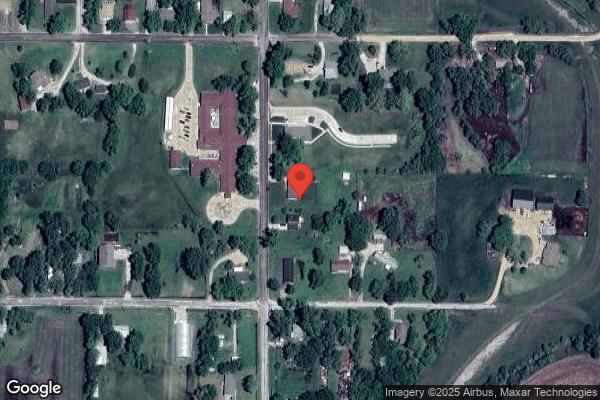
510 N WALNUT STREET, FRANKFORT, KS 66427 (785) 292-4442
Non profit - Corporation 40 Beds Independent Data: November 2025 1 Immediate Jeopardy citation
Trust Grade
51/100
#66 of 295 in KS
Last Inspection: January 2024

Within standard 12-15 month inspection cycle. Federal law requires annual inspections.

Overview

Frankfort Community Care Home has received a Trust Grade of C, indicating they are average and in the middle of the pack among similar facilities. They rank #66 out of 295 nursing homes in Kansas, which places them in the top half, and they are the best option in Marshall County with only one other facility to compare. However, the facility is experiencing worsening conditions, with issues increasing from 7 in 2022 to 13 in 2024. While staffing is a strong point with a 5/5 rating and an average turnover rate of 56%, the facility has faced some concerning incidents, including a resident eloping through a window due to inadequate supervision and a lack of a certified dietary manager, which could compromise residents' nutritional needs. Additionally, they have incurred $8,193 in fines, which is average but may suggest ongoing compliance concerns. Overall, while there are notable strengths, there are significant weaknesses that families should consider when evaluating care for their loved ones.

Trust Score
C
51/100
In Kansas
#66/295
Top 22%
Safety Record
High Risk
Review needed
Inspections
Getting Worse
7 → 13 violations
Staff Stability
⚠ Watch
56% turnover. Above average. Higher turnover means staff may not know residents' routines.
Penalties
○ Average
$8,193 in fines. Higher than 55% of Kansas facilities. Some compliance issues.
Skilled Nurses
✓ Good
Each resident gets 53 minutes of Registered Nurse (RN) attention daily — more than average for Kansas. RNs are trained to catch health problems early.
Violations
⚠ Watch
25 deficiencies on record. Higher than average. Multiple issues found across inspections.
★★★★☆
4.0
Overall Rating
★★★★★
5.0
Staff Levels
★★☆☆☆
2.0
Care Quality
★★★☆☆
3.0
Inspection Score
Stable
2022: 7 issues
2024: 13 issues

The Good

  • 5-Star Staffing Rating · Excellent nurse staffing levels
  • Full Sprinkler Coverage · Fire safety systems throughout facility
  • No fines on record

Facility shows strength in staffing levels, fire safety.

The Bad

Staff Turnover: 56%

Near Kansas avg (46%)

Frequent staff changes - ask about care continuity

Federal Fines: $8,193

Below median ($33,413)

Minor penalties assessed

Staff turnover is elevated (56%)

8 points above Kansas average of 48%

The Ugly 25 deficiencies on record

1 life-threatening
May 2024 1 deficiency
CONCERN (D) 📢 Someone Reported This

A family member, employee, or ombudsman was alarmed enough to file a formal complaint

Potential for Harm - no one hurt, but risky conditions existed

Free from Abuse/Neglect (Tag F0600)

Could have caused harm · This affected 1 resident

**NOTE- TERMS IN BRACKETS HAVE BEEN EDITED TO PROTECT CONFIDENTIALITY** The facility identified a census of 37 residents with three residents reviewed for abuse and neglect. Based on record review, ob...

Read full inspector narrative →
**NOTE- TERMS IN BRACKETS HAVE BEEN EDITED TO PROTECT CONFIDENTIALITY** The facility identified a census of 37 residents with three residents reviewed for abuse and neglect. Based on record review, observation, and interview, the facility failed to protect Resident (R) 1 from intimidation and abuse. This placed R1 at risk for impaired psychosocial well-being and ongoing abuse. Findings included: - R1's Electronic Medical Record (EMR) documented R1 had diagnoses of dementia (a progressive mental disorder characterized by failing memory, and confusion), depression (a mood disorder that causes a persistent feeling of sadness and loss of interest), and high blood pressure. The admission Minimum Data Set (MDS), dated [DATE] documented the Brief Interview for Mental Status (BIMS) could not be completed because R1 was rarely/never understood. The MDS documented R1 had short-term and long-term memory problems and had severely impaired cognition. The MDS documented R1 required substantial/maximum assistance with all her activities of daily living (ADLs) except eating. The MDS documented R1 had physical and verbal behaviors directed towards others and had wandered. The MDS documented R1 had a history of falls and R1 had fallen once since admission resulting in a minor injury. The Cognitive Loss/Dementia Care Area Assessment (CAA), dated 04/20/24, documented R1 was a new admission from the hospital due to a fall with a head injury. R1 presented with dementia. R1 had cognitive impairment. R1 had exhibited frequent crying, repeated movements, pinching, scratching or spitting, wandering, and threatening behaviors. R1 was at risk for declines in functioning, communication, and falls. The goal was to avoid complications related to R1's cognitive impairment and meet R1's needs. R1's Care Plan directed staff R1 required assistance with all of her ADLs and staff to provide the necessary assistance for all ADLs to be completed. The care plan documented R1 had frequent agitation and anxiety and directed staff to anticipate and meet R1's needs and assist R1 when she was feeling restless by offering her a drink, or a snack, toileting, and assessing her pain or discomfort. The care plan directed staff to monitor R1's social and environmental factors such as sleep disturbance, poor or excessive lighting, loud noises, or uncomfortable temperatures. The Health Status Note, dated 04/18/24, documented R1 was alert only to herself and had extremely poor short-term memory. R1 had no safety awareness and remained one-on-one with staff at all times. R1 continued to be restless, anxious, and agitated. Staff attempted to lay R1 in her bed per her request at 10:45 PM but R1 began to talk loudly and would not stay in bed. R1 constantly attempted to get up from the recliner and wheelchair and asked to walk. Staff ambulated with R1 and R1 attempted to discard the walker along the way. R1 became argumentative and agitated when staff reminded R1 that the walker was for her safety and balance. R1's gait remained unsteady. R1 was difficult to redirect. R1 remained in the living room area. The Health Status Note, dated 04/29/24, documented R1 was in the nurse's station for one-on-one staff supervision. R1 started to cry. This nurse went to her and hugged R1. R1 stated, Please hold me, please hold me, and don't let go. I'm so scared. I don't know what's happening. This nurse held R1 for a few minutes and she settled down some. R1 was covered with a blanket. The intervention was effective for seven minutes and then R1 began to get agitated again. The Health Status Note, dated 05/02/24, documented recent medication changes had helped R1's mood in the evening significantly. R1 was anxious and restless that evening per her baseline but not as agitated. R1 remained on one-on-one staff supervision at all times while awake. R1 spent the evening eating snacks, playing with fidgets, looking at crossword puzzles, and ambulating around the facility with one staff assistant and walker to aid with restlessness. R1 napped briefly on the couch in the living room before being assisted to bed at 10:30 PM. The certified nurse aide (CNA) sat with R1 until she fell asleep. R1 remained in bed with her eyes closed. Frequent visual checks were performed. The facility Incident Report, dated 05/07/24, documented on 05/04/24 at approximately 07:00 PM, Administrative Nurse D received a text message from Social Services Designee/Certified Medication Aide (CMA) X who reported Licensed Nurse (LN) G had pulled R1 down in her chair super hard. Administrative Nurse D called Social Services Designee X for more information and Social Services Designee X stated LN G had slammed R1 down in her chair. Administrative Nurse D and Administrative Nurse E entered the facility immediately and had LN G fill out a witness statement and then took over LN G's shift as she was escorted out of the facility. A review of camera footage revealed R1 was resting in her wheelchair at approximately 06:50 PM in the nurse's station. R1 stood up, LN G turned in her chair, reached out her arm and R1 leaned back and sat back down in her wheelchair. A skin assessment was completed on R1 with no signs of injury from the incident. On 05/06/24, the sheriff's office was notified and a sheriff's officer entered the building reviewed the camera footage and witness statements, and stated it did not appear anything criminal had happened. R1's responsible party was notified. R1's primary care physician was notified. The facility's medical director was notified. The ombudsman was e-mailed and notified of three resident interviews being completed with no concern noted. Upon further investigation, the facility did not have LN G's education and credentials from her agency on file before she began her shift. LN G did have the abuse education as of 02/01/24. After a review of the statements, the facility care team found the abuse allegation unsubstantiated. It was found LN G needed education regarding dementia care and the safe handling of residents. Going forward, the facility will ensure that all agency staff have completed the facility's staffing agency policy training and orientation. Verification would be obtained to confirm the staff agency meets long-term care regulatory guidelines for hiring processes and safety. The following policies were e-mailed to LN G's supervisor for educational purposes: Activities of Daily Living support, Programming for residents with cognitive impairment and other special needs, Safe Lifting and Moving of Residents, and Behavioral Assessment, Interventions, and Monitoring. The facility will not have LN G back to work at this facility. Staff will continue to follow the facility's abuse policy. The allegation was reported immediately per policy. LN G was removed from work immediately. Staff will ensure that all agency staff will complete the facility's training and orientation policy. Social Service Designee/CMA X's Witness Statement, dated 05/08/24, documented Social Service Designee/CMA X documented LN G was sitting at the nurse's station on her phone with R1 nearby. R1 stood up and as Social Service Designee/CMA X was telling LN G R1 was standing up LN G turned around, grabbed R1 by her pants, and pulled R1 back. As R1 was falling back into her chair, R1 screamed and plopped into her wheelchair. LN G then started scolding R1 very loudly. CNA M's Witness Statement, dated 05/08/24, documented CNA M had stopped by the nurse's station and LN G asked CNA M if R1 was in bed. CNA M stated no R1 stayed up fairly late and was a total one-on-one. CNA M noted that LN G stated she was not going to put up with R1 all night because it would drive her crazy. LN G then proceeded to tell CNA M she did not like dementia patients because they were dumb, and you could not have a conversation with them. CNA N's Witness Statement, dated 05/08/24, documented that CNA N went to the nurse's station and heard LN G state she was about to jump out the window because R1, who was sitting in the nurse's station was talking a lot. CNA O's Witness Statement, dated 05/08/24, documented, that CNA O was at the nurse's station and LN G told her LN G had worked with pediatrics and old people, but demented patients got on her nerves because you cannot have a conversation with them. LN G's undated Witness Statement documented R1 was left in the nurse's station to be babysat because she was unable to control herself. R1 was constantly getting up out of her chair claiming she had to go to work. R1 had already had one fall in the past twenty-four hours and for her safety, she needed to stay in the safety of her wheelchair. LN G stated she was trying to get her work and charting done and behind her back, R1 was standing and trying to walk away. LN G stated she quickly turned around to see R1 and LN G put her arm out to keep her in the chair. It happened so quickly it may have looked not so smooth but the staff did not need another fall by R1 in two days. On 05/20/24 at 10:30 AM, observation revealed R1 sat in a recliner in the living room with her legs elevated. A blanket covered R1. R1 slept. On 05/20/24 at 10:45 AM, observations revealed video footage of the nurse's station. LN G was sitting at the desk in front of a computer. R1 was sitting to the right and back of R1 in her wheelchair. R1 stood up and took a couple of shuffled steps. LN G reached out her arm and R1 plopped down into her wheelchair. On 05/20/24 at 10:50 AM, Administrative Nurse D stated the facility had decided not to have LN G back to the facility as an agency nurse as it appeared she needed more training with dementia care. Administrative Nurse D stated the facility did not feel there was enough evidence to substantiate abuse. On 05/20/24 at 10:55 AM, Administrative Staff A stated that based on the video footage and the angle of the camera the facility could not substantiate the allegation of abuse. The facility's Abuse and Neglect Clinical Protocol, revised March 2018, documented abuse is the willful infliction of injury, unreasonable confinement, intimidation, or punishment with resulting physical harm, pain, or mental anguish and will not be tolerated by the facility. The facility failed to protect R1 from intimidation and abuse. This placed R1 at risk for impaired psychosocial well-being and ongoing abuse.
Apr 2024 1 deficiency 1 IJ
CRITICAL (J) 📢 Someone Reported This

A family member, employee, or ombudsman was alarmed enough to file a formal complaint

Immediate Jeopardy (IJ) - the most serious Medicare violation

Accident Prevention (Tag F0689)

Someone could have died · This affected 1 resident

**NOTE- TERMS IN BRACKETS HAVE BEEN EDITED TO PROTECT CONFIDENTIALITY** The facility identified a census of 33 residents with three residents reviewed for elopement. Based on record review, observatio...

Read full inspector narrative →
**NOTE- TERMS IN BRACKETS HAVE BEEN EDITED TO PROTECT CONFIDENTIALITY** The facility identified a census of 33 residents with three residents reviewed for elopement. Based on record review, observation, and interview, the facility failed to provide adequate supervision to prevent cognitively impaired Resident (R) 1, identified at high risk for elopement, from eloping through a facility window. On 03/30/24 at 03:00 PM, R1 sat at the end of the North hall and looked out the window. R1's home was visible from the North hall window. At 03:05 PM, R1's neighbor in the community noticed R1 walking towards the resident's home. A little while later, the neighbor noticed R1 sitting on his porch at his home and at 03:40 PM, the neighbor called the facility and alerted Administrative Nurse D to R1's location. Upon investigation, Administrative Nurse D noted the window at the end of the North hall was missing the screen, which was observed on the ground outside the facility. It appeared R1 removed the screen and stepped through the full-size window. R1 wore a Wander Guard (a bracelet that sets off an alarm when residents wearing one attempt to exit the building without an escort), but it did not alert as R1 exited via the window and not the door. R1's DPOA came to the facility after being alerted by the neighbor that R1 was at the house. R1 refused to return to the facility initially but after speaking to Law Enforcement, R1 returned to the facility with no apparent injuries. R1 wore a shirt, sweater, jeans, and shoes. The temperature at the time was 60 degrees Fahrenheit. The facility staff was unaware R1 was outside the facility for 40 minutes when staff were alerted by a community member. This facility failed to provide adequate supervision to R1 to prevent elopement. This placed R1 in immediate jeopardy. Findings included: - R1's Electronic Medical Record (EMR) documented R1 had diagnoses of dementia (a progressive mental disorder characterized by failing memory, and confusion), a need for assistance with personal care, and localized swelling of bilateral (both sides) lower limbs. The admission Minimum Data Set (MDS) dated [DATE] documented R1 had a Brief Interview for Mental Status (BIMS) score of 10, which indicated moderately impaired cognition. The MDS documented R1 required supervision or touching assistance for ambulation. R1 was independent with most other activities of daily living (ADL) except bathing and transfers into and out of the shower. The MDS documented R1 had verbal behaviors directed towards others, other behavioral symptoms, and wandering for one-to-three days during the assessment period. The MDS documented R1 did not have a history of falls. The Cognitive Loss/Dementia Care Area Assessment (CAA), dated 03/28/24, documented R1 was cognitively impaired and was at risk for elopement and an ADL decline. The Functional Ability CAA, dated 03/28/24, documented R1 was independent with dressing, bed mobility, transfers, and bathing and required supervision for long-distance ambulation. The CAA documented R1 had not had any falls in the last three months but had balance problems while walking. The Behavioral Symptoms CAA, dated 03/28/24, documented R1 had agitation since his admission to the facility and exhibited wandering behavior. The CAA documented R1 was at risk for elopement. R1's Care Plan documented R1 was an elopement risk related to R1 saying, I don't know how I'm getting out of here, but I am going to. The care plan documented R1's safety would be maintained. The care plan directed staff to distract R1 from wandering by offering pleasant diversions, structured activities, food, conversation, television, or a book (03/21/24). The care plan directed staff to attempt to identify a pattern of wandering and to evaluate if R1's wandering was purposeful, aimless, or escapist; if R1 looking for something, or if R1 needed more exercise. The plan directed staff to intervene as appropriate. The Wandering Risk Assessment, dated 03/21/24, documented R1 had a score of 14, which indicated R1 was a high risk to wander. The admission Note, dated 03/21/24, documented R1 walked into the facility accompanied by family without any assistive devices. R1's gait was unsteady. R1 stated, I don't know how I am going to do it but I'm getting out of here. Staff placed a Wander Guard bracelet on R1's left wrist. R1 had been exit-seeking since admission. The Health Status Note, dated 03/21/24, documented staff provided one-to-one with R1 that afternoon and provided verbal reassurance and conversation. R1 stated he would like to walk home. The Health Status Note, dated 03/21/24, documented R1 sat at the table in the commons area. R1 talked easily with the nurse, recounted the day, and expressed his sadness that his family tricked him and left him there. R1 had asked several staff members to open the door for him and let him leave to go home. Staff explained to R1 that he legally had to stay at the facility because his family decided for him to stay at the facility. Staff offered to call R1's family for him to talk to and R1 stated, I'd better not talk to them right now. I don't have anything nice to say. Staff showed R1 to his room which would be a trial as R1 was an elopement risk and the windows opened to the courtyard. R1 agreed the room was acceptable. The Health Status Note, dated 03/22/24, documented R1 was not adjusting well to the facility. R1 woke up at 06:00 AM and began exit-seeking. R1 did have a WanderGuard in place on his left wrist. R1 spent most of the day exit-seeking or sitting up front looking down the street at his house. R1 walked with his feet toe-out and crossed one foot over the other when he ambulated; R1 would get off-balanced while standing and while walking. R1 had short-term memory loss but had not forgotten his family left him there. R1 was monitored frequently by staff with lots of one-on-one time provided. The Health Status Note, dated 03/23/24, documented R1 got up independently and started to wander. Staff went to assist R1, and he stated, I don't know where I'm at. Am I in Frankfort? I think my house is right over there. Why did they do this to me? Staff explained to R1 he was in the care home for his safety and to get stronger. The Health Status Note, dated 03/23/24, documented R1 was resistant to hands-on assistance and was unsteady on his feet. Staff provided one-on-one to R1. R1 stated, I just want to walk around by myself. Staff informed R1 they did not want him to fall. The Health Status Note, dated 03/23/24, documented R1 had no safety awareness, was unsteady on his feet, and did not have the cognitive ability to ask for help. R1 walked toes-out and his heels hit each other, which at times caused R1 to trip himself. The Health Status Note, dated 03/23/24, documented R1 wandered out of his room that evening. Staff found R1 attempting to go into another resident's room and take their wheelchair. Staff redirected R1 back to his room. R1 was disoriented but did know his house was down the street. R1 remembered his family dumped him here and continued to be upset. The Health Status Note, dated 03/24/24, documented R1 was wandering and exit seeking and pushing hard on the North door. One-to-one was provided to R1 and R1 settled down to sit in the North hall and gaze at his house with tears in his eyes. The Health Status Note, dated 03/27/24, documented R1 had been upset all day. R1's family member and the assessment coordinator from a local agency visited R1. R1 became agitated and threw his clothes and candy out in the hall and yelled at his family member. R1's visitors left and R1 continued to yell at staff saying he needed to get out and go home. The staff allowed R1 to voice his frustration and provided reassurance. R1 calmed down but remained alert to the doors. The Health Status Note, dated 03/29/24, documented R1 was upset that morning. Multiple families and children were at the facility for the Easter egg hunt. R1 banged on the North door and yelled at staff to get back when they attempted to redirect R1. A Certified Nurse Aide (CNA) tried to have R1 sit in a chair at the end of the hall to watch the children and R1 went to the chair and flipped it over stating, I've got to get out! The Incident Note, dated 03/30/24, documented Administrative Nurse D received a phone call from an unknown caller who reported R1 was sitting on the front porch at R1's house. The caller reported he also called R1's son and R1's son was on his way to the care home. Administrative Nurse D met R1's son outside the care facility and phoned 911. R1's son stated R1 was sitting on the porch and refused to return to the care home. Administrative Nurse D sent Licensed Nurse (LN) G to R1's house to sit with R1 until the Sheriff's officer arrived. Administrative Nurse D notified Administrative Staff A and Administrative Nurse E. Administrative Nurse D started to investigate possible exit routes R1 took to elope from the facility. Administrative Nurse D walked down the North hall and noted the window at the end of the hall was slightly open. Administrative Nurse D observed the window screen was not in place and the screen was found outside the window on the ground. R1 admitted to LN G he climbed out the window. R1 ambulated back to the facility with standby assistance from LN G. Staff provided one-to-one supervision with R1 and a skin assessment was completed that showed no signs of injury or harm. LN G's Witness Statement, dated 04/01/24, documented Administrative Nurse D called LN G to the nurse's station and told LN G that R1 got out of the facility and walked home. LN G saw R1 around 02:30 PM walking in the hall between the North door and R1's room. The Sheriff's office was notified and R1's son and LN G went to R1's house and sat with R1 on his porch. R1 was cooperative. LN G visited with R1, R1's son, and the Sheriff for a while. R1 had found the hidden key to his house to get in. R1 eventually gave the key to the Sheriff. R1 asked LN G if we knew how he got out. R1 decided he would come back to the facility. R1 ambulated back to the facility and no injuries were noted. CNA M's Witness Statement, dated 04/01/24 documented CNA M saw R1 sitting in the chair at the end of the North all at approximately 03:00 PM (on 03/30/24). The Facility Incident Report, dated 04/04/24, documented at approximately 03:40 PM Administrative Nurse D received a phone call from R1's neighbor who visualized R1 sitting on the porch at R1's house. Administrative Nurse D sent LN G with R1's responsible party to R1's house to sit with R1 until the officer arrived. Administrative Nurse D notified Administrative Staff A and Administrative Nurse E. Administrative Nurse D began investigating the probable exit route R1 took to elope from the facility. Administrative Nurse D walked down the North hall and noted the window at the end of the hall was slightly opened. Upon further inspection, it was noted there was no screen in place and the screen was found outside the window on the ground. The neighbor told LN G he saw R1 walking to his house at about 03:05 PM. The neighbor also stated he had not called anyone for approximately fifteen minutes. Witness statements were obtained, and it appeared R1 was last seen at approximately 03:00 PM sitting in a chair at the end of the North hall looking out the window. R1 wore a checkered white and black button-up shirt, black zip-up sweater, jeans, black shoes, and no glasses or hat. The temperature was around 60 degrees F. The on-call provider was notified of the elopement at approximately 04:00 PM. Per the Wander Risk Scale Assessment, R1 was a high risk of wandering. This information led to a WanderGuard placement and a room selection with a window that led to the locked courtyard. Interventions placed since admission included one-to-one care completed at times, to listen to the resident and attempt to provide comfort and safety, distract the resident from wandering by offering pleasant diversions, structured activities, food, conversation, television, and books. Staff were to identify patterns of wandering and intervene as appropriate. The WanderGuard and elopement binder were updated at the time of admission. R1 had expressed to staff that he felt his family dumped him here. R1 was often seen staring out the North hall window at his house. Staff had placed some plants at the North hall window so R1 was not as easily able to visualize his home. R1 reported during the care meeting that he did not want to be moved to another facility. He stated that he will try to be good. R1's responsible party said R1 enjoyed eating at the nutrition center across the street from the care home. Staff would call the nutrition center to set up scheduled lunches for some days for R1 or offer to assist R1 in the nutrition center to socialize and have a meal there. The activity director would offer to cook with R1 as he stated he enjoyed cooking. Staff would encourage R1 to go on walks as he stated he enjoyed this. Per R1's responsible party, R1 used to enjoy sitting at the local gas station drinking coffee. Staff would encourage R1 to go to the coffee activity every Thursday in the dining hall. R1's responsible party stated he would offer to assist the resident out of the facility for outings. The report documented the root cause was multifaceted and included a dementia diagnosis, the proximity of R1's house to the care facility, which was directly observable from the care home windows, and R1's responsible party's deceptive presentation of his admission as temporary for an ice cream social, which may have prevented R1 from adjusting to placement. On 04/09/24 at 10:30 AM, observation revealed R1 napped in his recliner with the door of his room shut. R1 had a WanderGuard on his wrist. On 04/09/24 at 11:00 AM, Administrative Nurse D stated R1's family did him a disservice when they tricked him into coming to the facility and then left him there. Administrative Nurse D stated at times, R1 remembered everything that happened that day and other times remembered none of it, but it was traumatic for R1. On 04/09/24 at 11:30 AM, Administrative Staff A stated she did not think there was anything the facility could have done to prevent the elopement from occurring. Administrative Staff A stated R1 told her that he was surprised he did not fall on his trip home. Administrative Staff A stated maintenance placed spacers on the windows in the North hall and were in the process of placing spacers on all windows that exited to the outside of the facility, so the windows only opened a bit. Administrative Staff A stated the facility was going to try to get a different placement for R1 that was locked, but R1 pleaded for the facility not to find another placement for him because he would try to be good. The facility's Wandering and Elopements Policy, dated March 2019, documented the facility will identify residents who are at risk for unsafe wandering and strive to prevent harm while maintaining the least restrictive environment for residents. If identified as at risk for wandering, elopement, or other safety issues, the resident's care plan will include strategies and interventions to maintain the resident's safety. The facility failed to provide adequate supervision to prevent cognitively impaired R1, a resident at high risk for elopement, from eloping through a facility window on 03/30/24. This placed R1 in immediate jeopardy. The facility implemented the following corrective actions by 04/08/24: Maintenance ensured a window security system was installed to prevent windows from opening more than 10 inches. Maintenance staff are routinely checking the functioning of the window security. R1's responsible party brought more items from home to enhance a homelike environment for R1. The facility set up R1 to have some meals at the nutrition center and staff will accompany the resident. Staff encourage R1 to perform activities he enjoys like cooking and attending the coffee groups. All staff were educated on the Wander and Elopement Policy and procedures. All corrective actions were implemented before the onsite survey therefore the deficient practice was deemed past noncompliance and remained at the scope and severity of J.
Jan 2024 11 deficiencies
CONCERN (D) 📢 Someone Reported This

A family member, employee, or ombudsman was alarmed enough to file a formal complaint

Potential for Harm - no one hurt, but risky conditions existed

Resident Rights (Tag F0550)

Could have caused harm · This affected 1 resident

The facility had a census of 29 residents. The sample included 12 residents. Based on observation, record review, and interview the facility failed to provide Resident (R) 16 with dignity and respect ...

Read full inspector narrative →
The facility had a census of 29 residents. The sample included 12 residents. Based on observation, record review, and interview the facility failed to provide Resident (R) 16 with dignity and respect during care, placing the resident at risk for an undignified experience. Findings included: - On 01/11/24 at 08:00 AM, observation revealed R16 sat on a dining chair at the dining table eating breakfast. Further observation revealed Licensed Nurse (LN) H obtained a blood sample from R16's finger using a blood glucose meter to check R16's blood glucose. Continued observation revealed LN H pulled up R16's shirt and exposed her stomach, then administered an insulin injection (a hormone that lowers the level of glucose in the blood) while the resident ate her breakfast. Further observation revealed eight other residents in the dining room. On 01/11/24 at 08:20 AM, observation revealed R16 sat on a dining chair at the dining table eating breakfast. Further observation revealed Certified Medication Aide (CMA) M used a blood pressure cuff and obtained R16's blood pressure while she ate breakfast. CMA M then stated out loud, with eight other residents present in the dining room, Your blood pressure is good today. On 01/11/24 at 09:15 AM, Administrative Nurse D verified R16 should have been provided privacy and R16's blood glucose check, insulin administration, and blood pressure should have been completed in a private area. The facility's Dignity policy, dated 02/2021, documented each resident shall be cared for in a manner that promotes and enhances his or her sense of well-being, level of satisfaction with life, and feelings of self-worth and self-esteem. Residents are to be treated with dignity and respect at all times. The facility failed to provide R16 with dignity and respect, placing the resident at risk for an undignified experience.
CONCERN (D) 📢 Someone Reported This

A family member, employee, or ombudsman was alarmed enough to file a formal complaint

Potential for Harm - no one hurt, but risky conditions existed

Report Alleged Abuse (Tag F0609)

Could have caused harm · This affected 1 resident

The facility had a census of 29 residents. The sample included 12 residents. Based on record review and interview the facility failed to ensure staff identified concerning behaviors as potential alleg...

Read full inspector narrative →
The facility had a census of 29 residents. The sample included 12 residents. Based on record review and interview the facility failed to ensure staff identified concerning behaviors as potential allegations of abuse and/or mistreatment and failed to report to the facility administrator as required. This placed the resident at risk for unidentified and ongoing abuse and/or mistreatment. Findings included: - Certified Medication Aide (CMA) N's notarized Witness Statement dated 01/11/24, documented CMA N had observed Licensed Nurse (LN) G yell at Resident (R)7 prior to 01/11/24 when R7 had two drinks at the dining room table. CMA N documented she heard LN G tell the kitchen staff R7 could only have small drinks and could not have more until R7 drank what she had. Certified Nurse Aide (CNA) O's notarized Witness Statement documented that approximately two weeks prior to 01/11/24, R19 approached CNA O very upset, and reported LN G was not nice to her. CNA O documented LN G, in the nurse-to-nurse report (which did not include the resident) said R19 was being a [expletive] and LN G said she did not like R19. LN I's notarized Witness Statement documented that sometime before 01/11/24, R19 had complained to her that LN G did not make enough time for R19 and did not respond to R19's requests. LN I documented she visualized LN G shut the nurses' station door in R19's face during shift-to-shift report while LN G stated, here she comes. LN I documented she saw/heard LN G tell R19 she could not have her breathing treatment and cough syrup at the same time even though R19 had an active physician order for both of them. LN I documented that LN G's behaviors had been ongoing since December 2023. LN I documented she saw LN G speak to R7 in a condescending, authoritative manner when R7 had a behavior of yelling or screaming; LN G told R7 to knock it off. On 01/10/24 at 10:00 AM, Administrative Staff A stated she had received an e-mail from LN G asking her if LN I reported abuse allegations regarding her, and the facility started an investigation. On 01/11/24 at 08:35 AM, Administrative Nurse D stated the staff had not immediately reported their concerns regarding LN G's behavior to administrative staff. Administrative Nurse D stated the facility recently had an in-service regarding abuse and reporting and staff should have reported any identified concerns to the administration immediately. The facility's Abuse-, Neglect, Exploitation or Misappropriation -Reporting and Investigating Policy, revised April 2021, documented if resident abuse, neglect, misappropriation of property, or injury of an unknown source was suspected, the suspicion must be reported immediately to the administrator and or other officials according to state law. The facility failed to ensure staff identified concerning behaviors as potential allegations of abuse and/or mistreatment and failed to report to the facility administrator as required. This placed the resident at risk for unidentified and ongoing abuse and/or mistreatment.
CONCERN (D) 📢 Someone Reported This

A family member, employee, or ombudsman was alarmed enough to file a formal complaint

Potential for Harm - no one hurt, but risky conditions existed

Comprehensive Care Plan (Tag F0656)

Could have caused harm · This affected 1 resident

**NOTE- TERMS IN BRACKETS HAVE BEEN EDITED TO PROTECT CONFIDENTIALITY** The facility had a census of 29 residents. The sample included 12 residents. Based on observation, record review and interview t...

Read full inspector narrative →
**NOTE- TERMS IN BRACKETS HAVE BEEN EDITED TO PROTECT CONFIDENTIALITY** The facility had a census of 29 residents. The sample included 12 residents. Based on observation, record review and interview the facility failed to develop a comprehensive care plan to include Resident (R)9's diagnosis of diabetes mellitus (DM-when the body cannot use glucose, not enough insulin made, or the body cannot respond to the insulin). This deficient practice placed the resident at risk for inappropriate care due to uncommunicated care needs. Findings included: - R9's Electronic Medical Record (EMR) documented she had a diagnosis of diabetes mellitus. R9's Quarterly Minimum Data Set (MDS), dated [DATE], recorded the resident had intact cognition and required moderate assistance for bed mobility, transfers, and locomotion. The MDS further recorded R9 received insulin (a hormone medication to control blood sugar) injections daily. R9's EMR lacked a comprehensive care plan that addressed the use of insulin, signs or symptoms of hypoglycemia (low blood sugar) or hyperglycemia (high blood sugar), and direction for the nursing staff to care for the resident with diabetes mellitus. A review of R9's medical record revealed a Physician Order, dated 09/24/22, for an Accucheck (a blood test for glucose levels) before meals and bedtime. The Nurses Notes dated 10/29/23 at 04:30 PM documented the charge nurse administered an Accucheck and obtained a reading of low. The note documented the charge nurse administered R9 orange juice and rechecked the blood glucose at 05:15 PM with a reading of 128 milliliters (ml) per deciliter (dL). On 01/11/24 at 08:10 AM, observation revealed R9 sat in her wheelchair in the dining room. On 01/17/24 at 09:30 AM, Administrative Nurse D verified the facility lacked a care plan for R9's diabetes mellitus and use of insulin and blood glucose testing. The facility's Care Planning policy, dated 03/2022, documented each resident is to have a comprehensive care plan regarding individual needs and care provided for each resident. The facility failed to develop a comprehensive care plan for R9, placing her at risk for inadequate care due to uncommunicated care needs.
CONCERN (D) 📢 Someone Reported This

A family member, employee, or ombudsman was alarmed enough to file a formal complaint

Potential for Harm - no one hurt, but risky conditions existed

Deficiency F0657 (Tag F0657)

Could have caused harm · This affected 1 resident

**NOTE- TERMS IN BRACKETS HAVE BEEN EDITED TO PROTECT CONFIDENTIALITY** The facility had a census of 29 residents. The sample included 12 residents. Based on observation, record review, and interview ...

Read full inspector narrative →
**NOTE- TERMS IN BRACKETS HAVE BEEN EDITED TO PROTECT CONFIDENTIALITY** The facility had a census of 29 residents. The sample included 12 residents. Based on observation, record review, and interview the facility failed to update Resident (R)23's Care Plan with interventions for staff to follow regarding care of her fractured wrist. The facility failed to update R26's Care Plan with interventions for staff to follow regarding her post-traumatic stress disorder (PTSD- a mental disorder characterized by an acute emotional response to a traumatic event or situation involving severe environmental stress). These failures placed the residents at risk for inadequate care due to uncommunicated care needs. Findings included: - R23's Electronic Medical Record (EMR) documented R23 had a diagnosis of a fracture of the lower end of her left radius (one of the bones going from the wrist to the elbow). R23's Quarterly Minimum Data Set (MDS), dated [DATE], documented R23 had a Brief Interview of Mental Status (BIMS) score of 15, which indicated intact cognition. The MDS documented R23 was independent with activities of daily living (ADLs). R23 received scheduled and as-needed (PRN) pain medications during the observation period. The MDS documented R23 had one fall with injury since admission or prior assessment. R23's Care Plan, revised 02/16/23, documented R23 had a fall with fracture on 12/04/23. The care plan lacked information or direction to staff regarding how to care for R23's wrist fracture. The Progress Note, dated 12/04/23 at 10:46 PM, documented staff found R23 on the floor in her room after staff heard a loud noise from the room. R23 was alert with her back to the bathroom door and her lower back to the floor. Her knees were bent and her feet were on the floor. She held her left forearm with her right hand. The note documented R23 was sent to the emergency room. The Progress Note, dated 12/05/2023 at 01:20 AM, documented R23 returned to the facility with a family member with her left wrist splinted and wrapped. p The note documented R23 had a left wrist (radius) fracture. On 01/10/24 at 2:00 PM, observation revealed R23 sat in a recliner in her room with a cast on her left wrist. On 01/17/24 at 10:30 AM, Administrative Nurse D verified R23's Care Plan lacked directions to staff on how to care for R23's left wrist fracture. Administrative Nurse D stated there should be a section in R23's care plan regarding the care of the left wrist fracture. The facility's Care Plans, Comprehensive Person-Centered, revised arch 2022, documented assessments of residents are ongoing and care plans would be revised as information about the residents and the residents 'conditions change. The facility failed to update R23's care plan. This placed her at risk for inadequate care due to uncommunicated care needs. - R26's Electronic Medical Record (EMR) documented R26 had diagnoses of mood disorder (category of mental health problems, feelings of sadness, helplessness, guilt, and wanting to die were more intense and persistent than what may normally be felt from time to time), alcoholic myopathy (condition involving muscle weakness and loss of muscle due to abnormal breakdown of muscle tissue) and cognitive communication deficit. R26's admission Minimum Data Set (MDS), dated [DATE], documented R26 had a Brief Interview of Mental Status (BIMS) score of 12, which indicated moderate cognitive impairment. The MDS documented R26 required maximal staff assistance with ambulation, partial staff assistance with bathing putting on and taking off footwear, transfers, supervision with lower dressing, and personal hygiene. R26 was independent with eating. The MDS documented R26 had no post-traumatic stress syndrome (PTSD- a mental disorder characterized by an acute emotional response to a traumatic event or situation involving severe environmental stress). The Care Area Assessment (CAA), dated 10/21/23, documented R26 had behavioral symptoms of wandering during the observation period. R26's Care Plan, revised 10/16/23, directed R26 needed person-centered visitation to meet the resident's physical, mental, and psychosocial well-being to support her quality of life. The care plan instructed staff to monitor R26 for triggers that warranted a compassionate care visit which included increased crying, new behaviors, or withdrawal, and notify the charge nurse and or social service designee immediately. The care plan lacked instructions to staff for interventions to provide for these behaviors. R26's Trauma Collection Data Sheet, dated 10/19/23 (admission), was incomplete. The Social Service Note on 10/24/23 at 11:33 AM, documented R26 seemed to have adjusted well to being in the facility. She socialized with other residents and at times helped keep the residents calm. R26 was friendly with the staff and other residents. There were no issues with her except her short-term memory. R26 could not remember from day to day where she was or why she was there. Staff gave her frequent reminders. The note lacked mention of any social services to help R26 with her past traumatic events. The Social Service Note, dated 10/30/23 at 02:44 PM, documented the resident seemed depressed that day and ate both meals in her room which was not her normal. The note documented R26 usually came out for meals and loved to visit with the other residents. The note lacked documentation of any social services support to R26 regarding her behavior and/or mood. On 01/11/24 at 08:30 AM, observation revealed R26 transferred herself from the bed to her wheelchair, and then self-propelled to the dining room table. She independently ate her breakfast meal, then self-propelled back to her room where she, transferred herself to bed, laid down, and closed her eyes. On 01/11/24 at 11:22 AM, observation revealed R26 rested in bed with her eyes closed. On 01/17/24 at 09:58 AM, Certified Nurse Aide (CNA) P stated R26 had behaviors of frequent crying spells then the next day would have manic (mood characterized by an unstable expansive emotional state, extreme excitement, hyperactivities) behaviors. CNA P said when R26 was crying, she would offer R26 ice cream which seemed to calm the resident and R26 would stop crying. CNA P stated when R26 was manic, she was happy, came out of her room, and talked to other residents. CNA P stated when R26 was happy, the staff gave her jobs to do like folding towels. On 01/10/24 at 10:57 AM, Administrative Nurse D verified R26's trauma collection data sheet was incomplete and stated the social services designee was responsible for filling it out. Administrative Nurse D stated R26's Care Plan should have instructions to staff on interventions to use when R26 cried and had manic behaviors. Administrative Nurse D stated the social services designee visited with R26 one-on-one. The facility's Trauma-Informed and Culturally Competent Care Policy, revised in August 2022, documented all staff would be provided in-service training about trauma and trauma-informed care in the context of the healthcare setting. Nursing staff are trained in trauma screening and assessment tools. The policy documented that staff would perform universal screening of residents, which included a brief, non-specialized identification of possible exposure to traumatic events. The policy documented staff would develop individualized care plans that address past trauma in collaboration with the resident and family, as appropriate, and would identify and decrease exposure to triggers that may re-traumatize the resident. The facility's Social Services Policy, revised September 2021, documented the facility would provide medically related social services to ensure that each resident can attain or maintain his/her highest practicable physical, mental, or psychosocial well-being. The policy documented the director of social services would be responsible for providing for the social and emotional needs of the resident and family and assist residents in voicing and obtaining resolution to grievances about treatment, living conditions, visitation rights, and accommodation of needs. The facility failed to update R26's care plan with instructions to staff regarding her PTSD. These failures placed the residents at risk for inadequate care due to uncommunicated care needs.
CONCERN (D) 📢 Someone Reported This

A family member, employee, or ombudsman was alarmed enough to file a formal complaint

Potential for Harm - no one hurt, but risky conditions existed

Deficiency F0699 (Tag F0699)

Could have caused harm · This affected 1 resident

**NOTE- TERMS IN BRACKETS HAVE BEEN EDITED TO PROTECT CONFIDENTIALITY** The facility had a census of 29 residents. The sample included 12 residents, of which two were reviewed for behaviors. Based on ...

Read full inspector narrative →
**NOTE- TERMS IN BRACKETS HAVE BEEN EDITED TO PROTECT CONFIDENTIALITY** The facility had a census of 29 residents. The sample included 12 residents, of which two were reviewed for behaviors. Based on observation, record review, and interview, the facility failed to complete a trauma-informed care assessment for Resident (R)26, to identify any history of trauma This placed the resident at risk for unmet behavioral and mental health needs. Findings included: - R26's Electronic Medical Record (EMR) documented R26 had diagnoses of mood disorder (category of mental health problems, feelings of sadness, helplessness, guilt, and wanting to die were more intense and persistent than what may normally be felt from time to time), alcoholic myopathy (condition involving muscle weakness and loss of muscle due to abnormal breakdown of muscle tissue) and cognitive communication deficit. R26's admission Minimum Data Set (MDS), dated [DATE], documented R26 had a Brief Interview of Mental Status (BIMS) score of 12, which indicated moderate cognitive impairment. The MDS documented R26 required maximal staff assistance with ambulation, partial staff assistance with bathing putting on and taking off footwear, transfers, supervision with lower dressing, and personal hygiene. R26 was independent with eating. The MDS documented R26 had no post-traumatic stress syndrome (PTSD- a mental disorder characterized by an acute emotional response to a traumatic event or situation involving severe environmental stress). The Care Area Assessment (CAA), dated 10/21/23, documented R26 had behavioral symptoms of wandering during the observation period. R26's Care Plan, revised 10/16/23, directed R26 needed person-centered visitation to meet the resident's physical, mental, and psychosocial well-being to support her quality of life. The care plan instructed staff to monitor R26 for triggers that warranted a compassionate care visit which included increased crying, new behaviors, or withdrawal, and notify the charge nurse and or social service designee immediately. The care plan lacked instructions to staff for interventions to provide for these behaviors. R26's Trauma Collection Data Sheet, dated 10/19/23 (admission), was incomplete. The Social Service Note on 10/24/23 at 11:33 AM, documented R26 seemed to have adjusted well to being in the facility. She socialized with other residents and at times helped keep the residents calm. R26 was friendly with the staff and other residents. There were no issues with her except her short-term memory. R26 could not remember from day to day where she was or why she was there. Staff gave her frequent reminders. The note lacked mention of any social services to help R26 with her past traumatic events. The Social Service Note, dated 10/30/23 at 02:44 PM, documented the resident seemed depressed that day and ate both meals in her room which was not her normal. The note documented R26 usually came out for meals and loved to visit with the other residents. The note lacked documentation of any social services support to R26 regarding her behavior and/or mood. On 01/11/24 at 08:30 AM, observation revealed R26 transferred herself from the bed to her wheelchair, and then self-propelled to the dining room table. She independently ate her breakfast meal, then self-propelled back to her room where she, transferred herself to bed, laid down, and closed her eyes. On 01/11/24 at 11:22 AM, observation revealed R26 rested in bed with her eyes closed. On 01/17/24 at 09:58 AM, Certified Nurse Aide (CNA) P stated R26 had behaviors of frequent crying spells then the next day would have manic (mood characterized by an unstable expansive emotional state, extreme excitement, hyperactivities) behaviors. CNA P said when R26 was crying, she would offer R26 ice cream which seemed to calm the resident and R26 would stop crying. CNA P stated when R26 was manic, she was happy, came out of her room, and talked to other residents. CNA P stated when R26 was happy, the staff gave her jobs to do like folding towels. On 01/10/24 at 10:57 AM, Administrative Nurse D verified R26's trauma collection data sheet was incomplete and stated the social services designee was responsible for filling it out. Administrative Nurse D stated R26's Care Plan should have instructions to staff on interventions to use when R26 cried and had manic behaviors. Administrative Nurse D stated the social services designee visited with R26 one-on-one. The facility's Trauma-Informed and Culturally Competent Care Policy, revised in August 2022, documented all staff would be provided in-service training about trauma and trauma-informed care in the context of the healthcare setting. Nursing staff are trained in trauma screening and assessment tools. The policy documented that staff would perform universal screening of residents, which included a brief, non-specialized identification of possible exposure to traumatic events. The policy documented staff would develop individualized care plans that address past trauma in collaboration with the resident and family, as appropriate, and would identify and decrease exposure to triggers that may re-traumatize the resident. The facility's Social Services Policy, revised September 2021, documented the facility would provide medically related social services to ensure that each resident can attain or maintain his/her highest practicable physical, mental, or psychosocial well-being. The policy documented the director of social services would be responsible for providing for the social and emotional needs of the resident and family and assist residents in voicing and obtaining resolution to grievances about treatment, living conditions, visitation rights, and accommodation of needs. The facility failed to provide sufficient and appropriate trauma-informed care to meet R26's mental and behavioral health needs. This placed the resident at risk for re-traumatization.
CONCERN (D) 📢 Someone Reported This

A family member, employee, or ombudsman was alarmed enough to file a formal complaint

Potential for Harm - no one hurt, but risky conditions existed

Deficiency F0745 (Tag F0745)

Could have caused harm · This affected 1 resident

**NOTE- TERMS IN BRACKETS HAVE BEEN EDITED TO PROTECT CONFIDENTIALITY** The facility had a census of 29 residents. The sample included 12 residents, of which two were reviewed for behaviors. Based on ...

Read full inspector narrative →
**NOTE- TERMS IN BRACKETS HAVE BEEN EDITED TO PROTECT CONFIDENTIALITY** The facility had a census of 29 residents. The sample included 12 residents, of which two were reviewed for behaviors. Based on observation, record review, and interview, the facility failed to provide adequate medical social services to meet Resident (R) 26's mental and behavioral health needs. This placed the resident at risk for decreased quality of care and life. Findings included: - R26's Electronic Medical Record (EMR) documented R26 had diagnoses of mood disorder (category of mental health problems, feelings of sadness, helplessness, guilt, and wanting to die were more intense and persistent than what may normally be felt from time to time), alcoholic myopathy (condition involving muscle weakness and loss of muscle due to abnormal breakdown of muscle tissue) and cognitive communication deficit. R26's admission Minimum Data Set (MDS), dated [DATE], documented R26 had a Brief Interview of Mental Status (BIMS) score of 12, which indicated moderate cognitive impairment. The MDS documented R26 required maximal staff assistance with ambulation, partial staff assistance with bathing putting on and taking off footwear, transfers, supervision with lower dressing, and personal hygiene. R26 was independent with eating. The MDS documented R26 had no post-traumatic stress syndrome (PTSD- a mental disorder characterized by an acute emotional response to a traumatic event or situation involving severe environmental stress). The Care Area Assessment (CAA), dated 10/21/23, documented R26 had behavioral symptoms of wandering during the observation period. R26's Care Plan, revised 10/16/23, directed R26 needed person-centered visitation to meet the resident's physical, mental, and psychosocial well-being to support her quality of life. The care plan instructed staff to monitor R26 for triggers that warranted a compassionate care visit which included increased crying, new behaviors, or withdrawal, and notify the charge nurse and or social service designee immediately. The care plan lacked instructions to staff for interventions to provide for these behaviors. R26's Trauma Collection Data Sheet, dated 10/19/23 (admission), was incomplete. The Social Service Note on 10/24/23 at 11:33 AM, documented R26 seemed to have adjusted well to being in the facility. She socialized with other residents and at times helped keep the residents calm. R26 was friendly with the staff and other residents. There were no issues with her except her short-term memory. R26 could not remember from day to day where she was or why she was there. Staff gave her frequent reminders. The note lacked mention of any social services to help R26 with her past traumatic events. The Social Service Note, dated 10/30/23 at 02:44 PM, documented the resident seemed depressed that day and ate both meals in her room which was not her normal. The note documented R26 usually came out for meals and loved to visit with the other residents. The note lacked documentation of any social services support to R26 regarding her behavior and/or mood. On 01/11/24 at 08:30 AM, observation revealed R26 transferred herself from the bed to her wheelchair, and then self-propelled to the dining room table. She independently ate her breakfast meal, then self-propelled back to her room where she, transferred herself to bed, laid down, and closed her eyes. On 01/11/24 at 11:22 AM, observation revealed R26 rested in bed with her eyes closed. On 01/17/24 at 09:58 AM, Certified Nurse Aide (CNA) P stated R26 had behaviors of frequent crying spells then the next day would have manic (mood characterized by an unstable expansive emotional state, extreme excitement, hyperactivities) behaviors. CNA P said when R26 was crying, she would offer R26 ice cream which seemed to calm the resident and R26 would stop crying. CNA P stated when R26 was manic, she was happy, came out of her room, and talked to other residents. CNA P stated when R26 was happy, the staff gave her jobs to do like folding towels. On 01/10/24 at 10:57 AM, Administrative Nurse D verified R26's trauma collection data sheet was incomplete and stated the social services designee was responsible for filling it out. Administrative Nurse D stated R26's Care Plan should have instructions to staff on interventions to use when R26 cried and had manic behaviors. Administrative Nurse D stated the social services designee visited with R26 one-on-one. The facility's Trauma-Informed and Culturally Competent Care Policy, revised in August 2022, documented all staff would be provided in-service training about trauma and trauma-informed care in the context of the healthcare setting. Nursing staff are trained in trauma screening and assessment tools. The policy documented that staff would perform universal screening of residents, which included a brief, non-specialized identification of possible exposure to traumatic events. The policy documented staff would develop individualized care plans that address past trauma in collaboration with the resident and family, as appropriate, and would identify and decrease exposure to triggers that may re-traumatize the resident. The facility's Social Services Policy, revised September 2021, documented the facility would provide medically related social services to ensure that each resident can attain or maintain his/her highest practicable physical, mental, or psychosocial well-being. The policy documented the director of social services would be responsible for providing for the social and emotional needs of the resident and family and assist residents in voicing and obtaining resolution to grievances about treatment, living conditions, visitation rights, and accommodation of needs. The facility failed to provide sufficient and appropriate medical social services to meet R26's mental and behavioral health needs. This placed the resident at risk for decreased quality of care and life.
CONCERN (D) 📢 Someone Reported This

A family member, employee, or ombudsman was alarmed enough to file a formal complaint

Potential for Harm - no one hurt, but risky conditions existed

Medication Errors (Tag F0758)

Could have caused harm · This affected 1 resident

**NOTE- TERMS IN BRACKETS HAVE BEEN EDITED TO PROTECT CONFIDENTIALITY** The facility had a census of 29 residents. The sample included 12 residents with five reviewed for unnecessary medications. Base...

Read full inspector narrative →
**NOTE- TERMS IN BRACKETS HAVE BEEN EDITED TO PROTECT CONFIDENTIALITY** The facility had a census of 29 residents. The sample included 12 residents with five reviewed for unnecessary medications. Based on observation, record review, and interview the facility failed to ensure an appropriate indication for use, or a documented physician rationale which included the multiple unsuccessful attempts for nonpharmacological symptom management and risk versus benefits for the continued use of an antipsychotic (class of medications used to treat mental disorder characterized by a gross impairment in reality testing) for Resident (R)12 and R20. This placed the resident at risk for unnecessary psychotropic (alters mood or thought) medications. Findings included: - R12's Electronic Medical Record (EMR) documented R12 had diagnoses of depressive disorders ((a mood disorder that causes a persistent feeling of sadness and loss of interest) and dementia (a progressive mental disorder characterized by failing memory, and confusion) with behavioral disturbance. R12's Annual Minimum Data Set (MDS), dated [DATE], documented R12 had short- and long-term memory problems and severely impaired cognition. The MDS documented R12 was dependent on staff for activities of daily living (ADLs). The MDS documented R12 received an antipsychotic medication during the observation period. The Care Are Assessment (CAA), dated 10/31/23, documented R12 took Seroquel (antipsychotic), for Alzheimer's disease (progressive mental deterioration characterized by confusion and memory failure). R12's Care Plan, revised 11/15/23, instructed staff to monitor R12 for drug-related complications from her Seroquel. R12 used Seroquel related to behavior management. The care plan instructed staff to administer R12's psychotropic medications as ordered by the physician and consult with the pharmacy and physician to consider dosage reduction of the Seroquel when clinically appropriate, at least quarterly. The Physician Order, dated 02/10/23, instructed staff to administer Sseroquel,12.5mg, in the morning related to Alzheimer's disease. The Physician Oder, dated 03/21/23 at 05:48 PM, instructed staff to administer Seroquel, 12.5 milligrams (mg), by mouth in the evening for Alzheimer's and dementia. R12's EMR lacked evidence of a documented physician rationale which included the multiple unsuccessful attempts for nonpharmacological symptom management and risk versus benefits for the continued use of Seroquel. On 01/11/24 at 03:00 PM, observation revealed R12 sat quietly in a wheelchair in the living area. On 01/1/17/24 at 10:30 AM, Administrative Nurse D verified the resident's Seroquel had an inappropriate indication and stated the facility staff tried to get the physicians on board with putting proper diagnoses for psychotropic medications. The facility's Psychotropic Medication Use Policy, revised in July 2022, documented residents would not receive medications that are not clinically indicated to treat a specific condition. The facility failed to ensure an appropriate indication, or the required documentation for continued use of R12's Seroquel. This placed the resident at risk for unnecessary psychotropic medications. - R20's Electronic Medical Record (EMR) documented R20 had diagnoses of hallucinations (sensing things while awake that appear to be real, but the mind created), dementia (a progressive mental disorder characterized by failing memory, confusion) without behavioral disturbance, psychotic (any major mental disorder characterized by gross impairment in reality perception), mood and anxiety (mental or emotional reaction characterized by apprehension, uncertainty, and irrational fear) disturbance. R20's Quarterly Minimum Data Set (MDS), dated [DATE], documented R20 had a Brief interview of Mental Status (BIMS) score of 15, which indicated intact cognition. The MDS documented R20 was independent with activities of daily living (ADLS) and had no behaviors. The MDS documented R20 received an antipsychotic medication every day during the observation period. R20's Care Plan,' revised on 11/15/23, instructed staff to monitor R20 for possible signs and symptoms of her Seroquel medication; the pharmacist would review her medications monthly, and the physician every 60 days. The Physician Order, dated 09/25/23, instructed staff to administer Seroquel, 12.5 milligrams (mg) by mouth at bedtime related to anxiety disorder. R20's EMR lacked evidence of a documented physician rationale which included the multiple unsuccessful attempts for nonpharmacological symptom management and risk versus benefits for the continued use of Seroquel. On 01/11/24 at 08:00 AM, observation revealed R20 sat quietly in a chair at the dining room table. On 01/17/24 at 10:30 AM, Administrative Nurse D verified the resident's Seroquel had an inappropriate indication for use and stated the facility staff tried to get the physicians on board to document proper diagnoses. The facility's Psychotropic Medication Use Policy, revised in July 2022, documented residents would not receive medications that are not clinically indicated to treat a specific condition. The facility failed to ensure an appropriate indication, or the required documentation, for continued use of R20's Seroquel. This placed the resident at risk for unnecessary psychotropic medications.
CONCERN (D) 📢 Someone Reported This

A family member, employee, or ombudsman was alarmed enough to file a formal complaint

Potential for Harm - no one hurt, but risky conditions existed

Deficiency F0804 (Tag F0804)

Could have caused harm · This affected 1 resident

The facility had a census of 29 residents. Based on observation, record review, and interview the facility kitchen staff failed to provide food prepared by methods that conserve nutritive value, flavo...

Read full inspector narrative →
The facility had a census of 29 residents. Based on observation, record review, and interview the facility kitchen staff failed to provide food prepared by methods that conserve nutritive value, flavor, and appearance when dietary staff failed to follow a recipe while preparing two residents' pureed diets. This placed the residents at risk for impaired nutrition. Findings included: - On 01/11/24 at 10:30 AM, Dietary Staff (DS) CC stated the facility had two residents with pureed diets. DS CC poured zucchini pieces from a pan into the blender container and then blended. DS CC then took a can of thickener, poured thickener into the blender, and blended without following a recipe. On 01/11/24 at 10:40 AM, DS CC verified she had not followed a recipe and stated was unsure if there was a pureed recipe. On 01/17/24 at 09:00 AM, DS BB stated staff should follow a recipe when preparing residents' pureed diet. The facility's Therapeutic Diets policy, dated 10/2017, documented the food and nutrition services department will be responsible for preparing and serving the correct consistency of food following a recipe for the desired texture. The facility kitchen staff failed to follow a recipe when preparing two residents' pureed diets. This placed the residents at risk for impaired nutrition.
CONCERN (F) 📢 Someone Reported This

A family member, employee, or ombudsman was alarmed enough to file a formal complaint

Potential for Harm - no one hurt, but risky conditions existed

Deficiency F0801 (Tag F0801)

Could have caused harm · This affected most or all residents

The facility had a census of 29 residents. The sample included 12 residents. Based on observation, record review, and interview, the facility failed to employ a full-time certified dietary manager for...

Read full inspector narrative →
The facility had a census of 29 residents. The sample included 12 residents. Based on observation, record review, and interview, the facility failed to employ a full-time certified dietary manager for the 29 residents who resided in the facility and received meals from the facility kitchen. This placed the residents at risk for impaired nutrition. Findings included: - On 01/10/24 at 08:30 AM, observation revealed Dietary Staff BB was in the kitchen and oversaw the preparation of the breakfast meal. On 01/10/24 at 08:35 AM, Dietary Staff BB verified she was not a certified dietary manager. On 01/11/24 at 09:00 AM, Administrative Staff A verified Dietary Staff BB had no dietary manager certification. Upon request, the facility did not provide a policy for dietary managers. The facility failed to employ a full-time certified dietary manager for 29 residents who resided in the facility. This placed the residents at risk for inadequate nutrition.
CONCERN (F) 📢 Someone Reported This

A family member, employee, or ombudsman was alarmed enough to file a formal complaint

Potential for Harm - no one hurt, but risky conditions existed

Menu Adequacy (Tag F0803)

Could have caused harm · This affected most or all residents

The facility had a census of 29 residents. The sample included 12 residents. Based on observation, record review, and interview, the facility failed to meet the nutritional needs of residents in accor...

Read full inspector narrative →
The facility had a census of 29 residents. The sample included 12 residents. Based on observation, record review, and interview, the facility failed to meet the nutritional needs of residents in accordance with established national guidelines, placing the residents at risk for unmet nutritional needs. Findings included: - On 01/10/24 at 11:30 AM, observation of the lunch meal revealed the kitchen served ham and beans and cornbread. On 01/10/24 at 11:40 AM, a review of the menu for the meal to be served at lunch stated ham and beans, cornbread and two vegetables were to be served for the meal. On 01/10/24 at 11:50 AM, Dietary Staff (DS) CC verified he did not prepare any vegetables to serve with the meal. On 01/10/24 at 12:30 PM, DS BB verified the menu for the lunch meal on 01/10/24 was to include two vegetables. DS BB verified the vegetables were not prepared for the meal. The facility's Menus policy dated 10/2017, documented a menu is to be approved each month by a registered dietician. If a food group is missing from a resident's daily diet the resident is provided an alternate means of meeting his or her nutritional needs. The facility failed to serve the planned menu items, placing the residents at risk for unmet nutritional needs.
CONCERN (F) 📢 Someone Reported This

A family member, employee, or ombudsman was alarmed enough to file a formal complaint

Potential for Harm - no one hurt, but risky conditions existed

Food Safety (Tag F0812)

Could have caused harm · This affected most or all residents

The facility had a census of 29 residents. The sample included 12 residents. Based on observation, record review, and interview, the facility failed to check sanitization for the dishwasher, and the t...

Read full inspector narrative →
The facility had a census of 29 residents. The sample included 12 residents. Based on observation, record review, and interview, the facility failed to check sanitization for the dishwasher, and the three-compartment sink in the facility's only kitchen. This placed the residents at risk for foodborne illness. Findings included: - On 01/11/24 at 09:00 AM, observation in the facility kitchen revealed a three-compartment sink. Further observation revealed a dishwasher. On 01/11/24 at 09:15 AM, Dietary Staff (DS) BB verified the facility did not check sanitization for the three-compartment sink or the dishwasher. DS BB verified there were no sanitization strips available to check sanitization for the sink or dishwasher. The facility's Sanitization policy, dated 11/2022, documented dishwashing areas and sink sanitation is to be tested daily and recorded. Using appropriate sanitization strips. The facility failed to check sanitization for the dishwasher and the three-compartment sink. This placed the residents at risk for foodborne illness.
Dec 2022 1 deficiency
CONCERN (D) 📢 Someone Reported This

A family member, employee, or ombudsman was alarmed enough to file a formal complaint

Potential for Harm - no one hurt, but risky conditions existed

Comprehensive Care Plan (Tag F0656)

Could have caused harm · This affected 1 resident

The facility identified a census of 26 residents with three residents reviewed for advanced directives related to full code status (desire for resuscitative measures). Based on record review and inter...

Read full inspector narrative →
The facility identified a census of 26 residents with three residents reviewed for advanced directives related to full code status (desire for resuscitative measures). Based on record review and interview, the facility failed to ensure three residents had comprehensive care plans identifying the residents' wishes regarding code status placing the residents at risk for not having their wishes to be a full code honored. - Review of the residents' Care Plans revealed three residents, Resident (R) 1, R2, and R3, who chose to be a full code status, did not have their code status care planned. On 12/27/22 at 11:00 AM, Administrative Nurse D stated the facility's care plans did not address residents advance directives or code status and acknowledged code status and advance directive were an important part of the residents' plan of care and should be included in a resident-centered care plan. On 12/27/22 at 11:15 AM, Administrative Staff A stated the facility had identified resident care plans needed to be re-worked to include all areas of the residents' plan of care and agreed that the advance directives for each resident should be included in the care plan. On 12/27/22 at 11:30 AM, Certified Nurse's Aide (CNA) M stated the only way she knew what the residents code status entailed was to open up their clinical chart in the Electronic Medical Record (EMR) and code status was noted at the top of the chart. The facility's Comprehensive Care Plan Policy, revised March 2022, documented the comprehensive care plan includes measurable objective and timeframes, describes services that are to be furnished to attain or maintain the residents highest practicable physical, mental, and psychosocial well-being, include the resident's stated goals upon admission and desired outcomes, builds on the resident's strengths, and reflects currently recognized standards of practice for problem areas and conditions. The facility failed to ensure three residents had comprehensive care plans identifying the residents' wishes regarding advance directives related to code status placing the residents at risk for not having their wishes to be a full code honored.
Jul 2022 6 deficiencies
CONCERN (D)

Potential for Harm - no one hurt, but risky conditions existed

Deficiency F0638 (Tag F0638)

Could have caused harm · This affected 1 resident

The facility had a census of 26 residents. The sample included 12 residents with one reviewed for completion of a Quarterly Minimum Data Set (MDS-an assessment which contains resident specific informa...

Read full inspector narrative →
The facility had a census of 26 residents. The sample included 12 residents with one reviewed for completion of a Quarterly Minimum Data Set (MDS-an assessment which contains resident specific information for payment and quality measure purposes). The facility failed to complete the Quarterly MDS for Resident (R) 2. This placed the resident at risk for unidentified needs. Findings included: - On 07/19/22 review of the Electronic Medical Record (EMR) documented a completed Quarterly MDS on 03/01/22. The EMR lacked a completed Quarterly MDS for 06/01/22. On 07/20/22 at 11:00 AM, Administrative Nurse D verified the Quarterly MDS for R2 was not completed and should have been done. The facility's policy, dated 07/2017, stated the facility will conduct timely resident assessments in accordance with current federal and state time frames, which is every 90 days. The facility failed to complete R2's Quarterly MDS, placing the resident at risk for unidentified care needs.
CONCERN (D)

Potential for Harm - no one hurt, but risky conditions existed

Assessment Accuracy (Tag F0641)

Could have caused harm · This affected 1 resident

The facility had a census of 26 residents. The sample included 12 residents. Based on observation, record review, and interview the facility failed to assess one of 12 sampled residents' cognition, Re...

Read full inspector narrative →
The facility had a census of 26 residents. The sample included 12 residents. Based on observation, record review, and interview the facility failed to assess one of 12 sampled residents' cognition, Resident (R)16 on the Minimum Data Set (MDS).This placed the resident at risk for an inaccurate care plan and unmet care needs. Findings included: - R16's Electronic Medical Record (EMR) documented the resident had diagnoses Alzheimer's disease (progressive mental deterioration characterized by confusion and memory failure), muscle weakness, and major depressive disorder (abnormal emotional state characterized by exaggerated feelings of sadness, worthlessness, emptiness and hopelessness). R16's Quarterly MDS, dated 06/07/22, documented R16's Brief Interview for Mental Status (BIMS) section was not assessed and no staff interview was completed. The MDS documented the resident required extensive staff assistance with activities of daily living (ADLs) except limited staff assistance with personal hygiene, and supervision with eating. R16's Cognition Care Plan, revised 06/10/22, documented R16 had impaired cognitive function retaining to Alzheimer's disease, dementia (progressive mental disorder characterized by failing memory, confusion), and a BIMS score of 13, which indicated short term memory impairment, and impaired orientation. The care plan instructed staff to monitor/document/report as needed any changes in R16's cognition function (specifically changes in decision making ability, memory recall and general awareness, difficulty expressing self, difficulty understanding others, level of consciousness, and mental status) to the physician. On 07/19/22 at 02:06 PM, observation revealed R16 sat in a wheelchair in the middle of her room, facing the window. On 07/20/22 at 12:35 PM, Administrative Nurse D verified the cognition section of R16's Quarterly MDS, dated 06/07/22, was incomplete, and stated an outside corporation completed the facilities MDS. Administrative Nurse D reported the consulting company did not complete the section due to the fact it was not completed by facility staff until the day after the assessment reference date (ARD-date that signifies the end of the look back period). The facility's MDS Assessment Coordinator Policy, revised November 2019, documented a Registered Nurse (RN) should be responsible for conducting, coordinating the development, and completion of the resident assessment (MDS). The facility failed to assess R16's cognition on her 06/07/22 Quarterly MDS. This placed the resident at risk for an inaccurate care plan and unmet care needs.
CONCERN (D)

Potential for Harm - no one hurt, but risky conditions existed

Incontinence Care (Tag F0690)

Could have caused harm · This affected 1 resident

**NOTE- TERMS IN BRACKETS HAVE BEEN EDITED TO PROTECT CONFIDENTIALITY** The facility had a census of 26 residents. The sample included 12 residents with one reviewed for urinary catheter. Based on obs...

Read full inspector narrative →
**NOTE- TERMS IN BRACKETS HAVE BEEN EDITED TO PROTECT CONFIDENTIALITY** The facility had a census of 26 residents. The sample included 12 residents with one reviewed for urinary catheter. Based on observation, record review, and interview the facility failed to provide appropriate treatment and services to prevent urinary tract infections, when staff failed to change gloves while providing Resident (R) 13, who had history of urinary tract infections (UTIs-infection of any part of the urinary system) and a urinary catheter (tube inserted into the bladder to drain urine into a collection bag), perineal and catheter care. Staff continued to provide care with soiled gloves. The facility staff failed to ensure R13's urinary catheter bag remained off contaminated surfaces. This placed R13 at increased risk for recurring UTI and related complications. Findings included: - R13's Electronic Medical Record (EMR) documented R13 had diagnoses of UTI, urinary incontinence and urine retention (when the bladder does not empty all the way or at all). R13's Significant Change Minimum Data Set (MDS), dated [DATE], documented R13 required total staff assistance with activities of daily living (ADLs) except supervision with eating. The MDS documented R13 had an indwelling urinary catheter. R13's Incontinence and Indwelling Catheter Care Area Assessment (CAA) dated 05/27/22 documented R13 had urinary retention and urinary catheter. R13's ADLs Care Plan, revised 6/01/21, documented R13 required staff assistance for toileting and she had a urinary catheter. The care plan instructed staff to position the catheter bag and tubing below the level of R13's bladder and away from the entrance room door. It further directed staff to monitor and report to the physician signs symptoms of discomfort on urination and frequency, and signs symptoms of UTI. R13's EMR documented the resident had a UTI on the following dates: 08/20/21 urine culture (test that can detect bacteria in your urine) 11/18/21-urine culture 12/21/22 urine culture 03/11/22 urine culture 04/28/22 at 1:47 PM emergency room visit 06/03/22 urine culture 06/23/22 urine culture On 07/20/22 at 9:55 AM, observation revealed Certified Nurse Aide (CNA) M and CNA N entered R13's room, told R13 they clean were going to clean her urinary catheter tubing and empty the urine from the dependent drainage bag. Both CNAs applied gloves, CNA M used a wet washcloth to wipe down the tubing from insertion site to the connection port, then used premoistened incontinent wipes to do the same procedure. CNA M, with the soiled gloves on, went into the bathroom retrieved a basin and urinal, unfastened the drainage port from the holder, opened the drainage port to let the urine drain into the urinal, then (with the same soiled gloves on) used another clean alcohol wipe on the drainage port, closed it, then fastened it into the drainage port holder on the urinary catheter bag. Further observation revealed CNA M took the urinal and basin into the bathroom, then removed and discarded gloves. CNA M then returned to R13's bedside, told the resident she was going to turn her to change her incontinent brief, CNA N, who had gloves on, removed and discarded the soiled incontinent brief with small amount of bowel movement (BM) into the trash can by the bed, provided perineal care; then, with the same soiled gloves, CNA N placed a new incontinent brief underneath the resident, then removed and discarded her gloves On 07/20/22 at 12:18 PM, observation revealed R13 sat in a wheelchair, at a dining room table, and her urinary catheter tubing touched the floor. On 07/25/22 at 12:00 PM, observation revealed R13 sat in a wheelchair at a dining room table, and her urinary catheter tubing touched the resident's shoe on her right foot. On 07/25/22 at 12:00 PM, Administrative Nurse D verified R13's tubing touched her shoe and stated she expected staff to ensure the leg bag was on R13 high enough on the thigh to make sure the urinary catheter tubing was not touching the floor or R13's shoe. The facility's Catheter Care, Urinary Policy, revised on September 2014, instructed staff to maintain clean technique when handling or manipulating the catheter, tubing , or drainage bag. Be sure the catheter tubing and drainage bag are kept off the floor. The facility failed to provide appropriate treatment and services to prevent urinary tract infections when staff failed to ensure appropriate care and services related to R13's catheter care and failed to ensure R13's urinary catheter tubing remained off contaminated surfaces. This placed the resident at increased risk for UTI.
CONCERN (D)

Potential for Harm - no one hurt, but risky conditions existed

Drug Regimen Review (Tag F0756)

Could have caused harm · This affected 1 resident

**NOTE- TERMS IN BRACKETS HAVE BEEN EDITED TO PROTECT CONFIDENTIALITY** The facility had a census of 26 residents. The sample included 12 residents of which five were reviewed for unnecessary medicati...

Read full inspector narrative →
**NOTE- TERMS IN BRACKETS HAVE BEEN EDITED TO PROTECT CONFIDENTIALITY** The facility had a census of 26 residents. The sample included 12 residents of which five were reviewed for unnecessary medications. Based on observation, record review, and interview the facility failed to ensure the Consultant Pharmacist (CP) identified and reported Resident (R) 20's blood glucose readings greater than 250 milligram (mg)/deciliter(dl), and the lack of administration of physician ordered insulin (medication used to lower blood sugars) for these blood sugars. This placed the resident at risk for hyperglycemic (increased blood sugar levels) side effects. Findings included: - R20's Electronic Medical Record (EMR) documented the resident had diagnoses of Alzheimer's disease (progressive mental deterioration characterized by confusion and memory failure), and type 2 diabetes mellitus (when the body cannot use glucose, not enough insulin made or the body cannot respond to the insulin), R20's Quarterly Minimum Data Set (MDS), dated [DATE], documented R20 had short- and long-term memory problems and severe cognitive impairment. The MDS documented R20 required extensive staff assistance with activities of daily living (ADLs) and received insulin every day during the seven-day lookback period. R20's Type II Diabetes Care Plan, instructed staff to administer R20's diabetic medications as physician ordered, monitor/document for side effects and effectiveness of his insulin, and monitor for hypoglycemia (low blood sugars) and hyperglycemia. The Physician Order, dated 02/08/22, instructed staff to inject Humalog (fast acting insulin medication) five units subcutaneously (sq-beneath the skin) to R20, as needed, for elevated blood sugar related to diabetes if R20's blood sugar was greater than (>) 250 mg/dl. The Blood Sugar Administration Record lacked evidence staff administered Humalog five units for blood sugars > 250 mg/dl on the following dates: Morning (AM ): 6/23 281, 7/07 314, 7/13 289 Evening (HS): 6/02 276, 6/03 390, 6/04 389. 6/07 288, 6/09 292, 6/11 350, 6/12 291, 6/13 308, 6/16 372, 6/17 286, 6/18 375, 6/19 329, 6/22 289, 6/23 319, 6/24 356, 6/26 335, 6/28 268, 6/29 297, 6/30 399, 7/02 342, 7/03 320, 7/05 321, 7/09 330, 7/10 448, 7/12 353, 7/15 387, 7/16 302, 7/17 418, 7/18 338 Review of the medication regimine reviews revealed the CP did not identify or report the above findings. On 07/19/22 at 12:00 PM, observation revealed R20 sat in wheelchair at a dining room table, independently eating finger foods with staff encouragement. On 07/20/22 03:08 PM, Administrative Nurse D verified staff did not administer insulin on the dates above when R20's blood sugar was >250 mg/dl and the pharmacist had not identified the findings. Administrative Nurse D stated the physician order was confusing, and staff should have administered five units Humalog for the blood sugars >250 as physician ordered, and record it in R20's Medication Administration Record (MAR). Upon request the facility failed to provide a policy regarding . The facility to ensure the CP identified and reported documentation regarding physician order Humalog insulin when R20's blood sugars were >250 mg/dl. This placed R20 at risk for hyperglycemia side effects.
CONCERN (D)

Potential for Harm - no one hurt, but risky conditions existed

Deficiency F0757 (Tag F0757)

Could have caused harm · This affected 1 resident

**NOTE- TERMS IN BRACKETS HAVE BEEN EDITED TO PROTECT CONFIDENTIALITY** The facility had a census of 26 residents. The sample included 12 residents of which five were reviewed for unnecessary medicati...

Read full inspector narrative →
**NOTE- TERMS IN BRACKETS HAVE BEEN EDITED TO PROTECT CONFIDENTIALITY** The facility had a census of 26 residents. The sample included 12 residents of which five were reviewed for unnecessary medications. Based on observation, record review, and interview the facility failed to ensure staff administered physician ordered Humalog (fast acting insulin medication) insulin (medication used to lower blood glucose) for Resident (R) 20's blood glucose readings greater than 250 milligram (mg)/deciliter(dl). This placed the resident at risk for hyperglycemic (increased blood sugar levels) side effects. Findings included: - R20's Electronic Medical Record (EMR) documented the resident had diagnoses of Alzheimer's disease (progressive mental deterioration characterized by confusion and memory failure), type 2 diabetes mellitus (when the body cannot use glucose, not enough insulin made or the body cannot respond to the insulin), R20's Quarterly Minimum Data Set (MDS), dated [DATE], documented R20 had short- and long-term memory problems and severe cognitive impairment. The MDS documented R20 required extensive staff assistance with activities of daily living (ADLs) and received insulin every day during the seven-day lookback period. R20's Type II Diabetes Care Plan, instructed staff to administer R20's diabetic medications as physician ordered, monitor/document for side effects and effectiveness of his insulin, and hypoglycemia (low blood sugars) and hyperglycemia. The Physician Order, dated 02/08/22, instructed staff to inject Humalog five units subcutaneously (sq-beneath the skin) to R20, as needed, for elevated blood sugar related to type II diabetes if R20's blood sugar was greater than (>)250 mg/dl. The Blood Sugar Administration Record lacked evidence staff administered Humalog five units for blood sugars > 250 mg/dl on the following dates: Morning (AM ): 6/23 281, 7/07 314, 7/13 289 Evening (HS): 6/02 276, 6/03 390, 6/04 389. 6/07 288, 6/09 292, 6/11 350, 6/12 291, 6/13 308, 6/16 372, 6/17 286, 6/18 375, 6/19 329, 6/22 289, 6/23 319, 6/24 356, 6/26 335, 6/28 268, 6/29 297, 6/30 399, 7/02 342, 7/03 320, 7/05 321, 7/09 330, 7/10 448, 7/12 353, 7/15 387, 7/16 302, 7/17 418, 7/18 338 On 07/19/22 at 12:00 PM, observation revealed R20 sat in wheelchair at a dining room table, independently eating finger foods with staff encouragement. On 07/20/22 03:08 PM, Administrative Nurse D verified staff did not administer insulin on the dates above when R20's blood sugar was >250 mg/dl. Administrative Nurse D stated the physician order was confusing and staff should have administered five units Humalog for the blood sugars >250 as physician ordered, and record it in R20's Medication Administration Record (MAR). Upon request the facility did not provide a policy. The facility to ensure staff administered physician order Humalog insulin, when R20's blood sugars were >250 mg/dl. This placed R20 at risk for hyperglycemia side effects.
CONCERN (F)

Potential for Harm - no one hurt, but risky conditions existed

Infection Control (Tag F0880)

Could have caused harm · This affected most or all residents

**NOTE- TERMS IN BRACKETS HAVE BEEN EDITED TO PROTECT CONFIDENTIALITY** - R13's Electronic Medical Record (EMR) documented R13 had diagnoses of UTI., urinary incontinence and urine retention (when the...

Read full inspector narrative →
**NOTE- TERMS IN BRACKETS HAVE BEEN EDITED TO PROTECT CONFIDENTIALITY** - R13's Electronic Medical Record (EMR) documented R13 had diagnoses of UTI., urinary incontinence and urine retention (when the bladder does not empty all the way or at all). R13's Significant Change Minimum Data Set (MDS), dated [DATE], documented R13 required total staff assistance with activities of daily living (ADLs) except supervision with eating. The MDS documented R13 had an indwelling urinary catheter. R13's Incontinence and Indwelling Catheter Care Area Assessment CAA, dated 05/27/22, documented R13 had urinary retention and urinary catheter. R13's ADLs Care Plan, revised 6/01/21, documented R13 required staff assistance for toileting and she had a urinary catheter. The care plan instructed staff to position the catheter bag and tubing below the level of R13's bladder and away from the entrance room door. It further directed staff to monitor and report to the physician signs symptoms of discomfort on urination and frequency, and signs symptoms of UTI. On 07/20/22 at 9:55 AM, observation revealed Certified Nurse Aide (CNA) M and CNA N entered R13's room, told R13 they clean were going to clean her urinary catheter tubing and empty the urine from the dependent drainage bag. Both CNAs applied gloves, CNA M used a wet washcloth to wipe down the tubing from insertion site to the connection port, then used premoistened incontinent wipes to do the same procedure. CNA M, with the soiled gloves on, went into the bathroom retrieved a basin and urinal, unfastened the drainage port from the holder, schooled the drainage port to let the urine drain into the urinal, then (with the same soiled gloves on) used another clean alcohol wipe on the drainage port, closed it, then fastened it into the drainage port holder on the urinary catheter bag. Further observation revealed CNA M took the urinal and basin into the bathroom, then removed and discarded gloves. Further observation revealed CNA M returned to R13's bedside, told the resident she was going to turn her to change her incontinent brief, CNA N, who had gloves on, removed and discarded the soiled incontinent brief with small amount of bowel movement (BM) into the trash can by the bed, provided perineal care, then with the same soiled gloves, placed a new incontinent brief underneath the resident, then removed and discarded her gloves. On 07/20/22 at 12:18 PM, observation revealed R13 sat in a wheelchair, at a dining room table, and her urinary catheter tubing touched the floor. On 07/25/22 at 12:00 PM, observation revealed R13 sat in a wheelchair at a dining room table, and her urinary catheter tubing touched the resident's shoe on her right foot. On 07/25/22 at 12:00 PM, Administrative Nurse D verified R13's tubing touched her shoe and stated she would expect staff to ensure the leg strap bag was on her high enough on R13's thigh to make sure the urinary catheter tubing was not touching the floor or R13's shoe. The facility's Catheter Care, Urinary Policy, revised on September 2014, instructed staff to maintain clean technique when handling or manipulating the catheter, tubing , or drainage bag. Be sure the catheter tubing and drainage bag are kept off the floor. The facility failed to provide ensure staff followed appropriate hand hygiene when failed to change gloves when providing R13 catheter care and failed to ensure R13's urinary catheter tubing remained off contaminated surfaces. This placed the resident at increased risk for cross contamination and infections. The facility had a census of 26 residents. The sample included 12 residents. Based on observation, record review, and interview the facility failed to monitor and adhere to cleaning and disinfecting shared equipment which consisted of a digital thermometer placing the residents at increased risk for infection including Covid (highly contagious, potentially life-threatening respiratory virus). The facility failed to change gloves when providing Resident (R) 13 urinary catheter (insertion of a catheter into the bladder to drain the urine into a collection bag) care and ensure it remained off contaminated surfaces. This placed the resident at increased risk for cross-contamination and infection. Findings included: - On 07/19/22 at 08:00 AM, upon entrance into the facility observation revealed a sign in sheet to document entrance into the facility, and a digital thermometer laying beside the sign in sheet. Further observation revealed no supplies for disinfecting or cleaning the thermometer. On 07/19/22 at 01:00 PM, observation continued to reveal no supplies were available to clean the shared thermometer after use. On 07/20/22 at 08:30 AM, Administrative Nurse D verified no supplies were available at the sign in area of the facility to clean the digital thermometer. Administrative Nurse D stated she did not realize there were no supplies available at the sign in station. The facility's Care Equipment policy, dated 10/2018, stated care equipment including reusable items are to be cleaned and disinfected after each use. The facility failed to have supplies available at front desk check in to clean and disinfect shared equipment between uses, placing the residents at increased risk for infection, including Covid.
Jan 2021 5 deficiencies
CONCERN (D)

Potential for Harm - no one hurt, but risky conditions existed

Deficiency F0582 (Tag F0582)

Could have caused harm · This affected 1 resident

The facility had a census of 19 residents with three reviewed for Beneficiary Notices. Based on record review and interview, the facility failed to provide two of three sampled residents, Resident (R)...

Read full inspector narrative →
The facility had a census of 19 residents with three reviewed for Beneficiary Notices. Based on record review and interview, the facility failed to provide two of three sampled residents, Resident (R) 71 and R3 (or their representative) the completed Notice of Medicare Non-Coverage Form (NOMNC) Centers for Medicare and Medicare Services (CMS). Findings included: - Medicare Form 10123 informed the beneficiary that Medicare and Medicare may not pay for future skilled therapy and nursing services. The form included options for the beneficiary to receive specific services listed, and bill Medicare for a decision on payment. I understand if Medicare does not pay, I will be responsible for payment, but can make an appeal to Medicare, (2) receive therapy listed, but do not bill Medicare, I am responsible for payment for services, (3) I do not want the listed services. A provider must issue advance written notice to enrollees before termination of services in a Skilled Nursing Facility (SNF), Home Health Agency (HHA), or Comprehensive Outpatient Rehabilitation Facility (CORF). If an enrollee files an appeal, then the plan must deliver a detailed explanation of why services should end. The facility lacked documentation staff provided Resident R70, or his representative, Form 10123 which included the estimated cost documentation for the services to be able to make an informed choice whether the resident wanted to receive the items or services, knowing he may have to pay out of pocket. The resident's skilled nursing services ended on 11/02/2020. The facility lacked documentation staff provided R3, or her representative, Form 10123 which the estimated cost documentation for the services to be able to make an informed choice whether the resident wanted to receive the items or services, knowing she may have to pay out of pocket. The resident's skilled nursing services ended on 01/05/21. On 01/12/21 at 11:00 AM, Administrative Staff D stated she was unaware the business office staff had not provided the resident and/or DPOA the CMS Form 10123. The facility's Notice of Non-Coverage/SNFABN policy and procedure, dated 04/15/19, documented the facility would ensure that Medicare residents are informed of their right to appeal and request demand billing of services when it is determined that a resident will no longer qualify for Medicare coverage services, as evidenced by the policy. The denial letter will contain both CMS Form 10123 and CMS Form 10055. The letters would explain the appeal process, with contact addresses and phone number. The resident or the DPOA must choose to continue or not continue services. The facility failed to provide R70 and R3, or their representatives, CMS Form 10123 when discharged from skilled care, which placed the residents at risk to make uninformed decisions about continuation of their skilled care.
CONCERN (D)

Potential for Harm - no one hurt, but risky conditions existed

Accident Prevention (Tag F0689)

Could have caused harm · This affected 1 resident

The facility had a census of 19 residents. Based on observation, record review and interview, the facility failed to ensure the environment remained free of accident hazards from unlocked chemicals fo...

Read full inspector narrative →
The facility had a census of 19 residents. Based on observation, record review and interview, the facility failed to ensure the environment remained free of accident hazards from unlocked chemicals for two cognitively impaired, independently mobile residents. Findings included: - On 01/07/21 at 01:00 PM, observation during initial tour revealed an unlocked shower room on the North Hall contained the following items: One - 22 ounce (oz) bottle of Clorox Bleach Germicidal cleaner spray, with the warning label causes eye irritation, keep out of reach of children, and call poison control center or doctor for further treatment advice. One - 75 count container of Sani Wipes 75 count, with the warning label keep out of reach of children. On 01/07/21 at 01:30 PM, Administrative Nurse D stated the shower room should always be locked, and the chemicals stored in a locked cabinet. Administrative Nurse D stated the facility had two cognitively impaired independently mobile residents. The facilities Chemical Storage policy, dated May 2010 documented all chemicals used for cleaning, sanitizing, disinfecting or for maintaining equipment would be kept behind locked doors when not in use, only staff from the facility may have access to the chemicals. The facility failed to ensure chemicals were kept in a locked room, placing the two cognitively impaired, independently mobile residents at risk for injury.
CONCERN (E)

Potential for Harm - no one hurt, but risky conditions existed

Deficiency F0730 (Tag F0730)

Could have caused harm · This affected multiple residents

The facility had a census of 19 residents. Based on record review and interview, the facility failed to ensure six of nine Certified Nurse Aides (CNAs) employed at the facility for at least one year c...

Read full inspector narrative →
The facility had a census of 19 residents. Based on record review and interview, the facility failed to ensure six of nine Certified Nurse Aides (CNAs) employed at the facility for at least one year completed the minimum 12 hours of in-service training per year and lacked a system for accurately tracking CNA education. Findings included: - The facility's Employment Records documented nine CNAs had been employed at the facility for at least one year. The facility's in-service documentation recorded six of nine CNAs failed to complete the required 12 hours of in-service training per year and lacked a system for accurately tracking CNA education. Review of the facility's CNA Training Records for CNAs who had been employed at the facility over one year revealed a lack of 12-hour in-service training for the following CNAs: CNA M, date of hire 07/03/19, completed 11.75 hours. CNA N, date of hire 05/06/19, completed 11.75 hours. CNA O, date of hire 06/20/13, completed 8.25 hours. CNA P, date of hire 02/24/17, completed 10.0 hours. CNA Q, date of hire 08/12/14, completed 10.0 hours. CNA R, date of hire 06/26/18, completed 8.25 hours. On 01/12/21 at 01:00 PM, Administrative Staff A stated the facility lacked a system to monitor completion of CNA in-service hours and stated six CNAs lacked the 12 hours of yearly in-service training. Upon request, the facility did not provide a policy for nurse aide in-service continuing education. The facility failed to ensure six of nine CNAs employed at the facility for at least one year completed a minimum 12 hours of required in-service education, placing the residents at risk for receiving inappropriate care.
CONCERN (F)

Potential for Harm - no one hurt, but risky conditions existed

Deficiency F0761 (Tag F0761)

Could have caused harm · This affected most or all residents

The facility had a census of 19 residents. The sample included eight residents. Based on observation, record review, and interview, the facility failed to appropriately store medications in one of one...

Read full inspector narrative →
The facility had a census of 19 residents. The sample included eight residents. Based on observation, record review, and interview, the facility failed to appropriately store medications in one of one medication rooms. Findings included: - On 01/07/21 at 12:50 PM, observation of the medication room revealed the refrigerator with water dripping down from the freezer compartment onto a box of tuberculin test (fluid in an injectable bottle to perform tuberculin tests) and a box of Lantus insulin (long lasting hormone that works by lowering levels of glucose (sugar) in the blood) both boxes were wet and soggy. The bottom shelf of the refrigerator had a 5 inch (in) x 6 in brown crusty substance. Further observation revealed no thermometer in the refrigerator and no temperature log. On 01/07/21 at 12:55 PM, Licensed Nurse (LN) G verified the two wet boxes in the refrigerator, no thermometer, and no monitoring of the medication room refrigerator temperature. LN G stated she was unsure who was responsible for cleaning the refrigerator and if the refrigerator temperatures were recorded. On 01/07/21 at 01:10 PM, Administrative Nurse D verified the two wet boxes in the refrigerator and no recorded temperatures. Administrative Nurse D stated the refrigerator needed cleaned and she was unable to find the recorded temperature log. The facility's Medication Storage policy, dated 01/15/16, stated medications needing refrigeration will be kept in the medication room refrigerator. The refrigerator temperature will be checked daily by Certified Medication Aide or Licensed Nurse and recorded on the temperature log. The facility failed to maintain a clean, controlled refrigerator for the medication room, placing the residents at risk for medication contamination.
CONCERN (F)

Potential for Harm - no one hurt, but risky conditions existed

Food Safety (Tag F0812)

Could have caused harm · This affected most or all residents

The facility had a census of 19 residents. Based on observation, record review, and interview, the facility failed to prepare, store, distribute, and serve food under sanitary conditions for the 19 re...

Read full inspector narrative →
The facility had a census of 19 residents. Based on observation, record review, and interview, the facility failed to prepare, store, distribute, and serve food under sanitary conditions for the 19 residents who received meals from the facility kitchen. Findings included: - On 01/07/21 at 12:30 PM, observation during initial kitchen tour revealed one - 4 foot (ft) x 2 ft overhead florescent light fixture, located directly above the food preparation area, with black and brown specks and gray lint in the cover. On 01/07/21 at 12:40 PM, Maintenance Staff (MS) U removed the florescent light cover and revealed two unidentified black bugs and multiple unidentified brown spots. MS U verified he had worked at the facility one year and had never cleaned the florescent light covers in the kitchen unless he had to replace a bulb, and this task was not on his cleaning/maintenance schedule. On 01/07/21 at 12:50 PM, Dietary Staff (DS) BB verified the kitchen staff did not clean the light fixtures, maintenance staff cleaned the overhead florescent light fixtures. Upon request, the facility did not provide a policy for cleaning or preventative maintenance. The facility failed to prepare, store, distribute and serve food under sanitary conditions for the 19 residents who received meals from the facility kitchen.
Understanding Severity Codes (click to expand)
Life-Threatening (Immediate Jeopardy)
J - Isolated K - Pattern L - Widespread
Actual Harm
G - Isolated H - Pattern I - Widespread
Potential for Harm
D - Isolated E - Pattern F - Widespread
No Harm (Minor)
A - Isolated B - Pattern C - Widespread

Questions to Ask on Your Visit

  • "What changes have you made since the serious inspection findings?"
  • "Why is there high staff turnover? How do you retain staff?"
  • "Can I speak with families of current residents?"
  • "What's your RN coverage like on weekends and overnight?"

Our Honest Assessment

Strengths
  • • Licensed and certified facility. Meets minimum state requirements.
Concerns
  • • Multiple safety concerns identified: 1 life-threatening violation(s). Review inspection reports carefully.
  • • 25 deficiencies on record, including 1 critical (life-threatening) violation. These warrant careful review before choosing this facility.
  • • Grade C (51/100). Below average facility with significant concerns.
  • • 56% turnover. Above average. Higher turnover means staff may not know residents' routines.
Bottom line: Mixed indicators with Trust Score of 51/100. Visit in person and ask pointed questions.

About This Facility

What is Frankfort Community Care Home's CMS Rating?

CMS assigns FRANKFORT COMMUNITY CARE HOME an overall rating of 4 out of 5 stars, which is considered above average nationally. Within Kansas, this rating places the facility higher than 99% of the state's 100 nursing homes. This rating reflects solid performance across the metrics CMS uses to evaluate nursing home quality.
How is Frankfort Community Care Home Staffed?

CMS rates FRANKFORT COMMUNITY CARE HOME's staffing level at 5 out of 5 stars, which is much above average compared to other nursing homes. Staff turnover is 56%, which is 10 percentage points above the Kansas average of 46%. High turnover can affect care consistency as new staff learn residents' individual needs.

What Have Inspectors Found at Frankfort Community Care Home?

State health inspectors documented 25 deficiencies at FRANKFORT COMMUNITY CARE HOME during 2021 to 2024. These included: 1 Immediate Jeopardy (the most serious level, indicating potential for serious harm or death) and 24 with potential for harm. Immediate Jeopardy findings are rare and represent the most serious regulatory concerns. They require immediate corrective action.
Who Owns and Operates Frankfort Community Care Home?

FRANKFORT COMMUNITY CARE HOME is owned by a non-profit organization. Non-profit facilities reinvest revenue into operations rather than distributing to shareholders. The facility operates independently rather than as part of a larger chain. With 40 certified beds and approximately 27 residents (about 68% occupancy), it is a smaller facility located in FRANKFORT, Kansas.
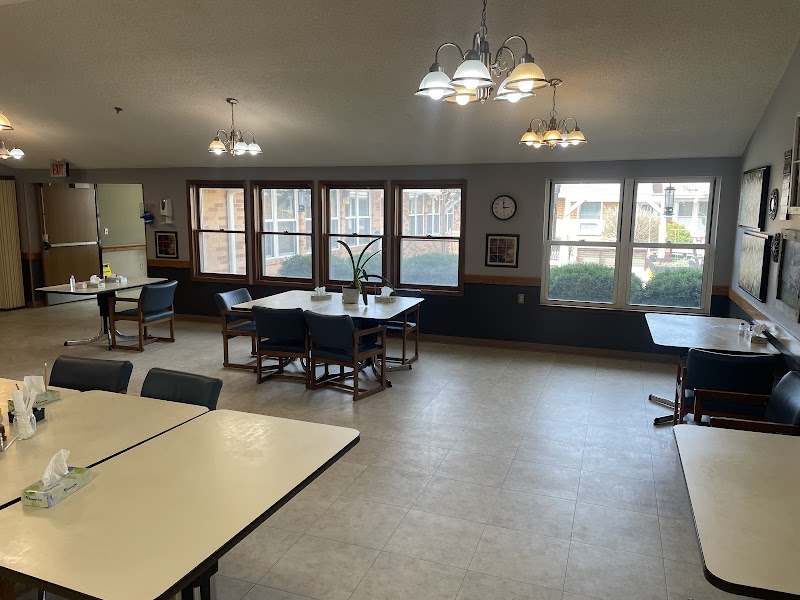
How Does Frankfort Community Care Home Compare to Other Kansas Nursing Homes?

Compared to the 100 nursing homes in Kansas, FRANKFORT COMMUNITY CARE HOME's overall rating (4 stars) is above the state average of 2.9, staff turnover (56%) is near the state average of 46%, and health inspection rating (3 stars) is at the national benchmark.

What Should Families Ask When Visiting Frankfort Community Care Home?

Based on this facility's data, families visiting should ask: "What changes have been made since the serious inspection findings, and how are you preventing similar issues?" "How do you ensure continuity of care given staff turnover, and what is your staff retention strategy?" "Can I visit during a mealtime to observe dining assistance and food quality?" "How do you handle medical emergencies, and what is your hospital transfer rate?" These questions are particularly relevant given the facility's Immediate Jeopardy citations and the facility's high staff turnover rate.

Is Frankfort Community Care Home Safe?

Based on CMS inspection data, FRANKFORT COMMUNITY CARE HOME has documented safety concerns. Inspectors have issued 1 Immediate Jeopardy citation (the most serious violation level indicating risk of serious injury or death). The facility has a 4-star overall rating and ranks #1 of 100 nursing homes in Kansas. Families considering this facility should ask detailed questions about what corrective actions have been taken since these incidents.

Do Nurses at Frankfort Community Care Home Stick Around?

Staff turnover at FRANKFORT COMMUNITY CARE HOME is high. At 56%, the facility is 10 percentage points above the Kansas average of 46%. High turnover means new staff may not know residents' individual needs, medications, or preferences. It can also be disorienting for residents, especially those with dementia who rely on familiar faces. Families should ask: What is causing the turnover? What retention programs are in place? How do you ensure care continuity during staff transitions?

Was Frankfort Community Care Home Ever Fined?

FRANKFORT COMMUNITY CARE HOME has been fined $8,193 across 1 penalty action. This is below the Kansas average of $33,161. While any fine indicates a compliance issue, fines under $50,000 are relatively common and typically reflect isolated problems that were subsequently corrected. Families should ask what specific issues led to these fines and confirm they've been resolved.

Is Frankfort Community Care Home on Any Federal Watch List?

FRANKFORT COMMUNITY CARE HOME is not on any federal watch list. The most significant is the Special Focus Facility (SFF) program, which identifies the bottom 1% of nursing homes nationally based on persistent, serious quality problems. Not being on this list means the facility has avoided the pattern of deficiencies that triggers enhanced federal oversight. This is a positive indicator, though families should still review the facility's inspection history directly.