MEDICALODGES FRONTENAC
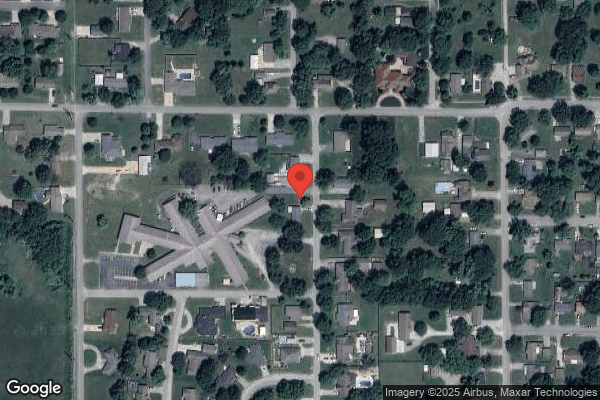
206 S DITTMAN STREET, FRONTENAC, KS 66763 (620) 231-7340
For profit - Corporation 45 Beds MEDICALODGES, INC. Data: November 2025 2 Immediate Jeopardy citations
Trust Grade
6/100
#265 of 295 in KS
Last Inspection: November 2024

Within standard 12-15 month inspection cycle. Federal law requires annual inspections.

Overview

Medicalodges Frontenac has received a Trust Grade of F, indicating significant concerns about the quality of care provided. With a state rank of #265 out of 295 in Kansas and #4 out of 5 in Crawford County, it is in the bottom half of all facilities, meaning families have better local options. While the facility is reportedly improving, having reduced issues from 13 to 2 in the past year, it still has a concerning staffing turnover rate of 66%, much higher than the state average. Additionally, the facility has incurred $32,127 in fines, which is higher than 81% of Kansas facilities, raising concerns about compliance. Specific incidents include a critical failure to safely transfer residents with mechanical lifts, risking falls, and an instance where a resident choked on food due to staff not following dietary guidelines, ultimately leading to the resident's death. Overall, while there are some signs of improvement, the serious issues raised in inspections and high turnover rates suggest families should consider other options.

Trust Score
F
6/100
In Kansas
#265/295
Bottom 11%
Safety Record
High Risk
Review needed
Inspections
Getting Better
13 → 2 violations
Staff Stability
⚠ Watch
66% turnover. Above average. Higher turnover means staff may not know residents' routines.
Penalties
✓ Good
$32,127 in fines. Lower than most Kansas facilities. Relatively clean record.
Skilled Nurses
○ Average
RN staffing data not reported for this facility.
Violations
⚠ Watch
35 deficiencies on record. Higher than average. Multiple issues found across inspections.
★☆☆☆☆
1.0
Overall Rating
★☆☆☆☆
1.0
Staff Levels
★★★☆☆
3.0
Care Quality
★★☆☆☆
2.0
Inspection Score
Stable
2024: 13 issues
2025: 2 issues

The Good

  • Full Sprinkler Coverage · Fire safety systems throughout facility
  • No fines on record

Facility shows strength in fire safety.

The Bad

1-Star Overall Rating

Below Kansas average (2.9)

Significant quality concerns identified by CMS

Staff Turnover: 66%

20pts above Kansas avg (46%)

Frequent staff changes - ask about care continuity

Federal Fines: $32,127

Below median ($33,413)

Moderate penalties - review what triggered them

Chain: MEDICALODGES, INC.

Part of a multi-facility chain

Ask about local staffing decisions and management

Staff turnover is elevated (66%)

18 points above Kansas average of 48%

The Ugly 35 deficiencies on record

2 life-threatening
Mar 2025 2 deficiencies
CONCERN (D) 📢 Someone Reported This

A family member, employee, or ombudsman was alarmed enough to file a formal complaint

Potential for Harm - no one hurt, but risky conditions existed

Accident Prevention (Tag F0689)

Could have caused harm · This affected 1 resident

**NOTE- TERMS IN BRACKETS HAVE BEEN EDITED TO PROTECT CONFIDENTIALITY** The facility reported a census of 38 residents with three residents reviewed for elopement. Based on interview, interview and re...

Read full inspector narrative →
**NOTE- TERMS IN BRACKETS HAVE BEEN EDITED TO PROTECT CONFIDENTIALITY** The facility reported a census of 38 residents with three residents reviewed for elopement. Based on interview, interview and record review, the facility failed to prevent one Resident (R)1 from exiting the facility, unattended. Findings included: - Review of Resident (R)1's electronic medical record (EMR) revealed a diagnosis of depression (a mood disorder that causes a persistent feeling of sadness and loss of interest). The admission Minimum Data Set (MDS), dated [DATE], documented the resident had a Brief Interview for Mental Status (BIMS) review of 13, indicating intact cognition. He had limitation in range of motion (ROM) on one side of his upper extremity and used a motorized wheelchair. He was independent in wheeling 150 feet in his wheelchair. The Functional Abilities Care Area Assessment (CAA), dated 02/02/25, documented the resident required substantial to maximal assistance of staff for transfers. The care plan, revised 02/25/25, lacked staff information regarding the resident being at risk for elopement. The care plan, revised 03/16/25, instructed staff the resident had a history of an attempt to exit the facility unattended. The staff were instructed the resident had an impairment in his safety awareness. Review of the resident's EMR revealed an Elopement Assessment, dated 01/29/25, which revealed the resident was not at risk for elopement. Review of the resident's EMR revealed an Elopement Assessment, dated 03/16/25, which put the resident at risk of elopement. Review of the resident's EMR from 01/29/25 through 03/15/25, revealed no documentation of the resident having a behavior of wandering. Review of the resident's EMR, on 03/16/25, revealed staff visualized the resident at the dining room table in his motorized wheelchair awaiting dinner, at approximately 05:00 PM. The facility investigation into the elopement revealed on 03/16/25 at approximately 05:03 PM, video surveillance showed the resident exiting the facility by the front doors in his motorized wheelchair. The door alarm sounded, and a family member of another resident was visualized turning the alarm off. Staff were unaware a resident had exited the facility. The facility was notified the resident was out of the facility and staff retrieved the resident and returned him to the facility 20 minutes after exiting the facility. Assessment revealed no injury to the resident. On 03/20/25 at 11:45 AM, Certified Nurse Aide (CNA) M stated there was an elopement book at the nurses' station which contained photos and resident information of each resident who was at risk for elopement. On 03/20/25 at 03:29 PM, CNA N stated the elopement book had all the staff information for the residents who are at risk of elopement. On 03/20/25 at 04:01 PM, CNA O stated the elopement book was kept in the nurses' station with the names and pictures of the residents who were at risk of elopement. CNA O stated she would report any exit seeking behavior to the nurse. On 03/20/25 at 02:07 PM, Licensed Nurse (LN) G stated she had seen the resident at the dinner table at approximately 05:00 PM on the day of the elopement. The facility was notified of the resident being out of the facility and staff went to pick up the resident approximately one block from the facility. LN G stated she assessed the resident, and he had no injuries upon return to the facility. On 03/20/25 at 01:04 PM, Administrative Staff A stated he had been notified of the resident being outside of the facility via phone call on 03/16/25. Administrative Staff A stated he notified the facility immediately and went into the facility to begin an investigation into how the resident was able to exit the facility without staff knowledge. Administrative Staff A stated he obtained staff interviews and reviewed the video footage which showed the resident exit the facility in his motorized wheelchair, unassisted. The video revealed another resident's family member turn the door alarm off using the code. The family member did not notify staff that she had turned the alarm off. Administrative Staff A stated staff returned the facility to the facility where he was assessed and found to be uninjured. Administrative Staff A completed staff education on elopement. The facility policy for Resident Elopement Policy and Procedure, revised 12/2017, included: The facility strives to promote a safe and secure environment to help minimize risk of residents leaving the premises without the necessary supervision or authorization to do so. The facility failed to prevent this dependent resident from exiting the facility unattended.
MINOR (C) 📢 Someone Reported This

A family member, employee, or ombudsman was alarmed enough to file a formal complaint

Minor Issue - procedural, no safety impact

Staffing Information (Tag F0732)

Minor procedural issue · This affected most or all residents

The facility reported a census of 38 residents. Based on observation, record review and interview, the facility failed to display accurate, publicly accessible, and identifiable staffing information, ...

Read full inspector narrative →
The facility reported a census of 38 residents. Based on observation, record review and interview, the facility failed to display accurate, publicly accessible, and identifiable staffing information, daily, for the 38 residents who reside in the facility. Findings included: - Review of the facility's Daily Staffing Sheets, from 01/01/25 through 03/19/25, revealed the actual hours worked had not been completed on the daily staffing sheets. On 03/20/25 at 03:07 PM, Administrative Nurse D, stated she noticed on 03/20/25 that the forms did not include actual hours worked, as required The facility policy for Benefits Improvement Protection Act (BIPA) Nurse Staff Posting, revised 12/19, included: The actual hours worked by licensed and unlicensed nursing staff directly responsible for resident care by shift will be recorded on the Daily Staff Posting form.
Nov 2024 10 deficiencies
CONCERN (D)

Potential for Harm - no one hurt, but risky conditions existed

Safe Environment (Tag F0584)

Could have caused harm · This affected 1 resident

The facility reported a census of 36 residents. Based on observation and interview, the facility failed to ensure a safe, sanitary, and homelike environment in two resident rooms and one hallway. Fin...

Read full inspector narrative →
The facility reported a census of 36 residents. Based on observation and interview, the facility failed to ensure a safe, sanitary, and homelike environment in two resident rooms and one hallway. Findings included: - Observation on 11/13/24 at 10:30AM, revealed a strong urine odor in the west hallway near a resident room and inside the resident room. Observation on 11/13/24 at 10:35 AM, revealed multiple arched black streaks on the wall beside a resident's bed on the west hall. Observation on 11/13/24 at 10:40 AM, revealed a resident room on the west hall with two yellow brown irregular circle like stains on the ceiling which measured approximately 10 inches. During the environmental tour on 11/18/24 at 12:24 PM, Administrative Staff A and Housekeeping Staff V confirmed the above. Administrative Staff A stated the resident's mattress may need replaced and the black streaks were due to the positioning bar scraping against the wall repetitively and may need to reposition the bed. Housekeeping Staff V stated she would notify maintenance of the ceiling stains. The facility policy Housekeeping, Laundry, and Maintenance reviewed 02/2024, instructed staff to provide basic housekeeping services to resident living areas and utility and public areas. The facility failed to maintain a safe, sanitary, and homelike environment in two resident rooms and one hallway.
CONCERN (D)

Potential for Harm - no one hurt, but risky conditions existed

Transfer Notice (Tag F0623)

Could have caused harm · This affected 1 resident

**NOTE- TERMS IN BRACKETS HAVE BEEN EDITED TO PROTECT CONFIDENTIALITY** The facility reported a census of 36 residents with 14 residents sampled, including one resident reviewed for hospitalization. B...

Read full inspector narrative →
**NOTE- TERMS IN BRACKETS HAVE BEEN EDITED TO PROTECT CONFIDENTIALITY** The facility reported a census of 36 residents with 14 residents sampled, including one resident reviewed for hospitalization. Based on observation, interview, and record review, the facility failed to provide Resident (R)14 a Bed Hold upon admission to an acute care hospital. Findings included: - Review of the R14's EMR, on 10/19/24, revealed the resident admitted to an acute care hospital with a diagnosis of a urinary tract infection (UTI-an infection in any part of the urinary system) and sepsis (life threatening systemic reaction that develops due to infections which cause inflammation throughout the entire body). The resident returned to the facility on [DATE]. Review of the resident's EMR lacked a signed bed hold related to the 10/19/24 hospitalization for R14. On 11/18/24 at 12:10 PM, Administrative Nurse D stated the facility did not obtain a signed bed hold for this resident when she admitted to the hospital, and stated they expected staff to have a bed hold signed each time a resident admitted to the hospital. The facility policy for Notice of Bed Hold Policy and Returns, revised 12/14/17, included: The policy shall provide a written notice to residents, family members or legal representatives of the facility's bed hold policies at the time of transfer of a resident to a hospital. The facility failed to obtain a signed bed hold for R14 who admitted to an acute care hospital.
CONCERN (D)

Potential for Harm - no one hurt, but risky conditions existed

Comprehensive Care Plan (Tag F0656)

Could have caused harm · This affected 1 resident

**NOTE- TERMS IN BRACKETS HAVE BEEN EDITED TO PROTECT CONFIDENTIALITY** The facility reported a census of 36 residents with 14 residents selected for review. Based on observation, interview, and recor...

Read full inspector narrative →
**NOTE- TERMS IN BRACKETS HAVE BEEN EDITED TO PROTECT CONFIDENTIALITY** The facility reported a census of 36 residents with 14 residents selected for review. Based on observation, interview, and record review, the facility failed to ensure the development of a personalize comprehensive care plan for an optimal toileting program for Resident (R)22. Findings included: - Review of Resident (R)22's medical record revealed diagnoses that included cardiomyopathy (heart disease), depression (abnormal emotional state characterized by exaggerated feelings of sadness, worthlessness, and emptiness), and history of urinary tract infections. The Annual Minimum Data Set (MDS), dated [DATE], assessed the resident with a Brief Interview for Mental Status (BIMS) score of 15 which indicated no cognitive impairment. The resident was always incontinent of bowel and bladder. The resident received diuretics (medication to promote the formation and excretion of urine). The Urinary Incontinence and Indwelling Catheter Care Area Assessment (CAA), dated 08/17/24, revealed the resident required total to substantial maximum assistance of two staff for cares and often refused incontinence care. The resident was able to make her needs known. The Care Plan reviewed 09/04/24, instructed staff the resident required total to substantial maximum assistance with cares, and often refused incontinence care. The resident had a history of urinary tract infections and staff instructed to encourage the resident to allow incontinence care and notify the nurse if the resident declined. Staff instructed to check and change the resident. The care plan lacked instructions on the frequency for the check and change program, interventions for refusal of incontinence care, and enhancement of incontinence products to prevent the frequent urine saturation of the bed to meet the needs of this incontinent resident. A Physician's order, dated 08/23/24, instructed staff to administer furosemide (a medication used to remove excess fluid from the body through the excretion of urine) 80 milligrams, daily for pulmonary hypertension (elevated pressure in the blood vessels of the lungs) due to heart disease. The Teena Bowel and Bladder Assessment dated 08/23/24, assessed the resident had functional incontinence and required scheduled toileting. The resident refused to transfer to a bedside commode. This assessment revealed the resident had incontinence without the sensation of urine loss, had pain with movement, enuresis (incontinence at night) and received an antidepressant. Observation on 11/13/24 at 10:34 AM, revealed the resident in bed, in a slumped position toward the right. The resident was alert and answered questions. The room had a strong urine odor. The resident stated she could not find her call light which was out of her reach on the headboard of the bed. The call light was disconnected from the wall. Certified Nurse Aide (CNA) MM reconnected the call light and positioned it within reach of the resident. CNA PP checked the resident for incontinence and provided incontinence care which included change of bed linen due to urine saturation. Observation on 11/14/24 at 01:00 PM, revealed a strong urine odor in R22's room with the resident slumped to the right. Interview at that time with CNA MM, revealed the resident was changed before lunch at approximately 12:00 PM, and the resident had soaked the entire bed with urine. CNA MM stated the resident does not get out of bed and does not always notify staff the need for incontinence care. Observation on 11/14/24 at 03:01 PM, revealed the resident in bed, slumped to her right. The room had a strong urine odor. CNA P and CNA Q provided incontinence care. The resident saturated her brief and urine soaked through onto the mattress. CNA Q stated the resident was cooperative with staff with cares but often reports to staff that she did not need to be changed, when incontinent of urine. CNA Q stated staff check and change the resident every two hours. Observation on 11/18/24 at 08:50 AM, revealed the room with a strong urine odor and the resident positioned in bed, slumped to the right. The resident stated staff did not change her this morning and she felt wet. CNA QQ stated the resident refused to be changed during the 04:00 AM rounds, and she had not been changed yet this morning. The resident declined the surveyor observation of incontinence care at that time. Observation on 11/18/24 at 12:24 PM, during the environmental tour with Administrative Staff A and Housekeeping Staff V, confirmed a strong urine odor in the room. Administrative Staff A stated the mattress may need replaced. Interview on 11/14/24 at 02:56 PM, with Licensed Nurse (LN) G, revealed the resident d nodt often use her call light, preferred to lay slumped in bed and turned to her right. LN G stated the resident refused showers and to get out of bed so staff provide bed baths. Interview on 11/18/24 at 01:30 PM with Administrative Nurse D, revealed the resident refused showers so staff provided bed baths, but did not know the resident refused incontinence care or the care plan indicated the resident often refused incontinent care. Administrative Nurse D stated the resident saturated the briefs and soaked through to the mattress due to large urine capacity of her bladder and staff provided check and change every two hours. Administrative Nurse D stated the resident brief was appropriate for the resident but did not know if/when staff assessed the urinary incontinence to determine a pattern or if the check and change every two hours was adequate. The facility did not provide a policy for development of the comprehensive care plan. The facility failed to provide this dependent resident a personalized comprehensive care plan to include strategies for refusal of incomitance care, a personalized check and change program, and assessment of incontinence products to prevent leakage of urine to enhance this resident's well-being.
CONCERN (D)

Potential for Harm - no one hurt, but risky conditions existed

ADL Care (Tag F0677)

Could have caused harm · This affected 1 resident

**NOTE- TERMS IN BRACKETS HAVE BEEN EDITED TO PROTECT CONFIDENTIALITY** The facility reported a census of 36 residents with 14 residents included in the sample, including three residents reviewed for ...

Read full inspector narrative →
**NOTE- TERMS IN BRACKETS HAVE BEEN EDITED TO PROTECT CONFIDENTIALITY** The facility reported a census of 36 residents with 14 residents included in the sample, including three residents reviewed for Activities of Daily Living (ADL). Based on record review, interview and observation, the facility failed to shave Resident (R) 29 on a regular basis. Findings included: - Review of Resident (R)29's electronic medical record (EMR) revealed a diagnosis of dementia (progressive mental disorder characterized by failing memory, confusion). The Significant Change Minimum Data Set (MDS), dated [DATE], documented a staff assessment for cognition, which revealed moderate cognitive impairment. He had no impairment in functional range of motion (ROM) and had no rejection of cares. He was dependent on staff for personal hygiene. The Cognitive Loss/Dementia Care Area Assessment (CAA), dated 08/10/24, documented the resident was unable to make his wants and needs known to staff. The Functional Abilities CAA, dated 08/10/24, documented the resident required moderate assistance with his ADL cares. Staff were to anticipate his needs. The Quarterly MDS, dated 06/08/24, documented the staff assessment for cognition revealed moderate cognitive impairment. He had no impairment in functional ROM and had no rejection of cares. He was dependent on staff for personal hygiene. The Care Plan for ADLs, revised 08/20/24, instructed staff the resident required substantial to maximum assistance with ADLs related to a diagnosis of dementia. The resident was unable to make his needs known and required one staff for completion of personal cares. Review of the resident's EMR, from 10/16/24 through 11/17/24, revealed the resident required maximal assistance to being dependent on staff for assistance with personal hygiene, including facial shaving. The review also revealed the resident had no rejections of care. On 11/13/24 at 02:30 PM, the resident sat in his chair in his room. The resident had long, unshaven facial hair. On 11/14/24 at 08:07 AM, Certified Nurse Aides (CNA) N and CNA M ambulated with the resident from the dining room to his room. The resident had long, unshaven facial hair. On 11/18/24 at 08:19 AM, the resident sat at the dining room table with his peers for breakfast. The resident remained with long, unshaven facial hair. On 11/14/24 at 08:07 AM, CNA N stated staff were to shave residents on their shower days and more often if they ask. CNA N confirmed the resident was unable to voice his needs to staff. On 11/14/24 at 02:00 PM, CNA O stated staff were to shave residents on their shower days. On 11/14/24 at 02:00 PM, CNA P stated staff should shave residents on their shower days. CNA P stated the resident did not refuse cares. On 11/18/24 at 01:30 PM, Administrative Nurse D stated residents should be shaven on shower days and in the mornings when they are getting up and ready for the day. The facility lacked a policy for ADLs. The facility failed to ensure this dependent resident was shaven on a regular basis.
CONCERN (D)

Potential for Harm - no one hurt, but risky conditions existed

Incontinence Care (Tag F0690)

Could have caused harm · This affected 1 resident

**NOTE- TERMS IN BRACKETS HAVE BEEN EDITED TO PROTECT CONFIDENTIALITY** The facility reported a census of 36 residents with 14 residents selected for review, which included two residents reviewed for ...

Read full inspector narrative →
**NOTE- TERMS IN BRACKETS HAVE BEEN EDITED TO PROTECT CONFIDENTIALITY** The facility reported a census of 36 residents with 14 residents selected for review, which included two residents reviewed for urinary incontinence. Based on observation, interview, and record review, the facility failed to ensure adequate toileting opportunities for Resident (R)22. Findings included: - Review of Resident (R)22's medical record revealed diagnoses that included cardiomyopathy (heart disease), depression (abnormal emotional state characterized by exaggerated feelings of sadness, worthlessness, and emptiness), and history of urinary tract infections. The Annual Minimum Data Set (MDS), dated [DATE], assessed the resident with a Brief Interview for Mental Status (BIMS) score of 15 which indicated no cognitive impairment. The resident was always incontinent of bowel and bladder. The resident received diuretics (medication to promote the formation and excretion of urine). The Urinary Incontinence and Indwelling Catheter Care Area Assessment (CAA), dated 08/17/24, revealed the resident required total to substantial maximum assistance of two staff for cares and often refused incontinence care. The resident was able to make her needs known. The Care Plan reviewed 09/04/24, instructed staff the resident required total to substantial maximum assistance with cares, and often refused incontinence care. The resident had a history of urinary tract infections and staff instructed to encourage the resident to allow incontinence care and notify the nurse if the resident declined. Staff instructed to check and change the resident. A Physician's order, dated 08/23/24, instructed staff to administer furosemide (a medication used to remove excess fluid from the body through the excretion of urine) 80 milligrams, daily for pulmonary hypertension (elevated pressure in the blood vessels of the lungs) due to heart disease. The Teena Bowel and Bladder Assessment dated 08/23/24, assessed the resident had functional incontinence and required scheduled toileting. The resident refused to transfer to a bedside commode. This assessment revelaed the resident had incontinence without the sensation of urine loss, had pain with movement, enuresis (incontinence at night) and received an antidepressant. Observation, on 11/13/24 at 10:34 AM, revealed the resident in bed, in a slumped position toward the right. The resident was alert and answered questions. The room had a strong urine odor. The resident stated she could not find her call light which was out of her reach on the headboard of the bed. The call light was disconnected from the wall. Certified Nurse Aide (CNA) MM reconnected the call light and positioned it within reach of the resident. CNA PP checked the resident for incontinence and provided incontinence care which included change of bed linen due to urine saturation. Observation, on 11/14/24 at 01:00 PM, revealed a strong urine odor in R22's room with the resident slumped to the right. Interview at that time with CNA MM, revealed the resident was changed before lunch at approximately 12:00 PM, and the resident had soaked the entire bed with urine. CNA MM stated the resident does not get out of bed and does not always confirm with staff the need for incontinence care. Observation, on 11/14/24 at 03:01 PM, revealed the resident in bed, slumped to her right. The room had a strong urine odor. CNA P and CNA Q provided incontinence care. The resident saturated her brief and urine soaked through onto the mattress. CNA Q stated the resident was cooperative with staff with cares but often reports to staff that she did not need to be changed, when incontinent of urine. CNA Q stated staff check and change the resident every two hours. Observation, on 11/18/24 at 08:50 AM, revealed the room with a strong urine odor and the resident positioned in bed, slumped to the right. The resident stated staff did not change her this morning and she felt wet. CNA QQ stated the resident refused to be changed during the 04:00 AM rounds, and she had not been changed yet this morning. The resident declined the surveyor observation of incontinence care at that time. Observation, on 11/18/24 at 12:24 PM, during the environmental tour with Administrative Staff A and Housekeeping Staff V, confirmed a strong urine odor in the room. Administrative Staff A stated the mattress may need replaced. Interview, on 11/14/24 at 02:56 PM, with Licensed Nurse (LN) G, revealed the resident does not often use her call light, and prefers to lay slumped in bed, turned to her right. LN G stated the resident refused showers, so staff provide bed baths and the resident refused to get up out of bed. Interview, on 11/18/24 at 01:30 PM with Administrative Nurse D, revealed the resident refused showers so staff provided bed baths, but did not know the resident refused incontinence care. Administrative Nurse D stated the resident saturated the briefs and soaked through to the mattress due to large urine capacity of her bladder and staff provided check and change every two hours. Administrative Nurse D stated the resident brief was appropriate for the resident but did not know if/when staff assessed the urinary incontinence to determine a pattern. The resident did have a history of urinary tract infections, and was treated with antibiotics in March, April, and May 2024. The facility policy Incontinence Management Policy reviewed 02/2024, instructed staff to assess the resident's history and pattern of bladder function and compete a three day toileting diary upon admission annually and with significant change in health status. The plan of care will address individualized focus, goals and interventions directed towards managing the resident's bladder incontinence. The facility failed to provide this dependent resident a thorough assessment of her urinary incontinence to ensure staff provided an optimal toileting plan to decrease the risk of urinary tract infections.
CONCERN (D)

Potential for Harm - no one hurt, but risky conditions existed

Antibiotic Stewardship (Tag F0881)

Could have caused harm · This affected 1 resident

**NOTE- TERMS IN BRACKETS HAVE BEEN EDITED TO PROTECT CONFIDENTIALITY** The facility reported a census of 36 residents. Based on observation, interview, and record review, the facility failed to ensur...

Read full inspector narrative →
**NOTE- TERMS IN BRACKETS HAVE BEEN EDITED TO PROTECT CONFIDENTIALITY** The facility reported a census of 36 residents. Based on observation, interview, and record review, the facility failed to ensure staff followed the principles of antibiotic stewardship to ensure the residents received appropriate antibiotics for causative organisms. Findings included: - Review of Resident (R)22's medical record revealed diagnoses that included cardiomyopathy (heart disease), depression (abnormal emotional state characterized by exaggerated feelings of sadness, worthlessness, and emptiness), and history of urinary tract infections. The Annual Minimum Data Set (MDS), dated [DATE], assessed the resident with a Brief Interview for Mental Status (BIMS) score of 15 which indicated no cognitive impairment. The resident was always incontinent of bowel and bladder. The resident received diuretics (medication to promote the formation and excretion of urine). The Urinary Incontinence and Indwelling Catheter Care Area Assessment (CAA), dated 08/17/24, revealed the resident required total to substantial maximum assistance of two staff for cares and often refused incontinence care. The resident was able to make her needs known. The Care Plan reviewed 09/04/24, instructed staff the resident required total to substantial maximum assistance with cares, and often refused incontinence care. The resident had a history of urinary tract infections and staff instructed to encourage the resident to allow incontinence care and notify the nurse if the resident declined. Staff instructed to check and change the resident. A Physician's Order dated 03/22/24, instructed staff to administer cefdinir (an antibiotic) 300 milligrams (mg) twice a day for seven days for urinary tract infection (UTI). The causative organisms (proteus mirabilis and Escherichia coli) per culture report were susceptible to the antibiotic. A urine sample obtained by a catheter (a flexible tube) inserted into the blader for a sterile urine sample on 03/26/24 revealed no UTI for R22. A Physician's Order dated 04/03/24 instructed staff to administer Macrodantin (an antibiotic) 100 mg twice a day for seven days for UTI for R22. The medical record lacked a culture report for the use of this antibiotic. A Physician's Order dated 05/20/24, instructed staff to administer cefuroxime axetil (an antibiotic) 250mg twice a day for UTI for R22. The culture report revealed the causative organism as proteus mirabilis which was susceptible to the antibiotic. Interview, on 11/18/24 at 01:00 PM with Administrative Nurse D, revealed the resident received the antibiotic order from the emergency room physician and the facility did not receive the culture report. The facility policy Infection Control Surveillance revised 11/2023, instructed staff to review the clinical record for diagnostic or lab results which support the use of current antibiotics prescribed. The facility failed to obtain the culture results to ensure the appropriate use of Macrodantin ordered on 04/03/34, was effective to ensure antibiotic stewardship to prevent multidrug resistant bacterial infections for this incontinent resident with UTIs.
CONCERN (E)

Potential for Harm - no one hurt, but risky conditions existed

Accident Prevention (Tag F0689)

Could have caused harm · This affected multiple residents

**NOTE- TERMS IN BRACKETS HAVE BEEN EDITED TO PROTECT CONFIDENTIALITY** The facility reported a census of 36 residents with 14 residents sampled, including six residents reviewed for accidents. Based ...

Read full inspector narrative →
**NOTE- TERMS IN BRACKETS HAVE BEEN EDITED TO PROTECT CONFIDENTIALITY** The facility reported a census of 36 residents with 14 residents sampled, including six residents reviewed for accidents. Based on observation, interview, and record review, the facility failed to safely transfer two Residents (R) 15 and R 32 and failed to ensure chemicals were kept locked on one resident hall, which housed eight confused residents. Findings included: - Review of Resident (R) 15's Electronic Medical Record (EMR) revealed the following diagnoses: depression (a mood disorder that causes a persistent feeling of sadness and loss of interest) and pain (physical suffering or discomfort caused by illness or injury). The admission Minimum Data Set (MDS), dated [DATE], documented the resident had a Brief Interview for Mental Status (BIMS) score of eight, indicating moderate cognitive impairment. She was dependent on staff for sit to stand and chair to bed to chair transfers. The Functional Abilities Care Area Assessment (CAA), dated 05/27/24, documented the resident required total staff assistance of two staff for completion of Activities of Daily Living (ADL). The Quarterly MDS, dated 08/24/24, documented the resident had a BIMS score of seven, indicating severe cognitive impairment. She required maximum assistance for sit-to-stand and chair-to-bed-to-chair transfers. The Care Plan for ADLs, revised 08/30/24, instructed staff the resident required two staff for transfers. The resident was to wear non-skid footwear at all times. Review of the resident's EMR, from 10/16/24 through 11/17/24, revealed the resident required maximum assistance to total dependence on staff for transfers. On 11/14/24 at 11:01 PM, Certified Nurse Aides (CNA) N and CNA M transferred the resident from the recliner in the commons area to her wheelchair with total assistance of two staff and the use of the gait belt (device that helps to prevent falls). The resident was unable to bear weight during the transfer with her socked feet skimming the floor in between the recliner and the wheelchair. The resident's socks were not non-skid. On 11/14/24 at 01:14 PM, CNA M and CNA N transferred the resident from her wheelchair to the recliner in the commons area with total assistance of two staff and the use of the gait belt. The resident was unable to bear her full weight during the transfer. The resident wore non-skid socks at the time of the transfer. On 11/14/24 at 11:01 AM, CNA N confirmed the resident was not always able to bear full weight during transfers. CNA N stated the resident was to wear non-skid footwear at all times. On 11/14/24 at 11:01 AM, CNA M confirmed the resident was not able to bear weight during transfers. CNA M stated the resident could bear weight at times, but not always. On 11/14/24 at 02:00 PM, CNA O stated staff were to transfer the resident with two staff and the gait belt. The resident was not always able to bear her full weight. On 11/18/24 at 01:42 PM, Administrative Nurse D stated it was the expectation that residents could bear weight in order to be transferred with a gait belt. The facility failed to provide a policy regarding safe transfers. The facility failed to safely transfer this dependent resident who was unable to fully bear her weight. - Review of Resident (R)32's electronic medical record (EMR) revealed a diagnosis of dementia (progressive mental disorder characterized by failing memory, confusion). The admission Minimum Data Set (MDS), dated [DATE], documented the resident had a Brief Interview for Mental Status (BIMS) score of six, indicating severe cognitive impairment. She had no impairment in functional range of motion (ROM) and used a wheelchair for mobility. She required moderate assistance of staff for sit-to-stand and chair-to-bed-to-chair transfers. The Functional Abilities Care Area Assessment (CAA), dated 05/21/24, documented the resident required maximum assistance of two staff or transfers with occasional use of the hoyer lift (a full body lift). The Quarterly MDS, dated 08/17/24, documented the resident had a BIMS score of five, indicating severe cognitive impairment. She had no impairment in functional range of motion (ROM) and used a wheelchair for mobility. She was dependent on staff for sit-to-stand and chair-to-bed-to-chair transfers. The Care Plan for Activities of Daily Living (ADL), revised 08/30/24, instructed staff the resident required maximum assistance of two staff for transfers. Staff were to utilize the sit to stand lift (a mechanical device designed to assist individuals in moving from a sitting to a standing position and vice versa) for transfers. Review of the resident's EMR, from 10/16/24 through 11/17/24, revealed the resident was dependent on staff assistance for transfers. On 11/14/24 at 08:10 AM, Certified Nurse Aide (CNA) M and CNA N transferred the resident from her wheelchair to her bed with the use of the sit to stand lift. The resident was unable to hold onto the handles of the lift for the entire duration of the transfer, as she slipped down her arms raised up, causing the belt of the lift to move upward and lodge in the resident's arm pits, which placed the resident in a suspended position with arms splayed in a manner that resembled a chicken wing. On 11/14/24 at 09:30 AM, CNA M and CNA N transferred the resident from her wheelchair to the recliner in the commons area with the use of the sit to stand lift. The resident was unable to hold onto the handles of the lift for the entire duration of the transfer, as she slipped down her arms raised up, causing the belt of the lift to move upward and lodge in the resident's arm pits, which placed the resident in a suspended position with arms splayed in a manner that resembled a chicken wing. On 11/14/24 at 09:30 AM, CNA N stated the resident would often have the lift belt raise up into her arm pits while transferring because the resident was not always able to hold onto the handles of the lift properly during transfers. On 11/14/24 at 02:00 PM, CNA Q stated the resident was not always able to bear her full weight on the sit to stand during transfers. She also was not able to always hold onto the handles which would causes the belt to slide up into her arm pits. On 11/18/24 at 01:42 PM, Administrative Nurse D stated it was the expectation that residents be able to bear weight and hold onto the handles of the lift while being transferred with the sit to stand lift. The facility failed to provide a policy regarding safe transfers. The facility failed to safely transfer this dependent resident who was unable to fully bear her weight and unable to hold onto the handles of the sit to stand lift appropriately. - During an environmental tour on 11/13/24 at 03:33 PM, the following items of concern were noted: An unlocked janitor's closet on the East Hall contained two bottles of cleaning supplies (Clorox Germicidal Bleach Spray) and (Virex II 256), which were labeled harmful if swallowed. On 11/13/24 at 03:35 PM, Consultant Staff GG stated the closet should be locked as it contained cleaning chemicals. The East Hall had 16 residents, including eight residents who were noted with confusion. The facility failed to provide a policy for unlocked chemicals. The facility failed to keep eight confused residents safe by having unlocked chemicals in the janitor's closet.
CONCERN (F)

Potential for Harm - no one hurt, but risky conditions existed

Deficiency F0730 (Tag F0730)

Could have caused harm · This affected most or all residents

The facility reported a census of 36 residents. Based on interview and record review, the facility failed to complete an annual performance review at least once every 12 months for three of the five C...

Read full inspector narrative →
The facility reported a census of 36 residents. Based on interview and record review, the facility failed to complete an annual performance review at least once every 12 months for three of the five Certified Nurse Aides (CNA) reviewed, CNA R, CNA MM, and CNA NN. Findings included: - Review of five employee personnel files, employed by the facility for greater than one year, revealed the following concerns: Certified Nurse Aide (CNA) R, hired 10/18/19, lacked an annual performance review in her personnel file. CNA MM, hired 12/15/22, lacked an annual performance review in her personnel file. CNA NN, hired 05/17/22, lacked an annual performance review in her personnel file. The facility's Employee Handbook, undated, included: In order to assist employees, improve their performance, and to identify the areas in which they excel and the areas in which they need to improve, the facility would complete annual performance evaluations. On 11/18/24 at 01:30 PM, Administrative Nurse D stated the staff's annual evaluations were not up to date. The facility failed to complete an annual performance review for this resident, employed by the facility for greater than one year.
CONCERN (F)

Potential for Harm - no one hurt, but risky conditions existed

Staffing Data (Tag F0851)

Could have caused harm · This affected most or all residents

The facility reported a census of 36 residents. Based on interview, and record review the facility failed to electronically submit to the Centers for Medicare and Medicaid Services (CMS), accurate dir...

Read full inspector narrative →
The facility reported a census of 36 residents. Based on interview, and record review the facility failed to electronically submit to the Centers for Medicare and Medicaid Services (CMS), accurate direct staffing information, based on payroll and other verifiable and auditable data in a uniform format according to specifications established by CMS (i.e. Payroll Base Journal (PBJ), related to licensed nursing staffing information, when the facility failed to accurately report weekend staffing for Quarters 1 2024 (October 1-December 31), Quarter 2 2024 (January 1-March 31) and Quarter 3 2024 (April 1- June 30). Findings Included: - Review of the Payroll Base Journal (PBJ) Staffing Data Report for fiscal year (FY), Quarter 1 2024 (October 1-December 31), Quarter 2 2024 (January 1-March 31) and Quarter 3 2024 (April 1-June 30), revealed excessively low weekend staffing. Review of the staffing schedules for the weekends revealed the staffing was the same as during the weekdays. On 11/18/24 at 03:30 PM, Administrative Staff A stated the PBJ reporting was inaccurate. The facility lacked a policy for reporting PBJ hours. The facility failed to electronically submit to CMS accurate direct staffing information, based on payroll and other verifiable and auditable data in a uniform format according to specifications established by CMS (i.e. PBJ), related to licensed nursing staffing information when the facility failed to accurately report weekend staffing from 01/01/24 through 12/31/24.
CONCERN (F)

Potential for Harm - no one hurt, but risky conditions existed

Infection Control (Tag F0880)

Could have caused harm · This affected most or all residents

- During an environmental tour on 11/13/24 at 08:48 AM, the following areas of concern were noted in the Utility Room on South Hall: 1. An open box of COVID-19 (an acute disease in humans caused by a ...

Read full inspector narrative →
- During an environmental tour on 11/13/24 at 08:48 AM, the following areas of concern were noted in the Utility Room on South Hall: 1. An open box of COVID-19 (an acute disease in humans caused by a coronavirus, which is characterized mainly by fever and cough and was capable of progressing to severe symptoms and in some cases death, especially in older people and those with underlying health conditions) tests, which contained 25 unused tests, rested directly on the floor. 2. An open box of COVID-19 tests, which contained 32 unused tests, rested directly on the floor. 3. An open box of COVID-19 tests, which contained 96 unused tests, rested directly on the floor. 4. An open box of 160 individually wrapped plastic gowns used as personal protective equipment (PPE-clothing and equipment that is worn or used to provide protection against hazardous substances or environments), half full, rested directly on the floor. 5. An open box of 100 yellow gowns, used as PPE, three-quarters full, rested directly on the floor. 6. An unopened box of 100 yellow gowns, used as PPE, rested directly on the floor. 7. An unopened box of 100 eye shields, used as PPE, rested directly on the floor. 8. The cabinet underneath the sink was partially open and spilled out a bag of blue gowns, used as PPE, directly onto the floor. On 11/13/24 at 09:30 AM, Administrative Staff A stated the boxes should not rest directly on the floor. The boxes contained staff PPE and COVID testing supplies. The facility failed to provide a policy regarding storage of supply boxes. The facility failed to store PPE and COVID-19 testing supplies in a clean and sanitary manner. The facility reported a census of 36 residents. Based on observation, interview, and record review, the facility failed to provide a sanitary dressing change for Resident (R)5, failed to track and trend infections and causative organisms, and failed to store personal protective equipment (PPE) in a sanitary manner to prevent the spread of infection. Findings included: - Observation, on 11/14/24 at 08:13 AM, revealed Licensed Nurse (LN) G, provided a dressing change to Resident (R)5's stage three pressure ulcer (a deep wound that involves full-thickness tissue loss, but does not expose the bone, tendon, or muscle) on the residents left buttock. LN G placed the dressing supplies directly onto the resident's overbed table without prior sanitizing the table. LN G opened the large final dressing and placed the pieces of calcium alginate (a substance used to absorb drainage from wounds) and Santyl (a substance used to remove dead tissue and promote wound healing) on the opened package interior. LN G placed four by four-inch gauze directly on the overbed table and proceeded to use the four by fours to cleanse the wound bed. Interview, on 11/14/24 at 08:15 AM, with LN G, confirmed she did not sanitize the overbed table prior to laying the supplies on it but did protect the Santyl and calcium alginate by placing it on the opened package of the final dressing interior. Interview, on 11/18/24 at 11:45 AM, with Administrative Nurse D, revealed she expected staff to sanitize the overbed table prior to placing dressing supplies on it. Administrative Nurse D stated the facility utilized the standards for practice as a guide for wound dressings. The facility policy Skills Check-Clean Dressing Change undated, instructed staff to clean a surface and provide a clean field to place supplies. The facility failed to ensure staff provided sanitary dressing changes by sanitizing the work surface prior to placing dressing supplies. - Review of the facility's Infection Surveillance Monthly Report revealed the following areas of concern: The May 2024 report documented six residents with urinary tract infections (UTI) without culture results if done. Three of the resident's signs and symptoms listed as dysuria (pain/discomfort with urination) one resident with altered mental status and one lacked signs and symptoms. All the urinary tract infections lacked culture reports, if done, and all were treated with antibiotics. One of the residents with a UTI had a treatment start date of 04/24/24 with a closed date of 05/01/24. The June 2024 report documented six residents with urinary tract infections without culture results if done. The signs and symptoms for one resident include altered mental status, fatigue/malaise (generalize ill feeling) and weakness. Three residents with dysuria and two lacked signs and symptoms, and all were treated with antibiotics. One resident began antibiotics on 06/03/24. The other six residents were carried over from May 2024 and all had a close date of 07/01/24. The July 2024 report documented the same six residents from the June report and all had a close date of 07/01/24. The September 2024 report documented one resident with a UTI with signs and symptoms of new onset of confusion and dysuria. The report lacked culture report if done, and a closed date of 11/04/24. The October 2024 report documented two residents with UTI's with signs and symptoms of new onset of confusion. One resident's sign and symptoms included dysuria, general complaints, and pain and all were treated with antibiotics. One resident had documentation of a completed culture but was not listed on the report. All had a closed date of 11/04/24. The Infection by Unit Report from May 1, 2024 through November 18, 2024, revealed 11 residents with UTIs and with four culture reports. Interview on 11/18/24 at 01:00 PM with Administrative Nurse D, revealed the facility had three infection preventionist within the past year, and the current infection preventionist was new to the role. Administrative Nurse D stated facility utilized McGeers criteria (a guideline to determine need for antibiotic initiation based on symptoms) but did not know where/if the completed documents were located. Interview, on 11/18/24 at 01:30 PM with Licensed Nurse G, revealed staff notify the medical provider of resident symptoms and usually receive orders for a urinalysis with culture if indicated. The medical provider usually awaited the culture reports, depending on symptoms. Staff receive culture results per the fax machine, and then forwards it to the medical provider. The facility policy Infection Control Surveillance revised 11/2023, instructed staff to prevent, identify, monitor, analyze, and report infections in the facility. Staff instructed to analyze data routinely to determine trends clusters and/or outbreaks in the facility. Antibiotic initiation is to be based on the specific organism identified on lab results a per the physician orders. The infection preventionist is to review antibiotic orders for dosage, route, duration, location of infection rational for antibiotic usage and met McGeers criteria for use. Staff to utilize the electronic medical record module Infection Screening Evaluation with identified changes in resident condition. The facility failed to complete the Infection Surveillance Monthly Reports to include culture results for causative organisms and failed to determine compliance with McGeers criteria, to determine the ongoing infections in the facility as required.
Apr 2024 2 deficiencies 1 IJ (1 affecting multiple)
CRITICAL (K) 📢 Someone Reported This

A family member, employee, or ombudsman was alarmed enough to file a formal complaint

Immediate Jeopardy (IJ) - the most serious Medicare violation

Accident Prevention (Tag F0689)

Someone could have died · This affected multiple residents

**NOTE- TERMS IN BRACKETS HAVE BEEN EDITED TO PROTECT CONFIDENTIALITY** The facility reported a census of 33 residents. The sample included three residents reviewed for transfers with mechanical lifts...

Read full inspector narrative →
**NOTE- TERMS IN BRACKETS HAVE BEEN EDITED TO PROTECT CONFIDENTIALITY** The facility reported a census of 33 residents. The sample included three residents reviewed for transfers with mechanical lifts. Based on observation, interview, and record review, the facility failed to ensure adequate staff to safely transfer residents, in accordance with professional standards, Occupational Safety and Health Administration (OSHA) guidelines, Food and Drug Administration (FDA) guidelines, and manufacturers recommendations, with use of a mechanical lift. The facility identified eight residents who required a full body mechanical lift and four residents who required a sit-to-stand mechanical lift for transfers. Nursing staff reported they utilized the mechanical lifts for resident transfers, without a second staff member present, due to lack of staff availability to perform the transfers correctly. Interviews with six residents confirmed staff regularly did not utilize two staff members with mechanical lift transfers. This deficient practice placed these 12 residents in immediate jeopardy. (R1, R2, R3, R4, R5, and R6) Findings included: - During an onsite survey from (04/17/24 and 04/18/24) a concern was identified that facility staff did not utilize two staff for mechanical lift transfers, per best practice and safety guidelines. The facility identified eight residents who required a full body mechanical lift and four residents who required a sit-to-stand mechanical lift, for transfers. Interviews with alert and oriented residents, who required use of mechanical lift transfers, revealed the following concerns: R1 required a wheelchair for mobility device and mechanical sit-to-stand lift for transfers due to functional limited immobility in bilateral (both) lower extremities, per the 04/26/24 admission Minimum Data Set (MDS). R1's Activities of Daily Living (ADL) Care Plan, revised 02/07/23, guided staff that R1 had increased difficulty with transfer and required two staff with the mechanical sit-to-stand lift for transfers. During an interview on 04/17/24 at 02:30 PM, R1 reported that on many occasions the nursing staff transferred him with one staff member utilizing a full body mechanical lift. R1 reported he was unsure how long the nursing staff had been transferring him utilizing the mechanical lift with one staff member but said it had been for a few months. R2 required a wheelchair for mobility device and total assistance by two staff for transfer with use of full body mechanical lift due to functional limited immobility in bilateral lower extremities, per the 02/10/24 Annual MDS. R2's ADL Care Plan, revised, 03/18/23, guided staff that R2 required total assistance of two staff for transfer with use of full body mechanical lift. On 04/17/24 at 02:48 PM, R2 reported that one staff transfers him with the full body mechanical lift. R3 required a wheelchair for mobility device a mechanical sit-to-stand mechanical lift due to functional limited immobility in left upper and lower extremities, per the 03/20/24 Quarterly MDS. R3's ADL Care Plan, revised, 02/07/23, guided staff that R2 required total assistance by two staff for transfer with use of sit-to-stand mechanical lift. During an interview on 04/17/24 at 03:01 PM, R3 reported she required the sit-to-stand mechanical lift for transfer and stated that one staff member transfers her. R4 required use of a wheelchair mobility device and total assistance by two staff for transfer with use of full body mechanical lift due to morbid obesity and decreased strength, per the 02/24/24 Quarterly MDS. R4's ADL Care Plan, revised 04/08/24, guided staff that R4 required total assistance of two staff for transfer with use of full body mechanical lift. During an interview on 04/17/24 at 04:14 PM, R4 reported she required a full body mechanical lift for transfers and that one staff member transferred her most of the time. R5 required a wheelchair mobility device and total assistance of two staff for transfer because she was non-ambulatory and used a full body mechanical lift, per the 02/03/24 Quarterly MDS. R5's ADL Care Plan, revised 02/01/23, guided staff that R5 required total assistance of two staff for transfer with use of full body mechanical lift. During an interview on 04/17/24 at 04:48 PM, R5 reported that one staff member transferred her with the full body mechanical lift. R6 required a wheelchair mobility device and total assistance of two staff for transfer with use of a full body mechanical lift due to functional limited immobility in right upper and lower extremities, per the 04/29/23 Annual MDS. R6's ADL Care Plan, revised 11/09/22, guided staff that R5 required total assistance of two staff for transfer with use of the full body mechanical lift. During an interview on 04/17/24 at 05:33 PM, R6 (identified by the facility as alert and oriented) reported one staff transfers her with the full body mechanical lift most of the time. Per the OSHA website (osha.gov), Lift, Transfer & Reposition Policy noted the staff procedure that all resident care will be provided in a safe, appropriate, and timely manner in accordance with the individual resident's Care Plan. Per the FDA website document titled: Patient Lifts Safety Guide, page two revealed Patient falls from lifts may cause injuries, including head trauma, fractures and death. Page six noted that most lifts required two or more caregivers to safely operate lift and handle patient. Per page four of the mechanical lift manufacturers recommendations, available online, noted the Statement of Intended Use which guided staff that the mechanical lifts must be operated by a minimum of two people. On 04/17/24 at 02:19 PM, Certified Nurse Aide (CNA) M reported she knew the full body mechanical lift and the sit-to-stand lift mechanical lift required at least two staff members for use, however it was quicker to transfer a resident by themselves instead of waiting for the Float CNA to come over to the hall and assist with a transfer. CNA M reported there was a Hospitality Aide but the hospitality aides were not allowed to assist with transfers. During an interview on 04/17/24 at 02:55 PM, Nurse Aide in Training (NAT) O reported she witnessed nursing staff transfer the residents with the mechanical full body lift and the mechanical sit-to-stand lift with one staff member. During an interview on 04/18/24 at 06:19 AM, CNA P reported they regularly utilized the full body mechanical lift and the sit-to-stand lifts by themselves and for approximately three months had been transferring residents without two staff assistance. During an interview on 04/18/24 at 06:33 AM, LN H reported that the CNAs did not let the Licensed Nurses (LN) know when they required help with mechanical lift transfers. During an interview on 04/18/24 at 07:30 AM, LN G reported the CNAs should ask for assistance if they need to transfer a resident. LN G reported she was aware that staff transferred with one staff member and had advised administration in the past. During an interview on 04/18/24 at 01:38 PM, Physical Therapist HH reported for the safety of the residents, during the transfer utilizing the full body mechanical lift and the sit-to-stand mechanical lift, per therapy recommendations and the recommendations of the manufacturer's, there must be two staff members operating the mechanical lift and the sit-to-stand at all times. During an interview on 04/18/24 at 03:14 PM, Administrative Nurse D reported she was not aware the staff utilized the mechanical full body lifts or the mechanical sit-to-stand lifts alone. Administrative Nurse D reported she was not aware that the License Nurse (LN) were aware the CNAs were transferring residents with one staff member. The facility did not have a policy for the use of utilizing the mechanical lifts, but staff education was provided in their orientation checkoffs. Administrative Nurse D expected the nursing staff to advise licensed nurses or the Director of Nursing if someone needed assistance with the mechanical lifts. During an interview on 04/18/24 at 03:14 PM, Consultant GG reported she was not aware that nursing staff were transferring residents with the mechanical full body lift and the sit-to-stand against the facility or manufacturer's recommendations. She reported nursing staff have been educated that there should be two staff members with any mechanical lift transfers. The facility lacked a policy on mechanical lift transfers. The facility failed to ensure the safe transfers of 12 residents the facility identified as requiring a mechanical lift for transfers, when staff utilized only one staff member during mechanical lift transfers. This deficient practice placed these 12 residents in immediate jeopardy (IJ). On 04/18/24 at 02:05 PM, Administrative staff A was provided an IJ template for failure to ensure adequate staff to ensure the safe transfer of 12 residents, in accordance with professional standards, Occupational Safety and Health Administration (OSHA) guidelines, Food and Drug Administration (FDA) guidelines, and manufacturers recommendations, with use of a mechanical lift. The immediate jeopardy was determined to first exist on 02/20/24 at 01:53 PM when an anonymous complaint was reported to the State Agency regarding staff utilizing one person mechanical lift transfers. The facility provided an acceptable plan of removal on 04/18/24 at 03:26 PM with the following corrective actions: A Quality Assurance and Performance Improvement (QAPI) meeting held with the Medical Director on 04/18/24. All nursing staff will receive education from the Director of Nursing or designee on the requirement to have two staff present for mechanical lift transfers and the resident transfer requirements to have two staff present for mechanical lift transfers and the resident transfer requirements located in the plan of care/[NAME]. All nursing staff will complete a skills demonstration on mechanical lift transfers by end of day on 04/18/24 or before their start of their next shift. The survey team validated the removal of the immediate jeopardy on 04/18/24 at 04:45 PM, following the facility's implementation of the plan for removal of the immediate jeopardy. The deficient practice remained at an E scope and severity level.
CONCERN (E) 📢 Someone Reported This

A family member, employee, or ombudsman was alarmed enough to file a formal complaint

Potential for Harm - no one hurt, but risky conditions existed

Deficiency F0726 (Tag F0726)

Could have caused harm · This affected multiple residents

The facility reported a census of 33 residents. The sample included three residents reviewed for transfers with mechanical lifts. Based on observation, interview, and record review, the facility faile...

Read full inspector narrative →
The facility reported a census of 33 residents. The sample included three residents reviewed for transfers with mechanical lifts. Based on observation, interview, and record review, the facility failed to ensure nursing personnel had the knowledge, competencies and skill sets to provide care to safely transfer residents, in accordance with professional standards, Occupational Safety and Health Administration (OSHA) guidelines, Food and Drug Administration (FDA) guidelines, and manufacturers recommendations, with use of a mechanical lift. The facility identified eight residents who required a full body mechanical lift and four residents who required a sit-to-stand mechanical lift for transfers. Nursing staff reported they utilized the mechanical lifts for resident transfers, without a second staff member present. Interviews with six residents confirmed staff regularly did not utilize two staff members with mechanical lift transfers. Findings included: - During an onsite survey from (04/17/24 and 04/18/24) a concern was identified that facility staff did not utilize two staff for mechanical lift transfers, per best practice and safety guidelines. The facility identified eight residents who required a full body mechanical lift and four residents who required a sit-to-stand mechanical lift, for transfers. Interviews with alert and oriented residents, who required use of mechanical lift transfers, revealed the following concerns: R1 required a wheelchair for mobility device and mechanical sit-to-stand lift for transfers due to functional limited immobility in bilateral (both) lower extremities, per the 04/26/24 admission Minimum Data Set (MDS). R1's Activities of Daily Living (ADL) Care Plan, revised 02/07/23, guided staff that R1 had increased difficulty with transfer and required two staff with the mechanical sit-to-stand lift for transfers. During an interview on 04/17/24 at 02:30 PM, R1 reported that on many occasions the nursing staff transferred him with one staff member utilizing a full body mechanical lift. R1 reported he was unsure how long the nursing staff had been transferring him utilizing the mechanical lift with one staff member but said it had been for a few months. R2 required a wheelchair for mobility device and total assistance by two staff for transfer with use of full body mechanical lift due to functional limited immobility in bilateral lower extremities, per the 02/10/24 Annual MDS. R2's ADL Care Plan, revised, 03/18/23, guided staff that R2 required total assistance of two staff for transfer with use of full body mechanical lift. On 04/17/24 at 02:48 PM, R2 reported that one staff transfers him with the full body mechanical lift. R3 required a wheelchair for mobility device a mechanical sit-to-stand mechanical lift due to functional limited immobility in left upper and lower extremities, per the 03/20/24 Quarterly MDS. R3's ADL Care Plan, revised, 02/07/23, guided staff that R2 required total assistance by two staff for transfer with use of sit-to-stand mechanical lift. During an interview on 04/17/24 at 03:01 PM, R3 reported she required the sit-to-stand mechanical lift for transfer and stated that one staff member transfers her. R4 required use of a wheelchair mobility device and total assistance by two staff for transfer with use of full body mechanical lift due to morbid obesity and decreased strength, per the 02/24/24 Quarterly MDS. R4's ADL Care Plan, revised 04/08/24, guided staff that R4 required total assistance of two staff for transfer with use of full body mechanical lift. During an interview on 04/17/24 at 04:14 PM, R4 reported she required a full body mechanical lift for transfers and that one staff member transferred her most of the time. R5 required a wheelchair mobility device and total assistance of two staff for transfer because she was non-ambulatory and used a full body mechanical lift, per the 02/03/24 Quarterly MDS. R5's ADL Care Plan, revised 02/01/23, guided staff that R5 required total assistance of two staff for transfer with use of full body mechanical lift. During an interview on 04/17/24 at 04:48 PM, R5 reported that one staff member transferred her with the full body mechanical lift. R6 required a wheelchair mobility device and total assistance of two staff for transfer with use of a full body mechanical lift due to functional limited immobility in right upper and lower extremities, per the 04/29/23 Annual MDS. R6's ADL Care Plan, revised 11/09/22, guided staff that R5 required total assistance of two staff for transfer with use of the full body mechanical lift. During an interview on 04/17/24 at 05:33 PM, R6 (identified by the facility as alert and oriented) reported one staff transfers her with the full body mechanical lift most of the time. Per the OSHA website (osha.gov) Lift, Transfer & Reposition Policy noted the staff procedure that all resident care will be provided in a safe, appropriate and timely manner in accordance with the individual resident's Care Plan. Per the FDA website document titled: Patient Lifts Safety Guide, page two revealed Patient falls from lifts may cause injuries, including head trauma, fractures and death. Page 6 noted that most lifts required two or more caregivers to safely operate lift and handle patient. Per page four of the mechanical lift manufacturers recommendations, available online, noted the Statement of Intended Use which guided staff that the mechanical lifts must be operated by a minimum of two people. Interviews with the facility staff revealed the following concerns: On 04/17/24 at 12:33 PM, Administrative Staff A reported that he was not aware that nursing staff utilized the full body mechanical lift or the sit to stand mechanical lift alone. The the mechanical full body lift and the mechanical sit-to-stand lift do require a second staff member. We do not have a staffing policy and that staffing is based on acuity and census. Staff competencies had not been completed for approximately one year for the staff that have bee On 04/17/24 at 02:19 PM, Certified Nurse Aide (CNA) M reported she knew the full body mechanical lift and the sit-to-stand lift mechanical lift required at least two staff members for use, however it was quicker to transfer a resident by themselves instead of waiting for the Float CNA to come over to the hall and assist with a transfer. CNA M reported there was a Hospitality aide but the hospitality aides were not allowed to assist with transfers. During an interview on 04/17/24 at 02:55 PM, Nurse Aide in Training (NAT) O reported she witnessed nursing staff transfer the residents with the mechanical full body lift and the mechanical sit-to-stand lift with one staff member. During an interview on 04/18/24 at 06:19 AM, CNA P reported they regularly utilized the full body mechanical lift and the sit-to-stand lifts by themselves and for approximately three months had been transferring residents without two staff assistance. During an interview on 04/18/24 at 06:33 AM, LN H reported that the CNAs did not let the Licensed Nurses (LN) know when they required help with mechanical lift transfers. During an interview on 04/18/24 at 07:30 AM, LN G reported the CNAs should ask for assistance if they need to transfer a resident. LN G reported she was aware that staff transferred with one staff member and had advised administration in the past. During an interview on 04/18/24 at 01:38 PM, Physical Therapist HH reported for the safety of the residents, during the transfer utilizing the full body mechanical lift and the sit-to-stand mechanical lift, per therapy recommendations and the recommendations of the manufacturer's recommendations, there must be two staff members operating the mechanical lift and the sit-to-stand at all times. During an interview on 04/18/24 at 03:14 PM, Administrative Nurse D reported she was not aware the staff utilized the mechanical full body lifts or the mechanical sit-to-stand lifts alone. Administrative Nurse D reported she was not aware that the License Nurse (LN) were aware the CNAs were transferring residents with one staff member. The facility did not have a policy for the use of utilizing the mechanical lifts, but staff education was provided in their orientation checkoffs. During an interview on 04/18/24 at 03:14 PM, Consultant GG reported she was not aware that nursing staff were transferring residents with the mechanical full body lift and the sit-to-stand against the facility or manufacturer's recommendations. She reported nursing staff have been educated that there should be two staff members with any mechanical lift transfers. The facility lacked a staffing policy. The facility failed to ensure staff competency and skill sets to ensure the safe transfers of 12 residents the facility identified as requiring mechanical lift transfers.
Feb 2024 1 deficiency
CONCERN (D) 📢 Someone Reported This

A family member, employee, or ombudsman was alarmed enough to file a formal complaint

Potential for Harm - no one hurt, but risky conditions existed

ADL Care (Tag F0677)

Could have caused harm · This affected 1 resident

**NOTE- TERMS IN BRACKETS HAVE BEEN EDITED TO PROTECT CONFIDENTIALITY** The facility reported a census of 34 residents with three selected for review for activities of daily living (ADL's). Based on o...

Read full inspector narrative →
**NOTE- TERMS IN BRACKETS HAVE BEEN EDITED TO PROTECT CONFIDENTIALITY** The facility reported a census of 34 residents with three selected for review for activities of daily living (ADL's). Based on observation, interview, and record review, the facility failed to provide adequate bathing for two of the three sampled, who were dependent on staff for bathing services, Resident (R)1 and R3. Findings included: - The Medical Diagnosis tab for R1 included diagnoses of contracture (abnormal permanent fixation of a joint or muscle) to left and right hand, aphasia (condition with disordered or absent language function), intellectual disabilities (a significantly below-average score on a test of mental ability or intelligence and by limitations in the ability to function in areas of daily life), and cognitive communication deficit. The Annual Minimum Data Set (MDS) dated [DATE] assessed R1 with a short-term and a long-term memory problem with severely impaired decision making. R1 did not reject care and was totally dependent on two or more staff for bathing. R1 had range of motion limitations to both side of upper extremities and lower extremities. The Cognitive Loss/Dementia Care Area Assessment dated 04/11/23, revealed R1 was non-verbal and had contractures to his left and right hand. The Quarterly MDS dated 01/06/24 revealed R1 had no changes to his memory, decision making, range of motion, and continued to not reject care. The Care Plan dated 01/29/24 revealed R1 transferred with a Hoyer lift (total body mechanical lift) and required two to threes staff assistance for showering. The staff were to provide a shower on Monday and Thursday during the day shift. The Task tab in the electronic medical record (EMR) revealed R1 was to receive a shower on the day shift on Monday and Thursday. The Documentation Survey Report dated December 2023 revealed R1 lacked bathing on 12/07/23, 12/18/23, 12/25/23, and 12/28/23, missing four of eight opportunities for bathing. R1 was given a partial bath on 12/21/23 and lacked bathing 12/22/23 through 12/31/23 (10 days without being bathed). R1 received two bed baths and two partial baths and lacked receiving a shower for the month. The Documentation Survey Report dated January 2024 revealed R1 lacked bathing on 01/04/24, 01/18/24, and 01/29/24, missing three of nine bathing opportunities. R1 received a bed bath on 01/25/24 and lacked bathing 01/26/24 through 01/31/24. R1 received a shower on 01/01/24 and lacked receiving any other showers for the month; R1 received one bed bath and four partial baths for the month. The Documentation Survey Report dated 02/01/24 through 02/12/24 revealed R1 received a partial bath on 02/05/24, indicating R1 lacked bathing from 01/26/24 through 02/04/24 (10 days). R1 lacked bathing on 02/08/24, missing two of four bathing opportunities from 02/01/24 through 02/12/24. R1 received a bed bath on 02/12/24 and lacked a shower for the 12 days reviewed in February 2024. On 02/13/24 at 01:47 PM, observed R1 sitting up in a reclining wheelchair in the television room, his hands and elbows in contracted position, hair appeared greasy, and a white flake visible in his hair. On 02/13/24 at 02:56 PM, Licensed Nurse (LN) G stated the staff document bathing in the EMR and the electronic system flags us if no shower. LN G stated if the staff were unable to complete bathing on their shift, they should try to complete on the next shift as soon as soon as they could. On 02/14/24 at 09:41 AM, Certified Nurse Aide (CNA) R stated R1 was to be bathed on day shift and staff try to give him one shower a week and a bed bath on the second scheduled day of the week. CNA R stated there had been days in the last several months R1 did not receive a bath as scheduled and it is passed on to the evening shift. CNA R stated when providing a partial bath is when a resident's face and staff would give good peri-care and when providing a bed bath R1's hair should be washed with use of a basin and wash cloths. On 02/14/24 at 12:09 PM, Administrative Nurse D stated she expected the residents to be bathed twice a week, with a minimum of one shower a week and a bed bath for the second one. Administrative Staff D stated R1 is a safety concern in the shower sometimes. On 02/14/24 at 12:12 PM, Administrative Staff A stated the facility lacked a bathing policy and followed the standards of care. Administrative Staff A stated he expected the residents to get bathing as scheduled. The facility failed to provide R1 with bathing nine of 21 opportunities from 12/04/23 through 02/12/24 resulting in two periods during that time R1 lacked bathing for 10 days. - The Medical Diagnosis tab for R3 included diagnoses of secondary Parkinsonism (when similar symptoms of Parkinson's disease [slowly progressive neurologic disorder characterized by resting tremor, rolling of the fingers, masklike faces, shuffling gait, muscle rigidity and weakness] caused due to other disease, illness, or medication) and dementia (progressive mental disorder characterized by failing memory, confusion) with behavioral disturbance. The Quarterly Minimum Data Set (MDS) dated [DATE] assessed R3 with a Brief Interview of Mental Status score (BIMS) of one, indicating severe cognitive impairment. R3 did not reject care and was totally dependent of one staff for bathing. The Annual MDS dated 11/25/23 assessed R3 with a BIMS score of one and she did not reject care. The Cognitive Loss/Dementia Care Area Assessment dated 11/27/23 revealed the staff needed to anticipate R3's needs if unable to do so and she had a diagnosis of dementia. R3 was easily distracted and her conversation was irrelevant and rambling. The Care Plan dated 12/10/23 revealed R3 preferred to receive a shower on Wednesday and Saturday on the day shift and required assistance of one staff for personal care. The Task tab in the electronic medical record (EMR) revealed the staff were to bathe R3 on the day shift on Wednesday and Saturday. The Documentation Survey Report dated December 2023 revealed R3 lacked bathing on 12/09/23, 12/16/23, 12/20/23, 12/27/23, and 12/20/23, missing five of nine opportunities. R3 received a shower on 12/23/23 and lacked any type of bathing 12/24/23 through 12/31/23. The Documentation Survey Report dated January 2024 revealed R3 lacked bathing from 01/01/24 through 01/09/24, indicating she lacked receiving any type of bath from 12/24/23 through 01/09/23 (17 days). R3 lacked bathing on 01/03/24, 01/06/24, and 01/20/24, missing three of nine bathing opportunities for the month. The Documentation Survey Report dated 02/01/24 through 02/12/24 revealed R3 lacked bathing on 02/10/24, missing one of three opportunities for bathing between 02/01/24 and 02/12/24. On 02/13/24 at 01:52 PM observed R3 sitting up in a wheelchair in the television room, with her hands closed, and arms crossed. Her hair was braided, however there were loose strands of hair from the braid, the bottom of the braid lacked a band to secure if from coming loose, and the top of her hair appeared greasy. On 02/13/24 at 02:56 PM, Licensed Nurse (LN) G stated the staff document bathing in the EMR and the electronic system flags us if no shower. LN G stated if the staff were unable to complete bathing on their shift, they should try to complete on the next shift as soon as soon as they could. On 02/14/24 at 12:09 PM, Administrative Nurse D stated she expected the residents to be bathed twice a week, with a minimum of one shower a week and a bed bath for the second one. Administrative Staff D stated R1 is a safety concern in the shower sometimes. On 02/14/24 at 12:12 PM, Administrative Staff A stated the facility lacked a bathing policy and followed the standards of care. Administrative Staff A stated he expected the residents to get bathing as scheduled. The facility failed to provide R3 with bathing nine of 21 opportunities from 12/02/23 through 02/10/24 resulting in a period of 17 days in that time R3 lacked bathing.
Jun 2023 1 deficiency
CONCERN (D) 📢 Someone Reported This

A family member, employee, or ombudsman was alarmed enough to file a formal complaint

Potential for Harm - no one hurt, but risky conditions existed

Accident Prevention (Tag F0689)

Could have caused harm · This affected 1 resident

**NOTE- TERMS IN BRACKETS HAVE BEEN EDITED TO PROTECT CONFIDENTIALITY** The facility reported a census of 37 residents with four selected for review including three reviewed for accident hazards. Base...

Read full inspector narrative →
**NOTE- TERMS IN BRACKETS HAVE BEEN EDITED TO PROTECT CONFIDENTIALITY** The facility reported a census of 37 residents with four selected for review including three reviewed for accident hazards. Based on observation, record review, and interview, the facility failed to provide assistive devices to prevent a fall one of the three sampled residents, Resident (R)2, when a Certified Nurse Aide (CNA) was propelling R2 in her wheelchair, R2 placed her feet on the floor, and then fell forward out of the wheelchair hitting her face which resulted in a traumatic hematoma (collection of blood trapped in the tissues of the skin or in an organ, resulting from trauma) to her forehead. Findings included: - The Medical Diagnosis tab for R2 included diagnoses of cerebral infarction (stroke - damage to tissues in the brain due to a loss of oxygen to the area), dementia (progressive mental disorder characterized by failing memory, confusion), and arthritis (inflammation of a joint characterized by pain, swelling, heat, red and limitation of movement). The Annual Minimum Data Set (MDS) dated [DATE] assessed R2 with a Brief Interview of Mental Status (BIMS) score of two, indicating severe cognitive impairment. She required extensive assist of one staff for locomotion, had no range of motion impairment to her lower extremities, and used a wheelchair for mobility. R1 had no falls since the last assessment. The Quarterly MDS dated 03/29/22 assessed R2 with a BIMS score of one, indicating severe cognitive impairment. She continued to require extensive assistance of one staff for locomotion, had no changes to her range of motion, continued to use a wheelchair for mobility, and had no falls since the prior assessment on 02/25/23. The Falls Care Area Assessment dated 09/07/22 for R2 revealed R2 required the use of a wheelchair for mobility and required the staff to propel. The Care Plan dated 03/31/23 for R2 revealed she could propel her own wheelchair around the facility and sometimes needed the staff to assist her. The facility investigation Witness Statement dated 05/20/23 by Certified Nurse Aide (CNA) M revealed she was taking R2 from the dining room to the lobby when R2 put her feet down on the floor and went out her chair. As R2 was going forward CNA M grabbed her to keep her from falling forward but she still went forward and hit the floor face planting the floor. CNA M observed R2 with a big goose egg on her forehead. The facility investigation Witness Statement dated 05/20/23 by CNA N revealed she observed R2 being moved from the dining room and she started to lean forward in her wheelchair. CNA M reached around her upper chest to stop R2 from falling, however R2 continued falling forward and out of her wheelchair. R2 hit her forehead and had an instant goose egg. The Progress Note dated 05/20/23 at 06:15 PM revealed a thud was heard and R2 observed on the floor with her head turned to the left. After log rolling her, R2 was rubbing the left side of her face and a goose egg was already on her forehead. R2 was talking and saying, oh God. Ambulance called and emergency medical services arrived at 06:25 PM and transported her to the emergency room. The Progress Note dated 05/20/23 at 06:42 PM revealed the foot pedals to R2's wheelchair were not in place at the time of the fall. The Progress Note dated 05/20/23 at 08:30 PM revealed R2 returned to the facility from the emergency room with a diagnosis of traumatic hematoma of forehead. The Progress Note dated 05/22/23 at 11:53 AM revealed the interdisciplinary team met and identified the root cause of the fall was R2's foot pedals were not on her wheelchair and education was done immediately to CNA M for residents which required to be pushed in the wheelchair by staff, they needed to have foot pedals in place. On 06/08/23 at 11:17 AM Administrative Nurse D stated further investigation revealed R2 had been placed in the wrong wheelchair when she had fell on [DATE], her feet were not able to touch the floor in her wheelchair. On 06/08/23 at 12:43 PM observed R2 sitting in a wheelchair at the dining room table, feet resting on pedals of the wheelchair while the staff was feeding her lunch. On 06/08/23 at 01:00 PM Administrative Staff A stated the facility lacked a policy for when wheelchair pedals should be used, it was a standard of practice. On 06/08/23 at 03:56 PM R2 could not recall falling out of the wheelchair when interviewed. The facility failed to ensure staff were aware not to move a resident in a wheelchair without pedals in place and ensuring the staff new the correct wheelchair to put a resident in, resulting in R2 falling forward out of her wheelchair while being propelled, hitting the floor face first, and causing a traumatic hematoma to the left side of her forehead.
May 2023 3 deficiencies
CONCERN (D) 📢 Someone Reported This

A family member, employee, or ombudsman was alarmed enough to file a formal complaint

Potential for Harm - no one hurt, but risky conditions existed

Pharmacy Services (Tag F0755)

Could have caused harm · This affected 1 resident

The facility reported a census of 36 residents with five selected for review, including three residents reviewed for unnecessary medication. Based on observation, interview, and record review, the fac...

Read full inspector narrative →
The facility reported a census of 36 residents with five selected for review, including three residents reviewed for unnecessary medication. Based on observation, interview, and record review, the facility failed to ensure three of the residents reviewed, Resident (R)1, R3, and R4 received their physician ordered medication as ordered. Findings included: - The facility reported the medication pass times were as follows: 1. AM pass times were from 06:00 AM to 10:00 AM. 2. Noon pass times were from 10:00 AM to 02:00 PM. 3. PM pass times were form 02:00 PM to 07:00 PM. 4. HS (hour of sleep) pass times were at the resident's bedtime. The Certified Medication Aide Medication Administration Record (CMA MAR) dated May 2023, for Resident (R)4 included an order on 04/25/23, for scopolamine (medication which creates a calming effect on the muscles in the stomach and bowels, can be used to treat nausea and vomiting), transdermal patch, 72 hours, apply one patch, transdermal, one time a day, every three days, related to disturbances of salivary secretions. On 05/10/23, the staff documented a O indicating other, see progress note for the AM pass time and on 05/16/23, the MAR was blank for the AM administration time. The Progress Note dated 05/10/23, for R4, for the scopolamine patch, revealed med not available. The Licensed MAR dated May 2023 for R4 revealed orders on 05/02/23, for hydrocodone-acetaminophen (used to treat moderate to severe pain), 5/300 milligrams (mg), give one tab, by mouth, twice a day, related to pain. The AM pass time had documentation of O from 05/03/23 through 05/08/23 and on 05/09/23. The MAR lacked documentation that the medication was given (blank space). The HS (hour of sleep) pass time had documentation of O on 05/03/23, 05/06/23, and 05/07/23. The discontinuation of this order occurred on 05/09/23. The Progress Note for R4 dated 05/03/23 at 12:25 PM, for the hydrocodone-acetaminophen revealed waiting on pharmacy to deliver. The Progress Note for R4 dated 05/06/23 at 09:41 PM, for the hydrocodone-acetaminophen revealed awaiting delivery from the pharmacy. The Progress Note for R4 dated 05/07/23 at 07:25 PM for the hydrocodone-acetaminophen revealed not available. The Progress Note for R4 dated 05/08/23 at 08:12 AM, for the hydrocodone-acetaminophen revealed not available. On 05/16/23 at 11:18 AM, Licensed Nurse (LN) G stated she had just completed her morning medication pass and she was not able to locate the scopolamine patch for R4. LN G stated the medication has been signed for that it arrived she but could not find it and the other nurse was helping her try to locate it. On 05/16/23 at 03:08 PM, LN G stated the scopolamine patch for R4 could not be found and she was going to check with the oncoming nurse to see if the location of the medication was known. On 05/16/23 at 05:43 PM, Administrative Nurse D stated if a resident is out of a medication the pharmacy should be called and medications should be ordered when there are about seven pills left in a card. Administrative Nurse D stated the licensed nurses were to reorder medications, and the facility just switched from the CMA's passing medications to the nurses passing medications. If a medication is unavailable, a note would be made to indicate that, and an alert would show up on the dashboard of the EMR. Administrative Nurse D stated she checks the dashboard in the morning, will check to see why a medication was not given, such as checking the medication room to make sure the medication was not placed in the wrong spot. On 05/17/23 at 09:53 AM, Administrative Nurse D stated the facility did not have a policy for medication ordering, it was a nursing standard of practice. On 05/17/23 at 11:10 AM, Administrative Nurse D stated when the MAR has a blank spot, the staff failed to document the completion of the medication administration. The facility failed to ensure R4's medication arrived timely for administration increasing the risk of R4 having adverse effects from not receiving her physician ordered medications. - The facility reported the medication pass times were as follows: 1. AM pass times were from 06:00 AM to 10:00 AM. 2. Noon pass times were from 10:00 AM to 02:00 PM. 3. PM pass times were form 02:00 PM to 07:00 PM. 4. HS (hour of sleep) pass times were at the resident's bedtime. The Licensed Medication Administration Record (MAR) for R3 dated April 2023 revealed and order on 10/31/22 for Lantus (insulin) Solostar Solution Pen-injector, 100 units/milliliter, inject 14 units, subcutaneously (under skin), at bedtime, related to diabetes mellitus (when the body cannot use glucose, not enough insulin made or the body cannot respond to the insulin). On 04/06/23 the MAR revealed documentation of O indicating other, see progress note for the HS pass. The Progress Note dated 04/06/23, for the Lantus insulin, for R3 revealed awaiting delivery from pharmacy. The Certified Medication Aide Medication Administration Record (CMA MAR) dated April 2023 for R3 revealed an order dated 11/26/22, for glimepiride (medication used to treat diabetes), one milligram (mg), give two mg, by mouth, two times a day, related to diabetes mellitus. The AM pass time revealed documentation of O on 04/02/23, 04/04/23, 04/06/23, and NA indicating not required/not applicable on 04/05/23. The Progress Note dated 04/02/23 at 09:54 AM, for the glimepiride for R3 revealed not available. The Progress Note dated 04/04/23 at 09:13 AM, for the glimepiride for R3 revealed no med. The Progress Note dated 04/06/23 at 07:29 AM, for the glimepiride for R3 revealed med on order. On 05/16/23 at 05:43 PM, Administrative Nurse D stated if a resident is out of a medication the pharmacy should be called and medications should be ordered when there are about seven pills left in a card. Administrative Nurse D stated the licensed nurses were to reorder medications, and the facility just switched from the CMA's passing medications to the nurses passing medications. If a medication is unavailable, a note would be made to indicate that, and an alert would show up on the dashboard of the EMR. Administrative Nurse D stated she checks the dashboard in the morning, will check to see why a medication was not given, such as checking the medication room to make sure the medication was not placed in the wrong spot. On 05/17/23 at 09:53 AM, Administrative Nurse D stated the facility did not have a policy for medication ordering, it was a nursing standard of practice. The facility failed to ensure R3's medication arrived timely for administration increasing the risk of R3 having adverse effects from not receiving her physician ordered medication. - The facility reported the medication pass times were as follows: 1. AM pass times were from 06:00 AM to 10:00 AM. 2. Noon pass times were from 10:00 AM to 02:00 PM. 3. PM pass times were form 02:00 PM to 07:00 PM. 4. HS (hour of sleep) pass times were at the resident's bedtime. The Order Summary Report dated 05/17/23 for R1 included diagnoses of osteomyelitis (local or generalized infection of the bone and bone marrow) of vertebra (bone of the spinal column), anxiety (mental or emotional reaction characterized by apprehension, uncertainty, and irrational fear) disorder, mood disturbance, gastroesophageal reflux disease (GERD - backflow of stomach contents to the esophagus), aftercare following surgery on the nervous system. The Certified Medication Aide Medication Administration Record (CMA MAR) dated May 2023 for R1 revealed an order dated 05/05/23, for pantoprazole sodium (used to treat GERD), 40 milligrams (mg), one tablet, by mouth, one time a day, related to GERD. The AM medication pass time revealed documentation of O, indicating other, see progress notes, on 05/06/23, 05/08/23, 05/09/23, 05/10/23, 05/15/23, and 05/16/23. The Progress Notes dated 05/06/23 for R1 for the pantoprazole revealed med not available. The Progress Notes dated 05/08/23 for R1 for the pantoprazole revealed medication on order. The Progress Notes dated 05/09/23 for R1 for the pantoprazole revealed waiting on medication to come in. The Progress Notes dated 05/10/23 for R1 for the pantoprazole lacked a reason why the staff did not administer the medication. The Progress Notes dated 05/15/23 for R1 for the pantoprazole revealed med on order. The Progress Notes dated 05/16/23 for R1 for the pantoprazole revealed med not available. The Progress Notes dated 05/16/23, for R1 revealed a call was placed to pharmacy about not receiving pantoprazole and would be sent out tonight. The CMA MAR dated May 2023 for R1 revealed an ordered dated 05/05/23, for sucralfate (antacid) oral tablet, one gram, by mouth, two times a day, related to GERD. On 05/16/23 for the AM pass the staff documented O. The Progress Notes dated 05/16/23 for R1 for the sucralfate revealed med not available. The CMA MAR dated May 2023 for R1 revealed an order dated 05/08/23 for Cipro (antibiotic), 500 mg, by mouth, two times a day, for eight days, related to a urinary tract infection. On 05/11/23 and 05/16/23 for the AM pass, the staff documented O. The resident received eight of eight doses for the PM pass and six of eight doses for the AM pass. The Progress Note dated 05/11/23 for R1 for the Cipro revealed none available - completed. The Progress Note dated 05/16/23 for R1 for the Cipro revealed antibiotic done. The Licensed MAR dated May 2023 for R1 revealed an order dated 05/06/23, for Lyrica (used to treat nerve pain), 75 mg, by mouth, two times a day, related to aftercare following surgery on the nervous system. The staff documented O for the AM and PM pass on 05/09/23, 05/10/23, and 05/11/23. The Progress Note dated 05/09/23 at 11:20 AM, for R1 for the Lyrica revealed med not in facility, pharmacy notified. The Progress Note dated 05/09/23 at 01:20 PM, for R1 for the Lyrica lacked documentation of reason not given. The Progress Note dated 05/10/23 at 11:21 AM, for R1 for the Lyrica revealed med not in facility and pharmacy called, awaiting on script from physician. The Progress Note dated 05/10/23 at 01:44 PM, for R1 for the Lyrica lacked documentation of the reason not given. The Progress Note dated 05/11/23 at 11:23 AM, for R1 revealed a call placed to the physician to make sure the script for the Lyrica had been sent to the pharmacy via message left for the office nurse and asking for return call to let the facility know if the script had been sent. The Progress Note dated 05/11/23 at 12:00 PM, for R1 for the Lyrica revealed med not available. The Progress Note dated 05/11/23 at 05:02 PM, for R1 for the Lyrica revealed med not available. The Licensed MAR dated May 2023 for R1 revealed an order dated 05/08/23 for Cefazolin (antibiotic) intravenous (IV) solution reconstituted, two grams, IV, every eight hours, for osteomyelitis. The MAR revealed a blank spot (lacked documentation) for the 10:00 PM dose on 05/15/23. The Licensed MAR dated May 2023 for R1 revealed an order dated 05/05/23 for alprazolam (antianxiety), one mg, by mouth, BID, related to anxiety. The order discontinued on 05/11/23 at 03:56 PM. The MAR revealed O for the AM and PM pass on 05/09/23 and 05/10/23 and the AM pass on 05/11/23. The Progress Note dated 05/09/23 at 11:19 AM, for R1 for the alprazolam revealed med not in facility, pharmacy notified. The Progress Note dated 05/09/23 at 01:20 PM, for R1 for the alprazolam lacked reason the medication not administered. The Progress Note dated 05/10/23 at 11:21 AM, for R1 for the alprazolam revealed med not in facility and pharmacy called awaiting on script from physician. The Progress Note dated 05/10/23 at 01:44 PM, for R1 for the alprazolam lacked the reason the medication not administered. The Progress Note dated 05/11/23 at 11:23 AM, for R1 revealed a call placed to the physician to make sure the script for the alprazolam had been sent to the pharmacy via message left for the office nurse and asking for return call to let the facility know if the script had been sent. The Progress Note dated 05/11/23 at 11:59 AM, lacked the reason the medication not administered. On 05/16/23 at 10:15 AM, R1 stated they ran out of my medicine and pointed to the empty IV bag of Cefazolin hanging from an IV pole in his room, last time received it was in the evening, and they usually wake me up when they poke me, and pointed to the IV access site on upper right arm (the side opposite of the side of the IV pole and R1 bed against the wall). R1 stated he usually has his arms covered up, so they have to uncover them to get to the IV access site. On 05/16/23 at 11:18 AM Licensed Nurse (LN) G stated she just completed her morning med pass and had two medications missing, which did not include any medications for R1. On 05/16/23 at 05:43 PM Administrative Nurse D stated if a resident is out of a medication the pharmacy should be called and medications should be ordered when there are about seven pills left in a card. Administrative Nurse D stated the licensed nurses were to reorder medications, and the facility just switched from the CMA's passing medications to the nurses passing medications. If a medication is unavailable, a note would be made to indicate that, and an alert would show up on the dashboard of the EMR. Administrative Nurse D stated she checks the dashboard in the morning, will check to see why a medication was not given, such as checking the medication room to make sure the medication was not placed in the wrong spot. On 05/17/23 at 09:53 AM, Administrative Nurse D stated the facility did not have a policy for medication ordering, it was a nursing standard of practice. On 05/17/23 at 11:10 AM, Administrative Nurse D stated when the MAR has a blank spot, the staff failed to document the completion of the medication administration. The facility failed to ensure R1's medication arrived timely for administration increasing the risk of R4 having adverse effects from not receiving his physician ordered medication.
CONCERN (D) 📢 Someone Reported This

A family member, employee, or ombudsman was alarmed enough to file a formal complaint

Potential for Harm - no one hurt, but risky conditions existed

Infection Control (Tag F0880)

Could have caused harm · This affected 1 resident

**NOTE- TERMS IN BRACKETS HAVE BEEN EDITED TO PROTECT CONFIDENTIALITY** The facility reported a census of 36 residents. Based on observation, interview, and record review, the facility failed to maint...

Read full inspector narrative →
**NOTE- TERMS IN BRACKETS HAVE BEEN EDITED TO PROTECT CONFIDENTIALITY** The facility reported a census of 36 residents. Based on observation, interview, and record review, the facility failed to maintain an effective infection control program with the failure to ensure the urine collection bag for Resident (R)1 did not have direct contact with the floor, was kept below bladder level during a transfer, and the failure to empty the urine collection bag in a sanitary manner. Additionally, the facility failed to ensure the staff changed the intravenous (IV) administration kit (tubing) for R1, who received a physician ordered antibiotic every eight hours. These practices failed to follow infection control standards to reduce the risk of causing or spreading infections for these two residents. Findings included: - The Licensed Medication Administration Record (MAR) dated May 2023, for Resident (R)1 included an order on 05/08/23 for Cefazolin sodium (antibiotic), intravenous (IV) solution reconstituted, two grams (gm), IV, every eight hours related to osteomyelitis (local or generalized infection of the bone and bone marrow) of vertebra (bone of the spinal column). The MAR revealed Licensed Nurse (LN) H administered the antibiotic IV dose scheduled on 05/16/23 at 06:00 AM. The Licensed MAR lacked instructions for when the staff were to change the IV administration kit. On 05/16/23 at 10:15 AM, observed in R1's room next to his bed, an empty medication bag for Cefazolin was hanging from an IV pole, with an administration kit connected to the empty bag and through a medication pump. The tubing lacked a date to indicate when the staff last changed the tubing. On 05/16/23 at 01:03 PM, LN G stated the IV tubing should be changed every 48 hours or sooner if need be and usually dated with a white paper tape with the staff initials and date. LN G stated the MAR does not instruct when to change the tubing and verified the resident's current IV tubing lacked a date. On 05/16/23 at 02:45 PM, LN H was getting ready to administer the resident's Cefazolin, stated she had replaced the IV tubing (administration kit) as she noticed the prior tubing did not have a date. She thought she had saw tape on it (to indicate the date changed) that morning when administering that dose (scheduled at 06:00 AM). LN H stated she had changed the tubing on Friday, however, but did not know if it had been changed since that time and the MAR lacked instruction on when it needed to be changed. LN H stated, Some say 96 hours, I like to change it every 72 hours and it depended on the facility. On 05/16/23 at 05:43 PM, Administrative Nurse D stated the Licensed Nurse should date the IV tubing when placing a new tubing and staff should change the tubing every 24 hours. If the tubing lacked a date, it should probably not be used. The facility policy for, Infusion Therapy Procedures Summary dated August 2021, revealed the administration set/IV tubing for intermittent use should be changed every 24 hours. The facility failed to ensure the Licensed Nurse staff changed the tubing every 24 hours to prevent the risk of causing an infection to R1, who had IV medication ordered to be administered every eight hours. - The Order Summary Report for R1 revealed he admitted to the facility on [DATE] and the report included a diagnosis of retention of urine. The Treatment Administration Record (TAR) lacked an order with instructions for the use of a urinary catheter (insertion of a catheter into the bladder to drain the urine into a collection bag). The Certified Medication Administration Record (CMA MAR) dated 05/01/23 through 05/16/23, revealed R1 had an order dated 05/08/23 for Cipro (antibiotic), 500 milligrams, twice daily, by mouth, related to urinary tract infection. The Care Plan dated 05/12/23 revealed R1 had a catheter related to retention of urine and for the staff to monitor output every shift and to change the catheter every 30 days. On 05/16/23 at 10:03 AM, observed R1 in bed with a urine collection bag hanging from the frame of his bed with tea colored urine in the collection bag. On 05/16/23 at 11:22 AM, R1 observed in the shower room, sitting in a shower chair, and his urinary collection bag sat in direct contact with the shower floor and approximately 2-3 inches of the catheter tubing. Certified Nurse Aide (CNA) M and Certified Medication Aide (CMA) R were in the shower room assisting R1 with a shower. The collection bag remained in contact with the floor the duration of the shower. When ready to move the shower chair, CNA M moved the catheter bag off the floor and hung it from the shower chair frame. Both staff then moved R1 in the shower chair to his room where they assisted R1 to transfer from the shower chair to his bed using a mechanical lift. During the transfer, the urinary collection bag was above the level of R1's bladder. Once in bed, CMA R hung the urinary collection bag on the bed frame and when loosing the fitted sheet, the urinary collection bag fell to the floor. CMA R picked up the bag and hung it back on the bed frame. When CMA R and CNA M assisted R1 to turn in the bed, the urinary collection bag came loose from the bed frame and had contact with the floor and when positioned on his right side, the bag suspended in the air from where the anchor on the left thigh held the tubing in place. After staff completed cares for R1 in bed, CMA R picked up the urinary collection bag and hung it back on the bed frame, then used a urinal, dated 05/05/23, to empty the urine collection bag. During that process, CMA R touched the drainage tube of the collection bag to the inside of the urinal when she began to empty the bag and when removing the drainage tube, to place in the holder on the collection bag without cleaning the drainage tube first. On 05/16/23 at 05:43 PM, Administrative Nurse D stated urinary collection bags should not be in contact with the floor, and if that occurs, the bag should be wiped down. The urinary collection bag should be in a cover bag and when draining the collection bag, the drainage tube should not have contact with the collection device. Administrative Nurse D stated she did not know if the drainage tube should be cleaned afterwards, however the collection bag should remain below the level of the bladder. On 05/17/23 at 09:53 AM, Administrative Nurse D stated the facility used nursing standards of practice for catheter management when asked for the facility policy. The facility failed to ensure the infection control remained appropriate with catheter management techniques which were used for R1's urinary catheter to prevent risk of development of further urinary tract infection.
CONCERN (E) 📢 Someone Reported This

A family member, employee, or ombudsman was alarmed enough to file a formal complaint

Potential for Harm - no one hurt, but risky conditions existed

Unnecessary Medications (Tag F0759)

Could have caused harm · This affected multiple residents

The facility reported a census of 36 residents. Based on observation, interview, and record review, the facility failed to maintain a medication error rate of less than five percent. Observation of 25...

Read full inspector narrative →
The facility reported a census of 36 residents. Based on observation, interview, and record review, the facility failed to maintain a medication error rate of less than five percent. Observation of 25 physician ordered medications revealed three medications administered by staff in error, resulting in a medication error rate of 12 percent. These errors affected Resident (R)1, R3, and R5. Findings included: - 1.) The Certified Medication Aide Medication Administration Record (CMA MAR) dated May 2023, revealed an order dated 05/05/23 for sucralfate (antacid) oral tablet, by mouth, two times a day, related to gastroesophageal reflux disease (GERD - backflow of stomach contents to the esophagus). The order included instructions to not administer within 30 minutes of an antacid, or two hours of other medications. Observation on 05/16/23 at 05:25 PM, revealed Licensed Nurse (LN) H administer medications to R1 which included the Sucralfate along with multiple other medications. On 05/17/23 at 11:02 AM, Administrative Nurse D stated when asked if Sucralfate should be given the same time as other medications, no it should not be given with other medications or within two hours of taking them. 2.) The Licensed Medication Administration Record (MAR) dated May 2023, for R5, included a diagnosis of diabetes mellitus (when the body cannot use glucose, not enough insulin made or the body cannot respond to the insulin). The MAR included an order dated 04/07/21 for Novolog (insulin) flex pen solution pen injector, 100 units per milliliter, subcutaneously (under skin), eight units, before meals, plus correction dose according to sliding scale orders, related to diabetes mellitus. Observation on 05/16/23 at 04:38 PM, revealed Licensed Nurse (LN) G prepare the insulin pen for administration to R5, which lacked an open date, for R5. LN G failed to perform a safety test of the pen and needle to ensure an accurate dose by removing air bubbles prior to administration (via an air shot). LN G injected the insulin into R5's skin and immediately removed the insulin pen after pressing the injection button at the end of the pen all the way. LN G failed to keep the pen in place after pressing the injection button at the end of the pen. On 05/16/23 at 04:40 PM, LN G stated that it was a new pen and then added the open date to the pen. LN G stated she had never done an air shot with the insulin pens before. On 05/16/23 at 05:43 PM, Administrative Nurse D stated she was not aware if the insulin pens required an air shot, the pen should be held in place until empty and was not sure the exact time the pen should be held into place after the injection button at the end of the pen was pressed all the way but should hold for a little bit. The facility policy Medication Administration Subcutaneous Insulin dated January 2023 revealed the licensed staff should always perform the safety test before each injection to ensure an accurate dose by removing air bubbles and ensuring the pen and needle work properly. Take off the outer needle cap and keep it to remove the used needle after injection. Take off the inner needle cap and discard it. Hold the pen with the needle pointing upwards. Tap the insulin reservoir so that any tiny air bubbles raise up towards the needle. Press the injection button all the way in, check if insulin comes out of the needle tip. The test may have to be performed several times before insulin is seen. After inserting the needle into the skin at a 90-degree angle, deliver the dose by pressing the injection button in all the way. The number in the dose window will turn to zero as you inject. Keep the button pressed all the way in and slowly count to 10 before withdrawing the needle from the skin to ensure that the full dose will be delivered. 3.) The Licensed Medication Administration Record (MAR) for R3 dated May 2023 included a diagnosis of diabetes mellitus (when the body cannot use glucose, not enough insulin made or the body cannot respond to the insulin). The MAR included an order dated 11/17/22 for Novolog (insulin) flex pen solution pen injector, 100 units per milliliter, subcutaneously (under skin), before meals, per sliding scale, related to diabetes mellitus. On 05/16/23 at 04:40 PM, LN G stated she had never done an air shot with the insulin pens before after observation of another resident's insulin administration. Observation on 05/16/23 at 04:50 PM, revealed Licensed Nurse (LN) G, prepare R3's insulin pen for administration without performing a safety test of the pen and needle to ensure an accurate dose by removing air bubbles prior to administration (via an air shot). LN G injected the insulin into R3's skin and immediately removed the insulin pen after pressing the injection button at the end of the pen all the way. LN G failed to keep the pen in place after pressing the injection button at the end of the pen. On 05/16/23 at 05:43 PM, Administrative Nurse D stated she was not aware if the insulin pens required an air shot, the pen should be held in place until empty and was not sure the exact time the pen should be held into place after the injection button at the end of the pen was pressed all the way, but should hold for a little bit. The facility policy Medication Administration Subcutaneous Insulin dated January 2023 revealed the licensed staff should always perform the safety test before each injection to ensure an accurate dose by removing air bubbles and ensuring the pen and needle work properly. Take off the outer needle cap and keep it to remove the used needle after injection. Take off the inner needle cap and discard it. Hold the pen with the needle pointing upwards. Tap the insulin reservoir so that any tiny air bubbles rise up towards the needle. Press the injection button all the way in, check if insulin comes out of the needle tip. The test may have to be performed several times before insulin is seen. After inserting the needle into the skin at a 90-degree angle, deliver the dose by pressing the injection button in all the way. The number in the dose window will turn to zero as you inject. Keep the button pressed all the way in and slowly count to 10 before withdrawing the needle from the skin to ensure that the full dose will be delivered. The facility failed to provide a policy for medication administration of these medications. The facility failed to ensure a medication error rate less than five percent, placing the residents at risk for adverse drug effects with the three resident's medication errors of 25 observed which resulted in a 12 percent error rate.
Mar 2023 1 deficiency 1 IJ
CRITICAL (J) 📢 Someone Reported This

A family member, employee, or ombudsman was alarmed enough to file a formal complaint

Immediate Jeopardy (IJ) - the most serious Medicare violation

Deficiency F0808 (Tag F0808)

Someone could have died · This affected 1 resident

**NOTE- TERMS IN BRACKETS HAVE BEEN EDITED TO PROTECT CONFIDENTIALITY** The facility reported a census of 37 residents, with eight residents identified with mechanically altered diets. Based on interv...

Read full inspector narrative →
**NOTE- TERMS IN BRACKETS HAVE BEEN EDITED TO PROTECT CONFIDENTIALITY** The facility reported a census of 37 residents, with eight residents identified with mechanically altered diets. Based on interview and record review, the facility failed to follow the physician ordered therapeutic diet for Resident (R)1, who required a mechanically altered diet of ground meat with gravy, and all other items pureed, with honey thick liquids. On 02/24/23 at 11:36 PM, staff gave the resident a peanut butter and jelly sandwich in her room and left the resident unsupervised. The resident choked and staff attempted the Heimlich maneuver (a first-aid procedure for dislodging an obstruction from a person's windpipe in which a sudden strong pressure is applied on the abdomen, between the navel and the rib cage) without success. The resident became unconscious and died. The failure to provide the correct diet texture placed R1, and eight other residents identified with mechanically altered diets, in immediate jeopardy. Findings included: - Resident (R)1 had diagnoses in the clinical record that included dysphagia (swallowing difficulty), Parkinson's disease (slowly progressive neurologic disorder characterized by resting tremor, rolling the fingers, masklike faces, shuffling gait, muscle rigidity and weakness that can also affect chewing/swallowing), and gastroesophageal reflux (backflow of stomach contents to the esophagus). The Annual Minimum Data Set (MDS), dated [DATE], revealed the resident with a 'Brief Interview for Mental Status' (BIMS) score of 15, indicating intact cognition. The resident required supervision with set up assistance for eating and required a mechanically altered diet. The Nutritional Status Care Area Assessment (CAA), dated 04/11/22, documented the resident received a pureed diet with thin fluids, and noted the resident was to be in the dining area for all meals. The Quarterly MDS, dated 12/24/22, revealed the resident had a BIMS of 14, indicating intact cognition. She required supervision with set up assistance for eating and required a mechanically altered diet. The Nutrition Care Plan, revised on 01/09/23, guided staff to know the resident required minced/moist and honey thick liquids. Dietary would provide ground meat with gravy and all other items pureed and honey thick liquids. The Physician's Diet Order dated 01/09/23 included a no added salt diet, pureed texture, honey consistency, gravy- minced/moist, and honey thick liquids. Dietary would provide ground meat with gravy and all other items were to be pureed with honey thick liquids, related to dysphagia. Speech therapy was to treat the resident two to three times a week for 12 weeks, related to dysphagia. Review of the Speech Swallow Study results dated 01/06/23, documented R1's diet should consist of minced and moist ground meat with gravy and pureed sides, and medications were to be crushed in applesauce. The resident would use the Go Slow strategy, which included to swallow twice with each bite/sip and ensure residue cleared and bites/sips of less than one tablespoon. The resident required honey thick/moderately thick liquid consistency. Review of the 01/08/23 Modified Barium Swallow Study (MBS), revealed a recommendation of diet level MM5 (minced and moist), honey thick liquids, and the resident should be fully upright and alert for oral intake, with small single bites, and sips only. The resident should swallow twice as needed to reduce oral and pharyngeal (throat) residue, crush medication, and place in puree for administration. The resident should consider referral to a gastroenterologist (physician specialized in the gastrointestinal tract) for evaluation. Review of the Speech Evaluation and Plan of Treatment dated 01/09/23, documented the resident's family requested a diet upgrade from puree to regular texture. Speech recommended a modified barium swallow study because of the resident's past choking history. The analysis included behaviors impacting safety and uncontrolled talking while eating. The resident had exacerbation (an acute increase in the severity of a problem of signs and symptoms) as the intake continued, and the resident had an impulsive rate, unsafe intake amounts with decreased self-correction, and decreased safety awareness. The diet recommended mechanical soft/ground texture, puree consistencies, and moist puree consistency. Recent MBS completed and recommended new diet level of minced and moist consistency. The plan documented the facility did not offer this level and they would offer ground/minced meat with gravy and puree for other items. The resident required supervision for oral intake and required close supervision. The Nurse's Note dated 02/24/23 revealed at approximately 11:30 PM, the resident was up in her wheelchair, restless, and not wanting to sleep. She wanted something to eat, and some peanut butter and jelly sandwiches were set out by the kitchen for residents to enjoy if they became hungry. Staff gave the resident half a sandwich and a few minutes later, staff and the nurse heard noises coming from in the direction of the resident's room. Certified Nurse Aide (CNA) (M) went down the hall, located the resident in her room, brought the resident in her wheelchair to the doorway, and alerted the nurse. The CNA attempted to perform the Heimlich maneuver on the resident, and other CNA on duty arrived to assist. The CNA brought the resident up to the nurse's desk, while staff continued to dislodge an object from her airway, with the use of the Heimlich maneuver. Some pieces of the object did dislodge from the resident's airway, however, the resident was still unable to breathe, so staff placed an emergency call to 911. The licensed nurse notified emergency services that the resident choked on a peanut butter and jelly sandwich, and stated staff attempted to clear the airway per Heimlich maneuver. The ambulance technicians called the resident's death at midnight. On 03/06/23 at 10:18 AM, Administrative Staff A reported the facility had no formal risk/benefit contract that a resident would sign if the resident would choose not to follow the physician's ordered diet. On 03/06/23 at 11:27 AM, Certified Nurse Aide M reported the nurse instructed him to give the resident a peanut butter and jelly sandwich, because the nurse said when the resident screamed out, sometimes it was out of hunger. CNA M reported he sat the resident up in her bed, gave her the sandwich, then went to check on other residents. After a few minutes, he saw the resident up in her wheelchair at her bedroom doorway, and her voice stuffing up and she eventually reached for her throat, and he knew she was actively choking. He attempted the Heimlich maneuver three times, then looked down the hall and yelled for help a couple of times, then propelled the resident to the nurses' station. The nurse assessed the situation and she was unable to assist with the Heimlich maneuver due to her physical ability, so another CNA attempted to assist him. The resident lost consciousness and the nurse instructed the CNAs to place the resident on the floor and try to dislodge the best we could. The nurse then put on her gloves and attempted to dislodge and clear her throat, but by that time, the resident had lost consciousness. The local law enforcement (Sheriff) and emergency medical services technicians were unable to clear her throat and revive her. On 03/06/23 at 11:40 AM, Therapy Staff HH reported the resident was on a pureed diet for quite some time. The family inquired about a diet upgrade, so it was recommended to have a swallow study done because of her history of choking. The resident was to be served minced moist or mechanical ground consistency foods with gravy, and everything else was to be pureed. Peanut butter was not minced moist and the dry bread should not have been given to the resident. The bread should have also been pureed. The resident should not have received the peanut butter sandwich. From a safety perspective, staff should supervise any resident with minced moist meat/gravy with puree. On 03/06/23 at 11:55 AM, LN G reported in the past, the resident was restless from time to time when she was hungry. The only choice on the snack cart was a peanut butter sandwich or potato chips. LN G instructed CNA M to give the resident the peanut butter sandwich. A few minutes later, he brought her up to the desk and he did the Heimlich maneuver a couple of times, then she coughed and passed out. The resident had pieces of food behind her lips, and she reported she did a finger sweep in attempt to dislodge food particles. She reported she had CNA M continue to provide Heimlich thrusts while she called for emergency services. LN G stated, a while back they put her on pureed, my understanding she could have mechanical soft, but she was busy and had other distractions. On 03/06/23 at 12:26 PM, Dietary Staff BB reported after R1 died, the snack carts now had a list of resident names that received mechanically altered diets. The folder with the names went out with the snack cart. On 03/06/23 at 12:32 PM, Dietary Staff CC reported the resident was on a pureed diet for over a year. A few months back, the resident's diet changed to a mechanical soft meat and pureed diet. R1 enjoyed pudding and ice cream. If there was no pudding or ice cream on the snack cart, the nurse had a key to the kitchen to get her pureed foods. On 03/06/23 at 01:21 PM, Administrative Nurse D reported the nurse gave the resident a sandwich, because that was what she typically gave the resident as a snack and the resident choked. Her expectation for staff was to look at what the resident's diet orders were and provide the resident with the ordered diet. R1 required set up assistance with eating, and anyone with a mechanically altered diet should be supervised. Staff should not have given the resident bread as bread must be pureed. Administrative Nurse D reported after R1 choked and died, an emergency in-service was provided to staff on where to find diet orders, and not to give residents food with altered diets without supervision. The 2012 facility policy for summary of diets, documented mechanical soft consistency was for individuals with limited or difficulty in chewing regular textured goods. The diet eliminates hard, sticky, crunchy or hard to chew foods. Foods should be moist and fork tender. The pureed diet should be pureed or soaked as needed. The bread serving at the noon and evening meals is generally pureed in with the meat and the vegetable. The facility failed to provide Resident (R) 1 with the therapeutic diet as ordered by the physician. The resident required a mechanically altered diet of ground meat with gravy and all other items were to be pureed and honey thick liquids, as ordered 01/09/23. On 02/24/23 at 11:36 PM, staff gave the resident a peanut butter and jelly sandwich in her room and left the resident unsupervised. The resident choked and staff attempted the Heimlich maneuver without success. The resident became unconscious and died. These failures placed the resident in immediate jeopardy. The facility identified and implemented corrective actions to address the deficient practice on 02/25/23, which included the following: 1. All staff educated on where to accurately locate the residents' diet orders on the charts. The education was completed on 02/25/23 at 04:45 PM. 2. All diet orders reviewed by staff for all residents and verified as consistent with their individual care plans. This audit completed on 02/25/23 at 04:45 PM. 3. Unscheduled QAPI meeting held on 02/25/23 with the interdisciplinary team. The DON contacted the Medical Director (who is also the resident's physician) on 02/25/23 at 05:40 PM. 4. All employees educated on not allowing residents on altered diets to eat unattended in their rooms. The education completed on 02/25/23 at 08:00 PM. 5. Training began immediately following the event. On 02/26/23 at 08:00 PM only four staff needed to complete the trainings and the DON reported they would be trained prior to working their next shift in the facility. 6. The staff added a listing of residents' diet orders to the snack carts on 02/27/23 at 08:00 AM. The list highlighted the residents with altered diets. The snack carts would offer choices for all diet orders. Due to the facility's corrective actions implemented on 02/25/23 and completed on 02/27/23 at 08:00 AM, prior to the surveyors entrance, this deficient practice was cited as past non-compliance and existed at a J (isolated, immediate jeopardy to resident health or safety) scope and severity.
Feb 2023 8 deficiencies
CONCERN (D)

Potential for Harm - no one hurt, but risky conditions existed

ADL Care (Tag F0677)

Could have caused harm · This affected 1 resident

**NOTE- TERMS IN BRACKETS HAVE BEEN EDITED TO PROTECT CONFIDENTIALITY** The facility reported a census of 38 residents with 14 residents sampled, including three residents reviewed for Activities of D...

Read full inspector narrative →
**NOTE- TERMS IN BRACKETS HAVE BEEN EDITED TO PROTECT CONFIDENTIALITY** The facility reported a census of 38 residents with 14 residents sampled, including three residents reviewed for Activities of Daily Living (ADL). Based on observation, interview, and record review, the facility failed to provide one dependent Resident (R)17 with adequate bathing opportunities to remain clean. Findings included: - Review of Resident (R)17's electronic medical record (EMR) revealed a diagnosis of contractures (abnormal permanent fixation of a joint). The annual Minimum Data Set (MDS), dated [DATE], documented the staff assessment for cognition revealed severe cognitive impairment. He required total assistance of one staff for bathing and had impairment in range of motion (ROM) of his upper and lower extremities. The Activities of Daily Living (ADL) Functional/Rehabilitation Potential Care Area Assessment (CAA), dated 04/16/22, did not trigger for further review. The quarterly MDS, dated 10/08/22, documented the staff assessment for cognition revealed severe cognitive impairment. He required total assistance of one staff for bathing and had impairment in ROM of his upper and lower extremities. The care plan for ADLs, revised 01/25/23, instructed staff the resident required total staff assistance of two staff for ADLs due to physical limitations. Review of the resident's EMR, from 01/09/23 through 02/06/23, revealed he received three bed baths. No other bathing opportunities were documented for the resident. On 02/06/23 at 12:50 PM, the resident sat up in his Broda chair (a specialized wheelchair) at the dining room table. The resident had dirty, greasy hair. On 02/07/23 at 08:24 AM, Certified Nurse Aide (CNA) Q and CNA O transferred the resident from his Broda chair to his bed. The resident continued to have dirty, greasy hair. On 02/07/23 at 01:56 PM, CNA O stated the resident was a heavy sweater. Staff bathed the resident on the evening shift. On 02/07/23 at 02:12 PM, CNA M stated staff would give the resident a bed bath because it was to difficult to put him into the shower. CNA confirmed staff did not wash his hair during a bed bath and the resident had dirty, greasy hair. On 02/07/23 at 02:05 PM, Licensed Nurse (LN) H stated the staff would generally give the resident a bed bath. All residents should receive at least two bathing opportunities per week. On 02/08/23 at 07:57 AM, Administrative Nurse D stated staff should be giving the resident bed baths on a regular basis. Three bed baths in the past 30 days was not enough for this dependent resident. The facility lacked a policy regarding ADLs for dependent residents. The facility failed to provide this dependent resident with adequate bathing opportunities.
CONCERN (D)

Potential for Harm - no one hurt, but risky conditions existed

Deficiency F0679 (Tag F0679)

Could have caused harm · This affected 1 resident

**NOTE- TERMS IN BRACKETS HAVE BEEN EDITED TO PROTECT CONFIDENTIALITY** The facility reported a census of 38 residents with 14 residents sampled, including six residents reviewed for activities. Based...

Read full inspector narrative →
**NOTE- TERMS IN BRACKETS HAVE BEEN EDITED TO PROTECT CONFIDENTIALITY** The facility reported a census of 38 residents with 14 residents sampled, including six residents reviewed for activities. Based on observation, interview, and record review the facility failed to provide an ongoing program of appropriate activities for one Resident (R)17, of the six sampled residents. Findings included: - Review of Resident (R)17's electronic medical record (EMR) revealed a diagnosis of intellectual disabilities (when there are limits to a person's ability to learn at an expected level and function in daily life). The annual Minimum Data Set (MDS), dated [DATE], documented the staff assessment for cognition revealed severe cognitive impairment. It was very important for him to listen to music he liked, do his favorite activities and to do things with groups of people. He required total assistance of two staff for transfers and had impairment in range of motion (ROM) on both sides of his upper and lower extremities. The Activities Care Area Assessment (CAA), dated 04/16/22, did not trigger for further review. The quarterly MDS, dated 10/08/22, documented the staff assessment for cognition revealed severe cognitive impairment. He required total assistance of two staff for transfers and had impairment in ROM on both sides of his upper and lower extremities. The activity care plan, revised 01/25/23, instructed staff the resident enjoyed listening to music, watching TV, attending parties, socials and having his hands massaged. Review of the resident's EMR revealed an Activity Assessment, dated 01/04/23, which documented the resident attending parties, visiting, watching sports, westerns and cartoons on TV. He enjoyed listening to country, classic rock, hymns and other upbeat music. On 02/06/23 at 10:15 AM, the resident rested in bed with his eyes open in his room. The resident had no music or stimulation in his room. On 02/07/23 at 10:35 AM, an activity of singing hymns took place in the commons area of the facility. Staff failed to invite the resident to the activity. On 02/07/23 at 01:56 PM, Certified Nurse Aide (CNA) O stated the resident enjoyed music programs. CNA O stated the resident did not have any form of music in his room and did not know what type of music the resident enjoyed. On 02/07/23 at 02:12 PM, CNA M stated the resident did not have a radio or any alternative method to play music while in his room. On 02/08/23 at 11:42 AM, Activity staff Z stated the resident enjoyed participating in socials, parties, and music activities. Staff Z was unsure if the resident had music available to him in his room and confirmed staff had not invited the resident to the music program on 02/07/23. On 02/07/23 at 02:05 PM, Licensed Nurse (LN) H stated the resident was unable to participate in activities but did enjoy music. LN H stated the resident did not have music in his room. On 02/08/23 at 07:57 AM, Administrative Nurse D stated she would expect staff to include the resident in music activities in the facility. The facility lacked a policy regarding activities. The facility failed to provide an ongoing program of appropriate activities for the dependent resident.
CONCERN (D)

Potential for Harm - no one hurt, but risky conditions existed

Quality of Care (Tag F0684)

Could have caused harm · This affected 1 resident

**NOTE- TERMS IN BRACKETS HAVE BEEN EDITED TO PROTECT CONFIDENTIALITY** The facility reported a census of 38 residents with 14 selected for review which included two residents reviewed for quality of ...

Read full inspector narrative →
**NOTE- TERMS IN BRACKETS HAVE BEEN EDITED TO PROTECT CONFIDENTIALITY** The facility reported a census of 38 residents with 14 selected for review which included two residents reviewed for quality of care. Based on observation, interview and record review, the facility failed to provide sanitary wound dressing changes to prevent infections, for one resident (R)9 and failed to ensure comfortable and anatomical wheelchair positioning for the other resident (R)8, of the two sampled residents. Findings included: - Review of Resident (R)9's medical record, revealed diagnosis included diabetes (when the body cannot use glucose, not enough insulin made or the body cannot respond to the insulin) and psychotic (any major mental disorder characterized by a gross impairment in reality testing) disorder with delusions (untrue persistent belief or perception held by a person although evidence shows it was untrue). The Annual Minimum Data Set (MDS), dated [DATE], assessed the resident with severe cognitive impairment. The resident required extensive assistance for personal hygiene and had no impairment in the upper or lower extremities. The Behavioral Symptoms Care Area Assessment (CAA), dated 11/03/22, assessed the resident was alert and orient but had periods of confusion and forgetfulness. The Quarterly MDS dated 01/28/23, assessed the resident with moderate cognitive impairment and staff applied a nonsurgical dressing. The Care Plan reviewed 11/02/22, instructed staff the resident required assistance with dressing and personal cares. Observation, on 02/07/23 at 10:49 AM, revealed the resident seated in her wheelchair with a wound dressing on her posterior neck. Licensed Nurse I prepared to provide wound care to the resident and propelled her into the common bathing area. LN I placed a cup containing normal saline and gauze, an unopened package of calcium alginate, an unopened package of bordered gauze, and a pair of scissors directly on the unsanitized surface of the tiled divider between the toilet and bathtub. LN I removed the resident's dressing to the back of her neck which revealed an open pink-red wound approximately 1.5 centimeters (cm) by 0.25 cm. LN I proceeded with cleansing the wound and then cut the calcium alginate to an appropriate size for the wound with the scissors. LN I placed the calcium alginate onto the wound and placed the bordered dressing on the wound. Interview at that time with LN I revealed the surface of the tiled divider was unsanitary and she should sanitize the surface and use a foam plate for placement of the wound care items. Interview, on 02/08/23 at 10:30 AM, with Administrative Nurse D, revealed she would expect staff to use the foam plates for dressing supplies and place this on a sanitized surface to prevent the spread of infection. The facility policy for, Skills Checklist for Clean Dressing Change undated, instructed staff to provide a clean surface for dressing change supplies. The facility failed to ensure staff provided sanitary dressing change for this resident to prevent the spread of infection. - Review of Resident (R)8's Physician Order Sheet, dated 12/01/22, revealed diagnoses included neuromuscular disorder of the bladder (dysfunction of the urinary bladder caused by a lesion of the nervous system), osteoarthritis (degenerative changes to one or many joints characterized by swelling and pain), diabetes (when the body cannot use glucose, not enough insulin made or the body cannot respond to the insulin), and schizophrenia (psychotic disorder characterized by gross distortion of reality, disturbances of language and communication and fragmentation of thought). The Annual Minimum Data Set (MDS), dated [DATE], assessed the resident with normal cognitive function but with delusions, hallucinations and verbal behaviors not directed toward others. The resident required extensive assistance for personal hygiene, bed mobility, and transfer. The resident required supervision for mobility on the unit and had no impairment in functional range of motion in the upper or lower extremities. The resident utilized a wheelchair for mobility. The ADL (Activity of Daily Living) Functional/Rehabilitation Potential Care Area Assessment (CAA), dated 01/28/23, assessed the resident as able to make her needs known and required staff to assist with cares/transfers and the resident self-propelled herself in a wheelchair. The Care Plan, reviewed 01/28/23, instructed staff to assist the resident with activities of daily living related to tremors (unintentional movements of extremities), pain in knees, and other chronic pain. Observation, on 02/06/23 at 11:46 AM, revealed the resident seated in her wheelchair. The wheelchair vinyl type seat bowed downward, and the vinyl type back of the chair bowed outward so the resident sat in a slumped position. The resident had a towel and paper underneath her. The chair lacked a cushion. The resident stated the wheelchair seat hurt her bottom. Observation, on 02/07/23 at 03:38 PM, revealed Certified Nurse Aide (CNA) P and R transferred the resident from her bed to her wheelchair. The resident's wheelchair had a decorative throw pillow in the seat, and the resident sat on this. The back of the wheelchair bowed outward and the seat bowed downward. The pillow extended out the back of the wheelchair. The resident stated she was uncomfortable in the chair and CNA P and R assisted the resident to stand and exchanged the pillow for another decorative pillow, and the resident stated it felt better but posture her remained slumped. Interview with CNA R at that time revealed the resident did not have a pressure relieving cushion in her chair and often used throw pillows. Interview, on 02/07/23 at 04:36 PM, with Licensed Nurse (LN) J, revealed the resident put books and papers in her chair and sat on them in the past. LN J stated the resident had a cushion in her chair in the past and could be particular about her personal items including her wheelchair due to mental illness. Observation, on 02/08/23 at 09:38 AM, revealed the resident positioned in her bed. CNA O and CNA R prepared to dress the resident for breakfast. Observation revealed the resident's peri area was bright pink. LN I assessed the areas and noted two open red areas on her right lower buttocks measured 6 by 1.2 centimeters (cm) and 3.5 by 0.6 (cm) the resident's left lower buttocks measured 0.8 by 0.3 cm. LNI stated the resident had frequent urinary tract infections and developed yeast infections and thought that the excoriations resulted from yeast infection. LN I applied dressings to these areas. CNA O and CNA R transferred the resident into a new wheelchair with a foam cushion and the resident stated she was comfortable with the chair and sat upright in the chair. Interview on 02/08/23 at 1:35 PM, revealed the resident was particular about her belongings and often stuffed things in her wheelchair and would not allow staff to change her chair cushion. She did not know when staff evaluated the resident's position in her chair and for the use of a cushion for pressure relief. The facility did not provide a policy for wheelchair positioning. The facility failed to provide alternative cushions/wheelchair to this resident to maintain her body alignment in a comfortable position.
CONCERN (D)

Potential for Harm - no one hurt, but risky conditions existed

Accident Prevention (Tag F0689)

Could have caused harm · This affected 1 resident

**NOTE- TERMS IN BRACKETS HAVE BEEN EDITED TO PROTECT CONFIDENTIALITY** The facility reported a census of 38 residents with 14 residents sampled, including one resident reviewed for accidents. Based o...

Read full inspector narrative →
**NOTE- TERMS IN BRACKETS HAVE BEEN EDITED TO PROTECT CONFIDENTIALITY** The facility reported a census of 38 residents with 14 residents sampled, including one resident reviewed for accidents. Based on observation, interview and record review, the facility failed to provide a safe transfer for the one sampled dependent Resident (R)32, to prevent accidents. Findings included: - Review of Resident (R)32's electronic medical record (EMR) revealed a diagnosis of dementia (progressive mental disorder characterized by failing memory, confusion). The annual Minimum Data Set (MDS), dated [DATE], documented the staff assessment for cognition revealed severe cognitive impairment. The resident required extensive assistance of two staff for transfers and had no impairment in functional range of motion (ROM). The Activity of Daily Living (ADL) Functional/Rehabilitation Potential Care Area Assessment (CAA), dated 08/27/23, did not trigger for further review. The quarterly MDS, dated 11/19/22, documented the staff assessment for cognition revealed severe cognitive impairment. The resident required extensive assistance of two staff for transfers and had no impairment in functional ROM. The ADL care plan, revised 11/28/22, instructed staff the resident required one to two staff for transfers. On 02/06/23 at 12:50 PM, Certified Nurse Aide (CNA) N transferred the resident from her wheelchair into her recliner, without a gait belt and with the total assistance of the one staff member. The resident was unable to bear weight during the transfer and her knees flexed downward. On 02/07/23 at 08:11 AM, CNA O transferred the resident from her wheelchair into her recliner with the use of a gait belt and with the total assistance of the one staff member. The resident was unable to bear weight during the transfer and her knees flexed downward. On 02/06/23 at 01:03 PM, CNA N stated the resident was not always able to bear weight during transfers. CNA N stated she did not use a gait belt when she transferred the resident. On 02/07/23 at 08:11 AM, CNA O stated she did not like to use a gait belt when transferring the resident. CNA O stated the resident did not always bear weight during transfers and the resident's feet would slide out from under her at times during transfers. On 02/07/23 at 02:12 PM, CNA M stated the resident was not able to bear weight during transfers and staff would use a gait belt at times. On 02/07/23 at 02:05 PM, Licensed Nurse (LN) H stated the resident could bear a little bit of weight on some days, but not every day. Staff use total assistance of one or two for transferring the resident. Usually, staff just lifted her to transfer her into her recliner or wheelchair. On 02/08/23 at 11:05 AM, Administrative Nurse D stated staff should use a gait belt when transferring the resident. Administrative Nurse D confirmed the resident was not able to bear weight to stand. The facility lacked a policy for safe transfers. The facility failed to ensure safe transfers for this dependent resident who was unable to bear weight on her legs, to prevent accidents.
CONCERN (D)

Potential for Harm - no one hurt, but risky conditions existed

Incontinence Care (Tag F0690)

Could have caused harm · This affected 1 resident

**NOTE- TERMS IN BRACKETS HAVE BEEN EDITED TO PROTECT CONFIDENTIALITY** The facility reported a census of 38 residents with 14 selected for review. The 14 sampled residents included one with resident ...

Read full inspector narrative →
**NOTE- TERMS IN BRACKETS HAVE BEEN EDITED TO PROTECT CONFIDENTIALITY** The facility reported a census of 38 residents with 14 selected for review. The 14 sampled residents included one with resident reviewed for catheter/urinary tract infection. Based on observation, interview and record review, the facility failed to provide sanitary catheter care to one resident (R)8 to prevent urinary tract infections. Findings included: - Review of Resident (R)8's Physician Order Sheet, dated 12/01/22, revealed diagnoses included neuromuscular disorder of the bladder (dysfunction of the urinary bladder caused by a lesion of the nervous system), osteoarthritis (degenerative changes to one or many joints characterized by swelling and pain), diabetes (when the body cannot use glucose, not enough insulin made or the body cannot respond to the insulin), and schizophrenia (psychotic disorder characterized by gross distortion of reality, disturbances of language and communication and fragmentation of thought). The Annual Minimum Data Set (MDS), dated [DATE], assessed the resident with normal cognitive function but had delusions, hallucinations and verbal behaviors not directed toward others. The resident required extensive assistance for personal hygiene and was dependent on staff for toileting. The resident had an indwelling urinary catheter (a tube inserted into the bladder to drain urine continuously). The Urinary Incontinence and Indwelling Catheter Care Area Assessment (CAA), dated 01/28/23, assessed the resident required staff to provide catheter care and peri care for the resident's indwelling catheter. The Care Plan, reviewed 01/28/23, instructed staff the resident had a history of urinary tract infections and required staff assistance for emptying the urine collection bag. Staff instructed to check the tubing for kinks each shift. Observation, on 02/06/23 at 11:46 AM, revealed the resident seated in her wheelchair. The urine collection bag beneath her wheelchair was tilted forward, allowing approximately seven inches of the catheter tubing to lay directly on the floor. Observation, on 02/07/23 at 12:30 PM, revealed the resident positioned in bed. The resident did not have an anchoring device for the catheter tubing, and the tubing lay coiled in the residents' peri area, with red indentation noted on the resident's skin. Certified Nurse Aide (CNA) O, obtained a urinal from the resident's bathroom, emptied the urine collection bag and tapped the spout against the soiled inside of the unsanitized urinal without sanitizing the spout before or after the procedure. Interview with CNA O at that time revealed the resident sometimes removed the anchoring device herself. However, the staff at that time failed to obtain another anchoring device before assisting the resident to transfer into her wheelchair. CNA R and CNA O transferred the resident from her bed to wheelchair and placed the urine collection bag directly on the floor when placing it in the privacy bag beneath the resident's wheelchair. The privacy bag opening faced forward which allowed approximately seven inches of the tubing to lay directly on the floor as CNA O transported the resident down the hall to the dining room. Interview, on 02/08/23 at 09:23 AM, with Licensed Nurse I, revealed she would expect staff to keep the tubing contained in the privacy bag and off the floor. Interview, on 02/08/22 at 01:35 PM, with Administrative Nurse D, revealed she would expect staff to keep the urinary catheter tubing and urine collection bag off the floor and position the privacy bag to contain the tubing and bag to ensure they remained off the floor. Administrative Nurse D stated she would expect staff to empty the urine collection bag in a sanitary manner and ensure the resident had an anchoring device for the tubing to prevent urethral trauma. The facility followed the standard of practice for care of urinary catheters. The facility failed to ensure the resident's catheter and tubing remained off the floor to prevent further infections, and failed to ensure the catheter tubing remained secured with an anchoring device to prevent urethral trauma, for this resident with history of urinary tract infections.
CONCERN (D)

Potential for Harm - no one hurt, but risky conditions existed

Deficiency F0757 (Tag F0757)

Could have caused harm · This affected 1 resident

**NOTE- TERMS IN BRACKETS HAVE BEEN EDITED TO PROTECT CONFIDENTIALITY** - The Physician Order Sheet (POS), dated 12/08/22, for Resident (R)20, documented a diagnosis of constipation (inability to pass...

Read full inspector narrative →
**NOTE- TERMS IN BRACKETS HAVE BEEN EDITED TO PROTECT CONFIDENTIALITY** - The Physician Order Sheet (POS), dated 12/08/22, for Resident (R)20, documented a diagnosis of constipation (inability to pass stool). The annual Minimum Data Set (MDS), dated [DATE], documented the resident had a Brief Interview for Mental Status (BIMS) score of nine, indicating moderately impaired cognition. He required extensive assistance of two staff for toileting and was frequently incontinent of bowel. The Urinary Incontinence and Indwelling Catheter Care Area Assessment (CAA), dated 08/20/22, documented the resident wore incontinent briefs and was able to make his needs known. The resident had a diagnosis of constipation. The quarterly MDS, dated 11/19/22, documented the resident had a BIMS score of eight, indicating moderately impaired cognition. He required extensive assistance of two staff for toileting and was occasionally incontinent of bowel. The care plan for constipation, revised 11/23/23, instructed staff to notify the nurse if the resident did not have a bowel movement (BM) for three days. Staff were to monitor the resident for a distended abdomen, excessive gas or complaint of pain or discomfort. Review of the resident's electronic medical record (EMR) revealed the resident did not have a BM from 01/16/23 through 01/23/23, a total of eight days. Review of the resident's EMR revealed a physician's order, dated 09/07/22, which included: Milk of Magnesium 30 milliliters (ml), by mouth (po), as needed (PRN), for constipation. The staff failed to administer the needed PRN medication to the resident during the constipation period from 01/16/23 through 01/23/23. On 02/08/23 at 08:46 AM, Licensed Nurse (LN) G stated if a resident did not have a BM for three days, the nurse would give the resident a PRN medication order to help them have a BM. LN G stated LN J would notify the nurses when a resident had gone three or more days without a BM. LN G was unsure if the resident had a history of constipation. On 02/08/23 at 08:49 AM, LN J stated the nurses are to look on the computer to see if any residents had gone three or more days without a BM. LN J stated she would at times double check the computer to see if any resident was in need of a PRN medication for BMs. On 02/08/23 at 08:46 AM, Administrative Nurse D stated the nurses were responsible for looking at the report to see if any residents were on the BM list. The facility lacked a policy for BM management. The facility failed to ensure adequate monitoring of bowel movements with administration of medications as needed to ensure adequate bowel movements. The facility reported a census of 38 residents with 14 selected for review with five residents selected for review of medications. Based on observation, interview and record review, the facility failed to ensure two of the five residents, (Residents (R) 18 and 20) reviewed recieved medication for adequate bowel movements at least every three days and failed to ensure one of the five residents Resident (R)21 received blood pressure medication within the physician ordered parameters. Findings included: - Review of Resident (R)21's Physician Order Sheet, dated 12/01/22, revealed diagnoses included congestive heart failure (a condition with low heart output and the body becomes congested with fluid) and hypertension (elevated blood pressure). A Physician's Order, dated 12/31/21, instructed staff to administer Carvedilol (a medication used to treat heart failure and hypertension), 25 milligrams (mg), twice a day for hypertension. The physician instructed staff to hold the medication if the systolic blood pressure ([first number] the pressure of the heart when pumping blood out) was lower than 100 millimeters of mercury (mmHg). The physician did not specify parameters for diastolic ([second number] the pressure of the heart at rest normally 60 mmHg) blood pressure. Review of the resident's February 2023 Medication Administration Record revealed staff administered the morning dose of Carvedilol 25 mg on 02/05/23, with a documented blood pressure of 99/35 mmHg. The morning blood pressure on 02/07/23 recorded as 100/34 and the facility staff administered the Carvedilol to the resident. Observation, on 02/07/23 at 11:15 AM, revealed the resident seated in her wheelchair in her room. The resident stated she used the wheelchair due to arthritis in her knees. The resident stated she received insulin for diabetes. Interview, on 02/07/23 at 04:40 PM, with Licensed Nurse I, revealed she would expect the Certified Medication Aide (CMA) to notify her of a blood pressure outside of the physician ordered blood pressure, and stated that she considered a diastolic blood pressure of 34 as low, but the physician did not indicate a parameter for the diastolic blood pressure. Interview, on 02/08/23 at 11:09 AM, with Administrative Nurse D, revealed she would expect staff to follow the parameters as ordered by the physician for holding Carvedilol. She stated staff should notify the physician of the low diastolic blood pressures and request instructions/parameters for administration. The facility followed a standard of practice for following physician's orders. The facility failed to follow the physician ordered parameters for administration of this resident's antihypertensive medication and failed to inform the physician of the resident's low diastolic blood pressures to prevent adverse effects of medications. - Review of Resident (R) 18's Physician Order Sheet, dated 12/02/22, revealed diagnoses included Parkinson's disease (slowly progressive neurologic disorder characterized by resting tremor, rolling of the fingers, masklike faces, shuffling gait muscle rigidity and weakness), dementia (progressive mental disorder characterized by failing memory, confusion), and diabetes (when the body cannot use glucose, not enough insulin made or the body cannot respond to the insulin). The Annual Minimum Data Set (MDS), dated [DATE], assessed the resident with severely impaired cognitive status. The resident required extensive assistance of two staff for toileting. This MDS lacked indication the resident had constipation problems. The ADL (Activity of Daily Living) Functional/Rehabilitation Potential Care Area Assessment (CAA), dated 04/23/22 assessed the resident was incontinent of bladder and occasionally incontinence of bowel and required staff assistance for cares. The Quarterly MDS, dated 11/19/22, assessed the resident with severely impaired cognitive status and frequently incontinent of bowel and bladder. The Care Plan, reviewed 11/23/22, instructed staff the resident was administered a laxative twice a day related to constipation, and if the resident did not have a bowel movement in three days to notify the nurse. The Physician's Order dated 09/17/22, instructed staff to administer Lactulose (a type of laxative to increase the stool water content and soften the stool), 10 milligrams per 15 milliliters, to administer 30 milliliters twice a day for constipation. Review of the January 2023 and February 2023 Medication Administration Record revealed staff administered Lactulose as ordered by the physician. Review of the Bowel Monitoring Task revealed the resident lacked a bowel movement from 01/16/23 through 01/26/23 (10 days) with a small bowel movement on 01/27/23. The resident had a medium bowel movement on 02/01/23 (four days). The resident did not receive additional treatment for this lack of bowel movements. Observation, on 02/07/23 at 07:30 AM, revealed the resident seated in his wheelchair in the dining room feeding himself breakfast with staff providing cuing. Interview, on 02/07/23 at 04:40 PM, with Licensed Nurse (LN) I, revealed residents should have bowel movements every three days. LN I stated staff did not always chart residents' bowel movements. LN I stated the charge nurse should administer laxatives as needed per physician's order. Interview, on 02/08/23 at 08:46 AM, with LN G, revealed if a resident does not have a bowel movement for three days, then staff administer the as needed laxatives as ordered by the physician. Administrative MDS Nurse notifies the charge nurse to administer laxatives to those residents without a bowel movement in three days. Interview, on 02/08/23 at 08:49 AM, with LN J, revealed the charge nurse looks on the computer to see if a resident has not had a bowel movement for three days. LN J stated the bowel data was in a report from the electronic medical record. Interview, on 02/08/23 at 10:30 AM, with Administrative Nurse D, revealed she would expect staff to assess residents without bowel movements in three days and to administer as needed laxatives per the physician's orders. The facility did not provide a policy for bowel monitoring. The facility failed to ensure this cognitively impaired resident received monitoring assessment/treatment for lack of bowel movement in 10 days and four days, to ensure adequate bowel hygiene, with medication usage when needed.
CONCERN (D)

Potential for Harm - no one hurt, but risky conditions existed

Unnecessary Medications (Tag F0759)

Could have caused harm · This affected 1 resident

The facility reported a census of 38 residents. Review of medication passes for nine residents with a total of 26 medications received, revealed two medication errors for one of the residents, resulti...

Read full inspector narrative →
The facility reported a census of 38 residents. Review of medication passes for nine residents with a total of 26 medications received, revealed two medication errors for one of the residents, resulting in a medication error rate of 7.7%. Based on observation, interview and record review, the facility failed to ensure a medication error rate of less than 5% when the observations resulted in a total medication error rate of 7.7%. Findings included: - Review of Resident (R) 31's Physician Order Sheet revealed the following orders: On 09/22/21, the physician instructed staff to administer Synthroid (a medication to replace a hormone made by the thyroid gland and required administration on an empty stomach) 75 micrograms (mcg), daily, for hypothyroidism (a condition characterized by decreased activity of the thyroid gland). On 06/24/22, the physician instructed staff to administer Lisinopril (a medication to lower blood pressure) 30 milligrams (mg) daily and hold for SBP ([top number] systolic blood pressure the pressure of the heart when pumping blood out) less than 100 or DBP ([second number] diastolic blood pressure the pressure of the heart at rest) less than 60. Review of the Medication Administration Record, (MAR) for February 2023, indicated Synthroid 75 mcg, daily at 06:00 AM. The February MAR indicated to the staff they should administer Lisinopril 30 mg, daily, and hold the medication for SBP less than 100 or DBP less than 60. Observation, on 02/07/23 at 08:10 AM, revealed R31, seated in her wheelchair in the dining room, and finished with her breakfast. Licensed Nurse (LN) G, prepared to administer Synthroid to the resident. LN G stated this medication should be administered before breakfast. LN G obtained the resident's blood pressure as 144/66 mmHg and heart rate of 52. LN G stated she would hold the Lisinopril because the heart rate was less than 60. Upon questioning, LN G realized the DBP indicated diastolic blood pressure and the resident's blood pressure was actually within the physician ordered parameters to give the medication. Interview, on 02/08/23 at 10:30 AM, with Administrative Nurse D, revealed she would expect staff to follow physician orders and administer medication according to the parameters. Administrative Nurse D confirmed staff should administer Synthroid before breakfast for better absorption. The facility followed standard of practice for medication administration. The facility failed to ensure a medication error rate of no more than 5% when staff administered 26 medications to nine residents, with 2 medication errors for one of the residents, resulting in a 7.7% medication error rate.
CONCERN (F)

Potential for Harm - no one hurt, but risky conditions existed

Deficiency F0730 (Tag F0730)

Could have caused harm · This affected most or all residents

The facility reported a census of 38 residents. The review included five direct care staff who worked in the facility over a year. Based on record review and interview, the facility failed to complete...

Read full inspector narrative →
The facility reported a census of 38 residents. The review included five direct care staff who worked in the facility over a year. Based on record review and interview, the facility failed to complete an annual performance review for the five direct care staff reviewed to ensure adequate cares provided to the residents by these staff. Findings included: - On 02/08/23, review of the employment personnel files for five direct care staff revealed the failure to complete an annual performance review for each of the five direct care staff as follows: 1. Certified Nurse Aide (CNA) MM, hired on 11/01/14. 2. CNA NN, hired on 11/12/21. 3 .CNA S, hired on 01/09/14. 4 .CNA OO, hired on 05/12/14. 5. CNA PP, hired on 05/30/19. The above five direct care staff members' Annual Performance Evaluations, lacked indication of review by the supervisor to the employee. On 02/07/23 at 11:39 AM, Administrative Nurse D confirmed the performance evaluations for the above direct care staff lacked indication of review with the employees by the supervisor. Nurse D explained the facility should complete the performance evaluations annually to identify weaknesses and strengths and then complete action plans for improvement in the goal section. Nurse D further explained that they were now in the payroll system and the employee should be given a copy of the evaluation. CNA PP was a housekeeper and then became a CNA on 11/11/21. The facility failed to ensure completion of the annual performance evaluations for five of five reviewed direct care staff to ensure adequate cares provided to the residents by these staff.
Dec 2022 1 deficiency
CONCERN (D) 📢 Someone Reported This

A family member, employee, or ombudsman was alarmed enough to file a formal complaint

Potential for Harm - no one hurt, but risky conditions existed

Accident Prevention (Tag F0689)

Could have caused harm · This affected 1 resident

**NOTE- TERMS IN BRACKETS HAVE BEEN EDITED TO PROTECT CONFIDENTIALITY** The facility reported a census of 36 residents with three residents reviewed for accidents. Based on observation, record review ...

Read full inspector narrative →
**NOTE- TERMS IN BRACKETS HAVE BEEN EDITED TO PROTECT CONFIDENTIALITY** The facility reported a census of 36 residents with three residents reviewed for accidents. Based on observation, record review and interview, the facility failed to ensure that two of the three residents remained free from accidents, when Resident (R) 1, sustained a fall from her wheelchair when facility staff failed to attach foot pedals to R1's wheelchair before pushing her down the hallway, and staff failed to attach foot pedals to R2's wheelchair before pushing her down the hallway to her room, placing R2 at risk for falls. Findings included: - R1's Physician Orders (PO), dated 12/01/22, documented the resident with diagnoses of Parkinson's Disease (degenerative disease of the brain and nervous system marked by tremor, muscular rigidity, and slow, imprecise movement) and dementia (progressive mental disorder characterized by failing memory and confusion). The Annual Minimum Data Set (MDS), dated [DATE], documented the resident with a Brief Interview for Mental Status Score (BIMS) of 15, or intact cognition. The resident required supervision of one staff member with locomotion in her wheelchair and had no falls. The Falls Care Area Assessment (CAA), dated 04/11/22, documented the resident occasionally needed assistance of one staff member for activities of daily living (ADLs), had an unsteady gait and used a wheelchair for mobility which she could self-propel. Resident had no recent falls. The Quarterly MDS, dated 09/24/22, documented the resident with a BIMS score of 15, indicating intact cognition. The resident required extensive assistance of one staff member for locomotion in her wheelchair and had no falls. The Care Plan, updated 10/06/22, documented the resident was able to propel herself about her home in her wheelchair, but when she required staff assistance, staff were to place her feet on foot pedals. The resident required supervision with all transfers and ADLs. The resident would lean forward in her wheelchair and put her feet behind the wheels which increased her fall risk. On 10/02/22, new staff member educated not to push resident without foot pedals. A Fall Note, dated 10/02/22 at 12:21 PM, Licensed Nurse (LN) G documented at 11:30 AM Certified Nurse Aide (CNA) M reported to her that R1 fell in the hallway. CNA M stated she was pushing the resident in her wheelchair when she ejected out of the wheelchair forward and landed on her right side. LN G went to the scene to assess R1. R1 was lying on her right side with forehead leaning against the floor. Her forehead showed a 2-centimeter (cm) x 2.25 cm swollen area on the right side. R1 reported her head hurt. LN G notified the physician and received orders to send R1 to the emergency room (ER). At 12:00 PM, R1 was sent via emergency services (EMS) to the hospital ER. At 02:30 PM, R1 returned to the facility via family transport. Hospital test results found the resident with a minor head injury. A Witness Statement, dated 10/2/22 by LN G, verified above fall note. R1 fell from the wheelchair due to being pushed without her feet on foot pedals by CNA M. A Risk Progress Note, dated 10/03/22 by Administrative Nurse D, revealed the root cause of R1's fall was CNA M pushed the resident in her wheelchair without foot pedals and R1 put her feet down on the floor causing her to fall forward out of the wheelchair. R1 landed on her side and hit her head causing a hematoma (bruise). Interview, on 12/21/22 at 01:36 PM, Administrative Nurse D revealed CNA M, at the time of the fall, was a new staff member and did not know she was supposed to attach the foot pedals to R1's chair before pushing her down the hallway. It was her expectation that all staff attach foot pedals to all resident wheelchairs and ensure the resident's feet were appropriately placed, before pushing them anywhere in the facility. The facility did not provide a policy for use of foot pedals on resident wheelchairs. Administrative Nurse D stated they followed standards of practice when using foot pedals. The facility failed to ensure R1 was free from accident hazards when staff failed to attach foot pedals to her wheelchair before pushing her down the hallway, causing a fall. - R2's Physician Orders (PO), dated 12/01/22, documented the resident with a diagnosis of dementia (progressive mental disorder characterized by failing memory and confusion). The Significant Change Minimum Data Set (MDS), dated [DATE], documented R2 with a Brief Interview for Mental Status (BIMS) score of 5, or severely impaired cognition. The resident experienced delusions (false beliefs or judgments about external reality, held despite incontrovertible evidence to the contrary, occurring especially in mental conditions) and required extensive assistance of one staff member for locomotion in her wheelchair. She had one non-injury fall since the prior assessment. The Falls Care Area Assessment (CAA), dated 03/21/22, documented R2 required one to two staff members for transfers and would occasionally transfer herself from her chair to bed/chair. R2 was a high fall risk and used a wheelchair for mobility which she could self-propel. She had one non-injury fall during seven-day lookback period. The Quarterly MDS, dated 12/03/22, documented R2 with a BIMS score of 3, or severely impaired cognition. The resident experienced delusions and required assistance of one staff member for transfer and supervision of one staff member for locomotion in her wheelchair. She had one non-injury fall since prior assessment. The Care Plan, updated 07/25/22, advised the staff that the resident required one to two staff members for transfers and was a fall risk due to dementia. R2 used a wheelchair for mobility and was able to self-propel her wheelchair in the facility. The resident was not safe when trying to self-transfer. Observation, on 12/21/22 at 08:39 AM revealed R2 propelling her wheelchair with her feet down the hallway towards a medication cart where Certified Medication Aide (CMA) R was pulling medications. The resident was dressed and groomed appropriately and showed no signs of distress. R2 visited with CMA R and decided she wanted to go back to her room to lay down. CMA R turned R2's wheelchair towards her room and pushed her down the hallway without attaching foot pedals and positioning the resident's feet on them for safety. Interview, on 12/21/22 at 12:22 PM, CMA R reported that the facility expects the staff to use foot pedals with all the residents before pushing them in their wheelchairs. She should have attached the foot pedals to R2's wheelchair before helping her back to her room. Interview, on 12/21/22 at 01:36 PM, Administrative Nurse D revealed it was her expectation that all staff attach foot pedals to all resident wheelchairs and ensure the resident's feet were appropriately placed, before pushing them anywhere in the facility. CMA R should have attached foot pedals to R2's wheelchair before assisting her to her room. The facility did not provide a policy for use of foot pedals on resident wheelchairs. Administrative Nurse D stated they followed standards of practice when using foot pedals. The facility failed to ensure R2 was free from the risk of accident hazards when staff failed to attach foot pedals to her wheelchair before pushing her down the hallway in the facility.
Aug 2021 6 deficiencies
CONCERN (D)

Potential for Harm - no one hurt, but risky conditions existed

Deficiency F0657 (Tag F0657)

Could have caused harm · This affected 1 resident

**NOTE- TERMS IN BRACKETS HAVE BEEN EDITED TO PROTECT CONFIDENTIALITY** The facility reported a census of 43 residents with 13 selected for review. Based on observation, interview, and record review, ...

Read full inspector narrative →
**NOTE- TERMS IN BRACKETS HAVE BEEN EDITED TO PROTECT CONFIDENTIALITY** The facility reported a census of 43 residents with 13 selected for review. Based on observation, interview, and record review, the facility failed to revise the care plan for one Resident (R)19 to include her restorative nursing program and her use of oxygen. Findings included: - The Order Summary Report, dated 06/09/21, included diagnoses of difficulty in walking and muscle weakness, shortness of breath, asthma (disorder of narrowed airways that caused wheezing and shortness of breath), and chronic obstructive pulmonary disease (COPD- progressive and irreversible condition characterized by diminished lung capacity and difficulty or discomfort in breathing). The Quarterly Minimum Data Set (MDS), dated [DATE], assessed R19 with a Brief Interview of Mental Status (BIMS) score of 15 indicating cognition intact. She required extensive assistance of one staff for walking in the corridor and did not receive any days of restorative therapy programs for walking. R19 received physical therapy five days and used a wheelchair for mobility. She had shortness of breath or trouble breathing with exertion, when at rest, and when lying flat. R19 required oxygen therapy. The Annual MDS, dated 06/12/21, assessed R19 with the same BIMS score and no restorative program for walking. She walked in the corridor only once or twice with set up assistance from the staff and used a wheelchair and walker for mobility. R19 continued to receive physical therapy for five days. The resident did not have shortness of breath at rest. The Activities of Daily Living [ADL] Care Area Assessment (CAA), dated 06/14/21, revealed that R19 had unsteady gait, but was able to stabilize without assistance. She could walk short distances with stand by assistance of one staff using a front wheeled walker and she received physical therapy. The Care Plan, dated 06/21/21, indicated that physical therapy provided services to R19 for weakness and ambulation three to five times a week. She required extensive assistance from staff with her ADLs related to unsteadiness and increased weakness. R20 could walk short distance with a walker and assist of one staff, but at that time (03/10/21) she was only able to pivot. The care plan lacked revision of a restorative nursing ambulation program when therapy discontinued on 07/20/21. Furthermore, the care plan lacked guidance related to the resident's oxygen. The Physician Order, dated 07/22/21, revealed that physical therapy discontinued services on 07/20/21 and R19 was to continue with restorative program. The Physician Order, dated 08/27/19, for R19, revealed oxygen concentration, at two liters per nasal cannula, to maintain oxygen saturation above 90 percent, as needed, related to asthma. The Physician Order, dated 05/12/21 for R19, directed staff to change the oxygen tubing every Wednesday on the night shift. Review of the task tab, located in the Electronic Medical Record (EMR), lacked a restorative nursing program. On 08/03/21 at 12:32 PM, R19 stated that she was not walking now, only in her room, since therapy stopped working with her. On 08/04/21 at 09:13 AM, R19 rested in bed with her oxygen nasal cannula in place. On 08/05/21 at 09:41 AM, R19 stated that she walked in her room on her own yesterday, but did not walk out of room, staff did not offer to walk her, and she did not ask for assistance to walk. On 08/09/21 at 10:33 AM, Administrative Nurse E stated that restorative programs should be on the care plan. On 08/09/21 at 10:55 AM, CNA M stated that R19 gets out of bed on the second shift and gets in her wheelchair to go to smoke break at 03:30 PM. CNA M stated he thought she was to walk to smoke breaks, but was not sure and would have to ask therapy staff. On 08/09/21 at 11:02 AM, Administrative Nurse D stated that restorative programs would be located on the care plan. When a resident discontinued from therapy, they (therapy staff) should provide a recommendation for an individualized restorative program, and then staff updated the care plan with the program. She confirmed at that time that R19 lacked a restorative program on her care plan. On 08/09/21 at 02:51 PM, Administrative Nurse D stated that she would expect R19's oxygen therapy use to be included on her care plan. The facility policy Restorative Program Policy and Procedure, dated 12/2018, indicated that individualized restorative program are to be entered in the Point Click Care (electronic medical record) care plan module with an intervention for documentation in Point of Care (electronic record that CNA's use). Furthermore, the facility policy Electronic Care Plan, dated 12/2020, indicated the resident's person-centered plan of care is an active working document that reflects the care needs and resident voice. For care plan revisions the interdisciplinary team were to review, revise, and sign the person-centered care plan related to their discipline. The facility failed to revise R19's care plan to include the restorative nursing ambulation program. In addition, the facility failed to revise this resident's care plan for oxygen use.
CONCERN (D)

Potential for Harm - no one hurt, but risky conditions existed

ADL Care (Tag F0677)

Could have caused harm · This affected 1 resident

**NOTE- TERMS IN BRACKETS HAVE BEEN EDITED TO PROTECT CONFIDENTIALITY** The facility reported a census of 43 residents with 13 selected for review, including two residents reviewed for bathing. Based ...

Read full inspector narrative →
**NOTE- TERMS IN BRACKETS HAVE BEEN EDITED TO PROTECT CONFIDENTIALITY** The facility reported a census of 43 residents with 13 selected for review, including two residents reviewed for bathing. Based on observation, interview, and record review, the facility failed to assist one resident, Resident (R)20, who was dependent on staff for bathing, seven of 20 opportunities from 06/10/21 through 07/28/21. Findings included: - The Order Summary Report, dated 07/12/21, for Resident (R)20, included a diagnosis of Parkinson's disease (slowly progressive neurologic disorder characterized by resting tremor, rolling of the fingers, masklike faces, shuffling gait, muscle rigidity and weakness). The admission Minimum Data Set (MDS), dated [DATE], assessed R20 with a Brief Interview of Mental Status (BIMS) score of 15, indicating she was cognitively intact. It was somewhat important to her to choose between a tub bath, shower, bed bath, or sponge bath and she was totally dependent on staff for bathing. The Activities of Daily Living [ADL] Care Area Assessment (CAA), dated 06/21/21, revealed R20 had a diagnosis of Parkinson's disease, was alert and oriented, and able to make most needs/concerns known. She had contractures to her finger of both hands and required total to maximum assistance of two staff for her cares. The Care Plan, dated 06/10/21, indicated R20 required moderate to maximum assistance of one to two staff for her ADLs related to her physical limitations due to her Parkinson's disease and that she preferred her showers in the mornings on Monday, Wednesday, and Friday. The Clinical Health Review, dated 06/10/21, revealed R20 preferred a shower in the morning every other day. The Documentation Report, dated June 2021, for bathing, revealed that R20 preferred a morning shower on Monday, Wednesday, and Friday. The report indicated that the staff did not assist R20 with bathing on 06/14/21 and 06/25/21, resulting in the lack of bathing for four days on two separate occasions during the month of June. The Clinical Health Review, dated 07/02/21, revealed R20 preferred a bed bath in the morning two to three times a week. The Documentation Report, dated July 2021, for bathing, revealed R20 preferred a shower on Monday, Wednesday, and Friday. The report indicated that the staff did not assist her with bathing on 07/05, 07/14, 07/16, 07/21, and 07/26/21, resulting in the lack of bathing for four days twice and six days on one occasion. On 08/03/21 at 10:26 AM, R20 stated that she wanted baths daily, but agreed to two times a week and then if she could get one on the weekend, she would take one then too. She also indicate she bathed daily her whole life. On 08/04/21 at 03:05 PM, R20 stated that the staff did not offer her a bath during the day shift and that she does not always get assisted to bathe the three days of the week they have her scheduled. On 08/04/21 at 03:34 PM, Certified Nurse Aide CNA M, revealed that he worked the day and evening shifts, stated that the CNAs are informed of what bathing tasks need completed by the electronic charting system, and that if a bathing task can not be done then the staff stay over or pass on to the next shift to complete. On 08/05/21 at 01:47 PM, R20 revealed that she had not been offered a shower, it was her third day without a shower, she felt Gross, and she would take a shower in the evening if needed if the staff would just help her. R20 stated that she asked CNA P when she was going to get her shower today and the staff responded to her that there was no way she would get one today. On 08/05/21 at 01:54 PM, Licensed Nurse (LN) G stated that the CNAs were made aware of what bathing tasks needed completed as it would pop-up on the computer on their daily charting. LN G stated that she typically worked until noon and did not check during that time if bathing tasks were completed. LN G stated there was a staff meeting every morning and bathing was brought up then. The staff informed her if there was a shower they could not get done and the next shift will try to step up and do it. On 08/05/21 at 02:03 PM, CNA P entered R20's room and asked her if she would take a bed bath, R20 responded when now? and CNA P answered her yes. R20 agreed and stated a bed bath would be better than nothing. On 08/09/21 at 01:38 PM, Administrative Nurse D stated that she would expect R20 to be bathed on the scheduled days unless she refused or if there was a medical reason. Those instances should be documented in the medical record. The facility did not provide a policy for bathing. The facility failed to assist R20, who was totally dependent on staff for the bathing, seven of 20 opportunities from admission on [DATE] through 07/28/21.
CONCERN (D)

Potential for Harm - no one hurt, but risky conditions existed

Deficiency F0688 (Tag F0688)

Could have caused harm · This affected 1 resident

**NOTE- TERMS IN BRACKETS HAVE BEEN EDITED TO PROTECT CONFIDENTIALITY** The facility reported a census of 43 residents with 13 selected for review, including one resident reviewed for restorative serv...

Read full inspector narrative →
**NOTE- TERMS IN BRACKETS HAVE BEEN EDITED TO PROTECT CONFIDENTIALITY** The facility reported a census of 43 residents with 13 selected for review, including one resident reviewed for restorative services. Based on observation, record review, and interview, the facility failed to provide Resident (R)19 her restorative ambulation program. Findings included: - The Order Summary Report, dated 06/09/21, included diagnoses of difficulty in walking and muscle weakness. The Quarterly Minimum Data Set (MDS), dated [DATE], assessed R19 with a Brief Interview of Mental Status (BIMS) score of 15 indicating cognition intact. She required extensive assistance of one staff for walking in the corridor and did not receive any days of restorative therapy programs for walking. R19 received physical therapy five days and used a wheelchair for mobility. The Annual MDS, dated 06/12/21, assessed R19 with the same BIMS score and no restorative program for walking. She walked in the corridor only once or twice with set up assistance from the staff and used a wheelchair and walker for mobility. R19 continued to receive physical therapy for five days. The Activities of Daily Living [ADL] Care Area Assessment (CAA), dated 06/14/21, revealed that R19 had unsteady gait, but was able to stabilize without assistance. She could walk short distances with stand by assistance of one staff using a front wheeled walker and she received physical therapy. The Care Plan, dated 06/21/21, indicated that physical therapy provided services to R19 for weakness and ambulation three to five times a week. She required extensive assistance from staff with her ADLs related to unsteadiness and increased weakness. R20 could walk short distance with a walker and assist of one staff, but at that time (03/10/21) she was only able to pivot. The Physician Order, dated 07/22/21, revealed that physical therapy discontinued services on 07/20/21 and R19 was to continue with restorative program . The task of walking in the corridor, located in the Electronic Medical Record (EMR), from 07/21/21 through 08/08/21, revealed R19 received extensive assistance to walk on 07/25/21 and 07/29/21, and received limited assist on 08/08/21 on the second shift. The record indicated that R19 did not refuse to walk on the other days. On 08/03/21 at 12:32 PM, R19 stated that she was not walking now, only in her room, since therapy stopped working with her. On 08/05/21 at 09:41 AM, R19 stated that she walked in her room on her own yesterday, but did not walk out of room, staff did not offer to walk her, and she did not ask for assistance to walk. On 08/09/21 at 10:33 AM, Certified Nurse Aide (CNA) Q stated that he was responsible for the restorative program, but for awhile he has been assigned to work the floor, drive the facility van, and has not been able to do the restorative programs. CNA Q reported that R19 was supposed to ambulate out in the hallway. On 08/09/21 at 10:42 AM, CNA P stated the resident should walk in the hallway from her room to the smoking area with use of a walker, but she refuses. CNA P reported that she does not get up during the day and stays in her room. Anytime she would walk in the hallway, staff would document in the EMR. On 08/09/21 at 10:55 AM, CNA M stated that R19 gets out of bed on the second shift and gets in her wheelchair to go to smoke break at 03:30 PM. CNA M stated he thought she was to walk to smoke breaks, but was not sure and would have to ask therapy staff. On 08/09/21 at 11:02 AM, Administrative Nurse D stated that when a resident discontinued from therapy, they should provide a recommendation for a restorative program, and then staff updated the care plan with the program. She confirmed at that time that R19 lacked a restorative program on her care plan . On 08/09/21 at 11:40 AM, Administrative Nurse D stated that therapy did not change her restorative program from before so she reinstated on the care plan her prior program which included for her to walk maximum distances with staff pushing the wheelchair behind her for seated rest breaks. Administrative Nurse D stated that the program should be done daily and that the restorative aide has been pulled for quite a while to work the floor and do transportation. She reported that the floor staff can walk with R19, she may often refuse, but it should be offered. The facility policy Restorative Program Policy and Procedure, dated 12/2018, indicated that individualized restorative program are to be entered in the Point Click Care (electronic medical record) care plan module with an intervention for documentation in Point of Care (electronic record that CNA's use). The Restorative Nurse is to communicate with restorative aides and CNA's regarding the resident's restorative programs through a restorative huddle weekly as needed. The facility failed to provide R19's restorative walking program following discontinuation from therapy.
CONCERN (D)

Potential for Harm - no one hurt, but risky conditions existed

Respiratory Care (Tag F0695)

Could have caused harm · This affected 1 resident

**NOTE- TERMS IN BRACKETS HAVE BEEN EDITED TO PROTECT CONFIDENTIALITY** The facility reported a census of 43 residents with 13 selected for review including two residents reviewed for respiratory care...

Read full inspector narrative →
**NOTE- TERMS IN BRACKETS HAVE BEEN EDITED TO PROTECT CONFIDENTIALITY** The facility reported a census of 43 residents with 13 selected for review including two residents reviewed for respiratory care. Based on observation, interview, and record review, the facility failed to change the oxygen nasal cannula tubing as scheduled and failed to provide appropriate storage for the nasal cannula for one Resident (R)19. Findings included: - The Order Summary Report, dated 06/09/21, for Resident (R)19 included diagnoses of shortness of breath, asthma (disorder of narrowed airways that caused wheezing and shortness of breath), and chronic obstructive pulmonary disease (COPD- progressive and irreversible condition characterized by diminished lung capacity and difficulty or discomfort in breathing). The Quarterly Minimum Data Set (MDS), dated [DATE], assessed R19 with a Brief Interview of Mental Status (BIMS) score of 15, indicating cognition intact. She had shortness of breath or trouble breathing with exertion, when at rest, and when lying flat. R19 required oxygen therapy. The Annual MDS, dated 06/21/21, revealed no assessment changes for R19 except she did not have shortness of breath when at rest. The Physician Order, dated 08/27/19, for R19, revealed oxygen concentration, at two liters per nasal cannula, to maintain oxygen saturation above 90 percent, as needed, related to asthma. The Physician Order, dated 05/12/21, for R19, directed staff to change the oxygen tubing every Wednesday on the night shift. On 08/03/21 at 03:35 PM, R19's nasal cannula was across the foot of her mattress. R19 was outside to smoke at that time. On 08/04/21 at 09:13 AM, R19 rested in bed with her oxygen nasal cannula in place. On 08/04/21 at 03:28 PM, R19 sat up in her wheelchair in her room, the oxygen nasal cannula was caught between the wheelchair and the mattress of the bed. Certified Nurse Aide (CNA) M removed the nasal cannula, rolled it up, and placed to on top of a note pad that sat on a table where she worked puzzles in her room. The Licensed Medication Administration Record (MAR), dated 08/04/21, indicated the staff changed the oxygen cannula nasal tubing on Wednesday on the night shift. On 08/05/21 at 09:41 AM, R20 rested in bed with her oxygen nasal cannula in place with the oxygen tubing dated 07/28/21. On 08/05/21 at 03:40 PM, R20's fan in her room had the oxygen nasal cannula tubing wrapped around it. On 08/05/21 at 03:45 PM, CNA N stated that oxygen tubing should be stored in a bag when not worn. On 08/05/21 at 03:48 PM, Licensed Nurse (LN) G stated that when a resident was not wearing the oxygen nasal cannula it should be stored in a bag on the concentrator and the Licensed MAR indicated the staff changed the cannula on 08/04/21. LN G verified the oxygen tubing had a date of 07/28/21. R20 sometimes removed the oxygen herself, and her room lacked a bag to store the oxygen tubing in when not in use. On 08/05/21 at 04:06 PM, CNA O stated that R20 will remove her oxygen tubing herself and normally kept it laying on her bed. The oxygen tubing should be stored in a bag when not used. On 08/05/21 at 02:51 PM, Administrative Nurse D stated that the oxygen tubing should be changed weekly and if signed out on the MAR on 08/04/21, then it should have been changed. She expected the oxygen tubing to be stored in a bag when not in use. The facility did not provide a policy related to oxygen tubing schedule or oxygen nasal cannula storage. The facility failed to change the oxygen nasal cannula tubing as scheduled and failed to provide appropriate storage for the nasal cannula.
CONCERN (D)

Potential for Harm - no one hurt, but risky conditions existed

Deficiency F0757 (Tag F0757)

Could have caused harm · This affected 1 resident

**NOTE- TERMS IN BRACKETS HAVE BEEN EDITED TO PROTECT CONFIDENTIALITY** The facility reported a census of 43 residents with 13 selected for review including five residents reviewed for unnecessary med...

Read full inspector narrative →
**NOTE- TERMS IN BRACKETS HAVE BEEN EDITED TO PROTECT CONFIDENTIALITY** The facility reported a census of 43 residents with 13 selected for review including five residents reviewed for unnecessary medications. Based on record review and interview, the facility failed to monitor bowel functioning for one Resident (R)39 for constipation (difficulty passing stools) and provide medication ordered as needed. Findings included: - The Order Summary Report, dated 07/12/21, for Resident (R)39, included diagnoses of dementia (progressive mental disorder characterized by failing memory, confusion) and rectal prolapse (when the portion of the rectum bulges out of the anus). The Quarterly Minimum Data Set (MDS), dated [DATE], assessed R39 with a Brief Interview of Mental Status (BIMS) score of two, indicating severe cognitive impairment. She required extensive assistance of two staff for toilet use and was continent of bowels. The Significant Change MDS, dated 07/24/21, assessed R39 with a BIMS score of zero, indicating severe cognitive impairment. She continued to be continent of bowels and required two staff to assist with toilet use. R39 did not have constipation. The Care Plan, dated 06/10/21, indicated that R39 was at risk for constipation due to the side effects of her medications and that she had rectal prolapse. R39 received Fiber-Con (medication used to treat constipation) and staff were to administer her medications for constipation as needed and to contact the doctor for further interventions if the medication was not effective. The staff were to assess her for signs and symptoms of constipation every shift and as needed, monitor for abdominal distention, gas, complaints of pain/discomfort, nausea and vomiting, stool abnormalities, and care givers should notify the nurse with concerns if she had no bowel movement for three days. The Order Summary Report, dated 07/12/21, included these orders: 1. On 11/22/19, Fiber-Con, two tablets, by mouth, every day, for rectal prolapse. 2. On 06/05/18, Milk of Magnesia (medication used as a laxative), 1200 milligrams (mg) per 15 milliliters (mL), give 15 mL by mouth, every 24 hours as needed for constipation. The bowel and bladder elimination, located under the task tab in the electronic medical record (EMR), indicated that R39 lacked a bowel movement from 07/14/21 through 07/17/21 (a total of four days), 07/19/21 through 07/22/21 (a total of four days), and 08/02/21 through 08/08/21 (a total of seven consecutive days) and no recorded bowel movement for 08/09/21 as of 04:48 AM. The Progress Note, dated 07/18/21 at 02:04 PM, located in the EMR, revealed staff removed R39 from the no bowel movement (BM) list as the resident had a BM on this date. The Progress Note, dated 07/18/21 at 02:05 PM, located in the EMR, revealed that R39 was having periods of constipation and when she did have a BM, it was a hard consistency. R39 often refused the Fiber-Con and staff sent a communication to the primary care physician for a possible order for crushable Colace (medication used to soften the stool). The Physician Order, dated 07/19/21, instructed the staff to administer Colace, 100 mg, by mouth, daily. The Progress Note, dated 07/22/21 at 10:37 PM, located in the EMR, revealed staff assessed R39 and her abdomen was soft and non-tender with active bowel sounds. The note failed to indicate if R39 was on day four with no BM and if the Milk of Magnesia had been administered as ordered, for constipation. The Certified Medication Aide MAR, dated July 2021, revealed R39 refused her Fiber-Con and Colace on 7/23/21, 7/25/21, 7/26/21, 7/29/21, and 7/31.21, The resident also refused the Colace on 07/30/21. The Certified Medication Aide MAR, dated August 2021, revealed R39 refused Fiber-Con on 08/01/21, 08/03/21, and 08/05/21. She refused the Colace on the same days and additionally on 08/09/21. The Physician Order, on 08/06/21, instructed the staff to discontinue her Fiber-Con, as well as some other medications, due to refusal. The Licensed Nurse Medication Administration Record (MAR), dated July 2021, lacked documentation that staff administered Milk of Magnesia to R39 at any time during the month. The lack of administration also occurred on the August 2021 MAR, from 08/01/21 through 08/09/21. On 08/09/21 at 01:11 PM, Certified Nurse Aide (CNA) P, stated when a resident has a BM, staff should document the BM in the electronic chart as soon as possible after the BM occurs. R39 required assistance of two staff for toilet use and when she had a BM it was hard. CNA P stated R39 had not had a BM so far on her shift. On 08/09/21 at 01:14 PM, Certified Medication Aide (CMA) R stated that she does not have a role in the process of bowel monitoring, she does not administer laxatives because the nurse should administer the resident's laxative. On 08/09/21 at 01:20 PM, Licensed Nurse (LN) H stated that the process for monitoring bowel function included an alert on the clinical dashboard of the electronic medical system for any resident that has not had a BM in three days. LN H revealed that she would assess the resident for bowel sounds and if their abdomen was tender, question if they have had a BM if they could answer, talk to staff to see if the resident had a BM that was not documented, document findings in the nurses notes, and remove the alert if the resident had a BM. If a resident had not had a BM for three days, then a medication ordered as needed for constipation would be administered, and if the medication was ineffective, staff would notify the physician. LN H reported that R39's name would show up on the alert list and she did not have a BM every day and verified she was unaware who was on the alert list for 08/09/21 because she failed to check the alerts. LN H checked the list and confirmed that the resident was on the alert list, and the EMR indicated her last bowel movement was on 08/01/21. Furthermore, she indicated staff failed to administer the resident Milk of Magnesia from 08/01/21 to 08/09/21, a total of eight days without a BM. Staff should administer the resident Milk of Magnesia after three days without a BM. On 08/09/21 at 01:29 PM, Administrative Nurse D stated the process for bowel function monitoring included printing out the Clinical Alert Listing Report and discussion of the findings in staff morning meetings. The report showed residents that did not have a BM for three days, the nurse would be alerted, and staff would be expected to administer medication ordered as needed for the resident's constipation. They would also check with the CNA's to confirm the resident had not had a BM, and if they did, they would document the resident's BMs in the EMR. The nurse should perform an assessment of bowel sounds and if abdomen was tender or painful, and those findings should be documented\ in the nurse's notes. Administrative Nurse D expected the nurse on duty on the weekends to review the report. Administrative Nurse D confirmed she would expect the nurse to check the report daily and administer the medication ordered, as needed, and the nurse should perform an abdominal assessment on the resident. The facility's policy for Daily Clinical Excellence, dated 11/2020, included the daily clinical excellence was to be conducted on a daily basis at the beginning of each day, and prior to the daily stand up meeting. Areas for review included the Clinical Alerts Listing Report for residents with no BM in three days. The facility failed to monitor bowel functioning for R39 and provide ordered medication for constipation as needed, for this severely impaired resident that required extensive assistance with toileting.
CONCERN (E)

Potential for Harm - no one hurt, but risky conditions existed

Deficiency F0761 (Tag F0761)

Could have caused harm · This affected multiple residents

The facility reported a census of 43 residents. Based on observation, interview, and record review, the facility failed to provide appropriate storage of medications related to the refrigeration of ac...

Read full inspector narrative →
The facility reported a census of 43 residents. Based on observation, interview, and record review, the facility failed to provide appropriate storage of medications related to the refrigeration of acidophilus (probiotic medication) after opening, in accordance with the directions on the label to refrigerate after opening, for four residents (R)40, R 36, R 26, and R 9 of the facility. Findings included: - Review of resident (R)40's undated Physician Orders, documented medication orders which included acidophilus, one tablet, three times a day, as a probiotic. On 08/05/21 at 09:15 AM, Certified Medication Aide (CMA) R removed the opened, partially used, stock medication bottle of acidophilus from the top drawer of the unrefrigerated medication cart. She removed the tablet from the bottle and administered the acidophilus medication to Resident (R)40. CMA R confirmed the acidophilus stored in the medication cart should be stored in the refrigerator after opening, as indicated on the manufacturer's medication label. Additionally, she stated she administered additional residents acidophilus from the same stock bottle, and she was not aware the acidophilus needed to be refrigerated after the bottle was opened. On 08/05/21 at 09:39 AM, Administrative Nurse D, stated acidophilus was a stock medication and she was not aware it should be stored in the refrigerator after opening. Administrative Nurse D confirmed the following four residents, with orders for acidophilus, received stock acidophilus that lacked refrigeration after opening: 1. R 40, one tablet, three times a day, by mouth. 2. R 26, one tablet, two times a day, by mouth. 3. R 361, one tablet, daily, by mouth. 4. R 9, one tablet, four times a day, by mouth. The facility lacked a policy which addressed the storage of acidophilus in accordance with the manufacturer's recommendations. The facility failed to provide appropriate storage of medications related to the refrigeration of acidophilus (probiotic medication) after opening, as directed on the manufacturer's directions, for the residents of the facility.
Understanding Severity Codes (click to expand)
Life-Threatening (Immediate Jeopardy)
J - Isolated K - Pattern L - Widespread
Actual Harm
G - Isolated H - Pattern I - Widespread
Potential for Harm
D - Isolated E - Pattern F - Widespread
No Harm (Minor)
A - Isolated B - Pattern C - Widespread

Questions to Ask on Your Visit

  • "What changes have you made since the serious inspection findings?"
  • "Why is there high staff turnover? How do you retain staff?"
  • "Can I speak with families of current residents?"
  • "What's your RN coverage like on weekends and overnight?"

Our Honest Assessment

Strengths
  • • Licensed and certified facility. Meets minimum state requirements.
Concerns
  • • Multiple safety concerns identified: 2 life-threatening violation(s), $32,127 in fines. Review inspection reports carefully.
  • • 35 deficiencies on record, including 2 critical (life-threatening) violations. These warrant careful review before choosing this facility.
  • • $32,127 in fines. Higher than 94% of Kansas facilities, suggesting repeated compliance issues.
  • • Grade F (6/100). Below average facility with significant concerns.
Bottom line: Trust Score of 6/100 indicates significant concerns. Thoroughly evaluate alternatives.

About This Facility

What is Medicalodges Frontenac's CMS Rating?

CMS assigns MEDICALODGES FRONTENAC an overall rating of 1 out of 5 stars, which is considered much below average nationally. Within Kansas, this rating places the facility higher than 0% of the state's 100 nursing homes. A rating at this level reflects concerns identified through health inspections, staffing assessments, or quality measures that families should carefully consider.

How is Medicalodges Frontenac Staffed?

CMS rates MEDICALODGES FRONTENAC's staffing level at 1 out of 5 stars, which is much below average compared to other nursing homes. Staff turnover is 66%, which is 20 percentage points above the Kansas average of 46%. High turnover can affect care consistency as new staff learn residents' individual needs. RN turnover specifically is 62%, which is notably high. RNs provide skilled clinical oversight, so turnover in this role can affect medical care quality.

What Have Inspectors Found at Medicalodges Frontenac?

State health inspectors documented 35 deficiencies at MEDICALODGES FRONTENAC during 2021 to 2025. These included: 2 Immediate Jeopardy (the most serious level, indicating potential for serious harm or death), 32 with potential for harm, and 1 minor or isolated issues. Immediate Jeopardy findings are rare and represent the most serious regulatory concerns. They require immediate corrective action.

Who Owns and Operates Medicalodges Frontenac?

MEDICALODGES FRONTENAC is owned by a for-profit company. For-profit facilities operate as businesses with obligations to shareholders or private owners. The facility is operated by MEDICALODGES, INC., a chain that manages multiple nursing homes. With 45 certified beds and approximately 34 residents (about 76% occupancy), it is a smaller facility located in FRONTENAC, Kansas.

How Does Medicalodges Frontenac Compare to Other Kansas Nursing Homes?

Compared to the 100 nursing homes in Kansas, MEDICALODGES FRONTENAC's overall rating (1 stars) is below the state average of 2.9, staff turnover (66%) is significantly higher than the state average of 46%, and health inspection rating (2 stars) is below the national benchmark.

What Should Families Ask When Visiting Medicalodges Frontenac?

Based on this facility's data, families visiting should ask: "What changes have been made since the serious inspection findings, and how are you preventing similar issues?" "How do you ensure continuity of care given staff turnover, and what is your staff retention strategy?" "Can you walk me through typical staffing levels on day, evening, and night shifts?" "Can I visit during a mealtime to observe dining assistance and food quality?" These questions are particularly relevant given the facility's Immediate Jeopardy citations, the facility's high staff turnover rate, and the below-average staffing rating.

Is Medicalodges Frontenac Safe?

Based on CMS inspection data, MEDICALODGES FRONTENAC has documented safety concerns. Inspectors have issued 2 Immediate Jeopardy citations (the most serious violation level indicating risk of serious injury or death). The facility has a 1-star overall rating and ranks #100 of 100 nursing homes in Kansas. Families considering this facility should ask detailed questions about what corrective actions have been taken since these incidents.

Do Nurses at Medicalodges Frontenac Stick Around?

Staff turnover at MEDICALODGES FRONTENAC is high. At 66%, the facility is 20 percentage points above the Kansas average of 46%. Registered Nurse turnover is particularly concerning at 62%. RNs handle complex medical decisions and coordinate care — frequent RN changes can directly impact care quality. High turnover means new staff may not know residents' individual needs, medications, or preferences. It can also be disorienting for residents, especially those with dementia who rely on familiar faces. Families should ask: What is causing the turnover? What retention programs are in place? How do you ensure care continuity during staff transitions?

Was Medicalodges Frontenac Ever Fined?

MEDICALODGES FRONTENAC has been fined $32,127 across 2 penalty actions. This is below the Kansas average of $33,400. While any fine indicates a compliance issue, fines under $50,000 are relatively common and typically reflect isolated problems that were subsequently corrected. Families should ask what specific issues led to these fines and confirm they've been resolved.

Is Medicalodges Frontenac on Any Federal Watch List?

MEDICALODGES FRONTENAC is not on any federal watch list. The most significant is the Special Focus Facility (SFF) program, which identifies the bottom 1% of nursing homes nationally based on persistent, serious quality problems. Not being on this list means the facility has avoided the pattern of deficiencies that triggers enhanced federal oversight. This is a positive indicator, though families should still review the facility's inspection history directly.