GARDEN VALLEY RETIREMENT VILLAGE
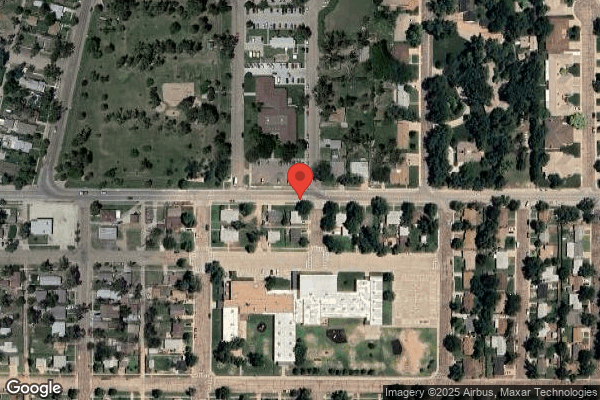
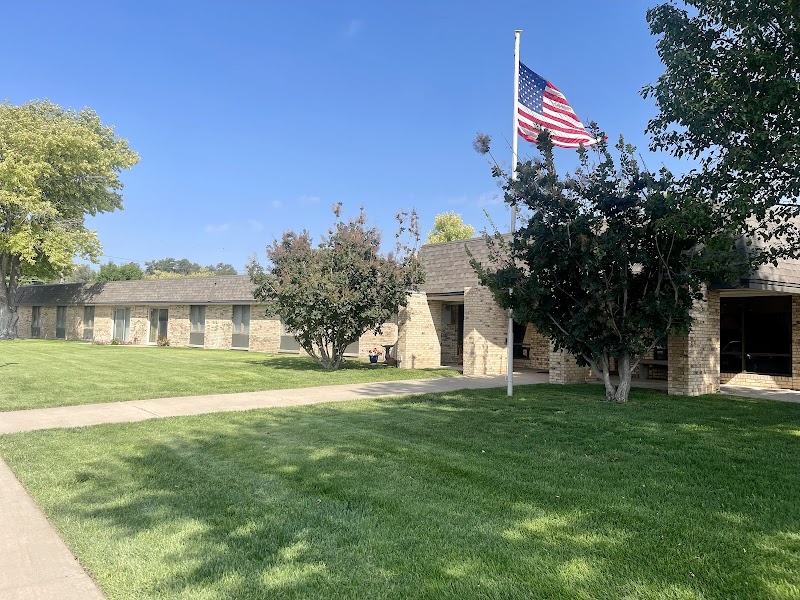
1505 E SPRUCE STREET, GARDEN CITY, KS 67846 (620) 275-9651
For profit - Corporation 62 Beds FRONTLINE MANAGEMENT Data: November 2025
Trust Grade
83/100
#16 of 295 in KS
Last Inspection: June 2025

Inspected within the last 6 months. Data reflects current conditions.

Overview

Garden Valley Retirement Village in Garden City, Kansas has a Trust Grade of B+, indicating it is above average and recommended for families considering options for their loved ones. The facility ranks #16 out of 295 in the state, placing it in the top half, and is the best option in Finney County. However, the trend is worsening, as the number of issues found in inspections increased from 6 in 2023 to 7 in 2025. Staffing is a relative strength with a 3/5 star rating and a turnover rate of 39%, which is better than the state average of 48%. On the downside, the facility has incurred average fines of $9,978, and recent inspections revealed concerns such as failing to provide proper pureed diets for residents, incomplete medical records, and inadequate discharge planning for a resident with complex medical needs. While the facility offers good RN coverage, it is essential for families to weigh both the strengths and weaknesses before making a decision.

Trust Score
B+
83/100
In Kansas
#16/295
Top 5%
Safety Record
Low Risk
No red flags
Inspections
Getting Worse
6 → 7 violations
Staff Stability
○ Average
39% turnover. Near Kansas's 48% average. Typical for the industry.
Penalties
✓ Good
$9,978 in fines. Lower than most Kansas facilities. Relatively clean record.
Skilled Nurses
✓ Good
Each resident gets 48 minutes of Registered Nurse (RN) attention daily — more than average for Kansas. RNs are trained to catch health problems early.
Violations
⚠ Watch
19 deficiencies on record. Higher than average. Multiple issues found across inspections.
★★★★★
5.0
Overall Rating
★★★☆☆
3.0
Staff Levels
★★☆☆☆
2.0
Care Quality
★★★★★
5.0
Inspection Score
Stable
2023: 6 issues
2025: 7 issues

The Good

  • Full Sprinkler Coverage · Fire safety systems throughout facility
  • No fines on record
  • Staff turnover below average (39%)

    9 points below Kansas average of 48%

Facility shows strength in fire safety.

The Bad

Staff Turnover: 39%

Near Kansas avg (46%)

Typical for the industry

Federal Fines: $9,978

Below median ($33,413)

Minor penalties assessed

Chain: FRONTLINE MANAGEMENT

Part of a multi-facility chain

Ask about local staffing decisions and management

The Ugly 19 deficiencies on record

Jun 2025 7 deficiencies
CONCERN (D) 📢 Someone Reported This

A family member, employee, or ombudsman was alarmed enough to file a formal complaint

Potential for Harm - no one hurt, but risky conditions existed

Deficiency F0627 (Tag F0627)

Could have caused harm · This affected 1 resident

The facility reported a census of 45 residents. The sample included 12 residents, with two residents reviewed for discharge. Based on observation, interview, and record review the facility failed to e...

Read full inspector narrative →
The facility reported a census of 45 residents. The sample included 12 residents, with two residents reviewed for discharge. Based on observation, interview, and record review the facility failed to ensure that the discharge needs were identified, and an appropriate discharge plan was created for Resident (R) 39. This placed the resident at risk for unmet care needs and inappropriate discharge. Findings included: - R39's Electronic Health Records (EHR) documented diagnoses which included surgical amputation (surgical removal of a body part), acute osteomyelitis left ankle and foot (local or generalized infection of the bone and bone marrow), cellulitis (skin infection caused by bacteria) left lower limb, morbid obesity, chronic obstructive pulmonary disease (COPD- a progressive and irreversible condition characterized by diminished lung capacity and difficulty or discomfort in breathing), muscle weakness, unsteadiness, lack of coordination, Stage 4 pressure ulcer (a deep pressure wound that reaches the muscles, ligaments, or even bone) of the left ankle, venous insufficiency (poor circulation), peripheral vascular disease (PVD- slow and progressive circulation disorder causing narrowing, blockage, or spasms in a blood vessel), and hypertension (HTN-elevated blood pressure). R39's 04/15/25 Modified admission Minimum Data Set (MDS) documented the resident entered the facility on 04/09/25 and the Brief Interview for Mental Status (BIMS) score was 15, indicating cognitively intact. She exhibited no behaviors and did not exhibit social isolation. R39 reported being around animals and pets, going outside when the weather was nice, participating in religious activities, and having snacks available between meals was very important to her. She required substantial/maximum assistance for toileting hygiene, dressing, applying footwear, toileting, and transfers. R39 had an indwelling catheter (a tube inserted into the bladder to drain the urine into a collection bag) and was always continent of bowel. She received scheduled pain medication and reported almost constant pain rated an eight on a 0-10 scale (zero indicating no pain and 10 the worst pain imaginable) that almost constantly interfered with day-to-day activities. She fell in the 2-6 months prior to her admission and had recent surgery requiring skilled nursing facility care which included orthopedic (bone) surgery. Her formal skin assessment revealed she was at risk for pressure ulcers/injury and the MDS noted she received pressure-reducing devices as well as a turning and repositioning schedule. She had a surgical wound, applications of ointments/medications other than to her feet, and received opioids (narcotic pain medication), antibiotics, and antiplatelet (medications used to prevent blood clotting) medications. The resident participated in her assessment and expressed a desire to be discharged from the facility with the overall goal of returning to the community. The MDS noted referrals were not made to the local contact agency due to a discharge date three or fewer months away. The Cognitive Loss/Dementia Care Area Assessment and Referral to the Community Care Area Assessments (CAA) dated 04/21/25 did not trigger. The Functional Abilities/Mobility CAA dated 04/21/25 documented the resident required varying levels of assistance with her activities of daily living (ADLs) following a recent hospitalization. She was working with therapies for strengthening and endurance and staff would continue to assist the resident with her daily care. R39's Care Plan dated 04/23/25 with an initial care plan entry of 04/09/25, directed staff to initiate discharge planning after skilled rehabilitation care. The plan noted R39's desire was to be discharged to her prior living setting. The plan directed staff to provide the resident with community resources and assess the placement setting to ensure her needs could be met. The plan directed staff to confer with the care team and her physician to determine the resident's discharge needs. R39's Care Plan lacked any updates related to her discharge plan and or progress toward discharge to the community. R39's EHR reviewed from 04/09/25 through 06/12/25 lacked Social Service admission Notes, Social Service Progress Notes, and/or Discharge Plan or other evidence of discharge planning. On 06/10/25 at 01:24 PM, R39 sat in her recliner with her feet elevated. Her wound dressings were intact extending from below her left knee to her toes. She reported she was going to leave the facility even if it was against medical advice. She reported she had not agreed to stay in the facility for long-term care and no one would give her information about when Medicare would stop paying for her care. R39 stated she only received a thousand dollars a month and she could hardly live on that amount in the community, where she lived in a recreational vehicle (RV) park, which included her utilities. The resident stated she had to get out the minute Medicare stopped paying for her care because she could not afford to lose her Medicaid payment to the facility. She stated she had a support dog for panic attacks and the dog was staying with her friend in Nebraska while she received care in the facility. Upon inquiry, she stated no one was assisting with helping her make arrangements to be discharged from the facility. She reported her RV needed repair and that she needed to have the expanded part moved into the RV, and the blocks removed so she could hook her truck to the RV and pull it to Nebraska to live where her friend lives. She stated she did not necessarily want to move to Nebraska and would like to stay in Kansas. R39 reported she would not qualify for public housing because she was a felon with a drug record from 20 years ago and public housing would not allow her service animal. R39 said staff kept telling her she could stay at the facility, but that was not something she would agree to. The resident reported she could not have her dog at the facility, and she was going to leave against medical advice (AMA) if needed. R39 said the facility would not give her a discharge date in order to plan for help. She stated she feared losing everything. She said she felt the facility was like a prison and reported she had been in prison from 2001 through 2003, so she knew what she was talking about. She repeatedly stated she would not stay one day longer than Medicare would pay and she had informed the facility of that from day one. R39 reported her foot and leg would take a long time to heal, but she has changed the dressing herself prior to hospitalization and she would again. She reported she had home health come out and change dressings and it was the home health nurse who sent her to the hospital. On 06/11/25 at 11:43 AM, Social Service X confirmed R39 had informed the facility staff she wanted to be discharged back to the community upon her admission. Social Service X reported she was responsible for discharge planning, social service progress notes, and updating care planning related to discharge planning. She confirmed R39's clinical record lacked Social Service admission Notes, Social Service Progress Notes, and/or Discharge Plan. Social Service X reported she should have completed her documentation regarding the resident's discharge plan and the challenges she faced trying to successfully discharge R39 back to the community. She reported the resident was not making progress with therapy so the facility would issue her a beneficiary notice regarding the end of skilled services due to the resident no longer meeting skilled criteria. Social Service X reported she was not aware the resident was a felon and would not qualify for public housing. On 06/12/25 at 09:03 AM, Administrative Staff A confirmed the above findings and reported he was not aware that social services notes and/or a discharge plan for R39 had not been completed. He stated discharge planning should be initiated on the day of admission and documentation updated to keep up with the resident's progress and goals. Administrative Staff A stated he expected the social service staff to keep the residents informed of timelines in their care and assist the residents with setting up necessary services for a successful discharge home. He stated he was aware that R39 wanted to be discharged to Nebraska. The facility policy Discharging the Resident, dated 01/2025, documented the purpose of the procedure is to provide guidelines for the discharge process. The resident should be consulted about the discharge Discharges can be frightening to a resident. The policy did not address the discharge planning process.
CONCERN (D) 📢 Someone Reported This

A family member, employee, or ombudsman was alarmed enough to file a formal complaint

Potential for Harm - no one hurt, but risky conditions existed

Deficiency F0676 (Tag F0676)

Could have caused harm · This affected 1 resident

The facility reported a census of 45 residents with 12 residents sampled. Based on observation, interview, and record review, the facility failed to ensure that Resident (R) 43 received services to ma...

Read full inspector narrative →
The facility reported a census of 45 residents with 12 residents sampled. Based on observation, interview, and record review, the facility failed to ensure that Resident (R) 43 received services to maintain his abilities of activities of daily living (ADL). This deficient practice placed the resident at risk for a decrease in functional abilities and decreased independence. Findings included: - R43's Electronic Health Record (EHR) included diagnoses of unspecified dislocation of the right shoulder, muscle weakness, and unsteady gait. R43's 07/11/24 Annual Minimum Data Set (MDS) documented a Brief Interview of Mental Status (BIMS) score of 15, which indicated intact cognition. The MDS documented R43 had impairment of the upper extremity on one side. R43 was dependent on staff for toileting, transfers, showering, dressing, footwear, personal hygiene, and bed mobility. The MDS documented R43 was independent with wheelchair mobility. R43's 07/18/24 Functional Abilities Self-Care and Mobility Care Area Assessment (CAA) documented R43 had impaired mobility and weakness, and required staff assistance to complete ADL; staff would assist as needed with all ADL. R43's 03/28/25 Quarterly MDS documented a BIMS score of 15. The MDS documented R43 had impairment of the upper extremity on one side. R43 was dependent on staff for toileting, transfers, showering, dressing, footwear, personal hygiene, and bed mobility. The MDS documented R43 was independent with wheelchair mobility. R38's Care Plan documented on 07/21/23 refer to therapy as needed. The care plan dated 06/10/25 lacked any instructions for the staff to ambulate the resident. R43's 01/10/25 Physical Therapy Encounter Note documented R43's received gait training with a front wheeled walker and minimal assist of two. R43 was able to advance his right lower extremity with some circumduction (a body movement where the distal end of a limb or body part describes a circle while the proximal end remains relatively fixed) for 15 feet one time, without a loss of balance. R43's 01/13/25 Physical Therapy Encounter Note documented R43 received gait training with a front-wheeled walker and minimal assistance from the therapist for 25 feet, one time. R43's 01/16/25 Physical Therapy Encounter Note documented R43 received gait training with a front-wheeled walker and minimal assistance from two therapists; R43 ambulated 10 feet three times. R43's 01/16/25 Physical Therapy Note documented R43's new goal was to safely ambulate on a level surface for 100 feet using a front wheeled walker and a right ankle and foot orthoses (AFO- an external device fitted to the body, used to prevent a physical deformity, stabilize a joint or joints, reduce pain. improve mobility or performance) with minimal assist. The note recorded R43's baseline was 20 feet. R43's 02/07/25 Physical Therapy Encounter Note documented R43 performed gait training with a front-wheeled walker and minimal assistance of two for 18 steps with the wheelchair following him. R43's 02/10/25 Physical Therapy Discharge Summary documented R43 ambulated 20 feet with minimal assistance 90 percent of the time. R43's prognosis to maintain his current level of function was good with consistent staff follow-through. The summary documented R43's discharge recommendation was to remain a long-term resident. The discharge summary lacked any recommendations to nursing to continue the current level of ambulation. R43's EHR lacked evidence of a formal or informal walking program or restorative activity. During an observation on 06/09/25 at 03:04 PM, R43 was in the lounge working on a cycle machine and requested to converse later. During an observation on 06/11/25 at 08:15 AM, R43 propelled himself backward in his wheelchair to the 300 hallway from the dining room. On 06/10/25 at 08:20 AM, R43 reported that he should be receiving therapy but he was not, and he wanted to know why. He reported that when he asked staff why not, he never received a reason. He reported that he had been walking in therapy in February and had walked since therapy was discontinued. On 06/10/25 at 03:16 PM, Certified Nurse Aide (CNA) N reported the facility had a Restorative Aide but was not sure who it was. CNA N reported that she would only complete exercises or ambulation for a resident if she was asked to do it, and the resident's care plan had the directions for what was required. CNA N reported that she did not know if R43 ever ambulated. On 06/10/25 at 03:19 PM, Certified Medication Aide (CMA) T reported that the facility did have a restorative aide, and all the CNA/ CMAs were responsible for completing any ambulation, or range of motion for the residents. CMA T verified the information should be on the care plan. CMA T reported that R43 could not ambulate. On 06/10/25 at 03:25 PM, Licensed Nurse (LN) H reported that CNA/CMAs were responsible for completing any range of motion exercises including ambulation for the residents that required this if it was care planned. LN H reported that R43 could not ambulate and stated he required a sit-to-stand lift. On 06/11/25 at 07:59 AM, Therapy Staff JJ reported the facility did not have an exercise program for the residents once they were discharged from therapy services. Therapy Staff JJ reported the nursing staff was required to apply splints, perform exercises, range of motion, and ambulate the residents. Therapy Staff HH reported the Physical Therapist wrote recommendations to nursing for what the staff would need to complete to maintain the resident's level of function. Therapy Staff JJ reported if a resident had a decline in ADL, the therapy department was notified by nursing and an evaluation was ordered. Therapy Staff JJ said the therapist would not know if the resident had a decline if nursing did not let them know. On 06/11/25 at 01:01 PM, Therapy Staff HH reported that R43 had asked for therapy recently and she reported that R43 had not declined so he would not qualify for therapy. Therapy Staff HH reported that R43's discharge therapy notes were not accurate. Therapy Staff HH reported R43 really did not ambulate in therapy in January and February 2025. On 06/12/25 at 09:53 AM, Administrative Nurse D reported R43 received skilled services including therapy from November 2024 through February 2025. Administrative Nurse D reported nursing received a recommendation from therapy when a resident was discharged . She reported she was not aware that R43 could ambulate in therapy and did not receive any recommendations from therapy after R43 was discontinued from therapy. Administrative Nurse D reported that nursing did receive the discharge note from therapy. The facility's policy Activities of Daily Living (ADLS) Supporting dated March 2018 documented residents would be provided with care, treatment, and services as appropriate to maintain or improve their ability to carry out ADLs. Including appropriate support and assistance with mobility (transfer, ambulation, including walking), Interventions to improve or minimize a resident's functional abilities would be in accordance with the resident's assessed needs, preferences, stated goals, and recognized standards of practice.
CONCERN (D) 📢 Someone Reported This

A family member, employee, or ombudsman was alarmed enough to file a formal complaint

Potential for Harm - no one hurt, but risky conditions existed

ADL Care (Tag F0677)

Could have caused harm · This affected 1 resident

The facility reported a census of 45 residents. The sample included 12 residents with one dependent resident reviewed for activities of daily living (ADLs). Based on observation, interviews, and recor...

Read full inspector narrative →
The facility reported a census of 45 residents. The sample included 12 residents with one dependent resident reviewed for activities of daily living (ADLs). Based on observation, interviews, and record review the facility failed to provide ADL care including grooming of facial hair for Resident (R) 45. This placed the resident at risk for impaired dignity and poor hygiene. Findings included: - R45's Electronic Health Record (EHR) revealed diagnoses of a need for assistance with personal care, muscle weakness, and depression (a mood disorder that causes a persistent feeling of sadness and loss of interest) R45's 12/24/24 Annual Minimum Data Set (MDS) documented a Brief Interview for Mental Status (BIMS) score of 15, which indicated intact cognition. The MDS documented R45 had no depression and no behaviors. The MDS documented R45 had lower extremity impairment on one side. The MDS documented R45 was dependent on staff for dressing, footwear, and transfers and required maximal assistance for bed mobility, sit-to-stand, personal hygiene, and bathing. R45's 01/07/25 Functional Abilities Self-Care and Mobility Care Area Assessment (CAA) documented R45 triggered related to the residents need for assistance with his daily cares. Staff would continue to provide care and support in residents daily needs encouraging independence as appropriate while maintaining safety with cares. R45's 04/25/25 Quarterly MDS documented a BIMS score of 15. The MDS documented R45 had no depression or behaviors. The MDS documented R45 had lower extremity impairment on one side and was dependent on staff for dressing, footwear, and transfers; he required maximal assistance for bed mobility, sit-to-stand, personal hygiene, and bathing. R45's Care Plan documented on 01/05/24 directed staff to shave R45 on bath days and as needed. R45's Personal Hygiene Tasks documented that R45 required maximal assistance or was dependent on staff for hygiene tasks. R45's Bathing Task documented R45 received bathing on 06/03/25 and 06/06/25. On 06/09/25 at 02:09 PM, R45 reported that he should be shaved at least once a week. R45 had prominent beard growth on his face with irregular borders and a mustache. R45 reported the staff would have to shave him because he could not do it himself. R45 said he liked to be clean shaven but he could not recall the last time he was shaved. On 06/10/25 at 05:05 PM, R45 sat in the dining room for supper. Observation revealed prominent beard growth on his face with irregular borders and a mustache. On 06/12/25 at 08:01 AM R45 was in dining room finishing breakfast. His facial hair remained. R45 reported again that he preferred to be clean shaven. On 06/12/25 at 10:55 AM, R45 sat in the lobby. His facial hair was removed. R45 smiled and said it felt good. On 06/11/25 at 03:04 PM, Certified Nurse Aide (CNA) M reported that the staff followed the shower list and provided bathing to residents on the list. CNA M said sR45 was on the shower list for Tuesday and Fridays during the day shift. On 06/11/25 at 03:25 PM, CNA M reported if a resident asked to be shaved, she would shave them. CNA M reported staff would shave residents on their shower days or when the resident asked. On 06/11/25 at 03:27 PM, Licensed Nurse (LN) G reported after the CNA gave a bath, the LN checked to see if the residents were shaved and if they were not, the LN staff would shave the residents because the CNA staff were quite busy. During an interview on 06/12/25 at 09:20 AM, Administrative Nurse D reported if the residents had no cognitive issues, they could request a shave on their scheduled shower days, and she expected staff would shave any of the residents including residents that were confused. Administrative Nurse D reported she expected staff to shave a resident daily and as needed if they requested that as part of their care. Administrative Nurse D reported that R45 generally would not talk a lot and did not complain. The facility's policy Activities of Daily Living (ADLS) Supporting dated March 2018 documented residents would be provided with care, treatment, and services as appropriate to maintain or improve their ability to carry out ADLs including appropriate support and assistance for hygiene (bathing, and grooming).
CONCERN (D) 📢 Someone Reported This

A family member, employee, or ombudsman was alarmed enough to file a formal complaint

Potential for Harm - no one hurt, but risky conditions existed

Accident Prevention (Tag F0689)

Could have caused harm · This affected 1 resident

The facility reported a census of 45 residents, with 12 residents sampled. Based on observation, interview, and record review, the facility failed to ensure an environment free from accident hazards w...

Read full inspector narrative →
The facility reported a census of 45 residents, with 12 residents sampled. Based on observation, interview, and record review, the facility failed to ensure an environment free from accident hazards when the facility failed to identify and change ineffective fall interventions and failed to fully implement all interventions aimed at preventing falls for Resident (R) 38, who had multiple falls. This deficient practice placed R38 at risk for further falls and related injuries. Findings included: - R38's Electronic Health Record (EHR) included diagnoses of vascular dementia (a progressive mental disorder characterized by failing memory and confusion caused by a decreased blood flow to the brain) and hemiparesis/hemiplegia (weakness and paralysis on one side of the body). R38's 09/06/24 Annual Minimum Data Set (MDS) documented a Brief Interview of Mental Status (BIMS) score of nine, which indicated moderately impaired cognition. The MDS documented R38 utilized a wheelchair for locomotion and required moderate assistance for the application of footwear, dressing, bathing, and toileting. The MDS documented R38 required supervision for standing. The MDS documented R38 was occasionally incontinent of the bladder. The MDS documented R38 had one non-injury fall since the previous assessment. R38's 09/10/24 Fall Care Area Assessment (CAA) documented R38 had impaired mobility, weakness, use of an antidepressant (a medication used to treat mood disorders), a history of falls, and was at risk for falling. The CAA noted staff assisted R38 with all activities of daily living (ADL) as needed. R38's 03/03/25 Quarterly MDS documented a BIMS score of 10, which indicated moderately impaired cognition. R38's 04/26/25 Quarterly MDS documented a BIMS score of five, which indicated severely impaired cognition. The MDS documented R38 had inattention, was easily distractible, or had difficulty keeping track of what was said, continuously. R38 had one non-injury fall, one fall with injury, and one fall with major injury since the previous assessment. R38's Care Plan dated 09/30/22 documented R38 was at risk for falls related to poor safety awareness, and unsteady balance and gait and included the following interventions: 09/30/22: The staff would ensure R38's environment was clutter-free and free from spills and/or clutter. The staff were to ensure adequate lighting and ensure the resident's personal items were within reach. Staff would ensure the call light was within reach and encourage use. Staff would provide appropriate footwear when transferring and ambulating R38. R38 required the assistance of one staff for dressing. 08/24/23: The staff placed Dycem (a non-slip mat used for stabilization and gripping to prevent slipping) in R38's wheelchair under the cushion to prevent the cushion from sliding. 08/27/23: The staff provided gripper socks to R38 to use when she was in bed. 10/13/23: The staff educated R38 to keep appropriate footwear on at all times while transferring. 12/10/24: The staff encouraged R38 to utilize non-skid socks and/or appropriate footwear when transferring. 03/21/25: R38 went to the hospital for evaluation, with an Ace wrap and splint applied to her left forearm. The plan documented R38 stated she would call for help with all transfers from then on. R38's Fall Risk Tool on 08/27/23, 10/13/23, 12/20/23, 06/08/24, 07/28/24, 12/20/24, and 01/13/25 recorded R38 was at moderate risk for falls. R38's Fall Risk Tool on 12/22/23 and 03/20/25 recorded she was at high risk for falls. The Fall Note dated 10/13/23 at 05:40 PM, documented R38 sat on the floor next to her bed and wheelchair. R38 reported that she was changed into her pajamas and nonskid socks. The note said R38 told staff she slipped and landed on her bottom while she looked for her hat. The note documented R38's wheelchair was locked, and the resident did not have on nonskid socks. R38 was educated on the importance of keeping non-skid socks or proper footwear when transferring or ambulating. The note documented R38 was encouraged to use the call button for assistance. The Fall Note dated 12/20/23 at 01:30 AM, documented staff heard R38 yelling and found R38 next to her bed sitting on the floor. R38 had no shoes or socks on, the wheelchair was next to her and locked, and the call light was on at the time of the fall. Staff had just left the area of the resident's room. The note documented R38 reported she slid and sat on the floor. The note recorded a fall intervention as staff reminded R38 to wear shoes or nonskid socks. The Fall Note dated 06/08/24 at 01:19 PM, documented R38 sat up on the floor, near the restroom doorway with her legs outstretched in front of her; she had bare feet. R38 reported she needed to go to the bathroom and the wheelchair was too far away from her bed. The note recorded the fall intervention was staff encouraged R38 to use her call button and wear slippers or nonskid socks during ambulation or transfers; the wheelchair was to be placed within reach of the resident, as she has a history of not using her call button. The Fall Note dated 07/27/24 at 09:52 PM, documented R38 sat up against her bed with her legs stretched out towards the television; R38 reported her wheelchair started to move so she placed herself on the floor. The note documented staff removed R38's wheelchair and provided her with a working wheelchair. The Fall Investigation Report dated 07/29/24 documented R38 sat on the floor when her wheelchair slipped during a transfer. The report documented the root cause analysis was the wheelchair was not locked before R38 attempted to transfer. The report noted wheelchair brake extenders were ordered to add to R38's wheelchair and her plan of care was updated. The Fall Note dated 12/10/24 at 10:45 AM, documented R38 sat on the floor in front of her bed, her wheelchair was locked, and her call light was not on. R38 had regular cotton socks on. The note recorded R38 said she was getting out of bed and into her wheelchair to go to the restroom and she said she did not wear her slippers because she did not think she would slip. The note recorded the fall intervention was staff encouraged R38 to use her call button for assistance with toileting and staff applied nonskid socks. Staff encouraged R38 to always use nonskid socks or slippers when transferring or ambulating. The Progress Note dated 12/11/24 at 11:17 AM documented R38 expressed a desire to participate and receive therapy services; she wanted to walk again. The note documented R38 had a recent fall without injury, and she was agreeable to receive therapy services and agreeable to commit to therapy schedule. The Progress Note dated 12/11/24 at 11:35 AM documented the facility submitted for authorization with the resident's insurance company for therapy services. The Physician Orders dated 12/12/24 at 10:13 AM, directed physical therapy to evaluate and treat. R38's EHR lacked evidence the above PT evaluation was completed for R38. The Fall Note dated 01/13/25 at 03:28 PM, documented R38 screaming from her room. R38 was in a praying position on her knees in front of her bed and reported she was trying to put her clothes on. The note documented an intervention in which staff applied nonskid socks and educated R38 on the importance of wearing them. Staff encouraged R38 to always call for help when changing clothes or getting ready. The Fall Note dated 03/20/25 at 10:06 PM, documented R38 yelled from her room and was observed seated upright on the floor with her face covered in blood. R38 reported she transferred herself from her wheelchair to her bed and thought she could make it without assistance. R38 went to the hospital. The Progress Note dated 03/21/25 at 01:10 AM, documented R38 returned from the hospital with sutures for a right forehead laceration (cut) and a fracture of the fourth metacarpal (bone of the hand) of her left hand; she had a splint and ace wrap on her left forearm. The Fall Investigation Report dated 03/21/25 documented R38 reported she transferred herself from her wheelchair to her bed and thought she could make it without assistance. The report noted R38 removed her shoes and nonskid socks before transferring herself. R38 denied harm and reported she was the only one in the room when she fell. The intervention documented R38 went to the hospital for an evaluation and received an ace wrap and splint for her left forearm. R38 reported she would now call for help with all transfers. During an observation on 06/09/25 at 02:49 PM, R38 started to cry and reported that she had a funny feeling the facility was going to keep her permanently and said she had an apartment she wanted to go back to. R38 reported she wore a splint on her left hand and had four broken bones but she could not recall what happened. Further observation revealed R38's wheelchair lacked a Dycem pad, wheelchair brake extenders, or anti-roll back appliances. During an observation on 06/11/25 at 12:20 PM, R38 remained in bed. She reported she just did not feel well. Further observation revealed a wheelchair with the brakes locked sat next to her bed but there was no Dycem, or brake extenders noted on the wheelchair. During an observation on 06/12/25 at 10:35 AM, R38 sat in her wheelchair. Further observation revealed the wheelchair lacked brake extenders. On 06/09/25 at 04:52 PM, R38's representative reported that R38 had been very confused for about a year. On 06/11/25 at 02:13 PM, Certified Nurse Aide (CNA) M reported she was not sure if R38 should have Dycem on her wheelchair but said it would be on the care plan if she needed if. CNA M then reported the Dycem must have gone to laundry. On 06/12/25 at 10:40 AM Administrative Nurse D reported if there was a concern with R38's wheelchair, the concern may have been placed in the Technology, Solutions, and Services for Building Management system (TELS- a technology-based system focused on optimizing building operations by offering solutions for life safety, asset management, maintenance, and repair services to building management professionals) for maintenance staff to address. On 06/12/25 at 10:24 AM, Maintenance Supervisor U reported he completed quarterly maintenance checks of the facility's wheelchairs, and said TELS would send him an alert to have the task completed in March, June, September, and December. On 06/12/25 at 10:50 AM, Certified Medication Aide (CMA) S reported R38 had never had brake extenders on her wheelchair. CMA S reported all staff had access to TELS to report concerns. On 06/11/25 at 02:13 PM, CNA M reported that R38 would not be able to remember to use the call light or not get up by herself since she started here about four months ago. CNA M said R38's confusion had gotten worse. On 06/11/25 03:34 PM, CMA S reported that R38 had increased confusion for over a year and that the resident would not remember to call staff for assistance. On 06/12/25 at 11:13 AM, Administrative Nurse D reported she was not the Director of Nursing in July 2024 but said the brake extenders should have been placed on R38's wheelchair and on the care plan. On 06/12/25 at 11:17 AM, Maintenance Supervisor U reported he did not have a report to show wheelchair maintenance was completed and said he did not have time to look at every wheelchair in the facility as he was the only maintenance personnel. He reported he could not recall placing brake extenders on R38's wheelchair and he could not locate that request in TELS. On 06/12/25 at 08:30 AM, Therapy Staff HH reported she was not able to locate any documentation for a therapy evaluation for R38. Therapy Staff HH reported she would receive an order from nursing for an evaluation, then the business manager would check for insurance and then the evaluation would be completed. Therapy Staff HH reported she had no evaluation or any notes for R38 in the computer or papers filed. On 06/12/25 at 08:35 AM, Therapy Staff JJ reported if R38 refused therapy, a form would be filed in the business office. On 06/12/25 at 08:45 AM, Business Office Manager (BOM) KK reported she had no documentation in R38's EHR or a paper file for a therapy evaluation in December 2024. BOM KK reported R38 had different insurance in December 2024 and R38 would have had a co-pay for insurance. BOM KK reported that R38 refused to pay the co-pay and recalled that R38's family member who assisted in decision making would follow R38's decision and not pay for therapy. BOM KK reported she did not document this conversation. On 06/12/25 at 09:28 AM, Administrative Nurse D reported she expected staff to document when a resident refused any treatment, therapy, or medication order prescribed by a physician in the EHR or the therapy form that R38 refused to pay her co-pay for therapy. On 06/11/25 at 04:06 PM, Licensed Nurse (LN) G reported that R38 would not always remember to call staff for assistance. LN G said all residents should always have their fall interventions in place. On 06/12/25 at 09:28 AM, Administrative Nurse D reported R38 had attention-seeking behavior when first admitted . Administrative Nurse D reported R38's cognition became more impaired and confirmed R38's fall interventions could have been different to prevent falls because the resident would not remember the education provided and she expected staff to implement all fall interventions. The facility's policy Fall Guidelines - Assessing Falls and Their Causes dated October 2010 documented the purpose of this procedure are to provide guidelines for assessing a resident after a fall to assist staff in identifying caused of the fall. The facility's policy Assistive Devices and Equipment dated January 2020 documented the facility maintains and supervised the use of assistive devices and equipment for residents. Devices are documented in the residents' care plan.
CONCERN (D) 📢 Someone Reported This

A family member, employee, or ombudsman was alarmed enough to file a formal complaint

Potential for Harm - no one hurt, but risky conditions existed

Deficiency F0694 (Tag F0694)

Could have caused harm · This affected 1 resident

**NOTE- TERMS IN BRACKETS HAVE BEEN EDITED TO PROTECT CONFIDENTIALITY** The facility reported a census of 45 residents, with 12 residents sampled. Based on observation, interview, and record review, t...

Read full inspector narrative →
**NOTE- TERMS IN BRACKETS HAVE BEEN EDITED TO PROTECT CONFIDENTIALITY** The facility reported a census of 45 residents, with 12 residents sampled. Based on observation, interview, and record review, the facility failed to provide adequate care and services for Resident (R) 41's peripherally inserted central catheter (PICC-a thin, flexible tube that is inserted into a vein in the upper arm and threaded into a large vein above the heart) when staff failed to perform the PICC dressing change every five days and failed to label the antibiotic medication that was administered. These deficient practices placed R41 at risk for complications related to the PICC line and medication administration via the PICC. Findings included: - R41's Electronic Health Record (EHR) included diagnoses of cellulitis (skin infection caused by bacteria) of the buttock, paraplegia (paralysis characterized by motor or sensory loss in the lower limbs and trunk), and pressure ulcer (localized injury to the skin and/or underlying tissue usually over a bony prominence, as a result of pressure, or pressure in combination with shear and/or friction) Stage 4 (a deep pressure wound that reaches the muscles, ligaments, or even bone). R41's 04/26/25 Annual Minimum Data Set (MDS) documented a Brief Interview of Mental Status (BIMS) score of 15, which indicated intact cognition. The MDS documented R41was dependent on staff for toileting, lower body dressing, footwear, and transfers. The MDS documented R41 required maximal assistance with showers and bed mobility. The MDS documented R41 had one pressure ulcer Stage 3 (full-thickness pressure injury extending through the skin into the tissue below) not present on admission. R41's 04/30/25 Functional Abilities Self-Care and Mobility Care Area Assessment (CAA) documented R41 required varying levels of assistance with his activities of daily living (ADL) related of paraplegia. Staff would continue to assist resident with his daily care. R41's EHR documented Entry Tracking Record MDS which documented R41 readmitted to the facility from the hospital on [DATE]. R41's Care Plan dated 06/05/25 instructed the Licensed Nurse (LN) to change the PICC line dressing every five days. The plan instructed staff to observe and report concerns of infection or changes in length (of the PICC) to the physician. The plan instructed staff to administer medications as ordered and educate the resident regarding infection prevention as indicated. Staff were to monitor for signs and symptoms of infection, including fever, chills, nausea, vomiting, and pain every shift and notify the physician of adverse effects from the antibiotics. R41's Physician Orders ordered Vancomycin (antibiotic) intravenous (IV-administered directly into the bloodstream via a vein) solution reconstituted 1.5 grams, give 1.5 grams intravenously two times a day for wound abscess (cavity containing pus and surrounded by inflamed tissue) until 07/18/25, date ordered 06/10/25. R41's Physician Orders ordered PICC line dressing. Change sterile dressing every five days and as needed. May use sterile dressing kit, date ordered 06/06/25. R41's 06/05/25 at 03:35 PM Progress Note documented R41 had a PICC line to his left arm and received Vancomycin IV twice a day for 42 days. Last administration was on 06/05/25 at 11:24 AM. R41's EHR, Medication Administration Record, and Treatment Administration lacked any documentation that R41's PICC line dressing was changed. During an observation on 06/09/25 at 02:30 PM, R41 reported he was on an antibiotic but was not sure why; he was in the hospital recently for kidney stones and had surgery. Observation revealed R41's PICC line dressing on his left arm was intact and dated 06/03/25. During an observation on 06/10/25 at 10:30 AM, R41 had IV Vancomycin 1.5 grams infusing into his PICC line. The IV bag had no label containing the resident's name, amount and route to be administered, date and time prepared, or expiration date. During an observation on 06/10/25 at 03:36 PM. Administrative Nurse D completed R41's PICC line dressing. She verified the date on old dressing was 06/03/25. Administrative Nurse D said she expected staff to change the dressing per the physician orders and reported the PICC line dressing should have been completed on 06/08/25, and said it was two days late. On 06/10/25 at 10:32 AM, LN H reported that she had just hung the bag of Vancomycin and confirmed she did not label the bag as there was no label for it when she prepared the bag. LN H reported she would go back down to R41's room and label the bag with a marker. LN H reported that a Registered Nurse would complete the PICC line dressing as it was out of her scope of practice. The facility's policy Central Venous Catheter Care and Dressing Changes dated March 2022 documented the purpose of this procedure is to prevent complications associated with IV therapy, including catheter-related infections that are associated with contaminated, loosened, soiled, or wet dressings. A physician's order is not needed for this procedure.
CONCERN (D) 📢 Someone Reported This

A family member, employee, or ombudsman was alarmed enough to file a formal complaint

Potential for Harm - no one hurt, but risky conditions existed

Drug Regimen Review (Tag F0756)

Could have caused harm · This affected 1 resident

The facility reported a census of 45 residents. The sample included 12 residents with five residents reviewed for unnecessary medications. Based on observation, interview, and record review, the facil...

Read full inspector narrative →
The facility reported a census of 45 residents. The sample included 12 residents with five residents reviewed for unnecessary medications. Based on observation, interview, and record review, the facility failed to implement provider orders based on the Consultant Pharmacist's (CP) monthly medication review (MRR) and ensure an MRR review system that mitigated duplication or omissions for Resident (R) 38. The deficient practice placed the resident at risk of receiving unnecessary medications. Findings included: - R38's Electronic Health Record (EHR) included diagnoses of vascular dementia (a progressive mental disorder characterized by failing memory and confusion caused by a decreased blood flow to the brain) and major depressive disorder (a major mood disorder that causes persistent feelings of sadness). R38's 09/06/24 Annual Minimum Data Set (MDS) documented a Brief Interview of Mental Status (BIMS) score of nine, which indicated moderately impaired cognition, and noted R38 had no behaviors. The MDS documented R38 utilized a wheelchair for locomotion and required moderate assistance for the application of footwear, dressing, bathing, and toileting. The MDS documented R38 received an antidepressant (a class of medications used to treat mood disorders). R38's 09/10/24 Cognitive Loss Care Area Assessment (CAA) documented R38 had moderate vascular dementia with other behavioral disturbances. The CAA lacked the analysis and care plan decisions. R38's 09/10/24 Psychotropic Drug Use CAA documented R38's use of an antidepressant and risk for adverse effects. R38's 04/26/25 Quarterly MDS documented a BIMS score of five, which indicated severely impaired cognition. The MDS documented R38 had inattention, was continuously easily distractible, or had difficulty keeping track of what was said. The MDS documented R38 received an antidepressant, an opioid (a class of controlled drugs used to treat pain), and an antibiotic (medication used to treat bacterial infection). R38's Care Plan dated 12/15/22 directed staff to administer medications as ordered and review black box warnings located under the orders tab next to the medications on the medication administration record. The plan directed staff to monitor for antidepressant medication side effects such as dry mouth, nausea, blurred vision, drowsiness, constipation, urinary retention, hypotension (low blood pressure), appetite changes, headache, insomnia (inability to sleep), and sedation. The plan instructed staff to monitor routinely for possible dose reduction. An update dated 05/19/25 documented a gradual dose reduction (GDR) of R38's antidepressant was not successful. R38's Physician Orders dated 05/02/25 documented venlafaxine HCl oral tablet (antidepressant) 100 milligrams (mg), give 100 mg by mouth, one time a day related to major depressive disorder. The 03/23/25 CP MRR documented R38 had been taking venlafaxine 150 mg daily for about a year and a half. Federal guidelines required periodic reviews to find the lowest effective dose. The CP asked if it was appropriate to try a reduction to 75 mg when R38's current supply ran out. R38's Progress Notes on 3/24/25 at 10:02 AM, documented a fax was sent to R38's physician reporting R38 had been taking venlafaxine 150 mg daily for about a year and a half and indicated the guidelines and recommendation from the 03/23/25 MRR. The note documented staff awaited a response. On 03/25/25 R38's physician extender responded, on the 03/23/25 MRR, in writing to decrease the venlafaxine to 75 mg daily due to the federal guideline requirement; a prescription was sent to pharmacy. R38's EHR lacked evidence staff acknowledged and acted on this order on 03/25/25. R38's Medication Administration Record documented the venlafaxine order was reduced to 75 mg daily on 04/12/25. The EHR lacked a progress note for the medication change. On 04/16/25 R38's physician responded on the 03/23/25 MRR in writing and checked the box indicating the physician disagreed with the recommendation. The physician documented on the MRR and wrote previous attempts to GDR R38's antidepressant were unsuccessful and made the resident more despondent. R38's Progress Note on 05/02/25 at 02:09 PM, documented staff faxed the physician to clarify the dose of venlafaxine following gradual dose reduction recommendations form pharmacy. R38's Progress Note on 05/02/25 at 04:17 PM, documented that staff received a new order from the physician to increase the venlafaxine to 100 mg by mouth daily for depression. R38's Progress Note on 05/07/2025 at 04:27 PM, documented R38 hollered for help; staff assisted the resident and in 20-30 minutes, R38 hollered out again. The note documented the behavior was repetitive that afternoon. During an observation on 06/09/25 at 02:49 PM, R38 cried and reported that she had a funny feeling the facility was going to keep her permanently and said she had an apartment she wanted to go back to. R38 reported she wore a splint on her left hand and had four broken bones, but she could not recall what happened. During an observation on 06/11/25 at 12:20 PM, R38 remained in bed. She reported she just did not feel well. On 06/11/25 at 02:13 PM, Certified Nurse Aide (CNA) M reported that R38's confusion had gotten worse. On 06/11/25 at 04:06 PM, Licensed Nurse (LN) G reported that she did not complete the MRR, and said that Administrative Nurse D would complete the MRR reports. On 06/12/25 at 09:28 AM, Administrative Nurse D reported that the nurse faxed the MRR to the physicians. Administrative Nurse D stated she did not understand why R38 had two separate MRR forms from two different providers regarding the GDR for venlafaxine. Administrative Nurse D reported that R38 should not have had a GDR completed as the resident had a failed GDR in the past and reported that R38 had increased behaviors recently. Administrative Nurse D said that R38 should be on the 150 mg dose of venlafaxine. The facility's Drug Regimen Review dated April 2013 documented the consultant pharmacist would monitor the ordering, storage, distribution, and use of medications in the facility. The policy lacked what nursing would complete with in regard to the MRR.
CONCERN (E) 📢 Someone Reported This

A family member, employee, or ombudsman was alarmed enough to file a formal complaint

Potential for Harm - no one hurt, but risky conditions existed

Deficiency F0804 (Tag F0804)

Could have caused harm · This affected multiple residents

The facility reported a census of 45, which included four residents that had physician orders for pureed diets. Based on observation, interview, and record review the facility failed to provide food p...

Read full inspector narrative →
The facility reported a census of 45, which included four residents that had physician orders for pureed diets. Based on observation, interview, and record review the facility failed to provide food prepared in accordance with recipes to ensure conservation of nutritive value, flavor, palatability, and appearance for four residents that received pureed diets. This placed the affected residents at risk for impaired nutrition and diminished enjoyment of their meals. Findings included: - On 06/10/25 at 10:39 AM observation of Dietary Staff BB preparation to pureed lunch menu items revealed the lack of recipes to provide guidance to the dietary staff to ensure the nutritional value and palatability of the food items. On inquiry, Dietary Staff BB and Dietary Staff EE confirmed they could not find recipes to instruct the cook on the preparation of pureed menu food items which included Orange Chicken, Lo Mein noodles, and apple pie. Dietary Staff BB stated she expected the staff to follow the recipes for food preparation and service to ensure the residents received the proper nutritional value of the ordered diets. She verified the facility had four residents who received pureed diets (mechanically altered food). She confirmed the current menu cycle as week four and the first day of the weekly cycle as Sunday (06/08/25, two days prior). Dietary Staff BB verified the 06/10/25 lunch menu included Orange chicken, broccoli, Lo Mein noodles, and apple pie. On 06/10/25 at 11:00 AM, during Dietary Staff FF's preparation to puree apple pie, observation revealed he lacked a recipe to provide guidance for appropriate measurements and preparation to ensure nutritional value and palatability. On inquiry, Dietary Staff FF confirmed he was not able to find the recipe for apple pie and reported he did not always use the recipes for puree food. Dietary Staff BB instructed Dietary Staff FF to remove the crust from the apple pie before pureeing. On 06/10/25 at 11:10 AM, observation revealed Dietary Staff DD pureed the apple pie using the recipe provided for apple crisp. She poured apple juice into the blender directly from the juice container without following the measurements recipe for apple crisp. Dietary Staff BB stated pie was served at room temperature. The temperature of the pureed apple pie was 80 degrees. On 06/10/25 at 11:10 AM, when asked how he knew how much he was serving in each bowl, Dietary Staff FF asked Dietary Staff DD, who responded the dessert bowls were four ounces. Dietary Staff FF stated the dessert bowls were only three-quarters full, so the serving size was probably three ounces. When asked why only three portions of apple pie were plated when the facility had reported four residents with pureed diets, Dietary Staff FF stated the fourth resident was transitioning to a regular diet and they were starting with regular dessert. On 06/10/25 at 10:49 AM, Dietary Staff EE stated she cooked Sunday (06/08/25) and could not find the pureed recipes for the menu items. She reported she did not always use the recipes to prepare the residents' meals to ensure portion sizes or nutritional value. Dietary EE stated she knew how much she usually served the residents. In an interview on 06/10/25 at 11:00 AM, Dietary Staff FF confirmed he was not able to find the recipe for apple pie and reported he did not always use the recipes for puree food. The undated policy Standardized Recipes, documented standardized recipes will be used for all menu items, including pureed and therapeutic diets. Each recipe will include the name of the product, number of servings, ingredients, measurement and/or weight of ingredients, the procedure for assembling/method of production serving sizes, modifications for therapeutic diets if applicable, and the registered dietician will approve recipe changes or new recipes utilized for a menu item.
Jun 2023 6 deficiencies
CONCERN (D)

Potential for Harm - no one hurt, but risky conditions existed

Assessment Accuracy (Tag F0641)

Could have caused harm · This affected 1 resident

The facility reported a census of 53 residents with 13 residents selected for review. Based on observation, interview, and record review, the facility failed to accurately complete the Minimum Data Se...

Read full inspector narrative →
The facility reported a census of 53 residents with 13 residents selected for review. Based on observation, interview, and record review, the facility failed to accurately complete the Minimum Data Set (MDS) for one Resident (R)41, with failure to identify poor dentition (of, or related to teeth) as evidenced by worn and broken teeth. This placed the resident at risk for uncommunicated care needs. Findings include: - The 06/26/23 Electronic Health Records (EHR) documented R41 had the following diagnoses: generalized weakness, adult failure to thrive (includes not doing well, feeling poorly, weight loss, poor self-care that could be seen in elderly individuals, especially people with multiple chronic medical conditions) and need for assistance with personal care. The 09/13/22 Quarterly Minimum Data Set (MDS) documented a Brief Interview for Mental Status (BIMS) score of 15, indicating intact cognition. The assessment documented no identified concerns with swallowing or dentition. The 12/28/22 Annual MDS documented a BIMS of 13, indicating intact cognition. The assessment documented no identified concerns with swallowing or dentition. The 05/09/23 Quarterly MDS documented a BIMS of 14, indicating intact cognition. The assessment documented no identified concerns with swallowing or dentition. The 12/28/22 Activities of daily living (ADL) Functional / Rehabilitation Potential Care Area Assessment (CAA) documented the resident required staff to assist to complete ADLs. The Dental Care CAA was not triggered by the assessment. The Care Plan dated 05/17/23 lacked documentation related to dentition and oral care. The 09/28/22 Physician Orders in the EHR documented that staff may refer to ancillary services as needed for dental services. Review of the EHR MDS Nursing Summary documented the following: 1. The 03/28/22 quarterly nursing summary, completed by Administrative Nurse B, documented no possible dental issues. 2. The 06/13/22 quarterly nursing summary, completed by Administrative Nurse B, documented no possible dental issues. 3. The 09/06/22 quarterly nursing summary, completed by Consultant Nurse F, documented obvious or likely cavity or broken natural teeth. 4. The 12/22/22 annual nursing summary, completed by Administrative Nurse B, documented no possible dental issues. 5. The 02/06/23 quarterly nursing summary, completed by Administrative Nurse B, documented no possible dental issues. 6. The 05/03/23 quarterly nursing summary, completed by Administrative Nurse B, documented no possible dental issues. The EHR Progress Notes reviewed from 09/01/22 through 06/28/23 lacked documentation related to dentition, dental care or appearance of R41's teeth. On 06/26/23 at 02:56 PM, R41 observed to have broken/missing teeth with gums having reddened appearance. R41 reported that he had requested staff make a dentist appointment for him but was unable to recall the date of the request. On 06/28/23 at 11:00 AM, R41 stated that it bothered him that he doesn't have top dentures or good teeth. Further stated that his teeth made chewing some foods more difficult, but he managed to eat whatever foods served. On 06/28/23 at 03:38 PM, Certified Nurse Aide (CNA) G stated that she had helped R41 with oral care. On 06/28/23 at 03:56 PM, CNA H revealed that she had never helped R41 with oral cares and stated that by the time day shift starts R41 is already dressed and seated in the dining area. On 06/28/23 at 10:48 AM, Licensed Nurse (LN) I stated that R41 had voiced concerns about his teeth but was unable to recall on what date this had occurred. Further stated that the facility scheduler (Social Services J) and transportation personnel had been notified and an appointment had been scheduled but was unable to recall the date of the appointment. Additionally, LN I stated that when assigned to do the quarterly assessment, the assessment is a full head-to-toe assessment of every body system that also included an oral assessment. On 06/28/23 at 04:14 PM, Social Services J denied knowledge of any upcoming dentist appointment for R41. Further, Social Services J telephoned the transportation personnel who denied knowledge of any upcoming dentist appointment for R41. On 06/29/23 at 09:04 AM, Administrative Nurse B stated the MDS services are provided by a contracted company and are not on-site. Administrative Nurse B further stated that the bedside nurse assigned the assessment task would perform the full head-to-toe assessment; then once the nurse who completed the assessment signed the assessment, the assessment would be exported to the contracted MDS company. Administrative Nurse B confirmed inaccurate assessments and MDS data and cited an oversight error by the nurse who completed the assessments. Administrative Nurse B was unable to provide explanation regarding discrepancy between 09/06/22 nursing assessment and 09/13/22 MDS assessment. Administrative Nurse B stated that her expectation for bedside and MDS assessments to be accurate and reflect the resident's status at the time of the assessment. The facility policy MDS Assessment Coordinator, revised 11/2019, documented that a registered nurse (RN) was responsible for conducting and coordinating the assessment and must certify the accuracy of the assessment. The facility failed to accurately complete the MDS for R41 with failure to identify poor dentition. This placed the resident at risk for uncommunicated care needs.
CONCERN (D)

Potential for Harm - no one hurt, but risky conditions existed

Comprehensive Care Plan (Tag F0656)

Could have caused harm · This affected 1 resident

**NOTE- TERMS IN BRACKETS HAVE BEEN EDITED TO PROTECT CONFIDENTIALITY** The facility reported a census of 53 residents with 13 residents reviewed. Based on observation, interview, and record review, t...

Read full inspector narrative →
**NOTE- TERMS IN BRACKETS HAVE BEEN EDITED TO PROTECT CONFIDENTIALITY** The facility reported a census of 53 residents with 13 residents reviewed. Based on observation, interview, and record review, the facility failed to develop and implement a person-centered care plan for Resident (R)41 for the provision of needed dental services and R7 for care and maintenance of an indwelling urinary catheter (a hollow flexible tube that collects urine and leads to a drainage bag). This placed the residents at risk to not receive appropriate cares and treatments. Findings included: - The 06/26/23 Electronic Health Records (EHR) documented R41 had the following diagnoses: generalized weakness, adult failure to thrive (includes not doing well, feeling poorly, weight loss, poor self-care that could be seen in elderly individuals, especially people with multiple chronic medical conditions) and need for assistance with personal care. The 12/28/22 Annual Minimum Data Set (MDS) documented a Brief Interview for Mental Status (BIMS) score of 13, indicating intact cognition. The assessment documented no identified concerns with swallowing or dentition. The 05/09/23 Quarterly MDS documented a BIMS of 14, indicating intact cognition. The assessment documented no identified concerns with swallowing or dentition. The 12/28/22 Activities of daily living(ADL) Functional / Rehabilitation Potential Care Area Assessment (CAA) documented the resident required staff to assist to complete ADLs. The Dental Care CAA was not triggered by the assessment. The Care Plan dated 05/17/23 lacked documentation specific to dental and oral care. The 09/28/22 Physician Orders in the EHR documented that staff may refer to ancillary services as needed for dental services. On 06/26/23 at 02:56 PM, R41 observed to have broken/missing teeth with gums having reddened appearance. R41 reported that he had requested staff make a dentist appointment for him but was unable to recall the date of the request. On 06/28/23 at 11:00 AM, R41 stated that it bothered him that he doesn't have top dentures or good teeth. Further stated that his teeth made chewing some foods more difficult, but he managed to eat whatever foods served. On 06/28/23 at 01:30 PM Licensed Nurse (LN) K reported it was the director of nursing who updated the care plans. LN K reported the charge nurses did not implement or revise the care plans. On 06/29/23 at 09:04 AM, Administrative Nurse B acknowledged the need for R41 to be seen/evaluated by a dentist. The facility's policy Routine Dental Care, revised 04/2007, documented that each resident will receive routine dental care which includes daily dental and oral hygiene plan of care. The facility failed to develop and implement a person-centered care plan for Resident (R)41. This placed the resident at risk to not receive appropriate cares and treatments. - Resident (R)7's Electronic Medical Record (EMR) revealed the resident had diagnoses that included acute kidney failure (inability of the kidneys to excrete wastes, concentrate urine and conserve electrolytes), and diabetes mellitus type 2 (when the body cannot use glucose, not enough insulin is made, or the body cannot respond to the insulin). The Significant Change in Status Minimum Data Set (MDS) dated [DATE], revealed a Brief Interview for Mental Status (BIMS) score of 14, indicating intact cognition. The resident required extensive assist of two staff for daily cares. The resident was always incontinent of urine. The Quarterly MDS dated [DATE] revealed unchanged cognition. The resident required extensive assistance with daily cares and had an indwelling urinary catheter (insertion of a catheter into the bladder to drain the urine into a collection bag). The Urinary Incontinence and Indwelling Catheter Care Area Assessment (CAA) dated 03/01/23 revealed the resident was incontinent of bladder and required staff with all toileting and incontinent cares as needed. The resident's care plan for incontinence dated 04/05/22 revealed the resident was at risk for bowel and/or bladder related to incontinence, history of Cystitis (irritation of the urinary bladder), hydronephrosis (excess urine accumulation in kidney(s) that causes swelling of kidneys) with renal and ureteral calculus (kidney stone) obstruction. R7 wore briefs. Staff were to assist with peri-care following incontinence and as needed. The Care Plan lacked documentation that the resident had an indwelling urinary catheter, or the care required for staff guidance to care for the catheter. The physician orders dated 04/02/23, revealed orders to change the catheter monthly with a size 16 French, 30 cubic centimeters (cc) balloon, along with catheter care every shift and as needed. On 03/24/23 at 09:25 AM, the nurses progress notes revealed the Foley (urinary) catheter was in place and patent upon readmission from the hospital. Observation on 06/27/23 at 12:22 PM revealed the resident sat at the dining table eating lunch independently. The resident had a urinary catheter. On 06/27/23 01:49 PM R7 reported she could not remember how long she had her catheter but quite a while. On 06/27/23 at 12:00 PM Licensed Nurse (LN) C reported the resident had sepsis (systemic infection of the blood) due to having Pyelonephritis (sudden and severe inflammation of kidney due to a bacterial infection) that was a chronic condition for her. She is unable to empty her bladder without the catheter and had issues with her kidneys and bladder. On 06/29/23 at 9:00 AM Administrative Nurse B verified R7's care plan lacked the guidance for the resident's indwelling catheter and the care of the catheter. Review of the facility's policy Comprehensive Care Plan dated 2016, revealed a comprehensive, person-centered care plan that includes measurable objectives and timetables to meet the resident's physical, psychosocial and functional needs is developed, implemented, and reviewed quarterly, annually and with a significant change for each resident. The facility failed to ensure the development of a comprehensive care plan to include the resident's use of an indwelling urinary catheter or the care to maintain the catheter.
CONCERN (D)

Potential for Harm - no one hurt, but risky conditions existed

Deficiency F0657 (Tag F0657)

Could have caused harm · This affected 1 resident

**NOTE- TERMS IN BRACKETS HAVE BEEN EDITED TO PROTECT CONFIDENTIALITY** The facility census totaled 53 residents with 13 residents included in the sample. Based on observation, interview, and record r...

Read full inspector narrative →
**NOTE- TERMS IN BRACKETS HAVE BEEN EDITED TO PROTECT CONFIDENTIALITY** The facility census totaled 53 residents with 13 residents included in the sample. Based on observation, interview, and record review the facility failed to revise Resident (R) 8's care plan related to physician ordered stockings used for edema. Findings included: - R 8's Electronic Medical Record (EMR) listed the following diagnoses: congestive heart failure (CHF- a condition with low heart output and the body becomes congested with fluid), atrial fibrillation (rapid, irregular heartbeat), hypothyroidism (condition characterized by decreased activity of the thyroid gland) and, renal failure (inability of the kidneys to excrete wastes, concentrate urine and conserve electrolytes). The Annual Minimum Data Set (MDS) dated [DATE] revealed a Brief Interview for Mental Status (BIMS) score of 04, indicating severe cognitive impairment. The resident required extensive assistance of two staff for daily care. Review of the Care Plan dated 11/26/21 revealed the resident had edema (swelling resulting from an excessive accumulation of fluid in the body tissues), and R8 was at risk for complications related to CHF and edema in bilateral (both) legs. Staff were to administer medications as ordered, monitor skin integrity routinely and notify nurse/physician of changes and provide the resident an appropriate diet. On 03/02/23, staff were to provide Surepress wraps (elastic wraps for controlling edema) to bilateral lower extremities on daily while awake. The care plan lacked guidance to staff that the wraps discontinued and lacked staff guidance related to the resident required [NAME] stockings (a compression stocking that work by applying gradual gradient pressure on legs, starting with the most pressure at the ankle and decreasing further up the leg). The Physician order dated 05/03/23 revealed staff were to apply [NAME] Sensifoot Diabetic Mild Compression Socks in the morning and remove the [NAME] stockings in the evening. Observation on 06/27/23 11:43 AM revealed Certified Nursing Assistant (CNA) D as she propelled the resident from her room in a wheelchair. The resident had thick white socks that came to her knee that CNA D reported they were her compression socks. On 06/27/23 at 11:47 AM, CNA D reported the resident was to wear the socks everyday due to her swelling. Staff apply the socks daily, and the resident was unable to apply or take off the socks. On 06/28/23 at 01:30 PM, Licensed Nurse K reported the physician ordered the [NAME] when the manufacturer stopped making the Surepress Wraps and they were no longer available. The resident liked wearing the socks much more than the wraps. LN K reported it was the director of nursing's responsibility to update the care plans. The charge nurses did not update care plans. Review of the facility policy named Comprehensive Care Plan dated 2016 revealed a comprehensive, person-centered care plan that includes measurable objectives and timetables to meet the resident's physical, psychosocial and functional needs is developed, implemented, and reviewed quarterly, annually and with a significant change for each resident. The facility failed to revise Resident (R) 8's care plan related to physician ordered stockings used for edema.
CONCERN (D) 📢 Someone Reported This

A family member, employee, or ombudsman was alarmed enough to file a formal complaint

Potential for Harm - no one hurt, but risky conditions existed

Deficiency F0757 (Tag F0757)

Could have caused harm · This affected 1 resident

The facility census totaled 53 residents, with 13 sampled, including five residents for unnecessary medications. Based on observation, interview, and record review the facility failed to ensure adequa...

Read full inspector narrative →
The facility census totaled 53 residents, with 13 sampled, including five residents for unnecessary medications. Based on observation, interview, and record review the facility failed to ensure adequate monitoring of black box warnings (BBW- serious or life-threatening side effects of medications) for two of the five residents reviewed. Resident (R) 13 and R29. These failures placed the residents at risk for adverse effects related to monitoring of BBW medication use. Findings Included: - R13's pertinent diagnoses from the Physician's Orders in the Electronic Health Record (EHR) dated 08/03/21 documented paranoid schizophrenia (psychotic disorder characterized by gross distortion of reality, disturbances of language and communication and fragmentation of thought), coronary artery disease (CAD - abnormal condition that may affect the flow of oxygen to the heart), and major depressive disorder (major mood disorder). The 05/18/23 Annual Minimum Data Set (MDS) documented a Brief Interview for Mental Status (BIMS) score of 15, indicating intact cognition. R13 received antipsychotic and antidepressant medication daily in the seven-day look back period. The 05/25/23 Care Plan for R13 instructed staff to administer medications and monitor for side effects as ordered by the physician. The Physicians Orders documented an order on 08/18/22 for R13 for Risperdal (a medication used to treat schizophrenia) 0.5 milligrams (mg) twice a day, an order on 08/19/22 clopidogrel bisulfate (blood thinner) 75 mg daily, Celexa (a medication used to treat depression), and an order on 04/29/23 for Mobic (a medication used to treat pain) 15 mg daily. All these medications have BBW associated with them. Review of the April through June 2023 Electronic Medication Administration Record (EMAR) documented R13 received Mobic, Celexa, Risperdal, and clopidogrel bisulfate daily. Observation on 06/27/23 at 03:35 PM, revealed R13 sat in her wheelchair, pleasant mood, visited with staff, with no bruising visible on R13. On 06/29/23 at 08:05 AM, Licensed Nurse (LN) I reported she was not sure what the BBW were. LN I stated she would observe the residents for adverse effects from their medications. LN I did not know where to find the BBW and did not know the difference. On 06/29/23 at 08:40 AM Administrative Nurse B confirmed she expected all nurses be familiar with BBW medications and know where to find them. Administrative Nurse B revealed she did not know LN I did not know where to find the BBW. The facility failed to provide a policy as requested on 06/29/23. The facility failed to monitor medications with black box warning adverse effects for R13. - R29's pertinent diagnoses from the Physician's Orders in the Electronic Health Record (EHR) dated 06/29/23 documented pain and depression (abnormal emotional state characterized by exaggerated feelings of sadness, worthlessness, and emptiness). The 05/05/23 Significant Change Minimum Data Set (MDS) documented a Brief Interview for Mental Status (BIMS) score of 14, indicating intact cognition. R29 received an antidepressant medication daily in the seven-day look back period. The 05/11/23 Care Plan for R29 instructed staff to administer medications and monitor for side effects as ordered by the physician. The Physicians Orders documented an order on 02/16/23 for R29 for sertraline (a medication used to treat depression) 75 milligrams (mg) daily, an order on 02/23/23 tramadol (medication used to treat pain) 50 mg four times a day, and an order on 04/13/23 for trazodone (a medication used to treat depression) 50 mg daily. All these medications have BBW associated with them. Review of the April through June 2023 Electronic Medication Administration Record (EMAR) documented R29 received sertraline, tramadol, and trazodone daily. On 06/29/23 at 08:05 AM, Licensed Nurse (LN) I reported she was not sure what the BBW were. LN I stated she would observe the residents for adverse effects from their medications, however LN I did not know where to find the BBW and did not know the difference. On 06/29/23 at 08:40 AM Administrative Nurse B confirmed she expected all nurses be familiar with BBW medications and know where to find them. Administrative Nurse B revealed she did not know LN I did not know where to find the BBW. The facility did not provide a policy regarding BBW as requested on 06/29/23. The facility failed to monitor medications with black box warnings for R29.
CONCERN (D)

Potential for Harm - no one hurt, but risky conditions existed

Medication Errors (Tag F0758)

Could have caused harm · This affected 1 resident

**NOTE- TERMS IN BRACKETS HAVE BEEN EDITED TO PROTECT CONFIDENTIALITY** The facility census totaled 53 residents, with 13 sampled, including five residents for unnecessary medications. Based on observ...

Read full inspector narrative →
**NOTE- TERMS IN BRACKETS HAVE BEEN EDITED TO PROTECT CONFIDENTIALITY** The facility census totaled 53 residents, with 13 sampled, including five residents for unnecessary medications. Based on observation, interview, and record review, the facility failed to ensure adequate monitoring of black box warnings (BBW- serious or life-threatening side effects of medications) for psychotropic (affects how the brain works and causes changes in awareness, thoughts, feelings, or behaviors) medications for three of the five residents reviewed. Resident (R) 13, R17, and R28. These failures placed the residents at risk for adverse effects related to monitoring of BBW psychotropic medication use. Findings Included: - R13's pertinent diagnoses from the Physician's Orders in the Electronic Health Record (EHR) dated 08/03/21 documented paranoid schizophrenia (psychotic disorder characterized by gross distortion of reality, disturbances of language and communication and fragmentation of thought), coronary artery disease (CAD - abnormal condition that may affect the flow of oxygen to the heart), and major depressive disorder (major mood disorder). The 05/18/23 Annual Minimum Data Set (MDS) documented a Brief Interview for Mental Status (BIMS) score of 15, indicating intact cognition. R13 received antipsychotic and antidepressant medication daily in the seven-day look back period. The 05/25/23 Care Plan for R13 instructed staff to administer medications and monitor for side effects as ordered by the physician. The Physicians Orders documented an order on 08/18/22 for R13 for Risperdal (a medication used to treat schizophrenia), 0.5 milligrams (mg), twice a day. In addition, an order on 08/19/22 for Celexa (a medication used to treat depression). These psychotropic medications have BBW associated with them. Review of the April 2023 through June 2023 Electronic Medication Administration Record (EMAR) documented R13 received Celexa and Risperdal daily. Observation on 06/27/23 at 03:35 PM, revealed R13 sat in her wheelchair, pleasant mood, and visited with staff. On 06/29/23 at 08:05 AM, Licensed Nurse (LN) I reported she was not sure what the BBW were. LN I stated she would observe the residents for adverse effects from their medications. LN I did not know where to find the BBW and did not know the difference. On 06/29/23 at 08:40 AM, Administrative Nurse B confirmed she expected all nurses be familiar with BBW medications and know where to find them. Administrative Nurse B revealed she did not know LN I did not know where to find the BBW. The facility did not provide a policy regarding BBW psychotropic medications as requested on 06/29/23. The facility failed to monitor psychotropic medications with black box warnings for R13. - R17's Electronic Medical Record (EMR) revealed diagnoses that included hypertension (elevated blood sugar), heart failure (changes to the structure of your heart so it does not work as well and cannot pump enough blood to meet the body's needs), diabetes mellitus (when the body cannot use glucose, not enough insulin is made or the body cannot respond to the insulin), dementia (progressive mental disorder characterized by failing memory, confusion), and benign prostatic hyperplasia/hypertrophy- ([BPH] non-cancerous enlargement of the prostate which can lead to interference with urine flow, urinary frequency and urinary tract infections). The Annual Minimum Data Set (MDS) dated [DATE] revealed a Brief Interview for Mental Status (BIMS) score of 05 indicating severely impaired cognition. The resident required limited assistance of one for daily cares. The resident did not require pain medication. Medications included insulin injections and antipsychotic medication (class of medications used to treat psychosis and other mental emotional conditions) seven days of the 7-day observation period. The Quarterly MDS dated 04/28/23 revealed no changes. The Care Area Assessment (CAA) dated 01/07/23, revealed the use of medications with the risk for adverse reactions. Staff should monitor for drug effects. Notify the physician as needed. A gradual dose reduction as indicated. Review of the Care Plan dated 02/09/2022 revealed the resident was at risk for adverse effects related to the use of antidepressant, diabetic, cardiac, and diuretic medications. Provide Medications as ordered. Review Black Box warning (BBW- serious or life-threatening side effects of medications) if applicable, located on the medication administration record (MAR). Review of the physician orders revealed: 1. Zoloft Oral Tablet, 50 milligrams (MG), one tablet by mouth one time a day for depression, inappropriate behaviors, ordered 04/13/2023. 2. Depakote Tablet Delayed Release, 250 MG, 1 tablet by mouth two times a day, for Inappropriate behaviors, ordered 02/19/2022. Observation on 06/26/23 at 03:30 PM revealed the resident up in chair watching a program on the TV. The resident in good spirits with no complaints of discomfort. On 06/29/23 at 08:05 AM, Licensed Nurse (LN) I reported she was not sure what the BBW were. LN I stated she would observe the residents for adverse effects from their medications. LN I did not know where to find the BBW and did not know the difference. On 06/29/23 at 08:40 AM, Administrative Nurse B confirmed she expected all nurses be familiar with BBW medications and know where to find them. Administrative Nurse B revealed she did not know LN I did not know where to find the BBW. The facility did not provide a policy regarding BBW psychotropic medications as requested on 06/29/23. The facility failed to monitor psychotropic medications with black box warnings for R17. - Resident (R) 28's Electronic Medical Record (EMR) revealed the following diagnoses: hemiplegia and hemiparesis (weakness and paralysis following a nontraumatic intracerebral hemorrhage (sudden death of brain cells due to lack of oxygen caused by impaired blood flow to the brain by blockage or rupture of an artery to the brain) affecting right dominant side, dysphagia (difficult swallowing), and cognitive deficit (progressive mental disorder characterized by failing memory, confusion). The Quarterly Minimum Data Set (MDS) dated [DATE] revealed a Brief Interview for Mental Status (BIMS) score of 14, indicating intact cognition. Medications included antianxiety (class of medications that calm and relax people with excessive anxiety, nervousness, or tension) and antidepressant (class of medications used to treat mood disorders and relieve symptoms of depression) medications daily during the seven-day observation period. Review of the Annual MDS dated 03/29/23 revealed no changes. The Psychotropic drug Use Care Area Assessment (CAA) dated 03/29/23 revealed staff were to monitor for drug effects and notify the physician as needed. Gradual dose reduction as indicated. Review of the Care Plan dated 12/14/21 revealed R28 was at risk for adverse effects and included the following: 1. Anti-anxiety use: Review Black Box Warnings. The warnings located under orders tab next to medication on the Medication Administration Record (MAR). 2. Antidepressant use: Review Black Box Warnings. The warnings located under orders tab next to medication on the Medication Administration Record (MAR). Review of the physician orders revealed: 1. Buspirone HCl Oral Tablet, 5 milligrams (MG), one tablet by mouth, two times a day for anxiety, ordered 04/17/23. 2. Fluoxetine HCl Oral Solution 20 MG/5 ML, give 1.25 Milliliters. (ml) by mouth, one time a day related to major depressive disorder, ordered 12/14/2023. Observation on 06/27/23 at 11:26 AM revealed the resident sat in her wheelchair in her room. On 06/29/23 at 08:05 AM, Licensed Nurse (LN) I reported she was not sure what the BBW were. LN I stated she would observe the residents for adverse effects from their medications. LN I did not know where to find the BBW and did not know the difference. On 06/29/23 at 08:40 AM, Administrative Nurse B confirmed she expected all nurses be familiar with BBW medications and know where to find them. Administrative Nurse B revealed she did not know LN I did not know where to find the BBW. The facility did not provide a policy regarding BBW psychotropic medications as requested on 06/29/23. The facility failed to monitor psychotropic medications with black box warnings for R28.
CONCERN (D)

Potential for Harm - no one hurt, but risky conditions existed

Dental Services (Tag F0791)

Could have caused harm · This affected 1 resident

The facility reported a census of 53 residents, with 13 residents sampled, including one resident reviewed for dental services. Based on interview and record review, the facility failed to provide den...

Read full inspector narrative →
The facility reported a census of 53 residents, with 13 residents sampled, including one resident reviewed for dental services. Based on interview and record review, the facility failed to provide dental services or access to dental services for Resident (R) 41, due to widespread dental decay. This placed the resident at risk for further deterioration of dentition (of or having to do with teeth). Findings included: - The 06/26/23 Electronic Health Records (EHR) documented R41 had the following diagnoses: generalized weakness, adult failure to thrive (includes not doing well, feeling poorly, weight loss, poor self-care that could be seen in elderly individuals, especially people with multiple chronic medical conditions) and need for assistance with personal care. The 12/28/22 Annual Minimum Data Set (MDS) documented a Brief Interview for Mental Status (BIMS) score of 13, indicating intact cognition. The assessment documented no identified concerns with swallowing or dentition. The 05/09/23 Quarterly MDS documented a BIMS of 14, indicating intact cognition. The assessment documented no identified concerns with swallowing or dentition. The 12/28/22 Activities of daily living (ADL) Functional/ Rehabilitation Potential Care Area Assessment (CAA) documented the resident required staff to assist to complete ADLs. The Dental Care CAA was not triggered by the assessment. The Care Plan dated 05/17/23 lacked documentation specific to dental and oral care. The 09/28/22 Physician Orders in the EHR documented that staff may refer to ancillary services as needed for dentist services. On 06/26/23 at 02:56 PM, R41 observed to have broken/missing teeth with gums having reddened appearance. R41 reported that he had requested staff make a dentist appointment for him but was unable to recall the date of the request. On 06/28/23 at 03:56 PM, CNA H revealed that she had never helped R41 with oral cares and stated that by the time day shift starts, R41 is already dressed and seated in the dining area. On 06/28/23 at 10:48 AM, Licensed Nurse (LN) I stated R41 had voiced concerns about his teeth but was unable to recall on what date this had occurred. Further stated that the facility scheduler (Social Services J) and transportation personnel had been notified and an appointment had been scheduled but was unable to recall the date of the appointment. On 06/28/23 at 04:14 PM, Social Services J denied knowledge of any upcoming dentist appointment for R41. Further, Social Services J telephoned the transportation personnel who denied knowledge of any upcoming dentist appointment for R41. On 06/29/23 at 09:04 AM, Administrative Nurse B acknowledged the need for R41 to be seen/evaluated by a dentist. Administrative Nurse B stated that a bedside nurse had contacted her (unknown date) related to R41's dental concerns where she advised the bedside nurse to follow procedure and notify the physician to obtain any required orders and notify Social Services J to arrange transportation. Administrative Nurse B stated that the bedside nurse failed to follow instructions as given and that the dentist appointment had not been made until 06/28/23. The facility's policy Routine Dental Care, revised 04/2007, documented that each resident will receive routine dental care which includes daily dental and oral hygiene plan of care. The facility failed to provide dental services or access to dental services for R41, due to widespread dental decay. This placed the resident at risk for further deterioration of dentition.
Aug 2021 6 deficiencies
CONCERN (D)

Potential for Harm - no one hurt, but risky conditions existed

Resident Rights (Tag F0550)

Could have caused harm · This affected 1 resident

The facility census totaled 50 with 16 residents sampled. Based on observation, interview, and record review the facility failed to provide Resident (R) 42 with the right to a dignified existence when...

Read full inspector narrative →
The facility census totaled 50 with 16 residents sampled. Based on observation, interview, and record review the facility failed to provide Resident (R) 42 with the right to a dignified existence when staff failed to serve her in a timely manner once she was seated for the noon meal on 08/16/21. R42 waited nearly an hour for her meal at the table, while other residents around her ate and staff served another resident who arrived to the table after R42. Findings included: - On 08/16/21 at 11:17 AM during the noon meal observation, staff brought R42 to the dining room to a table with two other residents who had been served and were eating. At approximately 12:05 PM staff brought another resident to the table and sat across from R42, and the staff served the other resident at 12:08 PM, while R42 continued to sit at the table with all other residents eating. On 08/16/21 at 12:08 PM Dietary Staff (DS) C stated it was both the CNA's and dietary staffs' responsibility to ensure the staff served all the residents in the dining room in a timely manner. She stated the CNA usually informed the dietary staff that a resident was in the dining room, if they came in after the first serving, so the dietary staff could prepare and serve their meal. On 08/16/21 at 12:10 PM Certified Nurse Aid (CNA) F stated if they brought a resident into the dining room, after first service, they informed the cook or dietary aide so the dietary staff could get the residents food to them. On 08/16/21 at 12:49 PM CNA G stated she brought R42 into the dining and informed the kitchen R42 was at a table and CNA G went on to assist other residents with their meals. On 08/18/21 at 11:20 AM with R42 stated the staff usually served pretty quickly and she did not remember this incident, but stated she was probably visiting with neighbors and did not pay any attention. On 8/18/21 at 01:48PM Licensed Nurse (LN) E stated she expected all the residents to be served in a timely manner at all meals, regardless of when they entered the dining room. Review of the facility policy Quality of Life-Dignity revised August 2009 documented each resident shall be cared for in a manner that promotes and enhances quality of life, dignity, respect and individuality. The facility failed to provide the right to a dignified existence by failing to serve R42 in a timely manner at the noon mealtime.
CONCERN (D)

Potential for Harm - no one hurt, but risky conditions existed

Deficiency F0625 (Tag F0625)

Could have caused harm · This affected 1 resident

**NOTE- TERMS IN BRACKETS HAVE BEEN EDITED TO PROTECT CONFIDENTIALITY** - Review of R150's Minimum Data Set (MDS) tracking form dated August 2021 revealed the resident discharged to the hospital on [D...

Read full inspector narrative →
**NOTE- TERMS IN BRACKETS HAVE BEEN EDITED TO PROTECT CONFIDENTIALITY** - Review of R150's Minimum Data Set (MDS) tracking form dated August 2021 revealed the resident discharged to the hospital on [DATE] and returned to the facility on [DATE]. Review of R150's medical record lacked evidence of written notification of the facility-initiated hospitalization transfer and bed hold to R150 or her representative. During an interview on 08/18/21 at 11:20 AM Administrative Nurse E thought the nurses took care of the bed hold when residents transferred to the hospital, but she did not know for sure, because if a nurse sent a resident to ER they might not know by the end of their shift whether the resident admitted or not. Administrative Nurse F called Business Office staff who informed her the bed holds were done at the time of the admission to the nursing facility and they did not give a bed hold policy to the resident or representative at the time of hospitalization. Interview on 08/18/21 at 12:06 PM revealed Administrative Nurse B stated the facility bed hold policy was with Medicaid residents and those residents have 10 day to return, with skilled they are discharged after 3 days with no return. Administrative Nurse B stated the facility gave the bed hold policy to residents during admission process and did not give the bed hold policy for therapeutic leave or hospitalization. Review of the undated Bed Hold Policy given to resident and representative on admission failed to include the amount the resident would have to pay to keep his room if the bed hold did not apply. The resident had 24 hours to notify the facility of their wish to hold the room. If the resident chose to not hold the room the resident could still come back to that room if available or come to another semi-private room if available or when one became available. The facility failed to provide a copy of the bed hold policy for R150 or her representative for her 08/03/21 hospitalization. The facility had a census of 50 residents with 16 included in the sample. Based on interview and record review the facility failed to provide Resident (R) 28, R42, and R150 or their representative with a bed-hold policy upon transfer to a hospital. Findings included: - The 07/23/21 signed Physician Orders for R28 revealed the following diagnoses: diabetes mellitus type 2 (when the body cannot use glucose, not enough insulin is made or the body cannot respond to the insulin), Parkinson's disease (slow progressive neurologic disorder characterized by resting tremor, rolling of the fingers, masklike faces, shuffling gait, muscle rigidity and weakness), pneumonitis due to inhalation of food and vomit (an inflammatory condition of the lungs caused by inhaling foreign material or vomit), and dysphagia (swallowing difficulty). Review of the Annual Significant Change MDS dated 07/09/21 revealed no significant changes in Activities of Daily Living (ADL) assistance. The resident had shortness of breath (SOB) and received oxygen (O2) therapy. Review of the Care Plan dated 08/11/21 revealed the resident required assistance with all meals. The 06/30/21 at 10:29 AM Nurse's Progress Note revealed R28 choked on her food at breakfast and transferred to the emergency room (ER). The Nurse's Progress Note dated 06/30/21 at 11:40 AM revealed the resident admitted to the hospital for observation. Review of the Electronic Health Record (EHR) lacked evidence of a bed hold policy notice upon transfer to the hospital. Observation on 08/17/21 at 11:55 AM revealed the resident sat at the dining table feeding herself the noon meal. The meal was pureed, and the resident ate with no difficulty noted. During an interview on 08/18/21 at 10:25 AM Certified Nursing Assistant (CNA) F reported the resident had a recent hospital stay for aspiration. During an interview on 08/18/21 at 11:20 AM Administrative Nurse E thought the nurses took care of the bed hold when residents transferred to the hospital, but she did not know for sure, because if a nurse sent a resident to ER they might not know by the end of their shift whether the resident admitted or not. Administrative Nurse F called Business Office staff I who informed her the bed holds were done at the time of the admission to the nursing facility and they did not give a bed hold policy to the resident or representative at the time of hospitalization. Interview on 08/18/21 at 12:06 PM revealed Administrative Nurse B stated the facility bed hold policy was with Medicaid residents and those residents have 10 day to return, with skilled they are discharged after 3 days with no return. Administrative Nurse B stated the facility gave the bed hold policy to residents during admission process and did not give the bed hold policy for therapeutic leave or hospitalization. Review of the undated Bed Hold Policy given to resident and representative on admission failed to include the amount the resident would have to pay to keep his room if the bed hold did not apply. The resident had 24 hours to notify the facility of their wish to hold the room. If the resident chose to not hold the room the resident could still come back to that room if available or come to another semi-private room if available or when one became available. The facility failed to provide R28 or his representative with a bed-hold policy upon transfer to a hospital. - Review of Resident (R) 42's signed physician orders dated 07/23/21 revealed the following diagnoses: periprosthetic fracture around internal prosthetic right knee joint (fracture of the bone surrounding the knee joint), and infection following procedure (infection that developed after the knee surgery). Review of the admission Minimum Data Set (MDS) dated [DATE] revealed a Brief Interview for Mental Status (BIMS) score of 12, indicating moderate cognitive impairment. The resident required extensive assistance of one staff for transfers, ambulation, locomotion and toileting. The resident had a surgical wound with wound care and received Occupational Therapy (OT) and Physical therapy (PT) for rehabilitation. Review of the Activities of Daily Living (ADL) Care Area Assessment (CAA) dated 07/23/21 revealed R42 had a change in status due to recent hospitalization and failed home trial, with subsequent weakness and therapy were addressing strength, endurance, mobility, and self-cares. Review of the Nurse's Progress Note dated 07/26/21 at 04:04 PM revealed the physician notified the nurse to send the resident to the emergency room (ER) for possible infection to right knee. Review of the Nurse's Progress Note dated 07/26/21 at 04:09 PM revealed the resident admitted to the hospital. The Electronic Health Record lacked evidence of a bed hold policy given upon transfer to the hospital. During an interview on 08/18/21 at 11:20 AM Administrative Nurse E thought the nurses took care of the bed hold when residents transferred to the hospital, but she did not know for sure, because if a nurse sent a resident to ER they might not know by the end of their shift whether the resident admitted or not. Administrative Nurse F called Business Office staff I who informed her the bed holds were done at the time of the admission to the nursing facility and they did not give a bed hold policy to the resident or representative at the time of hospitalization. Interview on 08/18/21 at 12:06 PM revealed Administrative Nurse B stated the facility bed hold policy was with Medicaid residents and those residents have 10 day to return, with skilled they are discharged after 3 days with no return. Administrative Nurse B stated the facility gave the bed hold policy to residents during admission process and did not give the bed hold policy for therapeutic leave or hospitalization. Review of the undated Bed Hold Policy given to resident and representative on admission failed to include the amount the resident would have to pay to keep his room if the bed hold did not apply. The resident had 24 hours to notify the facility of their wish to hold the room. If the resident chose to not hold the room the resident could still come back to that room if available or come to another semi-private room if available or when one became available. The facility failed to provide R42 or his representative with a bed-hold policy upon transfer to a hospital.
CONCERN (D)

Potential for Harm - no one hurt, but risky conditions existed

Assessment Accuracy (Tag F0641)

Could have caused harm · This affected 1 resident

The facility reported a census of 50 residents, with 16 sampled, including one for accuracy of assessments in the Minimum Data Set (MDS). Based on observation, interview, and record review the facilit...

Read full inspector narrative →
The facility reported a census of 50 residents, with 16 sampled, including one for accuracy of assessments in the Minimum Data Set (MDS). Based on observation, interview, and record review the facility failed to accurately document resident (R) 35's dental status by the failure to document the broken dentures of R35. Findings included: - Review of the 02/19/21 R35's Physician's Orders Electronic Medical Record included no diagnoses related to mouth or teeth. Review of the 04/30/21 Annual Minimum Data Set (MDS) documented a brief interview for mental status (BIMS) of 12, indicating moderate cognitive impairment. The MDS noted R35 did not have any broken or chipped or cracked dentures. Review of the 07/21/21 Quarterly MDS documented a BIMS of 14, indicating intact cognition, and noted R35 did not have any broken or chipped or cracked dentures. Review of the MDS Nursing Summary dated 07/16/21 completed by Administrative Nurse E documented No natural teeth or tooth fragment(s) (edentulous) Review of the Progress Note written on 06/17/21 at 11:58 AM by Social Worker N, documented R35 with two teeth broken off her dentures, requiring a dental appointment and repair. During an observation on 08/17/21 at 11:53 AM, R35 showed surveyor her dentures with two teeth in the upper left missing. An interview on 08/17/21 at 11:54 AM with R35 revealed she did not remember telling staff that her dentures were broken. An interview on 08/18/21 at 10:57 AM with revealed Licensed Nurse (LN) P revealed staff member did not know R35 had broken dentures and stated she would be making a dental appointment for R35. An interview on 08/19/21 at 11:20 AM with Social Worker N revealed she did not remember R35 notifying her of the broken dentures but said it must have happened because it was documented. Social Worker N stated she must have forgotten to follow up with the nursing team. An interview on 08/19/21 at 11:45 AM Administrative Nurse E revealed she did not know R35 had broken dentures and she expected staff to notify the nurse and bring the dentures to Social Worker N, for scheduling a repair and dental appointment. An interview on 08/19/21 at 11:53 AM with Administrative Nurse Q revealed the facility nurse completed a resident assessment with each MDS completed. Administrative Nurse Q stated the form was sent back to them self and entered into the MDS. Administrative Nurse Q did not lay eyes on R35 and relied solely on the information sent to her by the facility to complete the necessary MDS's. Review of the 11/2019 Resident Assessments Policy documented all staff members were to sign the MDS Resident Assessment Form, attesting to the accuracy of such information. The facility failed to accurately document R35's dental status by the failure to document her broken dentures.
CONCERN (D)

Potential for Harm - no one hurt, but risky conditions existed

Dental Services (Tag F0791)

Could have caused harm · This affected 1 resident

The facility reported a census of 50 residents, with 16 residents sampled, including one for review of dental services. Based on observation, interview, and record review the facility failed to provid...

Read full inspector narrative →
The facility reported a census of 50 residents, with 16 residents sampled, including one for review of dental services. Based on observation, interview, and record review the facility failed to provide Resident (R) 35 with the assistance needed to repair her broken dentures after staff identified it as a concern over two months prior, 06/17/21-08/19/21. Findings included: - Review of the 02/19/21 R35's Physician's Orders in the Electronic Medical Record included no diagnoses related to mouth or teeth. Review of the 04/30/21 Annual Minimum Data Set (MDS) documented a brief interview for mental status (BIMS) of 12, indicating moderate cognitive impairment. The MDS noted R35 did not have any broken or chipped or cracked dentures. Review of the 07/21/21 Quarterly MDS documented a BIMS of 14, indicating intact cognition, and noted R35 did not have any broken or chipped or cracked dentures. Review of the 07/14/21 Care Plan documented staff were to report missing or broken dentures to the Social Worker. Review of the Progress Note written on 06/17/21 at 11:58 AM by Social Worker N, documented R35 with two teeth broken off her dentures, requiring a dental appointment and repair. During an observation on 08/17/21 at 11:53 AM, R35 showed surveyor her dentures with two teeth in the upper left missing. An interview on 08/17/21 at 11:54 AM with R35 revealed she did not remember telling staff that her dentures were broken. An interview on 08/18/21 at 10:57 AM with revealed Licensed Nurse (LN) P revealed staff member did not know R35 had broken dentures and stated she would be making a dental appointment for R35. An interview on 08/19/21 at 11:20 AM with Social Worker N revealed she did not remember R35 notifying her of the broken dentures but said it must have happened because it was documented. Social Worker N stated she must have forgotten to follow up with the nursing team. An interview on 08/19/21 at 11:45 AM Administrative Nurse E revealed she did not know R35 had broken dentures and she expected staff to notify the nurse and bring the dentures to Social Worker N, for scheduling a repair and dental appointment. Review of the undated Dental Examination/Assessment Policy documented residents [after a facility assessment] who needed dental services would be promptly referred to a dentist. The facility failed to ensure R35 received the assistance needed to obtain dental services when staff noted R35 with broken dentures, from over two months prior.
CONCERN (D)

Potential for Harm - no one hurt, but risky conditions existed

Deficiency F0810 (Tag F0810)

Could have caused harm · This affected 1 resident

The facility census totaled 50 with 16 residents sampled. Based on observation, interview, and record review the facility failed to provide Resident (R) 46 with adaptive eating utensils and/or plate t...

Read full inspector narrative →
The facility census totaled 50 with 16 residents sampled. Based on observation, interview, and record review the facility failed to provide Resident (R) 46 with adaptive eating utensils and/or plate to improve the residents' ability to eat independently. Findings included: - On 08/16/21 at 11:35 AM during the noon meal observation, R46 ate his noon meal with his left hand and no specialized eating utensils or plate. R46 scooped up foot onto the regular eating utensil with his left hand and with some of his meal falling to the table from his eating utensil and on to R46's lap. Observation revealed R46 exhibited limited use of his right arm. On 08/19/21 at 12:34 PM R46 stated he had not heard of a plate guard and stated no one at the facility had mentioned any help with his eating. He stated he had been right-handed his whole life and was trying to get used to using his left hand for a lot of Activities of Daily Living (ADLs). R46 stated he had had multiple strokes and his right hand was practically useless. On 08/17/21 at 10:17 AM Certified Nurse Aid (CNA) F stated if she noticed a change or need for a resident, she informed the nurse and probably the DON. On 8/18/21 at 01:48PM Licensed Nurse (LN) E stated the CNA's informed the nurse of any needs they noted for residents. LN E said if the nurse noted a resident need for an assistive eating device, the LN would obtain an order for the resident to be seen by therapy. On 08/19/21 at 09:07 AM regarding therapy LN K stated the nurse would observe the resident, or if the resident had an incident and the LN would get an order to have therapy evaluate the resident, and therapy would make recommendations. She stated the CNA's watch the residents closely at dining and would let the nurses know, or if the nurse would see something different with a resident. On 08/19/21 at 09:15 AM Dietary Staff (DS) J stated they currently only had two built up silverware utensils for residents to use in the facility. DS J stated the facility used to have a divided plate used for a resident. On 08/19/21 at 01:25 PM Therapy Staff (TS) D stated she had observed the resident a while ago but not lately and said the CNA's will let the nurse know, or therapy know, so therapy staff could observe and make recommendations. Review of the facility policy Adaptive Devices procedure manual 2011 edition, documented each resident will be observed during meals for the ability to consume meals with regular eating utensils. If difficulty in eating is observed any member of the Inter Disciplinary Team (IDT) can refer a resident for evaluation for use of appropriate adaptive devices. The facility failed to provide R46 with adaptive eating utensils and/or plate to improve the residents' ability to eat independently.
CONCERN (E)

Potential for Harm - no one hurt, but risky conditions existed

Medical Records (Tag F0842)

Could have caused harm · This affected multiple residents

The facility reported a census of 50 with 16 sampled residents. Based on interview and record review the facility failed to maintain medical records on each resident that are complete, accurately docu...

Read full inspector narrative →
The facility reported a census of 50 with 16 sampled residents. Based on interview and record review the facility failed to maintain medical records on each resident that are complete, accurately documented, readily accessible and systematically organized in accordance with accepted professional standards and practices by the failure to have resident information scanned into the Electronic Health Record (EHR) in a timely manner. Findings included: - Upon entrance on 08/16/21 Administrative Nurse B informed the survey team the facility only used electronic records. Review of the Electronic Health Record during the survey 08/17/21-08/19/21 revealed lack of complete information on the 16 sampled residents. On 08/17/21-08/19/21, multiple requests (verbal and electronic) were made for information related to the failure to locate items in the EHR for residents in the sample who did not have physician orders, laboratory results, physician up to date progress notes, and admission and discharge records readily accessible and available for surveyor review. Observation on 08/18/21 at 02:00 PM of the Medical Records office revealed large piles approximately three feet over the height of the desk, along with piles of charts on top of the wall of cabinets (all of these documents were waiting to be scanned into the resident's EHR). During an interview on 08/18/21 at 02:00 PM Medical Records Staff O reported she was behind in scanning records in due to the fact she must do the transportation tasks, also. Medical Records Staff O said the transportation driver quit about 18 months ago and was not replaced so she did all of the transportation driving for all the dialysis residents and resident's physician visits. Medical Records Staff O stated when she has time, she will scan records in. Interview on 08/19/21 at 02:09 PM with Administrative Staff A revealed Medical Records Staff O knew were everything was located in her office and stated it was organized chaos. Administrative Staff A stated staff O lived close and would come in anytime anyone needed paperwork and said when a resident had an emergent visit to the hospital, EMS must wait for staff O to come in and find the papers to give to EMS. The facility failed to maintain complete, accurately documented, readily accessible, and systematically organized medical records on each resident in accordance with accepted professional standards and practices, by the failure to have resident information scanned into the electronic medical record in a timely manner.
Understanding Severity Codes (click to expand)
Life-Threatening (Immediate Jeopardy)
J - Isolated K - Pattern L - Widespread
Actual Harm
G - Isolated H - Pattern I - Widespread
Potential for Harm
D - Isolated E - Pattern F - Widespread
No Harm (Minor)
A - Isolated B - Pattern C - Widespread

Questions to Ask on Your Visit

  • "Can I speak with families of current residents?"
  • "What's your RN coverage like on weekends and overnight?"

Our Honest Assessment

Strengths
  • • Grade B+ (83/100). Above average facility, better than most options in Kansas.
  • • No major safety red flags. No abuse findings, life-threatening violations, or SFF status.
  • • 39% turnover. Below Kansas's 48% average. Good staff retention means consistent care.
Concerns
  • • 19 deficiencies on record. Higher than average. Multiple issues found across inspections.
Bottom line: Generally positive indicators. Standard due diligence and a personal visit recommended.

About This Facility

What is Garden Valley Retirement Village's CMS Rating?

CMS assigns GARDEN VALLEY RETIREMENT VILLAGE an overall rating of 5 out of 5 stars, which is considered much above average nationally. Within Kansas, this rating places the facility higher than 99% of the state's 100 nursing homes. This rating reflects solid performance across the metrics CMS uses to evaluate nursing home quality.
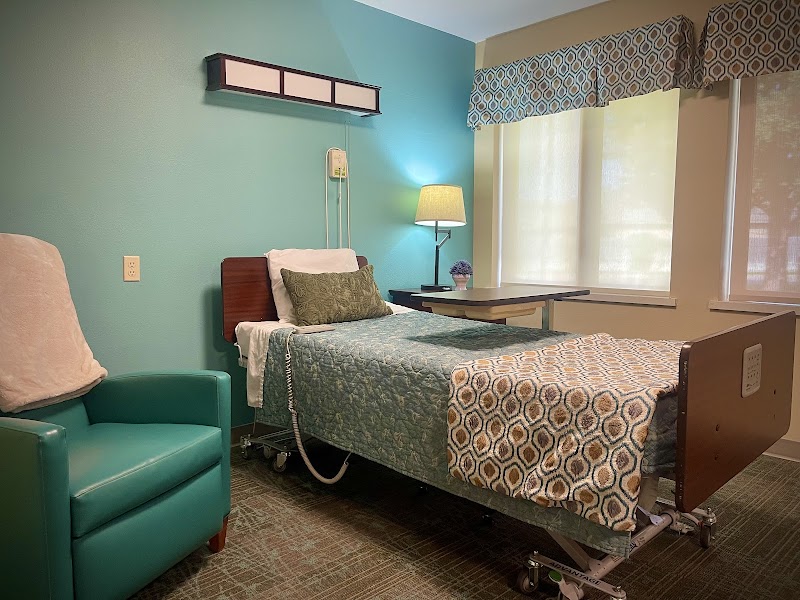
How is Garden Valley Retirement Village Staffed?

CMS rates GARDEN VALLEY RETIREMENT VILLAGE's staffing level at 3 out of 5 stars, which is average compared to other nursing homes. Staff turnover is 39%, compared to the Kansas average of 46%. This relatively stable workforce can support continuity of care.

What Have Inspectors Found at Garden Valley Retirement Village?

State health inspectors documented 19 deficiencies at GARDEN VALLEY RETIREMENT VILLAGE during 2021 to 2025. These included: 19 with potential for harm.
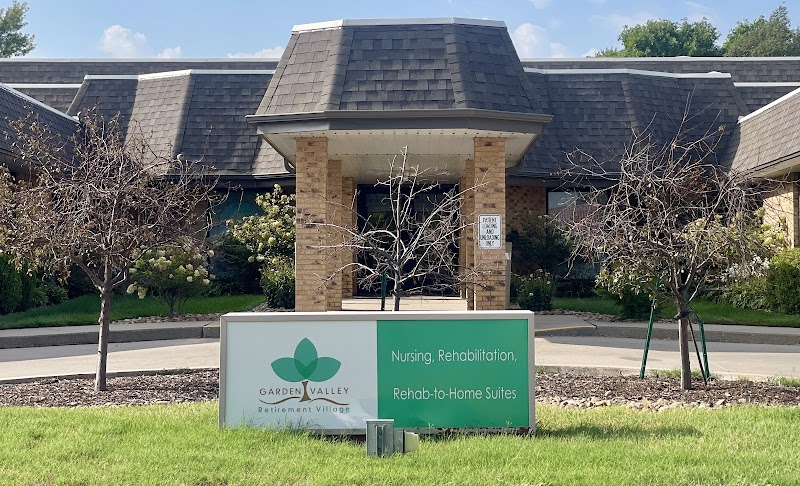
Who Owns and Operates Garden Valley Retirement Village?

GARDEN VALLEY RETIREMENT VILLAGE is owned by a for-profit company. For-profit facilities operate as businesses with obligations to shareholders or private owners. The facility is operated by FRONTLINE MANAGEMENT, a chain that manages multiple nursing homes. With 62 certified beds and approximately 47 residents (about 76% occupancy), it is a smaller facility located in GARDEN CITY, Kansas.
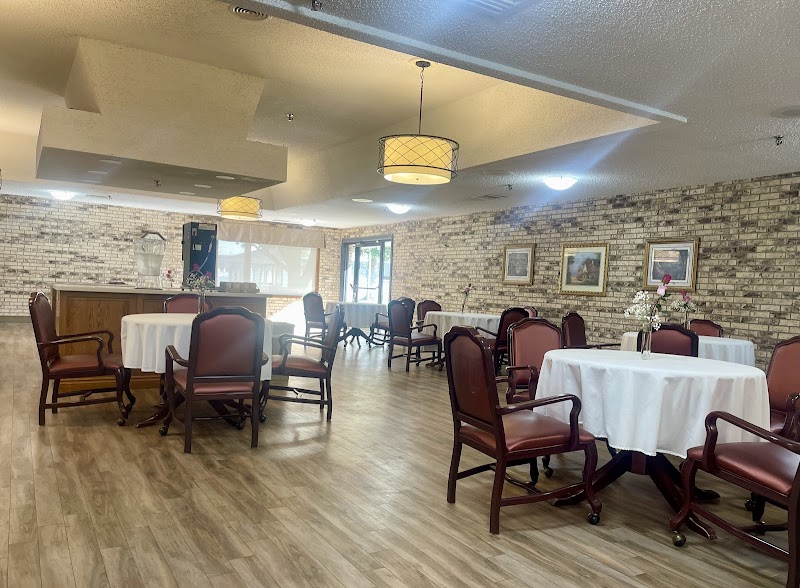
How Does Garden Valley Retirement Village Compare to Other Kansas Nursing Homes?

Compared to the 100 nursing homes in Kansas, GARDEN VALLEY RETIREMENT VILLAGE's overall rating (5 stars) is above the state average of 2.9, staff turnover (39%) is near the state average of 46%, and health inspection rating (5 stars) is much above the national benchmark.

What Should Families Ask When Visiting Garden Valley Retirement Village?

Based on this facility's data, families visiting should ask: "Can I visit during a mealtime to observe dining assistance and food quality?" "How do you handle medical emergencies, and what is your hospital transfer rate?" "Can I speak with family members of current residents about their experience?"

Is Garden Valley Retirement Village Safe?

Based on CMS inspection data, GARDEN VALLEY RETIREMENT VILLAGE has a clean safety record: no substantiated abuse findings (meaning no confirmed cases of resident harm), no Immediate Jeopardy citations (the most serious violation level indicating risk of serious injury or death), and is not on the Special Focus Facility watch list (a federal program monitoring the lowest-performing 1% of nursing homes). The facility has a 5-star overall rating and ranks #1 of 100 nursing homes in Kansas. While no facility is perfect, families should still ask about staff-to-resident ratios and recent inspection results during their visit.

Do Nurses at Garden Valley Retirement Village Stick Around?

GARDEN VALLEY RETIREMENT VILLAGE has a staff turnover rate of 39%, which is about average for Kansas nursing homes (state average: 46%). Moderate turnover is common in nursing homes, but families should still ask about staff tenure and how the facility maintains care continuity when employees leave.

Was Garden Valley Retirement Village Ever Fined?

GARDEN VALLEY RETIREMENT VILLAGE has been fined $9,978 across 1 penalty action. This is below the Kansas average of $33,179. While any fine indicates a compliance issue, fines under $50,000 are relatively common and typically reflect isolated problems that were subsequently corrected. Families should ask what specific issues led to these fines and confirm they've been resolved.

Is Garden Valley Retirement Village on Any Federal Watch List?

GARDEN VALLEY RETIREMENT VILLAGE is not on any federal watch list. The most significant is the Special Focus Facility (SFF) program, which identifies the bottom 1% of nursing homes nationally based on persistent, serious quality problems. Not being on this list means the facility has avoided the pattern of deficiencies that triggers enhanced federal oversight. This is a positive indicator, though families should still review the facility's inspection history directly.