PARKVIEW HEIGHTS NURSING AND REHABILITATION CENTER
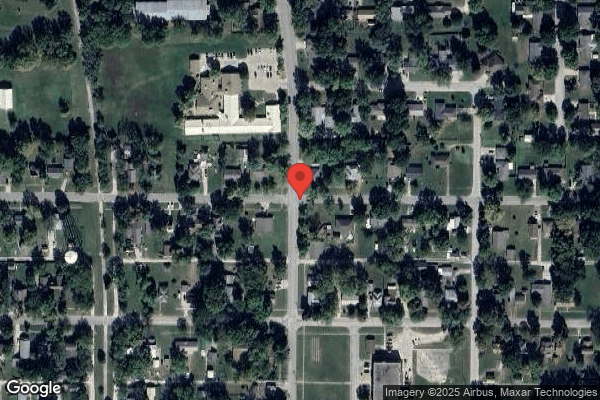
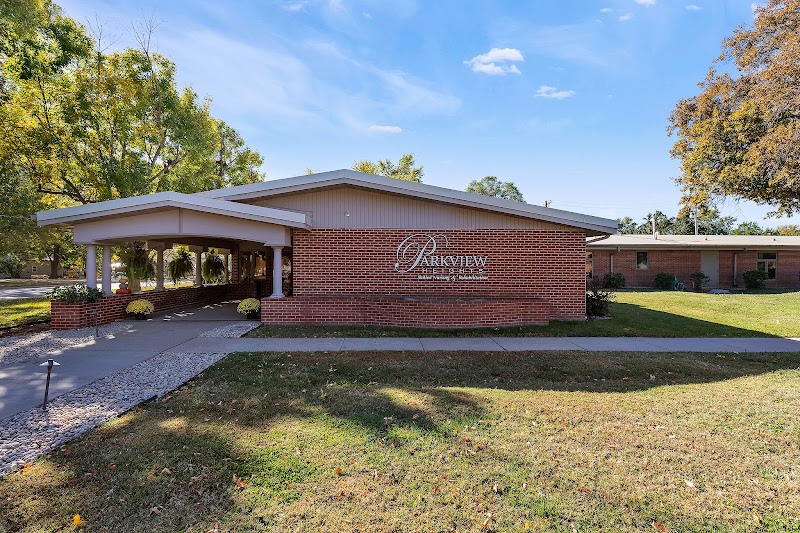
101 N PINE STREET, GARNETT, KS 66032 (785) 448-2434
For profit - Corporation 45 Beds RECOVER-CARE HEALTHCARE Data: November 2025
Trust Grade
70/100
#87 of 295 in KS
Last Inspection: August 2024

Within standard 12-15 month inspection cycle. Federal law requires annual inspections.

Overview

Parkview Heights Nursing and Rehabilitation Center has a Trust Grade of B, indicating it is a good choice among nursing homes. With a state rank of #87 out of 295 facilities in Kansas, it places in the top half, and it ranks #2 out of 2 in Anderson County, meaning there is only one other local facility to compare with. The facility is on an improving trend, having reduced issues from 10 in 2022 to 6 in 2024. Staffing is a strength here, with a 4 out of 5-star rating and a turnover rate of 43%, which is better than the state average of 48%, suggesting that staff are likely to remain long-term and build relationships with residents. On the downside, the facility has faced issues, such as failing to accurately report licensed nurse staffing information on multiple occasions, which could affect transparency. Additionally, there was a significant concern about the lack of a certified infection preventionist, which placed residents at increased risk of infections. Furthermore, past inspections noted problems with food safety, including improperly stored and dated food items in the kitchen, which raises concerns about hygiene practices. Overall, while there are notable strengths in staffing and the facility's improvements, families should be aware of these specific concerns when considering Parkview Heights for their loved ones.

Trust Score
B
70/100
In Kansas
#87/295
Top 29%
Safety Record
Low Risk
No red flags
Inspections
Getting Better
10 → 6 violations
Staff Stability
○ Average
43% turnover. Near Kansas's 48% average. Typical for the industry.
Penalties
✓ Good
No fines on record. Clean compliance history, better than most Kansas facilities.
Skilled Nurses
○ Average
Each resident gets 33 minutes of Registered Nurse (RN) attention daily — about average for Kansas. RNs are the most trained staff who monitor for health changes.
Violations
⚠ Watch
21 deficiencies on record. Higher than average. Multiple issues found across inspections.
★★★★☆
4.0
Overall Rating
★★★★☆
4.0
Staff Levels
★★★★☆
4.0
Care Quality
★★★★☆
4.0
Inspection Score
Stable
2022: 10 issues
2024: 6 issues

The Good

  • 4-Star Staffing Rating · Above-average nurse staffing levels
  • 4-Star Quality Measures · Strong clinical quality outcomes
  • Full Sprinkler Coverage · Fire safety systems throughout facility
  • No fines on record
  • Staff turnover below average (43%)

    5 points below Kansas average of 48%

Facility shows strength in staffing levels, quality measures, fire safety.

The Bad

Staff Turnover: 43%

Near Kansas avg (46%)

Typical for the industry

Chain: RECOVER-CARE HEALTHCARE

Part of a multi-facility chain

Ask about local staffing decisions and management

The Ugly 21 deficiencies on record

Aug 2024 6 deficiencies
CONCERN (D)

Potential for Harm - no one hurt, but risky conditions existed

Comprehensive Care Plan (Tag F0656)

Could have caused harm · This affected 1 resident

The facility reported a census of 35 residents with 14 residents sampled, including two residents reviewed for respiratory services. Based on observation, record review, and interview, the facility fa...

Read full inspector narrative →
The facility reported a census of 35 residents with 14 residents sampled, including two residents reviewed for respiratory services. Based on observation, record review, and interview, the facility failed to complete a comprehensive care plan for one Resident (R)33, regarding the use of a Continuous Positive Airway Pressure (CPAP-a non-invasive positive airway pressure) for one Resident (R)33. Findings included: - Review of Resident (R) 33's electronic medical record (EMR) revealed a diagnosis of sleep apnea (a sleep disorder characterized by periods without respirations). The Modification of admission Minimum Data Set (MDS), dated 07/08/24, documented the resident had a Brief Interview for Mental Status (BIMS) score of 15, indicating intact cognition. The resident did not utilize a Continuous Positive Airway Pressure (CPAP-a non-invasive positive airway pressure). The Cognitive Loss/Dementia Care Area Assessment (CAA), dated 07/08/24, did not trigger. The care plan, revised 07/12/24, lacked staff instruction on the use and care of the resident's CPAP. Review of the resident's EMR lacked a physician's order and indication for the CPAP. On 08/12/24 at 09:30 AM, the resident sat in the recliner in her room. Her CPAP mask was inside a plastic bag on the table next to her recliner. The mask contained a dried white substance and remained connected to the hose of the machine. On 08/14/24 at 07:37 AM, the resident sat in the recliner in her room. Her CPAP mask was inside a plastic bag on the table next to her recliner. The mask contained a dried white substance and remained connected to the hose of the machine. On 08/12/24 at 09:30 AM, the resident stated she used the CPAP every night when she slept. The resident stated she did not think the staff were cleaning her mask in between uses. On 08/14/24 at 08:15 AM, Administrative Nurse D stated she would expect for a resident who utilized a CPAP machine to have it included on her care plan. The facility policy for Comprehensive Care Plans, undated, included: The facility shall develop and implement a comprehensive person-centered care plan for each resident including measurable objectives and timeframe's to meet the resident's medical and nursing needs identified in the resident's comprehensive assessment. The facility failed to complete a comprehensive care plan for this resident who utilized a CPAP machine.
CONCERN (D)

Potential for Harm - no one hurt, but risky conditions existed

Quality of Care (Tag F0684)

Could have caused harm · This affected 1 resident

**NOTE- TERMS IN BRACKETS HAVE BEEN EDITED TO PROTECT CONFIDENTIALITY** The facility reported a census of 35 residents with 14 residents sampled, including two residents reviewed for positioning. Base...

Read full inspector narrative →
**NOTE- TERMS IN BRACKETS HAVE BEEN EDITED TO PROTECT CONFIDENTIALITY** The facility reported a census of 35 residents with 14 residents sampled, including two residents reviewed for positioning. Based on interview, record review, and observation, the facility failed to ensure appropriate positioning for one Resident (R)4, while in her specialized wheelchair. Findings included: - Review of Resident (R)4's electronic medical record (EMR) revealed a diagnosis of dementia (progressive mental disorder characterized by failing memory, confusion). The Significant Change Minimum Data Set (MDS), dated [DATE], documented the staff assessment to reveal severe cognitive impairment. The resident was dependent on staff for mobility in a wheelchair. The Functional Abilities Care Area Assessment (CAA), dated 02/29/24, did not trigger. The Cognitive Loss/Dementia CAA, dated 02/29/24, triggered but lacked an analysis of findings. The Quarterly MDS, dated 05/23/24, documented the resident's Brief Interview for Mental Status (BIMS) score of five, indicating severe cognitive impairment. The resident was dependent on staff for mobility in a wheelchair. The care plan, revised 07/23/24, documented the resident was dependent on staff for mobilization in her wheelchair. Review of the resident's EMR from 07/16/24 through 08/13/24, revealed the resident was dependent on staff for mobilization in her wheelchair. On 08/12/24 at 11:34 AM, the resident sat in the dining room awaiting lunch. The resident's feet dangled above the footrest of her wheelchair approximately eight inches. On 08/14/24 at 06:51 AM, Certified Nurse Aide (CNA)P propelled the resident from the spa room to the table in the living room. The resident's feet dangled above the footrest of her wheelchair approximately eight inches. On 08/14/24 at 07:51 AM, CNA P stated the resident's feet did not always reach the footrest of the wheelchair. On 08/14/24 at 07:01 AM, Licensed Nurse (LN) G stated the resident's feet should be able to reach the footrest and not just dangle in the air. On 08/14/24 at 08:15 AM, Administrative Nurse D stated it was the expectation for staff to ensure resident's feet rested comfortably on the footrest of their wheelchairs. The facility policy for Use of Assistive Devices, implemented 04/2023, included: Direct care staff will be trained on the use of assistive devices, such as wheelchairs, as needed to carry out their roles and responsibilities regarding the devices in a safe, comfortable manner for the residents. The facility failed to ensure this dependent resident was positioned properly in her wheelchair.
CONCERN (D)

Potential for Harm - no one hurt, but risky conditions existed

Accident Prevention (Tag F0689)

Could have caused harm · This affected 1 resident

**NOTE- TERMS IN BRACKETS HAVE BEEN EDITED TO PROTECT CONFIDENTIALITY** The facility reported a census of 35 residents with 12 residents sampled, including five residents reviewed for accidents. Based...

Read full inspector narrative →
**NOTE- TERMS IN BRACKETS HAVE BEEN EDITED TO PROTECT CONFIDENTIALITY** The facility reported a census of 35 residents with 12 residents sampled, including five residents reviewed for accidents. Based on observation, interview, and record review, the facility failed to provide safe transfers for two Residents (R)4 and R 15, and failed to provide safe wheelchair transport for one R 28. Findings included: - Review of Resident (R)15's electronic medical record (EMR), revealed a diagnosis of dementia (progressive mental disorder characterized by failing memory, confusion). The Significant Change Minimum Data Set (MDS), dated [DATE], documented the resident had a Brief Interview for Mental Status (BIMS) score of five, indicating severe cognitive impairment. She required supervision to touching assistance with chair to bed to chair transfers and had no limitation in functional range of motion (ROM). The Cognitive Loss/Dementia Care Area Assessment (CAA), dated 01/04/24, triggered but lacked an analysis of findings. The Functional Abilities CAA, dated 01/04/24, did not trigger. The Quarterly MDS, dated 06/27/24, documented the resident had a BIMS score of two, indicating severe cognitive impairment. She required substantial to maximal assistance with chair to bed to chair transfers and had no limitation in functional ROM. The care plan, revised 05/29/24, instructed staff the resident required substantial assistance of two staff for transfers. Staff were to encourage the resident to wear non-skid footwear. Review of the resident's EMR from 07/16/24 through 08/13/24, revealed the resident required substantial/maximal to dependent assistance of two staff for all transfers. On 08/13/24 at 08:28 AM, Certified Nurse Aide (CNA) N and CNA Q transferred the resident from her specialized wheelchair to her bed. The resident was unable to bear weight during the transfer and lacked non-skid footwear. The resident's legs became twisted, and her feet slid on the floor during the transfer. On 08/13/24 at 08:28 AM, CNA N confirmed the resident was not wearing non-skid footwear during the transfer and was unable to bear weight. On 08/14/24 at 06:51 AM, Licensed Nurse (LN) G confirmed the resident was unable to bear weight on her legs. LN G stated staff should use a full body mechanical lift for residents who were unable to bear weight during a transfer. On 08/14/24 at 08:15 AM, Administrative Nurse D stated all residents should wear non-skid footwear during transfers. Staff were expected to use a mechanical lift for residents who were unable to bear weight. The facility policy for Safe Resident Transfers, revised 01/01/23, included: It is the policy of the facility to ensure residents are transferred safely to prevent or minimize risks for injury. Mechanical lifting equipment will be used based on the resident's needs to prevent manual lifting. The facility failed to safely transfer this dependent resident. - Review of Resident (R)4's electronic medical record (EMR), revealed a diagnosis of dementia (progressive mental disorder characterized by failing memory, confusion). The Significant Change Minimum Data Set (MDS), dated [DATE], documented the staff assessment for cognition revealed severe impairment. The resident required substantial/maximal assistance of staff for transfers and had no limitation in functional range of motion (ROM). The Cognitive Loss/Dementia Care Area Assessment (CAA), dated 02/29/24, triggered but lacked an analysis of findings. The Functional Abilities CAA, dated 02/29/24, did not trigger. The Quarterly MDS, dated 05/23/24, documented the resident had a Brief Interview for Mental Status (BIMS) score of five, indicating severe cognitive impairment. The resident required substantial/maximal assistance of staff for transfers and had no limitation in functional ROM. The care plan for Activities of Daily Living (ADL)s, revised 07/23/24, instructed staff the resident required substantial assistance of two staff for transfers. Staff were to ensure the resident wore non-skid footwear. Review of the resident's EMR, from 07/15/24 through 08/12/24, documented the resident required substantial/maximal to dependent assistance of two staff with transfers. On 08/12/24 at 10:09 AM, Certified Nurse Aides (CNA) O and CNA Q transferred the resident from her bed to her specialized wheelchair with extensive assistance. The resident lacked non-skid footwear, was unable to bear weight and her feet slid on the floor during the transfer. The staff failed to use a gait belt (a device put on a patient who has mobility issues, by a caregiver prior to that caregiver moving the patient). On 08/12/24 at 10:09 AM, CNA O confirmed the resident was not wearing non-skid footwear and had not been able to bear weight during the transfer. On 08/13/24 at 08:39 AM, CNA M stated the resident was not able to bear weight during transfers. On 08/14/24 at 06:51 AM, Licensed Nurse (LN) G confirmed the resident was unable to bear weight on her legs. LN G stated staff should use a full body mechanical lift for residents who were unable to bear weight during a transfer. On 08/14/24 at 08:15 AM, Administrative Nurse D stated all residents should wear non-skid footwear during transfers. Staff were expected to use a mechanical lift for residents who were unable to bear weight. The facility policy for Safe Resident Transfers, revised 01/01/23, included: It is the policy of the facility to ensure residents are transferred safely to prevent or minimize risks for injury. Mechanical lifting equipment will be used based on the resident's needs to prevent manual lifting. The facility failed to safely transfer this dependent resident. - Review of Resident (R)28's electronic medical record (EMR) revealed a diagnosis of weakness. The Significant Change Minimum Data Set (MDS), dated 07/18/24, documented the resident had a Brief Interview for Mental Status (BIMS) score of three, indicating severe cognitive impairment. She required partial to moderate assistance of staff for wheelchair mobility. The Cognitive Loss/Dementia Care Area Assessment (CAA), dated 07/18/24, triggered but lacked an analysis of findings. The Functional Abilities CAA, dated 07/18/24, did not trigger. The Quarterly MDS, dated 04/17/24, documented the resident had a BIMS score of four, indicating severe cognitive impairment. She was independent for mobility with the use of her wheelchair. The care plan, revised 06/26/24, instructed staff the resident required staff assistance with the use of her wheelchair. Staff were to remove the foot pedals from the wheelchair when not propelling the resident. Review of the resident's EMR, from 07/15/24 through 08/13/24, revealed the resident was dependent on staff for mobility in her wheelchair. On 08/12/24 at 12:25 PM, Certified Nurse Aide (CNA) O propelled the resident in her wheelchair from the dining room to her room. The foot pedals were in place to the wheelchair, but the resident had her shoed feet pulled back underneath the wheelchair with the tips off her toes skimming the floor. On 08/14/24 at 06:48 AM, CNA P propelled the resident from the front commons area to the dining room for breakfast. The resident's left shoed foot was pulled back underneath the wheelchair and the toe of her shoe skimmed the floor. The resident's right foot remained on the foot pedal during transport. On 08/12/24 at 12:25 PM, CNA O stated the resident was not able to keep her feet on the foot pedals of the wheelchair because the foot pedals were to far out in front for the resident to reach them with her feet. On 08/14/24 at 06:48 AM, CNA P stated the resident was unable to propel her wheelchair anymore and required the assistance of staff. CNA P confirmed the resident's left foot had been underneath the wheelchair during transport. On 08/14/24 at 06:51 AM, Licensed Nurse (LN) G stated staff should ensure resident's feet are securely on the foot pedals of the wheelchair during transport. On 08/14/24 at 08:15 AM, Administrative Nurse D stated it was the expectation for staff to use foot pedals while propelling residents in their wheelchairs. The facility policy for Use of Assistive Devices, implemented 04/2023, included: Direct care staff will be trained on the use of assistive devices, such as wheelchairs, as needed to carry out their roles and responsibilities regarding the devices in a safe, comfortable manner for the residents. The facility failed to safely transport this dependent resident in her wheelchair.
CONCERN (D)

Potential for Harm - no one hurt, but risky conditions existed

Respiratory Care (Tag F0695)

Could have caused harm · This affected 1 resident

The facility reported a census of 35 residents with 14 residents sampled, including two residents reviewed for respiratory services. Based on observation, record review, and interview, the facility fa...

Read full inspector narrative →
The facility reported a census of 35 residents with 14 residents sampled, including two residents reviewed for respiratory services. Based on observation, record review, and interview, the facility failed to obtain a physician's order for the use of a Continuous Positive Airway Pressure (CPAP-a non-invasive positive airway pressure) for one Resident (R)33. Findings included: - Review of Resident (R) 33's electronic medical record (EMR) revealed a diagnosis of sleep apnea (a sleep disorder characterized by periods without respirations). The Modification of admission Minimum Data Set (MDS), dated 07/08/24, documented the resident had a Brief Interview for Mental Status (BIMS) score of 15, indicating intact cognition. The resident did not utilize a Continuous Positive Airway Pressure (CPAP-a non-invasive positive airway pressure). The Cognitive Loss/Dementia Care Area Assessment (CAA), dated 07/08/24, did not trigger. The care plan, revised 07/12/24, lacked staff instruction on the use and care of the resident's CPAP. Review of the resident's EMR lacked a physician's order and indication for the CPAP. On 08/12/24 at 09:30 AM, the resident sat in the recliner in her room. Her CPAP mask was inside a plastic bag on the table next to her recliner. The mask contained a dried white substance and remained connected to the hose of the machine. On 08/14/24 at 07:37 AM, the resident sat in the recliner in her room. Her CPAP mask was inside a plastic bag on the table next to her recliner. The mask contained a dried white substance and remained connected to the hose of the machine. On 08/12/24 at 09:30 AM, the resident stated she used the CPAP every night when she slept. The resident stated she did not think the staff were cleaning her mask in between uses. On 08/13/24 at 01:37 PM, Certified Nurse Aide (CNA) N stated the resident cared for the CPAP mask on her own. On 08/14/24 at 07:30 AM, CNA M stated the resident cared for her CPAP mask. On 08/14/24 at 08:15 AM, Administrative Nurse D confirmed the facility lacked an order for the CPAP machine. The facility policy for Noninvasive Ventilation, implemented 01/21/24, included: The facility shall document the use of the CPAP machine, the resident's tolerance, any skin, respiratory or any other changes, as ordered by the physician. The facility failed to obtain a physician's order for the use of a CPAP machine for this dependent resident with a diagnosis of sleep apnea and failed to ensure the mask was clean/changed according to professional standards to prevent possible respiratory illness.
CONCERN (E)

Potential for Harm - no one hurt, but risky conditions existed

Comprehensive Assessments (Tag F0636)

Could have caused harm · This affected multiple residents

**NOTE- TERMS IN BRACKETS HAVE BEEN EDITED TO PROTECT CONFIDENTIALITY** - Review of Resident (R)15's electronic medical record (EMR), revealed a diagnosis of dementia (progressive mental disorder char...

Read full inspector narrative →
**NOTE- TERMS IN BRACKETS HAVE BEEN EDITED TO PROTECT CONFIDENTIALITY** - Review of Resident (R)15's electronic medical record (EMR), revealed a diagnosis of dementia (progressive mental disorder characterized by failing memory, confusion). The Significant Change Minimum Data Set (MDS), dated [DATE], documented the resident had a Brief Interview for Mental Status (BIMS) score of five, indicating severe cognitive impairment. She required supervision to touching assistance with chair to bed to chair transfers and had no limitation in functional range of motion (ROM). The following Care Area Assessments (CAA)s, dated 01/04/24, triggered but lacked an analysis of findings: Delirium, Cognitive Loss/Dementia, Psychotropic Drug Use and Pain. The care plan, revised 05/29/24, instructed staff the resident required substantial assistance of two staff for transfers and staff were to encourage the resident to wear non-skid footwear. Staff were to monitor the resident for pain and administer pain medications, as ordered. Staff were instructed to ask the resident yes or no questions and allow her plenty of time to complete her daily tasks. The care plan listed the black box warnings (BBW-the highest safety-related warning that medications can have assigned by the Food and Drug Administration (FDA) the staff were to monitor for due to the resident's use of psychotropic medications. Review of the resident's EMR from 07/16/24 through 08/13/24, revealed the resident required substantial/maximal to dependent assistance of two staff for all transfers. On 08/14/24 at 08:15 AM, Administrative Nurse D stated it was the expectation for the triggered CAAs to include an analysis of findings. The facility utilized the Resident Assessment Instrument (RAI) in the completion of MDSs. The facility failed to accurately complete the Significant Change MDS Care Area Assessments for this dependent resident. This deficient practice had the potential to lead to uncommunicated needs. - Review of Resident (R)4's electronic medical record (EMR), revealed a diagnosis of dementia (progressive mental disorder characterized by failing memory, confusion). The Significant Change Minimum Data Set (MDS), dated [DATE], documented the staff assessment for cognition revealed severe impairment. The resident required substantial/maximal assistance of staff for transfers and had no limitation in functional range of motion (ROM). The following Care Area Assessments (CAA)s, dated 02/29/24, triggered but lacked an analysis of findings: Delirium, Cognitive Loss/Dementia, Psychotropic Drug Use, Psychosocial Well-Being, Pain, Mood State, Falls and Urinary Incontinence and Indwelling Catheter. The care plan, revised 07/23/24, instructed staff the resident required substantial assistance of two staff for transfers and staff were to ensure the resident wore non-skid footwear. The care plan listed the black box warnings (BBW-the highest safety-related warning that medications can have assigned by the Food and Drug Administration (FDA) the staff were to monitor for due to the resident's use of psychotropic medications. The resident had a diagnosis of dementia and staff were instructed allow the resident adequate time to respond to questions. Staff were to monitor for pain and administer pain medications, as ordered. Staff were to check and change the resident due to urinary and bowel incontinence. Review of the resident's EMR, from 07/15/24 through 08/12/24, documented the resident required substantial/maximal to dependent assistance of two staff with transfers. On 08/12/24 at 10:09 AM, Certified Nurse Aides (CNA)O and CNA Q transferred the resident from her bed to her specialized wheelchair with extensive assistance. The resident lacked non-skid footwear, was unable to bear weight and her feet slid on the floor during the transfer. The staff failed to use a gait belt (a device put on a patient who has mobility issues, by a caregiver prior to that caregiver moving the patient). On 08/14/24 at 08:15 AM, Administrative Nurse D stated it was the expectation for the triggered CAAs to include an analysis of findings. The facility utilized the Resident Assessment Instrument (RAI) in the completion of MDSs. The facility failed to accurately complete the Significant Change MDS for this dependent resident. This deficient practice had the potential to lead to uncommunicated needs. The facility reported a census of 35 residents with 14 residents selected for review. Based on observation, interview and record review, the facility failed to complete and analysis of findings for the Minimum Data Set (MDS), triggered Care Area Assessments (CAA) to complete a comprehensive assessment and develop a care plan for four of the 14 residents selected for review. This included Resident(R) 15, for Delirium; Cognitive Loss/Dementia, Psychotropic Drug Use and Pain, R 14 for Delirium, Cognitive Loss/Dementia, Psychotropic Drug Use, Psychosocial Well-Being, Pain, Mood State, Falls, Urinary Incontinence and Indwelling Catheter, R31 for Cognitive Loss/Dementia, Mood State, Psychotropic Drug Use, and Behavioral Symptoms and R8 for Urinary Incontinence and Indwelling Catheter, ADL (Activity of Daily Living) Functional/Rehabilitation Potential, Pain, and Return to Community to develop 'Comprehensive Care Plans as required. This deficient practice had the potential to lead to uncommunicated care needs. Findings included: - Review of Resident (R)31's medical record revealed diagnoses that included mild cognitive impairment, anxiety, major depressive disorder (major mood disorder), psychosis (any major mental disorder characterized by a gross impairment in reality testing), insomnia (inability to sleep), and dementia (progressive mental disorder characterized by failing memory, confusion) with behavioral disturbance. The Significant Change Minimum Data Set (MDS), dated [DATE], assessed the resident with severely impaired cognitive function, continuous inattention, altered level of consciousness. The resident received antipsychotic (class of medications used to treat psychosis and other mental emotional conditions), antianxiety (class of medications that calm and relax people with excessive anxiety, nervousness, or tension), antidepressant (class of medications used to treat mood disorders and relieve symptoms of depression), anticoagulant (medication use to prevent blood clots) and opioid (a class of medications used to treat pain), medications. The resident displayed nonverbal sounds and facial expressions of pain. The resident received no scheduled pain medications but did receive as needed pain medications and nonmedicinal interventions for pain. The Care Area Assessment (CAA), dated 07/25/24, was not developed for the MDS triggered areas of Cognitive Loss/Dementia, Mood State, Psychotropic Drug Use, and Behavioral Symptoms. On 08/13/24 at 12:57 PM, Administrative Nurse E stated she indicated on the CAA to care plan the area but did not develop the specific care area assessment for the triggered areas. The facility utilized the Resident Assessment Instrument (RAI) in completion of the MDS. The facility failed to develop the MDS triggered CAAs to complete a comprehensive assessment for this resident to develop a comprehensive care plan as required. This deficient practice had the potential to lead to uncommunicated care needs. - Review of Resident (R)8's medical record, revealed diagnoses included neurogenic dysfunction of the urinary bladder caused by a lesion of the nervous system, bladder with chronic urinary retention, hemiplegia (paralysis of one side of the body), and hemiparesis (muscular weakness of one half of the body). The admission Minimum Data Set (MDS) dated [DATE], assessed the resident with a Brief Interview for Mental Status (BIMS) score of 14, which indicated normal cognitive function. The resident had an indwelling urinary catheter (insertion of a catheter into the bladder to drain the urine into a collection bag). The resident received scheduled and as needed pain medication and desired to return home. The Care Area Assessment (CAA), dated 07/28/24, for the MDS triggered areas of Urinary Incontinence and Indwelling Catheter, ADL (Activity of Daily Living) Functional/Rehabilitation Potential, Pain, and Return to Community were not developed. On 08/13/24 at 12:57 PM, Administrative Nurse E stated she indicated on the CAA to care plan the area, but did not develop the specific care area assessment for the triggered areas. The facility utilized the Resident Assessment Instrument (RAI) in completion of the MDS. The facility failed to develop the MDS triggered CAAs to complete a comprehensive assessment for this resident to develop a comprehensive care plan as required. This deficient practice had the potential to lead to uncommunicated care needs.
CONCERN (F)

Potential for Harm - no one hurt, but risky conditions existed

Staffing Data (Tag F0851)

Could have caused harm · This affected most or all residents

The facility reported a census of 35 residents. Based on interview and record review, the facility failed to electronically submit to Centers for Medicare and Medicaid Services (CMS) with complete and...

Read full inspector narrative →
The facility reported a census of 35 residents. Based on interview and record review, the facility failed to electronically submit to Centers for Medicare and Medicaid Services (CMS) with complete and accurate direct staffing information, based on payroll and other verifiable and auditable data in a uniform format according to specifications established by CMS (i.e. Payroll Base Journal (PBJ), related to licensed nursing staffing information, when the facility failed to accurately report 24 hour per day Licensed Nurse coverage on eight dates between 04/01/23 and 06/30/23 and five dates between 10/01/23 and 12/31/23. Findings Included: - Review of the Payroll Base Journal (PBJ) Staffing Data Report for fiscal year (FY),Quarter 3 2023 (April 1- June 2023) revealed lack of License Nurse (LN) for 24 hours/seven days a week 24 hour/day on the following dates: On 05/06, Saturday (SA), On 05/07, Sunday (SU), On 05/21, SU, On 06/10, SA, On 06/11. SU, On 06/24, SA, On 06/25, SU, Review of the PBJ for FY, Quarter 1, 2024 (October 1-December 1), revealed the following infraction dates the facility failed to have Licensed Nursing Coverage 24 hours/day included: On 11/11, SA, On 11/25, SA, On 12/08, Firday (FR), On 12/16, SA, On 12/19, Tuesday (TU), Interview, on 08/12/24 at 08:45 AM, with Administrative Staff A stated it was possible the information regarding licensed nurse hours had not been submitted accurately to reflect the actual hours worked by licensed nurses. The facility policy Payroll Based Journal dated 01/01/24, instructed staff to electronically submit timely to CMS complete and accurate direct care staffing information, including information for agency and contract staff, based on payroll and other verifiable and auditable data in a uniform format according to specifications established by CMS. The facility failed to electronically submit to Centers for Medicare and Medicaid Services (CMS) with complete and accurate direct staffing information, based on payroll and other verifiable and auditable data in a uniform format according to specifications established by CMS (i.e., Payroll Base Journal (PBJ), related to licensed nursing staffing information when the facility failed to accurately report 24 hour per day Licensed Nurse coverage on eight dates between 04/01/23 and 06/30/23 and five dates between 10/01/23 and 12/31/23.
Dec 2022 10 deficiencies
CONCERN (D) 📢 Someone Reported This

A family member, employee, or ombudsman was alarmed enough to file a formal complaint

Potential for Harm - no one hurt, but risky conditions existed

Deficiency F0554 (Tag F0554)

Could have caused harm · This affected 1 resident

**NOTE- TERMS IN BRACKETS HAVE BEEN EDITED TO PROTECT CONFIDENTIALITY** The facility reported a census of 33 residents with 13 selected for review. Based on observation, interview, and record review, ...

Read full inspector narrative →
**NOTE- TERMS IN BRACKETS HAVE BEEN EDITED TO PROTECT CONFIDENTIALITY** The facility reported a census of 33 residents with 13 selected for review. Based on observation, interview, and record review, the facility failed to conduct an assessment for Resident (R)15 to determine the safety for self-administration of vaporizing rub ointment. This placed R15 at risk to use the vaporizing rub ointment in an unsafe manner. Findings included: - The Medical Diagnosis tab for R15 included diagnoses of chronic obstructive pulmonary disease (COPD - progressive and irreversible condition characterized by diminished lung capacity and difficulty or discomfort in breathing), chronic respiratory failure with hypoxia (inadequate supply of oxygen), and pulmonary hypertension (high blood pressure affecting arteries in the lungs and right side of the heart that can cause shortness of breath, chest pressure, and dizziness). The Quarterly Minimum Data Set (MDS) dated [DATE] assessed R15 with a Brief Interview of Mental Status (BIMS) score of 15, indicating intact cognition and required oxygen. The Annual MDS dated 11/11/22 for R15 revealed no changes from the prior assessment. The Care Plan dated 11/22/22 revealed R15 was at risk for altered respiratory function related to COPD and she required oxygen at all times. The staff were to administer nebulizer treatments as scheduled and as needed. The Orders tab included a physician order for R15, dated 12/30/21, for oxygen per nasal cannula at three liters. The Orders tab did not include an order for vaporizing rub (white petrolatum based topical ointment used for cough suppressant/topical analgesic). The Medication Self-Administration Screen dated 06/27/22 for R15 lacked the vaporizing rub topical ointment. The screen revealed the staff were to complete the assessment prior to a resident initiating self-administration of medication and with any medication order changes, change in function/condition that might affect the resident's ability to safely self-administer medications. On 12/06/22 at 11:17 AM observed R15 sitting in her recliner in her room with oxygen in place per nasal cannula. R15 opened a jar of vaporizing rub, placed the jar below her nose and sniffed at the ointment, then applied the ointment to her nose and lips. A second jar of vaporizing rub was on the table next to her recliner. On 12/06/22 at 11:18 AM R15 stated when she applies the ointment to her lips and mouth it makes her feel like she is open and helps if she is having a big coughing fit. R15 stated she had heard it was not safe to use with the oxygen but had done it for years. On 12/06/22 at 11:22 AM Licensed Nurse (LN) G stated she had a conversation with R15 several times, she had asked R15 if she knew it was not safe to use the vaporizing rub with oxygen and informed R15 staff could try something else but R15 wanted to continue to use it. LN G stated she could not recall when the conversations were, did not document the conversation, and had let the charge nurse know. On 12/06/22 at 11:28 AM Administrative Nurse D stated she was not aware R15 was applying the petroleum-based vaporizing rub to her nose and lips with oxygen in place. On 12/08/22 at 01:23 PM Administrative Nurse D stated R15 should have not had the vaporizing rub in the room and would have expected the staff to fill out a form for self-administration of medication and send it to the doctor. Administrative Nurse D stated she would expect the staff to report when they observe medications in a resident room. The policy for self-administration of medication is the assessment form. The American Lung Association webpage Oxygen Therapy: Using Oxygen Safely dated 11/17/22, revealed oxygen safety guidelines, which included to avoid flammable creams and lotions such as vapor rubs, petroleum jelly, or oil-based hand lotion, use water-based products instead. The facility failed to conduct an assessment for medication self-administration for R15, who required oxygen, to ensure safe use of vaporizing rub topical ointment. This placed R15 at risk for unsafe administration.
CONCERN (D) 📢 Someone Reported This

A family member, employee, or ombudsman was alarmed enough to file a formal complaint

Potential for Harm - no one hurt, but risky conditions existed

Assessment Accuracy (Tag F0641)

Could have caused harm · This affected 1 resident

**NOTE- TERMS IN BRACKETS HAVE BEEN EDITED TO PROTECT CONFIDENTIALITY** The facility reported a census of 33 residents with 13 selected for review. One resident was reviewed for elopement (when a cogn...

Read full inspector narrative →
**NOTE- TERMS IN BRACKETS HAVE BEEN EDITED TO PROTECT CONFIDENTIALITY** The facility reported a census of 33 residents with 13 selected for review. One resident was reviewed for elopement (when a cognitively impaired resident leaves the facility without staff knowledge and /or supervision). Based on observation, interview, and record review, the facility failed to accurately code the Minimum Data Set (MDS) for one of the residents, Resident (R)4, for wander/elopement alarm (device worn on the resident or attached to assistive device such as walker or wheelchair or other personal belongings, to alert the staff when a resident nears or exits a specific area of the building). This placed the resident at risk for uncommunicated care needs. Findings included: - The admission Minimum Data Set (MDS) dated [DATE] for R4 revealed she wandered one to three days of the assessment period and did not require the use of a wander/elopement alarm. The facility Elopement Risk binder included a Missing Resident Identification form, dated 11/04/22 for R4. On 12/06/22 at 07:10 AM observed a wander/elopement alarm attached to R4's walker. On 12/07/22 at 03:20 PM Certified Nurse Aide (CNA) N stated R4 had a wander/elopement alarm that the staff applied after she entered the facility, not the day of, but when R4 started talking about going home and finding her car. On 12/07/22 at 03:49 PM Administrative Nurse D stated the date the staff filled out the form for the elopement risk binder would be the day the wander/elopement alarm would have been placed, and the alarm should be coded on the admission MDS. On 12/08/22 at 09:15 AM Administrative Nurse E stated the wander/elopement bracelet should be coded on the admission MDS. The MDS 3.0 Resident Assessment Instrument [RAI] User's Manual instructs the staff to code a wander/elopement alarm used at any time in the seven-day lookback period. The facility failed to code the wander/elopement alarm, to ensure staff provided appropriate needed cares for R4. This placed the resident at risk for uncommunicated care needs.
CONCERN (D) 📢 Someone Reported This

A family member, employee, or ombudsman was alarmed enough to file a formal complaint

Potential for Harm - no one hurt, but risky conditions existed

Comprehensive Care Plan (Tag F0656)

Could have caused harm · This affected 1 resident

**NOTE- TERMS IN BRACKETS HAVE BEEN EDITED TO PROTECT CONFIDENTIALITY** The facility reported a census of 33 residents with 13 selected for review. Based on observation, interview, and record review, ...

Read full inspector narrative →
**NOTE- TERMS IN BRACKETS HAVE BEEN EDITED TO PROTECT CONFIDENTIALITY** The facility reported a census of 33 residents with 13 selected for review. Based on observation, interview, and record review, the facility failed to develop a comprehensive care plan to direct staff care for one of the resident's, Resident (R)4, to address her risk of elopement (when a cognitively impaired resident leaves the facility without staff knowledge and/or supervision). This placed the resident at risk for uncommunicated care needs. Findings included: - The Medical Diagnoses tab for R4 included a medical diagnosis of disorientation (confusion about the time, your location, or even who you are). The admission Minimum Data Set (MDS) dated [DATE] assessed R4 with a Brief Interview of Mental Status score of six, indicating severe cognitive impairment. R4 had disorganized thinking and inattention, she wandered one to three days of the assessment period. She required supervision and setup for walking and required the use of a walker for mobility. The Cognitive Loss/Dementia Care Area Assessment (CAA) dated 11/08/22 revealed R4 had a BIMS score of six and wandering review score of 32 indicating high risk to wander. R4 was redirectable but could get agitated easily. R4 had a diagnosis of disorientation and the staff frequently provided re-orientation to her to place and situation. The Behavioral Symptoms CAA dated 11/08/22 revealed R4 could get easily agitated due to her recent admission to the facility and her decline in cognition. The Care Plan dated 11/07/22 revealed R4 would exit seek at times, however lacked interventions for the exit seeking behavior, including presence of a wander/elopement alarm. The Elopement/Wandering Review assessment on 10/31/22 and 11/03/22 revealed a score that indicated R4 was at high risk to wander. The Progress Note dated 11/01/22 at 03:27 PM revealed R4 talked about leaving once and was easily redirected. The Progress Note dated 11/01/22 at 10:42 PM revealed R4 ambulated in room and throughout the facility with a walker. The Progress Note dated 11/02/22 at 05:24 PM revealed R4 had intermittent confusion and during the afternoon she said she was not staying here and that she was going home. R4 became agitated with staff but was able to be redirected and re-orientated fairly easily. The Progress Note dated 11/03/22 at 01:05 PM revealed R4 was alert and oriented to herself only and had not accepted living here yet. R4 was looking to go home at times. After an episode of bowel incontinence R4 was upset and walking the hall looking to go home. The staff re-oriented /re-directed her back to her room and helped her change which was effective in calming her down. The Progress Note dated 11/04/22 at 12:10 PM revealed R4 had a urinary tract infection and continued to be confused and anxious about where she was and why she was at the facility. R4 was surprised when told the year and thought her daughter was young and she needed to go home to take care of her. The staff reassured her and R4 talked to her daughter which was effective. The Progress Note dated 11/04/22 at 04:33 PM revealed R4 continued to be anxious, wandering halls, wondering where her daughter was. and wanting to go home. R4's daughter stated she had been called by R4 multiple times concerned her restlessness could be pain related. The Progress Note dated 11/04/22 at 06:16 PM revealed R4 was on the phone with her daughter and stating she was upset about being at the facility. The Progress Note dated 11/05/22 at 12:25 PM revealed R4 had confusion today and did not know where she was or what was going on. The Progress Note dated 11/07/22 at 10:14 AM revealed R4 had been up and down the hallway upset with staff and had been exit seeking. R2 was not easily redirected this morning after several different approaches tried. The Progress Note dated 11/10/22 at 12:18 PM revealed R4 was looking for the outside door after lunch and was easily redirected. On 12/06/22 at 07:10 AM observed R4 in her room making her bed with her walker beside her. The walker had a wander/elopement alarm attached to it. On 12/07/22 at 09:39 AM Certified Nurse Aide (CNA) M stated R4 was exit seeking and at risk for elopement. CNA M stated R4 had exited a dining room door before, and the staff seen her go out the door. CNA M stated R4 lacked a wander/elopement alarm, and when a resident does have a wander/elopement alarm they are checked every day to make sure they are working. On 12/07/22 at 10:02 AM Certified Medication Aide (CMA) R stated if a resident was at risk for elopement, it would be on the care plan, the nurse would tell staff, or it would be in the electronic medical record documentation on a task for the CNA's, or anyone, to check every day. CMA R stated R4 did exit seek and did not know if she had a wander/elopement alarm. The staff could redirect her by showing and talking about the quilts in her room or talking to one of the staff members here. CMA R stated when exit seeking, she would ask if she was having pain because a lot of times that is why she is exit seeking, and interventions to redirect would be on the care plan. On 12/07/22 at 10:47 AM Licensed Nurse (LN) I stated R4 was at risk for elopement and was not sure if R4 had a wander/elopement alarm. LN I stated when the staff determined a resident to be at risk for elopement a note would be placed in the electronic communication board for all staff to see and on the resident care plan. LN I stated R4 could be distracted when exit seeking sometimes by bringing her to the puzzle table, talk about her quilts, offer her a Pepsi or snack, or talking to her daughter. LN I stated she did not participate in developing the initial care plan and the wander/elopement alarm and interventions for when R4 was exit seeking should be on the care plan. On 12/07/22 at 03:06 PM CMA S stated R4 had a wander/elopement alarm and she thought the staff placed the alarm the day she admitted to the facility. CMA S stated the staff redirect R4 when exit seeking by asking if she wanted to watch TV, read the newspaper, or just sit and have a conversation with her if she allowed. On 12/07/22 at 03:20 PM CNA N stated R4 was at risk for elopement, had a wander/elopement alarm, had been exit seeking on her shift. On 12/07/22 at 03:31 PM Administrative Nurse D stated when a resident was at risk for elopement, a wander/elopement alarm would be placed on the resident and the form would be filled out for the elopement book that included a picture and physical description of the resident; the facility front door had the wander/elopement alarm system in place. The wander/elopement alarm should be on the care plan. On 12/08/22 at 09:15 AM Administrative Nurse E stated R4's care plan should include interventions to deter her when she is exit seeking. The facility policy Elopement Prevention and Management Standard dated 01/2016, revealed when the staff determined a resident to be at risk for elopement appropriate interventions would be implemented immediately. All residents at risk were to be care planned for elopement risk by Social Services or Nursing and approaches are implemented and maintained. Elopement risk should be care planned separately on the care plan. The facility failed to develop a care plan for R4 for her elopement risk and exit seeking behaviors, to direct the staff care. This placed R4 at risk for uncommunicated care needs.
CONCERN (D) 📢 Someone Reported This

A family member, employee, or ombudsman was alarmed enough to file a formal complaint

Potential for Harm - no one hurt, but risky conditions existed

Deficiency F0657 (Tag F0657)

Could have caused harm · This affected 1 resident

The facility identified a census of 33 residents. The sample included 13 residents with two reviewed for care plan revisions. Based of observations, record review, and interviews, the facility failed ...

Read full inspector narrative →
The facility identified a census of 33 residents. The sample included 13 residents with two reviewed for care plan revisions. Based of observations, record review, and interviews, the facility failed to implement updated fall interventions after Resident (R) 7 fell while using the restroom. This deficient practice placed R7 at risk for preventable falls and injuries due to uncommunicated care needs. Findings Included: - The Medical Diagnosis section within R7's Electronic Medical Records (EMR) included diagnoses of cerebral palsy (progressive disorder of movement, muscle tone or posture caused by injury or abnormal development in the immature brain, most often before birth),blindness in one eye, dysphagia (swallowing difficulty), epilepsy (progressive disorder of movement, muscle tone or posture caused by injury or abnormal development in the immature brain, most often before birth), and osteoporosis (abnormal loss of bone density and deterioration of bone tissue with an increased fracture risk). R7's Quarterly Minimum Data Set (MDS) dated 10/21/22 noted a Brief Interview for Mental Status (BIMS) score of six indicating severe cognitive impairment. The MDS noted that he required extensive assistance from one staff for transfers and toileting. The MDS noted he required supervision for locomotion and used a wheelchair. The MDS noted that he was frequently incontinent of urine but occasionally incontinent of bowel with no toileting program in place or attempted. The MDS noted he had no falls since admission. R7's Urinary Incontinence Care Area Assessment (CAA) dated 05/23/22 noted he required limited to extensive assistance from one staff for toileting. The CAA noted that care plan approaches would be developed and updated to promote her maximum level of function. R7's Falls CAA dated 05/23/22 noted he was potentially at risk for falls. The CAA noted that he had a history of falls. The CAA noted that care plan approaches would be developed and updated to reduce the risks of falls and injuries. A review of R7's Care Plan created 07/05/17 noted R7 had a history for falls related to his impaired gait and poor balance. The plan noted fall interventions of wearing non-skid padding on his seat ( 07/05/22), wearing specialized shoes (07/05/22), maintain clutter-free environment (07/05/17), ensure wheelchair is locked (07/05/17), ensure personal items are within reach (07/05/17), anticipate his needs (07/05/17), and physical therapy evaluation (created 06/14/18). The care plan lacked interventions for a documented fall that occurred on 11/07/22. The care plan noted that R7 required extensive assist from one staff for toileting and for all transfers. A review of R7's EMR revealed a Nursing Progress note dated 11/07/22 indicating that R7 fell in his bathroom while being assisted by staff. The note indicated that when R7 attempted to stand up from his wheelchair his hands slipped, and he fell forward. The note indicated that he hit his head on the metal grab bar. The note indicated that he received a small red mark on his forehead. On 12/07/22 at 12:28PM R7 was quickly locomoting down the hallway in his wheelchair towards his room. R7 entered his room and went towards his restroom. R7 stood up holding the grab bars and attempted to self-transfer to his toilet. Certified Nurses Aid (CNA) O noticed R7 and quickly entered the room to assist R7 with toileting. CNA assisted R7 with transferring him to the toilet and back to his wheelchair. CNA O stated that R7 was very quick and sometimes will not ask for help or wait for staff to come and assist him. On 12/08/22 at 11:12 AM in an interview with Certified Nurses Aid (CNA) P, she stated that all direct care staff have access to view the care plan and the nurses can update and add additional information to the plans if needed. She stated that R7 required extensive assistance from staff during transfers and toileting. She stated that R7 likes to stand on his own, but staff should always be supporting him during transfers. On 12/08/22 at 01:35 PM in an interview with Licensed Nurse (LN) I, she stated that while staff do complete a two-hour check and change of the residents, she was not sure if R7 had an individualized toileting program or personalized care plan interventions for his incontinence. She stated that R7 will usually attempt to toilet himself, but staff is required to assist him. She stated that the direct care staff review the care plans and the nursing staff can add interventions to the care plan. On 12/08/22 at 02:25 PM Administrative Nurse E stated that the interdisciplinary team reviews the care plans and implements interventions after falls occur. She stated that the nursing staff can add interventions to the care plan and the interdisciplinary team will review them. A review of the facility's Fall Prevention and Management revised 02/2019 indicated that residents will be assessed for fall risk upon admission, quarterly, during significant changes, and after a fall has occurred. The policy noted that the resident's care plan will be updated with approaches and interventions for the identified risk. The policy noted that the fall episode would be reviewed by the interdisciplinary team for review of the appropriateness of the interventions. The facility failed to implement updated fall interventions after R7 fell while using the restroom. This deficient practice placed R7 at risk for preventable falls and injuries due to uncommunicated care needs.
CONCERN (D) 📢 Someone Reported This

A family member, employee, or ombudsman was alarmed enough to file a formal complaint

Potential for Harm - no one hurt, but risky conditions existed

Quality of Care (Tag F0684)

Could have caused harm · This affected 1 resident

The facility identified a census of 33 residents. The sample included 13 residents with 13 reviewed for quality of care. Based on observations, record review, and interviews, the facility failed to fo...

Read full inspector narrative →
The facility identified a census of 33 residents. The sample included 13 residents with 13 reviewed for quality of care. Based on observations, record review, and interviews, the facility failed to follow physician ordered instructions to weigh Resident (R)3 daily. The facility additionally failed to report weight changes to the medical provider as instructed in the order parameters. This deficient practice placed R3 at risk for complications related to edema (swelling resulting from an excessive accumulation of fluid in the body tissues). Findings Included: - The Medical Diagnosis section within R3's Electronic Medical Records (EMR) included diagnoses of type two diabetes mellitus (when the body cannot use glucose, not enough insulin made or the body cannot respond to the insulin), bradycardia (low heart rate, less than 60 beats per minute), localized edema, chronic kidney disease, congestive heart failure (CHF- when the body cannot use glucose, not enough insulin made or the body cannot respond to the insulin), and hypertension (high blood pressure). R3's Quarterly Minimum Data Set (MDS) dated 10/07/22 noted a Brief Interview for Mental Status (BIMS) score of ten indicating mild cognitive impairment. The MDS indicated that she weighed 189 pounds (lbs.) and had no noted weight loss or gain within the last six months. The MDS noted that she was taking a diuretic medication (medication to promote the formation and excretion of urine). A review of R3's Nutritional Care Area Assessment (CAA) dated 05/12/22 noted that she was on a regular diet. The CAA noted that staff were to offer her choice foods and fluids at all meals and keep water available in her room at all times. The CAA noted that care plan approaches would be to ensure all nutritional requirements are met. A review of R3's Care Plan dated 09/16/22 indicated that she was taking furosemide (diuretic medication used to treat edema) and at risk for diuresis (increased formation and secretion of urine) with water and electrolyte depletion. The care plan noted that she required careful medical supervision and dosage adjustments to meet her individual needs. The plan noted that staff were to report significant weight gain or loss to the medical provider. The care plan lacked interventions related to refusal of cares and services. A review of R3's Physician's Orders revealed an order dated 09/07/22 for staff to weigh R3 every morning for edema management related to her CHF. The order instructed staff to notify the provider if R3 gained more than three pounds in 24 hours or five pounds in one week. A review R3's of Medication Administration Record (MAR) between 09/01/22 to 12/08/22 (99 days reviewed) revealed that her weight was not attained on eight occasions with the instructions to See Progress Note marked. A review of the marked dates (10/4, 10,22, 10/27, 10/28, 11/1, 11/3, 11/13, and 11/15) revealed no indication of why the weights were not attained. The review indicated that she had refused to be weighed by staff on eleven occasions, but the EMR lacked documentation showing the reason for refusal or if staff offered to weigh her at a different time. The MAR review revealed three occurrences of weight gain outside the parameters. On 11/10/22 R3 gained four pounds with no documentation indicating the medical provider was notified. On 11/14/22 R3 gained five pounds with no documentation indicating the medical provider was notified. On 11/25/22 R3 gained seven pounds with no documentation indicating the medical provider was notified. On 12/06/22 at 08:00AM R3 sat in her recliner watching television. She reported that she was waiting for her breakfast. Her room was clean and organized. She reported that she had to watch what she was eating and drinking because of her edema on her legs. She stated that she was taking medication that caused her to need to use the restroom frequently. On 12/08/22 at 11:12 AM in an interview with Certified Nurses Aid (CNA) P stated that R3 had never refused to weigh by her but maybe with some of the other staff. She stated that if a resident refused care or a task the nurse would be notified. She stated that another direct care staff or nurse would attempt to weigh the resident. She stated that all residents were weighed after their assigned spa bath. She stated that the weights were entered into the EMR once reviewed by the nurse. On 12/08/22 at 01:35 PM in an interview with Licensed Nurse (LN) I, stated the direct care staff should be attaining the weights directly after the residents were bathed unless otherwise noted in the orders. She stated that she was not aware of R3 refusing many weights. She stated that if a weight was out of parameters the nurse would call the medical provider as ordered and note the communication in the EMR. On 12/08/22 at 02:45PM in an interview with Administrative Nurse D, she stated that the nurses should be weighing the residents as ordered and notifying the medical provider with any changes listed in the parameters. She stated that the nurses should be calling the doctor and documenting the communication in the resident's chart. The facility failed to follow physician ordered instructions to weigh R3 daily. The facility additionally failed to report weight changes to the medical provider as given in the orders parameters. This deficient practice placed R3 at risk for complications related to edema.
CONCERN (D) 📢 Someone Reported This

A family member, employee, or ombudsman was alarmed enough to file a formal complaint

Potential for Harm - no one hurt, but risky conditions existed

Accident Prevention (Tag F0689)

Could have caused harm · This affected 1 resident

**NOTE- TERMS IN BRACKETS HAVE BEEN EDITED TO PROTECT CONFIDENTIALITY** The facility identified a census of 33 residents. The sample included 13 residents with three reviewed for accidents. Based on o...

Read full inspector narrative →
**NOTE- TERMS IN BRACKETS HAVE BEEN EDITED TO PROTECT CONFIDENTIALITY** The facility identified a census of 33 residents. The sample included 13 residents with three reviewed for accidents. Based on observations, record review, and interviews, the facility failed to identify and/or address causative factors for Resident (R)27 resulting in repeated falls. The facility additionally failed to identify R15's potentially flammable use of petroleum-based vapor rub medication with supplemental oxygen and failed to monitor R4's Wanderguard (bracelet that sets off an alarm when residents wearing one attempt to exit the building without an escort). This deficient practice placed the residents at risk for preventable injuries and accidents. Findings Included: - The Medical Diagnosis section within R27's Electronic Medical Records (EMR) included diagnoses of cellulitis anxiety disorder (mental or emotional reaction characterized by apprehension, uncertainty and irrational fear), osteoarthritis (degenerative changes to one or many joints characterized by swelling and pain), type two diabetes mellitus (when the body cannot use glucose, not enough insulin made or the body cannot respond to the insulin), major depressive disorder (major mood disorder), difficulty walking, abnormalities of gait and mobility, and spinal stenosis (degenerative condition of the spine that could cause weakness and loss of use of extremities). R27's Quarterly Minimum Data Set (MDS) dated 10/14/22 noted a Brief Interview for Mental Status (BIMS) score of nine indicating mild cognitive impairment. The MDS indicated that she required limited assistance with one staff while walking in her room and toileting. The MDS noted she required supervision with all transfers. The MDS noted that she was frequently incontinent of urine but occasionally incontinent of bowel with no toileting program in place or attempted. The MDS noted she had one non-injury fall since admission. A review of R27's Activities of Daily Living (ADL) Care Area Assessment (CAA) dated 03/07/22 noted that she required limited staff assistance with ambulation, dressing, bathing, and toileting. The CAA noted that care plan approaches would be developed and updated to promote her maximum level of function. R27's Falls CAA dated 03/27/22 noted she had no balance problems since admission but had a history of falls. The CAA noted that care plan approaches would be developed and updated to reduce the risks of falls and injuries. A review of R27's Care Plan created 03/02/22 noted that she ambulated in her room with her walker. The plan noted that she required stand by assist (SBA) to limited staff assistance of one staff if R27 was incontinent. The plan noted she may be incontinent of urine at times. The plan indicated that she had a self-care deficit related to general weakness, poor safety awareness, and required frequent reminders for staff assistance. The plan lacked individualized toileting interventions to manage and prevent incontinence episodes for R27. A review of R27's Bowel and Bladder Lookback report indicated daily episodes of urinary incontinence and frequent episodes of bowel incontinence. A review of R27's EMR revealed that she fell on five occasions (03/07/22, 03/09/22, 04/05/22, ,09/22/22, and 09/29/22) while attempting to take herself to and from the restroom. On 03/07/22 at 10:00 PM a fall report indicated staff heard a crash and ran down the hall to find R27 sitting on the floor in the bathroom. The report indicated that R27 forgot to call for assistance to use the restroom. The report noted staff should check on R27 at night as a care planned intervention. On 03/09/22 at 03:54 PM a fall report indicated staff observed R27 returning from the restroom. R27 lost her balance and went down to the floor. On 04/05/22 a fall report indicated R27 was standing and pushing her wheelchair to go to the restroom. The report noted that the wheelchair got away from her and she fell going to the restroom. The report instructed staff to leave R27's walker next to her to encourage use as the care planned intervention. On 09/22/22 a fall report indicated that R27 was found sitting on the floor in her room. The report noted that she was confused and forgot to take her walker with her to the restroom. The report instructed staff to remind R27 to use her walker each time she ambulates as the care planned intervention. On 09/29/22 a fall report indicated that staff found R27 calling out for help while sitting on the floor in front of the restroom doorway. The note indicated hat R27 did not call for assistance and was ambulating alone to the restroom. The note indicated that she was walking backwards out of the bathroom while holding her walker and lost her balance. The report instructed staff to remind R27 not to walk backwards as the care planned intervention. On 12/05/22 at 08:00AM R27 sat in her recliner and watched television. She reported that she had fallen several times while attempting to use the restroom. She stated that she often worried about making it to the restroom in time before having an accident. She stated that she doesn't always remember to call for help from staff when using restroom but feels that staff should check on her more frequently throughout the day. She stated the last time she fell in the bathroom she broke the wall in the restroom and bruised her lower wrist. An inspection of the bathroom revealed the area to the right of the toilet had a large pushed in indention. R27 reported that she also had a quarter size bruise on her wrist but was not sure how she got it. An inspection of her wrist revealed the bruise with a blue-reddish coloration. She stated that it may have occurred during a fall but was not sure. On 12/08/22 at 11:12 AM in an interview with Certified Nurses Aid (CNA) P, she stated that R27 was mostly independent and would often call if she needed assistance to the restroom. She stated that all staff have access to the care plans for each resident and review them if changes are made. She stated that nurses can make changes to the care plans. On 12/08/22 at 01:35 PM in an interview with Licensed Nurse (LN) I, she stated that while staff do complete a two-hour check and change of the residents, she was not sure if R27 had an individualized toileting program or personalized care plan interventions for her incontinence due to R27 being more independent than other residents. She stated that R27 would often just call-out for assistance when needed. She stated that nurses can make changes to the care plans and add interventions if needed. On 12/08/22 at 02:25 PM Administrative Nurse E stated that all residents are assessed for bowel and bladder upon admission and quarterly. She stated that all residents should be checked on every two hours, but the facility did not have individualized interventions for R27 because she was more independent. A review of the facility's Fall Prevention and Management revised 02/2019 indicated that residents will be assessed for fall risk upon admission, quarterly, during significant changes, and after a fall has occurred. The policy noted that the residents care plan will be updated with approaches and interventions for the identified risk. The policy noted that the fall episode would be reviewed by the interdisciplinary team for review of the appropriateness of the interventions. The facility failed to identify and/or adequately address toileting as a causative factor for R27 resulting in repeated falls. This deficient practice placed R27 at risk for preventable falls and injuries. - The Medical Diagnoses tab for R4 included a medical diagnosis of disorientation (confusion about the time, your location, or even who you are). The admission Minimum Data Set (MDS) dated [DATE] assessed R4 with a Brief Interview of Mental Status score of six, indicating severe cognitive impairment. R4 had disorganized thinking and inattention, she wandered one to three days of the assessment period. She required supervision and setup for walking and required the use of a walker for mobility. The Cognitive Loss/Dementia Care Area Assessment (CAA) dated 11/08/22 revealed R4 had a BIMS score of six and wandering review score of 32 indicating high risk to wander. R4 was redirectable but could get agitated easily. R4 had a diagnosis of disorientation and the staff frequently provided re-orientation to her to place and situation. The Behavioral Symptoms CAA dated 11/08/22 revealed R4 could get easily agitated due to her recent admission to the facility and her decline in cognition. The Care Plan dated 11/07/22 revealed R4 would exit seek at times, however lacked interventions for the exit seeking behavior. The Elopement/Wandering Review assessment on 10/31/22, 11/03/22, 11/19/22, and 12/01/22 revealed a score for R4 that indicated she was at high risk to wander. The Tasks tab, an area of the electronic medical record that has instructions for facility staff for resident care, lacked documentation of the placement of a wander/elopement alarm and lacked evidence staff assessed the placement and function of the alarm. The Progress Note dated 11/01/22 at 03:27 PM revealed R4 talked about leaving once and was easily redirected. The Progress Note dated 11/01/22 at 10:42 PM revealed R4 ambulated in room and throughout the facility with a walker. The Progress Note dated 11/02/22 at 05:24 PM revealed R4 had intermittent confusion and during the afternoon she said she was not staying here and that she was going home. R4 became agitated with staff but was able to be redirected and re-orientated fairly easily. The Progress Note dated 11/03/22 at 01:05 PM revealed R4 was alert and oriented to herself only and had not accepted living here yet. R4 was looking to go home at times. After an episode of bowel incontinence R4 was upset and walking the hall looking to go home. The staff re-oriented /re-directed her back to her room and helped her change which was effective in calming her down. The Progress Note dated 11/04/22 at 12:10 PM revealed R4 had a urinary tract infection and continued to be confused and anxious about where she was and why she was at the facility. R4 was surprised when told the year and thought her daughter was young and she needed to go home to take care of her. The staff reassured her and R4 talked to her daughter which was effective. The Progress Note dated 11/04/22 at 04:33 PM revealed R4 continued to be anxious, wandering halls, wondering where her daughter was. and wanting to go home. R4's daughter stated she had been called by R4 multiple times concerned her restlessness could be pain related. The Progress Note dated 11/04/22 at 06:16 PM revealed R4 was on the phone with her daughter and stating she was upset about being at the facility. The facility Elopement Risk binder included a Missing Resident Identification form dated 11/04/22 for R4. The Progress Note dated 11/05/22 at 12:25 PM revealed R4 had confusion today and did not know where she was or what was going on. The Progress Note dated 11/07/22 at 10:14 AM revealed R4 had been up and down the hallway upset with staff and had been exit seeking. R2 was not easily redirected this morning after several different approaches tried. The Progress Note dated 11/10/22 at 12:18 PM revealed R4 was looking for the outside door after lunch and was easily redirected. The Progress Note dated 11/10/22 at 05:43 PM revealed R4 returned from appointment with her primary care physician with new orders to move her mirtazapine (antidepressant) dose to 02:00 PM and if afternoon behavior issues did not improve to let the physician know and would consider an as needed does of Trazadone (antidepressant used to treat depression and anxiety). The Progress Note dated 11/11/22 at 12:20 PM revealed R4 was very anxious, wanting to leave, looking for her mom, and was not easily redirected. R4 had yelled she was getting out of her earlier and went up front. The Progress Note dated 11/19/22 at 10:04 AM revealed the door alarm to the dining room sounded, staff headed there right away, and R4 was on the sidewalk when staff arrived to the door. R4 willingly came back inside. The Progress Note dated 12/01/22 at 08:19 AM revealed R4 was up walking around and looking to go downtown. R4 stated her back was bothering her and she wanted something for back pain. The staff administered Tramadol (medication for moderate to severe pain). The Progress Note dated 12/01/22 at 10:05 AM revealed R4 was eating breakfast in the dining room and thought she was in a restaurant. R4 had her coat on and went out the dining room door that led to the enclosed area, the door alarm sounded, and the staff were immediately behind her. R4 stated she wanted to go to the bank, she came back in and went to her room to sit in her recliner. R4 told the staff they were all a bunch of babies; it was not even cold outside. R4 did not want to watch TV or look at her quilts. On 12/06/22 at 07:10 AM observed R4 in her room making her bed with her walker beside her. The walker had a wander/elopement alarm attached to it. On 12/06/22 at 02:53 PM observed the dining room exit doors led to an enclosed fenced in area. On 12/07/22 at 09:39 AM Certified Nurse Aide (CNA) M stated R4 was exit seeking and at risk for elopement (when a cognitively impaired resident leaves the facility without staff knowledge and/or supervision). CNA M stated R4 had exited a dining room door before, and the staff seen her go out the door. CNA M stated R4 lacked a wander/elopement alarm, and when a resident does have a wander/elopement alarm they are checked every day to make sure they are working. CNA M stated the wander/elopement alarm checks are documented in the electronic medical record; the task shows up for them to document when the alarm had been checked. On 12/07/22 at 10:02 AM Certified Medication Aide (CMA) R stated if a resident was at risk for elopement, it would be on the care plan, the nurse would tell staff, or it would be in the electronic medical record documentation on a task for the CNA's, or anyone, to check every day. CMA R stated R4 did exit seek and did not know if she had a wander/elopement alarm. The staff could redirect her by showing and talking about the quilts in her room. On 12/07/22 at 10:47 AM Licensed Nurse (LN) I stated R4 was at risk for elopement and was not sure if R4 had a wander/elopement alarm; the CNAs and the CMAs checked the alarm for placement and function daily. On 12/07/22 at 03:06 PM CMA S stated R4 had a wander/elopement alarm and she thought the staff placed the alarm the day she admitted to the facility. CMA S stated the CNAs were responsible for checking the alarm every shift for placement and function and would document that in the electronic record. CMA S stated R4 was exit seeking since she admitted and had exited a door since then. CMA S stated the staff redirect R4 when exit seeking by asking if she wanted to watch TV, read the newspaper, or just sit and have a conversation with her if she allowed. On 12/07/22 at 03:20 PM CNA N stated R4 was at risk for elopement, had a wander/elopement alarm, had been exit seeking on her shift. CNA N stated when a resident has a wander/elopement alarm, the staff checked for placement and function every shift and document the check in the electronic charting. On 12/07/22 at 03:31 PM Administrative Nurse D stated when a resident was at risk for elopement, a wander/elopement alarm would be placed on the resident and the form would be filled out for the elopement book that included a picture and physical description of the resident; the facility front door had the wander/elopement alarm system in place. Administrative Nurse D stated the CNA's were responsible for making sure the wander/elopement alarm was in place and working, the nurses could check, or anyone. Administrative Nurse D stated she expected the wander/elopement alarm to be included in the tasks in the electronic record. On 12/07/22 at 03:49 PM Administrative Nurse D stated the date the form filled out in the elopement binder, which was 11/04/22 for R4, would be the date the staff added the wander/elopement alarm. The facility policy Elopement Prevention and Management Standard dated 01/2016, revealed residents with a wander/elopement alarm would have it checked daily by the nursing staff to ensure it was in place and functioning properly and would be documented on the Medication or Treatment Administration Record. The facility failed to ensure the nursing staff checked the wander/elopement alarm daily for placement and proper function therefore increasing the risk of R4, who had severe cognitive impairment and exit seeking behaviors, of exiting the facility front door without staff awareness. - The Medical Diagnosis tab for R15 included diagnoses of chronic obstructive pulmonary disease (COPD - progressive and irreversible condition characterized by diminished lung capacity and difficulty or discomfort in breathing), chronic respiratory failure with hypoxia (inadequate supply of oxygen), and pulmonary hypertension (high blood pressure affecting arteries in the lungs and right side of the heart that can cause shortness of breath, chest pressure, and dizziness). The Quarterly Minimum Data Set (MDS) dated [DATE] assessed R15 with a Brief Interview of Mental Status (BIMS) score of 15, indicating intact cognition and required oxygen. The Annual MDS dated 11/11/22 for R15 revealed no changes from the prior assessment. The Care Plan dated 11/22/22 revealed R15 was at risk for altered respiratory function related to COPD and she required oxygen at all times. The staff were to administer nebulizer treatments as scheduled and as needed. The Orders tab included a physician order for R15, dated 12/30/21, for oxygen per nasal cannula at three liters. The Orders tab did not include an order for vaporizing rub (white petrolatum based topical ointment used for cough suppressant/topical analgesic). Review of the progress notes dated 12/30/21 to 12/05/22 lacked education to R15 about the use of vaporizing petroleum rub while on oxygen. On 12/06/22 at 11:17 AM observed R15 sitting in her recliner in her room with oxygen in place per nasal cannula. R15 opened a jar of vaporizing rub, placed the jar below her nose and sniffed at the ointment, then applied the ointment to her nose and lips. A second jar of vaporizing rub was on the table next to her recliner. On 12/06/22 at 11:18 AM R15 stated when she applies the ointment to her lips and mouth it makes her feel like she is open and helps if she is having a big coughing fit. R15 stated she had heard it was not safe to use with the oxygen but had done it for years. On 12/06/22 at 11:22 AM Licensed Nurse (LN) G stated she had a conversation with R15 several times, she had asked R15 if she knew it was not safe to use the vaporizing rub with oxygen and informed R15 staff could try something else but R15 wanted to continue to use it. LN G stated she could not recall when the conversations were, did not document the conversation, and had let the charge nurse know. On 12/06/22 at 11:28 AM Administrative Nurse D stated she was not aware R15 was applying the petroleum-based vaporizing rub to her nose and lips with oxygen in place. On 12/06/22 at 12:56 PM LN H stated she was not aware R15 had vaporizing rub in her room and there should be a physician order for its use. On 12/08/22 at 01:23 PM Administrative Nurse D stated R15 should have not had the vaporizing rub in the room and would have expected the staff to fill out a form for self-administration of medication and send it to the doctor. The facility policy Oxygen administration, long-term care dated 11/28/22 revealed complications associated with administration of oxygen may include increased risk of fire. Documentation associated with oxygen administration should include teaching provided to the resident and family. The procedure included to check the resident's room to make sure that it is safe for oxygen administration. The American Lung Association webpage Oxygen Therapy: Using Oxygen Safely dated 11/17/22, revealed oxygen safety guidelines, which included to avoid flammable creams and lotions such as vapor rubs, petroleum jelly, or oil-based hand lotion, use water-based products instead. The facility failed to ensure a safe environment free of accident hazards for R15, who required oxygen, by failing to ensure flammable materials were not in use. This placed R15 at risk for avoidable injuries and accidents.
CONCERN (D) 📢 Someone Reported This

A family member, employee, or ombudsman was alarmed enough to file a formal complaint

Potential for Harm - no one hurt, but risky conditions existed

Incontinence Care (Tag F0690)

Could have caused harm · This affected 1 resident

The facility identified a census of 33 residents. The sample included 13 residents with three reviewed for bowel and bladder management. Based of observations, record review, and interviews, the facil...

Read full inspector narrative →
The facility identified a census of 33 residents. The sample included 13 residents with three reviewed for bowel and bladder management. Based of observations, record review, and interviews, the facility failed to provide individualized toileting interventions for Resident (R)27. This deficient practice placed R27 at risk for urinary tract infections and preventable falls. Findings Included: - The Medical Diagnosis section within R27's Electronic Medical Records (EMR) included diagnoses of cellulitis anxiety disorder (mental or emotional reaction characterized by apprehension, uncertainty and irrational fear), osteoarthritis (degenerative changes to one or many joints characterized by swelling and pain), type two diabetes mellitus (when the body cannot use glucose, not enough insulin made or the body cannot respond to the insulin), major depressive disorder (major mood disorder), difficulty walking, abnormalities of gait and mobility, and spinal stenosis (degenerative condition of the spine that could cause weakness and loss of use of extremities). R27's Quarterly Minimum Data Set (MDS) dated 10/14/22 noted a Brief Interview for Mental Status (BIMS) score of nine indicating mild cognitive impairment. The MDS indicated that she required limited assistance with one staff while walking in her room and toileting. The MDS noted she required supervision with all transfers. The MDS noted that she was frequently incontinent of urine but occasionally incontinent of bowel with no toileting program in place or attempted. The MDS noted she had one non-injury fall since admission. A review of R27's Activities of Daily Living (ADL) Care Area Assessment (CAA) dated 03/07/22 noted that she required limited staff assistance with ambulation, dressing, bathing, and toileting. The CAA noted that care plan approaches would be developed and updated to promote her maximum level of function. R27's Falls CAA dated 03/27/22 noted she had no balance problems since admission but had a history of falls. The CAA noted that care plan approaches would be developed and updated to reduce the risks of falls and injuries. A review of R27's Care Plan created 03/02/22 noted she ambulated in her room with her walker. The plan noted she required stand by assist (SBA) to limited staff assistance of one staff if incontinent. The plan noted she may be incontinent of urine at times and independent with transfers. The plan indicated she had a self-care deficit related to general weakness, poor safety awareness, and required frequent reminders for staff assistance. The plan lacked individualized toileting interventions to manage and prevent incontinence episodes for R27. A review of R27's Bowel and Bladder Lookback report indicated daily episodes of urinary incontinence and frequent episodes of bowel incontinence. A review of a Bowel Assessment completed 08/04/22 noted that R27 was continent of bowel and was able to feel the sensation for a bowel movement. The treatment and management recommendation section of the form indicating if showing appropriateness for a toileting program was left blank. A review of a Bladder Assessment completed 08/04/22 noted that R27 had both day and nighttime incontinence. The assessment noted that it was unknown if the medical provider was contacted about her incontinence. The assessment noted frequency of urination, loss of sensation, and mixed incontinence. The treatment and management recommendation section of the form indicating if showing appropriateness for a toileting program was left blank. A review of R27's EMR revealed that she fell on five occasions (03/07/22, 03/09/22 04/05/22, 09/22/22, and 09/29/22) while attempting to take herself to and from the restroom. (See Citation F689) On 12/05/22 at 08:00AM R27 sat in her recliner and watched television. She reported that she had fallen several times while attempting to use the restroom. She stated that she often worried about making it to the restroom in time before having an accident. She stated that she doesn't always remember to call for help from staff when using restroom. She stated the last time she fell in the bathroom she broke the wall in the restroom and bruised her lower wrist. On 12/08/22 at 11:12 AM in an interview with Certified Nurses Aid (CNA) P, she stated that R27 was mostly independent and would often call if she needed assistance to the restroom. She stated that all staff have access to the care plans for each resident and review them if changes are made. She stated that nurses can make changes to the care plans. On 12/08/22 at 01:35 PM in an interview with Licensed Nurse (LN) I, she stated that while staff do complete a two-hour check and change of the residents, she was not sure if R27 had an individualized toileting program or personalized care plan interventions for her incontinence due to R27 being more independent than other resident. She stated that R27 would often just call-out for assistance when needed. She stated that nurses can make changes to the care plans and add interventions if needed. On 12/08/22 at 02:25 PM Administrative Nurse E stated that all residents are assessed for Bowel and Bladder upon admission and quarterly. She stated that all residents should be checked on every two hours, but the facility did not have individualized interventions for R27 because she was more independent. A review of the facility's Bowel and Bladder Management policy revised 04/2017 noted that the facility would maintain an interdisciplinary approach to continence care and bowel management, facilitate improvement in bowel and bladder function, and prevent deterioration of function. The facility failed to provide individualized incontinence care interventions for R27. This deficient practice placed R27 at risk for urinary tract infections and preventable falls.
CONCERN (D) 📢 Someone Reported This

A family member, employee, or ombudsman was alarmed enough to file a formal complaint

Potential for Harm - no one hurt, but risky conditions existed

Tube Feeding (Tag F0693)

Could have caused harm · This affected 1 resident

**NOTE- TERMS IN BRACKETS HAVE BEEN EDITED TO PROTECT CONFIDENTIALITY** The facility reported a census of 33 residents with 13 selected for review including one resident reviewed, Resident (R)29, for ...

Read full inspector narrative →
**NOTE- TERMS IN BRACKETS HAVE BEEN EDITED TO PROTECT CONFIDENTIALITY** The facility reported a census of 33 residents with 13 selected for review including one resident reviewed, Resident (R)29, for presence of a percutaneous endoscopic gastrostomy (PEG - tube that is placed directly into the stomach through an abdominal wall incision for administration of food, fluids, and medications) tube. Based on observation, interview, and record review, the facility failed to flush the PEG tube daily, which was not being utilized to administer food, fluids, or medications, to ensure patency of the tube. This placed the resident at risk for complications related to her PEG tube. Findings included: - The Medical Diagnosis tab for R29 included diagnoses of gastrostomy status, protein-calorie malnutrition, and adult failure to thrive. The admission Minimum Data Set (MDS) dated [DATE] revealed R29 admitted to the facility on [DATE] and assessed her with a Brief Interview of Mental Status score of 15, indicating intact cognition. R29 had a feeding tube while and while not a resident and received less than 25 percent of total calories and 500 milliliters (ml) a day or less of fluid intake per the tube. The Feeding Tube Care Area Assessment dated 09/30/22 revealed R29 had a feeding tube in place prior to admission to the facility, did not receive any medications or feeding through the feeding tube, and the staff did not flush the feeding tube at the time. The Care Plan dated 09/22/22 revealed R29 was at risk for complications related to the presence of a feeding tube, and the staff were to utilize the feeding tube only after adequate assessment determined the clinical condition made that intervention necessary. The Orders tab lacked instruction for the licensed nurse to flush the PEG tube. The Treatment Administration Record from 09/22/22 through 12/05/22 lacked instruction for the staff to flush the PEG tube. On 12/05/22 at 09:07 AM R29 stated she did not receive any nutrition through the PEG tube since she came to the facility and the staff had flushed it with water once since I have been here that I know of and that staff apply a bandage around the tube insertion site and change the bandage daily. On 12/06/22 at 08:24 AM Licensed Nurse (LN) H stated R29 was not receiving flushes to her PEG tube. On 12/06/22 at 09:58 AM Administrative Nurse D stated R29's PEG tube was not being used and she had flushed R29's tube a handful of times since she came in. Administrative Nurse D stated she would have to look at the facility policy to see when the PEG should be flushed. On 12/06/22 at 03:21 PM observed R29's PEG tubing with a dark brown colored fluid in it while LN G prepared supplies to flush the tubing with tap water. On 12/06/22 at 10:51 AM Administrative Nurse D stated the facility did not have a policy regarding flushing a PEG tube not being used but it would be best practice to flush the PEG daily. Administrative Nurse D stated R29's physician, when contacted, provided a new order for staff to flush the PEG tube daily with 100 ml of tap water. The facility failed to flush R29's PEG tube daily, which was not being utilized to administer food, fluids, or medications, to ensure patency of the tube. This placed R29 at risk for complications with her PEG tube.
CONCERN (D) 📢 Someone Reported This

A family member, employee, or ombudsman was alarmed enough to file a formal complaint

Potential for Harm - no one hurt, but risky conditions existed

Respiratory Care (Tag F0695)

Could have caused harm · This affected 1 resident

**NOTE- TERMS IN BRACKETS HAVE BEEN EDITED TO PROTECT CONFIDENTIALITY** The facility reported a census of 33 residents with 13 selected for review including three residents reviewed for respiratory ca...

Read full inspector narrative →
**NOTE- TERMS IN BRACKETS HAVE BEEN EDITED TO PROTECT CONFIDENTIALITY** The facility reported a census of 33 residents with 13 selected for review including three residents reviewed for respiratory care. Based on observation, interview, and record review, the facility failed to change the oxygen nasal cannula and the nebulizer (device which changes liquid medication into a mist easily inhaled into the lungs) kit tubing for Resident (R)15. These practices increased the risk of R15 for developing a respiratory infection. Findings included: - The Medical Diagnosis tab for R15 included diagnoses of chronic obstructive pulmonary disease (COPD - progressive and irreversible condition characterized by diminished lung capacity and difficulty or discomfort in breathing), chronic respiratory failure with hypoxia (inadequate supply of oxygen), and pulmonary hypertension (high blood pressure affecting arteries in the lungs and right side of the heart that can cause shortness of breath, chest pressure, and dizziness). The Quarterly Minimum Data Set (MDS) dated [DATE] assessed R15 with a Brief Interview of Mental Status (BIMS) score of 15, indicating intact cognition. She, required oxygen, and received seven days of respiratory therapy during the look back period. The Annual MDS dated 11/11/22 for R15 revealed no changes from the prior assessment. The Care Plan dated 11/22/22 revealed R15 was at risk for altered respiratory function related to COPD and she was on oxygen at all times. The staff were to administer nebulizer treatments as scheduled and as needed. The Orders tab included these physician orders for R15: 1. On 12/30/21, oxygen per nasal cannula at three liters. 2. On 08/11/22, change oxygen tubing, extension, and connector weekly in the evening on Monday. Replace the nebulizer tubing and mouthpiece in the evening every 14 days, placing date and initials on tubing. 3. On 09/06/22, albuterol sulfate (medication used to prevent and treat difficulty breathing, wheezing, shortness of breath, coughing, and chest tightness caused by lung disease such as COPD) nebulization solution 2.5 milligrams (mg)/3.0 milliliters (ml), 0.083%, one vial, inhale orally, via nebulizer, four times a day for COPD, and every two hours as needed for shortness of breath. 4. On 11/09/22, rinse the nebulizer kit with sterile water and allow to air dry in a black microbial bag between uses. The Treatment Administration Record (TAR) for November 2022 for R15 recorded the staff changed the oxygen tubing on 11/21/22 and 11/28/22, and on 11/03/22 and 11/17/22 the staff changed the nebulizer kit. The TAR dated December 2022 for R15 recorded the staff changed the oxygen tubing on 12/05/22 and the nebulizer kit on 12/01/22. On 12/05/22 at 10:59 AM observation revealed R15's oxygen tubing connected to the oxygen concentrator, with a date of 11/21 (14 days prior). (The facility failed to change the tubing on 11/28/22 per physician order.) The nebulizer kit mask was stored on the table next to the nebulizer machine connected to the medicine cup and the tubing with the tubing dated 11/03/22 (32 days prior). (The facility failed to change the nebulizer kit on 11/17/22 and 12/01/22 per physician order.) On 12/05/22 at 11:02 AM R15 stated she can turn the nebulizer machine on and off and the staff take care of the rest. On 12/06/22 at 09:04 AM observed R15 in her room with oxygen in place per nasal cannula, the tubing continued with a date of 11/21/22 (21 days prior). (The facility failed to change the tubing on 12/05/22 per physician order.) On 12/06/22 at 10:57 AM Licensed Nurse (LN) G stated R15's oxygen tubing had a date of 11/21/22 and her nebulizer kit had a date of 11/03/22. LN G administered R15's scheduled albuterol inhalation nebulizer treatment. On 12/06/22 at 11:22 AM LN G stated the nebulizer kits were to be changed every 14 days and we are obviously past that time and they oxygen tubing should be changed weekly and we are past that too. On 12/06/22 at 12:56 PM Administrative Nurse D stated she expected the oxygen tubing to be changed weekly and the nebulizer kits every 14 days. The facility policy Oxygen Administration, Long-term Care dated 11/28/22, lacked instructions for the staff on frequency of changing oxygen tubing and nebulizer kits. The facility failed to change the oxygen tubing and the nebulizer kit per physician order, increasing the risk of R15 to develop a respiratory infection.
CONCERN (F) 📢 Someone Reported This

A family member, employee, or ombudsman was alarmed enough to file a formal complaint

Potential for Harm - no one hurt, but risky conditions existed

Deficiency F0882 (Tag F0882)

Could have caused harm · This affected most or all residents

**NOTE- TERMS IN BRACKETS HAVE BEEN EDITED TO PROTECT CONFIDENTIALITY** The facility identified a census of 33 residents. Based on record review, and interviews, the facility failed to provide a certi...

Read full inspector narrative →
**NOTE- TERMS IN BRACKETS HAVE BEEN EDITED TO PROTECT CONFIDENTIALITY** The facility identified a census of 33 residents. Based on record review, and interviews, the facility failed to provide a certified infection preventionist to oversee the facility's Infection Prevention and Control Program (IPCP). This deficient practice placed all residents at increased risk of infections related tor lack of identification, tracking/trending, and treatment of infections. Findings included: - On 12/08/22 at 01:56 PM Administrative Nurse E reported that she assumed the responsibilities of infection preventionist after the previous nurse quit the facility last August. She stated that she was currently working on becoming certified and only had four learning modules left. On 12/08/22 at 0245 PM Administrative Nurse D reported that the facility's previous certified infection preventionist left the faciity on [DATE]. The she stated that Administrative Nurse E had assumed the IPCP duties and began taking classes to become certified in August of 2022. The facility was unable to provide a policy related to the Infection Preventionist as requested on 12/08/22. The facility failed to provide a certified infection preventionist to oversee the facility's IPCP program. This deficient practice placed all residents at increased risk of infections related to lack of identification, tracking/trending, and treatment of infections.
Apr 2021 5 deficiencies
CONCERN (D)

Potential for Harm - no one hurt, but risky conditions existed

Deficiency F0657 (Tag F0657)

Could have caused harm · This affected 1 resident

**NOTE- TERMS IN BRACKETS HAVE BEEN EDITED TO PROTECT CONFIDENTIALITY** The facility reported a census of 26 residents, with 15 residents sampled, including seven residents reviewed for accidents. Bas...

Read full inspector narrative →
**NOTE- TERMS IN BRACKETS HAVE BEEN EDITED TO PROTECT CONFIDENTIALITY** The facility reported a census of 26 residents, with 15 residents sampled, including seven residents reviewed for accidents. Based on observation, interview, and record review, the facility failed to review and revise the care plan for one Resident (R)19, following a fall. Findings included: - The Physician Order Sheet (POS), dated 03/19/21, documented Resident (R)19 had diagnoses which included: spinal stenosis (degenerative condition of the spine that could cause weakness and loss of use of extremities) and Parkinson's disease (slowly progressive neurologic disorder characterized by resting tremor, rolling of the fingers, masklike faces, shuffling gait, muscle rigidity and weakness). The annual Minimum Data Set (MDS), dated [DATE], documented the resident had a Brief Interview for Mental Status (BIMS) score of 14, indicating she had intact cognition. She required limited assistance of one staff for walking in her room and toilet use. Her balance was not steady; however, she was able to stabilize without staff assistance. She had no impairment in functional range of motion (ROM) and used a walker and wheelchair. She had two or more non-injury falls since the prior assessment. The Care Area Assessment (CAAs) for Falls, dated 02/26/21, documented the resident had intermittent unsteadiness and poor safety awareness. The Care Area Assessment (CAA) for Activities of Daily Living (ADL) Functional/Rehabilitation Potential, dated 02/26/21, documented the resident required limited staff assistance of one for ambulation and toileting. The quarterly MDS, dated 12/04/20, documented the resident had a BIMS score of 14, indicating intact cognition. She required supervision with no setup help from staff for ambulation in her room and toileting. Her balance was steady at all times with no impairment in functional ROM. She used a walker for locomotion. She had two or more non-injury falls since the prior assessment. The care plan for ADLs, dated 03/04/21, instructed staff the resident would ambulate with her walker with limited assistance. The updated care plan for falls, dated 11/01/20, instructed staff to obtain a night light and keep it plugged in during the night. The updated care plan for falls, dated 02/09/21, instructed staff to use a night light beside the resident's bed and to place one in the resident's bathroom. Review of the Progress Notes in the resident's electronic medical record (EMR), dated 11/01/20, documented staff observed the resident laid on the floor outside of her bathroom door. The resident had no injuries. The facility determined the root cause of the fall to be not enough light in the resident's room at night. The facility's intervention was to put a nightlight in the resident's room at night. Review of the Progress Notes in the resident's EMR, dated 02/04/21, documented the staff observed the resident on the floor in an upright position with her legs extended in front of her, in her room. Resident stated she had been attempting to go to the bathroom when she fell. The resident had no injuries. The facility's intervention was to put a nightlight by the resident's bed and in the bathroom. On 04/07/21 at 03:37 PM, observation of the resident's room revealed no nightlights. On 04/06/21 at 02:38 PM, Certified Nurse Aide (CNA) N stated, the resident's fall interventions include non-skid socks. The staff should conduct hourly checks on the resident while she was in bed. The resident does not have a nightlight in her room. On 04/07/21 at 10:49 AM, CNA M stated, the resident did not have a nightlight in her room. On 04/07/21 at 01:43 PM, Licensed Nurse (LN) G stated, the nurse on duty at the time of a fall was responsible for initiating a new fall intervention. The nurse should add the new intervention to the care plan. On 04/08/21 at 09:17 AM, Administrative Nurse D stated, the intervention of the nightlight for the 02/04/21 fall was a duplicate intervention. Staff should initiate a new intervention for each fall and not use duplicate interventions. The nurse on duty at the time of the fall was responsible for adding the new intervention to the care plan. Staff did not initiate a new intervention for the fall on 02/04/21 and staff failed to add a new intervention to the care plan for that fall. The facility lacked a policy for reviewing and revising the care plan. The facility failed to initiate a new intervention following this resident's fall and failed to add the new intervention to the care plan, which guides the staff in the care of the resident.
CONCERN (D)

Potential for Harm - no one hurt, but risky conditions existed

Accident Prevention (Tag F0689)

Could have caused harm · This affected 1 resident

**NOTE- TERMS IN BRACKETS HAVE BEEN EDITED TO PROTECT CONFIDENTIALITY** The facility reported a census of 26 residents, with 15 residents sampled, including seven residents reviewed for accidents. Bas...

Read full inspector narrative →
**NOTE- TERMS IN BRACKETS HAVE BEEN EDITED TO PROTECT CONFIDENTIALITY** The facility reported a census of 26 residents, with 15 residents sampled, including seven residents reviewed for accidents. Based on observation, interview, and record review, the facility failed to initiate appropriate fall interventions related to failure to apply the care planned night lights on two separate falls, for one Resident (R)19, following repeated falls while in her room. Findings included: - The Physician Order Sheet (POS), dated 03/19/21, documented Resident (R)19 had diagnoses which included: spinal stenosis (degenerative condition of the spine that could cause weakness and loss of use of extremities) and Parkinson's disease (slowly progressive neurologic disorder characterized by resting tremor, rolling of the fingers, masklike faces, shuffling gait, muscle rigidity and weakness). The annual Minimum Data Set (MDS), dated [DATE], documented the resident had a Brief Interview for Mental Status (BIMS) score of 14, indicating she had intact cognition. She required limited assistance of one staff for walking in her room and toilet use. Her balance was not steady, however, she was able to stabilize without staff assistance. She had no impairment in functional range of motion (ROM) and used a walker and wheelchair. She had two or more non-injury falls since the prior assessment. The Care Area Assessment (CAAs) for Falls, dated 02/26/21, documented the resident had intermittent unsteadiness and poor safety awareness. The Care Area Assessment (CAA) for Activities of Daily Living (ADL) Functional/Rehabilitation Potential, dated 02/26/21, documented the resident required limited staff assistance of one for ambulation and toileting. The quarterly MDS, dated 12/04/20, documented the resident had a BIMS score of 14, indicating intact cognition. She required supervision with no setup help from staff for ambulation in her room and toileting. Her balance was steady at all times with no impairment in functional ROM. She used a walker for locomotion. She had two or more non-injury falls since the prior assessment. The care plan for ADLs, dated 03/04/21, instructed staff the resident would ambulate with her walker with limited assistance. The updated care plan for falls, dated 11/01/20, instructed staff to obtain a night light and keep it plugged in during the night. The updated care plan for falls, dated 02/09/21, instructed staff to use a night light beside the resident's bed and to place one in the resident's bathroom. Review of the Progress Notes in the resident's electronic medical record (EMR), dated 11/01/20, documented the staff observed the resident laid on the floor outside of her bathroom door. The resident had no injuries. The facility determined the root cause of the fall to be not enough light in the resident's room at night. The facility's intervention was to put a nightlight in the resident's room at night. Review of the Progress Notes in the resident's EMR, dated 02/04/21, documented the staff observed the resident on the floor in an upright position with her legs extended in front of her, in her room. Resident stated she had been attempting to go to the bathroom when she fell. The resident had no injuries. The facility's intervention was to put a nightlight by the resident's bed and in the bathroom. On 04/07/21 at 03:37 PM, observation of the resident's room revealed no nightlights. On 04/06/21 at 02:38 PM, Certified Nurse Aide (CNA) N stated, the resident's fall interventions include non-skid socks. The staff should conduct hourly checks on the resident while she was in bed. The resident does not have a nightlight in her room. On 04/07/21 at 10:49 AM, CNA M stated, the resident did not have a nightlight in her room. On 04/07/21 at 01:43 PM, Licensed Nurse (LN) G stated, staff are to initiate a new fall intervention following each fall. Interventions are not to be repeated. LN G stated, the resident did not have a nightlight in her room. On 04/08/21 at 09:17 AM, Administrative Nurse D stated, the intervention of the nightlight for the 02/04/21 fall was a duplicate intervention. Staff are to initiate a new intervention for each fall and not use duplicate interventions. Administrative Nurse D confirmed the resident's room lacked a nightlight. The facility's policy for Fall Prevention/Management, revised 02/19, included: Team members should immediately implement appropriate interventions that will prevent future falls for the resident. The facility failed to initiate appropriate interventions following this residents falls.
CONCERN (D)

Potential for Harm - no one hurt, but risky conditions existed

Drug Regimen Review (Tag F0756)

Could have caused harm · This affected 1 resident

**NOTE- TERMS IN BRACKETS HAVE BEEN EDITED TO PROTECT CONFIDENTIALITY** The facility reported a census of 26 residents. The sample included 15 residents, with six residents reviewed for unnecessary me...

Read full inspector narrative →
**NOTE- TERMS IN BRACKETS HAVE BEEN EDITED TO PROTECT CONFIDENTIALITY** The facility reported a census of 26 residents. The sample included 15 residents, with six residents reviewed for unnecessary medications. Based on observation, interview and record review, the facility failed to follow Pharmacist recommendation of assessment for abnormal movement side effects associated with newly prescribed antipsychotic medications for one resident, Resident (R) 175. Findings included: - The signed Physician Order Sheet (POS), dated 03/09/21, documented R175's diagnoses included dementia (progressive mental disorder characterized by failing memory, confusion), depression (abnormal emotional state characterized by exaggerated feelings of sadness, worthlessness and emptiness), agitation, restlessness, irritability and anger. The admission Minimum Data Set (MDS), dated [DATE], documented R175's Brief Interview for Mental Status (BIMS) score was 5, indicating severe cognitive impairment. The resident received no antipsychotic medications during the assessment period. The Psychotropic Drug Use Care Area Assessment, dated 03/19/21, documented R175 required an antidepressant (class of medications used to treat mood disorders and relieve symptoms of depression). A POS, dated 03/16/21, documented an order for the psychotropic medication olanzapine (an antipsychotic medication which can causes involuntary movements, used to treat psychosis and other mental emotional conditions) 2.5 milligrams (mg), by mouth, at bedtime, for not sleeping, agitation and restlessness. A POS, dated 03/31/21, documented and order for the psychotropic medication quetiapine (an antipsychotic medication which can cause involuntary movements, used to treat psychosis and other mental emotional conditions) 0.5 mg, by mouth, once a day, for dementia with behavioral disturbance. A Nursing Note, dated 03/16/21, documented R175 exhibited anger and anxiety which did not respond to nursing interventions. A Pharmacist Medication Regimen Review (MRR), dated 03/18/21, documented R175's medical record lacked documentation of evaluation by the nursing staff for abnormal movements. The Pharmacist recommended the nursing staff evaluate R175 for abnormal movements. A Nursing Note, dated 03/18/21, documented R175 became violent towards staff, and went to the emergency room. A Nursing Note, dated 03/18/21, documented R175 went to a behavioral health hospital. A Nursing Note, dated 03/30/21, documented R175 returned to the facility. Review of the clinical records on 04/08/21 revealed , R175's medical record lacked assessment for involuntary movement. On 04/05/21 at 10:10 AM, R 175 smiled and conversed, pleasantly confused. No involuntary movements observed. On 04/06/21 at 03:03 PM, R175 calmly visited with his wife in his room. No involuntary movements observed. On 04/08/21 at 11:54 AM, Administrative Nurse E verified the facility failed to perform Abnormal Involuntary Movement Scale (AIMS) (the evaluation used by the facility to detect and rate abnormal movements) for R175. Administrative Nurse E verified the pharmacist hasd a recommendation to complete the AIMS, however the facility failed to follow up on the pharmacist recommendation for the assessment. On 04/08/21 at 01:09 PM, Administrative Nurse D stated residents should be assessed for involuntary movement as soon as possible when admitted with an antipsychotic medication. It is expected that the facility would follow Pharmacy recommendations. On 04/08/21 at 02:18 PM, Consultant Pharmacist GG stated that it is expected that any medication review regimen (MRR) be acted upon. Any resident taking antipsychotic medication should be evaluated for involuntary movement as soon as possible. An undated facility policy, titled The Medication Regimen Review, instructed staff the MRR of each resident must be reviewed at least monthly by a licensed Pharmacist, and irregularities must be acted upon. The facility designee would be responsible for acting upon the recommendations and follow up from primary care provider. All non-urgent recommendations should be acted upon in a timely manner, with a recommendation of five days. The facility failed to follow the Pharmacy recommendation to assess abnormal involuntary movement side effects associated with this resident's newly prescribed antipsychotic medications, placing him at risk for potentially irreversible abnormal movements.
CONCERN (D)

Potential for Harm - no one hurt, but risky conditions existed

Medication Errors (Tag F0758)

Could have caused harm · This affected 1 resident

**NOTE- TERMS IN BRACKETS HAVE BEEN EDITED TO PROTECT CONFIDENTIALITY** The facility reported a census of 26 residents. The sample included 15 residents, with six residents reviewed for unnecessary me...

Read full inspector narrative →
**NOTE- TERMS IN BRACKETS HAVE BEEN EDITED TO PROTECT CONFIDENTIALITY** The facility reported a census of 26 residents. The sample included 15 residents, with six residents reviewed for unnecessary medications. Based on observation, interview and record review, the facility failed to monitor for abnormal movement side effects associated with newly prescribed medication for one resident, Resident (R) 175. Findings included: - The signed Physician Order Sheet (POS), dated 03/09/21, documented R175's diagnoses included dementia (progressive mental disorder characterized by failing memory, confusion), depression (abnormal emotional state characterized by exaggerated feelings of sadness, worthlessness and emptiness), agitation, restlessness, irritability, and anger. The admission Minimum Data Set (MDS), dated [DATE], documented R175's Brief Interview for Mental Status (BIMS) score was five, indicating severe cognitive impairment. The resident received no antipsychotic medication during the assessment period. The Psychotropic Drug Use Care Area Assessment, dated 03/19/21, documented R175 required an antidepressant (class of medications used to treat mood disorders and relieve symptoms of depression). A care plan, dated 03/30/21, documented use of psychotropic medication (medication which exerts an effect on the chemical makeup of the brain and nervous system, used to treat mental illness); however the care plan lacked monitoring instructions for psychotropic medication. A POS, dated 03/16/21, documented an order for the psychotropic medication olanzapine (an antipsychotic medication having potential to cause involuntary movements, used to treat psychosis and other mental emotional conditions) 2.5 milligrams (mg), by mouth, at bedtime, for not sleeping, agitation and restlessness. A POS, dated 03/31/21, documented an order for the psychotropic medication quetiapine (an antipsychotic medication having potential to cause involuntary movements, used to treat psychosis and other mental emotional conditions) 0.5 mg, by mouth, once a day for dementia with behavioral disturbance. A Nursing Note, dated 03/16/21, documented R175 exhibited anger and anxiety which did not respond to nursing interventions. A Pharmacist Medication Regimen Review (MRR), dated 03/18/21, documented R175's medical record lacked documentation of evaluation by the nursing staff for abnormal movements. The Pharmacist recommended the nursing staff evaluate R175 for abnormal movements. A Nursing Note, dated 03/18/21, documented R175 went to the emergency room. A Nursing Note, dated 03/18/21, documented R175 went to a behavioral health hospital. A Nursing Note, dated 03/30/21, documented R175 returned to the facility. Review of the clinical records revealed on 04/08/21 R175 lacked assessment for abnormal involuntary movement. On 04 /05/21 at 10:10 AM, R 175 smiled and conversed, pleasantly confused. No abnormal movements observed. On 04/06/21 at 03:03 PM, R175 calmly visited with his wife in his room. No abnormal movements observed. On 04/08/21 at 11:54 AM, Administrative Nurse E verified the facility failed to perform Abnormal Involuntary Movement Scale (AIMS) (the evaluation used by the facility to detect and rate abnormal movements) for R175. Administrative Nurse E stated she should have completed an AIMS when R175 was readmitted to the facility. On 04/08/21 at 01:09 PM, Administrative Nurse D stated residents should be assessed for involuntary movement as soon as possible when admitted with an antipsychotic medication. The facility policy titled Out of Character Response Prevention and Medication Management, revised 01/2017, instructed the AIMS must be completed initially when an antipsychotic medication order is received. AIMS is also completed quarterly, and as needed (readmission, significant change in condition, etc.). The facility failed to monitor this resident for abnormal involuntary movement side effects associated with his newly prescribed antipsychotic medications.
CONCERN (F)

Potential for Harm - no one hurt, but risky conditions existed

Food Safety (Tag F0812)

Could have caused harm · This affected most or all residents

The facility reported a census of 26 residents. Based on observation, interview and record review, the facility failed to store, prepare, and serve food in a sanitary manner. Findings included: - Obs...

Read full inspector narrative →
The facility reported a census of 26 residents. Based on observation, interview and record review, the facility failed to store, prepare, and serve food in a sanitary manner. Findings included: - Observation on 04/05/2021 at 08:30 AM during the initial kitchen tour revealed the following areas of concern: 1. In the dry goods storage, there were five loaves of bread, unopened and undated without a use by date. 2. The double door refrigerator contained an opened gallon container of creamy Italian salad dressing and regular Italian salad dressing without use by dates, with open dates of 11-30 (2020), (four months after the open date.) 3. This same refrigerator contained an opened (unsecured lid) pizza box with three pieces of pizza inside. The box was labeled with a resident name and dated 04/04. 4. Two containers of salsa with an open date of 11/11 and 12/14 (2020). (four and three and a half months respectively after the open date.) 5. Four undated, opened loaves of bread on the preparation rack. 6. The kitchenette contained an unlabeled, undated bagof ice cream solution for the ice cream maker. Interview, on 04/05/21 at 08:50 AM, with dietary staff BB, revealed the loaves of bread in the dry storage were taken from the freezer, but she was unaware on what date. The bread in the freezer lacked use by dates or dates when received from the food service company. Dietary staff BB stated the facility went through bread rapidly and staff did not put dates on the bread products when opened. Dietary staff BB confirmed the bread products did not have a use by date on them . Dietary staff BB stated she would check with the facilities registered dietician to determine the refrigerator life of the salsa and salad dressing and stated the ice cream solution should be dated. Observation on 04/07/21 at 02:32 PM, during the environmental tour of the kitchen, revealed the following areas of concern: 1. Four wet steam table pans, and one large bowl were stacked on a shelf. 2. The food prep table contained a drawer containing kitchen implements with crumbs and debris on the bottom and two plastic spoon holders contained debris. This food prep table wheels were coated with an accumulation of debris. Interview, on 04/07/21 at 02:45 PM, Dietary staff CC revealed the refrigerator shelf life of the refrigerated salad dressings and salsa would be three months. Registered Dietician CC stated the facility did store food brought in from visitors (outside sources) in the facility's kitchen refrigerator and would need to develop a system for foods in need of refrigerated storage to prevent contamination. The facility policy Visitor Food, undated, revealed food stored for residents needed to be labeled, dated and stored safely in a designated area per facility policy following the food safety for personal food guidelines. The facility Cleaning Schedule for Cooks, undated, instructed staff to clean the drawers and the preparation table daily. The Facility Recommended Food Storage Chart, undated, indicated bread storage at room temperature for five to seven days and in the freezer for two months. This chart recommended refrigerated salad dressings storage of three months. The facility failed to store, prepare and serve food in a sanitary manner to prevent the spread of infection amongst the residents.
Understanding Severity Codes (click to expand)
Life-Threatening (Immediate Jeopardy)
J - Isolated K - Pattern L - Widespread
Actual Harm
G - Isolated H - Pattern I - Widespread
Potential for Harm
D - Isolated E - Pattern F - Widespread
No Harm (Minor)
A - Isolated B - Pattern C - Widespread

Questions to Ask on Your Visit

  • "Can I speak with families of current residents?"
  • "What's your RN coverage like on weekends and overnight?"

Our Honest Assessment

Strengths
  • • No major safety red flags. No abuse findings, life-threatening violations, or SFF status.
  • • No fines on record. Clean compliance history, better than most Kansas facilities.
  • • 43% turnover. Below Kansas's 48% average. Good staff retention means consistent care.
Concerns
  • • 21 deficiencies on record. Higher than average. Multiple issues found across inspections.
Bottom line: Mixed indicators with Trust Score of 70/100. Visit in person and ask pointed questions.

About This Facility

What is Parkview Heights's CMS Rating?

CMS assigns PARKVIEW HEIGHTS NURSING AND REHABILITATION CENTER an overall rating of 4 out of 5 stars, which is considered above average nationally. Within Kansas, this rating places the facility higher than 99% of the state's 100 nursing homes. This rating reflects solid performance across the metrics CMS uses to evaluate nursing home quality.
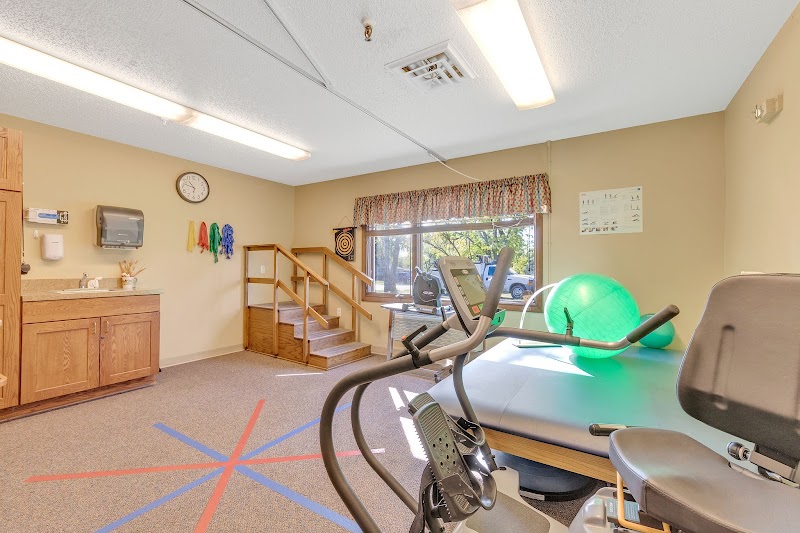
How is Parkview Heights Staffed?

CMS rates PARKVIEW HEIGHTS NURSING AND REHABILITATION CENTER's staffing level at 4 out of 5 stars, which is above average compared to other nursing homes. Staff turnover is 43%, compared to the Kansas average of 46%. This relatively stable workforce can support continuity of care.

What Have Inspectors Found at Parkview Heights?

State health inspectors documented 21 deficiencies at PARKVIEW HEIGHTS NURSING AND REHABILITATION CENTER during 2021 to 2024. These included: 21 with potential for harm.
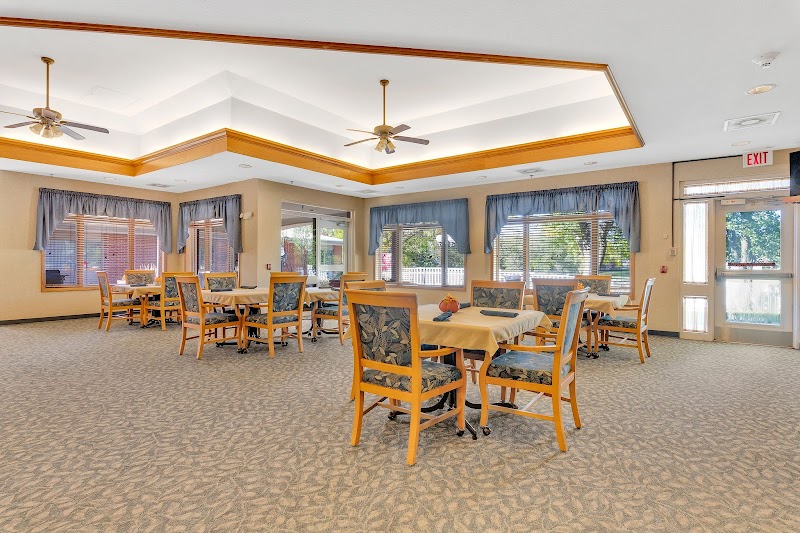
Who Owns and Operates Parkview Heights?

PARKVIEW HEIGHTS NURSING AND REHABILITATION CENTER is owned by a for-profit company. For-profit facilities operate as businesses with obligations to shareholders or private owners. The facility is operated by RECOVER-CARE HEALTHCARE, a chain that manages multiple nursing homes. With 45 certified beds and approximately 40 residents (about 89% occupancy), it is a smaller facility located in GARNETT, Kansas.
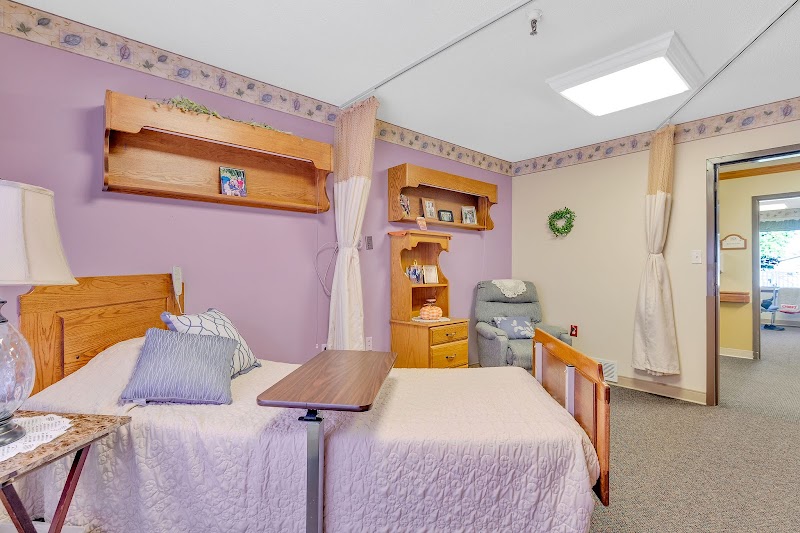
How Does Parkview Heights Compare to Other Kansas Nursing Homes?

Compared to the 100 nursing homes in Kansas, PARKVIEW HEIGHTS NURSING AND REHABILITATION CENTER's overall rating (4 stars) is above the state average of 2.9, staff turnover (43%) is near the state average of 46%, and health inspection rating (4 stars) is above the national benchmark.

What Should Families Ask When Visiting Parkview Heights?

Based on this facility's data, families visiting should ask: "Can I visit during a mealtime to observe dining assistance and food quality?" "How do you handle medical emergencies, and what is your hospital transfer rate?" "Can I speak with family members of current residents about their experience?"

Is Parkview Heights Safe?

Based on CMS inspection data, PARKVIEW HEIGHTS NURSING AND REHABILITATION CENTER has a clean safety record: no substantiated abuse findings (meaning no confirmed cases of resident harm), no Immediate Jeopardy citations (the most serious violation level indicating risk of serious injury or death), and is not on the Special Focus Facility watch list (a federal program monitoring the lowest-performing 1% of nursing homes). The facility has a 4-star overall rating and ranks #1 of 100 nursing homes in Kansas. While no facility is perfect, families should still ask about staff-to-resident ratios and recent inspection results during their visit.

Do Nurses at Parkview Heights Stick Around?

PARKVIEW HEIGHTS NURSING AND REHABILITATION CENTER has a staff turnover rate of 43%, which is about average for Kansas nursing homes (state average: 46%). Moderate turnover is common in nursing homes, but families should still ask about staff tenure and how the facility maintains care continuity when employees leave.

Was Parkview Heights Ever Fined?

PARKVIEW HEIGHTS NURSING AND REHABILITATION CENTER has no federal fines on record. CMS issues fines when nursing homes fail to meet care standards or don't correct problems found during inspections. The absence of fines suggests the facility has either maintained compliance or corrected any issues before penalties were assessed. This is a positive indicator, though families should still review recent inspection reports for the full picture.

Is Parkview Heights on Any Federal Watch List?

PARKVIEW HEIGHTS NURSING AND REHABILITATION CENTER is not on any federal watch list. The most significant is the Special Focus Facility (SFF) program, which identifies the bottom 1% of nursing homes nationally based on persistent, serious quality problems. Not being on this list means the facility has avoided the pattern of deficiencies that triggers enhanced federal oversight. This is a positive indicator, though families should still review the facility's inspection history directly.