GOOD SAMARITAN SOCIETY - HAYS
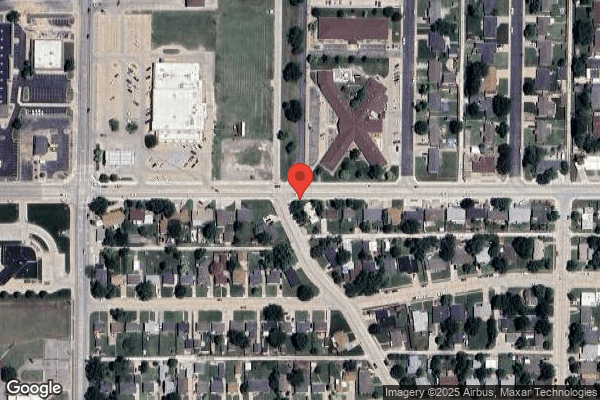
2700 CANAL BLVD, HAYS, KS 67601 (785) 625-7331
Non profit - Corporation 45 Beds GOOD SAMARITAN SOCIETY Data: November 2025
Trust Grade
70/100
#68 of 295 in KS
Last Inspection: February 2025

Within standard 12-15 month inspection cycle. Federal law requires annual inspections.

Overview

Good Samaritan Society - Hays has a Trust Grade of B, indicating it is a solid choice for families looking for care. It ranks #68 out of 295 facilities in Kansas, placing it in the top half of the state, and is the best option among three facilities in Ellis County. The facility is improving, having reduced issues from eight in 2023 to five in 2025, and has a good staffing rating with a turnover of 38%, below the state average of 48%. However, there have been concerning incidents, such as the misappropriation of narcotic medications and poor kitchen sanitation, which highlight areas needing attention. On a positive note, the facility has no fines on record, suggesting compliance with regulations, and has generally good RN coverage, which helps catch potential issues before they escalate.

Trust Score
B
70/100
In Kansas
#68/295
Top 23%
Safety Record
Low Risk
No red flags
Inspections
Getting Better
8 → 5 violations
Staff Stability
○ Average
38% turnover. Near Kansas's 48% average. Typical for the industry.
Penalties
✓ Good
No fines on record. Clean compliance history, better than most Kansas facilities.
Skilled Nurses
✓ Good
Each resident gets 49 minutes of Registered Nurse (RN) attention daily — more than average for Kansas. RNs are trained to catch health problems early.
Violations
⚠ Watch
23 deficiencies on record. Higher than average. Multiple issues found across inspections.
★★★★☆
4.0
Overall Rating
★★★★☆
4.0
Staff Levels
★☆☆☆☆
1.0
Care Quality
★★★★★
5.0
Inspection Score
Stable
2023: 8 issues
2025: 5 issues

The Good

  • 4-Star Staffing Rating · Above-average nurse staffing levels
  • Full Sprinkler Coverage · Fire safety systems throughout facility
  • No fines on record
  • Staff turnover below average (38%)

    10 points below Kansas average of 48%

Facility shows strength in staffing levels, fire safety.

The Bad

Staff Turnover: 38%

Near Kansas avg (46%)

Typical for the industry

Chain: GOOD SAMARITAN SOCIETY

Part of a multi-facility chain

Ask about local staffing decisions and management

The Ugly 23 deficiencies on record

Feb 2025 5 deficiencies
CONCERN (D)

Potential for Harm - no one hurt, but risky conditions existed

Deficiency F0661 (Tag F0661)

Could have caused harm · This affected 1 resident

**NOTE- TERMS IN BRACKETS HAVE BEEN EDITED TO PROTECT CONFIDENTIALITY** The facility had a census of 44 residents. The sample included 12 residents. Based on record review and interview, the facility ...

Read full inspector narrative →
**NOTE- TERMS IN BRACKETS HAVE BEEN EDITED TO PROTECT CONFIDENTIALITY** The facility had a census of 44 residents. The sample included 12 residents. Based on record review and interview, the facility failed to develop a discharge summary for one Resident (R) 44 reviewed for discharge that included a completed recapitulation (a concise summary of the resident's stay and course of treatment in the facility) of the resident's stay. This deficient practice placed the resident at risk of receiving inadequate care. Findings included: - R44's Electronic Medical Record (EMR) revealed the resident admitted to the facility on [DATE]. R44's Annual Minimum Data Set (MDS), dated 10/03/24, documented R44 had a Brief Interview for Mental Status (BIMS) score of 15, which indicated intact cognition. The MDS documented R44 was independent with most activities of daily living (ADL). The MDS documented R44 expected to be discharged to the community. R44's Care Plan, revised 09/12/23, documented R44 had developed independence and no longer required 24-hour care in a nursing home. The Nurse's Note, dated 12/13/2024 at 09:56 AM, documented the resident would be discharged from the facility on Monday, 12/16/24. A review of R44's EMR lacked evidence of a completed discharge summary, which included a recapitulation of her stay. On 02/24/25 at 2:15 PM, Administrative Nurse D verified that R44's discharge summary lacked documentation regarding R44's status when he was admitted to the facility. Administrative Nurse D stated that nursing and Social Service X were responsible for completing R44's discharge summary. On 02/24/25 at 01:53 PM, Social Service X verified she had not completed a recapitulation of R44's stay and was unaware she was to complete one. Social Service X stated she completed a discharge summary in her progress notes with her status when she left. The facility's Discharge and Transfer-Rehab /Skilled, Therapy and Rehab Policy, revised 01/02/24, documented when a resident was discharged to another skilled nursing facility the charge nurse or designated individual would obtain a transfer order from the physician, a complete inventory of personal effects, complete discharge or therapeutic leave medication, and complete the discharge summary. The facility failed to complete a discharge summary that included a recapitulation of R57's stay and post-discharge plan. This deficient practice placed the resident at risk of receiving inadequate care.
CONCERN (D)

Potential for Harm - no one hurt, but risky conditions existed

Incontinence Care (Tag F0690)

Could have caused harm · This affected 1 resident

**NOTE- TERMS IN BRACKETS HAVE BEEN EDITED TO PROTECT CONFIDENTIALITY** The facility had a census of 44 residents. The sample included 12 residents, with two reviewed for urinary catheter or Urinary T...

Read full inspector narrative →
**NOTE- TERMS IN BRACKETS HAVE BEEN EDITED TO PROTECT CONFIDENTIALITY** The facility had a census of 44 residents. The sample included 12 residents, with two reviewed for urinary catheter or Urinary Tract Infection (UTI - Infection of any part of the urinary system). Based on observation, record review, and interview, the facility failed to provide appropriate care when staff failed to provide completed incontinent and catheter care for Resident (R) 3 after a bowel movement, before a dressing change, and who had a history of urinary tract infections. This deficient practice placed the resident at increased risk for UTI. Findings included: - R3's Electronic Medical Record (EMR) documented R3 had diagnoses of neuromuscular dysfunction of the bladder (the muscles that control the flow of urine out of the body do not relax and prevent the bladder from fully emptying) and urine retention (lack of ability to urinate and empty the bladder). R3's Quarterly Minimum Data Set (MDS), dated [DATE], documented R3 had a Brief Interview of Mental Status (BIMS) of 14, which indicated intact cognition. The MDS documented R3 had a urinary catheter and no UTI during the observation period. R3's Significant Change MDS; dated 12/05/25, documented R3 had a BIMS of 14, which indicated intact cognition. The MDS documented R3 had a urinary catheter and no UTI during the observation period. R3's Urinary Incontinence Care Area Assessment (CAA), dated 12/05/25, documented R3 had a chronic indwelling urinary catheter retaining to a neurogenic bladder (dysfunction of the urinary bladder caused by a lesion of the nervous system), multiple sclerosis (MS - progressive disease of the nerve fibers of the brain and spinal cord), and limited mobility. R3 saw a urologist (a doctor who specializes in the study or treatment of the function and disorders of the urinary system. to manage chronic conditions retaining to her urinary system). R3's Care Plan, revised 02/06/25, documented R3 had a urinary catheter. The plan instructed staff to monitor, record, and report to the health care provider any signs and symptoms of UTI. The plan instructed staff to provide R3 catheter care every shift and as needed (PRN). A review of R3's EMR revealed R3 had a positive UTI on 11/06/24. On 02/20/25 at 10:41 AM, R3 laid in bed on her back. Administrative Nurse C donned a gown applied gloves, entered R3's room, asked the resident if she could change her dressing, and the resident replied yes. Administrative Nurse C removed R3's slacks, assisted R3 in turning on the right side, and unfastened R3's incontinent brief to reveal a moderate amount of soft brown bowel movement (bm) on her buttocks, butt crease, and up to the insertion site of the catheter. The BM touched the catheter tubing coming from the insertion site. Administrative Nurse C provided perineal care to R3's buttocks and butt crease, then removed R3's dressing but failed to provide incontinent care to R3's front perineal area or catheter care. Administrative Nurse C continued with the dressing change on R3's left gluteal fold, placed a new incontinent brief on R3, pulled up her slacks, and covered R3 up. On 02/20/25 at 11:12 AM, when Administrative Nurse C was asked if she should have provided catheter care and front urinary incontinent care after R3 had a BM, Administrative Nurse C stated yes, she should have. On 02/24/25 at 01:08 PM, Administrative Nurse D stated if a resident had a BM and a catheter, he would expect staff to provide full incontinent care. The facility's Catheter Care, Insertion and Removal, Drainage Bags, Irrigation, Specimen Policy, revised 07/30/24, documented catheter care would be completed with morning and bedtime care and as needed. The facility failed to ensure staff provided complete incontinence and catheter care after R3 had a BM. This deficient practice placed R3 at risk for UTI.
CONCERN (D)

Potential for Harm - no one hurt, but risky conditions existed

Drug Regimen Review (Tag F0756)

Could have caused harm · This affected 1 resident

**NOTE- TERMS IN BRACKETS HAVE BEEN EDITED TO PROTECT CONFIDENTIALITY** The facility had a census of 43 residents. The sample included 12 residents, with five reviewed for unnecessary medications. Bas...

Read full inspector narrative →
**NOTE- TERMS IN BRACKETS HAVE BEEN EDITED TO PROTECT CONFIDENTIALITY** The facility had a census of 43 residents. The sample included 12 residents, with five reviewed for unnecessary medications. Based on observation, record review, and interview, the facility failed to ensure the Consultant Pharmacist (CP) identified and reported Resident (R) 34's blood pressure medication was administered outside the physician-ordered parameters and the parameters were transcribed incorrectly. This placed the resident at risk for physical decline, related complications, and at risk for unnecessary drugs. Findings included: - The Electronic Medical Record (EMR) for R34 documented diagnoses of dementia (a progressive mental disorder characterized by failing memory and confusion), hypertension (high blood pressure), atrial fibrillation (rapid, irregular heartbeat), and depressive disorder (a mood disorder that causes a persistent feeling of sadness and loss of interest). The admission Minimum Data Set (MDS), dated [DATE], documented R34 had moderately impaired cognition. R34 required supervision from staff for personal hygiene, mobility, and ambulation. The MDS documented R34 received an antipsychotic (a class of medications used to treat major mental conditions that cause a break from reality), an antidepressant (a class of medications used to treat mood disorders), and an antiplatelet (medication that prevents blood clots from forming by stopping platelets from sticking together) medication. The Annual MDS, dated 01/16/25, documented R34 had moderately impaired cognition. R34 required partial assistance from staff for upper body dressing, mobility, toileting, and ambulation. The MDS documented R34 received an antipsychotic, an antidepressant, and an antiplatelet medication. R34's Care Plan dated 01/23/25, initiated on 01/24/24, directed staff to monitor, document, and report to the physician any signs or symptoms of malignant hypertension, which would cause headaches, visual problems, confusion (unclear in one's mind about something), and lethargy (a lack of energy and weakness). The Physician's Order, dated 01/18/24, directed staff to notify him when the systolic blood pressure (SBP - the number, the force your heart exert on the walls of your arteries each time it beats) was less than 90 millimeters of mercury (mmHg) or greater than 150 mmHg, the diastolic (BP - minimum level of blood pressure measured between contractions of the heart; the bottom number of a blood pressure reading) was less than 60 mmHg or greater than 90 mmHg. The Physician's Order, dated 01/29/24, directed staff to administer amlodipine (high blood pressure medication), 10 milligrams (mg), by mouth, daily for hypertension. The order directed staff to hold the medication if the SBP was > (greater than) 90 mmHg or < (less than) 150 Hg, and DBP was >60 mmHg or < 90 mmHg. The Physician's Order, dated 01/29/24, directed staff to administer lisinopril (high blood pressure medication, 10 mg, by mouth, [NAME] for hypertension. The order directed staff to hold the medication if the SBP was > 90 mmHg or <150 Hg, and DBP was > 60 mmHg or < 90 mmHg. A review of the EMR revealed staff administer hypertension medications outside the physician-ordered parameters as follows: February 2024: 11 of the 29 administrations March 2024: 12 out of the 31 administrations April 2024: 11 out of the 30 administrations May 2024: six out of the 30 administrations June 2024: 17 out of the 30 administrations July 2024: 17 out of the 31 administrations August 2024: 13 out of the 31 administrations September 2024: 16 out of the 30 administrations October 2024: 21 out of the 31 administrations November 2024: 25 out of the 30 administrations December 2024: 15 out of the 31 administrations January 2025: 19 out of the 31 administrations February 2025: 14 out of 20 administrations A review of the Medications Regimen Reviews (MRR) by the CP from March 2024 through January 2025 lacked evidence the CP identified and reported the amlodipine and lisinopril given outside of the physician-ordered parameters or that the parameters were transcribed incorrectly. On 02/20/25 at 08:24 AM, Licensed Nurse (LN) G administered R34's medications within the ordered parameters and without incident. On 02/20/25 at 3:45 PM, Administrative Nurse D verified the parameters on the MAR had been transcribed incorrectly and that the parameters were backward. Administrative Nurse D stated that the admission orders had directed staff to also notify the physician when the medications were out of the directed parameters. Administrative Nurse stated that the order had not been placed on the MAR. Administrative Nurse D verified the CP had not identified and reported order discrepencies. On 02/20/25 at 04:00 PM, LN G verified the greater than and less than symbols were backward on the parameters but when she had read the orders, she knew what the resident's blood pressure parameters were. The facility's Drug Regimen Review policy, dated 12/02/24, documented the licensed pharmacist assessed the medication list and chart to identify potential clinically significant medication issues. The monthly drug regimen review was used to review medications to ensure that doses and duration were appropriate to each resident's clinical condition, age, and comorbidities. The CP would complete a written report noting any drug irregularities or issues of concern for each resident reviewed. The reports would be given to the director of nursing services. Upon completion of the report, it was shared with the attending physician, and medical director, and acted upon immediately. The facility failed to ensure the CP identified and reported R34's blood pressure medication was administered outside the physician-ordered parameters and the parameters were transcribed incorrectly. This placed the resident at risk for physical decline, related complications, and at risk for unnecessary drugs.
CONCERN (D)

Potential for Harm - no one hurt, but risky conditions existed

Deficiency F0757 (Tag F0757)

Could have caused harm · This affected 1 resident

**NOTE- TERMS IN BRACKETS HAVE BEEN EDITED TO PROTECT CONFIDENTIALITY** The facility had a census of 43 residents. The sample included 12 residents, with five reviewed for unnecessary medications. Bas...

Read full inspector narrative →
**NOTE- TERMS IN BRACKETS HAVE BEEN EDITED TO PROTECT CONFIDENTIALITY** The facility had a census of 43 residents. The sample included 12 residents, with five reviewed for unnecessary medications. Based on observation, record review, and interview, the facility failed to hold and notify the physician of blood pressure medications per the physician-ordered parameters for one resident, Resident (R) 34. The facility also failed to transcribe physician-ordered parameters correctly. This deficient practice placed the resident at risk for physical decline, other related complications, and at risk for unnecessary drugs. Findings included: - The Electronic Medical Record (EMR) for R34 documented diagnoses of dementia (a progressive mental disorder characterized by failing memory and confusion), hypertension (high blood pressure), atrial fibrillation (rapid, irregular heartbeat), and depressive disorder (a mood disorder that causes a persistent feeling of sadness and loss of interest). The admission Minimum Data Set (MDS), dated [DATE], documented R34 had moderately impaired cognition. R34 required supervision from staff for personal hygiene, mobility, and ambulation. The MDS documented R34 received an antipsychotic (a class of medications used to treat major mental conditions that cause a break from reality), an antidepressant (a class of medications used to treat mood disorders), and an antiplatelet (medication that prevents blood clots from forming by stopping platelets from sticking together) medication. The Annual MDS, dated 01/16/25, documented R34 had moderately impaired cognition. R34 required partial assistance from staff for upper body dressing, mobility, toileting, and ambulation. The MDS documented R34 received an antipsychotic, an antidepressant, and an antiplatelet medication. R34's Care Plan dated 01/23/25, initiated on 01/24/24, directed staff to monitor, document, and report to the physician any signs or symptoms of malignant hypertension, which would cause headaches, visual problems, confusion (unclear in one's mind about something), and lethargy (a lack of energy and weakness). The Physician's Order, dated 01/18/24, directed staff to notify him when the systolic blood pressure (SBP - the number, the force your heart exert on the walls of your arteries each time it beats) was less than 90 millimeters of mercury (mmHg) or greater than 150 mmHg, the diastolic (BP - minimum level of blood pressure measured between contractions of the heart; the bottom number of a blood pressure reading) was less than 60 mmHg or greater than 90 mmHg. The Physician's Order, dated 01/29/24, directed staff to administer amlodipine (high blood pressure medication), 10 milligrams (mg), by mouth, daily for hypertension. The order directed staff to hold the medication if the SBP was > (greater than) 90 mmHg or < (less than) 150 Hg, and DBP was >60 mmHg or < 90 mmHg. The Physician's Order, dated 01/29/24, directed staff to administer lisinopril (high blood pressure medication, 10 mg, by mouth, [NAME] for hypertension. The order directed staff to hold the medication if the SBP was > 90 mmHg or <150 Hg, and DBP was > 60 mmHg or < 90 mmHg. A review of the EMR revealed staff administer hypertension medications outside the physician-ordered parameters as follows: February 2024: 11 of the 29 administrations March 2024: 12 out of the 31 administrations April 2024: 11 out of the 30 administrations May 2024: six out of the 30 administrations June 2024: 17 out of the 30 administrations July 2024: 17 out of the 31 administrations August 2024: 13 out of the 31 administrations September 2024: 16 out of the 30 administrations October 2024: 21 out of the 31 administrations November 2024: 25 out of the 30 administrations December 2024: 15 out of the 31 administrations January 2025: 19 out of the 31 administrations February 2025: 14 out of 20 administrations On 02/20/25 at 08:24 AM, Licensed Nurse (LN) G administered R34's medications within the ordered parameters and without incident. On 02/20/25 at 3:45 PM, Administrative Nurse D verified the parameters on the MAR had been transcribed incorrectly and that the parameters were backward. Administrative Nurse D stated that the admission orders had directed staff to also notify the physician when the medications were out of the directed parameters. Administrative Nurse stated that the order had not been placed on the MAR. On 02/20/25 at 04:00 PM, LN G verified the greater than and less than symbols were backward on the parameters but when she had read the orders, she knew what the resident's blood pressure parameters were. The facility's Medication Administration policy dated 06/21/24 documented that the orders from the provider were required for any medication administered and must include a diagnosis, name of the medication, dose, route, and frequency. If the order was not legible or did not include the items listed, the provider was notified for clarification before administration. Medications were to be administered correctly and timely to minimize opportunities for adverse medication events and errors. The facility failed to hold and notify the physician when R34's blood pressure medications were out of physician-ordered parameters and failed to transcribe the parameters correctly upon admission. This placed the resident at risk for physical decline, other related complications, and at risk for unnecessary drugs.
CONCERN (D)

Potential for Harm - no one hurt, but risky conditions existed

Deficiency F0849 (Tag F0849)

Could have caused harm · This affected 1 resident

**NOTE- TERMS IN BRACKETS HAVE BEEN EDITED TO PROTECT CONFIDENTIALITY** The facility had a census of 44 residents. The sample included 12 residents, with two reviewed for hospice services. Based on ob...

Read full inspector narrative →
**NOTE- TERMS IN BRACKETS HAVE BEEN EDITED TO PROTECT CONFIDENTIALITY** The facility had a census of 44 residents. The sample included 12 residents, with two reviewed for hospice services. Based on observation, record review, and interview, the facility failed to include a hospice plan of care with a description of the services provided which included contact information, visit frequency, medications, and medical equipment for Resident (R) 8. This deficient practice placed the resident at risk of not receiving needed care. Findings included: - R8's Electronic Health Record (EHR) revealed diagnoses of Alzheimer's disease (progressive mental deterioration characterized by confusion and memory failure) and atherosclerotic heart disease of the native coronary artery (the buildup of plaque (fatty deposits) within the coronary arteries, which supply blood to the heart muscle). R8's Quarterly Minimum Data Set (MDS), dated [DATE], documented R8 had short and long-term memory problems and severe cognitive impairment. The MDS document R8 was dependent on staff with oral and toileting hygiene, showering, lower body dressing, putting on and taking off footwear, personal hygiene, bed mobility, and transfers. The MDS documented R8 required substantial to maximal staff assistance with upper body dressing, and partial to moderate assistance with eating. The MDS documented R8 received hospice services. R8 's Care Plan, revised 01/30/25, documented R8 was dependent on staff with most activities of daily living (ADL). The care plan lacked a section regarding hospice services with information regarding a description of the services provided which included contact information, visit frequency, medications, and medical equipment. A review of R8s' clinical record revealed the resident was admitted to hospice care on 10/27/24. The Hospice and Nursing Facility Services Agreement, revised 01/01/25, documented the designated member of the interdisciplinary team would be responsible for providing overall coordination of the hospice care for the hospice patient with facility representatives. On 02/20/25 at 08:24 AM, R8 rested quietly in bed with eyes closed and no signs or symptoms of pain. On 02/24/25 at 01:08 PM, Administrative Nurse D verified that R8's clinical record lacked a hospice care plan, and it should have one. On 02/24/25 at 12:02 PM, Administrative Staff B stated she was responsible for updating care plans. Administrative Staff B stated R8 had a recertification for hospice services, and somehow was resolved and taken off the care plan. The facility's Hospice-Provided Services Policy, revised 11/01/24, documented a coordinated comprehensive plan of care would be jointly developed by the location and hospice. The facility failed to coordinate care between the facility and the hospice provider for R8, who received hospice services. This deficient practice placed him at risk for inadequate end-of-life care.
Jul 2023 2 deficiencies
CONCERN (E) 📢 Someone Reported This

A family member, employee, or ombudsman was alarmed enough to file a formal complaint

Potential for Harm - no one hurt, but risky conditions existed

Deficiency F0602 (Tag F0602)

Could have caused harm · This affected multiple residents

**NOTE- TERMS IN BRACKETS HAVE BEEN EDITED TO PROTECT CONFIDENTIALITY** The facility identified a census of 42 residents Based on record review, observation, and interview, the facility failed to prev...

Read full inspector narrative →
**NOTE- TERMS IN BRACKETS HAVE BEEN EDITED TO PROTECT CONFIDENTIALITY** The facility identified a census of 42 residents Based on record review, observation, and interview, the facility failed to prevent misappropriation of medications when Administrative Nurse D diverted Resident (R)1's narcotic medications as well as other residents' discontinued narcotic medications from the waste bin. This placed all residents who received narcotic medications at risk for misappropriation and/or diversion. Findings included: - R1's Electronic Medical Record (EMR) recorded diagnoses of low back pain and malignant neoplasm (cancer). R1's Annual Minimum Data Set (MDS) dated [DATE] recorded R1 had a Brief Interview for Mental Status (BIMS) score of 12 which indicated moderate cognitive impairment. The MDS recorded R1 received opioid (narcotic pain medication) all seven days of the look back period. The MDS documented R1 had frequent pain and received scheduled and as needed pain medications. R1's EMR recorded a Physician Orders dated 05/31/23 for oxycodone (opioid) 20 milligrams (mg) by mouth every four hours as needed for pain. In an electronic mail (e-mail) sent on 07/06/23, Consultant HH alerted the facility that R1's oxycodone was missing. The email documented there was communication which indicated Consultant HH destroyed the medication virtually with Administrative Nurse D, but Consultant HH wanted to clarify the medications were not destroyed virtually by Consultant HH and the medication destruction form included a forged signature from Consultant HH, The Facility Investigation dated 07/14/23 documented on the date of 06/21/23, the facility learned of a concern that on the date 06/19/23 Administrative Nurse D accidentally destroyed a pill-pack of narcotics with Consultant HH. Administrative Nurse D asked another staff member not to mention the situation as Administrative Nurse D planned to provide education to her department and get it covered. Administrative Staff A spoke with Administrative Nurse D who acknowledged and stated that she was embarrassed about the mistake that happened. The investigation documented Administrative Nurse D told Administrative Staff A the medication (R1's oxycodone) was mistakenly placed in the facility's medication waste bin and was destroyed by her and Consultant HH. Upon request, Administrative Nurse D provided Administrative Staff A with a controlled substance administration log record with R1's name on the form. The form was dated 06/07/23 and had two signatures for waste, one from Administrative Nurse D and one from Consultant HH. The investigation further documented on 07/06/21, Administrative Staff A again spoke with Administrative Nurse D who revealed at that time she had diverted medications and forged the signature of Consultant HH. The investigation documented the facility confirmed via visual surveillance Administrative Nurse D, who held the only key in the facility to the facility's medication waste bin, diverted medications from the waste bin. The investigation recorded Consultant HH came to the facility on [DATE] and, together with Administrative Nurse E, performed a reconciliation of controlled medication which identified there were further missing narcotic pain medications which affected R1 and seven other residents or former residents. In an observation on 07/12/23 at 10:00 AM, Administrative Staff A and Administrative Nurse E demonstrated how the narcotic waste bin was accessed. They verified the DNS and the Consultant Pharmacist were the only two people to have keys to the locked narcotic waste bin, but the bin could be accessed with either single key. In an observation on 07/12/23 at 11:00 AM, Licensed Nurse (LN) G demonstrated when narcotics were delivered to the facility, the nurse on duty received the medications, signed off on the delivery sheet, and counted the medications. Nursing staff then provided a copy of the signed delivery sheet to the pharmacy delivering the medications and a copy went to the Director of Nursing Services (DNS). Nursing staff then placed the narcotic medications in a double locked medication cart with the accurate count added to the narcotic sheets in the narcotic book. LN G demonstrated when a narcotic was discontinued, the narcotic count sheet was placed in the medication room with the narcotics being discontinued. Two nurse staff counted the medications and signed off on the count sheet, then placed the medication in the narcotic waste bin with the narcotic count sheet wrapped around it with a rubber band. LN G confirmed that once placed in the bin, only the DNS had access and the staff no longer conducted a two-person count of those medications. On 07/12/23 at 09:15 AM, Administrative Staff A stated that on 06/21/23, Administrative Nurse E verbalized concerns about the former DNS, Administrative Nurse D, regarding narcotic medication. Administrative Staff A stated that he spoke with Administrative Nurse D who stated the facility nurses placed R1's oxycodone pill pack into the waste bin accidentally and that the pill pack had been wasted by Consultant HH and herself. Administrative Staff A stated that it was obvious, after review of camera footage, how Administrative Nurse D diverted the medications. Administrative Staff A stated it appeared that Administrative Nurse D went into the narcotic waste bin and popped pills from the pill packs, then placed the pills into her pocket and then later began removing whole pill cards from the waste bin box and carrying them out in a plastic bin which contained other items. Administrative Staff A stated that Administrative Nurse D and the CP were the only two people that had keys the narcotic waste bin. Administrative Staff A stated that going forward, the facility would have two different locks on the narcotic waste bin which will require the DNS and CP to open the bin together. On 07/12/23 at 10:00 AM, Administrative Staff E stated that she felt something was not right when Administrative Staff D confided in her that the nursing staff had accidentally wasted a good pill pack of R1's oxycodone and now R1's pill count was off. She said Administrative Nurse D did not want to tell Administrative Staff A about it. On 07/12/23 at 10:30 AM, Consultant HH stated she went to the facility once a month to perform pharmacy reviews and waste narcotics with Administrative Nurse D. Consultant HH stated the last time she wasted narcotics with Administrative Nurse D was 04/04/23 because Administrative Nurse D canceled for the months of May 2023 and June 2023. Consultant HH stated that Administrative Nurse D said she did not have time to do the narcotics waste, but then called days later requesting to do the waste virtually. Consultant HH stated that she did not do any wasting of the narcotics virtually any more as that was something that was done only during the pandemic. The facility's Abuse and Neglect Policy, revised 10/13/22, documented the resident has the right to be free from abuse, neglect, misappropriation of resident property and exploitation. Residents must not be subjected to abuse by anyone, including, but not limited to, location employees, other residents, consultants or volunteers, employees of other agencies serving the resident, family members or legal guardians, friends or other individuals. The facility failed to prevent misappropriation of medications when Administrative Nurse D diverted narcotic medications from R1 and seven other residents. This placed all residents who received narcotic medications at risk for misappropriation and/or diversion.
CONCERN (E) 📢 Someone Reported This

A family member, employee, or ombudsman was alarmed enough to file a formal complaint

Potential for Harm - no one hurt, but risky conditions existed

Pharmacy Services (Tag F0755)

Could have caused harm · This affected multiple residents

The facility identified a census of 42 residents. Based on record review, observation, and interview, the facility failed to ensure narcotic reconciliation which included regular narcotic counts of al...

Read full inspector narrative →
The facility identified a census of 42 residents. Based on record review, observation, and interview, the facility failed to ensure narcotic reconciliation which included regular narcotic counts of all narcotics, including the narcotics scheduled for destruction or a system which requires two qualified staff for access to a fixed and locked medication bin. This deficient practice placed the residents at risk for misappropriation and resulted in an opioid (narcotic pain medication with a high potential for abuse) drug diversion. Findings included: - In an electronic mail (e-mail) sent on 07/06/23, Consultant HH stated there was oxycodone missing from the waste bin. The email documented there was communication which indicated Consultant HH destroyed the medication virtually with Administrative Nurse D, but Consultant HH wanted to clarify the medications were not destroyed virtually by Consultant HH and the medication destruction form included a forged signature from Consultant HH. The Facility Investigation dated 07/14/23 documented the facility confirmed via visual surveillance Administrative Nurse D, who held the only key in the facility to the facility's medication waste bin, diverted medications from the waste bin. The investigation further recorded upon questioning; Administrative Nurse D confirmed she diverted medications from the waste bin. In an observation on 07/12/23 at 10:00 AM, Administrative Staff A and Administrative Nurse E demonstrated how the narcotic waste bin was accessed. They verified the DNS, and the Consultant Pharmacist were the only two people to have keys to the locked narcotic waste bin, but the bin could be accessed with either single key. In an observation on 07/12/23 at 11:00 AM, Licensed Nurse (LN) G demonstrated when narcotics were delivered to the facility, the nurse on duty received the medications, signed off on the delivery sheet, and counted the medications. Nursing staff then provided a copy of the signed delivery sheet to the pharmacy delivering the medications and a copy went to the Director of Nursing Services (DNS). Nursing staff then placed the narcotic medications in a double locked medication cart with the accurate count added to the narcotic sheets in the narcotic book. LN G demonstrated when a narcotic was discontinued, the narcotic count sheet was placed in the medication room with the narcotics being discontinued. Two nurse staff counted the medications and signed off on the count sheet, then placed the medication in the narcotic waste bin with the narcotic count sheet wrapped around it with a rubber band. LN G confirmed that once placed in the bin, only the DNS had access and the staff no longer conducted a two-person count of those medications. On 07/12/23 at 09:15 AM, Administrative Staff A stated that on 06/21/23, Administrative Nurse E verbalized concerns about Administrative Nurse D, regarding narcotic medication. Administrative Staff A stated that he spoke with Administrative Nurse D who stated the facility nurses placed an oxycodone pill pack into the waste bin accidentally and that the pill pack had been wasted by Consultant HH and herself. Administrative Staff A stated that it was obvious, after review of camera footage, how Administrative Nurse D was diverting the medications. Administrative Staff A stated it appeared that Administrative Nurse D went into the narcotic waste bin and popped pills from the pill packs, then placed the pills into her pocket and then later began removing whole pill cards from the waste bin box and carrying out in a plastic bin which contained other items. Administrative Staff A stated that Administrative Nurse D and the CP were the only two people that had keys the narcotic waste bin. Administrative Staff A stated that going forward, the facility would have two different locks on the narcotic waste bin which will require the DNS and CP to open the bin together. The facility's Controlled Medications Policy, revised 12/05/22, documented the facility along with the consultant pharmacist will establish a system of records of receipt and disposition of all controlled drugs in sufficient detail to enable an accurate reconciliation that determines that drug records are in order and that an account of all controlled drugs is maintained and periodically reconciled and meets all state and federal requirements for controlled medications. Controlled medications that have been discontinued should be placed in a locked box in the medication room as soon as they have been discontinued or as indicated by state regulation. Controlled medications should continue to be counted by two nurses until disposal is completed. Disposal of any medication will be carried out under local, state, and federal guidelines or in consultation of the pharmacist for the appropriate disposal procedure. Documentation of medication disposal will be made using the GSS #247 or Controlled Substance Bound Book and will include the resident's name, medication name, prescription number, quantity disposed, date and method of disposition, and the involved nurses, consultant or other applicable individuals allowed per state regulations. The facility failed to ensure narcotic reconciliation which included regular narcotic counts of all narcotics, including the narcotics scheduled for destruction or a system which requires two qualified staff for access to a fixed and locked medication bin. This deficient practice placed the residents at risk for misappropriation and resulted in an opioid drug diversion.
May 2023 6 deficiencies
CONCERN (D)

Potential for Harm - no one hurt, but risky conditions existed

Resident Rights (Tag F0550)

Could have caused harm · This affected 1 resident

The facility had a census of 41. The sample included 13 residents. Based on record review, interview and observation the facility failed to treat residents with respect, dignity, and privacy during bl...

Read full inspector narrative →
The facility had a census of 41. The sample included 13 residents. Based on record review, interview and observation the facility failed to treat residents with respect, dignity, and privacy during blood glucose testing. This placed the resident at risk for impaired psychosocial wellbeing. Findings included: - On 05/09/23 at 11:25 AM, observation revealed Licensed Nurse (LN) H obtained Resident (R)6's blood sugar reading using a glucometer (a blood glucose meter monitor device that you test the amount of glucose [sugar] in the blood) from R6's right middle finger at the table in the dining room, with two other residents seated at the table and five other residents seated in the dining room eating lunch. On 05/15/23 at 09:30 AM, Administrative Nurse D stated staff should not check residents' blood sugar at the dining room table; they should take the resident to the room or to a private area. The facility's Resident's Right policy, dated November 2016, documented each resident shall be cared for in a manner that promotes and enhances quality of life, dignity, respect, and individuality. The facility failed to promote care for R6 in a manner to maintain and enhance dignity and respect placing the resident at risk or impaired psychosocial wellbeing.
CONCERN (D)

Potential for Harm - no one hurt, but risky conditions existed

Deficiency F0698 (Tag F0698)

Could have caused harm · This affected 1 resident

The facility had a census of 41 residents. The sample included 13 residents with one reviewed for dialysis (the process of removing waste products and excess fluid from the body when the kidneys are n...

Read full inspector narrative →
The facility had a census of 41 residents. The sample included 13 residents with one reviewed for dialysis (the process of removing waste products and excess fluid from the body when the kidneys are not able to adequately filter the blood). Based on observation, record review, and interview, the facility failed to ensure ongoing fluid restriction implementation for Resident (R) 16, who received dialysis treatment. This placed the resident at risk for complications and health decline. Findings included: - R16's Electronic Medical Record (EMR) recorded diagnoses of end stage renal disease (decline in kidney function.) R16's admission Minimum Data Set (MDS), dated 03/15/23, recorded R16 had a Brief Interview for Mental Status (BIMS) score of 13 which indicated intact cognition. The MDS recorded he required extensive assistance of two staff for bed mobility, transfers, limited assistance of one staff with personal hygiene, and limited assistance of two staff with toilet use. The MDS further recorded R16 was frequently incontinent of urine and recorded the resident received dialysis treatment. The Dialysis Care Plan, dated 01/25/23, documented R16 received dialysis three times a week on Tuesdays, Thursdays and Saturdays. The Care Plan documented the resident was on a fluid restriction of 1500 millimeters (ml) a day. The Physician Order, dated 12/13/22 resident documented the resident would receive dialysis treatment three times a week. The Physician Order, dated 01/25/23, documented R16 had fluid restriction of 1500 ml a day. The facility's Fluid Intake revealed the following days R16 received greater than the physician ordered 1500 ml/day: Intake: 02/13/23 - 1710 ml 02/15/23 - 1540 ml 02/27/23 - 1560 ml 03/05/23 - 1830 ml 03/17/23 - 1640 ml 04/03/23 - 2280 ml 04/06/23 - 1520 ml 04/11/23 - 2690 ml 04/12/23 - 2175 ml 04/15/23 - 2585 ml 04/16/23 - 2600 ml 04/17/23 - 2200 ml 04/21/23 - 2250 ml 04/29/23 - 2260 ml 05/01/23 - 2040 ml 05/08/23 - 1780 ml On 05/09/23 at 09:15 AM, observation revealed sat in a recliner in the room. Licensed Nurse (LN) G administered a Novolog (fast acting insulin) injection in her right upper arm. Continued observation revealed R16 was dressed in street clothes and nicely groomed. On 05/15/23 at 10:30M, Administrative Nurse D verified R16 received dialysis three times a week on Tuesday, Thursday and Saturday. Administrative Nurse D verified R16 was on a 1500 ml fluid restriction and the facility intake documentation revealed R16 had received greater than the 1500 ml /day multiple time the last few months. The facility's Dialysis - Renal Diets-Food and Nutrition Services, policy, dated 02/21/23, documented the facility would provide residents with nutritional care addressing renal needs to attain or maintain optimal nutrition status. The dietician would individualize nutritional care of each resident to maintain adequate calorie, protein and fluid intake and fluids may be restricted if medically necessary. The facility failed to implement R16's physician ordered 1500 ml fluid restriction, placing the resident at risk for complications and health decline while receiving dialysis treatment.
CONCERN (D)

Potential for Harm - no one hurt, but risky conditions existed

Pharmacy Services (Tag F0755)

Could have caused harm · This affected 1 resident

**NOTE- TERMS IN BRACKETS HAVE BEEN EDITED TO PROTECT CONFIDENTIALITY** The facility had a census of 41 residents. The sample included 13, with six reviewed for unnecessary medications. Based on recor...

Read full inspector narrative →
**NOTE- TERMS IN BRACKETS HAVE BEEN EDITED TO PROTECT CONFIDENTIALITY** The facility had a census of 41 residents. The sample included 13, with six reviewed for unnecessary medications. Based on record review and interview the facility failed to provide appropriate and adequate narcotic drug reconciliation, when staff failed to accurately record controlled substance doses on the narcotic count record and further failed to immediately report a discrepancy in Resident (R) 142's liquid Ativan (drug used to treat anxiety) count. This placed R142 at risk for missed, doses, misappropriation and/or diversion. Findings included: - R142's Electronic Medical Record (EMR) documented the resident had a diagnosis of anxiety (mental or emotional reaction characterized by apprehension, uncertainty, and irrational fear) disorder. R142's Minimum Data Set (MDS), dated [DATE], documented the resident had a Brief Interview of Mental Status (BIMS) score 13, which indicated intact cognition. The MDS documented R142 received an antianxiety medication for six days during the lookback period. R142's Medication Care Plan, revised 1/15/22, documented R142 received Ativan and instructed staff to monitor for side effects from the medication. R142's Physician Order, dated 12/20/21, instructed staff to administer 0.25 milliliters (ml), by mouth, one time a day for anxiety. The facility's Incident Report, dated 01/16/22, documented on 01/16/22 around 08:00 PM, Licensed Nurse (LN ) J notified the director of nursing there was a discrepancy in the amount of R142's liquid oral Ativan, with almost nine ml missing. The incident report documented the last signed out dose on the sheet was 01/13/22 but was charted in R142's Medication Administration Record (MAR) as given by LN K on 01/14/22 and 01/15/22 and there were four more instances where doses were charted on the MAR but not deducted from the narcotic book which accounted for 1.5 ml of the Ativan leaving a shortage of 7.75 ml. The incident report documented the director of nursing was unable to find a reason for the missing amount. The incident report documented LN L and LN GG noted on 01/07/22 the count had been off by seven ml. The case was reviewed, and it was decided that since the medication was short a week prior to when the incident initially occurred there was no reason to pursue any further with LN K since the medication had been administered by so many staff during that time and showing a gradual loss of the medication since the first time it was noticed; it was a matter of education with staff. The facility Witness Statement, from LN L and LN GG documented R142's Ativan counted by them on 01/07/22 was off/short by approximately seven mls. R142's Narcotic Record, documented R142's Atvian, first opened on 12/07/21, had missing documentation on the following dates: 12/25/21-12/27/21 12/25/21-12/27/21 12/30/21-12/01/22 01/05/21-01/07/22 01/13/22 - 01/16/22 At the bottom of the narcotic record LN K documented administering R142's Ativan on the missing dates. On 05/15/23 at 12:32 PM, Administrative Nurse D stated she was not the facility's director of nursing at the time of the incident. Administrative Nurse D said staff should report a medication count discrepancy immediately to the director of nursing when they note one. On 05/15/23 at 3:07 PM, Administrative Staff A stated staff should have reported the Ativan count discrepancy immediately and the reconciliation of R142's Ativan was incomplete. The facility's Medications : Controlled, revised 12/5/22, documented the facility would along with their consultant pharmacist establish a system of records of receipt and disposition of all controlled drugs in sufficient detail to enable an accurate reconciliation that determines that drug records are in order and that an account of all controlled drugs would be maintained and periodically reconciled and meet all state and federal requirements for controlled medications. Each time the keys, that secure controlled medications, change from one nurse/medication aide to another, the oncoming and off going nurse/medication aide would work together to reconcile all controlled medications, including all discontinued controlled medications and documented the same. If the physical count is not in agreement with the controlled substance bound book the error must be found or an incident report must be completed prior to the end of the shift and reported to the director of nursing services before any staff administering medications for the shift leave the building. The facility failed to provide appropriate and adequate narcotic drug reconciliation, when staff failed to complete the narcotic count record and further failed to report R142's Ativan count discrepancy. This placed R142 at risk for missed medication and diversion.
CONCERN (D)

Potential for Harm - no one hurt, but risky conditions existed

Deficiency F0760 (Tag F0760)

Could have caused harm · This affected 1 resident

The facility had a census of 41 residents. The sample included 13 residents. Based on observation, record review, and interview the facility failed to ensure one of three residents, reviewed during me...

Read full inspector narrative →
The facility had a census of 41 residents. The sample included 13 residents. Based on observation, record review, and interview the facility failed to ensure one of three residents, reviewed during medication administration pass, remained free of medication errors. This placed the resident at risk for adverse reaction from the medication. Findings included: - Resident (R)16's Electronic Medical Record (EMR) recorded diagnoses of end stage renal disease (decline in kidney function.) R16's admission Minimum Data Set (MDS), dated 03/15/23, recorded R16 had a Brief Interview for Mental Status (BIMS) score of 13 which indicated intact cognition. The MDS recorded he required extensive assistance of two staff for bed mobility, transfers, limited assistance of one staff with personal hygiene, and limited assistance of two staff with toilet use. The MDS further recorded R16 was frequently incontinent of urine and recorded the resident received dialysis (procedure where impurities or wastes were removed from the blood) treatment. R16's Physician Order, dated 01/26/23 instructed staff to administer Sevelamer Carbonate (medication used to control phosphorus levels for resident's who received dialysis, 800 milligrams (mg) three tablets, three times a day with meals. On 05/10/23 at 08:30 AM, observation revealed License Nurse (LN) I popped two tablets of Sevelamer Carbonate 800 milligrams (mg), in a plastic medication cup and administered to R16. On 05/15/23 at 10:30 AM, Administrative Nurse D verified the physician ordered Sevelamer, 800 mg three tablets, three times a day. Administrative Nurse D verified LN I had administered two tablets on 05/10/23 and verified the blister medication card sent from the pharmacy had the order documented to administer two of the 800 mg tablets not three. Administrative Nurse D confirmed, after investigation, the physician order on 01/26/23 was for three 800 mg tablets and was unsure if the incorrect dose had been administered since January or how long the pharmacy had sent out the incorrect dose. Administrative Nurse D verified the nurses were expected to check the six rights for medication for medication administration (right medication, right dose, right resident, right route, right time and right documentation) and the nurse failed to do so. The facility's Medication Administration policy, dated 03/29/2023, documented medications are administered to the resident according to the Six Rights, right medication, right dose, right resident, right route, right time and right documentation. The policy documented the staff would perform three checks; read the medication ion the medication container and compare with the MAR when removing the container from the supply drawer, when placing the medication in an administration cup/syringe and just before administering the medication. All employees passing medications are familiar with action and adverse reactions of medications. The facility failed to prevent a significant medication error when staff administered the incorrect dose of medication to R16. This placed the resident at risk for adverse reaction from the medication.
CONCERN (E)

Potential for Harm - no one hurt, but risky conditions existed

Deficiency F0761 (Tag F0761)

Could have caused harm · This affected multiple residents

The facility had a census of 41 residents. The sample included 13 residents. Based on observation, interview, and record review, the facility failed to label Resident (R)16, and R28's insulin (hormone...

Read full inspector narrative →
The facility had a census of 41 residents. The sample included 13 residents. Based on observation, interview, and record review, the facility failed to label Resident (R)16, and R28's insulin (hormone which allows cells throughout the body to uptake glucose) flex pen with the date opened and expiration date, failed to discard R6's and R38's expired insulin vial and failed to discard expired stock medications on two medication carts. This placed the affected residents at risk for ineffective medications. Findings included: - On 05/09/23 at 08:45 AM, observation of Hall-One medication cart revealed the following: R28's Novolog (a short acting insulin) flex pen lacked a date opened, and date of expiration. R38 's Novolog flex pen opened 03/01/23, expired 03/29/23 (28 days). The medication cart revealed five individualized packets of famotidine (antacid) tablets, expired 09/2022. On 05/09/23 at 09:15 AM, observation of the Hall-Two medication cart revealed the following: R16's Tresiba (long acting insulin) flex pen open and undated. R6's Novolog vial opened 03/26/23, expired 04/23/23 (28 days). The medication cart revealed one bottle of calcium (calcium supplement) 60 (mg) milligram, 60 tablets, expired 03/2023. On 05/09/23 at 08:50 AM, Licensed Nurse (LN) G verified the stock medication on the Hall-One medication cart was expired. LN G stated the nurses were to look at the bottles and verify expiration dates before administering the medications and to the discard expired medications. LN G verified the nurses were to date the insulin pens/vials when opened and discard the expired insulin. On 05/09/23 at 09:20 AM, LN H verified the stock medication won Hall-Two cart was expired. LN H stated the nurses were to look at the bottles and verify expiration dates before administering the medications, and to discard expired medications. LN H verified the nurses were to date the insulin pens/vials when opened and discard expired insulins. On 05/15/23 at 9:30 AM, Administrative Nurse D verified the nurses should label and date the insulin pens and vials with the resident's name and discard expired items. Administrative Nurse D verified expired stock medications were to be discarded. The facility's Storage of Medications policy, dated 04/26/23, documented multi-dose vials should have the open date written on the vial, Refer to Insulin Storage Parameters for storage times based on manufactures recommendations. The staff would ensure the correct type of insulin and date vial was opened. Staff would look at the insulin flex pen physician order, the expiration date and the number of days the pen has been opened. The facility failed to label and date the residents insulin vials, discard expired insulin flex pen and discard expired stock medications, placing the residents at risk for ineffective medication.
MINOR (C)

Minor Issue - procedural, no safety impact

Deficiency F0576 (Tag F0576)

Minor procedural issue · This affected most or all residents

The facility had a census of 41 residents. The sample included 13 residents. Based on record review and interview the facility failed to consistently deliver the 41 residents mail on Saturdays. Findi...

Read full inspector narrative →
The facility had a census of 41 residents. The sample included 13 residents. Based on record review and interview the facility failed to consistently deliver the 41 residents mail on Saturdays. Findings included: - On 05/11/23 at 11:30 AM, during resident council meeting, Resident (R) 26, R19, and R12 reported they had not consistently received their mail on Saturdays. On 5/11/23 at 8:34 AM, Activity Staff AZ verified the residents were not receiving mail on Saturdays. Activity Staff Z stated the mail is delivered on Saturday to the facility and placed in bucket in the entrance foyer. She said she picked it up on Mondays and delivered it to residents. Activity Staff Z stated the managers on duty take turns being in the facility on Saturdays, but some of them do not know who can have their mail or if it goes to the resident's representative. She stated there was a time when she was gone from the facility for two weeks and residents did not receive their mail during that time. Activity Staff Z stated on holiday weekends, there was no management on duty in the facility. She stated management took turns being in facility on weekends and she would go without a turn for three months. She did say if she was in the facility on Saturdays, she would deliver the mail to the residents. The facility's Resident's Rights Policy, dated revised 11/16, documented the residents have the right to send and receive mail and to receive letters, packages and other materials delivered to the facility for the resident through a means other than the postal service. The facility's Resident Mail Policy, revised on 12/13/22 documented mail or other materials sent to the resident would be delivered within 24 hours of delivery by the postal service. The facility failed to consistently deliver the 41 residents or their representatives, who resided in the facility, their mail on Saturdays.
Oct 2021 10 deficiencies
CONCERN (D)

Potential for Harm - no one hurt, but risky conditions existed

Resident Rights (Tag F0550)

Could have caused harm · This affected 1 resident

The facility had a census of 43 residents. The sample included 12 residents. Based on observation, record review, and interview, the facility failed to promote care in a manner to maintain and enhance...

Read full inspector narrative →
The facility had a census of 43 residents. The sample included 12 residents. Based on observation, record review, and interview, the facility failed to promote care in a manner to maintain and enhance dignity and respect, when staff applied a patch to Resident (R) 7's right shoulder at the dining room table, with five residents in full view. Findings included: - On 10/21/21 at 08:35 AM, observation revealed R7 seated at the dining room table eating breakfast. Licensed Nurse (LN) I approached the resident at the dining room table and explained to the resident she had to apply a patch, pulled her shirt down over the right shoulder then applied the patch, then pulled the shirt up and over the shoulder. Continued observation revealed five residents eating breakfast in the dining room. On 10/21/21 at 10:30 AM, Administrative Nurse D verified staff should not apply patches in the dining room and verified it was a dignity issue. The undated facility Resident Rights policy, recorded each resident shall have the right to personal privacy and confidentiality of personal and clinical records, Privacy shall be provided during medical and nursing treatment, written and telephone communications, personal cares, visits, meetings of family and resident groups. The facility failed to promote care for R7 in a manner to maintain and enhance dignity and respect.
CONCERN (D)

Potential for Harm - no one hurt, but risky conditions existed

ADL Care (Tag F0677)

Could have caused harm · This affected 1 resident

The facility had a census of 43 residents. The sample included 12 residents, with two reviewed for activities of daily living (ADLs). Based on observation, record review, and interview, the facility f...

Read full inspector narrative →
The facility had a census of 43 residents. The sample included 12 residents, with two reviewed for activities of daily living (ADLs). Based on observation, record review, and interview, the facility failed to provide staff assistance with eating to Resident (R) 22, who required assistance of one staff for eating and who had a recent weight loss . Findings included: - R22's Physician Order Sheet, dated 09/23/21, documented diagnoses of major depressive disorder (MDD -abnormal emotional state characterized by exaggerated feelings of sadness, worthlessness, emptiness and hopelessness), dementia (progressive mental disorder characterized by failing memory, confusion), anemia (lack of adequate of healthy red blood cells to carry adequate oxygen to the body's tissue), and atrial fibrillation (rapid, irregular heart beat). The ADL Care Plan, dated 08/17/21, documented the resident needed limited assistance of one staff with meals. On 10/20/21 at 07:40 AM, observation revealed the resident sat in wheelchair at the dining room table across from another resident eating breakfast. Continued observation revealed the resident had a plate full of scrambled eggs, two cut up sausage links, and a donut cut in bite sized pieces with cranberry juice. Continued observation revealed the resident did not eat any of her meal independently and staff did not come over to the table to assist her with eating her meal. At 8:30 AM Certified Nurse Aide (CNA) M sat down to assist the resident to eat and gave her a bite of sausage and the Surveyor intervened and asked staff for a temperature of the food. Dietary BB obtained the temperature of the sausage and scrambled eggs at 80 degrees. The dietary staff verified the food was too cold to serve to the resident and threw it away and brought the resident a new plate of scrambled eggs, two sausage links cut up and a few strawberries. Observation revealed the resident ate 20% of the food after she received staff assistance. On 10/21/21 at 10:40 AM, Administrative Nurse D verified the resident had a weight loss of 8.9 lbs. in one month. Administrative Nurse D verified the resident did require staff assistance and cueing at times and other times ate independently. Administrative Nurse D stated the resident would be assessed for requiring staff assistance with every meal to increase her weight and nutrition. The Identifying Residents with Impaired Nutrition Status and Nutritional Risk, policy dated 05/25/21, documented the facility would identify and monitor residents at nutritional risk including hydration. The facility would ensure each resident maintain acceptable parameters of nutritional status such as body weight, fluid and electrolyte balance, and hydration status unless the resident's clinical condition demonstrates that this is not possible. Residents with newly identified impaired nutritional status or nutritional risk are added to the Nutritional Risk List and discussed at the next nutritional risk committee meeting The facility failed to provide staff assistance with eating for R22, placing the resident at risk for weight loss.
CONCERN (D)

Potential for Harm - no one hurt, but risky conditions existed

Deficiency F0688 (Tag F0688)

Could have caused harm · This affected 1 resident

**NOTE- TERMS IN BRACKETS HAVE BEEN EDITED TO PROTECT CONFIDENTIALITY** The facility had a census 43 residents. The sample included 12 residents with one reviewed for a decrease in activities of daily...

Read full inspector narrative →
**NOTE- TERMS IN BRACKETS HAVE BEEN EDITED TO PROTECT CONFIDENTIALITY** The facility had a census 43 residents. The sample included 12 residents with one reviewed for a decrease in activities of daily living (ADL) and mobility, Resident (R) 10. Based on record review, observation, and interviews, the facility failed to prevent a decline in functional ability for R10 when the facility failed to implement a restorative program. Findings included: - R10's Physician Order Sheet (POS), dated 09/21/21, documented diagnoses of hemiplegia (paralysis of one side of the body) and hemiparesis (muscular weakness of one half of the body) following cerebral infarction (CVA- sudden death of brain cells due to lack of oxygen caused by impaired blood flow to the brain by blockage or rupture of an artery to the brain) of right dominant side, need for assistance with personal care, muscle weakness, and reduced mobility. The admission Minimum Data Set (MDS), dated [DATE], documented the resident had intact cognition, required extensive assistance of two staff for bed mobility and toileting, was totally dependent on one staff for personal hygiene and dressing. The MDS further documented R10 was not steady and only able to stabilize with human assistance with moving from seated to standing position, moving on and off a toilet. He had functional range of motion impairment of upper and lower extremities of both sides, used a wheelchair, and received Physical (PT) and Occupational (OT) therapy. The ADL Care Area Assessment (CAA), dated 07/23/21, recorded R10 had a self-care deficit related to immobility and history of a stroke. The CAA further documented the care plan would address ADL function improvement with skilled PT and OT with goals and interventions to minimize risks for pressure ulcers, poor hygiene, nutrition, and falls. The Care Plan, dated 07/29/21, documented R10 had limited physical mobility related to stroke as evident by loss of function in his extremities. The Care Plan documented the resident required extensive assistance of two staff for bed mobility, toileting, and transfers. The Physical Therapy note, dated 09/02/21, documented discharged from skilled PT/OT, will start Restorative Aide (RA) program to continue with exercises, and to discharge to home with home health for continued PT/OT. The Therapy POS, dated 09/07/21, documented R10 discharged from skilled PT and OT services on 09/02/21 and started RA program to continue with exercises. The Progress Note, dated 10/07/21, documented a nurse was called to R10's room and observed R10 laying on his left side next to his bed. R10 stated he was reaching for water and rolled out of his bed. Review of the clinical record lacked evidence R10 received restorative services after discharge from PT/OT services. On 10/19/21 at 08:34 AM, observation revealed R10 in bed and he had several Styrofoam cups on the overbed table next to the bed. On 10/20/21 at 03:47 PM, Administrative Staff A stated the resident had not received restorative therapy following the discharge from skilled PT/OT services (five weeks). On 10/20/21 at 10:14 AM, Administrative Nurse D stated the therapy department sets a restorative program for residents when they come off skilled services. Administrative Nurse D confirmed the resident should have received restorative therapy to maintain function that the therapist had achieved to prevent decline and safety from falls. The facility's Restorative-Identifying Decline in Activities of Daily Living-Rehab/Skilled Therapy and Rehab policy, dated 12/11/20, documented the purpose of a restorative program was to consider interventions to avoid ADL decline in residents that had a potential for decline. The facility failed to implement a restorative therapy program following PT/OT skilled services to maintain R10's level of function, placing the resident at risk for ADL decline.
CONCERN (D)

Potential for Harm - no one hurt, but risky conditions existed

Deficiency F0692 (Tag F0692)

Could have caused harm · This affected 1 resident

**NOTE- TERMS IN BRACKETS HAVE BEEN EDITED TO PROTECT CONFIDENTIALITY** The facility had a census of 43 residents. The sample included 12 residents with two reviewed for nutrition. Based on observatio...

Read full inspector narrative →
**NOTE- TERMS IN BRACKETS HAVE BEEN EDITED TO PROTECT CONFIDENTIALITY** The facility had a census of 43 residents. The sample included 12 residents with two reviewed for nutrition. Based on observation, record review, and interview, the facility failed to develop and implement effective nutritional interventions to prevent weight loss for one of five sampled residents, Resident (R) 22, who had a weight loss. Findings included: - R22's Physician Order Sheet, dated 09/23/21, documented diagnoses of major depressive disorder (MDD - abnormal emotional state characterized by exaggerated feelings of sadness, worthlessness, emptiness and hopelessness), dementia (progressive mental disorder characterized by failing memory, confusion), anemia (lack of adequate of healthy red blood cells to carry adequate oxygen to the body's tissue), and atrial fibrillation (rapid, irregular heart beat). The Quarterly Minimum Data Set (MDS), dated [DATE], recorded the resident had a Brief Interview for Mental Status (BIMS) score of two, indicating severely impaired cognition. The MDS recorded the resident required extensive assistance with most activities of daily living (ADLs) and required limited assistance of one staff with eating. The Nutrition Care Area Assessment (CAA), dated 05/24/21, documented R22 had the potential for impaired nutrition or unplanned weight changes secondary to dementia. Staff would monitor weight trends with the goal for weight maintenance and no significant changes, continue with current dietary plan, and refer to the Registered Dietician as needed. The ADL Care Plan, dated 08/17/21, documented the resident needed limited assistance of one staff with meals. R22's Vital Signs-Weights documented the following weights: 09/19/21 - 126.0 lbs. 10/03/21 - 125.0 lbs. 10/10/21 - 124.8 lbs. 10/17/21 - 116.8 lbs. 10/19/201 - 115.6 lbs. 10/21/21 - 116.2 lbs. (weight loss of 9.8 lbs.) The Meal Intake Log from 09/19/21 through 10/19/21, documented the resident oral intake at meals was approximately 40 percent (%.) The Physician Order, dated 09/23/21, directed staff to administer the resident a regular diet. The Registered Dietitian (RD) Assessment, dated 05/12/21, documented the resident currently weighed 123.2 lbs, and had been trending up. The assessment documented staff served the resident a regular diet that was supplemented with shakes three times a day and two calorie supplement twice a day. Staff were to monitor the resident weight trends with goal for weight maintenance and no significant weight changes, continue with the current dietary plan, and refer to the Registered Dietician as needed. The RD Assessment, dated 10/19/21, documented staff notified her of the resident's weight loss recorded at 115.6 lbs. The assessment recorded staff served the resident a regular diet with meal fortification and supplement to provide extra calories and proteins, with fair intakes recorded. The assessment directed staff to increase two calorie supplements to three times a day for an additional 240 calories and provide magic cups with supper daily which will provide an additional 290 calories. The RD directed staff to monitor weight trends and intake and RD to follow and make additional recommendations as needed. On 10/20/21 at 07:40 AM, observation revealed the resident sat in wheelchair at the dining room table across from another resident eating breakfast. Continued observation revealed the resident had a plate full of scrambled eggs, two cut up sausage links, and a donut cut in bite sized pieces with cranberry juice. Continued observation revealed the resident did not eat any of her meal independently and staff did not come over to the table to assist her with eating her meal. At 8:30 AM Certified Nurse Aide (CNA) M sat down to assist the resident to eat and gave her a bite of sausage and the Surveyor intervened and asked staff for a temperature of the food. Dietary BB obtained the temperature of the sausage and scrambled eggs at 80 degrees. The dietary staff verified the food was too cold to serve to the resident and threw it away and brought the resident a new plate of scrambled eggs, two sausage links cut up and a few strawberries. Observation revealed the resident ate 20% of the food after she received staff assistance. On 10/21/21 at 10:40 M, Administrative Nurse D verified the resident had a weight loss of 8.9 lbs. in one month and contacted the registered dietician who reviewed the resident's dietary status after it was brought to her attention from the Surveyor. Administrative Nurse D verified the resident had been stable and trending up the last 6 months and was not aware of the resident weight loss. Administrative Nurse D verified the resident did require staff assistance and cueing at times and other times ate independently. Administrative Nurse D stated the resident would be assessed for requiring staff assistance with every meal to increase her weight and nutrition. The Identifying Residents with Impaired Nutrition Status and Nutritional Risk policy, dated 05/25/21, documented the facility would identify and monitor residents at nutritional risk including hydration. The facility would ensure each resident maintain acceptable parameters of nutritional status such as body weight, fluid and electrolyte balance, and hydration status unless the resident's clinical condition demonstrates that this is not possible. The director of food and nutrition services and the dietician would identify residents with impaired nutrition or at nutritional risk, such as pressure ulcers, significant weight change, gain or loss of three pounds in one week, five percent in one month, 7.5 percent in three months, 10 percent in six months. The director of food and nutritional services would review the resident's weights at minimum monthly to identify residents with significant weight loss /gain- 5 percent in 30 days, 7.5 percent in 90 days or 10 percent in 180 days. Residents with newly identified impaired nutritional status or nutritional risk are added to the Nutritional Risk List and discussed at the next nutritional risk committee meeting. The facility failed to implement timely and effective interventions to prevent weight loss for R22, who had weight loss which placed the resident at risk for further weight loss.
CONCERN (D)

Potential for Harm - no one hurt, but risky conditions existed

Pharmacy Services (Tag F0755)

Could have caused harm · This affected 1 resident

**NOTE- TERMS IN BRACKETS HAVE BEEN EDITED TO PROTECT CONFIDENTIALITY** The facility had a census of 43 residents. The sample included 12 residents, with five reviewed for unnecessary medications. Bas...

Read full inspector narrative →
**NOTE- TERMS IN BRACKETS HAVE BEEN EDITED TO PROTECT CONFIDENTIALITY** The facility had a census of 43 residents. The sample included 12 residents, with five reviewed for unnecessary medications. Based on observation, record review, and interview, the facility failed to provide the physician ordered medications for one of five sampled residents, Resident (R) 13. Findings included: - R13's Physician Order Sheet, dated 09/20/21, documented diagnoses of major depressive disorder (MDD - abnormal emotional state characterized by exaggerated feelings of sadness, worthlessness, emptiness and hopelessness), dementia (progressive mental disorder characterized by failing memory, confusion) with behavioral disturbance, and stage three kidney disease (kidney damage with mild to moderate loss of kidney function.) R13 's Quarterly Minimum Data Set (MDS), dated [DATE], recorded the resident had a Brief Interview for Mental Status (BIMS) score of five, indicating severely impaired cognition and received an antipsychotic and antidepressant, seven days of the assessment, and received an antianxiety medication three days of the assessment. The Cognitive Loss Care Plan, dated 10/21/20, recorded R13 had anxiety and verbalized he does not recall and stated I've lost my memory. The Psychotropic Drug Use Care Plan, dated 10/21/20, recorded R13 had high risk medications. Gradual dose reductions (GDR) to be attempted with primary care physician (PCP) approval as indicated by Center for Medicare and Medicaid Services (CMS). The PCP did decline the GDR due to the resident being stable and requiring hospitalization the last time GDR was attempted on antipsychotic (mind altering medication used to treat mental health disorders) medications. The Physician's Order dated 09/20/21 directed staff to administer Potassium Chloride (supplemental potassium) Extended Release 20 milliequivalents (mEq/L), one capsule two times a day, for hyponatremia (a lower than normal level of sodium in the bloodstream.) Review of the Medication Treatment Record (MAR) revealed the following dates the facility did not have the medication available to administer to the resident: 09/20/21 at 08:00 PM 09/21/21 at 08:00 PM 09/22/21 at 08:00 PM 09/23/21 at 08:00 PM 09/24/21 at 08:00 AM and 08:00 PM 09/25/21 at 08:00 PM 09/28/21 at 08:00 PM 09/30/21 at 08:00 AM and 08:00 PM 10/01/21 at 08:00 PM 10/02/21 at 08:00 PM 10/03/21 at 08:00 PM 10/04/21 at 08:00 PM 10/05/21 at 08:00 PM 10/06/21 at 08:00 PM 10/07/21 at 08:00 PM 10/08/21 at 08:00 PM 10/09/21 at 08:00 PM 10/10/21 at 08:00 PM 10/11/21 at 08:00 PM 10/12/21 at 08:00 PM 10/13/21 at 08:00 PM 10/14/21 at 08:00 PM 10/15/21 at 08:00 PM 10/16/21 at 08:00 PM 10/17/21 at 08:00 PM 10/17/21 at 08:00 PM 10/18/21 at 08:00 PM 10/20/21 at 08:00 PM Chlorpromazine HCL (medication to treat behavioral disorders, schizophrenia, psychotic disorders, and bipolar) 5 mg, one tablet every six hours, for anxiety. Review of the MAR revealed the facility did not have the medication available to administer to the resident on the following dates: 09/05/21 at 08:00 AM 09/10/21 at 08:00 PM 09/11/21 at 08:00 AM and 08:00 PM 09/12/21 at 08:00 AM and 08:00 PM 09/13/21 at 08:00 PM 09/14/21 at 08:00 AM and 08:00 PM 09/15/21 at 08:00 AM and 08:00 PM Metronidazole (antibiotic) tablet 500 mg, 1 tablet two times a day for infection. Review of the MAR revealed the facility did not have the medication available to the resident on the following dates: 10/06/21 at 08:00 PM 10/07/21 at 08:00 AM and 08:00 PM 10/08/21 at 08:00 AM 10/09/21 at 08:00 AM and 08:00 PM 10/11/21 at 08:00 AM and 08:00 PM 10/12/21 at 08:00 PM 10/13/21 at 08:00 AM and 08:00 PM 10/14/21 at 08:00 AM and 08:00 PM 10/15/21 at 08:00 PM 10/16/21 at 08:00 AM and 08:00 PM 10/17/21 at 08:00 AM and 08:00 PM 10/18/21 at 08:00 PM 10/19/21 at 08:00 AM and 08:00 PM 10/20/21 at 08:00 AM On 10/18/21 at 04:30 PM, observation revealed R13 walked to the dining room with a walker and staff assistance. On 10/21/21 at 10:30 AM, Administrative Nurse D verified the resident had an order for the above medications and the facility staff did not administer the medications as physician ordered due to unavailability from the Veterans Administration (VA). Administrative Nurse D verified the staff were to reorder the medication through the computer and if they ran out, they would obtain from a local pharmacy until the resident's medication arrived. Administrative Nurse D verified the VA takes up to two weeks to get the medication after it is ordered. The facility's Medication Acquisition Receiving Dispensing and Storage policy, dated 12/28/20, documented the facility would ensure accurate ordering, document receipt of all medication, and ensure that medications are stored according to manufactures' recommendations. Residents would be advised before and at the time of admission regarding the medication system used in the location. The resident may secure prescriptions from the pharmacy of his/her choice when not receiving Medicare A services. Residents receiving Medicare A services would use the pharmacy selected by the location. The residents eligible for free medications (such as from the VA or Indian Health System) will have them ordered in advance. If an emergency prescription is needed it must be obtained from a local pharmacy or from an approved automated dispensing unit. If the location uses a special unit dose medication system, the resident will be responsible for obtaining medications in the proper unit dose system. Licensed nurse employees are responsible for ordering from the pharmacy and checking all new orders The facility failed to provide R13 with the physician ordered medications, placing the resident at risk for ineffective medication management.
CONCERN (D)

Potential for Harm - no one hurt, but risky conditions existed

Drug Regimen Review (Tag F0756)

Could have caused harm · This affected 1 resident

**NOTE- TERMS IN BRACKETS HAVE BEEN EDITED TO PROTECT CONFIDENTIALITY** The facility had a census of 43 residents. The sample included 12 residents, with five reviewed for unnecessary medications. Bas...

Read full inspector narrative →
**NOTE- TERMS IN BRACKETS HAVE BEEN EDITED TO PROTECT CONFIDENTIALITY** The facility had a census of 43 residents. The sample included 12 residents, with five reviewed for unnecessary medications. Based on observation, record review, and interview the facility failed to ensure the facility's consulting pharmacist (CP) identified and reported irregularities to the Director of Nursing, physician and medical director when the facility failed to obtain a physician ordered lab for Resident (R) 33. This placed R33 at increased risk of medication complications and side effects. Findings included: - The Physician Order Sheet (POS), dated 09/23/21, documented diagnoses of dementia (progressive mental disorder characterized by failing memory, confusion) with behavioral disturbance, Alzheimer's disease (progressive mental deterioration characterized by confusion and memory failure), vitamin deficiency, and hypokalemia (low potassium level). The Quarterly Minimum Data Set (MDS), dated [DATE], documented a Brief Interview for Mental Status (BIMS) score of one which indicated severely impaired cognition. She required limited to extensive assistance of one staff member for all activities of daily living (ADLs). The Care Plan dated 09/08/21 directed staff to review R33 as indicated for significant changes in cognition, safety awareness and decision-making capacity. It further directed staff to monitor, document, and report changes in conditions. The Care Plan directed staff to consult with the pharmacy and healthcare provider to consider dose reductions when clinically appropriate. Review of R33's lab results revealed blood chemistries, dated 07/16/21, which indicated a Basic Metabolic Panel (BMP- a blood test that gives doctors information about the body's fluid balance, levels of electrolytes like sodium and potassium, as well as kidney function) needed to repeated in one month. R33's clinical record from 07/16/21 through 10/21/21 lacked evidence the BMP was obtained. Review of the CP's review on 09/10/21 lacked evidence the CP identified and reported the missing BMP. On 10/19/21 at 04:38 PM, R33 walked independently in the hall with her walker and appeared confused. On 10/21/21 at 01:50 PM, Administrative Nurse D verified the physician's order for a BMP lab on 07/16/21 was not followed through. She verified the CP had not reported the missed lab when she reviewed the medication regimen on 09/10/21. The facility did not provide a policy. The facility failed to ensure the facility's CP identified and reported to the Director of Nursing, physician and medical director a missing BMP for R33. This placed R33 at risk for adverse outcomes and complications related to medications.
CONCERN (D)

Potential for Harm - no one hurt, but risky conditions existed

Deficiency F0757 (Tag F0757)

Could have caused harm · This affected 1 resident

**NOTE- TERMS IN BRACKETS HAVE BEEN EDITED TO PROTECT CONFIDENTIALITY** The facility had a census of 43 residents. The sample included 12 residents, with five reviewed for unnecessary medications. Bas...

Read full inspector narrative →
**NOTE- TERMS IN BRACKETS HAVE BEEN EDITED TO PROTECT CONFIDENTIALITY** The facility had a census of 43 residents. The sample included 12 residents, with five reviewed for unnecessary medications. Based on observation, record review, and interview, the facility failed to obtain an ordered lab test for Resident (R) 33. This placed R33 at increased risk of medication complications and side effects. Findings included: - The Physician Order Sheet (POS), dated 09/23/21, documented diagnoses of dementia (progressive mental disorder characterized by failing memory, confusion) with behavioral disturbance, Alzheimer's disease (progressive mental deterioration characterized by confusion and memory failure), vitamin deficiency, and hypokalemia (low potassium level). The Quarterly Minimum Data Set (MDS), dated [DATE], documented a Brief Interview for Mental Status (BIMS) score of one which indicated severely impaired cognition. She required limited to extensive assistance of one staff member for all activities of daily living (ADLs). The Care Plan dated 09/08/21 directed staff to review R33 as indicated for significant changes in cognition, safety awareness and decision-making capacity. It further directed staff to monitor, document, and report changes in conditions. The Care Plan directed staff to consult with the pharmacy and healthcare provider to consider doe reductions when clinically appropriate. Review of R33's lab results revealed blood chemistries, dated 07/16/21, which indicated a Basic Metabolic Panel (BMP- a blood test that gives doctors information about the body's fluid balance, levels of electrolytes like sodium and potassium, as well as kidney function) needed to repeated in one month. R33's clinical record from 07/16/21 through 10/21/21 lacked evidence the BMP was obtained. On 10/19/21 at 04:38 PM, R33 walked independently in the hall with her walker and appeared confused. On 10/21/21 at 01:50 PM, Administrative Nurse D verified the physician's order for a BMP lab on 07/16/21 was not followed through. The facility did not provide a policy. The facility failed to obtain a BMP for R33, placing R33 at risk for adverse outcomes and complications related to medications.
CONCERN (D)

Potential for Harm - no one hurt, but risky conditions existed

Deficiency F0761 (Tag F0761)

Could have caused harm · This affected 1 resident

The facility had a census of 43 residents. The sample included 12 residents. Based on observation and interview, the facility failed to label and dispense medication appropriately for Resident (R) 2, ...

Read full inspector narrative →
The facility had a census of 43 residents. The sample included 12 residents. Based on observation and interview, the facility failed to label and dispense medication appropriately for Resident (R) 2, R14, and R21. Finding included: - On 10/18/21 at 09:11 AM, during initial tour, observation revealed Cottonwood Lane medication cart had multiple dose insulin pens which were not dated when opened for R2, R14, and R21 . On 10/18/21 at 09:11 AM, License Nurse (LN) H verified the insulin pens on the Cottonwood Lane medication cart had not been dated when opened for R2, R14, and R21. The facility's Medication Administration, Insulin Pens-Rehab/Skilled policy, dated 04/06/21, documented multidose vial should have an open date written on pen and to refer the insulin storage parameters for storage based on manufacture recommendations. The facility failed to date R2, R14, and R21, insulin pens when opened which placed the residents at risk for medication ineffectiveness and complications related to insulin use.
CONCERN (E)

Potential for Harm - no one hurt, but risky conditions existed

Infection Control (Tag F0880)

Could have caused harm · This affected multiple residents

- On 10/20/21 at 08:48 AM, Housekeeper U prepared to enter R38's room. She stated R38 had Methicillin-resistant Staphylococcus aureus (MRSA- a type of bacteria resistant to many antibiotics) in the ur...

Read full inspector narrative →
- On 10/20/21 at 08:48 AM, Housekeeper U prepared to enter R38's room. She stated R38 had Methicillin-resistant Staphylococcus aureus (MRSA- a type of bacteria resistant to many antibiotics) in the urine. Housekeeper U prepared to enter R38's room by gathering cleaning supplies of broom, mop, dustpan, and cleaning cloths. She then donned (put on) a gown, gloves, and mask. She used appropriate cleaning products to sanitize MRSA. The rooms' hand washing sink, overbed table and cleansing cloths sprayed with Ecolab Peroxide Surface Cleaner and Disinfectant. Housekeeper U then wiped down the overbed table, handrail to the bed, oxygen concentrator, counter and sink, doorknobs, and light switches. Housekeeper U had not sprayed or wiped R38's wheelchair or vinyl recliner. Next the toilet was cleaned. The toilet, which was shared with a resident in the next room, had been sprayed with Ecolab Heavy Duty Alkaline Bathroom Cleaner and Disinfectant. Housekeeper U then mopped the contact precaution room floor and then the shared toilet room floor with the same mop head. On 10/21/21 at 08:48 AM, Housekeeper U verified she had not wiped the wheelchair or recliner in R38's room because she had not visualized R38 out of bed and did not think the resident used the wheelchair or recliner. She also verified she had used the same mop head to cleanse the room and shared bathroom. Upon request the facility failed to provide a policy on contact isolation room cleaning. The facility failed to provide an environment to prevent the transmission of infectious disease process, placing the residents at risk for infections. The facility had a census of 43 residents. Based on observation, record review, and interview, the facility failed to provide a safe, sanitary and comfortable environment to help prevent the development and transmission of disease and infection for three unsampled residents, Resident (R) 9, R21, and R25 and three sampled resident R2, R19, and R30 when staff failed to store oxygen tubing per the standards of care to reduce contamination. The facility failed to sanitize contact precaution isolation room for Resident (R) 38's room to prevent spread of infection. Findings included: - On 10/20/21 at 01:45 PM, observation revealed R30's oxygen cannula (device used to deliver supplemental oxygen) and tubing unbagged and wrapped in the handle of the oxygen concentrator. On 10/20/21 at 01:50 PM, observation revealed R25's oxygen cannula and tubing unbagged and wrapped in the handle of the oxygen concentrator. On 10/20/21 01:55 PM, observation revealed R9's oxygen tubing and nasal cannula unbagged and laying on top of the portable oxygen cylinder tank. On 10/20/21 at 02:00 PM, observation revealed R19's oxygen cannula and tubing lying on the floor. On 10/20/21 at 02:05 PM, observation revealed R2's oxygen cannula and tubing unbagged and lying on top of the oxygen concentrator. On 10/20/21 at 02:10 PM, observation revealed an uncovered oxygen cannula and tubing lying on R21's floor. On 10/20/21 at 02:15 PM, Licensed Nurse (LN) H stated the oxygen tubing and nasal cannulas should be stored in bags on the side of the concentrator and oxygen cylinder tanks. On 10/21/21 at 10:30 AM, Administrative Nurse D stated the oxygen concentrators have bags on them for the oxygen tubing and should be stored in them when not in use . The facility's Oxygen Administration Safety policy, dated 05/19/21, documented the facility would administer and store the oxygen in a safe manner. The policy documented the oxygen equipment would be cleaned and maintained in good condition and documented to attach a bag to the concentrator to allow storage of oxygen cannula or mask when not in use. The facility failed to ensure R2, R9, R19, R21, R25 and R30's oxygen tubing and nasal cannula was properly stored in a plastic bag, placing the residents at risk for infection.
CONCERN (F)

Potential for Harm - no one hurt, but risky conditions existed

Food Safety (Tag F0812)

Could have caused harm · This affected most or all residents

The facility had a census of 43 residents. Based on observation, interview, and record review the facility failed to store, prepare, and serve foods in a sanitary kitchen for the 43 residents of the f...

Read full inspector narrative →
The facility had a census of 43 residents. Based on observation, interview, and record review the facility failed to store, prepare, and serve foods in a sanitary kitchen for the 43 residents of the facility. Findings included: - On 10/20/21 at 10:30 AM observation in the facility kitchen revealed: The Ice machine had brown, slimy substance on the inside surface which easily wiped off with a clean paper towel. The plate-holder cart had food crumbs in the bottom and in the one column without plates. The wall knife holder had dust and food crumbs on top, where the knives slide in. Three of eight overhead fluorescent lights had cracked plastic covers, one had visible lint on the surface. Three utensil drawers under the steam oven had dried food or liquid spills inside the drawer. The Kitchen Equipment Cleaning Log dated September/October 2021 documented, prior to 10/20/21, staff cleaned the ice machine 09/18/21. Staff cleaned the dish holder 10/06/21 and lacked documentation the wall knife holder was cleaned. On 10/20/21 at 10:30 AM, Dietary BB verified the ice machine needed cleaned. On 10/20/21 at 03:25 PM, Administrative Staff A verified the inside of the ice machine needed cleaned, the light covers needed exchanged for new ones and the soiled cover needed cleaned. He verified the knife holder, utensil drawers, and the plate cart had dried food crumbs and needed cleaned. The facility policy Ice Machines Use and Maintenance-Food and Nutrition dated 04/20/21, recorded the ice machine would be cleaned, descaled and filters changed monthly according to manufacturer recommendation. It directed staff to adjust the frequency based upon use and conditions related to the ice machine (location, quality of water, etc.). The facility policy Cleaning Schedule-Food and Nutrition Services dated 03/31/21 directed staff to check each equipment item in the kitchen for cleanliness. It further recorded staff should check the ceiling daily for cobwebs, dust, dirt or condensation so it cannot fall from the ceiling. It further directed staff to place light fixtures on a cleaning schedule. The facility failed to ensure the kitchen area and food service equipment was maintained in a sanitary manner. This deficient practice placed the residents in the facility at increased risk for illness and decreased quality of meals.
Understanding Severity Codes (click to expand)
Life-Threatening (Immediate Jeopardy)
J - Isolated K - Pattern L - Widespread
Actual Harm
G - Isolated H - Pattern I - Widespread
Potential for Harm
D - Isolated E - Pattern F - Widespread
No Harm (Minor)
A - Isolated B - Pattern C - Widespread

Questions to Ask on Your Visit

  • "Can I speak with families of current residents?"
  • "What's your RN coverage like on weekends and overnight?"

Our Honest Assessment

Strengths
  • • No major safety red flags. No abuse findings, life-threatening violations, or SFF status.
  • • No fines on record. Clean compliance history, better than most Kansas facilities.
  • • 38% turnover. Below Kansas's 48% average. Good staff retention means consistent care.
Concerns
  • • 23 deficiencies on record. Higher than average. Multiple issues found across inspections.
Bottom line: Mixed indicators with Trust Score of 70/100. Visit in person and ask pointed questions.

About This Facility

What is Good Samaritan Society - Hays's CMS Rating?

CMS assigns GOOD SAMARITAN SOCIETY - HAYS an overall rating of 4 out of 5 stars, which is considered above average nationally. Within Kansas, this rating places the facility higher than 99% of the state's 100 nursing homes. This rating reflects solid performance across the metrics CMS uses to evaluate nursing home quality.

How is Good Samaritan Society - Hays Staffed?

CMS rates GOOD SAMARITAN SOCIETY - HAYS's staffing level at 4 out of 5 stars, which is above average compared to other nursing homes. Staff turnover is 38%, compared to the Kansas average of 46%. This relatively stable workforce can support continuity of care.

What Have Inspectors Found at Good Samaritan Society - Hays?

State health inspectors documented 23 deficiencies at GOOD SAMARITAN SOCIETY - HAYS during 2021 to 2025. These included: 22 with potential for harm and 1 minor or isolated issues.

Who Owns and Operates Good Samaritan Society - Hays?

GOOD SAMARITAN SOCIETY - HAYS is owned by a non-profit organization. Non-profit facilities reinvest revenue into operations rather than distributing to shareholders. The facility is operated by GOOD SAMARITAN SOCIETY, a chain that manages multiple nursing homes. With 45 certified beds and approximately 42 residents (about 93% occupancy), it is a smaller facility located in HAYS, Kansas.

How Does Good Samaritan Society - Hays Compare to Other Kansas Nursing Homes?

Compared to the 100 nursing homes in Kansas, GOOD SAMARITAN SOCIETY - HAYS's overall rating (4 stars) is above the state average of 2.9, staff turnover (38%) is near the state average of 46%, and health inspection rating (5 stars) is much above the national benchmark.

What Should Families Ask When Visiting Good Samaritan Society - Hays?

Based on this facility's data, families visiting should ask: "Can I visit during a mealtime to observe dining assistance and food quality?" "How do you handle medical emergencies, and what is your hospital transfer rate?" "Can I speak with family members of current residents about their experience?"

Is Good Samaritan Society - Hays Safe?

Based on CMS inspection data, GOOD SAMARITAN SOCIETY - HAYS has a clean safety record: no substantiated abuse findings (meaning no confirmed cases of resident harm), no Immediate Jeopardy citations (the most serious violation level indicating risk of serious injury or death), and is not on the Special Focus Facility watch list (a federal program monitoring the lowest-performing 1% of nursing homes). The facility has a 4-star overall rating and ranks #1 of 100 nursing homes in Kansas. While no facility is perfect, families should still ask about staff-to-resident ratios and recent inspection results during their visit.

Do Nurses at Good Samaritan Society - Hays Stick Around?

GOOD SAMARITAN SOCIETY - HAYS has a staff turnover rate of 38%, which is about average for Kansas nursing homes (state average: 46%). Moderate turnover is common in nursing homes, but families should still ask about staff tenure and how the facility maintains care continuity when employees leave.

Was Good Samaritan Society - Hays Ever Fined?

GOOD SAMARITAN SOCIETY - HAYS has no federal fines on record. CMS issues fines when nursing homes fail to meet care standards or don't correct problems found during inspections. The absence of fines suggests the facility has either maintained compliance or corrected any issues before penalties were assessed. This is a positive indicator, though families should still review recent inspection reports for the full picture.

Is Good Samaritan Society - Hays on Any Federal Watch List?

GOOD SAMARITAN SOCIETY - HAYS is not on any federal watch list. The most significant is the Special Focus Facility (SFF) program, which identifies the bottom 1% of nursing homes nationally based on persistent, serious quality problems. Not being on this list means the facility has avoided the pattern of deficiencies that triggers enhanced federal oversight. This is a positive indicator, though families should still review the facility's inspection history directly.