VIA CHRISTI VILLAGE - HAYS INC
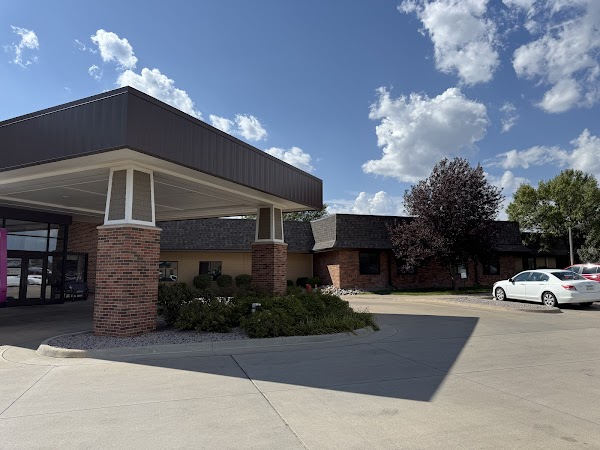
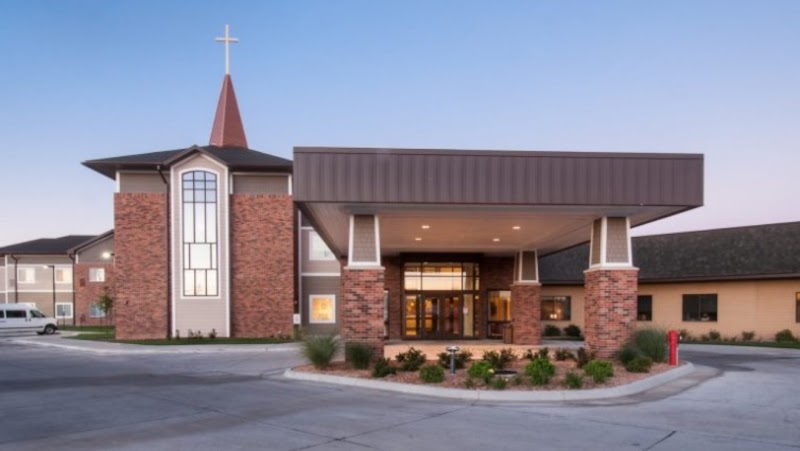
2225 CANTERBURY DR, HAYS, KS 67601 (785) 628-3241
For profit - Limited Liability company 96 Beds ASCENSION LIVING Data: November 2025 1 Immediate Jeopardy citation
Trust Grade
8/100
#293 of 295 in KS
Last Inspection: July 2025

Inspected within the last 6 months. Data reflects current conditions.

Overview

Families considering Via Christi Village in Hays, Kansas should be aware that the facility has a Trust Grade of F, which indicates significant concerns regarding care quality. With a state rank of #293 out of 295 and a county rank of #3 out of 3, it is positioned in the bottom tier of facilities both statewide and locally. The facility's trend is worsening, with reported issues increasing from 1 in 2024 to 20 in 2025. While staffing is a strength with a 5/5 rating and good RN coverage, the facility has faced serious incidents, such as failing to perform CPR on a resident who needed it and transferring another resident improperly, resulting in injuries. Additionally, fines of $26,773 suggest some compliance problems, making it essential for families to carefully weigh these factors when making decisions.

Trust Score
F
8/100
In Kansas
#293/295
Bottom 1%
Safety Record
High Risk
Review needed
Inspections
Getting Worse
1 → 20 violations
Staff Stability
⚠ Watch
56% turnover. Above average. Higher turnover means staff may not know residents' routines.
Penalties
○ Average
$26,773 in fines. Higher than 71% of Kansas facilities. Some compliance issues.
Skilled Nurses
✓ Good
Each resident gets 64 minutes of Registered Nurse (RN) attention daily — more than 97% of Kansas nursing homes. RNs are the most trained staff who catch health problems before they become serious.
Violations
⚠ Watch
48 deficiencies on record. Higher than average. Multiple issues found across inspections.
★☆☆☆☆
1.0
Overall Rating
★★★★★
5.0
Staff Levels
★☆☆☆☆
1.0
Care Quality
★☆☆☆☆
1.0
Inspection Score
Stable
2024: 1 issues
2025: 20 issues

The Good

  • 5-Star Staffing Rating · Excellent nurse staffing levels
  • Full Sprinkler Coverage · Fire safety systems throughout facility
  • No fines on record

Facility shows strength in staffing levels, fire safety.

The Bad

1-Star Overall Rating

Below Kansas average (2.9)

Significant quality concerns identified by CMS

Staff Turnover: 56%

10pts above Kansas avg (46%)

Frequent staff changes - ask about care continuity

Federal Fines: $26,773

Below median ($33,413)

Moderate penalties - review what triggered them

Chain: ASCENSION LIVING

Part of a multi-facility chain

Ask about local staffing decisions and management

Staff turnover is elevated (56%)

8 points above Kansas average of 48%

The Ugly 48 deficiencies on record

1 life-threatening 2 actual harm
Jul 2025 20 deficiencies 1 Harm
SERIOUS (G)

Actual Harm - a resident was hurt due to facility failures

Accident Prevention (Tag F0689)

A resident was harmed · This affected 1 resident

The facility identified a census of 84 residents, with 10 residents reviewed for accidents and hazards. Based on record review, observation, and interview, the facility failed to follow R49's care pla...

Read full inspector narrative →
The facility identified a census of 84 residents, with 10 residents reviewed for accidents and hazards. Based on record review, observation, and interview, the facility failed to follow R49's care plan and failed to transfer R49 with a full lift, which placed R49 at risk for injury. On 06/04/25, two unidentified Certified Nurse's Aides (CNAs) transferred R49 by lifting her under her arms and pivot transferred R49 from her wheelchair to the shower chair. R49's left foot, which had a non-skid slipper on it, caught on the floor and her left knee twisted during the transfer. R49 sustained a left nondisplaced medial tibial plateau fracture (a break in the shinbone at the knee joint). On 06/11/25 two unidentified CNAs transferred R49 again by lifting her up under her arms and pivot transferred R49 from her wheelchair to the shower chair. R49's left leg twisted again during the transfer, and R49 had pain. A follow-up x-ray on 06/20/25 showed R49's previously non-displaced medial tibial plateau fracture was now displaced. This deficient practice caused R49 to sustain a tibial fracture and pain. Findings included:- R49's Electronic Medical Record (EMR) documented diagnoses of anemia (inadequate number of healthy red blood cells to carry adequate oxygen to body tissues), hypertension (high blood pressure), depression (a mood disorder that causes a persistent feeling of sadness and loss of interest), muscle weakness, and foot drop (difficulty in lifting the front part of the foot).The Quarterly Minimum Data Set (MDS), dated 05/06/25, documented R49 had a Brief Interview for Mental Status score of 15, which indicated intact cognition. The MDS documented R49 was completely dependent on staff for assistance with toileting, bathing, lower body dressing, donning footwear, sit-to-lying, and transfers. The MDS documented R49 had impaired functional range of motion on one side of her upper extremity and to both sides of her lower extremities. The MDS documented R49 had zero falls during the lookback period.The Care Area Assessments (CAAs), dated 03/01/25, lacked any documentation or development.R49's Care Plan documented R49 required total assistance of two staff with a total lift device for transfers, total assistance of one staff for mobility in a wheelchair, extensive assistance of one staff for bathing, extensive assistance of one to two staff for bed mobility, total assistance of one to two staff for toileting, and total assistance of one to two staff for dressing (04/15/25). The care plan documented R49 would demonstrate adequate pain control by verbalizing satisfaction and ability to participate in activities of daily living (ADL) to the best of her ability (04/15/25). The care plan documented R49 would not develop complications from blood-thinning medications and directed staff to monitor for petechiae (tiny round brown-purple spots due to bleeding under the skin, may be in a small area due to minor trauma) and bruises (04/15/25).The EMR lacked any documentation in the skin evaluations of any bruising, purpura (a rash of purple dots due to small blood vessels leaking blood into the skin), or petechiae.The EMR documented R49 had a shower on 06/04/25 and 06/11/25 on the 2 PM to 10 PM shift.The Nurses Note, dated 06/06/25, documented the facility received orders from R49's orthopedic (bone specialist) doctor, which stated Weight bearing as tolerated, physical therapy for gait training, mobility, and strength exercises. Follow-up in four months. The Orthopedic Office Note, dated 06/06/25, documented R49 presented for follow-up after a left thigh ‘I and D' (incision and drainage). The note documented R49 told the doctor she was having pain in her left knee from when the staff picked her up to transfer her from her chair to the shower chair. R49 mainly had pain in the medial (middle) aspect of her left knee, and R49 had no pain at the surgical site on her left thigh. X-rays of the left knee were obtained and showed a possible nondisplaced medial tibial plateau fracture. The orthopedic doctor ordered R49 to use ice and rest to help with pain, and noted she was non-weight bearing on her left lower extremity. The office directed staff to follow up in two weeks for repeat X-rays.The Nurses Note, dated 06/16/25, documented R49 had a half-dollar-sized irregular-shaped area of reddish purpura to her left inner bicep. R49 did not show any signs of pain when staff touched the area. R49's family was concerned it was a bruise and the nurse explained purpura could happen for many reasons, like taking blood-thinning medication, which R49 took daily. The plan was to monitor and notify the doctor if new areas or other symptoms occurred.The Orthopedic Office Note, dated 06/20/25, documented R49 presented and still noted pain to the medial aspect of her left knee. R49 had a non-weight-bearing status on her left lower extremity and required the use of a full mechanical lift. It was approximately two weeks out from the left medial tibial plateau fracture, and now the fracture was slightly displaced. The note documented they would continue with conservative treatment of the fracture. R49 was placed in a knee immobilizer and was advised to wear it at all times, except when sleeping. R49 would also need to remain non-weight-bearing on her left lower extremity. R49 had a follow-up appointment in two weeks for repeat X-rays and left knee evaluation.The Nurse's Note, dated 06/20/25, documented R49 had an appointment with an orthopedic physician this morning. The staff called and requested the results be faxed to the facility. R49 was to be non-weight-bearing with an immobilizer in place. The order documented R49 could take the immobilizer off at night, but R49 requested to leave it on even when in bed.The Facility Incident Report, dated 06/24/25, documented on 06/16/25, R49's responsible party reported to the Administrative Nurse, at the time, improper transfers and injury. R49's responsible party stated R49 recalled being manually transferred by two staff members without the use of a mechanical lift on or around 06/06/25 and on or around 06/14/25, during which time R49's left leg/knee twisted, and a bruise appeared on her left inner arm. Upon assessment, the Administrative Nurse identified an irregularly shaped purpura, rather than a bruise, which typically occurred with trauma. The Administrative Nurse at the time explained purpura could occur spontaneously, particularly in elderly individuals on blood thinners. By 06/18/25, no discoloration was visible, and the assigned CNAs reported proper mechanical lift use. R49's responsible party later took R49 to an orthopedic appointment on 06/20/25 and reported in writing on 06/23/25 that R49's knee was broken. The facility lacked evidence or documentation supporting that a manual transfer occurred. Only one CNA, CNA OO, was unresponsive to the inquiry, creating a partial information gap.On 07/22/25 at 10:30 AM, observation revealed R49 sat in her wheelchair reading a book in her nightshirt. R49's left leg was in an immobilizer and elevated. On 07/22/25 at 10:30 AM, R49 stated that about a month ago, two CNAs did not transfer her with the full mechanical. She reported they picked her up underneath her arms to transfer her from the wheelchair to the bathchair. The staff members did not lift her all the way up; her left leg caught on the floor, and her left knee twisted. R49 stated that a week later, two CNAs came in and transferred her from her wheelchair to the shower chair. She told them they had to use the full mechanical lift, and they said no, it was easier to just do it their way. The staff members lifted her without the use of the mechanical lift again and twisted her left knee. R49 stated she could not walk for three plus years, and her feet did not move at all. R49 stated her knee hurt, she needed pain medication to take care of her pain, and the pain made it hard for her to sleep at night.On 07/22/25 at 01:30 PM, CNA M stated she knew two CNAs who transferred R49 without using the mechanical lift. CNA M stated that CNA MM and CNA OO both transferred R49 manually.On 07/22/25 at 01:35 PM, CNA N stated CNA MM and CNA OO both transferred R49 by lifting her rather than using the full lift.On 07/22/25 at 01:45 PM, Licensed Nurse (LN) H stated R49 had more pain since she sustained the left knee fracture. LN H stated staffing on the living units was poor, and it would not surprise her if the CNAs did not take the time to go and get the mechanical lift to transfer R49.On 07/23/25 at 09:36 AM, CNA MM, who still worked at the facility, stated she always used a full mechanical lift when transferring R49. CNA MM denied ever transferring R49 manually.On 07/23/25 at 12:36 PM, CNA OO, who quit the facility shortly after the incident, stated there were times when CNAs manually transferred R49 with the use of a pivot transfer. CNA OO stated a mechanical lift was to be used on R49 for all transfers.On 07/23/25 at 01:00 PM, Administrative Nurse D stated she expected all staff to follow the care plans for all the residents. Administrative Nurse D stated R49 was care planned to be transferred by a full mechanical lift to avoid any kind of injuries. Administrative Nurse D stated she felt like the previous Administrative Nurse did not investigate the incident fully.The facility's Safe Lifting and Moving of Patients Policy, dated January 2024, documented in order to protect the safety and well-being of associates and residents, and to promote quality care, this community uses appropriate techniques and devices to lift and move residents. Resident safety, dignity, comfort, and medical condition will be incorporated into goals and decisions regarding the safe lifting and moving of residents. Manual lifting of residents shall be eliminated when feasible.
CONCERN (D)

Potential for Harm - no one hurt, but risky conditions existed

Resident Rights (Tag F0550)

Could have caused harm · This affected 1 resident

The facility had a census of 84 residents. The sample included 27 residents, with one reviewed for dignity. Based on observation, record review, and interview, the facility staff failed to treat Resid...

Read full inspector narrative →
The facility had a census of 84 residents. The sample included 27 residents, with one reviewed for dignity. Based on observation, record review, and interview, the facility staff failed to treat Resident (R) 70 (who required assistance with eating) with dignity when staff served R52 and R53, who sat at the same dining room table, their meals without serving R70. This placed the resident at risk for an undignified experience.Findings included:- On 07/22/25 at 07:30 AM, R70 sat in a Geri-chair (a recliner on wheels that can be pushed) around like a wheelchair, usually with a removable tray. at the dining room table with R52 (on her right side) and R53 (across the table). Dietary Staff (DS) CC served R52 and R53 their breakfast, with R70 able to observe them eating. At 08:15 AM, R53 finished her meal and left the dining room, and R52 finished her meal and stayed at the table. At 08:30 AM, staff retrieved R70's meal tray, sat beside her, and assisted her in eating her breakfast.On 07/22/25 at 12:00 PM, R70 sat in a Geri chair at the dining room table with R52 and R53. At 12:01 PM, staff served R52 and R53 their noon meal, with R70 able to observe them eat. At 12:28 PM, R52 and 53 finished their noon meal, and R70 had not been served. At 12:30 PM, staff retrieved a meal tray, sat by R70, and assisted her in eating her meal.On 07/23/25 at 09:46 AM, Licensed Nurse (LN) L stated staff would assist R70 with her meals as soon as they could, but if they have other residents who need to use the bathroom or have their call light on, staff would take care of them first. LN L stated that dietary staff monitor which residents come to the dining room, but waited until the aides can provide staff assistance with R70's meal.On 07/23/25 at 12:45 PM, Administrative Nurse D stated that if staff served R52 and R53 meals at the same table with R70, who required staff assistance, she would expect staff to serve R70 a plate of food and assist R70 with eating at the same time as the other two residents.The facility's Promoting/Maintaining Resident Dignity Policy, revised 01/01/20, documented it was the practice of the facility to protect and promote resident rights and treat each resident with respect and dignity as well as care for each resident in a manner and in environment, that maintains or enhances resident's quality of life by recognizing each resident's individuality.
CONCERN (D)

Potential for Harm - no one hurt, but risky conditions existed

Deficiency F0605 (Tag F0605)

Could have caused harm · This affected 1 resident

**NOTE- TERMS IN BRACKETS HAVE BEEN EDITED TO PROTECT CONFIDENTIALITY** The facility identified a census of 84 residents. The sample included 27 residents, with six sampled residents reviewed for unne...

Read full inspector narrative →
**NOTE- TERMS IN BRACKETS HAVE BEEN EDITED TO PROTECT CONFIDENTIALITY** The facility identified a census of 84 residents. The sample included 27 residents, with six sampled residents reviewed for unnecessary medications. Based on observation, record review, and interview, the facility failed to ensure that Resident (R) 28 was free from psychotropic (a class of medications that alters mood or thought) medication without a gradual dose reduction (GDR - tapering of a medication dose to determine if symptoms, conditions, or risks can be managed by a lower dose or if the dose or medication can be discontinued). The facility failed to ensure the physician provided the risk versus benefit for the continued use of buspirone (anti-anxiety) medication. This deficient practice placed R28 at risk of unnecessary medication administration and related complications.Findings included:- R28's Electronic Medical Record documented diagnoses of anxiety disorder (mental or emotional disorder characterized by apprehension, uncertainty and irrational fear), hypertension (elevated blood pressure), auditory and visual hallucinations (sensing things while awake that appear to be real, but the mind created), dementia (progressive mental disorder characterized by failing memory, confusion), chronic pain, and depression (a mood disorder that causes a persistent feeling of sadness and loss of interest).R28's Quarterly Minimum Data Set (MDS), dated [DATE], documented a Brief Interview for Mental Status (BIMS) score of eight, indicating moderately impaired decision making. The MDS documented R28 had no mood or psychosis but did have verbal behaviors. R28 received antidepressant and antianxiety medications with no GDR.R28's Care Plan, dated 07/03/25, included interventions for behaviors and side effects for R28's medications. Administer psychotropic medications as ordered by the physician. The plan of care directed staff to consult with the pharmacy and the physician to consider dosage reduction when clinically appropriate, at least quarterly. The plan of care directed staff to discuss with the physician and family the ongoing need for use of the medication. The plan of care directed staff to review behaviors/interventions and alternate therapies attempted and their effectiveness as per facility policy. The plan of care directed staff to provide R28 with necessary cues, to stop and ensure her safety, and return if she becomes agitated. R28's plan of care directed staff to monitor R28 for and address episodes of anxiety, fear, or distress.R28's Physician Order, dated 12/23/24, directed staff to administer Buspirone (antianxiety drug), five milligrams (mg), three times daily (TID) for anxiety and depression.R28's Physician Order, dated 04/04/25, directed staff to administer Bupropion (antidepressant), 300 mg daily for anxiety and depression.R28's Consultant Pharmacist Medication Reviews from 01/01/25 to 07/22/25 documented no irregularities had been found in her medication regimen.On 07/22/25 at 07:45 AM, Licensed Nurse (LN) J administered medications to R28, including bupropion and buspirone. R28 took the pills whole in applesauce without problems.On 07/22/25 at 12:04 PM, R28 sat calmly in her wheelchair throughout the meal, without yelling or other behaviors observed. She did offer the staff a bite of her lunch but accepted their refusal calmly. She was confused but still able to answer most questions appropriately.On 07/23/25 at 11:45 AM, Consultant GG stated the resident had visual and auditory hallucinations. She verified the pharmacist had not recommended a GDR for R28's buspirone. The physician had not written a rationale for continuing the medication.The facility's Psychotropic Medication policy, dated 6/2025, stated the residents would only receive psychotropic medications when medically necessary to treat specific conditions for which they are indicated and effective. Residents who use psychotropic medication would receive GDR and behavioral interventions, unless clinically contraindicated in an effort to use the lowest effective dosage and potentially discontinue. GDR would be attempted within the first year in which a resident was prescribed a psychotropic drug. GDR would be attempted in at least two separate quarters unless clinically contraindicated.
CONCERN (D)

Potential for Harm - no one hurt, but risky conditions existed

Deficiency F0628 (Tag F0628)

Could have caused harm · This affected 1 resident

**NOTE- TERMS IN BRACKETS HAVE BEEN EDITED TO PROTECT CONFIDENTIALITY** The facility had a census of 84 residents. The sample included 27 residents. Based on observation, record review, and interview,...

Read full inspector narrative →
**NOTE- TERMS IN BRACKETS HAVE BEEN EDITED TO PROTECT CONFIDENTIALITY** The facility had a census of 84 residents. The sample included 27 residents. Based on observation, record review, and interview, the facility failed to provide a Bed Hold Notification for Residents (R) 12 and R20, and the State Ombudsman Agency notifications of R12. This placed the residents at risk of being uninformed.Findings included: - R20's Electronic Health Record (EHR) revealed diagnoses of extended spectrum beta lactamase (ESLB, an infection cause by a bacteria that produces extended-spectrum beta- lactamases enzymes that make certain antibiotics effective such as e coli and klebsiella, making the infection harder to treat and can occur in urinary tract infections or bloodstream infections), congestive heart failure (CHF- a condition with low heart output and the body becomes congested with fluid), chronic kidney disease Stage 3 (kidneys have mild to moderate damage and are less able to filter waste and fluid out of your blood), and major depressive disorder (MDD- major mood disorder that causes persistent feelings of sadness). R20's Quarterly Minimum Data Set (MDS), dated [DATE], recorded R20 had a Brief Interview for Mental Status (BIMS) score of 15, which indicated intact cognition. The MDS recorded that she was independent with transfers and activities of daily living (ADL). R20's Care Plan, dated 07/18/25, recorded that R20 was independent with eating, oral hygiene, toilet hygiene, personal hygiene, and walking. The care plan documented that the resident was at risk for CHF, MDD, chronic kidney disease, malnutrition, and was underweight for age. The care plan documented that the resident had a risk for shortness of breath and respiratory complications related to the recent diagnosis of Influenza and acute respiratory failure, and staff would monitor oxygen saturation and administer oxygen per physician order and monitor for shortness of breath or difficulty breathing. The” Nurse’s Note” dated 01/31/25 at 08:33 PM documented that the resident complained of urinary tract symptoms and requested the physician to order a urinalysis test and an antibiotic. The nurse’s notes documented that the physician assistant was contacted and ordered a urinalysis and would await results before ordering an antibiotic. On 01/31/25 at 03:22 PM, the Nurses Notes documented that the facility was awaiting the urinalysis, and R20 was noted to have a cough. The on-call physician ordered Augmentin (antibiotic) 500 milligrams (mg) for seven days to cover the urinary tract infection and respiratory issues. On 02/01/25 at 11:10 AM, the Nurse's Notes documented R20 continued with a cough and had received two doses of the antibiotic. The nurse’s notes documented that the urinalysis results had not come back to the facility at this time. R20’s family was at the facility and requested/urged that R20 be evaluated at the hospital with the following vital signs: blood pressure 144/70 (normal 120/80), pulse 79 (normal 60-100), temperature 98.4 degrees (normal 96.4 degrees to 98.5 degree), and oxygen saturation 86% (normal between 95% and 100%) on room air. R20's respirations were even and not labored. The facility called for ambulance transport to the hospital. On 02/01/15 at the resident was admitted to the hospital with a diagnosis of Influenza A (a viral infection of the respiratory tract caused by the influenza A virus, which is highly contagious and can cause a range of symptoms from mild to severe. Potentially leading to serious complications. Influenza primarily affects the respiratory system, including the nose, throat, and lungs.) On 02/05/25 at 04:06 PM, the Nurse's Notes documented R20 returned to the facility per facility staff. R13 entered the facility in a wheelchair with staff assistance. R20 requested oxygen, and it was applied. R20 lungs were clear to auscultation, and no swelling was noted. R20's EHR lacked a bed-hold notification. On 07/21/25 at 12:00 PM, observation revealed that staff delivered R20 her dinner plate to the table that contained chicken, noodles, carrots, and Jello. Continued observation revealed she ate approximately 50 % of the meal. On 07/21/25 at 11:10 AM, Administrative Nurse D verified the facility lacked evidence of a signed bed hold policy notice that had been verbally acknowledged, provided, or signed by the resident's representative when R20 was transferred and admitted to the hospital on [DATE]. The facility’s Bed Holds and Returns policy, dated 01/2024, documented that, at the time of transfers for hospitalization or therapeutic leave, the nursing facility must provide to the resident or the resident's representative written notice that specifies the duration of the bed-hold. The current bed-hold return policy established by the state will apply to residents in the community e resident exceed the bed-hold period, he or she will be permitted to return to the community, t his or her previous room (if available) or immediately upon the first availability of a bed in a semi-private room provided that the resident: requires the services of the community and is eligible for Medicare or Medicaid skilled nursing services. - R12’s Electronic Medical Record (EMR) included the diagnoses of hemiplegia (paralysis of one side of the body) and hemiparesis (muscular weakness of one half of the body) following cerebral infarction (stroke - sudden death of brain cells due to lack of oxygen caused by impaired blood flow to the brain by blockage or rupture of an artery to the brain), pain, acute and chronic respiratory failure with hypoxia (inadequate supply of oxygen), and age-related physical debility. R12’s “Comprehensive Minimum Data Set” (MDS), dated [DATE], documented that R12 had intact cognition. R12's MDS documented R12 required functional range of motion of one side of the upper and lower body extremities, required substantial/maximal assistance with upper and lower body dressing, personal hygiene, bed rolling, and transfers. The MDS further recorded that R12 had occasional pain, which affected sleep and day-to-day activities, shortness of breath or trouble breathing with exertion. R12 received oxygen therapy and had a non-invasive mechanical ventilator. R12’s MDSs recorded: On 02/03/25, a Discharge Return Anticipated. On 02/06/25, an Entry. On 03/25/25, a Discharge Return Anticipated. On 03/27/25, an Entry. On 06/26/25, a Discharge Return Anticipated. On 06/27/25, an Entry. The “Progress Note” dated 02/03/25 at 04:22 PM, documented that R12’s Durable Power of Attorney (DPOA) was wanting to hold the bed. The facility failed to provide a written Bed Hold signature from the DPOA. Upon request, the facility failed to provide an Ombudsman notification policy for discharge and transfers. On 07/22/25 at 01:15 PM, Social Service Staff X reported she had not sent a bed hold to the DPOA or had the resident sign one with discharges to the hospital, and lacked notification to the ombudsman for discharges on 03/25/25 and 06/26/25. The facility's Bed-Holds and Return policy, dated 01/2024, documented that at the time of transfer for hospitalization or therapeutic leaves, the nursing facility must provide to the residents or resident representative written notice that specifies the duration of the bed-hold.
CONCERN (D)

Potential for Harm - no one hurt, but risky conditions existed

Deficiency F0657 (Tag F0657)

Could have caused harm · This affected 1 resident

**NOTE- TERMS IN BRACKETS HAVE BEEN EDITED TO PROTECT CONFIDENTIALITY** The facility had a census of 84 residents. The sample included 27 residents. Based on observation, record review, and interview,...

Read full inspector narrative →
**NOTE- TERMS IN BRACKETS HAVE BEEN EDITED TO PROTECT CONFIDENTIALITY** The facility had a census of 84 residents. The sample included 27 residents. Based on observation, record review, and interview, the facility failed to revise the care plan to include Resident (R) 12's use of oxygen and R49's leg immobilizer. This placed the residents at risk for unmet care needs.Findings included:- The Electronic Medical Record (EMR) for R49, documented diagnoses of hypertension (high blood pressure), muscle weakness, atrial fibrillation (rapid heart rate), and disorders of bone density and structure (a condition where bones become weakened and more prone to fractures due to reduced bone mass and/or changes in bone structure). The Quarterly/Five Day Medicare Minimum Data Set (MDS), dated [DATE], documented R49 had intact cognition. R49 required staff assistance for lower body dressing, bathing, transfers, mobility, and toileting hygiene. The MDS documented R49 had upper functional impairment on one side, lower functional impairment on both sides, was at risk for skin breakdown, and had a surgical wound. R49's Care Plan, dated 04/15/25, documented she was at risk for pressure ulcers and other skin-related injuries. Staff were directed to observe for redness and breakdown during routine care, follow community skin care protocols, and treat as indicated. They were also to assist her with splinting/bracing and the use of assistive devices. The care plan lacked direction to staff on when to remove her immobilizer and if she had any skin breakdown. The Braden Scale (formal assessment for predicting pressure ulcer risk) dated 05/07/25, documented R49 was a mild risk for pressure ulcers. The Physician's Order dated 06/20/25, directed staff to leave immobilizer in place unless sleeping, and nwb (non-weight bearing) to LLE (left lower leg). The Nurse's Notes, dated 07/18/25 at 05:38 PM, documented R49 had two small open sores on her left leg from where her knee brace had been rubbing against her skin. The sore on the outside of her thigh (the part of the human leg between the hip and the knee) measured 0.4 centimeters (cm) x 0.5 cm. The sore on her calf (the back portion of the lower leg) measured 0.5 cm x 0.5 cm. The wounds were cleaned with wound cleanser and covered with a Mepilex (absorbent, bordered foam dressing). The physician and the durable power of attorney (DPOA-a legal document that names a person to make healthcare decisions when the resident is no longer able to) were notified of the skin break. The EMR lacked a skin assessment, directions to staff for monitoring R49's skin daily, or any daily standing orders for dressing changes until further direction from the physician from 07/18/25 to 07/22/25 (five days). The Nurse's Notes, dated 07/22/25 at 03:45 PM, documented that the physician received the documentation from the facility regarding the sores and had no further orders. On 07/22/25 at 09:37 AM, Licensed Nurse (LN) H stated she did not normally work in that household and was unsure if R49 had a skin breakdown, but would go with this surveyor and assess her skin. Observation revealed R49 had a leg immobilizer on her left leg from mid-thigh to her ankle. R49 stated the immobilizer needed to be repositioned and tightened because it was too loose on her leg and was slipping. Observation revealed nothing between her skin and the immobilizer to protect it from breakdown. R49 had a foam dressing on her left calf but no dressing on the sore on her left thigh. LN H washed her hands and donned clean gloves. She asked R49 if staff were changing the dressing daily, and she replied No but did not know when they had changed the dressing last. LN H removed the dressing from the calf, and there was brown in color drainage. LN H did not clean the area but washed her hands and donned clean gloves to put a new foam dressing on her calf. The area on her calf was pink but not open. Further observation revealed the sore on her left thigh was approximately the size of a pencil eraser and was starting to scab. LN H did not put a dressing on the sore. On 07/23/25 at 08:48 AM, Certified Nurse Aide (CNA) N stated, nurse aides were responsible for putting the immobilizer on R49 every morning, but sometimes the night shift forgot to take it off, and she had it on all night. CNA N stated she was unaware of any skin breakdown under the immobilizer. On 07/23/25 at 10:00 AM, LN G stated she had not worked in the household for at least two weeks and did not know that R49 had any skin breakdown. LN G washed her hands, donned clean gloves, and opened the immobilizer from R49's left leg, and there was nothing between her skin and the immobilizer. Observation revealed a dried substance inside the immobilizer, from where it had lain against the sore on her thigh. The sore was scabbed and not actively draining. LN G removed the dressing from her calf, and the skin was slightly pink. LN G washed her hands, donned clean gloves, and placed a clean foam dressing on the calf wound, but did not put one on the sore on her thigh. This surveyor observed a yellow PPE (personal protective equipment) hanging on the back of R49's door and when LN G was asked what it was for, she stated, Oh, she is on Enhanced Barrier Precautions (EBP-infection control interventions designed to reduce transmission of resistant organisms which employ targeted gown and glove use during high contact care), because of wounds, I forgot.” LN G further stated there should be a sign on her door that stated that, but there was not. On 07/23/25 at 10:30 AM, Administrative Nurse F stated that she had been made aware of R49's sores on 07/21/25, but had not looked at them yet. Administrative Nurse F stated that today (07/23/25) was the day she would do her weekly skin assessment. Administrative Nurse F further stated that because the sores were not chronic, they did not require staff to wear PPE during care. At 02:30 PM, Administrative Nurse F stated she had looked at R49's wounds and did not feel that the immobilizer had caused the sore on her thigh because R49 had told her she thought she had scratched it, and that was why she got the sore. Administrative Nurse F stated she did not think the immobilizer had dried drainage because the sore was scabbed, but thought it was dried food. Administrative Nurse F stated that R49 told her that R49 would wear thin pajama pants so her leg would be protected when the immobilizer was on and would contact the physician for guidance. On 07/23/25 at 01:49 PM, Administrative Nurse D stated, staff should update the care plan to reflect the resident’s condition and problems. The facility's Comprehensive Person-Centered policy, dated 09/2023, documented a comprehensive, person-centered care plan that includes measurable objectives and timetables to meet the resident's physical, psychosocial, and functional needs, which were identified through evaluation and assessment, and was developed and implemented for each resident. Assessments and ongoing care plans are revised as information about the residents and their conditions changes. - R12’s Electronic Medical Record (EMR) included the diagnoses of hemiplegia (paralysis of one side of the body) and hemiparesis (muscular weakness of one half of the body) following cerebral infarction (stroke - sudden death of brain cells due to lack of oxygen caused by impaired blood flow to the brain by blockage or rupture of an artery to the brain), pain, acute and chronic respiratory failure with hypoxia (inadequate supply of oxygen), and age-related physical debility. R12’s “Comprehensive Minimum Data Set” (MDS), dated [DATE], documented that R12 had intact cognition, functional range of motion of one side of upper and lower body extremities, required substantial/maximal assistance with upper and lower body dressing, personal hygiene, bed rolling, and transfers. The MDS further recorded that R12 had occasional pain, which affected sleep and day-to-day activities, shortness of breath, or trouble breathing with exertion. R12 received oxygen therapy and had a non-invasive mechanical ventilator. R12’s “Functional Abilities Care Area Assessment” (CAA), dated 04/09/25, documented R12 had chronic respiratory failure with hypoxia and hypercapnia (a condition in which high levels of carbon dioxide build up in the bloodstream), reduced mobility, and hemiplegia and hemiparesis following a cerebrovascular disease affecting the left non-dominant side. R12’s “Care Plan” dated 06/27/25, documented R12 had potential for shortness of breath and/or respiratory complications related to sleep apnea, wore a continuous positive airway pressure (CPAP- a ventilation device that blows a gentle stream of air into the nose to keep the airway open during sleep) at bedtime. The Care Plan directed staff to monitor for complications such as dyspnea (difficulty breathing), shortness of breath, cyanosis (a bluish discoloration of the skin), or tachypnea (rapid breathing). The Care Plan further directed staff to provide pulmonary treatments per the physician's orders and monitor responses. The Care Plan lacked the use of oxygen. The “Physician Order” dated 06/20/25, instructed staff to assess lung sounds, pulse, respirations, and oxygen saturation before and after nebulizer treatments (a device that changes liquid medication into a mist easily inhaled into the lungs) and CPAP every day for respiratory failure. The “Physician Order” dated 07/01/25, directed staff to provide oxygen at three liters via nasal canula to keep oxygen saturations above 90 percent (%). The “Progress Note” dated 07/04/25 at 04:02 PM, documented R12 wore oxygen tubing per nasal canula, was alert and oriented, reported shortness of breath with exertion and when sitting at rest, and was unable to lie flat. R12 had portable oxygen and an oxygen concentrator in her room. The Progress Note further documented that R12 had a nebulizer and CPAP machine in her room. On 07/21/25 at 04:16 PM, R12 was sitting in her recliner, wearing an oxygen canula. R12 had a portable oxygen tank on her wheelchair with the unwrapped tubing and canula wrapped around the top of the canister. R12’s bedside tables had a nebulizer treatment and CPAP equipment not in use, and not wrapped or bagged. On 07/23/25 at 08:30 AM, R12 reported she was doing well, but stated her room was cluttered. On 07/23/25 at 10:13 AM, Licensed Nurse (LN) GG reported that the oxygen tubing and nebulizer, and CPAP equipment should be cleaned and stored in bags when not in use. On 07/23/25 at 01:45 PM, Administrative Nurse D verified oxygen should be included on R12’s “Care Plan.” The facility's Comprehensive Person-Centered policy, dated 09/2023, documented a comprehensive, person-centered care plan that includes measurable objectives and timetables to meet the resident's physical, psychosocial, and functional needs, which were identified through evaluation and assessment, and then developed and implemented for each resident.
CONCERN (D)

Potential for Harm - no one hurt, but risky conditions existed

Pressure Ulcer Prevention (Tag F0686)

Could have caused harm · This affected 1 resident

The facility has a census of 84 residents. The sample included 27 residents, with five reviewed for pressure ulcers. Based on observation, record review, and interview, the facility failed to prevent ...

Read full inspector narrative →
The facility has a census of 84 residents. The sample included 27 residents, with five reviewed for pressure ulcers. Based on observation, record review, and interview, the facility failed to prevent skin breakdown for one resident, Resident (R) 49, who developed two open areas from a leg immobilizer (a brace or support device designed to restrict knee movement and keep the leg straight. This placed the resident at risk for further breakdown.- The Electronic Medical Record (EMR) for R49, documented diagnoses of hypertension (high blood pressure), muscle weakness, atrial fibrillation (rapid heart rate), and disorders of bone density and structure (a condition where bones become weakened and more prone to fractures due to reduced bone mass and/or changes in bone structure).The Quarterly/Five Day Medicare Minimum Data Set (MDS). dated 04/21/25, documented R49 had intact cognition. R49 was dependent upon staff assistance for lower body dressing, bathing, transfers, mobility, and toileting hygiene. The MDS documented R49 had upper functional impairment on one side, lower functional impairment on both sides, was at risk for skin breakdown, and had a surgical wound.R49's Care Plan, dated 04/15/25, documented she was at risk for pressure ulcers and other skin-related injuries. Staff were directed to observe for redness and breakdown during routine care, follow community skin care protocols, and treat as indicated. They were also to assist her with splinting/bracing and the use of assistive devices. The care plan lacked direction to staff on when to remove her immobilizer and if she had any skin breakdown.The Braden Scale (formal assessment for predicting pressure ulcer risk) dated 05/07/25, documented R49 was a mild risk for pressure ulcers.The Physician's Order dated 06/20/25, directed staff to leave immobilizer in place unless sleeping, and nwb (non-weight bearing) to LLE (left lower leg).The Nurse's Notes, dated 07/18/25 at 05:38 PM, documented R49 had two small open sores on her left leg from where her knee brace had been rubbing against her skin. The sore on the outside of her thigh (the part of the human leg between the hip and the knee) measured 0.4 centimeters (cm) x 0.5 cm. The sore on her calf (the back portion of the lower leg) measured 0.5 cm x 0.5 cm. The wounds were cleaned with wound cleanser and covered with a Mepilex (absorbent, bordered foam dressing). The physician and the durable power of attorney (DPOA- a legal document that names a person to make healthcare decisions when the resident is no longer able to) were notified of the skin break.The EMR lacked a skin assessment, directions to staff for monitoring R49's skin daily, or any daily standing orders for dressing changes until further direction from the physician from 07/18/25 to 07/22/25 (five days).The Nurse's Notes, dated 07/22/25 at 03:45 PM documented that the physician received the documentation from the facility regarding the sores and had no further orders.On 07/22/25 at 09:37 AM, Licensed Nurse (LN) H stated she did not normally work in that household and was unsure if R49 had a skin breakdown but would go with this surveyor and assess her skin. Observation revealed R49 had a leg immobilizer on her left leg from mid-thigh to her ankle. R49 stated the immobilizer needed to be repositioned and tightened because it was too loose on her leg and was slipping. Observation revealed nothing between her skin and the immobilizer to protect it from breakdown. R49 had a foam dressing on her left calf but no dressing on the sore on her left thigh. LN H washed her hands and donned clean gloves. She asked R49 if staff were changing the dressing daily, and she replied No but did not know when they had changed the dressing last. LN H removed the dressing from the calf, and there was brown in color drainage. LN H did not clean the area but washed her hands and donned clean gloves to put a new foam dressing on her calf. The area on her calf was pink but not open. Further observation revealed the sore on her left thigh was approximately the size of a pencil eraser and was starting to scab. LN H did not put a dressing on the sore. On 07/23/25 at 08:48 AM, Certified Nurse Aide (CNA) N stated, nurse aides were responsible for putting the immobilizer on R49 every morning, but sometimes the night shift forgot to take it off, and she has it on all night. CNA N stated she was unaware of any skin breakdown under the immobilizer.On 07/23/25 at 10:00 AM, LN G stated she had not worked in the household for at least two weeks and did not know that R49 had any skin breakdown. LN G washed her hands, donned clean gloves, and opened the immobilizer from R49's left leg, and there was nothing between her skin and the immobilizer. Observation revealed a dried substance inside the immobilizer, from where it had lain against the sore on her thigh. The sore was scabbed and not actively draining. LN G removed the dressing from her calf, and the skin was slightly pink. LN G washed her hands, donned clean gloves, and placed a clean foam dressing on the calf wound, but did not put one on the sore on her thigh. This surveyor observed a yellow PPE (personal protective equipment) hanging on the back of R49's door and when LN G was asked what it was for, she stated, Oh, she is on Enhanced Barrier Precautions (EBP- infection control interventions designed to reduce transmission of resistant organisms which employ targeted gown and glove use during high contact care), because of wounds, I forgot. LN G further stated, there should be a sign on her door stating that, but there was not. On 07/23/25 at 10:30 AM, Administrative Nurse F stated she had been made aware of R49's sores on 07/21/25, but had not looked at them yet but today was the day she would do her weekly skin assessment. Administrative Nurse F further stated that because the sores were not chronic, they did not require staff to wear PPE during care. At 02:30 PM, Administrative Nurse F stated she had looked at R49's wounds and did not feel that the immobilizer had caused the sore on her thigh because R49 had told her she thought she had scratched it, and that was why she got the sore. Administrative Nurse F stated she did not think the immobilizer had dried drainage because the sore was scabbed, but thought it was dried food. Administrative Nurse F stated, R49 told her that she would wear thin pajama pants so her leg would be protected when the immobilizer was on and would contact the physician for guidance.On 07/23/25 at 12:45 PM, Consultant GG stated, normally there would be standing orders for treatments of skin breakdown while staff waited for doctor orders, but since they were a new company for the facility, all standing orders were sent to the physicians to sign and had not been returned yet. Consultant GG further stated she would have expected staff to protect R49's skin from breakdown when the immobilizer was originally placed on her. Consultant GG further stated that there should be communication to staff related to the breakdown and assessment of the skin daily.On 07/23/25 at 01:49 PM, Administrative Nurse D stated that staff should have protected her skin when she had the immobilizer on and felt that there should have been better communication related to the wounds to the nursing staff.The facility's Prevention of Pressure Injuries Protocol, dated 01/2024, documented pressure can come from splints, casts, bandages, and wrinkles in the bed linen. If a pressure injury was not treated when discovered, it quickly gets larger, becomes very painful for the resident, and often becomes infected. Staff should routinely assess and document the condition of the resident's skin per the community wound and skin care program. Staff should assess for any signs and symptoms of irritation or breakdown. Immediately report any signs of a developing pressure injury to the supervisor.
CONCERN (D)

Potential for Harm - no one hurt, but risky conditions existed

Deficiency F0687 (Tag F0687)

Could have caused harm · This affected 1 resident

The facility had a census of 84 residents. The sample included 27 residents, with one reviewed for foot care. Based on observation, record review, and interview, the facility failed to provide foot ca...

Read full inspector narrative →
The facility had a census of 84 residents. The sample included 27 residents, with one reviewed for foot care. Based on observation, record review, and interview, the facility failed to provide foot care to one resident, Resident (R) 49, whose toenails were long and over the top of her toes. This placed the resident at risk for complications, poor hygiene, discomfort, and injuries.Findings included:- The Electronic Medical Record (EMR) for R49, documented diagnoses of hypertension (high blood pressure), muscle weakness, atrial fibrillation (rapid heart rate), and disorders of bone density and structure (a condition where bones become weakened and more prone to fractures due to reduced bone mass and/or changes in bone structure).The Quarterly/Five Day Medicare Minimum Data Set (MDS). dated 04/21/25, documented R49 had intact cognition. R49 required staff assistance for lower body dressing, bathing, transfers, mobility, and toileting hygiene. The MDS documented R49 had upper functional impairment on one side, lower functional impairment on both sides, and required assistance with footwear.R49's Care Plan, dated 04/15/25, documented R49 required assistance from staff for bathing, dressing, putting on and taking off footwear, and personal hygiene. The care plan directed staff to monitor for edema and brittle nails.The Nurse's Note dated 07/22/25 at 11:14 AM documented nail care provided and noted curling on the middle toenails.On 07/22/25 at 09:37 AM, Licensed Nurse (LN) H removed R49's socks, and her toenails were long; some of the middle toenails curled over the top of the toes on each foot. LN H asked R49 when the last time she had any foot care. R49 stated she did not know. LN H stated she would come back in and cut her toenails for her because it looked like she had not had them cut for a long time.On 07/22/25 at 12:46 PM, Certified Nurse Aide (CNA) M stated she thought the nurse provided all of R49's nail care.On 07/23/25 at 08:48 AM, CNA N stated R49 had an afternoon shower, and the CNAs were responsible for her nail care.On 07/23/25 at 01:49 PM, Administrative Nurse D stated that staff should make sure her toenails are cut during her shower.The facility's Nail Care policy, dated 12/03/24, directed staff to provide routine nail care, to include trimming and filing on a regular schedule and as needed.
CONCERN (D)

Potential for Harm - no one hurt, but risky conditions existed

Deficiency F0692 (Tag F0692)

Could have caused harm · This affected 1 resident

**NOTE- TERMS IN BRACKETS HAVE BEEN EDITED TO PROTECT CONFIDENTIALITY** The facility had a census of 84 residents. The sample included 27 residents, with nine reviewed for nutrition and weight loss. B...

Read full inspector narrative →
**NOTE- TERMS IN BRACKETS HAVE BEEN EDITED TO PROTECT CONFIDENTIALITY** The facility had a census of 84 residents. The sample included 27 residents, with nine reviewed for nutrition and weight loss. Based on observation, interview, and record review, the facility failed to identify and implement interventions to prevent weight loss for Residents (R) 20. This deficient practice resulted in significant weight loss and placed the resident at risk for further weight loss or health issues.Findings included: - R20's Electronic Health Record (EHR) revealed diagnoses of Extended spectrum beta lactamase (ESLB, an infection cause by a bacteria that produces extended-spectrum beta- lactamases enzymes that make certain antibiotics effective such as e coli and klebsiella, making the infection harder to treat and can occur in urinary tract infections or bloodstream infections,) congestive heart failure (CHF- a condition with low heart output and the body becomes congested with fluid), chronic kidney disease Stage 3 (kidneys have mild to moderate damage and are less able to filter waste and fluid out of your blood), and major depressive disorder (MDD- major mood disorder that causes persistent feelings of sadness).R20's Quarterly Minimum Data Set (MDS), dated [DATE], recorded R20 had a Brief Interview for Mental Status (BIMS) score of 15, which indicated intact cognition. The MDS recorded she was independent with eating and activities of daily living (ADL). The MDS documented R20's weight at 117.0 lbs.R20's Care Plan, dated 07/18/25, recorded R20 was independent with eating, oral hygiene, toilet hygiene, personal hygiene, and walking. The care plan documented the resident was at risk for CHF, MDD, chronic kidney disease, malnutrition, and was underweight for age. The care plan directed staff to administer medications as ordered and documented for side effects and effectiveness. The care plan documented the resident had a risk for shortness of breath and respiratory complications related to a recent diagnosis of Influenza and acute respiratory failure, and staff would monitor oxygen saturation and administer oxygen per physician order and monitor for shortness of breath or difficulty breathing. The Physician Order, dated 02/05/25, 06/11/25, and 07/02/25, directed staff to provide R20 a regular diet, regular texture, and regular consistency.The Mini Nutritional Assessment dated 02/05/25, documented R20 weighed 113.9 lbs. and she was at risk for malnutrition.The Nutritional Risk Assessment dated 02/11/25 documented R20 weight was 113.0 lbs. and she required 1285-1540 calories, 51-61 grams of proteins, and 1285 to 1540 milliliters (ml) of fluids. The assessment documented the resident had a recent hospitalization with a 5.60% significant weight loss in one month. And she was at risk for unintendedly weight loss. The Dietician Assessment, dated 07/23/25, documented R20 weighed 108.4 lbs. and her intakes were all adequate, mostly 51-100%. The Registered Dietician (RD) recommended to add meal fortification to R20's diet order and snacks at bedtime with Ensure Enlive (provides advanced nutrition with 20 grams of high-quality protein) supplement daily. R20's EMR documented R20's weights as follows:04/14/25 120.4 lbs.04/18/25 117.8 lbs.04/28/25 117.2 lbs.05/02/25 117.0 lbs.05/06/25 117.4 1lbs. 05/16/25 115.6 lbs. = 3.99% weight loss in 30 days.05/23/25 112.4 lbs.05/27/25 113.2 lbs.05/30/25 112.6 lbs. 06/03/25 112.2 lbs.06/06/25 111.2 lbs.06/14/25 111.2 lbs.06/20/25 112.0 lbs.= 6.40% weight loss in 60 days 06/27/25 109.0 lbs.07/04/25 110.0 lbs.07/11/25 109.8 lbs.07/17/25 110.8 lbs.07/18/25 108.4 lbs.07/23/25 107.0 lbs. = 11.13% weight loss in 90 days. On 07/21/25 at 12:00 PM, observation of R20 revealed that staff delivered her dinner plate to the table that contained chicken, noodles, carrots, and Jello. Continued observation revealed she ate approximately 50 % of the meal. On 07/21/25 at 09:00 AM, Administrative Nurse D stated staff notified the RD of R20's weight loss that week and the weight loss over the last few months, and the RD completed a nutritional assessment with suggestions. On 07/21/25 at 10:00 AM, Administrative Nurse D verified staff had obtained R20's weights weekly or more often and said staff should have notified the physician and the RD earlier of the resident's significant weight loss to obtain orders for recommendations to prevent the continued weight loss. The facility's Weight Monitoring policy, dated January 2023, signed 07/2025, documented that appropriate nutritional care shall be provided to residents who have a significant weight change. A significant weight change is identified as a weight loss or gain of 5% s in 30 days, 7.5% in 90 days, or 10% in 180 days daily for the first 3 days of admission, weekly for the first four weeks, and monthly thereafter. Residents with a weight change of 5 pounds or greater should be reweighed to determine an accurate weight. The accurate weight should be entered in the resident's medical record. A report should be generated from the electronic medical record (EMR) system identifying all residents with a significant weight loss in 30 days, 90 days, and /or 180 days. At the weekly Resident at Risk Preview huddle, the IDT team should discuss residents who triggered a significant weight loss and who loss more than five lbs. since the last weight. The RD should make recommendations or nutritional interventions based on the information obtained from the weekly Resident at Risk Review huddle meetings. RD's recommendations should be reviewed and initiated by nursing associates. A nursing or nutritional associate should notify the health care provider of any significant weight change that is unexplained or in which the RD has requested a nutritional intervention.
CONCERN (D)

Potential for Harm - no one hurt, but risky conditions existed

Respiratory Care (Tag F0695)

Could have caused harm · This affected 1 resident

**NOTE- TERMS IN BRACKETS HAVE BEEN EDITED TO PROTECT CONFIDENTIALITY** The facility had a census of 84 residents. The sample included 27 residents. Based on observation, record review, and interview,...

Read full inspector narrative →
**NOTE- TERMS IN BRACKETS HAVE BEEN EDITED TO PROTECT CONFIDENTIALITY** The facility had a census of 84 residents. The sample included 27 residents. Based on observation, record review, and interview, the facility failed to store oxygen cannula, nebulizer (a device that changes liquid medication into a mist easily inhaled into the lungs), and a continuous positive airway pressure (CPAP- a ventilation device that blows a gentle stream of air into the nose to keep the airway open during sleep) equipment in sanitary conditions for Resident (R) 12, which placed the resident at risk of respiratory infections.Findings included:- R12's Electronic Medical Record (EMR) included the diagnoses of hemiplegia (paralysis of one side of the body) and hemiparesis (muscular weakness of one half of the body) following cerebral infarction (stroke - sudden death of brain cells due to lack of oxygen caused by impaired blood flow to the brain by blockage or rupture of an artery to the brain), pain, acute and chronic respiratory failure with hypoxia (inadequate supply of oxygen), and age-related physical debility.R12's Comprehensive Minimum Data Set (MDS), dated [DATE], documented that R12 had intact cognition, functional range of motion of one side of upper and lower body extremities, required substantial/maximal assistance with upper and lower body dressing, personal hygiene, bed rolling, and transfers. The MDS further recorded that R12 had occasional pain, which affected sleep and day-to-day activities, shortness of breath or trouble breathing with exertion. R12 received oxygen therapy and had a non-invasive mechanical ventilator.R12's Functional Abilities Care Area Assessment (CAA), dated 04/09/25, documented R12 had chronic respiratory failure with hypoxia and hypercapnia (a condition in which high levels of carbon dioxide build up in the bloodstream), reduced mobility, and hemiplegia and hemiparesis following a cerebrovascular disease affecting the left non-dominant side.R12's Care Plan dated 06/27/25, documented R12 had potential for shortness of breath and/or respiratory complications related to sleep apnea, wore a CPAP- at bedtime. The Care Plan directed staff to monitor for complications such as dyspnea (difficulty breathing), shortness of air, cyanosis (a bluish discoloration of the skin), or tachypnea (rapid breathing). The Care Plan further directed staff to provide pulmonary treatments per the physician's orders and monitor responses. The Care Plan lacked the use of oxygen.The Physician Order dated 06/20/25, instructed staff to assess lung sounds, pulse, respirations, and oxygen saturation before and after nebulizer treatments and CPAP every day for respiratory failure.The Physician Order dated 07/01/25, directed staff to provide oxygen at three liters via nasal canula to keep oxygen saturations above 90 percent (%).The Progress Note dated 07/04/25 at 04:02 PM, documented R12 wore oxygen tubing per nasal canula, was alert and oriented, reported shortness of breath with exertion and when sitting at rest, and was unable to lie flat. R12 had portable oxygen and an oxygen concentrator in her room. The Progress Note further documented that R12 had a nebulizer and CPAP machine in her room.On 07/21/25 at 04:16 PM, R12 was sitting in her recliner, wearing an oxygen canula. R12 had a portable oxygen tank on her wheelchair with the unwrapped tubing and nasal canula wrapped around the top of the canister. R12's bedside tables had nebulizer treatment and CPAP equipment not in current use, also not wrapped or bagged.On 07/23/25 at 08:30 AM, R12 reported she was doing well, but stated her room was cluttered.On 07/23/25 at 10:13 AM, Licensed Nurse (LN) GG reported that the oxygen tubing and nebulizer, and CPAP equipment should be cleaned and stored in bags when not in use.On 07/23/25 at 01:45 PM, Administrative Nurse D verified that oxygen, nebulizer, and CPAP equipment should be stored in bags when not in use.The facility's Oxygen Administration policy, dated 04/09/25, documented that oxygen was administered to residents who needed it, consistent with professional standards of practice, the comprehensive person-centered care plans, and the residents' goals and preferences. Staff shall keep delivery devices covered in a plastic bag when not in use. The facility's undated CPAP/BiPAP Cleaning policy documented common equipment including the machine, tubing, mask, headgear/straps, disposable filters, and humidifier chamber, clean the mask frame daily after use with a CPAP cleaning wipe or soap and water. Dry well. Cover with a plastic bag or completely enclose in machine storage when not in use. The facility's Nebulizer Therapy policy, dated 04/09/25, documented it was the policy of this facility for nebulizer treatments, once ordered, to be administered by nursing staff as directed using proper technique and standard precautions. Store the nebulizer and mouthpiece in a zip-lock bag.
CONCERN (D)

Potential for Harm - no one hurt, but risky conditions existed

Deficiency F0726 (Tag F0726)

Could have caused harm · This affected 1 resident

**NOTE- TERMS IN BRACKETS HAVE BEEN EDITED TO PROTECT CONFIDENTIALITY** The facility had a census of 84 residents. The sample included 27 residents, with one reviewed for competent staffing. Based on ...

Read full inspector narrative →
**NOTE- TERMS IN BRACKETS HAVE BEEN EDITED TO PROTECT CONFIDENTIALITY** The facility had a census of 84 residents. The sample included 27 residents, with one reviewed for competent staffing. Based on observation, record review, and interview, the facility failed to ensure staff possessed the appropriate skills and knowledge to monitor and communicate nursing orders, while waiting for direction from the physician, for one resident, Resident (R) 49, who sustained two open areas from an immobilizer. This placed the resident at risk for further breakdown.- The Electronic Medical Record (EMR) for R49, documented diagnoses of hypertension (high blood pressure), muscle weakness, atrial fibrillation (rapid heart rate), and disorders of bone density and structure (a condition where bones become weakened and more prone to fractures due to reduced bone mass and/or changes in bone structure).The Quarterly/Five Day Medicare Minimum Data Set (MDS), dated [DATE], documented R49 had intact cognition. R49 was dependent upon staff assistance for lower body dressing, bathing, transfers, mobility, and toileting hygiene. The MDS documented R49 had upper functional impairment on one side, lower functional impairment on both sides, was at risk for skin breakdown, and had a surgical wound.R49's Care Plan, dated 04/15/25, documented she was at risk for pressure ulcers and other skin-related injuries. Staff were directed to observe for redness and breakdown during routine care, follow community skin care protocols, and treat as indicated. They were also to assist her with splinting/bracing and the use of assistive devices. The care plan lacked direction to staff on when to remove her immobilizer and if she had any skin breakdown.The Braden Scale (formal assessment for predicting pressure ulcer risk) dated 05/07/25, documented R49 was a mild risk for pressure ulcers.The Physician's Order dated 06/20/25, directed staff to leave immobilizer in place unless sleeping, and nwb (non-weight bearing) to LLE (left lower leg).The Nurse's Notes, dated 07/18/25 at 05:38 PM, documented R49 had two small open sores on her left leg from where her knee brace had been rubbing against her skin. The sore on the outside of her thigh (the part of the human leg between the hip and the knee) measured 0.4 centimeters (cm) x 0.5 cm. The sore on her calf (the back portion of the lower leg) measured 0.5 cm x 0.5 cm. The wounds were cleaned with wound cleanser and covered with a Mepilex (absorbent, bordered foam dressing). The physician and the durable power of attorney (DPOA-a legal document that names a person to make healthcare decisions when the resident is no longer able to) were notified of the skin breakdown.The EMR lacked a skin assessment, directions to staff for monitoring R49's skin daily, or any daily standing orders for dressing changes until further direction from the physician from 07/18/25 to 07/22/25 (five days).The Nurse's Notes, dated 07/22/25 at 03:45 PM, documented that the physician received the documentation from the facility regarding the sores and had no further orders.On 07/22/25 at 09:37 AM, Licensed Nurse (LN) H stated she did not normally work in that household and was unsure if R49 had a skin breakdown but would go with this surveyor and assess her skin. Observation revealed R49 had a leg immobilizer on her left leg from mid-thigh to her ankle. R49 stated the immobilizer needed to be repositioned and tightened because it was too loose on her leg and was slipping. Observation revealed nothing between her skin and the immobilizer to protect it from breakdown. R49 had a foam dressing on her left calf but no dressing on the sore on her left thigh. LN H washed her hands and donned clean gloves. She asked R49 if staff were changing the dressing daily, and she replied No but did not know when they had changed the dressing last. LN H removed the dressing from the calf, and there was brown in color drainage. LN H did not clean the area but washed her hands and donned clean gloves to put a new foam dressing on her calf. The area on her calf was pink but not open. Further observation revealed the sore on her left thigh was approximately the size of a pencil eraser and was starting to scab. LN H did not put a dressing on the sore. On 07/23/25 at 08:48 AM, Certified Nurse Aide (CNA) N stated, nurse aides were responsible for putting the immobilizer on R49 every morning but sometimes the night shift forget to take it off, and she has it on all night. CNA N stated she was unaware of any skin breakdown under the immobilizer.On 07/23/25 at 10:00 AM, LN G stated she had not worked in the household for at least two weeks and did not know that R49 had any skin breakdown. LN G washed her hands, donned clean gloves, and opened the immobilizer from R49's left leg, and there was nothing between her skin and the immobilizer. Observation revealed a dried substance inside the immobilizer, from where it had lain against the sore on her thigh. The sore was scabbed and not actively draining. LN G removed the dressing from her calf, and the skin was slightly pink. LN G washed her hands, donned clean gloves, and placed a clean foam dressing on the calf wound, but did not put one on the sore on her thigh. This surveyor observed a yellow PPE (personal protective equipment) hanging on the back of R49's door and when LN G was asked what it was for, she stated, Oh, she is on Enhanced Barrier Precautions (EBP-infection control interventions designed to reduce transmission of resistant organisms which employ targeted gown and glove use during high contact care), because of wounds, I forgot. LN G further stated, there should be a sign on her door stating that, but there was not. On 07/23/25 at 10:30 AM, Administrative Nurse F stated, she had been made aware of R49's sores on 07/21/25 but had not looked at them yet but today was the day she would do her weekly skin assessment. Administrative Nurse F further stated that because the sores were not chronic, they did not require staff to wear PPE during care. At 02:30 PM, Administrative Nurse F stated she had looked at R49's wounds and did not feel that the immobilizer had caused the sore on her thigh because R49 had told Administrative Nurse F that she thought she had scratched it, and that was why she got the sore. Administrative Nurse F stated she did not think the immobilizer had dried drainage because the sore was scabbed, but thought it was dried food. Administrative Nurse F stated, R49 told her that she would wear thin pajama pants so her leg would be protected when the immobilizer was on and would contact the physician for guidance.On 07/23/25 at 12:45 PM, Consultant GG stated that normally there would be standing orders for treatments of skin breakdown while staff waited for doctor orders, but since they were a new company for the facility, all standing orders were sent to the physicians to sign and had not been returned yet. Consultant GG further stated she would have expected staff to protect R49's skin from breakdown when the immobilizer was originally placed on her. Consultant GG further stated that there should be communication to staff related to the breakdown and assessment of the skin daily.On 07/23/25 at 01:49 PM, Administrative Nurse D stated that staff should have protected her skin when she had the immobilizer on and felt that there should have been better communication related to the wounds to the nursing staff.The facility's Nursing Services and Sufficient Staff policy, undated, documented that the facility provided sufficient staff with appropriate competencies and skill sets to assure resident safety and attain or maintain the highest practicable physical, mental, and psychosocial well-being of each resident. The facility would ensure that licensed nurses have the specific competencies and skill sets necessary to care for residents' needs as identified through resident assessment and described in the plan of care.
CONCERN (D)

Potential for Harm - no one hurt, but risky conditions existed

Deficiency F0745 (Tag F0745)

Could have caused harm · This affected 1 resident

**NOTE- TERMS IN BRACKETS HAVE BEEN EDITED TO PROTECT CONFIDENTIALITY** The facility had a census of 84 residents. The sample included 27 residents, of whom one was reviewed for the provision of menta...

Read full inspector narrative →
**NOTE- TERMS IN BRACKETS HAVE BEEN EDITED TO PROTECT CONFIDENTIALITY** The facility had a census of 84 residents. The sample included 27 residents, of whom one was reviewed for the provision of mental-related social services. Based on observation, record review, and interview, the facility failed to provide adequate medical social services to meet Resident (R) 37's medical health needs. This placed the resident at risk for decreased quality of care and life.Findings included:- R37's Electronic Medical Record (EMR) documented R37 had a diagnosis of arthritis (inflammation of a joint characterized by pain, swelling, redness, and limitation of movement). R37's Quarterly Minimum Data Set (MDS), dated [DATE], documented R37 had a Brief Interview of Mental Status (BIMS) score of 14, which indicated intact cognition. The MDS documented the resident was independent with eating, had broken or loosely fitting full or partial dentures.R37's Care Plan, revised 07/03/25, documented R37 was edentulous and instructed staff to assess dentures for proper fitting, assist as needed with oral care, and provide dental evaluation by a licensed dentist, if warranted. The plan documented R37 wore upper and lower dentures. The Progress Note, dated 05/23/25 at 12:06 PM, documented R37's durable power of attorney (DPOA) was informed R37 had some broken teeth on her dentures. The note documented R37's DPOA requested R37 see a dentist and had no preference on a dentist. The note documented the DPOA reported R37 had had the same dentures since she was 18, and the message was sent to the social service designee (SSD).The Progress Note, dated 05/27/25 at 01:45 PM, documented R37 reported her upper denture was missing teeth, and a message was sent to determine how to proceed with the repairs. Review of R37's medical record from 05/27/25 to 07/23/25 revealed a lack of documentation. SSD followed up on getting R37 a dentist appointment to repair or replace her dentures.On 07/22/25 at 10:50 AM, R37 sat in a wheelchair at a dining room table with her dentures in, and staff served R37 two waffles and 240 cc of regular consistency water. R37 applied peanut butter to her waffles and chewed several times when she independently ate her waffles. On 07/23/25 at 10:00 AM, Licensed Nurse (LN) L stated she did not work the 500 unit very often, and R37 had never mentioned to her any issue with her dentures.On 07/23/25 at 03:36 PM, Social Service Designee (SSD) X stated she was aware of R37's issue with her dentures, and SSD X had tried to get R37 into a local dentist who took R37's insurance, but they were not taking new patients. SSD X stated she had not tried any other dentist in the nearby towns or talked to R37's DPOA about taking R37 to the city, where the DPOA was from, which has a dentist who would take her insurance.On 07/23/25 at 12:35 PM, Administrative Nurse D verified the resident had missing teeth in her dentures and stated she was under the impression R37 could not get new dentures due to her bone structure in her mouth. When asked if she had documentation regarding R37's bone structure issue, she stated she would look at her medical records.The facility's Social Service Policy, revised 02/2017, documented that medically related social services would be provided to maintain or improve each resident's ability to control everyday physical needs.
CONCERN (D)

Potential for Harm - no one hurt, but risky conditions existed

Drug Regimen Review (Tag F0756)

Could have caused harm · This affected 1 resident

**NOTE- TERMS IN BRACKETS HAVE BEEN EDITED TO PROTECT CONFIDENTIALITY** The facility identified a census of 84 residents. The sample included 27 residents, with six sampled residents reviewed for unne...

Read full inspector narrative →
**NOTE- TERMS IN BRACKETS HAVE BEEN EDITED TO PROTECT CONFIDENTIALITY** The facility identified a census of 84 residents. The sample included 27 residents, with six sampled residents reviewed for unnecessary medications. Based on observation, record review, and interview, the facility's consultant pharmacist failed to recommend to the physician or the facility's Director of Nursing (DON) a gradual dose reduction (GDR -tapering of a medication dose to determine if symptoms, conditions, or risks can be managed by a lower dose or if the dose or medication can be discontinued) of Resident (R) 28's psychotropic (a class of medications that alters mood or thought) medication. The facility failed to ensure the physician provided the risk versus benefit for the continued use of buspirone (anti-anxiety) medication. This deficient practice placed R28 at risk of unnecessary medication administration and related complications. Findings included:- R28's Electronic Medical Record documented diagnoses of anxiety disorder (mental or emotional disorder characterized by apprehension, uncertainty and irrational fear), hypertension (elevated blood pressure), auditory and visual hallucinations (sensing things while awake that appear to be real, but the mind created), dementia (progressive mental disorder characterized by failing memory, confusion), chronic pain, and depression (a mood disorder that causes a persistent feeling of sadness and loss of interest).R28's Quarterly Minimum Data Set (MDS), dated [DATE], documented a Brief Interview for Mental Status (BIMS) score of 8, indicating moderately impaired decision making. The MDS documented R28 had no mood or psychosis but did have verbal behaviors. R28 received antidepressant and antianxiety medications with no GDR.R28's Care Plan, dated 07/03/25, included interventions for behaviors and side effects for R28's medications. Administer psychotropic medications as ordered by the physician. Consult with the pharmacy and the physician to consider dosage reduction when clinically appropriate, at least quarterly. Discuss with the physician and family the ongoing need for use of the medication. Review behaviors/interventions and alternate therapies attempted and their effectiveness as per facility policy. Provide R28 with necessary cues, stop, ensure her safety, and return if she becomes agitated. Monitor me for and address episodes of anxiety, fear, or distress.R28's Physician Order, dated 12/23/24, directed staff to administer Buspirone (antianxiety drug), five milligrams (mg), three times daily (TID) for anxiety and depression.R28's Physician Order, dated 04/04/25, directed staff to administer Bupropion (antidepressant), 300 mg daily for anxiety and depression.R28's Consultant Pharmacist Medication Reviews from 01/01/25 to 07/22/25 documented no irregularities had been found in her medication regimen.On 07/22/25 at 07:45 AM, Licensed Nurse (LN) J administered medications to R28, including bupropion and buspirone. R28 took the pills whole in applesauce without problems.On 07/22/25 at 12:25 PM, R28 sat calmly in her wheelchair throughout the meal, without yelling or other behavior observed. She did offer the staff a bite of her lunch but accepted their refusal calmly. She was confused but still able to answer most questions appropriately.On 07/23/25 at 11:45 AM, Consultant GG stated the resident had visual and auditory hallucinations. She verified the pharmacist had not recommended a GDR for R28's buspirone. The physician had not written a rationale for continuing the medication.The facility's policy for Consultant Pharmacist, dated 02/2025, stated the pharmacist would report on the Medication Record Review (MMR) and submit recommendations to the physician and the Director of Nursing (DON). The pharmacist would assist with Gradual Dose Reduction (GDR) reviews and recommendations.
CONCERN (D)

Potential for Harm - no one hurt, but risky conditions existed

Deficiency F0757 (Tag F0757)

Could have caused harm · This affected 1 resident

**NOTE- TERMS IN BRACKETS HAVE BEEN EDITED TO PROTECT CONFIDENTIALITY** The facility had a census of 84 residents. The sample included 27 residents, with six reviewed for unnecessary medications. Base...

Read full inspector narrative →
**NOTE- TERMS IN BRACKETS HAVE BEEN EDITED TO PROTECT CONFIDENTIALITY** The facility had a census of 84 residents. The sample included 27 residents, with six reviewed for unnecessary medications. Based on observation, record review, and interview, the facility failed to hold blood pressure medications per the physician-ordered parameters for one resident, Resident (R) 49. This placed the resident at risk for physical decline and other related complications.Findings included:- The Electronic Medical Record (EMR) for R49 documented diagnoses of hypertension (high blood pressure), atrial fibrillation (rapid heart rate), and diastolic congestive heart failure (occurs when the left ventricle stiffens and can't fill with blood properly between heartbeats).The Quarterly/Five Day Medicare Minimum Data Set (MDS), dated [DATE], documented R49 had intact cognition. R49 was dependent upon staff assistance for lower body dressing, bathing, transfers, mobility, and toileting hygiene. The MDS documented R49 received antidepressant (a class of medications used to treat mood disorders, anticoagulant, diuretic (a medication to promote the formation and excretion of urine), and opioid (a class of controlled drugs used to treat pain) medications daily.R49's Care Plan, dated 04/15/25, documented R49 had hypertension and directed staff to monitor her blood pressure as per physician orders, notify of any changes, and administer medications as ordered.The Physician's Order, dated 04/15/25, directed staff to administer metoprolol (a high blood pressure medication), 25 milligrams (mg), administer 12.5 mg by mouth, twice daily, for hypertension. Hold the medications if R49's systolic blood pressure (SBP- the top number that measures the force the heart exerts on the walls of the arteries each time it beats) was less than 100 millimeters of mercury (mmHg) or the pulse (a rhythmical throbbing of the arteries as blood is propelled through them, typically felt in the wrist or neck) less than 55 beats per minute (bpm). The order was changed on 06/26/25.The Physician's Order, dated 06/26/25, directed staff to administer metoprolol, 12.5mg, by mouth, twice per day for hypertension. Hold the medication if the SBP is less than 100 mmHg or the pulse is less than 55 bpm.R49's Medication Administration Record (MAR) for May 2025 documented the following days R49 received the metoprolol when the SBP was under the ordered parameters:05/01/25 - 94/52 mmHg05/07/25 - 87/47 mmHg05/08/25 - 91/68 mmHg05/12/25 - 84/53 mmHg05/16/25 - 95/53 mmHg05/18/25 - 98/56 mmHg05/20/25 - 87/54 mmHg05/29/25 - 87/47 mmHgR49's Medication Administration Record (MAR) for June 2025 documented the following days R49 received the metoprolol when the SBP was under the ordered parameters:06/06/25 - 93/41 mmHg06/09/25 - 87/60 mmHg06/12/25 - 91/40 mmHg06/13/25 - 92/48 mmHg06/14/25 - 88/42 mmHg06/15/25 - 98/53 mmHg06/16/25 - 94/51 mmHg06/20/25 - 96/60 mmHg06/21/25 - 86/52 mmHg06/24/25 - 97/50 mmHg06/27/25 - 90/51 mmHg06/29/25 - 94/50 mmHg06/30/25 - 87/46 mmHgR49's Medication Administration Record (MAR) for July 2025 documented the following days R49 received the metoprolol when the SBP was under the ordered parameters:07/05/25 - 78/44 mmHg07/15/25 - 85/58 mmHgOn 07/22/25 at 07:43 AM, Licensed Nurse (LN) H obtained R49's blood pressure and administered her medication without issue. LN H stated R49 had parameters that were to be followed before administration of her medications. If R49's SBP was less than 100 mmHg, staff should hold the medication and notify the nurse.On 07/23/25 at 01:49 PM, Administrative Nurse D stated R49's medication should be administered as ordered and held if out of parameters.The facility's documentation of Medication Administration policy, dated 01/24, directed staff to maintain a medication administration record to document medications administered. Administration of medication is to be documented after it is given, and the reason why a medication was withheld, not administered, or refused.
CONCERN (D)

Potential for Harm - no one hurt, but risky conditions existed

Deficiency F0761 (Tag F0761)

Could have caused harm · This affected 1 resident

The facility had a census of 36 residents. Based on observation, interview, and record review, the facility failed to store biologicals as required when staff failed to discard or destroy expired medi...

Read full inspector narrative →
The facility had a census of 36 residents. Based on observation, interview, and record review, the facility failed to store biologicals as required when staff failed to discard or destroy expired medications and failed to label Resident (R) 12 and R48 insulin (a hormone that lowers the level of glucose in the blood) flex pens when initially opened for use and when the pens expired. This deficient practice placed the affected residents at risk for ineffective medications.Findings included:- On 07/21/25 at 12:26 PM during the tour of the medication room on the 300 hall/unit, R48 and R12’s in use long-acting insulin (a hormone that lowers the level of glucose in the blood) pens (apparatus to inject the insulin) were stored in a cabinet with the blood sugar checking machines. Licensed Nurse (LN) HH stated the insulin pens in use for R48 and R12 should have a label to when the pens were put into use and when the pens would expire. On 07/23/25 at 10:45 AM, Administrative Nurse D verified the insulin pens should have been labeled with dates when put in use for the resident, along with expired dates. The facility's Insulin Pen policy, dated 01/01/20, documented that insulin pens must be clearly labeled with a resident's name, physician name, date dispensed, type of insulin, amount to be given, frequency, and expiration date. Insulin pens should be disposed of after 28 days or according to the manufacturer's recommendation. - On 07/21/25 at 11:45 AM, observation of the medication cart for the 600-hall revealed on bottle of stock medications Prilosec (antacid) 20 milligrams (mg), 14 count with an expiration date of 05/2025, and one bottle of Maalox (antiacid) 12 ounce (oz), with an expiration date of 11/2024. LN G verified the expiration dates. On 07/23/25 at 08:30 AM, Administrative Nurse D verified that staff were to remove from stock and dispose of expired medications. The facility’s “Medication Storage” policy, dated 01/01/20, documented it is the policy of the facility to ensure all medications housed on our premises were stored in the medication carts or medication rooms according to the manufactures recommendations and sufficient to ensure proper sanitation, temperature, light, ventilation, moisture control, segregation, and security medications rooms are routinely inspected by the facility designee for discontinued, outdated, defective or deteriorated medications with worn, illegible, or missing labels, These medications would be destroyed in accordance with the Destruction of Unused Drugs policy.
CONCERN (D)

Potential for Harm - no one hurt, but risky conditions existed

Dental Services (Tag F0791)

Could have caused harm · This affected 1 resident

**NOTE- TERMS IN BRACKETS HAVE BEEN EDITED TO PROTECT CONFIDENTIALITY** The facility had a census of 84 residents. The sample included 27 residents, of whom one was reviewed for the provision of menta...

Read full inspector narrative →
**NOTE- TERMS IN BRACKETS HAVE BEEN EDITED TO PROTECT CONFIDENTIALITY** The facility had a census of 84 residents. The sample included 27 residents, of whom one was reviewed for the provision of mental-related social services. Based on observation, record review, and interview, the facility failed to provide dental services to meet Resident (R) 37's, when she reported missing and loose teeth in her dentures. This placed the resident at risk for decreased quality of care and life.Findings included: - R37's Electronic Medical Record (EMR) documented R37 had a diagnosis of arthritis (inflammation of a joint characterized by pain, swelling, redness, and limitation of movement).R37's Quarterly Minimum Data Set (MDS), dated [DATE], documented that R37 had a Brief Interview of Mental Status (BIMS) score of 14, which indicated intact cognition. The MDS documented R37 was independent with eating, had broken or loosely fitting full or partial dentures.R37's Care Plan, revised 07/03/25, documented R37 was edentulous and instructed staff to assess dentures for proper fitting, assist as needed with oral care, and provide dental evaluation by a licensed dentist, if warranted. The plan documented R37 wore upper and lower dentures.The Progress Note, dated 05/23/25 at 12:06 PM, documented R37's durable power of attorney (DPOA) was informed R37 had some broken teeth on her dentures. The note documented R37's DPOA requested R37 see a dentist and had no preference on a dentist. The note documented the DPOA reported R37 had had the same dentures since she was 18, and the message was sent to the social service designee (SSD).The Progress Note, dated 05/27/25 at 01:45 PM, documented R37 reported her upper denture was missing teeth, and a message was sent to determine how to proceed with the repairs.Review of R37's medical record from 05/27/25 to 07/23/25 revealed a lack of documentation. SSD followed up on getting R37 a dentist appointment to repair or replace her dentures.On 07/22/25 at 10:50 AM, R37 sat in a wheelchair at a dining room table with her dentures in, and staff served R37 two waffles and 240 cc of regular consistency water. R37 applied peanut butter to her waffles and chewed several times when she independently ate her waffles. On 07/23/25 at 10:00 AM, Licensed Nurse (LN) L stated she did not work the 500 unit very often, and R37 had never mentioned to her any issue with her dentures.On 07/23/25 at 03:36 PM, Social Service Designee (SSD) X stated she was aware of R37's issue with her dentures, and SSD X had tried to get R37 into a local dentist who took R37's insurance, but they were not taking new patients. SSD X stated she had not tried any other dentist in the nearby towns or talked to R37's DPOA about taking R37 to the city, the DPOA was from, which has a dentist who would take her insurance.On 07/23/25 at 12:35 PM, Administrative Nurse D verified the resident had missing teeth in her dentures and stated she was under the impression R37 could not get new dentures due to her bone structure in her mouth. When asked if she had documentation regarding R37's bone structure issue, she stated she would look at her medical records.The facility's Social Service Policy, revised 02/2017, documented that medically related social services would be provided to maintain or improve each resident's ability to control everyday physical needs.
CONCERN (E)

Potential for Harm - no one hurt, but risky conditions existed

Deficiency F0730 (Tag F0730)

Could have caused harm · This affected multiple residents

The facility had a census of 84 residents. The sample included 27 residents. Based on record review and interview, the facility failed to ensure the nurse aides received the required number of in-serv...

Read full inspector narrative →
The facility had a census of 84 residents. The sample included 27 residents. Based on record review and interview, the facility failed to ensure the nurse aides received the required number of in-service training hours per year. This placed the residents at risk for impaired care.Findings included: - The facility's employment records documented two nurse aides who were employed at the facility for the last year had not completed the required 12 hours of in-service training in the past year.On 07/23/25 at 08:00 AM, Administrative Nurse D stated Certified Nurse Aide (CNA) PP had completed 6.5 of the 12 hours in-service hours, and CNA QQ had completed 7.5 hours of the required 12 in-service hours, and the aides lacked the required number of in-service hours. On 07/23/25 at 10:00 AM, Administrative Nurse D stated the facility became aware of the lack of aides completing the required in-service hours. Administrative Nurse D stated the facility had recently been bought, and they presently have a new owner. Administrative Nurse D stated the past owner had human resources out of the building, including all the information and record tracking for the in-service hours, and they had to rely on the past company to gather the information, and that was what they were provided.The Facility Training and Education policy dated 10/2020, documented the purpose of the policy is to provide specific guidelines with respect to required training and education courses. The facility provides associate training and education to meet job, state, and federal requirements as well as to support career development opportunities. Staff are expected to complete mandatory training courses within the assigned timeline. Staff are expected to complete educational courses within the established timeframe. Full-time, part-time, and PRN staff were expected to comply with the expectations. The manager was responsible for communicating all training and educational requirements to associates. Online course completion or in-person course would be tracked, and the manager was responsible for addressing non-compliance issues in a timely manner in accordance with Associate coaching, counseling, and corrective action policy.
CONCERN (E)

Potential for Harm - no one hurt, but risky conditions existed

Infection Control (Tag F0880)

Could have caused harm · This affected multiple residents

**NOTE- TERMS IN BRACKETS HAVE BEEN EDITED TO PROTECT CONFIDENTIALITY** The facility had a census of 84 residents. The sample included 27 residents. Based on observation, interview, and record review,...

Read full inspector narrative →
**NOTE- TERMS IN BRACKETS HAVE BEEN EDITED TO PROTECT CONFIDENTIALITY** The facility had a census of 84 residents. The sample included 27 residents. Based on observation, interview, and record review, the facility failed to use appropriate barriers while sorting soiled resident laundry and to implement Enhanced Barrier Precautions (EBP-infection control interventions designed to reduce transmission of resistant organisms, which employ targeted gown and glove use during high contact care) for Residents (R) 35 and R49's wound care. The deficient practice placed the residents who reside in the facility at risk of infectious disease processes.Findings included:- On 07/23/25 at 08:10 AM, Laundry Staff U observed removing soiled resident clothing and placing the items into a washing machine. Laundry Staff U wore gloves only and failed to use a gown or apron as a barrier to her clothing. Laundry Staff U stated the use of gowns or aprons was only for heavily soiled laundry. The facility's Handling Soiled Linen policy, dated 11/01/19, documented all linens should be handled using standard precautions and treated as potentially contaminated. Linens should not be allowed to touch the uniform or floor and should be handled as little as possible. - R35’s “Electronic Medical Record” documented diagnoses of iron deficiency anemia (inadequate number of healthy red blood cells to carry adequate oxygen to body tissues), edema (swelling resulting from an excessive accumulation of fluid in the body tissues), peripheral vascular disease (PVD- slow and progressive circulation disorder causing narrowing, blockage, or spasms in a blood vessel), and dementia (progressive mental disorder characterized by failing memory, confusion). R35’s “Quarterly Minimum Data Set” (MDS), dated [DATE], documented a Brief Interview for Mental Status (BIMS) score of 10, indicating moderately impaired cognition. The MDS documented R35 required maximum staff assistance with toileting, bathing, dressing, and mobility. R35 had one venous ulcer and skin lesions requiring dressings and received antibiotics. R35’s ”Care Plan,” dated 07/03/25, directed staff to assess and report signs of impaired skin or breakdown. R35’s care plan documented she had impaired skin integrity related to vascular ulcers to both feet and directed staff to provide treatments ordered, provide pain management with wound dressing changes, and provide supplements as ordered. The care plan directed staff to follow infection prevention protocol, including Enhanced Barrier Precautions (EBP-infection control interventions designed to reduce transmission of resistant organisms, which employ targeted gown and glove use during high contact cares), post-EBP signage, and supplies at the entrance to R35’s room. Staff were to wear gowns and gloves for high-contact resident care. R35’s medical record documented the vascular wounds had been ongoing since July 2024. The “Physician Order,” dated 07/01/25, directed staff to perform EBP for wound care, don a gown and gloves with personal care every shift. On 07/21/25 at 12:50 PM, Certified Nurse Aide (CNA) O and Licensed Nurse (LN) J assisted R35 to the toilet with a maximum of two staff assistance and a gait belt. The CNA O and the LN J did not wear EBP gowns during the close contact cares. On 07/22/25 at 09:04 AM, CNA P and CNA O used two staff maximum assistance to transfer R35 from her wheelchair to her recliner. No EBP gowns were worn. On 07/22/25 at 09:38 AM, LN K entered R35’s room, did not don an EBP gown, and performed wound care to R35’s feet. LN K cleansed between R35’s toes, applied calcium alginate maxsorb between the toes for both feet. When LN K was asked what the EBP signage on the doorway was for, LN K stated she thought it might be for the former roommate. On 07/22/25 at 01:20 PM, Administrative Nurse D verified that staff were to wear EBP gown and gloves for high contact care, including dressing changes to R35’s wounds. The facility's Enhanced Barrier Precautions (EBP) policy, dated 04/01/24, stated it was the policy of the facility to implement enhanced barrier precautions for the prevention of multidrug-resistant organisms (MDRO). The policy stated all staff receive training on high-risk activities and common organisms that require EBP. An order for EBP would be obtained for residents with chronic wounds, indwelling devices, even if the resident was not known to have an infection. Gowns and gloves were to be available near or outside of the resident's room. High contact care activities included dressing, bathing, transfers, providing hygiene, toileting assistance, and any skin opening wound care. EBP should be used for the duration of the resident's stay or until resolution of the wound. - The Electronic Medical Record (EMR) for R49, documented diagnoses of hypertension (high blood pressure), muscle weakness, atrial fibrillation (rapid heart rate), and disorders of bone density and structure (a condition where bones become weakened and more prone to fractures due to reduced bone mass and/or changes in bone structure). The Quarterly/Five Day Medicare Minimum Data Set (MDS) dated [DATE] documented R49 had intact cognition. R49 was dependent upon staff assistance for lower body dressing, bathing, transfers, mobility, and toileting hygiene. The MDS documented R49 had upper functional impairment on one side, lower functional impairment on both sides, was at risk for skin breakdown, and had a surgical wound. R49's Care Plan, dated 04/15/25, documented she was at risk for pressure ulcers and other skin-related injuries. R49's plan of care directed staff to observe for redness and breakdown during routine care, follow community skin care protocols, and treat as indicated. The plan of care directed staff to assist her with splinting/bracing and the use of assistive devices. The care plan lacked direction to staff on when to remove her immobilizer and if she had any skin breakdown. The Braden Scale (formal assessment for predicting pressure ulcer risk) dated 05/07/25, documented R49 was a mild risk for pressure ulcers. The Physician's Order dated 06/20/25, directed staff to leave immobilizer in place unless sleeping, and nwb (non-weight bearing) to LLE (left lower leg). The Nurse's Notes, dated 07/18/25 at 05:38 PM, documented R49 had two small open sores on her left leg from where her knee brace had been rubbing against her skin. The sore on the outside of her thigh (the part of the human leg between the hip and the knee) measured 0.4 centimeters (cm) x 0.5 cm. The sore on her calf (the back portion of the lower leg) measured 0.5 cm x 0.5 cm. The wounds were cleaned with wound cleanser and covered with a Mepilex (absorbent, bordered foam dressing). The physician and the durable power of attorney (DPOA- a legal document that names a person to make healthcare decisions when the resident is no longer able to) were notified of the skin break. The EMR lacked a skin assessment, directions to staff for monitoring R49's skin daily, or any daily standing orders for dressing changes until further direction from the physician from 07/18/25 to 07/22/25 (five days). The Nurse's Notes, dated 07/22/25 at 03:45 PM, documented that the physician received the documentation from the facility regarding the sores and had no further orders. On 07/22/25 at 09:37 AM, Licensed Nurse (LN) H stated she did not normally work in that household and was unsure if R49 had a skin breakdown, but would go with this surveyor and assess her skin. Observation revealed R49 had a leg immobilizer on her left leg from mid-thigh to her ankle. R49 stated the immobilizer needed to be repositioned and tightened because it was too loose on her leg and was slipping. Observation revealed nothing between her skin and the immobilizer to protect it from breakdown. R49 had a foam dressing on her left calf but no dressing on the sore on her left thigh. LN H washed her hands and donned clean gloves. She asked R49 if staff were changing the dressing daily, and she replied No but did not know when they had changed the dressing last. LN H removed the dressing from the calf, and there was brown in color drainage. LN H did not clean the area but washed her hands and donned clean gloves to put a new foam dressing on her calf. The area on her calf was pink but not open. Further observation revealed the sore on her left thigh was approximately the size of a pencil eraser and was starting to scab. LN H did not put a dressing on the sore. On 07/23/25 at 08:48 AM, Certified Nurse Aide (CNA)N stated, nurse aides were responsible for putting the immobilizer on R49 every morning, but sometimes the night shift forgot to take it off, and she had it on all night. CNA N stated she was unaware of any skin breakdown under the immobilizer. On 07/23/25 at 10:00 AM, LN G stated she had not worked in the household for at least two weeks and did not know that R49 had any skin breakdown. LN G washed her hands, donned clean gloves, and opened the immobilizer from R49's left leg, and there was nothing between her skin and the immobilizer. Observation revealed a dried substance inside the immobilizer, from where it had lain against the sore on her thigh. The sore was scabbed and not actively draining. LN G removed the dressing from her calf, and the skin was slightly pink. LN G washed her hands, donned clean gloves, and placed a clean foam dressing on the calf wound, but did not put one on the sore on her thigh. This surveyor observed a yellow PPE (personal protective equipment) hanging on the back of R49's door and when LN G was asked what it was for, she stated, Oh, she is on Enhanced Barrier Precautions (EBP-infection control interventions designed to reduce transmission of resistant organisms which employ targeted gown and glove use during high contact care), because of wounds, I forgot.” LN G further stated that there should be a sign on her door stating that, but there was not. On 07/23/25 at 10:30 AM, Administrative Nurse F stated, she had been made aware of R49's sores on 07/21/25, but had not looked at them yet. Administrative Nurse F stated that today (07/23/35) was the day she would do her weekly skin assessment. Administrative Nurse F further stated that because the sores were not chronic, they did not require staff to wear PPE during care. At 02:30 PM, Administrative Nurse F stated she had looked at R49's wounds and did not feel that the immobilizer had caused the sore on her thigh because R49 had told her she thought she had scratched it, and that was why she got the sore. Administrative Nurse F stated she did not think the immobilizer had dried drainage because the sore was scabbed, but thought it was dried food. Administrative Nurse F stated, R49 told her that she would wear thin pajama pants so her leg would be protected when the immobilizer was on and would contact the physician for guidance. On 07/23/25 at 01:49 PM, Administrative Nurse D stated she would contact the physician to see about the EBP precautions and would get everything taken care of for R49. The facility's Enhanced Barrier Precautions (EBP) policy dated 04/01/24 stated it was the policy of the facility to implement enhanced barrier precautions for the prevention of multidrug-resistant organisms (MDRO). The policy stated that all staff receive training on high-risk activities and common organisms that require EBP. An order for EBP would be obtained for residents with chronic wounds, indwelling devices, even if the resident was not known to have an infection. Gowns and gloves were to be available near or outside of the resident's room. High contact care activities included dressing, bathing, transfers, providing hygiene, toileting assistance, and any skin opening wound care. EBP should be used for the duration of the resident's stay or until resolution of the wound.
CONCERN (F)

Potential for Harm - no one hurt, but risky conditions existed

Deficiency F0801 (Tag F0801)

Could have caused harm · This affected most or all residents

The facility had a census of 84 residents. The sample included 27 residents. Based on observation, interview, and record review, the facility failed to employ a full-time Certified Dietary Manager (CD...

Read full inspector narrative →
The facility had a census of 84 residents. The sample included 27 residents. Based on observation, interview, and record review, the facility failed to employ a full-time Certified Dietary Manager (CDM) to supervise the preparation of meals and sanitation in the facility's kitchen. This deficient practice placed the 84 residents of the facility at risk for inadequate nutrition or foodborne illness.Findings included: - On 07/21/25 at 08:30 AM, Dietary Staff (DS) BB was managing the kitchen and overseeing production of meals for the residents of the facility. On 07/21/25 at 08:30 AM, DS BB stated he was not certified as a dietary manager but was currently taking the course. He stated the Registered Dietitian (RD) had been communicating with him weekly, reviewing resident charts remotely, and visiting the facility weekly.On 07/23/25 at 11:36 AM, Administrative Staff A verified that the facility's Dietary Manager was not certified but was taking the certification course. The facility's Roles of Key Staff policy, dated 2020, stated the Dining Services Manager provided direction to the employees of the dining services department in all activities of food service to provide safe food and a positive dining experience for residents while meeting their nutritional needs.
CONCERN (F)

Potential for Harm - no one hurt, but risky conditions existed

Food Safety (Tag F0812)

Could have caused harm · This affected most or all residents

The facility had a census of 84 residents. The sample included 27 residents. Based on observation, record review, and interview, the facility failed to store food by professional standards for food se...

Read full inspector narrative →
The facility had a census of 84 residents. The sample included 27 residents. Based on observation, record review, and interview, the facility failed to store food by professional standards for food service safety in one kitchen. This deficient practice placed the residents who received their meals from the facility's kitchens at risk for foodborne illness.Findings included: - On 07/22/25 at 11:55 AM, three drawers in the facility's main kitchen had food crumbs and dried liquid spills among the scoops and ladles.On 07/22/25 at 11:55 AM, Dietary Staff BB verified the drawers had dried food spills and needed to be cleaned.The facility's Sanitation of Dining and Food Service Area policy, dated 2020, stated that a cleaning schedule would be posted for all cleaning tasks, and staff would initial the tasks as they are completed. Staff would be held responsible for all cleaning tasks.
CONCERN (F)

Potential for Harm - no one hurt, but risky conditions existed

QAPI Program (Tag F0867)

Could have caused harm · This affected most or all residents

**NOTE- TERMS IN BRACKETS HAVE BEEN EDITED TO PROTECT CONFIDENTIALITY** The facility had a census of 84 residents. The sample included 27 residents. Based on observation, record review, and interview,...

Read full inspector narrative →
**NOTE- TERMS IN BRACKETS HAVE BEEN EDITED TO PROTECT CONFIDENTIALITY** The facility had a census of 84 residents. The sample included 27 residents. Based on observation, record review, and interview, the facility's Quality Assessment and Assurance (QAA) program failed to provide good faith efforts to identify multiple issues of concern for the 84 residents who resided in the facility. This placed all residents at risk for unidentified and ongoing care issues.Findings included:- The facility failed to provide R70 dignified dining when she was not served her noon meal at the same time as her tablemates, and she had to wait to be assisted. Refer to F550.The facility failed to obtain a gradual dose reduction for R28, who was on a psychotropic medication. Refer to F605The facility failed to provide the bed hold policy and notify the ombudsman for two residents, R12 and R20. Refer to F628.The facility failed to revise care plans for two residents, R12, who was on supplemental oxygen, and R49, who had an immobilizer (a medical device designed to keep the knee in a fixed, straightened position) brace and skin breakdown. Refer to F657.The facility failed to prevent skin breakdown from an immobilizer brace for R49. Refer to F686.The facility failed to provide foot care for R49, who had long toenails. Refer to F687.The facility failed to follow R49's care plan for a transfer, and R49 sustained a knee fracture. Refer to F689.The facility failed to implement nutritional interventions for R20, who had a 9.6% weight loss in three months. Refer to F692.The facility failed to provide instructions to the oncoming staff regarding R49's wounds from her immobilizer. Refer to F686.The facility failed to provide two Certified Nurse Aides with their yearly 12-hour in-services and failed to have a system in place to track in-services. Refer to F730.The facility failed to follow up on R37's request for new dentures. Refer to F745.The facility's Consultant Pharmacist did not recommend a Gradual Dose Reduction for R28, who received a psychotropic medication. Refer to F756.The facility failed to hold R49's hypertension (high blood pressure) medication when her blood pressure was out of the physician-ordered parameters. Refer to F757.The facility failed to label insulin pens when opened and failed to discard an expired over-the-counter medication. Refer to F761.The facility failed to provide dental services for R37. Refer to F791.The facility failed to provide a Certified Dietary Manager. Refer to F801.The facility failed to provide a sanitary kitchen and failed to discard expired nutritional drinks. Refer to F812.The facility failed to ensure staff wore PPE (personal protective equipment) during care for R49, R35, and failed to wear PPE when handling soiled linens. Refer to F880.On [DATE] at 03:00 PM, Administrative Nurse F stated, the committee met monthly to go over various items of concern and was excited to have the new company take over. Administrative Nurse F further stated they were excited for the future and the improvements they would make, and the improvements they had already seen. The facility's Quality Assurance and Performance Improvement Plan, dated 11/24, documented that the scope of the quality program encompasses each type and segment of care and services that impact clinical care, quality of life, resident choice, and care transitions. The team would identify dashboards that are used to monitor and report overall performance. They would report activity results to the team quarterly,
Oct 2024 1 deficiency
CONCERN (D) 📢 Someone Reported This

A family member, employee, or ombudsman was alarmed enough to file a formal complaint

Potential for Harm - no one hurt, but risky conditions existed

Resident Rights (Tag F0550)

Could have caused harm · This affected 1 resident

The facility identified a census of 90 residents with three residents reviewed for activities of daily living (ADL). Based on observation, record review and interview, the facility failed to provide c...

Read full inspector narrative →
The facility identified a census of 90 residents with three residents reviewed for activities of daily living (ADL). Based on observation, record review and interview, the facility failed to provide care per the resident's preferences and to promote dignity for Resident (R) 1, who required extensive staff assistance for dressing and hygiene which resulted in R1 exposed her breast in the dining room. This deficient practice placed R1 at risk for impaired dignity. Findings included: - R1's Electronic Medical Record (EMR) documented R1 had diagnoses of dementia with behavioral disturbance (progressive mental disorder characterized by failing memory, confusion), anxiety (mental or emotional reaction characterized by apprehension, uncertainty, and irrational fear), and hypertension (high blood pressure). R1's Annual Minimum Data Set (MDS), dated 07/19/24, documented the Brief Interview for Mental Status could not be completed. The MDS documented R1 had short-term and long-term memory problems and had severe cognitive impairment. The MDS documented R1 had physical behavioral symptoms daily during the review period, verbal behavioral symptoms four to six days during the review period, and had other behavioral symptoms not directed towards others one to three days during the review period. The MDS documented R1 required substantial staff assistance for transfer and bed mobility. R1 was dependent on staff for toileting, bathing, dressing, and personal hygiene. The Cognitive Loss/Dementia Care Area Assessment (CAA), dated 07/19/24, documented R1 had a diagnosis of Alzheimer's disease (progressive mental deterioration characterized by confusion and memory failure), and dementia with behavioral disturbance. The CAA documented R1's dementia had become significantly worse. R1 had moderate difficulty hearing, was sometimes understood, could sometimes understand others, and had moderately impaired vision. The Activities of Daily Living Functional and Rehabilitation Potential CAA, dated 07/19/24, documented R1 was dependent on staff for ADL cares, was non-ambulatory, used a wheelchair, had visual and hearing difficulties, and had difficulty expressing herself. R1's Care Plan directed staff to meet R1's daily care needs. R1 required extensive staff assistance with bed mobility, toileting, hygiene, dressing, and transfers. The care plan documented R1 preferred to have a bra on. On 10/29/24 at 09:30 AM, observation revealed R1 sat at a table in the dining room across from another female resident, who was alert and oriented. R1 lifted her shirt and used it to wipe her nose and mouth. R1 did not have a bra on and when she lifted her shirt, her bare breast was exposed. On 10/29/24 at 09:50 AM, Certified Nurse's Aide (CNA) M stated that it was her responsibility to protect R1's dignity. She stated R1 should have had a bra on, and staff should put R1's shirt down to cover R1's nudity. On 10/29/24 at 11:30 AM, R1's responsible party stated she expected the staff at the facility to take care of R1's needs and to ensure care was provided in a way that protected R1's dignity. On 10/29/24 at 12:15 PM, Administrative Nurse D verified R1's Care Plan directed staff that R1 preferred to have a bra on. Administrative Nurse D stated staff should have followed R1's plan of care regarding the resident's preferences and made sure her needs were met to protect her dignity. The facility's Resident Rights Policy, dated October 2024, documented it is the facility's policy to promote and protect the rights of residents. The policy documented they will make every effort to assist the resident in exercising his or her rights and to assure that the resident is always treated with respect, kindness, and dignity. The facility failed to provide care per the resident's preferences and to promote dignity for R1 when they failed to put a bra on R1 per her specific preferences which resulted in R1 exposed her breast in the dining room. This deficient practice placed R1 at risk for impaired dignity.
Nov 2023 14 deficiencies
CONCERN (D) 📢 Someone Reported This

A family member, employee, or ombudsman was alarmed enough to file a formal complaint

Potential for Harm - no one hurt, but risky conditions existed

Resident Rights (Tag F0550)

Could have caused harm · This affected 1 resident

**NOTE- TERMS IN BRACKETS HAVE BEEN EDITED TO PROTECT CONFIDENTIALITY** - The Medical Diagnosis section of R3's Electronic Medical Record (EMR) included diagnoses of congested heart failure (CHF-a con...

Read full inspector narrative →
**NOTE- TERMS IN BRACKETS HAVE BEEN EDITED TO PROTECT CONFIDENTIALITY** - The Medical Diagnosis section of R3's Electronic Medical Record (EMR) included diagnoses of congested heart failure (CHF-a condition with low heart output and the body becomes congested with fluid), chronic respiratory failure with hypoxia (inadequate supply of oxygen), urinary tract infection (UTI-an infection in any part of the urinary system), chronic kidney disease, retention of urine, and major depressive disorder (major mood disorder which causes persistent feelings of sadness). The Comprehensive Minimum Data Set (MDS), dated [DATE], documented R3 had moderately impaired cognition, was dependent on staff for oral hygiene, toileting hygiene, and dressing. R3 had an indwelling urinary catheter (tube placed in the bladder to drain urine into a collection bag) and was always incontinent of bowel. The MDS further documented R3 had pain and received scheduled and as needed pain medication. R3 took an anticoagulant (a group of medication that decreases blood ability to clot), antibiotic (medication used to treat infection) and diuretic (medication to promote the formation and excretion of urine) daily. The Urinary Incontinent/Indwelling Catheter Care Area Assessment (CAA), dated 10/10/23, documented R3 had a catheter due to urine retention. R3 took a diuretic for CHF and required maximum assistance with activities of daily living (ADL). R3's Care Plan, dated 02/10/23, documented R3 had altered elimination related to use of an indwelling catheter. The care plan directed staff to monitor for signs/symptoms of urinary tract infections, maintain a closed drainage system, and catheter care per facility policy. The care plan lacked instruction for the use of a privacy bag, to maintain dignity of the resident. The Physician Order, dated 07/29/22, directed staff to provide catheter care every shift. The Physician Order, dated 07/15/23, directed staff to change indwelling catheter every month for urinary retention. The Physician Order, dated 06/20/23, directed staff to administer nitrofurantoin 100 milligrams (mg) daily for prophylaxis (preventative in nature). On 11/27/23 at 11:57 AM, observation revealed R3 sat in the dining room, in a wheelchair, with the catheter drainage bag attached to the underside of the wheelchair. The bag touched the floor and was not covered with a privacy bag. On 11/28/23 at 07:49 AM, observation revealed R3 sat in the dining room with a privacy bag attached to the underside of the wheelchair. On 11/29/23 at 09:28 AM, observation revealed R3 remained in bed. The catheter drainage bag was hooked to the bed frame at the foot of the bed, did not have a privacy bag, and touched the floor. It was visible from the hallway. On 11/29/23 at 10:03 AM, observation revealed Certified Nurse Aide (CNA) M assisted R3 with ADLs. Licensed Nurse (LN) G assisted with R3's mechanical lift transfer from R3's bed to recliner. Once R3 was placed in the recliner, staff unhooked the catheter drainage bag and placed it on the floor. Once the mechanical lift was removed, staff hooked the catheter drainage bag onto the trash can next to the recliner. It remained in contact with the floor, lacked a a privacy bag, and was visible from the hallway door. On 11/27/23 at 12:41 PM, CNA O stated the catheter bag should not touch the ground. CNA O said she unsure of the facility's policy regarding privacy bags, but stated there was another resident on the unit who had one. CNA O reported she was not sure where to obtain a privacy bag for catheters. On 11/27/23 at 12:41, LN H verified catheter bags should not touch the floor. LN H stated he thought it was the resident's family that provided privacy bags and said he would have to find out if the facility had privacy bags. On 11/29/23 at 01:58 PM CNA M stated R3 should have a privacy bag covering the drainage bag but was not sure if R3 had one. On 11/30/23 at 11:37 AM Administrative Nurse E verified R3 should have a privacy cover for the catheter. The facility's Quality of Life-Dignity, dated 12/2021, documented each resident shall be cared for in a manner that promotes and enhances quality of life, dignity, respect and individuality. Associates shall maintain an environment in which confidential clinical information is protected. Demeaning practices and standards of care that compromise dignity is prohibited. Staff shall promote dignity and assist residents as needed but helping the resident to keep urinary catheter covered. The facility failed to ensure a privacy bag was provided to R3 to cover the urinary catheter collection bag. This placed the resident at risk for undignified experiences and embarrassment. The facility had a census of 77 residents. The sample included 19 residents, with three reviewed for dignity. Based on observation, record review, and interview, the facility failed to promote dignity for Resident (R) 31, who was observed by a resident of the opposite sex while in the shower, and for R3 and R56 who did not have dignity bags over their urine collection bags. This placed the residents at risk for undignified care and services. Findings included: - R31's Electronic Medical Record (EMR) documented diagnoses of diabetes mellitus (DM-when the body cannot use glucose, not enough insulin made or the body cannot respond to the insulin), hypertension (high blood pressure), depression (a mood disorder that causes a persistent feeling of sadness and loss of interest), and chronic respiratory failure (occurs when the blood has too much carbon dioxide or not enough oxygen). The Quarterly Minimum Data Set (MDS), dated [DATE], documented R31 had intact cognition, and required extensive assistance with bed mobility, transfers, dressing, and toileting. The MDS documented that bathing did not occur during the observation period. The MDS further documented R31 required setup and supervision with personal hygiene. R31's Care Plan, dated 08/28/23, initiated on 01/11/22, documented R31 could be independent with personal hygiene, toileting, and showers with the use of a reacher but she often asked for assistance. On 11/27/23 at 09:30 AM, R31 stated she was in the shower and a Certified Nurse Aide (CNA) opened the door to the shower room and started to bring R34, a male resident, through the door. R31 said R34 saw her nude. R31 stated the CNA with her in the shower yelled at them to leave but it was too late, R34 already saw her. R31 said she was mortified. On 11/28/23 at 01:03 PM, Licensed Nurse (LN) I stated he heard something regarding the incident in the shower room with R31 but did not know all the facts. On 11/29/23 at 04:00 PM, CNA OO stated she gave R31 a shower and CNA Q opened the door and started to bring R34 into the shower room. CNA OO stated she yelled for CNA Q to leave the room but said she knew that the male resident had already saw R31 nude. CNA OO further stated she told CNA Q that she was going to give R31 a shower so that CNA Q would know that she was unavailable to assist with other cares. On 11/30/23 at 02:30 PM, CNA Q stated she was holding R34 by the hand to take him along with her so he would not go into other resident rooms. CNA Q said she put the shower room code in and opened the door to the shower room. CNA Q further stated CNA OO had stated I'm giving [R31] a shower. CNA Q stated she did not think R34 saw R31 nude, but she was unsure. Observation of the shower room, with CNA Q, revealed the shower stall was highly visible from the shower room door. CNA Q then said, well yes, he probably could have seen her, but he is so demented, he probably wouldn't notice. CNA Q stated that it took over an hour to give R31 a shower, so she went to see what was took so long because R34 needed a shower also. On 11/30/23 at 11:45 AM, Administrative Nurse E stated she was unaware of the incident and was very surprised R31 had not told administration staff about it as they talked with her almost daily. On 11/30/23 at 12:40 PM, Administrative Staff A stated an investigation would be completed regarding the incident with R31. Administrative Staff A said she wanted to make sure that the incident truly happened and was not just misinformation from R31. The facility's Quality of Life - Dignity policy, dated 12/2021, documented each resident shall be cared for in a manner that promoted and enhanced quality of life, dignity, respect and individuality. Associates shall promote, maintain and protect resident privacy, including bodily privacy during assistance with personal care and during treatment procedures. The facility failed to promote dignity for R31 when staff failed to prevent a resident of the opposite sex from viewing R31 in the shower. This placed the resident at risk for an undignified experience. - R56's Electronic Medical Record (EMR) recorded diagnoses of adult failure to thrive (a syndrome of weight loss, decreased appetite and poor nutrition, and inactivity) and urinary retention (the inability to completely or partially empty the bladder). R56's Quarterly Minimum Data Set (MDS), dated [DATE], recorded the resident had a Brief Interview for Mental Status (BIMS) score of 15 (cognitively intact), and an indwelling urinary catheter (a tube in the bladder to drain urine). R56's Care Area Assessment (CAA) documented the resident required a urinary catheter due to urinary incontinence. R56's Care Plan dated 10/11/23, documented the resident had an indwelling urinary catheter. R56's 10/01/23 Physician Order directed a Foley catheter at all times for the diagnosis of urinary retention. On 11/29/23 at 08:25 AM, observation revealed R56 rested in bed with the uncovered urinary catheter bag hanging on the right side of the bed frame, visible from the door. On 11/30/23 at 11:30 AM, Administrative Nurse E stated the resident's urinary catheter bag should be covered at all times. The facility's Quality of Life and Dignity policy, dated December 2021, documented each resident would be cared for in a manner that promotes and enhances quality of life, dignity, respect and individuality. The policy documented staff shall promote, maintain and protect resident's privacy, including bodily privacy during assistance with personal cares and during treatment procedures. The facility failed to cover R56's urinary catheter bag, placing the resident at risk for embarrassment and an undignified living environment.
CONCERN (D)

Potential for Harm - no one hurt, but risky conditions existed

Comprehensive Care Plan (Tag F0656)

Could have caused harm · This affected 1 resident

**NOTE- TERMS IN BRACKETS HAVE BEEN EDITED TO PROTECT CONFIDENTIALITY** The facility had a census of 77 residents. The sample included 19 residents. Based on observation, record review, and interview,...

Read full inspector narrative →
**NOTE- TERMS IN BRACKETS HAVE BEEN EDITED TO PROTECT CONFIDENTIALITY** The facility had a census of 77 residents. The sample included 19 residents. Based on observation, record review, and interview, the facility failed to develop a comprehensive plan of care for Resident (R) 14 who was prescribed an anticoagulant (a group of medication that decreases blood ability to clot) which placed the resident at risk for uncommunicated care needs. Finding included: - The Medical Diagnosis section of R14's Electronic Medical Record (EMR) included diagnoses of acute respiratory failure with hypoxia (inadequate supply of oxygen), encounter for orthopedic (pertaining to bones) aftercare, fracture (broken bone) of around internal prosthesis (artificial body part) of left hip, pulmonary fibrosis (scaring of the lungs), atrial fibrillation (rapid, irregular heart beat), muscle weakness, and cerebral infarction (stroke - sudden death of brain cells due to lack of oxygen caused by impaired blood flow to the brain by blockage or rupture of an artery to the brain). The Comprehensive Minimum Data Set (MDS), dated [DATE], documented R14 had intact cognition, and required supervision/partial to moderate assistance with functional abilities. R14 was frequently incontinent or urine and occasionally incontinent of bowel. R14 received scheduled pain medication, had major surgery prior to admission and recent surgery requiring skilled nursing facility for hip replacement. The MDS further documented R14 received an anticoagulant, antibiotic (a group of medications used to treat infections), and diuretic (medication to promote the formation and excretion of urine). The Activity of Daily Living Care Area Assessment(CAA), dated 09/12/23, documented during the look back period R14 was incontinent of bladder and bowel, required extensive two staff assistance with bed mobility, transfers and toilet use. R14 required one staff assistance with ambulation, dressing, personal hygiene and bathing. R14's Care Plan, dated 08/30/23, documented R14 required assistance with transfers, mobility, dressing, bed mobility, toileting, and personal hygiene. The care plan further documented the use and interventions for the diuretic, but lacked information related to the use and interventions related to the use of an anticoagulant. R14's Physician Order dated 11/20/23, instructed staff to administer Coumadin 7.5 milligrams (mg) once daily on Monday, Wednesday and Friday, and Coumadin 5 mg once daily on Tuesday, Thursday, Saturday and Sunday. The Progress Note, dated 10/29/23, documented R14 received a skin tear to left upper arm when her fingernail caught her skin when she removed her shirt. The Progress Note dated 11/01/23 documented staff noted a skin tear to R14's left lower arm; the cause was unknown. On 11/28/23 at 03:00 PM, observation revealed R14 walked with a walker in the hallway; staff walked next to the resident holding onto a gait belt which was around the resident's waist. On 11/29/23 at 03:15 AM, Certified Nurse Assistance (CNA) N reported R14 was mostly independent with cares but required assistance with walking. CNA N was not aware of any precautions related to R14's anticoagulant. On 11/30/23 at 11:37 AM, Administrative Nurse E verified R14 should have a care plan problem related to the use of an anticoagulant and interventions for skin care. The facility's Care Plans-Comprehensive Person-Centered policy, dated 10/2021, documented a comprehensive person-centered care plan that includes measurable objective and timetables to meet the resident's physical, psychosocial and functional needs, that are identified through evaluation and assessment, is developed and implemented for each resident. The care plan interventions are derived from a thorough analysis of the information gathered as part of the comprehensive assessment. The comprehensive, person centered care plan will incorporate identified problem areas: incorporate risk factors associated with identified problems identify the professional services that are responsible for each element of care and reflect current recognized standards of practice for problem area and conditions. The facility failed to develop a comprehensive person-centered care plan for R14 which placed the resident at risk of complications due to uncommunicated care needs associated with the use of anticoagulant.
CONCERN (D)

Potential for Harm - no one hurt, but risky conditions existed

Deficiency F0657 (Tag F0657)

Could have caused harm · This affected 1 resident

**NOTE- TERMS IN BRACKETS HAVE BEEN EDITED TO PROTECT CONFIDENTIALITY** The facility had a census of 77 residents. The sampled included 19 residents, with five reviewed for dementia (progressive menta...

Read full inspector narrative →
**NOTE- TERMS IN BRACKETS HAVE BEEN EDITED TO PROTECT CONFIDENTIALITY** The facility had a census of 77 residents. The sampled included 19 residents, with five reviewed for dementia (progressive mental disorder characterized by failing memory, confusion) care. Based on observation, record review, and interview, the facility failed to revise the care plan with person-centered interventions for dementia related behaviors for two sampled residents, Resident (R) 34 and R180. This placed the resident's at risk for abuse and decreased quality of life. Findings included: - The Electronic Medical Record (EMR) documented R34 had diagnoses of dementia without behaviors, anxiety (mental or emotional reaction characterized by apprehension, uncertainty and irrational fear), cognitive communication deficit (an impairment in organization, sequencing, attention, memory, planning, problem-solving, and safety awareness), and depression (abnormal emotional state characterized by exaggerated feelings of sadness, worthlessness, and emptiness). The admission Minimum Data Set (MDS), dated [DATE], documented severe memory problems. The MDS recorded R34 required extensive assistance of two staff for bed mobility, transfers, dressing, toileting, and extensive assistance of one staff for personal hygiene. R34 required limited assistance of one staff for ambulation. The assessment further documented R34 did not have any behaviors and received antipsychotic (class of medications used to treat major mental conditions which cause a break from reality) and antidepressant medication. R34's Care Plan, dated 09/11/23, directed staff to call him by his preferred name, provide daily orientation to facility routines and activity schedule, and use environmental cues to stimulate memory and promote appropriate behavior. The plan directed staff to provide consistent physical environment and daily routine. The update dated 09/20/23 documented R34's cognition fluctuated greatly, as he could be alert one minute and then extremely confused. R34 had impaired behavior due to wandering and directed staff to intervene to ensure safety of R34 and others, and to redirect R34 when he was disruptive. The update, dated 10/06/23, documented R34 wandered to other residents' rooms and directed staff to orient R34 to his environment and the location of his room. The Physician's Order, date 09/13/23, directed staff to administer Remeron (an antidepressant medication), 15 milligrams (mg), by mouth, at bedtime, for the diagnosis of depression. The Physician's Order, dated 10/18/23, directed staff to administer Zyprexa (an antipsychotic medication), 10 mg, by mouth, daily, for the diagnosis of hallucination (sensing things while awake that appear to be real, but the mind created), and bipolar disorder (major mental illness that caused people to have episodes of severe high and low moods). The Physician's Order, dated 10/20/23, directed staff to monitor for behaviors, and document effectiveness of interventions. The Physician's Order, dated 10/20/23, directed staff to administer Trazadone (an antidepressant medication), 75 mg, by mouth, daily, for the diagnosis of depression. The medication was discontinued on 11/20/23. The Physician's Order, dated 10/20/23, directed staff to contact Geri-psych (psychiatric services specializing in geriatric population) for assistance with behaviors. The Physician's Order, dated 10/27/23, directed staff to administer Ativan (antianxiety medication), 0.5 mg, by mouth, twice per day, for the diagnosis of anxiety. The Physician's Order, dated 11/21/23, directed staff to administer Trazadone, 150 mg, by mouth, at bedtime, for the diagnosis of depression and insomnia (inability to sleep). The Nurse's Note, dated 10/06/23 at 02:38 AM, documented R34 constantly hollered for help and was very restless and agitated. The note further documented R34 stated he was tired, was assisted to bed, was inconsolable and continued to yell for help. The Nurse's Note, dated 10/09/23, at 05:26 AM, documented R34 was awake and wandered around the unit and tried to enter other residents' rooms. The note further documented staff tried to intervene and R34 got upset with staff. The Psychiatric Care Note, dated 10/09/23 at 11:10 AM, documented R34 was seen due to behaviors of wandering into other resident rooms and staff were directed to keep R34 socially engaged. The Nurse's Note, dated 10/21/23 at 10:25 PM documented R34 was up in his wheelchair, and he propelled himself throughout the unit and yelled for help. The note recorded r34 refused his medications. The Nurse's Note, dated 11/24/23 at 01:51 PM, documented R34 wandered around the neighborhood, tried to move chairs and stand up. The note further documented the morning nurse went to check on R34, but he was not in his bed. The nurse found R34with no clothes on, with a towel on the floor. R34's incontinence brief hung off his left leg and there was urine all over the floor. R34's bed was saturated with urine. The Nurse's Note, dated 11/27/23, documented R34 was up in his wheelchair until after 10:00 PM. He wandered around the unit throughout the evening shift but was easily redirected by staff when staff found he had entered other residents' rooms. The note recorded R34 was known to enter other resident rooms unobserved by staff. On 11/28/23 at 12:34 PM, observation revealed R34 propelled around the 300 neighborhoods in his wheelchair. R34 ran into a pillar by the dining room, then continued to propel around neighborhood. R34 ran into a wall by room [ROOM NUMBER] and then stood up. Dietary Staff CC told R34 to sit down but did not respond to the direction. Licensed Nurse (LN) H exited the nurse's office and assisted R34 to sit down, then moved him away from the wall. LN H then went back into the nurse office. Further observation revealed R34 propelled his wheelchair into the dining area and tried to go between a chair and another resident seated at a table. R34 kept trying to go through and his wheelchair ran into the resident seated at the table. Continued observation revealed the other resident became angry and yelled Get out of here, and pushed on R34's wheelchair. LN H came back out of the nurse offices and pushed R34 out of the dining room area away from the other resident. Continued observation at 12:52 PM, revealed R34 propelled his wheelchair over to the area where Certified Nurse Aide (CNA) charting was done and started to mess with papers by the computer. CNA P walked over and pushed R34 away from the area then left to assist another resident in their room. On 11/30/23 at 02:30 PM, CNA Q stated R34 was hard to redirect, and he often tried to go in and out of resident rooms. CNA Q said R34 sometimes tried to go out of the neighborhood, so she usually had to take R34 along when she worked, except when she went to other resident rooms to assist. CNA Q stated it was hard to keep track of R34 at times. On 10/30/23 at 10:32 AM LN J stated R34 propelled all over the neighborhood, sometimes went into other resident rooms and wandered. LN J stated she usually got R34 up early in the morning because he seemed to do better as far as behaviors if he ate a good breakfast. On 10/30/23 at 11:45 AM, Administrative Nurse E verified there was not individualized interventions related to R34 in order to direct staff how to care for the resident when he had behaviors and staff were at a loss as to what to do. The facility's Care Planning-Interdisciplinary Team policy, dated 02/2022, documented the team was responsible for the development of an individualized comprehensive care plan for each resident and the resident and resident's representative are encouraged to participate in the development of and revision to the resident's care plan. The facility failed to develop and implement individualize interventions and/or dementia treatment plan for R34 who had dementia and related behaviors. This deficient practice placed the resident at risk for abuse and decreased quality of life. - The Electronic Medical Record (EMR) for R180 documented diagnoses of dementia without behavioral disturbances, cognitive communication deficit (an impairment in organization, sequencing, attention, memory, planning, problem-solving, and safety awareness), and anxiety (mental or emotional reaction characterized by apprehension, uncertainty and irrational fear). The Quarterly Minimum Data Set, (MDS) doted 05/10/23, documented R180 had severely impaired cognition, inattention, disorganized thinking, and altered level on consciousness. The MDS recorded R180 had verbal behaviors one to three days during the week and was dependent upon two staff for transfers. R180 required extensive assistance of two staff for bed mobility, toileting, and dressing. The 08/04/23 and 10/27/23 Quarterly MDS were not completed by the facility. R180's Care Plan, dated 11/07/23, initiated on 02/11/23, directed staff to call her by name, and provide daily orientation to facility routines and activity schedules. The plan directed staff to use environmental cues to stimulate memory and promote appropriate behavior and provide cues to promote independence and ensure safety. The plan directed staff to anticipate needs and observe for nonverbal cues; the resident had dementia and had difficulty remembering recent events. Staff were to give reminders for mealtimes, activities, and dates as needed. The update dated 03/26/23 documented R180 preferred to be up in her wheelchair after she woke from naps after lunch. The update dated 10/16/23 directed staff to offer R180 to return to her room following meals. The update dated 11/17/23 documented R180 sometimes banged on the table with objects to gain others attention. The Physician's Order, dated 05/02/23, directed staff to administer buspirone (an antidepressant medication), 5 milligrams (mg), by mouth, daily, for the diagnosis of anxiety. The Physician's Order, dated 05/02/23, directed staff to administer mirtazapine (an antidepressant), 15 mg, by mouth, at bedtime for insomnia (inability to sleep) The Physician's Order, dated 06/23/23, directed staff to administer escitalopram (an antidepressant), 5 mg, by mouth, daily for anxiety. The Physician's Order, dated 07/19/23, directed staff to apply an Exelon patch (treats mild to moderate dementia), 4.6 mg/24 hours, daily, for dementia. The Nurse's Note, dated 06/06/23 at 04:48 PM, documented R180 quickly became incredibly anxious when staff left the room, and staff heard R180 state You're killing me to a Certified Nurse Aide (CNA) when R180 was brought out to the supper table despite having requested multiple times to be brought out. The Nurse's Note, dated 06/21/23 at 07:02 AM, documented R180 called out incessantly and made the same needs known repeatedly. The Nurse's Note, dated 06/28/23 at 01:32 PM, documented R180 yelled out multiple times during lunch that day and began to recite the Lord's Prayer. The Nurse's Note, dated 09/01/23 at 01:11 PM, documented staff observed R180 banging her cup on the table, and she repeated requests frantically twice during mealtime. R180 called out from her room but calmed quickly with reassurance. The Nurse's Note, dated 09/29/23 at 02:26 PM, documented R180 hollered a majority of the morning before and after breakfast and hit her cup on the table. The Nurse's Note, dated 10/9/23 at 03:48 AM, documented R180 yelled out for staff for different things. Staff attempted to give R180 fluids and reassurance. The Nurse's Note, dated 10/25/23 at 09:54 PM, documented R180 frequently yelled come here, want some water, want some water and other incoherent comments. Staff provided reassurance and staff checked R180's water and the mug was full each time. Staff assured R180 her room was safe. The Nurse's Note, dated 10/26/23 at 03:14 PM, documented R180 called out frequently throughout night stating Hey, hey, I need some water, I need some water though R180 had two mugs withing her reach. The Nurse's Note, dated 10/30/23 at 04:11 AM, documented R180 was awake at night and yelled out nonsense and said the Lord's Prayer. The Nurse's Note, dated 10/31/23 at 03:54 PM, documented R180 had several episodes of yelling that day before breakfast and after her afternoon nap. She was also tearful once but was easily redirected. The Nurse's Note, dated 11/09/23 at 04:08 AM, documented R180 called out nonsensical words but when staff spoke with her, she stated she was fine. The Nurse's Note, dated 11/13/23 at 11:31 AM, documented R180 yelled out multiple times that morning. The Nurse's Note, dated 11/29/23 at 11:39 AM, documented R180 had repetitive behaviors and called out for her daughter over and over. The Nurse's Note, dated 11/30/23 at 03:39 AM, documented R180 yelled water, water, water though she had water. R180's EMR lacked evidence professional mental health support services were provided to R180. On 11/30/23 at 07:79 AM, observation revealed R180 sat at the dining room table. She appeared restless and vocalized, I want to get away, I need to get away, I want to get away from everybody over and over. Observation revealed no staff were present in the dining room. Further observation revealed R180 remained in the dining room and stated, Let's get going, I want to get away, hurry, hurry, I don't like it here. At 08:50 AM, Licensed Nurse (LN) J told R180 she would take R180 to the resident's room later and told R180 to drink her water. R180 did not drink her water. At 09:00 AM, R180 repeated Can I wiggle out, can I wiggle out, can I wiggle out? Further observation revealed Consultant GG conducted rounds in the dining room. Consultant GG went to R180 and asked if it hurt to pee. Consultant GG listened to R180's lungs, asked her if she had any questions, and then left. R180 repeated Can I get out, can I get out, can I get out, help me, help me, over and over. Continued observation at 09:20 AM revealed R180 repeated, I won't kill you; I won't kill you, underground, I'd rather be up here, I'd rather be up here, help me, help me! At 09:51 AM, staff took R180 to her room. On 11/30/23 at 10:00 AM, CNA M stated R180 was anxious, and staff provided reassurance and always told her what they were doing. On 11/30/23 at 10:22 AM, LN J stated staff provided R180 a lot of reassurance and redirection when she was anxious and stated the resident's daughter saw her every night which seemed to calm the resident down. On 10/30/23 at 1145 AM, Administrative Nurse E verified there was not individualized interventions or plans to direct staff how to care for R180 when she was anxious except for a lot of reassurance. The facility's Care Planning-Interdisciplinary Team policy, dated 02/2022, documented the team was responsible for the development of an individualized comprehensive care plan for each resident and the resident and resident representative are encouraged to participate in the development of and revision to the resident's care plan. The facility failed to develop and implement individualize interventions and/or dementia treatment plan for R180 who had dementia periods of anxiety. This deficient practice placed the resident at risk for a decreased quality of life.
CONCERN (D)

Potential for Harm - no one hurt, but risky conditions existed

Incontinence Care (Tag F0690)

Could have caused harm · This affected 1 resident

**NOTE- TERMS IN BRACKETS HAVE BEEN EDITED TO PROTECT CONFIDENTIALITY** - The Medical Diagnosis section of R3's Electronic Medical Record (EMR) included diagnoses of congested heart failure (CHF-a con...

Read full inspector narrative →
**NOTE- TERMS IN BRACKETS HAVE BEEN EDITED TO PROTECT CONFIDENTIALITY** - The Medical Diagnosis section of R3's Electronic Medical Record (EMR) included diagnoses of congested heart failure (CHF-a condition with low heart output and the body becomes congested with fluid), chronic respiratory failure with hypoxia (inadequate supply of oxygen), urinary tract infection (UTI-an infection in any part of the urinary system), chronic kidney disease, retention of urine, and major depressive disorder (major mood disorder which causes persistent feelings of sadness). The Comprehensive Minimum Data Set (MDS), dated [DATE], documented R3 had moderately impaired cognition, was dependent on staff for oral hygiene, toileting hygiene, and dressing. R3 had an indwelling urinary catheter (tube placed in the bladder to drain urine into a collection bag) and was always incontinent of bowel. The MDS further documented R3 had pain and received scheduled and as needed pain medication. R3 took an anticoagulant (a group of medication that decreases blood ability to clot), antibiotic (medication used to treat infection) and diuretic (medication to promote the formation and excretion of urine) daily. The Urinary Incontinent/Indwelling Catheter Care Area Assessment (CAA), dated 10/10/23, documented R3 had a catheter due to urine retention. R3 took a diuretic for CHF and required maximum assistance with activities of daily living (ADL). R3's Care Plan, dated 02/10/23, documented R3 had altered elimination related to use of an indwelling catheter. The care plan directed staff to monitor for signs/symptoms of urinary tract infections, maintain a closed drainage system, and catheter care per facility policy. The care plan lacked instruction for the use of a privacy bag, to maintain dignity of the resident. The Physician Order dated 07/29/22 directed staff to provide catheter care every shift. The Physician Order dated 07/15/23 directed staff to change indwelling catheter every month for urinary retention. The Physician Order dated 06/20/23 directed staff to administer nitrofurantoin 100 milligrams (mg) daily for prophylaxis (preventative in nature). The Progress Note dated 05/09/23 at 02:32 PM documented a catheter change recorded a fax was sent to R3's Primary Care Practitioner (PCP) requesting a urine analysis (UA-lab analysis of urine) due to R3 had cloudy urine with a foul odor. The Progress Note dated 05/12/23 at 04:07 PM documented the PCP ordered to start an antibiotic for seven days. The Progress Note dated 06/09/23 at 04:26 PM documented when staff changed the catheter, the urine in the bag and tube was cloudy. R3 seemed a bit more confused. The PCP was faxed for a UA order. The Progress Note dated 06/14/23 at 05:37 PM documented the PCP ordered an antibiotic treatment every other day for three doses based on the results from the UA. The Progress Note dated 09/06/23 at 05:04 PM documented R3 complained of being achy all over with increased fatigue and dizziness. Staff reported cloudy urine and requested an UA. The Progress Note dated 09/08/23 at 01:54 AM documented the PCP returned fax and ordered staff to obtain a UA. The Progress Note dated 09/11/23 at 03:22 PM documented the UA order was canceled as the urine was not collected. The Progress Note dated 09/14/23 at 05:00 PM documented R3's PCP ordered another UA. The Progress Note dated 09/15/23 at 03:51 PM documented R3 had a catheter change and staff collected urine for the UA. R3's EMR lacked evidence the urine was collected from the 09/06/23 order until seven days later and multiple UA orders. The Progress Note dated 09/18/23 at 11:37 AM documented R3's PCP ordered an antibiotic treatment for seven days. On 11/27/23 at 11:57 AM, observation revealed R3 sat in the dining room, in a wheelchair, with the catheter drainage bag attached to the underside of the wheelchair. The bag touched the floor and was not covered with a privacy bag. On 11/28/23 at 07:49 AM, observation revealed R3 sat in the dining room with a privacy bag attached to the underside of the wheelchair. On 11/29/23 at 09:28 AM, observation revealed R3 remained in bed. The catheter drainage bag was hooked to the bed frame at the foot of the bed, did not have a privacy bag, and touched the floor. It was visible from the hallway. On 11/29/23 at 10:03 AM, observation revealed Certified Nurse Aide (CNA) M assisted R3 with ADLs. CNAM provided perirectal cleaning due to incontinence of bowel then, with the same gloved hands, emptied the drainage bag into a measuring container. CNA M did not cleanse the drainage spout and placed the spout back into the holder. Licensed Nurse (LN) G assisted with R3's mechanical lift transfer from R3's bed to recliner. During the transfer, the catheter drainage bag was hooked to the loops of the sling which placed the urine drainage bag above R3's bladder. Once R3 was placed in the recliner, staff unhooked the drainage bag and placed it on the floor. Once the mechanical lift was removed, staff hooked the catheter drainage bag onto the trash can next to the recliner, which remained touching the floor. On 11/27/23 at 12:41 PM, LN H verified catheter bags should not touch the floor. LN H stated he thought it was the residents' family that provided privacy bags and said he would have to find out if the facility had privacy bags. On 11/29/23 at 01:58 PM CNA M verified the catheter bag should not touch the floor. CNA M said when emptying catheter bags, she shook the spout of the drainage bag to remove any residual urine and placed the spout back into the holder but did not wipe it off. CNA M stated R3 should have a privacy bag covering the drainage bag and said she was not sure if R3 had one. On 11/30/23 at 11:37 AM Administrative Nurse E verified R3 should have a privacy cover for the catheter. Administrative Nurse E stated the bag should not touch the floor or be raised above the bladder level of the resident. Administrative Nurse E also stated the catheter drainage spout should be cleansed with an alcohol swab after being emptied and replaced in the spout holder and UAs should be collected when the physician ordered them. The facility's Catheter Care, Urinary policy, dated 12/2017, documented the purpose of the procedure is to prevent catheter-associated urinary tract infections. If breaks in aseptic technique, disconnection, or leakage occur, replace the catheter and collecting system using aseptic technique and sterile equipment, as ordered. The urinary drainage bag must be held or positioned lower than the bladder at all times to prevent the urine in the tubing and drainage bag from flowing back into the urinary bladder. Be sure the catheter tubing and drainage bag are kept off the floor. Observe for other signs and symptoms of urinary tract infection or urinary retention. Report findings to the physician or supervisor immediately. The facility failed to provide acceptable catheter care for R3 who was at risk for urinary tract infections and had a history of repeated UTI. This placed R3 at risk for complications related to catheter use. The facility had a census of 77 residents. The sample included 19 residents, with six reviewed for bowel/bladder incontinence, indwelling catheter (tube placed in the bladder to drain urine into a collection bad), and urinary tract infections (UTI). Based on observation, record review, and interview, the facility failed to provide Resident (R) 28, R180, and R3 with appropriate catheter care which placed the residents at risk for infection. Findings included: - R28's Care Plan, dated 09/14/23, initiated on 03/16/23, directed staff to monitor for signs and symptoms of a UTI, and directed staff to maintain a closed drainage system per facility protocol; secure the catheter to R28's leg to avoid tension on urinary meatus; assess for adequate output, color, and odor of urine. The plan documented R28 had potential for reoccurrence of UTIs and directed staff to assess, record, and report to physician any signs and symptoms of a UTI. The plan directed staff to obtain and monitor lab work as order, assist with perineal care as need and remind R28 to wipe front to back. R28's Physician's Order, dated 05/26/21, directed staff to perform catheter care every shift. R28's Physician's Order, dated 10/21/22, directed staff to change indwelling catheter as needed; catheter size 16 and balloon size 30. R28's Physician's Order, dated 12/03/22, directed staff to change catheter bag monthly. The Physician's Order, dated 07/11/23, directed staff to administer cefuroxime axetil (antibiotic), 250 milligrams (mg), by mouth, daily, for UTI prophylaxis with Foley. On 11/28/23 at 12:18 PM, observation revealed Certified Nurse Aide (CNA) P removed R28's catheter bag from the dignity bag and proceeded to drain the urine from the catheter bag into a container. CNA P then reattached the drainage port to the bag and threw the catheter bag onto the floor. On 11/28/23 at 12:18 PM, CNA P stated she should have disinfected the port before reattaching it to the bag and she should not have thrown the bag onto the floor. On 11/30/23 at 11:00 AM, Licensed Nurse J stated an alcohol swab should be used to disinfect the catheter ports after draining and said the drainage bags should never be thrown on the floor. On 11/30/23 at 11:45 AM, Administrative Nurse E stated the catheter bag port should be disinfected with an alcohol swab and said staff should not let the catheter bags touch the floor. The facility's Catheter Care, Urinary procedure, dated 12/2017, documented the procedure was to prevent catheter-associated urinary tract infections, and directed staff ensure the urinary drainage bag was held or positioned lower than the bladder at all times to prevent the urine in the tubing and drainage bag from flowing back into the urinary bladder, maintain clean technique when handling or manipulating the drainage system, empty the drainage bag regularly using a separate, clean collection container for each resident, avoid splashing, and prevent contact of the drainage spigot with the nonsterile container, empty the bag every 8 hours, and keep the bag below the level of the bladder. The facility failed to provide R28, who had a history of UTI, with appropriate catheter care while draining the urine drainage bag. This placed the resident's at risk for infection. - R180's Electronic Medical Record (EMR) documented diagnoses of urinary retention (lack of ability to urinate and empty the bladder), hypertension (high blood pressure), anxiety (mental or emotional reaction characterized by apprehension, uncertainty, and irrational fear), and dementia (progressive mental disorder characterized by failing memory, confusion). The Quarterly Minimum Data Set (MDS), dated [DATE], documented R180 had severely impaired cognition, and required extensive assistance of two staff for bed mobility, dressing, and toileting. R180 was frequently incontinent of bowel and had an indwelling catheter. R180's Care Plan, dated 11/07/23 and initiated on 04/24/23, directed staff to report temperature elevation, administer an antibiotic, and assess for side effects. An update, dated 05/12/23, directed staff to monitor for signs and symptoms of UTI and maintain a closed drainage system. The plan directed staff to secure the catheter to R180's leg to avoid tension on the urinary meatus, change her catheter as directed, offer and encourage fluids/juices to reduce infection potential, and assess for adequate output, color, and odor of urine. R180's Physician's Order, dated 02/12/23, directed staff to perform Foley catheter care every shift for urinary retention. R180's Physician's Order, dated 07/20/23, directed staff to change R180's Foley catheter monthly on the 16th. R180's Physician's Order, dated 10/07/23, directed staff to administer Macrobid (an antibiotic), 100 milligrams (mg), by mouth, twice per day, for UTI. This medication was discontinued on 10/14/23. R180's Physician's Order, dated 10/15/23, directed staff to administer nitrofurantoin (an antibiotic), 50 mg, by mouth, daily, for 30 days for UTI. This medication was discontinued on 10/27/23. R180's Physician's Order, dated 11/03/23, directed staff to administer Bactrim DS (an antibiotic), 800-160 mg, by mouth, daily for UTI prophylactic. The Nurse's Note, dated 09/15/23 at 02:08 AM, documented staff encouraged R180 to drink water rather than coffee or juice to assist with flushing out the kidneys and bladder and staff encouraged R180 to call for any changes. The Nurse's Note, dated 10/23/23 at 03:46 PM by Consultant GG documented R180 was getting frequent UTI's, and she may need to consider prophylactic antibiotics. The Nurse's Note, dated 10/25/23 at 09:54 PM, documented R180 frequently yelled want some water, want some water and other incoherent comments. Staff provided reassurance and staff checked R180's water; the mug was full each time. Staff assured R180 her room was safe. The Nurse's Note, dated 10/26/23 at 03:14 PM, documented R180 called out frequently throughout night stating Hey, hey, I need some water, I need some water though R180 had two mugs within her reach. On 11/29/24, at 08:56 AM, observation revealed R180 sat at the dining table with a mug of water in front of her. She had not taken a drink and staff had not offered R180 a drink. Further observation revealed at 09:45 AM, R180 still sat at the table and had still not taken a drink from her mug of water. Continued observation revealed Licensed Nurse (LN) I sat beside R180 and administered her medication in applesauce but did not give or offer R180 any fluids to drink after. Observation revealed at 09:58 AM, Dietary Staff (DS) CC stood beside R180 and asked if she wanted a drink. R180 stated she did want one and DS CC assisted the resident with a drink of water from her mug. R180 continued to ask DS CC for more. Dietary CC stated, That is just water, would you like some juice? R180 said she did want juice and DS CC got R180 some grape juice, but she did not drink any. On 11/30/23 at 08:50 AM, observation revealed R180 sat at the dining table with a mug of water. Licensed Nurse (LN) J told R180 to drink her water but did not assist her and R180 did not drink. Further observation revealed at 09:16 AM, R180 yelled, Hey, hey you and Certified Nurse Aide (CNA) MM assisted the resident with a drink, and then left. R180 stated, You got to help me, you got to help me. Continued observation revealed at 09:51 AM, CNA MM took R180 to her room, and took her catheter bag out of the dignity bag. R180's catheter bag had 100 cubic centimeters (cc) of amber (dark yellow) colored urine. CNA MM drained the urine into a container and then reattached the port to the bag but did not disinfect it. On 11/29/23 at 09:51 AM, CNA MM stated she should have disinfected the port with a wipe or alcohol swab after she drained the catheter bag. On 11/29/23 at 10:00 AM, LN I verified he did not give R180 any water after he administered all her pills because he had put them in applesauce. LN I stated the catheter port should be disinfected after staff drain the urine from the bag. On 11/30/23 at 11:45 AM, Administrative Nurse E stated the catheter bag port should be disinfected with an alcohol swab. Administrative Nurse E said R180 should be assisted with her drinks as she had two mugs in her room and the staff were to be offering the fluids to her because of her UTI. The facility's Catheter Care, Urinary procedure, dated 12/2017, documented the procedure was to prevent catheter-associated urinary tract infections, and directed staff ensure the urinary drainage bag was held or positioned lower than the bladder at all times to prevent the urine in the tubing and drainage bag from flowing back into the urinary bladder, maintain clean technique when handling or manipulating the drainage system, empty the drainage bag regularly using a separate, clean collection container for each resident, avoid splashing, and prevent contact of the drainage spigot with the nonsterile container, empty the bag every 8 hours, and keep the bag below the level of the bladder. The facility failed to provide R180, who had a history of UTI, with appropriate catheter care while draining the urine drainage bag. This placed the resident at risk for infection.
CONCERN (D)

Potential for Harm - no one hurt, but risky conditions existed

Deficiency F0744 (Tag F0744)

Could have caused harm · This affected 1 resident

**NOTE- TERMS IN BRACKETS HAVE BEEN EDITED TO PROTECT CONFIDENTIALITY** The facility had a census of 77 residents. The sample included 19 residents, with five reviewed for dementia (progressive mental...

Read full inspector narrative →
**NOTE- TERMS IN BRACKETS HAVE BEEN EDITED TO PROTECT CONFIDENTIALITY** The facility had a census of 77 residents. The sample included 19 residents, with five reviewed for dementia (progressive mental deterioration characterized by confusion and memory failure) care. Based on observation, record review, and interview, the facility failed to develop and implement an individualized dementia treatment plan for Resident (R) 34 and R180, who had dementia and behaviors, and failed to provide the necessary dementia care and services to attain or maintain the highest level of practicable physical, mental, and psychosocial wellbeing for R180. This placed the residents at risk for abuse and decreased quality of life. Findings included: - The Electronic Medical Record (EMR) documented R34 had diagnoses of dementia without behaviors, anxiety (mental or emotional reaction characterized by apprehension, uncertainty and irrational fear), cognitive communication deficit (an impairment in organization, sequencing, attention, memory, planning, problem-solving, and safety awareness), and depression (abnormal emotional state characterized by exaggerated feelings of sadness, worthlessness, and emptiness). The admission Minimum Data Set (MDS), dated [DATE], documented severe memory problems. The MDS recorded R34 required extensive assistance of two staff for bed mobility, transfers, dressing, toileting, and extensive assistance of one staff for personal hygiene. R34 required limited assistance of one staff for ambulation. The assessment further documented R34 did not have any behaviors and received antipsychotic (class of medications used to treat major mental conditions which cause a break from reality) and antidepressant medication. R34's Care Plan, dated 09/11/23, directed staff to call him by his preferred name, provide daily orientation to facility routines and activity schedule, and use environmental cues to stimulate memory and promote appropriate behavior. The plan directed staff to provide consistent physical environment and daily routine. The update dated 09/20/23 documented R34's cognition fluctuated greatly, as he could be alert one minute and then extremely confused. R34 had impaired behavior due to wandering and directed staff to intervene to ensure safety of R34 and others, and to redirect R34 when he was disruptive. The update, dated 10/06/23, documented R34 wandered to other residents' rooms and directed staff to orient R34 to his environment and the location of his room. The Physician's Order, date 09/13/23, directed staff to administer Remeron (an antidepressant medication), 15 milligrams (mg), by mouth, at bedtime, for the diagnosis of depression. The Physician's Order, dated 09/18/23, directed staff to administer Zyprexa (an antipsychotic medication)10 mg, by mouth, at bedtime, for the diagnosis of hallucination (sensing things while awake that appear to be real, but the mind created), and bipolar disorder (major mental illness that caused people to have episodes of severe high and low moods). The Physician's Order, dated 10/18/23, directed staff to administer Zyprexa, 10 mg, by mouth, daily, for the diagnosis of hallucination and bipolar disorder. The Physician's Order, dated 10/20/23, directed staff to monitor for behaviors, and document effectiveness of interventions. The Physician's Order, dated 10/20/23, directed staff to administer Trazadone (an antidepressant medication), 75 mg, by mouth, daily, for the diagnosis of depression. The medication was discontinued on 11/20/23. The Physician's Order, dated 10/20/23, directed staff to contact Geri-psych (psychiatric services specializing in geriatric population) for assistance with behaviors. The Physician's Order, dated 10/27/23, directed staff to administer Ativan (antianxiety medication), 0.5 mg, by mouth, twice per day, for the diagnosis of anxiety. The Physician's Order, dated 11/21/23, directed staff to administer Trazadone, 150 mg, by mouth, at bedtime, for the diagnosis of depression and insomnia (inability to sleep). The Nurse's Note, dated 10/06/23 at 02:38 AM, documented R34 constantly hollered for help and was very restless and agitated. The note further documented R34 stated he was tired, was assisted to bed, was inconsolable and continued to yell for help. The Nurse's Note, dated 10/09/23, at 05:26 AM, documented R34 was awake and wandered around the unit and tried to enter other residents' rooms. The note further documented staff tried to intervene and R34 got upset with staff. The Psychiatric Care Note, dated 10/09/23 at 11:10 AM, documented R34 was seen due to behaviors of wandering into other resident rooms and staff were directed to keep R34 socially engaged. The Nurse's Note, dated 10/21/23 at 10:25 PM documented R34 was up in his wheelchair, and he propelled himself throughout the unit and yelled for help. The note recorded r34 refused his medications. The Nurse's Note, dated 11/24/23 at 01:51 PM, documented R34 wandered around the neighborhood, tried to move chairs and stand up. The note further documented the morning nurse went to check on R34, but he was not in his bed. The nurse found R34with no clothes on, with a towel on the floor. R34's incontinence brief hung off his left leg and there was urine all over the floor. R34's bed was saturated with urine. The Nurse's Note, dated 11/27/23, documented R34 was up in his wheelchair until after 10:00 PM. He wandered around the unit throughout the evening shift but was easily redirected by staff when staff found he had entered other residents' rooms. The note recorded R34 was known to enter other resident rooms unobserved by staff. On 11/28/23 at 12:34 PM, observation revealed R34 propelled around the 300 neighborhood in his wheelchair. R34 ran into a pillar by the dining room, then continued to propel around neighborhood. R34 ran into a wall by room [ROOM NUMBER] and then stood up. Dietary Staff CC told R34 to sit down but did not respond to the direction. Licensed Nurse (LN) H exited the nurse's office and assisted R34 to sit down, then moved him away from the wall. LN H then went back into the nurse office. Further observation revealed R34 propelled his wheelchair into the dining area and tried to go between a chair and another resident seated at a table. R34 kept trying to go through and his wheelchair ran into the resident seated at the table. Continued observation revealed the other resident became angry and yelled Get out of here, and pushed on R34's wheelchair. LN H came back out of the nurse offices and pushed R34 out of the dining room area away from the other resident. Continued observation at 12:52 PM, revealed R34 propelled his wheelchair over to the area where Certified Nurse Aide (CNA) charting was done and started to mess with papers by the computer. CNA P walked over and pushed R34 away from the area then left to assist another resident in their room. On 11/30/23 at 02:30 PM, CNA Q stated R34 was hard to redirect, often tried to go in and out of resident rooms, and sometimes tried to go out of the neighborhood so she usually had to take R34 along when she worked, except when she went to other resident rooms to assist. CNA Q stated it was hard to keep track of R34 at times. On 10/30/23 at 10:32 AM LN J stated R34 propelled all over the neighborhood, sometimes went into other resident rooms and wandered LN J stated she usually got R34 up early in the morning because he seemed to do better as far as behaviors if he ate a good breakfast. On 10/30/23 at 11:45 AM, Administrative Nurse E verified there was not individualized interventions related to R34 in order to direct staff how to care for the resident when he had behaviors and staff were at a loss as to what to do. The facility's Memory Support policy, dated 05/2021, documented the facility provided services to help support the resident's goals, personal preferences, lifelong interests, routines for daily living activities, privacy, and freedom of choice. Residents with behavioral expressions and/or anxiety who may benefit from a supportive residence that offered safety, security, meaningful activities and an environment that minimizes distress. The facility failed to develop and implement individualize interventions and/or dementia treatment plan for R34 who had dementia and related behaviors. This deficient practice placed the resident at risk for abuse and decreased quality of life. - The Electronic Medical Record (EMR) for R180 documented diagnoses of dementia without behavioral disturbances, cognitive communication deficit (an impairment in organization, sequencing, attention, memory, planning, problem-solving, and safety awareness), and anxiety (mental or emotional reaction characterized by apprehension, uncertainty and irrational fear). The Quarterly Minimum Data Set, (MDS) doted 05/10/23, documented R180 had severely impaired cognition, inattention, disorganized thinking, and altered level on consciousness. The MDS recorded R180 had verbal behaviors one to three days during the week and was dependent upon two staff for transfers. R180 required extensive assistance of two staff for bed mobility, toileting, and dressing. The 08/04/23 and 10/27/23 Quarterly MDS were not completed by the facility. R180's Care Plan, dated 11/07/23, initiated on 02/11/23, directed staff to call her by name, and provide daily orientation to facility routines and activity schedules. The plan directed staff to use environmental cues to stimulate memory and promote appropriate behavior and provide cues to promote independence and ensure safety. The plan directed staff to anticipate needs and observe for nonverbal cues; the resident had dementia and had difficulty remembering recent events. Staff were to give reminders for mealtimes, activities, and dates as needed. The update dated 03/26/23 documented R180 preferred to be up in her wheelchair after she woke from naps after lunch. The update dated 10/16/23 directed staff to offer R180 to return to her room following meals. The update dated 11/17/23 documented R180 sometimes banged on the table with objects to gain others attention. The Physician's Order, dated 05/02/23, directed staff to administer buspirone (an antidepressant medication), 5 milligrams (mg), by mouth, daily, for the diagnosis of anxiety. The Physician's Order, dated 05/02/23, directed staff to administer mirtazapine (an antidepressant), 15 mg, by mouth, at bedtime for insomnia (inability to sleep) The Physician's Order, dated 06/23/23, directed staff to administer escitalopram (an antidepressant), 5 mg, by mouth, daily for anxiety. The Physician's Order, dated 07/19/23, directed staff to apply an Exelon patch (treats mild to moderate dementia), 4.6 mg/24 hours, daily, for dementia. The Nurse's Note, dated 06/06/23 at 04:48 PM, documented R180 quickly became incredibly anxious when staff left the room, and staff heard R180 state You're killing me to a Certified Nurse Aide (CNA) when R180 was brought out to the supper table despite having requested multiple times to be brought out. The Nurse's Note, dated 06/21/23 at 07:02 AM, documented R180 called out incessantly and made the same needs known repeatedly. The Nurse's Note, dated 06/28/23 at 01:32 PM, documented R180 yelled out multiple times during lunch that day and began to recite the Lord's Prayer. The Nurse's Note, dated 09/01/23 at 01:11 PM, documented staff observed R180 banging her cup on the table, and she repeated requests frantically twice during mealtime. R180called out from her room but calmed quickly with reassurance. The Nurse's Note, dated 09/29/23 at 02:26 PM, documented R180 hollered a majority of the morning before and after breakfast and hit her cup on the table. The Nurse's Note, dated 10/9/23 at 03:48 AM, documented R180 yelled out for staff for different things. Staff attempted to give R180 fluids and reassurance. The Nurse's Note, dated 10/25/23 at 09:54 PM, documented R180 frequently yelled come here, want some water, want some water and other incoherent comments. Staff provided reassurance and staff checked R180's water and the mug was full each time. Staff assured R180 her room was safe. The Nurse's Note, dated 10/26/23 at 03:14 PM, documented R180 called out frequently throughout night stating Hey, hey, I need some water, I need some water though R180 had two mugs withing her reach. The Nurse's Note, dated 10/30/23 at 04:11 AM, documented R180 was awake at night and yelled out nonsense and said the Lord's Prayer. The Nurse's Note, dated 10/31/23 at 03:54 PM, documented R180 had several episodes of yelling that day before breakfast and after her afternoon nap. She was also tearful once but was easily redirected. The Nurse's Note, dated 11/09/23 at 04:08 AM, documented R180 called out nonsensical words but when staff spoke with her, she stated she was fine. The Nurse's Note, dated 11/13/23 at 11:31 AM, documented R180 yelled out multiple times that morning. The Nurse's Note, dated 11/29/23 at 11:39 AM, documented R180 had repetitive behaviors and called out for her daughter over and over. The Nurse's Note, dated 11/30/23 at 03:39 AM, documented R180 yelled water, water, water though she had water. R180's EMR lacked evidence professional mental health support services were provided to R180. On 11/30/23 at 07:79 AM, observation revealed R180 sat at the dining room table. She appeared restless and vocalized, I want to get away, I need to get away, I want to get away from everybody over and over. Observation revealed no staff were present in the dining room. Further observation revealed R180 remained in the dining room and stated, Let's get going, I want to get away, hurry, hurry, I don't like it here. At 08:50 AM, Licensed Nurse (LN) J told R180 she would take R180 to the resident's room later and told R180 to drink her water. R180 did not drink her water. At 09:00 AM, R180 repeated Can I wiggle out, can I wiggle out, can I wiggle out? Further observation revealed Consultant GG conducted rounds in the dining room. Consultant GG went to R180 and asked if it hurt to pee. Consultant GG listened to R180's lungs, asked her if she had any questions, and then left. R180 repeated Can I get out, can I get out, can I get out, help me, help me, over and over. Continued observation at 09:20 AM revealed R180 repeated, I won't kill you; I won't kill you, underground, I'd rather be up here, I'd rather be up here, help me, help me! At 09:51 AM, staff took R180 to her room. On 11/30/23 at 10:00 AM, CNA M stated R180 was anxious, and staff provided reassurance and always told her what they were doing. On 11/30/23 at 10:22 AM, LN J stated staff provided R180 a lot of reassurance and redirection when she was anxious and stated the resident's daughter saw her every night which seemed to calm the resident down. On 10/30/23 at 1145 AM, Administrative Nurse E verified there was not individualized interventions or plans to direct staff how to care for R180 when she was anxious except for a lot of reassurance. The facility's Memory Support policy, dated 05/2021, documented the facility provide services to help support the resident's goals, personal preferences, lifelong interests, routines for daily living activities, privacy, and freedom of choice. Residents with behavioral expressions and/or anxiety who may benefit from a supportive residence that offered safety, security, meaningful activities and an environment that minimizes distress. The facility failed to develop and implement individualize interventions and/or dementia treatment plan for R180 who had dementia periods of anxiety. This deficient practice placed the resident at risk for a decreased quality of life.
CONCERN (D)

Potential for Harm - no one hurt, but risky conditions existed

Drug Regimen Review (Tag F0756)

Could have caused harm · This affected 1 resident

**NOTE- TERMS IN BRACKETS HAVE BEEN EDITED TO PROTECT CONFIDENTIALITY** - The Medical Diagnosis section with in R6's Electronic Medical Record (EMR) included diagnoses of encounter for other orthopedi...

Read full inspector narrative →
**NOTE- TERMS IN BRACKETS HAVE BEEN EDITED TO PROTECT CONFIDENTIALITY** - The Medical Diagnosis section with in R6's Electronic Medical Record (EMR) included diagnoses of encounter for other orthopedic (pertaining to bones) aftercare, fracture (broken bone) of right femur (thigh bone) , problems related to living residential institution, impulsiveness (sudden, forceful, irresistible urges to do something), muscle weakness, reduced mobility, altered mental status, dementia (progressive mental disorder characterized by failing memory, confusion) without behavior, psychosis (any major mental disorder characterized by a gross impairment in reality perception)/mood/anxiety (mental or emotional reaction characterized by apprehension, uncertainty and irrational fear). The Quarterly Minimum Data Set (MDS), dated [DATE], documented R6 had moderate cognitive impairment, and an acute change in mental status and inattention which fluctuated. R6 required supervision or touch assistance with activities of daily living (ADL). R6 was continent of urine and bowel and had pain which rarely effected sleep or interfered with therapy sessions. The MDS further documented high risk medications of antipsychotic (class of medications used to treat major mental conditions which cause a break from reality) and antidepressant (class of medications used to treat mood disorders). The antipsychotic was received on a routine basis only and recorded no gradual dose reduction or physician documentation of a gradual dose reduction as clinically contraindicated. The Psychotropic Care Area Assessment (CAA), dated 09/17/23, documented to proceed to care planning to include risperidone (antipsychotic) 0.25 milligrams (mg) daily for unspecified dementia without behavioral disturbance. R6's Care Plan, dated 09/05/23, documented R6 had potential for drug related complications associated with the use of psychotropic medications related to antidepressant and antipsychotic use. The care plan directed staff to observe, document, and report to physician signs and/or symptoms of drug related complications. The pharmacy consultant would review the drug regimen and consult with pharmacy and medical doctor to consider dose reduction when clinically appropriate. The Physician Order dated 07/28/21, directed staff to administer risperidone 0.25 mg every day for unspecified dementia without behavioral disturbance. The Consultant Pharmacist Review dated 07/31/23, 08/30/22 and 09/30/23, documented no recommendations. The facility's Nurse/Physician Faxed Communication dated 10/03/23 documented per CMS guidelines, Unspecified Dementia without behavioral disturbance is not an approved diagnosis for risperidone. Please provide an approved diagnosis, thank you. The Physician response, dated 10/12/23, documented off label use (common in medicine) agitation/dementia with anxiety and delusions. Initiated by psychotherapist 03/2021 (low dose) with significant improvement according to staff and family. Family aware of potential adverse effects. R6's EMR lacked evidence of a documented physician rationale which included the multiple unsuccessful attempts for nonpharmacological symptom management and risk versus benefits for the continued use of the risperidone. On 11/28/23 at 08:08 AM, observation revealed R6, addressed and groomed for the day, walked out of his room with a walker. Staff greet him appropriately and walked next to him to the dining room table for breakfast. On 11/29/23 at 02:10 PM, Certified Nurse Aide (CNA) M reported she had not observed R6 exhibit behaviors. She said R6 was mostly independent with activities of daily living and needed occasional reminders to complete tasks. On 11/29/23 at 02:15 PM, Licensed Nurse (LN) G stated R6 exhibited more confusion after experiencing mini strokes and would forget to use his walker. LN G stated she had not observed R6 demonstrate any physical aggression with others. On 11/30/23 at 11:37 AM, Administrative Nurse E verified the pharmacy consultant had not identified and reported the dementia diagnosis for the use of risperidone. The facility's Pharmacy Service-Role of the Consultant Pharmacist policy, dated 07/2020, the community provides pharmaceutical services including procedures that assure the accurate acquisition, receipt, dispensing, and administering of drug and biologicals) to meet the need of each resident: determines that drug records are in order and that an account of controlled drugs is maintained and periodically reconciled through MMR. If any irregularity is noted during the MMR, the pharmacist is required to notify the attending physician, Don, and the medical director. The MMR will be conducted monthly. Irregularity includes, but not limited to, the use of any drug that meets the criteria for an unnecessary drug. The pharmacist will report on the MMR and will submit recommendations to the physician and DON. The attending physician will document in the resident's medical record that the irregularity was received and what action was taken to accommodate it. Assist with Gradual Dose Reduction reviews and recommendations. Reviews evaluate the pharmaceutical services by helping the community identify, evaluate, and address medication issues that may affect resident care, medical care and quality of life. Is the responsible for helping the community obtain and maintain appropriate pharmaceutical service that supports resident's health-care needs, goals, and quality of life that meet State and federal requirements. The CP failed to identify and report R6's inappropriate indication for the use of an antipsychotic medication. This placed the resident at risk for unnecessary medications. - The Medical Diagnosis section within R65's Electronic Medical Record (EMR) included diagnoses of unspecified dementia (progressive mental disorder characterized by failing memory, confusion) unspecified severity with other behavioral disturbance and agitation (feeling of aggravation or restlessness brought on by a provocation or a medical condition), dizziness and giddiness, major depressive disorder (a mood disorder that causes a persistent feeling of sadness and loss of interest) , generalized anxiety disorder (mental or emotional reaction characterized by apprehension, uncertainty and irrational fear), altered mental status, muscle weakness and need assistance with personal care. The Comprehensive Minimum Data Set (MDS), dated [DATE], documented R65 had severe cognitive impairment, had disorganized thinking which fluctuated, and no indicators or psychosis (any major mental disorder characterized by a gross impairment in reality perception). R65 had verbal and other behavioral symptoms, and rejection of care and significantly disrupted care or living environment which occurred one to three days of the look back period. R65 required extensive to total assistance of one to two staff for activities of daily living (ADL). The MDS further documented R65 received an antipsychotic (class of medications used to treat major mental conditions which cause a break from reality), antianxiety (class of medications that calm and relax people), and an anticoagulant (a group of medication that decreases blood ability to clot). The last gradual dose reduction attempt was 05/25/23 and there was no physician documentation the GDR was clinically inappropriate. The Psychotropic Drug Use Care Area Assessment (CAA), dated 07/03/23, documented R65 took risperidone (antipsychotic) 0.5 milligrams (mg) for Alzheimer's dementia with behavioral disturbance. R65's Care Plan, dated 03/28/23, documented R65 had potential for drug related complications associated with the use of psychotropic medication. The plan directed staff to observe, document, and report to physician as needed sign and symptoms of drug related complications. The pharmacy consultant would review the drug regimen and consult with pharmacy and physician to consider dose reduction when clinically appropriate. The Physician Order dated 09/16/23 directed staff to administer risperidone 0.5 mg every day for unspecified dementia with behavior disturbance. The Pharmacist Review dated 09/30/23 and 10/31/23, had no recommendations. R65's EMR lacked evidence of a documented physician rationale which included the multiple unsuccessful attempts for nonpharmacological symptom management and risk versus benefits for the continued use of the risperidone. On 11/29/23 at 07:59 AM, observation revealed staff assisted R65 into a wheelchair and with his morning routine. R65 is alert and calls out for help, staff reassure the resident and explain what they are doing to the resident. On 11/29/23 at 03:11 PM, Certified Nurse Aide (CNA) N reported R65 had yelling behaviors which disturbed other residents on the unit. CNA N stated R65 can be difficult to redirect. On 11/30/23 at 11:37 AM, Administrative Nurse E verified the diagnosis for R65 risperidone was dementia and the consultant pharmacist had not identified and reported this during the monthly review. The facility's Pharmacy Service-Role of the Consultant Pharmacist policy, dated 07/2020, the community provides pharmaceutical services including procedures that assure the accurate acquisition, receipt, dispensing, and administering of drug and biologicals) to meet the need of each resident: determines that drug records are in order and that an account of controlled drugs is maintained and periodically reconciled through MMR. If any irregularity is noted during the MMR, the pharmacist is required to notify the attending physician, Don, and the medical director. The MMR will be conducted monthly. Irregularity includes, but not limited to, the use of any drug that meets the criteria for an unnecessary drug. The pharmacist will report on the MMR and will submit recommendations to the physician and DON. The attending physician will document in the resident's medical record that the irregularity was received and what action was taken to accommodate it. Assist with Gradual Dose Reduction reviews and recommendations. Reviews evaluates the pharmaceutical services by helping the community identify, evaluate, and address medication issues that may affect resident care, medical care and quality of life. Is the responsible for helping the community obtain and maintain appropriate pharmaceutical service that supports resident's health-care needs, goals, and quality of life that meet State and federal requirements. The CP failed to identify and report R65's inappropriate indication for the use of an antipsychotic medication. This placed the resident at risk for unnecessary medications. The facility had a census of 77 residents. The sample included 19 residents, with six reviewed for unnecessary medications. Based on observations, interview, and record review, the facility failed to ensure the Consultant Pharmacist (CP) identified and reported the lack of a 14-day stop date for Resident (R)12's as needed (PRN) lorazepam (Ativan-medication used to treat anxiety) and failed to identify and report the lack an appropriate indication, or a documented physician rationale which included the multiple unsuccessful attempts for nonpharmacological symptom management and risk versus benefits for the use of an antipsychotic for R6 and R65. This placed the affected residents at risk for unintended affects related to psychotropic (affects mind or thoughts) drug medications. Findings included: - R12's Electronic Medical Record (EMR) recorded diagnoses of anxiety (mental, uncertainty and irrational fear), and chronic respiratory failure. R12's Significant Change Minimum Data Set (MDS), dated [DATE], documented the resident had severely impaired cognition. R12 required extensive assistance with activities of daily living (ADL). The MDS lacked documentation R12 received an antianxiety medication during the look back days. The Cognitive Loss Care Area Assessment (CAA), dated 11/02/23, documented R12 had a significant change in condition and is unable to verbalize, but able to make simple needs know. The Physician's Order, dated 10/17/23, directed the staff to administer Ativan 0.5 milligrams (mg), every two hours as needed for anxiety and agitation. The order lacked a stop date. Review of the Medication Administration Record in the EMR revealed R12 last received the Ativan 0.5mg on 11/26/23 for anxiety. The Pharmacy Medication Regimen Review Progress Note recorded on 10/31/23 documented there were no irregularities. On 11/29/23 at 08:50 AM, observation revealed the resident sat in bed with head of bed elevated approximately 30 degrees, oxygen on per nasal cannula and Certified Nurse Aide (CNA) NN sat to the right of the resident and assisted her to eat super cereal. On 11/29/23 at 10:45 AM, Administrative Nurse E verified the resident received Ativan, with a physician order date of 10/17/23. Administrative Nurse E verified the facility failed to obtain the 14 days stop date or reason for continued use with the appropriate rational. The facility Pharmacy Services-Role of the Consultant Pharmacist policy, dated 06/2022, documented the pharmacist the Medication Regimen Review would be conducted monthly irregularities includes, but not limited to, the use of any drug that meets the criteria for an unnecessary drug. The pharmacist would report on the MRR and will submit recommendations to the physician and DON>he DON, or designee would ensure that recommendations are followed thoroughly on a timely basis, which does not exceed 30 days. Irregularities would be addressed immediately, but not to exceed 24 hours. The attending physician would document in the resident's medical record that the irregularity was received and what action was taken to accommodate it. Copies of drug regimen review reports, including physician response, will be maintained as part of the permanent medical record. The Consulting Pharmacist would perform a medication regimen review (MRR) for residents in the community routinely. The facility failed to ensure the CP identified and reported the lack of a 14-day stop date for R12's PRN lorazepam. This placed the resident at risk for inappropriate use of an as needed psychotropic medication with side effects.
CONCERN (D)

Potential for Harm - no one hurt, but risky conditions existed

Medication Errors (Tag F0758)

Could have caused harm · This affected 1 resident

**NOTE- TERMS IN BRACKETS HAVE BEEN EDITED TO PROTECT CONFIDENTIALITY** - The Medical Diagnosis section with in R6's Electronic Medical Record (EMR) included diagnoses of encounter for other orthopedi...

Read full inspector narrative →
**NOTE- TERMS IN BRACKETS HAVE BEEN EDITED TO PROTECT CONFIDENTIALITY** - The Medical Diagnosis section with in R6's Electronic Medical Record (EMR) included diagnoses of encounter for other orthopedic (pertaining to bones) aftercare, fracture (broken bone) of right femur (thigh bone) , problems related to living residential institution, impulsiveness (sudden, forceful, irresistible urges to do something), muscle weakness, reduced mobility, altered mental status, dementia (progressive mental disorder characterized by failing memory, confusion) without behavior, psychosis (any major mental disorder characterized by a gross impairment in reality perception)/mood/anxiety (mental or emotional reaction characterized by apprehension, uncertainty and irrational fear). The Quarterly Minimum Data Set (MDS), dated [DATE], documented R6 had moderate cognitive impairment, and an acute change in mental status and inattention which fluctuated. R6 required supervision or touch assistance with activities of daily living (ADL). R6 was continent of urine and bowel and had pain which rarely effected sleep or interfered with therapy sessions. The MDS further documented high risk medications of antipsychotic (class of medications used to treat major mental conditions which cause a break from reality) and antidepressant (class of medications used to treat mood disorders). The antipsychotic was received on a routine basis only and recorded no gradual dose reduction or physician documentation of a gradual dose reduction as clinically contraindicated. The Psychotropic Care Area Assessment (CAA), dated 09/17/23, documented to proceed to care planning to include risperidone (antipsychotic) 0.25 milligrams (mg) daily for unspecified dementia without behavioral disturbance. R6's Care Plan, dated 09/05/23, documented R6 had potential for drug related complications associated with the use of psychotropic medications related to antidepressant and antipsychotic use. The care plan directed staff to observe, document, and report to physician signs and/or symptoms of drug related complications. The pharmacy consultant would review the drug regimen and consult with pharmacy and medical doctor to consider dose reduction when clinically appropriate. The Physician Order dated 07/28/21, directed staff to administer risperidone 0.25 mg every day for unspecified dementia without behavioral disturbance. The facility's Nurse/Physician Faxed Communication dated 10/03/23 documented per CMS guidelines, Unspecified Dementia without behavioral disturbance is not an approved diagnosis for risperidone. Please provide an approved diagnosis, thank you. The Physician response, dated 10/12/23, documented off label use (common in medicine) agitation/dementia with anxiety and delusions. Initiated by psychotherapist 03/2021 (low dose) with significant improvement according to staff and family. Family aware of potential adverse effects. R6's EMR lacked evidence of a documented physician rationale which included the multiple unsuccessful attempts for nonpharmacological symptom management and risk versus benefits for the continued use of the risperidone. On 11/28/23 at 08:08 AM, observation revealed R6, addressed and groomed for the day, walked out of his room with a walker. Staff greet him appropriately and walked next to him to the dining room table for breakfast. On 11/29/23 at 02:10 PM, Certified Nurse Aide (CNA) M reported she had not observed R6 exhibit behaviors. She said R6 was mostly independent with activities of daily living and needed occasional reminders to complete tasks. On 11/29/23 at 02:15 PM, Licensed Nurse (LN) G stated R6 exhibited more confusion after experiencing mini strokes and would forget to use his walker. LN G stated she had not observed R6 demonstrate any physical aggression with others. On 11/30/23 at 11:37 AM, Administrative Nurse E verified the dementia diagnosis for R6's use of risperidone. The facility's Pharmacy Service-Role of the Consultant Pharmacist policy, dated 07/2020, the community provides pharmaceutical services including procedures that assure the accurate acquisition, receipt, dispensing, and administering of drug and biologicals) to meet the need of each resident: determines that drug records are in order and that an account of controlled drugs is maintained and periodically reconciled through MMR. If any irregularity is noted during the MMR, the pharmacist is required to notify the attending physician, Don, and the medical director. The MMR will be conducted monthly. Irregularity includes, but not limited to, the use of any drug that meets the criteria for an unnecessary drug. The pharmacist will report on the MMR and will submit recommendations to the physician and DON. The attending physician will document in the resident's medical record that the irregularity was received and what action was taken to accommodate it. Assist with Gradual Dose Reduction reviews and recommendations. Reviews evaluate the pharmaceutical services by helping the community identify, evaluate, and address medication issues that may affect resident care, medical care and quality of life. Is the responsible for helping the community obtain and maintain appropriate pharmaceutical service that supports resident's health-care needs, goals, and quality of life that meet State and federal requirements. The facility failed to ensure appropriate indication, or the required documentation, for the use of an antipsychotic. This placed R6 at risk for adverse side effects related to psychotropic medication. - The Medical Diagnosis section within R65's Electronic Medical Record (EMR) included diagnoses of unspecified dementia (progressive mental disorder characterized by failing memory, confusion) unspecified severity with other behavioral disturbance and agitation (feeling of aggravation or restlessness brought on by a provocation or a medical condition), dizziness and giddiness, major depressive disorder (a mood disorder that causes a persistent feeling of sadness and loss of interest) , generalized anxiety disorder (mental or emotional reaction characterized by apprehension, uncertainty and irrational fear), altered mental status, muscle weakness and need assistance with personal care. The Comprehensive Minimum Data Set (MDS), dated [DATE], documented R65 had severe cognitive impairment, had disorganized thinking which fluctuated, and no indicators or psychosis (any major mental disorder characterized by a gross impairment in reality perception). R65 had verbal and other behavioral symptoms, and rejection of care and significantly disrupted care or living environment which occurred one to three days of the look back period. R65 required extensive to total assistance of one to two staff for activities of daily living (ADL). The MDS further documented R65 received an antipsychotic (class of medications used to treat major mental conditions which cause a break from reality), antianxiety (class of medications that calm and relax people), and an anticoagulant (a group of medication that decreases blood ability to clot). The last gradual dose reduction attempt was 05/25/23 and there was no physician documentation the GDR was clinically inappropriate. The Psychotropic Drug Use Care Area Assessment (CAA), dated 07/03/23, documented R65 took risperidone (antipsychotic) 0.5 milligrams (mg) for Alzheimer's dementia with behavioral disturbance. R65's Care Plan, dated 03/28/23, documented R65 had potential for drug related complications associated with the use of psychotropic medication. The plan directed staff to observe, document, and report to physician as needed sign and symptoms of drug related complications. The pharmacy consultant would review the drug regimen and consult with pharmacy and physician to consider dose reduction when clinically appropriate. The Physician Order dated 09/16/23 directed staff to administer risperidone 0.5 mg every day for unspecified dementia with behavior disturbance. The Pharmacist Review dated 09/30/23 and 10/31/23, had no recommendations. R65's EMR lacked evidence of a documented physician rationale which included the multiple unsuccessful attempts for nonpharmacological symptom management and risk versus benefits for the continued use of the risperidone. On 11/29/23 at 07:59 AM, observation revealed staff assisted R65 into a wheelchair and with his morning routine. R65 is alert and calls out for help, staff reassure the resident and explain what they are doing to the resident. On 11/29/23 at 03:11 PM, Certified Nurse Aide (CNA) N reported R65 had yelling behaviors which disturbed other residents on the unit. CNA N stated R65 was difficult to redirect. On 11/30/23 at 11:37 AM, Administrative Nurse E verified the diagnosis for R65's risperidone was dementia. The facility's Pharmacy Service-Role of the Consultant Pharmacist policy, dated 07/2020, the community provides pharmaceutical services including procedures that assure the accurate acquisition, receipt, dispensing, and administering of drug and biologicals) to meet the need of each resident: determines that drug records are in order and that an account of controlled drugs is maintained and periodically reconciled through MMR. If any irregularity is noted during the MMR, the pharmacist is required to notify the attending physician, Don, and the medical director. The MMR will be conducted monthly. Irregularity includes, but not limited to, the use of any drug that meets the criteria for an unnecessary drug. The pharmacist will report on the MMR and will submit recommendations to the physician and DON. The attending physician will document in the resident's medical record that the irregularity was received and what action was taken to accommodate it. Assist with Gradual Dose Reduction reviews and recommendations. Reviews evaluates the pharmaceutical services by helping the community identify, evaluate, and address medication issues that may affect resident care, medical care and quality of life. Is the responsible for helping the community obtain and maintain appropriate pharmaceutical service that supports resident's health-care needs, goals, and quality of life that meet State and federal requirements. The facility failed to ensure appropriate indication, or the required documentation, for the use of an antipsychotic. This placed R65 at risk for adverse side effects related to psychotropic medication. The facility had a census of 77 residents. The sample included 19 residents, with six reviewed for unnecessary medications. Based on observations, interview, and record review, the facility failed to ensure a 14-day stop date for Resident (R)12's as needed (PRN) lorazepam (Ativan-medication used to treat anxiety). The facility further failed to ensure R6 and R65 had an appropriate indication, or a documented physician rationale which included the multiple unsuccessful attempts for nonpharmacological symptom management and risk versus benefits for the use of an antipsychotic. This placed the affected residents at risk for unintended affects related to psychotropic (affects mind or thoughts) drug medications. Findings included: - R12's Electronic Medical Record (EMR) recorded diagnoses of anxiety (mental, uncertainty and irrational fear), and chronic respiratory failure. R12's Significant Change Minimum Data Set (MDS), dated [DATE], documented the resident had severely impaired cognition. R12 required extensive assistance with activities of daily living (ADL). The MDS lacked documentation R12 received an antianxiety medication during the observation period. The Cognitive Loss Care Area Assessment (CAA), dated 11/02/23, documented R12 had a significant change in condition and was unable to verbalize, but able to make simple needs know. R12's Physician's Order, dated 10/17/23, directed the staff to administer Ativan 0.5milligrams (mg), every two hours as needed for anxiety and agitation. The order lacked a stop date. R12's Medication Administration Record in the EMR revealed R12 last received the Ativan 0.5mg on 11/26/23. R12's EMR lacked evidence of a physician rationale with a specified duration for continued use of the PRN Ativan. On 11/29/23 at 08:50 AM, observation revealed the resident sat in bed with the head of the bed elevated approximately 30 degrees. R12 wore oxygen per nasal cannula and Certified Nurse Aide (CNA) NN sat to the right of the resident and assisted R12 to eat super cereal. On 11/29/23 at 10:45 AM, Administrative Nurse E verified R12 received Ativan, with a physician order date of 10/17/23. Administrative Nurse E verified the facility failed to obtain the 14-day stop date or reason for continued use with the duration specified. The facility's Psychotropic Medication policy dated November 2022 documented residents would not receive PRN doses of psychotropic medications unless that medication was necessary to treat a specific condition that was documented in the clinical record. The policy further documented the need to continue PRN orders for psychotropic medications beyond 14 days required the practitioner to document the rationale for the extended order, and the PRN orders of psychotropic medication would not be renewed beyond 14 days unless the health care practitioner had evaluated the resident for appropriateness of the medication. The facility failed to ensure R12 was free of the use of unnecessary psychotropic drugs when staff failed to obtain a stop date for the use of PRN Ativan, placing R12 at risk for adverse effects from the continued use of those medications.
CONCERN (D) 📢 Someone Reported This

A family member, employee, or ombudsman was alarmed enough to file a formal complaint

Potential for Harm - no one hurt, but risky conditions existed

Deficiency F0760 (Tag F0760)

Could have caused harm · This affected 1 resident

**NOTE- TERMS IN BRACKETS HAVE BEEN EDITED TO PROTECT CONFIDENTIALITY** The facility had a census of 77 residents. The sample included 19 residents. Based on observation, record review, and interview,...

Read full inspector narrative →
**NOTE- TERMS IN BRACKETS HAVE BEEN EDITED TO PROTECT CONFIDENTIALITY** The facility had a census of 77 residents. The sample included 19 residents. Based on observation, record review, and interview, the facility failed to prevent a significant medication error for Resident (R) 34, whose Zyprexa (an antipsychotic medication) was not given for two days. The facility further failed to prevent medication errors when staff crushed three medications for R52 that were supposed to be given whole. This placed the residents at risk for decreased well-being and ineffective medication regimen. Findings included: - R34's Electronic Medical Record (EMR) documented R34 had diagnoses of dementia without behaviors, anxiety (mental or emotional reaction characterized by apprehension, uncertainty and irrational fear), cognitive communication deficit (an impairment in organization, sequencing, attention, memory, planning, problem-solving, and safety awareness), and depression (abnormal emotional state characterized by exaggerated feelings of sadness, worthlessness, and emptiness). The admission Minimum Data Set (MDS) dated [DATE] documented severe memory problems. The MDS recorded R34 required extensive assistance of two staff for bed mobility, transfers, dressing, toileting, and extensive assistance of one staff for personal hygiene. R34 required limited assistance of one staff for ambulation. The assessment further documented R34 did not have any behaviors and received antipsychotic (class of medications used to treat major mental conditions which cause a break from reality) medication. R34's Care Plan, dated 09/11/23, directed staff to observe and document the effectiveness of his mood enhancement medication, monitor for depression, and ensure he received his medication as ordered by the physician. The Physician's Order, date 09/13/23, directed staff to administer Remeron (an antidepressant medication), 15 milligrams (mg), by mouth, at bedtime, for the diagnosis of depression. The Physician's Order, dated 09/18/23, directed staff to administer Zyprexa,10 mg, by mouth, at bedtime, for the diagnosis of hallucination (sensing things while awake that appear to be real, but the mind created), and bipolar disorder (major mental illness that caused people to have episodes of severe high and low moods). This medication was discontinued on 10/18/23. The Physician's Order, dated 10/18/23, directed staff to administer Zyprexa, 10 mg, by mouth, daily, for the diagnosis of hallucination and bipolar disorder. The Physician's Order, dated 10/20/23, directed staff to monitor for behaviors, and document effectiveness of interventions. The Medication Administration Record (MAR) for October 2023, documented the Zyprexa medication on 10/14/23 and 10/15/23 was unavailable. The Investigation dated 10/16/23, documented R34 was sent to the emergency room (ER) on 10/16/23 due to behaviors that were unable to be redirected. The resident wandered and threatened staff. The investigation noted that R34 had missed a dose of his Zyprexa on 10/14/23 and 10/15/23. The investigation further documented the Certified Medication Aides (CMA) that worked could not find the medication and did not notify the charge nurse or the pharmacy. The investigation documented R34 returned from the ER on [DATE] with orders to follow up with his physician regarding his behaviors. On 11/28/23 at 12:34 PM, observation revealed R34 propelled around the 500 neighborhood in his wheelchair. R34 ran into a pillar by the dining room, then continued to propel around neighborhood. R34 ran into a wall by room [ROOM NUMBER] and then stood up. Dietary Staff CC told R34 to sit down but did not respond to the direction. Licensed Nurse (LN) H exited the nurse's office and assisted R34 to sit down, then moved him away from the wall. LN H then went back into the nurse office. Further observation revealed R34 propelled his wheelchair into the dining area and tried to go between a chair and another resident seated at a table. R34 kept trying to go through and his wheelchair ran into the resident seated at the table. Continued observation revealed the other resident became angry and yelled Get out of here, and pushed on R34's wheelchair. LN H came back out of the nurse offices and pushed R34 out of the dining room area away from the other resident. Continued observation at 12:52 PM, revealed R34 propelled his wheelchair over to the area where Certified Nurse Aide (CNA) charting was done and started to mess with papers by the computer. CNA P walked over and pushed R34 away from the area then left to assist another resident in their room. On 11/30/23 at 11:45 AM, Administrative Nurse E stated the employees were agency staff and said she was unsure if they still worked at the facility. Administrative Nurse E stated the agency staff received coaching and the facility policy was reviewed with them as well as all the CMAs in the facility. The facility's Adverse Effects and Medication Errors policy, dated 12/2021, documented a medication error was defined as the preparation or administration of drugs or biological's which are not in accordance with physicians' orders, manufacturer specification or accepted professional standards and principles of the professional providing the services. Examples of a medication error would include omission of a drug. The facility failed to prevent significant medication errors for R34, whose Zyprexa was not given for two days. This placed the resident at risk for decreased well-being. - R52's Electronic Medical Record (EMR) recorded diagnoses of osteoarthritis (abnormal loss of bone density and deterioration of the bone tissue with an increased fracture risk), dementia (progressive mental disorder characterized by failing memory, confusion), anxiety (mental or emotional reaction characterized by apprehension, uncertainty and irrational fear), and right knee pain. R52's EMR recorded the following Physicians Orders dated 11/17/23: Aspirin one time daily (81 milligrams). Namenda XR (memantine- medication used to enhance cognition) 10 milligrams (mg) twice daily. Docusate sodium capsule (Colace-stool softener) 100 mg daily. On 11/28/23 at 08:10 AM, observation revealed License Nurse (LN) G dispensed all of R52's 08:00 AM medication in a plastic medication cup and poured all of the medication except Culturelle (probiotic) but including the aspirin, Colace, and Namenda XR, into a plastic bag and crushed all the medications together. LN g then opened the Culturelle and sprinkled it into applesauce. LN G placed approximately one teaspoon of applesauce in a medication cup and then mixed the crushed medication with the applesauce and administered the medication to R52 who sat at the dining room table. The Pharmacist Therapeutic Research dated February 2023 documented the following medications should not be crushed when administered: aspirin due to modified release and a gastric irritant Colace due to leaving a bad taste, and Namenda XR due to it was modified release. On 11/30/23 at 11:30 AM, Administrative Nurse D verified the physician orders and stated the medications should not be crushed. Administrative Nurse D said staff would contact the physician for further orders for medication administration and route. The facility's Adverse Effects and Medication Errors policy, dated 12/2021, documented a medication error was defined as the preparation or administration of drugs or biological's which are not in accordance with physicians' orders, manufacturer specification or accepted professional standards and principles of the professional providing the services. In the event of the significant medication related error or adverse. Examples of medication errors include a drug ordered but not administered, a drug administered without a physician order, wrong dose, wrong route of administration, wrong dosage form, and wrong drug, wrong time, and failure to follow manufactures instructions and/or acceptable professional standards such as failure to shake medications that is labeled shake well and crushing a medication on the do not crush list without an order. The physician is notified promptly of any significant error or adverse effect. The facility failed to prevent a significant medication error when staff crushed and administered medication which were not to be crushed to R52. This placed the resident at risk for adverse reaction from the medication.
CONCERN (D)

Potential for Harm - no one hurt, but risky conditions existed

Deficiency F0761 (Tag F0761)

Could have caused harm · This affected 1 resident

**NOTE- TERMS IN BRACKETS HAVE BEEN EDITED TO PROTECT CONFIDENTIALITY** The facility had a census of 77 residents. The sample included 19 residents. Based on observation, interview, and record review,...

Read full inspector narrative →
**NOTE- TERMS IN BRACKETS HAVE BEEN EDITED TO PROTECT CONFIDENTIALITY** The facility had a census of 77 residents. The sample included 19 residents. Based on observation, interview, and record review, the facility failed to discard Resident (R)53's outdated insulin (hormone which allows cells throughout the body to uptake glucose) flex pen. This deficient practice placed the affected resident at risk for ineffective medications. Findings included: - On [DATE] at 10:10AM, observation revealed R53's Novolog (rapid acting insulin) flex pen had an open date of [DATE] (149 days) and lacked a discard date. On [DATE] at 10:10 AM, Licensed Nurse (LN) H verified the nurses were to date the flex pens when opened and discard the insulin pen when expired. On [DATE] at 01:30 PM, Administrative Nurse D verified the nurses should label and date the flex pens with the resident's name and discard expired and/or outdated pens. According to www.Medlineplus.gov, Novolog pens can be used within 28 days, but after that time they must be discarded. The facility's Storage of Medications policy, dated [DATE], documented the facility shall store all drugs and biologicals in a safe, secure, and orderly manner. The community shall not use discontinued, outdated, or deteriorated drugs and biologicals. The facility failed to dispose outdated insulin flex pen for R53 placing the resident at risk for ineffective medication.
CONCERN (D)

Potential for Harm - no one hurt, but risky conditions existed

Infection Control (Tag F0880)

Could have caused harm · This affected 1 resident

The facility had a census of 77 residents. The sample included 19 residents, with six reviewed for indwelling catheter (tube placed in the bladder to drain urine into a collection bad), and urinary tr...

Read full inspector narrative →
The facility had a census of 77 residents. The sample included 19 residents, with six reviewed for indwelling catheter (tube placed in the bladder to drain urine into a collection bad), and urinary tract infections (UTI). Based on observation, record review, and interview, the facility failed to use acceptable infection control practices related to caring for indwelling catheters for three residents. This placed the residents at increased risk for infectious disease. Findings included: - On 11/28/23 at 12:18 PM, observation revealed Certified Nurse Aide (CNA) P removed Resident (R)28's catheter bag from the dignity bag and proceeded to drain the urine from the catheter bag into a container. CNA P then reattached the drainage port to the bag and threw the catheter bag onto the floor. On 11/29/23 at 09:28 AM, observation revealed R3 remained in bed. The catheter drainage bag was hooked to the bed frame at the foot of the bed, did not have a privacy bag, and touched the floor. It was visible from the hallway. On 11/29/23 at 10:03 AM, observation revealed CNA M assisted R3 with ADLs. CNA M provided perirectal cleaning due to incontinence of bowel then, with the same gloved hands, emptied the drainage bag into a measuring container. CNA M did not cleanse the drainage spout and placed the spout back into the holder. Licensed Nurse (LN) G assisted with R3's mechanical lift transfer from R3's bed to recliner. During the transfer, the catheter drainage bag was hooked to the loops of the sling which placed the urine drainage bag above R3's bladder. Once R3 was placed in the recliner, staff unhooked the drainage bag and placed it on the floor. Once the mechanical lift was removed, staff hooked the catheter drainage bag onto the trash can next to the recliner, which remained touching the floor. On 11/30/23 at 09:51 AM, CNA MM took R180 to her room, and took her catheter bag out of the dignity bag. R180's catheter bag had 100 cubic centimeters (cc) of amber (dark yellow) colored urine. CNA MM drained the urine into a container and then reattached the port to the bag but did not disinfect it. On 11/29/23 at 01:58 PM CNA M verified the catheter bag should not touch the floor. CNA M said when emptying catheter bags, she shook the spout of the drainage bag to remove any residual urine and placed the spout back into the holder but did not wipe it off. On 11/27/23 at 12:41 PM, LN H verified catheter bags should not touch the floor. On 11/29/23 at 09:51 AM, CNA MM stated she should disinfect the catheter port with a wipe or alcohol swab after she drained the catheter bag. On 11/29/23 at 10:00 AM, LN I stated the catheter port should be disinfected after staff drain the urine from the bag. On 11/30/23 at 11:45 AM, AM Administrative Nurse E stated the catheter bag should not touch the floor or be raised above the bladder level of the resident. Administrative Nurse E also stated the catheter drainage spout should be cleansed with an alcohol swab after being emptied and replaced in the spout holder. The facility's Catheter Care, Urinary policy, dated 12/2017, documented the purpose of the procedure is to prevent catheter-associated urinary tract infections. If breaks in aseptic technique, disconnection, or leakage occur, replace the catheter and collecting system using aseptic technique and sterile equipment, as ordered. The urinary drainage bag must be held or positioned lower than the bladder at all times to prevent the urine in the tubing and drainage bag from flowing back into the urinary bladder. Be sure the catheter tubing and drainage bag are kept off the floor. Observe for other signs and symptoms of urinary tract infection or urinary retention. Report findings to the physician or supervisor immediately. The facility failed to use acceptable infection control practices related to caring for indwelling catheters for three residents. This placed the residents at increased risk for infectious disease.
CONCERN (E)

Potential for Harm - no one hurt, but risky conditions existed

Comprehensive Assessments (Tag F0636)

Could have caused harm · This affected multiple residents

**NOTE- TERMS IN BRACKETS HAVE BEEN EDITED TO PROTECT CONFIDENTIALITY** The facility had a census of 77 residents. The sample included 19 residents. Based on record review and interview, the facility ...

Read full inspector narrative →
**NOTE- TERMS IN BRACKETS HAVE BEEN EDITED TO PROTECT CONFIDENTIALITY** The facility had a census of 77 residents. The sample included 19 residents. Based on record review and interview, the facility failed to complete comprehensive Minimum Data Set Assessment (MDS) for one sampled resident, Resident (R)31 and eight unsampled residents, R13, R17, R26, R30, R36, R39, R58, and R64. This placed the resident's at risk for unmet care needs and inaccurate assessments. Findings included: - R13's Electronic Medical Record (EMR) recorded a quarterly MDS, dated [DATE]. R13's EMR recorded a comprehensive MDS, dated [DATE], was in progress but not completed or submitted as required. R17's EMR recorded a comprehensive MDS, dated [DATE]. R17's EMR recorded a significant change MDS, dated [DATE], was in progress but not completed or submitted as required. R26's EMR recorded a quarterly MDS, dated [DATE]. R26's EMR recorded a comprehensive MDS, dated [DATE], was in progress but not completed or submitted as required. R30's EMR recorded a quarterly MDS, dated [DATE]. R30's EMR recorded a comprehensive MDS, dated [DATE], was in progress but not completed or submitted as required. R31's EMR recorded a quarterly MDS, dated [DATE]. R31's EMR recorded a comprehensive MDS, dated [DATE], was in progress but not completed or submitted as required. R36'sEMR recorded a quarterly MDS, dated [DATE]. R36's EMR recorded a significant change MDS, dated [DATE], was in progress but not completed or submitted as required. R39's EMR recorded a quarterly MDS, dated [DATE]. R39's EMR recorded a comprehensive MDS, dated [DATE], was in progress but not completed or submitted as required. R58's EMR recorded a quarterly MDS, dated [DATE]. R30's EMR recorded a comprehensive MDS, dated [DATE], was in progress but not completed or submitted as required. R64's EMR recorded a quarterly MDS, dated [DATE]. R64's EMR recorded a comprehensive MDS, dated [DATE], was in progress but not completed or submitted as required. On 11/28/23 at 10:15 AM, Administrative Nurse E stated the facility was aware that the MDS assessments were behind, and staff were trying to get them caught up. The facility's MDS Assessment policy, dated 12/2017, documented residents in the nursing community would have an MDS Assessment completed in accordance with Centers for Medicare and Medicaid Services (CMS) guidelines as outlined in the Resident Assessment Instrument (RAI) Manual. Comprehensive assessments are initiated for residents by the fourteenth day in accordance with CMS guidelines, and other required assessments completed per the RAI Manual. The facility failed to complete comprehensive MDS for R31, R13, R17, R26, R30, R36, R39, R58, and R64. This placed the resident's at risk for unmet care needs and inaccurate assessments.
CONCERN (E)

Potential for Harm - no one hurt, but risky conditions existed

Deficiency F0638 (Tag F0638)

Could have caused harm · This affected multiple residents

**NOTE- TERMS IN BRACKETS HAVE BEEN EDITED TO PROTECT CONFIDENTIALITY** The facility had a census of 77 residents. The sample included 19 residents. Based on record review and interview, the facility ...

Read full inspector narrative →
**NOTE- TERMS IN BRACKETS HAVE BEEN EDITED TO PROTECT CONFIDENTIALITY** The facility had a census of 77 residents. The sample included 19 residents. Based on record review and interview, the facility failed to conduct a quarterly Minimum Data Set (MDS) assessment in the required timeframe for five sampled residents: Resident (R)3, R10, R54, R65, and R180 and 16 unsampled residents: Resident (R)5, R7, R18, R19, R22, R23, R37, R38, R40, R41, R48, R57, R58, R60, R66, and R67. This placed the residents at risk for unmet care needs and inaccurate assessments. Findings included: - R3's Electronic Medical Record (EMR) recorded a comprehensive MDS, dated [DATE]. R3's EMR recorded a quarterly MDS, dated [DATE], was in progress but not completed or submitted as required. R5's EMR recorded a quarterly MDS dated , 07/17/23. R5's EMR recorded a quarterly MDS, dated [DATE], was in progress but not completed or submitted as required. R7's EMR recorded a quarterly MDS, dated [DATE]. R7's EMR recorded a quarterly MDS, dated [DATE], was in progress but not completed or submitted as required. R10's EMR recorded a quarterly MDS, dated [DATE]. R10's EMR recorded a quarterly MDS, dated [DATE], was in progress but not completed or submitted as required. R18's EMR recorded a quarterly MDS dated , 06/28/23. R18's EMR recorded a quarterly MDS, dated [DATE], was in progress but not completed or submitted as required. R19's EMR recorded a comprehensive MDS, dated [DATE]. R19's EMR recorded a quarterly MDS, dated [DATE], was in progress but not completed or submitted as required. R22's EMR recorded a quarterly MDS, dated [DATE]. R22's EMR recorded a quarterly MDS, dated [DATE], was in progress but not completed or submitted as required. R23's EMR recorded a quarterly MDS dated , 06/16/23. R23's EMR recorded a quarterly MDS, dated [DATE], was in progress but not completed or submitted as required. R37's EMR recorded a comprehensive MDS dated , 07/12/23. R37's EMR recorded a quarterly MDS, dated [DATE], was in progress but not completed or submitted as required. R38's EMR recorded a quarterly MDS, dated [DATE]. R38's EMR recorded a quarterly MDS, dated [DATE], was in progress but not completed or submitted as required. R40's EMR recorded a quarterly MDS, dated [DATE]. R40's EMR recorded a quarterly MDS, dated [DATE], was in progress but not completed or submitted as required. R41's EMR recorded a quarterly MDS, dated [DATE]. R41's EMR recorded a quarterly MDS, dated [DATE], was in progress but not completed or submitted as required. R48's EMR recorded a comprehensive MDS, dated [DATE]. R57's EMR recorded a quarterly MDS, dated [DATE], was in progress but not completed or submitted as required. R54's EMR recorded a quarterly MDS, dated [DATE]. R54's EMR recorded a quarterly MDS, dated [DATE], was in progress but not completed or submitted as required. R57's EMR recorded a quarterly MDS, dated [DATE]. R57's EMR recorded a quarterly MDS, dated [DATE], was in progress but not completed or submitted as required. R58's EMR recorded a quarterly MDS, dated [DATE]. R58's EMR recorded a quarterly MDS, dated [DATE], was in progress but not completed or submitted as required. R60's EMR recorded a quarterly MDS, dated [DATE]. R60's EMR recorded a quarterly MDS, dated [DATE], was in progress but not completed or submitted as required. R65's EMR recorded a comprehensive MDS, dated [DATE]. R64's EMR recorded a quarterly MDS, dated [DATE], was in progress but not completed or submitted as required. R66's EMR recorded a comprehensive MDS, dated [DATE]. R66's EMR recorded a quarterly MDS, dated [DATE], was in progress but not completed or submitted as required. R67's EMR recorded a comprehensive MDS, dated [DATE]. R67's EMR recorded a quarterly MDS, dated [DATE], was in progress but not completed or submitted as required. R180's EMR recorded a quarterly MDS, dated [DATE]. R180's EMR recorded quarterly MDS, dated [DATE] and 10/27/23, were in progress but not completed or submitted as required. On 11/28/23 at 10:15 AM, Administrative Nurse E stated the facility was aware that the MDS were behind, and staff were trying to get them caught up. The facility's MDS Assessment policy, dated 12/2017, documented residents in the nursing community would have an MDS Assessment completed in accordance with Centers for Medicare and Medicaid Services (CMS) guidelines as outlined in the Resident Assessment Instrument (RAI) Manual. The Interdisciplinary Assessment Team examines each resident no less than once every three (3) months, and after identification of a significant change in accordance with CMS guidelines, and as appropriate may modify the resident's assessment to assure the continued accuracy of the assessment by completing the quarterly review. The facility failed to conduct a quarterly MDS assessment within 92 days of the previous assessment for 21 residents. This placed the residents at risk for unmet care needs and inaccurate assessments.
CONCERN (F) 📢 Someone Reported This

A family member, employee, or ombudsman was alarmed enough to file a formal complaint

Potential for Harm - no one hurt, but risky conditions existed

Deficiency F0801 (Tag F0801)

Could have caused harm · This affected most or all residents

The facility had a census of 77 residents. The sample included 19 residents. Based on observation, record review, and interview the facility failed to provide the services of a full time certified die...

Read full inspector narrative →
The facility had a census of 77 residents. The sample included 19 residents. Based on observation, record review, and interview the facility failed to provide the services of a full time certified dietary manager for the 77 residents who resided in the facility and received their meals from the kitchen. Findings included: - On 11/27/23 at 09:05 AM, observation revealed dietary staff in the kitchen prepared the lunch meal of macaroni and cheese, broccoli, and chocolate peanut butter brownie. On 11/27/23 at 09:10 AM, Dietary Staff BB verified he worked at the facility for a few months. He said he was enrolled in a dietary manager course. Dietary Staff BB stated four residents received a pureed (foods with soft, pudding like consistency) diet. On 11/30/23 at 11:45 AM, Administrative Nurse D verified Dietary Staff BB was not certified and was currently enrolled in the dietary manager online course. The Facility's Director of Dining Services dated 5/2023 documented the day-to-day functions of the dining services department shall be under the supervision of Director of Dining Services, Registered Dietician or a Certified Dietary Manager that has been certified by the Association of Nutritional Food Services Professionals (Required for Long Term Care only) or shall be a Certified service Manager or has similar national certification for food service management or hospitality and shall meet all State requirements. The director of dining services shall be a full-time employee and is responsible for the day-to day function of the Dining Services department. The facility failed to employ a full time certified dietary manager to evaluate residents' nutritional concerns and oversee the ordering, preparing, and storage of food for the 77 residents in the facility, placing the residents at risk for inadequate nutrition.
CONCERN (F) 📢 Someone Reported This

A family member, employee, or ombudsman was alarmed enough to file a formal complaint

Potential for Harm - no one hurt, but risky conditions existed

Deficiency F0804 (Tag F0804)

Could have caused harm · This affected most or all residents

- On 11/29/23 at 11:45 AM, observation during the noon meal revealed Dietary Staff (DS) CC obtained the food temperature for a hamburger at 127 degrees Fahrenheit (F.) and stated he would probably mic...

Read full inspector narrative →
- On 11/29/23 at 11:45 AM, observation during the noon meal revealed Dietary Staff (DS) CC obtained the food temperature for a hamburger at 127 degrees Fahrenheit (F.) and stated he would probably microwave the hamburger to get it to the right temperature. In continued observation at 11:55 AM, DS CC gave the hamburger to the resident without reheating it and stated he spaced it off and did not go back and get it from the resident. Continued observation revealed the resident did not eat the hamburger. On 11/30/23 at 12:45 PM, DS BB stated DS CC should have reheated the hamburger to bring it up the right temperature. The Meal Service policy, dated January 2021, documented it is the policy of the facility that food should be maintained at proper temperatures during service and transport in a sanitary manner. Foods should be prepared on a schedule ensuring that food is served at the peak of quality; hot foods should be served at a temperature as directed by state regulations. The Nutrition and Dining Services Director or designee should follow standards of acceptable quality of food to be served. The facility failed to serve a hamburger to one resident at the proper temperature. This placed the resident at risk for food borne illness and decreased palatability. The facility had a census of 77 residents. Based on observation, record review, and interview, the facility failed to serve palatable food during meals that maintained appetizing temperatures and conserved nutritive values for the residents who resided in the facility and received food from the facility kitchen. This placed the residents at risk for decreased enjoyment of meals and increased risk for weight loss. Findings included: - The 11/27/23 lunch menu recorded tortellini with [NAME] sauce, fresh steamed broccoli, whole wheat dinner roll, and a peanut butter brownie. On 11/27/23 at 11:20 AM, observation during the noon meal revealed staff brought the insulated food cart to the 600-hall dining area. At 11:30 AM, staff uncovered the food on the steam table and obtained the following temperatures: Tortellini with cheese sauce was 161.7 degrees Fahrenheit (F) Broccoli was 171.7 degrees F. The broccoli was brown with no green visible; the broccoli was not readily identifiable as broccoli. An unidentified dietary staff said she obtained a temperature on broccoli and stated the facility did not usually serve brown broccoli. On 11/27/22 at 11:30 AM, Dietary Staff (DS) BB, the dietary manager, arrived at the 600-hall kitchenette and when asked to identify the brown vegetable, Dietary Staff BB stated is the food item was dead broccoli. DS BB said the broccoli should not have left the kitchen looking as it did and said he would have the kitchen staff make more broccoli and deliver it to the kitchenette shortly. On 11/27/23 at 11:35 AM, the unidentified dietary staff plated a resident's food and included the brown broccoli on the plate; the plate was served to the resident who started to eat the brown broccoli. On 11/27/23 at 12:10 PM a cook brought up a fresh-cooked container of green broccoli and the dietary staff proceeded to serve the rest of the residents. On 11/27/23 at 12:35 AM, Resident (R)29 stated her food was often cold, had no flavor, and frequently gave her diarrhea. On 11/30/23 at 01:30 PM, DS BB stated he had only worked at the facility for a few months, and he was in the process of training staff on cooking, serving, and recording temperatures. DS BB said he would continue to work with the staff regarding cooking and policies. DS BB verified the brown broccoli should not have been served to the residents. The Meal Service policy, dated January 2021, documented it is the policy of the facility that food should be maintained at proper temperatures during service and transport in a sanitary manner. Foods should be prepared on a schedule ensuring that food is served at the peak of quality; hot foods should be served at a temperature as directed by state regulations. The Nutrition and Dining Services Director or designee should follow standards of acceptable quality pf food to be served. The facility failed to serve palatable food during meals that maintained appetizing nutritive values for the residents who resided in the facility and received food from the facility kitchen, placing the residents at risk for nutritional status problems and weight loss.
Aug 2023 1 deficiency 1 IJ (1 affecting multiple)
CRITICAL (K) 📢 Someone Reported This

A family member, employee, or ombudsman was alarmed enough to file a formal complaint

Immediate Jeopardy (IJ) - the most serious Medicare violation

Deficiency F0678 (Tag F0678)

Someone could have died · This affected multiple residents

**NOTE- TERMS IN BRACKETS HAVE BEEN EDITED TO PROTECT CONFIDENTIALITY** The facility identified a census of 80 residents with three reviewed for code status. Based on record review and interview, the ...

Read full inspector narrative →
**NOTE- TERMS IN BRACKETS HAVE BEEN EDITED TO PROTECT CONFIDENTIALITY** The facility identified a census of 80 residents with three reviewed for code status. Based on record review and interview, the facility failed to ensure staff provided cardiopulmonary resuscitation (CPR) to Resident (R) 1, who desired resuscitative measures indicated by his full code status (code status determination for residents who wish to receive CPR). At 09:00 AM on [DATE] Certified Nurse Aide (CNA) M answered R1's call light and found R1 on the floor. CNA M informed Licensed Nurse (LN) G, who responded to R1's room, and noted R1 was unresponsive. LN G assessed R1's carotid artery (major blood vessel which supplies blood to the brain) and could not feel a pulse, so LN G obtained a stethoscope and assessed for lung sounds which were absent. Staff then notified 911 and verified R1 was a full code, but still did not initiate CPR. Eleven minutes later, at 09:11 AM, Emergency Medical Services (EMS) arrived onsite, and EMS initiated CPR shortly thereafter. The delay in resuscitative measures placed R1 and the fifteen other residents with full code status in immediate jeopardy. Findings included: - R1's Electronic Medical Record (EMR) documented R1 had diagnoses of anemia (condition without enough healthy red blood cells to carry adequate oxygen to body tissues), diabetes (when the body cannot use glucose, not enough insulin made or the body cannot respond to the insulin), and gout (inflammation of the joints). The Quarterly Minimum Data Set (MDS), dated [DATE], documented R1 had a Brief Interview for Mental Status (BIMS) score of fourteen, which indicated intact cognition. The MDS documented R1 required extensive assistance of one to two staff for all activities of daily living (ADL) except eating. The Advance Directives Care Plan, dated [DATE], documented R1 was a full code and R1's preferences regarding full code status would be honored. The Facility Intake Assessment, dated [DATE], documented R1 was a full code. The Nurse's Note, dated [DATE], documented at 09:00 AM CNA M informed LN G that R1 was on the floor. R1 was unresponsive when LN G entered the room. R1 laid face down on the floor with his walker underneath his legs, his arm was crossed underneath of him, and red drainage coming from R1's head. R1's call light was attached to his recliner and turned on when staff found R1. CNA M and LN G removed the walker from underneath R1's legs, in order for staff to assess R1. LN G could not access R1's carotid artery or lung sounds in the position R1 was found in due to the walker underneath R1's legs and his dresser on his right side. LN G palpated (felt) R1's carotid artery and determined there was no pulse. LN G obtained a stethoscope, assessed and noted R1's lungs sounds were absent, and called 911 immediately. The facility receptionist notified staff EMS was on the way. R1's code status was verified. EMS arrived at 09:11 AM and began CPR. Staff notified R1's primary care physician via phone call regarding R1's transfer to the hospital emergency room at 09:30 AM. The Facility Incident Report, dated [DATE], documented CNA M notified LN G at 09:09 AM that CNA M went to answer R1's call light and found R1 lying prone (facing downward) in his room. LN G assessed R1's carotid artery and could not palpate a pulse. LN G assessed R1 for lung sounds which were absent. R1's code status was verified. 911 was called. EMS arrived at 09:15 AM and began CPR. The staff notified R1's representative, the on-call nurse, and R1 primary care physician. R1 transferred to the local hospital emergency room at 09:35 AM. The emergency department notified the facility of R1's death. CNA M's Witness Statement, dated [DATE], documented CNA M found R1 around 09:00 AM. CNA M stated she was answering R1's call light and found R1 face down on the floor, laying on his walker. CNA M stated she approached R1, called R1's name, R1 did not respond, and was not breathing. CNA M stated she immediately alerted LN G and continued to try and arouse R1. LN G's Witness Statement, dated [DATE], documented LN G saw R1 at 07:10 AM in the dining room. LN G sat down beside R1 to check R1's blood pressure and obtain a finger stick blood sugar. LN G stated this was the last time she saw R1 prior to his fall. The statement directed to see nurses notes for fall documentation. On [DATE] at 10:00 AM, CNA M stated she found R1 unresponsive on the floor in his room. CNA M stated R1 was not breathing. CNA M stated she immediately notified LN G. LN G came into R1's room and they removed R1's walker from under him. LN G assessed R1 for pulse and breath sounds and there were none. CNA M stated she had not started CPR on R1 because she did not know his code status because the residents were all elderly and most were Do Not Resuscitate (DNR-advance directive for no CPR). CNA M stated she and LN G did not roll R1 over; EMS rolled R1 over and started CPR when they got to his room. CNA M stated she had been educated about code status and CPR since the incident. On [DATE] at 10:55 AM, LN G stated she assessed R1 for carotid pulse and lungs sounds and they were absent. LN G stated she did not initiate CPR because she could not move R1 into a good position to give CPR. LN G stated she called 911 and the front desk to initiate code blue response, but no one came. EMS arrived and started CPR and transported R1 to the hospital. On [DATE] at 11:30 AM, Administrative Nurse D stated LN G and CNA N had never had anything like that happen before and they did not think about starting CPR; they were just in shock and did not think they could move R1 off of his stomach to start CPR. Administrative Nurse D stated LN G and CNA M were able to get R1's walker out from underneath him and when EMS got to the facility, EMS moved furniture to get R1 moved. Administrative Nurse D stated LN G did not think to call staff from other areas of the building to assist. Administrative Nurse D stated a plan of correction was started regarding code blues (cardiac or respiratory arrest situation) and code Blue mock drills were performed three times a week on every shift and were now done weekly. Administrative Nurse D stated all staff were in-serviced on CPR and the steps to follow when a code blue occurred. On [DATE] at 11:45 AM, Administrative Staff A verified there were three Automated External Defibrillators (AED-used to deliver electrical shock in sudden cardiac arrest situation) in the building to be used for code blues. The facility's Cardiopulmonary Resuscitation and Code Blue Policy, revised [DATE], documented licensed staff are required to complete training on the cardiopulmonary resuscitation (CPR) and basic life support, including defibrillation for victims of sudden cardiac arrest. Training in BLS includes recognizing presentations of sudden cardiac arrest (SCA). The chances of surviving SCA may be increased if CPR is initiated immediately upon collapse. Early delivery shock with a defibrillator plus CPR within 3-5 minutes of collapse can further increase changes of survival. If an individual is found unresponsive and not breathing, staff member who is certified in CPR/BLS shall initiated CPR unless it is known that a DNR order that prohibits CPR and external defibrillation exists or there are obvious signs of irreversible death. If the resident's DNR status is unclear, CPR will be initiated until it is determined that there is a DNR or a physician's order not to administer CPR. If an individual is found unresponsive, for no more than 10 seconds, assess for abnormal or absence of breathing. If sudden cardiac arrest is likely begin CPR. Instruct a staff member to activate the emergency response team (code) and call 911. Instruct a staff member to retrieve the automatic external defibrillator. Verify or instruct a staff member to verify the DNR or code status. Initiate basic life support BLS sequence of events (CAB) chest compressions, airway, breathing. The facility failed to ensure staff immediately initiated CPR on R1, who was a full code. The delay in initiating resuscitative measures placed R1 and the fifteen other residents with full code status in immediate jeopardy. On [DATE] the facility completed all corrective measures which included: Community-wide staff educations on Code Blue Policy and procedure. Mock code drills were performed over three days on all shifts. With education provided during the drills to staff. Medical Director was notified. All staff were e re-educated on delivery of CPR specific to placement of resident and delivery of chest compressions. Competency testing was completed by clinical staff. All corrective measures were completed prior to the onsite survey, therefore the citation was deemed past noncompliance and the scope and severity existed at a K.
Mar 2023 1 deficiency
CONCERN (D) 📢 Someone Reported This

A family member, employee, or ombudsman was alarmed enough to file a formal complaint

Potential for Harm - no one hurt, but risky conditions existed

Deficiency F0744 (Tag F0744)

Could have caused harm · This affected 1 resident

**NOTE- TERMS IN BRACKETS HAVE BEEN EDITED TO PROTECT CONFIDENTIALITY** The facility identified a census of 76 residents with three residents reviewed for dementia services. Based on record review, ob...

Read full inspector narrative →
**NOTE- TERMS IN BRACKETS HAVE BEEN EDITED TO PROTECT CONFIDENTIALITY** The facility identified a census of 76 residents with three residents reviewed for dementia services. Based on record review, observation, and interview the facility failed to provide the necessary dementia (progressive mental disorder characterized by failing memory, confusion) care and services to maintain Resident (R) 1's highest practicable physical and mental health and wellbeing. This placed the resident at risk for decreased quality of life and safety. Findings included: - The Electronic Medical Record (EMR) documented R1 had diagnoses of dementia, hallucinations (sensing things while awake that appear to be real, but the mind created), and anxiety (mental or emotional reaction characterized by apprehension, uncertainty and irrational fear). The Quarterly Minimum Data Set (MDS), dated 01/17/23, documented R1 had a Brief Interview for Mental Status score of four which indicated severe cognitive impairment. The MDS documented R1 required limited to extensive assistance of one to two staff for bed mobility, transfer, dressing, toileting, personal hygiene, and bathing. R1 required supervision of one staff for locomotion. The MDS documented R1 exhibited wandering behavior four to six days during the lookback period. The Cognitive Loss/Dementia Care Area Assessment (CAA), dated 10/17/22, documented R1 was oriented only to herself and had a sever decline in cognition. The CAA documented R1 had wandered four to six days during the look back period placing her at risk for entering potentially dangerous areas. The Activities of Daily Living (ADL) CAA, dated 10/17/22, documented R1 required extensive staff assistance with bed mobility, transfer, and toilet use. R1 required extensive one staff assistance with locomotion on and off the unity with the use of a wheelchair. The CAA documented R1 had difficulty remembering to follow physician and therapy recommendations for activity. The Behavior CAA, dated 10/17/22, documented staff had reported R1 had behaviors of wandering for four to six days during the lookback period that placed R1 at risk for entering potentially dangerous areas. The Cognitive Loss/Dementia Care Plan, dated 10/10/22, documented R1 had memory problems, impaired decision-making skills, and impaired ability to comprehend. The care plan directed staff to meet R1's basic needs daily, provide cues to promote independence and ensure safety, provide consistent physical environment and daily routine, and to provide supervision. The Behavior Care Plan, dated 12/13/22, documented R1 wandered and was on the elopement precaution list and directed staff to ensure R1's whereabouts at all times, round on R1 frequently during the night to ensure that R1 is not wandering. If R1 is found wandering staff are to redirect her back to her room and assist her with going to the restroom, having a drink or a snack or being tucked in. The Nurse's Note, dated 02/28/23 documented R1 was wheeling around the unit in her wheelchair. R1 was very restless and could not stop moving around. R1 was going into other resident's rooms, was walking without assistance, and could not be redirected, R1 had a difficult time remembering to leave her mask pulled up out of her room. A call was placed to R1's Durable Power of Attorney (DPOA) to see if he could come up and be with R1. The nurse would place a call to geriatric psych provider to see if an as needed medication could bed prescribed as R1 had not had any sleep through the night. DPOA up to sit with R1. The Nurse's Note, dated 02/28/23, documented R1's geri-psych provider had been contacted regarding R1's behavior that morning and how R1 had not been to sleep since the day before. The geriatric psychiatric provider prescribed Xanax (anxiety medication) 0.25 milligrams (mg) twice a day and Zoloft (anti-depressant medication) 25 mg every day. The Nurse's Note, dated 02/28/23 documented Xanax was given at 08:00 AM. Around 09:23, DPOA left and stated R1 had been asleep for 10 minutes. R1 was able to sleep for two hours. Upon awakening, R1 ate lunch in her room. Later in the afternoon, R1 came out of her room and staff educated R1 on the importance of not leaving the unit, not entering others rooms, and wearing a mask. R1 appeared to have improved from her morning anxiousness as she was not trying to go into as many rooms and was just wheeling around the unit in her wheelchair. The Nurse's Note, dated 03/01/23, R1 was started on Xanax twice a day and Zoloft daily. Staff reported R1 slept all of last night. R1 complied with wearing her mask in the commons area. R1 ate all her meals at the dining room table furthest away from others. R1 appeared to be content just sitting in her wheelchair and would occasionally wheel around but did not try to go into any other rooms. R1 did not try to leave the unit today. R1 did very well until about 04:00 PM when she appeared to become very anxious as she was quickly wheeling all around the unit and heading towards other residents' rooms. Staff were unable to redirect R1 as she appeared to be on a mission. The Nurse's Note, dated 03/08/23, documented R1 was found in a male resident's room. R1 was assisted out of the male residents room. DPOA's of both residents informed of incident and a fax was sent to R1's primary care physician to advise. The Nurse's Note, dated 03/09/23, documented R1's primary care physician had returned a fax acknowledging that R1 had wandered into a males room and got into his bed. The Nurse's Note, dated 03/09/23, documented R1's geriatric psych provided had rounded and increased R1's Zoloft to 50 mg daily. The Nurse's Note, dated 03/14/23, documented a head to toe assessment was completed and there were no abnormal findings. No bruising, redness, or edema (swelling) noted. The Nurse's Note, dated 03/15/23, documented R1 continued to wander aimlessly throughout the unit via self-propelled wheelchair. R1 continued to go inside other resident's rooms despite them keeping their doors closed because of R1's wandering behavior. R1 opened the doors and went into other resident's room without permission. R1 has impaired hearing and does not hear staff or other residents attempting to redirect her. R1 needs someone very close in distance to re-direct. R1 continues to wander and roam. The Progress Note, dated 03/20/23, documented the licensed social worker of the facility spoke to R1's DPOA regarding R1's wandering. DPOA asked if there was a problem and the social worker assured him there was not, but at times R1 wanders into other resident's rooms and the facility was looking for other potential interventions to help keep R1 busy. DPOA suggested having R1 fold clothing. The Facility Incident Report, dated 03/20/23, documented on 03/14/23, Licenesed Nurse (LN) G stated that R1 had entered R2's room at approximately 09:00 PM and was found by Certified Nurse Aid (CNA) M. CNA M immediately removed R1 from R2's room and notified LN G. Video footage confirmed R1 entered R2's room at 09:12 PM and was removed from R2's room at 09:18 pm. Prior to entering the room, R1 was witnessed propelling in the neighborhood in her wheelchair. LN G stated R1 was found in R2's room with her bra and brief on the floor. R2 was sleeping in his bed with no clothes on (this is how resident always sleeps). R1 was removed from the bed, covered up, and removed from the room. R1 did state she thought R2 was her husband and was upset because she wanted to lay down with him. R1 was able to climb in and out of bed by herself and could undress herself. R1 was assessed with no injuries. The Progress Note, dated 03/23/23, documented the leadership team met to discuss R1's wandering behaviors and would have the facility social worker schedule a care plan with R1's family to proceed on how to care plan to keep R1 safe. Staff reported R1 continued to wander in the neighborhood and tried to enter other resident's rooms. The Progress Note, dated 03/23/23 documented the facility licensed social worker spoke with R1's DPOA regarding scheduling a care plan due to R1's increased wandering and attempting to wander into other resident's rooms. The licensed social worker explained to R1's DPOA that for R1's safety for the increased wandering it was suggested to have a care plan meeting. DPOA asked the social worker if it was truly necessary as they had recently had a care plan meeting and the licensed social worker told R1's DPOA yes due to R1's increased wandering. The Nurse's Note, dated 03/25/23, documented R1 only needed to be redirected a few time from going into others rooms and the kitchen. Residents that normally call out and have increased anxiety on the unity were not out in the common's area this evening which could be a result of R1's improved wandering and decreased anxiety of wheeling around the unit aimlessly and sometimes at a pace that is faster than what may be safe for self-propelling her wheelchair but using her legs to accelerate. The Nurse's Note, dated 03/25/23, documented R1 had attempted to exit the unit multiple times. R1 had attempted to go into other resident's rooms several times. R1 was easily redirected but required frequent monitoring and redirection. The Nurse's Note, dated 03/26/23, documented R1 was doing well this shift. R1 walked to church this morning as well as the [NAME] concert. R1 folded laundry for twenty minutes. Staff reported R1 only went into one room this shift and was sitting in her wheelchair next to the resident's bed. R1 appeared calmer today than she has on other days and has not been roaming around the unit much. The Nurse's Note, dated 03/26/23, documented R1 had a good day. The nurse walked R1 down to church, R1 ate all her meals in the dining room, R1 sat and worked a puzzle for an hour, folded laundry, played cards with her daughter, and wiped tables with a wet rag. R1 was seen attempting to go into one room but was redirected as soon as she started to enter. R1 appeared content while doing activities. On 03/28/23 at 11:00 AM, observation revealed R1 wandering in her wheelchair around the neighborhood. R1 was re-directed to her lunch table and R1 went to the appropriate table and sat with a table mate. On 03/28/23 at 10:45 AM, LN H stated R1 wandered quite a bit throughout the neighborhood and sometimes was in and out of other residents' rooms. Depending on the day, R1 could be easily redirected and other days she was not easily redirected. There had been times when R1 had tried to get into the kitchen area. On 03/28/23 at 11:00 AM, CNA N stated R1 wandered all over the neighborhood in her wheelchair, sometimes self-propelling so fast that she wasn't safe. CNA N stated R1 required a lot of supervision. On 03/28/23 at 02:30 PM, Administrative Nurse D stated that she expected all staff to supervise residents who wandered to keep them safe from themselves and the environment. The facility, Memory Support Policy, revised May 2021, documented the facility would provide services to support the resident's goals, personal preferences, lifelong interests, routines for daily activities, privacy, and freedom of choice. Residents with behavioral expressions and/or anxiety who may benefit from a supportive residence that offers safety, security, meaningful activities, and an environment that minimizes stress. The facility failed to provide R1 with adequate dementia care and services related to her wandering which placed R1 at risk for injury and psychosocial impairment
Dec 2022 1 deficiency 1 Harm
SERIOUS (G) 📢 Someone Reported This

A family member, employee, or ombudsman was alarmed enough to file a formal complaint

Actual Harm - a resident was hurt due to facility failures

ADL Care (Tag F0677)

A resident was harmed · This affected 1 resident

The facility identified a census of 73 residents with three residents reviewed for accidents. Based on observation, record review, and interview, the facility failed to provide adequate assistance usi...

Read full inspector narrative →
The facility identified a census of 73 residents with three residents reviewed for accidents. Based on observation, record review, and interview, the facility failed to provide adequate assistance using safe practices when repositioning Resident (R)1 in her electric wheelchair. This deficient practice resulted in R1 sustaining a left non-displaced humerus (a long bone that runs from the shoulder to the elbow) fracture. Findings included: - R1's Electronic Medical Record documented the following diagnoses: multiple sclerosis (progressive disease of the nerve fibers of the brain and spinal cord), muscular dystrophy (group of inherited disorders that involve muscle weakness and loss of muscle tissue, and worsen over time), and major depressive disorder (major mood disorder). The Quarterly Minimum Data Set (MDS), dated 09/13/22, documented R1 had a Brief Interview for Mental Status score of fifteen, which indicated intact cognition. The MDS further documented R1 required extensive assistance of one to two staff for bed mobility, transfer, dressing, eating, toilet use, personal hygiene, and bathing. The Fall Care Area Assessment (CAA), dated 06/20/22, documented R1 required a full body lift for transfers, was not steady, and needed staff assistance for moving on and off the toilet and surface to surface transfers. The Activities of Daily Living (ADL) Care Plan, dated 07/6/20, documented R1 was unable to move her legs and had limited mobility to her bilateral arms. R1 used a motorized scooter for locomotion and required a total assistance from two staff using a full body lift for transfers. The Facility Incident Report, documented on 11/09/22 at approximately 12:00 PM, R1 was transferred with a total lift from R1's bed to her power wheelchair. Certified Nurse Aide (CNA) M and CNA N noticed after the transfer that R1's buttocks were not fully on her power wheelchair seat, and used a two-person manual maneuver to reposition R1 further back onto the chair. When they did so, CNA M and CNA N heard a pop and R1's left arm flopped forward and hit her arm on the arm of the power chair. R1's Durable Power of Attorney (DPOA) and primary care physician were notified and R1 was advised that her primary care physician thought she should be seen to check for any injury. R1's primary care physician asked for an in-person visit and x-ray and R1 refused to leave the facility in the cold. R1's primary care physician was informed of R1's decision and ordered staff to monitor R1. On the morning of 11/16/22, R1 requested to speak to Administrative Nurse D and R1 requested to see her primary care physician as her arm was very sore. Administrative Nurse D was able to get R1 an appointment the same day. R1 had x-rays obtained on 11/16/22, which showed a non-displaced distal humerus fracture to R1's left arm. The Nurse's Note, dated 11/11/22 documented the facility received a returned fax from R1's primary care physician advising the facility there was not a clear indication for an x-ray at that time. The Nurse's Note, dated 11/12/22, documented R1 sat in her scooter and related her left arm felt better and was just a little sore. R1 was able to move her left arm a little. R1's left arm had reddish/purple bruising from her upper arm/elbow and upper forearm measuring 18 centimeters (cm) by 12 cm. The Skin Evaluation Report, dated 11/14/22, documented R1 had a reddish/purple bruise to her left arm measuring 16 cm by 11cm. The Nurse's Note, dated 11/16/22 documented R1 stated her left arm was very sore and when R1 rolled over in bed she had a very painful sensation in her left arm. An appointment was set up with R1's primary care physician at 10:00 AM the same day. The Nurse's Note, dated 11/16/22, documented the facility received a fax from R1's primary care physician regarding R1's painful left arm. X-rays were obtained and the facility would be faxed the results and recommendations. The Nurse's Note, dated 11/17/22, documented the facility received the results of R1's x-rays and noted R1 sustained a non-displaced humerus fracture. R1's primary care physician would be referring R1 for an orthopedic (bone specialist) appointment. The facility could schedule R1 Tylenol (pain medication) 1000 milligrams (mg) three times a day for pain and apply a cool pack as needed. The Nurse's Note, dated 11/21/22 revealed the facility received and noted the physician visit form from R1's orthopedic appointment. X-rays were repeated this day and continued to show non-displaced humerus fracture. A left splint and sling were applied to R1's left arm and R1 was to return in three weeks. The Skin Evaluation Report, dated 11/21/22, documented R1 had reddish/purple bruising to her left arm measuring 16 cm by 11 cm. Fracture of the distal left humerus with sling in place. On 12/07/22 at 11:30 AM, observation revealed R1 sat in her electronic scooter watching television. R1 had a splint to her left arm and her left arm was in a sling. On 12/07/22 at 11:30 AM, R1 stated on the day she sustained her left humerus fracture CNA M and CNA N were running the full body lift and they did not pull her back her back far enough in her chair before they sat her down and she was on the edge of her seat. R1 stated CNA M and CNA N removed the lift sling from underneath of her and then got on her left side and right side and grabbed her underneath her arms and legs and lifted her back into the seat, and she heard a large pop and her left arm flopped forward and hit the arm of the chair. R1 stated that her arm hurt terribly bad at the time. R1 stated she did not want to go out to her primary care physician due to the cold weather but wanted a portable x-ray. R1 stated she thought maybe her elbow had been popped out of place and it would just pop back into place on its own. R1 stated when she continued to have pain, she knew something was wrong with her left arm and so agreed to go out of the facility for an appointment. R1 stated, now that she had the splint to her arm, she was having little to no pain. On 12/07/22 at 12:00 PM, CNA M stated on 11/09/22 she and CNA N used the full body lift to transfer R1 from her bed back to her electric scooter. CNA M stated she and CNA N had not fully placed R1 back far enough onto the seat of her scooter, so after taking the sling out from underneath R1, she and CNA N placed their hands underneath R1's arms and legs to lift R1 back farther into her seat and then heard a pop. CNA M stated she did not know where the pop came from but reported the incident to the charge nurse immediately. CNA M stated she and CNA N should have left the lift sling underneath R1 and lifted her back up and repositioned R1 back farther onto the seat of her chair. On 12/07/22 at 12:15 PM, CNA N stated on 11/09/22, she and CNA M transferred R1 with the full body lift from her bed to her electric scooter. R1 slid down the seat of the electric scooter and she and CNA M arm and legged R1 back into her seat and heard a loud pop. CNA N stated she was on R1's left side and did not feel anything happen when she lifted R1. On 12/07/22 at 01:00 PM, Administrative Nurse D stated she expected all of the staff at the facility to safely lift and move residents to prevent injuries to the residents and to staff. The facility's Safe Lifting and Moving of Patients Policy, dated December 2019, documented in order to protect the safety and well-being of associates and residents and to promote quality care, the facility uses appropriate techniques and devices to lift and move residents. Resident safety, dignity, comfort, and medical condition will be incorporated into goals and decisions regarding the safe lifting and moving of residents. Manual lifting of residents shall be eliminated when feasible. The facility failed to follow safe lifting practices when positioning R1 in her electric scooter resulting in a R1 sustaining a non-displaced left humerus fracture which caused pain and impaired mobility.
Jun 2022 10 deficiencies
CONCERN (D)

Potential for Harm - no one hurt, but risky conditions existed

Resident Rights (Tag F0550)

Could have caused harm · This affected 1 resident

**NOTE- TERMS IN BRACKETS HAVE BEEN EDITED TO PROTECT CONFIDENTIALITY** The facility had a census of 73 residents. The sample included 18 residents of which one reviewed for dignity. Based on observat...

Read full inspector narrative →
**NOTE- TERMS IN BRACKETS HAVE BEEN EDITED TO PROTECT CONFIDENTIALITY** The facility had a census of 73 residents. The sample included 18 residents of which one reviewed for dignity. Based on observation, record review, and interview, the facility failed to treat Resident (R) 24 with dignity promoting her quality of life by not cleaning R24's soft neck collar which contained food particles from meals. This placed R24 at risk for impaired dignity and decreased psychosocial wellbeing. Findings included: - R24's Electronic Medical Record (EMR) documented she had a diagnosis of cervical fracture (broken bone in the neck). R24's Annual Minimal Data Set (MDS), dated [DATE], indicated R24 had short- and long-term memory problems, and moderately impaired cognition. The MDS documented the resident required extensive staff assistance with eating and personal hygiene. R24's Activities of Daily Living Care Plan, updated 05/10/22, informed the staff to wash R24's face after meals. It directed R24 to wear a soft neck collar at all times. On 06/01/22 at 12:10 PM, observation revealed R24 sat in her wheelchair at the dining table, wearing a soft neck collar. Further observation revealed a staff member sat on a chair beside the resident feeding her, with food particles falling into the neck collar. On 06/02/22 at 07:45 AM, observation revealed R24 sat in her wheelchair at the dining table, wearing a soft neck collar. Further observation revealed brown and yellow dried particles on the front of the neck collar. On 06/06/22 at 11:45 AM, observation revealed R24 sat in her wheelchair at the dining table, wearing a soft neck collar. Further observation revealed a staff member sat on a chair beside the resident feeding her, food particles falling into the soft neck collar. On 06/06/22 at 02:15 PM, Administrative Nurse D verified the dried food particles inside R24's soft neck collar. Administrative Nurse D stated R24's soft neck collar needed to be cleaned and the facility needed to provide the resident with more protection on the collar to prevent food particles from getting on and in the collar. The facility's Dignity policy, dated 12/2001, instructed staff to provide care for each resident in a manner that promotes and enhances quality of life, dignity, respect and individuality. The facility failed to provide dignity for R24, placing her at risk for an undignified quality of life.
CONCERN (D)

Potential for Harm - no one hurt, but risky conditions existed

Deficiency F0657 (Tag F0657)

Could have caused harm · This affected 1 resident

**NOTE- TERMS IN BRACKETS HAVE BEEN EDITED TO PROTECT CONFIDENTIALITY** - The Electronic Medical Record (EMR) recorded R16 had diagnoses of chronic kidney disease stage three (mild to moderate kidney ...

Read full inspector narrative →
**NOTE- TERMS IN BRACKETS HAVE BEEN EDITED TO PROTECT CONFIDENTIALITY** - The Electronic Medical Record (EMR) recorded R16 had diagnoses of chronic kidney disease stage three (mild to moderate kidney damage), atrial fibrillation (irregular heart rate), and hypertension (high blood pressure). The Quarterly Minimum Data Set (MDS), dated , 03/10/22, documented R16 had intact cognition and required extensive assistance of one staff for bed mobility, transfers, toileting, and supervision with setup assistance for eating. The Nutrition Care Plan, dated 04/14/22, documented R16 was on a fluid restriction of 1800 milliliters (ml) in a 24-hour period. The care plan lacked direction to staff how much fluid was given during meals and by which department. The Physician's Order, dated 05/19/21, directed staff to implement a fluid restriction of 1800 ml in a 24-hour period. The Nurse's Note on 05/19/22 at 02:36 PM, documented R16 received a fluid restriction of 1800 ml daily and dietary staff would provide 1620 ml, and nursing would provide 103ml and 237 ml. The note laced direction as to when nursing staff would provide the fluids. Review of the Medication Administration Record lacked documentation of daily fluid intakes for R16. On 06/01/22 at 11:45 AM, observation revealed R16 in her room and had no water pitcher in her room. On 06/06/22 at 12:01 PM, Certified Nurse Aide M stated R16 was not on any fluid restriction and refused to go to the dining room for meals. On 06/06/22 at 02:45 PM, Dietary Staff CC stated each household had dietary cards to tell staff how much fluid R16 could have. Dietary Staff CC further stated there was not communication to nursing staff from dietary how much fluid the resident had already received at meals or how much R16 drank during meals. On 06/06/22 at 03:17 PM Licensed Nurse H stated the facility did not document fluid intakes for any resident on a fluid restriction because family could bring the resident extra fluids during a visit and staff would not know how much the resident received. On 06/07/22 at 08:35 AM, Dietary Staff BB stated he did not think there were any residents on fluid restrictions in the household. After further questioning, Dietary Staff BB found R16's diet card that stated she was on a fluid restriction. Dietary Staff BB stated he had never documented fluid amounts for R16. On 06/07/22 at 08:45 AM, Licensed Nurse G stated R16's fluid restriction amount was on her dietary card, but nursing staff did not document intakes and outputs on resident who are on fluid restrictions therefore she did not know how much fluid R16 drank during the 24-hour period. On 06/07/22 at 03:00 PM, Administrative Nurse G stated she would review the care plan to provide direction to staff regarding the fluid amounts for the resident's fluid restriction. The facility's Goal and Objectives Care Plan policy, dated December 2020, documented the care plan should incorporate goals and objectives that lead to the resident's highest obtainable level of independence. When the goals and objectives are not achieved the resident's, clinical record would be updated with new goals and objectives that have been established, care plans would be modified accordingly, and the goals were reviewed and revised. The facility failed to revise R16's care plans with clean and concise direction to staff for the resident's fluid restriction placing the resident at risk for dehydration or fluid overload. The facility had a census of 73 residents. The sample included 18 residents. with two residents reviewed for hydration, Resident (R) 3 and R16, who were on a fluid restriction (the amount of fluid required each day). The facility failed to review or revise the care plan for concise direction for staff regarding the fluid restriction. This placed the residents at risk for inadequate care. Findings Included: - R3's Electronic Medical Record (EMR) documented she had diagnoses of chronic kidney disease (longstanding disease of the kidneys leading to renal failure) and edema (excess fluid tramped in the body's tissues). R3's Quarterly Minimum Data Set (MDS), dated [DATE], documented the resident had a Brief Interview of Mental Status (BIMS) score of 14, which indicated intact cognition. The MDS documented the resident required total staff assistance with locomotion on the unit, extensive staff assistance with bed mobility, and required only set up for meals. R3's Nutrition Care Plan, updated on 05/20/22, informed the staff the resident had a potential for fluid volume deficit related to chronic kidney disease and edema and the resident was on a fluid restriction of 1500 milliliters (ml) in a 24-hour period. The care plan lacked direction for the staff of the amount of fluid R3 could consume for each shift. R3's Physician Order, dated 05/07/22, instructed staff the resident was on a fluid restriction of 1500 ml in a 24-hour period. Review of R3's medical record lacked an intake record of fluid intake for 05/7/22 to 06/01/22. On 06/01/22 at 01:50PM, observation revealed the resident laid on her bed on her right side. Further observation revealed no water pitcher in the room but a can of pop on the bedside table. On 06/02/22 at 07:50AM, observation revealed R3 sat in her wheelchair at the dining table. Further observation revealed a cup of coffee in front of the resident on the table. On 06/06/22 at 11:45AM, observation revealed R3 sat in her wheelchair at the dining table. Further observation revealed staff served the resident her lunch. Staff served the resident a half cup of coffee. On 06/07/22 at 7:40AM, observation revealed R3 sat in her wheelchair at the dining table. Further observation revealed the staff served the resident a half cup of coffee. No other fluids were served to the resident with the meal. The charge nurse provided the resident her medications and a small cup of water was provided. On 06/07/22 at 8:20AM, Dietary Staff (DS) BB stated the resident was on a fluid restriction and dietary only served the resident a half cup of coffee at meals. DS BB was unsure of how much fluid nursing staff provided the resident. On 06/07/22 at 9:10AM, Licensed Nurse (LN) K verified the resident was on a fluid restriction. LN K stated she just initialed on the Medication Administration Record (MAR) the resident received a fluid restriction but did not document the amount of fluid the resident receives. LN K was unsure of how the facility kept track of how much fluid the resident drinks. On 06/07/22 at 01:40PM, Dietary Staff (DS) CC verified the resident on a fluid restriction of 1500 ml in 24 hours. DS CC stated she only knows how much fluid the resident received for meals but was unsure of how much fluid the resident received the rest of each day. DS CC verified no documentation of the amount of fluid the resident consumed in a 24-hour period. On 06/07/22 at 02:15PM, Administrative Nurse D verified the resident on a 1500 ml fluid restriction. Administrative Nurse D verified no documentation was completed for intake of fluids for the resident. Administrative Nurse D verified the facility lacked a system to keep track of the amount of fluids R3 received. Administrative Nurse D verified the care plan lacked direction for staff regarding the fluid restriction. The facility's Goal and Objectives Care Plan policy, dated December 2020, documented the care plan should incorporate goals and objectives that lead to the resident's highest obtainable level of independence. When the goals and objectives are not achieved the resident's, clinical record would be updated with new goals and objectives that have been established, care plans would be modified accordingly, and the goals were reviewed and revised. The facility failed to revise R3's care plans with clean and concise direction to staff for the resident's fluid restriction placing the resident at risk for dehydration or fluid overload.
CONCERN (D)

Potential for Harm - no one hurt, but risky conditions existed

Deficiency F0661 (Tag F0661)

Could have caused harm · This affected 1 resident

**NOTE- TERMS IN BRACKETS HAVE BEEN EDITED TO PROTECT CONFIDENTIALITY** The facility had a census of 73 residents. The sample included 18 residents. Based on record review and interview, the facility ...

Read full inspector narrative →
**NOTE- TERMS IN BRACKETS HAVE BEEN EDITED TO PROTECT CONFIDENTIALITY** The facility had a census of 73 residents. The sample included 18 residents. Based on record review and interview, the facility failed to develop a discharge summary for one of two residents reviewed for discharge that included a recapitulation (a concise summary of the resident's stay and course of treatment in the facility) of the resident's stay and post discharge plan for Resident (R) 71. This placed the resident at risk for receiving inadequate care. Findings included: - R71's Electronic Medical Record (EMR) revealed the resident admitted to the facility on [DATE]. The admission Minimum Data Set (MDS), dated 04/11/22, documented the resident had a Brief Interview of Mental Status score of 15, which indicated intact cognition. The MDS documented the resident required extensive staff assistance with bed mobility, transfers, walk in corridor and room, locomotion on and off unit, toilet use, limited staff assistance with personal hygiene, and supervision with eating. The MDS documented R71 expected to be discharged to the community. The Activities of Daily Living (ADL) Care Plan dated 04/11/22, documented R71 required staff assistance with ADLs and was at the facility for therapy. The care plan recorded R71 wanted to return home. The Nurse's Note, dated 04/13/22 at 10:43 AM, documented R71 discharged from the facility to home with family. Review of R71's EMR lacked a discharge summary, which included a recapitulation of her stay. On 06/07/22 at 11:00 AM, Administrative Nurse D verified R70's EMR lacked a discharge summary which included a recapitulation of R71's stay and stated social service staff was responsible for completing the discharge summary. On 06/07/22 at 10:32 AM, Social Service X verified she had not completed R71's discharge summary and stated she was unaware what a recapitulation was. She would look for a form which included it. The facility's Transfer or Discharge Documentation Policy, revised 12/21, documented when a resident was transferred or discharged , details of the transfer or discharge would be documented in the medical record including a summary of the resident's overall medical, physical, and mental condition, disposition of personal effects, disposition of medications, mode of transportation. The facility failed to develop a discharge summary that included a recapitulation of R71's stay and post discharge plan. This placed the resident at risk for receiving inadequate care.
CONCERN (D)

Potential for Harm - no one hurt, but risky conditions existed

ADL Care (Tag F0677)

Could have caused harm · This affected 1 resident

**NOTE- TERMS IN BRACKETS HAVE BEEN EDITED TO PROTECT CONFIDENTIALITY** The facility had a census of 73 residents. The sample included 18 residents with seven reviewed for activities of daily living (...

Read full inspector narrative →
**NOTE- TERMS IN BRACKETS HAVE BEEN EDITED TO PROTECT CONFIDENTIALITY** The facility had a census of 73 residents. The sample included 18 residents with seven reviewed for activities of daily living (ADLs). Based on observation, record review, and interview, the facility failed to provide consistent bathing services and offer alternative bathing interventions for two sampled residents, Resident (R) 16, and R66. This placed the residents at risk for complications related to poor hygiene. Findings included: - The Electronic Medical Record (EMR) recorded R16 had diagnoses of chronic kidney disease stage three (mild to moderate kidney damage), atrial fibrillation (irregular heart rate), and hypertension (high blood pressure). The Quarterly Minimum Data Set (MDS), dated , 03/10/22, documented R16 had intact cognition and required extensive assistance of one staff for bed mobility, transfers, toileting, and limited assistance of one staff for personal hygiene. The MDS further documented R16 was dependent on two staff assistance for bathing. The ADL Care Plan, dated 04/14/22, documented R16 preferred a shower and often refused. The care plan directed staff to notify the charge nurse and continue to encourage. The care plan lacked direction on alternative bathing or measures to encourage hygiene for R16. The March 2022 Bathing Record documented R16 requested showers on Tuesday and Friday and documented the resident had not received a bath or shower during the following days: 03/16/22-03/24/22 (9 days) The EMR lacked evidence R16 was offered or refused a shower. The April 2022 Bathing Record documented R16 requested showers on Tuesday and Friday and documented the resident had not received a bath or shower during the following days: 04/06/22-04/31/22 (26 days) The EMR lacked evidence R16 was offered or refused a shower. The May 2022 Bathing Record documented R16 requested showers on Tuesday and Friday and documented the resident had not received a bath or shower during the following days: 05/07/22-05/19/22 (13 days) The EMR lacked evidence R16 was offered or refused a shower. On 06/01/22 at 11:45 AM, observation revealed R16's hair was greasy. On 06/06/22 at 11:50 AM, observation revealed R16's hair was greasy. On 06/06/22 at 12:01 PM, Certified Nurse Aide (CNA) M stated she had never given R16 a shower because R16 often refused and got combative. CNA M stated if the resident refused, staff continued to ask and did not try other alternatives because R16 always refused. On 06/07/22 at 08:44 AM, Licensed Nurse (LN) G stated R16 often refused her showers and at times staff had to take her even if she was very angry. LN G further stated R16 refused to allow them to look at her skin as she had a history of redness to her groin and under her breasts. LN G stated the staff encourage R16 and tell her the risks of not showering and chart the refusals. On 06/07/22 at 11:00 AM, Administrative Nurse D stated they had tried multiple interventions to try to get R16 to shower and verified the care plan lacked documentation of the interventions. The facility's Shower/Tub Bath policy, dated June 2022, documented the purpose of the procedure was to promote cleanliness, provide comfort to the resident, and to observe the condition of the resident's skin. The policy further documented, staff notify the supervisor if the resident declined the shower or tub bath and the physician was notified of any skin areas that may need to be treated. The facility failed to provide alternative interventions to promote bathing for R16, placing the resident at risk for complications related to poor hygiene. - The Electronic Medical Record (EMR) documented R66 had diagnoses of dementia without behavioral disturbance (progressive mental disorder characterized by failing memory and confusion), psychosis (any major mental disorder characterized by a gross impairment in reality testing), depression (abnormal emotional state characterized by exaggerated feelings of sadness, worthlessness and emptiness), and anxiety (mental or emotional reaction characterized by apprehension, uncertainty, and irrational fear). The Quarterly Minimum Data Set (MDS), dated [DATE], documented R66 had severely impaired cognition and required extensive assistance of two staff for bed mobility, transfers, toileting, and extensive assistance of one staff for personal hygiene and bathing. The MDS further documented R66 had physical, verbal and rejection of care one to three days. The Activities of Daily Living Care Plan (ADLs), dated 03/10/22, documented R66 required extensive assistance of one staff to assist with brushing her hair and teeth and provide bed baths instead of showers. The March 2022 Bathing Record documented R66 had not received a bed bath or shower during the following days: 03/01/22-03/20/22 (20 days) The EMR lacked evidence R66 was offered or refused a bed bath or shower. The April 2022 Bathing Record documented R66 had not received a bed bath or shower during the following days: 04/18/22-04/30/22) (13 days) The EMR lacked evidence R66 was offered or refused a bed bath or shower. The May 2022 Bathing Record documented R66 had not received a bed bath or shower during the following days: 05/19/22-05/28/22 (10 days) The EMR lacked evidence R66 was offered or refused a bed bath or shower. On 06/01/22, 06/02/22, 06/0622, and 06/07/22, R66's hair was uncombed, sticking up on the top of her head and smashed down in the back of her head. On 06/06/22 at 12:01 PM, Certified Nurse Aide (CNA) M stated R66 often refused showers and staff would tell the nurse. CNA N stated she had not offered other alternatives to the resident instead of a shower. On 06/07/22 at 08:44 AM, Licensed Nurse (LN) G stated R66 would take a shower for a couple of the CNA's but would often refuse. On 06/07/22 at 11:00 AM, Administrative Nurse D stated other alternatives for bathing have been tried for the resident and verified those interventions were not documented. Administrative Nurse D stated R66 would take a shower for a couple of the nurse aides but they are not always working. The facility's Shower/Tub Bath policy, dated June 2022, documented the purpose of the procedure was to promote cleanliness, provide comfort to the resident, and to observe the condition of the resident's skin. The policy further documented, staff notify the supervisor if the resident declined the shower or tub bath and the physician was notified of any skin areas that may need to be treated. The facility failed to provide alternative interventions to promote bathing for R66, placing the resident at risk for complications related to poor hygiene.
CONCERN (D)

Potential for Harm - no one hurt, but risky conditions existed

Deficiency F0679 (Tag F0679)

Could have caused harm · This affected 1 resident

**NOTE- TERMS IN BRACKETS HAVE BEEN EDITED TO PROTECT CONFIDENTIALITY** The facility had a census of 73 residents. The sample included 18 residents, with one reviewed for activities. Based on observat...

Read full inspector narrative →
**NOTE- TERMS IN BRACKETS HAVE BEEN EDITED TO PROTECT CONFIDENTIALITY** The facility had a census of 73 residents. The sample included 18 residents, with one reviewed for activities. Based on observation, record review, and interview, the facility failed to provide activities for one resident, Resident (R) 66, who had dementia, placing the resident at risk for decreased social interaction and boredom. Findings included: - The Electronic Medical Record (EMR) documented R66 had diagnoses of dementia without behavioral disturbance (progressive mental disorder characterized by failing memory and confusion), psychosis (any major mental disorder characterized by a gross impairment in reality testing), depression (abnormal emotional state characterized by exaggerated feelings of sadness, worthlessness and emptiness), and anxiety (mental or emotional reaction characterized by apprehension, uncertainty, and irrational fear). The Annual Minimum Data Set (MDS), dated [DATE], documented R66 had severely impaired cognition and required extensive assistance of two staff for bed mobility, transfers, toileting and dressing. The MDS further documented R66 enjoyed daily activities, showers, snacks, family visits, and staying up until 08:00 PM. R66's Quarterly MDS,, dated 05/08/22, documented R66 had severely impaired cognition and required extensive assistance of two staff for bed mobility, transfers, toileting, and extensive assistance of one staff for personal hygiene and bathing. The MDS further documented R66 had physical, verbal and rejection of care one to three days. The Activities Care Plan, dated 03/10/22, documented R66 would participate in preferred activities weekly as desired. It directed staff to offer and assist R66 as needed to activity of choice, and investigate previous preferences by discussing with the resident, and representatives. The April and May 2022 Activities Record lacked documentation R66 attended any activities. The Activity Record, dated 06/01/22, documented R66 had 1:1 with activity staff. The activity record lacked documentation R66 had attended any other activities so far for the month of June. The Activity Calendar, dated 06/06/22, documented at 02:30 PM, manicures, music and wine in the media room. On 06/06/22 at 02:40 PM, observation revealed R66, in bed with her eyes closed. The Activity Calendar, dated 06/07/22 at 10:15 AM,documented Mass and Rosary. On 06/07/22 at 10:30 AM, observation revealed R66 sat at the dining room table, alone, with her head resting in her hand. On 06/06/22 at 12:01 PM, Certified Nurse Aide (CNA) M stated activity staff did craft activities with residents who have dementia at least monthly but could not say if R66 attended those activities. On 06/07/22 at 08:44 AM, Licensed Nurse (LN) G stated she never saw R66 attend activities. On 06/07/22 at 09:32 AM, Activity Staff Z stated the facility had a activity program for resident's with dementia called Five Alive, in which she would meet with resident's with dementia 3-5 times a week and would take them outside for gardening or listen to music. Activity Staff Z further stated R66 enjoyed music and at times would allow her to do her nails, it just depended upon her mood. Activity Staff Z verified R66's activity record lacked documentation that the resident had attended any activities and felt that there was a problem with the documentation. Activity Staff Z stated she was the only one doing activities for the whole facility and tried to get all the resident's involved in activities. On 06/07/22 at 1100 AM, Administrative Nurse D stated she was unsure whether R66 attended activities and would need to look into it to see if the resident was being offered activities. The facility's Programming For Resident's With Cognitive Impairments policy, dated June 2022, documented the activity programs were provided for the maintenance and enhancement of each resident's quality of life while promoting physical, cognitive, and emotional health. The community would offer meaningful programs for residents with cognitive impairments that used reality and sensory awareness techniques. The facility failed to offer and provide cognitively impaired R66 activities, placing her at risk for decreased social interaction and boredom.
CONCERN (D)

Potential for Harm - no one hurt, but risky conditions existed

Deficiency F0692 (Tag F0692)

Could have caused harm · This affected 1 resident

**NOTE- TERMS IN BRACKETS HAVE BEEN EDITED TO PROTECT CONFIDENTIALITY** - The Electronic Medical Record (EMR) recorded R16 had diagnoses of chronic kidney disease stage three (mild to moderate kidney ...

Read full inspector narrative →
**NOTE- TERMS IN BRACKETS HAVE BEEN EDITED TO PROTECT CONFIDENTIALITY** - The Electronic Medical Record (EMR) recorded R16 had diagnoses of chronic kidney disease stage three (mild to moderate kidney damage), atrial fibrillation (irregular heart rate), and hypertension (high blood pressure). The Quarterly Minimum Data Set (MDS), dated , 03/10/22, documented R16 had intact cognition and required extensive assistance of one staff for bed mobility, transfers, toileting, and supervision with setup assistance for eating. The Nutrition Care Plan, dated 04/14/22, documented R16 was on a fluid restriction of 1800 milliliters (ml) in a 24-hour period. The care plan lacked direction to staff how much fluid was given during meals and by which department. The Physician's Order, dated 05/19/21, directed staff to implement a fluid restriction of 1800 ml in a 24-hour period. The Nurse's Note on 05/19/22 at 02:36 PM, documented R16 received a fluid restriction of 1800 ml daily and dietary staff would provide 1620 ml, and nursing would provide 103ml and 237 ml. (The note was not clear as to when nursing staff would provide the fluids). Review of the Medication Administration Record lacked documentation of daily fluid intakes for R16. On 06/01/22 at 11:45 AM, observation revealed R16 in her room and had no water pitcher in her room. On 06/06/22 at 12:01 PM, Certified Nurse Aide M stated R16 was not on any fluid restriction and refused to go to the dining room for meals. On 06/06/22 at 02:45 PM, Dietary Staff CC stated each household had dietary cards to tell staff how much fluid R16 could have. Dietary Staff CC further stated there was not communication to nursing staff from dietary how much fluid the resident had already received at meals or how much R16 drank during meals. On 06/06/22 at 03:17 PM Licensed Nurse H stated the facility did not document fluid intakes for any resident on a fluid restriction because family could bring the resident extra fluids during a visit and staff would not know how much the resident received. On 06/07/22 at 08:35 AM, Dietary Staff BB stated he did not think there were any residents on fluid restrictions in the household. After further questioning, Dietary Staff BB found R16's diet card that stated she was on a fluid restriction. Dietary Staff BB stated he never documented fluid amounts for R16. On 06/07/22 at 08:45 AM, Licensed Nurse G stated R16's fluid restriction amount was on her dietary card, but nursing staff did not document intakes and outputs on resident who are on fluid restrictions therefore she did not know how much fluid R16 drank during the 24-hour period. On 06/07/22 at 11:00 AM, Administrative Nurse D stated R16 was on comfort cares and had tried to have her fluid restriction discontinued but her physician wanted her kept on it. Administrative Nurse D further stated they did not document fluid intake totals and stated all nursing staff and dietary staff should know which residents were on fluid restrictions. The facility's Fluid Restriction policy, dated June 2019, documented when a fluid restriction was ordered by the physician for a resident, the nursing associate should be responsible for assuring that the nutrition and dining services department received a written notice of the fluid restriction amount for 24 hours using a diet order form, The responsibility for fluid allotment should be divided between nutrition, dining services, and nursing departments, Residents on fluid restrictions should not receive water pitchers in their rooms, fluid intake and output documentation was not required with fluid intakes unless ordered by the physician. The facility failed to monitor fluid intakes for R16, who was on a physician ordered fluid restriction, placing the resident at risk for dehydration or fluid overload. The facility had a census of 73 residents. The sample included 18 residents. with two residents reviewed for hydration, Resident (R) 3 and R16, who were on a fluid restriction (the amount of fluid required each day). The facility failed to monitor adequate hydration for R3 and R6. This placed the resident at risk for fluid overload or dehydration. Findings Included: - R3's Electronic Medical Record (EMR) documented she had diagnoses of chronic kidney disease (longstanding disease of the kidneys leading to renal failure) and edema (excess fluid tramped in the body's tissues). R3's Quarterly Minimum Data Set (MDS), dated [DATE], documented the resident had a Brief Interview of Mental Status (BIMS) score of 14, which indicated intact cognition. The MDS documented the resident required total staff assistance with locomotion on the unit, extensive staff assistance with bed mobility, and required only set up for meals. R3's Nutrition Care Plan, updated on 05/20/22, informed the staff the resident had a potential for fluid volume deficit related to chronic kidney disease and edema and the resident was on a fluid restriction of 1500 milliliters (ml) in a 24 hour period. The care plan lacked direction for the staff of the amount of fluid R3 could consume for each shift. R3's Physician Order, dated 05/07/22, instructed staff the resident was on a fluid restriction of 1500 ml in a 24-hour period. Review of R3's medical record lacked an intake record of fluid intake for 05/7/22 to 06/01/22. On 06/01/22 at 01:50PM, observation revealed the resident laid on her bed on her right side. Further observation revealed no water pitcher in the room but a can of pop on the bedside table. On 06/02/22 at 07:50AM, observation revealed R3 sat in her wheelchair at the dining table. Further observation revealed a cup of coffee in front of the resident on the table. On 06/06/22 at 11:45AM, observation revealed R3 sat in her wheelchair at the dining table. Further observation revealed staff served the resident her lunch. Staff served the resident a half cup of coffee. On 06/07/22 at 7:40AM, observation revealed R3 sat in her wheelchair at the dining table. Further observation revealed the staff served the resident a half cup of coffee. No other fluids were served to the resident with the meal. The charge nurse provided the resident her medications and a small cup of water was provided. On 06/07/22 at 8:20AM, Dietary Staff (DS) BB stated the resident was on a fluid restriction and dietary only served the resident a half cup of coffee at meals. DS BB was unsure of how much fluid nursing staff provided the resident. On 06/07/22 at 9:10AM, Licensed Nurse (LN) K verified the resident was on a fluid restriction. LN K stated she just initialed on the Medication Administration Record (MAR) the resident received a [NAME] restriction but did not document the amount of fluid the resident receives. LN K was unsure of how the facility kept track of how much fluid the resident drinks. On 06/07/22 at 01:40PM, Dietary Staff (DS) CC verified the resident on a fluid restriction of 1500 ml in 24 hours. DS CC stated she only knows how much fluid the resident received for meals but was unsure of how much fluid the resident received the rest of each day. DS CC verified no documentation of the amount of fluid the resident consumed in a 24 hour period. On 06/07/22 at 02:15PM, Administrative Nurse D verified the resident on a 1500 ml fluid restriction. Administrative Nurse D verified no documentation was completed for intake of fluids for the resident. Administrative Nurse D verified the facility lacked a system to keep track of the amount of fluids R3 received. The facility's Fluid Restriction policy, dated 06/2019, stated the facility would adhere to fluid restrictions as ordered by resident's physicians, and dietary and nursing would coordinate the amount of fluid a resident receives. The facility failed to monitor the amount of fluids R3 received, placing the resident at risk for fluid overload or dehydration.
CONCERN (D)

Potential for Harm - no one hurt, but risky conditions existed

Deficiency F0757 (Tag F0757)

Could have caused harm · This affected 1 resident

**NOTE- TERMS IN BRACKETS HAVE BEEN EDITED TO PROTECT CONFIDENTIALITY** The facility had a census of 73 residents. The sample included 18 residents. Based on observation, record review, and interview,...

Read full inspector narrative →
**NOTE- TERMS IN BRACKETS HAVE BEEN EDITED TO PROTECT CONFIDENTIALITY** The facility had a census of 73 residents. The sample included 18 residents. Based on observation, record review, and interview, the facility failed to monitor Resident (R) 55's bowel movements which placed the resident at risk for complications related to constipation (difficulty passing stools). Findings included: - R55's Physician Order Sheet documented diagnoses of dementia (progressive mental disorder characterized by failing memory, confusion), anxiety (mental or emotional reaction characterized by apprehension, uncertainty and irrational fear), pain, major depressive disorder (abnormal emotional state characterized by exaggerated feelings of sadness, worthlessness, emptiness and hopelessness), diabetes mellitus (when the body cannot use glucose, not enough insulin made or the body cannot respond to the insulin), age related debility, abdominal pain and gastritis) inflammation of the stomach lining). The Quarterly Minimum Data Set (MDS), dated [DATE], documented R55 had severe cognitive impairment, had verbal behaviors directed toward others, wandered and rejected cares one to three day of the look back period. R55 required limited assistance with activities of daily living and was continent of bowel. She received scheduled pain medication, antidepressant (class of medications used to treat mood disorders and relieve symptoms of depression), antianxiety (class of medications that calm and relax people with excessive anxiety, nervousness, or tension) and antipsychotic (class of medications used to treat psychosis [any major mental disorder characterized by a gross impairment in reality testing] and other mental emotional conditions) during the look back period. The Urinary Incontinence Care Area Assessment (CAA), dated 10/05/21, documented R55 was at risk of incontinence related to her need of extensive assistance with toilet use and impaired cognition. The Care Plan dated 05/31/22, documented R55 required extensive assistance of one staff for toileting and was able to verbalize the need to use the bathroom It directed staff to toilet R55 upon waking and after meals. The care plan further documented the resident received medication which instructed staff to monitor digestive symptoms of bloating, decrease bowel mobility, constipation, ileus (obstruction of the intestines, caused by immobility of the bowel), nausea and vomiting. On 04/10/21 the physician ordered Milk of Magnesia 30 milliliter (ml) by mouth every day as needed for constipation. Review of the Bowel Movement from 04/01/22 through 06/06/22 revealed R55 without bowel movements on the following dates (greater than 3 days): April 14, 15, 16, 17,18 (5 days) 23, 24, 25, 26, 27, 28, 29 (7 days). May 18, 19, 20, 21, 22, 23 (6 days). June 2, 3, 4, 5 (4 days). R55's clinical record lacked evidence of Milk of Magnesia administration. On 06/06/22 at 02:11 PM observation revealed staff left R55's room with soiled linens. R55 yelled at staff to get out of her room. On 06/07/22 at 10:24 AM Licensed Nurse (LN) I reported the Certified Nurse Aides (CNA's) were responsible to document resident's bowel movement in the electronic record. A report which listed residents with no bowel movement in three days was generated by the night shift nurse. The day shift nurse reviewed the report and implemented the bowel movement protocol. LN I stated she had not received a report of residents with no bowel movements. LN I stated staff could improve on monitoring residents without bowel movement and initiate the bowel movement protocol. The facility's Clinical Protocol: Bowel Disorders policy, dated 12/2017, documented the physician and associates will identify current medications that are associated with gastrointestinal side effects. The associate's and physician will monitor the individual's response to interventions and overall progress. The undated facility form Bowel Movement [BM] List, documented to add resident to the BM protocol list by going to the electronic record to check the recorded last date of residents' bowel movements. The facility failed to consistently monitor R55's bowel movements and provide physician ordered medication, which placed the resident at risk of constipation complications.
CONCERN (D)

Potential for Harm - no one hurt, but risky conditions existed

Deficiency F0761 (Tag F0761)

Could have caused harm · This affected 1 resident

The facility had a census of 76 residents. The facility identified six medications rooms. Based on observation, record review , and interview the facility failed to label two insulin (medication used ...

Read full inspector narrative →
The facility had a census of 76 residents. The facility identified six medications rooms. Based on observation, record review , and interview the facility failed to label two insulin (medication used to regulate the level of sugar (glucose) in the blood) kwik pens (a device used to inject insulin) with the date opened in one of three medication rooms. This placed the residents at risk for ineffective medication. Findings included: - On 06/01/22 at 11:09 AM, observation in Victorian neighborhood (300 hall) medication room refrigerator revealed R32's open Tresiba (long-acting insulin) kwik pen and her open Humalog (fast-acting insulin) kwikpen without a date indicating when they were opened. On 06/01/22 at 11:09 AM, Licensed Nurse (LN) J verified the above observation and stated staff should date all insulin kwikpens when they open them. On 06/07/22 at 11:43 AM PM, Administrative Nurse D stated staff should date and label insulin pens when they opened it. The facility's Administering Medications Policy, revised 12/21, documented when opening a multi-dose container, the date opened shall be recorded on the container. The facility failed to label two insulin pens with the date opened, placing the resident at risk for receiving ineffective medication.
CONCERN (E)

Potential for Harm - no one hurt, but risky conditions existed

Deficiency F0804 (Tag F0804)

Could have caused harm · This affected multiple residents

The facility had a census of 73 residents. The sample included 18 residents. Based on observation, record review, and interview, the facility failed to prepare pureed foods (a texture-modified diet in...

Read full inspector narrative →
The facility had a census of 73 residents. The sample included 18 residents. Based on observation, record review, and interview, the facility failed to prepare pureed foods (a texture-modified diet in which all foods have a soft, pudding-like consistency) by methods that conserve nutritive value, flavor, and appearance for eight residents who received pureed diets placing the residents at risk for inadequate nutrition. Findings included: - On 06/02/22 at 12:07 PM, observation revealed Dietary Staff (DS) CC prepared pureed meals for eight residents. DS CC placed eight servings of fried chicken nuggets into a blender, then added milk from a gallon jug, then blended the fried chicken nuggets until desired consistency. DS CC repeated the same procedure with eight eggrolls, adding milk until desired consistency. On 06/07/22 at 07:30 AM, DS CC stated she was aware of pureed recipes. DS CC verified she had used milk to blend the fried chicken nuggets and eggrolls. She stated she used milk because it was faster when staff were busy in the kitchen. On 06/07/22 at 10:42 AM, Consultant Staff HH verified DS CC should have followed the pureed recipe by the use of hot broth to the fried chicken nuggets and eggrolls, instead of milk. The facility's undated, Puree Chicken Recipe policy, instructed staff to use chicken base with hot boiling water. The facility's undated Special Food Needs for Swallowing/Chewing Difficulties policy, stated all foods and beverages served will be assessed and determined safe for resident with special dietary needs including swallowing and chewing difficulty. Ensure all recipes are printed and followed during meal preparation. The facility failed to prepare foods by methods that conserve palatable and nutritive value for eight residents who received a pureed diet, placing the residents at risk for inadequate nutrition.
CONCERN (E)

Potential for Harm - no one hurt, but risky conditions existed

Infection Control (Tag F0880)

Could have caused harm · This affected multiple residents

The facility had a census of 76 residents. The sample included 18 residents. Based on observation, record review, and interview, the facility failed to provide a sanitary and comfortable environment t...

Read full inspector narrative →
The facility had a census of 76 residents. The sample included 18 residents. Based on observation, record review, and interview, the facility failed to provide a sanitary and comfortable environment to help prevent the development and transmission of communicable diseases and infections when staff left uncovered, unattended clean laundry in a container in the hall, provided poor hand hygiene during cares, carried a trash bag from another hall onto the 500 hall, which contained positive COVID-19 (highly contagious, potentially fatal respiratory infection) residents without placing full personal protective equipment (PPE) prior to entering. Staff entered Resident (R) 27, R53, and R37's (on Covid-19 isolation precautions) rooms without placing full PPE on and failed to disinfectant a vitals machine (used to check body temperature, pulse rate, respiration rateand blood pressure between residents. This placed the residents at risk for infection. Findings included: - On 06/01/22 at 09:04 AM, observation revealed the 500 hall doors closed. An isolation cart was outside the door which contained gowns, and goggles. A sign on the door read stop please see a member of administration or nursing team prior to entering thank you. On 06/01/22 at 11:38 AM, observation in the 300 hall revealed an uncovered container of clean personal clothing outside R37's room. On 06/01/22 at 11:38 AM, Licensed Nurse J verified the above observation and stated residents clean clothes should be covered. On 06/01/22 at 12:27 PM, observation in the 500 hall (COVID 19 positive) revealed Administrative Nurse E entered the hall without placing proper PPE on, then came out of the hall and entered the 400 hall. On 06/01/22 at 12:27 PM, Administrative Nurse E stated the 500-hall had a few COVID 19 positive residents but was not a designated COVID unit. Staff were encouraging the positive residents in the hall to keep their room doors closed. On 06/02/22 at 01:30 PM, observation revealed Certified Nurse Aide (CNA) Q (from another hall) wore a surgical mask, and entered the 500 hall (positive COVID residents hall) without donning full PPE, carrying a closed bag of trash. Observation revealed CNA Q exited the hall and went directly to the 300 hall to provide care for the residents on that hall. On 06/02/22 at 01:35 PM, CNA Q verified the above finding and stated she was unaware she had to wear full PPE in that hall. She said she was just taking the trash out. CNA Q stated she had not worked in the 500 hall since some of the residents came down with COVID 19. CNA Q stated she thought she only had to wear full PPE when going into the positive COVID 19 residents' room not in the hall. On 06/06/22 at 10:06 AM, observation revealed a sign posted on the 500 hall which read Please don (put on) full PPE on this neighborhood. On 06/06/22 10:58 AM, observation revealed Consultant GG entered R37's room (on isolation precautions) without donning full PPE. On 06/06/22 10:59 AM, Consultant GG verified the above finding and stated she was unaware she was supposed to wear full PPE. 06/06/22 11:16 AM, observation revealed CNA P checked an unsampled resident's vitals with a vital machine at the dining room table, then without sanitizing the vital machine, checked R27's (on isolation precautions) in R27's open entrance room door. On 06/06/22 11:20 AM, observation revealed CNA P entered R53's (on isolation precautions) open room door, without donning on full PPE, checked his vitals with same unsensitized vital machine used on the other two residents. On 06/06/22 at 11:22 AM, CNA P verified the above findings and stated she was unaware she needed to sanitize the vital machine between residents. On 6/6/22 at 12:40 PM , observation revealed R24, pushed in her wheelchair/ into her room, by CNA N. CNA O pushed the mechanical lift into the resident's room. CNA O attached the mechanical lift to the lift sling and raised the resident form the wheelchair and lowered her to her bed. CNA N and CNA O applied clean gloves. Resident was assisted by the CNA's to roll back and forth in the bed to remove the lift sling from under her. CNA O removed the resident's incontinent brief the resident incontinent of stool, she then used incontinent wet wipes to clean the buttocks, applied barrier cream to the dirty gloved left hand to the resident's buttocks; CNA O placed a clean incontinent brief under the resident and attached the clean brief with the dirty gloves on. CNA O placed her hair behind her ears then covered the resident with a blanket when done; CNA O did not remove the dirty gloves until she left the room. CNA O then washed her hands at the sink by the kitchenette area. On 06/06/22 at 01:56 PM Administrative Nurse D stated staff should place full PPE on when entering resident's room in isolation and staff should not enter the 500 hall without donning full PPE. Administrative Nurse D said staff should disinfect shared resident equipment. On 6/7/22 11:30 AM, Administrative Nurse D verified the CNAs should change gloves during the incontinent care and wash thier hands before leaving the resident's room. The facility's COVID-19 Infection and Prevention Guidelines Policy, revised 11/21, instructed staff to disinfect shared equipment after each use, and resident on transmission based precautions should have see nurse before entering sign posted outside of the room. precaution cart outside of the room and stocked with PPE and other supplies, as needed. Linen and trash barrels are in the room, soiled linens and trash are taken out of the room and disposed of when leaving the resident's room. The policy documented transmission based precautions should be initiated for unvaccinated and not fully vaccinated newly admitted resides or residents with known exposure to a person with COVID-19in the last 14 days. The policy documented droplet and contact precautions should be initiated with any observation of a positive respiratory observation/exposed residents/potentially exposed resident and if widespread outbreak. The facility failed to provide a sanitary and comfortable environment to help prevent the development and transmission of communicable diseases. This placed the affected residents at increased risk for infection.
Understanding Severity Codes (click to expand)
Life-Threatening (Immediate Jeopardy)
J - Isolated K - Pattern L - Widespread
Actual Harm
G - Isolated H - Pattern I - Widespread
Potential for Harm
D - Isolated E - Pattern F - Widespread
No Harm (Minor)
A - Isolated B - Pattern C - Widespread

Questions to Ask on Your Visit

  • "What changes have you made since the serious inspection findings?"
  • "Why is there high staff turnover? How do you retain staff?"
  • "Can I speak with families of current residents?"
  • "What's your RN coverage like on weekends and overnight?"

Our Honest Assessment

Strengths
  • • Licensed and certified facility. Meets minimum state requirements.
Concerns
  • • Multiple safety concerns identified: 1 life-threatening violation(s), 2 harm violation(s), $26,773 in fines. Review inspection reports carefully.
  • • 48 deficiencies on record, including 1 critical (life-threatening) violation. These warrant careful review before choosing this facility.
  • • $26,773 in fines. Higher than 94% of Kansas facilities, suggesting repeated compliance issues.
  • • Grade F (8/100). Below average facility with significant concerns.
Bottom line: Trust Score of 8/100 indicates significant concerns. Thoroughly evaluate alternatives.

About This Facility

What is Via Christi Village - Hays Inc's CMS Rating?

CMS assigns VIA CHRISTI VILLAGE - HAYS INC an overall rating of 1 out of 5 stars, which is considered much below average nationally. Within Kansas, this rating places the facility higher than 0% of the state's 100 nursing homes. A rating at this level reflects concerns identified through health inspections, staffing assessments, or quality measures that families should carefully consider.
How is Via Christi Village - Hays Inc Staffed?

CMS rates VIA CHRISTI VILLAGE - HAYS INC's staffing level at 5 out of 5 stars, which is much above average compared to other nursing homes. Staff turnover is 56%, which is 10 percentage points above the Kansas average of 46%. High turnover can affect care consistency as new staff learn residents' individual needs.

What Have Inspectors Found at Via Christi Village - Hays Inc?

State health inspectors documented 48 deficiencies at VIA CHRISTI VILLAGE - HAYS INC during 2022 to 2025. These included: 1 Immediate Jeopardy (the most serious level, indicating potential for serious harm or death), 2 that caused actual resident harm, and 45 with potential for harm. Immediate Jeopardy findings are rare and represent the most serious regulatory concerns. They require immediate corrective action.
Who Owns and Operates Via Christi Village - Hays Inc?

VIA CHRISTI VILLAGE - HAYS INC is owned by a for-profit company. For-profit facilities operate as businesses with obligations to shareholders or private owners. The facility is operated by ASCENSION LIVING, a chain that manages multiple nursing homes. With 96 certified beds and approximately 83 residents (about 86% occupancy), it is a smaller facility located in HAYS, Kansas.
How Does Via Christi Village - Hays Inc Compare to Other Kansas Nursing Homes?

Compared to the 100 nursing homes in Kansas, VIA CHRISTI VILLAGE - HAYS INC's overall rating (1 stars) is below the state average of 2.9, staff turnover (56%) is significantly higher than the state average of 46%, and health inspection rating (1 stars) is much below the national benchmark.

What Should Families Ask When Visiting Via Christi Village - Hays Inc?

Based on this facility's data, families visiting should ask: "What changes have been made since the serious inspection findings, and how are you preventing similar issues?" "How do you ensure continuity of care given staff turnover, and what is your staff retention strategy?" "Can I visit during a mealtime to observe dining assistance and food quality?" "How do you handle medical emergencies, and what is your hospital transfer rate?" These questions are particularly relevant given the facility's Immediate Jeopardy citations and the facility's high staff turnover rate.

Is Via Christi Village - Hays Inc Safe?

Based on CMS inspection data, VIA CHRISTI VILLAGE - HAYS INC has documented safety concerns. Inspectors have issued 1 Immediate Jeopardy citation (the most serious violation level indicating risk of serious injury or death). The facility has a 1-star overall rating and ranks #100 of 100 nursing homes in Kansas. Families considering this facility should ask detailed questions about what corrective actions have been taken since these incidents.

Do Nurses at Via Christi Village - Hays Inc Stick Around?

Staff turnover at VIA CHRISTI VILLAGE - HAYS INC is high. At 56%, the facility is 10 percentage points above the Kansas average of 46%. High turnover means new staff may not know residents' individual needs, medications, or preferences. It can also be disorienting for residents, especially those with dementia who rely on familiar faces. Families should ask: What is causing the turnover? What retention programs are in place? How do you ensure care continuity during staff transitions?

Was Via Christi Village - Hays Inc Ever Fined?

VIA CHRISTI VILLAGE - HAYS INC has been fined $26,773 across 2 penalty actions. This is below the Kansas average of $33,347. While any fine indicates a compliance issue, fines under $50,000 are relatively common and typically reflect isolated problems that were subsequently corrected. Families should ask what specific issues led to these fines and confirm they've been resolved.

Is Via Christi Village - Hays Inc on Any Federal Watch List?

VIA CHRISTI VILLAGE - HAYS INC is not on any federal watch list. The most significant is the Special Focus Facility (SFF) program, which identifies the bottom 1% of nursing homes nationally based on persistent, serious quality problems. Not being on this list means the facility has avoided the pattern of deficiencies that triggers enhanced federal oversight. This is a positive indicator, though families should still review the facility's inspection history directly.