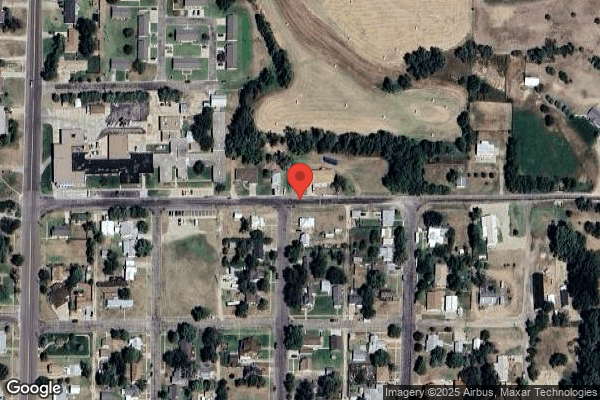
DAWSON PLACE

208 W PROUT STREET, HILL CITY, KS 67642 (785) 421-3414
Non profit - Corporation 36 Beds Independent Data: November 2025
Trust Grade
45/100
#180 of 295 in KS
Last Inspection: July 2024

Within standard 12-15 month inspection cycle. Federal law requires annual inspections.

Overview

Dawson Place in Hill City, Kansas has a Trust Grade of D, which indicates it is below average and has some concerns. It ranks #180 out of 295 facilities in the state, placing it in the bottom half, but it is the only option in Graham County. The facility is improving, with the number of issues decreasing from 14 in 2022 to 12 in 2024. Staffing is a strength, with a rating of 4 out of 5 stars and a turnover rate of 48%, which is at the state average. However, there are some significant concerns; a resident experienced a significant weight loss due to the facility's failure to notify the dietician in a timely manner, and there were issues with staff not receiving necessary competency training for care, which could impact resident safety.

Trust Score
D
45/100
In Kansas
#180/295
Bottom 39%
Safety Record
Moderate
Needs review
Inspections
Getting Better
14 → 12 violations
Staff Stability
⚠ Watch
48% turnover. Above average. Higher turnover means staff may not know residents' routines.
Penalties
✓ Good
No fines on record. Clean compliance history, better than most Kansas facilities.
Skilled Nurses
○ Average
Each resident gets 36 minutes of Registered Nurse (RN) attention daily — about average for Kansas. RNs are the most trained staff who monitor for health changes.
Violations
⚠ Watch
38 deficiencies on record. Higher than average. Multiple issues found across inspections.
★★☆☆☆
2.0
Overall Rating
★★★★☆
4.0
Staff Levels
★★☆☆☆
2.0
Care Quality
★★☆☆☆
2.0
Inspection Score
Stable
2022: 14 issues
2024: 12 issues

The Good

  • 4-Star Staffing Rating · Above-average nurse staffing levels
  • Full Sprinkler Coverage · Fire safety systems throughout facility
  • No fines on record

Facility shows strength in staffing levels, fire safety.

The Bad

2-Star Overall Rating

Below Kansas average (2.9)

Below average - review inspection findings carefully

Staff Turnover: 48%

Near Kansas avg (46%)

Higher turnover may affect care consistency

The Ugly 38 deficiencies on record

1 actual harm
Jul 2024 12 deficiencies
CONCERN (D) 📢 Someone Reported This

A family member, employee, or ombudsman was alarmed enough to file a formal complaint

Potential for Harm - no one hurt, but risky conditions existed

Deficiency F0697 (Tag F0697)

Could have caused harm · This affected 1 resident

**NOTE- TERMS IN BRACKETS HAVE BEEN EDITED TO PROTECT CONFIDENTIALITY** The facility had a census of 33 residents. The sample included 12 residents. Based on observation, record review, and interview,...

Read full inspector narrative →
**NOTE- TERMS IN BRACKETS HAVE BEEN EDITED TO PROTECT CONFIDENTIALITY** The facility had a census of 33 residents. The sample included 12 residents. Based on observation, record review, and interview, the facility failed to provide effective pain management for Resident (R) 15, who experienced pain. This deficient practice placed R15 at risk for ongoing pain and impaired quality of life. Findings included: - R15's Electronic Medical Record (EMR) included diagnoses of bilateral osteoarthritis (chronic arthritis without inflammation) of the knee, constipation (difficulty passing stools), chronic pain, edema (swelling resulting from an excessive accumulation of fluid in the body tissues), depression (a mood disorder that causes a persistent feeling of sadness and loss of interest), pain in the right and left knee, congestive heart failure (CHF-a condition with low heart output and the body becomes congested with fluid), and hypertension (HTN-elevated blood pressure). The Quarterly Minimum Data Set (MDS), dated [DATE], documented R15 had moderately impaired cognition and had verbal behavioral symptoms directed toward others which occurred one to three days of the seven-day observation period. R15 required partial/moderate assistance with toileting hygiene, upper body dressing, and transfers to the bed and chair. R15 required partial/moderate assistance with showering and lower body dressing. The MDS further documented R15 was frequently incontinent of urine and occasionally of bowel. R15 received scheduled and as-needed (PRN) pain medication and had pain frequently which interfered with day-to-day activities. R15 had shortness of breath with exertion and two or more falls with no injury. R15 also received an anticoagulant (class of medication to prevent blood from clotting), an antidepressant (class of medications used to treat mood disorders), a diuretic (medication to promote the formation and excretion of urine), an opioid (medication to treat pain) and a hypoglycemic (class of medication used to lower blood glucose levels). The Pain Care Area Assessment (CAA), dated 02/29/24, documented R15 had osteoarthritis of both knees and chronic pain. R15's knee pain limited his mobility, and his primary caregiver reported the pain had been getting worse at home. R15's Care Plan, dated 03/14/24, stated R15 required limited to extensive assistance with all activities of daily living. R15 had a diagnosis of bilateral osteoarthritis, pain (especially knee pain), difficulty going from a lying to a sitting position, difficulty getting out of bed and chair, and used an electric recliner and rollator for ambulation with one staff assistance. The care plan further documented a new onset of incontinence since admission. The care plan lacked staff direction for non-medication pain relief measures to alleviate pain. The Physician Order dated 03/05/24, directed staff to administer Tylenol 8-hour oral tablet, extended-release, 650 milligrams (mg) four times a day for bilateral osteoarthritis of the knee and chronic pain. The Physician Order dated 02/20/24, directed staff to administer meloxicam 7.5 mg (an anti-inflammatory) by mouth every 24 hours PRN for pain related to bilateral osteoarthritis. R15's Medication Administration Record (MAR) revealed R15 received the PRN meloxicam and was utilized 02/20/24, 02/27/24, and 02/27/24. The Physician Order dated 02/23/24, directed staff to administrate oxycodone 2.5 mg (opioid) by mouth every four hours PRN for back pain related to chronic pain. R15's MAR revealed that oxycodone was utilized one time in February 2024. During the month of March 2024, R15's oxycodone was administered 13 times. During the month of April 2024, oxycodone was administered eight times. During the month of May 2024, R15's oxycodone was administered three times. During the month of June 2024, the oxycodone had been administered 12 times. From July 1 through July 7, 2024, R15'soxycodone was given five times. The PRN oxycodone is utilized during the nighttime hours. The Progress Note dated 05/18/24 at 11:53 PM, documented R15 had diagnoses that do cause him a great deal of discomfort and he had the tendency to become verbally aggressive and short-tempered when experiencing pain. R15 was noted to yell at staff during transfers and toileting if hurting. On 07/09/24 at 11:20 AM, observation revealed R15 exiting his bathroom using a wheeled walker. R15 moved slowly and stiffly, and he walked to his electric recliner. R15 stated both knees had been replaced when he was in his sixties, and the left knee had the most pain now. R15 said when he has pain, he cannot sleep and he asks for pain pills. R15 also reported having to get up through the night to use the bathroom, stating he could not use a urinal because he was not able to stand and hold the urinal without losing his balance, so he called for assistance as instructed by staff. On 07/09/24 at 02:35 PM, Certified Nurse Aide (CNA) MM, stated R15 complained of pain mostly in his left leg. He called for staff to help with moving the left leg. CNA MM reported that she tells the charge nurse when R15 is in pain. On 07/10/24 at 07:30 AM, Licensed Nurse (LN) G reported she was not aware of R15's increased use of oxycodone during the night and stated they had given R15's PRN pain medication only a few times during day shift hours. LN G was unsure what nonpharmacological interventions were in place or attempted for R15. On 07/10/24 at 09:29 AM, Administrative Nurse D verified R15 had pain which could affect his mood, mobility, and continence. Administrative Nurse D verified R15's frequent use of PRN pain medication but was unsure if R15's physician had been notified. Administrative Nurse D verified that R15's plan lacked nonpharmacological intervention for pain. The facility's Pain Management policy, dated 10/29/09, documents that pain management will be a part of each resident's initial and ongoing assessment. The resident's individual plan of care will address medication and non-medication-based intervention that will promote the residents' comfort and enhance their quality of life. Nursing will monitor for adverse effects and impact on activities of daily living of prescribed analgesics such as falls, constipation, drowsiness, etc., and implement interventions in the resident's care plan to address adverse effects and provide optimal safety for the resident. The facility failed to provide effective pain management related to the increased use of PRN oxycodone, and lack of non-medication interventions for R15 who experienced ongoing pain which impaired R15's quality of life.
CONCERN (D) 📢 Someone Reported This

A family member, employee, or ombudsman was alarmed enough to file a formal complaint

Potential for Harm - no one hurt, but risky conditions existed

Deficiency F0730 (Tag F0730)

Could have caused harm · This affected 1 resident

The facility had a census of 33 residents. The sample included 12 residents. Based on record review and interview, the facility failed to provide regular in-service education based on the outcome of p...

Read full inspector narrative →
The facility had a census of 33 residents. The sample included 12 residents. Based on record review and interview, the facility failed to provide regular in-service education based on the outcome of performance reviews and failed to ensure all nurse aides received the required number of in-service training hours per year. This placed the residents at risk for impaired care. Findings included: - The facility's employment records documented 5 nurse aides were employed at the facility for at least one year. The facility's in-service records documented that three of those nurse aides had not completed the required 12 hours of in-service training in the past year. On 07/09/24 at 09:30 AM, Administrative Nurse D stated she had a system in place to monitor the completion of in-service hours, but it was not up to date and failed to provide the needed hours for the by nurse aide staff. On 07/09/24 at 04:00 PM, Administrative Staff A stated they were unaware there was no system in place to monitor the completion of in-service hours. Administrative Staff A said the facility was implementing a new program to track staff hours and verified that the facility did not currently complete performance reviews of nurse aide staff on a regular basis. The Facility Assessment, dated 06/24/24, documented the resident population profile, resident acuity profile, staff training, licensing, and required continuing education. The assessment recorded the facility would provide ongoing education and staff training sufficient to ensure the continued competencies of nurse aides but no less than 12 hours per year. The staff training and education program is designed to ensure knowledge competency for all staff. Education is provided through online training, monthly employee in-service, peer mentoring, and instructor-led sessions. The training and competency program are reviewed and revised each time the Facility Assessment is reviewed or revised. The facility failed to ensure nurse aides employed for at least one year received a performance evaluation and completed the required in-service education, placing the residents who resided in the facility at risk of impaired care.
CONCERN (D) 📢 Someone Reported This

A family member, employee, or ombudsman was alarmed enough to file a formal complaint

Potential for Harm - no one hurt, but risky conditions existed

Drug Regimen Review (Tag F0756)

Could have caused harm · This affected 1 resident

**NOTE- TERMS IN BRACKETS HAVE BEEN EDITED TO PROTECT CONFIDENTIALITY** - R33's Electronic Medical Record (EMR) documented R33 had a diagnosis of anxiety disorder (mental or emotional reaction charact...

Read full inspector narrative →
**NOTE- TERMS IN BRACKETS HAVE BEEN EDITED TO PROTECT CONFIDENTIALITY** - R33's Electronic Medical Record (EMR) documented R33 had a diagnosis of anxiety disorder (mental or emotional reaction characterized by apprehension, uncertainty, and irrational fear). R33's Quarterly Minimum Data Set (MDS), dated [DATE], documented R33 had a Brief Interview of Mental Status (BIMS) score of seven, which indicated severe cognitive impairment. The MDS documented R33 did not receive an antianxiety medication during the observation period. R33's Care Plan, revised 05/09/24, documented R33 received Ativan (medication used for anxiety) and instructed staff to monitor R33 for side effects from the medication. R33's Physician Order, dated 05/10/24, instructed staff to administer Ativan, 0.25 milligram (mg) as needed (PRN), without a stop date. The Consultant Pharmacist (CP) drug regimen reviews revealed the following: On 05/07/24, the CP found no irregularities. On 06/06/24, the CP found no irregularities. A review of R33's clinical record lacked evidence the CP identified and notified the facility regarding the lack of a stop date for R33's PRN Ativan. On 07/09/24 at 07:50 AM, observation revealed R33 sat quietly in a chair at the dining room table with other residents. On 07/10/24 at 10:00 AM, Administrative Nurse D verified the CP had not alerted the facility of the lack of a stop date for R33's PRN Ativan. The facility's Consultants Policy, revised 11/21/17, documented that CP would provide to the Director of Nursing (DON) and Administrator written, dated, and signed findings, recommendations, plans for implementations, and plans for continued assessments. The CP failed to identify and report to the facility that R33's PRN Ativan lacked a stop date. This placed the resident at risk for unnecessary medication side effects. The facility had a census of 33 residents. The sample included 12 residents, with five reviewed for unnecessary medications. Based on observation, interview, and record review, the facility failed to ensure the Consultant Pharmacist identified and reported the lack of a 14-day stop date or specific duration with physician rationale for Resident (R) 14 and R33's as needed (PRN) psychotropic (alters mood or thoughts) medication. This placed the resident at risk for unnecessary medication with side effects. Findings include: - R14's Electronic Health Record (EHR) revealed diagnosis of protein-calorie malnutrition (inadequate intake of food and other essential nutrients that result in changes to the body composition and function), hypertension (HTN-elevated blood pressure, chronic kidney disease (mild to moderate damage and they are less able to filter waste and fluid from your body), anxiety (mental or emotional reaction characterized by apprehension, uncertainty and irrational fear), and dementia (progressive mental disorder characterized by failing memory, confusion) with behavioral disturbance. R14's Quarterly Minimum Data Set (MDS), dated [DATE], recorded R14 had severely impaired cognition. The MDS recorded she required extensive assistance from two staff with bed mobility and transfers. The MDS did not document the resident received antianxiety medication. R14's Care Plan, dated 06/27/24 recorded that R14 received medications with a Black Box Warning (BBW-highest safety-related warning) and had nursing considerations that need to be monitored. The care plan recorded staff to monitor for respiratory depression and sedation. The Physician's Order, dated 02/09/22, directed the staff to administer lorazepam (antianxiety) 1.0 milligrams (mg) every two hours a day as needed for anxiety. The order lacked a stop date. R14's EHR lacked an end date for the lorazepam. Review of the Consultant Pharmacist monthly reviews for R14 revealed on 06/06/24, 05/07/24, 04/16/24, 03/11/24, 02/08/24, 01/11/24, 12/08/23, 11/13/23, 10/10/23, 09/12/23, 08/08/23, and 07/10/23 the reviews lacked a recommendation the lorazepam needed a 14 day stop date. On 07/09/24 at 07:40 AM, observation revealed that R14 sat in a Broda chair (special chair with tilt and recline capability) in the dining room. Certified Medication Aide (CMA) administered Keppra (anti-seizure medication) 500 mg, one half tab equal to 250 mg crushed in applesauce and the resident tolerated it well. On 07/09/24 at 09:30 AM, Administrative Nurse D verified the resident received lorazepam PRN and that the order lacked a stop date. The Psychotropic Medication Monitoring policy, undated, documented the pharmacist would notify the physician Medical Director and Director of Nursing whenever a psychotropic medication is past due for review. Upon monthly review, the consultant pharmacist would make recommendations for dosage reductions/adjustments of antipsychotic medication for residents with dementia in accordance with the CMS regulations and guidelines. The consultant pharmacist would recommend to the physician, any specific dose reduction, additions/changes, and/or discontinuations, based on needs, labs, and current dose. The facility failed to ensure the Consultant Pharmacist identified and reported R14's lorazepam lacked a 14-day stop date. This placed the resident at risk for unnecessary antipsychotic medication with side effects.
CONCERN (D) 📢 Someone Reported This

A family member, employee, or ombudsman was alarmed enough to file a formal complaint

Potential for Harm - no one hurt, but risky conditions existed

Medication Errors (Tag F0758)

Could have caused harm · This affected 1 resident

**NOTE- TERMS IN BRACKETS HAVE BEEN EDITED TO PROTECT CONFIDENTIALITY** -R16's Electronic Medical Record (EMR) included diagnosis of congestive heart failure (CHF-a condition with low heart output and...

Read full inspector narrative →
**NOTE- TERMS IN BRACKETS HAVE BEEN EDITED TO PROTECT CONFIDENTIALITY** -R16's Electronic Medical Record (EMR) included diagnosis of congestive heart failure (CHF-a condition with low heart output and the body becomes congested with fluid), edema (swelling resulting from an excessive accumulation of fluid in the body tissues), mood disorder, dementia (progressive mental disorder characterized by failing memory, confusion), anxiety (mental or emotional reaction characterized by apprehension, uncertainty and irrational fear), and respiratory failure with hypoxia (inadequate supply of oxygen), and adult failure to thrive. R16's Significant Change Minimum Data Set (MDS), dated [DATE], documented R16 had moderately impaired cognition, rejected care behaviors that occurred one to three days during a seven-day observation period, and other changes in behavior that worsened. R15 had a functional range of motion impairment of both lower extremities and required substantial/maximal assistance with functional abilities and mobility. R16 was always incontinent of urine and had pain which occasionally interfered with daily activities. The MDS further documented R16 had shortness of breath or trouble breathing with exertion and lying flat, and had a condition or chronic disease that may result in a life expectancy of less than six months. R16 received an antidepressant (class of medications used to treat mood disorders), diuretic (medication to promote the formation and excretion of urine), oxygen therapy, and hospice care (care of the terminally ill). R16's Care Plan, dated 06/11/24, documented R16 had been admitted to hospice services with diagnoses of heart disease, failure to thrive, low endurance, depression, anorexia (loss of appetite), and unavoidable weight loss. The care plan directed staff to monitor signs of pain or distress while providing care and notify hospice nursing staff if interventions for pain or distress are ineffective. The Physician Order dated 06/11/24, directed staff to administer Ativan 0.5 milligrams (mg) tablet by mouth every four hours as needed for anxiety. The order lacked the required stop date. The Progress Note dated 06/27/24 at 05:26 PM, documented a care plan meeting held in the morning, and a family member attended. No concerns were voiced and R16 expressed happiness with care; the goal was comfort and the family requested food not to be pushed to eat. On 07/08/24 at 12:10 PM observation revealed R16 in the dining room. R16's oxygen tubing and the nasal cannula were coiled and placed on the oxygen concentrator uncovered. On 07/09/24 at 09:23 AM, Administrative Nurse D stated the Ativan order came from hospice. Administrative Nurse D said she was unaware the order did not have a stop date. The facility's Psychotropic Medication Monitor updated policy, documented orders for as-needed psychotropic will be limited to fourteen (14) days or less and only for specific clearly documented circumstances. The facility failed to ensure R16 had the required stop date for the use of Ativan, a psychotropic medication which placed the resident at risk of receiving unnecessary psychotropic medications. - R33's Electronic Medical Record (EMR) documented R33 had a diagnosis of anxiety disorder (mental or emotional reaction characterized by apprehension, uncertainty, and irrational fear). R33's Quarterly Minimum Data Set (MDS), dated [DATE], documented R33 had a Brief Interview of Mental Status (BIMS) score of seven, which indicated severe cognitive impairment. The MDS documented R33 did not receive an antianxiety medication during the observation period. R33's Care Plan, revised 05/09/24, documented R33 received Ativan (medication used for anxiety) and instructed staff to monitor R33 for side effects from the medication. R33's Physician Order, dated 05/10/24, instructed staff to administer Ativan, 0.25 milligram (mg) as needed (PRN), without a stop date. On 07/09/24 at 07:50 AM, observation revealed R33 sat quietly in a chair at the dining room table with other residents. On 07/10/24 at 10:00 AM, Administrative Nurse D verified R33's physician's order for PRN Ativan failed to have a stop date, and stated she was unaware that hospice residents who had PRN Ativan required a stop date. The facility's Psychotropic (alters mood or thought) Medication Monitoring Policy, undated, documented physician orders for PRN psychotropic medications would be time limited to 14 days or less and only for specific clearly documented circumstances. The facility failed to identify and report to the facility that R33's PRN Ativan lacked a stop date. This placed the resident at risk for unnecessary medications and related complications. The facility had a census of 33 residents. The sample included 12 residents, with six reviewed for unnecessary medications. Based on observations, interviews, and record review, the facility failed to ensure a 14-day stop date or specified duration with physician rationale for Resident (R)14's, R16's, and R33's ongoing as needed (PRN) antianxiety (class of medications that calm and relax people) medication. This placed R14, R16, and R33 at risk for unintended effects related to psychotropic (alters mood or thought) drug medications. Findings include: - R14's Electronic Health Record (EHR) revealed diagnosis of protein-calorie malnutrition (inadequate intake of food and other essential nutrients that result in changes to the body composition and function), hypertension (HTN-elevated blood pressure, chronic kidney disease (mild to moderate damage and they are less able to filter waste and fluid from your body), anxiety (mental or emotional reaction characterized by apprehension, uncertainty and irrational fear), and dementia (progressive mental disorder characterized by failing memory, confusion) with behavioral disturbance. R14's Quarterly Minimum Data Set (MDS), dated [DATE], recorded R14 had severely impaired cognition. The MDS recorded she required extensive assistance from two staff with bed mobility and transfers. The MDS did not document the resident received antianxiety medication. R14's Care Plan, dated 06/27/24 recorded R14 received medications with a Black Box Warning (BBW-highest safety-related warning) and had nursing considerations that need to be monitored. The care plan recorded staff to monitor for respiratory depression and sedation. The Physician's Order, dated 02/09/22, directed the staff to administer lorazepam (antianxiety) 1.0 milligrams (mg) every two hours a day as needed for anxiety. The order lacked a stop date. R14s EHR lacked an end date for the lorazepam. On 07/09/24 at 07:40 AM, observation revealed R14 sat in a Broda chair (special chair with tilt and recline capability) in the dining room. Certified Medication Aide (CMA) NN administered Keppra (anti-seizure medication) 500 mg, one half tab equal to 250 mg crushed in applesauce. On 07/09/24 at 09:30 AM, Administrative Nurse D verified the resident received PRN lorazepam that lacked a stop date. The Psychotropic Medication Monitoring policy, undated, documented the facility would use and administer psychotropic medications appropriately with the interdisciplinary team to ensure the appropriate use, evaluation, and monitoring. The facility would make every effort to comply with State and Federal regulations related to the use of psychopharmacological medications in the facility to include regular review for continued need, appropriate dosage, side effects, risks, and/or benefits. The facility supports the appropriate use of psychopharmacological medications that are therapeutic and enabling for residents suffering from mental illness while recognizing that the use of psychopharmacologic medications for dementia-related behaviors is inappropriate in most cases but rather the use of non-pharmacological interventions based on individual resident needs, preferences and routines is the most appropriate and first-line treatment for dementia-related behaviors. Efforts to reduce dosage or discontinue psychopharmacological medications will be ongoing, and appropriate, for the clinical situation. Psychotropic medications included: anti-anxiety/hypnotic, antipsychotic, and antidepressant classes of drugs. The policy documented that orders for as-needed (PRN) psychotropic medications would be time-limited to fourteen days or less and only for specific clearly documented circumstances. The policy documented the pharmacist would monitor psychotropic drug use in the facility to ensure that medications are not used in excess or for excess duration. The pharmacist would notify the physician Medical Director and Director of Nursing whenever a psychotropic medication is past due for review. Upon monthly review, the consultant pharmacist would make recommendations for dosage reductions/adjustments of antipsychotic medication for residents with dementia in accordance with the CMS regulations and guidelines. The consultant pharmacist would recommend to the physician, any specific dose reduction, additions/changes, and/or discontinuations, based on needs, labs, and current dose. The facility failed to ensure R14's lorazepam had a 14-day stop date or specified duration placing R14 at risk for adverse side effects.
CONCERN (D) 📢 Someone Reported This

A family member, employee, or ombudsman was alarmed enough to file a formal complaint

Potential for Harm - no one hurt, but risky conditions existed

Deficiency F0849 (Tag F0849)

Could have caused harm · This affected 1 resident

**NOTE- TERMS IN BRACKETS HAVE BEEN EDITED TO PROTECT CONFIDENTIALITY** - R16's Electronic Medical Record (EMR) included diagnosis of congestive heart failure (CHF-a condition with low heart output an...

Read full inspector narrative →
**NOTE- TERMS IN BRACKETS HAVE BEEN EDITED TO PROTECT CONFIDENTIALITY** - R16's Electronic Medical Record (EMR) included diagnosis of congestive heart failure (CHF-a condition with low heart output and the body becomes congested with fluid), edema (swelling resulting from an excessive accumulation of fluid in the body tissues), mood disorder, dementia (progressive mental disorder characterized by failing memory, confusion), anxiety (mental or emotional reaction characterized by apprehension, uncertainty and irrational fear), and respiratory failure with hypoxia (inadequate supply of oxygen), and adult failure to thrive. R16's Significant Change Minimum Data Set (MDS), dated [DATE], documented R16 had moderately impaired cognition, rejected care behaviors that occurred one to three days during a seven-day observation period, and other changes in behavior that worsened. R15 had a functional range of motion impairment of both lower extremities and required substantial/maximal assistance with functional abilities and mobility. R16 was always incontinent of urine and had pain which occasionally interfered with daily activities. The MDS further documented R16 had shortness of breath or trouble breathing with exertion and lying flat, and had a condition or chronic disease that may result in a life expectancy of less than six months. R16 received an antidepressant (class of medications used to treat mood disorders), diuretic (medication to promote the formation and excretion of urine), oxygen therapy, and hospice care (care of the terminally ill). R16's Care Plan, dated 06/11/24, documented R16 had been admitted to hospice services with diagnoses of heart disease, failure to thrive, low endurance, anorexia (loss of appetite), and unavoidable weight loss. The care plan directed staff to monitor signs of pain or distress while providing care and notify hospice nursing staff if interventions for pain or distress are ineffective. The plan lacked instruction on the services provided by hospice including hospice staff visits, supplies and medical equipment provided by hospice, and medications covered by hospice. A review of R16's medical records revealed the resident was admitted to hospice care on 06/11/24 but lacked evidence of coordination of care between hospice and the facility for a certified period of 06/11/24 to 09/08/24. Further review revealed no communication book. The Progress Note dated 06/27/24 at 05:26 PM, documented a care plan meeting was held in the morning, and family members attended. No concerns were voiced and R16 expressed happiness with care. The goal was comfort and the family requested food not to be pushed to eat. On 07/09/24 at 12:15 PM observation revealed R16 sat in the dining room, in a wheelchair being assisted with eating lunch. On 07/09/24 at 03:52 PM, Certified Nurse Aide (CNA) N reported R16 was on hospice services. CNA N stated hospice usually provided incontinent briefs, pads, and wipes, but if she had questions about care she would consult the charge nurse or Director of Nursing. On 07/10/24 at 09:45 PM, Administrative Nurse D stated she expected the facility to have a hospice care plan for R16 to be able to coordinate care with hospice services. Administrative Nurse D verified the facility lacked a hospice care plan that coordinated with the facility care plan. The Hospice Policy and Procedure policy, dated 05/24/24, documented the nursing facility and the hospice are responsible for performing each of their respective functions that have been agreed upon and included in the Plan of Care. Hospice retains overall professional management responsibility for directing the implementation of the Plan of Care related to terminal illness and related conditions. When a resident is admitted to Hospice Care the Plan of Care reflects the participation and responsibility of the hospice staff, the nursing facility staff, and the resident or representative. The Plan of Care will include directives for ongoing pain management and the hospice and nursing facility staff will communicate with each other regarding indications of need for care plan adjustment. The facility failed to coordinate care between the facility and the hospice provider for R16, who received hospice services. This deficient practice placed her at risk for inappropriate end-of-life care. The facility had a census of 33 residents. The sample included 12 residents with two reviewed for hospice (a type of health care that focuses on the terminally ill patient's pain and symptoms and attending to their emotional and spiritual needs at the end of life) services. Based on observation, record review, and interview, the facility failed to ensure a coordinated plan of care, which coordinated care and services provided by the facility with the care and services provided by hospice, was developed and available for Resident (R)14 and R 16. This placed R14 and R16 at risk for inappropriate end-of-life care. Findings included: - R14's Electronic Health Record (EHR) revealed diagnosis of protein-calorie malnutrition (inadequate intake of food and other essential nutrients that result in changes to the body composition and function), hypertension (HTN-elevated blood pressure, chronic kidney disease (mild to moderate damage and they are less able to filter waste and fluid from your body), anxiety (mental or emotional reaction characterized by apprehension, uncertainty and irrational fear), and dementia (progressive mental disorder characterized by failing memory, confusion) with behavioral disturbance. R14's Quarterly Minimum Data Set (MDS), dated [DATE], recorded R14 had severely impaired cognition. The MDS recorded she required extensive assistance from two staff with bed mobility and transfers. The MDS documented the resident received hospice services. R14's Care Plan, dated 04/10/24, recorded R14 required extensive assistance with most activities of daily living (ADL) care. R14's Care Plan documented the resident received hospice services due to severe protein-calorie malnutrition and directed staff to administer pain medication as ordered and notify the hospice nurse if there is breakthrough pain. The plan lacked instruction on the services provided by hospice including hospice staff visits, supplies and medical equipment provided by hospice, and medications covered by hospice. A review of R14's medical records revealed the resident was admitted to hospice care on 11/26/22 but lacked evidence of coordination of care between hospice and the facility. The facility had received a hospice plan of care dated 03/08/24 and an end date of 05/08/24. The review revealed there was no communication book or external document. On 07/09/24 at 07:45 AM, R14 sat in a Broda chair (special chair with tilt and recline capability) at the dining room table. Certified Nurse Aide (CNA) MM assisted the resident to eat her breakfast On 07/10/24 at 09:45 PM, Administrative Nurse D stated she expected the facility to have a hospice care plan for R14 to be able to coordinate care with hospice services. Administrative Nurse D verified the facility lacked a hospice care plan that coordinated with the facility care plan. The Hospice Policy and Procedure policy, dated 05/24/24, documented the nursing facility and the hospice are responsible for performing each of their respective functions that have been agreed upon and included in the Plan of Care. Hospice retains overall professional management responsibility for directing the implementation of the Plan of Care related to terminal illness and related conditions. When a resident is admitted to Hospice Care the Plan of Care reflects the participation and responsibility of the hospice staff, the nursing facility staff, and the resident or representative. The Plan of Care will include directives for ongoing pain management and the hospice and nursing facility staff will communicate with each other regarding indications of need for care plan adjustment. The facility failed to coordinate care between the facility and the hospice provider for R14, who received hospice services. This deficient practice placed her at risk for inappropriate end-of-life care.
CONCERN (D) 📢 Someone Reported This

A family member, employee, or ombudsman was alarmed enough to file a formal complaint

Potential for Harm - no one hurt, but risky conditions existed

Antibiotic Stewardship (Tag F0881)

Could have caused harm · This affected 1 resident

**NOTE- TERMS IN BRACKETS HAVE BEEN EDITED TO PROTECT CONFIDENTIALITY** The facility had a census of 33 residents. Based on interview and record review, the facility failed to consistently utilize an ...

Read full inspector narrative →
**NOTE- TERMS IN BRACKETS HAVE BEEN EDITED TO PROTECT CONFIDENTIALITY** The facility had a census of 33 residents. Based on interview and record review, the facility failed to consistently utilize an antibiotic stewardship program that included tracking, monitoring, and attempts to decrease the use of unnecessary antibiotic (a class of medications used to treat infections) treatments which placed Resident (R) 17 at risk of adverse outcomes associated with the inappropriate use of antibiotics and development of antibiotic-resistant organisms. Findings included: - R17's Electronic Medical Record (EMR) included diagnoses of major depressive disorder (major mood disorder that causes persistent feelings of sadness), Parkinson's disease (a slowly progressive neurologic disorder characterized by resting tremors, rolling of the fingers, masklike faces, shuffling gait, muscle rigidity, and weakness), schizoaffective (mental disorder characterized by gross distortion of reality, disturbances of language and communication and fragmentation of thought) disorder bipolar type (major mental illness that caused people to have episodes of severe high and low moods), personal history of urinary tract infection (UTI-an infection in any part of the urinary system), and diabetes mellitus (DM-when the body cannot use glucose, not enough insulin made or the body cannot respond to the insulin). R17's Quarterly Minimum Data Set (MDS), dated [DATE], documented R17 had intact cognition and had not exhibited behaviors. R17 had a functional range of motion of the lower extremities and required partial to moderate assistance with functional abilities and substantial to maximal assistance with mobility. R17 utilized an external urinary catheter, had a toileting program, and was frequently incontinent of urine. The MDS further documented R17 received scheduled and as-needed pain medication, an antidepressant (class of medications used to treat mood disorders), an anticoagulant (class of medications to prevent blood from clotting), and an antibiotic. The Urinary Incontinence Care Area Assessment (CAA), dated 01/17/24, documented R17 had an overactive bladder, a history of UTI with scheduled prophylactic (preventative in nature) antibiotic, used a sit-to-stand lift for transfers, wore incontinent products, declined a toileting schedule and was incontinent. R17's Care Plan, dated 03/02/23, documented R17 had an activity of daily living self-care performance related to impaired balance, Parkinson's disease, and mood disorder. The care plan directed staff to provide extensive assistance with all activities of daily living. The care further directed R17 required extensive assistance with toileting tasks and with peri-care by staff to ensure proper wiping; R17 wore pull-ups and staff were directed to apply the external catheter at night. The Physician Order dated 02/01/23, directed staff to administer cephalexin (antibiotic) oral tablet 250 milligrams (mg) at bedtime. The Pharmacy Consultant Note dated 09/12/23, documented a periodic review is needed for prophylactic antibiotics due to the risk of resistant organisms. Pushing non-sugar fluid and good peri-care and catheter care show evidence for the prevention of UTI infections. Suggestion to switch cephalexin to methenamine Hippurate (medication used to prevent UTI) 1 gram twice a day for UTI prophylaxis and requested a note of benefit versus risk. The physician's response was no changes. However, the physician did not document a risk versus benefit statement. R17's clinical record lacked evidence of a physician-documented rationale for the ongoing use of antibiotics for prophylaxis. On 07/08/24 at 03:52 PM, R17 reported continued use of the external catheter at night and stated she took an antibiotic daily to prevent UTIs. On 07/09/24 at 02:39 PM during the review of the infection control survey task along with reviewing R17's antibiotic use, Administrative Nurse E and Administrative Nurse F who shared duties of Infection Preventionist (IP) role, explained the antibiotic stewardship began with the floor nurses when observation of changes in a resident's condition were identified. The nurse filled out a form that documented signs, symptoms, vital statistics, and other concerns associated with the condition change. The form was sent to the physician for review and orders if needed. The form was also processed through medical records for documentation in the medical record. Once an antibiotic order was prescribed, the antibiotic information was logged for specific requirements to further assess the appropriateness of the treatment. The IPs reported when the antibiotic order did not meet the criteria, they notified the physician to discontinue the medication and/or consider another course of treatment. If the prescriber did not respond or provide a risk versus benefit statement, the antibiotic would continue as ordered. The IPs verified this process lacked documentation of communication with prescribers. The IPs reported the continued use of antibiotic therapy without meeting the criteria for an infectious process and further verified R17's ongoing prophylactic use of an antibiotic without recent confirmation of signs or symptoms of infections or supportive lab evidence. The IPs said the information was brought to the monthly risk/quality assurance meeting but lacked further action from the facility or prescribers. The facility's Antibiotic Stewardship Program policy, dated 01/04/21, documented the facility will implement an Antibiotic Stewardship Program (ASP) which will promote the appropriate use of antibiotics while optimizing the treatment of infections, at the same time reducing the possible adverse events associated with antibiotic use, potential to limit antibiotic resistance in the care setting, improving treatment efficacy and resident safety. Activities include these basic elements: leadership, accountability, drug expertise, action to implement recommended policies or practices, tracking measures, reporting data, education for clinicians, nursing staff, residents and families. The mission of the ASP is to provide the best antimicrobial therapy (right dose, right drug, and right duration) to residents that results in the best outcome with the least amount of toxicity and resistance. The facility failed to ensure an effective antibiotic stewardship program which included a system to assess the appropriateness of antibiotic usage in the facility, which placed the resident at risk of unnecessary antibiotic treatments.
CONCERN (D) 📢 Someone Reported This

A family member, employee, or ombudsman was alarmed enough to file a formal complaint

Potential for Harm - no one hurt, but risky conditions existed

Deficiency F0883 (Tag F0883)

Could have caused harm · This affected 1 resident

The facility had a census of 33 residents. Based on the interview and record reviews the facility failed to offer pneumococcal (type of bacterial infection) PCV20 immunizations for Residents (R) 3, R4...

Read full inspector narrative →
The facility had a census of 33 residents. Based on the interview and record reviews the facility failed to offer pneumococcal (type of bacterial infection) PCV20 immunizations for Residents (R) 3, R4, and R19 per the guidance from the Centers for Disease Control and Prevention (CDC) This placed the residents at risk for pneumococcal infection. Findings included: - R3's Electronic Health Record (EHR) documented i R3 received one Pneumovax dose on 10/09/18. The facility lacked documentation R3 was offered or refused any further pneumococcal vaccinations. R4's EHR documented R4 received one Pneumovax dose on 04/12/22. The facility lacked documentation R4 was offered or refused any further pneumococcal vaccinations. R19's EHR documentation indicated R19 received one Pneumovax dose on 04/12/22. The facility lacked documentation R19 was offered or refused any further pneumococcal vaccinations. During an interview on 07/09/24 at 03:01 PM, Administrative Nurse E and F verified the three residents had not received or been offered a second pneumonia immunization since admission to the facility, and the facility had not screened the residents for eligibility for a second pneumovax. During an interview on 07/10/24 at 09:40 AM, Administrative Nurse D stated she was unsure what the pneumococcal vaccination requirements were, but she expected the Infection Preventionist (IP) to know and provide residents with the required immunizations. The facility's Immunization and Pneumococcal Immunizations policy, revised 01/27/10, documented all residents will be provided appropriate information in order for a resident to execute his or her right to make an informed choice about receiving influenza and/or pneumococcal vaccine. Offer a pneumococcal immunization unless the immunization is medically contraindicated, or the resident has already been immunized. The facility failed to offer R3, R4, and R19 the updated pneumococcal immunization per current guidelines. This placed the residents at risk of acquiring pneumonia.
CONCERN (F) 📢 Someone Reported This

A family member, employee, or ombudsman was alarmed enough to file a formal complaint

Potential for Harm - no one hurt, but risky conditions existed

Deficiency F0726 (Tag F0726)

Could have caused harm · This affected most or all residents

The facility had a census of 33 residents. The sample included 12 residents. Based on record review and interview, the facility failed to conduct or implement nursing competencies required for residen...

Read full inspector narrative →
The facility had a census of 33 residents. The sample included 12 residents. Based on record review and interview, the facility failed to conduct or implement nursing competencies required for residents' care needs, as identified through resident assessments and plans of care. This placed the residents at risk for decreased quality of care. Findings included: - On 07/10/24 at 11:15 AM, Certified Medication Aide (CMA) R stated the facility had not provided any competency skill checks with her. On 07/10/24 at 11:15 AM, Certified Nurse Aide (CNA) O stated the facility had not provided any competency skills checks with him. On 07/10/24 at 09:30 AM, Administrative Nurse D verified she had not performed any competency checks with the staff. The June 24, 2024 Facility Assessment included the resident population profile, resident acuity profile, staff training, licensing, and required continuing education. The assessment recorded the facility would provide ongoing education and staff training. The staff training and education program is designed to ensure knowledge competency for all staff. Education is provided through online training, monthly employee in-service, peer mentoring, and instructor-led sessions. The training and competency program are reviewed and revised each time the Facility Assessment is reviewed or revised. The facility failed to implement a competency evaluation program, placing the residents who resided in the facility at risk of receiving impaired quality of care.
CONCERN (F) 📢 Someone Reported This

A family member, employee, or ombudsman was alarmed enough to file a formal complaint

Potential for Harm - no one hurt, but risky conditions existed

Deficiency F0801 (Tag F0801)

Could have caused harm · This affected most or all residents

The facility had a census of 33 residents. The sample included 12 residents. Based on observation, record review, and interviews, the facility failed to employ a full-time certified dietary manager fo...

Read full inspector narrative →
The facility had a census of 33 residents. The sample included 12 residents. Based on observation, record review, and interviews, the facility failed to employ a full-time certified dietary manager for the 32 residents who resided in the facility and received meals from the facility kitchen. This placed the residents at risk for inadequate nutrition. Findings included: - On 07/09/24 review of the noon meal consisted of baked honey-glazed ham, oven-browned potatoes, seasoned green beans, and Amish sugar cookies. On 07/09/24 at 10:20 AM, observation revealed Dietary Staff BB in the kitchen overseeing the preparation of the noon meal. On 07/09/24 at 10:20 AM, Dietary Staff BB verified she was not a certified dietary manager. Dietary Staff BB stated she had completed the classes but was not scheduled for the exam. On 07/10/24 at 09:07 AM, Administrative Staff A verified Dietary Staff BB had no dietary manager certification. The facility's Food and Nutrition Services, undated, documented the facility would employ a qualified, registered dietitian or other clinically qualified nutrition professional, either full-time or part-time or on a consultant basis, who meet the criteria set by the state of Kansas for such a position. if the facility does not employ a full-time qualified dietitian or other clinically qualified nutrition professional, the facility would designate a person to serve as the director of food and nutrition services who was for designations prior to November 2016 and meets the following requirements no later than 5 years after November 28, 2016, or no later than one year after November 28, 2016, for designations after November 28, 2016. a certified dietary manager a certified food service manager or an individual who has similar national certification for food service management and safety from a national certifying body or an individual who has an associate's or higher degree in food service or restaurant management, from an accredited institution of higher learning; and in states that have established standards for food service managers or dietary managers, meets State requirements for food service managers or dietary managers and receiving frequently scheduled consultations from a qualified dietitian or other clinically qualified nutrition professional The facility failed to employ a full-time certified dietary manager for 32 residents who resided in the facility and received meals from the kitchen. This placed the residents at risk for inadequate nutrition.
CONCERN (F) 📢 Someone Reported This

A family member, employee, or ombudsman was alarmed enough to file a formal complaint

Potential for Harm - no one hurt, but risky conditions existed

Food Safety (Tag F0812)

Could have caused harm · This affected most or all residents

The facility had a census of 33 residents. The facility had one kitchen. Based on observation, record review, and interview, the facility failed to store, prepare, distribute, and serve food in accord...

Read full inspector narrative →
The facility had a census of 33 residents. The facility had one kitchen. Based on observation, record review, and interview, the facility failed to store, prepare, distribute, and serve food in accordance with professional standards for food service safety, in one of one kitchen. This placed the residents who received their meals from the facility's kitchen at risk for foodborne illness. Findings included: - On 07/08/24 at 07:28 AM, observation in the kitchen revealed the following: In the walk-in refrigerator, an unlabeled, undated container with 10 green peppers had a white substance on it. Dietary Staff (DS) CC verified the finding and discarded the green peppers. DS CC stated they were molded, and the fresh vegetables were not staying fresh like they should. In the area by the walk-in refrigerator, two loaves of whole grain bread with an expiration date of 07/06/24. DS DD verified the finding and discarded the loaves of bread. On 07/09/24 at 10:20 AM, observation in the kitchen revealed the upper white metal cabinets above the three-sink had numerous size brownish-black substances around the two cabinet handles. On 07/9/24 at 10:50 AM, Dietary Manager (DM) BB verified the issue with the cabinets and stated all staff were responsible for cleaning the kitchen, with tasks to complete daily. DM BB stated all staff should check the food items' expiration dates daily. The facility's Food Storage Policy, revised 06/14/16, documented that food service or other designated staff would always maintain clean food storage areas. The policy documented foods should be rotated as delivered and used the first in, first out method. Items would be dated on receipt to facilitate this procedure. The facility failed to store, prepare, distribute, and serve food in accordance with professional standards for food service safety for the residents who received their meals from the facility's kitchen. This placed the residents at risk for foodborne illness.
CONCERN (F) 📢 Someone Reported This

A family member, employee, or ombudsman was alarmed enough to file a formal complaint

Potential for Harm - no one hurt, but risky conditions existed

Infection Control (Tag F0880)

Could have caused harm · This affected most or all residents

The facility had a census of 33 residents. Based on observation, record review, and interview, the facility failed to implement Enhanced Barrier Precautions (EBP-an infection control practice that use...

Read full inspector narrative →
The facility had a census of 33 residents. Based on observation, record review, and interview, the facility failed to implement Enhanced Barrier Precautions (EBP-an infection control practice that uses personal protective equipment (PPE) to reduce the spread of multi-drug resistant organisms (MDROs) for Resident (R) 10 who had an indwelling urinary catheter (tube placed in the bladder to drain urine into a collection bag) and R3 who had an enteral (provision of nutrients through the gastrointestinal tract when the resident cannot ingest, chew or swallow food) feeding tube while providing direct care contact. The facility also failed to implement a water management program for Legionella disease (Legionella is a bacterium spread through mist, such as air-conditioning units in large buildings. Adults over the age of 50 and people with weak immune systems, chronic lung disease, or heavy tobacco use are most at risk of developing pneumonia caused by legionella). These deficient practices placed the facility's residents at risk of contracting or spreading infectious processes. Findings included: - On 07/08/24 at 03:52 PM observation revealed Licensed Nurse (LN) H administered R3's medication via feeding tube. LN H donned gloves, but not a gown. No signage or additional PPE related to ENP was noted in the resident's room. On 07/09/24 at 01:52 PM, observation revealed Certified Nurse Aide (CNA) N, donned gloves and proceeded to empty R10's indwelling catheter drainage bag. No signage or additional PPE related to EBP was noted in the resident's room. On 07/09/24 at 01:37 PM, Administrative Nurse D stated there were no residents on EBP. Administrative Nurse D stated she was not aware of what defined EBP and that staff was to utilize standard precaution (an infection control technique of avoiding contact with patients' bodily fluid by wearing nonporous articles, such as gloves) for all residents. On 07/09/24 at 03:01 PM, Administrative Nurse E reported she had a meeting about a month or so ago with nursing and housekeeping regarding EBP and was not aware staff were not following the protocol. Administrative nurse E said she was unsure of who was responsible for initiating EBP for residents who required it. On 07/10/24 at 09:25 AM, Administrative Staff A reported the maintenance department lacked information and verified the lack of procedures related to the waterborne pathogens system management. On 07/10/24 at 09:35 AM, Administrative Nurse D stated the Infection Preventionist was responsible for implementing EBP. The facility's Infection Prevention and Control Program policy, dated 04/01/20, documented the facility maintains an organized, effective facility-wide program designed to symptomatically identify and reduce the risk of acquiring and transmitting infections among residents, visitors, and healthcare workers. This program involves the collaboration of all staff and services within the facility and is designed to meet the needs and safety of our residents. Authority of the Infection Prevention and Control program has been delegated by the Director of Nursing (DON) to the facility's Infection Preventionist. In collaboration with the DON and the Medical Director, the Infection Preventionist has the authority to institute emergency medical and/or administrative actions when there is danger or threat to residents and/or staff regarding infection prevention/control matters. The facility has infection prevention policies and procedures, which outline strategies designed to reduce the risk of transmission of infectious agents among healthcare workers, residents, and visitors. Policies and procedures are based on relevant guidelines. The facility's Legionella Risk Management Policy dated 07/18/18, documented the purpose of the policy is to ensure, that as far as possible, all users of this facility are protected from the incident of Legionnaire's disease. The Maintenance Supervisor is responsible for all relevant details regarding roles and responsibilities and testing regimes contained in this policy and procedure. It is the policy of this facility to ensure that appropriate precautions for the control of legionella bacteria are identified through a Legionella risk assessment process and appropriate control measures implemented to ensure, so far as is reasonably practicable, the health, safety, and welfare of residents, visitors, staff members, and volunteers. The facility failed to implement EBP for R10 who had an indwelling urinary catheter and R3 who had an enteral feeding tube and failed to implement a water management program for Legionella disease which placed the facility's residents at risk of contracting or spreading infectious processes.
MINOR (C) 📢 Someone Reported This

A family member, employee, or ombudsman was alarmed enough to file a formal complaint

Minor Issue - procedural, no safety impact

Room Equipment (Tag F0908)

Minor procedural issue · This affected most or all residents

The facility had a census of 33 residents. The sample included 12 residents. Based on observation, record review, and interview the facility failed to ensure one of two kitchen ovens was in safe and o...

Read full inspector narrative →
The facility had a census of 33 residents. The sample included 12 residents. Based on observation, record review, and interview the facility failed to ensure one of two kitchen ovens was in safe and operable condition. Findings included: - On 07/09/24 at 10:20 AM, observation revealed in the kitchen one oven was not working. On 07/09/24 at 10:20 AM, Dietary Manager (DM) BB verified one oven was not working and stated it had a gas leak so a company came in and capped it off approximately 1.5 years ago. DM BB stated it was on the list to be replaced. On 07/10/24 at 09:07 AM, Administrative Staff A stated she was unaware one of the kitchen ovens was not working. She stated she knew the dietary manager had put in for a grant to update the kitchen but ended up not qualifying for the grant. Administrative Staff A was unaware of a kitchen repair list. Administrative Staff A stated she would notify the facility board. Upon request, the facility did not provide a preventative maintenance policy. The facility failed to maintain all mechanical, electrical, and resident care equipment in safe operating condition.
Oct 2022 14 deficiencies 1 Harm
SERIOUS (G)

Actual Harm - a resident was hurt due to facility failures

Deficiency F0692 (Tag F0692)

A resident was harmed · This affected 1 resident

The facility identified a census of 26 residents. The sample included 14 residents with four residents reviewed for nutrition. Based on observation, record review, and interviews, the facility failed ...

Read full inspector narrative →
The facility identified a census of 26 residents. The sample included 14 residents with four residents reviewed for nutrition. Based on observation, record review, and interviews, the facility failed to identify and respond in a timely manner and failed to notify the Registered Dietician (RD) in effort to prevent a significant weight loss for Resident (R)23. As a result, R23 had an unplanned weight loss of 13.6 percent (%) over six months. Findings Included: - The Medical Diagnosis section within R23's Electronic Medical Records (EMR) included diagnoses of insomnia (difficulty with sleeping), anxiety disorder (mental or emotional reaction characterized by apprehension, uncertainty and irrational fear), epilepsy (brain disorder characterized by repeated seizures), cerebral infarction (sudden death of brain cells due to lack of oxygen caused by impaired blood flow to the brain by blockage or rupture of an artery to the brain), depression (abnormal emotional state characterized by exaggerated feelings of sadness, worthlessness and emptiness), lactose intolerance, osteoarthritis (degenerative changes to one or many joints characterized by swelling and pain), macular degeneration (progressive deterioration of the retina), gastro-esophageal reflux disorder (backflow of stomach contents to the esophagus), and frontotemporal neurocognitive disorder (damage to parts of the brain leading to unusual behaviors, emotional problems, and trouble communicating). A review of R23's admission Minimum Data Set (MDS) dated 01/05/22 indicated she required limited assistance from one staff with eating. The MDS noted she weighed 146 pounds (lbs.) with no weight loss, no nutritional approaches were performed, no diuretic (medication to promote the formation and excretion of urine) medications used, and noted R23 did not receive hospice services. R23's Quarterly MDS dated 09/07/22 noted a BIMS score of nine, indicating moderate cognitive impairment. The MDS indicated that she required extensive assistance from one staff for eating. The MDS revealed she weight 123 lbs. and had unintended weight loss. The nutritional approach noted a mechanically altered and therapeutic diet were in place, no diuretic medication used, and R23 did not receive hospice services. A review of R23's Activities of Daily Living (ADL) Care Area Assessment (CAA) dated 01/12/2022 indicated she required limited assistance with her meals, but extensive assistance will all other ADL. R23's Visual Function CAA dated 01/12/2022 indicated staff were to ensure she had appropriate assistive devices during her mealtimes including plate guard, lids on her cup, and placement of her meal utilizing the clock method. The Nutritional Status CAA did not trigger for R23. A review of R23's Care Plan revealed an intervention initiated on 02/09/22 (revised on 04/20/22) that documented R23 was at risk for nutrition and dehydration related to her poor vision and comfort care. The care plan added interventions dated 02/14/22 for staff to offer additional fluids with meals, snacks, and activities and for staff to monitor ordered labs. On 03/30/22 an added intervention directed staff to utilize a plate guard for meals and for staff to monitor R23 for loose stool, due to lactose intolerance to dairy products. R23's Care Plan initiated 03/30/22 (revised on 04/20/22) noted she had an ADL self-care deficit related to dementia (progressive mental disorder characterized by failing memory, confusion). The care plan noted R23 was able to spoon feed herself if she could locate the plate and utensils, she required large handle silverware to maximize her independence, NS she might need supervision with setup to total assistance with meals, depending on the day. R23's Weight Summary recorded she weighed 146.6 lbs. on 01/04/22. A review of R23's Dietary Note on 01/14/22 indicated her weight was 146.4 lbs. showing a 2.4 lbs. weight gain since admission. The note indicated her body mass index (BMI, tool that measures the ratio of your height to your weight to estimate the amount of body fat) was slightly low. The note indicated R23 required varied assistance with meals and staff should encourage the use of the clock method. The note indicated staff should encourage meal intake; R23 was on a regular diet. R23's Weight Summary recorded she weighed 133.8 lbs. on 02/02/22 which indicated a 12.8 lb. loss in less than 30 days. R23's clinical record recorded an order dated 02/09/22 for comfort care. R23's Weight Summary recorded she weighed 132.6 lbs. on 03/01/22, and 135.6 lbs. on 04/05/22 for a significant loss of 7.5 % in 3 months. R23's clinical record lacked evidence the facility identified the significant loss and lacked evidence the facility consulted the Registered Dietician for evaluation. R23's Weight Summary recorded she weighed 126.6 lbs. on 05/31/22 which reflected an overall loss of 13.64 percent since admission. A Dietary Note dated 06/06/22 indicated R23 weighed 126.6 lbs. with a low BMI with a significant weight loss of greater than 10 %. The note indicated R23 received a regular diet and regular liquids. The note directed staff to offer fortified drinks with meals. R23's Physician Orders recorded an order dated 06/12/22 which directed to give protein powder to fortify 4-ounce (oz) juice with all meals for weight management. No other dietary notes, consultations, or interventions were in the chart or provided by the facility for R23. R23's Weight Summary on 10/04/22 documented she weighed 117.8 lbs. On 10/10/22 at 12:31PM R23 sat in dining room for lunch. She received her puree meal from the dining room. Her plate lacked the plate guard and staff feeding the resident her meal. She spat out the food from her mouth, after eating half of the meal and notified staff she did not like it and was done eating. R23 consumed 100% of her fortified shake . On 10/13/22 at 10:11 AM Certified Nurses Aid (CNA) M stated R23 was on a puree diet and needed assistance with her meals due to blindness. She stated the direct care staff weighed the residents based on the list the nurses put out each day and turned in the results to the nurses for review. She stated there were days the resident did not eat as much, and staff tried not to force her to eat. She stated that staff would offer shakes and other snacks to her if she refused her meals. She had not recently seen any weight changes in R23 but would notify the nurse if it occurred. On 10/13/22 at 10:40 AM Licensed Nurse (LN) N stated the CNA staff weighed the residents based upon the created schedule and reported the weights. She stated if any weight changes occurred the physician would have been notified and the dietician would review the changes. She stated R23 rarely refused her meals but would be offered alternatives or snacks for later. On 10/13/22 at 10:11 AM Administrative Nurse D stated the residents should be weighed based upon their orders. She stated that if resident lost more than five pounds the physician is notified, and the resident would be put on a list for the dietician to review. She stated the dietician came every month to review the residents. She stated the dietician has seen R23 and started her on the fortified shakes. She stated when the dietician was last in the facility, the updates to the care plan were put in place. On 10/21/2022 at 09:00AM in an interview with Consultant HH she stated R23 was placed on comfort care earlier this year. She stated with comfort care residents, the staff were not as aggressive to ensure the resident was fully abiding by her diet but eating what they could tolerate at the time. She stated she often had to remind the facility that residents on comfort care should still be monitored closely for changes in weight and dietary habits. She reported that often she had to reach out to facilities about notifying her of changes in the resident. She stated she was in the facility monthly checking on each resident, but R23's most recent weight changes were not reported to her. A review of the facility's Unintended Weight Loss policy revised 07/2011 indicated that weight loss of five percent in 30 days or 10% or more in the last 180 days will be noted and reported to the physician and dietician. The policy noted that direct care staff will monitor residents for decreased appetite and report problems to change nurse and physician. The facility failed to implement timely interventions to prevent significant weight loss for R23. This deficient practice placed the residents at risk for complications with weight loss and malnutrition.
CONCERN (D)

Potential for Harm - no one hurt, but risky conditions existed

Deficiency F0578 (Tag F0578)

Could have caused harm · This affected 1 resident

**NOTE- TERMS IN BRACKETS HAVE BEEN EDITED TO PROTECT CONFIDENTIALITY** The facility identified a census of 26 residents. The sample included 14 residents. Based on observation, record review, and int...

Read full inspector narrative →
**NOTE- TERMS IN BRACKETS HAVE BEEN EDITED TO PROTECT CONFIDENTIALITY** The facility identified a census of 26 residents. The sample included 14 residents. Based on observation, record review, and interviews, the facility failed to provide the resident or resident's responsible party with a lawfully recognized Out of Hospital Do Not Resuscitate (DNR-an order to withhold resuscitative measures) advance directive form for Resident (R) 3, which placed her at risk for R3's choice for a DNR not being honored. Findings included: - R3's Electronic Medical Record (EMR) from the Diagnoses tab documented diagnoses of dementia (progressive mental disorder characterized by failing memory, confusion) and Alzheimer's disease (progressive mental deterioration characterized by confusion and memory failure). The Annual Minimum Data Set (MDS) dated [DATE] documented R3 had a severely impaired memory. The MDS documented that R3 required extensive assistance of two staff members for activities of daily living (ADL's). The Quarterly MDS dated [DATE] documented R3 had a severely impaired memory. The MDS documented that R3 required extensive assistance of two staff members for ADL's. R3's Cognitive Loss Care Area Assessment (CAA) dated [DATE] documented R3 was dependent on staff for needs and/or decisions. R3's Care Plan dated [DATE] documented R3 could have two visitors at a time at the bedside for end of like visits. The Care Plan lacked documentation of code status and/or advance directives. Review of the EMR under Orders tab revealed physician orders: Do Not Resuscitate dated [DATE]. R3's clinical record included a Fax Transmittal Sheet which documented R3's name, and the date of [DATE]. The form stated DNR Do not resuscitate. The Fax Transmittal Sheet was signed by the physician only. R3's clinical record lacked evidence of a Living Will, advance directives, or DNR form signed by the resident or her Durable Power of Attorney. On [DATE] at 07:45 AM R3 sat reclined in broda chair in the dining room, her eyes closed, no behaviors or distress noted. On 10/1322 at 10:18 AM Certified Nurses Aide (CNA) M stated she would have to ask the nurse if a resident was a DNR or a full code. On [DATE] at 10:45 AM Licensed Nurse (LN) G stated the code status of each resent was listed on the resident's EMR. LN G stated that on admission, if there was an order for DNR, she placed that order in the resident's clinical record. LN G stated that all nurses are cardiopulmonary resuscitation (CPR- emergency medical procedure for restoring normal heartbeat and breathing to victims of heart failure, drowning, etc.)certified. LN G stated social services had the residents or their responsible party sign the DNR form. On [DATE] at 12:03 PM Administrative Nurse D stated the the code status for each resident was located the EMR and the clinical record. Administrative Nurse D stated the order for R3 was on the incorrect form and social services was going to provide R3 and her responsible party with the correct form. The facility did not provide a policy related to advance directives. The facility failed to provide an acceptable DNR for R3 and her responsible party in order for R3 to declare her wishes not to receive resuscitation. This placed her at risk of her wishes not being honored.
CONCERN (D)

Potential for Harm - no one hurt, but risky conditions existed

Notification of Changes (Tag F0580)

Could have caused harm · This affected 1 resident

The facility identified a census of 26 residents. The sample included 14 residents with eight reviewed for notification of changes. Based of observations, record review, and interviews, the facility f...

Read full inspector narrative →
The facility identified a census of 26 residents. The sample included 14 residents with eight reviewed for notification of changes. Based of observations, record review, and interviews, the facility failed to notify Resident (R) 20's representative of her elopement (when a cognitively impaired resident exits the facility without staff knowledge or supervision) from the facility. This deficient practice placed R20 at risk for complications related to delayed decisions regarding treatment and services. Findings Included: - The Medical Diagnosis section within R20's Electronic Medical Records (EMR) included diagnoses of Alzheimer's disease (progressive mental deterioration characterized by confusion and memory failure), dementia (progressive mental disorder characterized by failing memory, confusion), pseudobulbar effect (emotional disturbance characterized by uncontrollable episodes of crying, laughing, anger or other emotional displays), mood disturbances, anxiety disorder (mental or emotional reaction characterized by apprehension, uncertainty and irrational fear), psychotic disturbances, major depressive disorder (major mood disorder),and spondylolisthesis (movement of the spinal bones causing severe pain in the lower back and legs). A review of R20's Annual Minimum Data Set (MDS) dated 06/15/22 indicated she had a Brief Interview for Mental Status (BIMS) score of three indicating severe cognitive impairment. The MDS noted that she had delusions and wandered. The MDS noted that she required extensive assistance from one staff for all transfers and utilized a wheelchair for mobility. The MDS noted that she had two or more no-injury falls since her prior assessment. R20's Dementia Care Area Assessment (CAA) dated (06/22/22) noted that she had impaired cognition related to her medical diagnosis. The CAA noted that she was unable to make major decisions, wandered, asked for her kids, and thought the vehicles in the parking lots may be hers. R20's Communication CAA dated 06/15/22 indicated that she often had difficulty finding words to express herself. The CAA noted that staff were to anticipate her needs and report communication concerns. A Quarterly Elopement Evaluation for R20 completed on 06/22/22 revealed that she had cognitive impairment, poor-decision making abilities, and a history of wandering. The writer noted that she had no history or risk of elopement at the time of assessment despite the identified risks. A Morse Fall Scale (scale that measures the risk of falls) completed on 06/22/22 revealed was a high fall risk. A review of R20's Care Plan initiated 10/04/19 noted that she had impaired cognitive function related to her dementia diagnosis. The plan noted that staff should encourage her to express her thoughts and give her adequate time to respond (added 10/04/19), and provide one to one staff interaction during episodes of sadness or crying (added 10/09/19) On 09/01/22 R20's care plan was updated with an intervention which directed staff were to monitor her when moving in the hall and redirect her away from the exits. R20's plan indicated that she was a high fall risk and on 09/12/22 noted that staff were to monitor her for increased wandering and not to leave her unattended for extended periods of time. A Nurses Note on 08/03/22 at 03:16 PM revealed that staff was alerted by the door alarm for the southeast exit door. The writer noted that staff found R20's wheelchair sitting at the door and located R20 outside on the patio area attempting to sit on the arm of a chair. The writer noted that R20 was assisted into the seat until assistance arrived to help get her back inside. R20's clinical record lacked evidence staff notified R20's representative of the elopement occurrence. On 10/10/22 at 01:38PM R20 was observed wandering the 100's hallway. She was crying and calling out her husband's name. Staff were not in the hallway to assist her. Staff intervention occurred at 02:10PM when staff assisted her to the dining room for activity. On 10/12/22 at 10:30AM in an interview completed with Licensed Nurse (LN) H, she stated that she did not think that the event was an actual elopement. She stated that she just wanted to make sure the resident was safe and move her back inside. She stated she did not notify the resident representative of the incident. On 10/13/22 at 12:10PM Administrative Nurse D reported that staff should notify the family of all incidents and changes in the resident's care that may occur. She stated that she was not aware of the incident, but the family should have been notified by the nurse at the time of the incident. A review of the facility's Prevention of Elopement policy dated 05/2000 indicated that the resident's legal representatives will be notified of any attempts or elopements and interventions will be provided to prevent further elopements. The facility failed to notify R20's representative of her elopement from the facility. This deficient practice placed R20 at risk for complications related to delayed decisions regarding treatment and services.
CONCERN (D)

Potential for Harm - no one hurt, but risky conditions existed

Report Alleged Abuse (Tag F0609)

Could have caused harm · This affected 1 resident

The facility identified a census of 26 residents. The sample included 14 residents with three reviewed for reporting of alleged violations. Based of observations, record review, and interviews, the fa...

Read full inspector narrative →
The facility identified a census of 26 residents. The sample included 14 residents with three reviewed for reporting of alleged violations. Based of observations, record review, and interviews, the facility failed to identify and report a potential allegation of neglect for Resident (R) 20 to the State Agency. This placed the resident at risk for unidentified and ongoing abuse and /or neglect. Findings Included: - The Medical Diagnosis section within R20's Electronic Medical Records (EMR) included diagnoses of Alzheimer's Disease (progressive mental deterioration characterized by confusion and memory failure), dementia (progressive mental disorder characterized by failing memory, confusion), pseudobulbar effect (emotional disturbance characterized by uncontrollable episodes of crying, laughing, anger or other emotional displays), mood disturbances, anxiety disorder (mental or emotional reaction characterized by apprehension, uncertainty and irrational fear), psychotic disturbances, major depressive disorder (major mood disorder),and spondylolisthesis (movement of the spinal bones causing severe pain in the lower back and legs). A review of R20's Annual Minimum Data Set (MDS) dated 06/15/22 indicated she had a Brief Interview for Mental Status (BIMS) score of three indicating severe cognitive impairment. The MDS noted that she had delusions and wandered. The MDS noted that she required extensive assistance from one staff for all transfers and utilized a wheelchair for mobility. The MDS noted that she had two or more no-injury falls since her prior assessment. R20's Dementia Care Area Assessment (CAA) dated (06/22/22) noted that she had impaired cognition related to her medical diagnosis. The CAA noted that she was unable to make major decisions, wandered, asked for her kids, and thought the vehicles in the parking lots may be hers. R20's Communication CAA dated 06/15/22 indicated that she often had difficulty finding words to express herself. The CAA noted that staff were to anticipate her needs and report communication concerns. A Quarterly Elopement Evaluation for R20 completed on 06/22/22 revealed that she had cognitive impairment, poor-decision making abilities, and a history of wandering. The writer noted that she had no history or risk of elopement at the time of assessment despite the identified risks. A Morse Fall Scale (scale that measures the risk of falls) completed on 06/22/22 revealed was a high fall risk. A review of R20's Care Plan initiated 10/04/19 noted that she had impaired cognitive function related to her dementia diagnosis. The plan noted that staff should encourage her to express her thoughts and give her adequate time to respond (added 10/04/19), and provide one to one staff interaction during episodes of sadness or crying (added 10/09/19) On 09/01/22 R20's care plan was updated with an intervention which directed staff were to monitor her when moving in the hall and redirect her away from the exits. R20's plan indicated that she was a high fall risk and on 09/12/22 noted that staff were to monitor her for increased wandering and not to leave her unattended for extended periods of time. A Nurses Note on 08/03/22 at 03:16 PM revealed that staff was alerted by the door alarm for the southeast exit door. The writer noted that staff found R20's wheelchair sitting at the door and located R20 outside on the patio area attempting to sit on the arm of a chair. The writer noted that R20 was assisted into the seat until assistance arrived to help get her back inside. The record lacked evidence staff notified R20's representative. On 10/10/22 at 01:38PM R20 was observed wandering the 100's hallway. She was crying and calling out her husband's name. Staff were not in the hallway to assist her. Staff intervention occurred at 02:10PM when staff assisted her to the dining room for activity. On 10/12/22 at 10:30AM in an interview completed with Licensed Nurse (LN) H, she stated that she did not think that the event was an actual elopement. She stated that she was aware that an elopement was a reportable event but did not consider the event an elopement due to the short timeframe. On 10/13/22 at 12:10PM Administrative Nurse D reported that staff were required to report all elopements to the investigating agency as soon as they can. She stated that the nurse may not have understood that the situation was an elopement and did not know to report it. She stated that all staff were required to participate in annually provided abuse, neglect, and exploitation training. She stated that the last training Inservice was completed in January of 2022. She stated that she will be revisiting training for the staff to improve communication during incidents such as this one. The facility's policy Abuse, Neglect and Exploitation signed and dated 12-02-22 [sic] documented neglect as the failure to provide goods and services necessary to avoid physical harm. The policy directed all alleged violations and all substantiated incidents would be reported to the State Agency and corrective actions would be taken because of the investigation. The Administrator and the Director of nursing would analyze all occurrences or reported and/or substantiated cases of neglect to determine what changes were needed, if any, to prevent further occurrences. The facility failed to ensure incidents of potential or alleged abuse or neglect were reported, as required, to the State Agency. This placed the residents at risk for unidentified and ongoing abuse and /or neglect.
CONCERN (D)

Potential for Harm - no one hurt, but risky conditions existed

Investigate Abuse (Tag F0610)

Could have caused harm · This affected 1 resident

The facility identified a census of 26 residents. The sample included 14 residents with three reviewed for potential neglect. Based of observations, record review, and interviews, the facility failed ...

Read full inspector narrative →
The facility identified a census of 26 residents. The sample included 14 residents with three reviewed for potential neglect. Based of observations, record review, and interviews, the facility failed to investigate an elopement (when a cognitively impaired residnet leaves the facility without staff knowledge and supervision) when Resident (R) 20 exited the facility without staff supervision or knowledge. This deficient practice placed R20 at risk for unidentified and ongoing neglect. Findings Included: - The Medical Diagnosis section within R20's Electronic Medical Records (EMR) included diagnoses of Alzheimer's Disease (progressive mental deterioration characterized by confusion and memory failure), dementia (progressive mental disorder characterized by failing memory, confusion), pseudobulbar effect (emotional disturbance characterized by uncontrollable episodes of crying, laughing, anger or other emotional displays), mood disturbances, anxiety disorder (mental or emotional reaction characterized by apprehension, uncertainty and irrational fear), psychotic disturbances, major depressive disorder (major mood disorder),and spondylolisthesis (movement of the spinal bones causing severe pain in the lower back and legs). A review of R20's Annual Minimum Data Set (MDS) dated 06/15/22 indicated she had a Brief Interview for Mental Status (BIMS) score of three indicating severe cognitive impairment. The MDS noted that she had delusions and wandered. The MDS noted that she required extensive assistance from one staff for all transfers and utilized a wheelchair for mobility. The MDS noted that she had two or more no-injury falls since her prior assessment. R20's Dementia Care Area Assessment (CAA) dated (06/22/22) noted that she had impaired cognition related to her medical diagnosis. The CAA noted that she was unable to make major decisions, wandered, asked for her kids, and thought the vehicles in the parking lots may be hers. R20's Communication CAA dated 06/15/22 indicated that she often had difficulty finding words to express herself. The CAA noted that staff were to anticipate her needs and report communication concerns. A Quarterly Elopement Evaluation for R20 completed on 06/22/22 revealed that she had cognitive impairment, poor-decision making abilities, and a history of wandering. The writer noted that she had no history or risk of elopement at the time of assessment despite the identified risks. A review of R20's Care Plan initiated 10/04/19 noted that she had impaired cognitive function related to her dementia diagnosis. The plan noted that staff should encourage her to express her thoughts and give her adequate time to respond (added 10/04/19), and provide one to one staff interaction during episodes of sadness or crying (added 10/09/19) On 09/01/22 R20's care plan was updated with an intervention which directed staff were to monitor her when moving in the hall and redirect her away from the exits. R20's plan indicated that she was a high fall risk and on 09/12/22 noted that staff were to monitor her for increased wandering and not to leave her unattended for extended periods of time. A Nurses Note on 08/03/22 at 03:16 PM revealed that staff were alerted by the door alarm for the southeast exit door. The writer noted that staff found R20's wheelchair sitting at the door and located R20 outside on the patio area attempting to sit on the arm of a chair. The writer noted that R20 was assisted into the seat until assistance arrived to help get her back inside. A Nurse Note on 08/14/22 at 11:32AM revealed that R20 attempted to go out multiple doors. On 10/10/22 at 01:38PM R20 was observed wandering the 100's hallway. She was crying and calling out her husband's name. On 10/12/22 at 10:30AM an interview completed with Licensed Nurse (LN) H, she stated that she had returned to the nurse's station and heard the door alarm sounding. She stated that she came down the hall to find R20's wheelchair in front of the southeast exit door. She stated that she found R20 outside just as she attempted to sit on a chair's arm. She stated that she did not believe this incident was an elopement and did not complete an assessment or report it because she didn't feel like it was an elopement. On 10/13/22 at 12:10PM Administrative Nurse D stated that staff should be reporting all elopement attempts by the residents. She stated that staff should chart attempted elopements in the progress notes. She stated there was another incident of R20 going out the dining room exit by herself. She stated that R20 pushed the door open and walked out; staff noticed and followed her out. She stated that she was not sure if that incident was documented. She stated that the event on 08/03/22 was not investigated because she was unaware of the event when it happened. The facility's policy Abuse, Neglect and Exploitation signed and dated 12-02-22 [sic] documented neglect as the failure to provide goods and services necessary to avoid physical harm. The policy directed all alleged violations and all substantiated incidents would be reported to the State Agency and corrective actions would be taken as a result of the investigation. The Administrator and the Director of nursing would analyze all occurrences or reported and/or substantiated cases of neglect to determine what changes were needed, if any, to prevent further occurrences. The facility failed to identify an incident of elopement and as potential neglect and initiate an investigation to rule out neglect and determine causative factors in order to prevent reoccurrence.
CONCERN (D)

Potential for Harm - no one hurt, but risky conditions existed

Transfer Notice (Tag F0623)

Could have caused harm · This affected 1 resident

**NOTE- TERMS IN BRACKETS HAVE BEEN EDITED TO PROTECT CONFIDENTIALITY** The facility identified a census of 26 residents. The sample included 14 residents with one resident reviewed for hospitalizatio...

Read full inspector narrative →
**NOTE- TERMS IN BRACKETS HAVE BEEN EDITED TO PROTECT CONFIDENTIALITY** The facility identified a census of 26 residents. The sample included 14 residents with one resident reviewed for hospitalization. Based on observation, record review, and interviews, the facility failed to provide written notification of the reason and location for the facility-intiated transfer to Resident (R)16 or her representative. This deficient practice placed R16 at risk of delayed care or uncommunicated care needs. Findings included: - R16 admitted on [DATE] and discharged on 09/16/22. R16's Electronic Medical Record (EMR) from the Diagnoses tab documented diagnoses of Alzheimer's disease (progressive mental deterioration characterized by confusion and memory failure), anxiety (mental or emotional reaction characterized by apprehension, uncertainty and irrational fear), and Parkinson's disease (slowly progressive neurologic disorder characterized by resting tremor, rolling of the fingers, masklike faces, shuffling gait, muscle rigidity and weakness). The admission Minimum Data Set (MDS) dated [DATE] documented a Brief Interview of Mental Status (BIMS) score of three which indicated severely impaired cognition. The MDS documented that R16 required extensive assistance of two staff members for activities of daily living (ADL's). R16's Cognitive Loss Care Area Assessment (CAA) dated 07/18/22 documented R16 had significant short term memory impairment. R16's Care Plan dated 07/17/22 documented staff would cue, reorient and supervise R16 as needed. Review of the EMR under Progress Notes documented on 09/16/22 at 12:42 PM R16 was transferred by facility staff to a behavioral health facility for an evaluation. On 10/14/22 at 12:03 PM Administrative Nurse D stated she was not aware of the requirement of written notification to the resident's responsible party of transfers to the hospital. On 10/14/22 at 04:00 PM Social Service X stated she was unaware of the requirement of written notification to the resident's responsible party of the transfer to the hospital. The facility was unable to provide a policy related to discharge/ transfer from the facility. The facility failed to provide written notification of the reason and location for the facility intiated transfer to the hospital for R16 or her representative. This deficient practice placed R16 at risk of delayed care.
CONCERN (D)

Potential for Harm - no one hurt, but risky conditions existed

Accident Prevention (Tag F0689)

Could have caused harm · This affected 1 resident

The facility identified a census of 26 residents. The sample included 14 residents with eight reviewed for accidents. Based of observations, record review, and interviews, the facility failed to preve...

Read full inspector narrative →
The facility identified a census of 26 residents. The sample included 14 residents with eight reviewed for accidents. Based of observations, record review, and interviews, the facility failed to prevent an elopement (when a cognitively impaired residnet leaves the facility without staff knowledge and supervision) when Resident (R) 20 exited the facility without staff supervision or knowledge. This deficient practice placed R20 at risk for accident related injuries. Findings Included: - The Medical Diagnosis section within R20's Electronic Medical Records (EMR) included diagnoses of Alzheimer's disease (progressive mental deterioration characterized by confusion and memory failure), dementia (progressive mental disorder characterized by failing memory, confusion), pseudobulbar effect (emotional disturbance characterized by uncontrollable episodes of crying, laughing, anger or other emotional displays), mood disturbances, anxiety disorder (mental or emotional reaction characterized by apprehension, uncertainty and irrational fear), psychotic disturbances, major depressive disorder (major mood disorder),and spondylolisthesis (movement of the spinal bones causing severe pain in the lower back and legs). A review of R20's Annual Minimum Data Set (MDS) dated 06/15/22 indicated she had a Brief Interview for Mental Status (BIMS) score of three indicating severe cognitive impairment. The MDS noted that she had delusions and wandered. The MDS noted that she required extensive assistance from one staff for all transfers and utilized a wheelchair for mobility. The MDS noted that she had two or more no-injury falls since her prior assessment. R20's Dementia Care Area Assessment (CAA) dated (06/22/22) noted that she had impaired cognition related to her medical diagnosis. The CAA noted that she was unable to make major decisions, wandered, asked for her kids, and thought the vehicles in the parking lots may be hers. R20's Communication CAA dated 06/15/22 indicated that she often had difficulty finding words to express herself. The CAA noted that staff were to anticipate her needs and report communication concerns. A Quarterly Elopement Evaluation for R20 completed on 06/22/22 revealed that she had cognitive impairment, poor-decision making abilities, and a history of wandering. The writer noted that she had no history or risk of elopement at the time of assessment despite the identified risks. A Morse Fall Scale (scale that measures the risk of falls) completed on 06/22/22 revealed was a high fall risk. A review of R20's Care Plan initiated 10/04/19 noted that she had impaired cognitive function related to her dementia diagnosis. The plan noted that staff should encourage her to express her thoughts and give her adequate time to respond (added 10/04/19), and provide one to one staff interaction during episodes of sadness or crying (added 10/09/19) On 09/01/22 R20's care plan was updated with an intervention which directed staff were to monitor her when moving in the hall and redirect her away from the exits. R20's plan indicated that she was a high fall risk and on 09/12/22 noted that staff were to monitor her for increased wandering and not to leave her unattended for extended periods of time. A review of the R20's Nurse Notes revealed that on 04/22/22 at 01:26PM staff found R20 standing next to an exterior door attempting to exit the facility. The note indicated that staff had to redirect her multiple times to keep her from exiting the facility. The note indicated that R20 was standing at the door in front of her unlocked wheelchair. A Nurses Note on 08/03/22 at 03:16 PM revealed that staff were alerted by the door alarm for the southeast exit door. The writer noted that staff found R20's wheelchair sitting at the door and located R20 outside on the patio area attempting to sit on the arm of a chair. The writer noted that R20 was assisted into the seat until assistance arrived to help get her back inside. According to Wunderground.com, the weather for 08/03/22 at 03:24 PM revealed the outside temperature to be 98 degrees Fahrenheit at the time of the elopement. A Nurse Note on 08/14/22 at 11:32AM revealed that R20 attempted to go out multiple doors. On 10/12/22 at 09:04AM an observation completed of the facility's Southeast Exit was completed. The exit door had a keypad but opened without a time-delay or latching mechanism. The alarm immediately sounded. A review of the environment revealed a concrete patio with small cracks. The patio led out to a fenced off courtyard with two padlock secured gates. The closest gate was within 10 feet of the exit door had two large holes in the concrete leading to the sidewalk. The other gate was located 50 yards from the patio. The locked gates led out to the visitor's parking lot and a moderately trafficked street close to an intersection. Staff arrived four minutes after the door was opened. On 10/10/22 at 01:38PM R20 was observed wandering the 100's hallway. She was crying and calling out her husband's name. Staff were not in the hallway to assist her. Staff intervention occurred at 02:10PM when staff assisted her to the dining room for activity. On 10/12/22 at 10:30AM an interview completed with Licensed Nurse (LN) I, she stated that she had returned to the nurse's station and heard the door alarm sounding. She stated that she came down the hall to find R20's wheelchair in front of the southeast exit door. She stated that she found R20 outside just as she attempted to sit on a chair's arm. She stated that she did not believe this incident was an elopement and did not complete an assessment or report it because she didn't feel like it was an elopement. She stated that R20 had previous behaviors of attempting to go outside by herself and pushing on exit doors to see if they would open. She stated that R20 had exited the facility on another occasion that resulted in a fall on the outside patio but was unable to remember the date. She stated that she was shocked that the fall didn't cause an injury due to her falling on the concrete and landing on her right hip. On 10/13/22 at 12:10PM Administrative Nurse D stated that staff should be reporting all elopement attempts by the residents. She stated that the physician and family should be notified. She stated that staff should have eyes on the residents at all times to prevent elopement. She stated that staff should chart attempted elopements in the progress notes. She stated another incident of R20 going out the dining room exit by herself. She stated that she pushed the door open and walked out. She stated that staff noticed and followed her out. She stated that staff had to get a wheelchair due to her unsteadiness and assist her back inside. She stated that she was not sure if it was documented. She stated that she did not believe these were elopements due to staffs being with the residents outside. A review of the facility's Prevention of Elopement policy dated 05/2000 indicated that residents identified as high risk will be accounted for every 30 minutes. The policy noted that the facility will identify key periods when elopements appear most frequent and protocols will be accounted during the high-risk times. The policy noted that all residents will be maintained in a safe environment. A review of the facility's Elopement Risk policy dated 04/2014 indicated that all residents will be assessed risk and have individual interventions care-planned to ensure the resident's safety. The facility failed to provide adequate supervision to prevent R20 from exiting the facility without staff knowledge into an unsupervised area. This deficient practice placed R20 at risk for potential injury.
CONCERN (D)

Potential for Harm - no one hurt, but risky conditions existed

Deficiency F0712 (Tag F0712)

Could have caused harm · This affected 1 resident

**NOTE- TERMS IN BRACKETS HAVE BEEN EDITED TO PROTECT CONFIDENTIALITY** The facility identified a census of 26 residents. The sample included 14 residents. Based on observation, record review, and int...

Read full inspector narrative →
**NOTE- TERMS IN BRACKETS HAVE BEEN EDITED TO PROTECT CONFIDENTIALITY** The facility identified a census of 26 residents. The sample included 14 residents. Based on observation, record review, and interviews, the facility failed to ensure the required physician visits for Resident (R) 2, which placed her at risk of unrealized changes in R2's condition leading to unnecessary complications in her wellbeing. Findings included: - R2's Electronic Medical Record (EMR) from the Diagnoses tab documented diagnoses of dementia (progressive mental disorder characterized by failing memory, confusion), anxiety (mental or emotional reaction characterized by apprehension, uncertainty and irrational fear), and pain. The Annual Minimum Data Set (MDS) dated [DATE] documented severely impaired cognition. The MDS documented that R2 was dependent on two staff members assistance for activities of daily living (ADL's). The MDS documented R2 was a risk for skin issues during the look back period. The Quarterly MDS dated 08/24/22 documented R2 had severely impaired cognition. The MDS documented that R2 was dependent on two staff members assistance for ADL's. The MDS documented R2 was at risk for skin related issues during the look back period. R2 's Pressure Ulcer Care Area Assessment (CAA) dated 06/24/22 documented R2 had severe cognition impairment. and needed assistance with ADL's. R2 was at high risk for skin related concerns. R2's Care Plan revised on 04/15/21 documented R2 had an ADL deficit secondary to weakness related to her history of a stroke. R2 required total assistance from staff with wheelchair mobility and extensive assistance from one to two staff for ADLs including bed mobility and transfers. The care plan revised on 08/20/20 directed R2 received rehab per the treatment plan. She had pain and needed extensive assistance with most ADLs. An intervention dated 05/28/20 directed staff to provide restorative services three to five per week as tolerated to help R2 maintain her strength. The EMR and clinical record for R2 lacked physician notes. Upon request of physician progress notes for the past six months, the facility provided physician progress notes dated 04/11/22 and 07/02/22. On 10/12/22 at 03:35 PM R2 laid in a bed, bed was in the lowest position. R2's eyes were closed, and no distress or behaviors were noted. On 10/14/22 at 10:45 AM Licensed Nurse (LN) G stated a resident should be seen every 60 days by their primary care physician. LN G stated the physician visits should be documented in the resident's progress notes and any new orders received from the physician. LN G stated she made the list out for which residents needed to be seen by the physician. On 10/14/22 at 12:03 PM Administrative Nurse D stated residents should be seen by the physician every 90 days. Administrative Nurse D stated she was sure that R2 had been seen by the primary care physician but was unable to locate the progress notes; she verified the EMR lacked documentation of the visit. The facility's undated Policy for Physician Visits documented a resident must be seen by their physician every 60 days. The facility failed to ensure R2 was seen by the physician every 60 days as required. This had the potential for unrealized changes in R2's condition leading to unnecessary complications in her wellbeing.
CONCERN (D)

Potential for Harm - no one hurt, but risky conditions existed

Deficiency F0726 (Tag F0726)

Could have caused harm · This affected 1 resident

**NOTE- TERMS IN BRACKETS HAVE BEEN EDITED TO PROTECT CONFIDENTIALITY** - The Medical Diagnosis section within R20's Electronic Medical Records (EMR) included diagnoses of Alzheimer's Disease (progres...

Read full inspector narrative →
**NOTE- TERMS IN BRACKETS HAVE BEEN EDITED TO PROTECT CONFIDENTIALITY** - The Medical Diagnosis section within R20's Electronic Medical Records (EMR) included diagnoses of Alzheimer's Disease (progressive mental deterioration characterized by confusion and memory failure), dementia (progressive mental disorder characterized by failing memory, confusion), pseudobulbar effect (emotional disturbance characterized by uncontrollable episodes of crying, laughing, anger or other emotional displays), mood disturbances, anxiety disorder (mental or emotional reaction characterized by apprehension, uncertainty and irrational fear), psychotic disturbances, major depressive disorder (major mood disorder),and spondylolisthesis (movement of the spinal bones causing severe pain in the lower back and legs). A review of R20's Annual Minimum Data Set (MDS) dated 06/15/22 indicated she had a Brief Interview for Mental Status (BIMS) score of three indicating severe cognitive impairment. The MDS noted that she had delusions and wandered. The MDS noted that she required extensive assistance from one staff for all transfers and utilized a wheelchair for mobility. The MDS noted that she had two or more no-injury falls since her prior assessment. R20's Dementia Care Area Assessment (CAA) dated (06/22/22) noted that she had impaired cognition related to her medical diagnosis. The CAA noted that she was unable to make major decisions, wandered, asked for her kids, and thought the vehicles in the parking lots may be hers. R20's Communication CAA dated 06/15/22 indicated that she often had difficulty finding words to express herself. The CAA noted that staff were to anticipate her needs and report communication concerns. A review of R20's Care Plan initiated 10/04/19 noted that she had impaired cognitive function related to her dementia diagnosis. The plan noted that staff should encourage her to express her thoughts and give her adequate time to respond (added 10/04/19), and provide one to one staff interaction during episodes of sadness or crying (added 10/09/19) On 09/01/22 R20's care plan was updated with an intervention which directed staff were to monitor her when moving in the hall and redirect her away from the exits. R20's plan indicated that she was a high fall risk and on 09/12/22 noted that staff were to monitor her for increased wandering and not to leave her unattended for extended periods of time. A Quarterly Elopement Evaluation for R20 completed on 06/22/22 revealed that she had cognitive impairment, poor-decision making abilities, and a history of wandering. The writer noted that she had no history or risk of elopement at the time of assessment despite the identified risks. A Morse Fall Scale (scale that measures the risk of falls) completed on 06/22/22 revealed was a high fall risk. A Nurses Note on 08/03/22 at 03:16 PM revealed that staff was alerted by the door alarm for the southeast exit door. The writer noted that staff found R20's wheelchair sitting at the door and located R20 outside on the patio area attempting to sit on the arm of a chair. The writer noted that R20 was assisted into the seat until assistance arrived to help get her back inside. A review of the weather for 08/03/22 at 03:24 revealed the outside temperature to be 98 degrees Fahrenheit at the time of the elopement. A review of R20's EMR revealed that no assessment was completed for R20 related to her elopement incident. On 10/10/22 at 01:38PM R20 was observed wandering the 100's hallway. She was crying and calling out her husband's name. Staff not observed in the hallway to assist her. Staff interaction occurred 02:10PM to assist her to dining room for activity. On 10/12/22 at 10:30AM an interview completed with Licensed Nurse (LN) H, she stated that she had returned to the nurse's station on 08/03/22 at 03:24PM and heard the door alarm sounding. She stated that she came down the hall to find R20's wheelchair in front of the southeast exit door. She stated that she found R20 outside just as she attempted to sit on a chair's arm. She stated that she that she did not complete an assessment because the resident had been outside for only a short amount of time. She did acknowledge the resident was unsupervised during this brief time. She stated that if it were an elopement, she would have completed an assessment to ensure R20 was not injured. On 10/13/22 at 12:10PM Administrative Nurse D stated that LN H did not think R20 was outside long enough to fall or suffer injuries but would have completed an assessment if she had. Administrative Nurse D stated that R20 could have been in danger related to the 98-degree Fahrenheit heat outside on that afternoon and agreed that the nurse should have assessed R20. A review of the facility's Acute Change in Resident Status dated 01/15/22 noted that in the event of a incident or accident the charge nurse will notify the resident's representative and physician. The policy noted that if a significant change in the resident's condition occurs the charge nurse will record in the resident's medical record the relative changes and complete an assessment of the resident. The policy stated that the charge nurse will document interventions attempted to improve the resident's condition. The facility failed to complete a re-entry health assessment to assess for latent injuries related to R20's elopement. This deficient practice placed R20 at risk for complications related to unidentified injuries. The facility identified a census of 26 residents. The sample included 14 residents. Based on observation, record review, and interviews, the facility failed to ensure the nursing staff providing care had the appropriate competencies and skills necessary for use of hot compresses for Resident (R) 2. The facility further failed to ensure staff possessed the appropriate skills and competencies when staff failed to assess R20 after an elopement (when a cognitively impaired resident exits the facility without staff supervision or knowledge). The deficient practice placed these residents at risk of resident safety, marinating their highest practicable physical, mental, and psychosocial well-being of each resident. Findings Included: - R2's electronic medical record (EMR) from the Diagnoses tab documented diagnoses of dementia (progressive mental disorder characterized by failing memory, confusion), anxiety (mental or emotional reaction characterized by apprehension, uncertainty and irrational fear), and pain. The Annual Minimum Data Set (MDS) dated [DATE] documented severely impaired cognition. The MDS documented that R2 was dependent on two staff members assistance for activities of daily living (ADL's). The MDS documented R2 was a risk for skin issues during the look back period. The Quarterly MDS dated 08/24/22 documented R2 had severely impaired cognition. The MDS documented that R2 was dependent on two staff members assistance for ADL's. The MDS documented R2 was at risk for skin related issues during the look back period. R2 's Pressure Ulcer Care Area Assessment (CAA) dated 06/24/22 documented R2 had severe cognition impairment. and needed assistance with ADL's. R2 was at high risk for skin related concerns. R2's Care Plan revised on 04/15/21 documented R2 had an ADL deficit secondary to weakness related to her history of a stroke. R2 required total assistance from staff with wheelchair mobility and extensive assistance from one to two staff for ADLs including bed mobility and transfers. The care plan revised on 08/20/20 directed R2 received rehab per the treatment plan. She had pain and needed extensive assistance with most ADLs. An intervention dated 05/28/20 directed staff to provide restorative services three to five per week as tolerated to help R2 maintain her strength. R2's Care Plan lacked interventions related to pain management and lacked direction related to the use of warm/hot compresses. Review of the EMR under Orders tab revealed a physician orders which directed to monitor R2's right shoulder red area until resolve, every day and evening shift for dated 09/14/22 and discontinued on 10/14/22. R2's clinical record lacked an order for a warm/ hot pack to be administered. R2's clinical record lacked documentation and or assessment of the red area on R2's right shoulder and lacked documentation of physician notification or responsible party notification. The clinical record further lacked documentation of application of a hot pack to R2's right shoulder, including documentation of how long the pack was applied, whether it was effective and assessment by nursing staff of the skin integrity after the hot pack use. On 10/11/22 at 02:20 PM R2 laid in bed. The area on the back of R2's right shoulder was slightly red and intact. On 10/14/22 at 08:14 AM Administrative Nurse D measured of the red area on R2's right shoulder as 1 centimeter (cm) by 0.5cm. On 10 /11/22 at 02:13 PM Licensed Nurse (LN) H stated nursing staff were monitoring R2's right shoulder for a burn from a hot pack. LN H stated she was not sure how or when the burn had occurred. LN H stated she was told the restorative aide applied a hot pack on R2's right shoulder and afterwards, a red area was noted, and it blistered in the next two days. LN H stated she was not aware it had not been reported and she had not filled a skin assessment out for the area on R2's shoulder because LN H was not there when the area was found. LN H stated the residents had weekly skin assessments completed on one of their bath days. On 10/11/22 at 05:00 PM Administrative Nurse D stated she was not aware of a burn on R2's right shoulder until LH H reported that a surveyor had asked about the order to monitor the area. Administrative Nurse D stated she was aware that the Restorative Aide (RA) had applied hot packs to R2's right shoulder for pain but she was unsure where the RA documented the frequency of the hot pack and where the order for the hot pack was located. On 10/12/22 at 08:38 AM Certified Nurses Aide (CNA) N stated she had been the RA at the facility for many years. CNA N stated she never used cool/cold packs on any of the resident's only the rice-bag hot/warm pack that was heated in the microwave for 30 seconds and then another 30 seconds. CNA N stated there was no way that the hot pack's temperature could be checked prior to being applied. CNA N stated she had applied a hot pack to R2's right shoulder three to five times a week for pain/ stiffness. CNA N stated she was trained in the use of the hot pack by a Physical Therapist many years ago. CNA N stated she never asked a nurse if it was safe to apply a hot pack to R2's right shoulder and was never told by a nurse to apply the hot pack to R2's right shoulder. CNA N stated she had not applied any hot packs to R2's right shoulder for about the last month after the burn was noted. CNA N stated she never set a timer when she applied the hot pack, ; she just waited until the hot pack had cooled down. On 10/13/22 at 09:30 AM Licensed Nurse (LN) I stated she worked 09/14/22 and the area on R2's right shoulder looked like a burn. LN I stated she had to move a hot pack from R2's shoulder to observe the area. LN I said she had not noted the area to have a blister, but the skin appeared red and the skin was peeling with a superficial area. LN I stated she never filled out a skin assessment for the burn on R2's right shoulder. LN I stated the area should be documented on the weekly skin assessment for R2. LN I stated CNA N had never asked her if it was safe for R2 to have a hot pack applied. On 10/13/22 at 09:45 AM Licensed Nurse (LN) G stated she had worked on 09/19/22 and the area on R2's right shoulder was not blistered but was red and peeling. LN G stated she was not sure what caused the. LN G stated she had asked CNA N to stop the hot packs to R2's right shoulder until the nurses were sure what had caused the area. LN G stated CNA N had never asked her if it was safe to apply a hot pack to R2's right shoulder. The facility policy Compress, Hot Moist dated 02/20/22 directed hot compresses were used to relive inflammation and swelling, to control pain and to promote healing. The policy recorded general guidelines for assessment included, but were not limited to, vital signs as necessary, pain, change in mental or physical function and changes in skin color, temperature, and integrity. The policy directed staff to check for a physician's order for the area to be treated and the length of time treatment was to continue. The policy further directed staff to record the time, duration of the treatment, the resident's response to the treatment and staff signature and title. The facility failed to ensure the nursing staff providing care had the appropriate competencies and skills necessary for use of hot compresses for R2. This placed the resident at increased risk for skin injuries.
CONCERN (D)

Potential for Harm - no one hurt, but risky conditions existed

Deficiency F0744 (Tag F0744)

Could have caused harm · This affected 1 resident

The facility identified a census of 26 residents. The sample included 14 residents with two residents reviewed for dementia (progressive mental disorder characterized by failing memory, confusion) car...

Read full inspector narrative →
The facility identified a census of 26 residents. The sample included 14 residents with two residents reviewed for dementia (progressive mental disorder characterized by failing memory, confusion) care. Based on observation, record review, and interviews, the facility failed to provide individualized care and services related to dementia care for Resident (R)15 and R20. This deficient practice placed both residents at risk for decreased psychosocial wellbeing and injuries. Findings Included: - The Medical Diagnosis section within R15's Electronic Medical Records (EMR) included diagnoses of dementia , anxiety disorder (mental or emotional reaction characterized by apprehension, uncertainty and irrational fear), insomnia (inability to sleep), paranoid schizophrenia (psychotic disorder characterized by gross distortion of reality, disturbances of language and communication and fragmentation of thought), and major depressive disorder (major mood disorder). A review of R15's Minimum Data Set (MDS) dated 07/06/22 noted a Brief Interview for Mental Status (BIMS) assessment could not be completed due to severe cognitive impairment. The MDS noted fluctuating inattention and disorganized thinking, with delusions, and hallucinations. The MDS noted that she required supervision and setup assistance for meals. The MDS noted she was on a therapeutic diet. R15's Dementia Care Area Assessment (CAA) dated 07/19/22 noted she was dependent for her activities of daily living (ADL's) related to her medical diagnosis. The CAA indicated that poor nutrition and hydration could impact her cognition. A review of R15's Care Plan for Behaviors initiated 11/19/20 indicated that she had behavior problems related to her medical diagnoses. The plan indicated that staff were to anticipate her needs, allow adequate time to respond to questions and do not rush her for response (added 11/19/20). The plan noted that she was taking antipsychotic (class of medications used to treat psychosis and other mental emotional conditions) medication for paranoid delusions (added 01/15/22). The plan noted to redirect R15 only if needed with hallucinations. A review of R15's Care Plan for Nutrition initiated 11/19/20 indicated she was at risk for malnutrition due to medical diagnoses. The plan noted that dietary staff were to provide finger food to encourage self-feeding and maintain nutritional status on 07/30/21. The plan noted that she should have received her supplement as ordered. The plan noted that she was independent with fluid intake and staff were to encourage hydration frequently. The care plan had no new interventions added since 07/30/21. A review of R15's Nurse's Notes on 07/02/22 noted that she was yelling out since being brought back to her room after dinner. The note indicated that she yelled out at anyone who passed by room. The note indicated that she was talking and yelling at imaginary people in her room. The note lacked interventions attempted by staff or evidence the physician was notified. R15's Nurse's Note on 07/05/22 noted that she was talking and yelling loudly all night to an imaginary person. The note lacked interventions attempted by staff or if the physician was notified. R15's Nurse's Note on 07/28/22 noted that while eating her lunch in the dining room R15 grabbed another resident's plate and food leading to the other resident becoming agitated. R15's Nurse's Note on 08/06/22 noted the resident was having active hallucinations in the room talking to someone. The note lacked interventions attempted by staff or if the physician was notified. The facility was unable to provide documentation of physician or mental health evaluation for behaviors and hallucinations for R15. On 10/10/22 at 12:27AM R15 ate her lunch in the dining room. She struggled with getting her baked potatoes onto the fork. She had mashed potatoes on her hand and wiped it into her eyes. She attempted to bite into the hard side of the bone of the chicken drumstick and stated, my god why can't I and attempted to finish her meal. She then put half her baked potato onto her fork and put the whole thing in her mouth. She struggled to chew the food and pulled some of it out and put it back on the plate. She finished 75 percent of her meal. On 10/10/22 at 11:00AM R15 sat in dining room looking at wall talking to herself. No active engagement with staff observed until 12:01PM. On 10/11/22 at 07:52AM R15 sat in dining room area. She was yelling at the witch decoration hanging from ceiling above her table. On 10/11/22 at 12:24PM R15 sat at dining room table waiting to eat lunch. Staff brought her meal of meatballs, mashed potatoes, and mixed bean. R15 attempted to use silverware but dropped her fork on the ground. Staff replaced the fork. Resident attempted to eat meal with silverware but struggling to get loose food on fork. Resident called out help me but staff continued to assist others. R15 took empty bites from fork due to little to no food scooped up. R15 became agitated and yelled dammit trying to get food on fork. R15 did finish the majority of the meal with no staff assistance. On 10/13/22 at 10:11AM in an interview with Certified Nurses Aid (CNA) M she stated that R15 can become agitated when provided assistance. She stated that she will often try and use distraction methods to help steer R15's behaviors and help her calm down when agitated. She stated that she received dementia training recently in May. She stated that staff offer her finger food snacks in evening. CNA stated that R15 loved sweets and doughnuts and will often calm down when staff offer treats. On 10/13/22 at 10:30AM in an interview with Licensed Nurse (LN) G , she stated that the facility provided dementia care training in May of 2022. LN reported that she gives the training for the in-services due to her experiences with dementia care resident. She stated that R15 can eat her meal most of the time without assistance and will often become agitated when staff try to assist. She stated that it was best to give her time to calm and come back later when she is calm. LN G was not aware if a physician or mental health provider was monitoring R15 for her behaviors. On 10/13/22 at 12:10PM Administrative Nurse D reported that R15 could be agitated when staff provide assistance. She stated staff have tried many things to help her with her agitation and behaviors. She was not sure when new interventions have been added to the care plan or updated for her behaviors. She stated that the facility did have a psychiatrist at one point for residents with behaviors but had gone some time without one. The facility did not provide a Dementia Care policy. The facility failed to provide individualized interventions related to dementia care for R15. This deficient practice place both residents at risk for decreased psychosocial well-being and injuries - The Medical Diagnosis section within R20's Electronic Medical Records (EMR) included diagnoses of Alzheimer's Disease (progressive mental deterioration characterized by confusion and memory failure), dementia (progressive mental disorder characterized by failing memory, confusion), pseudobulbar effect (emotional disturbance characterized by uncontrollable episodes of crying, laughing, anger or other emotional displays), mood disturbances, anxiety disorder (mental or emotional reaction characterized by apprehension, uncertainty and irrational fear), psychotic disturbances, major depressive disorder (major mood disorder),and spondylolisthesis (movement of the spinal bones causing severe pain in the lower back and legs). A review of R20's Annual Minimum Data Set (MDS) dated 06/15/22 indicated she had a Brief Interview for Mental Status (BIMS) score of three indicating severe cognitive impairment. The MDS noted that she had delusions and wandered. The MDS noted that she required extensive assistance from one staff for all transfers and utilized a wheelchair for mobility. The MDS noted that she had two or more no-injury falls since her prior assessment. R20's Dementia Care Area Assessment (CAA) dated (06/22/22) noted that she had impaired cognition related to her medical diagnosis. The CAA noted that she was unable to make major decisions, wandered, asked for her kids, and thought the vehicles in the parking lots may be hers. R20's Communication CAA dated 06/15/22 indicated that she often had difficulty finding words to express herself. The CAA noted that staff were to anticipate her needs and report communication concerns. A Quarterly Elopement Evaluation for R20 completed on 06/22/22 revealed that she had cognitive impairment, poor-decision making abilities, and a history of wandering. The writer noted that she had no history or risk of elopement at the time of assessment despite the identified risks. A Morse Fall Scale (scale that measures the risk of falls) completed on 06/22/22 revealed was a high fall risk. A review of R20's Care Plan initiated 10/04/19 noted that she had impaired cognitive function related to her dementia diagnosis. The plan noted that staff should encourage her to express her thoughts and give her adequate time to respond (added 10/04/19), and provide one to one staff interaction during episodes of sadness or crying (added 10/09/19) On 09/01/22 R20's care plan was updated with an intervention which directed staff were to monitor her when moving in the hall and redirect her away from the exits. R20's plan indicated that she was a high fall risk and on 09/12/22 noted that staff were to monitor her for increased wandering and not to leave her unattended for extended periods of time. A Nurse's Note dated 04/07/22 revealed that R20 was roaming the hallways calling out her husband's name. The note did not specify if any other interventions were attempted by staff or if the physician was notified. A review of the R20's Nurse Notes revealed that on 04/22/22 at 01:26PM staff found R20 standing next to an exterior door attempting to exit the facility. The note indicated that staff had to redirect her multiple times to keep her from exiting the facility. The note indicated that R20 was standing at the door in front of her unlocked wheelchair. A Nurses Note on 08/03/22 at 03:16 PM revealed that staff was alerted by the door alarm for the southeast exit door. The writer noted that staff found R20's wheelchair sitting at the door and located R20 outside on the patio area attempting to sit on the arm of a chair. The writer noted that R20 was assisted into the seat until assistance arrived to help get her back inside. A Nurse Note on 08/14/22 at 11:32AM revealed that R20 attempted to go out multiple doors. The note did not specify if any other interventions were attempted by staff or if the physician was notified. On 10/10/22 at 01:38PM R20 was observed wandering the 100's hallway. She was crying and calling out her husband's name. Staff not observed in the hallway to assist her. Staff intervention occurred 02:10PM when staff assisted her to the dining room for activity. On 10/11/22 at 12:10PM R20 was observed wheeling around the dining room. Staff attempted to move her to the main dining room table. R20 moved away from the table to the piano area of the dining room across from the main dining area. Staff again told R20 that she needed to go back to her table. R20 shook her head no. Staff moved her back to the main dining room table anyway. On 10/13/22 at 11:20AM R20 was observed outside the bathrooms by main entry crying. Staff were not in the area or monitoring R20 at this time. On 10/13/22 at 10:11AM in an interview with Certified Nurses Aid (CNA) M stated that R20 has had wandering behaviors behavior but thinks that she is looking for her husband or in need of care. She stated that she would often spend time with R20 and distract her from behaviors by offering a snack or drink. She stated that R20's care plan is available to all staff and updated by the administrative nurse. On 10/13/22 at 10:31 in an interview with Licensed Nurse G, she stated that R20 did have a history of wandering around the facility. She stated that R20 often wandered around he facility when she needed something. LN G reported that she will often check on R20 for bowel and bladder care or needed cares. She stated that she often wanders but may not be looking for her husband in the facility. She stated that R20 may be lonely or just looking to interact with staff and peers. She reported that she would often sit with R20 and spend time with her. LN G also stated that R20 may think the exterior doors lead out to a bathroom. LN G stated that she had dementia training in May of 2022. On 10/13/22 at 12:10PM Administrative Nurse D stated that she was not sure when R20's care plan was update last but staff should be intervening when her behaviors are present. She stated that staff can spend time with her, offer her food or snack, walk with her, and talk to her about her family. She stated that R20 struggles the most after family visits and R20 will often cry but staff should be spending times with her. The facility did not provide a Dementia Care policy. The facility failed to provide individualized dementia care and services for R20. This deficient practice place the resident at risk for decreased psychosocial well-being and injuries.
CONCERN (D)

Potential for Harm - no one hurt, but risky conditions existed

Drug Regimen Review (Tag F0756)

Could have caused harm · This affected 1 resident

The facility identified a census of 26 residents. The sample included 14 residents with five residents reviewed unnecessary medications. Based on observation, record review, and interviews, the facili...

Read full inspector narrative →
The facility identified a census of 26 residents. The sample included 14 residents with five residents reviewed unnecessary medications. Based on observation, record review, and interviews, the facility failed to acknowledge and follow the Consultant Pharmacist's (CP) recommendations for Resident (R)15's psychotropic (a class of medications which affect mood or thoughts) medication. This deficient practice placed R15 at risk for ineffective treatment and unnecessary side effects. Findings included: - The Medical Diagnosis section within R15's Electronic Medical Records (EMR) included diagnoses of dementia (progressive mental disorder characterized by failing memory, confusion), anxiety disorder (mental or emotional reaction characterized by apprehension, uncertainty and irrational fear), insomnia (inability to sleep), paranoid schizophrenia (psychotic disorder characterized by gross distortion of reality, disturbances of language and communication and fragmentation of thought), and major depressive disorder (major mood disorder). A review of R15's Annual Minimum Data Set (MDS) dated 07/06/22 noted a Brief Interview for Mental Status (BIMS) assessment could not be completed due to severe cognitive impairment. The MDS noted fluctuating inattention and disorganized thinking, with delusions, and hallucinations. The MDS indicated that R15 had been on antipsychotic medications (class of medications used to treat psychosis and other mental emotional conditions) on a routine basis only with no gradual dose reduction (GDR) attempted due to it being contraindicated. R15's Psychotropic Drug Use Care Area Assessment (CAA) dated 07/19/22 noted she was taking antipsychotic medication for schizophrenia. The CAA noted for staff to monitor for adverse consequences of the medications including delirium, depression, disturbances of balance, and hallucinations. A review of R15's Care Plan for Behaviors initiated 11/19/20 indicated that she had behavior problems related to her medical diagnoses. The plan noted that she was taking antipsychotic medication for paranoid delusions. The plan noted to redirect R15 only if needed with hallucinations. The care plan noted that R15 was taking the antipsychotic medication Seroquel twice a day. The care plan had no new interventions added since 07/30/21. A review of R20 Physician's Order revealed an order dated 01/14/2022 to administer Seroquel 25 milligrams (mg) in the morning and 100mg at bedtime for paranoid delusions. A review of R20 Consultant Pharmacy Review revealed recommendations for 03/2022, 06/2022, and 09/2022 related to R20's Seroquel medication noted that the usage of antipsychotics with residents with dementia behaviors show a 35% mortality rate and a 50% hospitalization. The Consulting Pharmacist recommended that the dosage be lowered to 100mg at bedtime or complete a note of benefit and continued need. The facility was unable to provide physican documentation which listed the risks, benefits and indication for continued use for R15's Seroquel medication. On 10/13/22 at 12:10PM Administrative Nurse D reported that R15 could be agitated when staff aid. She stated staff have tried many things to help her with her agitation and behaviors. She was not sure when new interventions have been added to the care plan or updated for her behaviors. She stated that the facility did have a psychiatrist at one point for residents with behaviors, but the facility had gone some time without one. She stated that the facility has taken her off her Seroquel medication before and had resulted in adverse reactions to the medication but not sure were the documentation was for the medication adjustment but would try to retrieve the documentation. A review of the facility's Psychotropic Drug Documentation dated 09/2009 noted that the medications are used only in the resident's best interest and never for convenience. The facility must document data collected on resident's response to psychotropic drugs and assess for side effects on order to assess for therapeutic value of the therapy. The policy noted that the appropriate members of the interdisciplinary team will complete psychotropic drug. documentation per facility policy. The facility failed to ackowledge and follow up with the physician the CP recommendation for R15's antipsychotic medication. This deficient practice placed the R15 at risk for unnecessary side effects related to antipsychotic use.
CONCERN (D)

Potential for Harm - no one hurt, but risky conditions existed

Deficiency F0757 (Tag F0757)

Could have caused harm · This affected 1 resident

**NOTE- TERMS IN BRACKETS HAVE BEEN EDITED TO PROTECT CONFIDENTIALITY** The facility identified a census of 26 residents. The sample included 14 residents, with five residents reviewed for unnecessary...

Read full inspector narrative →
**NOTE- TERMS IN BRACKETS HAVE BEEN EDITED TO PROTECT CONFIDENTIALITY** The facility identified a census of 26 residents. The sample included 14 residents, with five residents reviewed for unnecessary medication. Based on observation, record review, and interviews, the facility failed to ensure pulse monitoring for Resident (R) 25's hypertensive betablocker medication (class of medication used to treat high blood pressure). This deficient practice had the potential of unnecessary medication administration thus leading to possible harmful side effects. Findings included: - R25's electronic medical record (EMR) from the Diagnoses tab documented diagnoses of hypertension (elevated blood pressure) and atrial fibrillation (rapid, irregular heart beat). The Annual Minimum Data Set (MDS) dated [DATE] documented a Brief Interview of Mental Status (BIMS) score of 15 which indicated intact cognition. The MDS documented that R25 was independent with activities of daily living (ADL's). The MDS documented R25 had received anticoagulant medication (-class of medications used to prevent the formation of blood clots) and diuretic medication (medication to promote the formation and excretion of urine) for seven days and antianxiety medication (class of medications that calm and relax people with excessive anxiety, nervousness, or tension) for three days during the look back period. The Quarterly MDS dated 07/06/22 documented a BIMS score of 15 which indicated intact cognition. The MDS documented that R25 was independent with ADL's. The MDS documented R25 received anticoagulant medication, diuretic medication for seven days, antianxiety medication for four days and opioid medication (a class of medication used to treat pain) for one day during the look back period. R25's Psychotropic Drug Use Care Area Assessment (CAA) dated 04/20/22 documented ability to use call light as needed for assistance. R25's Care Plan dated 05/18/21 documented not stop the antihypertensive medication without gradual reduction. Review of the EMR under Orders tab revealed physician orders: Metoprolol succinate (antihypertensive) extended release 24 hours tablet 25 milligrams (mg) give 25 mg by mouth one time a day related to atrial fibrillation dated 05/06/21. The order lacked direction to monitor for pulse. On 10/11/22 at 07:45 AM R25 propelled wheelchair into the dining room. R25 sat at the dining room table and visited with table mates and ate breakfast. On 10/13/22 at 10:45 AM Licensed Nurse (LN) G stated some of the antihypertensive medications had pulse monitoring and hold parameters and some of them did not. LN G stated that the antihypertensive medication should have hold parameters for the pulse listed with the order on the MAR. On 10/13/22 at 12:03 PM Administrative Nurse D stated not all beta blocker antihypertensive medication required pulse monitoring and parameters and the certified medication aides passing the antihypertensive medications should know when to hold the medication. The facility was unable to provide a policy upon request related to medication administration. The facility failed to ensure R25's antihypertensive medication directed staff to assess a pulse prior toa administration which had the potential of unnecessary medication administration thus leading to possible harmful side effects.
CONCERN (F)

Potential for Harm - no one hurt, but risky conditions existed

QAPI Program (Tag F0867)

Could have caused harm · This affected most or all residents

The facility identified a census of 26 residents. Based on observations, record reviews, and interviews, the facility failed to maintain an effective quality assessment and assurance (QAA) program to ...

Read full inspector narrative →
The facility identified a census of 26 residents. Based on observations, record reviews, and interviews, the facility failed to maintain an effective quality assessment and assurance (QAA) program to develop corrective actions plans and monitor them to correct identified quality deficiencies prior to survey. This deficient practice placed the resident's at risk for ineffective care. Findings Included: - The facility failed to provide the resident or resident's responsible party with a lawfully recognized Out of Hospital Do Not Resuscitate (DNR-an order to withhold resuscitative measures) advance directive form for Resident (R) 3, which placed her at risk for R3's choice for a DNR not being honored (Refer to F578) The facility failed to notify R20's representative of her elopement (when a cognitively impaired resident exits the facility without staff knowledge or supervision) from the facility. (Refer to F580) The facility failed to identify and report a potential allegation of neglect for R20 to the State Agency (Refer to F609) The facility failed to investigate an elopement when R20 exited the facility without staff supervision or knowledge. (Refer to F610) The facility failed to provide written notification of the reason and location for the transfer for R16 or her representative. (Refer to F623) The facility failed to prevent an elopement when R20 exited the facility without staff supervision or knowledge (Refer to F689) The facility failed to identify and respond in a timely manner and failed to notify the Registered Dietician (RD) in effort to prevent a significant weight loss for R23. As a result, R23 had an unplanned weight loss of 13.6 percent (%) over six months. (Refer to F692) The facility failed to ensure the required physician visits for R2, which placed her at risk of unrealized changes in R2's condition leading to unnecessary complications in her wellbeing. (Refer to F712) The facility failed to ensure the nursing staff providing care had the appropriate competencies and skills necessary for use of hot compresses for R2. The facility further failed to ensure staff possessed the appropriate skills and competencies when staff failed to assess R20 after an elopement. (Refer to F726) The facility failed to provide individualized care and services related to dementia care for R15 and R20. (Refer to F744) The facility failed to acknowledge and follow the Consultant Pharmacist's (CP) recommendations for R15's psychotropic (a class of medications which affect mood or thoughts) medication. (Refer to F756) The facility failed to ensure pulse monitoring for R25's hypertensive betablocker medication (class of medication used to treat high blood pressure). (Refer to F757) On 10/13/22 at 02:03PM with Administrative Staff A, she stated that the Quality Assurance Performance Improvement (QAPI) team met quarterly to discuss relevant concerns identified within the facility. She identified areas the facility had worked on performance improvement. Administrative Staff A was unable to provide evidence the facility had identified the areas of concern noted during the survey. Administrative Staff A was unaware of the of the issues identified above and no performance improvement projects were available for review for them. A review of the facility's Quality Assurance Performance Improvement (QAPI) policy dated 09/2018 noted that the facility will consistently develop and processes and systems to provide safe, effective, and optimal care and services to each resident residing in the facility. The QAPI process will address issues within clinical care, quality of life, resident choice, care transitions, services provided by the facility. The policy indicated that QAPI leadership was responsible for ensuring the staff training was completed to meet and sustain goals developed by the QAPI team. The policy noted that QAPI will provide quality measures to falls, pain management, medications, behaviors, weight loss, and increased needs for assistance with activities of daily living. The policy noted that the facility will provide performance improvement projects for areas identified by the facility's QAPI team to monitor. The policy stated that that QAPI team will monitor the effectiveness of the interventions. The facility failed to identify and develop corrective action plans for potential quality deficiencies through the QAPI plan to correct identified quality issues. This deficient practice placed the resident's at risk for ineffective care.
MINOR (C)

Minor Issue - procedural, no safety impact

Staffing Information (Tag F0732)

Minor procedural issue · This affected most or all residents

The facility identified a census of 26 residents. The sample included 14 residents. Based on observation, record review, and interviews, the facility failed to retain the daily posted nursing staffing...

Read full inspector narrative →
The facility identified a census of 26 residents. The sample included 14 residents. Based on observation, record review, and interviews, the facility failed to retain the daily posted nursing staffing data for the 18 months as required. Findings included: - Review of the daily posted nursing staffing data provided by the facility lacked any posted nursing staffing data from April 2021 through January 2022 (306 days). Review of posted nursing staffing data from 02/01/22 through 10/11/22 (253 days) lacked following dates (76 days) : 02/04/22, 02/05/22, 02/25/22, 03/01/22, 03/02/22, 03/03/22, 03/09/22, 03/10/22, 03/11/22, 03/13/22, 03/14/22, 03/18/22, 03/19/22, 03/23/22, 03/24/22, 03/28/22, 03/29/22, 03/31/22, 04/05/22, 04/07/22, 04/12/22, 04/14/22, 04/19/22, 04/26/22, 04/29/22, 05/02/22, 05/06/22, 05/10/22, 05/13/22, 05/19/22, 05/20/22, 05/24/22, 05/25/22, 05/30/22, 06/03/22, 06/10/22, 06/17/22, 06/25/22, 06/30/22, 07/09/22, 07/13/22, 07/17/22, 08/01/22, 08/11/22, 08/12/22, 08/14/22, 08/19/22, 08/20/22, 08/23/22, 08/24/22, 08/27/22, 08/30/22, 09/02/22, 09/03/22, 09/04/22, 09/06/22, 09/07/22, 09/12/22, 09/13/22, 09/14/22, 09/15/22, 09/16/22, 09/17/22, 09/18/22, 09/19/22, 09/20/22. 09/21/22, 09/22/22, 09/23/22, 09/23/22, 09/25/22, 09/26/22, 09/27/22, 09/28/22, 09/29/22, and 09/30/22. On 10/12/22 at 05:00 PM Administrative Nurse D stated she was not aware of the requirement to retain 18 months of daily posted nursing staffing data. The facility was unable to provide a policy related to staffing. The facility failed to retain the daily posted nursing staffing data for the 18 months as required.
Aug 2021 12 deficiencies
CONCERN (D)

Potential for Harm - no one hurt, but risky conditions existed

Notification of Changes (Tag F0580)

Could have caused harm · This affected 1 resident

The facility has a census of 31 residents. The sample included 12 residents, with one reviewed for notification of change. Based on observation, record review, and interview, the facility failed to no...

Read full inspector narrative →
The facility has a census of 31 residents. The sample included 12 residents, with one reviewed for notification of change. Based on observation, record review, and interview, the facility failed to notify the physician in a timely manner when Resident (R) 9 spilled coffee on himself resulting in burns to his bilateral inner thighs. Findings included: - R9's Physician Order Sheet (POS), dated 06/12/21, documented diagnoses of chronic atrial fibrillation (a type of heart arrhythmia that causes the top chambers or your heart to quiver and beat irregularly), dementia (a general term for loss of memory, language, problem-solving and other thinking abilities that are severe enough to interfere with daily life), and hypertension (high blood pressure). The Risk Management Note, dated 02/20/21, documented on 02/12/21 R9 spilled coffee on himself in the dining room resulting in a burn to his left medial thigh (redness that measured 11 x 13 centimeters (cm) and an opened blister that measured 2 x 9 cm). The Risk Management Note, dated 02/20/21, documented the facility notified the physician on 02/20/21 (8 days after the incident) of the resident's burns. The Risk Management Note, dated 02/20/21, documented the physician responded on 02/22/21 with orders via fax to closely monitor the burns and continue covering with Telfa (non-adhesive bandage). On 08/11/21 at 12:15 PM, observation revealed R9 drinking coffee at the lunch table. He was observed being steady when using two hands on the coffee cup. When he used one hand to hold the coffee cup, the coffee cup tilted towards him. On 08/16/21 at 02:37 PM, Licensed Nurse (LN) G stated the physician should have been notified of the accident/injury as soon as possible after the incident to obtain new orders if needed. On 08/16/21 at 03:30 PM, Administrative Nurse D stated that she expected nursing to notify the physician of an accident with injury as soon as possible after the incident. The facility's Accident, Incident, Unusual Occurrence Documentation policy, dated 01/08/21, documented the elder's physician or designated physician will be informed of the incident. The information provided to the physician will be recorded in the interdisciplinary notes. Record the response of the physician to the information provided. Record new physician orders received and instructions for follow up care or requested notification of changes in condition. The nurse will document the notification of the party's response. The facility failed to notify R9's physician in a timely manner regarding the resident's coffee burn accident, placing the resident at risk for delayed wound healing and infection.
CONCERN (D)

Potential for Harm - no one hurt, but risky conditions existed

Deficiency F0657 (Tag F0657)

Could have caused harm · This affected 1 resident

**NOTE- TERMS IN BRACKETS HAVE BEEN EDITED TO PROTECT CONFIDENTIALITY** The facility had a census of 31 residents. The sample included 12 residents. Based on observation, record review, and interview,...

Read full inspector narrative →
**NOTE- TERMS IN BRACKETS HAVE BEEN EDITED TO PROTECT CONFIDENTIALITY** The facility had a census of 31 residents. The sample included 12 residents. Based on observation, record review, and interview, the facility failed to update care plans for two of 12 sampled residents, Resident (R) 9 for not implementing interventions after a coffee spill and R15 who had several falls with no new interventions. Findings included: - R9's Quarterly Minimum Data Set (MDS), dated [DATE], recorded the resident had short- and long-term memory deficits, moderately cognitively impaired, and fluctuating inattentive and disorganized thinking. The MDS documented the resident required limited to extensive assistance of one to two staff for bathing, toileting, transferring, walking in room, locomotion off the unit, dressing, and supervision with eating and locomotion on the unit. The Activities of Daily Living (ADL) Care Plan, dated 12/30/20, recorded the resident required extensive assistance of one staff for bathing, toileting, and dressing, and ate independently. The care plan directed nursing staff to complete skin assessments weekly and as needed and lacked direction regarding hot coffee service. The Activities of Daily Living (ADL) Care Plan, dated 06/17/21, recorded the resident required extensive assistance of one staff for bathing, toileting, and dressing, and ate independently. The care plan directed nursing staff to complete skin assessments weekly and as needed. The care plan lacked direction regarding hot coffee service, reminding R9 to be careful when drinking hot coffee, or placing cool water or an ice cube in it before serving to R9. The Nurses Note, dated 02/13/21 at 02:56 AM, documented R9 spilled coffee into his lap at the supper meal (02/12/21). Staff assisted the resident back to his room, removed his wet clothing, revealing reddened areas to bilateral thighs, and staff monitored for residual redness. The Skin Assessment, dated 02/13/21, documented a reddened area to left inner thigh with a quarter-sized intact blister. The Nurses Note, dated 02/16/21 at 09:12 AM, documented R9's left thigh red with an opened/drained blister and nursing staff continued to monitor. (The note lacked wound measurements.) The Risk Management Note, dated 02/20/21, documented the interventions were to remind resident that coffee is hot and be careful when sipping from cup and put cool water in coffee or ice cube prior to serving to resident to prevent future happenings. The Skin Assessment, dated 02/20/21, documented staff applied ointment, Telfa (non-adhesive bandage), and hypofix (dressing tape) to the resident's left medial thigh open blister. The assessment documented an 11 cm x 13 cm red area with a 9 cm open blister with some dead skin. (Four days since previous wound assessment.) The Skin Assessment, dated 02/27/21, documented burn to left medial thigh improving. (The assessment lacked measurements or wound appearance.) The Skin Assessment, dated 03/07/21, documented dressing in place to left inner thigh. (The assessment lacked measurements or wound appearance.) Review of R9's Electronic Medical Record-Assessments lacked a completed Hot Liquids Assessment. On 08/11/21 at 12:15 PM, observation revealed R9 drank coffee at the lunch table. Hand control steady when he used two hands on the coffee cup, but when he used one hand to hold the coffee cup, the coffee cup tilted towards him. On 08/16/21 at 02:37 PM, Licensed Nurse (LN) G stated she could not find anywhere in the resident's care plan that discussed the burn or interventions to prevent further accidents. On 08/16/21 at 03:30 PM, Administrative Nurse D stated she expected the care plan to be updated with the new interventions promptly after the incident. Administrative Nurse D stated there were no new interventions in the care plan, but all staff had been notified of the new interventions. The facility's Policy and Procedure For Care Planning policy, dated 07/17/19, documented it is the policy of the facility to consider the entire resident record the complete plan of care in order to ensure communication of the care needs of all of the resident's. The facility's interdisciplinary team, together with the resident and family will develop a comprehensive person directed care plan for each resident that will describe the services that are to be furnished to attain or maintain the resident's highest possible physical, mental, and psychosocial well-being. Additions or changes to the care plan will be documented on the care plan by any staff member. Interdisciplinary team members will review and update the Care Plan at least quarterly. The updated care plan will be placed in the chart and on the Certified Nurse Aide Block Book. The facility failed to update R9's care plan with interventions to prevent further accidents following a coffee spill with burns, placing the resident at risk for further accidents. - R15's admission MDS, dated 06/28/21, documented the resident had severely impaired cognition, required extensive assistance of one staff for transfers, no functional impairment, unsteady balance, one non-injury fall, and two injury falls since admission. The Fall CAA, dated 06/28/21, documented the resident rarely used his call light, history of falls, urgency to urinate, and did not want to be incontinent. The Urinary Incontinence CAA, dated 06/28/21, documented the resident a high fall risk, dementia (progressive mental disorder characterized by failing memory, confusion), and required extensive assistance of one staff for toileting and transfers. The CAA further documented the resident attempted to use the bathroom often and occasionally incontinent. The Fall Care Plan, dated 06/26/21, directed staff to ambulate the resident with one staff assistance and a walker, toilet the resident per the toileting schedule before meals, complete visual checks on the resident each time staff passed by his room, and remind the resident to use his wheelchair to go to the bathroom. The update, dated 07/27/21, documented a silent alarm in R15's room attached to the call light system for his bed and recliner. The care plan directed staff to answer the resident's call light promptly in an attempt to assist the resident with transfers and encourage the use of his call light. The update, dated 08/08/21, directed staff to encourage the resident to participate in activities to promote exercise, physical activities for strengthening and improved mobility, ensure resident wore appropriate footwear when ambulating, and anticipate the resident's needs. The Fall Assessment, dated 06/22/21, documented the resident a high risk for falls. The Physician's Order, dated 07/09/21, directed staff to administer Oxybutynin Chloride Extended release 5 milligram (mg) daily for the diagnosis of frequent urination. The Facility Incident Report, dated 06/26/21 at 12:10 AM, documented the resident fell in the bathroom. The report documented the resident received a right shoulder abrasion (superficial rub or wearing off of the skin), right lower leg bruise and lower leg bruise (discolored skin on the body from an injury), and a right lower leg hematoma (solid swelling of clotted blood within the tissue). The report documented staff re-educated the resident to use the call light. The Facility Incident Report, dated 06/26/21 at 07:03 PM, documented the resident fell in the bathroom with no noted injuries. Staff re-educated the resident to use the call light and toileted the resident before and after meals. The Facility Bowel and Bladder Report, dated 06/26/21, documented staff toileted the resident at 04:44 AM, 10:42 AM, and 08:39 PM. The Facility Incident Report, dated 06/28/21 at 02:19 AM, documented the resident fell while going to the bathroom. The report further documented staff re-educated the resident several times during the evening to use his call light for assistance. The Facility Bowel and Bladder Report, dated 06/28/21, documented staff toileted the resident at 12:27 AM, 10:14 AM, and 03:03 PM. The Facility Incident Report, dated 07/03/21 at 01:10 AM, documented the resident stated he slid off the bed while trying to go to the bathroom. The report further documented staff were directed to leave the resident's door ajar and provide frequent bed checks. The Facility Bowel and Bladder Report, dated 07/03/21, documented staff toileted the resident at 01:59 AM, 01:59 PM, and 09:59 PM. The Facility Incident Report, dated 07/05/21 at 10:25 AM, documented the resident fell while trying to go to the bathroom. The report further documented, staff assisted the resident off the floor and sat him in his wheelchair before the nurse assessed him. Although the report documented the brake on the wheelchair was not tight, which caused the wheelchair to move, the resident did not fall from the wheelchair but slid out of the recliner. The Facility Bowel and Bladder Report, dated 07/05/21, documented staff toileted the resident at 05:50 AM, 10:15 AM, 05:45 PM, 07:00 PM, and 09:45 PM. The Facility Incident Report dated 07/17/21 at 07:50 AM, documented the resident sat on the edge of his bed with blood dripping from the resident's right sock. The report further documented staff removed the sock and revealed underneath the second toe, a small cut, 1 centimeter (cm) in length. The report directed staff to check the length of the resident's toenails and trim them if they were long to reduce risk for injury. The Facility Incident Report, dated 07/20/21 at 03:43 PM, documented staff discovered a moderate amount of blood on the bathroom floor and on the toes of the resident's right foot. The resident had a 1.5 cm laceration (cut) under his second toe. The report directed staff to check the length of the resident's toenails and trim them if they are long to reduce risk for injury. The Facility Incident Report, dated 07/23/21 at 03:18 AM, documented the resident fell in the bathroom with no injuries noted. The report directed staff to continue frequent checks of the resident when passing by his room and ensure the silent alarm was to be in his bed and recliner at all times ad answered as soon as possible. The Facility Bowel and Bladder Report, dated 07/23/21, documented staff toileted the resident at 04:00 AM, 05:49 AM, 10:28 AM, 12:45 PM, 09:12 PM, and 09:21 PM. The Facility Incident Report, dated 08/06/21 at 12:53 PM, documented the resident fell in the bathroom and received a 3 cm x 1 cm skin tear to his left forearm within a 7 cm x 2 cm purple hematoma, and a small abrasion to his left back and shoulder. The report further documented the resident propelled himself in his wheelchair from the dining room back to his room to go to the bathroom. The report directed staff to transfer the resident into a dining room chair and remind the resident to ask for staff assistance with transfers and toileting. The Facility Bowel and Bladder Report, dated 08/06/21, documented staff toileted the resident at 04:00 AM, 05:45 AM, 05:59 AM, 10:14 AM, 07:32 PM, and 09:28 PM. The Nurse's Note, dated 08/06/21 at 05:11 PM, documented staff contacted the physician and asked for a urology consultation due to the resident's frequent urination. The Facility Incident Report, dated 08/10/21 at 07:11 AM, documented the resident fell while trying to get up and go to the bathroom. The report documented the resident's silent alarm was going off when staff found the resident on the floor. (The record lacked documentation of new interventions to prevent further falls) The Physician's Order, dated 08/10/21, directed the staff to administer Oxybutynin Chloride Extended release 5 mg twice a day for the diagnosis of frequent urination. The Facility Incident Report, dated 08/10/21 at 07:54 PM, documented the resident attempted to transfer from his recliner to his wheelchair and fell, with no injuries noted. (The record lacked documentation of new interventions to prevent falls.) The Facility Bowel and Bladder Report, dated 08/10/21, documented staff toileted the resident at 01:14 AM, 01:52 AM, 03:45 AM, 05:04 AM, 10:20 AM, 11:00 AM, 12:45 PM, 08:33 PM, 08:59 PM, and 11:44 PM. The Facility Incident Report, dated 08/12/21 at 07:35 AM, documented the resident fell in his bathroom and received a 4 cm x 1.5 cm red abrasion to his right lower back above the hip after hitting the wheelchair pedal. The report further documented staff toileted the resident 10 minutes prior to his fall and had been toileted 12 times since 06:00 AM. The Bowel and Bladder Report, dated 08/12/21, documented staff toileted the resident at 02:16 AM, 05:52 AM, and 10:19 AM. On 08/11/21 at 12:11 PM, observation revealed the resident with the assistance of one staff member ambulated down the hall to the dining room. On 08/12/21 at 09:30 AM Restorative Aide (RA) P stated the resident had recently been discharged from physical therapy and was on a walk to dine program. On 08/16/21 at 09:30 AM, LN G stated the resident fell several times attempting to take himself to the bathroom. LN G stated they facility placed signs up in the resident's room and bathroom, and educated him to call for assistance, but he did not remember. LN G stated the resident received minor injuries with his falls. On 08/16/21 at 10:00 AM, CNA M stated the resident had fell a lot while trying to take himself to the bathroom. CNA M stated the resident was on a toileting schedule, used his call light at times, but would not wait for assistance because he was in a hurry. CNA M stated staff trimmed residents' nails during their showers and stated the resident was on the evening shift for showers. On 08/16/21 at 01:45 PM, Administrative Nurse D verified they did not there were not interventions put into place to prevent further falls. The facility's Policy and Procedure for Care plans, dated 01/26/06, documented the facility policy was to consider the entire resident record for the complete plan of care in order to ensure communication of the care needs of all the residents. The interdisciplinary team, together with the resident and family, will develop a comprehensive person directed care plan for each resident which will describe the services that are to be furnished to attain or maintain the residents highest possible physical, mental, and psychosocial well being. The team members will review and update the care plan at least quarterly. The updated care plan will be placed in the chart and on the cna's block book The facility failed to update R15's care plan with interventions to prevent further falls, placing the resident at risk for further accidents.
CONCERN (D)

Potential for Harm - no one hurt, but risky conditions existed

Quality of Care (Tag F0684)

Could have caused harm · This affected 1 resident

**NOTE- TERMS IN BRACKETS HAVE BEEN EDITED TO PROTECT CONFIDENTIALITY** The facility had a census of 31 residents. The sample included 12 residents. Based on observation, record review, and interview,...

Read full inspector narrative →
**NOTE- TERMS IN BRACKETS HAVE BEEN EDITED TO PROTECT CONFIDENTIALITY** The facility had a census of 31 residents. The sample included 12 residents. Based on observation, record review, and interview, the facility failed to complete electric lift chair assessments for two sampled residents who had falls out of an electric lift recliner, Resident (R) 3 and R22, and failed to completed thorough skin assessments that included measurements for R9's burn. Findings included: - R3's Quarterly Minimum Data Set (MDS), dated [DATE], documented the resident had severely impaired cognition and required extensive assistance of two staff for transfers. The MDS documented the resident had no falls, lower functional impairment on both sides, and unsteady balance. The Annual MDS, dated 08/04/21, documented the same as the 05/05/21 MDS except the resident had two or more falls without injury. The Fall Care Area Assessment (CAA), dated 08/04/21, documented the resident a high risk for halls, did not ambulate, had a history of falls, and slid out of her recliner twice with no injury. The Fall Care Plan, dated 05/13/21, documented the resident was non-ambulatory, poor standing balance, directed staff to ensure her call light was within reach, and transfer with two staff and a gait belt or sit to stand lift. The update, dated 07/01/21, directed staff to use cloth incontinence pads (pads with an absorbent top layer and waterproof backing). The update, dated 07/15/21, directed staff to check on the resident right after 10:00 PM to see if she wanted to go to bed. The Fall Assessments, dated 05/12/21 and 08/09/21, documented R3 a high risk for falls. The Facility Incident Report, dated 07/01/21, documented at 11:18 PM staff found the resident on the floor in front of her recliner. The report documented the resident's recliner was up in the air with a disposable incontinence pad on top of a cloth pad on the chair. The report further documented the factors contributing to the fall were the disposable incontinence pad on the chair and the resident had regular socks on her feet. Review of R3's Medical Record-Assessments lacked a completed electric lift chair assessment. The Facility Incident Report, dated 07/15/21, documented at 11:31 PM staff found the resident on the floor in front of her recliner. The report documented the resident's recliner was up in the air and a disposable incontinence pad was lying behind the resident. The report further documented staff reminded the resident not to incline the chair to a height she might slide out of and directed staff not to place a disposable incontinence pad over a cloth pad. On 08/11/21 at 10:20 AM, observation revealed the resident sat in her recliner with the foot rest elevated. On 08/16/21 at 09:30 AM, Licensed Nurse (LN) G stated the resident slid out of the recliner twice and staff were not to use disposable incontinence pads over the cloth pads. LN G further stated the facility did not assess the residents who had electric recliners. On 08/16/21 at 10:00 AM, Certified Nurse Aide (CNA) M stated the resident slid out of the recliner a couple of times after staff had placed disposable incontinence pads on top of the cloth pads, but staff do not use the disposable incontinence pads anymore. On 08/16/21 at 01:43 PM, Administrative Nurse D stated she knew the resident had two falls out of the recliner and the resident did get confused at times. Administrative Nurse D verified the facility had not completed an electric lift chair assessment on the resident. The facility's Use of Electric Lift Chairs policy, dated 02/10/21, documented all residents of this facility would achieve and maintain the highest practicable level of functionality with all activities of daily living. Proper, safe and consistent use of adaptive equipment will be utilized to maximize the resident's level of independence. Any resident requesting the use of an electric lift chair would be assessed for safety and appropriate knowledge of use of the recliner prior to chair being placed in the resident's room. The lift chair assessment will include the resident's BIMS score and their safety awareness status. At no time is it considered appropriate to disable or make the hand controls inaccessible to the resident as a safety intervention, if the resident cannot safely use the electric lift recliner, the resident decision maker will be asked to remove the chair from the resident's room or from a common area and be offered options for comfortable safe seating for the resident. If they chose to leave the chair, staff would educate the resident/decision maker on the safety risks and appropriate alternatives would be developed or agreed upon collectively. The use of the electric chair would be added to the care plan and modified use would be revised on the care pan to ensure the care plan remained individualized. The facility failed to complete an electric lift care assessment for cognitively impaired R3, who had falls out of her recliner, placing the resident at risk for further falls. - R22's Annual MDS, dated 04/07/21, documented the resident had moderately impaired cognition and required extensive assistance of two staff for transfers. The MDS documented the resident had lower functional impairment on both sides, unsteady balance, and no falls. The Quarterly MDS, dated 07/07/21, documented the same as the 04/07/21 MDS except the resident had severely impaired cognition and one fall with injury. The Fall CAA, dated 04/07/21, documented the resident had a history of falls, rarely used her call light, and had dementia (a progressive mental disorder characterized by failing memory, confusion). The Fall Care Plan, dated 04/15/21, directed staff to ensure the resident's call light close and within reach at all times and continue to remind the resident to use the call light. The update, dated 05/21/21, directed staff to keep the remote control to her recliner out of the resident's reach and sight to aid in the prevention of falls, as R22 was unaware of safety and attempted to raise her chair and self-transfer. The Fall Assessment, dated 04/15/21, documented the resident a high risk for falls. The Facility Incident Report, dated 05/18/21, documented at 10:15 AM staff found the resident lying on the floor on her left side and the recliner in the highest position. The resident could not say what she was doing at the time of the fall. The report documented the resident had a bump on the left side of her forehead and transferred to the hospital for evaluation. Review of R22's Medical Record-Assessments lacked a completed electric lift chair assessment. On 08/12/21 at 10:20 AM, observation revealed the resident sat in her recliner with the controller for the chair placed in the side pocket of the recliner within the resident's reach. On 08/16/21 at 09:30 AM, LN G stated the resident had a fall out of her recliner, she raised the seat of the recliner and slid out. LN G stated staff kept the chair controller in the side pocket of the resident's recliner, so she could not use it. On 08/16/21 at 10:00 AM, CNA M stated the resident slid out of her recliner after she lifted it too high. Staff ensure the controller is out of the resident's reach so she won't try to use it anymore. On 08/16/21 at 01:45 PM, Administrative Nurse D stated the resident did not use the controller for her recliner anymore so it was kept in the side pocket of the chair. Administrative Nurse D verified a lift chair assessment for the resident had not been completed. The facility's Use of Electric Lift Chairs policy, dated 02/10/21, documented all residents of this facility would achieve and maintain the highest practicable level of functionality with all activities of daily living. Proper, safe and consistent use of adaptive equipment will be utilized to maximize the resident's level of independence. Any resident requesting the use of an electric lift chair would be assessed for safety and appropriate knowledge of use of the recliner prior to chair being placed in the resident's room. The lift chair assessment will include the resident's BIMS score and their safety awareness status. At no time is it considered appropriate to disable or make the hand controls inaccessible to the resident as a safety intervention, if the resident cannot safely use the electric lift recliner, the resident decision maker will be asked to remove the chair from the resident's room or from a common area and be offered options for comfortable safe seating for the resident. If they chose to leave the chair, staff would educate the resident/decision maker on the safety risks and appropriate alternatives would be developed or agreed upon collectively. The use of the electric chair would be added to the care plan and modified use would be revised on the care pan to ensure the care plan remained individualized. The facility failed to complete an electric lift care assessment for cognitively impaired R22, who had a fall with injury out of her recliner, placing the resident at risk for further falls. - R9's Quarterly MDS, dated 06/09/21, recorded the resident had short- and long-term memory deficits, moderately cognitively impaired, and fluctuating inattentive and disorganized thinking. The MDS documented the resident required limited to extensive assistance of one to two staff for bathing, toileting, transferring, walking in room, locomotion off the unit, dressing, and supervision with eating and locomotion on the unit. The Activities of Daily Living Care Plan, dated 06/17/21, recorded the resident required extensive assistance of one staff for bathing, toileting, and dressing, and able to eat independently. The care plan directed nursing staff to complete skin assessments weekly and as needed. The Nurses Note, dated 02/13/21 at 02:56 AM, documented R9 spilled coffee into his lap at the supper meal (02/12/21). Staff assisted the resident back to his room, removed his wet clothing, revealing reddened areas to bilateral thighs, and staff monitored for residual redness. The Skin Assessment, dated 02/13/21, documented a reddened area to left inner thigh with a quarter-sized intact blister. The Nurses Note, dated 02/16/21 at 09:12 AM, documented R9's left thigh red with an opened/drained blister and nursing staff continued to monitor. (The note lacked wound measurements.) The Risk Management Note, dated 02/20/21, documented a 2 centimeter (cm) x 9 cm blister inside an 11 cm x 13 cm reddened area that was painful to the resident. The Skin Assessment, dated 02/20/21, documented staff applied ointment, Telfa (non-adhesive bandage), and hypofix (dressing tape) to the resident's left medial thigh open blister. The assessment documented an 11 cm x 13 cm red area with a 9 cm open blister with some dead skin. (Four days since previous wound assessment.) The Skin Assessment, dated 02/27/21, documented burn to left medial thigh improving. (The assessment lacked measurements or wound appearance.) The Skin Assessment, dated 03/07/21, documented dressing in place to left inner thigh. (The assessment lacked measurements or wound appearance.) Review of R9's Electronic Medical Record-Assessments lacked a completed Hot Liquids Assessment. On 08/11/21 at 12:15 PM, observation revealed R9 drank coffee at the lunch table. Hand control steady when he used two hands on the coffee cup, but when he used one hand to hold the coffee cup, the coffee cup tilted towards him. On 08/16/21 at 02:37 PM, Licensed Nurse (LN) G stated staff should have monitored the burn to the resident's thigh daily for changes for 72 hours after the incident. On 08/16/21 at 03:30 PM, Administrative Nurse D stated she expected the nurses to assess the resident's burn daily and obtain measurements until physical therapy took over the wound care. The facility's Accident, Incident, Unusual Occurrence Documentation policy, dated 01/08/21, documented follow up observations of the elder's condition will be recorded based on the orders of the physician. If the physician does not order specific follow up care, each nurse caring for the elder will record the response to the incident or accident for at least seventy-two hours. If the elder does not return to their previous status within three days, documentation by each nurse will continue until the elder's condition has stabilized. The facility failed to monitor and properly assess R9's burns, placing the resident at risk for complications with wound healing.
CONCERN (D)

Potential for Harm - no one hurt, but risky conditions existed

Drug Regimen Review (Tag F0756)

Could have caused harm · This affected 1 resident

**NOTE- TERMS IN BRACKETS HAVE BEEN EDITED TO PROTECT CONFIDENTIALITY** The facility had a census of 31 residents. The sample included 12 residents, with five reviewed for unnecessary medications. Bas...

Read full inspector narrative →
**NOTE- TERMS IN BRACKETS HAVE BEEN EDITED TO PROTECT CONFIDENTIALITY** The facility had a census of 31 residents. The sample included 12 residents, with five reviewed for unnecessary medications. Based on observation, record review, and interview, the Consultant Pharmacist failed to report to the Director of Nursing or physician the lack of a proper diagnosis for one of five sampled residents, Resident (R) 28's Seroquel (class of medications used to treat major mental disorder characterized by a gross impairment in reality testing and other mental emotional conditions). Findings included: - R28's Physician Order Sheet (POS), dated 06/24/21, documented diagnoses of major depressive disorder (major mood disorder), dementia without behavioral disturbance (progressive mental disorder characterized by failing memory, confusion), and anxiety (mental or emotional reaction characterized by apprehension, uncertainty and irrational fear). The Significant Change Minimum Data Set (MDS), dated [DATE], documented the resident had a Brief Interview for Mental Status (BIMS) score of one, indicating severe cognitive impairment. The MDS documented the resident required extensive assistance of one to two staff for all activities of daily living except supervision with eating. The Black Box Warning Care Plan, dated 05/10/21, documented Seroquel could lead to increased risk for death, suicidal thoughts, and behaviors. The Physician's Order, dated 05/27/21, directed staff to administer Seroquel 25 milligrams (mg) daily in the morning for dementia, Seroquel 50 mg every night for major depressive disorder, and Seroquel 25 mg as needed every 24 hours for major depressive disorder. Review of R28's Medication Regiment Review's for June 2021, July 2021, and August 2021 failed to address the inappropriate diagnoses for Seroquel. On 08/16/21 at 02:30 PM, Licensed Nurse (LN) G stated the diagnoses for the Seroquel were inappropriate. On 08/16/21 at 03:30 PM, Administrative Nurse D stated the diagnoses of major depressive disorder and dementia were not appropriate for R28's Seroquel and she expected the Consultant Pharmacist to review the diagnoses for antipsychotic medication and inform the facility of necessary changes needed. Upon request the facility was unable to provide a Pharmacist Consultant policy. The Consultant Pharmacist failed to report to the Director of Nursing or physician the lack of an appropriate diagnosis for R28's Seroquel, placing the resident at risk for adverse side effects.
CONCERN (D)

Potential for Harm - no one hurt, but risky conditions existed

Medication Errors (Tag F0758)

Could have caused harm · This affected 1 resident

**NOTE- TERMS IN BRACKETS HAVE BEEN EDITED TO PROTECT CONFIDENTIALITY** The facility had a census of 31 residents. The sample included 12 residents, with five reviewed for unnecessary medications. Bas...

Read full inspector narrative →
**NOTE- TERMS IN BRACKETS HAVE BEEN EDITED TO PROTECT CONFIDENTIALITY** The facility had a census of 31 residents. The sample included 12 residents, with five reviewed for unnecessary medications. Based on observation, record review, and interview, the facility failed to ensure a proper diagnosis for one of five sampled residents, Resident (R) 28's Seroquel (class of medications used to treat major mental disorder characterized by a gross impairment in reality testing and other mental emotional conditions). Findings included: - R28's Physician Order Sheet (POS), dated 06/24/21, documented diagnoses of major depressive disorder (major mood disorder), dementia without behavioral disturbance (progressive mental disorder characterized by failing memory, confusion), and anxiety (mental or emotional reaction characterized by apprehension, uncertainty and irrational fear). The Significant Change Minimum Data Set (MDS), dated [DATE], documented the resident had a Brief Interview for Mental Status (BIMS) score of one, indicating severe cognitive impairment. The MDS documented the resident required extensive assistance of one to two staff for all activities of daily living except supervision with eating. The Black Box Warning Care Plan, dated 05/10/21, documented Seroquel could lead to increased risk for death, suicidal thoughts, and behaviors. The Physician's Order, dated 05/27/21, directed staff to administer Seroquel 25 milligrams (mg) daily in the morning for dementia, Seroquel 50 mg every night for major depressive disorder, and Seroquel 25 mg as needed every 24 hours for major depressive disorder. Review of R28's Medication Regiment Review's for June 2021, July 2021, and August 2021 failed to address the inappropriate diagnoses for Seroquel. On 08/16/21 at 02:30 PM, Licensed Nurse (LN) G stated that she did not know why the resident was on an as needed antipsychotic and the diagnoses for the Seroquel were inappropriate. On 08/16/21 at 03:30 PM, Administrative Nurse D stated the diagnoses of major depressive disorder and dementia were not appropriate for R28's Seroquel. The facility's Psychotropic (Psychoactive) Drug Documentation policy, dated 10/21/09, documented psychoactive drugs are used only in the resident's best interest, never for the convenience of the staff or as a punishment. Non-drug approaches and interventions and /or drug therapy are used whenever possible. The facility failed to ensure an appropriate diagnosis for R28's Seroquel, placing the resident at risk for adverse side effects.
CONCERN (D)

Potential for Harm - no one hurt, but risky conditions existed

Deficiency F0761 (Tag F0761)

Could have caused harm · This affected 1 resident

The facility had a census of 31 residents. Based on observation, record review and interview, the facility failed to store drugs and biologicals under proper temperature controls in one of one medicat...

Read full inspector narrative →
The facility had a census of 31 residents. Based on observation, record review and interview, the facility failed to store drugs and biologicals under proper temperature controls in one of one medication room. Findings included: - On 08/10/21 at 09:30 AM, observation during initial tour of the medication room revealed the temperature log for the medication refrigerator lacked daily temperatures for three days in January 2021, two days in February 2021, one day in March 2021, three days in April 2021, one day in May 2021, three days in July 2021, and five days in August 2021. On 08/10/21 at 09:45 AM, Licensed Nurse (LN) G verified there were missing days on the medication refrigerator temperature logs from January 2021 through August 2021. On 08/16/21 at 03:30 PM, Administrative Nurse D stated that she expected nursing to check the temperatures of the medication refrigerator in the medication room on a daily basis to ensure it was running at the appropriate temperature for medication storage. Upon request the facility was unable to provide a policy regarding medication refrigeration temperature logs. The facility failed to store drugs and biologicals under proper temperature controls, placing the residents at risk for receiving ineffective medications.
CONCERN (E)

Potential for Harm - no one hurt, but risky conditions existed

Deficiency F0572 (Tag F0572)

Could have caused harm · This affected multiple residents

The facility had a census of 31 residents. The sample included 12 residents. Based on record review and interview, the facility failed to provide the residents ongoing communication about their rights...

Read full inspector narrative →
The facility had a census of 31 residents. The sample included 12 residents. Based on record review and interview, the facility failed to provide the residents ongoing communication about their rights in the facility. Findings included: - On 08/11/21 at 02:30 PM, during a resident council meeting with four residents who regularly attend the facility resident council meetings, the residents voiced residents rights were not communicated to them during the meeting. Review of the resident council meetings from 08/07/20 to 07/21/21 lacked documentation staff reviewed resident rights with the residents. On 08/11/21 at 03:15 PM, Activity Staff Z verified resident's rights were not reviewed in resident council meetings. On 08/16/21 at 03:30 PM, Administrative Nurse D stated she was unaware the activity staff should review the resident rights with the residents during the resident council meetings. Upon request, the facility failed to provide a policy regarding Resident Council. The facility failed to provide the residents who attended resident council ongoing communication about their rights in the facility, placing the residents at risk for not being able to exercise their rights.
CONCERN (E)

Potential for Harm - no one hurt, but risky conditions existed

Deficiency F0574 (Tag F0574)

Could have caused harm · This affected multiple residents

The facility had a census of 31 residents. Based on observation, record review, and interview, the facility failed to review the required Ombudsman contact information in resident council meetings. Fi...

Read full inspector narrative →
The facility had a census of 31 residents. Based on observation, record review, and interview, the facility failed to review the required Ombudsman contact information in resident council meetings. Findings included: - On 08/11/21 at 02:30 PM, during the resident council meeting, resident council members stated they were unaware of the Ombudsman contact information, where it was located in the facility, and how to contact the Ombudsman. On 08/11/21 at 03:15 PM, Activity Staff Z stated she was unaware she needed to go over the Ombudsman contact information during resident council meetings. Upon request, the facility was unable to provide a policy regarding resident council notifications. The facility failed to communicate Ombudsman information to the facility residents during resident council meetings, placing the residents who attended resident council meetings at risk for not knowing how to contact the Ombudsman.
CONCERN (E)

Potential for Harm - no one hurt, but risky conditions existed

Accident Prevention (Tag F0689)

Could have caused harm · This affected multiple residents

**NOTE- TERMS IN BRACKETS HAVE BEEN EDITED TO PROTECT CONFIDENTIALITY** The facility had a census of 31 residents. The sample included 12 residents, with five reviewed for accidents. Based on observat...

Read full inspector narrative →
**NOTE- TERMS IN BRACKETS HAVE BEEN EDITED TO PROTECT CONFIDENTIALITY** The facility had a census of 31 residents. The sample included 12 residents, with five reviewed for accidents. Based on observation, record review, and interview, the facility failed to provide adequate supervision and assistance to prevent accidents for four of five sampled residents, Resident (R) 3, R7, R15, and R22. Findings included: - R3's Quarterly Minimum Data Set (MDS), dated [DATE], documented the resident had severely impaired cognition and required extensive assistance of two staff for transfers. The MDS documented the resident had no falls, lower functional impairment on both sides, and unsteady balance. The Annual MDS, dated 08/04/21, documented the same as the 05/05/21 MDS except the resident had two or more falls without injury. The Fall Care Area Assessment (CAA), dated 08/04/21, documented the resident a high risk for halls, did not ambulate, had a history of falls, and slid out of her recliner twice with no injury. The Fall Care Plan, dated 05/13/21, documented the resident was non-ambulatory, poor standing balance, directed staff to ensure her call light was within reach, and two staff for all transfers with a gait belt or sit to stand lift. The update, dated 07/01/21, directed staff to use cloth incontinence pads (pads with an absorbent top layer and waterproof backing). The update, dated 07/15/21, directed staff to check on the resident right after 10:00 PM to see if she wanted to go to bed. The Fall Assessments, dated 05/12/21 and 08/09/21, documented R3 a high risk for falls. The Facility Incident Report, dated 07/01/21, documented at 11:18 PM staff found the resident on the floor in front of her recliner. The report documented the resident's recliner was up in the air with a disposable incontinence pad on top of a cloth pad on the chair. The report further documented the factors contributing to the fall were the disposable incontinence pad on the chair and the resident had socks on her feet. Review of R3's Medical Record-Assessments lacked documentation of a completed electric lift chair assessment. The Facility Incident Report, dated 07/15/21, documented at 11:31 PM staff found the resident on the floor in front of her recliner. The report documented the resident's recliner was up in the air and a disposable incontinence pad was lying behind the resident. The report further documented staff reminded the resident not to incline the chair to a height she might slide out of and directed staff to not place a disposable incontinence pad over a cloth pad. On 08/11/21 at 10:20 AM, observation revealed the resident sat in her recliner with the foot rest elevated. On 08/16/21 at 09:30 AM, Licensed Nurse (LN) G stated the resident slid out of the recliner twice and staff were not to use disposable incontinence pads over the cloth pads. LN G further stated the facility does not assess the residents who have electric recliners. On 08/16/21 at 10:00 AM, Certified Nurse Aide (CNA) M stated the resident slid out of the recliner a couple of times after staff had placed disposable incontinence pads on top of the cloth pads, but staff do not use disposable incontinence pads anymore. On 08/16/21 at 01:43 PM, Administrative Nurse D stated she knew the resident had two falls out of the recliner and stated the resident did get confused at times. Administrative Nurse D verified the facility had not completed an electric lift chair assessment on the resident. The facility's Policy and Procedure for Falls, dated 11/15/18, documented each resident would receive adequate supervision to reduce and/or prevent accidents/falls. The facility failed to prevent falls for cognitively impaired R3, who slid out of her recliner twice, placing the resident at risk for further falls. - R7's Annual MDS, dated 06/08/21, documented the resident had intact cognition, required extensive assistance of one staff for transfers, unsteady balance, no functional impairment, and no falls. The Fall CAA, dated 06/08/21, documented the resident a high fall risk, rarely used his call light, and if not supervised or assisted, the resident would self transfer and sit down with no regards for safety. The Fall Care Plan, dated 06/10/21, directed staff to remind the resident to lock his wheelchair brakes before transferring, toilet the resident before supper, and take the resident back to his room after supper. The update, dated 07/25/21, directed staff to transfer the resident to his wheelchair before taking other residents out of the dining room. The Fall Assessment, dated 06/08/21, documented the resident a high risk for falls. The Facility Incident Report, dated 06/08/21, documented the resident fell in the dining room after he tried to self-transfer into his wheelchair. The report documented the resident had been incontinent and his shirt and pants were wet. The report further documented staff took the resident back to his room, assisted him with toileting, and changed his clothes. The Facility Incident Report, dated 07/25/21, documented the resident fell in the dining room as he tried to walk around the table to get to his wheelchair. The report documented staff assisted the resident to his room, assisted him with toileting, and took him outside for a cigarette. On 08/11/21 at 01:00 PM, observation revealed staff transferred the resident from a dining room chair into his wheelchair and took him to is room. On 08/16/21 at 09:30 AM, LN G stated staff transfer the resident from a dining chair to his wheelchair after meals, so he doesn't try to transfer himself and fall. On 08/16/21 at 10:00 AM, CNA M stated staff place the resident's wheelchair across the room, so he does not try to transfer himself. CNA M further stated staff transfer him to his wheelchair after meals and take him to his room before the rest of the resident's leave. On 08/16/21 at 01:45 PM, Administrative Nurse D stated the resident had two falls in the dining room without injury and verified staff were responsible to transfer the resident to his wheelchair and remove him from the dining room right after he was finished with his meal. The facility's Policy and Procedure for Falls, dated 11/15/18, documented each resident would receive adequate supervision to reduce and/or prevent accidents/falls. The facility failed to prevent falls for R7 after he had two falls in the dining room, placing the resident at risk for further falls. - R22's Annual MDS, dated 04/07/21, documented the resident had moderately impaired cognition and required extensive assistance of two staff for transfers. The MDS documented the resident had lower functional impairment on both sides, unsteady balance, and no falls. The Quarterly MDS, dated 07/07/21, documented the same as the 04/07/21 MDS except the resident had severely impaired cognition and one fall with injury. The Fall CAA, dated 04/07/21, documented the resident had a history of falls, rarely used her call light, and had dementia (a progressive mental disorder characterized by failing memory, confusion) . The Fall Care Plan, dated 04/15/21 directed staff to ensure the resident's call light was close and within reach at all times and continue to remind the resident to use the call light. The update, dated 05/21/21 directed staff to keep the remote control to her recliner out of the resident's reach and sight to aid in the prevention of falls as R22 was unaware of safety and attempted to raise her chair and self-transfer. The Fall Assessment, dated 04/15/21, documented the resident a high risk for falls. The Facility Incident Report, dated 05/18/21, documented at 10:15 AM staff found the resident lying on the floor on her left side and the recliner in the highest position. The resident could not say what she was doing at the time of the fall. The report documented the resident had a bump on the left side of her forehead and transferred to the hospital for evaluation. Review of R22's Medical Record-Assessments lacked documentation of an electric lift chair assessment. On 08/12/21 at 10:20 AM, observation revealed the resident sat in her recliner with the controller for the chair placed in the side pocket of the recliner within the resident's reach. On 08/16/21 at 09:30 AM, LN G stated the resident had a fall out of her recliner, she had raised the seat of the recliner and slid out. LN G stated staff kept the chair controller in the side pocket of the resident's recliner, so she could not use it. On 08/16/21 at 10:00 AM, CNA M stated the resident slid out of her recliner after she lifted it too high. Staff ensure the controller is out of the resident's reach so she won't try to use it anymore. On 08/16/21 at 01:45 PM, Administrative Nurse D stated the resident did not use the controller for her recliner anymore so it was kept in the side pocket of the chair. Administrative Nurse D verified a lift chair assessment for the resident had not been completed. The facility's Policy and Procedure for Falls, dated 11/15/18, documented each resident would receive adequate supervision to reduce and/or prevent accidents/falls. The facility failed to prevent a fall for cognitively impaired R22 out of her electric lift chair, placing the resident at risk for further falls. - R15's admission MDS, dated 06/28/21, documented the resident had severely impaired cognition, required extensive assist of one staff for transfers. The MDS documented the resident had no functional impairment, unsteady balance, one non injury fall, and two injury falls since admission. The Fall CAA, dated 06/28/21, documented the resident rarely used his call light, history of falls, urgency to urinate, and did not want to be incontinent. The Urinary Incontinence CAA, dated 06/28/21, documented the resident a high fall risk, dementia, and required extensive assistance of one staff for toileting and transfers. The CAA further documented the resident attempted to use the bathroom often and incontinent at times. The Fall Care Plan, dated 06/26/21 directed staff to ambulate the resident with one staff assistance and walker, toilet the resident per the toileting schedule before meals, complete visual checks on the resident each time staff passed by his room, and remind the resident to use his wheelchair to go to the bathroom. The update, dated 07/27/21 documented a silent alarm in R15's room attached to the call light system for his bed and recliner. The care plan directed staff to answer the resident's call light promptly in an attempt to assist the resident with transfers, and encourage the use of his call light. The update, dated 08/08/21, directed staff to encourage the resident to participate in activities to promote exercise , physical activities for strengthening and improved mobility, ensure resident was wearing appropriate footwear when ambulating, and anticipate the resident's needs. The Fall Assessment, dated 06/22/21, documented the resident was a high risk for falls. The Physician Order, dated 07/09/21, directed staff to administer Oxybutynin Chloride Extended release (used to treat certain bladder and urinary conditions) 5 milligram (mg) daily for the diagnosis of frequent urination. The Facility Incident Report, dated 06/26/21 at 12:10 AM, documented the resident fell in the bathroom. The report documented the resident received a right shoulder abrasion (superficial rub or wearing off of the skin), right lower leg bruise and lower leg bruise (discolored skin on the body from an injury), and a right lower leg hematoma (a solid swelling of clotted blood within the tissue). The report documented staff reeducated the resident to the use of the call light. The Facility Incident Report, dated 06/26/21 at 07:03 PM, documented the resident fell in the bathroom with no noted injuries. Staff reeducated the resident to use the call light and toileted the resident before and after meals. The Facility Bowel and Bladder Report, dated 06/26/21, documented staff toileted the resident at 04:44 AM, 10:42 AM, and 08:39 PM. The Facility Incident Report, dated 06/28/21 at 02:19 AM, documented the resident fell while going to the bathroom. The report further documented staff reeducated the resident several times during the evening to use his call light for assistance. The Facility Bowel and Bladder Report, dated 06/28/21, documented staff toileted the resident at 12:27 AM, 10:14 AM, and 03:03 PM. The Facility Incident Report, dated 07/03/21 at 01:10 AM, documented the resident stated he slid off the bed while trying to go to the bathroom. The report further documented staff were directed to leave the residents door ajar and provide frequent bed checks. The Facility Bowel and Bladder Report, dated 07/03/21, documented staff toileted the resident at 01:59 AM, 01:59 PM, and 09:59 PM. The Facility Incident Report, dated 07/05/21 at 10:25 AM, documented the resident fell while trying to go to the bathroom. The report further documented, staff assisted the resident off the floor and sat him in his wheelchair before the nurse assessed him. Although the report documented the brake on the wheelchair was not tight, which caused the wheelchair to move, the resident did not fall from the wheelchair but slid out of the recliner. The Facility Bowel and Bladder Report, dated 07/05/21, documented staff toileted the resident at 05:50 AM, 10:15 AM, 05:45 PM, 07:00 PM, and 09:45 PM. The Facility Incident Report, dated 07/17/21 at 07:50 AM, documented the resident sat on the edge of his bed with blood dripping from the resident's right sock. The report further documented staff removed the sock and revealed underneath the second toe, a small cut, one centimeter (cm) in length. The report directed staff to check the length of the residents' toenails and trim them if they were long to reduce risk for injury. The Facility Incident Report, dated 07/20/21 at 03:43 PM, documented staff discovered a moderate amount of blood on the bathroom floor and on the toes of the resident's right foot. The resident had a 1.5 cm laceration (cut) under his second toe. The report directed staff to check the length of the residents' toenails and trim them if they are long to reduce risk for injury. The Facility Incident Report, dated 07/23/21 at 03:18 AM, documented the resident fell in the bathroom with no injuries noted. The report directed staff to continue frequent checks of the resident when passing by his room and ensure the silent alarms in his bed and recliner were promptly answered at all times. The Facility Bowel and Bladder Report, dated 07/23/21, documented staff toileted the resident at 04:00 AM, 05:49 AM, 10:28 AM, 12:45 PM, 09:12 PM, and 09:21 PM. The Facility Incident Report, dated 08/06/21 at 12:53 PM, documented the resident fell in the bathroom and received a 3 cm x 1 cm skin tear to his left forearm within a 7 cm x 2 cm purple hematoma, and a small abrasion to his left back and shoulder. The report further documented the resident propelled himself in his wheelchair from the dining room back to his room to go to the bathroom. The report directed staff to transfer the resident into a dining room chair and remind the resident to ask for staff assistance with transfers and toileting. The Facility Bowel and Bladder Report, dated 08/06/21, documented staff toileted the resident at 04:00 AM, 05:45 AM, 05:59 AM, 10:14 AM, 07:32 PM, and 09:28 PM. The Nurse's Note, dated 08/06/21 at 05:11 PM, documented staff contacted the physician and asked for a urology consultation due to the resident's frequent urination. The Facility Incident Report, dated 08/10/21 at 07:11 AM, documented the resident fell while trying to get up and go to the bathroom. The report documented the resident's silent alarm was going off when staff found the resident on the floor. (The record lacked documentation of new interventions to prevent further falls.) The Physician Order, dated 08/10/21, directed the staff to administer Oxybutynin Chloride Extended release 5 mg twice a day for the diagnosis of frequent urination. The Facility Incident Report, dated 08/10/21 at 07:54 PM, documented the resident attempted to transfer from his recliner to his wheelchair and fell with no injuries noted. (The record lacked documentation of new interventions to prevent falls.) The Facility Bowel and Bladder Report, dated 08/10/21, documented staff toileted the resident at 01:14 AM, 01:52 AM, 03:45 AM, 05:04 AM, 10:20 AM, 11:00 AM, 12:45 PM, 08:33 PM, 08:59 PM, and 11:44 PM. The Facility Incident Report, dated 08/12/21 at 07:35 AM, documented the resident fell in his bathroom and received a 4 cm x 1.5 cm red abrasion to his right lower back above the hip after hitting the wheelchair pedal. The report further documented staff toileted the resident 10 minutes prior to his fall and had been toileted 12 times since 06:00 AM. The Bowel and Bladder Report, dated 08/12/21, documented staff toileted the resident at 02:16 AM, 05:52 AM, and 10:19 AM. On 08/11/21 at 12:11 PM, observation revealed the resident with the assistance of one staff member ambulated down the hall to the dining room. On 08/12/21 at 09:30 AM Restorative Aide (RA) P stated the resident had recently been discharged from physical therapy and was on a walk to dine program. On 08/16/21 at 09:30 AM, LN G stated the resident fell several times attempting to take himself to the bathroom. LN G stated the facility placed signs up in the resident's room and bathroom, and educated him to call for assistance, but he did not remember. LN G stated the resident received minor injuries with his falls. On 08/16/21 at 10:00 AM, CNA M stated the resident fell a lot while trying to take himself to the bathroom. CNA M stated the resident was on a toileting schedule, used his call light at times, but would not wait for assistance because he was in a hurry. CNA M stated staff trimmed resident's nails during their showers and stated the resident was on the evening shift for showers. On 08/16/21 at 01:45 PM, Administrative Nurse D stated staff recently discovered the resident had retained residual after he urinated, the physician changed his medications, and considered a urinary catheter (tube inserted into the bladder to drain urine). Administrative Nurse D stated the resident had a pressure pad alarm but was very quick and staff did not get there in time before he fell. The facility's Policy and Procedure for Falls, dated 11/15/18, documented each resident would receive adequate supervision to reduce and/or prevent accidents/falls. The facility failed to prevent falls for cognitively impaired R 15, who had multiple falls with minor injuries, placing the resident at risk for further falls.
CONCERN (E)

Potential for Harm - no one hurt, but risky conditions existed

Deficiency F0804 (Tag F0804)

Could have caused harm · This affected multiple residents

The facility had a census of 31 residents. Based on observation, record review, and interview, the facility failed to prepare and serve food by methods that conserved the nutritive value for five of f...

Read full inspector narrative →
The facility had a census of 31 residents. Based on observation, record review, and interview, the facility failed to prepare and serve food by methods that conserved the nutritive value for five of five residents who received pureed meals. Findings included: - On 08/12/21 at 11:30 AM, observation during pureed food preparation revealed Dietary Staff (DS) BB placed five 2 ounce (oz) pieces of turkey into the food processor and ground it. DS BB then mixed 8 oz of hot water with a packet of chicken broth, added the mixture to the ground turkey and processed again. Observation revealed DS BB then stated the turkey mixture was still too thick and added another 8 oz of broth to the turkey. Observation revealed DS BB obtained five divided plates and poured an unmeasured amount of the runny pureed turkey into each section of the divided plates. DS BB did not follow a recipe to prepare the pureed turkey. Upon request, DS BB measured each portion of the pureed turkey. Each portion measured over 2 oz. DS BB then cleaned the food processor and started to puree the beets. He added 10 oz of beets to the food processor with juices from the beets and pureed them to a liquid runny consistency. He poured an unmeasured amount of the pureed beets into another section of the divided plate and placed the plates back on the steam table to bring them back up to an appropriate temperature. Observation revealed the turkey and beets were very runny with no form. DS BB failed to use a recipe to prepare the pureed beets. On 08/16/21 at 02:30 PM, Consultant Staff (C) GG stated she expected the pureed food to have form to it and be the thickness of mashed potatoes or pudding prior to serving, and DS BB should have placed thickener into the food to make it an appropriate thickness. On 08/16/21 at 03:30 PM, Administrative Nurse D stated she expected the pureed food from the kitchen to prepared to the appropriate thickness. The facility's Pureed Diet policy, dated 02/10/21, documented the pureed diet follow the regular diet with alteration in consistency of food to a pureed consistency. Foodservice staff will portion food according to recipes in the puree book or according to regular diet portion sizes. Food will then be placed in food processor except for those food which are normally in a soft moist and smooth state such as puddings, ice cream, mashed potatoes or oatmeal. Additional liquid will be added in form of broth gravy, cream soup, vegetable or fruit juices, or milk to achieve the appropriate consistency (pudding or smooth mashed potato consistency). The facility failed to provide pureed foods that conserved nutritive value, flavor, and appearance for the five residents who received pureed meals, placing the residents at risk for impaired nutrition.
CONCERN (F)

Potential for Harm - no one hurt, but risky conditions existed

Deficiency F0801 (Tag F0801)

Could have caused harm · This affected most or all residents

The facility had a census of 31 residents. Based on observation, record review, and interview, the facility failed to provide the services of a certified dietary manager to carry out the functions of ...

Read full inspector narrative →
The facility had a census of 31 residents. Based on observation, record review, and interview, the facility failed to provide the services of a certified dietary manager to carry out the functions of food and nutritional services for the 30 residents who resided in the facility and received meals from the facility kitchen. Findings included: - On 08/10/21 at 10:00 AM, observation revealed Dietary Staff (DS) BB participated and provided oversight of the lunch meal preparation and service. On 08/10/21 at 10:00 AM, DS BB stated he was not a certified dietary manager, was currently taking classes, and had six to nine months left before becoming certified. On 08/16/21 at 03:30 PM, Administrative Nurse D verified that DS BB was not a certified dietary manager but was taking classes to become certified. The facility's Policy for Food and Nutrition Services, dated 02/10/21, documented the facility will employ qualified and sufficient staff with the appropriate competencies and skill sets to carry out the functions of the food and nutrition service, taking into consideration resident assessments, individual plans of care, and the number, acuity and diagnoses of the facility's resident populations. If the facility does not employ a full time qualified dietitian or clinically qualified nutrition professional, the facility will designate a person to serve as the director of food and nutrition services who is for designations prior to November 28, 2016 meets the following requirements no later than 5 years after November 28, 2016, or no later than 1 year after November 28, 2016 for designations after November 28 2016: a certified dietary manager, a certified food service manager, or an individual that has similar certification for food service management and safety from a national certifying body. The facility failed to provide the services of a certified dietary manager to carry out the function of food and nutritional services, placing the 30 residents who received meals from the facility kitchen at risk for nutritional problems and weight loss.
CONCERN (F)

Potential for Harm - no one hurt, but risky conditions existed

Food Safety (Tag F0812)

Could have caused harm · This affected most or all residents

The facility had a census of 31 residents. Based on observation, record review, and interview, the facility failed to prepare, store, and serve meals under sanitary conditions for the 30 residents who...

Read full inspector narrative →
The facility had a census of 31 residents. Based on observation, record review, and interview, the facility failed to prepare, store, and serve meals under sanitary conditions for the 30 residents who received meals from the facility kitchen. Findings included: - On 08/10/21 at 10:00 AM, observations during initial tour of the kitchen revealed the following: An open box of Krusteaz Pancake Mix with the sack of pancake mix inside folded down on itself and not closed securely. An open box of C&H Confectioner's Sugar with the sack of the powdered sugar folded down on itself and not closed securely. The microwave in the kitchen with brown food particles stuck to the ceiling of the microwave and the front of the microwave sticky and greasy. On 08/12/21 at 11:30 AM, observations revealed two dietary staff in the facility kitchen without hair nets and one dietary staff wore a hair net with approximately three inches of hair hanging out the front and sides of the hair net. On 08/12/21 at 12:20 PM, observations revealed DS BB discarded his gloves in the trash and then picked trash up off the floor. DS BB then applied new gloves without washing his hands first and began to serve lunch. On 08/10/21 at 10:15 AM, DS CC verified the opened boxes of pancake mix and powdered sugar with the sacks not securely closed. On 08/12/21 at 12:40 PM, DS BB stated hair nets did not have to be worn in the kitchen if the hair was short enough. On 08/16/21 at 03:30 PM, Administrative Nurse D stated she expected all food to be stored in a secure manner, handwashing to be performed after hands had been contaminated, and hair nets to be worn at all times while in the kitchen. The facility's Personal Adherence to Sanitary Procedures policy, dated 01/10/21, documented hair nets or approved hats, covering all of the hair must be worn at all times while on duty, staff must wash their hands after each trip to the restroom, after leaving storage rooms, washrooms, etc., after touching their hair, mouth, or nose, and at any other time when contamination could occur, and if gloves are used in food preparations, Food Services and Dietary Personnel will wash their hands before donning gloves. Upon request, the facility failed to provide a policy regarding dry food storage. The facility failed to prepare, store, distribute, and serve food under sanitary conditions for the 30 residents who received meals from the facility kitchen, placing the residents at risk for food borne illnesses.
Understanding Severity Codes (click to expand)
Life-Threatening (Immediate Jeopardy)
J - Isolated K - Pattern L - Widespread
Actual Harm
G - Isolated H - Pattern I - Widespread
Potential for Harm
D - Isolated E - Pattern F - Widespread
No Harm (Minor)
A - Isolated B - Pattern C - Widespread

Questions to Ask on Your Visit

  • "Can I speak with families of current residents?"
  • "What's your RN coverage like on weekends and overnight?"

Our Honest Assessment

Strengths
  • • No fines on record. Clean compliance history, better than most Kansas facilities.
Concerns
  • • 38 deficiencies on record, including 1 serious (caused harm) violation. Ask about corrective actions taken.
  • • Grade D (45/100). Below average facility with significant concerns.
Bottom line: Trust Score of 45/100 indicates significant concerns. Thoroughly evaluate alternatives.

About This Facility

What is Dawson Place's CMS Rating?

CMS assigns DAWSON PLACE an overall rating of 2 out of 5 stars, which is considered below average nationally. Within Kansas, this rating places the facility higher than 0% of the state's 100 nursing homes. A rating at this level reflects concerns identified through health inspections, staffing assessments, or quality measures that families should carefully consider.

How is Dawson Place Staffed?

CMS rates DAWSON PLACE's staffing level at 4 out of 5 stars, which is above average compared to other nursing homes. Staff turnover is 48%, compared to the Kansas average of 46%.

What Have Inspectors Found at Dawson Place?

State health inspectors documented 38 deficiencies at DAWSON PLACE during 2021 to 2024. These included: 1 that caused actual resident harm, 35 with potential for harm, and 2 minor or isolated issues. Deficiencies causing actual harm indicate documented cases where residents experienced negative health consequences.

Who Owns and Operates Dawson Place?

DAWSON PLACE is owned by a non-profit organization. Non-profit facilities reinvest revenue into operations rather than distributing to shareholders. The facility operates independently rather than as part of a larger chain. With 36 certified beds and approximately 34 residents (about 94% occupancy), it is a smaller facility located in HILL CITY, Kansas.

How Does Dawson Place Compare to Other Kansas Nursing Homes?

Compared to the 100 nursing homes in Kansas, DAWSON PLACE's overall rating (2 stars) is below the state average of 2.9, staff turnover (48%) is near the state average of 46%, and health inspection rating (2 stars) is below the national benchmark.

What Should Families Ask When Visiting Dawson Place?

Based on this facility's data, families visiting should ask: "Can I visit during a mealtime to observe dining assistance and food quality?" "How do you handle medical emergencies, and what is your hospital transfer rate?" "Can I speak with family members of current residents about their experience?"

Is Dawson Place Safe?

Based on CMS inspection data, DAWSON PLACE has a clean safety record: no substantiated abuse findings (meaning no confirmed cases of resident harm), no Immediate Jeopardy citations (the most serious violation level indicating risk of serious injury or death), and is not on the Special Focus Facility watch list (a federal program monitoring the lowest-performing 1% of nursing homes). The facility has a 2-star overall rating and ranks #100 of 100 nursing homes in Kansas. While no facility is perfect, families should still ask about staff-to-resident ratios and recent inspection results during their visit.

Do Nurses at Dawson Place Stick Around?

DAWSON PLACE has a staff turnover rate of 48%, which is about average for Kansas nursing homes (state average: 46%). Moderate turnover is common in nursing homes, but families should still ask about staff tenure and how the facility maintains care continuity when employees leave.

Was Dawson Place Ever Fined?

DAWSON PLACE has no federal fines on record. CMS issues fines when nursing homes fail to meet care standards or don't correct problems found during inspections. The absence of fines suggests the facility has either maintained compliance or corrected any issues before penalties were assessed. This is a positive indicator, though families should still review recent inspection reports for the full picture.

Is Dawson Place on Any Federal Watch List?

DAWSON PLACE is not on any federal watch list. The most significant is the Special Focus Facility (SFF) program, which identifies the bottom 1% of nursing homes nationally based on persistent, serious quality problems. Not being on this list means the facility has avoided the pattern of deficiencies that triggers enhanced federal oversight. This is a positive indicator, though families should still review the facility's inspection history directly.