ANEW HEALTHCARE HOLTON
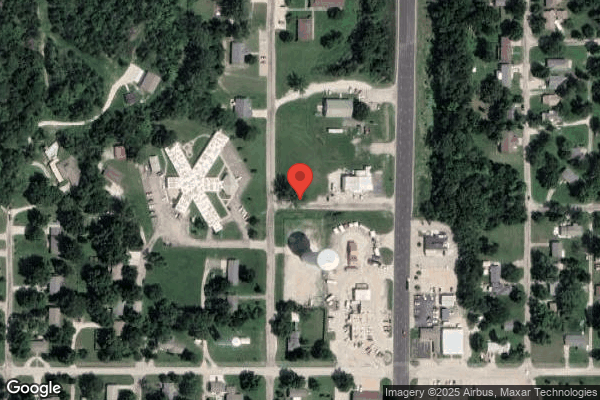
1121 W 7TH STREET, HOLTON, KS 66436 (785) 328-4636
For profit - Limited Liability company 45 Beds ANEW HEALTHCARE Data: November 2025 4 Immediate Jeopardy citations
Trust Grade
0/100
#238 of 295 in KS
Last Inspection: August 2025

Inspected within the last 6 months. Data reflects current conditions.

Overview

Anew Healthcare Holton has received a Trust Grade of F, indicating significant concerns about the facility's quality of care. It ranks #238 out of 295 nursing homes in Kansas, placing it in the bottom half, but it is the only option in Jackson County. The facility is worsening, with the number of issues reported increasing from 22 in 2024 to 27 in 2025. Staffing may be a positive aspect, with a turnover rate of 0%, but it has a low RN coverage that is below 77% of other Kansas facilities. The facility has incurred $193,447 in fines, which is higher than 99% of Kansas homes, suggesting ongoing compliance problems. Specific incidents highlight critical areas of concern, including failure to notify a resident's physician of abnormal x-ray results after a fall, which delayed necessary treatment. Another resident expressed suicidal thoughts, but the facility did not implement adequate protective measures or address their psychological needs properly. Overall, while staffing stability is a strength, the issues with care standards and safety are significant weaknesses that families should carefully consider.

Trust Score
F
0/100
In Kansas
#238/295
Bottom 20%
Safety Record
High Risk
Review needed
Inspections
Getting Worse
22 → 27 violations
Staff Stability
○ Average
Turnover data not reported for this facility.
Penalties
○ Average
$193,447 in fines. Higher than 58% of Kansas facilities. Some compliance issues.
Skilled Nurses
⚠ Watch
Each resident gets only 15 minutes of Registered Nurse (RN) attention daily — below average for Kansas. Fewer RN minutes means fewer trained eyes watching for problems.
Violations
⚠ Watch
60 deficiencies on record. Higher than average. Multiple issues found across inspections.
★☆☆☆☆
1.0
Overall Rating
★☆☆☆☆
1.0
Staff Levels
★★☆☆☆
2.0
Care Quality
★☆☆☆☆
1.0
Inspection Score
Stable
2024: 22 issues
2025: 27 issues

The Good

  • Full Sprinkler Coverage · Fire safety systems throughout facility
  • No fines on record

Facility shows strength in fire safety.

The Bad

1-Star Overall Rating

Below Kansas average (2.9)

Significant quality concerns identified by CMS

Federal Fines: $193,447

Well above median ($33,413)

Significant penalties indicating serious issues

Chain: ANEW HEALTHCARE

Part of a multi-facility chain

Ask about local staffing decisions and management

The Ugly 60 deficiencies on record

4 life-threatening 3 actual harm
Aug 2025 27 deficiencies
CONCERN (D)

Potential for Harm - no one hurt, but risky conditions existed

Deficiency F0558 (Tag F0558)

Could have caused harm · This affected 1 resident

**NOTE- TERMS IN BRACKETS HAVE BEEN EDITED TO PROTECT CONFIDENTIALITY** The facility identified a census of 34 residents. The sample included 12 residents, with two residents sampled for reasonable ac...

Read full inspector narrative →
**NOTE- TERMS IN BRACKETS HAVE BEEN EDITED TO PROTECT CONFIDENTIALITY** The facility identified a census of 34 residents. The sample included 12 residents, with two residents sampled for reasonable accommodations of resident needs and preferences. Based on observation, record review, and interview, the facility failed to ensure Resident (R) 22's call light was within her reach and further failed to ensure R6 was not pushed by staff without foot pedals. This deficient practice left R22 vulnerable for unmet care needs due to the inability to call for staff assistance and the possibility of falls and placed R6 at risk for preventable injury and avoidable accidents.Findings included:- R22's Electronic Medical Record (EMR) from the Diagnosis tab documented diagnoses of hypertension (high blood pressure), dementia (a progressive mental disorder characterized by failing memory and confusion), anxiety (mental or emotional reaction characterized by apprehension, uncertainty, and irrational fear), major depressive disorder (major mood disorder that causes persistent feelings of sadness), and emphysema (long-term, progressive disease of the lungs characterized by shortness of breath). The Quarterly Minimum Data Set (MDS) dated [DATE] documented a Brief Interview of Mental Status (BIMS) score of eight, which indicated moderately impaired cognition. The MDS documented R22 needed supervision/touching assistance from staff for eating, partial/moderated assistance for oral care, and was dependent on staff for toileting, bathing, dressing, and personal cares.The Functional Abilities (Self-Care Mobility) Care Area Assessment (CAA) dated 05/09/25 documented staff were to continue to provide and assist with activities of daily living (ADL). The CAA for R22 documented the facility would continue to monitor and update R22's plan of care as needed. R22's Care Plan dated 06/24/25 documented R22 was at risk for falls due to confusion, balance problems, poor safety awareness, and dementia. R22's plan of care documented staff were to ensure the call light was within her reach and encourage the resident to use it for assistance as needed. The plan of care for R22 directed staff to ensure prompt response to all requests. On 08/25/25 at 07:11 AM, R22's call light was clipped to the privacy curtain at the bottom of her bed. R22 was unable to reach the call light. On 08/25/25 at 08:35 AM, Administrative Staff A pushed R6 into the dining room without foot pedals.On 08/26/25 at 07:05 AM, R22's call light was clipped to the privacy curtain at the bottom of R22's bed. R22 was unable to reach the call light. On 08/26/25 at 12:42 PM, Certified Medication Aide (CMA) R stated the residents' call lights should always be placed within the residents' reach. She stated if a resident was being pushed by staff, the resident should have foot pedals on her wheelchair. On 08/26/25 at 12:55 PM, Licensed Nurse (LN) I stated the call light should never be clipped to the privacy curtain; the call light should always be placed where the resident could reach the call light. LN I stated when a resident was pushed by a staff member, the staff member should apply the foot pedals. On 08/26/25 at 01:25 PM, Administrative Nurse D stated the call lights should always be placed within the residents' reach. She stated that staff should apply the foot pedals when pushing a resident in a wheelchair. The facility did not provide an accommodation of needs policy.
CONCERN (D)

Potential for Harm - no one hurt, but risky conditions existed

Deficiency F0582 (Tag F0582)

Could have caused harm · This affected 1 resident

The facility identified a census of 34 residents. The sample included 12 residents, with three reviewed for Medicare Liability Notices. Based on the record review and interview, the facility failed to...

Read full inspector narrative →
The facility identified a census of 34 residents. The sample included 12 residents, with three reviewed for Medicare Liability Notices. Based on the record review and interview, the facility failed to provide the cost for continued services information on the Advanced Beneficiary Notice (ABN Centers for Medicare and Medicaid Services (CMS) form 10055) for skilled services for Resident (R) 9. This placed the resident at risk for uninformed care decisions.Findings included:- Review of R9's ABN lacked documentation regarding the cost for continued skilled services ending on 7/24/25.On 08/26/25 at 01:27 PM, Administrative Nurse D stated that the beneficiary notice should have the cost on it to notify the residents.The facility's Advance Beneficiary Notices policy dated 11/05/24 documented the facility was to ensure timely notices regarding Medicare eligibility and coverage provided. The policy documented the facility would inform Medicare beneficiaries of his or her potential liability for payment.
CONCERN (D)

Potential for Harm - no one hurt, but risky conditions existed

Comprehensive Care Plan (Tag F0656)

Could have caused harm · This affected 1 resident

**NOTE- TERMS IN BRACKETS HAVE BEEN EDITED TO PROTECT CONFIDENTIALITY** The facility identified a census of 34 residents. The sample included 12 residents, with 12 residents reviewed for comprehensive...

Read full inspector narrative →
**NOTE- TERMS IN BRACKETS HAVE BEEN EDITED TO PROTECT CONFIDENTIALITY** The facility identified a census of 34 residents. The sample included 12 residents, with 12 residents reviewed for comprehensive care plans. Based on observation, record review, and interviews, the facility failed to develop a comprehensive care plan for Resident (R) 33 for chronic pain, diabetes mellitus (DM- when the body cannot use glucose, not enough insulin is made, or the body cannot respond to the insulin), depression (a mood disorder that causes a persistent feeling of sadness and loss of interest), activities of daily living (ADL), vision, bowel and bladder, activities, falls, psychosocial, dehydration, risk for pressure ulcers (localized injury to the skin and/or underlying tissue usually over a bony prominence, as a result of pressure, or pressure in combination with shear and/or friction), and anxiety (mental or emotional reaction characterized by apprehension, uncertainty, and irrational fear). This deficient practice placed R33 at risk for impaired care due to uncommunicated care needs. Findings included:- R33's Electronic Medical Record (EMR) from the Diagnosis tab documented diagnoses of chronic pain, muscle weakness, DM, respiratory failure, depression, and anxiety. The admission Minimum Data Set (MDS) dated 03/28/25 documented a Brief Interview of Mental Status (BIMS) score of 15, which indicated intact cognition. The MDS documented R33 was dependent on staff assistance with bathing, transfers, toileting, and bed mobility. The Quarterly MDS dated [DATE] documented a BIMS score of 15, which indicated intact cognition. The MDS documented that R33 was dependent on staff assistance for bathing, transfers, bed mobility, and toileting. R33's Visual Function Care Area Assessment (CAA) dated 03/29/25 documented social services would follow up and schedule an eye appointment. R33's Functional Abilities (Self-Care and Mobility) CAA dated 03/29/25 documented staff would assist him with ADLs and update his plan of care. R33's Urinary Incontinence and Indwelling Catheter CAA dated 03/29/25 documented staff would assist him with peri-care and update his plan of care. R33's Psychosocial Well-Being CAA dated 03/29/25 documented will continue to monitor (wctm). R33's Activities CAA dated 03/29/25 documented that the activities department would follow up with him. R33's Falls CAA dated 03/29/25 documented wctm.R33's Dehydration/Fluid maintenance CAA dated 03/29/25 documented wctm. R33's Pressure Ulcer CAA dated 03/29/25 documented nursing would complete weekly skin assessment. R33's Psychotropic Drug Use CAA dated 03/29/25 documented no adverse effects noted during the look-back period. R33's Care Plan dated 04/24/25 documented he was at nutritional risk related to his diagnosis of obesity (excessive body fat). The plan of care dated 06/26/25 documented R33 had a diagnosis of chronic obstructive pulmonary disease (COPD- a progressive and irreversible condition characterized by diminished lung capacity and difficulty or discomfort in breathing). The plan of care lacked direction for medication administration, risk of dehydration, risk of falls, risk of development of pressure ulcers, psychosocial well-being, ADLs, activities, vision difficulties, and bowel and bladder function. On 08/25/25 at 8:20 AM, R33 laid on his back on the bed. R33's head of bed was slightly elevated. On 08/26/25 at 12:40 PM, Certified Medication Aide (CMA) R stated everyone had access to the residents' plan of care or their Kardex (nursing tool that gives a brief overview of the care needs of each resident). CMA R stated the person-centered plan of care, or the Kardex, should have the resident's individualized care needs listed. On 08/26/25 at 12:55 PM, Licensed Nurse (LN) I stated all staff had access to the residents' care plan or their Kardex. LN I stated that the residents' individualized care interventions could be found in the Kardex. LN I stated she had access to modify a resident's plan of care, but would let the director of nursing know what needed to be added or changed. On 08/26/25 at 01:25 PM, Administrative Nurse D stated all nursing staff had access to the resident's care plan and Kardex. Administrative Nurse D stated the director of nursing was responsible for ensuring the resident's person-centered care plan was developed, updated, and current with the resident's care needs. The facility's Comprehensive Care Plan policy, last revised 10/31/24 documented it was the policy of this facility to develop and implement a comprehensive person-centered care plan for each resident, consistent with resident rights, that included measurable objectives and time frames to meet a resident's medical, nursing, and mental and psychosocial needs that are identified in the resident's comprehensive assessment.
CONCERN (D)

Potential for Harm - no one hurt, but risky conditions existed

Deficiency F0657 (Tag F0657)

Could have caused harm · This affected 1 resident

**NOTE- TERMS IN BRACKETS HAVE BEEN EDITED TO PROTECT CONFIDENTIALITY** The facility identified a census of 34 residents. The sample included 12 residents, and 12 residents were reviewed for care plan...

Read full inspector narrative →
**NOTE- TERMS IN BRACKETS HAVE BEEN EDITED TO PROTECT CONFIDENTIALITY** The facility identified a census of 34 residents. The sample included 12 residents, and 12 residents were reviewed for care plan revision. Based on observation, record review, and interviews, the facility failed to revise Resident (R) 19's care plan to include the dialysis (a procedure where impurities or wastes are removed from the blood) provider, frequency of visits, and chair time at dialysis. These deficient practices placed R19 at risk for impaired care due to uncommunicated care needs related to dialysis. Findings included:- R19's Electronic Medical Record (EMR) from the Diagnosis tab documented diagnoses of end-stage renal disease (ESRD- a terminal disease of the kidneys), diabetes mellitus (DM- when the body cannot use glucose, not enough insulin is made, or the body cannot respond to the insulin), dependent on dialysis, and hypertension (HTN- elevated blood pressure). The admission Minimum Data Set (MDS) dated 02/02/25 documented a Brief Interview of Mental Status (BIMS) score of 15, which indicated intact cognition. The MDS lacked documentation R19 had received dialysis during the observation period. The Quarterly MDS dated [DATE] documented a BIMS score of 14, which indicated intact cognition. The MDS lacked documentation that R19 had received dialysis during the observation period. R19's Urinary Incontinence and Indwelling Catheter Care Area Assessment (CAA) dated 02/17/25 document will continue to monitor. R19's Care Plan, dated 01/29/25, documented the nursing staff would ensure lab work or her blood pressure was not obtained from the arm with the graft. The plan of care documented the nursing staff would monitor for dry skin and apply lotion as needed. The plan of care documented the nursing staff would monitor labs and report to the physician as needed. The plan of care documented the nursing staff would monitor, document, and/or notify the physician of any signs or symptoms of depression and consult with mental health as needed. The plan of care documented nursing staff would monitor, document, and report as needed any signs or symptoms of infection at her access site. The plan of care documented nursing staff would monitor, document, and report as needed any signs or symptoms of insufficiency. The plan of care documented the nursing staff would monitor, document, and report as needed any signs or symptoms of bleeding or infection. The plan of care documented nursing staff would monitor, document, and report as needed any new or worsening peripheral edema (swelling resulting from an excessive accumulation of fluid in the body tissues). The plan of care documented nursing staff would work with R19 to relieve discomfort from side effects of the disease and treatment. The plan of care lacked the location of R19's access site and access site assessment frequency. The plan of care lacked the dialysis provider, their location, the frequency of visits, the days of the week, and the chair time. R19‘s EMR under the Orders tab lacked a physician order for dialysis and monitoring of the access site. On 08/25/25 at 01:53 PM, R19 laid on her bed. R19 had pulled the blanket over her head as she slept. On 08/26/25 at 12:40 PM, Certified Medication Aide (CMA) R stated everyone had access to the residents' plan of care or their Kardex (nursing tool that gives a brief overview of the care needs of each resident). CMA R stated the person-centered plan of care, or the Kardex, should have the residents' individualized care needs listed. On 08/26/25 at 12:55 PM, Licensed Nurse (LN) I stated all staff had access to the residents' care plan or their Kardex. LN I stated the residents' individualized care interventions can be found in the Kardex. LN I stated she had access to modify a resident's plan of care, but would let the director of nursing know what needed to be added or changed. On 08/26/25 at 01:25 PM, Administrative Nurse D stated all nursing staff had access to the resident's care plan and Kardex. Administrative Nurse D stated the director of nursing was responsible for ensuring the resident's person-centered care plan was developed, updated, and current with the resident's care needs. The facility's Comprehensive Care Plan policy, last revised 10/31/24, documented the facility would develop and implement a comprehensive person-centered care plan for each resident, consistent with resident rights, that included measurable objectives and time frames to meet a resident's medical, nursing, and mental and psychosocial needs that are identified in the resident's comprehensive assessment. The comprehensive care plan would be reviewed and revised by the interdisciplinary team after each comprehensive and quarterly MDS assessment.
CONCERN (D)

Potential for Harm - no one hurt, but risky conditions existed

Deficiency F0676 (Tag F0676)

Could have caused harm · This affected 1 resident

**NOTE- TERMS IN BRACKETS HAVE BEEN EDITED TO PROTECT CONFIDENTIALITY** The facility identified a census of 34 residents. The sample included 12 residents, with two residents sampled for activities of...

Read full inspector narrative →
**NOTE- TERMS IN BRACKETS HAVE BEEN EDITED TO PROTECT CONFIDENTIALITY** The facility identified a census of 34 residents. The sample included 12 residents, with two residents sampled for activities of daily living (ADL). Based on observations, interviews, and record review, the facility failed to ensure Resident (R) 9's plan of care reflected assistance and monitoring while eating. This defiant practice placed the resident at risk for decreased quality of life, isolation, and impaired dignity.Findings Included:- R9's Electronic Medical Record (EMR) from the Diagnosis tab documented diagnoses of insomnia (inability to sleep), sleep apnea (a disorder of sleep characterized by periods without respirations), hypertension (high blood pressure), major depressive disorder (major mood disorder that causes persistent feelings of sadness), hyperlipidemia (condition of elevated blood lipid levels), diabetes mellitus (DM- when the body cannot use glucose, not enough insulin is made, or the body cannot respond to the insulin), metabolic encephalopathy (a condition in which brain function is disturbed either temporarily or permanently due to different diseases or toxins in the body), and liver cell carcinoma (cancer).The Quarterly Minimum Data Set (MDS) dated [DATE] documented a Brief Interview of Mental Status (BIMS) score of zero, which indicated severely impaired cognition. The MDS documented R9 needed supervision/touching with eating, partial/moderate assistance from staff for oral care, and was dependent on staff for toileting and bathing.R9's Functional Abilities (Self-Care Mobility) Care Area Assessment (CAA) dated 03/16/25 lacked analysis.R9's Care Plan dated 03/30/25 documented a potential nutritional problem related to chronic conditions and overweight. The plan of care documented R9 would maintain adequate nutritional status by maintaining weight and consuming at least 75 percent of meals daily. The plan of care for R9 documented staff would provide and serve her diet as ordered and monitor her meal intake daily. R9's plan of care lacked an indication of the level of assistance and monitoring R9 required while eating.On 08/25/25 at 08:34 AM, R9 sat in her wheelchair at the dining room table. R9 was eating from a red plate with raised edges. R9 was scraping from the side of the plate; she was unable to get the eggs out of the plate. R9 had no assistance in the dining room. There were no staff left in the dining room to help or monitor R9.On 08/26/25 at 12:42 PM, Certified Medication Aide (CMA) R stated staff would know how much assistance each resident needed by word of mouth. She stated the nurse would let the staff know if a resident required staff help. CMA R stated she was not able to see the resident's care plan, but could see the Kardex (a nursing tool that gives a brief overview of the care needs of each resident).On 08/26/25 at 12:55 PM, Licensed Nurse (LN) I stated she was not sure how much assistance a resident needed should be on the care plan. She stated that usually the hospital would call and let the nurse know how much assistance a resident needed, and that information was given to the aides in the report.On 08/26/25 at 01:25 PM, Administrative Nurse D stated that the amount of assistance a resident needed with care should be on the care plan. She stated that all nursing staff can see the Kardex, and any important information having to do with the care of a resident should pop up on the Kardex.The facility's Comprehensive Care Plan policy dated10/31/24 documented it was the policy of the facility to develop and implement a comprehensive person-centered care plan for each resident to meet a resident's medical, nursing, and mental and psychosocial needs that were identified in the resident's comprehensive assessment.
CONCERN (D)

Potential for Harm - no one hurt, but risky conditions existed

Respiratory Care (Tag F0695)

Could have caused harm · This affected 1 resident

**NOTE- TERMS IN BRACKETS HAVE BEEN EDITED TO PROTECT CONFIDENTIALITY** The facility identified a census of 34 residents. The sample included 12 residents, with one resident reviewed for respiratory c...

Read full inspector narrative →
**NOTE- TERMS IN BRACKETS HAVE BEEN EDITED TO PROTECT CONFIDENTIALITY** The facility identified a census of 34 residents. The sample included 12 residents, with one resident reviewed for respiratory care. Based on observation, record review, and interviews, the facility failed to ensure Resident (R) 22's nebulizer (a device that changes liquid medication into a mist easily inhaled into the lungs) mask was stored in a sanitary container. This placed R22 at an increased risk for respiratory infection and complications.Findings Included:- R22's Electronic Medical Record (EMR) from the Diagnosis tab documented diagnoses of hypertension (high blood pressure), dementia (a progressive mental disorder characterized by failing memory and confusion), anxiety (a mental or emotional reaction characterized by apprehension, uncertainty, and irrational fear), major depressive disorder (major mood disorder that causes persistent feelings of sadness), and emphysema (long-term, progressive disease of the lungs characterized by shortness of breath).The Quarterly Minimum Data Set (MDS) dated [DATE] documented a Brief Interview of Mental Status (BIMS) score of eight, which indicated moderately impaired cognition. The MDS documented R22 needed supervision/touching assistance from staff for eating, partial/moderated assistance for oral care, and was dependent on staff for toileting, bathing, dressing, and personal care.The Functional Abilities (Self-Care Mobility) Care Area Assessment (CAA) dated 05/09/25 documented that staff were to continue to provide and assist with activities of daily living (ADL). The CAA for R22 documented the facility would continue to monitor and update R22's plan of care as needed.R22's Care Plan dated 11/07/24 documented R22 had a new diagnosis of emphysema with chronic obstructive pulmonary disease (COPD- a progressive and irreversible condition characterized by diminished lung capacity and difficulty or discomfort in breathing) related to x-ray results, wheezing, lung sound diminished, and a loose, non-productive cough. R22's plan of care documented R22 had difficulty breathing, and staff should rinse her nebulizer after each treatment and ensure the mask was dry.R22‘s EMR under the Orders tab revealed the following physician order:Ipratropium-Albuterol inhalation solution (medication inhaled to open airways) 0.5-2.5 give 3 milligrams (mg)per 3 milliliters (ml), nursing to give one vial orally two times a day for shortness of breath, dated 11/10/24.Change nebulizer tubing weekly on Sunday night shift. Label with date, time, and initials. Keep tubing in a plastic bag when not in use every night shift, dated 11/10/24.On 08/25/24 at 07:11 AM, R22 laid in her bed, and her nebulizer laid on the bedside table without a clean barrier or a sanitary container.On 08/26/24 at 12:42 PM, Certified Medication Aide (CMA) R stated that any respiratory equipment not in use should be placed in a bag.On 08/26/25 at 12:55 PM, Licensed Nurse (LN) G stated that all respiratory equipment after being washed and air dried should be placed in a plastic bag, with the resident's name and date.On 08/26/24 at 01:25 PM, Administrative Nurse D stated all respiratory equipment should be cleaned and placed in a clear bag.The facility's Oxygen Administration Policy dated 05/18/24 directed staff to keep the delivery devices covered in a plastic bag when in use.
CONCERN (D)

Potential for Harm - no one hurt, but risky conditions existed

Deficiency F0698 (Tag F0698)

Could have caused harm · This affected 1 resident

**NOTE- TERMS IN BRACKETS HAVE BEEN EDITED TO PROTECT CONFIDENTIALITY** The facility identified a census of 34 residents. The sample included 12 residents, with one resident reviewed for hemodialysis ...

Read full inspector narrative →
**NOTE- TERMS IN BRACKETS HAVE BEEN EDITED TO PROTECT CONFIDENTIALITY** The facility identified a census of 34 residents. The sample included 12 residents, with one resident reviewed for hemodialysis (a procedure using a machine to remove excess water, solutes, and toxins from the blood in people whose kidneys can no longer perform these functions naturally). Based on observation, record review, and interviews, the facility failed to monitor Resident (R) 19's access site for complications at least daily and document arteriovenous (AV- a surgically created connection between artery and a vein used for hemodialysis) fistula for thrill (palpable vibration) and bruit (an audible vascular sound associated with turbulent blood flow usually heard with stethoscope that may occasionally also be palpated as a thrill) every day. This deficient practice placed R19 at risk of adverse outcomes and physical complications related to dialysis. Findings included:- R19's Electronic Medical Record (EMR) from the Diagnosis tab documented diagnoses of end-stage renal disease (ESRD- a terminal disease of the kidneys), diabetes mellitus (DM- when the body cannot use glucose, not enough insulin is made, or the body cannot respond to the insulin), dependent on dialysis, and hypertension (HTN- elevated blood pressure). The admission Minimum Data Set (MDS) dated 02/02/25 documented a Brief Interview of Mental Status (BIMS) score of 15, which indicated intact cognition. The MDS lacked documentation R19 had received dialysis during the observation period. The Quarterly MDS dated [DATE] documented a BIMS score of 14, which indicated intact cognition. The MDS lacked documentation that R19 had received dialysis during the observation period. R19's Urinary Incontinence and Indwelling Catheter Care Area Assessment (CAA) dated 02/17/25 documented will continue to monitor. R19's Care Plan, dated 01/29/25, documented the nursing staff would ensure lab work or her blood pressure was not obtained from the arm with the graft. The plan of care documented the nursing staff would monitor for dry skin and apply lotion as needed. The plan of care documented the nursing staff would monitor labs and report to the physician as needed. The plan of care documented the nursing staff would monitor, document, and/or notify the physician of any signs or symptoms of depression and consult with mental health as needed. The plan of care documented the nursing staff would monitor, document, and report as needed any signs or symptoms of infection at her access site. The plan of care documented the nursing staff would monitor, document, and report as needed any signs or symptoms of insufficiency. The plan of care documented the nursing staff would monitor, document, and report as needed any signs or symptoms of bleeding or infection. The plan of care documented the nursing staff would monitor, document, and report as needed any new or worsening peripheral edema (swelling resulting from an excessive accumulation of fluid in the body tissues). The plan of care documented the nursing staff would work with R19 to relieve discomfort from side effects of the disease and treatment. R19‘s EMR under the Orders tab lacked a physician order for dialysis and monitoring of the access site. On 08/25/25 at 01:53 PM, R19 laid on her bed. R19 had pulled the blanket over her head as she slept. On 08/26/25 at 12:55 PM, Licensed Nurse (LN) I stated she assessed R19's access site before and after dialysis. LN I stated the nursing staff would notify the nurse if R19 had a problem with her access site on the days she did not receive dialysis. LN I stated she documented her assessment of R19's access site on the dialysis communication sheet on the days R19 had dialysis. LN I stated she would add a physician order for R19 to receive dialysis and add to monitor R19's access site. On 08/26/25 at 01:25 PM, Administrative Nurse D stated she expected R19 to have a physician's order to receive dialysis and to monitor her access site daily. The facility's Dialysis policy, last revised 03/18/22, documented the facility would ensure that residents who required dialysis received such services, consistent with professional standards of practice, the comprehensive person-centered care plan, and the residents' goals and preferences.
CONCERN (D)

Potential for Harm - no one hurt, but risky conditions existed

Deficiency F0699 (Tag F0699)

Could have caused harm · This affected 1 resident

**NOTE- TERMS IN BRACKETS HAVE BEEN EDITED TO PROTECT CONFIDENTIALITY** The facility identified a census of 34 residents. The sample included 12 residents, with one resident reviewed for trauma inform...

Read full inspector narrative →
**NOTE- TERMS IN BRACKETS HAVE BEEN EDITED TO PROTECT CONFIDENTIALITY** The facility identified a census of 34 residents. The sample included 12 residents, with one resident reviewed for trauma informed care (treatment or care directed to prevent re-experiencing or reducing the effects of traumatic events). Based on observation, record review, and interviews, the facility failed to identify trauma-based triggers related to Resident (R) 4's post-traumatic stress disorder (PTSD- mental disorder characterized by an acute emotional response to a traumatic event or situation involving severe environmental stress) and failed to implement individualized interventions to prevent re-traumatization. These deficient practices placed R4 at risk for decreased psychosocial well-being and ineffective treatment. Findings included:- R4's Electronic Medical Record (EMR) from the Diagnosis tab documented diagnoses of PTSD, panic disorder, impulse, major depressive disorder (major mood disorder that causes persistent feelings of sadness), anxiety (mental or emotional reaction characterized by apprehension, uncertainty, and irrational fear), and bipolar disorder (a major mental illness that causes people to have episodes of severe high and low moods). The admission Minimum Data Set (MDS) dated 03/17/25 documented a Brief Interview of Mental Status (BIMS) score of 15, which indicated intact cognition. The MDS documented R4 had an active diagnosis of PTSD. The Quarterly MDS dated [DATE] documented a BIMS score of 15, which indicated intact cognition. The MDS documented that R4 had an active diagnosis of PTSD. R4's Psychotropic Drug Use Care Area Assessment (CAA) dated 03/26/25 lacked analysis. R4's Care Plan, dated 07/22/25, documented her favorite activity was smoking. The plan of care lacked direction for her PTSD. R4‘s EMR under the Assessment tab lacked a trauma-informed care assessment.On 08/25/25 at 08:45 AM, R4 sat in her wheelchair in her room next to the bed. On 08/26/25 at 12:55 PM, Licensed Nurse (LN) I stated the social services department completed the trauma-informed care assessment on the residents in the facility. LN I stated that a resident with a diagnosis of PTSD should have a care plan to prevent re-traumatization. On 08/26/25 at 01:25 PM, Administrative Nurse D stated she would expect the care plan to be updated with the past trauma and personalized interventions for the resident to prevent re-traumatization. The facility's Trauma Informed Care Policy, last revised 05/14/24, documented it was the policy of this facility to provide care and services which, in addition to meeting professional standards, were delivered using approaches that were culturally competent, accounting for experiences and preferences, and addressed the needs of trauma survivors by minimizing triggers and/or re-traumatization.
CONCERN (D)

Potential for Harm - no one hurt, but risky conditions existed

Deficiency F0849 (Tag F0849)

Could have caused harm · This affected 1 resident

**NOTE- TERMS IN BRACKETS HAVE BEEN EDITED TO PROTECT CONFIDENTIALITY** The facility identified a census of 34 residents. The sample included 12 residents, with four residents reviewed for hospice (a ...

Read full inspector narrative →
**NOTE- TERMS IN BRACKETS HAVE BEEN EDITED TO PROTECT CONFIDENTIALITY** The facility identified a census of 34 residents. The sample included 12 residents, with four residents reviewed for hospice (a type of health care that focuses on the terminally ill patient's pain and symptoms and attending to their emotional and spiritual needs at the end of life) services. Based on observation, record review, and interview, the facility failed to ensure a coordinated plan of care, which coordinated care and services provided by the facility with the care and services provided by hospice, was developed and available for Resident (R) 24 and R2. This placed the resident at risk for inappropriate end-of-life care. Findings included:- R24's Electronic Medical Record (EMR) from the Diagnosis tab documented diagnoses of bradycardia (low heart rate, less than 60 beats per minute), dementia (a progressive mental disorder characterized by failing memory and confusion), Parkinson's disease (a slowly progressive neurologic disorder characterized by resting tremors, rolling of the fingers, masklike faces, shuffling gait, muscle rigidity, and weakness), and dysphagia (swallowing difficulty). The Quarterly Minimum Data Set (MDS) dated [DATE] for R24 documented a Brief Interview of Mental Status (BIMS) score of five, which indicated severely impaired cognition. The MDS documented R24 needed supervision or touching assistance with eating, and substantial/maximal assistance with bathing and toileting. The MDS did not indicate R24 received hospice care. The admission MDS dated 03/13/25 did not indicate R24 received hospice services. R24's Cognitive Loss/Dementia Care Area Assessment (CAA) dated 03/03/24 lacked analysis. R24's Care Plan dated 08/08/25 documented R24 had a terminal diagnosis of Parkinson's disease. The plan of care documented R24 would be comfortable and feel supported in his prognosis. The plan of care documented R24 had chosen a hospice provider.The EMR under the Orders tab documented R24 was admitted to hospice on 08/06/25.A review of the hospice-provided communication binder revealed R24 was admitted to hospice services on 08/06/25. R24's last documented hospice visit was 08/20/25. On 08/25/25 at 08:26 AM, R24 was sitting in his wheelchair in the dining room. On 08/26/25 at 10:27 AM, R24 sat with a group of residents.On 08/26/25 at 12:42 PM, Certified Medication Aide (CMA) R stated she was unsure what hospice provided for the residents. She stated each resident on hospice had a binder, but she was unsure what information was included in the binder. CMA R stated it was by word of mouth that she would know who was on hospice, when the hospice staff would be coming, and what supplies the hospice provider provided. On 08/26/25 at 12:55 PM, Licensed Nurse (LN) G stated she was unsure what hospice provided. She stated she did not do the care plans. LN G stated she did not think what hospice provided would need to be on the facility's care plan. LN G stated all staff did not have access to each resident's care plan. She stated the Certified Nursing Aides (CNA) and CMAs have access to the Kardex (a nursing tool that gives a brief overview of the care needs of each resident). LN G was unsure if there was anything about hospice on the Kardex. She stated that when a resident was on hospice, the staff knew by word of mouth. On 08/26/25 at 01:25 PM, Administrative Nurse D said she knew the hospice providers had detailed care plans and staff would know specific services by those. She stated she thought everything hospice provided should be on the care plan, so staff know who to call and when the hospice staff are to be at the facility.The facility's Coordination of Hospice Services policy dated 05/18/24 documented when a resident chooses to receive hospice care and services, the facility would coordinate and provide care in cooperation with hospice staff to promote the resident's highest practicable physical, mental, and psychosocial well-being. The facility would communicate with hospice and identify, communicate, follow, and document all interventions put into place by hospice and the facility. The facility would maintain communication with hospice as it relates to the residents' plan of care services to ensure each entity was aware of their responsibilities. - R2's Electronic Medical Record (EMR) from the Diagnosis tab documented diagnoses of hypertension (high blood pressure), hyperlipidemia (condition of elevated blood lipid levels), chronic obstructive pulmonary disease (COPD- a progressive and irreversible condition characterized by diminished lung capacity and difficulty or discomfort in breathing), acquired absence of left leg below the knee, schizophrenia (a mental disorder characterized by gross distortion of reality, disturbances of language and communication, and fragmentation of thought), and major depressive disorder (major mood disorder that causes persistent feelings of sadness).The Annual Minimum Data Set (MDS) dated [DATE] documented a Brief Interview of Mental Status (BIMS) score of 12, which indicated moderately impaired cognition. The MDS documented R2 was dependent on staff for toileting, bathing, and dressing, and needed supervision or touching assistance from staff with eating. The MDS documented R2 was provided with hospice services. R2's Communication Care Area Assessment (CAA) dated 06/30/25 lacked analysis. R2's Care Plan dated 09/24/24 documented R2 had an (ADL) self-care performance deficit with potential for decline related to dementia, impaired balance, limited mobility, and diabetes mellitus (DM- when the body cannot use glucose, not enough insulin is made, or the body cannot respond to the insulin). R2's plan of care lacked staff direction for what hospice services provided. A review of the hospice-provided communication binder revealed R2 was admitted to hospice services on 05/13/25. R2's last documented hospice visit was 08/20/25.On 08/24/25 at 08:35 AM, R2 sat in the dining room in her Broda chair (specialized wheelchair with the ability to tilt and recline). On 08/26/25 at 12:42 PM, Certified Medication Aide (CMA) R stated she was unsure what hospice provided for the residents. She stated each resident on hospice had a binder, but she was unsure what information was included in the binder. CMA R stated it was by word of mouth that she would know who was on hospice, when the hospice staff would be coming, and what supplies the hospice provider provided.On 08/26/25 at 12:55 PM, Licensed Nurse (LN) G stated she was unsure what hospice provided. She stated she did not do the care plans. LN G stated she did not think what hospice provided would need to be on the facility's care plan. LN G stated all staff do not have access to each resident's care plan. She stated the Certified Nursing Aides (CNA) and CMAs have access to the Kardex (a nursing tool that gives a brief overview of the care needs of each resident). LN G was unsure if there was anything about hospice on the Kardex. She stated that when a resident was on hospice, the staff knew by word of mouth.On 08/26/25 at 01:25 PM, Administrative Nurse D said she knew the hospice providers had detailed care plans and staff would know specific services by those. She stated she thought everything hospice provided should be on the care plan, so staff know who to call and when the hospice staff were to be at the facility. The facility's Coordination of Hospice Services policy dated 05/18/24 documented when a resident chooses to receive hospice care and services, the facility would coordinate and provide care in cooperation with hospice staff to promote the resident's highest practicable physical, mental, and psychosocial well-being. The facility would communicate with hospice and identify, communicate, follow, and document all interventions put into place by hospice and the facility. The facility would maintain communication with hospice as it relates to the residents' plan of care services to ensure each entity was aware of their responsibilities.
CONCERN (E)

Potential for Harm - no one hurt, but risky conditions existed

Safe Environment (Tag F0584)

Could have caused harm · This affected multiple residents

The facility identified a census of 34 residents. The sample included 12 residents. Based on observations and interviews, the facility failed to provide a clean, home-like environment for the resident...

Read full inspector narrative →
The facility identified a census of 34 residents. The sample included 12 residents. Based on observations and interviews, the facility failed to provide a clean, home-like environment for the residents who resided in the facility.Findings included:- On 08/24/25 at 07:18 AM, a walk-through of the facility revealed a wheelchair, a Hoyer (total body mechanical lift), and two commodes placed on the back of hall 100. On 08/24/25 at 07:30 AM, in Resident (R) 22's room, behind her bed, was an approximately six-inch square hole in the wall. On 08/24/25 through 08/26/25, flies were in the dining room, in the kitchen, and on the nurse's desk. On 08/26/25 at 02:30 PM, Licensed Nurse (LN) I stated that staff filled out a work order for repairs or notified the maintenance department. LN I stated the equipment was moved from the hallways when residents were out of their beds. LN I stated there were a lot of flies, she stated the flies come in when residents in wheelchairs go outside to smoke and hold the patio door open. She stated that most of the residents have fly swatters. On 08/26/25 at 04:02 PM, Administrative Nurse D stated maintenance made rounds on a regular basis to check for repairs. Administrative Nurse D stated she was unaware of the equipment in the hallways, and commodes should not be left in the hall. She stated maintenance should be taking care of the flies; she was unaware that the flies were a problem. The facility's Safe Homelike Environment policy dated 06/05/24 documented the purpose of the policy was in accordance with the residents' rights and the facility would provide a safe, clean, comfortable, and homelike environment, allowing the resident to use their personal belongings to the extent possible. This would ensure that the resident can receive care services safely and the physical layout of the facility maximized the resident's independence and does not pose a safety risk.
CONCERN (E)

Potential for Harm - no one hurt, but risky conditions existed

Deficiency F0605 (Tag F0605)

Could have caused harm · This affected multiple residents

**NOTE- TERMS IN BRACKETS HAVE BEEN EDITED TO PROTECT CONFIDENTIALITY** The facility identified a census of 34 residents. The sample included 12 residents, with seven residents reviewed for unnecessar...

Read full inspector narrative →
**NOTE- TERMS IN BRACKETS HAVE BEEN EDITED TO PROTECT CONFIDENTIALITY** The facility identified a census of 34 residents. The sample included 12 residents, with seven residents reviewed for unnecessary medications. Based on observation, record review, and interviews, the facility failed to ensure the physician had clarified the indication for Resident (R) 14's psychotropic (alters mood or thought) medication. The facility failed to ensure that the physician had clarified R6's gradual dose reeducation (GDR) for R6's antipsychotic (a class of medications used to treat major mental conditions that caused a break from reality) medication, R2's as-needed (PRN) Lorazepam (antianxiety medication(a class of medications that calm and relax people)), and R9's PRN Ativan (antianxiety medication) had a 14-day stop date. The facility further failed to ensure that the physician ordered monitoring related to R24's antidepressant (a class of medications used to treat mood disorders). This deficient practice placed R14, R6, R2, R9, and R24 at risk for unnecessary medication use and physical complications. Findings included:- R14's Electronic Medical Record (EMR) from the Diagnosis tab documented diagnoses of atrial fibrillation (rapid, irregular heartbeat), chronic obstructive pulmonary disease (COPD- a progressive and irreversible condition characterized by diminished lung capacity and difficulty or discomfort in breathing), and heart failure. The “admission Minimum Data Set (MDS)” dated 09/25/24 documented a Brief Interview of Mental Status (BIMS) score of 13, which indicated intact cognition. The MDS documented R14 had received a diuretic (a medication to promote the formation and excretion of urine) during the observation period. The Quarterly MDS dated [DATE] documented a BIMS score of 12, which indicated moderately impaired cognition. The MDS documented that R14 had received diuretic medication and antidepressant (a class of medications used to treat mood disorders) medication during the observation period. R14's Functional Abilities (Self-Care and Mobility) Care Area Assessment (CAA)” dated 10/03/24 documented R14 had a self-care deficit and required staff assistance with most of his activities of daily living. R14's “Care Plan,” dated 10/07/24, documented nursing staff would administer medications as ordered by the physician. The plan of care documented nursing staff would monitor and document any side effects and effectiveness. R14‘s EMR under the “Orders” tab revealed the following physician orders: Mirtazapine (antidepressant) oral tablet 15 milligram (mg), give one tablet by mouth at bedtime for health maintenance, dated 07/08/25. On 08/24/25 at 09:03 AM, R14 laid on his bed with the head of his bed elevated as he watched TV. On 08/26/25 at 12:55 PM, Licensed Nurse (LN) I stated that she would clarify a physician order if there was a diagnosis that had an unusual indication for antidepressant medication. On 08/26/25 at 01:25 PM, Administrative Nurse D stated she expected the charge nurse to clarify the order, if there was an off-label indication for administration. The facility’s “Transcription of Orders/Following Physician Orders” policy, last revised 05/18/24, documented upon receiving a physician’s order via telephone, fax, written order, verbal order, transcribed order, or other, it would be documented in the residents’ electronic medical records in the orders section. Clarification of the Physician's Orders would be obtained if the order was either unclear or the nurse was uncomfortable with the implementation of the Physician's Orders. - R6's Electronic Medical Record (EMR) from the Diagnosis tab documented diagnoses of anxiety (mental or emotional reaction characterized by apprehension, uncertainty, and irrational fear), insomnia (inability to sleep), congestive heart failure (CHF- a condition with low heart output and the body becomes congested with fluid), dysphagia (swallowing difficulty), Parkinson’s disease (a slowly progressive neurologic disorder characterized by resting tremors, rolling of the fingers, masklike faces, shuffling gait, muscle rigidity, and weakness), and schizoaffective (a mental disorder characterized by gross distortion of reality, disturbances of language and communication, and fragmentation of thought). The “Annual Minimum Data Set (MDS)” dated 08/09/24 documented a Brief Interview of Mental Status (BIMS) score of 15, which indicated intact cognition. The MDS documented R6 had received antipsychotic medication and antidepressant medication (a class of medications used to treat mood disorders). The MDS lacked documentation a GDR had been attempted, or the physician had documented that a GDR was contraindicated for R6. The Quarterly MDS dated [DATE] documented a BIMS score of 15, which indicated intact cognition. The MDS documented that R6 had received antipsychotic medication, antidepressant medication, and anxiety (mental or emotional reaction characterized by apprehension, uncertainty, and irrational fear) medication. The MDS lacked documentation a GDR had been attempted, or the physician had documented a GDR was contraindicated for R6. R6's Psychotropic Drug Use Care Area Assessment (CAA)” dated 08/19/25 documented she had potential complications with the psychotropic medication she received. R6's “Care Plan,” dated 05/08/24, documented the facility would consult with the pharmacist and physician to consider a dose reduction when clinically appropriate. R6‘s EMR under the “Orders” tab revealed the following physician orders: Seroquel (antipsychotic) oral tablet (quetiapine fumarate- antipsychotic), give 50mg by mouth one time a day related to unspecified mood affective disorder, dated 02/22/24. Quetiapine fumarate oral tablet (Seroquel) 100 milligram (mg), give one tablet by mouth at bedtime for schizoaffective disorder, dated 10/10/24. Review of the “Monthly Medication Review” (MMR) provided by the facility from April 2025 through July 2025 lacked the physician's response to the Consulting Pharmacist (CP) recommendation for a GDR on 04/08/25 and 06/10/25 for R6’s psychotropic medications. The facility was unable to provide a physician's response upon request. The facility was also unable to provide MMRs from August 2024 through March 2025 upon request. On 08/25/25 at 07:53 AM, R6 wheeled her wheelchair from her room to the dining room without difficulty. On 08/26/25 at 12:55 PM, Licensed Nurse (LN) I stated she did not address the MMRs. On 08/26/25 at 01:25 PM, Administrative Nurse D stated she expected the director of nursing to ensure the physician reviewed and addressed the CP recommendations and retain the MMRs once the physician had reviewed them. The facility’s “Gradual Dose Reduction of Psychotropic Drugs” policy, last revised 05/14/24, documented that residents who use psychotropic drugs received gradual dose reductions and behavioral interventions, unless clinically contraindicated, in an effort to discontinue these drugs. - R2's Electronic Medical Record (EMR) from the Diagnosis tab documented diagnoses of hypertension (high blood pressure), hyperlipidemia (condition of elevated blood lipid levels), chronic obstructive pulmonary disease (COPD- a progressive and irreversible condition characterized by diminished lung capacity and difficulty or discomfort in breathing), acquired absence of left leg below the knee, schizophrenia (a mental disorder characterized by gross distortion of reality, disturbances of language and communication, and fragmentation of thought), and major depressive disorder (major mood disorder that causes persistent feelings of sadness). The Annual Minimum Data Set (MDS) dated [DATE] documented a Brief Interview of Mental Status (BIMS) score of 12, which indicated moderately impaired cognition. The MDS documented R2 was dependent on staff for toileting, bathing, and dressing, and needed supervision or touching assistance from staff with eating. The MDS documented R2 received an antipsychotic (a class of medications used to treat major mental conditions that cause a break from reality) and an antianxiety (a class of medications that calm and relax people) medication during the observation period. R2's The Psychotropic Use Care Area Assessment (CAA) dated 06/30/25 lacked analysis. R2’s “Care Plan” dated 09/24/24 documented R2 had an activities of daily living (ADL) self-care performance deficit with potential for decline related to dementia (a progressive mental disorder characterized by failing memory and confusion), impaired balance, limited mobility, and diabetes mellitus (DM- when the body cannot use glucose, not enough insulin is made, or the body cannot respond to the insulin). R2's EMR under Orders documented the following physician's order: Lorazepam (anxiety medication) oral tablet, give 1.0 milligrams (mg) by mouth every two hours as needed for anxiety, dated 07/14/25. R2’s Lorazepam order lacked a 14-day stop date. On 08/24/25 at 08:35 AM, R2 sat in the dining room in her Broda chair (specialized wheelchair with the ability to tilt and recline). On 08/25/25 at 08:50 AM, R2 sat in her Broda chair in the dining room. On 08/26/25 at 12:55 AM, Licensed Nurse (LN) I stated she did not know there needed to be a 14-day stop date on PRN medication. She stated the director of nursing put in the orders for residents. On 08/26/25 at 01:25 PM, Administrative Nurse D stated the director of nursing was putting in the orders and checking the pharmacy reviews. She stated she knew there needed to be a 14-day stop date. Administrative Nurse D stated if the director of nursing did not follow through with the pharmacy reviews, it was ultimately her responsibility to ensure they were all done. The facility’s “Transcription of Orders/Following Physician Orders” policy, last revised 05/18/24, documented upon receiving a physician’s order via telephone, fax, written order, verbal order, transcribed order, or other, it would be documented in the residents’ electronic medical records in the orders section. Clarification of the physician's orders would be obtained if the order was either unclear or the nurse was uncomfortable with the implementation of the physician's orders. - R9's Electronic Medical Record (EMR) from the Diagnosis tab documented diagnoses of insomnia (inability to sleep), sleep apnea (a disorder of sleep characterized by periods without respirations), hypertension (high blood pressure), major depressive disorder (major mood disorder that causes persistent feelings of sadness), hyperlipidemia (condition of elevated blood lipid levels), diabetes mellitus (DM- when the body cannot use glucose, not enough insulin is made, or the body cannot respond to the insulin), metabolic encephalopathy (a condition in which brain function is disturbed either temporarily or permanently due to different diseases or toxins in the body), and liver cell carcinoma (cancer). The “Quarterly Minimum Data Set (MDS) dated [DATE] documented a Brief Interview of Mental Status (BIMS) score of zero, which indicated severely impaired cognition. The MDS documented R9 needed supervision/touching with eating, partial/moderate assistance from staff for oral care, and was dependent on staff for toileting and bathing. The MDS did not document an antianxiety (a class of medications that calm and relax people) medication during the observation period. R9’s Functional Abilities (Self-Care Mobility) Care Area Assessment (CAA) dated 03/16/25 lacked analysis. R9's “Care Plan” dated 07/08/25 directed staff to give medication as ordered by the physician, document, and monitor effectiveness and side effects. R9's EMR under Orders documented the following physician's order: Ativan (anxiety medication) oral tablet, give 0.5 milligrams (mg) by mouth as needed for anxiety, dated 07/29/25. R9’s PRN Ativan order lacked a 14-day stop date. On 08/25/25 at 08:34 AM, R9 sat in her wheelchair at the dining room table. R9 was eating from a red plate with raised edges. On 08/26/25 at 12:55 AM, Licensed Nurse (LN) I stated she did not know there needed to be a 14-day stop date on medication. She stated the director of nursing put in the orders for residents. On 08/26/25 at 01:25 PM, Administrative Nurse D stated the director of nursing put in the orders and checked the pharmacy reviews. She stated she knew there needed to be a 14-day stop date. Administrative Nurse D stated that if the director of nursing did not follow through with the pharmacy reviews, it was ultimately her responsibility to ensure they were all done. The facility’s “Transcription of Orders/Following Physician Orders” policy, last revised 05/18/24, documented upon receiving a physician’s order via telephone, fax, written order, verbal order, transcribed order, or other, it would be documented in the residents’ electronic medical records in the orders section. Clarification of the physician's orders would be obtained if the order was either unclear or the nurse was uncomfortable with the implementation of the physician's orders. - R24's Electronic Medical Record (EMR) from the Diagnosis tab documented diagnoses of bradycardia (low heart rate, less than 60 beats per minute), dementia (a progressive mental disorder characterized by failing memory and confusion), Parkinson’s disease (a slowly progressive neurologic disorder characterized by resting tremors, rolling of the fingers, masklike faces, shuffling gait, muscle rigidity, and weakness), and dysphagia (swallowing difficulty). The “Quarterly Minimum Data Set (MDS) dated [DATE] for R24 documented a Brief Interview of Mental Status (BIMS) score of five, which indicated severely impaired cognition. The MDS documented R24 needed supervision/touching with eating, and substantial to maximal assistance with bathing and toileting. The MDS did not indicate R24 received hospice care. The MDS documented R24 received an antianxiety (a class of medications that calm and relax people) and an antidepressant (a class of medications used to treat mood disorders) during the observation period. R24’s “Psychotropic Drug Use Care Area Assessment (CAA) dated 03/03/24 lacked analysis. R24's “Care Plan” dated 08/08/25 documented R24 had a terminal diagnosis of Parkinson’s disease. The plan of care documented R24 would be comfortable and feel supported in his prognosis. R24‘s EMR under the “Orders” tab revealed the following physician orders: Alprazolam (antianxiety medication) oral tablet 0.5 milligrams (mg) (Alprazolam), give 0.5 tablet by mouth one time a day for sundowners, dated 07/31/25. Venlafaxine (antidepressant medication) HCl ER oral capsule extended release 24 Hour 150 MG (Venlafaxine HCl) give 1 capsule by mouth one time a day for depression, start date-04/23/25 and discontinued date- 08/05/25. Venlafaxine HCl ER Oral Tablet Extended Release 24 Hour 75 MG (Venlafaxine HCl), give 1 tablet by mouth in the morning for depression, dated 08/06/25. A Review of R24’s “Treatment Administration Record” lacked documentation of monitoring of behaviors for anxiety and depression. On 08/25/25 at 08:26 AM, R24 was sitting in his wheelchair in the dining room. On 08/26/25 at 10:27 AM, R24 was sitting with a group of residents. On 08/26/25 at 12:55 AM, Licensed Nurse (LN) I stated she did not know there needed to be monitoring for antidepressant medications. She stated the director of nursing put in the orders for residents. On 08/26/25 at 01:25 PM, Administrative Nurse D stated the director of nursing was putting in the orders and checking the pharmacy reviews. Administrative Nurse D stated that if the director of nursing did not follow through with the pharmacy reviews, it was ultimately her responsibility to ensure they were all done. The facility’s “Transcription of Orders/Following Physician Orders” policy, last revised 05/18/24, documented upon receiving a physician’s order via telephone, fax, written order, verbal order, transcribed order, or other, it would be documented in the residents’ electronic medical records in the orders section. Clarification of the physician's orders would be obtained if the order was either unclear or the nurse was uncomfortable with the implementation of the physician's orders.
CONCERN (E)

Potential for Harm - no one hurt, but risky conditions existed

Assessment Accuracy (Tag F0641)

Could have caused harm · This affected multiple residents

The facility identified a census of 34 residents. The sample included 12 residents. Based on observation, record review, and interviews, the facility failed to complete the Care Area Assessment (CAA- ...

Read full inspector narrative →
The facility identified a census of 34 residents. The sample included 12 residents. Based on observation, record review, and interviews, the facility failed to complete the Care Area Assessment (CAA- analysis of findings) related to a Minimum Data Set (MDS), within the required time frame, for Resident (R) 4, R19, R2, and R9 to address the underlying cause, risk factors, and other contributing factors to ensure the resident received care based on their individual needs. This deficient practice placed the residents at risk for unidentified care needs. Findings included:- Review of R4's Electronic Medical Record (EMR) under the MDS tab revealed an admission MDS dated 03/17/25. Review of the CAAs dated 03/26/25 identified the following care areas lacked analysis: Functional Abilities (Self-Care and Mobility), Nutritional Status, Falls, Urinary Incontinence and Indwelling Catheter, and Psychotropic Drug Use. Review of 19's EMR under the MDS tab revealed an admission MDS dated 02/02/25. Review of the CAAs dated 02/17/25 lacked analysis and had documented will continue to monitor (wctm) under the following care areas, Functional Abilities (Self-Care and Mobility), Urinary Incontinence and Indwelling Catheter , Dehydration/Fluid maintenance, Nutritional Status, Pressure Ulcer, Falls, and Psychotropic Drug Use. Review of R2's EMR under the MDS tab revealed a Significant Change MDS' dated 06/18/25. Review of the CAAs dated 06/26/25 lacked analysis and had documented wctm under the following care areas, Cognitive Loss/Dementia, Functional Abilities (Self-Care and Mobility), Urinary Incontinence and Indwelling Catheter, Psychosocial Well-Being, Mood State, Behavioral Symptoms, Activities, Falls, Nutritional Status, Pressure Ulcer, and Psychotropic Drug Use. Review R9's EMR under the MDS tab revealed an admission MDS dated 03/12/25. Review of the CAAs dated 03/26/25, the following care areas lacked analysis: Functional Abilities (Self-Care and Mobility), Nutritional Status, Urinary Incontinence and Indwelling Catheter, Communication, Delirium, Cognitive Loss/Dementia, and Pressure Ulcer. On 08/26/25 at 01:25 PM, Administrative Nurse D stated the MDS was completed off-site by a regional staff member. Administrative Nurse D stated that all triggered CAAs should have a complete analysis with measurable goals to create the resident's person-centered care plan. Administrative Nurse D stated that wctm was not an analysis of the triggered care area. The facility's Care Assessment Summary and Individualized Care Plan policy, last revised 11/06/23, documented the MDS 3.0 with the Care Area Assessment Summaries as a much more user-friendly assessment tool that addressed the holistic person, including functional status, quality of life, and individual plan of care to address and meet the needs of the individual resident. Section V was to be completed by the entire interdisciplinary Team (formerly RAPs, now CAA's - Care Area Assessment). The most important aspect to remember in this section was that the MDS does not constitute a comprehensive assessment without the Care Area Assessment Summary being completed. The Care Area Assessment Summary drives the development of the individualized care plan. A Care Area Trigger (CAT) alerts the assessor that interventions must be in place to address the care concern in the plan of care for the individual resident. All Care Area Assessment Summary Triggers must be addressed in the individualized plan of care for the resident. This area provided guidance on how to focus on key issues that are identified during the comprehensive MDS assessment. This area directed the facility staff to evaluate triggered care areas.
CONCERN (E)

Potential for Harm - no one hurt, but risky conditions existed

Accident Prevention (Tag F0689)

Could have caused harm · This affected multiple residents

**NOTE- TERMS IN BRACKETS HAVE BEEN EDITED TO PROTECT CONFIDENTIALITY** The facility identified a census of 34 residents. The sample included 12 residents, with four residents reviewed for accidents. ...

Read full inspector narrative →
**NOTE- TERMS IN BRACKETS HAVE BEEN EDITED TO PROTECT CONFIDENTIALITY** The facility identified a census of 34 residents. The sample included 12 residents, with four residents reviewed for accidents. Based on observation, record review, and interviews, the facility failed to secure the facility's electrical panel, a razor, and cleaning chemicals in a safe, locked area, and out of reach of eight cognitively impaired, independently mobile residents. The facility also failed to assess R5 for smoking safety. This deficient practice placed the residents at risk for preventable accidents and injuries. Findings included:- During the initial tour of the facility on 08/24/25 at 07:10 AM revealed an unsecured closet with open, unlocked electrical panels. Licensed Nurse (LN) G stated he was not sure if the closet should be locked and would let the director of nursing know. On 08/24/25 at 07:09 AM, the 100-hall shower room door was swung open. Inside the shower room, there was a cabinet that had a padlock hanging open on the lock, with the key in it. Inside the cabinet was shampoo, skin barrier wipes, a razor, and total bath skin and hair cleanser that read “Keep out of reach of children.” On the seat in the shower, there was a shampoo bottle left out that read “Keep out of reach of children.” On 08/25/25 at 07:58 AM, the closet with the electrical panel remained unsecured. Housekeeper Staff V stated he was not sure if the closet should be secured because there was no handle on the back of the door. Housekeeper Staff V stated he would report the unsecured door to the head of the maintenance department. On 08/25/25 at 08:24 AM, Maintenance Director U stated he was not sure the door should be secured. Maintenance Director U stated the door should be locked because the electrical panel’s keys did not lock the panels. On 08/26/25 at 12:57 PM, Licensed Nurse (LN) I stated that after the showers were completed, the supplies should be locked up. On 08/26/25 at 01:27 PM, Administrative Nurse D stated that the cabinet should be locked. On 08/26/25 at 01:40 PM, Administrative Staff A stated the closet with the electrical panels should be secured to prevent injuries. The facility’s “Accidents and Supervision Policy,” last revised 05/18/24, documented the resident environment would remain as free of accident hazards as possible. Each resident would receive adequate supervision and assistive devices to prevent accidents. - R5's Electronic Medical Record (EMR) from the Diagnosis tab documented diagnoses of hemiparesis/hemiplegia (weakness and paralysis on one side of the body), following a cerebral infarction (stroke - sudden death of brain cells due to lack of oxygen caused by impaired blood flow to the brain by blockage or rupture of an artery to the brain) affecting right dominant side, hypertension (high blood pressure), aphasia (condition with disordered or absent language function), bipolar disorder (a major mental illness that causes people to have episodes of severe high and low moods), dysphagia (swallowing difficulty), anxiety (mental or emotional reaction characterized by apprehension, uncertainty, and irrational fear), depression (a mood disorder that causes a persistent feeling of sadness and loss of interest), and vascular dementia (a progressive mental disorder characterized by failing memory and confusion caused by a decreased blood flow to the brain). The “Quarterly Minimum Data Set” (MDS) dated [DATE] documented that the facility was unable to conduct a Brief Interview of Mental Status (BIMS) score. R5’s MDS documented R5 was rarely or never understood. The MDS documented R5 needed supervision/touching assistance for eating and oral hygiene, and partial/moderate assistance from staff with toileting and bathing. R5's Falls Care Area Assessment (CAA) dated 03/17/25 documented no falls during the look-back period and would continue to monitor. R5’s “Care Plan” dated 06/06/25 documented R5 did own self-directed activities throughout the facility and in her room. R5’s plan of care documented that she would do activities of choice, and smoking was her favorite activity. R5’s plan of care lacked direction for staff to know how much assistance R5 needed with smoking materials. R5’s EMR under “Assessments” lacked a smoking assessment. Upon request, the facility was unable to provide a current smoking assessment. The facility did provide a smoking assessment for R5 dated 03/23. On 08/24/25 at 01:38 AM, R5 was at the nurse’s desk asking to go outside to smoke. On 08/25/25 at 10:36 AM, R5 was at the nurse’s desk asking staff to go outside to smoke. On 08/26/25 at 12:55 PM, Licensed Nurse (LN) I stated that all assessments pop up on the EMR when the assessment was due. She stated when the assessment came up, the nurse on duty or the director of nursing would ensure each assessment was done promptly. LN I stated that the facility did a smoking assessment on each resident who admitted to the facility. On 08/26/25 at 01:25 PM, Administrative Nurse D stated all nursing staff were responsible for ensuring the smoking assessment was done for each resident quarterly or as needed. She stated that normally the smoking assessment would pop up on the EMR, and that would be how the nurses would know the assessment was due. The facility’s “Accident and Supervision Policy” dated 05/18/24 documented the resident environment would remain as free of accident hazards as possible. Each resident would receive adequate supervision and assistive devices to prevent accidents. This includes identifying hazards and risks. Evaluating and analyzing hazards and risks, and implementing interventions to reduce hazards and risks.
CONCERN (E)

Potential for Harm - no one hurt, but risky conditions existed

Drug Regimen Review (Tag F0756)

Could have caused harm · This affected multiple residents

**NOTE- TERMS IN BRACKETS HAVE BEEN EDITED TO PROTECT CONFIDENTIALITY** The facility identified a census of 34 residents. The sample included 12 residents, with seven residents reviewed for unnecessar...

Read full inspector narrative →
**NOTE- TERMS IN BRACKETS HAVE BEEN EDITED TO PROTECT CONFIDENTIALITY** The facility identified a census of 34 residents. The sample included 12 residents, with seven residents reviewed for unnecessary medications. Based on observation, record review, and interviews, the facility failed to ensure that the physician reviewed and addressed the Consultant Pharmacist (CP) recommendations for a gradual dose reduction (GDR) for Resident (R) 6's antipsychotic (a class of medications used to treat major mental conditions that cause a break from reality) medication and R14's psychotropic (alters mood or thought) medication indication. The facility also failed to ensure the CP identified and reported as needed diuretic (a medication to promote the formation and excretion of urine) medication lacked administration parameters. The facility further failed to ensure the CP identified and reported irregularities regarding the lack of dosing instructions for Voltaren (topical pain reliever medication) gel for R19. The facility failed to follow the CP's recommendation for R24's recommendation for monitoring of antidepressant medication (a class of medications used to treat mood disorders) for continued use and a 14-day stop date for R2's Lorazepam (an antianxiety medication). These deficient practices placed these residents at risk for unnecessary medication use, adverse side effects, and physical complications. Findings included:- R6's Electronic Medical Record (EMR) from the Diagnosis tab documented diagnoses of anxiety (mental or emotional reaction characterized by apprehension, uncertainty, and irrational fear), insomnia (inability to sleep), congestive heart failure (CHF- a condition with low heart output and the body becomes congested with fluid), dysphagia (swallowing difficulty), Parkinson’s disease (a slowly progressive neurologic disorder characterized by resting tremors, rolling of the fingers, masklike faces, shuffling gait, muscle rigidity, and weakness), and schizoaffective (a mental disorder characterized by gross distortion of reality, disturbances of language and communication, and fragmentation of thought). The “Annual Minimum Data Set (MDS)” dated 08/09/24 documented a Brief Interview of Mental Status (BIMS) score of 15, which indicated intact cognition. The MDS documented R6 had received antipsychotic medication and antidepressant medication (a class of medications used to treat mood disorders). The MDS lacked documentation a GDR had been attempted, or the physician had documented a GDR was contraindicated for R6. The Quarterly MDS dated [DATE] documented a BIMS score of 15, which indicated intact cognition. The MDS documented that R6 had received antipsychotic medication, antidepressant medication, and anxiety (mental or emotional reaction characterized by apprehension, uncertainty, and irrational fear) medication. The MDS lacked documentation a GDR had been attempted, or the physician had documented a GDR was contraindicated for R6. R6's Psychotropic Drug Use Care Area Assessment (CAA)” dated 08/19/25 documented she had the potential for complications with the psychotropic medication she received. R6's “Care Plan,” dated 05/08/24, documented the facility would consult with the pharmacist and physician to consider a dose reduction when clinically appropriate. R6‘s EMR under the “Orders” tab revealed the following physician orders: Seroquel (antipsychotic) oral tablet (quetiapine fumarate- antipsychotic), give 50 mg by mouth one time a day related to unspecified mood affective disorder, dated 02/22/24. Quetiapine fumarate oral tablet (Seroquel) 100 milligram (mg), give one tablet by mouth at bedtime for schizoaffective disorder, dated 10/10/24. Review of the “Monthly Medication Review” (MMR) provided by the facility from April 2025 through July 2025 lacked a physician response to the CP recommendation for GDR on 04/08/25 and 06/10/25 for R6’s psychotropic medications. The facility was unable to provide a physician's response upon request. The facility was also unable to provide MMRs from August 2024 through March 2025 upon request. On 08/25/25 at 07:53 AM, R6 wheeled her wheelchair from her room to the dining room without difficulty. On 08/26/25 at 12:55 PM, Licensed Nurse (LN) I stated she did not address the MMRs. On 08/26/25 at 01:25 PM, Administrative Nurse D stated she expected the CP to identify and recommend a GDR when needed for psychotropic medications. Administrative Nurse D stated she expected the director of nursing to ensure the physician reviewed and addressed the CP recommendations and retained the MMRs once the physician had reviewed them. The facility’s “Gradual Dose Reduction of Psychotropic Drugs” policy, last revised 05/14/24, documented residents who use psychotropic drugs received gradual dose reductions and behavioral interventions, unless clinically contraindicated, in an effort to discontinue these drugs. - R14's Electronic Medical Record (EMR) from the Diagnosis tab documented diagnoses of atrial fibrillation (rapid, irregular heartbeat), chronic obstructive pulmonary disease (COPD- a progressive and irreversible condition characterized by diminished lung capacity and difficulty or discomfort in breathing), and heart failure. The “admission Minimum Data Set (MDS)” dated 09/25/24 documented a Brief Interview of Mental Status (BIMS) score of 13, which indicated intact cognition. The MDS documented R14 had received a diuretic (a medication to promote the formation and excretion of urine) during the observation period. The Quarterly MDS dated [DATE] documented a BIMS score of 12, which indicated moderately impaired cognition. The MDS documented that R14 had received diuretic medication and antidepressant (a class of medications used to treat mood disorders) medication during the observation period. R14's Functional Abilities (Self-Care and Mobility) Care Area Assessment (CAA)” dated 10/03/24 documented he had a self-care deficit and required staff assistance with most of his activities of daily living. R14's “Care Plan,” dated 10/07/24, documented nursing staff would administer medications as ordered by the physician. The plan of care documented nursing staff would monitor and document any side effects and effectiveness. R14‘s EMR under the “Orders” tab revealed the following physician orders: Mirtazapine (antidepressant) oral tablet 15 milligram (mg), give one tablet by mouth at bedtime for health maintenance, dated 07/08/25. Torsemide (diuretic) oral tablet 10 mg, give half tablet (5 mg) by mouth twice a day as needed for edema or weight gain, dated 07/08/25. Torsemide oral tablet, give 5 mg by mouth two times a day, related to heart failure and atrial fibrillation, dated 07/08/25. The Torsemide orders lacked parameters for when to give the diuretic medication. Review of the “Monthly Medication Review” (MMR) provided by the facility from April 2025 through July 2025 lacked evidence of notification for a lack of administration parameters for as-needed diuretic medication. The CP had identified and requested a clarification for the indication for antidepressant medication. The facility was unable to provide MMRs from August 2024 through March 2025 upon request. On 08/24/25 at 09:03 AM, R14 laid on his bed with the head of his bed elevated as he watched TV. On 08/26/25 at 12:55 PM, Licensed Nurse (LN) I stated that there should be administration instructions on any order. LN I stated she would clarify any order that did not have administration parameters with the order. LN I stated she did not address the MMRs. LN I stated she had administered the as-needed diuretic at times per request of R14’s physician. On 08/26/25 at 01:25 PM, Administrative Nurse D stated she expected the CP to identify the lack of administration parameters for as-needed diuretic medication. Administrative Nurse D stated she expected the charge nurse to clarify the order if it lacked the administration instructions. Administrative Nurse D stated she expected the CP to identify any irregularities. Administrative Nurse D stated the director of nursing was responsible for ensuring the MMRs were reviewed by the physician and addressed on a regular basis. The facility’s “Medication Regimen Review” policy, last revised 06/26/24, documented the drug regimen of each resident was to be reviewed at least once a month by a licensed pharmacist and included a review of the resident's medical chart. Medication Regimen Review (MRR), or Drug Regimen Review, was a thorough evaluation of the medication regimen of a resident, with the goal of promoting positive outcomes and minimizing adverse consequences and potential risks associated with medication. - R19's Electronic Medical Record (EMR) from the Diagnosis tab documented diagnoses of end-stage renal disease (ESRD- a terminal disease of the kidneys), diabetes mellitus (DM- when the body cannot use glucose, not enough insulin is made, or the body cannot respond to the insulin), dependent on dialysis, and hypertension (HTN- elevated blood pressure). The “admission Minimum Data Set (MDS)” dated 02/02/25 documented a Brief Interview of Mental Status (BIMS) score of 15, which indicated intact cognition. The MDS lacked documentation R19 had received dialysis during the observation period. The MDS documented R19 had received antiplatelet (medication that helps prevent blood clots from occurring) and anticoagulant (a class of medications used to prevent the blood from clotting) during the observation period. The Quarterly MDS dated [DATE] documented a BIMS score of 14, which indicated intact cognition. The MDS lacked documentation that R19 had received dialysis during the observation period. The MDS documented R19 had received antiplatelet (medication that helps prevent blood clots from occurring) and anticoagulant (a class of medications used to prevent the blood from clotting) medication during the observation period. R19's Psychotropic Drug Use Care Area Assessment (CAA)” dated 02/17/25 documented will continue to monitor. R19's “Care Plan,” dated 02/15/25, documented nursing staff would educate R19 and her legal representative on the physician-ordered analgesics (medication to relieve pain) and/or anti-inflammatory (medication that relieves pain, redness, and swelling). R19‘s EMR under the “Orders” tab revealed the following physician orders: Voltaren gel (topical) to both thighs every six hours as needed for pain, dated 06/13/25. The order lacked dosing instructions. Review of the “Monthly Medication Review” (MMR) provided by the facility from April 2025 through July 2025 lacked evidence of notification for a lack of dosing instructions for the Voltaren gel. The facility was unable to provide MMRs from August 2024 through March 2025 upon request. On 08/25/25 at 01:53 PM, R19 laid on her bed. R19 had pulled the blanket over her head as she slept. On 08/26/25 at 12:55 PM, Licensed Nurse (LN) I stated that there should be administration instructions on any order. LN I stated she would clarify the Voltaren topical gel for R19. On 08/26/25 at 01:25 PM, Administrative Nurse D stated she expected the CP to identify the lack of dosing instructions for R19’s Voltaren topical gel. Administrative Nurse D stated she expected the charge nurse to clarify the order if it lacked administration instructions. The facility’s “Medication Regimen Review” policy, last revised 06/26/24, documented the drug regimen of each resident was to be reviewed at least once a month by a licensed pharmacist and included a review of the resident's medical chart. Medication Regimen Review (MRR), or Drug Regimen Review, was a thorough evaluation of the medication regimen of a resident, with the goal of promoting positive outcomes and minimizing adverse consequences and potential risks associated with medication. - R24's Electronic Medical Record (EMR) from the Diagnosis tab documented diagnoses of bradycardia (low heart rate, less than 60 beats per minute), dementia (a progressive mental disorder characterized by failing memory and confusion), Parkinson’s disease (a slowly progressive neurologic disorder characterized by resting tremors, rolling of the fingers, masklike faces, shuffling gait, muscle rigidity, and weakness), and dysphagia (swallowing difficulty). The “Quarterly Minimum Data Set (MDS) dated [DATE] for R24 documented a Brief Interview of Mental Status (BIMS) score of five, which indicated severely impaired cognition. The MDS documented R24 needed supervision or touching with eating, and substantial/maximal assistance with bathing and toileting. The MDS did not indicate R24 received hospice care. The MDS documented R24 received an antianxiety (a class of medications that calm and relax people) and an antidepressant (a class of medications used to treat mood disorders) during the observation period. R24’s “Psychotropic Drug Use Care Area Assessment (CAA) dated 03/03/24 lacked analysis. R24's “Care Plan” dated 08/08/25 documented R24 had a terminal diagnosis of Parkinson’s disease. The plan of care documented R24 would be comfortable and feel supported in his prognosis. The plan of care documented R24 had chosen a hospice provider. R24‘s EMR under the “Orders” tab revealed the following physician orders: Alprazolam (antianxiety medication) oral tablet 0.5 milligrams (mg) (Alprazolam), give 0.5 tablet by mouth one time a day for sundowners, dated 07/31/25. Venlafaxine (antidepressant medication) HCl ER Oral Capsule extended release 24 Hour 150 MG (Venlafaxine HCl) give 1 capsule by mouth one time a day for depression, start date- 04/23/2 and discontinue date- 08/05/25. Venlafaxine HCl ER Oral Tablet Extended Release 24 Hour 75 MG (Venlafaxine HCl), give 1 tablet by mouth in the morning for depression, dated 08/06/25. A review of R24’s “Monthly Medication Review” (MMR) from August 2024 through July 2025 revealed an MMR dated 06/10/25, directed staff to monitor the need for R24’s antidepressant medication. A review of R24’s “Treatment Administration Record” (TAR) lacked evidence or documentation of the monitoring of specific behaviors associated with each disorder daily. On 08/25/25 at 08:26 AM, R24 was sitting in his wheelchair in the dining room. On 08/26/25 at 10:27 AM, R24 was sitting with a group of residents. On 08/26/25 at 12:55 AM, Licensed Nurse (LN) I stated she did not know there needed to be monitoring for antidepressant medications. She stated the director of nursing put in the orders for residents. On 08/26/25 at 01:25 PM, Administrative Nurse D stated the director of nursing was putting in the orders and checking the pharmacy reviews. Administrative Nurse D stated if the director of nursing did not follow through with the pharmacy reviews, it was ultimately her responsibility to ensure they were all done. The facility’s “Medication Regimen Review” policy, last revised 06/26/24, documented that the drug regimen of each resident was to be reviewed at least once a month by a licensed pharmacist and included a review of the resident's medical chart. Medication Regimen Review (MRR), or Drug Regimen Review, was a thorough evaluation of the medication regimen of a resident, to promote positive outcomes and minimize adverse consequences and potential risks associated with medication. - R2's Electronic Medical Record (EMR) from the Diagnosis tab documented diagnoses of hypertension (high blood pressure), hyperlipidemia (condition of elevated blood lipid levels), chronic obstructive pulmonary disease (COPD- a progressive and irreversible condition characterized by diminished lung capacity and difficulty or discomfort in breathing), acquired absence of left leg below the knee, schizophrenia (a mental disorder characterized by gross distortion of reality, disturbances of language and communication, and fragmentation of thought), and major depressive disorder (major mood disorder that causes persistent feelings of sadness). The Annual Minimum Data Set (MDS) dated [DATE] documented a Brief Interview of Mental Status (BIMS) score of 12, which indicated moderately impaired cognition. The MDS documented R2 was dependent on staff for toileting, bathing, and dressing, and needed supervision or touching assistance from staff with eating. The MDS documented R2 received an antipsychotic (a class of medications used to treat major mental conditions that cause a break from reality) and an antianxiety (a class of medications that calm and relax people) medication during the observation period. R2's The Psychotropic Drug Use Care Area Assessment (CAA) dated 06/30/25 lacked analysis. R2’s “Care Plan” dated 09/24/24 documented R2 had an activities of daily living (ADL) self-care performance deficit with potential for decline related to dementia (a progressive mental disorder characterized by failing memory and confusion), impaired balance, limited mobility, and diabetes mellitus (DM- when the body cannot use glucose, not enough insulin is made, or the body cannot respond to the insulin). R2's EMR under Orders documented the following physician's order: Lorazepam (anxiety medication) oral tablet, give 1.0 milligrams (mg) by mouth every two hours as needed for anxiety, dated 07/14/25. The facility lacked documentation or evidence the CP recommendations were acknowledged and/or acted upon for R2’s lorazepam order for anxiety. On 08/24/25 at 08:35 AM, R2 sat in her room, in her Broda chair (specialized wheelchair with the ability to tilt and recline). On 08/25/25 at 08:50 AM, R45 sat in her Broda chair watching TV and visited appropriately. On 08/26/25 at 12:55 AM, Licensed Nurse (LN) I stated she did not know there needed to be a 14-day stop date on medication. She stated the director of nursing was putting in the orders for residents. On 08/26/25 at 01:25 PM, Administrative Nurse D stated the director of nursing was putting in the orders and checking the pharmacy reviews. She stated she knew there needed to be a 14-day stop date. Administrative Nurse D stated if the director of nursing did not follow through with the pharmacy reviews, it was ultimately her responsibility to ensure they were all done. The facility’s “Transcription of Orders/Following Physician Orders” policy, last revised 05/18/24, documented upon receiving a physician’s order via telephone, fax, written order, verbal order, transcribed order, or other, it would be documented in the residents’ electronic medical records in the orders section. Clarification of the physician's orders would be obtained if the order was either unclear or the nurse was uncomfortable with the implementation of the physician's orders.
CONCERN (E)

Potential for Harm - no one hurt, but risky conditions existed

Deficiency F0761 (Tag F0761)

Could have caused harm · This affected multiple residents

**NOTE- TERMS IN BRACKETS HAVE BEEN EDITED TO PROTECT CONFIDENTIALITY** The facility identified a census of 34 residents. The sample included 12 residents, two medication carts, one Licensed Nurse (LN...

Read full inspector narrative →
**NOTE- TERMS IN BRACKETS HAVE BEEN EDITED TO PROTECT CONFIDENTIALITY** The facility identified a census of 34 residents. The sample included 12 residents, two medication carts, one Licensed Nurse (LN) medication cart, and one medication room. Based on observation, record review, and interview, the facility failed to store drugs and biologicals for the residents in the medication cart and the medication room that were labeled with opened on dates for the liquid vials and not expired oral medications. This deficient practice placed the residents at risk for an ineffective medication regimen.Findings included:- On [DATE] at 08:55 AM, during the review of the LN medication cart an Insulin Lispro ( fast-acting insulin that lowers blood sugar in people with diabetes) lacked a date for when it was opened, and an Insulin Glargine (long-acting insulin for type 1 and type 2 diabetes mellitus (DM- when the body cannot use glucose, not enough insulin is made, or the body cannot respond to the insulin)) vial was dated [DATE]. LN G verified that there was no open date for the Insulin Lispro vial and that the Insulin Glargine vial had expired. LN G stated both vials should be destroyed.On [DATE] at 10:05 AM, during the medication cart review, the following medications were found to be expired:Resident (R) 2's Midodrine (used to treat low blood pressure) 5 milligram (mg) tablets given as needed (PRN), 60 tablets expired on [DATE].R30's meclizine (treats or prevents motion sickness and vertigo) 12.5 mg tablets given PRN, on two expired cards: [DATE] and [DATE].R20's furosemide (a loop diuretic used to treat fluid retention and high blood pressure by increasing urine output) 20 mg tablets given PRN, 11 tablets, expired on [DATE].R23's Cyclobenzaprine (a muscle relaxant used to relieve muscle spasms) 10 mg tablets, 16 tablets given PRN, expired [DATE].On [DATE] at 10:09 AM, Certified Medication Aide (CMA) R confirmed the medications had expired and removed the cards from the medication cart.On [DATE] at 10:18 AM, during the medication room review, 19 over-the-counter medications were found to be expired in the supply shelves; CMA R confirmed the expired over-the-counter medications. In the refrigerator in the medication room, there were two opened Tuberculous (TB- a serious lung infection caused by bacteria) vials and one opened Insulin Lispro vial; all three vials lacked a date for when the vials were opened or when the vials would expire. CMA R verified the vials lacked any dates.On [DATE] at 01:27 PM, Administrative Nurse D stated that the medications that were expired should be removed from the medication cart and medication room, and all vials should be dated.The facility's Medication Storage Policy dated [DATE] documented the facility was to ensure all medications housed on the premises would be stored in the medication rooms according to the manufacturer's recommendations. The policy documented that the pharmacist would routinely inspect for discontinued, outdated, defective, or deteriorated medications.
CONCERN (E)

Potential for Harm - no one hurt, but risky conditions existed

Deficiency F0802 (Tag F0802)

Could have caused harm · This affected multiple residents

The facility identified a census of 34 residents. The facility had one main kitchen and a dining kitchenette. Based on observation, record review, and interview, the facility failed to ensure that the...

Read full inspector narrative →
The facility identified a census of 34 residents. The facility had one main kitchen and a dining kitchenette. Based on observation, record review, and interview, the facility failed to ensure that the facility had sufficient staff with the appropriate competencies and skill sets to carry out the functions of the Food and Nutrition Services. This deficient practice resulted in poor sanitary conditions in the kitchen and placed the residents at risk of potentially impaired nutrition.Findings included:- On 08/25/25 at 11:40 AM, Dietary Staff BB was the only dietary staff in the kitchen. Dietary Staff BB stated that he had two other staff members, but they both needed Mondays and Tuesdays off. Dietary Staff BB stated he did not have enough kitchen staff to keep the kitchen clean, cook food, and do dishes. He stated the facility had some applications, but the facility had not hired anyone yet.On 08/25/25 at 08:15 AM, Administrative Staff A stated she was aware there was not enough staff in the kitchen. She stated they did have applicants. Administrative Staff A stated that the dietary staffing was low, and she would try to get Dietary Staff BB some help in the kitchen.On 08/25/25 at 08:30 AM, approximately 10 residents sat at the dining room tables. R2 stated it was always after 08:30 AM before the breakfast trays were passed.On 08/25/25 at 08:32 AM, staff entered the dining room and began passing food trays out to residents in the dining room. The meal on the tray was scrambled eggs, bacon, and cereal.A review of the facility's posted meal service times listed the following times: Breakfast- 07:30 AM to 08:30 AM; Lunch- Noon to 01:00 PM; Dinner- 05:00 PM to 06:00 PM.The facility did not provide a policy for dietary staffing.
CONCERN (E)

Potential for Harm - no one hurt, but risky conditions existed

Deficiency F0883 (Tag F0883)

Could have caused harm · This affected multiple residents

The facility identified a census of 34 residents. The sample included 12 residents, with five residents reviewed for immunizations. Based on observation, record review, and interviews, the facility fa...

Read full inspector narrative →
The facility identified a census of 34 residents. The sample included 12 residents, with five residents reviewed for immunizations. Based on observation, record review, and interviews, the facility failed to provide Resident (R) 6 with the Pneumococcal Conjugate Vaccine (PCV20- vaccination for bacterial lung infections) and the Influenza vaccine as consented. The facility further failed to offer the PCV20, and Influenza vaccines for R24 and R14. This placed the residents at increased risk for complications related to pneumococcal (a type of bacterial infection).Findings included:- R6's Electronic Medical Record (EMR) revealed he was eligible and within the required vaccination date range to receive the PCV20 vaccination. Review of Resident Consent for Immunization Form for R6 dated 01/23/25 provided by the facility revealed a signed consent to receive the pneumococcal vaccination and Influenza Immunization. The form indicated R6 was provided educational information related to the PCV20 vaccination and Influenza Immunization. R6's clinical record lacked evidence that R6 received the PCV20 vaccination and Influenza Immunization. Upon request, the facility was unable to provide evidence that the PCV20 and Influenza Immunization were administered to R6.Upon request, the facility was unable to provide evidence or documentation that R24 and R14 were offered the PCV20 and Influenza. On 08/25/25 at 01:13 PM, Administrative Staff A stated the facility was not able to find documentation for vaccines given or signed declinations. On 08/26/25 at 01:25 PM, Administrative Nurse D stated the facility was unable to find documentation of vaccines. She stated there had been some staff changes, and she was unsure where the information was. The facility's Influenza and Pneumococcal Immunizations policy, revised on 05/14/24, documented that the purpose of the policy was to ensure all residents residing in the building were offered the influenza and pneumococcal immunization, to prevent infection and the spread of communicable diseases.
CONCERN (E)

Potential for Harm - no one hurt, but risky conditions existed

Deficiency F0887 (Tag F0887)

Could have caused harm · This affected multiple residents

**NOTE- TERMS IN BRACKETS HAVE BEEN EDITED TO PROTECT CONFIDENTIALITY** The facility identified a census of 34 residents. The sample included 12 residents, with five reviewed for immunization status. ...

Read full inspector narrative →
**NOTE- TERMS IN BRACKETS HAVE BEEN EDITED TO PROTECT CONFIDENTIALITY** The facility identified a census of 34 residents. The sample included 12 residents, with five reviewed for immunization status. Based on record reviews and interviews, the facility failed to offer or obtain informed declinations or a physician-documented contraindication for the COVID-19 (an acute respiratory illness in humans caused by coronavirus, capable of producing severe symptoms and in some cases death) vaccinations for Resident (R) 2, R14, and R24. This deficient practice placed these residents at increased risk for COVID-19.Findings included:- Review of R2's clinical record revealed he was admitted on [DATE]. Review of R2's EMR under the Immunization tab lacked documentation of the COVID-19 vaccination offered or declined, and lacked documentation of a historical administration or physician-documented contraindication.Review of R14's clinical record revealed he was admitted on [DATE]. Review of R14's EMR under the Immunization tab lacked documentation of the COVID-19 vaccination offered or declined, and lacked documentation of a historical administration or physician-documented contraindication.Review of R24's clinical record revealed he was admitted on [DATE]. Review of R24's EMR under the Immunization tab lacked documentation of the COVID-19 vaccination offered or declined, and lacked documentation of a historical administration or physician-documented contraindication.Upon request for R2, R14, and R24's record of declination or administration of the COVID-19 vaccine, the facility was unable to provide a consent or declination for these residents. The facility was unable to provide a physician-documented contraindication. On 08/25/25 at 01:13 PM, Administrative Staff A stated the facility was not able to find documentation for vaccines given or signed declinations. On 08/26/25 at 01:25 PM, Administrative Nurse D stated the facility was unable to find documentation of vaccines. She stated there had been some staff changes, and she was unsure where the information was. The facility was unable to provide a policy related to the administration of COVID-19 vaccination.
CONCERN (E)

Potential for Harm - no one hurt, but risky conditions existed

Deficiency F0925 (Tag F0925)

Could have caused harm · This affected multiple residents

The facility had a census of 34 residents. Based on observation, interview, and record review, the facility failed to ensure effective pest control. This deficient practice placed the residents of the...

Read full inspector narrative →
The facility had a census of 34 residents. Based on observation, interview, and record review, the facility failed to ensure effective pest control. This deficient practice placed the residents of the facility at risk for decreased health and wellness. Findings included: - On 08/24/25 at 08:05 AM, several flies were in the dining area, flying around the nutrition kitchenette. Two unidentified residents were swatting flies before getting their plate of breakfast. On 08/25/25 at 10:05 AM, more than ten flies were flying around the nurse's station. On 08/25/25 at 11:44 AM, in the kitchen, there were 10-15 flies on the plates and bowls. On 08/25/25 at 12:10 PM, Resident (R) 16 stated her partner at the table brings his fly swatter and kills flies. She stated there were always flies in the dining room. The facility's last pest control inspection reported that on 04/23/25, the provider sprayed for general pests. On 08/26/25 at 12:42 PM, Certified Medication Aide (CMA) R stated the facility did have more flies. CMA R stated the flies come in through the patio. CMA R stated it takes a long while for wheelchair residents to get outside to smoke. On 08/26/25 at 01:25 PM, License Nurse (LN) I stated there were a lot of flies, she stated she did not know if there was a pest control program for the flies. LN I stated the facility had several fly swatters. On 08/26/25 at 01:25 PM, Administrative Nurse D stated she was unaware of the fly problem. She stated that the maintenance personnel should be noting and taking care of the fly situation. The facility's Effective Pest Control Program policy dated 05/14/24 documented that it was the policy of the facility to maintain an effective pest control program that eradicated and contained household pests and rodents. The facility would maintain a written agreement with a qualified outside pest service to provide comprehensive pest control services regularly.
CONCERN (F)

Potential for Harm - no one hurt, but risky conditions existed

Deficiency F0725 (Tag F0725)

Could have caused harm · This affected most or all residents

The facility identified a census of 34 residents. The sample included 12 residents. Based on interview and record review, the facility failed to ensure adequate staffing levels on the weekends to meet...

Read full inspector narrative →
The facility identified a census of 34 residents. The sample included 12 residents. Based on interview and record review, the facility failed to ensure adequate staffing levels on the weekends to meet the needs of the residents. This placed the residents at risk for impaired mental and physical wellbeing.Findings included:- Review of the Centers for Medicare and Medicaid Services (CMS) Payroll-Based Journal (PBJ) for Fiscal Year (FY) 2024 Quarter 4 and FY 2025 Quarter 2 revealed the facility triggered for excessively low weekend staffing. On 08/26/25 at 01:40 PM, Administrative Staff A stated the facility had low weekend staffing during that identified time from the PBJ report. Administrative Staff A stated the facility had struggled with staffing during that period. The facility was unable to provide a policy related to low weekend staffing.
CONCERN (F)

Potential for Harm - no one hurt, but risky conditions existed

Deficiency F0730 (Tag F0730)

Could have caused harm · This affected most or all residents

The facility identified a census of 34 residents. The sample included 12 residents and two Certified Nurse Aides (CNA) reviewed for yearly performance evaluations and the associated in-service trainin...

Read full inspector narrative →
The facility identified a census of 34 residents. The sample included 12 residents and two Certified Nurse Aides (CNA) reviewed for yearly performance evaluations and the associated in-service training. Based on record review and interview, the facility failed to ensure two of the two CNA staff reviewed had yearly performance evaluations completed. This placed the residents at risk for inadequate care. Findings included:- A review of the facility's staffing list revealed the following CNAs were employed with the facility for more than 12 months: CNA M, hired on 06/20/24, had no yearly performance evaluation upon request. CNA N, hired on 04/24/24, had no yearly performance evaluation upon request. On 08/26/25 at 01:25 PM, Administrative Nurse D stated the director of nursing and she would be responsible for ensuring the yearly performance reviews had been completed annually for the direct care staff. The facility failed to provide a policy related to required yearly performance reviews.
CONCERN (F)

Potential for Harm - no one hurt, but risky conditions existed

Deficiency F0801 (Tag F0801)

Could have caused harm · This affected most or all residents

The facility identified a census of 34 residents. The facility had one kitchen and a dining kitchenette. Based on interviews and record review, the facility failed to provide the services of a full-ti...

Read full inspector narrative →
The facility identified a census of 34 residents. The facility had one kitchen and a dining kitchenette. Based on interviews and record review, the facility failed to provide the services of a full-time certified dietary manager for the 34 residents who resided in the facility and received their meals from the kitchen. This placed the residents at risk for inadequate nutrition.Findings included:- On 08/24/25 at 07:25 AM, Dietary Staff BB stated he had been with the facility for a few months. He was not registered for the dietary program, but he had been looking at how to get into the dietary managers' classes. Dietary Staff BB stated the Registered Dietitian (RD) came to the facility monthly. On 08/24/25 at 10:25 AM, Administrative Staff A stated the facility did not have a certified dietary manager, and the dietary manager was not in the dietary managers' class at this time. She stated the RD came to the facility monthly. The facility did not provide a policy for the dietary manager's position.
CONCERN (F)

Potential for Harm - no one hurt, but risky conditions existed

Food Safety (Tag F0812)

Could have caused harm · This affected most or all residents

The facility identified a census of 34 residents. The facility had one kitchen and a dining area kitchenette. Based on observation, record review, and interviews, the facility failed to follow sanitar...

Read full inspector narrative →
The facility identified a census of 34 residents. The facility had one kitchen and a dining area kitchenette. Based on observation, record review, and interviews, the facility failed to follow sanitary dietary standards related to dirty dishes and food storage. This deficient practice placed the residents at risk for food-borne illness.Findings included:- During the initial tour on 08/24/25 at 07:10 AM, observation revealed the following:The dietary manager was not wearing a hair net. The bowls and plates were not stored inverted. The steam table had dried food on the top, and dried food particles of tomatoes and a red substance had run down the front of the table. In the two-door stainless steel refrigerator, there was dried food on the outside of the refrigerator, and the handles were sticky and dirty. In the refrigerator, a plate with goulash and mixed vegetables was undated, an open Cool Whip container, an open sour cream container, and cucumbers were undated. A sliver bowl of cut-up lettuce was undated. On a single door white freezer, the handle had dark brown color on the handle, and on the outside of the freezer. The inside of the freezer had hamburger patties, French fries, and chicken strips open to air, all undated and no labels. On the floor, a sugar bin where two bags of sugar were open and undated; the bin had old, dried sugar and food particles at the bottom. On the lid of the bin was a dried brown substance. On the floor, the flour bin was a large bag of flour, the bin was undated, and a sticky, greasy substance was on the lid. In the dining area kitchenette, the ice machine had a dark brown substance along the spout where ice came out, and the drain had dark brown colored substance on the plastic grates. Under the kitchen cabinet was a two-gallon white bucket that was half full of a black substance. Around the white bucket were dead bugs. The brown refrigerator temperature log was dated 06/20/25. The top freezer of the refrigerator was full of frost, with ice cream and ice pops that were undated when opened. The refrigerator part had four ham sandwiches in a small steam table pan that were undated. Gallons of milk and juice that were unlabeled and undated. On 08/25/25 at 11:44 AM, the recheck of the kitchen in the double-door refrigerator revealed that salad dressings were unlabeled and undated. Dried eggs were on the steam table around the ham that was for lunch. On the plates and bowls were over 10-15 flies. On 08/24/25 at 07:25 AM, Dietary Staff BB stated all foods should be dated and labeled. He stated he did not know whether food in its original containers needed an open date. He stated he had been very short-staffed. Dietary Staff BB stated the steam table should be cleaned often and after each meal. He stated dishes should be inverted, or the covers should be on the plate and bowl hold containers. He stated he did not know sugar and flour should be dated; he stated the kitchen staff tried to clean the containers at least every six months. Dietary Staff BB stated he would get the food, and grime wiped off the front of the refrigerator and freezer. He stated the flies had been bad in the kitchen since the air conditioning system went out about five months ago. Dietary Staff BB stated he was unsure whose duty it was to clean the dining kitchenette. He stated he knew the refrigerator was the kitchen's duty, but did not know who should clean the bucket from under the sink. He stated the staff had gotten behind on taking temperatures in the dining area on the refrigerator, and the food on the top of the refrigerator, he thought, was the activity department's. Dietary Staff BB stated that the night snacks were the kitchen's duty. On 08/24/25 at 08:10 AM, Administrative Staff A stated the facility had been trying to get the dietary manager more staffing. She stated the facility had been talking to the dietary manager about keeping the kitchen clean. The facility's Sanitary Procedures policy, revised on 11/06/23, documented staff must wear a head covering with a hairnet.The facility's Dietary Equipment Operations policy dated 02/02/24 documented the dietary manager would record all cleaning and sanitation tasks for the dietary department. A cleaning schedule shall be posted with tasks designated to specific positions in the department. The policy stated all tasks shall be addressed as to the frequency of cleaning. The procedures to be used are listed in this Policies and Procedures Manual. General daily and weekly cleaning schedules may be used.
CONCERN (F)

Potential for Harm - no one hurt, but risky conditions existed

Infection Control (Tag F0880)

Could have caused harm · This affected most or all residents

The facility identified a census of 34 residents. The facility identified six residents on Enhanced Barrier Precautions (EBP- infection control interventions designed to reduce transmission of resista...

Read full inspector narrative →
The facility identified a census of 34 residents. The facility identified six residents on Enhanced Barrier Precautions (EBP- infection control interventions designed to reduce transmission of resistant organisms that employ targeted gown and glove use during high contact care). Based on record reviews, observations, and interviews, the facility failed to store Resident (R) 2 and R22's respiratory equipment in a sanitary manner. The facility additionally failed to supply the laundry room with a gown to sort dirty laundry and failed to transport laundry with the laundry being covered in a sanitary manner. The facility further failed to ensure it had trends and tracking for Legionella. These deficient practices placed the residents at risk for infectious diseases. Findings included:- On 08/24/25 at 07:17 AM, a walkthrough of the facility was completed. A canister with a nasal cannula sat inside R2's room; the nasal cannula was wrapped around the handle of the canister. The cannula was not stored in a sanitary manner. On 08/24/25 at 08:00 AM, a tour of the dirty laundry room revealed no gown to wear when sorting dirty laundry. Laundry Staff W stated she was unaware that the facility needed to wear a gown to sort dirty laundry. On 08/24/25 at 08:25 AM, Laundry Staff W pushed a clean laundry cart down the hall. The laundry cart had clothing and linens on top of the cart, uncovered and not stored in a sanitary manner. On 08/25/25 at 07:11 AM, R22 laid in her bed, and her nebulizer lay on the bedside table without a clean barrier or sanitary container. On 08/26/25 at 01:11 PM, upon request, the facility was unable to provide trend and tracking specific to the facility for the Legionella (Legionella is a bacterium which can cause pneumonia in vulnerable populations) monitoring. Administrative Staff A stated there had been a change in staffing, and she could not find any documentation for Legionella. She stated she did order a Legionella test kit. On 08/26/25 at 12:42 PM, Certified Medication Aide (CMA) R stated that any respiratory equipment not in use should be placed in a bag.On 08/26/25 at 12:55 PM, Licensed Nurse (LN) G stated that all respiratory equipment was washed and air-dried, then placed in a plastic bag, with the resident's name and date. On 08/26/25 at 01:25 PM, Administrative Nurse D stated all respiratory equipment should be cleaned and placed in a clear bag. She stated that clean laundry should always be transported covered and in a sanitary manner.The facility's Oxygen Administration Policy dated 05/18/24 directed to keep the delivery devices covered in a plastic bag when not in use.The facility's Handling Clean and Dirty Laundry policy dated documented it was the policy of the facility to handle, store, process, and transport clean and soiled linen in a safe and sanitary manner to prevent contamination of the linen, which can lead to infection. All used linen should be handled using standard precautions and treated as potentially contaminated. The facility's Legionella Surveillance policy dated 06/26/24 documented it was the policy of the facility to establish primary and secondary strategies for the prevention and control of Legionella infections.
CONCERN (F)

Potential for Harm - no one hurt, but risky conditions existed

Antibiotic Stewardship (Tag F0881)

Could have caused harm · This affected most or all residents

The facility identified a census of 34 residents. The sample included 12 residents. Based on observation, record review, and interviews, the facility failed to develop and implement the core elements ...

Read full inspector narrative →
The facility identified a census of 34 residents. The sample included 12 residents. Based on observation, record review, and interviews, the facility failed to develop and implement the core elements of antibiotic stewardship to ensure an effective infection prevention and control program, including antibiotic stewardship for the residents of the facility.Findings included:- Review of the Infection Control Log for tracking and trending infections from August 2024 through July 2025 lacked evidence of organism identifications, duration of antibiotic prescribed, and the infections treated. The facility was unable to provide evidence of tracking upon request. On 08/25/25 at 02:17 PM, Administrative Staff A stated the facility was unable to locate the binder for antibiotic surveillance. On 08/26/25 at 01:25 PM, Administrative Nurse D stated the facility was unable to locate more than the month of surveillance that had been provided. The facility's Antibiotic Stewardship policy, revised on 06/29/23, documented that the purpose of the policy was to optimize antibiotic use in the nursing facility. The facility would reduce the unnecessary use of laboratory tests using a systematic approach.
CONCERN (F)

Potential for Harm - no one hurt, but risky conditions existed

Deficiency F0947 (Tag F0947)

Could have caused harm · This affected most or all residents

The facility had a census of 34 residents. Two Certified Nurse Aides (CNA) were sampled for required in-service training. Based on record review and interview, the facility failed to ensure two of the...

Read full inspector narrative →
The facility had a census of 34 residents. Two Certified Nurse Aides (CNA) were sampled for required in-service training. Based on record review and interview, the facility failed to ensure two of the two CNA staff reviewed had the required 12 hours of in-service education. This placed the residents at risk for decreased quality of life and/or inadequate care. Findings included:- Review of the facility's in-service records revealed the following CNAs were employed with the facility for more than 12 months: CNA M, hired on 06/20/24, had not completed the required in-services in the past 12 months. CNA N, hired on 04/24/24, had not completed the required in-services in the past 12 months. On 08/26/25 at 01:25 PM, Administrative Nurse D stated that the director of nursing and she would be responsible for ensuring the yearly required in-services had been completed. The facility failed to provide a policy related to required yearly in-services.
MINOR (C)

Minor Issue - procedural, no safety impact

Staffing Information (Tag F0732)

Minor procedural issue · This affected most or all residents

The facility identified a census of 34 residents. Based on record review, and interviews, the facility failed to maintain the posted daily nurse staffing data for the required 18 months. Findings incl...

Read full inspector narrative →
The facility identified a census of 34 residents. Based on record review, and interviews, the facility failed to maintain the posted daily nurse staffing data for the required 18 months. Findings included:- Review of the posted staffing sheets from 03/24/24 to 08/24/25 revealed the facility was unable to provide the posted staffing documentation for the requested period. On 08/26/25 at 01:40 PM, Administrative Staff A stated the management team had assigned the task of ensuring the daily posted nursing hours were posted daily and retained as required. Administrative Staff A stated, but ultimately, the director of nursing would be the responsible person to ensure the regulation was followed. The facility's Nurse Staffing Posting Information Policy, last revised on 06/26/24, documented it was the policy of the facility to make nurse staffing information readily available in a readable format to residents and visitors at any given time. Nursing schedules and posting information would be maintained in the Human Resources Department for review for a minimum of 18 months or as required by State law, whichever is greater.
Dec 2024 1 deficiency 1 Harm
SERIOUS (G) 📢 Someone Reported This

A family member, employee, or ombudsman was alarmed enough to file a formal complaint

Actual Harm - a resident was hurt due to facility failures

Accident Prevention (Tag F0689)

A resident was harmed · This affected 1 resident

The facility identified a census of 32 residents. The sample included three residents. Based on observation, record review, and interviews, the facility failed to prevent an avoidable accident on 12/1...

Read full inspector narrative →
The facility identified a census of 32 residents. The sample included three residents. Based on observation, record review, and interviews, the facility failed to prevent an avoidable accident on 12/16/24 when Certified Nurse Aide (CNA) M propelled Resident (R) 1 in her wheelchair without utilizing foot pedals. R1 planted her feet, leaned forward, and then fell out of the wheelchair, hitting the floor. The facility sent R1 to the emergency room (ER) where they discovered via a computed tomography (CT scan- a test that used X-ray technology to make multiple cross-sectional views of organs, bone, soft tissue, and blood vessels) that she had mildly displaced bilateral (both sides) nasal bone fractures as a result of the fall. This deficient practice also placed R1 at risk for pain. Findings included: - R1's Electronic Medical Record (EMR) documented diagnoses of cerebral infarction (stroke- sudden death of brain cells due to lack of oxygen caused by impaired blood flow to the brain by blockage or rupture of an artery to the brain), dementia (progressive mental disorder characterized by failing memory, confusion) without behavioral disturbance, and Parkinson's disease (slowly progressive neurologic disorder characterized by resting tremor, rolling of the fingers, masklike faces, shuffling gait, muscle rigidity and weakness). The admission Minimum Data Set (MDS) dated 06/11/24, documented a Brief Interview for Mental Status (BIMS) was not assessed. R1 had impairment on both sides of her lower extremities and was dependent on staff for wheelchair mobility. R1 had no falls since admission. The Quarterly MDS dated 11/22/24, documented R1 had a BIMS score of 13 which indicated intact cognition. R1 had impairment on both sides of her lower extremities and was dependent on staff for wheelchair mobility. R1 had no falls since her last assessment. The Cognitive Loss/Dementia Care Area Assessment (CAA) dated 06/11/24, documented R1 had a diagnosis of dementia, which could lead to her memory problems. The Falls CAA dated 6/16/24, documented R1 had a potential for falls related to impaired cognition and poor safety awareness. R1 required moderate to maximum assistance with mobility. R1's Care Plan dated 06/08/24, documented R1 had an increased risk for falls with injury related to confusion, balance problems, and poor safety awareness. The plan directed staff to provide a safe environment with even floors free from spills and/or clutter, adequate light, a working, and reachable call light, the bed in the lowest position at night, and personal items within reach. R1's Care Plan dated 06/08/24, documented R1 had an activities of daily living (ADL) self-care performance deficit related to confusion, dementia, impaired balance with mobility, and she required extensive to maximum assistance with most ADLs. The plan directed R1 required extensive assistance of two staff for transfers and moderate to maximum assistance of one staff for repositioning. CNA M's undated Witness Statement noted on 12/16/24 around 08:05 PM, she planned to lay R1 down for the night. CNA M pushed R1's wheelchair towards her room. CNA M stated that halfway to the resident's room, R1 leaned forward and fell, headfirst, to the floor. CNA M stated she called Licensed Nurse (LN) G for help. R1 had a nosebleed and a large bump on her forehead. CNA M stated R1's foot pedals were on the chair but were not in use at the time of the incident. The facility's Investigation dated 12/23/24, documented on 12/16/24 around 08:00 PM, CNA M pushed R1 down the hallway in the wheelchair. R1 fell forward from her wheelchair to the floor, hitting her face. CNA M immediately called for LN G who assessed R1 and noted an abrasion to R1's forehead and swelling around her face. R1 reported pain in her forehead. R1's vital signs were within normal limits. The facility notified Emergency Medical Services (EMS), R1'sphysician, R1's representative, Administrative Nurse D, and Administrative Staff A of the incident. Upon investigation, the root cause analysis of the fall concluded R1's wheelchair did not have foot pedals in place while CNA M pushed her. R1 sustained a possible hairline fracture to her nose per the ER report. R1's CT Maxillofacial (refers to the face, jaws, mouth, and neck region) scan dated 12/17/24 at 12:04 AM, documented minimally displaced bilateral nasal bone fractures. R1's Clinic Note from the Ear, Nose, and Throat (ENT) specialist on 12/26/24, documented R1 presented to the clinic after falling onto her face. R1's representative reported she was in her wheelchair and her feet got below the wheelchair while she was being pushed, causing her to fall forward. On exam, R1 had a palpable right nasal fracture but it was not displaced. On 12/30/24 at 12:06 PM, R1 sat in her wheelchair at the dining room table. Her feet rested on the wheelchair pedals in front of the wheelchair. On 12/30/24 at 01:04 PM, CNA N stated she kept residents safe during wheelchair propulsion by making sure their feet were on the foot pedals. She stated if staff pushed a resident's wheelchair, the resident's feet were put on pedals. She stated if a resident used their feet to self-propel then they did not use foot pedals. On 12/30/24 at 01:13 PM, Administrative Nurse D stated on 12/16/24, LN G reported to her that CNA M pushed R1 down the hall, R1 planted her feet, and then fell down face first. She stated if staff pushed a resident in a wheelchair, she expected them to use foot pedals. Administrative Nurse D stated R1 had foot pedals on her wheelchair but they were not utilized during the incident on 12/16/24. She stated the ER did not send any orders related to the nasal bone fractures but R1's representative made the ENT appointment. On 12/30/24 at 01:24 PM, Administrative Staff A stated her understanding of the incident was CNA M pushed R1 down the hall for bed and did not put the foot pedals on then R1 fell forward. She stated she expected staff to use foot pedals when propelling the residents in wheelchairs. On 12/30/24 at 06:13 PM, CNA M stated on 12/16/24, she got ready to take R1 to bed; normally R1's foot pedals were down. She stated she was pushing R1's wheelchair when R1 suddenly leaned forward and fell out. CNA M stated she did not realize R1's foot pedals were not in use. She stated the foot pedals were on R1's wheelchair but they were not around the front and used. CNA M stated she kept residents safe during wheelchair propulsion by making sure to check for foot pedals before pushing. The facility's Falls and Fall Risk, Managing policy, dated September 2024, directed staff to identify and implement relevant interventions to try to minimize serious consequences of falling. The facility's Assistive Devices and Equipment policy, dated December 2024, addressed the following factors to the extent possible to decrease the risk for avoidable accidents associated with devices and equipment: appropriateness for resident condition, personal fit, and device condition. The facility failed to prevent an avoidable accident for R1 when staff failed to utilize foot pedals during wheelchair propulsion. This deficient practice resulted in a fall with nasal bone fractures for R1 and also placed her at risk for pain. The facility put the following corrections into place before the onsite visit on 12/30/24: The facility updated R1's care plan to include foot pedal usage on 12/16/24. The facility started educating nursing staff on using foot pedals during staff wheelchair propulsion on 12/17/24 and continued until 12/20/24. CNA M received a corrective action on 12/18/24. Due to the facility having the corrective actions in place prior to the onsite visit, this deficient practice was cited at past noncompliance. The scope and severity remain a G.
Aug 2024 3 deficiencies 1 IJ
CRITICAL (J) 📢 Someone Reported This

A family member, employee, or ombudsman was alarmed enough to file a formal complaint

Immediate Jeopardy (IJ) - the most serious Medicare violation

Quality of Care (Tag F0684)

Someone could have died · This affected 1 resident

**NOTE- TERMS IN BRACKETS HAVE BEEN EDITED TO PROTECT CONFIDENTIALITY** The facility identified a census of 28 residents. The sample included three residents. Based on record review and interviews, th...

Read full inspector narrative →
**NOTE- TERMS IN BRACKETS HAVE BEEN EDITED TO PROTECT CONFIDENTIALITY** The facility identified a census of 28 residents. The sample included three residents. Based on record review and interviews, the facility failed to ensure Resident (R) 1 received care consistent with the standards of practice when staff failed to report abnormal x-ray findings and obtain physician involvement for treatment. On 06/04/24, R1 had a fall in the facility's van. On 06/06/24, R1 complained of right shoulder pain and staff obtained an order for an x-ray. The x-ray showed a medial subluxation (dislocation) of R1's right glenohumeral joint (ball and socket joint at the shoulder). Staff failed to notify R1's physician of the results. On 06/27/24, after continued complaints of right shoulder pain affecting R1's activities of daily living (ADLs), staff obtained an order for a referral to an orthopedic (specializing in bones) doctor. Staff called to schedule an appointment but did not follow up or ensure an appointment was made for R1 until 07/18/24 when staff received a call from the orthopedic physician's office for a scheduled appointment on 07/31/24 at 09:45 AM. At the 07/31/24 appointment, the orthopedic physician noted R1 had an anterior (near the front of the body) subluxation of the humeral head with a probable impaction fracture (fracture that occurs when the broken ends of the bone are jammed together by the force of the injury) of the humeral head on the right side and would require surgical repair. The facility's failure to report abnormal X-ray findings to the physician and the delay in physician involvement in R1's injury placed R1 in immediate jeopardy. Findings included: - R1 admitted to the facility on [DATE] and transferred to the hospital on [DATE]. R1's EMR documented diagnoses of essential hypertension (high blood pressure) and other specified disorders of bone density and structure of the right shoulder. The admission Minimum Data Set (MDS) dated 04/17/24, documented R1 had a Brief Interview for Mental Status (BIMS) score of 15, which indicated intact cognition. R1 had impairment on one side of her upper extremities and both sides of her lower extremities. R1 used a walker and a wheelchair. R1 required substantial/maximal assistance with showering, upper and lower body dressing, rolling left to right, sitting to lying, and lying to sitting on the side of the bed; partial/moderate assistance with toileting hygiene, sitting to standing, chair/bed-to-chair transfers, toilet transfers, and tub/shower transfers; and was independent with personal hygiene, oral hygiene, and eating. The Quarterly MDS dated 06/28/24, documented R1 had a BIMS score of 15, which indicated intact cognition. R1 had no impairment and used a walker and wheelchair. R1 required substantial/maximal assistance with showering, rolling left to right, and tub/shower transfers; partial/moderate assistance with upper and lower body dressing, sitting to lying, lying to sitting on the side of the bed, sitting to standing, and chair/bed-to-chair transfers; supervision with toileting hygiene and toilet transfers, and was independent with eating, oral hygiene, and personal hygiene. The Functional Abilities Care Area Assessment (CAA) dated 04/24/24, documented R1 had a self-care deficit related to weakness and required assistance with ADLs. R1 had limitations with her right upper extremity and bilateral lower extremities. The Falls CAA dated 04/24/24, documented R1 had an increased risk for falls with injury due to impaired balance, limitations with range of motion, pain, and staff assistance with transfers. R1's Care Plan, initiated 05/13/24, documented R1 had a risk for falls with injury related to incontinence, impaired mobility with balance, and need for continuous oxygen. The care plan documented interventions, dated 05/28/24, that directed R1 needed a safe environment with even floors from spills and/or clutter and R1 used an electric wheelchair for independent mobility. R1's Care Plan, initiated 07/28/24, documented R1 had chronic pain in her shoulder and back related to arthritis and had a recent injury to her right shoulder from a fall. The care plan directed staff administered analgesia as per orders; staff evaluated the effectiveness of pain interventions; staff identified, recorded, and treated R1's existing conditions which increased pain; staff monitored/documented for probable cause of each pain episode and removed or limited the cause where possible; staff monitored/documented for side effects of pain medication and reported occurrences to the physician; staff monitored/recorded pain characteristics every shift and as needed (PRN); and staff notified the physician if interventions were unsuccessful or if current complaint was a significant change from R1's past experiences of pain. The Orders tab of R1's EMR documented an order with a start date of 04/10/24 for acetaminophen (pain medication) 650 milligrams (mg) every six hours as needed (PRN) for pain. R1's Medication Administration Record (MAR) for May 2024 revealed R1 received PRN acetaminophen for pain one time, on 05/31/24. R1's MAR for June 2024 revealed R1 did not receive any acetaminophen before 06/07/24. R1 received PRN acetaminophen for pain 14 times from 06/07/24 to 06/30/24. R1's MAR for July 2024 revealed R1 received PRN acetaminophen for pain 11 times. R1's MAR for 08/01/24 to 08/16/24 revealed R1 received PRN acetaminophen for pain 10 times. The facility's report on 08/15/24, documented on 06/04/24, Transportation Staff W transported R1 to a dental appointment, and during the ride, when the van took a turn, R1 heard a pop and the seatbelt came unbuckled. R1's electric wheelchair tipped sideways to the right. R1 stated the seat belt did not break but had come unlocked. R1 stated she stood up and held onto the seat and Transportation Staff W immediately pulled the van over to put R1's wheelchair back on all four wheels and helped R1 into her wheelchair. R1 had a skin tear on her right elbow which Transportation Staff W bandaged. Transportation Staff W and R1 continued to her appointment. On 06/06/24, R1 reported pain in her shoulder, which she stated was chronic. The provider ordered an x-ray, which showed a medial subluxation of the glenohumeral joint. R1's EMR revealed the following: A Skin/Wound Note on 06/04/24 at 02:28 PM documented R1 had a skin tear to her right elbow. R1 went to a dental appointment in the facility van and when the van made a turn, her wheelchair leaned, and her right elbow hit the van. A Health Status Note on 06/06/24 at 04:45 PM documented facility called Consultant GG regarding R1. R1 requested an x-ray of her right shoulder. Consultant GG ordered a portable two-view x-ray of R1's right shoulder. R1's medical record lacked evidence the facility notified R1's provider of the x-ray results on 06/06/24. R1's medical record lacked evidence the facility notified R1's provider of R1's continued right shoulder pain from 06/07/24 to 06/26/24. A Nurse Note on 06/27/24 at 01:38 PM documented R1 continued to complain of right shoulder pain affecting her ADL ability. The facility received an order for referral to orthopedics. The facility placed a call to orthopedics and waited for a return call for an appointment. R1's medical record lacked evidence the facility followed up with the orthopedic office to schedule an appointment for her referral from 06/28/24 to 07/17/24. A Nurse Note on 07/18/24 at 11:12 AM documented Administrative Nurse E and Social Services X made several calls over the past few weeks to orthopedics regarding setting up an appointment for a new referral due to continued right shoulder pain. The facility received a return call from orthopedics with an appointment scheduled for 07/31/24 at 09:45 AM. A Nurse Note on 08/05/24 at 02:30 PM documented R1 had an initial consult at orthopedics regarding her right shoulder pain. R1 informed the facility she needed surgery and needed clearance from a pulmonologist (a doctor who specializes in diagnosing and treating diseases of the lungs). The facility obtained an order for a referral to a pulmonologist, faxed the referral order to the pulmonologist, and awaited a reply to schedule the consult. R1's medical record lacked evidence the facility followed up with the pulmonologist's office to schedule an appointment for her referral from 08/06/24 to 08/14/24. A Nurse Note on 08/15/24 at 03:28 PM documented the facility notified the pulmonologist's office regarding the new referral and requested an appointment to assess clearance for shoulder surgery. The pulmonologist's office nurse informed the facility that late October was the earliest available. Social Services X notified another pulmonology clinic of the referral and requested an appointment. A Transfer to Hospital Summary on 08/16/24 at 05:12 AM documented R1 voiced complaints of lower abdominal pain, dizziness, and altered mental status. R1 requested to be sent to the hospital for evaluation and treatment. Upon request, the facility was unable to provide progress notes from R1's provider from 06/04/24 to the present. Upon request, the facility supplied a fax confirmation that revealed the facility faxed R1's referral to the orthopedic office on 07/02/24 at 02:19 PM. Upon request, the facility provided Progress Notes from R1's orthopedic consultation on 07/31/24. The Progress Notes documented R1 fell out of her wheelchair due to the seatbelt breaking onto her right shoulder against a lift gate and had pain ever since the incident. R1 could not raise her arm above waist level and when she tried to move it, her shoulder popped. R1 had not seen anyone about her shoulder since the injury. R1's x-ray of her right shoulder from 07/31/24 revealed an anterior subluxation of the humeral head with probable impaction fracture of the humeral head and possibly a fracture extending up superiorly into the humeral head as well. The Impression/Plan for R1 documented R1 had right shoulder pain after a fall two months ago with what appeared to be an impacted head fracture anteriorly subluxated and she might have had a rotator cuff (a capsule of fused tendons that supports the arm at the shoulder joint) tear. The orthopedic provider gave R1 the option of therapy injection medications which he did not believe would do much for her or a shoulder replacement. He recommended R1 think about her options and if she wanted surgery, she would need medical clearance. On 08/19/24 at 12:57 PM, Certified Nurse Aide (CNA) N stated R1 complained of right shoulder pain that had worsened over the last couple of months and slowed down her ability to perform ADLs. On 08/19/24 at 01:09 PM, Licensed Nurse (LN) G stated R1 complained of right shoulder pain after the van incident, and it affected her ADLs. He stated after the facility received X-ray results, the nurse notified the provider and documented the notification in a note. LN G stated if a resident had continued pain for more than a couple of days, he notified the provider and documented it in a note. He stated generally, the provider saw residents following incidents or new pain. He stated the facility should have followed up with R1's provider about her right shoulder pain prior to 06/27/24. LN G stated he thought Social Services X set up any referral appointments. He stated if he received a referral, he sent it to Social Services X. He stated there should be a follow-up system for setting up a referral appointment. On 08/19/24 at 01:23 PM, Social Services X stated Administrative Nurse E sent the referrals to the provider the referral was for. She stated sometimes the facility received a call back from the referred provider to schedule the appointment. Social Services X stated the facility called the referred provider within a couple of days to make the appointment and sometimes the referred provider stated they did not receive the referral or they would have to call back. Social Services X stated she did not put a note in every time she tried to call the referred provider to set up an appointment and she only handled the referrals when Administrative Nurse E was gone. She stated the facility faxed the referral as soon as they received it and followed up within a couple of days. She stated the facility faxed R1's orthopedic referral on 06/27/24 but when she called to follow up, they said they did not get it, so she refaxed it on 07/02/24. On 08/19/24 at 01:34 PM, Administrative Nurse E stated she did not know R1 had right shoulder pain until a week after the van incident and an x-ray had been completed. She stated R1 reported to her on 06/27/24 that her right shoulder pain affected her ADL ability and Administrative Nurse E received an order for a referral to orthopedics. She stated she called the orthopedic office that day and received a number to fax the referral order. Administrative Nurse E stated she called the orthopedic office at least three times between 06/27/24 and 07/18/24 and the office told her she would receive a call back. She stated she did not know why she did not document the follow-up attempts. She stated any nurse handled the referrals and the Director of Nursing (DON) at the time should have followed up with the referral. Administrative Nurse E stated the nurse on the floor should handle the referrals and keep calling until they get a reply. On 08/19/24 at 01:53 PM, Administrative Nurse D stated if a resident had new or increased pain, she expected nursing to assess the resident and notify the physician then document it in a note. She stated she expected the nurse to notify the physician of the X-ray results and document the notification. Administrative Nurse D stated the charge nurse sent referrals and she expected nursing to follow up in a couple of days to make the appointment and then document. The facility's Acute Condition Changes- Clinical Protocol policy, revised 07/05/24, documented that staff contacted the physician based on the urgency of the situation and the attending physician responded in a timely manner to the notification of problems or changes in condition or status. The policy directed staff to monitor and document the resident's progress and responses to treatment. The policy directed the physician to review the status of the condition change and document their evaluation at the next visit. On 08/19/24 at 02:07 PM Administrative Staff A received a copy of the Immediate Jeopardy Template and was informed of the facility's failure to ensure R1 received care consistent with the standards of practice which placed R1 in immediate jeopardy. The facility completed the following corrective actions to remove the immediacy for R1: Licensed nurses were educated on physician recommendations and order follow-ups including appointments starting 08/19/24 and all licensed nurses were educated prior to their next shift. Licensed nurses were educated on post-incident follow-up starting on 08/19/24 and all licensed nurses were educated prior to their next shift. Licensed nurses were educated on pain management and observation starting on 08/19/24 and all licensed nurses were educated prior to their next shift. Licensed nurses were educated on physician notifications to include abnormal diagnostic testing starting 08/19/24 and all licensed nurses were educated prior to their next shift. All current staff were educated on abuse, neglect, and exploitation on 08/16/24. Staff notified R1's physician of abnormal x-ray findings and requested the physician to review pain medications to ensure pain control for R1 on 08/19/24. An ad-hoc Quality Assurance and Performance Improvement (QAPI) meeting with the facility's medical director occurred on 08/19/24. The onsite surveyor verified the implementation of the above corrective actions and removal of the immediacy on 08/19/24. The scope and severity of the deficient practice remained at a G to reflect the actual injury to R1.
SERIOUS (G) 📢 Someone Reported This

A family member, employee, or ombudsman was alarmed enough to file a formal complaint

Actual Harm - a resident was hurt due to facility failures

ADL Care (Tag F0677)

A resident was harmed · This affected 1 resident

**NOTE- TERMS IN BRACKETS HAVE BEEN EDITED TO PROTECT CONFIDENTIALITY** The facility identified a census of 28 residents. The sample included three residents. Based on observation, record review, and ...

Read full inspector narrative →
**NOTE- TERMS IN BRACKETS HAVE BEEN EDITED TO PROTECT CONFIDENTIALITY** The facility identified a census of 28 residents. The sample included three residents. Based on observation, record review, and interviews, the facility failed to ensure staff provided safe activities of daily living (ADLs) care to Resident (R) 2, consistent with her level of need. This deficient practice resulted in a fracture across the right distal femur (fracture of the thigh bone near the knee) for R2. Findings included: - R2's Electronic Medical Record (EMR) documented diagnoses of dementia (progressive mental disorder characterized by failing memory, and confusion) and cerebral infarction (sudden death of brain cells due to lack of oxygen caused by impaired blood flow to the brain by blockage or rupture of an artery to the brain). The Annual Minimum Data Set (MDS) dated 05/24/24, documented R2 had long-term and short-term memory problems. R2 was dependent on staff for all ADLs. The Cognitive Loss/Dementia Care Area Assessment (CAA) dated 05/25/24, documented R2 had a diagnosis of dementia that led to her memory impairment. R2's Care Plan, initiated 04/26/24, documented R2 had an ADL self-care performance deficit related to confusion, dementia, impaired balance, limited mobility, and poor trunk control. The plan documented an intervention, initiated 07/01/24 and created 07/26/24, that directed staff to know R2 required total dependence on staff for transferring. The intervention, revised on 08/12/24, directed staff to provide total assistance with a Hoyer (mechanical lift) lift and non-weight bearing for R2's transfers. Certified Nurse Aide (CNA) M's undated Witness Statement documented on 08/12/24 at 07:20 AM, she went into R2's room to get her up for breakfast. CNA M stated she noticed a bruise on R2's right knee and assumed it happened over the weekend. She stated she continued to dress R2 for the day and then transferred her into her wheelchair. CNA M stated she transferred R2 one-to-one with her right hand around R2's shoulders and her left hand under R2's knees. CNA O's undated Witness Statement documented she provided care to R2 over the weekend from 08/10/24 to 08/11/24. She stated she checked and changed R2 every two hours and R2 had no indications of bruising or swelling. CNA O stated on 08/12/24 at 05:30 AM, staff completed their last check and change and did not notice any bruising or swelling on R2. She stated staff left R2 in bed that morning because she did not want to get up. CNA P's undated Witness Statement documented she did not notice any marks on R2's body all weekend from 08/10/24 to 08/11/24. She stated on 08/12/24 at 05:30 AM, staff completed the last check and change on R2, and she had no bruising or marks of any kind. The facility's Investigation, dated 08/19/24, documented on 08/12/24 at 11:40 AM, staff assisted R2 up for lunch and noted a purple bruise to her right knee that measured 18 centimeters (cm) by 12 cm with swelling and pain with touching. The nurse reported the bruise, and the facility started an investigation. The facility notified the physician and hospice and obtained an order for an x-ray. X-ray results indicated a fracture across the right distal femur. After interviewing all staff who had contact with R2 over the previous three days, the facility established a timeline. Staff did not notice bruising on 08/12/24 at 05:30 AM but did notice bruising at 11:40 AM. The facility interviewed CNA M, who described the way she transferred R2 that morning and she indicated she transferred her alone and without a lift. The facility placed CNA M on the do not return list. R2's EMR revealed a Patient Report for x-ray results on 08/12/24 at 01:42 PM that documented R2 had a fracture across the right distal femur. R2's EMR revealed the following: An Order Note on 08/12/24 at 12:38 PM documented R2's right knee had a purple bruise that measured 18 cm by 12 cm with swelling and pain. The facility obtained an order from R2's provider for a two-view x-ray of her right knee due to swelling and bruising. A Nurse Note on 08/12/24 at 01:04 PM documented at 11:40 AM, staff assisted R2 up for lunch and noted purple bruising to her right knee that measured 18 cm by 12 cm with swelling and pain. The facility obtained an order for a right knee x-ray and notified her husband. A Nurse Note on 08/12/24 at 03:39 PM documented right knee x-ray results showed a fracture across R2's distal femur with diffuse soft tissue swelling. The facility notified R2's provider, hospice, and her husband. On 08/19/24 at 03:11 PM, R2 lay in bed with her eyes closed. Her right knee had an immobilizer in place. On 08/19/24 at 11:47 AM, Administrative Staff A stated she interviewed all staff who worked with R2 that weekend and they had not seen any bruising until the morning of 08/12/24. She stated from CNA M's witness statement, she seemed to cradle R2 to transfer her. On 08/19/24 at 12:57 PM, CNA N stated she knew how to care for a resident by looking at the care plan and from training on the floor. She stated R2 transferred with a Hoyer lift and it had been that way for a few months. On 08/19/24 at 01:09 PM, Licensed Nurse (LN) G stated staff knew how to care for residents by using the care plans and all direct nursing staff including the agency should have access to them. He stated the care plans directed staff to know how a resident transferred and if the care plan directed the use of a Hoyer lift, then the staff used a Hoyer lift. LN G stated if the care plan directed total dependence for transfers, that meant a Hoyer lift. He stated staff used a Hoyer lift with R2 for a while now and if a resident had a transfer status change, staff passed it on in the shift report. On 08/19/24 at 01:53 PM, Administrative Nurse D stated staff had access to the [NAME] (a nursing tool that gives a brief overview of the care needs of each resident) which included assistance needed for transfers, behaviors, and safety interventions. She stated if a care plan directed a resident was dependent on staff for transfers, she would ask more questions on what that meant because it needed more information. Administrative Nurse D stated CNA M stated she transferred R2 with one hand under her shoulders and one under her knees, cradling R2. On 08/20/24 at 12:15 PM, CNA M stated on 08/12/24, she went to get R2 up for the day and noticed she had a pink area on her knee, not purple. She stated the facility staff told her they do not use the Hoyer lift on her, and they pick her up by her arms. CNA M stated she went off of what staff told her and she did not have access to the care plan. On 08/20/24 at 01:32 PM, CNA O stated on 08/12/24, she completed their final check and change at 05:30 AM and did not see any bruising on R2. She stated R2 was not combative and did not want to get up yet, so they left her in bed. CNA O stated staff always transferred R2 using the Hoyer lift and two staff because one staff distracted R2 while the other hooked up the lift. She stated she informed all agency staff that R2 required two staff with the Hoyer lift. The facility's ADL, Supporting policy, revised in March 2018, directed staff to provide residents with care, treatment, and services to ensure that their ADLs did not diminish unless the circumstances of their clinical conditions demonstrated unavoidable diminishing ADLs. The policy directed the facility to provide appropriate care and services to residents who were unable to carry out ADLs independently with the consent of the resident and in accordance with the plan of care including appropriate support and assistance with hygiene, mobility, elimination, dining, and communication. The facility failed to ensure R2 received safe and appropriate ADL assistance consistent with her level of need. This deficient practice resulted in a fracture across R2's right distal femur.
SERIOUS (G) 📢 Someone Reported This

A family member, employee, or ombudsman was alarmed enough to file a formal complaint

Actual Harm - a resident was hurt due to facility failures

Accident Prevention (Tag F0689)

A resident was harmed · This affected 1 resident

**NOTE- TERMS IN BRACKETS HAVE BEEN EDITED TO PROTECT CONFIDENTIALITY** The facility identified a census of 28 residents. The sample included three residents. Based on record review and interviews, th...

Read full inspector narrative →
**NOTE- TERMS IN BRACKETS HAVE BEEN EDITED TO PROTECT CONFIDENTIALITY** The facility identified a census of 28 residents. The sample included three residents. Based on record review and interviews, the facility failed to prevent accidents for Resident (R) 1 when on 06/04/24 during a van transport to an appointment, R1's seatbelt came unfastened. Her electric wheelchair tipped towards the right to the lift gate, and she hit her right arm/shoulder on the lift gate. R1 complained of right shoulder pain on 06/06/24 and the facility obtained an x-ray. This deficient practice resulted in a medial subluxation (dislocation) of R1's right glenohumeral joint (ball and socket joint at the shoulder). Findings included: - R1 admitted to the facility on [DATE] and transferred to the hospital on [DATE]. R1's Electronic Medical Record (EMR) documented diagnoses of essential hypertension (high blood pressure) and other specified disorders of bone density and structure of the right shoulder. The admission Minimum Data Set (MDS) dated 04/17/24, documented R1 had a Brief Interview for Mental Status (BIMS) score of 15 which indicated intact cognition. R1 had impairment on one side of her upper extremities and both sides of her lower extremities. R1 used a walker and a wheelchair. R1 required substantial/maximal assistance with showering, upper and lower body dressing, rolling left to right, sitting to lying, and lying to sitting on the side of the bed; partial/moderate assistance with toileting hygiene, sitting to standing, chair/bed-to-chair transfers, toilet transfers, and tub/shower transfers; and was independent with personal hygiene, oral hygiene, and eating. The Quarterly MDS dated 06/28/24, documented R1 had a BIMS score of 15 which indicated intact cognition. R1 had no impairment and used a walker and wheelchair. R1 required substantial/maximal assistance with showering, rolling left to right, and tub/shower transfers; partial/moderate assistance with upper and lower body dressing, sitting to lying, lying to sitting on the side of the bed, sitting to standing, and chair/bed-to-chair transfers; supervision with toileting hygiene and toilet transfers, and was independent with eating, oral hygiene, and personal hygiene. The Functional Abilities Care Area Assessment (CAA) dated 04/24/24, documented R1 had a self-care deficit related to weakness and required assistance with ADLs. R1 had limitations with her right upper extremity and bilateral lower extremities. The Falls CAA dated 04/24/24, documented R1 had an increased risk for falls with injury due to impaired balance, limitations with range of motion, pain, and staff assistance with transfers. R1's Care Plan, initiated 05/13/24, documented R1 had a risk for falls with injury related to incontinence, impaired mobility with balance, and need for continuous oxygen. The care plan documented interventions, dated 05/28/24, that directed R1 needed a safe environment with even floors from spills and/or clutter and R1 used an electric wheelchair for independent mobility. R1's Care Plan, initiated 07/28/24, documented R1 had chronic pain in her shoulder and back related to arthritis and had a recent injury to her right shoulder from a fall. The care plan directed staff administered analgesia as per orders; staff evaluated the effectiveness of pain interventions; staff identified, recorded, and treated R1's existing conditions which increased pain; staff monitored/documented for probable cause of each pain episode and removed or limited the cause where possible; staff monitored/documented for side effects of pain medication and reported occurrences to the physician; staff monitored/recorded pain characteristics every shift and as needed (PRN); and staff notified the physician if interventions were unsuccessful or if current complaint was a significant change from R1's past experiences of pain. Transportation Staff W's Witness Statement, dated 06/05/24, documented Transportation W anchored and buckled R1's chair in the van to transport her to an appointment. They turned at a stop sign and R1's chair tipped over, resulting in a skin tear. Transportation W checked on R1 and bandaged her skin tear. She had R1 stand up so she could get R1's wheelchair upright. The facility's report on 08/15/24, documented on 06/04/24, Transportation Staff W transported R1 to a dental appointment, and during the ride, when the van took a turn, R1 heard a pop, and the seatbelt came unbuckled. R1's electric wheelchair tipped sideways to the right. R1 stated the seat belt did not break but had come unlocked. R1 stated she stood up and held onto the seat and Transportation Staff W immediately pulled the van over to put R1's wheelchair back on all four wheels and helped R1 into her wheelchair. R1 had a skin tear on her right elbow which Transportation Staff W bandaged. Transportation Staff W and R1 continued to her appointment. On 06/06/24, R1 reported pain in her shoulder, which she stated was chronic. The provider ordered an x-ray, which showed a medial subluxation of the glenohumeral joint. R1's EMR revealed the following: A Skin/Wound Note on 06/04/24 at 02:28 PM documented R1 had a skin tear to her right elbow. R1 went to a dental appointment in the facility van and when the van made a turn, her wheelchair leaned, and her right elbow hit the van. A Health Status Note on 06/06/24 at 04:45 PM documented facility called Consultant GG regarding R1. R1 requested an x-ray of her right shoulder. Consultant GG ordered a portable two-view x-ray of R1's right shoulder. A Nurse Note on 06/27/24 at 01:38 PM documented R1 continued to complain of right shoulder pain affecting her ADL ability. The facility received an order for referral to orthopedics. The facility placed a call to orthopedics and waited for a return call for an appointment. A Nurse Note on 07/18/24 at 11:12 AM documented Administrative Nurse E and Social Services X made several calls over the past few weeks to orthopedics about setting up an appointment for a new referral due to continued right shoulder pain. The facility received a return call from orthopedics with an appointment scheduled for 07/31/24 at 09:45 AM. A Nurse Note on 08/05/24 at 02:30 PM documented R1 had an initial consult at orthopedics regarding her right shoulder pain. R1 informed the facility she needed surgery and needed clearance from a pulmonologist (a doctor who specializes in diagnosing and treating diseases of the lungs). The facility obtained an order for a referral to a pulmonologist, faxed the referral order to the pulmonologist, and awaited a reply to schedule the consult. A Nurse Note on 08/15/24 at 03:28 PM documented the facility notified the pulmonologist's office regarding the new referral and requested an appointment to assess clearance for shoulder surgery. The pulmonologist's office nurse informed the facility that late October was the earliest available. Social Services X notified another pulmonology clinic of the referral and requested an appointment. A Transfer to Hospital Summary on 08/16/24 at 05:12 AM documented R1 voiced complaints of lower abdominal pain, dizziness, and altered mental status. R1 requested to be sent to the hospital for evaluation and treatment. Upon request, the facility was unable to provide progress notes from R1's provider from 06/04/24 to the present. Upon request, the facility provided Progress Notes from R1's orthopedic consultation on 07/31/24. The Progress Notes documented R1 fell out of her wheelchair due to the seatbelt breaking onto her right shoulder against a lift gate and had pain ever since the incident. R1 could not raise her arm above waist level and when she tried to move it, her shoulder popped. R1 had not seen anyone about her shoulder since the injury. R1's x-ray of her right shoulder from 07/31/24 revealed an anterior subluxation of the humeral head with probable impaction fracture of the humeral head and possibly a fracture extending up superiorly into the humeral head as well. The Impression/Plan for R1 documented R1 had right shoulder pain after a fall two months ago with what appeared to be an impacted head fracture anteriorly subluxated and she might have had a rotator cuff (a capsule of fused tendons that supports the arm at the shoulder joint) tear. The orthopedic provider gave R1 the option of therapy injection medications which he did not believe would do much for her or a shoulder replacement. He recommended R1 think about her options and if she wanted surgery, she would need medical clearance. Upon request, the facility provided a Monthly Vehicle Inspection Report, dated 08/19/24, that documented safety belts/tether all worked but one sticks, and staff had to make sure it clicked into place. On 08/19/24 at 12:57 PM, Certified Nurse Aide (CNA) N stated R1 complained of right shoulder pain that had gotten worse over the last couple of months and slowed down her ADLs. On 08/19/24 at 01:09 PM, Licensed Nurse (LN) G stated R1 complained of right shoulder pain after the van incident, and it affected her ADLs. On 08/19/24 at 01:47 PM, Administrative Staff A stated on 06/04/24, staff notified her that R1 had an incident in the transportation van and received a skin tear. She stated R1 did not complain of right shoulder pain until 06/06/24. Administrative Staff A stated for wheelchair transportation, the driver strapped in the wheelchair and placed a seat belt on the resident. She stated per Transportation W and R1, Transportation W strapped in the wheelchair with the ratchet straps and R1 stated she heard a pop, and the seatbelt came unclamped. Administrative Staff A stated the facility had not been able to come to a conclusion on how the seat belt came unbuckled and how R1's wheelchair tipped over. On 08/20/24 at 12:11 PM, Transportation Staff W stated on 06/04/24, she got R1 into the transportation van and fastened her wheelchair down with four anchors and a lap band over R1. She stated they came to a stop and when she started to turn, R1's wheelchair tipped over towards the ramp on the right. Transportation Staff W stated she stopped and got R1's wheelchair situated back over and put some gauze on her skin tear. She stated none of the anchors had come undone, but the seat belt did. The facility's Transportation Policy, not dated, directed the policy to provide guidelines for transportation services at the facility and ensure the safety and well-being of the residents while promoting efficient use of resources. The policy did not address wheelchair use, seat belt safety, and/or accident prevention. The facility failed to prevent accidents for R1 when on 06/04/24 during a van transport to an appointment, R1's seatbelt came unfastened. Her electric wheelchair tipped towards the right to the lift gate, and she hit her right arm/shoulder on the lift gate. R1 complained of right shoulder pain on 06/06/24 and the facility obtained an x-ray. This deficient practice resulted in a medial subluxation of R1's right glenohumeral joint.
Jan 2024 18 deficiencies 2 IJ
CRITICAL (J) 📢 Someone Reported This

A family member, employee, or ombudsman was alarmed enough to file a formal complaint

Immediate Jeopardy (IJ) - the most serious Medicare violation

Deficiency F0699 (Tag F0699)

Someone could have died · This affected 1 resident

**NOTE- TERMS IN BRACKETS HAVE BEEN EDITED TO PROTECT CONFIDENTIALITY** The facility had a census of 18 residents. The sample included 16 residents. Based on observation, record review, and interview,...

Read full inspector narrative →
**NOTE- TERMS IN BRACKETS HAVE BEEN EDITED TO PROTECT CONFIDENTIALITY** The facility had a census of 18 residents. The sample included 16 residents. Based on observation, record review, and interview, the facility failed to provide trauma-informed care for Resident (R) 17 who had an extensive history of trauma. On 05/11/23, the facility performed a social services assessment on R17 which revealed an extensive history of traumatic relationships, experience with disaster, profound feelings of helplessness, history of serious accidents and/or injuries and a history of abuse and sexual harassment. Despite this information, the facility did not develop a plan of care which identified and addressed triggers in order to prevent recurring traumatization. On 11/01/23 R17 told Activity Staff Z about her history of traumatization, previous suicide attempts, and her feelings of wanting to shoot herself. R17 cried and stated she felt sad and suicidal. The facility's failure to identify and implement person-centered interventions to address the psychosocial well-being for R17, who had an extensive history of trauma, placed R17 in immediate jeopardy. The facility further failed to ensure trauma informed care was developed an implemented for R14 and R4. Findings included: - R17's Electronic Medical Record (EMR) recorded diagnoses of depression (a mood disorder that causes a persistent feeling of sadness and loss of interest), dysphagia (swallowing difficulty), need for assistance with personal care, heart failure, pain, disease of the spinal cord, Parkinsonism (a slowly progressive neurologic disorder characterized by resting tremor, rolling of the fingers, masklike faces, shuffling gait, muscle rigidity and weakness), insomnia (inability to sleep), and anxiety (mental or emotional reaction characterized by apprehension, uncertainty and irrational fear) disorder. R17's Quarterly Minimum Data Set (MDS), dated [DATE], documented R17 had intact cognition and no signs or symptoms of delirium (sudden severe confusion, disorientation, and restlessness) or psychosis (any major mental disorder characterized by a gross impairment in reality perception). The MDS documented R17 had no behavioral symptoms and further documented R17 denied thoughts of being better off dead or hurting herself in some way. The Psychosocial Well-Being Care Area Assessment (CAA), dated 12/20/23, documented risk factors to include decreased socialization, worsening depression, and anxiety. R17's Care Plan, documented interventions dated 01/30/23 that noted R17 used antianxiety and antidepressant medications that had a black box warning (BBW- highest safety-related warning that medications can have assigned by the Food and Drug Administration). R17's Care Plan directed staff to administer medications as ordered. R17's Care Plan dated 12/06/23 noted R17 had mood, behavior, and psychosocial problems. The plan noted R17 could be manipulative, and attention-seeking at times, and was known to fabricate stories. The plan directed staff to administer medications as ordered and allow R17 to voice concerns regarding life and physical and emotional challenges. The plan documented R17 received mental health counseling and directed staff to praise any indication of progress and improvements in behaviors. The Social Service Assessment, dated 05/11/23, documented R17's significant life events including her parents' home burned down. R17 had a traumatic birth experience and a history of unsettled relationships. The assessment documented R17 had a close family member sent to jail, had serious financial problems, a serious physical or mental illness. The assessment documented R17 had been emotionally abused, neglected, had an abortion or miscarriage at age [AGE], had seen violence between family members, been robbed, mugged, or physically attacked. The assessment further documented R17 had been abused and physically attacked and had touched or was made to touch someone else in a sexual way because she forced her in some way or threatened to harm her or someone else if did not before and after age [AGE]. The resident reported the specific time of year which made it more difficult was Christmas, and the scent of pine trees, and Christmas cookies. R17 informed the assessor that talking with her granddaughter helped and the granddaughter could be contacted when anxious. R17 said listening to music was calming. R17's clinical record lacked evidence the assessment was used to develop interventions that addressed the identified areas of past trauma, potential triggers, and interventions to mitigate ongoing or recurring traumatization. A Progress Note dated 11/01/23 at 02:50 PM documented Administrative Staff A spoke with R17 after Activity Staff Z reported R17 was giving away her belongings and felt taken advantage of. The note documented R17 had been crying and reported being raped throughout her life and by a family member; R17 reported she had a baby at age [AGE] and was ready to snap. The note documented R17 further reported she did not feel secure in her head, and she reported trying to kill herself while she was in jail by hanging a sheet from a pipe. R17 said she was sad and if she had a pistol or a shotgun, she would shoot herself. The note documented R17 stated she woke up that morning feeling suicidal, sad and that she was not the same person she was a few days before. the note documented R17 told Administrative Staff A that R17 stated she would throw herself off the biggest building in Topeka. R17 told Administrative Staff A that R17's best friend had killed herself. The note documented R17 was difficult to follow, changed topics quickly, and avoided attempts to redirect back to current feelings and thoughts. A Progress Note, dated 11/01/23 at 08:11 PM documented Administrative Staff A and Administrative Nurse D met with R17 at 02:50 PM about R17's statements made earlier to Administrative Staff A. R17 was much calmer and was able to carry on an appropriate conversation. The note documented R17 reverted to things that happened in her past. The staff allowed R17 to revisit her thoughts and feelings and then redirected her to the present and how she felt at that time. Staff assured R17 the nurse practitioner would be in the facility that day and would visit R17. A Progress Note, dated 11/01/23 at 10:23 PM, documented Consultant Nurse Practitioner (NP) JJ arrived at the facility at approximately 06:00 PM and visited extensively with R17. Consultant NP JJ prescribed Ativan (antianxiety medication) 0.5 milligrams (mg) to 1 mg every eight hours as needed for anxiety. A Progress Note, dated 11/03/23, documented R17 could change counseling providers and the intake was scheduled for Tuesday at 08:00 AM. R17's clinical record lacked the provider notes from Consultant NP JJ for the visit on 11/01/23. R17's clinical record lacked evidence the facility did anything in response to R17's expressions of suicidal intent and/or ideation other than talking to her and setting up counseling sessions for the following week. The record lacked documentation of any safety or protective interventions initiated. The record lacked evidence of person-centered interventions to address the suicidal ideation or the history of traumatic experiences. The facility was unable to provide any evidence of the above upon request. A Progress Note, dated 11/05/23 at 02:08 PM documented R17 texted her texted her representative and said she was having min-strokes and would not make it through the day. The note documented that R17 felt her Parkinson's was progressing and R17 was seeing her dead mother at night and during the day for the last week and continued to talk to other staff about her paranoid ideations. A 'Progress Note, dated 12/08/23 at 11:12 AM documented R17 stated she felt as if her heart were going to explode. R17's vital signs were withing normal limits, and R17 said she believed the cause was stress. She stated she was stressed about her money situation and asked for her as needed antianxiety medication. A Progress Note, dated 12/18/23 at 07:02 PM documented R17 remained in isolation in her room. She was tearful and stated she was lonely. She complained of feeling fatigued but denied any other symptoms. She rested in bed and was up in a chair and listened to music. On 01/23/24 at 10:01 AM observation revealed R17 walked with assistance to the bathing room. R17 had a soft voice and movement consistent with Parkinsonism. On 01/24/24 at 01:33 PM, Certified Nurse Aide (CNA) M reported R17 was anxious and cried a lot. CNA M stated R17 was difficult to understand which made it difficult to figure out what was upsetting her. CNA M stated R17 had not been sleeping well. CNA M stated he tried to be a good listener and spend time with R17 which was helpful per CNA M. CNA M stated he did not know where to find information regarding specifics about R17's past or what triggers might upset her. On 01/25/24 at 12:11 PM, Certified Medication Aide (CMA) R reported R17 got anxious or agitated at times and when that happened, staff just gave R17 some space. CMA R reported the only thing she knew about R17's past was that R17 may have had a granddaughter who died. CMA R stated she had never heard R17 talk about self-harm. CMA R said she felt that knowing R17's history of trauma and specific triggers would help staff provide R17 care and help staff know what to do when R17 was upset. On 01/24/24 at 01:55 PM, Licensed Nurse (LN) G reported R17 presented with anxiety and behaviors. LN G reported R17 had been extremely anxious and requested as-needed antianxiety medication as soon as she could have it. LN G stated she did not know if R17's Care Plan included matters related to her R17's history of trauma or if it included any triggers and interventions for staff to know how to provide care to R17. LN G stated she had only worked in the facility for a few months and had not yet had time to read R17's Care Plan. On 01/24/24 at 04:40 PM, Administrative Nurse D stated she was not aware of R17's Social Service Assessment done in May 2023. Administrative Nurse D reported R17 had shared her history of substance abuse and that she had to steal food and sell her body for drugs. Administrative Nurse D stated R17 attempted to manipulate situations for whatever she was seeking, like the use of as-needed medications. Administrative Nurse D verified information from the assessment would help staff provide care to R17. Administrative Nurse D stated that knowing R17's triggers now explained why R17 had increased her use of as-needed antianxiety medications to almost daily in December 2023. On 01/25/24 at 12:16 PM, Administrative Staff A reported that as soon as she learned R17 had voiced thoughts of self-harm, Administrative Staff A and Administrative Nurse D went and talked to the resident and stayed with R17. Administrative Staff A stated she removed a pair of scissors from R17's room but nothing else. Administrative Staff D stated Consultant NP JJ came to the facility right away and spent a significant amount of time with R17. Administrative Staff A stated Consultant NP JJ told facility staff that she felt R17 was not going to harm herself and that R17 was just upset and made a mistake when she stated she was going to harm herself. Administrative Staff A verified the facility lacked documentation to support the conclusion that R17 would not harm herself. Upon request, the facility did not provide a policy related to trauma informed care. The facility's failure to identify and implement person-centered interventions to address the psychosocial well-being for R17, who had an extensive history of trauma, placed R17 in immediate jeopardy. The facility implemented the following actions to address the immediacy: R17 was interviewed on 01 /25/24 for current thoughts of harmful self and plan to execute. R17 denied any thoughts of self-harm or a plan to execute. R17 had a trauma-informed care assessment completed on 01/26/24 to identify experiences, triggers, stressors, and preferences to eliminate or mitigate triggers that may cause re-traumatization of the resident. On 01/26/24 the facility scheduled the mental health counseling service provider to visit with R17. R17 was placed on 30-minute checks on 01/25/24 to be monitored by nursing staff for statements of self-harm or usual behaviors with immediate escalation to the licensed staff. Staff received education on 01/25/24 on monitoring for self-harm statements and usual behaviors with physician notification if indicated. Nursing initiated monitoring of R17 for mood and behavior changes, statements of self-harm, and usual behaviors each shift beginning 01/25/24 with physician notification of any changes. The resident would be placed on one on one if self-harm is identified. R17's Care Plan was revised to reflect traumatic experiences, triggers, de-escalation, and interventions on 01/26/24 based on the current assessment to minimize triggers and/or re-traumatization. On 01/29/24, an onsite inspection verified the removal of the immediacy for R17 on 01/26/24. The deficient practice remained at a scope and severity of a G. -The Electronic Medical Record (EMR) documented R14 had diagnoses that included malignant neoplasm (the tendency of a medical condition, especially tumors, to become progressively worse, most familiar as a characteristic of cancer) of the bladder, foot drop of the right and left foot, other symptoms and signs involving the nervous system and other symptoms and signs involving cognitive functions and awareness. The Quarterly Minimum Data Set (MDS), dated [DATE], documented R14 had intact cognition, and no delirium (sudden severe confusion, disorientation, and restlessness) or psychosis (any major mental disorder characterized by gross impairment in reality perception). R14 had verbal behavioral symptoms directed toward others and rejection of care for one to three days during the observation period. R14 was independent with most activities of daily living, had no pain, and received no high-risk medications. The admission Care Area Assessment did not trigger cognitive loss, psychosocial well-being, communication, behavioral symptoms, psychotropic (alters mood or thought) drug use, or functional activities of daily living. R14's Care Plan, dated 01/14/24, documented that R14 was an elopement risk/wanderer, was disoriented to place, attempted to leave the facility unattended, and had impaired safety awareness. The plan documented R14 wandered aimlessly and significantly intruded on the privacy of others. The plan directed staff to distract R14 from wandering by offering pleasant diversions, structured activities, food, conversation, television, or a book. The care plan further documented R14 would pack up his belongings, give them to his spouse, and report the items as stolen. The plan directed staff to call R14's spouse when this happened. The plan lacked trauma-informed care interventions. R14's EMR lacked a Social Service Assessment (SAA) on admission and lacked evidence a trauma-informed care assessment was completed. The Progress Note dated 10/20/23 at 03:12 PM, documented R14 approached the nursing home administrator and talked about being upset because he was hard of hearing and had to speak loudly so others thought he was mean, and staff did not like him. R14 was allowed to vent frustrations and staff were available whenever he had concerns and would like to talk. The Progress Note dated 11/24/23 at 04:23 PM, documented R14 was very agitated and confused. R14's spouse was on the phone and R14's conversation and thought process was irrational. R14's spouse instructed staff to walk away and not argue with him. R14 approached a staff member who informed R14 that the staff would not argue with him. Staff told R14 that when he calmed down, the charge nurse would be glad to have a conversation with him. R14 was angry, however, and walked to the dining room for supper. The on-call physician ordered to monitor R14 for changes in mental status changes and if needed, send him to the emergency room to be evaluated. The Progress Note dated 11/27/23 at 02:10 PM followed up on emails received from Veteran Affairs regarding concerns with the resident's behaviors. R14 had not displayed behaviors that were unmanageable by staff. Referral to other facilities made for the possibility of transfer. The Progress Note dated 12/06/23 at 03:13 AM, documented R14 had agitation over medication that had already been administered. The staff attempted to re-orient R14 to the time and situation multiple times and contacted Administrative Nurse D for direction. R14 repeatedly approached the nurse station to ask about his medications. The Progress Note dated 01/07/24 at 10:40 PM, documented R14 was confused thinking he was commanding a warship, giving orders out to troops (staff). R14 had not had any aggravation or aggressive behavior thus far, just expected a response when he gave the orders. Staff tried to redirect, change the conversation, offer a book, drink, and snacks, and call his wife. R14 refused and he went back to commanding the ship, staff continued to have one-on-one staff nearby for observation due to several recent falls. The Progress Note dated 01/12/24 at 12:09 PM, documented R14 was confused, did not know his room, and was door-seeking. Staff offered R14 lunch which he refused and stated food killed him. Staff were unable to redirect. The Progress Note dated 01/15/24 at 12:41 AM, documented R14 wandered to rooms during the shift, and appeared verbally and physically aggressive, but was redirected and interventions became effective. The Progress Note dated 01/15/24 at 05:32 PM, documented R14 was found lying cross-legged in a female resident's bed. Staff attempted to get R14 out of the room without success. R14 stated he was going to stay there, and no one was going to tell him to leave. Staff offered chocolate milk and he agreed to come out. The Progress Note dated 01/18/24 at 04:25 PM, documented R14 had been wandering the facility, was found lying in empty rooms covered up several times that day, and in the employee breakroom. Staff attempted to redirect the resident from rooms marked as under construction and the resident told staff they were in the wrong business. The Progress Note date 01/23/24 at 03:10 AM documented R14 was observed with anxiety and wandering on the unit. R14 heard voices and refused to go back to his room. R14 was redirected when he wandered and calmed. R14 was able to take his medications at bedtime. On 01/23/24 at 09:44 AM observations revealed R14 sat at the commons area next to the dining room looking through a book. On 01/23/24 at 12:21 PM, ongoing observation revealed R14 left the dining room heading down the hall to an unoccupied room where he then laid in the bed and, covered himself up with a blanket. Shortly thereafter he exited that room and went to the hall in which his room was located. R14 went to the end of the hallway, stopped briefly to rest against the wall, opened the clean linen closet door, and then proceeded to the exit door. At the exit, he pushed the exit door until it sounded, then walked away to an empty room next to his room and proceeded to lay in the unmade bed which also had a chair placed on the foot of the mattress/bed. R14 then stretched his legs and pushed the chair to try to make room for his legs. Staff approached R14 and inquired about needing care in his room and he cooperated with the request and returned to his room with staff. On 01/24/24 at 08:32 AM observation revealed R14 had been in the dining room eating breakfast but was not in his room, activity room, or therapy room. Upon inquiring from staff, the staff reported R14 was probably in a bed down the other hall and staff reported this happened all the time. Upon looking surveyor found R14 in an unoccupied room (room [ROOM NUMBER]) lying in a bed covered with blankets. R14 then got out of bed and was asking the staff where the bank was located. Staff reminded the resident his spouse was coming to the facility for a care plan meeting and R14 inquired what happened at the meeting. Staff informed him the meeting was to talk about whether he liked staying in the facility, to which he replied, Well that's a stupid question. On 01/23/24 at 12:21 PM Administrative Nurse E stated R14 wandered, and the facility tried to get a consult for a diagnosis of dementia (progressive mental disorder characterized by failing memory, and confusion) dementia to be able to place the resident for possible placement in a dementia unit. On 01/23/24 at 12:51 PM, Certified Nurse Aide (CNA) P reported R14 wandered and constantly went into other residents' rooms and had to be redirected, which sometimes made the resident frustrated. CNA P stated staff had been directed to call his wife if he was looking for her or his wallet. CNA P stated to address the resident as Sir as he served in the military. On 01/24/24 at 01:31 PM, Licensed Nurse (LN) G stated R14 had behaviors that varied from day to day. LN G verified R14 wandered into other resident rooms and empty rooms. LN G stated staff tried to keep an eye on him for his safety. LN G also stated he was easily agitated, had a long history in the military and his family had reported increased confusion at night. LN G stated R14 had an increase in an antidepressant and the primary physician was to set an appointment for a psych consult and would call the facility when this was arranged. LN G reported R14 liked to sit by the dining room and look at books, she was not aware of a trauma-informed care assessment or care plan problem which addressed this. On 01/24/24 at 04:27 PM, Administrative Nurse D stated R14 lacked a dementia diagnosis upon admission. The resident's wife could no longer take care of him due to her medical needs. Administrative Nurse D was not aware if a trauma assessment had been completed but said she knew R14 had a military history. Upon request, the facility did not provide a trauma-informed care policy. The facility failed to ensure R14 received trauma-informed care to eliminate or mitigate triggers that may cause re-traumatization of the resident which placed the resident at risk for unmet behavioral health care needs.- The Electronic Medical Record (EMR) for R4 documented diagnoses of PTSD, Alzheimer's disease (a progressive mental disorder characterized by failing memory, confusion), and dementia (progressive mental disorder characterized by failing memory, confusion.) The Quarterly Minimum Data Set, dated 11/17/23, documented R4 had severely impaired cognition and required extensive assistance from two staff for activities of daily living (ADLs). The MDS further documented R4 had no physical behaviors and received antianxiety (class of medications that calm and relax people) medication. R4's EMR documented a Social Service Life Stressor Assessment completed for R4 on admission on [DATE]. The assessment documented the resident had witnessed violence, experienced inappropriate sexual experiences, and had been divorced. R4's Care Plan, dated 11/23/23, documented R4 had current and/or historical psychosocial events that affected his mood and behavior due to his time in the military. The plan directed staff to assist the resident from the room should there be a movie on the TV about the war. The care plan lacked any further interventions related to the Life Stressor Assessment triggers. The Physician's Order, dated 10/23/23, directed staff to administer lorazepam (antianxiety medication) oral concentrate 2 milligrams (mg) per milliliter (ml), administer 0.5 ml every two hours as needed for restlessness or anxiousness. A Nurse's Notes, dated 01/25/24 at 06:10 PM, documented R4 had no thoughts of self-harm. He was in a pleasant mood and felt safe. On 01/24/24 at 11:10 AM, Administrative Nurse D verified a care plan had not been developed to address R4's PTSD despite the trauma-informed care assessment completed on admission showed a history of trauma. Upon request, a policy for PTSD/Trauma Informed Care was not provided by the facility. The facility failed to ensure R4, who was diagnosed with PTSD, received trauma-informed care and services for his behavioral health needs This placed the resident at risk for unmet behavioral health care needs.
CRITICAL (J) 📢 Someone Reported This

A family member, employee, or ombudsman was alarmed enough to file a formal complaint

Immediate Jeopardy (IJ) - the most serious Medicare violation

Deficiency F0742 (Tag F0742)

Someone could have died · This affected 1 resident

**NOTE- TERMS IN BRACKETS HAVE BEEN EDITED TO PROTECT CONFIDENTIALITY** The facility had a census of 18 residents. The sample included 16 residents. Based on observation, record review, and interview,...

Read full inspector narrative →
**NOTE- TERMS IN BRACKETS HAVE BEEN EDITED TO PROTECT CONFIDENTIALITY** The facility had a census of 18 residents. The sample included 16 residents. Based on observation, record review, and interview, the facility failed to implement immediate protective measures when Resident (R) 17 verbalized suicidal intent and/or ideations. The facility further failed to assess R17's underlying causes of distress and failed to implement person-centered interventions to address the distress and prevent recurring or ongoing distress. On 11/01/23 R17 told Activity Staff Z about her history of traumatization, previous suicide attempts, and her feelings of wanting to shoot herself or jump to her death. R17 cried and shared the reasons she felt this way with Activity Staff Z. Activity Staff Z told Administrative Staff A. At 02:45 PM Administrative Staff A and Administrative Nurse D spoke with R17 who confirmed the information. Staff then alerted R17's physician and removed some scissors from R17's room but did not remove all potentially harmful items or place R17 under enhanced monitoring despite her statements of suicidal intent. After visiting with her provider on 11/01/23 at 06:00 PM, R17 received new orders for psychotropic medications but no nonpharmacological interventions were identified or developed to address R17's source of distress or suicidal ideation. This failure placed R17 in immediate jeopardy. Findings included: - R17's Electronic Medical Record (EMR) recorded diagnoses of depression (a mood disorder that causes a persistent feeling of sadness and loss of interest), dysphagia (swallowing difficulty), need for assistance with personal care, heart failure, pain, disease of the spinal cord, Parkinsonism (a slowly progressive neurologic disorder characterized by resting tremor, rolling of the fingers, masklike faces, shuffling gait, muscle rigidity and weakness), insomnia (inability to sleep), and anxiety (mental or emotional reaction characterized by apprehension, uncertainty and irrational fear) disorder. R17's Quarterly Minimum Data Set (MDS), dated [DATE], documented R17 had intact cognition and no signs or symptoms of delirium (sudden severe confusion, disorientation, and restlessness) or psychosis (any major mental disorder characterized by a gross impairment in reality perception). The MDS documented R17 had no behavioral symptoms and further documented R17 denied thoughts of being better off dead or hurting herself in some way. The Psychosocial Well-Being Care Area Assessment (CAA), dated 12/20/23, documented risk factors to include decreased socialization, worsening depression, and anxiety. R17's Care Plan, documented interventions dated 01/30/23 that noted R17 used antianxiety and antidepressant medications that had a black box warning (BBW- highest safety-related warning that medications can have assigned by the Food and Drug Administration). R17's Care Plan directed staff to administer medications as ordered. R17's Care Plan' dated 12/06/23 noted R17 had mood, behavior, and psychosocial problems. The plan noted R17 could be manipulative, and attention-seeking at times and was known to fabricate stories. The plan directed staff to administer medications as ordered and allow R17 to voice concerns regarding life and physical and emotional challenges. The plan documented R17 received mental health counseling and directed staff to praise any indication of progress and improvements in behaviors. The Social Service Assessment, dated 05/11/23, documented R17's significant life events including her parents' home burned down. R17 had a traumatic birth experience and a history of unsettled relationships. The assessment documented R17 had a close family member sent to jail, had serious financial problems, a serious physical or mental illness. The assessment documented R17 had been emotionally abused, neglected, had an abortion or miscarriage at age [AGE], had seen violence between family members, been robbed, mugged, or physically attacked. The assessment further documented R17 had been abused and physically attacked and had touched or was made to touch someone else in a sexual way because she forced her in some way or threatened to harm her or someone else if did not before and after age [AGE]. The resident reported the specific time of year which made it more difficult was Christmas, and the scent of pine trees, and Christmas cookies. R17 informed the assessor that talking with her granddaughter helped and the granddaughter could be contacted when anxious. R17 said listening to music was calming. A Progress Note dated 11/01/23 at 02:50 PM documented that Administrative Staff A spoke with R17 after Activity Staff Z reported R17 was giving away her belongings and felt taken advantage of. The note documented R17 had been crying and reported being raped throughout her life; R17 reported she had a baby at age [AGE] and was ready to snap. The note documented R17 further reported she did not feel secure in her head, and she reported trying to kill herself while she was in jail by hanging a sheet from a pipe. R17 said she was sad and if she had a pistol or a shotgun, she would shoot herself. The note documented R17 stated she woke up that morning feeling suicidal. A Progress Note, dated 11/01/23 at 08:11 PM documented Administrative Staff A and Administrative Nurse D met with R17 about her statements made earlier to Administrative Staff A. R17 was much calmer and was able to carry on an appropriate conversation. The note documented R17 reverted to things that happened in her past. The staff allowed R17 to revisit her thoughts and feelings and then redirected her to the present and how she felt at that time. Staff assured R17 that the nurse practitioner would be in the facility that day and would visit R17. A Progress Note, dated 11/01/23 at 10:23 PM, documented Consultant Nurse Practitioner (NP) JJ arrived at the facility at approximately 06:00 PM and visited extensively with R17. Consultant NP JJ prescribed Ativan (antianxiety medication) 0.5 milligrams (mg) to 1 mg every eight hours as needed for anxiety. A Progress Note, dated 11/03/23, documented R17 could change counseling providers and the intake was scheduled for Tuesday at 08:00 AM. R17's clinical record lacked the provider notes from Consultant NP JJ for the visit on 11/01/23. R17's clinical record lacked evidence the facility did anything in response to R17's expressions of suicidal intent and/or ideation other than talking to her and setting up counseling sessions for the following week. The record lacked documentation of any safety or protective interventions initiated. The record lacked evidence of person-centered interventions to address the suicidal ideation or the history of traumatic experiences. The facility was unable to provide any evidence of the above upon request. On 01/23/24 at 10:01 AM observation revealed R17 walked with assistance to the bathing room. R17 had a soft voice and movement consistent with Parkinsonism. On 01/24/24 at 01:33 PM, Certified Nurse Aide (CNA) M reported R17 was anxious and cried a lot. CNA M stated R17 was difficult to understand which made it difficult to figure out what was upsetting her. CNA M stated R17 had not been sleeping well. CNA M stated he tried to be a good listener and spend time with R17 which was helpful per CNA M. CNA M stated he did not know where to find information regarding specifics about R17's past or what triggers might upset her. On 01/25/24 at 12:11 PM Certified Medication Aide (CMA) R reported R17 got anxious or agitated at times and when that happened, staff just gave R17 some space. CMA R reported the only thing she knew about R17's past was that R17 may have had a granddaughter who died. CMA R stated she had never heard R17 talk about self-harm. CMA R said she felt that knowing R17's history of trauma and specific triggers would help staff provide R17 care and help staff know what to do when R17 was upset. On 01/24/24 at 01:55 PM, Licensed Nurse (LN) G reported R17 presented with anxiety and behaviors. LN G reported R17 had been extremely anxious and requested as-needed antianxiety medication as soon as she could have it. LN G stated she did not know if R17's Care Plan included matters related to her R17's history of trauma or if it included any triggers and interventions for staff to know how to provide care to R17. LN G stated she had only worked in the facility for a few months and had not yet had time to read R17's Care Plan. On 01/24/24 at 04:40 PM, Administrative Nurse D stated she was not aware of R17's Social Service Assessment done in May 2023. Administrative Nurse D reported R17 had shared her history of substance abuse and that she had to steal food and sell her body for drugs. Administrative Nurse D stated R17 attempted to manipulate situations for whatever she was seeking, like the use of as-needed medications. Administrative Nurse D verified information from the assessment would help staff provide care to R17. Administrative Nurse D stated that knowing R17's triggers now explained why R17 had increased her use of as-needed antianxiety medications to almost daily in December 2023. On 01/25/24 at 12:16 PM, Administrative Staff A reported that as soon as she learned that R17 had voiced thoughts of self-harm, Administrative Staff A and Administrative Nurse D went and talked to the resident and stayed with R17. Administrative Staff A stated she removed a pair of scissors from R17's room but nothing else. Administrative Staff D stated Consultant NP JJ came to the facility right away and spent a significant amount of time with R17. Administrative Staff A stated Consultant NP JJ told facility staff that she felt R17 was not going to harm herself and that R17 was just upset and made a mistake when she stated she was going to harm herself. Administrative Staff A verified the facility lacked documentation to support the conclusion that R17 would not harm herself. Upon request, the facility did not provide a policy related to responding to acute behavioral crises or suicidal ideation and/or attempts. The facility failed to implement immediate protective measures when R17 verbalized suicidal intent and/or ideations. The facility further failed to assess R17's underlying causes of distress and failed to implement person-centered interventions to address the distress and prevent recurring or ongoing distress. This failure placed R17 in immediate jeopardy. The facility implemented the following actions to address the immediacy: R17 was interviewed on 01 /25/24 for current thoughts of harmful self and plan to execute. R17 denied any thoughts of self-harm or a plan to execute. R17 had a trauma-informed care assessment completed on 01/26/24 to identify experiences, triggers, stressors, and preferences to eliminate or mitigate triggers that may cause re-traumatization of the resident. On 01/26/24 the facility scheduled the mental health counseling service provider to visit with R17. R17 was placed on 30-minute checks on 01/25/24 to be monitored by nursing staff for statements of self-harm or usual behaviors with immediate escalation to the licensed staff. Staff received education on 01/25/24 on monitoring for self-harm statements and usual behaviors with physician notification if indicated. Nursing initiated monitoring of R17 for mood and behavior changes, statements of self-harm, and usual behaviors each shift beginning 01/25/24 with physician notification of any changes. The resident would be placed on one on one if self-harm is identified. R17's Care Plan was revised to reflect traumatic experiences, triggers, de-escalation, and interventions on 01/26/24 based on the current assessment to minimize triggers and/or re-traumatization. On 01/29/24, an onsite inspection verified the removal of the immediacy for R17 no 01/26/24. The deficient practice remained at a scope and severity of a D.
CONCERN (D) 📢 Someone Reported This

A family member, employee, or ombudsman was alarmed enough to file a formal complaint

Potential for Harm - no one hurt, but risky conditions existed

Deficiency F0553 (Tag F0553)

Could have caused harm · This affected 1 resident

The facility had a census of 18 residents. The sample included 16 residents. Based on interview and record review, the facility failed to inform Resident (R) 13, and/or her Durable Power of Attorney (...

Read full inspector narrative →
The facility had a census of 18 residents. The sample included 16 residents. Based on interview and record review, the facility failed to inform Resident (R) 13, and/or her Durable Power of Attorney (DPOA) orally or in writing the date and time of R13's quarterly care plan meetings. This placed the resident at risk for impaired care and decreased autonomy. Findings included: - R13's medical record lacked documentation the resident and/or her DPOA was invited to or participated in quarterly care plan meetings in the last year, however, documentation indicated the resident and DPOA had attended one meeting on 08/23/24. R13's medical record had a late note entered on 01/22/24 at 10:30 AM which Administrative Nurse E documented the facility had a care plan meeting with R13, R13's husband, and son but Administrative Nurse E was unable to remember what was discussed and did not have anything documented from the meeting. On 1/22/24 at 12:30 PM, R13 and her DPOA stated staff had not invited them to any care plan meetings in the last year while R13 resided at the facility. On 01/24/24 at 01:00 PM, Administrative Nurse E verified the facility had care plan reviews and that the resident and/or DPOA should be invited. Administrative Nurse E verified the facility lacked documentation of care plan meetings with the resident and or DPOA quarterly. The facility's Resident Rights policy, undated, documented the resident shall be given the opportunity to participate in the planning of their own medical treatment, including refusal of services recommended by the facility staff. The facility failed to provide notification to and include the resident and/or DPOA of the quarterly care plan meetings for R13. This placed the R13 at risk for impaired care and decreased autonomy.
CONCERN (D) 📢 Someone Reported This

A family member, employee, or ombudsman was alarmed enough to file a formal complaint

Potential for Harm - no one hurt, but risky conditions existed

Deficiency F0582 (Tag F0582)

Could have caused harm · This affected 1 resident

The facility had a census of 18 residents. The sample included 16 residents, with three reviewed for Center for Medicare and Medicaid Services (CMS) Beneficiary Liability notices. Based on record revi...

Read full inspector narrative →
The facility had a census of 18 residents. The sample included 16 residents, with three reviewed for Center for Medicare and Medicaid Services (CMS) Beneficiary Liability notices. Based on record review and interview, the facility failed to provide CMS form 10055, Advanced Beneficiary Notice, (ABN) which included the estimated cost to continue skilled services to the resident or their representative for Resident (R) 10 and R17. This placed the two residents at risk for unanticipated costs or uninformed decisions. Findings included: - The Medicare ABN form informed the beneficiaries Medicare may not pay for future skilled therapy and did not provide an estimated cost to continue their services. The form included options for the beneficiary to (1) receive specified services listed, and bill Medicare for an official decision payment. I understand if Medicare does not pay, I will be responsible for payment, but can appeal to Medicare. (2) receive therapy listed, but do not bill Medicare, I am responsible for payment of services. (3) I do not want the listed services. R10's EMR lacked documentation R10 was provided the CMS form 10055 for services ending 01/13/23. The facility was unable to provide evidence the form was provided to R10 and/or their representative. Review of the Medicare ABN form provided to R17 (or their representative) lacked the estimated cost to continue services when the resident's skilled services ended 04/29/23. On 01/24/24 at 04:30 PM, Administrative Nurse D did not know why R10 did not get the CMS ABN form or why the forms were not filled out correctly. Upon request, the facility did not provide a beneficiary notification policy. The facility failed to provide R10 and R17 a CMS form 10055 to provide cost estimate for further services placing the resident at risk for unanticipated costs or uninformed decisions.
CONCERN (D) 📢 Someone Reported This

A family member, employee, or ombudsman was alarmed enough to file a formal complaint

Potential for Harm - no one hurt, but risky conditions existed

Investigate Abuse (Tag F0610)

Could have caused harm · This affected 1 resident

**NOTE- TERMS IN BRACKETS HAVE BEEN EDITED TO PROTECT CONFIDENTIALITY** The facility had a census of 18 residents. The sample included 16 residents. Based on observation, interview, and record review,...

Read full inspector narrative →
**NOTE- TERMS IN BRACKETS HAVE BEEN EDITED TO PROTECT CONFIDENTIALITY** The facility had a census of 18 residents. The sample included 16 residents. Based on observation, interview, and record review, the facility failed to investigate Resident (R)13's bruises of unknown origin. This placed the resident at risk for unidentified and ongoing abuse and/or neglect. Findings included: - R13's Electronic Medical Record (EMR) recorded diagnoses of heart failure, chronic obstructive pulmonary disease (COPD- a progressive and irreversible condition characterized by diminished lung capacity and difficulty or discomfort in breathing), anxiety (mental or emotional reaction characterized by apprehension, uncertainty and irrational fear), and depression (a mood disorder that causes a persistent feeling of sadness and loss of interest). The Annual Minimum Data Set (MDS), dated [DATE], indicated a Brief Interview for Mental Status interview should be conducted but lacked a documented cognition score or staff assessment. The MDS documented R13 was dependent on staff for toileting. The MDS documented the resident required substantial/maximal assistance with mobility activities. The assessment revealed the resident had no skin issues. R13's Care Plan, dated 12/15/23, documented the resident required assistance with all her activities of daily living (ADL) due to physical limitations. The care plan documented the resident required one staff assist with a gait belt to ambulate to the bathroom. Staff were to inspect the resident's skin with bathing and daily care and report changes to the charge nurse. The plan documented an intervention on 08/29/23 which directed the resident was fitted for, and would wear, Tubi-grips (elasticated tubular bandage designed to provide tissue support in treating strains, sprains, soft tissue injuries, general edema, and tissue protection) on bilateral upper extremities for protection. The care plan documented R13 often chose to wear short-sleeved shirts. The Nurse's Note, dated 10/30/23 at 01:41 PM, documented staff observed scratches and multiple bruises to both R13's arms and hands measuring as follows: Right upper bruise: 5x3 centimeters (cm). Right forearm bruises: 4x2cm, 0.8x0.8cm,1x0.8cm, 2x2cm, 1.5x1.5cm, 5x5cm, 1x1cm, and 0.8x0.8cm. Bruises to right hand; 0.8x0.5cm, 0.5x0.6cm, and 0.6x0.4cm. Bruise to left upper arm: 1x1cm and 2x1cm. Bruises to left forearm: 1.5x1cm, 2x2cm, 2.5x3cm, 1x1cm,1x1cm and 1x1cm. Bruises to left hand: 2x1 cm, 1x0.6cm, 0.5x0.5cm, 1x0.6cm and 0.5x0.5cm. Left 2nd finger: 1x0.5cm. Left 4th finger: 1.5x1.5cm. The Risk Progress Note, dated 10/30/23 at 03:53 PM documented staff notified Administrative Nurse D of the areas of discoloration to the resident. Administrative Nurse D visited with the resident and the resident's representative and noted scattered intermittent areas of discoloration to the resident's bilateral arms. The note recorded the most notable bruise was the area on the resident's right upper arm measuring 4.5 cm by 3.5 cm. The note recorded the resident was sitting in her wheelchair and her right upper arm was placed on the outside of the armrest of her wheelchair; the area was bunched up against the armrest and matched perfectly with the area of discoloration. This was discussed with the resident and her representative. Administrative Nurse D discussed the other areas of concern with the resident and her representative stating that the resident had a grab bar on her bed that the resident would, at times, bump her arm on as she reached for items from her bedside table. Administrative Nurse D also discussed the resident had been observed by staff rubbing and scratching her arms. The note recorded Administrative Nurse D asked R13 if she felt this was out of habit or from feeling her skin was dry, or perhaps a combination of both. R13's representative stated R13 had rubbed and scratched her arms for quite a long time. R13's representative brought in new sweatsuits with long sleeves. Staff obtained a new order for [NAME] lotion for scratching. The note documented interventions were put into place which included padding on the grab bar and request for orders for therapy for wheelchair positioning. Staff to encourage the resident to wear long sleeves. A review of the facility investigation and R13's clinical record revealed the facility did not obtain witness statements or interviews from any staff and spoke to only three residents before ruling out abuse. On 01/23/24 at 12:40 PM, observation revealed the resident's husband transferred her from the wheelchair to her bed using a bearhug method and assisted the resident to lay back. He lifted her feet into the bed. On 01/24/24 at 11:00 AM, Administrative Nurse D verified she was aware of the resident's skin tears. Administrative Nurse D said she did talk to the resident and resident representative, but she did not interview staff or obtain staff witness statements. The facility's Abuse, Neglect, and Exploitation policy, dated 10/2022, documented the resident has the right to be free from verbal, sexual, physical, and mental abuse and involuntary seclusion. The policy of the facility is to treat each resident with respect, kindness, dignity, and care, to be free from abuse and neglect, and to take swift and immediate action to investigate and adjudicate alleged resident abuse and neglect. The facility would identify all unexplained bruising, skin tears, reluctance of a resident to accept care from certain staff members and abrupt changes in behavior as well as any pattern of injury shall be reported to the appropriate staff. It is the responsibility of every employee of the facility to report any abuse and/or neglect. The Administrator and Director of Nursing are responsible for the investigation of alleged violations and reporting the results of the investigation to the proper authorities. The facility failed to thoroughly investigate R13's injuries of unknown origin. This placed the resident at risk for unidentified and ongoing abuse and/or neglect.
CONCERN (D) 📢 Someone Reported This

A family member, employee, or ombudsman was alarmed enough to file a formal complaint

Potential for Harm - no one hurt, but risky conditions existed

Comprehensive Care Plan (Tag F0656)

Could have caused harm · This affected 1 resident

**NOTE- TERMS IN BRACKETS HAVE BEEN EDITED TO PROTECT CONFIDENTIALITY** The facility had a census of 18 residents. The sample included 16 residents. Based on observation, record review, and interview,...

Read full inspector narrative →
**NOTE- TERMS IN BRACKETS HAVE BEEN EDITED TO PROTECT CONFIDENTIALITY** The facility had a census of 18 residents. The sample included 16 residents. Based on observation, record review, and interview, the facility failed to develop an individualized comprehensive person-centered care plan for Resident (R)17 and R4. This placed the residents at risk for unmet mental health care needs related to past trauma. Findings included: - R17's Electronic Medical Record (EMR) recorded diagnoses of depression (a mood disorder that causes a persistent feeling of sadness and loss of interest), dysphagia (swallowing difficulty), need for assistance with personal care, heart failure, pain, disease of the spinal cord, Parkinsonism (a slowly progressive neurologic disorder characterized by resting tremor, rolling of the fingers, masklike faces, shuffling gait, muscle rigidity and weakness), insomnia (inability to sleep), and anxiety (mental or emotional reaction characterized by apprehension, uncertainty and irrational fear) disorder. R17's Quarterly Minimum Data Set (MDS), dated [DATE], documented R17 had intact cognition and no signs or symptoms of delirium (sudden severe confusion, disorientation, and restlessness) or psychosis (any major mental disorder characterized by a gross impairment in reality perception). The MDS documented R17 had no behavioral symptoms and further documented R17 denied thoughts of being better off dead or hurting herself in some way. The Psychosocial Well-Being Care Area Assessment (CAA), dated 12/20/23, documented risk factors to include decreased socialization, worsening depression, and anxiety. R17's Care Plan, documented interventions dated 01/30/23 that noted R17 used antianxiety and antidepressant medications that had a black box warning (BBW- highest safety-related warning that medications can have assigned by the Food and Drug Administration). R17's Care Plan directed staff to administer medications as ordered. R17's Care Plan' dated 12/06/23 noted R17 had mood, behavior, and psychosocial problems. The plan noted R17 could be manipulative, and attention-seeking at times and was known to fabricate stories. The plan directed staff to administer medications as ordered and allow R17 to voice concerns regarding life and physical and emotional challenges. The plan documented R17 received mental health counseling and directed staff to praise any indication of progress and improvements in behaviors. The Social Service Assessment, dated 05/11/23, documented R17's significant life events including her parents' home burned down. R17 had a traumatic birth experience and a history of unsettled relationships. The assessment documented R17 had a close family member sent to jail, had serious financial problems, a serious physical or mental illness. The assessment documented R17 had been emotionally abused, neglected, had an abortion or miscarriage at age [AGE], had seen violence between family members, been robbed, mugged, or physically attacked. The assessment further documented R17 had been abused and physically attacked and had touched or was made to touch someone else in a sexual way because she forced her in some way or threatened to harm her or someone else if did not before and after age [AGE]. The resident reported the specific time of year which made it more difficult was Christmas, and the scent of pine trees, and Christmas cookies. R17 informed the assessor that talking with her granddaughter and the granddaughter could be contacted when anxious. R17 said listening to music was calming. A Progress Note dated 11/01/23 at 02:50 PM documented that Administrative Staff A spoke with R17 after Activity Staff Z reported R17 was giving away her belongings and felt taken advantage of. The note documented R17 had been crying and reported being raped throughout her life; R17 reported she had a baby at age [AGE] and was ready to snap. The note documented R17 further reported she did not feel secure in her head, and she reported trying to kill herself while she was in jail by hanging a sheet from a pipe. R17 said she was sad and if she had a pistol or a shotgun, she would shoot herself. The note documented R17 stated she woke up that morning feeling suicidal. A Progress Note, dated 11/01/23 at 08:11 PM documented Administrative Staff A and Administrative Nurse D met with R17 about her statements made earlier to Administrative Staff A. R17 was much calmer and was able to carry on an appropriate conversation. The note documented R17 reverted to things that happened in her past. The staff allowed R17 to revisit her thoughts and feelings and then redirected her to the present and how she felt at that time. Staff assured R17 that the nurse practitioner would be in the facility that day and would visit R17. A Progress Note, dated 11/01/23 at 10:23 PM, documented Consultant Nurse Practitioner (NP) JJ arrived at the facility at approximately 06:00 PM and visited extensively with R17. Consultant NP JJ prescribed Ativan (antianxiety medication) 0.5 milligrams (mg) to 1 mg every eight hours as needed for anxiety. A Progress Note, dated 11/03/23, documented R17 could change counseling providers, and the intake was scheduled for Tuesday at 08:00 AM. R17's clinical record lacked the provider notes from Consultant NP JJ for the visit on 11/01/23. R17's clinical record lacked evidence the facility did anything in response to R17's expressions of suicidal intent and/or ideation other than talking to her and setting up counseling sessions for the following week. The record lacked documentation of any safety or protective interventions initiated. The record lacked evidence of person-centered interventions to address the suicidal ideation or the history of traumatic experiences. The facility was unable to provide any evidence of the above upon request. On 01/23/24 at 10:01 AM observation revealed R17 walked with assistance to the bathing room. R17 had a soft voice and movement consistent with Parkinsonism. On 01/25/24 at 12:11 PM, CNA N reported R17 was anxious/agitated at times and staff would give the resident some space to calm herself. CNA N stated R17 had only shared about her past and that she may have had a granddaughter who died. CNA stated she was not informed R17 had talked about hurting herself and having that information would be helpful with providing care when she was upset. On 01/24/24 at 04:40 PM Administrative Nurse D stated she was not aware of the assessment that was done in 05/2023 which contained information of past trauma. Administrative Nurse D stated R17 would tell others about her past life and would use behaviors to manipulate staff and others to achieve what she wanted to do or not do. Administrative Nurse D verified that information from the social history would be useful to staff to possibly elevate her triggers on the care plan. Upon request, the facility failed to provide a comprehensive care plan policy. The facility failed to develop an individualized comprehensive person-centered care plan for R17 who had expressions or indications of distress. This placed the resident at risk for unmet mental health care needs related to past trauma. - The Electronic Medical Record (EMR) for R4 documented diagnoses of posttraumatic stress disorder (PTSD- mental disorder characterized by an acute emotional response to a traumatic event or situation involving severe environmental stress), Alzheimer's disease (progressive mental disorder characterized by failing memory, confusion), and dementia (progressive mental disorder characterized by failing memory, confusion.) The Quarterly Minimum Data Set, dated 11/17/23, documented R4 had severely impaired cognition and required extensive assistance from two staff for activities of daily living (ADLs). The MDS further documented R4 had no physical behaviors and received antianxiety (class of medications that calm and relax people) medication. R4's EMR documented a Social Service Life Stressor Assessment completed for R4 on admission on [DATE]. The assessment documented the resident had witnessed violence, experienced inappropriate sexual experiences, and had been divorced. R4's Care Plan, dated 11/23/23, documented R4 had current and/or historical psychosocial events that affected his mood and behavior due to his time in the military. The plan directed staff to assist the resident from the room should there be a movie on the TV about the war. The care plan lacked any further interventions related to the Life Stressor Assessment triggers. The Physician's Order, dated 10/23/23, directed staff to administer lorazepam (antianxiety medication) oral concentrate 2 milligrams (mg) per milliliter (ml), administer 0.5 ml every two hours as needed for restlessness or anxiousness. A Nurse's Notes, dated 01/25/24 at 06:10 PM, documented R4 had no thoughts of self-harm. He was in a pleasant mood and felt safe. On 01/24/24 at 11:10 AM, Administrative Nurse D verified a care plan had not been developed to address R4's PTSD despite that the trauma-informed care assessment completed on admission showed a history of trauma. Upon request, the facility did not provide a comprehensive care plan policy. The facility failed to develop a comprehensive care plan that included interventions for R4's PTSD. This placed the resident at risk for unmet behavioral health care needs.
CONCERN (D) 📢 Someone Reported This

A family member, employee, or ombudsman was alarmed enough to file a formal complaint

Potential for Harm - no one hurt, but risky conditions existed

Drug Regimen Review (Tag F0756)

Could have caused harm · This affected 1 resident

**NOTE- TERMS IN BRACKETS HAVE BEEN EDITED TO PROTECT CONFIDENTIALITY** The facility had a census of 18 residents. The sample included 16 residents, with five reviewed for unnecessary medications. Bas...

Read full inspector narrative →
**NOTE- TERMS IN BRACKETS HAVE BEEN EDITED TO PROTECT CONFIDENTIALITY** The facility had a census of 18 residents. The sample included 16 residents, with five reviewed for unnecessary medications. Based on observation, interview, and record review, the facility failed to ensure the Consultant Pharmacist identified and reported the lack of an appropriate indication, or the required physician documentation, for Resident (R) 16's use of an antipsychotic (medications used to treat any major mental disorder characterized by gross impairment in reality) and failed to identify and report the lack of a 14-day stop date or specific duration for R16's as needed (PRN) psychotropic (alters mood or thought) medication. This placed the resident at risk for unnecessary psychotropic medication and related side effects. Findings include: - R16's Electronic Medical Record (EMR) recorded diagnoses of dementia (progressive mental deterioration characterized by confusion and memory failure) without behavioral disturbance, anxiety, or mood disturbance. R16's Annual Minimum Data Set (MDS), dated [DATE], recorded R16 had severely impaired cognition. The MDS recorded R16 was dependent on staff with most activities of daily living (ADL.) The MDS recorded R16 received an antipsychotic and antianxiety medication during the observation period. The Cognitive Loss/Dementia Care Area Assessment (CAA), dated 09/05/23, recorded R16 had severely impaired decision-making, with inattention and disorganized thoughts. R16's Care Plan, dated 10/11/23 recorded R16 received medications with a Black Box Warning (BBW-highest safety-related warning) and had nursing considerations that need to be monitored. The Physician's Order, dated 01/02/24, directed the staff to administer Lorazepam (antianxiety medication) oral concentrate 2 milligrams (mg)/milliliter (ml); give 0.5 ml as needed for anxiety three times a day. The order lacked a stop date. The Physician's Order, dated 01/03/24, directed the staff to administer Seroquel (antipsychotic medication) 25 mg, one time a day for a diagnosis of dementia. R16s EMR lacked a documented physician rationale which included unsuccessful attempts for nonpharmacological symptom management and risk versus benefits for the continued Seroquel use and lacked an end date for the lorazepam. Review of the Consultant Pharmacist monthly review for R16 revealed on 05/10/23, 06/05/23, 07/29/23, 08/28/23, 10/12/23, 11/15/23, and 12/13/23 the reviews lacked a recommendation for an appropriate indication for the continued use of Seroquel. The Consultant Pharmacist's monthly review for R16 revealed on 09/20/23 the pharmacist recommended the lorazepam needed a 14-day stop date, and noted the Seroquel still had the diagnosis of dementia with psychotic disturbance anxiety. On 01/23/24 at 11:00 AM, observation revealed R16 sat in a Broda chair (special chair with tilt and recline capability) in the chapel room with her husband. Administrative Nurse E administered R16 her medications which included the Seroquel 25 mg tablet. On 01/24/24 at 11:30 AM, Administrative Nurse D verified the resident received Seroquel, an antipsychotic medication with a diagnosis of dementia which was an inappropriate indication for the medication. Administrative Nurse D verified the resident received lorazepam PRN that lacked a stop date. Administrative Nurse D verified the pharmacist had sent monthly reviews to the facility for gradual dose reductions and concerns but was unsure if they were documented on R16. The Medication Regimen Review and Reporting, policy dated 01/2023, documented the consultant pharmacist prepares quarterly written reports on the status of the nursing care center's pharmaceutical services and nursing staff performance related to medication therapy. 1) The consultant pharmacist presents a quarterly report at the designated meeting of the Quality Assessment and Assurance Committee or Pharmaceutical Services Subcommittee. 2) Recommendations for improvement are included in the quarterly report and are discussed during the appropriate committee meetings. Quarterly reports are kept on file for at least two years. Quarterly report topics may be incorporated into the consultant pharmacist's continuous Quality Improvement (CQI) activities. The Behavioral Management and Psychotropic Medication policy, dated 12/2022, documented enhancing the quality of life through behavioral interventions minimized psychotropic medication use and off-label use of medication prescribed that affect brain activity. Residents are to be assessed for trauma-informed care experience upon admission. The facility would review residents exhibiting new or prolonged behaviors weekly. The resident's psychotropic medication regimen was to be reviewed routinely by the consultant pharmacist. The residents' targeted behaviors are to be identified and monitored for residents receiving psychotropic medication and/or off-label use of medication prescribed that affects brain activity for the purpose of gradual dose reduction and need for continued use. The care plan would address individualized focus, goals, and interventions directed towards managing the resident's target behaviors, non-pharmacological interventions, psychotropic medication use, and gradual dose reductions and/or supporting documentation for continued use. Off-label and as-needed (PRN) use of psychotropic medications and off-label use of medication prescribed that affect brain activity are to be discouraged for elderly residents with dementia. Physician orders to automatically reduce and discontinue an existing or newly initiated antipsychotic medication and off-label use of medication that affects brain activity are to be considered at the time the order is received. Targeted behaviors are to be monitored and documented in the clinical record every shift. Residents with psychosocial and/or history of traumatic events are to be identified in the care plan with triggers, de-escalations, personnel preferences, and interventions. The facility failed to ensure the Consultant Pharmacist reported the inappropriate indication for the continued use of Seroquel and failed to ensure a 14-day stop date for the use of lorazepam for R16. This placed the resident at risk for unnecessary psychotropic medication and related side effects.
CONCERN (D) 📢 Someone Reported This

A family member, employee, or ombudsman was alarmed enough to file a formal complaint

Potential for Harm - no one hurt, but risky conditions existed

Medication Errors (Tag F0758)

Could have caused harm · This affected 1 resident

**NOTE- TERMS IN BRACKETS HAVE BEEN EDITED TO PROTECT CONFIDENTIALITY** - R17's Electronic Medical Record (EMR) recorded diagnoses of depression (a mood disorder that causes a persistent feeling of s...

Read full inspector narrative →
**NOTE- TERMS IN BRACKETS HAVE BEEN EDITED TO PROTECT CONFIDENTIALITY** - R17's Electronic Medical Record (EMR) recorded diagnoses of depression (a mood disorder that causes a persistent feeling of sadness and loss of interest), dysphagia (swallowing difficulty), need for assistance with personal care, heart failure, pain, disease of the spinal cord, Parkinsonism (a slowly progressive neurologic disorder characterized by resting tremor, rolling of the fingers, masklike faces, shuffling gait, muscle rigidity and weakness), insomnia (inability to sleep), anxiety (mental or emotional reaction characterized by apprehension, uncertainty and irrational fear) disorder and unsteady on feet. R17's Quarterly Minimum Data Set (MDS), dated [DATE], documented R17 had intact cognition, no signs or symptoms of delirium (sudden severe confusion, disorientation, and restlessness) or psychosis (any major mental disorder characterized by a gross impairment in reality perception), and no behavioral symptoms. The MDS further documented R17 denied thoughts of being better off dead or hurting herself in some way. The Psychotropic Drug Use Care Area Assessment (CAA), dated 12/20/23, documented the CAA triggered secondary to the use of psychotropic medication to manage psychiatric illness/condition. The contributing factors included a current history of depression (a mood disorder that causes a persistent feeling of sadness and loss of interest)/anxiety (mental or emotional reaction characterized by apprehension, uncertainty, and irrational fear). R17's Care Plan, dated 01/11/24, documented R17 used therapeutic psychotropic medications and took an antianxiety (class of medications that calm and relax people) and antidepressant (class of medications used to treat mood disorders). The plan directed staff to allow R17 to express emotions without judgment or criticism, refer as needed to a psychologist, and encourage participation in activities of choice. The plan documented R17 became anxious with change, and she needed reassurance and someone to talk with during these times. The Physician Order, dated 11/15/23, directed staff to administer Klonopin (antianxiety medication) 1 milligram (mg) every six hours as needed for anxiety disorder. The order was discontinued 01/05/24. The Pharmacy Consultation Note, dated 12/13/23, recorded a medical record review completed and requested the physician to add a stop date for the as needed psychotropic order for Klonopin 1 mg which required at least a 14-day stop date. At that time the medication would be re-evaluated from the start date and the rationale for continued use. The Physician Order dated 01/17/23, directed staff to administer Klonopin 0.5 mg every eight hours for anxiety with the end date of indefinite. The order lacked a specified duration as required. On 01/24/24 at 04:45 PM, Administrative Nurse D verified R17 had to increase the use of as needed medication to almost daily in December 2023, and the physician made changes and changed the stop date to indefinite. The facility's Medication Regimen Review and Reporting policy, dated 01/2023, documented Medication Regimen Review (MRR), or Drug Regimen Review is a thorough evaluation of the medication regimen of a resident, with the goal of promoting positive outcomes and minimizing adverse consequences and potential risk associated with medication. The MRR includes a review of the medical record in order to prevent, identify, report, and resolve medication-related problems, medication errors, or other irregularities. The MRR also involves collaborating with other members of the Interdisciplinary Team (IDT), including the resident, their family, and/or resident representative. The consultant pharmacist reviews the medication regimen and medical chart of each resident at least monthly to appropriately monitor whether the medications each resident receives are clinically indicated. Identification of irregularities may occur by the consultant pharmacist utilizing a variety of sources including medication administration records, prescriber's orders, progress notes, nurse's notes, the Resident Assessment Instrument (RAI), MDS, laboratory and diagnostic test results, behavior monitoring information and information from the nursing center staff and other health professional involved in the resident's care. The facility failed to obtain a stop date or list a specified duration with physician rationale for extended use of as needed Klonopin which placed R17 at risk of receiving unnecessary psychotropic medication. The facility had a census of 18 residents. The sample included 16 residents, with five reviewed for unnecessary medications. Based on observations, interviews, and record review, the facility failed to ensure an appropriate indication, or a documented physician rationale which included the unsuccessful attempts for nonpharmacological symptom management and risk versus benefits for the continued use of Resident (R)16's antipsychotic (a medication used to treat any major mental disorder characterized by a gross impairment testing) and failed to ensure a 14-day stop date or specified duration with rationale for R16 and R17's ongoing as needed (PRN) antianxiety (class of medications that calm and relax people) medication. This placed R16 and R17 at risk for unintended effects related to psychotropic (alters mood or thought) drug medications. Findings include: - R16's Electronic Medical Record (EMR) recorded diagnoses of dementia (progressive mental deterioration characterized by confusion and memory failure) without behavioral disturbance, anxiety, or mood disturbance. R16's Annual Minimum Data Set (MDS), dated [DATE], recorded R16 had severely impaired cognition. The MDS recorded R16 was dependent on staff with most activities of daily living (ADL.) The MDS recorded R16 received an antipsychotic and antianxiety medication during the observation period. The Cognitive Loss/Dementia Care Area Assessment (CAA), dated 09/05/23, recorded R16 had severely impaired decision-making, with inattention and disorganized thoughts. R16's Care Plan, dated 10/11/23 recorded R16 received medications with a Black Box Warning (BBW-highest safety-related warning) and had nursing considerations that need to be monitored. The Physician's Order, dated 01/02/24, directed the staff to administer lorazepam (antianxiety medication) oral concentrate 2 milligrams (mg)/milliliter (ml), give 0.5 ml as needed for anxiety three times a day. The order lacked a stop date. The Physician's Order, dated 01/03/24, directed the staff to administer Seroquel (an antipsychotic medication) 25 milligrams (mg), one time a day for a diagnosis of dementia. R16s EMR lacked a documented physician rationale which included unsuccessful attempts for nonpharmacological symptom management and risk versus benefits for the continued Seroquel use and lacked an end date for the lorazepam. On 01/23/24 at 11:00 AM, observation revealed R16 sat in a Broda chair (special chair with tilt and recline capability) in the chapel room with her husband. Administrative Nurse E administered R16 her medications which included the Seroquel 25 mg tablet. On 01/24/24 at 11:30 AM, Administrative Nurse D verified the resident received Seroquel, an antipsychotic medication with a diagnosis of dementia which was an inappropriate indication for the medication. Administrative Nurse D verified the resident received lorazepam PRN that lacked a stop date. The Behavioral Management and Psychotropic Medication policy, dated 12/2022, documented enhancing the quality of life through behavioral interventions minimized psychotropic medication use and off-label use of medication prescribed that affects brain activity. Residents are to be assessed for trauma-informed care experience upon admission. The facility would review residents exhibiting new or prolonged behaviors weekly. The resident's psychotropic medication regimen was to be reviewed routinely by the consultant pharmacist. The residents' targeted behaviors are to be identified and monitored for residents receiving psychotropic medication and/or off-label use of medication prescribed that affects brain activity for the purpose of gradual dose reduction and need for continued use. The care plan would address individualized focus, goals, and interventions directed towards managing the resident's target behaviors, non-pharmacological interventions, psychotropic medication use, and gradual dose reductions and/or supporting documentation for continued use. Off-label and as-needed (PRN) use of psychotropic medications and off-label use of medication prescribed that affect brain activity are to be discouraged for elderly residents with dementia. Physician orders to automatically reduce and discontinue an existing or newly initiated antipsychotic medication and off-label use of medication that affects brain activity are to be considered at the time the order is received. Targeted behaviors are to be monitored and documented in the clinical record every shift. Residents with psychosocial and/or history of traumatic events are to be identified in the care plan with triggers, de-escalations, personnel preferences, and interventions. The facility failed to ensure R16 did not receive antipsychotic medication without an appropriate indication or required documentation for its use and failed to ensure R16 lorazepam had a 14-day stop date or specified duration placing R16 at risk for adverse side effects.
CONCERN (D) 📢 Someone Reported This

A family member, employee, or ombudsman was alarmed enough to file a formal complaint

Potential for Harm - no one hurt, but risky conditions existed

Infection Control (Tag F0880)

Could have caused harm · This affected 1 resident

The facility had a census of 18 residents. The sample included 16 residents. Based on observation, record review, and interview, the facility failed to implement acceptable infection control practices...

Read full inspector narrative →
The facility had a census of 18 residents. The sample included 16 residents. Based on observation, record review, and interview, the facility failed to implement acceptable infection control practices when staff failed to properly store Resident (R)13 and R6's oxygen tubing and nasal cannula (a device used to deliver supplemental oxygen or increased airflow to a person in need of respiratory help)in a sanitary manner, and staff failed to properly store R15's used urinary catheter (tube inserted into the bladder to drain urine) bag when not in use during the day. This placed the residents at increased risk for infection and communicable diseases. Findings include: - On 01/22/24 at 12:30 PM, observation revealed R15's urine collection catheter bag and catheter tubing hung on the towel rack in the bathroom, unbagged. R15 had a roommate who shared the bathroom with the resident. On 01/23/24 at 10:30 AM, observation revealed R13's unbagged oxygen tubing and nasal cannula laid on the nightstand, attached to the oxygen concentrator. On 01/23/24 at 10:40 AM, observation revealed R6's unbagged oxygen tubing and nasal cannula laid on the resident's bed, still attached to the concentrator. On 01/23/24 at 11:00 AM, Administrative Nurse E stated the oxygen tubing and cannulas should be stored in a bag when not in use. On 01/24/24 at 11:10 AM, Administrative Nurse D verified the catheter bag and tubing should be stored in a bag when not in use. Upon request, the facility did not provide a policy related to the sanitary storage of oxygen or catheter tubing. The facility failed to store catheter bag and tubing and oxygen cannulas in a sanitary manner. This placed the residents at risk for infection.
CONCERN (E) 📢 Someone Reported This

A family member, employee, or ombudsman was alarmed enough to file a formal complaint

Potential for Harm - no one hurt, but risky conditions existed

Resident Rights (Tag F0550)

Could have caused harm · This affected multiple residents

The facility had a census of 18. The sample included 16 residents. Based on record review, interview, and observation the facility failed to treat residents with respect, dignity, and privacy related ...

Read full inspector narrative →
The facility had a census of 18. The sample included 16 residents. Based on record review, interview, and observation the facility failed to treat residents with respect, dignity, and privacy related to blood glucose testing, insulin (a hormone that lowers the level of glucose in the blood) administration, eye drop administration, and unintentional skin exposure from too-large clothing. This placed the affected residents at risk for impaired psychosocial well-being. Findings included: - On 01/24/24 at 04:40 PM, observation revealed Licensed Nurse (LN) G obtained Resident (R) 1's blood sugar reading using a glucometer (a blood glucose meter monitor device that tests the amount of glucose [sugar] in the blood) from R1's left index finger at the table in the dining room, with 11 other residents seated in the dining room eating supper. Continued observation revealed R1 pulled his shirt up and LN G administered an insulin injection subcutaneously (applied under the skin) into R1's right lower abdomen. On 01/24/24 at 04:50 PM, observation revealed LN G obtained R18's blood sugar reading using a glucometer from R18's right index finger at the table in the dining room, with 11 other residents seated in the dining room eating supper. On 01/24/24 at 04:55 PM observation revealed R16 sat in a Broda chair (a special chair with the ability to tilt and recline) at the dining room table with three male residents. R16's top slid off her right shoulder exposing four inches of her chest and skin. On 01/25/24 at 07:50 AM observation revealed R15 sat in a wheelchair by the nurse's medication cart located outside of the dining room on the South hall. Continued observation revealed R15 pulled her shirt up and LN I administered an insulin injection subcutaneously into R15's right upper abdomen while other residents were in full view of the insulin injection and exposed abdomen. On 01/25/24 at 12:08 PM, observation revealed LN I administered R2's eye drops while the resident sat at the dining room table with other residents and ate lunch. ON 01/25/24 at 12:17 PM, observation revealed LN I administered R6's eye drops while the resident sat at the dining room table with other residents and ate lunch. On 01/25/24 at 12:19 PM, observation revealed LN I administered R15's eye drops while the resident sat at the dining room table with other residents and ate lunch. On 01/25/24 at 12:30 PM, Administrative Nurse D stated staff should not check residents' blood sugar or administer insulin injections or eye drops at the dining room table. Administrative Nurse D stated staff should take the residents to their room or a private area. Administrative Nurse D verified the resident's clothing should fit properly and avoid unintentional exposure of the chest area. The facility's Resident Rights policy, undated, documented each resident would be treated with consideration, respect, and full recognition of their dignity and individuality, including privacy in treatment and the care of personal needs. The facility failed to promote care in a manner to maintain and enhance dignity and respect placing the affected residents at risk for impaired psychosocial well-being.
CONCERN (E) 📢 Someone Reported This

A family member, employee, or ombudsman was alarmed enough to file a formal complaint

Potential for Harm - no one hurt, but risky conditions existed

Accident Prevention (Tag F0689)

Could have caused harm · This affected multiple residents

The facility had a census of 18 residents. The sample included 16 residents. Based on observation, record review, and interview, the facility failed to ensure a safe environment free from accidents an...

Read full inspector narrative →
The facility had a census of 18 residents. The sample included 16 residents. Based on observation, record review, and interview, the facility failed to ensure a safe environment free from accidents and hazards for four cognitively impaired, independently mobile residents who resided in the facility. Findings included: - On 01/22/24 at 09:30 AM, observation during the initial facility tour revealed an unlocked shower room door on the South hall. The shower room contained the following: Two 32-ounce bottles of Virex 11-256 (disinfectant cleaner) spray bottles, with the warning may cause burns, corrosive to nose, throat and respiratory tract, keep out of reach of children One bottle was in the shower room on a shelf and one was on a shelf by the toilet. One 5-ounce (oz) spray can of bedbug and lice spray, with the warning keep out of reach of children, may cause serious eye irritation, if swallowed call a poison control center, in a cabinet by the bathtub. On 01/22/24 at 09:35 AM, Licensed Nurse (LN) G verified the chemicals in the unlocked soiled utility room and stated the shower room door should have been locked, and chemicals were to be stored in a locked, secure location. On 01/22/24 at 09:40 AM, observation revealed an unlocked electrical room on the Service hall. On 01/22/24 at 09:42 AM, observation revealed an unlocked shower room on the North hall. The shower room contained the following: One - 32-ounce bottle of Virex 11-256 spray bottle, with the warning may cause burns, corrosive to nose, throat and respiratory tract keep out of reach of children, on the bathtub. On 1/22/24 at 09:45 AM, Maintenance Staff U verified the electrical room should always be locked and chemicals should not be accessible to the residents. Upon request, the facility did not provide a chemical storage and safe environment policy. The facility failed to store hazardous chemicals in a safe environment and failed to ensure electrical panels were safely secured, placing the four cognitively impaired independently mobile residents in the facility at risk for injury.
CONCERN (E) 📢 Someone Reported This

A family member, employee, or ombudsman was alarmed enough to file a formal complaint

Potential for Harm - no one hurt, but risky conditions existed

Deficiency F0883 (Tag F0883)

Could have caused harm · This affected multiple residents

The facility identified a census of 18 residents. The sample included 16 residents with five residents reviewed for immunizations, Resident (R)3, R4, R6, R14, and R16, to include pneumococcal (a disea...

Read full inspector narrative →
The facility identified a census of 18 residents. The sample included 16 residents with five residents reviewed for immunizations, Resident (R)3, R4, R6, R14, and R16, to include pneumococcal (a disease that refers to a range of illnesses that affect various parts of the body and is caused by infection) vaccinations. Based on record review and interviews, the facility failed to provide the latest guidance from the Centers for Disease Control and Prevention (CDC) when they failed to offer, obtain an informed declination or a physician-documented contraindication for the pneumococcal PCV 20 vaccination. This deficient practice placed the residents at risk of acquiring, spreading, and experiencing complications from the pneumococcal disease. Findings included: - Review of R3, R4, R6, R14, and R16's clinical medical records lacked evidence the facility or the resident representative received or signed consent or informed declination for the current pneumococcal vaccine PCV20. On 01/2424 at 01:00 PM, Administrative Nurse D and Administrative Nurse E stated the facility was up to date on offering the past pneumococcal vaccine requirements, however, the facility was unaware of the current pneumococcal PCV20 vaccine and lacked knowledge of the new CDC vaccination recommendation. Administrative Nurse D verified the facility had not implemented any system to address the PCV20. A review of the Resident Immunizations, policy, dated 11/2023, documented the residents would be offered the influenza vaccine annually during the influenza season. Pneumococcal vaccines are to be offered to all eligible residents per CDC guidelines. All other adult immunizations shall be administered in accordance with the current CDC -ACIP recommendations for adult immunizations upon request of the resident, responsible party, or resident's physician. Residents and responsible parties are to be provided with education regarding the benefits, potential risks, and side effects of immunizations utilizing the current CDC Vaccine Information Statement (VIS). Residents and responsible parties have the right to refuse any offer or physician-ordered immunization. The facility failed to offer the PCV20 pneumococcal vaccination. This deficient practice placed the residents at risk of acquiring, spreading, and experiencing complications from pneumococcal disease.
CONCERN (F) 📢 Someone Reported This

A family member, employee, or ombudsman was alarmed enough to file a formal complaint

Potential for Harm - no one hurt, but risky conditions existed

Deficiency F0727 (Tag F0727)

Could have caused harm · This affected most or all residents

The facility had a census of 18 residents. The sample included 16 residents. Based on record review and interview the facility failed to provide Registered Nurse (RN) coverage eight consecutive hours ...

Read full inspector narrative →
The facility had a census of 18 residents. The sample included 16 residents. Based on record review and interview the facility failed to provide Registered Nurse (RN) coverage eight consecutive hours seven days a week. This placed all residents who resided in the facility at risk for lack of assessment and inappropriate care. Findings included: - A review of the facility's Working Schedule and Additional Information revealed the facility lacked RN coverage for eight consecutive hours on the following days: 10/10/23, 10/14/23, 10/16/23, 10/21/23, 11/4/23, 11/6/23, 11/7/23, 11/11/23, 11/12/23, 11/13/23,11/14/23, 01/10/24, 01/11/24, 01/12/24, 01/13/24, 01/14/24, 01/15/24, 01/16/24, and 01/17/24. The Facility Assessment, dated 01/2023, documented the facility must have sufficient nursing staff with the appropriate competencies and skill sets to provide nursing and related services to assure resident safety and attain or maintain the highest practicable physical, mental, and psychosocial well-being of each resident, as determined by resident assessments and individual plans of care and considering the number, acuity, and diagnoses of the facility's resident population in accordance with the facility assessment requirements. On 01/24/24 at 03:25 PM, Administrative Nurse D reported she had only been with the facility for five to six months as the interim, she reported she had been hospitalized for 2.5 weeks in October, then due to illness had another hospitalization and was not at work for November 2023. Administrative Nurse D stated the vice president of clinical services from the corporate office was on site to provide RN coverage if the RN was not available. Upon request, the facility failed to provide a policy regarding RN eight consecutive hour coverage seven days a week. The facility failed to provide RN coverage eight consecutive hours seven days a week. This placed all residents who resided in the facility at risk for lack of assessment and inappropriate care.
CONCERN (F) 📢 Someone Reported This

A family member, employee, or ombudsman was alarmed enough to file a formal complaint

Potential for Harm - no one hurt, but risky conditions existed

Administration (Tag F0835)

Could have caused harm · This affected most or all residents

The facility reported a census of 18 residents. Based on observation, record review and interviews, the facility failed to provide administration services in a manner that enabled effective and effici...

Read full inspector narrative →
The facility reported a census of 18 residents. Based on observation, record review and interviews, the facility failed to provide administration services in a manner that enabled effective and efficient use of resources to attain/maintain each resident's highest practicable physical, mental and psychosocial well-being, as evidenced by the deficiencies cited on the health resurvey. This had the potential to affect all 18 residents. Findings included: - Based on observation, record review, and interview, the facility failed to provide trauma-informed care for Resident (R) 17 who had an extensive history of trauma. On 05/11/23, the facility performed a social services assessment on R17 which revealed an extensive history of traumatic relationships, experience with disaster, profound feelings of helplessness, history of serious accidents and/or injuries and a history of abuse and sexual harassment. Despite this information, the facility did not develop a plan of care which identified and addressed triggers in order to prevent recurring traumatization. On 11/01/23 R17 told Activity Staff Z about her history of traumatization, previous suicide attempts and her feelings of wanting to shoot herself. R17 cried and stated she felt sad and suicidal. The facility's failure to identify and implement person-centered interventions to address the psychosocial well-being for R17, who had an extensive history of trauma, placed R17 in immediate jeopardy. The facility further failed to ensure trauma informed care was provided for R14 and R4. (Refer to F699) Based on observation, record review, and interview, the facility failed to implement immediate protective measures when R17 verbalized suicidal intent and/or ideations. The facility further failed to assess R17's underlying causes of distress and failed to implement person-centered interventions to address the distress and prevent recurring or ongoing distress. On 11/01/23 R17 told Activity Staff Z about her history of traumatization, previous suicide attempts, and her feelings of wanting to shoot herself or jump to her death. R17 cried and shared the reasons she felt this way with Activity Staff Z. Activity Staff Z told Administrative Staff A. At 02:45 PM Administrative Staff A and Administrative Nurse D spoke with R17 who confirmed the information. Staff then alerted R17's physician and removed some scissors from R17's room but did not remove all potentially harmful items or place R17 under enhanced monitoring despite her statements of suicidal intent. After visiting with her provider on 11/01/23 at 06:00 PM, R17 received new orders for psychotropic medications but no nonpharmacological interventions were identified or developed to address R17's source of distress or suicidal ideation. This failure placed R17 in immediate jeopardy. (Refer to F742) Based on observation, interview, and record review the facility failed to ensure procedures were implemented to address the facility's Quality Assessment and Performance Improvement (QAPI) plan and program. The current QAPI program failed to gather and analyze data, implement, and re-evaluate to address adverse events and potential deficient practices specific to the facility. This had the potential to affect all 18 residents residing in the facility. (Refer to F865) Based on interview and record review the facility failed to identify how the facility's Medical Director would fulfill his/her responsibilities to effectively implement resident care policies and coordinate medical care for residents in the facility The facility lacked a medical director's job description or separate facility policy. This placed all 18 residents at risk for inadequate care and decreased quality of life. (Refer to F841) On 01/29/24 at 12:34 PM Administrative Staff A stated the facility's Medical Director had been doing it for years, but the facility never had a contract with him. She stated both the physician and the corporate office denied there was ever a contract and said all of that was handled by corporate and she did not have anything to do with it. On 01/29/24 at 04:14 PM Administrative Staff A stated the medical director should attend the facility Quality Assurance and Performance Improvement (QAPI) meetings every month, but he did not even attend at least quarterly. Administrative Staff A stated the Medical Director knew when the monthly meetings were held and would call and cancel and then say someone from the facility called and canceled the meeting. Administrative Staff A stated she was unsure if the corporation had ever discussed the Medical Director's roles and or responsibilities with the former medical director. Administrative Staff A stated had never had a conversation with the Medical Director about his roles and responsibilities but went on to say that she felt like he knew his role because she knew him from other buildings. The facility failed to provide administration services in a manner that enabled effective and efficient use of resources to attain/maintain each resident's highest practicable physical, mental and psychosocial well-being, as evidenced by the deficiencies cited on the health resurvey. This had the potential to affect all 18 residents.
CONCERN (F) 📢 Someone Reported This

A family member, employee, or ombudsman was alarmed enough to file a formal complaint

Potential for Harm - no one hurt, but risky conditions existed

Deficiency F0841 (Tag F0841)

Could have caused harm · This affected most or all residents

The facility had a census of 18 residents. The sample included 16 residents. Based on interview and record review the facility failed to identify how the facility's Medical Director would fulfill his/...

Read full inspector narrative →
The facility had a census of 18 residents. The sample included 16 residents. Based on interview and record review the facility failed to identify how the facility's Medical Director would fulfill his/her responsibilities to effectively implement resident care policies and coordinate medical care for residents in the facility The facility lacked a medical director's job description or separate facility policy. This placed all 18 residents at risk for inadequate care and decreased quality of life. Findings included: - Upon request during the annual recertification and extended survey, the facility was unable to provide a contract for a Medical Director or any documentation that indicated the role and responsibility of the facility's Medical Director for 2023. The facility provided a Medical Director Agreement signed by both the physician and the facility corporate representative effective 01/03/2024. The facility provided a typed statement from Administrative Staff A which stated that Administrative Staff A notified the facility's Medical Director on or about December 18,2023 by phone that his services would be terminated effective 01/02/24. On 01/29/24 at 12:34 PM Administrative Staff A stated the facility's Medical Director had been doing it for years, but the facility never had a contract with him. She stated both the physician and the corporate office denied there was ever a contract and said all of that was handled by corporate and she did not have anything to do with it. On 01/29/24 at 04:14 PM Administrative Staff A stated the medical director should attend the facility's Quality Assurance and Performance Improvement (QAPI) meetings every month, but he did not even attend at least quarterly. Administrative Staff A stated the Medical Director knew when the monthly meetings were held and would call and cancel and then say someone from the facility called and canceled the meeting. Administrative Staff A stated she was unsure if the corporation had ever discussed the Medical Director's roles and or responsibilities with the former medical director. Administrative Staff A stated had never had a conversation with the Medical Director about his roles and responsibilities but went on to say that she felt like he knew his role because she knew him from other buildings. The facility did not have a policy regarding the roles and responsibilities of the Medical Director. The facility failed to identify how the facility's Medical Director would fulfill his/her responsibilities to effectively implement resident care policies and coordinate medical care for residents in the facility The facility lacked a medical director's job description or separate facility policy. This placed all 18 residents at risk for inadequate care and decreased quality of life.
CONCERN (F) 📢 Someone Reported This

A family member, employee, or ombudsman was alarmed enough to file a formal complaint

Potential for Harm - no one hurt, but risky conditions existed

Staffing Data (Tag F0851)

Could have caused harm · This affected most or all residents

The facility had a census of 18 residents. Based on observation, interview, and record review, the facility failed to submit complete and accurate staffing information through Payroll Based Journaling...

Read full inspector narrative →
The facility had a census of 18 residents. Based on observation, interview, and record review, the facility failed to submit complete and accurate staffing information through Payroll Based Journaling (PBJ) as required. This deficient practice placed the residents at risk for unidentified and ongoing inadequate nurse staffing. Findings included: - The PBJ report provided by the Centers for Medicare & Medicaid Services (CMS) for Fiscal year (FY) 2023 Quarter 1 and 2 indicated the facility did not have licensed nurse coverage 24 hours a day, seven days a week on multiple dates. Review of the facility's licensed nurse timeclock data for the dates listed on the PBJ revealed a licensed nurse was on duty for 24 hours a day seven days a week. Facility had licensed nurse coverage on 08/27/23, 09/10/23, 09/16/23, and 09/17/23. On 01/24/24 at 02:00PM, observation revealed a registered nurse on duty in the facility. On 01/23/24 at 04:35 PM, Administrative Staff A reported the business office manager sent nursing hour information to the facility's corporate office to be submitted. Administrative Staff A stated she currently sends the data to corporate office due to the business office manager no longer works at the facility. The facility was unable to provide a policy related to PBJ reporting. The facility failed to submit accurate PBJ data which placed the residents at risk for unidentified and ongoing inadequate staffing.
CONCERN (F) 📢 Someone Reported This

A family member, employee, or ombudsman was alarmed enough to file a formal complaint

Potential for Harm - no one hurt, but risky conditions existed

Deficiency F0865 (Tag F0865)

Could have caused harm · This affected most or all residents

The facility identified a census of 18 residents. Based on observation, interview, and record review the facility failed to ensure procedures were implemented to address the facility's Quality Assessm...

Read full inspector narrative →
The facility identified a census of 18 residents. Based on observation, interview, and record review the facility failed to ensure procedures were implemented to address the facility's Quality Assessment and Performance Improvement (QAPI) plan and program. The current QAPI program failed to gather and analyze data, implement, and re-evaluate to address adverse events and potential deficient practices specific to the facility. This had the potential to affect all 18 residents residing in the facility. Findings Included: - The facility failed to promote care in a manner to maintain and enhance dignity and respect placing the affected residents at risk for impaired psychosocial well-being (Refer to F550) The facility failed to provide notification to and include the resident and/or DPOA of the quarterly care plan meetings for Resident (R)13. This placed the R13 at risk for impaired care and decreased autonomy. (Refer to F553) The facility failed to provide CMS form 10055, Advanced Beneficiary Notice, (ABN) which included the estimated cost to continue skilled services to the resident or their representative for R10 and R17. This placed the two residents at risk for unanticipated costs or uninformed decisions. (Refer to F582) The facility failed to investigate R13's bruises of unknown origin. This placed the resident at risk for unidentified and ongoing abuse and/or neglect. (Refer to F610) The facility failed to develop an individualized comprehensive person-centered care plan for R17 and R4. This placed the residents at risk for unmet mental health care needs related to past trauma. (Refer to F656) The facility failed to store hazardous chemicals in a safe environment and failed to ensure electrical panels were safely secured, placing the four cognitively impaired independently mobile residents in the facility at risk for injury. (Refer to F689) The facility failed to provide trauma-informed care for R17 who had an extensive history of trauma. On 05/11/23, the facility performed a social services assessment on R17 which revealed an extensive history of traumatic relationships, experience with disaster, profound feelings of helplessness, history of serious accidents and/or injuries and a history of abuse and sexual harassment. Despite this information, the facility did not develop a plan of care which identified and addressed triggers in order to prevent recurring traumatization. On 11/01/23 R17 told Activity Staff Z about her history of traumatization, previous suicide attempts and her feelings of wanting to shoot herself. R17 cried and stated she felt sad and suicidal. The facility's failure to identify and implement person-centered interventions to address the psychosocial well-being for R17, who had an extensive history of trauma, placed R17 in immediate jeopardy. The facility further failed to ensure trauma informed care was provided for R14 and R4. (Refer to F699) The facility failed to provide RN coverage eight consecutive hours seven days a week. This placed all residents who resided in the facility at risk for lack of assessment and inappropriate care. (Refer to F727) The facility failed to implement immediate protective measures when R17 verbalized suicidal intent and/or ideations. The facility further failed to assess R17's underlying causes of distress and failed to implement person-centered interventions to address the distress and prevent recurring or ongoing distress. On 11/01/23 R17 told Activity Staff Z about her history of traumatization, previous suicide attempts, and her feelings of wanting to shoot herself or jump to her death. R17 cried and shared the reasons she felt this way with Activity Staff Z. Activity Staff Z told Administrative Staff A. At 02:45 PM Administrative Staff A and Administrative Nurse D spoke with R17 who confirmed the information. Staff then alerted R17's physician and removed some scissors from R17's room but did not remove all potentially harmful items or place R17 under enhanced monitoring despite her statements of suicidal intent. After visiting with her provider on 11/01/23 at 06:00 PM, R17 received new orders for psychotropic medications but no nonpharmacological interventions were identified or developed to address R17's source of distress or suicidal ideation. This failure placed R17 in immediate jeopardy. (Refer to F742) The facility failed to ensure the Consultant Pharmacist reported the inappropriate indication for the continued use of Seroquel and failed to ensure a 14-day stop date for the use of lorazepam for R16. This placed the resident at risk for unnecessary psychotropic medication and related side effects. (Refer to F756) The facility failed to ensure an appropriate indication, or a documented physician rationale which included the unsuccessful attempts for nonpharmacological symptom management and risk versus benefits for the continued use of R16's antipsychotic (a medication used to treat any major mental disorder characterized by a gross impairment testing) and failed to ensure a 14-day stop date or specified duration with rationale for R16 and R17's ongoing as needed (PRN) antianxiety (class of medications that calm and relax people) medication. This placed R16 and R17 at risk for unintended effects related to psychotropic (alters mood or thought) drug medications. (Refer to F758) The facility failed to employ a full-time certified dietary manager to evaluate residents' nutritional concerns and oversee the ordering, preparing, and storage of food for the 18 residents in the facility, placing the residents at risk for inadequate nutrition. (Refer to F801) The facility failed to implement acceptable infection control practices when staff failed to properly store R3 and R6's oxygen tubing and nasal cannula (a device used to deliver supplemental oxygen or increased airflow to a person in need of respiratory help) in a sanitary manner, and staff failed to properly store R15's used urinary catheter (tube inserted into the bladder to drain urine) bag when not in use during the day. This placed the residents at increased risk for infection and communicable diseases. (Refer to F880) The facility failed to provide the latest guidance from the Centers for Disease Control and Prevention (CDC) when they failed to offer, obtain an informed declination or a physician documented contraindication for the pneumococcal PCV 20 vaccination. This deficient practice placed the residents at risk to acquire, spread, and experience complications from the pneumococcal disease. (Refer to F883) On 01/29/24 at 04:14 PM Administrative Staff A stated the QAA committee met monthly. Administrative Staff A stated facility nurses, medical records, Administrative Nurse D if available, the consultant pharmacist, dietary, maintenance, laundry and housekeeping staff participated in the QAA meetings. Administrative Staff A stated the medical director should come every month, but he did not even attend at least quarterly. Administrative Staff A stated the facility always performance improvement plans going for falls, wounds, and agency staff use. The facility did not provide a QAPI policy. The facility failed to ensure procedures were implemented to address the facility's QAPI plan and program. The current QAPI program failed to gather and analyze data, implement, and re-evaluate to address adverse events and potential deficient practices specific to the facility. This had the potential to affect all 18 residents residing in the facility.
CONCERN (F) 📢 Someone Reported This

A family member, employee, or ombudsman was alarmed enough to file a formal complaint

Potential for Harm - no one hurt, but risky conditions existed

Deficiency F0868 (Tag F0868)

Could have caused harm · This affected most or all residents

The facility identified a census of 18 residents. Based on observation, interview, and record review the facility failed to ensure the Quality Assurance Performance Improvement (QAPI) team meet quarte...

Read full inspector narrative →
The facility identified a census of 18 residents. Based on observation, interview, and record review the facility failed to ensure the Quality Assurance Performance Improvement (QAPI) team meet quarterly with the required members in attendance. This deficient practice placed all the residents at risk for ineffective care. Findings Included: - A review of the facility's Quality Assurance Performance Improvement (QAPI) team meeting sign-in sheet for 2023 indicated a QAPI meetings were held each month. The sign in sheets revealed the facility Medical Director did not attend any of the QAPI meetings in 2023. The review also revealed that the Director of Nursing and Infection Preventionist did not attend any of the meetings for the last quarter of 2023. On 01/29/24 at 04:14 PM Administrative Staff A stated the QAA committee met monthly. Administrative Staff A stated facility nurses, medical records, Administrative Nurse D if available, the consultant pharmacist, dietary, maintenance, laundry and housekeeping staff participated in the QAA meetings. Administrative Staff A stated the medical director should come every month, but he did not even attend at least quarterly. Administrative Staff A stated the Medical Director knew when the monthly meetings were held and would call and cancel and then say someone from the facility called and canceled the meeting. The facility did not provide a QAA policy. The facility failed to ensure the QAPI team met quarterly with the required personnel in attendance. This deficient practice placed all 18 residents at risk for ineffective care.
Oct 2023 1 deficiency 1 IJ
CRITICAL (J) 📢 Someone Reported This

A family member, employee, or ombudsman was alarmed enough to file a formal complaint

Immediate Jeopardy (IJ) - the most serious Medicare violation

Report Alleged Abuse (Tag F0609)

Someone could have died · This affected 1 resident

The facility identified a census of 25 residents. The sample included three residents reviewed for abuse. Based on observation, interview, and record review, the facility failed to ensure staff immedi...

Read full inspector narrative →
The facility identified a census of 25 residents. The sample included three residents reviewed for abuse. Based on observation, interview, and record review, the facility failed to ensure staff immediately reported allegations of abuse to the facility administrator. On 10/07/23 at approximately 04:45 PM Dietary Staff (DS) CC heard a loud verbal interaction between Administrative Nurse D and Resident (R)1 which DS CC perceived as verbal abuse. DS CC reported the alleged verbal abuse to DS BB on the evening of 10/08/23 and DS BB reported the event to Administrative Staff A on 10/09/23 at approximately 06:10 AM, almost two days later. Certified Nurse Aide (CNA) M also perceived the interaction as alleged abuse but did not report to the facility administrator because CNA M did not know who to report to, in Administrative Staff A's absence. On 10/08/23 at approximately 06:00 PM Activity Staff Z noted R3 was upset by an interaction which alleged verbal abuse or mistreatment by Administrative Nurse D to R3 earlier that day,10/08/23, though Activity Staff Z did not alert the facility administrator until 10/09/23 at approximately 10:10 AM, more than 16 hours later. The facility staff failed to identify potential abuse and report immediately to the facility administrator. This deficient practice placed R1 and R3 in immediate jeopardy. Findings included: - The facility reported incident on 10/09/23 documented incidents occurring on 10/07/23 and 10/08/23. The report alleged on 10/07/23 DS CC heard R1 yelling. DS CC looked up and saw Administrative Nurse D yelling at R1 to stop reading his book. Administrative Nurse D grabbed for R1's book and R1 yelled Don't touch my books. The incident report noted DS CC also heard Administrative Nurse D say that R1 did not know what he was talking about and told R1 that his spouse was not present. The report documented DS CC did not intervene at that time but the next day, on 10/08/23, DS CC told DS BB about the incident. The report noted that on 10/09/23 at 06:00 AM DS BB told Administrative Staff B of the alleged verbal abuse and Administrative Staff B instructed DS BB to inform Administrative Staff A of the allegation. The report further documented that on 10/08/23 at the noon meal, Administrative Nurse D raised her voice to R3. Administrative Nurse D was suspended, and an investigation was started. R1's Electronic Medical Record (EMR) documented a Nurse's Note dated 10/11/23 at 12:18 PM, late entry, which recorded that staff reported to Administrative Staff A an allegation of abuse perpetrated by a staff member. R3's EMR documented a Nurse's Note dated 10/09/23 at 03:22 PM which recorded staff talked with R3 about an incident from the weekend. R3 stated she was all right now. The note indicated R3 notified her family about the allegation and staff asked R3 if she wanted her physician to be notified about the incident and R3 stated No. Review of CNA M's notarized Witness Statement dated 10/16/23 documented on 10/08/23 Administrative Nurse D screamed at R1, because R1 was interrogating R2. Review of DS CC's undated, unnotarized Witness Statement, revealed DS CC worked on 10/07/23 at 04:45 PM. DS CC noted she heard R1 yelling and looked up to see what was going on. DS Cc noted Administrative Nurse D yelled at R1 about his spouse and his book and tried to grab R1's book. R1 told Administrative Nurse D to not touch his book and Administrative Nurse D told R1 he did not know what he was talking about, and his spouse was not present. DS CC recorded that R1, and Administrative Nurse D had several loud interactions, but she could not hear what it was all about. Review of DS BB's undated, unnotarized Witness Statement, revealed DS BB noted that DS CC told him on 10/08/23 that Administrative Nurse D yelled at R1, and that DS CC heard it all the way into the kitchen. Review of Administrative Staff B's undated, unnotarized Witness Statement, revealed that on 10/09/23 Administrative Staff B was informed by DS BB that DS CC heard Administrative Nurse D yelling at R1 on 10/07/23. Review of Administrative Nurse D's unnotarized Witness Statement, dated 10/09/23 documented R1 and R2 sat at a dining room table in a loud argument over who had served the most years in the service. Administrative Nurse D documented she approached the table and attempted to explain that the residents could sit anywhere. Administrative Nurse D reached out and touched R1's book. R1 stated Administrative Nurse D could not take his book. Review of another unnotarized Witness Statement, dated 10/09/23 by Administrative Nurse D documented that Administrative Nurse D heard R3 talking with an unknown visitor about the staff working that day. R3 told the unknown visitor there was only one CNA that came to work and R3 held up one finger repeating just one CNA to take care of all of the residents. At this point, Administrative Nurse D approached R3 and the unknown visitor and explained to both that there were enough staff to take care of the residents in the building. Administrative Nurse D stated there were six nursing staff in the building to assist with the 24 residents including licensed nurses and Administrative Nurse D acknowledged there was only one CNA. Review of Activity Staff Z's unnotarized Witness Statement, which lacked a date, documented on 10/08/23 at approximately 06:00 PM, R3 seemed upset. R3 explained to Activity Staff Z that Administrative Nurse D told both R3 and her visitor that there was enough coverage for the residents. R3 stated she was very embarrassed when Administrative Nurse D told her and her visitor that information. Activity Staff Z further documented on 10/09/23, the following day, at approximately 09:15 AM she went to R3's room and noted R3 was almost in tears and stated R3 was fearful that Administrative Nurse D might make living there uncomfortable with a retaliation. On 10/16/23 at 11:03 AM R1 sat on his bed reading a book. R1 appeared well groomed. R1 was hard of hearing, but when the speaker raised her voice R1 could hear what was being said. R1 could not recall anything that happened with a female staff member, but if it had happened it was taken care of now. R1 further stated he no longer saw that female staff member and that was ok by R1. On 10/16/23 at 01:20 PM R3 sat in her wheelchair. She appeared well groomed and was in good spirits. R3 stated that she was humiliated and did not like getting yelled at in the dining room by Administrative Nurse D. R3 further stated she wanted to know why Administrative Nurse D was eavesdropping on R3's conversation with her visitor. On 10/16/23 at 01:25 PM CNA M stated she was told to report concerns about abuse to Administrative Nurse D or Administrative Staff A. CNA M said since the concern was with Administrative Nurse D, she would have called Administrative Staff A, but Administrative Staff A was out of town. CNA M did not have Administrative Staff A's phone number and she did not know where to find it. CNA M further revealed she was taught to go up the ladder with any concerns but she did not have the contact numbers for Administrative Staff A or any above Administrative Staff A. On 10/16/23 at 03:40 PM Administrative Staff A stated she knew what happened was not good, but Administrative Nurse D claimed she did not yell at the residents. The facility's Abuse, Neglect, and Exploitation policy, lacking a date, documented the resident has a right to be free from verbal, sexual, physical, and mental abuse, and involuntary seclusion. It is the policy of Medicalodges, Inc., to treat each resident with respect, kindness, dignity, and care, to keep them free from abuse and neglect and to take swift action to investigate and adjudicate alleged resident abuse and neglect. Mental abuse includes, but is not limited to, verbal or non-verbal conduct which causes or has the potential to cause humiliation, intimidation, fear, shame, agitation, degradation, harassment or threats of punishment or deprivation. The facility failed to identify, and report alleged abuse which delayed investigation, protective measures, and increased the potential of impaired psychosocial well-being due to potential prolonged abuse, or mistreatment for the affected residents. The facility implemented the following corrective actions on 10/09/23: All staff were educated on Abuse, Neglect, and Exploitation including identifying and reporting to Administrative Staff any allegations of abuse. Administrative Nurse D was suspended and upon completion of Abuse, Neglect, and Exploitation education prior to working. Due to the fact all corrective actions were completed prior to the onsite investigation, the deficient practice was deemed past non-compliance at a J scope and severity.
Aug 2022 10 deficiencies
CONCERN (D)

Potential for Harm - no one hurt, but risky conditions existed

Deficiency F0657 (Tag F0657)

Could have caused harm · This affected 1 resident

**NOTE- TERMS IN BRACKETS HAVE BEEN EDITED TO PROTECT CONFIDENTIALITY** The facility had a census of 30 residents. The sample included 12 residents with two reviewed for urinary catheter (tube inserte...

Read full inspector narrative →
**NOTE- TERMS IN BRACKETS HAVE BEEN EDITED TO PROTECT CONFIDENTIALITY** The facility had a census of 30 residents. The sample included 12 residents with two reviewed for urinary catheter (tube inserted into the baldder to drain urine). Based on observation, interview and record review the facility failed to care plan Resident (R) 29's urinary catheter leg bag. This deficient practice placed R29 at risk for unmet care needs. Findings included: - R29's Physician Order Sheet (POS), dated 06/28/22, documented diagnoses of benign prostatic hyperplasia (condition in which an overgrowth of prostate tissue pushes against the urethra and the bladder, blocking the flow of urine), urinary calculi (hard deposits made of minerals and salts that form inside the kidneys), and neuropathic bladder (bladder that doesn't empty or store urine properly). The Annual Minimum Data Set (MDS), dated [DATE], documented a Brief Interview for Mental Status (BIMS) score of 15, indicating intact cognition. The MDS documented R29 required supervision for eating, walking, locomotion, limited assistance of one staff for dressing, bed mobility, transfers, and extensive assistance of one staff for toileting and hygiene. The MDS documented R29 had a urinary catheter and received diuretics (substance that promotes diuresis, the increased production of urine). The Catheter Care Area Assessment (CAA), dated 06/03/22, documented the nursing staff performed catheter care daily. The urinary catheter was last changed on 05/16/22, monthly catheter change tolerated well, and R29 preferred to wear a leg bag when out of his room. The Quarterly Minimum Data Set (MDS), dated [DATE], documented a Brief Interview for Mental Status (BIMS) score of 15, indicating intact cognition. The MDS documented R29 required supervision for eating, limited assistance of one staff for hygiene, walking, locomotion, bed mobility, transfers, and extensive assistance of one staff for toileting and dressing. The MDS documented R29 had a urinary catheter and received diuretics. The Urinary Care Plan, dated 06/23/22, lacked direction to provide a leg bag for when he went out of his room, per his wishes. On 08/04/22 at 11:36 AM, observation revealed R29's catheter drainage bag hung on side of bed. The bottom of the drainage bag touched the floor and had no privacy cover. The urine appeared dark yellow and was visible from the hall. On 08/08/22 at 04:28 PM, observation revealed R29 in bed with a urinary catheter bag hung on the side of the bed, with very dark yellow urine in the bag visible from the hall. On 08/09/22 at 01:50 PM, observation revealed Certified Nurse Aide (CNA) M performed catheter care for R29. A leg strap held the tubing securely. On 08/09/22 at 02:15 PM, Nurse Consultant GG stated the facility did not have a catheter policy and she provided the skills checklist. On 08/10/22 at 09:50 AM, Administrative Nurse D verified the care plan for the urinary catheter should have included the urinary collection leg bag. She stated R29 transfers himself and refused to have the catheter bag in a privacy bag. The facility's Electronic Care Plan policy, dated 12/2020, documented the facility was to develop a plan of care that reflected the care needs of the resident. The MDS coordinator is to initiate a review of the plan of care and the interdisciplinary team is to review, revise, and sign the plan of care related to their discipline. The facility failed to revise the care plan to include the leg collection bag, placing R29 at risk for unmet care needs.
CONCERN (D)

Potential for Harm - no one hurt, but risky conditions existed

Incontinence Care (Tag F0690)

Could have caused harm · This affected 1 resident

**NOTE- TERMS IN BRACKETS HAVE BEEN EDITED TO PROTECT CONFIDENTIALITY** The facility had a census of 30 residents. The sample included 12 residents with one reviewed for urinary catheter (tube inserte...

Read full inspector narrative →
**NOTE- TERMS IN BRACKETS HAVE BEEN EDITED TO PROTECT CONFIDENTIALITY** The facility had a census of 30 residents. The sample included 12 residents with one reviewed for urinary catheter (tube inserted directly into the bladder to drain urine). Based on observation, interview and record review the facility failed to provide adequate care and services for catheters for Resident (R) 29. This deficient practice placed R29 at risk urinary infections. Findings included: - R29's Physician Order Sheet (POS), dated 06/28/22, documented diagnoses of benign prostatic hyperplasia (condition in which an overgrowth of prostate tissue pushes against the urethra and the bladder, blocking the flow of urine), urinary calculi (hard deposits made of minerals and salts that form inside the kidneys), and neuropathic bladder (bladder that doesn't empty or store urine properly). The Annual Minimum Data Set (MDS), dated [DATE], documented a Brief Interview for Mental Status (BIMS) score of 15, indicating intact cognition. The MDS documented R29 required supervision for eating, walking, locomotion, limited assistance of one staff for dressing, bed mobility, transfers, and extensive assistance of one staff for toileting and hygiene. The MDS documented R29 had a urinary catheter and received diuretics (substance that promotes diuresis, the increased production of urine). The Catheter Care Area Assessment (CAA), dated 06/03/22, documented the nursing staff performed catheter care daily. The urinary catheter was last changed on 05/16/22, monthly catheter change tolerated well, and R29 preferred to wear a leg bag when out of his room. The Quarterly Minimum Data Set (MDS), dated [DATE], documented a Brief Interview for Mental Status (BIMS) score of 15, indicating intact cognition. The MDS documented R29 required supervision for eating, limited assistance of one staff for hygiene, walking, locomotion, bed mobility, transfers, and extensive assistance of one staff for toileting and dressing. The MDS documented R29 had a urinary catheter and received diuretics. The Urinary Care Plan, dated 06/23/22, directed staff to change the urinary catheter monthly and as needed (PRN) one time a day starting on the 16th and ending on the 17th every month. The care plan directed staff to provide catheter care daily, record output every shift three times a day, starting 05/03/2022. The care plan lacked direction to provide a leg strap to secure the tubing and a leg bag for when he went out of his room, per his wishes. On 08/04/22 at 11:36 AM, observation revealed R29's catheter drainage bag hung on side of bed. The bottom of the drainage bag touched the floor and had no cover. The urine appeared dark yellow and was visible from the hall. On 08/08/22 at 04:28 PM, observation revealed R29 in bed with a urinary catheter bag hung on the side of the bed, with very dark yellow urine in the bag visible from the hall. On 08/09/22 at 01:50 PM, observation revealed Certified Nurse Aide (CNA) M performed catheter care for R29. She set a cannister directly on the bare floor, and emptied the yellow urine into it. When the bag was empty, she wiped the spout with a washcloth and secured it to the bag. CNA M then performed catheter care using a soapy washcloth and then moistened cloth to rinse. A leg strap held the tubing securely. On 08/09/22 at 01:50 PM, CNA M stated staff were to provide catheter care each shift and she had been told she was to use toilet paper to wipe the spout. On 08/09/22 at 02:15 PM, Nurse Consultant GG verified staff were to use an alcohol wipe on the spout after emptying the catheter. She stated the facility did not have a catheter policy and she provided the skills checklist. On 08/09/22 at 03:31 PM, Licensed Nurse I stated when she emptied the catheter bag, she did not wipe off the spout when done. The facility's undated Skills Check -Catheter Care directed staff to perform hand hygiene with soap and water or hand sanitizer, cleanse around the catheter with soap and water using a circular motion working outward. Use a wipe to cleanse any deposits off the catheter tubing. Remove gloves and sanitize hands. Bag any soiled linen and remove from the room, then sanitize hands. The facility's Urinary Drainage Bag Maintenance checklist, dated 2019, directed staff to perform hand hygiene, don gloves and place a container on a washcloth on the floor directly under the drainage bag. Staff were to remove the drain spout from the holder, position it over the container without touching the sides, and all the urine to drain into the container without splashing. After emptying the bag, close the spout and wipe it with an alcohol wipe. The facility failed to provide sanitary catheter care for R29 when the facility allowed R29's urine collection bag to become contaminated by contact with the floor and failed to use clean technique for emptying the urine collection bag and handling the drain spout. This deficient practice placed R29 at risk for dignity loss and urinary infections.
CONCERN (D)

Potential for Harm - no one hurt, but risky conditions existed

Drug Regimen Review (Tag F0756)

Could have caused harm · This affected 1 resident

**NOTE- TERMS IN BRACKETS HAVE BEEN EDITED TO PROTECT CONFIDENTIALITY** The facility had a census of 30 residents. The sample included 12 residents, with five reviewed for unnecessary medications. Bas...

Read full inspector narrative →
**NOTE- TERMS IN BRACKETS HAVE BEEN EDITED TO PROTECT CONFIDENTIALITY** The facility had a census of 30 residents. The sample included 12 residents, with five reviewed for unnecessary medications. Based on observation, record review, and interview, the facility failed to act upon the Consultant Pharmacist (CP) recommendations the facility staff complete an abnormal movement assessment for the continued use of antipsychotic (class of medications used to treat any major mental disorder characterized by a gross impairment in reality testing and other mental emotional conditions) medication, Risperdal, for Resident (R)19. The facility further failed to ensure the CP identified and reported an inappropriate diagnosis for the use of an antipsychotic medication for R18 and the lack of a stop date for as needed psychotrpoic medications (class of medications which alter mood or thought). These deficient practices placed R19 and R18 at risk for unnecessary medications and adverse side effects related to antipsychotic drug use. Findings include: - R19's Physician Order Sheet (POS), dated 08/05/22 documented diagnoses of paranoid schizophrenia (a thought process believed to be heavily influenced by anxiety or fear to the point of irrational thinking with psychotic disorder characterized by gross distortion of reality, disturbances of language and communication and fragmentation of thought), major depressive disorder (MDD-major mood disorder), and anxiety. R19's Quarterly Minimum Data Set (MDS), dated [DATE], recorded the resident had a Brief Interview for Mental Status (BIMS) score of 13 (cognitively intact), and felt down and depressed. The MDS recorded the resident required extensive assistance of one to two staff for bed mobility, locomotion on the unit, dressing and personal hygiene. The MDS documented R19 received an antipsychotic medication seven days during the lookback period. R19's Cognitive Loss/Dementia Care Area Assessment, dated 11/03/21 recorded the resident was prescribed an antipsychotic. R19's Care Plan, dated 07/28/22 directed staff to monitor the resident's behaviors of delusions, and hallucinations. The care plan documented the resident preferred to stay in his room most of the time and had little interest in the facility activities. The care plan documented the resident could be paranoid, attention seeking, passive/aggressive, and manipulative at times. The care plan documented staff would allow him to express his emotions without judgement or criticism and refer him if needed to have a psychological referral. R19s Dyskinesia Identification System Condensed User Scale (DISCUS) Assessment, (assessment for detection of involuntary movements related to use of antipsychotic) dated 10/07/21, recorded a score of zero. (A score of three or higher indicates the resident has involuntary movements and may need a physician exam and neurological assessment or diagnostic test to continue the medication.) The Physician Order, dated 01/10/22, directed the staff to administer R19 Risperdal (antipsychotic) one tablet twice a day for a diagnosis of paranoid schizophrenia. The Pharmacy Consult review on 02/11/22, 3/23/22, 4/15/22, 5/16/22 documented the resident needed a test for tardive dyskinesia (drug-induced movement disorder) when taking an antipsychotic medication. R19's clinical record lacked evidence the facility responded to the CP recommendation. The record lacked a DISCUS assessment after 10/07/21. On 08/05/22 at 01:30 PM, observation revealed the resident sat in his wheelchair in his room, talking with staff. Continued observation revealed the resident had oxygen on per nasal cannula and was dressed in street clothes. On 08/08/22 at 01:30 PM, Nurse Consultant GG verified the resident received Risperdal, and residents taking an antipsychotic medication should have a quarterly DISCUS evaluation for continued use of the medication. R19 had the last assessment completed on 10/07/21. Nurse Consultant GG verified the pharmacist recommendation were not completed by the facility. The facility's Medication Management policy, dated January 20 recorded the facility would have the services of a consultant pharmacist. The consulting pharmacist would be a member of the interdisciplinary team who complies, analyzes, and presents findings regarding the proper monitoring of medication therapy to appropriate healthcare disciplines. The prescriber and the care planning team reassess the continued need for the ordered medication effects of the medication are documented as a part of the care planning process. When monitoring a resident receiving psychotropic medications, the facility must evaluate the effectiveness of the medication as well as look for potential adverse consequences. The behavioral symptoms must be reevaluated periodically (at least quarterly care plan review, if not more often) to determine the potential for reducing or discontinuing the dose based on therapeutic goals and any adverse side effects or functional impairment. The facility failed to act upon the CP's recommendations the facility staff complete a DISCUS assessment related to Risperdal, for R19. - R18's Physician Order Sheet (POS), dated 07/12/22, documented diagnoses of dementia (group of conditions characterized by impairment of at least two brain functions, such as memory loss and judgment), Alzheimer's disease (progressive disease that destroys memory and other important mental functions) with early onset, anxiety disorder (mental health disorder characterized by feelings of worry, anxiety, or fear that are strong enough to interfere with one's daily activities), post-traumatic stress disorder (PTSD- a mental health condition that's triggered by a terrifying event - either experiencing it or witnessing it), and depression (a mood disorder that causes a persistent feeling of sadness and loss of interest). The Quarterly Minimum Data Set (MDS), dated [DATE], documented a Brief Interview for Mental Status (BIMS) score of three, indicating severely impaired cognition. The MDS documented R18 displayed physical, verbal and rejection of care behaviors. R18 required supervision for eating, walking, transfers, limited assistance of one staff for bed mobility, dressing, toileting, and hygiene. The MDS documented R18 received antipsychotic medication seven days of the lookback period and antianxiety medications one day. The Dementia Care Area Assessment (CAA), dated 03/29/22, documented R18 had difficulty with his short term and long-term memory and a diagnosis of dementia. He had delusional thinking. He did wander/pace but was easily redirected. The Psychotropic Drug Use CAA documented R18 had no episodes of agitation but family reported that was an issue at home. He had delusions of thinking he was at a bus station waiting for bus and wanting to buy a ticket. He has also thought that he was at military base. He paced but was easily redirected. The Medications Care Plan, dated 07/05/22, directed staff to check all new orders for drug allergies and notify the physician of concerns. The Physician Order, dated 04/28/22, directed staff to administer Ativan (psychotropic) 0.5 milligrams (mg), as needed (PRN) for severe agitation not improved with non-pharmacological methods. On 08/05/22 the physician changed the order to 0.5 mg every eight hours PRN for agitation indefinitely. The order lacked a stop date. The Physician Order, dated 06/22/22, directed staff to administer olanzapine (antipsychotic), five mg, twice daily, for PTSD. The Progress Note, dated 06/22/22 at 09:29 AM, documented R18 was staring at the wall and talking to a person who is not in the room. The note stated nursing discussed with the physician's nurse R18's increased anxiety, confusion, and wandering that usually started midafternoon. The note documented nursing requested a new order for the olanzapine as the previous prescription had ended and staff were concerned R18's behaviors would increase. The Progress Note, dated 06/22/22 at 10:39 AM, documented the physician called to state olanzapine 5mg twice daily was to continue and trazodone (antidepressant) 50 mg daily was started. The Consultant Pharmacist Reviews revealed the following: 03/23/22 recommended a gradual dose reduction (GDR) of olanzapine and an appropriate diagnosis be written. The physician did not provide an appropriate diagnosis. 4/15/22 recommend nursing perform a Dyskinesia [abnormal movement] Identification System Condensed User Scale (DISCUS-rating scale for medication-induced dyskinesia) or an Abnormal Involuntary Movement Scale (AIMS). 05/16/22 the consultant pharmacist wrote no irregularities. 06/23/22 recommended the physician order a stop date for PRN Ativan and provide an appropriate diagnosis for olanzapine. 07/24/22 recommended an AIMS. The Discus Assessment, started 07/07/22, was incomplete. On 08/09/22 at 08:25 AM, observation revealed Certified Nurse Aid (CNA) S gowned, gloved, masked, and donned goggles prior to going in to change R18's bedding. The CNA put non-slip socks on R18 and assisted him to a chair. On 08/09/22 at 03:45 PM, Licensed Nurse I stated R18 had behaviors of yelling for help, no wandering, but comes to his door often. On 08/10/22 at 09:30 AM, Administrative Nurse D stated R18's anxiety and behaviors increased recently. Administrative Nurse D verified she had not completed the Discus until that morning and the olanzapine needed an appropriate diagnosis. Administrative Nurse D verified the PRN Ativan required a stop date. Administrative Nurse D verified the facility had not received a response from the physician to follow up with the consultant pharmacist recommendations. The facility's Medication Management and Monitoring policy, dated 12/2020, documented each resident's drug regimen would be reviewed to ensure it was free of unnecessary drugs, including any drug: without adequate monitoring or without adequate indication for its use. The facility failed to ensure staff followed up with CP recommendations for an appropriate diagnosis for olanzapine, a Discus assessment, and a stop date for the use of as needed Ativan, placing R18 at risk for adverse effects from the continued use of those medications.
CONCERN (D)

Potential for Harm - no one hurt, but risky conditions existed

Medication Errors (Tag F0758)

Could have caused harm · This affected 1 resident

**NOTE- TERMS IN BRACKETS HAVE BEEN EDITED TO PROTECT CONFIDENTIALITY** The facility had a census of 30 residents. The sample included 12 residents, with five reviewed for unnecessary medications. Bas...

Read full inspector narrative →
**NOTE- TERMS IN BRACKETS HAVE BEEN EDITED TO PROTECT CONFIDENTIALITY** The facility had a census of 30 residents. The sample included 12 residents, with five reviewed for unnecessary medications. Based on observations, record review, and interview, the facility failed to ensure an appropriate side effect monitoring for two of the five sampled residents, Resident (R)19's antipsychotic (a medication used to treat any major mental disorder characterized by a gross impairment in reality testing) medication Risperdal and R18's olanzapine ( antipsychotic). The faility further failed to ensure R18's as needed (PRN) Ativan (an antianxiety medication that calm and relax people with excessive restlessness, nervousness and tension) had the required 14 day stop date or a rationale for continued use. This placed R19 and R18 at increased risk for side effects related to medications and unnecessary medication use. Findings include: - R19's Physician Order Sheet (POS), dated 08/05/22 documented diagnoses of paranoid schizophrenia (a thought process believed to be heavily influenced by anxiety or fear to the point of irrational thinking with psychotic disorder characterized by gross distortion of reality, disturbances of language and communication and fragmentation of thought), major depressive disorder (MDD-major mood disorder), and anxiety. R19's Quarterly Minimum Data Set (MDS), dated [DATE], recorded the resident had a Brief Interview for Mental Status (BIMS) score of 13 (cognitively intact), and felt down and depressed. The MDS recorded the resident required extensive assistance of one to two staff for bed mobility, locomotion on the unit, dressing and personal hygiene. The MDS documented R19 received an antipsychotic medication seven days during the lookback period. R19's Cognitive Loss/Dementia Care Area Assessment, dated 11/03/21 recorded the resident was prescribed an antipsychotic. R19's Care Plan, dated 07/28/22 directed staff to monitor the resident's behaviors of delusions, and hallucinations. The care plan documented the resident preferred to stay in his room most of the time and had little interest in the facility activities. The care plan documented the resident could be paranoid, attention seeking, passive/aggressive, and manipulative at times. The care plan documented staff would allow him to express his emotions without judgement or criticism and refer him if needed to have a psychological referral. R19s Dyskinesia Identification System Condensed User Scale (DISCUS) Assessment, (assessment for detection of involuntary movements related to use of antipsychotic) dated 10/07/21, recorded a score of zero. (A score of three or higher indicates the resident has involuntary movements and may need a physician exam and neurological assessment or diagnostic test to continue the medication.) The Physician Order, dated 01/10/22, directed the staff to administer R19 Risperdal (antipsychotic) one tablet twice a day for a diagnosis of paranoid schizophrenia. The Pharmacy Consult review on 02/11/22, 3/23/22, 4/15/22, 5/16/22 documented the resident needed a test for tardive dyskinesia (drug-induced movement disorder) when taking an antipsychotic medication. R19's clinical record lacked evidence the facility responded to the CP recommendation. The record lacked a DISCUS assessment after 10/07/21. On 08/05/22 at 01:30 PM, observation revealed the resident sat in his wheelchair in his room, talking with staff. Continued observation revealed the resident had oxygen on per nasal cannula and was dressed in street clothes. On 08/08/22 at 01:30 PM, Nurse Consultant GG verified the resident received Risperdal, and residents taking an antipsychotic medication should have a quarterly DISCUS evaluation for continued use of the medication. R19 had the last assessment completed on 10/07/21. Nurse Consultant GG verified the pharmacist recommendation were not completed by the facility. The facility's Medication Management and Monitoring policy, dated 12/2020, documented each resident's drug regimen would be reviewed to ensure it was free of unnecessary drugs, including any drug: without adequate monitoring or without adequate indication for its use. For the use of psychotropic drugs, the facility must provide gradual dose reductions (GDR) and behavioral interventions, unless clinically contraindicated. The facility ensures that residents are adequately monitored for adverse consequences. Diagnoses alone do not necessarily warrant the use of an antipsychotic. The required evaluation of a resident before writing a new antipsychotic drug order entails the prescribing practitioner directly examining the resident. The facility failed to ensure an appropriate abnormal movement testing for the use of R19's Risperdal placing the resident at risk for adverse side effects. - R18's Physician Order Sheet (POS), dated 07/12/22, documented diagnoses of dementia (group of conditions characterized by impairment of at least two brain functions, such as memory loss and judgment), Alzheimer's disease (progressive disease that destroys memory and other important mental functions) with early onset, anxiety disorder (mental health disorder characterized by feelings of worry, anxiety, or fear that are strong enough to interfere with one's daily activities), post-traumatic stress disorder (PTSD- a mental health condition that's triggered by a terrifying event - either experiencing it or witnessing it), and depression (a mood disorder that causes a persistent feeling of sadness and loss of interest). The Quarterly Minimum Data Set (MDS), dated [DATE], documented a Brief Interview for Mental Status (BIMS) score of three, indicating severely impaired cognition. The MDS documented R18 displayed physical, verbal and rejection of care behaviors. R18 required supervision for eating, walking, transfers, limited assistance of one staff for bed mobility, dressing, toileting, and hygiene. The MDS documented R18 received antipsychotic medication seven days of the lookback period and antianxiety medications one day. The Dementia Care Area Assessment (CAA), dated 03/29/22, documented R18 had difficulty with his short term and long-term memory and a diagnosis of dementia. He had delusional thinking. He did wander/pace but was easily redirected. The Psychotropic Drug Use CAA documented R18 had no episodes of agitation but family reported that was an issue at home. He had delusions of thinking he was at a bus station waiting for bus and wanting to buy a ticket. He has also thought that he was at military base. He paced but was easily redirected. The Medications Care Plan, dated 07/05/22, directed staff to check all new orders for drug allergies and notify the physician of concerns. The Physician Order, dated 04/28/22, directed staff to administer Ativan (psychotropic) 0.5 milligrams (mg), as needed (PRN) for severe agitation not improved with non-pharmacological methods. On 08/05/22 the physician changed the order to 0.5 mg every eight hours PRN for agitation indefinitely. The order lacked a stop date. The Physician Order, dated 06/22/22, directed staff to administer olanzapine (antipsychotic), five mg, twice daily, for PTSD. The Progress Note, dated 06/22/22 at 09:29 AM, documented R18 was staring at the wall and talking to a person who is not in the room. The note stated nursing discussed with the physician's nurse R18's increased anxiety, confusion, and wandering that usually started midafternoon. The note documented nursing requested a new order for the olanzapine as the previous prescription had ended and staff were concerned R18's behaviors would increase. The Progress Note, dated 06/22/22 at 10:39 AM, documented the physician called to state olanzapine 5mg twice daily was to continue and trazodone (antidepressant) 50 mg daily was started. The Consultant Pharmacist Reviews revealed the following: 03/23/22 recommended a gradual dose reduction (GDR) of olanzapine and an appropriate diagnosis be written. The physician did not provide an appropriate diagnosis. 4/15/22 recommend nursing perform a Dyskinesia [abnormal movement] Identification System Condensed User Scale (DISCUS-rating scale for medication-induced dyskinesia) or an Abnormal Involuntary Movement Scale (AIMS). 05/16/22 the consultant pharmacist wrote no irregularities. 06/23/22 recommended the physician order a stop date for PRN Ativan and provide an appropriate diagnosis for olanzapine. 07/24/22 recommended an AIMS. The Discus Assessment, started 07/07/22, was incomplete. On 08/09/22 at 08:25 AM, observation revealed Certified Nurse Aid (CNA) S gowned, gloved, masked, and donned goggles prior to going in to change R18's bedding. The CNA put non-slip socks on R18 and assisted him to a chair. On 08/09/22 at 03:45 PM, Licensed Nurse I stated R18 had behaviors of yelling for help, no wandering, but comes to his door often. On 08/10/22 at 09:30 AM, Administrative Nurse D stated R18's anxiety and behaviors increased recently. Administrative Nurse D verified she had not completed the Discus until that morning and the olanzapine needed an appropriate diagnosis. Administrative Nurse D verified the PRN Ativan required a stop date. The facility's Medication Management and Monitoring policy, dated 12/2020, documented each resident's drug regimen would be reviewed to ensure it was free of unnecessary drugs, including any drug: without adequate monitoring or without adequate indication for its use. For the use of psychotropic drugs the facility must provide gradual dose reductions and behavioral interventions, unless clinically contraindicated. Psychotropic drugs, used as needed would be limited to 14 days unless the attending physician believed it appropriate to extend the order, documented their rationale and indicated the duration for the PRN order. PRN orders for antipsychotic drugs would be limited to 14 days and cannot be renewed unless the practitioner evaluated the resident for the appropriateness of that medication. The facility ensures that residents are adequately monitored for adverse consequences. Diagnoses alone do not necessarily warrant the use of an antipsychotic. The required evaluation of a resident before writing a new antipsychotic drug order entails the prescribing practitioner directly examining the resident. The facility failed to ensure R18 was free of the use of unnecessary antipsychotic and psychotropic drugs when they failed to obtain an appropriate diagnosis for olanzapine, complete a Discus assessment timely, and obtain a stop date for the use of PRN Ativan, placing R18 at risk for adverse effects from the continued use of those medications.
CONCERN (D)

Potential for Harm - no one hurt, but risky conditions existed

Unnecessary Medications (Tag F0759)

Could have caused harm · This affected 1 resident

The facility had a census of 30 residents. The sample included 12 residents. Based on observation, record review, and interview the facility failed to ensure Resident (R)27, reviewed during medication...

Read full inspector narrative →
The facility had a census of 30 residents. The sample included 12 residents. Based on observation, record review, and interview the facility failed to ensure Resident (R)27, reviewed during medication administration pass, remained free of medication errors. This placed the resident at risk for adverse reaction from the medication and resulted in a facility medication error rate of 7.14 percent (%). Findings included: - Resident (R)27 's Physician Order Sheet, dated 07/20/22, recorded diagnoses of dementia with behavioral disturbances (progressive mental disorder characterized by failing memory, confusion with agitation including verbal and physical aggression, wandering and hoarding), and Alzheimer's disease (progressive mental deterioration characterized by confusion and memory failure). R27's Physician Order, dated 08/01/22 instructed staff to administer potassium chloride (potassium supplement) extended release (ER), 20 milliequivalents (mEq) one tablet a day, and bupropion HCL (mood stabilizer) ER 150 milligrams (mg), one tablet a day. On 08/09/22 at 09:05 AM, observation revealed Certified Medication Aide (CMA) R crushed R27's pills, including the potassium chloride ER, and the bupropion ER and mixed the medication with applesauce. CMA R administered one spoon full of the medication and the resident ingested all the medications. On 08/09/22 at 09:10 AM, CMA R revealed R27 liked to take his medications with applesauce, and staff crushed them, so he was able to take them easier. On 08/09/22 at 01:10 PM, Consultant Nurse GG verified the extended release medication should not be crushed; it should be administered whole due to the extended release of the medication over time. Consultant GG stated she would see if she could get the medications in another form of administration except pills. The facility's Medication Administration policy, dated September 2018, recorded medication was to be administered in accordance with manufactures' specifications, good nursing principles and practices and only by persons authorized to do so. Long acting, extended release or enteric coated dosage forms should generally not be crushed; an alternative should be sought. The facility failed to ensure staff did not crush extended release medication, which are not to be crushed, for R27 which placed the resident at risk for adverse reaction from the medication and resulted in a facility medication error rate of 7.14 %.
CONCERN (D)

Potential for Harm - no one hurt, but risky conditions existed

Deficiency F0761 (Tag F0761)

Could have caused harm · This affected 1 resident

The facility had a census of 30 residents. The sample included 12 residents. Based on observation, interview, and record review, the facility failed to discard Resident (R)20's expired insulin (hormon...

Read full inspector narrative →
The facility had a census of 30 residents. The sample included 12 residents. Based on observation, interview, and record review, the facility failed to discard Resident (R)20's expired insulin (hormone which allows cells throughout the body to uptake glucose) flex pen in one medication cart, and failed to discard expired stock medications in one medication room. This placed the affected residents at risk for ineffective medications. Findings included: - On 08/04/22 at 08:20 AM, observation of the medication cart, revealed R20's Lispro (a rapid acting insulin) flex pen, expired 6/28/22. On 08/04/22 at 08:30 AM, observation of the medication room refrigerator revealed one box of bisacodyl suppositories (laxative) 10 milligram (mg), 100 count, expired 4/22, and three boxes of Influenza vaccine Flu zone (vaccine indicated for the prevention of influenza disease) high dose vials, 10 count per box, expired 06/30/22. On 08/04/22 at 08:35 AM, Licensed Nurse (LN) G verified the stock medications in the medication cart, and the medication in the medication room refrigerator was expired. LN G stated the nurses were to look at the bottles and verify expiration dates before administering the medications and to the discard expired medications. LN G verified the nurses were to discard the expired insulin. On 08/10/22 at 1:30 PM, Administrative Nurse D verified the nurses should discard insulin pens and vials and discard expired items. Administrative Nurse D verified expired stock medications were to be discarded. The facility's Storage of Medications policy, dated 9/2018, recorded medications and biologicals are stored properly, following manufacture's or provide pharmacy recommendations, to maintain their integrity and to support safe effective drug administration. Insulin products should be stored in refrigerator until opened. Note the date on the label for insulin vials and pens when first used. The opened insulin vial may be stored in refrigerator or at room temperature. Opened insulin pens must be stored at room temperature. Outdated, contaminated, discontinued or deteriorated medications and those in containers that are cracked, soiled, or without secure closures are immediately removed from stock, disposed of according to procedures for medication disposable, and reordered at the pharmacy, if a current order exists. The facility failed to discard expired insulin pen and discard expired stock medications, placing the residents at risk for ineffective medications.
CONCERN (E)

Potential for Harm - no one hurt, but risky conditions existed

Food Safety (Tag F0812)

Could have caused harm · This affected multiple residents

The facility had a census of 30 residents. The sample included 12 residents. Based on observation, interview and record review the facility failed to store, prepare and serve meals in a sanitary manne...

Read full inspector narrative →
The facility had a census of 30 residents. The sample included 12 residents. Based on observation, interview and record review the facility failed to store, prepare and serve meals in a sanitary manner for the residents at the facility. This deficient practice placed the affected residents who received meals from the kitchen at risk for food borne illness. Findings included: - On 08/04/22 at 08:27 AM, observation in the facility's kitchen revealed the following: The white freezer had an open, undated bag of potato triangles, an open, undated bag of six hamburger patties, and five uncovered cups of a desert. The double refrigerator had an open, undated bag of tortillas. The dry storage room had an open box of 4-pound bags of cheesecake mixes on the floor. On 08/09/22 at 12:17 AM, observation during the meal service revealed Dietary Staff (DS) CC donned a soiled oven glove and while adjusting the steam table pans, she stuck her thumb with soiled oven glove into the spaghetti. DS CC used gloved hands, instead of tongs, to place buttered bread on the plates, at times leaving spaghetti fingerprints on the bread or container. DS CC wiped her same gloved hand on her soiled apron then DS CC handled egg salad sandwiches and potato chips with the gloved hands. Observation revealed DS CC picked up a steam table pan from the shelf with clean pans and found two visibly soiled pans on the stack of clean steam table pans. On 08/09/22 at 04:33 PM, DS BB verified the above findings. The facility's Sanitation of Dining and Food Service Areas policy, dated 2016, documented the dining services staff would uphold sanitation of the dining areas according to a thorough, written schedule and would be held responsible for all cleaning tasks. The Cleaning Rotation documented the items to be cleaned daily included the food carts , floors, and the exterior of large appliances. Items to be cleaned weekly included the coffee machine, shelves, cupboards, storeroom and drawers. The items to be cleaned annually included ceiling and windows. The facility failed to store, prepare and serve meals in a sanitary manner for the residents of the facility, placing the affected residents who received meals from the kitchen at risk for food borne illness.
CONCERN (E)

Potential for Harm - no one hurt, but risky conditions existed

Safe Environment (Tag F0921)

Could have caused harm · This affected multiple residents

The facility had a census of 30 residents. The sample included 12 residents. Based on observation, interview and record review the facility failed to provide a safe, clean, sanitary environment. This ...

Read full inspector narrative →
The facility had a census of 30 residents. The sample included 12 residents. Based on observation, interview and record review the facility failed to provide a safe, clean, sanitary environment. This deficient practice placed the affected residents at risk for impaired well-being. Findings included: - On 08/09/22 at 04:10 PM, observation in the facility kitchen revealed the following: A vent screen on the electric panel wall had black substance in spotty areas. A small ceiling vent, 15 (inches) x 15 was rusty, linty. A large ceiling vent 2'(foot) x 4' by the double refrigerator had lint hanging down ½ inch. An approximately 4 x 4-inch hole in a ceiling tile above the double refrigerator door. The ice machine lacked a two-inch air gap in the drainage system. On 08/10/22 at 09:30 AM, observation in the facility revealed the following: The chapel floor had carpet stains around the outside walls up to three feet inside the room. A two-foot diameter stain in the center of the chapel. The chapel hallway ceiling had soiling or stains on approximately 75% of the tiles. Lullaby hall ceiling box air unit had a clogged intake vent and the output louvres had wipeable black substance on them. North hall had two water stained ceiling tiles. South hall light fixture by the exit door had a lot of dried bug or plant substance inside the cover, four water stained ceiling tiles, missing mopboard five inches by one foot. The dining room had an area of damaged wall in the corner by the dishwashing window, with crumbles of inner wall falling out. On 08/09/22 at 04:33 PM, Dietary Staff BB verified the kitchen findings. On 08/10/22 at 10:15 AM, Administrative Staff A verified the above findings in the halls of the nursing home. She stated corporate management had plans to replace the kitchen floor, but she had heard of no further plans to improve the environment. Administrative Staff A stated the facility had no maintenance staff for several months. Upon request the facility did not provide a policy for the maintenance of the building. The facility failed to provide a safe, clean, sanitary environment for the affected residents of the facility, placing the residents at risk for discomfort and an unclean environment.
CONCERN (F)

Potential for Harm - no one hurt, but risky conditions existed

Infection Control (Tag F0880)

Could have caused harm · This affected most or all residents

The facility had a census of 30 residents. The facility identified 29 residents positive for Covid-19 ( highly contagious, potentially life threatening respiratory virus). The sample included 12 resid...

Read full inspector narrative →
The facility had a census of 30 residents. The facility identified 29 residents positive for Covid-19 ( highly contagious, potentially life threatening respiratory virus). The sample included 12 residents. Based on observation, interview, and record review, the facility failed to maintain an Infection Control Program designed to provide a safe, sanitary and comfortable environment to help prevent the development and transmission of disease and infection for the 30 residents who resident in the facility. The facility failed to assess and ensure water temperatures were adequate to ensure the laundry, bedding, and linens were sanitized and disinfected for the 30 residents who resided in the facility. The facility failed to disinfect shared blood glucose glucometer between uses. The facility failed to provide a sanitary environment to help prevent the development and transmission of communicable diseases and infections one of three halls, when housekeeping staff failed to clean the floor with a disinfectant cleaner, during cleaning of a resident's room on Covid-19 isolation . The facility failed to change and discard personal protective equipment (PPE-consists of gloves, gowns, facemasks and protective eyegoggles) when exiting the resident's room. These deficient practices placed the residents at increased risk for communicable diseases including Covid-19. Findings included: - On 08/08/22 at 02:45 PM, review of the facility infection control program revealed lack of documentation for tracking any infections for January, February, and March 2022, which included the type of infection, antibiotic usage, resolution of the infection, and additional cultures. On 08/09/22 at 03:00 PM, Administrative Nurse D verified the facility lacked a system to track infections from January 2022 to April 2022. The facility's Infection Management Process policy, dated December 2019, documented the process would assist the facility with preventing and managing infection events. The policy recorded infection events would be placed on the Infection Control Surveillance log to assist with monitoring types, locations, and resolution. The facility would review and evaluate infection events weekly during Risk Committee meetings and during monthly Quality Assurance and Performance Improvement Committee meetings. The facility failed to maintain an Infection Control Program designed to provide a safe, sanitary, and comfortable environment and to help prevent the development and transmission of diseases and infection for the 30 residents who resided in the facility. - On 08/09/2022 at 02:15 PM, observation revealed review of the facility's Temperature Logs, dated 01/07/22 through 08/09/22, documented the following laundry temperatures: No water temperatures were assessed and/or documented from 04/02/22 until 08/09/22. On 08/09/22 at 02:30 PM, observation revealed Housekeeping Laundry Staff (HS) U, worked in the facility laundry. The laundry detergent connected to the washers included American Chemical Systems Excalibur bleach (contains sodium hydroxide). HS U verified the she used bleach only when washing the infection contaminated laundry. The laundry temperature on 08/10/22 at 02:15 PM was 150 degrees. On 08/09/22 at 04:00 PM, Administrative Staff A verified the laundry temperatures had not been documented since 04/02/22 and should be recorded at least weekly. Upon request the facility failed to provide a policy for Laundry Water temperature and Cleaning. The facility failed to ensure the laundry temperatures were adequate to ensure complete disinfection and sanitization of clothing linens for resident use placing all the residents at risk for communicable infections. - On 08/09/22 at 08:20 AM, observation revealed Licensed Nurse (LN) H obtained a blood glucose test for R28. After completing the blood glucose test, LN H failed to disinfect the blood glucose testing device. On 08/09/22 at 08:45 AM, observation revealed LN H obtained a blood glucose test for R13. After completing the blood glucose test, LN H failed to disinfect the blood glucose testing device. LN H verified the blood glucose meter was shared between multiple residents. On 08/09/22 at 11:45 AM, Consultant Nurse GG verified LN H should have cleaned the blood glucose testing device with a disinfectant wipe after each use. The facilities Infection Management Process policy, dated, December 2019, recorded the infection Management Process will assist the facility with preventing and managing infection events. Glucometers would be properly sanitized between each use. The cleaning device would be wiped with a product that kill c-diff spores and blood borne pathogens. Staff would be educated on appropriate drying time before use. The Assure Platinum blood glucose monitor manufacturer's Operators Manual documented the meter should be cleaned and disinfected between each patient. The approved cleaning products are Cavi wipes, Microdot Bleach wipes, Clorox Healthcare Bleach Germicidal and Disinfectant, Super Sani cloth Germicidal Disposable wipes, and Medline Micro-kill Bleach Germicidal Bleach wipes. The disinfecting process reduces the risk of transmitting the viruses and infectious diseases through indirect contact if it is properly performed. The facility failed to properly disinfectant the blood glucose meter between and after R13 and R28, placing the residents at risk for infection. - On 08/10/22 at 11:00 AM, observation revealed Housekeeping Staff (HS) V cleaned a resident's room who was on droplet and contact isolation for Covid-19. Observation revealed Housekeeping Staff V had an N95 mask on, donned a gown, applied gloves, and face shield, then obtained a spray bottle Virex II 256 (disinfectant cleaner), and clean cloth. HS V entered the contact isolation room. HS V sprayed the bathroom sink and toilet with the Virex II 256 disinfectant, took the trash bag out of the resident room, wiped down the trash can, and placed a new bag in the trash can. HS V returned to housekeeping cart parked in the hall, outside the room door, placed the cloth in a plastic bag and the trash bag in the housekeeping cart. HS V wore the same soiled gloves and retrieved a presoaked mop head from the housekeeping cart and mopped the resident's room with Diversity Stride Citrus floor cleaner, not a disinfectant cleaner. HS V removed the soaked mop head and placed in a red bag on the cart and then placed the mop handle back on the cart along with the Virex II bottle, removed her gown, gloves and disposed of them in the red container in the residents room. On 08/10/22 at 11:30 PM, HS V verified she had not changed her gloves during the entire process of cleaning the resident's room and that she cleaned the floors with Diversity Stride Citrus floor cleaner and it was not a disinfectant. HS V verified a few month ago administration told the housekeeping staff stop using Virex on the floors because it made them sticky and gummy. On 08/10/22 at 11:45 AM, Administrative Staff A verified she spoke with the corporate regional director and he verified the product Stride Citrus is a neutral floor cleaner not a disinfectant and verified the disinfectants do leave the floors sticky. Administrative Staff A verified the staff should disinfectant the floor if they are cleaning an isolation room. The facility's Isolation Resident Room Daily Cleaning policy, revised on January 2019, documented the resident room cleaning steps and recommended procedure are as follows using the spray bottle labeled Virex II 256 disinfectant cleaner, clean above the floor surfaces beginning with high touch areas on door and work around the room and allow the surfaces with Virex ll 256 to be wet at least 10 minutes. The policy instructed the staff to use Virex II 256 mopping solution floor cleaner. Using the micro-fiber system, change the work from the center of the room to the hallway. The policy instructed staff to change the mopping cleaning solution every three rooms or sooner if necessary and change the micro-fiber mops out in every room. The facility failed to provide a safe sanitary environment when housekeeping staff cleaned a resident contact isolation room and failed clean the floors with a disinfectant cleaner to prevent the development and transmission of communicable diseases and infections, placing the residents in the facility at risk for infection, including Covid-19. - On 08/04/22 at 12:20 PM, Housekeeping (HS) Staff V entered R19's room,who was Covid-19 positive, with PPE equipment (gown, gloves, shoe covers , mask and face shields) to clean the resident's room. HS V realized R19's air conditioner was not working, and it was hot in the room. HS V exited the room to notify maintenance and administrative staff of the hot room and, with the same PPE equipment walked half way down the hall after exiting the isolation room before turning and asking if the PPE should have been removde before exiting the Covid-19 isolation room. On 08/09/22 at 03:00 PM, Administrative Nurse D verified the staff should remove PPE when exiting an isolation room and verified staff should use hand gel between rooms and providing cares and supplies for the residents. The facility's Infection Management Process policy, dated December 2019, recorded the infection Management Process will assist the facility with preventing and managing infection events. Employees will have available proper PPE to use during work time PPE includes gloves, gowns, mask and eye shields. Employees will be educated with orientation and at least yearly on proper hand hygiene to include hand washing and hand sanitization to include hand washing and hand sanitization. CDC guidelines will be the resource for implementation of appropriate isolation procedures and immunization schedules. Staff will be educated on proper use of PPE when handling soiled clothing linens. PPE includes gowns, gloves, mask, and eye shields. Any use of red bagging requires proper handling and disposal as biohazard products. Posting to notify employees, visitors and volunteers will be implemented to identify isolation precautions to be utilized including the correct PPE to be used. The facility failed to provide a safe sanitary environment when staff exited a resident's room on isolation for Covid-19 without discarding PPE placing the other residents at increased risk for developing an infection, including Covid-19.
CONCERN (F)

Potential for Harm - no one hurt, but risky conditions existed

Deficiency F0882 (Tag F0882)

Could have caused harm · This affected most or all residents

The facility had a census of 30 residents. Based on record review and interview, the facility failed to ensure the staff person designated as the Infection Preventionist, who was responsible for the f...

Read full inspector narrative →
The facility had a census of 30 residents. Based on record review and interview, the facility failed to ensure the staff person designated as the Infection Preventionist, who was responsible for the facility's Infection Prevention and Control Program, completed the specialized training in infection prevention and control. This placed the residents at risk for lack of identification and treatment of infections. Findings included: - On 08/09/22 at 10:20 AM, Administrative Nurse D stated she was responsible for the Infection Prevention and Control Program and lacked certification as an Infection Preventionist. She stated she had not had the training. Administrative Nurse D was going to have another nurse assigned to the Infection Preventionist nurse after that nurse passed her Registered Nurse licensing. The Infection Management policy, dated December 2020 documented the purpose is to identify, monitor, analyze and report infections in the facility. Infection control prevention practices are to be trained routinely with in person education or online training database with staff. Infection Preventions responsibilities for infection prevention and control include but may not be limited to: Conduct surveillance for facility associated infections and/or communicable diseases. In collaboration with DON and Medical Director, establish short and long-term goals for infection prevention, surveillance and education. Monitor compliance with state/federal regulatory standards as they pertain to infection prevention/control matters within the facility. Notify the local health department of required reportable diseases. Collaborate with facility leadership in the identification of employee's occupational exposure incidents and assist with exposure evaluation. The facility failed to ensure the person designated as the Infection Preventionist completed the required certification, placing the residents at risk for lack of identification and treatment of infections.
Understanding Severity Codes (click to expand)
Life-Threatening (Immediate Jeopardy)
J - Isolated K - Pattern L - Widespread
Actual Harm
G - Isolated H - Pattern I - Widespread
Potential for Harm
D - Isolated E - Pattern F - Widespread
No Harm (Minor)
A - Isolated B - Pattern C - Widespread

Questions to Ask on Your Visit

  • "What changes have you made since the serious inspection findings?"
  • "Can I speak with families of current residents?"
  • "What's your RN coverage like on weekends and overnight?"

Our Honest Assessment

Strengths
  • • Licensed and certified facility. Meets minimum state requirements.
Concerns
  • • Multiple safety concerns identified: 4 life-threatening violation(s), Special Focus Facility, 3 harm violation(s), $193,447 in fines. Review inspection reports carefully.
  • • 60 deficiencies on record, including 4 critical (life-threatening) violations. These warrant careful review before choosing this facility.
  • • $193,447 in fines. Extremely high, among the most fined facilities in Kansas. Major compliance failures.
  • • Grade F (0/100). Below average facility with significant concerns.
Bottom line: This facility is on CMS's Special Focus list for poor performance. Consider alternatives strongly.

About This Facility

What is Anew Healthcare Holton's CMS Rating?

CMS assigns ANEW HEALTHCARE HOLTON an overall rating of 1 out of 5 stars, which is considered much below average nationally. Within Kansas, this rating places the facility higher than 0% of the state's 100 nursing homes. A rating at this level reflects concerns identified through health inspections, staffing assessments, or quality measures that families should carefully consider.

How is Anew Healthcare Holton Staffed?

CMS rates ANEW HEALTHCARE HOLTON's staffing level at 1 out of 5 stars, which is much below average compared to other nursing homes.

What Have Inspectors Found at Anew Healthcare Holton?

State health inspectors documented 60 deficiencies at ANEW HEALTHCARE HOLTON during 2022 to 2025. These included: 4 Immediate Jeopardy (the most serious level, indicating potential for serious harm or death), 3 that caused actual resident harm, 52 with potential for harm, and 1 minor or isolated issues. Immediate Jeopardy findings are rare and represent the most serious regulatory concerns. They require immediate corrective action.

Who Owns and Operates Anew Healthcare Holton?

ANEW HEALTHCARE HOLTON is owned by a for-profit company. For-profit facilities operate as businesses with obligations to shareholders or private owners. The facility is operated by ANEW HEALTHCARE, a chain that manages multiple nursing homes. With 45 certified beds and approximately 37 residents (about 82% occupancy), it is a smaller facility located in HOLTON, Kansas.

How Does Anew Healthcare Holton Compare to Other Kansas Nursing Homes?

Compared to the 100 nursing homes in Kansas, ANEW HEALTHCARE HOLTON's overall rating (1 stars) is below the state average of 2.9 and health inspection rating (1 stars) is much below the national benchmark.

What Should Families Ask When Visiting Anew Healthcare Holton?

Based on this facility's data, families visiting should ask: "What changes have been made since the serious inspection findings, and how are you preventing similar issues?" "Can you walk me through typical staffing levels on day, evening, and night shifts?" "Can I visit during a mealtime to observe dining assistance and food quality?" "How do you handle medical emergencies, and what is your hospital transfer rate?" These questions are particularly relevant given the facility's Immediate Jeopardy citations and the below-average staffing rating.

Is Anew Healthcare Holton Safe?

Based on CMS inspection data, ANEW HEALTHCARE HOLTON has documented safety concerns. Inspectors have issued 4 Immediate Jeopardy citations (the most serious violation level indicating risk of serious injury or death). The facility is currently on the Special Focus Facility watch list (a federal program monitoring the lowest-performing 1% of nursing homes nationwide). The facility has a 1-star overall rating and ranks #100 of 100 nursing homes in Kansas. Families considering this facility should ask detailed questions about what corrective actions have been taken since these incidents.

Do Nurses at Anew Healthcare Holton Stick Around?

ANEW HEALTHCARE HOLTON has not reported staff turnover data to CMS. Staff turnover matters because consistent caregivers learn residents' individual needs, medications, and preferences. When staff frequently change, this institutional knowledge is lost. Families should ask the facility directly about their staff retention rates and average employee tenure.

Was Anew Healthcare Holton Ever Fined?

ANEW HEALTHCARE HOLTON has been fined $193,447 across 4 penalty actions. This is 5.5x the Kansas average of $35,013. Fines at this level are uncommon and typically indicate a pattern of serious deficiencies, repeated violations, or failure to correct problems promptly. CMS reserves penalties of this magnitude for facilities that pose significant, documented risk to resident health or safety. Families should request specific documentation of what issues led to these fines and what systemic changes have been implemented.

Is Anew Healthcare Holton on Any Federal Watch List?

ANEW HEALTHCARE HOLTON is currently an SFF Candidate, meaning CMS has identified it as potentially qualifying for the Special Focus Facility watch list. SFF Candidates have a history of serious deficiencies but haven't yet reached the threshold for full SFF designation. The facility is being monitored more closely — if problems continue, it may be added to the official watch list. Families should ask what the facility is doing to address the issues that led to this status.