DIVERSICARE OF HUTCHINSON

1202 E 23RD AVENUE, HUTCHINSON, KS 67502 (620) 669-9393
For profit - Limited Liability company 73 Beds DIVERSICARE HEALTHCARE Data: November 2025 1 Immediate Jeopardy citation
Trust Grade
56/100
#61 of 295 in KS
Last Inspection: January 2025

Within standard 12-15 month inspection cycle. Federal law requires annual inspections.

Overview

Diversicare of Hutchinson has a Trust Grade of C, which means it is average and falls in the middle of the pack among nursing homes. It ranks #61 out of 295 facilities in Kansas, placing it in the top half, but is #5 out of 7 in Reno County, indicating that there are only two options in the area that are better. Unfortunately, the facility is worsening, with issues increasing from 1 in 2024 to 7 in 2025. Staffing is a strength with a 4/5 star rating and a turnover rate of 39%, lower than the state average of 48%, suggesting that staff are experienced and familiar with residents. However, the facility has accumulated $8,021 in fines, which is concerning but average compared to other facilities. In terms of RN coverage, it is average, meaning they have a typical level of registered nurse presence, which is important for catching potential issues. Specific incidents include a critically serious situation where a resident with cognitive impairment left the facility unsupervised through an unsecured gate, creating a significant safety risk. Additionally, the kitchen has been cited for improper food storage, which raises concerns about food safety, and there are several environmental hazards within the facility, such as damaged flooring and walls that need attention. Overall, while there are some strengths in staffing and ratings, the increasing issues and specific incidents highlight areas that need improvement.

Trust Score
C
56/100
In Kansas
#61/295
Top 20%
Safety Record
High Risk
Review needed
Inspections
Getting Worse
1 → 7 violations
Staff Stability
○ Average
39% turnover. Near Kansas's 48% average. Typical for the industry.
Penalties
✓ Good
$8,021 in fines. Lower than most Kansas facilities. Relatively clean record.
Skilled Nurses
○ Average
Each resident gets 40 minutes of Registered Nurse (RN) attention daily — about average for Kansas. RNs are the most trained staff who monitor for health changes.
Violations
⚠ Watch
27 deficiencies on record. Higher than average. Multiple issues found across inspections.
★★★★☆
4.0
Overall Rating
★★★★☆
4.0
Staff Levels
★★★★☆
4.0
Care Quality
★★★★☆
4.0
Inspection Score
Stable
2024: 1 issues
2025: 7 issues

The Good

  • 4-Star Staffing Rating · Above-average nurse staffing levels
  • 4-Star Quality Measures · Strong clinical quality outcomes
  • Full Sprinkler Coverage · Fire safety systems throughout facility
  • No fines on record
  • Staff turnover below average (39%)

    9 points below Kansas average of 48%

Facility shows strength in staffing levels, quality measures, fire safety.

The Bad

Staff Turnover: 39%

Near Kansas avg (46%)

Typical for the industry

Federal Fines: $8,021

Below median ($33,413)

Minor penalties assessed

Chain: DIVERSICARE HEALTHCARE

Part of a multi-facility chain

Ask about local staffing decisions and management

The Ugly 27 deficiencies on record

1 life-threatening
Jan 2025 7 deficiencies
CONCERN (D) 📢 Someone Reported This

A family member, employee, or ombudsman was alarmed enough to file a formal complaint

Potential for Harm - no one hurt, but risky conditions existed

Accident Prevention (Tag F0689)

Could have caused harm · This affected 1 resident

The facility identified a census of 71 residents. The sample included 18 residents, with five residents reviewed for falls and accidents. Based on observation, record review, and interviews, the facil...

Read full inspector narrative →
The facility identified a census of 71 residents. The sample included 18 residents, with five residents reviewed for falls and accidents. Based on observation, record review, and interviews, the facility failed to implement grip strips in front of Resident (R) 20's toilet and failed to implement anti-rollbacks on his wheelchair. This deficient practice placed R20 at risk for future preventable falls. Findings Include: - R20's Electronic Medical Record (EMR) from the Diagnosis tab documented diagnoses of hyperlipidemia (condition of elevated blood lipid levels), depression (a mood disorder that causes a persistent feeling of sadness and loss of interest), hypertension (high blood pressure), anemia (an inadequate number of healthy red blood cells to carry adequate oxygen to body tissues), overactive bladder, dementia (a progressive mental disorder characterized by failing memory and confusion), anxiety (mental or emotional reaction characterized by apprehension, uncertainty, and irrational fear), dementia (a progressive mental disorder characterized by failing memory and confusion), psychosis (any major mental disorder characterized by gross impairment in reality perception), and mood disorder (category of mental health problems, feelings of sadness, helplessness, guilt, and wanting to die were more intense and persistent than what may normally be felt from time to time). The Quarterly Minimum Data Set (MDS) for R20 dated 01/15/24 recorded a Brief Interview for Mental Status (BIMS) score of seven which indicated severely impaired cognition. The MDS documented R20 had one fall since admission. The MDS documented R20 had an impairment to one side of his body. The MDS documented R20 needed substantial to maximum assistance with putting on and taking off shoes. The MDS documented R20 needed set up and clean up for oral hygiene and eating. The Significant Change (MDS) for R20 dated 10/15/24 recorded a BIMS score of four, which indicated severely impaired cognition. The MDS documented R20 had a fall with an injury since admission. The MDS documented R20 was impaired on one side of his body. The MDS documented R20 needed substantial to maximum assistance with putting on and taking off shoes. The MDS documented R20 needed set up and clean up for oral hygiene and eating. R20's Falls Care Area Assessment dated 10/15/24 documented R20 had a fall with injury, and staff would implement fall precautions. R20's Care Plan dated 07/30/24 documented R20 had a history of falls, and staff were to encourage R20 to participate in activities that promote exercise and physical activity for strengthening and improved mobility. The nursing staff was to encourage R20 to be cautious and slow when changing elevations to ensure proper circulation to avoid dizziness or disruption in his gait, and staff were to offer toileting every two hours. R20's plan of care documented on 07/30/24 R20 had a fall in his room after tripping over his wheelchair pedals during an attempted self-transfer. R20 did not call for staff assistance, and the intervention was to remove the pedals from R20's wheelchair. R20's plan of care dated 10/13/24 documented a fall with no apparent acute injury, the intervention was that maintenance was to be informed to place grip strips in front of R20's toilet. On 01/01/2025, a documented non-injury falls in his room, and the intervention was that therapy was to evaluate the need for anti-rollback locks to R20's wheelchair dated 01/19/25. On 01/29/24 at 08:30 AM, R20 lay in his bed asleep, with his wheelchair next to his bed. R20 did not have grip strips in front of his toilet, and his wheelchair did not have anti-roll backs on his wheelchair. On 01/130/24 at 10:22 AM, R20 lay in his bed asleep, with his wheelchair next to his bed. R20 did not have grip strips in front of his toilet, and his wheelchair did not have anti-roll backs on his wheelchair. On 01/30/24 at 08:32 AM, Certified Nurse's Aide (CNA) M stated the charge nurse, or the morning meeting team implemented fall interventions. She stated all nursing staff have access to each resident's care plan. On 01/30/24 at 08:40 AM Licensed Nurse (LN) G stated all nursing have access to the resident's care plan, she stated the updated care plans are done by the director of nursing, and nursing staff are updated on what interventions were put in place for falls. On 01/30/24 at 09:13 PM, Administrative Nurse D stated the management team looked over the interventions put in place by nursing. Administrative Nurse D stated she was responsible for following up and ensuring the interventions were put in place had been done. The facility's Fall policy was undated and documented the patient was physically assessed for injuries, and medical attention was rendered as needed. The physician and resident's representative were notified of the fall. A fall huddle was called to investigate circumstances around the fall. The risk event was initiated to capture a detailed description of the event and vital signs, with witness statements and notification of the physician and resident's representative. The risk event prompts the completion of the nurse progress notes and the post-fall analysis (PFA). The post-fall analysis (PFA) was completed to develop all appropriate interventions, record the care plan, review, record notification of caregivers of the new intervention, and documentation of the interdisciplinary team (IDT) decision-making process to prevent future falls. The facility failed to implement grip strips in front of R20's toilet and failed to implement anti-rollbacks on his wheelchair. This deficient practice placed R20 at risk for future preventable falls.
CONCERN (D) 📢 Someone Reported This

A family member, employee, or ombudsman was alarmed enough to file a formal complaint

Potential for Harm - no one hurt, but risky conditions existed

Deficiency F0699 (Tag F0699)

Could have caused harm · This affected 1 resident

**NOTE- TERMS IN BRACKETS HAVE BEEN EDITED TO PROTECT CONFIDENTIALITY** - Resident (R) 62's Electronic Medical Record documented diagnoses of Alzheimer's Disease (progressive mental deterioration char...

Read full inspector narrative →
**NOTE- TERMS IN BRACKETS HAVE BEEN EDITED TO PROTECT CONFIDENTIALITY** - Resident (R) 62's Electronic Medical Record documented diagnoses of Alzheimer's Disease (progressive mental deterioration characterized by confusion and memory failure), post-traumatic stress disorder (PTSD - a mental disorder characterized by an acute emotional response to a traumatic event or situation involving severe environmental stress), depression (a mood disorder that causes a persistent feeling of sadness and loss of interest), and insomnia (inability to sleep). The Quarterly Minimum Data Set (MDS), dated [DATE], documented a Brief Interview for Mental Status (BIMS) score of five, indicating severely impaired cognition. The MDS documented R62 had no behaviors, required set up with eating, and partial to maximum staff assistance with activities of daily living. R62 was independent with bed mobility and required substantial staff assistance for transfers. The MDS documented R62 used a wanderguard alarm daily and no bed rails. R62's Care Plan, dated 11/30/24, directed staff to encourage ongoing family involvement and invite the resident's family to attend special events, activities, and meals. The care plan directed staff to establish and record the resident's prior level of activity involvement and interests by talking with the resident, caregivers, and family on admission and, as necessary, initiated 11/30/24. R62's care plan directed staff to use R62's preferred name. Identify yourself at each interaction. The care plan stated R62 had a diagnosis of Post-Traumatic Stress Disorder related to a history of witnessing a Traumatic Event (military service) and directed staff to allow the patient time to complete tasks without feeling rushed or hurried and provide a calm and reassuring environment, initiated 11/30/2024. The Fall Note, dated 10/25/24 at 09:55 AM, documented R62 was found on the floor by his nurse. He was wrapped up in his blankets, and the bed was in the low position. R62 had a dry brief on, the call light was not activated, and he denied pain or discomfort. R62 stated he was trying to move his bed. The Fall Follow-up Note, dated 10/25/24 at 11:32 PM, documented R62 was alert to self only with near-continuous confusion regarding the situation and exhibited paranoid and impulsive behaviors at times. R62 remained a high-fall risk due to multiple attempts to stand, transfer, or toilet self. R62 could become difficult to redirect and exhibited instances of agitation and voicing refusal of care. R62 required assist of one staff with transfers and his gait is very unsteady and uncoordinated. 01/28/25 at 01:02 PM R62 sat in a chair for an hour prior to lunch across from the nurse's station with head down, not looking around. On 01/28/25 at 03:30 PM, R62 sat in his wheelchair across from the nurse's station, watching people with a flat affect (absence or near absence of emotional response to a situation that would normally elicit emotion). On 01/29/25 at 01:02 PM, Certified Nurse Aide (CNA) N stated she had not been told anything specific to watch for regarding R62's PTSD. On 01/29/25 at 01:20 PM, CNA O stated she had not been made aware of R62's PTSD and did not know what triggers to avoid. On 01/29/25 at 04:02 PM, Administrative Nurse E stated the resident's wife had not reported any issues regarding PTSD, and the facility had not pursued information regarding what might trigger an episode. She verified the care plan lacked information on what triggers to avoid a PTSD episode. The facility's undated Trauma Informed Care policy stated trauma survivors had unique care needs that must be incorporated into the plan of care. Team member must understand types of traumatic experiences and their impact on residents. Recognition of different kinds of trauma that impact our residents and identifying triggers that may cause negative effects, along with care strategies that can eliminate these triggers and prevent re-traumatization was vital to providing care for the residents. The facility failed to ensure care and services for R62 were delivered using approaches that address the needs of trauma survivors by minimizing triggers and/or re-traumatization, placing R62 at risk for re-traumatization. The facility identified a census of 71 residents. The sample included 18 residents, with three residents reviewed for trauma-informed care (treatment or care directed to prevent re-experiencing or reducing the effects of traumatic events). Based on observation, record review, and interviews, the facility failed to identify trauma-based triggers related to Resident (R) 7 and R62 posttraumatic stress disorder (PTSD - a mental disorder characterized by an acute emotional response to a traumatic event or situation involving severe environmental stress) and failed to implement individualized interventions to prevent re-traumatization. These deficient practices placed R7 at risk for decreased psychosocial well-being and ineffective treatment. Findings included: - R7's Electronic Medical Record (EMR) from the Diagnosis tab documented diagnoses of posttraumatic stress disorder, lupus (an autoimmune disease that makes the immune system damage organs and tissue throughout the body), altered mental status, rheumatoid arthritis (chronic inflammatory disease that affects joints and other organ systems), chronic obstructive pulmonary disease (COPD - a progressive and irreversible condition characterized by diminished lung capacity and difficulty or discomfort in breathing), hypertension (high blood pressure), edema (swelling resulting from an excessive accumulation of fluid in the body tissues), diabetes mellitus (DM - when the body cannot use glucose, not enough insulin is made, or the body cannot respond to the insulin), depression (a mood disorder that causes a persistent feeling of sadness and loss of interest), and asthma (a disorder of narrowed airways that causes wheezing and shortness of breath). The Annual Minimum Data Set (MDS) dated [DATE] documented a Brief Interview of Mental Status (BIMS) score of 15, which indicated intact cognition. The MDS documented R7 had no behaviors during the observation period. The MDS documented R7 had received antipsychotic (a class of medications used to treat major mental conditions that cause a break from reality) drug and antidepressant (a class of medications used to treat mood disorders) medication during the observation period. The Quarterly MDS dated 09/23/24 documented a BIMS score of 15, which indicated intact cognition. The MDS documented that R7 had no behaviors during the observation period. The MDS documented R7 had received antipsychotic medication and antidepressant medication during the observation period. R7's Psychotropic Drug Use Care Area Assessment (CAA) dated 12/03/24 triggered secondary to the use of psychotropic medication to manage psychiatric illness/condition. A licensed nurse monitors for side effects every shift, and the physician was to be notified of any abnormal findings. A pharmacist consultant would review R7's medications monthly, and the physician would review medications with each visit. Contributing factors include the current history of depression, bipolar disorder (a major mental illness that causes people to have episodes of severe high and low moods), mood disorder, and PTSD. Risk factors include increased falls, impaired balance, and potential for adverse effects of medication. R7's care plan would be reviewed to monitor the effectiveness of psychotropic medication and any adverse effects of medication. R7's Care Plan, revised on 09/19/22, documented R7 had a potential psychosocial well-being problem related to a history of depression and PTSD and a disinterest in her favorite activities. Staff were to allow R7 time to answer questions and to verbalize feelings, perceptions, and fears as indicated. Nursing staff were to consult with the pastoral care, social services, and psychological services. R7's plan of care documented if a conflict arises, staff were to remove R7 to a calm and safe environment and allow R7 to vent and share her feelings. R7's plan of care documented staff was to document R7's feelings and provide opportunities for R7 and her family to participate in her care. R7's 'Care Plan lacked documentation of trauma-based triggers and individualized interventions for R7's diagnosis of PTSD. On 01/29/25 at 08:06 AM, R7 was wheeling herself around the halls with her dog, visiting with peers. On 01/29/25 at 09:13 AM, Administrative Nurse E, the MDS coordinator, stated R7 was very private and did not talk about her childhood. Administrative Nurse G stated she would call her resident representative and talk with her about triggers and what staff would need to know to consult R7. On 01/30/25 at 08:32 AM, Certified Medication Aide (CMA) M stated she was unsure if R7 had PTSD. CMA M stated she did not know what R7's triggers were and was unsure what she would do. CMA M stated she would probably call her supervisor. On 01/30/25 at 08:40 AM, Licensed Nurse (LN) G stated she did not know R7 had PTSD as she had not been at the facility very long. LN G stated she would look in her care plan and see what triggers R7 and what she needed to do. On 01/30/25 at 02:33 PM, Administrative Nurse D stated the care plan should be individualized, and the facility would talk to R7 and her family about behaviors or triggers that staff would need to be aware of. Administrative Nurse D stated the facility would update R7's care plan. The facility's Trauma Based Care policy undated documented trauma survivors have unique care needs that must be incorporated into the plan of care. Team members must understand types of traumatic experiences and their impact on residents. Recognition of different kinds of trauma that impact our residents and identifying triggers that may cause negative effects, along with care strategies that can eliminate these triggers and prevent re-traumatization is vital to providing care for our patients. The facility failed to identify trauma-based triggers related to R7's history of trauma and implement individualized interventions to prevent re-traumatization. These deficient practices placed R7 at risk for decreased psychosocial well-being and ineffective treatment.
CONCERN (D) 📢 Someone Reported This

A family member, employee, or ombudsman was alarmed enough to file a formal complaint

Potential for Harm - no one hurt, but risky conditions existed

Deficiency F0700 (Tag F0700)

Could have caused harm · This affected 1 resident

**NOTE- TERMS IN BRACKETS HAVE BEEN EDITED TO PROTECT CONFIDENTIALITY** - Resident (R) 62's Electronic Medical Record documented diagnoses of Alzheimer's Disease (progressive mental deterioration char...

Read full inspector narrative →
**NOTE- TERMS IN BRACKETS HAVE BEEN EDITED TO PROTECT CONFIDENTIALITY** - Resident (R) 62's Electronic Medical Record documented diagnoses of Alzheimer's Disease (progressive mental deterioration characterized by confusion and memory failure), post-traumatic stress disorder (PTSD - a mental disorder characterized by an acute emotional response to a traumatic event or situation involving severe environmental stress), depression (a mood disorder that causes a persistent feeling of sadness and loss of interest), and insomnia (inability to sleep). The Quarterly Minimum Data Set (MDS), dated [DATE], documented a Brief Interview for Mental Status (BIMS) score of five, indicating severely impaired cognition. The MDS documented R62 had no behaviors, required set up with eating, and partial to maximum staff assistance with activities of daily living. R62 was independent with bed mobility and required substantial staff assistance for transfers. The MDS documented R62 used a wanderguard alarm daily and no bed rails. R62's Care Plan, dated 11/30/24, lacked any information regarding the use of bed rails. The Fall Note, dated 10/25/24 at 09:55 AM, documented R62 was found on the floor by his nurse. He was wrapped up in his blankets, and the bed was in the low position. R62 stated he was trying to move his bed. The Fall Follow-up Note, dated 10/25/24 at 11:32 PM, documented R62 was alert to self only with near-continuous confusion regarding the situation and exhibited paranoid and impulsive behaviors at times. R62 remained a high-fall risk due to multiple attempts to stand, transfer, or toilet self. R62 could become difficult to redirect and exhibited instances of agitation and voicing refusal of cares. R62 required the assistance of one staff with transfers, and his gait is very unsteady and uncoordinated. The Side Rail Assessment, dated 12/24/24, was incomplete, and the assessment for measuring gaps was blank. 01/28/25 at 01:02 PM, R62 sat in a chair for an hour prior to lunch across from the nurse's station with his head down, not looking around. On 01/28/25 at 04:20 PM, R62's bedside rails were up on both sides of the bed and had approximately 4.5 by 24-inch gaps between the bars. On 01/29/25 at 04:45 PM, Administrative Nurse D verified staff should have measured the side rails gaps and assessed the side rails quarterly. She verified the width of the gap was greater than 4 and 3/4 inches. On 01/29/25 at 04:50 PM, Administrative Staff A stated staff were to measure bed rail gaps for safety at least quarterly. Upon request, the facility failed to provide a bed rail policy. The facility failed to assess the R62's risk of entrapment by measuring the gaps between the bars for safety. This deficient practice placed R62 at risk for unsafe use of bed rails and preventable entrapment. The facility had a census of 70 residents. The sample included 18 residents, with two reviewed for side rails. Based on observation, record review, and interview, the facility failed to assess the actual rail being used to assure safety for Resident (R) 8 and R62. This deficient practice placed R8 at risk for preventable injury. Findings included: - The Electronic Medical Record (EMR) for R2's diagnoses included Alzheimer's disease (progressive mental deterioration characterized by confusion and memory failure, bipolar disorder (a major mental illness that causes people to have episodes of severe high and low moods), cerebrovascular accident (CVA -stroke- sudden death of brain cells due to lack of oxygen caused by impaired blood flow to the brain by blockage or rupture of an artery to the brain), and osteoarthritis (degenerative changes to one or many joints characterized by swelling and pain). R8's Annual Minimum Data Set (MDS), dated [DATE], recorded the resident had a Brief Interview for Mental Status (BIMS) score of four, indicating severe cognitive impairment. The MDS documented R8 required substantial assistance with mobility-rolling left to right. The MDS lacked documentation the resident had siderails. R8's medical record recorded a Side Rail Assessment completed on 03/11/24 for assist rails used by the resident, documenting the resident had poor safety awareness due to decreased cognitive function. The side rail safety did not check that the side rails had been measured, the gaps between the rails themselves, or the gaps between the side rails and the mattress were conducive to resident safety as based on this individual resident. The assessment documented the side rail was not a restraint and would be utilized to enable the resident to attain or maintain her highest practicable level. On 01/28/25 at 02:30 PM, a one-half side rail was on the left side of R8's bed. The side rail on the top left side with openings approximately 3.75 inches by 32.0 inches. On 01/28/24 at 04:50 PM, Administrative Staff A and Administrative Nurse E verified the staff should measure the bed rail gaps for safety quarterly or with a significant change in the resident's status, and R8's bed rails had too large of openings. Upon request, the facility failed to provide a side rail policy. The facility failed to adequately assess R8's actual rail in use to ensure safe openings and failed to assess for safe use of a side rail prior to placing it on R8's bed. This deficient practice placed R8 at risk for preventable entrapment, accident, or injury.
CONCERN (D) 📢 Someone Reported This

A family member, employee, or ombudsman was alarmed enough to file a formal complaint

Potential for Harm - no one hurt, but risky conditions existed

Drug Regimen Review (Tag F0756)

Could have caused harm · This affected 1 resident

**NOTE- TERMS IN BRACKETS HAVE BEEN EDITED TO PROTECT CONFIDENTIALITY** The facility had a census of 70 residents. The sample included 18 residents, with five reviewed for unnecessary medications. Bas...

Read full inspector narrative →
**NOTE- TERMS IN BRACKETS HAVE BEEN EDITED TO PROTECT CONFIDENTIALITY** The facility had a census of 70 residents. The sample included 18 residents, with five reviewed for unnecessary medications. Based on observation, record review, and interview, the facility failed to ensure the Consultant Pharmacist identified and reported an inappropriate indication for the use of an antipsychotic medication (a class of medications used to treat any major mental disorder characterized by a gross impairment in reality testing and other mental emotional conditions) for one of five sampled residents, Resident (R) 5. This deficient practice placed the resident at risk for unnecessary medications and related side effects. Findings included: - The Electronic Medical Record (EMR) for R5 documented diagnoses of dementia with agitation (a progressive mental disorder characterized by failing memory and confusion), Alzheimer's disease (progressive mental deterioration characterized by confusion and memory failure), and cerebral infarction (stroke - sudden death of brain cells due to lack of oxygen caused by impaired blood flow to the brain by blockage or rupture of an artery to the brain). The Quarterly Minimum Data Set (MDS), dated [DATE], documented R5 had moderately impaired cognition. R5 was dependent upon staff for toileting, lower body dressing, mobility, and transfers. R5 was always incontinent of bladder and frequently incontinent of bowel. R5 received an antipsychotic medication. R5's Care Plan, dated 10/29/24, directed staff to administer medication as ordered and observe for potential drug-related complications associated with the use of psychotropic medication Rexaulti. The 11/07/24 updated care plan directed staff to observe for side effects and report to the physician sedation, drowsiness, dry mouth, constipation, blurred vision, weight gain, edema, sweating, loss of appetite, and urinary retention. The care plan documented the medication was used for dementia with agitation, and the facility would obtain consent from the resident/responsible party for the use of psychotropic medications. The care plan documented the facility would consult the pharmacy as needed. The Physician's Order, dated 08/21/24, directed staff to administer Rexaulti, 0.5 mg, by mouth, one time per day, for dementia with agitation. R5's EMR lacked evidence of a physician-documented rationale, which included the risks versus benefits for R5's Rexaulti. The Pharmacy Consult reviews on 09/14/24, 10/19/24, 11/20/24, 12/16/24, and 01/29/25 lacked a recommendation for an appropriate indication for use. R5's clinical record lacked evidence of documented physician rationale, which included the multiple unsuccessful attempts for nonpharmacological symptom management and risk versus benefit for the continued use of R5's Rexaulti. On 01/29/25 at 08:15 AM, R5 sat at the dining room table, nicely groomed and dressed, eating breakfast. Licensed Nurse (LN) I administered R5's morning medications, including his Rexaulti. On 01/29/25 at 09:00 AM, Administrative Nurse D verified the inappropriate diagnosis of dementia with agitation for R5's use of the Rexaulti medication. The facility's Medication Regimen Review policy, dated 11/28/2016, documented the facility would identify irregularities that require urgent action, that included timely notification, and what, if any, action was taken to address the issues. The policy documented if the Consulting Pharmacist identified an urgent medication irregularity during the medication regimen review that required immediate action, the consulting pharmacist would notify the nurse and request the center contact the attending physician to communicate the issue and obtain direction or new orders. The policy documented that if the attending physician decided to make no changes in the medication, the attending physician would document the rationale in the resident's health record. The facility failed to ensure the Consultant Pharmacist identified and reported to the facility, DON, medical director, and physician the inappropriate indication for R5's use of Rexaulti. This deficient practice placed the resident at risk for inappropriate use of an antipsychotic medication.
CONCERN (D) 📢 Someone Reported This

A family member, employee, or ombudsman was alarmed enough to file a formal complaint

Potential for Harm - no one hurt, but risky conditions existed

Medication Errors (Tag F0758)

Could have caused harm · This affected 1 resident

**NOTE- TERMS IN BRACKETS HAVE BEEN EDITED TO PROTECT CONFIDENTIALITY** The Facility had a census of 70 residents. The sample included 18 residents, with five reviewed for unnecessary medications. Bas...

Read full inspector narrative →
**NOTE- TERMS IN BRACKETS HAVE BEEN EDITED TO PROTECT CONFIDENTIALITY** The Facility had a census of 70 residents. The sample included 18 residents, with five reviewed for unnecessary medications. Based on observation, record review, and interview, the facility failed to ensure Resident (R) 5 had an approved diagnosis or a physician-documented rationale which included risks versus benefits for R5's use of Rexaulti (an antipsychotic class of medication used to treat mental conditions which cause a break from reality), and R 36's Seroquel (an antipsychotic medication)s used to treat major mental conditions which cause a break from reality). The facility further failed to ensure R20 had a 14-day stop date for the use of Ativan (an antianxiety medication). This deficient practice placed the residents at risk for unnecessary medications and related complications. Findings included: - The Electronic Medical Record (EMR) for R5 documented diagnoses of dementia with agitation (a progressive mental disorder characterized by failing memory and confusion), Alzheimer's disease (progressive mental deterioration characterized by confusion and memory failure, and cerebral infarction (stroke - sudden death of brain cells due to lack of oxygen caused by impaired blood flow to the brain by blockage or rupture of an artery to the brain). The Quarterly Minimum Data Set (MDS), dated [DATE], documented R5 had moderately impaired cognition. R5 was dependent upon staff for toileting, lower body dressing, mobility, and transfers. R5 was always incontinent of bladder and frequently incontinent of bowel. R5 received an antipsychotic medication. R5's Care Plan, dated 10/29/24, directed staff to administer medication as ordered and observe for potential drug-related complications associated with the use of psychotropic medication Rexaulti. The 11/07/24 updated care plan directed staff to observe for side effects and report to the physician sedation, drowsiness, dry mouth, constipation, blurred vision, weight gain, edema, sweating, loss of appetite, and urinary retention. The care plan documented the medication was used for dementia with agitation, and the facility would obtain consent from the resident/responsible party for the use of psychotropic medications. The care plan documented the facility would consult the pharmacy as needed. The Physician's Order, dated 08/21/24, directed staff to administer Rexaulti, 0.5 mg, by mouth, one time per day, for dementia with agitation. R5's EMR lacked evidence of a physician-documented rationale, which included the risks versus benefits for R5's Rexaulti. The Pharmacy Consult reviews on 09/14/24, 10/19/24, 11/20/24, 12/16/24, and 01/29/25 lacked a recommendation for an appropriate indication for use. R5's clinical record lacked evidence of documented physician rationale, which included the multiple unsuccessful attempts for nonpharmacological symptom management and risk versus benefit for the continued use of R5's Rexaulti. On 01/29/25 at 08:15 AM, R5 sat at the dining room table, nicely groomed and dressed, eating breakfast, Licensed Nurse (LN) I administered R5's morning medications, including his Rexaulti. On 01/29/25 at 09:00 AM, Administrative Nurse D verified the inappropriate diagnosis of dementia with agitation for R5's use of the Rexaulti medication. The facility's Medication Regimen Review policy, dated 11/28/2016, documented the facility would identify irregularities that require urgent action, that included timely notification, and what, if any, action was taken to address the issues. The policy documented that if the Consulting Pharmacist identified an urgent medication irregularity during the medication regimen review that required immediate action, the consulting pharmacist would notify the nurse and request the center contact the attending physician to communicate the issue and obtain direction or new orders. The policy documented that if the attending physician decided to make no changes in the medication, the attending physician would document the rationale in the resident's health record. The facility failed to ensure an appropriate indication or the required documentation for the use of R5's Rexaulti. This deficient practice placed the resident at risk for adverse side effects. - R20's Electronic Medical Record (EMR) from the Diagnosis tab documented diagnoses of hyperlipidemia (condition of elevated blood lipid levels), depression (a mood disorder that causes a persistent feeling of sadness and loss of interest), hypertension (high blood pressure), anemia (an inadequate number of healthy red blood cells to carry adequate oxygen to body tissues), overactive bladder, dementia (a progressive mental disorder characterized by failing memory and confusion), anxiety (mental or emotional reaction characterized by apprehension, uncertainty, and irrational fear), dementia (a progressive mental disorder characterized by failing memory and confusion), psychosis (any major mental disorder characterized by gross impairment in reality perception), and mood disorder (category of mental health problems, feelings of sadness, helplessness, guilt, and wanting to die were more intense and persistent than what may normally be felt from time to time) The Significant Change Minimum Data Set (MDS) dated [DATE] documented a Brief Interview of Mental Status (BIMS) score of four which indicated severely impaired cognition. The MDS documented R20 had an impairment of the extremities on one side of her body. The MDS documented R20 needed substantial to maximum assistance for bathing, dressing, and toileting. The MDS documented R20 had days of feeling down and hopeless. R20's Mood State Care Area Assessment (CAA) dated 10/15/24 documented R20's patient health questionnaire (PHQ) score was 13. R20 reported that he had thoughts in the past of using a gun or pills to end his life. R20's Care Plan dated 10/17/23 documented R20 utilized medication that contained a Black Box Warning (BBW - highest safety-related warning that medications can have assigned by the Food and Drug Administration). The plan of care for R20 documented staff was to reduce the risk of complications and injury related to the use of medication that contains a BBW. The plan of care for R20 documented nursing staff was to administer medications as prescribed by the physician. R20's EMR under the Orders tab revealed the following physician orders: Ativan (antianxiety medication) Oral Tablet 0.5 milligram (mg) (Lorazepam) Give one tablet by mouth every two hours as needed for anxiety date 01/24/25. R20's physician's order for Ativan lacked a 14-day stop date. A review of R20's medical record in Misc. tab revealed a hospice order that documented a stop date for R20's Ativan order of 07/23/25. On 01/29/25 at 09:33 AM, R20 lay in his bed asleep, R20's wheelchair was next to his bed. On 01/30/25 at 09:24 AM, R20 sat in her wheelchair, waiting to go outside to smoke. On 01/30/25 at 08:40 AM, Licensed Nurse (LN) G stated she did not believe residents in hospice care needed a stop date for Ativan. On 01/30/24 at 09:13 AM, Administrative Nurse D stated she was not aware the Ativan order did not have a stop date. Administrative Nurse D stated the nurse taking off the order must have missed the date, and the order should have a 14-day stop date. The facility's Medication Management Review dated 11/16 documented that when the Consultant Pharmacist identified an urgent medication irregularity during MRR that required immediate action, the consultant pharmacist would notify the nurse and request the center contact the attending physician to communicate the issue and obtain direction or new orders. If an irregularity does not require urgent action but should be addressed before the consultant pharmacist's next monthly MRR, the center team and the consultant pharmacist would confer on the timeliness of the attending physician or prescriber's response to identified irregularities based on the specific patient/resident's clinical condition. The center would maintain readily available copies of MRRs on file in the Center as part of the patient/resident's permanent health record. The facility failed to ensure R20's Ativan had a 14-day stop date. This deficient practice placed the resident at risk for unnecessary medication effects. - The Diagnosis tab of R36's Electronic Medical Record (EMR) documented diagnoses of dementia (a progressive mental disorder characterized by failing memory and confusion), aphagia (loss of the ability to swallow), dependence on nicotine, bradycardia (low heart rate, less than 60 beats per minute), alcohol liver disease, and anxiety (mental or emotional reaction characterized by apprehension, uncertainty, and irrational fear). The Quarterly Minimum Data Set (MDS) dated [DATE] documented a Brief Interview of Mental Status (BIMS) score of nine, which indicated severely impaired cognition. The MDS documented R36 did not have behaviors during the observation period. The MDS documented R36 received antipsychotic (a class of medications used to treat major mental conditions that cause a break from reality) medication during the observation period. The MDS documented R36 needed set up and clean up for oral hygiene and bathing. The MDS documented R36 was independent for eating and dressing. The Annual MDS dated 05/03/24 documented a BIMS score of ten, which indicated moderately impaired cognition. The MDS documented R36 had no behaviors. The MDS documented R36 received antipsychotics during the look-back period. The MDS documented R36 required set and clean-up assistance for eating, bathing, and dressing and was dependent on staff for oral hygiene. R36's Psychotropic Drug Use Care Area Assessment (CAA) dated 05/03/24 documented the care plan would be reviewed to monitor the effectiveness of psychotropic medication and any adverse effects of medication. A licensed nurse monitored for side effects every shift, and the physician would be notified of any abnormal findings. A pharmacist consultant would review R36's medications monthly, and the physician would review medications with each visit. R36's risk factors include increased falls, impaired balance, and potential for adverse effects of medication. R36's Care Plan revised 11/27/24 documented R36 has a potential for drug-related complication associated with the use of psychotropic medications related to diagnoses of anxiety, dementia, and psychosis (any major mental disorder characterized by a gross impairment in reality perception). R36's plan of care documented R36 would have monthly pharmacy reviews of the medication regimen, and staff would observe for any side effects and report all findings to the physician. R36's plan of care documented that the nursing staff would provide medications as ordered by the physician. R36's EMR under Orders documented the following physician's order: Seroquel (antipsychotic medication) oral tablet 25 milligrams (mg), give one tablet by mouth one time a day related to dementia, psychotic disturbance, mood disturbance, and anxiety dated 08/22/24. A review of the Monthly Medication Review (MMR) from January 2024 to December 2024 lacked evidence of recommendations for physician documentation for the rationale for a non-approved CMS indication for the continued use of the antipsychotic medication Seroquel for R36. A review of July 2024 MMR revealed a recommendation for the correct diagnosis for Seroquel for R36, the physician documented the antipsychotic was being used for dementia with behavioral disturbance. On 01/29/24 at 08:15 AM, R36 sat at the breakfast table, R36 sat at a table by himself eating breakfast. On 01/30/24 at 08:40 AM, Licensed Nurse (LN) G stated she was unsure of CMS approved indications for an antipsychotic medication. LN G stated she would ask her supervisor for CMS approved indications for psychotic medication. On 01/30/24 at 09:13 AM, Administrative Nurse D stated she had talked with the physician to clarify the indication for the residents who received antipsychotic medications. Administrative Nurse D stated the physician stated the indication was a recommended dietary allowance (RDA) approved indication for R36's diagnosis and that he did not know about CMS approval. The facility's Medication Management Review dated 11/16 documented that when the Consultant Pharmacist identified an urgent medication irregularity during MRR that required immediate action, the consultant pharmacist would notify the nurse and request the center contact the attending physician to communicate the issue and obtain direction or new orders. If an irregularity does not require urgent action but should be addressed before the consultant pharmacist's next monthly MRR, the center team and the consultant pharmacist would confer on the timeliness of the attending physician or prescriber's response to identified irregularities based on the specific patient/resident's clinical condition. The center would maintain readily available copies of MRRs on file in the Center as part of the patient/resident's permanent health record. The facility failed to ensure a CMS appropriate indication for the use of an antipsychotic for R36's Seroquel medication. This deficient practice placed R36 at risk for unnecessary psychotropic medications, related complications, and adverse side effects.
CONCERN (D) 📢 Someone Reported This

A family member, employee, or ombudsman was alarmed enough to file a formal complaint

Potential for Harm - no one hurt, but risky conditions existed

Deficiency F0761 (Tag F0761)

Could have caused harm · This affected 1 resident

The facility had a census of 70 residents. Based on observation, interview, and record review, the facility failed to dispose of expired medications in a timely manner. This deficient practice placed ...

Read full inspector narrative →
The facility had a census of 70 residents. Based on observation, interview, and record review, the facility failed to dispose of expired medications in a timely manner. This deficient practice placed residents at risk to receive ineffective medication. Findings included: - On 01/28/25 at 01:35 PM, observation in the facility's only medication room revealed a bottle of 325 milligrams (MG) aspirin tablets with an expiration date of 08/2024 and a bottle of GeriMox (antacid medication), expired 11/2024. On 01/28/25 at 01:35 PM, Licensed Nurse (LN) J verified the expired drugs should have been disposed of. The facility's Medication Storage in the Facility policy, dated April 2020, stated drugs dispensed in the manufacturer's original container would be labeled with the manufacturer's expiration date. All expired medication would be removed from the active supply and destroyed in the facility. No expired medications would be administered to a resident. The facility failed to dispose of expired medications in a timely manner. This deficient practice placed residents at risk to receive ineffective medication.
CONCERN (E) 📢 Someone Reported This

A family member, employee, or ombudsman was alarmed enough to file a formal complaint

Potential for Harm - no one hurt, but risky conditions existed

Safe Environment (Tag F0584)

Could have caused harm · This affected multiple residents

The facility had a census of 70 residents. Based on observation and interview, the facility failed to ensure a clean, safe, homelike environment for the residents who ate in the dining room and the re...

Read full inspector narrative →
The facility had a census of 70 residents. Based on observation and interview, the facility failed to ensure a clean, safe, homelike environment for the residents who ate in the dining room and the residents who resided on two of the four resident halls. Findings included: - On 01/30/25 at 08:55 AM, observation during a tour of the facility revealed the following: The dining room floor had a broken tile with a missing piece, approximately five by six inches. The dining room exit to the east had missing door trim, and the foam insulation was visible. The dining room wall behind the ice machines had a hole, approximately one foot by two and a half feet, with the inside wall and pipes visible. The northwest resident hall had numerous damaged or ill-fitting ceiling tiles. The northeast resident hall had numerous damaged or stained ceiling tiles. The northeast hall shower room had a framed hole in the wall, approximately 15 by 15 inches, with the pipes and inner wall visible. On 01/30/25 from 08:55 to 09:05 AM, Administrative Staff A verified the findings and stated the facility had not developed plans to repair the maintenance issues observed. The facility's Room Audit policy, dated 09/01/2014, stated damaged drywall, furniture, or nonfunctioning equipment should be noted, and a work order created and addressed to ensure a homelike standard that meets acceptable standards. The facility failed to ensure a clean, safe, homelike environment for the residents who ate in the dining room and the residents who resided on two of the four resident halls.
Sept 2024 1 deficiency 1 IJ
CRITICAL (J) 📢 Someone Reported This

A family member, employee, or ombudsman was alarmed enough to file a formal complaint

Immediate Jeopardy (IJ) - the most serious Medicare violation

Accident Prevention (Tag F0689)

Someone could have died · This affected 1 resident

**NOTE- TERMS IN BRACKETS HAVE BEEN EDITED TO PROTECT CONFIDENTIALITY** The facility identified a census of 64 residents, which included one resident reviewed for accidents and identified 12 residents...

Read full inspector narrative →
**NOTE- TERMS IN BRACKETS HAVE BEEN EDITED TO PROTECT CONFIDENTIALITY** The facility identified a census of 64 residents, which included one resident reviewed for accidents and identified 12 residents that were confused and independently mobile. Based on observation, interview, and record review the facility failed to ensure cognitively impaired Resident (R)1 remained free from accident hazards when on 07/15/24 at approximately 10:15 AM, R1 left the facility through an unsecured gate in the west courtyard. R1 remained unsupervised until Law Enforcement Officers (LEO) contacted R1 outside of a local business, located approximately 2.8 miles away from the facility, at 11:10 AM (55 minutes after R1 left the facility unsupervised and without staff knowledge). R1 did not return to the facility until approximately 11:25 AM (one hour and 10 minutes after R1 left the facility). This deficient practice had the potential to lead to serious bodily harm to R1 and placed R1 in immediate jeopardy. Findings included: - The Electronic Health Record (EHR) for R1 included the following diagnoses: unspecified psychosis (any major mental disorder characterized by a gross impairment in reality perception), history of traumatic brain injury (TBI - an injury to the brain caused by external forces), schizophrenia (a mental disorder characterized by gross distortion of reality, disturbances of language and communication and fragmentation of thought), falls, cognitive communication deficits, and other symptoms involving cognitive functions and awareness. The admission Minimum Data Set (MDS) dated 08/01/23 documented a staff assessment of R1's cognition as severely impaired. The assessment documented R1 had other behaviors not directed at others, which occurred 1-3 days during the seven-day look-back period, these behaviors interfered with the resident care, the resident's social activities, social interactions, and intruded on the privacy of others. The assessment documented that R1 had no wandering behaviors, he required extensive assistance with toileting, and limited assistance with dressing and personal hygiene, but was otherwise independent with his cares. R1 was frequently incontinent of bowel and bladder, had no history of falls, received an antipsychotic medication (a class of medications used to treat major mental conditions which cause a break from reality) daily during the seven-day look-back period. The assessment documented that R1 did not wear a wandering or elopement alarm. The Cognitive Loss / Dementia Care Area Assessment (CAA) dated 08/01/23 documented R1 had a BIMS score of 00, which indicated severely impaired cognition. The Communication CAA, dated 08/01/23 documented R1 had an impaired ability to understand others through verbal communication. The Behavioral CAA, dated 08/01/24 documented R1 had behavioral symptoms present. The Care Plan in place on 07/15/24 documented on 07/31/23 R1 was at risk for elopement related to previous attempts to elope and history of wandering and provided the following interventions: On 07/31/23, staff were to educate family and/or responsible party to talk positively about resident's placement at the facility. On 07/31/23, staff were to encourage family to bring in personal possessions. On 07/31/23, staff were to evaluate the effect of cognitive impairment upon R1's ability to understand changes in the environment. On 07/31/23, staff were to introduce R1 to his peers. On 07/31/23, staff were to involve R1 in activities of his choosing. On 07/31/23, staff were to redirect R1 away from exit doors due to R1's risk for elopement. On 07/31/23, staff were to obtain a photograph of R1 for identification and place the photograph in the elopement book. The Care Plan interventions added on 07/17/24 (after R1 left the building without staff knowledge and unsupervised) included reinforcing staff to redirect R1 away from exit doors and the utilization of a WanderGuard (bracelet that sets off an alarm when residents wearing one attempt to exit the building without an escort) with instructions for staff to assess placement and function each shift. The facility's investigation of the elopement revealed the following information: On 07/15/24 at approximately 10:10 AM, an Administrative Nurse witnessed R1 ambulating in the courtyard window (as he was care planned to do). On 07/15/24 at approximately 10:15 AM, an independent lawn care contractor entered the west courtyard and left the north gate in the west courtyard unlocked and unsecured. On 07/15/24 at approximately 10:20 AM, another resident alerted staff she was concerned that the lawn care contractor left the courtyard gate open and R1 could no longer be seen from the window in her room. Staff then alerted leadership and initiated elopement protocol with an overhead announcement of Code Adam. On 07/15/24 from approximately 10:25 AM to 10:38 AM, the facility initiated a room-to-room search and noted R1 to be missing. Staff expanded their search to the courtyards where the lawn care contractor identified R1 as having left the courtyard and headed to the south. Staff re-secured the previously unlocked gate. On 07/15/24 at 10:38 AM, local law enforcement was notified R1 was missing, and the leadership team went out in vehicles to search for R1. On 07/15/24 at 10:40 AM, R1's guardian, family, and PCP were notified. On 07/15/24 at 10:41 AM, law enforcement arrived to the building and Administrative Staff A provided them with a statement and recent photo of R1. On 07/15/24 at 11:01 AM, law enforcement received a report that a person matching R1's description was located at a nearby business (approximately 1.2 miles away) walking south. On 07/15/24 at 11:10 AM, law enforcement made contact with R1 at a local business (approximately 2.8 miles away) and ensured R1's safety awaiting facility staff to come get R1. On 07/15/24 at 11:15 AM, Administrative Staff A arrived to the local business with law enforcement and made contact with R1. On 07/15/24 at approximately 11:19 AM, Administrative Staff A had R1 in her vehicle, where he reported he went through the gate that the guy left open. R1 reported no injuries. On 07/15/24 at approximately 11:25 AM, R1 and Administrative Staff A returned to the facility. R1 was assessed for injuries, and none were discovered. R1 was provided with water and a shower. Facility staff initiated one-on-one supervision for R1. Review of historical meteorological data from the National Weather Service (www.weather.gov) on 07/15/24 at 10:00 AM documented ambient temperature of 90 degrees Fahrenheit (?) with heat index of 93?, at 11 am, 95? with heat index of 98?, and at noon, 98? with heat index of 99?. There was clear sky with wind 17 miles per hour (mph) out of the southwest. On 09/05/24 at 12:14 PM, R1 observed wandering in hallway, through dining area and back into the hallway. On 09/15/24 at 12:32 PM, Certified Nurse Aide (CNA) C stated if staff discovered a resident missing, they would immediately tell the nurse, then follow whatever instructions were provided. CNA C confirmed since the incident with [NAME] 07/15/24, the facility provided training and frequent elopement drills had occurred. On 09/15/24 at 01:25 PM, CNA D stated if a resident was suspected to be missing, they were to immediately tell the nurse, then follow the instructions provided. CNA D confirmed that since the incident with R1 on 07/15/24 the facility provided training and frequent elopement drills had occurred. On 09/15/24 at 01:28 PM, Licensed Nurse (LN) E stated that if a resident was suspected or confirmed missing that nursing staff would announce a Code Adam over the overhead speakers and administration would get involved. Staff would be directed to monitor each exit, initiate a headcount, and if a resident was discovered missing after a headcount, law enforcement would be notified, and the staff would follow the instructions of law enforcement and administration. LN E confirmed since the incident with R1 on 07/15/24 the facility provided extensive education and elopement drills frequently occurred. On 09/05/24 at 01:30 PM, Maintenance Director F stated that in the event of a suspected or confirmed elopement that he would follow the instructions given by administration. He confirmed that since the incident on 07/15/24 that corrective measures were initiated and that he was responsible to check the locks on the gates at the start of every day and delegated this task to other maintenance personnel when he was not working so that the checks were performed every day. Maintenance Director F further stated that he performed checks on the exterior doors three times weekly to ensure that the magnetic locks were functioning properly and that the WanderGuard system was operational. Maintenance Director F confirmed the facility provided training since the incident with R1 on 07/15/24 and that he regularly participated in elopement drills. On 09/05/24 at 01:33 PM, Activities Director (AD) G stated that in the event of a suspected or confirmed elopement staff were to tell the nurse then follow whatever instructions were provided. AD G confirmed that since the incident with R1 on 07/15/24 the facility provided extensive training and that the facility regularly conducted elopement drills. On 09/05/24 at 09:53 AM, Administrative Staff A stated that in the event of a suspected or confirmed elopement, the staff member would contact the licensed nurse who would initiate the elopement protocol. Administration would be alerted and would direct the search, which included notification of law enforcement if needed. After the resident was returned to the facility, the resident would be assessed for injuries and treated appropriately, if required. The facility would then investigate the root cause of the elopement and develop/implement new interventions or adjust existing interventions to mitigate the risk for additional elopement. Observation of the exterior of the facility revealed a large courtyard on the west side with an 8-foot wrought iron fence that had two gates approximately four feet wide, which were secured with padlocks. The facility's Elopement policy dated 04/2017 documented the facility would have processes in place to mitigate the occurrences of elopements that included assessing residents on admission or when a newly identified elopement risk was identified. The facility would then develop and implement an individualized plan that established interventions to mitigate the risk of elopement. Further, the policy documented steps to follow when an elopement did occur as well as multiple suggestions for staff interventions to address residents at risk for elopement. The facility failed to ensure that R1 remained free from accident hazards when on 07/15/24 at approximately 10:15 AM, cognitively impaired R1 left the facility, without staff knowledge and unsupervised, through an unsecured gate in the west courtyard. R1 remained unsupervised until Law Enforcement Officers (LEO) contacted R1 outside a local business, located approximately 2.8 miles away, at 11:10 AM (55 minutes after R1 left the facility). R1 did not return to the facility until approximately 11:25 AM (one hour and 10 minutes after R1 left the facility). This deficient practice had the potential to lead to serious bodily harm to R1 and placed R1 in immediate jeopardy. On 09/05/24 at 03:20 PM, Administrative Staff A was provided the Immediate Jeopardy (IJ) Template for the failure of the facility to provide an environment free of accident hazards for R1. The facility immediately implemented corrective measures following R1's return to the facility with Administrative Staff A on 07/15/24 at approximately 11:25 AM. The facility's corrective measures included the following which were verified by the surveyor on-site during the investigation: 1. The facility initiated 1:1 supervision of R1 and continued until 07/26/24 at 03:40 PM. 2. The facility changed the locks on the gates to require keys that only Administrative Staff A and Maintenance Director F carry completed 07/15/24. 3. The facility informed lawn care contractors that in order to enter or exit the courtyard that staff must be present to allow access and/or egress completed 07/15/24. 4. The facility immediately initiated a facility wide re-education related to elopement of all staff and no staff that were off duty were allowed to return to work without completing the education and was completed on 07/16/24 at approximately 02:00 PM 5. The facility initiated daily lock checks on all locked gates which was an ongoing intervention. 6. The facility performed new admission elopement evaluations on all newly admitted residents, which was an ongoing intervention. 7. The facility initiated weekly elopement drills every shift for one month, then every shift monthly for three months and then reevaluate in with the quality assurance process improvement (QAPI) meetings, which was an ongoing process/intervention. 8. The facility addressed elopement in QAPI and audited/updated elopement evaluations on all existing residents which was completed 07/15/24. 9. The facility assessed and updated R1's care plan to include checking of WanderGuard every shift and updating photo in elopement book and was completed 07/15/24. 10. The facility requested a psychological evaluation to be completed by psych provider to rule out any additional underlying causes for elopement and exit-seeking behavior and was completed on 07/24/24. 11. The facility requested a medication regimen review (MRR) requested from pharmacist and was completed 07/25/24. 12. The elopement policy was reviewed by Administrative Staff A and corporate staff on 07/15/24 to ensure that no updates were required. All corrections were completed prior to the onsite survey, therefore the deficient practice was cited as past noncompliance and remained at a scope and severity of a J.
Mar 2023 13 deficiencies
CONCERN (D) 📢 Someone Reported This

A family member, employee, or ombudsman was alarmed enough to file a formal complaint

Potential for Harm - no one hurt, but risky conditions existed

Resident Rights (Tag F0550)

Could have caused harm · This affected 1 resident

The facility reported a census of 57 residents with 17 selected for review. Based on interview, observation, and record review, the facility failed to protect the privacy and dignity of Resident (R)33...

Read full inspector narrative →
The facility reported a census of 57 residents with 17 selected for review. Based on interview, observation, and record review, the facility failed to protect the privacy and dignity of Resident (R)33 and R14 when certified nurse aide (CNA) P, and Licensed Nurse (LN)H entered R33's room without knocking. Findings included: - On 03/22/23 at 09:00 AM, during interview with R33, a CNA P opened the door and entered the resident's room without knocking or announcing herself then promptly left. On 03/22/23 at 04:45 PM, R14, a resident with post-traumatic stress disorder (PTSD - psychiatric disorder characterized by an acute emotional response to a traumatic event or situation involving severe environmental stress, such as natural disaster, military combat, serious automobile accident, airplane crash or physical torture) stated that approximately three to four months prior, a staff member walked into her room without knocking or announcing themselves. R14 revealed that she was changing her clothes at the time, and the incident caused her emotional distress due to the intrusion into her personal privacy and dignity. On 03/23/23 at 12:04 PM, during an interview with R33, LN H opened the door and partially entered resident's room without knocking or announcing himself and asked her lunch preference then left the room. LN H identity revealed by Administrative Nurse F who was in the room with surveyor. On 03/22/23 at 02:12 PM, CNA P stated that upon entrance to a resident's room, staff are supposed to knock on the door and announce themselves before entering. On 03/23/23 at 04:18 PM, LN I stated that entrance to a resident's room should be after knocking and announcing self. For routine cares, staff were to wait for the resident to acknowledge staff before entering the resident's room. During staff rounds, if the resident did not answer their door, nursing personnel were allowed to briefly look in the room to assess if the resident was in distress. On 03/23/23 at 12:11 PM, Administrative Nurse F stated staff was expected to knock and announce their presence then wait for the resident to acknowledge them before entering a resident's room. She stated staff were allowed to stick their head in a resident's room if they were checking on them. She further stated that it was acceptable to enter a resident's room without knocking or announcing themselves if an emergency existed. The facility's Social Services Manual, dated 05/01/12 documented that staff should knock and request permission to enter a resident's room for every entry. Further documents that an exception to this practice was if a life-threatening situation existed or if the resident was unable to respond. The facility failed to protect the privacy and dignity of Resident (R)33 and R14 when staff entered resident rooms without knocking.
CONCERN (D) 📢 Someone Reported This

A family member, employee, or ombudsman was alarmed enough to file a formal complaint

Potential for Harm - no one hurt, but risky conditions existed

Deficiency F0553 (Tag F0553)

Could have caused harm · This affected 1 resident

The facility reported a census of 57 residents with 17 selected for review, including two residents for participation in care planning. Based on interview and record review, the facility failed to inc...

Read full inspector narrative →
The facility reported a census of 57 residents with 17 selected for review, including two residents for participation in care planning. Based on interview and record review, the facility failed to include Residents (R)14 and 49 in their care planning. Findings included: - On 03/22/23 at 10:02 AM, R14 stated that she was unable to recall having been to a care plan meeting in a long time but was unable to specify how long. On 03/22/23 at 11:42 AM, R49 stated that he did not recall ever having attended a care plan meeting since his admission to the facility in 08/2022. On 03/23/23 at 03:52 PM, Certified Nurse Aide (CNA) M revealed care plan meetings happened on first shift, and she had never been invited to attend. On 03/23/23 at 04:18 PM, Licensed Nurse (LN) I revealed care plan meetings happened every three months. On 03/27/23 at 12:06 PM, Social Services X revealed she was only employed in her current role for a few months. She stated prior to her employment, care plan meetings had not been done for reasons that were unknown to her. She was able to produce an attendance roster for 02/18/22 for R49 and 02/09/22 for R14. Further, she stated she was unable to provide documentation for any care plan meetings for all of 2022. On 03/27/23 at 11:25 AM, Administrative Nurse D revealed care plan meetings were scheduled quarterly and were coordinated by Social Services X and activities staff. The facility lacked a policy related to care plan meetings and failed to include R14 and R49 in the planning of their care.
CONCERN (D) 📢 Someone Reported This

A family member, employee, or ombudsman was alarmed enough to file a formal complaint

Potential for Harm - no one hurt, but risky conditions existed

Comprehensive Assessments (Tag F0636)

Could have caused harm · This affected 1 resident

The facility reported a census of 57 residents which included 17 selected for review. Based on interview and record review, the facility failed to accurately complete a comprehensive assessment on res...

Read full inspector narrative →
The facility reported a census of 57 residents which included 17 selected for review. Based on interview and record review, the facility failed to accurately complete a comprehensive assessment on resident (R)33, related to the resident's cognition. Findings include: - Review of R33's diagnoses from the Electronic Health Record (EHR) documented history of falls, osteoporosis (a degenerative age-related condition of the bones which causes them to be brittle and susceptible to breaking) and fracture of upper end of the resident's [left] humerus (a broken upper arm bone). Review of the 09/16/22 admission Minimum Data Set (MDS) documented a brief interview for mental status (BIMS) of not assessed indicating that R33's cognition was not assessed. Documented a total severity score of not assessed indicating that R33 was not assessed for depression symptoms. The Care area Assessment dated 09/16/22, lacked documentation related to the resident's cognitive or mental status. The care plan, dated 03/23/23, lacked guidance related to the resident's cognition or mental status. On 03/28/23 at 10:08 AM, Administrative Nurse E stated that she was new to the position after the documentation in the 09/16/22 MDS and was unable to provide rationale as to why it was incomplete. Additionally stated that the person who documented the assessment was remotely (not physically in the building and assessing the resident) doing the assessment. Further stated that in the event of her absence, she should delegate the in-person assessments of the MDS to a licensed nurse in the building. On 03/28/23 at 10:52 AM, Administrative Nurse D stated that at the time of R33's admission, the regional transitional RNAC (Registered Nurse Assessment Coordinator) specialist dashed a lot of MDS's which indicated that the assessments were not completed. Administrative Nurse D stated that her expectation was that all assessment fields on the MDS should be completed and assessed. The facility's policy RAI Process Guideline, dated 09/2020 documented that the facility would ensure that the process included direct observation and communication with the residents. The facility failed to complete an accurate comprehensive admission assessment on the MDS and an analysis of findings on resident (R)33, related to the resident's cognition and mood score.
CONCERN (D) 📢 Someone Reported This

A family member, employee, or ombudsman was alarmed enough to file a formal complaint

Potential for Harm - no one hurt, but risky conditions existed

Deficiency F0657 (Tag F0657)

Could have caused harm · This affected 1 resident

**NOTE- TERMS IN BRACKETS HAVE BEEN EDITED TO PROTECT CONFIDENTIALITY** - The 03/23/23 Electronic Health Record (EHR) documented R165 had the following diagnoses: dementia (progressive mental disorder...

Read full inspector narrative →
**NOTE- TERMS IN BRACKETS HAVE BEEN EDITED TO PROTECT CONFIDENTIALITY** - The 03/23/23 Electronic Health Record (EHR) documented R165 had the following diagnoses: dementia (progressive mental disorder characterized by failing memory, confusion), anxiety (mental or emotional reaction characterized by apprehension, uncertainty, and irrational fear), and diabetes mellitus (when the body cannot use glucose, not enough insulin is made, or the body cannot respond to the insulin) type II. The 11/02/22 admission Minimum Data Set (MDS) documented a brief interview for mental status (BIMS) of seven, indicating severely impaired cognition. R165 required limited assistance of one staff for all activities of daily living (ADL). The 11/02/22 ADL Functional/Rehabilitation Potential Care Area Assessment (CAA) documented R165 needed assistance with all ADL. The 02/02/23 Quarterly MDS documented a BIMS of nine, indicating moderately impaired cognition. R165 required supervision to set up of one staff for all ADL. The 02/17/23 Care Plan documented R165 had a self-care deficit, that staff were to make sure R165 had on comfortable shoes that were not slippery and that R165 required staff assistance to ambulate. The care plan lacked guidance to the staff related to the resident's pressure area identified on 03/22/23. Furthermore, the care plan also lacked shower preferences for R165. The 03/23/23 Progress Note documented the resident had an area to the right foot on the outer side of the bottom of the foot. The note documented the area as calloused, with a dark hard area in the center. The documentation lacked measurements. The Tasks document in the last 30 days, eight scheduled opportunities, R165 received two showers. R165 had refusals noted on 3/19/23, 3/20/23, 3/22/23, and 3/23/23. On 03/23/23 at 08:48 AM, R165 observed sitting up in his wheelchair and staff had set up his morning meal and he was eating. On 03/23/23 at 09:04 AM, LN G revealed she could update the care plan, but rarely did as the management team usually did that. On 03/27/23 at 02:53 PM, Administrative Nurse D revealed she expected her staff to keep care plans updated. On 03/28/23 at 10:45 AM Administrative Nurse E reported when a resident returned from the hospital or had new orders, the nurse or herself should update (revise) the care plan with any changes. The facility's Skin Care Guidelines policy, dated July 2018, documented staff were to update the care plan to address change in skin condition including interventions for each problem/risk factor. The facility failed to produce a bathing policy as requested on 03/28/23. The facility failed to update R165's care plan to guide staff related to this resident's pressure area. In addition, the facility failed to update the resident related to this resident's shower preferences. The facility census totaled 57 residents with 17 included in the sample. Based on interview, record review the facility failed to revise the care plans for two residents by the failure to care plan injury and treatment to Resident (R11) shoulder injury and R 165's facility acquired pressure ulcer. Findings included: - R 11's signed physician orders dated 03/21/23 revealed the following diagnoses: hemiplegia and hemiparesis (paralyzed on one side of body) following cerebral infarction (sudden death of brain cells due to lack of oxygen caused by impaired blood flow to the brain by blockage or rupture of an artery to the brain) affecting right dominant side and muscle weakness. The Annual Minimum Data Set (MDS) dated [DATE] revealed a Brief Interview for Mental Status (BIMS) score of five, indicating severe cognitive impairment. The resident required extensive assistance with transfers and toilet use. The resident used a walker or wheelchair for locomotion. The resident had impaired range of motion in his upper and lower extremities on one side, and the resident had no falls. The Care Area Assessment (CAA) dated 11/04/22 revealed: Activities of Daily Living (ADL) Function CAA triggered secondary to assistance required in ADLs, impaired balance and transition during transfers, and functional impairment in activity. Contributing factors included decreased safety awareness. Risk factors included further ADL decline, falls, incontinence, skin breakdown, and pain. The Care Plan dated as revised on 11/29/22 revealed the resident had an ADL self-care performance deficit. The resident required assistance of one staff for bathing, transfers, and ambulation. The resident required physical help in part of the bathing activity with one-person physical assist with bathing and showering at least twice weekly and as necessary and requested. Revised on 01/10/22. The resident requires extensive assistance with two plus person physical assist to turn and reposition in bed. Revised on 04/20/21. The resident required extensive assistance with one-person physical assist for toileting. Revised on 04/20/21. The care plan lacked interventions for his injured shoulder that required a sling for stabilization and a decline in ADLs from the shoulder injury. It also lacked interventions for more assistance with eating, repositioning and transfers due to the injury to the shoulder. The physician's orders included: Hydrocodone (narcotic pain medication) 5-325 milligram (mg), 1 tab every 6 hours as needed (PRN) pain. Duration 5 days. Follow up with Orthopedic Physician in 2 weeks, dated 03/21/23. Occupational Therapy (OT) evaluate and treat the left shoulder, dated 03/23/23. Sling to the resident's left arm always except for bathing for Subluxation (incomplete or partial dislocation) of the resident's left shoulder joint, dated 03/23/23. On 03/18/23 at 02:12 AM, a nursing progress note revealed the resident complained of severe left shoulder and neck pain. The nurse administered the resident Tylenol 500 mg, two tablets as ordered for pain. Nursing staff repositioned the resident, but the resident decided to get into his wheelchair to sit at the nursing desk as he said he was keeping his roommate awake. Nurse assessed the resident's shoulder with range of motion normal for the resident. The resident denied a headache or any other areas of pain. The resident denied knowing of any recent injury, occurrence that could have strained his left extremity. On 03/20/23 at 09:50 AM, a nursing progress note revealed the resident resting in bed, and yelled out in pain, complained that his left shoulder hurt. The nurse assessed the shoulder and noted left shoulder to be swollen. The resident complained of pain with touch or any movement to the left shoulder. The nurse gave Tylenol 500 mg, two tablets at 09:05 AM for pain. Physician notified and to see physician on 03/20/23 at 02:20 PM. On 03/21/23 at 10:06 AM, a nursing progress note revealed the resident had an appointment with the physician with an x-ray of the left shoulder. The physician then sent the resident to hospital emergency department for evaluation of a dislocated left shoulder. On 03/21/23 at 03:02 AM, staff received a call from the hospital in relation to the resident's status. The resident admitted to orthopedic unit to have surgery in the morning for the dislocated left shoulder. On 03/21/23 at 01:05 PM, the resident returned to facility via facility van. An orthopedic physician reviewed the x-ray and reported the shoulder was not dislocated and did not need surgery. The resident was to always keep a sling on his left arm except for bathing. The resident required assistance for eating. The physician wrote an order for Hydrocodone 5-325 mg, one tab every six hours, as needed for pain for five days. Follow up with orthopedic physician in two weeks. The resident was assisted to bed via full lift. Resting quietly with eyes closed at this time. Observation on 03/23/23 at 08:00 AM revealed the resident was in his bed on his right side. He had a sling on his left arm and shoulder. Observation on 03/23/23 at 12:00 PM revealed the resident sat up in his bed and had his lunch tray on his over the bed table. Certified Nursing Assistant (CNA) S sat by the resident's bed assisting him with his lunch tray. The resident was eating well with water and juice for him to drink. Observation on 03/27/23 at 11:30 AM revealed Licensed Nurse (LN) H and CNA T as they transferred the resident to the wheelchair using a mechanical lift for lunch. The resident was alert and wanting to get out of bed for lunch. On 03/23/23 at 02:30 PM CNA/CMA Q reported she unaware how the resident injured his shoulder. The resident requires a sling on his arm and requires extensive assistance of two staff. Previously, he was able to transfer by himself. On 03/27/23 at 4:00 PM, CNA T reported the resident was one assist for eating and drinking though assistance of two for transfers. He should always wear that sling on his shoulder., staff need to feed the resident because the injury is his only good arm. On 03/28/23 at 9:30 AM, LN G reported the resident used that arm for everything. He would not call for help and try to do things like dressing himself with his one arm. He was always reaching for things he knew he could not reach such as on top of the refrigerator in the hall and overextending his arm. He also pulled on the turn bar on his bed hard, so she wasn't surprised when he hurt it but did not really know how it happened. She reported she did not update the care plans and did not know she was to do that. The assessment nurse was responsible to update the care plans. On 03/28/23 at 10:45 AM Administrative Nurse E reported when a resident returned from the hospital or had new orders, the nurse or herself should update (revise) the care plan with any changes. On 03/28/23 at 11:00 AM Administrative Nurse D reported she expected staff to revise the care plans to reflect the care the resident required. The facility failed to provide a policy related to revision of care plans. The facility failed to revise the care plan for R 11 to guide staff in the resident's cares when this resident's ADLs declined after the resident required a sling for his left shoulder injury.
CONCERN (D) 📢 Someone Reported This

A family member, employee, or ombudsman was alarmed enough to file a formal complaint

Potential for Harm - no one hurt, but risky conditions existed

ADL Care (Tag F0677)

Could have caused harm · This affected 1 resident

The facility reported a census of 57 residents, with 17 sampled, including two residents sampled for activities of daily living (ADL). Based on observation, interview, and record review, the facility ...

Read full inspector narrative →
The facility reported a census of 57 residents, with 17 sampled, including two residents sampled for activities of daily living (ADL). Based on observation, interview, and record review, the facility failed to provide care consistent with standard of practice for Resident (R) 165 and R 163 to maintain good grooming and personal hygiene. - The 03/23/23 Electronic Health Record (EHR) documented R 163 had the following diagnosis of orthopedic aftercare (aftercare following a joint replacement). The 02/14/23 admission Minimum Data Set (MDS) documented a brief interview for mental status (BIMS) of 13, indicating intact cognition. The assessment noted that it was very important for R 163 to choose what to wear and to choose between a shower or a bath. R 163 required extensive assistance of one staff for all ADL. R 163 was totally dependent on one staff for bathing. The 02/14/23 ADL Functional/Rehabilitation Potential Care Area Assessment (CAA) documented R 163 needed extensive assistance with all ADL. The 03/03/23 Care Plan lacked documentation regarding bathing preferences for R 163. The Progress Notes January 2023 through March 2023 lacked documentation of refusals of showers/baths by R 163. The Tasks document in the last 30 days, eight scheduled opportunities, R 163 received four showers with no refusals noted. On 03/23/23 at 02:11 PM, R 163 observed lying in her bed. On 03/23/23 at 02:11 PM, R 163 revealed she wiped herself down every day and that she only received showers from staff when she asked for one. On 03/23/23 at 08:51 AM, Certified Nurse Aide (CNA) O revealed she was the bath aide on this date, but that the CNA on the northwest hall would give R 163 her showers. On 03/23/23 at 08:55 AM, CNA JJ revealed she was on the northwest hall, but that the shower aide would give the baths/showers. She stated she did not usually work on the hall that the resident resided in. On 03/23/23 at 09:04 AM, LN G revealed staff should document showers in the electronic record as well as on shower sheets that the nurse would sign and place in the medical records box. On 03/27/23 at 02:53 PM, Administrative Nurse D revealed she expected her staff to provide bathing as per the residents' preference, to document it in the electronic record, on a shower sheet, and the nurse to make a progress note. The facility did not provide a policy related to bathing. The facility failed to provide care consistent with professional standard of practice, for R 163 to maintain good grooming, and personal hygiene. - The 03/23/23 Electronic Health Record (EHR) documented R165 had the following diagnoses that included dementia (progressive mental disorder characterized by failing memory, confusion), anxiety (mental or emotional reaction characterized by apprehension, uncertainty, and irrational fear), and diabetes mellitus (when the body cannot use glucose, not enough insulin is made, or the body cannot respond to the insulin) type II. The 11/02/22 admission Minimum Data Set (MDS) documented a brief interview for mental status (BIMS) of seven, indicating severely impaired cognition. R165 required limited assistance of one staff for all activities of daily living (ADL). The assessment noted that bathing did not occur. The 11/02/22 ADL Functional/Rehabilitation Potential Care Area Assessment (CAA) documented R165 needed assistance with all ADL. The assessment noted that bathing did not occur. The 02/02/23 Quarterly MDS documented a BIMS of nine, indicating moderately impaired cognition. R165 required supervision to set up of one staff for all ADL. The 02/17/23 Care Plan lacked documentation regarding bathing preferences or staff required to assist R165 with bathing. The Progress Notes January 2023 through March 2023 lacked documentation of refusals of showers/baths by R165. The Tasks document in the last 30 days, eight scheduled opportunities, R165 received two showers. R165 had refusals noted on 03/19/23, 03/20/23, 3/22/23, and 03/23/23. On 03/22/23 at 09:15 AM, Certified Nurse Aide (CNA) Q assisted R165 to prepare for the day and provided physical assistance with his ADL. CNA Q assisted R165 to change his clothing. On 03/23/23 at 08:48 AM, R165 observed sitting up in his wheelchair and staff had set up his morning meal and he was eating. On 03/23/23 at 08:51 AM, CNA O stated she was the bath aide, but that the CNA on the evening shift would give R165 his showers. She stated staff should document bathing in the electronic record, on a paper shower sheet, and given to the nurse after completion of the resident's bathing. On 03/23/23 at 09:04 AM, LN G revealed staff should document showers in the electronic record as well as on shower sheets that the nurse would sign and place in the medical records box. On 03/27/23 at 02:53 PM, Administrative Nurse D revealed she expected her staff to provide bathing as per the residents' preference, to document it in the electronic record, on a shower sheet, and the nurse to make a progress note. The facility did not provide a policy related to bathing. The facility failed to provide care consistent with professional standard of practice, for R165 to maintain good grooming, and personal hygiene.
CONCERN (D) 📢 Someone Reported This

A family member, employee, or ombudsman was alarmed enough to file a formal complaint

Potential for Harm - no one hurt, but risky conditions existed

Pressure Ulcer Prevention (Tag F0686)

Could have caused harm · This affected 1 resident

The facility reported a census of 57 residents, with 17 sampled, including two residents sampled for pressure ulcers. Based on observation, interview, and record review, the facility failed to provide...

Read full inspector narrative →
The facility reported a census of 57 residents, with 17 sampled, including two residents sampled for pressure ulcers. Based on observation, interview, and record review, the facility failed to provide care consistent with professional standards to prevent pressure ulcers (PU, a localized injury to the skin and/or underlying tissue usually over a bony prominence, as a result of pressure, or pressure in combination with shear and/or friction) by failure to perform skin assessments to identify a pressure area for Resident (R) 165, allowing an unstageable (full thickness tissue loss in which actual depth of the ulcer is completely obscured) pressure ulcer to develop. Findings included: - The 03/23/23 Electronic Health Record (EHR) documented R165 had the following diagnoses: dementia (progressive mental disorder characterized by failing memory, confusion), anxiety (mental or emotional reaction characterized by apprehension, uncertainty, and irrational fear), and diabetes mellitus (when the body cannot use glucose, not enough insulin is made, or the body cannot respond to the insulin) type II. The 11/02/22 admission Minimum Data Set (MDS) documented a brief interview for mental status (BIMS) of seven, indicating severely impaired cognition. R165 required limited assistance of one staff for all activities of daily living (ADL). The MDS noted R165 had no PU, no open lesions of the foot, no diabetic foot ulcers, and no skin issues. The 11/02/22 ADL Functional/Rehabilitation Potential Care Area Assessment (CAA) documented R165 needed assistance with all ADL, and it was a contributing factor for skin breakdown. The care plan would be initiated/reviewed to decrease risk of PU for R165. The 11/02/22 Pressure Ulcer CAA, documented R165 admitted with the risk of development of PU. Licensed staff should perform a skin assessment weekly and staff would observe the resident's skin with cares. The 02/02/23 Quarterly MDS documented a BIMS of nine, indicating moderately impaired cognition. R165 had no PU documented. The 02/17/23 Care Plan documented staff were to perform daily skin checks of R165's feet. The Electronic Health Record (EHR) Physician Orders lacked documentation of daily skin assessments from 11/01/22 until an order dated 03/23/23, which instructed staff to monitor calloused area to the outer side bottom of the right foot for changes. On 03/17/23, the Progress Note documented R165 returned from a hospitalization stay in a wheelchair. A visual head to toe skin assessment completed and noted R165's skin was clean, dry, and intact. On 03/23/23, a Progress Note documented R165 had an area to the right foot on the outer side of the bottom of the foot. The noted documented the area as calloused, with a dark hard area in the center. The documentation lacked measurements or further description or staging of the area identified. The weekly Skin Assessments dated 02/16/23, 02/25/23, 03/04/23, and 03/17/23 each documented R165's skin was intact. On 03/24/23, (the day after a progress note indicated the callous area) noted R165's skin was intact. On 03/23/23 at 07:56 AM, R165 rested in his bed with his right foot resting directly on the mattress. No pressure relieving devices in place. On 03/27/23 at 08:45 AM, R165 stated that he was having pain and when asked where he stated that foot pointing to his right foot. An observation and interview on 03/22/23 at 09:15 AM, Certified Nurse Aide (CNA) Q assisted R165 to prepare for the day and when asked about the approximately 1.5 centimeter (cm) circular dark black area with unmeasurable depth and raised edges on R165's right bottom outer foot, she stated she had not seen that before. CNA Q stated she would get the nurse to assess the foot. On 03/23/23 at 08:42 AM, Certified Nurse Aide (CNA) N stated she was unaware of any skin issues for R165. On 03/22/23 at 09:15 AM, Licensed Nurse (LN) G assessed R165's right foot and stated it was the first time she had seen this circular dark area, and that it could have been a calloused area. On 03/23/23 at 09:04 AM, LN H revealed he was the wound nurse on this date. He confirmed he was unaware of any skin issues for R165. LN H confirmed as the wound nurse, he should be informed of any new skin issues. On 03/27/23 at 02:53 PM, Administrative Nurse D revealed she expected her staff to perform complete skin assessments at the time of return from the hospital after 10 day absence. Administrative Nurse D confirmed the area on R165's foot had not been noticed prior to her and LN G when asked to assess it on the morning of 03/22/23. At that time, LN G informed the provider and obtained orders to monitor the area. On 03/20/23 at 09:50 AM, call was returned by physician GG who revealed he had no note or knowledge of the pressure area for R165. The facility's Skin Care Guidelines policy, dated July 2018, documented the goal was to provide a system for evaluation of skin to identify risk and identify individual interventions to address risk and a process for the care of changes/disruptions in skin integrity. All those admitted would be observed for baseline skin condition and evaluated for risk. The findings would be documented in the EHR. Residents would be observed by the nurse aide team members daily for changes in skin condition. These changes would be documented in the EHR. The facility failed to provide care consistent with professional standard of practice, to adequately assess and identify a newly developed unstageable pressure ulcer to R165
CONCERN (D) 📢 Someone Reported This

A family member, employee, or ombudsman was alarmed enough to file a formal complaint

Potential for Harm - no one hurt, but risky conditions existed

Accident Prevention (Tag F0689)

Could have caused harm · This affected 1 resident

**NOTE- TERMS IN BRACKETS HAVE BEEN EDITED TO PROTECT CONFIDENTIALITY** The facility reported a census of 57 residents with 17 selected for review which included one resident for accident hazards. Bas...

Read full inspector narrative →
**NOTE- TERMS IN BRACKETS HAVE BEEN EDITED TO PROTECT CONFIDENTIALITY** The facility reported a census of 57 residents with 17 selected for review which included one resident for accident hazards. Based on observation, interview and record review, the facility failed to provide a safe environment when staff placed a call light out of the reach of Resident (R)33. Findings include: - R33's diagnoses from the Electronic Health Record (EHR) documented history of falls, osteoporosis (a degenerative age-related condition of the bones which causes them to be brittle and susceptible to breaking) and a fracture of the upper end of (left) humerus (a broken upper arm bone). Review of R33's admission Minimum Data Set (MDS), dated [DATE] lacked complete documentation for cognition (brief interview for mental status). Documented that the resident required limited assistance of one to two staff for all ADLs (activities of daily living). Further documented one fall without injury prior to admission. Review of R33's quarterly MDS, dated [DATE], documented a brief interview for mental status (BIMS) of 14, indicating intact cognition, and the resident required supervision and setup with transfers, ambulation in the room, and required limited assistance on one person with toileting. Further documented one fall without injury since admission/prior assessment. The Falls Care Area Assessment (CAA) dated 09/16/22, revealed that the resident was at increased risk for falls and injury due to impaired gait (manner of walking) and mobility, and level of assistance required with transfers. The resident had a fall before and after admission to the facility. The care plan, dated 03/23/23, revealed the resident had a risk of falls related to history of falls before admission that included an intervention to place the resident's call light within reach and to encourage R33 to utilize it for assistance. The Physician's orders lacked documentation of orders specific for fall prevention. Review of the resident's assessments revealed fall risk screening, dated 09/09/22 and 09/29/22, however the assessment lacked scoring to indicate the level of risk. On 03/23/23 at 11:59 AM, R33 observed to be sitting upright inside the bedroom in a recliner with a pillow behind her head. The call light clipped to the upper left corner of her pillow. R33 reported that she could not see the call light button. R33 attempted to reach the call light with her right arm but was unable due to pain reported to her fractured left arm. On 03/23/23 at 12:01 PM, Administrative Nurse F alerted to the call light out of reach of the resident. Administrative Nurse F placed the call light in reach of R33's right hand and stated that her expectation of staff was to place call lights within easy reach of all residents. The 09/01/14 facility's policy for Nurse Call System documented that the call light cord was to be visible and reachable by the resident. The facility failed to provide a safe environment when staff placed a call light out of the reach of resident (R)33. This deficient practice placed R33 at an increased risk of injury from falls.
CONCERN (D) 📢 Someone Reported This

A family member, employee, or ombudsman was alarmed enough to file a formal complaint

Potential for Harm - no one hurt, but risky conditions existed

Deficiency F0757 (Tag F0757)

Could have caused harm · This affected 1 resident

**NOTE- TERMS IN BRACKETS HAVE BEEN EDITED TO PROTECT CONFIDENTIALITY** - Review of R14's pertinent diagnoses from the Electronic Health Record (EHR) documented systemic lupus erythematosus (SLE - an ...

Read full inspector narrative →
**NOTE- TERMS IN BRACKETS HAVE BEEN EDITED TO PROTECT CONFIDENTIALITY** - Review of R14's pertinent diagnoses from the Electronic Health Record (EHR) documented systemic lupus erythematosus (SLE - an autoimmune disease in which the immune system attacks its own tissues, causing widespread inflammation and tissue damage in the affected organs) and rheumatoid arthritis (RA - a long-term autoimmune disorder that primarily affects joints and other organ systems, causing warm, swollen and painful joints). Review of R14's significant change Minimum Data Set (MDS), dated [DATE] documented a brief interview for mental status (BIMS) of 15, indicating intact cognition. The resident received an antibiotic seven out of seven days in the look-back period. Review of the Care Area Assessment (CAA), dated 05/12/22 lacked documentation related to antibiotic use. Review of R14's quarterly MDS, dated [DATE] documented a BIMS of 12, indicating moderate cognitive impairment. The resident received antibiotics seven out of seven days in the look-back period. The care plan dated 10/20/19, use of antibiotics and instructed staff to monitor for and document signs and symptoms of side effects as well as secondary infections related to antibiotic use and notify the physician if present. The EHR Physician Orders included: 1. Doxycycline (an antibiotic) 100 milligrams (mg), to be given orally one time per day, for antibiotic therapy, dated 02/25/23. The physician order for doxycycline, dated 4/14/22 was revised/reordered on 02/24/23 changing indication for use to antibiotic therapy from for knee wound. Review of the consultant pharmacist monthly medication regimen review (MRR) documents provided by the facility included: 1. A MRR dated 05/20/22, revealed the pharmacist requested a stop date for doxycycline or rationale if doxycycline could not be discontinued. However, the document lacked a physician signature and lacked follow-up from the facility. 2. A MRR dated 07/23/22, revealed the pharmacist requested a stop date for doxycycline or rationale if doxycycline could not be discontinued. However, the document lacked a physician signature but noted that R14 was a patient of a different physician. The document lacked follow-up from the facility. 3. A MRR dated 08/16/22, revealed the pharmacist requested follow up for outstanding recommendations that were dated 07/23/22. The document signed by Administrative Nurse D, dated 09/27/22. This was 67 days after the initial recommendation from the consultant pharmacist, and 43 days after the second recommendation/reminder from the consultant pharmacist. The facility was unable to provide additional documentation for this MRR. 4. A MRR dated 11/29/22, revealed the pharmacist requested a stop date for doxycycline or rationale if doxycycline could not be discontinued. However, the document lacked a physician signature and lacked follow-up documentation from the facility. 5. A MRR dated 01/26/23, revealed the pharmacist requested follow up for outstanding recommendations that were dated 11/29/22. The document signed by Administrative Nurse D, dated 02/16/22. This was 80 days after the initial recommendation from the consultant pharmacist, and 22 days after the second recommendation/reminder from the consultant pharmacist. The facility was unable to provide additional documentation for this MRR. On 03/27/23 at 12:44 PM, Administrative Nurse D reported she faxes the MRR to providers when she receives them from the pharmacist. Additionally, she stated that providers should review the MRR within seven days and reported difficulty with getting physicians to respond. Administrative Nurse D stated that every Monday, if she hasn't heard back from the physician, she re-faxes it to providers. Further states that the expectation is for nursing staff to act upon the return faxes from the physician on the day it is received. On 03/29/23 at 10:52 AM, consultant HH stated he had no issues since the new director of nurses (DON) came on board. Prior to that, he had to send the recommendations multiple times, he now sends one to the facility and one to the provider. He confirmed he had trouble with the providers responding to his recommendations for follow-up. The facility's Medication Regimen Review policy dated 11/28/16 documented the center would encourage the provider receiving the MRR to act upon the recommendations contained in the MRR. The provider would document the identified irregularity had been reviewed and what, if any, action had been taken. The center would maintain readily available copies of the MRR's on file in the center as part of the resident's permanent health record. The facility failed to obtain adequate indication or rationale for this resident's antibiotic therapy, as required. The facility reported a census of 57 residents, with 17 sampled, including six residents sampled for unnecessary medications. Based on observation, interview, and record review, the facility failed to adequately monitor three of the six residents reviewed, that included R 21 for laboratory tests to monitor effective medication use, R15 related to monitoring of vital signs, and R14 related to adequate indication/rationale for R14. Findings included: - R 21's 03/23/23 Electronic Health Record (EHR) documented diagnoses of depression (abnormal emotional state characterized by exaggerated feelings of sadness, worthlessness, and emptiness) and diabetes mellitus (when the body cannot use glucose, not enough insulin is made, or the body cannot respond to the insulin). The 12/23/22 Annual Minimum Data Set (MDS) documented a Brief Interview for Mental Status (BIMS) score of 12, indicating moderately impaired cognition. The assessment documented the use of an anticoagulant (a class of medications that inhibit the coagulation of the blood) and an antidepressant medication daily for R 21. The Physicians Orders documented an order dated 04/15/22 for primidone (a medication used to treat seizures), 50 milligrams, (mg) three times a day, that the physician changed to 100 mg three times daily, on 06/13/22. On 09/19/22 the physician changed the primidone order to 150 mg three times a day, that changed to 200 mg three times a day on 01/04/23 until 03/24/23. The physician ordered on 09/12/22 diclofenac gel topically to the left shoulder every 12 hours as needed (the order lacked a dosage amount). Review of the April 2022 through February 2023 Medication Regimen Review documented multiple recommendations for labs to be completed to monitor this medication. Review of the Lab Results obtained since 05/19/22, revealed the lack of any trough concentration results. On 03/27/23 at 09:09 AM, Certified Medication Aide (CMA) KK confirmed R 21 received primidone daily. CMA KK could not remember using the diclofenac gel for R 21. On 03/27/23 at 02:53 PM, Administrative Nurse D confirmed R 21 had not had the labs drawn that were requested. The facility failed to produce a policy for unnecessary medications as requested on 03/28/23. The facility failed to adequately monitor for unnecessary medication use with the use of the primidone and also failed to clarify a documented dosage for the diclofenac gel. - R 15's signed physician orders dated 03/01/23 revealed the following diagnoses- hypertension (elevated blood pressure) atherosclerotic heart disease (where the arteries become narrowed and hardened due to buildup of plaque (fats) in the artery wall.), and depression (abnormal emotional state characterized by exaggerated feelings of sadness, worthlessness, and emptiness). The Annual Minimum Data Set (MDS) dated [DATE] revealed a Brief Interview for Mental Status (BIMS) score of eight indicating moderate cognitive impairment. The resident had no behaviors and received antipsychotic and antidepressant medications. The Care Area Assessment (CAA) dated 10/07/22 revealed: Cognitive Loss CAA triggered secondary to orientation, memory, and recall deficits noted during BIMS interview. Contributing factors include dementia. Risk factors include self-care deficits, falls and injuries, incontinence, decreased socialization, skin breakdown, weight loss, and fluid imbalance. The Care Plan dated 08/19/19 revealed the resident had a diagnosis of hypertension and instructed staff to administer medications per the provider's orders. Avoid taking the blood pressure reading after physical activity or emotional distress. Initiated on 08/19/2019. Give antihypertensive medications as ordered. Monitor for side effects such as orthostatic hypotension and increased heart rate (tachycardia) and effectiveness. Initiated on 08/19/2019. Monitor and record use and side effects of antihypertensive medications. Report to the physician as necessary. Initiated on 08/19/2019. Obtain blood pressure readings as indicated. Take blood pressure readings under the same conditions each time. Initiated on 08/19/2019. On 12/14/20 a physician order instructed nurses to monitor the resident's pulse and blood pressure weekly for antihypertensive medication (Lasix & lisinopril) and to notify the physician if systolic blood pressure is less than 90 or greater than 200 or pulse less than 50 beats per minute (bpm). On 08/08/22, R 15 had a pulse documented as 46, but no physician notification until 09/27/22, a total of 51 days later. On 03/23/23 at 08:12 AM observation revealed the resident was happy and smiling with no behaviors. On 03/27/23 at 01:20 PM CNA T reported the resident was often distracted by what was going on around her. On 03/27/23 at 12:44 PM Administrative Nurse D reported she expected the resident to be monitored per physician orders and the physician notified at that time and note any new orders received. The facility lacked a policy for medication administration. The facility failed to ensure adequate monitoring for R 15 by not following up timely on physician ordered vital signs. These failures placed R 15 at risk for adverse effects related to medication use.
CONCERN (D) 📢 Someone Reported This

A family member, employee, or ombudsman was alarmed enough to file a formal complaint

Potential for Harm - no one hurt, but risky conditions existed

Medication Errors (Tag F0758)

Could have caused harm · This affected 1 resident

**NOTE- TERMS IN BRACKETS HAVE BEEN EDITED TO PROTECT CONFIDENTIALITY** The facility reported a census of 57 residents with 17 residents selected for review, that included six residents reviewed for u...

Read full inspector narrative →
**NOTE- TERMS IN BRACKETS HAVE BEEN EDITED TO PROTECT CONFIDENTIALITY** The facility reported a census of 57 residents with 17 residents selected for review, that included six residents reviewed for unnecessary medications. Based on observation, interview and record review, the facility failed to ensure Resident (R)25 and R14 were monitored for side effects of extrapyramidal (abnormal involuntary body movements caused by medications) symptoms due to antipsychotic (a class of medication used to treat psychosis and other mental emotional conditions) medication use and for R29 when the facility failed to have a stop date on an as needed (PRN) psychotropic (classes of medications that affect the mind, mood or mental processes) medication. Findings included: - R 25's pertinent diagnoses from the Electronic Health Record (EHR) documented schizoaffective disorder (a chronic mental health condition characterized primarily by symptoms of schizophrenia, such as hallucinations or delusions, and symptoms of a mood disorder, such as mania and depression) and major depressive disorder (a serious mood disorder involving one or more episodes of intense psychological depression or loss of interest or pleasure that lasts two or more weeks). Review of R 25's annual Minimum Data Set (MDS), dated [DATE], documented a brief interview for mental status (BIMS) of 15, indicating intact cognition. The resident received an antipsychotic (class of medications used to treat psychosis and other mental emotional conditions) medication and an antidepressant medication seven out of seven days in the look-back period. Review of the Psychotropic Drug Use Care Area Assessment (CAA), dated 10/26/22 documented use of psychotropic medication usage due to psychiatric illness/condition. Further documented licensed nurse to monitor for side effects. The quarterly MDS, dated [DATE] documented a BIMS of 13, indicating intact cognition. The resident received antipsychotic and antidepressant medications seven out of seven days in the look-back period. The care plan documented: 1. Dated 03/25/19, use of medications that have a black box warning [Zyprexa (olanzapine - an antipsychotic) and Zoloft (sertraline - an antidepressant)] and instructed staff to monitor for and document signs and symptoms of side effects and notify the physician if present. 2. Dated 08/29/19, use of antidepressant medications [Zoloft, (sertraline)] and instructed staff to monitor, document and report adverse reactions such as tremors. 3. Dated 08/29/19, use of psychotropic medications [Zyprexa (olanzapine)] and instructed staff to monitor, document and report adverse reactions such as shaking. The EHR Physician Orders included: 1. Zyprexa (olanzapine) 5 milligrams (mg), to be given by mouth (orally) in the morning, related to schizoaffective disorder, dated 04/22/22. 2. Zoloft (sertraline) 50 mg, to be given orally in the morning, related to schizoaffective disorder, dated 02/09/23. The original physician order for Zyprexa (olanzapine), dated 03/11/19 was discontinued on 03/16/22 and restarted on 04/22/22 to 5 mg daily. The original physician order for Zoloft (sertraline), dated 05/15/19 was increased on 03/16/22 to 75 mg, then decreased on 02/08/23 to 50 mg daily. Review of the EHR for abnormal involuntary movement scale (AIMS is an assessment tool) assessments documented that staff completed assessments on 04/19/22, 07/19/22, and 10/19/22 with results of zero indicating no involuntary movements, However, the facility lacked an AIMS assessment for 01/19/23. The clinical records lacked behavior monitoring or mood monitoring. On 03/22/23 at 11:23 AM, R 25 observed to have pill-rolling motion isolated to the right hand. On 03/23/23 at 03:52 PM, Certified Nurse Aide (CNA) M revealed that she had not received any training to report abnormal facial or extremity movements to nurses. On 03/23/23 at 04:18 PM, Licensed Nurse (LN) I reported that AIMS assessments should be completed every three months on all residents who receive antipsychotic medications. In addition, LN I revealed staff does not document on behaviors until there was a concern with a resident's behavioral outbursts. On 03/27/23 at 12:44 PM, Administrative Nurse D acknowledged the incomplete AIMS assessment dated [DATE] and noted the last completed AIMS assessment dated [DATE]. The facility failed to produce a policy related to monitoring/assessment related to psychotropic medications. The facility failed to ensure R 25 had monitoring for side effects such as abnormal involuntary body movements caused by medications. In addition, the facility failed to adequately monitor the resident for behaviors or mood changes. - Review of R14's pertinent diagnoses from the Electronic Health Record (EHR) documented bipolar disorder (a major mental illness that caused people to have episodes of severe high and low moods), major depressive disorder (a serious mood disorder involving one or more episodes of intense psychological depression or loss of interest or pleasure that lasts two or more weeks) and post-traumatic stress disorder (PTSD - psychiatric disorder characterized by an acute emotional response to a traumatic event or situation involving severe environmental stress, such as natural disaster, military combat, serious automobile accident, airplane crash or physical torture). Review of R14's significant change Minimum Data Set (MDS), dated [DATE], documented a brief interview for mental status (BIMS) of 15, indicating intact cognition. The resident received an antipsychotic (class of medications used to treat psychosis and other mental emotional conditions) medication and an antidepressant medication seven out of seven days in the look-back period. Review of the Psychotropic Drug Use Care Area Assessment (CAA), dated 05/12/22 documented use of psychotropic medication usage due to psychiatric illness/condition. Further documented licensed nurse to monitor for side effects. Review of R14's quarterly MDS, dated [DATE] documented a BIMS of 12, indicating mild cognitive impairment. The resident received antipsychotic medication and antidepressant medication seven out of seven days in the look-back period. The care plan documented: 1. Dated 06/06/19, use of medications that have a black box warning [Prozac (fluoxetine - an antidepressant) and Abilify (aripiprazole - an antipsychotic)] and instructed staff to monitor for and document signs and symptoms of side effects and notify the physician if present. 2. Dated 06/06/19, use of antidepressant medications [Prozac (fluoxetine)] and instructed staff to monitor, document and report adverse reactions such as behavior changes. 3. Dated 06/06/19, use of psychotropic mediations [Abilify (aripiprazole)] and instructed staff to monitor, document and report adverse reactions such as behavior changes. The EHR Physician Orders included: 1. Abilify (aripiprazole), 10 milligrams (mg), to be given by mouth (orally) at bedtime, related to bipolar disorder, dated 02/06/23. 2. Prozac (fluoxetine), 20 mg, 4 capsules (80 mg total) to be given orally in the morning, related to major depressive disorder, dated 09/10/22. Review of the EHR for abnormal involuntary movement scale (AIMS is an assessment tool) assessments documented that staff last completed an AIMS assessment on 09/18/22 with result of zero indicating no involuntary movements. Review of the clinical records, from 03/2022 to 03/2023 lacked behavior monitoring or mood monitoring. On 03/23/23 at 03:52 PM, Certified Nurse Aide (CNA) M revealed that she had not received any training to report abnormal facial or extremity movements to nurses. On 03/23/23 at 04:18 PM, Licensed Nurse (LN) I reported that AIMS assessments should be completed every three months on all residents who receive antipsychotic medications. In addition, LN I revealed staff does not document on behaviors until there was a concern with a resident's behavioral outbursts. On 03/27/23 at 12:44 PM, Administrative Nurse D noted the last completed AIMS assessment dated [DATE]. Further, stated that AIMS assessments should be performed quarterly. The facility failed to produce a policy related to monitoring/assessment related to psychotropic medications. The facility failed to ensure 25'S had monitoring for side effects such as abnormal involuntary body movements caused by medications. In addition, the facility failed to adequately monitor the resident for behaviors or mood changes for this resident that required psychotropic medications. - R29's Electronic Health Record (EHR) dated 03/22/23 documented diagnosis of schizoaffective disorder (psychotic disorder characterized by gross distortion of reality, disturbances of language and communication and fragmentation of thought), mood disorder (category of mental health problems, feelings of sadness, helplessness, guilt, wanting to die were more intense and persistent than what may normally be felt from time to time), and anxiety (mental or emotional reaction characterized by apprehension, uncertainty and irrational fear). The 01/02/23 Annual Minimum Data Set (MDS) documented a staff interview for mental status which indicated severely impaired cognition. The assessment documented the use of an antipsychotic medication and an antidepressant medication for six of the seven-day look-back, and an antianxiety, antibiotic, diuretic, and an opioid for four of the seven-day look-back. The Physicians Orders documented an order dated 04/18/22 for alprazolam (antianxiety medication) 0.25 milligrams(mg) every eight hours as needed (PRN) with no stop date noted. On 03/27/23 at 08:08 AM, R29 sat in the dining room in her wheelchair. R29 was pleasant and visited with the staff member assisting her with her meal. On 03/27/23 at 11:25 AM Administrative Nurse D stated she was unsure why the medication continued for so long. The facility failed to produce a policy for unnecessary psychoactive medications as requested on 03/28/23. The facility failed to limit R29's PRN order for alprazolam to 14 days to ensure her highest practicable level of well-being and the least number of adverse effects.
CONCERN (E) 📢 Someone Reported This

A family member, employee, or ombudsman was alarmed enough to file a formal complaint

Potential for Harm - no one hurt, but risky conditions existed

Safe Environment (Tag F0584)

Could have caused harm · This affected multiple residents

The facility census totaled 57 residents residing on four halls in the facility. Based on observation, record review, and interview, the facility failed to provide a safe, clean, comfortable, and home...

Read full inspector narrative →
The facility census totaled 57 residents residing on four halls in the facility. Based on observation, record review, and interview, the facility failed to provide a safe, clean, comfortable, and homelike environment by the failure to repair walls where they were scuffed into the dry wall and paint missing on three out of four halls and elevated noise levels on the two south halls that were unacceptable to residents voicing complaints about noise levels. Findings included: - Observation, on 03/22/23 10:21 AM, revealed large gouges in a wall by the head of the bed in a room on the 100 hall. Several areas where walls have been hit and paint was gone noted on the south halls. On 03/28/23 at 11:00 AM, a tour of the facility with Maintenance Staff U revealed several areas on the south two halls where paint and plaster were scuffed off on the walls. The wall in a resident room on a north hall revealed a large deep gouge approximately 10 inches in diameter on the wall by the head of the bed. The area had paint and plaster missing. Interview, on 03/22/23 at 11:30 AM, with Maintenance Staff U reported he did a preventative checklist for the more mechanical things in the facility on his TELS (preventative maintenance) program. When it came to fixing holes in walls in resident rooms and halls, he relied on staff to turn in work orders for repair and he had no work order for the resident's wall. He also said as residents leave (discharged ), he will check the room to make sure it is in good repair before another resident moved in. Review of the Policy for the TELS program, dated 2015, provided a work order tab for team members to submit work orders for repairs needed to the facility. The facility failed to provide a safe, clean, comfortable, and homelike environment by the failure to repair walls where they were scuffed into the dry wall and paint missing on three out of four halls. - On 03/22/23 at 11:20 AM, an unidentified resident voiced concern related to too much noise coming from the hallways. While discussing the concern with the resident, the surveyor was able to hear clearly staff talking in the hallway through the closed door. On 03/23/23 at 12:35 AM, during a staff interview in the hallway, the surveyor observed an unidentified CNA conversing with a resident in the hallway, loud enough to be heard with approximately 50 feet between them. On 03/27/23 at 02:55 PM, the survey team members sat in a room off the hallway, all team members were able to clearly hear staff conversing in the hallway to include periods of loud laughter. On 03/28/23 at 07:45 AM, the surveyor sat in a room off the south hallway and was able to clearly hear staff conversing in the hallway to include periods of loud laughter. On 03/28/23 at 10:30 AM, Administrative Staff A made aware of the resident concerns with the loud noise levels in the halls. Administrative Staff A reported there would be education of staff and monitoring on all hallways to assure the noise levels would be acceptable to all the residents. The facility was unable to provide a policy related to noise control. The facility failed to provide a comfortable and homelike environment by the failure to monitor elevated noise levels on the two south halls that were unacceptable to residents voicing complaints about the loud noise levels.
CONCERN (E) 📢 Someone Reported This

A family member, employee, or ombudsman was alarmed enough to file a formal complaint

Potential for Harm - no one hurt, but risky conditions existed

Drug Regimen Review (Tag F0756)

Could have caused harm · This affected multiple residents

**NOTE- TERMS IN BRACKETS HAVE BEEN EDITED TO PROTECT CONFIDENTIALITY** - R25's pertinent diagnoses from the Electronic Health Record (EHR) documented schizoaffective disorder (a chronic mental health...

Read full inspector narrative →
**NOTE- TERMS IN BRACKETS HAVE BEEN EDITED TO PROTECT CONFIDENTIALITY** - R25's pertinent diagnoses from the Electronic Health Record (EHR) documented schizoaffective disorder (a chronic mental health condition characterized primarily by symptoms of schizophrenia, such as hallucinations or delusions, and symptoms of a mood disorder, such as mania and depression) and major depressive disorder (a serious mood disorder involving one or more episodes of intense psychological depression or loss of interest or pleasure that lasts two or more weeks). Review of 25's annual Minimum Data Set (MDS), dated [DATE] documented a brief interview for mental status (BIMS) of 15, indicating intact cognition. The resident received an antipsychotic (class of medications used to treat psychosis and other mental emotional conditions) medication and an antidepressant medication seven out of seven days in the look-back period. Review of 25's quarterly MDS, dated [DATE] documented a BIMS of 13, indicating intact cognition. The resident received antipsychotic and antidepressant medications seven out of seven days in the look-back period. The EHR Physician Orders documented: 1. Zyprexa (olanzapine) 5 milligrams (mg), to be given by mouth (orally) in the morning, related to schizoaffective disorder, dated 04/22/22. 2. Zoloft (sertraline) 50 mg, to be given orally in the morning, related to schizoaffective disorder, dated 02/09/23. Review of consultant pharmacist monthly medication regimen review (MRR) documents provided by the facility included: 1. A MRR dated 09/28/22, revealed the pharmacist requested a gradual dose reduction (GDR) for Zoloft (sertraline) and Zyprexa (olanzapine). However, the documents lacked a physician signature and lacked follow-up documentation from the facility. 2. A MRR dated 11/29/22, revealed the pharmacist requested staff to follow up with an outstanding pharmacy recommendation dated 09/28/22 for GDR for Zoloft (sertraline) and Zyprexa (olanzapine). The document signed by Administrative Nurse D, dated 12/19/22. This was 83 days after the initial recommendation from the consultant pharmacist, and 21 days after the second recommendation/reminder from the consultant pharmacist. The facility was unable to provide additional documentation for this MRR. 5. A MRR dated 12/21/22, revealed the consultant pharmacist again requested staff to follow up on the outstanding pharmacist recommendation originally dated 08/28/22 for GDR for Zoloft (sertraline) and Zyprexa (olanzapine). The Physician documentation of must discuss with psychiatry dated 02/01/23. This was 127 days after the initial recommendation. The facility did not provide any additional documentation for this MRR/GDR. On 03/22/23 at 11:23 AM, R 25 observed to have pill-rolling motion isolated to the right hand. On 03/27/23 at 12:44 PM, Administrative Nurse D reported she faxes the MRR to providers when she receives them from the pharmacist. Additionally, she stated that providers should review the MRR within seven days and reported difficulty with getting physicians to respond. Administrative Nurse D stated that every Monday, if she hasn't heard back from the physician, she re-faxes it to providers. Further states that the expectation is for nursing staff to act upon the return faxes from the physician on the day it is received. On 03/29/23 at 10:52 AM, consultant HH stated he had no issues since the new director of nurses' (DON) came on board. Prior to that, he had to send the recommendations multiple times, he now sends one to the facility and one to the provider. He confirmed he had trouble with the providers responding to his recommendations for follow-up. The facility's Medication Regimen Review policy dated 11/28/16 documented the center would encourage the provider receiving the MRR to act upon the recommendations contained in the MRR. The provider would document the identified irregularity had been reviewed and what, if any, action had been taken. The center would maintain readily available copies of the MRR's on file in the center as part of the resident's permanent health record. The facility failed to ensure adequate monitoring for 25's by not following up timely or acting upon the pharmacy consultant recommendations. These failures placed 25's at risk for adverse effects related to medication use. - Review of R14's pertinent diagnoses from the Electronic Health Record (EHR) documented bipolar disorder (a major mental illness that caused people to have episodes of severe high and low moods), major depressive disorder (a serious mood disorder involving one or more episodes of intense psychological depression or loss of interest or pleasure that lasts two or more weeks), post-traumatic stress disorder (PTSD - psychiatric disorder characterized by an acute emotional response to a traumatic event or situation involving severe environmental stress, such as natural disaster, military combat, serious automobile accident, airplane crash or physical torture), systemic lupus erythematosus (SLE - an autoimmune disease in which the immune system attacks its own tissues, causing widespread inflammation and tissue damage in the affected organs) and rheumatoid arthritis (RA - a long-term autoimmune disorder that primarily affects joints and other organ systems, causing warm, swollen and painful joints). Review of R14's significant change Minimum Data Set (MDS), dated [DATE] documented a brief interview for mental status (BIMS) of 15, indicating intact cognition. The resident received an antipsychotic (class of medications used to treat psychosis and other mental emotional conditions) medication and an antidepressant medication seven out of seven days in the look-back period. Review of the Psychotropic Drug Use Care Area Assessment (CAA), dated 05/12/22 documented use of psychotropic medication usage due to psychiatric illness/condition. Further documented licensed nurse to monitor for side effects. Review of R14's quarterly MDS, dated [DATE] documented a BIMS of 12, indicating moderate cognitive impairment. The resident received antipsychotic medication and antidepressant medication seven out of seven days in the look-back period. The care plan documented: 1. Dated 06/06/19, use of medications that have a black box warning [Prozac (fluoxetine - an antidepressant) and Abilify (aripiprazole - an antipsychotic)] and instructed staff to monitor for and document signs and symptoms of side effects and notify the physician if present. 2. Dated 06/06/19, use of antidepressant medications [Prozac (fluoxetine)] and instructed staff to monitor, document and report adverse reactions such as behavior changes. 3. Dated 06/06/19, use of psychotropic mediations [Abilify (aripiprazole)] and instructed staff to monitor, document and report adverse reactions such as behavior changes. The EHR Physician Orders included: 1. Abilify (aripiprazole) 10 milligrams (mg), to be given by mouth (orally) at bedtime, related to bipolar disorder, dated 02/06/23. 2. Prozac (fluoxetine) 20 mg, 4 capsules (80 mg total) to be given orally in the morning, related to major depressive disorder, dated 09/10/22. 3. Doxycycline (an antibiotic) 100 mg, to be given orally one time per day, for antibiotic therapy, dated 02/25/23. The physician order for doxycycline, dated 4/14/22 was revised/reordered on 02/24/23 changing indication for use from for knee wound to for antibiotic therapy. Review of the consultant pharmacist monthly medication regimen review (MRR) documents provided by the facility included: 1. A MRR dated 03/30/22, revealed the pharmacist requested an abnormal involuntary movement scale (AIMS is an assessment tool) be performed and repeated at least every six months related to Abilify (aripiprazole) use. However, the document lacked signature from the facility and lacked follow-up from the facility. 2. A MRR dated 05/20/22, revealed the pharmacist requested a stop date for doxycycline or rationale if doxycycline could not be discontinued. However, the document lacked a physician signature and lacked follow-up from the facility. 3. A MRR dated 05/20/22, revealed the pharmacist requested an AIMS assessment be performed and repeated at least every six months related to Abilify (aripiprazole) use. However, the document lacked signature from the facility and lacked follow-up documentation from the facility. 4. A MRR dated 07/23/22, revealed the pharmacist requested a stop date for doxycycline or rationale if doxycycline could not be discontinued. However, the document lacked a physician signature but noted that R14 was a patient of a different physician. The document lacked follow-up from the facility. 5. A MRR dated 08/16/22, revealed the pharmacist requested follow up for outstanding recommendations that were dated 07/23/22. The document signed by Administrative Nurse D, dated 09/27/22. This was 67 days after the initial recommendation from the consultant pharmacist, and 43 days after the second recommendation/reminder from the consultant pharmacist. The facility was unable to provide additional documentation for this MRR. 6. A MRR dated 10/31/22, revealed the pharmacist requested an abnormal involuntary movement scale (AIMS is an assessment tool) be performed and repeated at least every six months related to Abilify (aripiprazole) use. However, the document lacked signature from facility and lacked follow-up documentation from the facility. 7. A MRR dated 11/29/22, revealed the pharmacist requested a stop date for doxycycline or rationale if doxycycline could not be discontinued. However, the document lacked a physician signature and lacked follow-up documentation from the facility. 8. A MRR dated 12/21/22, revealed the pharmacist requested an abnormal involuntary movement scale (AIMS is an assessment tool) be performed and repeated at least every six months related to Abilify (aripiprazole) use. The document signed by Administrative Nurse D, dated 01/24/23. This is 301 days after the initial recommendation from the consultant pharmacist and 35 days after the recommendation/reminder from the consultant pharmacist. The facility was unable to provide additional documentation for this MRR. 9. A MRR dated 01/26/23, revealed the pharmacist requested follow up for outstanding recommendations that were dated 11/29/22. The document signed by Administrative Nurse D, dated 02/16/22. This was 80 days after the initial recommendation from the consultant pharmacist, and 22 days after the second recommendation/reminder from the consultant pharmacist. The facility was unable to provide additional documentation for this MRR. On 03/27/23 at 12:44 PM, Administrative Nurse D reported she faxes the MRR to providers when she receives them from the pharmacist. Additionally, she stated that providers should review the MRR within seven days and reported difficulty with getting physicians to respond. Administrative Nurse D stated that every Monday, if she hasn't heard back from the physician, she re-faxes it to providers. Further states that the expectation is for nursing staff to act upon the return faxes from the physician on the day it is received. On 03/29/23 at 10:52 AM, consultant HH stated he had no issues since the new director of nurses' (DON) came on board. Prior to that, he had to send the recommendations multiple times, he now sends one to the facility and one to the provider. He confirmed he had trouble with the providers responding to his recommendations for follow-up. The facility's Medication Regimen Review policy dated 11/28/16 documented the center would encourage the provider receiving the MRR to act upon the recommendations contained in the MRR. The provider would document the identified irregularity had been reviewed and what, if any, action had been taken. The center would maintain readily available copies of the MRR's on file in the center as part of the resident's permanent health record. The facility failed to follow-up on the consultant pharmacist medication recommendations related to required assessments due to psychotropic medications and antibiotic use. These failures placed R14 at risk for adverse effects related to medication use. - R21's 03/23/23 Electronic Health Record (EHR) documented diagnoses of depression (abnormal emotional state characterized by exaggerated feelings of sadness, worthlessness, and emptiness) and diabetes mellitus (when the body cannot use glucose, not enough insulin is made, or the body cannot respond to the insulin). The 12/23/22 Annual Minimum Data Set (MDS) documented a Brief Interview for Mental Status (BIMS) score of 12, indicating moderately impaired cognition. The assessment documented the use of an anticoagulant (a class of medications that inhibit the coagulation of the blood) and an antidepressant medication daily for R 21. The Physicians Orders documented an order dated 04/15/22 for primidone (a medication used to treat seizures), 50 milligrams, (mg) three times a day, that the physician changed to 100 mg three times daily, on 06/13/22. On 09/19/22 the changed the primidone order to 150 mg three times a day, that changed to 200 mg three times a day on 01/04/23 until 03/24/23. The physician ordered on 09/12/22 diclofenac gel topically to the left shoulder every 12 hours as needed (the order lacked a dosage amount). Review of the Lab Results obtained since 05/19/22, revealed the lack of any trough concentration results. Review of the monthly Pharmacy Medication Record Review (MRR) for April 2022 through January 2023, revealed they documented several months recommendation to the facility to monitor the resident's primidone and phenobarbital trough concentrations on the next convenient lab day, one week after the dose changed, every six months, and as clinically indicated. Recommendations also included to monitor labs of complete blood count (CBC) and complete metabolic profile (CMP) at baseline and every six months. Rationale for recommendation: Primidone use is associated with agranulocytosis (A serious condition that occurs when there is an extremely low number of granulocytes (a type of white blood cell) in the blood) and megaloblastic anemia (a form of anemia characterized by very large red blood cells and a decrease in the number of those cells). A phenobarbital concentration is recommended as primidone is metabolized to phenobarbital. A recommendation on 01/26/23 for a dosage for the diclofenac gel which was signed in agreement on 02/01/23 with no dose noted on the Medication Administration Record as of 03/22/23 (a total of 50 days after the physician signed the order). On 03/27/23 at 09:09 AM, Certified Medication Aide (CMA) KK confirmed R 21 received primidone daily. CMA KK could not remember using the diclofenac gel for R 21. On 03/27/23 at 02:53 PM, Administrative Nurse D confirmed she was responsible for completion of the MRR's and that the recommendations for R 21 had not been processed appropriately. She stated the provider should respond to the MRR within seven days, they fax them back if they are not in the building to sign them. The licensed nurses can complete them if they are returned via fax and placed in the medical records box to be processed and taken off her list. On 03/29/23 at 10:52 AM, consultant HH stated he had no issues since the new director of nurses' (DON) came on board. Prior to that, he had to send the recommendations multiple times, he now sends one to the facility and one to the provider. He confirmed he had trouble with the providers responding to his recommendations. The facility's Medication Regimen Review policy dated 11/28/16, documented the center would encourage the provider receiving the MRR to act upon the recommendations contained in the MRR. The provider would document the identified irregularity had been reviewed and what, if any, action had been taken. The center would maintain readily available copies of the MRR's on file in the center as part of the resident's permanent health record. The facility failed to adequately monitor medication use for R 21, by the failure to obtain the recommended labs and document the dosage of the diclofenac gel. - R29's 03/23/23 Electronic Health Record (EHR) documented diagnoses of depression (abnormal emotional state characterized by exaggerated feelings of sadness, worthlessness, and emptiness), anxiety (mental or emotional reaction characterized by apprehension, uncertainty, and irrational fear), and diabetes mellitus (when the body cannot use glucose, not enough insulin is made, or the body cannot respond to the insulin). The 01/02/23 Annual Minimum Data Set (MDS) documented an interview with staff indicating severely impaired cognition. The assessment documented the use of an antipsychotic (class of medications used to treat psychosis and other mental emotional conditions) and antidepressant (class of medications used to treat mood disorders and relieve symptoms of depression) medication six days of the seven-day look back, one day out of the seven-day look back received an antianxiety (class of medications that calm and relax people with excessive anxiety, nervousness, or tension) medication. R29 received an opioid, an antibiotic, and a diuretic (medication to promote the formation and excretion of urine) medication four out of the seven-day look back. The 10/12/22 Quarterly MDS documented a brief interview for mental status (BIMS) of one, indicating severely impaired cognition. R29 received an antipsychotic, an antidepressant, an anticoagulant, and a diuretic medications daily in the seven-day look back. R29 received an antianxiety medication one of the seven-day look back. The Physicians Orders documented an order dated 04/18/22, for alprazolam (a medication used to treat anxiety), 0.25 milligrams, (mg) every eight hours as needed (PRN) for anxiety. Review of the Medication Administration Record (MAR) from May 2022 through December 2022 documented R29 received the PRN alprazolam seven additional times past the 14-day limit. Review of the monthly Pharmacy Medication Record Review (MRR) for April 2022 through January 2023, documented the pharmacist consultant recommended: On 04/25/22 a recommendation to the facility that the center for Medicaid and Medicare services (CMS) requires that as needed (PRN) orders for non-antipsychotic psychotropic drugs be limited to 14 days unless the prescriber documents the diagnosed specific condition being treated, the rationale for the extended time, and the duration for the PRN order. No physician response noted. On 08/16/22 the same recommendation, with no physician response noted. On 10/31/22 the same recommendation, with no physician response noted. And again on 11/29/22 the same recommendation, with a physician response noted on 12/07/22 that documented to use for anxiety, for an additional year, and there was a continued need. On 03/27/23 at 09:09 AM, Certified Medication Aide (CMA) R stated CMAs were unable to administer alprazolam, as it would be the nurse responsibility. On 03/23/23 at 07:55 AM Licensed Nurse (LN) H confirmed only the LN could administer alprazolam and he could not remember the last time he administered the PRN to the resident. On 03/27/23 at 02:53 PM, Administrative Nurse D confirmed she was responsible for completion of the MRR's and that the recommendations for R29 had not been processed appropriately. She stated the provider should respond to the MRR within seven days, they fax them back if they are not in the building to sign them. The licensed nurses can complete them if they are returned via fax and placed in the medical records box to be processed and taken off her list. On 03/29/23 at 10:52 AM, consultant HH stated he had no issues since the new director of nurses' (DON) came on board. Prior to that, he had to send the recommendations multiple times, he now sends one to the facility and one to the provider. The facility's Medication Regimen Review policy dated 11/28/16, documented the center would encourage the provider receiving the MRR to act upon the recommendations contained in the MRR. The provider would document the identified irregularity had been reviewed and what, if any, action had been taken. The center would maintain readily available copies of the MRR's on file in the center as part of the resident's permanent health record. The facility failed to follow-up on the pharmacist recommendation in a timely manner for this resident that had an order for a PRN antianxiety medication past the 14 days, as required. The facility census totaled 57 residents with 17 sampled, including six residents for unnecessary medications. Based on observation, interview and record review, the facility failed to ensure adequate monitoring for six of the six residents reviewed, by not following up timely on pharmacy consultant recommendations for Resident (R)15, R 14, R 21, R 25, R 41, and R 29. These failures placed the residents at risk for adverse effects related to medication use. Findings included: - R 15's signed physician orders dated 03/01/23 revealed the following diagnoses: hypertension (elevated blood pressure) atherosclerotic heart disease (where the arteries become narrowed and hardened due to buildup of plaque [fats] in the artery wall), pain, osteoarthritis (degenerative changes to one or many joints characterized by swelling and pain), hypokalemia (low level of potassium in the blood), sexual dysfunction, hyperlipidemia (condition of elevated blood lipid levels), delusional disorders (untrue persistent belief or perception held by a person although evidence shows it was untrue), Alzheimer's disease (progressive mental deterioration characterized by confusion and memory failure), gastro-esophageal reflux disease (backflow of stomach contents to the esophagus),mild intellectual disabilities, bipolar disorder (major mental illness that caused people to have episodes of severe high and low moods), and depression (abnormal emotional state characterized by exaggerated feelings of sadness, worthlessness, and emptiness). The Annual Minimum Data Set (MDS) dated [DATE] revealed a Brief Interview for Mental Status (BIMS) score of 08, indicating moderate cognitive impairment. The resident had no behaviors and received antipsychotic (class of medications used to treat psychosis and other mental emotional conditions) and antidepressant (class of medications used to treat mood disorders and relieve symptoms of depression) medications. Review of the quarterly MDS dated [DATE], revealed no significant changes in condition or medications. The Care Area Assessment (CAA) dated 10/07/22 revealed: Psychotropic Drug Use: Psychotropic Drug Use CAA triggered secondary to use of psychotropic medication to manage psychiatric illness/condition. A licensed nurse monitors for side effects every shift, and the physician is to be notified of any abnormal findings. A pharmacist consultant will review medications monthly and the PCP will review medications with each visit. Contributing factors include current history of depression/psychosis/bipolar. Review of the Consulting Pharmacist Medication Regimen Review (MRR) identified the following concerns: On 05/20/22, the records lacked a Pharmacist Medication Regimen Review. On 12/14/20 a physician order instructed nurses to monitor pulse and blood pressure weekly for antihypertensive medication (Lasix & lisinopril). notify MD if systolic blood pressure is less than 90 or greater than 200 or pulse less than 50 beats per minute. On 08/16/22, R 15 had pulse documented as 46 on 08/08/22, but no physician notification. On 09/27/22, R15's physician notified of low pulse on 08/08/22, a total of 51 days later. The records lacked a Pharmacist Medication Regimen Review for September 2022. On 12/21/22, pharmacist recommendation to consider a trial gradual drug reduction (GDR) for Provera (female hormone) 5 milligram (mg) in the evening, for sexual dysfunction. The physician followed up with Must discuss with psychiatrist, a total of 43 days later. This was not followed up by the facility, and on 02/23/23, the pharmacist made an additional comment to please ensure the recommendation is forwarded to appropriate provider. As of 03/28/23 no record was provided by Administrative Nurse D to indicate the recommendation had been sent to appropriate provider. On 03/23/23 at 08:12 AM, observation revealed the resident was happy and smiling with no behaviors. On 03/23/23 at 11:37 AM, CNA S reported the resident would yell at times but was pleasant most of time. On 03/27/23 at 01:20 PM, CNA T reported the resident sometimes yells but not often. She is often distracted by what is going on around her. On 03/27/23 at 12:44 PM, Administrative Nurse D reported the provider should look at the MRR in seven days. Sometimes staff send the pharmacy consultant reviews out three or four times. It's difficult to get them back from the provider. They are faxed every Monday, and a sticky note is placed on a folder, and if no response received back in the last week, she would re-fax the recommendation back to the provider. Sometimes it takes a while to get them fixed. On 03/29/23 at 10:52 AM, consultant HH stated he had no issues since the new director of nurses' (DON) came on board. Prior to that, he had to send the recommendations multiple times. He now sends one to the facility and one to the provider. He confirmed he had trouble with the providers responding to his recommendations, and the facility failed to follow-up on the recommendations. The facility's Medication Regimen Review policy dated 11/28/16, documented the center would encourage the provider receiving the MRR to act upon the recommendations contained in the MRR. The provider would document the identified irregularity had been reviewed and what, if any, action had been taken. The center would maintain readily available copies of the MRR's on file in the center as part of the resident's permanent health record. The facility failed to ensure adequate monitoring for R 15 by not following up timely on pharmacy consultant recommendations. These failures placed R 15 at risk for adverse effects related to medication use. - R 41's signed physician orders dated 02/27/23 revealed the following diagnoses: dementia (progressive mental disorder characterized by failing memory, confusion), psychosis (any major mental disorder characterized by a gross impairment in reality testing), atrial fibrillation (rapid, irregular pulse), liver disease (chronic degenerative disease of the liver), chronic obstructive pulmonary disease (COPD is a progressive and irreversible condition characterized by diminished lung capacity and difficulty or discomfort in breathing), anxiety (mental or emotional reaction characterized by apprehension, uncertainty and irrational fear), and congestive heart failure (CHF is a condition with low heart output and the body becomes congested with fluid). The Significant Change in Status Minimum Data Set (MDS) dated [DATE], revealed a Brief Interview for Mental Status (BIMS) score of 11 indicating moderate cognitive impairment. The resident did not have behaviors. The resident received antipsychotic, antidepressant, anticoagulant and opioid pain medications. Review of the Quarterly MDS dated 01/23/23 revealed the resident had a decline in cognition. The resident had no other significant changes. The Mood state Care Area Assessment (CAA) dated 07/18/23 revealed the Psychosocial CAA triggered secondary to feelings of trouble falling asleep, feeling tired and trouble concentrating. Contributing factors included the diagnoses of insomnia (difficulty sleeping) and anxiety. Risk factors included decreased socialization, worsening insomnia and anxiety. The Care Plan dated 02/16/2022 revealed the facility would have a monthly medication regimen review. The physician orders dated 05/24/22 revealed amiodarone, 200 mg, give 1 tablet by mouth in morning and one table in evening, for atrial fibrillation. Review of the consulting Pharmacist Monthly Medication Review revealed the following: On 04/25/22, the pharmacist medication review included the resident received amiodarone 200 mg twice a day. Recommendation for a thyroid function test (blood work) at base line and then a follow-up thyroid stimulating hormone (TSH) concentration (blood tests to monitor the thyroid function), monitor hepatic function (blood to monitor the liver function) at baseline every six months. Monitor pulmonary function tests at baseline then periodically based on symptoms, Obtain a chest x-ray at baseline and at least annually. Obtain electrocardiogram (ECG monitors the heart's health) at baseline and at least annually. Monitor Ophthalmologic function using funduscopic exam at baseline with unanticipated visual changes and annually. Monitor blood pressure and apical pulse weekly. The facility failed to follow-up with the pharmacist recommendation. On 03/28/23, the physician lacked response to the recommendation. On 04/25/22 the pharmacist documented to please consider decreasing amiodarone to 200 milligrams (mg) daily for atrial fibrillation (rapid, irregular heartbeat). The facility failed to follow-up with the pharmacist recommendation. On 03/28/23 the physician lacked response to the recommendation. On 08/16/22, the pharmacist consultant documented the resident received acetaminophen containing medications without a documented maximum daily dose. The records lacked a response to the recommendation. On 08/16/22, the pharmacist documented the recommendation from 06/29/22 had not been acted upon. The record lacked follow-up from the recommendation from 06/29/22. On 10/31/22 the pharmacist documented that the pharmacy recommendations for 09/28/22 had not been acted upon. Review of the resident record lacked recommendations from 09/28/22. Review of the resident record had no consulting pharmacist recommendations for November 2022. On 03/23/23 at 08:00 AM, the resident propelled his wheelchair to the dining room for breakfast. The resident was alert but quiet. Observation on 03/27/23 at 04:30 PM, revealed the resident propelled his wheelchair towards the dining room. The resident was pleasant to the staff but only answered questions asked of him. He did not initiate conversation. On 03/27/23 at 12:44 PM, Administrative Nurse D reported the provider should look at the MRR in seven days. Sometimes staff have to send the pharmacy consultant reviews out three or four times. It's difficult to get them back from the provider. They are faxed every Monday, and a sticky note is placed on a folder, and if no response received back in the last week, she would re-fax the recommendation back to the provider. Sometimes it takes a while to get them fixed. On 03/29/23 at 10:52 AM, consultant HH stated he had no issues since the new director of nurses' (DON) came on board. Prior to that, he had to send the recommendations multiple times. He now sends one to the facility and one to the provider. He confirmed he had trouble with the providers responding to his recommendations, and the facility failed to follow-up on the recommendations. The facility's Medication Regimen Review policy dated 11/28/16 documented the center would encourage the provider receiving the MRR to act upon the recommendations contained in the MRR. The provider would document the identified irregularity had been reviewed and what, if any, action had been taken. The center would maintain readily available copies of the MRR's on file in the center as part of the resident's permane[TRUNCATED]
CONCERN (F) 📢 Someone Reported This

A family member, employee, or ombudsman was alarmed enough to file a formal complaint

Potential for Harm - no one hurt, but risky conditions existed

Food Safety (Tag F0812)

Could have caused harm · This affected most or all residents

The facility reported a census of 57 residents. The facility had one main kitchen where food was stored and prepared serving one dining room. Based on observation, interview, and record review the fac...

Read full inspector narrative →
The facility reported a census of 57 residents. The facility had one main kitchen where food was stored and prepared serving one dining room. Based on observation, interview, and record review the facility failed to properly store food in the main kitchen refrigerators and freezers due to boxes placed directly on the floor and foods left uncovered; failed to discard expired foods and failed to store opened food products in accordance with professional standards for food service safety, to prevent food borne illness to the residents. Findings included: - During the brief initial tour of the kitchen, on 03/22/23 at 07:46 AM, the following items were discovered: 1. The walk-in refrigerator had a sheet pan with shredded potatoes spread on it and a sheet pan with five cups of fruit on it open to air without a cover on either of them. 2. The walk-on freezer had approximately 10 various food boxes sitting directly on the floor with 30 boxes stacked on them. 3. The walk-in refrigerator had a box of lettuce open to air and wilted and not dated. 4. The bread rack contained one loaf of bread with a use by date of 03/20/23. 5. The kitchen had two large storage bins with dark scratches covering most of the lid of each of them (making them uncleanable). On 03/22/23 at 07:46 AM, Dietary Staff CC stated she would date and seal any unused food products. She stated they should not be left open in the refrigerator or freezer. She confirmed the food boxes should not be sitting on the floor of either walk-in. Dietary Staff CC confirmed the expired bread. On 03/27/23 at 02:22 PM, Dietary Manager (DM) BB confirmed boxes should not be directly on the floor in either of the walk-ins. DM BB confirmed the expired bread should have been discarded. DM BB stated she would have to investigate replacing the lids to the bins. The facility's policy Food Storage dated September 2017 documented all items will be stored on shelves at least six inches above the floor. All packaged food items will be properly sealed. Storage areas will be neat, arranged for easy identification, and date marked. The facility failed to properly store food in the main kitchen refrigerators and freezers due to the boxes being directly on the floor and the open food items, also the lack of food items dated, labeled, and not resealed for food service safety for the residents.
MINOR (C) 📢 Someone Reported This

A family member, employee, or ombudsman was alarmed enough to file a formal complaint

Minor Issue - procedural, no safety impact

Staffing Information (Tag F0732)

Minor procedural issue · This affected most or all residents

The facility reported a census of 57 residents. Based on observation, interview, and record review, the facility failed to post the daily staffing document in a conspicuous place readily accessible to...

Read full inspector narrative →
The facility reported a census of 57 residents. Based on observation, interview, and record review, the facility failed to post the daily staffing document in a conspicuous place readily accessible to residents and visitors. In addition, the facility failed to ensure the daily staff posting included the actual hours worked by the nursing staff as required as well as the facility's name. Findings included: - On 03/28/23 at 11:30 AM, Administrative Nurse D revealed daily staffing document posted on a clipboard that hung backwards on the side of shelving behind the nursing station, which was inconspicuous and not accessible to residents or visitors. Review of the daily staff posting documents from 03/21/23 to 03/28/23 revealed a lack of documentation of actual hours worked or identification with the facility's name. On 03/28/23 at 11:30 AM, Administrative Nurse D revealed Administrative Nurse F was responsible for daily staff posting. On 03/28/23 at 11:40 AM, Administrative Nurse F revealed she was unaware of the required elements of daily staffing document. The facility failed to provide a policy related to staffing as requested on 03/28/23. The facility failed to post the daily staffing document in a conspicuous place readily accessible to residents and visitors, as required. In addition, the facility failed to ensure the daily staff posting included the actual hours worked by the nursing staff as required as well as the facility's name, as required.
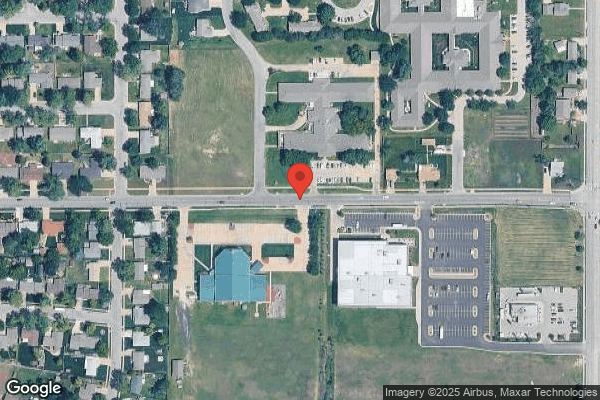
Sept 2021 6 deficiencies
CONCERN (D)

Potential for Harm - no one hurt, but risky conditions existed

Resident Rights (Tag F0550)

Could have caused harm · This affected 1 resident

The facility reported a census of 47 residents with 12 sampled including two for indwelling urinary catheters (insertion of a catheter into the bladder to drain the urine into a collection bag). Based...

Read full inspector narrative →
The facility reported a census of 47 residents with 12 sampled including two for indwelling urinary catheters (insertion of a catheter into the bladder to drain the urine into a collection bag). Based on observation, interview, and record review the facility failed to promote dignity when staff failed to provide a dignity bags for the indwelling urinary catheter drainage bags for Resident (R) 44 and R148. Findings included: - R44's Physician Order Sheet dated 09/21/21 revealed the following diagnoses: neuromuscular dysfunction of bladder (dysfunction of the urinary bladder caused by a lesion of the nervous system) and presence of urogenital implant (injections of material into the urethra to help control urine leakage/urinary incontinence). The 08/08/21 Annual Minimum Data Set (MDS) documented a brief interview for mental status (BIMS) of 15, indicating intact cognition. R44 had an indwelling urinary catheter. The 08/08/21 Urinary Incontinence and Indwelling Catheter Care Area Assessment (CAA) documented R44 had an indwelling urinary catheter in place and required staff assistance with managing his catheter. The 09/21/21 Care Plan for R44 instructed staff to position the catheter bag and tubing below the level of the bladder and away from room entrance door. Observation on 09/21/21 at 07:55 AM revealed R44 laid in his bed and his indwelling urinary catheter drainage bag hung on the side of his bed, in view of all visitors and residents who passed by, with no dignity cover on it. Observation 09/22/21 at 03:17 PM revealed R44 laid in his bed and his indwelling urinary catheter drainage bag hung on the side of his bed towards the room entrance door, urine visible and the door open. The urinary catheter drainage bag did not have a dignity bag covering. Observation 09/27/21 at 07:11 AM revealed R44 laid in bed with his eyes closed and his indwelling urinary catheter drainage bag hung on the side of his bed towards the room entrance door, urine visible and the door open. The urinary catheter drainage bag did not have a dignity bag covering. Interview on 09/23/21 at 09:26 AM with Certified Medication Aide (CMA) H revealed a resident with a catheter would have a privacy cover (dignity bag covering). Interview on 00/27/21 at 07:25 AM with CMA I revealed she expected the catheter drainage bag to be in a dignity bag. Interview on 09/27/21 at 07:29 AM with Licensed Nurse (LN) J revealed any resident with a catheter would not need to have a privacy bag covering the drainage bag while in bed as the nurse watches the urine output by walking by the door. Interview on 09/27/21 at 08:40 AM with Administrative Nurse B revealed she expected staff to cover all catheter drainage bags with a dignity bag, with the resident's personal choice as the only exception. On 09/27/21 at 10:12 AM Administrative Nurse B stated the facility did not have a policy regarding dignity bags for catheters. The facility failed to promote dignity for R44 when staff did not provide a dignity bag for his indwelling catheter drainage bag while in bed. - R148's Physician Order Sheet dated 09/21/21 revealed the following diagnoses: neuromuscular dysfunction of bladder (dysfunction of the urinary bladder caused by a lesion of the nervous system). The 07/11/21 Annual Minimum Data Set (MDS) documented a brief interview for mental status (BIMS) of 14, indicating intact cognition. R148 had an indwelling urinary catheter. The 07/11/21 Urinary Incontinence and Indwelling Catheter Care Area Assessment (CAA) documented R148 had an indwelling urinary catheter in place and required staff assistance with managing his catheter. The 07/27/21 Care Plan for R148 instructed staff to position the catheter bag and tubing below the level of the bladder and away from room entrance door. Observation on 09/21/21 at 04:28 PM revealed R148 laid in his bed and his indwelling urinary catheter drainage bag hung on the side of his bed, in view of all visitors and residents who passed by, with no dignity cover on it. Observation 09/22/21 at 04:28 PM revealed R148 laid in his bed and his indwelling urinary catheter drainage bag hung on the side of his bed towards the room entrance door, urine visible and the door open. The urinary catheter drainage bag did not have a dignity bag covering. Observation 09/23/21 at 11:26 AM revealed R148 laid in bed and his indwelling urinary catheter drainage bag was hanging on the side of his bed towards the room entrance door, urine visible and the door open. The urinary catheter drainage bag did not have a dignity bag covering. Interview on 09/23/21 at 09:26 AM with Certified Medication Aide (CMA) H revealed a resident with a catheter would have a privacy cover (dignity bag covering). Interview on 09/27/21 at 07:25 AM with CMA I revealed she expected the catheter drainage bag to be in a dignity bag. Interview on 09/27/21 at 07:29 AM with Licensed Nurse (LN) J revealed any resident with a catheter would not need to have a privacy bag covering the drainage bag while in bed as the nurse watches the urine output by walking by the door. Interview on 09/27/21 at 08:40 AM with Administrative Nurse B revealed she expected staff to cover all catheter drainage bags with a dignity bag, with the resident's personal choice as the only exception. On 09/27/21 at 10:12 AM Administrative Nurse B stated the facility did not have a policy regarding dignity bags for catheters. The facility failed to promote dignity for R148 when staff did not provide a dignity bag for his indwelling catheter drainage bag while in bed.
CONCERN (D)

Potential for Harm - no one hurt, but risky conditions existed

Respiratory Care (Tag F0695)

Could have caused harm · This affected 1 resident

**NOTE- TERMS IN BRACKETS HAVE BEEN EDITED TO PROTECT CONFIDENTIALITY** The facility reported a census of 47 residents with 12 sampled, which included two for respiratory care. Based on observation, i...

Read full inspector narrative →
**NOTE- TERMS IN BRACKETS HAVE BEEN EDITED TO PROTECT CONFIDENTIALITY** The facility reported a census of 47 residents with 12 sampled, which included two for respiratory care. Based on observation, interview, and record review the facility failed to provide respiratory care consistent with professional standards of practice for Resident (R) 33 by the failure of staff to change oxygen tubing and store oxygen tubing sanitarily. The facility further failed to store oxygen tubing sanitarily for R15. Findings included: - R33's Electronic Health Record (EHR) documented diagnoses of chronic obstructive pulmonary disease (COPD, progressive and irreversible condition characterized by diminished lung capacity and difficulty or discomfort in breathing) and asthma (disorder of narrowed airways that caused wheezing and shortness of breath). The 08/17/21 Significant Change Minimum Data Set (MDS) revealed a staff assessment indicated R33 had both long and short-term memory problems and severely impaired cognition. R33 did not use oxygen. The 09/01/21 Care Plan documented R33 required oxygen via nasal cannula as indicated for shortness of air or for oxygen saturations (measure of how much oxygen the blood carried as a percentage of the maximum it could carry) less than 90%. The 07/27/19 Physicians Orders for R33 documented an order for oxygen via nasal cannula for oxygen saturations less than 90%. Observation on 09/21/21 at 01:58 PM revealed R33 in her room and not using her oxygen. The oxygen tubing was draped over the oxygen concentrator with no date noted on tubing or humidifier bottle. Observation on 09/23/21 at 11:46 AM revealed R33 with no oxygen in place, tubing was draped over the concentrator and had no date on it. On 09/27/21 at 07:47 AM with Certified Nurse Aide (CNA) K revealed she expected all oxygen tubing to be changed and dated by night shift every week, on Sundays. On 09/27/21 at 07:36 AM Licensed Nurse (LN) G revealed night shift staff changed oxygen tubing weekly on Sundays LN G stated the oxygen tubing should be stored in a labeled bag, when not in use. On 09/27/21 at 08:40 AM Administrative Nurse B revealed staff should change oxygen tubing weekly and if not in use it should always be stored in a labeled bag. The tubing should be dated when changed. On 09/27/21 at 10:15 AM, Administrative Nurse B stated the facility did not have a policy specific to changing, dating, or storing of oxygen tubing. The facility failed to provide respiratory care consistent with professional standards of practice for R33. - R15's Electronic Health Record contained a diagnosis of congestive heart failure (a condition with low heart output and the body becomes congested with fluid.) The admission Minimum Data Set (MDS) dated [DATE] revealed a Brief Interview for Mental Status (BIMS) score of 13, which indicated intact cognition and noted R15 received oxygen therapy. The Significant Change MDS dated 07/20/21 revealed a BIMS score of 13 which indicated intact cognition and noted R15 received oxygen therapy. The Care Plan dated 05/13/21 revealed R15 with a diagnosis of congestive heart failure and use of oxygen via nasal cannula (a device used to deliver supplemental oxygen or increased airflow to a patient or person in need of respiratory help) at two to four liters to maintain an oxygen saturation level above 90 percent. An observation on 09/22/21 at 10:36 AM revealed R15 slept in her bed with her oxygen concentrator running but not in use. The oxygen tubing observed draped over the concentrator with the nasal cannula resting on the floor and not stored in the bag connected to the oxygen concentrator. On 09/27/21 at 10:18 AM R15 stated she used oxygen every night. On 09/27/21 at 10:48 AM Certified Nurse Aide (CNA) E stated R15 used oxygen as needed and when not in use, the tubing should be stored in a bag on the oxygen concentrator. On 09/27/21 at 12:31 PM Licensed Nurse (LN) F stated R15 used oxygen mainly at night and when not in use, the oxygen tubing should be stored in a bag on the oxygen concentrator. On 09/27/21 at 8:41 AM, Administrative Nurse B stated she expected the staff to store the oxygen tubing in a bag when not in use. On 09/27/21 at 10:15 AM Administrative Nurse B stated the facility did not have a policy specific to changing, dating or storing of oxygen tubing. The facility failed to ensure the staff stored R15's oxygen tubing in accordance with sanitary practices, when not in use.
CONCERN (D)

Potential for Harm - no one hurt, but risky conditions existed

Deficiency F0757 (Tag F0757)

Could have caused harm · This affected 1 resident

**NOTE- TERMS IN BRACKETS HAVE BEEN EDITED TO PROTECT CONFIDENTIALITY** - R16's pertinent diagnoses from the Physician's Orders in the Electronic Health Record (EHR) dated 08/03/21 documented type two...

Read full inspector narrative →
**NOTE- TERMS IN BRACKETS HAVE BEEN EDITED TO PROTECT CONFIDENTIALITY** - R16's pertinent diagnoses from the Physician's Orders in the Electronic Health Record (EHR) dated 08/03/21 documented type two diabetes mellitus (DM, when the body cannot use glucose, not enough insulin made or the body cannot respond to the insulin) and peripheral vascular disease (PVD, abnormal condition affecting the blood vessels). The 07/21/21admission Minimum Data Set (MDS) documented a Brief Interview for Mental Status (BIMS) score of 14, indicating intact cognition. R16 received anticoagulant medication six times in the seven-day look back period. The 08/03/21 Care Plan for R16 instructed staff to administer medications and monitor for side effects as ordered by the physician. The Physicians Orders documented an order on 07/15/21 for R16 for Xarelto (blood thinner) 20 milligrams (mg) daily and an order on 07/16/21 for aspirin 81 mg daily. Review of the monthly Pharmacy Medication Record Review (MRR) for July and August 2021 revealed a recommendation for the prescriber of R16, to review the administration of aspirin and Xarelto, and to consider holding the aspirin while on the Xarelto, as together they increased the risk of bleeding. Review of the July through September 2021 Electronic Medication Administration Record (EMAR) documented R16 received Xarelto and aspirin daily. Observation on 09/27/21 at 10:33 AM revealed R16 propelling himself in his wheelchair down the hall from outside. No bruising visible on R16. On 09/27/21 at 07:59 AM Administrative Staff A stated the MRRs were not available for June through August 2021 as the last Director of Nursing (DON) completed them and the facility did not know where she put them. On 9/27/21 at 08:40 AM Administrative Nurse B confirmed the MMR recommendations had not been addressed since 05/2021. She stated she will meet with Consultant Pharmacist D to figure out a better plan moving forward. She stated the facility received the MRRs for June through September 2021 and she would go through them and do what needed to be done. The facility's Medication Regimen Review policy revised on 06/11/21 documented the attending physician should document in the residents' health record that the identified irregularity had been reviewed. The facility failed to discontinue or hold the aspirin while on Xarelto as recommended, decreasing the risk for bleeding for R16, in a timely manner. The facility census totaled 47 residents with five residents reviewed for unnecessary medications. Based on observation, interview, and record review the facility failed to ensure five of five residents did not receive unnecessary medications by the failure to ensure the order included a stop dated for the administration of Doxycycline (an antibiotic) for Resident (R) 34 and failed to address the recommendation to not administer aspirin (Nonsteroidal Anti-Inflammatory Drugs (NSAID), medication that reduces pain, decreases fever, prevents blood clots, and in higher doses, decreases inflammation) with Xarelto, an anticoagulant medication (chemical substances that prevent or reduce coagulation of blood, prolonging the clotting time) at the same time for R16. Findings included: - R34's Electronic Health Record (EHR) revealed a diagnosis of rheumatoid arthritis (chronic inflammatory disease that affected joints and other organ systems) and encounter for other orthopedic aftercare. The Significant Change Minimum Data Set (MDS) dated [DATE] revealed a Brief Interview for Mental Status (BIMS) score of 15, which indicated intact cognition. R34 received an antibiotic medication daily. The Care Plan dated 06/06/21 revealed R34 had a diagnosis of rheumatoid arthritis. A Physician Order dated 03/22/21 revealed R34 received Doxycycline 100 milligrams (mg), one tablet by mouth in the morning related to encounter for other orthopedic aftercare. The order did not include a stop date. The Medication Regimen Review dated 08/31/21 recommended the discontinuation of Doxycycline or to have the provider to include a stop date. Interview on 09/28/21 at 12:58 PM Administrative Nurse B stated she expected the physician to either discontinue the antibiotic, provide a stop date for it, or provide an appropriate diagnosis to continue as long-term prophylaxis. The Medication Regimen Review policy dated 06/11/21 revealed, The attending physician should document in the residents' health record that the identified irregularity has been reviewed and what, if any, action has been taking to address it. The facility failed to ensure the order included a stop dated for the administration of Doxycycline (an antibiotic) for Resident (R) 34.
CONCERN (D)

Potential for Harm - no one hurt, but risky conditions existed

Medication Errors (Tag F0758)

Could have caused harm · This affected 1 resident

**NOTE- TERMS IN BRACKETS HAVE BEEN EDITED TO PROTECT CONFIDENTIALITY** The facility reported a census of 47 residents, with five reviewed for unnecessary medications. Based on observation, interview,...

Read full inspector narrative →
**NOTE- TERMS IN BRACKETS HAVE BEEN EDITED TO PROTECT CONFIDENTIALITY** The facility reported a census of 47 residents, with five reviewed for unnecessary medications. Based on observation, interview, and record review the facility failed to follow up on the consultant pharmacists' recommendations for a gradual dose reduction (GDR) for the ordered Citalopram (antidepressant medication), for Resident (R)33, for the recommended stop date for the as needed (PRN) Ativan (antianxiety medication) ordered for R15, and for the GDRs for Trazadone, Mirtazapine, and Zoloft (antidepressant medications), received by R38. Findings included: - R33's pertinent diagnoses from the Physician's Orders in the Electronic Health Record (EHR) dated 09/01/21 documented dementia (progressive mental disorder characterized by failing memory, confusion), anxiety (mental or emotional reaction characterized by apprehension, uncertainty and irrational fear), and major depressive disorder (major mood disorder). The 08/17/21 Significant Change Minimum Data Set (MDS) documented per staff R33 had both long and short-term memory problems and severely impaired cognition. R33 received an antidepressant medication daily for the seven day look back period. The 06/15/21 Annual Minimum Data Set (MDS) documented per staff R33 had both long and short-term memory problems and moderately impaired cognition. R33 had a diagnosis of depression other than bipolar and received an antidepressant medication daily for the seven day look back period. The 09/01/21 Care Plan for R33 instructed staff to administer medications and monitor for side effects, as ordered by the physician. Review of the 03/02/21 Physicians Orders for R33 documented an order for Citalopram (antidepressant) 20 milligrams (mg) daily. Review of the July through September 2021 Electronic Medication Administration Record (EMAR) documented R33 received Citalopram 20 mg daily. Review of the monthly Pharmacy Medication Record Review (MRR) for July and August 2021 revealed recommendations each month for the prescriber of R33, to review the administration of Citalopram and consider a Gradual Dose Reduction (GDR, stepwise tapering of a dose to determine if symptoms, conditions, or risks can be managed by a lower dose or if the medication can be discontinued altogether). The EHR lacked documentation of an attempted GDR for Citalopram for R33. Observation on 09/22/21 at 04:00 PM revealed R33 ambulated across the hall to visit her friend, then ambulated back to her room to continue working on her puzzle. On 09/27/21 at 07:59 AM Administrative Staff A stated the MRRs were not available for June through August 2021 as the last Director of Nursing (DON) completed them and the facility did not know where she put them. On 9/27/21 at 08:40 AM Administrative Nurse B confirmed the MMR recommendations had not been addressed since 05/2021. She stated she will meet with Consultant Pharmacist D to figure out a better plan moving forward. She stated the facility received the MRRs for June through September 2021 and she would go through them and do what needed to be done. The facility's Medication Regimen Review policy revised on 06/11/21 documented the attending physician should document in the residents' health record that the identified irregularity had been reviewed. The facility failed to ensure R33 received the lowest effective dose of antidepressant medication, by the facilty failure to address the GDR recommendation on Citalopram, in a timely manner. - R15's Electronic Health Record (EHR) revealed a diagnosis of anxiety disorder (mental or emotional reaction characterized by apprehension, uncertainty and irrational fear). The admission Minimum Data Set (MDS) dated [DATE] revealed a Brief Interview for Mental Status (BIMS) score of 13, indicating intact cognition and R15 received an antidepressant (class of medications used to treat mood disorders and relieve symptoms of depression) five days during the seven-day lookback period. The Significant Change MDS dated 07/20/21 revealed a BIMS score of 13, indicating intact cognition and received an antidepressant medication daily. The Psychotropic Drug Use Care Area Assessment (CAA) dated 02/09/21 revealed the CAA triggered secondary to use of psychotropic medications to manage psychiatric illness/condition. The Care Plan dated 07/16/21 revealed R15 received the antianxiety medication Ativan. A Physician Order dated 07/16/21 revealed R15 received Ativan 0.5 milligrams (mg), one tablet by mouth every four hours as needed (PRN) for anxiety, terminal restlessness, agitation and discontinue after six months. The State Operations Manual, Appendix PP revealed PRN orders for psychotropic medications are limited to 14 days, unless the attending physician/prescribing practitioner documents a rationale to extend the use of the medication. The Electronic Medication Administration (EMAR) for July, August, and September 2021 revealed R15 did not receive PRN Ativan. Observation on 09/22/21 at 10:36 AM revealed R15 rested in her bed and did not show any signs or symptoms of anxiousness. Interview on 09/27/21 at 11:26 AM, Certified Nurse Aide (CNA) F stated R15 did not exhibit any negative behaviors. Interview on 09/27/21 at 12:31 PM, Licensed Nurse (LN) G stated R15 did not exhibit any negative behaviors. An interview on 09/27/21 at 4:01 PM, Administrative Nurse B stated it was her expectation that PRN psychotropic medications be limited to 14 days and then reviewed and renewed as needed. The Psychopharmacological Medication Use policy revised 01/01/13 stated, Facility should comply with the Psychopharmacologic Dosage Guidelines created by the Centers for Medicare and Medicaid Services (CMS), the State Operations Manual, and all other Applicable Law relating to the use of psychopharmacologic medications . The facility failed to ensure the prescribing physician provided a rationale to extend the use of PRN Ativan beyond the 14-day limit for use of PRN psychotropic medications for R15. - R38's Electronic Health Record (EHR) revealed a diagnosis of major depressive disorder (abnormal emotional state characterized by exaggerated feelings of sadness, worthlessness, emptiness and hopelessness.) The Annual Minimum Data Set (MDS) dated [DATE] revealed a Brief Interview for Mental Status (BIMS) score of 15, indicating intact cognition. R38 had a Total Mood Severity Score of four, indicating minimal depression and received an antidepressant medication daily in the seven day review period. The Quarterly MDS dated 08/29/21 revealed a BIMS score of 15, indicating intact cognition. R38 had a Total Mood Severity Score of two, indicating minimal depression and received an antidepressant daily in the seven-day review period. The Care Plan dated 04/23/21 revealed R38 used the antidepressant medications Mirtazapine (Noradrenergic and specific serotonergic antidepressant), Zoloft (Selective Serotonin Reuptake Inhibitor (SSRI) used to treat depression), and Trazodone (antidepressant medicine that works to balance chemicals in the brain.) A Physician Order dated 08/26/21 revealed R38 received Mirtazapine 7.5 milligrams (mg), one tablet by mouth in the evening for major depressive disorder. A Physician Order dated 08/26/21 revealed R38 received Trazodone 100 mg, one tablet by mouth in the evening related to major depressive disorder. A Physician Order dated 08/25/21 revealed R38 received Zoloft 25 mg, by mouth one time a day related to major depressive disorder. The Medication Regimen Review (MRR) dated 06/23/21 revealed the consultant pharmacist made recommendations to attempt a gradual dose reduction (GDR) for Zoloft, Trazodone, and Mirtazapine. The record lacked documentation the facility or the physician followed-up on the GDR request. An observation on 09/21/21 at 02:21 PM revealed R38 rested in her bed watching television and did not exhibit any sign or symptoms of depression. Interview on 09/27/21 at 01:14 PM revealed R38 stated she did not have any depression and it was under control since she has been at the facility. An interview on 09/27/21 at 10:57 AM Certified Nurse Aide (CNA) E stated R38 did not exhibit any negative behaviors. An interview on 09/27/21 at 12:43 PM Licensed Nurse (LN) G stated R38 did not exhibit any negative behaviors towards others and had not been unduly depressed. An interview on 09/27/21 at 10:12 AM, Administrative Nurse B stated she expected the facility to follow-up on pharmacist recommendations for a GDR for Zoloft, Trazodone, and Mirtazapine. The Medication Regimen Review policy revised on 06/11/21 revealed, Facility should encourage Physician/Prescriber or other Responsible Parties receiving the MRR and the Director of Nursing to act upon the recommendations contained in the MRR. The facility failed to ensure R38 did not receive unnecessary medications by the failure to ensure the facility responded to the recommendation for GDRs for Mirtazapine, Zoloft, and Trazadone.
CONCERN (E)

Potential for Harm - no one hurt, but risky conditions existed

Safe Environment (Tag F0584)

Could have caused harm · This affected multiple residents

The facility had a census of 47 residents. Based on observation, interview, and record review the facility failed to provide maintenance services to maintain a sanitary, orderly, and comfortable inter...

Read full inspector narrative →
The facility had a census of 47 residents. Based on observation, interview, and record review the facility failed to provide maintenance services to maintain a sanitary, orderly, and comfortable interior which included three of four hallways and two of 39 resident rooms. Findings included: - Environmental observations on survey from 09/21/21 through 09/27/21 revealed the following concerns: 1. Northeast hallway included: a. Hallway had dings and gouges in the walls that looked like maintenance had started to repair but still needed to be repainted. b. A residnet room had pockmarks on the wall next to the bed. c. Another resident room had numerous circular black marks on the wall behind the head of the bed. 2. Northwest hallway included: a. The housekeeping closet between resident rooms had damage from approximately 30 inches up from the bottom of the door where the wood was scratched and gouged. b. The Resident Bathing room door, displayed scratched and gouge markings, from the bottom of the door up to approximately 30 inches. c. The Women's Bathroom door had scratches along the bottom and about six inches below the doorknob. 3. Common area around the nurses' station: a. The corners of the walls near the north nurses' station were gouged. The southwest corner was damaged starting above the brown floor trim and went up approximately six inches. This corner appeared as if it were in the process of being repaired but still needed some spackling and paint. b. The corner of the southeast wall across from the nurses' station was gouged from the trim up to approximately six inches from the floor. 4. Service hallway leading to the nurses' station included the north kitchen entry door jamb was gouged on both sides from the floor up to about eight inches. The brown protective panel on the bottom of the door was dirty and scratched. 5. Southeast hallway had gray trim along the bottom of the wall, pulling away from the wall about 12 inches from the door jamb. 6. The protective panel on the interior of the front entry door had numerous scratches and chipped paint. Interview on 09/23/21 at 03:20 PM with Maintenance Staff C affirmed the facility had been without a full-time maintenance staff for a few weeks. Maintenance Staff C stated he worked at a sister facility and was asked to help with certain pressing maintenance issues. He stated today was his first day to come up to assist with maintenance at this facility. Interview on 09/27/21 at 03:41 PM with Administrative Staff A revealed the facility did not have a maintenance staff member for about a month. Administrative Staff A stated a new maintenance staff was to start on 09/30/21 and the maintenance staff from a sister facility came once a week to help with maintenance. Administrative Staff A stated the facility utilized TELS (a maintenance workorder software system) to enter work orders and had a preventive maintenance function. The facility also utilized word of mouth from both staff and residents of items that need to be addressed. Administrative Staff A stated there was a system in place where the previous maintenance person did preventative maintenance, but this had not been continued since he resigned. Review of the Room Audit policy dated 09/01/14revealed Monthly rooms should be inspected and checked. This is primarily a maintenance function however administrative staff should participate on a regular basis .Damage drywall, furniture or non-functioning equipment, etc. should be noted, a work order created and addressed according to priority. The facility failed to ensure appropriate maintenance services necessary to maintain a sanitary, orderly, and comfortable environment in the facility for the residents.
CONCERN (E)

Potential for Harm - no one hurt, but risky conditions existed

Drug Regimen Review (Tag F0756)

Could have caused harm · This affected multiple residents

**NOTE- TERMS IN BRACKETS HAVE BEEN EDITED TO PROTECT CONFIDENTIALITY** - R33's pertinent diagnoses from the Physician's Orders in the Electronic Health Record (EHR) dated 09/01/21 documented dementia...

Read full inspector narrative →
**NOTE- TERMS IN BRACKETS HAVE BEEN EDITED TO PROTECT CONFIDENTIALITY** - R33's pertinent diagnoses from the Physician's Orders in the Electronic Health Record (EHR) dated 09/01/21 documented dementia (progressive mental disorder characterized by failing memory, confusion), anxiety (mental or emotional reaction characterized by apprehension, uncertainty and irrational fear), and major depressive disorder (major mood disorder). The 08/17/21 Significant Change Minimum Data Set (MDS) documented per staff R33 had both long and short-term memory problems and severely impaired cognition. R33 received an antidepressant medication daily for the seven day look back period. The 06/15/21 Annual Minimum Data Set (MDS) documented per staff R33 had both long and short-term memory problems and moderately impaired cognition. R33 had a diagnosis of depression other than bipolar and received an antidepressant medication daily for the seven day look back period. The 09/01/21 Care Plan for R33 instructed staff to administer medications and monitor for side effects, as ordered by the physician. Review of the 03/02/21 Physicians Orders for R33 documented an order for Citalopram (antidepressant) 20 milligrams (mg) daily. Review of the July through September 2021 Electronic Medication Administration Record (EMAR) documented R33 received Citalopram 20 mg daily. Review of the monthly Pharmacy Medication Record Review (MRR) for July and August 2021 revealed recommendations each month for the prescriber of R33, to review the administration of citalopram and consider a Gradual Dose Reduction (GDR) (stepwise tapering of a dose to determine if symptoms, conditions, or risks can be managed by a lower dose or if the medication can be discontinued altogether). Observation on 09/22/21 at 04:00 PM revealed R33 ambulated across the hall to visit her friend, then ambulated back to her room to continue working on her puzzle. On 09/27/21 at 07:59 AM Administrative Staff A stated the MRRs were not available for June through August 2021 as the last Director of Nursing (DON) completed them and the facility did not know where she put them. On 9/27/21 at 08:40 AM Administrative Nurse B stated the MRRs were sent to the facility DON monthly and she did not know what happened with the MRRs when the previous DON left. She confirmed the MMR recommendations had not been addressed since 05/2021. She stated she will meet with Consultant Pharmacist D to figure out a better plan moving forward. She stated the facility received the MRRs for June through September 2021 and she would go through them and do what needed to be done. On 09/28/21 at 4:15 PM Consultant Staff D stated he expected the facility to respond to and follow-up on recommendations he made during the MRR. The facility's Medication Regimen Review policy revised on 06/11/21 documented the facility should encourage the Provider and the DON to act upon the recommendations contained in the MRR. The facility failed to follow up on the Consultant Pharmacists recommendations to consider a GDR on Citalopram for R33 in a timely manner. - R16's pertinent diagnoses from the Physician's Orders in the Electronic Health Record (EHR) dated 08/03/21 documented type two diabetes mellitus (DM, when the body cannot use glucose, not enough insulin made or the body cannot respond to the insulin and peripheral vascular disease (PVD, abnormal condition affecting the blood vessels). The 07/21/21admission Minimum Data Set (MDS) documented a Brief Interview for Mental Status (BIMS) score of 14, indicating intact cognition. R16 received anticoagulant medication six times in the seven day look back period. The 08/03/21 Care Plan for R16 instructed staff to administer medications and monitor for side effects as ordered by the physician. The Physicians Orders documented an order on 07/15/21 for R16 for Xarelto (blood thinner) 20 milligrams (mg) daily and an order on 07/16/21 for aspirin 81 mg daily. Review of the July through September 2021 Electronic Medication Administration Record (EMAR) documented R16 received Xarelto and aspirin daily. Review of the monthly Pharmacy Medication Record Review (MRR) for July and August 2021 revealed a recommendation for the prescriber of R16, to review the administration of aspirin and Xarelto, and to consider holding the aspirin while on the Xarelto, as together they increased the risk of bleeding. Observation on 09/27/21 at 10:33 AM revealed R16 propelling himself in his wheelchair down the hall from outside. No bruising visible on R16. On 09/27/21 at 07:59 AM Administrative Staff A stated the MRRs were not available for June through August 2021 as the last Director of Nursing (DON) completed them and the facility did not know where she put them. On 9/27/21 at 08:40 AM Administrative Nurse B stated the MRRs were sent to the facility DON monthly and she did not know what happened with the MRRs when the previous DON left. She confirmed the MMR recommendations had not been addressed since 05/2021. She stated she will meet with Consultant Pharmacist D to figure out a better plan moving forward. She stated the facility received the MRRs for June through September 2021 and she would go through them and do what needed to be done. On 09/28/21 at 4:15 PM Consultant Staff D stated he expected the facility to respond to and follow-up on recommendations he made during the MRR. The facility's Medication Regimen Review policy revised on 06/11/21 documented the facility should encourage the Provider and the DON to act upon the recommendations contained in the MRR. The facility failed to follow up on the Consultant Pharmacists recommendations to discontinue or hold the aspirin while on Xarelto, decreasing the risk for bleeding for R16, in a timely manner. The facility census totaled 47 residents with 12 in the sample and five residents reviewed for unnecessary medications. Based on interview, observation and record review the facility failed to ensure the consultant pharmacist identify and report an irregularity concerning Resident (R)15 use of as needed (PRN) Ativan (antianxiety medication). The facility also failed to follow up on recommendations from the consultant pharmacist concerning Gradual Dose Reductions (GDR) for R15's use of Trazadone (antidepressant medication), R33's use of Celexa (antidepressant medication), R38's use of Mirtazapine, Zoloft and Trazadone (antidepressant medications), discontinuation or documentation of an end date for R34's use of Doxycycline (antibiotic medication), the recommendation to not administer aspirin (Nonsteroidal Anti-Inflammatory Drugs (NSAID, medication that reduces pain, decreases fever, prevents blood clots, and in higher doses, decreases inflammation) with Xarelto, an anticoagulant medication (chemical substances that prevent or reduce coagulation of blood, prolonging the clotting time) at the same time for R16. Findings included: - R15's Electronic Health Record (EHR) revealed a diagnosis of anxiety disorder (mental or emotional reaction characterized by apprehension, uncertainty and irrational fear.) The admission Minimum Data Set (MDS) dated [DATE] revealed a Brief Interview for Mental Status (BIMS) score of 13 indicating intact cognition and received an antidepressant (class of medications used to treat mood disorders and relieve symptoms of depression) five days during the seven-day lookback period. The Significant Change MDS dated 07/20/21 revealed a BIMS score of 13, indicating intact cognition and received an antidepressant daily. The Psychotropic Drug Use Care Area Assessment (CAA) dated 02/09/21 revealed this CAA triggered secondary to use of psychotropic medications to manage psychiatric illness/condition. The Care Plan dated 07/16/21 revealed R15 used the antianxiety medication Ativan. A Physician Order dated 07/16/21 revealed R15 received Ativan 0.5 milligrams (mg), one tablet by mouth every four hours as needed (PRN) for anxiety, terminal restlessness, agitation and discontinue after six months. The State Operations Manual, Appendix PP revealed PRN orders for psychotropic medications are limited to 14 days, unless the attending physician/prescribing practitioner documents a rationale to extend the use of the medication. The Electronic Medication Administration (EMAR) for July, August, and September 2021 revealed R15 did not receive PRN Ativan. The Pharmacy Consultant Reports from July 2021 through August 2021 lacked evidence the pharmacist identified the lack of an end date within the 14-day limit for PRN antianxiety (Ativan) medication use. The Medication Regimen Review (MRR) dated 08/31/21 revealed a request for a GDR for Trazadone. Observation on 09/22/21 at 10:36 AM revealed R15 rested in her bed and did not show any signs or symptoms of being anxious. Interview on 09/28/21 at 03:07 PM, Administrative Nurse B stated she expected the consultant pharmacist to identify and report any irregularities during the MRR and she expected the facility to follow-up on the consultant pharmacist recommendations. Interview on 09/28/21 at 04:15 PM, Consultant Pharmacist D stated he issued recommendations for documentation related to the use of PRN psychotropic medications for indication of use, rationale for use of the PRN medication past the 14-day limit, and include the intended duration. Consultant Pharmacist expected the facility to respond to, and follow-up on, recommendations he made during the MRR. The Medication Regimen Review policy revised 06/11/21 documented the Facility should encourage Physician/Prescriber or other Responsible Parties receiving the MRR and the Director of Nursing to act upon the recommendations contained in the MRR. The facility failed to ensure the consultant pharmacist identified and reported irregularities concerning R15's use of a PRN antianxiety medication, and the facility failed to follow-up on consultant pharmacist recommendation for a GDR. - R38's Electronic Health Record (EHR) revealed a diagnosis of major depressive disorder (abnormal emotional state characterized by exaggerated feelings of sadness, worthlessness, emptiness and hopelessness.) The Annual Minimum Data Set (MDS) dated [DATE] revealed a Brief Interview for Mental Status (BIMS) score of 15 indicating intact cognition. R38 had a Total Mood Severity Score of four indicating minimal depression and received an antidepressant daily. The Quarterly MDS dated 08/29/21 revealed a BIMS score of 15 indicating intact cognition. R38 had a Total Mood Severity Score of two indicating minimal depression and received an antidepressant daily. The Care Plan dated 04/23/21 revealed R38 used the antidepressant medications Mirtazapine, Zoloft, and Trazodone. A Physician Order dated 08/26/21 revealed R38 received Mirtazapine 7.5 milligrams (mg), one tablet by mouth in the evening for major depressive disorder. A Physician Order dated 08/26/21 revealed R38 received Trazodone 100 mg, one tablet by mouth in the evening related to major depressive disorder. A Physician Order dated 08/25/21 revealed R38 received Zoloft 25 mg, by mouth one time a day, related to major depressive disorder. The Medication Regimen Review (MRR) dated 06/23/21 revealed the consultant pharmacist made recommendations to attempt a gradual dose reduction (GDR) for Zoloft, Trazodone, and Mirtazapine. The record lacked documentation the facility or the physician followed-up on the request. An observation on 09/21/21 at 02:21 PM revealed R38 rested in her bed watching television and did not exhibit any sign or symptoms of depression. Interview on 09/28/21 at 03:07 PM, Administrative Nurse B stated it was her expectation the consultant pharmacist identified and reported any irregularities during the MRR and she expected the facility to follow-up on the consultant pharmacist recommendations. Interview on 09/28/21 at 04:15 PM, Consultant Pharmacist D stated he expected the facility to respond to and follow-up on recommendations he made during the MRR. The Medication Regimen Review policy revised 06/11/21 documented the Facility should encourage Physician/Prescriber or other Responsible Parties receiving the MRR and the Director of Nursing to act upon the recommendations contained in the MRR. The facility failed to follow-up on the consultant pharmacist recommendation for a GDR for Mirtazapine, Zoloft and Trazadone for R38. - R34's Electronic Health Record (EHR) revealed a diagnosis of rheumatoid arthritis (chronic inflammatory disease that affected joints and other organ systems) and encounter for other orthopedic aftercare. The Significant Change Minimum Data Set (MDS) dated [DATE] revealed a Brief Interview for Mental Status (BIMS) score of 15, which indicated intact cognition, and noted the resident received an antibiotic daily in the seven-day review period. The Care Plan dated 06/06/21 revealed R34 had a diagnosis of rheumatoid arthritis. A Physician Order dated 03/22/21 revealed R34 received Doxycycline 100 milligrams (mg), one tablet by mouth in the morning related to encounter for other orthopedic aftercare. The Medication Regimen Review dated 08/31/21 recommended the discontinuation of Doxycycline or provide a stop date. Interview on 09/28/21 at 03:07 PM, Administrative Nurse B stated it was her expectation the facility to follow-up on the consultant pharmacist recommendations. Interview on 09/28/21 at 04:15 PM, Consultant Pharmacist D stated he expected the facility to respond to and follow-up on recommendations he made during the MRR. The Medication Regimen Review policy revised 06/11/21 documented the Facility should encourage Physician/Prescriber or other Responsible Parties receiving the MRR and the Director of Nursing to act upon the recommendations contained in the MRR. The facility failed to follow-up on the consultant pharmacist recommendation concerning the use of Doxycycline for R34.
Understanding Severity Codes (click to expand)
Life-Threatening (Immediate Jeopardy)
J - Isolated K - Pattern L - Widespread
Actual Harm
G - Isolated H - Pattern I - Widespread
Potential for Harm
D - Isolated E - Pattern F - Widespread
No Harm (Minor)
A - Isolated B - Pattern C - Widespread

Questions to Ask on Your Visit

  • "What changes have you made since the serious inspection findings?"
  • "Can I speak with families of current residents?"
  • "What's your RN coverage like on weekends and overnight?"

Our Honest Assessment

Strengths
  • • 39% turnover. Below Kansas's 48% average. Good staff retention means consistent care.
Concerns
  • • Multiple safety concerns identified: 1 life-threatening violation(s). Review inspection reports carefully.
  • • 27 deficiencies on record, including 1 critical (life-threatening) violation. These warrant careful review before choosing this facility.
  • • Grade C (56/100). Below average facility with significant concerns.
Bottom line: Mixed indicators with Trust Score of 56/100. Visit in person and ask pointed questions.

About This Facility

What is Diversicare Of Hutchinson's CMS Rating?

CMS assigns DIVERSICARE OF HUTCHINSON an overall rating of 4 out of 5 stars, which is considered above average nationally. Within Kansas, this rating places the facility higher than 99% of the state's 100 nursing homes. This rating reflects solid performance across the metrics CMS uses to evaluate nursing home quality.

How is Diversicare Of Hutchinson Staffed?

CMS rates DIVERSICARE OF HUTCHINSON's staffing level at 4 out of 5 stars, which is above average compared to other nursing homes. Staff turnover is 39%, compared to the Kansas average of 46%. This relatively stable workforce can support continuity of care.

What Have Inspectors Found at Diversicare Of Hutchinson?

State health inspectors documented 27 deficiencies at DIVERSICARE OF HUTCHINSON during 2021 to 2025. These included: 1 Immediate Jeopardy (the most serious level, indicating potential for serious harm or death), 25 with potential for harm, and 1 minor or isolated issues. Immediate Jeopardy findings are rare and represent the most serious regulatory concerns. They require immediate corrective action.

Who Owns and Operates Diversicare Of Hutchinson?

DIVERSICARE OF HUTCHINSON is owned by a for-profit company. For-profit facilities operate as businesses with obligations to shareholders or private owners. The facility is operated by DIVERSICARE HEALTHCARE, a chain that manages multiple nursing homes. With 73 certified beds and approximately 67 residents (about 92% occupancy), it is a smaller facility located in HUTCHINSON, Kansas.

How Does Diversicare Of Hutchinson Compare to Other Kansas Nursing Homes?

Compared to the 100 nursing homes in Kansas, DIVERSICARE OF HUTCHINSON's overall rating (4 stars) is above the state average of 2.9, staff turnover (39%) is near the state average of 46%, and health inspection rating (4 stars) is above the national benchmark.

What Should Families Ask When Visiting Diversicare Of Hutchinson?

Based on this facility's data, families visiting should ask: "What changes have been made since the serious inspection findings, and how are you preventing similar issues?" "Can I visit during a mealtime to observe dining assistance and food quality?" "How do you handle medical emergencies, and what is your hospital transfer rate?" "Can I speak with family members of current residents about their experience?" These questions are particularly relevant given the facility's Immediate Jeopardy citations.

Is Diversicare Of Hutchinson Safe?

Based on CMS inspection data, DIVERSICARE OF HUTCHINSON has documented safety concerns. Inspectors have issued 1 Immediate Jeopardy citation (the most serious violation level indicating risk of serious injury or death). The facility has a 4-star overall rating and ranks #1 of 100 nursing homes in Kansas. Families considering this facility should ask detailed questions about what corrective actions have been taken since these incidents.

Do Nurses at Diversicare Of Hutchinson Stick Around?

DIVERSICARE OF HUTCHINSON has a staff turnover rate of 39%, which is about average for Kansas nursing homes (state average: 46%). Moderate turnover is common in nursing homes, but families should still ask about staff tenure and how the facility maintains care continuity when employees leave.

Was Diversicare Of Hutchinson Ever Fined?

DIVERSICARE OF HUTCHINSON has been fined $8,021 across 1 penalty action. This is below the Kansas average of $33,159. While any fine indicates a compliance issue, fines under $50,000 are relatively common and typically reflect isolated problems that were subsequently corrected. Families should ask what specific issues led to these fines and confirm they've been resolved.

Is Diversicare Of Hutchinson on Any Federal Watch List?

DIVERSICARE OF HUTCHINSON is not on any federal watch list. The most significant is the Special Focus Facility (SFF) program, which identifies the bottom 1% of nursing homes nationally based on persistent, serious quality problems. Not being on this list means the facility has avoided the pattern of deficiencies that triggers enhanced federal oversight. This is a positive indicator, though families should still review the facility's inspection history directly.