HUTCHINSON OPERATOR, LLC
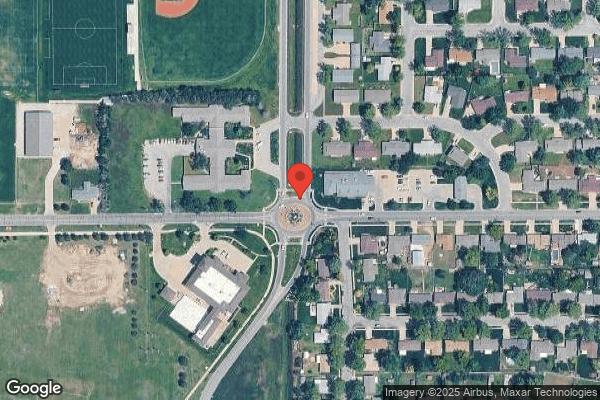
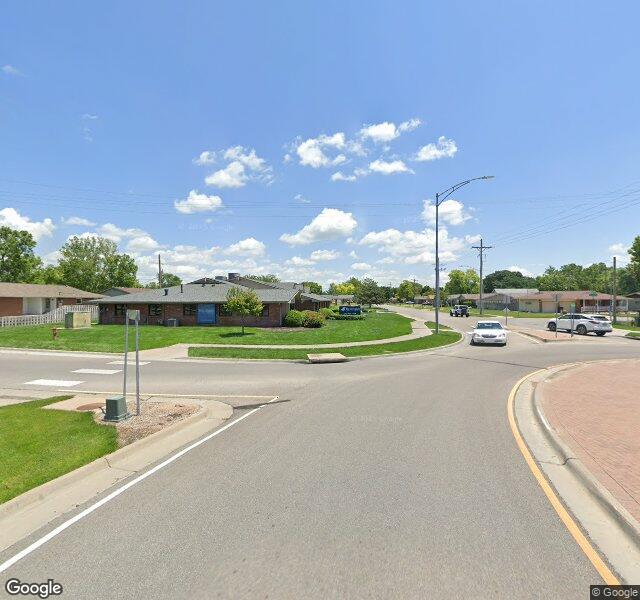
2301 N SEVERANCE STREET, HUTCHINSON, KS 67502 (620) 662-0597
For profit - Limited Liability company 45 Beds MISSION HEALTH COMMUNITIES Data: November 2025 4 Immediate Jeopardy citations
Trust Grade
0/100
#252 of 295 in KS
Last Inspection: April 2024

Within standard 12-15 month inspection cycle. Federal law requires annual inspections.

Overview

Hutchinson Operator, LLC has received a Trust Grade of F, indicating significant concerns about the quality of care provided at this facility. With a state rank of #252 out of 295 Kansas nursing homes, they are in the bottom half, and they rank last among the seven facilities in Reno County. The situation is worsening, with the number of critical issues increasing from four in 2023 to nine in 2024. While staffing is rated 4 out of 5 stars, showing a strength in this area, the facility has a concerning $577,529 in fines, the highest in Kansas, suggesting serious compliance problems. Specific incidents highlight alarming failures, including a resident who was not given CPR despite being coded for it and another who choked and did not receive timely interventions, leading to tragic outcomes. Overall, while there are some strengths in staffing, the critical issues and fines raise serious red flags for families considering this nursing home for their loved ones.

Trust Score
F
0/100
In Kansas
#252/295
Bottom 15%
Safety Record
High Risk
Review needed
Inspections
Getting Worse
4 → 9 violations
Staff Stability
⚠ Watch
55% turnover. Above average. Higher turnover means staff may not know residents' routines.
Penalties
✓ Good
$577,529 in fines. Lower than most Kansas facilities. Relatively clean record.
Skilled Nurses
✓ Good
Each resident gets 47 minutes of Registered Nurse (RN) attention daily — more than average for Kansas. RNs are trained to catch health problems early.
Violations
⚠ Watch
31 deficiencies on record. Higher than average. Multiple issues found across inspections.
★☆☆☆☆
1.0
Overall Rating
★★★★☆
4.0
Staff Levels
★★☆☆☆
2.0
Care Quality
★☆☆☆☆
1.0
Inspection Score
Stable
2023: 4 issues
2024: 9 issues

The Good

  • 4-Star Staffing Rating · Above-average nurse staffing levels
  • Full Sprinkler Coverage · Fire safety systems throughout facility
  • No fines on record

Facility shows strength in staffing levels, fire safety.

The Bad

1-Star Overall Rating

Below Kansas average (2.9)

Significant quality concerns identified by CMS

Staff Turnover: 55%

Near Kansas avg (46%)

Frequent staff changes - ask about care continuity

Federal Fines: $577,529

Well above median ($33,413)

Significant penalties indicating serious issues

Chain: MISSION HEALTH COMMUNITIES

Part of a multi-facility chain

Ask about local staffing decisions and management

Staff turnover is elevated (55%)

7 points above Kansas average of 48%

The Ugly 31 deficiencies on record

4 life-threatening
Jul 2024 1 deficiency 1 IJ (1 affecting multiple)
CRITICAL (K) 📢 Someone Reported This

A family member, employee, or ombudsman was alarmed enough to file a formal complaint

Immediate Jeopardy (IJ) - the most serious Medicare violation

Deficiency F0678 (Tag F0678)

Someone could have died · This affected multiple residents

**NOTE- TERMS IN BRACKETS HAVE BEEN EDITED TO PROTECT CONFIDENTIALITY** The facility identified a census of 42 residents with three residents reviewed for code status. Based on interviews and record r...

Read full inspector narrative →
**NOTE- TERMS IN BRACKETS HAVE BEEN EDITED TO PROTECT CONFIDENTIALITY** The facility identified a census of 42 residents with three residents reviewed for code status. Based on interviews and record review, the facility failed to ensure staff provided cardiopulmonary resuscitation (CPR) to Resident (R) 1, who desired resuscitative measures indicated by her full code status. At 05:20 PM on [DATE] Licensed Nurse (LN) G left R1's room to obtain a breathing treatment for R1. Before she could return to the room, Certified Medication Aide (CMA) R told LN G that R1's spouse reported R1 was unresponsive. LN G assessed R1 and noted a weak apical pulse. LN G asked R1's spouse if he wanted staff to start CPR and R1's non-DPOA spouse nodded and confirmed that was what R1 wanted. R1's spouse then recanted and told staff not to start compressions. At 05:29 PM R1 had no heartbeat but staff did not initiate resuscitative measures despite her full code status. This deficient practice placed R1 and all 22 residents with full code status in immediate jeopardy. Findings included: - R1's Electronic Medical Record (EMR) documented R1 had diagnoses of chronic obstructive pulmonary disease (COPD- a progressive and irreversible condition characterized by diminished lung capacity and difficulty or discomfort in breathing), lymphedema (swelling caused by accumulation of lymph), heart failure congestive heart failure (CHF-a condition with low heart output and the body becomes congested with fluid), and hypertension (high blood pressure). The admission Minimum Data Set (MDS), dated [DATE], documented R1 had a Brief Interview for Mental Status (BIMS) score of 10, which indicated moderately impaired cognition. The MDS documented R1 required maximum assistance for toileting, bathing, dressing, bed mobility, and transfer. The MDS documented R1 required continuous oxygen and a non-invasive mechanical ventilator (Trilogy machine - bilevel positive airway pressure BiPAP-medical device which helps with breathing). The Cognitive Loss/Dementia Care Area Assessment (CAA), dated [DATE], documented R1 had orientation, memory, and recall deficits. The care plan would be initiated to improve R1's cognitive status, activity of daily living (ADLs) status, and mobility. The Functional Ability CAA, dated [DATE], documented R1 required assistance with ADLs, had impaired balance and transition during transfers, and functional impairment in activity. R1's care plan would be initiated to improve her current ADL status and functional abilities. R1's Care Plan, dated [DATE], documented R1 requested that CPR measures be performed and R1 was a full code. The care plan documented the facility staff would respect R1's wishes and rights to have CPR performed. The care plan directed staff to communicate R1's choice to all appropriate staff members, continue to administer ordered medications and treatments per physician's orders, follow the instructions as detailed in the Advanced Directives and/or Living Will, and initiate CPR when appropriate and continue until paramedics arrive to take over. R1's banner on her EMR page showed R1 was a full code. The Physician's Order, dated [DATE], documented R1 was a full code. The Full-Code Resuscitate Directive, dated [DATE], documented R1 understood that Code meant that if her heart stopped beating or if R1 stopped breathing, medical procedures to restart R1's breathing or heart functioning would be instituted. The request documented R1 understood this decision would not prevent her from obtaining other medical care by care providers or medical care directed by a physician prior to R1's death. The directive documented the code directive would remain in effect while R1 was admitted to a medical care facility or care home as well as during transport to or from a home or facility. The directive was signed by R1 with a witness declaration of the said signage and was signed by the attending physician. The Nursing Progress Note, dated [DATE] at 02:10 AM, documented the nurse entered R1's room to administer her nebulizer treatments and R1 appeared to be short of air and used accessory muscles to breathe. R1's oxygen saturation was 68% on the Trilogy with two liters (L) of oxygen. R1's oxygen was increased to 3L and R1's oxygen saturation increased to 72%. R1's lung sounds had rhonchi (low-pitched continuous lung sounds that are caused by fluid in the respiratory system), crackles (discontinuous and explosive sounds that can be heard in the lungs of someone with respiratory disease when they inhale), and wheezes (a high-pitched whistling or rattling sound that occurs when air moves through narrowed airways in the lungs). Staff notified R1's provider of R1's condition at 09:30 PM and orders were received to send R1 to the emergency room. Staff called Emergency Medical Staff (EMS) at 09:32 PM. At 09:40 PM, EMS arrived at the facility. R1's oxygen saturation had increased to 88-90% with the Trilogy using 3L of oxygen. EMS evaluated R1. R1 and her spouse decided not to go to the emergency room. At 09:52 PM, EMS left the facility. At 09:53 PM, staff notified R1's provider of R1's choice not to go to the emergency room. The provider directed the nurse to watch R1 and if R1 changed her mind and wanted to go to the emergency room then she had the order to send. The Nursing Progress Note, dated [DATE] at 08:51 AM, documented R1 struggled with air hunger at 07:00 AM. R1's oxygen saturation fluctuated from 67% to 90% on the Trilogy with respirations between 20 to 24 breaths per minute. The Trilogy foam filter was checked and cleaned. R1 received treatments by mask to help with breathing issues. R1's spouse went home to get new filters for the Trilogy. Staff administered lorazepam (medication to help relieve anxiety) to R1 at 07:45 AM. R1's oxygen saturations stabilized between 85-90% with respirations between 14 to 17 breaths per minute. R1 rested easier with the Trilogy machine on. The Nursing Progress Note, dated [DATE] at 07:40 PM, documented R1 had been resting throughout the day with the Trilogy mask except during her respiratory therapy treatments. R1's spouse was by R1's side most of the day. LN G asked R1's spouse if he was okay with R1 resting with her Trilogy here at the facility and informed the spouse this is what the hospital would do for R1 if she was there. R1's spouse was okay with how R1 was being cared for at the facility. At approximately 05:15 PM, LN G went in to check on R1 and see if R1's spouse wanted R1 to do her respiratory therapy treatment that was due and R1's spouse said Okay. R1's oxygen saturation was 85%. LN G left to get R1's respiratory treatments. At approximately 05:20 PM, LN G was headed back to R1's room when CMA R came around the corner and stated R1 was not responding. LN G went back to R1's room and sent CMA R to get a stethoscope so LN G could listen for a heartbeat. R1's heartbeat was very weak. LN G asked R1's spouse if he wanted staff to start chest compressions. R1's spouse said, That is what she wanted. R1's spouse then paused for a moment and stated, No, do not start compressions. LN G clarified with R1's spouse a couple of times. The note documented that compressions were not attempted. Staff notified Administrative Nurse D and R1's provider at approximately 05:29 PM that R1 was without a heartbeat. Staff then notified Administrative Staff A. Physician GG's Physician Progress Note, dated [DATE], documented the provider was notified of R1's death over the weekend. R1 had end-stage cardiac disease as well as end-stage hypoxic (insufficient oxygen) respiratory failure due to severe COPD. R1 had multiple hospitalizations in recent months for exacerbations of her respiratory failure, which indicated R1's prognosis was very poor. Despite aggressive interventions, R1 continued to decline. The provider documented that during R1's final day, R1 deteriorated quickly, and she did not wish to return to the hospital. R1 quickly declined and died. Given R1's end-stage disease and inevitable death that was rapidly approaching, there was no medical indication to perform advanced cardiac life support (ACLS-refers to a set of clinical guidelines established by the American Heart Association for the urgent and emergent treatment of cardiac arrest using advanced medical procedures, medications, and techniques) since there was no probability of changing the inevitability of R1's death on that day. Physician GG documented that performing chest compressions could have indeed caused R1 suffering. The note documented that R1's spouse appropriately requested no chest compressions despite R1's full code status and there was no rationale for performing CPR if R1 did not want to be hospitalized again. Consultant GG noted that per ACLS protocols, it was not appropriate to perform chest compressions when there was no probability of success. The note documented that attention to R1's peaceful passing was the medically appropriate approach. A review of LN G's CPR certification documented LN G had an active basic life support (BLS) CPR certification. On [DATE] at 10:45 AM, Certified Nurse Aide (CNA) M stated there was no physical sign in resident's rooms to distinguish which residents were full code and which residents were do not resuscitate (DNR). CNA M stated staff had to check the resident's EMR to find out the resident's code status. On [DATE] at 11:15 AM CMA R stated R1's spouse came out of R1's room and stopped her and told her R1 was not breathing. CMA R stated she knew R1 was a full code and that was why she got LN G. CMA R stated it happened during supper meal pass and she ran and got the crash cart and stopped the Certified Nurse Aides (CNAs) from delivering meals and told them all hands-on deck in R1's room. CMA R stated she felt really bad for not providing CPR to R1 because it was R1's wish to be a full code. CMA R said she followed the chain of command. On [DATE] at 11:30 AM, LN G stated she asked R1's husband what he wanted LN G to do, start compressions or not. At first, R1's husband said to start compressions and then he told her to not start compressions. LN G stated she verified with R1's husband several times he did not want staff to start compressions, so staff did not start compressions. On [DATE] at 11:00 AM, Administrative Nurse D stated that she expected the staff at the facility to follow the resident's code status if a resident was found unresponsive. Administrative Nurse D stated CPR was not initiated on R1 because her husband said not to start compressions and LN G tried to keep her comfortable during the dying process. Administrative Nurse D stated R1 did not want to go to the hospital the previous night when she was having breathing difficulty. Administrative Nurse D stated there were twenty-two residents out of forty-two residents that were full code. Administrative Nurse D stated the facility had nineteen staff at the facility who were CPR-certified, and the scheduler always made sure CPR-certified staff were on shift. The facility's Cardiopulmonary Resuscitation (CPR) and Basic Life Support (BLS) Policy, revised 11/2023, documented that the community staff, certified in CPR, will provide basic life support, including CPR, to a resident requiring such an emergency prior to the arrival of emergency medical personnel and subject to related physician orders and the resident's advanced directives. Staff certified in CPR will be available 24 hours a day. This is posted in the community. Verify the presence of advanced directives regarding CPR upon admission per policy. If the CPR order is missing or the resident's wishes are different from the admission order, notify the physician immediately to update such order and document it in the medical record. If CPR is to be withheld, or awaiting the physician's order, document discussions with the resident or their representative, including as needed the wish to withhold CPR. Verbal declination of CPR by the resident or representative should be witnessed by two staff members or per state directives. While waiting on a change in a physician's order, the current order will be honored. If an individual is found unresponsive and not breathing normally, a licensed staff member who is certified in CPR/BLS shall initiate CPR unless: It is known that a Do Not Resuscitate (DNR) order that specifically prohibits CPR and/or external defibrillation exists for that individual; or There are obvious signs of irreversible death (e.g., rigor mortis, lividity) then initiate CPR. On [DATE] at 12:58 PM, Administrative Staff A received a copy of the Immediate Jeopardy Template and was informed the facility failure to ensure staff provided CPR to R1, who desired resuscitative measures indicated by her full code status, placed R1 and all 22 residents with full code status in immediate jeopardy. The facility submitted an acceptable plan to remove the immediacy on [DATE] at 03:26 PM which included the following corrective actions: Current nursing staff were re-educated on initiating the current code status. When a resident is declining, review the code status with the resident and/or DPOA and if changes are desired, notify the provider. Educated current nurses to initiate advance directives as ordered until new orders are obtained from the provider. Current residents were audited and updated as needed for desired code status. Current residents' code statuses were audited for validation of code status. On [DATE], an onsite survey verified the facility completed the above corrective actions to remove immediacy. The deficient practice remained at a scope and severity of G.
Apr 2024 8 deficiencies
CONCERN (D)

Potential for Harm - no one hurt, but risky conditions existed

Pressure Ulcer Prevention (Tag F0686)

Could have caused harm · This affected 1 resident

**NOTE- TERMS IN BRACKETS HAVE BEEN EDITED TO PROTECT CONFIDENTIALITY** The facility had a census of 42 residents. The sample included 12 residents with three reviewed for pressure ulcers (PU-localize...

Read full inspector narrative →
**NOTE- TERMS IN BRACKETS HAVE BEEN EDITED TO PROTECT CONFIDENTIALITY** The facility had a census of 42 residents. The sample included 12 residents with three reviewed for pressure ulcers (PU-localized injury to the skin and/or underlying tissue usually over a bony prominence, because of pressure, or pressure in combination with shear and/or friction). Based on observation, interview, and record review the facility failed to provide interventions to prevent a pressure injury for Resident (R) 22 who had recurring blisters to the left heel and was at risk for skin breakdown. This placed the resident at risk for pressure injury and delayed healing. Findings included: - R22's Electronic Medical Record (EMR) documented diagnoses of protein-calorie malnutrition, adult failure to thrive, neuropathy (sharp, shocking nerve pain), chronic pancreatitis (progressive inflammatory disorder), and a Stage 2 pressure ulcer (partial-thickness skin loss into but no deeper than the dermis including intact or ruptured blisters) of the left heel. The Quarterly Minimum Data Set (MDS), dated [DATE], documented a Brief Interview for Mental Status (BIMS) score of nine indicating moderately impaired cognition. The MDS documented R22 had a range of motion impairment in both lower extremities. R22 required moderate assistance for eating and was dependent on staff for all other activities of daily living (ADL). The MDS documented R22 weighed 116 pounds, and had one Stage 2 PU, and one unstageable PU (the depth of the wound is unknown due to the wound bed being covered by a thick layer of other tissue and pus). R22 received pressure relief devices for the chair, repositioning, and PU care and medications to an area other than the feet. R22's Care Plan, dated 11/10/23 (revised on 02/22/24) documented the resident was at risk for skin breakdown due to a loss of muscle strength. An intervention dated 11/10/23 directed staff that a licensed nurse would complete a weekly skin assessment and notify the primary care physician if abnormalities were noted. An intervention dated 02/22/24 and revised on 04/02/24 directed staff to keep off-loading boots 24 hours a day, except during transfers to both heels. A Progress Note dated 12/12/23 at 11:21 AM, stated the resident had a possible blister on his right inner heel. The nurse assessed the heel and noted a 3.5 centimeter (cm) by 3 cm area that had been a fluid-filled blister. The note documented the fluid had absorbed back into the foot and there was a faint outline of where it had been. All skin was intact, and the surrounding skin was blanchable (a term used to describe skin that remains white or pale for longer than normal when pressed). The note recorded the resident reported no pain in the area. The Skin Assessment, dated 01/01/24, documented a closed blister on the left heel. The Progress Note, dated 01/11/24 at 08:16 PM, documented R22 continued with a healing blister on the left heel. The Physician Order, dated 01/30/24, directed to admit R22 to palliative care. The Physician Note, dated 02/08/24, documented there were no skin lesions or wounds and directed staff to apply Skin-prep (liquid skin barrier) wipes to R22's left heel topically two times a day for a skin condition and discontinue when resolved. The note recorded the physician ordered a multiple vitamin with minerals daily for wound healing. The Physician Order, dated 02/23/24, directed staff to administer a multiple vitamin with minerals daily for wound healing. The Physician Order, dated 02/26/24 ordered the wound care specialist to evaluate and treat. The Skin Assessment, dated 03/25/24, documented a left heel PU that measured 1.5 cm by 2.5 cm by 0.3 cm. The Physician Order, dated 04/02/24, directed to make sure staff turned and repositioned the resident in bed at least every two hours for skin care and wound prevention. The Skin Assessment, dated 04/09/24, documented that the left heel PU measured 2.3 cm by 2 cm by 0.3 cm and had moderate drainage. The Physician Order, dated 04/10/24 directed staff to off-load R22's bilateral heels with boot at all times except during transfers. On 04/10/24 at 08:30 AM, observation revealed R22 lay in a low bed. He refused breakfast. At 11:44 AM, Certified Medication Aide (CMA) S and Licensed Nurse (LN) H assisted the resident in repositioning from his left side to his back. He wore foot protector boots on both feet and the air mattress was on. On 04/10/24 at 05:17 PM, observation revealed R22 lying in bed with a Prevalon boot (special pressure-reducing heel protectors) on the right foot and a blue foam bootie on his left foot. Administrative Nurse D performed wound care to the left heel which had a small amount of drainage and the open wound at the bottom of the heel was approximately 2 cm by 1.5 cm. She cleansed the area and applied Skin-prep to the peri-wound and calcium alginate (highly absorbent dressing) to the wound. Administrative Nurse D covered the wound with a bordered foam dressing. On 04/15/24 at 01:20 PM, Administrative Nurse F stated R22 was at risk for skin breakdown due to muscle loss. She stated the 11/10/23 care plan identified the risk but had no interventions to prevent wounds. Administrative Nurse F stated the facility should have revised R22's care plan when the heel blisters were noted in December 2023 and then re-occurred in February 2024. The facility's Pressure Injury Treatment Guidelines policy, dated 03/2024, directed staff to determine the cause of pressure and relieve, redistribute pressure, implement pressure redistributing devices, notify the physician and family, and initiate a skin documentation protocol and care plan. The facility failed to provide interventions for pressure ulcer prevention such as off-loading for R22 who was at risk for prolonged pressure ulcer risks and infection.
CONCERN (D)

Potential for Harm - no one hurt, but risky conditions existed

Deficiency F0742 (Tag F0742)

Could have caused harm · This affected 1 resident

**NOTE- TERMS IN BRACKETS HAVE BEEN EDITED TO PROTECT CONFIDENTIALITY** The facility had a census of 42 residents. The sample included 12 residents with three reviewed for mood and behavior. Based on ...

Read full inspector narrative →
**NOTE- TERMS IN BRACKETS HAVE BEEN EDITED TO PROTECT CONFIDENTIALITY** The facility had a census of 42 residents. The sample included 12 residents with three reviewed for mood and behavior. Based on observation, record review, and interview, the facility failed to provide the necessary behavioral health care and services to attain or maintain the highest practicable physical, mental, and psychosocial well-being for Resident (R)21. This placed her at risk for impaired quality of life due to untreated and ongoing mental health concerns. Findings included: - R21's Electronic Health Record (EHR) revealed diagnoses of post-traumatic stress disorder (PTSD- a mental disorder characterized by an acute emotional response to a traumatic event or situation involving severe environmental stress), major depressive disorder (a mood disorder that causes a persistent feeling of sadness and loss of interest) and anxiety (mental or emotional reaction characterized by apprehension, uncertainty, and irrational fear) disorder. R21's Annual Minimum Data Set (MDS), dated [DATE], recorded the resident had a Brief Interview for Mental Status (BIMS) score of 15, indicating intact cognition. The MDS documented the resident had a mood score of three which indicated a major depressive disorder was likely. The MDS further indicated the resident had disorganized thinking and inattention. R21's Care Plan, dated 01/02/24 documented the resident had depression, and staff would monitor and record target behaviors and symptoms such as crying, wandering, disrobing, inappropriate response to verbal communication, and violence and aggression towards staff and others. The care plan directed staff to closely monitor the resident treated with antidepressants (medication used to treat depression) for clinical worsening, and for emergence of suicidal thoughts and behaviors. The care plan documented the resident had been seen by an in-house psychiatric provider and had an order for a behavioral health unit if necessary. The care plan directed staff to redirect the resident when name-calling and threatening staff when she was upset and to keep the resident free from any form of abuse from other residents and or staff. The Psychiatric Intake Notes, dated 07/18/23, documented the resident was seen at the facility by the Advance Practice Registered Nurse (APRN) who recommended increasing the resident's Sertraline (antidepressant medication) to 100 milligrams (mg) daily to target mood and anxiety. The APRN recommended a referral to psychotherapy and a follow-up in one month. The Social Service Notes, dated 08/11/23 at 07:38 AM, documented the social services designee (SSD) emailed the APRN regarding the resident's need for a psychotherapy appointment. The notes recorded the SSD would await an update. R21's clinical record lacked evidence of a psychotherapy appointment, notes, or follow-up on the mental health services. On 04/10/24 at 07:35 AM, observation revealed R21 sat in a wheelchair beside the medication cart awaiting Certified Medication Aide (CMA) R, who administered the resident's morning medications including her Sertraline. On 04/10/24 at 03:30 PM, Administrative Staff A and Nurse Consultant GG verified the resident saw the APRN but said the facility did not follow up with a referral to get psychotherapy. They verified the resident had a diagnosis of PTSD and the facility staff lacked information related to R21's triggers. The facility's, Behavioral Health Services policy, dated June 2024, documented residents of the community would receive necessary behavioral health care and services to attain or maintain the highest practicable physical, mental, and psychosocial well-being, in accordance with the comprehensive assessment and care plan. The facility would assess residents with mental or psychosocial adjustment difficulty or who have a history of trauma and or PTSD for necessary care and services, appropriate person-centered care plans, and individualized treatment to meet their needs. The facility would review physician orders for the use of medications for behavioral issues and consultations with behavioral health services. The facility failed to provide mental health services for R21 after the APRN determined she needed a psychotherapy appointment. This deficient practice placed R21 at risk for impaired quality of life due to untreated and ongoing mental health concerns.
CONCERN (D)

Potential for Harm - no one hurt, but risky conditions existed

Deficiency F0849 (Tag F0849)

Could have caused harm · This affected 1 resident

**NOTE- TERMS IN BRACKETS HAVE BEEN EDITED TO PROTECT CONFIDENTIALITY** The facility had a census of 42 residents. The sample included 12 residents with one reviewed for hospice (a type of health care...

Read full inspector narrative →
**NOTE- TERMS IN BRACKETS HAVE BEEN EDITED TO PROTECT CONFIDENTIALITY** The facility had a census of 42 residents. The sample included 12 residents with one reviewed for hospice (a type of health care that focuses on the terminally ill patient's pain and symptoms and attending to their emotional and spiritual needs at the end of life) services. Based on observation, record review, and interview, the facility failed to ensure a coordinated plan of care, which coordinated care and services provided by the facility with the care and services provided by hospice, was developed and available for Resident (R)141. This placed R141 at risk for inappropriate end-of-life care. Findings included: - R141's Electronic Health Record (EHR) revealed diagnoses of malignant (the tendency of a medical condition, especially tumors, to become progressively worse, most familiar as a characteristic of cancer) neoplasm of the lung or bronchi (the passage that connects your windpipe to your lungs), chronic obstructive pulmonary disease (COPD- a progressive and irreversible condition characterized by diminished lung capacity and difficulty or discomfort in breathing) and shortness of breath. R141's admission Minimum Data Set (MDS), dated [DATE], recorded that R141 was admitted to the facility on [DATE]. R141's Nursing Baseline Care Plan, dated 04/09/24, recorded R141 required pain medication and staff administered per physician order. The care plan documented staff to monitor vitals and the resident required enhanced barrier precautions. The care plan lacked any information regarding the resident's hospice services and lacked evidence of coordination of care between the hospice and the facility. The facility lacked a communication book or external document. On 04/08/24 at 04:11 PM, a Nurse's Note documented the resident was admitted to the facility at 03:50 PM. The note recorded the resident had primary diagnoses of COPD and respiratory failure and a secondary diagnosis of lung cancer. The resident was admitted with the resident's hospice provider of choice. The length of stay was determined to be less than thirty days and R141 required oxygen continuously. On 04/09/24 at 04:00 PM, observation revealed R141 sat in a recliner in his room watching TV, with a stocking cap on his head. On 04/11/24 at 10:45 AM, Consultant GG and Administrative Nurse D verified the facility lacked any information from hospice such as admitting notes, assessments, and a hospice care plan. They verified the facility should have the information at the facility in the electronic health records and said would like to see a separate binder that had the hospice information kept at the nurse's station. On 4/11/24 at 12:38 PM, Social Service X instructed the hospice provider to bring a binder to the facility. Social Service X said the nurse stated she would put one together and bring it to the facility however she was new and unsure what all that would entail. Social Service X passed the information to Administrative Nurse D and said she requested the correct paperwork hospice should provide to the facility for the resident's care and coordinated services. The Hospice Program policy, dated April 2024, documented the community would identify in writing the services that the hospice would be providing an address in the resident's person-centered care plan; the facility would obtain the physician certification or e-certification for hospice services. The policy directed the facility would ensure the hospice medical director and the attending physician or other practitioners collaborate and communicate to coordinate hospice care. The facility failed to coordinate care between the facility and the hospice provider for R141, who received hospice services. This deficient practice placed him at risk for inappropriate end-of-life care.
CONCERN (E)

Potential for Harm - no one hurt, but risky conditions existed

Accident Prevention (Tag F0689)

Could have caused harm · This affected multiple residents

**NOTE- TERMS IN BRACKETS HAVE BEEN EDITED TO PROTECT CONFIDENTIALITY** The facility had a census of 42 residents. The sample included 12 residents with four reviewed for falls. Based on observation, ...

Read full inspector narrative →
**NOTE- TERMS IN BRACKETS HAVE BEEN EDITED TO PROTECT CONFIDENTIALITY** The facility had a census of 42 residents. The sample included 12 residents with four reviewed for falls. Based on observation, interview, and record review the facility failed to ensure an environment free from accident hazards when the accessible hot water at the dining room sink was 131 degrees F (Fahrenheit) and further failed to provide effective interventions to prevent further falls for Resident (R) 13. This placed the residents at risk for injuries related to hot water hazards and falls. Findings included: - On 04/09/24 at 11:37 AM, observation revealed the facility's dining room sink had a hot water temperature of 130 degrees F. On 04/09/24 at 11:40 AM, Maintenance Staff U obtained a water temperature of 131.6 degrees F. He stated he had just turned up the hot water thermostat that morning after finding the dishwasher temperature was not high enough at 115 degrees F. He stated both the dining room sink and the kitchen were on the same water line. At that time, he turned off the hot water valve under the sink. The Water Temperature Testing Log, included the following: 02/14/24 dining sink 131F 03/11/24 dining sink 135F 04/01/24 dining sink 130F On 4/10/24 at 10:45 AM, Administrative Staff A stated she educated the maintenance staff regarding the hot water temperatures in any common area that residents could access. She verified the maintenance checks on 02/14/24, 03/11/24, and 04/01/24 were all greater than 130 degrees. She stated the hot water was turned off to that sink until the situation was resolved with a separate water heater or valve to maintain appropriate temperatures. The facility's Safety of Water Temperatures policy, dated 10/2023, stated tap water shall be kept within a temperature range to prevent scalding (to burn or affect painfully with or as if with hot liquid or steam) of residents. The policy stated water heater that serviced resident rooms and common use areas would be set to a temperature of no more than 115F. The policy stated maintenance staff would conduct periodic tap water temperatures per community protocol and any time the water temperature felt excessive to the touch (hot enough to be painful or cause reddening of the skin) staff were to report this to their supervisor. The facility failed to ensure an environment free from accident hazards when the accessible hot water at the dining room sink was 131 degrees F placing the residents at risk for accidental skin injury. - R13's Electronic Medical Record (EMR) documented diagnoses of heart disease, heart attack, urinary tract infection (UTI-an infection in any part of the urinary system), pseudobulbar affect (inappropriate involuntary laughing and crying due to a nervous system disorder), pain, chronic obstructive pulmonary disease (COPD- a progressive and irreversible condition characterized by diminished lung capacity and difficulty or discomfort in breathing), hallucinations (sensing things while awake that appear to be real, but the mind created), extrapyramidal and movement disorder (movement disorders as a result of taking certain medications) psychosis (any major mental disorder characterized by gross impairment in reality perception), and glaucoma (abnormal condition of elevated pressure within an eye caused by obstruction to the outflow). The Quarterly Minimum Data Set (MDS), dated [DATE], documented a Brief Interview for Mental Status (BIMS) score of 15 indicating intact cognition. The MDS documented R13 required set-up supervision, or touching assistance with sitting up in bed, and transfers to stand or toilet. The MDS documented one non-injury fall and one minor injury fall since the prior MDS. R13's Fall Care Plan, dated 02/07/24, stated R13 was at risk for falls due to a fall risk score of 10 or greater and psychotropic (alters mood or thought) drug use. The care plan directed staff to follow the facility fall protocol. Physical therapy would evaluate and treat as ordered or as needed. The plan directed staff to ensure the resident wore proper footwear during the day meaning no bare feet. The plan stated R13 was educated to ambulate with her walker, not while holding onto the wheelchair. Staff were to anticipate and meet her needs, offer non-skid socks, and educate R13 to wait for assistance before self-transfer and call for assistance with transfers. Staff were to offer toileting every two hours through the night; ensure her bed was not in a low position and ensure R13's call light was within reach and encourage her to use it. All the above interventions were initiated in 2022. Further falls resulted in the following care plan interventions: Educate the resident, family, and caregivers about safety reminders and what to do if a fall occurs. Initiated: 09/06/23 Medication review requested. Initiated: 09/12/23 Ensure the resident was wearing appropriate footwear such as non-skid socks or slippers when ambulating or mobilizing in the room or with a wheelchair. Initiated: 11/11/23 Encourage the resident to limit the number of blankets in her recliner. Initiated: 11/17/23. Ensure the resident's chair is cleaned out and items put away. Initiated: 11/17/23. Ensure personal items are within reach when in the room. Initiated: 03/08/24 Review information on past falls and attempt to determine the cause of falls. Record possible root causes. Alter remove any potential causes if possible. Educate resident, family, and caregivers as to causes. Initiated: 03/08/24 The Fall Risk Assessment, dated 02/06/24 documented R13 was at high risk for falls with a score of 11. The Fall Note, dated 06/5/23: at 04:23 AM, stated the resident was reminded it was acceptable and encouraged to use the call light through night. gave verbal understanding. The Fall Note, dated 06/16/23: at 0915 AM, stated staff assisted the resident to the recliner. The resident was sitting comfortably in her recliner, the call light within reach, resident could make needs known. The Fall Note, dated 07/5/23: at 1100 AM, R13 stated she slipped while trying to get a shirt from her closet. The Fall Note, dated 09/6/23 at 01:30 PM, stated staff educated R13 about safety reminders and what to do if a fall occurs. Resident verbally educated on the importance of calling for assistance during transfers, resident voiced understanding. The Fall Note, dated 09/10/23 at 05:50 PM, stated staff was educated to toilet the resident every two hours and ensure she was always wearing non-skid socks. The Fall Note, dated 09/12/23: at 05:30 AM, stated staff noted she did not have on grippy socks and staff put some on her before standing her up. Staff re-educated her to use the call light for assistance. The Fall Note, dated 09/16/23, stated staff noted R13's call light behind the chair hanging and her grippy socks were worn down. R13 reported she had slipped and fell. She reported she could not find her call light to call for help. Staff exchanged all her socks for grippy socks that were not worn down and reminded her to call for help when getting up. The Fall Note, dated 11/11/23 at 12:45 PM, stated staff noted R13 to have poor grippers on socks. Care Plan: Ensure wearing appropriate footwear. The Fall Note, dated 11/17/23 at 04:01 PM, stated staff found R13 sitting on the floor in front of her recliner with clothing items under her more clothing items and a small pillow in the chair. The Fall Note, dated 12/29/23 at 01:32 AM, stated staff educated R13 to call and wait for assistance. The Fall Note, dated 02/17/24 at 03:00 AM, stated R13 told staff she was getting off the toilet and fell and slid on the floor. The Fall Note, dated 03/8/24 at 05:30 PM, stated staff were to review information on past falls and attempt to determine the cause of falls, record possible root causes, and remove any potential causes if possible. Educate resident, family, and caregivers as to causes and the possible cause of this fall was room change or bare feet. On 04/10/24 at 12:23 PM, observation revealed Therapy Staff HH asked R13 if she was ready to exercise. He tied her shoes, applied a gait belt, asked about pain, and used minimum assistance to help her stand and turn to sit in her wheelchair with small steady steps. He assisted her to ambulate with her walker in the hall 20 feet. On 04/10/24 at 12:08 PM, Certified Medication Aide (CMA) S stated the resident sometimes self-transferred. On 04/15/24 at 12:02 PM, Administrative Nurse F stated the Interdisciplinary Team (IDT) does a risk management assessment right after a resident fall. She stated they use a root cause analysis form and update the care plan when they get the report from risk management. On 04/15/24 at 12:25 PM, Administrative Nurse D verified education to R13 as an intervention or fall prevention had not been effective for this resident as she continued experiencing falls. The Fall Risk Assessment policy, dated 10/2023, stated the IDT would review the resident's history of falls, medications that could relate to falls, current and underlying medical conditions, functional factors, and environmental factors that may contribute to falls. The IDT would complete an evaluation of the resident's actions leading to a fall to identify the root cause. The IDT would collaborate to identify and address modifiable fall risk factors and interventions to minimize the modifiable risk factors. The IDT would revise the care plan as needed. The facility failed to implement different, effective interventions when to prevent further falls for R13 after repeated attempts at education were unsuccessful. This placed the resident at risk for injuries related to falls.
CONCERN (E)

Potential for Harm - no one hurt, but risky conditions existed

Deficiency F0761 (Tag F0761)

Could have caused harm · This affected multiple residents

The facility had a census of 42 residents. The sample included 12 residents. Based on observation, interview, and record review, the facility failed to discard Resident (R)1, R32, and R144s' insulin (...

Read full inspector narrative →
The facility had a census of 42 residents. The sample included 12 residents. Based on observation, interview, and record review, the facility failed to discard Resident (R)1, R32, and R144s' insulin (a hormone that lowers the level of glucose in the blood) flex pens when outdated and failed to discard expired stock medications. This deficient practice placed the affected residents at risk for ineffective medications. Findings included: - On 04/09/24 at 09:10 AM, observation of the facility's South Hall treatment cart revealed the following: R1's Lantus (long-acting insulin) flex pen was labeled with an open date of 03/09/24 (expired on 04/05/24, 28 days). R32 basaglar (Lantus) flex pen was opened on 03/09/24 (expired on 04/05/24, 28 days). R144's insulin glargine (Lantus) flex pen was opened on 02/02/24 (expired on 3/01/24, 28 days). On 04/09/24 at 09:15 AM, Licensed Nurse (LN) I verified the nurses were supposed to date the flex pens when opened and discard the outdated insulin. On 04/11/24 at 09:30 AM, Administrative Nurse D verified the nurses should label and date the flex pens with the resident's name and discard outdated pens. Medlineplus.gov directs open, unrefrigerated Lantus (basiglar and glargine) can be used within 28 days; after that time, they must be discarded. The facility's Labeling of Medication Containers policy, dated 09/2024, documented all medications maintained in the facility shall be properly labeled in accordance with current state and federal regulations. Labels for individual drug containers shall include e all necessary information. The facility's Storage of Medication policy, dated 09/2024, documented the facility shall store all drugs and biologicals in a safe, secure, and orderly manner. The facility shall not use discontinued, outdated, or deteriorated drugs or biologicals. All such drugs shall be returned to the dispensing pharmacy or destroyed. The facility failed to discard the residents' outdated insulin flex pens, placing the residents at risk for ineffective medication. - On 04/09/24 at 08:32 AM, observation revealed Certified Medication Aide (CMA) T at the north hall medication cart. Inspection of the medication cart revealed the following: One bottle of acetaminophen, 325 milligrams (mg) tablets with an expiration date of March 2024. One bottle of B1 vitamins, 100 mg, with an expiration date of March 2024. One bottle of Vitamin B complex tablets with an expiration date of 01/2024. On 04/09/24 at 08:32 AM, CMA T verified the medications were expired. The facility's Storage of Medications policy, dated 09/2023, stated the facility shall not use outdated drugs or biologicals, and all such drugs would be returned to the pharmacy or destroyed. The facility failed to ensure outdated or expired medications were removed from the medication cart, placing residents at risk of receiving ineffective medications.
CONCERN (E)

Potential for Harm - no one hurt, but risky conditions existed

Deficiency F0883 (Tag F0883)

Could have caused harm · This affected multiple residents

The facility had a census of 42 residents. The sample included 12 residents with five reviewed for immunizations. Based on observation, interview, and record review the facility failed to provide Resi...

Read full inspector narrative →
The facility had a census of 42 residents. The sample included 12 residents with five reviewed for immunizations. Based on observation, interview, and record review the facility failed to provide Residents (R) 11, R13, R19, R25, and R143 with the most recent Center for Disease Control and Prevention (CDC) vaccination information statement (VIS) before administering vaccinations. This placed the residents at risk for uninformed decisions related to vaccinations. Findings included: - Five residents ' records reviewed for immunizations revealed the facility ' s vaccination consent forms lacked the most recent Center for Disease Control and Prevention (CDC) vaccination information. The facility used a consent form with information from the 08/15/19 influenza, the 10/30/19 PCV13, and the 10/30/19 PPSV23 CDC guidelines. The five residents were not provided the most recent CDC VIS at the time of their vaccinations. On 04/11/24 at 11:22 AM, Administrative Nurse E verified the residents had not been provided the most recent VIS before vaccinations. The facility ' s Vaccination of Residents policy, dated 09/2023, stated before receiving vaccinations, a resident or their representative, would be provided information and education regarding the benefits and potential side effects of the vaccinations. The facility failed to provide R11, R13, R19, R25, and R143 with the most recent CDC VIS before administering vaccinations, placing the residents at risk for uninformed decision making.
CONCERN (F)

Potential for Harm - no one hurt, but risky conditions existed

Deficiency F0801 (Tag F0801)

Could have caused harm · This affected most or all residents

The facility had a census of 42 residents. The sample included 12 residents. Based on observation, record review, and interview, the facility failed to provide the services of a full-time certified di...

Read full inspector narrative →
The facility had a census of 42 residents. The sample included 12 residents. Based on observation, record review, and interview, the facility failed to provide the services of a full-time certified dietary manager for the 42 residents who resided in the facility and received their meals from the kitchen. This placed the residents at risk for inadequate nutrition. Findings included: - On 04/09/24 at 08:30 AM, observation revealed dietary staff in the kitchen prepared the breakfast meal. On 04/09/24 at 08:40 AM, Dietary Staff BB verified she was not a certified dietary manager. Dietary Staff BB stated the facility had three residents with mechanical soft diets and one with a pureed diet who is in the hospital. On 04/11/24 at 02:00 PM, Administrative Staff A verified Dietary Staff BB was not certified. The facility's Food Service Staffing dated 10/2024, documented the community will employ sufficient staff with the appropriate competencies and skills to carry out the function of the food and nutrition services. The qualified Dietician would help oversee clinical nutrition and dietary services in the facility. The policy documented that if the Dietician is not full time the community would employ another qualified nutritional professional, to serve as the Dietary Manager. The person a minimum must meet one of the following qualifications: A) A certified Dietary Manager, b) A certified food service manager, c) Have similar certification in food service management and safety from a national certifying body, d) Has an associate or higher degree in food services management or hospitality, if the course study includes food service or restaurant management from an accredited institution or higher degree, e) Has two or more years of experience in the position of dietary manager in a nursing facility setting and has completed a course of study in food safety management, by no later than October 1, 2023, that includes topics integral to managing dietary operations including, but not limited to, foodborne illnesses, sanitization procedures, and food purchasing/receiving; and f) meets the state-established standards if applicable. The Dietary Manager would receive frequently scheduled consultations from a qualified dietician. The facility failed to employ a full-time certified dietary manager to evaluate residents' nutritional concerns and oversee the ordering, preparing, and storage of food for the 42 residents in the facility. This placed the residents at risk for inadequate nutrition.
CONCERN (F)

Potential for Harm - no one hurt, but risky conditions existed

Food Safety (Tag F0812)

Could have caused harm · This affected most or all residents

The facility had a census of 42 residents. Based on observation, record review, and interview the facility failed to store food in a safe and sanitary manner and failed to adequately sanitize dishes f...

Read full inspector narrative →
The facility had a census of 42 residents. Based on observation, record review, and interview the facility failed to store food in a safe and sanitary manner and failed to adequately sanitize dishes for the 42 residents that resided in the facility and received meals from the kitchen. This placed the residents at risk for foodborne illness. Findings Included: - On 04/09/24 at 08:30 AM, observation during the initial kitchen tour revealed the upright refrigerator-freezer contained the following items in the bottom freezer drawer: One bag of approximately 50 pepperoni circles with an open date of 09/15/23 and an expiration date of 03/15/24. One bag of eight Salisbury steak patties with an open date of 03/18/24 and an expiration date of 03/25/24. On 04/09/24 at 09:00 AM, observation revealed Dietary Staff (DS) DD operated the dishwasher and the wash temperature was at 105 degrees Fahrenheit (F) and the rinse temperature was at 110 degrees F. DS DD ran five loads and the temperature remained at 105 - 110 degrees F. The Dishwasher Temperature Logs, dated April 2024, documented morning, noon, and evening temperatures were 100-110 degrees F. The documented chemical sanitization checks recorded 200 parts per million (the amount of chlorine left over after a process where there is more chlorine than contaminate present.) On 04/09/24 at 08:45 AM, DS BB verified the refrigerator contained outdated food that needed to be discarded. On 04/09/24 at 09:15 AM, DS BB verified the April 2024 Dishwasher Temperature Log recorded the temperatures were 105-110 degrees F. On 04/09/24 at 12:45 PM, Maintenance Staff U verified the kitchen had a separate water heater and it was set at 120 degrees. He turned it up to 140 degrees after Dietary Staff BB informed him of the low dishwasher temperatures. The facility's Food Safety Requirements, policy, dated October 2024, documented that food shall be received and stored in a manner that complies with safe food handling practices. The community would procure food from approved sources or those considered satisfactory by federal, state, and local authorities. The policy documented that all foods stored in the refrigerator or freezer would be covered, labeled, and dated. Expiration dates on unopened foods would be observed and use by dates indicated once the food is opened. The facility's Dishwashing Machine Use, policy, dated October 2023, documented that food service staff required to operate the dishwashing machine would be trained in all steps of the dishwashing machine use by the supervisor or a designee proficient in all aspects of proper use and sanitization. Staff would record the wash temperature and the rinse parts per million or temperature as applicable) on the appropriate log. Dishwashing machines that use chemicals to sanitize, must maintain a wash temperature of 120 degrees. The facility failed to store food in a safe and sanitary manner and failed to sanitize dishes adequately for the 42 residents who resided in the facility and received meals from the facility kitchen, placing the residents at risk for foodborne illness.
Aug 2023 3 deficiencies 2 IJ
CRITICAL (J) 📢 Someone Reported This

A family member, employee, or ombudsman was alarmed enough to file a formal complaint

Immediate Jeopardy (IJ) - the most serious Medicare violation

Deficiency F0726 (Tag F0726)

Someone could have died · This affected 1 resident

**NOTE- TERMS IN BRACKETS HAVE BEEN EDITED TO PROTECT CONFIDENTIALITY** The facility identified a census of 39 residents with five selected for review. Based on interview and record review, the facili...

Read full inspector narrative →
**NOTE- TERMS IN BRACKETS HAVE BEEN EDITED TO PROTECT CONFIDENTIALITY** The facility identified a census of 39 residents with five selected for review. Based on interview and record review, the facility failed to ensure competent nursing staff implemented interventions for choking Resident (R)1. On 07/02/23, R1 sat at the table during supper and exhibited signs of choking. The staff alerted the Licensed Nurse that R1 was not breathing right. When the Licensed Nurse responded, R1 was grayish in color with blue lips, her oxygen saturation level was 36%, and she was breathing rapidly. The Licensed Nurse increased R1's oxygen from three to five liters and called 911. The Licensed Nurse failed to implement any interventions to address R1's choking. While in the EMS (Emergency Medical Service) transport vehicle, EMS staff discovered the presence of food in R1's airway and removed multiple pieces. R1 went into respiratory arrest and during compressions, a small amount of meat passed from the side of her vocal cords, and more meat came forth from her esophagus. R1 admitted to the hospital on [DATE], required intubation, and expired on 07/12/23 following removal of ventilation, per family request. The lack of competent nursing staff to implement interventions to address the signs of R1's choking, placed R1 in immediate jeopardy. Findings included: - The hospital Nursing Home admission Orders dated 06/05/23 for R1 included diagnoses of pneumonia (inflammation of the lungs) and respiratory failure and noted R1 admitted to the hospital on [DATE]. The Medical Diagnosis tab located in the Electronic Medical Record (EMR) for R1 included diagnoses of pneumonia, acute respiratory failure with hypoxia (inadequate supply of oxygen), Chronic Obstructive Pulmonary Disease (COPD, progressive and irreversible condition characterized by diminished lung capacity and difficulty or discomfort in breathing), chronic respiratory failure, anxiety (feelings of worry, anxiety, or fear that are strong enough to interfere with one's daily activities) disorder, dysphagia (swallowing difficulty) following cerebral infarction (stroke, damage to tissues in the brain due to a loss of oxygen to the area), hemiplegia (paralysis of one side of the body) affecting left nondominant side, and schizoaffective disorder (mental disorder in which a person experiences a combination of symptoms of schizophrenia [psychotic disorder characterized by gross distortion of reality, disturbances of language and communication and fragmentation of thought] and mood disorder [any of several psychological disorders characterized by abnormalities of emotional state]). The Quarterly Minimum Data Set (MDS) dated [DATE] assessed R1 with a Brief Interview of Mental Status (BIMS) score of 15, indicating intact cognition. R1 had physical behaviors one to three days of the assessment period and verbal and other behavioral symptoms four to six days of the assessment period. R1 did not reject care. She required supervision and setup assistance for eating, had range of motion impairment to one side of the upper extremities, received a mechanically altered diet, and did not display signs and symptoms of a swallowing disorder. R1 required oxygen and did not require respiratory services, speech therapy, or restorative nursing for eating and/or swallowing. The Annual MDS dated 06/21/23 assessed R1 with a BIMS score of 12, indicating moderately impaired cognition. R1 did not have any physical behavior symptoms or rejection of care and continued to have verbal and other behavior symptoms four to six days of the assessment period. She continued to have limited range of motion to one side of her upper extremities and required limited assistance of one staff for eating. She had signs of swallowing disorder of coughing and choking during meals or when swallowing medications and continued to have a mechanically altered diet. She continued to require oxygen and did not require respiratory services, speech therapy, or restorative nursing for eating and/or swallowing. The Nutritional Status Care Area Assessment (CAA) dated 07/05/23 revealed R1 required a mechanical soft diet and was at risk for aspiration (when food, liquid, or other material enters a person's airway and eventually the lungs by accident). The Dental Care CAA dated 07/05/23 revealed R1 had broken teeth and the care plan would be reviewed to maintain her chewing and swallowing ability. The Care Plan dated 06/14/23 revealed R1 had multiple broken and missing teeth, preferred to eat in the dining room for meals, required oxygen, had a contracture to her left hand, and could feed herself. Her behaviors of banging items resolved on 06/14/23. The Care Plan for R1 lacked interventions regarding signs of a swallowing disorder, dysphagia, risk for aspiration, or a mechanically altered diet. The Order tab for R1 revealed an order dated for 03/01/23 for regular diet, mechanical soft, chopped meat texture (discontinued on 06/08/23) and a new order entered, dated 06/08/23, for a regular diet, mechanical soft, ground meat texture. The facility failed to ensure the meal Tray Ticket changed on 06/08/23 to reflect the order to downgrade the consistency of the meat served to R1, from chopped to ground. The Tray Ticket for R1's evening/supper meal dated 07/02/23 (24 days after the order to change to ground meat) revealed a diet order of regular, mechanical soft, with chopped meat. The facility's investigation dated 07/24/23 revealed R1's diet was not properly sent over via the electronic medical record system to the tray card and R1's diet continued to show chopped meat diet and she was served chopped meat up until 07/02/23. The Nursing Note dated 07/02/23 at 08:40 PM by Administrative Nurse D revealed she was called to the dining hall because R1 was having difficulty breathing. Administrative Nurse D noted when arrived, R1 had a grey color to her face, and she was cold and clammy. Administrative Nurse D checked R1's oxygen tank and noted it was on 3 liters, and found R1's oxygen saturation level measured at 36%, her pulse was 136 beats per minute, respirations at 21 breaths per minute, and blood pressure was 142/88 millimeters of mercury (mmHg). The staff connected R1's oxygen to a concentrator and her oxygen level did not come up. Around 05:25 PM, staff called 911 and EMS arrived at 05:40 PM. When EMS checked R1's oxygen level, it was 55%. The EMS staff, Certified Nurse Aides (CNAs), and Administrative Nurse D moved R1 from the wheelchair to the stretcher. The note lacked any other assessment or interventions performed by the Administrative Nurse or other staff in the facility. The EMS Patient Care Report for service date of 07/02/23 for R1 revealed EMS received a call from the facility at 05:35 PM regarding a female with a breathing problem, not responding, and with oxygen saturations in the 40%'s. EMS arrived to the patient at 05:42 PM, and found R1 seated in a wheelchair in the dining hall, held in the seated position by staff members. R1 had a slightly painful response, and her breathing was very shallow and labored at approximately eight breathes per minute. R1 was ashen grey, pale in color, and cold to the touch. The staff advised EMS that R1 was seated at the dinner table and began banging on the table with a knife and residents began yelling for help. R1 was in respiratory distress and not responding and they placed her on her oxygen concentrator and noted no improvement, a rapid decline, and called 911. EMS asked the facility staff if R1 could have choked and if they took measures to possibly correct this and the facility staff denied this stating, they did not believe she choked and believed it was her COPD. EMS lifted and placed R1 on the EMS cot and ventilated R1 using a bag valve mask (BVM, handheld tool consisting of a self-inflating bag, one-way valve, mask, and an oxygen reservoir, used to deliver positive pressure ventilation to any subject with insufficient or ineffective breaths) at 15L of oxygen. R1 had improvement in color and her oxygen saturations increased to the high 80's to 90%. The EMS staff opened R1's airway and noted no visible object or foreign body at this time. EMS secured R1 to the cot and into the EMS unit. Once in the unit R1 began to have a clenched jaw and would move one arm upward but had no other response. EMS obtained R1's intravenous (IV, into the vein) access and administered Succinylcholine (medication used to provide a quick onset of skeletal muscle relaxation) for optimal intubation (placement of a breathing tube through the mouth and down the throat into the lungs). When EMS staff placed the King Vision laryngoscope (brand name of device used to look into the throat and larynx, designed to enable quick and easy intubation with a display to provide a view of a patient's airway) they found an obstruction blocking the view of the epiglottis (thin flap of cartilage in the throat which prevents food and drink from entering the trachea [wind pipe] and lungs). The EMS staff could not remove the obstruction with forceps due to lack of room with the King Vision in place, the King Vision removed and BVM ventilation resumed. Direct laryngoscopy then used to visualize the presence of food in R1's airway, and multiple pieces of food were removed from her airway. Due to a large amount of obstruction, EMS cleared some of the food and then ventilated R1. R1 had a decline in pulse, went into respiratory arrest, and then asystole (a heart rhythm indicating lack of a heartbeat) and EMS performed compressions. During compressions, a small piece of meat passed from the other side of R1's vocal cords and EMS removed, and noted more meat came forth from the esophagus which was removed and EMS performed orotracheal suctioning which allowed the vocal cords to be visible. EMS then intubated R1 and noted when they suctioned through the tube, they noted blood and food particles. The EMS departed with R1 at 06:17 PM. The hospital Discharge Summary dated 07/15/23 revealed R1 choked while eating dinner at the facility and was mechanically ventilated during the stay. She had a poor prognosis and anoxic (lack of oxygen) brain injury. On 07/12/23 R1 passed away following removal of mechanical ventilation per family request. On 07/24/23 at 01:04 PM Certified Nurse Aide (CNA) O stated R1 could feed herself and sometimes she would have off days where one of the staff would sit with her and feed her. CNA O stated R1 would cough when in the dining room and if she wanted to eat in her room, then a staff member would have to sit with her. On 07/24/23 at 01:57 PM Dietary Staff BB stated she prepared R1's meal on 07/02/23, which was a hot roast beef and cheddar sandwich. Dietary Staff BB stated she had cut her meat up for the sandwich, which she had dripping with the cheese, placed it on the sandwich, and cut the bun in half for R1 so she could eat it better. R1 ate the first sandwich, then wanted another, so Dietary Staff BB fixed her an additional sandwich just like the first one. Dietary Staff BB stated chopped meat would be cut up into bite size pieces using a knife and fork and ground meat would go through a blender. Dietary Staff BB stated she served her the diet that her tray ticket had on it. On 07/24/23 at 03:22 PM Administrative Nurse D stated R1 came in for dinner and sat in the middle of the dining room. Certified Medication Aide (CMA) R came to her and said R1 was having difficulty breathing, so she went to the dining room and saw R1 seated upright and breathing rapidly. Administrative Nurse D stated there were issues in the past where R1 took her oxygen off, however it was in place and when she checked her oxygen saturation level it was 36%. R1 had a grayish color to her face, her lips were a little blue, and her pulse was 136 beats per minute. Administrative Nurse D checked R1's oxygen tank and noted it was close to red (indicating approaching empty), and she turned it up from three to five liters and hollered for an aide to go get an oxygen concentrator. The aide was not moving fast enough so Administrative Nurse D told another aide to run and get one. Administrative Nurse D stated she was stroking R1's face and telling her to calm down, as R1 gets very high anxiety. R1's oxygen saturation increased to 46% and her pulse decreased to 99 beats per minute, and when asking her questions, she would respond with her eyes or move her head but would not talk. Administrative Nurse D stated she called 911 and told them she was a full code (indicating if her heart stopped beating, she wanted cardiopulmonary resuscitation [CPR] to be performed) and they needed to get to the facility now. Administrative Nurse D stated it took EMS about 12 minutes to arrive, R1 was still breathing and was basically calming down at that point. When EMS arrived and they put their pulse oximeter on her, her oxygen saturation level was 55%. Administrative Nurse D stated herself, two EMS personnel, and a facility aide moved R1 to the stretcher. Administrative Nurse D stated R1 was flat on the stretcher and EMS placed the BVM on her and then took R1 out of the facility. Administrative Nurse D stated R1's family came in the next day and was told by hospital staff R1 was choking and wanted to know why she was told R1 was having respiratory issues. Administrative Nurse D stated she went over the events and at no time was R1 choking, she never put her hands up to her neck, and kept them at her side the whole time. Administrative Nurse D stated it was common for R1 to complain she could not breathe and did not say that or any other words when with her in the dining room, she would just shake her head to respond and make contact with her eyes. Administrative Nurse D stated she felt R1's anxiety was so high the time that is why she did not talk. On 07/24/23 at 04:15 PM CNA M stated on 07/02/23 she sat at the table with R1 and she had asked for more chocolate milk, so she got up from the table to get some, and as she was turning around back toward her, R1 began banging her knife on the table. CNA M stated she sat down the milk, patted her on the back, and her color was normal at that time, however she looked like she was choking, looked like she could not hardly breathe, and was gasping for air. CNA M stated CMA R went to go alert the nurse, Administrative Nurse D. Until Administrative Nurse D arrived, R1 was gasping. When Administrative Nurse D arrived, she asked R1 questions and R1 would shake her head, and when asked if she could breathe, she shook her head to indicate no. CNA M stated she did not mention to Administrative Nurse D that she thought R1 was choking, as she was freaking out at the moment and R1's face had turned a little blue in color. On 07/25/23 at 02:55 PM CNA N stated on 07/02/23 CMA R went to go talk to R1 to calm her down as she was banging on the table with her knife, she did not see R1 do that, but turned around when she heard it. Her color was normal, and someone went to go get the nurse, then her color started fading to blue, but then would turn back to normal when Administrative Nurse D started talking to her. CNA N stated Administrative Nurse D checked her oxygen saturation level and thought it was in the 30's or 40's percent. CNA N stated Administrative Nurse D got R1 to calm down by the time EMS showed up. CNA N stated R1 kept breathing really heavy and kept eye contact with Administrative Nurse D and when Administrative Nurse D asked R1 if she was choking R1 did not answer. On 07/25/23 at 03:09 PM CMA R stated on 07/02/23 when R1 came back inside to the dining room following her smoke break she connected her back up to her oxygen, meanwhile R1 was saying she could not breath, which was normal for her, and she had checked to make sure the oxygen was on and it was. CMA R stated she turned to pass a tray and made eye contact with R1 and noticed she was trying to breathe, like she was trying to get air, making shallow short breaths, sounded like someone choking and she was reddish/grayish/purple in color like someone holding their breathe. CMA R stated she told R1 to spit out her food and she spit out roast beef. CMA R stated she was on her knees looking at R1 and she was still gasping after spitting the food out. Administrative Nurse D would ask her a question and R1 would nod her head in response but did not recall what questions she asked R1. On 07/25/23 at 03:55 PM Administrative Nurse D stated the staff told her R1 was having respiratory issues and breathing funny and did not tell her they had her spit food out of what was in her mouth. Administrative Nurse D stated she told R1 to calm down and she shook her head yes and asked if she was okay and she shook her head yes, however did not ask R1 if she was choking. On 07/25/23 at 04:00 PM CMA S stated she was in the kitchen getting herself food and heard banging on the table and seen silverware in R1's hands and CNA M and CMA R was beside her asking if she was okay. CMA S stated Administrative Nurse D arrived at her table and R1 was breathing heavy and not acting normal. CMA S stated Administrative Nurse D asked her to run and get a concentrator and when she got back EMS was called. CMA S stated Administrative Nurse D asked R1 if she was choking and R1 sat there heavily breathing and did not answer or nod her head, and she did not talk at all that she saw. On 07/25/23 at 04:18 PM Administrative Nurse D stated at no time did she think on 07/02/23 that R1 was choking, and that R1 was mouth breathing and she did not see any food in her mouth. On 07/25/23 at 04:44 PM Consultant Nurse GG stated Administrative Nurse D responded appropriately to R1 at the dining room table, however she should have visually assessed her mouth and would not have suctioned her if she did not think R1 was choking. The facility staff should have told Administrative Nurse D they thought she was choking and had her spit food out of her mouth. Consultant Nurse GG stated she believed Administrative Nurse D assessed her appropriately with the expectation R1 was hypoxic and with her low oxygen level would not have expected R1 to have normal color. Consultant Nurse GG stated she believed Administrative Nurse D would have performed the Heimlich if she truly thought R1 was choking. The facility lacked a policy regarding staff measures to be taken for possible choking. The facility failed to ensure competent nursing staff to implement interventions for choking experienced for R1 on 07/02/23, which placed R1 in immediate jeopardy. On 07/26/23 at 04:35 PM Administrative Staff A was informed the residents were in immediate jeopardy and was provided the Immediate Jeopardy Template for failure to provide interventions for choking experienced by R1. On 07/05/23 at 10:00 PM the facility completed corrective action of re-education to Licensed Nurse's on airway protection, hypoxemia, signs and symptoms of choking, and how to intervene. The deficient practice was deemed past non-compliance due to the implemented corrective actions prior to the surveyor entrance and the deficient practice existed at a J scope and severity.
CRITICAL (J) 📢 Someone Reported This

A family member, employee, or ombudsman was alarmed enough to file a formal complaint

Immediate Jeopardy (IJ) - the most serious Medicare violation

Deficiency F0808 (Tag F0808)

Someone could have died · This affected 1 resident

**NOTE- TERMS IN BRACKETS HAVE BEEN EDITED TO PROTECT CONFIDENTIALITY** The facility reported a census of 39 residents with five residents selected for review for dietary services. Based on interview ...

Read full inspector narrative →
**NOTE- TERMS IN BRACKETS HAVE BEEN EDITED TO PROTECT CONFIDENTIALITY** The facility reported a census of 39 residents with five residents selected for review for dietary services. Based on interview and record review, the facility failed to provide Resident (R)1, who had a history of aspiration (when food, liquid, or other material enters a person's airway and eventually the lungs by accident) and dysphagia (difficulty swallowing), her physician ordered mechanical soft diet with ground meat on 07/02/23. On 07/02/23 R1 displayed symptoms of choking and required Emergency Medical Services (EMS) transport for treatment. EMS discovered the presence of food in R1's airway and R1 went into respiratory distress while in the transport vehicle, and a small amount of meat passed from the side of her vocal cords and more meat came forth from her esophagus during compressions. EMS transported R1 to the hospital where she admitted on [DATE] and expired on 07/12/23 following removal of ventilation per family request. Failure of the facility to provide the physician ordered ground meat diet resulted in R1 choking and later died and placed in the resident in immediate jeopardy. Additionally, the facility placed R2 and R3 at risk, after recently returning from hospitalization and the facility failed to change/clarify the new diet order with the physician. Findings included: - The hospital Nursing Home admission Orders dated 06/05/23 for R1 included diagnoses of pneumonia (inflammation of the lungs) and respiratory failure, she had admitted to the hospital on [DATE], and ordered a regular diet. The Medical Diagnosis tab located in the electronic medical record (EMR) for R1 included but was not limited to diagnoses of pneumonia, acute respiratory failure with hypoxia (inadequate supply of oxygen), Chronic Obstructive Pulmonary Disease (COPD- progressive and irreversible condition characterized by diminished lung capacity and difficulty or discomfort in breathing), chronic respiratory failure, anxiety (feelings of worry, anxiety, or fear that are strong enough to interfere with one's daily activities) disorder, dysphagia (swallowing difficulty) following cerebral infarction (stroke - damage to tissues in the brain due to a loss of oxygen to the area), hemiplegia (paralysis of one side of the body) affecting left nondominant side, and schizoaffective disorder (mental disorder in which a person experiences a combination of symptoms of schizophrenia [psychotic disorder characterized by gross distortion of reality, disturbances of language and communication and fragmentation of thought] and mood disorder [any of several psychological disorders characterized by abnormalities of emotional state]). The Quarterly Minimum Data Set (MDS) dated [DATE] assessed R1 with a Brief Interview of Mental Status (BIMS) score of 15, indicating intact cognition. R1 had physical behaviors one to three days of the assessment period and verbal and other behavioral symptoms four to six days of the assessment period. R1 did not reject care. She required supervision and setup assistance for eating, had range of motion impairment to one side of the upper extremities, received a mechanically altered diet, and did not display signs and symptoms of a swallowing disorder. R1 required oxygen and did not require respiratory services, speech therapy, or restorative nursing for eating and/or swallowing. The Annual MDS dated 06/21/23 assessed R1 with a BIMS score of 12 indicating moderately impaired cognition. R1 did not have any physical behavior symptoms or rejection of care and continued to have verbal and other behavior symptoms four to six days of the assessment period. She continued to have limited range of motion to one side of her upper extremities and required limited assistance of one staff for eating. She had signs of swallowing disorder of coughing and choking during meals or when swallowing medications and continued to have a mechanically altered diet. She continued to require oxygen and did not require respiratory services, speech therapy, or restorative nursing for eating and/or swallowing. The Nutritional Status Care Area Assessment (CAA) dated 07/05/23 revealed R1 required a mechanical soft diet and was at risk for aspiration (when food, liquid, or other material enters a person's airway and eventually the lungs by accident). The Dental Care CAA dated 07/05/23 revealed R1 had broken teeth and the care plan would be reviewed to maintain her chewing and swallowing ability. The Care Plan dated 06/14/23 revealed R1 had multiple broken and missing teeth, preferred to eat in the dining room for meals, required oxygen, had a contracture to her left hand, and could feed herself. Her behaviors of banging items resolved on 06/14/23. The Care Plan for R1 lacked interventions regarding signs of a swallowing disorder, dysphagia, risk for aspiration, or a mechanically altered diet. The Order tab for R1 revealed an order dated for 03/01/23 for regular diet, mechanical soft, chopped meat texture (discontinued on 06/08/23) and a new order entered, dated 06/08/23, for a regular diet, mechanical soft, ground meat texture. The facility failed to ensure the meal Tray Ticket changed on 06/08/23 to reflect the order to downgrade the consistency of the meat served to R1, from chopped to ground. The Tray Ticket for R1's evening/supper meal dated 07/02/23 (24 days after the order to change to ground meat) revealed a diet order of regular, mechanical soft, with chopped meat. The Nursing Note dated 07/02/23 at 08:40 PM by Administrative Nurse D revealed she was called to the dining hall because R1 was having difficulty breathing. Administrative Nurse D noted when arrived, R1 had a grey color to her face, and she was cold and clammy. Administrative Nurse D checked R1's oxygen tank and noted it was on 3 liters, and found R1's oxygen saturation level measured at36%, her pulse was 136 beats per minute, respirations at 21 breaths per minute, and blood pressure was 142/88 millimeters of mercury (mmHg). The staff connected R1's oxygen to a concentrator and her oxygen level did not come up. Around 05:25 PM, staff called 911 and EMS arrived at 05:40 PM. When EMS checked R1's oxygen level, it was 55%. The EMS staff, Certified Nurse Aides (CNAs), and Administrative Nurse D moved R1 from the wheelchair to the stretcher. The note lacked any other assessment or interventions performed by the Administrative Nurse or other staff in the facility. The EMS Patient Care Report for service date of 07/02/23 for R1 revealed EMS received a call from the facility at 05:35 PM regarding a female with a breathing problem, not responding, and with oxygen saturations in the 40%'s. EMS arrived to the patient at 05:42 PM, and found R1 seated in a wheelchair in the dining hall, held in the seated position by staff members. R1 had a slightly painful response, and her breathing was very shallow and labored at approximately eight breathes per minute. R1 was ashen grey, pale in color, and cold to the touch. The staff advised EMS that R1 was seated at the dinner table and began banging on the table with a knife and residents began yelling for help. R1 was in respiratory distress and not responding and they placed her on her oxygen concentrator and noted no improvement, a rapid decline, and called 911. EMS asked the facility staff if R1 could have choked and if they took measures to possibly correct this and the facilty staff denied this stating, they did not believe she choked and believed it was her COPD. EMS lifted and placed R1 on the EMS cot and ventilated R1 using a bag valve mask (BVM, handheld tool consisting of a self-inflating bag, one-way valve, mask and an oxygen reservoir, used to deliver positive pressure ventilation to any subject with insufficient or ineffective breaths) at 15L of oxygen. R1 had improvement in color and her oxygen saturations increased to the high 80's to 90%. The EMS staff opened R1's airway and noted no visible object or foreign body at this time. EMS secured R1 to the cot and into the EMS unit. Once in the unit R1 began to have a clenched jaw and would move one arm upward but had no other response. EMS obtained R1's intravenous (IV, into the vein) access and administered Succinylcholine (medication used to provide a quick onset of skeletal muscle relaxation) for optimal intubation (placement of a breathing tube through the mouth and down the throat into the lungs). When EMS staff placed the King Vision laryngoscope (brand name of device used to look into the throat and larynx, designed to enable quick and easy intubation with a display to provide a view of a patient's airway) they found an obstruction blocking the view of the epiglottis (thin flap of cartilage in the throat which prevents food and drink from entering the trachea [wind pipe] and lungs). The EMS staff could not remove the obstruction with forceps due to lack of room with the King Vision in place, the King Vision removed and BVM ventilation resumed. Direct laryngoscopy then used to visualize the presence of food in R1's airway, and multiple pieces of food were removed from her airway. Due to a large amount of obstruction, EMS cleared some of the food and then ventilated R1. R1 had a decline in pulse, went into respiratory arrest, and then asystole (a heart rhythm indicating lack of a heartbeat) and EMS performed compressions. During compressions, a small piece of meat passed from the other side of R1's vocal cords and EMS removed, and noted more meat came forth from the esophagus which was removed and EMS performed orotracheal suctioning which allowed the vocal cords to be visible. EMS then intubated R1 and noted when they suctioned through the tube, they noted blood and food particles. The EMS departed with R1 at 06:17 PM. The hospital Discharge Summary dated 07/15/23 revealed R1 choked while eating dinner at the facility and was mechanically ventilated during the course of the stay. She had a poor prognosis and anoxic (lack of oxygen) brain injury. On 07/12/23 R1 passed away following removal of mechanical ventilation per family request. The facility's investigation dated 07/24/23 revealed R1's diet was not properly sent over via the electronic medical record system to the tray card and R1's diet continued to show chopped meat diet and she was served chopped meat up until 07/02/23. On 07/24/23 at 01:57 PM Dietary Staff BB stated she prepared R1's meal on 07/02/23 which was a hot roast beef and cheddar sandwich. Dietary Staff BB stated she had cut her meat up for the sandwich, which she had dripping with the cheese, placed it on the sandwich, and cut the bun in half for R1 so she could eat it better. R1 ate the first sandwich, then wanted another, so Dietary Staff BB fixed her an additional sandwich just like the first one. Dietary Staff BB stated chopped meat would be cut up into bite size pieces using a knife and fork and ground meat would go through a blender. Dietary Staff BB stated she served R1 the diet that her tray ticket had on it. Dietary Staff BB stated the tray tickets have the diet order at the top of the ticket and the dietary manager prints out the tickets. If a diet order changed, she would was alerted by a group chat, in writing from nursing by a sheet they fill out and give to the kitchen, and a communication board in the kitchen. The dietary manager would ensure the tray ticket had the new order and if she was not there when the order was received, then the kitchen staff would write the new order on the tray ticket. On 07/24/23 at 02:36 PM Consultant Staff GG stated R1 had been diagnosed when in the hospital in May with aspiration pneumonia. Consultant Staff GG stated R1 admitted to the facility from the hospital on [DATE] on a regular diet and the facility was proactive and downgraded the diet on 06/08/23, she had been on a chopped diet prior. Consultant Staff GG stated when a new diet order was put in the EMR it triggered to the tray ticket program and the new order for R1 on 06/08/23 did not trigger and she remained on a chopped meat diet as the regular diet order when she returned on 06/05/23 did not get changed. Consultant Staff GG stated the regional dietician looked and there was a glitch in the system. Consultant Staff GG stated the dietary manager was alerted also with a diet communication form with changes in orders. On 07/24/23 at 03:22 PM Administrative Nurse D stated R1 came in for dinner and sat in the middle of the dining room. Certified Medication Aide (CMA) R came to her and said R1 was having difficulty breathing, so she went to the dining room and saw R1 seated upright and breathing rapidly. Administrative Nurse D stated there were issues in the past where R1 took her oxygen off, however it was in place and when she checked her oxygen saturation level it was 36%. R1 had a grayish color to her face, her lips were a little blue, and her pulse was 136 beats per minute. Administrative Nurse D checked R1's oxygen tank and noted it was close to red (indicating approaching empty), and she turned it up from three to five liters and hollered for an aide to go get an oxygen concentrator. The aide was not moving fast enough so Administrative Nurse D told another aide to run and get one. Administrative Nurse D stated she was stroking R1's face and telling her to calm down, as R1 gets very high anxiety. R1's oxygen saturation increased to 46% and her pulse decreased to 99 beats per minute, and when asking her questions, she would respond with her eyes or move her head but would not talk. Administrative Nurse D stated she called 911 and told them she was a full code (indicating if her heart stopped beating, she wanted cardiopulmonary resuscitation [CPR] to be performed) and they needed to get to the facility now. Administrative Nurse D stated it took EMS about 12 minutes to arrive, R1 was still breathing and was basically calming down at that point. When EMS arrived and they put their pulse oximeter on her, her oxygen saturation level was 55%. Administrative Nurse D stated herself, two EMS personnel, and a facility aide moved R1 to the stretcher. Administrative Nurse D stated R1 was flat on the stretcher and EMS placed the BVM on her and then took R1 out of the facility. Administrative Nurse D stated R1's family came in the next day and was told by hospital staff R1 was choking and wanted to know why she was told R1 was having respiratory issues. Administrative Nurse D stated she went over the events and at no time was R1 choking, she never put her hands up to her neck, and kept them at her side the whole time. Administrative Nurse D stated it was common for R1 to complain she could not breathe and did not say that or any other words when with her in the dining room, she would just shake her head to respond and make contact with her eyes. Administrative Nurse D stated she felt R1's anxiety was so high the time that is why she did not talk. 07/26/23 10:38 AM Administrative Nurse E stated she entered the order for R1 in the EMR on 06/08/23 for the ground meat diet and the process was to notify the kitchen with orders. Administrative Nurse E stated they discussed R1's diet in a clinical meeting, she had been asked to get an order to downgrade the diet, assumed dietary knew of the change, and she did not communicate the order to the dietary department. On 07/26/23 at 12:12 PM Dietary Staff CC stated before 07/02/23 the process for new diet orders was a new diet sheet would be presented to the kitchen or herself. If the tray tickets were printed, then she let the dietary staff know of the change and remake the ticket. Dietary Staff CC stated if she was not there when the diet changed, then the dietary staff were to write the change on the ticket and write on the communication board in the kitchen. Dietary Staff CC stated she had checked for R1's diet change form and did not have any for her when she looked back to March 2023 and did not receive a form for when the diet changed to ground meat on 06/08/23. On 07/26/23 at 12:50 PM Administrative Staff A stated she expected the nursing staff to notify the kitchen when there were diet order changes. The facility policy Interdepartmental Notification of Diet [Including Changes and Reports]) dated September 2022 revealed nursing services shall notify the Food Service Department of a resident's diet orders, including any changes in the resident's diet, meal service, and food preferences. When a new resident admitted , or a diet changed, the Nurse Supervisor shall ensure the Food Services Department receives a written notice of the diet order. The Food Services Department will also be notified verbally if the diet change or report occurs one hour or less before a scheduled meal, or if circumstances indicate that the written procedures will not be adequate to ensure service at the next meal. The facility failed to ensure staff served the appropriate diet to R1 to prevent choking on 07/02/23, and death of R1. The facility failed to notify the dietary department of a physician ordered diet of ground meat on 06/08/23 and served R1 a chopped meat diet from that time until 07/02/23. On 07/26/23 at 04:35 PM Administrative Staff A was informed of the immediate jeopardy and was provided the Immediate Jeopardy Template for failure to notify the dietary staff of physician ordered diet change for R1 and failure to serve the correct diet to R1, who subsequently choked. The facility provided a plan of removal of the immediacy on 07/31/23 at 04:56 PM, which included the following corrective measures to completed by 07/31/23 at 10:00 PM. 1. On 07/31/2023 an audit completed of current resident's diet orders in the electronic health record to tray card system and providers most recent diet order to ensure accuracy of diets. 2. The following reeducation initiated and completed with current nursing and dietary staff: a. Initiated on 7/26/2023: reeducation to Licensed nursing staff on the following topics: Diet orders to be reviewed and implemented with new admissions through communication via the electronic health record and completion of the diet communication tool. Readmissions are to have their orders discontinued upon discharge and new diet orders compared diet prior to discharge for any discrepancies. Any discrepancies found will be addressed upon admission with their provider. Completed via electronic messaging ([NAME] system) on 07/26/2023 at 08:54 PM. All signatures were obtained by 07/27/23 at 05:00 PM. b. Initiated on 07/31/2023: Reeducation of topic a above to Licensed nursing staff completed on 7/31/2023 at 10:00 PM. c. Initiated on 07/31/2023: reeducation to current nursing staff and dietary on the following topics: Reviewing meal ticket tray cards to ensure accuracy prior to reaching resident. Meal ticket tray cards are to remain with resident during the consumption of their meal. This was completed on 07/31/2023 at 10:00 PM. d. On 07/31/2023: initiated a test to current nursing and dietary to assess knowledge and understanding of the reeducation. This was completed on 07/31/2022 at 10:00 PM. e. For staff that were unable to complete sections b through d above have been notified that they will not return to work until completion of the reeducation and test. 3. Compliance will be monitored by IDT through the following: b. DON/Designee will audit current residents for any new or changed diet orders during morning clinical meeting. c. DON/Designee will audit that nursing is ensured communication to the dietary department via the diet communication tool with new admits and readmits. d. Dietary manager will audit current residents' diets on the tray card software for any discrepancies during morning clinical meeting. The surveyor verified the implementation of the above corrective actions onsite on 08/02/23 at 08:30 AM and the deficient practice remained at a G scope and severity. - The Medical Diagnosis tab located in the electronic medical record (EMR) for R2 included diagnoses of chronic obstructive pulmonary disease (COPD - progressive and irreversible condition characterized by diminished lung capacity and difficulty or discomfort in breathing), diabetes mellitus (when the body cannot use glucose, not enough insulin made or the body cannot respond to the insulin), altered mental status, acute and chronic respiratory failure, and pneumonia (inflammation of the lungs). The Annual Minimum Data Set (MDS) dated [DATE], assessed R2 with a Brief Interview of Mental Status (BIMS) score of 13, indicating intact cognition. R2 did not reject care, had no signs or symptoms of a swallowing disorder, required a therapeutic diet but not a mechanically altered diet, and required oxygen. R2 did not require speech therapy or restorative nursing services for eating/swallowing. The Nutritional Status Care Area Assessment (CAA) dated 10/03/22 revealed R2 was at risk for aspiration (when food, liquid, or other material enters a person's airway and eventually the lungs by accident). The Dental Status CAA dated 10/03/22 revealed R2 was edentulous (lacking natural teeth) with full upper and lower dentures and the care plan would be reviewed to maintain chewing and swallowing ability. The Quarterly MDS dated 06/28/23 assessed R2 with a BIMS score of 14, indicating intact cognition and she continued to not reject care. She had no signs or symptoms of a swallowing impairment, did not require a mechanically altered diet, speech therapy services, or restorative nursing services for eating/swallowing. R2 required a therapeutic diet and oxygen. The MDS tab revealed R2 discharged with return anticipated on 07/19/23 and re-entered the facility on 07/21/23. The Care Plan dated 03/15/23 revealed R2's dentures were lost while in the hospital and had been replaced on 06/28/23. An additional intervention dated 07/19/23 was to serve the diet as ordered. The hospital Nursing Home admission Orders dated 07/21/23 included a diet order of regular, renal diet and Juven (nutritional supplement) or renal house supplement with all meals. R2 had orders for speech therapy and diagnoses included acute/chronic respiratory failure, bilateral (both) pleural effusions (abnormal accumulation of fluid in the lungs), COPD, and end stage renal disease. The facility diet Order Listing Report dated 07/24/23 revealed two active diet orders for R2. On 07/13/23 an order for mechanical soft ground meat texture with extra gravy/house supplement with all meals and on 07/21/23 a regular texture diet. The Tray Ticket for R2 dated 07/24/23 at lunch time revealed a carbohydrate controlled, renal, mechanical soft, ground meat diet, and no added sodium. On 07/24/23 at 12:30 PM, staff served R2 a meal of two corn dogs and potato chips. On 07/24/23 at 12:31 PM, R2 stated she ordered the corn dogs and potato chips for lunch. On 07/24/23 at 01:07 PM R2 stated she did not have any problems swallowing and that her meat had to be ground up, however, she did okay with hot dogs. R2 stated she could eat potato chips but was not supposed to because she was on dialysis. R2 stated the facility provides her the right diet according to her physician orders unless she asks for something different. On 07/24/23 at 02:01 PM, Dietary Staff BB stated the tray tickets have the diet order at the top of the ticket and the dietary manager would print out the tickets. Dietary Staff BB stated if there was a change to a diet order, she would be alerted by a group chat, in writing by nursing by a sheet they fill out and give to the kitchen, and a communication board in the kitchen. The dietary manager would ensure the tray ticket had the new order and if she was not there when the order received, then the kitchen staff would write the new order on the tray ticket. Dietary Staff BB stated she worked on 07/21/23, 07/22/23, 07/23/22, and today (07/24/23) and was not aware of the new order. Dietary Staff BB stated she did not serve her potato chips but seen R2 had some and they were not mechanical soft however R2 would ask for them. Dietary Staff BB stated if she prepared R2's meal, she would have removed the corn dogs from the stick and cut them up for her. On 07/24/23 at 04:41 PM, Consultant Staff GG stated R2 readmitted on [DATE] with a regular diet, her previous diet was for chopped meat. The old diet had not been discontinued in the orders. On 07/26/23 at 12:29 PM Dietary Staff CC stated R2's diet order came in Friday (07/21/23) and did not get communicated to the kitchen. Dietary Staff CC stated she was home on [DATE] and noticed the order and told the staff to have the order changed by supper, and that she had spoken to one of the staff about the diet order before that. Dietary Staff CC stated R2 had two diets under her orders due to the previous order not getting discontinued in the EMR. Dietary Staff CC stated the nursing staff did not provide notification to the kitchen regarding the diet change. On 07/26/23 at 12:50 PM, Administrative Staff A stated she expected the nursing staff to notify the kitchen when there were diet order changes. The facility policy Interdepartmental Notification of Diet [Including Changes and Reports]) dated September 2022 revealed nursing services shall notify the Food Service Department of a resident's diet orders, including any changes in the resident's diet, meal service, and food preferences. When a new resident admitted , or a diet changed, the Nurse Supervisor shall ensure the Food Services Department receives a written notice of the diet order. The Food Services Department will also be notified verbally if the diet change or report occurs one hour or less before a scheduled meal, or if circumstances indicate that the written procedures will not be adequate to ensure service at the next meal. The facility failed to ensure the new diet order for R2 had been communicated to the kitchen when the order changed on 07/21/23. - The hospital Nursing Home admission Orders dated 07/18/23 for R3 included a diagnosis of diabetes mellitus (when the body cannot use glucose, not enough insulin made, or the body cannot respond to the insulin). The admission Minimum Data Set (MDS) dated [DATE] assessed R3 with a Brief Interview of Mental Status (BIMS) score of 13, indicating intact cognition. R3 had coughing/choking during meals or when swallowing medications, complained of pain with swallowing, and was on a mechanically altered diet. The Nutritional Status Care Area Assessment (CAA) dated 01/17/23 revealed R3 had swallowing issues, a mechanically altered diet, and was at risk for aspiration (when food, liquid, or other material enters a person's airway and eventually the lungs by accident). The Dental Care CAA dated 01/17/23 revealed R3 had broken teeth and the care plan would be initiated to maintain chewing and swallowing ability. The Quarterly MDS dated 05/20/23 assessed R3 with a BIMS score of 15 indicating intact cognition, she had no signs and symptoms of a swallowing disorder and was on a mechanically altered diet. The MDS tab revealed R3 discharged from the facility on 07/11/23 and returned on 07/18/23. The Care Plan dated 05/16/23 for R3 revealed a regular, mechanical soft, chopped meat texture diet. The staff were to ensure R3's food was appropriately prepared to provide safe intake of food and drinks. The hospital Nursing Home admission Orders dated 07/18/23 for R3 revealed a diet order for staff to provide regular consistency foods/drinks and an order for speech therapy to evaluate and treat. The facility Order Listing Report dated 07/24/23 revealed a diet order for R3 dated 01/04/23 for mechanical soft consistency and ground meat texture with gravy/sauce. The facility failed to update or clarify the change in diet order with the resident's physician or dietician upon return from the hospital. The lunch Tray Ticket dated 07/24/23 for R3 revealed a mechanical soft, ground meat diet. On 07/24/23 at 12:33 PM R3 sat on the side of her bed with an overbed table in front of her and her lunch on the table. R3 had goulash, green beans, and a popsicle. On 07/24/23 at 12:35 PM R3 denied having any problems swallowing and stated she would get ground meat if needs to be. On 07/24/23 at 02:01 PM Dietary Staff BB stated the tray tickets have the diet order at the top of the ticket and the dietary manager prints out the tickets. Dietary Staff BB stated if there was a change to a diet order, she would be alerted by a group chat, in writing from nursing by a designated sheet they filled out and gave to the kitchen, and/or a communication board located in the kitchen. The dietary manager would ensure the tray ticket had the new order and if she was not there when staff received the order, the kitchen staff would write the new order on the tray ticket. On 07/24/23 at 03:22 PM Administrative Nurse D stated the facility had a diet communication sheet they filled out to communicate a new diet order. When staff put a new diet order in the EMR, it went to the dietary tray ticket program and the dietary manager would update the tray ticket. On 07/26/23 at 12:33 PM Dietary Staff CC stated R3 returned with a regular diet order and from what she understood her orders were just found today (six days after returning to the facility). Dietary Staff CC stated R3 received chopped meat since she came back from the hospital (prior orders were for ground meat). Dietary Staff CC stated the facility came up with a new system today for new admissions or readmissions noting the nurse would start the orders and the unit managers would check the orders to make sure they were correct and delivered to where they needed to be. Dietary Staff CC stated sometimes when residents went to the hospital the diet order was left in the EMR and did not get changed when the resident came back to the facility. Dietary CC stated the facility would start discontinuing all diets and medication orders when a resident went out. On 07/26/23 at 12:50 PM Administrative Staff S stated the diet order in the EMR was her order on admission and the order did not get upgraded. Administrative Staff S stated she expected the nursing staff to notify the kitchen when there were diet order changes. The facility policy Interdepartmental Notification of Diet [Including Changes and Reports]) dated September 2022 revealed nursing services shall notify the Food Service Department of a resident's diet orders, including any changes in the resident's diet, meal service, and food preferences. When a new resident admitted , or a diet changed, the Nurse Supervisor shall ensure the Food Services Department receives a written notice of the diet order. The Food Services Department will also be notified verbally if the diet change or report occurs one hour or less before a scheduled meal, or if circumstances indicate that the written procedures will not be adequate to ensure service at the next meal. The facility failed to ensure staff communicated a new diet order for R3 to the kitchen when her diet order changed on 07/18/23.
CONCERN (D) 📢 Someone Reported This

A family member, employee, or ombudsman was alarmed enough to file a formal complaint

Potential for Harm - no one hurt, but risky conditions existed

Respiratory Care (Tag F0695)

Could have caused harm · This affected 1 resident

**NOTE- TERMS IN BRACKETS HAVE BEEN EDITED TO PROTECT CONFIDENTIALITY** The facility reported a census of 39 residents with five residents reviewed including three reviewed for respiratory services. B...

Read full inspector narrative →
**NOTE- TERMS IN BRACKETS HAVE BEEN EDITED TO PROTECT CONFIDENTIALITY** The facility reported a census of 39 residents with five residents reviewed including three reviewed for respiratory services. Based on observation, record review, and interview, the facility failed to ensure Resident (R)2's oxygen was set at the appropriate physician ordered setting. Findings included: - The Medical Diagnosis tab included diagnoses of chronic obstructive pulmonary disease (COPD - progressive and irreversible condition characterized by diminished lung capacity and difficulty or discomfort in breathing), chronic pulmonary edema (accumulation of extravascular fluid in the lung tissues), and acute and chronic respiratory failure. The admission Minimum Data Set (MDS) dated [DATE] assessed R2 with a Brief Interview of Mental Status (BIMS) score of 15, indicating intact cognition and noted she required oxygen. The Quarterly MDS dated 06/28/23 assessed R2 with a BIMS score of 14, indicating intact cognition and noted she required oxygen. The Care Plan dated 03/15/23 revealed R2 had respiratory failure and required oxygen via a nasal cannula set at three liters continuously. The Orders tab included an order for R2 dated 07/21/23 for continuous oxygen at three liters via nasal cannula. The Progress Note dated 07/27/23 at 03:42 PM revealed staff notified Administrative Nurse E that R2 was had difficulty breathing. R2 was in the lobby area at a puzzle with oxygen in place and connected to a concentrator set at five liters. Administrative Nurse E was unable to get an oxygen saturation reading on multiple tries with two different oximeters. R2 was alert and oriented per her baseline, lungs diminished, and stated she needed to go to her room which was cool. Staff connected R2 to an oxygen tank and assisted her to her room and then was switched back to the concentrator at five liters. Administrative Nurse E could not get an oxygen saturation reading, so she switched the oxygen back to the portable tank and increased the oxygen to six liters because the concentrator only went up to five liters. Administrative Nurse E had R2 try to sit back to help open airway as she was sitting up and slightly hunched over and R2 followed directions. Staff then checked R2's oxygen saturation level, which measured92 percent (%). R2 stated she felt better when asked and noted that she just could not breathe when it was hot. The Progress Note dated 07/27/23 at 11:38 PM revealed around 09:30 PM Certified Nurse Aide (CNA) P approached Licensed Nurse (LN) G to ask what setting R2's oxygen should be on. LN G checked the order and then went to R2's room. Staff found R2's oxygen on five liters per nasal cannula. Following that, R2 was sent to the emergency room via Emergency Medical Services (EMS) related to decreased oxygen saturation and responsiveness. The Progress Note dated 07/28/23 at 02:55 AM revealed a report from the hospital, which noted a clear chest x-ray, oxygen saturation was of 93%, and she received a nebulizer (device which changes liquid medication into a mist easily inhaled into the lungs) breathing treatment. R2 returned to the facility. On 08/02/23 at 10:36 AM observed R2 sitting in her wheelchair by the south nurse's station having a snack. R2 had oxygen in place per nasal cannula and connected to a portable bottle on the back of her wheelchair, the oxygen setting was at three liters. On 08/02/23 at 01:30 PM Administrative Nurse E stated she observed R2's oxygen setting at five liters on 07/27/23 and R2 was not in any distress, she just stated was too hot and she wanted to go back to her room where she kept it significantly cooler. Administrative Nurse E stated she could not get an oxygen saturation level so she had R2 sit back as she generally would sit forward and lean, so R2 relaxed backwards, and her oxygen saturation was then 92 % and R2 said she was feeling fine. Administrative Nurse E stated she did not know R2's orders oxygen setting orders and noted it on five liters in the lobby. Administrative Nurse E stated she switched her to an oxygen tank to increase the oxygen setting to six liters and after R2 had an oxygen saturation reading of 92 % she switched R2 back to the concentrator connection and left it at five liters. On 08/02/23 at 01:57 PM CNA P stated she worked on 07/27/23 from 06:00 PM to 07/28/23 06:00 AM. CNA P stated around 07:30 PM R2 was in bed, and she found her oxygen setting on five liters and reported the setting to LN G. On 08/02/23 at 03:54 PM Administrative Nurse F stated she expected the staff to follow physician orders for what setting the oxygen should be on. The facility policy Chronic Obstructive Pulmonary Disease [COPD] - Clinical Protocol/Guidelines dated April 2023, revealed persons with COPD are at risk for hypercapnia (carbon dioxide retention), therefore, be judicious with the use of oxygen therapy. The facility policy Oxygen Administration dated April 2023 revealed the staff were to verify there was a physician's order for oxygen administration and to review the physician orders or facility protocol for oxygen administration. The facility failed to ensure the oxygen setting was at the physician order level of three liters placing R2 at risk for increased carbon dioxide retention.
Jun 2023 1 deficiency 1 IJ
CRITICAL (J) 📢 Someone Reported This

A family member, employee, or ombudsman was alarmed enough to file a formal complaint

Immediate Jeopardy (IJ) - the most serious Medicare violation

Free from Abuse/Neglect (Tag F0600)

Someone could have died · This affected 1 resident

The facility reported a census of 43 residents, with seven residents sampled. Based on observation, interview, and record review, the facility failed to ensure Resident (R) 3, at high risk for falls, ...

Read full inspector narrative →
The facility reported a census of 43 residents, with seven residents sampled. Based on observation, interview, and record review, the facility failed to ensure Resident (R) 3, at high risk for falls, remained free from neglect. On 05/05/23 a Certified Nurse Aide (CNA) used a mechanical lift to transfer R3 by herself, against facility policy and the Occupational Safety and Health Administration (OSHA) guidelines, which documented the lift required two licensed/certified staff to be present with use. The CNA left the room and left R3 standing up in the lift, holding onto the handles, and suspended by the lift. R3 required oxygen via nasal cannula and the CNA did not check on the oxygen tank level for R3 before leaving the room, which was found empty. As a result of these failures R3 fell and was suspended by just the lift sling, was cyanotic (bluish/purple discoloration to the skin due to lack of oxygen) in the lips and face, and fractured (broke) her humerus (bone of the upper arm). The facility further failed to identify the fracture for seven days despite the resident's complaints of pain. This failure placed the resident in immediate jeopardy. Findings Included: - R3's diagnoses from the Electronic Health Record (EHR) included displaced fracture (traumatic bone break where two ends of the bone separate out of their normal positions) of the upper end of the humerus (bone of the upper arm), diabetes mellitus (disease in which the body's ability to produce or respond to the hormone insulin is impaired) and anxiety (mental or emotional reaction characterized by apprehension, uncertainty, and irrational fear). The 04/25/23 Significant Change Minimum Data Set (MDS) documented a Brief Interview for Mental Status (BIMS) score of eight, indicating moderately impaired cognition. R3 required extensive assistance of two staff with all activities of daily living (ADL) and R3 used oxygen. The 04/25/23 Falls Care Area Assessment (CAA) documented R3 required assistance with ADL, had impaired balance and transition during transfers, and functional impairment in activity. The 05/15/23 Care Plan documented on 02/23/23 staff were to follow facility fall protocol, and staff were to encourage R3 to participate in activities that promoted exercise for strengthening and improved mobility. On 05/05/23, staff lowered R3 to the floor, after R3 became pale. On 05/11/23 R3 had a fractured right humerus with her arm in a sling, staff were to use a full lift with two staff members for transfers, and staff were to ensure R3 had oxygen in place, during transfers. Staff were to place a nonslip chair pad between the sling and the cushion in the wheelchair. The 03/22/23 Fall Risk assessment documented R3 was a high fall risk. The Progress Note dated 05/05/23 at 01:50 PM Licensed Nurse (LN) D heard a yell I need a nurse and she ran down the hall into R3's room and found her on the floor in between the sit-to-stand lift and the wall. LN D noted R3 was cyanotic (bluish/purple discoloration to the skin due to lack of oxygen) in the lips and face, and R3's lung sounds were clear. CNA E assisted R3 out of the mechanical lift to the floor, R3 did not hit her head. CNA F replaced the oxygen tank, as it was empty. The provider advised staff to monitor R3's oxygen saturations (measure of how much oxygen the blood carried as a percentage of the maximum it could carry) since R3 was put on the concentrator. LN G came into the room and offered an oxygen mask, which was placed on R3. R3 had a bowel movement and was cleaned up and placed into her bed. The Progress Note dated 05/05/23 at 06:31 PM, LN D documented R3 complained of right shoulder pain at an eight out of 10 (on a scale of one to 10, with 10 being the most pain). She obtained vital signs with a low oxygen saturation level of 82%, she educated R3 the oxygen cannula needed to stay in her nose and noted R3 had a low blood pressure. Recheck of R3's oxygen saturation level revealed 93%. LN D gave R3 acetaminophen for the pain. LN D notified the provider of the low blood pressure. The Progress Note dated 05/06/23 at 01:36 PM by LN H documented R3 complained of shoulder discomfort and staff applied analgesic cream to the affected area, per standing orders. The Progress Note dated 05/11/23 at 08:25 AM by LN I documented R3 complained of mild to moderate pain in her right shoulder. The Progress Note dated 05/11/23 at 02:21 AM by LN I documented R3 was transferred by facility transportation to the emergency room. The note included R3 had a fracture of the right shoulder, involving the surgical neck of the humerus. The Witness Statement for the incident on 05/05/23 regarding R3, by Administrative Staff A, documented late afternoon on Wednesday, 05/10/23, they were approached by family of R3. The family member of R3 stated R3's shoulder had been bothering her since the incident with the lift and said R3 was now in pain. Administrative Staff A stated she did not know of an incident with the lift and took R3's family member to the conference room to visit with LN H, LN D, and Administrative Nurse B. Administrative Nurse B confirmed the incident with R3 being lowered to the floor from the wheelchair of R3 by CNA E. Administrative Staff A stated she would let R3's nurse know about the pain and begin an investigation into the incident. The (typed by Social Service Designee (SSD) M) Witness Statement for the incident on 05/05/23 for R3, by R3's family member documented on 05/05/23 he was in R3's room and she pressed her call light. CNA E and Hospitality Aide L went in the room and answered the light. R3 requested to be changed and CNA E put R3 on the sit-to-stand lift. When R3 was in the air, staff noticed no wipes were in the room, and Hospitality Aide L left to find wipes; he did not come back. CNA E said I need wipes, I will be back while CNA E left R3 in the lift, and did not lower her down to the chair. R3's oxygen tank was running out during this process instead of switching R3 to the concentrator. R3 collapsed to a hanging position. CNA E entered the room with no wipes, saw what happened to R3, and lowered R3 to the floor with the sit-to-stand lift. At that point CNA E hollered for the nurse, and the medical team came in and assisted throughout the process of getting R3 up and in the chair. The nurse checked R3's blood sugar due to her thinking it was that [low blood sugar] which caused her to collapse. Once they found the blood sugar was okay, the staff checked her oxygen which was low. The nurse gave R3 oxygen to help regulate her stats. The (typed by SSD) Witness Statement for the incident on 05/05/23, revealed R3 stated she did not remember a lot of the events that occurred because her oxygen was out. R3 stated the last thing she remembered was she fell out of the sling while utilizing the sit-to-stand lift. The Witness Statement for the incident on 05/05/23, for R3 by CNA E, documented she and Hospitality Aide L went into R3's room. CNA E got R3 hooked up to the sit-to-stand and stood her up. CNA E noticed there were no wipes, she asked Hospitality Aide L to go get some. Hospitality Aide L took too long because he could not find any, so CNA E left the room, and ran to get some. When CNA E returned R3 was pale and non-responsive, so CNA E slowly lowered her to the ground and screamed for the nurse. They came in and figured out it was her oxygen. R3's oxygen raised, staff cleaned her up, and got her back in bed. The Witness Statement for the incident on 05/05/23 for R3, by Hospitality Aide L, documented he and CNA E helped R3 get changed and CNA E had me go get wipes while R3 was on the lift. Hospitality Aide L documented he had trouble finding them, so it took a while, and when he returned there were a bunch of people in R3's room and he guessed she fell when he was gone. The Witness Statement for the incident on 05/05/23 for R3, by LN D, documented LN D heard a yell need a nurse and ran down the hall into R3's room. LN D found R3 her on the floor in between the sit-to-stand (lift) and the wall. LN D grabbed vital signs. R3 was cyanotic in the lips and face, and her lungs were clear. CNA E found R3 and assisted her to the floor, out of the sit-to-stand. R3 did not hit her head according to R3 and R3's family member. CMA K followed LN D into the room and recorded vital signs. CNA F showed up to help, replaced the (oxygen) tank on back of R3's wheelchair, as it was empty. Took R3 off of the oxygen tank and put her on her oxygen concentrator. Administrative Nurse B and LN H came in to assist. Administrative Nurse B phoned the provider for notification of the incident, and LN D took the phone and stepped out of the room. The provider advised to monitor R3. LN G came in and asked if we wanted an oxygen mask, so she provided one. Staff rechecked R3's vital signs, R3 had a bowel movement and was cleaned, and moved into bed. R3 was resting comfortably with call light in reach. The Witness Statement for the incident on 05/05/23 for R3, by CNA F, documented R3 asked to be changed after CNA F was done with lunch trays. CNA F charted while waiting for staff (CNA E) to help. CNA E and Hospitality Aide L went to R3's room. Hospitality Aide L came out looking for wipes, and none were at the nurse's station, she he went to the south side. CNA E came out, so CNA F went to find some wipes in the bath house, and CNA E ran back to R3's room. When she got back, she yelled for a nurse and lowered R3 to the floor due to no oxygen and R3 was turning blue. The nurses ran to help and got R3's breathing back and staff cleaned her and put her back to bed, to be watched. The Witness Statement for the incident on 05/05/23, for R3 by CMA K, documented she had just got back from her lunch break and was talking with the north unit manager, LN D, when she started hearing yelling coming from the hall. CNA E yelled from R3's room. LN D and CMA K went into the room to see what happened. When she arrived to R3's room she saw R3 lying on the floor, her skin was pale, the sit-to-stand lift was by her feet, and sling was down by her feet. LN D assessed R3, checked her blood sugar, blood pressure, and vitals. CMA K went over by the wheelchair and noticed the oxygen tank was empty. CMA K ran to get a new tank. LN D continued to assess R3. CMA K recorded the vital signs and time for LN D, noted an oxygen mask placed on R3, and CNA E, LN D, and CMA K put R3 in bed. The Witness Statement for the incident on 05/05/23 for R3, by Administrative Nurse B, documented at approximately 01:50 PM several staff at R3's room. Administrative Nurse B went to R3's room and saw R3 lying on the floor, incontinent of bowel. LN D assessed R3, and CNA E was with R3. Administrative Nurse B called the provider at 01:55 PM to advise of condition and orders. R3 was responsive while she was present in the room. CNA E explained she had her up in the sit-to-stand (lift), needed wipes, and left the room. CNA E came back and R3's condition was deteriorating. They asked CNA E if R3 fell, and CNA E reported no. Administrative Nurse B understood R3 was in the wheelchair when the episode occurred. Staff asked R3 if she hurt anywhere, and she denied pain. CNA E and Administrative Nurse B cleaned her up, R3 denied pain while moving her. Staff retrieved a pillow for under R3's head and rolled blankets for under her knees for comfort. R3 was encouraged to take deep breaths while having oxygen mask on at three liters per minute (L/min). While Administrative Nurse B was in the room R3's oxygen saturation fluctuated between 85% and 87%. R3's family member was in the room during the incident and had no verbal communication with staff, he sat in the recliner with his arms crossed. Staff had to work around him to care for R3. The Witness Statement for the incident on 05/05/23 for R3, by LN H, documented at the time she was notified she was in the conference room completing clinical. LN H rushed to the room, when she arrived R3 was on the floor, several staff were with R3, so she felt she was not needed so she exited the room. The Witness Statement for the incident on 05/05/23 for R3, by Administrative Staff N, documented they assisted with investigation regarding R3, phone call was made to CNA E. CNA E verbalized acknowledgement of the incident, while Administrative Staff N inquired of the lowering of R3 with the sit-to-stand lift, CNA E stated she came back to R3's room, found her in her wheelchair, still attached with the sling to the lift. CNA E stated R3 was unresponsive so CNA E bear hugged R3 and lowered her to the ground. This statement did not match what was reported to any nursing staff or her witness statement. The facility and supervisory determination made to terminate employment agreement due to not following the care plan, or company policy. The 05/16/23 Physician Orders lacked documentation of an order for acetaminophen or bio freeze ointment. On 06/15/23 at 02:05 PM, R3 was in bed with the head of the bed elevated, oxygen cannula in her nose, running at three liters per minute (L/min). R3 was alert and awake and wore an immobilizer on her right arm. On 06/15/23 at 02:05 PM, R3 revealed she remembered the fall and stated she had called for assistance with changing. CNA E came in and got her on the mechanical lift and had a hospitality aide with her. CNA E noticed there were no wipes, so she sent the hospitality aide out to get some. When he did not return, CNA E went out of the room, and left R3 hooked to the mechanical lift, to get the wipes. R3 revealed all she really remembered was coming too and her head was close to the radiator. On 06/15/23 at 02:05 PM, R3's family member revealed he was there in the room when CNA E entered alone and called for the hospitality aides assistance. R3's family member stated the hospitality aide left to get supplies, and then CNA E left. He stated R3 lost consciousness because she ran out of oxygen in the tank. R3 fell and broke her arm, she told them she was in pain, and her shoulder hurt. The staff gave her acetaminophen one time, a cream one time, and then they started ignoring it. They finally got an x-ray, and it was broken, and she had to go the hospital. On 06/19/23 at 03:26 PM, Administrative Nurse B revealed she and LN D went into R3's room and she was lying on the floor, she had been incontinent of bowel. LN D took care of assessing and the oxygen. Administrative Nurse B and CNA E cleaned R3 up, R3's family member sat in the recliner with no expression on his face, and staff had to basically crawl over him to assist R3. Administrative Nurse B revealed R3 had no complaints of pain and was stable, so the provider told them to get R3 up. Administrative Nurse B revealed there were no reports to her of pain in the following days. Administrative Nurse B revealed she expected all staff to know and follow the guidelines of two staff assistance with the use of a mechanical lift. Administrative Nurse B stated the facility terminated employment of CNA E, they educated all nursing staff on having two certified and/or licensed staff present with the use of a mechanical lift, and the facility nursing management team was auditing all lift usage weekly. On 06/20/23 at 09:06 AM, Certified Medication Aide (CMA) K revealed on 05/05/23 she had just finished lunch and was sitting in the unit managers office. They heard CNA E yelling, so they went down the hall following the sound to R3's room. R3 was on the floor and other staff were cleaning her up. CMA K kept record of what the nurse was doing. CMA K noticed the oxygen tank was empty, she did not assist with the cleaning of R3 but did assist with getting her into bed. CMA K revealed at the time of the fall R3 was out of it and could not really tell them if she was in pain. On 06/20/23 at 12:42 PM, LN D revealed she was sitting in her office when she heard, I need a nurse, she went to the room. R3 was lying on the floor, the wheelchair was almost in the closet, the lift was on the side of R3. LN D's first thought was R3's blood glucose was out of parameters, so CMA K got the glucometer (instrument used to calculate blood glucose), the reading was within normal limits. LN D noticed the oxygen tubing was off R3, so she placed it on her and connected it to the concentrator. LN D stated R3's family member sat in the recliner with a stoic (a person who can endure pain or hardship without showing their feelings or complaining) expression. R3 was not unresponsive but not coherent, LN D obtained vital signs and R3's oxygen saturation was coming back up, so LN D stepped out to call the provider. LN D revealed R3 stated no pain, during rolling back and forth to place sling under her, or with back and forth to clean her up, R3 complained of no pain. LN D revealed for at least three to four days after the fall R3 did not complain of pain. LN D stated she was present when R3 got the Xray and all she noticed was R3 took a deep breath at one point. LN D revealed CNA E told LN D R3 became unresponsive, so CNA E lowered her to the floor from the wheelchair The facility's reviewed 08/2022 Abuse Prevention Program policy, documented the residents have the right to be free from neglect. The facility failed to provide a safe environment, free from neglect for R3 when a CNA used a lift alone, left R3 alone, suspended in the lift, and with lack of sufficient oxygen, and R3 fell and fractured her humerus. On 06/19/23 at 05:25 PM, Administrative Staff A was provided the Immediate Jeopardy Template and notified the failure to provide a safe environment free from neglect, placed R3 in immediate jeopardy. The facility identified and implemented the following corrective actions completed 05/11/23: 1. Administrator received verbal concern for R3's family member pertaining to shoulder pain following an incident while utilizing a facility lift in the late afternoon of 05/10/23. Investigation into the alleged incident began with education to staff members in the areas pertaining to abuse, neglect, facility lift use, and completed at approximately 11:30 PM on 05/10/23. Staff members on shift of incident 05/05/23 interviewed and statements obtained. Immediate alert of education of mechanical lift use, abuse, and neglect delivered to all staff on 05/11/23 at 09:15 AM. Review of the incident determined immediate suspension of staff member CNA E due to the concern of leaving the resident room while positioned in a sit to lift which led to termination of employment on 05/11/23. 2. Audits initiated for areas pertaining to neglect and lift use concerns on 05/11/23. Social Services Designee interviewed all residents with a BIMS of ten or higher to investigate any potential abuse, neglect, or lift safety concerns of other residents. 3. Education of policies, facility lift procedures and the following completed: A) Abuse, Neglect, and Exploitation Policy completed with staff members on 05/10/23 B) Falls, fall risk, and managing falls completed at approximately 11:30 PM on 05/10/23 with staff members. C) Safe lifting including facility protocol with staff members and mechanical lifts education completed at approximately 11:30 PM on 05/10/23. D) Using the resident care plan policy education completed at approximately 11:30 PM on 05/10/23. E) Instant alert notification sent to all certified staff members at 05/11/23 at 09:15 AM. 4. Audits consisting of abuse, neglect, and lift use will monitor for potential areas of concern until lesser frequency is determined during Quality Assurance Meeting. A) Abuse, Neglect, and Exploitation will be reviewed three times a week for two weeks, then one time a week for four weeks. a. A random sample of five residents of BIMS ten or higher to be completed on scheduled audit. b. Abnormal findings to be reported with immediate action plan as needed. B) Lift use audit to ensure enforcement of facility protocol to be completed five times a week for one week, three times a week for one week, and once a week for four weeks. a. Care plan audit to review all resident transfer status and mechanical lift use 05/11/23. b. To review consistency of staff education of mechanical lift use, audits began 05/16/23 following the resident care plan review to ensure accuracy of use, per schedule with randomized sample. C) All certified staff members received immediate alert via electronic notification of education of mechanical lift use, abuse, and neglect on 05/11/23 at 09:15 AM. 5. Plan of correction and education reviewed with Administrator, DON, and Medical Director in an ad hoc Quality Assurance Meeting 05/11/23. Results of audit findings will be brought to the quality assurance meeting on 06/22/23. The surveyor verified the implemented corrective actions while onsite on 06/20/23. Due to the implemented corrective actions prior to the surveyor entrance, the deficient practice was deemed past noncompliance at a J scope and severity.
Aug 2022 13 deficiencies
CONCERN (D)

Potential for Harm - no one hurt, but risky conditions existed

Resident Rights (Tag F0550)

Could have caused harm · This affected 1 resident

The facility census totaled 42 residents, with 12 sampled, including one for indwelling urinary catheters (insertion of a catheter into the bladder to drain the urine into a collection bag). Based on ...

Read full inspector narrative →
The facility census totaled 42 residents, with 12 sampled, including one for indwelling urinary catheters (insertion of a catheter into the bladder to drain the urine into a collection bag). Based on observation, interview, and record review the facility failed to promote dignity when staff failed to provide a dignity bag for the indwelling urinary catheter drainage bag for Resident (R) 31. Findings included: - R31's pertinent diagnoses from the Electronic Health Record (EHR) documented no appropriate diagnosis for the use of an indwelling urinary catheter. The 12/01/21 admission Minimum Data Set (MDS) documented a brief interview for mental status (BIMS) of 11, indicating moderately impaired cognition. R31 had an indwelling urinary catheter. The 07/03/22 Quarterly MDS documented a BIMS of 13, indicating intact cognition. R31 had an indwelling urinary catheter. The 12/01/21 Urinary Incontinence and Indwelling Catheter Care Area Assessment (CAA) documented R31 had an indwelling urinary catheter in place and required staff assistance with managing his catheter. The 06/09/22 Care Plan for R31 instructed staff to position the catheter bag and tubing below the level of the bladder and away from room entrance door. Care plan lacked guidance on dignity bag cover for indwelling urinary catheter. On 08/08/22 at 10:38 AM R31 laid in his bed and his indwelling urinary catheter drainage bag hung on the side of his bed, in view of all visitors and residents who passed by, with no dignity cover on it. On 08/09/22 at 11:10 AM R31 laid in his bed and his indwelling urinary catheter drainage bag hung on the side of his bed towards the room entrance door, urine visible and the door open. The urinary catheter drainage bag did not have a dignity bag covering. On 08/10/22 at 04:40 PM R31 laid in bed with his eyes closed and his indwelling urinary catheter drainage bag hung on the side of his bed and did not have a dignity bag covering. On 08/10/22 at 11:12 AM Certified Nurse Aide (CNA) K revealed a resident with a catheter would have a privacy cover (dignity bag covering). On 08/12/22 at 07:48 AM with CNA L stated she expected the catheter drainage bag to be in a dignity bag. On 08/12/22 at 07:29 AM with Licensed Nurse (LN) F revealed any resident with a catheter would need to have a dignity/privacy cover, she stated but we had been out of them. Stated she would get a CNA on it right away. On 08/11/22 at 08:39 AM with Administrative Nurse B revealed she expected staff to cover all catheter drainage bags with a dignity bag, with the resident's personal choice as the only exception. The May 2022 Exercise of Rights/ Resident Rights policy documented that demeaning practices and standards of care that compromise dignity is prohibited. Staff shall promote dignity and assist residents as needed by helping the residents to keep urinary catheter drainage bags covered. The facility failed to promote dignity for R31 when staff did not provide a dignity bag for his indwelling catheter drainage bag while in bed.
CONCERN (D)

Potential for Harm - no one hurt, but risky conditions existed

Report Alleged Abuse (Tag F0609)

Could have caused harm · This affected 1 resident

**NOTE- TERMS IN BRACKETS HAVE BEEN EDITED TO PROTECT CONFIDENTIALITY** The facility reported a census of 42 residents with 12 in the sample. Based on interview and record review the facility failed t...

Read full inspector narrative →
**NOTE- TERMS IN BRACKETS HAVE BEEN EDITED TO PROTECT CONFIDENTIALITY** The facility reported a census of 42 residents with 12 in the sample. Based on interview and record review the facility failed to ensure the staff reported all allegations of neglect. On 07/04/22 Transportation Staff Q reported a fall while transporting Resident (R)34 to an appointment and required emergency room evaluation. Licensed Nurse (LN) D made a nurse's note but did not report the fall to administrative staff. Findings included: - R34's signed Physician Orders dated 08/01/22 revealed the following diagnoses: end stage renal failure (a terminal disease because of irreversible damage to vital tissues or organs), anemia in chronic kidney disease (condition without enough healthy red blood cells to carry adequate oxygen to body tissues), diabetes mellitus (when the body cannot use glucose, not enough insulin is made or the body cannot respond to the insulin), and muscle weakness. The admission Minimum Data Set (MDS) dated [DATE] revealed a Brief Interview for Mental Status (BIMS) score of 15, indicating intact cognition. The resident required limited assistance of one staff with daily care. The resident received pain medication on schedule and as needed for occasional pain rated as a seven on a scan of zero to 10, with 10 being the worst pain. The resident had one fall with minor injury. The resident received medications which included insulin and opioid pain medications daily of the seven-day observation period. The resident received dialysis. The Activities of Daily Living (ADL) Care Area Assessment (CAA) dated 07/22/22 revealed it triggered secondary to assistance required in daily care, impaired balance, and transition during transfers. The contributing factors included generalized weakness and decreased safety awareness of the resident. The Falls Care Area Assessment (CAA) dated 07/22/22 revealed it triggered secondary to impaired gait and mobility and level of assistance required with transfers. The contributing factors included history of falls prior to admission, weakness and physical performance limitations affecting balance, gait, strength, and muscle endurance. The Care Plan dated 07/21/2022 revealed R34 was at risk for falls. The staff would educate the resident about safety reminders and what to do if a fall occurred, follow facility fall protocol, and physical therapy would evaluation and treat as ordered or as needed (PRN). The 07/04/22 at 05:53 PM Nursing Note revealed the transportation person called and stated while making a turn in the facility van, the resident's electric wheelchair overturned on the way to the dialysis center. The dialysis center was contacted and instructed the transportation person to take the resident to the hospital emergency room (ER) to be assessed for injury. The resident was then taken to the hospital ER via facility van. The Computerized Tomography (CT) scan (test that used x-ray technology to make multiple cross-sectional views of organs, bone, soft tissue, and blood vessels) of brain/head, CT of spine cervical (neck), and CT of maxillofacial (jaw and face area) completed without incident. After discharge from the ER the resident went to the dialysis center for treatment. The resident returned from dialysis at 05:45 PM, with no new orders from the ER or dialysis center. The nurse placed the resident on fall follow-up charting for 72-hour monitoring. The resident was diagnosed with Post-Concussion Syndrome, Head Injury (injury to brain following a blow to the head) and had complaints of pain to the left ear with redness and swelling. The Facility Reported Incident dated 07/08/22 revealed family of R34 stated the resident had been thrown out of her chair in the facility transport van on 07/04/22, and the family had not been notified. They were upset. Upon further investigation into the incident by the former administrator, it was determined that her wheelchair flipped during transport and she in turn sustained a fall. She was taken to the ER and sustained no injury. The transportation driver failed to report the incident, so it was the first time the former administrator heard about it. The facility suspended Transportation Driver Q. Per the resident the driver only strapped down one of the back wheels and did not strap down the other two wheels causing it to flip when the driver turned. The notarized statement from Transportation Staff Q revealed at approximately 10:30 AM on 07/04/22, he drove the facility van, taking R34 to her dialysis treatment. The driver stopped at an intersection then proceeded to make a right turn, when he heard a commotion in the back of the van and realized the resident had fallen or tipped over. Transportation Staff Q stopped and went to the back to find R34 on her left side, up against the driver's side wall. Transportation Driver Q notified the charge nurse at the facility of the accident. Review of the facility complaint documentation dated 07/08/22 revealed the former administrator questioned Licensed Nurse (LN) D regarding the failure to document and report the fall, during which LN D reported she did not know she needed to do this for an off-site fall. On 08/08/22 at 10:30 AM the resident visited about the accident she had in the van on her way to dialysis on 07/04/22. She reported the bus driver assisted her into the van with the chair lift and she thought he had securely strapped just the back of her scooter down. She stated that they were not far down the road when the bus driver turned a corner and her scooter tipped over and she fell off it. R34 said It was scary, but I was not hurt. She felt like she fell in slow motion. The van driver was very apologetic and assisted the resident back into her scooter. He called the facility, and the dialysis clinic and was told to take R34 to the ER. The doctor checked her out and she went on to dialysis. On 08/10/22 at 10:00 PM Licensed Nurse (LN) D verified on 07/04/22, she was working in the facility and interviewed about the incident. She remembers talking to the driver but did not remember if she charted on the resident or not, and stated the resident returned to the facility just as she got off shift. On 08/10/22 at 12:30 PM Administrative Nurse B reported the facility nurse (LN D) who received the call never reported the fall to administration stating she did not know she had to (report it) due to the incident did not happen in the facility. Administrative Nurse B said administrative staff found out about the fall several days after the incident, when a family member called very upset about the fall and the administrator did not know about the fall. The facility policy called Accidents and Incidents dated 08/2022 revealed all accidents or incidents involving residents, occurring on facility premises shall be investigated and reported to the Administrator. The Nurse Supervisor/charge Nurse and/or the department director or supervisor shall promptly initiate and document the investigation of the accident or incident. The policy did not address accident occurring during transportation. The facility failed to ensure LN D reported an allegation of neglect to Administrative Staff, when Licensed Nurse (LN) D made a nurse's note about a fall reported to her regarding R34 but did not report the fall to administrative staff.
CONCERN (D)

Potential for Harm - no one hurt, but risky conditions existed

ADL Care (Tag F0677)

Could have caused harm · This affected 1 resident

The facility reported a census of 42 residents with 12 sampled including one for Activities of Daily Living (ADL). Based on observation, interview, and record review the facility failed to provide ADL...

Read full inspector narrative →
The facility reported a census of 42 residents with 12 sampled including one for Activities of Daily Living (ADL). Based on observation, interview, and record review the facility failed to provide ADL assistance to include bathing services to maintain good grooming for Resident (R) 41, who required limited assistance of two staff with bathing. Findings Included: - The 08/09/22 Electronic Health Record (EHR) documented R41 had the following diagnoses: Parkinson's disease (slowly progressive neurologic disorder characterized by resting tremor, rolling of the fingers, masklike faces, shuffling gait, muscle rigidity and weakness) and dementia (progressive mental disorder characterized by failing memory, confusion). The 07/28/22 admission Minimum Data Set (MDS) documented a Brief Interview for Mental Status (BIMS) of 99, indicating he could not finish the assessment. Per staff R41 had long and short-term memory problems and had moderately impaired cognition. R41 required limited assistance of two staff with bathing. The 07/28/21 ADL Function/Rehabilitation Care Area Assessment (CAA) documented R41 required assistance in ADLs, had impaired balance during transfers, and functional impairment in activity. Contributing factors included generalized weakness, and decreased safety awareness. Risk factors include further ADL decline, falls, incontinence, skin breakdown, and pain. The 07/24/22 Care Plan documented R41 had an ADL self-care performance deficit related to dementia and required assistance with personal hygiene. On 08/09/22 the Electronic Health Record (EHR) documented three showers for R41 in the 20 days since admission, with no documentation of any refusals from R41. Review of the 07/21/22 through 08/09/22 Shower Sheets utilized by the facility documented two showers for R41. On 08/09/22 at 10:48 AM R41 ambulated down the south hall and wore pants which had a heavy look to his bottom. At 11:40 AM R41 walked with a staff member and wore shorts and a clean shirt. On 08/10/22 at 10:06 AM Certified Nurse Aid (CNA) I stated she gave showers and documented them on a shower sheet and in the electronic charting system point click care (PCC). She stated the nurses signed the shower sheet. On 08/11/22 at 04:10 PM Licensed Nurse (LN) E revealed showers were completed by the CNAs assigned to showers and documented on the shower sheets and in PCC. On 08/12/22 at 08:01 AM Administrative Nurse B confirmed showers should be given as preferred by the residents, but for the care of all the residents sometimes the shower aids were pulled to work the floor. Administrative Nurse B stated they always showered them twice a week. The facility May 2022 Exercise of Rights/ Residents Rights policy documented residents shall be groomed as they wish to be groomed. The facility failed to provide bathing twice a week to maintain good grooming for personal hygiene of R41, to ensure his comfort.
CONCERN (D)

Potential for Harm - no one hurt, but risky conditions existed

Accident Prevention (Tag F0689)

Could have caused harm · This affected 1 resident

**NOTE- TERMS IN BRACKETS HAVE BEEN EDITED TO PROTECT CONFIDENTIALITY** The facility reported a census of 42 residents with 12 included in the sample. Based on observation, interview, and record revie...

Read full inspector narrative →
**NOTE- TERMS IN BRACKETS HAVE BEEN EDITED TO PROTECT CONFIDENTIALITY** The facility reported a census of 42 residents with 12 included in the sample. Based on observation, interview, and record review the facility failed to provide a safe environment free of falls when Transportation Staff Q did not secure all straps on Resident (R)34's three wheeled scooter prior to driving. During transportation to an appointment, R34's three wheeled scooter tipped over, causing R34's head to hit the side of the van hurting her ear and she required hospital assessment in response. This failure placed R34 at risk of serious harm and injury. The facility also failed to ensure a safe enviroment for R18 by the failure to ensure the bed locks worked appropriately to prevent him from falling from the bed. Findings included: - R34's signed Physician Orders dated 08/01/22 revealed the following diagnoses: end stage renal failure (a terminal disease because of irreversible damage to vital tissues or organs), anemia in chronic kidney disease (condition without enough healthy red blood cells to carry adequate oxygen to body tissues), diabetes mellitus (when the body cannot use glucose, not enough insulin is made or the body cannot respond to the insulin), and muscle weakness. The admission Minimum Data Set (MDS) dated [DATE] revealed a Brief Interview for Mental Status (BIMS) score of 15, indicating intact cognition. The resident required limited assistance of one staff with daily care. The resident received pain medication on schedule and as needed for occasional pain rated as a seven on a scan of zero to 10, with 10 being the worst pain. The resident had one fall with minor injury. The resident received medications which included insulin and opioid pain medications daily of the seven-day observation period. The resident received dialysis. The Activities of Daily Living (ADL) Care Area Assessment (CAA) dated 07/22/22 revealed it triggered secondary to assistance required in daily care, impaired balance, and transition during transfers. The contributing factors included generalized weakness and decreased safety awareness of the resident. The Falls Care Area Assessment (CAA) dated 07/22/22 revealed it triggered secondary to impaired gait and mobility and level of assistance required with transfers. The contributing factors included history of falls prior to admission, weakness and physical performance limitations affecting balance, gait, strength, and muscle endurance. The Care Plan dated 07/21/2022 revealed R34 was at risk for falls. The staff would educate the resident about safety reminders and what to do if a fall occurred, follow facility fall protocol, and physical therapy would evaluation and treat as ordered or as needed (PRN). The Care Plan failed to include interventions added after the fall in the van during transport and interventions regarding safely transporting the resident in the van. The 07/04/22 at 05:53 PM Nursing Note revealed the transportation person called and stated while making a turn in the facility van, the resident's electric wheelchair overturned on the way to the dialysis center. The dialysis center was contacted and instructed the transportation person to take the resident to the hospital emergency room (ER) to be assessed for injury. The resident was then taken to the hospital ER via facility van. The Computerized Tomography (CT) scan ( test that used x-ray technology to make multiple cross-sectional views of organs, bone, soft tissue, and blood vessels) of brain/head, CT of spine cervical (neck), and CT of maxillofacial(jaw and face area) completed without incident. After discharge from the ER the resident went to the dialysis center for treatment. The resident returned from dialysis at 05:45 PM, with no new orders from the ER or dialysis center. The nurse placed the resident on fall follow-up charting for 72-hour monitoring. The resident was diagnosed with Post-Concussion Syndrome, Head Injury (injury to brain following a blow to the head) and had complaints of pain to the left ear with redness and swelling. The Facility Reported Incident dated 07/08/22 revealed family of R34 stated the resident had been thrown out of her chair in the facility transport van on 07/04/22, and the family had not been notified. They were upset. Upon further investigation into the incident by the former administrator, it was determined that her wheelchair flipped during transport and she in turn sustained a fall. She was taken to the ER and sustained no injury. The transportation driver failed to report the incident, so it was the first time the former administrator heard about it. The facility suspended Transportation Driver Q. Per the resident the driver only strapped down one of the back wheels and did not strap down the other two wheels causing it to flip when the driver turned. The notarized statement from Transportation Staff Q revealed at approximately 10:30 AM on 07/04/22, he drove the facility van, taking R34 to her dialysis treatment. The driver stopped at an intersection then proceeded to make a right turn, when he heard a commotion in the back of the van and realized the resident had fallen or tipped over. Transportation Staff Q stopped and went to the back to find R34 on her left side, up against the driver's side wall. Transportation Staff Q asked the resident if she was hurt, and she did not think so. He then helped her to sit up and she stated she thought she was okay, but her left ear hurt where she bumped against the side of the bus. Driver Q then called the dialysis center and they told him to take her to ER and have her checked out, which he did. She was later dismissed from ER without any problems. The resident's scooter was hooked up to four hold down straps and these were tied onto the two rear corners of the scooter which is long and narrow. There is no place to hook the scooter in front. The scooter seat did not appear to be locked in place and fell out in the accident. The resident sat tall in the seat and was weak, so she may not have been able to compensate for any leaning, caused by turns. Transportation Driver Q notified the charge nurse at the facility of the accident. Review of the complaint documentation dated 07/08/22 revealed the former administrator questioned Licensed Nurse (LN) D regarding the failure to document and report the fall, during which LN D reported she did not know she needed to do this for an off-site fall. The root cause analysis was done on this transportation incident and determined that this occurred due to Transportation Staff Q failed to properly secure the resident for her transport. Transportation Staff Q training online with Relias dated 07/09/22 included Assisting Residents with Transportation and Basics of Defensive Driving. The 07/06/22 at 04:08 AM Nursing Note Fall Follow-Up revealed R34 made no complaints of pain during the shift. She had not referenced the fall or made mention of any injuries sustained. On 08/07/22 at 03:30 PM the resident played Bingo in the dining room as she sat on her scooter at the table. The resident was a tall and sat up high on her scooter. The resident actively participated with the game, and no discomfort noted. After Bingo the resident wheeled her scooter to a room across the hall and worked on a puzzle with two other residents. On 08/08/22 at 10:30 AM the resident visited about the accident she had in the van on her way to dialysis on 07/04/22. She reported the bus driver assisted her into the van with the chair lift and she thought he had securely strapped just the back of her scooter down. She stated that they wer not far down the road, when the bus driver turned a corner and her scooter tipped over and she fell off it. R34 said It was scary, but I was not hurt. She felt like she fell in slow motion. The van driver was very apologetic and assisted the resident back into her scooter. He called the facility, and the dialysis clinic and was told to take R34 to the ER. The doctor checked her out and she went on to dialysis. During an interview on 08/09/22 at 09:00 AM Certified Medication Aide J reported the resident was pleasant to work with. The resident was happy and asked for what she needed. She was limited assist with her care. She had no effects of the fall on 07/04/22. She never did talk much about it and had no injuries. On 08/10/22 at 10:00 PM Licensed Nurse (LN) D verified on 07/04/22, she was working in the facility and interviewed about the incident. She remembers talking to the driver but did not remember if she charted on the resident or not, and stated the resident returned to the facility just as she got off shift. On 08/10/22 at 12:30 PM Administrative Nurse B reported the facility nurse (LN D) who received the call never reported the fall to administration stating she did not know she had to (report it) due to the incident did not happen in the facility. Administrative Nurse B said administrative staff found out about the fall several days after the incident when a family member called very upset about the fall and the administrator did not know about the fall. The resident had no injuries and still received dialysis that day. On 08/10/22 at 01:35 PM Administrative Staff A reported the transportation staff member was terminated due to the fact he did not secure the resident and her scooter in the van. If there was a problem she could have transferred to a seat, and he could have reported the problem to maintenance to be looked at and found a solution with the problem. The facility policy called Accidents and Incidents dated 08/2022 revealed all accidents or incidents involving residents, employees, visitors, vendors etc., occurring on our premises shall be investigated and reported to the Administrator. The Nurse Supervisor/charge Nurse and/or the department director or supervisor shall promptly initiate and document investigation of the accident or incident. The facility failed to ensure transportation staff secured all safety straps to R34's three wheeled scooter prior to transporting, to prevent R34 from falling out of the wheelchair requiring ER assessment for injuries, as she had hit her head on the side of the van. - Resident (R)18's signed Physician Orders dated 07/01/22 revealed the following diagnoses: history of falling, muscle weakness, and complete traumatic amputation of left midfoot (removal of a limb). The Annual Minimum Data Set (MDS) dated [DATE] revealed a Brief Interview for Mental Status (BIMS) score of 15, indicating intact cognition. The resident received extensive assistance with bed mobility, transfers, toilet use, dressing, hygiene, and supervision with locomotion in halls. The resident received pain medication with no pain reported. The resident received Physical therapy and Occupational therapy five days a week and no falls noted. The Quarterly MDS dated 06/19/22 revealed a BIMS score of 15 and contained no significant changes in status. The MDS noted no therapy received and one fall since the admission assessment. The 04/03/22 Care Plan revealed the resident was at risk for falls and had an actual fall related to deconditioning. The staff approaches included: 01/06/22, The resident preferred to sit on a pillow in his wheelchair, despite education regarding safety. He places the pillow over his cushion and the staff were to make sure the resident was positioned properly in the wheelchair. 06/10/22, The resident used the call light for assistance. The Care Plan did not include a fall prevention intervention regarding the 05/09/22 fall or new interventions to prevent further falls. Review of the Fall Investigation dated 05/09/22 revealed when a Certified Nursing Assistant (CNA) went to answer the resident's call light the resident was on the floor behind his bed. The resident stated he was trying to rollover, and he rolled out of bed. The staff used the full lift to get the resident after assessment by the nurse. The investigation noted the wheel locks on the resident's bed were not working and did not lock the bed. Review of the Fall Risk Assessment dated 07/21/22 showed a score of 14, indicating high risk due to his physical condition, and noted no history of falls since the fall on 05/09/22. The 05/09/22 at 10:56 AM Nursing Note revealed staff found the resident lying on his left side, on the floor, on the opposite side of the bed. When asked what had happened, the resident stated he was rolled over in bed, the bed moved, and he rolled out on to the floor. The nurse assessed the resident for injury, and none found. Resident demonstrated the ability to move his arms and legs without difficulty. The resident denied hitting his head. After investigating the root cause, the bed wheel locks were found to be nonfunctional. The Care Plan Intervention: Work order filled out for locks to be repaired this day. The 05/09/22 at 04:11 PM Nursing Note revealed the care plan intervention for fall this morning was resolved due to nursing staff replaced his bed with a bed that had functional locks on the wheels. The 05/10/22 at 07:41 AM Nursing Note revealed the resident slept in bed last night and he was being monitored after a fall. The resident complained of right hip and knee pain and had an appointment with an orthopedic doctor today. The LN requested x-rays and prescription for pain medication and would continue to monitor. The 05/10/22 at 11:20 AM Nursing Note revealed the resident returned to facility from an appointment with the physician. The injury to his hip/knee needed to wait a week, and if it still bothered him, to make an appointment. Per the resident he slid to floor, he did fall, and he did not hit anything. The 05/11/22 at 10:10 AM Nursing Note revealed the staff monitored the resident after a fall. The resident complained of pain, and the staff administered as needed (PRN) Percocet (opioid pain medication). On 08/08/22 at 09:00 AM revealed the resident sat in his room watching television and made a cup of coffee. The resident was alert and oriented. The resident had a left below knee amputation (BKA) and dressing on his right foot. The foot hung down off the foot pedal of his chair. On 08/09/22 at 11:00 AM revealed the resident sat in his electric wheelchair by the front nurses' desk and visited with the staff and other residents who passed by. The resident did not have legs elevated. On 08/10/22 at 04:55 PM the resident sat in his room, watched television, and drank coffee. The resident had a wrap and dressing on his right foot, and he denied any pain. On 08/08/22 at 09:30 AM the resident reported a couple of months ago he was in bed and the only way he could get comfortable was to lay on his right side with his leg kind of propped on the wall --which he always did. This day the bed moved out from the wall, and he rolled right off the side of the bed. He could see his call light but could not reach it so, he kept wiggling around until he could reach it. The staff came right in and got him up into his bed. the resident stated the wheel was not locking so the staff got him a different bed. He said it was the only time he had fallen. On 08/09/22 at 04:00 PM Certified Medication Aide R reported the resident had a new bed, and the wheels were not even on the floor for it to slip. During an interview on 08/10/22 at 12:30 PM Administrative Nurse C reported the resident had no falls but that one. She was not here when he rolled out of bed, but stated the staff were more careful getting him positioned where he was comfortable, so he did not try moving himself. The facility policy called Accidents and Incidents dated 08/2022 revealed all accidents or incidents involving residents, employees, visitors, vendors etc., occurring on our premises shall be investigated and reported to the Administrator. The Nurse Supervisor/charge Nurse and/or the department director or supervisor shall promptly initiate and document investigation of the accident or incident. The facility failed to provide a safe environment free of falls by the failure to ensure the bed locks worked appropriately to prevent him from falling from the bed.
CONCERN (D)

Potential for Harm - no one hurt, but risky conditions existed

Incontinence Care (Tag F0690)

Could have caused harm · This affected 1 resident

The facility reported a census of 42 residents with 12 sampled including one for an indwelling urinary catheter. Based on observation, interview, and record review the facility failed to obtain a phys...

Read full inspector narrative →
The facility reported a census of 42 residents with 12 sampled including one for an indwelling urinary catheter. Based on observation, interview, and record review the facility failed to obtain a physician's appropriate diagnosis for the use of an indwelling urinary catheter (tube placed in the bladder to drain urine into a collection bag) for Resident (R) 31. Findings included: - Review of (R)31's diagnoses from the Electronic Health Record (EHR) lacked documentation of an appropriate diagnosis for the use of an indwelling urinary catheter. The 12/01/21 admission Minimum Data Set (MDS) documented a Brief Interview for Mental Status (BIMS) score of 13, indicating intact cognition. R31 had an indwelling catheter. The 12/01/21 Urinary Incontinence and Indwelling Catheter Care Area Assessment (CAA) documented the resident had an indwelling urinary catheter with contributing factors of incontinence and wounds. The Care Plan dated 06/09/22 revealed staff assisted R31 with catheter care every shift and more often as needed. The Electronic Health Record (EHR) documented as of 07/20/22 R31 had an order for a 16FR (a French unit is a unit of measurement for the outer diameter of a catheter) with a 10cc (cubic centimeters, a balloon filled with sterile water, a way to keep the catheter in place). The order lacked a diagnosis. On 08/11/22 at 08:39 AM Administrative Nurse B confirmed all medications and treatments should have a diagnosis for their use. The June 2022 Indwelling Urinary Catheters policy documented that the reason the catheter is being utilized must be documented. The facility failed to obtain an appropriate physician ordered diagnosis for the use of an indwelling urinary catheter for R31.
CONCERN (D)

Potential for Harm - no one hurt, but risky conditions existed

Drug Regimen Review (Tag F0756)

Could have caused harm · This affected 1 resident

The facility census totaled 42 residents, with 12 sampled, including five for unnecessary medications. Based on observation, interview, and record review the facility failed to ensure adequate follow ...

Read full inspector narrative →
The facility census totaled 42 residents, with 12 sampled, including five for unnecessary medications. Based on observation, interview, and record review the facility failed to ensure adequate follow up of the consultant pharmacist recommendations regarding as needed (PRN) Haldol (antipsychotic medication) for Resident (R) 32, and R2's behavior monitoring regarding antidepressant medications. These failures placed the residents at risk for adverse effects related to medication use. Findings Included: - R32's Physician's Orders in the Electronic Health Record (EHR) dated 08/09/22 documented diagnosis of schizoaffective disorder (psychotic disorder characterized by gross distortion of reality, disturbances of language and communication and fragmentation of thought), mood disorder (category of mental health problems, feelings of sadness, helplessness, guilt, wanting to die were more intense and persistent than what may normally be felt from time to time), and hallucinations (sensing things while awake that appear to be real, but the mind created). The 06/22/22 Annual Minimum Data Set (MDS) documented a Brief Interview for Mental Status (BIMS) score of 13, which indicated intact cognition. The assessment documented the use of an antipsychotic medication daily for R32. The 05/02/22 Quarterly Minimum Data Set (MDS) documented a Brief Interview for Mental Status (BIMS) score of 15. The assessment documented the use of an antipsychotic medication daily for R32. The Physicians Orders documented an order dated 06/28/21 for Haldol (antipsychotic medication) five milligrams(mg)/milliliter (ml). Inject one ml intramuscularly (IM) every four hours as needed (PRN) for emotional outbursts or behaviors-discontinued on 09/30/21. Review of the monthly Pharmacy Medication Record Review (MRR) for July 2021 through September 2021 documented a recommendation that R32 had a PRN order for Haldol without a stop date. On 08/10/22 at 10:32 AM, R32 sat in her room in her wheelchair, two staff entered to assist with care. R32 was pleasant and visited with both staff members. On 08/11/22 at 04:02 PM Licensed Nurse (LN) E stated the director of nursing (DON) would handle the MRR's for R32. On 08/12/22 at 07:38 AM Administrative Staff B confirmed she was responsible for completion of the MRR's. She stated she already had a new plan for how to complete MRR's timely and more efficiently. The May 2022 Medication Regimen Review policy documented the physician will review the irregularities and note in the medical record action if any taken to address it. The facility failed to follow the consultant pharmacist identified recommendations in a timely manner for R32 by the failure to discontinue her PRN Haldol when recommended. - R2's signed Physician Orders dated 07/01/22 revealed the following diagnosis: major depressive disorder (major mood disorder) The 01/17/22 admission Minimum Data Set (MDS) revealed a Brief Interview for Mental Status (BIMS) score of 15, indicating intact cognition. The resident required limited assistance with transfers, locomotion, and dressing. R2 received antidepressant medication daily. The Quarterly MDS dated 05/04/22 revealed a BIMS of 15, indicating intact cognition. The Psychotropic Drug Use CAA dated 01/17/22 triggered secondary to use of psychotropic medication to manage depression. The contributing factors included R2's current history of depression and insomnia. The 10/07/21 Care Plan revealed the resident took antidepressant medications related to depression. The nursing staff were to give R2 antidepressant medications as ordered by the physician, and to monitor/document side effects and effectiveness of the medication. The nurses were to monitor/document/report to the physician signs of depression unaltered by the antidepressant medications. The Physician Orders dated 07/22/22 revealed the following: Antidepressant medication, Cymbalta HCl Capsule Delayed Release Particles, administer 90 milligrams (mg) by mouth one time a day related to diabetic neuropathy and depression. The behavior associated with his depression included crying, and the staff were to record the number of times this was exhibited during the shift for monitoring of antidepressant use. Antidepressant medication, Wellbutrin HCl Tablet, administer 200 mg by mouth one time a day for major depressive disorder- ordered on 04/16/2022 The behavior associated with his depression included isolation, and the staff were to record the number of times this was exhibited during the shift for monitoring of antidepressant use. Antidepressant medication, Trazodone HCl Tablet, administer 25 mg by mouth at bedtime related to insomnia-ordered on 04/16/2022 The behavior associated with his depression included insomnia, and the staff were to record the number of times this was exhibited during the shift for monitoring of antidepressant use. The Consulting Pharmacist Monthly Medication Review documented on 03/15/22, the MAR contained blanks for charting behaviors and to remind the staff to document. On 04/21/22, the consultant pharmacist documented the MAR contained blanks for charting behaviors and to remind the staff to chart appropriately. No other comments were documented for behaviors after April 2022 Review of the Medication Administration Record for April 2022 revealed: Cymbalta for crying-4 days lacked documentation for medication or behaviors. Trazodone for insomnia -1 days lacked documentation for medication or behaviors. Wellbutrin for isolation -4 days lacked documentation for medication or behaviors. The May 2022 Medication Administration Record revealed three days the nurse failed to document the medication and behaviors for Cymbalta, Trazadone and Wellbutrin. The June 2022 Medication Administration Record revealed the same six days no medication or behaviors were documented for Cymbalta, Trazadone and Wellbutrin. The July 2022 Medication Administration Record revealed the same nine days no medication or behaviors were documented for Cymbalta, Trazadone and Wellbutrin. On 08/10/22 at 10:42 AM the resident rested in bed. He reported he did not sleep well during the night, so he liked to sleep later in the morning. On 08/10/22 at 04:00 PM the resident visited in his room with another resident. On 08/09/22 at 03:40 PM Certified Medication Aide (CMA) R reported the resident had no behaviors On 08/10/22 at 08:00 AM Licensed Nurse E reported R2 had his moments when he would get frustrated with his condition but most of the time, he was pleasant and cooperative with his cares. She did not know about the blanks on the MAR. She just charted her medications and did not see the entire MAR. On 08/12/22 at 10:30 AM Administrative Nurse B tried to monitor the MMR and the medication records. She sends all recommendations to the physicians but does not always follow up on holes in the MAR. The facility policy named Medication Regimen Reviews dated 08/22 documented the Consulting Pharmacist should review the medication regimen per state and federal guidelines. The facility failed to act on the Consulting Pharmacist recommendation about the behavior monitoring in the MAR that were not charted as ordered.
CONCERN (D)

Potential for Harm - no one hurt, but risky conditions existed

Medication Errors (Tag F0758)

Could have caused harm · This affected 1 resident

- R32's Physician's Orders in the Electronic Health Record (EHR) dated 08/09/22 documented diagnosis of schizoaffective disorder (psychotic disorder characterized by gross distortion of reality, distu...

Read full inspector narrative →
- R32's Physician's Orders in the Electronic Health Record (EHR) dated 08/09/22 documented diagnosis of schizoaffective disorder (psychotic disorder characterized by gross distortion of reality, disturbances of language and communication and fragmentation of thought), mood disorder (category of mental health problems, feelings of sadness, helplessness, guilt, wanting to die were more intense and persistent than what may normally be felt from time to time), and hallucinations (sensing things while awake that appear to be real, but the mind created). The 06/22/22 Annual Minimum Data Set (MDS) documented a Brief Interview for Mental Status (BIMS) score of 13, which indicated intact cognition. The assessment documented the use of an antipsychotic medication daily for R32. The 05/02/22 Quarterly Minimum Data Set (MDS) documented a Brief Interview for Mental Status (BIMS) score of 15. The assessment documented the use of an antipsychotic medication daily for R32. The Physicians Orders documented an order dated 06/28/21 for Haldol (antipsychotic medication) five milligrams(mg)/milliliter (ml). Inject one ml intramuscularly (IM) every four hours as needed (PRN) for emotional outbursts or behaviors-discontinued on 09/30/21, a total of 94 days. On 08/10/22 at 10:32 AM, R32 sat in her room in her wheelchair, two staff entered to assist with care. R32 was pleasant and visited with both staff members. On 08/11/22 at 04:02 PM Licensed Nurse (LN) E stated she knew of the 14-day limit for anti-psychotic medications and believed the director of nursing (DON) took care of those orders. On 08/12/22 at 07:38 AM Administrative Staff B stated she expected all her nurses to keep watch on the limitations of all medications. The May 2022 Medication Regimen Review policy documented that PRN antipsychotic medication orders were limited to 14 days. The May 2022 Unnecessary Drugs policy documented to limit PRN antipsychotic medications to 14 days. The facility failed to limit R32's PRN order for Haldol (an antipsychotic medication) to 14 days to ensure her highest practicable level of well-being. The facility census totaled 42 residents with five residents reviewed for medications. Based on observation, interview, and record review the facility failed to ensure an appropriate end date for one resident receiving as needed antipsychotic medications and failed to document antidepressant medications and monitor behaviors to a resident multiple times a month. (Resident (R)32 and R2) Findings included: - R2's signed Physician Orders dated 07/01/22 revealed the following diagnosis: major depressive disorder (major mood disorder). The 01/17/22 admission Minimum Data Set (MDS) revealed a Brief Interview for Mental Status (BIMS) score of 15, indicating intact cognition. The resident required limited assistance with transfers, locomotion, and dressing. R2 received antidepressant medication daily. The Quarterly MDS dated 05/04/22 revealed a BIMS of 15, indicating intact cognition. The Psychotropic Drug Use CAA dated 01/17/22 triggered secondary to use of psychotropic medication to manage depression. The contributing factors included R2's current history of depression and insomnia. The 10/07/21 Care Plan revealed the resident took antidepressant medications related to depression. The nursing staff were to give R2 antidepressant medications as ordered by the physician, and to monitor/document side effects and effectiveness of the medication. The nurses were to monitor/document/report to the physician signs of depression unaltered by the antidepressant medications. The Physician Orders dated 07/22/22 revealed the following: Antidepressant medication, Cymbalta HCl Capsule Delayed Release Particles, administer 90 milligrams (mg) by mouth one time a day related to diabetic neuropathy and depression. The behavior associated with his depression included crying, and the staff were to record the number of times this was exhibited during the shift for monitoring of antidepressant use. Antidepressant medication, Wellbutrin HCl Tablet, administer 200 mg by mouth one time a day for major depressive disorder- ordered on 04/16/2022 The behavior associated with his depression included isolation, and the staff were to record the number of times this was exhibited during the shift for monitoring of antidepressant use. Antidepressant medication, Trazodone HCl Tablet, administer 25 mg by mouth at bedtime related to insomnia-ordered on 04/16/2022 The behavior associated with his depression included insomnia, and the staff were to record the number of times this was exhibited during the shift for monitoring of antidepressant use. The Consulting Pharmacist Monthly Medication Review documented on 03/15/22, the MAR contained blanks for charting behaviors and to remind the staff to document. On 04/21/22, the consultant pharmacist documented the MAR contained blanks for charting behaviors and to remind the staff to chart appropriately. No other comments were documented for behaviors after April 2022 Review of the Medication Administration Record for April 2022 revealed: Cymbalta for crying-4 days lacked documentation for medication or behaviors. Trazodone for insomnia -1 day lacked documentation for medication or behaviors. Wellbutrin for isolation -4 days lacked documentation for medication or behaviors. The May 2022 Medication Administration Record revealed three days the nurse failed to document the medication and behaviors for Cymbalta, Trazadone and Wellbutrin. The June 2022 Medication Administration Record revealed the same six days no medication or behaviors were documented for Cymbalta, Trazadone and Wellbutrin. The July 2022 Medication Administration Record revealed the same nine days no medication or behaviors were documented for Cymbalta, Trazadone and Wellbutrin. On 08/10/22 at 10:42 AM the resident rested in bed. He reported he did not sleep well during the night, so he liked to sleep later in the morning. On 08/10/22 at 04:00 PM the resident visited in his room with another resident. On 08/09/22 at 03:40 PM Certified Medication Aide (CMA) R reported the resident had no behaviors. On 08/10/22 at 08:00 AM Licensed Nurse E reported R2 had his moments when he would get frustrated with his condition but most of the time, he was pleasant and cooperative with his cares. She did not know about the blanks on the MAR. She just charted her medications and did not see the entire MAR. On 08/12/22 at 10:30 AM Administrative Nurse B tried to monitor the MMR and the medication records. She sends all recommendations to the physicians but does not always follow up on holes in the MAR. The facility policy named Unnecessary Drugs dated 05/22 revealed residents would only receive antipsychotic and psychotropic medications when necessary to treat specific conditions for which they are indicated and effective and will not be used for discipline or convenience of the staff. The facility failed to document antidepressant medications and monitor behaviors to a resident multiple times a month.
CONCERN (F)

Potential for Harm - no one hurt, but risky conditions existed

Safe Environment (Tag F0584)

Could have caused harm · This affected most or all residents

**NOTE- TERMS IN BRACKETS HAVE BEEN EDITED TO PROTECT CONFIDENTIALITY** The facility reported a census of 42 residents. Based on observation, interview, and record review the facility failed to provid...

Read full inspector narrative →
**NOTE- TERMS IN BRACKETS HAVE BEEN EDITED TO PROTECT CONFIDENTIALITY** The facility reported a census of 42 residents. Based on observation, interview, and record review the facility failed to provide all residents with a safe, functional, and comfortable environment by failure to repair, clean, or maintain several environmental areas to include carpets (which ran down all resident hallways) and baseboards throughout the facility, as well as the walls in two resident rooms. This failure had the ability to affect all residents, staff, and visitors in the facility. The facility further failed to replace a cover over light bulbs, leaving them open above a residents head. Findings Included: - Observation during the initial tour on 08/11/22 at 08:51 AM revealed two resident rooms on the south hall had holes noted in the walls. The carpet from the entry tiled floor on either side, down both north and south halls, lacked transition strips and the carpet was fraying. The baseboards on both north and south halls were peeling back away from the wall, some sticking out and could catch a resident's ankle or pants causing injury. The carpet, which ran down both hallways had numerous stains, too many to count, and dark spots that almost covered the entirety of the carpet. Surveyors noted some stickiness while walking through the facility. Observation 08/11/22 at 02:54 PM revealed Resident (R) 8 propelled her wheelchair down south hall heading to the dining room. When asked to see the bottom of her white fluffy non-skid socks she raised both legs and stated, that is from this filthy carpet she stated she had just put these new socks on this morning. The bottom of both R8's socks were nearly black in color. R8 stated she had to carry Alcohol Based Hand Rub (ABHR) to use after touching her wheels. Interview with an unidentified family member on 08/09/22 at 11:13 AM revealed she was truly worried about any person in this building with the level of toxins in the air from the carpet. She stated the carpets were filthy, she smelled of urine every time she left the facility, and her clothes did as well. She stated she was in the administrative staff members room, where corporate staff were located, during her visit, and the tape for the dry wall had come loose and you could see a hole, which was where bugs could come in from. Interview on 08/10/22 at 10:42 AM with Maintenance Director M revealed he did not know of holes in the resident's rooms. He stated to fix the small holes they used putty and for larger holes they would need dry wall cut out from stud to stud, and the dry wall replaced. Maintenance Director M said one resident had a hole in in the wall near the head side of her bed, lower and was long (approximately eight inches). He stated another resident had one hole on the wall next to the bed that was not visible currently as the resident had the bed in an upright sitting position. Maintenance Director M stated the carpets, where transition strips were missing, was a hazard to the walking residents. He said he knew of the dripping in the employee bathroom and had a resident room that was dripping also, but those were low on his priority list. He revealed he was the only maintenance worker for the facility but could use outside companies for larger issues. He stated the carpets were cleaned by Service Master every quarter and that they were out about 2 months ago, twice, to clean carpets and came back out to hit some of the other darker stains, but really made little to no difference with the carpets. Maintenance Director M provided one invoice dated 06/30/22 and stated he could not locate any further invoices. He stated the facility did have the equipment to complete carpet cleaning in the facility and said before he started that is what the facility must have done. On 08/10/22 at 02:00 PM during Resident Council meeting multiple residents stated the carpet was filthy and needed replaced. They stated they had been informed three years ago the carpet would be replaced and had just gotten worse since then. Review of Work Invoice from [NAME] Services, LLC documented north and south hall vacuumed, pre-treated, machine scrubbed, and fresh water rinsed on 06/30/22. Interview on 08/12/22 at 11:56 AM with Administrative Staff A revealed she expected the facility to remain in good working order. She confirmed she expected something to be done about the carpet situation much sooner. She stated it had been approved for replacement two years ago just before Covid-19 hit. Now they would have to start the whole process over again. A review of the facility's policy, Other Environmental Conditions dated June 2022 documented the facility must provide a safe, functional, sanitary, and comfortable environment for the residents, staff, and public. The facility failed to ensure a safe, functional, sanitary, and comfortable environment for all residents, staff, and visitors of this facility by not maintaining carpet cleaning, and wall repairs as needed. - On 08/08/22 at 08:00 AM observation of a resident room revealed a ceiling light fixture with no cover over the light bulbs. The light fixture was positioned directly above the resident's bed, so if a bulb broke, it would fall onto the resident's bed. On 08/08/22 at 08:00 AM the resident who resided in the room, reported the light was like that for as long as he had been in the room and he could not say how long that was, but said it had been a while. On 08/08/22 at 09:25 AM Certified Medication Aide (CMA) P reported the light had been without a cover for quite a while. She did not know if a work order had been filled out or not. CMA P said that would be up to the nurse. On 08/11/22 at 01:30 PM Administrative Nurse B took down the resident's room number and reported a work order would be completed to maintenance, and it would be taken care of. On 08/12/22 at 10:10 AM observation of the same resident room, revealed the light was still uncovered. The facility's policy named Other Environmental Conditions dated 06/22 revealed the facility must provide a safe, functional, sanitary, and comfortable environment for residents. The facility failed to have a safe, homelike environment for the residents by the failure to have a cover over the ceiling light fixture in one resident room, exposing the light bulbs positioned over the resident's bed.
CONCERN (F)

Potential for Harm - no one hurt, but risky conditions existed

Deficiency F0801 (Tag F0801)

Could have caused harm · This affected most or all residents

The facility reported a census of 42 residents. The facility had one main kitchen serving one dining room. Based on observation, interview, and record review the facility failed to employ a certified ...

Read full inspector narrative →
The facility reported a census of 42 residents. The facility had one main kitchen serving one dining room. Based on observation, interview, and record review the facility failed to employ a certified dietary manager or a certified dietary food service manager. This failure affected all residents who receive meals at the facility. Findings Included: - Interview on 08/08/22 at 08:59 AM Dietary Manager N revealed she started at the facility in March 2022 and had begun classes for Certified Dietary Manager (CDM) in August 2022, but verified she was not a CDM. On 08/12/22 at 08:21 AM Administrative Nurse B confirmed they should have a CDM and thought they did but had confirmed they did not. On 08/12/22 at 11:56 AM Administrative Staff A confirmed they should employ a CDM. A review of the facility's policy, Food Service Staffing dated November 2021documented the community will employ sufficient staff with the appropriate competencies and skill sets to carry out the functions of the food and nutrition service. The facility failed to employ a CDM, which affected all residents who ate in the facility.
CONCERN (F)

Potential for Harm - no one hurt, but risky conditions existed

Food Safety (Tag F0812)

Could have caused harm · This affected most or all residents

The facility reported a census of 42 residents. The facility had one main kitchen where food was stored and prepared serving one dining room. Based on observation, interview, and record review the fac...

Read full inspector narrative →
The facility reported a census of 42 residents. The facility had one main kitchen where food was stored and prepared serving one dining room. Based on observation, interview, and record review the facility failed to properly store food in the main kitchen refrigerators and freezers due to the lack of temperature monitoring; failed to store clean dishes in upright positions; and failed to store opened food products per their policy and in accordance with professional standards for food service safety. Findings included: - During the brief initial tour of the kitchen on 08/08/22 at 08:40 AM the following items were discovered: 1. The small freezer located in the kitchen had thick built-up ice on the inside, two baggies of a red substance stuck in the door of the freezer, and one large bag of fries open with no date and not resealed. 2. The refrigerator with a freezer under it in the kitchen had a bag of 17 hamburger patties open with no date and not resealed. 3. The dry storage had one five-pound bag of instant grits open, not resealed, and no date noted, and seven containers of cereal with the lids/tops sticky and appeared dusty. 4. The walk-in refrigerator contained an unsealed and open bag of lettuce with no date, and one large container of what appeared to be pea salad not dated or labeled. 5. The walk-in freezer contained an open, unsealed, and undated box of corn dogs. 6. The kitchen had four cutting boards with dark scratches covering most of the center of each of them (making them uncleanable), five silver serving/mixing bowls, four strainer bowls, and three colored plastic bowls sitting upright on shelves. On 08/08/22 at 09:00 AM review of the temperature logs for the freezer, refrigerator, and walk-in refrigerator and freezer lacked temperatures for 08/04/22 through 08/08/22 (5 days). The facility failed to provide any further temperature logs as of exit on 08/12/22. On 08/11/22 at 07:08 AM Dietary Staff S stated she would date and seal any unused food products. She stated they should not be left open in the refrigerator or freezer. On 08/08/22 at 08:59 AM Dietary Manager (DM) N stated she expected all refrigerator and freezer temperatures to be monitored and logged on the provided log sheets twice daily. The policy is for all opened food to be sealed in a baggie, that is why there are so many, labeled and dated and she would expect all her staff to complete these things. She stated she thought the bowls were to be stored upright because the dirt from sweeping and mopping could get in them otherwise. She discarded all open undated items listed above. The facility's policy Food Safety Storage dated June 2022 documented once opened, foods that have been stored in dry storage should either be refrigerated or sealed in an airtight container and returned to dry storage. Wrap, cover, or seal all refrigerated foods and label and date. The facility's policy Refrigerators and Freezers dated July 2022 documented monthly tracking sheets will be posted to record temperatures daily with first opening and at closing in the evening. The facility failed to properly store food in the main kitchen refrigerators and freezers due to the lack of temperature monitoring, lack of food items dated, labeled, and resealed, and through the lack of dishes and cookware stored in sanitary conditions for food service safety.
CONCERN (F)

Potential for Harm - no one hurt, but risky conditions existed

Administration (Tag F0835)

Could have caused harm · This affected most or all residents

The facility reported a census of 42 residents. Based on observation, interview, and record review the facility failed to administer the facility effectively by the failure to have resident care suppl...

Read full inspector narrative →
The facility reported a census of 42 residents. Based on observation, interview, and record review the facility failed to administer the facility effectively by the failure to have resident care supplies in stock for staff to care of the residents, and failed to keep the building in good, sanitary, clean repair. Findings included: - On 08/08/22 at 07:30 AM a tour of the facility revealed the main hall with large dirty stains on the carpet extending down all hallways. No hand sanitization stations noted in any hall. No wipe containers or boxes of gloves seen in resident rooms. On 08/08/22 at 09:49 AM Resident (R) 37 stated they were out of wipes and size three or size four briefs. R37 stated the staff were using size two for her and leaving them unfastened. On 08/08/22 at 02:18 PM R5 stated he had been without a strap for his tubing from his urostomy for some time now. R5 stated he had asked for one, but the staff told him they were back ordered. On 08/09/22 at 11:42 AM R22 reported they don't have any pants here or wipes so I have started buying my own so I will have some. On 08/10/22 at 01:12 PM during resident council meeting several residents stated they did not have the supplies needed for their care. They stated they were out of wipes, size three and four briefs, urinary catheter flush kits, urinary catheter drainage tube, leg straps, and several other items. They stated they had had to go out and buy their own supplies, which they stated was not fair On 08/10/22 at 02:30 PM, large boxes of briefs and other supplies were delivered to the facility. On 08/08/22 at 10:34 AM Certified Medication Aide (CMA) J stated there were little supplies since the former administrator did not approve the supply orders. She stated she carried her own Alcohol Based Hand Rub (ABHR) and used it, so she would not have to walk all the way to the nurse station to use the facility's ABHR. On 08/09/22 at 11:36 AM CNA H stated she normally changed her gloves between dirty to clean areas, but there were no gloves anywhere. She stated the former Administrator failed to approve the supply order and they were out of everything. She stated she had to use the same package of wipes for multiple rooms/residents. On 08/09/22 at 11:39 AM CMA J reported the facility had been out of wet wipes, briefs, and gloves for a while. When asked about how long, she reported for more than a month. CMA J said the administrator kept telling the staff the supplies were back ordered and Administrative Nurse B would go to local stores and buy some of the supplies, but it was not enough. CMA J reported some residents who had money had started buying their own supplies. On 08/09/22 at 12:10 PM Administrative Nurse B reported she went to different stores to get briefs, gloves, and wipes for the residents because there were none in the storerooms, and she tried to avoid confrontations with the administrator, who always said she had ordered supplies. On 08/09/22 at 01:00 PM Consultant Nurse A reported she had become aware of a situation of the former administrator not sending any orders through for gloves, briefs, or wet wipes etc. since 07/01/22 (over a month ago). Consultant Nurse A obtained copies of the orders through the suppliers that were put on hold by the former administrator, and Consultant Nurse A approved the orders and sent them through for delivery of supplies. She became aware of the staff buying supplies at local stores to get them by, but she did not know some residents were buying their own supplies so they would have them. Consultant Nurse A said the situation has been dealt with and supply inventory should be restored shortly. A request for a policy for Administration was made on 08/11/22 with no policy provided. The former Administrator failed to administer the facility effectively by the failure to have resident care supplies in stock for staff to care for the residents, and failed to keep the building in good, sanitary, clean repair.
CONCERN (F)

Potential for Harm - no one hurt, but risky conditions existed

Infection Control (Tag F0880)

Could have caused harm · This affected most or all residents

- An observation on 08/08/22 at 10:14 AM revealed Hospitality Aid O picked up meal trays and went from one resident room on to the next. Hospitality Aid O picked up multiple meal trays and did not per...

Read full inspector narrative →
- An observation on 08/08/22 at 10:14 AM revealed Hospitality Aid O picked up meal trays and went from one resident room on to the next. Hospitality Aid O picked up multiple meal trays and did not perform hand hygiene in between rooms. On 08/08/22 at 10:34 AM Hospitality Aid O confirmed she did not complete hand hygiene between picking up resident meal trays. She stated she was educated on infection control procedures of hand hygiene. Observation on 08/08/22 at 11:48 AM Certified Nurse Aid (CNA) J and Administrative Nurse C entered Resident R16's room to assist her to the bathroom, both performed hand hygiene and donned clean gloves. CNA J assisted by pulling R16's pants down, took off her wet brief by tearing it on both sides, threw away the wet brief, then using the same gloved hands took a clean brief and placed it on R16, pulling her pants up to her thighs while she remained seated on the toilet. CNA J then doffed her gloves, performed hand hygiene, donned clean gloves, assisted R16 off the toilet and to her wheelchair, and then offered and assisted R16 with her hand hygiene. Doffed gloves and performed hand hygiene. On 08/08/22 at 11:59 AM Administrative Nurse C and CNA J stated they would have changed gloves between dirty to clean but thought since CNA J had not touched the wet area of the brief she would not need to change her gloves. Administrative Nurse C and CNA J both stated they received education on infection control procedures of hand hygiene and donning and doffing PPE. Observation on 08/09/22 at 11:29 AM CNA H and CNA G entered R32's room to answer the call light. They gathered the equipment, performed hand hygiene, donned gloves, and assisted R32 to sit up on the edge of the bed. Together they placed a clean brief and pants on R32. CNA H wiped Bowel Movement (BM) from the resident's bottom. CNA H asked R32 if she would like to go to bathroom, R32 stated no each time she was asked. CNA H used the same gloved hands to pull up the resident's brief, transferred the resident back to her wheelchair, went to the drawer and got the hairbrush, and handed it to CNA G, who had doffed her gloves. CNA H used the same gloved hands to make the bed, took the call light and strung it to the resident's side. Continued with the same gloved hands, she pulled the sheets and blanket down off the bed. CNA H then removed soiled gloves carried the linen, trash, and package of wipes out of the room and down to the soiled utility room. On 08/09/22 at 11:36 AM CNA H stated she normally changed her gloves and performed hand hygiene between dirty to clean areas but said there were not many gloves in the facility. She stated that the former Administrator had failed to approve the supply order and they were out of everything. She stated she had to use the same package of wipes for multiple rooms/residents. She stated she was educated on infection control procedures of hand hygiene and donning and doffing PPE. Observation on 08/10/22 at 11:25 AM Certified Medication Aid (CMA) P went from resident room to resident room obtaining vital signs without performing hand hygiene or cleaning the vital sign equipment. On 08/10/22 at 11:30 AM CMA P stated she should perform hand hygiene between each resident's room. On 08/12/22 at 07:57 AM Licensed Nurse (LN) F stated she was educated on infection control procedures to include hand hygiene and PPE as were all the staff. LN F confirmed she expected the staff to use appropriate hand hygiene and PPE when caring for the residents of the facility. On 08/11/22 at 08:39 AM Administrative Nurse B confirmed all staff had been educated on infection control procedures of donning and doffing PPE and her expectation would be they use that knowledge in caring for the residents, no matter the task. The facility failed to supply a policy on the use of PPE for infection control. The facility failed to ensure staff changed gloves and performed hand hygiene between dirty and clean tasks when providing cares for R16, R32. The facility further failed to use appropriate hand hygiene when entering all resident rooms for tasks to prevent the spread of infectious diseases. - Observations daily from 08/08/22 through 08/11/22 revealed R31's indwelling urinary catheter drainage tubing was noted on the floor. On 08/10/22 at 10:11 AM Certified Medication Aid (CMA) J confirmed the indwelling urinary catheter drainage tubing should not be on the floor. On 08/11/22 at 08:39 AM Administrative Nurse B confirmed indwelling urinary catheter tubing should never be on the floor and her expectation would be that her staff know this and not let it touch the floor. The facility Indwelling Urinary Catheters policy dated June 2022 documented staff were to be sure the catheter tubing and drainage bag were kept off the floor. The facility failed to keep R31's indwelling urinary catheter drainage tubing off the floor to prevent potential infection. The facility reported a census of 42 residents. Based on observation, interview, and record review the facility failed to ensure a sanitary environment by the failure to know wet times of the disinfectant used to clean the facility, lack of access to ABHR in the facility, lack of hand hygiene with cares, catheter tubing on the floor, and dirty/stained carpet observed throughout the facility. This had the potential to affect all residents residing in the facility. Findings included: - On 08/08/22 at 07:30 AM a tour of the facility revealed the main hall with large dirty stains on the carpet extending down all hallways. No hand sanitization stations noted in any hall. No wipe containers or boxes of gloves seen in resident rooms. All rooms did have sinks to wash hands. A housekeeper could be seen down a hall as she cleaned rooms. On 08/12/22 at 10:00 AM Housekeeping Staff V reported when she cleaned a contaminated room she gowned, gloved, and wore goggles and she already had a mask in place. She entered the room and wiped all the high touch surfaces using a cleaner called Peroxy Clean. She then used the toilet cleaner inside the toilet and sprayed the outside of the toilet and sink with the same cleaner she wiped surfaces with. The label failed to indicate what it was effective on and wet times. When asked about effective wet times of the cleaner used, Housekeeping Staff V did not know what that was and did not know the surfaces were to remain wet for a specific time in order to effectively disinfect. The mop water also contained the same cleaner and Housekeeping Staff V did not know the wet times. The Safety Data Sheet (SDS) for the observed cleaner used by Housekeeping Staff V during observation, documented a wet time of three minutes to kill the Corona Virus (COVID-19) The facility policy Cleaning and Disinfection of Resident Care Items and Equipment dated 08/22 documented resident care equipment would be cleaned and disinfected according to current Center of Disease (CDC) recommendations for disinfection standards. The facility failed to ensure a sanitary environment by the failure to know wet times of the disinfectant used to clean the facility,
CONCERN (F)

Potential for Harm - no one hurt, but risky conditions existed

Safe Environment (Tag F0921)

Could have caused harm · This affected most or all residents

**NOTE- TERMS IN BRACKETS HAVE BEEN EDITED TO PROTECT CONFIDENTIALITY** The facility reported a census of 42 residents. Based on observation, interview, and record review the facility failed to provid...

Read full inspector narrative →
**NOTE- TERMS IN BRACKETS HAVE BEEN EDITED TO PROTECT CONFIDENTIALITY** The facility reported a census of 42 residents. Based on observation, interview, and record review the facility failed to provide a safe, functional, and comfortable environment by failure to repair, clean, or maintain several environmental areas accessible to all staff and visitors, to include carpets (which ran down all resident hallways) and baseboards throughout the facility. Findings Included: - Observation during the initial tour on 08/11/22 at 08:51 AM revealed the carpet from the entry tiled floor on either side, down both north and south halls, lacked transition strips and the carpet was fraying. The carpet was the walkway to all resident rooms. The baseboards on both north and south halls were peeling back away from the wall, some sticking out and could catch a visitor's pants or ankles causing injury. The carpet, which ran down both hallways had numerous stains, too many to count, and dark spots that almost covered the entirety of the carpet. Surveyors noted some stickiness while walking through the facility. Observation 08/11/22 at 02:54 PM revealed Resident (R) 8 propelled her wheelchair down south hall heading to the dining room, which all visitors to any resident who resided on south hall would have to walk down. When asked to see the bottom of her white fluffy non-skid socks she raised both legs and stated, that is from this filthy carpet she stated she had just put these new socks on this morning. The bottom of both R8's socks were nearly black in color. Interview with an unidentified family member on 08/09/22 at 11:13 AM revealed she was truly worried about any person in this building with the level of toxins in the air from the carpet. She stated the carpets were filthy, she smelled of urine every time she left the facility, and her clothes did as well. She stated she had been in the administrative staff members office, where corporate staff were located, during her visit. And had noticed the tape for the dry wall had come loose and you could see a hole, which was where bugs could come in from. Interview on 08/10/22 at 10:42 AM with Maintenance Director M stated the carpets, where transition strips were missing, was a hazard to the walking visitors. He revealed he was the only maintenance worker for the facility but could use outside companies for larger issues. He stated the carpets were cleaned by Service Master every quarter and that they were out about 2 months ago, twice, to clean carpets and came back out to hit some of the other darker stains, but really made little to no difference with the carpets. Maintenance Director M provided one invoice dated 06/30/22 and stated he could not locate any further invoices. He stated the facility did have the equipment to complete carpet cleaning in the facility and said before he started that is what the facility must have done. On 08/10/22 at 02:00 PM during Resident Council meeting multiple residents stated the carpet was filthy and needed replaced. They stated they had been informed three years ago the carpet would be replaced and had just gotten worse since then. They stated they were embarrassed to have visitors come to the facility; they would prefer to just meet them outside. Review of Work Invoice from [NAME] Services, LLC documented north and south hall vacuumed, pre-treated, machine scrubbed, and fresh water rinsed on 06/30/22. Interview on 08/12/22 at 11:56 AM with Administrative Staff A revealed she expected the facility to remain in good working order. She confirmed she expected something to be done about the carpet situation much sooner. She stated it had been approved for replacement two years ago just before Covid-19 hit. Now they would have to start the whole process over again. A review of the facility's policy, Other Environmental Conditions dated June 2022 documented the facility must provide a safe, functional, sanitary, and comfortable environment for the residents, staff, and public. The facility failed to ensure a safe, functional, sanitary, and comfortable environment to include areas accessible to all staff and visitors to the facility by not maintaining carpet cleaning.
Mar 2021 5 deficiencies
CONCERN (D)

Potential for Harm - no one hurt, but risky conditions existed

Respiratory Care (Tag F0695)

Could have caused harm · This affected 1 resident

**NOTE- TERMS IN BRACKETS HAVE BEEN EDITED TO PROTECT CONFIDENTIALITY** The facility census totaled 41 residents, with two reviewed for respiratory care. Based on observation, interview, and record re...

Read full inspector narrative →
**NOTE- TERMS IN BRACKETS HAVE BEEN EDITED TO PROTECT CONFIDENTIALITY** The facility census totaled 41 residents, with two reviewed for respiratory care. Based on observation, interview, and record review, the facility failed to ensure staff maintained Resident (R) 37 and R33's oxygen humidifier (a device used to humidify supplemental oxygen) and oxygen tubing per standards of practice. Findings included: - Review of R37's pertinent diagnoses from the 02/18/21 Physician's Order electronic medical records (EMR) documented: Acute Respiratory Failure with Hypoxia (not enough oxygen in the blood), Chronic Obstructive Pulmonary Disease (long term inflammatory lung disease that causes blocked airflow from the lungs), Encephalopathy (damage that affects the brain), Cerebrovascular Disease (a disease affecting the blood vessels and blood supply to the brain), and Respiratory Failure with Hypercapnia (too much carbon dioxide (gas that is breathed out) in the blood). Review of the 02/18/21 admission Minimum Data Set (MDS) documented a brief interview for mental status (BIMS) of 13, indicating intact cognition. He required oxygen therapy. Review of the 03/05/21 Care Plan documented R37 required continuous oxygen per nasal cannula (NC) at 2 liters per minute. The facility staff monitored R37 for decreased oxygenation signs or symptoms and checked the oxygen (O2) saturation to maintain O2 saturations above 88%. Review of Physician Orders dated 02/23/21 revealed R37 required O2 at 2 liters per minute via NC continuously for acute respiratory failure with hypoxia. Observation on 03/15/21 at 01:50 PM revealed R37's O2 tubing connected to the concentrator, and the humidifier did not contain any liquid or condensation. Interview on 03/16/21 at 04:10 PM with Certified Medication Aide (CMA) E revealed the aides checked and filled the humidifier every shift, but there was no way to know when it was last filled. Interview on 03/16/21 at 04:37 PM with Certified Nursing Assistant (CNA) F revealed the aides and nurses checked and filled the humidifier usually two or three times a shift. Still, there was no way to know when it last filled. Interview on 03/17/21 at 10:29 AM with Licensed Nurse (LN) G revealed they were to check and fill the humidifier every shift. However, LN G could not identify the process to know when the humidifier was last filled. Interview on 03/17/21 at 03:15 PM with Administrative Nurse A revealed all staff needed to check and fill the humidifier when they were in R37's room, but it was typically completed by the CNA staff. There was not a system in place for documenting last time filled or by whom. Review of the approved 02/2020 Oxygen Administration policy documented, Be sure there is water in the humifying jar and that the water level is high enough that the water bubbles as oxygen flows through. Periodically re-check water level in humifying jar .and document in the resident's medical record. The facility failed to ensure R37's humidifier was maintained for his use. - Review of Physician Orders dated 01/04/21 revealed R33 with the following diagnosis: chronic obstructive pulmonary disease (COPD, progressive and irreversible condition characterized by diminished lung capacity and difficulty or discomfort in breathing). Review of the admission Minimum Data Set (MDS) dated [DATE] revealed a Brief Interview for Mental Status (BIMS) score 15, which indicated intact cognition. R33 received oxygen therapy. Review of the Quarterly MDS dated 02/02/21 revealed a BIMS score of 15, which indicated intact cognition. R33 received oxygen therapy. Review of the Care Plan dated 11/11/20 revealed R33 received oxygen therapy related to COPD. Review of the Physician Orders revealed an order for R33 dated 11/20/20 for oxygen at two liters per nasal cannula, continuous for COPD. An observation on 03/16/21 at 03:15 PM revealed the oxygen tubing connected to the concentrator, with the humidifying bubbler dated 11/30 (almost 4 months prior), a bag on the concentrator dated 03/15/21, and there was a humidifying bubbler not attached to anything sitting on a bedside table dated 01/11/21. During an interview on 03/15/21 at 02:29 PM, R33 stated he had to ask staff to replace his oxygen tubing and he thought it had been changed a couple of times since he was admitted to the facility on [DATE]. During an interview on 03/16/21 at 03:53 PM, Certified Nurse Aide (CNA) F stated she made sure there was enough water in the humidifying bubbler, made sure any excess or unused tubing was placed in a bag located on the concentrator. CNA F stated she was pretty sure either the night shift nurse or CNAs changed the oxygen tubing once a month. CNA F stated the oxygen tubing bag and humidifying bubbler were dated and assumed the tubing was changed at the same time as the bubbler. During an interview on 03/17/21 at 12:34 PM, CNA J stated R33 used continuous oxygen. CNA J stated she did not usually change oxygen tubing but did so for the wheelchair unit when R33 asked her to. CNA J stated she did not really know who was responsible for changing oxygen tubing but, after checking, stated the third shift staff changed out oxygen tubing and humidifying bubblers once a week. During an interview on 03/16/21 at 3:02 PM, Licensed Nurse (LN) G stated she believed the night shift nurse changed the oxygen tubing every week. LN G stated the oxygen equipment should be dated but did not think this was documented anywhere. During an interview on 03/17/21 at 1:44 PM, Administrative Nurse A stated the night shift nurses were responsible for changing out oxygen tubing every Friday or Saturday. Administrative Nurse A stated there was not a place for staff to document this. Administrative Nurse A stated she expected the oxygen equipment to include the tubing, humidifying bubbler, and bag to be changed and dated weekly. Review of the Oxygen Administration policy last approved on 02/2020 did not address how often oxygen equipment should be changed, or how staff were to document when they changed oxygen equipment. The facility failed to change and date disposable oxygen equipment for R33 per best practice.
CONCERN (D)

Potential for Harm - no one hurt, but risky conditions existed

Drug Regimen Review (Tag F0756)

Could have caused harm · This affected 1 resident

The facility reported a census of 41 residents, with five reviewed for unnecessary medications. Based on observation, interview, and record review, the facility failed to address the consultant pharma...

Read full inspector narrative →
The facility reported a census of 41 residents, with five reviewed for unnecessary medications. Based on observation, interview, and record review, the facility failed to address the consultant pharmacist's recommendations for Resident (R) 32's Ativan (class of medication used for anxiety) for over three months. Findings included: - Review of R32's Physician's Orders in the Electronic Medical Record (EMR) included a diagnoses of schizophrenia (mental illness that affects how a person thinks, feels, and behaves), anxiety disorder (mental or emotional reaction characterized by apprehension, uncertainty and irrational fear), major depressive disorder (MDD, mood disorder that causes a continuous feeling of sadness and loss of interest and can interfere with daily living), vascular dementia (brain damage that causes problems with reasoning, planning, judgement and memory), personality disorder (mental disorder that causes an unhealthy pattern of thinking, functioning and behaving) and behavioral disorder (involve a pattern of disruptive behaviors that cause problems in school, at home and in social situations). Review of the 09/19/20 Annual Minimum Data Set (MDS) documented a brief interview for mental status (BIMS) score of 13, indicating intact cognition. The MDS revealed a total severity score of five, indicating mild depression, verbal behaviors and other behavioral symptoms not directed towards others occurred one to three days, in the review period. R32 received daily antianxiety (class of medications that calm and relax people with excessive anxiety, nervousness, or tension), antidepressant (class of medications used to treat mood disorders and relieve symptoms of depression), and opioid (class of pain relieving medications) medications. Review of the 03/04/21 Quarterly MDS documented a BIMS of 15, indicating intact cognition. Review of the 09/19/20 Cognitive Loss/Dementia Care Area Assessment (CAA) documented R32 as at risk for increased confusion and anxiety and noted staff should monitor the residnet for behaviors daily and chart accordingly. Review of the 09/19/20 Behavioral Symptoms CAA documented R32 had hollered at staff and refused care when staff attempted to assist with her requested needs. Review of the 09/19/20 Psychotropic Drug Use CAA documented R32 was at risk for adverse side effects of psychotropic medications and was to be monitored for effectiveness and side effects. Pharmacy consultant was to review the medications monthly. Review of the 03/03/21 Care Plan documented R32 was verbally abusive to staff and accused staff members of purposely hurting her and staff were required to document these episodes. The interventions for staff included to administer anti-anxiety medication as ordered, monitor for side effects, and document in the resident medical record. The staff were to monitor for anti-psychotic behaviors and note the number of episodes. Review of the Electronic Health Records (EHR) Physician Orders for R32 documented a discontinued order on 02/01/21 for Ativan 0.5mg Tablet, 1 tablet by mouth every eight hours, as needed (PRN), for anxiety, started on 04/15/20. Review of the 10/2020 Medication Regimen Review (MRR) regarding R32 documented the pharmacist recommended an end date for Ativan of 14 days, following the Centers for Medicare and Medicaid Services (CMS) guidelines. A copy of the MRR provided by Administrative Nurse A documented no physician signature, but noted the medicaion as discontinued (stopped) on 02/01/21, at the bottom of the page. Review of the 11/2020 through 03/2021 MRRs noted no further acknowledgment of the Ativan. An interview on 03/17/21 at 12:50 PM with Administrative Nurse A revealed that the physician never signed the MRR, but discontinued the Ativan on 02/01/21. Administrative Nurse A did know know why the physician discontinued it. Review of the facility's approved 01/2020 Medication Regimen Review policy documented The Attending Physician [will] document in the resident's medical record that the irregularity has been reviewed, action if any that has been taken to address it and rationale for no change based upon the reported irregularity. A review of residents with PRN (as needed) psychotropic medications for a documented diagnoses specific condition, and that they are limited to 14 days and if greater than 14 days the rationale for such listed in the medical record. A review of residents with PRN (as needed) anti-psychotic orders is limited to 14 days. Review of documentation for an attending physician or nurse practitioner evaluations to justify the continued need of the medication. The facility failed to address the consultant pharmacist's recommendations in a timely manner.
CONCERN (D)

Potential for Harm - no one hurt, but risky conditions existed

Medication Errors (Tag F0758)

Could have caused harm · This affected 1 resident

The facility reported a census of 41 residents, with 12 sampled, including five for unnecessary medications. Based on observation, interview, and record review, the facility failed to adequately docum...

Read full inspector narrative →
The facility reported a census of 41 residents, with 12 sampled, including five for unnecessary medications. Based on observation, interview, and record review, the facility failed to adequately document behaviors associated with psychotropic medications for Resident (R) 32. Findings included: - Review of R32's Physician's Orders in the Electronic Medical Record (EMR) included a diagnoses of schizophrenia (mental illness that affects how a person thinks, feels, and behaves), anxiety disorder (mental or emotional reaction characterized by apprehension, uncertainty and irrational fear), major depressive disorder (MDD, mood disorder that causes a continuous feeling of sadness and loss of interest and can interfere with daily living), vascular dementia (brain damage that causes problems with reasoning, planning, judgement and memory), personality disorder (mental disorder that causes an unhealthy pattern of thinking, functioning and behaving) and behavioral disorder (involve a pattern of disruptive behaviors that cause problems in school, at home and in social situations). Review of the 09/19/20 Annual Minimum Data Set (MDS) documented a brief interview for mental status (BIMS) score of 13, indicating intact cognition. The MDS revealed a total severity score of five, indicating mild depression, verbal behaviors and other behavioral symptoms not directed towards others occurred one to three days, in the review period. R32 received daily antianxiety (class of medications that calm and relax people with excessive anxiety, nervousness, or tension), antidepressant (class of medications used to treat mood disorders and relieve symptoms of depression), and opioid (class of pain relieving medications) medications. Review of the 03/04/21 Quarterly MDS documented a BIMS of 15, indicating intact cognition. Review of the 09/19/20 Cognitive Loss/Dementia Care Area Assessment (CAA) documented R32 as at risk for increased confusion and anxiety and noted staff should monitor the residnet for behaviors daily and chart accordingly. Review of the 09/19/20 Behavioral Symptoms CAA documented R32 had hollered at staff and refused care when staff attempted to assist with her requested needs. Review of the 09/19/20 Psychotropic Drug Use CAA documented R32 was at risk for adverse side effects of psychotropic medications and was to be monitored for effectiveness and side effects. Pharmacy consultant was to review the medications monthly. Review of the 03/03/21 Care Plan documented R32 was verbally abusive to staff and accused staff members of purposely hurting her and staff were required to document these episodes. The interventions for staff included to administer anti-anxiety medication as ordered, monitor for side effects, and document in the resident medical record. The staff were to monitor for anti-psychotic behaviors and note the number of episodes. Review of the Electronic Health Records (EHR) Physician Orders revealed the following orders in regards to R32's behaviors: 07/24/18, monitor R32 for verbal abuse directed toward staff or accusations of purposely hurting her and chart episodes twice a day 07/16/20, monitor R32 for abuse directed toward staff and note the number of episodes in the resident chart twice a day 08/05/20, monitor R32 for anti-anxiety medication side effects and chart in the medical record twice a day 02/11/21, monitor R32 for behaviors associated with anti-psychotic medication and note the number of episodes in the resident chart, two times a day 02/16/21, monitor R32 for behaviors associated with depression and record the number of times exhibited during the shift, every shift for monitoring of anti-depressant use Review of 09/2020 through 03/2021 Medication Administration Record (MAR) and Treatment Administration Record (TAR) revealed lack of behavior monitoring on the following dates: September 2020: 03, 12, 13, 18, 25 October 2020: 10, 11, 20, 28 Novermber 2020: 02, 13 December 2020: 01 January 2021: 02, 03, 13, 22 February 2021: 06, 16 March 2021: 05, 09 An interview on 03/17/21 at 11:25 AM with Certified Nursing Assistant (CNA) H revealed staff documented behaviors each shift in resident chart. An Interview on 03/17/21 at 11:43 AM with Certified Medication Aide (CMA) I revealed R32 was monitored for behaviors every day and documented in the resident chart. It was expected of staff to document behavior monitoring each shift even if no behaviors occurred. R32's behaviors were mostly directed toward staff, including screaming, yelling, and cursing. An interview on 03/17/21 at 10:33 AM with Licensed Nurse (LN) G revealed behavior monitoring was supposed to be completed once per shift with how many behaviors and type. An interview on 03/17/21 at 03:00 PM with Administrative Nurse A revealed the behavior monitoring was supposed to be documented each shift regardless of a behavior or not. Only LNs could document the behavior monitoring in the TAR, but all staff could chart in the task option of the chart. Administrative Nurse A was supposed to look at the dashboard daily for blanks in the charting and would notify staff to correct the blank. Administrative Nurse A stated that the Pharmacy Consultant was supposed to check for blanks and would notify Administrative Nurse A. Review of the facility's approved 01/2020 Medication Regimen Review policy documented the physician or nurse practitioner would review documentation to justify the continued use of medications. The facility failed to document behaviors associated with psychotropic medications for R32.
CONCERN (E)

Potential for Harm - no one hurt, but risky conditions existed

Safe Environment (Tag F0584)

Could have caused harm · This affected multiple residents

The facility reported a census of 41 residents. Based on observation, interview, and record review the facility failed to provide the residents with a safe, functional, and comfortable environment by ...

Read full inspector narrative →
The facility reported a census of 41 residents. Based on observation, interview, and record review the facility failed to provide the residents with a safe, functional, and comfortable environment by not repairing or maintaining several environmental areas. Findings included: - Observation during the initial tour on 03/15/21 at 11:51 AM revealed six north hall resident room doors with chipped paint on the door frames. The wooden doors for three rooms had deep scratches on the lower half of the doors. Two of the south hall resident rooms had chipped paint on the door frames. Six wooden doors to had chips and deep scratches in the lower half of the doors. The south shower room had a toilet in disrepair, a vanity cabinet with a broken door and missing a drawer panel, and a large area of paint peeling on the floor in front of the sink and into the walk-in shower. Interview on 03/17/21 at 10:21 AM with Maintenance Director (MD) C revealed residents used the toilet in the south shower room frequently. MD C said he know the toilet was in disrepair and the paint peeling on the floor and had not gotten them fixed and he said he did not know of the cabinet in disrepair. He stated he had a new toilet to put in but had not had a chance to do it yet. He also stated that he did not have a schedule for repairs but had a computer system that informs him of the facility's needs. MD C stated he was supposed to work on items in quadrants monthly, but some things did not get completed. Interview on 03/17/21 at 11:22 AM with Administrative Staff B revealed she expected the facility to remain in good working order. She stated she worked with Maintenance staff each Friday to keep items as in good repair, as possible. A review of the facility's policy, Safe, Clean, Comfortable, Homelike Environment, approved on 09/2020, documented that residents had the right to a safe, clean, comfortable, and homelike environment. The facility failed to ensure a safe, functional, and comfortable environment for the residents.
CONCERN (F)

Potential for Harm - no one hurt, but risky conditions existed

Food Safety (Tag F0812)

Could have caused harm · This affected most or all residents

The facility reported a census of 41 residents. The facility had one main kitchen where food was stored and prepared for one dining room. Based on observation and staff interview, the facility failed ...

Read full inspector narrative →
The facility reported a census of 41 residents. The facility had one main kitchen where food was stored and prepared for one dining room. Based on observation and staff interview, the facility failed to ensure cookware and the cook stove were cleaned in a manner which allowed for sanitary cleaning of these items, and failed to prepare, distribute and serve food under sanitary conditions. This had the potential to affect all residents in the facility. Findings included: - During the initial and follow-up tours of the dietary department on 03/15/21 at approximately 01:34 PM, the following concerns were identified: 1. Ten large cookie sheets had baked-on brown/black grease. 2. Two 24-cup muffin pans had baked-on brown/black grease. 3. Three 12-cup muffin pans had baked-on brown/black grease. 4. Two small cookie sheets had baked-on brown/black grease. 5. One small frying pan with black grease build-up on cooking surface. 6. One medium frying pan with black grease build-up on cooking surface. 7. One large frying pan with black grease build-up on cooking surface. 8. The cook stove and oven had a build-up of brown/black grease and there were black/grey ashes that had accumulated on the surface of the stove down by the flame emitter. An observation on 03/17/21 at 11:50 AM, revealed Dietary Staff (DS) M wore disposable gloves prior to serving the lunch meal. DS M opened the serving window and went to the dietary office to get a pen and paper. DS M did not change his gloves or wash his hands prior to serving food. DS M handled with the same pair of gloves, the sliced bread with his gloved hands instead of using tongs. DS M handled the meal order slips brought to the serving window by staff and looked through them and then continued to handle the sliced bread with the same gloves on. An observation on 03/17/21 at 12:00 PM revealed, DS L used gloved hands to prepare a hamburger for a resident during the lunch meal. DS L handled the sandwich when she plated the hamburger. DS L then retrieved a bag of cheese puffs, opened the bag and reached into the bag and removed a handful of cheese puffs to add to the plate with the hamburger. DS L used the same gloves during this whole process. During an interview on 03/17/21 at 1:52 PM, Dietary Manager K stated she expected staff to wash their hands and change gloves between contact with non-food surfaces and serving of food and stated she expected dietary staff to use tongs when they handled sliced bread instead of their hands. Dietary Manager K acknowledged the cookware, bakeware, and cook stove had baked-on brown/black grease buildup and stated she had requested replacement of these items in the past and had replaced items on a month-to-month basis as funding allowed. Dietary Manager K acknowledged the cook stove and oven needed to be cleaned and had baked-on brown/black grease build-up and ashes. Review of the Sanitization F 812 policy dated 02/2021 revealed: Utensils .and equipment shall be kept clean, maintained and in good repair and shall be free from .areas that may affect their use or proper cleaning. Review of the Preventing Foodborne Illness- Employee Hygiene and Sanitary Practices F812 policy dated 02/2021 revealed, Food Services employees shall follow appropriate hygiene and sanitary procedures to prevent the spread of foodborne illness .Food service employees will be trained in the proper use of utensils such as tongs .Gloves are considered single-use items and must be discarded after completing the task for which they are used . The facility failed to properly clean kitchen equipment and ensure cookware and bakeware were in a sanitary condition to prepare food items, and failed to ensure dietary staff prepared and served food items under sanitary conditions, by the failure of dietary staff to change gloves between food and non-food contact items.
Understanding Severity Codes (click to expand)
Life-Threatening (Immediate Jeopardy)
J - Isolated K - Pattern L - Widespread
Actual Harm
G - Isolated H - Pattern I - Widespread
Potential for Harm
D - Isolated E - Pattern F - Widespread
No Harm (Minor)
A - Isolated B - Pattern C - Widespread

Questions to Ask on Your Visit

  • "What changes have you made since the serious inspection findings?"
  • "Why is there high staff turnover? How do you retain staff?"
  • "Can I speak with families of current residents?"
  • "What's your RN coverage like on weekends and overnight?"

Our Honest Assessment

Strengths
  • • Licensed and certified facility. Meets minimum state requirements.
Concerns
  • • Multiple safety concerns identified: 4 life-threatening violation(s), $577,529 in fines. Review inspection reports carefully.
  • • 31 deficiencies on record, including 4 critical (life-threatening) violations. These warrant careful review before choosing this facility.
  • • $577,529 in fines. Extremely high, among the most fined facilities in Kansas. Major compliance failures.
  • • Grade F (0/100). Below average facility with significant concerns.
Bottom line: This facility has 4 Immediate Jeopardy findings. Serious concerns require careful evaluation.

About This Facility

What is Hutchinson Operator, Llc's CMS Rating?

CMS assigns HUTCHINSON OPERATOR, LLC an overall rating of 1 out of 5 stars, which is considered much below average nationally. Within Kansas, this rating places the facility higher than 0% of the state's 100 nursing homes. A rating at this level reflects concerns identified through health inspections, staffing assessments, or quality measures that families should carefully consider.

How is Hutchinson Operator, Llc Staffed?

CMS rates HUTCHINSON OPERATOR, LLC's staffing level at 4 out of 5 stars, which is above average compared to other nursing homes. Staff turnover is 55%, which is 9 percentage points above the Kansas average of 46%. High turnover can affect care consistency as new staff learn residents' individual needs.

What Have Inspectors Found at Hutchinson Operator, Llc?

State health inspectors documented 31 deficiencies at HUTCHINSON OPERATOR, LLC during 2021 to 2024. These included: 4 Immediate Jeopardy (the most serious level, indicating potential for serious harm or death) and 27 with potential for harm. Immediate Jeopardy findings are rare and represent the most serious regulatory concerns. They require immediate corrective action.

Who Owns and Operates Hutchinson Operator, Llc?

HUTCHINSON OPERATOR, LLC is owned by a for-profit company. For-profit facilities operate as businesses with obligations to shareholders or private owners. The facility is operated by MISSION HEALTH COMMUNITIES, a chain that manages multiple nursing homes. With 45 certified beds and approximately 41 residents (about 91% occupancy), it is a smaller facility located in HUTCHINSON, Kansas.

How Does Hutchinson Operator, Llc Compare to Other Kansas Nursing Homes?

Compared to the 100 nursing homes in Kansas, HUTCHINSON OPERATOR, LLC's overall rating (1 stars) is below the state average of 2.9, staff turnover (55%) is near the state average of 46%, and health inspection rating (1 stars) is much below the national benchmark.

What Should Families Ask When Visiting Hutchinson Operator, Llc?

Based on this facility's data, families visiting should ask: "What changes have been made since the serious inspection findings, and how are you preventing similar issues?" "How do you ensure continuity of care given staff turnover, and what is your staff retention strategy?" "Can I visit during a mealtime to observe dining assistance and food quality?" "How do you handle medical emergencies, and what is your hospital transfer rate?" These questions are particularly relevant given the facility's Immediate Jeopardy citations and the facility's high staff turnover rate.

Is Hutchinson Operator, Llc Safe?

Based on CMS inspection data, HUTCHINSON OPERATOR, LLC has documented safety concerns. Inspectors have issued 4 Immediate Jeopardy citations (the most serious violation level indicating risk of serious injury or death). The facility has a 1-star overall rating and ranks #100 of 100 nursing homes in Kansas. Families considering this facility should ask detailed questions about what corrective actions have been taken since these incidents.

Do Nurses at Hutchinson Operator, Llc Stick Around?

Staff turnover at HUTCHINSON OPERATOR, LLC is high. At 55%, the facility is 9 percentage points above the Kansas average of 46%. High turnover means new staff may not know residents' individual needs, medications, or preferences. It can also be disorienting for residents, especially those with dementia who rely on familiar faces. Families should ask: What is causing the turnover? What retention programs are in place? How do you ensure care continuity during staff transitions?

Was Hutchinson Operator, Llc Ever Fined?

HUTCHINSON OPERATOR, LLC has been fined $577,529 across 3 penalty actions. This is 14.9x the Kansas average of $38,854. Fines at this level are uncommon and typically indicate a pattern of serious deficiencies, repeated violations, or failure to correct problems promptly. CMS reserves penalties of this magnitude for facilities that pose significant, documented risk to resident health or safety. Families should request specific documentation of what issues led to these fines and what systemic changes have been implemented.

Is Hutchinson Operator, Llc on Any Federal Watch List?

HUTCHINSON OPERATOR, LLC is not on any federal watch list. The most significant is the Special Focus Facility (SFF) program, which identifies the bottom 1% of nursing homes nationally based on persistent, serious quality problems. Not being on this list means the facility has avoided the pattern of deficiencies that triggers enhanced federal oversight. This is a positive indicator, though families should still review the facility's inspection history directly.